Kilmokea is listed under section 482 as Tourist Accommodation. The owners open the gardens to the public for a small fee. The stables and coach house have been converted to self-catering rental.
The main lawn at the rear of the house – surrounded by perenniel borders – and some fine topiary.Photograph created by George Munday, Tourism Ireland, 2014, taken from Ireland’s Content Pool care of Failte Ireland. [1]
Mark Bence-Jones tells us in his A Guide to Irish Country Houses (1988) that it is a former glebe house, that is, it was on the grounds of the church, built in 1794 (the National Inventory says 1806 – the website explains that it was not finished and occupied until the later date). It served as the residence for the Whitechurch parish Church of Ireland rector. The website for the house tells us that it is located on the site of an ancient monastery.
Kilmokea is on Great Island, which is not actually an island, although it is largely surrounded by water. The website tells us that the River Barrow, which converges with the River Nore just upstream from New Ross, forms the “island’s” western boundary, and the inner reaches of Waterford Harbour border Great Island to the South. The Campile River, to the east, also flows into Waterford Harbour, while the connecting isthmus to the ‘mainland’ of County Wexford is largely low-lying and prone to floods, hence the name Great Island. It was previously known as “Hervey’s Island” as it was part of the barony belonging to Anglo-Norman Hervey de Montmorency.
The National Inventory tells us that the composition of the house is attributed to Francis Johnston (1760-1829) “confirmed by such attributes as the deliberate alignment maximising on scenic vistas overlooking landscaped grounds with the meandering River Barrow in the near distance; the near square plan form centred on a restrained doorcase; and the diminishing in scale of the openings on each floor producing a graduated visual impression.”
It is a two-storey over basement house, roughly square, with a three-bay facade protected by a later porch. The garden front is of four bays and the rooms at the rear are set high above the lawn and treated as a piano nobile.
Photograph created by Chris Hill, Tourism Ireland, 2014, taken from Ireland’s Content Pool care of Failte Ireland.
The National Inventory lists the rectors who lived here: Reverend Thomas Hancock (d. 1836); Reverend Joseph Miller (d. 1838); Reverend John Keefe Robinson (d. 1862); Reverend Edward Moore (d. 1865); and Reverend Robert Gordon Stowell Greer (1871-1929), ‘Rector of [Whitechurch] Parish for 29 years.’
The gardens were created by previous owners David and Joan Price, from whom the current owners purchased the property. The website tells us that when the Prices purchased the property in 1948 it was dilapidated, and they restored and extended the house, removing the external rendering and stripping and waxing the internal joinery by hand.
The subtropical microclimate allows many rare and tender plants to flourish. The Prices surrounded the house with a series of interconnecting garden ‘rooms’ of varying size. Across the road the garden continues with a reconstructed millpond which feeds a small stream, which winds its way through a woodland garden to the River Barrow.
In 1997 Mark and Emma Hewlett purchased the property. They have extended and enhanced both house and garden, and built a new conservatory. Upstairs was completely renovated.
The entrance door inside the porch is topped by a spiderweb fanlight, leading to a generous entrance hall. The National Inventory tells us that the carved timber door surrounds, the moulded plasterwork cornice and acanthus ceiling rose are original to the house.
The National Inventory tells us that the drawing room (north-west) retains a carved timber surround to the door opening framing a timber panelled door, and carved timber surrounds to window openings with framing timber panelled shutters. It retains a cut-black marble Classical-style chimneypiece, and moulded plasterwork cornice to the ceiling centred on “Grape and Vine”-detailed plasterwork ceiling rose.
The National Inventory tells us that the staircase is on a dog leg plan with replacement turned timber “spindle” balusters supporting a carved timber banister terminating in a volute. The study, now an office, has a cut-white marble Classical-style chimneypiece. It retains a picture railing below a moulded plasterwork cornice to the ceiling which is centred on a plasterwork ceiling rose.
There’s a leisure area in a stone building with an indoor heated swimming pool, sauna, jacuzzi, aromatherapy treatments and a gym area. An all weather tennis court and croquet lawn complete these facilities which are for the use of residents.
Kilmokea Country Manor has won numerous awards for its hospitality and fine dining. Kilmokea is also a member of Hidden Ireland and has been recommended by Alastair Sawday’s special places to stay in Ireland, Karen Brown’s Ireland Charming Inns and Itineraries, Georgina Campbell’s guide to Ireland and The Hidden places of Ireland.
orange: “whole house rental” i.e. those properties that are only for large group accommodations or weddings, e.g. 10 or more people.
green: gardens to visit
grey: ruins
donation
Help me to pay the entrance fee to one of the houses on this website. This site is created purely out of love for the subject and I receive no payment so any donation is appreciated!
€15.00
The province of Ulster contains counties Antrim, Armagh, Cavan, Derry, Donegal, Down, Fermanagh, Monaghan and Tyrone.
Down:
1. Audley’s Castle, County Down
2. Bangor Castle Park, County Down
3. Castle Ward, County Down
4. Dundrum Castle, County Down
5. Hillsborough Castle, County Down
6. Montalto Estate, County Down
7. Mount Stewart, County Down
8. Newry and Mourne Museum, Bagenal’s Castle, County Down
9. Portaferry Castle, County Down
Places to stay, County Down
1. Barr Hall Barns, Portaferry, County Down– self-catering accommodation
2. Castle Ward, County Down – accommodation in Potter’s Cottage in farmyard and Castle Ward bunkhouse
10. St John’s Point Lighthouse Sloop, Killough, County Down– Irish Landmark accommodation
11. Tullymurry House, Tullymurry road, Donaghmore, Newry, County Down – Irish Landmark accommodation
12. Tyrella, Downpatrick, County Down, BT30 8SU – accommodation
Whole house County Down
1. Ballydugan House, County Down(weddings)
2. Drenagh Estate and Gardens, County Down (weddings)
3. Tullyveery House, County Down– whole house holiday rental
donation
Help me to pay the entrance fee to one of the houses on this website. This site is created purely out of love for the subject and I receive no payment so any donation is appreciated!
€15.00
Places to visit in County Down:
1. Audley’s Castle, Castle Ward, County Down
Audley’s Castle, Castle Ward by Bernie Brown for Tourism Ireland 2014.
“The castle is named after its late 16th-century owners, the Audleys, an Anglo-Norman family who held land in the area in the 13th century, It was sold, with the surrounding estate, to the Ward family in 1646 and used in 1738 as an eye-catching focus of the long vista along Castle Ward’s artificial lake, Temple Water.
The site comprises of a number of paths to allow you to get to the Castle.“
2. Bangor Castle Park, County Down
Bangor Castle, County Down, photograph by Robert French, [between ca. 1865-1914], Lawrence Photograph Collection, National Library of Ireland.
“This impressive building was built for the Hon Robert Edward Ward [1818-1904] and his family in 1852. It is presently the headquarters of Ards and North Down Borough Council who use the mansions spectacular grand salon as the council chamber. The building is situated in the grounds of Castle Park alongside North Down Museum and is just a short walk from Bangor Castle Walled Garden.
“CS Lewis visited North Down on many occasions throughout his life and regularly returned to the area. He enjoyed the beautiful view over Belfast Lough from the grounds of Bangor Castle. As Lewis himself once said “Heaven is Oxford lifted and placed in the middle of County Down”.
Bangor Castle, County Down, photograph courtesy of Glenn Norwood, North Down Brorough Council.
Mark Bence-Jones writes in his A Guide to Irish Country Houses (1988):
p. 30. “(Ward, sub Bangor, V/PB; Bingham, Clanmorris, B/PB) An Elizabethan-Revival and Baronial mansion by William Burn, built 1847 for Robert Ward, a descendant of 1st Viscount Bangor. Mullioned windows; oriels created with strapwork; rather steep gables with finials. At one end, a battlemented tower with a pyramidal-roofed clock turret. Partly curved quoins, very characteristic of Burn. Inherited by Robert Ward’s daughter and heiress, Matilda Catherine, wife of 5th Lord Clanmorris [John George Barry Bingham, 5th Baron Clanmorris of Newbrook, County Mayo]. Featured in Peers and Plebs by Madeleine Bingham. Now owned by the town of Bangor.”
3. Castle Ward, County Down
Castle Ward, County Down, 13 August 2006 Picture by David Cordner http://www.davidcordner.com :Tourism Northern Ireland (see [1])
“The current Castle Ward is a particularly unusual building, famed for having been built with two completely different architectural styles, both inside and out.
“One half is built in the classical Palladian style, with the other half which faces out across Strangford lough built in the more elaborate Gothick style.
Castle Ward, County Down, photograph by Robert French, (between ca. 1865-1914), Lawrence Photograph Collection, National Library of Ireland.Castle Ward.Castle Ward, County Down, photograph by Robert French, (between ca. 1865-1914), Lawrence Photograph Collection, National Library of Ireland.
“The story told for the reason behind this unusual decorative scheme is that the original builder of the house, Bernard Ward, 1st Viscount Bangor, did not agree with his wife Lady Anne [Anne Bligh (1718-1789, daughter of John Blight 1st Earl of Darnley] on the décor. Bernard was more classical in taste with Lady Anne prefering the fashionable Gothick style, leading them to split the house down the middle. This story is compounded by the fact that they separated not long after the house was finished with Anne leaving Castle Ward for good. This hint of scandal has carried this story through the years, but let us consider instead that Anne and Bernard set out to build the house exactly as it is – not a marriage of compromise, but a triumph of collaboration.
Castle Ward, courtesy of National Trust.Bernard Ward, 1st Viscount Bangor.
“When Bernard and Lady Anne inherited the estate in 1759 they set about building themselves a fine new house, one which would be symbolic of their union and exist as a statement of the Ward family’s bold and forward-thinking place in the world. Castle Ward was completed in 1766 and by 1781 they had been created Viscount and Viscountess Bangor in the Peerage of Ireland.
“Lady Anne’s grandfather was the nephew of the Duchess of York – wife of King James II, and a first cousin of Queen Anne. This royal ancestry shows itself in the choice of the Gothick style. The ceiling in the Morning Room is copied from the Henry VII Chapel in Westminster Abbey where Anne’s maternal family were permitted to be buried due to their royal blood. Rather than the house becoming known as an architectural monstrosity, the couple aimed for it to be a masterpiece, striving against convention and rooting the Ward family as bold, modern thinkers with an impressive past.
“The unusual combination of styles has long been a point of joy or novelty for guests, having a ‘marmite’ appeal. On a visit to Castle Ward, writer and poet John Betjeman referred to the ceiling in the Boudoir as “like sitting under a cow’s udder”, and the comment has stuck. Others comment on the otherworldly feeling created in the exotic grandeur of the Gothick side.
“Please check the homepage for opening times of the mansion house before planning your visit, as they may change seasonally. There is no need to book your visit in advance.“
Michael Ward, Father of Bernard Ward of Castle Ward.Anne Hamilton (1692-1760), mother of Bernard Ward, 1st Viscount Bangor. She was the wife of Michael Ward (1683-1759) and daughter of James Hamilton (1640-1707) and Sophie Mordaunt (1654-1735).Anne Hamilton (1692-1760) wife of Michael Ward.Sophia Ward, a sister of Bernard Ward of Castle Ward, she married Arthur Upton (1714/5-1763) of Castle Upton, County Antrim.
The website also tells us more about owner Anne Ward:
“Castle Ward – the story of a warring couple, divided in opinion and styles leading to a house with two sides. Perhaps the story is a little more complicated – here we delve deeper into the background of Lady Anne Bligh, co-architect of Castle Ward.
“Given that Lady Anne Ward was co-creator of the dichotomous style of Castle Ward, it is surprising how few of her possessions or papers are left in the collection. Hers’ remains a hidden history. Having left Castle Ward and her husband Bernard in 1770 shortly after the completion of the house, she has become a symbol of mystery and speculation, made notorious and unusual because of her independence of mind and spirit.“Given that Lady Anne Ward was co-creator of the dichotomous style of Castle Ward, it is surprising how few of her possessions or papers are left in the collection. Hers’ remains a hidden history. Having left Castle Ward and her husband Bernard in 1770 shortly after the completion of the house, she has become a symbol of mystery and speculation, made notorious and unusual because of her independence of mind and spirit.
“The public expression of her personal tastes in the Gothick style at Castle Ward, clashed dramatically with her husband’s preferred classical style, and this has resulted in the condemnation of Lady Ann as unusual. History has found it difficult to understand the architectural choice that was reached by Lady Anne and Bernard, seeming as a legacy to their failed marriage. Whilst Bernard is remembered as the maker of the classical side of the house, symbolically representing reason, balance and order, Lady Anne in contrast represents an ‘otherness’ which she expressed in Gothick architecture – seemingly conveying her fantastical, whimsical and unconventional personality.
“The Royal blood from her maternal grandparents gave Lady Anne the hauteur and confidence to do as she pleased. Her grandfather, the Earl of Clarendon was the nephew of the Duchess of York, wife of James II, and a first cousin of Queen Anne. Queen Anne was her mother Theodosia’s Godmother, and as such Theodosia was allowed to marry in Westminster Abbey. This was something Lady Ann was keen to highlight in her choice of architecture at Castle Ward, even copying the plasterwork from the Henry VII Chapel and recreating it in the Morning Room as a reminder of her royal connections.
“The Earl of Clarendon also prompted perception of the family as “eccentric” by accounts of them acting out their role as Colonial Governor of New York dressed in articles of women’s clothing which challenged social boundaries of the period. Historians have been unable to confirm the accuracy of these accounts nor the motivations behind the Earl’s alleged presentation of gender non-conformity. Whatever the accuracy or reason, contemporaries condemned the Earl and considered it to be a sign of ‘great insanity’, however the Earl remained protected and often handsomely rewarded by their cousin Queen Anne. This connection provided crucial protection from critics.
“Elizabeth Hastings, Countess of Moira who knew the family decribed them as having ‘an hereditary malady’. Members were noted as experiencing varied mental health issues. Lady Anne was accused of having ‘a shade of derangement in her intellects’. Her brother, Lord Darnley, was convinced he was a teapot and was reluctant to engage in sexual activity lest ‘his spout would come off in the night’; Lady Anne’s son Nicholas was declared ‘a lunatic’ in 1785 but details about this are scant.
“Lady Anne’s relationship with a woman, prior to her two marriages [she was previously married to Robert Hawkins-Magill of Gill Hall, County Down], has also been the source of popular speculation and of academic debate. At 21, Lady Anne embarked on a six year relationship with Letitia Bushe, a woman considered much inferior in status and wealth, but much more experienced in the world with a great intellect and close friend of Mrs Delany. From the surviving correspondence of Letitia Bushe, it is clear that she was besotted with Lady Anne who was some fifteen years her junior, writing in 1740:
‘This Day twelvemonth was the Day I first stay’d with you, the night of which you may remember pass’d very oddly. I cannot forget how I pity’d you and how by that soft road you led me on to love you… that first Sunday at Bray, when you were dressing and I lay down on your Bed – ‘twas then I took first a notion to you’.
“Academic research has suggested that this instance of same-sex love and desire provided Lady Anne with ‘an alternative outlet for emotional needs and energies, free of the complex web of economic and social considerations that surrounded relations between men and women of the propertied classes’ at this time.
“Sadly none of Lady Anne’s correspondence to Letitia Bushe survives – in true Lady Anne style she remains an enigma, true to herself regardless of tastes or conventions, and a symbol of ‘the three-dimensional complexity of human life’.“
Mark Bence-Jones writes in his A Guide to Irish Country Houses (1988):
p.78. Castleward: “Ward, Bangor, V/PB) A grandmid-C18 house of three storeys over basement and seven bays; built 1760/73 by Bernard Ward (afterwards 1st Viscount Bangor), and his wife, Lady Anne, daughter of 1st Earl of Darnley, to replace an earlier house. Probably by an English architect; and faced in Bath stone, brought over from Bristol in Mr Ward’s own ships. It seems that the Wards could not agree on the style of their new house; he wanted it to be Classical; but she was of what Mrs Delany called “whimsical” taste and favoured the fashionable new Strawberry Hill Gothic. The result was a compromise. The entrance front was made Classical, with central feature of a pediment and four engaged Ionic columns rising through the two upper storeys, the bottom storey being rusticated and treated as a basement. The garden front, facing over Strangford Lough, was made Gothic, with a battlemented parapet, pinnacles in the centre, and pointed windows in all its three storeys and seven bays – lancet in the central breakfront, ogee on the other side. All the windows have delightful Strawberry Hill Gothic astragals. This front of Castleward, and Moore Abbey, Co Kildare, are the only two surviving examples of mid-C18 Gothic in major Irish country houses which are not old castles remodelled. The interior of Castleward is remarkable in that the rooms on the Classical side of the house are Classical and those on the Gothic side Gothic; thus the hall – now the music room – has a Doric frieze and a screen of Doric columns; whereas the saloon has a ceiling of fretting and quatrefoils, pointed doors and a Gothic chimneypiece. The dining room, with its grained plaster panelling, is Classical and the sitting room is Gothic with spectacular plaster fan vaulting. Mr Ward, however, managed to be one up on his wife in that the staircase, which is in the middle of the house, is Classical; lit by a Venetian window in one of the end bows. If we believe Lady Anne, this was not the only time when he got his own way at her expense, for, having left him, as it turned out, for good, she wrote accusing him of bullying her. In C19, a porch was added to one of the end bows of the house, making a new entrance under the staircase; so that the hall became the music room. In the grounds there is a four storey tower-house, built at the end of C16 by Nicholas Ward; also a temple modelled on Palladio’s Redentore, dating from ante 1755; it stands on a hill, overlooking an early C18 artificial lake, or canal. On the death of 6th Viscount, 1950, Castleward was handed over in part payment of death duties to the Northern Ireland Government, who gave it, with an endowment, to the National Trust. The house and garden are now open to the public, and the Trust has set up various projects in different parts of the estate.”
Edward Ward, son of Bernard, 1st Viscount Bangor.Arabella Crosbie, wife of Edward Ward (1753-1812), daughter of William, 1st Earl of Glandore.Edward Ward, 3rd Viscount Bangor, son of Edward (1753-1812), nephew of Nicholas, 2nd Viscount Bangor.Harriet Margaret Maxwell is the wife of the 3rd Viscount Bangor, and daughter of Reverend Henry Maxwell, 6th Baron Farnham of Farnham estate in County Cavan(now a hotel).Edward Ward, 4th Viscount Bangor, courtesy of National Trust.
“Hillsborough Castle has been a grand family home and is now the official home of the Secretary of State for Northern Ireland, and a royal residence. Members of the Royal Family stay at Hillsborough when visiting Northern Ireland.
“Viewed by some as a politically neutral venue, Hillsborough has played an important role in the Peace Process in Northern Ireland since the 1980s.
“In 2014, Historic Royal Palaces took over the running of Hillsborough Castle and Gardens and began an ambitious project to restore the house and gardens to its former glory.
“Hillsborough, originally the settlement of Cromlyn (meaning Crooked Glen) in mid-Down, became part of the Hill family estates in the early 1600s. Moyses Hill, the landless second son of an English West Country family, joined the army to seek his fortune in Ireland, where he supported the Earl of Essex, a military leader sent by Elizabeth I.
“At this time, the land was still in the hands of Irish chiefs of the Magennis family. But the defeat of Irish chieftain Hugh O’Neill in 1603 opened the way for men such as Moyses Hill to establish themselves as landowners in Ireland. The Hills bought some 5,000 acres of land, then gradually added to this over the next 20 years until the whole area around the present Hillsborough had passed from the Magennises to the Hills.
“Successive generations of this ambitious family began to rise, politically and socially, in Ireland. Within 50 years they were one of the most prominent landowning families in the area; their estates stretched for over 130 miles from Larne, north of Belfast to Dun Laoghaire, south of Dublin, around 115, 000 acres in total.
“Wills Hill was the first Marquess of Downshire and his diplomatic skills as a courtier cemented the family’s position in society.
Wills Hill, 1st Earl of Hillsborough, (1718-1793), later 1st Marquess of Downshire, After Hugh Douglas Hamilton, Irish, 1740-1808. Photograph courtesy of National Gallery of Ireland.
“From 1768-72 he held the post of Secretary of State for the Colonies. He had grown very powerful in government and served the royal family, for which he was awarded his title in 1789.
“Wills Hill famously hosted American founding father Benjamin Franklin, but contrary to popular myth, when they met at Hillsborough in 1771, the two men got along well together.
“Wills Hill built not only this house but also the Courthouse in The Square. He also built the terraces around The Square and other buildings in the town.
“Hillsborough is unusual for an Irish Big House as it is not a country house around which a town grew; rather it was built as a townhouse, forming one side of a neat Georgian square.
“The road to Moira once passed directly below the windows, and opposite the house were a variety of shops, houses and the Quaker Meeting House.
“The 3rd and 4th Marquesses, also commissioned a lot of work on the house, giving it the outward appearance it has today.
Hillsborough Castle & Gardens, Tourism Northern Ireland 2017 (see [1])
“When the house was being altered in the 1840s, the family decided to expand the gardens and so rebuilt the road, houses and Quaker Meeting House all further away. The old road was absorbed into the landscaping of the gardens, and the south side of the house was opened out to allow views of the ‘picturesque’ gardens.
“Successive generations of the Hill family enjoyed the house as a family home, renovating and redecorating in the latest styles and improving the gardens.
“However, by the end of the 19th century they were spending more time on their estate in England, at Easthampstead Park in Berkshire or their seaside home at Murlough House in County Down. The sixth Marquess’ uncle and guardian, Lord Arthur Hill remained at Hillsborough Castle to look after his nephew’s estate. The family first rented out Hillsborough in 1909, then sold it completely in 1925.
“It was bought by the British government, for around £24,000 (equivalent to £1.3m today) to be the residence of the Governor of Northern Ireland.
“Following Partition in 1921, Governors were appointed to represent the monarch in Northern Ireland, replacing the Lord-Lieutenant of Ireland who had previously lived at Dublin Castle. The house became known as Government House, remaining the official residence of the Governors for over 50 years.”
Mark Bence-Jones writes in his A Guide to Irish Country Houses (1988):
p. 152. “(Hill, Downshire, M/PB; Dixon, Glentoran, B/PB) A large, rambling, two storey late-Georgian mansion of a warm, golden-orange ashlar; its elevations rather long for their height. It appears to incorporate a much smaller house of ca 1760, but was mostly built later in C18, to the design of R.F. Brettingham, by Wills Hill, 1st Marquess of Downshire, a prominent member of Lord North’s Cabinet at the time of the American War. The work was not completed until 1797, four years after 1st Marquess’s death. In 1830s and 1840s, the house was enlarged and remodelled, to the design of Thomas Duff, of Newry, and William Sands. The pedimented portico of four giant Ionic columns in the middle of the long seventeen bay garden front – originally the entrance front – which is the principal exterior feature, dates from this period; as does the present appearance of the pedimented front adjoining to the left, with its asymmetrical projecting ends; as well as the treatment of the elevations of the two ranges at right angles to each other which form two sides of the entrance forecourt; one of them having a rather shallow single-storey portico of four pairs of coupled Ionic columns. The forecourt, with its magnificent mid-C18 wrought iron gates and railings, brought here 1936 from Rich Hill, Co Armagh, is on one side of the main square of the charming little town of Hillsborough, which is reminiscent of the Schlossplatz in a small German capital. Although the house backs onto a sizeable demesne, with a lake, the park is on the opposite side of the town. Its chief feature is Hillsborough Fort, a star-shaped fort built by Col Arthur Hill ca 1650. The gatehouse of the fort was rebuilt most delightfully in the Gothic taste ca 1758, perhaps to the design of Sanderson Miller himself. Hillsborough Castle became the official residence of the Governor of Northern Ireland 1925, and consequently became known as Government House; from then, until 1973, when the post of Governor was abolished, it was occupied by successive Governors (all PB); namely, 3rd Duke of Abercorn, 4th Earl Granville, 2nd Lord Wakehurst, Lord Erskine of Rerrick, and Lord Grey of Naunton; during this period, the house was frequently visited by members of the British Royal Family. In 1934 the house was seriously damaged by fire, and in the subsequent rebuilding the principal rooms were done up in a more palatial style, with elaborate plasterwork. The future of the house is now uncertain.”
“For the first time in its history, this mystical and enchanting estate, set in magnificent natural surroundings, is open to visit.
“Nestled in the picturesque County Down countryside, Montalto is a privately-owned demesne steeped in history dating back to the 1600s. It is famously the site of ‘The Battle of Ballynahinch’ which took place during the Irish rebellion in 1798. It is also home to an exotic plant collection initially created by ‘The Father of Irish Gardening’, Sir Arthur Rawdon.
“Montalto Estate aims to reconnect visitors with nature through access to a range of captivating gardens and beautiful walks and trails. The visitor experience includes: public access to the estate’s beautiful gardens along with unique and surprising garden features; historic walks and trails; and an exciting play area where children can explore, learn and wonder at their natural surroundings. A purpose built centre, designed in keeping with the look and feel of the estate, includes a welcome area featuring interpretation of the estate’s history; a stylish café offering flavoursome and beautifully presented food; and a shop that offers a mix of estate produce, local craft products and many other unique and exceptionally designed items.
“The beautiful gardens include an Alpine Garden, a Winter Garden, a Cutting Garden, a Walled Garden, a Formal Garden and the Orchard situated within a wildflower meadow. Both the Winter Garden and Alpine Garden will always be accessible whilst the other gardens will be accessible whenever possible as they are working gardens. Four champion trees are located around the lake and the pinetum and over the past three years over 30,000 trees have been planted here.
“Active families will enjoy the Woodland Trail and low wood. The impressive purpose built tree house, which was handcrafted onsite, features rope bridges, monkey bars and treetop views kids of all ages will enjoy. Mini explorers can enjoy the smaller tree house and natural play area. Everything within this area has been designed to fuel the imagination through exploration and discovery.
“For tranquil and picturesque walks you can enjoy the stunning views of The Lake Walk and The Garden Walk. Catch a glimpse of some of the wonderful wildlife that calls Montalto Estate their home or simply take in the beautiful seasonal displays and reconnect with nature.”
“Montalto, nestled beautifully in the heart of the picturesque Co. Down countryside, is a privately-owned demesne which dates back to the early 1600s.
“In pre-plantation times the estate was originally owned by Patrick McCartan. However, due to his involvement in the 1641 Rebellion, his Ballynahinch lands were confiscated, and in 1657 the townland was purchased by Sir George Rawdon [and Patrick McCartan was executed]. Circa 1765, his descendant Sir John Rawdon – First Earl of Moira [1720-1793] – built a mansion property on the estate: this is the house that we now know as Montalto House.
“Sir John’s ancestor, Sir Arthur Rawdon – The Father of Irish Gardening – had earlier amassed a large collection of exotic foreign plants at Moira Castle. Many of Sir Arthur’s plants were transferred to Montalto when his grandson Sir John moved onto the estate.
“During the Battle of Ballynahinch (part of the 1798 Rebellion), rebels occupying Montalto House are attacked by the militia. The mansion sustains some fire and artillery damage. Francis Rawdon-Hastings – 2nd Earl of Moira and Montalto resident – is a respected British military officer during the American War of Independence. He is a close friend of the Prince Regent, later King George IV. For ten years he is Governor General of India, carrying huge military and political responsibilities. He sells the Montalto Estate soon after the 1798 Rebellion and later becomes 1st Marquess of Hastings in 1816.“
John Rawdon 1st Earl of Moira married three times: first to Helena Perceval, daughter of John Perceval 1st Earl of Egmont, Co. Cork; next to Anne Hill, daughter of 1st Viscount Hillsborough, and finally to Elizabeth, daughter of Theophilus Hastings, 9th Earl of Huntingdon, England. His heir is Francis Rawdon-Hastings, 1st Marquess of Hastings.
Francis Rawdon-Hastings, 2nd Earl of Moira, courtesy of Lady Lever Art Gallery.
“In 1803 David Ker of Portavo purchased the estate. In 1910 Richard – the last of the Kers to reside at Montalto – is finally forced to sell the estate.In 1912 Arthur, [Arthur Vesey Meade] 5th Earl of Clanwilliam [County Tipperary], purchases Montalto for £20,000.
“The Earl fights in the Boer War (where he is badly wounded), and with the Guards in France in WW1. His wife Lady Muriel cares for wounded Allied officers during their convalescence at Montalto.
“In 1979 the house is purchased by the Hogg Corry Partnership. In 1988 Corry withdraws. In 1995 it is purchased by the Wilson family. Working with local architects Hobart and Heron, as well as John O’Connell – a leading conservation architect from Dublin, specialising in Georgian architecture – they setabout a programme of works to restore the house, grounds, and outbuildings to their former glory.
“The estate has been almost exclusively, a family home since Lord Moira built the first house here. Nowadays Montalto offers visitors the use of 400 acres of rolling Irish countryside, which includes wonderful trails and gardens and a chance to explore this historic demesne and reconnect with nature.“”The estate has been almost exclusively, a family home since Lord Moira built the first house here. Nowadays Montalto offers visitors the use of 400 acres of rolling Irish countryside, which includes wonderful trails and gardens and a chance to explore this historic demesne and reconnect with nature.“
Mark Bence-Jones writes in his A Guide to Irish Country Houses (1988):
p. 209. “(Rawdon, Moira, E/DEP; Ker/IFR; Meade, Clanwilliam, E/PB) A large and dignified three storey house of late-Georgian aspet; which, in fact, was built mid-C18 as a two storey house by Sir John Rawdon, 1st Earl of Moira, who probably brought the stuccodore who was working for him at Moira House in Dublin to execute the plasterwork here; for the ceiling which survives in the room known as the Lady’s Sitting Room is pre-1765 and of the very highest quality, closely resembling the work of Robert West; with birds, grapes, roses and arabesques in high relief. There is also a triple niche of plasterwork at one end of the room; though the central relief of a fox riding in a curricle drawn by a cock is much less sophisticated than the rest of the plasterwork and was probably done by a local man. 2nd Earl, afterwards 1st Marquess of Hastings, who distinguished himself as a soldier in the American War of Independence, and was subsequently Governor-General of India, sold Montalto 1802 to David Ker, who enlarged the windows of the house, in accordance with the prevailing fashion. In 1837, D.G. Ker enlarged the house by carrying out what one would imagine to be a most difficult, not to say hazardous operation; he excavated the rock under the house and round the foundations, thus forming a new lower ground floor; the structure being supported by numerous arches and pillars. It was more than just digging out a basement, as has been done at one or two other houses in Ulster; for the new ground floor is much higher than any basement would be; the operation made the house fully three storeyed. Entrance front of two bays on either side of a central three sided bow; the front also having end bows. Shallow Doric porch at foot of centre bow. Ground floor windows round-headed; those above rectangular, with plain entablatures over the windows of the original ground floor, now the piano nobile. Parapeted roof. The right hand side of the house is of ten bays, plus the end bow of the front; with a pilastered triple window immediately to the right of the bow in the piano nobile, balanced by another at the far end of the elevation. The left-hand side of the house is only of three bays and the bow, with a single triple window’ the elevation being prolonged by a two storey wing with round-headed windows. Various additions were built at the back of the house and at the sides during the course of C19; a ballroom being added by D.S. Ker, grandson of the David Ker who bought the estate. In 1837 ground floor there is an imposing entrance hall, with eight paired Doric columns, flanked by a library and a dining room. A double staircase leads up to the piano nobile, where there is a long gallery running the full width of the house, which may have been the original entrance hall. Also on the piano nobile is the sitting room with the splendid C18 plasterwork. Montalto was bought ca 1910 by 5th Earl of Clanwilliam, whose bridge refused to live at Gill Hall, the family seat a few miles to the west, because of the ghosts there. In 1952, the ballroom and a service wing at the back were demolished.”
7. Mount Stewart, County Down
Mount Stewart, County Down, by Art Ward for Tourism Northern Ireland, 2016. (see [1])
Bagenal’s Castle, County Down, Courtesy of Tourism Northern Ireland, 2010. (see [1])
The Discover Northern Ireland website tells us:
“Bagenal’s Castle is a sixteenth century fortified house and adjoining nineteenth century warehouse. It houses Newry and Mourne Museum and Newry Visitor Information Centre.
“During restoration work on the Castle many original features were uncovered including fireplaces, windows, doorways, gun loops and a bread oven. These have been interpreted for the visitor and drawings were commissioned to illustrate how the various living quarters of the castle would have functioned in the sixteenth century. Highlights include a restored Banqueting Room which is used throughout the year for seasonal and family events.“During restoration work on the Castle many original features were uncovered including fireplaces, windows, doorways, gun loops and a bread oven. These have been interpreted for the visitor and drawings were commissioned to illustrate how the various living quarters of the castle would have functioned in the sixteenth century. Highlights include a restored Banqueting Room which is used throughout the year for seasonal and family events.
“The Museum’s diverse collections include material relating to prehistory, Newry’s Cistercian foundations, Ulster’s Gaelic order and the relationship with the English Crown; the building of a merchant town and the first summit level canal in the British Isles. You can also discover the history of the ‘Gap of the North’, the historic mountain pass between Ulster and Leinster located to the south of Newry. One of the key main exhibitions, ‘A Border Town’s Experience of the 20th Century’, examines local attitudes to major political and economic events of the 20th century. There are also permanent exhibitions on farming, fishing and folklore in the Mournes and South Armagh.”
“Portaferry Castle is a 16th-century tower-house, built by the Savage family and prominently located on the slope overlooking Portaferry harbour within sight of Strangford and Audley’s Castles across the water. Simpler than the earlier ‘gatehouse’ tower house, it is square in plan with one projecting tower to the south where a turret rises an extra storey and contains the entrance and stair from ground floor to first floor.
There are three storeys and an attic, and like early tower-houses it has spiral stairs. However, like some later tower houses it lacks a stone vault as all floors were originally made of wood.
***THE CASTLE IS CURRENTLY CLOSED FOR REPAIRS AND WILL NOT OPEN THIS YEAR”
Places to stay, County Down
1. Barr Hall Barns, Portaferry, County Down– self catering
“Barr Hall Barns are 18th Century period cottages in an outstanding tranquil location with panoramic views across Strangford Lough to the Mourne Mountains.
We are based just outside the seaside village of Portaferry, at the very southern tip of the Ards Peninsula, overlooking Barr Hall Bay which is protected by the National Trust.
With idyllic walking routes right at our doorstep, come escape to an area of natural outstanding beauty and enter the truly magical setting of Barr Hall Barns.“
2. Castle Ward, County Down– cottage hliday rental
and Florida Manor Gambles Patch, Hollow View and Meadow Green.
The website tells us: “Dating back to 1676, Florida Manor, an original Irish Georgian Estate has undergone sympathetic refurbishment. Within the estates original stone perimeter wall lies 200 acres of extensive landscaped grasslands, private lakes, walkways and bridal paths.“
Mark Bence-Jones writes in his A Guide to Irish Country Houses (1988):
p. 297. “(Gordon/IFR) A C18 house consisting of a three storey principal block with a recessed centre, linked to lower wings by curved sweeps with balustrades and pilasters. Projecting enclosed porch, also balustraded and with Ionic columns. quoins. Originally the seat of the Crawfords; passed by marriage to the Gordons C18. The house became ruinous in the present century but has been restored as two dwellings.”
5. Helen’s Tower, Bangor, County Down– Irish Landmark accommodation
“A tower with pepper-pot bartizans rising from a hill at the southern end of the demesne, completed 1862 to a design by William Burn. It was built in honour of his mother, Helen, Lady Dufferin, one of three beautiful and lively sisters who were the granddaughters of Richard Brinsley Sheridan; in a room near the top of the tower, lined with delicate Gothic woodwork, the walls are adorned with poems on bronze tablets expressing the love between mother and son; including a poem written specially for Lord Dufferin by Tennyson:
The website tells us: “Kiltariff Hall is a Victorian Country House on the outskirts of the small market town of Rathfriland. Built by our great-grandfather William Fegan in 1888, the house is set at the end of a short drive and is surrounded by mature oak, sycamore and pine trees. It is run myself, Catherine and my sister Shelagh who grew up in Kiltariff when it was a working farm. We are both passionate and knowledgeable about the Mourne area and believe that providing good locally produced food is key to ensuring guests enjoy their stay.“
Narrow Water, photograph by Chris Hill 2005 for Tourism Ireland, Ireland’s Content Pool (see[1]).
The website tells us:
“Narrow Water Castle is the private home of the Hall family who have lived at Narrow Water since 1670, originally in the Old Narrow Water Keep situated on the shoreline of Carlingford Lough which is now a national monument.
As a private home the castle is not open for public admission. It does however occasionally open its doors for weddings and exclusive events.
In 1816 construction began on the new Castle by Thomas Duff, a well-known Newry architect who also designed the Cathedrals in Newry, Armagh and Dundalk. The Elizabethan revival style castle is made from local granite and built next to the existing house, Mount Hall (1680). It was completed in 1836.
The self catering apartments are located in the original hub of the castle (Mount Hall), dating back to 1680. Mount Hall joins the Elizabethan revival part of the castle to the courtyard.“
Number 2: The apartment opens into an elegant open plan, living room and dining room with open fire. We have used several antique pieces of furniture to hint of times gone by. We are happy to provide logs if our guests wish to use the fire.
There are two spacious, beautifully furnished bedrooms, one of which is en-suite.
Number 6: This 2 bedroom luxury apartment is the perfect place to escape and unwind. Both bedrooms are en-suite. There is a grand open plan living /dining area with a unique feature skylight and exposed beams. The living area is adorned with antique furniture has a wood burning stove for cosy nights by the fire. The modern kitchen is fully equipped and the dining area seats six comfortably. A quality sofa bed allows this apartment to accommodate up to six guests. This apartment is on the first floor with access via the original stone staircase dating to the 1680s
Slieve Donard hotel, Newcastle, County Down, photograph by Robert French, (between ca. 1865-1914), Lawrence Photograph Collection, National Library of Ireland.
The website tells us: “Slieve Donard was originally built by the Belfast and County Down Railway as an ‘end of the line’ luxury holiday destination. Construction started in 1896 and was completed and officially opened on 24th June 1898 at the cost of £44,000. It was one of the most majestic hotels of its time and was almost self-sufficient with its own bakery, vegetable gardens, pigs, laundry and innovatively a power plant, which also provided electricity for the railway station.
Slieve Donard hotel, Newcastle, County Down, photograph by Robert French, (between ca. 1865-1914), Lawrence Photograph Collection, National Library of Ireland.Slieve Donard hotel hall, Newcastle, County Down, photograph by Robert French, (between ca. 1865-1914), Lawrence Photograph Collection, National Library of Ireland.Slieve Donard hotel staircase, Newcastle, County Down, photograph by Robert French, (between ca. 1865-1914), Lawrence Photograph Collection, National Library of Ireland.
Slieve Donard typified the idea of Victorian grandeur and luxury with its Drawing Room, Grand Coffee Room, Reading and Writing Room, Smoking Room, Billiard Room and Hairdressing Rooms—you can’t help but conjure up scenes of great style and decadence. ‘One could even partake of seawater baths, douche, spray, needle and Turkish baths all provided by an electric pump straight from the sea.
Slieve Donard hotel drawing room, Newcastle, County Down, photograph by Robert French, (between ca. 1865-1914), Lawrence Photograph Collection, National Library of Ireland.Slieve Donard hotel, Newcastle, County Down, photograph by Robert French, (between ca. 1865-1914), Lawrence Photograph Collection, National Library of Ireland.Slieve Donard hotel dining room, Newcastle, County Down, photograph by Robert French, (between ca. 1865-1914), Lawrence Photograph Collection, National Library of Ireland.Slieve Donard hotel billiard room, Newcastle, County Down, photograph by Robert French, (between ca. 1865-1914), Lawrence Photograph Collection, National Library of Ireland.
In 2021, Adventurous Journeys (AJ) Capital Partners acquired Slieve Donard Resort and Spa, which will become the first Marine & Lawn Hotels & Resorts property in Northern Ireland and the fourth hotel in the collection.“
Slieve Donard hotel and spa, courtesy of Hastings Hotel, 2017, Ireland’s Content Pool. (see[1])
9. St John’s Point Lighthouse Sloop, Killough, County Down– Irish Landmark accommodation
St John’s Lighthouse Killough by Bernie Brown 2014 for Tourism Ireland. (see [1])
“This fabulous period home is a historic Irish country farm house. Set on wonderful gardens including an orchard, Tullymurry House is an ideal base for golf, fishing, hiking, walking, beach, and other outdoor pursuits.“
11. Tyrella, Downpatrick, County Down, BT30 8SU– B&B accommodation
“Tyrella House is a luxury B&B and wedding venue located in the heart of picturesque County Down, with its necklace of pretty fishing villages. A fine 18th century house surrounded by glorious wooded parkland with its own private beach just a short walk from the house, Tyrella offers a tranquil and relaxing getaway.
Tyrella House has been owned by the Corbett family for over 60 years, and was bought by John Corbett after the Second World War to train race horses.
His son, David Corbett began running B&B in the 1990s, which continues to this day. In 2020, the day to day running of the B&B was taken over by his son, John and his wife Hannah.“
“At Ballydugan we can provide accommodation and an oasis of relative calm for the Bride’s immediate family. Also if absolute adherence to tradition is important then we haveBallymote Country Housenearby, where we can ensure that the paths of the Bride and Groom will not cross prior to the wedding.“
2. Drenagh Estate and Gardens, County Down (wedding venue)
It tells us “Nestled in beautiful parkland and surrounded by our gardens, you will find our grand Georgian Mansion House which is perfect for weddings, family get togethers, corporate events and much more.“
The website tells us the history of the McCausland family who own the property:
“The family name McCausland goes back more than 900 years to an O’Cahan named Anselan, son of Kyan, King of Ulster. Anselan was forced to leave Ireland in about 1016 on account of his share in a ‘memorable stratagem where he and other young Irishmen dressed in women’s attire surprised and slaughtered their Danish oppressors’ (The Vikings). When Malcolm II of Scotland heard of Anselans feats he invited him to become his Master of Arms and ‘bestowed ample lands upon him in The Lennox’.
Twelve generations later, in the 1540s, his descendant Baron Alexander McAuslane returned to Ulster with his brother Andrew and settled in the Strabane area. The first McCausland to live at Drenagh (then called Fruithill) was Robert McCausland, Alexander’s grandson. Robert was bequeathed the Estates when he married the daughter of William Conolly, a wealthy self-made man and speaker of the Irish Parliament. [I don’t think this can be correct as William Conolly didn’t have a daughter]
Robert named his first son Conolly in reverence to his father-in-law; the name is still used in alternate generations to this day. A large painting of Robert and his family now hangs in the dining room at Drenagh. The first Conolly married the heiress Elizabeth Gage from Bellarena (five miles up the coast) and had a son, Conolly, who also formed another lucrative union with Theodosia Mahon from Strokestown House, Co. Roscommon [see my entry on Strokestown].
It was their son Marcus McCausland (1787-1862) who was responsible for commissioning Sir Charles Lanyon to build the present house. The former house (Fruithill) can be seen through a window painted in the portrait of Robert McCausland and his family. Marcus and his wife, Marianne, nee Tyndall from The Fort at Bristol, produced an heir Conolly Thomas(1828-1902). A delightful portrait of him dressed in his Eton cricketing clothes also hangs in the dining room at Drenagh.
Conolly Thomas’s son Maurice Marcus lived through both the best and worst of times at Drenagh as in 1902, through the Irish Land Acts; the Government compulsorily purchased 75% of the Estate. Drenagh was lucky; many Irish Estates were taken off their owners in their entirety. Some say this was no bad thing, as landlords the Irish landed gentry could be brutal in their treatment of their tenantry, indeed some were burnt out before they could be bought out.
Conolly Robert, Maurice’s son, fought in the 2nd World War and was so profoundly affected by what he experienced that he changed his Faith to Catholicism. This he did despite knowing he had signed a codicil to his fathers will barring him from inheriting should he become a Catholic. The will was contested but it was found that although the codicil applied to Conolly Robert, it did not do so to any of his direct descendants. So, on his death in 1968, his son Marcus inherited Drenagh.
Sadly four years later in 1972 Marcus was shot dead by the IRA.
Currently Marcus’s son Conolly Patrick lives at Drenagh.“
3. Tullyveery House, County Down– holiday rental and weddings
“Tullyveery House is an exclusive and intimate wedding and private events venue nestled in the rolling drumlins of County Down, convenient to Belfast. The family-owned Georgian House and Victorian courtyard area surrounded by mature private grounds and gardens provide a stunning rural backdrop overlooking the Mourne Mountains.
Tullyveery House remains a family home and working farm. The Georgian house, built between 1825 and 1828, was extended between 1867 and 1890.
Thomas Heron (1711-1776), one of the grandsons of a trio of brothers, decided in 1752 to move from his home at Killinchy and rent land and a house in Tullyveery townland, near Killyleagh.
Surviving farm survey maps made in 1760 show a dwelling and a farm of over 100 acres, the majority of which was let out to under-tenants. The family continued to expand and prosper, by growing flax and having it spun into thread in the local area, prior to carting to Belfast.
Thomas had a son, Francis (1750-1810), who was raised at Tullyveery, decided to move his household to an existing and somewhat better quality house at Ardigon townland, about a mile away, leaving Tullyveery as the ‘junior’ house. The Tullyveery freehold was subsequently bought in 1804.
Thomas’s son, James (1785-1839), inherited Tullyveery in 1816 and, as a 31 year old bachelor, then built between 1825-1828 the Georgian house that stands there today. In 1866-1867, his son, also called James, eventually demolished the remains of the single-story thatched house and used the square-cut stone masonry to face the existing courtyard buildings, now being used today to host weddings and events. A large three-story Victorian rear extension was finally added in the 1890s.
More recently, in 1973, the custodianship of Tullyveery passed to Colin Heron, from his father. Colin’s career resulted in him spending extended periods of time away from Tullyveery during which Michael, Colin’s brother, maintained the house and grounds, and operated a working farm. Colin returned to live in Tullyveery permanently in 2000. In 2012 he decided to diversify from farming. After much research and consideration, he decided to offer a private alternative to a hotel wedding and opened the home and grounds to couples for weddings and events. Colin also worked with TV’s Apprentice Nick Hewer as he travelled around Northern Ireland helping farms diversify on the BBC programme ‘The Farm Fixer’, which spurred him on to pursue this new path for Tullyveery.
In 2019 the custodianship of Tullyveery was passed down to the next generation and Charles (Colin’s nephew) is looking forward to taking Tullyveery from strength to strength. However, the vision for, and philosophy of, Tullyveery has not changed and you can be assured of the same high standards, seamless weddings and memorable parties that Tullyveery has become renowned for.
The latest project at Tullyveery has been to convert our private Orchard Garden into a space suitable for ceremonies, receptions and parties. Charles remembers sneaking into the Orchard as a child to ‘steal’ apples and to go into the fruit cage to pick fresh raspberries and gooseberries. It is fantastic to now be able to share this space with our guests while also adding a much needed covered garden area to the list of spaces available.
Timothy William Ferres tells us in his wonderful blog [1]:
THE RT HON THOMAS TAYLOR (1662-1736), who was created a baronet, 1704, designated of Kells, County Meath, and sworn of the Privy Council in 1726. Sir Thomas wedded Anne, daughter of Sir Robert Cotton Bt, of Combermere, and had issue, THOMAS (1657-96) his heir; Robert (Very Rev) (d. 1744), Dean of Clonfert; Henry; James (1700-1747); Henrietta; Salisbury (married first William Fitzgerand, Bishop of Clonfert and second, Brig.-Gen. James Crofts, son of James Scott, 1st and last Duke of Monmouth); Anne.
Sir Thomas was succeeded by his eldest son, THE RT HON SIR THOMAS TAYLOR (1657-96), 2nd Baronet, MP for Maidstone, 1689-96, Privy Counsellor, who married Mary, daughter of John Graham, of Platten, County Meath, and left, with a daughter, Henrietta (who married Richard Moore of Barne, County Tipperary), an only son,
THE RT HON SIR THOMAS TAYLOR, 3rd Baronet (1724-95), KP, MP for Kells, 1747-60, who wedded, in 1754, Jane, eldest daughter of the Rt Hon Hercules Langford Rowley, by Elizabeth, Viscountess Langford, and had issue,
THOMAS (1757-1829) his successor; Robert, a general in the army; Clotworthy (1763-1825) created 1st Baron Langford of Summerhill, he took the surname Rowley when his wife Frances Rowley inherited her uncle Lord Langford’s estate; Henry Edward, in holy orders; Henrietta (married Chambré Brabazon Ponsonby-Barker (1762-1834) of Kilcooley Abbey, County Kilkenny).
Sir Thomas was elevated to the peerage, in 1760, in the dignity of Baron Headfort; and advanced to a viscountcy, in 1762,as Viscount Headfort. His lordship was further advanced, in 1766, to the dignity of an earldom, as Earl of Bective.
Thomas Taylour (1724-1795) 1st Earl of Bective wearing the star and sash of the Order of St. Patrick by Gilbert Stuart and studio courtesy of Sotheby’s, Public Domain,https//:commons.wikimedia.org/w/index.php?curid=27947645.jpgReverend Henry Edward Taylor of Ardgillan Castle, County Dublin, who was a son of Thomas Taylour (1724-1795) 1st Earl of Bective.
In 1783 he was installed as a Founder Knight of St Patrick (KP), and sworn of the Privy Council of Ireland. His lordship was succeeded by his eldest son, THOMAS, 2nd Earl (1757-1829), who espoused, in 1778, Mary, only daughter and heir of George Quin, of Quinsborough, County Clare, and had issue: THOMAS (1787-1870) his successor; George; Mary; Elizabeth Jane.
Thomas Taylour (1757-1829) 1st Marquess of Headfort by Pompeo Batoni courtesy of Google Art Project By Pompeo Batoni – 9QE_ZzFPQzDZiQ at Google Cultural Institute, Public Domain, https//:commons.wikimedia.org/w/index.php?curid=29800995
Mary née Quin (the daughter of George Quin and Caroline Cavendish) The Marchioness of Headfort, wife of Thomas Taylour (1757-1829) 1st Marquess of Headfort, holding her Daughter Mary, 1782, by Pompeo Batoni, Google_Art_Project 6wGvrQuQJ1yERA at Google Cultural Institute, Public Domain,https//:commons.wikimedia.org/w/index.php?curid=29801821.jpg
His lordship was created, in 1800, MARQUESS OF HEADFORT.
The Taylour family became very much involved in the political life of the locality, and several members of the family served as MPs for Kells and the county of Meath. [1]
An information board in the museum tells us that Geoffrey and Maurice Esmonde were the estate’s first owners, who arrived as part of the Anglo-Norman invasion in 1169. Geoffrey Esmonde built the original Johnstown Castle, which was a plain and modest tower house. His son Maurice built a second tower house at Rathlannon Castle, the remains of which are on the grounds to this day.
Information board at Johnstown Castle.
Our guide Mary told us that the Esmondes tower house used to stand in front of the current Johnstown Castle, but it was taken down. See below an old photograph – the old tower is the part covered in ivy in the photo.
The Esmondes lived here for 500 years until they lost their lands during the invasion of Oliver Cromwell, as they were Catholics. Our guide Mary told us that Cromwell slaughtered over 3000 people in Wexford.
There is a chapter on the Esmonds of Ballynastragh in The Wexford Gentry by Art Kavanagh and Rory Murphy. They tell us that it is believed that Geoffrey de Estmont was one of the thirty knights who accompanied Robert FitzStephen to Ireland in 1169 when the latter lead the advance force that landed at Bannow in county Wexford. Geoffrey built a motte and baily at Lymbrick in the Barony of Forth in Wexford, and his son Maurice built a castle on the same site. After Maurice’s death in 1225 the castle was abandoned and his son John built a castle on a new site which was called Johnstown Castle. John died in 1261. [2]
James Esmonde, an early Esmonde living at Johnstown Castle, married Isabel Rosseter, daughter of Thomas Rosseter who owned Rathmacknee Castle in County Wexford – this is a tower house that still stands and is a National Monument. It remained occupied until 1760s and in the nineteenth century it was restored by Hamilton Knox Grogan-Morgan who also owned Johnstown Castle.
James’s grandson, Walter or William, married Margaret Furlong, daughter of Michael of Horetown, County Wexford. They had several children. Their younger son Patrick held the office of Sheriff of Carlow in 1627. He married Katherine Gough and their son Laurence (about 1570-1645) was created 1st Lord Esmonde, Baron of Lymbrick, Co. Wexford, for his services to the crown.
It was an elder son of Walter or William Esmonde and Margaret Furlong, Robert, who inherited the Johnstown estate, which then passed to Robert’s son William. William was MP for Wexford in 1634. However, in the following decades the Esmondes lost the estate.
Lieutenant Colonel John Overstreet was granted Johnstown Castle estate in 1652 in lieu of payment for fighting in Cromwell’s army. When Overstreet died, his wife married another Cromwellian, Edward Withers, who took over the ownership of the castle as Overstreet had no offspring. Withers and his new wife also had no children. Withers and his wife sold the castle to John Reynolds, who had married a niece of John Overstreet, Elizabeth Lacy.
John Reynolds and his wife had three daughters, who were co-heirs to the Johnstown estate. Their daughter Mary married John Grogan (1653-1720), and this is how the property passed into Grogan ownership in 1692. [3]
John Grogan was the son of Cornelius Grogan, a yeoman who brought some property in the town of Wexford. [see 3]
The Grogan family and their descendants lived at Johnstown Castle until 1945 when it was handed over to the state. Our guide told us that it was given in lieu of death duties. Nearly all of the furniture was sold, but fortunately some has been recovered.
John Grogan (1653-1720) and Mary Reynolds had a son Cornelius (1687-1724). Cornelius’s son John (1717-1783) married an heiress, Catherine Knox of Rathmacknee, County Wexford. Catherine’s father was Andrew Knox, and her mother was Mary Grogan, daughter of John Grogan (1653-1720) who had acquired Johnstown Castle by his wife, Mary Reynolds. Mary Grogan was John’s daughter by his second wife, Anne Livingston.
After Mary’s husband Andrew Knox died, she married a second and third time. Her second husband was William Hore (1680-1745) of Wexford, whose first wife had been Dorothy Ponsonby, daughter of William, 1st Viscount Duncannon. After William Hore died, Mary née Grogan married Charles Tottenham (1685-1758, Tottenham “in his boots” as he was called for once wearing his boots into parliament, since he was running late).
Charles Tottenham “in his Boots”, 1731 by James Latham, National Gallery of Ireland 411. He married Mary née Grogan after her previous husband died.In 1731 a proposal that an Irish tax surplus be given to the British treasury caused consternation, and Tottenham, though ill, rode up to Dublin from County Wexford as he was MP for New Ross and he was anxious to vote on the proposal. A serjeant-at-arms tried to stop Tottenham from entering the Parliament house in his muddy boots but Tottenham strode inside, ever after being given the nickname “Tottenham in his boots.”
Another daughter of John and Anne née Livingston was Sarah (1699-1777). She married William Morgan, Mayor of Waterford. They had a son, Samuel, who left a fortune to a later occupant of Johnstown Castle, as we shall see later.
John Grogan (1717-1783) and Catherine Knox had a son Cornelius (1738-1798) who succeeded to the family estates and served as high sheriff of County Wexford and from 1783-1790, MP for Enniscorthy in the Irish parliament.
Cornelius had a bridge built, Wexford bridge, and charged a toll from those crossing. During the rebellion of 1798 Cornelius joined the insurgents, the United Irishmen and he was beheaded for his treason in 1798 and his head was hung on Wexford bridge, along with two other landlords turned rebels, John Henry Colclough and Bagenal Beauchamp Harvey.
The Johnstown estate was restored to his younger brother, John Knox Grogan (1760-1814), on payment of a heavy fine.
Information board at Johnstown Castle.
The information board tells us that the younger brother John Knox Grogan (1760-1814) set about rebuilding and enlarging the castle, and laying out the ornamental gardens. According to the National Inventory, he hired James Pain (1779-1877) of Limerick and work was carried out from 1810-1814.
Second, John Knox Grogan (1760-1814) married Elizabeth Fitzgerald, daughter of James Stephen Fitzgerald of Ballythomas, County Laois.
Following John Knox Grogan’s death, his son Hamilton Knox Grogan (1808-54) continued the building works. He hired Daniel Robertson, who created the castle as we see it today.
In 1827 Hamilton Knox Grogan inherited more land from a cousin of his father, Samuel Morgan (1737-1827) of Ardcandrisk, County Wexford (see above; the house has been demolished). He added Morgan to his surname then, to become Hamilton Knox Grogan-Morgan, becoming the largest landowner without a title in Ireland.
Mark Bence-Jones tells us about Johnstown Castle (1988):
p. 161. “(Esmonde, bt/PB; Grogan-Morgan; LG1863; Forbes, Granard, E/PB; FitzGerald, sub Leinster, D/PB) An old tower house of the Esmondes, engulfed in an impressively turreted, battlemented and machicolated castle of gleaming silver-grey ashlar built ca 1840 for Hamilton Knox Grogan Morgan [1808-54], MP, to the design of Daniel Robertson [d. 1849], of Kilkenny. The entrance front is dominated by a single frowning tower with a porte-cochere projecting at the end of an entrance corridor and a Gothic conservatory at one end.”
“Detached three-bay three-storey over basement country house, built 1836-72, on an asymmetrical plan centred on single-bay full-height breakfront with single-bay (four-bay deep) single-storey projecting porch-cum-“porte cochère” to ground floor; five-bay three-storey Garden Front (south) with single-bay four-stage turrets on circular plans centred on single-bay full-height bow on an engaged half-octagonal plan…A country house … enveloping a seventeenth-century house remodelled (1810-4) by James Pain (1779-1877) of Limerick (DIA), confirmed by such attributes as the asymmetrical plan form centred on ‘a splendid porch…formed by beautiful Gothic arches with neat light groinings’ (Lacy 1852, 259); the construction in a blue-green rubble stone offset by glimmering Mount Leinster granite dressings not only demonstrating good quality workmanship, but also producing a sober two-tone palette; the diminishing in scale of the multipartite openings on each floor producing a graduated visual impression with the principal “apartments” defined by a polygonal bow; and the battlemented turrets producing an eye-catching silhouette: meanwhile, aspects of the composition clearly illustrate the continued development or “improvement” of the country house ‘under the munificent and highly-gifted Lady Esmonde who never tires of affording employment to the skilful artisans whom she herself has trained’.”
Hamilton Knox Grogan Morgan married Sophia Maria Rowe (1805-1867), daughter of Ebenezer Radford Rowe of Ballyharty, County Wexford.
Hamilton Knox Grogan Morgan’s daughter Jane inherited the estate. Sophia and Hamilton were not happily married, our guide told us. They had no sons, just two daughters. After Hamilton died his wife remarried in 1856, this time to Thomas Esmonde (1786-1868) 9th Baronet of Ballynastragh, County Wexford.
Sophia Maria Knox Grogan Morgan née Rowe (1805-1867) and her second husband, Thomas Esmonde (1786-1868) 9th Baronet.
Sophia was allowed to remain living in the house, and her husband moved in with her.
There is a story that in order to inherit the estate, the daughters were made to run a race to see who would win, and thus inherit! Jane won the race.
The other daughter of Hamilton Knox Grogan Morgan, Elizabeth Geraldine, married Robert Tilson FitzMaurice Deane (1826-1857), son of Matthew Fitzmaurice Deane, 3rd Baron Muskerry of County Cork. In 1854 his name was legally changed to Robert Tilson FitzMaurice Deane-Morgan by Royal Licence.
Jane married George Arthur Forbes (1833-1889), 7th Earl of Granard, County Longford. Jane did not get along well with her mother. Her mother was a Protestant, and Jane and her husband converted to Catholicism. They built a church in Newtown Forbes in Longford. Jane’s mother tried to disinherit her but her new will was signed with an “x” and the judge said it didn’t stand up in court.
Jane Colclough Grogan-Morgan (1834-1872), and next to her picture is George Arthur Forbes (1833-1889) 7th Earl of Granard.
Jane was charitable and on her death there was a headline announcing “death of princess,” our guide told us. The Earl of Granard married a second time after Jane died, and had several more children. He lived in Castle Forbes in County Longford. He married Frances Mary Petre, daughter of William Bernard Petre, 12th Baron Petre of Writtle, Co. Essex in England.
Jane and George Arthur had two daughters, Sophia Maria Elizabeth and Adelaide Jane Frances. Sophia married Henry Christopher Grattan-Bellew, 3rd Baronet Bellew, of Mount Bellew, Co. Galway. Adelaide married Maurice Fitzgerald (1852-1901), son of the 4th Duke of Leinster, of Carton House in County Kildare. They inherited the estate at Johnstown Castle.
Maurice Fitzgerald (1852-1901)and his wife, Adelaide.Henry Grattan Bellew, 3rd Baronet, b.1860, married Sophia Forbes, daughter of the Earl of Granard, by Dermod O’Brien, courtesy of Adam’s auction 10 Oct 2017. He represented one of the few Catholic aristocratic families who survived Cromwellian deportation to Connaught. Mount Bellow was an architecturally significant house with a fine library of books; the former destroyed, the latter dispersed.Information board at Johnstown Castle.
Adelaide (1860-1942) converted to Protestantism to marry the Maurice Fitzgerald (1852-1901). Like her mother, she undertook much charity work. She brought the first motorised ambulance to County Wexford.
Adelaide and Maurice had four children: Geraldine (1881-1954), Gerald Hugh (1886-1914), Kathleen (1892-1930) and Marjorie (1896-1899).
Geraldine married Gerald More O’Ferrall (d. 1951) of Lissard House, County Longford (now demolished). Adelaide and Maurice’s son Gerald died in WWI in France. He had married Dorothy Violet Charrington from England. After his death, she remarried, to Thomas William Jefferies of Wexford.
A daughter of Maurice Fitzgerald and Adelaide Jane, Geraldine, married Gerald More O’Ferrall.
Kathleen married Major Michael Lakin (1881-1960) of Horetown House, County Wexford, and it was their son Maurice Victor Lakin (d. 1919) who inherited the estate. His brother Gerald fought in World War II and died in Africa in 1943. Kathleen died tragically in a horse riding accident when she was just 37 years old.
Wedding photograph of Michael Lakin (1881-1960) of Horetown House who married Kathleen Fitzgerald (1892-1930) in 1914. He is next to Inez Charlotte Grace Casberd-Boteler, I presume as she is listed as Lady Henry Fitzgerald, and Henry was another son of Charles William Fitzgerald, 4th Duke of Leinster. She is next to the wife of Maurice Fitzgerald, Adelaide Jane Frances née Forbes, who is next to Captain Gerald Fitzgerald (1851-1893), 5th Duke of Leinster. Is the centre is Captain Michael Lakin’s father, also Michael, 1st Baronet Lakin, of The Cliff, Co. Warwick. He is next to Bell Irvine, best man, who is next to Miss C. Paget (bridesmaid), and Miss. D Charrington. The page is Andrew Horsburgh Porter, and Kathleen the bride is seated.Horetown House, County Wexford, photograph courtesy of Horetown website.
Maurice Victor Lakin, pictured below, was the last man to privately own the castle and estate before handing it over to the state.
Johnstown Castle, County Wexford.
Maurice Victor Lakin gifted it to the state in 1945.
The Grogan-Morgan family tree.Explanation of the handover to the state and Department of Agriculture.
After walking through the entrance corridor a room is reached called the “Apostles’ Hall” due to the wooden carvings. The National Inventory continues:
“A prolonged period of unoccupancy notwithstanding, the elementary form and massing survive intact together with substantial quantities of the original fabric, both to the exterior and to the interior where encaustic tile work; the so-called “Apostles Hall” with ‘oak panelling and carving of the most costly description’ (Lacy 1852, 268); contemporary joinery ‘by poor Mooney who may be said to have lived and died in the employment of the munificent proprietor [and who was] succeeded by another native genius [named] Sinnott’ (ibid., 269); restrained chimneypieces in contrasting neo-Classical or Egyptian Revival styles; and geometric ceilings recalling the Robertson-designed Wells House (1836-45), all highlight the considerable artistic significance of the composition.“
From the Apostles Hall you enter a top-lit three storey galleried space. Our guide told us that this used to be a music room. The National Inventory of Architectural Heritage describes it: “top-lit triple-height “Grand Hall” on a square plan retaining tessellated “Asphaltum” tiled floor, clustered colonette-detailed carved timber surrounds to door openings framing Gothic-style timber panelled doors, arcaded galleries (upper floors) with carved timber hand rails, and fan vaulted plasterwork ceiling centred on replacement glass block-filled mass concrete dome.” [4]
As well as hosting musical events in this space, tenants would be given Christmas dinner here. Mary told us that the owners were good to their tenants.
The next room is the: “bow-ended dining room (south) retaining clustered colonette-detailed carved timber surround to door opening framing timber panelled door with clustered colonette-detailed carved timber surrounds to opposing window openings framing Gothic-style timber panelled shutters on Gothic-style timber panelled risers.”
The National Inventory tells us that Armorial panels over the glazed-in carriageway and on the dining room chimneypiece show a coat of arms combining three bears heads couped and muzzled [Forbes] centred on a griffin sergeant [Morgan] representing the marriage of George Arthur Hastings Forbes (1833-89), seventh Earl of Granard, and Jane Colclough Morgan (1840-72) with Order of Saint Patrick motto “QUIS SEPARABIT MDCCLXXXIII [Who Will Separate Us 1783]” recognising the earl’s investment as a Knight of the Order of Saint Patrick (K.P.) in 1857.
After giving the property to the state, the Lackin family moved to France. They retained the hunting, fishing and burial rights to the property. Recently Victor Lackin’s grandson visited, and he fished in the lake, and had his photograph taken by his ancestor’s portrait. He is very like Hamilton Knox Grogan-Morgan!
The castle hosted students from the Botanic Gardens from 1949-56. Our guide told us about Tom Walsh, I jotted down a note that he was the first agricultural student in Ireland, who sent students to America. They returned and took soil samples, and now we have the best quality beef and dairy industry in the world, due to the work done with soil. It was another Tom Walsh who started the Wexford Opera Festival.
Information board at Johnstown Castle.Information board at Johnstown Castle.
After learning about the agricultural work carried out in Johnstown Castle we went to the basement to see the kitchen and servants areas.
We left the castle through the servants and goods entrance, a tunnel from the basement that is 85 metres long! It is the longest such tunnel in Ireland.
The National Inventory continues: “Furthermore, a “Terrace Garden”; a stable complex; folly-like towers and turrets overlooking an artificial lake ; a walled garden; and nearby gate lodges, all continue to contribute positively to the group and setting values of a largely intact estate.“
Windham Quin (1717-1789) of Adare, County Limerick by Stephen Slaughter, courtesy of Yale Center for British Art.Elizabeth Christina Foster née Hervey (1759-1824) later Duchess of Devonshire by Angelica Kauffmann courtesy of National Trust Ickworth. She was the daughter of Frederick Augustus Hervey 4th Earl of Bristol, Bishop of Derry who built Downhill, Co Derry. She married John Thomas Foster MP (1747-1796) and later, William Boyle Cavendish 5th Duke of Devonshire. Last, she married Valentine Richard Quin 1st Earl of Dunraven and Mount Earl.
James Rochfort (“Prime Iron”) and Thomasine Pigott had several children including Charles who married Marbella, daughter of Theophilus Jones and Alice Ussher, and Robert (1652-1727), who became Speaker of the Irish House of Commons and Chief Baron of the Irish Exchequer. He married Hannah Hancock (d. 1733) of Twyford, County Westmeath.
Robert Rochfort (1652-1727) as Speaker of the Irish House of Commons by an unknown artist, Photograph of a painting owned by Michael O’Reilly.
Robert Rochfort (1652-1727) and Hannah née Hancock had sons George Rochfort (1682-1730), later of Gaulstown, Co. Westmeath and John (1690-1771). George married Elizabeth, daughter of Henry Hamilton-Moore, 3rd Earl of Drogheda. John married, first, Deborah Staunton (d. 1737) then Emilia (d. 1770), daughter of John Eyre (1659-1709) of Eyre Court.
George Rochfort (1682-1730), of Gaulstown, Co. Westmeath, M.P. for Co. Westmeath by Charles Jervas courtesy of Christies Auction 2002
George and Elizabeth née Moore had lots of children. The heir was Robert (1708-1774) who was later created 1st Earl of Belvedere.
Robert Rochfort, 1st Earl of Belvedere (1708-1774), three-quarter-length, in van Dyck costume, by Robert Hunter It is possible that the present portrait was executed posthumously.
Other children included Mary (1705-1729) who married Henry Tuite, 6th Baronet. Alice (1710-1738) married Thomas Loftus (1701-1768). Thomasine, born 1716, married Gustavus Lambart of Beauparc, County Meath (a section 482 property, see my entry). Anne married Henry Lyons, High Sheriff for King’s County. William (1719-1772) married Henrietta Ramsay. Arthur married Sarah Singleton and became MP for County Westmeath. George (1713-1794) married Alice, daughter of Gustavus Hume, 3rd Baronet.
Jane Butler née Rochfort Countess of Lanesborough (1737-1828) Attributed to Thomas Pope Stevens courtesy Christies Irish Sale 2002. She was the daughter of Robert Rochfort, 1st Earl of Belvedere and married Brinsley Butler, 2nd Earl of Lanesborough.Sarah Rochfort (nee Singleton) was the daughter of The Rev. Rowland Singleton (1696-1741) of Drogheda, later Vicar of Termonfeckin, County Louth, wife of Arthur Rochfort (1711-1774) of Bellfield House Co Westmeath, sold at Shepphards.
The first Earl of Belvedere is infamous for locking up his wife, Mary Molesworth, daughter of the 3rd Viscount of Swords (see my entry about Belvedere, County Westmeath). Their daughter Jane (d. 1828) married Brinsley Butler, 2nd Earl of Lanesborough. Robert 1st Earl’s son George (1738-1813) succeeded as 2nd Earl of Belvedere.
Help me to pay the entrance fee to one of the houses on this website. This site is created purely out of love for the subject and I receive no payment so any donation is appreciated!
€15.00
2026 Diary of Irish Historic Houses (section 482 properties)
To purchase an A5 size 2026 Diary of Historic Houses (opening times and days are not listed so the calendar is for use for recording appointments and not as a reference for opening times) send your postal address to jennifer.baggot@gmail.com along with €20 via this payment button. The calendar of 84 pages includes space for writing your appointments as well as photographs of the historic houses. The price includes postage within Ireland. Postage to U.S. is a further €10 for the A5 size calendar, so I would appreciate a donation toward the postage – you can click on the donation link.
Loughcrew is listed under the Revenue Section 482 listing as Tourist Accommodation. Stephen and I stayed there along with about eighteen friends for our combined “Hen-Stag” in 2010! We spent a wonderful sunny May weekend, where we had a dinner at one long dining table, danced in the function room and swam in the nearby lake.
Originally the seat of the Plunkett family, its most famous member being St. Oliver Plunkett (1625-1681), whose church still remains today on the estate, the first Loughcrew House was built in the 1600s by the Naper family. The property is still owned by the Napers.
Oliver Plunkett became a Catholic Archbishop of Armagh, but Catholics were persecuted in his time. He was accused of being part of the fictitious Popish Plot and was executed in Tyburn in London in 1681. He was canonised as a saint in 1975. His head is kept as a relic in St. Peter’s church in Drogheda.
Loughcrew, April 2023.Oliver Plunket, by Edward Luttrell courtesy of National Portrait Gallery London.
Mark Bence-Jones writes in his A Guide to Irish Country Houses (1988) that the house was said to have a curse on it, for it was burnt three times within 100 years.
On the first two occasions the was rebuilt. The 1820s version was designed by Charles Robert Cockerell (1788-1863) for James Lenox William Naper (1791-1868). Charles Robert Cockerell was an English writer, architect and archaeologist who spent seven years on his Grand Tour. A lodge, lake, garden and conservatory were also designed at this time. The house was destroyed by fire in 1888 and rebuilt by Thomas Newenham Deane & Son.
After the third fire, in 1964, the ruin was demolished and “the vast stones and fallen capitals are now strewn about the ground like the remains of some lost city of antiquity.”
Timothy William Ferres tells us that the Napers were the second largest landowners in County Meath, with 18,863 acres.
James Naper (abt. 1625-1676), fourth son of Sir Samuel Naper MP, of Moor Crichel, Dorset, and grandson of Robert Napier, Chief Baron of the Irish Exchequer, 1593, married Dorothy daughter of Sir Anthony Petty, of Romsey, Hampshire, and sister of the William Petty of Down Survey fame. [2]
James of Loughcrew and Dorothy had three sons and two daughters: William, the oldest son, died unmarried. The next son, James (d. 1718), was the successor. There was another son, Lt. Gen Robert, and then daughters Frances and Elizabeth.
Elizabeth (1660-1736/7) married Thomas Bligh (d. 1710) of Rathmore, County Meath, who served as MP for County Meath. Frances married Richard Ingoldsby (d. 1712), whose father had moved from England and was Mayor of Limerick.
James (d. 1718) was High Sheriff of County Meath in 1702 [see 2]. In 1684 he married Elizabeth, daughter of James Tandy, of Drewstown, County Meath, and by her had two daughters, Dorothy and Sarah. He then married Elizabeth Barry in 1695, daughter of Richard Barry (d. 1694) 2nd Baron Barry of Santry. Third, he married Anne, daughter of Ralph Dutton 1st Baronet Dutton, of Sherborne, Co. Gloucester.
Ralph Dutton, 1st Baronet Dutton, of Sherborne, Co. Gloucester. His daughter Anne married James Naper.
James and his third wife Anne had a son, James Lenox Naper (c. 1713-1776). He changed his name to Dutton so must have inherited property through his mother. 2nd Baronet Dutton died in 1743 with no heir so this must be when James inherited and changed his name to Dutton.
James Lenox Naper (c. 1713-1776) took the surname Dutton.
James Dutton né Lenox was High Sheriff of County Meath in 1740. In 1734 he married Catherine, daughter of Henry Ingoldsby, by whom he had an only child, John, who died unmarried in 1771. Secondly he married Jane, daughter of Christopher Bond, of Newland, Gloucestershire, and they had many children.
Their daughter Frances married Charles Lambart (d. 1819) whom we came across before as he lived at Beauparc in County Meath, another Section 482 property.
Their oldest son, James (1744-1820) succeeded as the 1st Baron Sherborne, of Sherborne, Co. Gloucester, the title from his great-uncle. It was the second son of James and Jane née Bond, William (1749-1791) who inherited Loughcrew. Since his older brother had continued the name of Dutton, circa 1777 William’s name was legally changed to William Naper by Act of Parliament, under the terms of his father’s will.
William married Jane Travell, daughter of the Rev Ferdinando Tracy Travell, of Gloucestershire. Loughcrew passed to their son, James Lenox William Naper (1791-1868). He was M.P, Justice of the Peace and Deputy Lieutenant for County Meath. He married Selina Skipworth, daughter of Grey, 8th Baronet Skipwith, of Prestwould, Co. Leicester, who lived in Newbold Hall, Warwickshire.
James Lennox William Naper (1791-1868) commissioned the building of Loughcrew House in 1823, a year after he was appointed High Sheriff of Meath. Ferres tells us that he was a busy landlord and writer, and he served as chairman of the Poor Law Guardians during the Famine years and subsidised the emigration of tenants to Canada in the 1830s. [see 2]
James and Selina’s daughter Lelia Jane married Lt.-Col. John Nicholas Coddington (1828-1917) of Oldbridge, County Meath, the house that is now the location of the Battle of the Boyne museum (see my entry about Places to visit in County Meath).
James and Selina’s son James Lenox Naper (1825-1901) inherited the estate of Loughcrew. A younger son, William Dutton Naper, was Justice of the Peace and had a son, Lenox Arthur Dutton Naper (1877-1965).
James Lenox Naper (1825-1901), like his forebears, also served as Deputy Lieutenant. In 1877, at the age of 52, he married Catharine Frances Rowley, daughter of Clotworthy Wellington William Robert Rowley, 3rd Baron Langford of Summerhill, County Meath.
The first major fire at Loughcrew House in 1888, in James Lenox and Catharine Frances’s time. They hired Thomas Newenham Deane & Son to rebuild the house.
James Lenox and Catharine Frances had a son, William Lenox Naper (1879-1942). He gained the rank of Captain in the Royal Horse Guards, and also served as Justice of the Peace. In 1902 he married Adela Mary Charlotte, eldest daughter of Colonel Walter Rodolph Trefusis. William Lenox Naper died at the age of 63 without having any children.
Lenox Arthur Dutton Naper (1877-1965) married Laura Daphne Theodora Annesley in 1912. She was the daughter of Major Oliver Francis Theodore Annesley. Lenox Arthur Dutton gained the rank of Lieutenant-Colonel in the Royal Artillery. It was his son, Nigel William Ivo Naper (1922-1978), who inherited the estate of Loughcrew.
Nigel married Carola Elisabeth Darley, daughter of Lt.-Col. Denis George Farren Darley of Prospect, Sallins, County Kildare. He fought in World War II and was awarded the Military Cross.
There were two more major fires in the house in 1959 and 1964.
The Irish Land Commission took 600 acres of the estate in 1967 and it was divided between his three sons on Nigel`s death in 1978: James Denis Merrik Naper, Charles William Lenox Naper and Francis Graham Dutton Naper.
Charles married Emily Jane Dashwood in 1981. Emily and Charles Naper have converted the old conservatory Garden House, pavilions, servant quarters and stables into the current living area, school of gilding and studio area. The Garden House is attached to the original courtyards.
They have revived the 17th century gardens and established Loughcrew Garden Opera. Loughcrew Garden Opera has been holding operas and concerts in the grounds of the estate since 2000 during the summer months, which has proved immensely popular.
Weddings, exhibitions and craft workshops have also been held in the large rooms within the courtyard buildings.
The house currently comprises two principal reception rooms, two sun-rooms, kitchen, five bedrooms, a basement, and a guest wing with three further bedrooms.
Lougcrew Gardens have been created by generations of the Naper family since the 1660s. The Gardens are open to the public for a number of months during the year.
The website tells us that Larchfield extends to 600 acres and includes peaceful forest and woodland alongside picturesque river banks. Steeped in history, Larchfield’s heritage dates back to the 1600’s with many remarkable ups and downs throughout its 350-year history.
“The current owners (Gavin and Sarah Mackie) were married themselves at Larchfield in 2007, and moved back to take on the estate from Gavin’s parents. The estate was opened up for weddings and events around this time and in 2010, as part of its renovation, the Stables was re-built and re-roofed for hire for ceremonies and smaller functions downstairs.
In 2012, Rose Cottage was the first of the onsite accommodation to be restored, leading to the development of accommodation for up to 37 guests. Late 2019 saw the completion of the redevelopment of an 1800s railway style building facing the Larchfield Estate cottages. Harkening back to its history as a piggery, The Old Piggery was officially launched in 2020 as a new offering for experiences, dining, special celebrations and corporate retreats. This project was kindly supported by the Rural Development Programme.“
“The stunning Magheramorne Estate, conveniently located just 23 miles from Belfast, is one of the most exclusive venues available for private hire in Northern Ireland. From weddings, family parties, corporate meetings and events to occasion meals, this coastal estate offers a variety of unique indoor and outdoor spaces to fulfil your dreams.
Built as a grand family home around 1880, the house has recently enjoyed sympathetic and elegant restoration in keeping with its Grade B1 listed status.
The Allen family have made significant investments to ensure the house meets modern expectations while carefully retaining the welcoming warmth of genuine domestic comfort.
Designed circa 1878 by Samuel P Close, it was built by James Henry for Sir James Hogg to mark his rise to the peerage of Baron Magheramorne in 1880. It replaced Ballylig House, an earlier and more modest residence originally constructed in 1817.
“Elmfield Estate has been a family home for generations and of the Shaw family for the last 60 years. It has evolved through the years, from a modest dwelling house and stable yard in the 18c to an impressive Victorian Scottish baronial style house with turrets and ziggurat balustrades, built by the wealthy linen barons in the mid-1800s. The estate ran into disrepair after the second world war but was saved by the Shaws who have lovingly restored the house, farm, and gardens room by room lawn by lawn. Elmfield has certainly been a place of transformation and vision over the last 60 years. When Derek and Ann’s three children were little, they enjoyed the freedom and wildness that only a semi-derelict estate can offer. To turn that into what you see today is down to Derek’s vision.
“Killeavy Castle is a Grade A listed historical building originally designed in 1836 by architect George Papworth of Dublin. Formally known as Killeavy Lodge, the Foxall family had their home rebuilt in the style of the pre-Victorian Gosford Castle with towers, Tudor windows and a medieval-style door transforming the modest farmhouse into a home fit for a king.
Situated on the eastern base of Slieve Gullion, the original castle and surrounding grounds brought a new element to the beautiful landscape. The building contained a basement level with a kitchen, store rooms, servant’s quarters and an underground tunnel to allow servants to enter and exit the building unseen. Above was a parlour and wine cellar, with an adjoining drawing room, library and conservatory. On the top level were six bedrooms, four dressing rooms and bathrooms. There was a beautiful walled garden and an ornamental water wheel.
The Bell family took ownership of the property in 1881, but in recent years the building fell into disrepair. Fortunately, the facade remained intact and, surrounded by fir plantations and lush farmland, it has been returned to its former glory.
The Architect
George Papworth (1781-1855) was the younger brother of English architect John Buonarotti Papworth. He established himself in Ireland and designed many notable buildings including Sir Patrick Dun’s Hospital and the King’s Bridge in Dublin. His drawings of Killeavy were exhibited in the Royal Hibernian Academy in 1836.“
County Carlow venues:
1. Huntington Castle, County Carlow €
Huntington Castle and Gardens, by Daniel O’Connor 2021 for Tourism Ireland.
Lisnavagh, County Carlow, photograph taken October 2019.
Lisnavagh is a wedding venue, and there are buildings with accommodation, including the farm house, converted courtyard stables, the groom’s cottage, schoolhouse, farm and blacksmiths cottages and the bothy.
The National Inventory tells us that it was designed around 1847 by Daniel Robertson. It was built for William McClintock-Bunbury (1800-1866). Around 1953, it was truncated and reordered, to make it more liveable, and this was designed by Alan Hope.
The website tells us that Sandbrook is a handsome period country house, originally built in the early 1700s in Queen Anne style [the National Inventory says 1750], and sits in 25 acres of mature parkland on the Wicklow/Carlow border in the heart of the Irish Countryside with views toward Mount Leinster and the Wicklow Mountains. The National Inventory further describes it:
“five-bay two-storey over basement house with dormer attic, c. 1750, with pedimented central breakfront having granite lugged doorcase, granite dressings, two-bay lateral wings, Palladian style quadrant walls and pavilion blocks. Interior retains original features including timber panelled hall and timber staircase.“
The website tells us: “Barnabrow Country House: in idyllic East Cork is discreet – it is like a secret garden that beckons. Visitors may happen upon it nestled in the rolling hills of East Cork with distant but tantalising glimpses of Ballycotton Bay. At first glance it appears contained – its banqueting hall, high on the hill, is not obvious, the twenty-two bedrooms are tucked away in various courtyards and the cottages are not apparent.“
“A medieval Castle for rent in Ireland, the spectacular home of the former Viscount of Fermoy and Lords of the Barony of Fermoy, is a truly unique heritage site of international significance. Blackwater Castle, with a history extending back some 10,000 years to the Mesolithic period, is available to hire as a private Castle experience for exclusive Castle weddings, private parties, and family gatherings.
The Castle was first erected in the twelfth century on the site of the Bronze Age fortress of Dún Cruadha, an inland promontory fort which was established some 2,500 years ago or more on a rocky outcrop on the banks of the River Awbeg. Beautifully appointed suites, welcoming reception rooms, historical tours, and extensive activities from zip-lining to fly fishing are all on offer at one of Ireland’s more interesting and best preserved castles set on a 50 acre estate of mature native Irish trees with a private stretch of the River Awbeg.“
Nestled in beautiful parkland where you will find our grand Georgian Mansion House which is perfect for weddings, family get togethers, corporate events and much more.
“Steeped in history, the house was originally built in 1789 by Dr Knox of Lifford. The house and grounds have now been beautifully restored by the present owner and offer luxury accommodation as well as a unique, private location for a variety of functions including weddings and corporate events.
Drumhalla House offers superior 5 star accommodation and is a much sought after and unique wedding venue.
Panoramic views over Lough Swilly and the renowned Kinnegar beach provide the perfect backdrop for your wedding day. The beautifully maintained grounds and lawns at Drumhalla House make it perfect for your guests to enjoy and explore.
Allow our Country Manor House, complete with 5 star accommodation at Drumhalla to transform your wedding ideas into the fairytale you always dreamed of.
All of our bedrooms are individual and unique and everything one would expect in a much loved Manor House. The rooms are very comfortable and traditional in style and filled with carefully chosen furnishings. They are located on the 1st floor of the house and provide varied views over the gardens and beach.“
2. Dunmore, Carrigans, Co Donegal – accommodation and weddings
Narrow Water, photograph by Chris Hill 2005 for Tourism Ireland, Ireland’s Content Pool.
The website tells us:
“Narrow Water Castle is the private home of the Hall family who have lived at Narrow Water since 1670, originally in the Old Narrow Water Keep situated on the shoreline of Carlingford Lough which is now a national monument.
As a private home the castle is not open for public admission. It does however occasionally open its doors for weddings and exclusive events.
In 1816 construction began on the new Castle by Thomas Duff, a well-known Newry architect who also designed the Cathedrals in Newry, Armagh and Dundalk. The Elizabethan revival style castle is made from local granite and built next to the existing house, Mount Hall (1680). It was completed in 1836.
Event Venues Dublin
1. Luttrellstown Castle, (known for a period as Woodlands), Clonsilla, Co Dublin
Luttrellstown Castle Resort, photograph by Colm Kerr 2018, Ireland’s Content Pool. The National Inventory describes it: “Detached seven-bay two-storey castle, incorporating fabric of earlier castle. Extended and remodelled c.1810, with battlements and turrets. Two wings to rear, with several later additions. Farmyard quadrangle mostly dating to c.1840. Demesne with lake, cascades, ice-house, gate lodges, obelisk, tower, bridges, rustic pavilion, and Doric temple. Now in use as hotel.”
The castle dates from around 1420, according to Timothy William Ferrars.
Luttrellstown Castle, courtesy of Luttrellstown Castle Resort for Failte Ireland 2019, Ireland’s Content Pool.Luttrellstown Castle, courtesy of Luttrellstown Castle Resort for Failte Ireland 2019, Ireland’s Content Pool.Luttrellstown Castle, courtesy of Luttrellstown Castle Resort for Failte Ireland 2018, Ireland’s Content Pool.Gothic Hall, Luttrellstown Castle, courtesy of Luttrellstown Castle Resort for Failte Ireland 2018, Ireland’s Content Pool.The National inventory describes the interior: “Octagonal entrance hall; Gothic vaulting; ballroom with Adamesque plasterwork.”Inner Hall: the staircase hall with a painted ceiling by Thornhill,Luttrellstown Castle, courtesy of Luttrellstown Castle Resort for Failte Ireland 2018, Ireland’s Content Pool.Luttrellstown Castle Resort, Van Stry Ballroom, photograph by Colm Kerr 2018.Luttrellstown Castle Resort, The Kentian Room: “birds and swags and foliage of stucco in high relief on the walls, and a painted ceiling by de Wit. The room was designed by Mr Felix Harbord, who also designed an Adamesque drawing room decorated with grisaille paintings by Peter de Gree fro Oirel Temple, and transformed the staircase hall with a painted ceiling by Thornhill”, photograph by Colm Kerr, 2019, Ireland’s Content Pool.
“A Georgian mansion built by Dublin snuff merchant Lundy Foot back in 1790. Frequent visitors to the house included the Great Emancipator Daniel O’Connell, Eoin Mac Neill, Padraig Pearse and William Smith O’Brian, among many other famous figures from Anglo-Irish history.
A truly unique house set on 45 acres in the foothills of the Dublin Mountains, with spectacular views over Dublin City and stretching out as far as the Irish Sea. We are only 25 minutes from Dublin Airport and from Dublin city centre. The house has been lovingly and tastefully restored in recent years, with large drawing and reception rooms and open fires. Our beautiful dining room sits 20 people at our regency table. There is a large games room in the basement of the house with table tennis, pool table, and a full-sized snooker table.
There is lots to do in the immediate area including numerous hiking trails both on the estate and in proximity including the Dublin Way and the Wicklow Way. We have an equestrian centre next door with reduced rates for guests and some of Dublin’s most infamous pubs are within 10 minutes of the house, with great local food, traditional music, and Irish dancing.
The house really is one-of-a-kind.
WEDDINGS
Orlagh house is the perfect location for couples who want something different from the norm, a unique and truly personal day to remember. Exclusively yours for your wedding day with a second day optional, we also have 14 bedrooms to offer your guests.
We have an in-house catering team who can create your perfect menu, from sit down formal dining to a more laid-back BBQ’. Choose from our indoor ballroom or numerous outside garden areas. Our wedding team are there to help you with everything you may need.“
Whole House Accommodation and Weddings, County Galway:
1. Cloghan Castle, near Loughrea, County Galway – whole castle accommodation and weddings, €€€ for two.
“An air of historic grandeur and authenticity is the initial impression upon arrival at Cloughan Castle. Follow the long sweeping driveway surrounded with breath-taking countryside views, to the beautifully restored castle with its ornamental stonework & imposing four storey tower. Sitting within several acres of matured woodlands with striking panoramic countryside views, this lovingly restored 13th-century castle holds its historic past with a character that blends effortlessly with elegance and comfort.
Find yourself immersed in unrivalled castle comfort with the ultimate mix of homeliness & grandeur, the most appealing destination for those seeking exclusivity & privacy. A combination of seven magnificently appointed bedrooms, two versatile reception rooms, complete with an idyllic backdrop, ensures a truly memorable occasion to be long remembered. Cloughan Castle offers complete exclusivity for all occasions, from an intimate family getaway to a private party celebration, to a truly magical wedding location.“
Glenlo Abbey Hotel & Estate, Co Galway Kelvin Gillmor Photography 2020,for Tourism Ireland, Ireland’s Content Pool.Glenlo Abbey Hotel & Estate, Co Galway Courtesy Glenlo Abbey Hotel and Estate, Galway 2017, for Tourism Ireland, Ireland’s Content Pool.Glenlo Abbey Hotel 2020 Courtesy Glenlo Abbey Hotel and Estate, Galway, for Tourism Ireland, Ireland’s Content Pool.Palmer Bar, Glenlo Abbey Hotel & Estate, Courtesy Glenlo Abbey Hotel and Estate, Galway 2020, for Tourism Ireland, Ireland’s Content Pool.
“Nestled into the Northern corner of the courtyard, this beautifully appointed self catering cottage can sleep up to six guests – with private entrance and parking. Built during 1846 as part of a programme to provide famine relief during the Great Potato Famine of the time, it originally housed stabling for some of the many horses that were needed to run a large country estate such as Lough Cutra. In the 1920’s the Gough family, who were the then owners of the Estate, closed up the Castle and converted several areas of the courtyard including Cormorant into a large residence for themselves. They brought with them many original features from the Castle, such as wooden panelling and oak floorboards from the main Castle dining room and marble fireplaces from the bedrooms.
We have furnished and decorated the home to provide a luxuriously comfortable and private stay to our guests. Each unique courtyard home combines the history and heritage of the estate and buildings with modern conveniences.“
The website tells us: “Resting on the quiet shores of Ballinakill Bay, and beautifully secluded within 30 acres of its own private woodland, Rosleague Manor in Connemara is one of Ireland’s finest regency hotels.“
The National Inventory tells us: “Attached L-plan three-bay two-storey house, built c.1830, facing north-east and having gabled two-storey block to rear and multiple recent additions to rear built 1950-2000, now in use as hotel…This house is notable for its margined timber sash windows and timber porch. The various additions have been built in a sympathetic fashion with many features echoing the historic models present in the original house.”
“Beautifully situated on a private estate on the edge of Killarney National Park, our luxury four-star hotel is located just twenty minutes’ walk from Killarney town centre. The entrance to the hotel is framed by a tunnel of greenery which unfurls to reveal the beauty of this imposing manor house, constructed in 1877 and formerly home to the Herbert Family.
Cahernane House Hotel exudes a sense of relaxation and peacefulness where you can retreat from the hectic pace of life into a cocoon of calmness and serenity. The only sounds you may hear are the lambs bleating or the birds singing.
Cahernane House was built as the family residence of Henry Herbert in 1877 at a cost of £5,992. The work was carried out by Collen Brothers Contractors. The original plans by architect James Franklin Fuller, whose portfolio included Ballyseedy Castle, Dromquinna Manor and the Parknasilla Hotel, was for a mansion three times the present size.“
The website tells us: “If you are looking for the perfect hideaway which offers peace, tranquility, plus a wonderful restaurant on the lake, Carrig House on the Ring of Kerry and Wild Atlantic Way is the place for you. The beautifully appointed bedrooms, drawing rooms and The Lakeside Restaurant, overlooking Caragh Lake and surrounded by Kerry’s Reeks District mountains, rivers and lakes create the perfect getaway.
Carrig House was built originally circa 1850 as a hunting lodge, it was part of the Blennerhassett Estate. It has been mainly owned and used by British Aristocracy who came here to hunt and fish during the different seasons.
The house was purchased by Senator Arthur Rose Vincentin the early 20th. Century. Vincent moved here after he and his wealthy Californian father in law Mr. Bowers Bourne gave Muckross House & Estate in Killarney to the Irish Government for a wonderful National Park.
Bourne had originally purchased Muckross House from the Guinness family and gave it to his daughter Maud as a present on her marriage to Arthur Rose Vincent. However, Maud died at a young age prompting Bourne and Vincent to donate the estate to the Irish State.
Vincent remarried a French lady and lived at Carrig for about 6 years, they then moved to the France. The country house history doesn’t end there, Carrig has had many other illustrious owners, such as Lady Cuffe , Sir Aubrey Metcalfe, who retired as the British Viceroy in India and Lord Brocket Snr, whose main residence was Brocket Hall in England.
Frank & Mary Slattery, the current owners purchased the house in 1996. They are the first Irish owners of Carrig since it was originally built and have renovated and meticulously restored the Victorian residence to its former glory.
For over two decades Frank & Mary have operated a very successful Country House & Restaurant and have won many rewards for their hospitality and their Lakeside Restaurant. They are members of Ireland’s prestigious Blue Book.
Carrig House has 17 bedrooms, each individually decorated in period style with antique furniture. Each room enjoys spectacular views of Caragh Lake and the surrounding mountains. All rooms are en suite with bath and shower. Those who like to indulge can enjoy the sumptuous comfort of the Presidential Suite with its own separate panoramic sitting room, male and female dressing rooms and bathroom with Jacuzzi bath.
The restaurant is wonderfully situated overlooking the lake. The atmosphere is friendly, warm and one of total relaxation. The menu covers a wide range of the freshest Irish cuisine.
Irish trout and salmon from the lake and succulent Kerry lamb feature alongside organic vegetables. Interesting selections of old and new world wines are offered to compliment dinner whilst aperitifs and after-dinner drinks are served in the airy drawing room beside open peat fires.
Within the house, chess, cards and board games are available in the games room.“
It was constructed for Sir John Columb around 1889-90. The website tells us:
“There are many elements to Dromquinna Manor. Firstly it is a stunning waterside estate unlike anything else. Set on 40 acres of parkland planted in the 1800s, the Estate offers an abundance of activities and facilities.
The Manor, dating from the 1890s, is dedicated to catering for Weddings and events. The Oak Room is the heart of the Manor and is classical in every sense. Stylish beyond words with views of Kenmare Bay celebrations here are truly memorable. The Drawing Rooms and Terrace all make for a very special and memorable occasion for all. It is a real family and friends party as opposed to a hotel ballroom function.
The garden front of Carton House. The house was built in 1739 to designs by Richard Castle and remodelled in 1815 by Richard Morrison. Not Used Country Life archives, 18/02/2009. Photographer Paul Barker.Carton House 2014, for Failte Ireland.
Carton, Image for Country Life, byPaul Barker.The Gold Saloon at Carton House, which was originally known as the Eating Parlour. The organ case was designed by Lord Gerald FitzGerald in 1857. Not Used Country Life archives 18/02/2009, Photographer Paul Barker.
“The Village at Lyons, County Kildare is often described as a restoration but to be frank it is more a recreation. By the time the late Tony Ryan bought the estate in 1996, the buildings beside the Grand Canal, which had once included a forge, mill and dwelling houses, were in a state of almost total ruin. Therefore the work undertaken here in the years prior to his death in 2007 involved a great deal of architectural salvage, much of it brought from France, although some Irish elements were incorporated such as a mid-19th century conservatory designed by Richard Turner, originally constructed for Ballynegall, County Westmeath. Today the place primarily operates as a wedding venue, providing an alluring stage set for photographs but bearing little resemblance to what originally stood here.” [9]
The entrance front of Lyons House, designed by Oliver Grave for Nicholas Lawless, 1st baron Cloncurry circa 1786 and remodelled by his son Richard Morrison in 1802-05. Pub Orig Country Life 16/01/2003, vol. CXCVII by Photographer Paul Barker.
“Firmount House is a unique and stunning venue just outside Clane in County Kildare, only 40minutes from Dublin city centre. Lovingly restored by the owners, the house is known for flexibility and creativity and is now open for weddings, private parties, film shoots, yoga retreats and corporate events. Enjoy visiting the Firmount website and see for yourself the lifelong journey these restoration warriors have taken to provide you with the perfect location in a wonderful, natural setting.
This fabulous house consists of a sitting room, breakfast room and dining room downstairs reached from a large hallway, alongside a commercial kitchen and butlers pantry. The first floor consists of seven large and sumptuous bedrooms – five doubles and two twin rooms with plenty of room for two travel cots which are also provided. There are also six bathrooms. Heated by oil fired radiators, there are also two stoves in the main entertaining space.
The house that stood before the current Manor House was taller and was tenanted by the Earl of Lanesborough. Then in 1792, it was occupied by David La Touche, of the Huguenot banking family. It shortly thereafter burned to the ground and in around 1798 a new house, also called St Catherine’s Park, was built in the same townland to the design of Francis Johnston; it is now Leixlip Manor Hotel & Gardens.
8. Moyvalley (formerly Balyna), Co Kildare – weddings, accommodation
“Balyna House lies to the south of Moyvalley Bridge over the Grand Canal, about half way between Enfield and Kinnegad on the old Dublin — Galway road. The house lies in the centre of the estates 500 acres. Balyna Estate was granted in 1574 by Queen Elizabeth I to the O’Moore family because they had lost their land in Laois and were reinstated in Balyna.“
Balyna House consists of 10 luxurious ensuite bedrooms, 3 reception rooms to cater for up to 100 guests, Balyna Bar and Cellar Bar. The house is available exclusively for private events and weddings.“
“Ballyduff House is a classic Georgian country house with a 14th century castle, steeped in Irish history and full of the warmest of welcomes.
The River Nore sparkles as it runs along Ballyduff’s riverbank while sheep and cattle graze the pasture either side.
Open fires, the book lined library and the comfortable bedrooms furnished with Irish antiques capture an early 18th century experience tempered by discreet 21st century comfort.
This is real Ireland – calm, green and beautiful, set alongside the picturesque village of Inistioge with Dublin only an hour away.“
2. Butler House, Kilkenny, co Kilkenny– accommodation
Ballintubbert is a five-bay two-storey over basement rectory, c. 1835. It was previously owned by actor John Hurt, and poet Cecil Day-Lewis.
The Manor House has five double bedrooms and the Garden Wing has four additional double bedrooms. A beautiful country style kitchen, two stunning living rooms and a dining room that sits twenty. The house has six bathrooms.
4. Preston House, Abbeyleix, County Laois– whole house rental
“We are delighted that you have found our beautifully restored 18th Century Georgian House, with a private courtyard and wooded garden, located on the Main Street of the picturesque Heritage Town of Abbeyleix.“
Newcastle House (now a hotel), County Longford, photograph from the National Inventory of Architectural Heritage.
Newcastle House is a 300-year-old manor house, set on the banks of the River Inny near Ballymahon, in Co. Longford.
The website tells us; “Standing on 44 acres of mature parkland and surrounded by 900 acres of forest, Newcastle House is only one and half hour’s drive from Dublin, making it an excellent base to see, explore and enjoy the natural wonders of Ireland. So whether you are looking for a peaceful place to stay (to get away from it all) or perhaps need a location to hold an event, or that most important wedding, give us a call.”
Newcastle House (now a hotel), County Longford, photograph from the National Inventory of Architectural Heritage.
Ballymascanlon House, County Louth, photograph from National Inventory of Architectural Heritage.
The website tells us: “The Ballymascanlon House is set on 130 acres of beautiful parkland, this impressive Victorian House forms the heart of this Hotel. It is one of the most remarkable historical estates in Ireland dating back to 833 A.D. Steeped in history, Ballymascanlon estate is located in Ireland’s North East on the Cooley Peninsula in close proximity to the Irish Sea and Mourne Mountains. Less than 1 hour from Dublin and Belfast, and 20 minutes from the medieval town of Carlingford. We are delighted to welcome you to our beautiful luxurious venue, ideal for both Business and Leisure.”
“At Bellingham Castle, the welcome is warm, the facilities luxurious and the memories, eternal. Nestled in the medieval village of Castlebellingham in County Louth along Ireland’s Ancient East, Bellingham Castle is an elegant and spacious 17th Century authentic Irish Castle available for exclusive hire, to allow you become King or Queen of your very own castle for a truly memorable experience. The Castle opens for overnight stays on select dates throughout the year, but is predominantly a venue for spectacular Weddings, conferences or events.“
Castle Bellingham, County Louth, November 2022.Castle Bellingham, County Louth, November 2022.
The website tells us: “Unrivalled service, warm Irish hospitality and five-star luxury await at Ashford Castle, part of The Red Carnation Hotel Collection. Situated in a spectacular 350-acre estate, discover sumptuous rooms and suites, splendid interiors brimming with antique furniture, fine fabrics and unique features at every turn.“
It was built originally by the Norman De Burgo family around 1228.
Ashford Castle, photograph by Brian Morrison 2015 for Tourism Ireland, Ireland’s Content Pool.Afternoon tea, Ashford Castle, Co Mayo Courtesy Kelvin Gillmor 2014.Ashford Castle, photograph by Brian Morrison 2015 for Tourism Ireland, Ireland’s Content Pool.
2. Belleek Castle and Ballina House, originally Belleek Castle, Ballina, Mayo –€€
The website tells us: “Owned and run by Adrian & Geraldine Noonan, Knockranny House Hotel & Spa is one of Ireland’s finest 4 star hotels in Westport.
Set in secluded grounds on a hillside, this luxury hotel stands proudly overlooking the picturesque town of Westport and enjoys breathtaking views of Croagh Patrick and Clew Bay’s islands to the west and the Nephin Mountains to the north, one of the best Westport hotels locations.
The welcoming atmosphere at Knockranny House Hotel Westport begins with the open log fires in the reception hall, and is carried throughout the property with its antique furniture, excellent spa facilities, superb cuisine and friendly service, creating a genuine sense of relaxed warmth and hospitality. Previously voted as AA Irish hotel of the year. “
Mount Falcon Estate, Co Mayo_by Mount Falcon 2020 for Tourism Ireland, Ireland’s Content Pool.
The website tells us:
“Mount Falcon Estate is a luxury 32 bedroom 4-star deluxe hotel with 45 luxury lodges located on the west bank of the River Moy and is situated perfectly for exploring the 2500km of rugged Irish coastline called The Wild Atlantic Way. Mount Falcon hotel offers 100 acres of magical woodlands, between Foxford and Ballina, in North County Mayo, the most beautiful part of the West of Ireland. Situated in the heart of the Moy Valley (which encompasses Mayo North and Co. Sligo) this Victorian Gothic manor house (est. 1876) exudes understated elegance from a bygone era. Originally constructed as a wedding gift, Mount Falcon Estate has subsequently become known as the most romantic house in Ireland.“
Bellinter House, photograph for Tourism Ireland, Ireland’s Content Pool.
The website tells us:
“A magnificent 18th century Georgian house, located in the heart of the Boyne Valley, less than 5 minutes of the M3 and under 30 minutes from Dublin City centre and Dublin airport.
A property designed originally by Richard Castles for John Preston [1700-1755], this house was once used as a country retreat for the Preston Family, to abscond from the city for the summer months.
Following over 270 years of beautiful history the purpose of Bellinter House remains the same, a retreat from ones daily life.
On arriving, you will find yourself succumb to the peacefulness and serenity that is Bellinter House.“
“The original manor – or The Johnstown House as it was known – is as storied as many other large country house in Ireland. Luckily, the house itself has stood the test of time and is the beating heart of the hotel and all its facilities which together form The Johnstown Estate.
Built in 1761, The Johnstown House (as it was then known) was the country residence of Colonel Francis Forde [1717-1769], his wife Margaret [Bowerbank] and their five daughters. Colonel Forde was the 7th son of Matthew Forde, MP, of Coolgraney, Seaforde County Down, and the family seat is still in existence in the pretty village of Seaforde, hosting Seaforde Gardens.“
“Set in 38 acres of pretty gardens and parklands and just 35 minutes from Dublin, this stunning country house estate becomes your very own private residence for your special day.“
“Durhamstown Castle is 600 years old inhabited continuously since 1420. Its surrounded by meadows, dotted with mature trees. We take enormous pleasure in offering you our home and hospitality.“
“Built in 1766, The Millhouse and The Old Mill Slane, the weir and the millrace were once considered the largest and finest complex of its kind in Ireland. Originally a corn mill powered by two large water wheels, the harvest was hoisted into the upper floor granaries before being dried, sifted and ground.
Over time, the Old Mill became a specialised manufacturer of textiles turning raw cotton into luxury bed linen. Times have changed but this past remains part of our history, acknowledged and conserved.
In 2006, The Millhouse was creatively rejuvenated, transformed into a hotel and wedding venue of unique character – a nod to the early 1900’s when it briefly served as a hotel-stop for passengers on pleasure steamer boats.”
Kinnitty Castle Hotel, 2014, photographer unknown, for Tourism Ireland, Ireland’s Content Pool.
Mark Bence-Jones writes in his 1988 book of Kinnitty Castle, formerly named Castle Bernard: p. 62. [Castle Bernard]: “[Bernard 1912; De la Poer Beresford, Decies] A Tudor-Revival castle of 1833 by James and George Pain [built for T. Bernard]. Impressive entrance front with gables, oriels and tracery windows and an octagonal corner tower with battlements and crockets; all in smooth ashlar. Subsequently the home of 6th Lord Decies [Arthur George Marcus Douglas De La Poer Beresford (1915-1992)], by whom it was sold ca. 1950. Now a forestry centre.”
Kinnitty Castle Hotel, 2014, photographer unknown, for Tourism Ireland, Ireland’s Content Pool.
Amazingly, when this was photographed for the National Inventory, it was a ruin! It has now been completely renovated. https://www.kilronancastle.ie
The website tells us:
“Kilronan Castle Estate & Spa should be on your list of castles to stay at in Ireland. The luxury 4 star castle hotel is situated in County Roscommon in a secluded corner of the idyllic West of Ireland. Built in the 18th century, the Kilronan Castle resort welcomes its guests through a set of magnificent medieval gates at the top of a meandering driveway through an ancient forest which is surrounded by fifty acres of lush green estate and next to a beautiful lough making the castle look like something straight out of a fairytale.“
The website tells us: “Welcome to Castle Dargan Estate, a magnificent, rambling country estate on 170 rolling acres in W.B. Yeats’ beloved County Sligo. The great poet was inspired to write of its charms in The King of The Great Clock Tower and a hundred years later we invite you to be enchanted by a timeless elegance and unique atmosphere that will stay with you forever.
Accommodation at Castle Dargan Estate offers guests a diverse range of 4-star hotel accommodation including luxury suites in the 18th century Castle Dargan House, one and two bed Walled Garden Suites which are perfect for family breaks, and self-catering lodges available for holiday rentals. With a rich history brought in to 21st century, Castle Dargan Estate offers more to our guests than hospitality and fantastic settings, it offers classic grandeur that remains timeless.“
Ashley Park, County Tipperary, December 2016.Ashley Park, County Tipperary, December 2016.
The Hidden Ireland website tells us:
“Ashley Park House has a magical quality that is particularly appealing. The avenue winds along the shore, through deep woods of oak and beech, until–suddenly–you reach the Georgian house, surrounded by tall trees, with beautiful views over a private lake. Inside, the rooms are large, comfortable and well equipped so offering a truly relaxing break away from the busyness of modern life.
Ashley Park, County Tipperary, December 2016.Ashley Park, County Tipperary, December 2016.
The owners, Margaret & David McKenzie run their home in a relaxed and informal way in the style of the traditional Irish country house, ideal for family and friends taking a break to celebrate a special occasion. Guests like nothing more than losing themselves in the woods and gardens, or rowing around the lake and exploring the ruins of the ancient fort on the island.“
2. Cashel Palace Hotel, Cashel, County Tipperary – €€€
The website tells us it is: “A Palladian manor, in the heart of Ireland, Cashel Palace is a luxury hideaway, meticulously restored and exquisitely reimagined. Spectacularly located by the Rock of Cashel in picturesque Co. Tipperary, the hotel is enveloped in nature and overlooked by ancient history.“
Cashel Palace hotel, County Tipperary, photograph by Brian Morrison 2014 for Tourism Ireland, Ireland’s Content Pool.
The website tells us of the history:
“Built in 1732, as the home of Church of Ireland Archbishop Theophilus Bolton, Cashel Palace was designed by the eminent architect Sir Edward Lovett Pearce. Lovett Pearce was one of the most celebrated architects of the time, and would go on to design Dublin’s impressive Parliament House – now the Bank of Ireland in College Green.“
3. Clonacody House, County Tipperary – whole houseor B&B €
“Clonacody has six spacious bedrooms, all boasting genuine antique interiors. Expect the good-old fashioned hospitality of the bygone days, curious family history, artwork and photographs to pour over. Curl up on our squishy sofas with a good book while enjoying an open fire on our ground floor, or have a bath beside an open window taking in the glorious surrounding views of Co. Tipperary’s mountains for endless relaxation. All include quality bedlinen, towels and toiletries.“
“Lissanisky House is a listed Irish Georgian country house just outside Nenagh in Tipperary, Ireland. Built in approx. 1770 on the site of the 12th century O’Meara castle, it boasts a pedimented breakfront, five bays and three storeys over the basement. It is also renowned for its glorious cobweb fanlight above the front door. It was once a huge estate, but this was carved up by the land commission and now retains 10 acres of the original grounds, including the Victorian walled garden. The trees planted in the walled garden are still producing the tastiest apples, pears, quinces, plums and hazelnuts. If you’re around at the right time, you’ll get to enjoy one of our scrumptious homemade apple and toffee puddings with fresh cream. Delicious!
The house itself is full of history, with some interesting previous owners, like Dr Barry O’Meara, Napoleon’s doctor in St Helena and author of the definitive book on Napoleon, ‘Napoleon in Exile’; The Hon Otway Fortescue Graham-Toler, son of the second Earl of Norbury and relation of John Toler, the infamous ‘hanging judge’ and R Smithwick who is believed to be of the Kilkenny brewing family. We also recently discovered that former owners, the Cleeve family, were related to a member of the Guinness brewing family via the matriarch Heath Otway Waller of Priory Park.
THE FUTURE
We fell in love with Lissanisky House and made it our joint life goal to ensure that it would be restored to its full potential and secure it for future generations. By staying with us in our bed and breakfast or celebrating your wedding here, you are helping to fund all future restoration work to the house and outbuildings, making a huge contribution to the preservation of such an important building.“
7. Raheen House Hotel, Clonmel, County Tipperary €€
“Raheen House Hotel is one of the leading hotels in the vibrant town of Clonmel, County Tipperary. This captivating hotel, with a history dating back to the 17th century, offers visitors the opportunity to relax and luxuriate in exquisite surroundings.
The Hotel offers 15 elegant bedrooms within the tranquillity of its own 3.5 acre gardens. The refinement extends throughout the whole house; have a drink in front of the open fire in the bar, take afternoon tea in the sumptuous Drawing Room or enjoy a delicious formal dinner in our restaurant.”
8.Kilshane, Tipperary, Co Tipperary – whole house rental:
Kilshane, County Tipperary, photograph from the National Inventory of Architectural Heritage.
The National Inventory tells us this impressive country house was built by the architect C.F. Anderson for John Lowe.
Kilshane, County Tipperary: the impressive conservatory – see the website for a better picture, photograph from the National Inventory of Architectural Heritage.
The Faithlegg website tells us that the house was probably built by John Roberts (1714-1796): “a gifted Waterford architect who designed the Waterford’s two Cathedrals, City Hall, Chamber of Commerce and Infirmary. He leased land from Cornelius Bolton at Faithlegg here he built his own house which he called Roberts Mount. He built mansions for local gentry and was probably the builder of Faithlegg House in 1783.”
Waterford Castle Hotel, photo by Shane O’Neill 2010 for Tourism Ireland.
The Archiseek website tells us that Waterford Castle is: “A small Norman keep that was extended and “restored” in the late 19th century. An initial restoration took place in 1849, but it was English architect W.H. Romaine-Walker who extended it and was responsible for its current appearance today. The original keep is central to the composition with two wings added, and the keep redesigned to complete the composition.“
Waterford Castle Hotel and Golf Resort 2021 County Waterford, from Ireland’s Content Pool.Photograph Courtesy of Waterford Castle Hotel and Golf Resort, 2021, Ireland’s Content Pool.Waterford Castle Hotel, photo by Shane O’Neill 2016 for Tourism Ireland.
Middleton Park House featured in The Great House Revival on RTE, with presenter (and architect) Hugh Wallace. The website tells us:
“Carolyn and Michael McDonnell, together with Carolyn’s brother Henry, joined together to purchase this expansive property in Castletown Geoghegan. Built during the famine, the property was last in use as a hotel but it had deteriorated at a surprisingly fast rate over its three unoccupied years.
Designed by renowned architect George Papworth, featuring a Turner-designed conservatory, Middleton Park House stands at a palatial 35,000sq. ft. and is steeped in history. Its sheer scale makes it an ambitious restoration.
The trio’s aim is to create a family home, first and foremost, which can host Henry’s children at the weekends and extended family all year-round. Due to its recent commercial use, the three will need to figure out how to change industrial-style aspects to make it a welcoming home that is economical to run.
Henry will be putting his skills as a contractor and a qualified chippy to use, and Michael will be wearing his qualified engineer’s hat to figure out an effective heating system. Carolyn will be using her love of interiors to work out the aesthetic of the house, and how to furnish a property the size of 35 semi-detached houses in Dublin.“
The trio have now made the house available for accommodation and as a wedding venue.
Monart Spa Wexford Annica Jansson 2016, for Tourism Ireland, Ireland’s Content Pool.
Nestled in over 100 acres of lush countryside in County Wexford, Monart offers two types of accommodation, 68 deluxe bedrooms with lake or woodland views and two luxurious suites located in the 18th century Monart House.
“Horetown House is a private country house wedding venue in County Wexford in the South-East corner of Ireland. Situated among rolling hills in the heart of rural Wexford, Horetown House is the perfect venue for a stylish, laid back wedding. Our charming country house is yours exclusively for the duration of your stay with us.
Family owned and run, we can take care of everything from delicious food, bedrooms and Shepherds huts, to a fully licensed pub in the cellar. Horetown House is perfect for couples looking for something a little bit different, your very own country house to create your dream wedding.“
“Relax and unwind at The Wells Spa, a designated ‘resort spa’. Dine at The Strawberry Tree, Ireland’s first certified Wild and Organic Restaurant, or La Taverna Armento, a Southern Italian style bistro. We also host Actons Country Pub, The Orchard Café, an Organic Bakery, a Smokehouse and a Wild Food Pantry and much more. Macreddin Golf Course designed by European Ryder Cup Captain Paul McGinley is a short stroll from BrookLodge.
Macreddin Village has twice won AA Hotel of the Year, Ireland’s Culinary Hotel of the Year and Ireland’s Luxury Eco-Friendly Hotel. Other recent awards for The Strawberry Tree Restaurant include titles such as Best Restaurant and Best Organic Restaurant.“
2. Druid’s Glen hotel and golf club(formerly Woodstock), Newtownmountkennedy, Co Wicklow
It was built around 1750 as stables and converted in 1798. The range consists of four wings based around a large courtyard with the main wing to the front (west) having two-storey projections to its north and south ends.
The website tells us: “Rathsallagh House has been owned and run by the O’Flynn family for over 30 years, it has a happy and relaxed atmosphere with log and turf fires in the bar and drawing rooms. The food at Rathsallagh is country house cooking at its best, Game in season and fresh fish are specialities. Breakfast in Rathsallagh is an experience in itself and has won the National Breakfast Awards a record four times.
Rathsallagh also has conference and meeting rooms, Spa room, billiard room, and tennis court and is surrounded by the magnificant Rathsallagh Golf Club.“
The website tells us: “Summerhill House Hotel is where glamour and the countryside blend in one of Ireland’s prettiest villages. Our location in the cosy village of Enniskerry is a gloriously refreshing antidote to city living or stressful lives. Reconnect with family and friends and let the kids run free. Lose track of time as you breathe in clean air, stride for miles through nature walks on your doorstep, stargaze under big skies, and, most importantly – relax, with a dose of the finest Wicklow hospitality.“
5. Tinakilly House, Rathnew, Co Wicklow – country house hotel
“Set in 14 acres of mature landscaped gardens overlooking the Irish Sea Tinakilly offers peace and tranquillity yet is only 45 minutes from Dublin. This stunning award winning Country House Hotel in Wicklow is steeped in history and oozes charm and sophistication.“
The website tells us: “Tulfarris Hotel & Golf Resort is a luxury 4 star retreat situated in the garden of Ireland, County Wicklow. Perched on the banks of the Blessington Lakes against the backdrop of the Wicklow mountains, yet only 45 minutes drive from Dublin. Offering delicious food, relaxed bars and deluxe guest accommodation, the views are breathtaking and the golf course is immense. Step back in time as you enter the 18th century Manor House which stands imposingly at the heart of our 200 acre resort. Get married, get your colleagues together or get some rest and relaxation. Tulfarris Hotel in Wicklow is yours to enjoy.“
I look forward to this and book it into my calendar every year. I published about it before but will republish about some of the places that are open again this year. It has returned to the high quality offerings of its earlier years.
1. Blackhall Place (formerly Blue Coat School) Dublin (we visited during Open House 2019)
2. Department of Enterprise Trade and Employment, 23 Kildare Street (2019)
3. Irish Architectural Archive, Merrion Square.
4. Iveagh House, 80 and 81 Merrion Square, Dublin (Department of Foreign Affairs) (Open House 2014)
5. Mansion House, Dublin (2015)
6. Marsh’s Library, Dublin (Heritage Week 2013)
7. Na Píobairí Uilleann, 15 Henrietta St, Dublin
8. Nellie’s Flat, Iveagh Trust, Patrick Street, Dublin (Open House 2014)
Archiseek tells us that the first Blue Coat School or King’s Hospital was erected in Oxmantown Green between 1669-1673. It was officially named the Hospital and Free School of King Charles II. Orphans were nominated to attend the school by the Alderman or the parish, with funding coming from voluntary donations and from ground rent of St. Stephen’s Green. This building was demolished to make way for the new building, pictured above. The current building was started in 1773. Ivory resigned in disgust before it was finished, due to lack of funds, and only a stub was built instead of his tower, and the stub was removed in 1894 and a dome constructed.
The description of the tour tells us:
“The last of Dublin’s Palladian public buildings, the granite and Portland stone Blue Coat School replaced earlier premises, which had been established by King Charles I in 1671 to care for the sons of impoverished citizens. Construction began in 1773 to designs by Thomas Ivory, however funding issues led to a reduced building programme and Ivory’s departure. In 1894, a copper-clad cupola designed by Robert Stirling was added. Today, the building is home to the Law Society of Ireland, which has taken great care to retain many fine interior features.“
The building now houses the Law Society. It was built as a traditional country house composition with a central block, two wings and connecting passages. The wings have decorations intended to mirror the central tower.
The architect was J. R. Boyd Barrett, who won a competition to built it in 1936. It has a stripped Classical design with an Art Deco entrance bay addition. The external relief sculptures are by Gabriel Hayes. The tall round-headed window passes up through the floors to a keystone of representing Eire, with “jazzy” interstitial panels [Archiseek]. On the Schoolhouse Lane side the keystone represents Brendan the Navigator. The main entrance has a heavy cast bronze gates, and the carved lintel of the doorway represents the Celtic god Lugh releasing aeroplanes into the air!
The interiors were also designed by Boyd Barrett and everything from the ashtrays, fireplaces and door handles were specially designed. The interiors feature polished woods and metals and patterned linoleum floors, and the ceilings are deeply coffered.
“Take a tour of the largest terraced house on Merrion Square, learn about its history, see the latest exhibitions and discover the work of the Irish Architectural Archive.
No. 45 Merrion Square, the home of the Irish Architectural Archive, is one of the great Georgian houses of Dublin. Built for the speculative developer Gustavus Hume [1732-1812] in the mid-1790s and situated directly across Merrion Square from Leinster House, this is the largest terraced house on the Square and is the centrepiece of its East Side. Founded in 1976, the house was restored to its original plan by the Office of Public Works in 2003-4, and update fro use as a best-practice archive facility.
Tours start on the hour and will operate on a first come basis, no need to book in advance.“
“No. 45 Merrion Square, the home of the Irish Architectural Archive, is one of the great Georgian houses of Dublin. Built for the speculative developer Gustavus Hume in the mid-1790s and situated directly across Merrion Square from Leinster House, this is the largest terraced house on the Square and is the centrepiece of its East Side.
Light-filled, spectacularly-proportioned, interconnected rooms on the piano nobile of this Georgian palazzo offer a range of venues and facilities: meeting rooms for up to 20 people; multimedia lecture facilities for up to 55, dining space for up to 80, and receptions for up to 250. Whether the event is a meeting, a conference with breakout sessions, or a private or corporate reception, the Irish Architectural Archive’s beautifully graceful spaces provide Georgian elegance in the heart of Dublin.”
“Standing four stories over basement, and five bays wide, No. 45 is the largest of the terraced houses on Merrion Square. The house was built circa 1794 for the property developer Gustavus Hume. The architect may have been Samuel Sproule who, in the early 1780s, was responsible for the laying out of much of Holles Street, of both Mount Streets and of the east side of Merrion Square. The first person to live in the house seems to have been Robert la Touche [of Harristown, County Kildare] who leased the building in 1795. In 1829 the house was sold to Sir Thomas Staples [9th Baronet Staples of Lissan, County Tyrone]. It had been built in an ambitious and optimistic age, but in the Dublin of the late 1820s its huge size was somewhat anachronistic and certainly uneconomical, so Sir Thomas had the building carefully divided into two separate houses. Sir Thomas died aged 90 in 1865, the last survivor of the Irish House of Commons.
On his death, both parts of the house passed to Sir John Banks, Regius Professor of Medicine in Trinity College, who, like his predecessor, leased the smaller portion of the divided building, by now numbered Nos. 10 and 11 Merrion Square East. Banks himself lived in No. 11, the larger part, which he maintained in high decorative order. Banks died in 1910, and both parts of the building fell vacant and remained so until 1915 when the whole property was used to accommodate the clerical offices of the National Health Insurance Company. With single occupancy restored, the division of the building, renumbered 44 – 45 Merrion Square, began to be reversed, a process carried on in fits and starts as successive Government departments and agencies moved in and out over the decades. The last to go was the Irish Patents Office, relocated to Kilkenny in 1996.
The house was assigned to Irish Architectural Archive by Ruairí Quinn TD, Minister for Finance, in his budget of 1996. The Office of Public Works carried out an extensive programme of works to the house from 2002 to 2004, including the refurbishment of the historic fabric and the construction of new state-of-the-art archival stores to the rear.“
“Iveagh House, the headquarters of the Department of Foreign Affairs, has many stories within its walls. Explore the nooks and crannies of its beautiful architecture and artwork on this guided tour.
You will be welcomed in to the Entrance Hall and onwards to the Secretary General’s Office where, under the political direction of the Tánaiste and Minister, the Secretary General manages the Department. From there you will be brought through the Inner Hall to The Secretary General’s Ante Room. When you exit the Ante room you will be meet with the houses’ spectacular double Staircase. Moving on, you will be guided to through the Tánaiste’s Dining Room, Ante Room and finally the Tánaiste’s Office. The tour will continue on to the Ballroom before ending in Lady Iveagh’s Boudoir.
This tour is pre-book only, booking opens 14 September.“
“Iveagh House is now the Department of Foreign Affairs as it was donated to the Irish State by the Guinness family in 1939. Originally two houses, nos 80/81 St Stephen’s Green, no 80 was originally designed by Richard Cassels [also spelled “Castle”] in 1736. After both houses were bought by Benjamin Guinness in 1862, he acted as his own architect and produced the current house.
“The Dublin Builder, February 1 1866: ‘In this number we give a sketch of the town mansion of Mr. Benjamin Lee Guinness, M.P , now in course of erection in Stephen’s Green, South, the grounds of which run down to those of the Winter Garden. As an illustration so very quiet and unpretending a front is less remarkable as a work of architectural importance than from the interest which the name of that well-known and respected owner gives it, and from whose own designs it is said to have been built. The interior of the mansion promises to be of a very important and costly character, and to this we hope to have the pleasure of returning on a future occasion when it is more fully advanced. The works, we believe, have been carried out by the Messrs. Murphy of St. Patrick’s Cathedral notoriety, under Mr. Guinness’s own immediate directions, without the intervention of any professional architect.’ “
The Buildings of Ireland website featured the Mansion House as one of its Buildings of the Month, and tells us that The Mansion House, Dawson Street, is the oldest freestanding house in the city and the only surviving mayoral residence in Ireland.
The Mansion House owes its origins to Joshua Dawson (1660-1725), a member of the Guild of Merchants and at the time the second-wealthiest man in Ireland, who in 1705 purchased a tract of poor marshy ground east of the medieval core of Dublin and within two years had laid out a new street which he named Dawson Street. Work on a suitable townhouse began in 1710 and it is clear that the house was intended as the centrepiece of the new street.
The house, a rare example of a Queen Anne-style house, was substantially refronted in 1851 when the original brick finish was plastered, the windows were given robust classical frames, and the parapet was remodelled about a central pediment carrying the Coat of Arms of the City. The elaborate cast-iron canopy (1886) was designed by Daniel J. Freeman (1856/7-1902), City Architect (fl. 1879-93).
The death of Queen Anne in 1714 abruptly disrupted Dawson’s ambitious plans. Fearing that her successor would not be so favourable toward him, Dawson agreed on the 18th of May, 1715, to sell the house to Dublin Corporation at a cost of £3,500 in addition to a yearly ground rent of forty shillings and a loaf of double-refined sugar weighing six pounds due each Christmas. As a condition of the sale, Dawson agreed to build an additional room which could be used for civic receptions: the now-famous Oak Room.
The Oak Room was the venue of the annual City Ball throughout the eighteenth century. On such occasions the Lord Mayor dispensed generous hospitality, aided in no small part by a yearly grant of twenty thousand oysters from the civic oyster beds. The Oak Room continues to play a central role in the life of the Mansion House today. [2] It contains portraits of Charles II, George II, Duke of Cumberland and the Duke of Richmond.
The extension of the property continued well into the nineteenth century and included the Round Room completed in just six weeks in 1821 for the reception of King George IV. Designed by John Semple (d.1840) in the “exotic” style, an apparent nod to the monarch’s Hindu-Gothic Brighton Pavilion, it was remodelled 1892 by J. G. Ashlin, and was the venue for the first sitting of Dáil Éireann in January 1919.
The improvement of the Mansion House continued into the early twentieth century when, in anticipation of a royal visit by Queen Victoria, new ceilings were installed in the entrance hall and drawing room to designs by Charles James McCarthy (c.1857-1947), City Architect (fl. 1893-1921). The stained glass window over the principal staircase dates from the same period and carries the signature of Joshua Clarke and Sons of North Frederick Street. The Dublin City coat-of-arms again features as the centrepiece in a frame including the shields of the four provinces of Ireland and the names of prominent supporters of Home Rule. Topped and tailed by a Garland of Peace and a Cornucopia of Prosperity, the window is today known as “The Peace Window”.
Marsh’s Library 1975, photograph from National Library and Archives. [3]
Marsh’s Library was built in 1701, designed by William Robinson who was surveyor general from 1670-1700, and who also designed the Royal Hospital Kilmainham. The Library was set up as the first public library in Ireland, by Archbishop Narcissus Marsh (1638-1713).
Unchanged for three centuries, this perfectly preserved library of the early Enlightenment, with its original oak bookcases, houses more than 25,000 rare and fascinating books. Narcissus Marsh was Church of Ireland Archbishop of Dublin, and formerly Provost of Trinity College, Dublin. In 1707 the library was established by an act of Parliament with the second gallery added shortly after under the supervision of Robinson’s successor as Surveyor General Thomas Burgh.
Built as the first public library in Ireland and still in use today by scholars and students, Marsh’s Library is one of the few buildings of its time in Dublin still being used for its original purpose. A small garden on the grounds provides a peaceful haven in the middle of the city.
Tours of the building will take place discussing the history of the building and how it was designed to preserve the books and the various alterations that have been made over the years since the Library first opened.
Meeting point: Front landing of Marsh’s Library
Tours will operate on a first come basis on the hour from 11am to 4pm with last tour starting at 4pm.
The interior of the library remains unchanged from when it was set up. It is no longer a public library, unfortunately, as the books are too delicate for general handling, but one can request to look up books in the catalogue, and it operates as a sort of museum open to the public for a fee. It contains dark oak bookcases topped with lettered gables and a mitre. The library contains the original reading cages – a reader would be locked in so that he or she could not steal the books.
“No. 15 Henrietta St. consists of the remaining two bays of an originally four bay, four storeys over basement townhouse, with a red brick façade, of the early 1740s. It is located on a cul-de-sac containing the finest early Georgian houses in the city. The street is of unique European significance, being the single remaining intact example of an early-18th century street of houses, which was at the forefront of what was to become the Georgian style.
“The building underwent significant restoration which was completed in 2007, and the 18th-century appearance of the interior, including much of the original joinery and plaster work, was restored. Perhaps the most important features of the house are the stucco ceilings on the ground and first floors which were restored in the 1980s.
“The building is now the headquarters of Na Píobairí Uilleann, an international organisation involved in promoting the playing, the making, and the teaching of the Irish uilleann pipes. They now plan to reinstate No. 16 Henrietta St. next door.
“Tours will include access to the ground floor formal reception rooms, including the rear reception room featuring a mid-18th century figured papier-mâché ceiling, depicting the Four Seasons and including busts of Shakespeare and Milton. Tours will continue up a staircase, belonging to the 1828 division of the house, to the Library and Archive of Na Píobairí Uilleann, the current occupants of the building.“
See also the wonderfully informative book, The Best Address in Town: Henrietta Street, Dublin and its First Residents 1720-80 by Melanie Hayes, published by Four Courts Press, Dublin 8, 2020.
The Iveagh Trust buildings were commissioned by Edward Cecil Guinness 1st Earl of Iveagh in 1901. He provided houses and amenities for working-class people with low incomes in Dublin. The architects were Joseph and Smithem, London architects. The centrepiece of the buildings, built to house people who lived in the slums about St. Patrick’s cathdral, was the Iveagh Baths.
The Open House website tells us that Flat 3B, Bull Alley Estate on Patrick Street is a cosy flat comprising a living room and two bedrooms. It was once home to the Molloy family and built by The Iveagh Trust.
The Iveagh Trust replaced some of the worst slum dwellings in Europe. And, at the time, these new flats were state of the art. Nellie, their daughter, was one of six children. She lived here in this flat from 1915 right up until to 2002. Today, flat 3B is a museum and remains unchanged since the trust first built Bull Alley Estate.
“The vast ruin of the former Pigeon House power station is the one of the most striking industrial architecture complexes in the city and is now one of the largest protected structures in Ireland. Built in three main phases (1902-03, 1911-1913 and 1933-40; decommissioned in the 1970s), the power station was constructed of red brick and steel, and later of reinforced concrete. These layers of exposed fabric show how the building was constantly modified to keep up with increasing electricity demand. Today, only one of the 12 chimneys remain and the ruins of the power station resemble the atmospheric drawings of classical ruins by the 18th century Italian artist Giovanni Battista Piranesi. The vast ruin of the former Pigeon House power station is the one of the most striking industrial architecture complexes in the city and is now one of the largest protected structures in Ireland. Built in three main phases (1902-03, 1911-1913 and 1933-40; decommissioned in the 1970s), the power station was constructed of red brick and steel, and later of reinforced concrete. These layers of exposed fabric show how the building was constantly modified to keep up with increasing electricity demand. Today, only one of the 12 chimneys remain and the ruins of the power station resemble the atmospheric drawings of classical ruins by the 18th century Italian artist Giovanni Battista Piranesi.“
Join to 30-40 minute tour. Exterior of building only. This tour is pre-book only and booking opens 14 September.
The Royal College of Surgeons was built in two phases, first by architect Edward Parke, who built what is now the last three bays on the south side and five bays deep on York Street. This was subsumed later by architect William Murray, who added four bays to the north and moved the pediment to the new centre of the building, on St. Stephen’s Green. The facade has large round-headed windows separated by freestanding columns. The pediment has the royal arms, and is topped with three statues: Athena (goddess of Wisdom and War), Asclepius (god of Medicine) and Hygiea (Goddess of Health), all by John Smyth [Archiseek]. It has a rusticated basement storey.
The interior, as listed in Lewis’s guide in 1837, contains a large board room, a library, an apartment for general meetings, an examination hall, several committee rooms and offices, lecture theatres and three museums, two of which have galleries.
There is a top-lit gallery with Adamesque plasterwork.
Tailor’s Hall was built in 1706 and is the only Guild Hall from the medieval guilds still in existence in Dublin. It is two storeys over basement and the hall inside is lit by tall round-headed windows on both sides, and has two floors of smaller rooms. It is now the headquarters for An Taisce. It was originally the meeting hall for the Guild of Merchant Tailors, from 1706-1841.
It was used in 1792 as the meeting place for the Catholic Committee during their campaign against Penal Law, and for this the building earned the nickname of “Back Lane Parliament.” Later still, it was used as a meeting place for the United Irishmen around 1798.
From Christine Casey, The Buildings of Ireland: Dublin, 2005, p. 367: “1703-1707, Richard Mills overseer. The Tailors’ Guild Hall is a tall shallow red brick building with a steep roof and dormer windows, a large gabled chimneystack and stair compartment projecting from the rear or N. wall. The entrance front is the long S elevation, reached by a stone arch and forecourt from Back Lane. In the 18th century the Hall was concealed behind houses on High Street and Back Lane and preceded only by the narrow arched pathway and a basement area. This unusual sequestered position is explained by the fact that the site was formerly occupied by a Jesuit chapel and college, endowed in 1629 by the Countess of Kildare. Seized by the Crown in 1630, it was subsequently repossessed by Lord and Lady Kildare and returned to the Jesuits who remained here for an unknown period prior to 1706…Tailors’ Hall is substantially early 18C. However, curiosities in the design and [p.368] structure suggest that it may incorporate something of the fabric of the 17C chapel.
The most striking feature of the facade is its asymmetry. Four tall narrow round-headed windows lighting the assembly hall fill almost two-thirds of the facade. To their right the facade is of two storeys and three bays with the entrance on the left next to the hall framed by an elegant rusticated limestone door surround of 1770. The basic arrangement reflects a pragmatic medieval-based system of hall and upper chamber, common in London livery halls of the late C17… A granite base-mould divides the brick masonry of the principal floor from the basement walling, which is largely of Calp with a band of brick forming the slightly cambered heads of the basement windows.”
I’d love to have my own garden – I have an allotment in Dublin city centre and a small garden in our house in Dublin but I would love a larger fruit and vegetable garden. Maybe you have a cottage on your land that we could purchase or maybe rent, with the use of a garden so I could cultivate fruit and veggies? Maybe you have a walled garden that needs developing? If so, send me a message at jennifer.baggot@gmail.com
Stephen and I are considering downsizing in Dublin and buying a second home in the countryside. If anyone is considering buying in Dublin, we have a place in Dublin to sell – maybe we could do a swap if you have a house in the country you would like to swap with us?
We visited Kells Bay Garden when we were in Kerry in March 2023. Like Derreen Garden, it has an abundance of tree-ferns, and avails of the microclimate created by the Gulf Stream.
You can stay at Kells Bay also, see the website. We just visited the gardens.
The website has a history of the property, written by Helen Haugh. The property was owned by the Blennerhassett family for four generations, whom we came across while staying in Ballyseede Castle (see my entry). The website tells us that in 1584 Ballyseede Castle and 3000 acres of confiscated land at Tralee were granted on perpetual lease to Robert Blennerhassett (1564-1654) and that the token rent for the estate was set at one red rose to be presented each year on Midsummer’s day.
Before the Blennerhassetts, the land was owned by William Petty (1737-1805) 1st Marquess of Lansdowne. He invested in planting forests and building roads in the area. Between 1805 and 1816 Lord Lansdowne planted more than one and half million trees. The trees were predominantly ash, elm, larch, beech and chestnut (Everett, 2001).
In 1819 Rowland Blennerhassett (1780-1854) is recorded as owning land at Cappamore on the Ivergah peninsula, purchased from the Marquess of Lansdowne, on which he built a ‘small hunting lodge.’ (Tithe Applotment Books, 1828). The plot at Cappamore is identified as Hollymount Cottage, probably named after indigenous holly trees near the house.
Rowland Blennerhassett was a descendant of Robert (1564-1654) of Ballycarty Castle and Ballyseede. Robert’s son who was also named Robert (d. 1702) married Avice Conway from Castle Conway, County Kerry. Generations of later Blennerhassetts lived in Castle Conway.
Robert and Avice’s son Henry (1663-abt. 1730) lived at Castle Conway. His son Robert married Frances Yeilding, daughter of Richard of Belview, County Limerick, and Rowland was their son. In 1809 Rowland was created 1st Baronet of Blennerville, County Kerry. He married a cousin, Millicent Agnes Yeilding.
Oral history interviews relate how the Blennerhassetts provided soup to tenants throughout the famine. The large famine bowl on the terrace in front of the house corroborates this story.
The website tells us that Richard Francis Blennerhassett (1819–1883) lived at Hollymount Cottage in Kells Bay. He was the grandson of Rowland, 1st Baronet, son of Rowland’s son, another Rowland (1780-1854). This Rowland married Letitia Hurly of County Kerry.
Richard Francis married Honoria Ponsonby in 1849, daughter of William Carrique Ponsonby of Crotto. Richard and Honoria occupied Hollymount Cottage and they had one son, Rowland Ponsonby Blennerhassett (1850-1913).
A Victorian craze for ferns from 1830, reaching its peak between 1850 and 1890 (Whittingham, 2012), influenced the garden at Kells. Collecting ferns at home and abroad was a hugely popular pursuit and it is likely that the tree fern Dicksonia antarctica was introduced to Kells Garden at the turn of the century. The tree fern colony is now well established, naturalised and self-seeding. The website tells us that Tree ferns were originally attributed to the French plant hunter de Labillardière (1755–1834) and then renamed in honour of James Dickson (1738-1822) a prominent Scottish nurseryman.
The Wild Garden by Irishman William Robinson, 1870, challenged the prevailing Victorian preference for formal landscaping and expansive carpet bedding by advocating for natural gardens in which hardy perennials and self-seeding annual plants would provide a sustainable and self-perpetuating display of plants and flowers.
Helen Haugh tells us that the county of Kerry accommodates several estates with notable gardens, which provide a backdrop to the establishment of Kells Bay and the prominence of naturalised trees from the southern hemisphere.
Glanleam lies 10 miles to the west of Kells Bay and is a large coastal estate established by Peter Fitzgerald (1808-1880) 19th Knight of Kerry. Glanleam is reported to be Ireland’s first subtropical garden and private letters kept at the estate document plant exchanges between Glanleam and other garden owners. The estate also hosts a large area of naturalised tree ferns.
On the southern peninsula of Iveragh, the Rossdohan estate was established by Samuel Heard (1835-1921). In 1862 Heard married the daughter of William Bradley from New South Wales and when he established the garden at Rossdohan he became famous for importing Australasian trees and shrubs, Helen Haugh tells us, and was visited by William Robinson.
The Garinish estate was established by Windham Thomas Wyndham-Quin (1841-1926) 4th Earl of Dunraven and was another subtropical garden, also visited by William Robinson. It hosts a long avenue of Dicksonia antarctica that were acquired from Rossdohan in 1923. Finally, there’s also Derreen Gardens, see my entry.
Photograph courtesy of Glin castle website: A portrait of Windham Thomas Wyndham-Quin the 4th Earl of Dunraven hangs above the marble mantelpiece in the library. His daughter Rachel Charlotte married the 27th Knight of Glin.
The website tells us that oral history interviews refer to how the exposed coastal location necessitated planting of a shelter belt prior to creating the garden. The shelter belt trees, Abies grandis, date from about 1870. The map from 1895 indicates Hollymount Cottage, woodland planting, and pathways through the garden. In addition to owning Hollymount Cottage estate, Richard Blennerhassett is recorded as landlord for a large number of plots, houses and farms in the area.
Young Rowland was only four years old when his father died in 1854. Rowland married Mary Beatrice Armstrong, daughter of Walter of London, in 1876. He was M.P. for Kerry between 1872 and 1885, and a Justice of the Peace.
The website tells us that Rowland extended the original Hollymount Cottage and renamed it Kells. He and his wife also kept a house at Hans Place, Chelsea, near to the Chelsea Physic Garden. Rowland Ponsonby Blennerhassett is responsible for making additions to the garden which still stand today. He established the Ladies Walled Garden adjacent to the front of the house for his wife Lady Mary and planted the Primeval Forest (O Cuirc, 2014), a collection of tree-ferns brought from Australia. He laid out the pathways through the gardens (O’Brien, 2014). The map from 1897 shows the cottage and layout of the estate, and photographs from the turn of the century capture the garden and tree ferns.
Rowland and Mary Beatrice had a son, Richard Francis Ponsonby Blennerhassett (1879-1938). He married Sylvia Myers and had a daughter Diana Mary, who married Richard John Moreton Goold-Adams. During this time, Haugh tells us, the Bowler family lived at Kells House as gardener, caretaker and labourers. The estate traded as Kerry Estates and sold fruit, vegetables, and dairy produce to local hotels and retailers. The estate also had a saw mill for processing wood from Kells and neighbouring estates.
The estate was sold to Roland and Nora Preece in 1953, then to Iain McCowan in 1973, then to Friedrich and Marianne Vogel from Germany in 1979. Haugh tells us that the Vogels already owned a house nearby and knew the area. The family purchased Kells and established a nursery trading as Kells Garden Centre Ltd which was managed by Mary O’Sullivan. The estate was maintained privately until family circumstances and the early death of their son Friedhelm led to the disposal of the estate. The head gardener was John Bowler and his son, Michael Bowler, succeeded him. In 2006 the estate was purchased by William Alexander, a fern enthusiast.


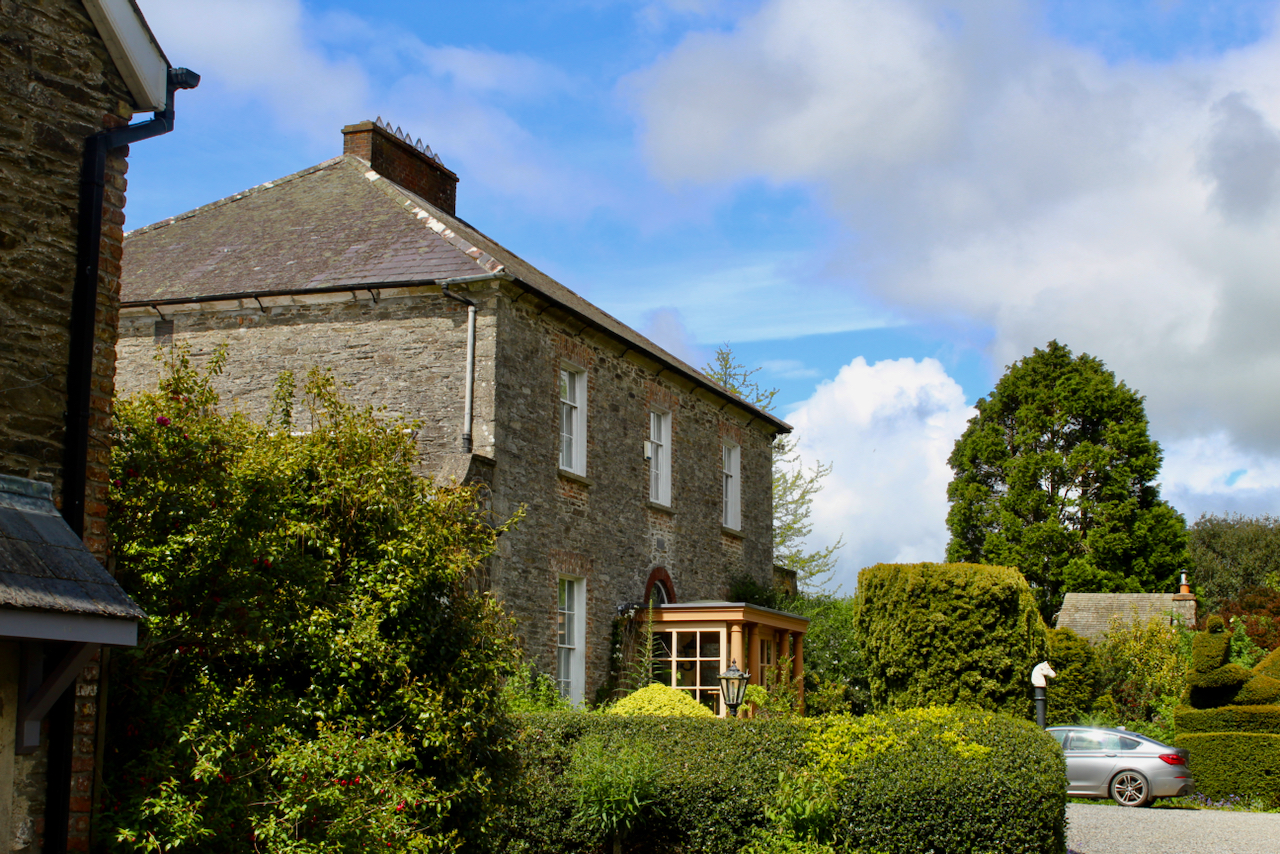
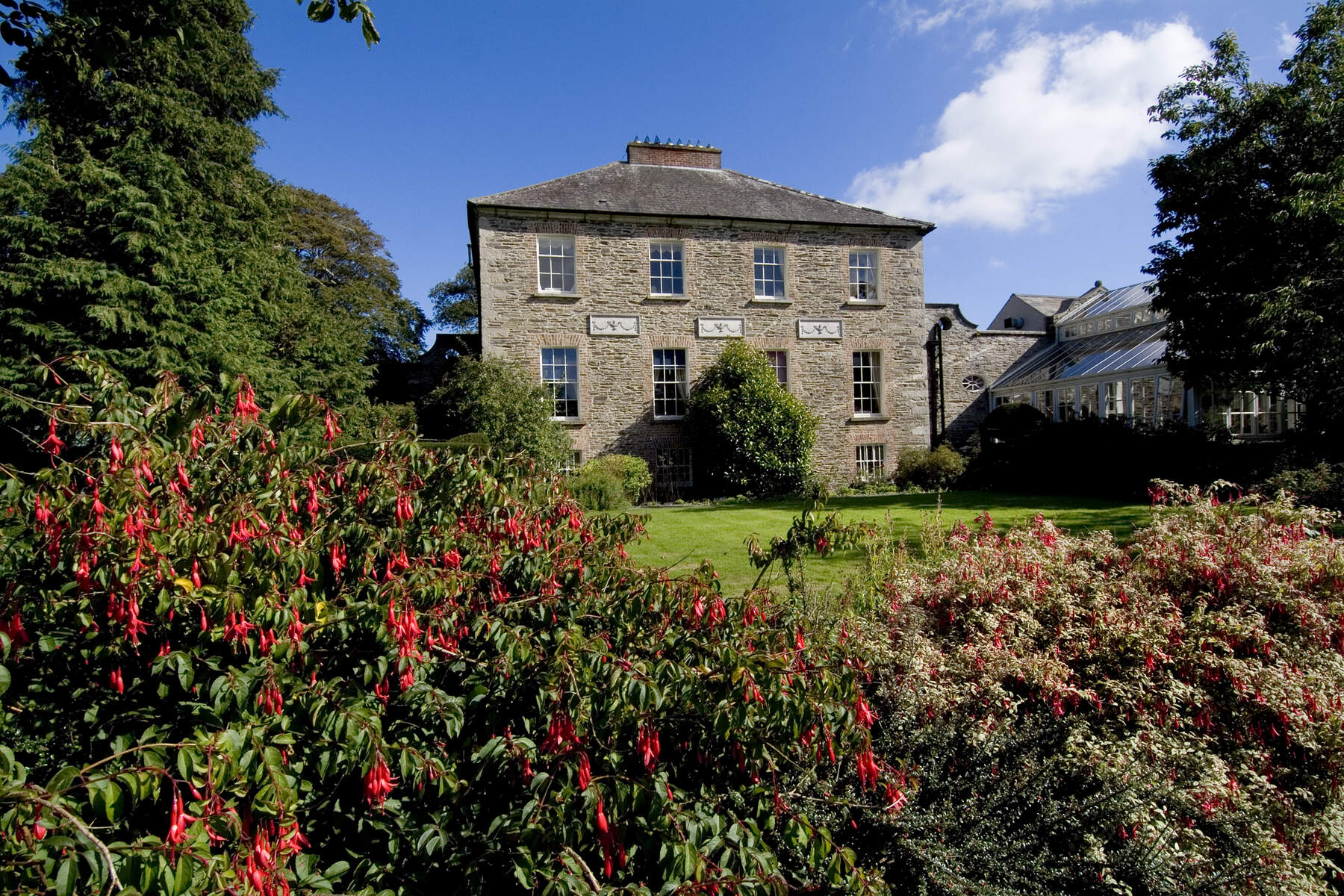
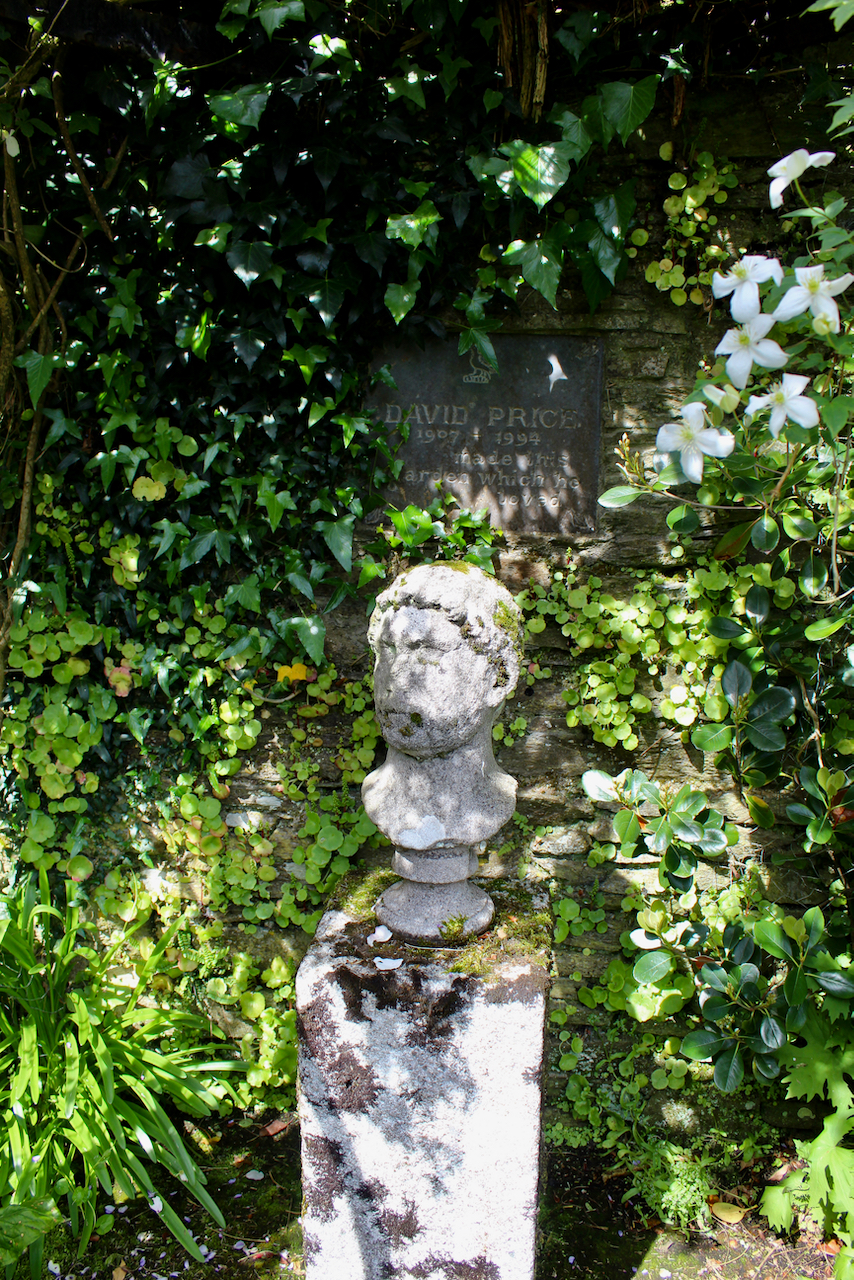
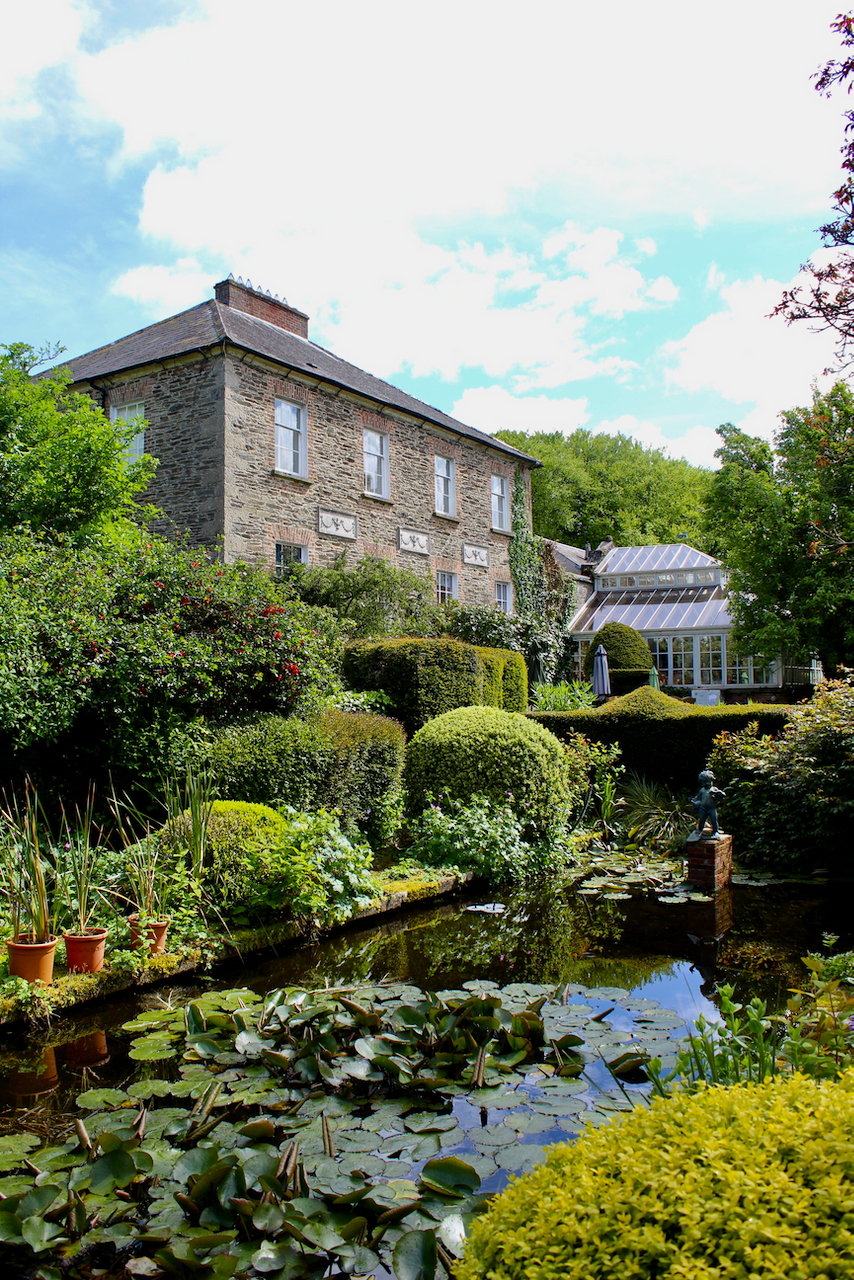
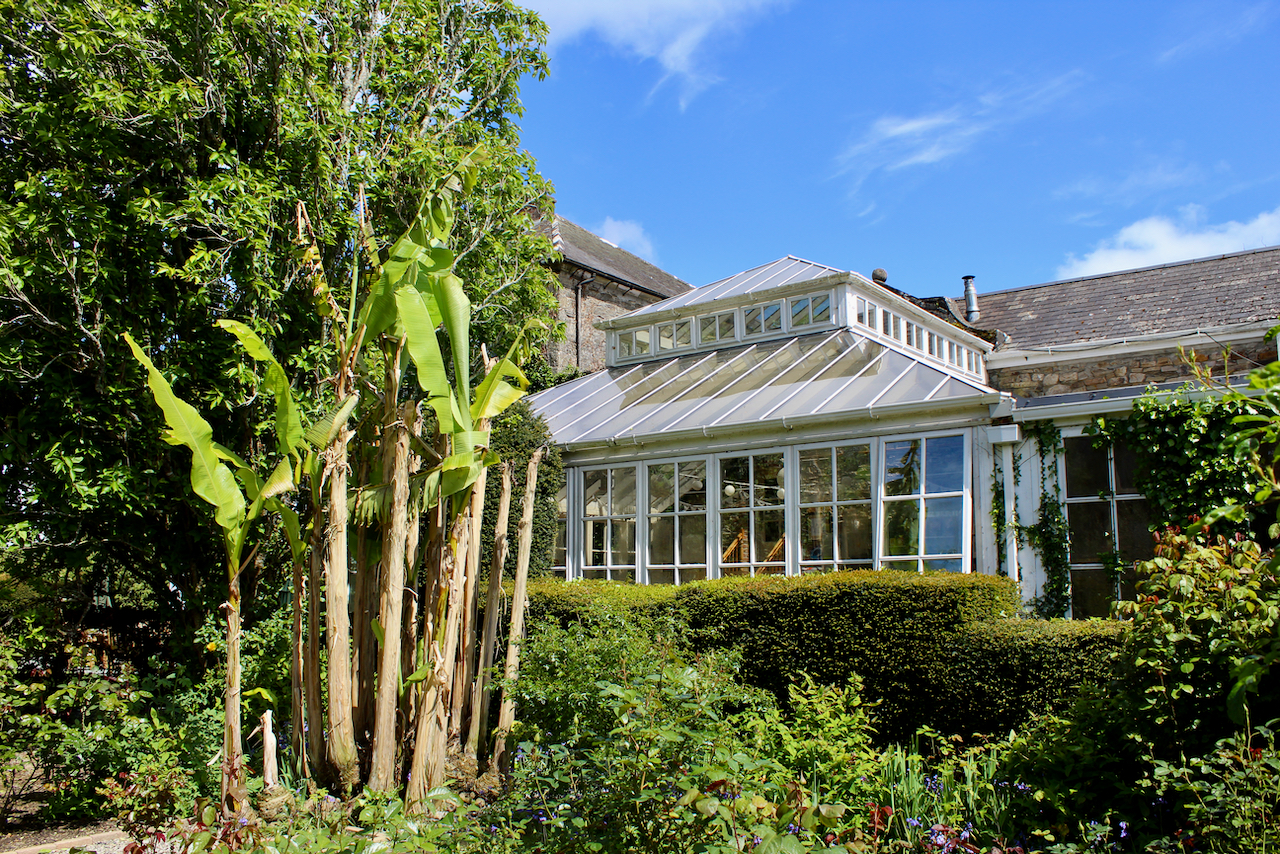
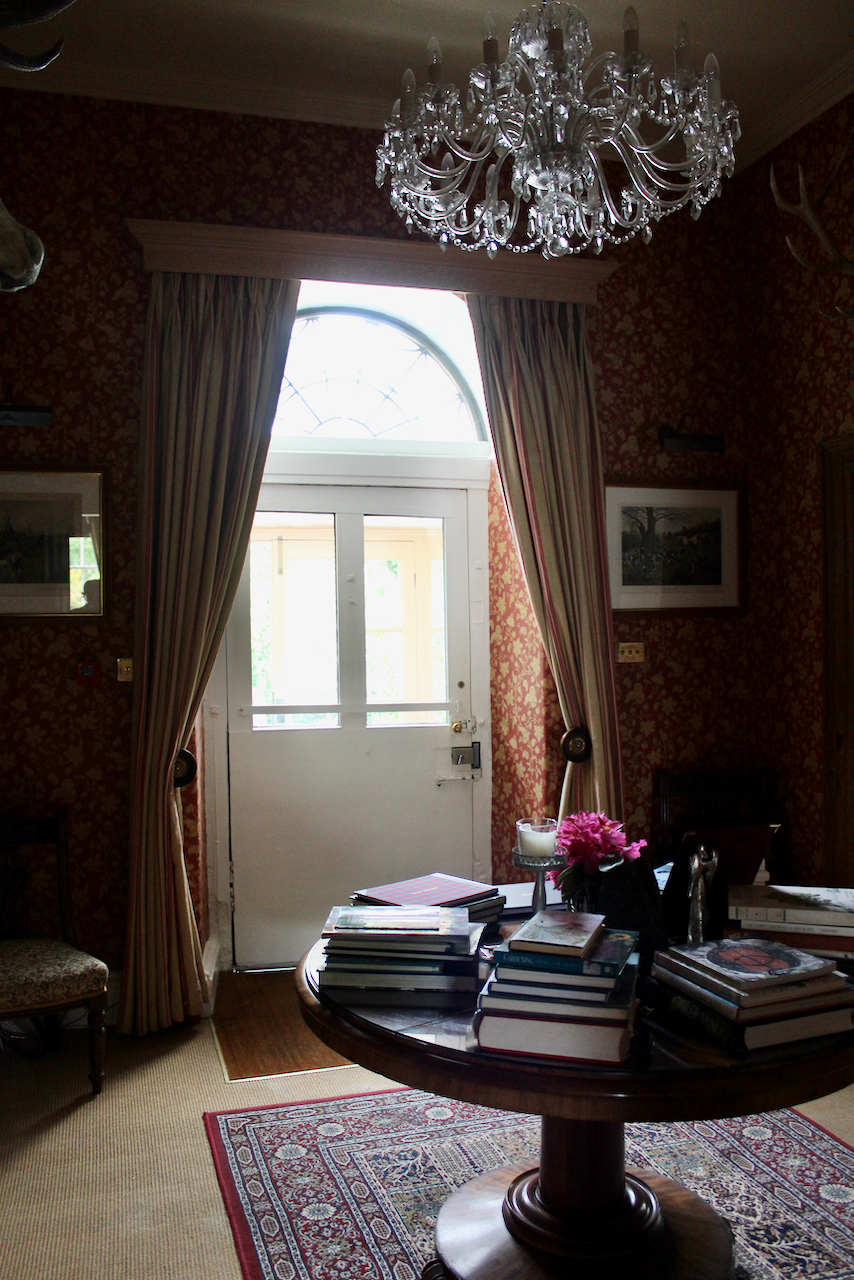
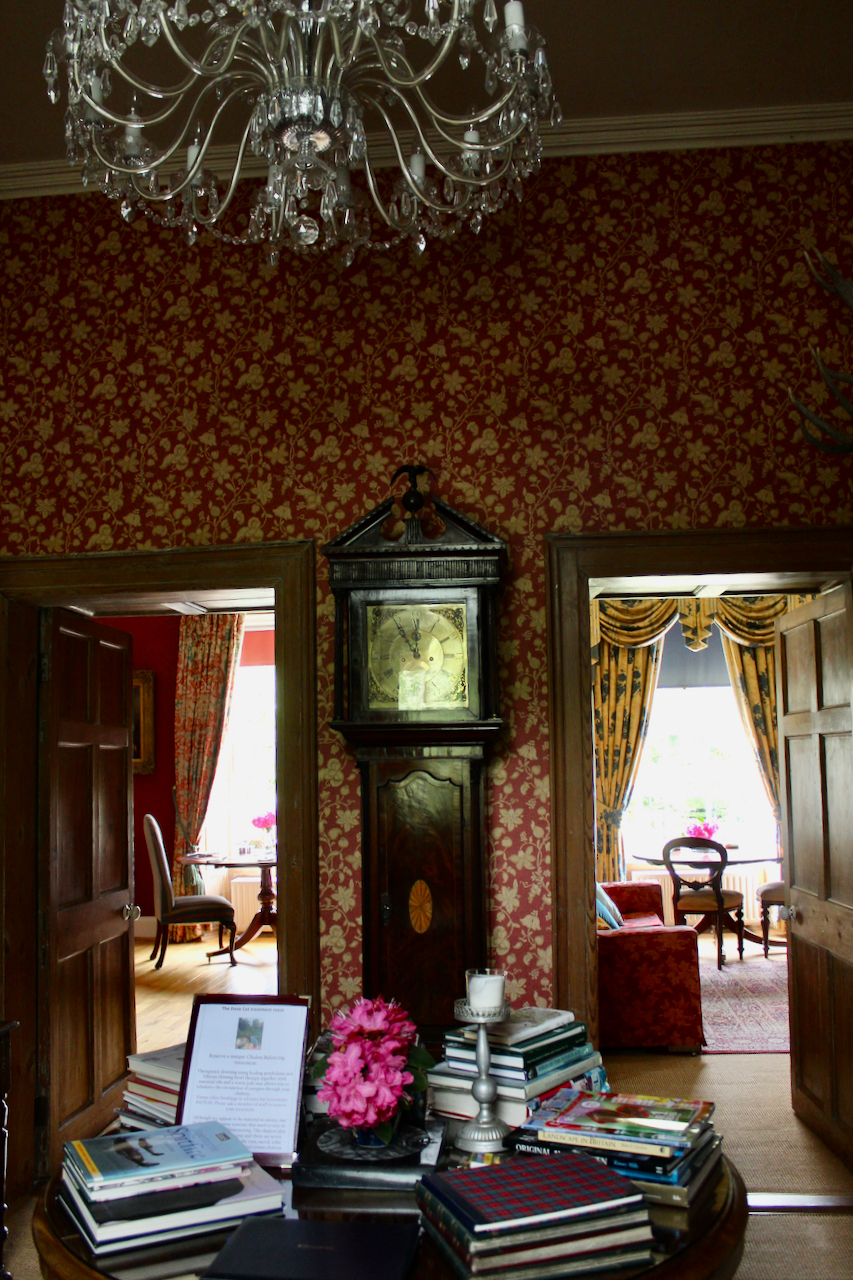


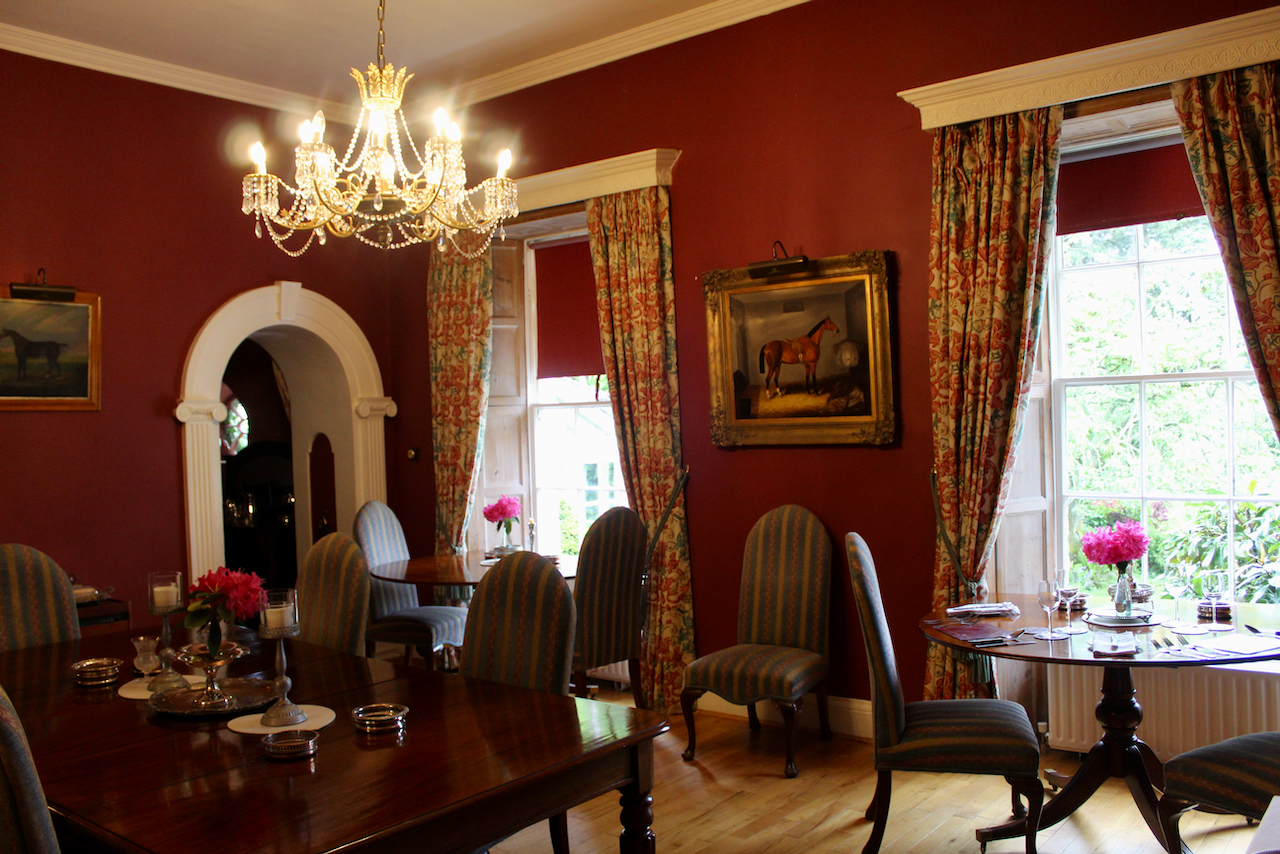
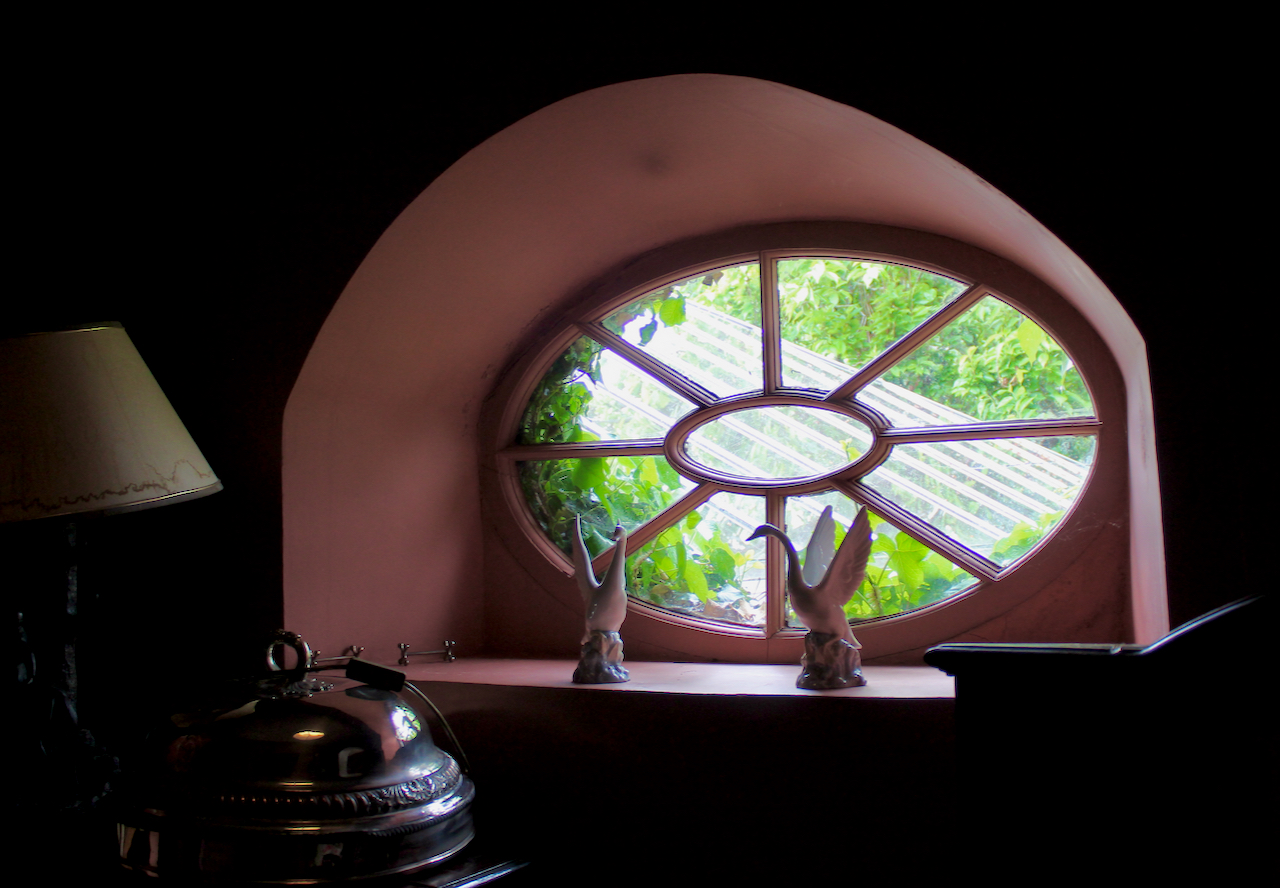

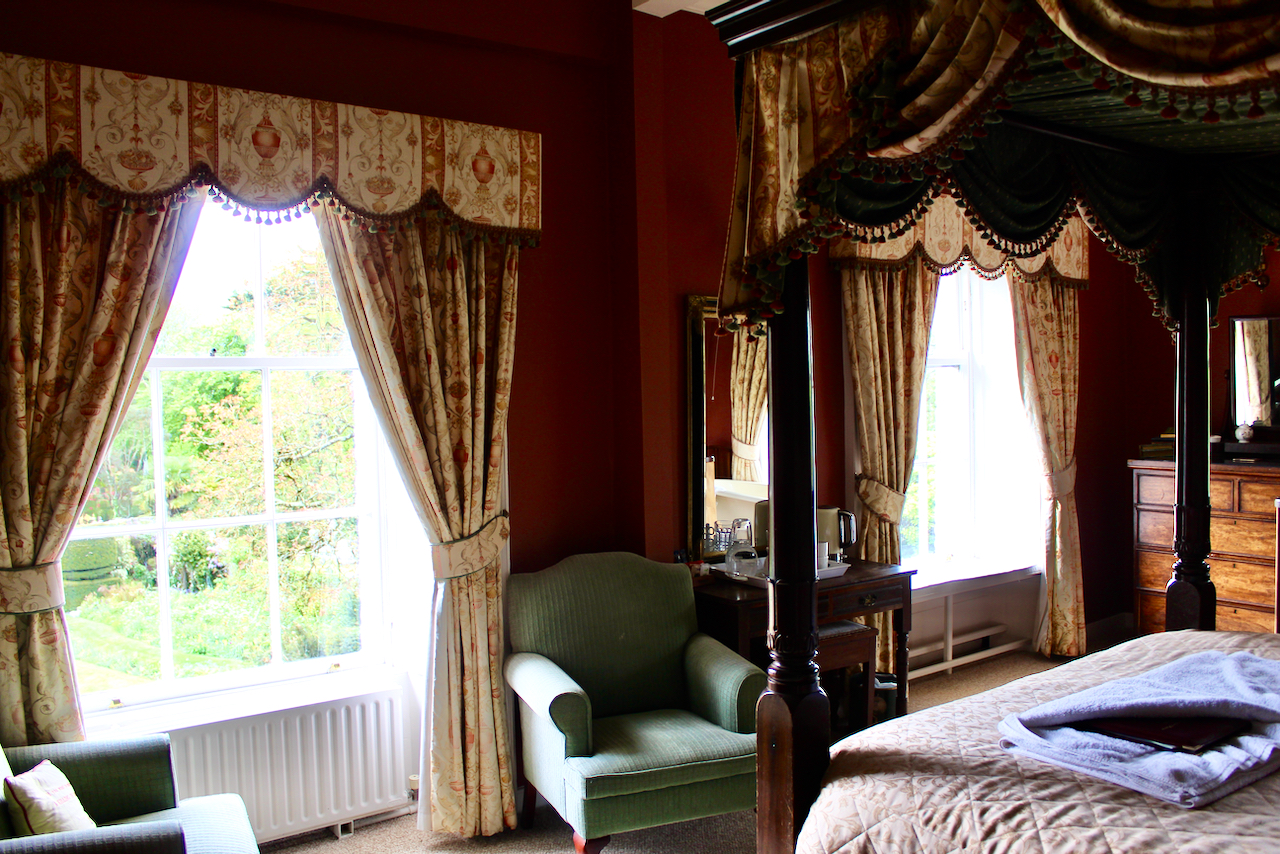
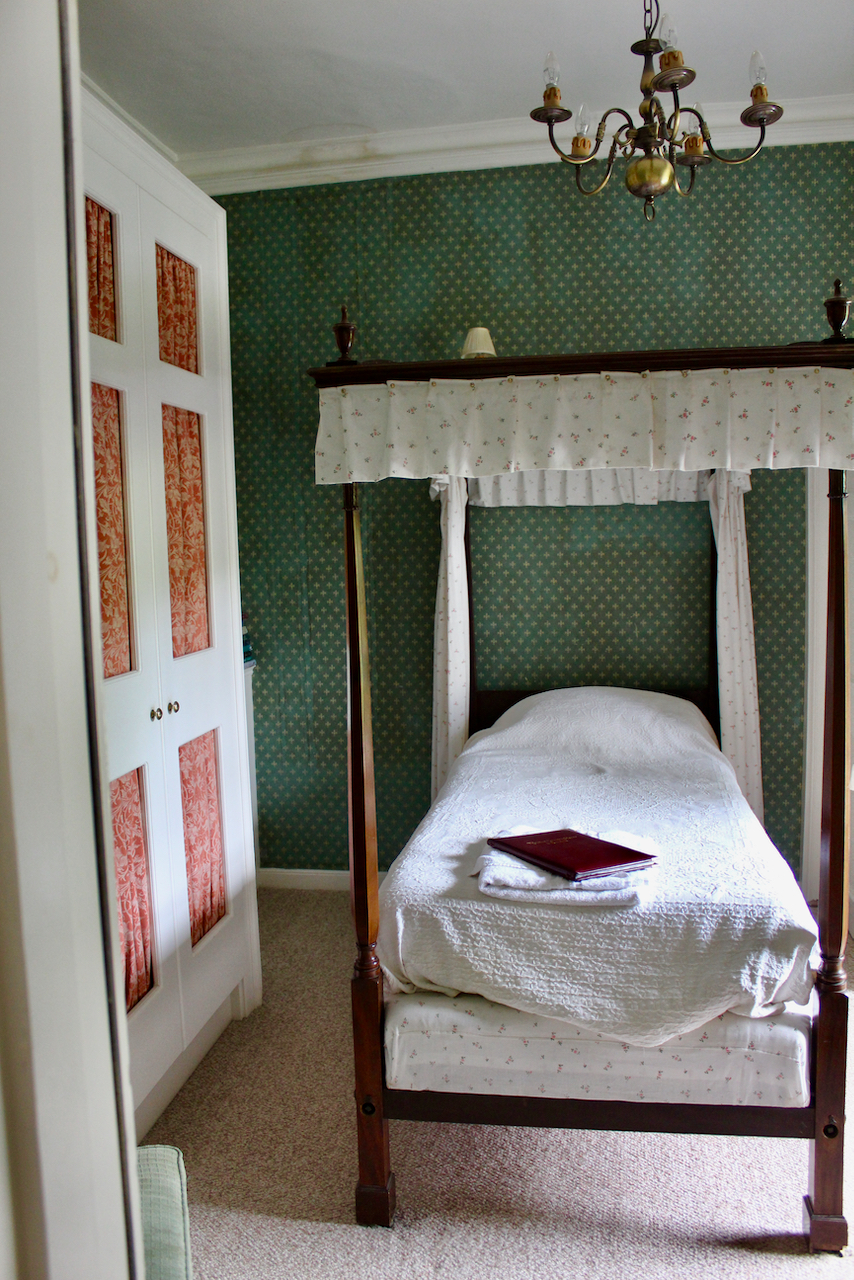
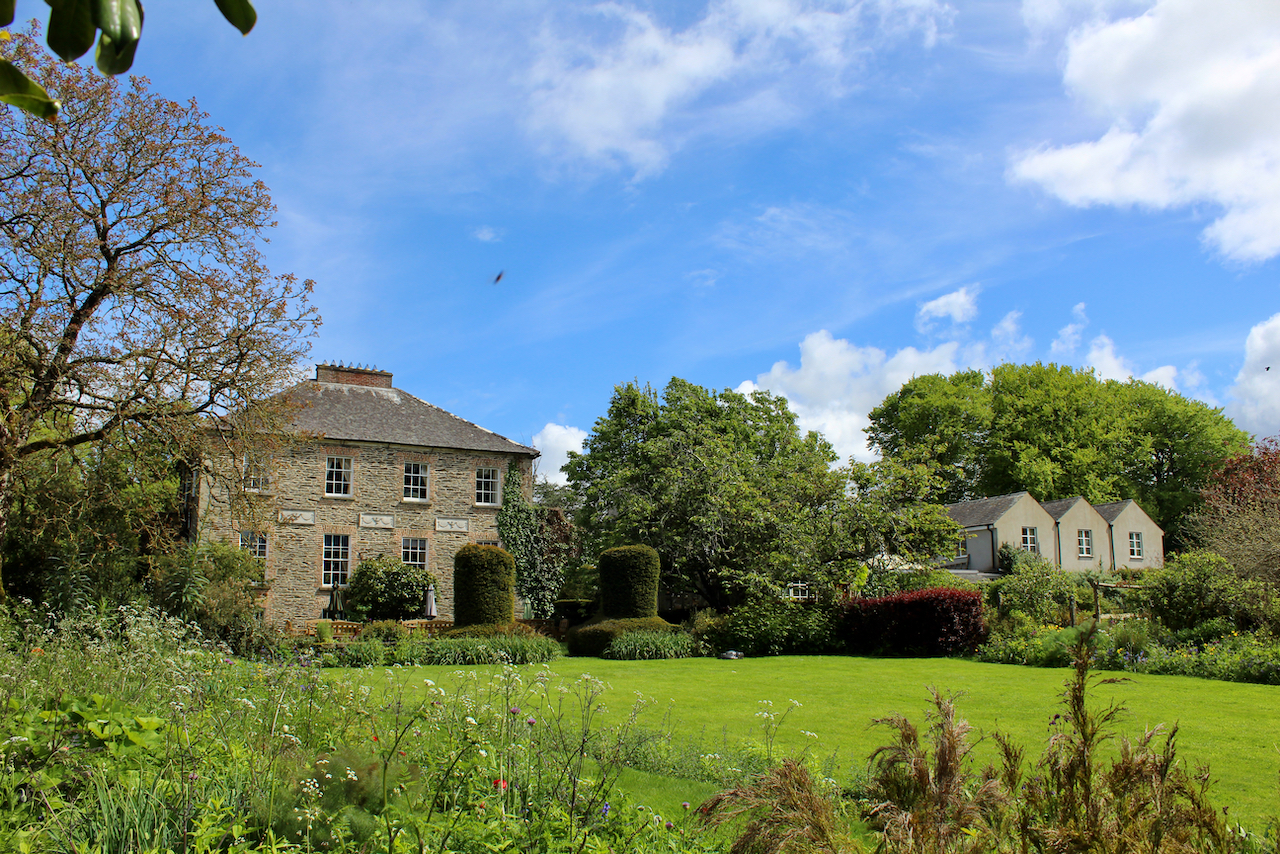

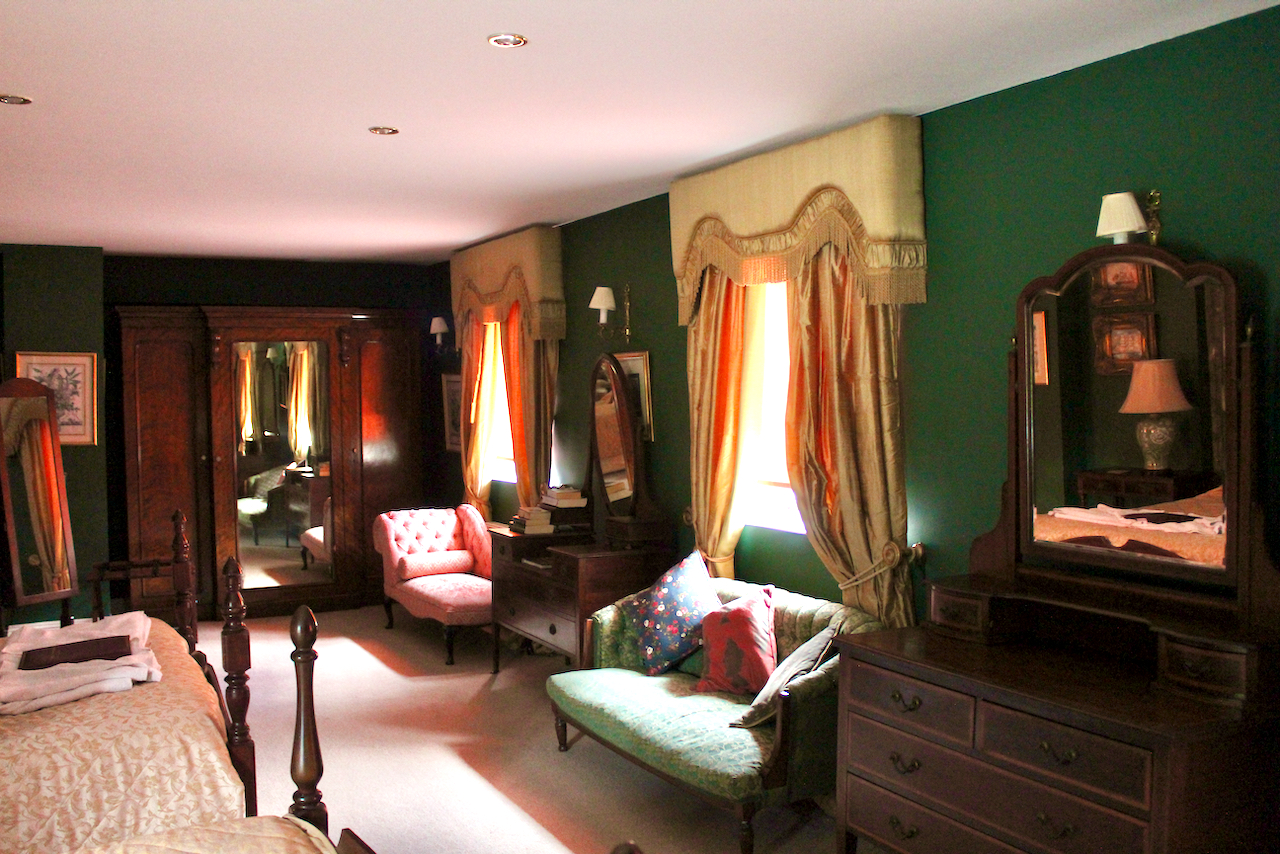
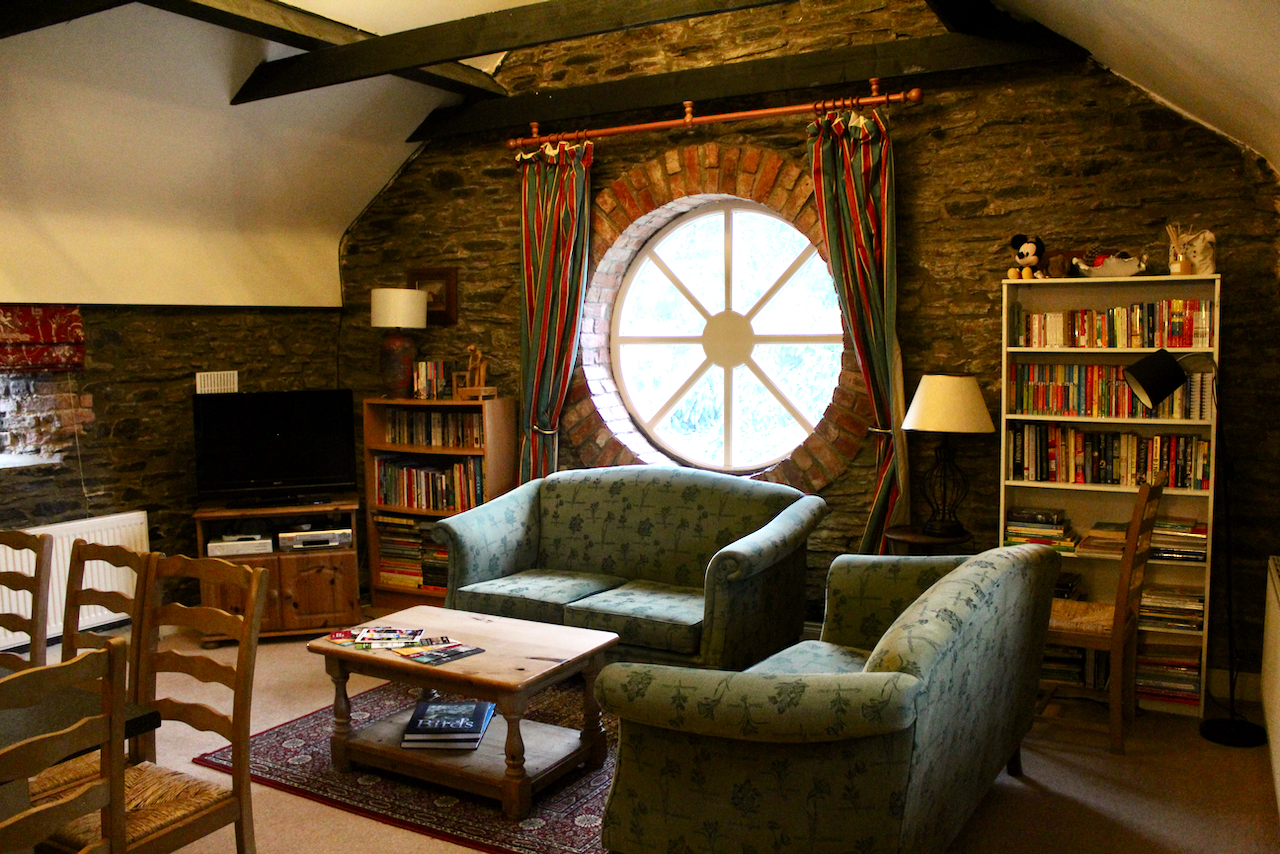


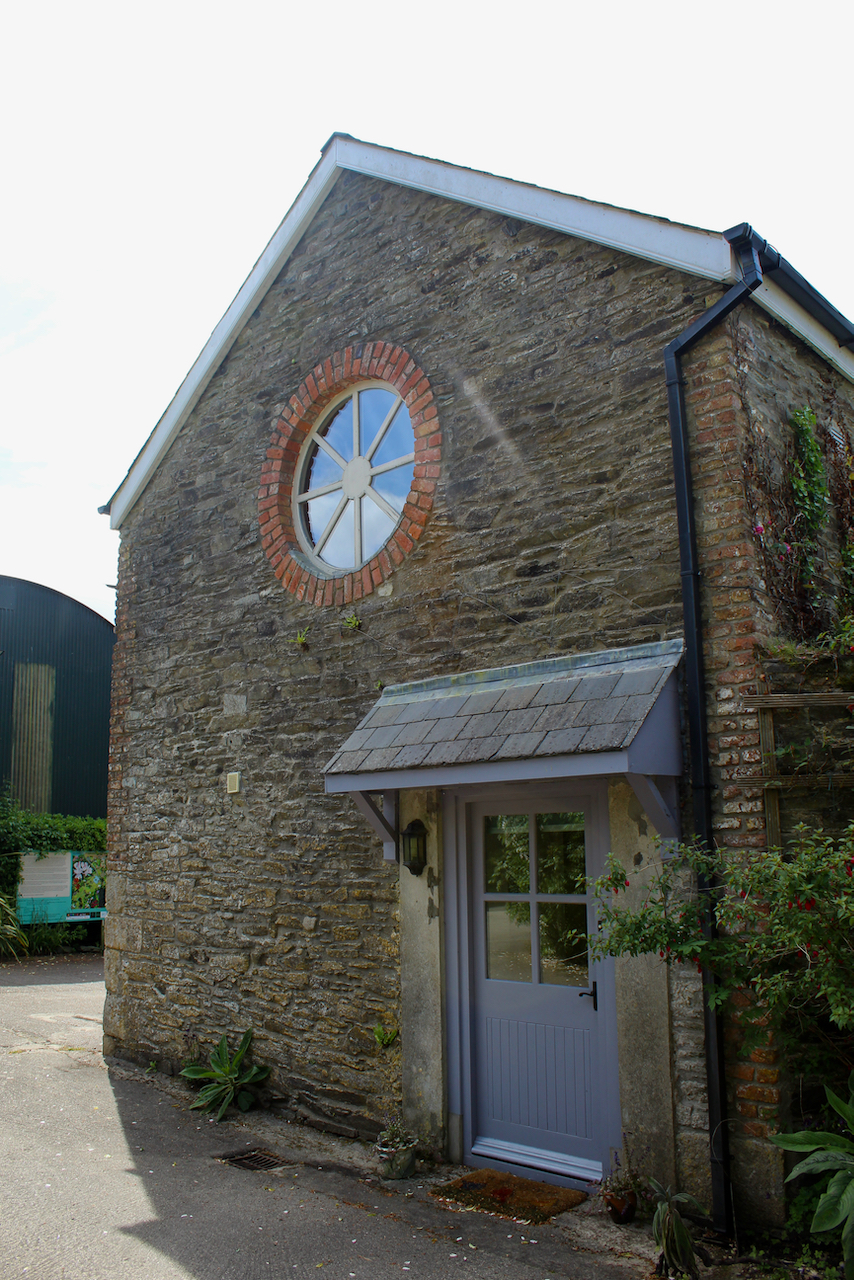

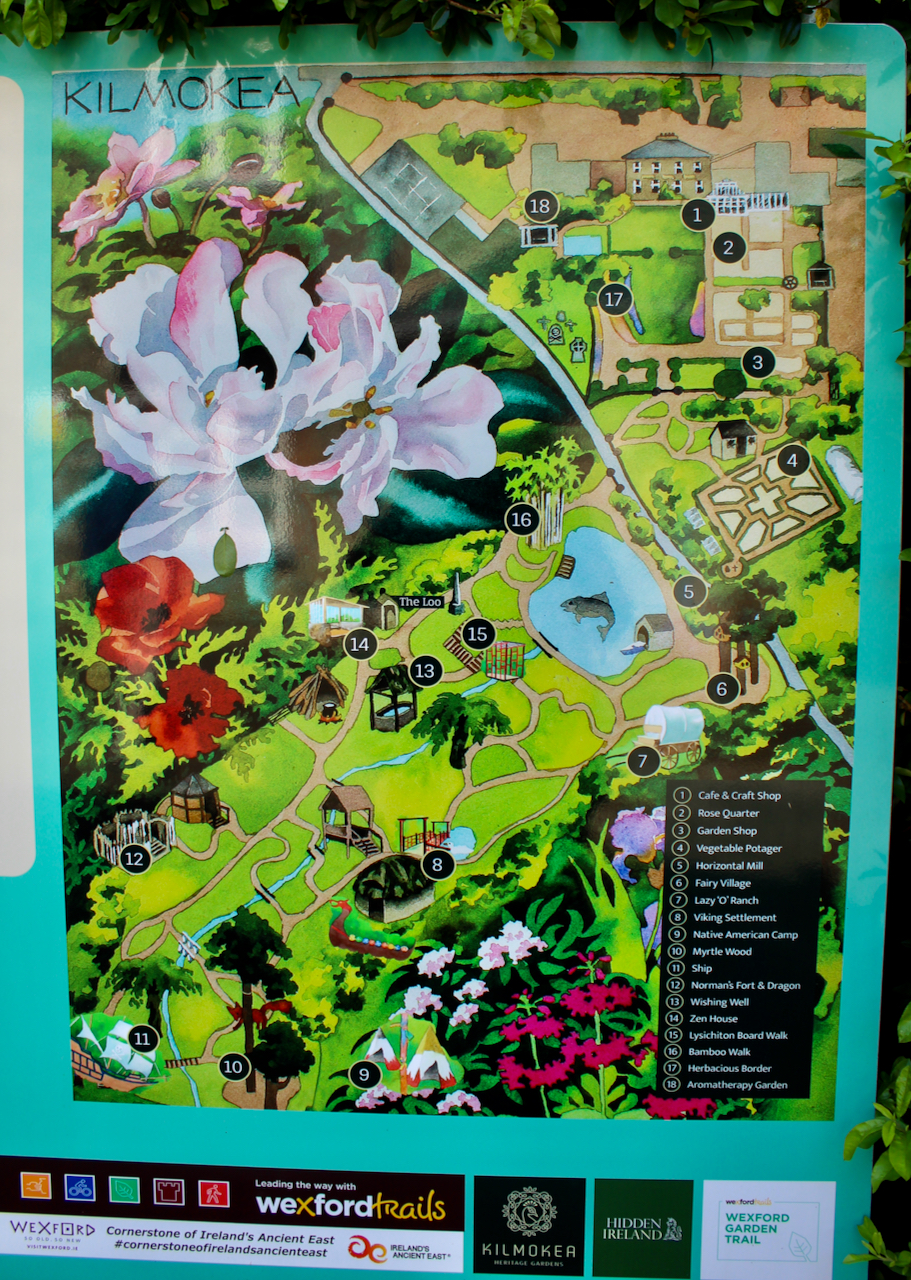


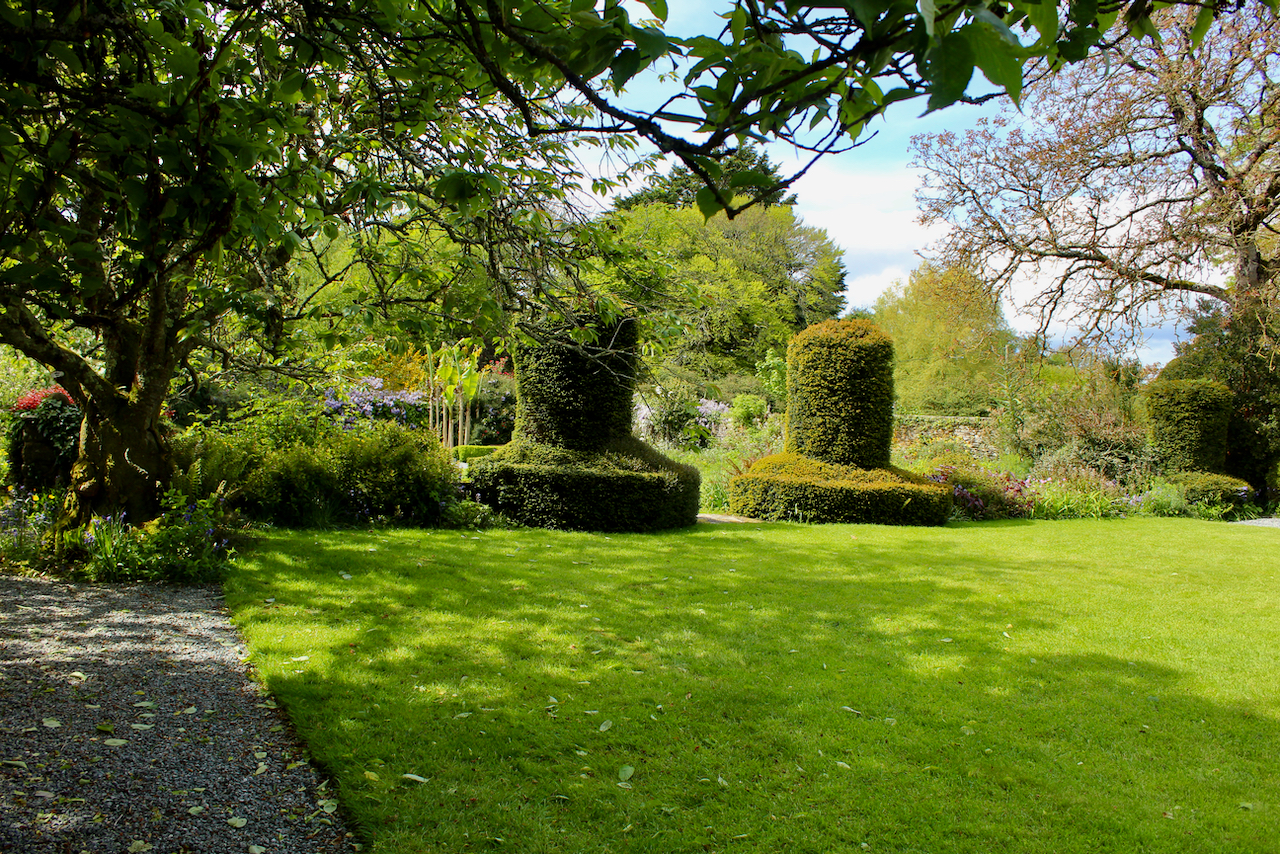
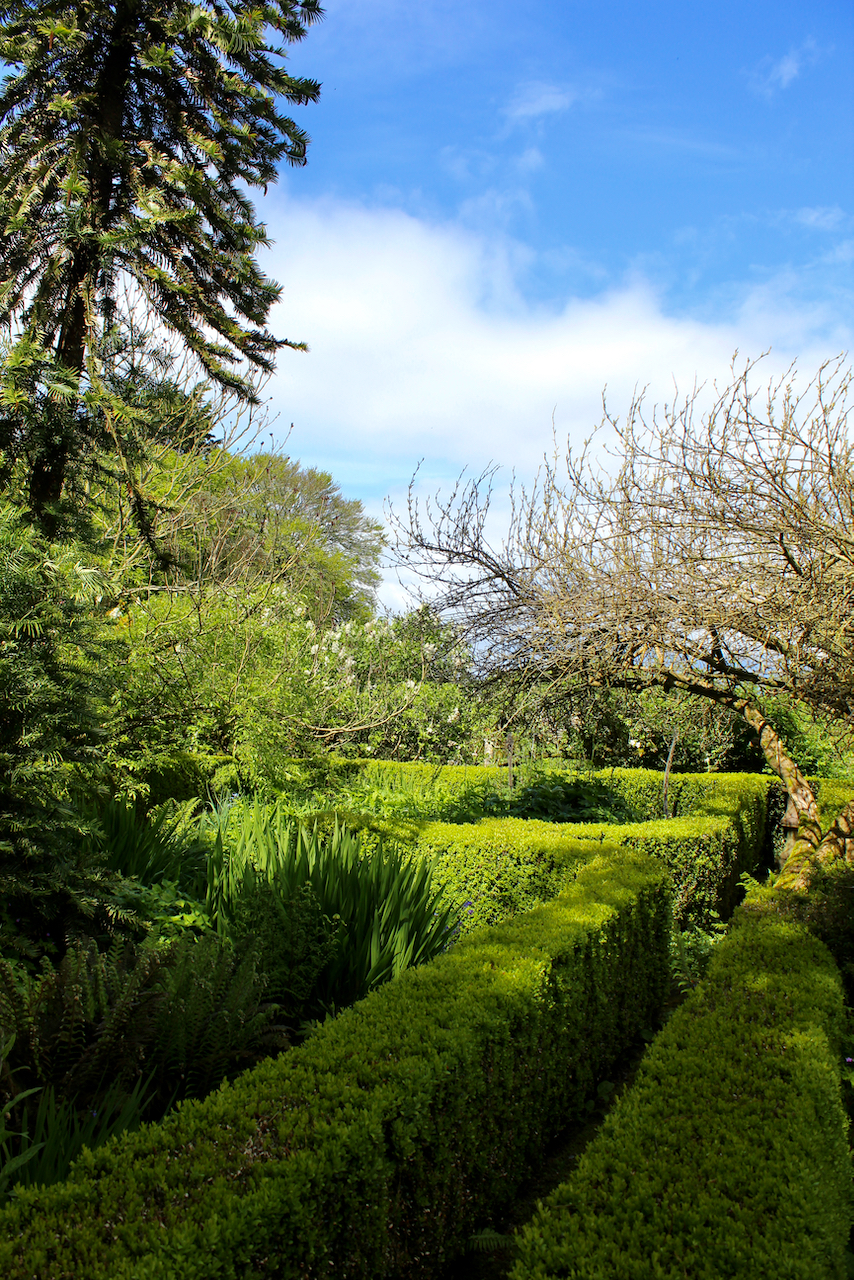
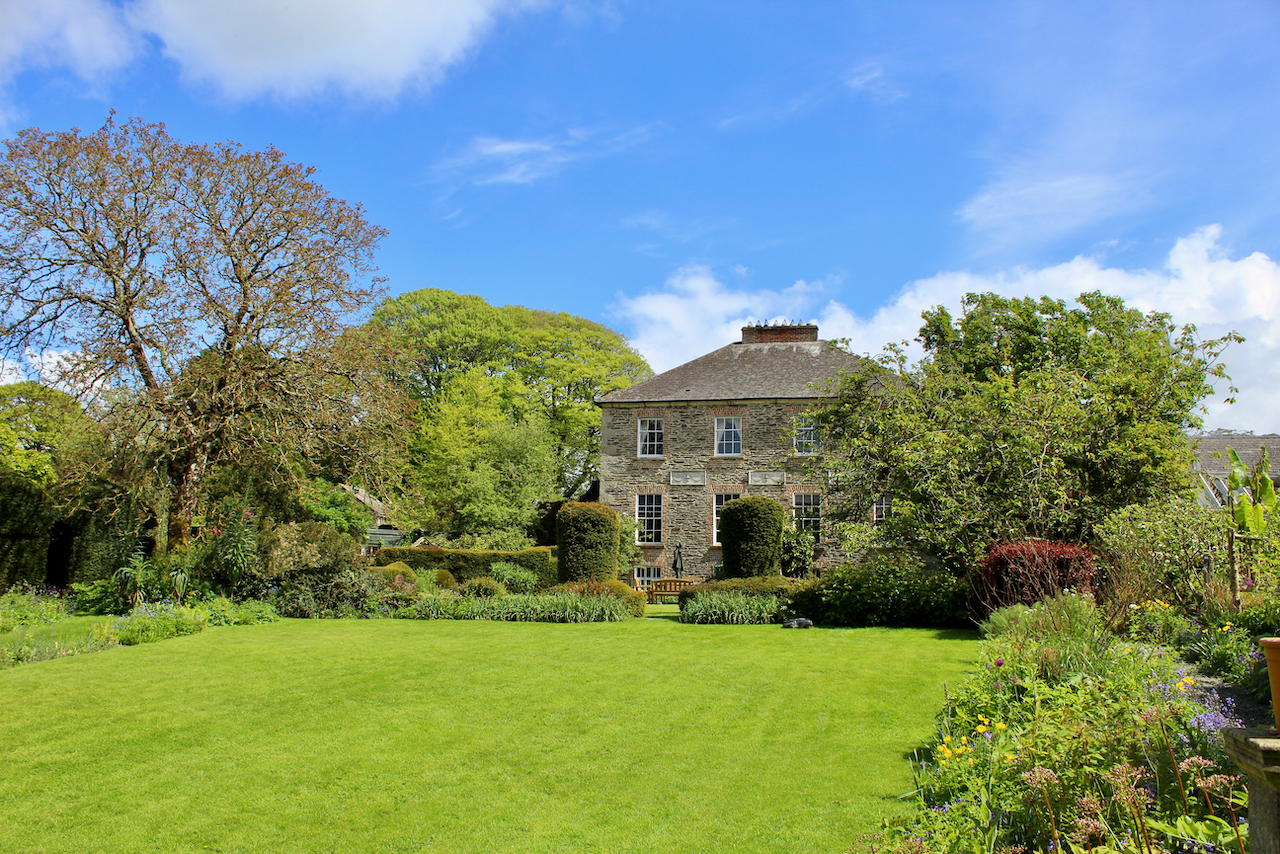
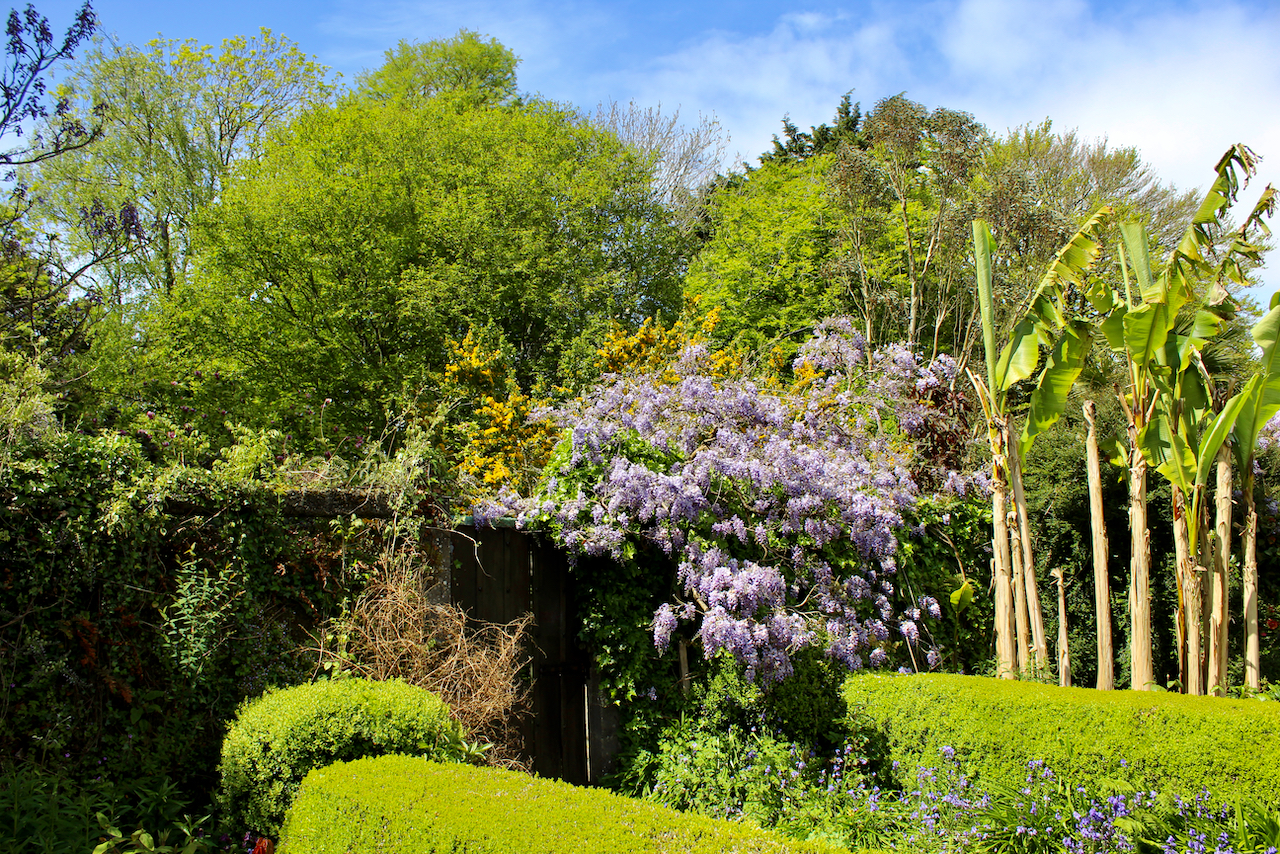
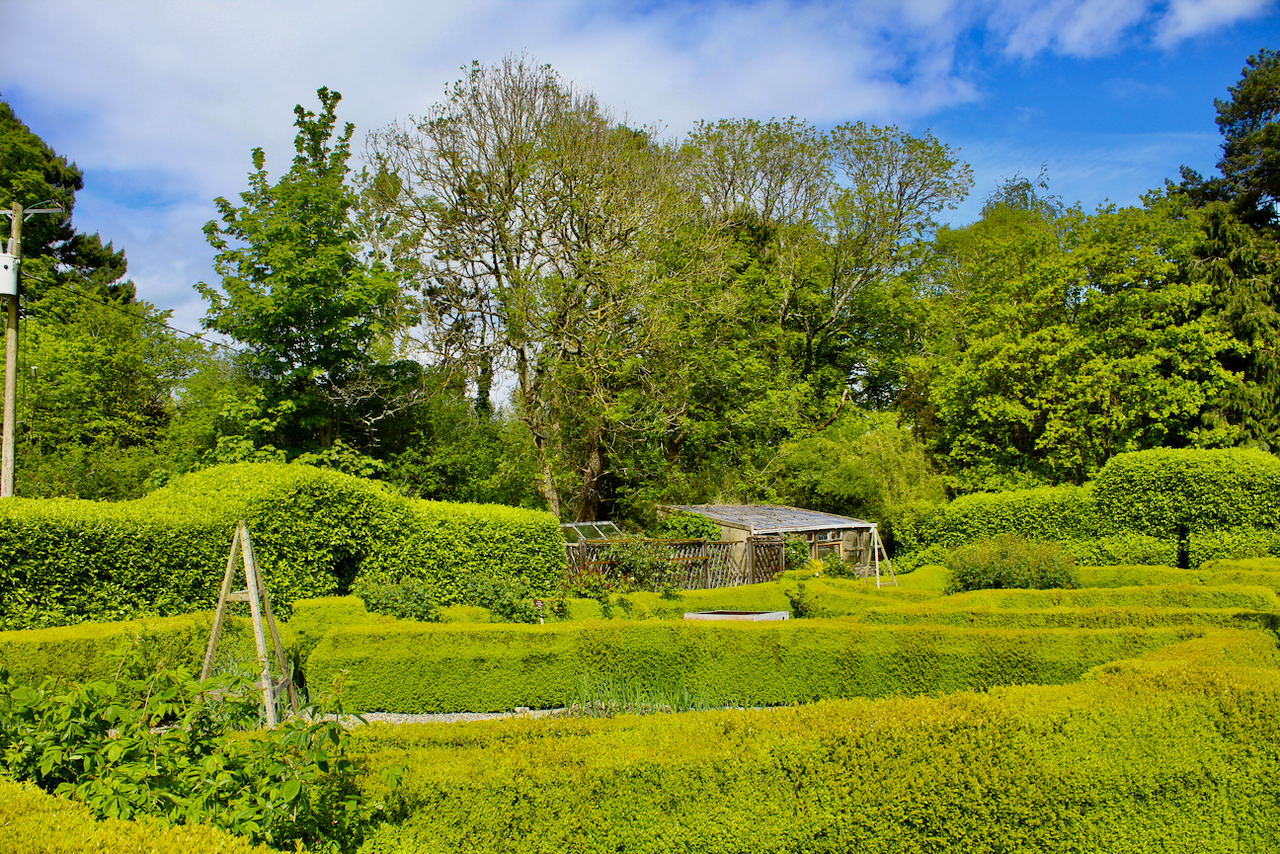


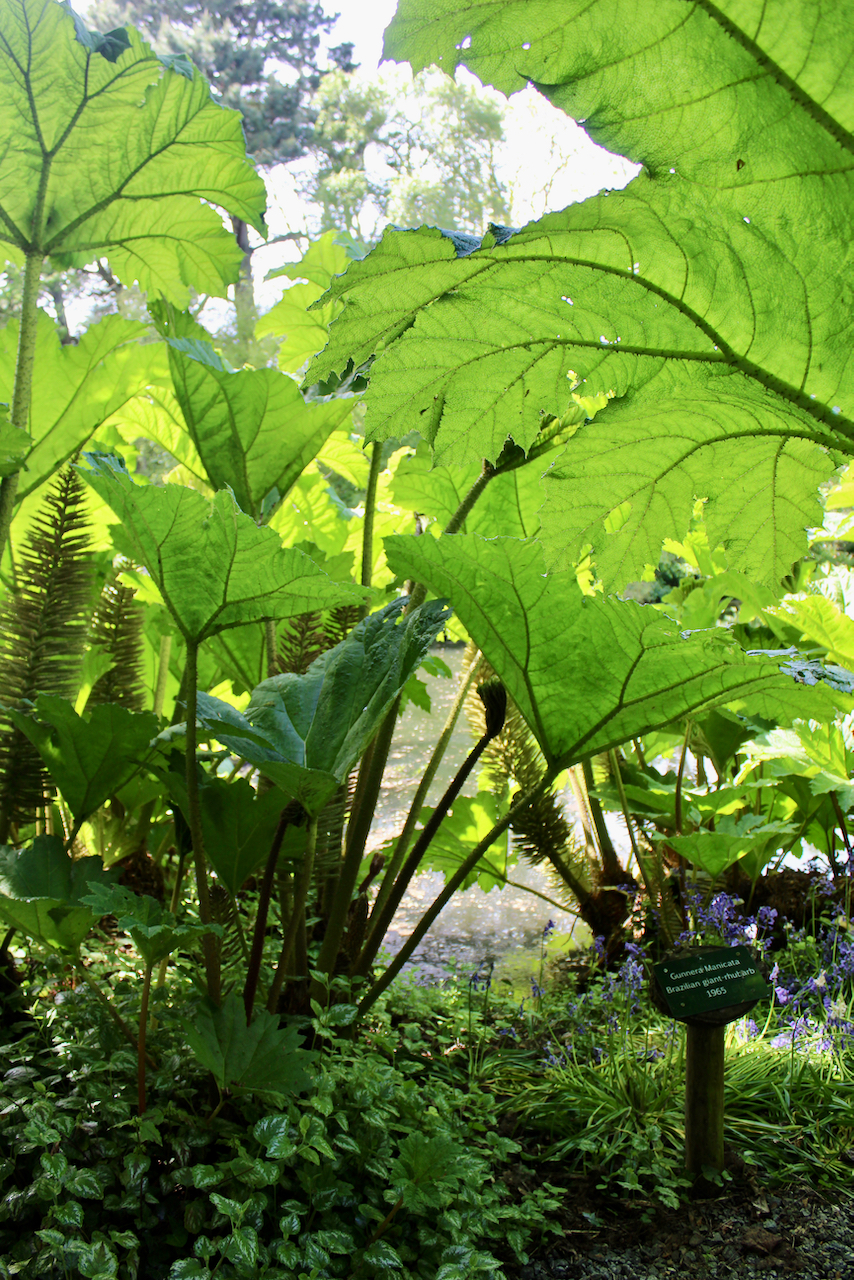

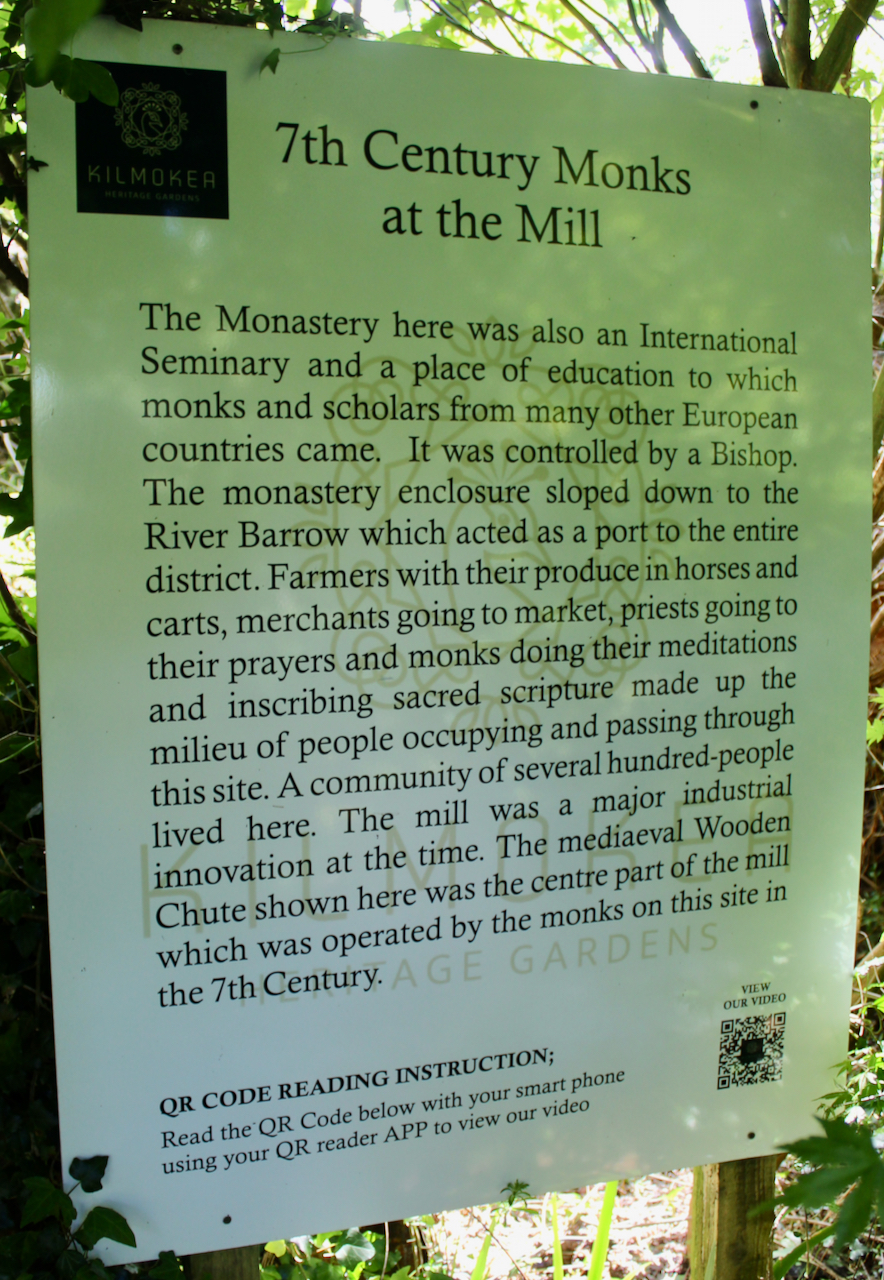
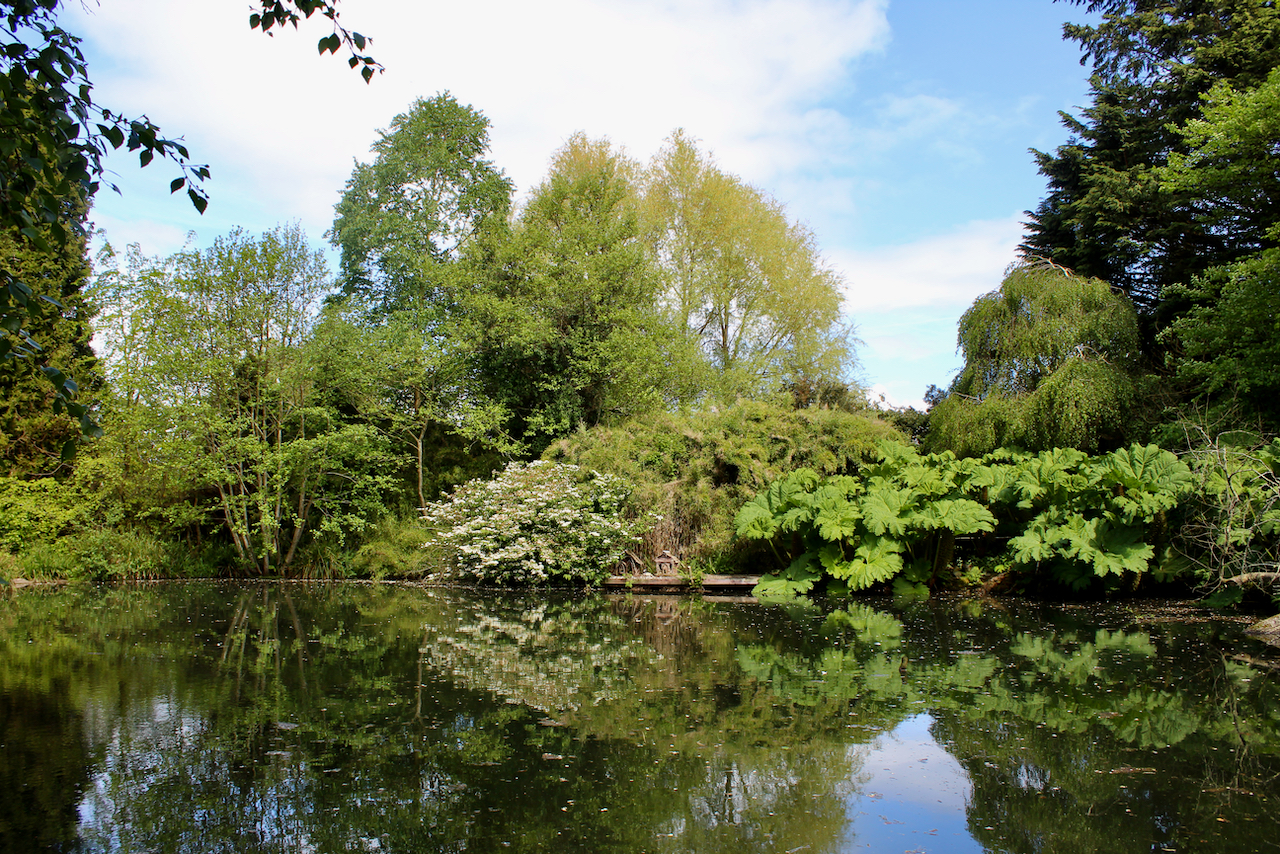

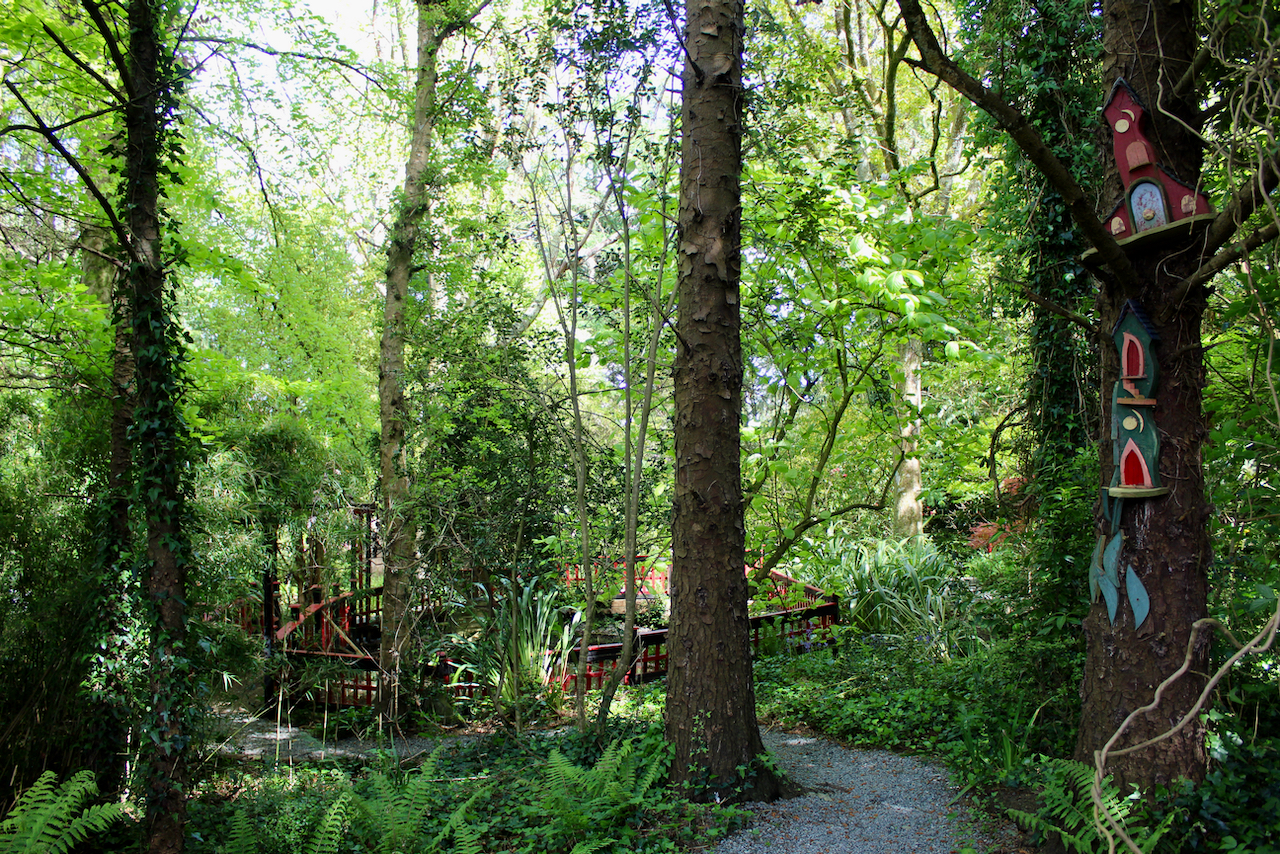
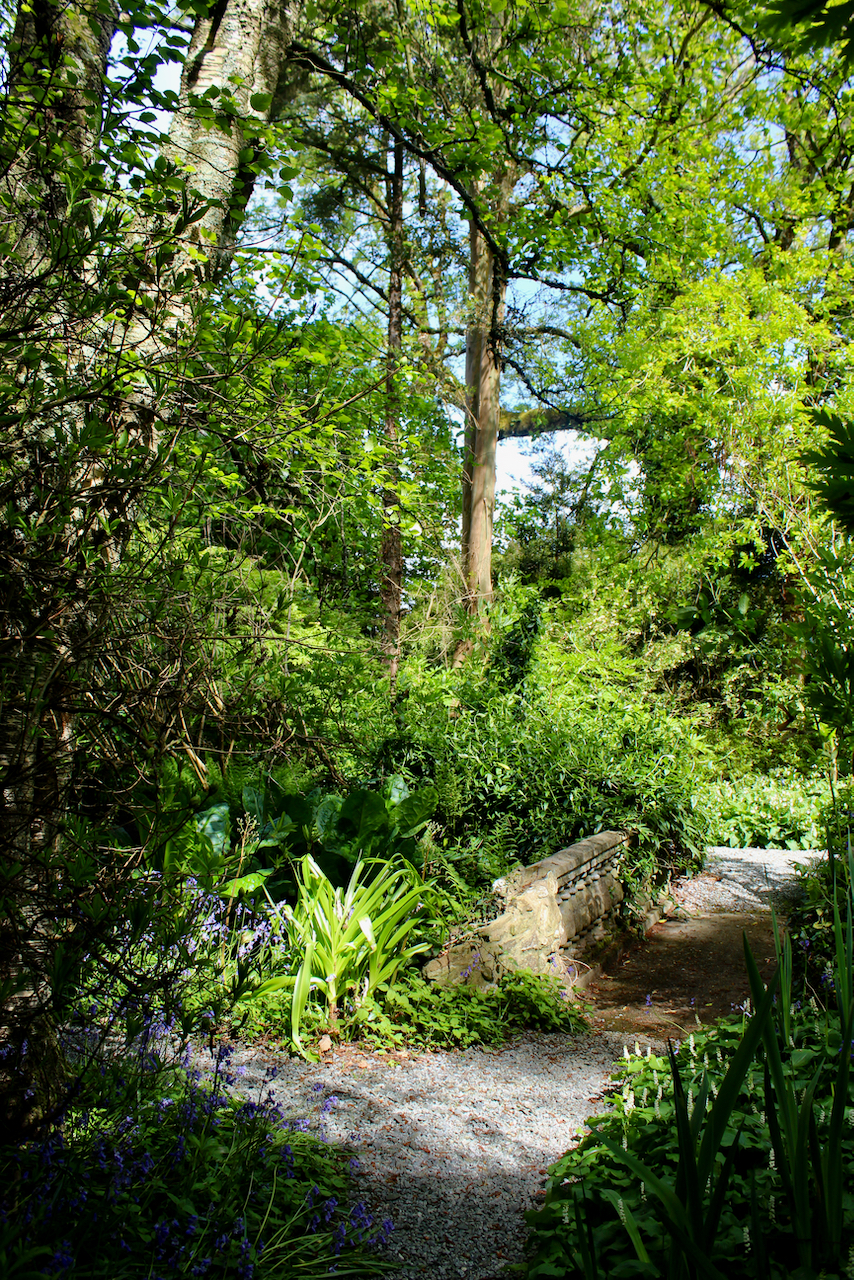
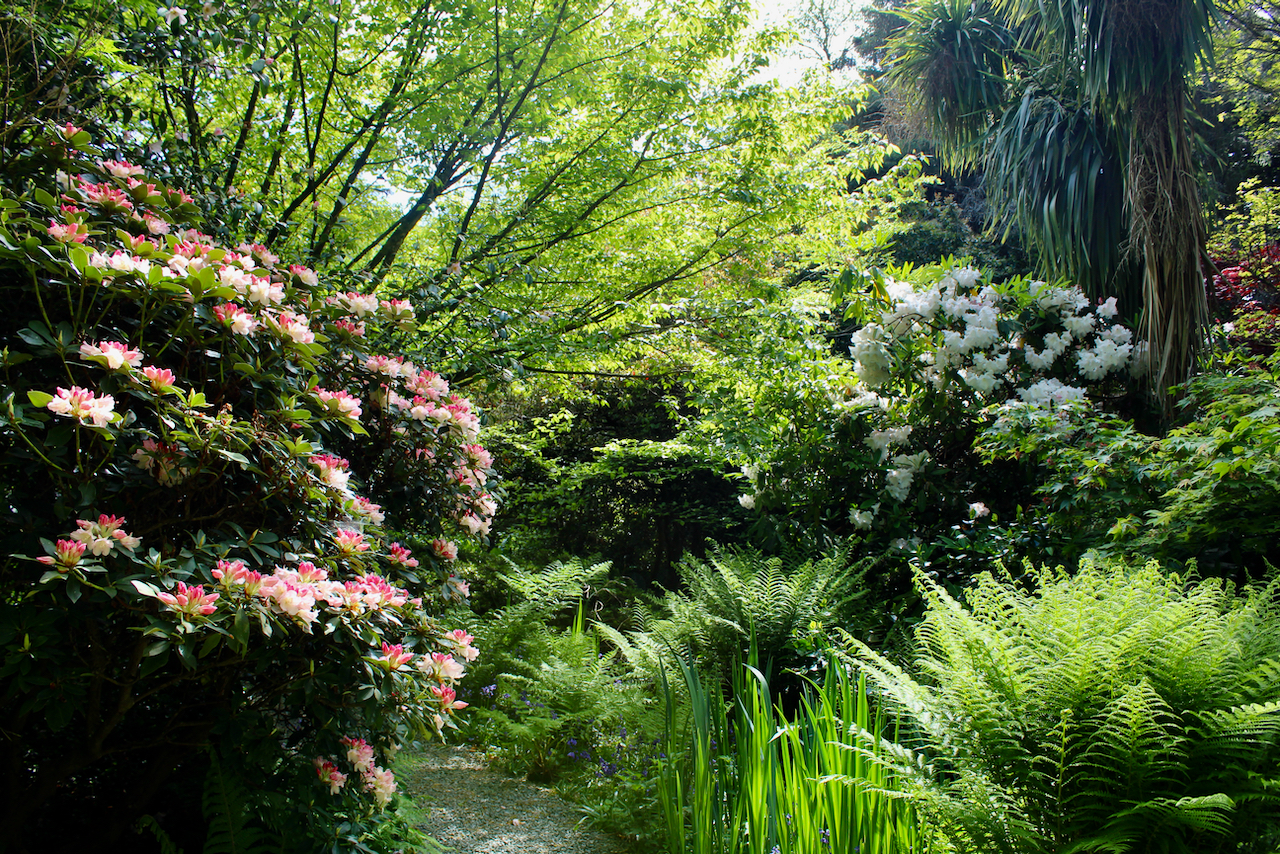


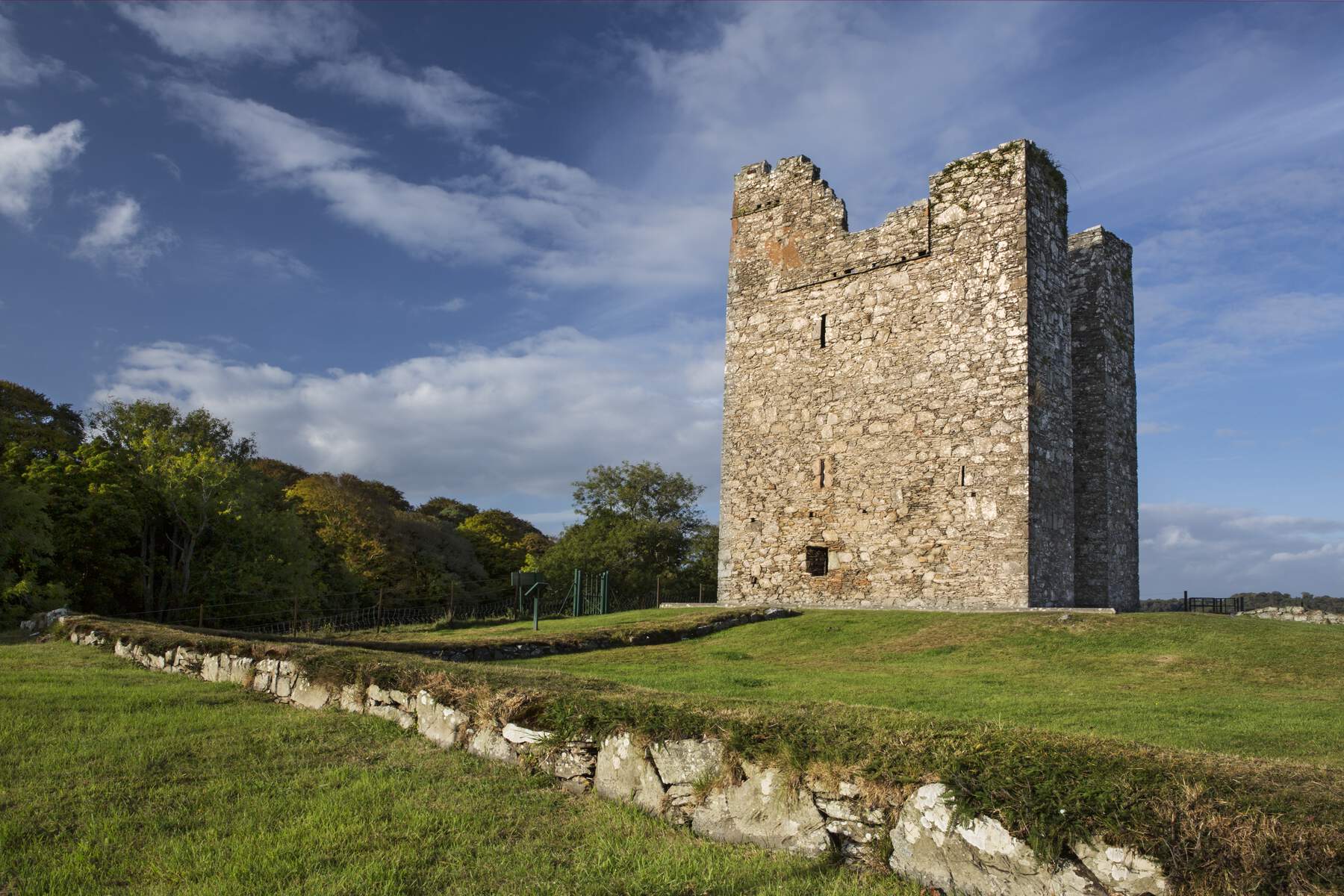
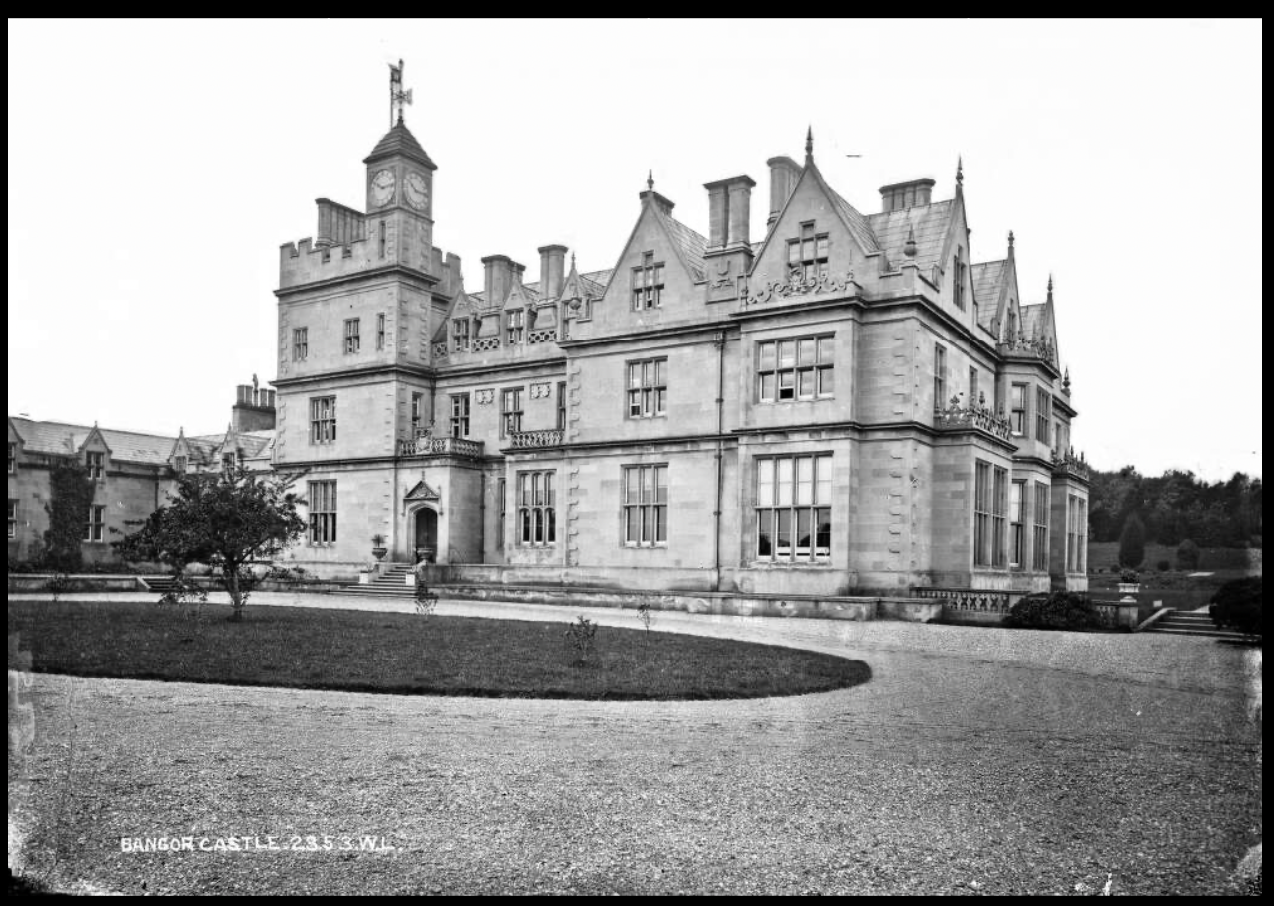
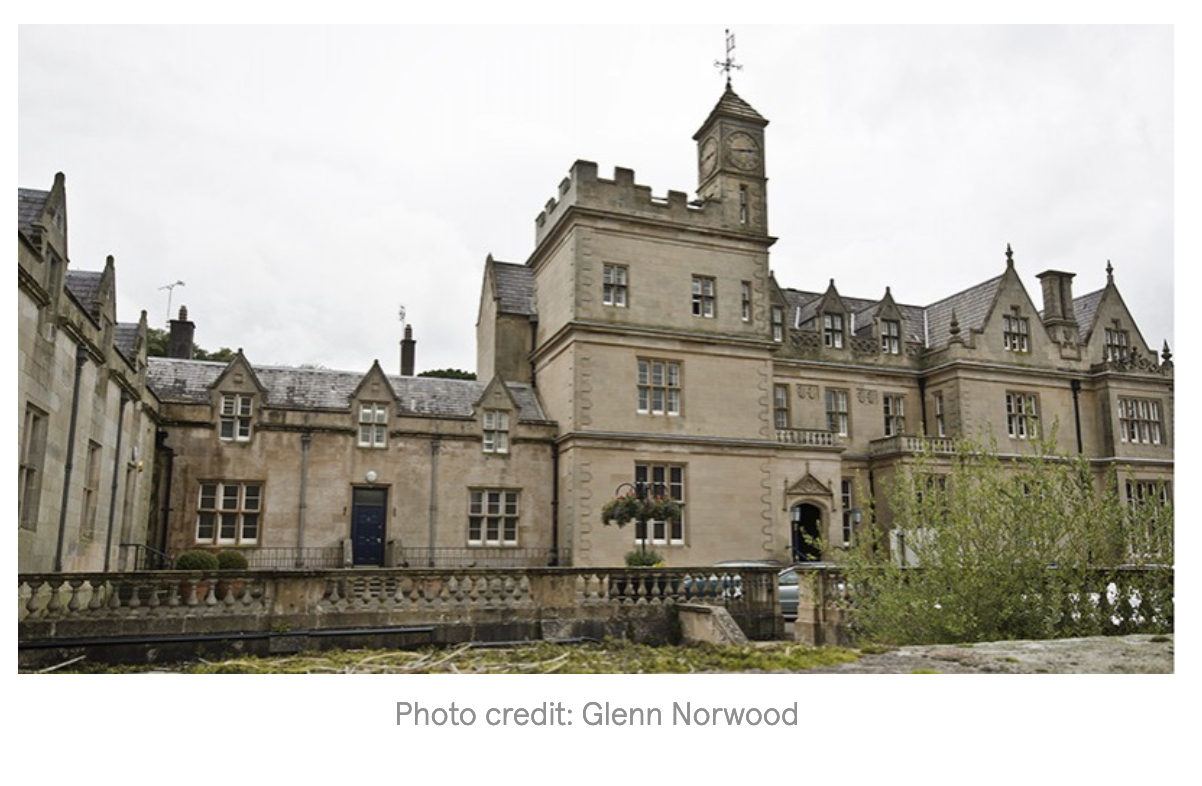
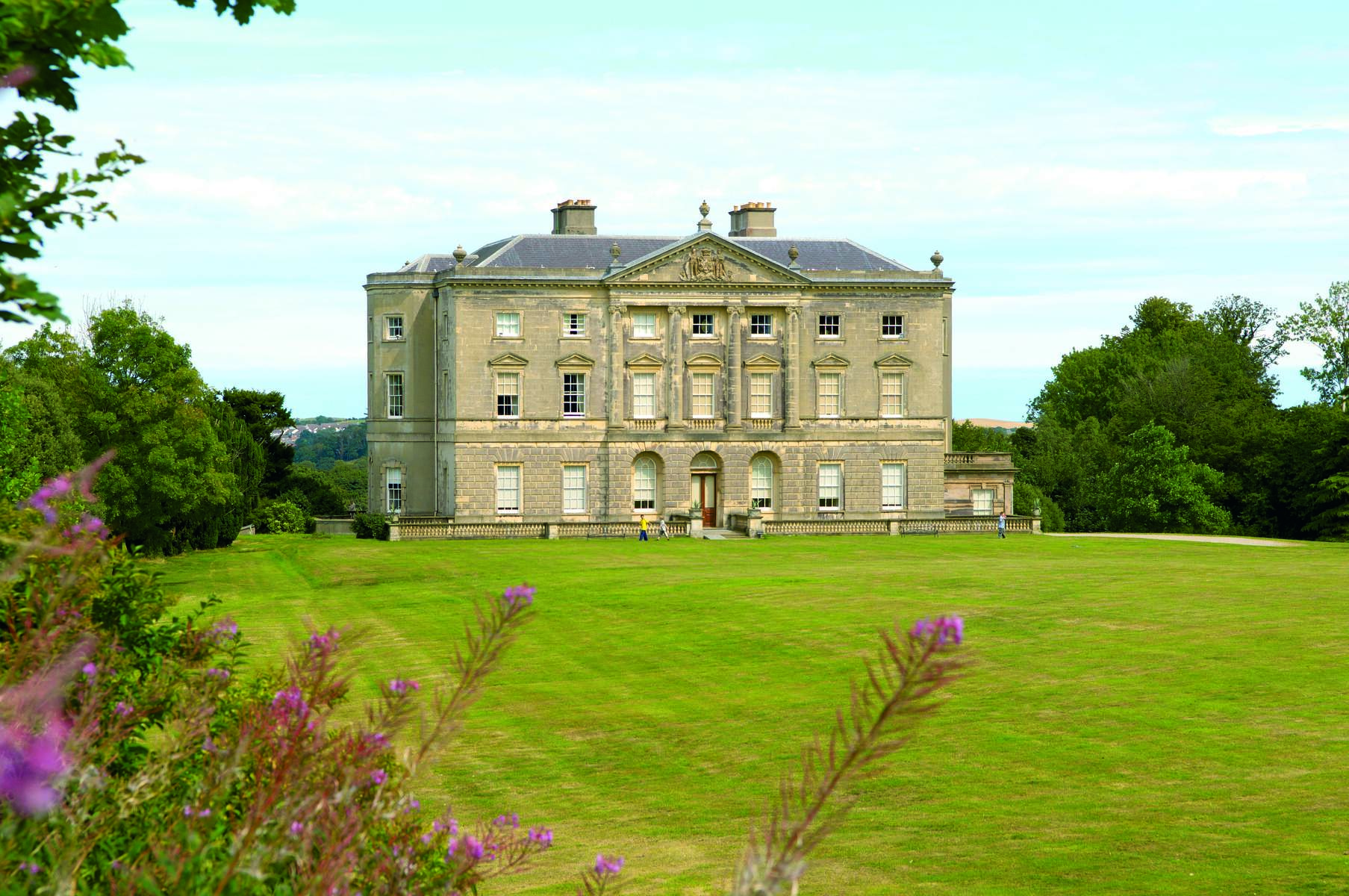
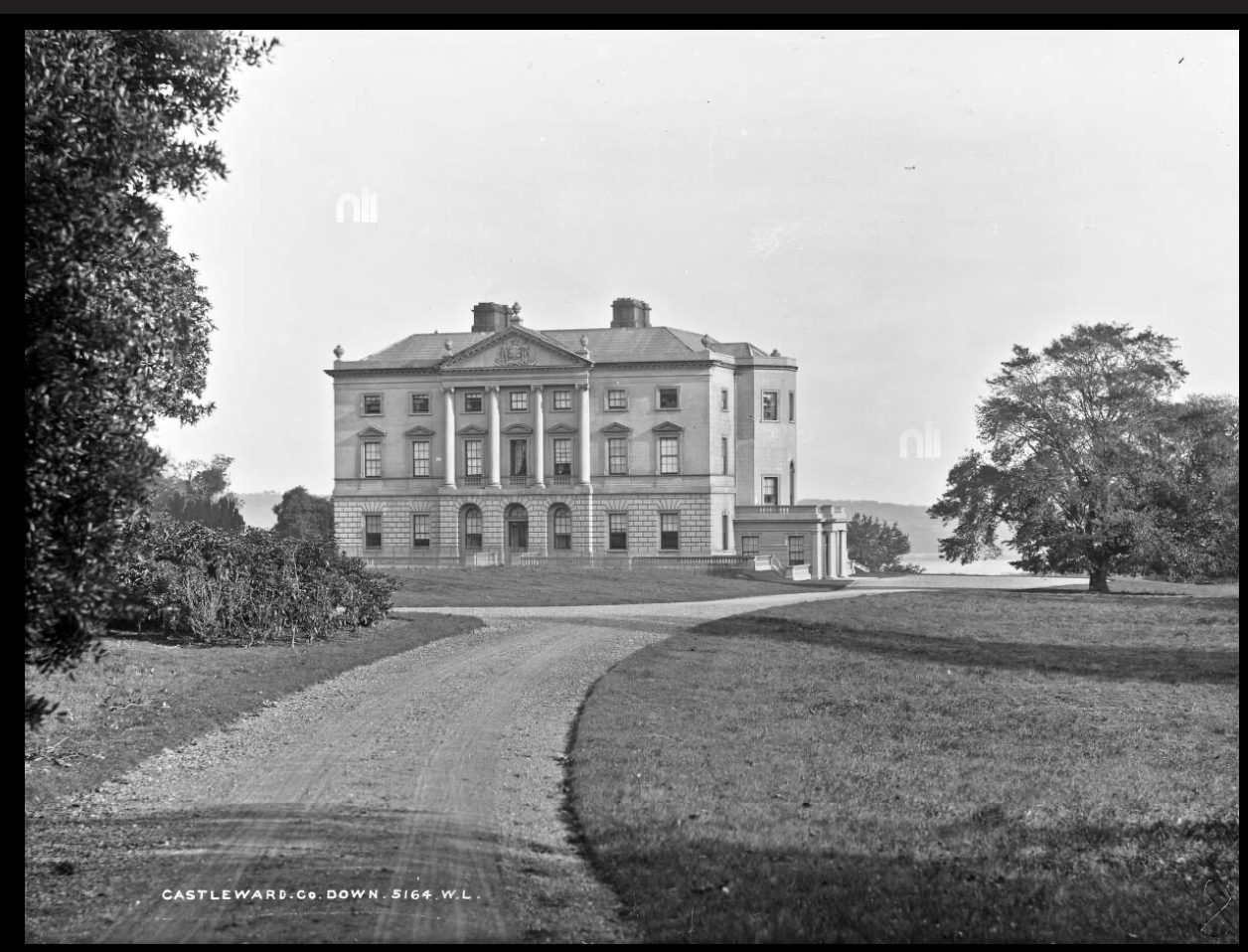
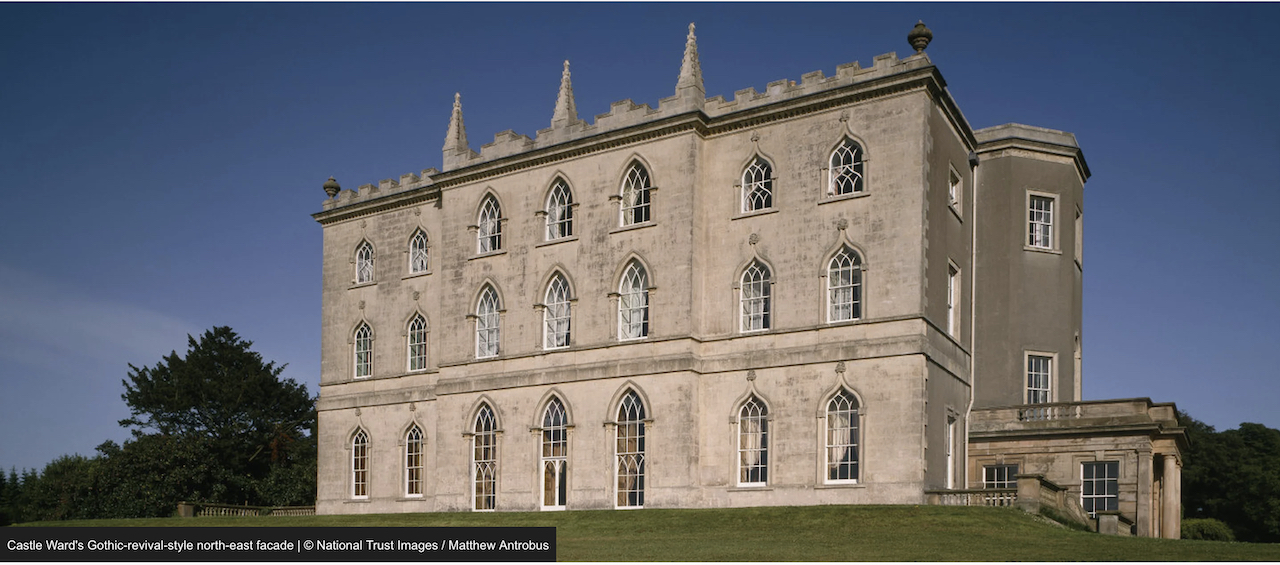
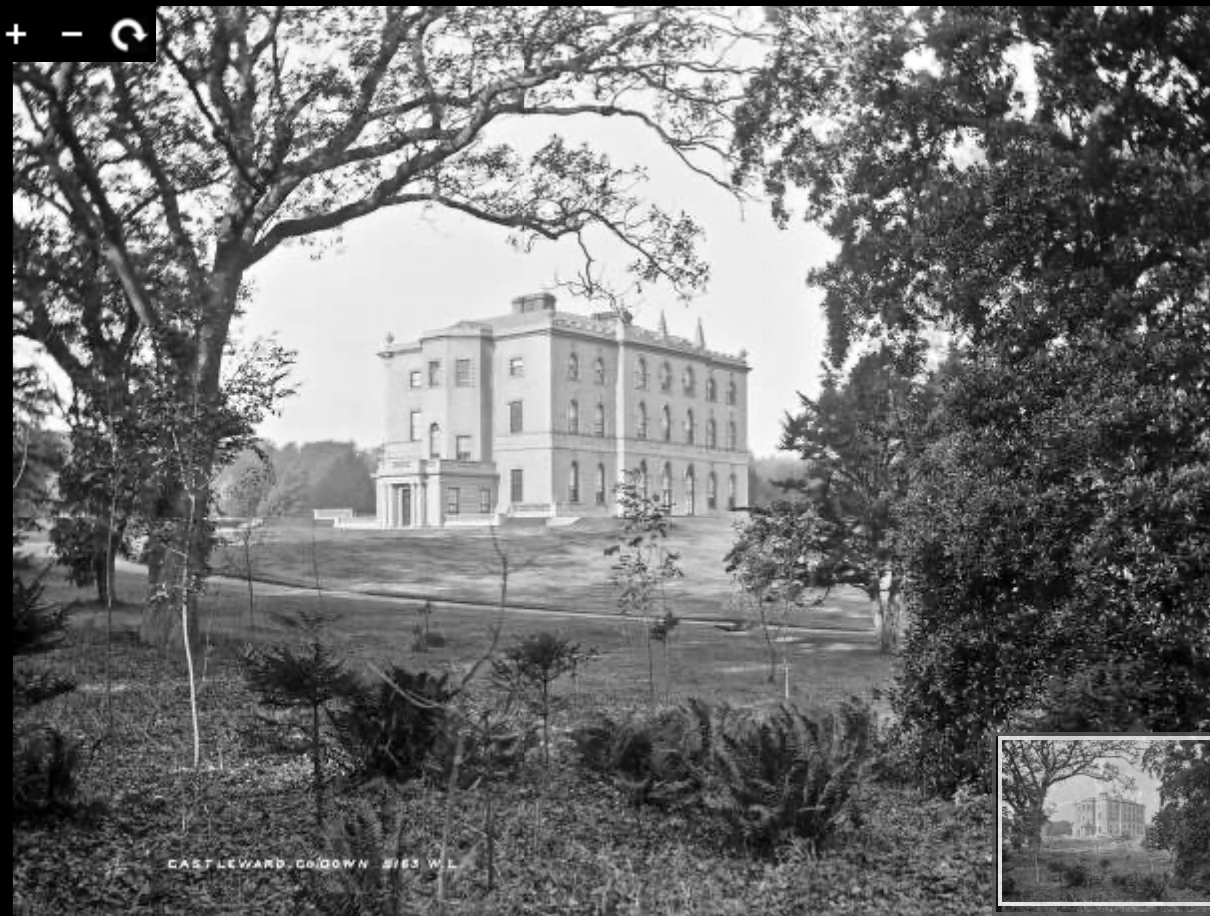
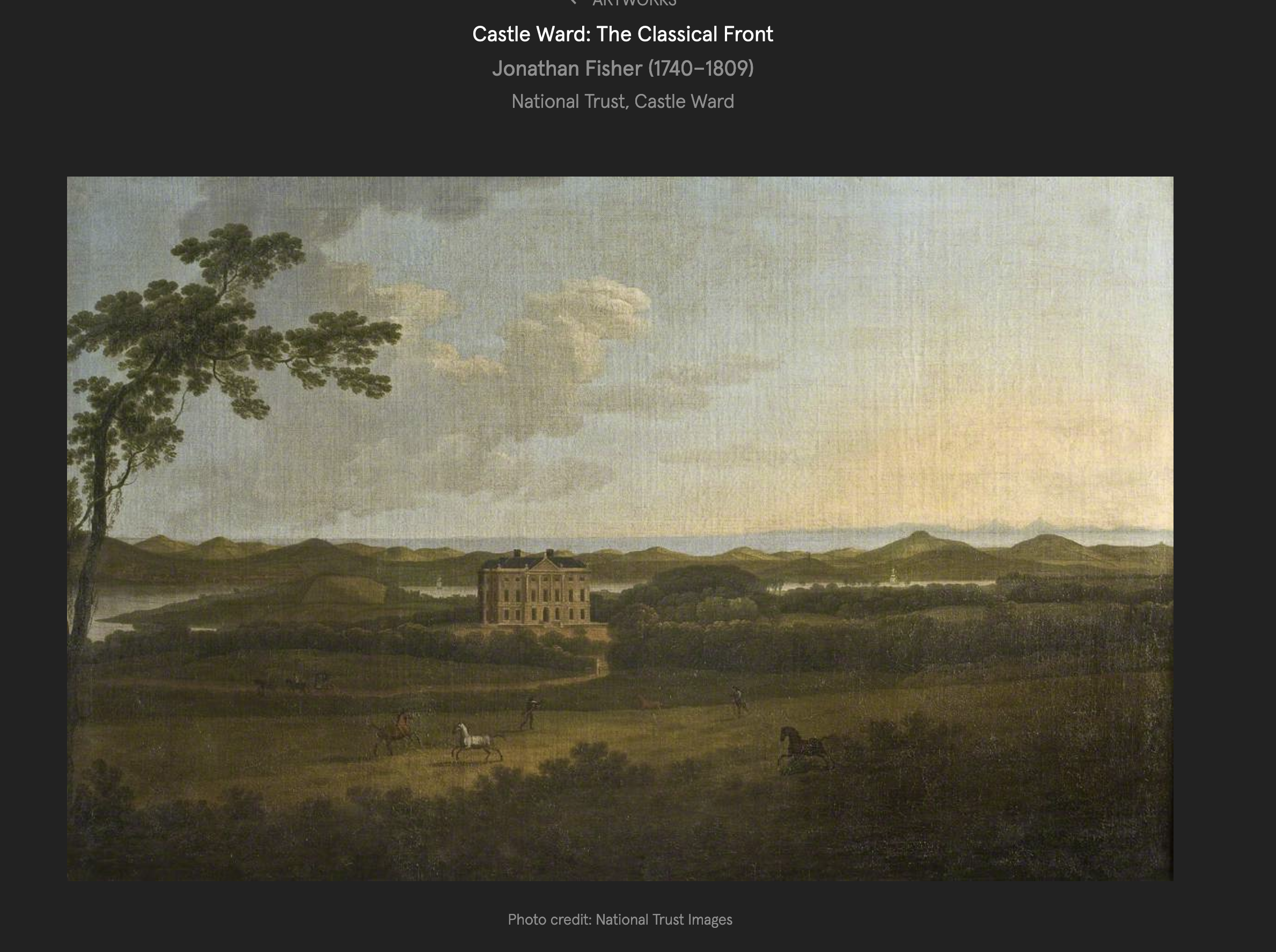
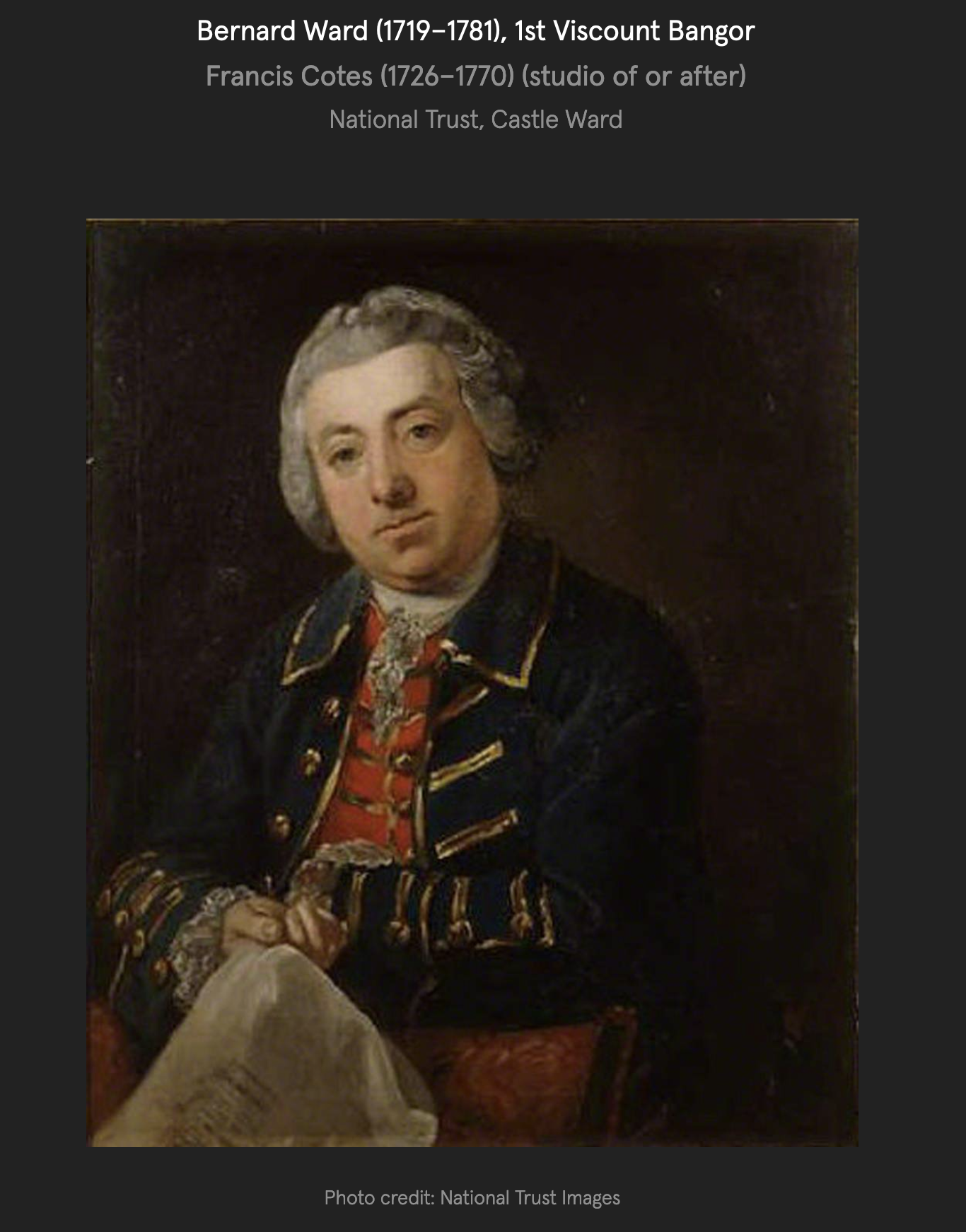
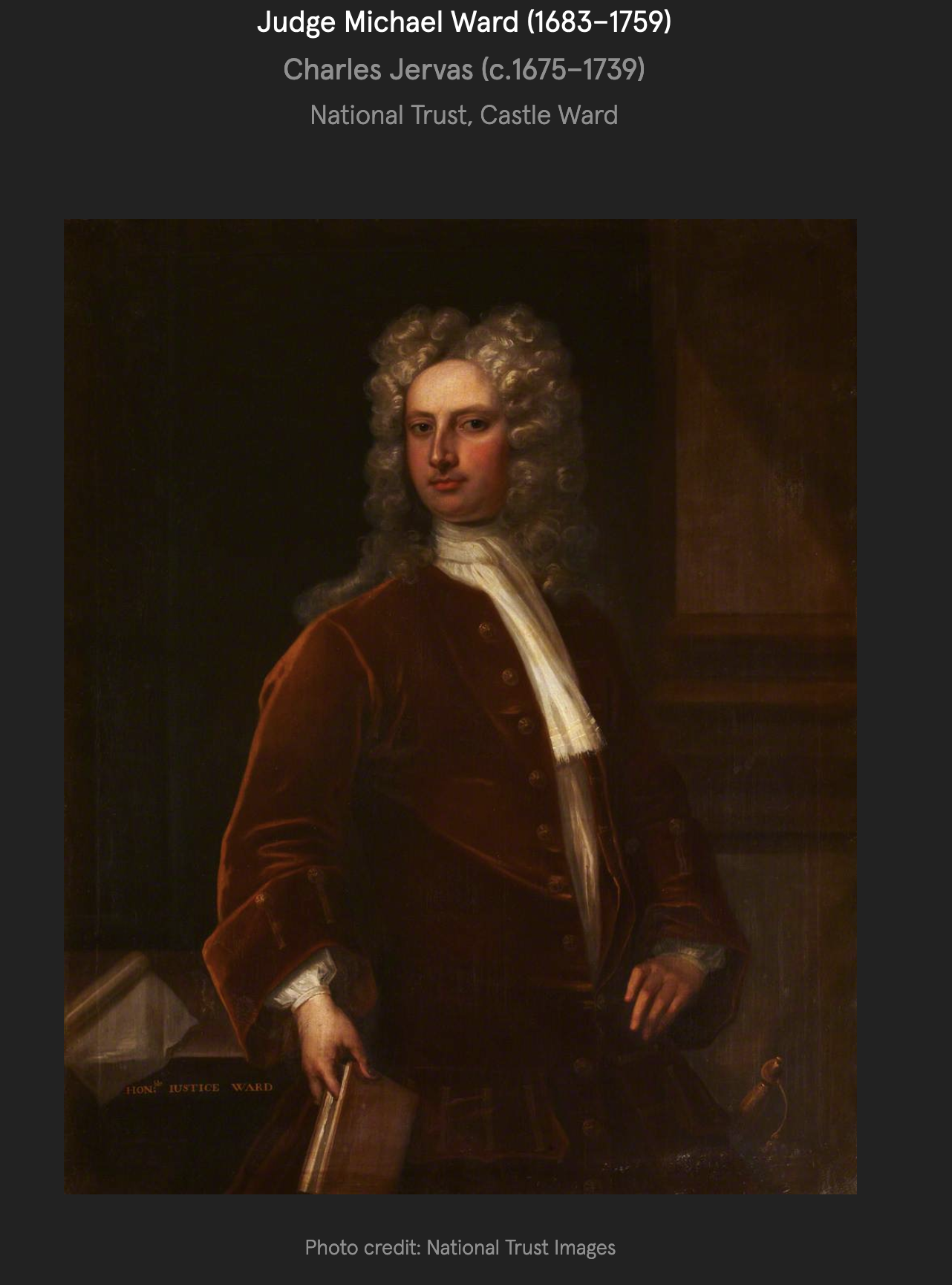

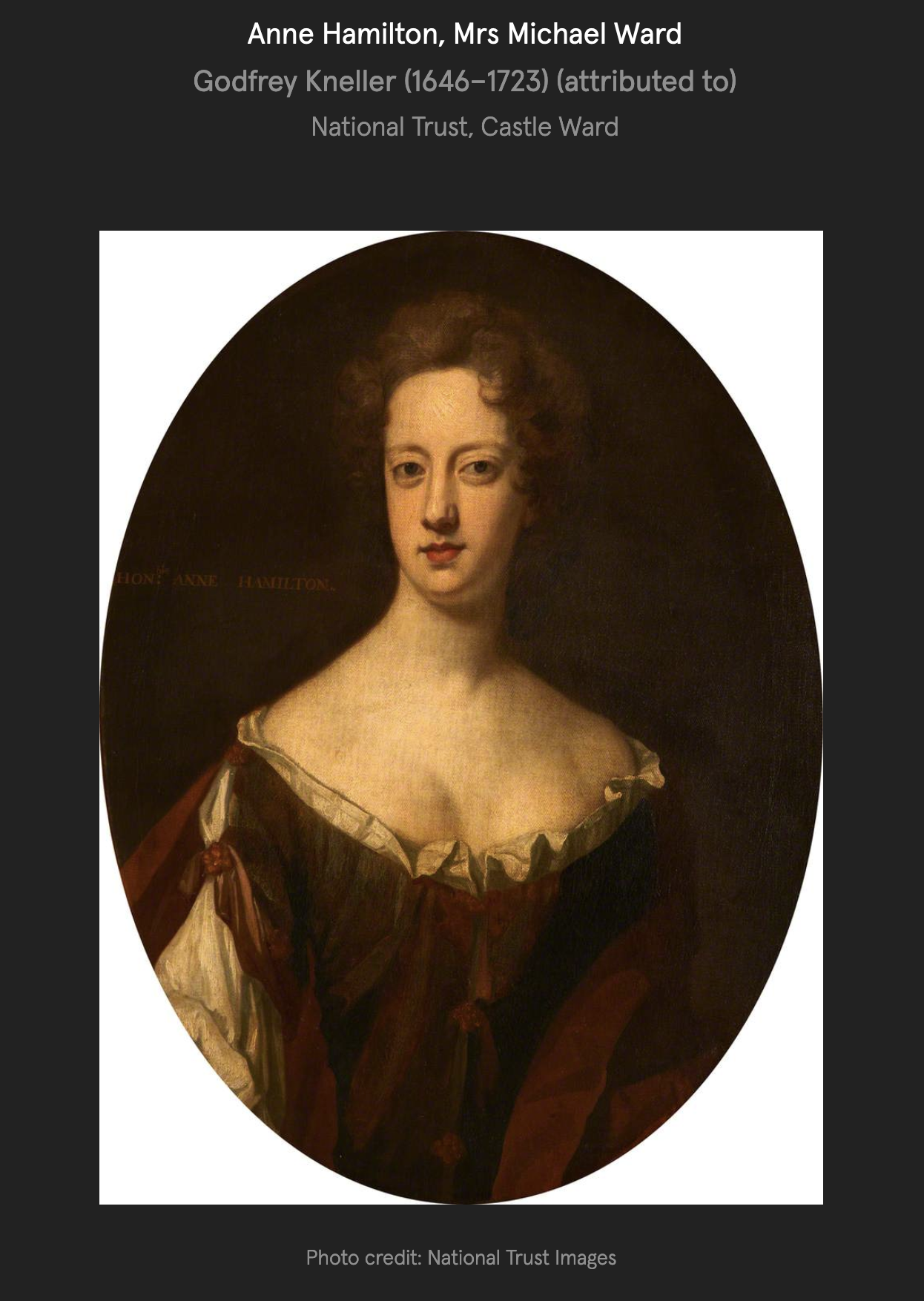
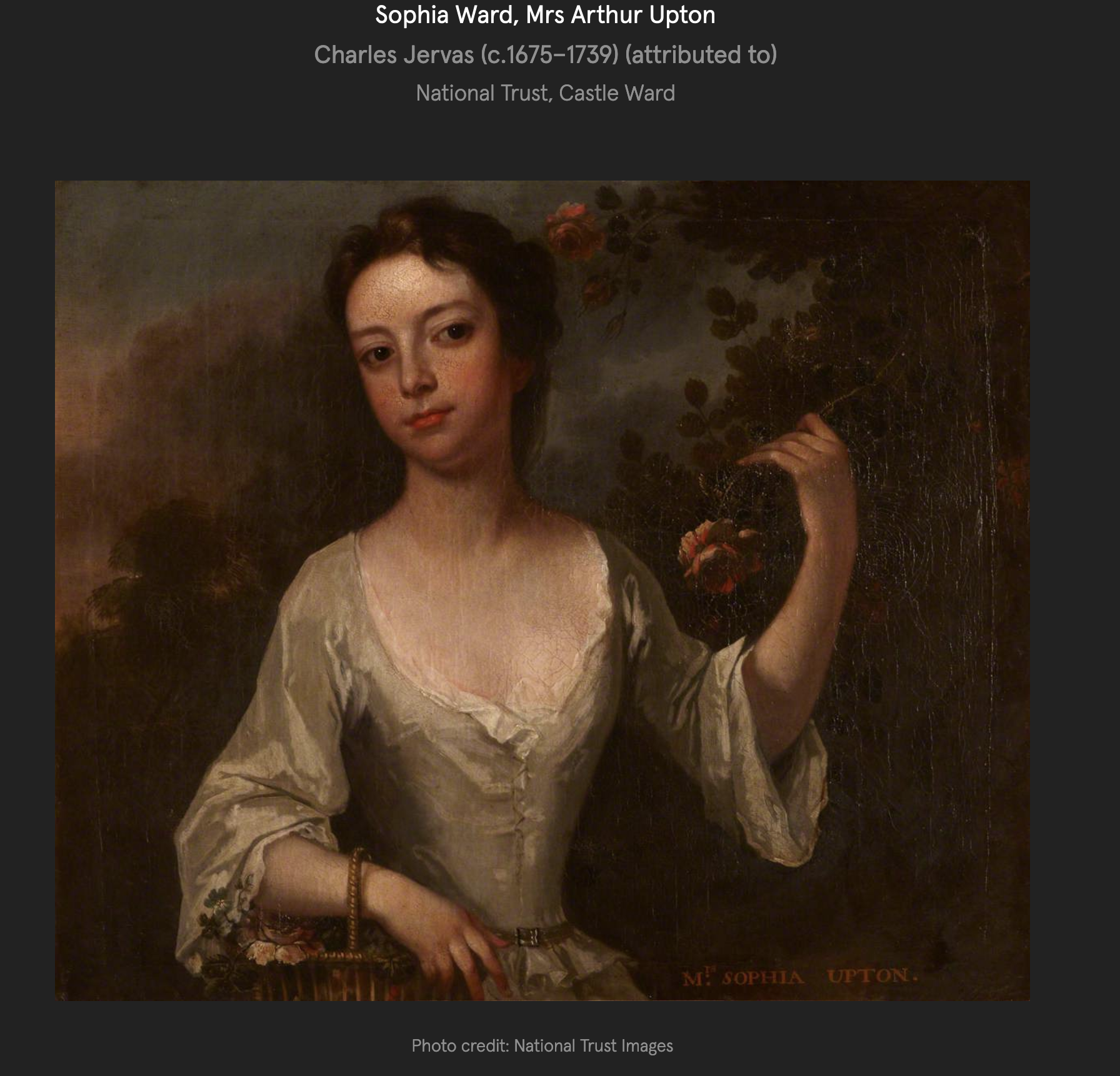
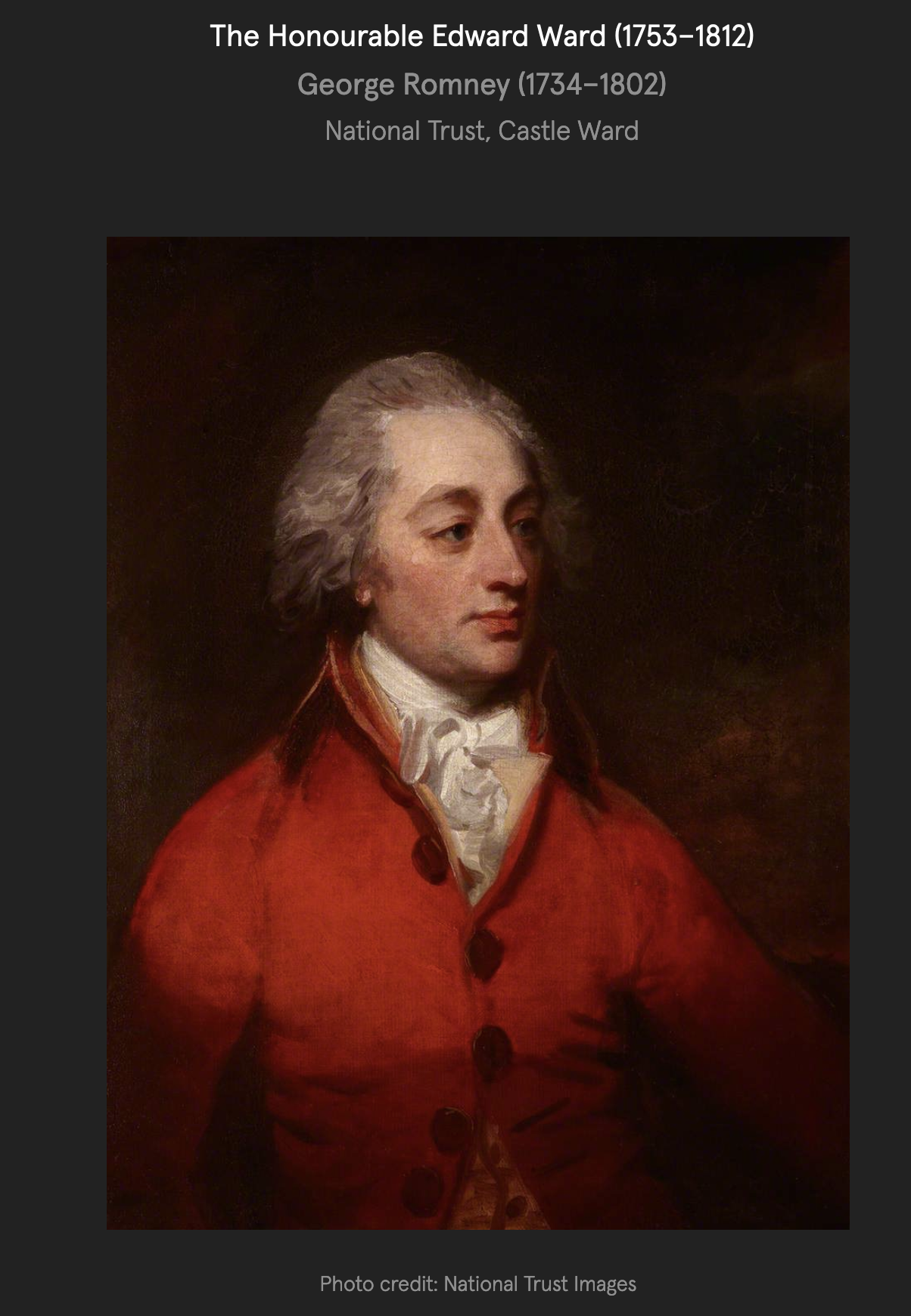
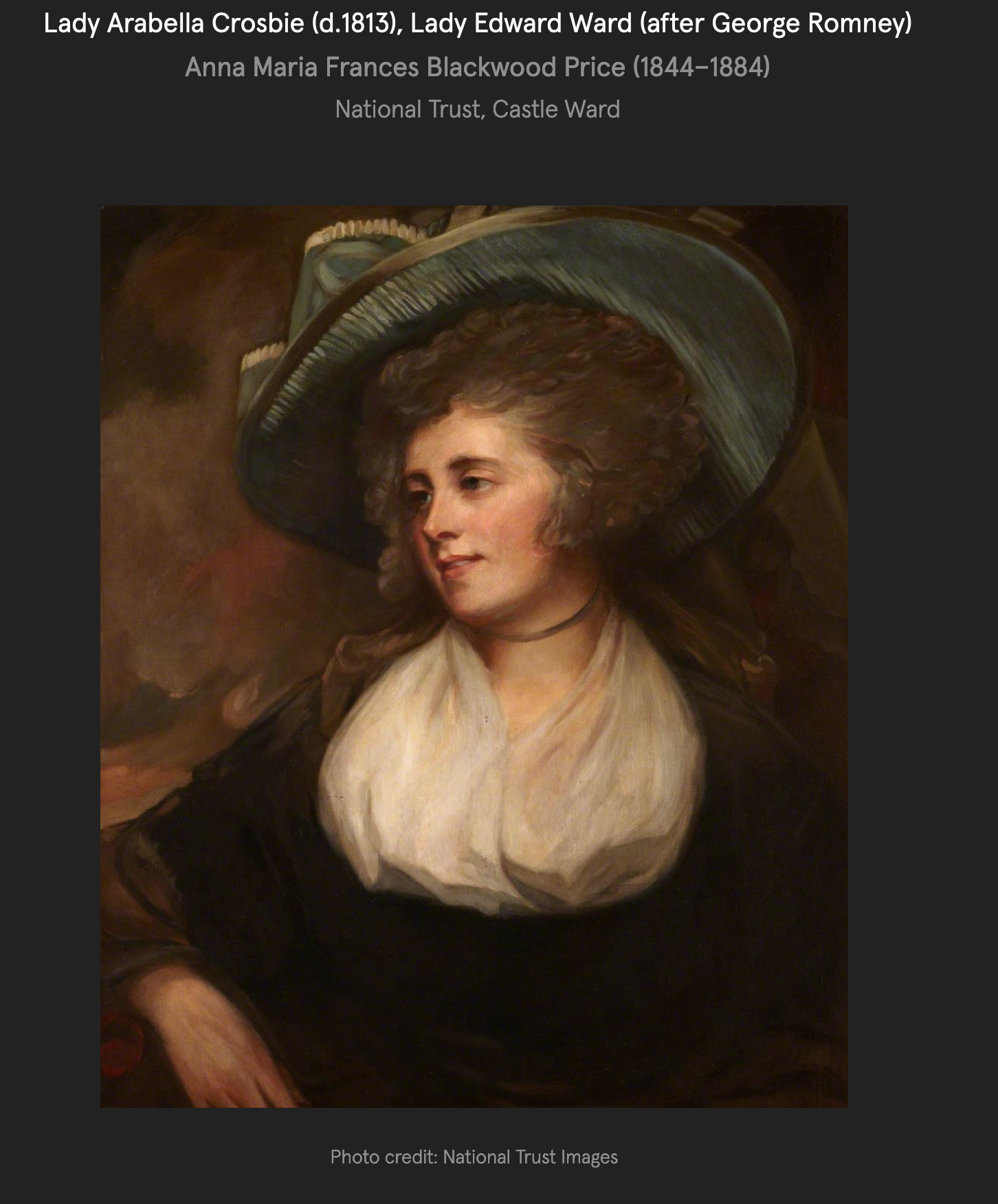

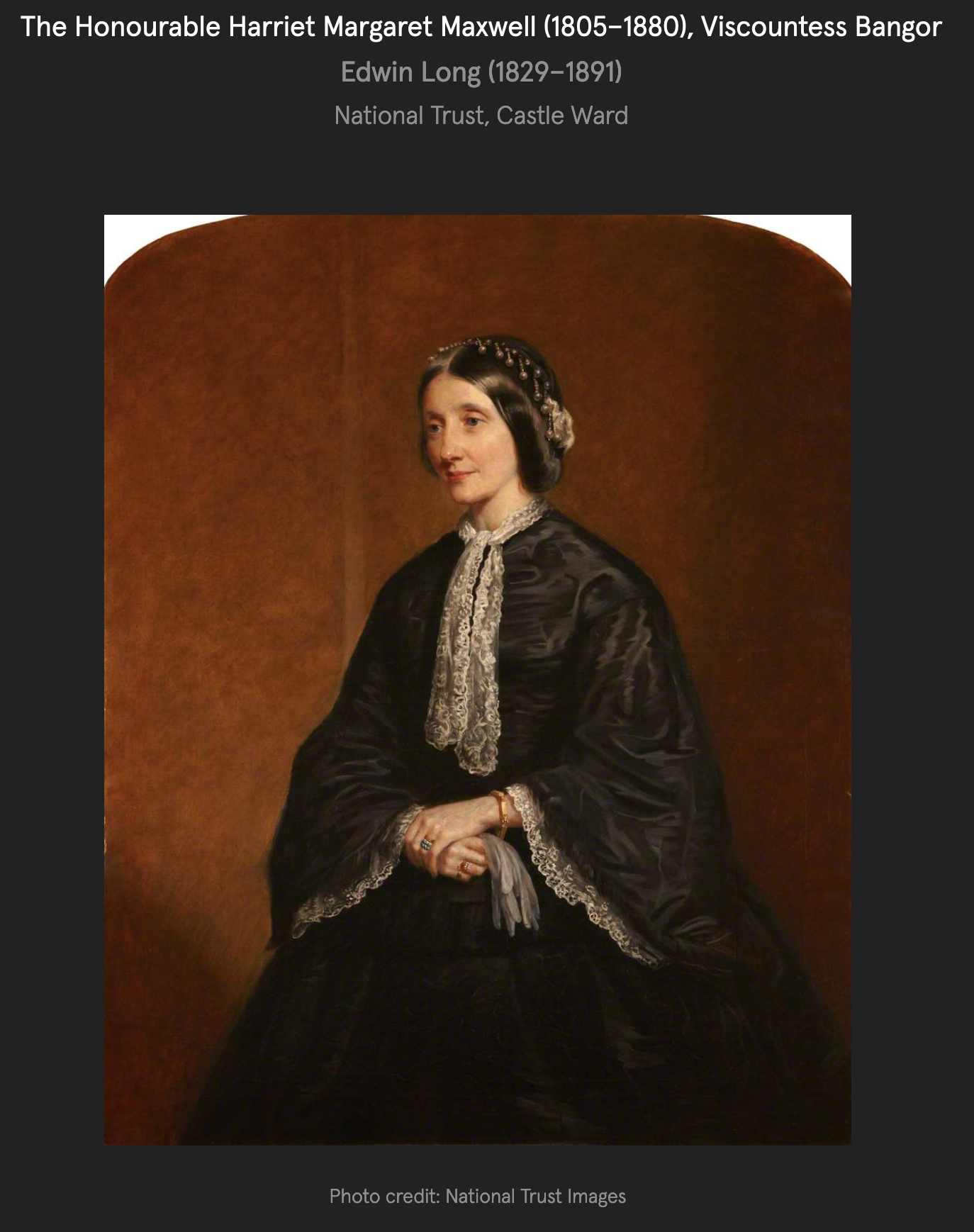
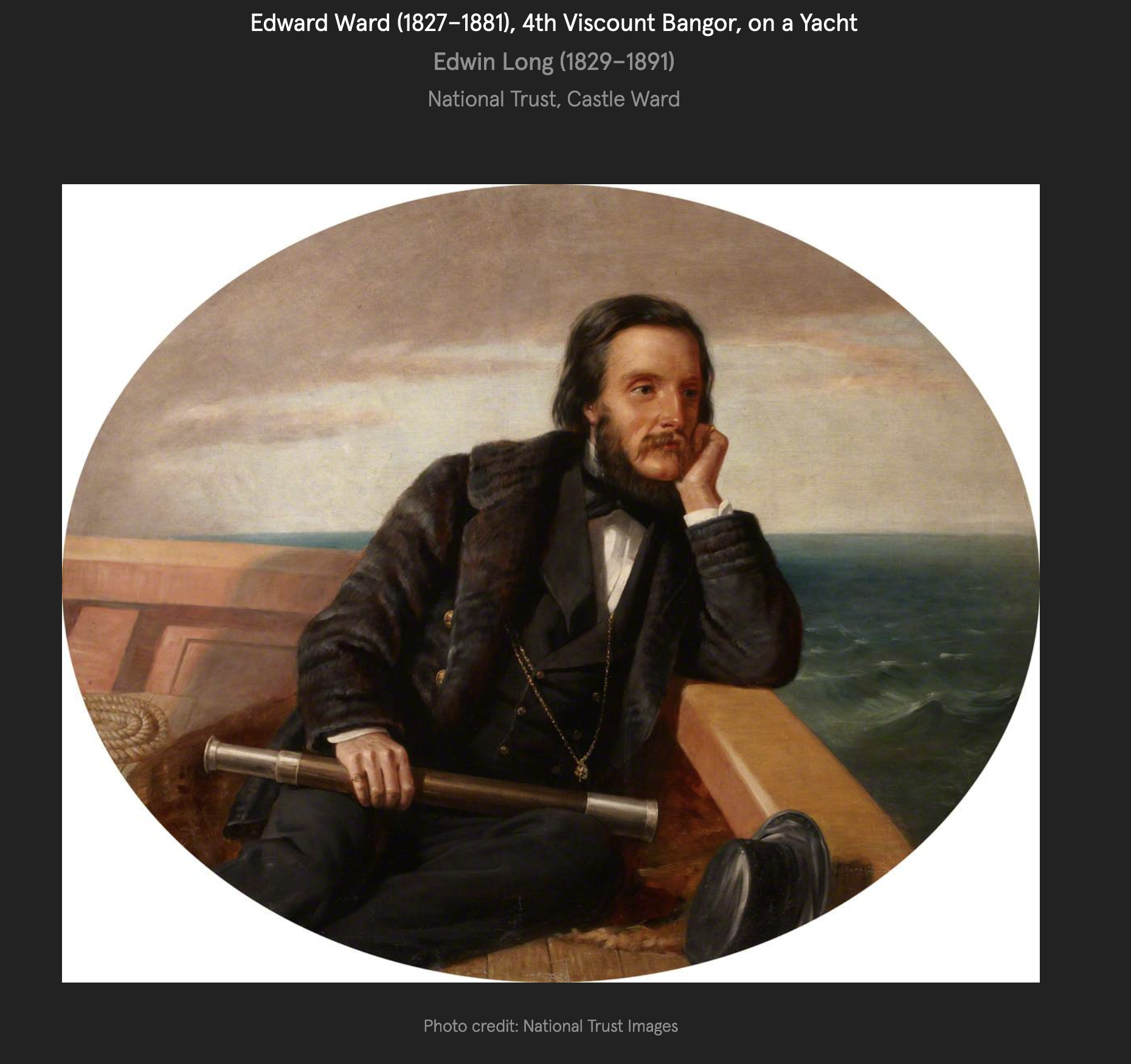
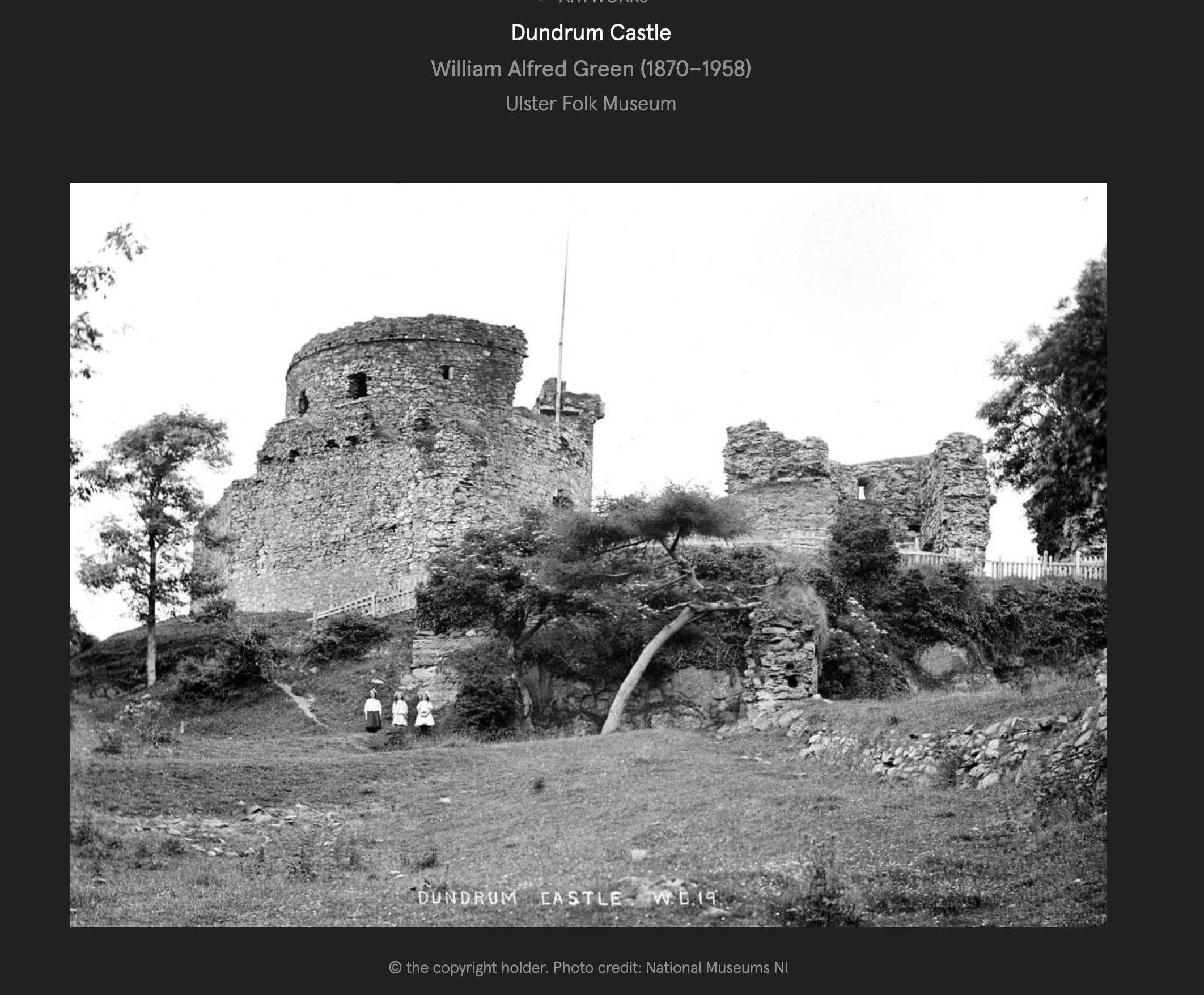
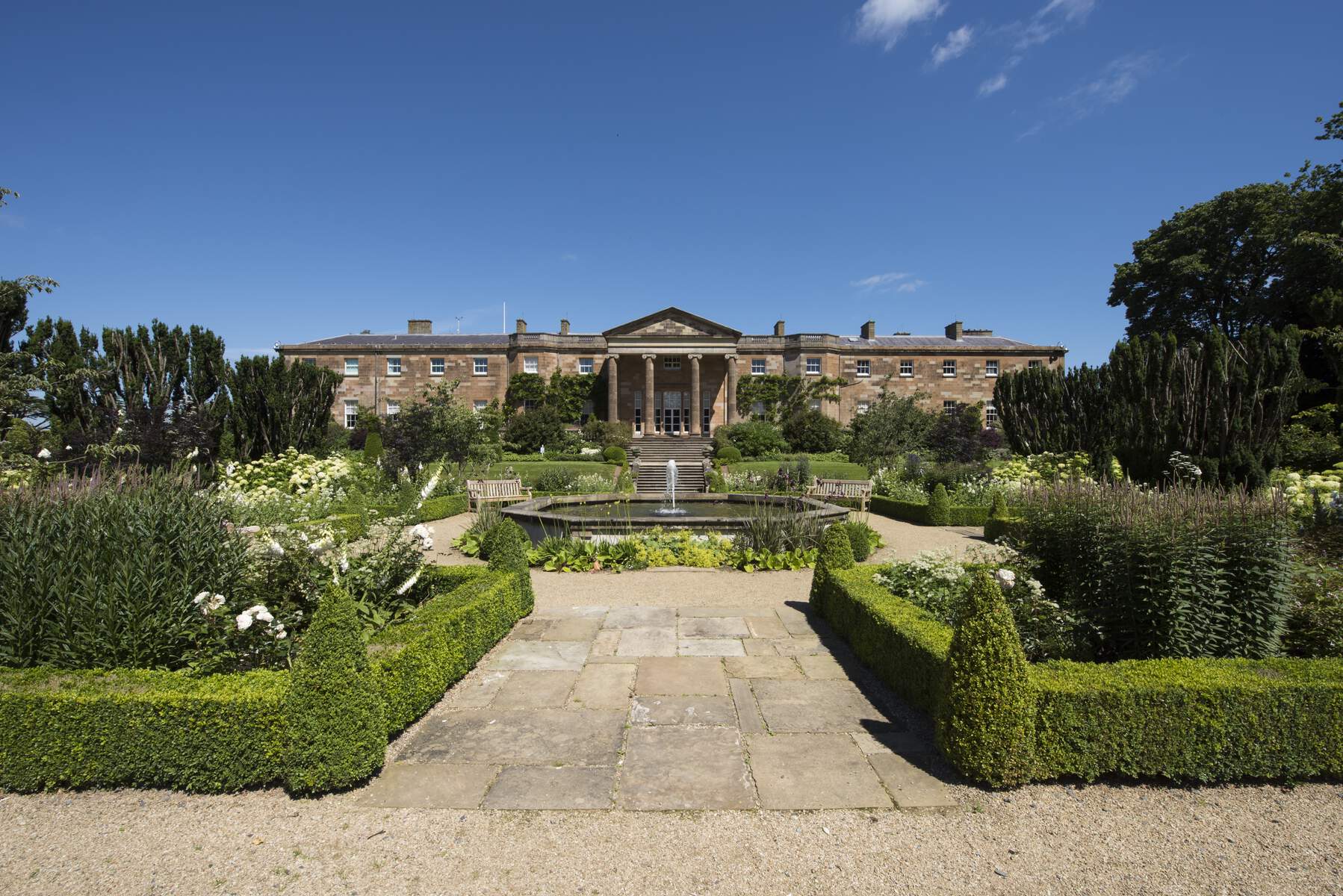

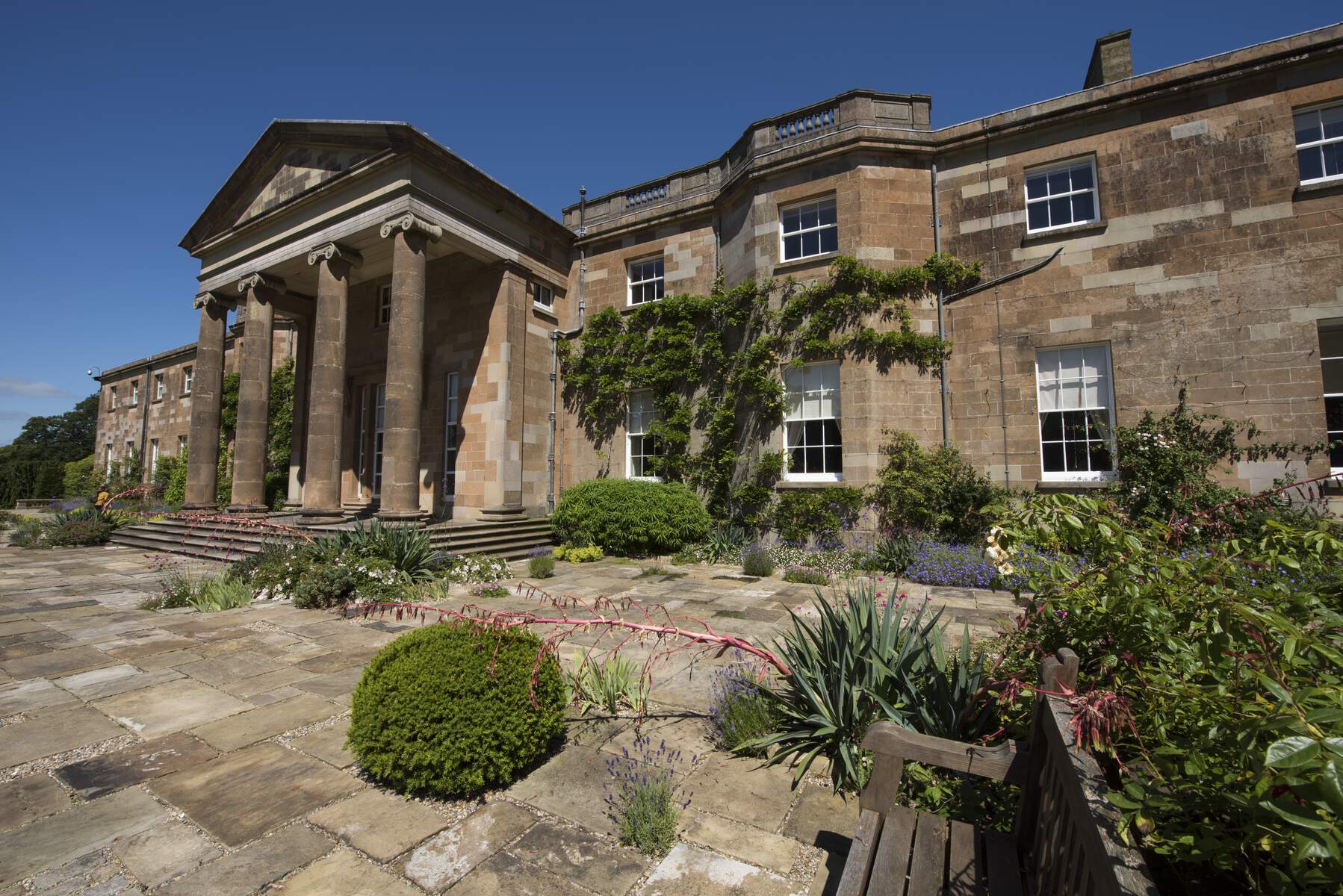
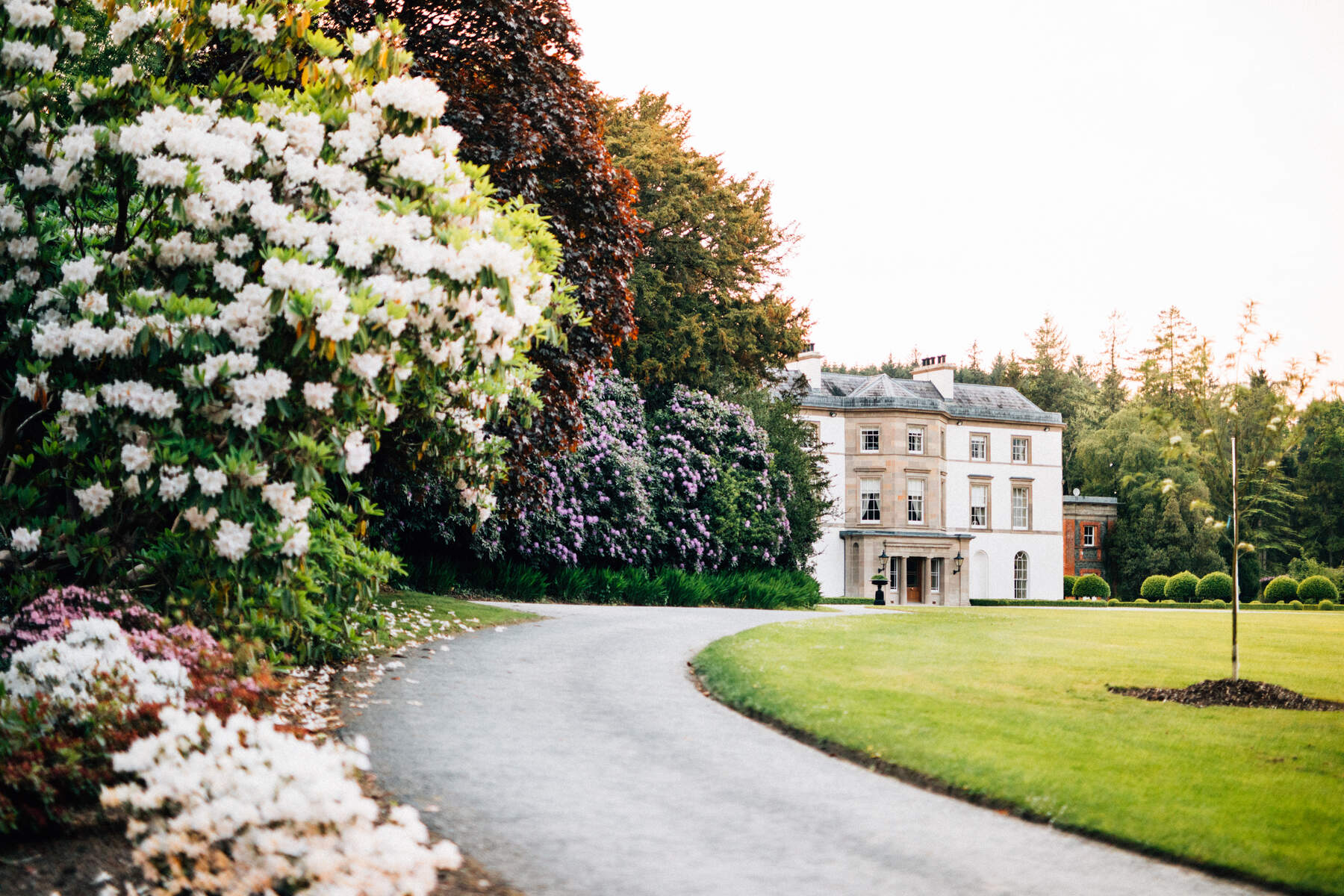
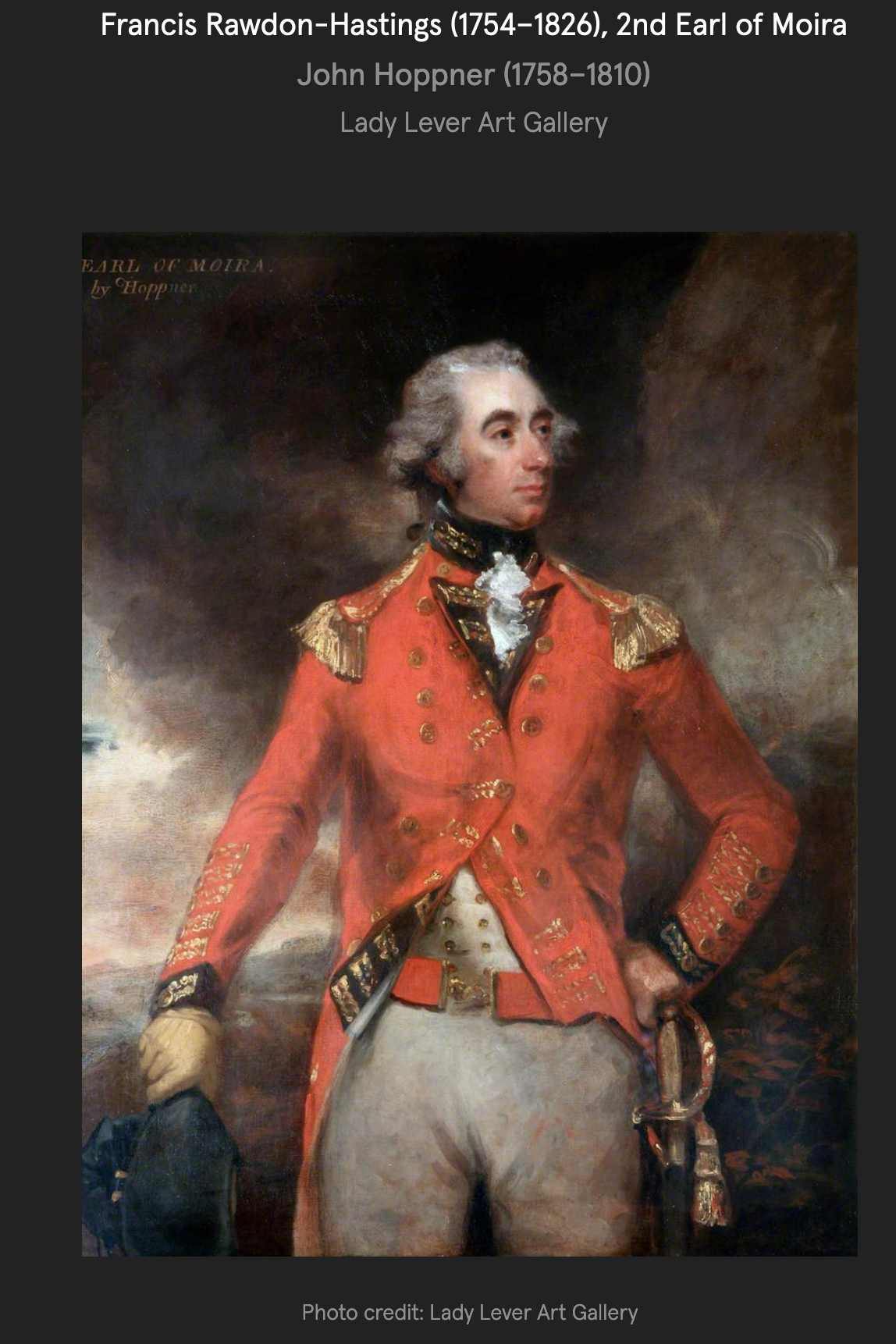
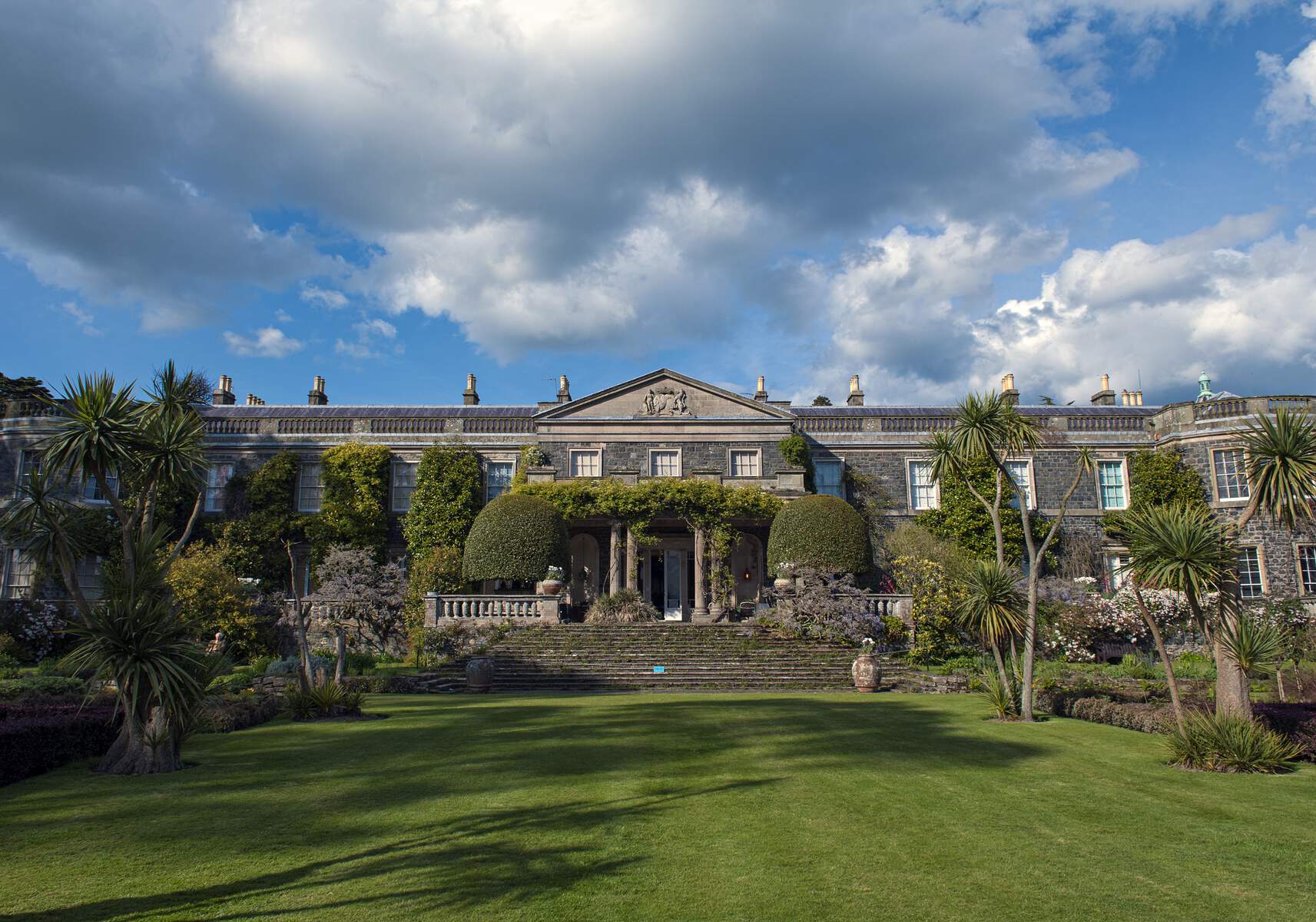
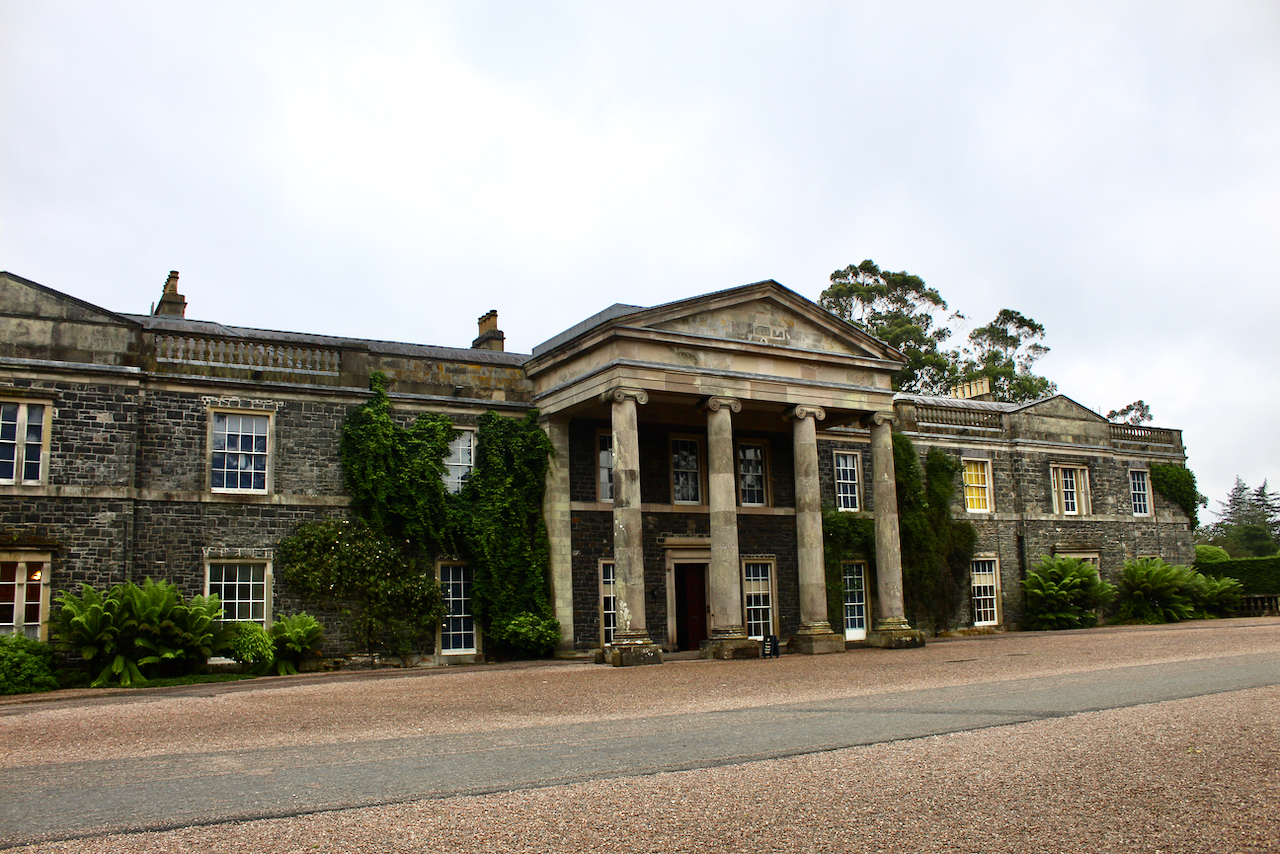
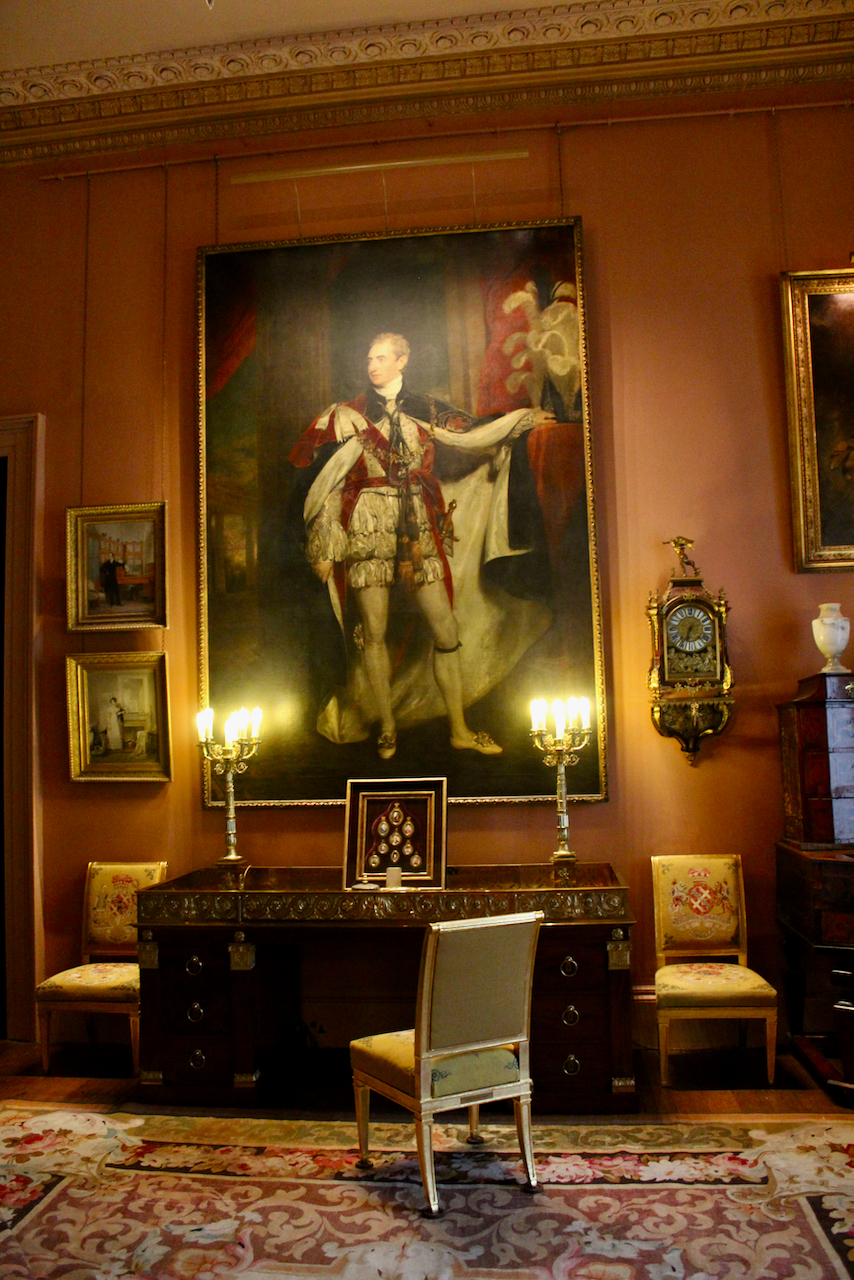

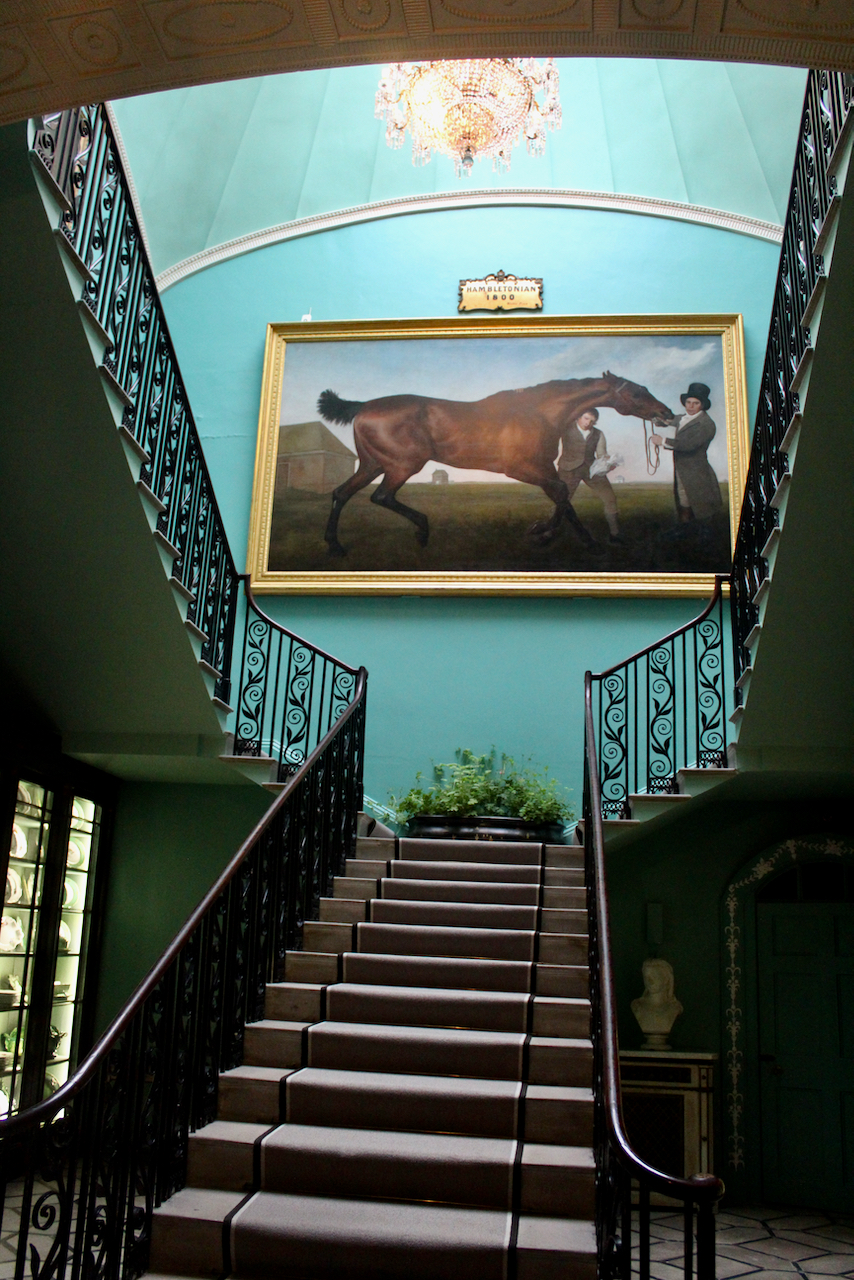
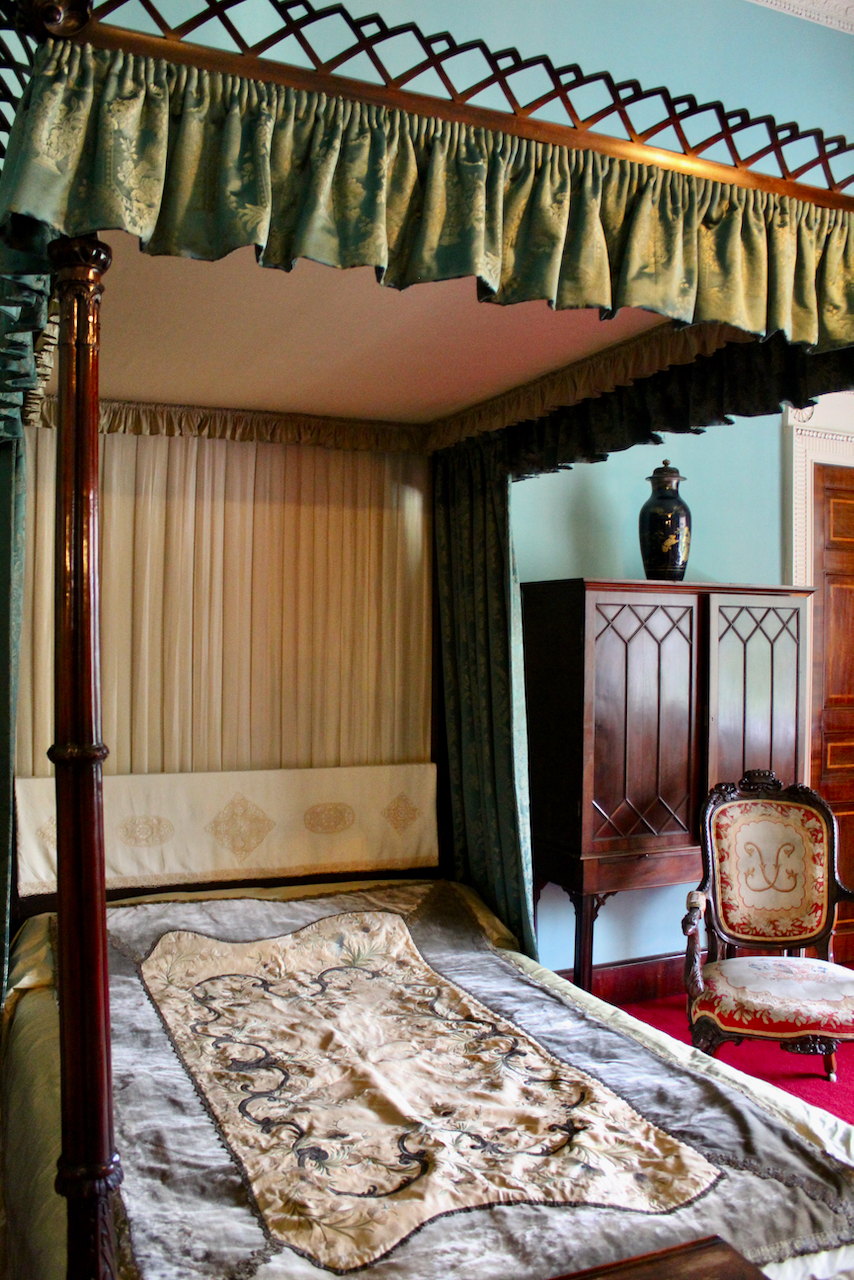
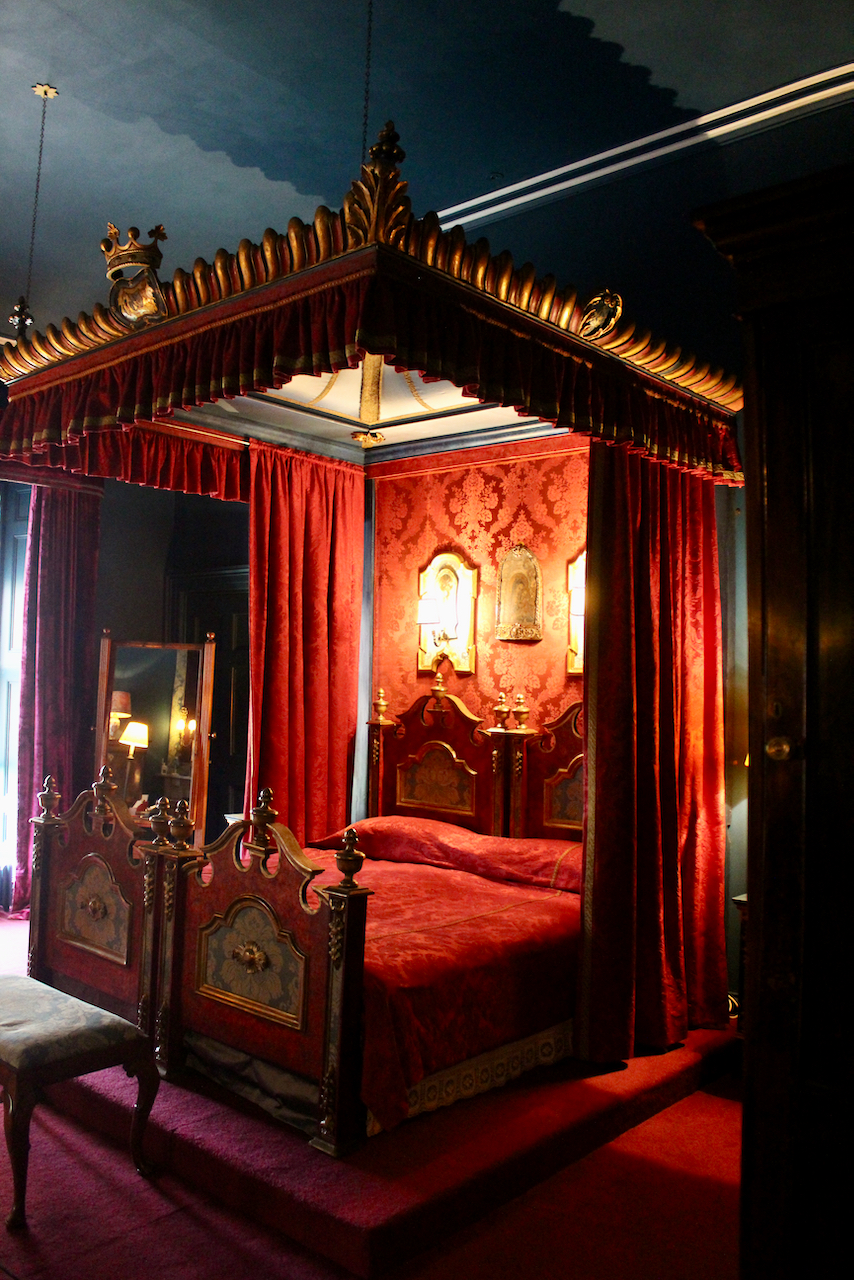
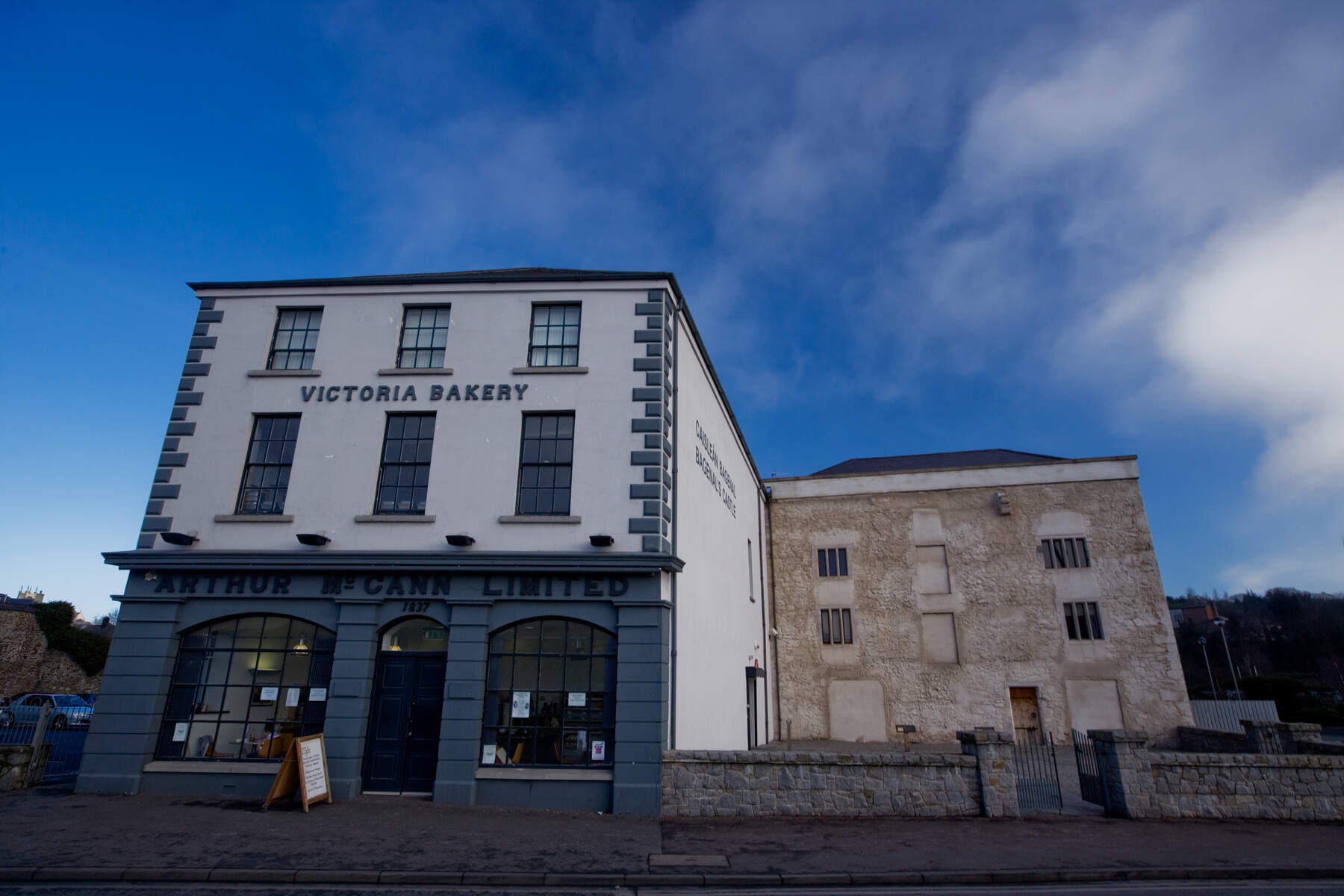

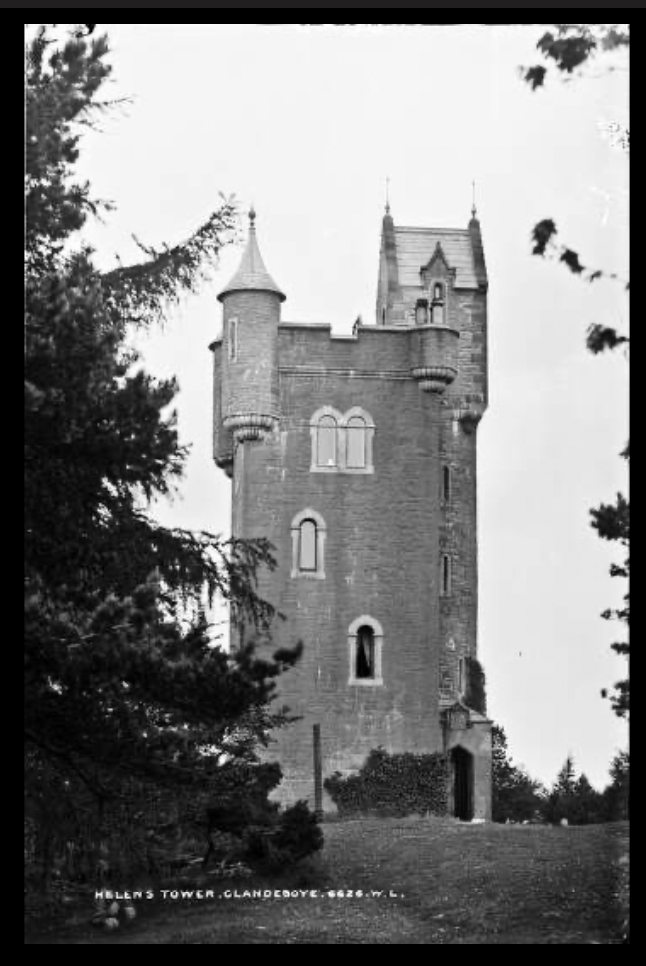

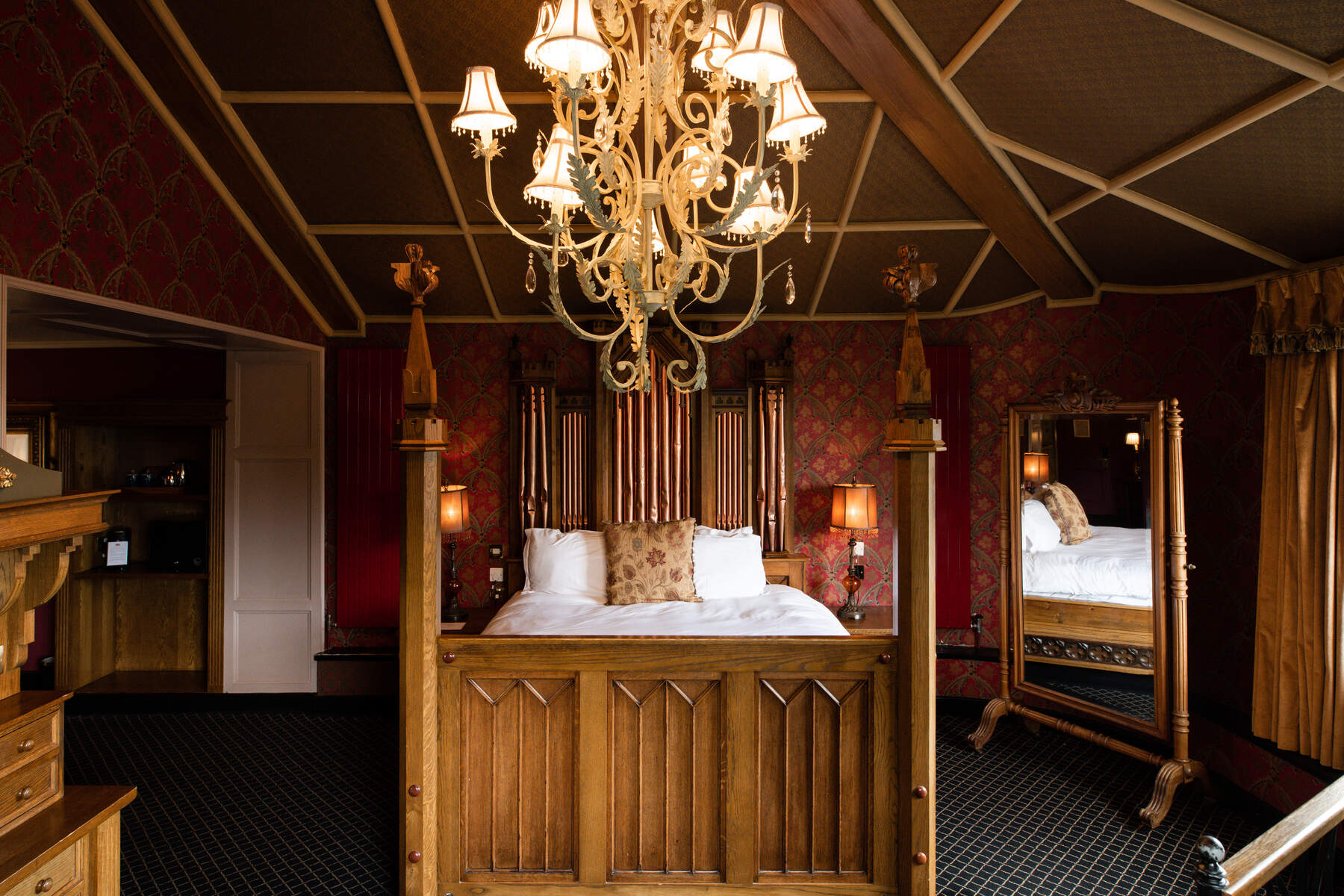
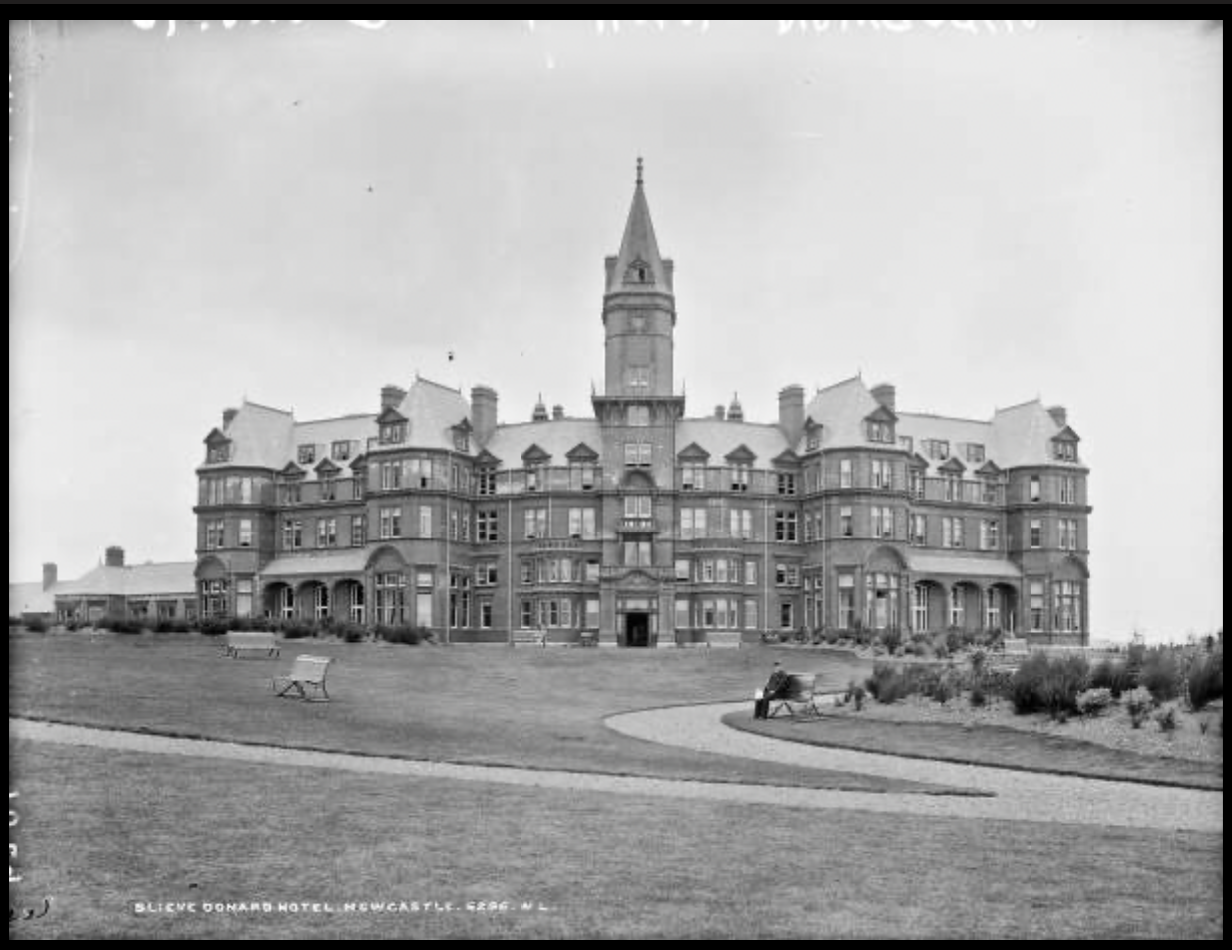
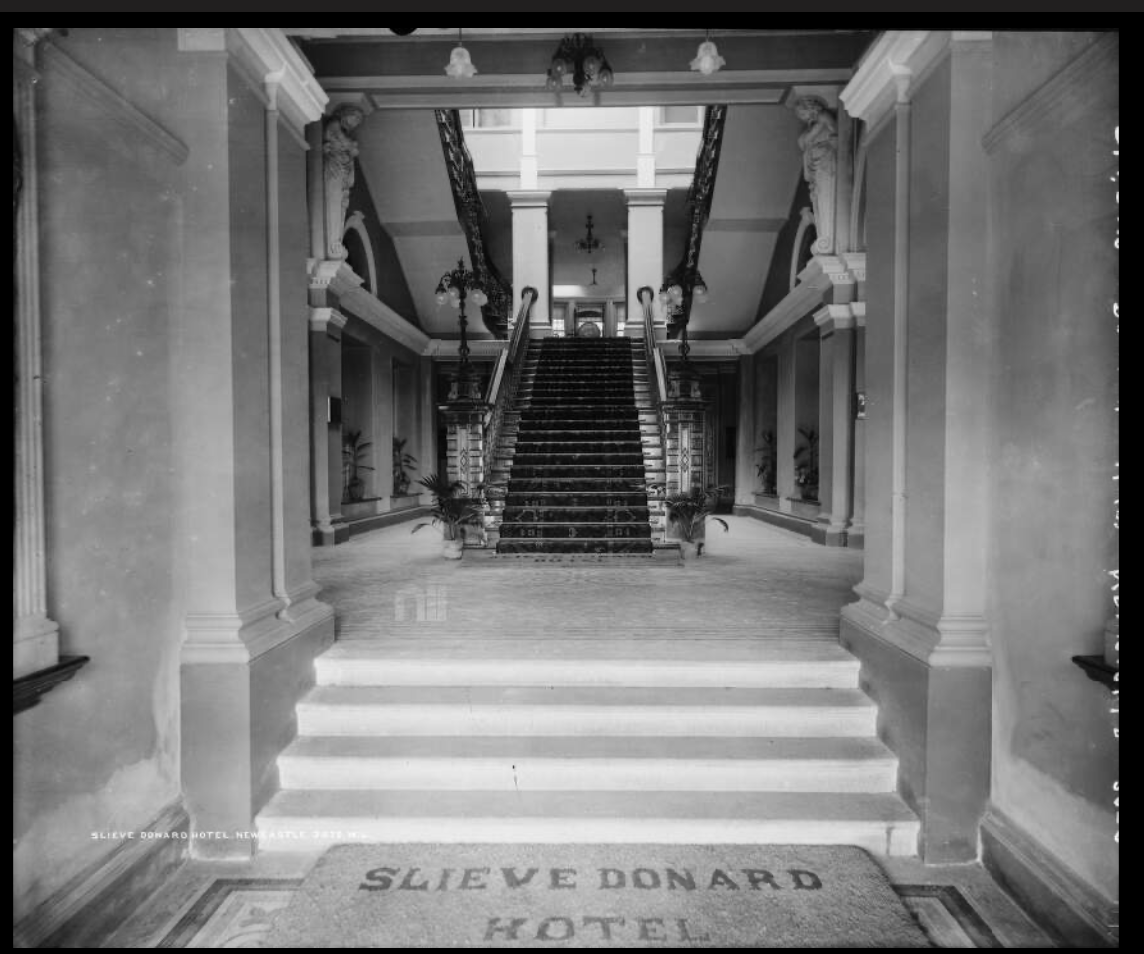
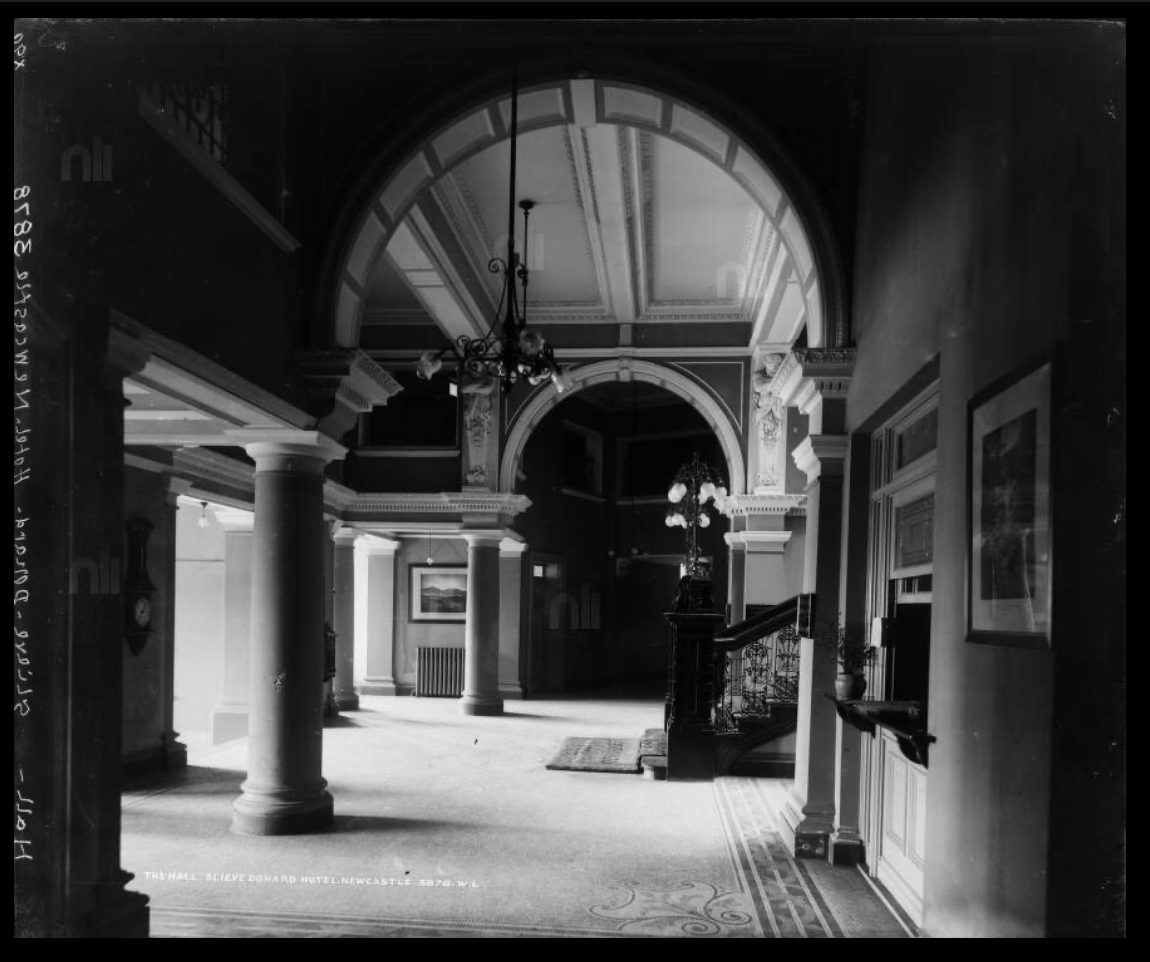
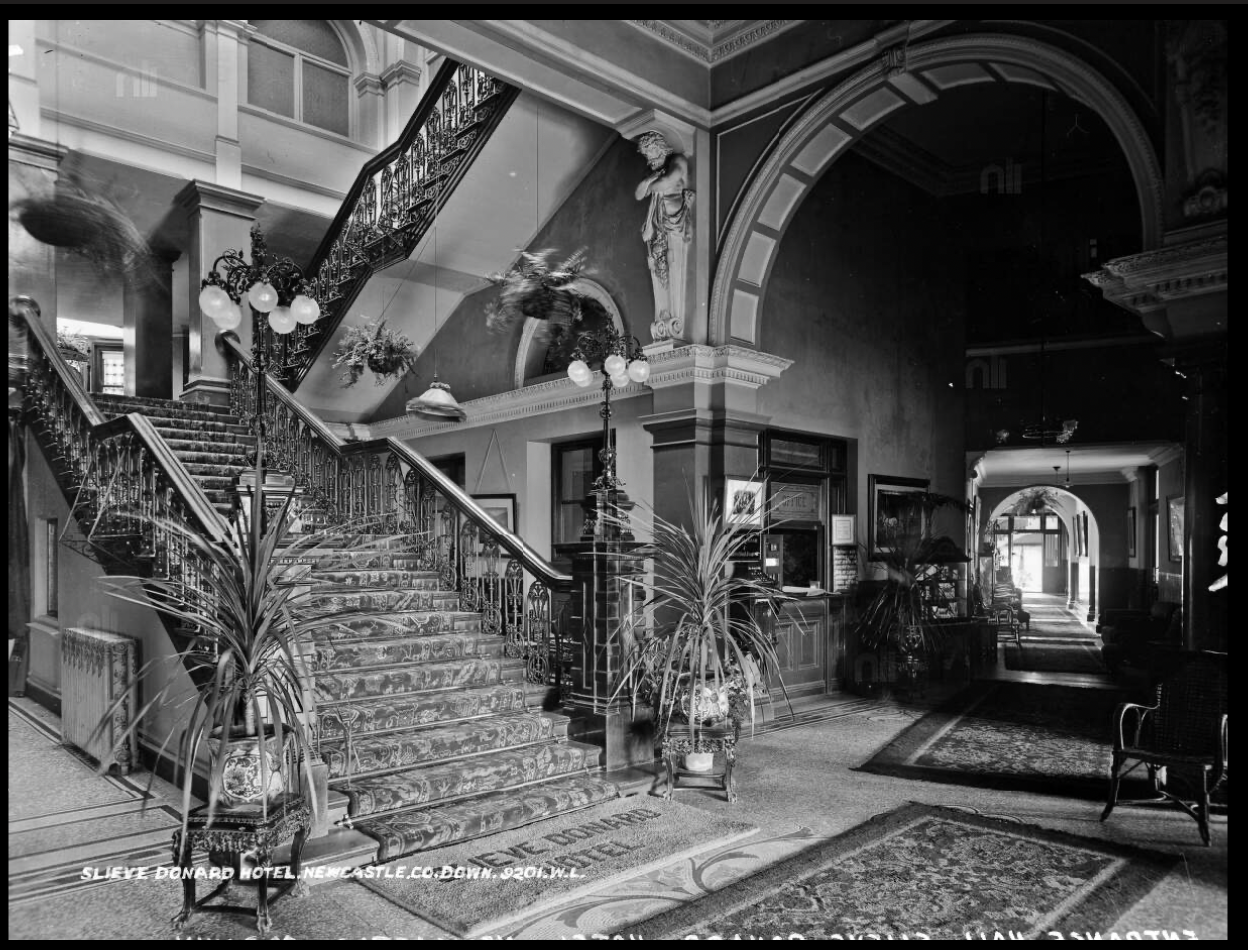
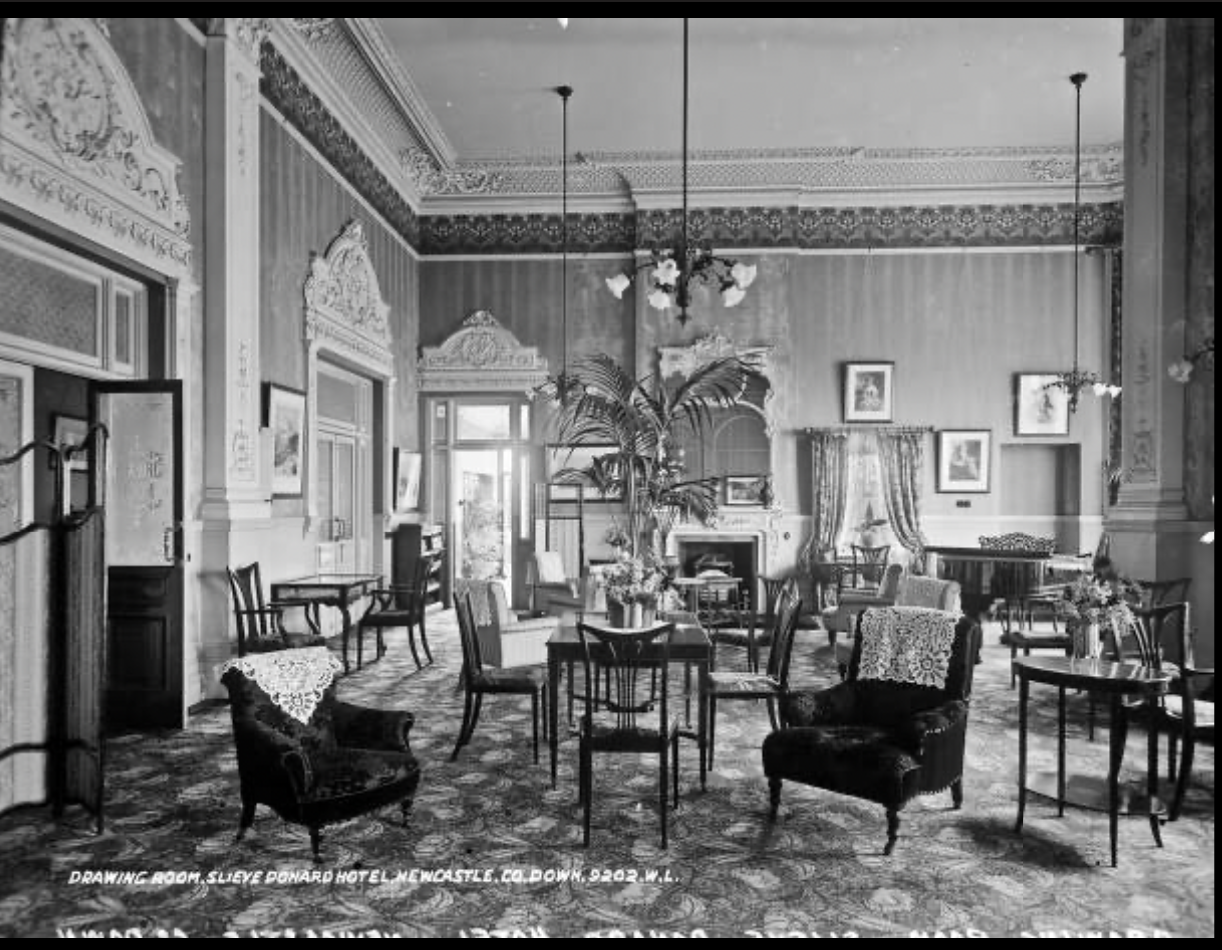
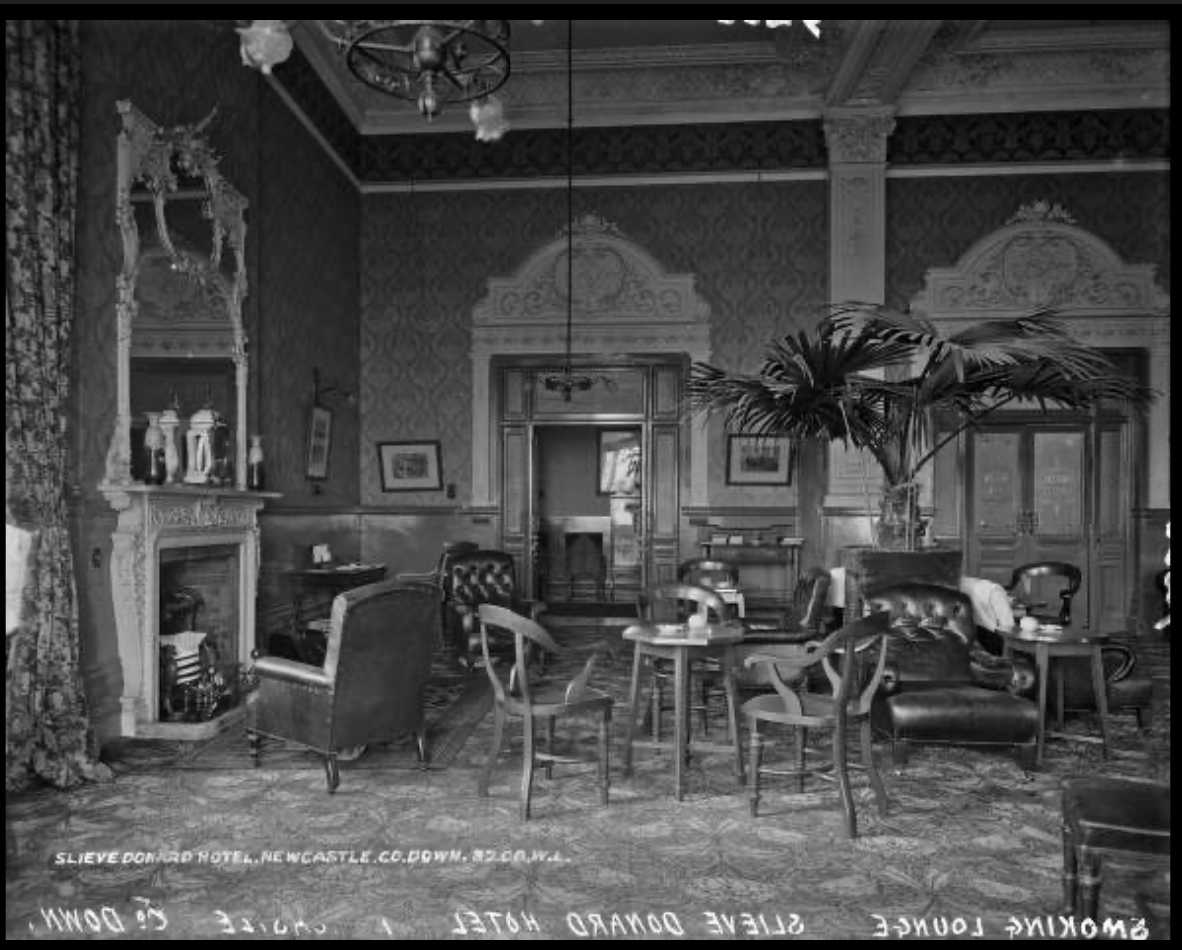
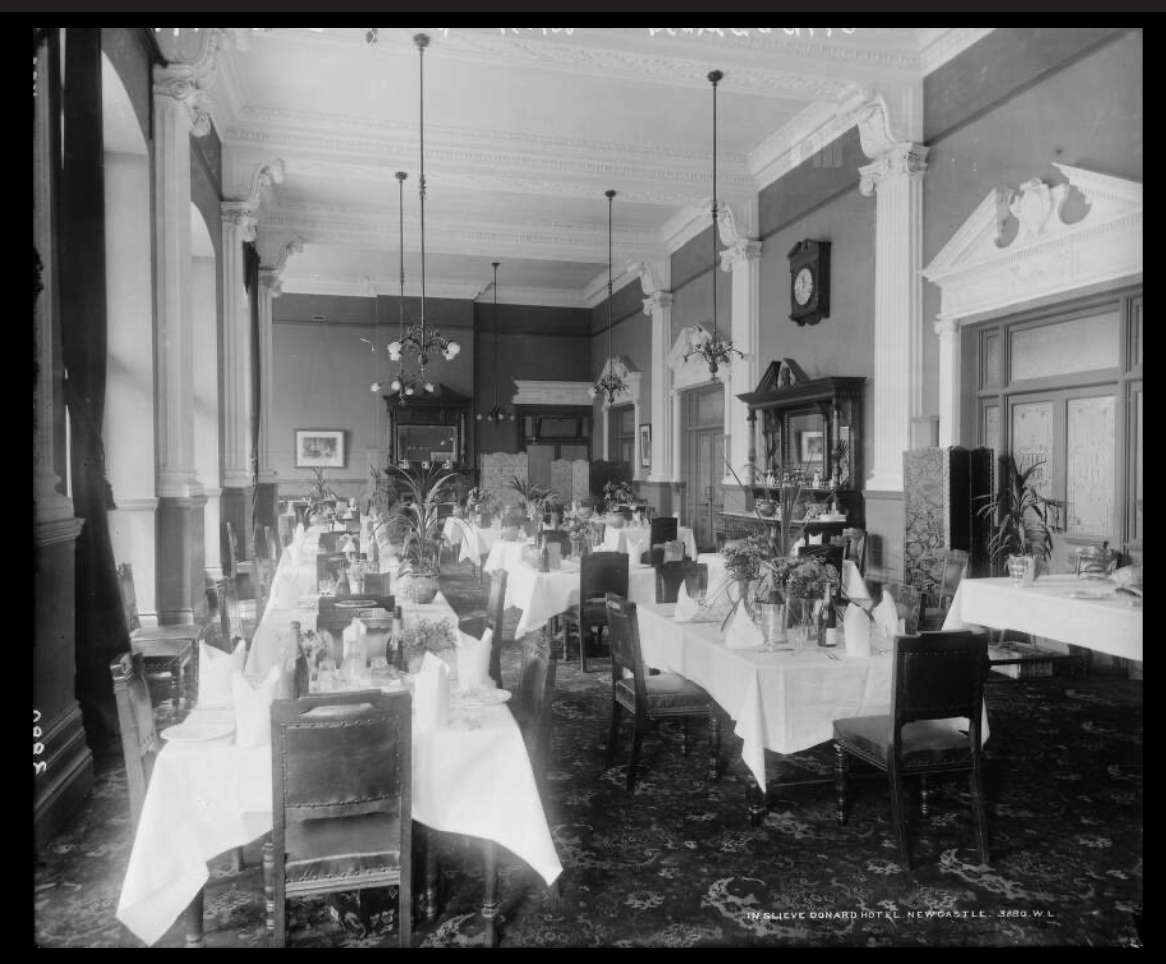
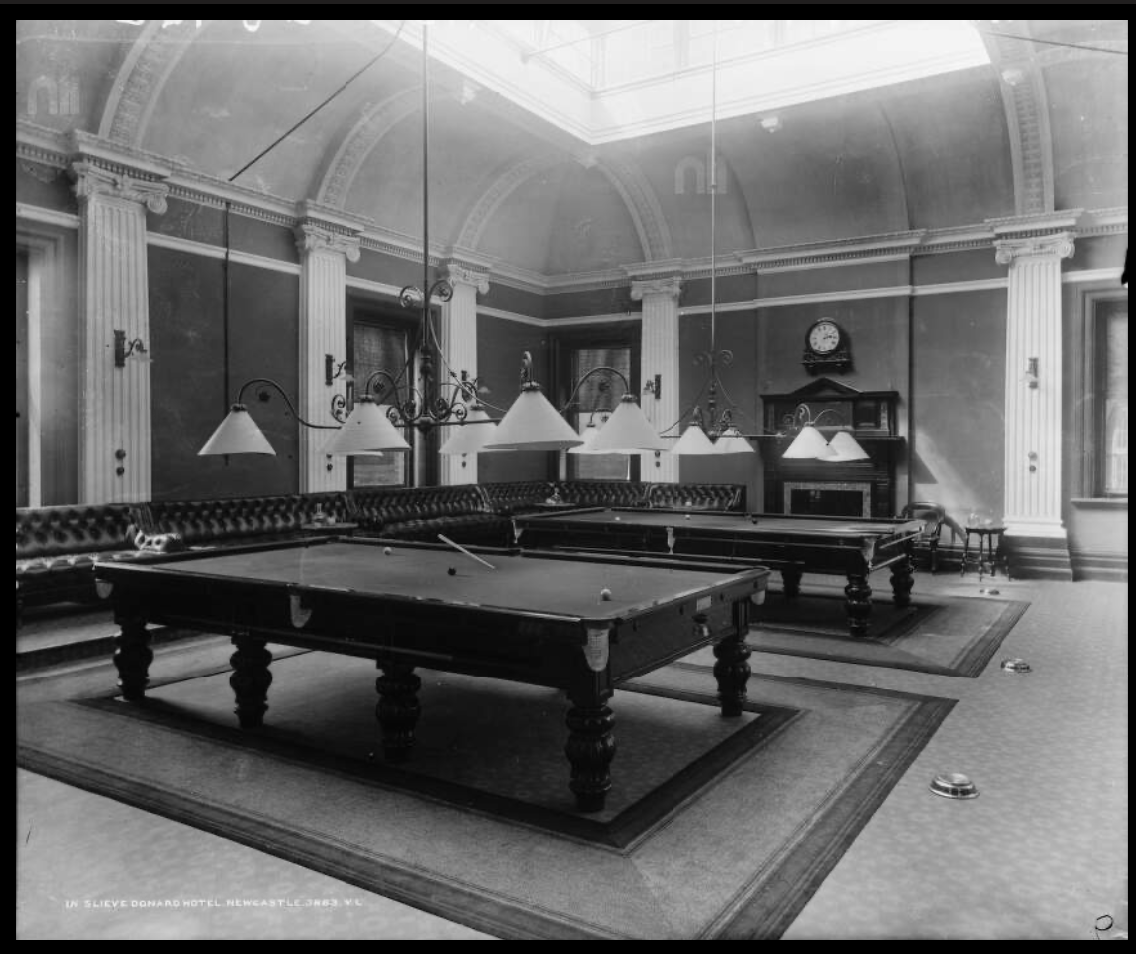
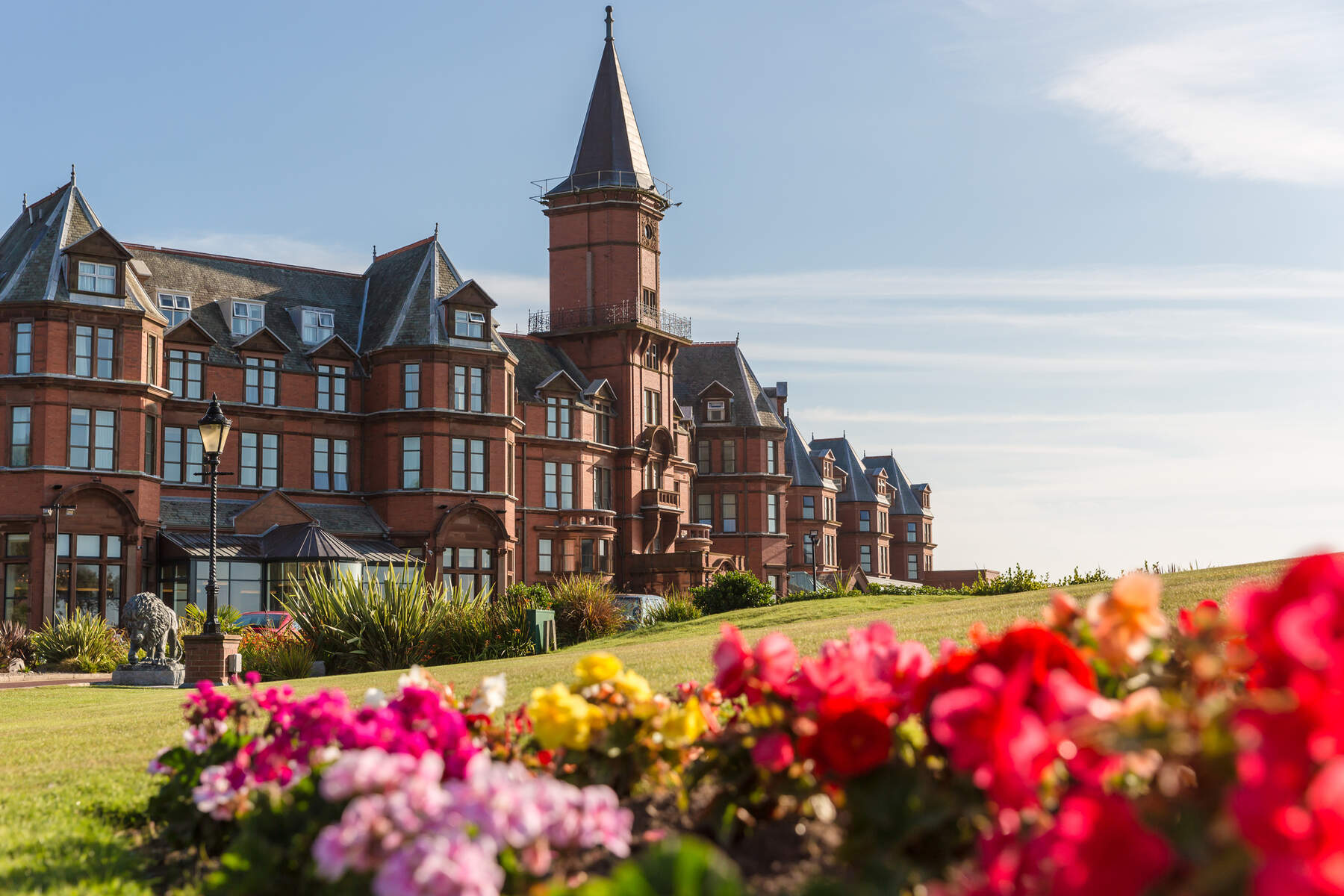
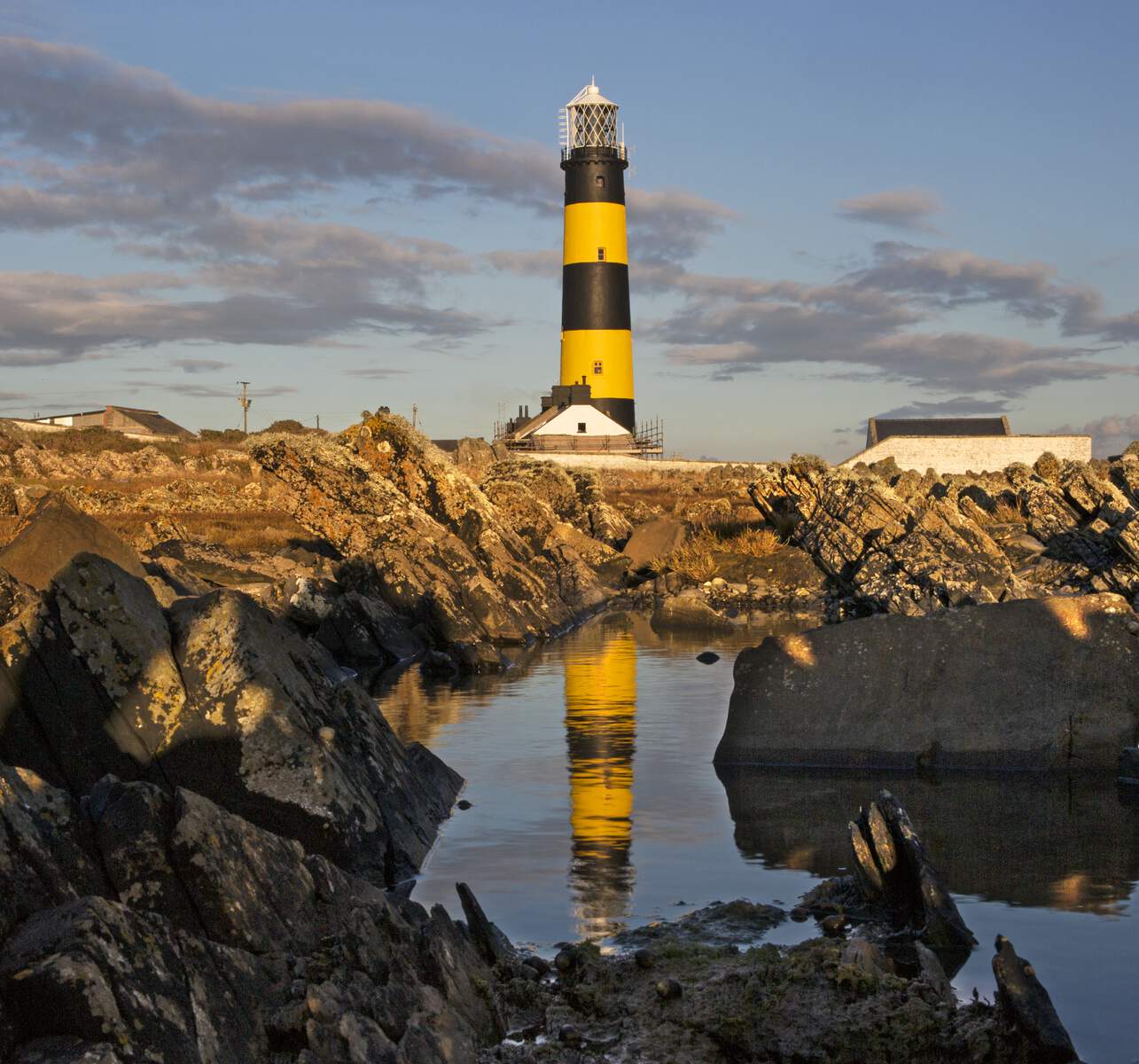


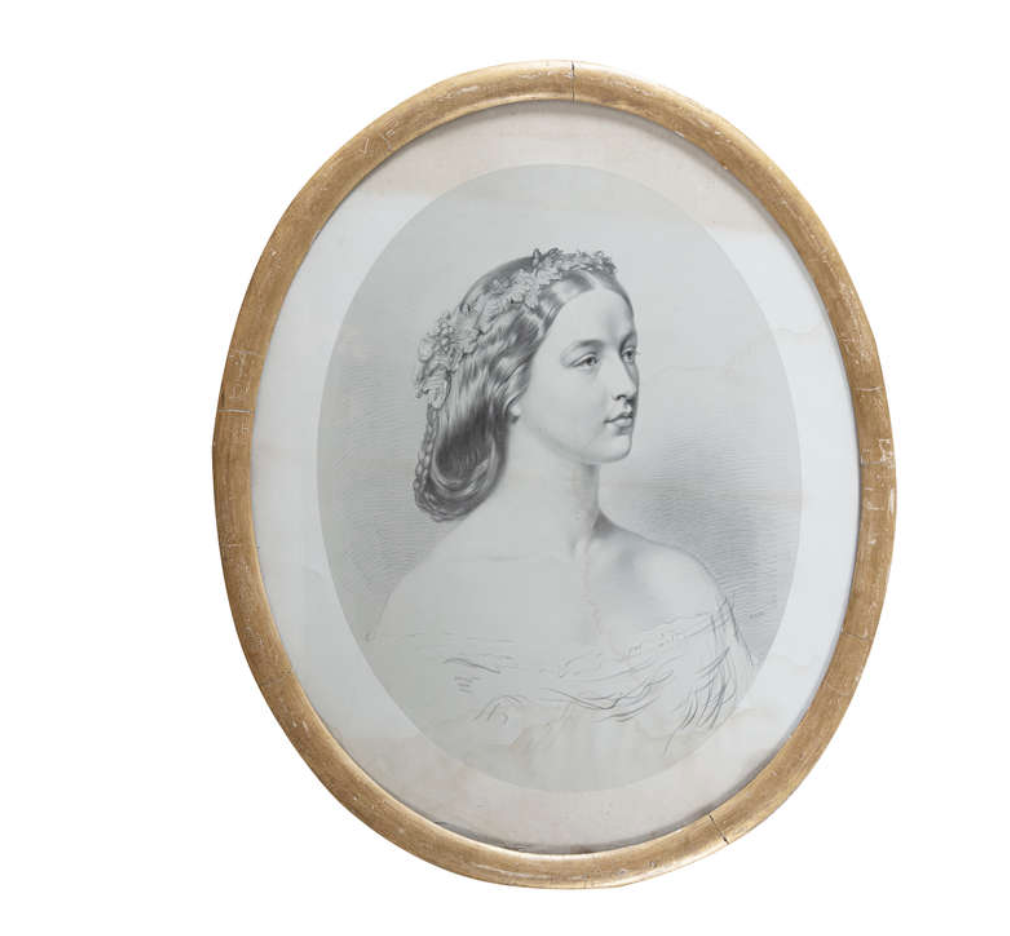

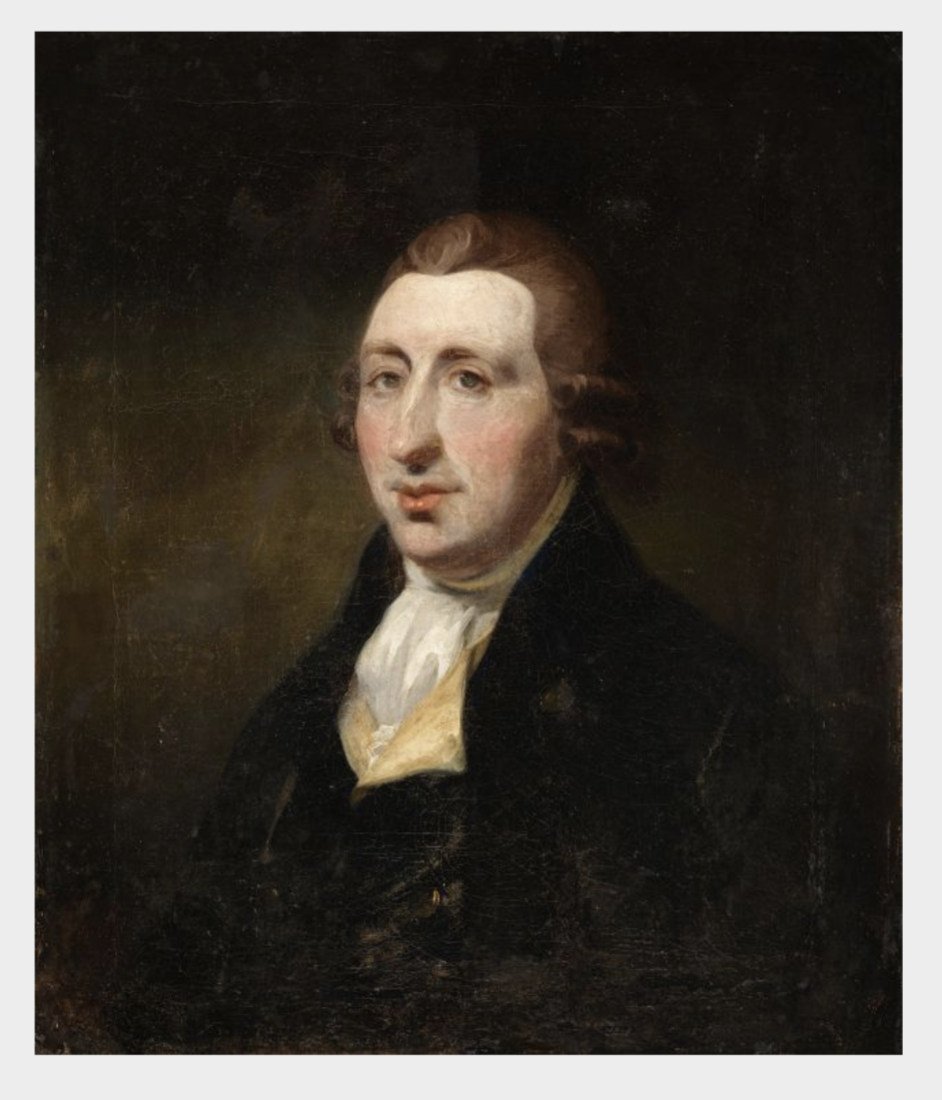
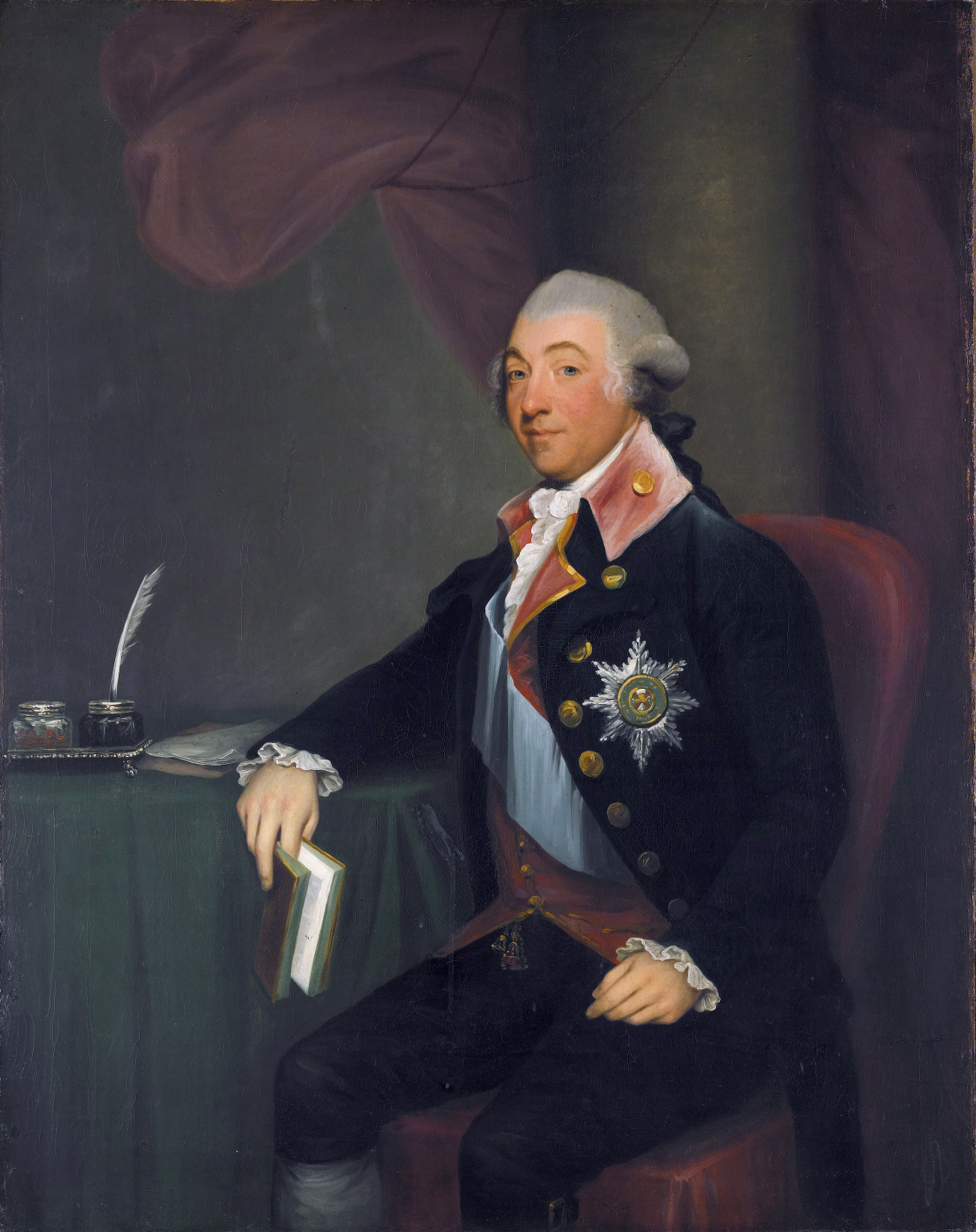
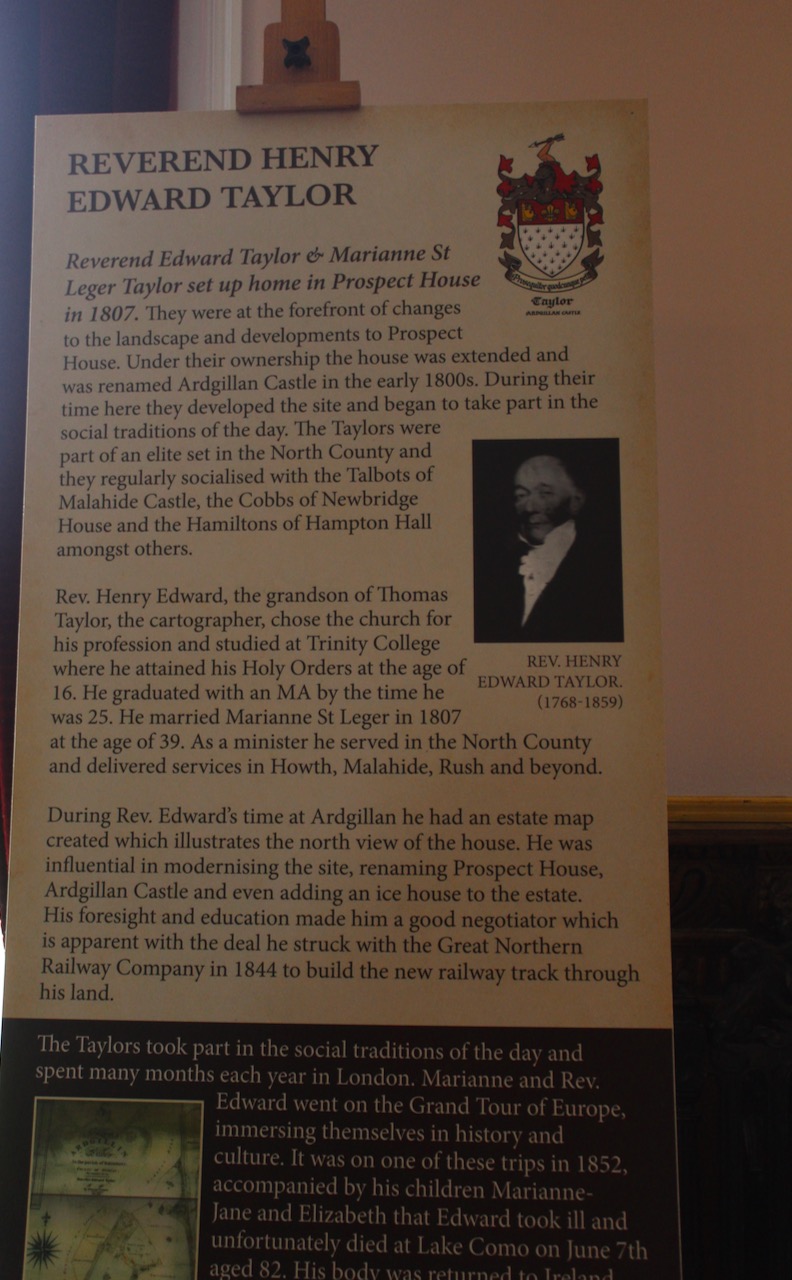

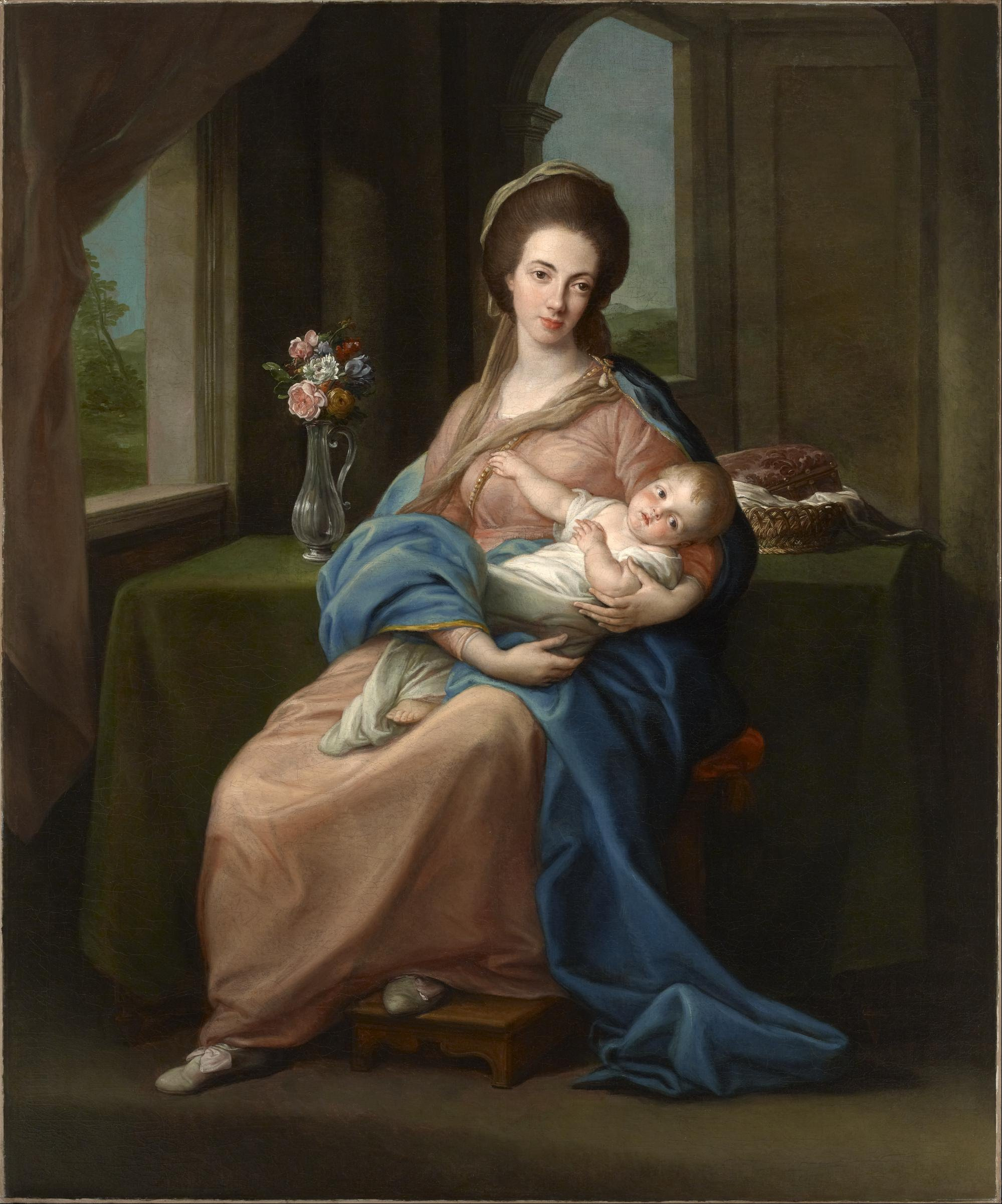
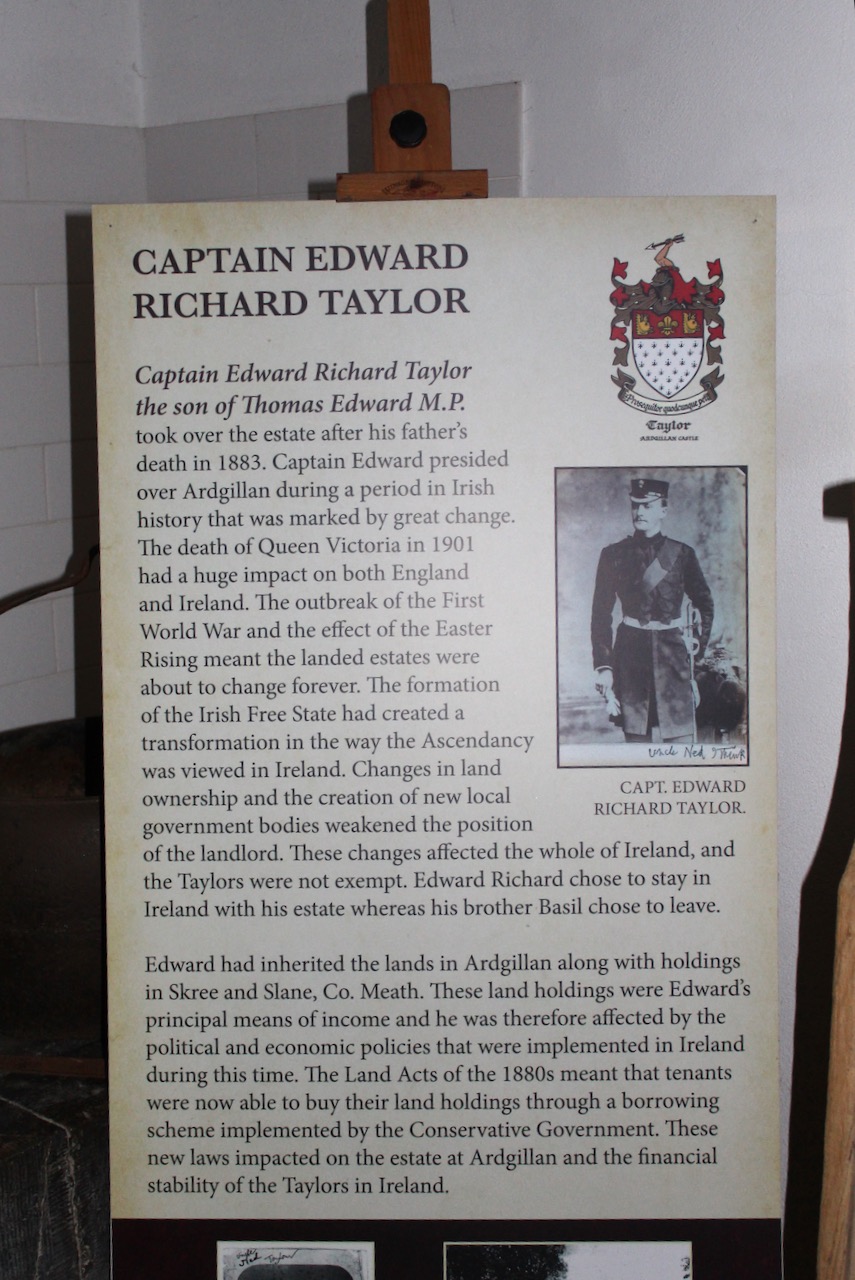

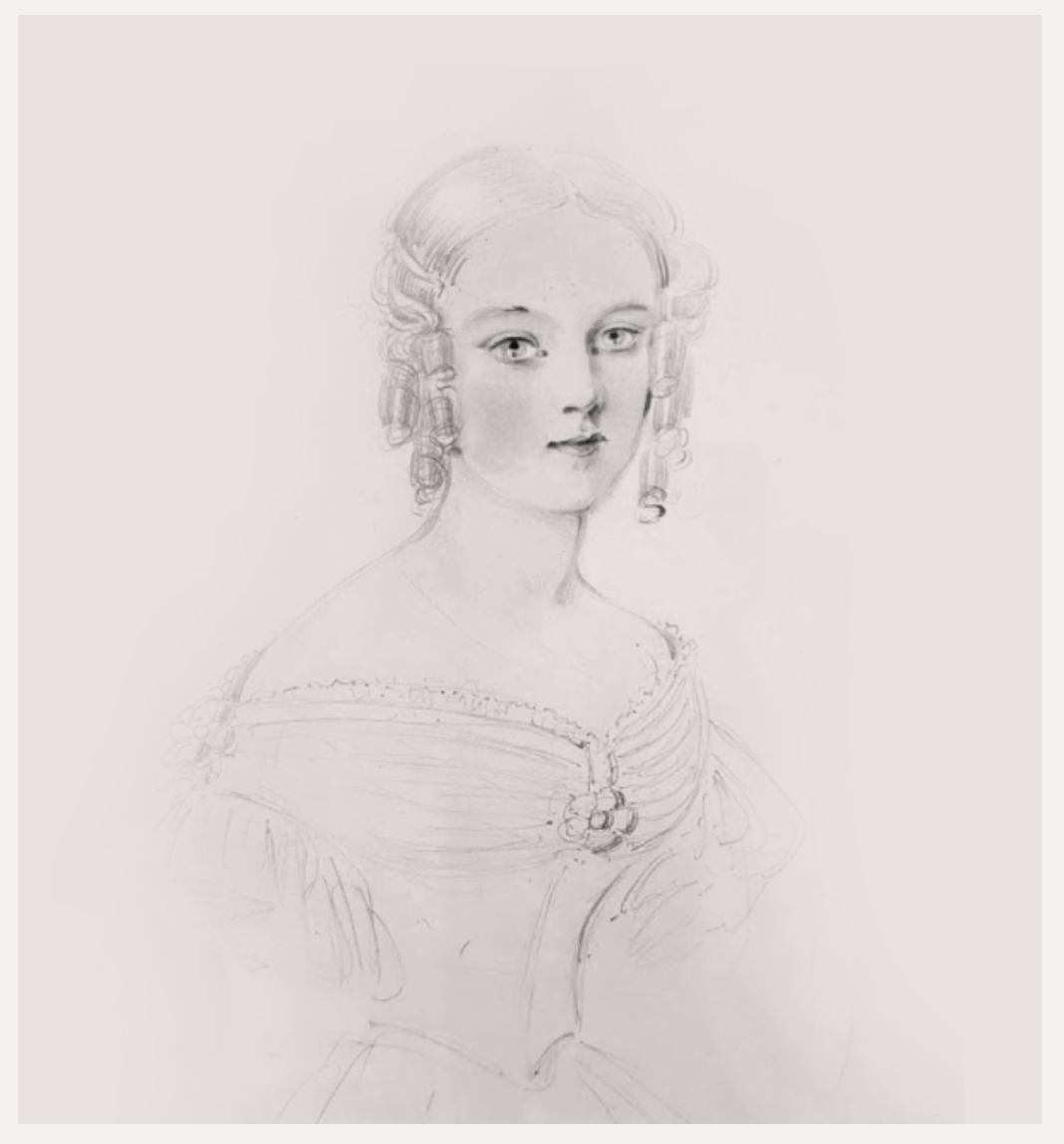
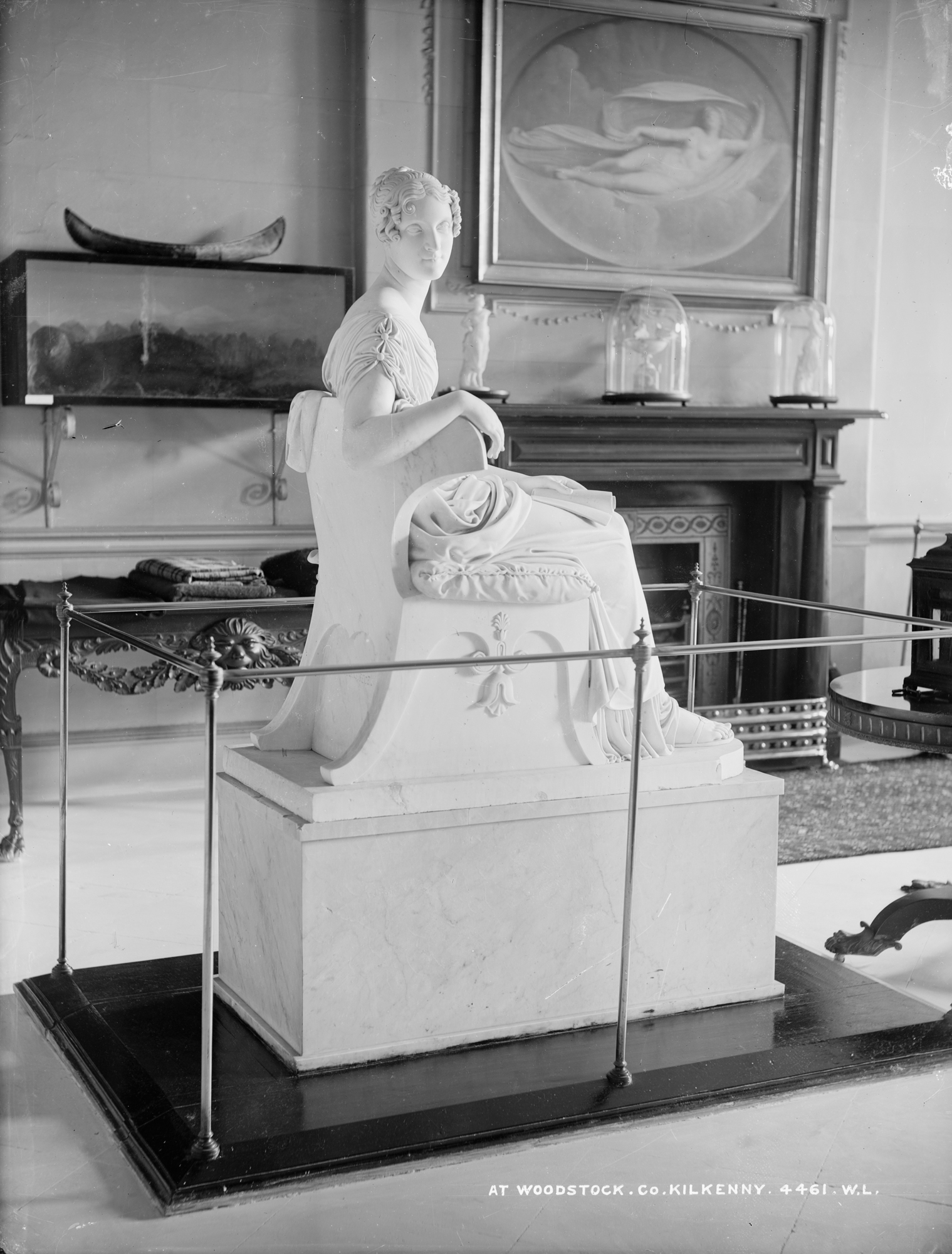
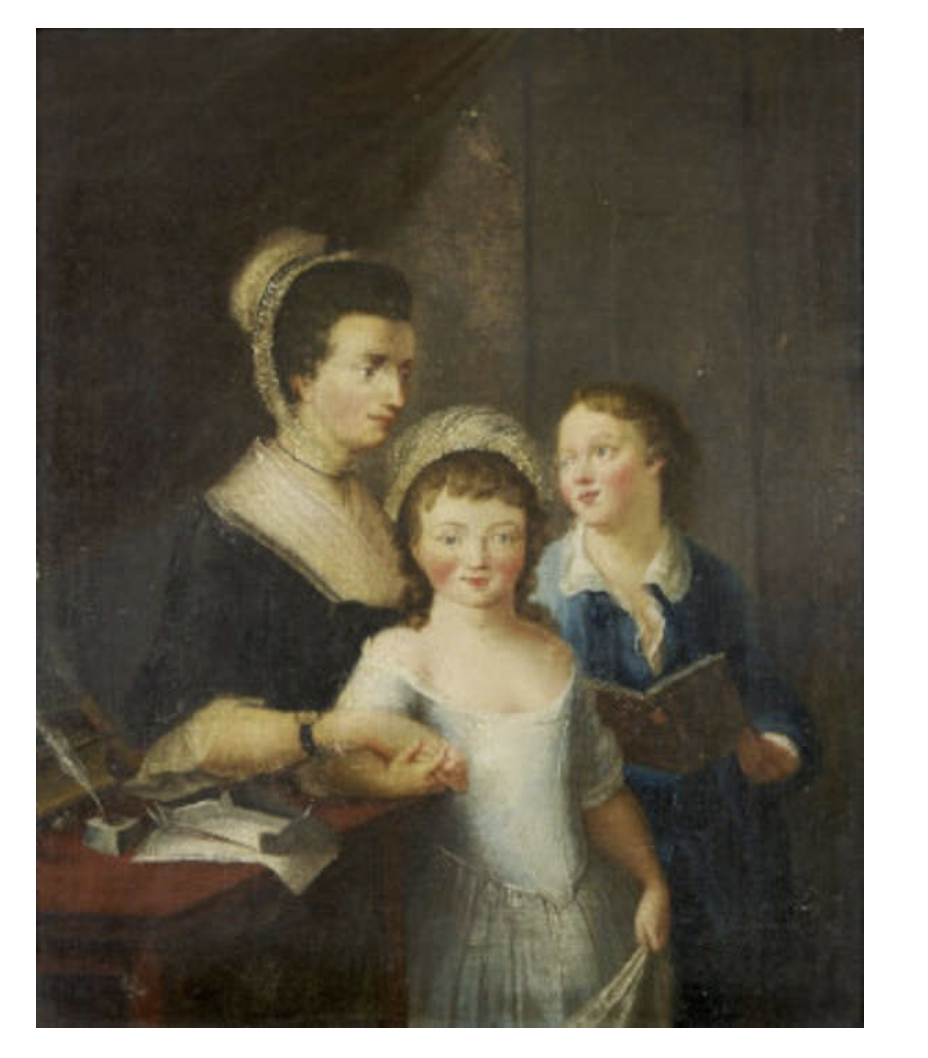

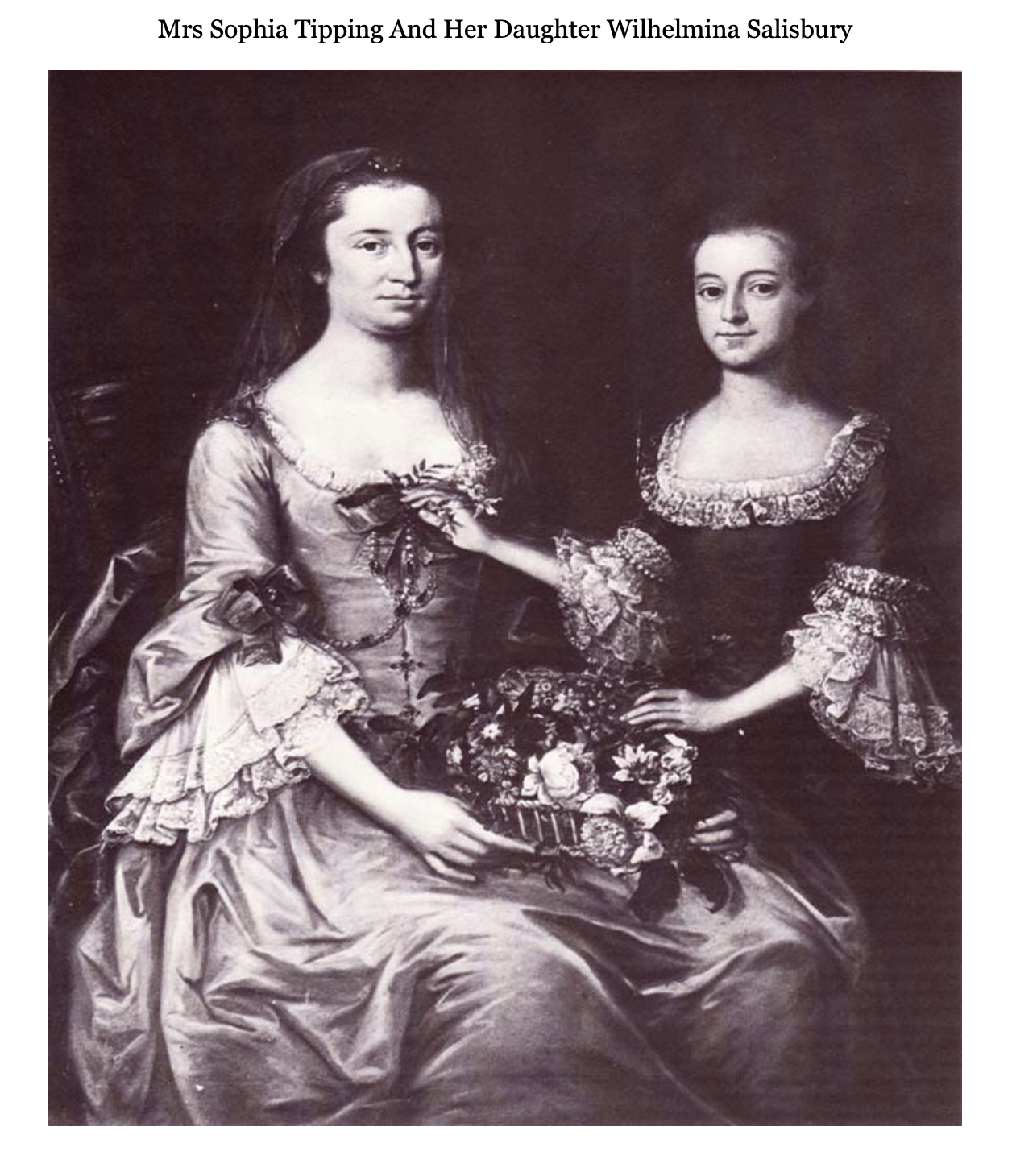
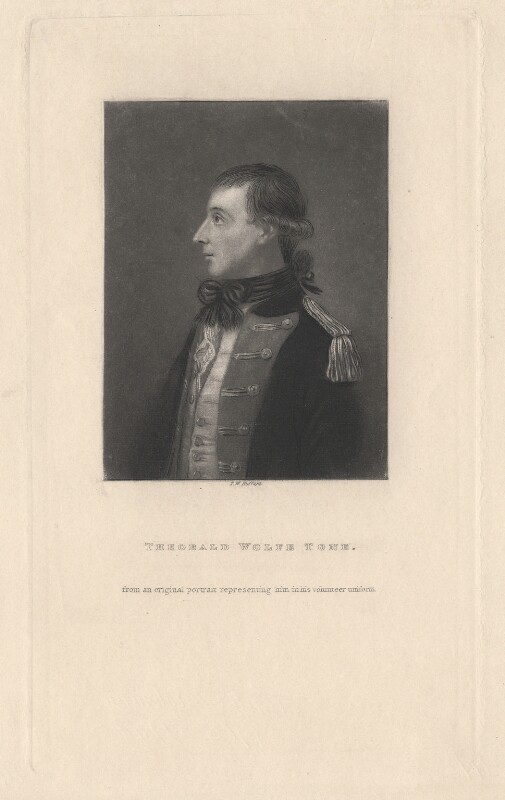

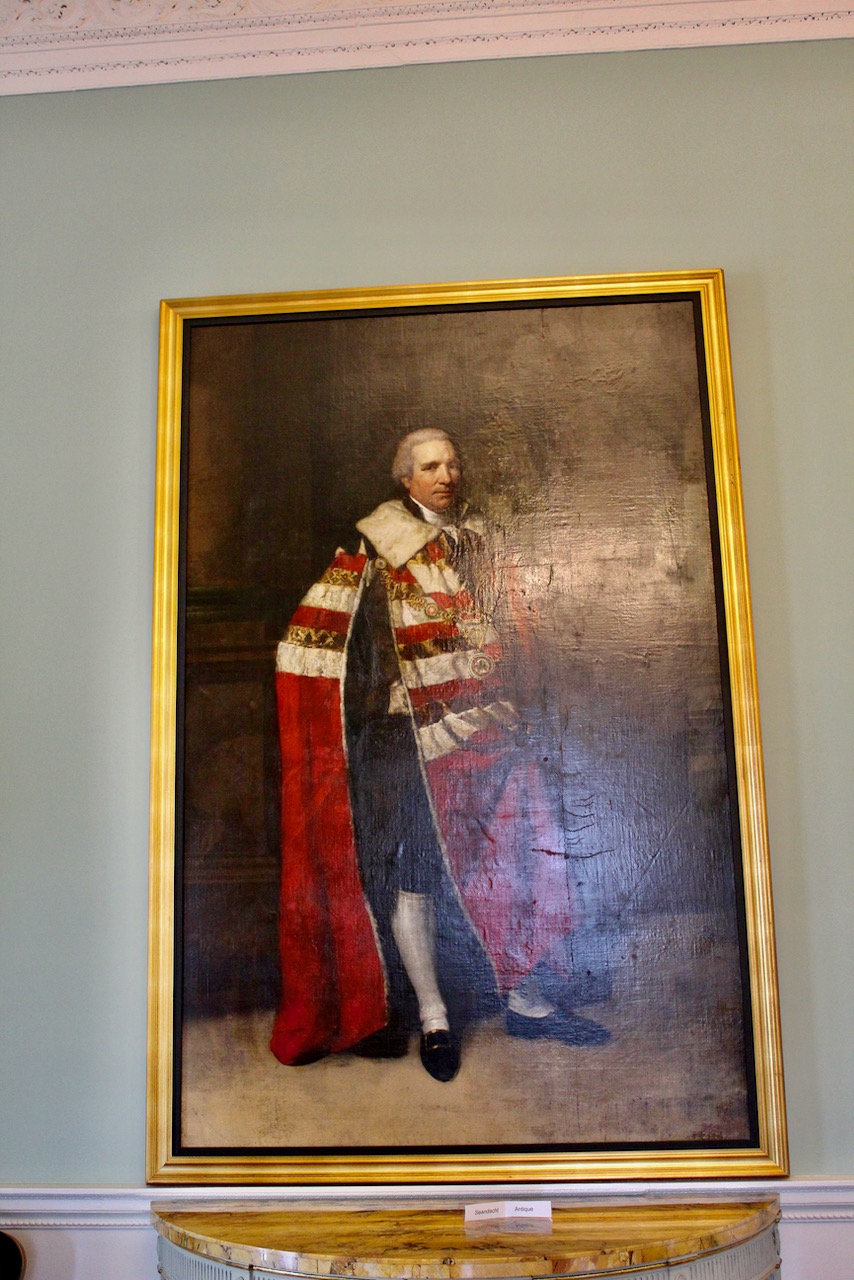
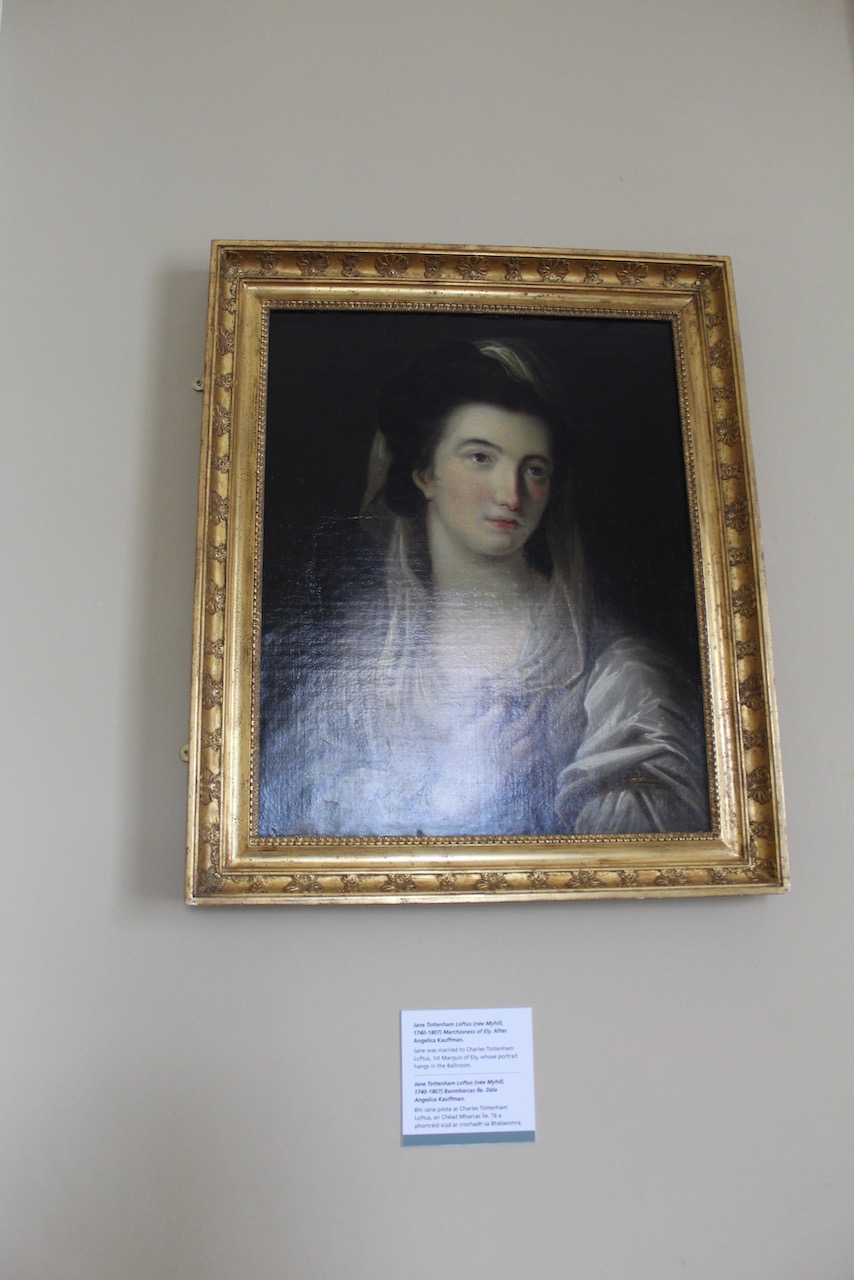
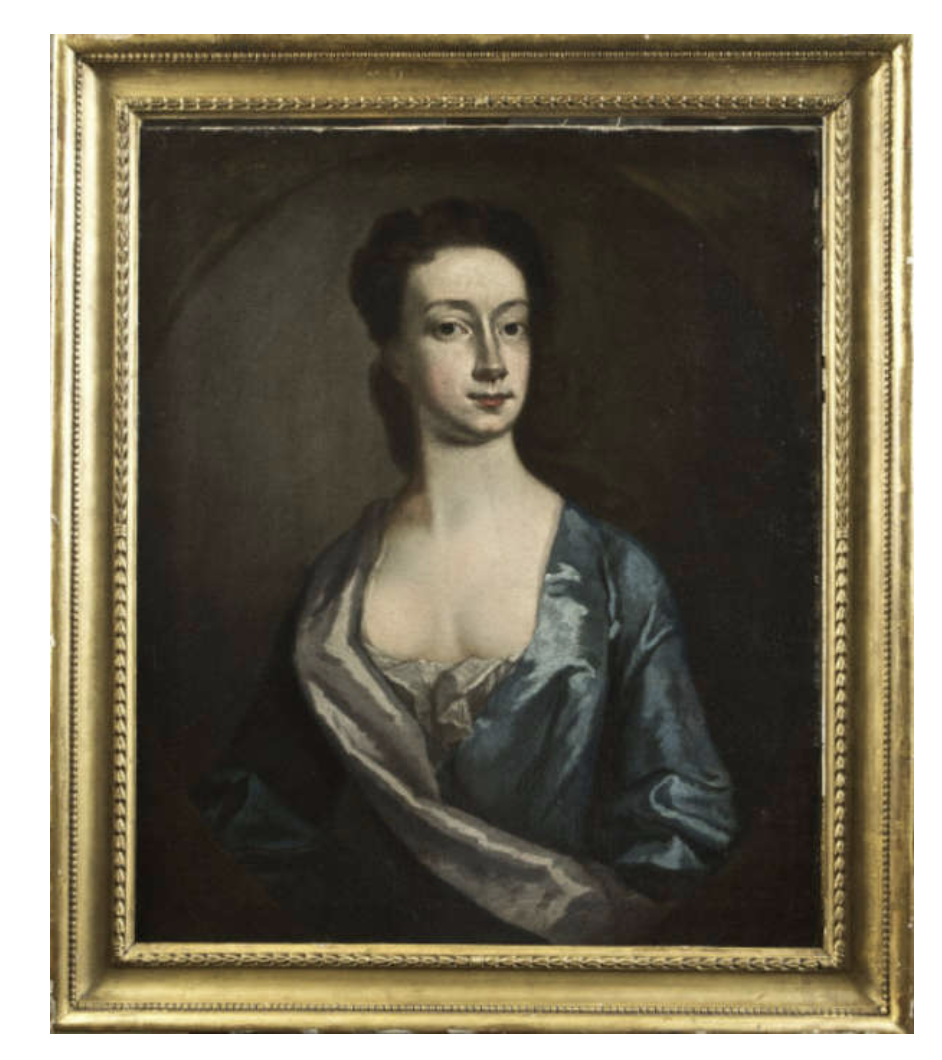

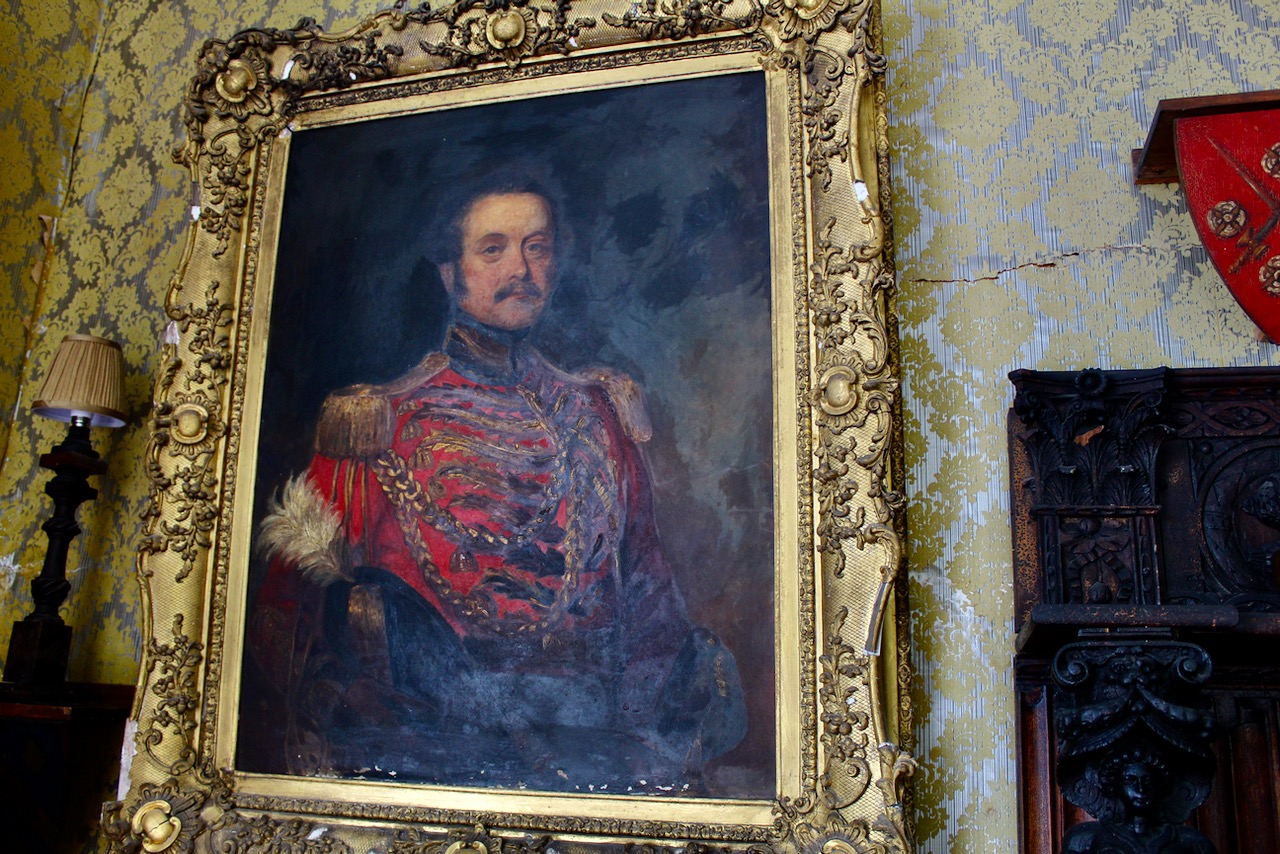
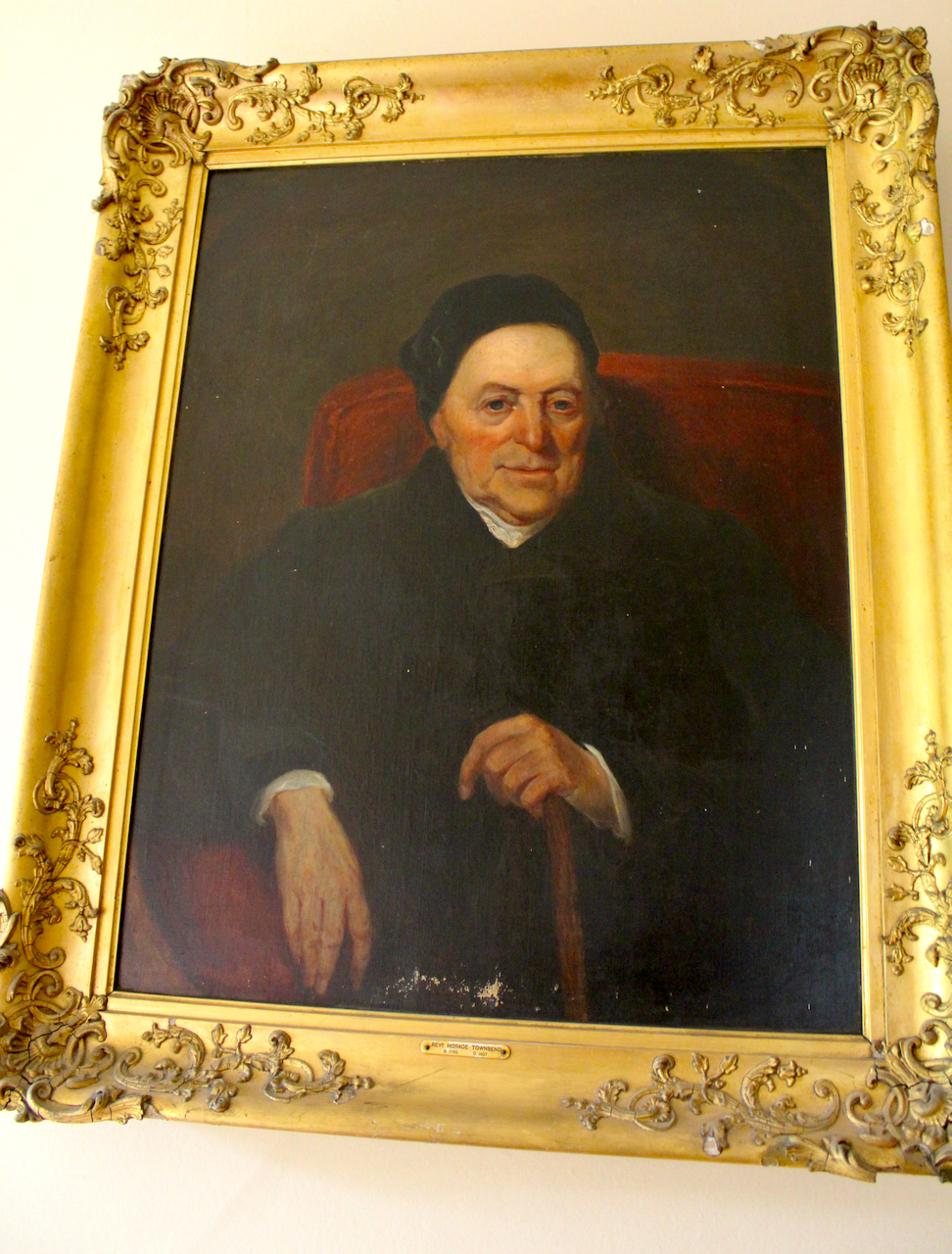
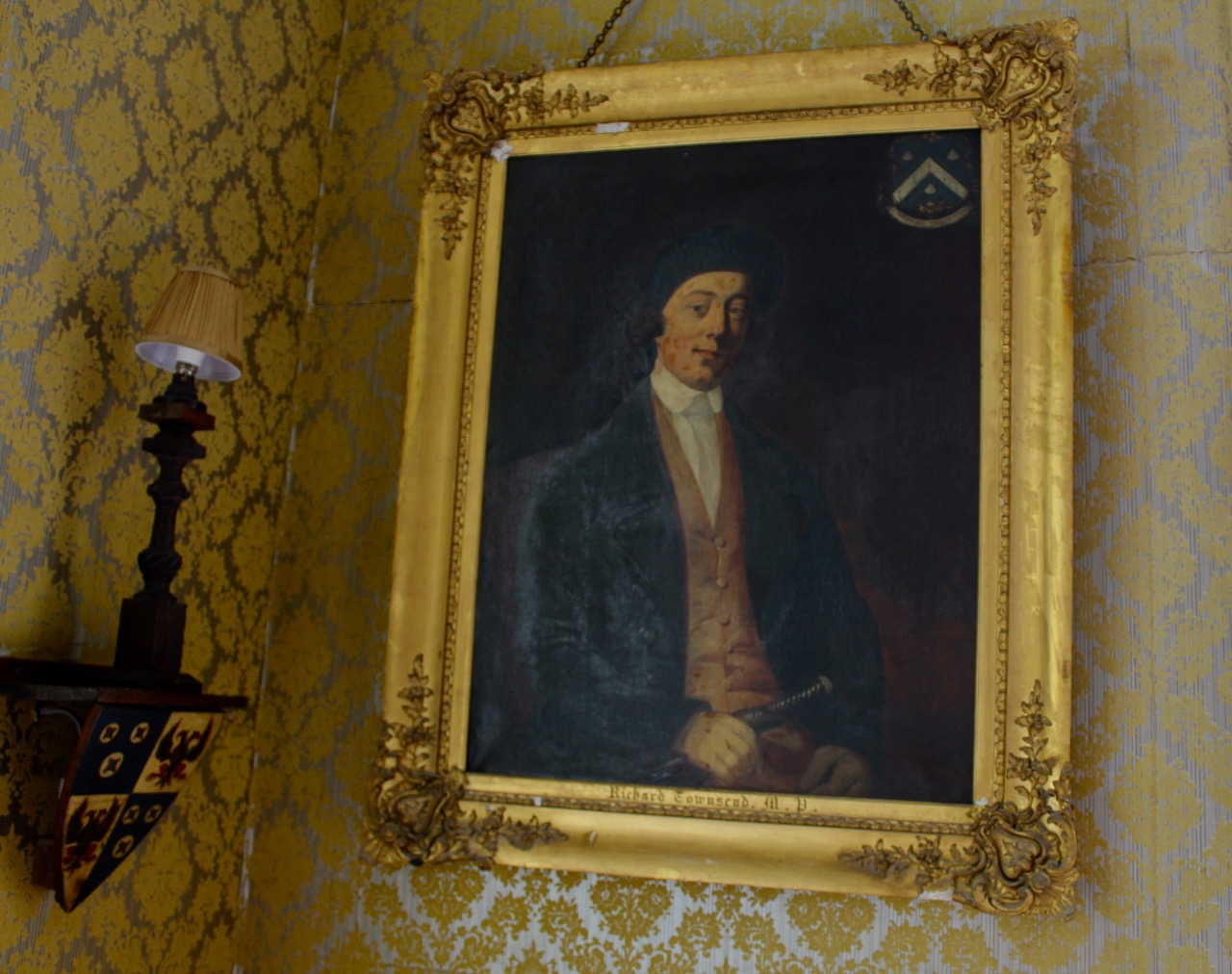

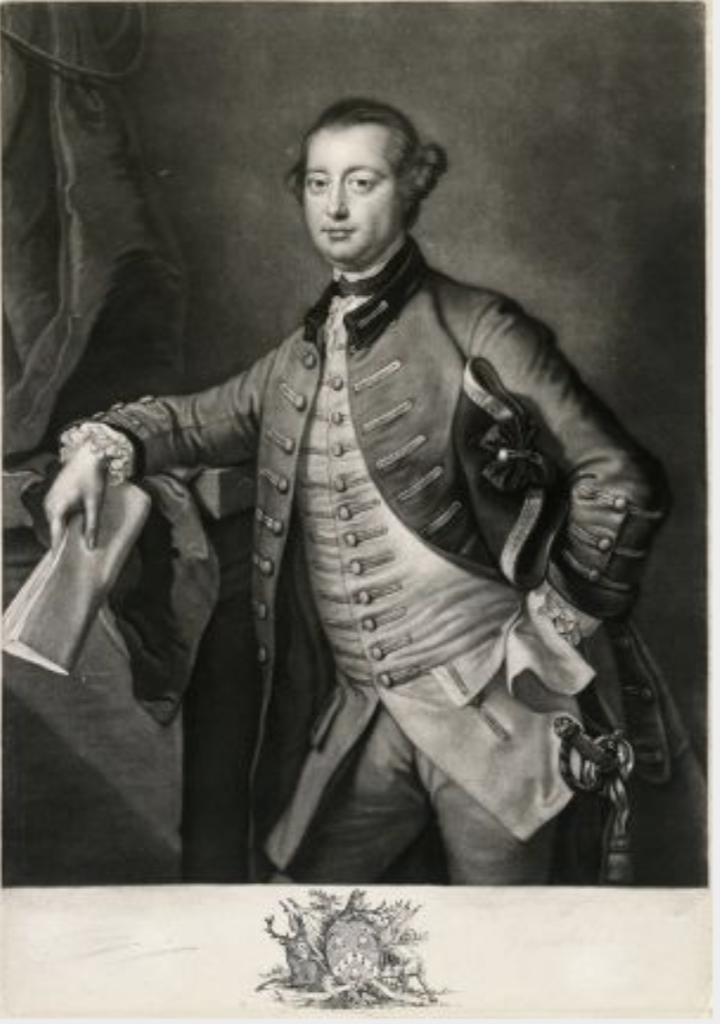


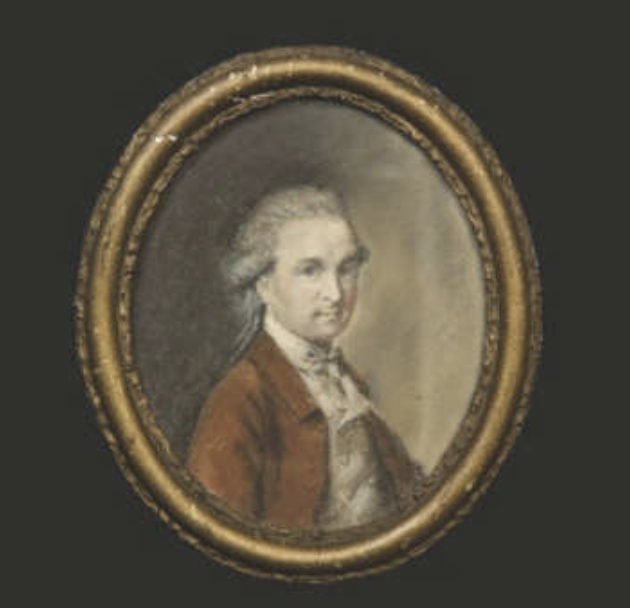
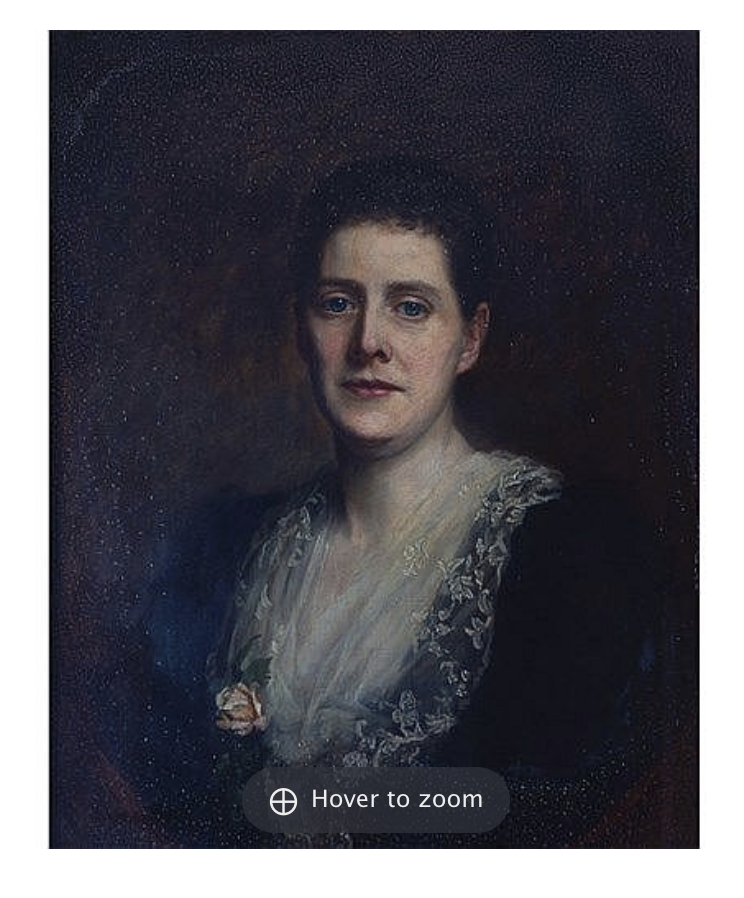
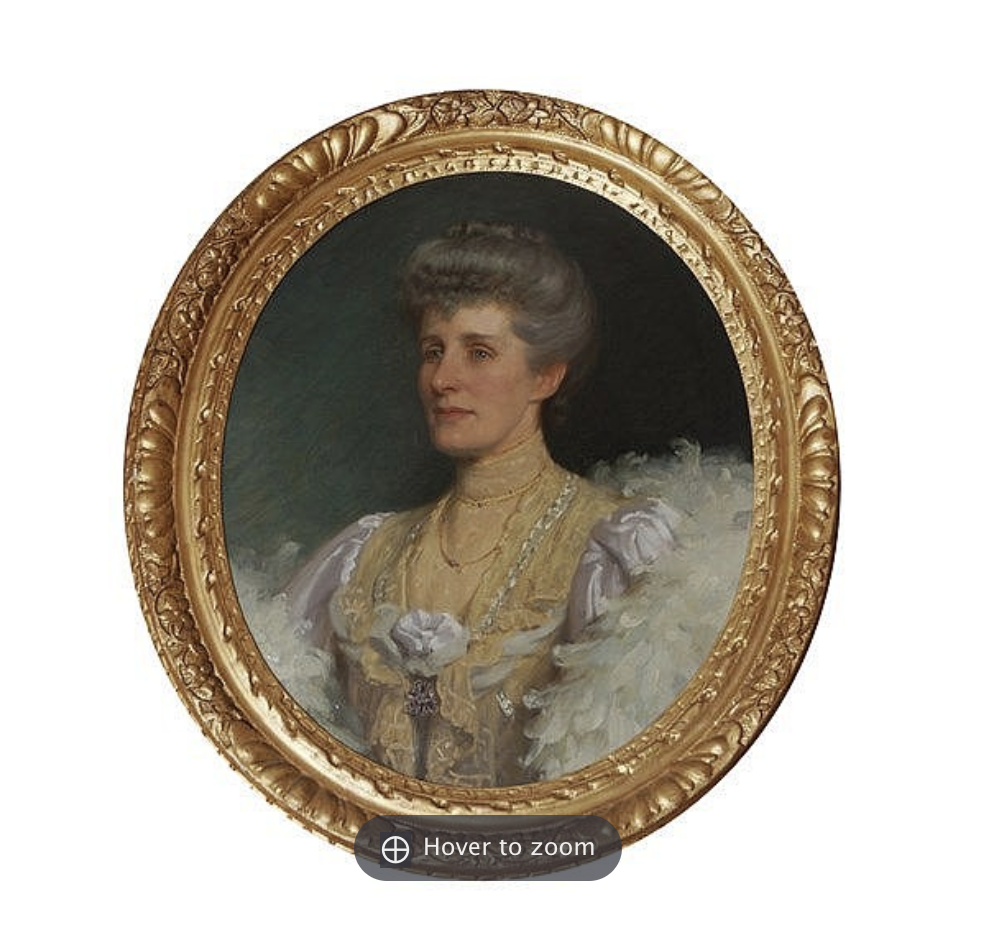

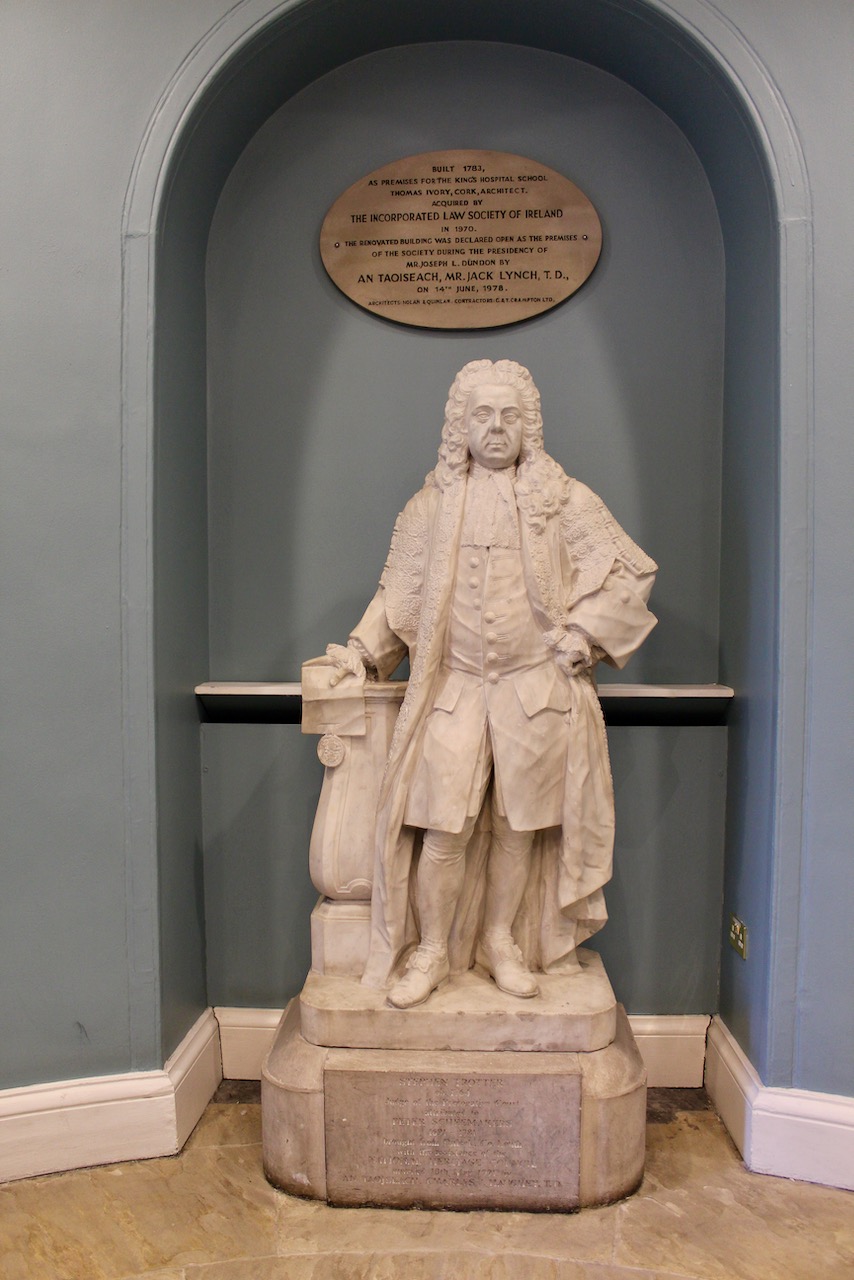

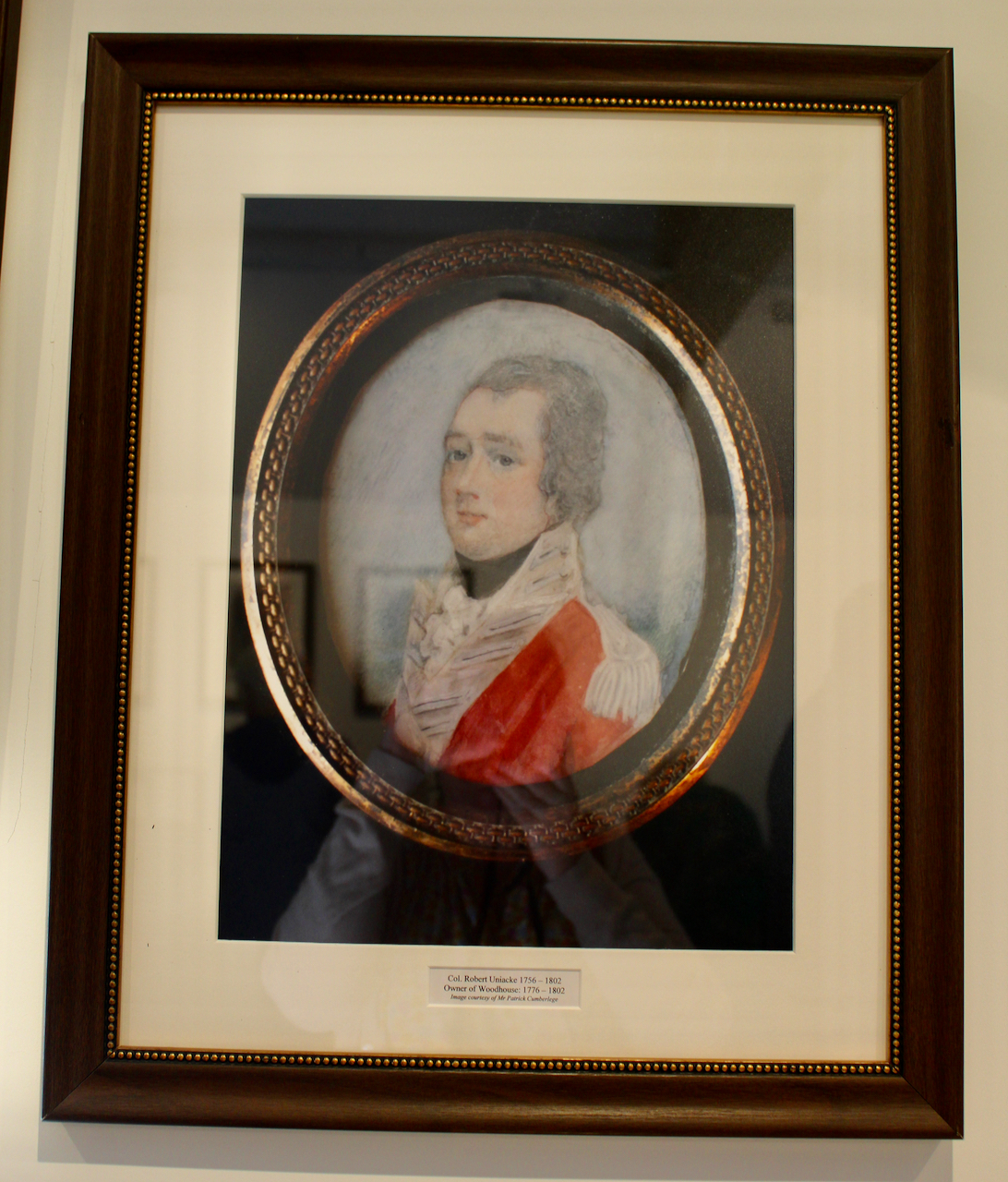
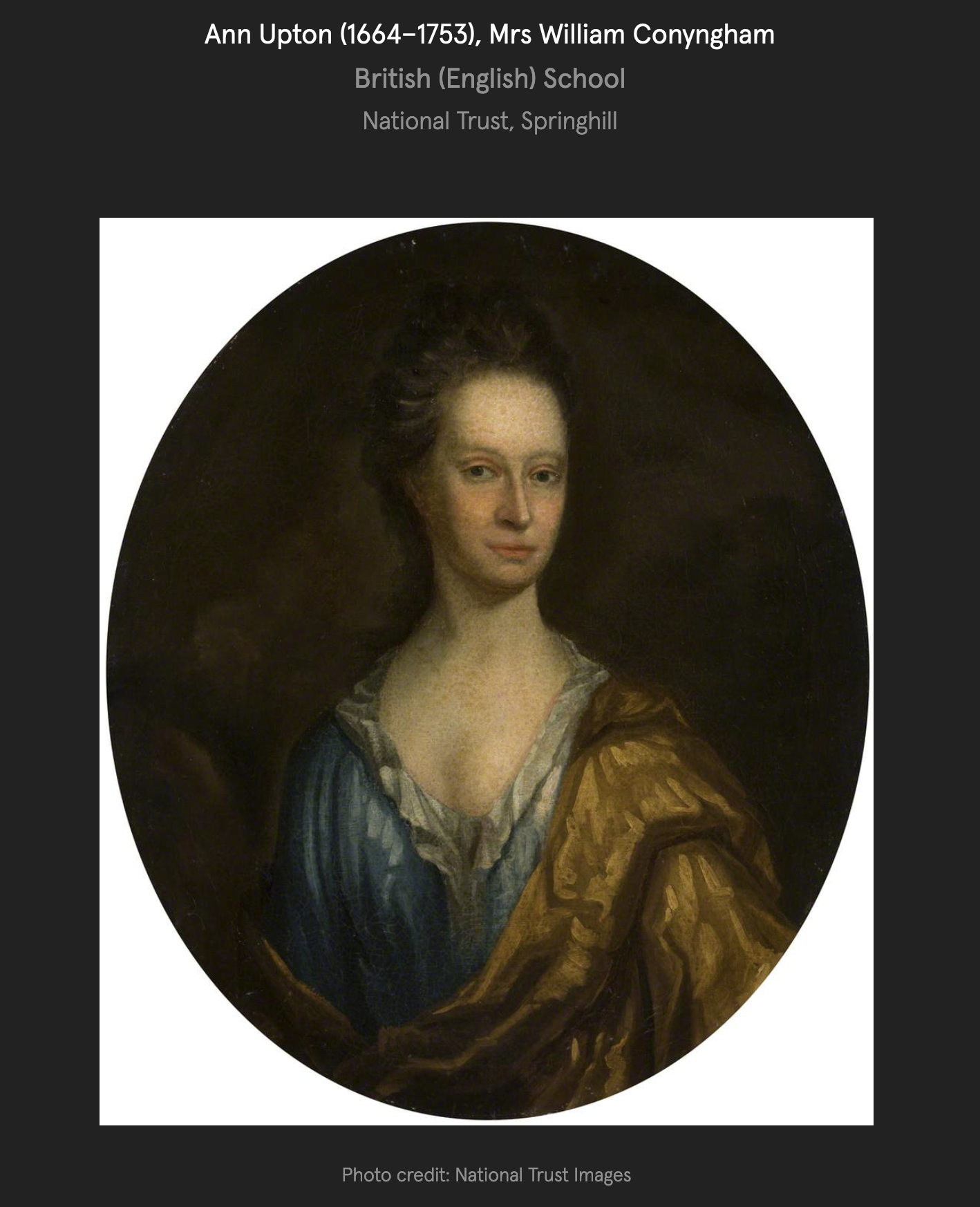
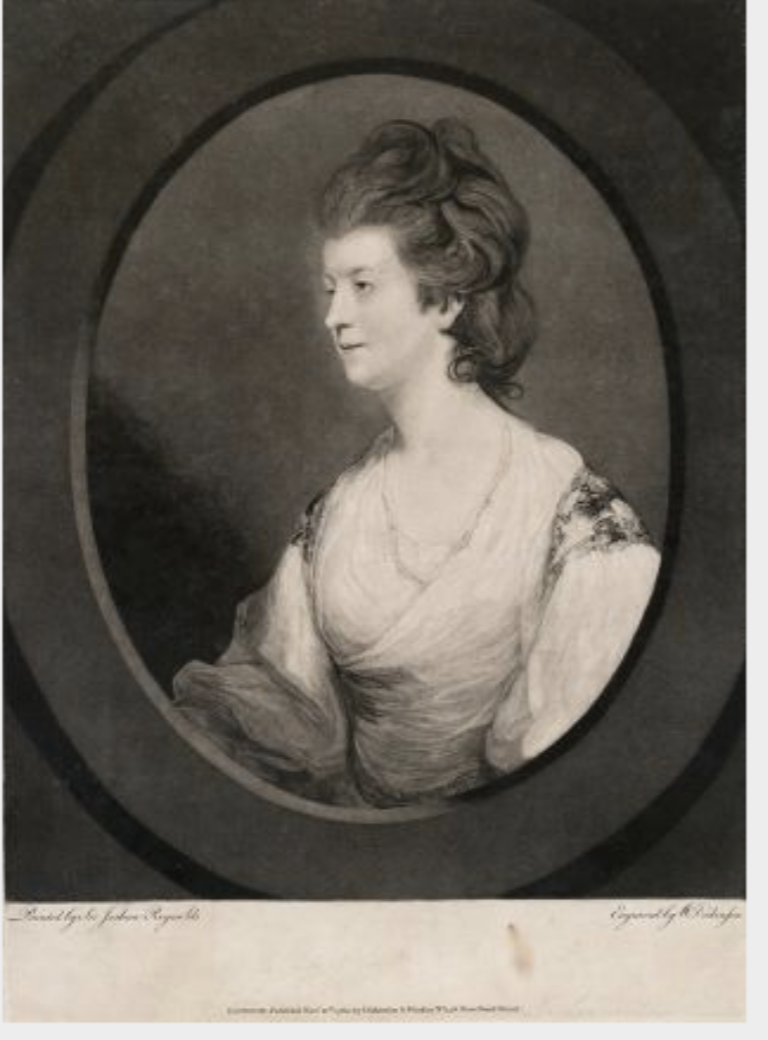
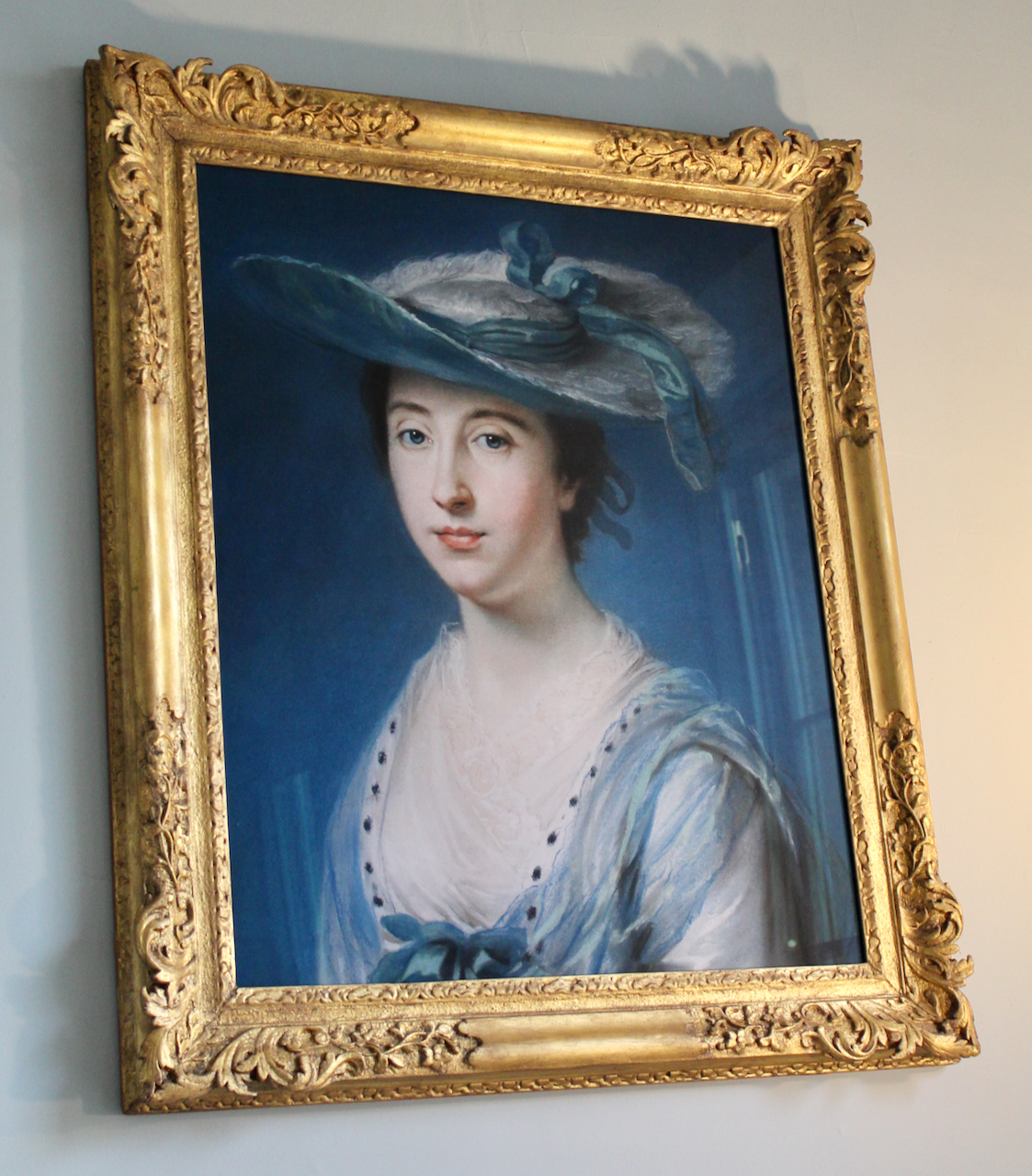

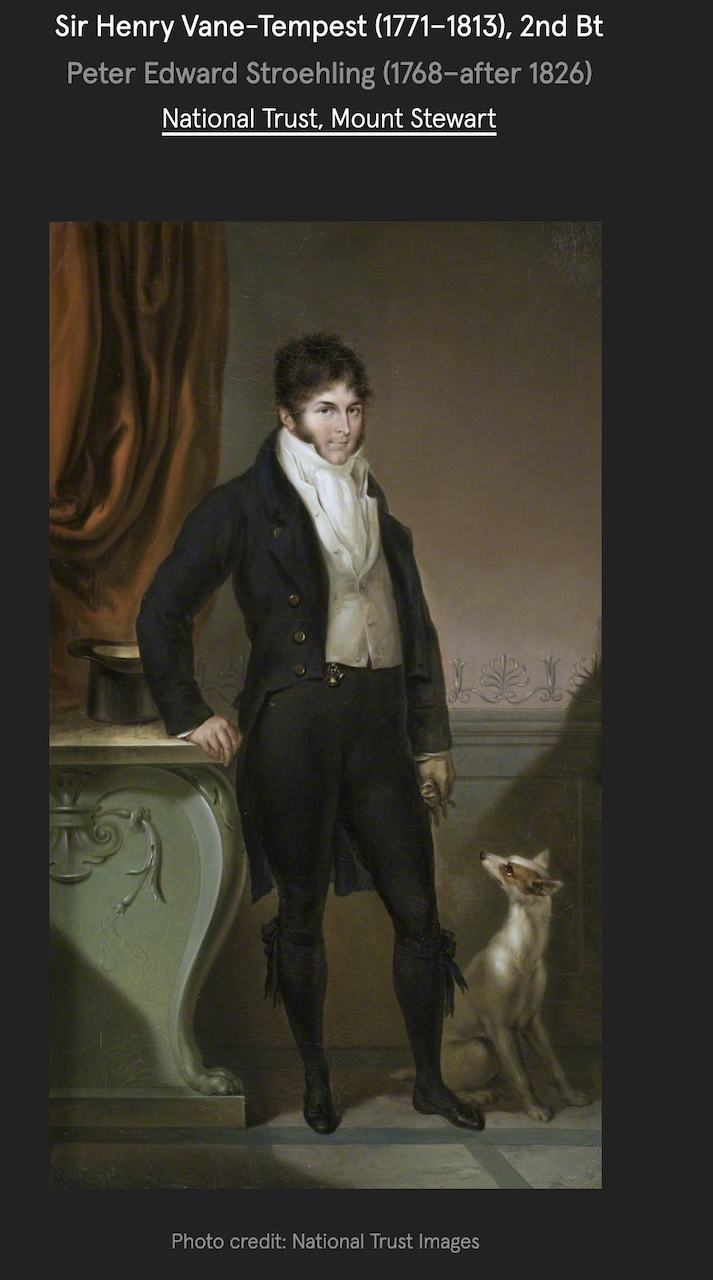

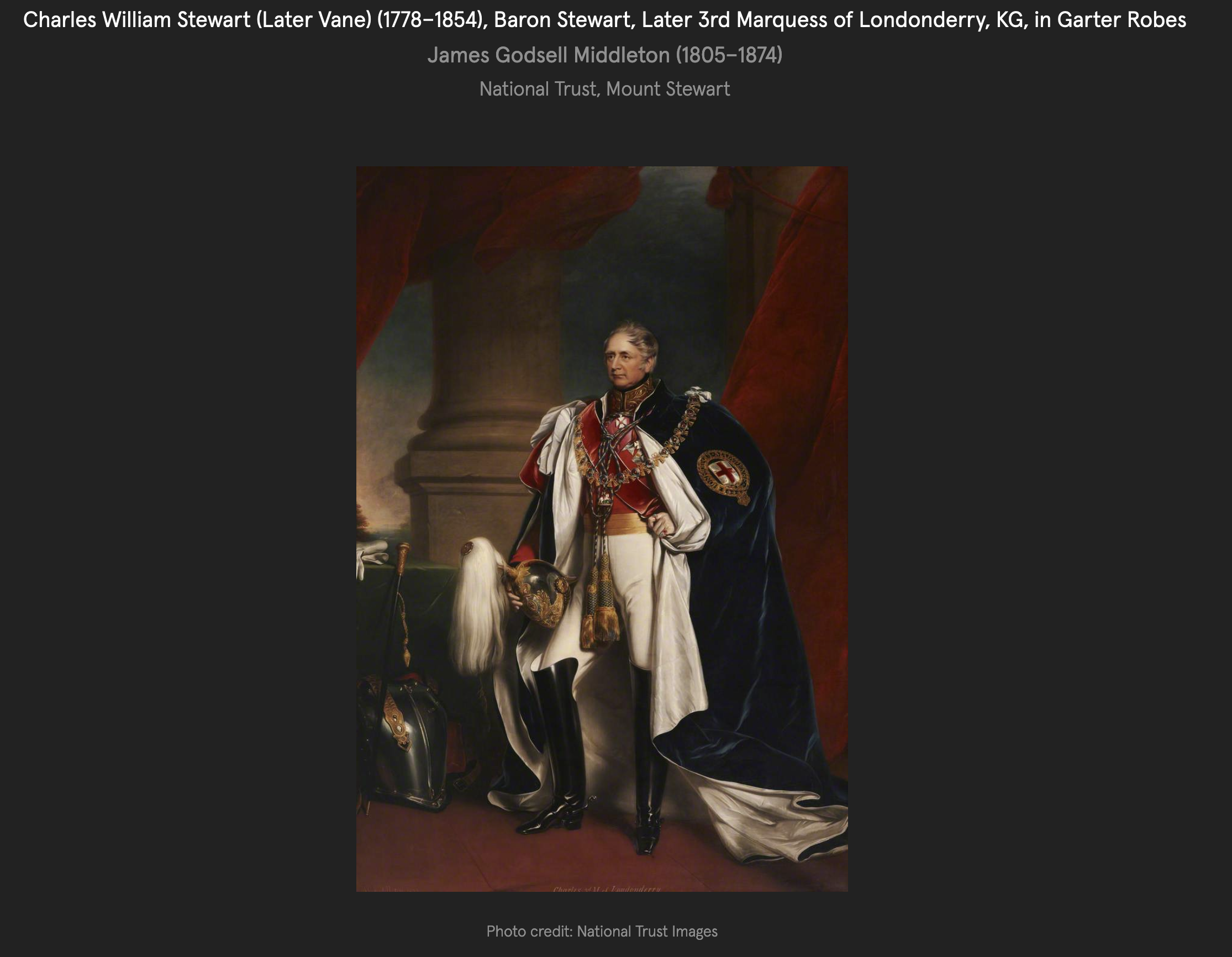

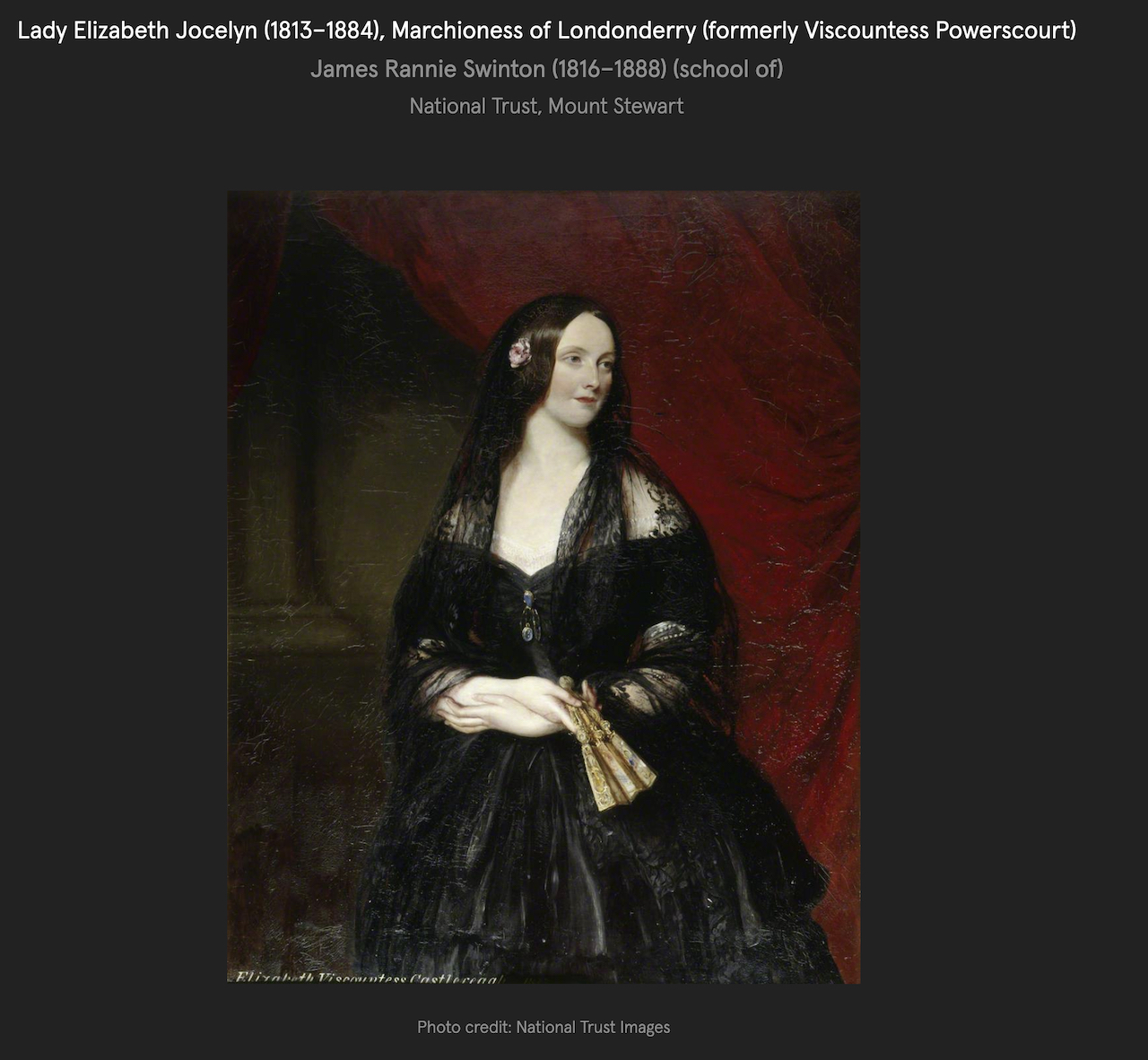
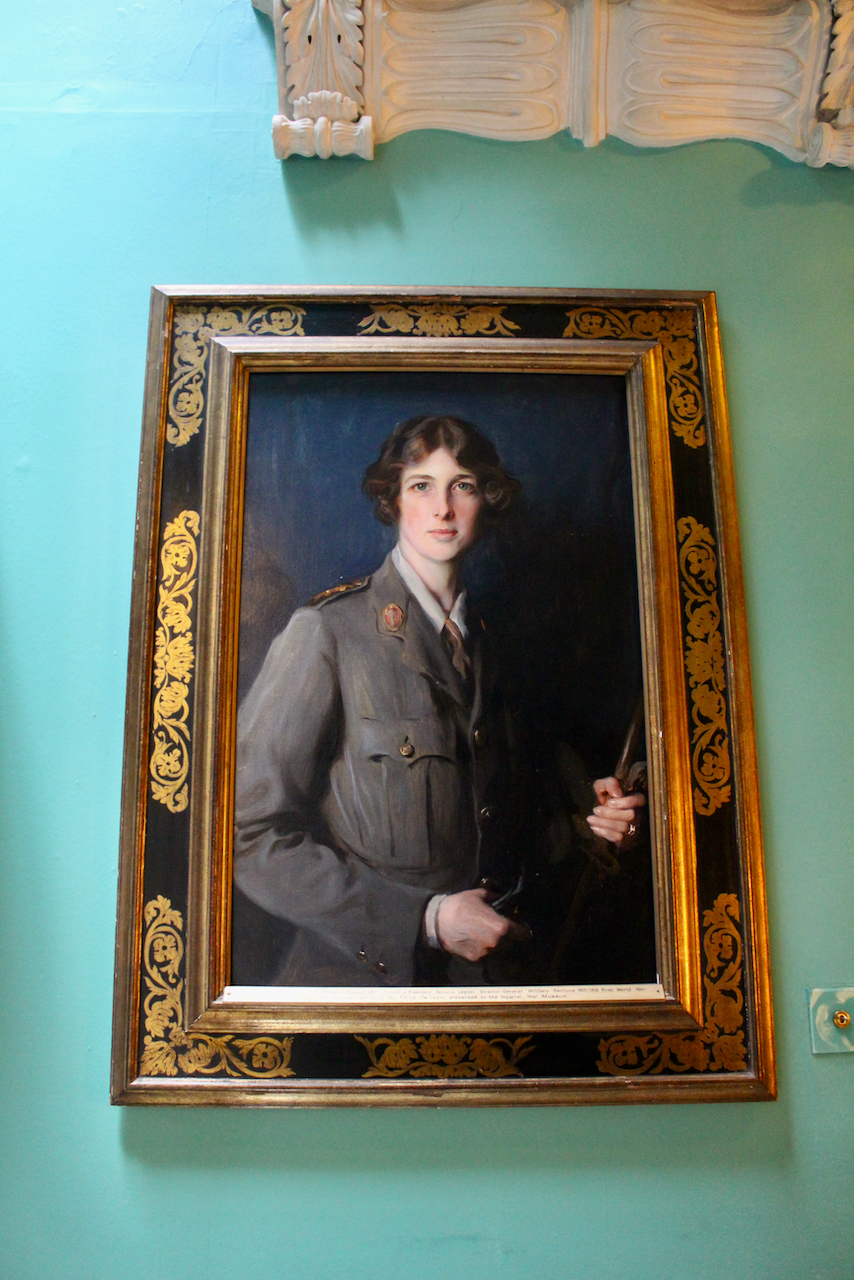

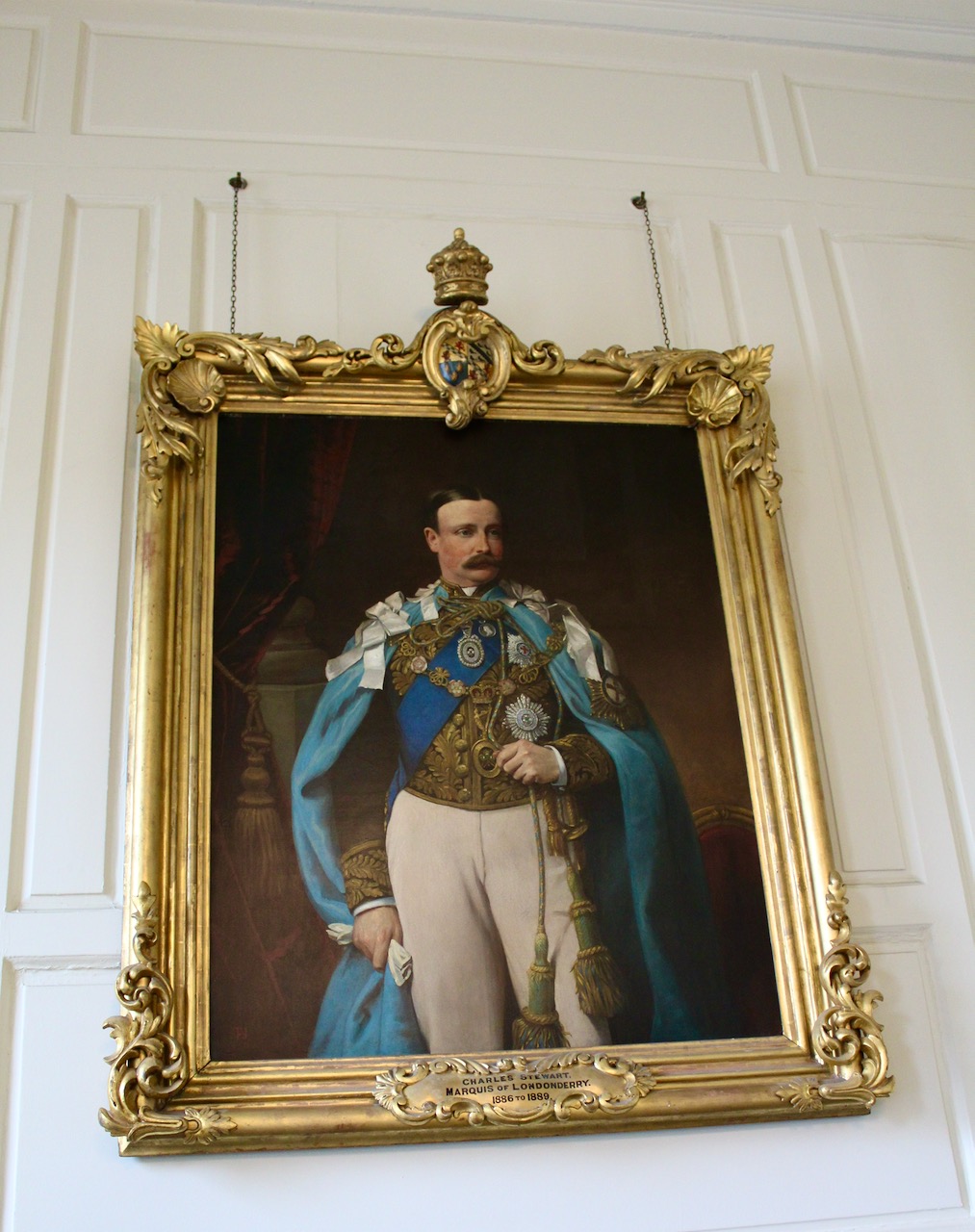
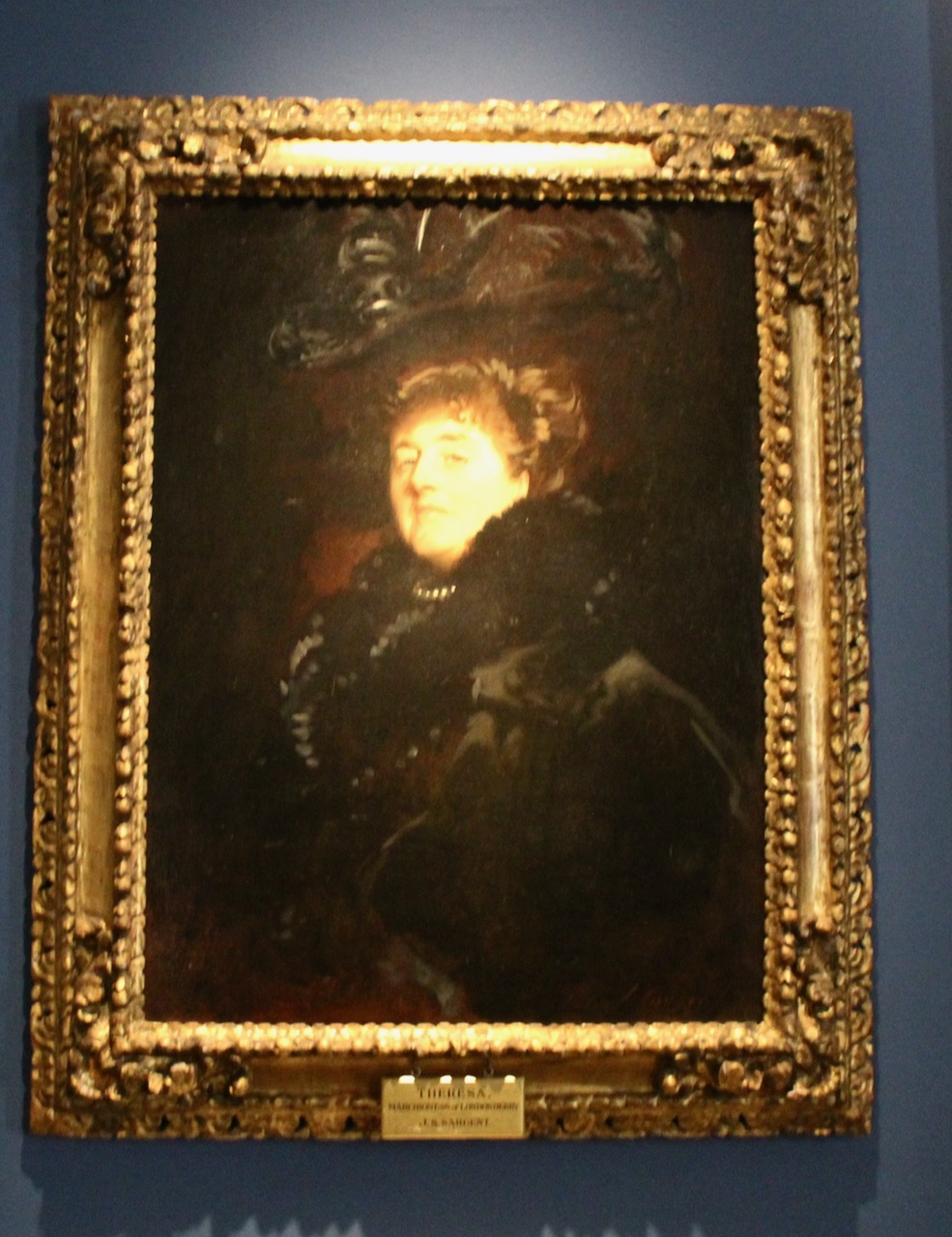
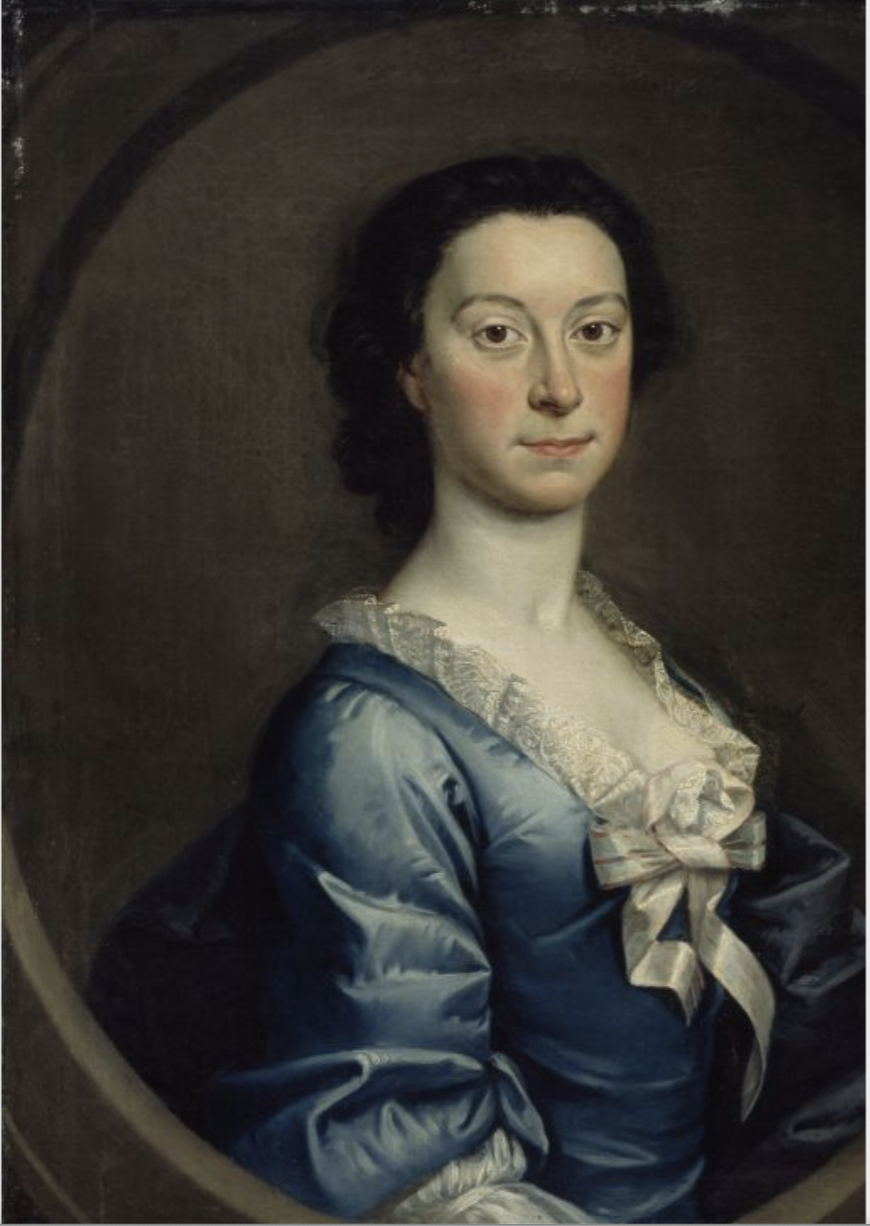

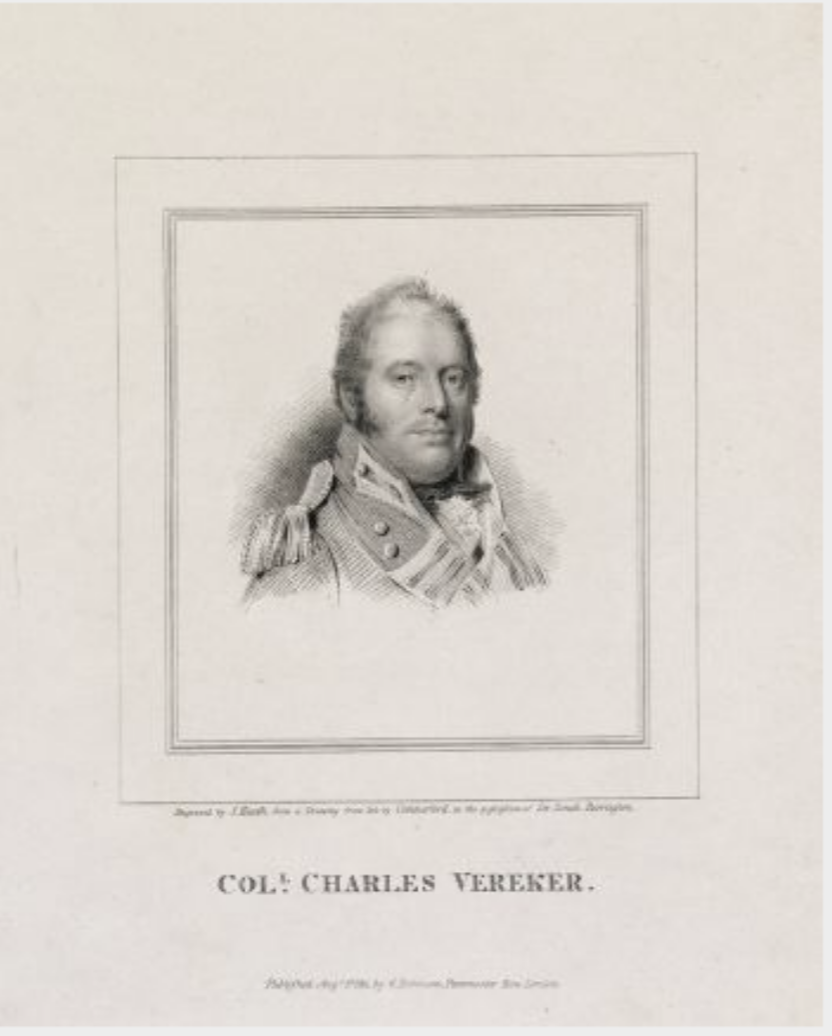
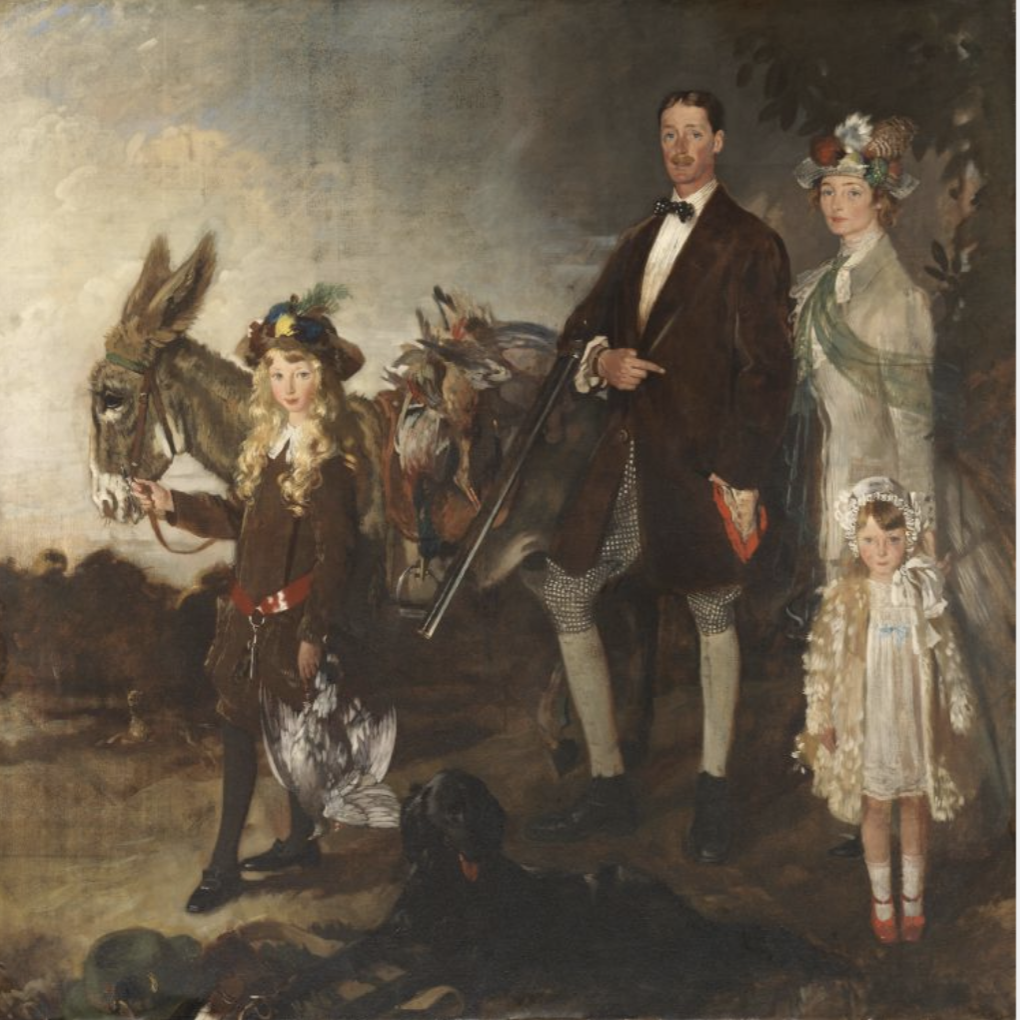
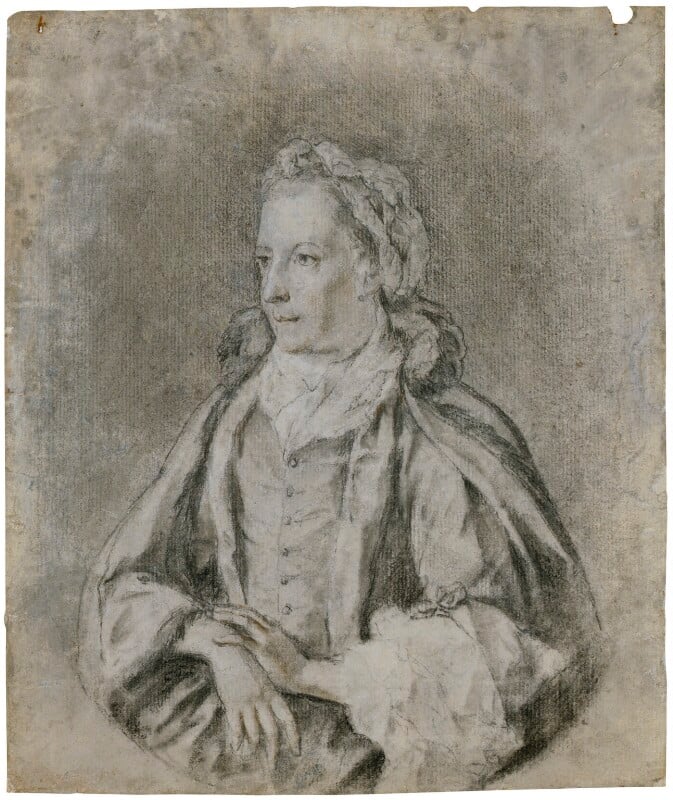
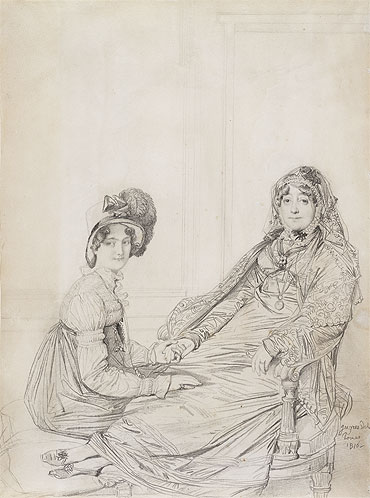
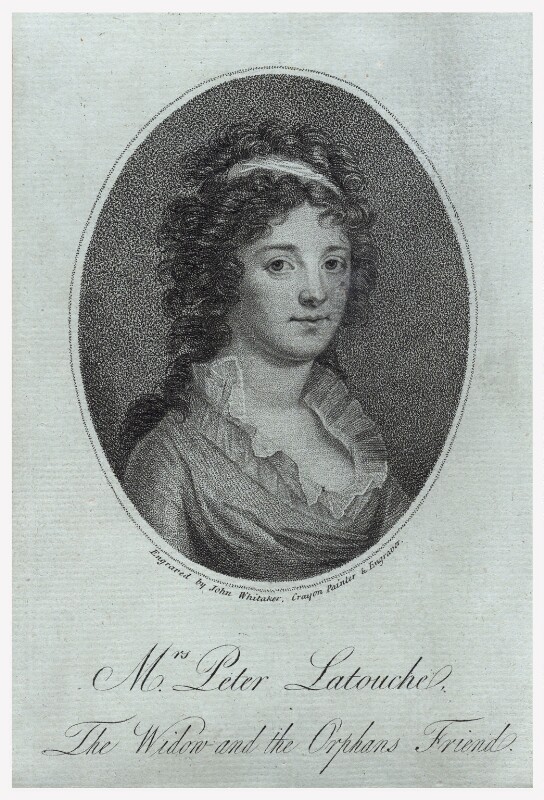
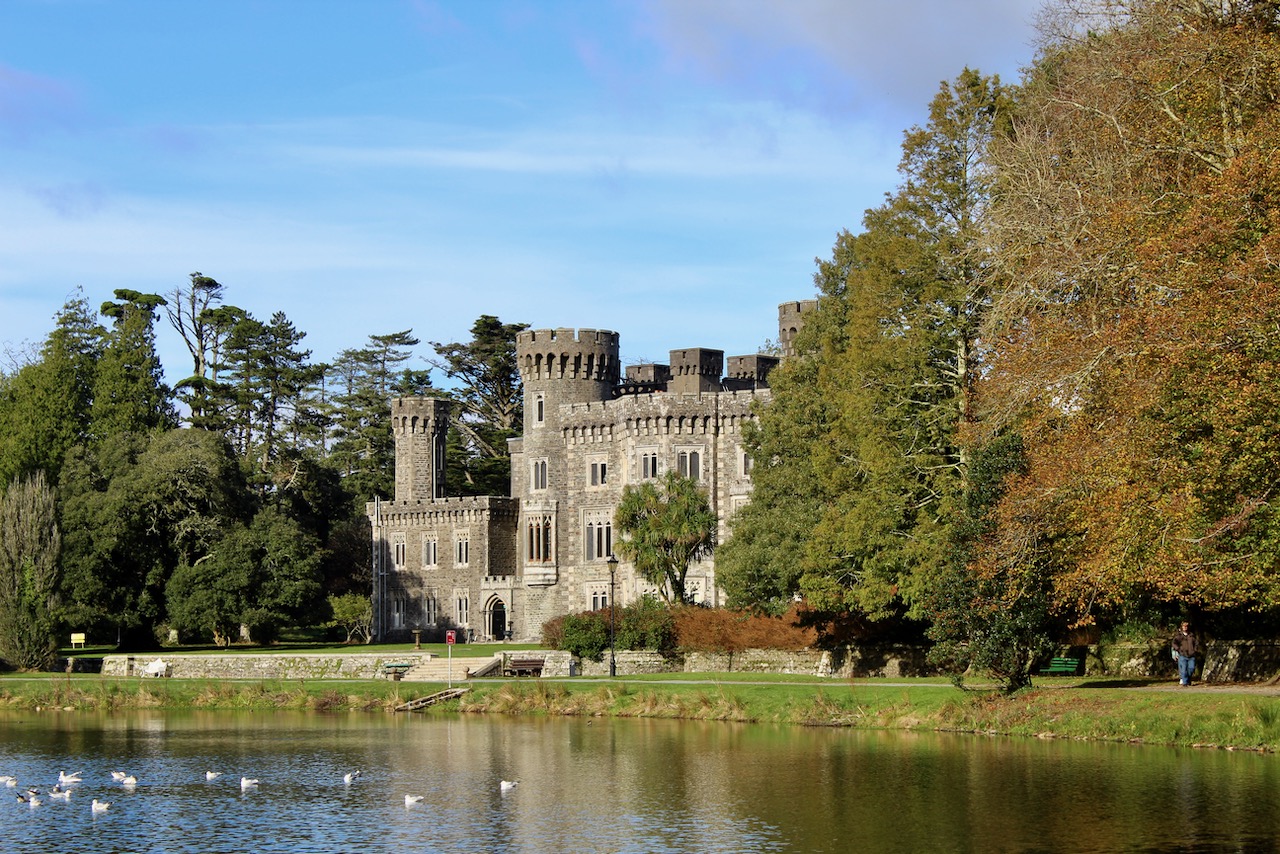

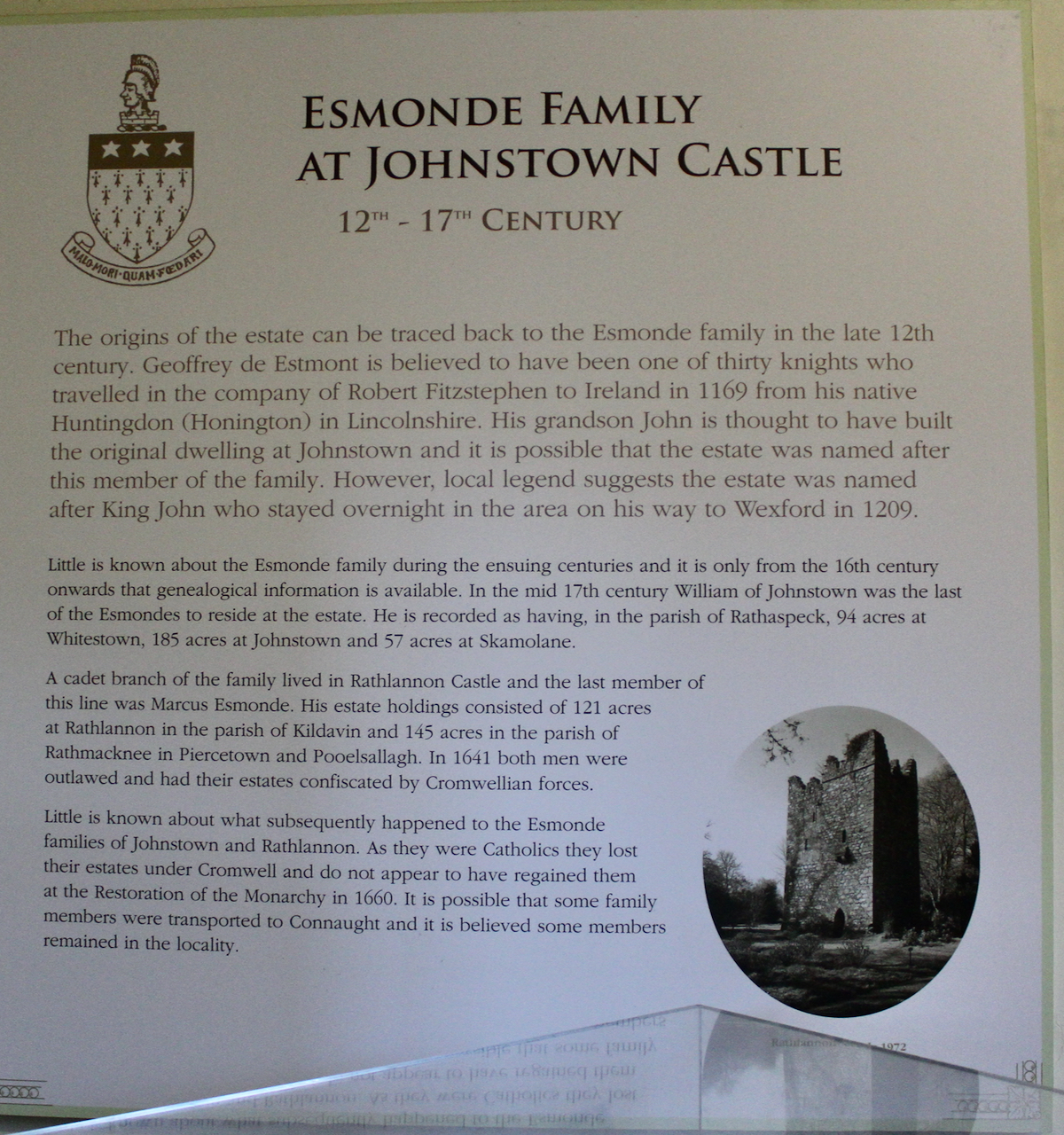
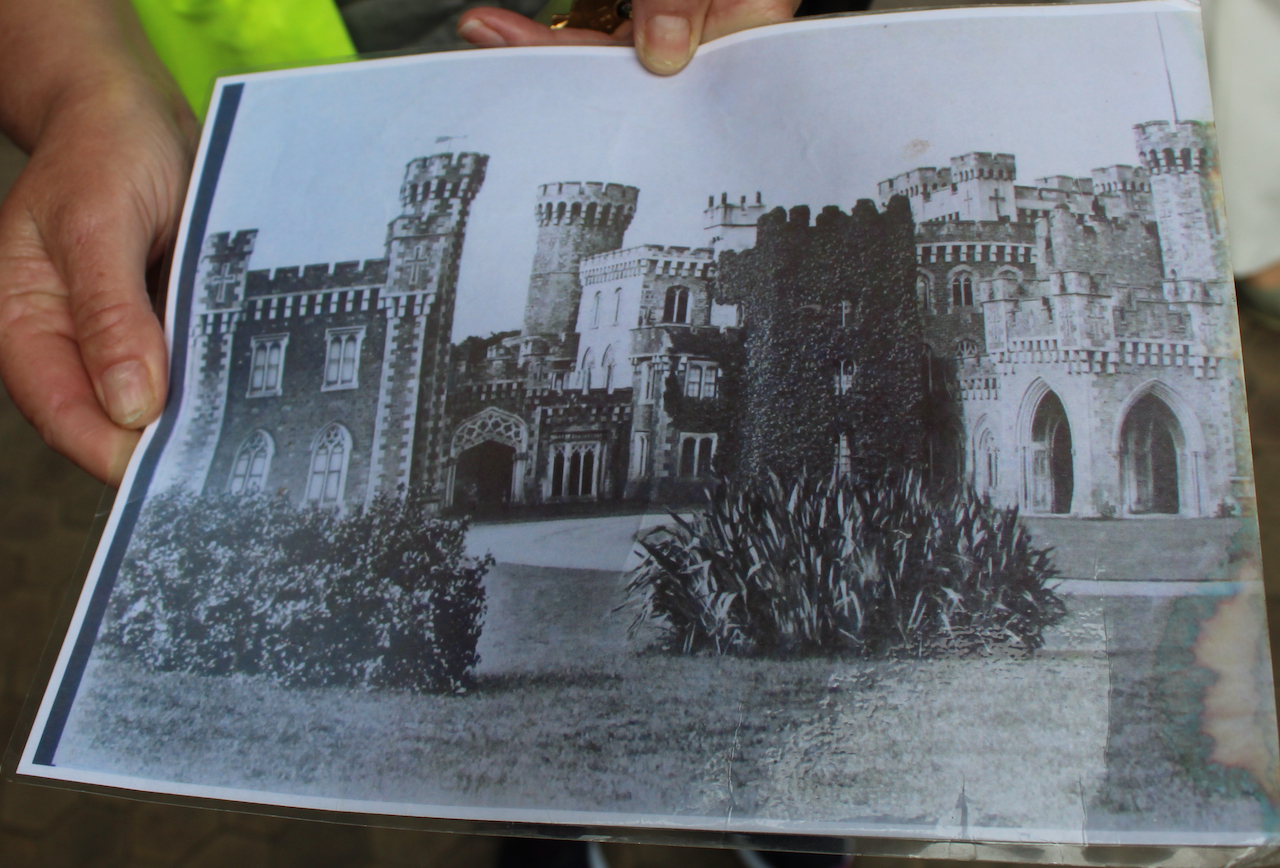


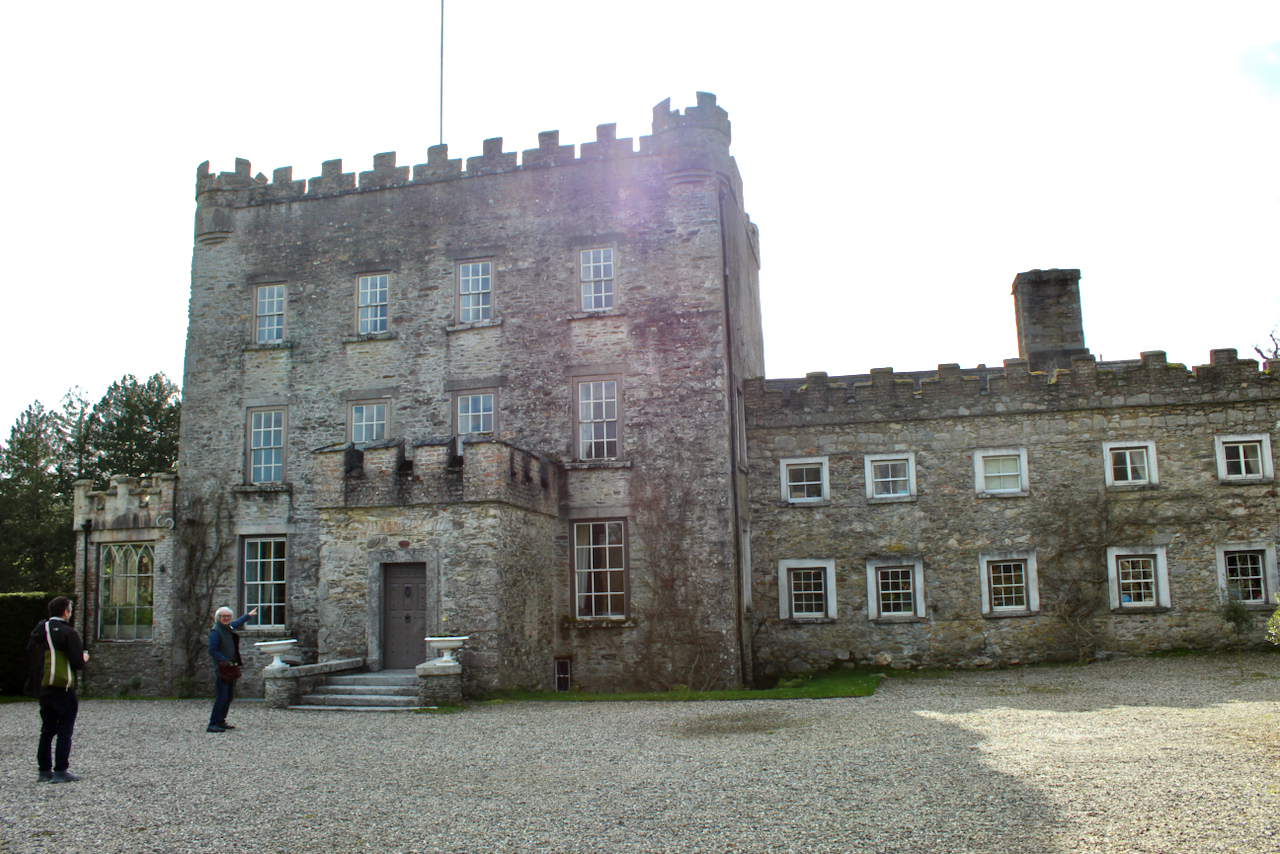
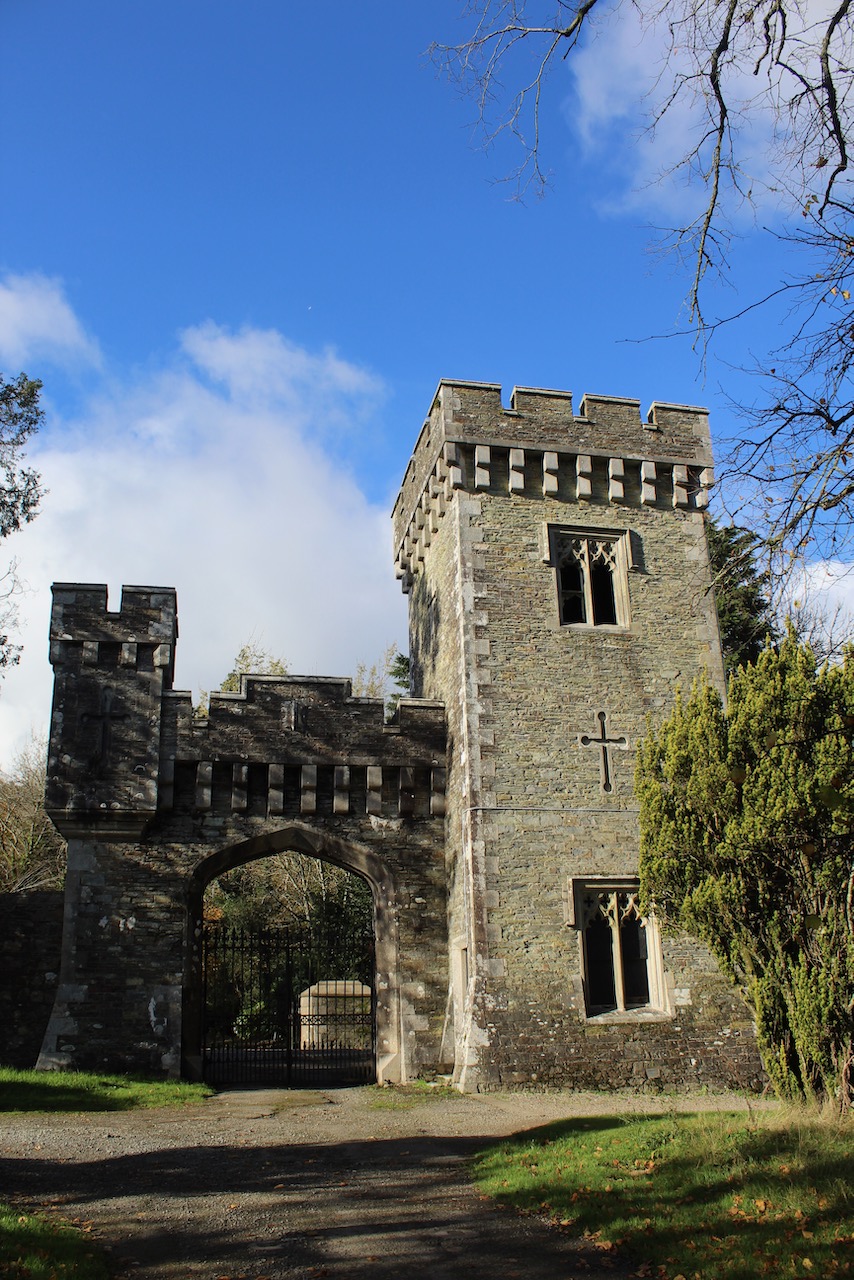
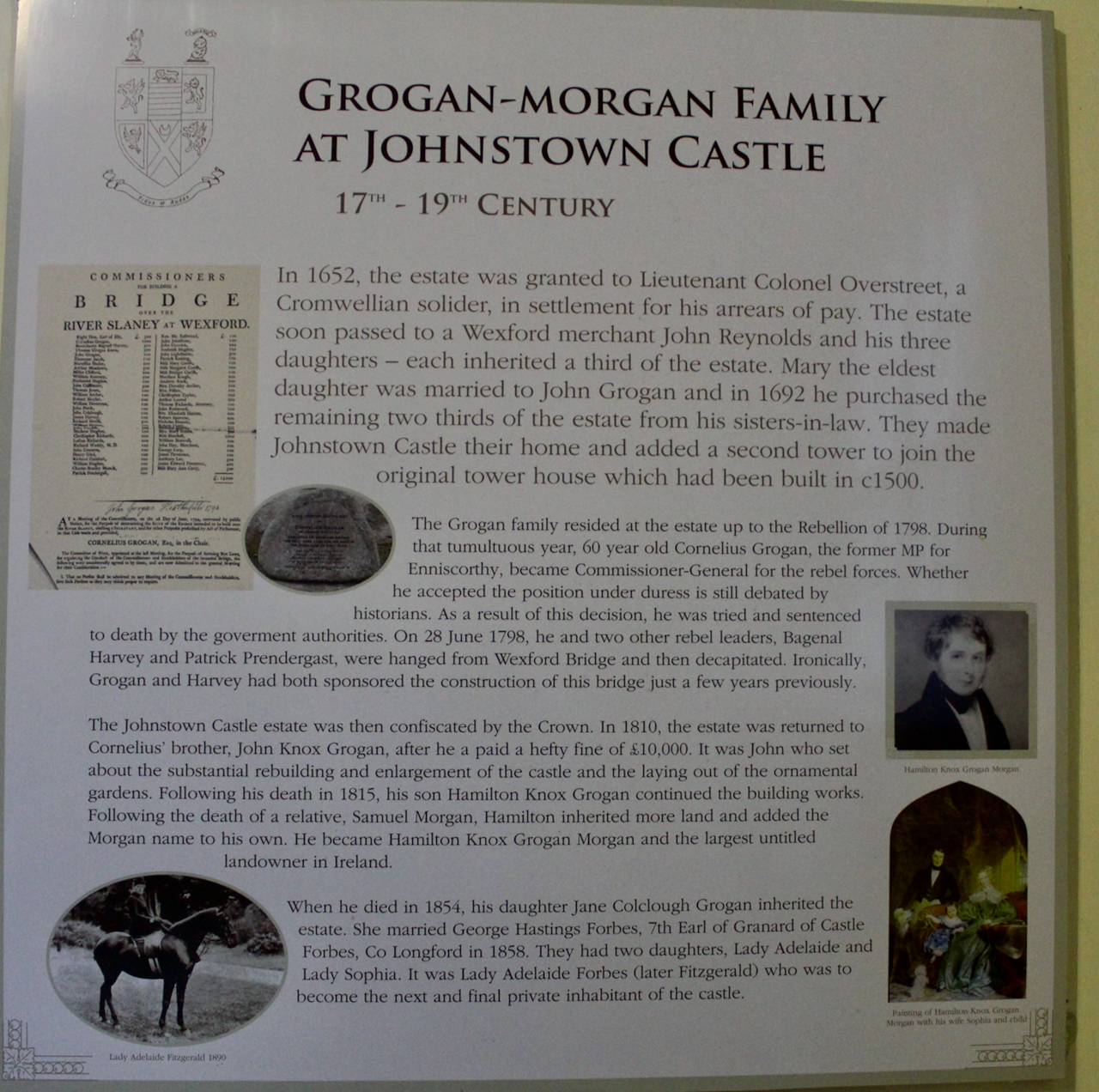


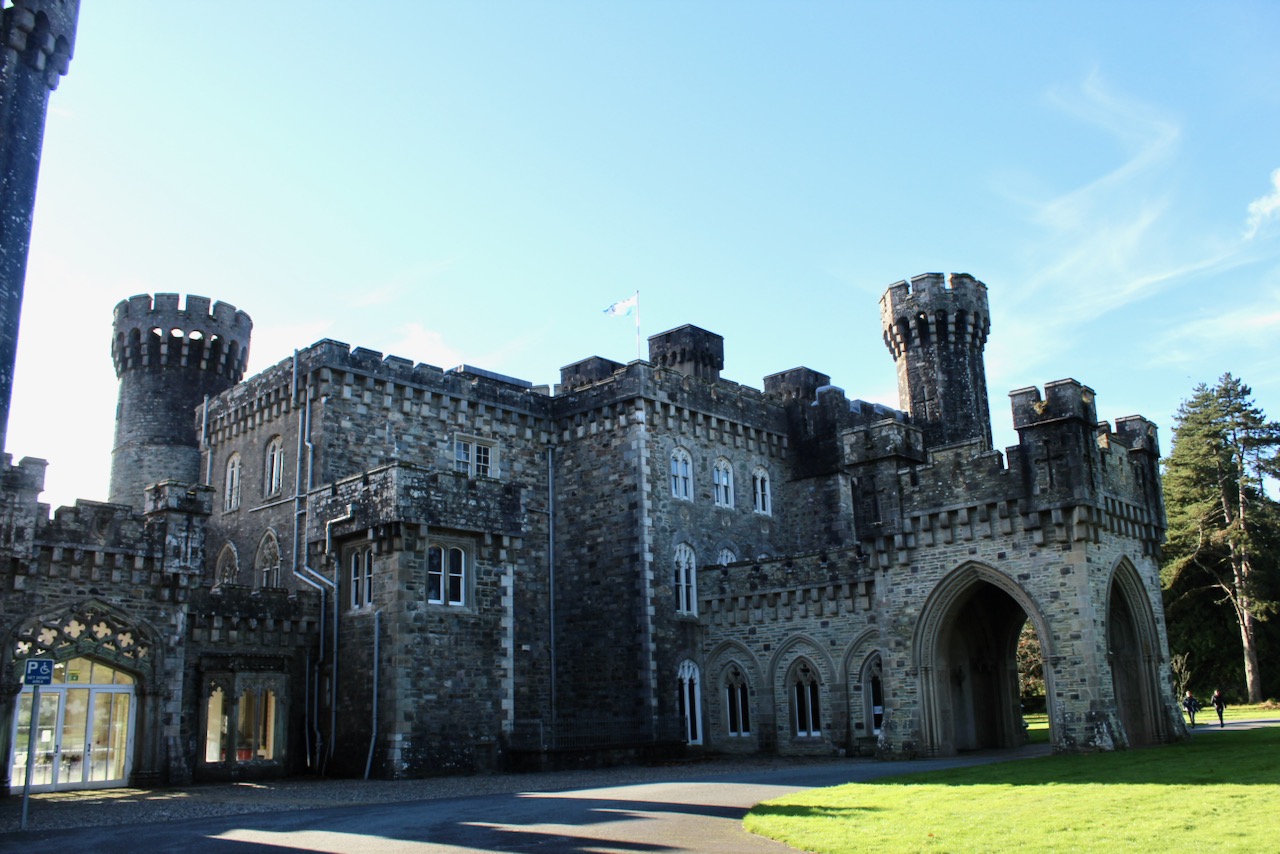
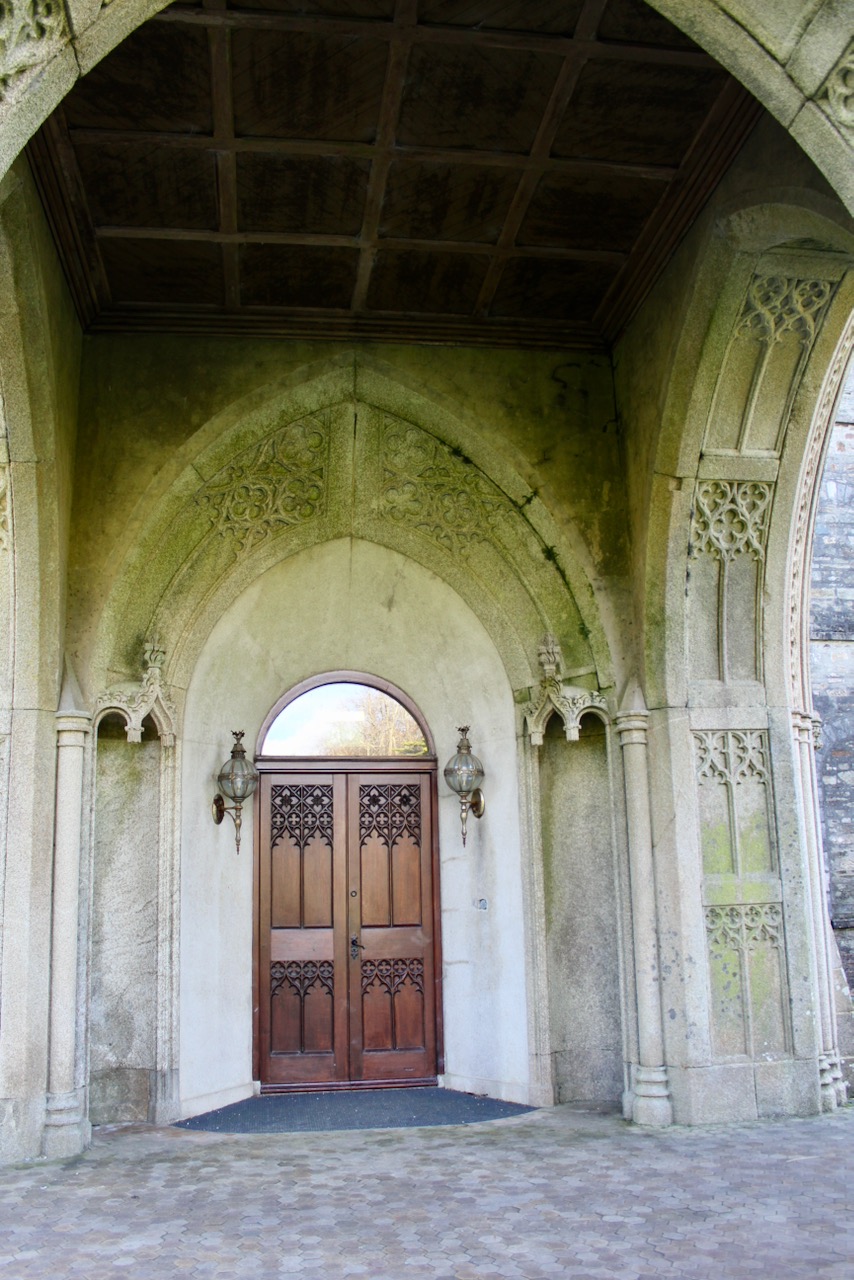
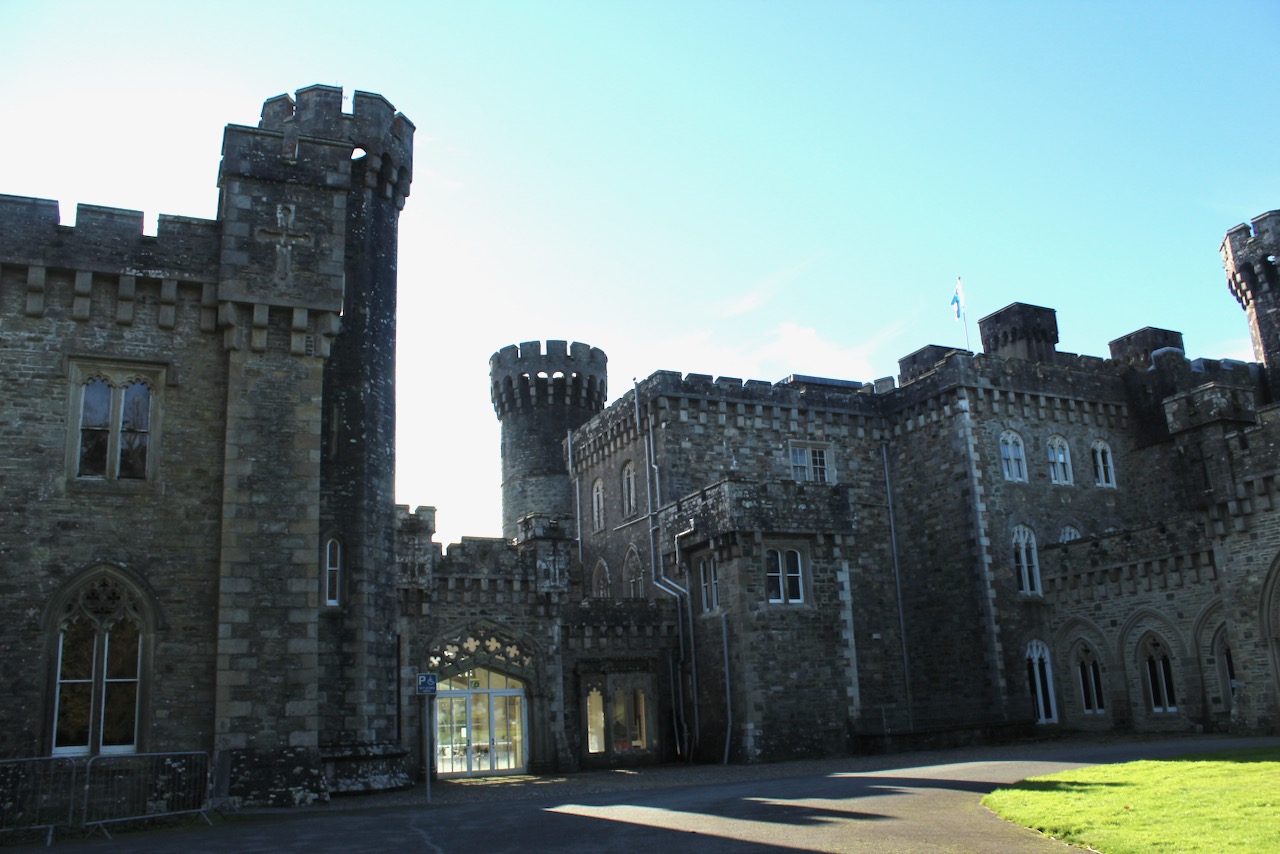

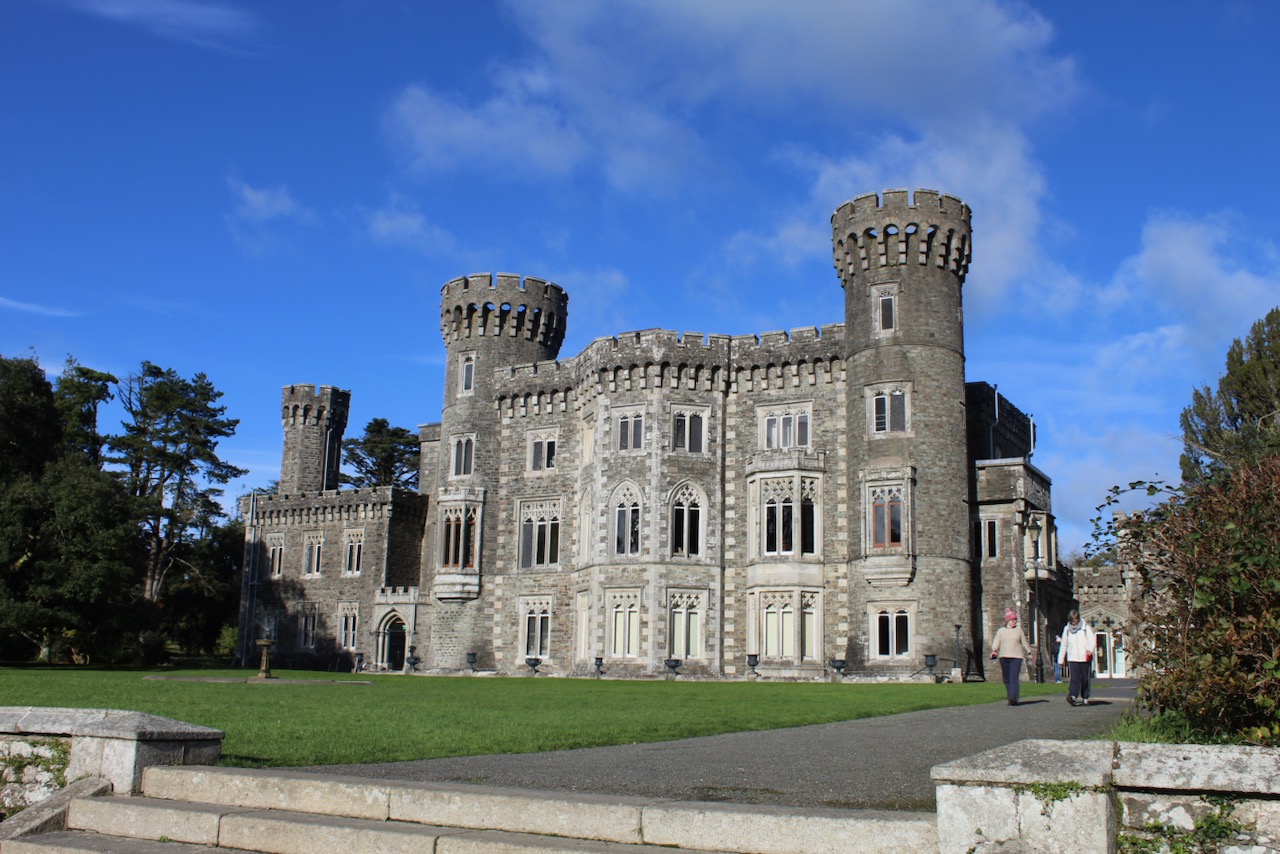
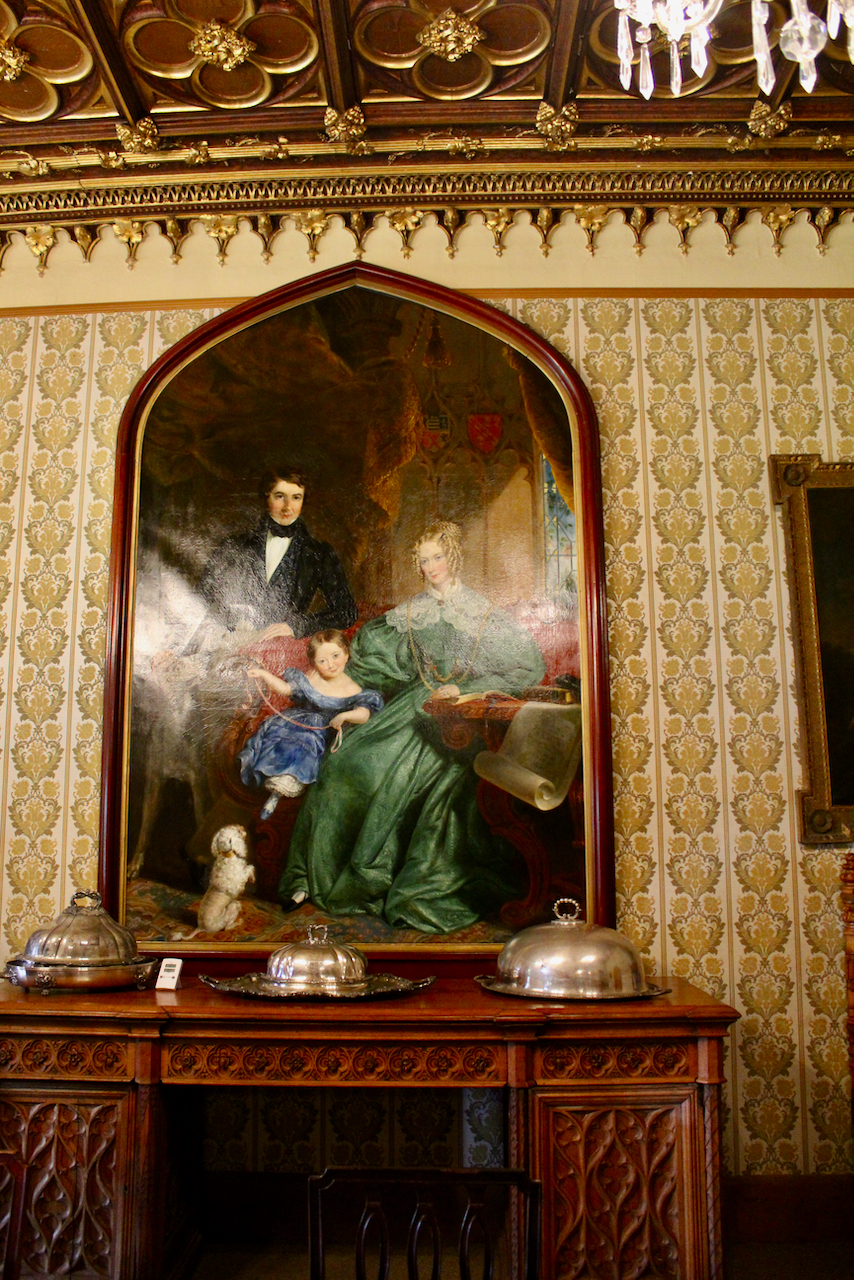
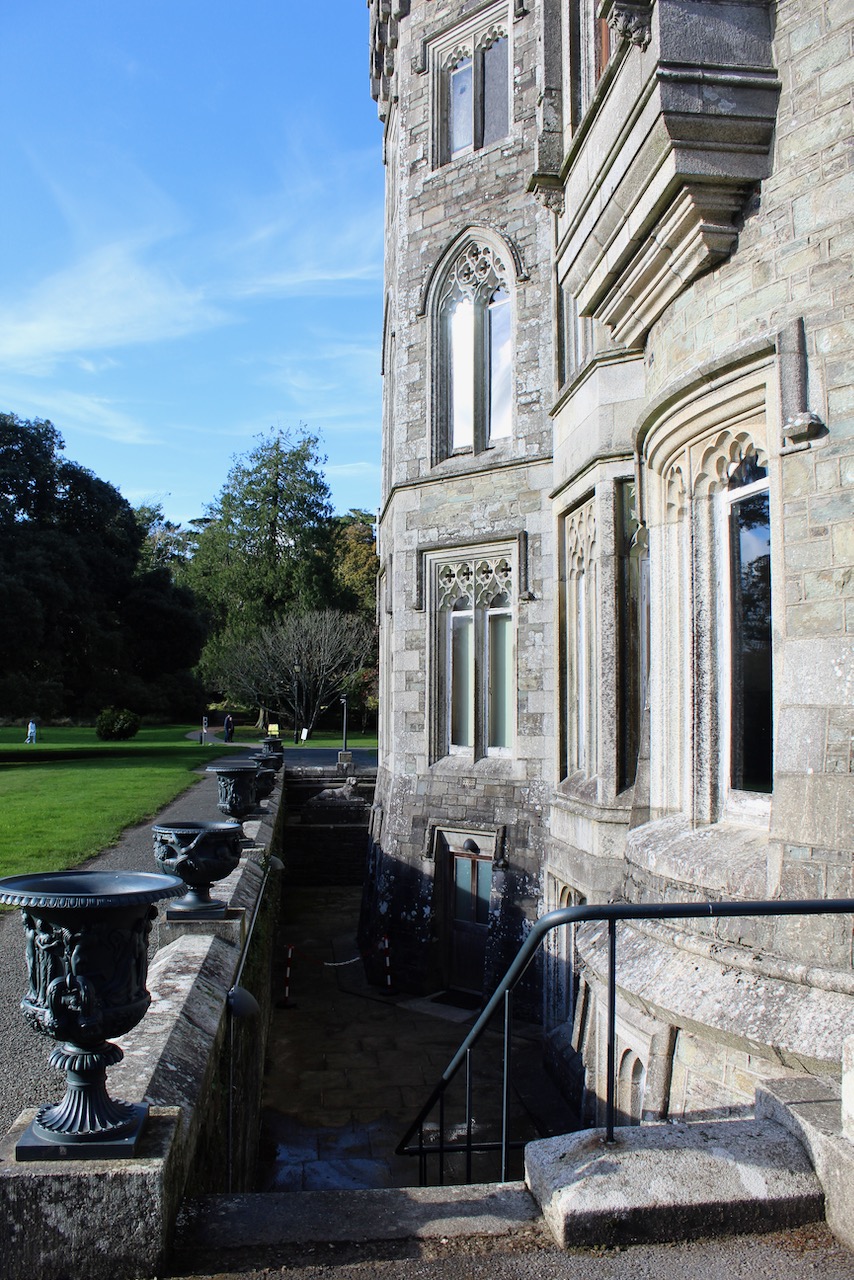
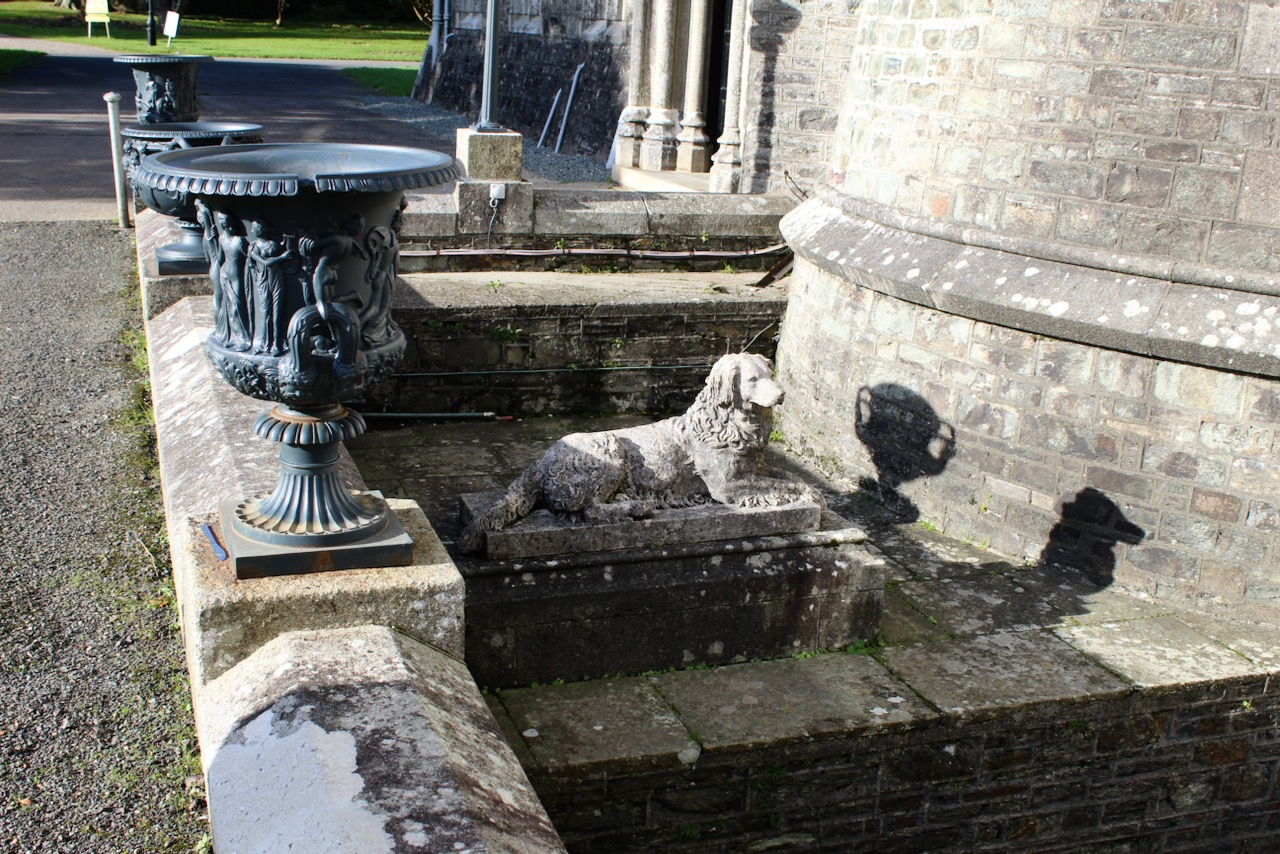
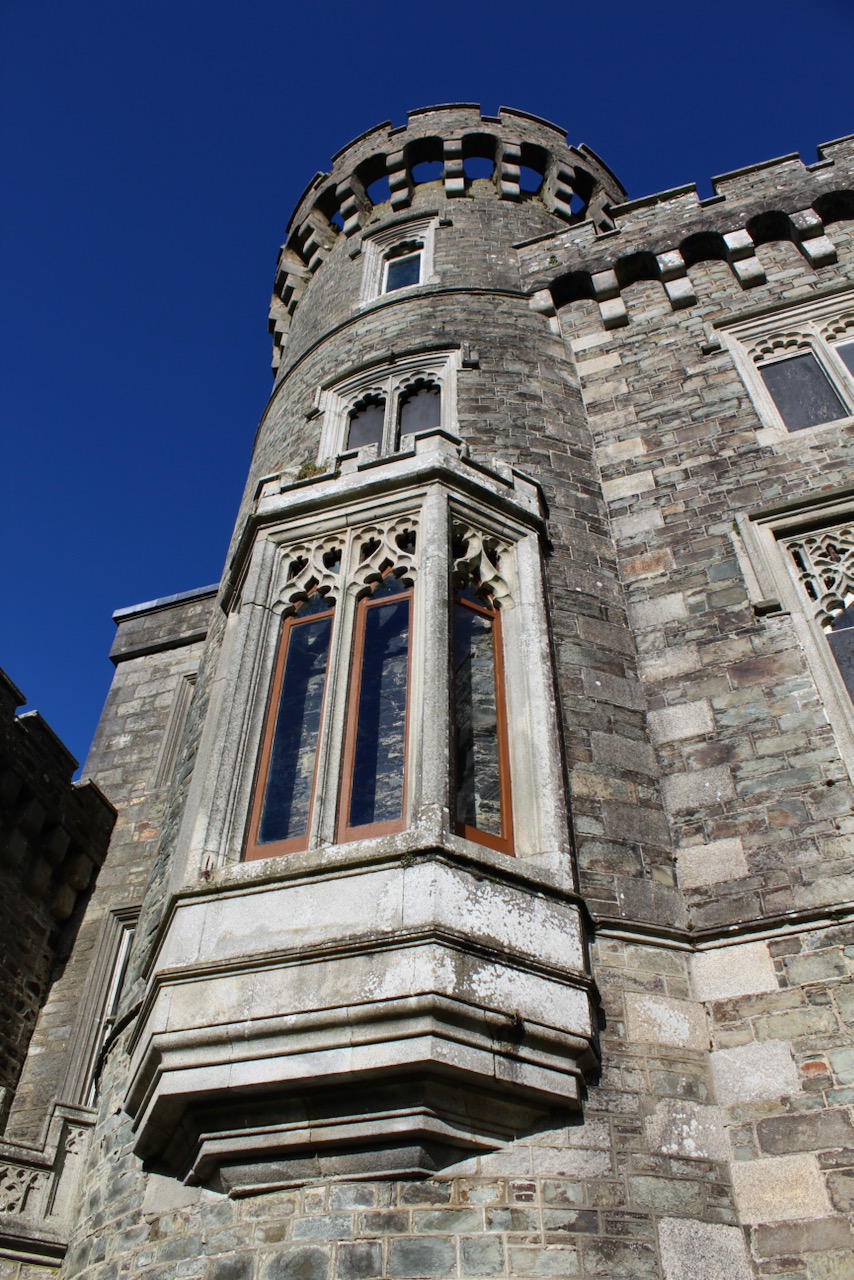
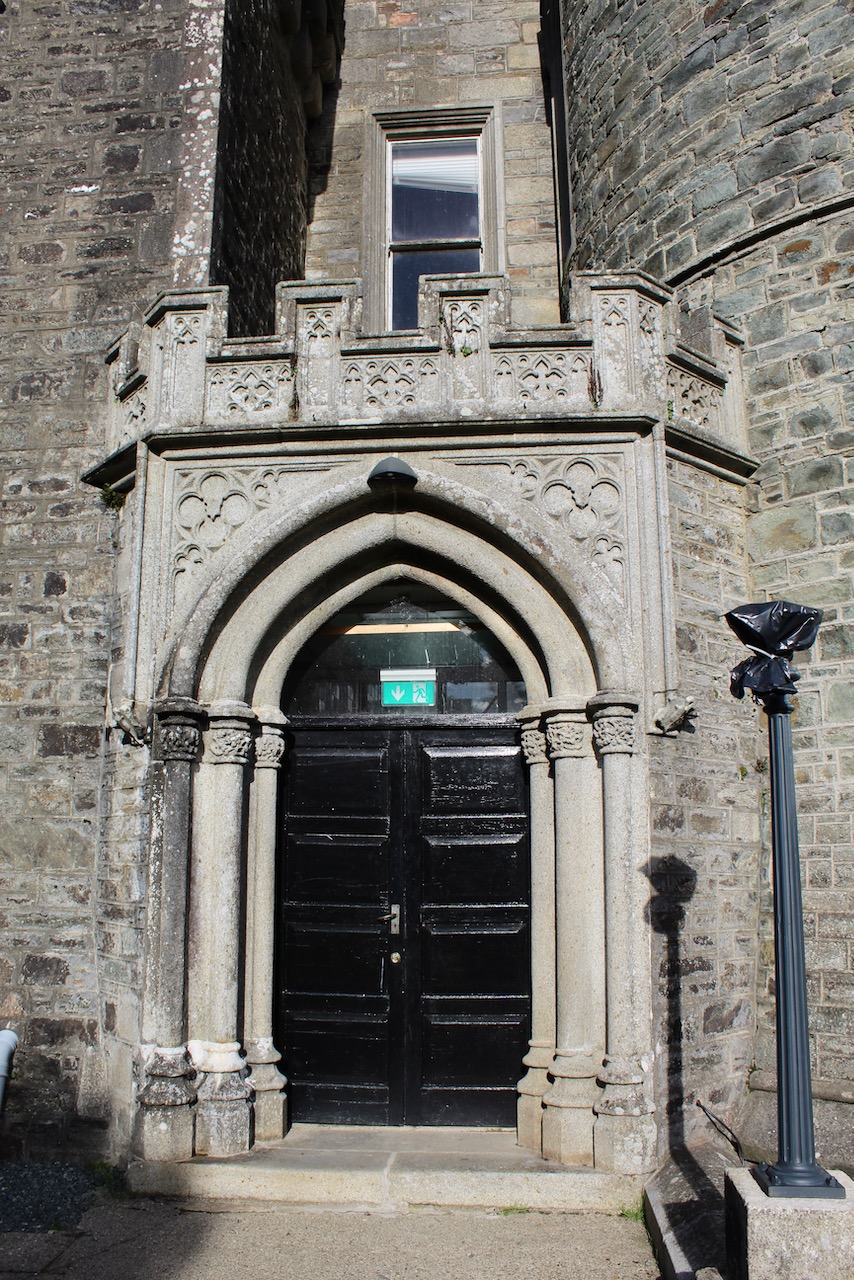
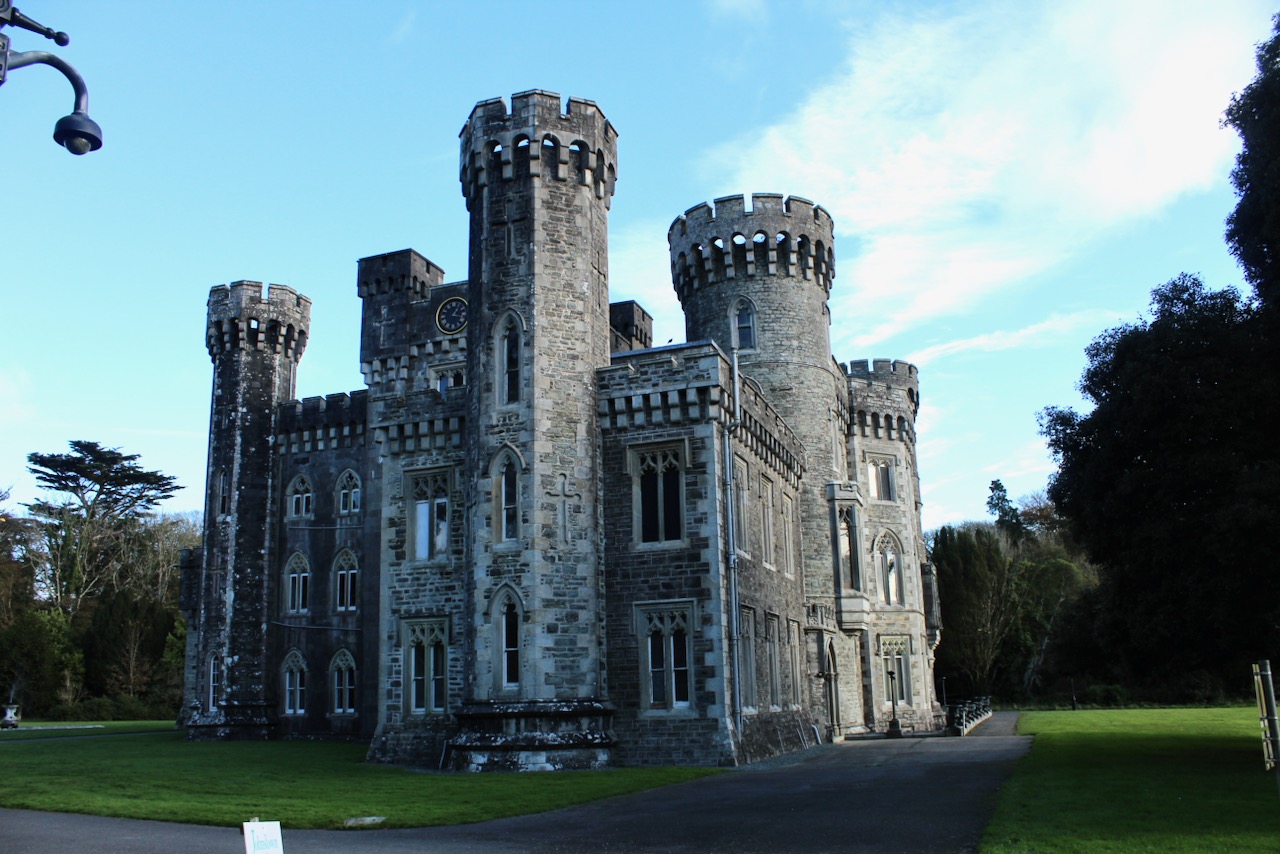

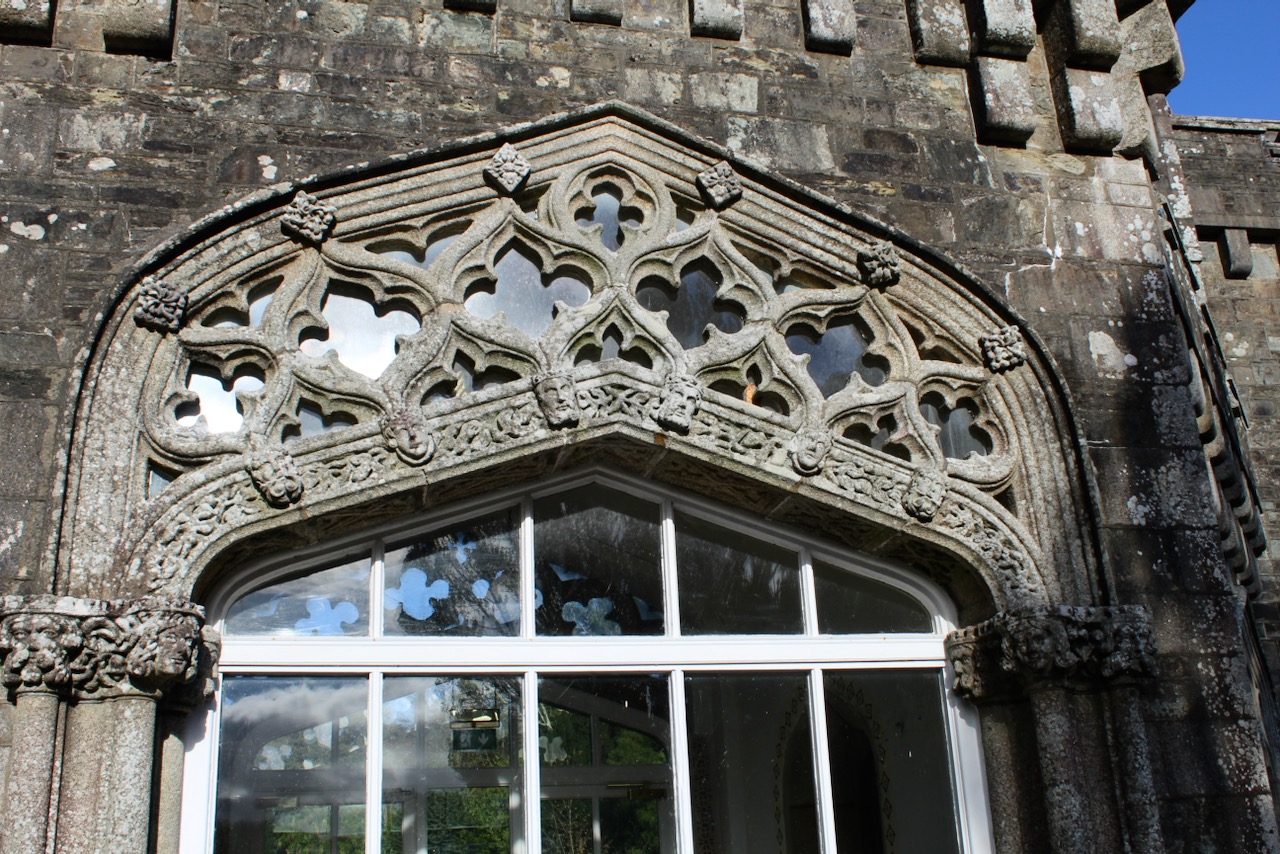


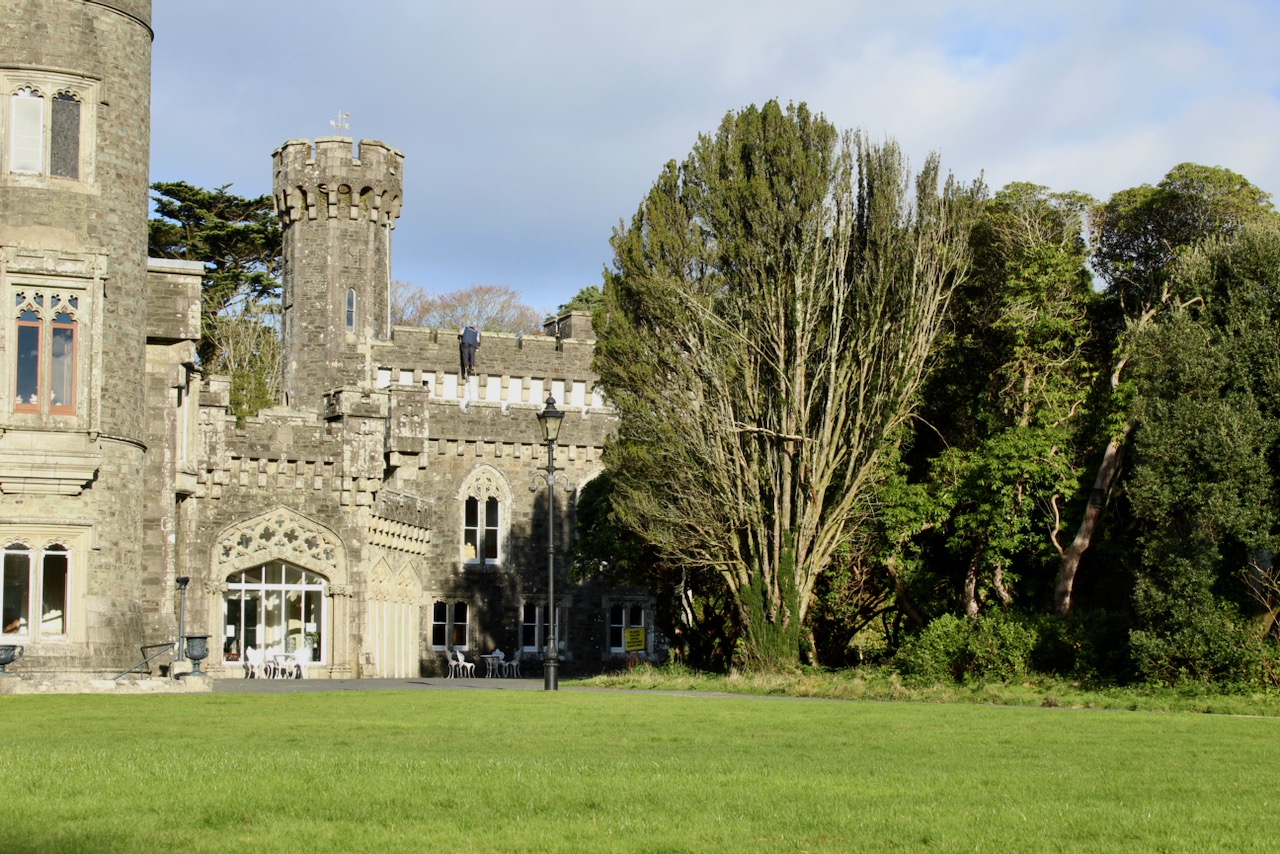

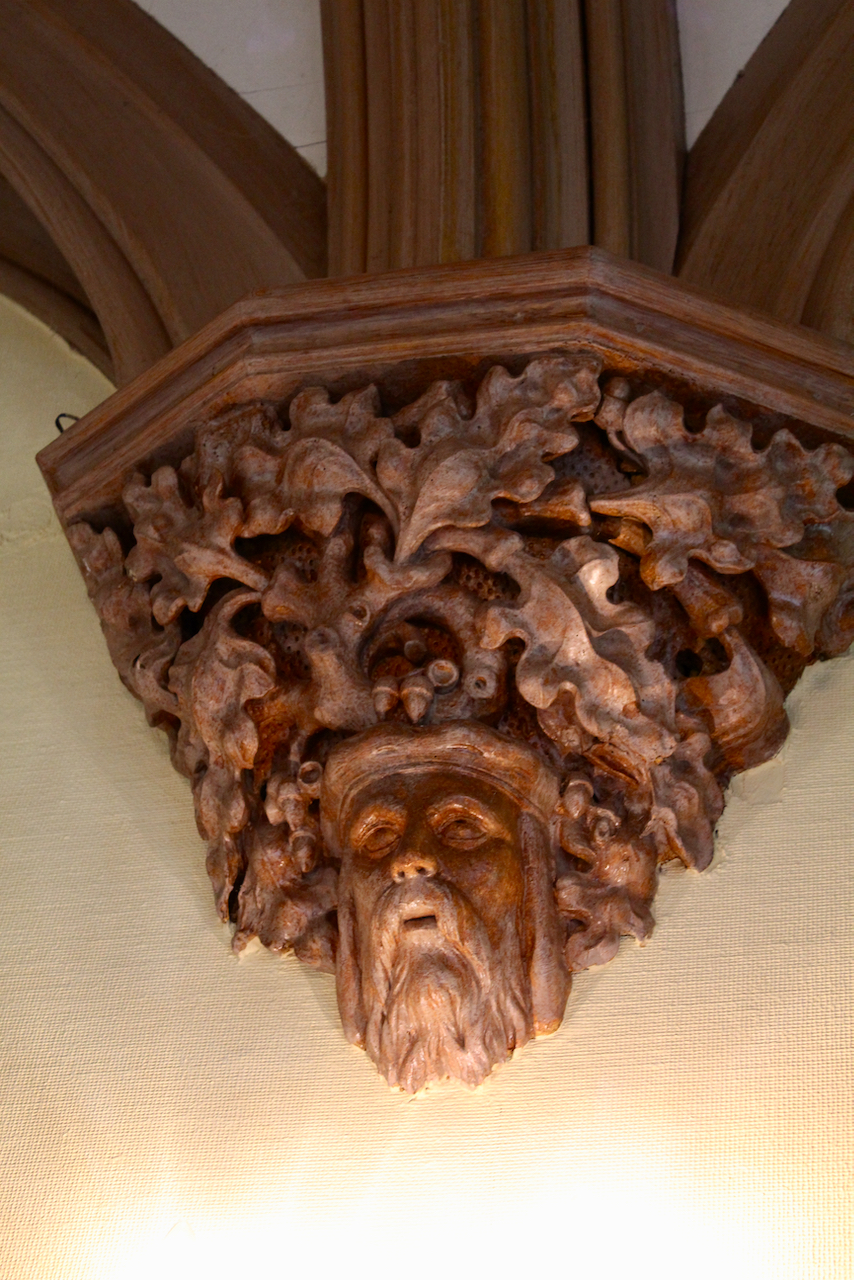
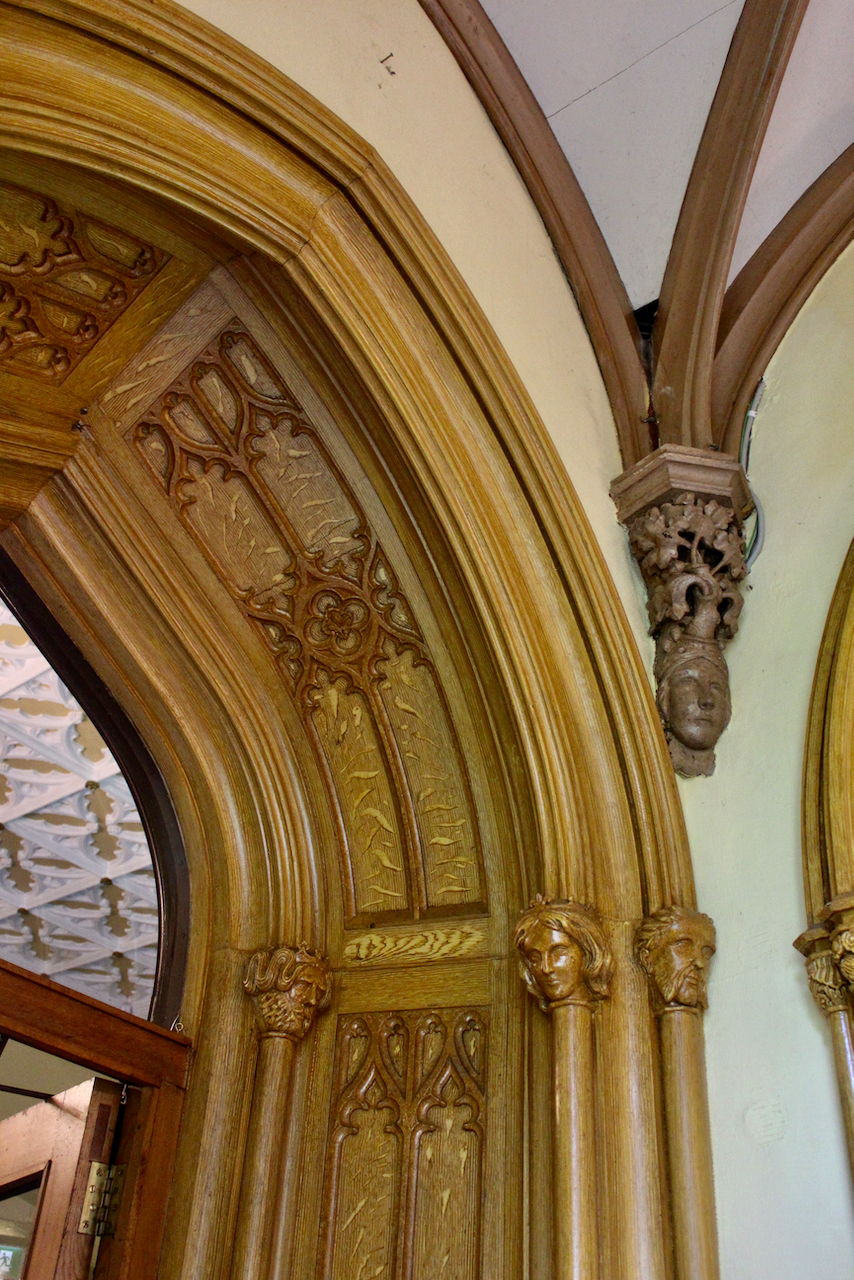


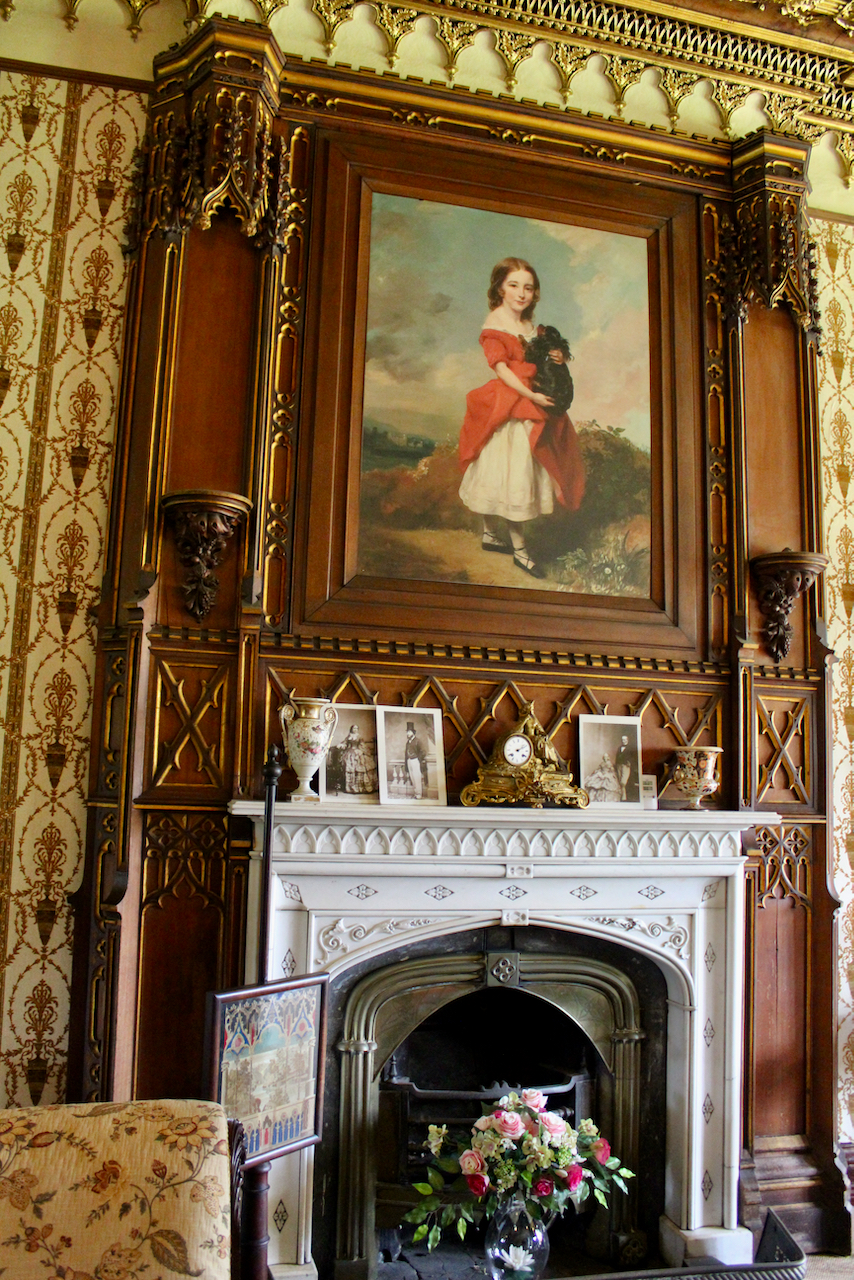
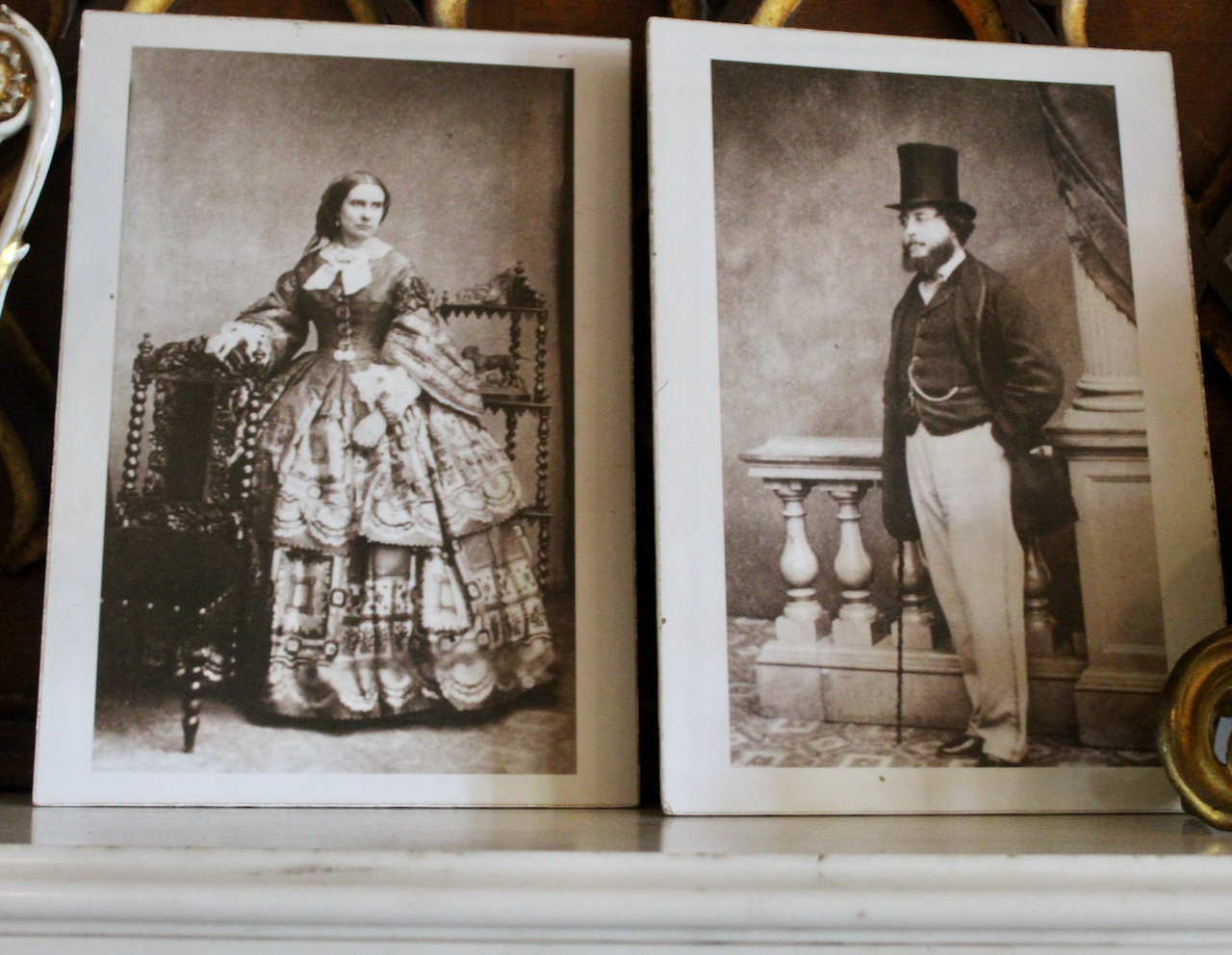
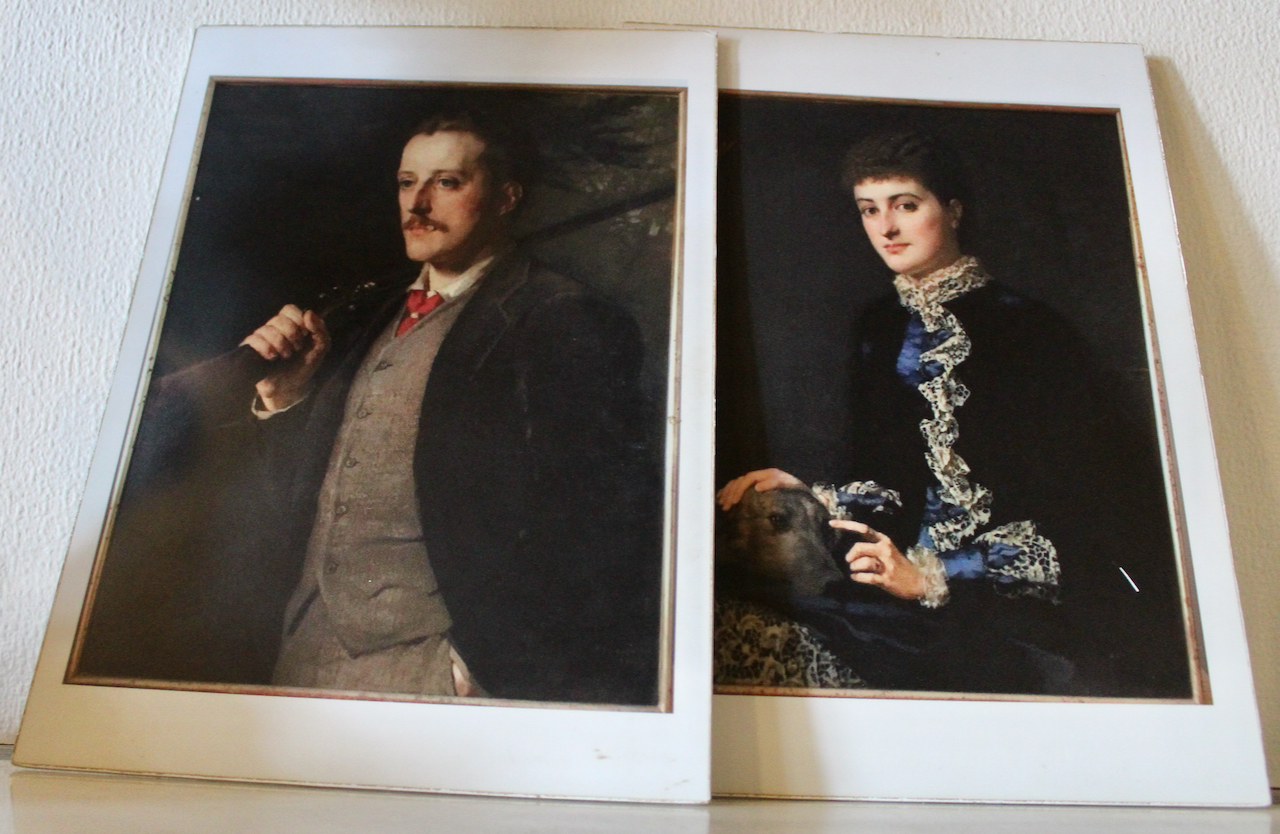

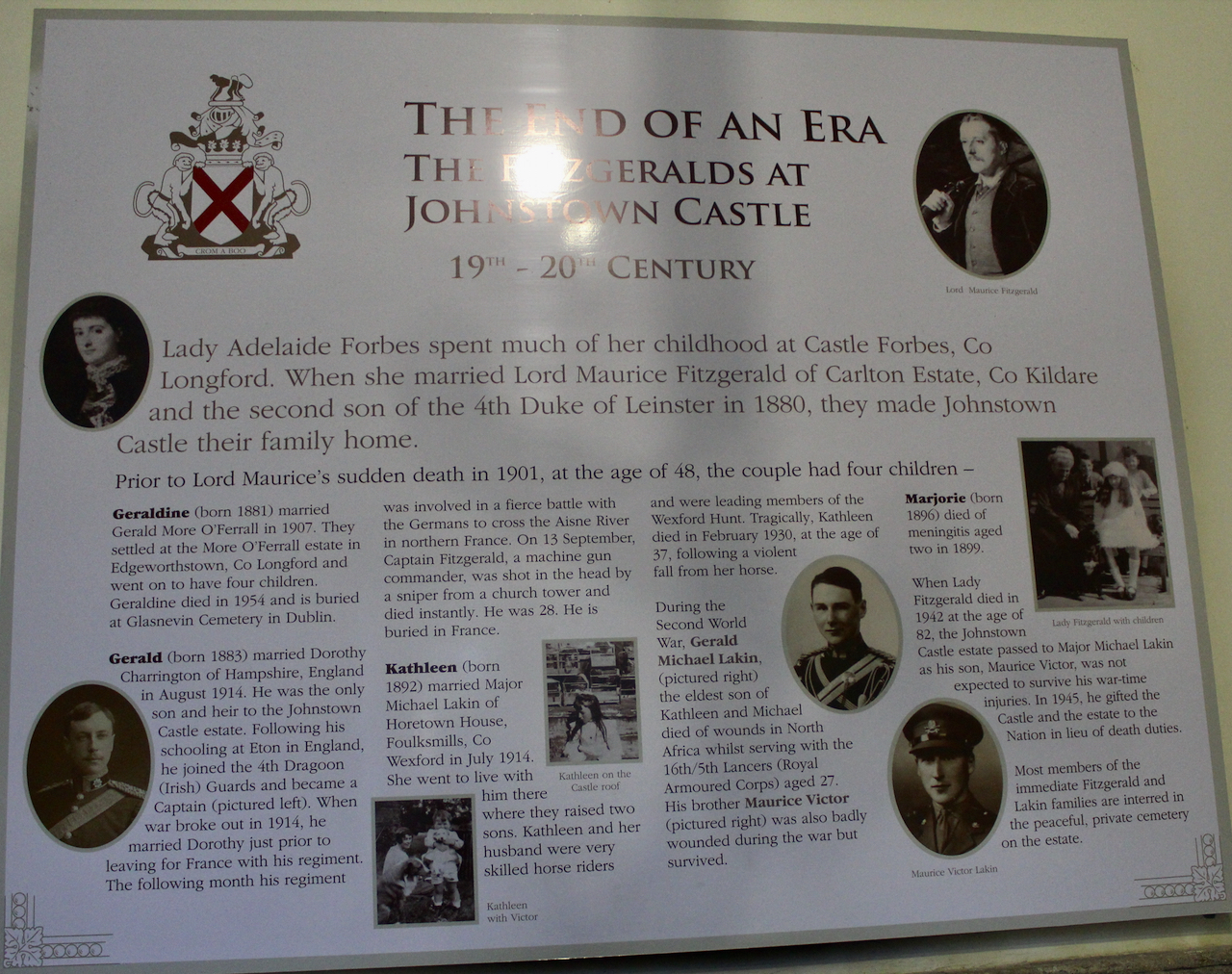
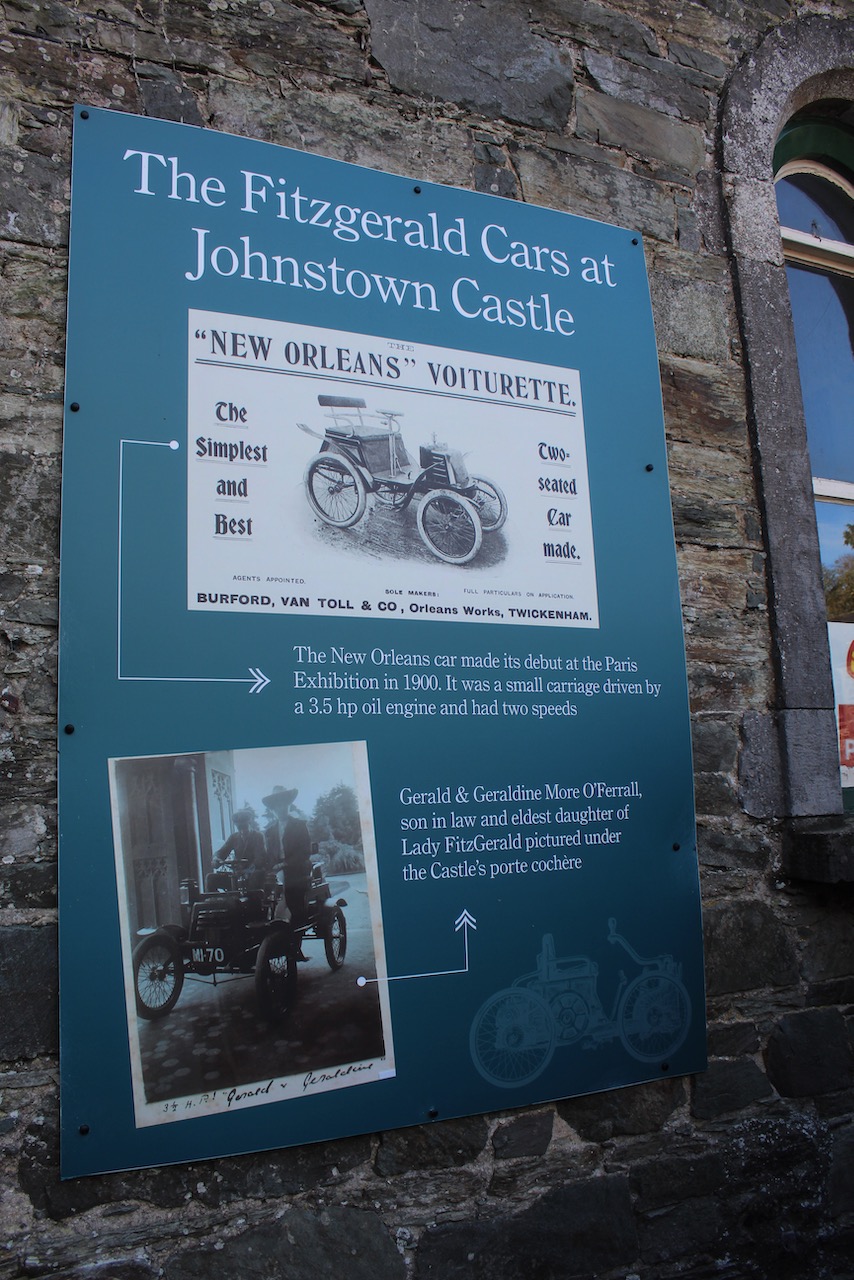
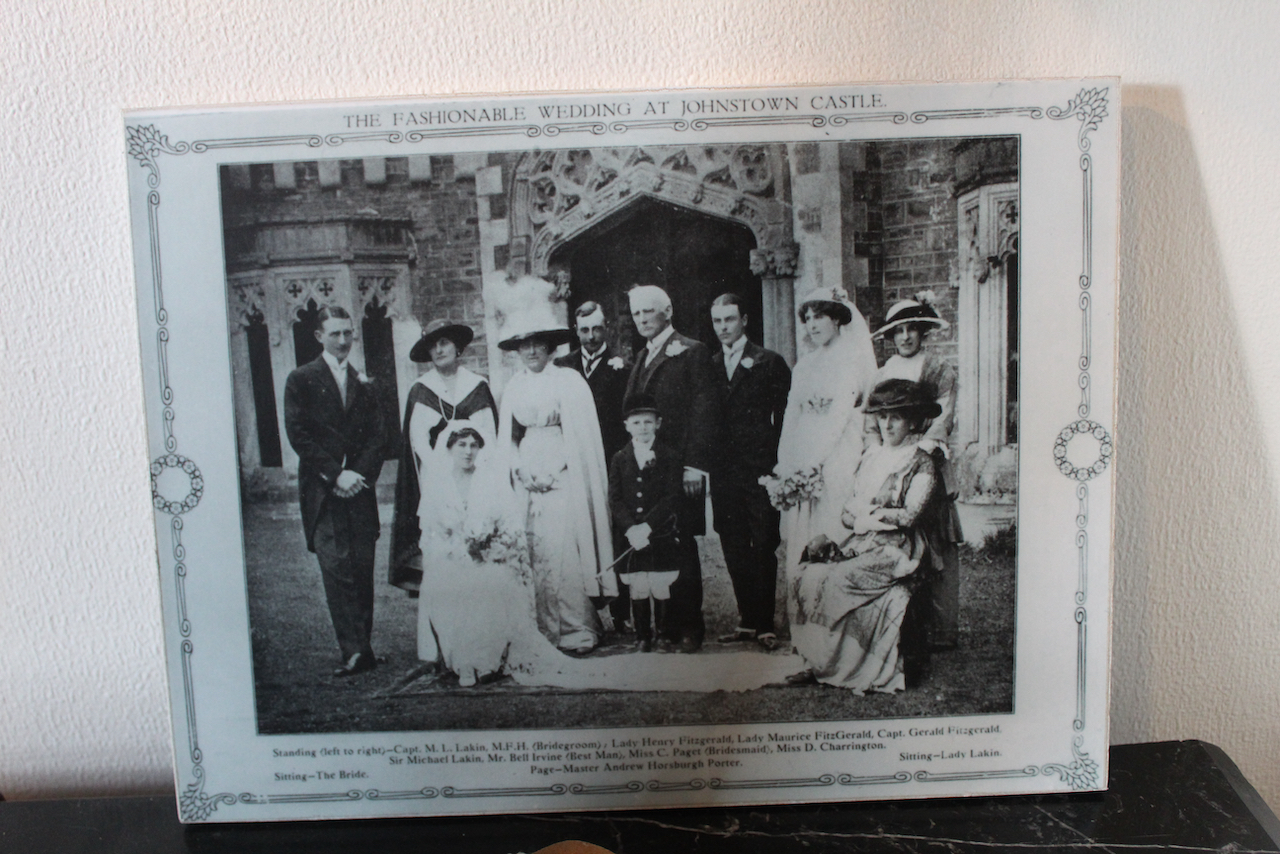
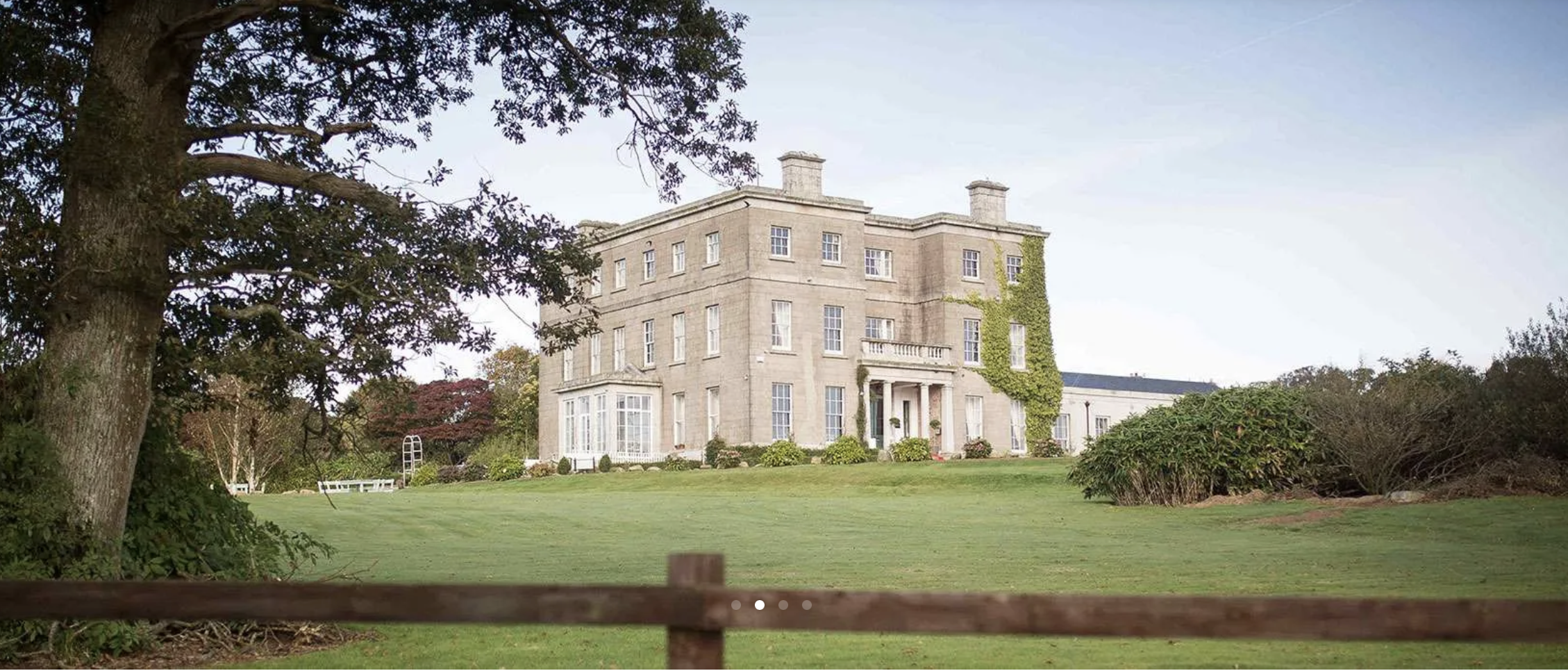
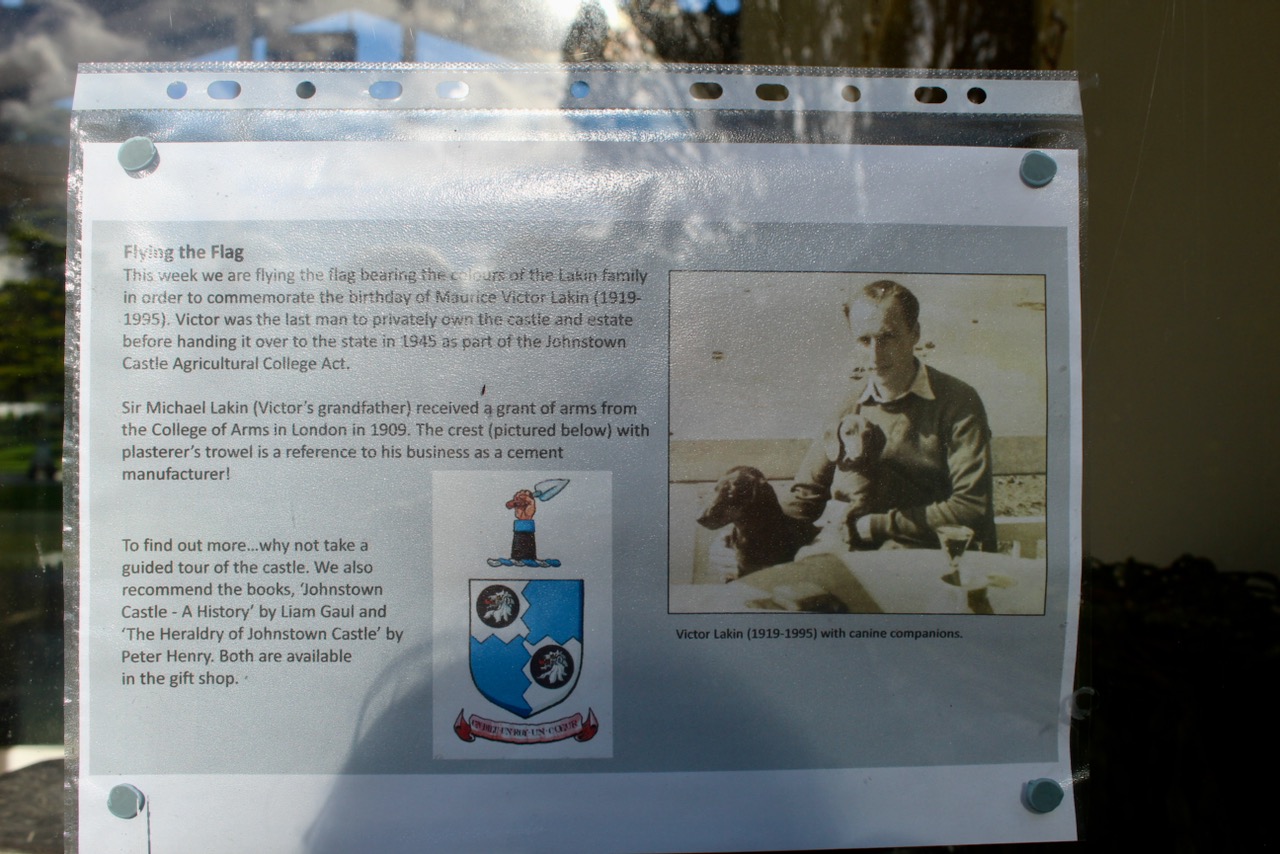

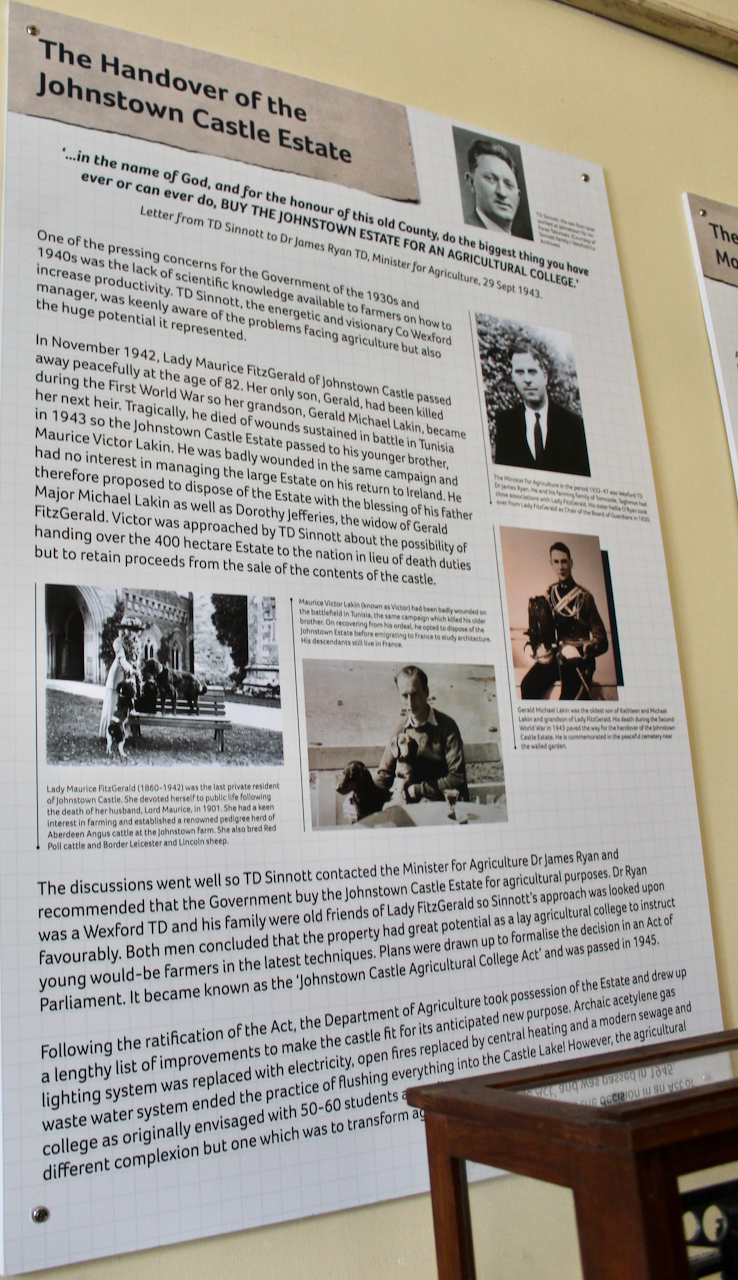
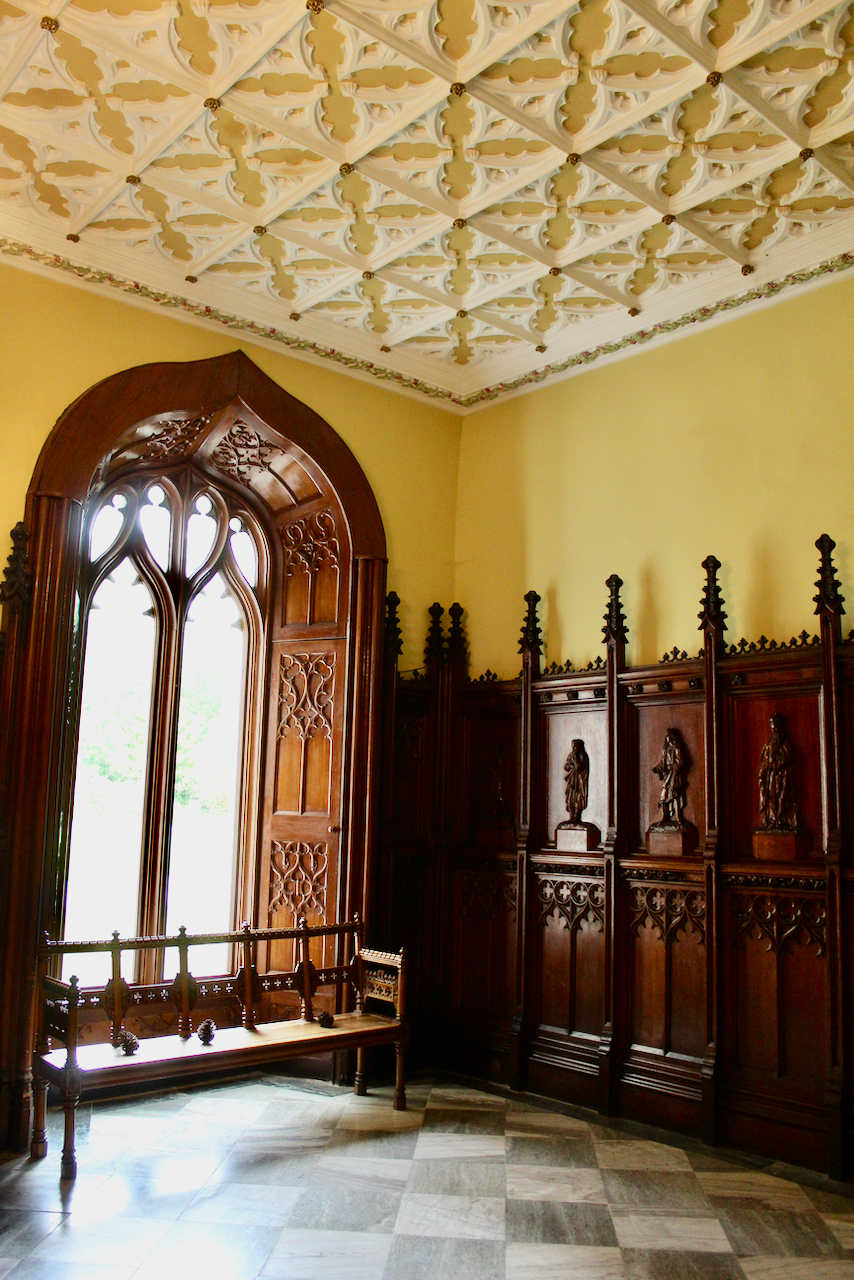


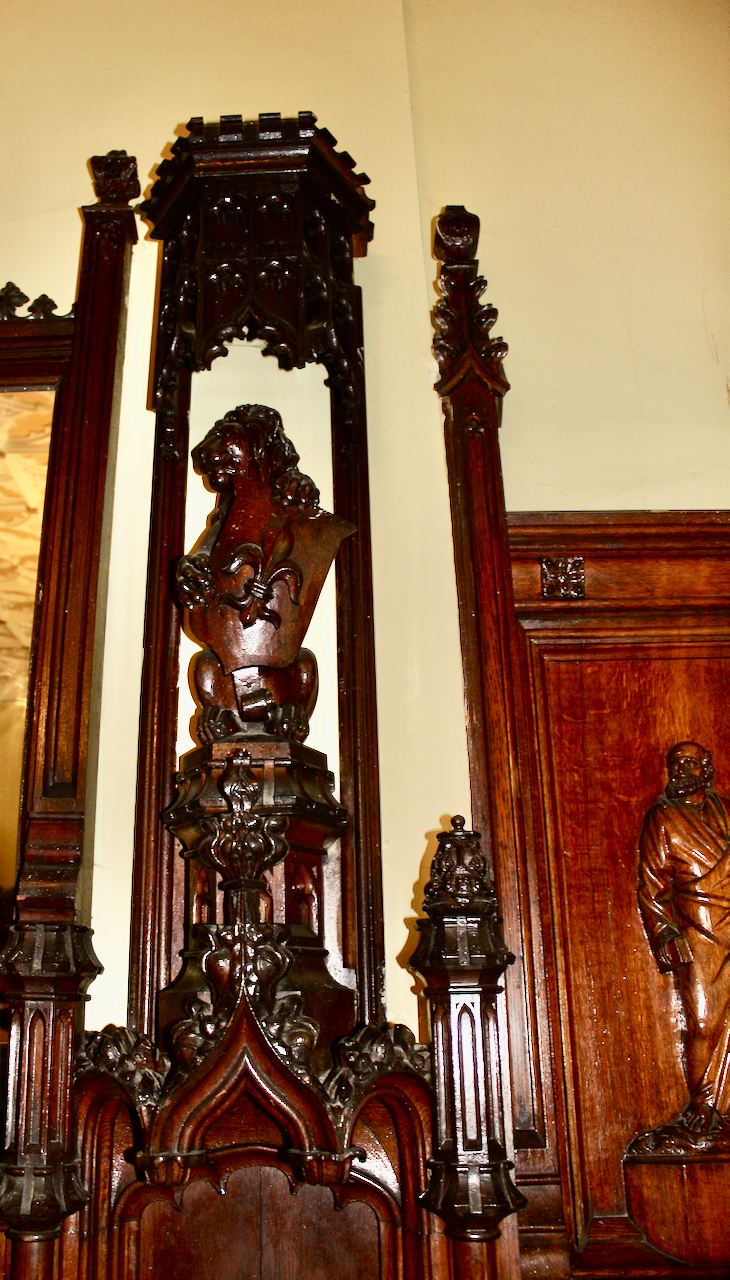

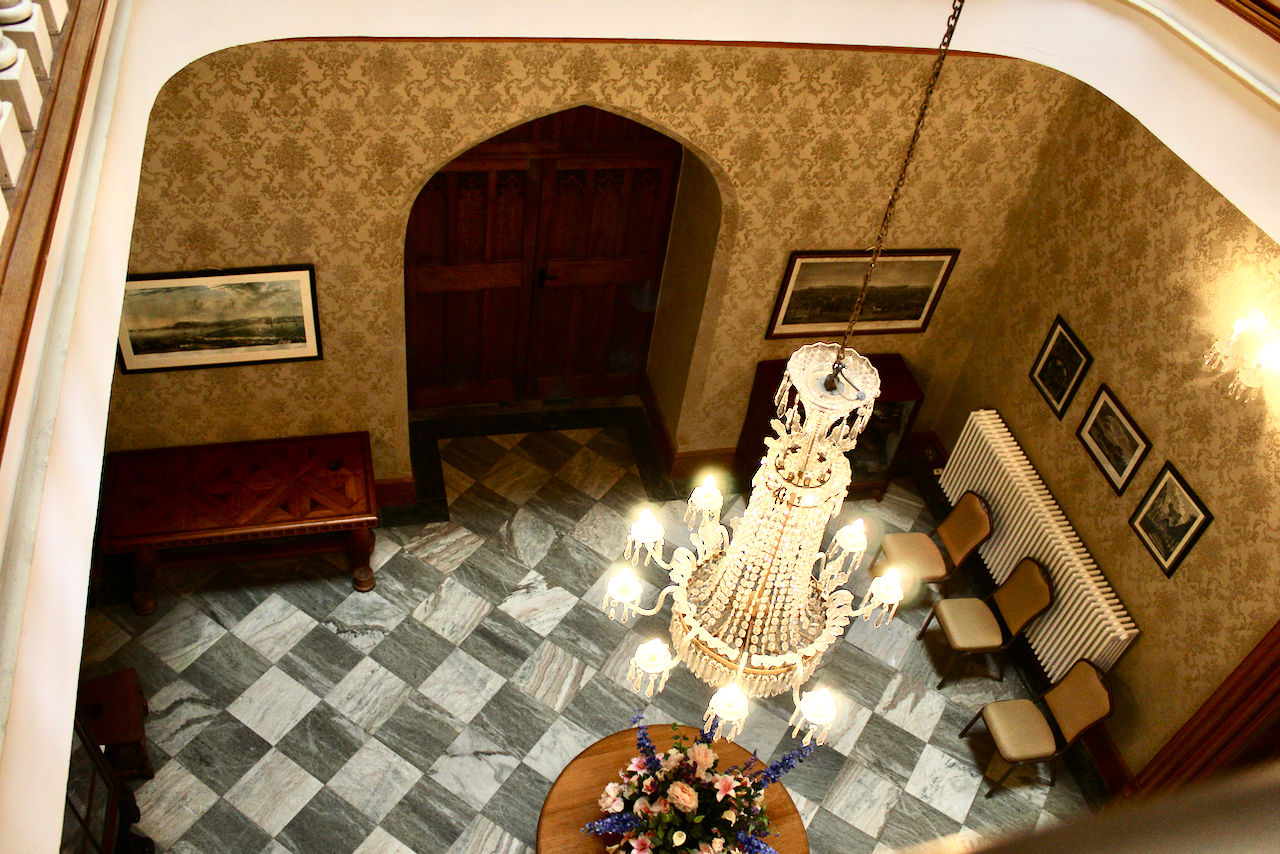

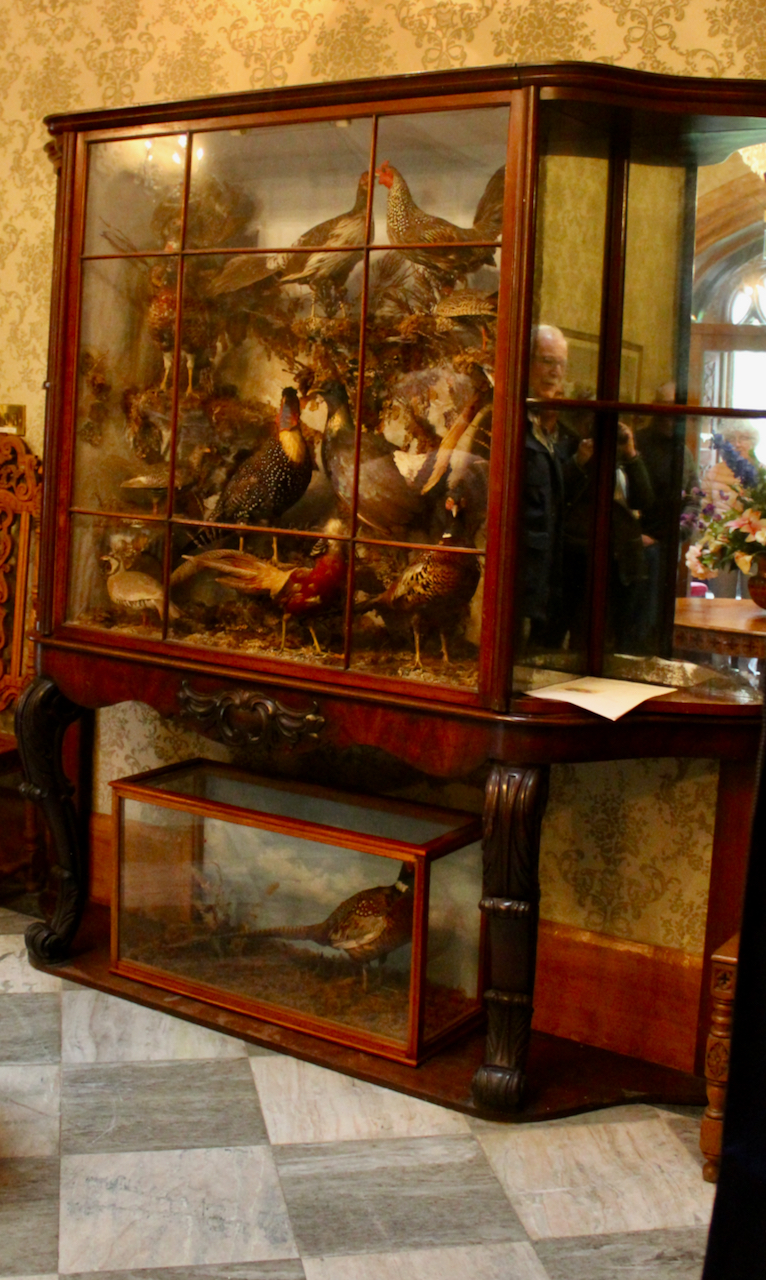
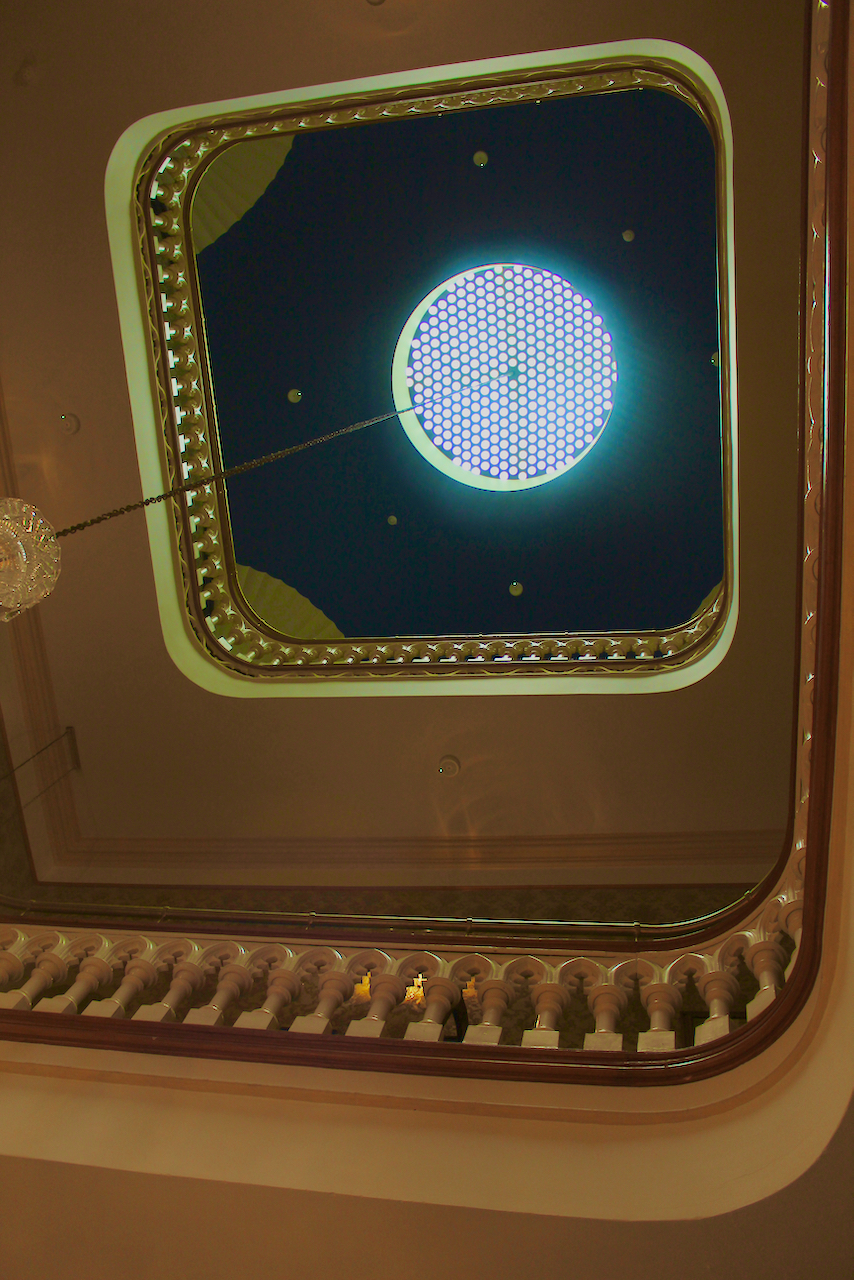


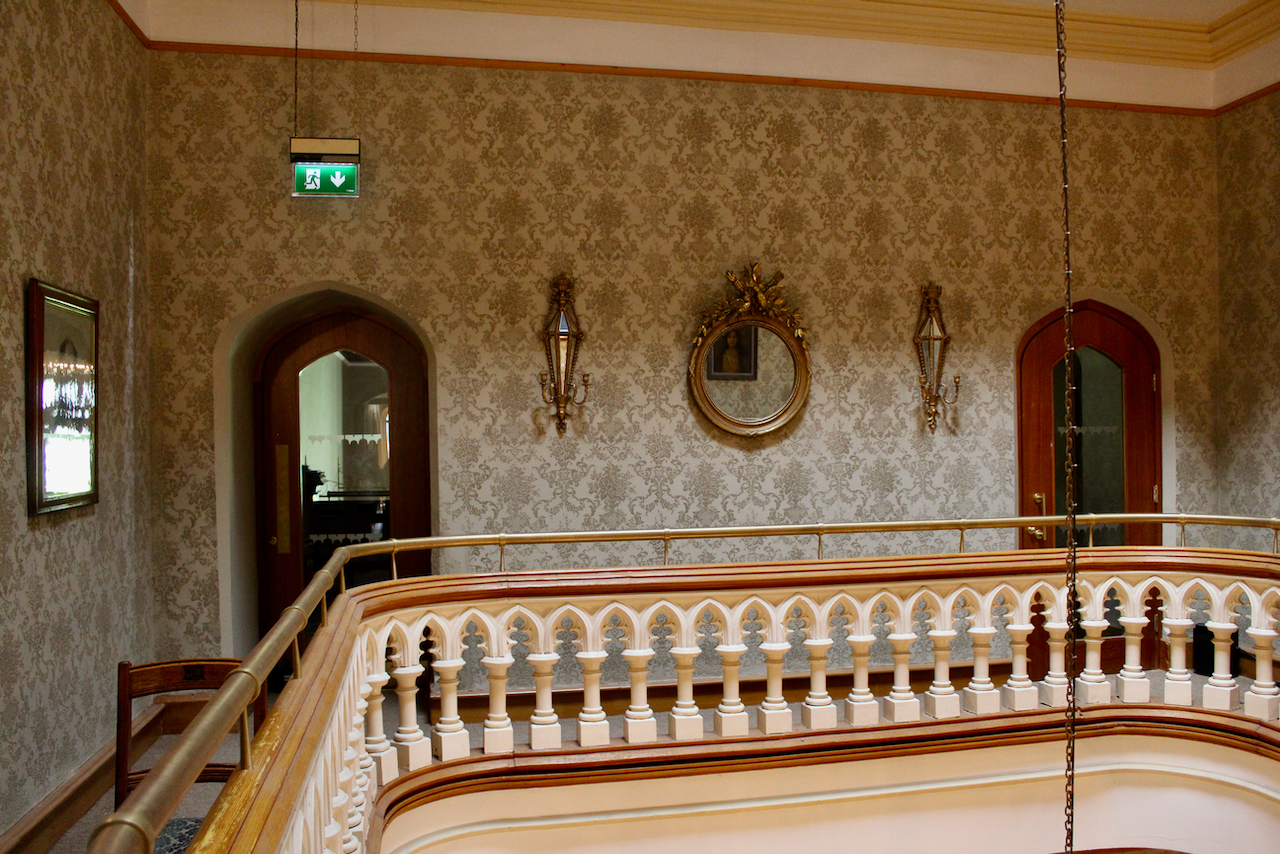
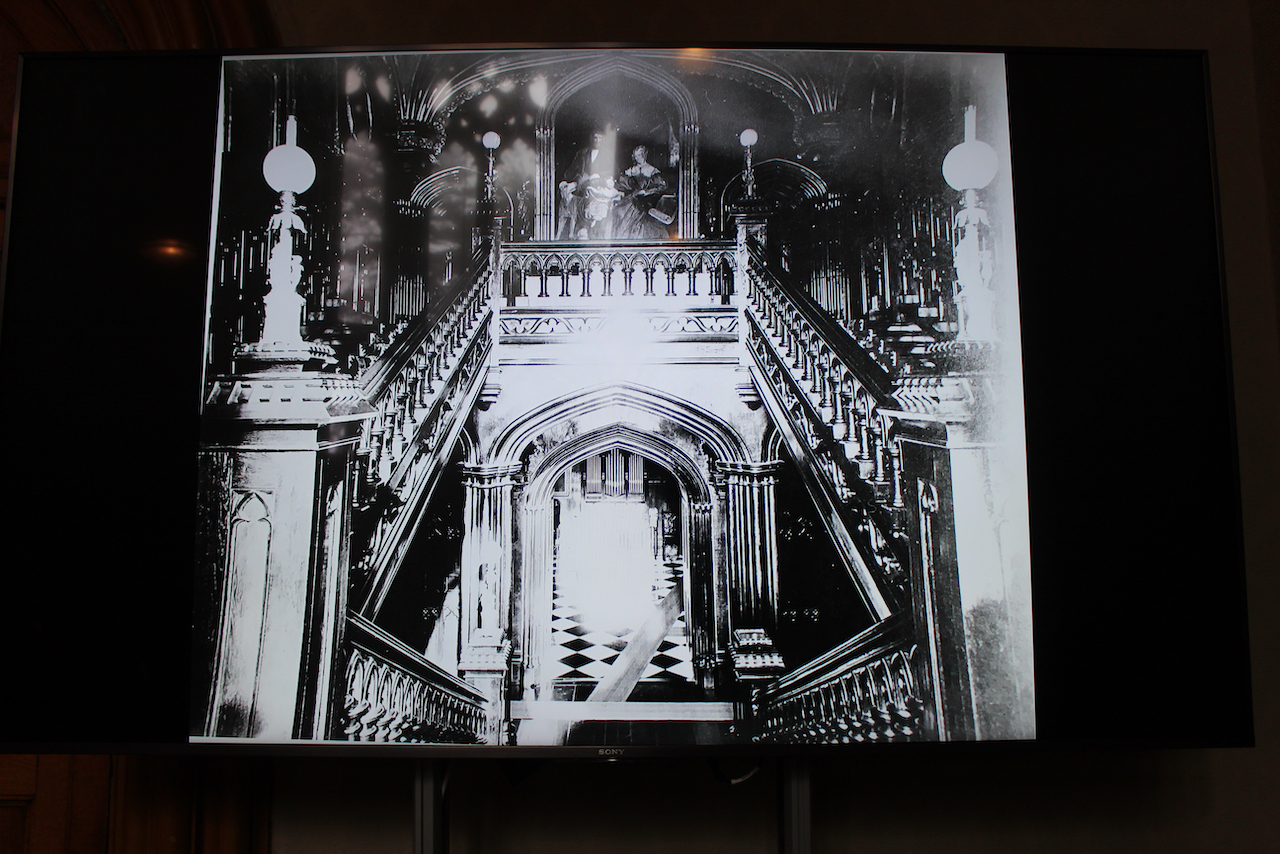


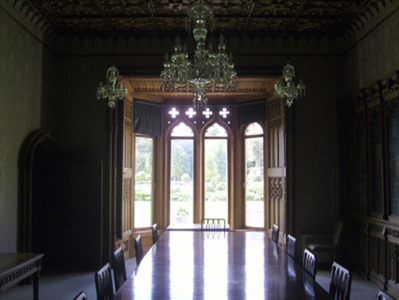
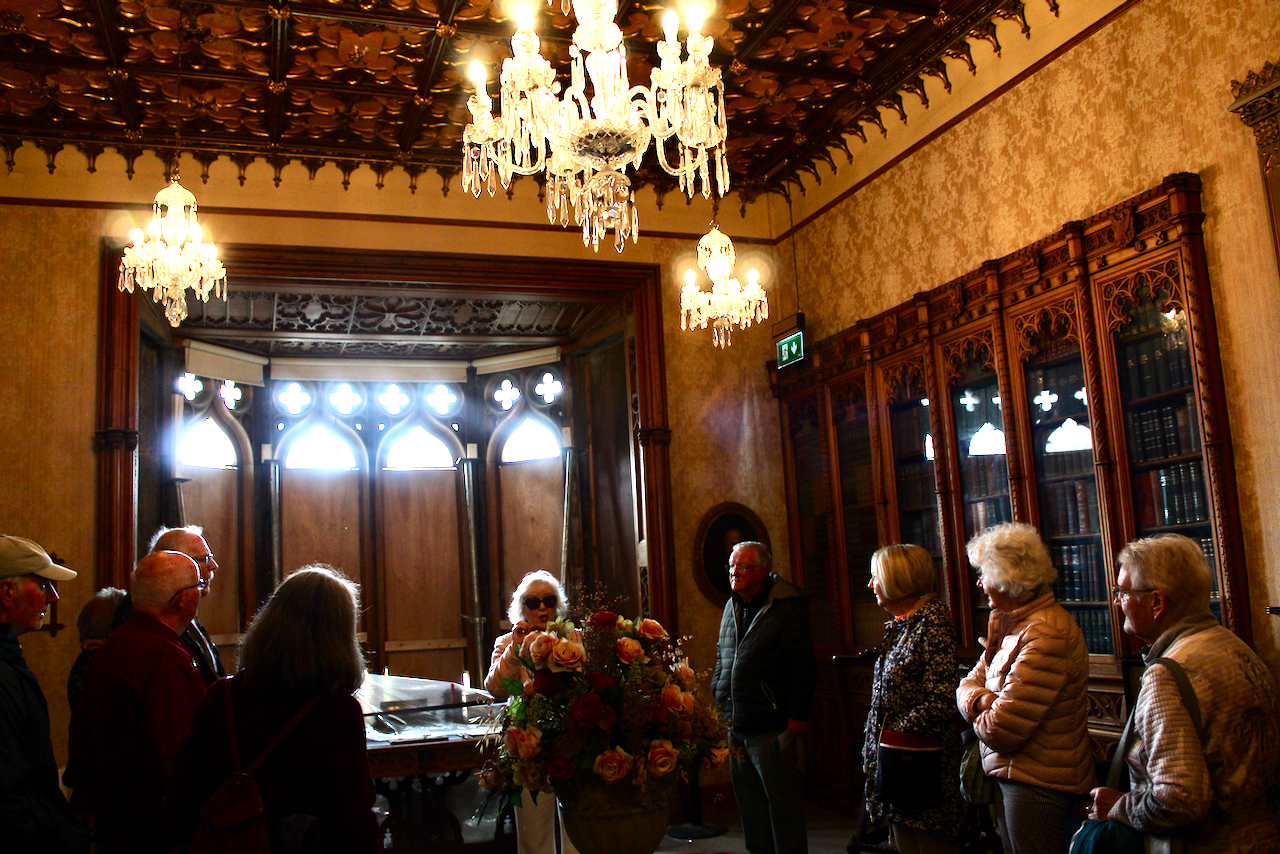
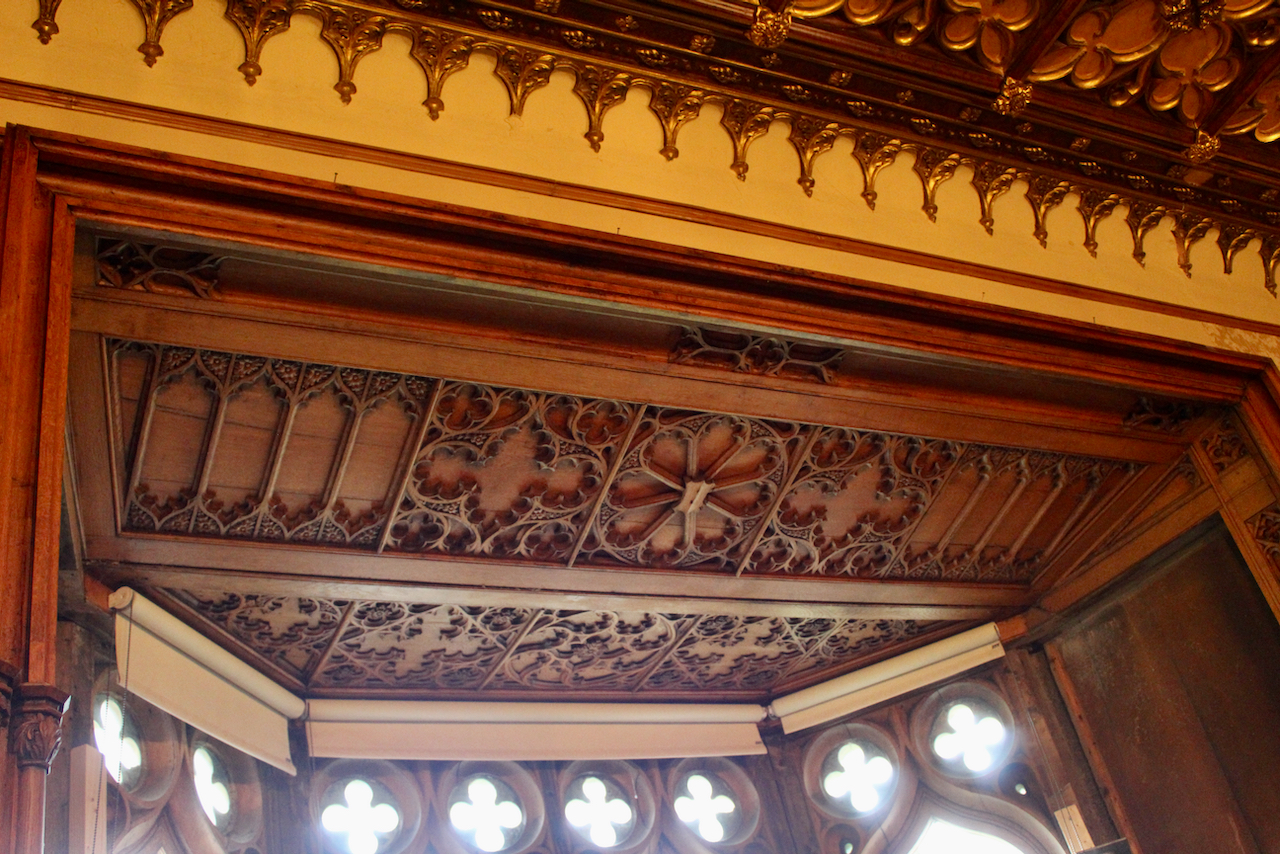
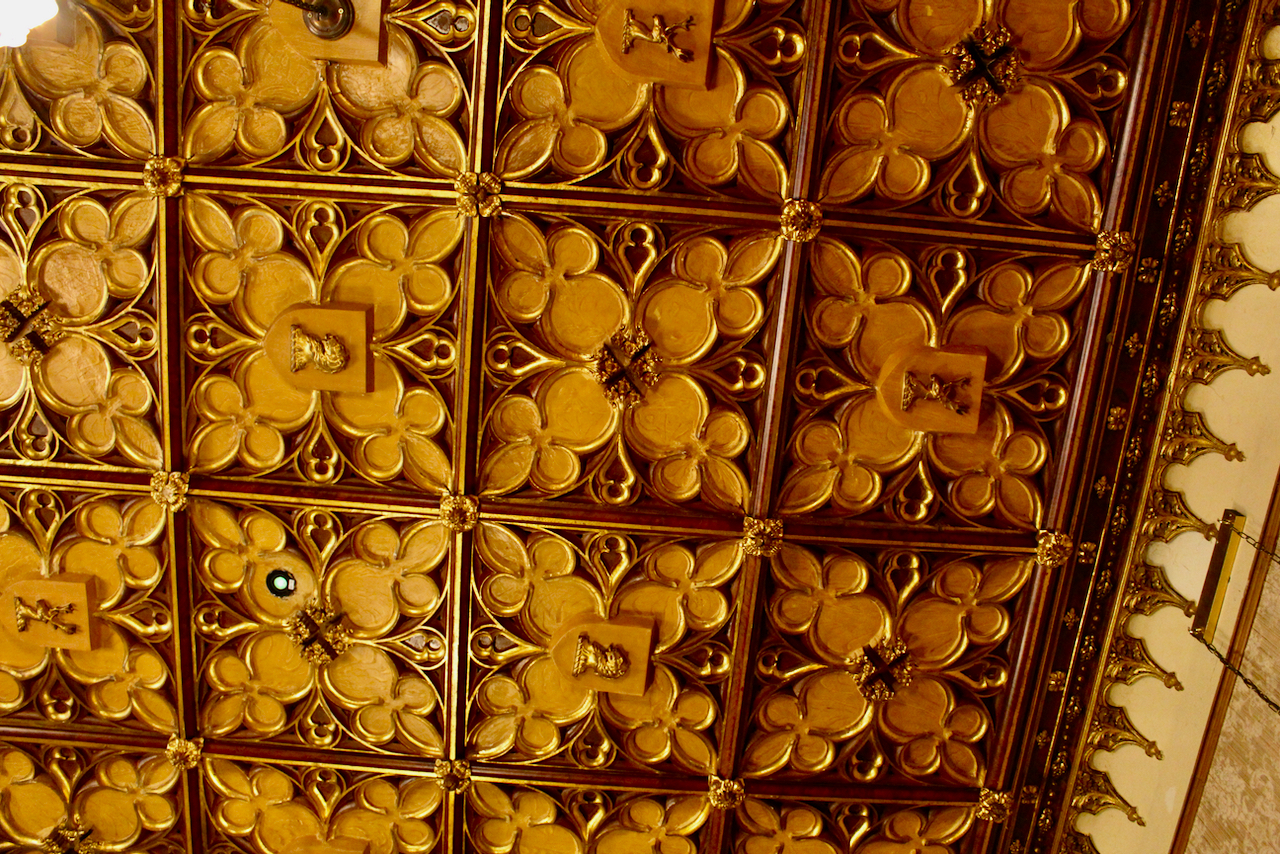

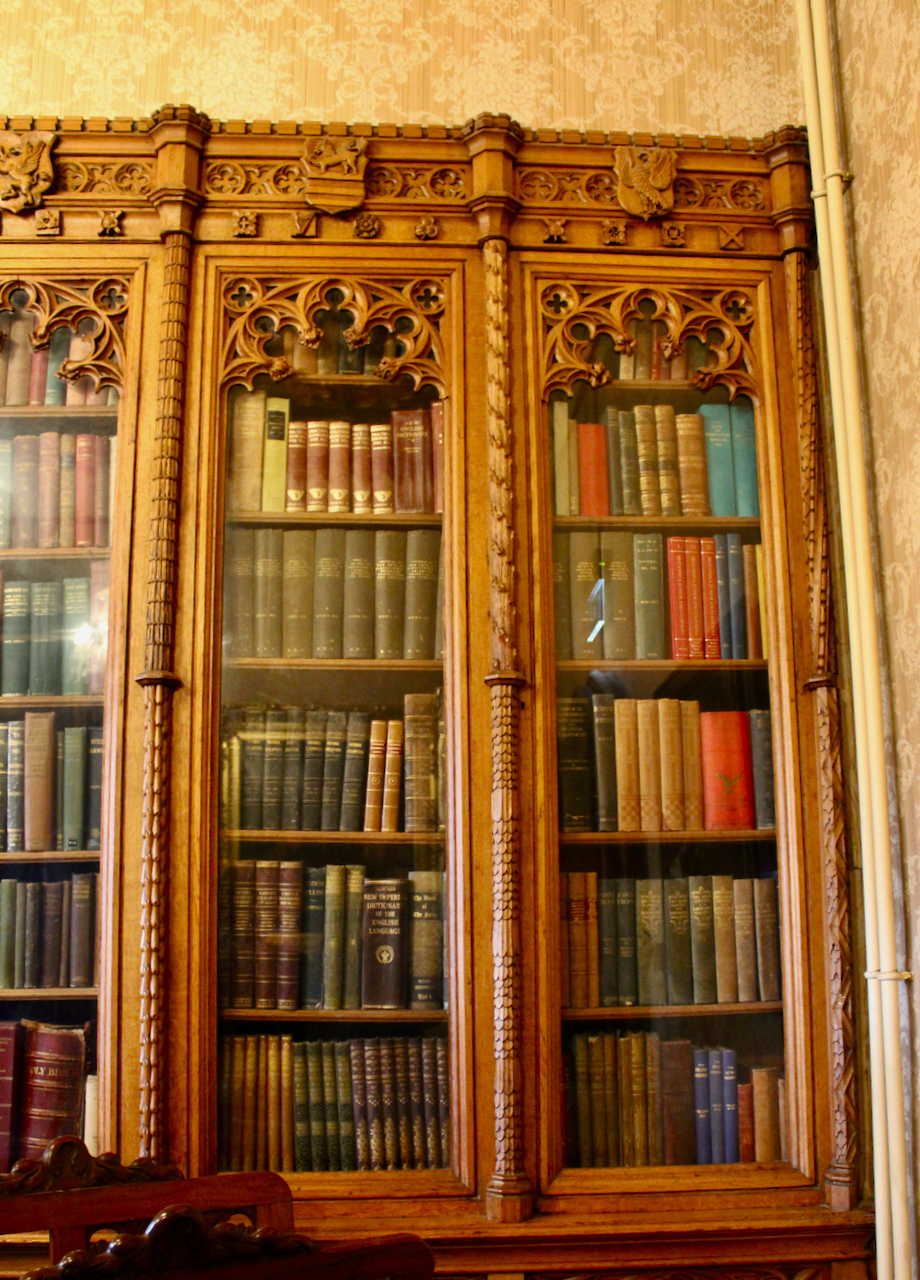
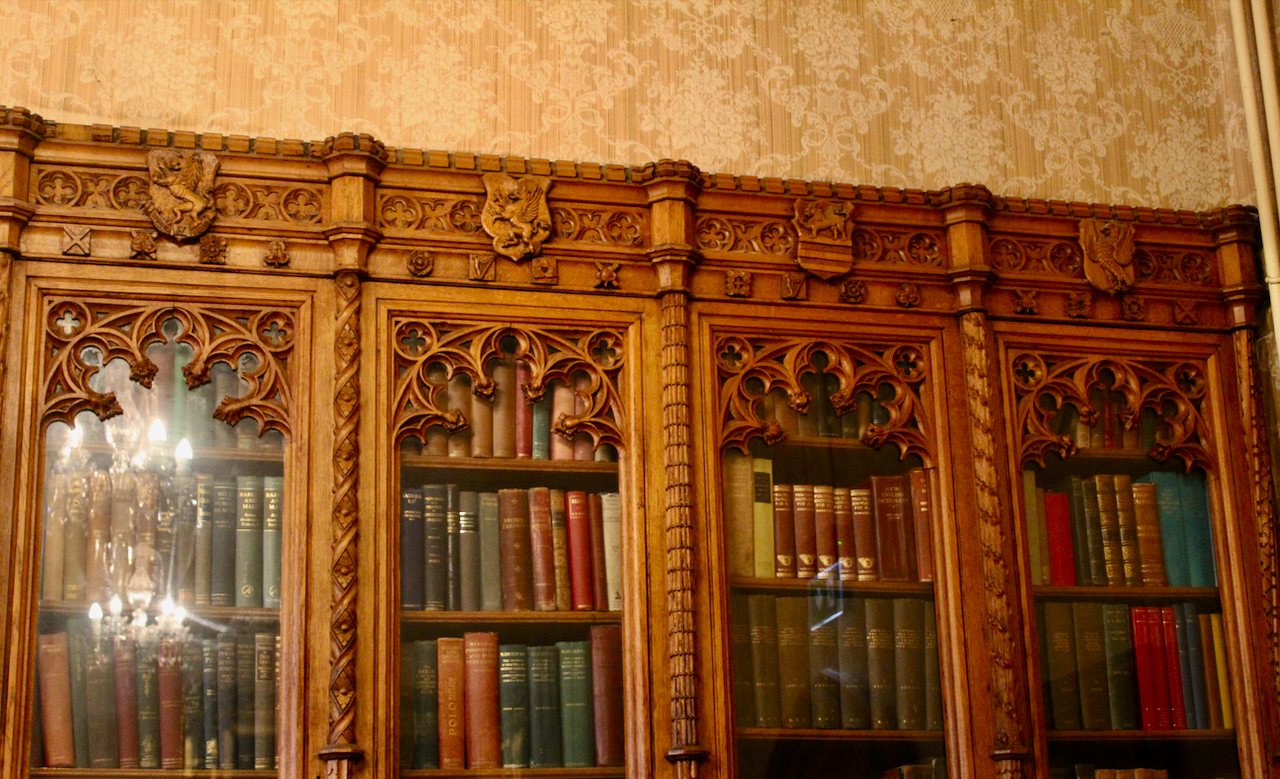
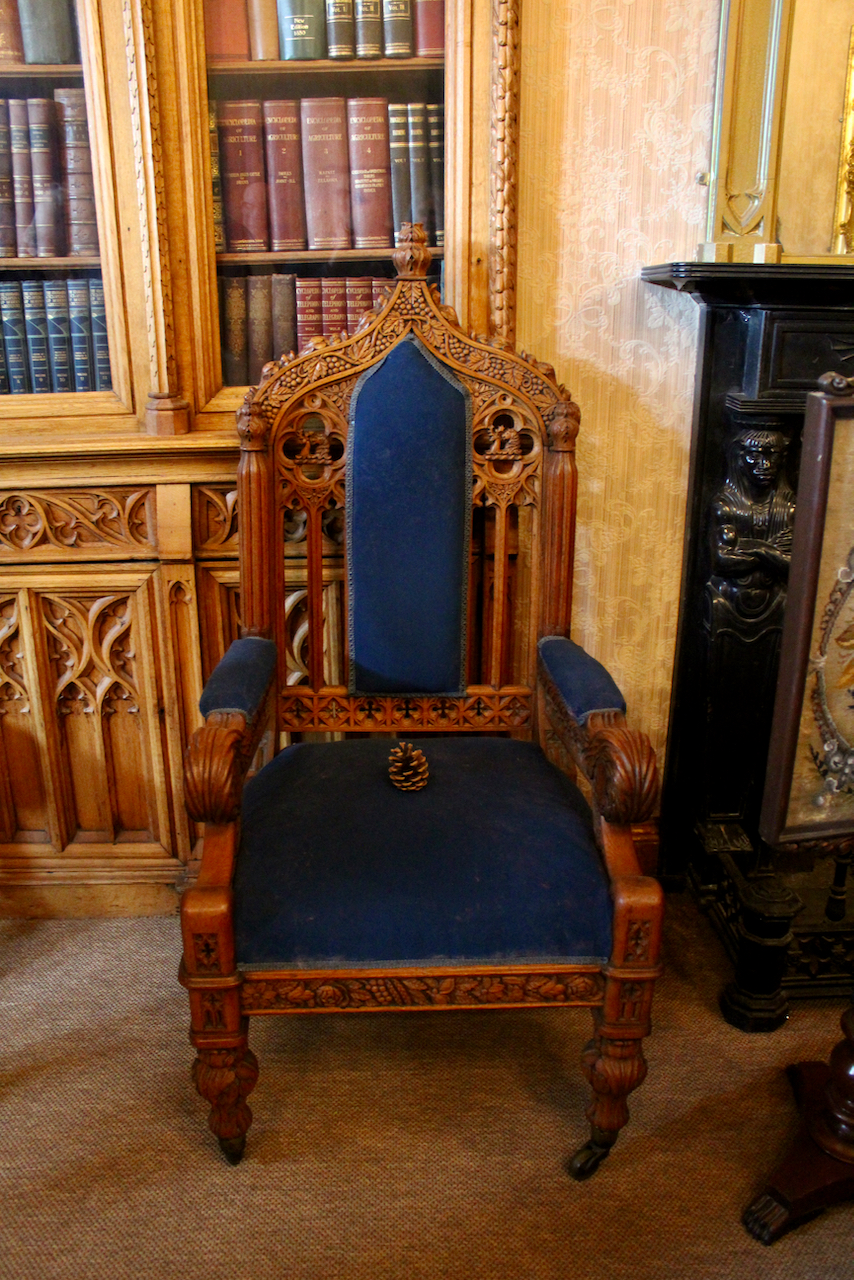
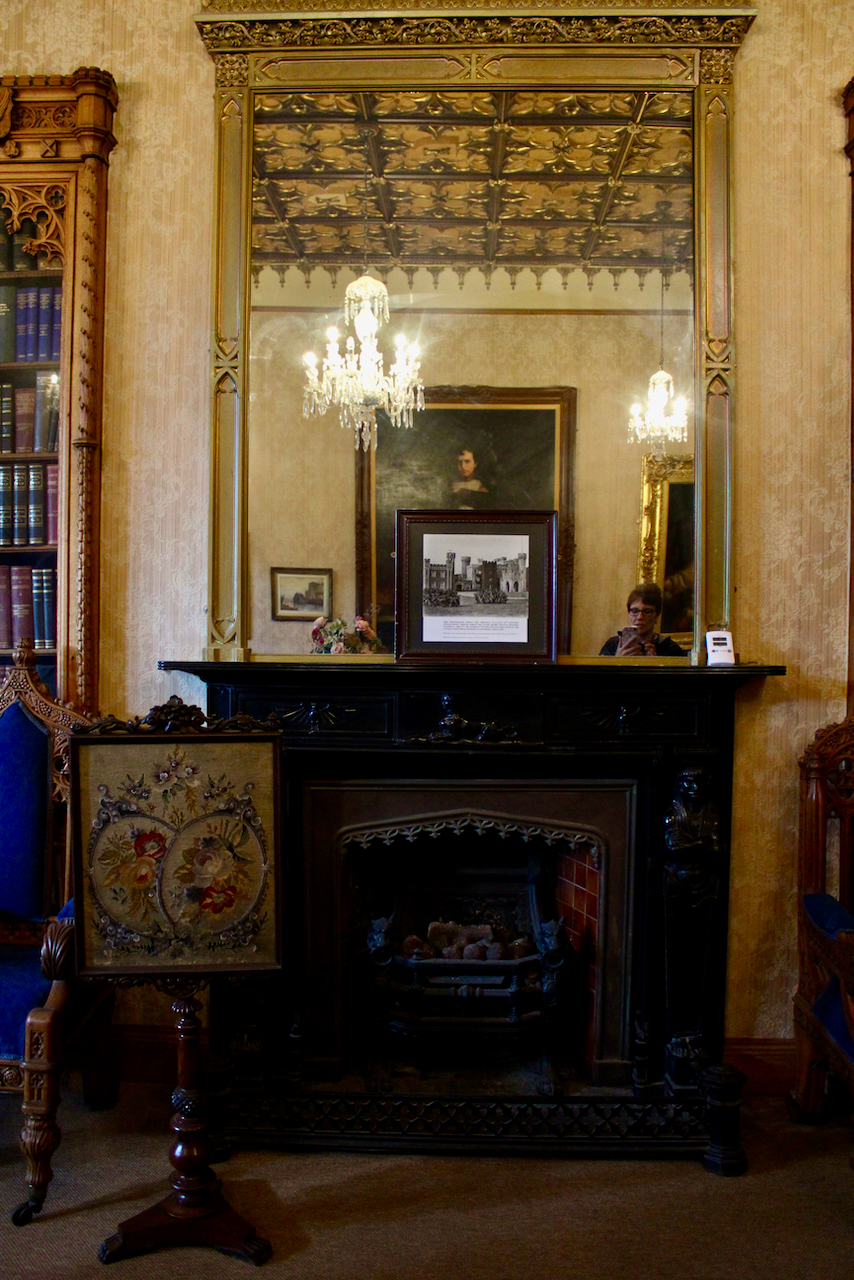
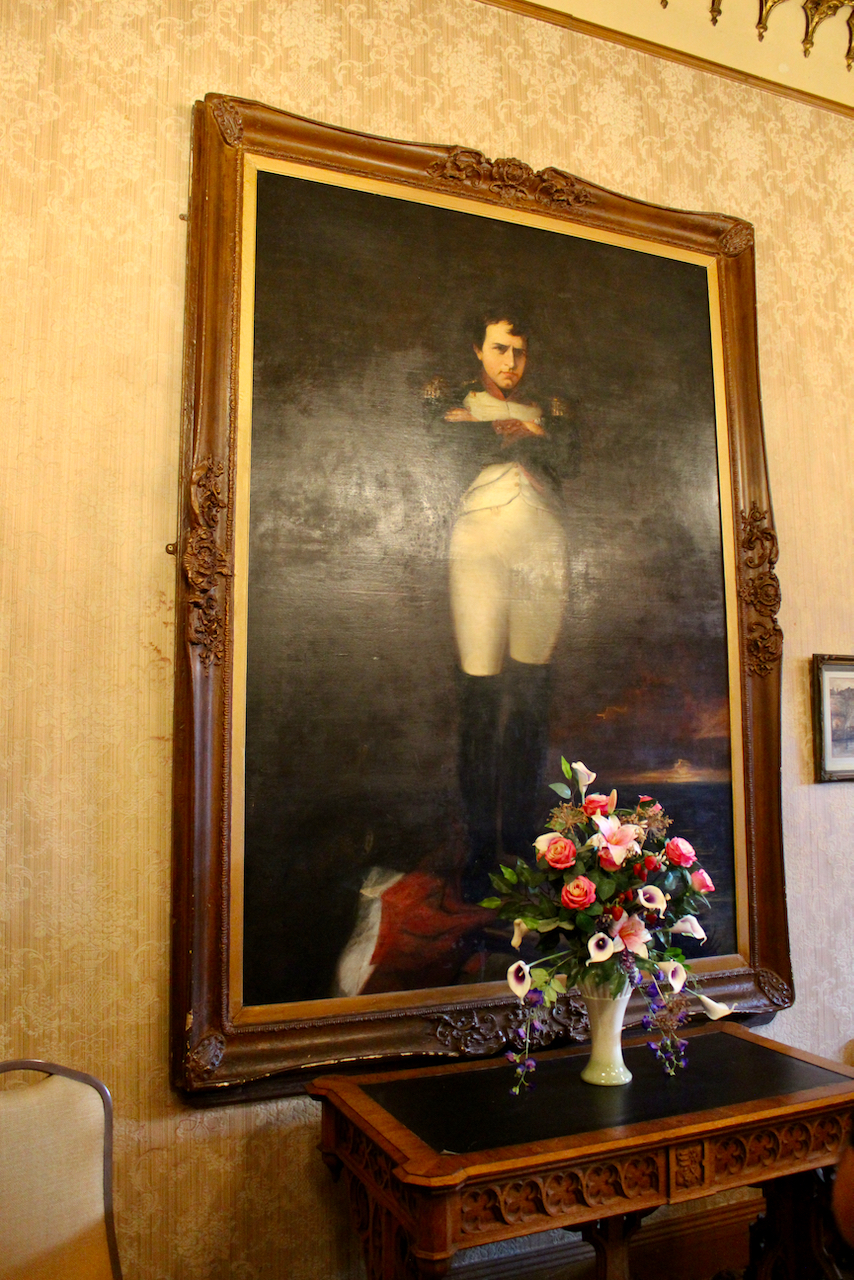

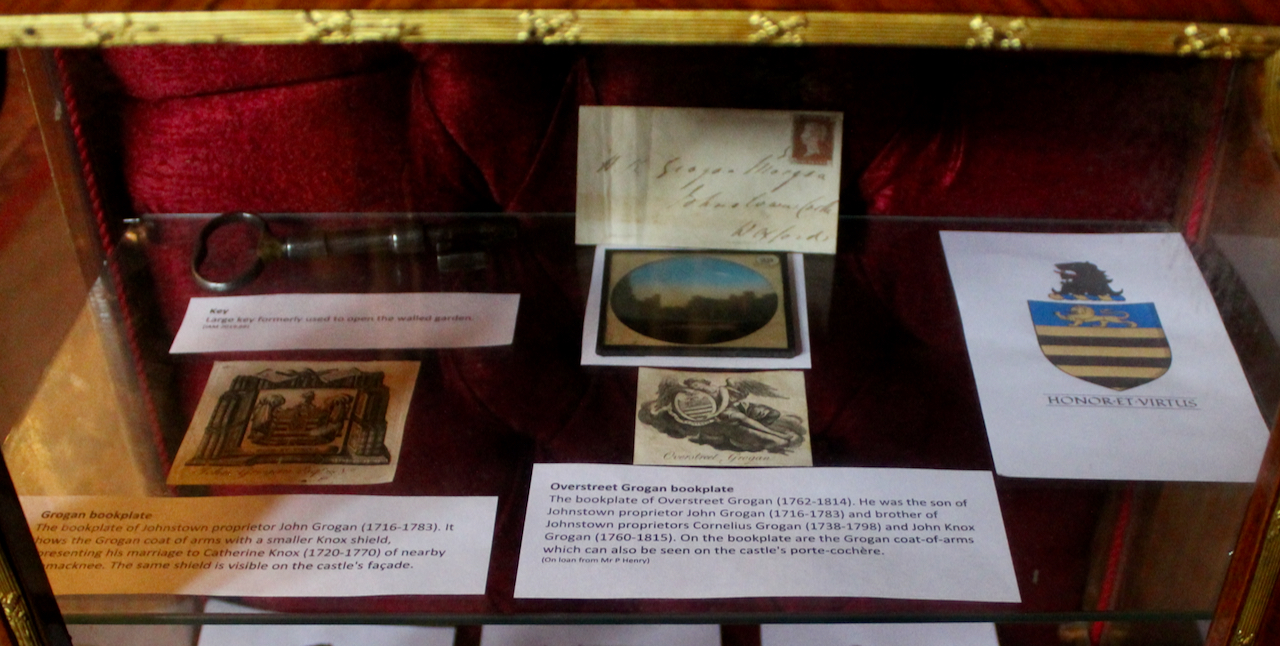


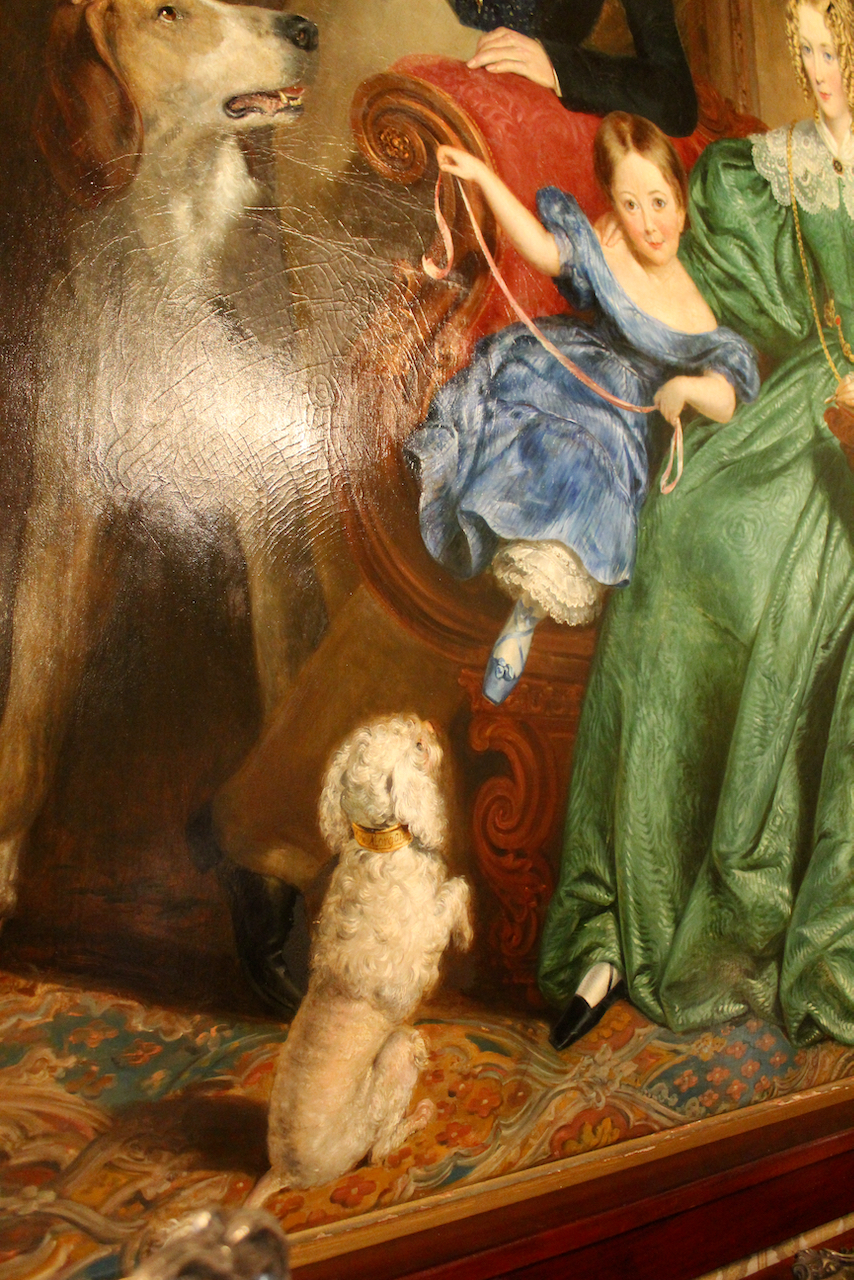
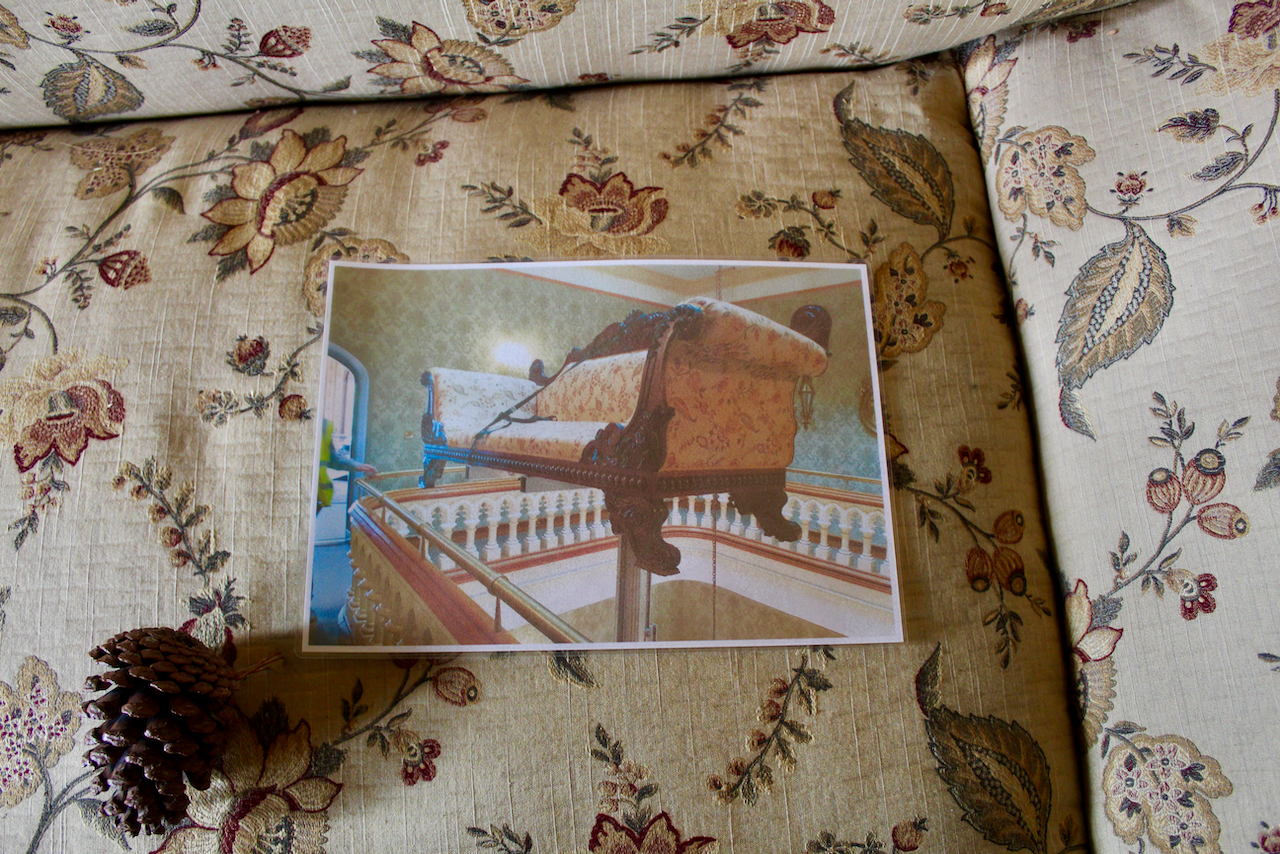
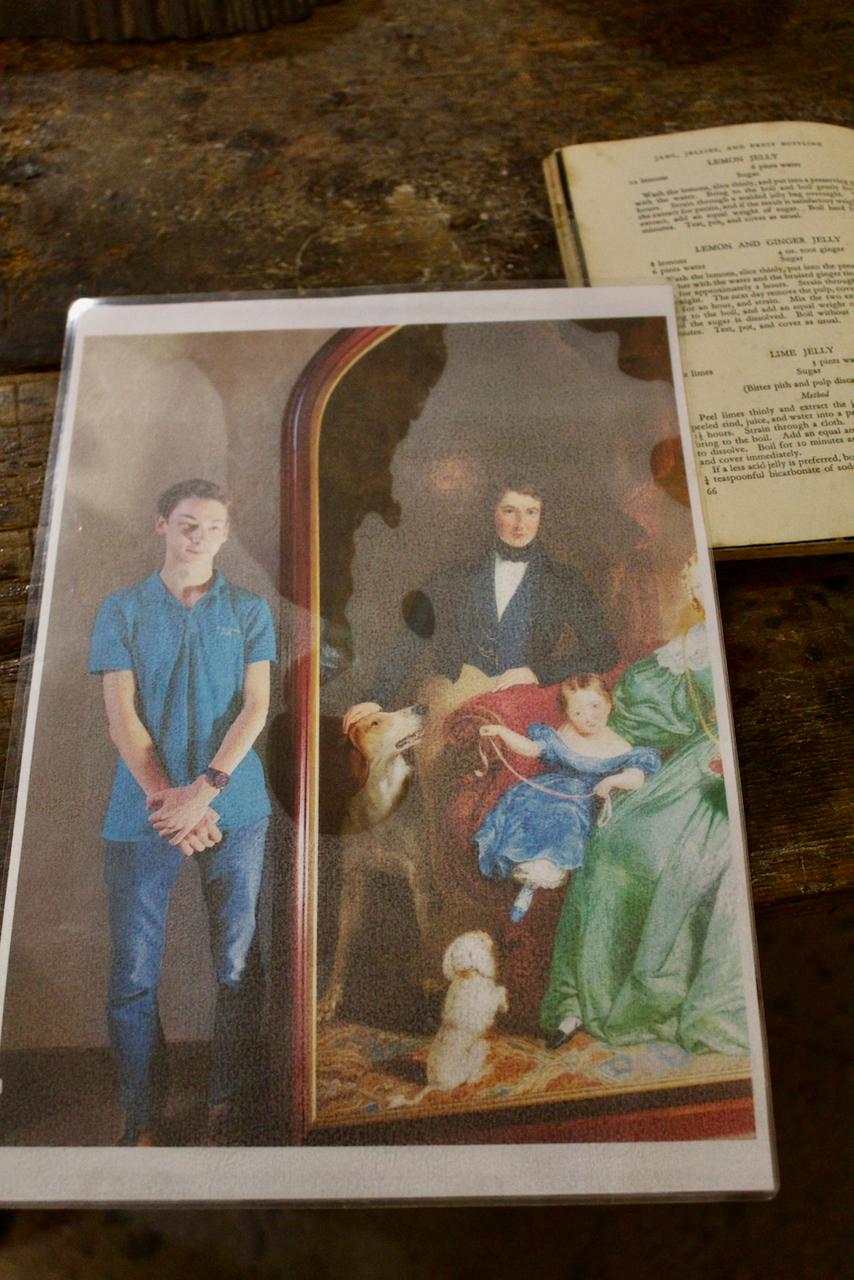

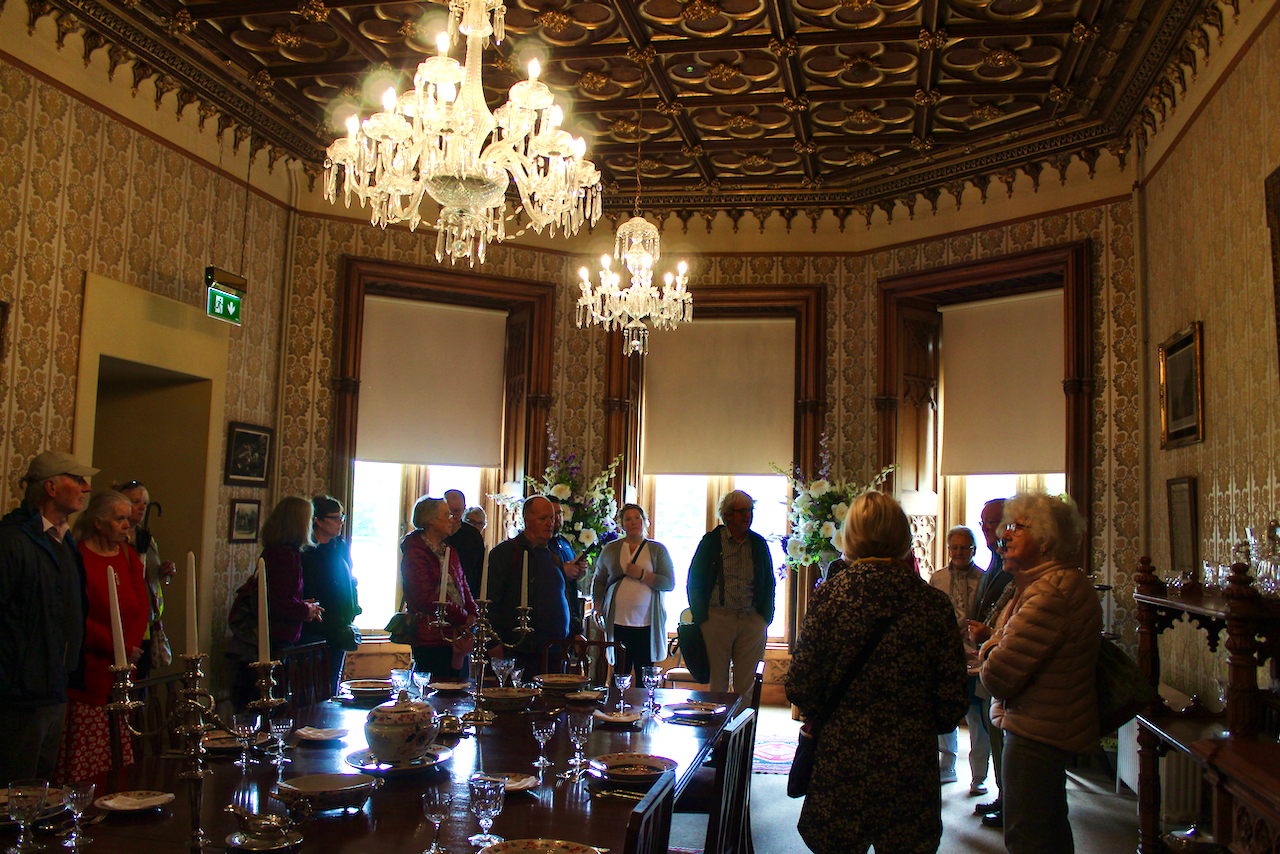
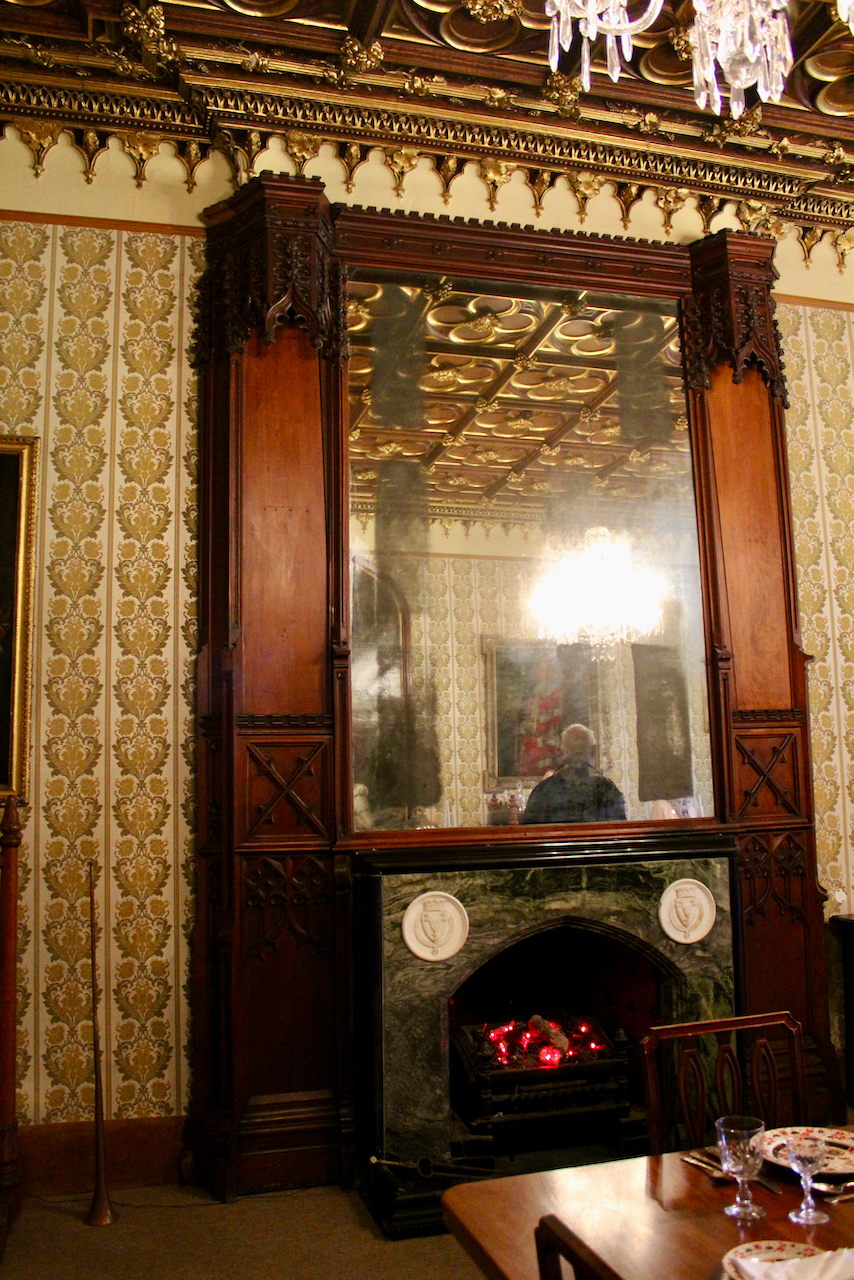
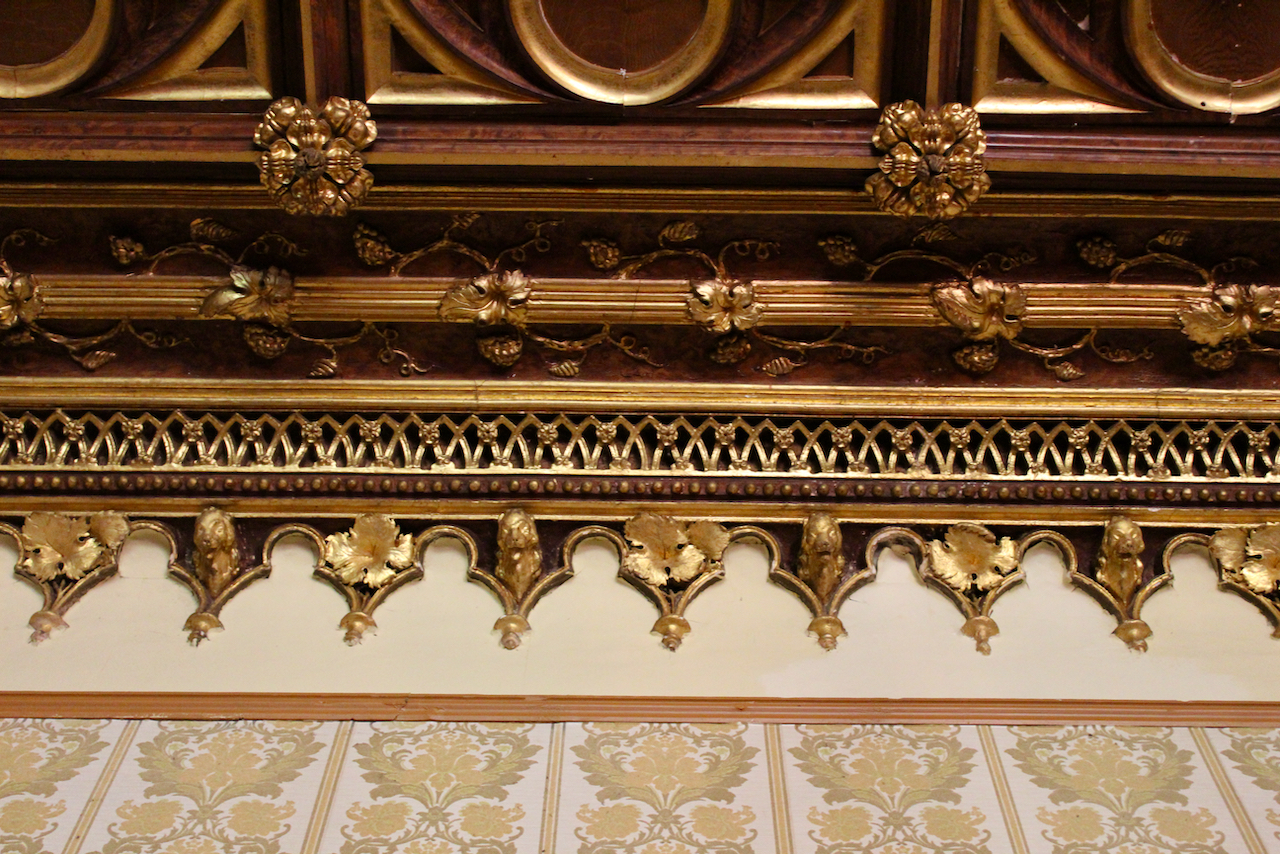
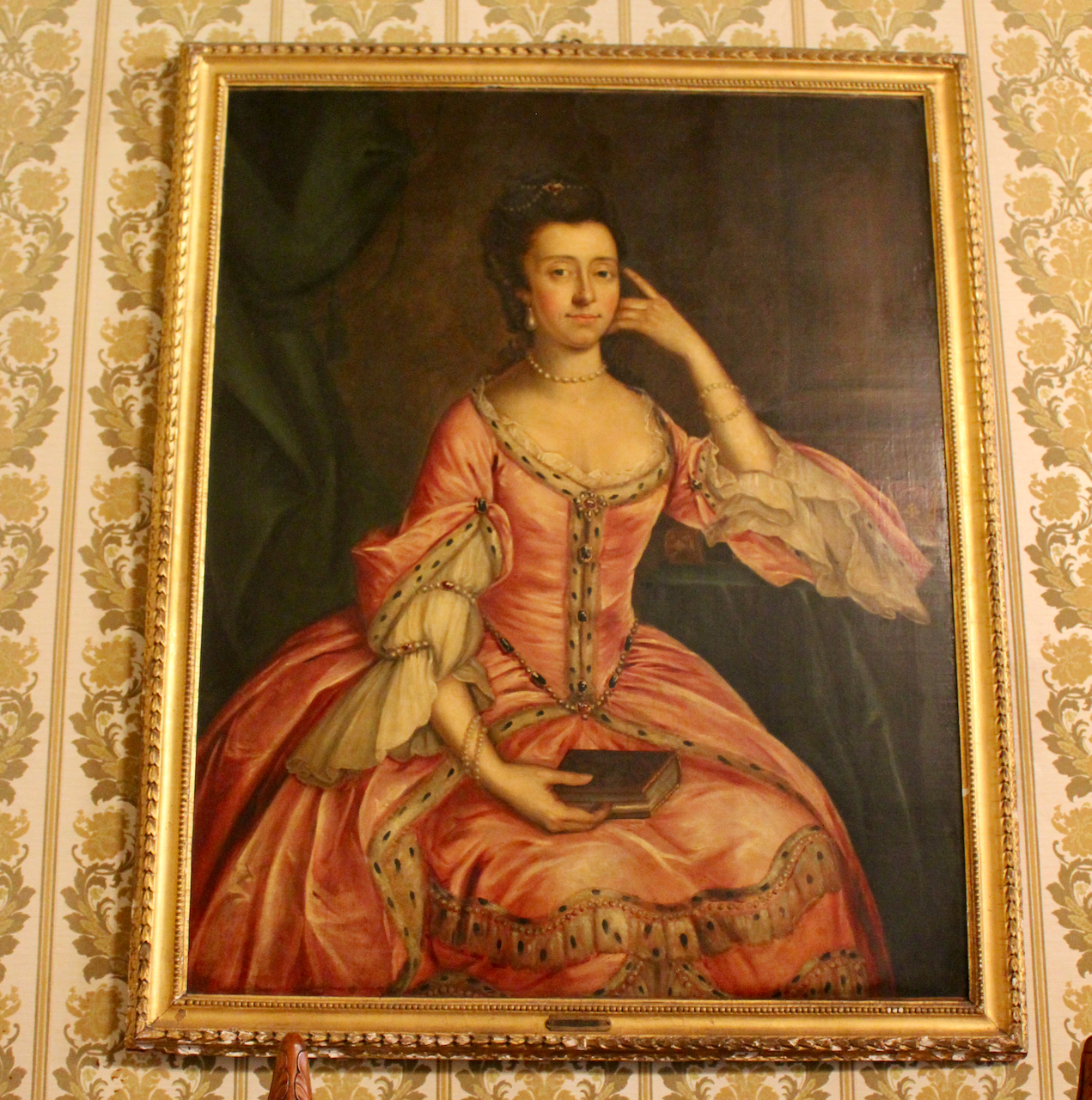


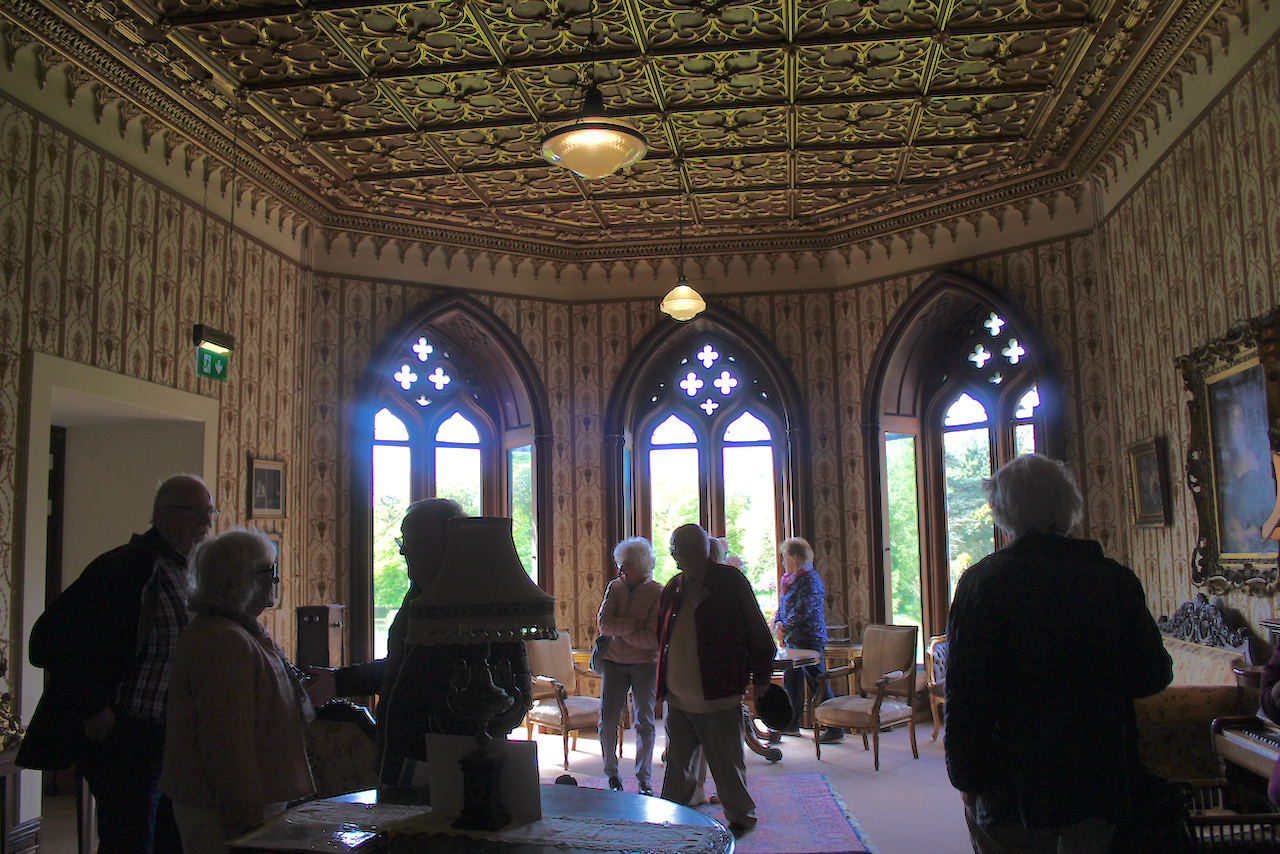
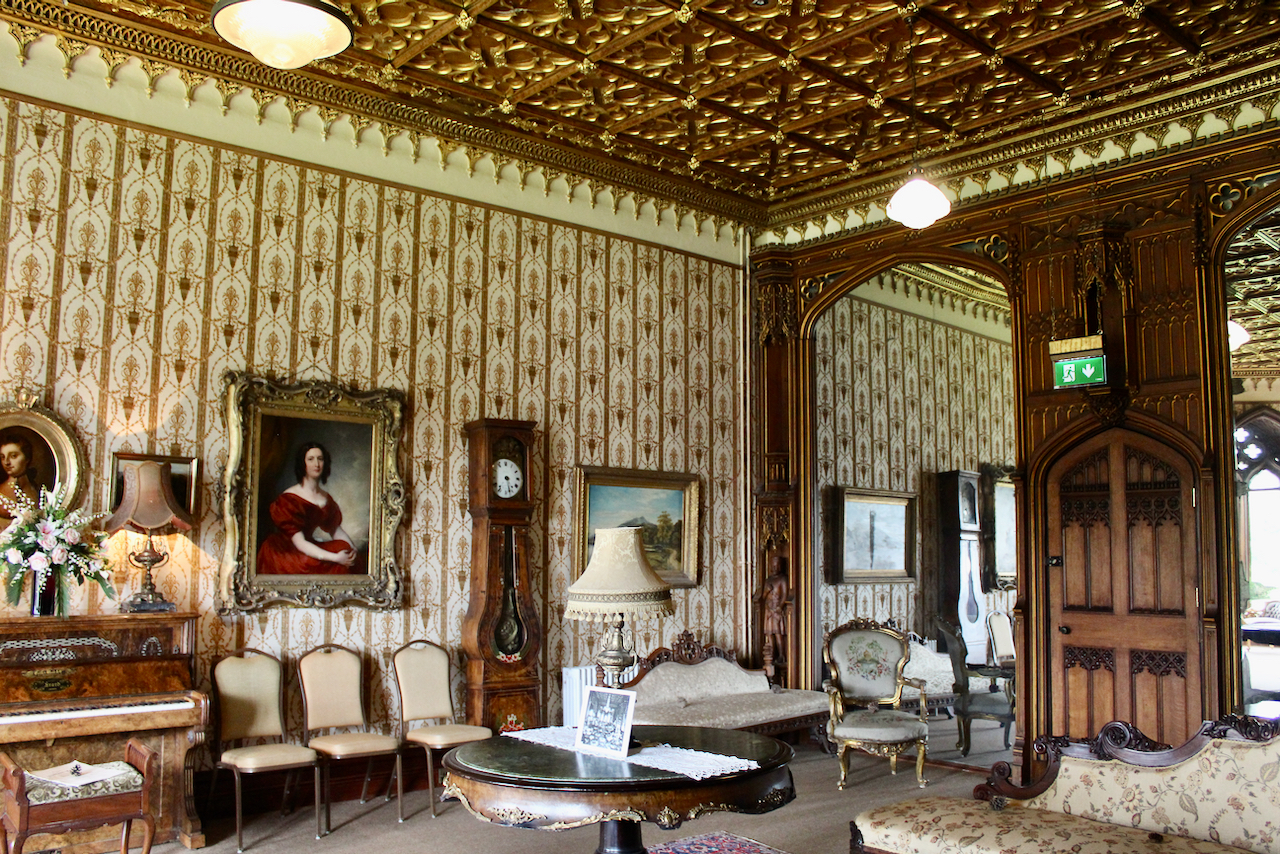


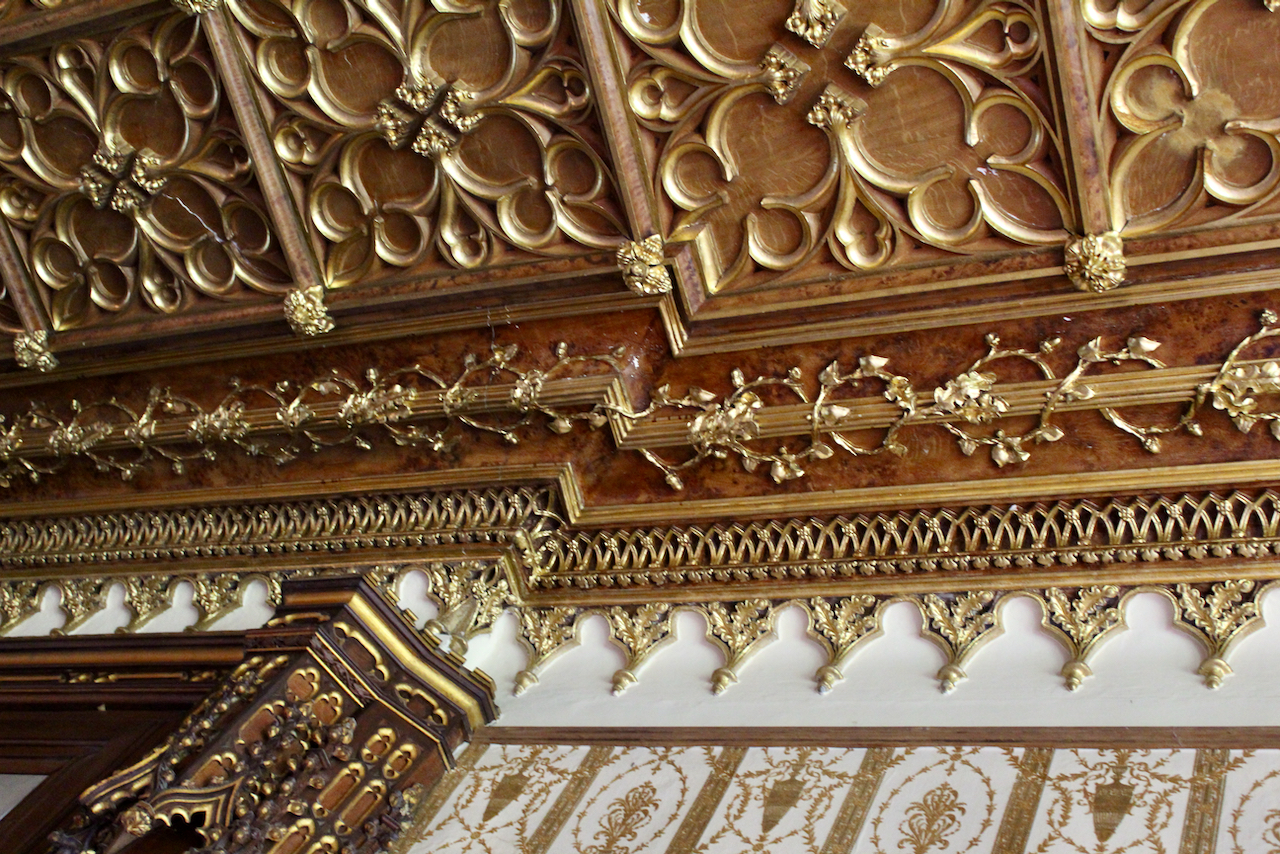
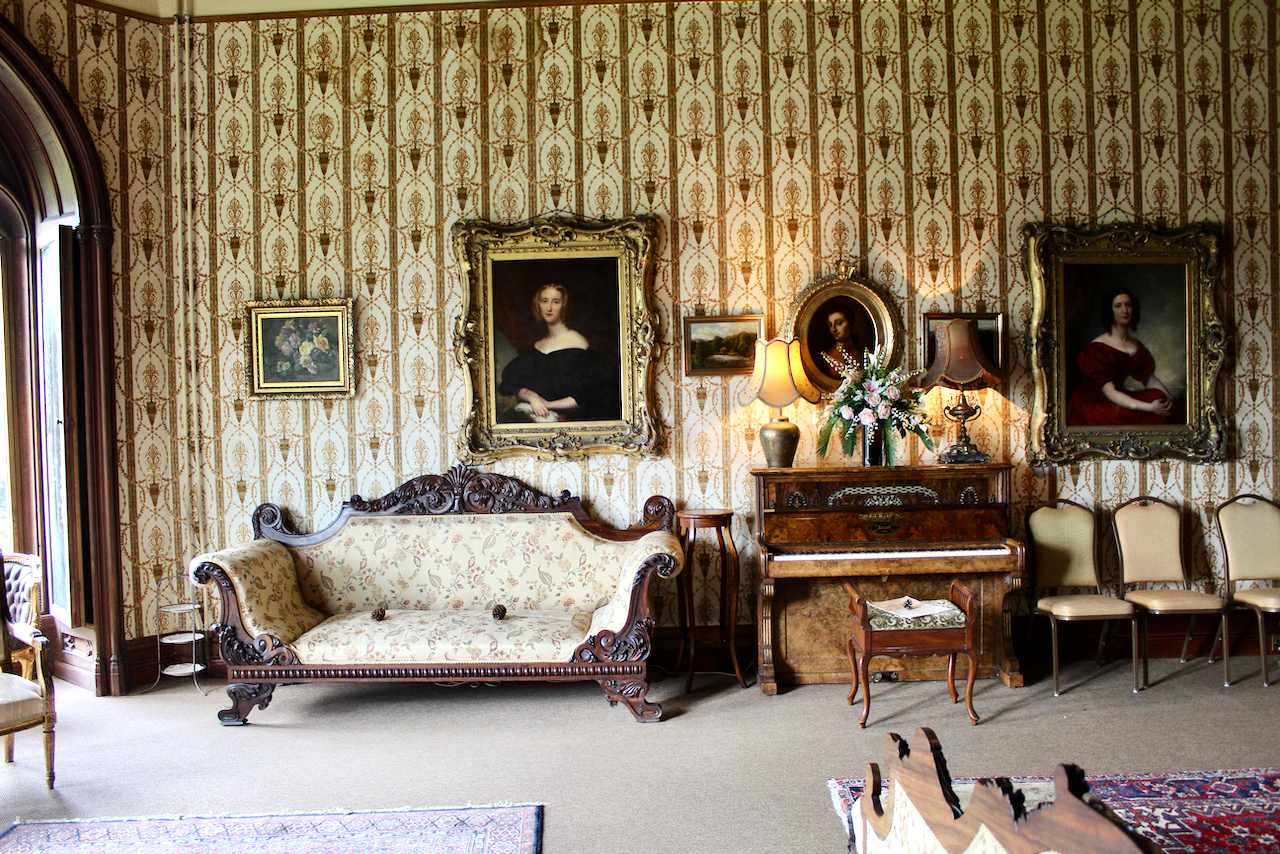
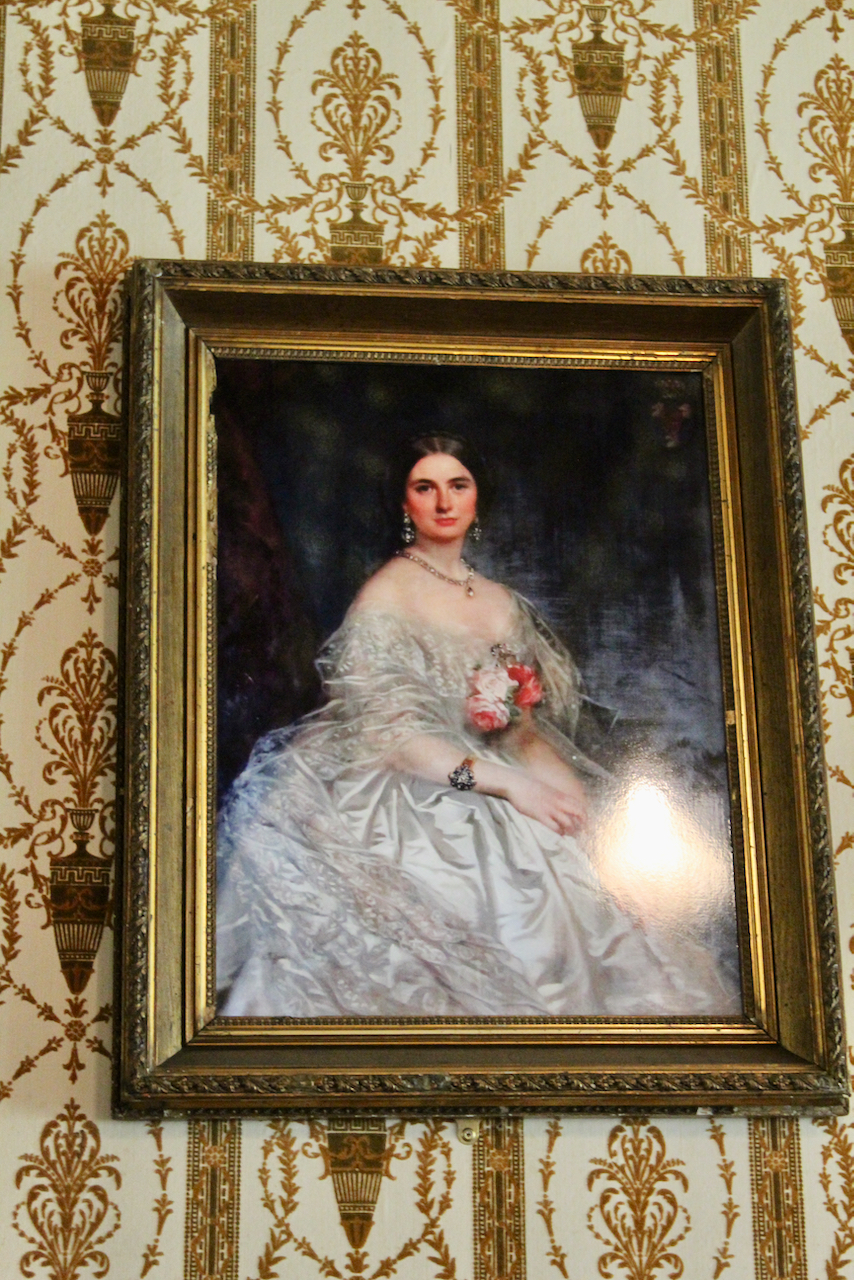
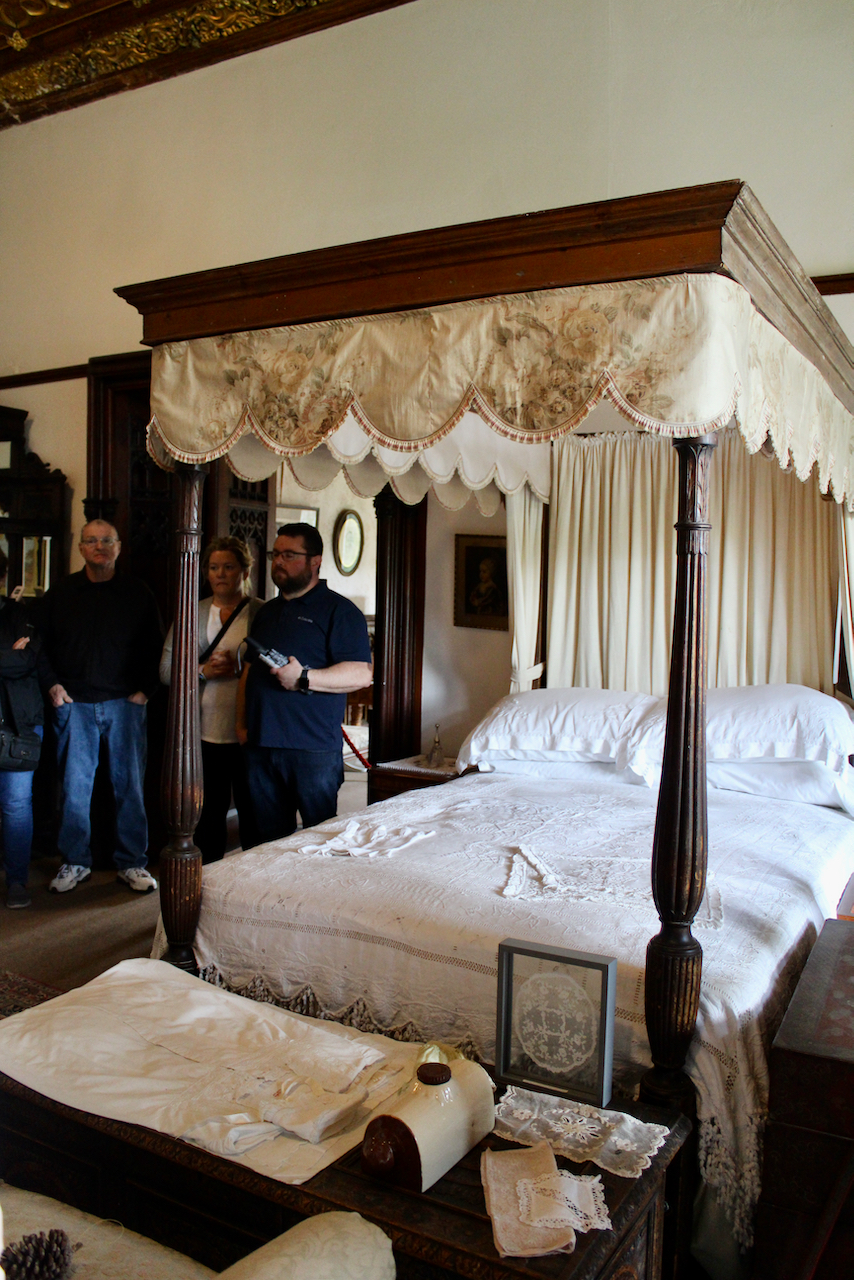


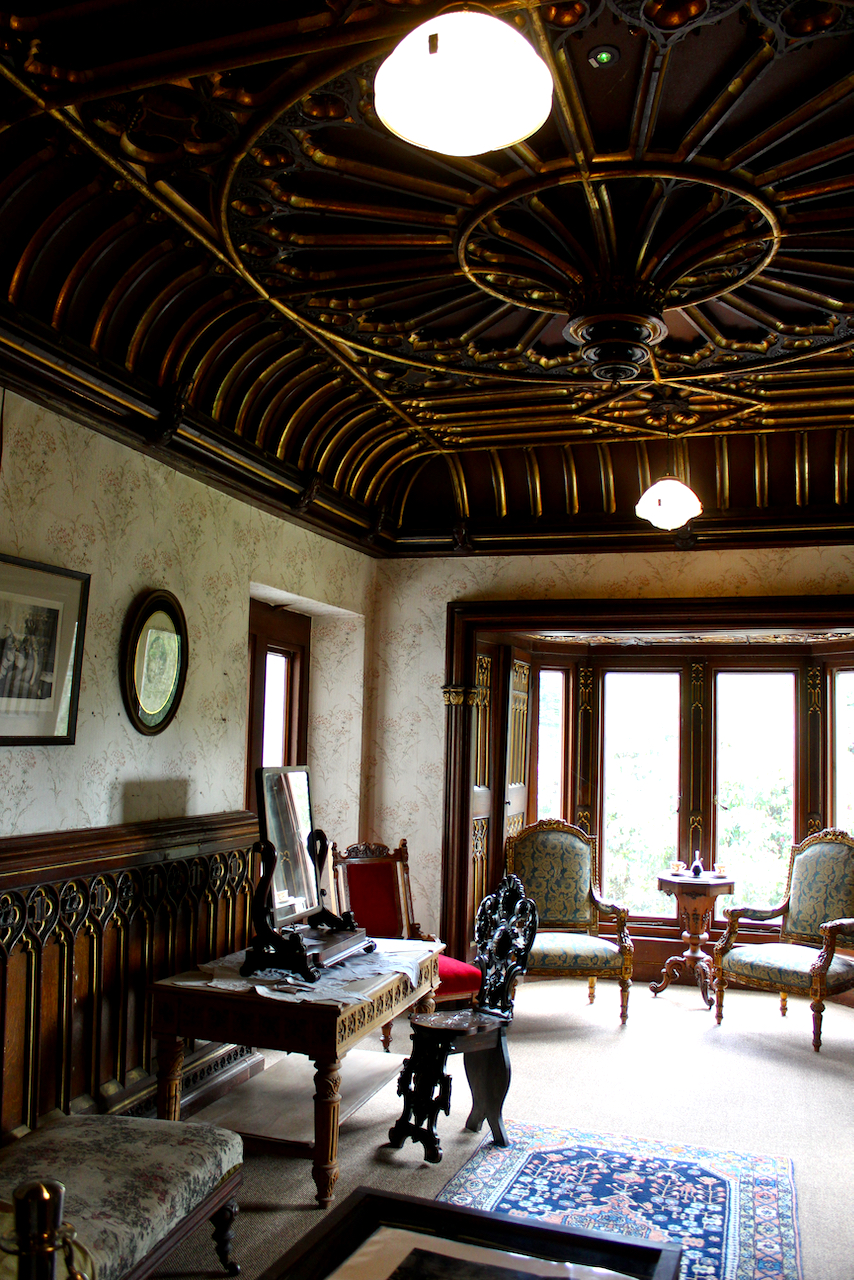
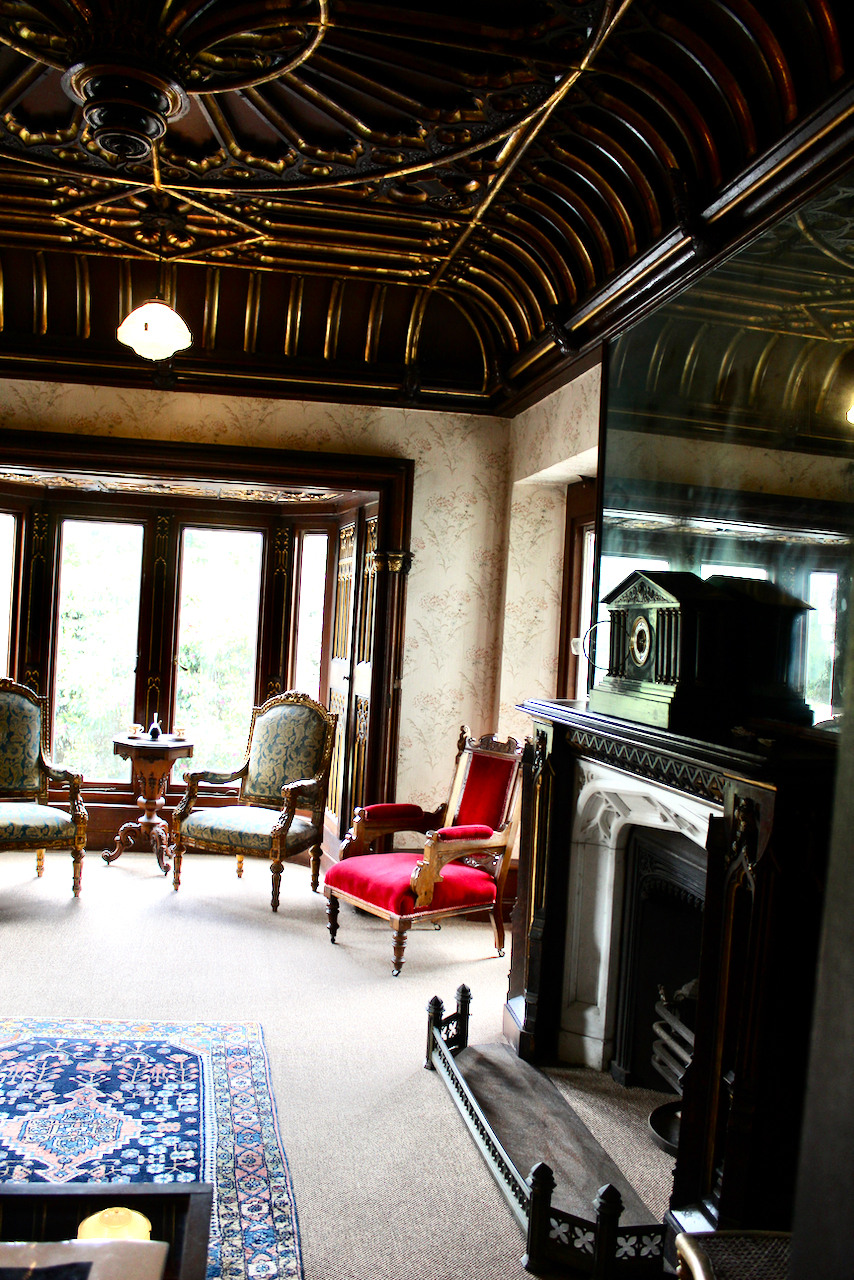

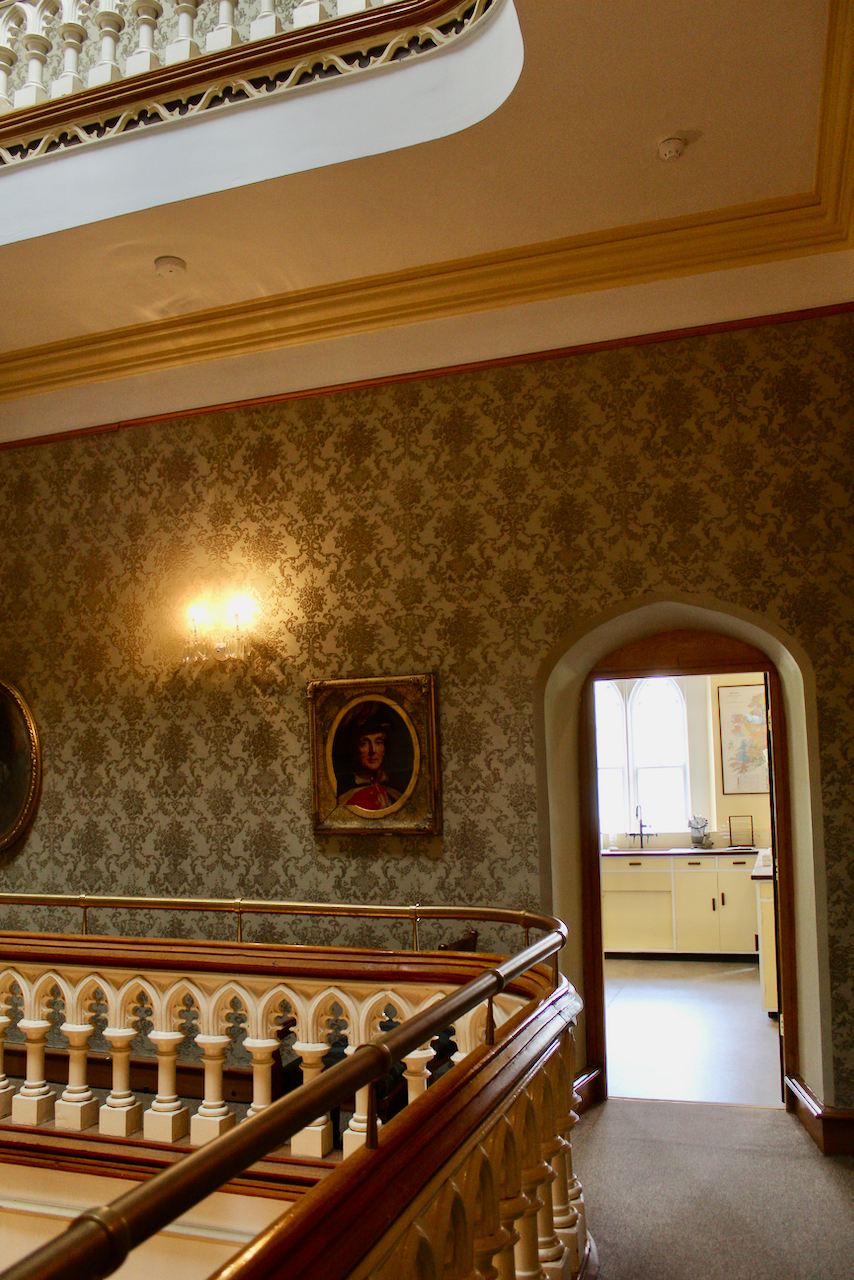

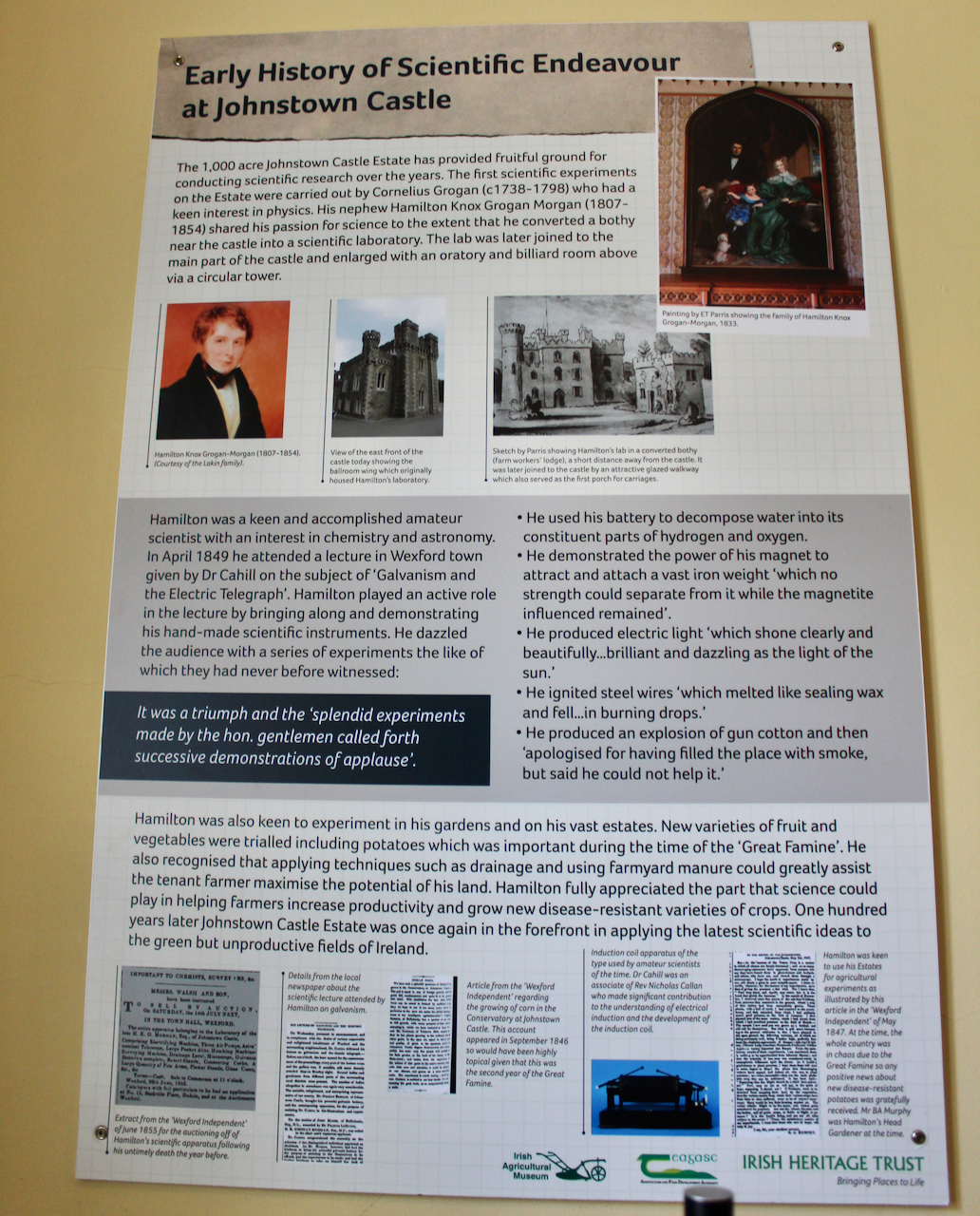
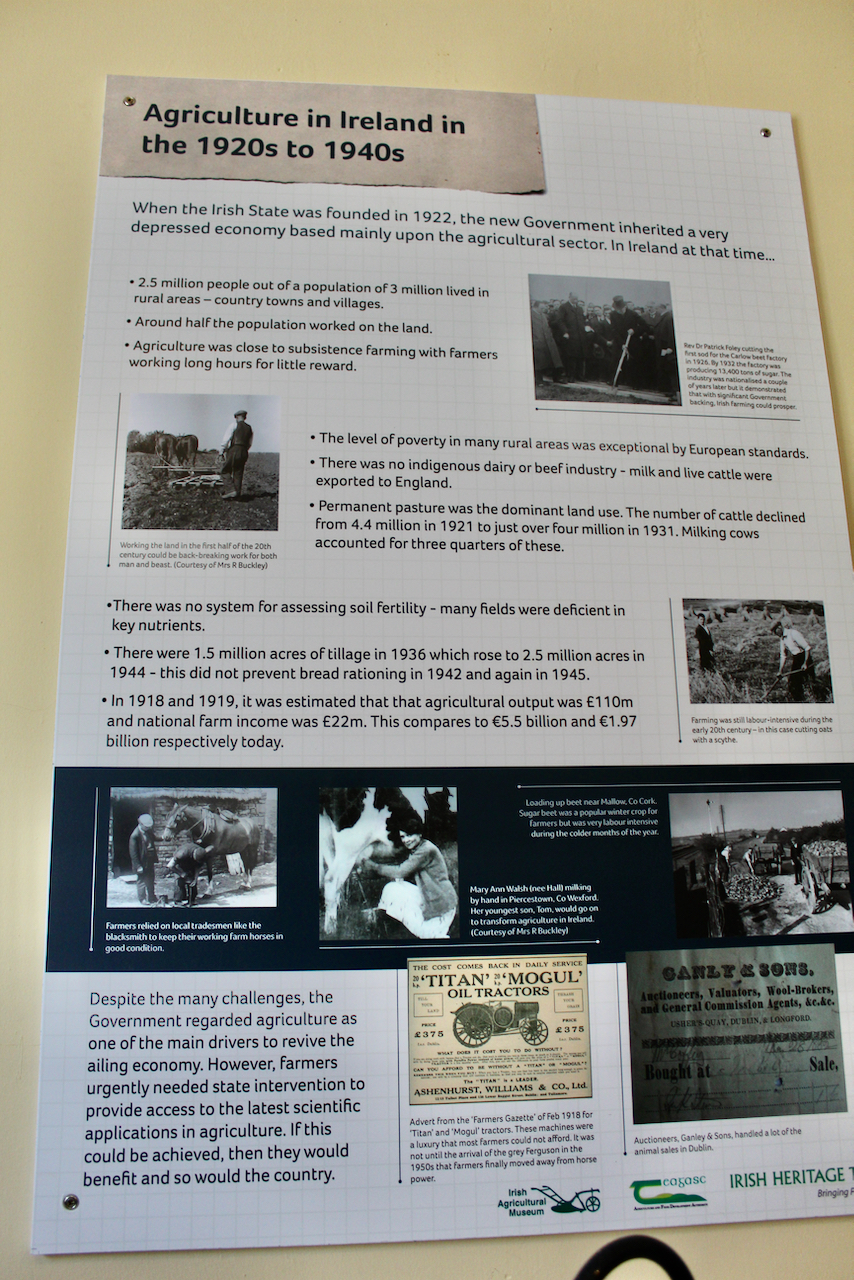
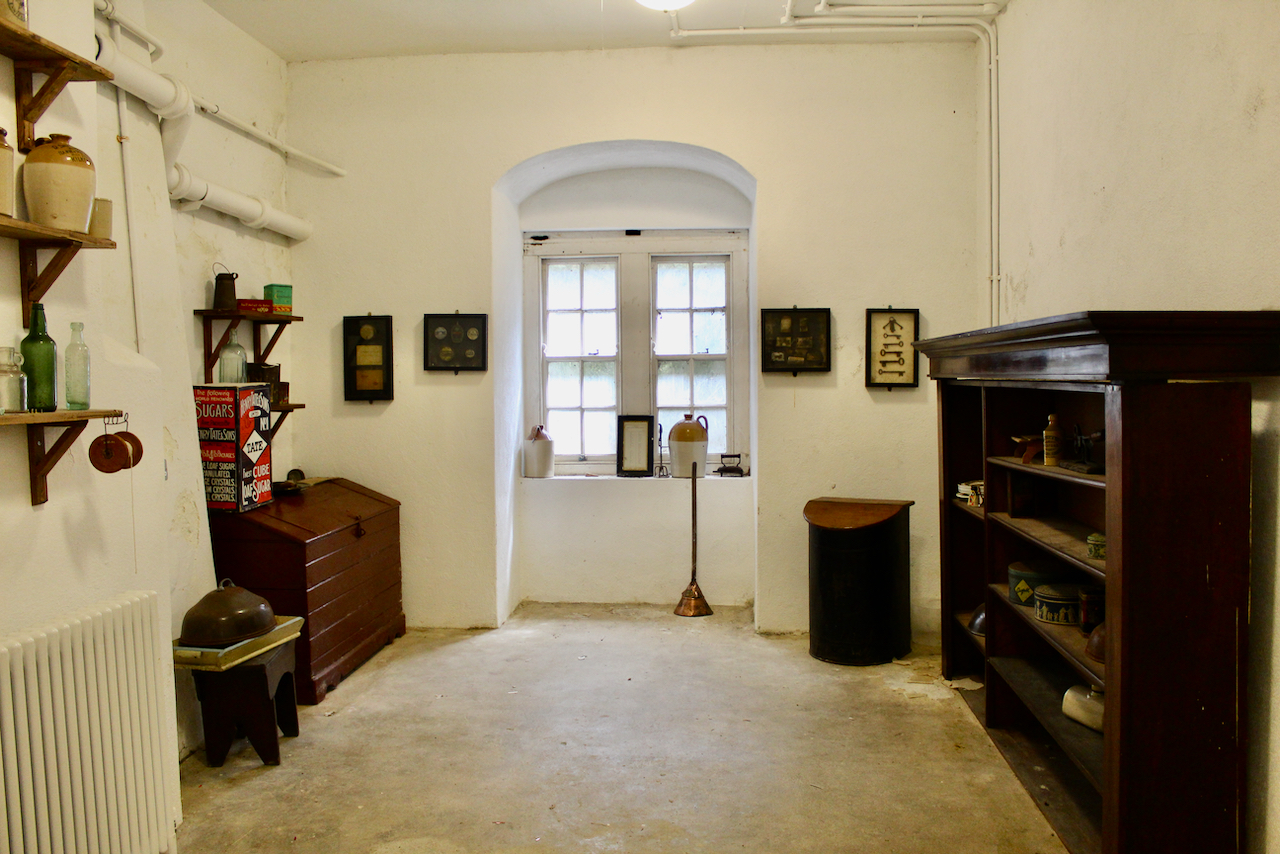
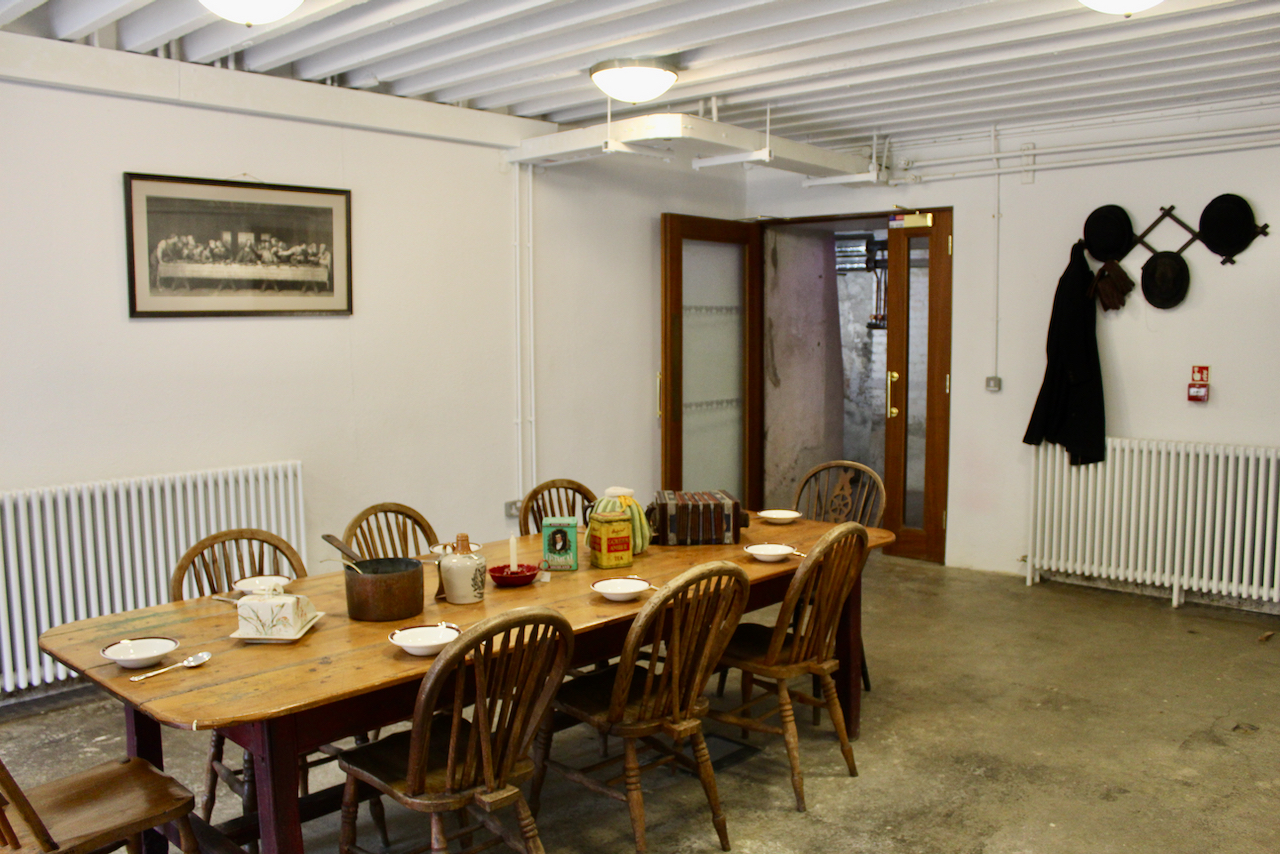
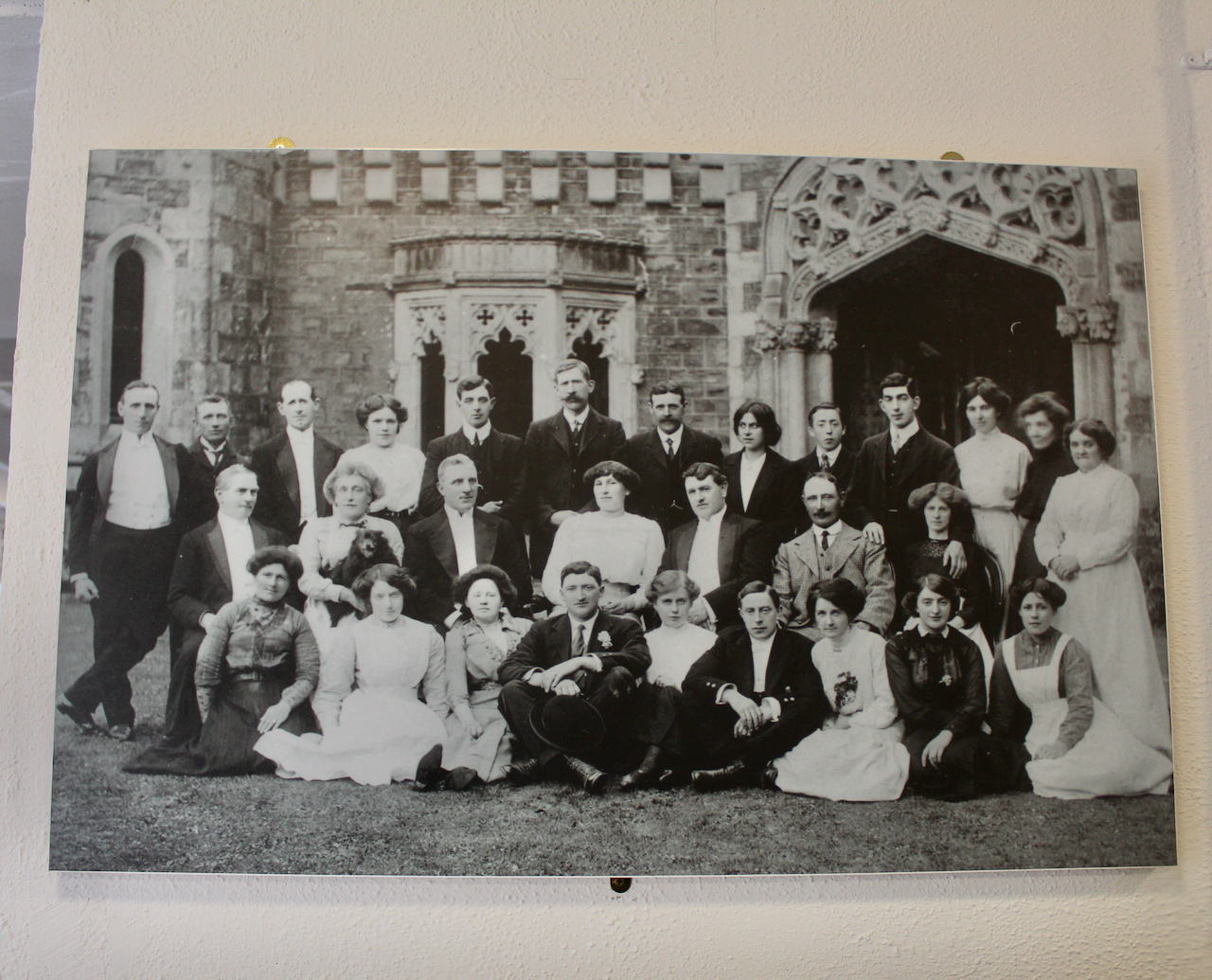

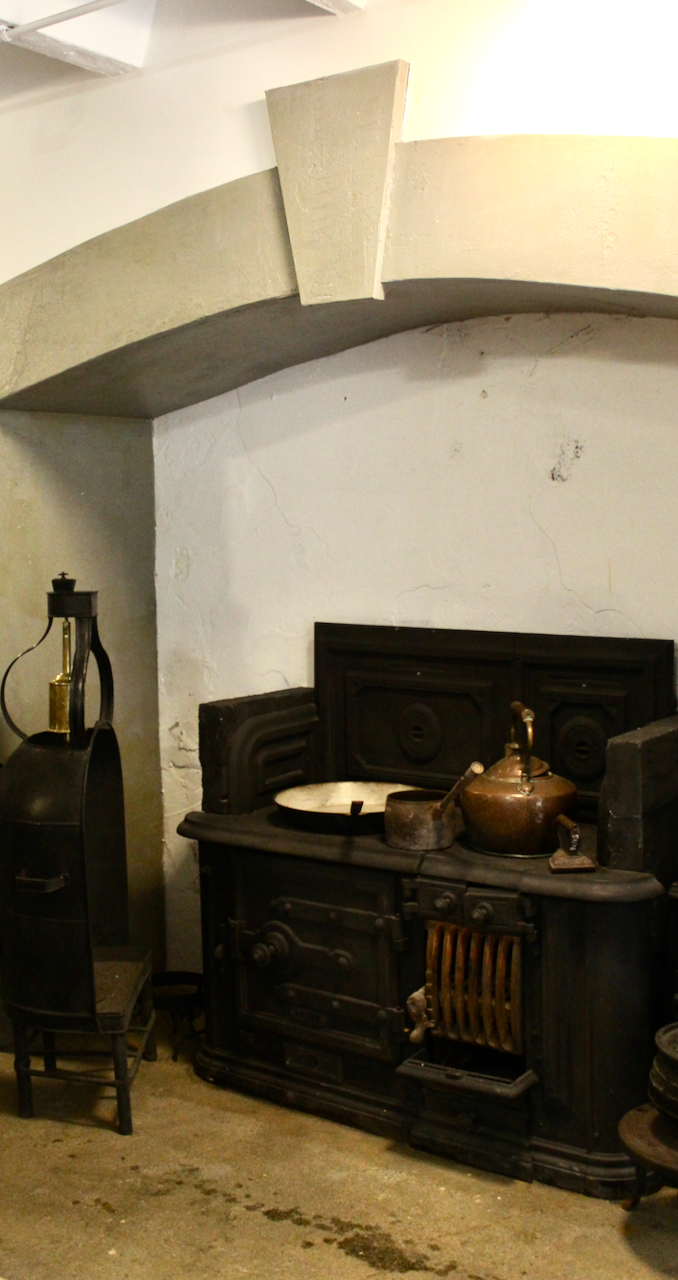
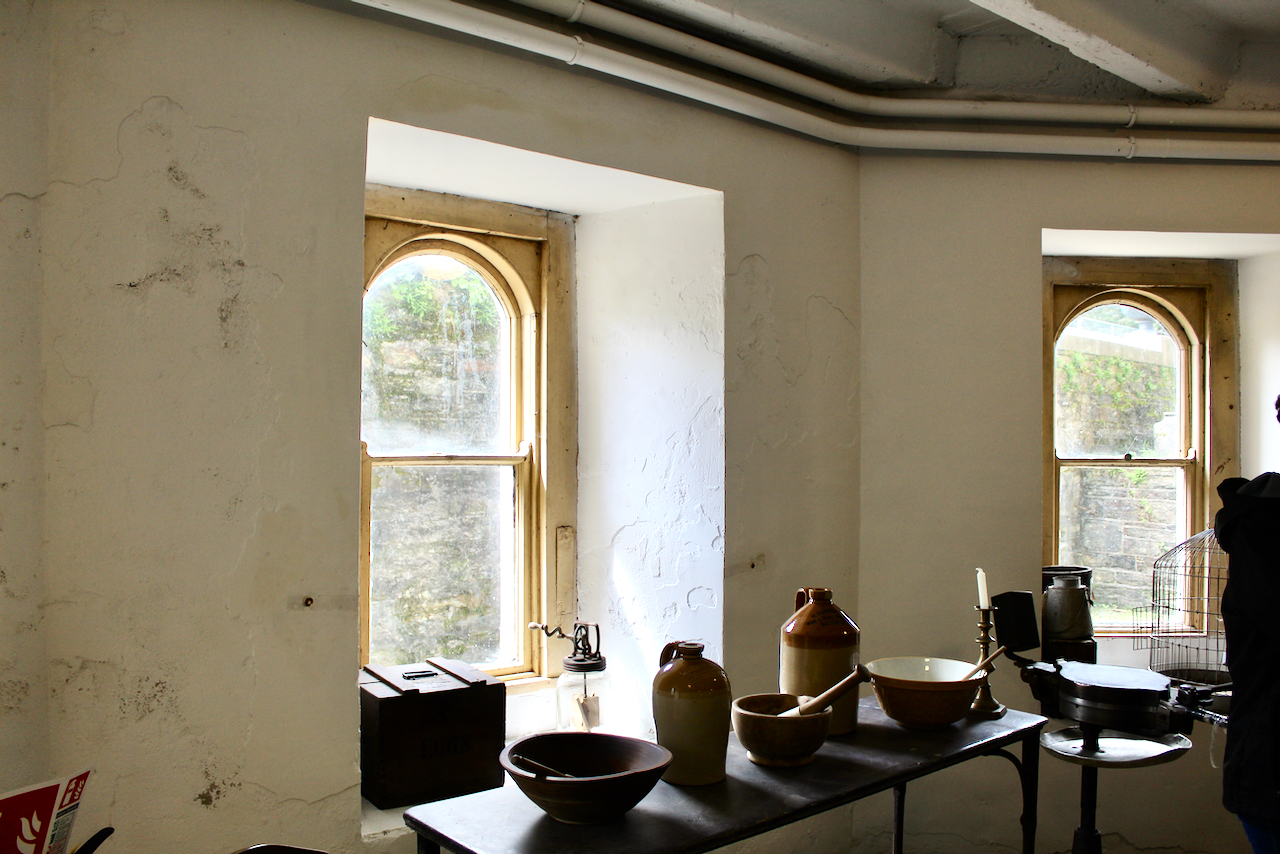

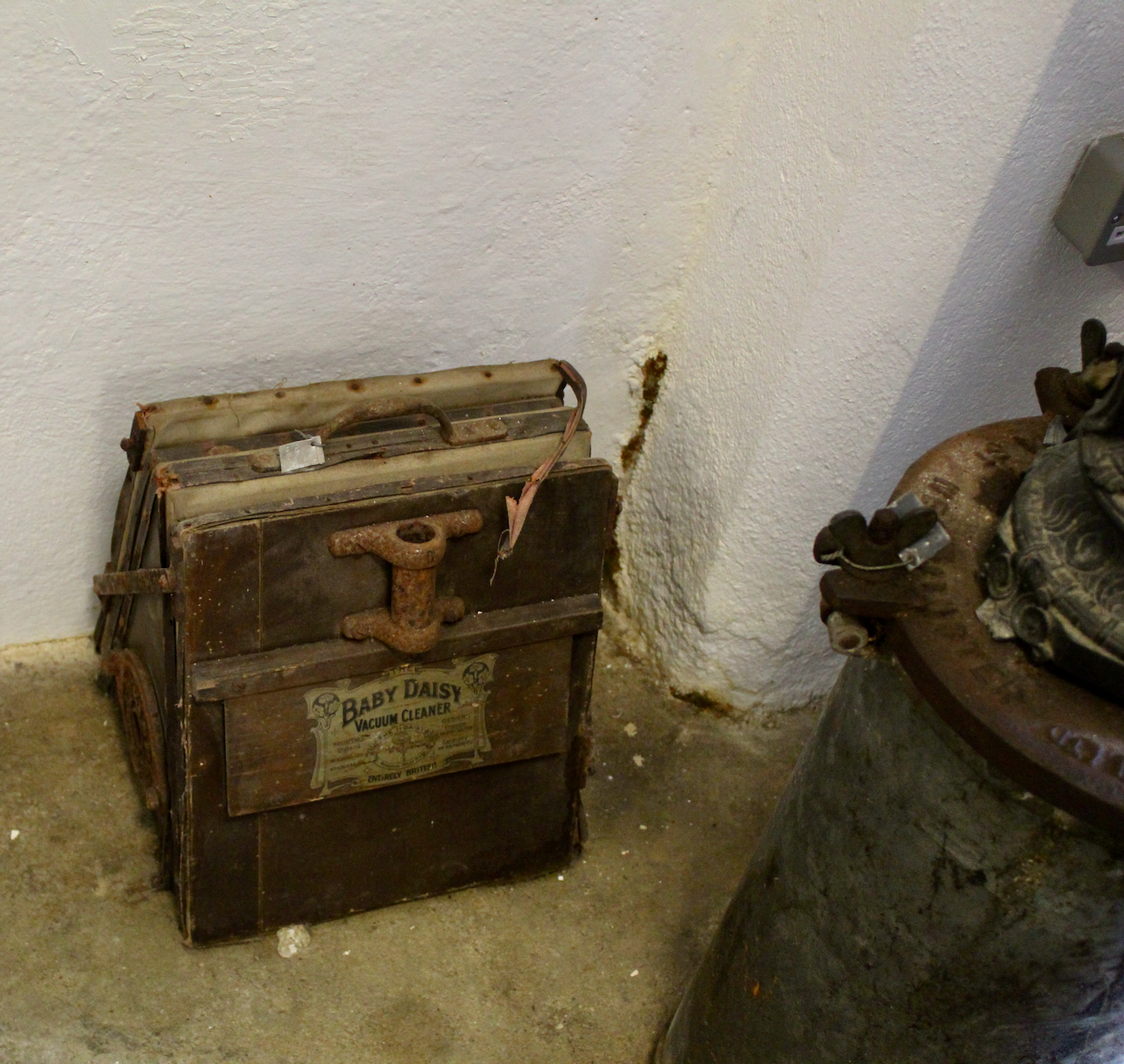


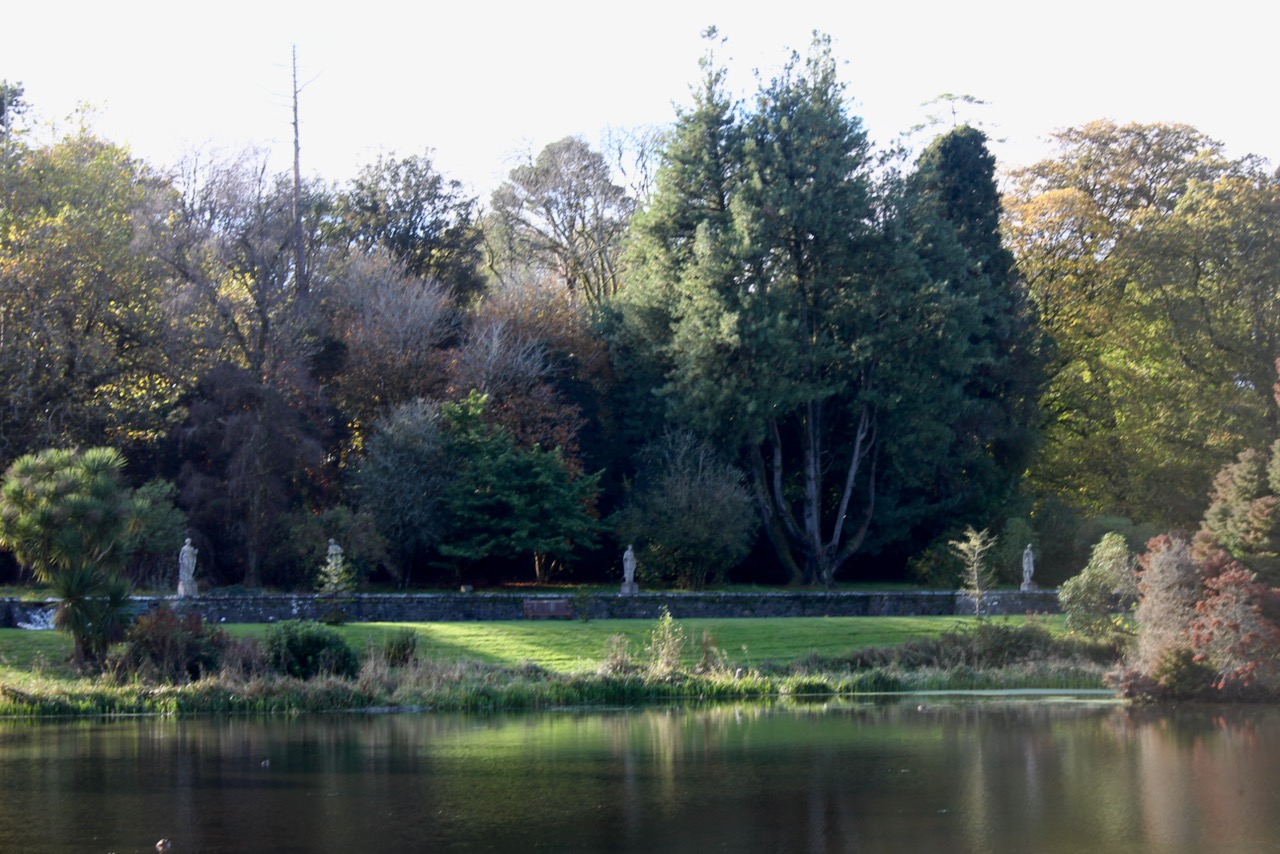
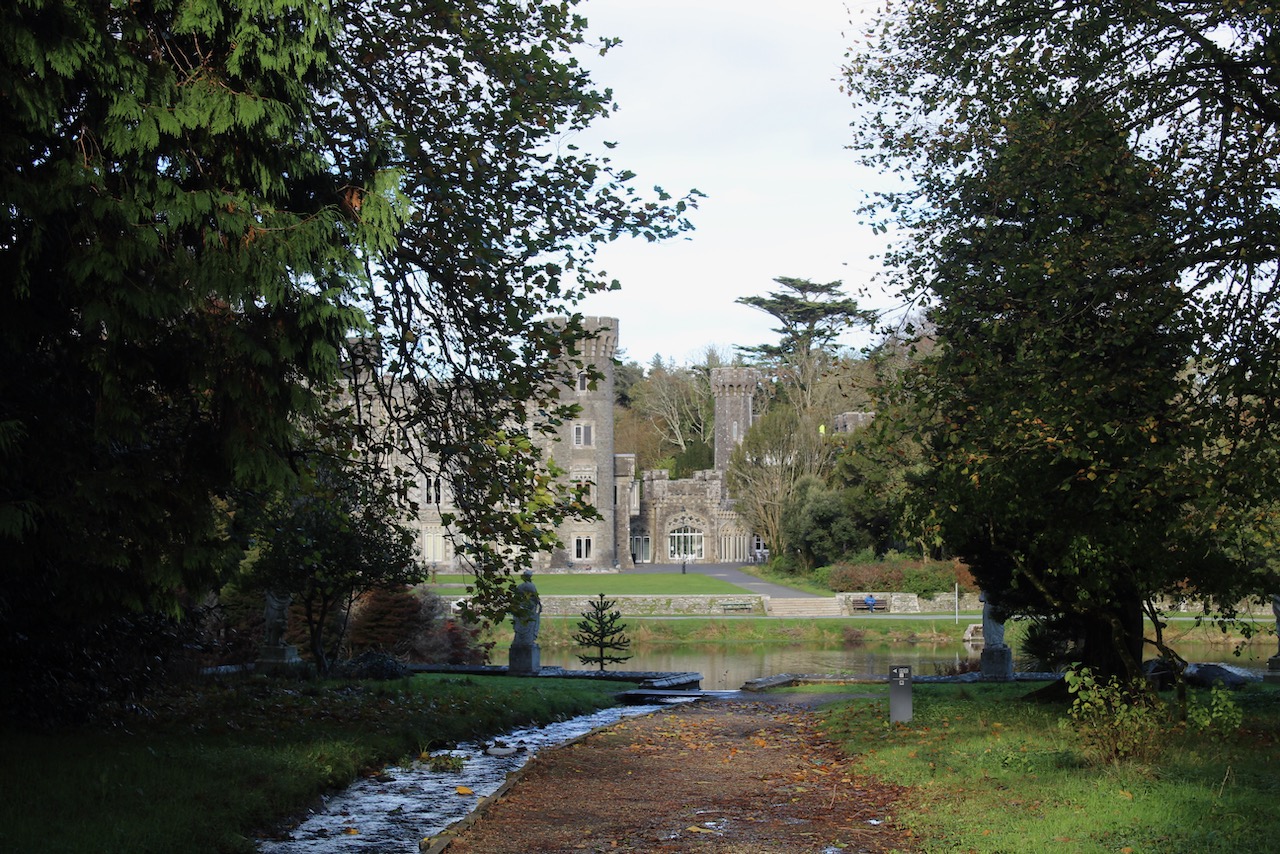
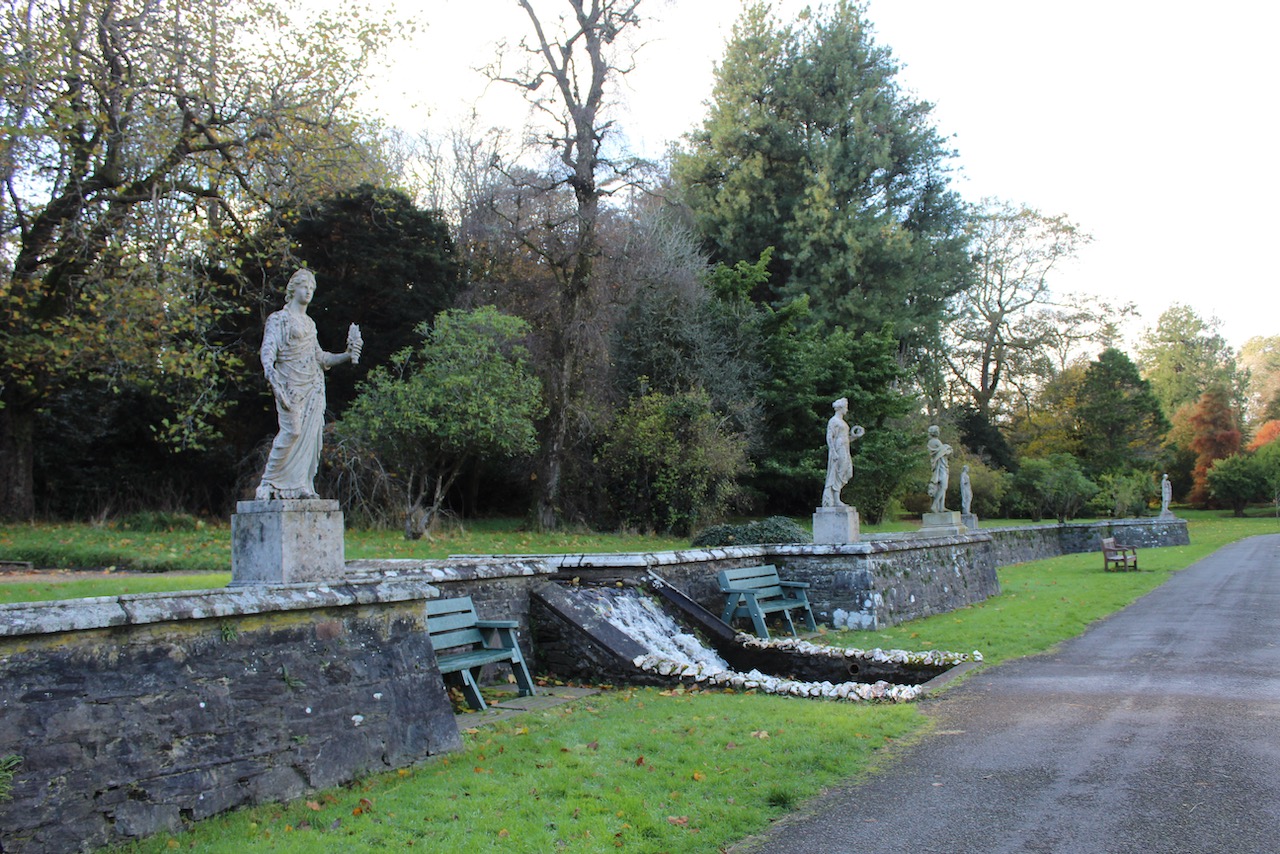
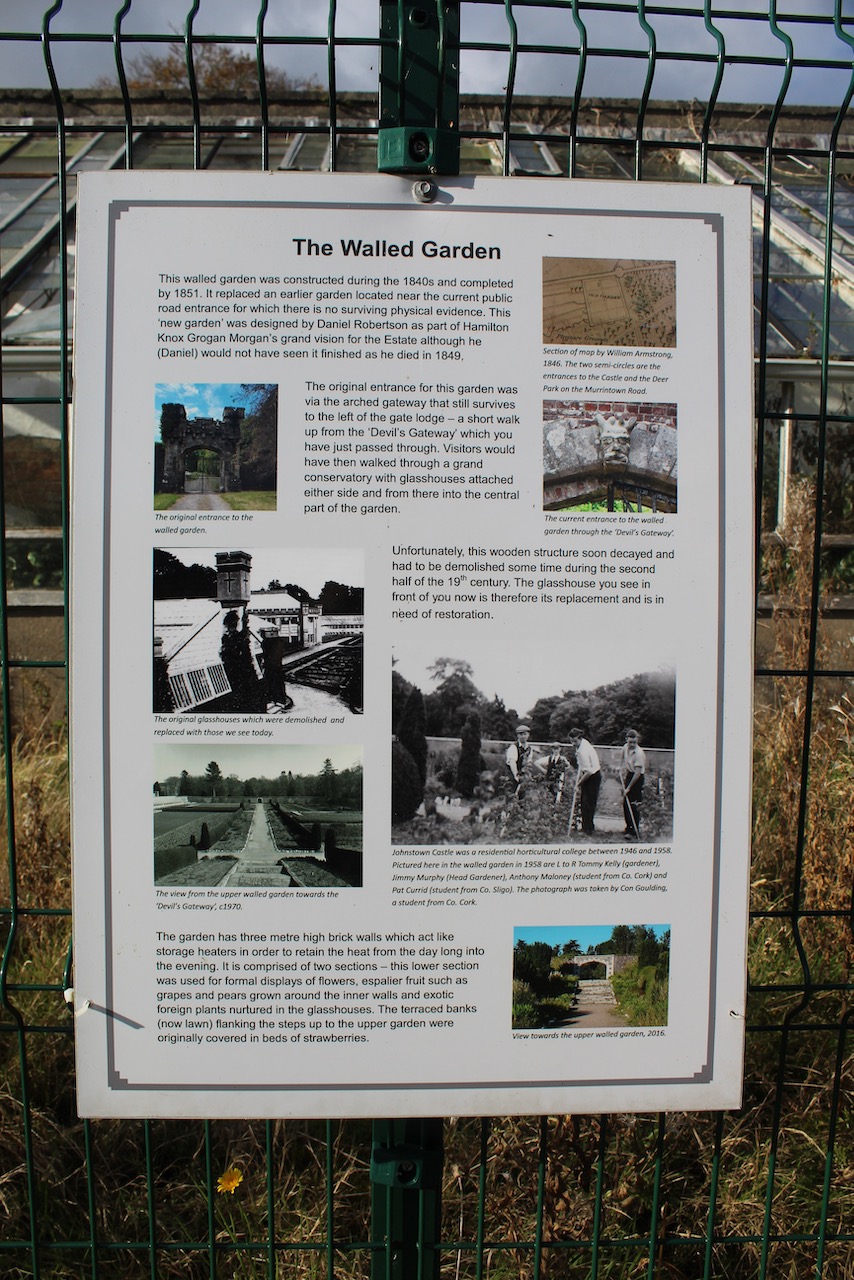
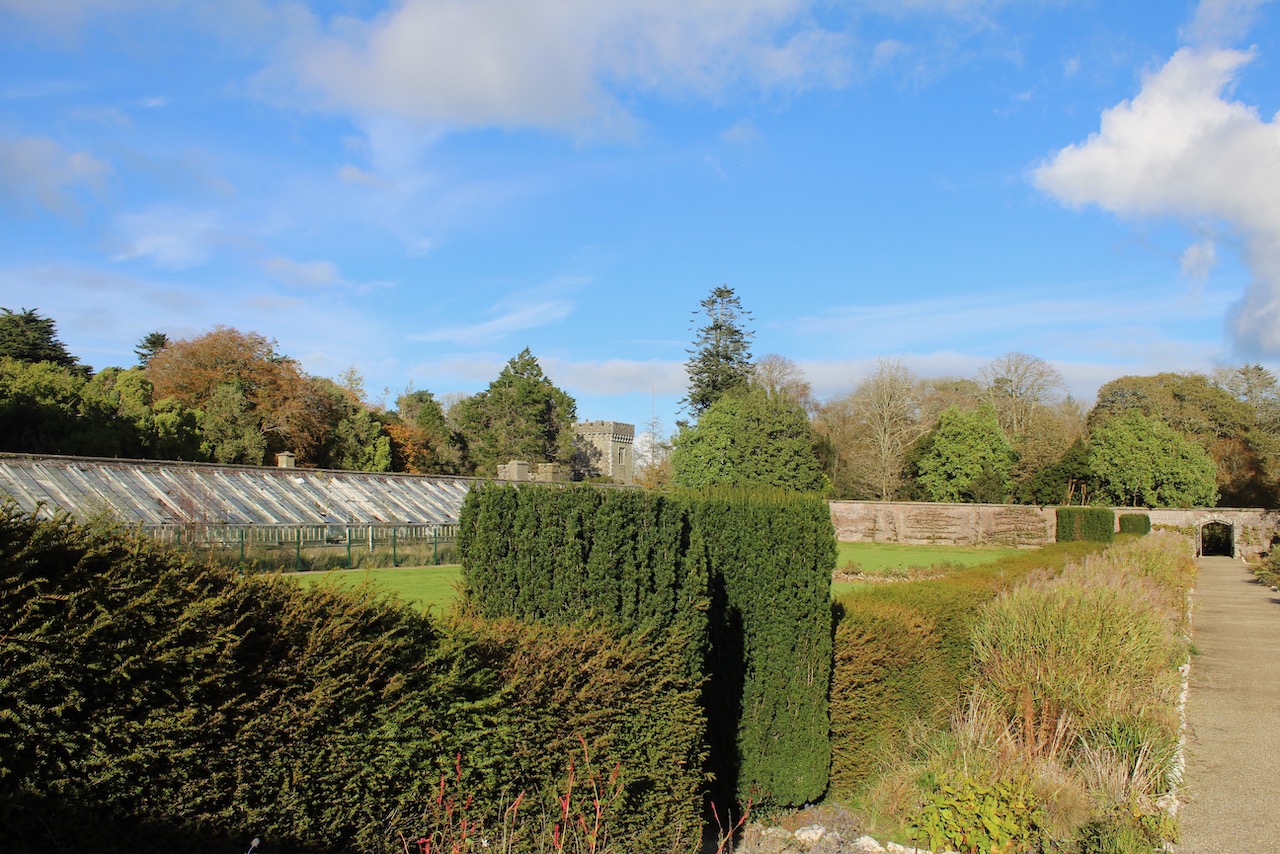

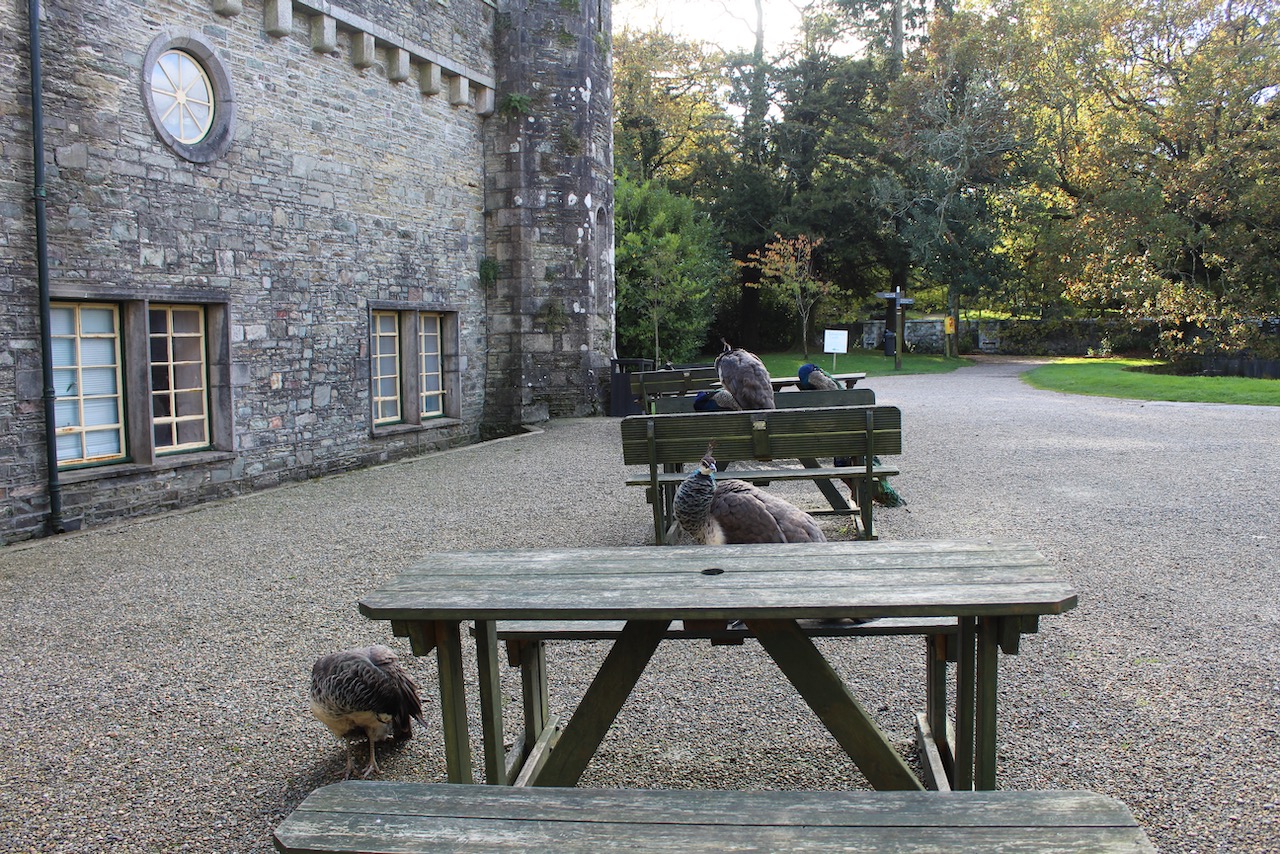

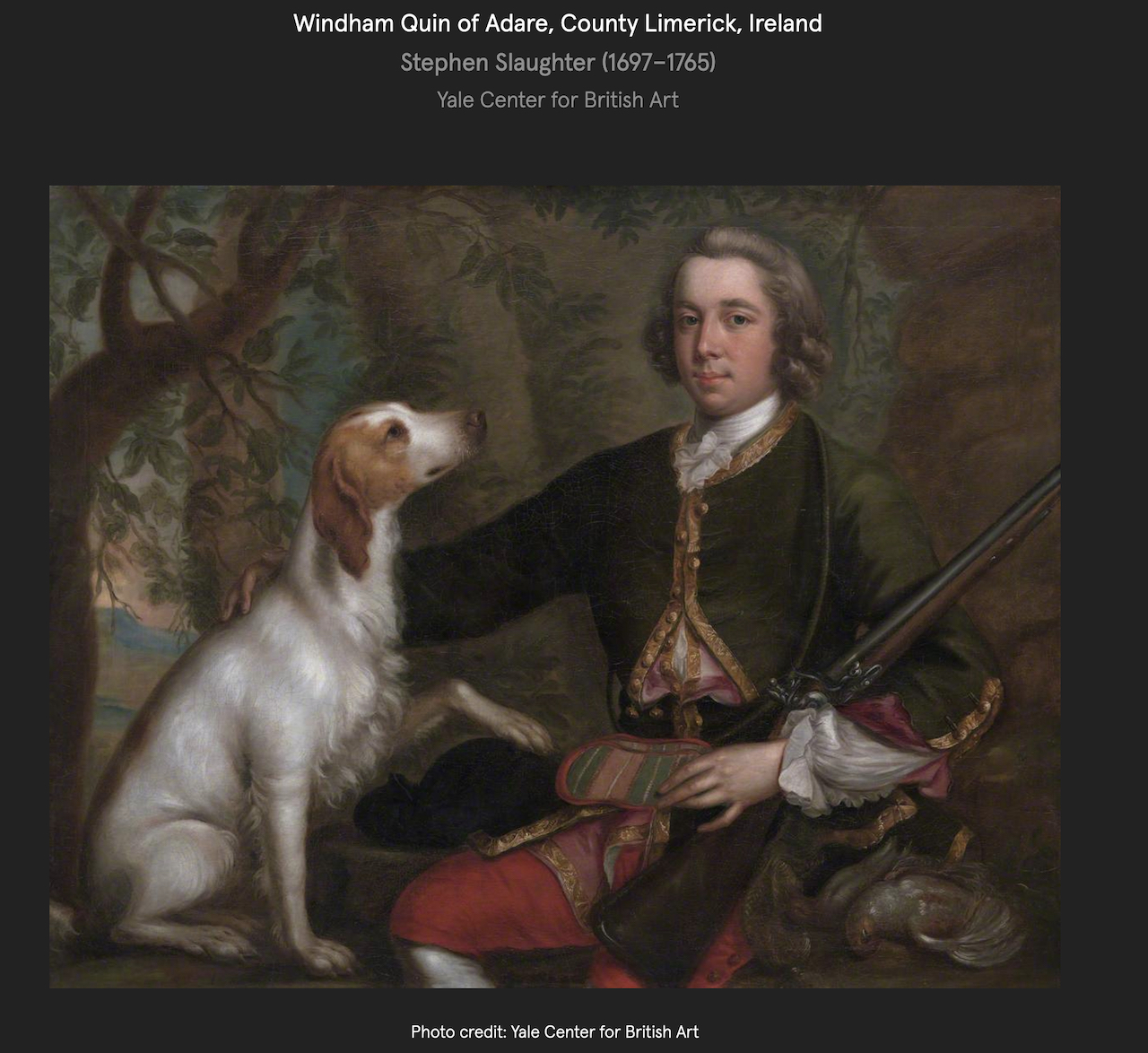
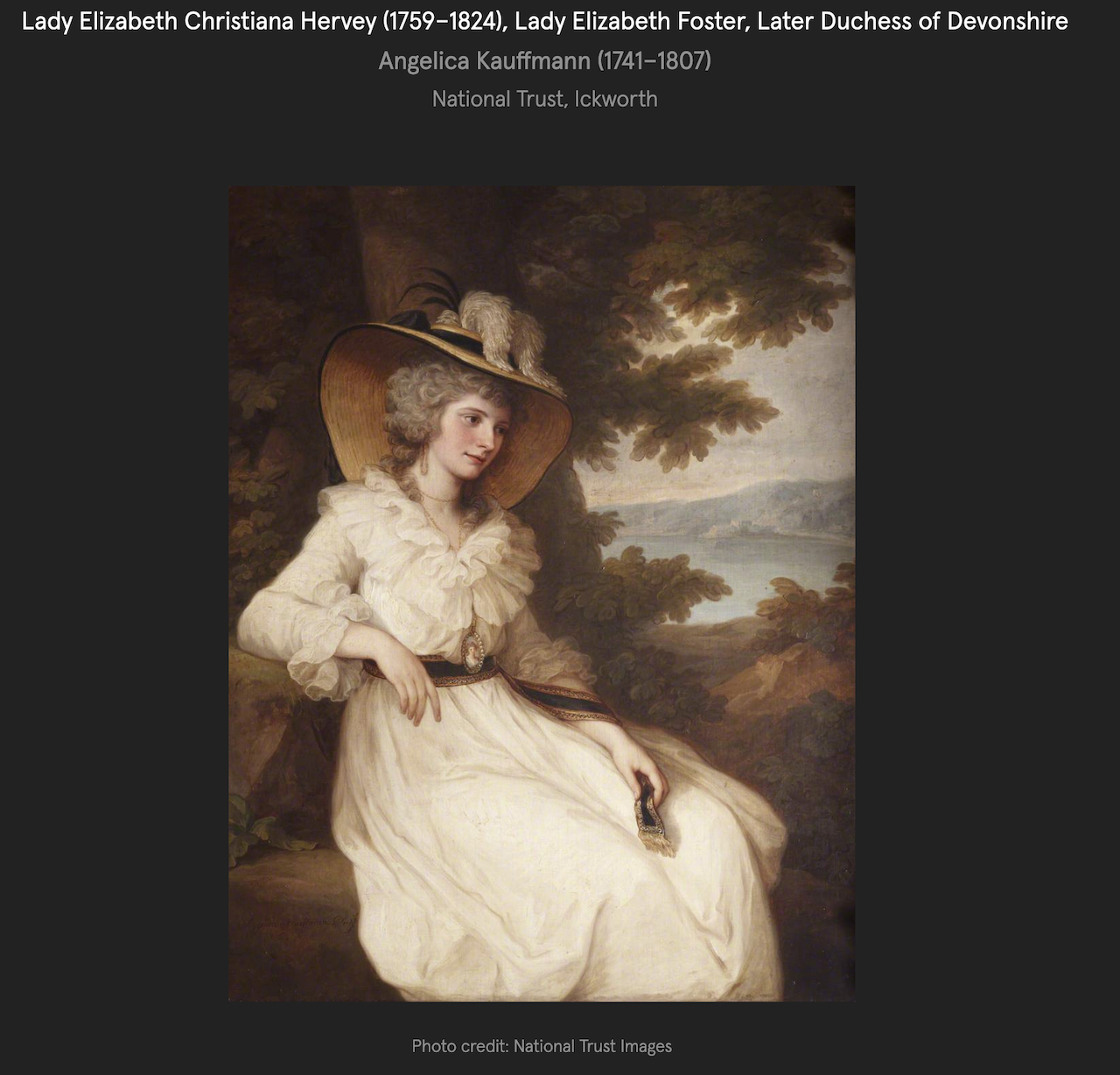
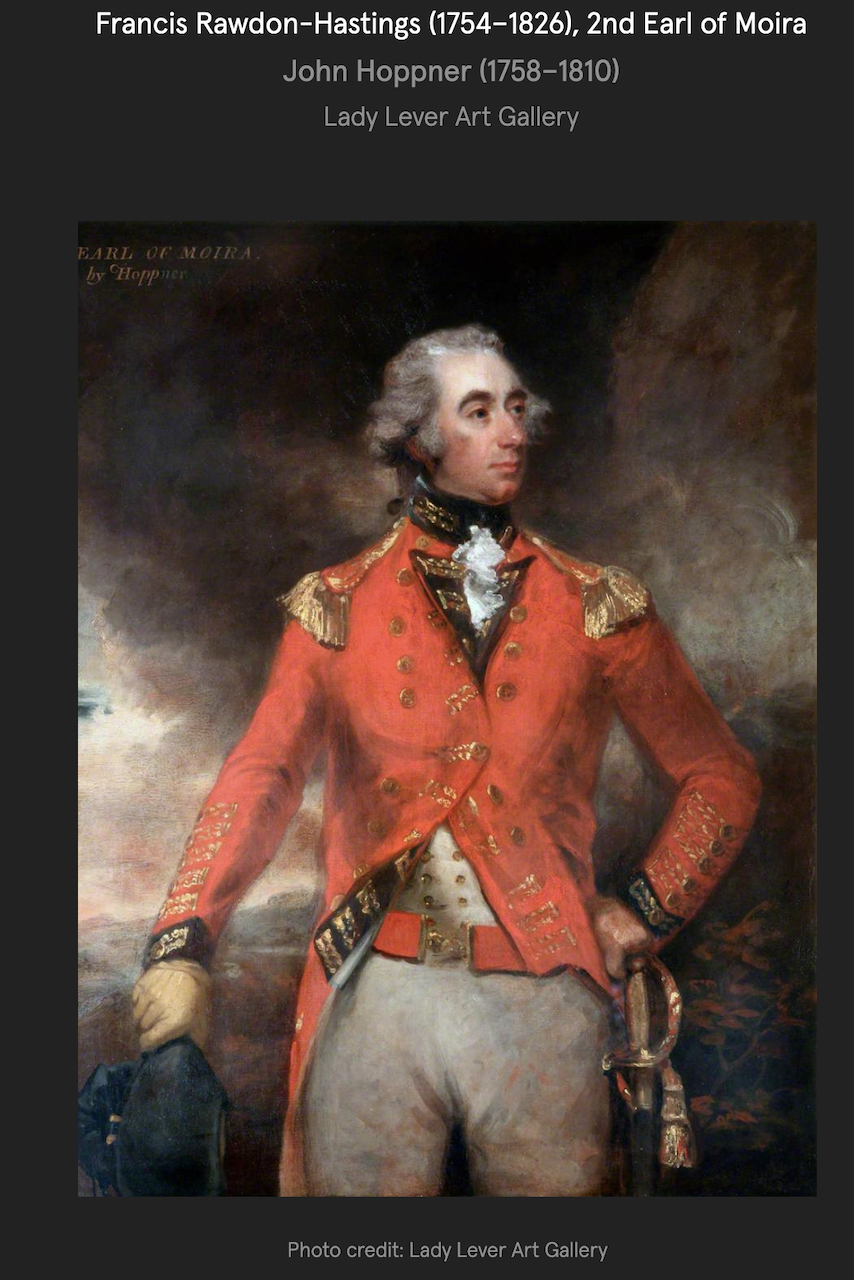

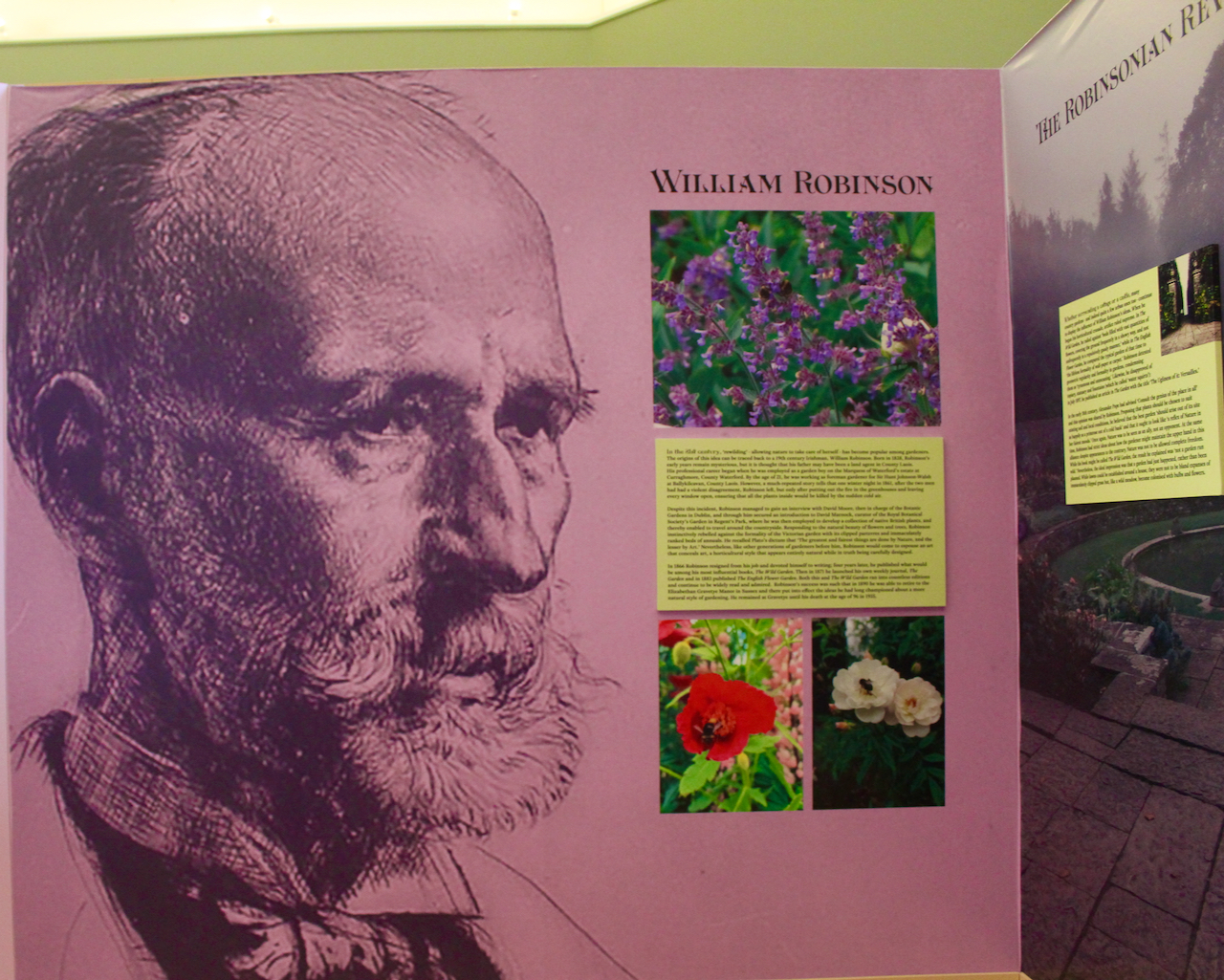


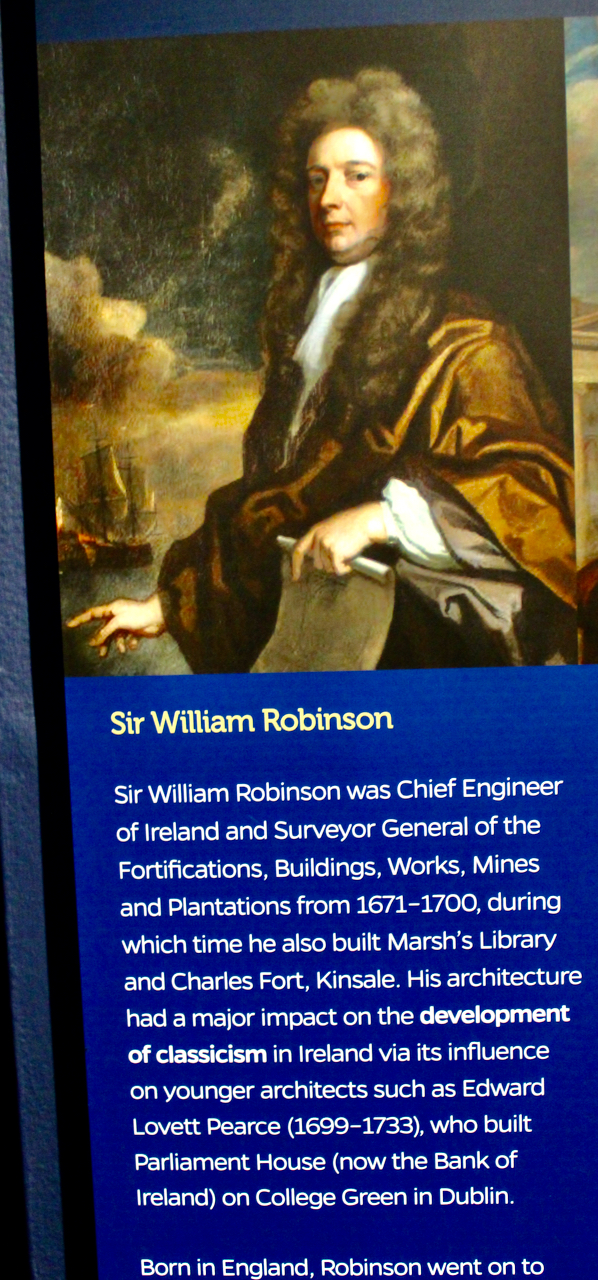
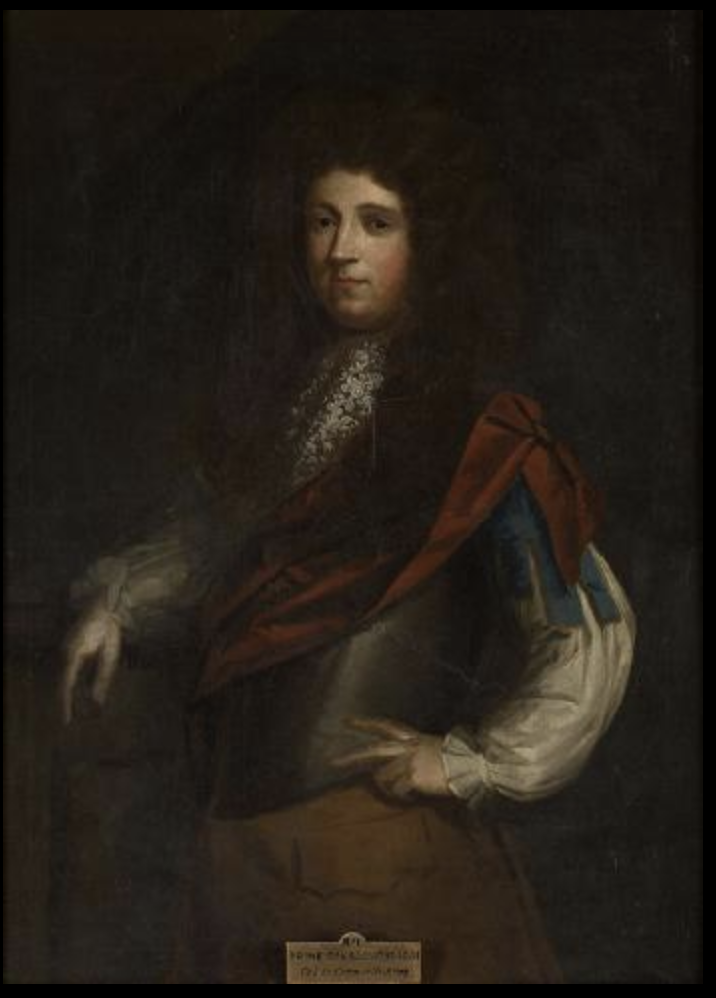
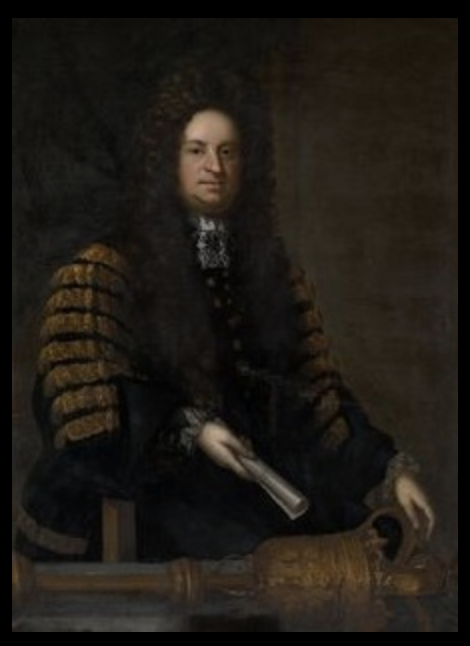
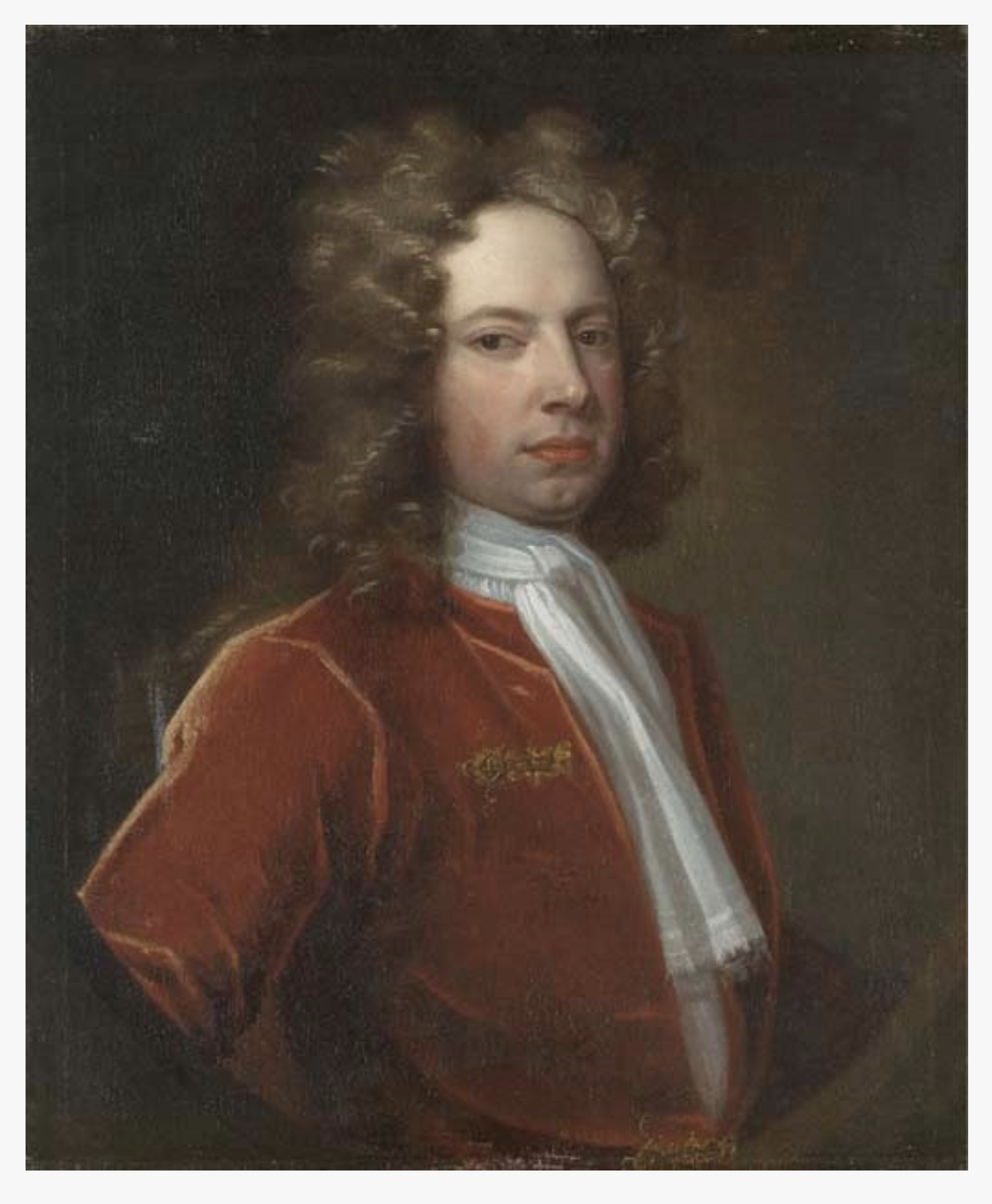
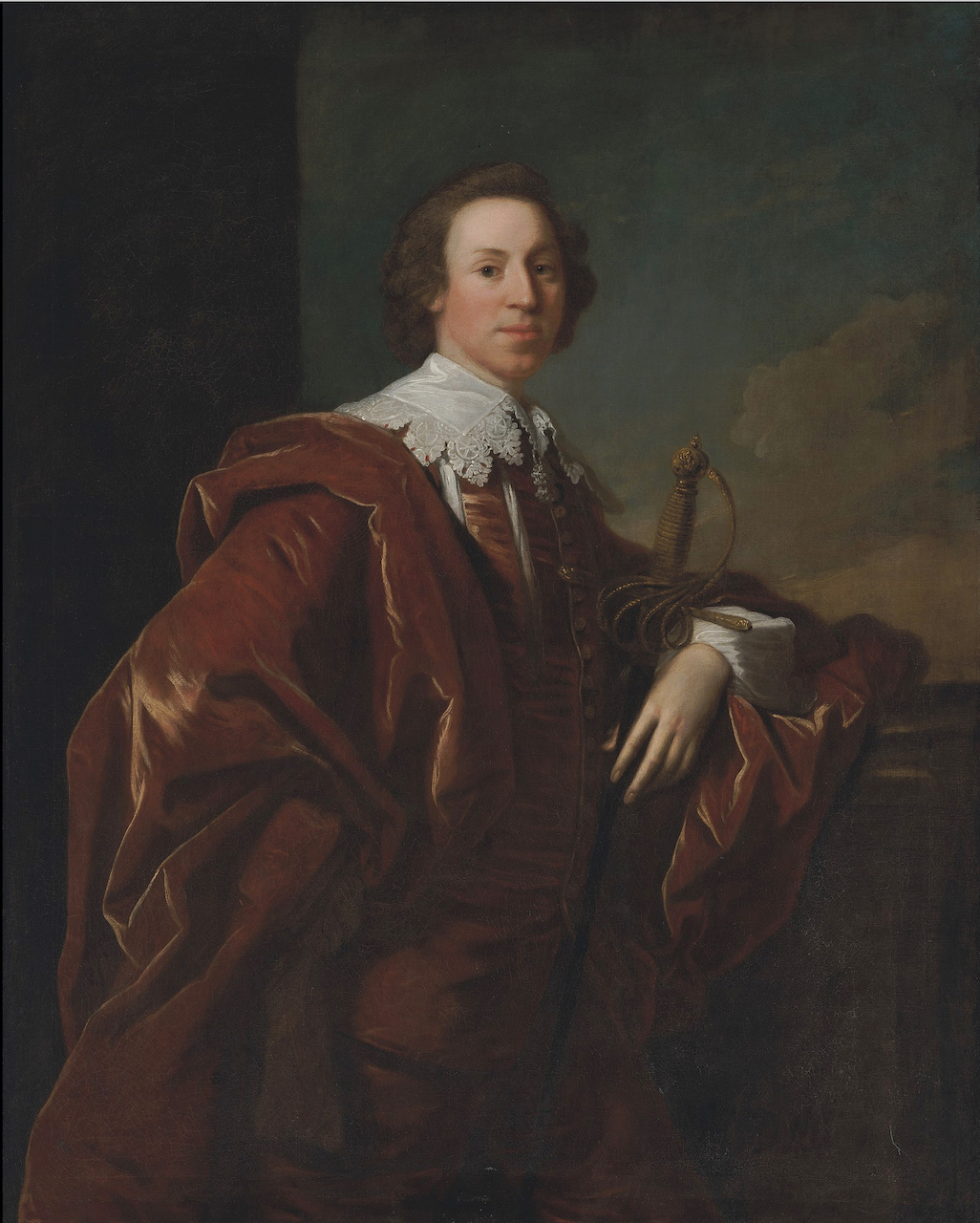
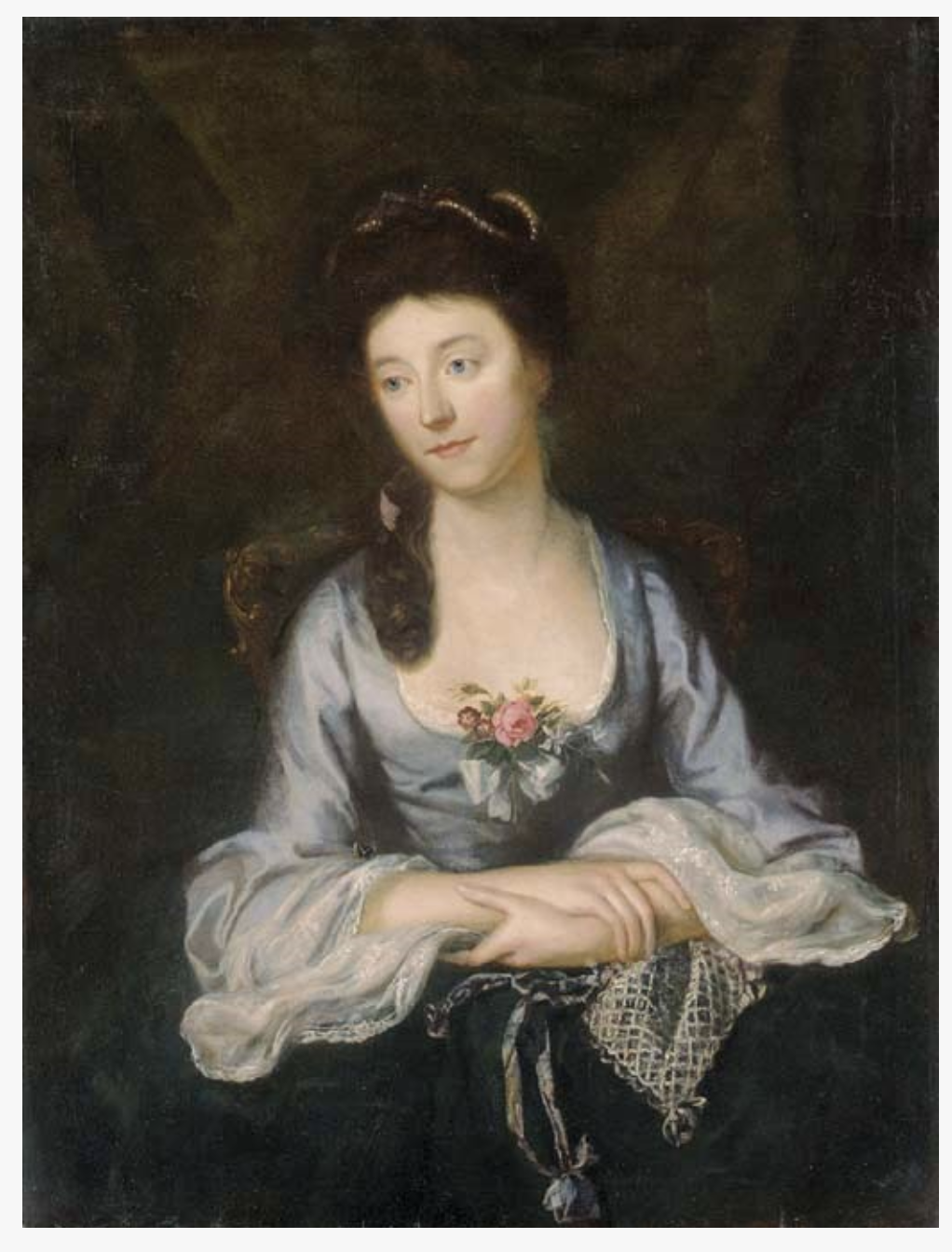
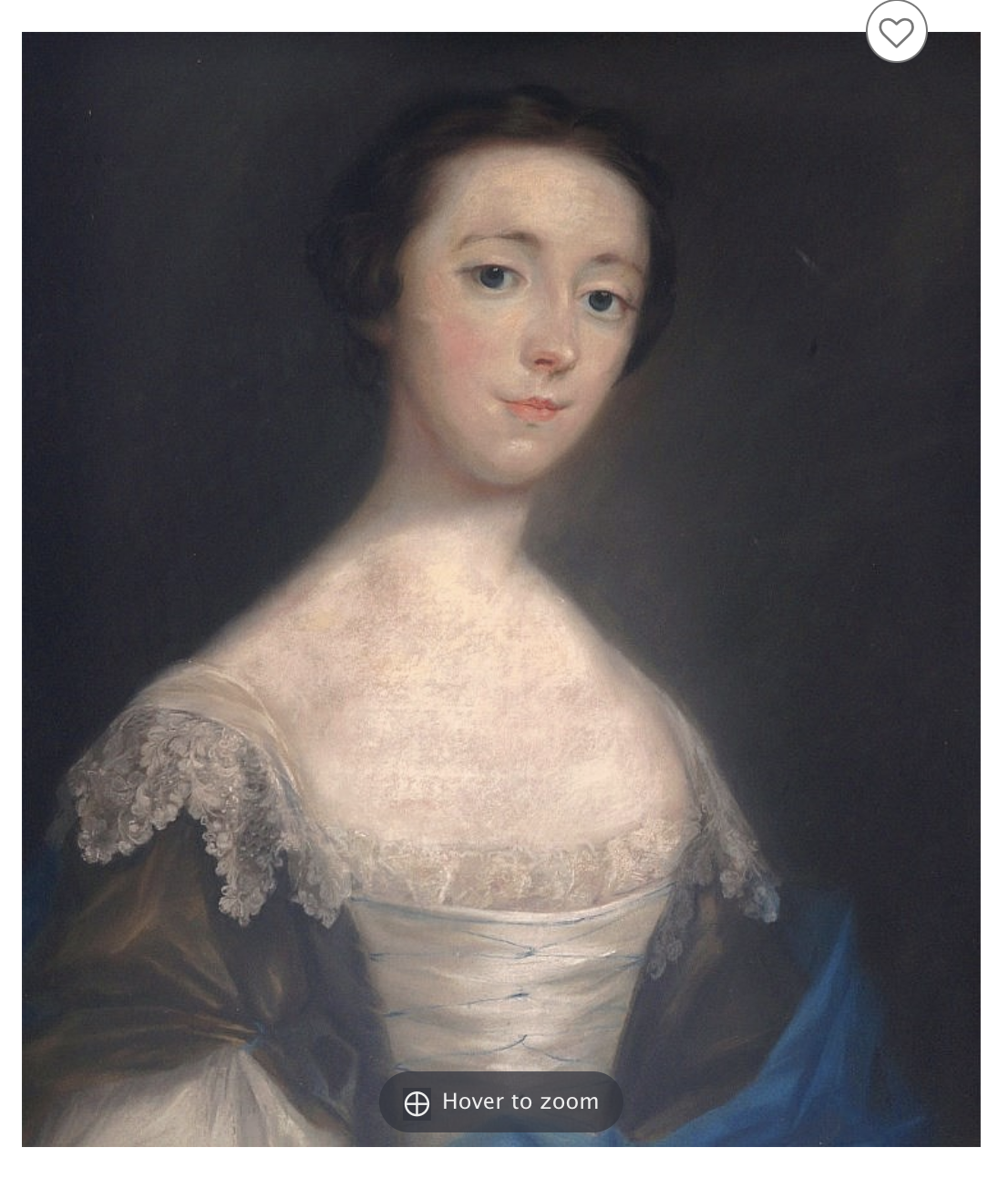

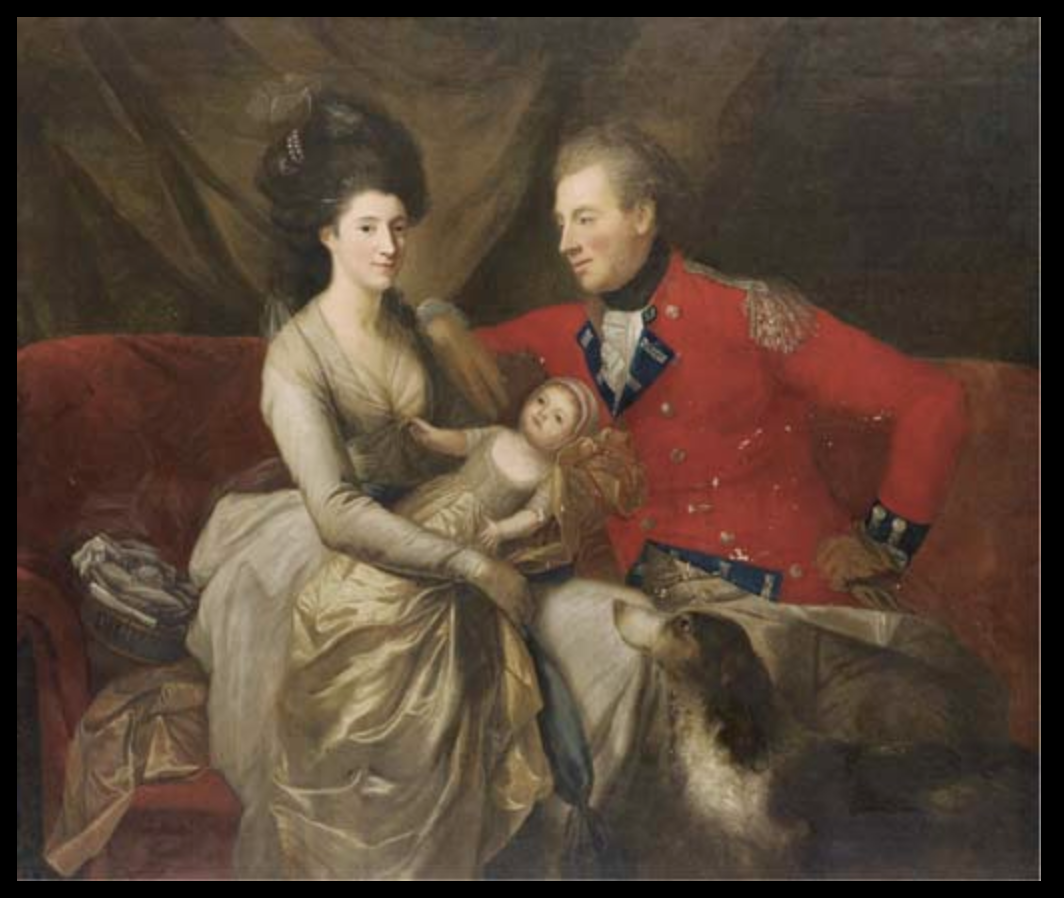
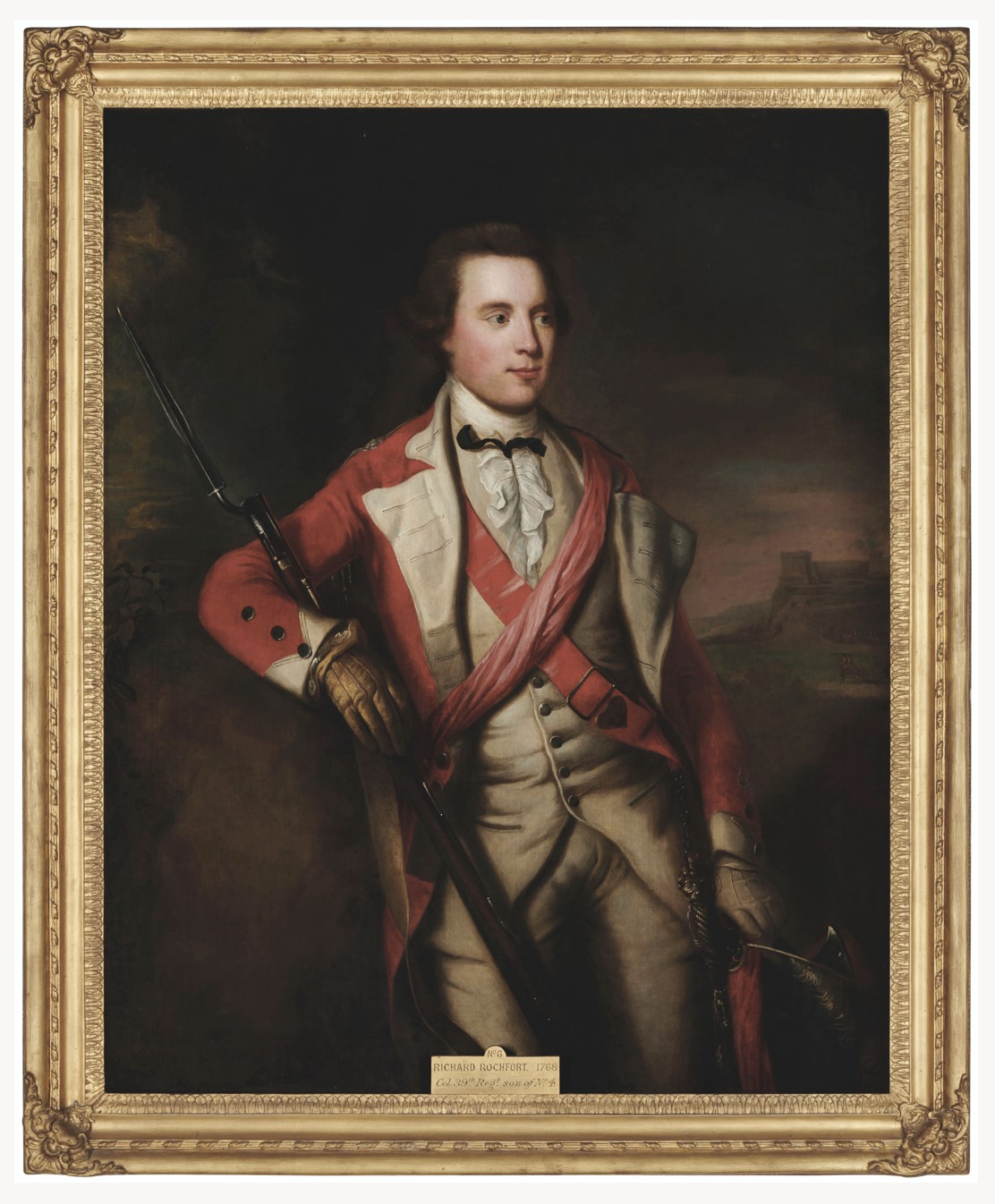
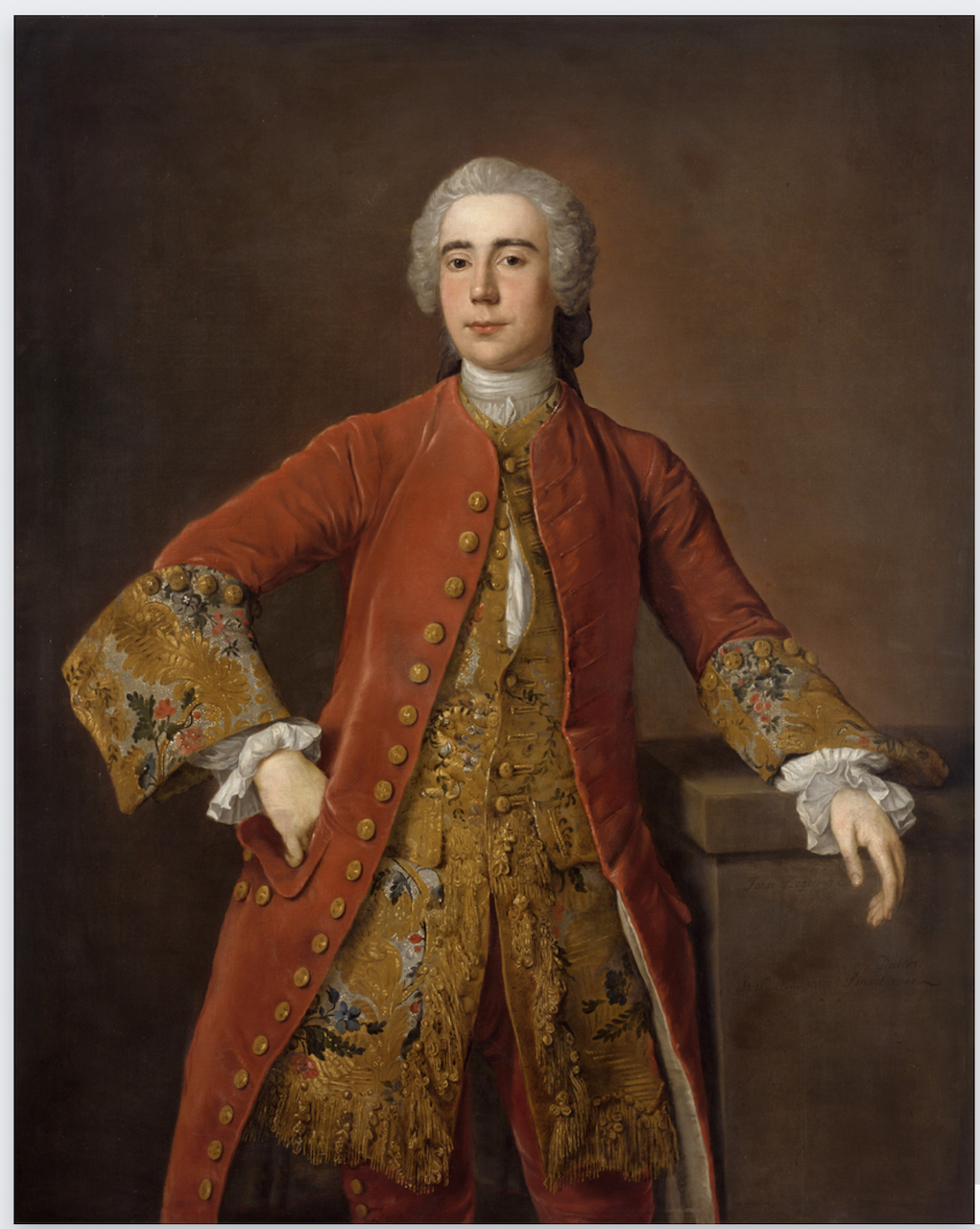
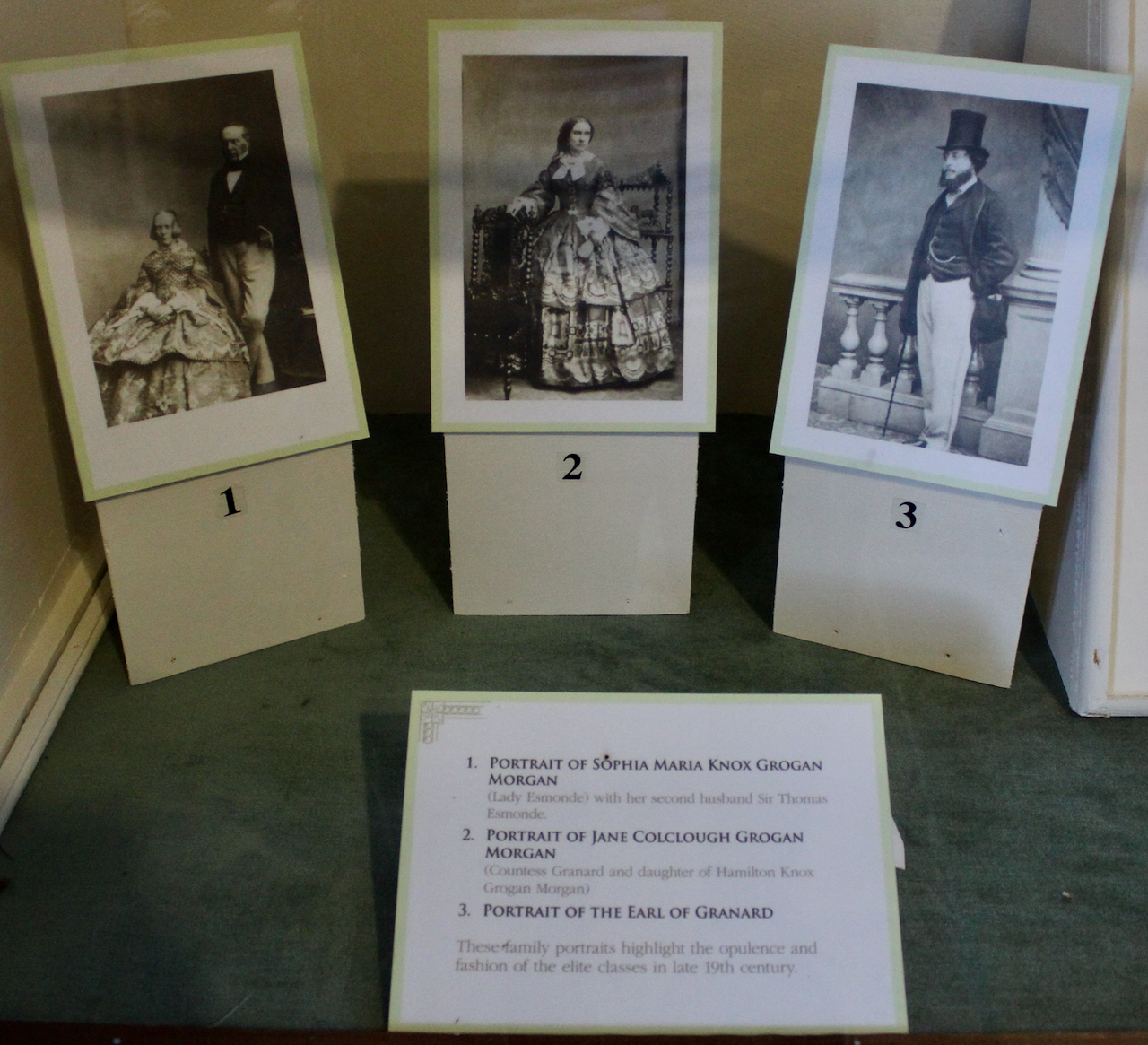
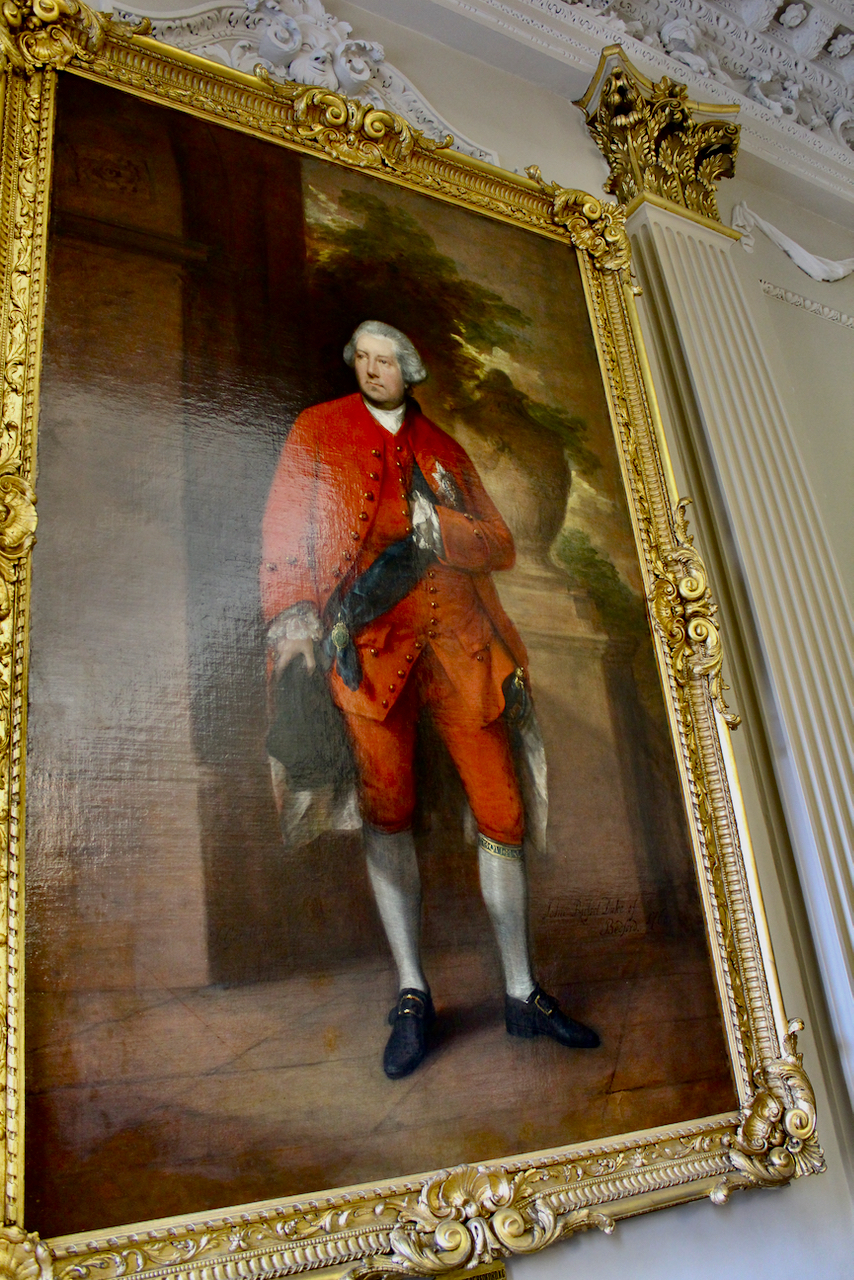
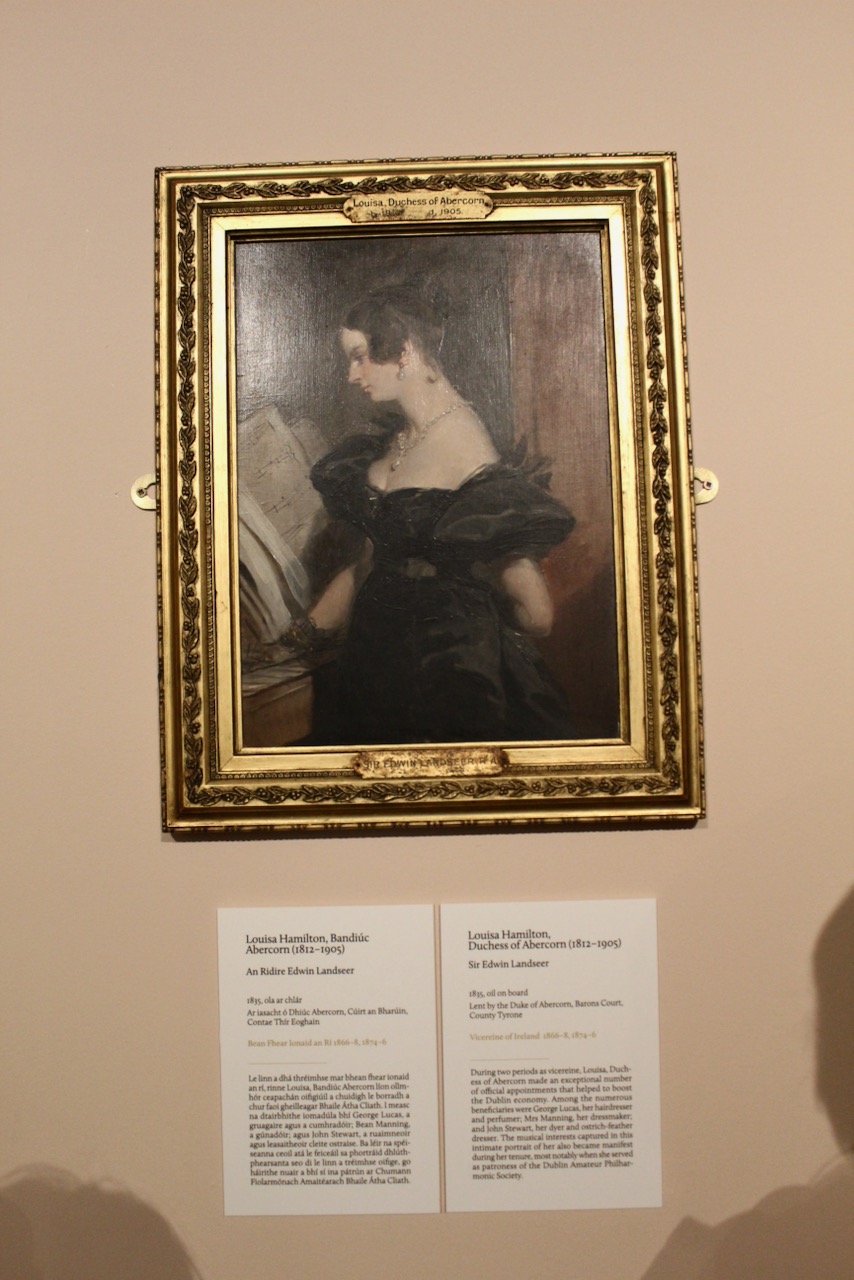

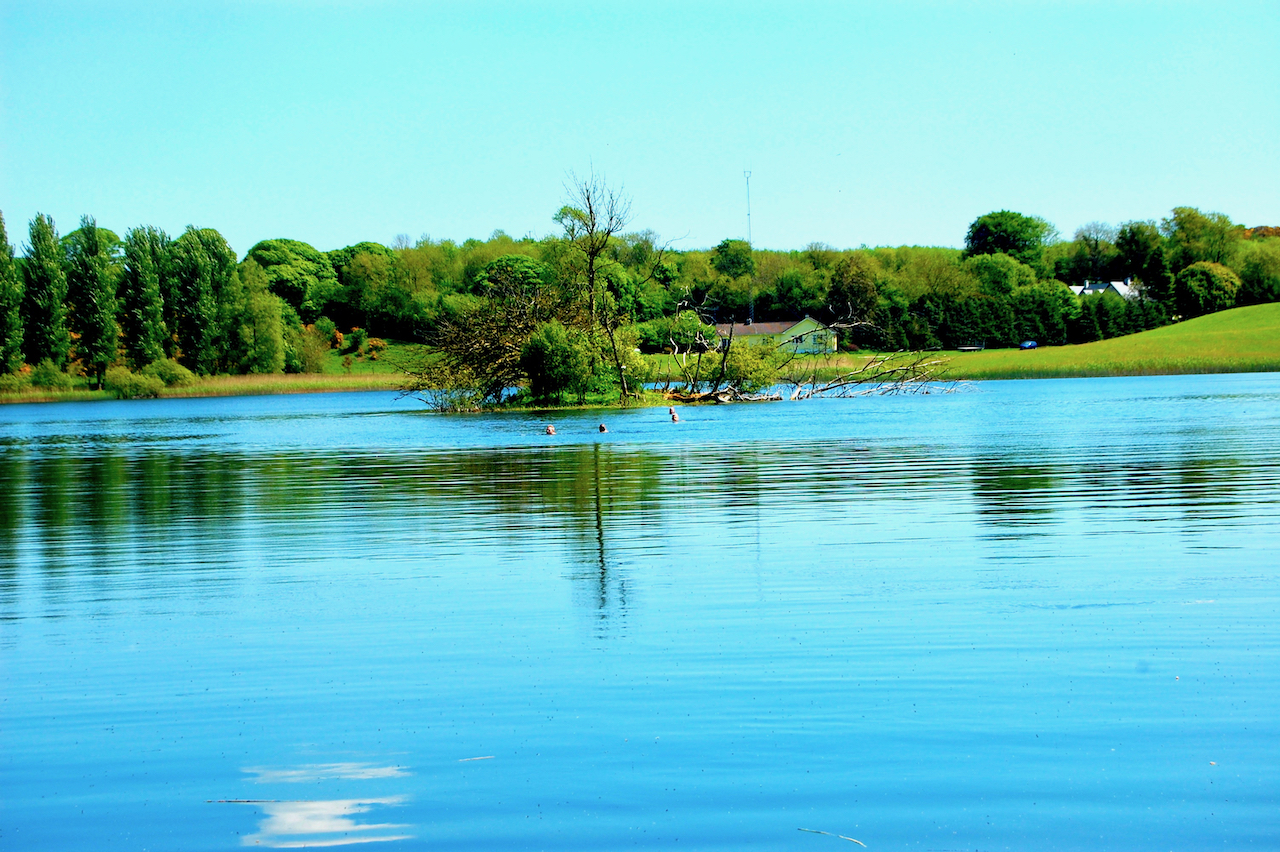
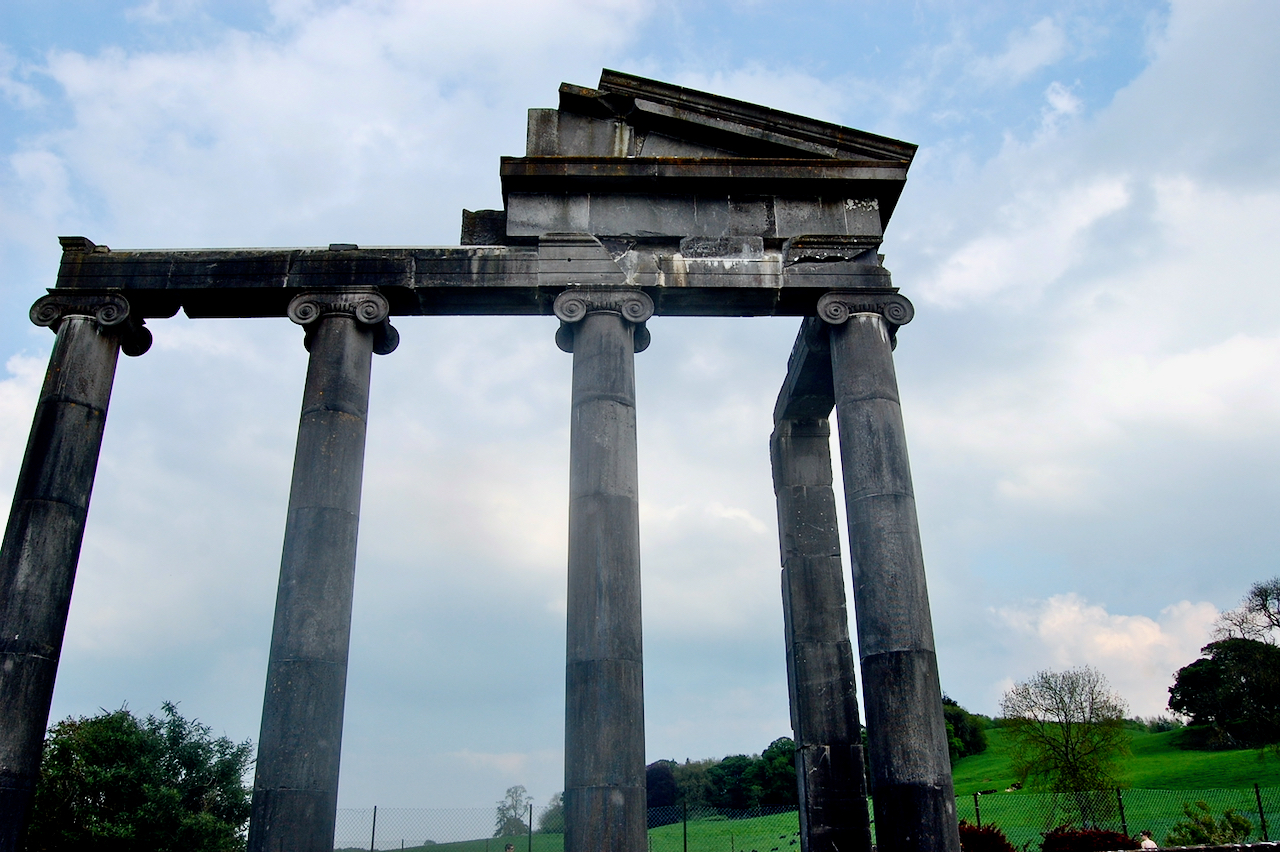


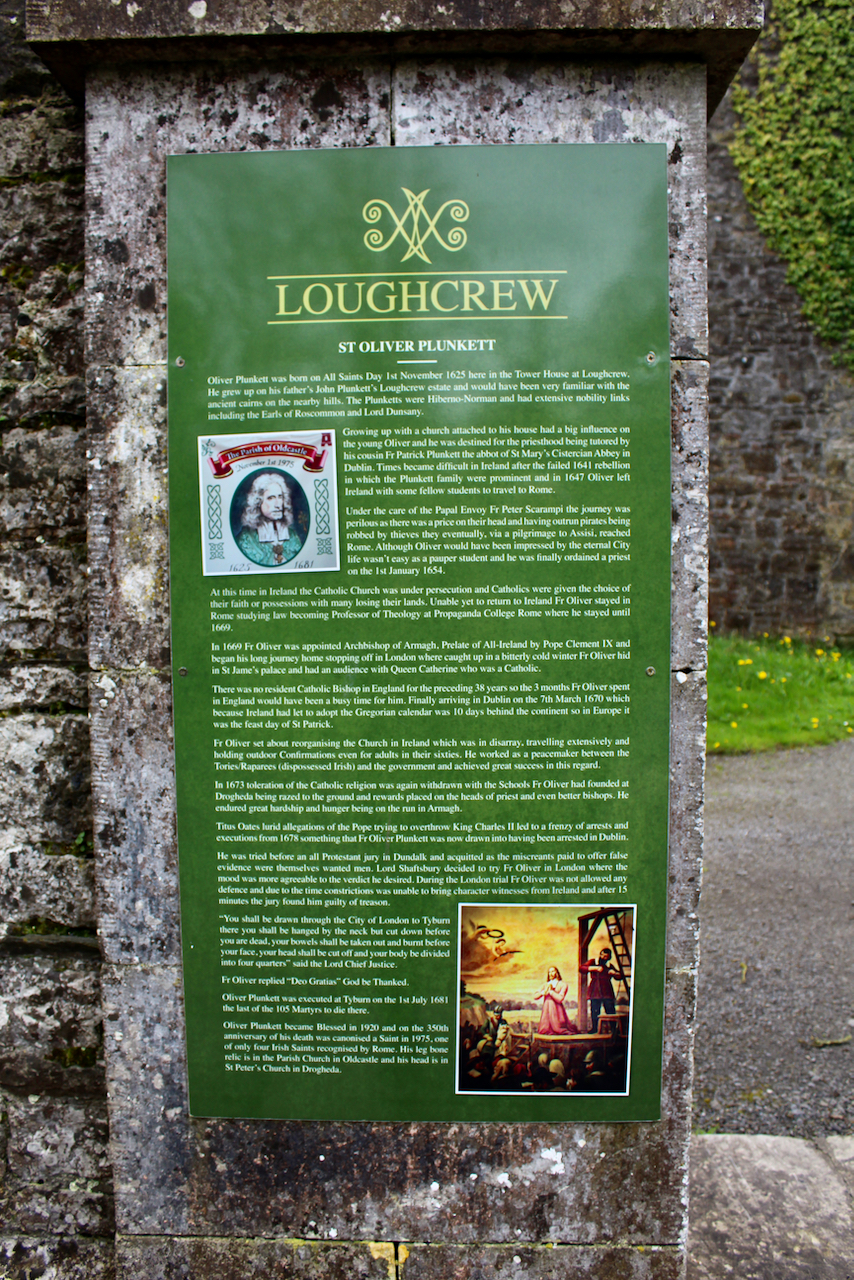
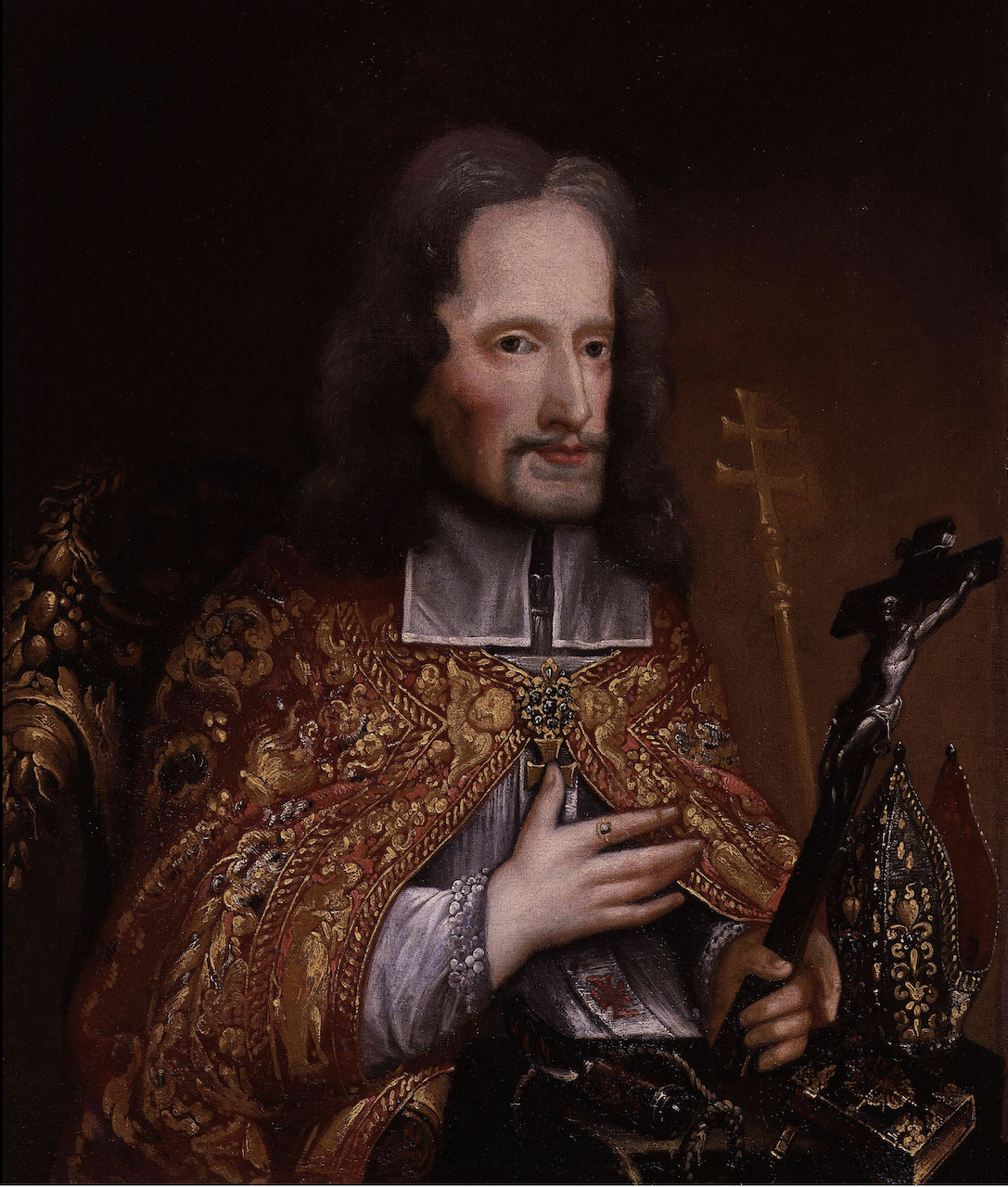
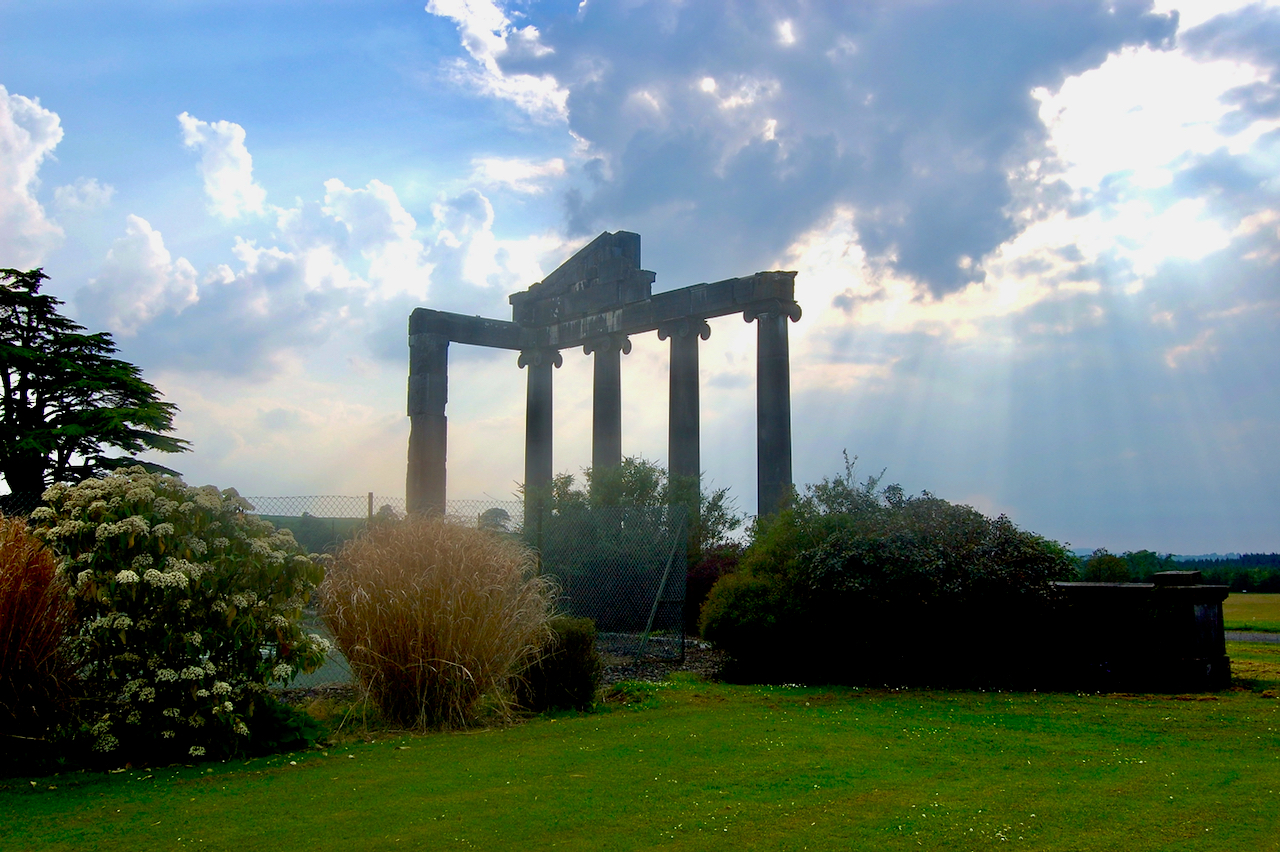
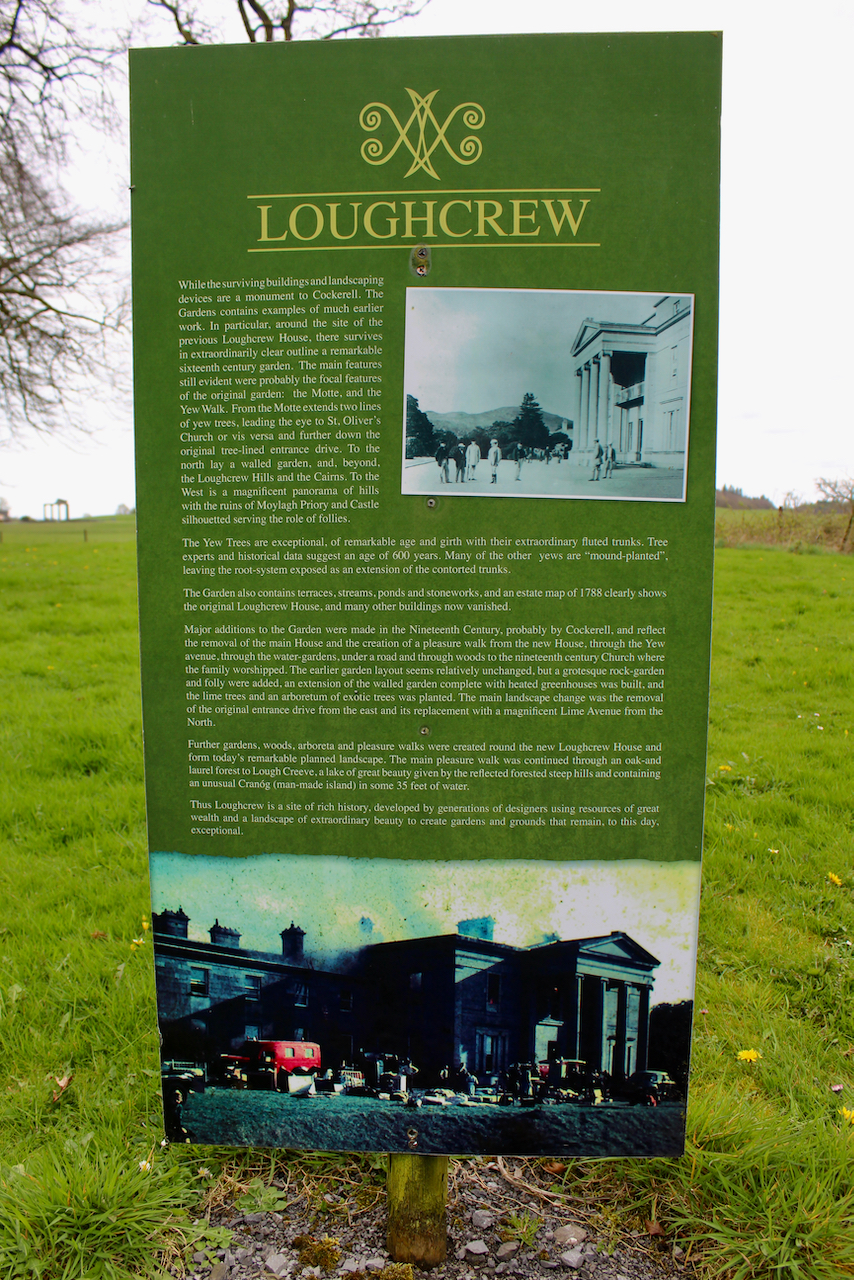


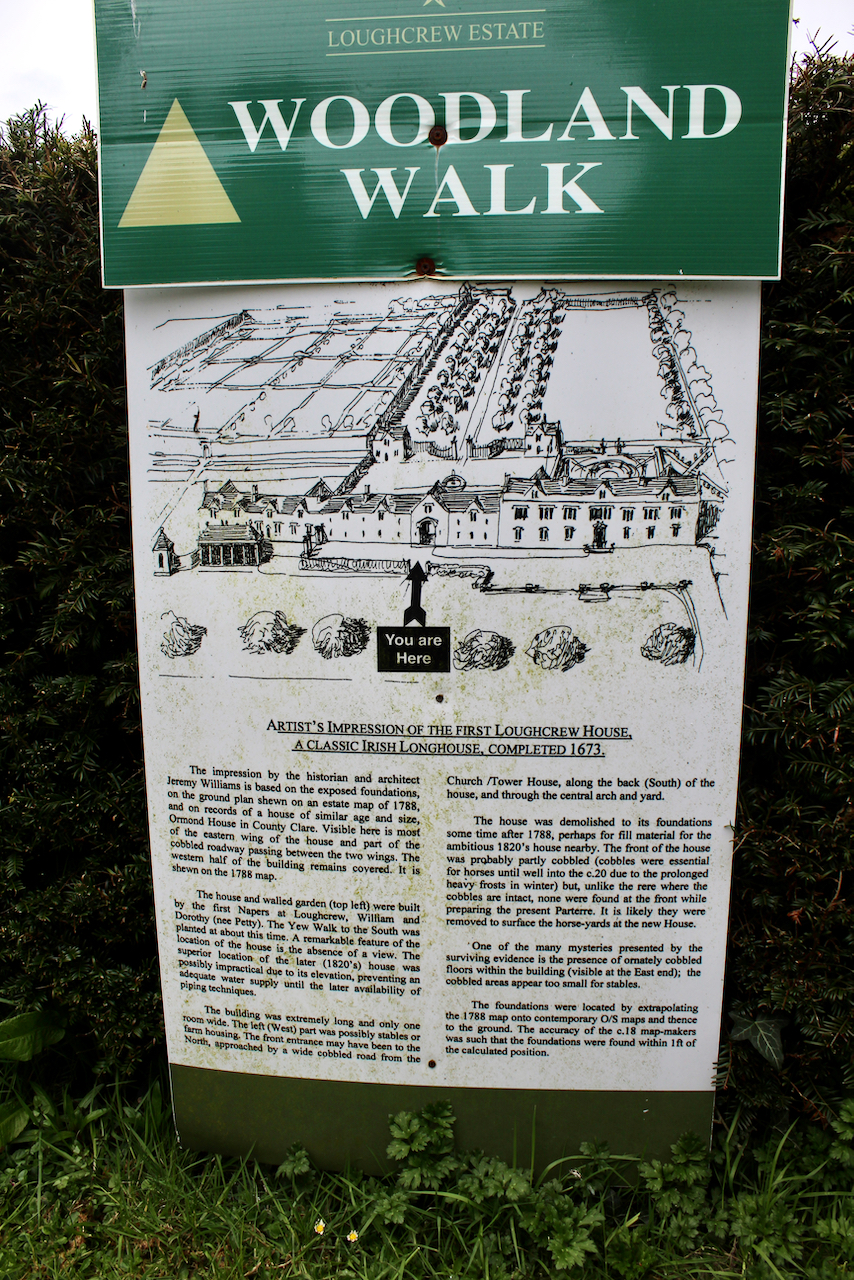

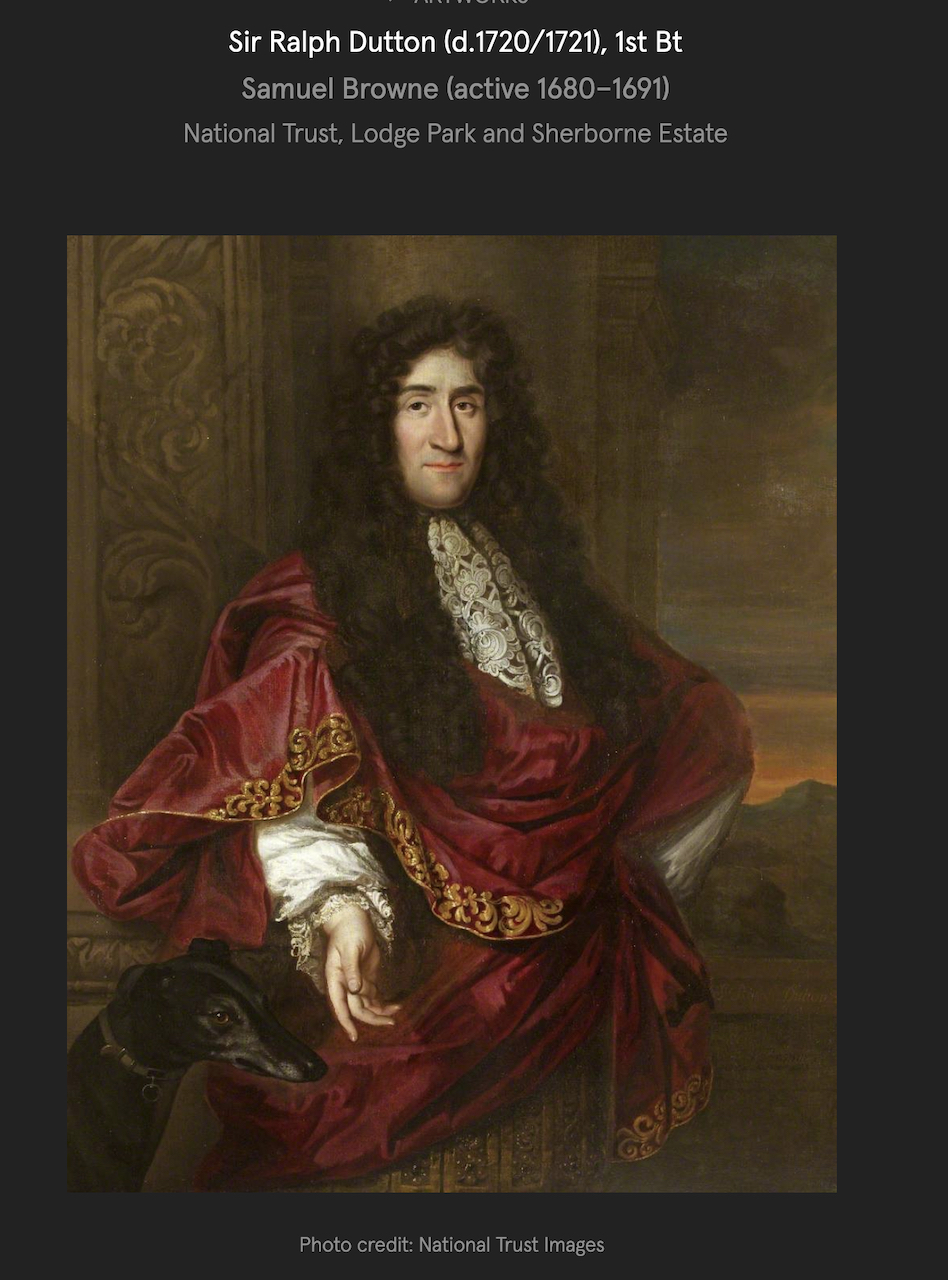
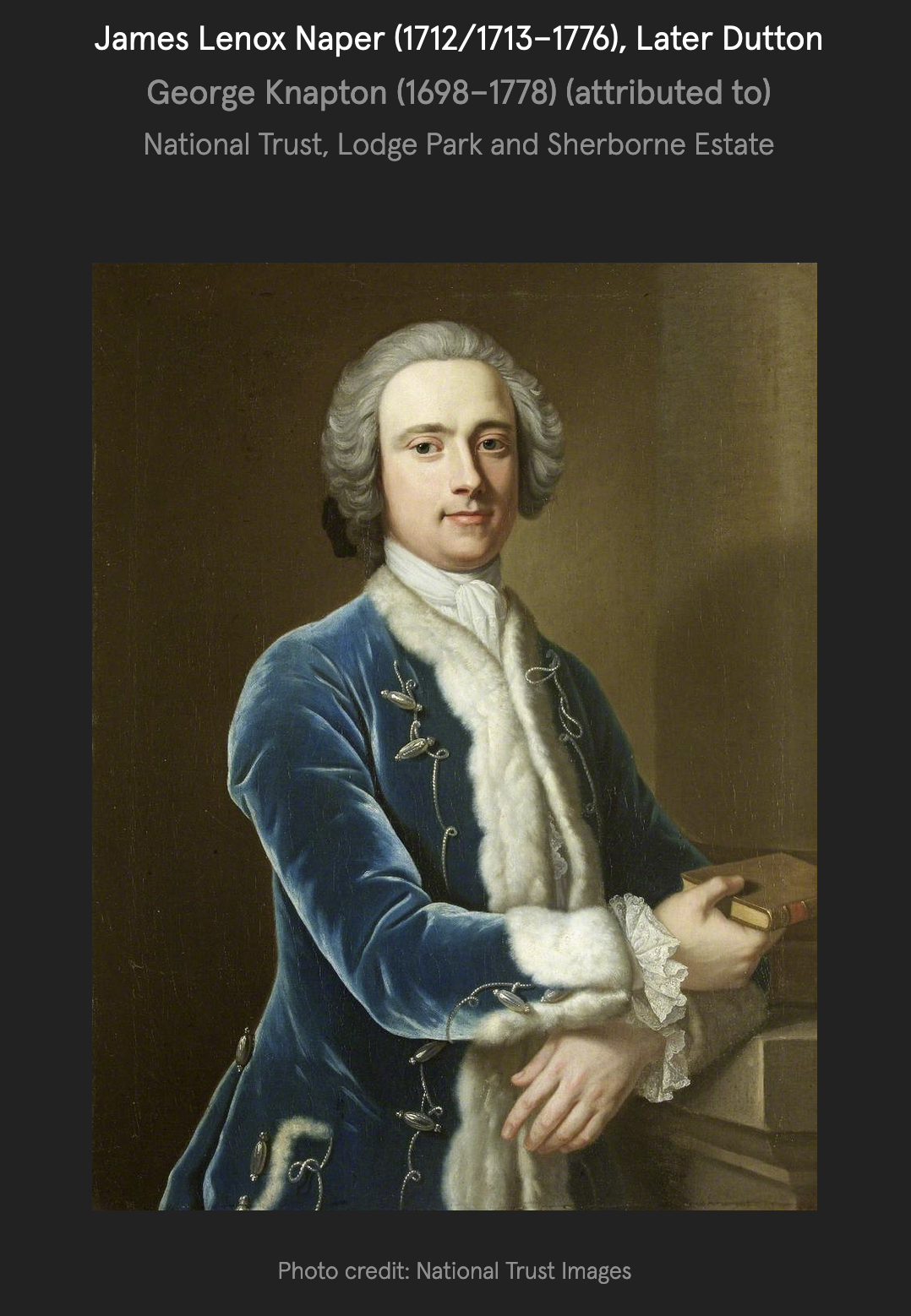


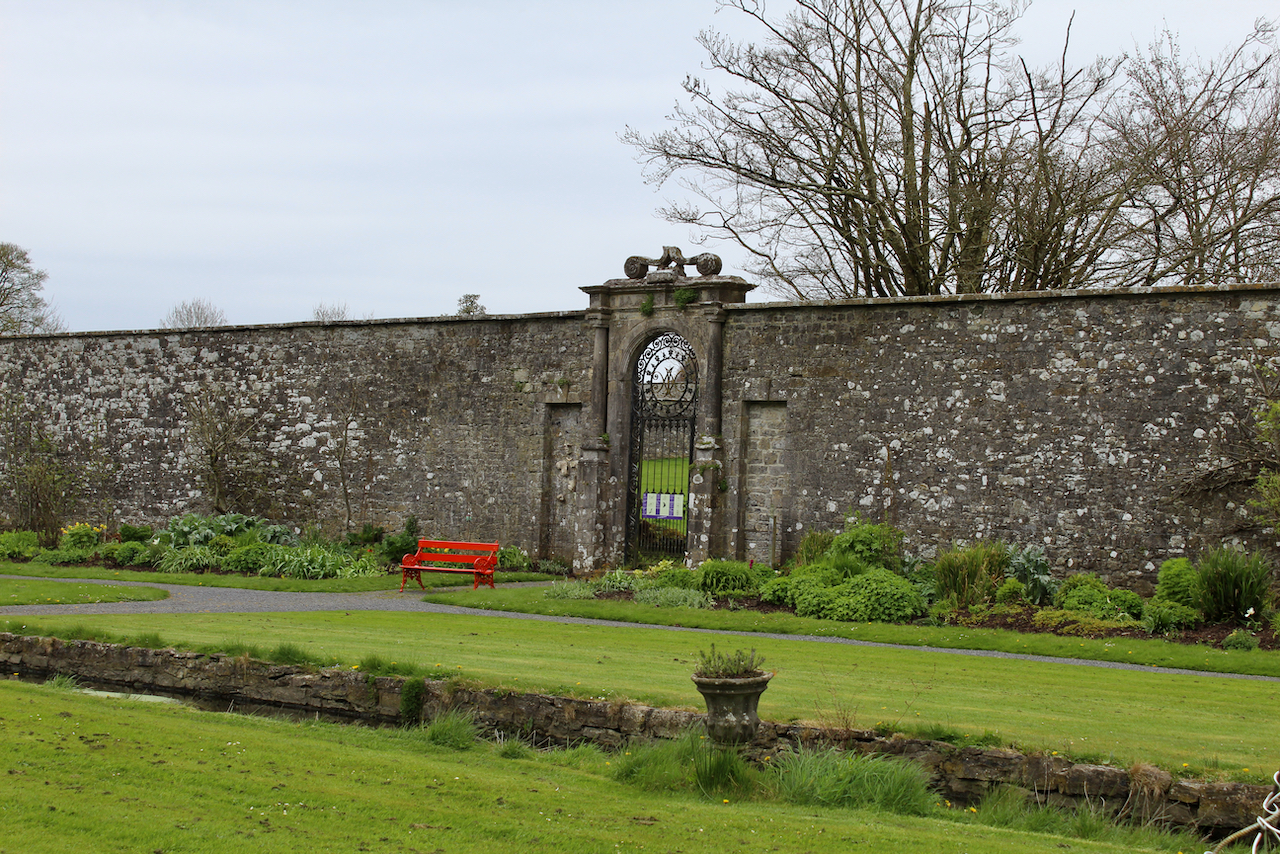

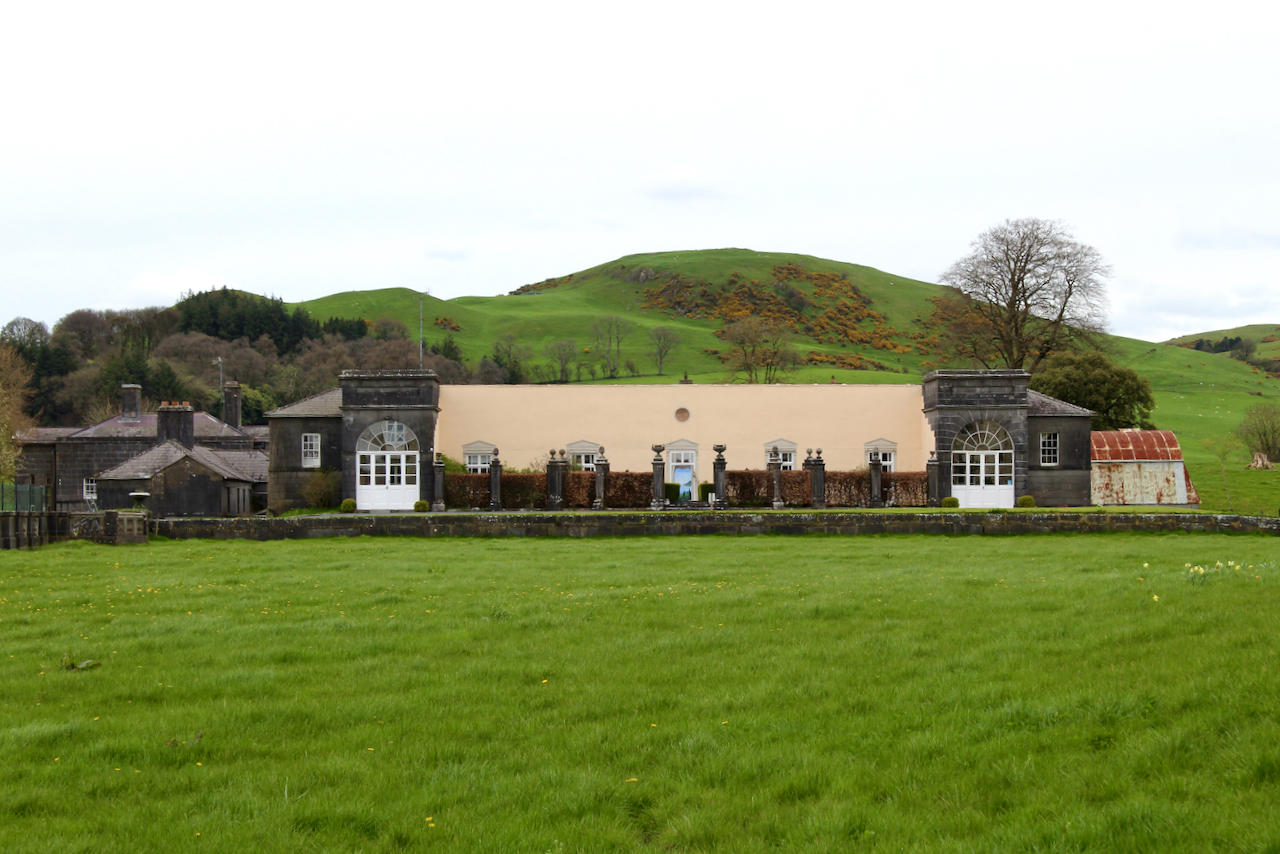


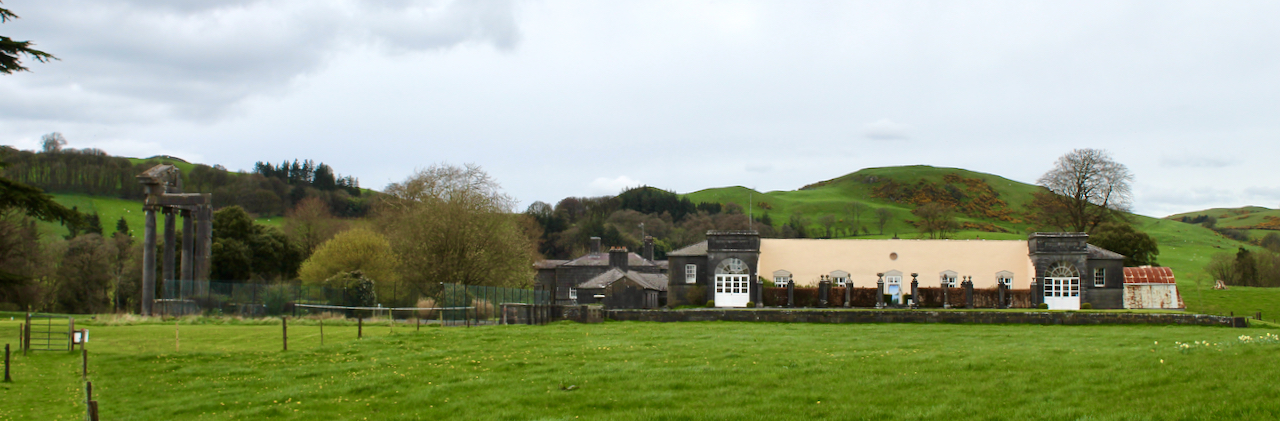

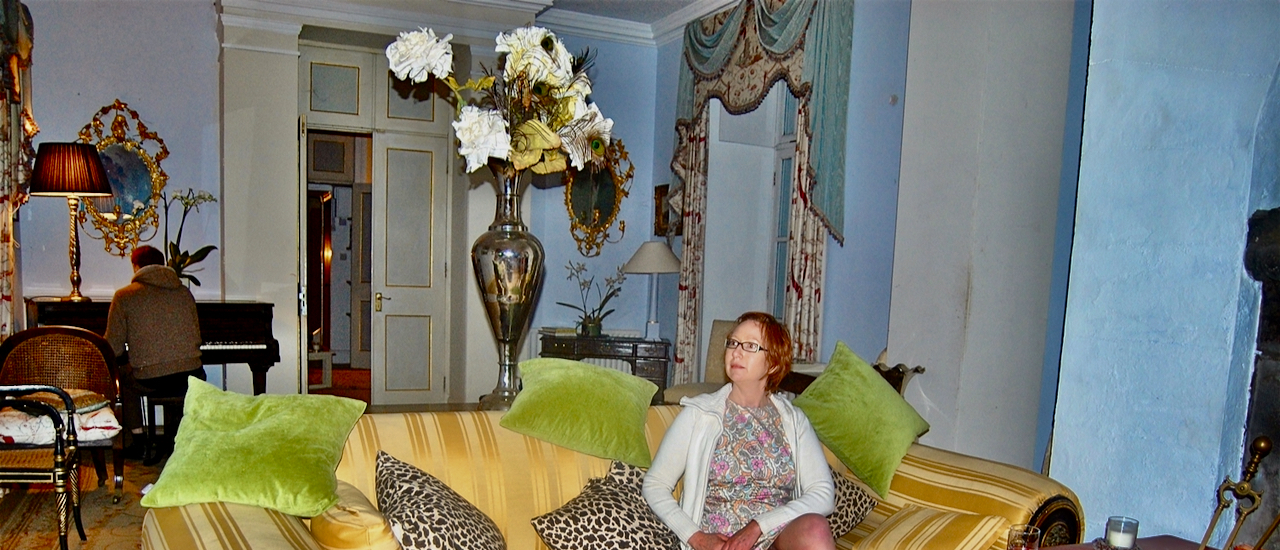
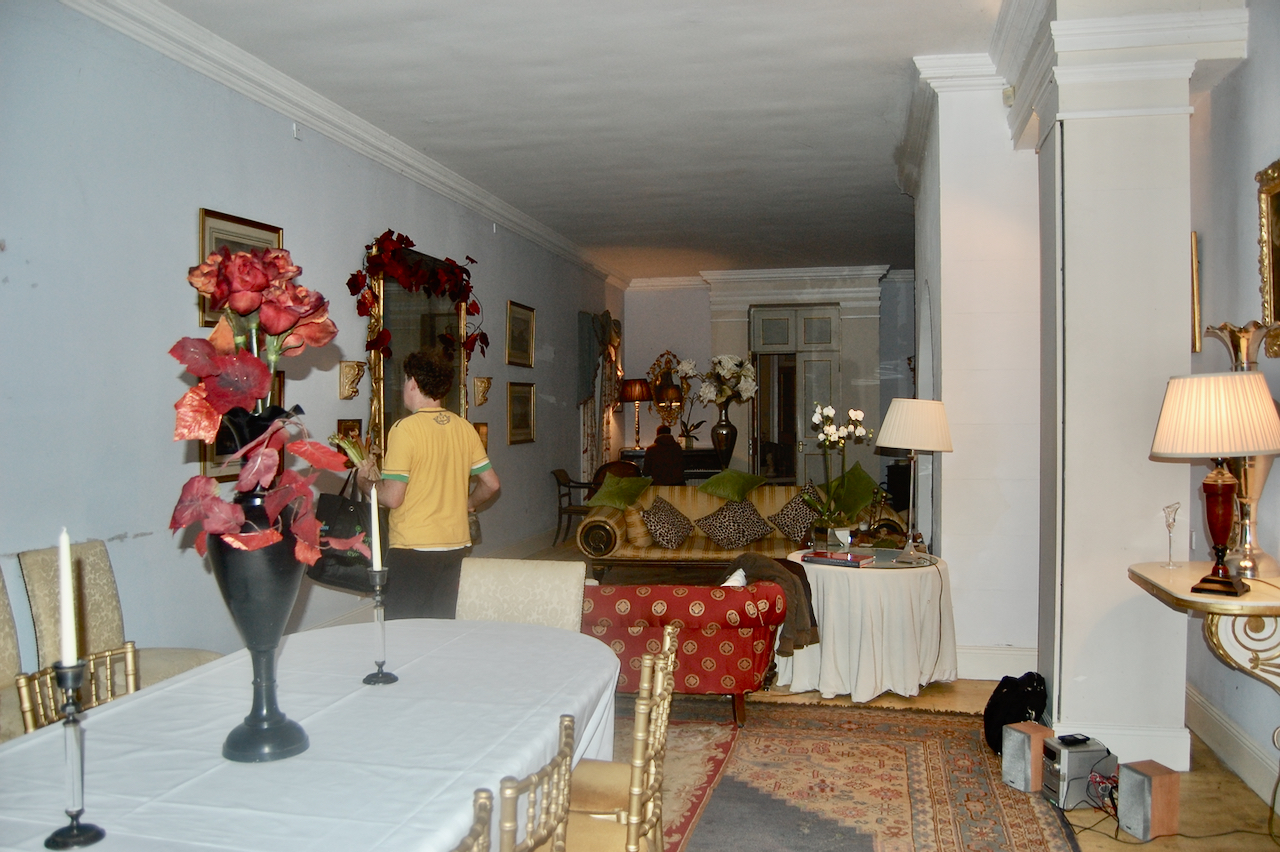

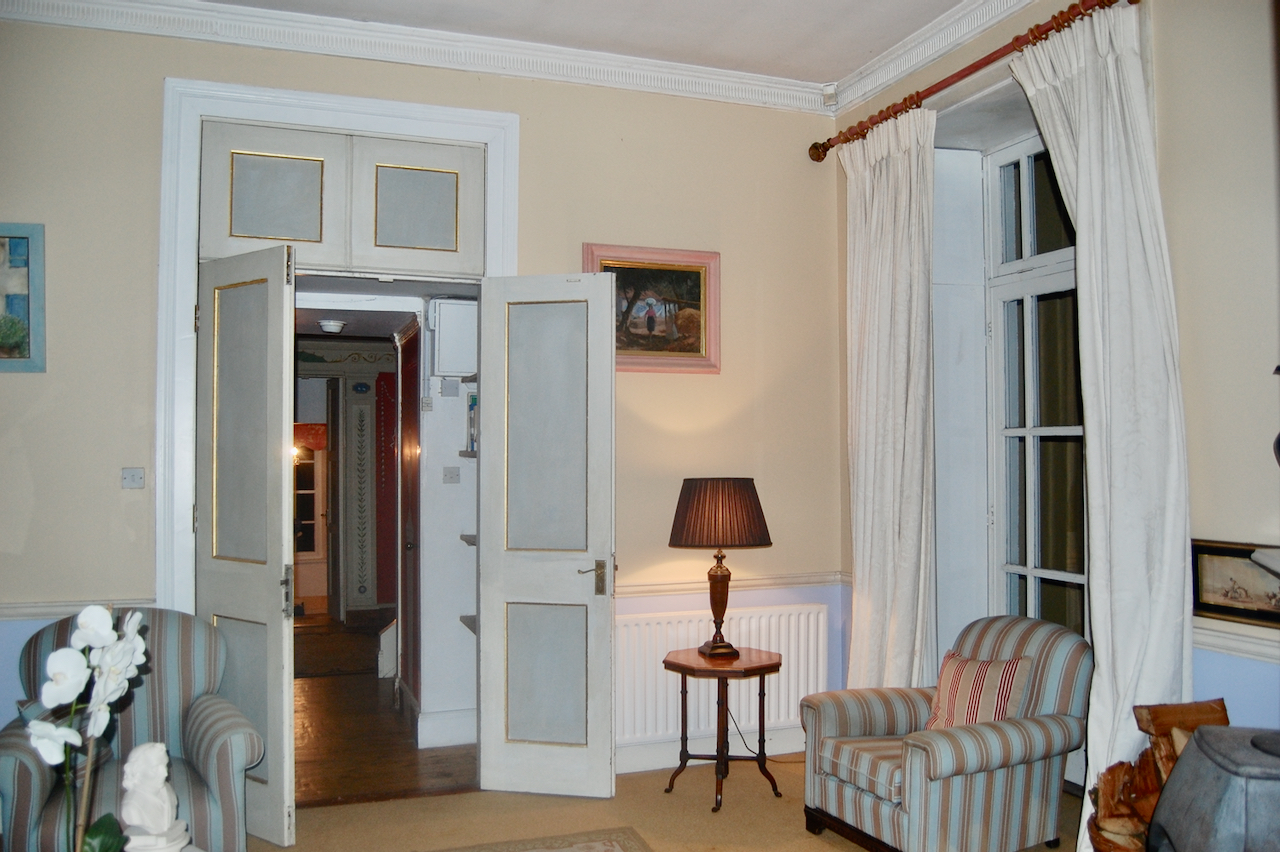
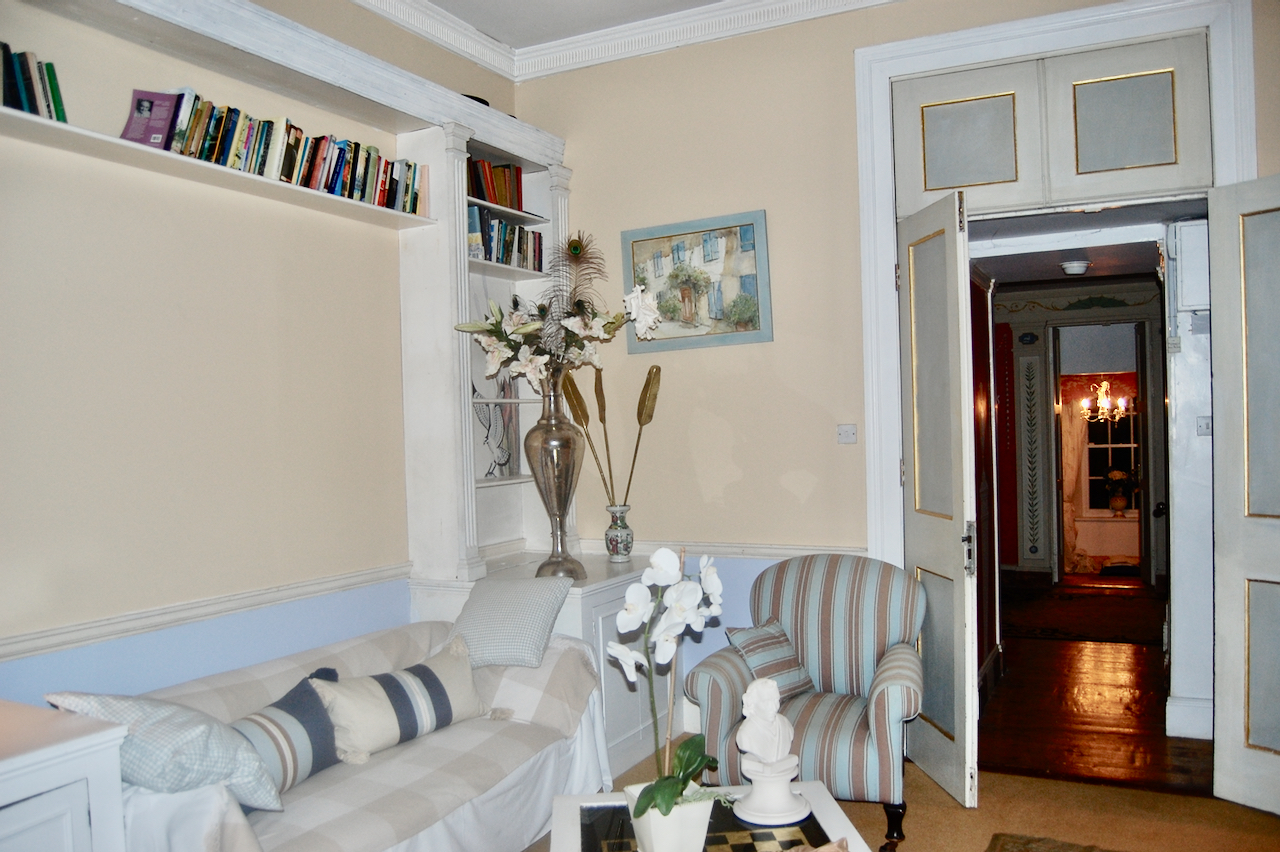
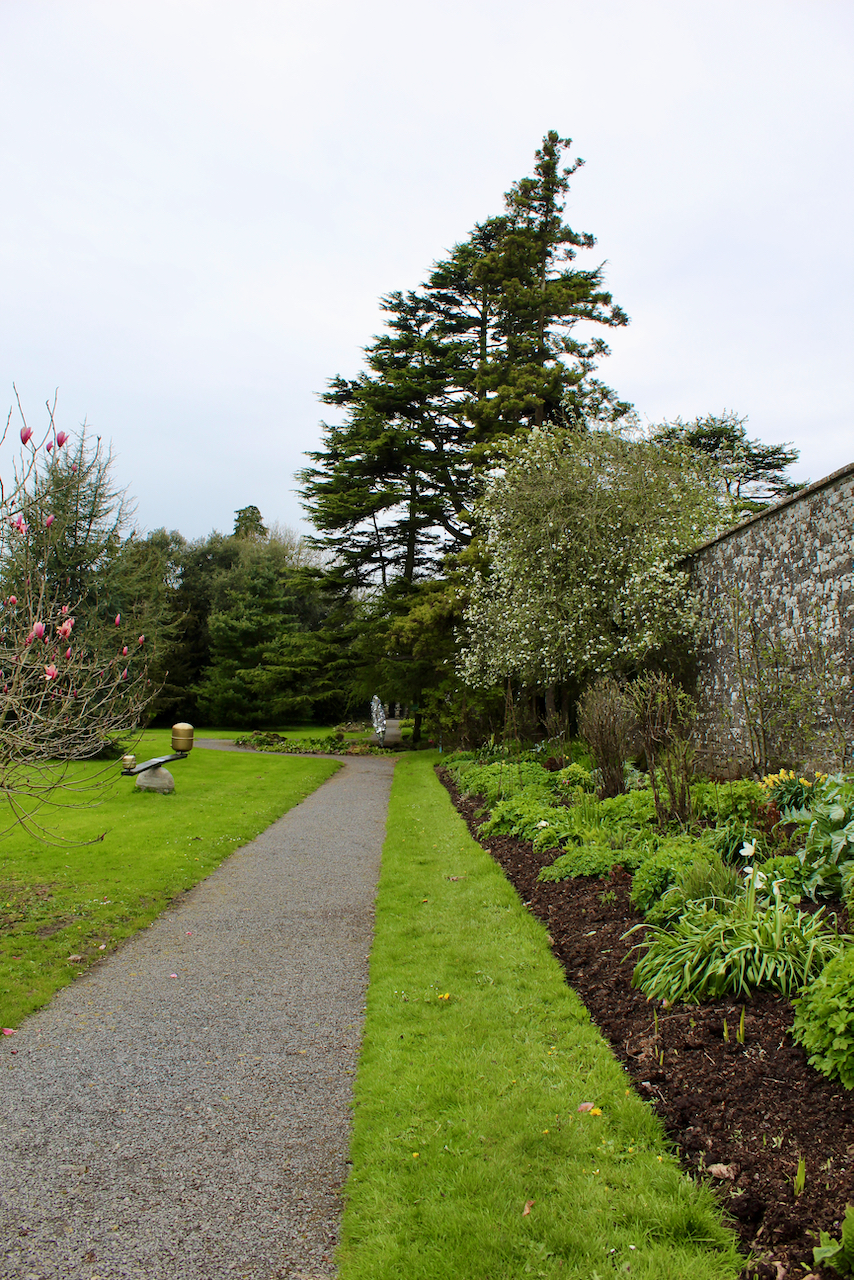
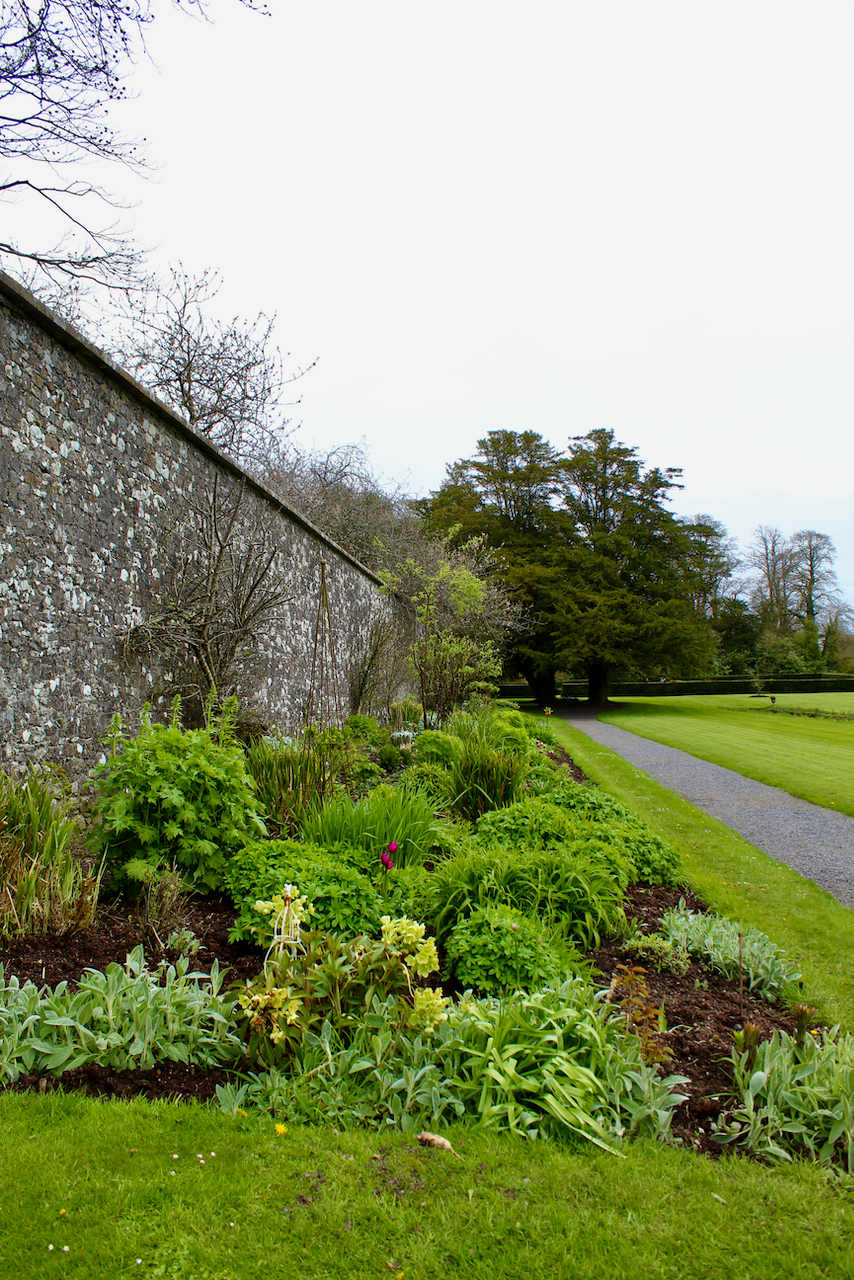


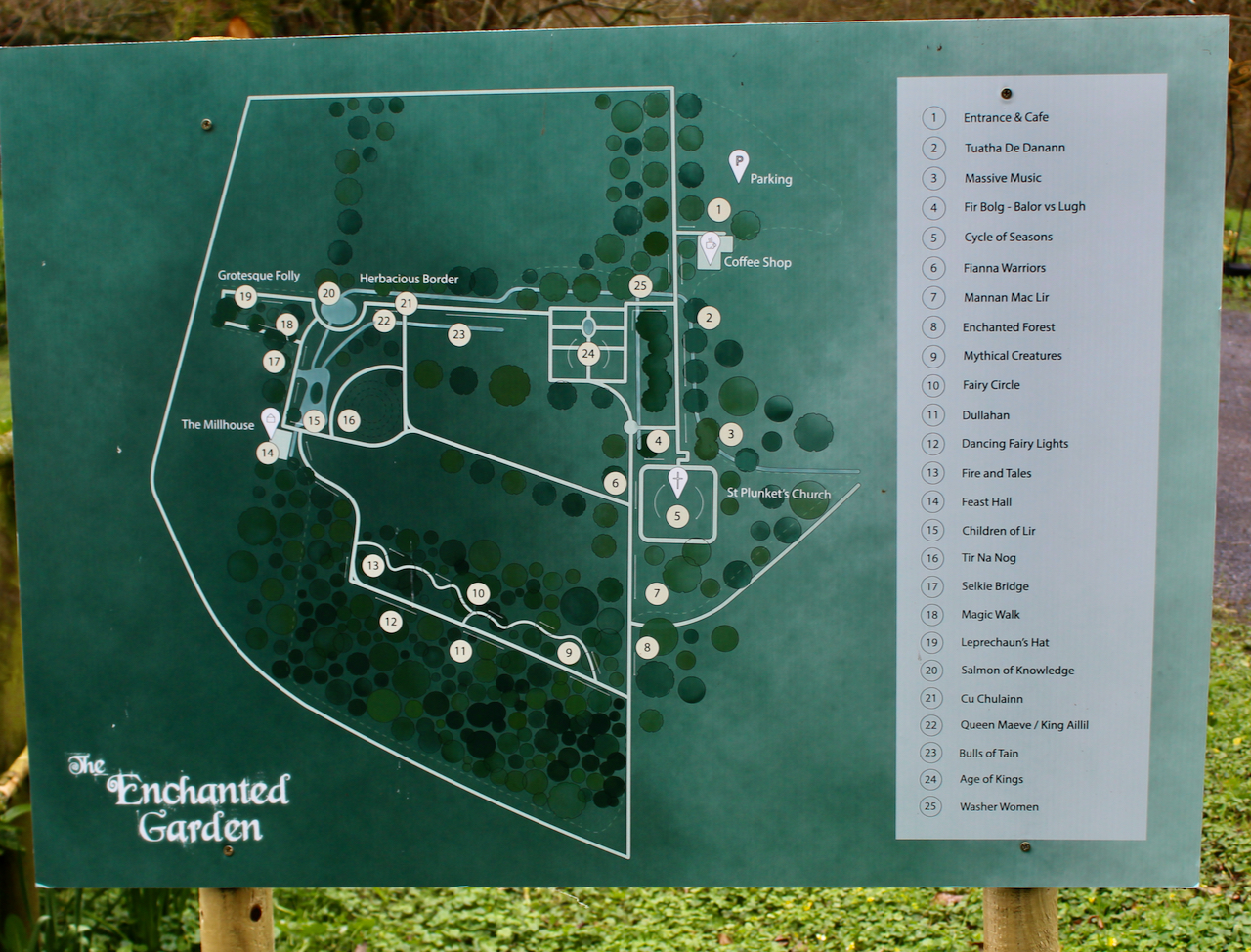



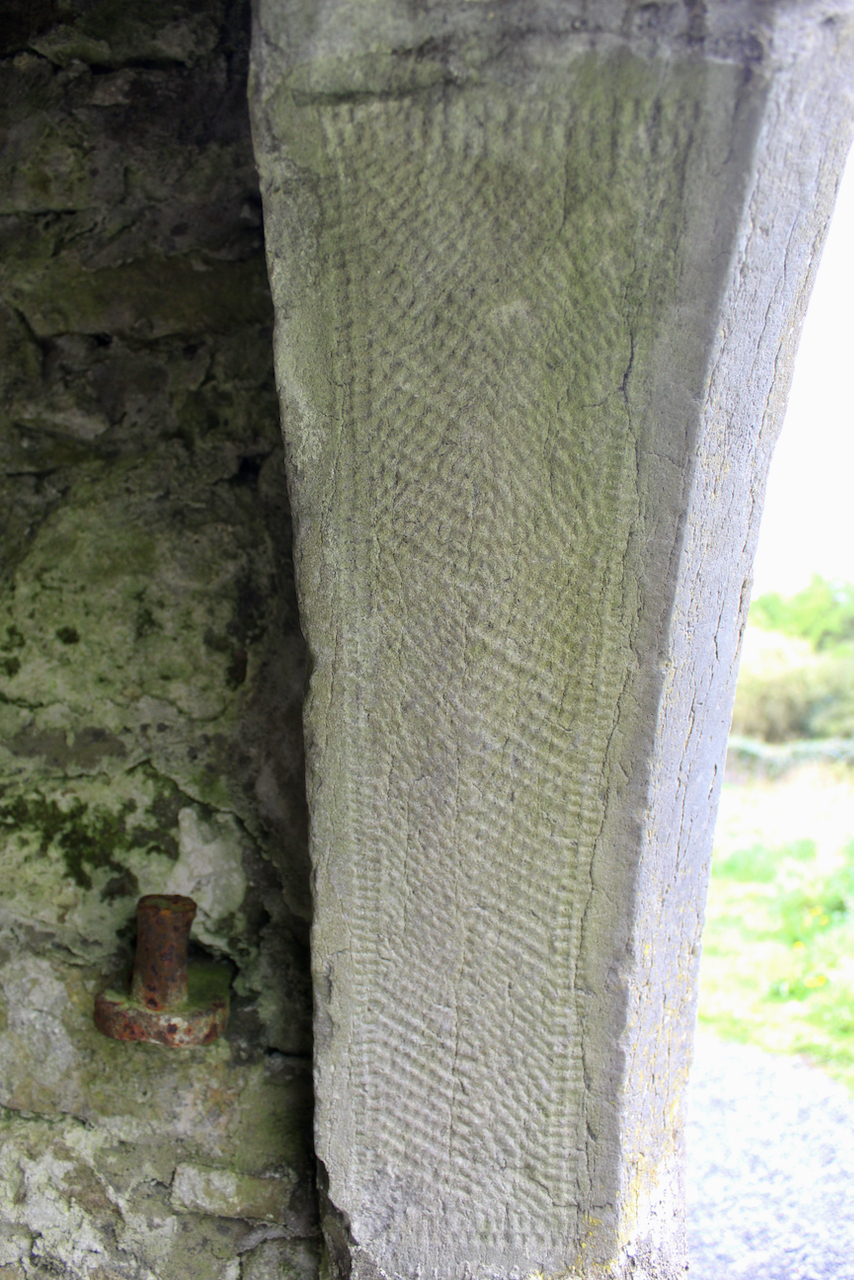


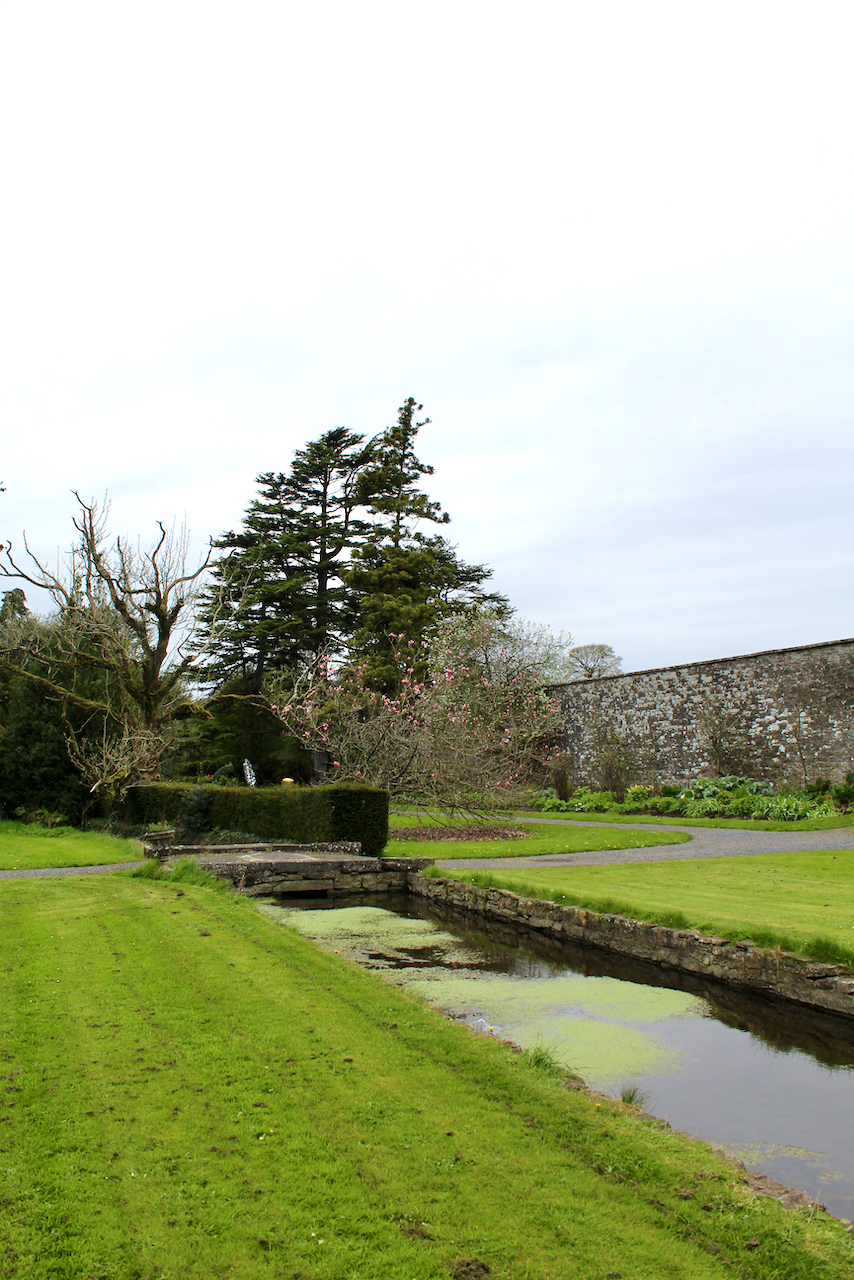


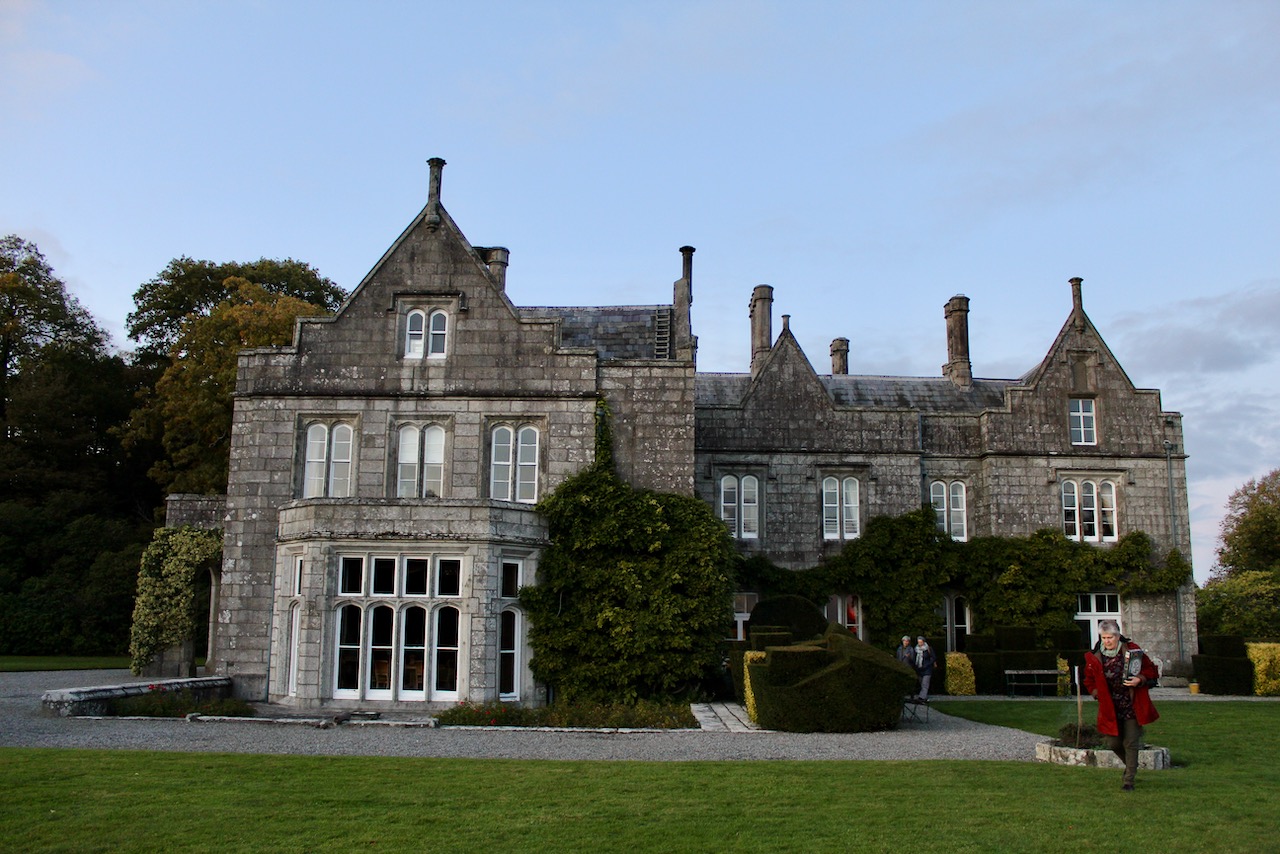
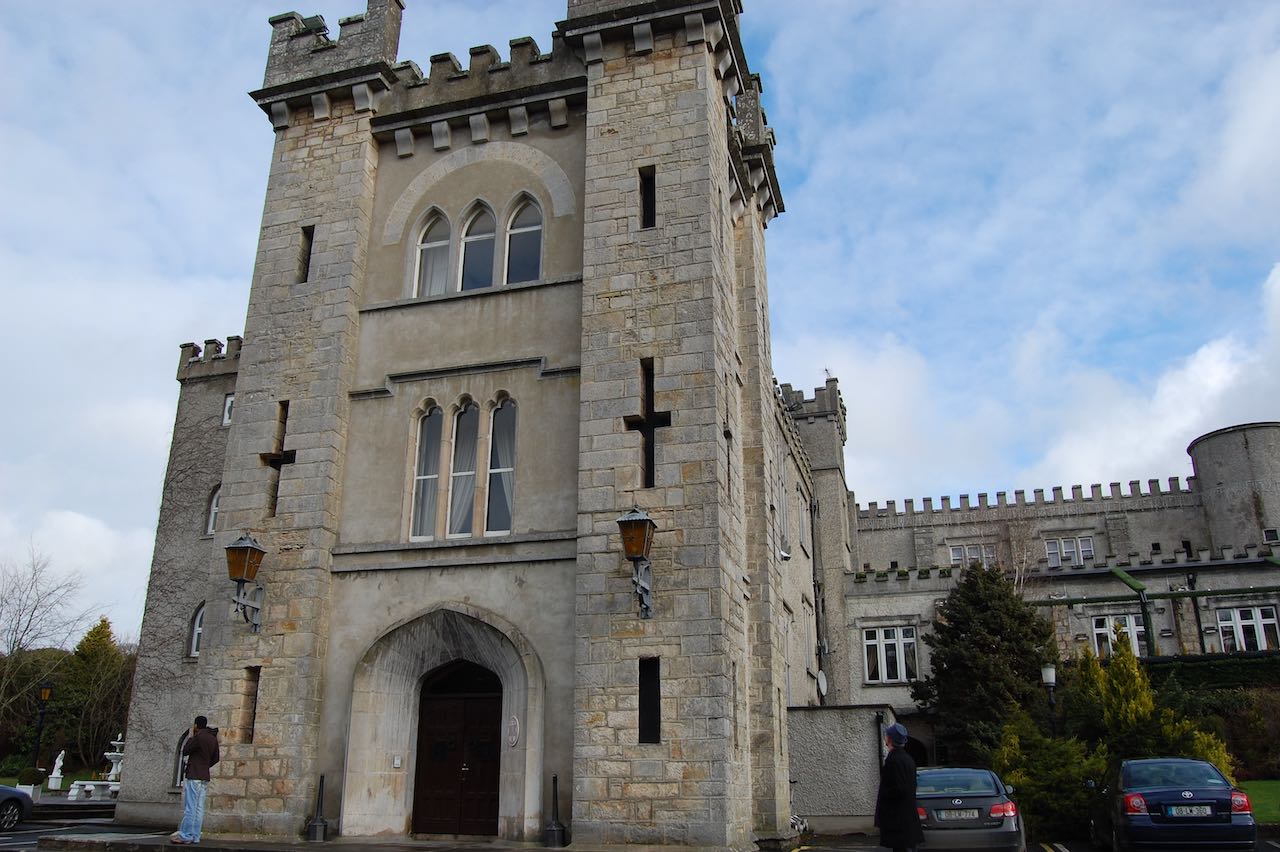
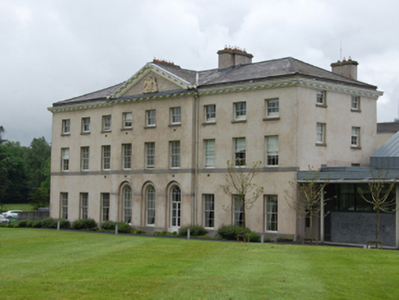


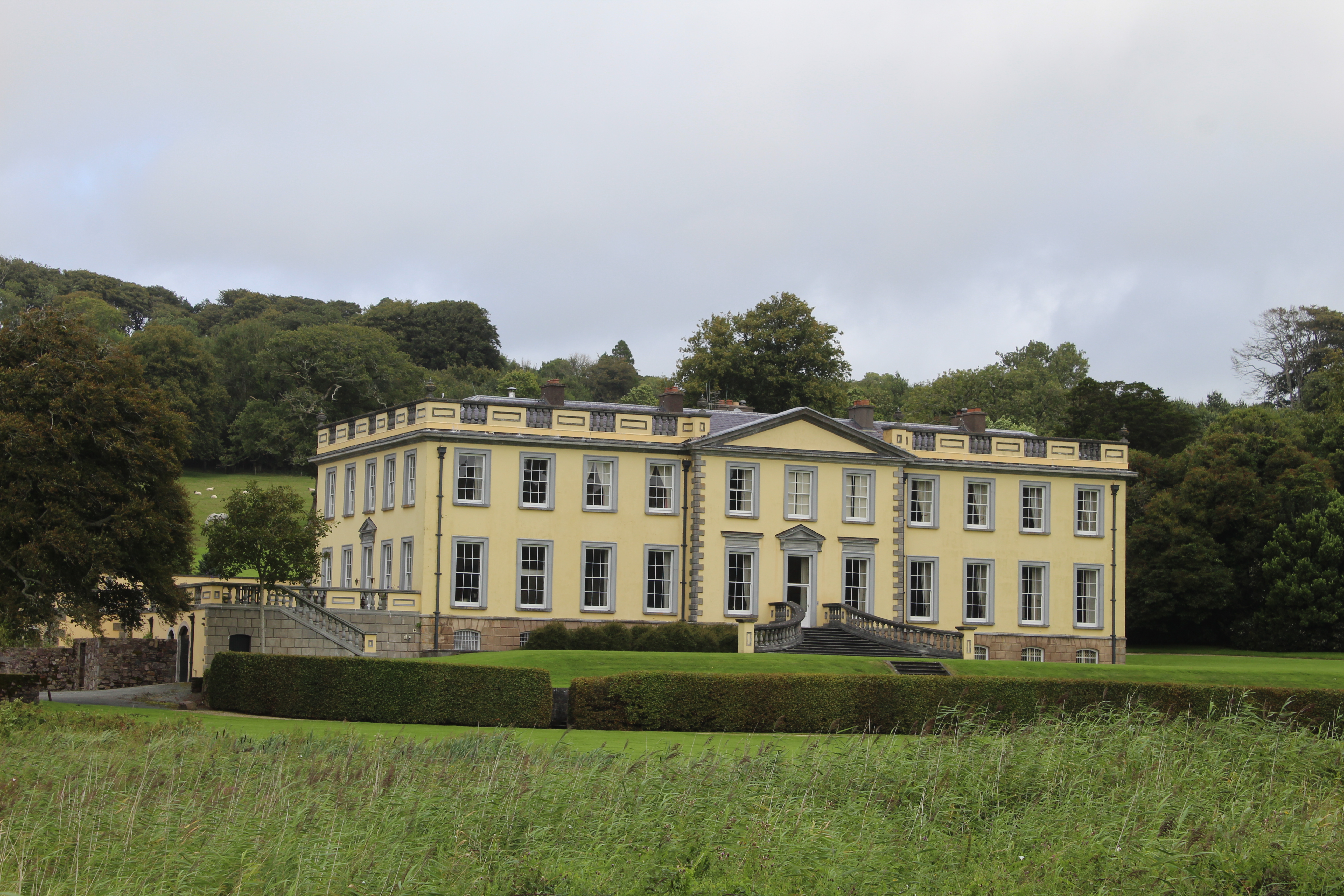
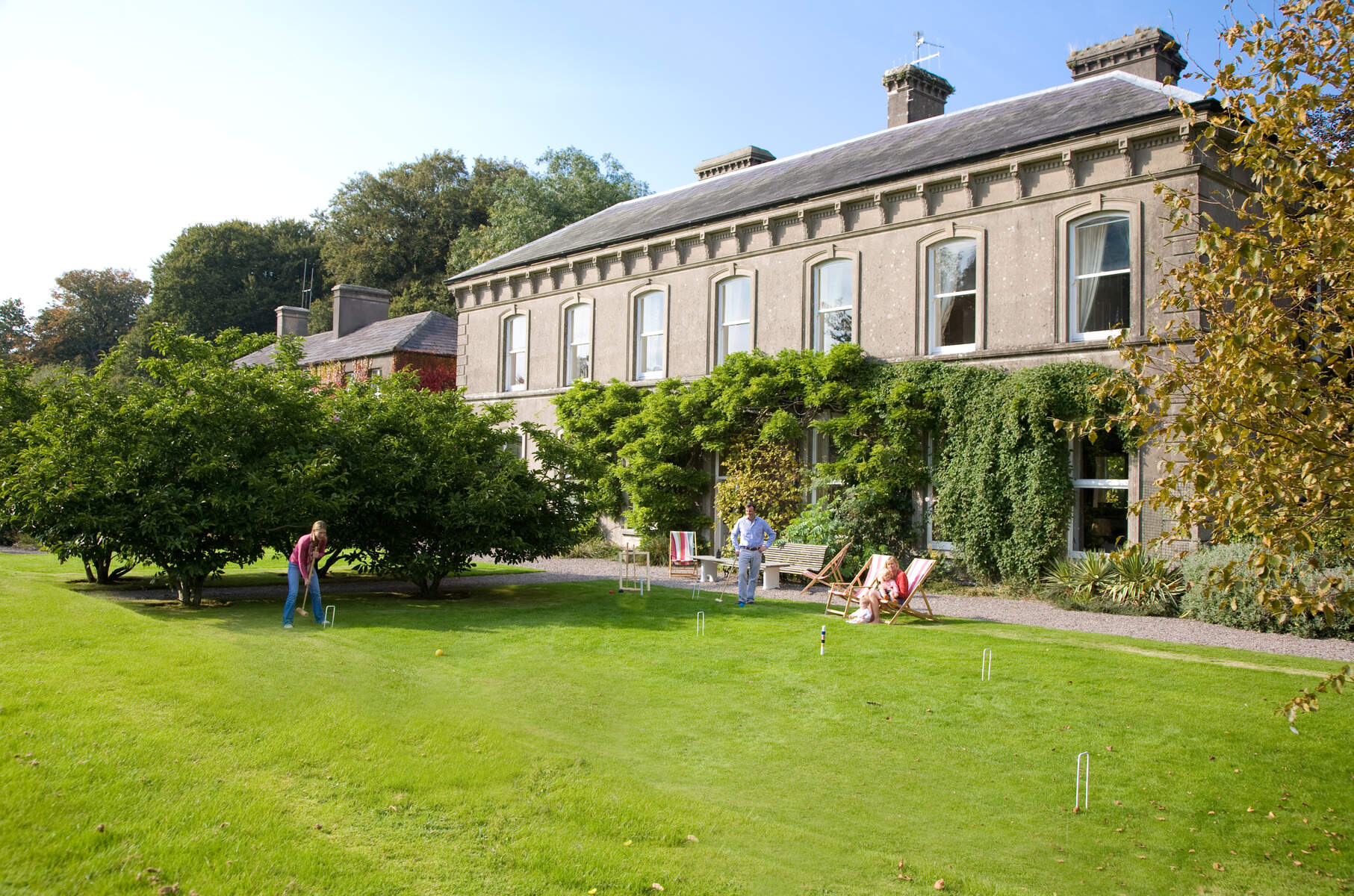
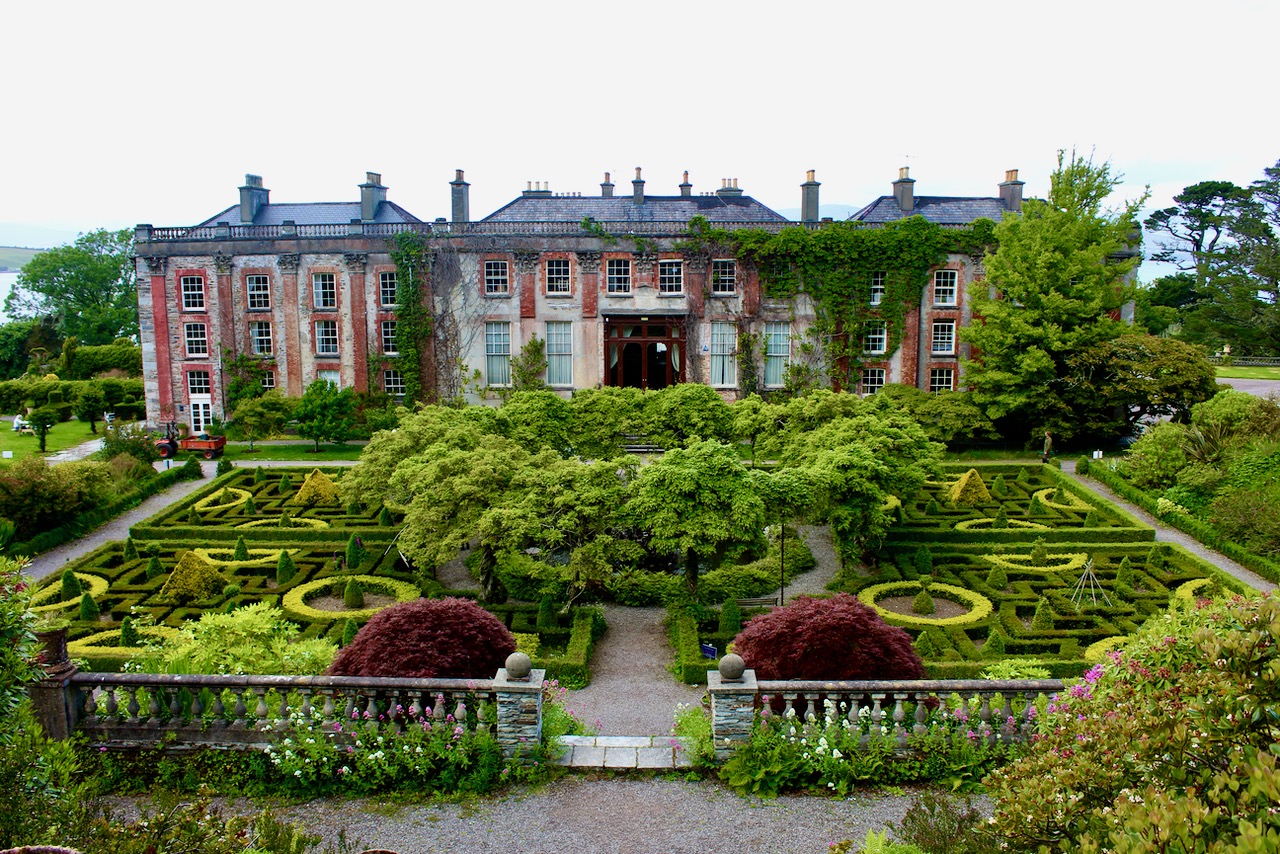

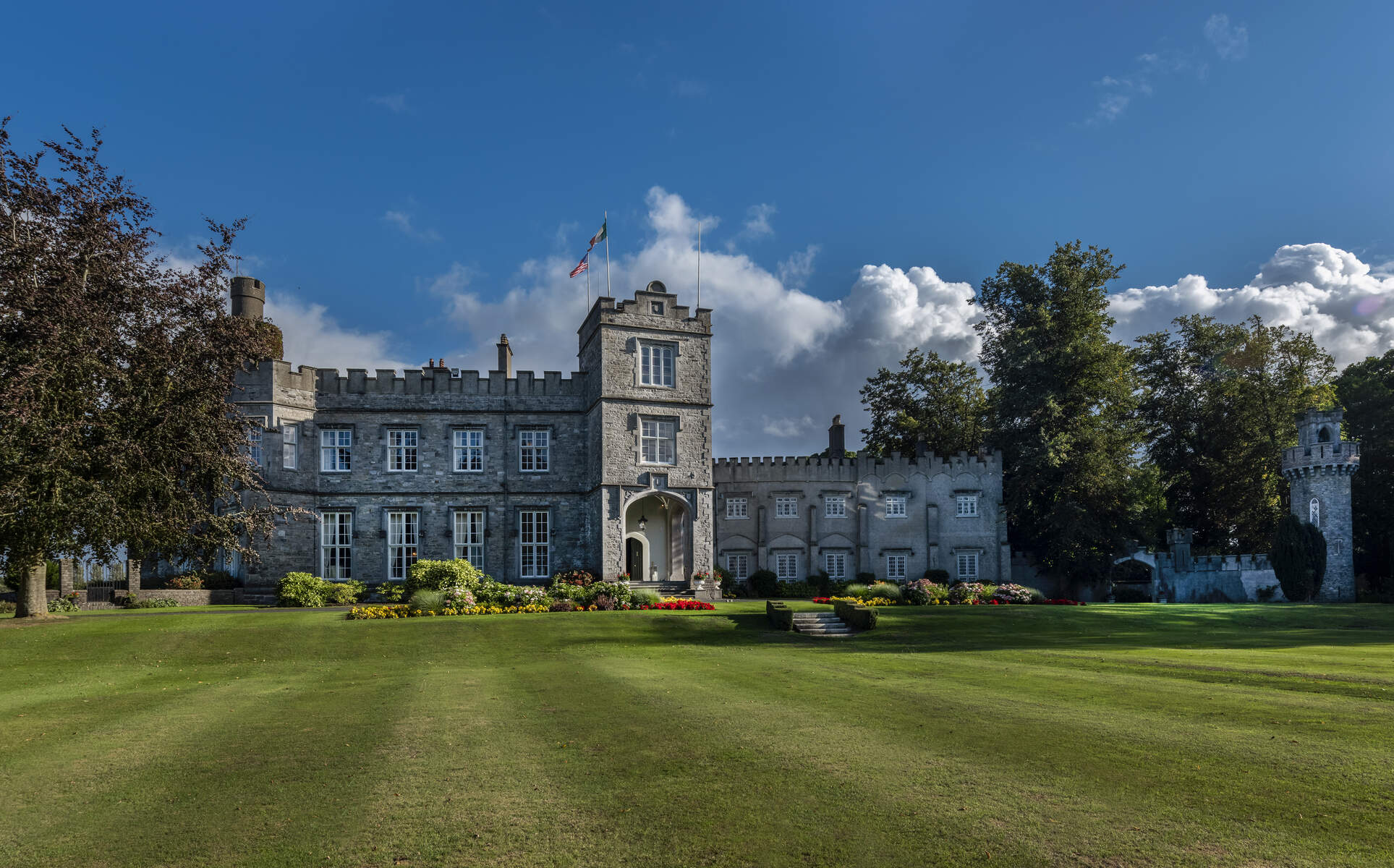


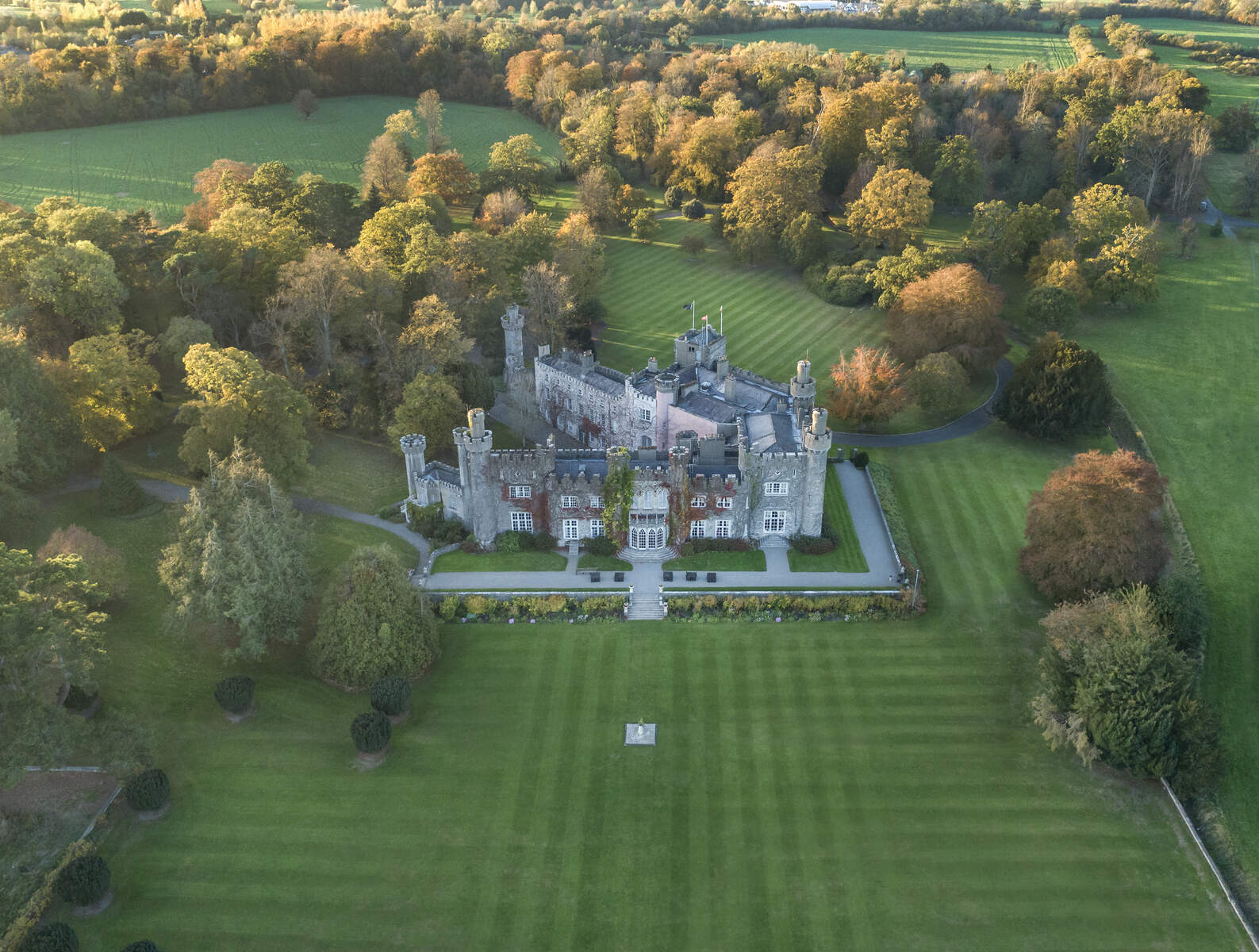
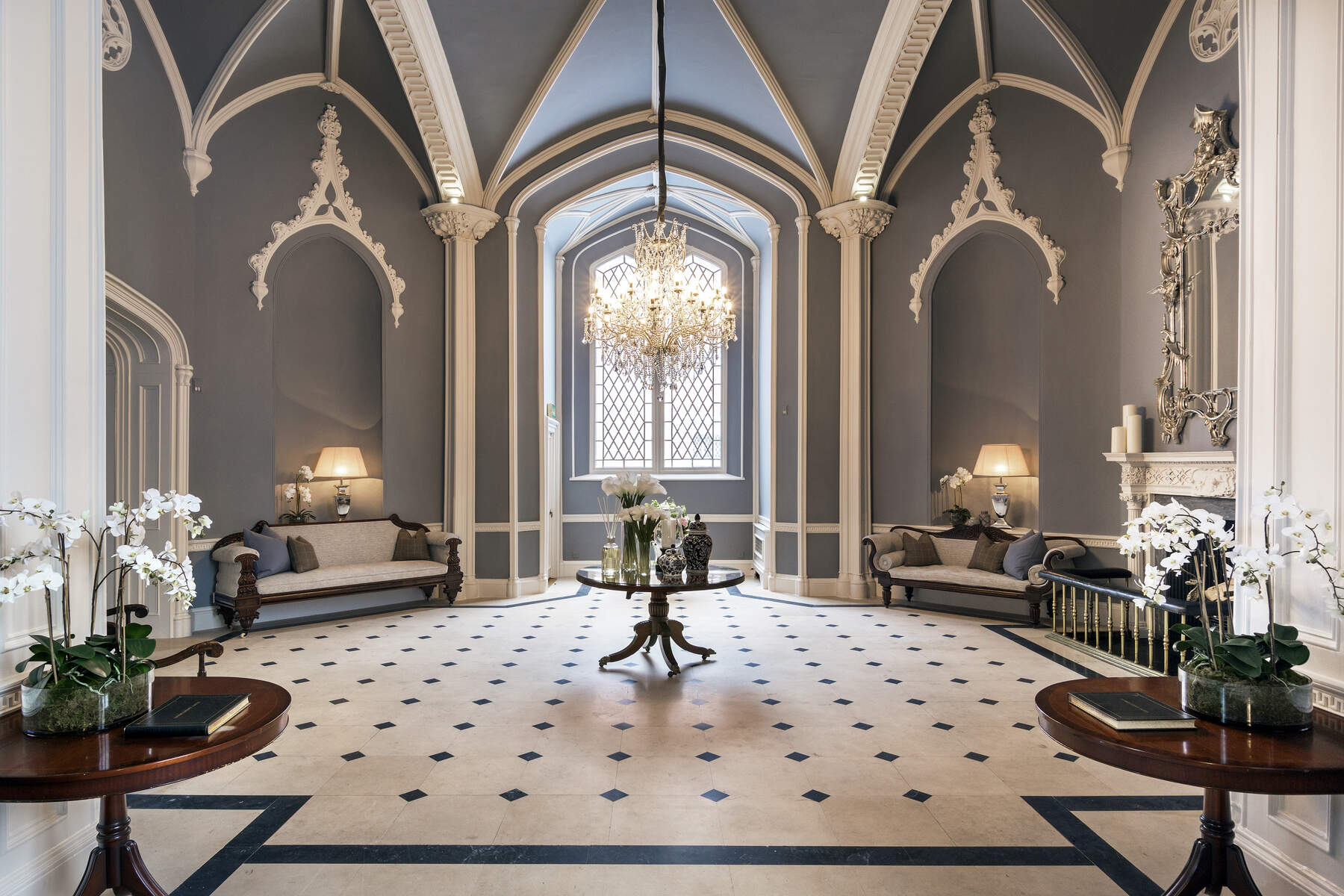


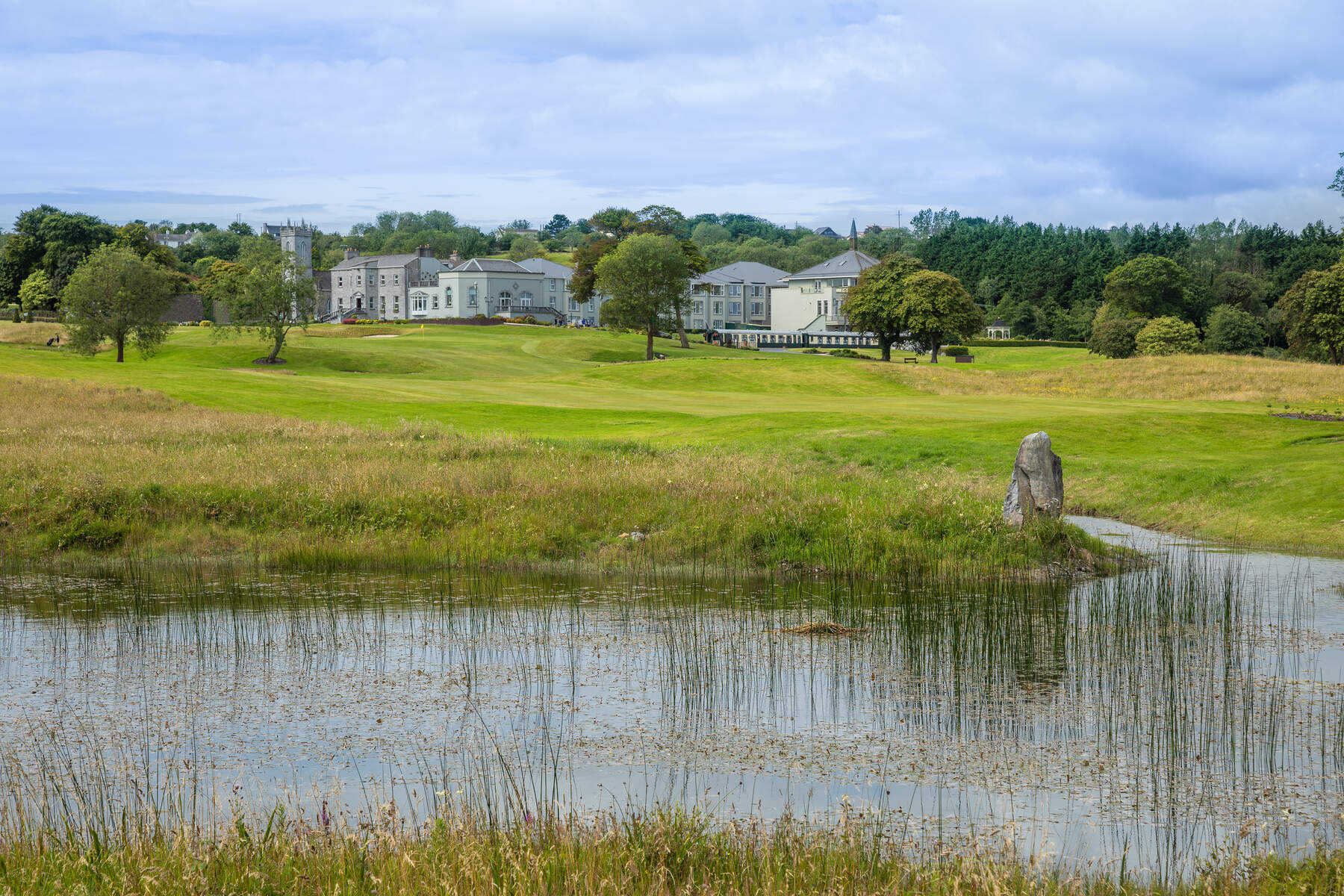


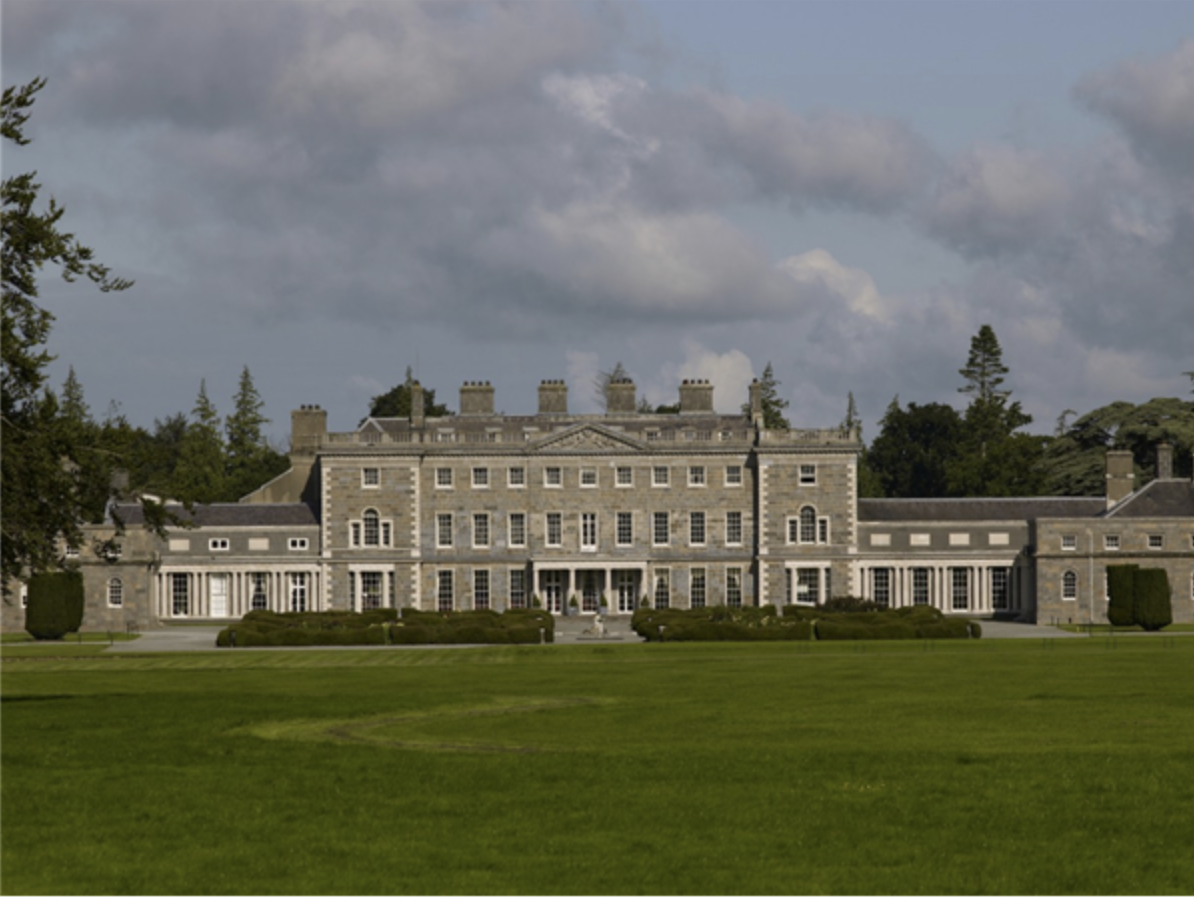
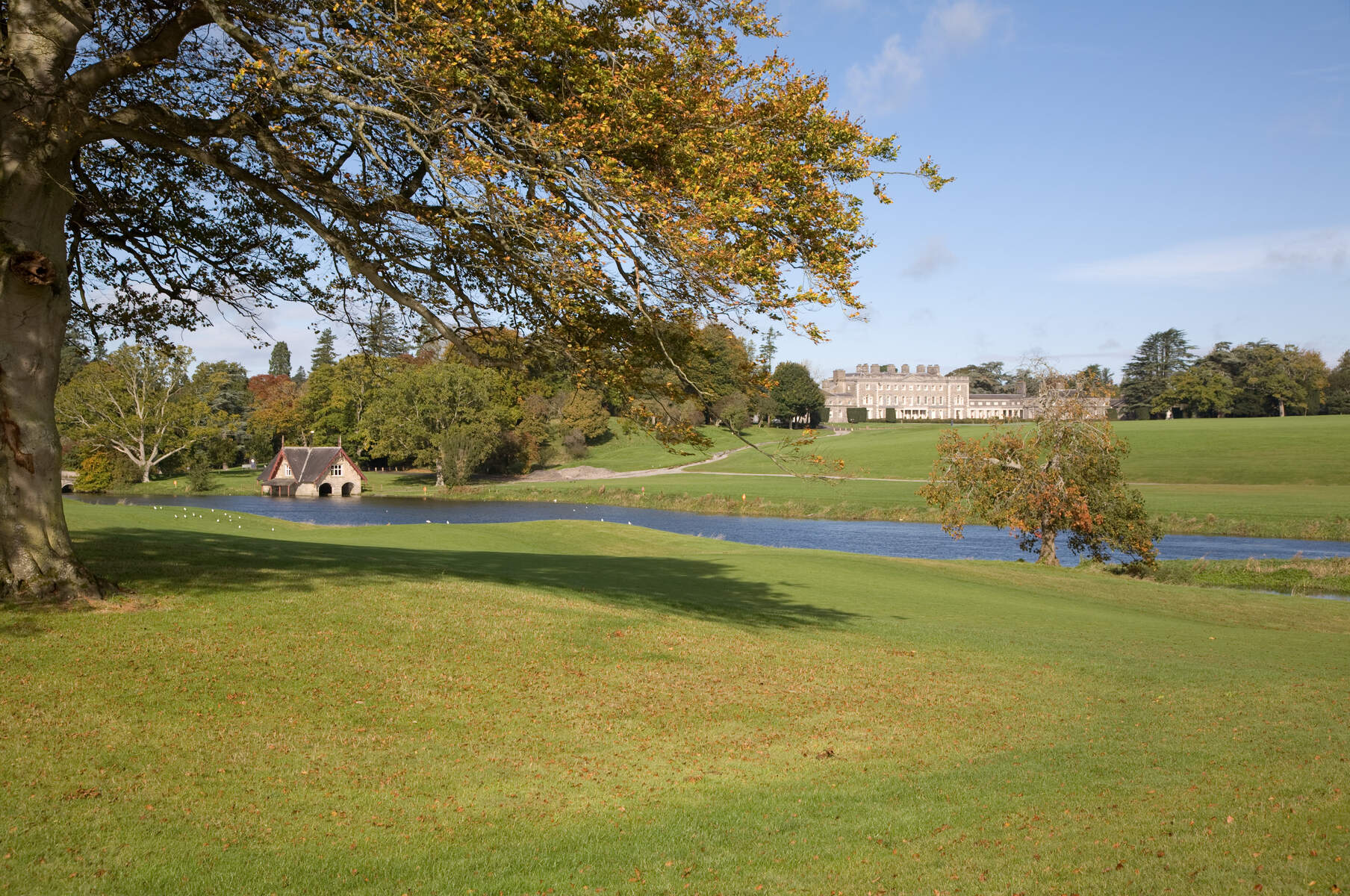

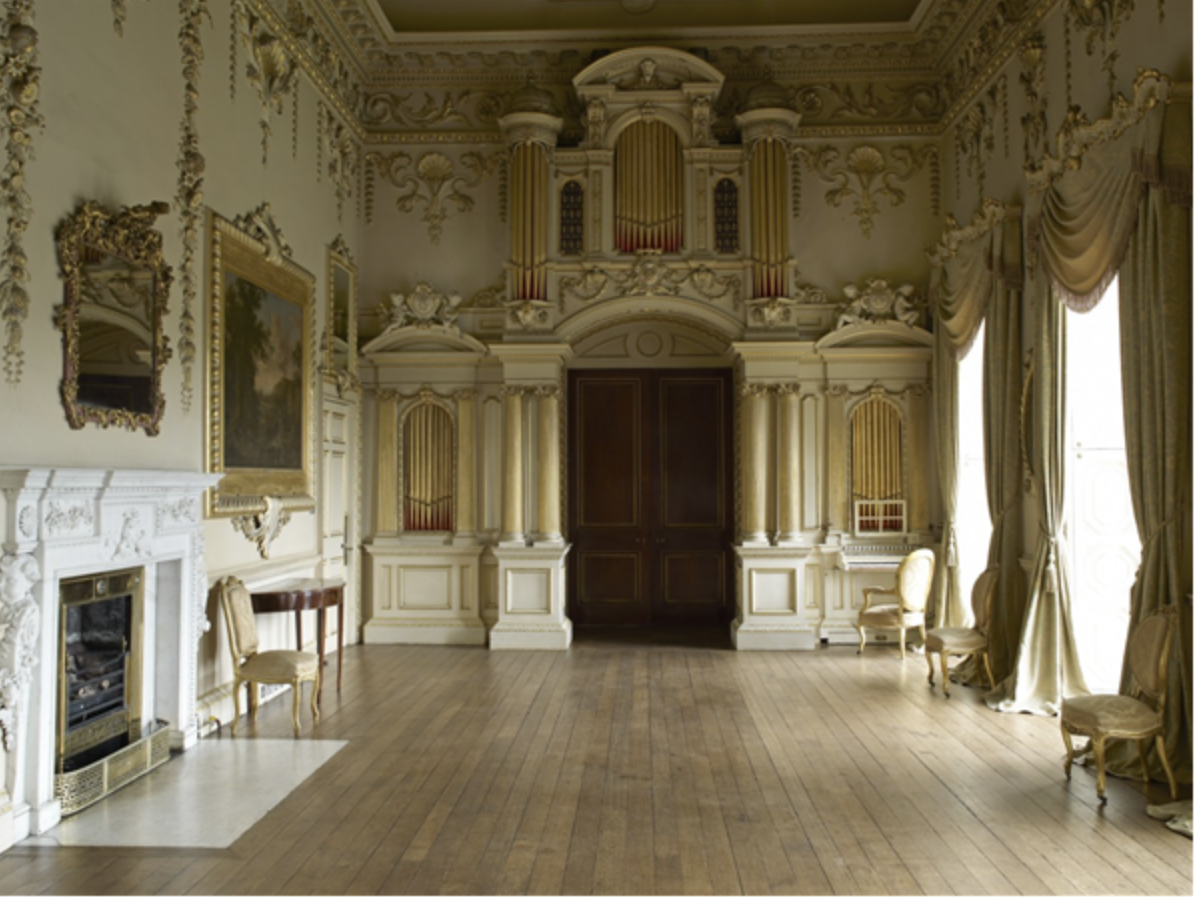
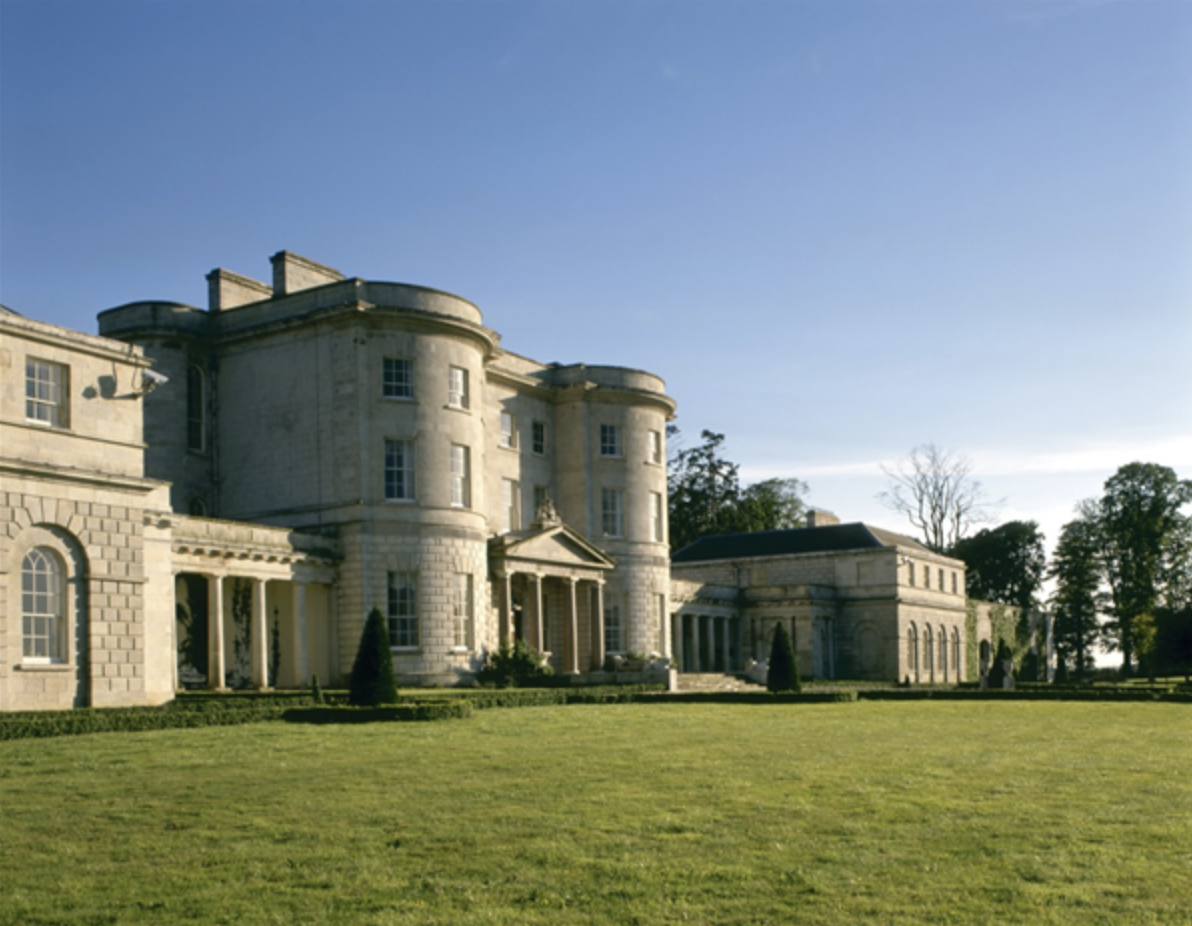

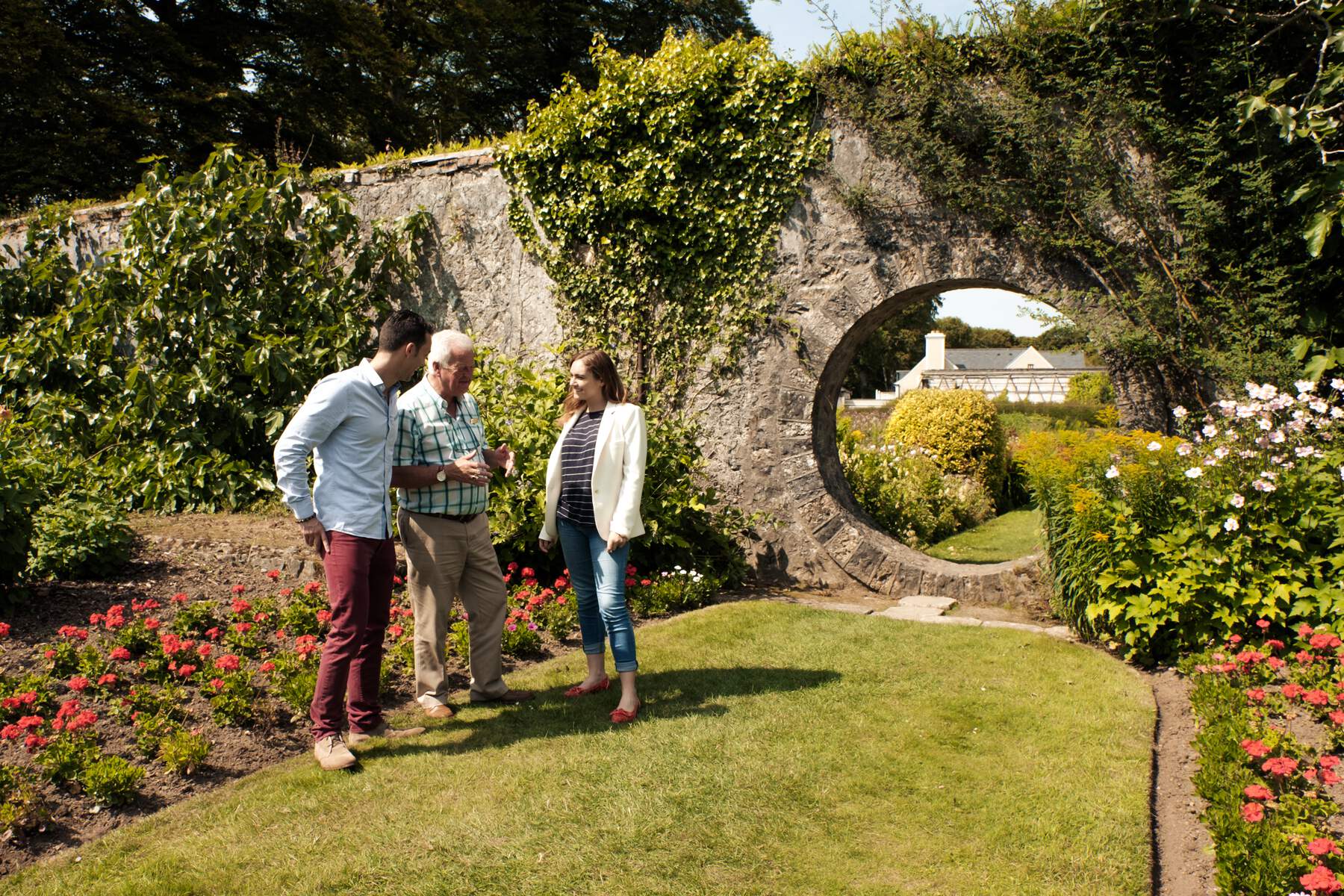
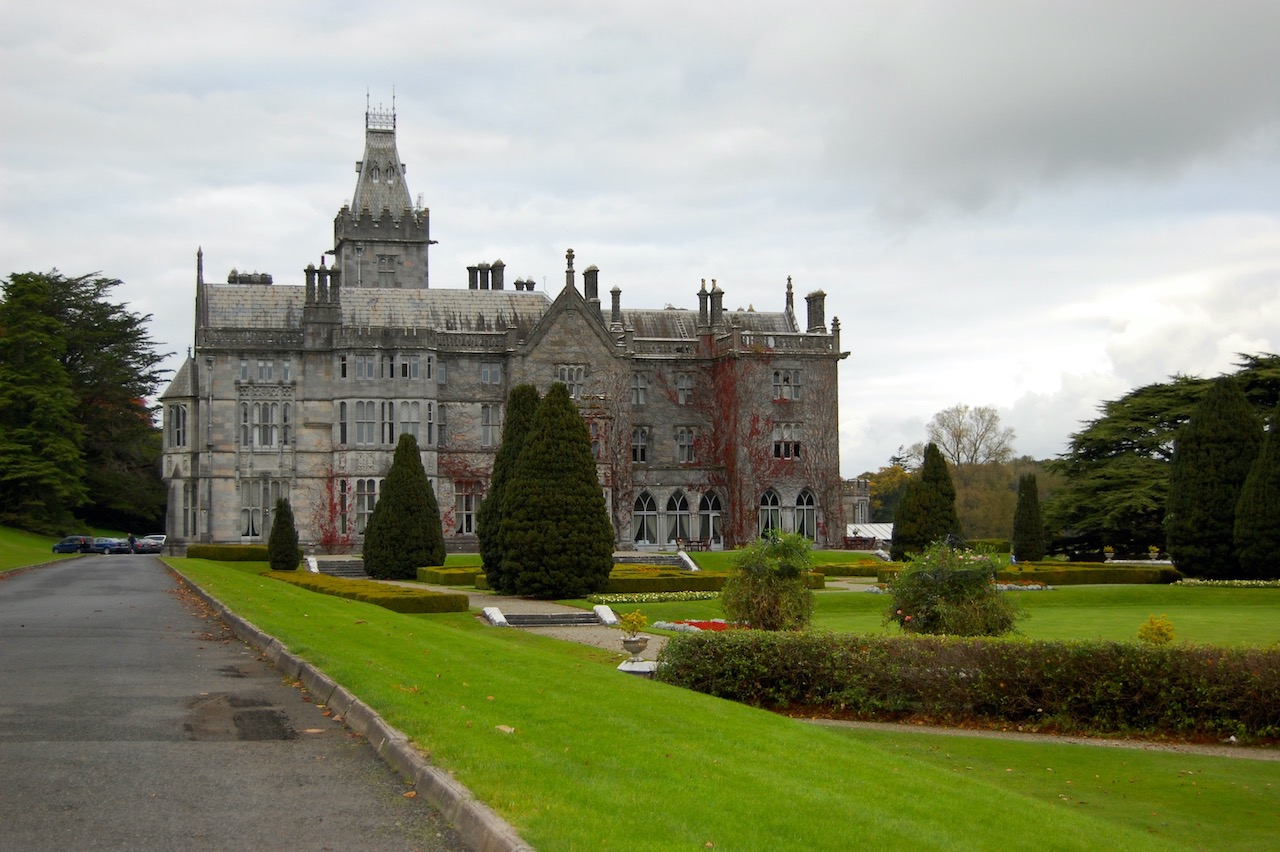



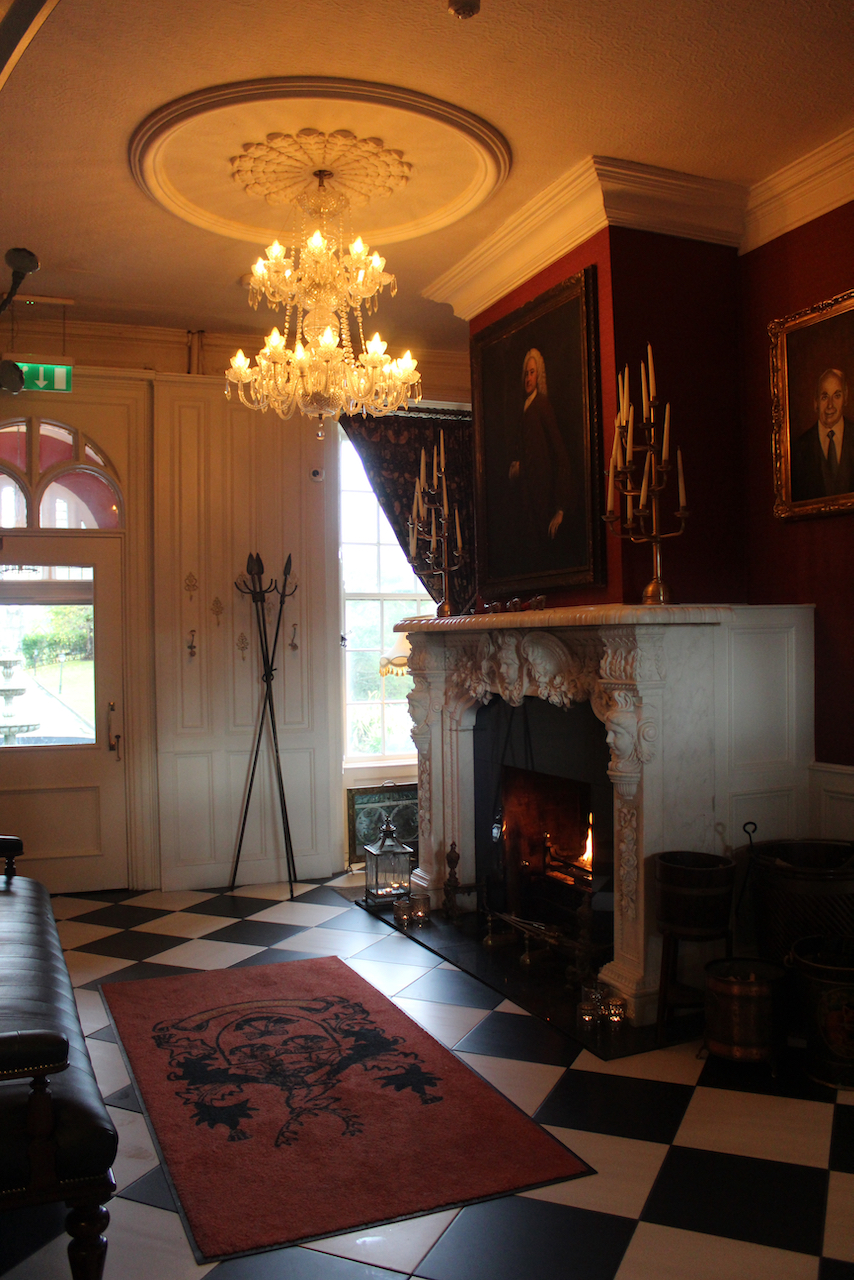


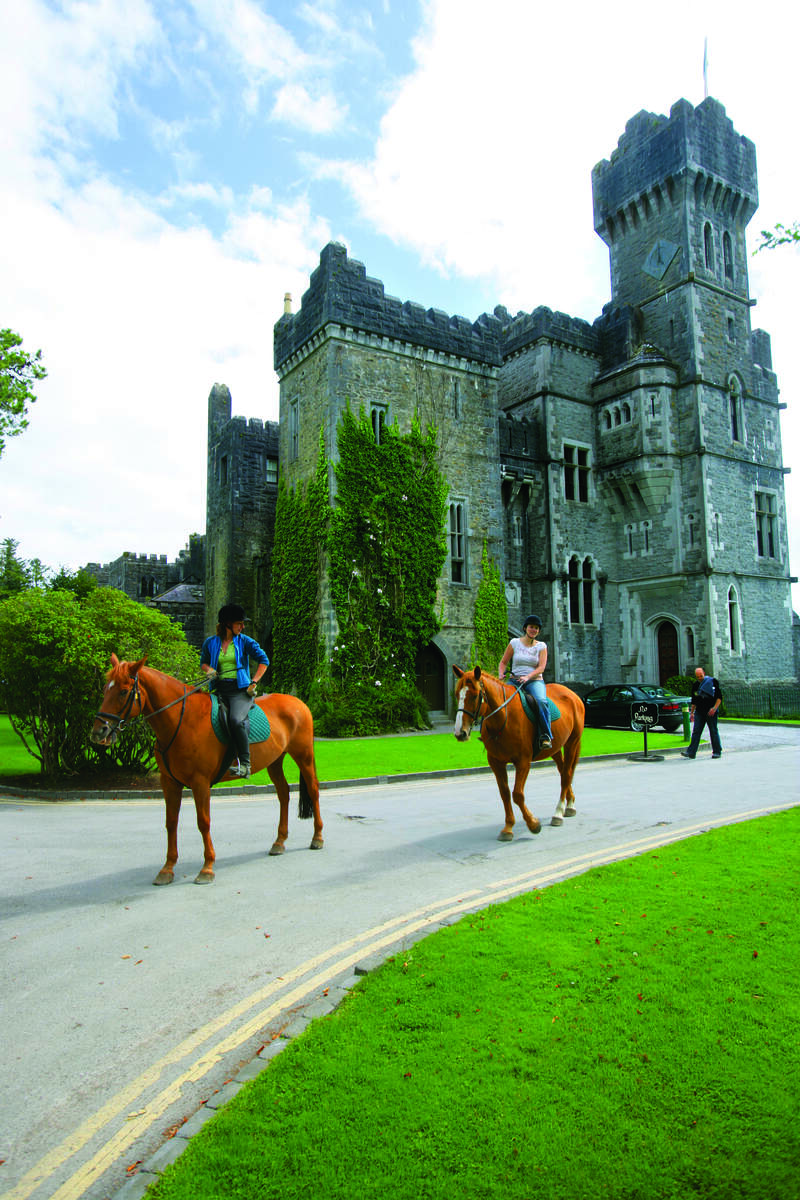
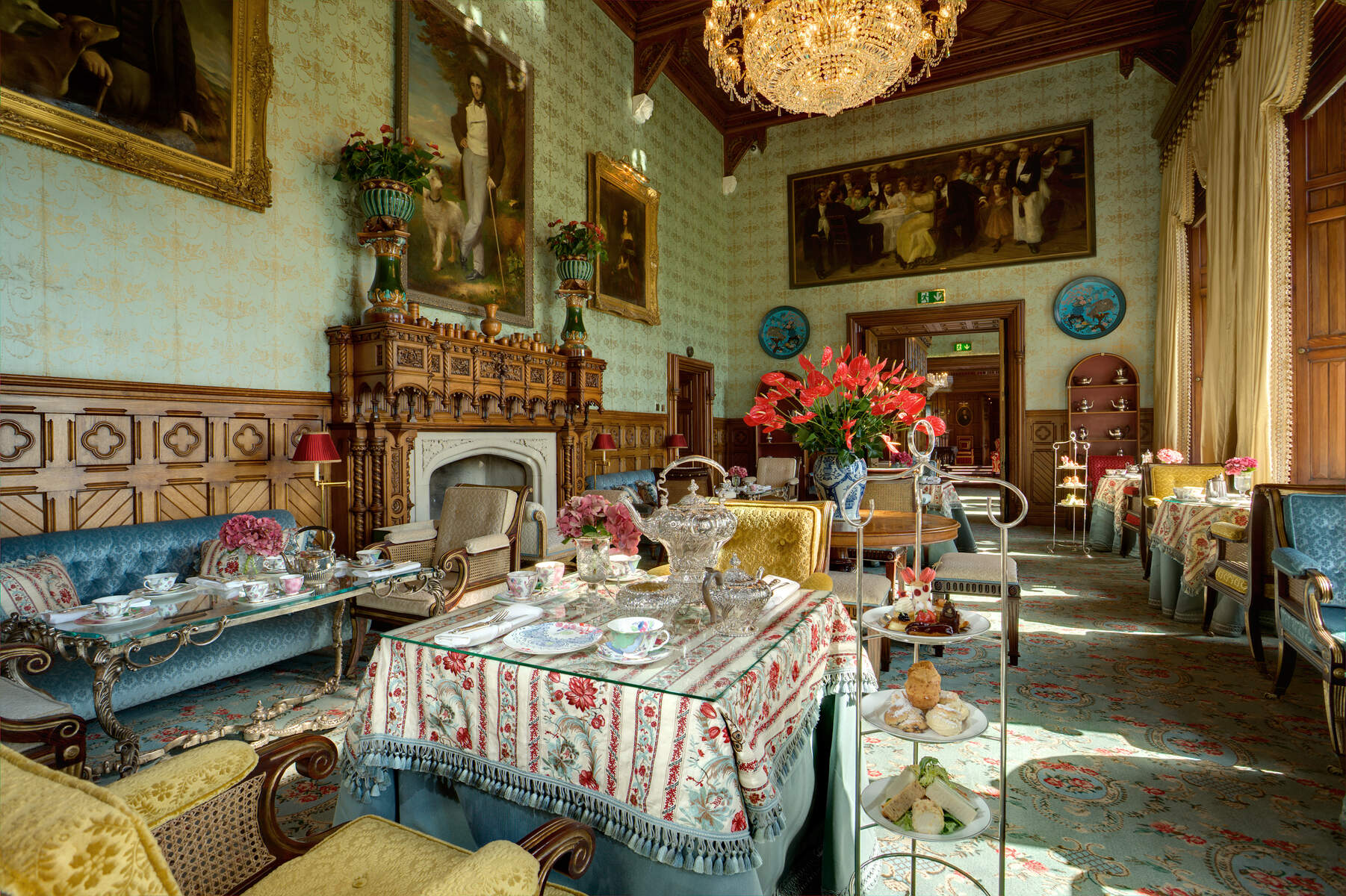

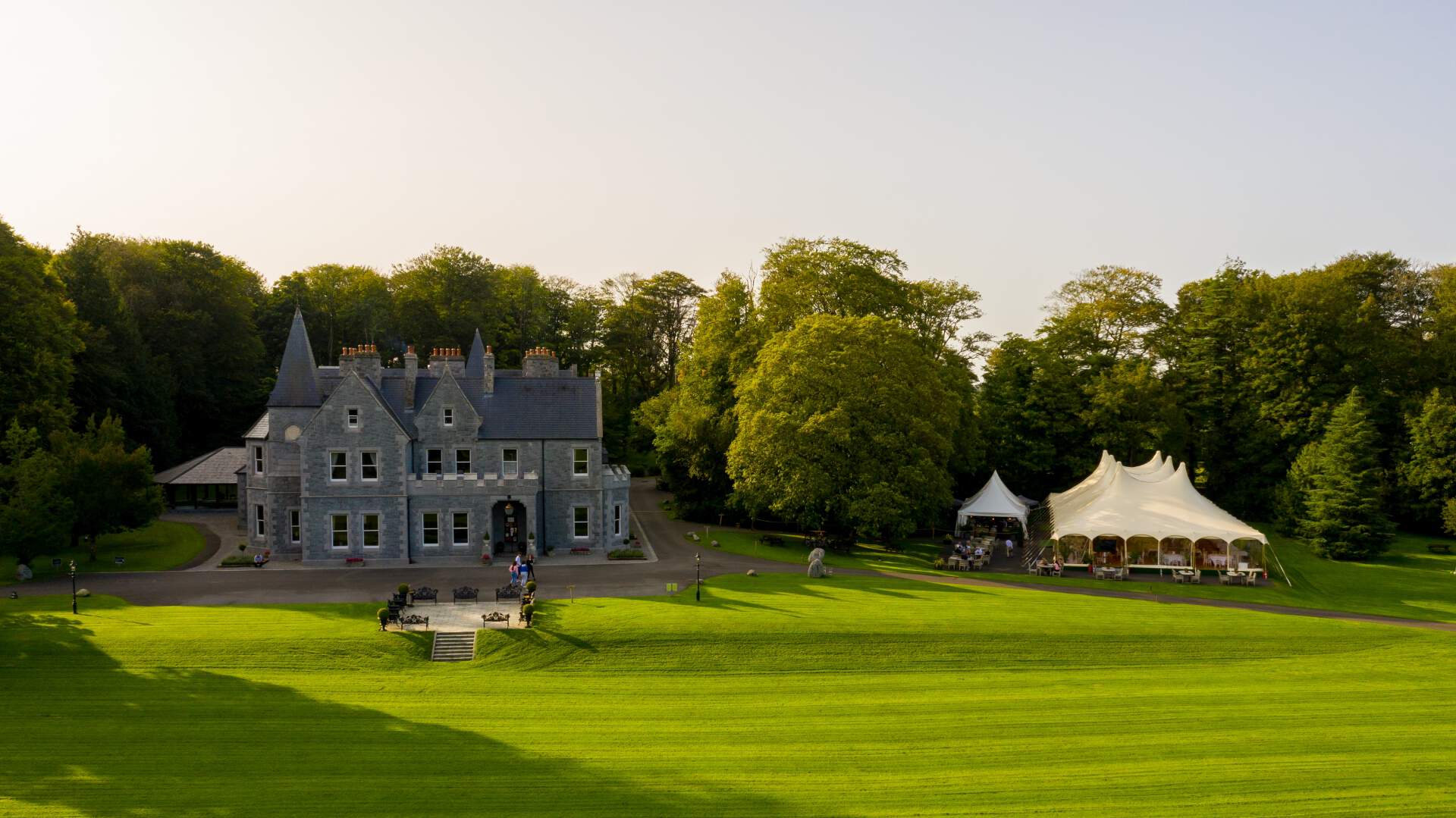
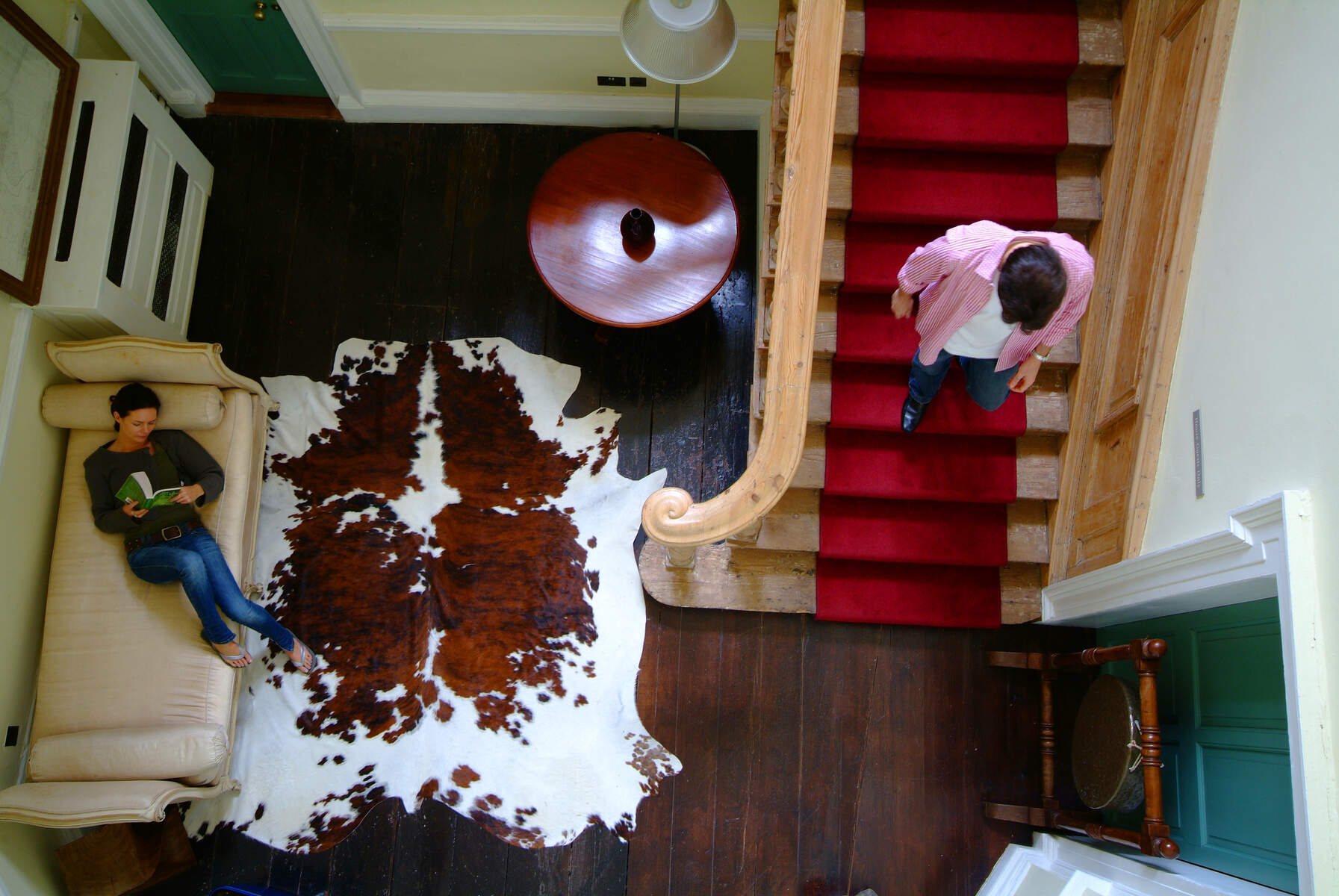
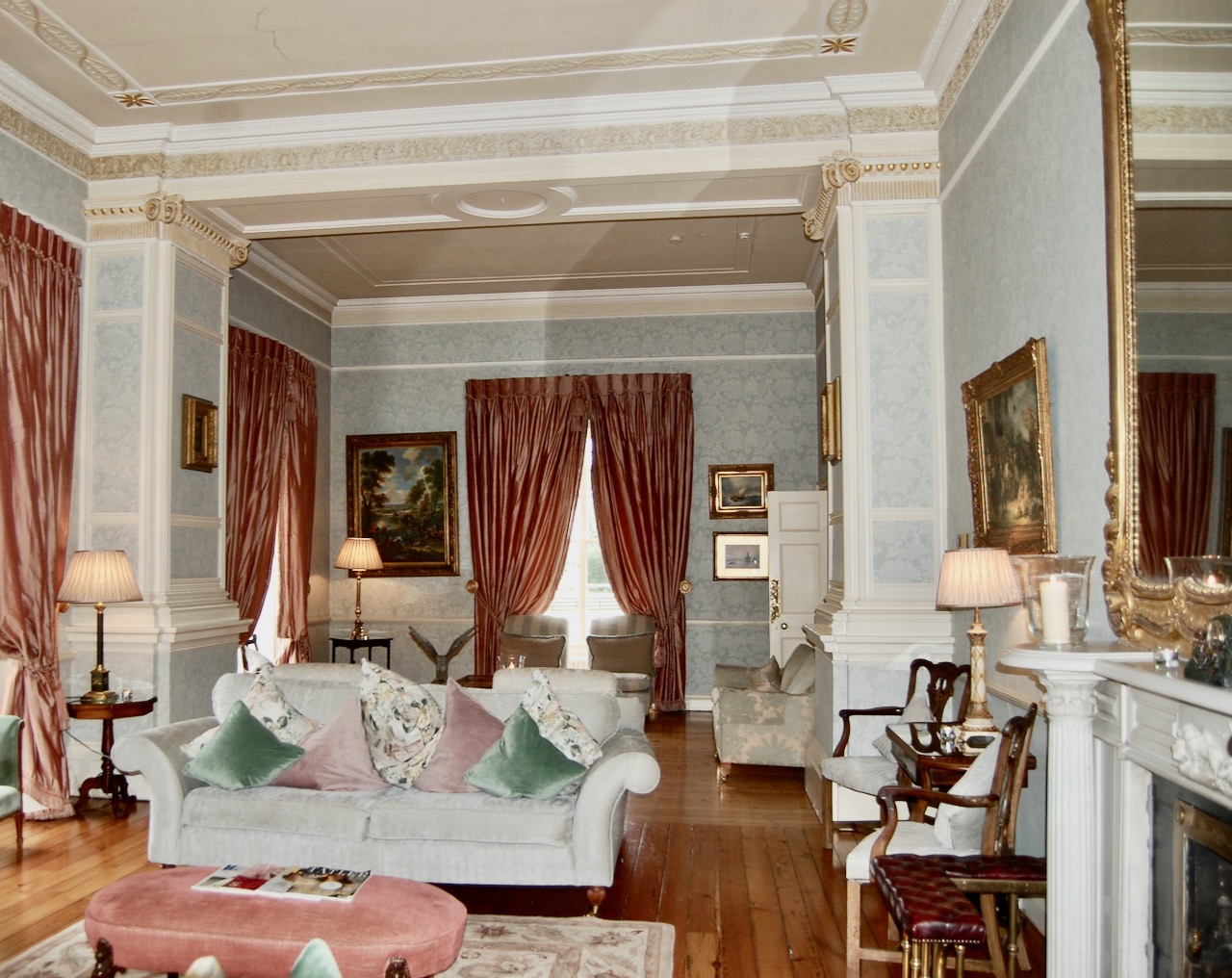
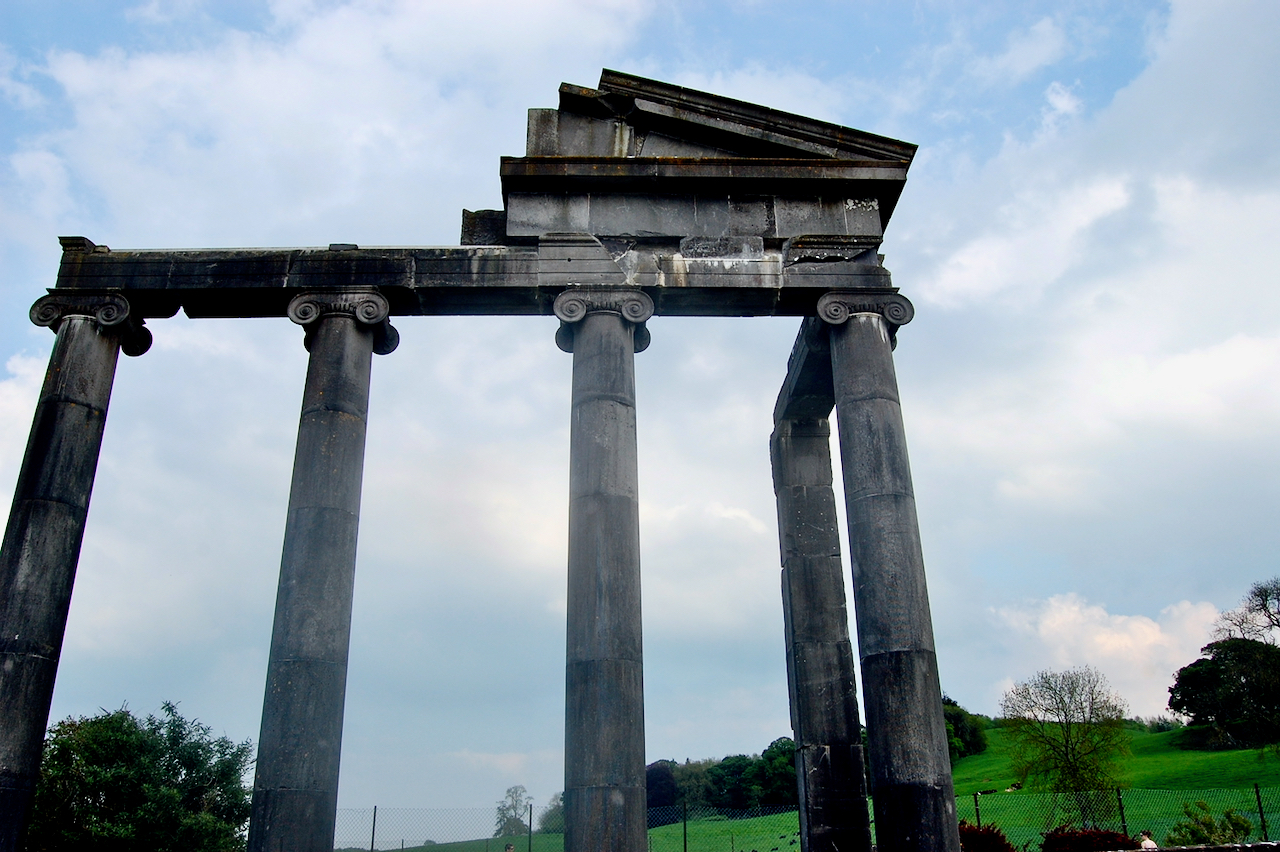


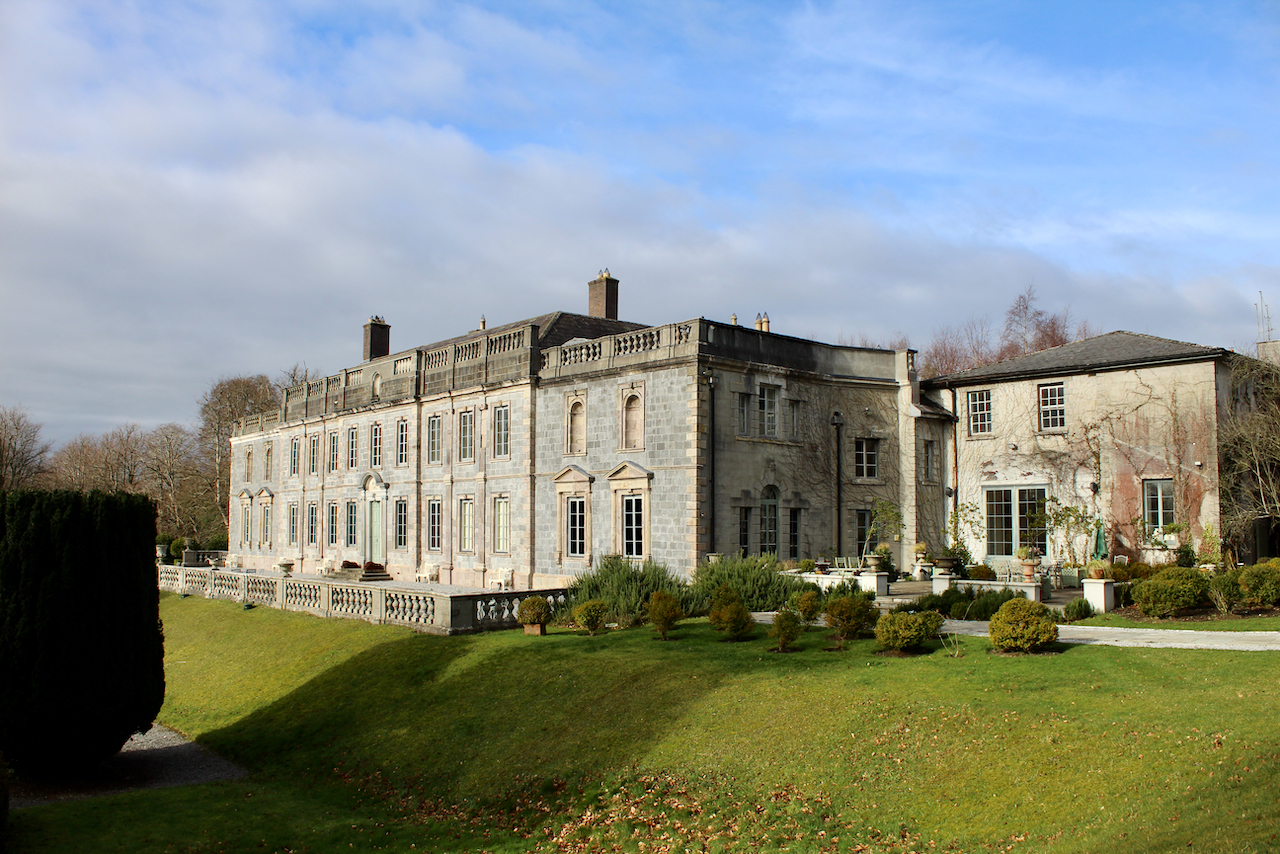


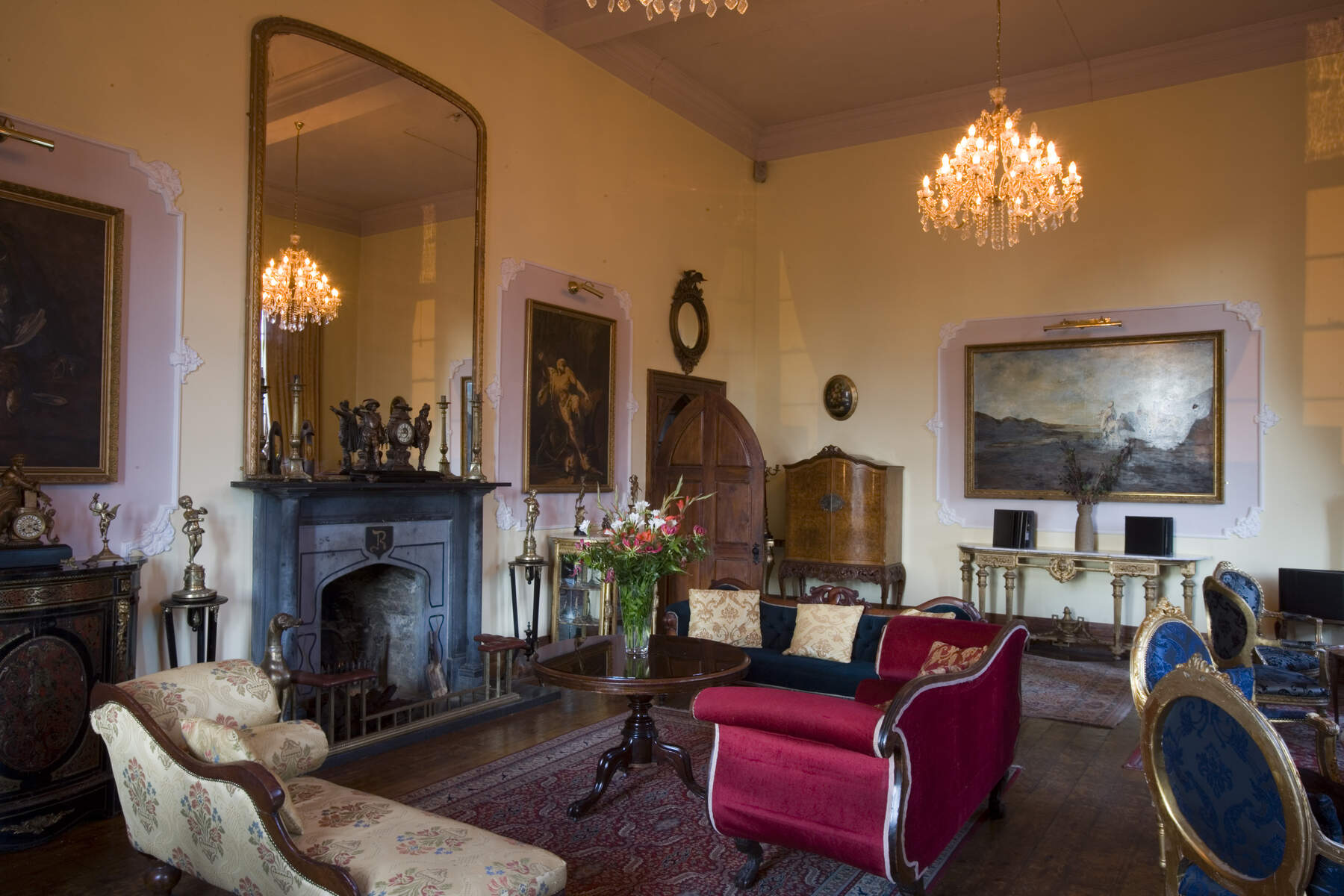
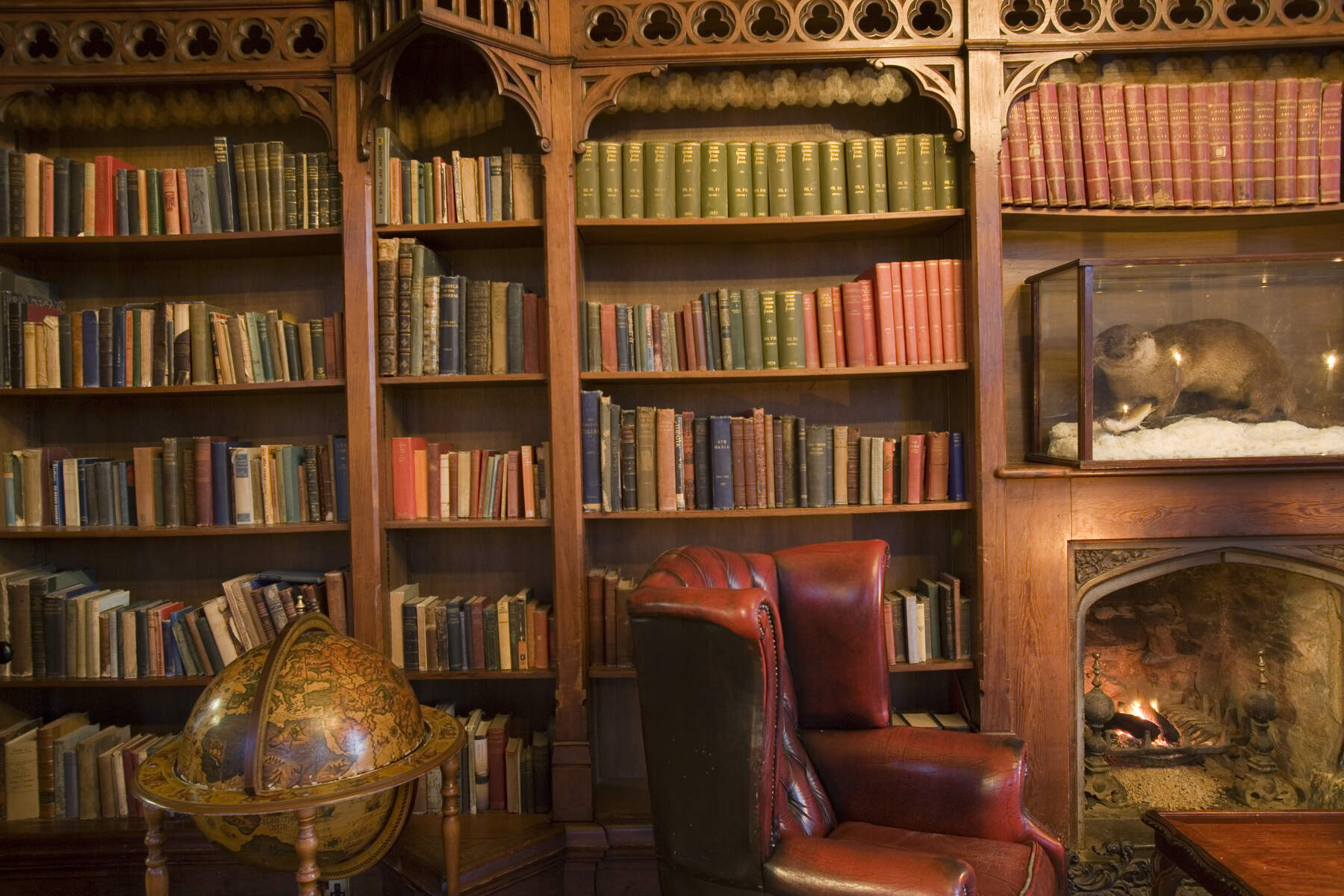
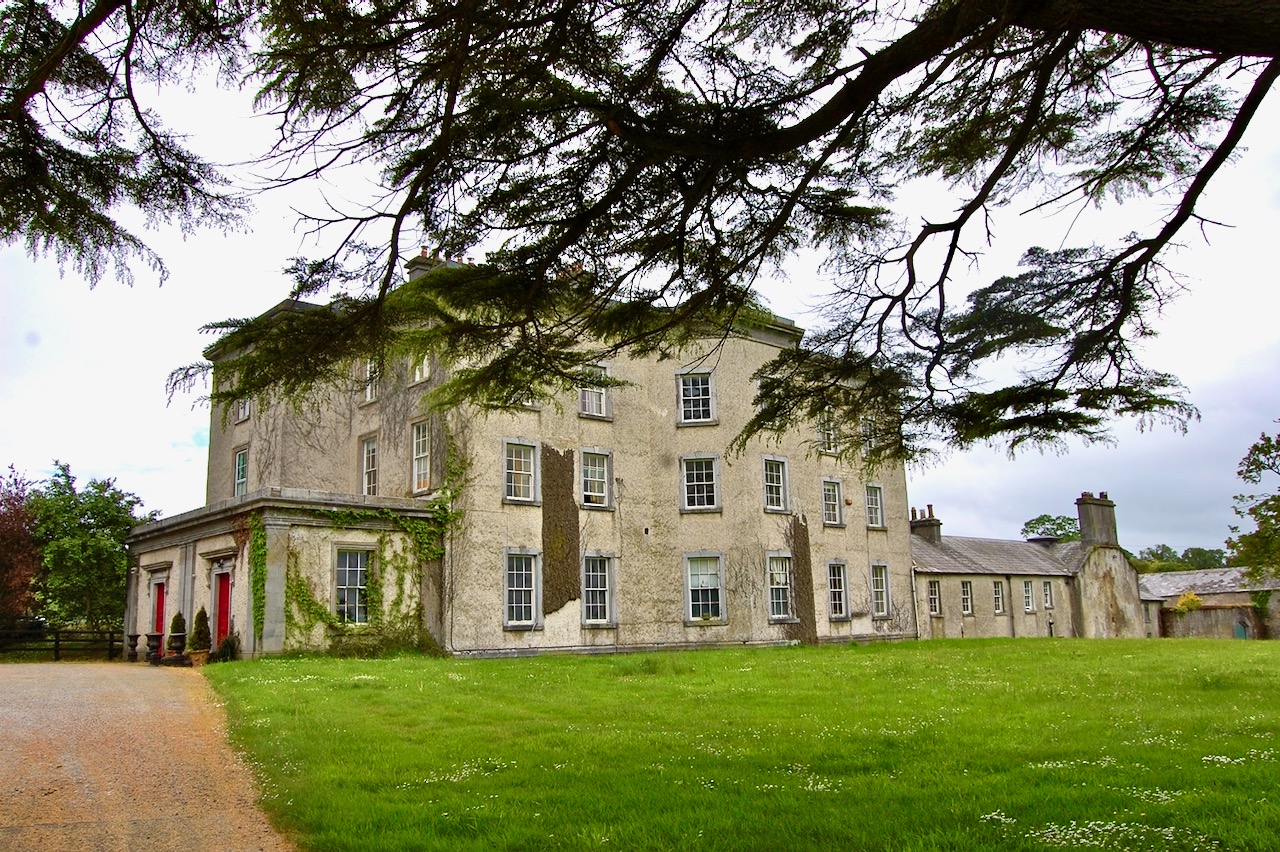
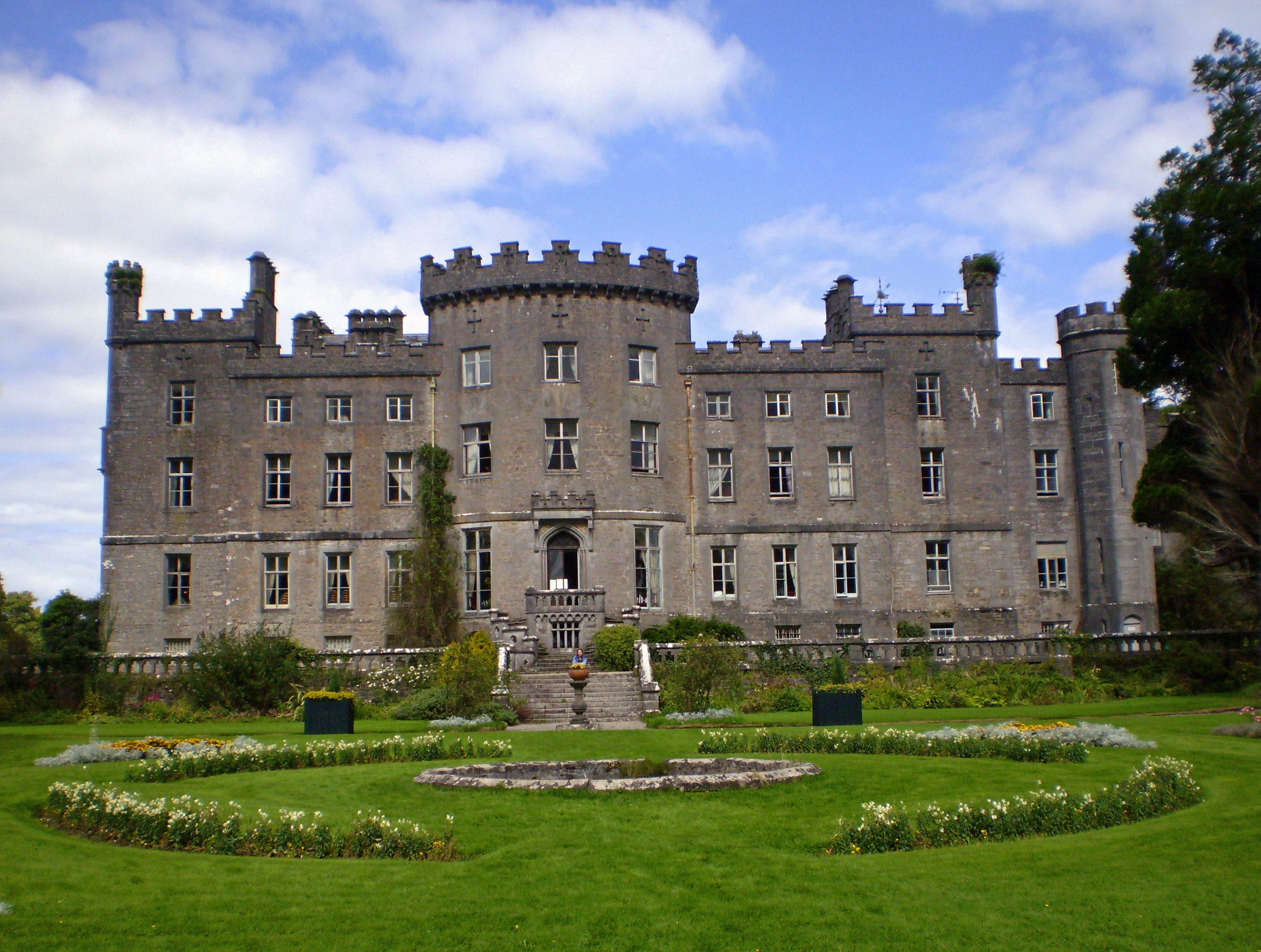


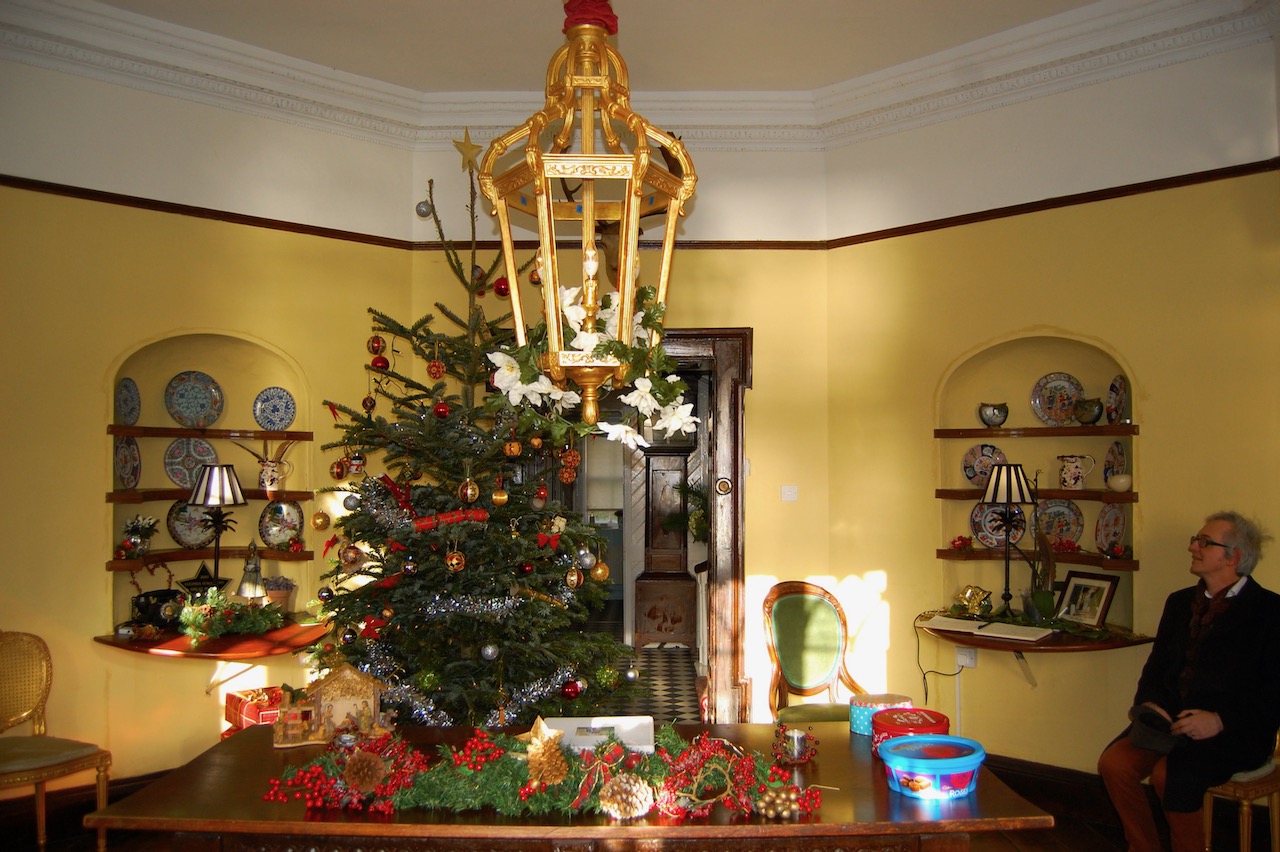
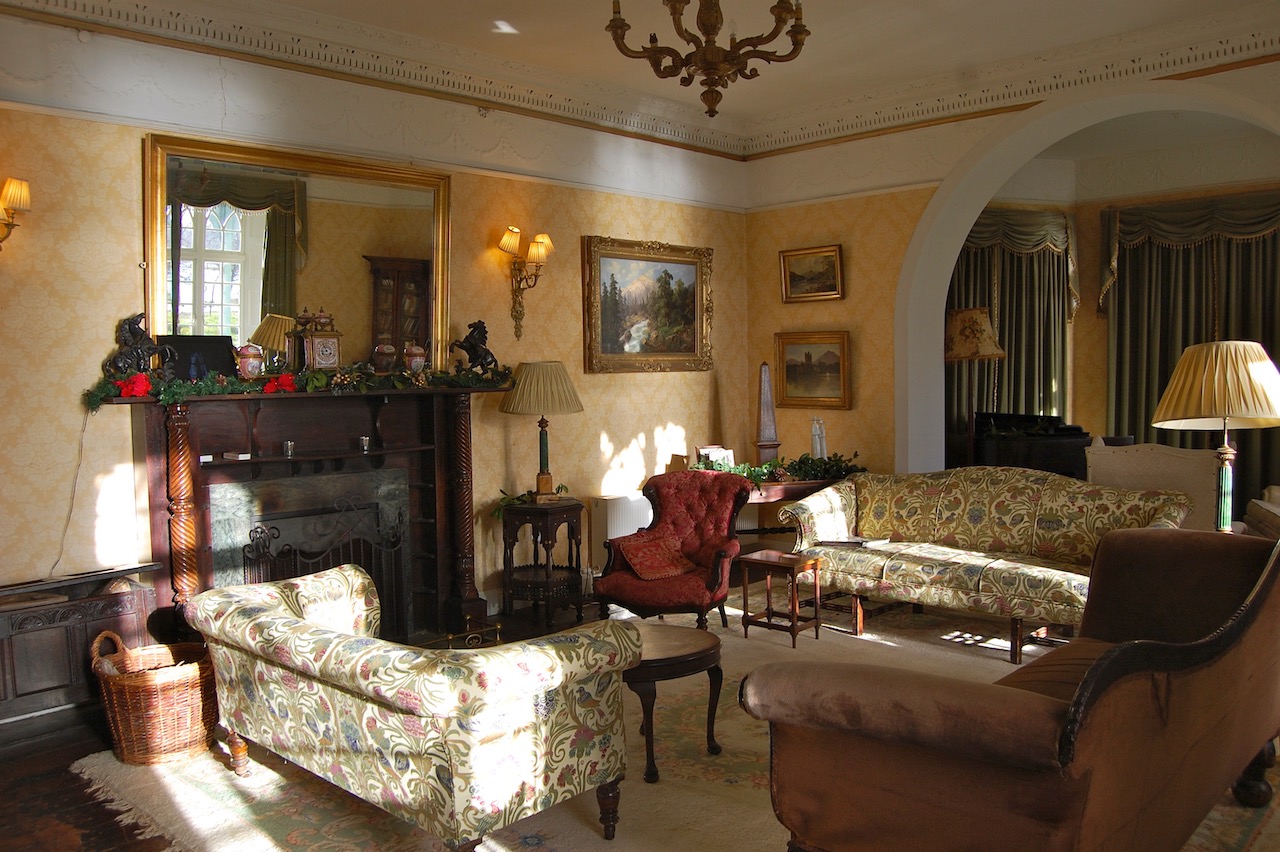
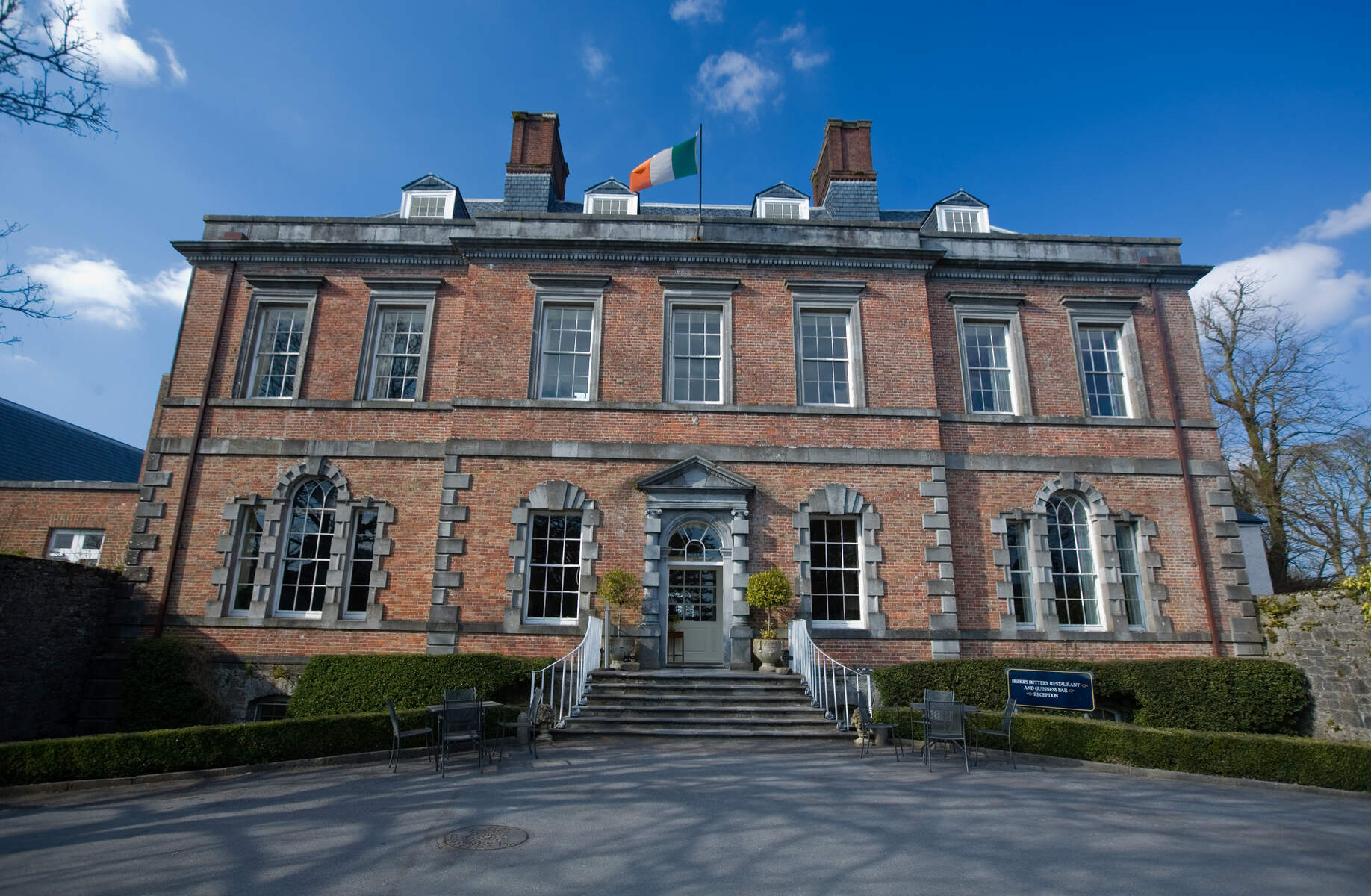
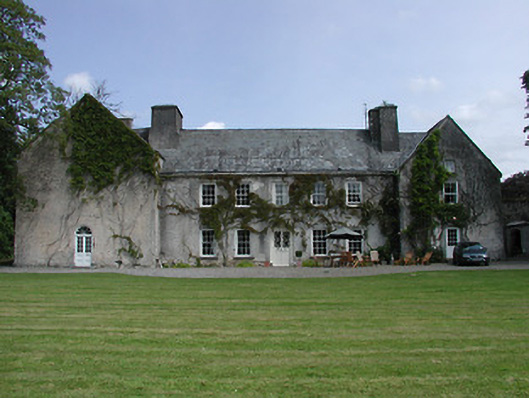
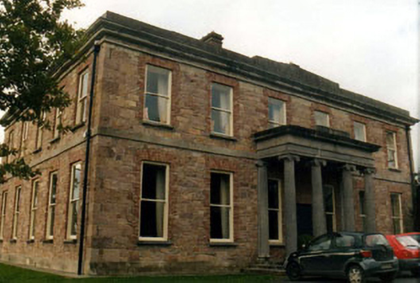

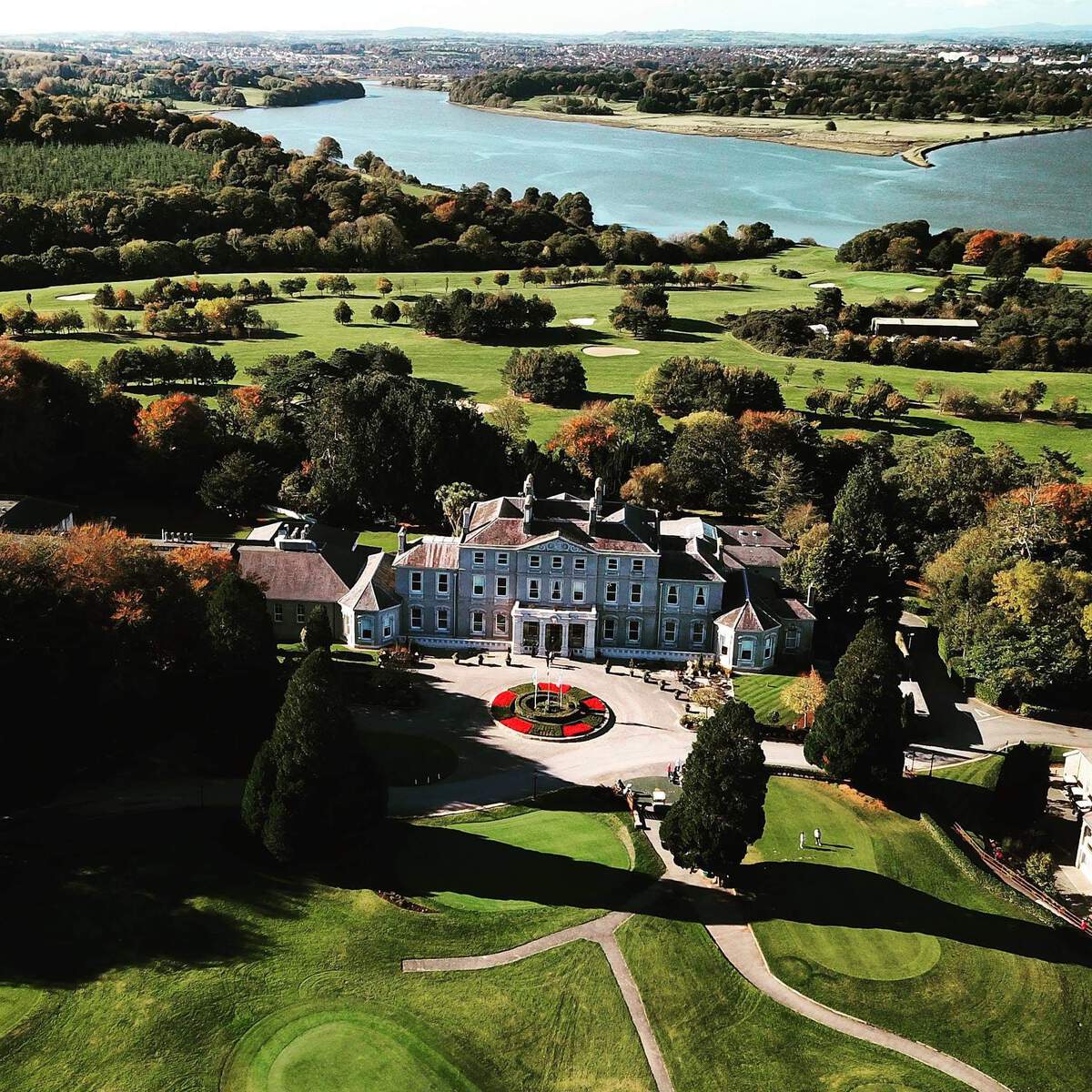

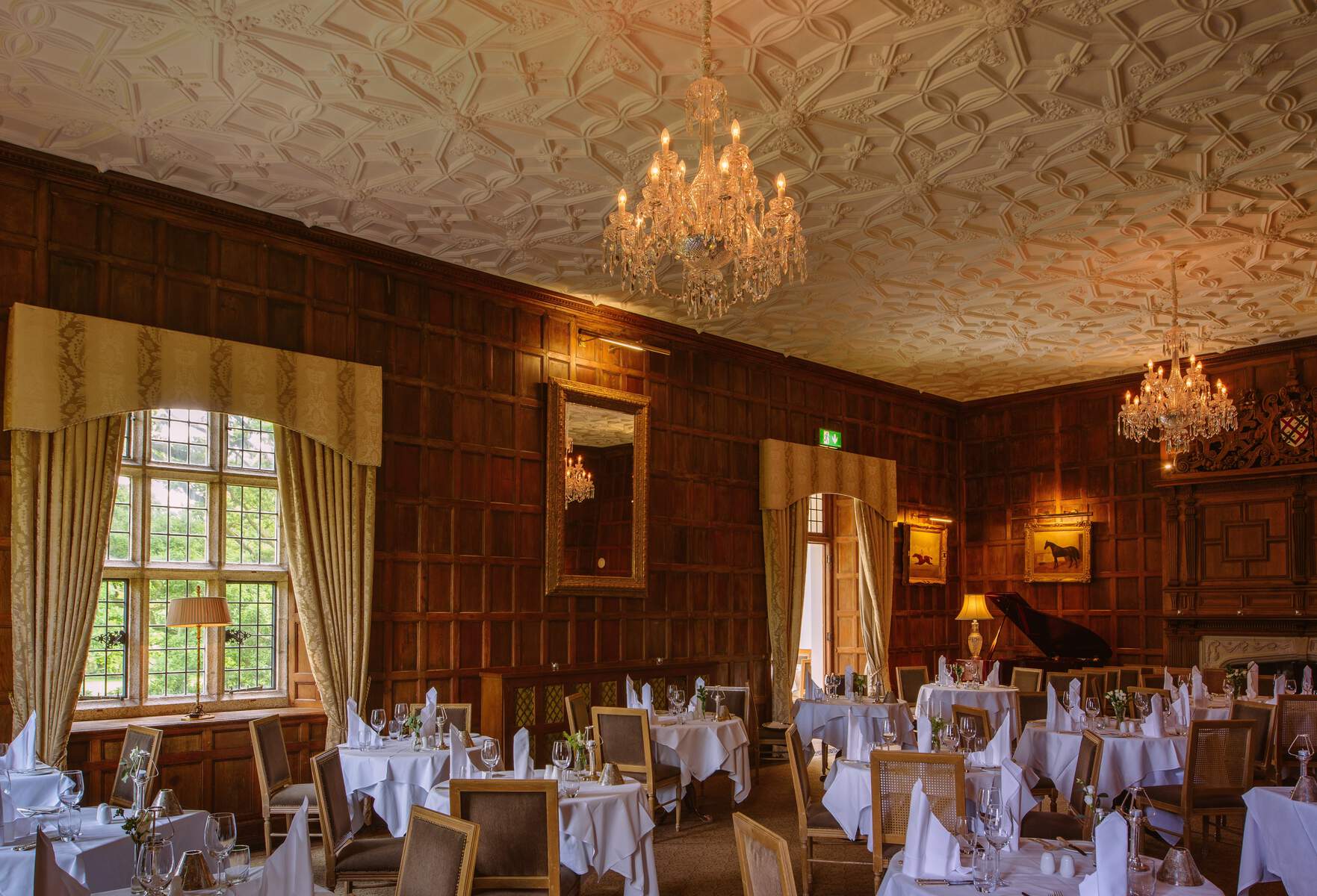

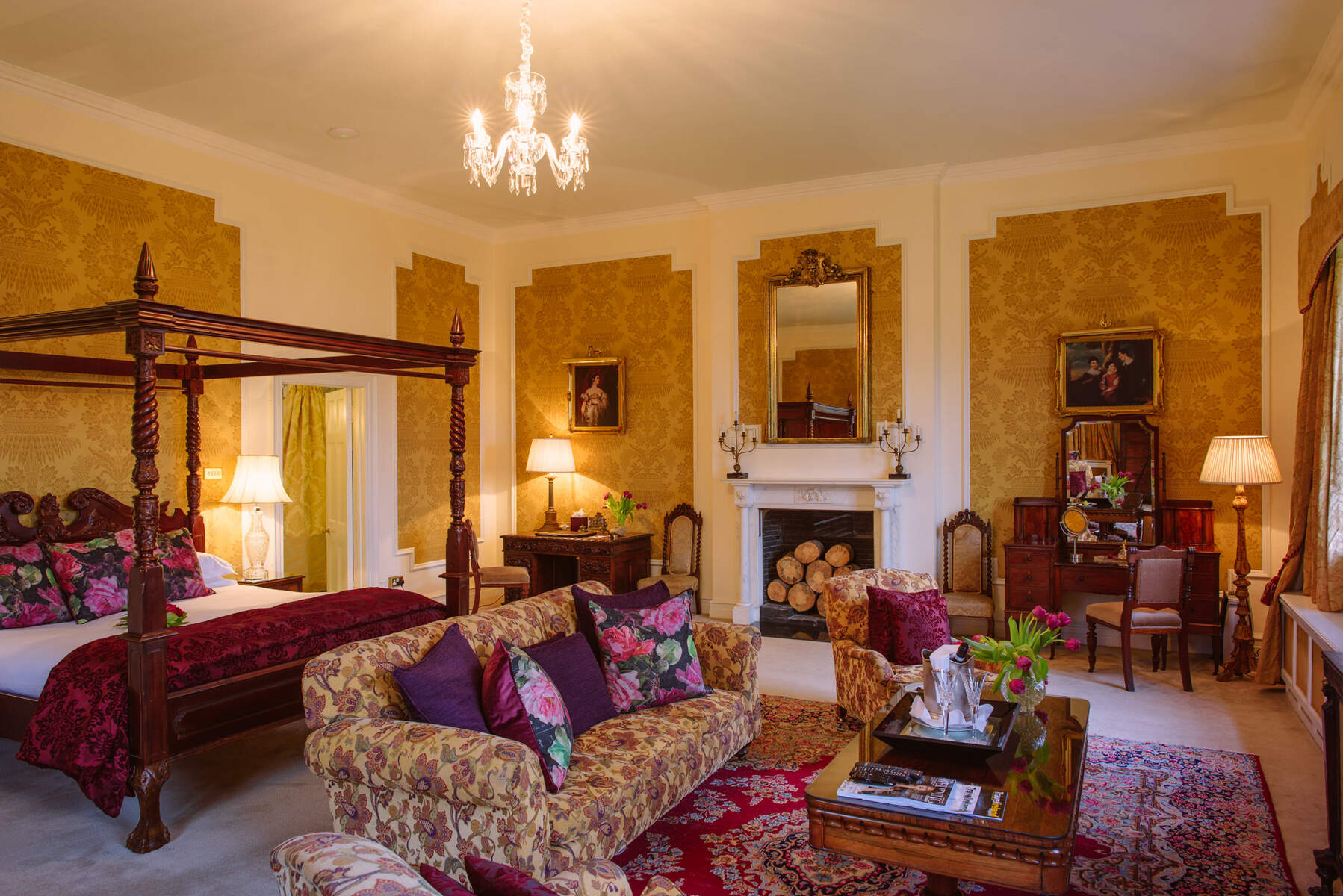
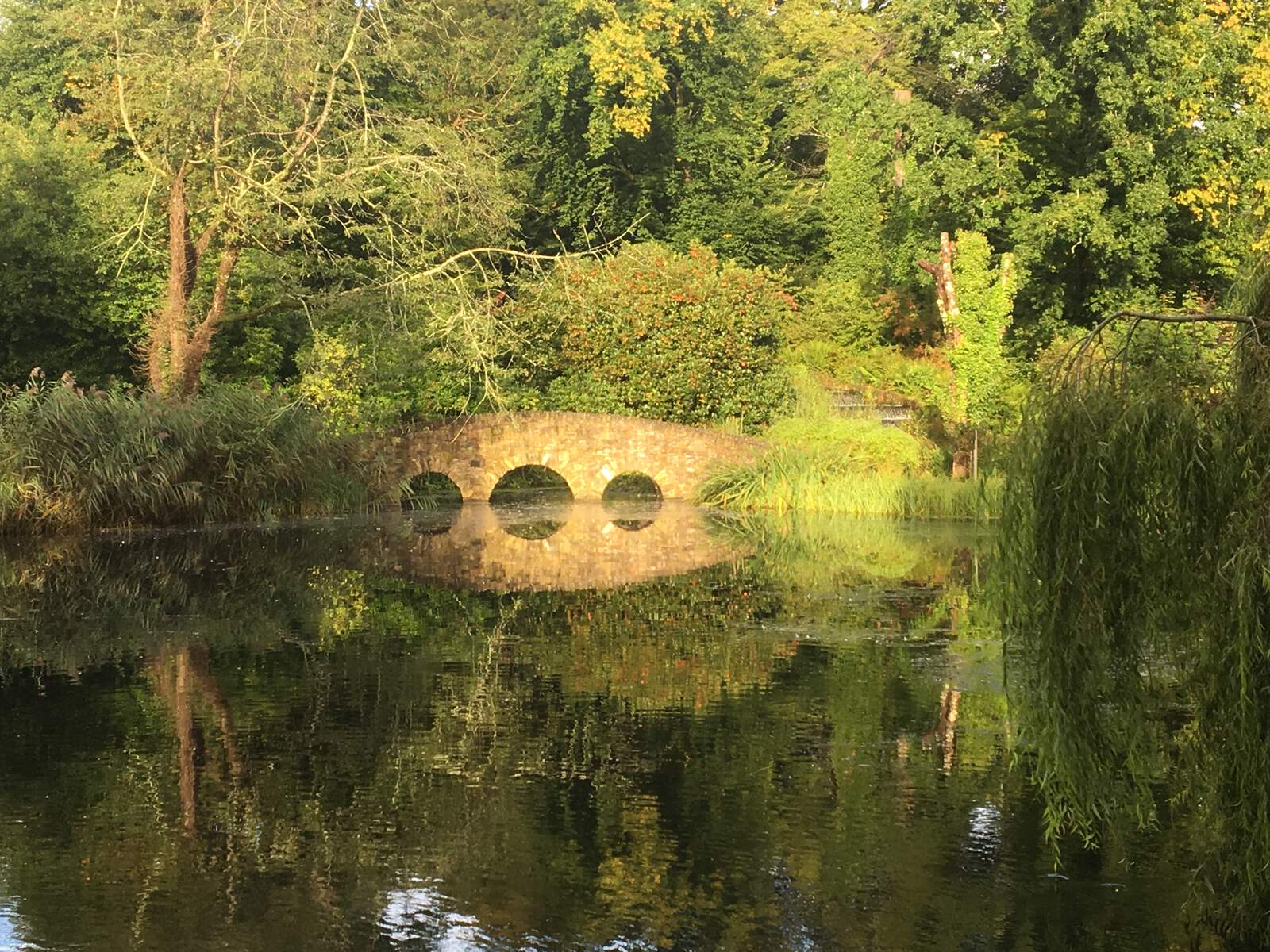

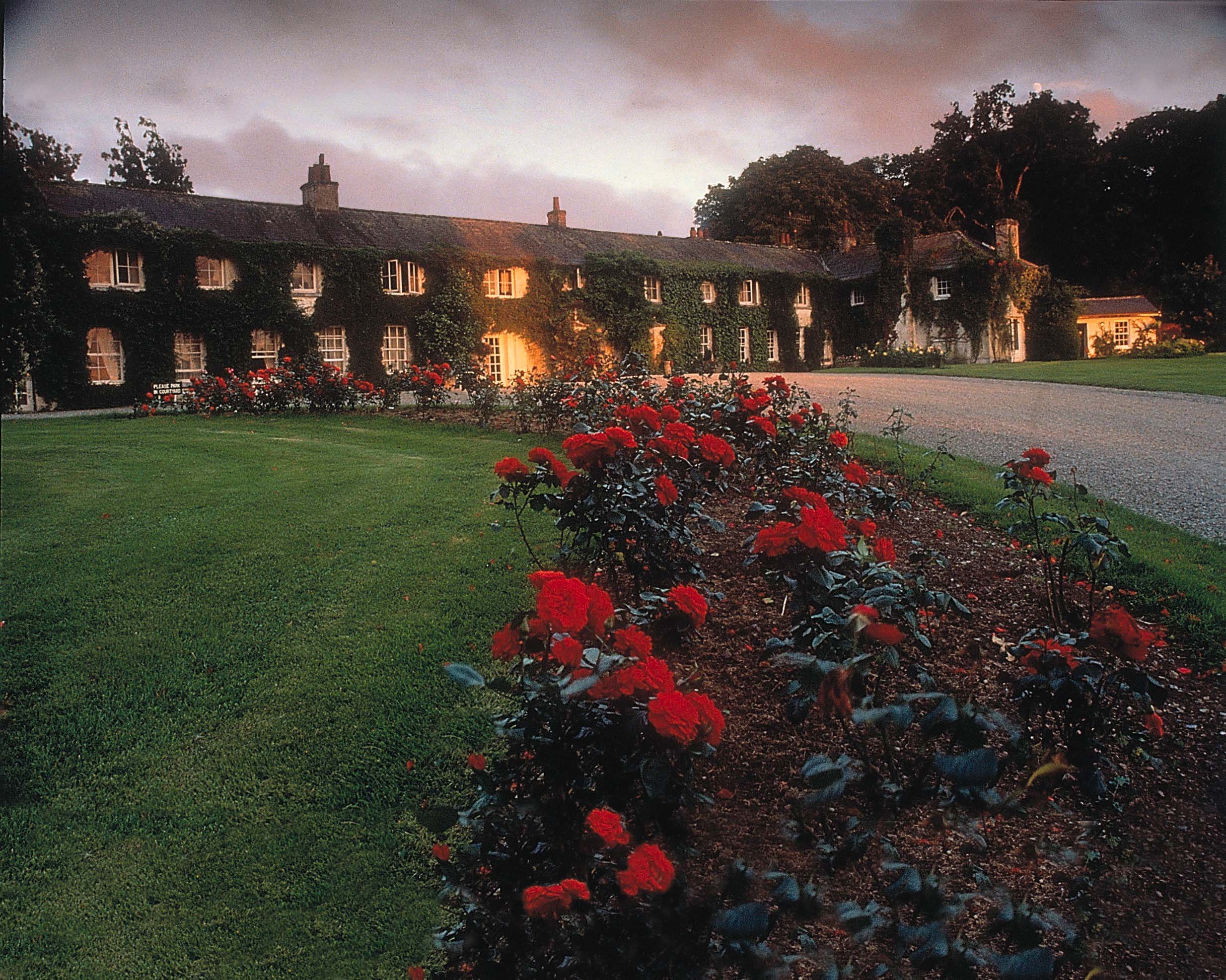

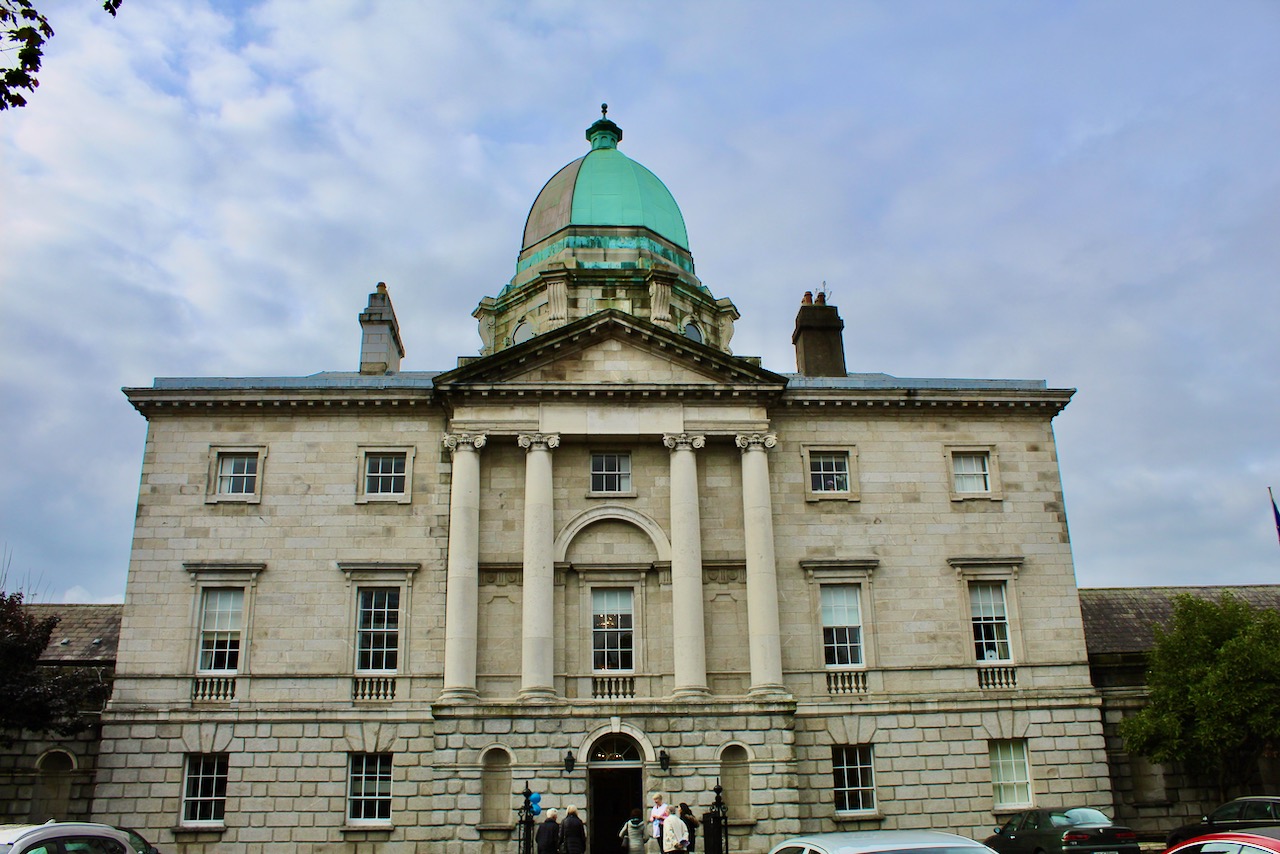
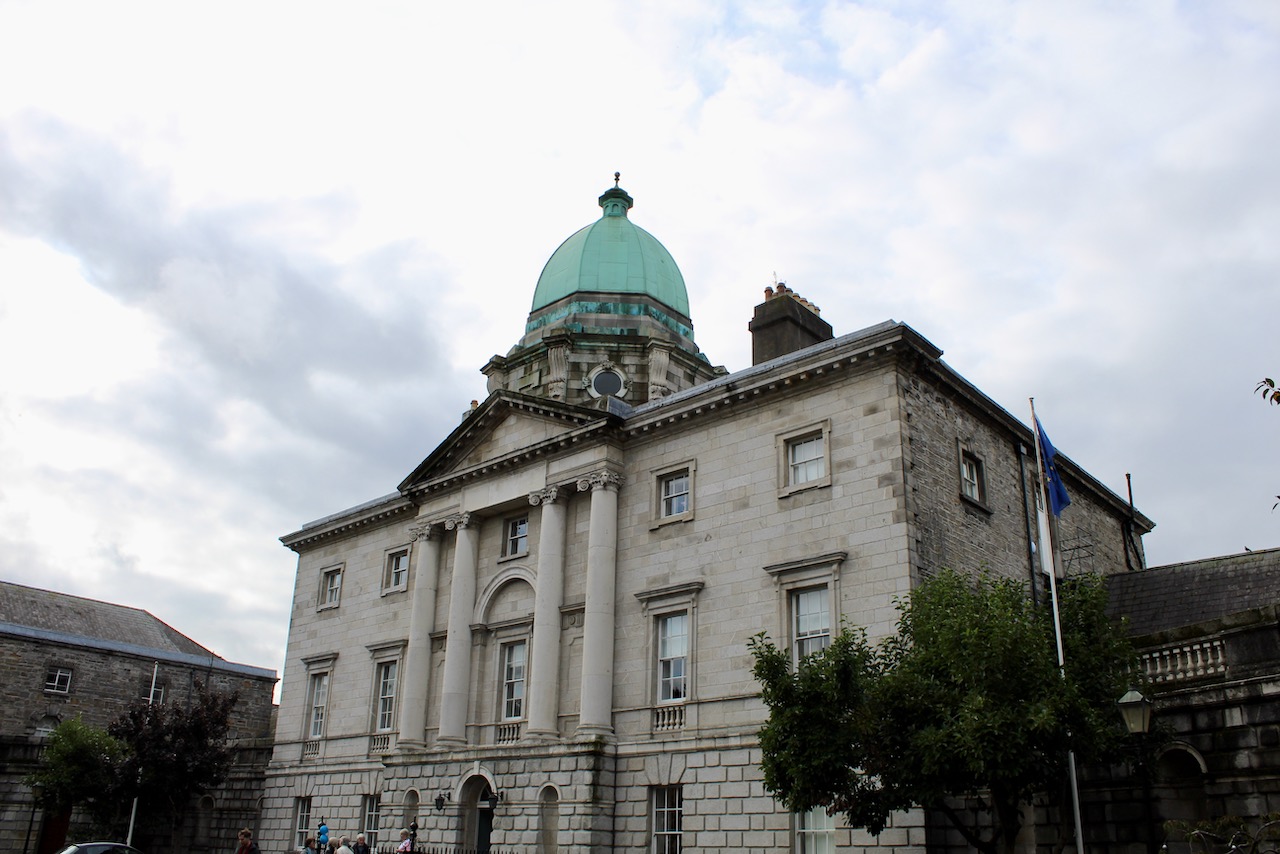
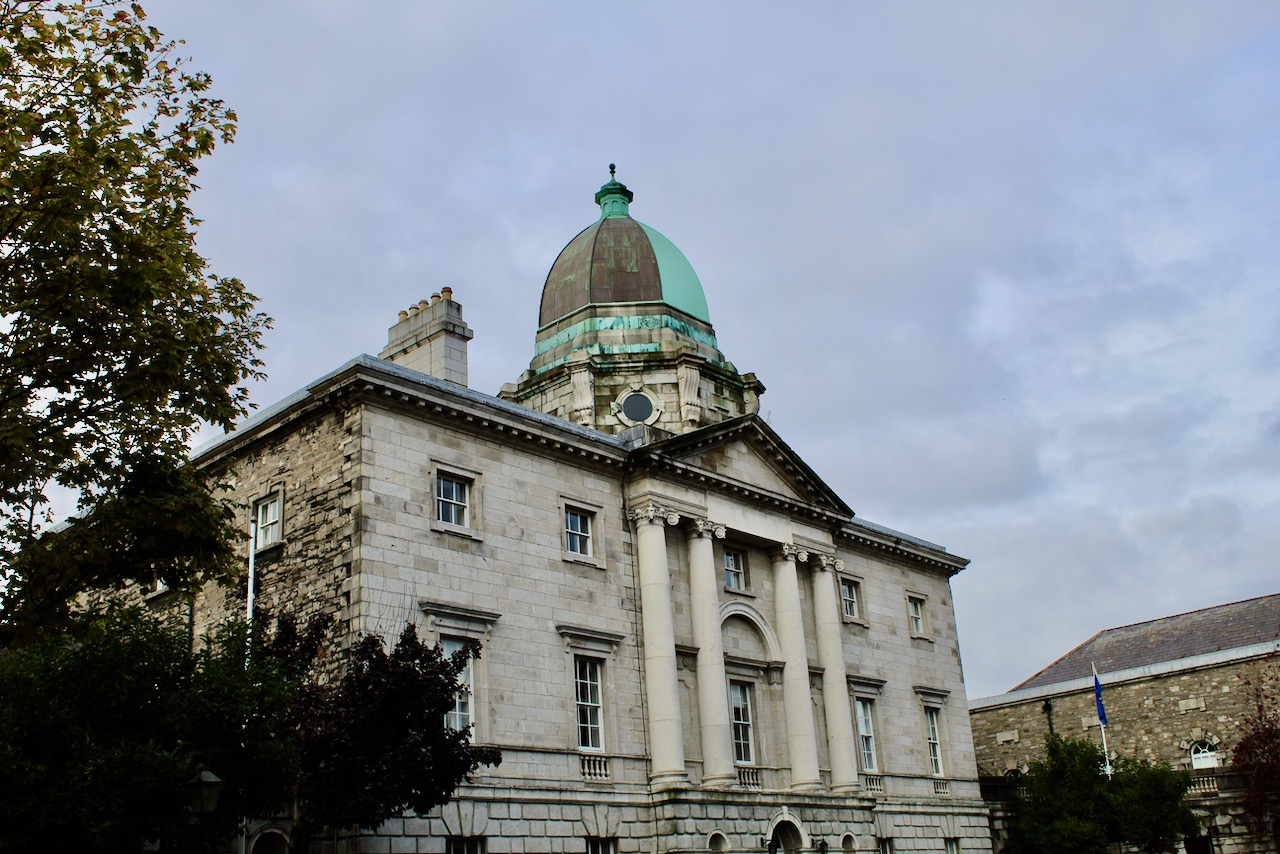
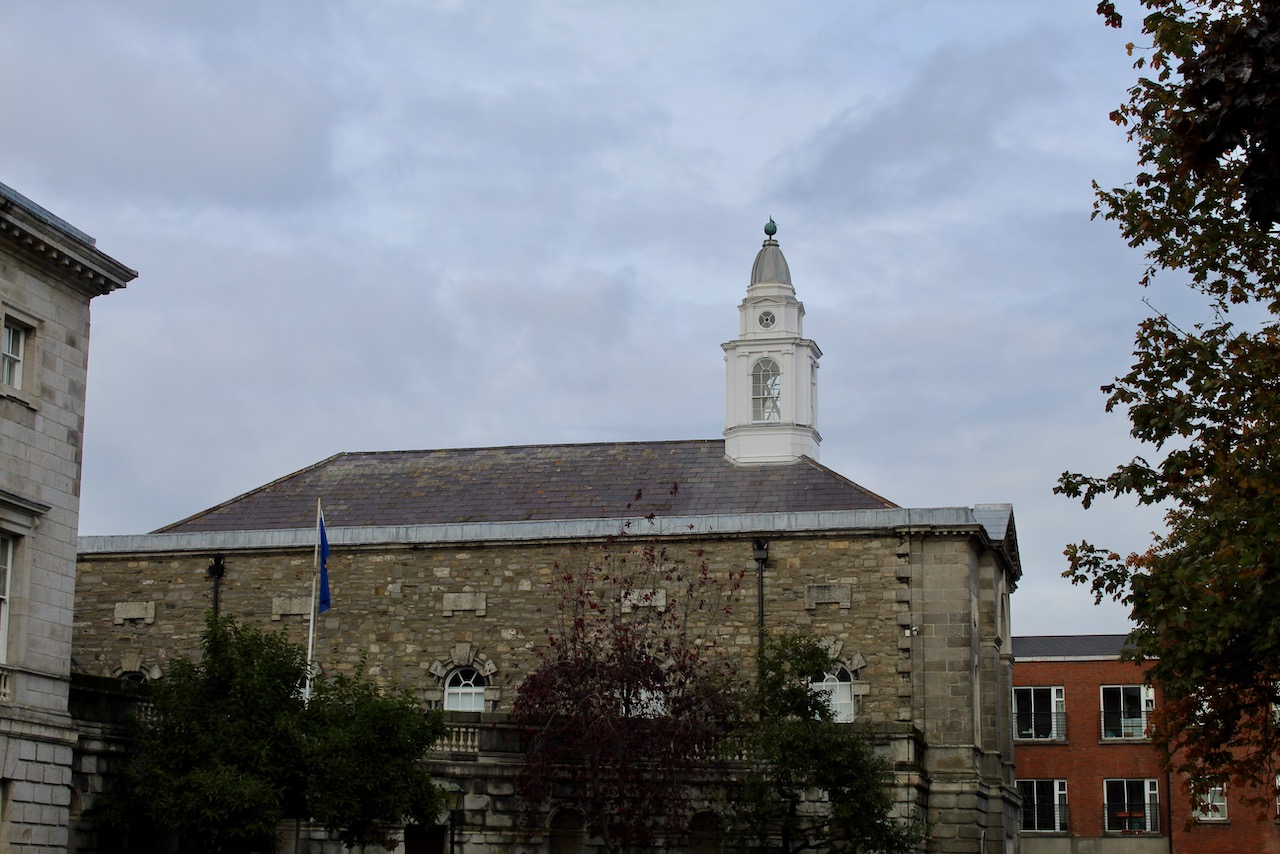
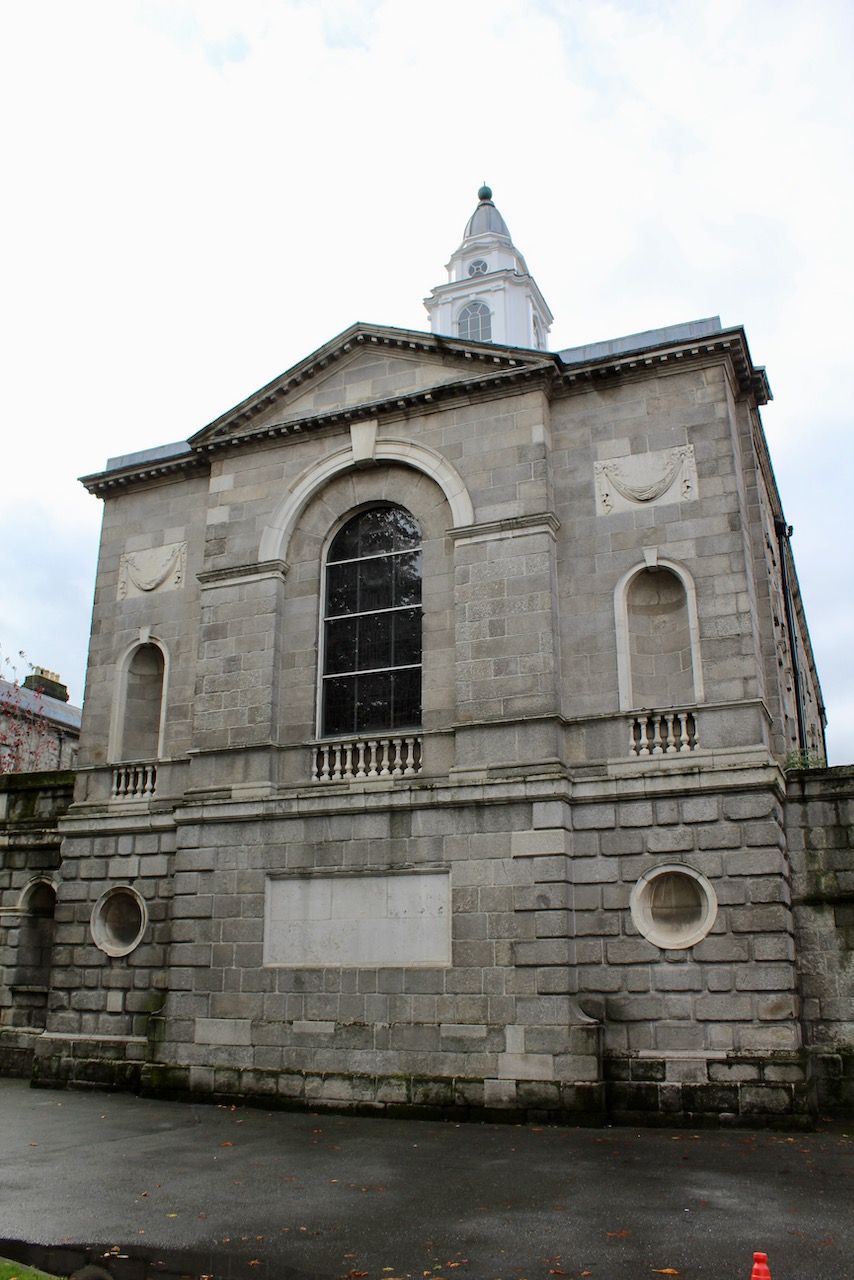
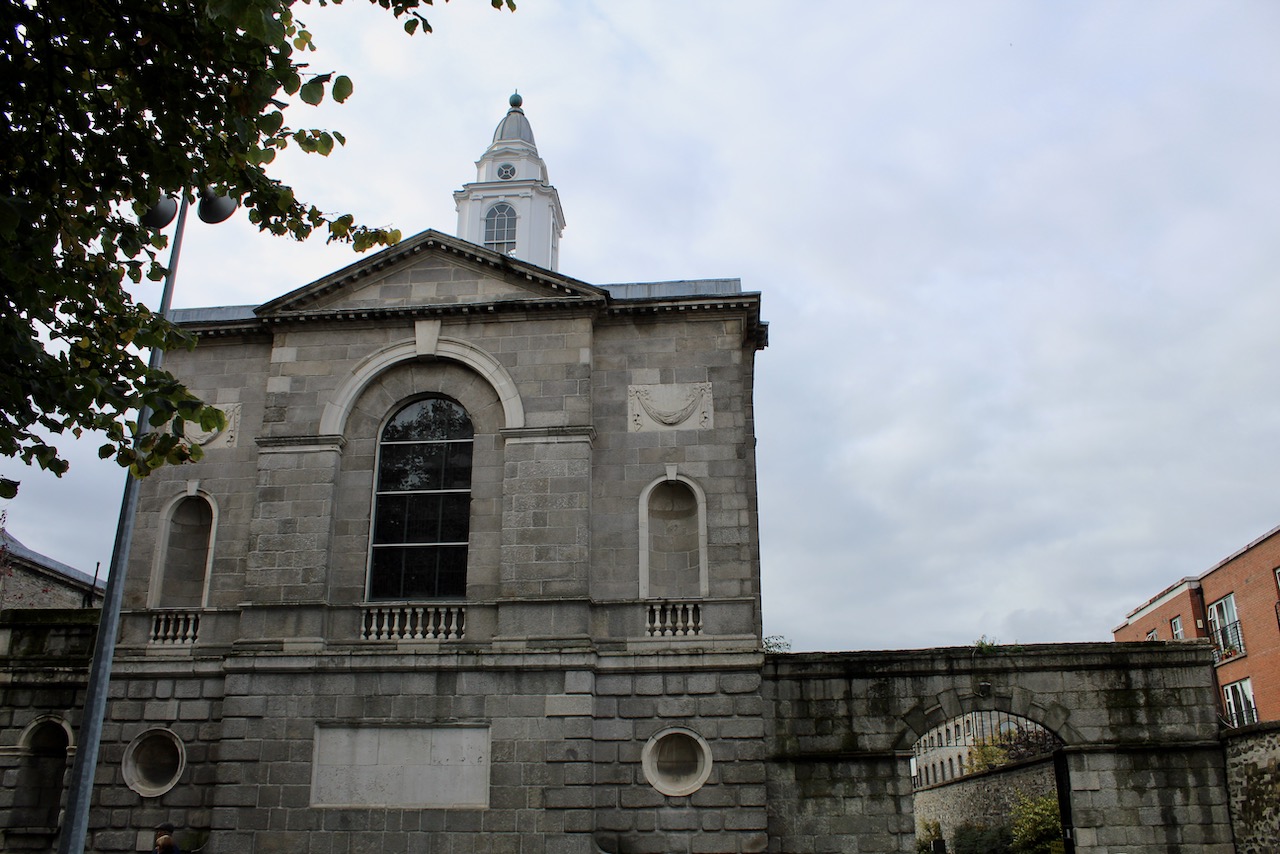
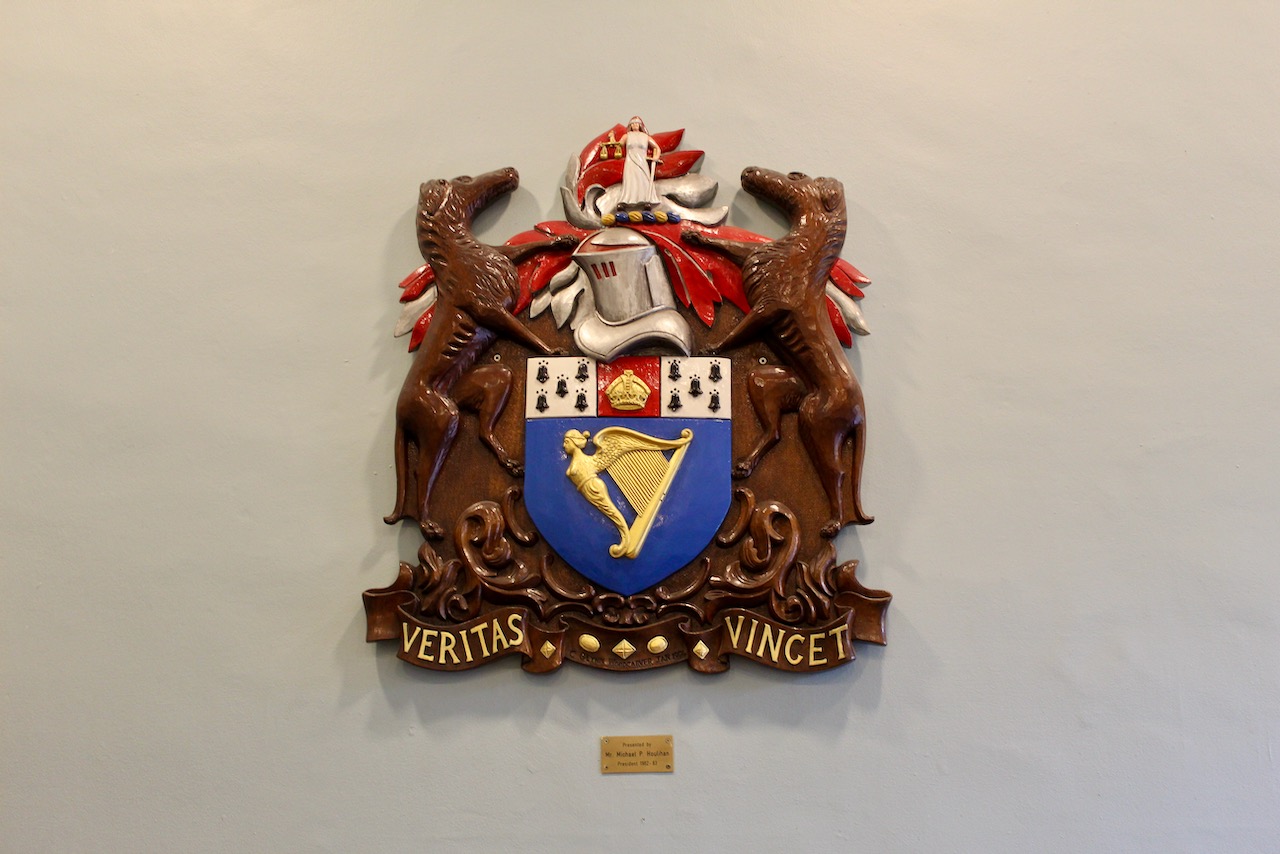
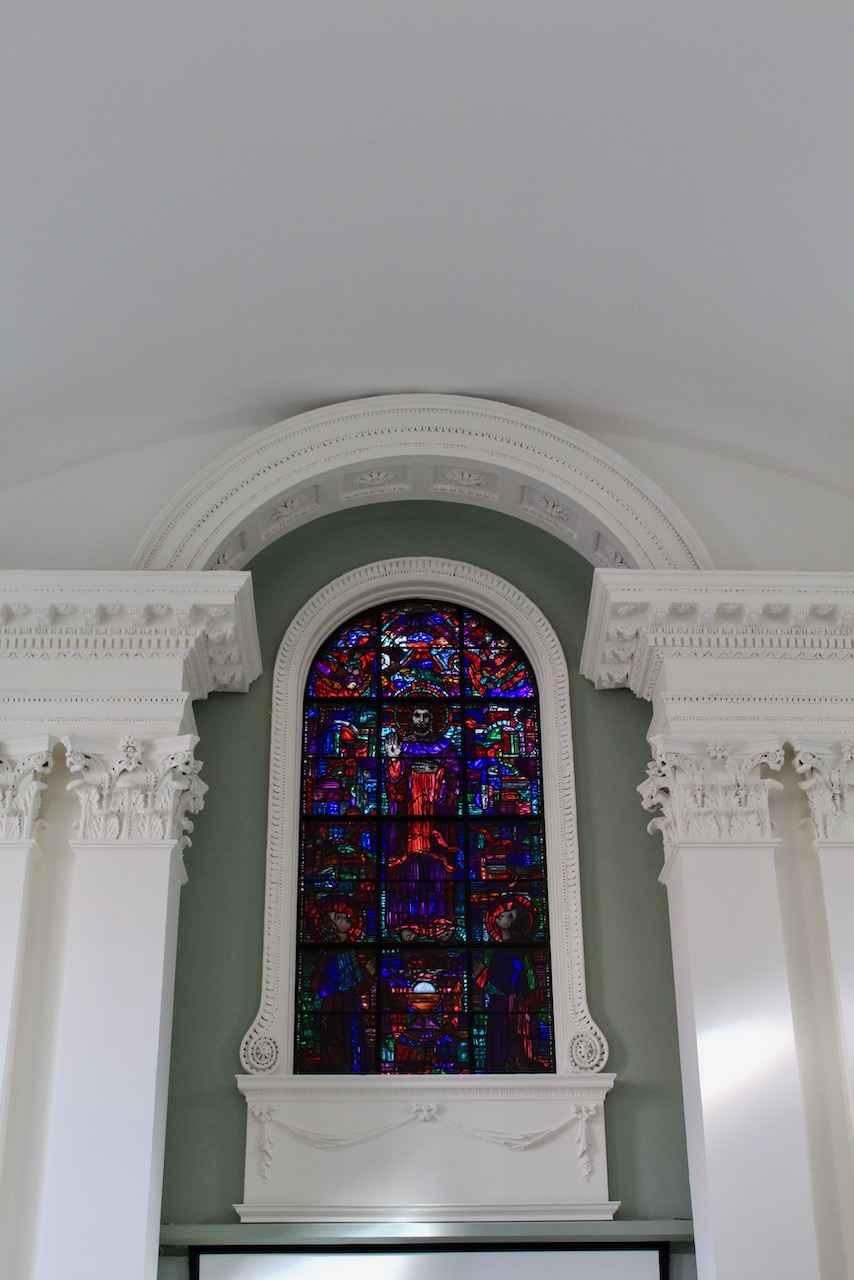


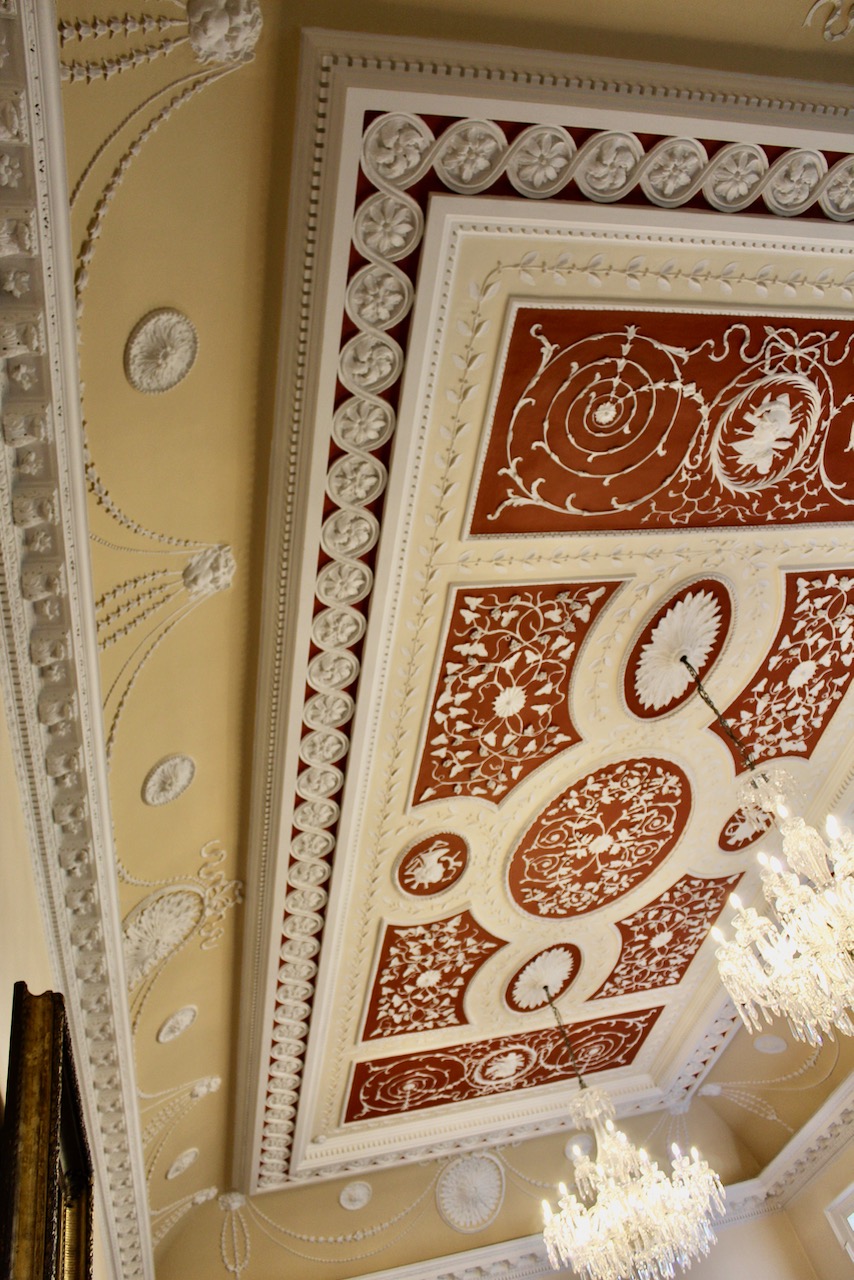
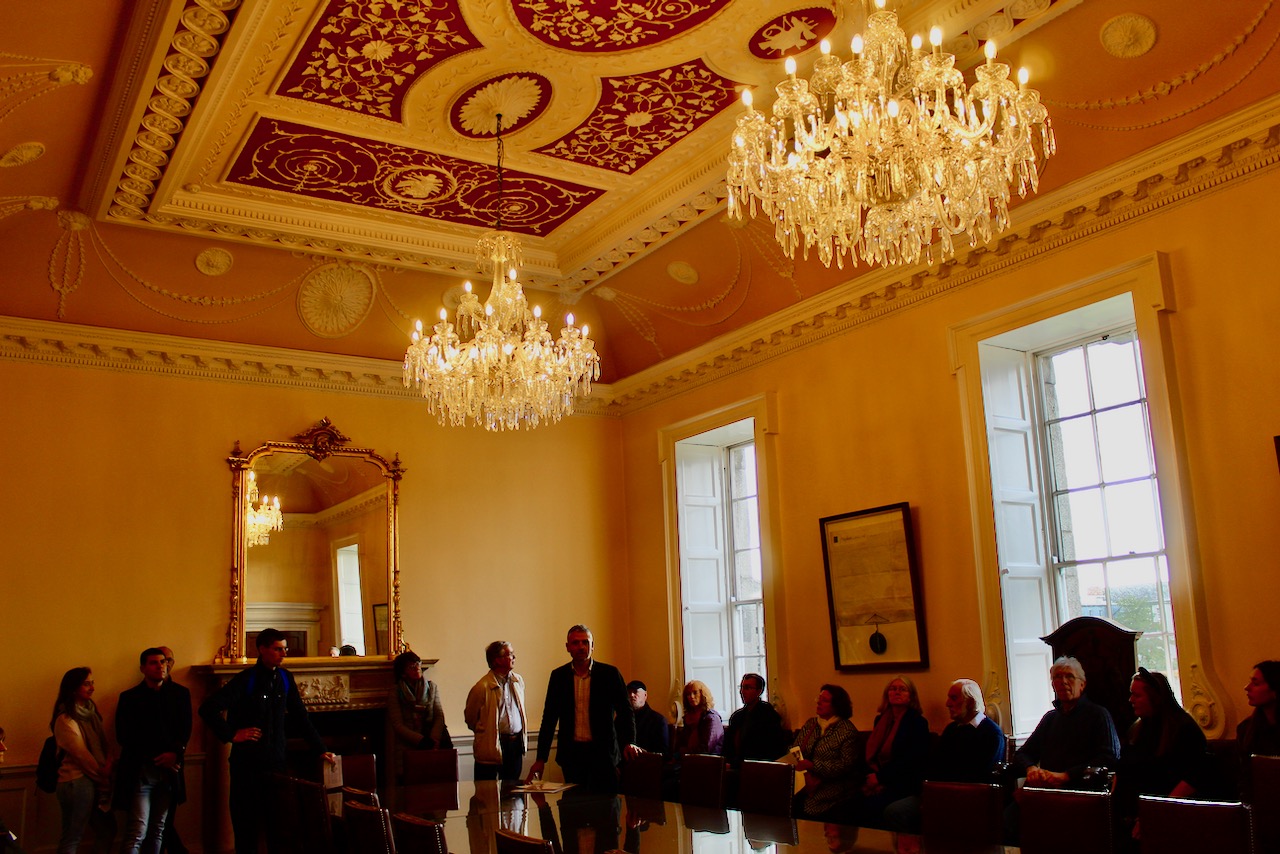

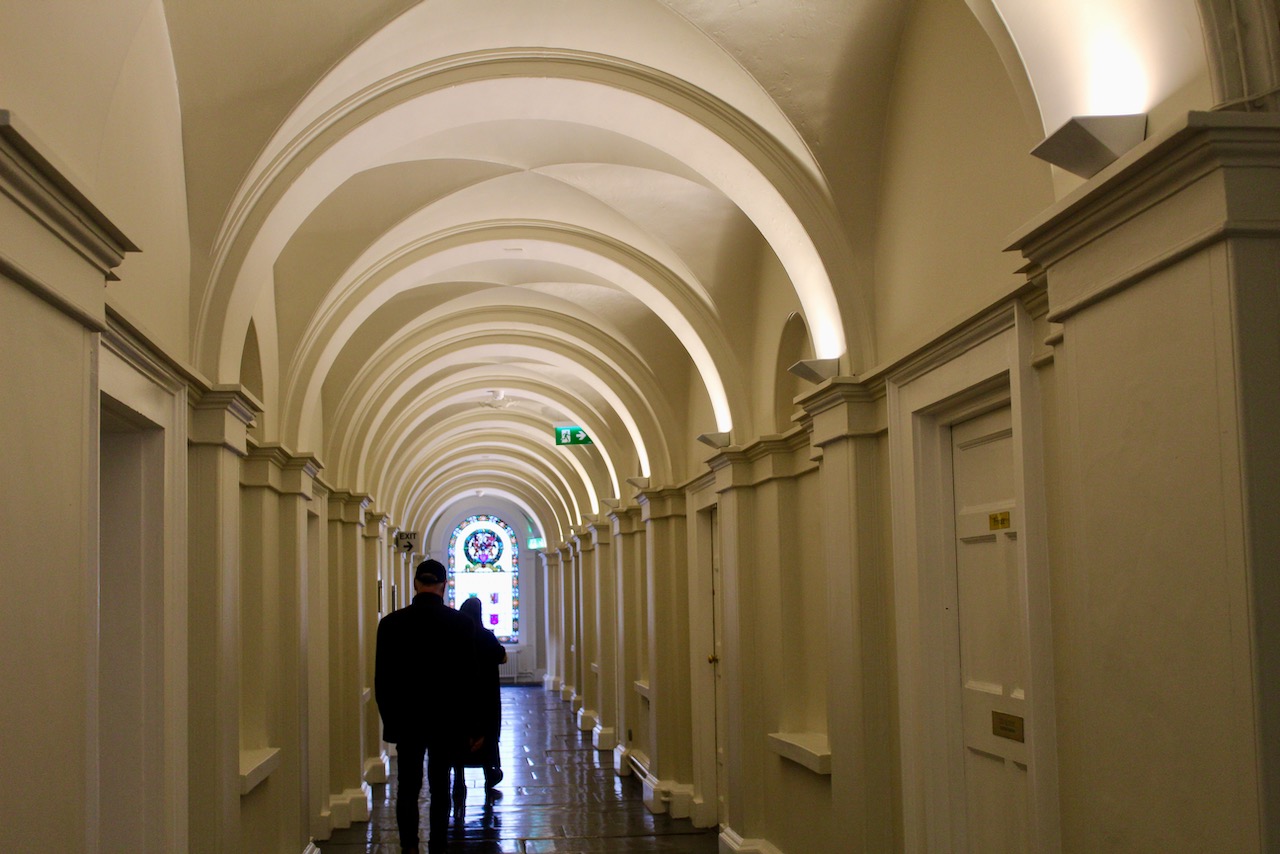


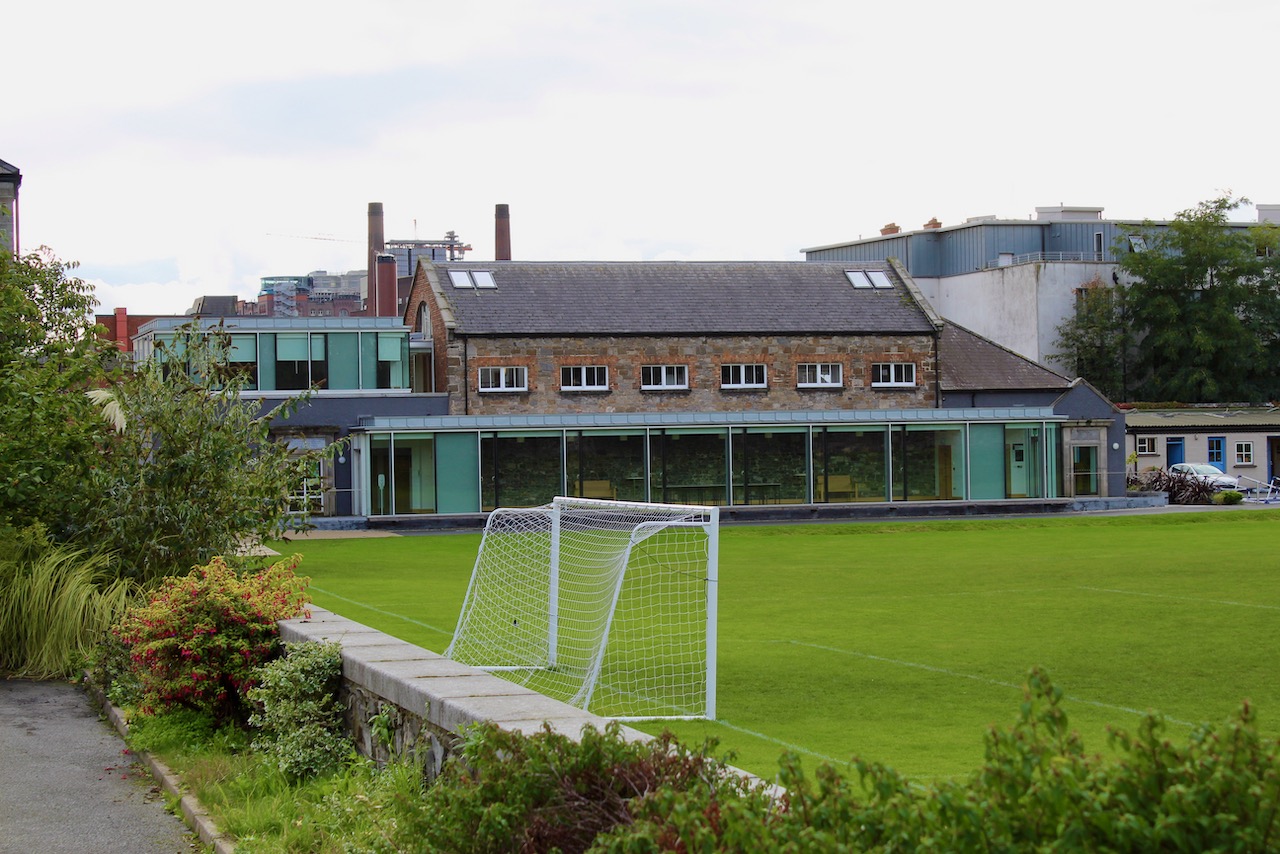
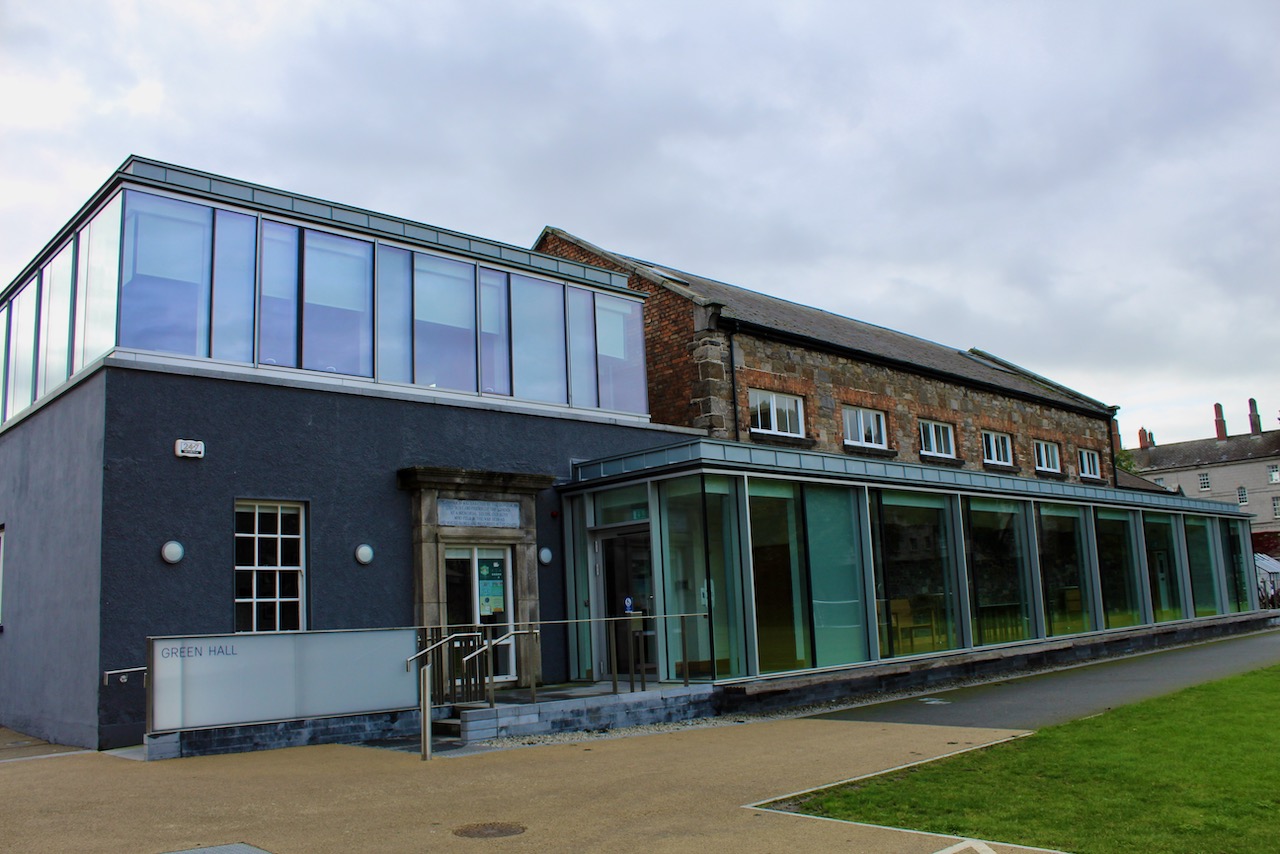




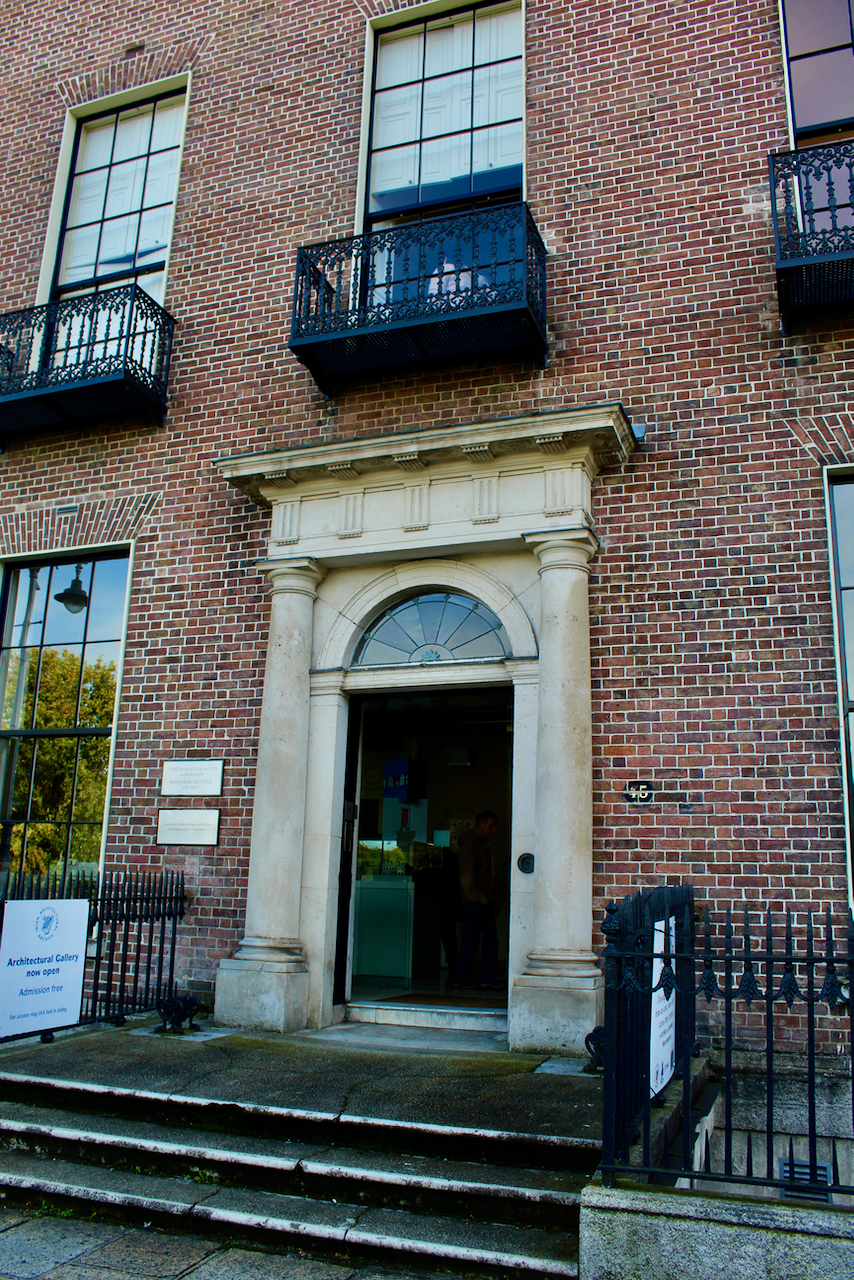
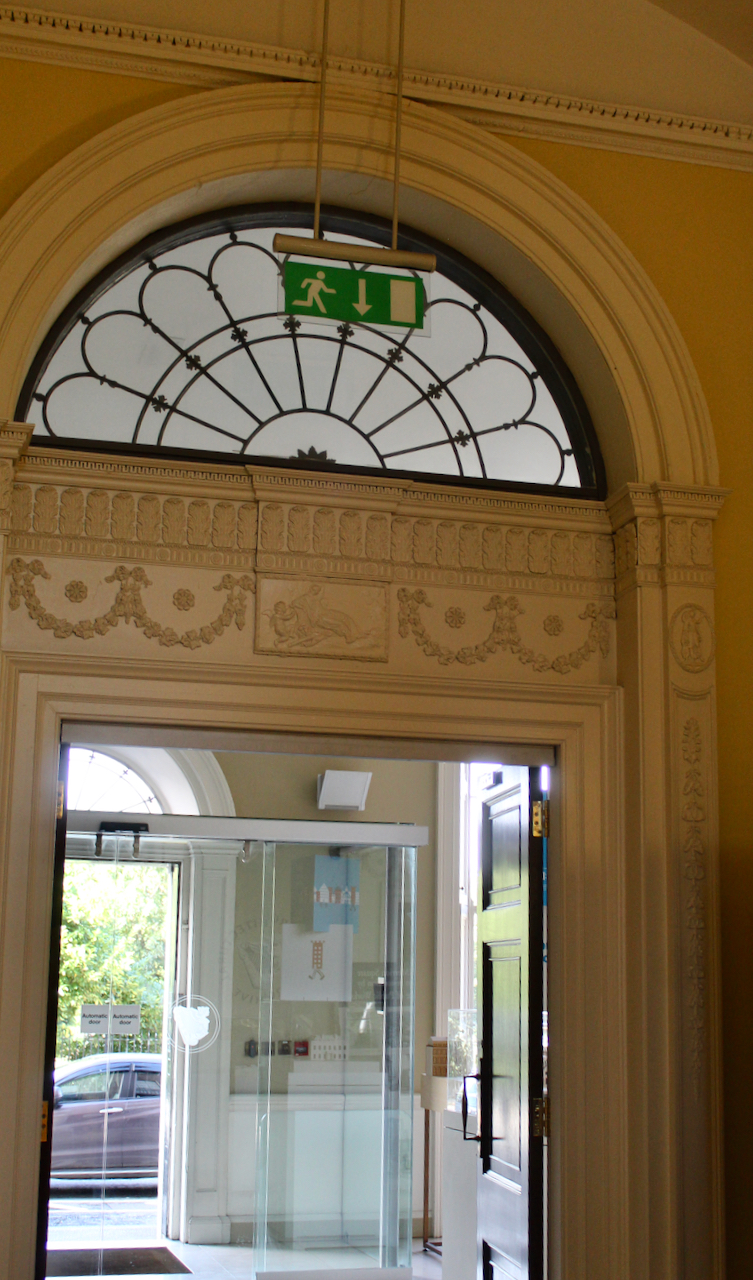

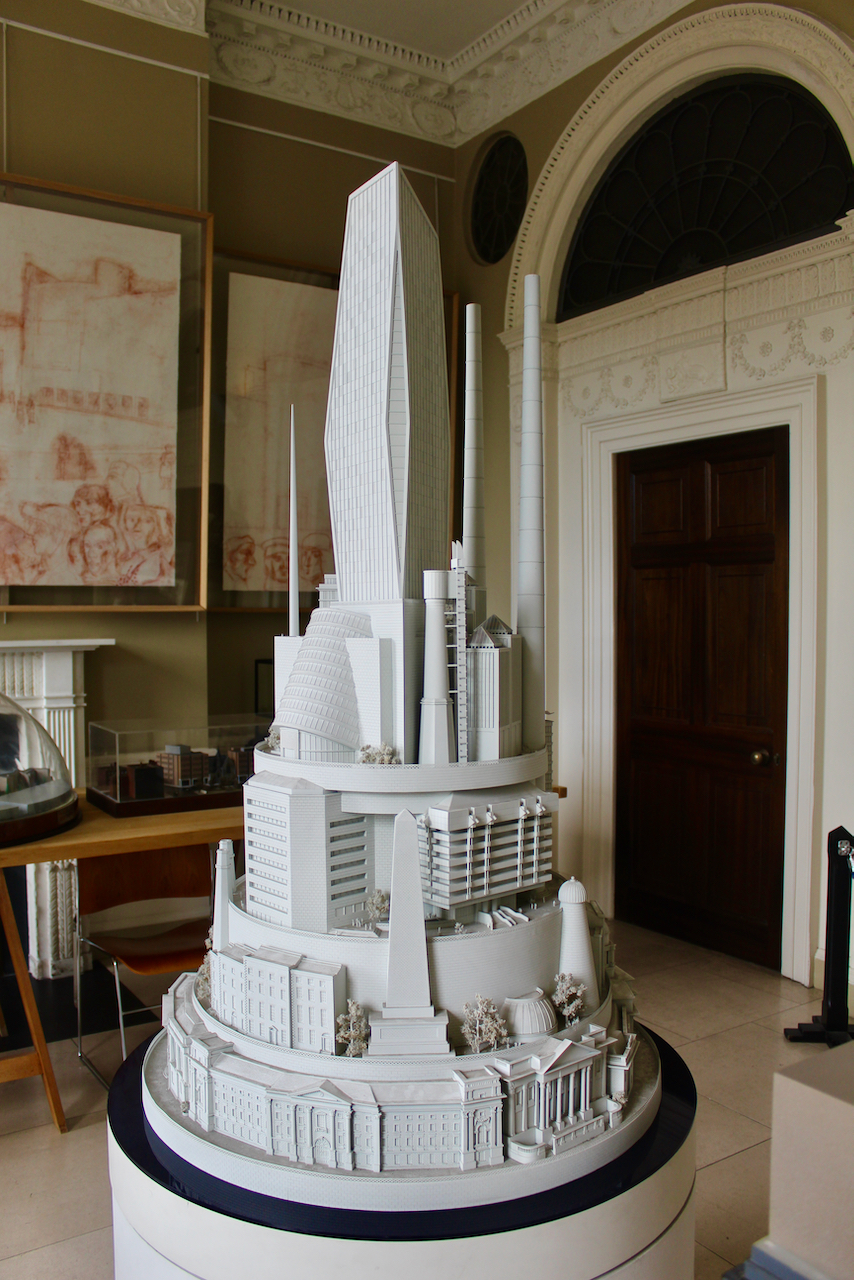
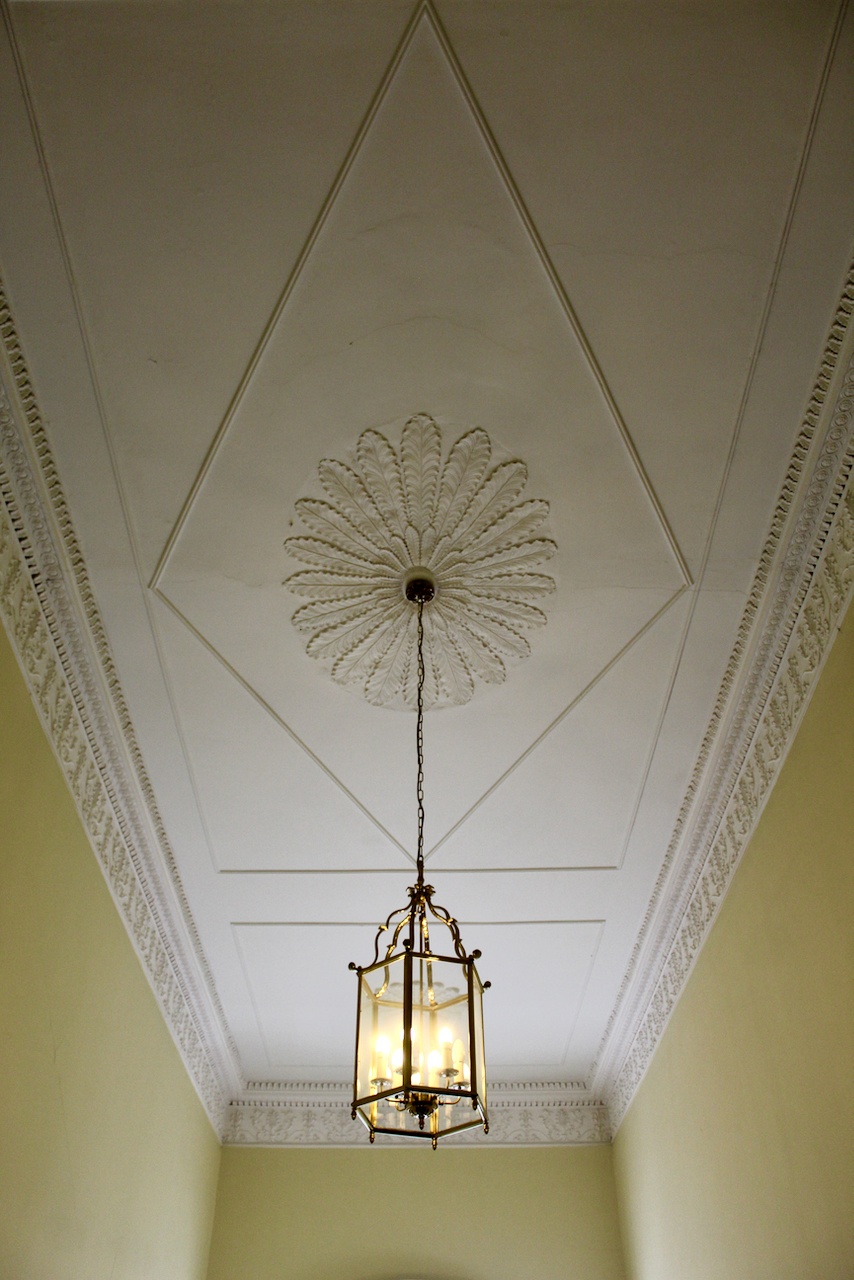
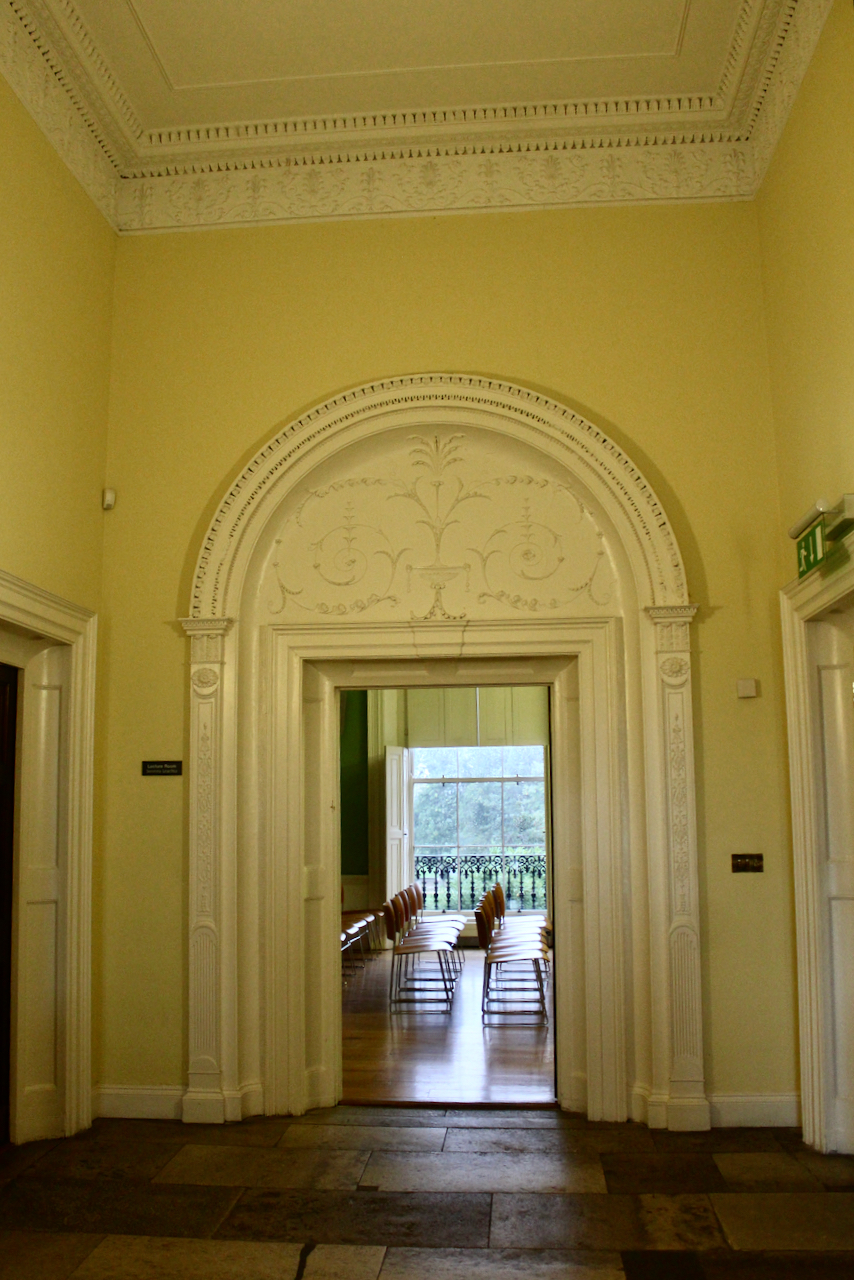
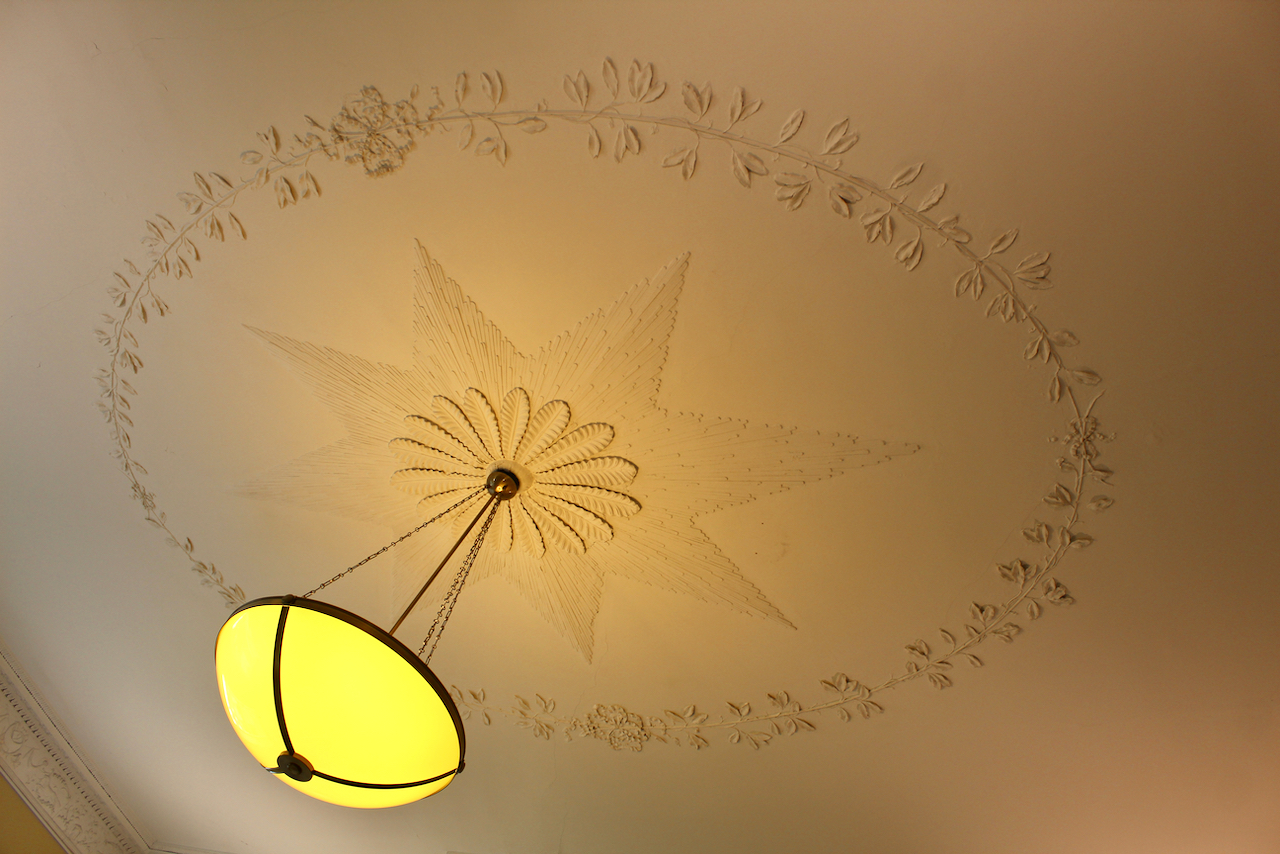
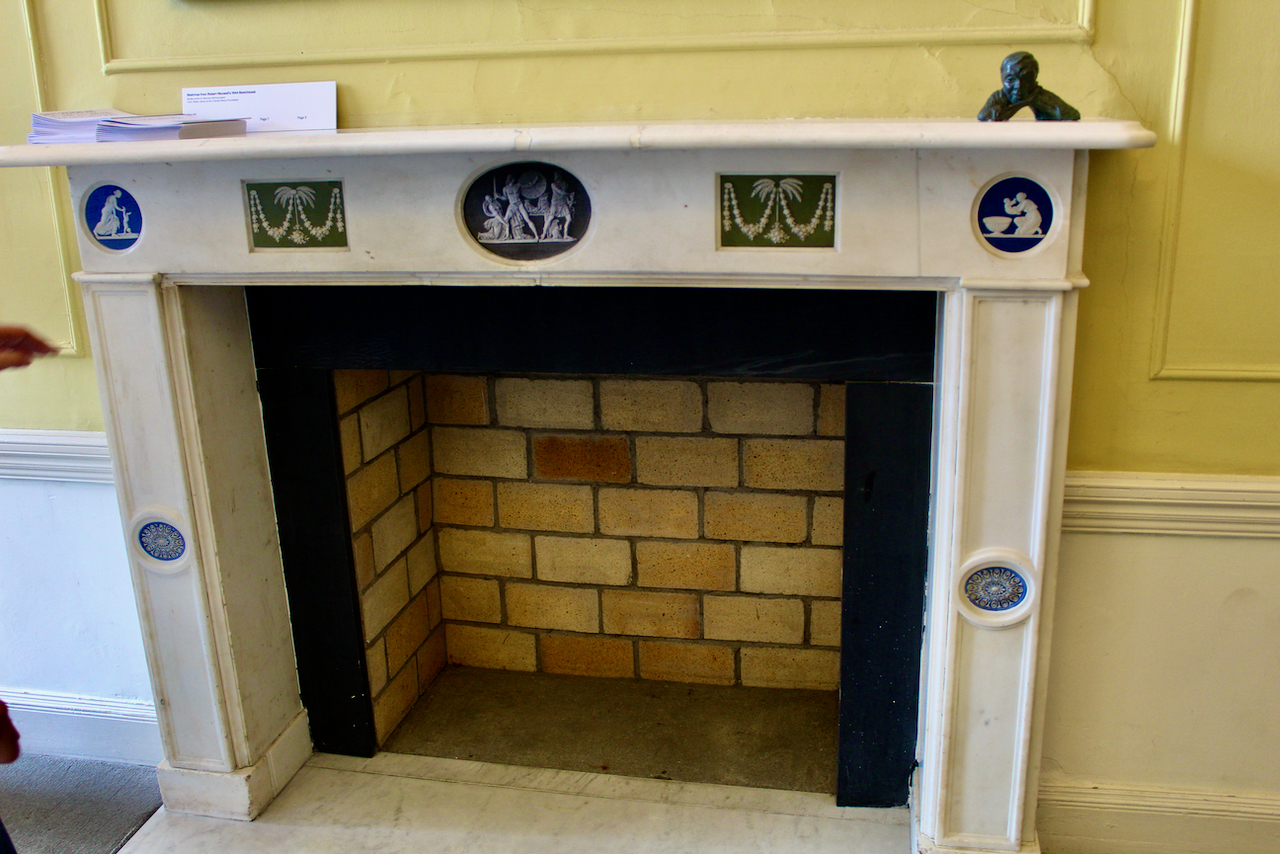
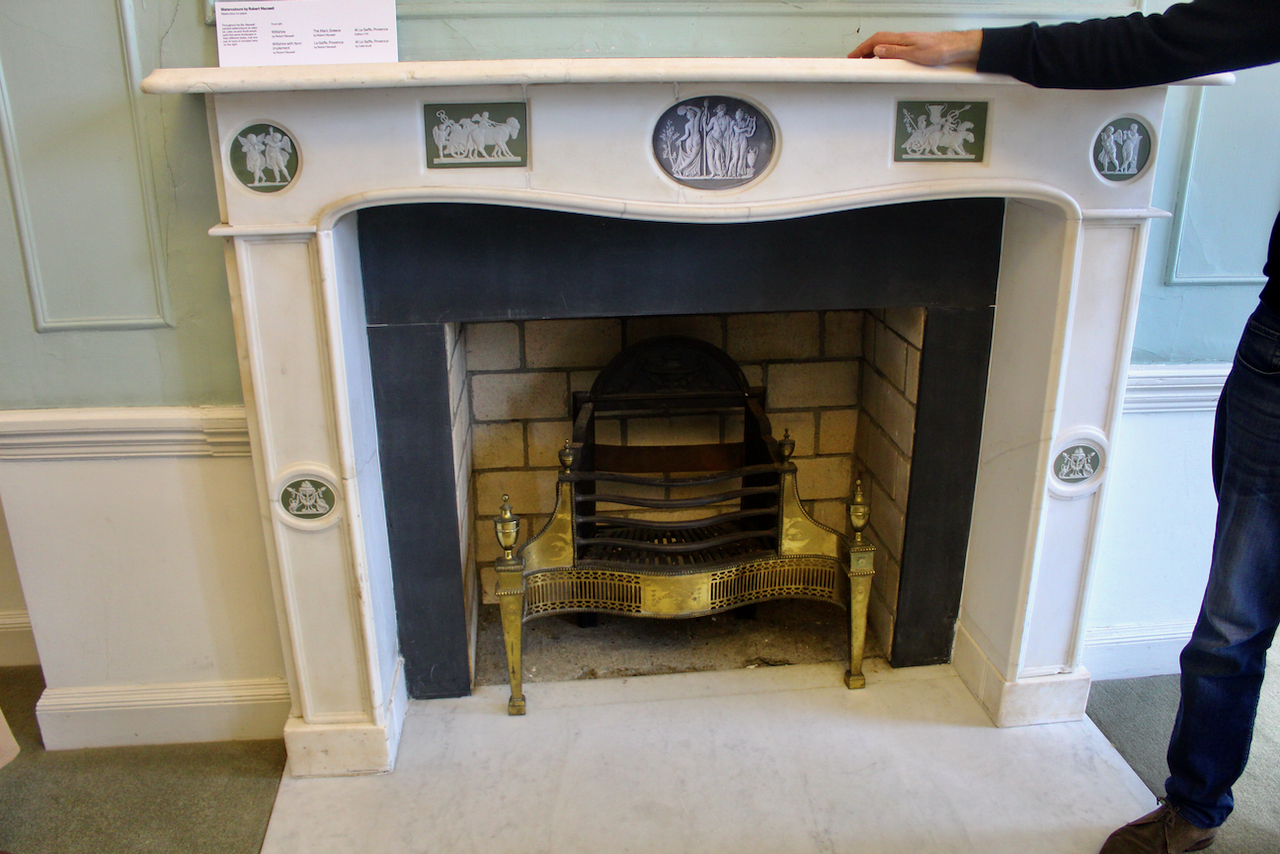
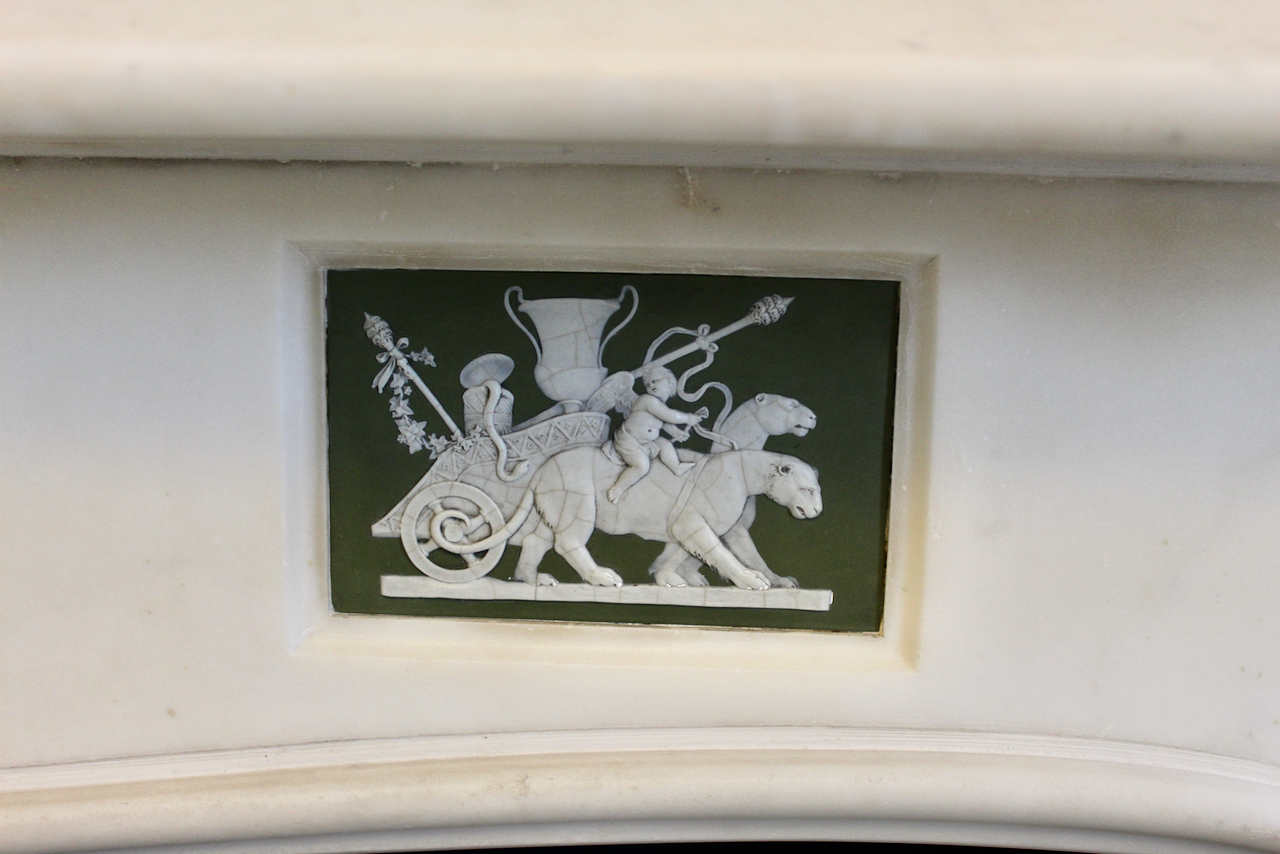

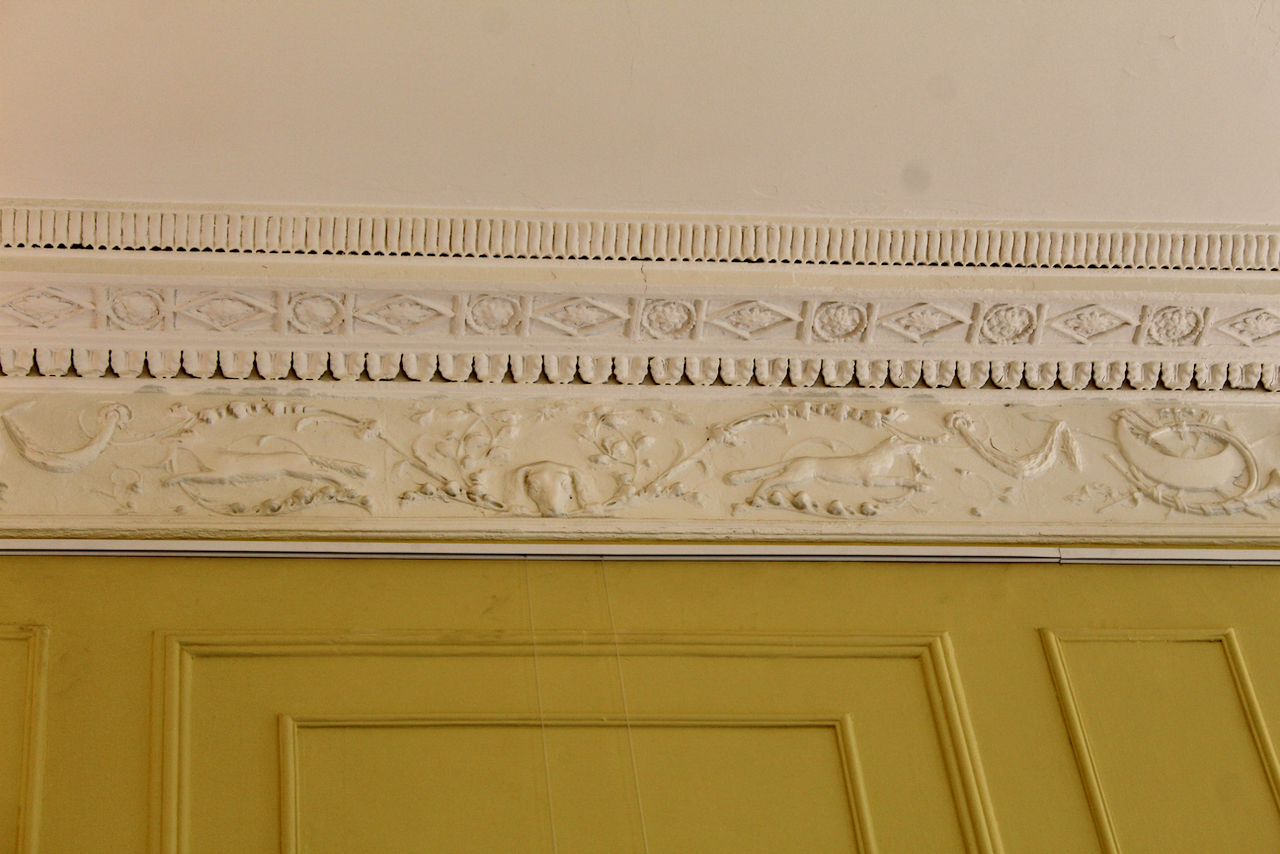

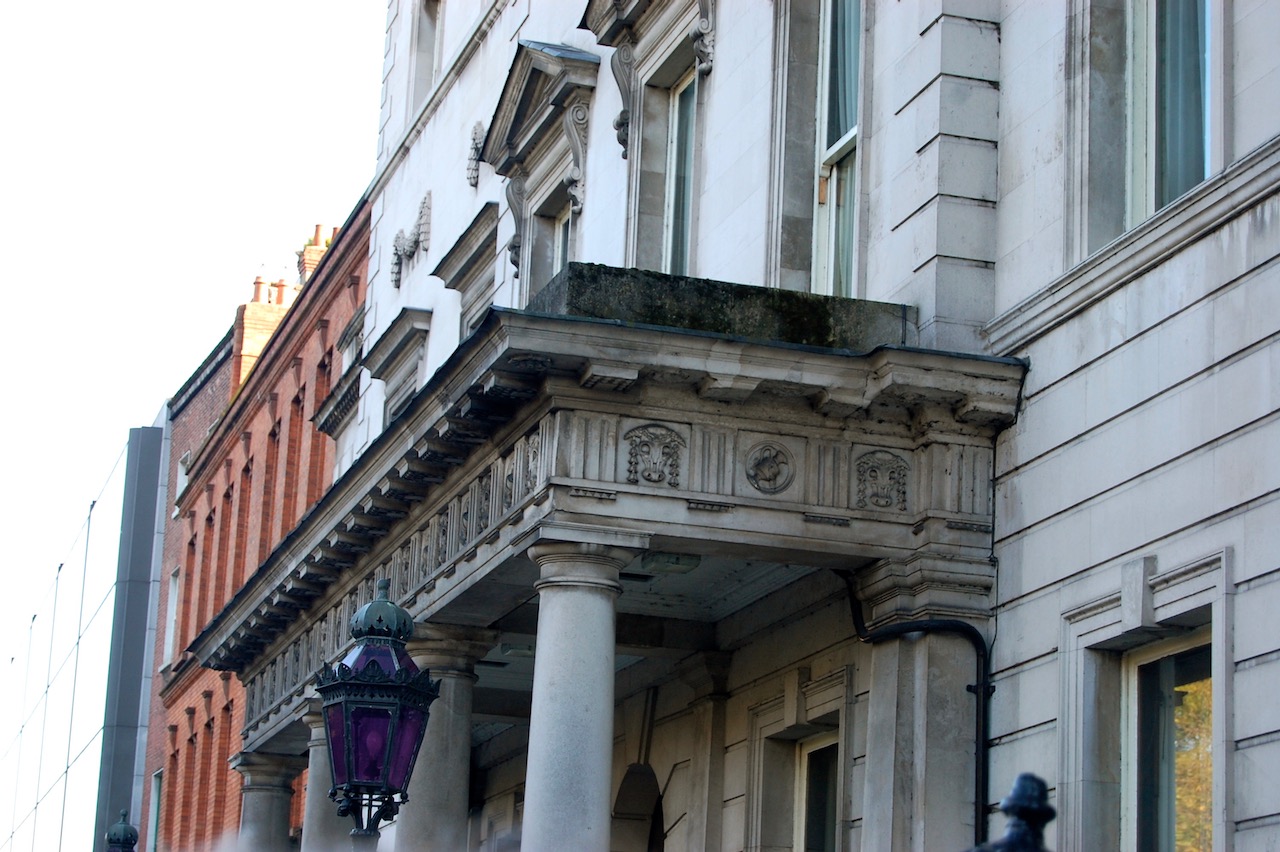

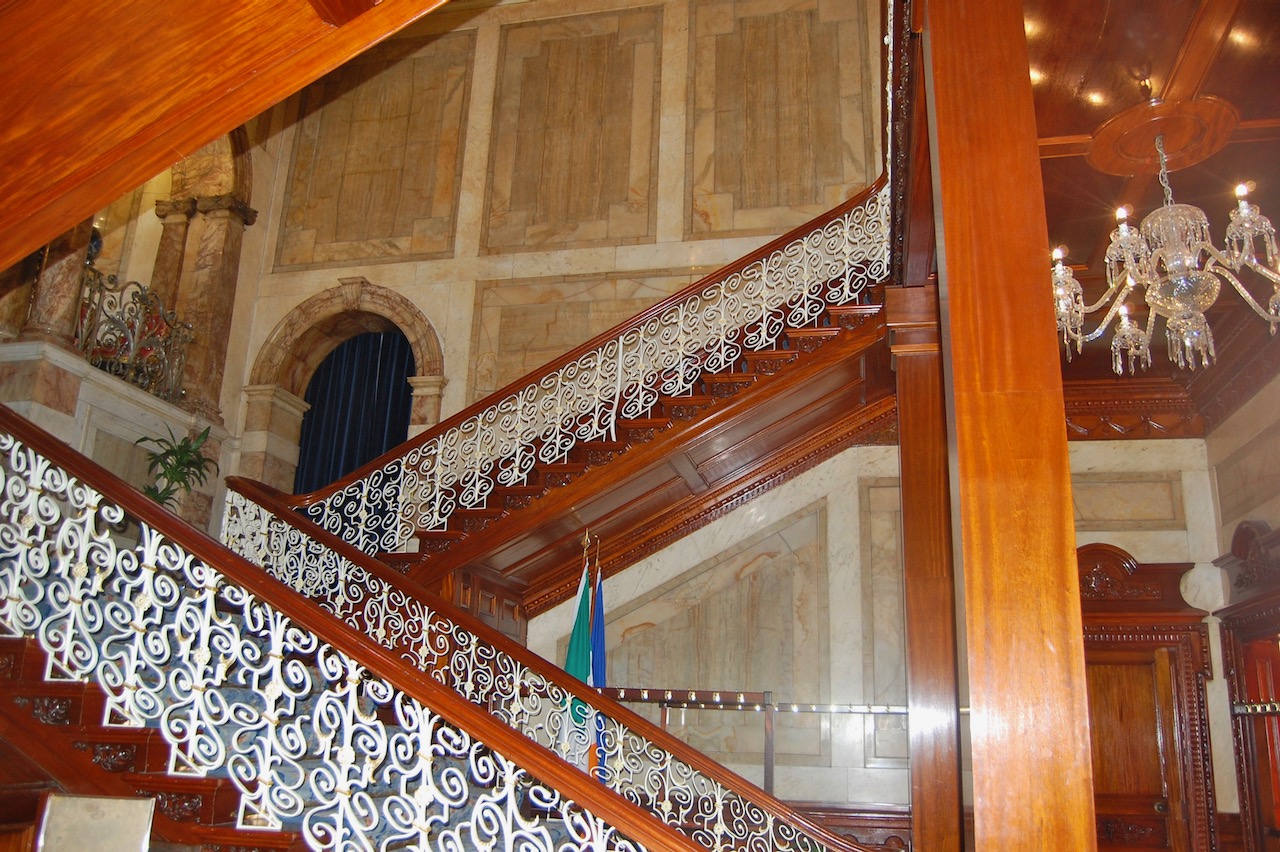

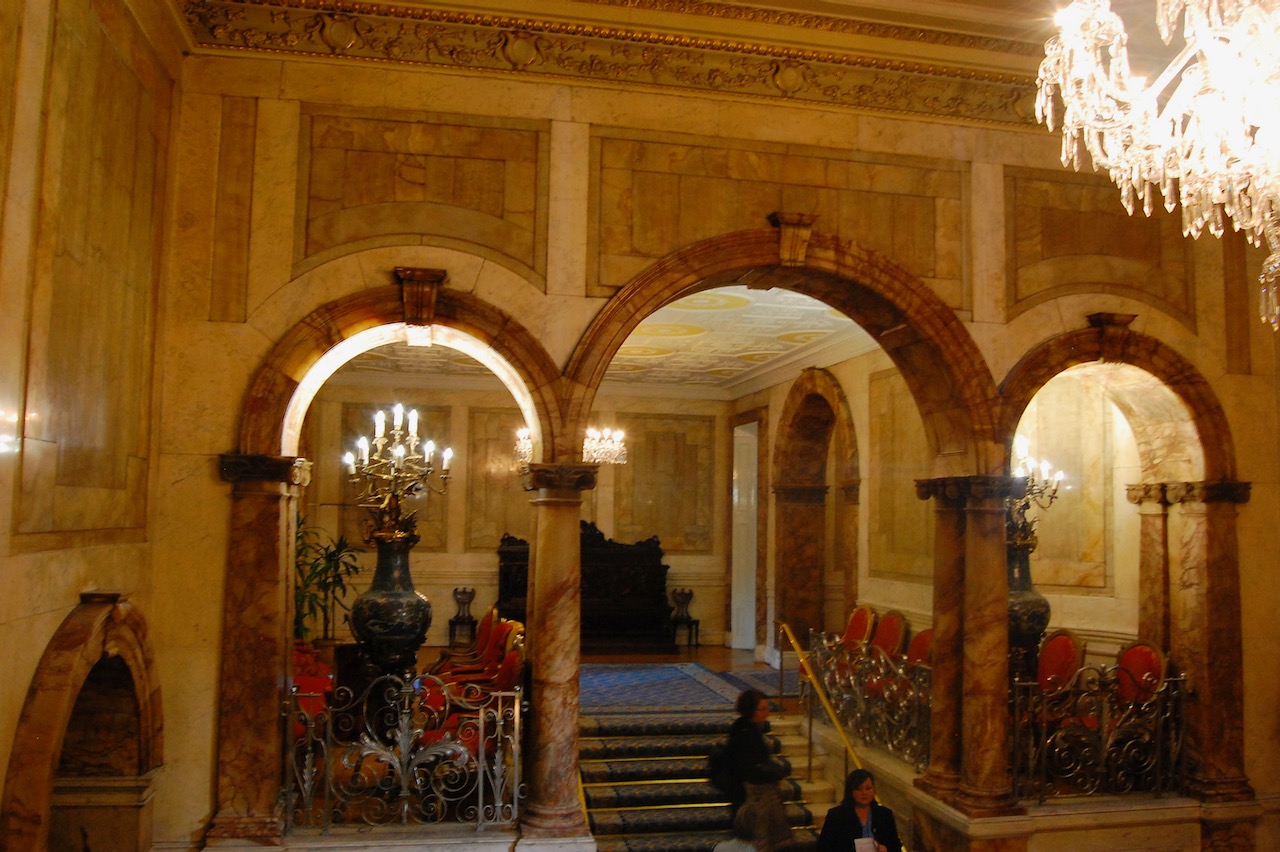
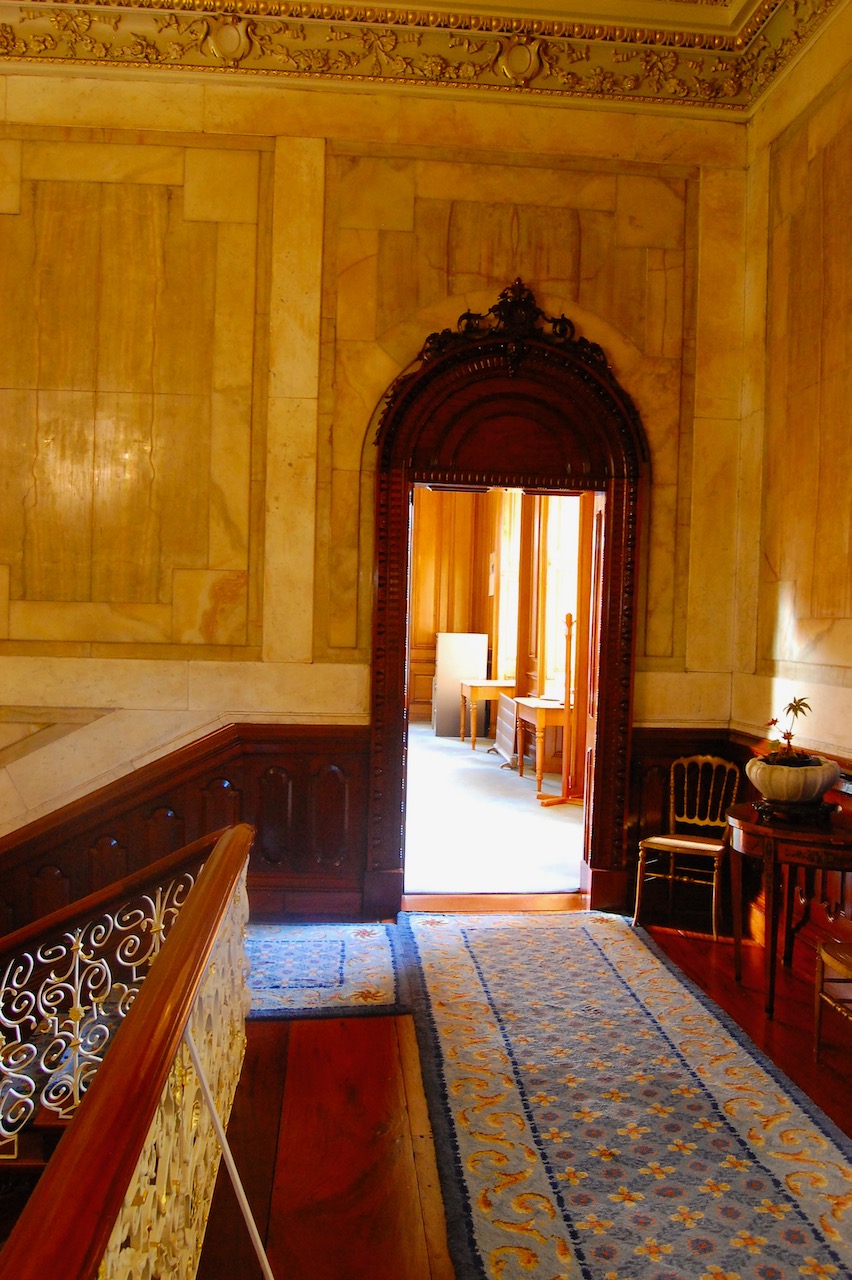

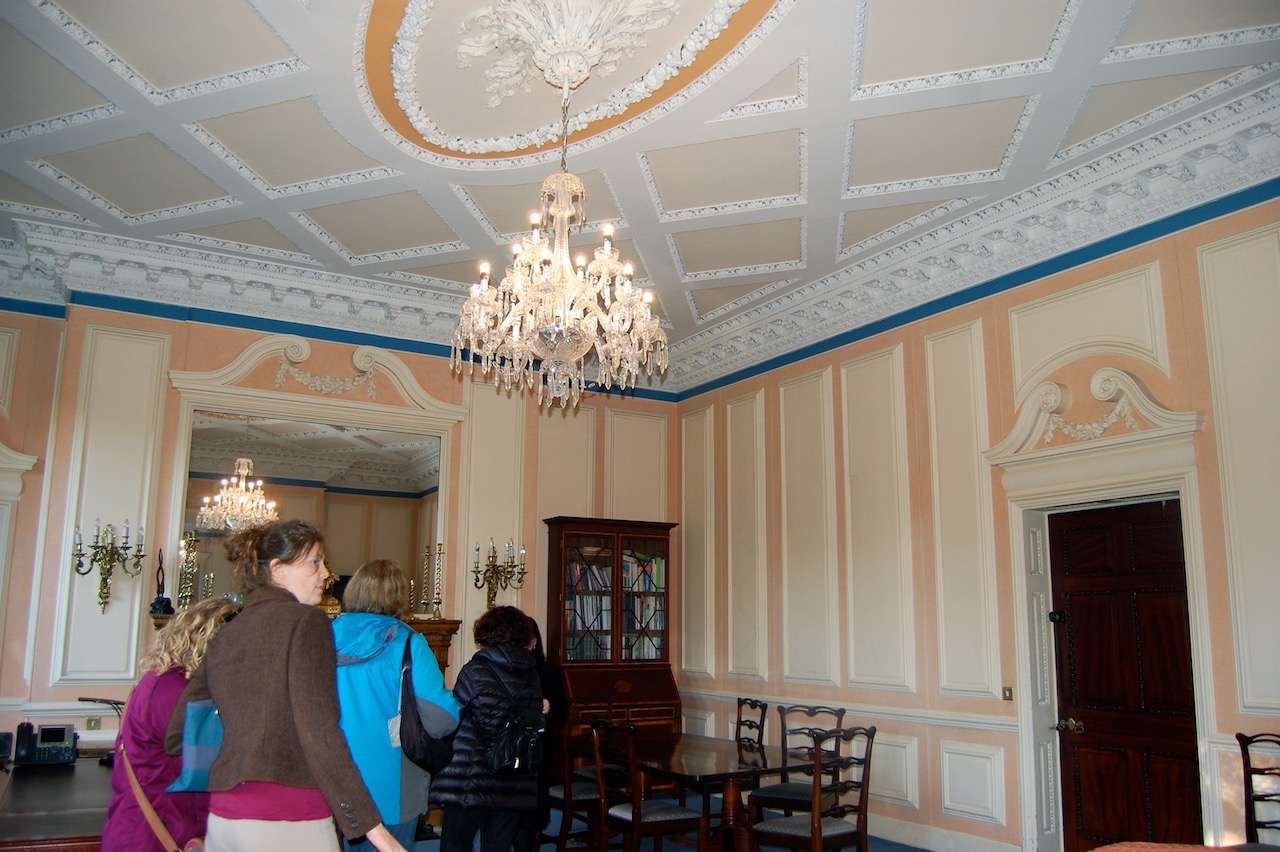
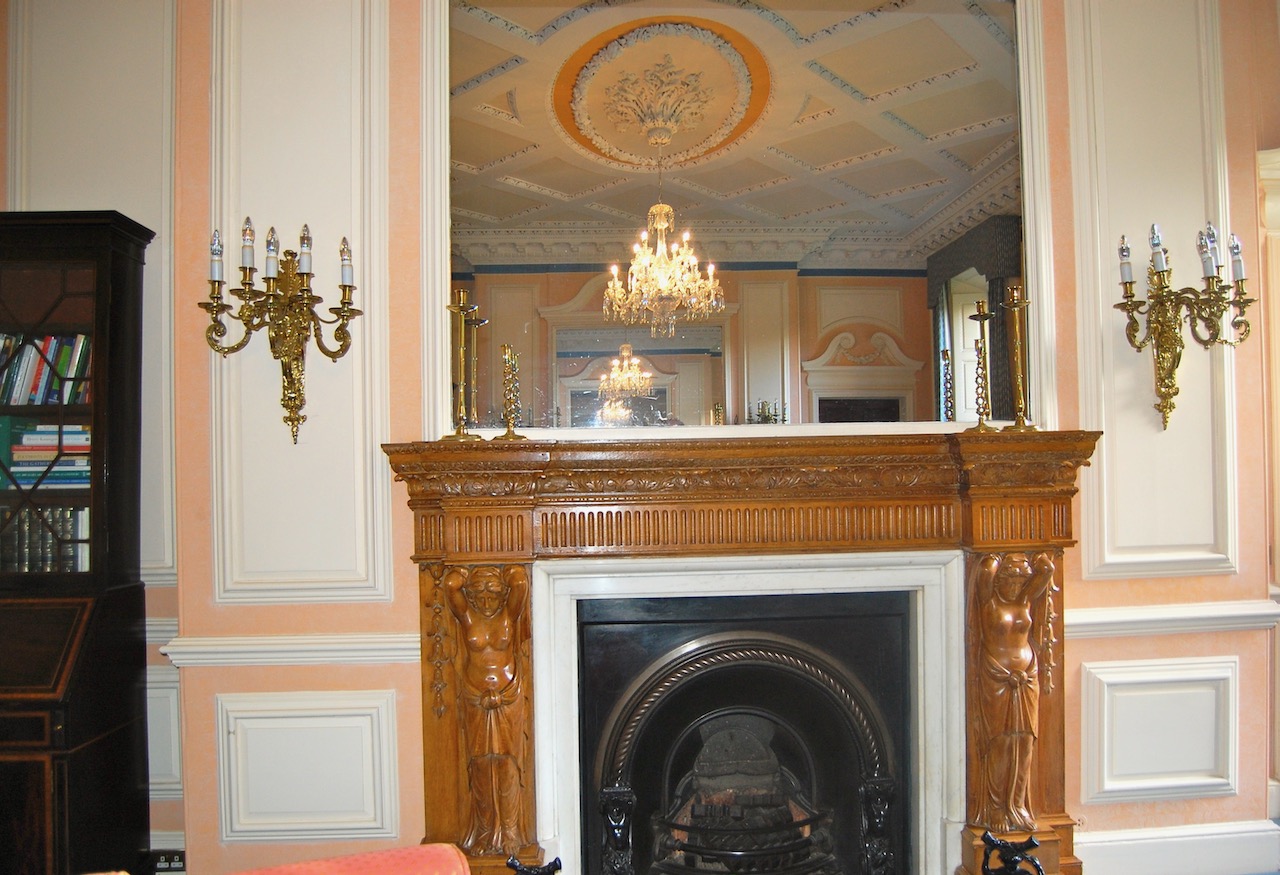
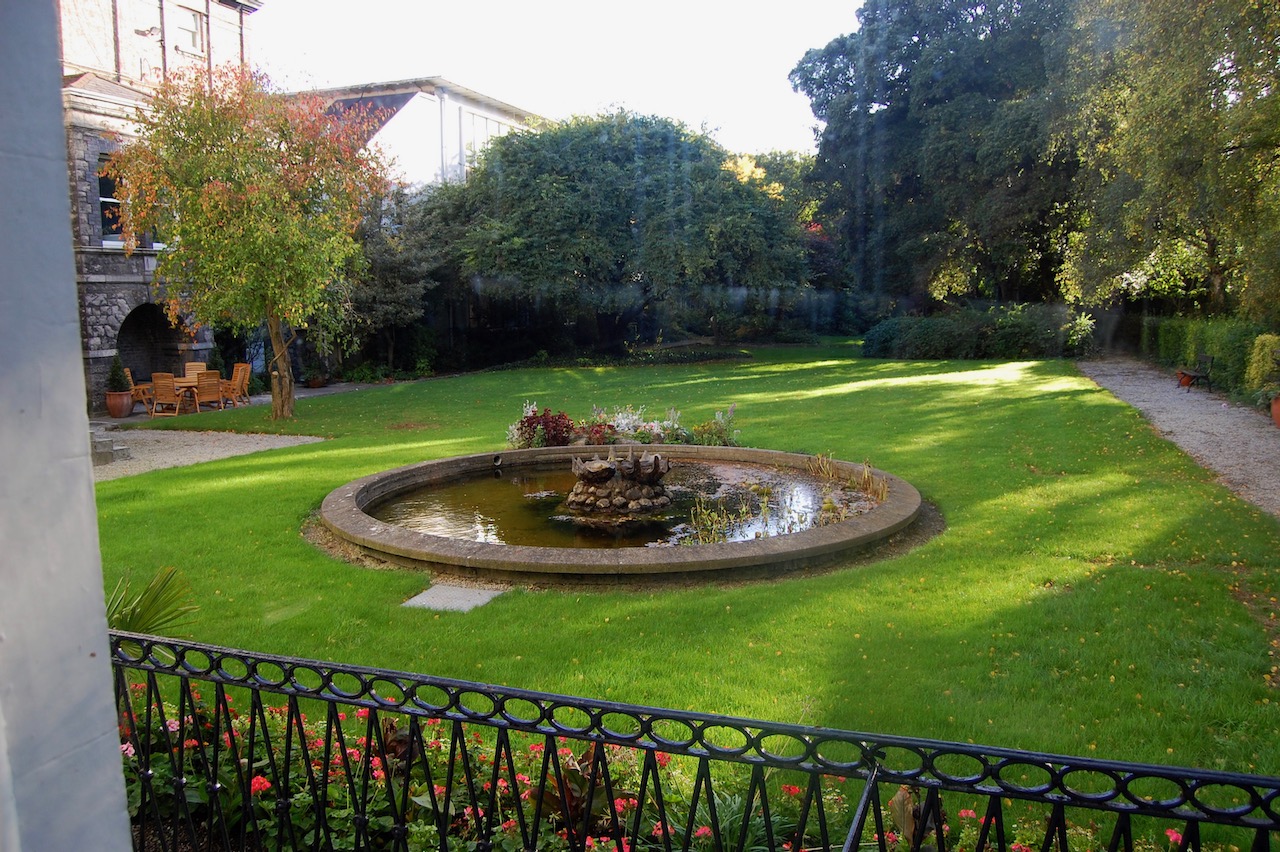
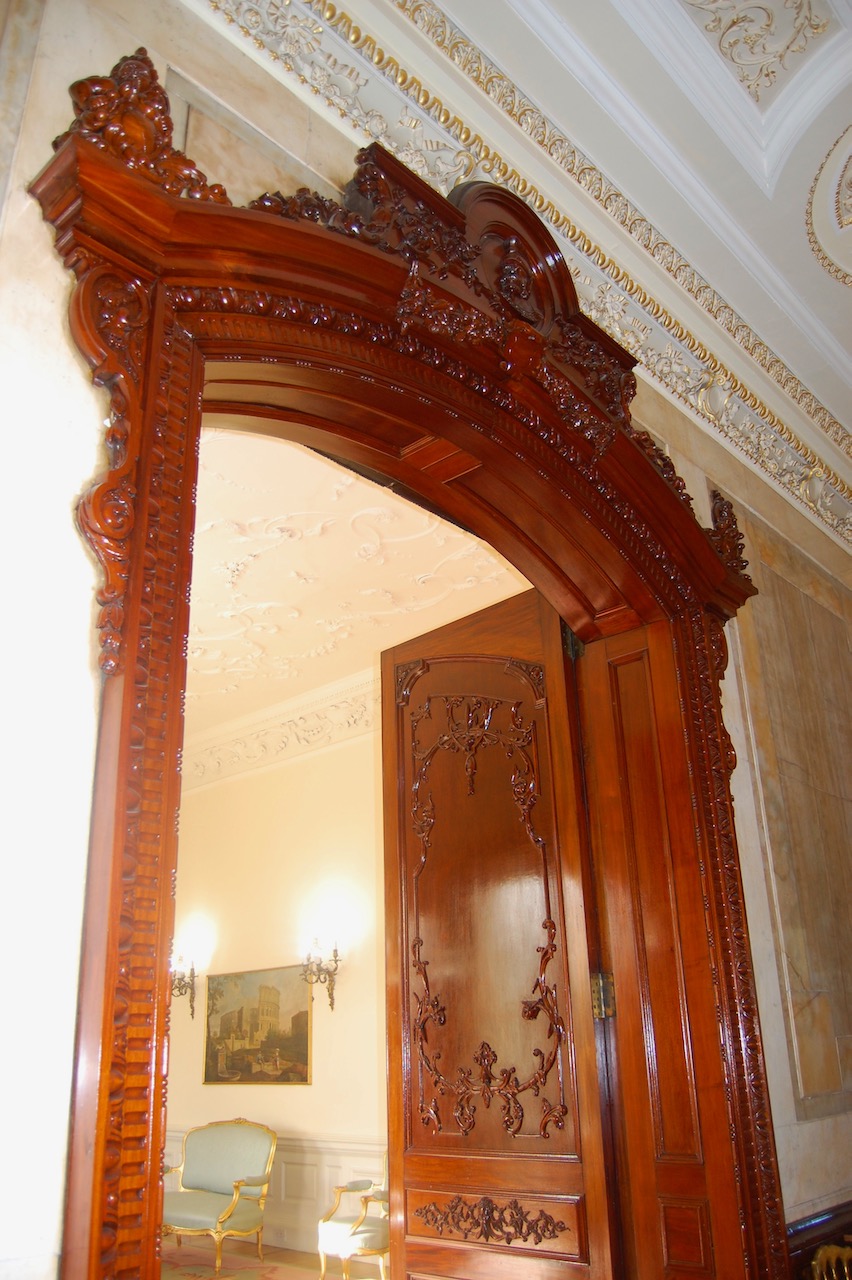




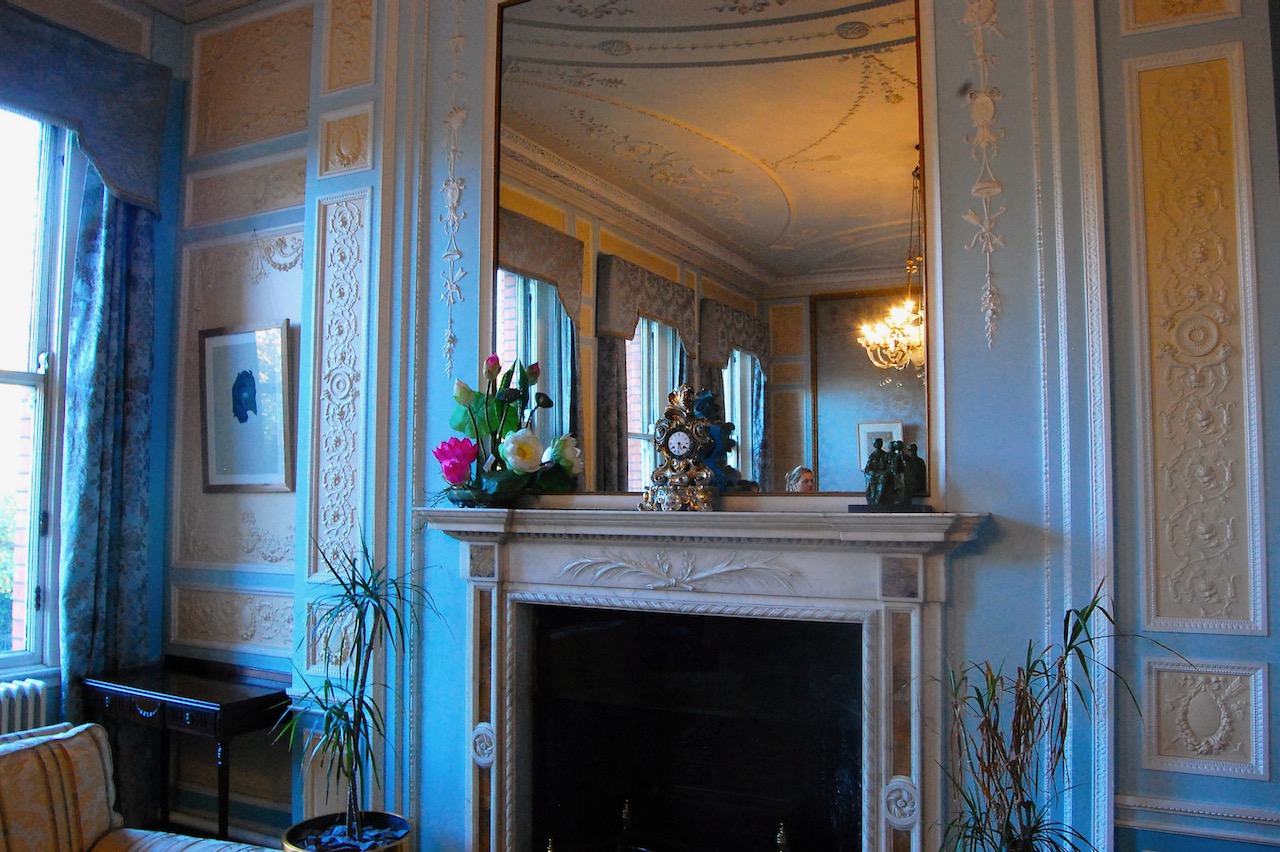
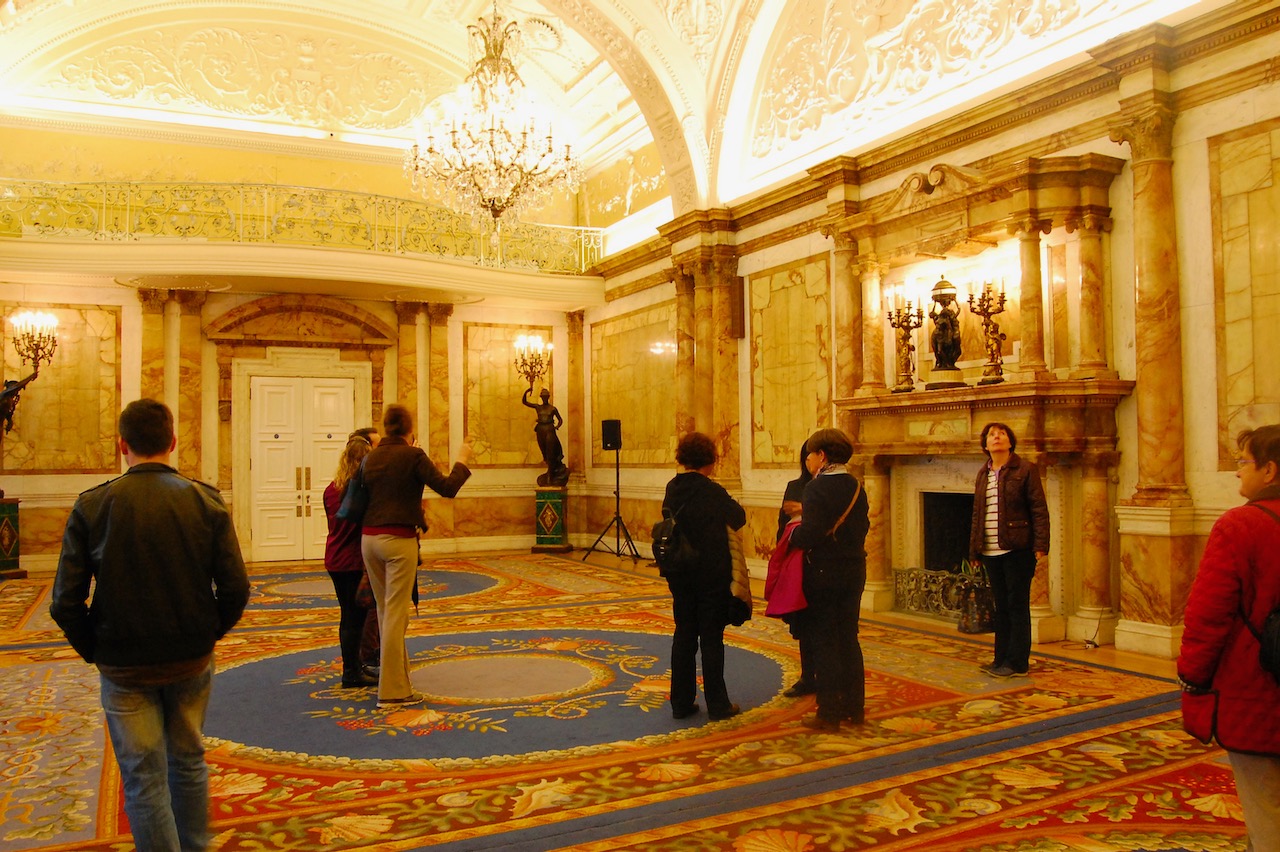
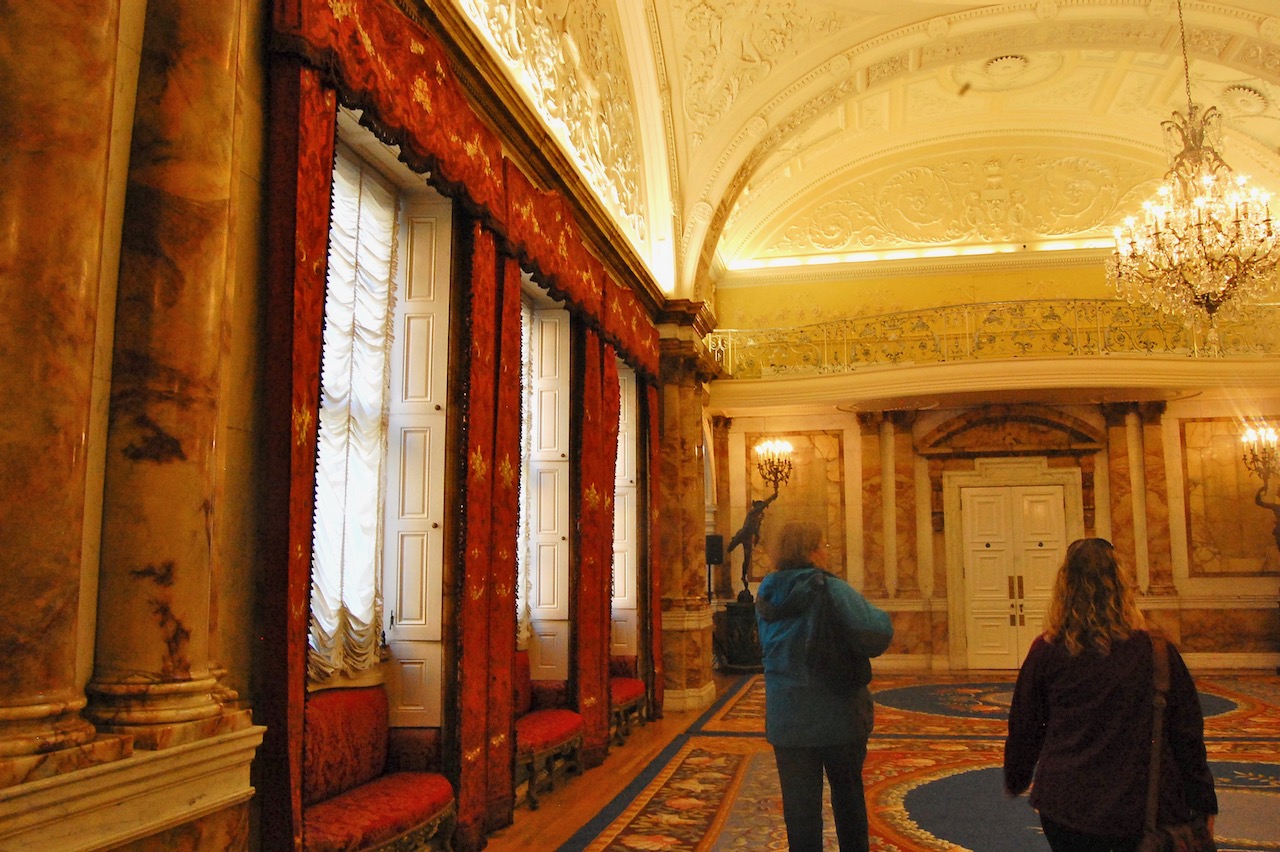

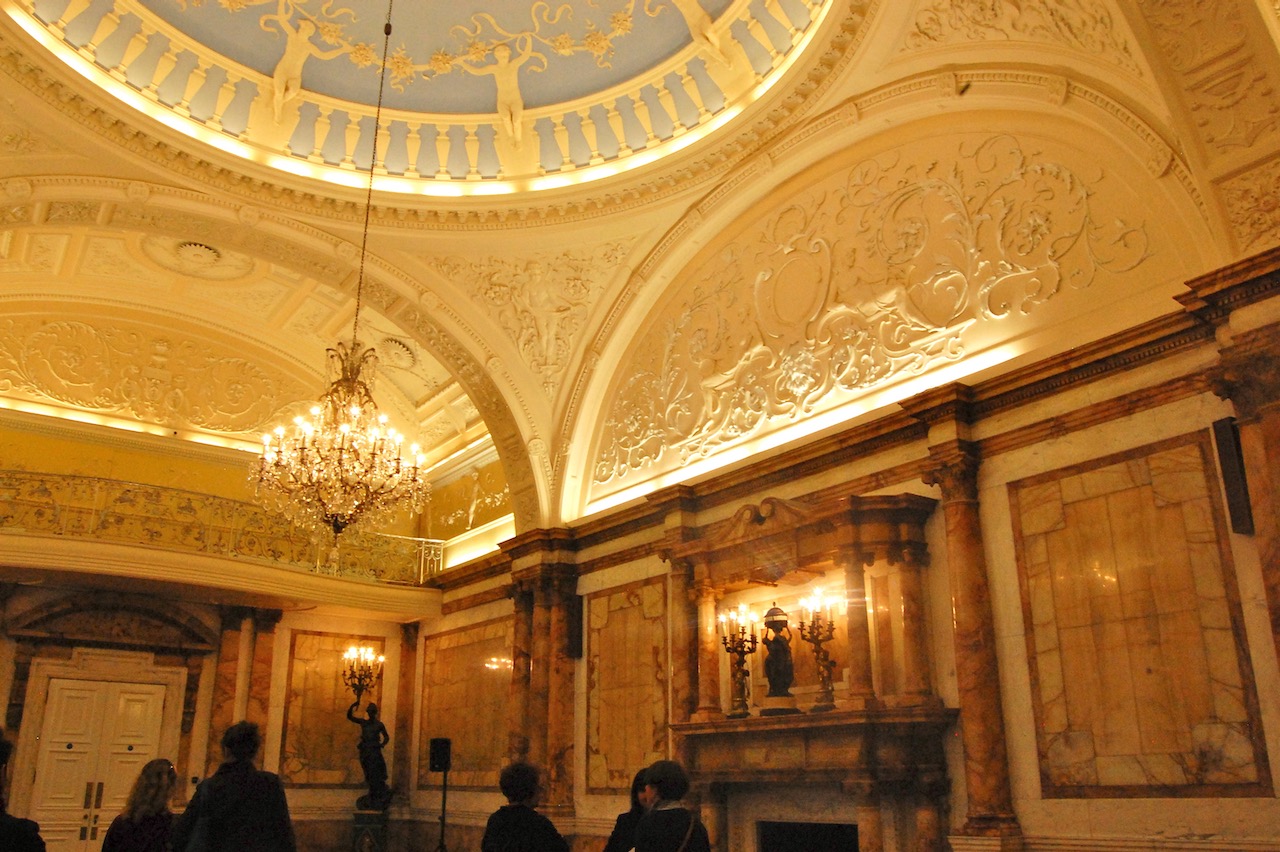
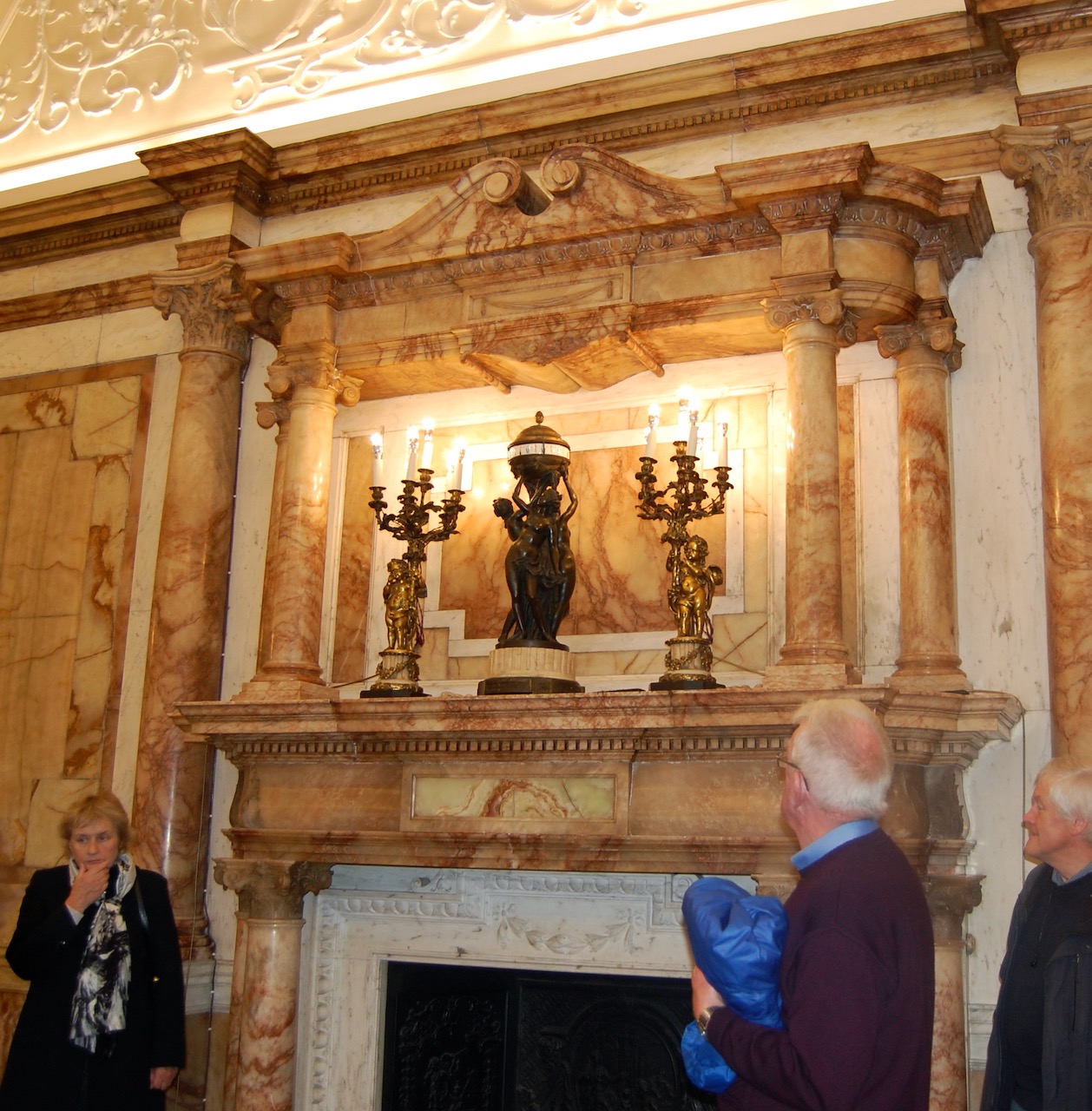
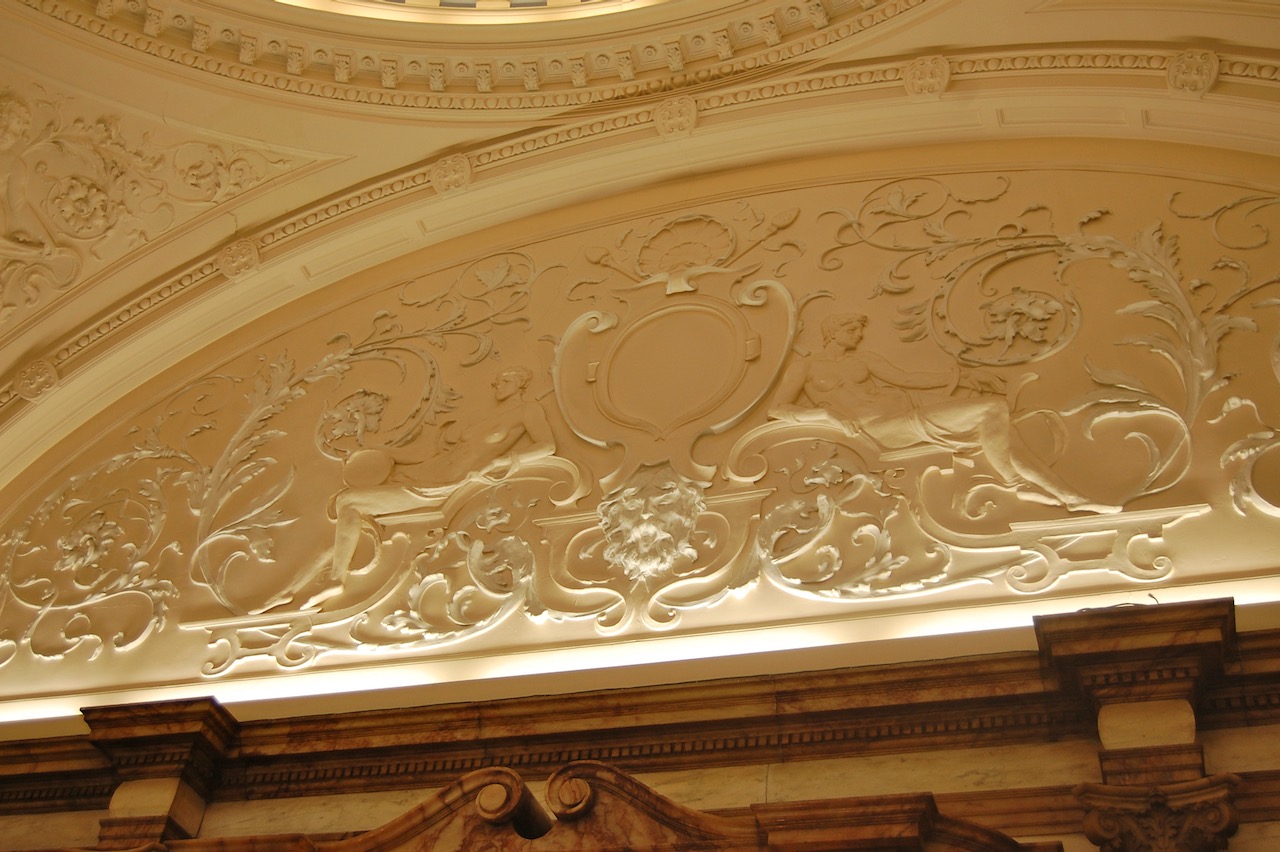
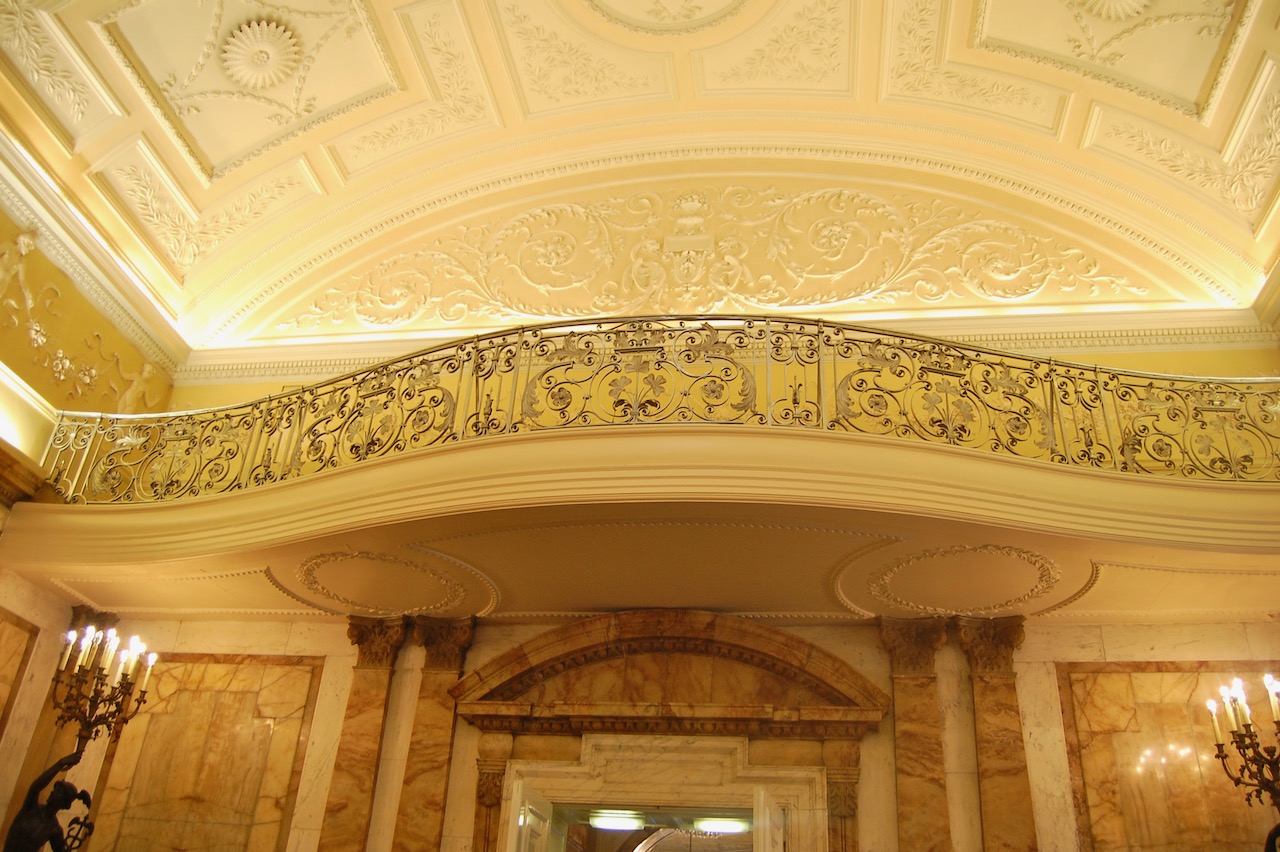


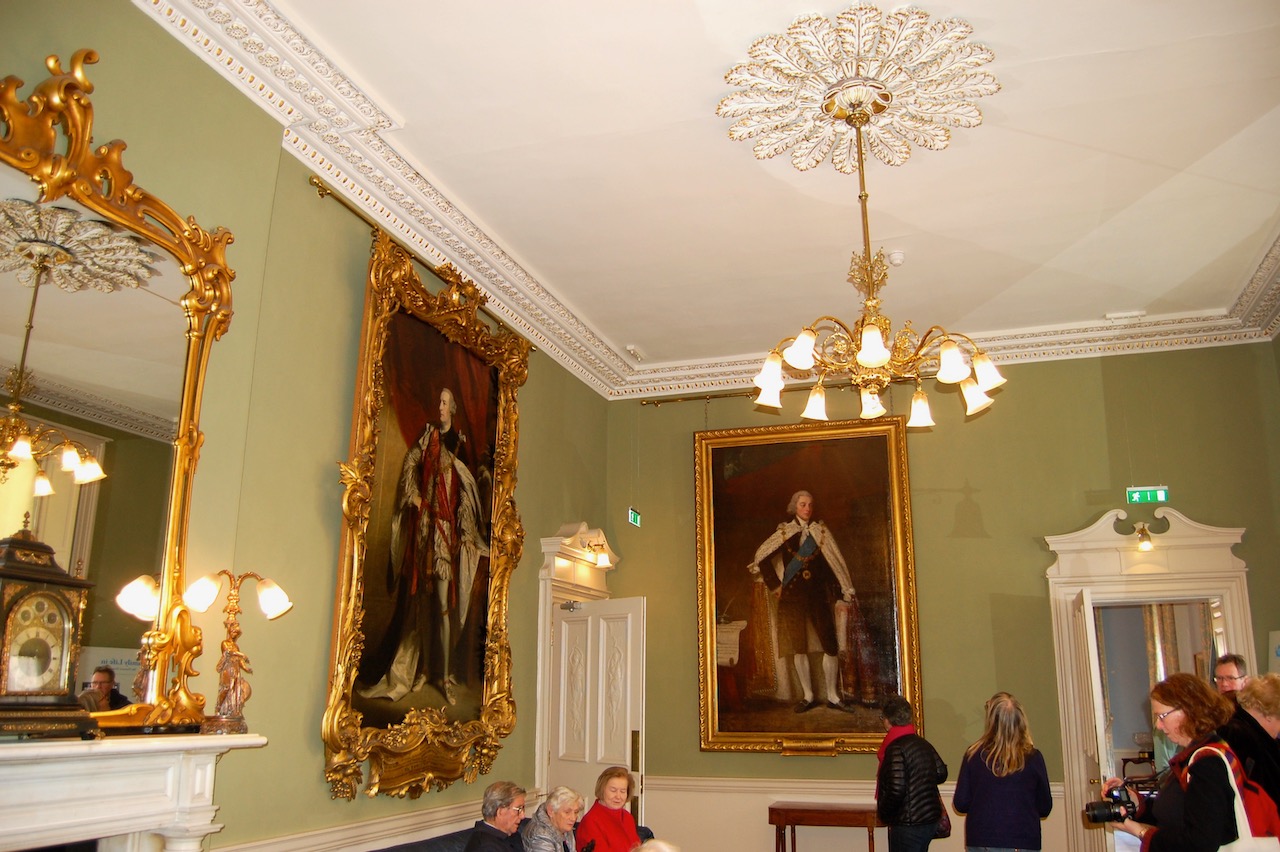


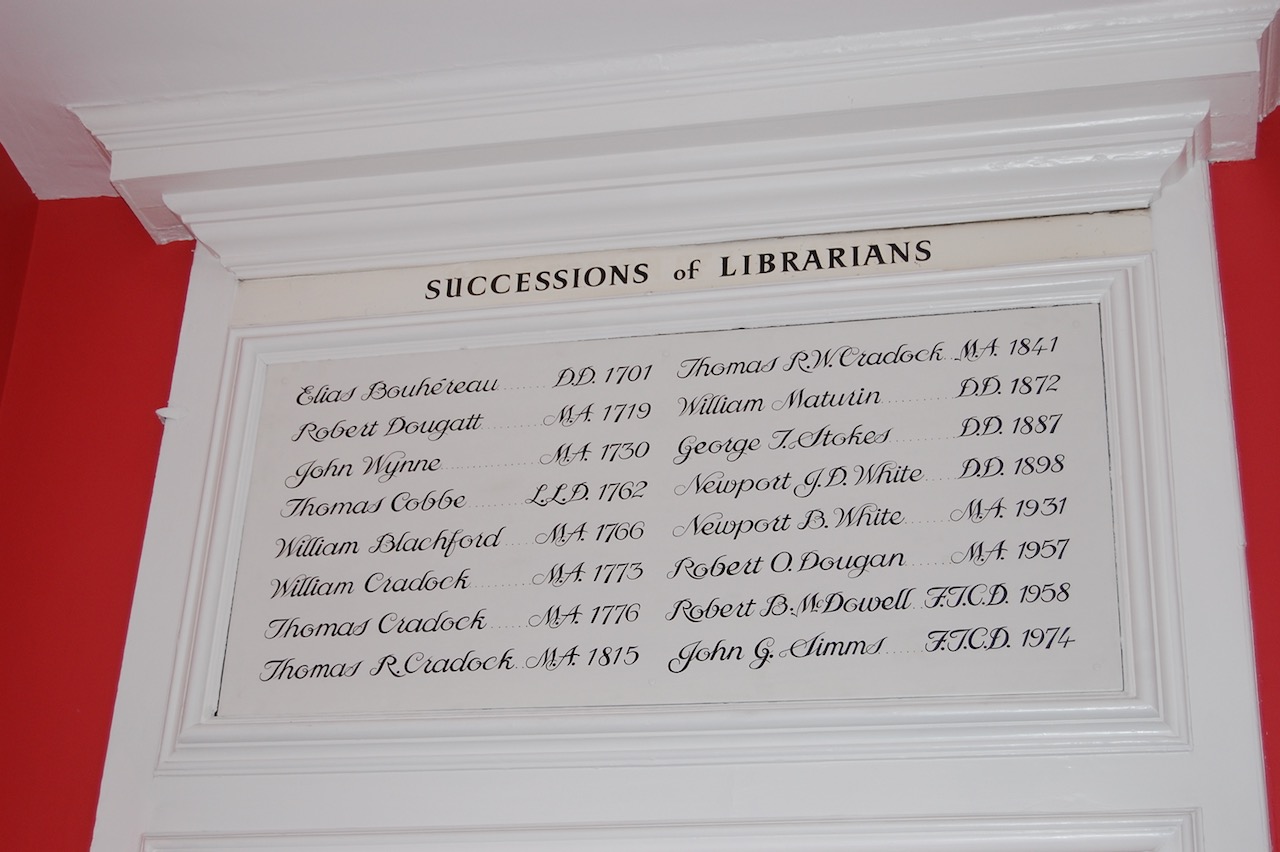

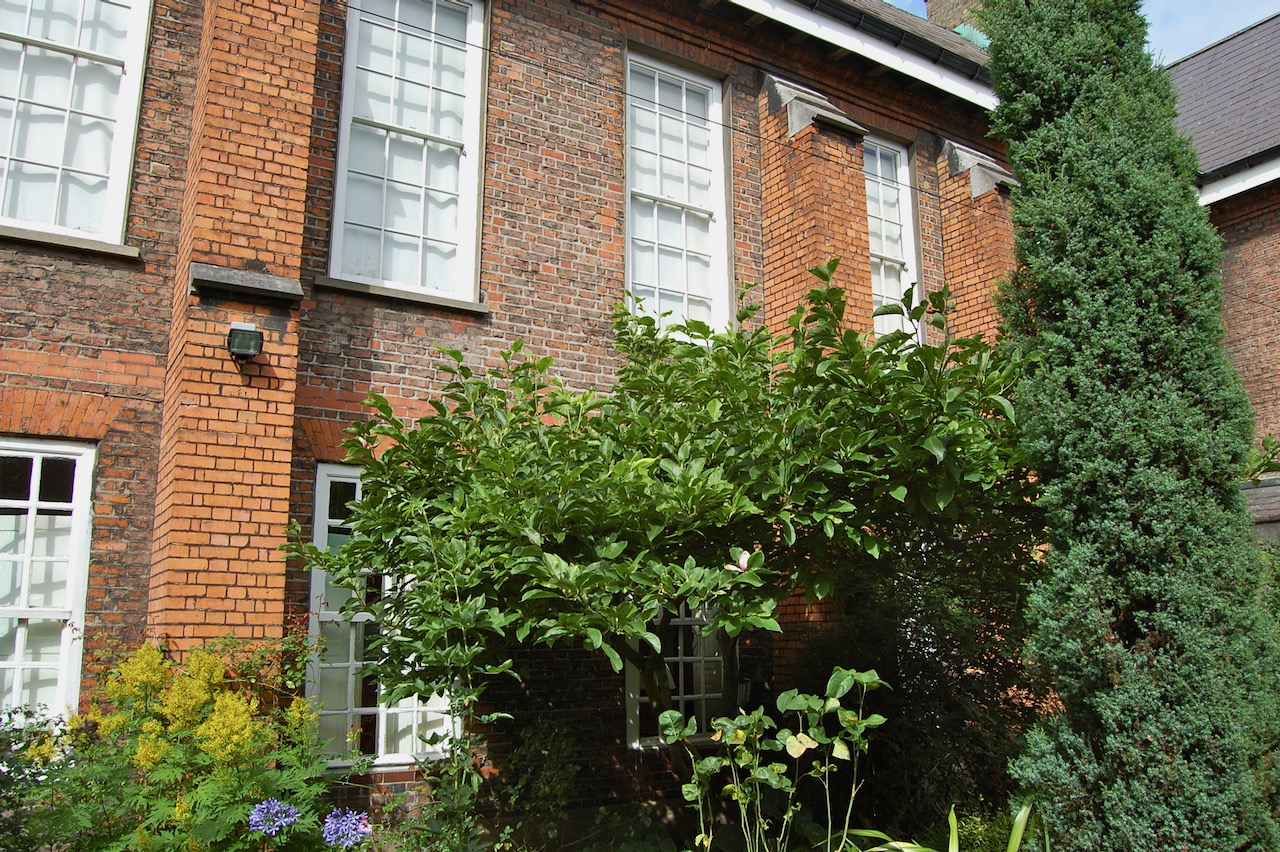


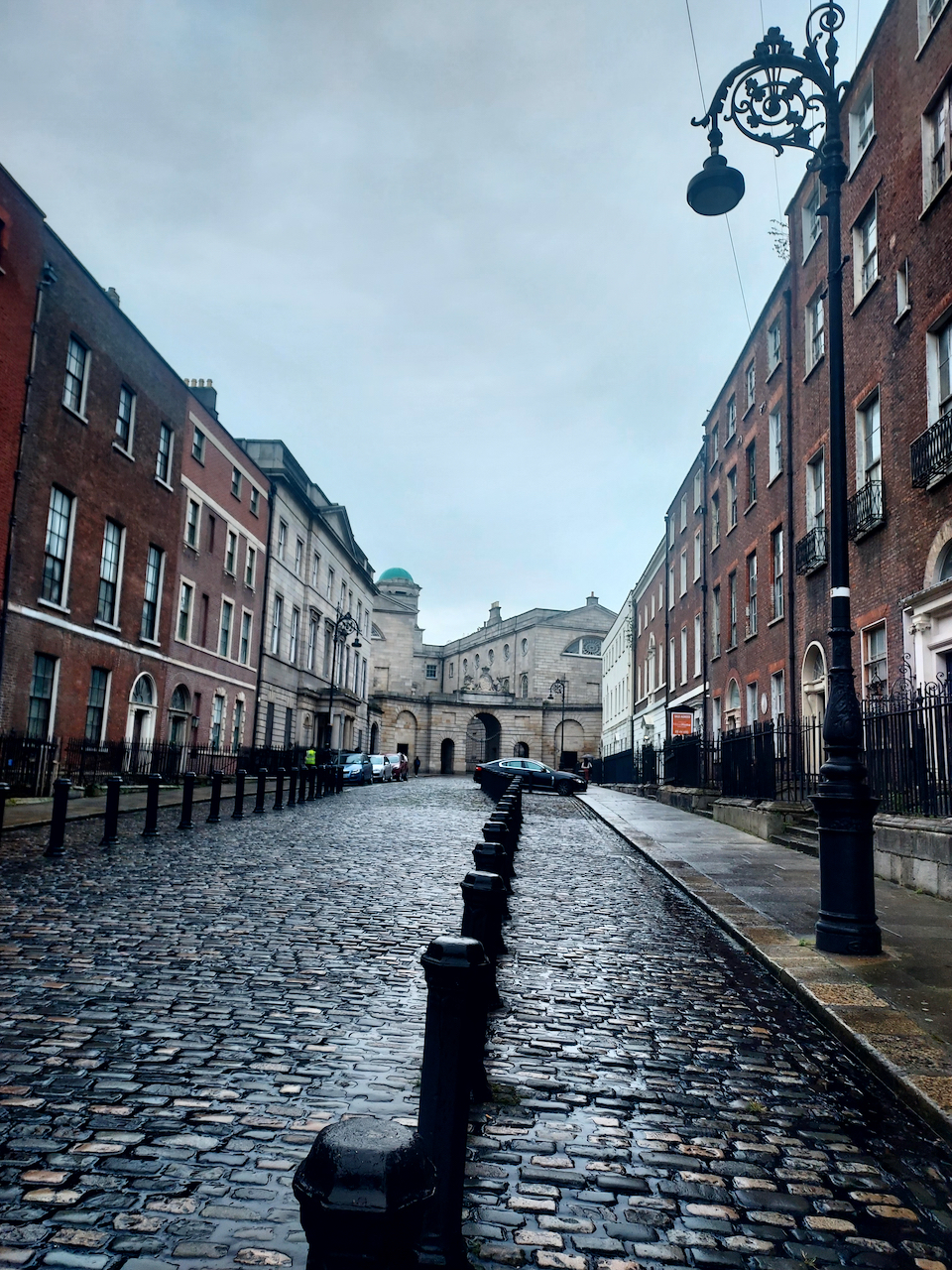
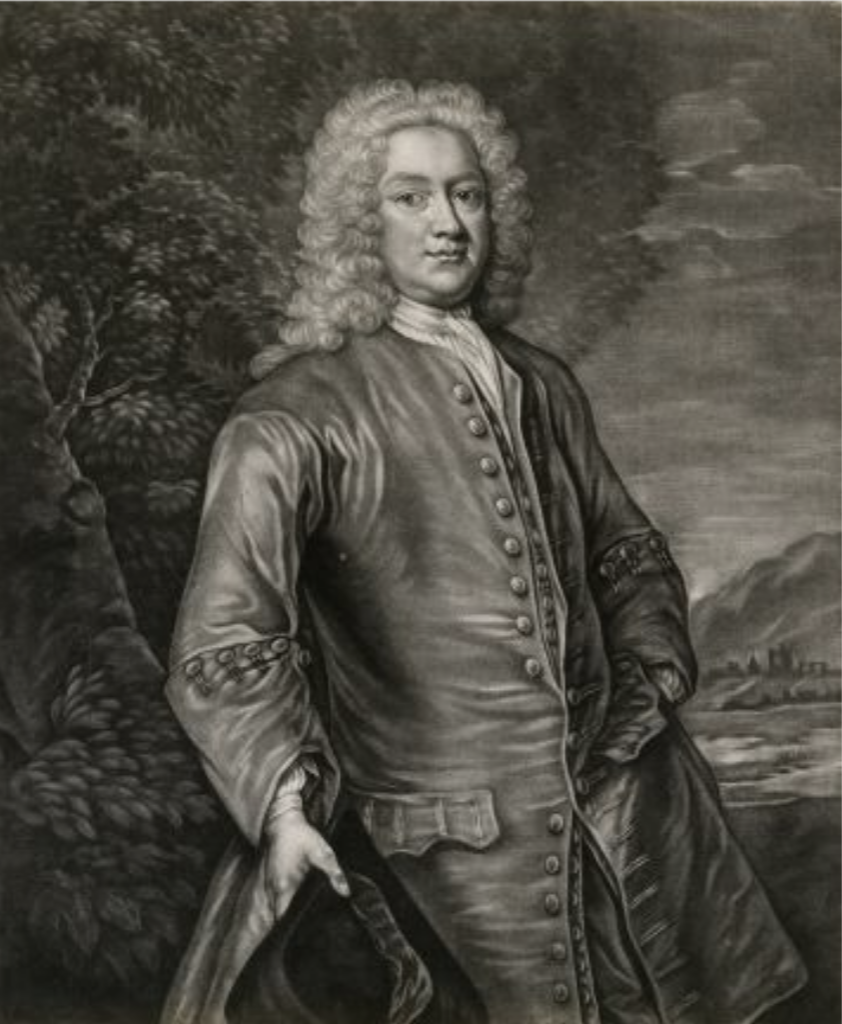
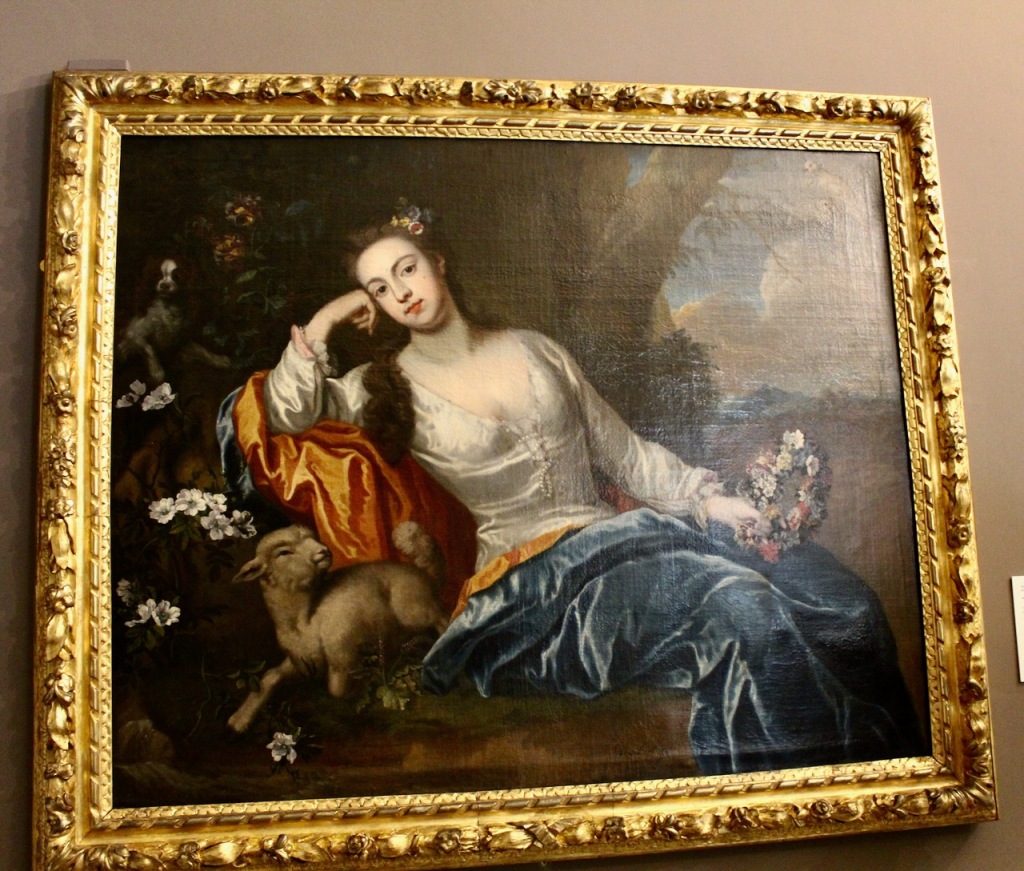
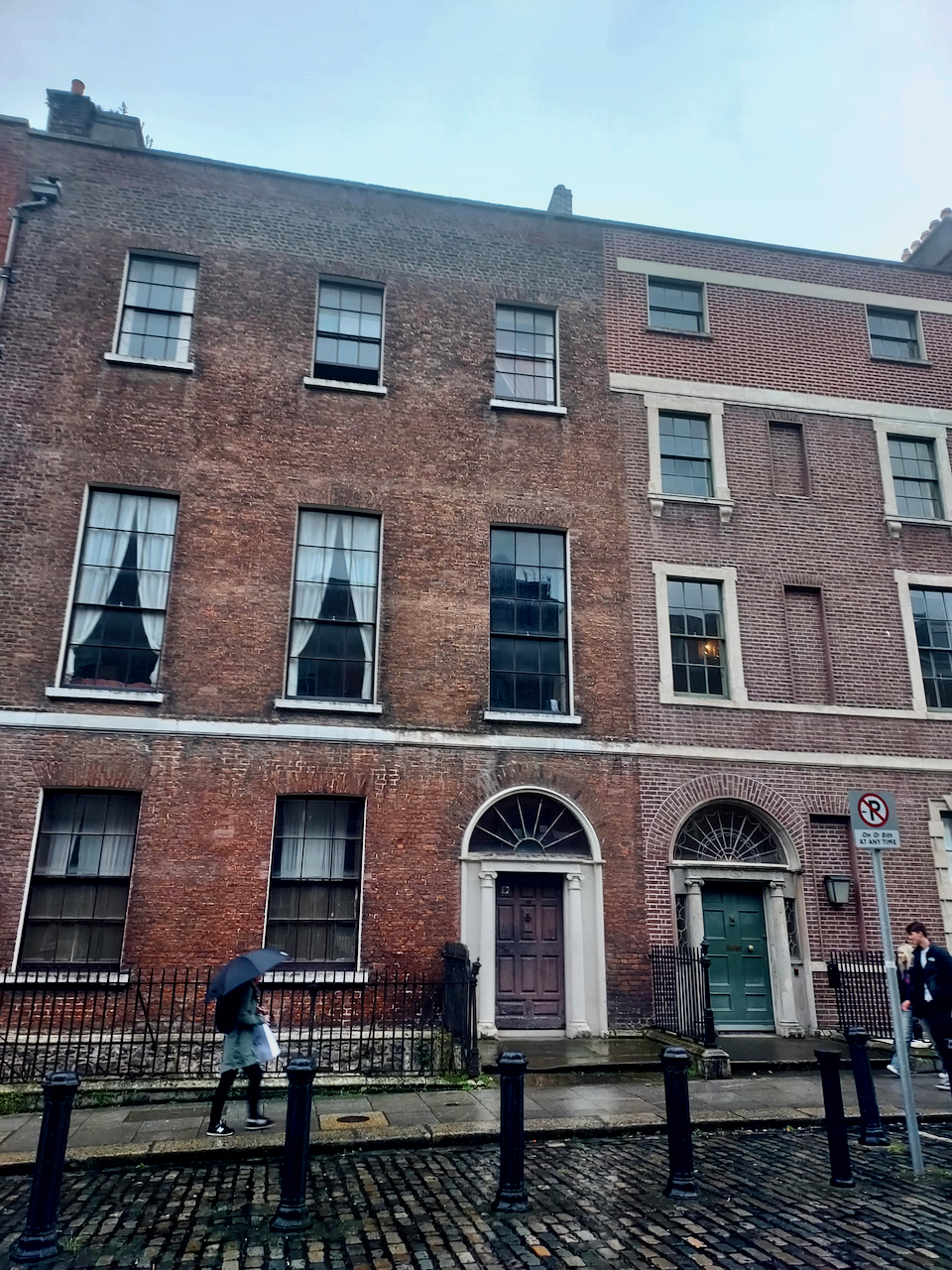


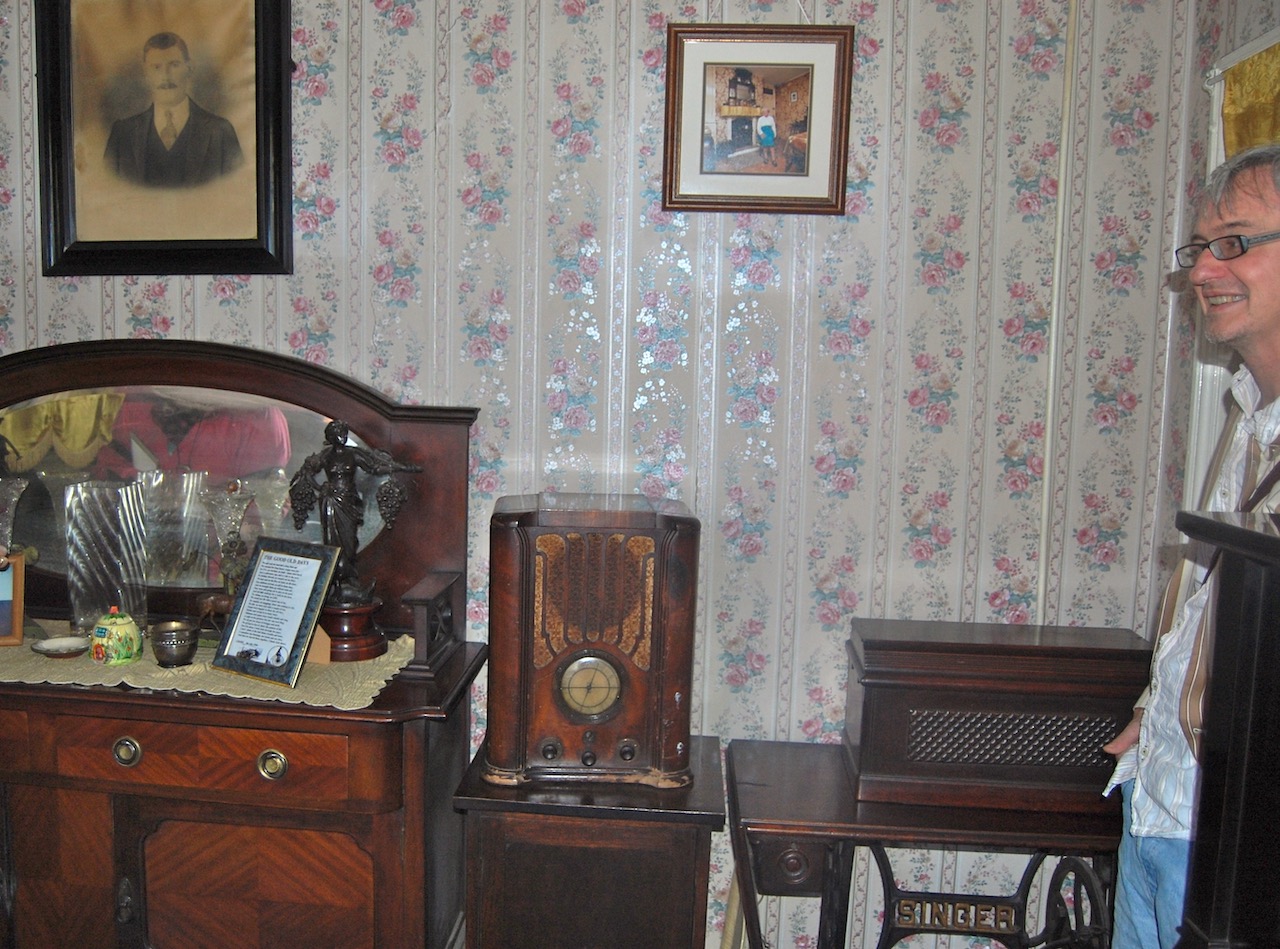


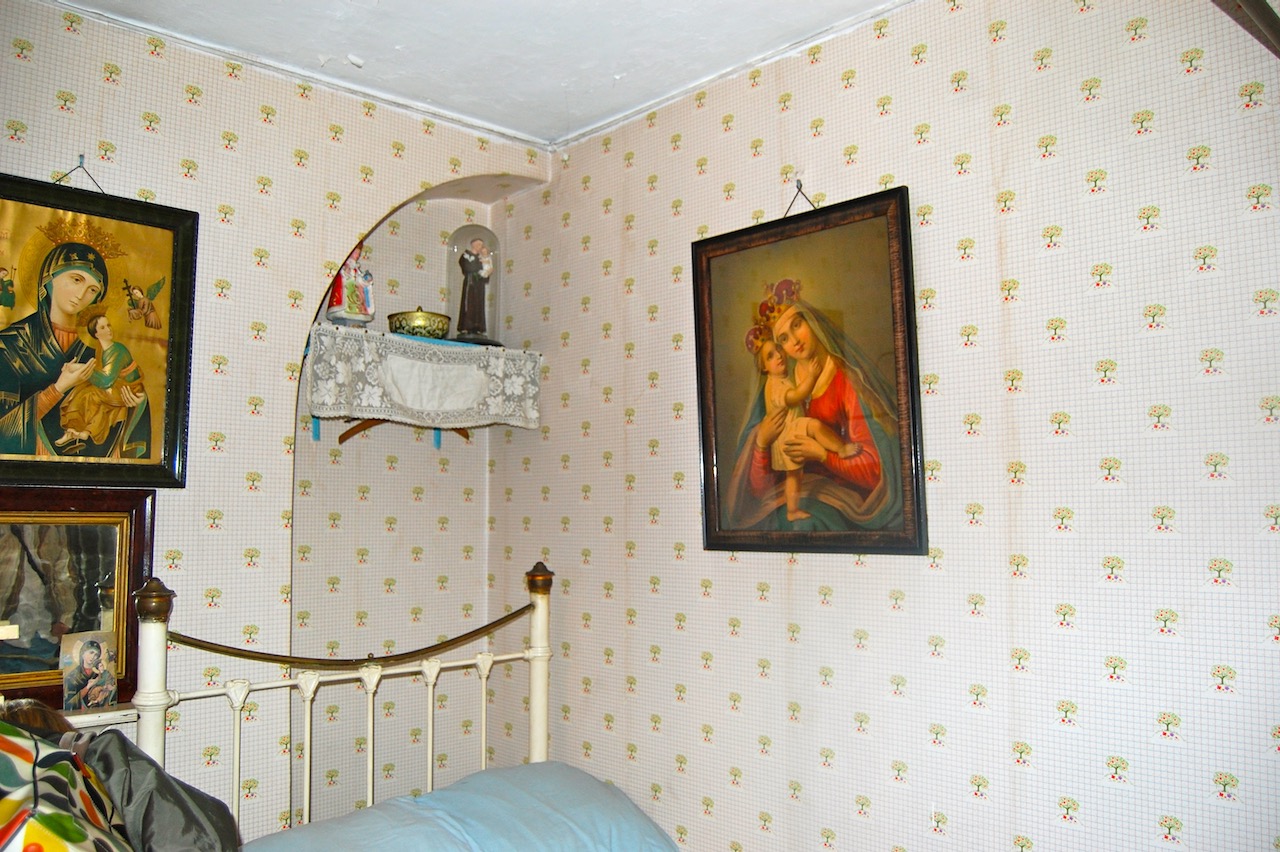

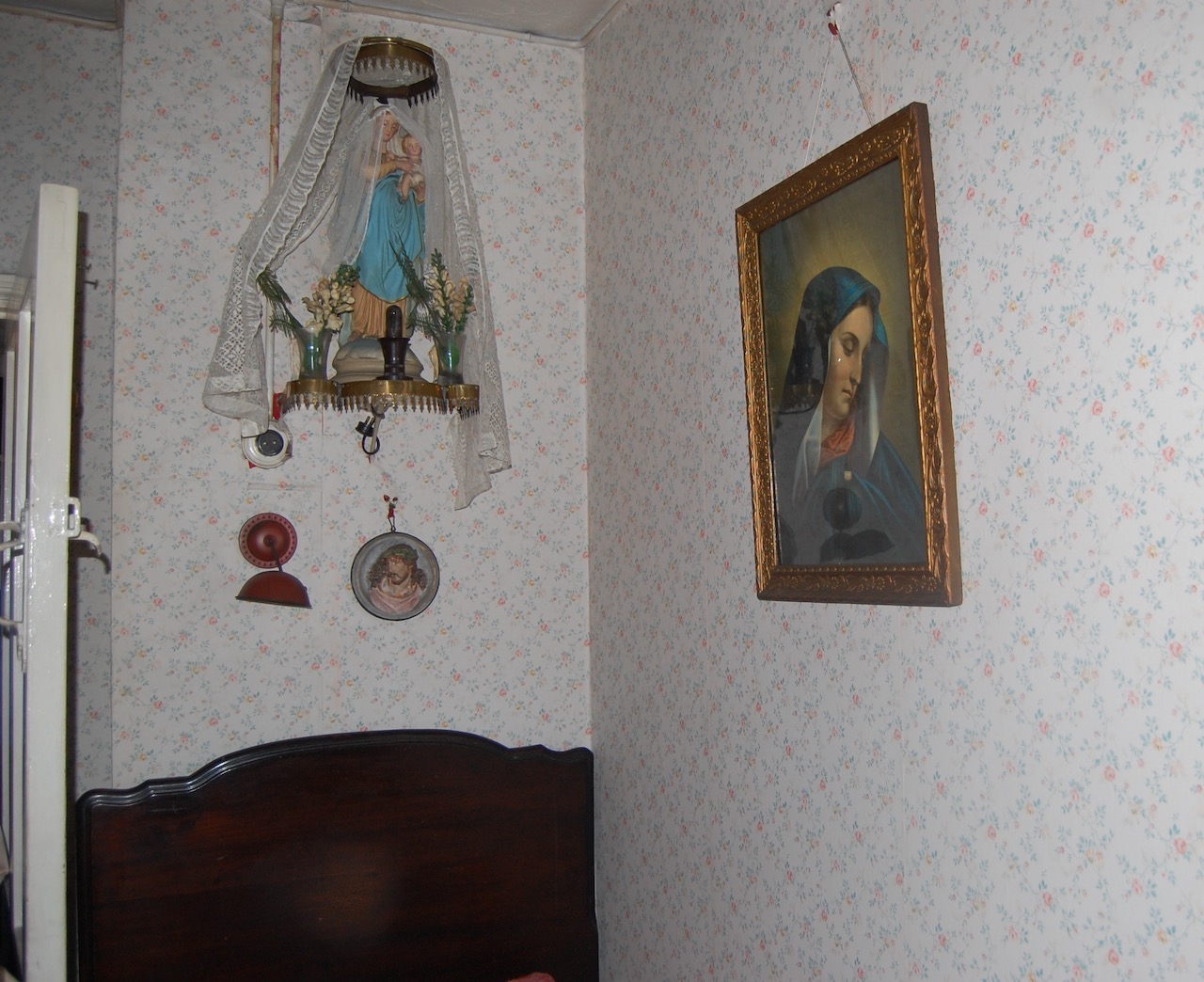


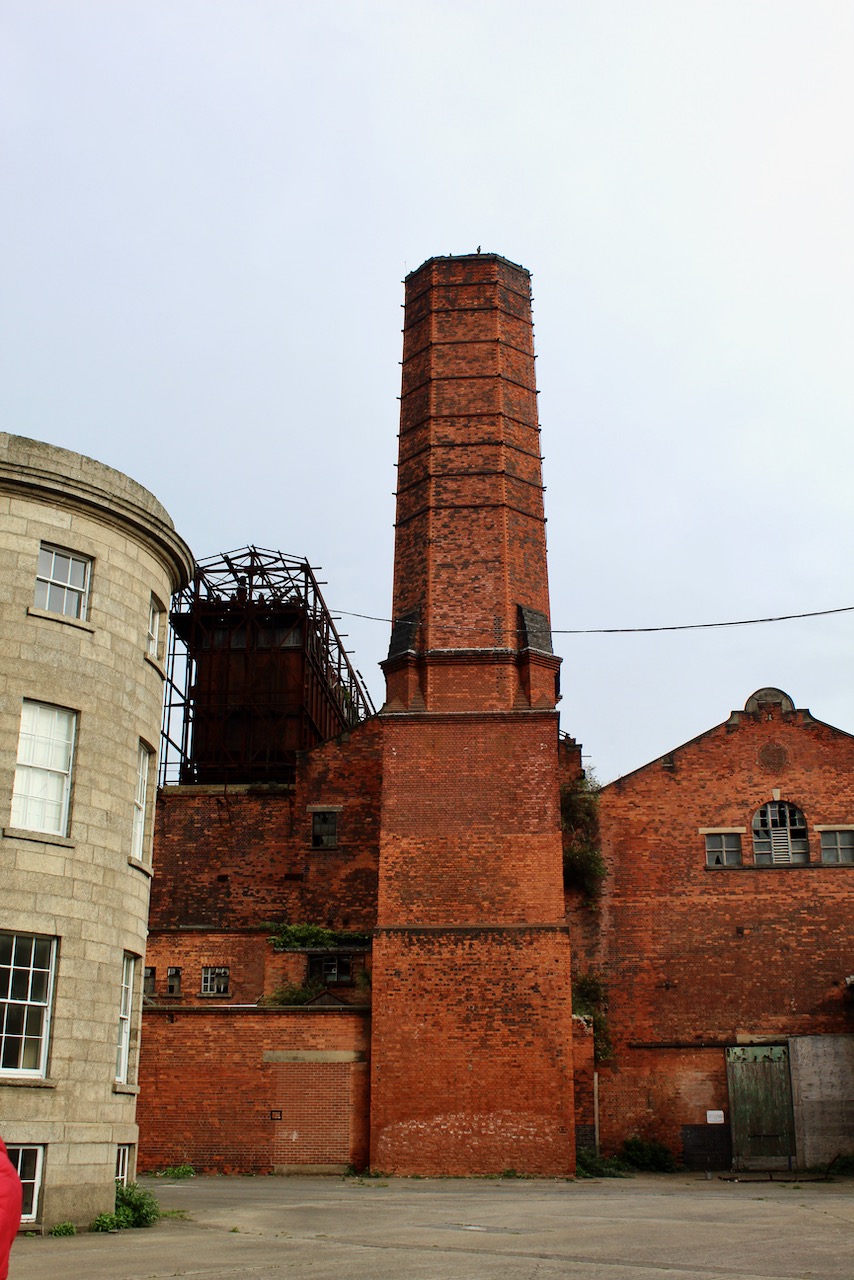




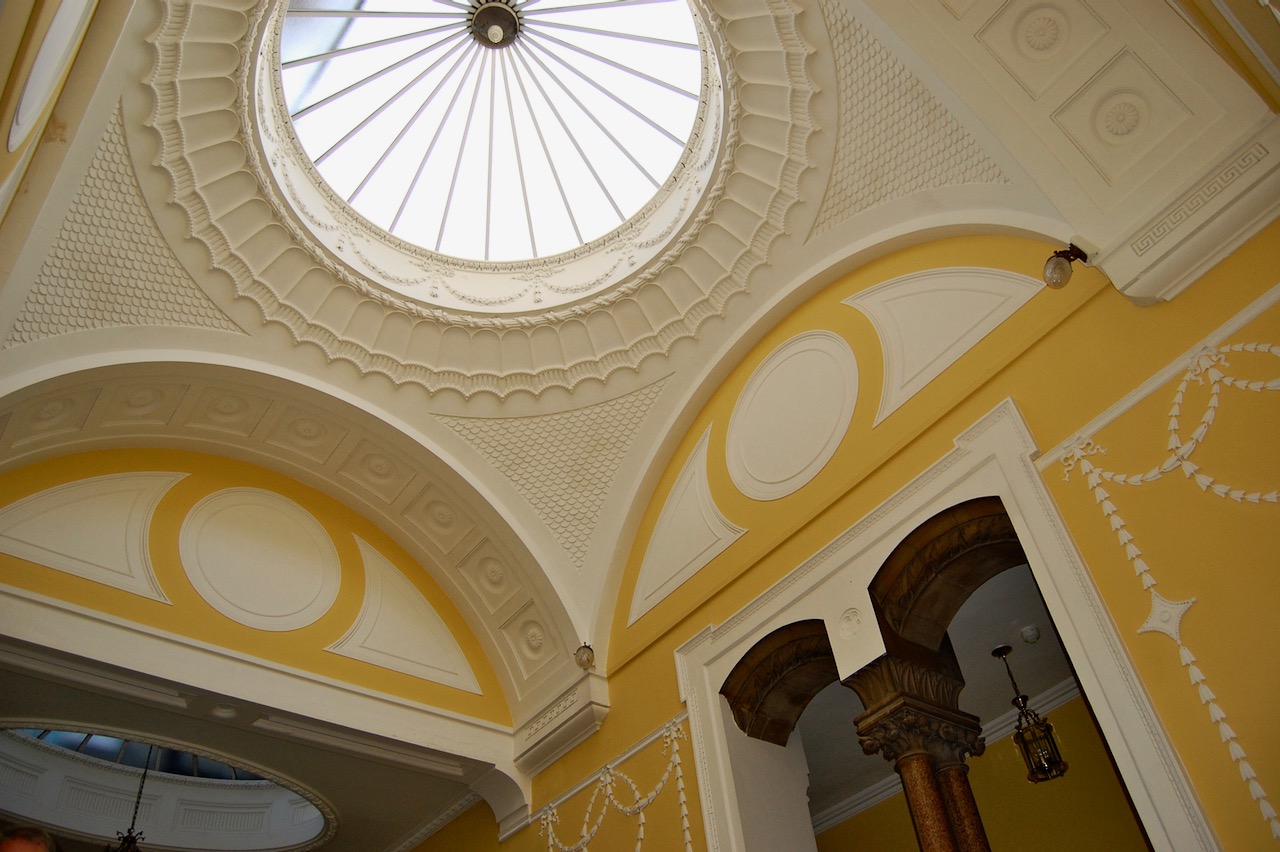

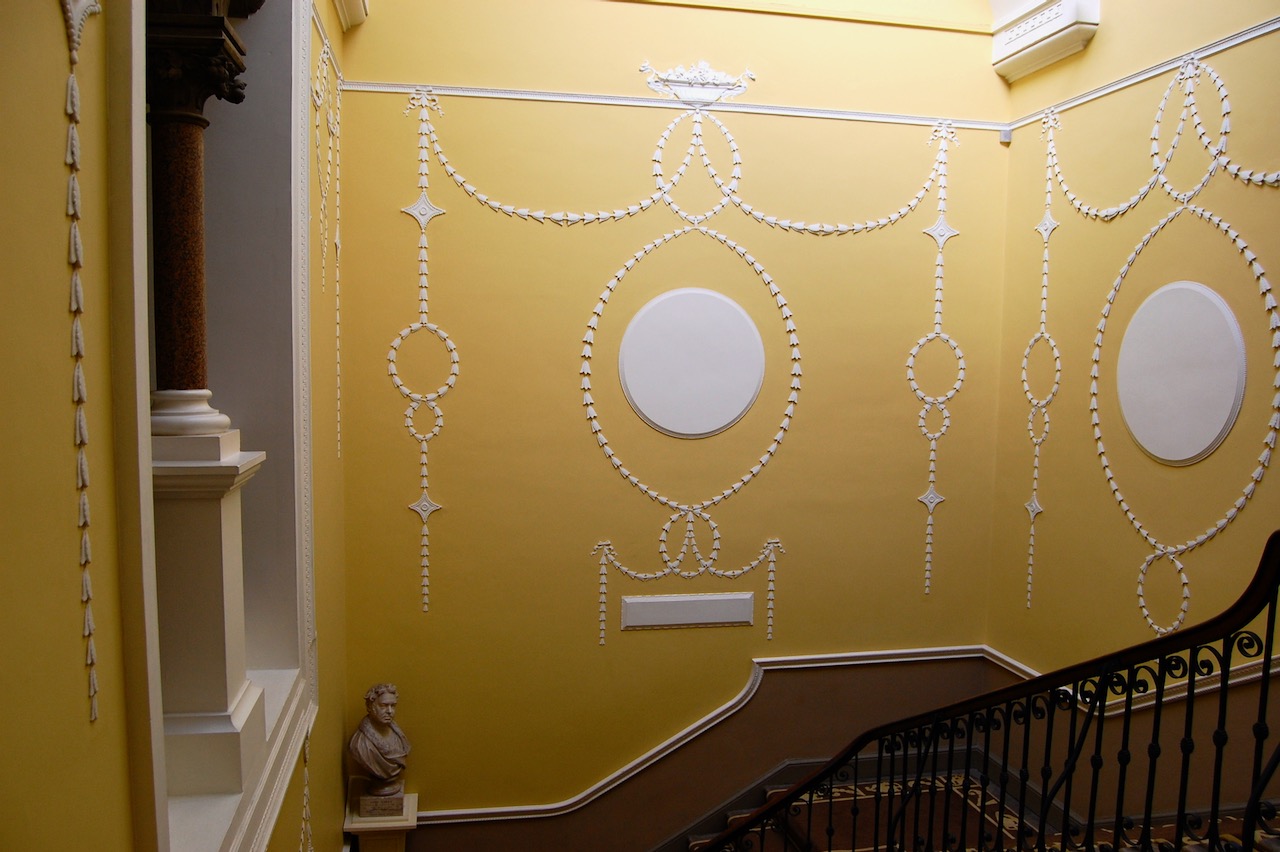

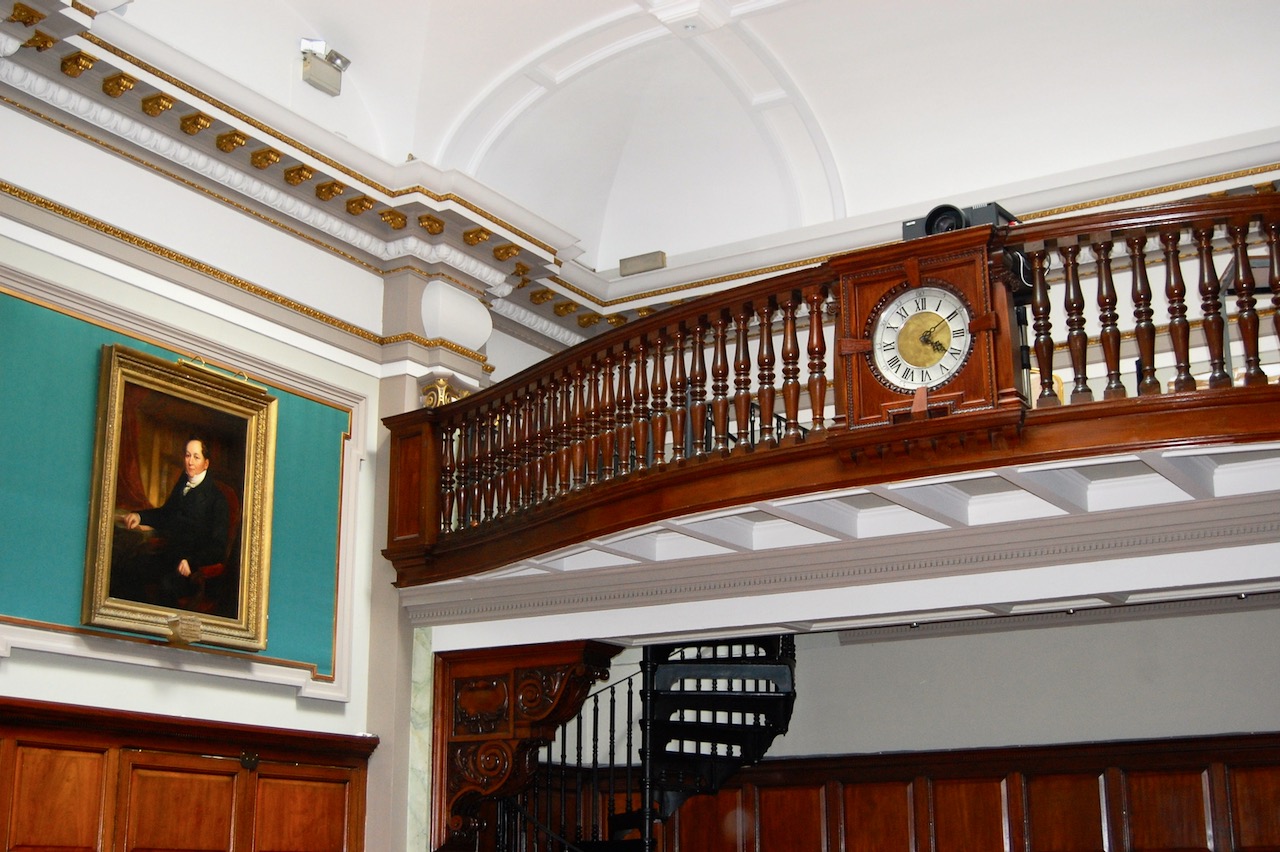

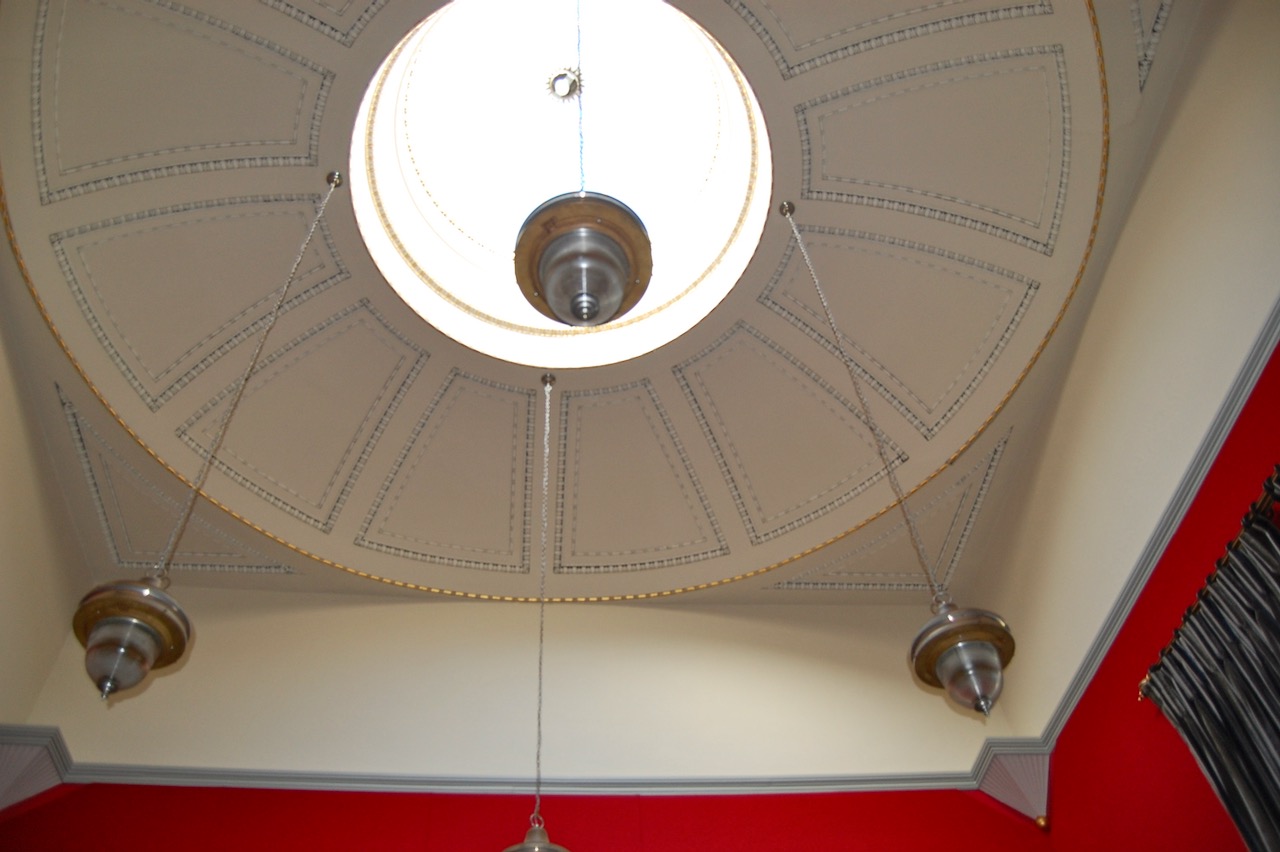
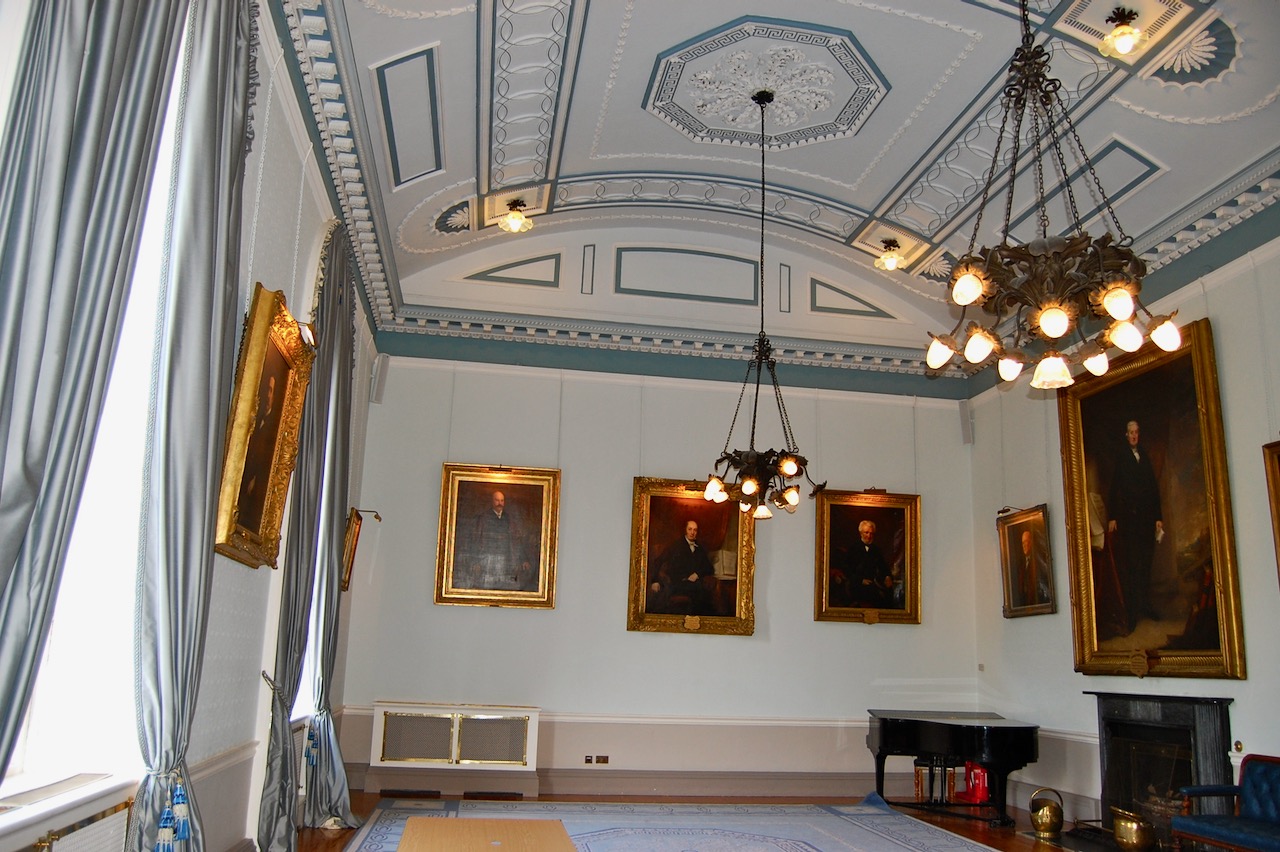
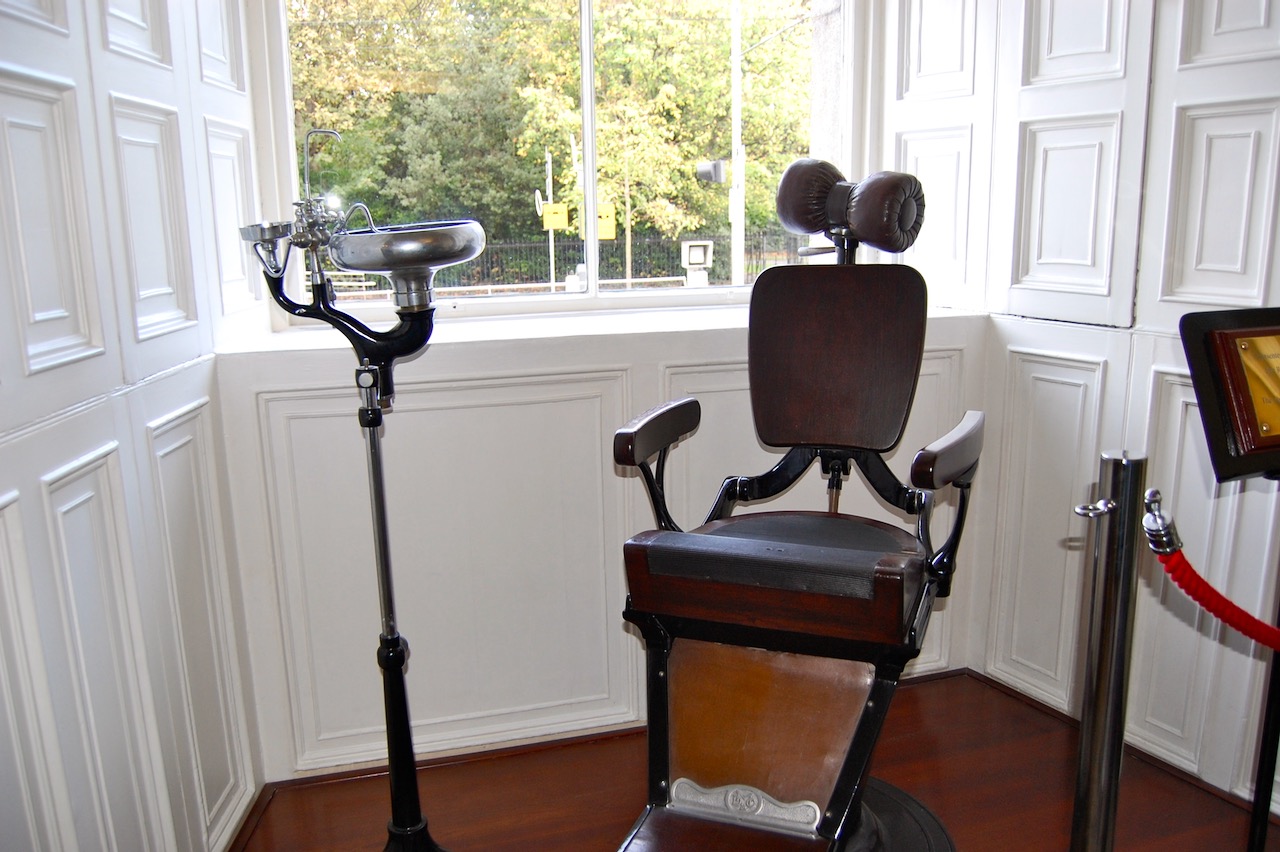

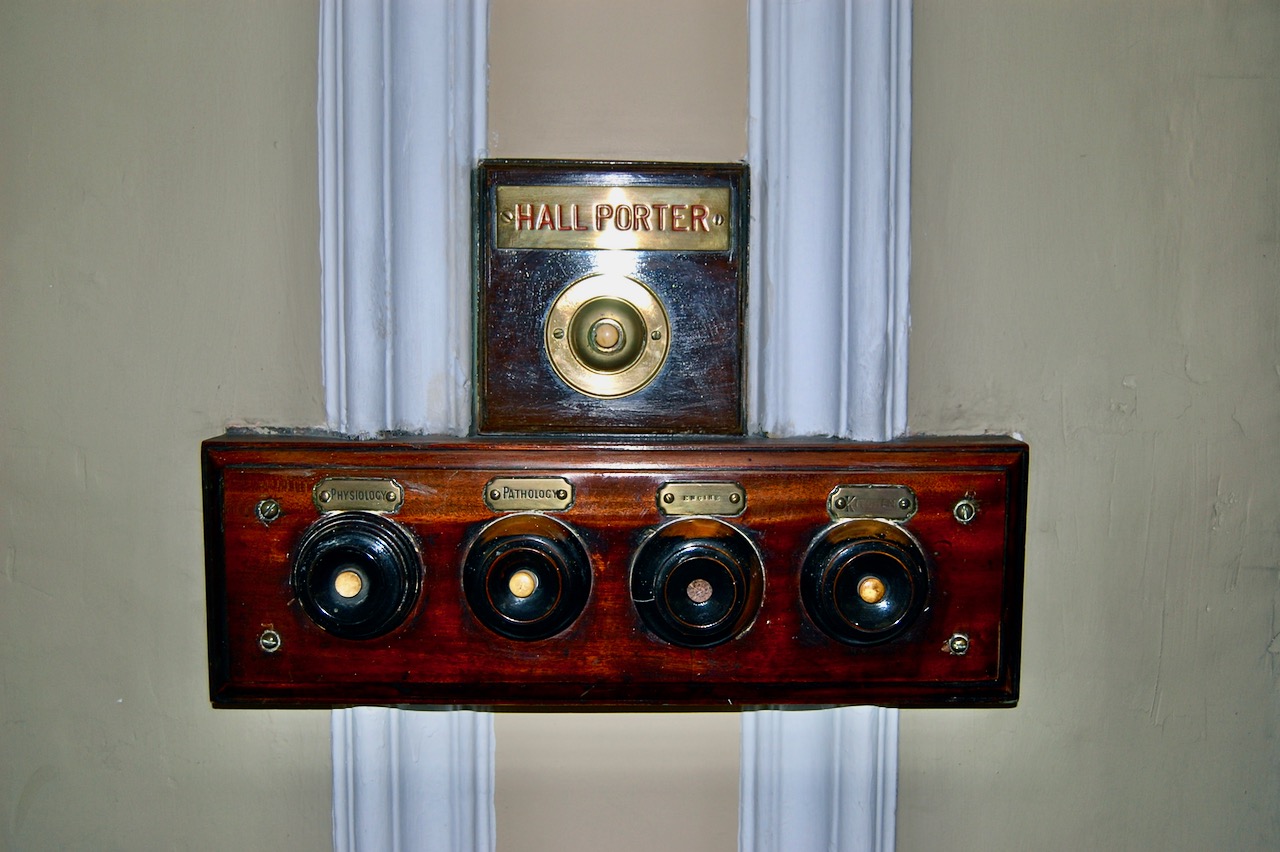
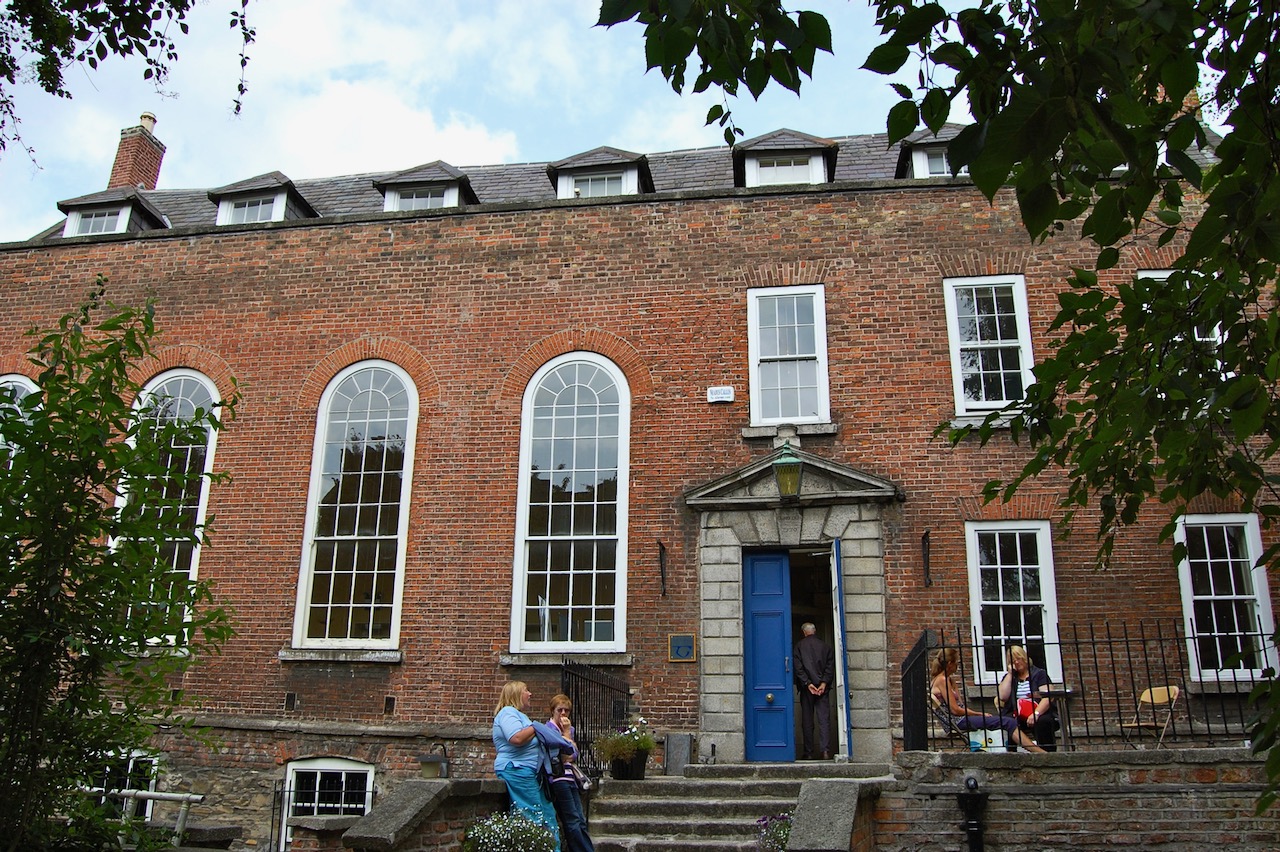


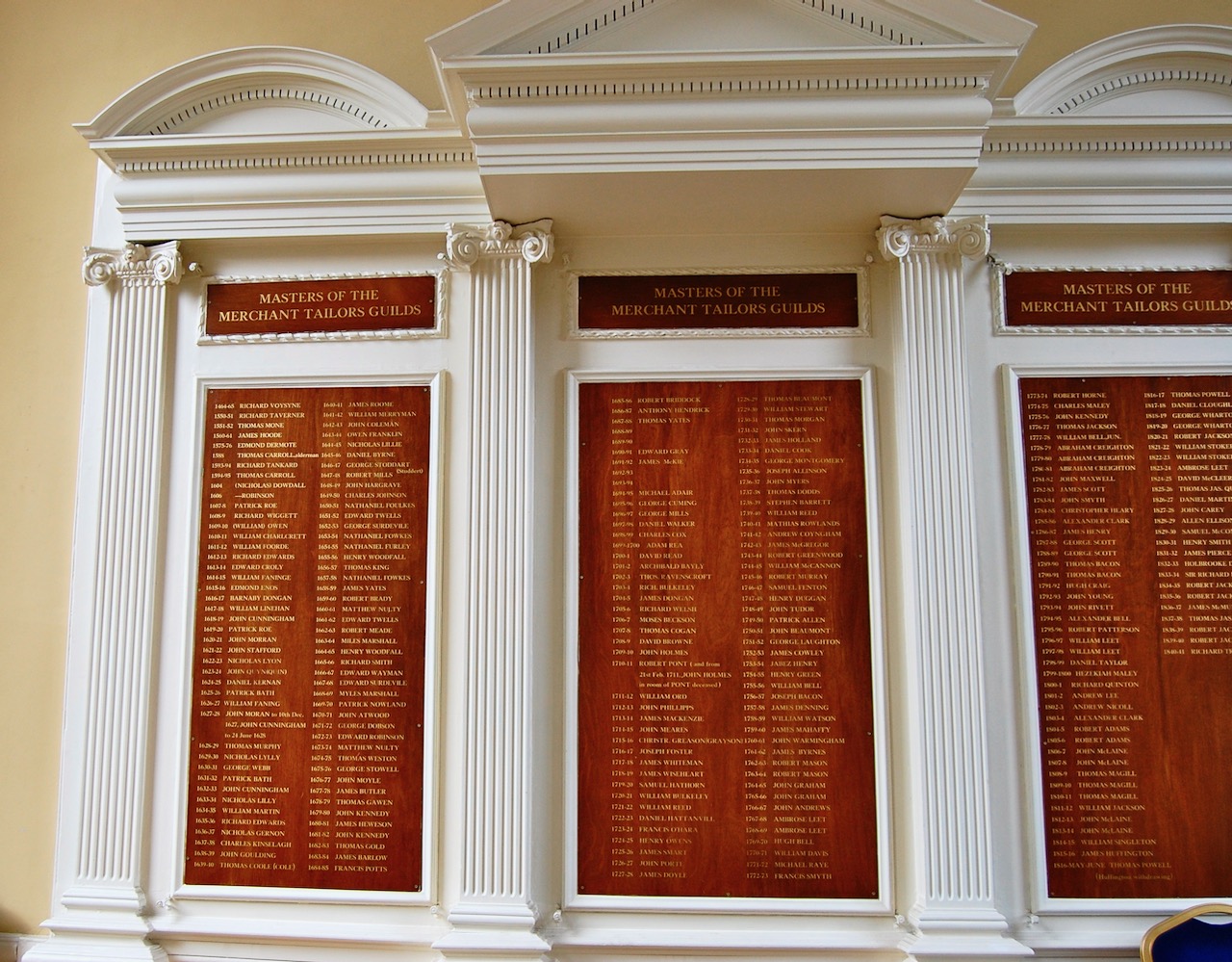
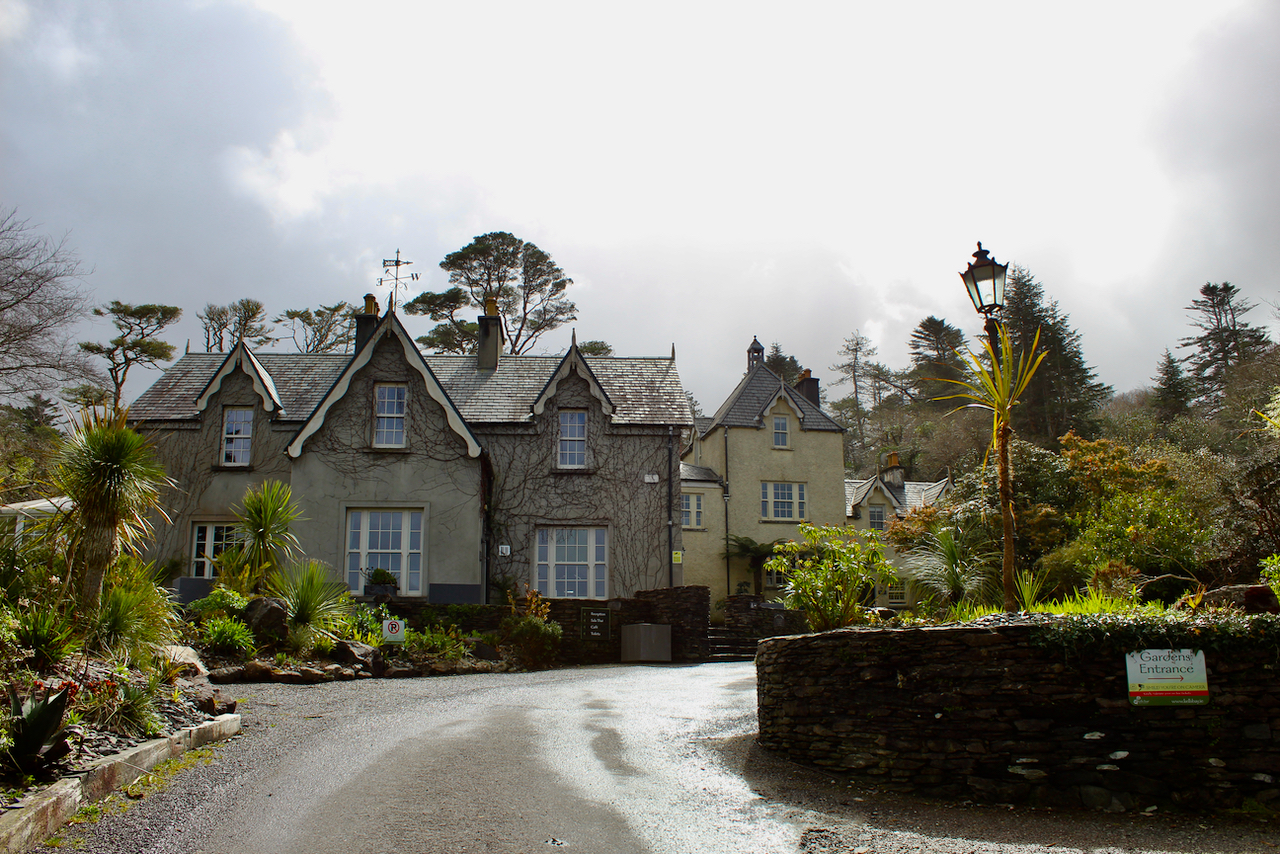
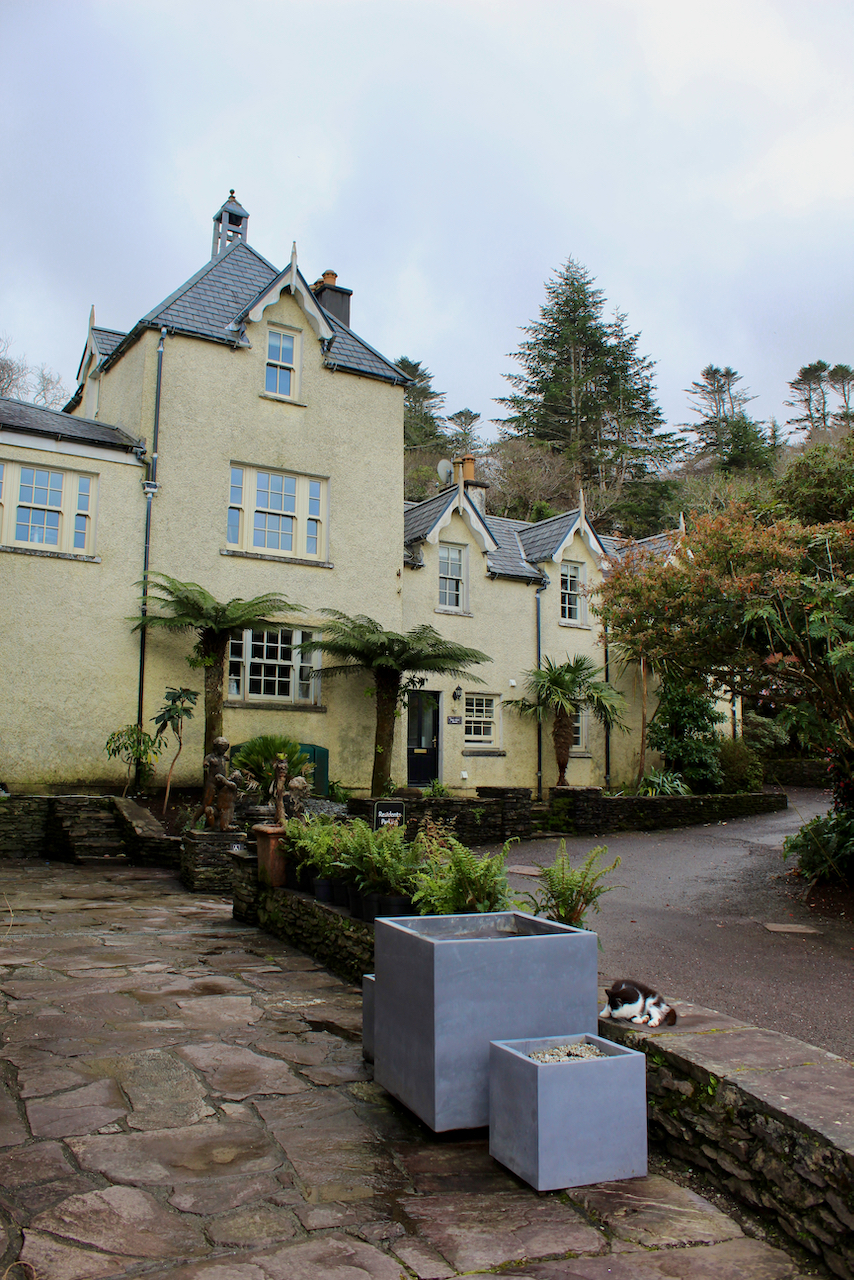
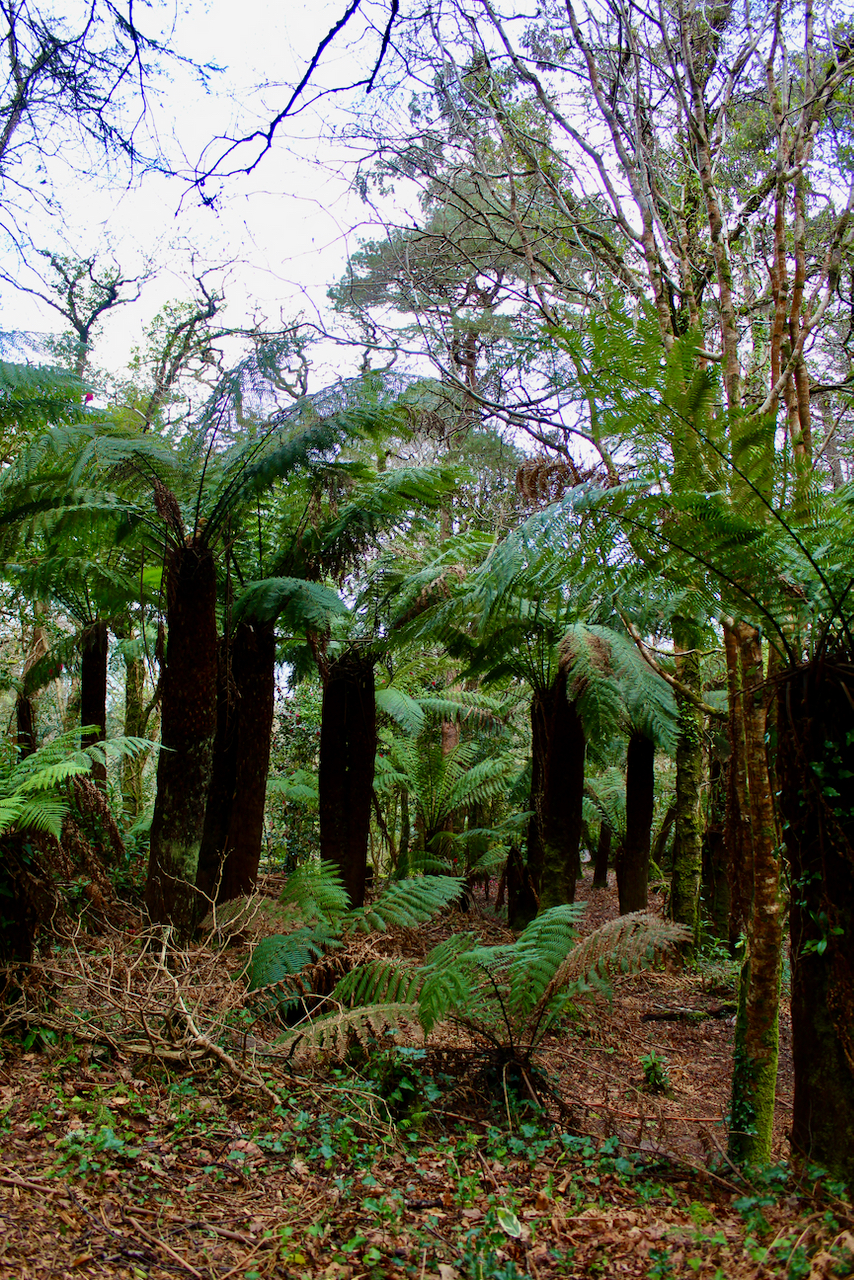

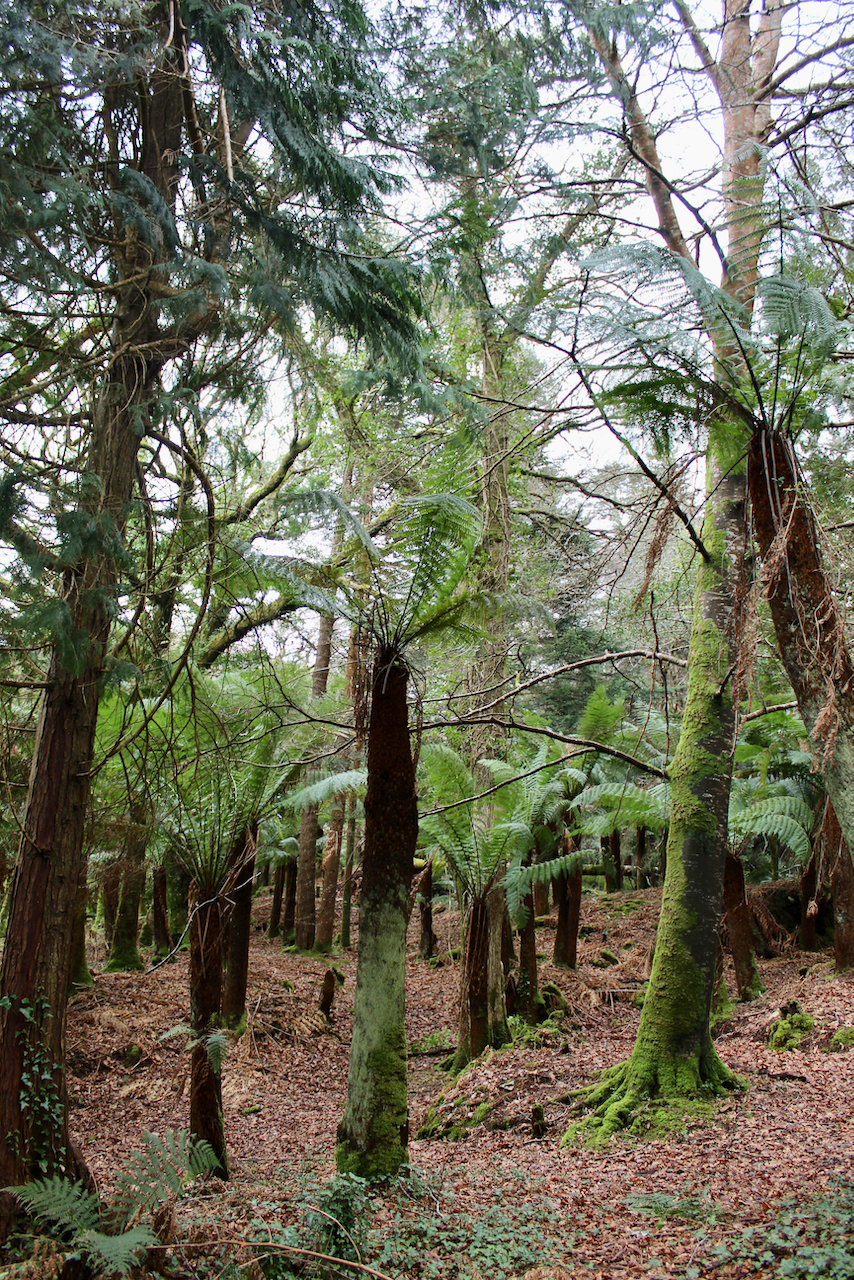
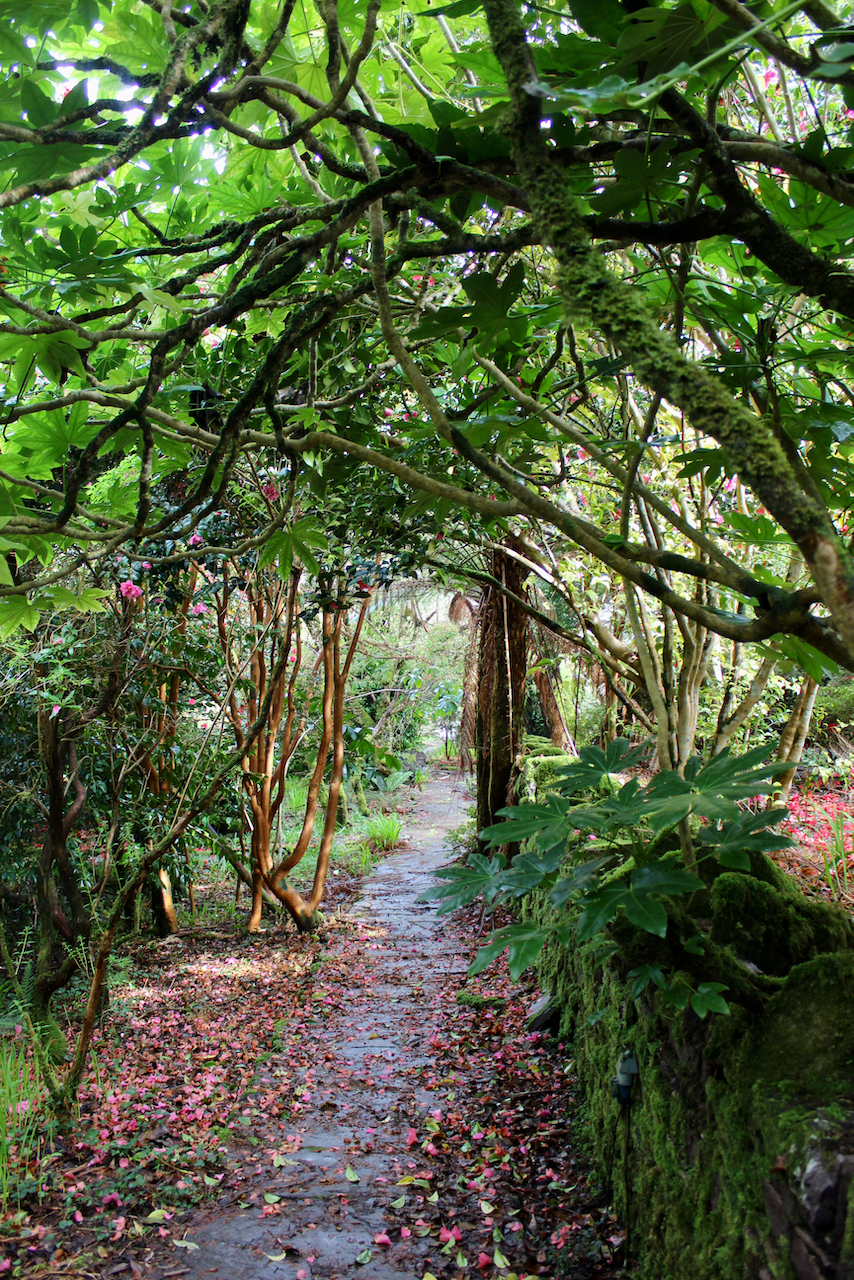

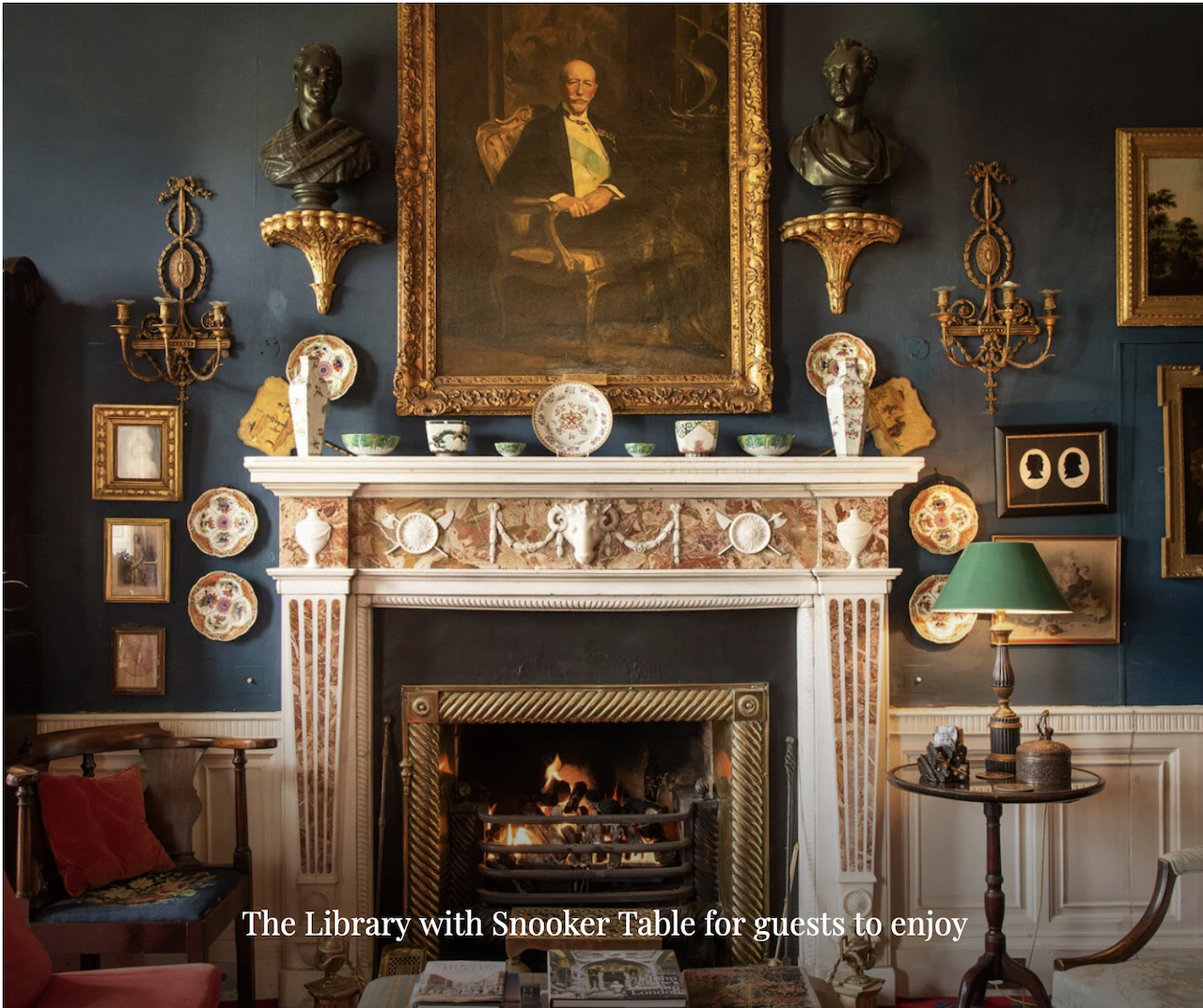
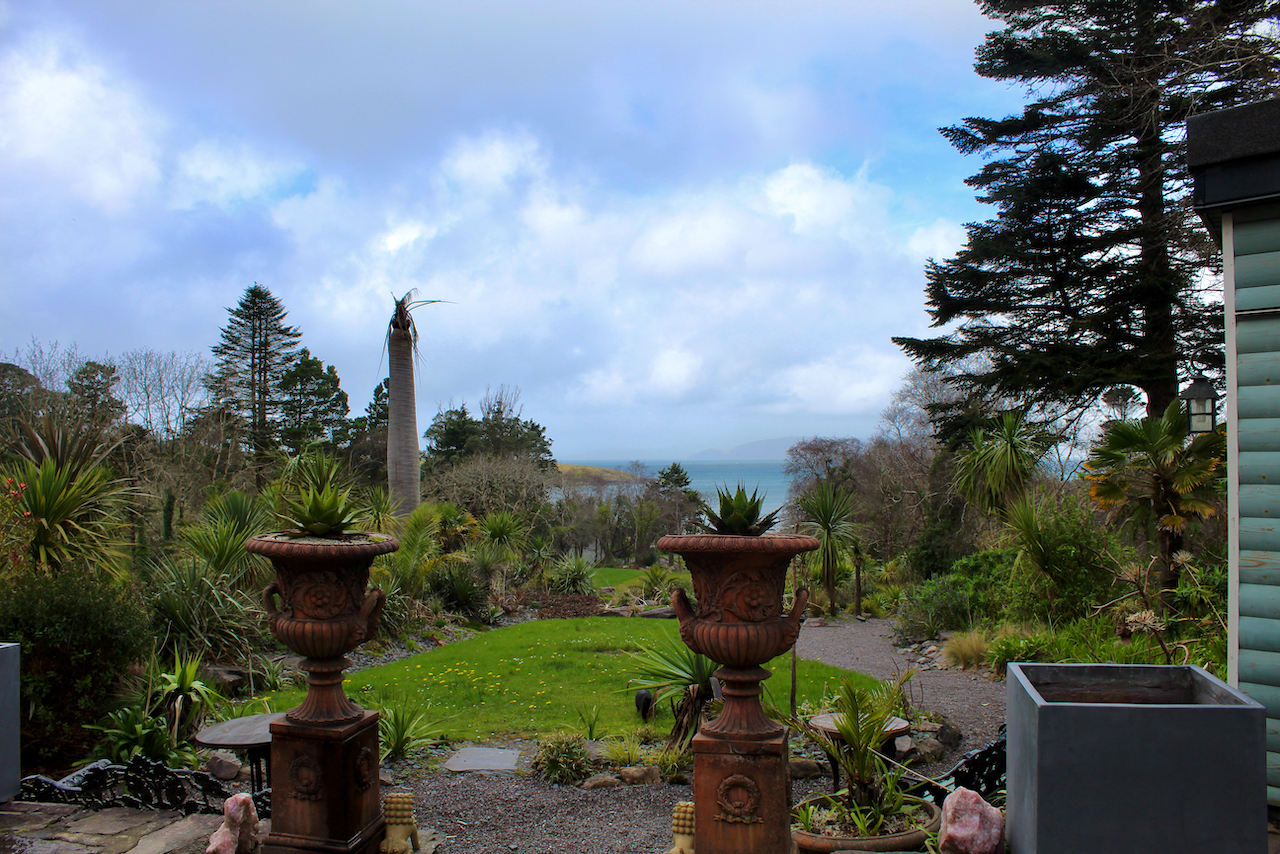
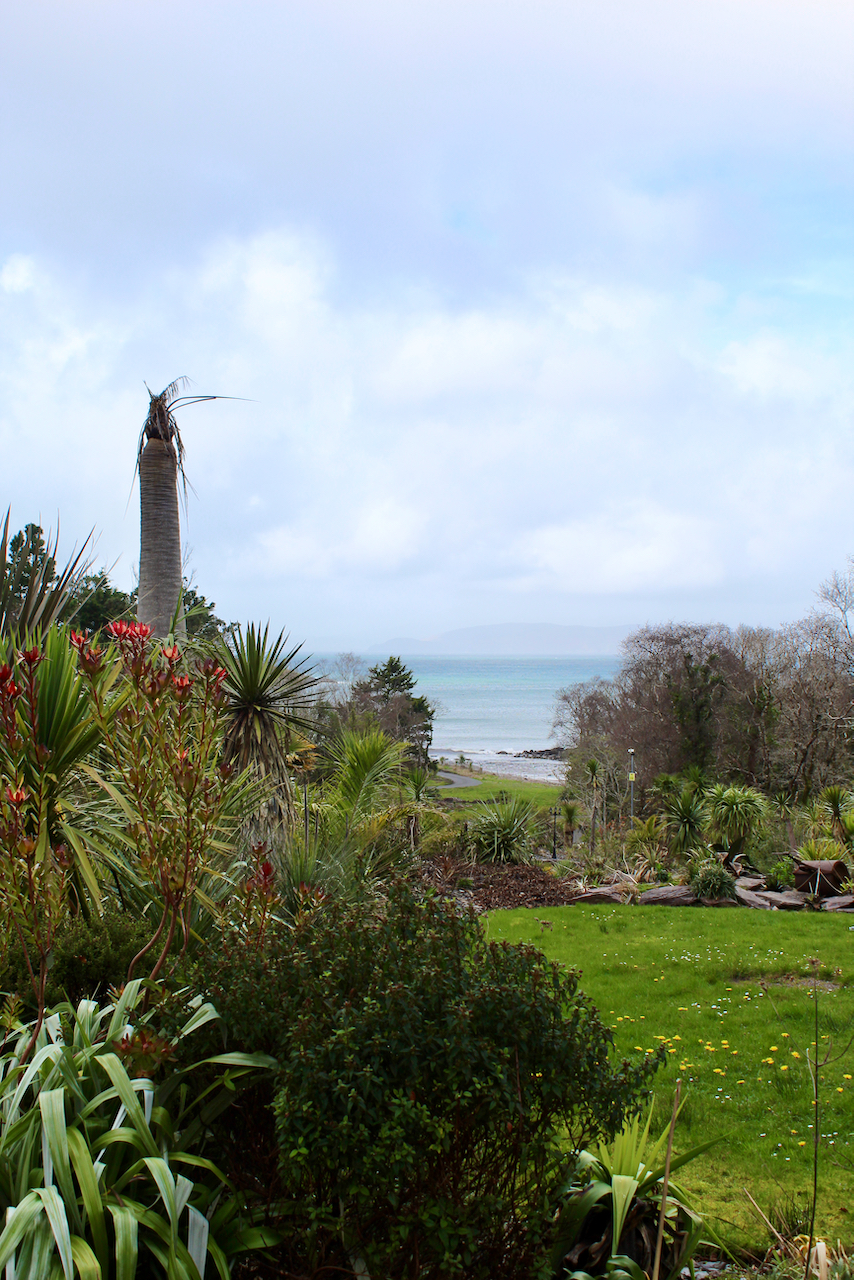
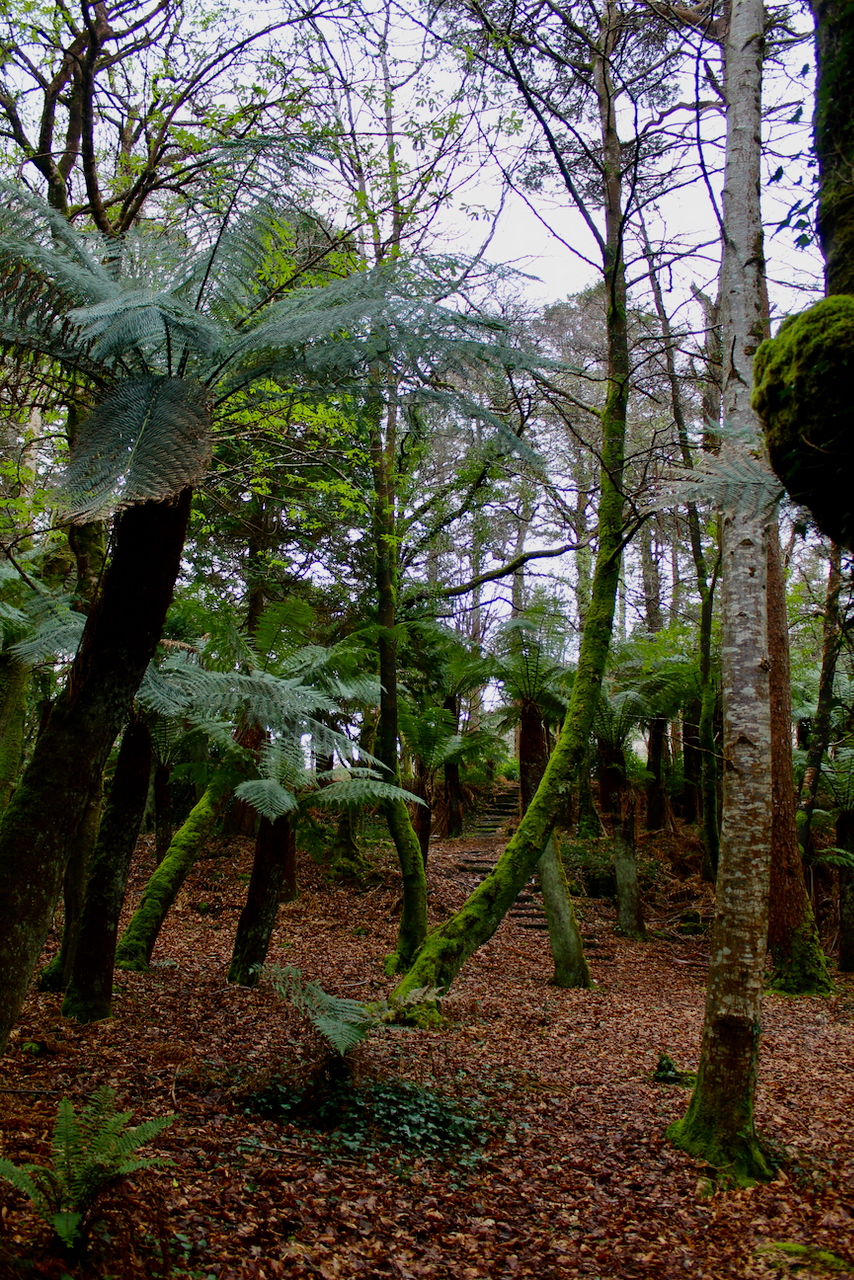


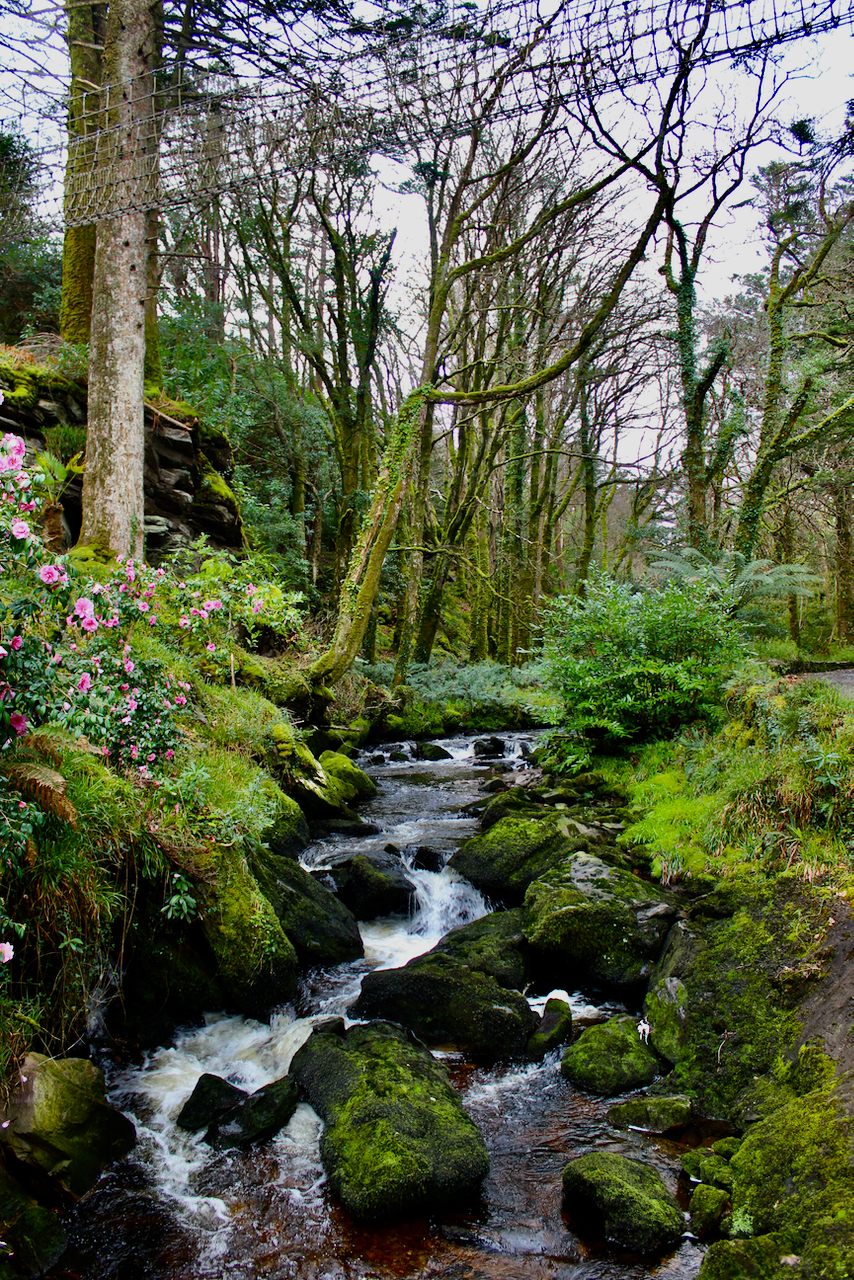

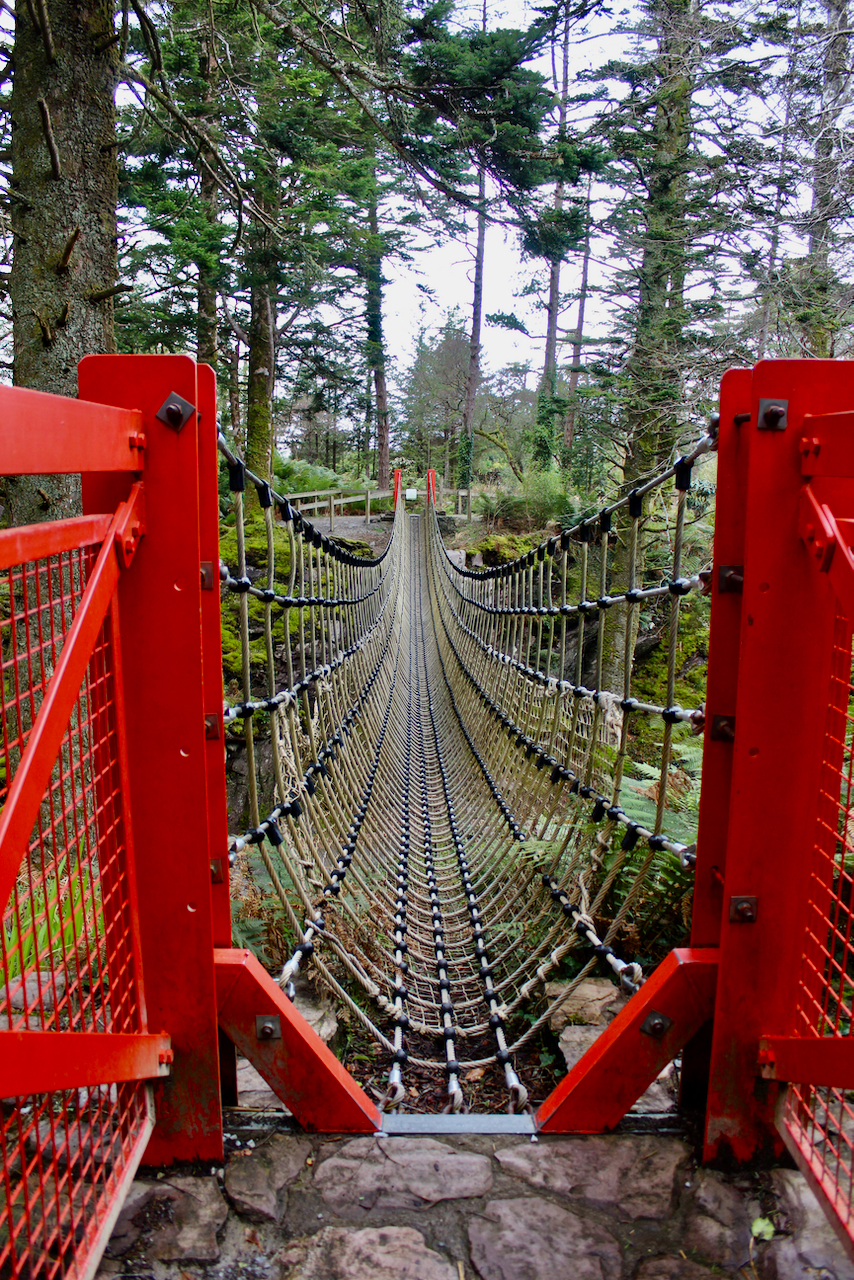
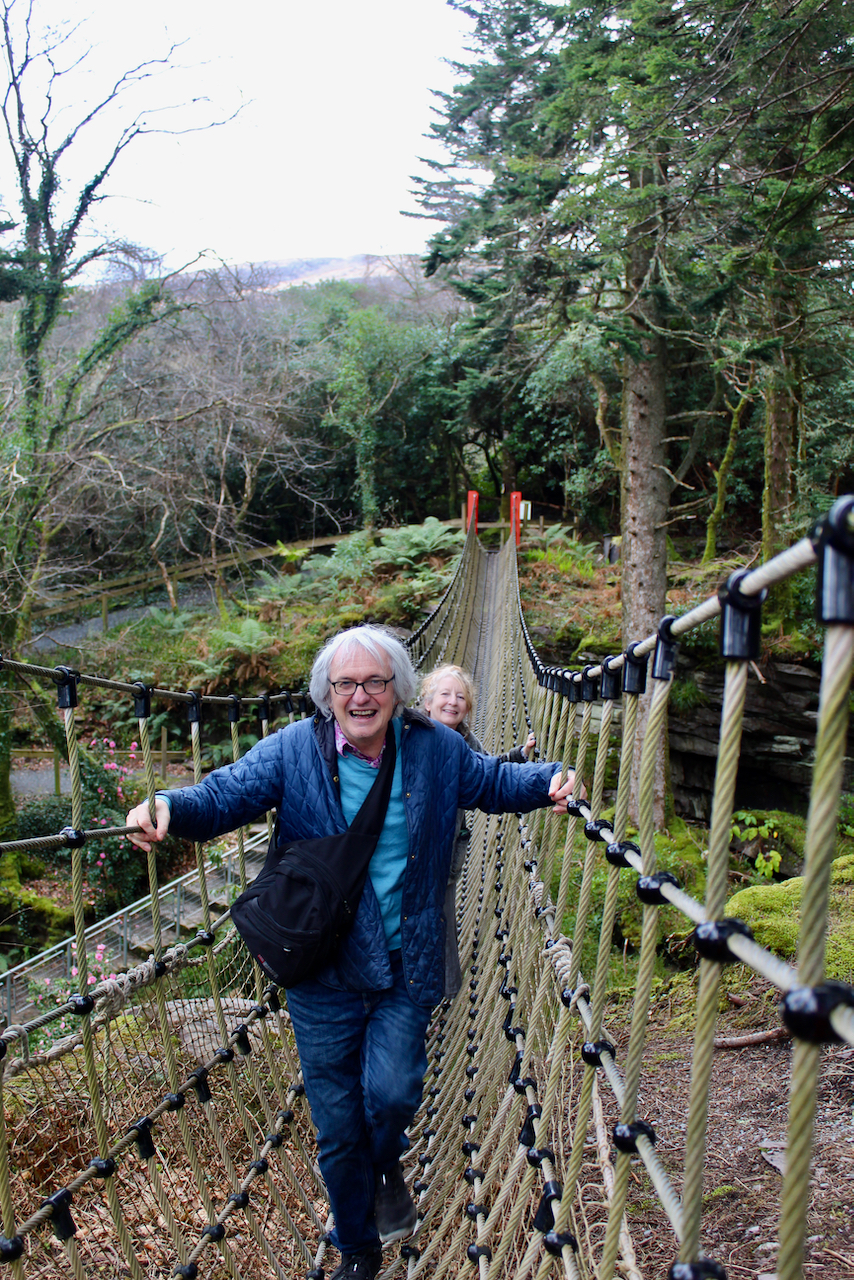

 Irish Historic Houses