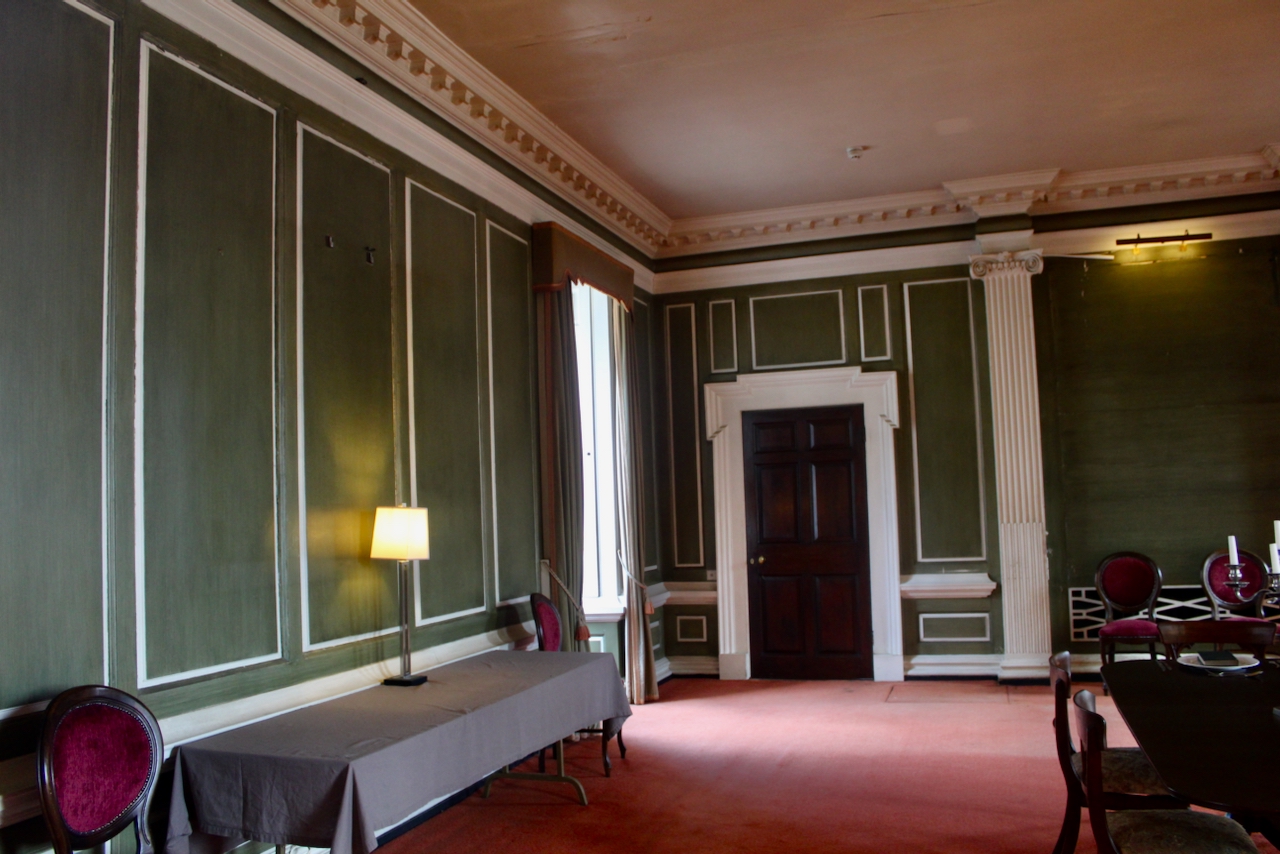
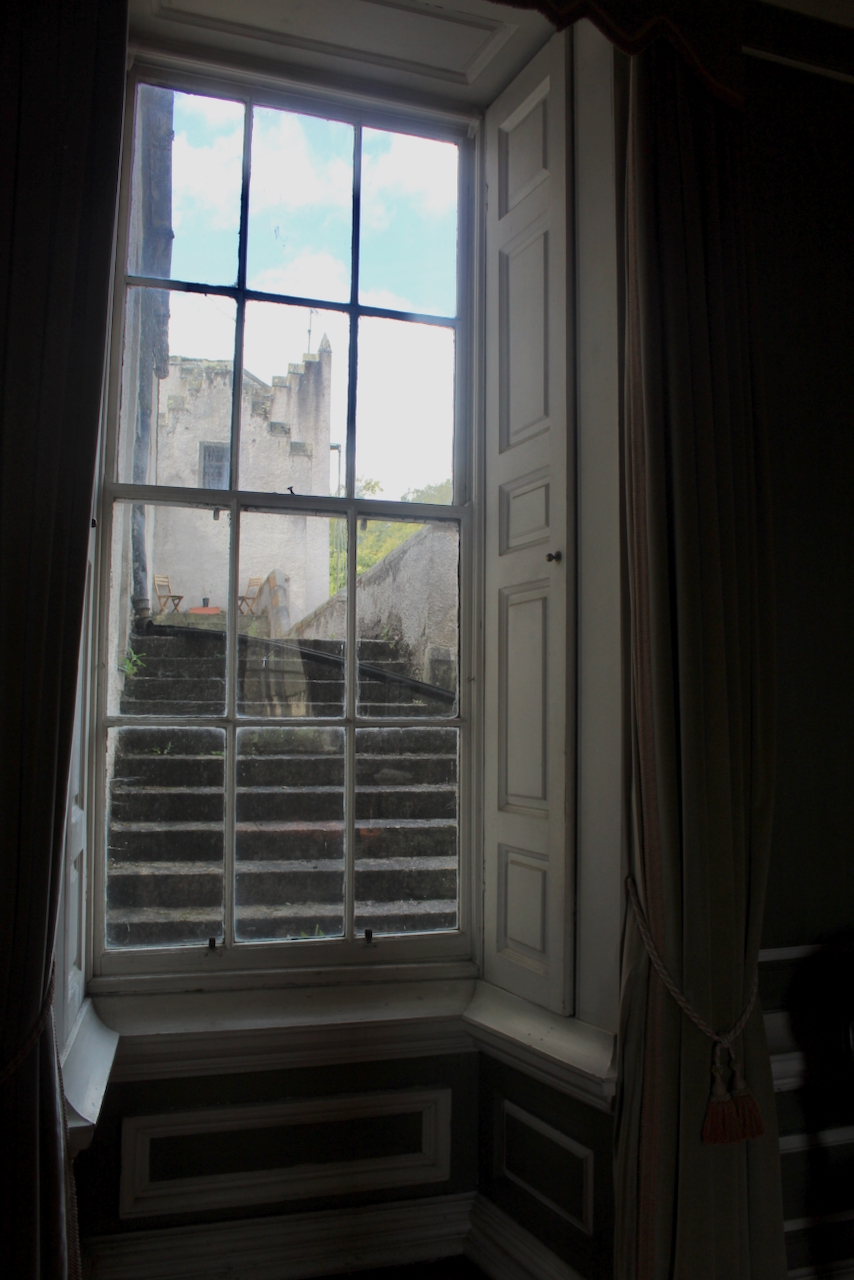
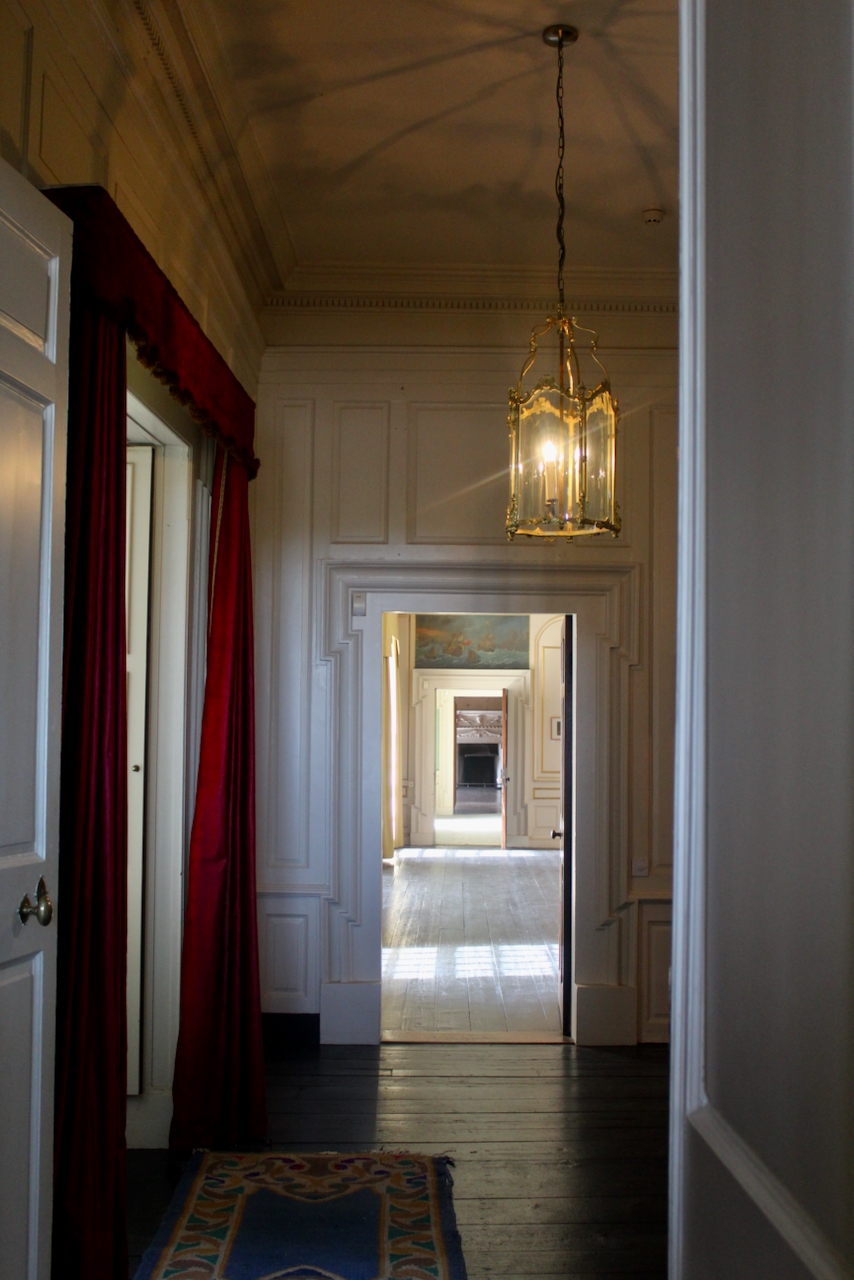
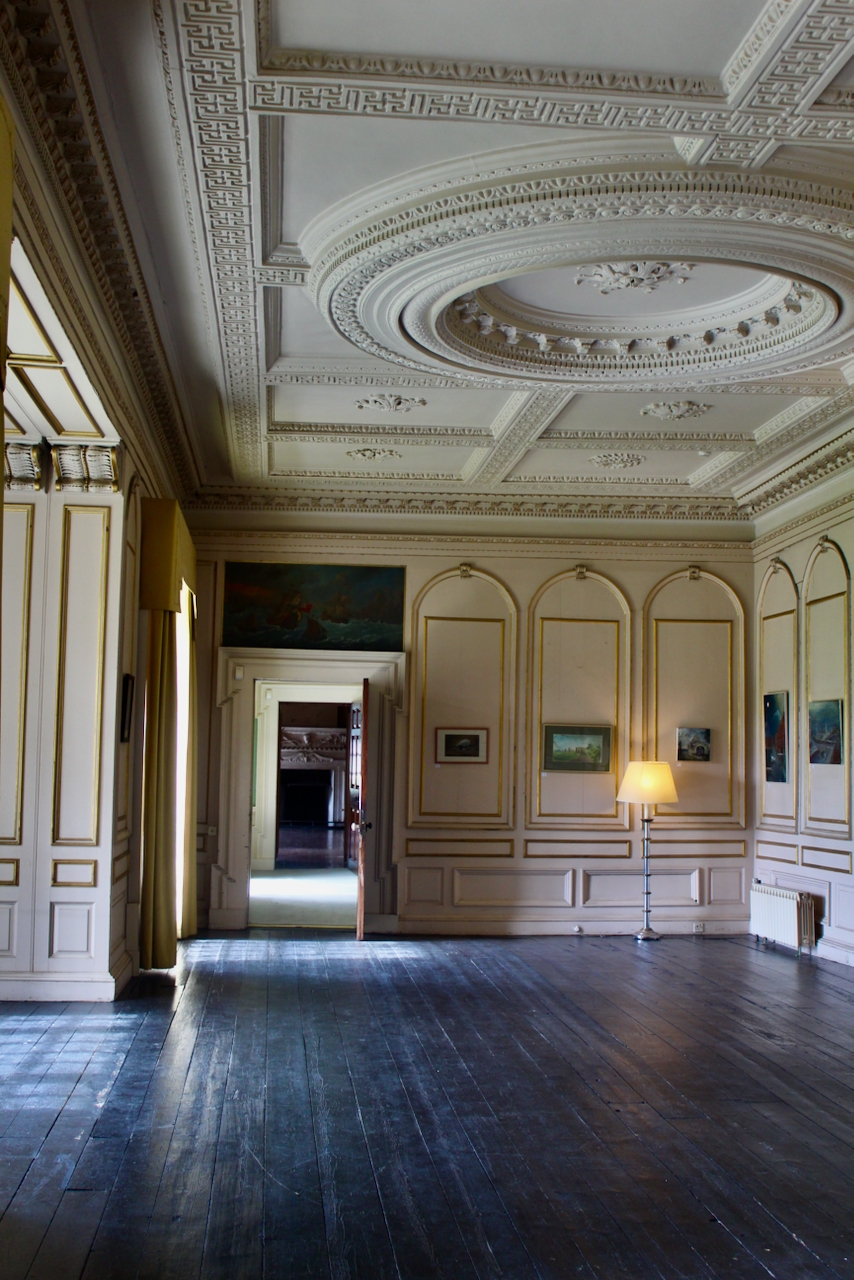
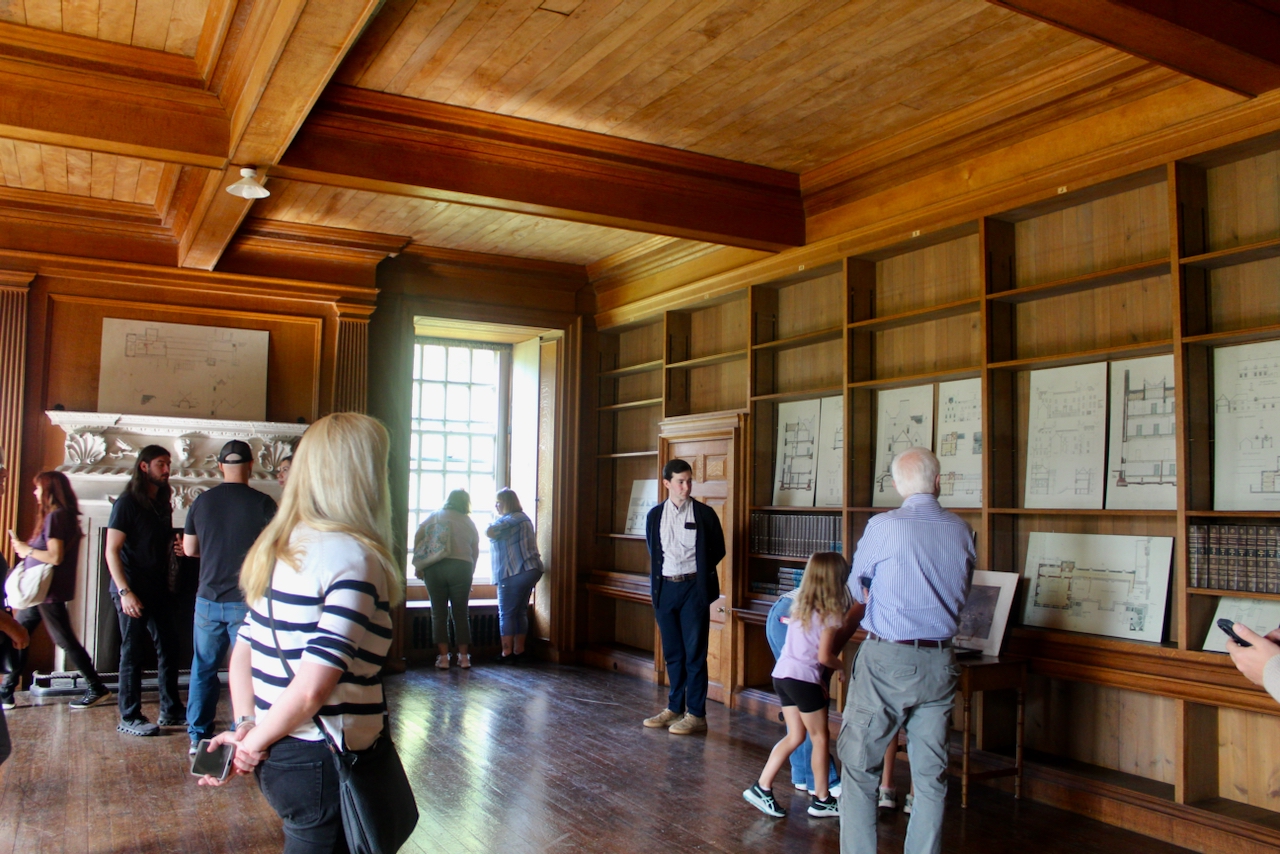
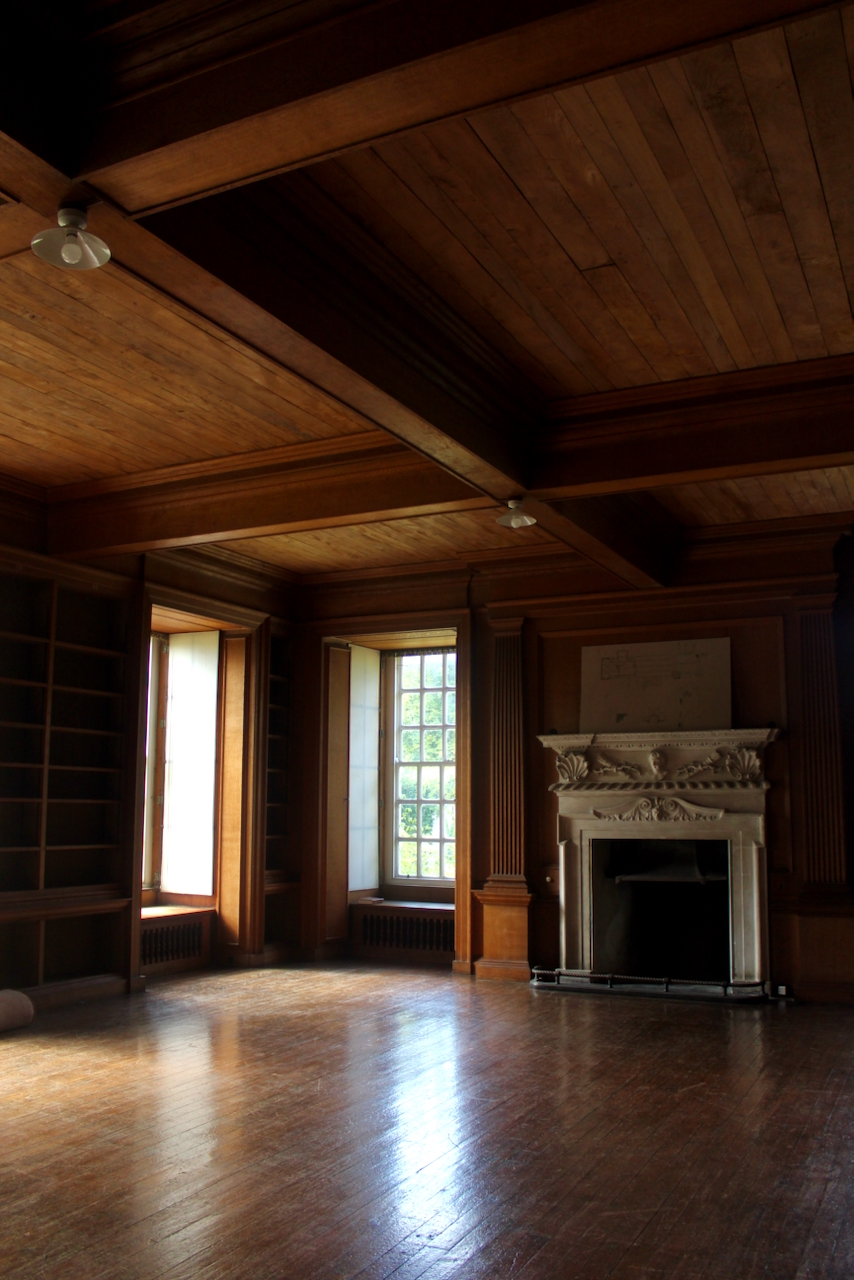
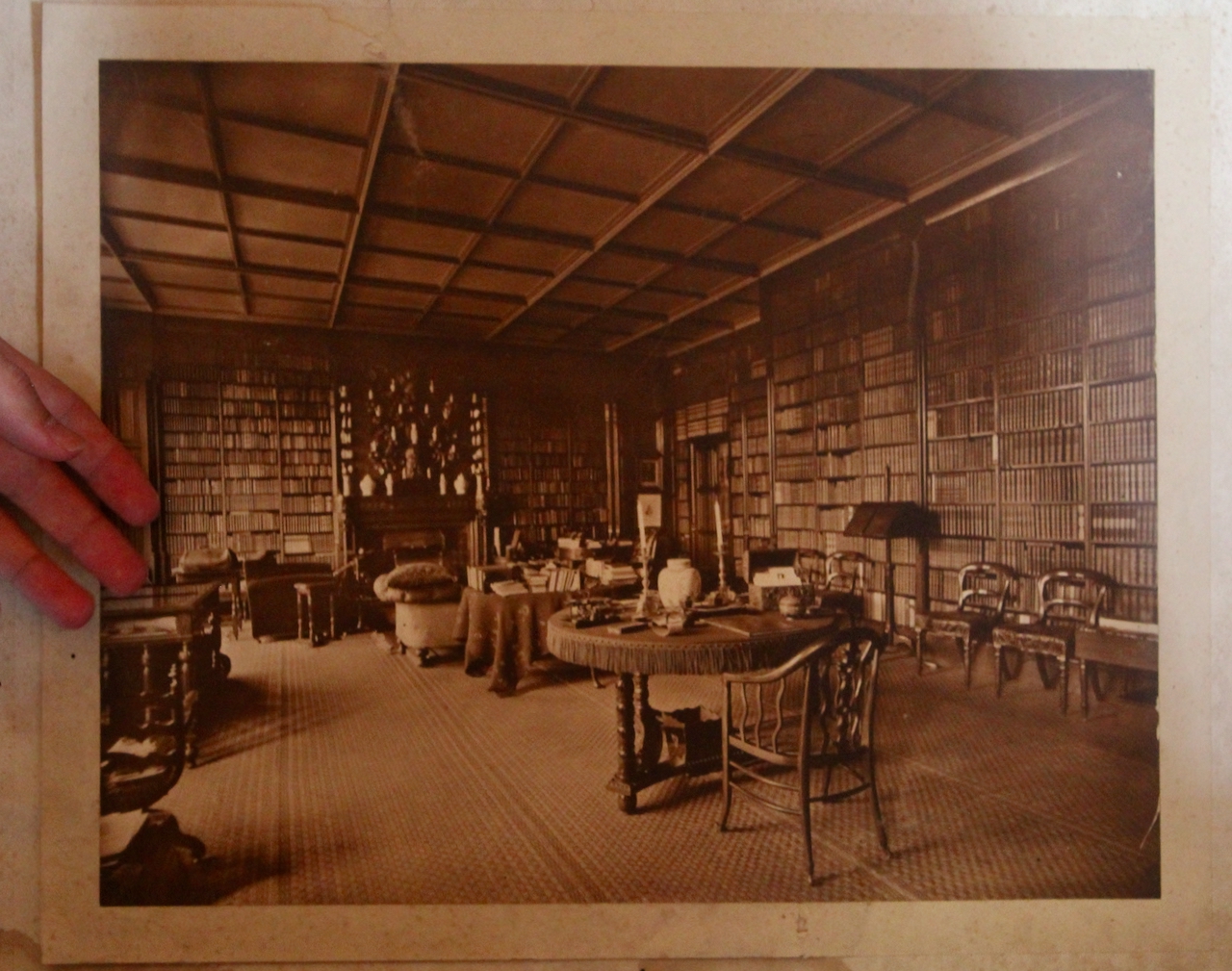
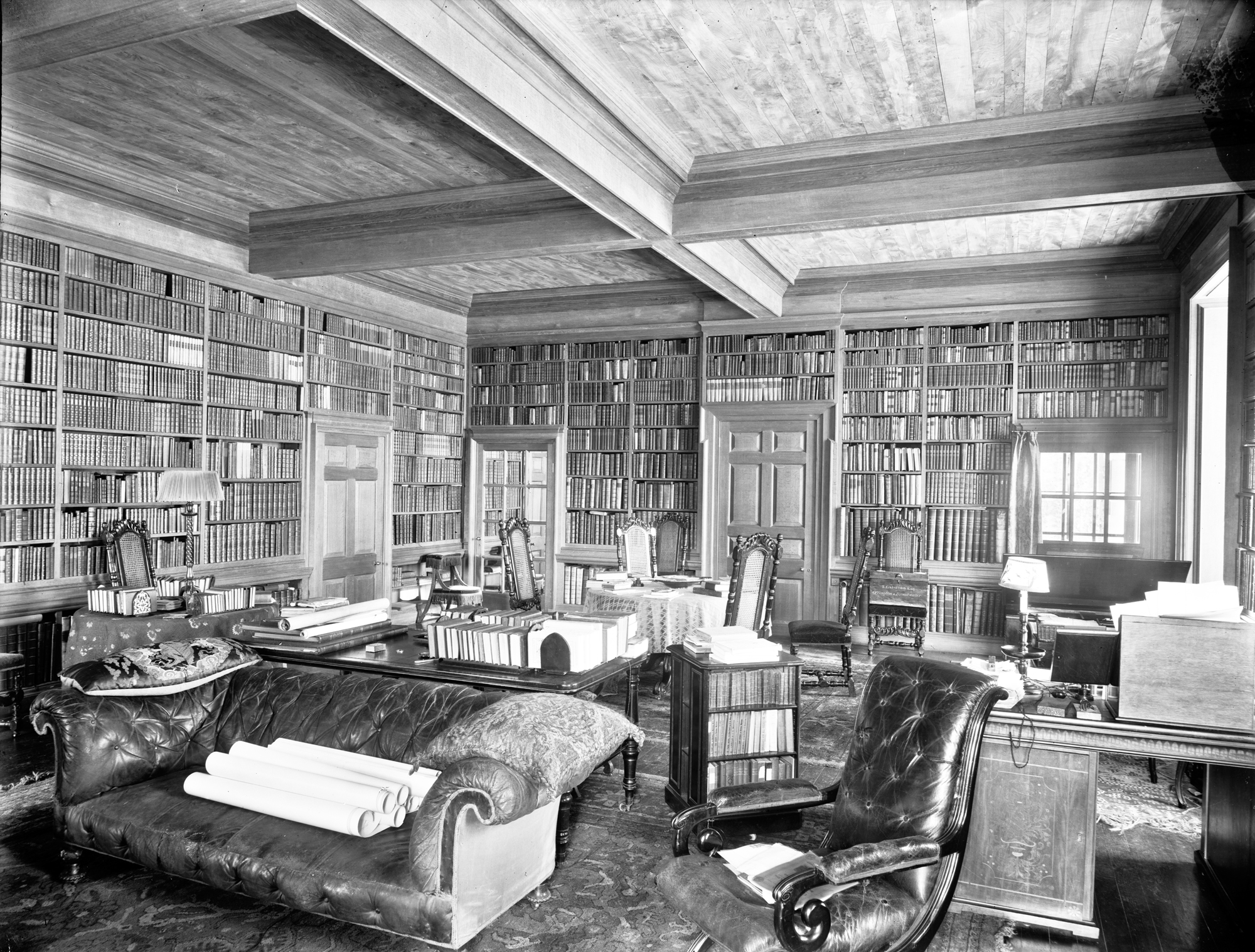
Dublin Castle, an Office of Public Works property

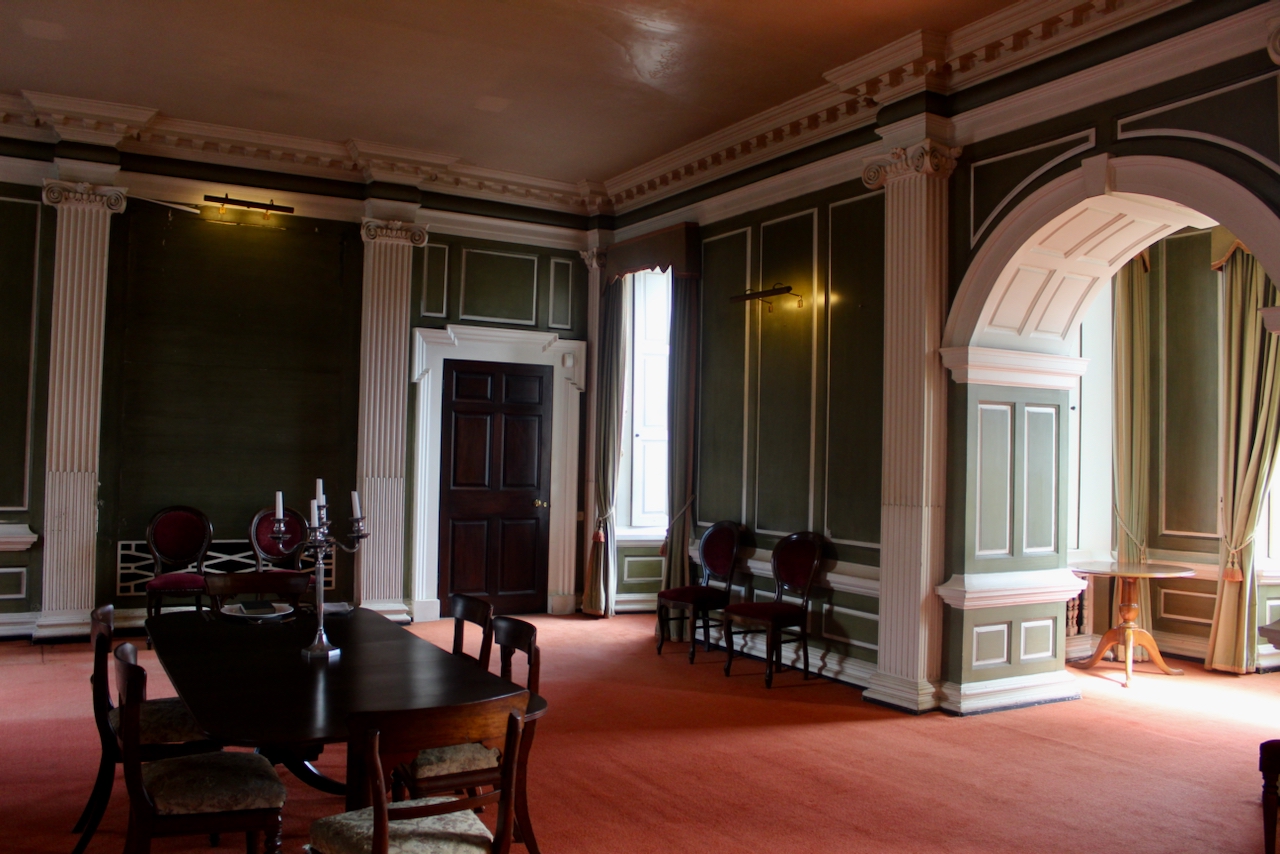
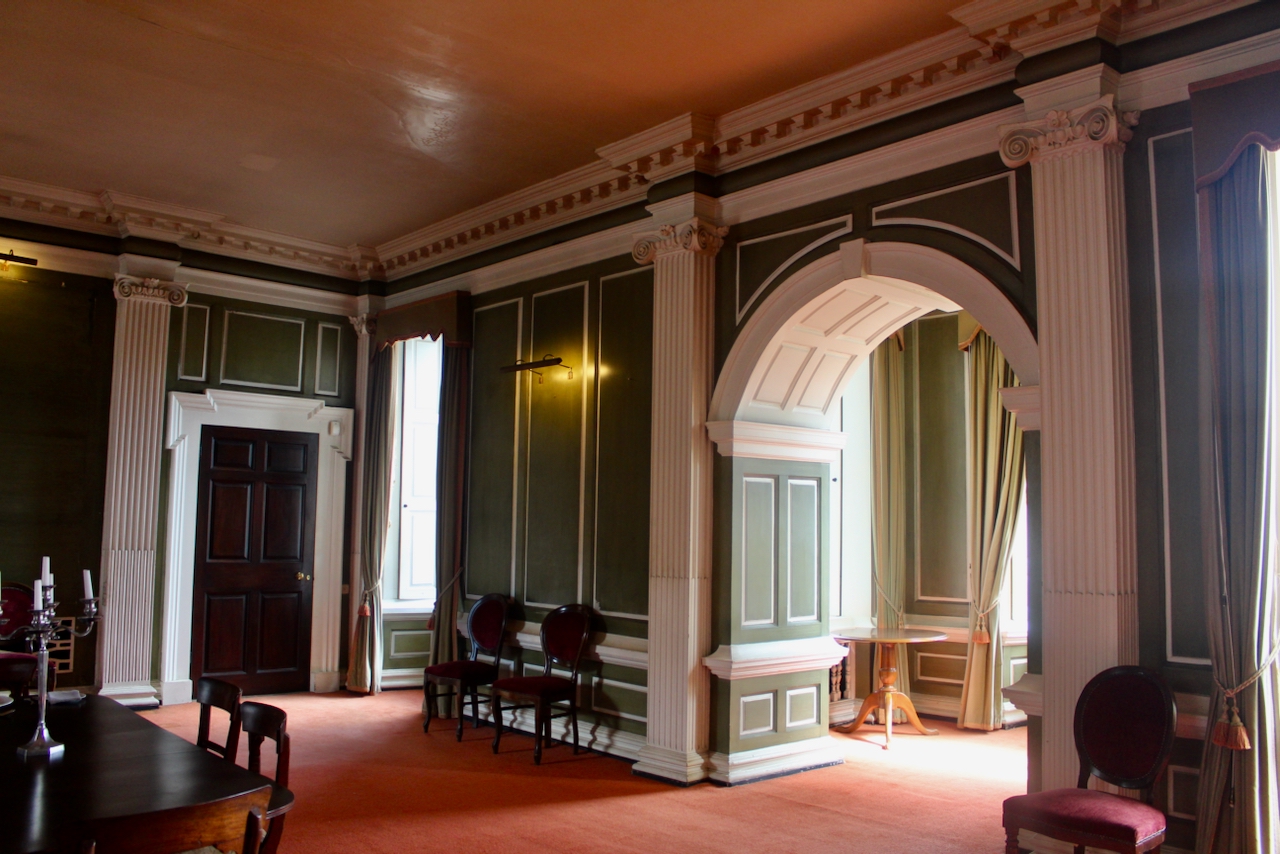
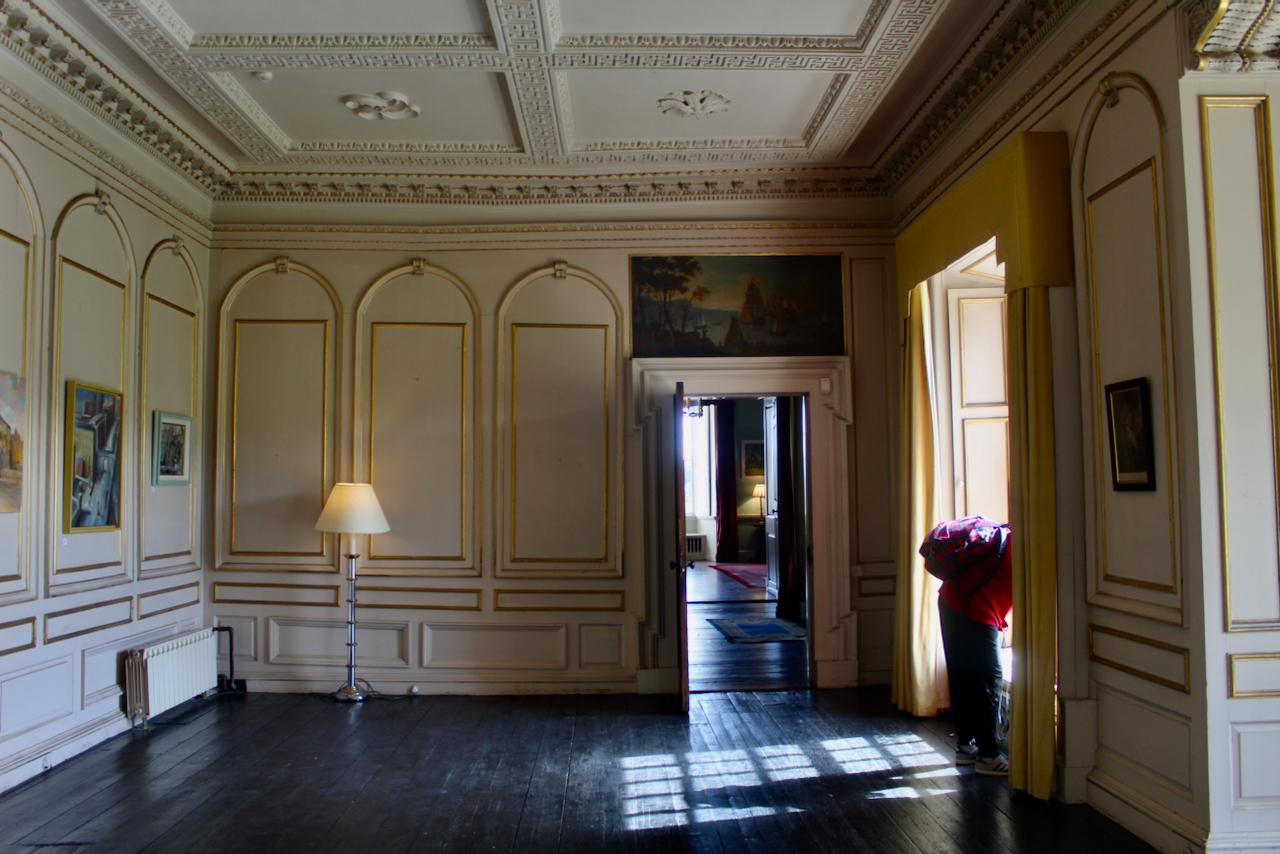
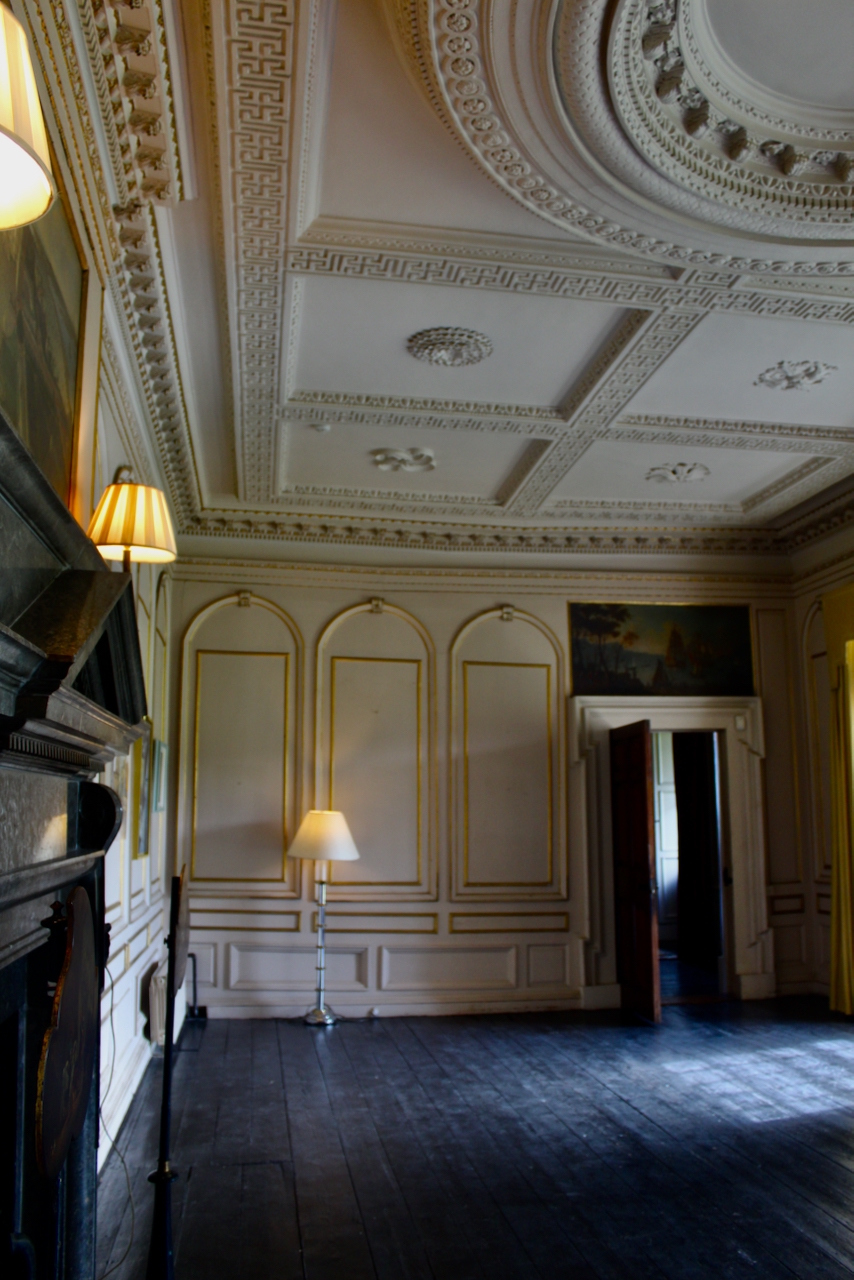
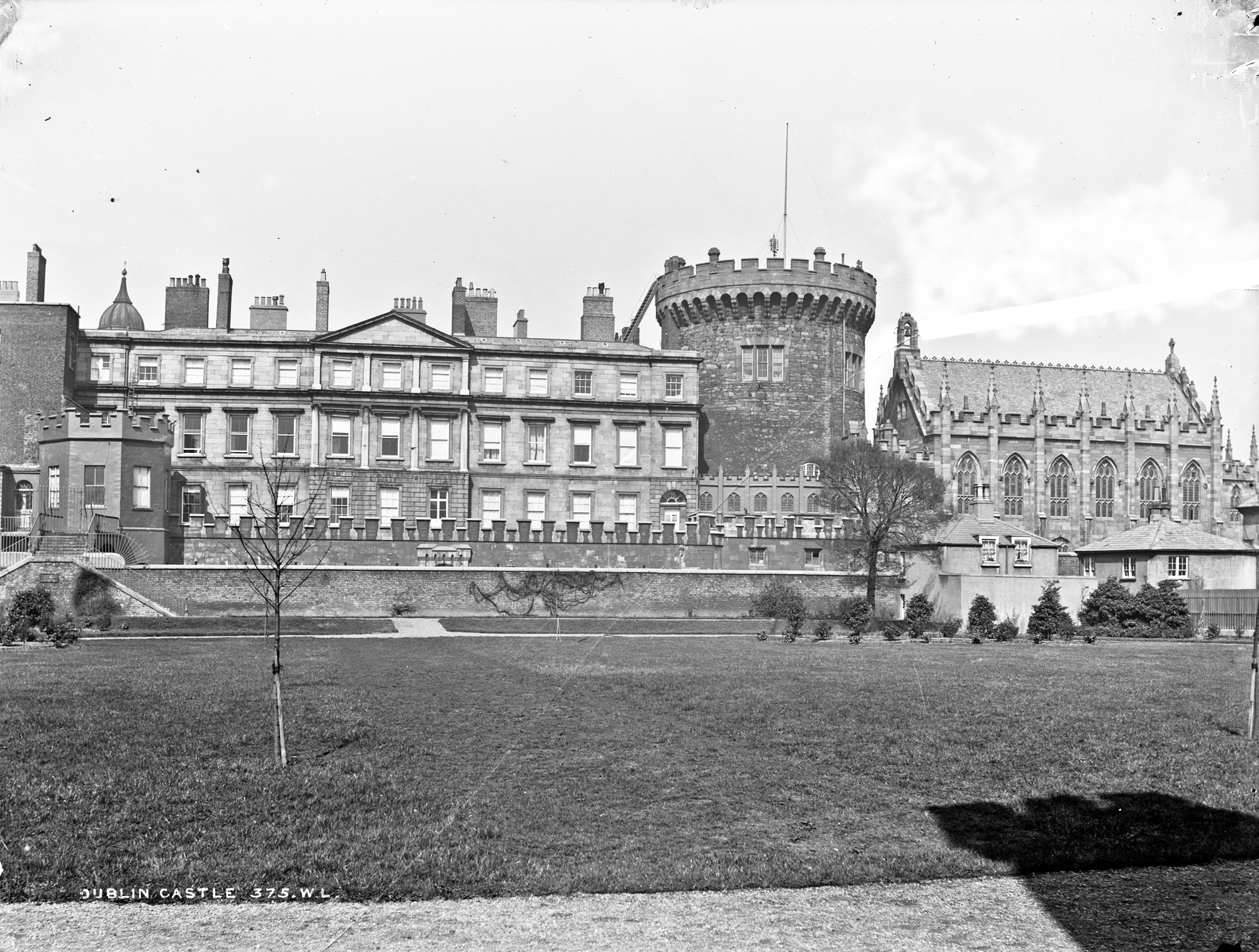
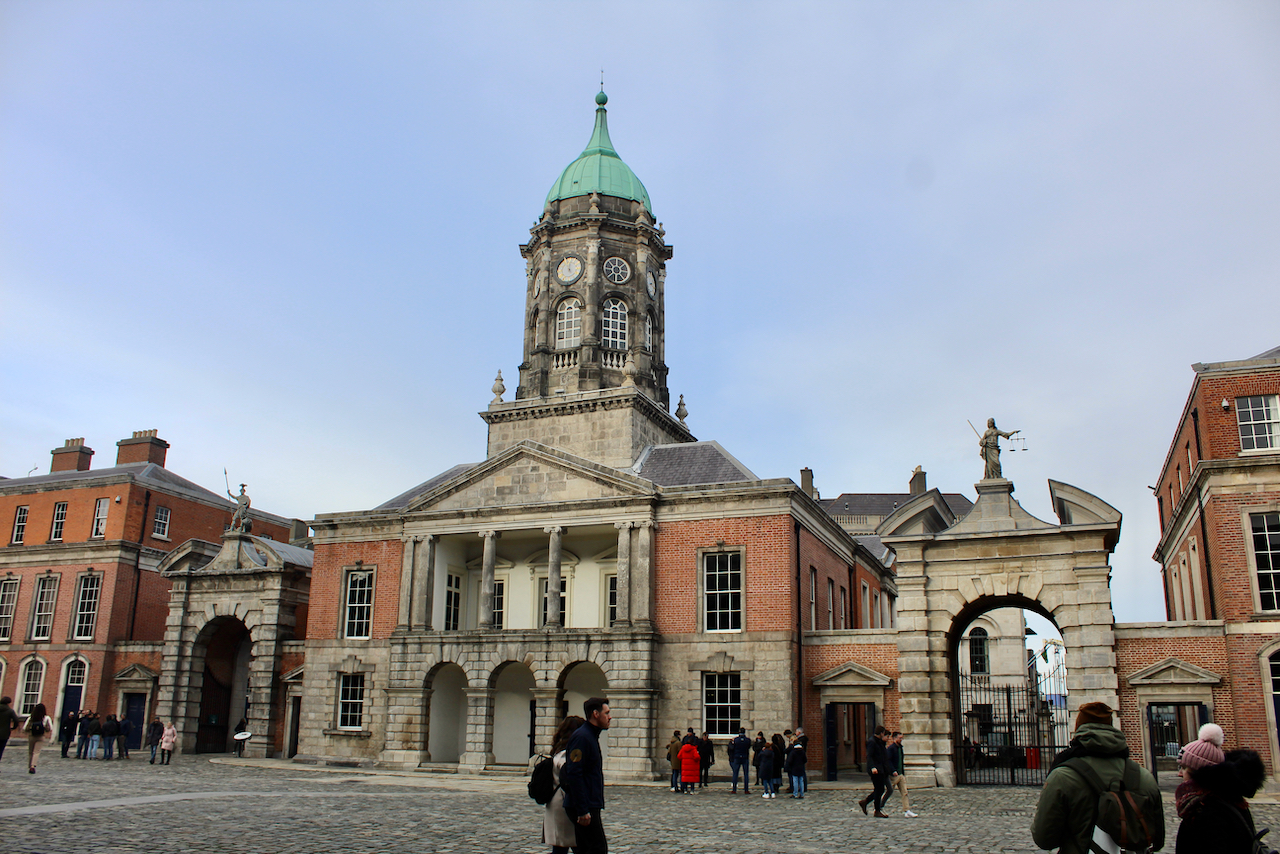
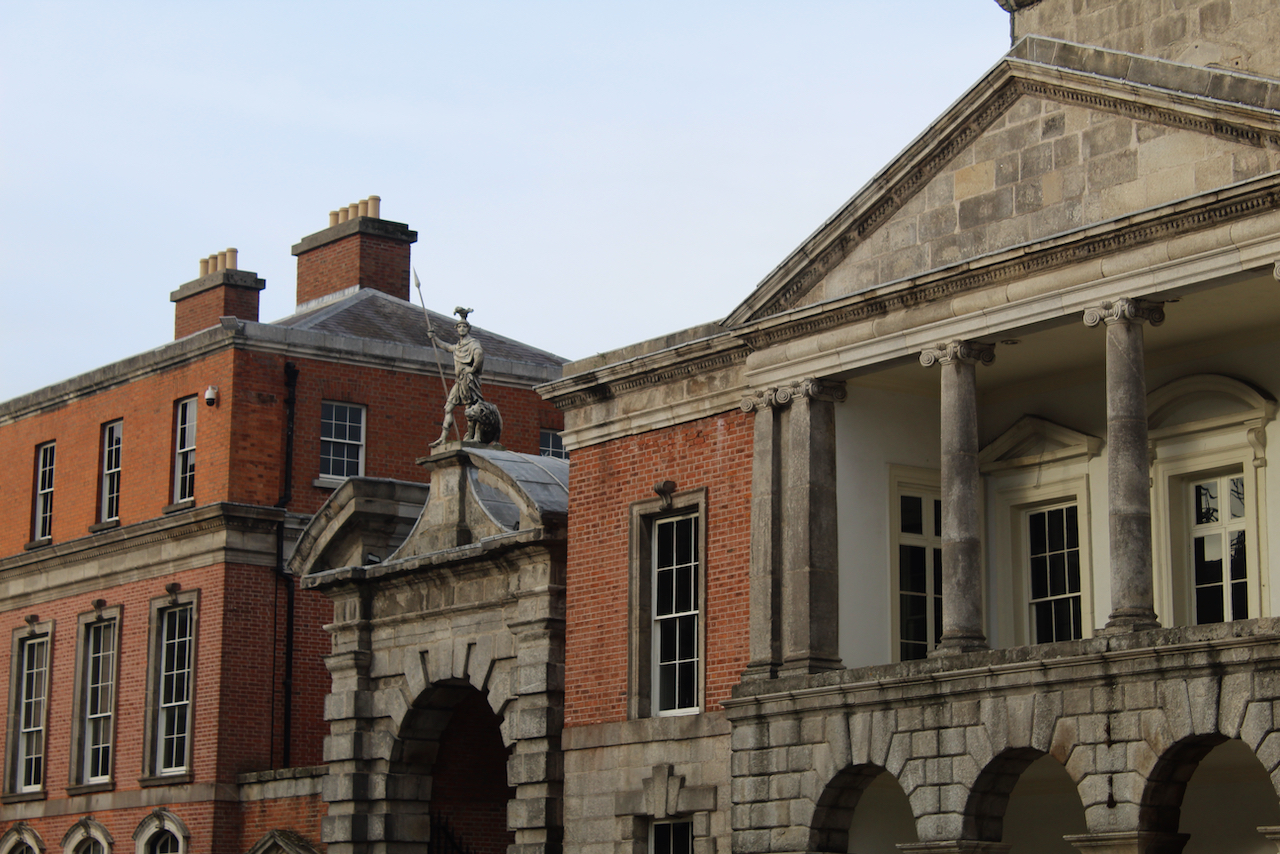
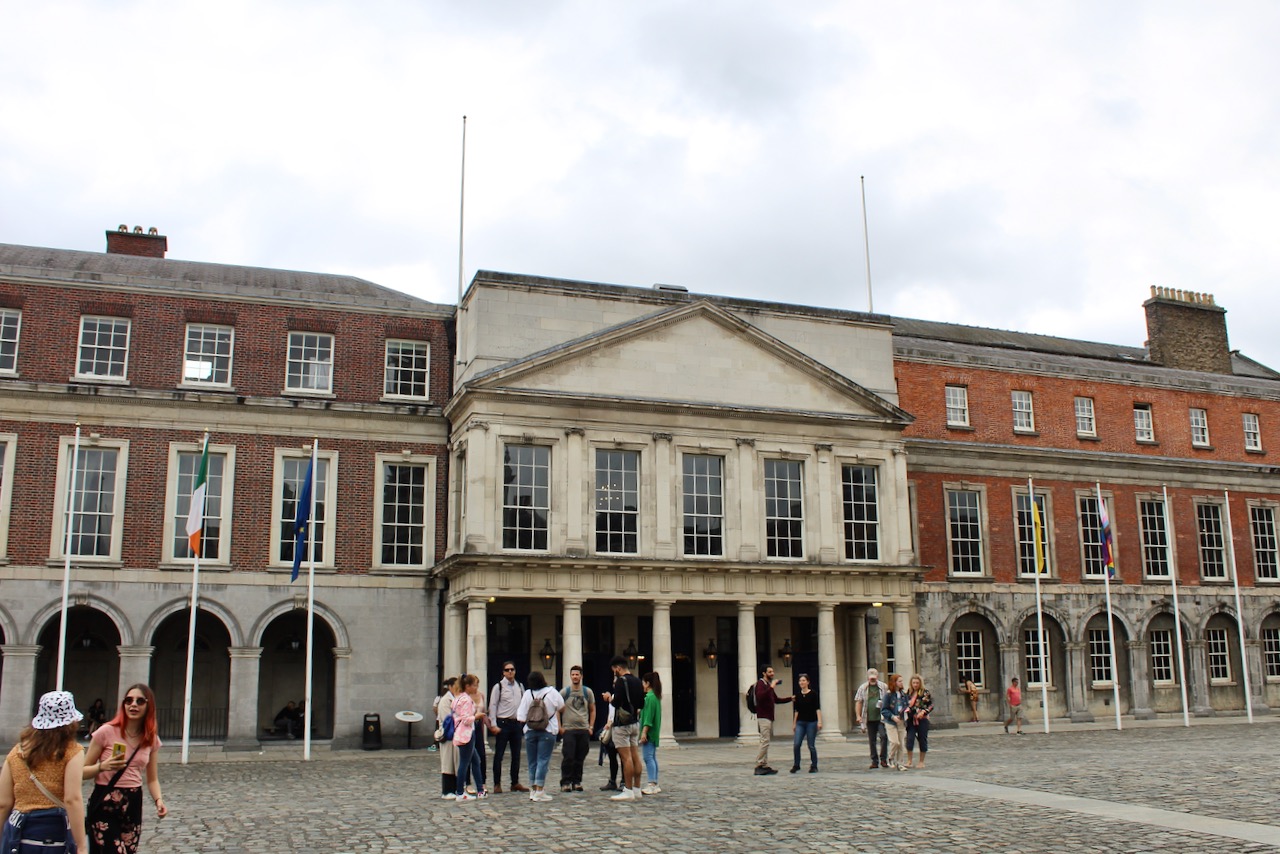
Dublin castle, photograph taken 1951, from Dublin City Library archives. [1] This is the Bedford Hall and the design has been attributed to Arthur Jones Nevill (d. 1771), who was Surveyor General at the time. He also designed the entrance front of the Battleaxe Hall building with its colonnade of Doric columns. The Bedford Hall was completed by his successor Thomas Eyre (d. 1772). [2]
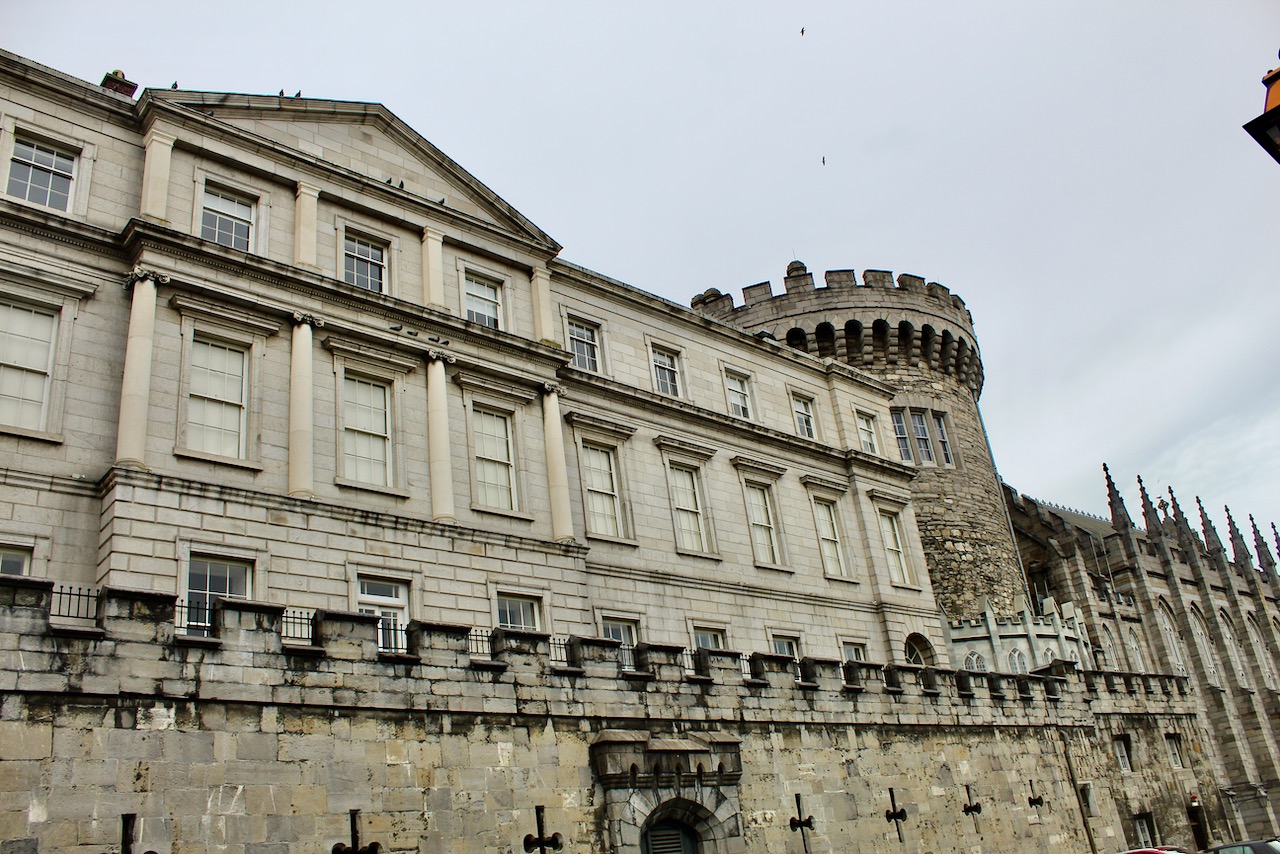
Dublin Castle, 2020.
Dublin Castle information board.

General Enquiries: 01 645 8813, dublincastle@opw.ie

From the website:

Just a short walk from Trinity College, on the way to Christchurch, Dublin Castle is well situated for visiting on foot. The history of this city-centre site stretches back to the Viking Age and the castle itself was built in the thirteenth century.

The building served as a military fortress, a prison, a treasury and courts of law. For 700 years, from 1204 until independence, it was the seat of English (and then British) rule in Ireland.

Rebuilt as the castle we now know in the seventeenth, eighteenth, nineteenth and twentieth centuries, Dublin Castle is now a government complex and an arena of state ceremony.

The state apartments, undercroft, chapel royal, heritage centre and restaurant are now open to visitors.

Dublin castle by Robert French Lawrence Photographic Collection National Library of Ireland, flickr constant commons.
Dublin Castle, 2020.

What is called “Dublin Castle” is a jumble of buildings from different periods and of different styles. The castle was founded in 1204 by order of King John who wanted a fortress constructed for the administration of the city. By the beginning of the seventeenth century, the castle contained law courts, meeting of Parliament, the residence of the Viceroy and a council chamber, as well as a chapel.

The oldest parts remaining are the medieval Record Tower from the thirteenth century and the tenth century stone bank visible in the Castle’s underground excavation.

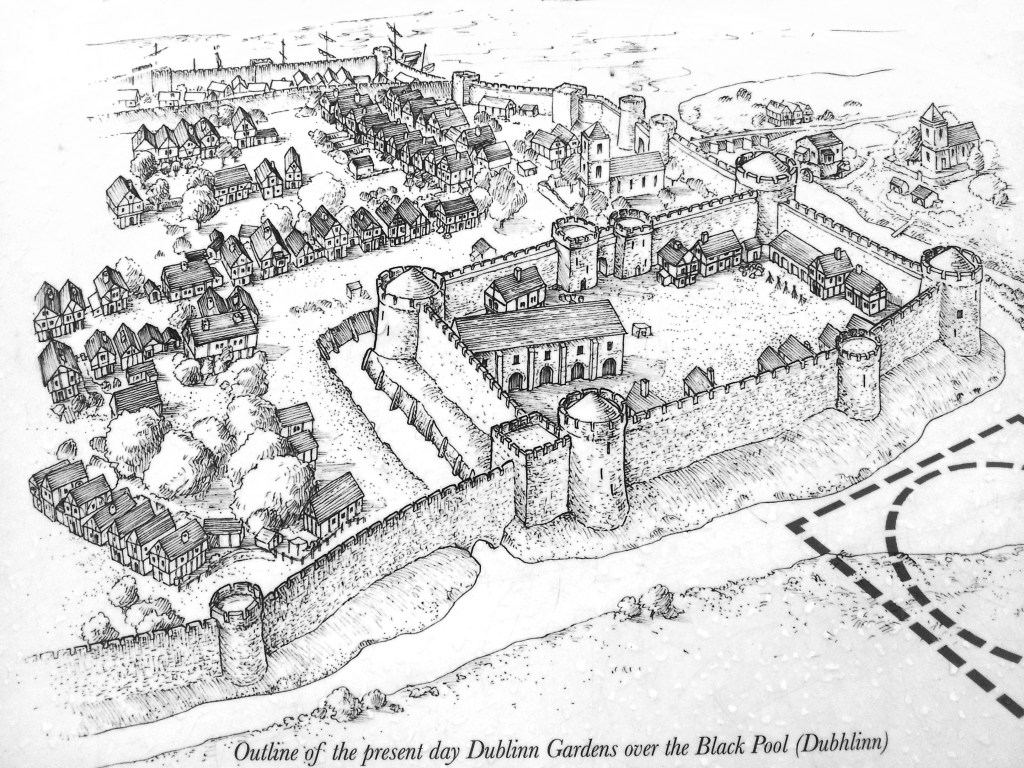
Dublin Castle and Black Pool By Pi3.124 – Own work, CC BY-SA 3.0, https//:commons.wikimedia.org

The first Lord Deputy (also called Lord Lieutenant or Viceroy) to make his residence here was Sir Henry Sidney (1529-1586) in 1565. He was brought up at the Royal Court as a companion to Prince Edward, afterwards King Edward VI. He served under both Queen Mary and Queen Elizabeth I. He spent much of his time in Ireland expanding English administration over Ireland, which had reduced before his time to the Pale and a few outlying areas.

Sir Henry Sidney (1529-1586), Lord Deputy of Ireland After Arnold van Brounkhorst, Dutch, fl.1565-1583. Photograph courtesy of National Gallery of Ireland.
James Malton, English, 1761-1803 The Upper Yard, Dublin Castle, photograph courtesy of National Gallery of Ireland.
Dublin Castle.
Dublin Castle.
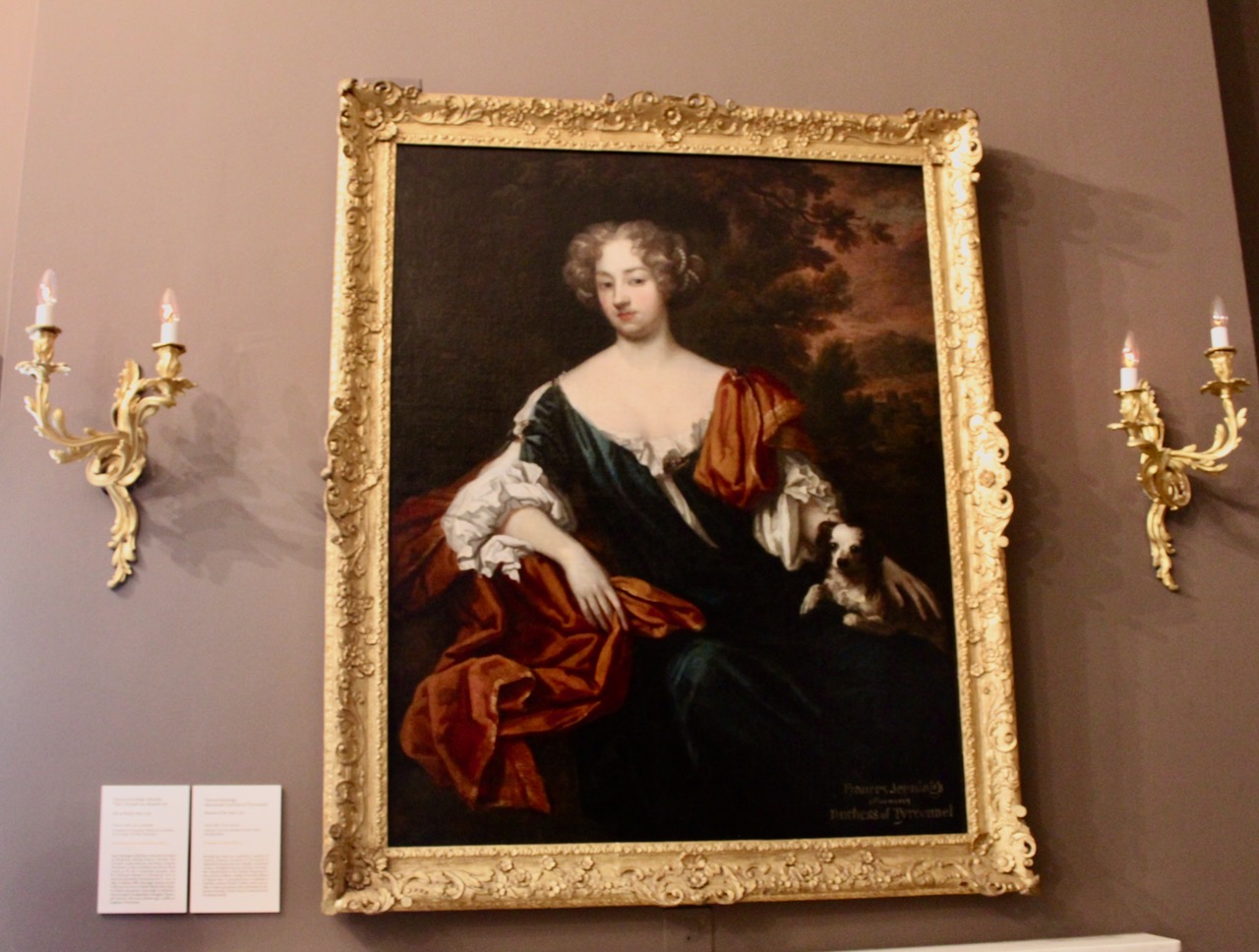
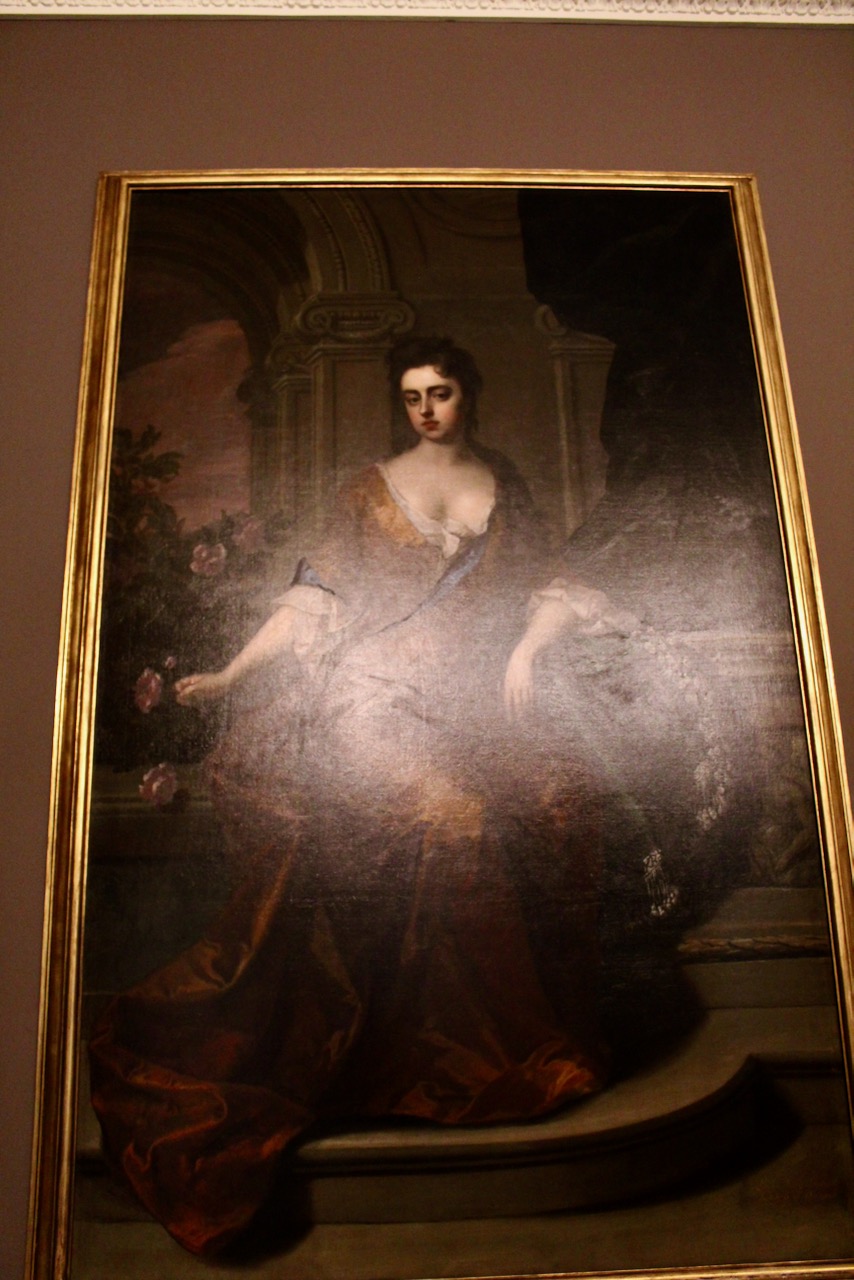
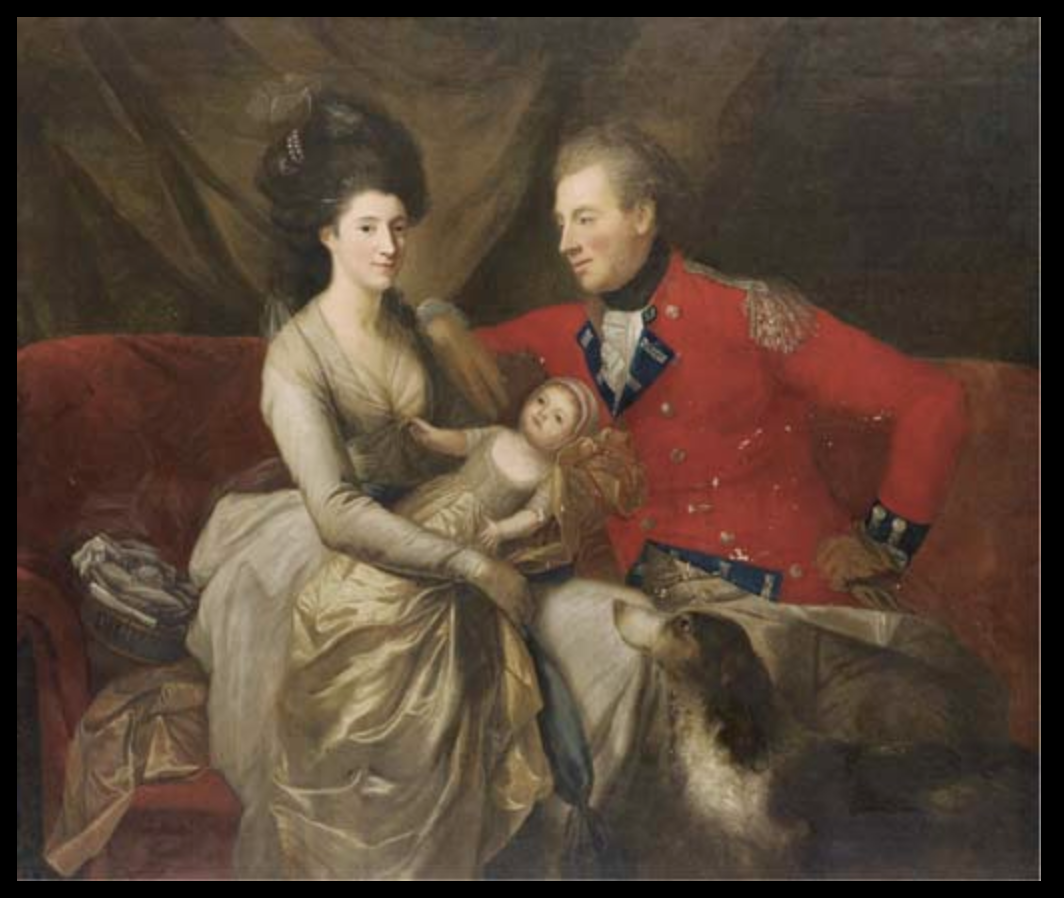
Frances Jennings, Vicereine of Ireland 1687-89, Duchess of Tyrconnell. She and her husband would have been Vicereine and Viceroy while the new State Apartments by William Robinson were constructed. Resting her hand on a spaniel, a symbol of loyalty. She was committed to James II, which prompted her to establish a Catholic convent beside Dublin Castle and in 1689, to lead a procession that culminated in the seizure of Christ Church cathedral from Protestant hands. She was married to Richard Talbot, 1st Duke of Tyrconnell (1630-1691). She was previously married to George Hamilton, Comte d’Hamilton.
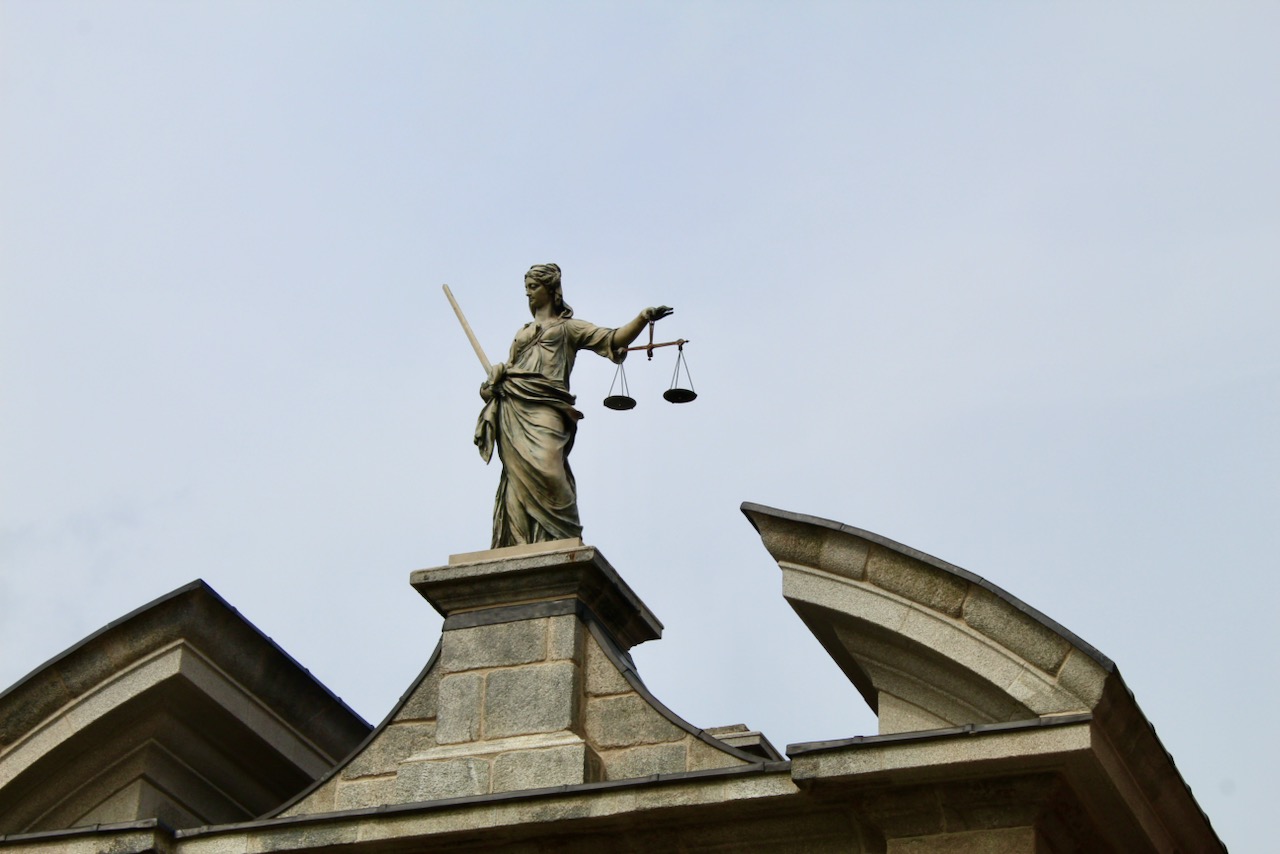
The statue of Justice by John Van Nost (1721).
Dublin Castle, September 2021. The statue of Justice by John Van Nost (1721). On the other gate is the figure of Fortitude.
Fortitude by John Van Nost, photograph by Jeremy Hylton.
Dublin Castle.

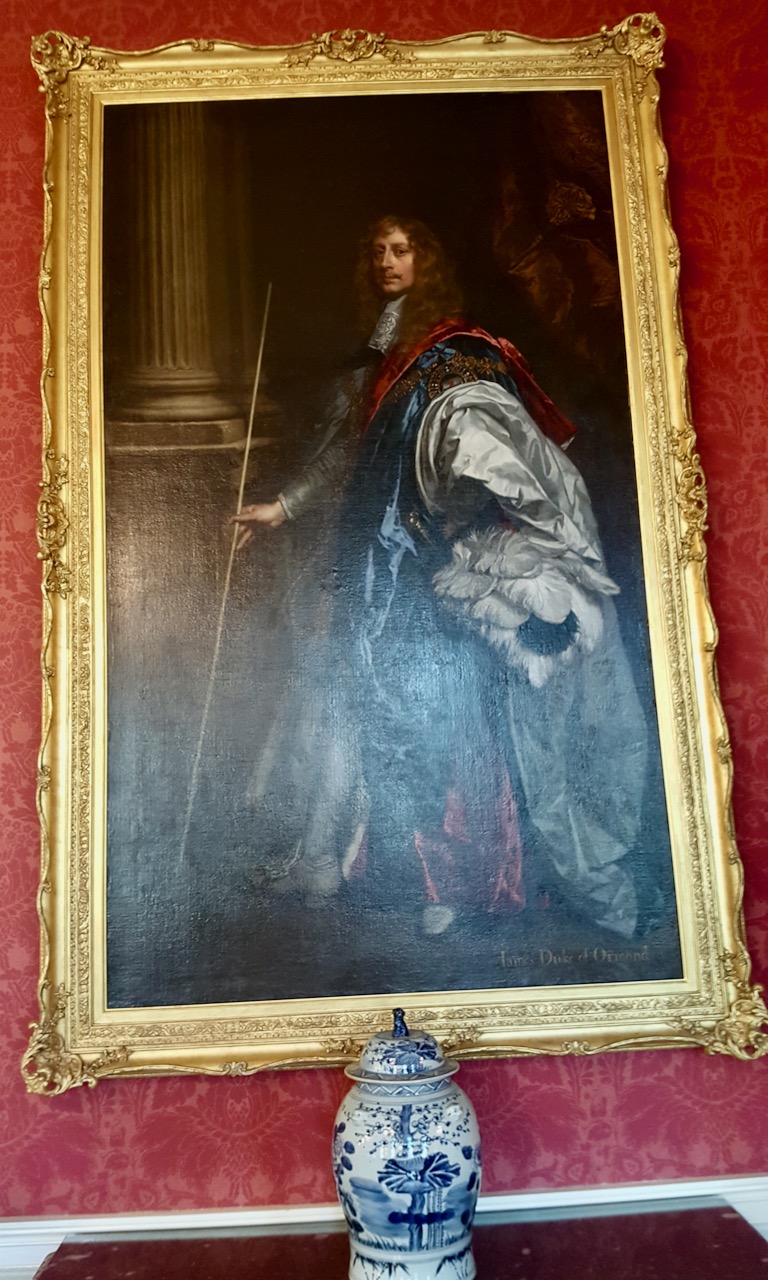
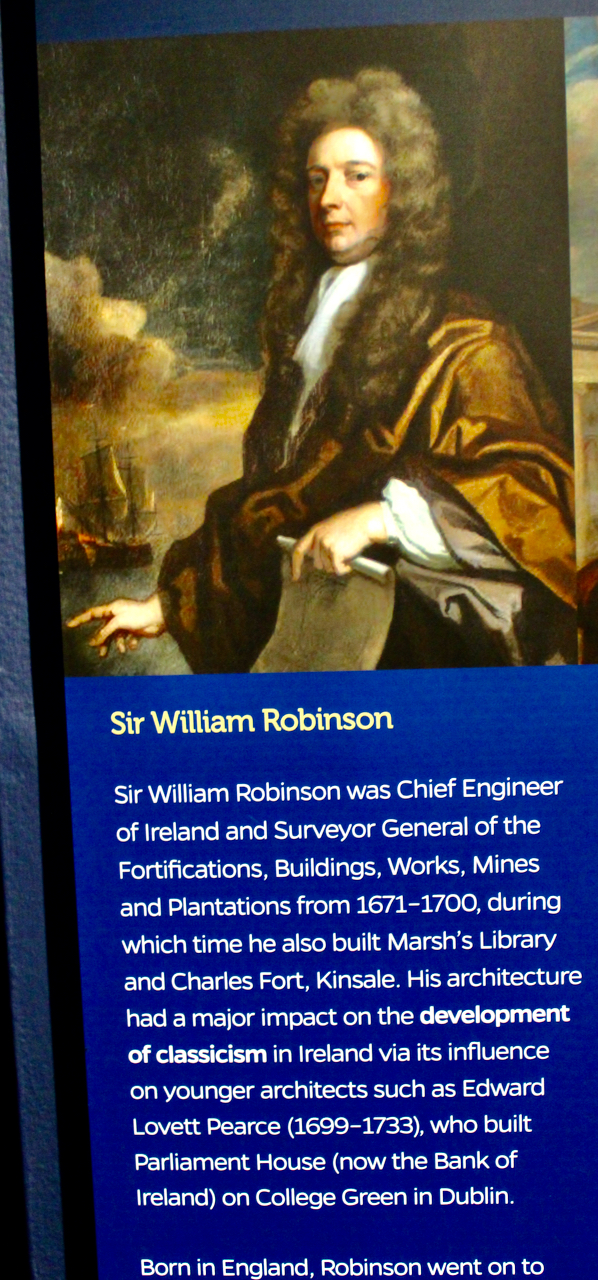
In 1684 a fire in the Viceregal quarters destroyed part of the building. The Viceroy at the time would have been James Butler, 1st Duke of Ormond. He moved temporarily to the new building of the Royal Hospital Kilmainham. New designs by the Surveyor General Sir William Robinson were constructed by October 1688, who also designed the Royal Hospital Kilmainham. He designed the State Apartments, originally to be living accommodation for the Lord Lieutenant (later known as the Viceroy), the representative for the British monarch in Ireland. [3] Balls and other events were held for fashionable society in the Castle. The State Apartments are now used for State occasions such as the Inauguration of the President. The Castle was formally handed over to General Michael Collins on 16th January 1922, and the Centenary of this event was commemorated in January 2022.

James Butler 1st Duke of Ormond, Viceroy from 1643, on and off until he died in 1688.
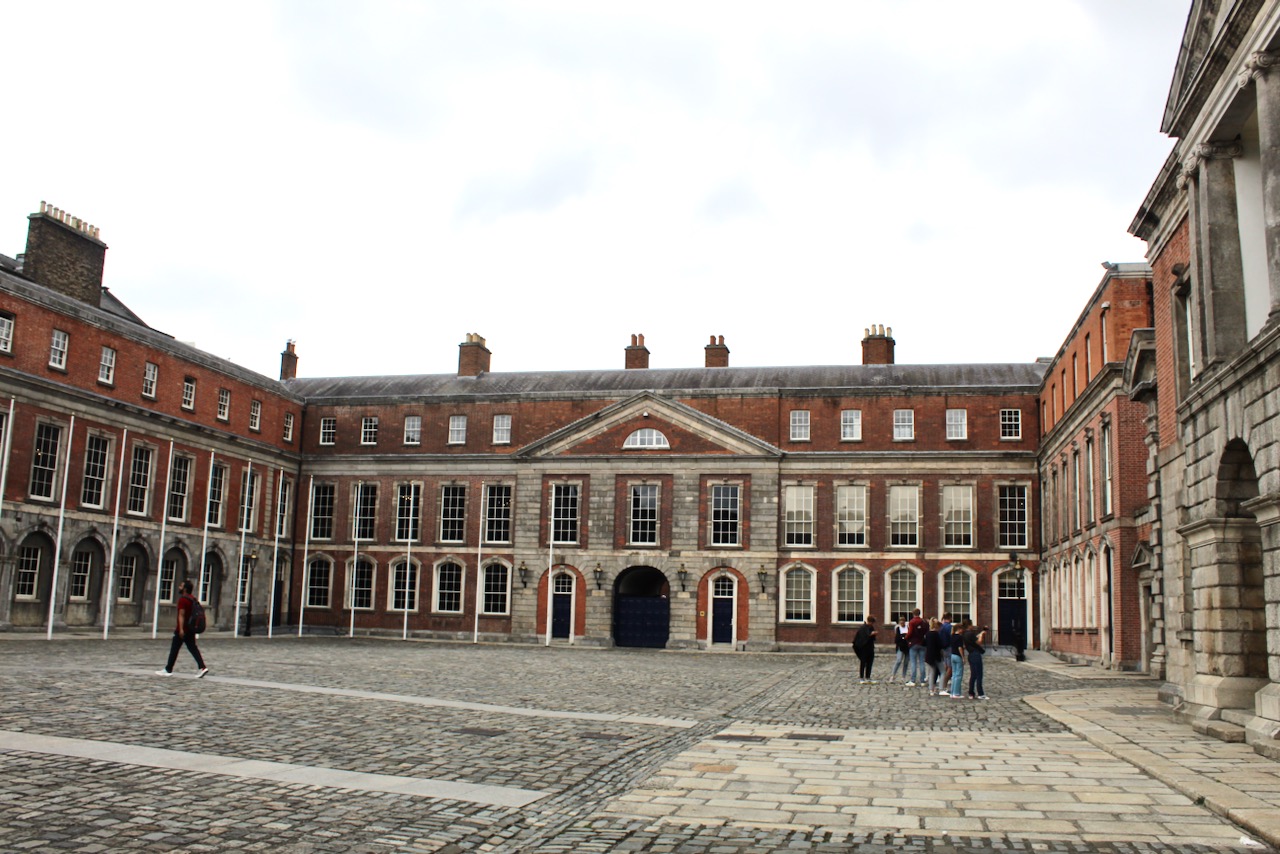
Dublin Castle Upper Yard, 2022.
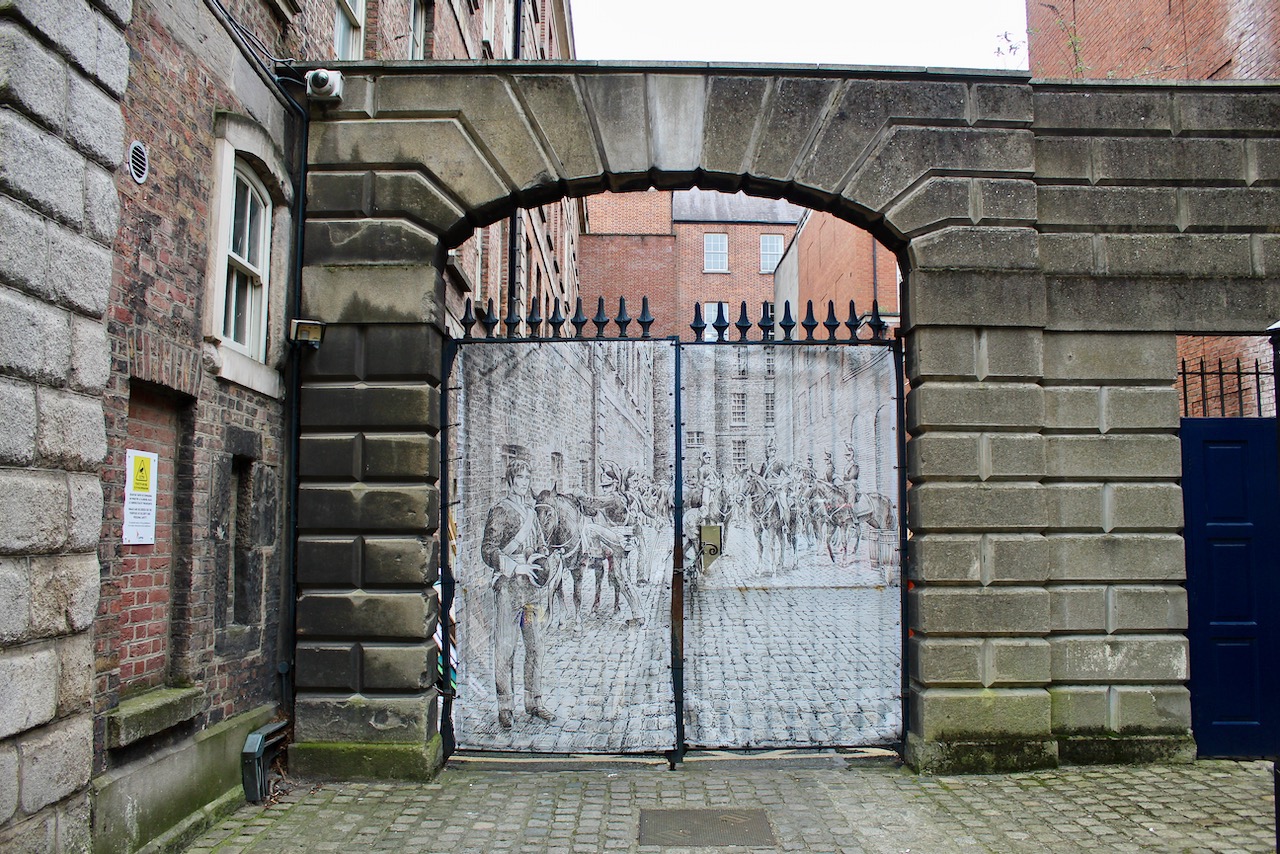
Dublin Castle Upper Yard, 2022, exit to the Lower Yard.
Dublin Castle Lower Yard, 2020.

The State Apartments consist of a series of ornate decorated rooms, stretching along the first floor of the southern range of the upper yard.

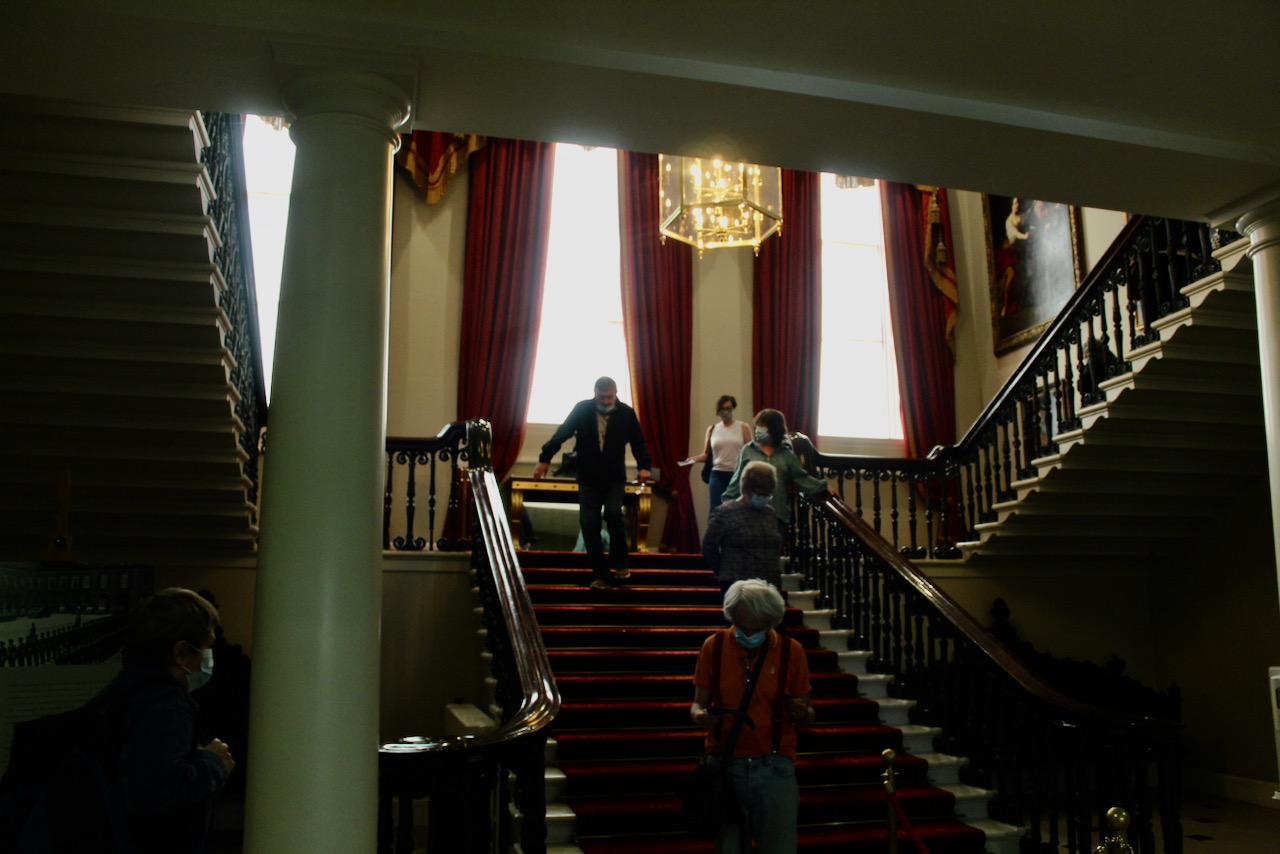
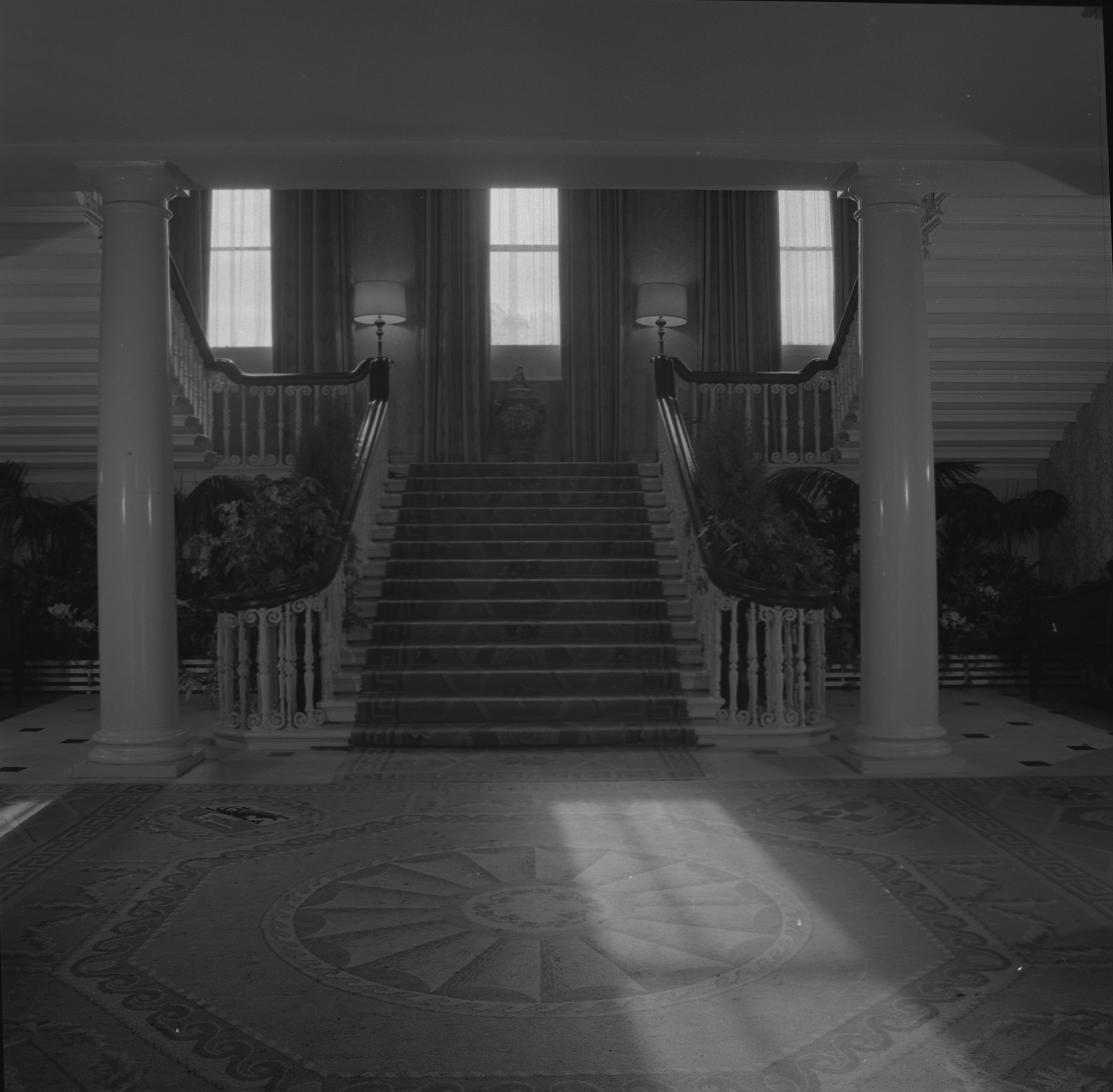
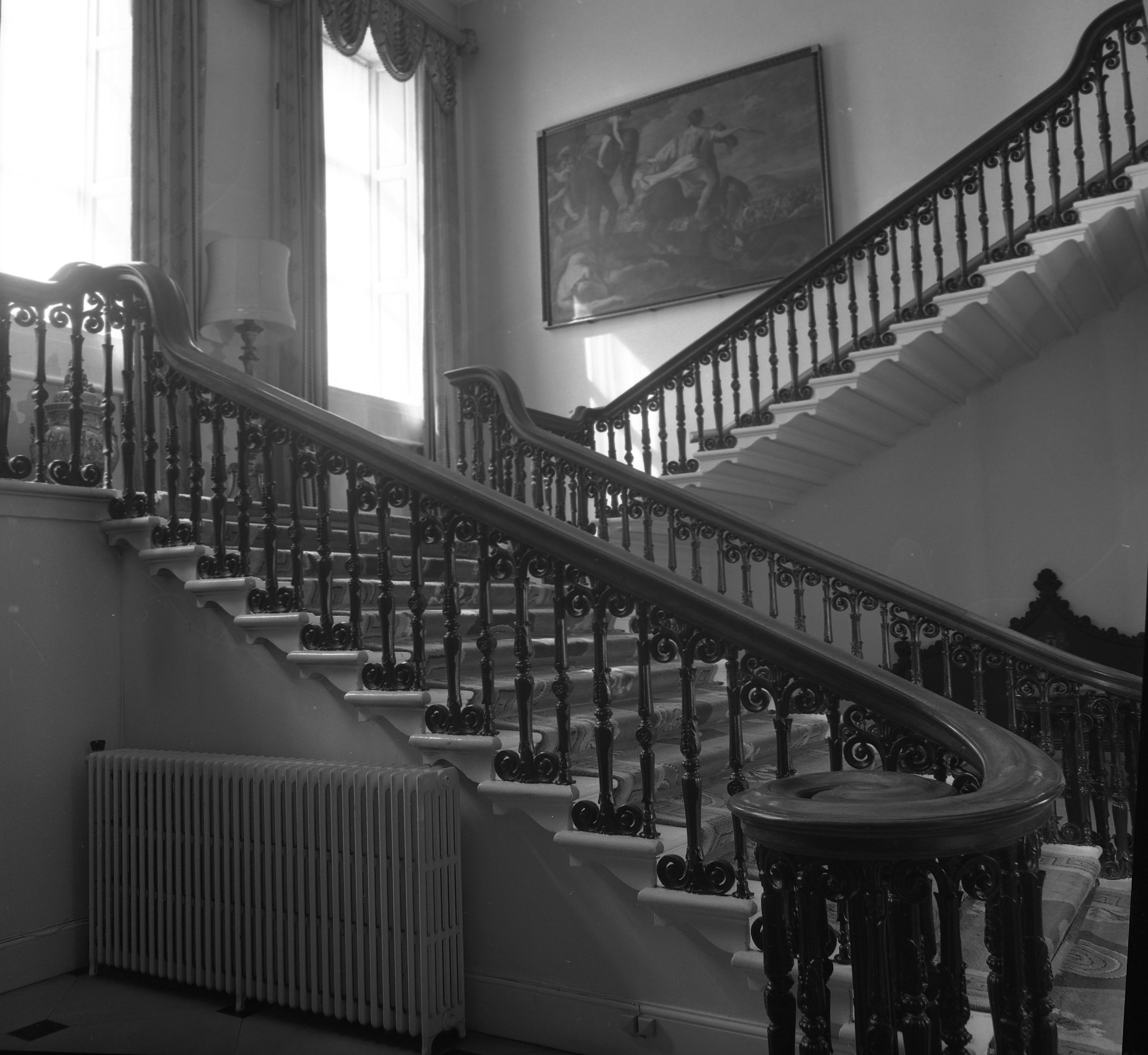
The Battleaxe Staircase, Dublin Castle, September 2021. This staircase dates from 1749 and is the gateway to the State Apartments. The Viceroy’s Guards were called the Battleaxe Guards.
Photograph of the “Battleaxe staircase” taken in 1984, photograph from Dublin City Library archives. [see 3]
NLI Ref.: L_ROY_06809, National Library of Ireland, flickr constant commons.
Dublin Castle.

Located around the castle within the castle grounds are the Coach House Gallery, Garda Museum, the Revenue Museum, the Hibernia Conference Centre and the Chester Beatty Museum and Dubh Linn Gardens, which are located on the original “dubh linn” or black pool of Dublin.

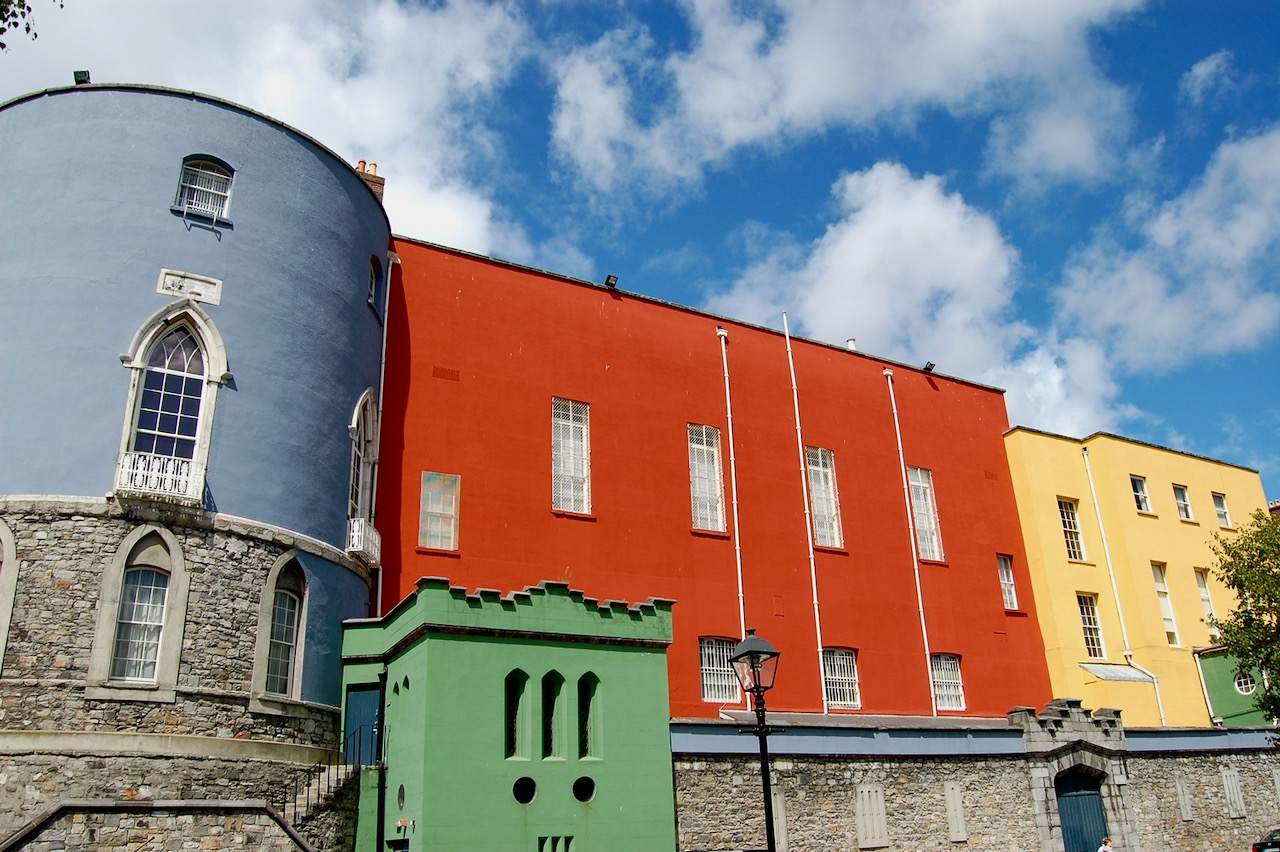
Dublin Castle, 2020.
Dublin Castle July 2011.
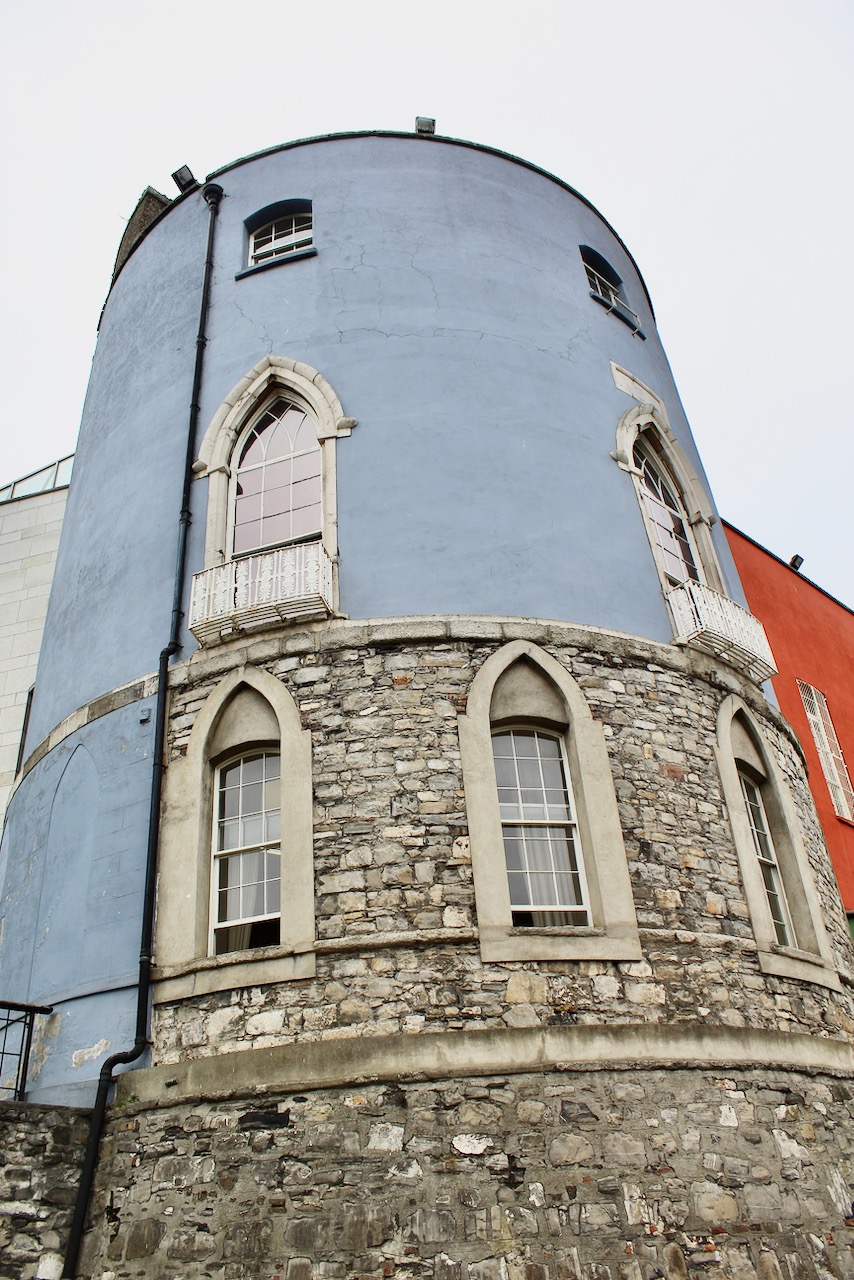
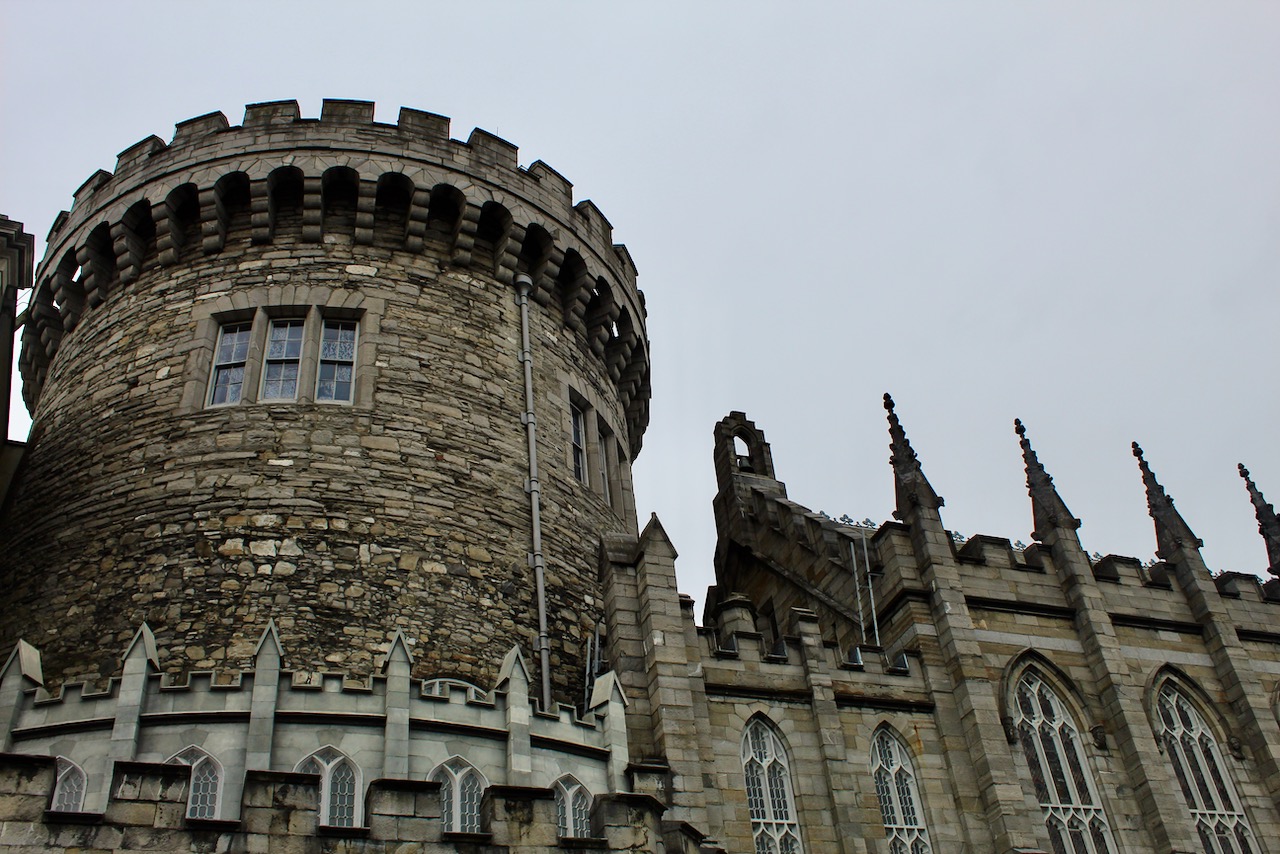
Bermingham Tower of Dublin Castle, 2020. This tower was destroyed by a gunpowder explosion in 1775 and demolished, leaving only its lowest stage and battery base. The tower was rebuilt in 1777 in a loose interpretation of the medieval which we now term Georgian Gothic or “Gothick.” [4]
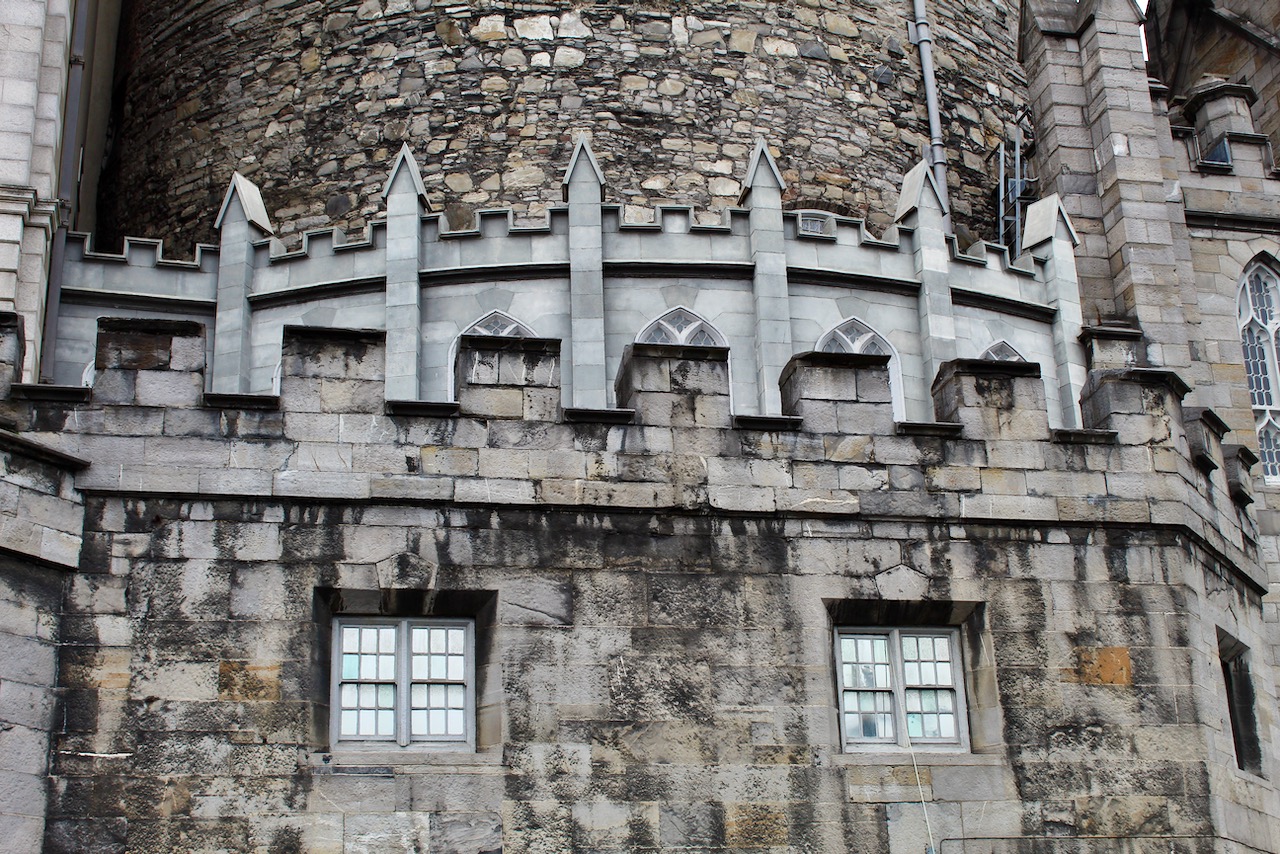
Dublin Castle, 2020, the base of the Records, or Wardrobe, Tower.

The Bedford Tower was constructed around 1750 along with its flanking gateways to the city. The clock tower is named after the 4th Duke of Bedford John Russell who was Lord Lieutenant at the time.

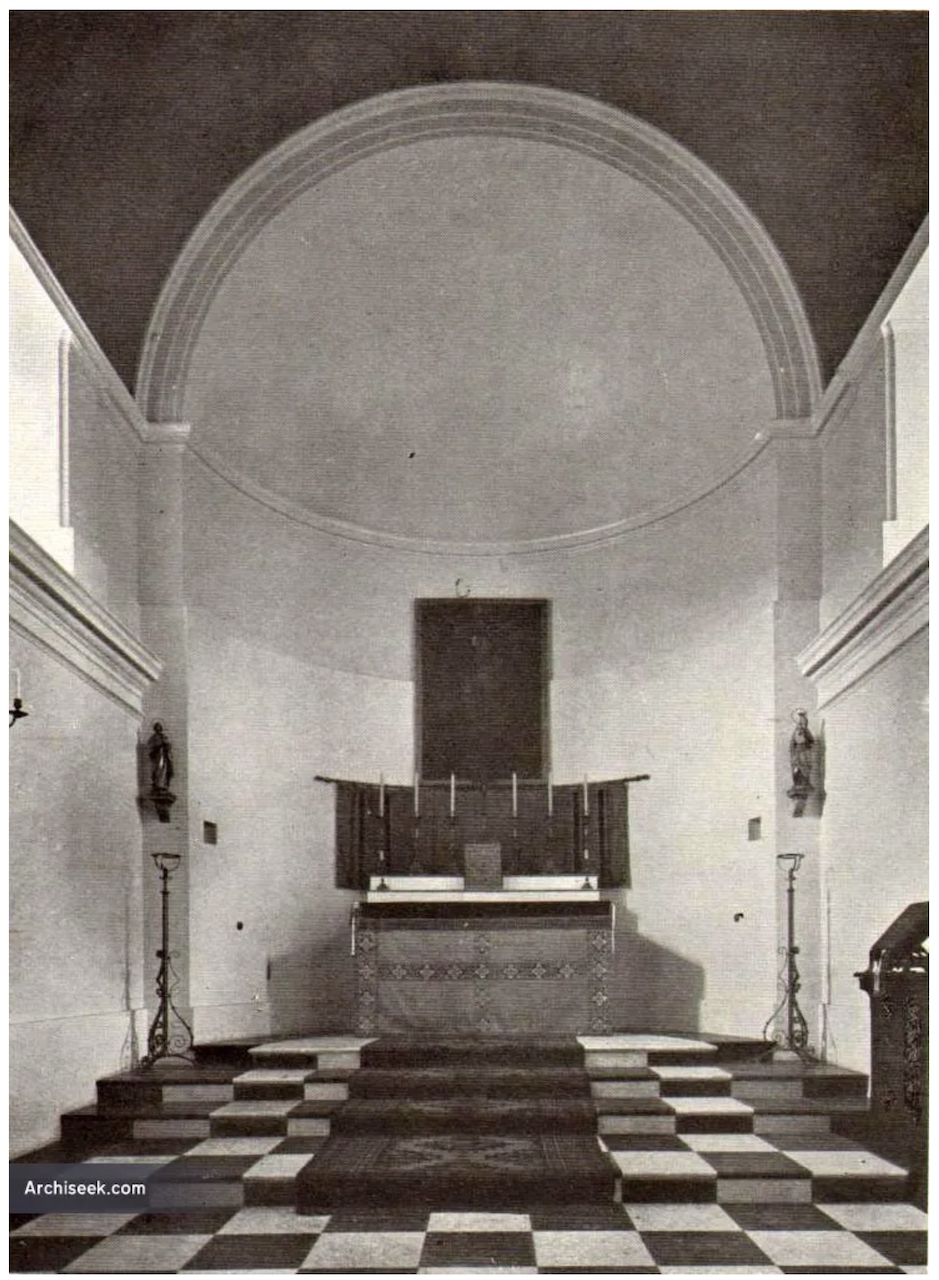
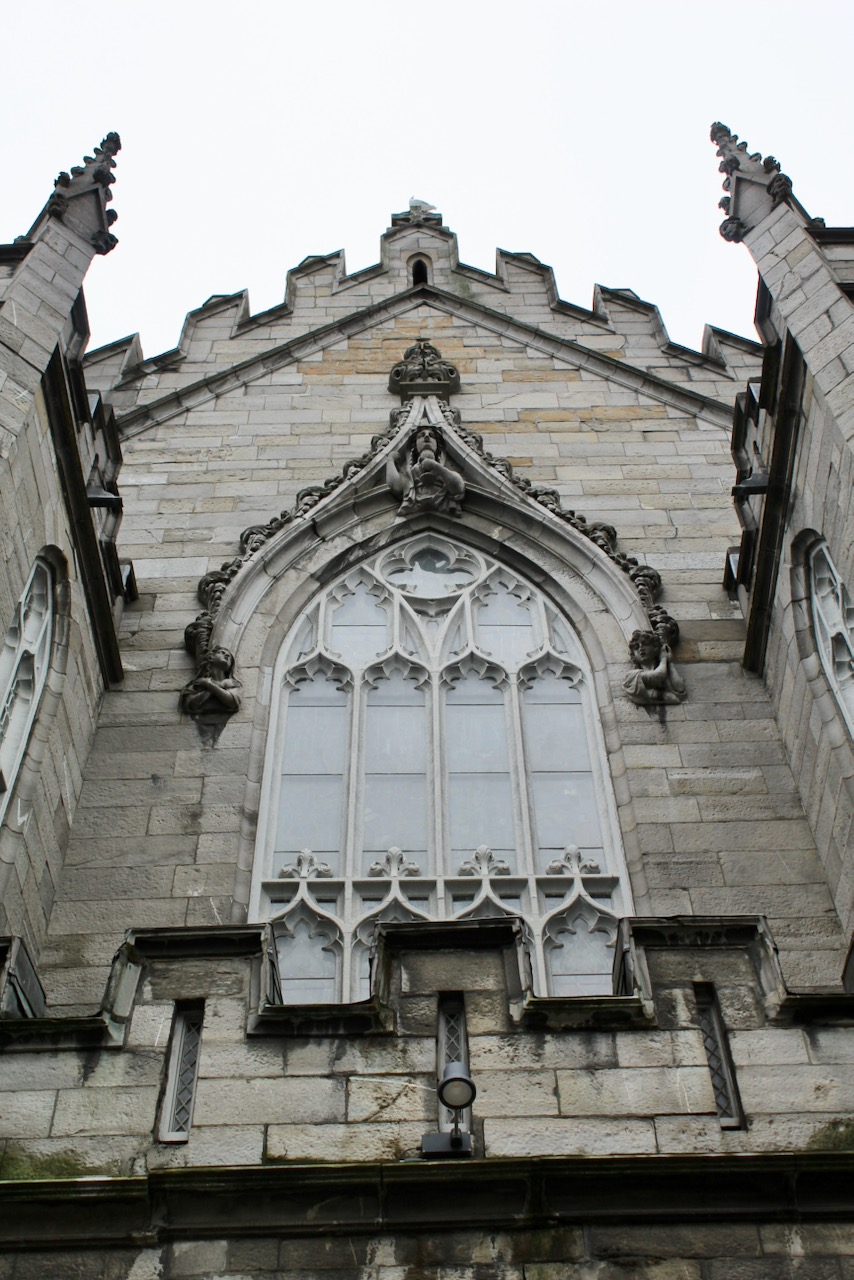
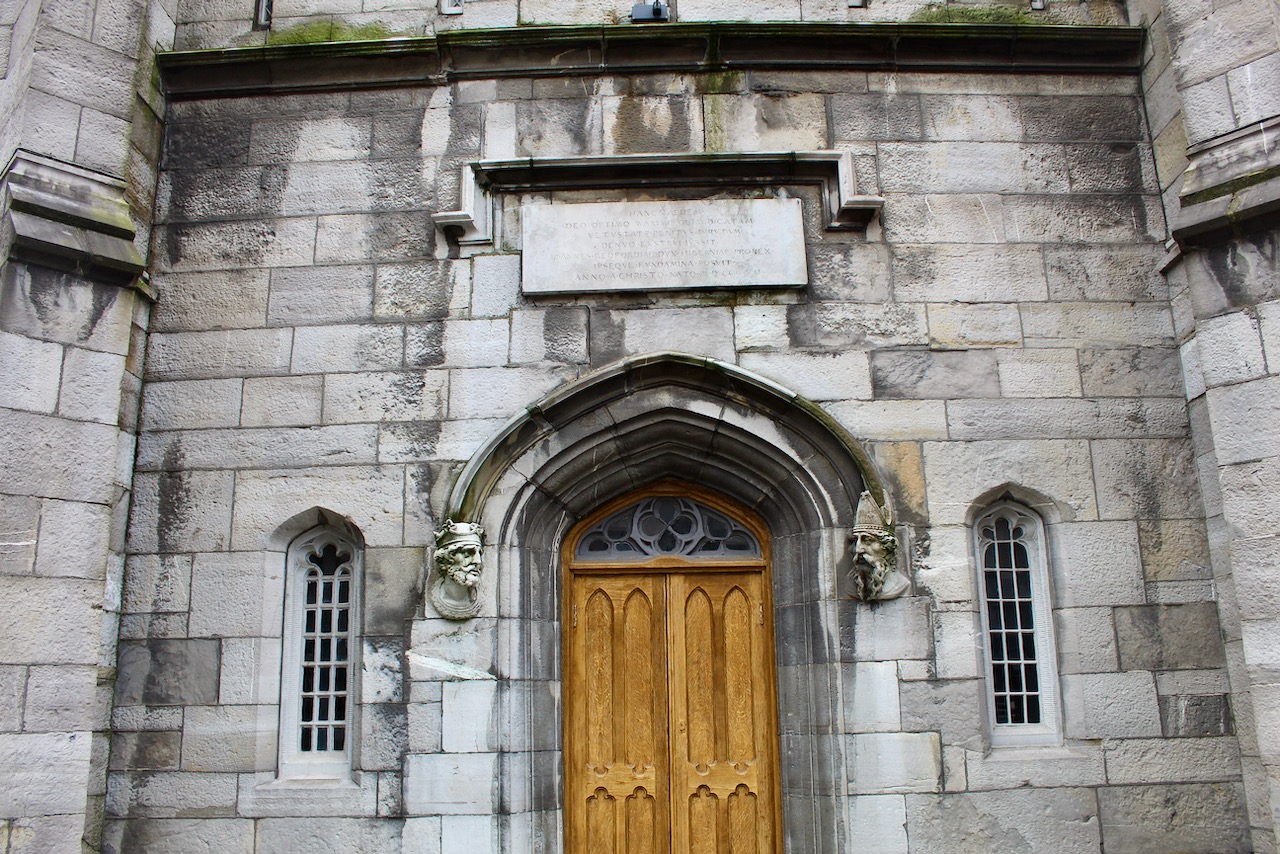
The Chapel Royal, renamed the Church of the Most Holy Trinity in 1943, was designed by Francis Johnston in 1807. It is built on the site of an earlier church which was built around 1700. The exterior is decorated with over 100 carved stone heads by Edward Smyth, who did the river heads on Dublin’s Custom House, and by his son John. They are carved in Tullamore limestone, and represent a variety of kings, queens, archbishops and ‘grotesques’. A carving of Queen Elizabeth I is on the north façade and Saint Peter and Jonathan Swift above the main entrance. The interior of the chapel has plasterwork by George Stapleton and wood carving by Richard Stewart. What looks like carved stone is actually limestone ashlar facing on a structure of timber, covered in painted plaster. Plasterwork fan vaulting, inspired by Henry VII’s chapel at Westminster Abbey, is by George Stapleton (1777-1841) while a host of modelled plasterwork heads are by the Smyths, likely the work of John (the younger) after the death of his father in 1812. [9] The Arms of all the Viceroys from 1172-1922 are on display.

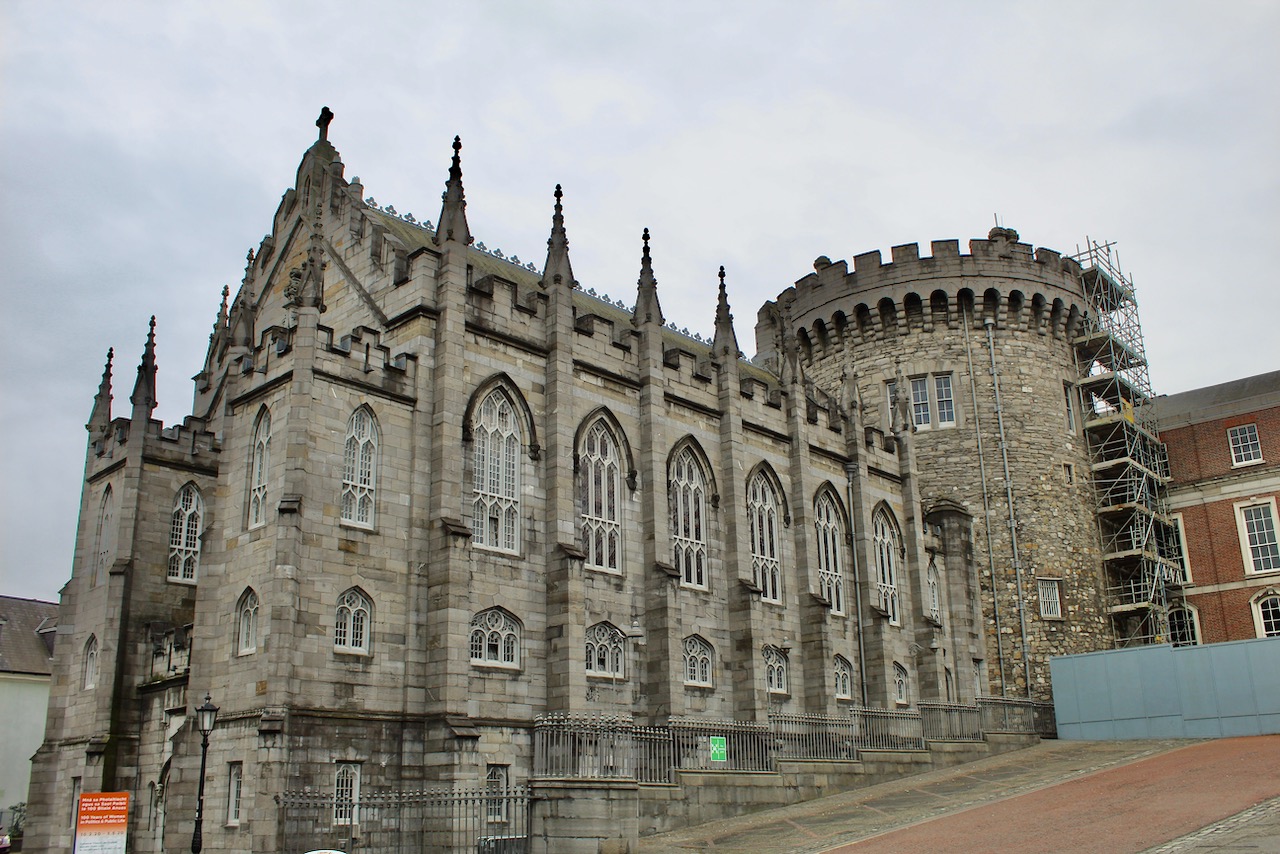
Chapel Royal and the Record Tower, Dublin Castle, March 2020.
Dublin Castle, 2020. The Wardrobe tower was renovated at the same time as the Chapel Royal, in 1807, with the addition of a storey, topped with battlements.
Chapel Royal, Dublin Castle, 2020.
Chapel Royal, Dublin Castle, 2020. Two of the 103 heads carved by Edward and John Smyth. These two are Brian Boru and St. Patrick.

Returning to the State Apartments in the Upper Courtyard, The State Corridor on the first floor of the State Apartments is by Edward Lovett Pearce in 1758.

The Viceroy at the time of Francis Johnston’s work on the chapel would have been Charles Lennox, 4th Duke of Richmond.

The State Corridor, Dublin Castle, September 2021. It was designed in 1758 and provided access to a series of public reception rooms on the left and the Viceregal’s quarters on the right. At the far end it led to the Privy Council Chamber.
State apartments Dublin Castle, photograph taken 1985, from Dublin City Library archives. [see 3]
The ceiling of the Apollo Room. Apollo, god of the sun and music, identified by a sunburst and a lyre. Emerging from the clouds are some of the signs of the zodiac, including Sagittarius, Scorpio and Libra. The ceiling was taken in eleven pieces from a nearby townhouse, Tracton House, St Stephen’s Green, which was demolished in 1910. [10]
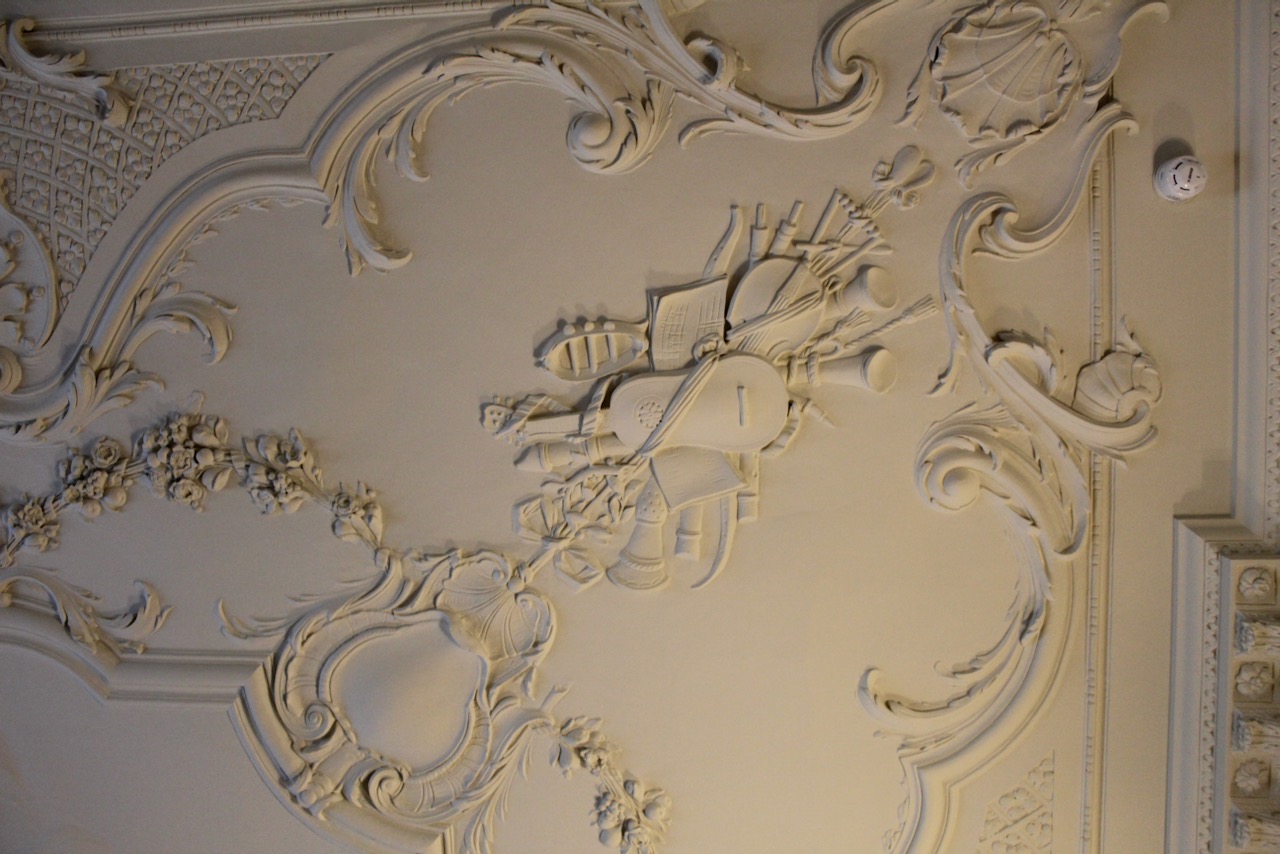
In the corners of the Apollo room are “trophies” i.e. collections of objects and instruments that symbolise life’s pursuits. Pictures here is Music. The other corners are The Arts, Hunting and some that can either be identified as Love or War.

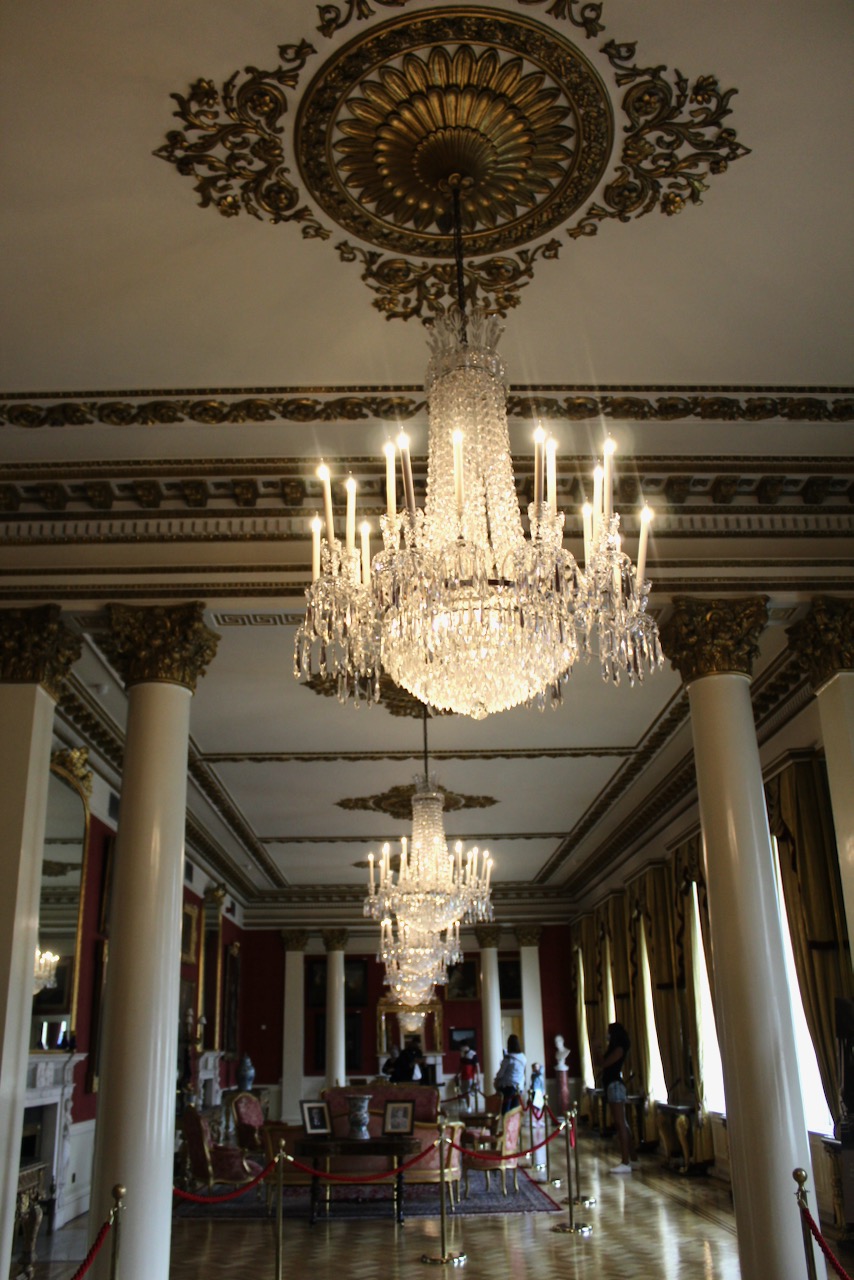
The Drawing room was largely destroyed in a fire in 1941, and was reconstructed in 1968 in 18th century style. It is heavily mirrored with five large Waterford crystal chandeliers.

The State Drawing Room, designed in 1838, with its five Waterford crystal chandeliers, installed in the 1960s.

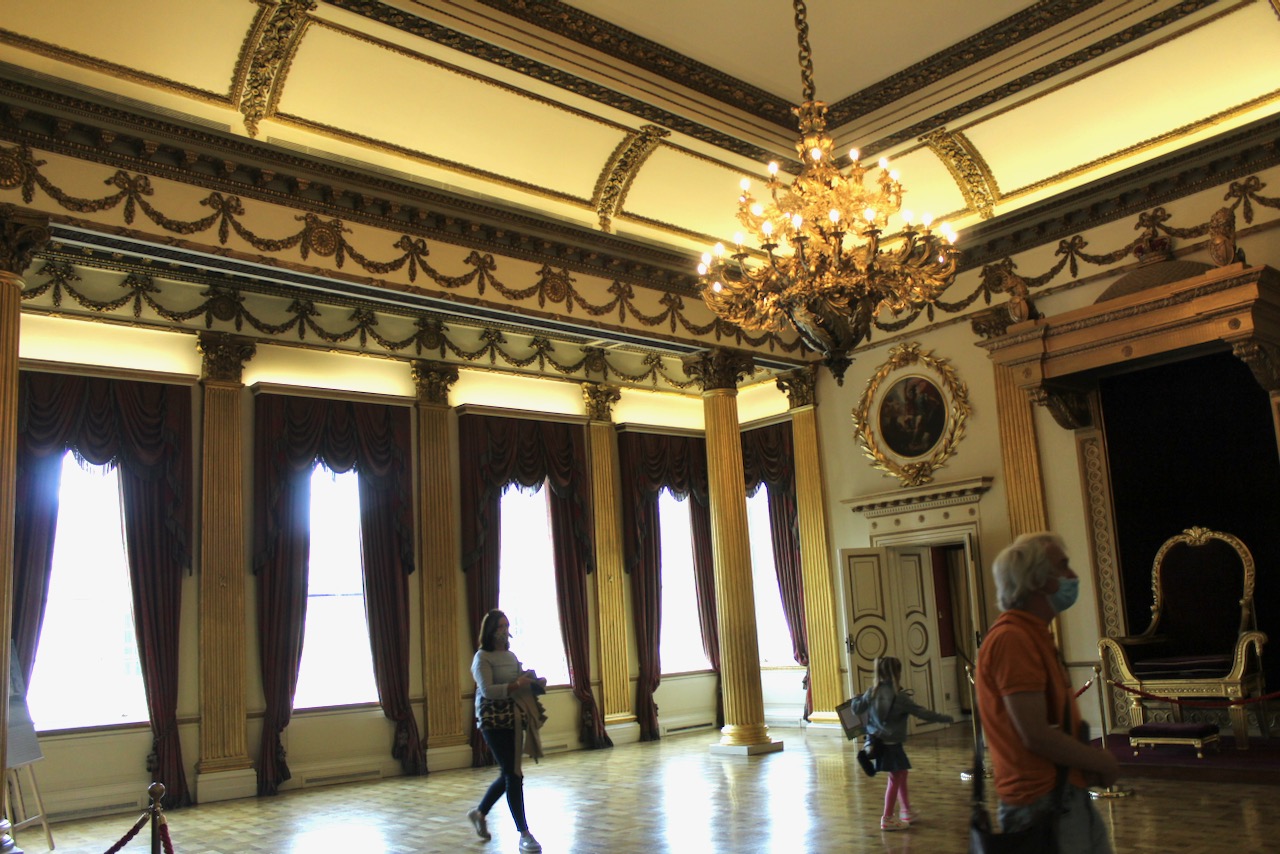
The Throne Room, originally known as Battleaxe Hall, has a throne created for the visit of King George IV in 1821. The walls are decorated with roundels painted by Gaetano Gandolfi, depicting Jupiter, Juno, Mars and Venus. The Throne Room was created by George Nugent-Temple-Grenville, 1st Marquess of Buckingham, the viceroy of the day.

The Throne Room, originally known as Battleaxe Hall. The walls are decorated with roundels painted by Gaetano Gandolfi depicting Jupiter, Juno, Mars and Venus. The chandelier was created in 1788. (see [6])
Dublin Castle.
On the canopy is a lion representing England and a unicorn representing Scotland, each gripping the harp, to symbolise British control of Ireland. These date from 1788 when the Throne Room was created by Lord George Nugent-Temple-Grenville, 1st Marquess Buckingham (1753-1813), the viceroy of the day.
The Throne Room, originally known as Battleaxe Hall. The walls are decorated with roundels painted by Gaetano Gandolfi depicting Jupiter, Juno, Mars and Venus.

Next to the Throne Room is the Portrait Gallery, where formal banquets took place at the time of the Viceroys.

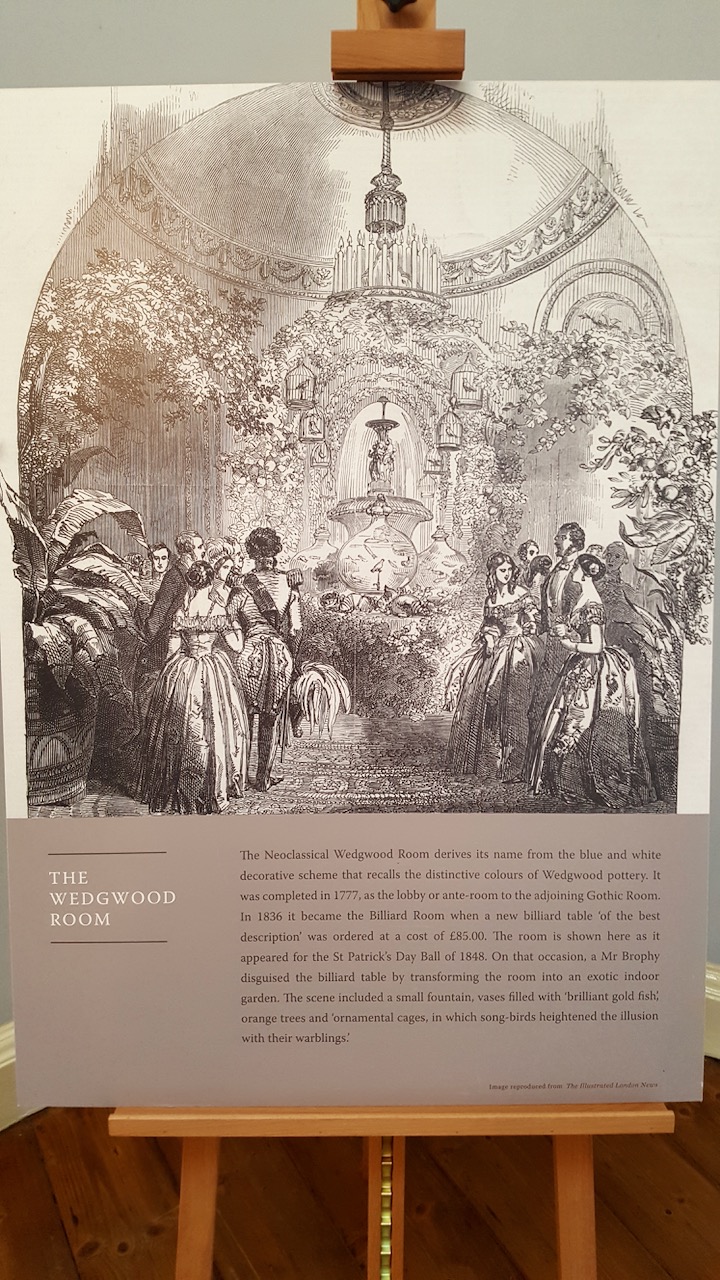
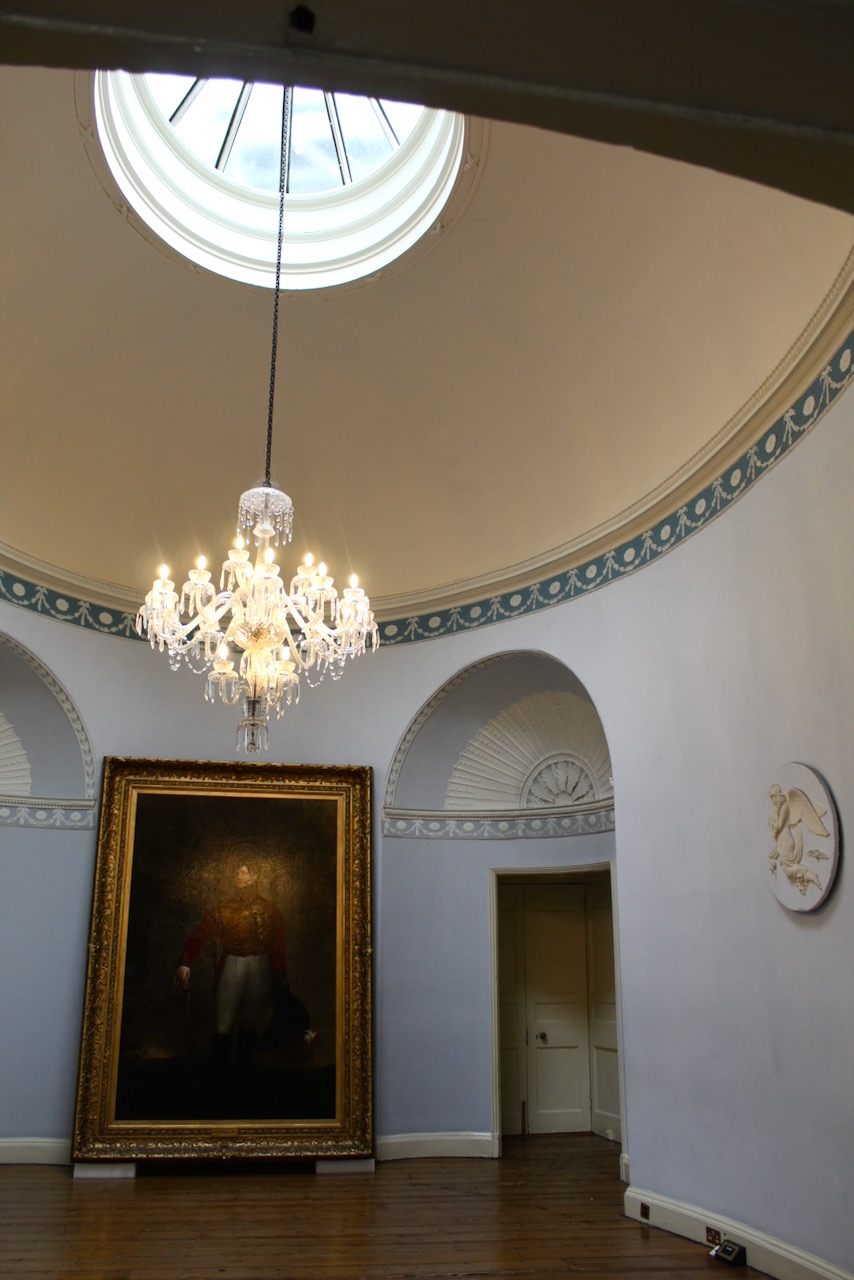
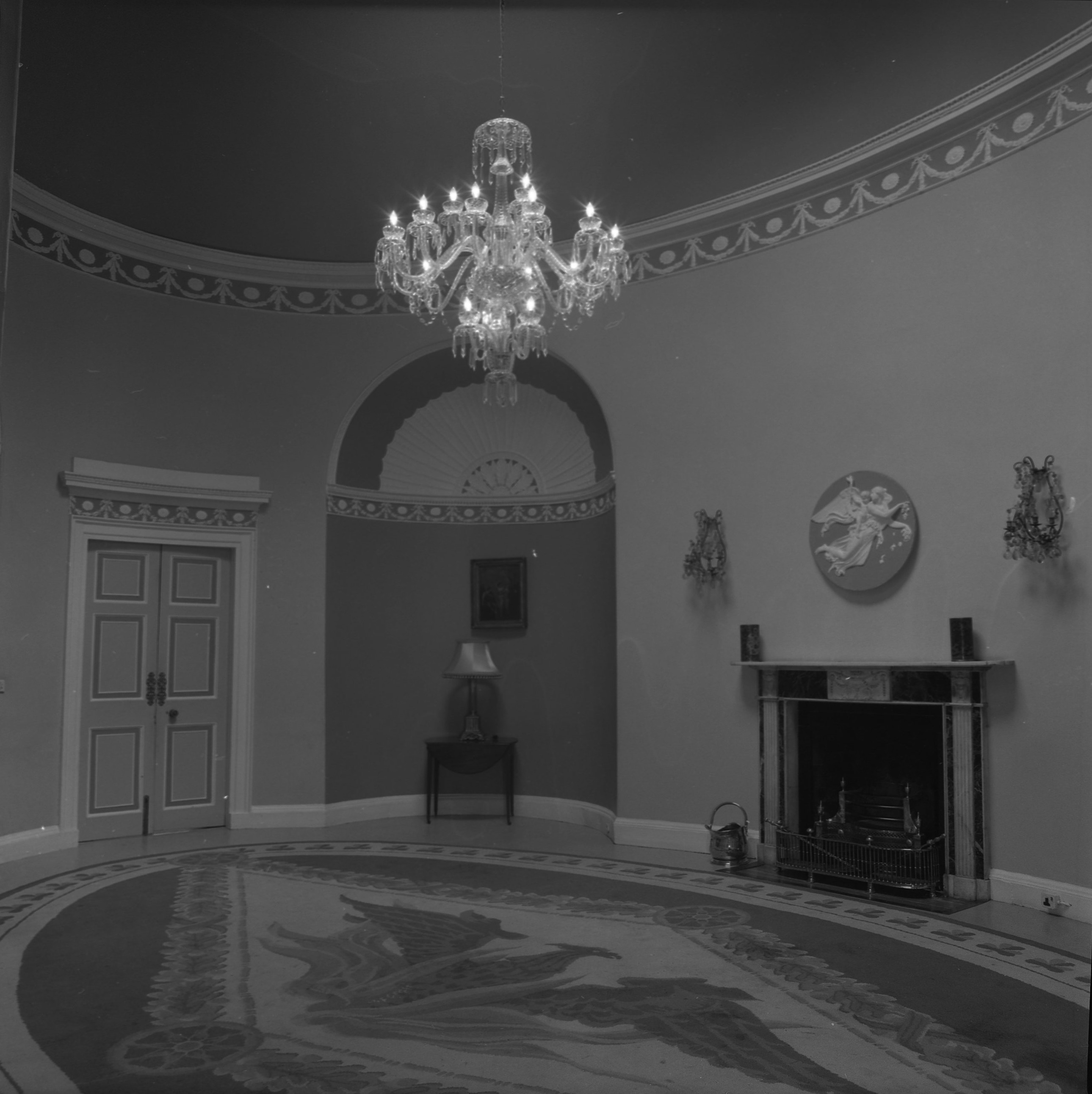
There are many other important rooms, including the Wedgwood Room, an oval room decorated in Wedgwood Blue with details in white, which was used as a Billiards Room in the 19th century. It dates from 1777.

Dublin Castle.
The Wedgwood Room.
Wedgwood Room, Dublin Castle, photograph taken 1985, from Dublin City Library archives. [see 3]

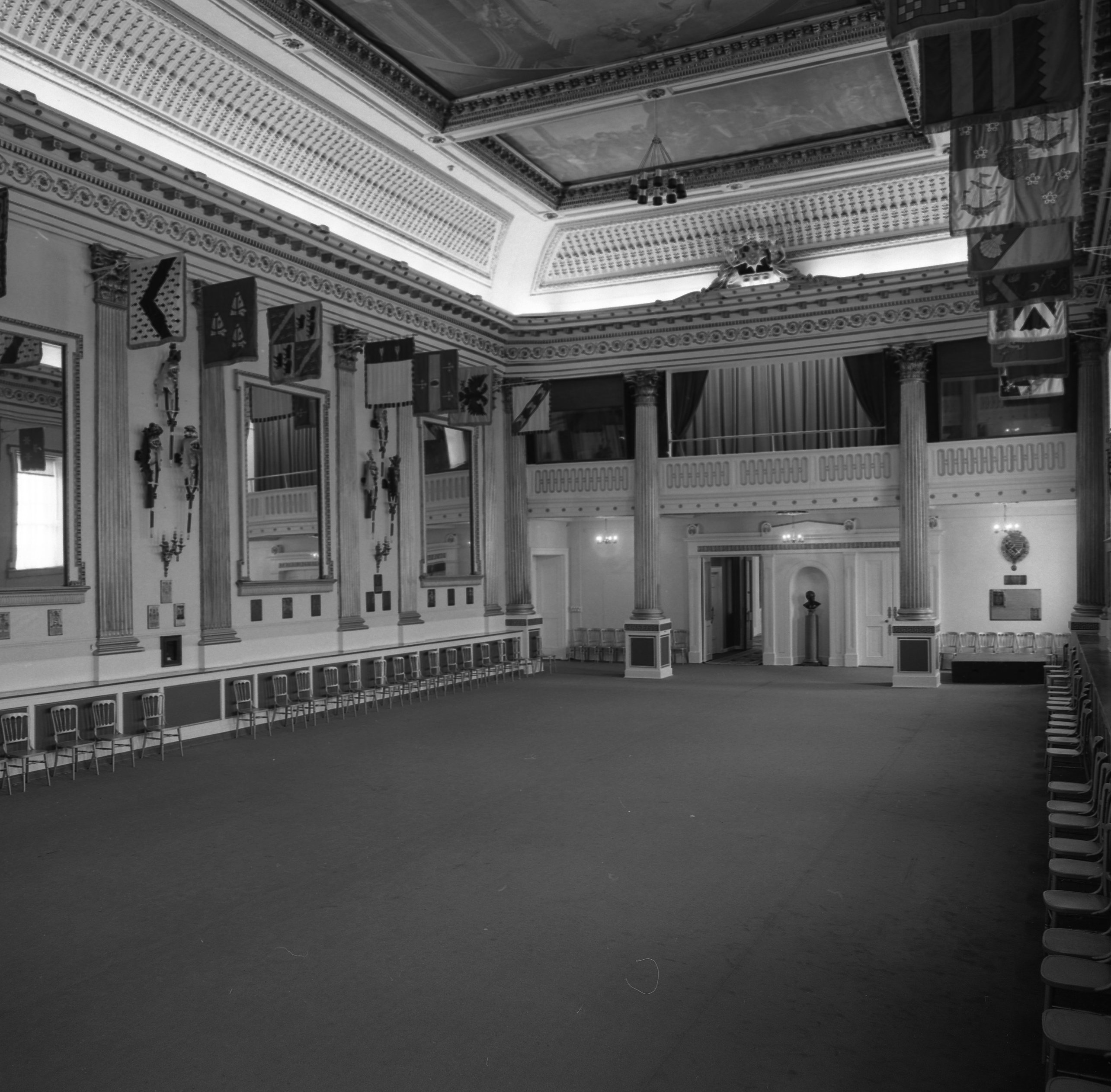
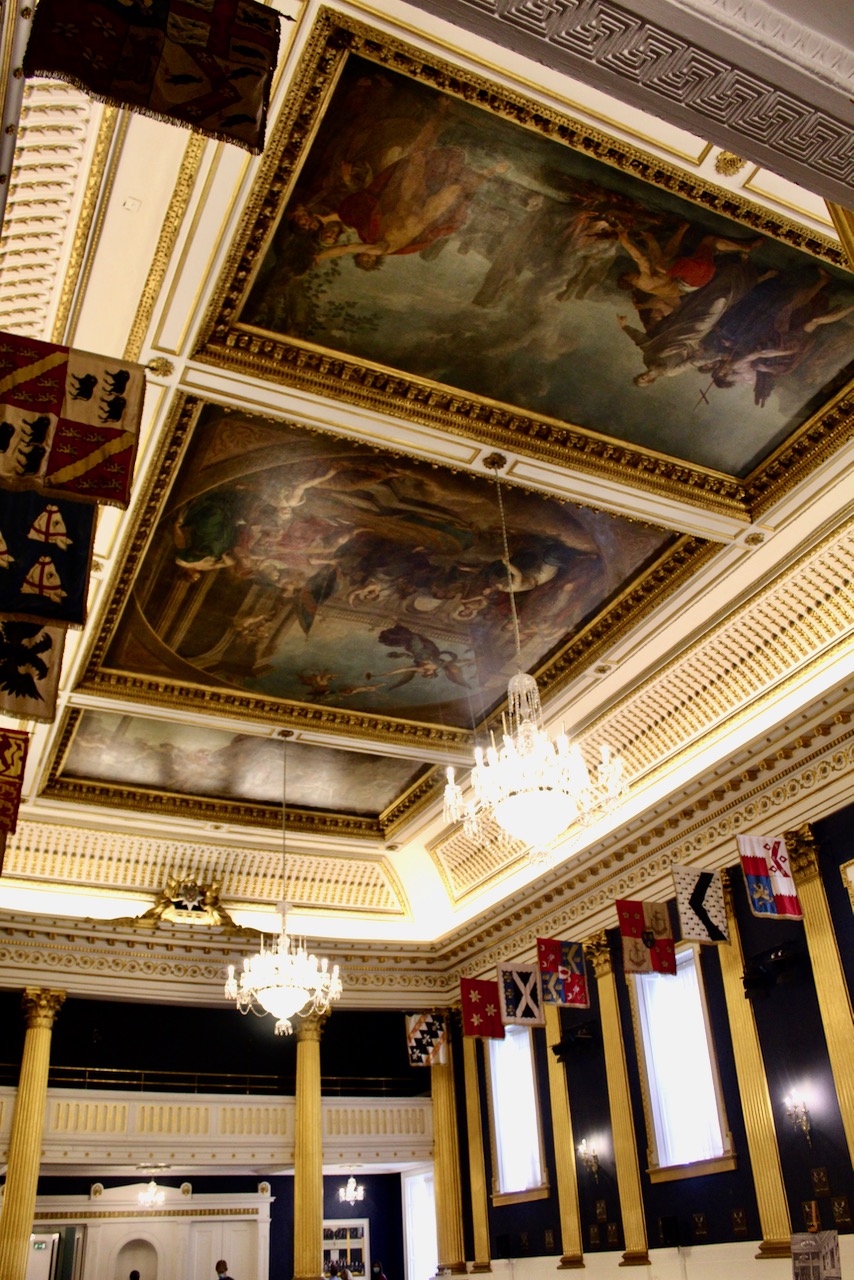
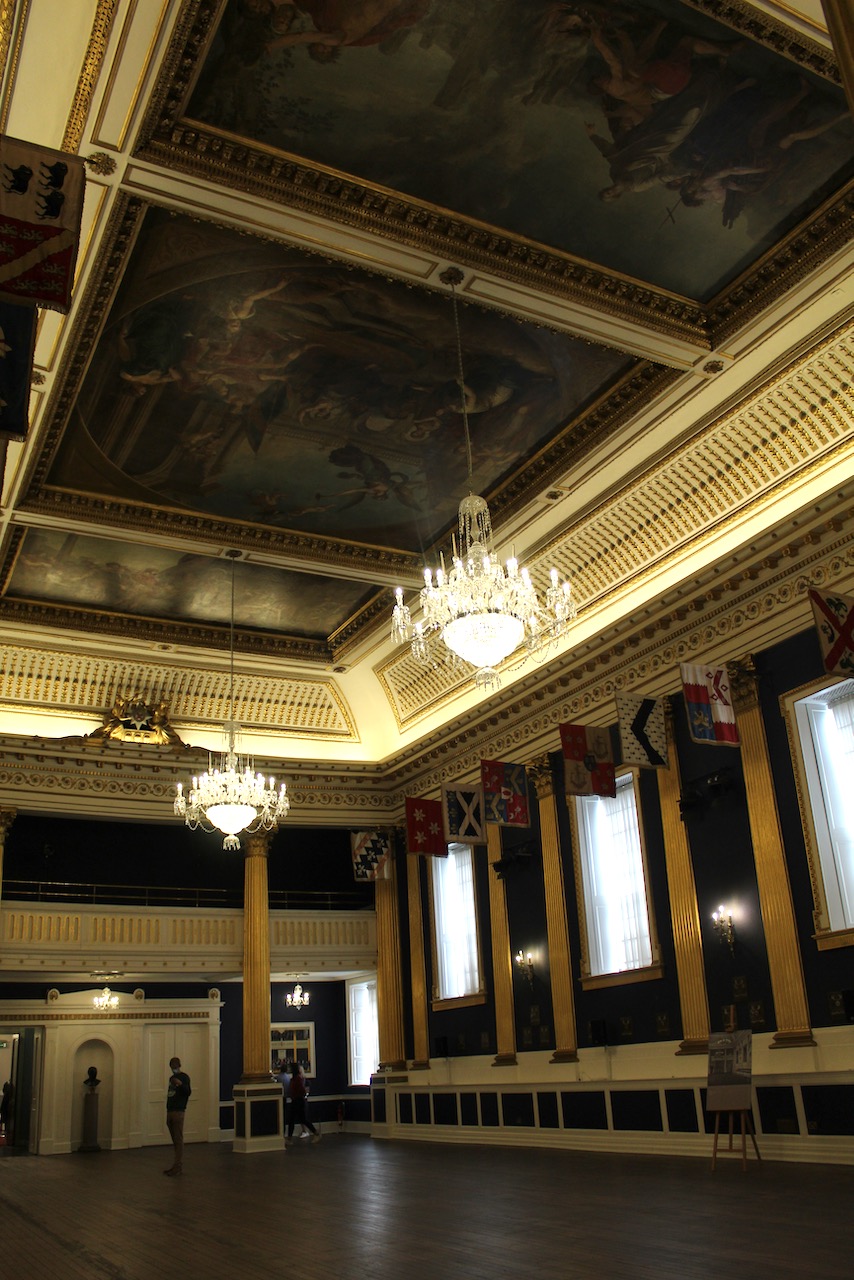
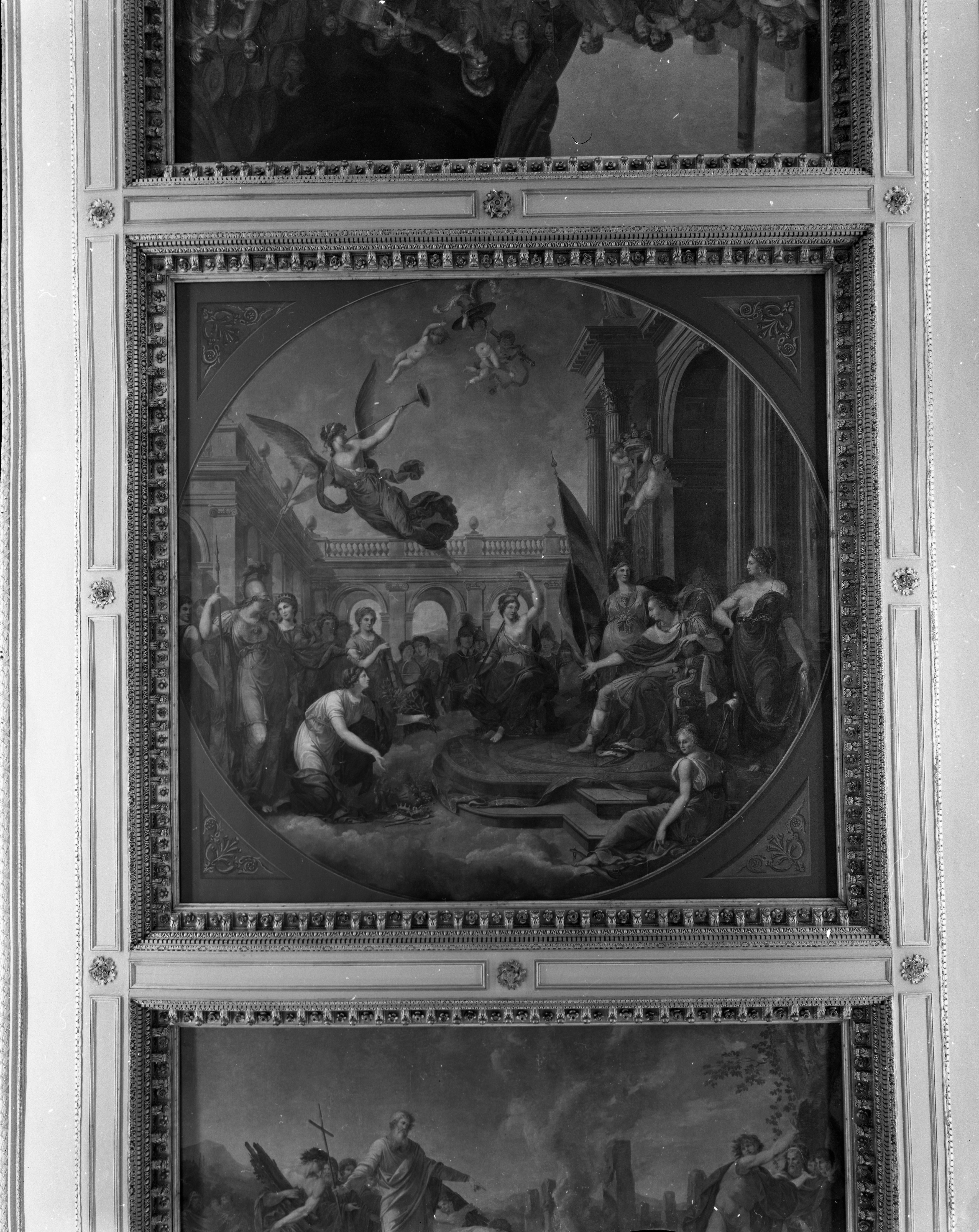
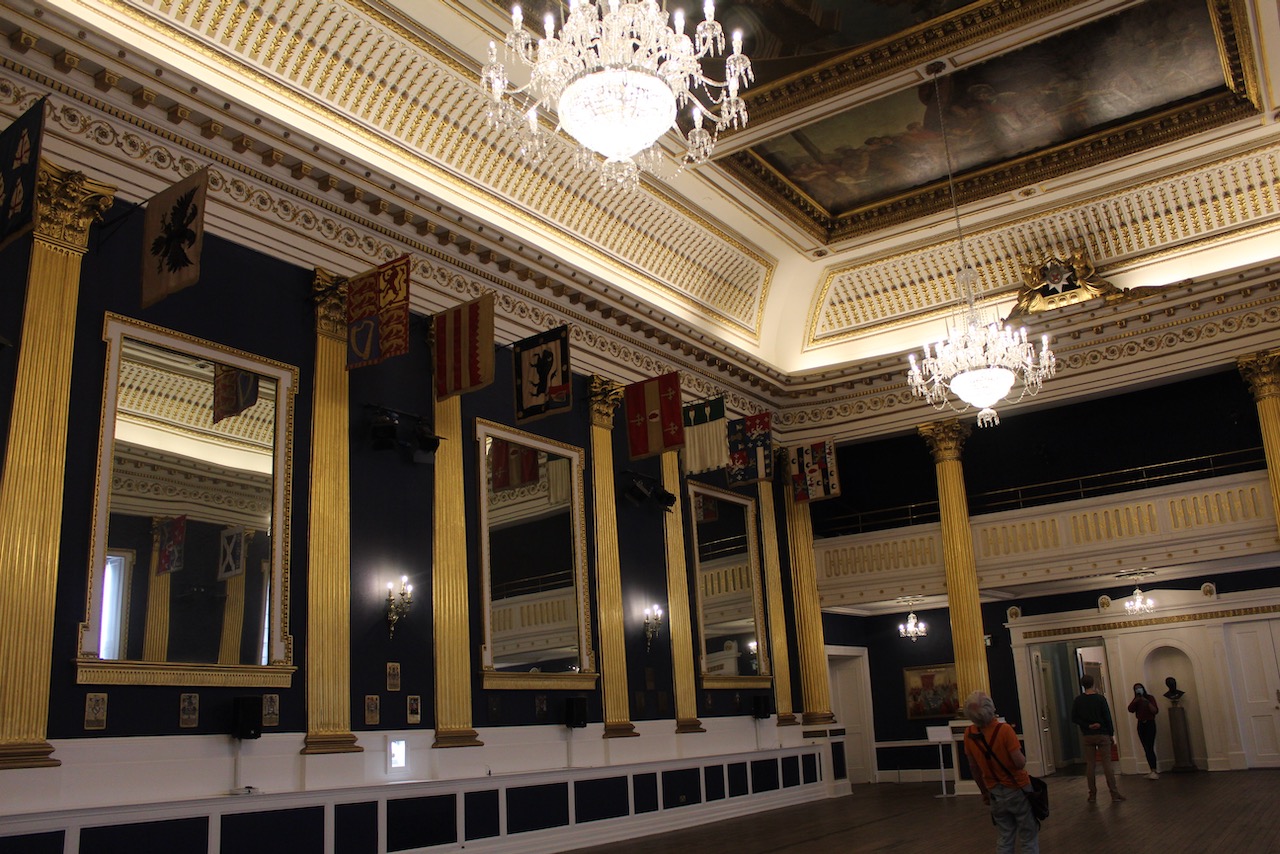
Beyond the Wedgwood Room is the Gothic Room, and then St. Patrick’s Hall. It has two galleries, one at each end, initially intended as one for musicians and one for spectators. There are hanging banners of the arms of the members of the Order of St Patrick, the Irish version of the Knight of the Garter: they first met here in 1783. The room is in a gold and white colour scheme with Corinthian columns. The painted ceiling, commissioned and paid for by the viceroy George Nugent-Temple-Grenville, 1st Marquess of Buckingham in 1788, is by Vincenzo Valdre (c. 1742-1814), an Italian who was brought to Ireland by his patron the Marquess of Buckingham. In the central panel, George III is between Hibernia and Brittania, with Liberty and Justice. Other panels depict St. Patrick, and Henry II receiving the surrender of Irish chieftains.

The hall was built originally as a ballroom in the 1740s but was damaged by an explosion in 1764, remodelled in 1769, and redecorated in the 1780s in honour of the Order of St Patrick.

1985, photograph from Dublin City Library and Archives. (see [5])
St. Patrick’s Hall, Dublin Castle.
Dublin castle, photograph taken 1960, from Dublin City Library archives. [see 3]
St. Patrick’s Hall, Dublin Castle.
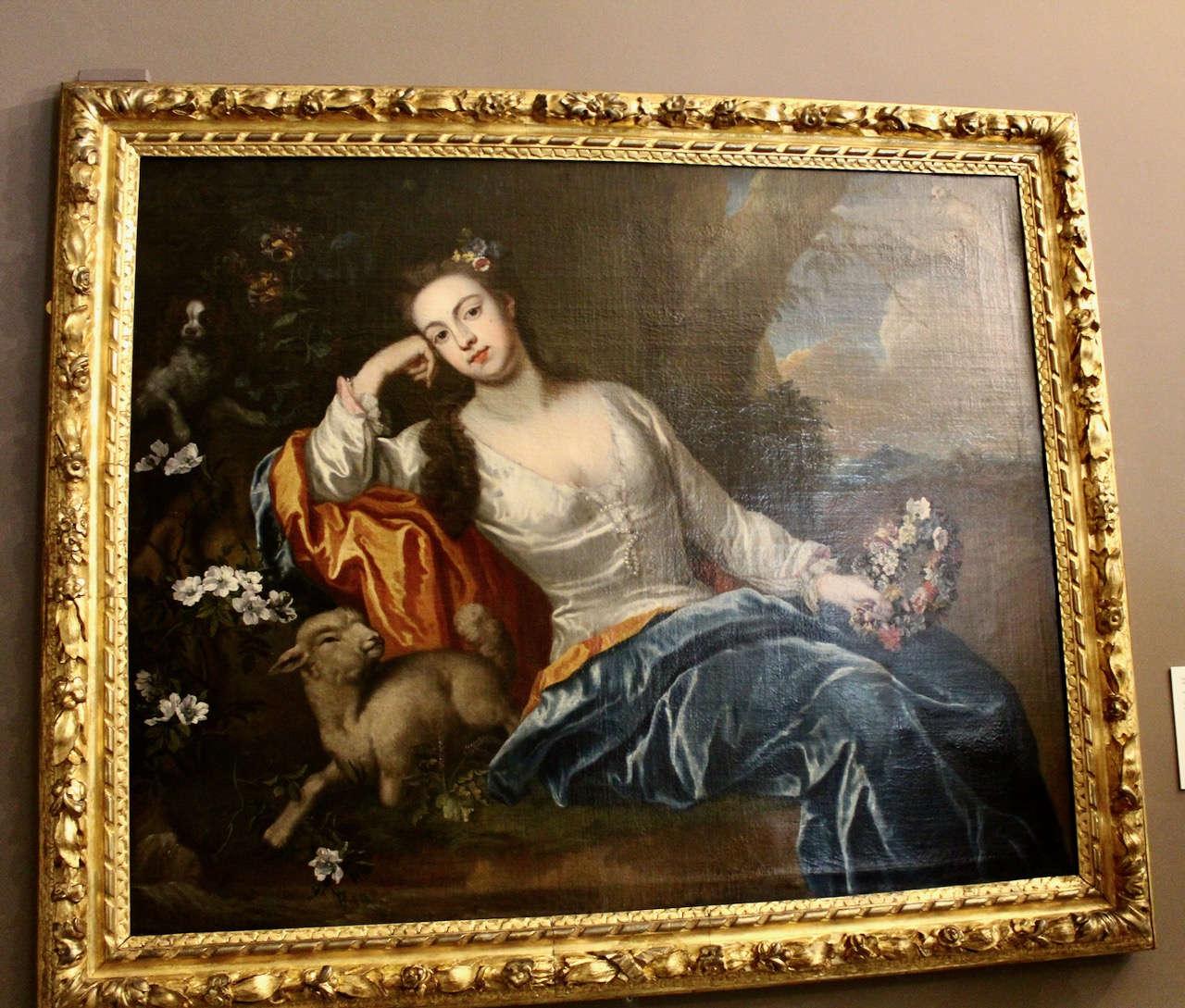
Henrietta Crofts, Duchess of Bolton (1682-1730) as shepherdess, by James Maubert. Henrietta Street was named in her honour. Vicereine 1717-1720. She was the daughter of James Crofts (Scott), 1st and last Duke of Monmouth, illegitimate son of King Charles II. She married Charles Paulet, 2nd Duke of Bolton.
Dublin Castle, September 2021.
Dublin Castle state apartments, photograph taken 1985, from Dublin City Library archives. [see 3]
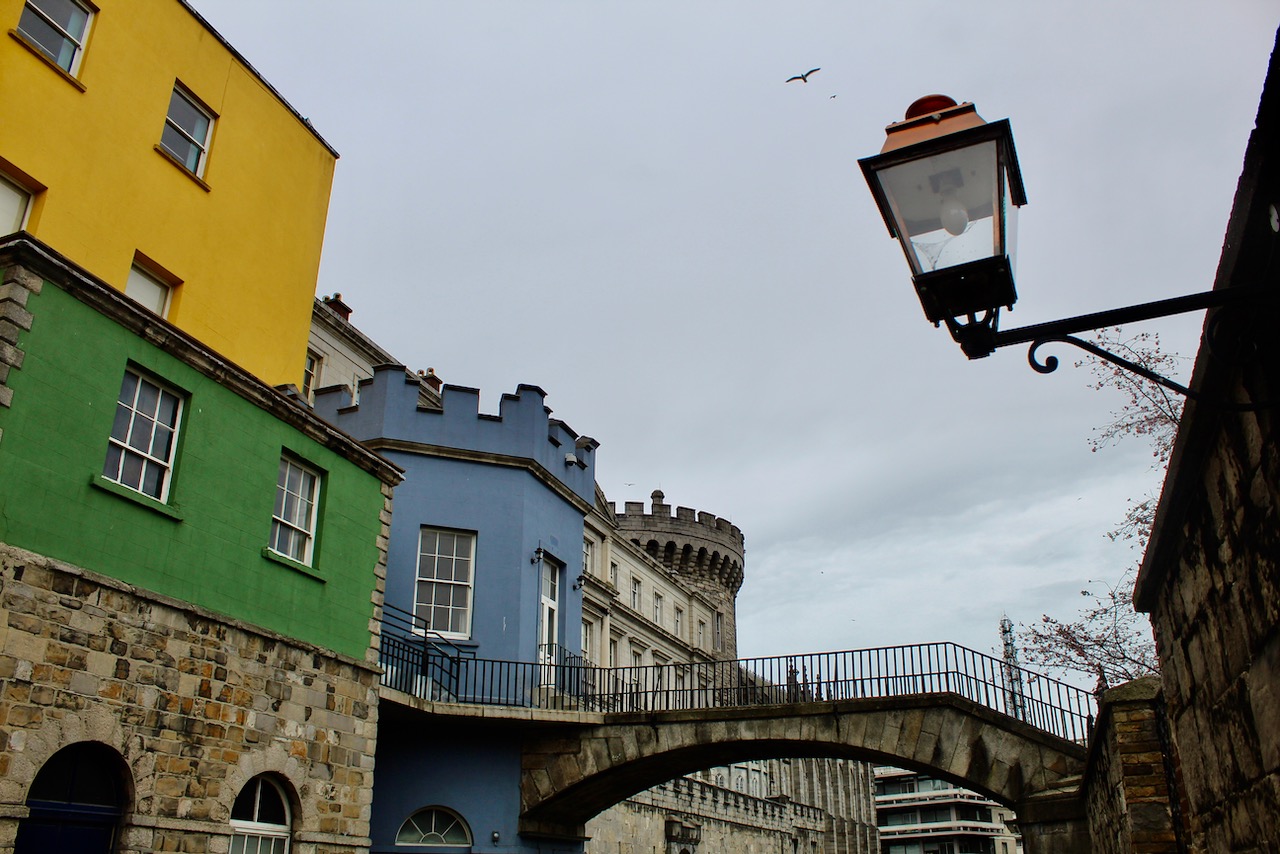
next to Dublin Castle, 2020.
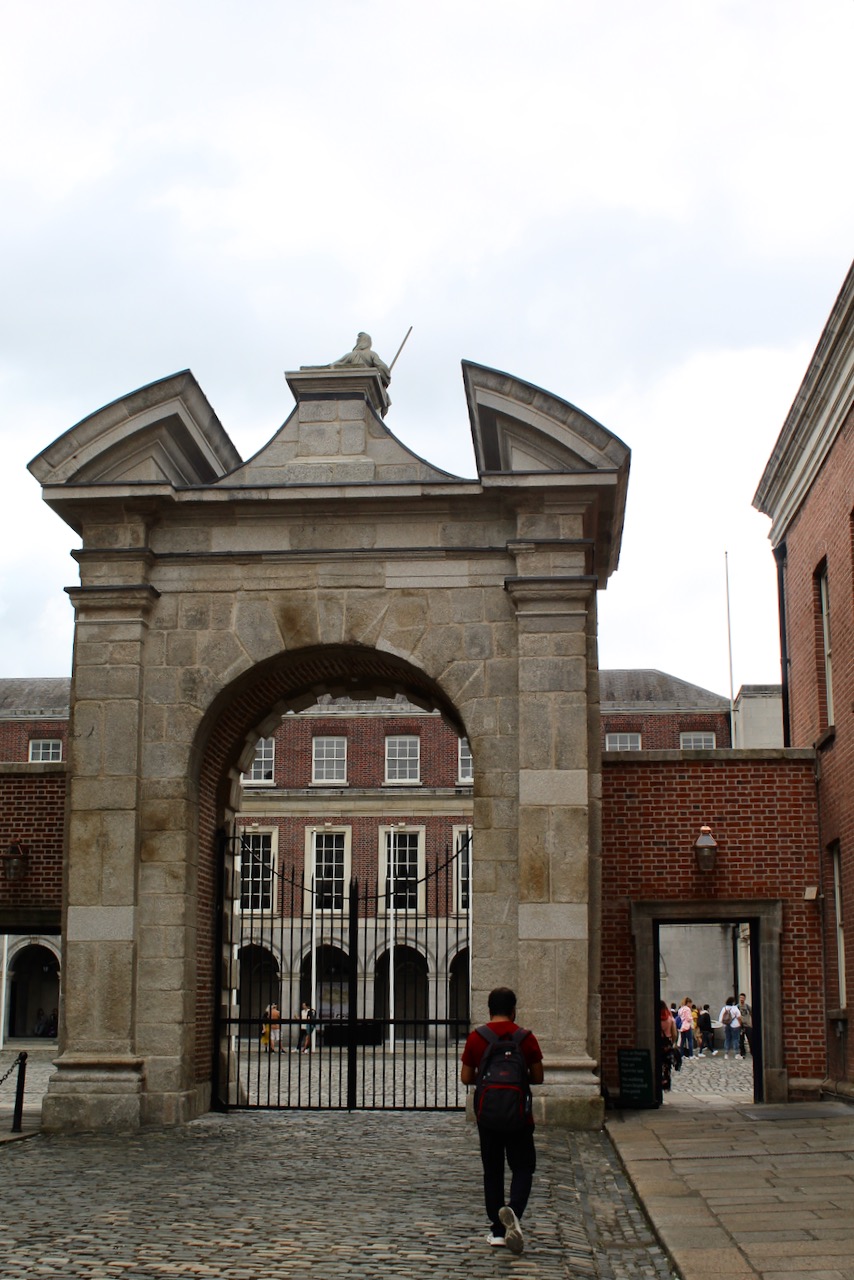
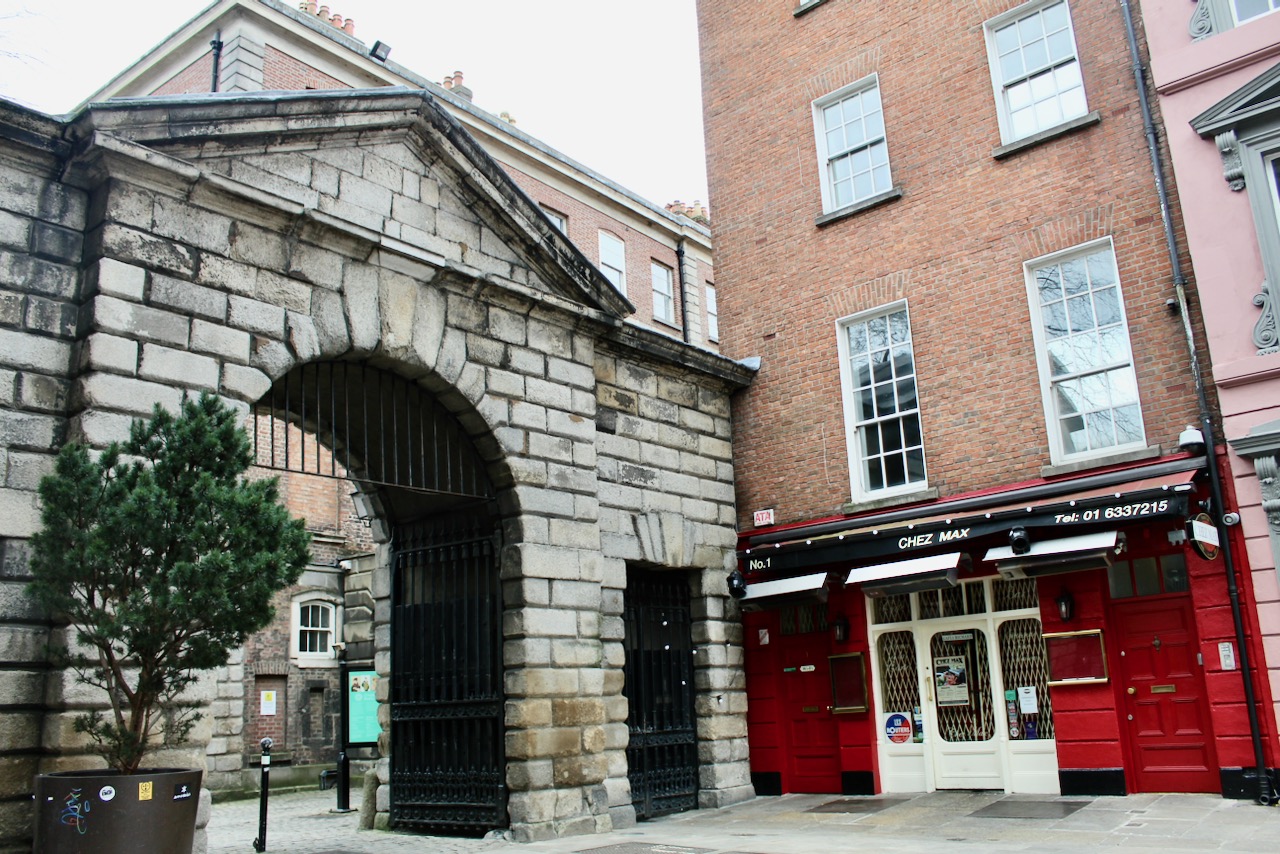
Entrance to Dublin Castle, March 2020.

The following is a list of the Lord Lieutenants of Ireland (courtesy of wikipedia):

Under the House of Anjou

  • Hugh de Lacy, Lord of Meath: 1172–73
Hugh de Lacy (d. 1186) 4th Baron Lacy portrait by Gerald of Wales – Expugnatio Hibernica (1189) https///www.isos.dias.ie/NLI/NLI_MS_700
  • William FitzAldelm: 1173
  • Richard de Clare, 2nd Earl of Pembroke (Strongbow): 1173–1176
  • William FitzAldelm: 1176–1177
  • Hugh de Lacy, Lord of Meath: 1177–1181
  • John fitz Richard, Baron of Halton, Constable of Chester and Richard Peche, Bishop of Lichfield, jointly: 1181
  • Hugh de Lacy, Lord of Meath and Hubert Walter, Bishop of Salisbury, jointly: (1181–1184)
  • Philip de Worcester: 1184–1185
  • John de Courcy: 1185–1192
  • William le Petit & Walter de Lacy: 1192–1194
  • Walter de Lacy & John de Courcy: 1194–1195
  • Hamo de Valognes: 1195–1198
  • Meiler Fitzhenry: 1198–1208
  • John de Gray, Bishop of Norwich: 1208–1213
  • William le Petit 1211: (during John’s absence)
  • Henry de Loundres, Archbishop of Dublin: 1213–1215
  • Geoffrey de Marisco: 1215–1221

Under the House of Plantagenet

  • Henry de Loundres, Archbishop of Dublin: 1221–1224
  • William Marshal: 1224–1226
  • Geoffrey de Marisco: 1226–1228
  • Richard Mor de Burgh: 1228–1232
  • Hubert de Burgh, 1st Earl of Kent 1232 (held the office formally, but never came to Ireland)[3]
  • Maurice FitzGerald, 2nd Lord of Offaly: 1232–1245
  • Sir John Fitz Geoffrey: 1246–1256
  • Sir Richard de la Rochelle 1256
  • Alan de la Zouche: 1256–1258
  • Stephen Longespée: 1258–1260
  • William Dean: 1260–1261
  • Sir Richard de la Rochelle: 1261–1266
  • David de Barry 1266–1268
  • Robert d’Ufford 1268–1270
  • James de Audley: 1270–1272
  • Maurice Fitzmaurice Fitzgerald: 1272–1273
  • Geoffrey de Geneville: 1273–1276
  • Sir Robert D’Ufford: 1276–1281
  • Stephen de Fulbourn, Archbishop of Tuam: 1281–1288
  • John de Sandford, Archbishop of Dublin: 1288–1290
  • Sir Guillaume de Vesci: 1290–1294
  • Sir Walter de la Haye: 1294
  • William fitz Roger, prior of Kilmainham 1294
  • Guillaume D’Ardingselles: 1294–1295
  • Thomas Fitzmaurice Fitzgerald: 1295
  • Sir John Wogan: 1295–1308
  • Edmund Butler 1304–1305 (while Wogan was in Scotland)
  • Piers Gaveston: 1308–1309
  • Sir John Wogan: 1309–1312
  • Edmund Butler, Earl of Carrick: 1312–1314
  • Theobald de Verdun, 2nd Baron Verdun: 1314–1315
  • Edmund Butler, Earl of Carrick: 1315–1318
  • Roger Mortimer, 1st Earl of March: 1317–1318
  • William FitzJohn, Archbishop of Cashel: 1318
  • Alexander de Bicknor, Archbishop of Dublin: 1318–19
  • Roger Mortimer, 1st Earl of March 1319–1320
  • Thomas FitzGerald, 2nd Earl of Kildare: 1320–1321
  • Sir Ralph de Gorges: 1321 (appointment ineffective)
  • John de Bermingham, 1st Earl of Louth: 1321–1324
  • John D’Arcy: 1324–1327
  • Thomas FitzGerald, 2nd Earl of Kildare: 1327–1328
  • Roger Utlagh: 1328–1329
  • John D’Arcy: 1329–1331
  • William Donn de Burgh, 3rd Earl of Ulster: 1331–1331
  • Anthony de Lucy: 1331–1332
  • John D’Arcy: 1332–1338 (Lords Deputy: Sir Thomas de Burgh: 1333–1337 and Sir John Charlton: 1337–1338)
  • Thomas Charleton, Bishop of Hereford: 1338–1340
  • Roger Utlagh: 1340
  • Sir John d’Arcy: 1340–1344 (Lord Deputy: Sir John Morice (or Moriz))
  • Sir Raoul d’Ufford: 1344–1346 (died in office in April 1346)
  • Roger Darcy 1346
  • Sir John Moriz, or Morice: 1346–1346
  • Sir Walter de Bermingham: 1346–1347
  • John L’Archers, Prior of Kilmainham: 1347–1348
  • Sir Walter de Bermingham: 1348–1349
  • John, Lord Carew: 1349
  • Sir Thomas de Rokeby: 1349–1355
  • Maurice FitzGerald, 4th Earl of Kildare: 1355–1355
  • Maurice FitzGerald, 1st Earl of Desmond: 1355–1356
  • Maurice FitzGerald, 4th Earl of Kildare: 1356
  • Sir Thomas de Rokeby: 1356–1357
  • John de Boulton: 1357
  • Maurice FitzGerald, 4th Earl of Kildare: 1357
  • Almaric de St. Amaud, Lord Gormanston: 1357–1359
  • James Butler, 2nd Earl of Ormond: 1359–1360
  • Maurice FitzGerald, 4th Earl of Kildare: 1361
  • Lionel of Antwerp, 5th Earl of Ulster (later Duke of Clarence): 1361–1364
  • James Butler, 2nd Earl of Ormond: 1364–1365
  • Lionel of Antwerp, Duke of Clarence: 1365–1366
  • Thomas de la Dale: 1366–1367
  • Gerald FitzGerald, 3rd Earl of Desmond: 1367–1369, a.k.a. Gearóid Iarla
  • Sir William de Windsor: 1369–1376
  • James Butler, 2nd Earl of Ormond: 1376–1378
  • Alexander de Balscot and John de Bromwich: 1378–1380
  • Edmund Mortimer, 3rd Earl of March: 1380–1381
  • Roger Mortimer, 4th Earl of March: 1382 (first term, aged 11, Lord Deputy: Sir Thomas Mortimer)
  • Sir Philip Courtenay: 1385–1386
  • Robert de Vere, Duke of Ireland: 1386
  • Alexander de Balscot, Bishop of Meath: 1387–1389
  • Sir John Stanley, K.G., King of Mann: 1389–1391 (first term)
  • James Butler, 3rd Earl of Ormond: 1391
  • Thomas of Woodstock, Duke of Gloucester: 1392–1395
  • Roger Mortimer, 4th Earl of March: 1395–1398 (second term)
  • Thomas Holland, Duke of Surrey: 1399

Under the Houses of York and Lancaster

  • Sir John Stanley: 1399–1402 (second term)
  • Thomas of Lancaster, 1st Duke of Clarence: 1402–1405 (aged 13)
  • James Butler, 3rd Earl of Ormond: 1405
  • Gerald FitzGerald, 5th Earl of Kildare: 1405–1408
  • Thomas of Lancaster, 1st Duke of Clarence: 1408–1413
  • Sir John Stanley: 1413–1414 (third term)
  • Thomas Cranley, Archbishop of Dublin: 1414
  • John Talbot, 1st Earl of Shrewsbury: 1414–1421 (first term)
  • James Butler, 4th Earl of Ormond: 1419–1421 (first term)
  • Edmund Mortimer, 5th Earl of March: 1423–1425
  • John Talbot, 1st Earl of Shrewsbury: 1425 (second term)
  • James Butler, 4th Earl of Ormond: 1425–1427
  • Sir John Grey: 1427–1428
  • John Sutton, later 1st Lord Dudley: 1428–1429
  • Sir Thomas le Strange: 1429–1431
  • Thomas Stanley, 1st Baron Stanley: 1431–1436
  • Lionel de Welles, 6th Baron Welles: 1438–1446
  • John Talbot, 1st Earl of Shrewsbury: 1446 (third term)
  • Richard of York, 3rd Duke of York: 1447–1460 (Lord Deputy: Thomas FitzGerald, 7th Earl of Kildare)
  • George Plantagenet, Duke of Clarence: 1462–1478 (Lords Deputy: Thomas FitzGerald, 7th Earl of Desmond/Thomas FitzGerald, 7th Earl of Kildare)
  • John de la Pole, 2nd Duke of Suffolk: 1478
  • Richard of Shrewsbury, Duke of York: 1478–1483 (aged 5. Lord Deputy:Gerald FitzGerald, 8th Earl of Kildare)
  • Edward of Middleham: 1483–1484 (aged 11. Lord Deputy:Gerald FitzGerald, 8th Earl of Kildare)
  • John de la Pole, Earl of Lincoln: 1484–1485

Under the House of Tudor

  • Jasper Tudor, 1st Duke of Bedford| 1485–1494 (Lord Deputy:Gerald FitzGerald, 8th Earl of Kildare)
  • Henry, Duke of York: 1494–?1519 (Aged 4. Lords Deputy: Sir Edward Poynings/Gerald FitzGerald, 8th Earl of Kildare/Gerald FitzGerald, 9th Earl of Kildare)
Gerald Fitzgerald (1487-1534) 9th Earl of Kildare, courtesy of Bodleian Libraries, University of Oxford.
  • Thomas Howard, 2nd Duke of Norfolk: 1519–1523 (Lord Deputy:Thomas Howard, Earl of Surrey)

Lords Deputy

Under the House of Tudor

  • The Earl of Ossory: 1523–1524
  • Gerald FitzGerald, 9th Earl of Kildare: 1524–1529
  • The Duke of Richmond and Somerset: 22 June 1529 (aged 10)
  • Sir William Skeffington: 1529–1532
  • Gerald FitzGerald, 9th Earl of Kildare: 1532–1534
  • Sir William Skeffington: 30 July 1534
  • Leonard Grey, 1st Viscount Grane: 23 February 1536 – 1540 (executed, 1540)
  • Lords Justices: 1 April 1540
  • Sir Anthony St Leger: 7 July 1540 (first term)
  • Sir Edward Bellingham: 22 April 1548
  • Lords Justices: 27 December 1549
  • Sir Anthony St Leger: 4 August 1550 (second term)
  • Sir James Croft: 29 April 1551
  • Lords Justices: 6 December 1552
  • Sir Anthony St Leger: 1 September 1553 – 1556 (third term)
  • Viscount FitzWalter: 27 April 1556
  • Lords Justices: 12 December 1558
  • The Earl of Sussex (Lord Deputy): 3 July 1559
  • The Earl of Sussex (Lord Lieutenant): 6 May 1560
  • Sir Henry Sidney: 13 October 1565
  • Lord Justice: 1 April 1571
  • Sir William FitzWilliam: 11 December 1571
  • Sir Henry Sidney: 5 August 1575
  • Lord Justice: 27 April 1578
  • The Lord Grey de Wilton: 15 July 1580
  • Lords Justices: 14 July 1582
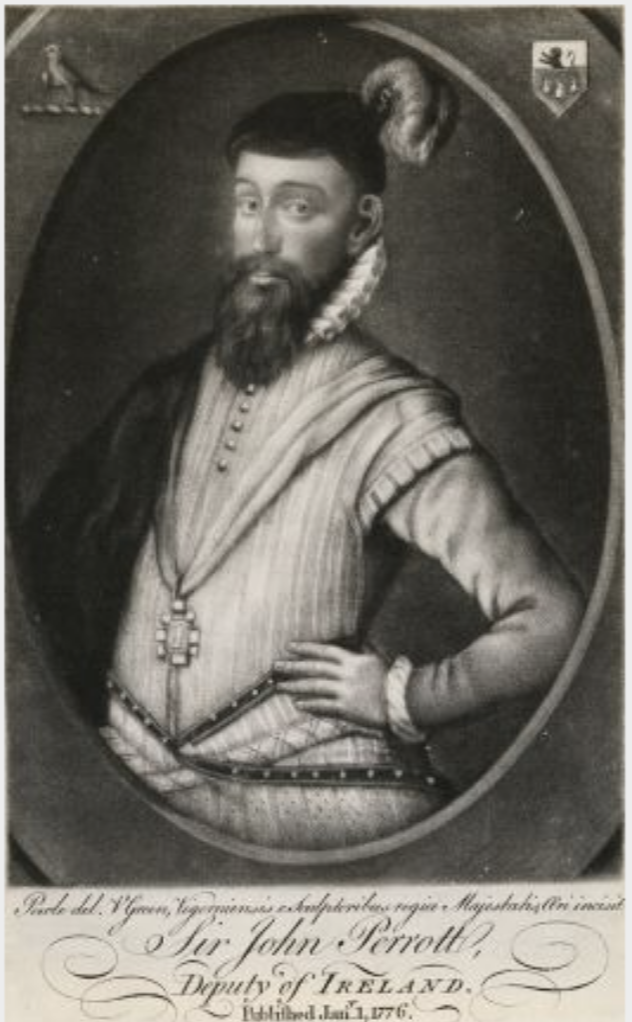
  • Sir John Perrot: 7 January 1584
Sir John Perrot 1527-1592, said to be a son of King Henry VIII, soldier and Lord Deputy of Ireland, date 1776, engraver Valentine Green, English 1739-1813 copyist George Powle.
  • Sir William FitzWilliam: 17 February 1588
  • Sir William Russell: 16 May 1594
  • The Lord Burgh: 5 March 1597
  • Lords Justices: 29 October 1597
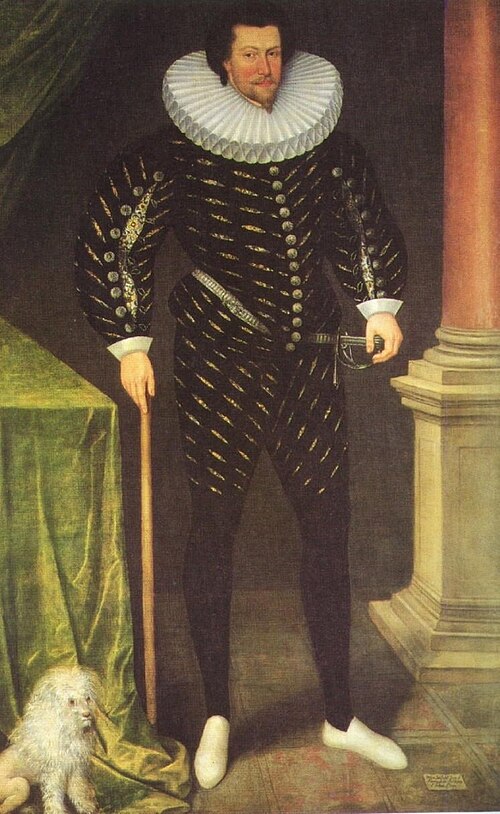
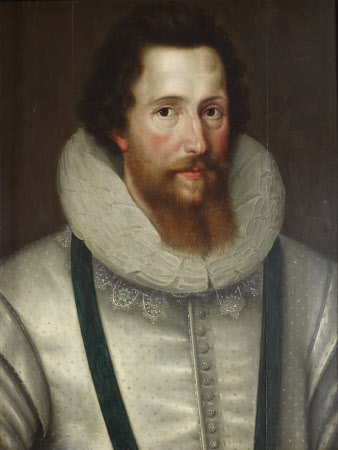
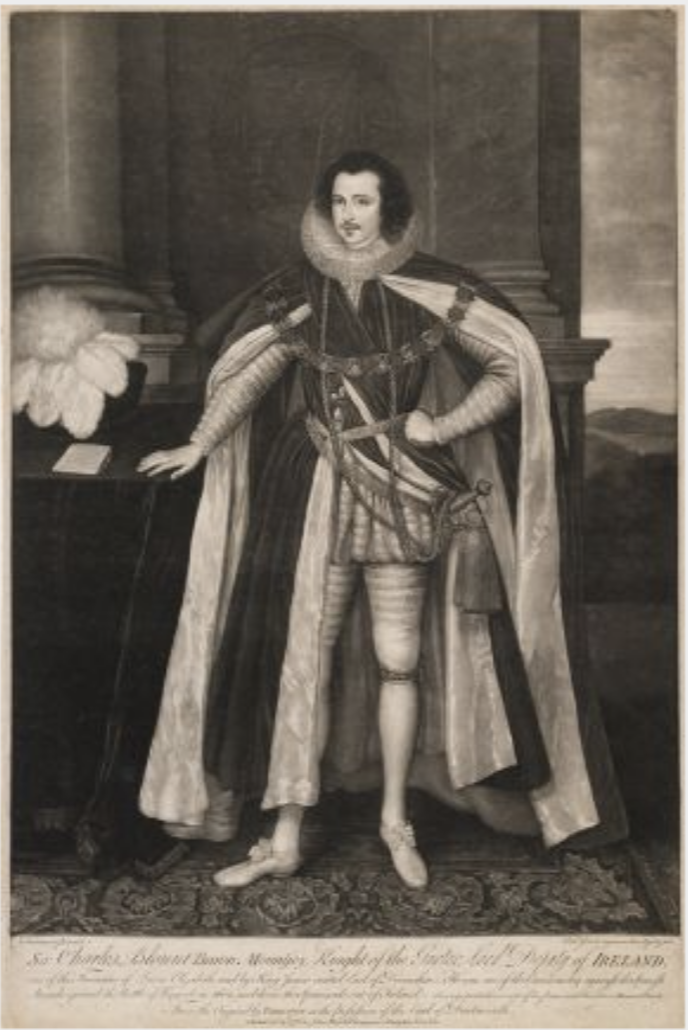
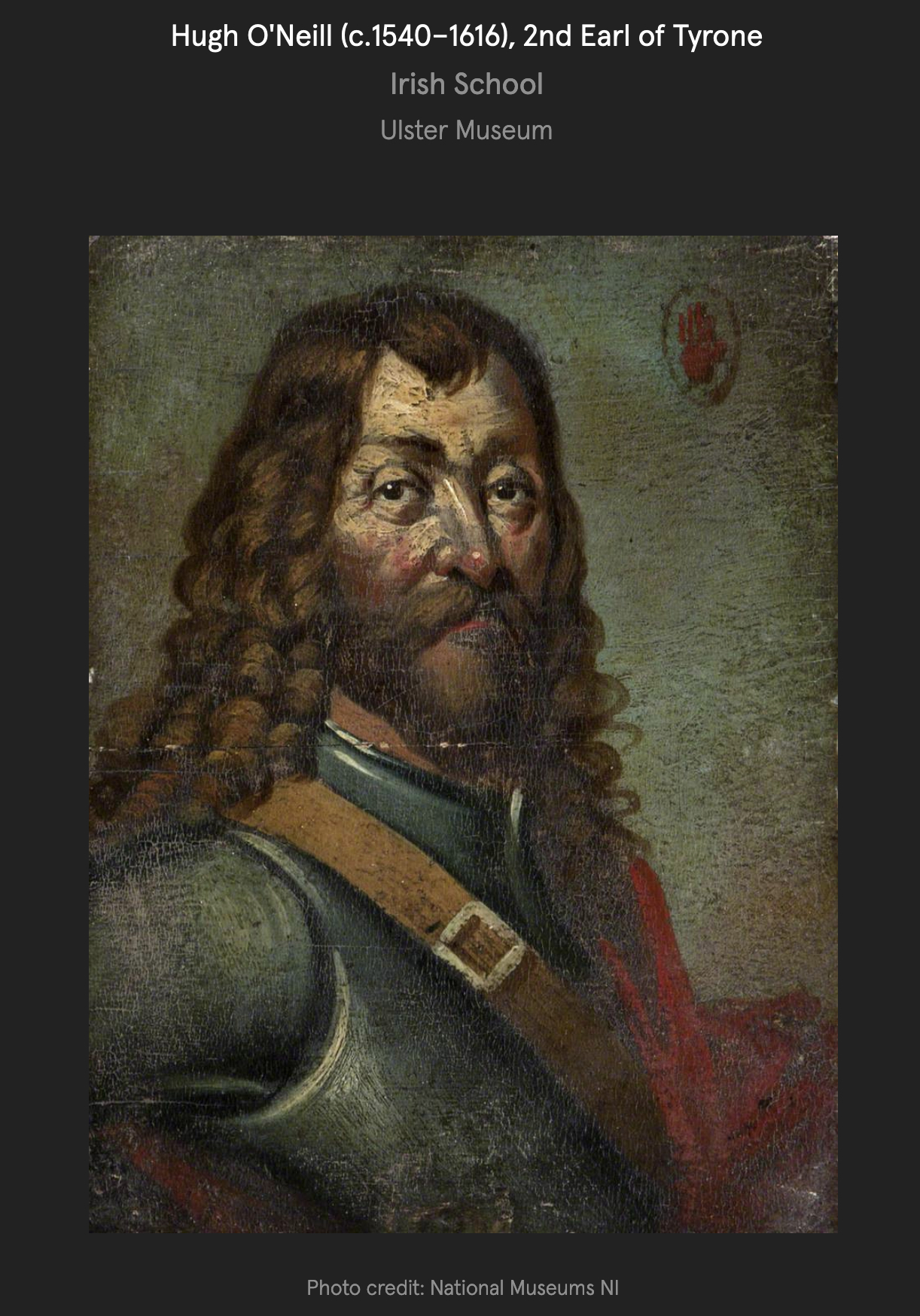
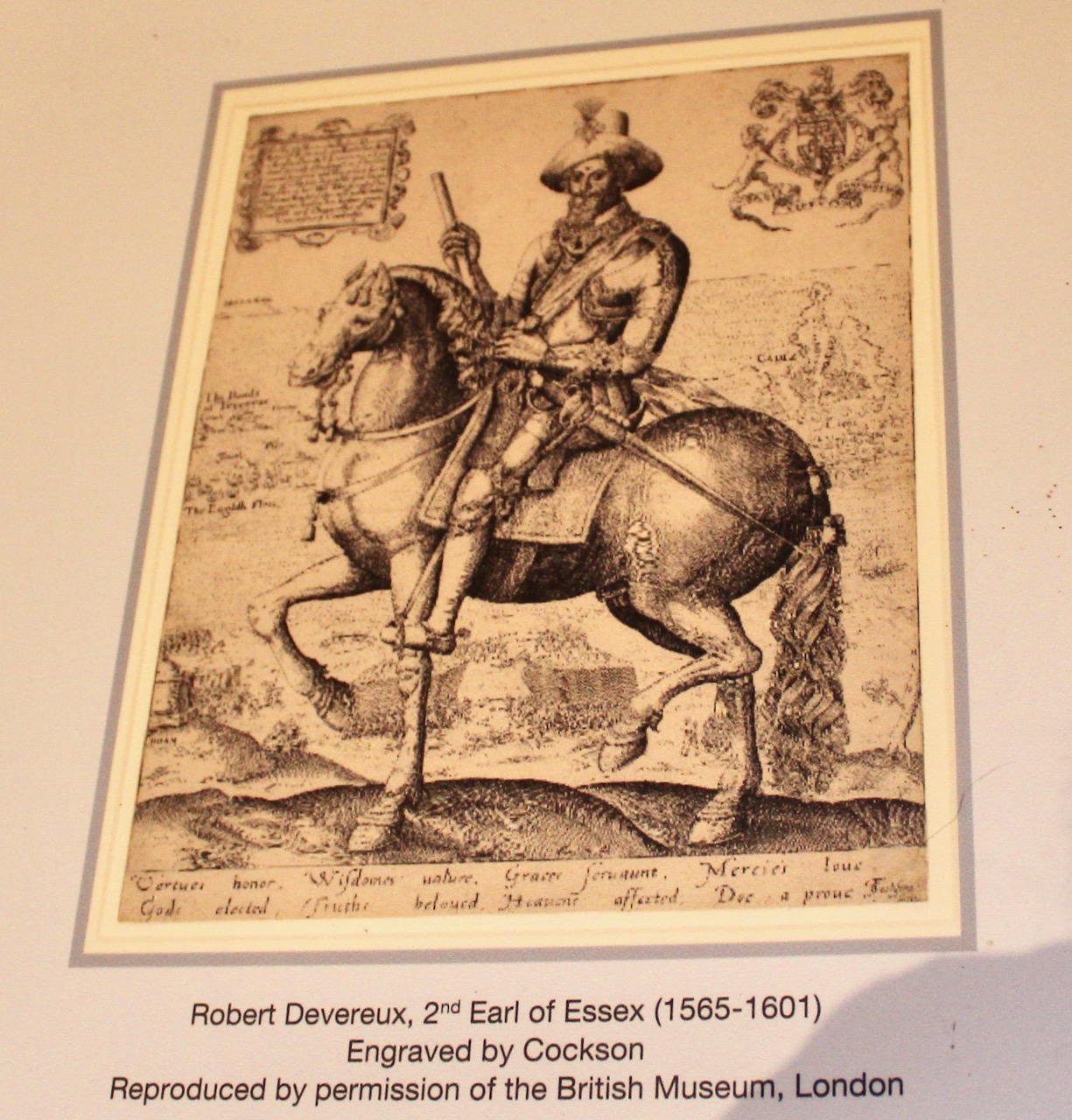
  • Robert Devereux, 2nd Earl of Essex. 12 March 1599
Robert Devereux, 2nd Earl of Essex.
  • Lords Justices: 24 September 1599
  • The Lord Mountjoy (Lord Deputy): 21 January 1600

Under the House of Stuart

  • The Lord Mountjoy (Lord Lieutenant): 25 April 1603
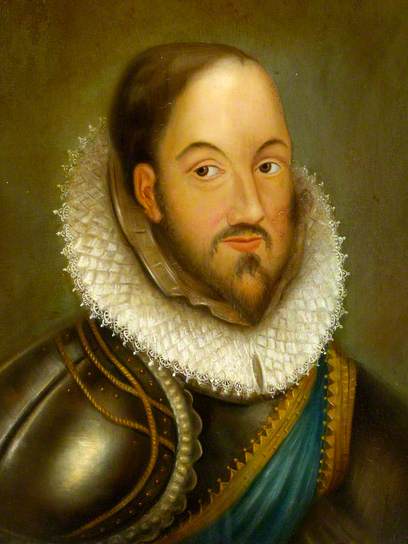
  • Arthur Chichester (1563-1625) Baron Chichester Of Belfast : 15 October 1604
Arthur Chichester (1563-1625) Baron Chichester Of Belfast (c) Belfast Harbour Commissioners; Supplied by The Public Catalogue Foundation.
  • Sir Oliver St John: 2 July 1616
  • Henry Cary, 1st Viscount Falkland: 18 September 1622
  • Lords Justices: 8 August 1629
  • The Viscount Wentworth later The Earl of Strafford: 3 July 1633 (executed May 1641)
  • The Earl of Leicester (Lord Lieutenant): 14 June 1641
  • The Marquess of Ormonde: 13 November 1643 (appointed by the king)
  • Viscount Lisle: 9 April 1646 (appointed by parliament, commission expired 15 April 1647)
  • The Marquess of Ormonde: 30 September 1648 (appointed by the King)

During the Interregnum

  • Oliver Cromwell (Lord Lieutenant): 22 June 1649
  • Henry Ireton (Lord Deputy): 2 July 1650 (d. 20 November 1651)
  • Charles Fleetwood (Lord Deputy): 9 July 1652
  • Henry Cromwell (Lord Deputy): 17 November 1657
  • Henry Cromwell (Lord Lieutenant): 6 October 1658, resigned 15 June 1659
  • Edmund Ludlow (Commander-in-Chief): 4 July 1659

Under the House of Stuart

  • The Duke of Albemarle: June 1660
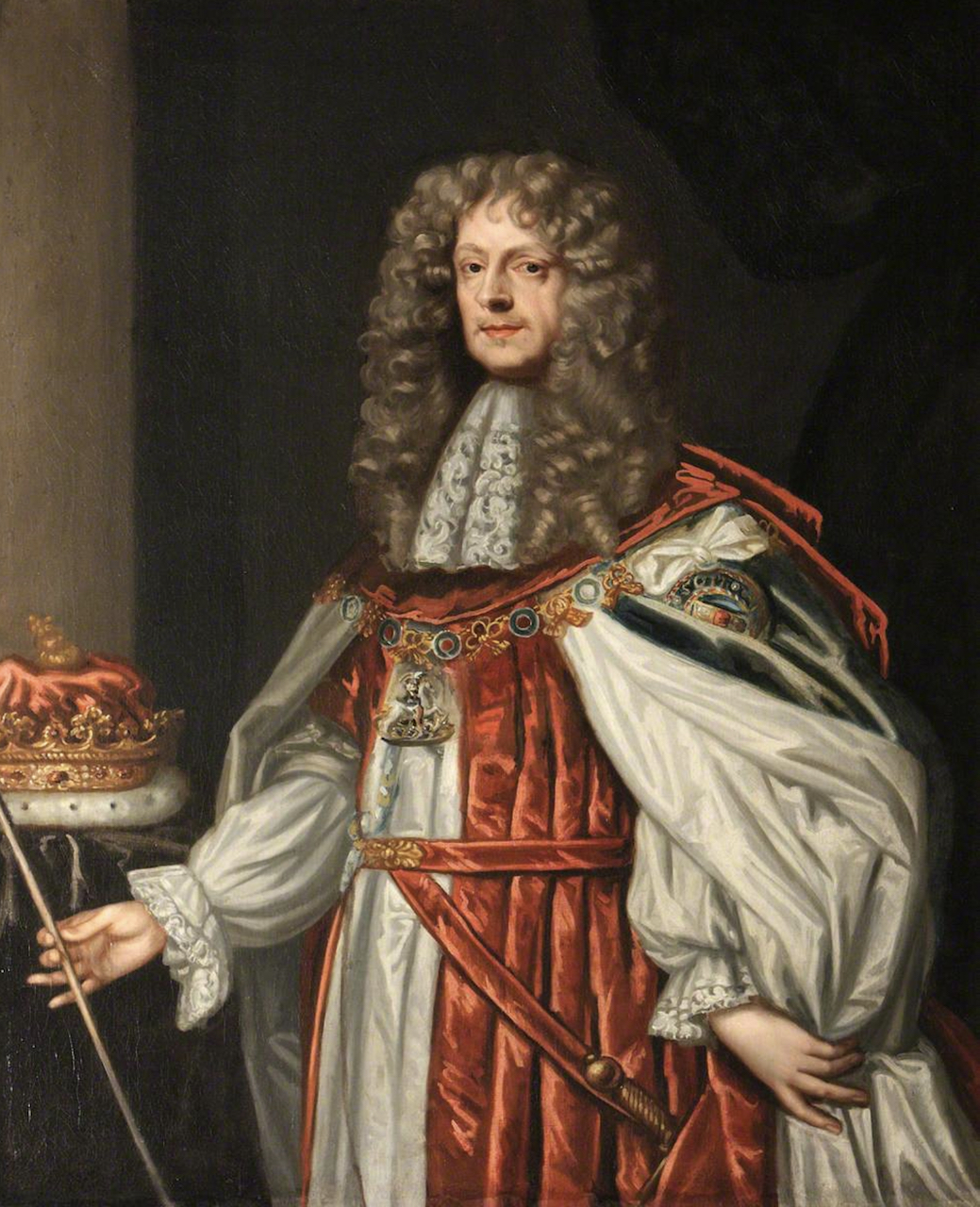
  • The Duke of Ormonde: 21 February 1662
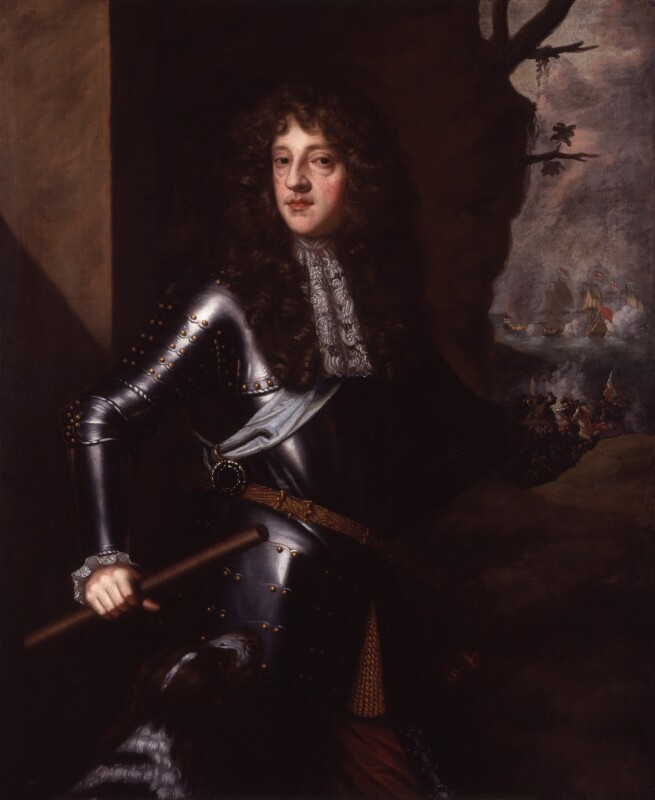
James Butler (1611–1688), 1st Duke of Ormonde, in Garter Robes, Peter Lely (1618-1680) (style of), 1171123 National Trust.
  • Thomas Butler (1634-1680) 6th Earl of Ossory (Lord Deputy): 7 February 1668
Thomas Butler (1634-1680) 6th Earl of Ossory, studio of Sir Peter Lely, circa 1678, courtesy of National Portrait Gallery NPG 371. Second son of the Duke and Duchess of Ormond and father of 2nd Duke of Ormonde.
  • The Lord Robartes: 3 May 1669
  • The Lord Berkeley of Stratton: 4 February 1670
  • The Earl of Essex: 21 May 1672
  • The Duke of Ormonde: 24 May 1677
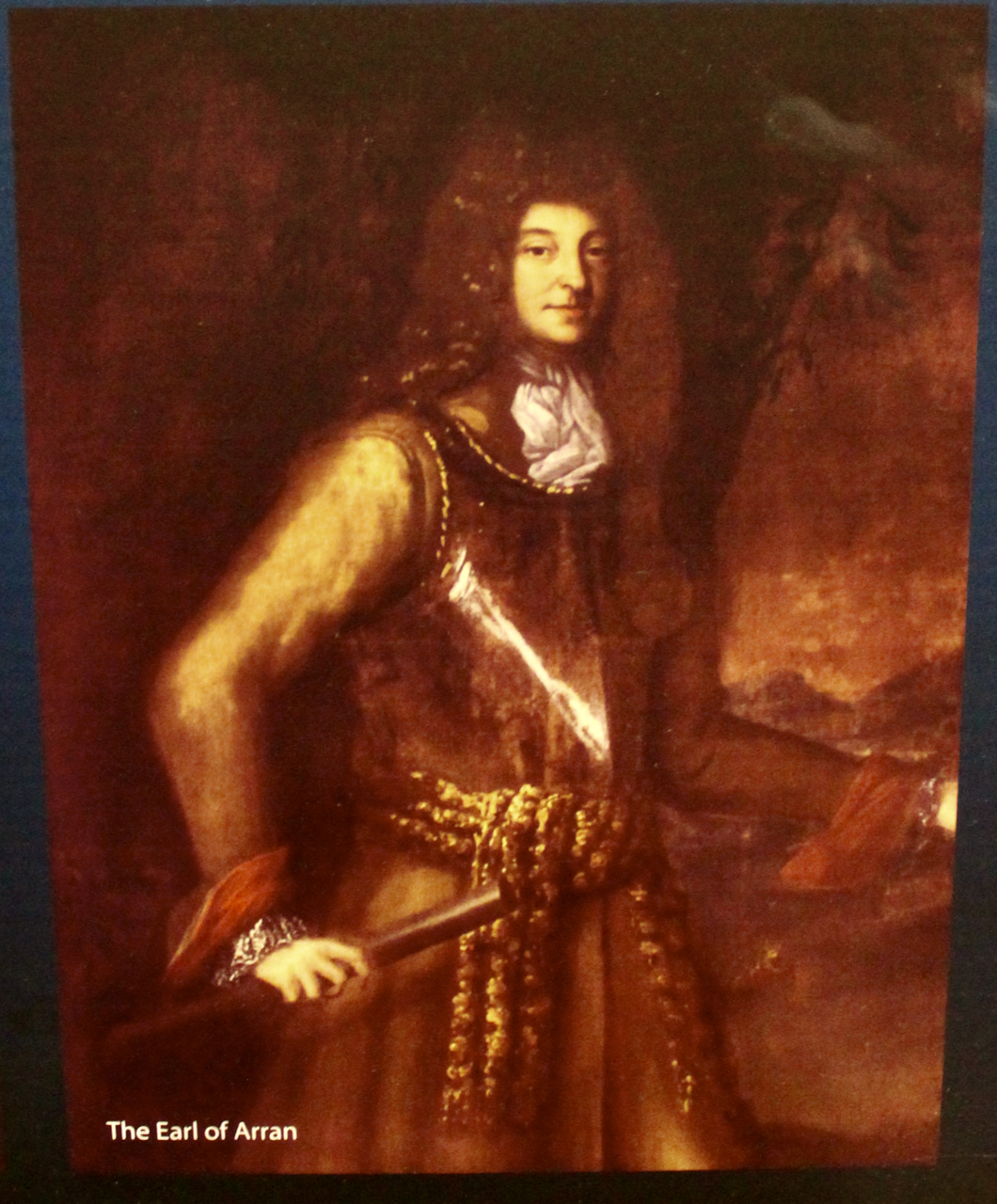
  • The Earl of Arran: 13 April 1682
Richard Butler (1639-1686) 1st Earl of Arran, son of the Duke of Ormonde, Royal Hospital Kilmainham, 15th October 2023.
  • The Duke of Ormonde: 19 August 1684
  • Lords Justices: 24 February 1685
  • Henry Hyde (1638-1709 (?)) 2nd Earl of Clarendon: 1 October 1685
Henry Hyde (1638-1709 (?)) 2nd Earl of Clarendon, as Lord Privy Seal and Lord Lieutenant of Ireland, Irish school courtesy of National Trust Castle Ward.
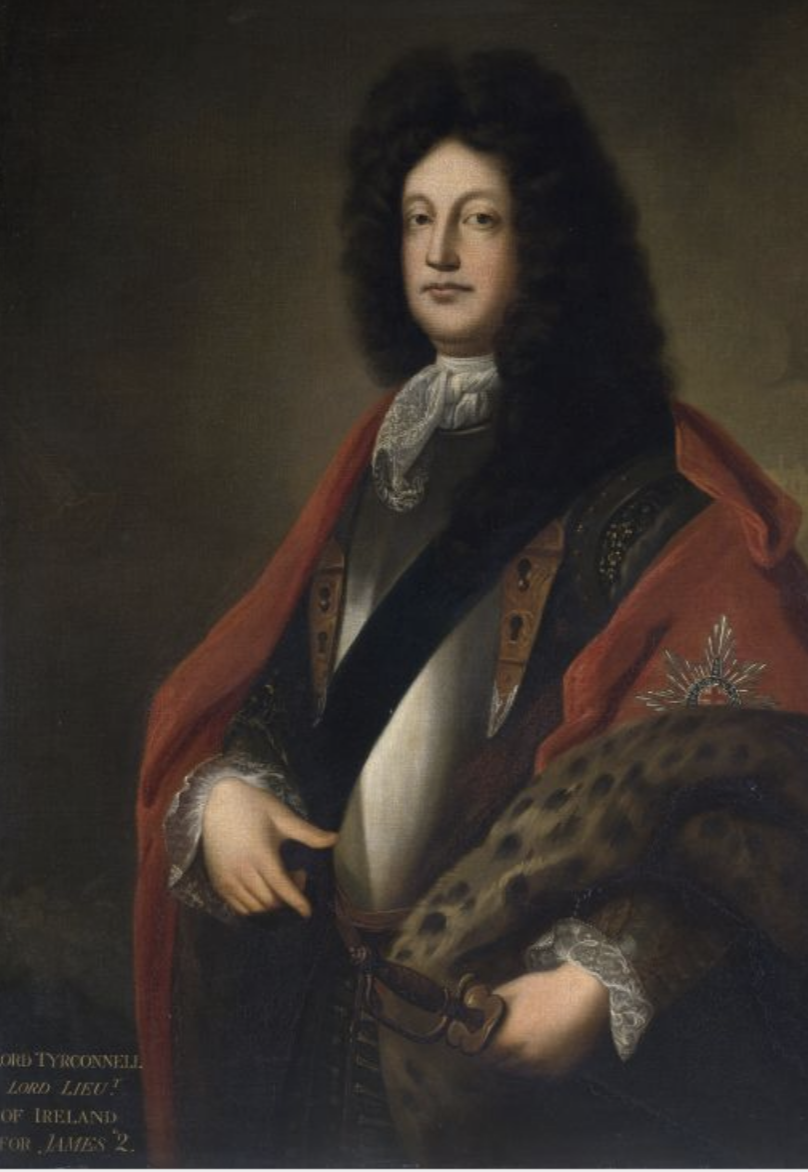
  • Richard Talbot (1630-1691), Duke of Tyrconnell (Lord Deputy): 8 January 1687
Richard Talbot (1630-1691), Duke of Tyrconnell, courtesy of National Gallery of Ireland.
  • King James II himself in Ireland: 12 March 1689 – 4 July 1690
  • King William III himself in Ireland: 14 June 1690
  • Lords Justices: 5 September 1690
  • The Viscount Sydney: 18 March 1692
  • Lords Justices: 13 June 1693
  • Algernon Capell 1670-1710 2nd Earl of Essex (Lord Deputy): 9 May 1695
Algernon Capell 1670-1710 2nd Earl of Essex.
  • Lords Justices: 16 May 1696
  • The Earl of Rochester: 28 December 1700
  • The Duke of Ormonde: 19 February 1703
  • The Earl of Pembroke: 30 April 1707
  • The Earl of Wharton: 4 December 1708
  • The Duke of Ormonde: 26 October 1710
  • The Duke of Shrewsbury: 22 September 1713

Under the House of Hannover

  • The Earl of Sunderland: 21 September 1714
  • Lords Justices: 6 September 1715
  • The Viscount Townshend: 13 February 1717
  • The Duke of Bolton: 27 April 1717
  • The Duke of Grafton: 18 June 1720
  • The Lord Carteret: 6 May 1724
  • The Duke of Dorset: 23 June 1730
  • The Duke of Devonshire: 9 April 1737
  • The Earl of Chesterfield: 8 January 1745
  • The Earl of Harrington: 15 November 1746
  • The Duke of Dorset: 15 December 1750
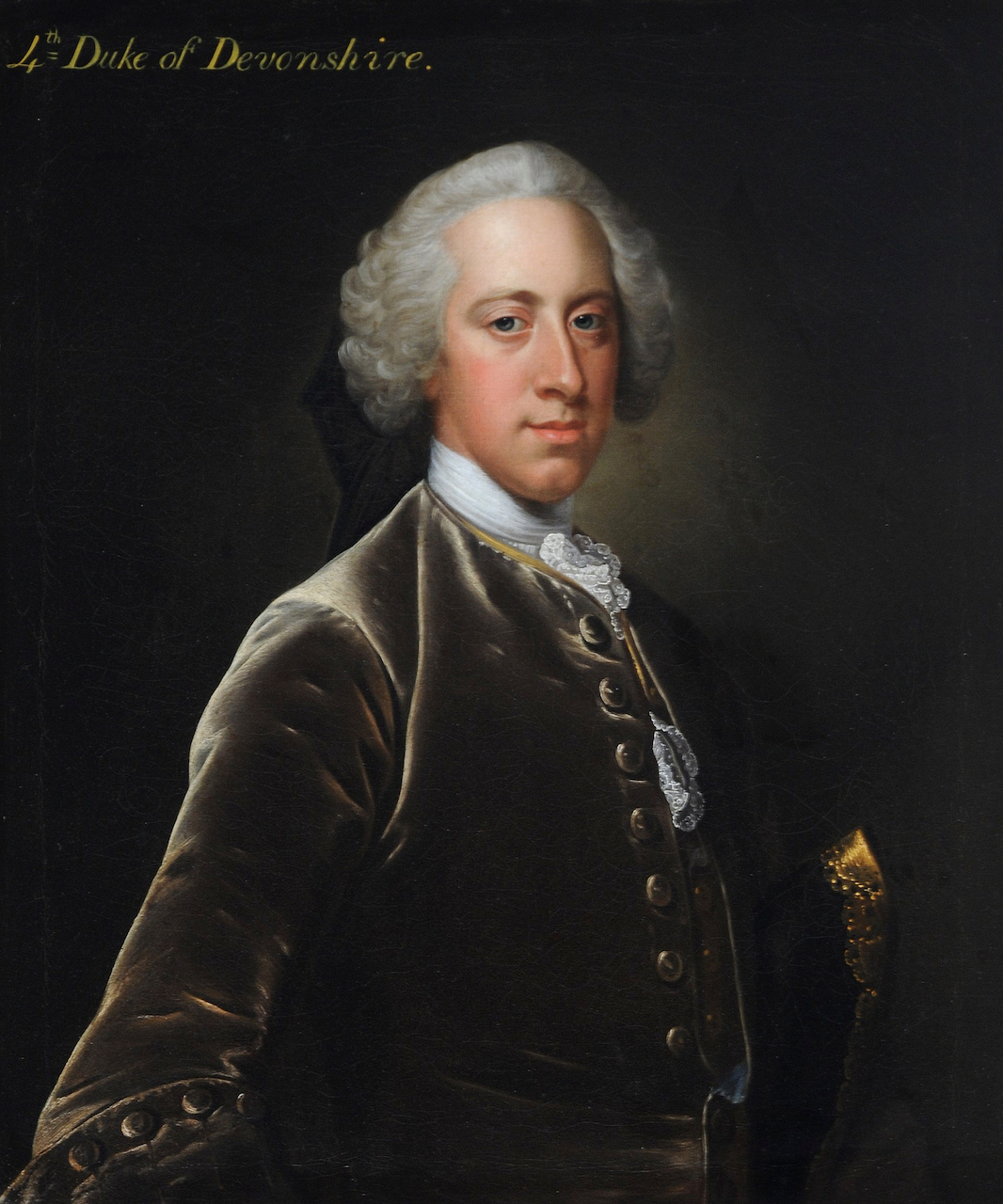
  • William Cavendish (1720-1764) 4th Duke of Devonshire: 2 April 1755
William Cavendish (1720-1764) 4th Duke of Devonshire, who brought Lismore Castle, County Waterford, into the Cavendish family by his marriage. Painting by Thomas Hudson.
  • The Duke of Bedford: 3 January 1757
  • The Earl of Halifax: 3 April 1761
  • The Earl of Northumberland: 27 April 1763
  • The Viscount Weymouth: 5 June 1765
  • The Earl of Hertford: 7 August 1765
  • The Earl of Bristol: 16 October 1766 (did not assume office)
  • The Viscount Townshend: 19 August 1767
  • The Earl Harcourt: 29 October 1772
  • The Earl of Buckinghamshire: 7 December 1776
  • The Earl of Carlisle: 29 November 1780
  • The Duke of Portland: 8 April 1782
  • The Earl Temple: 15 August 1782
  • The Earl of Northington: 3 May 1783
  • The Duke of Rutland: 12 February 1784
  • The Marquess of Buckingham: 27 October 1787
  • The Earl of Westmorland: 24 October 1789
  • The Earl FitzWilliam: 13 December 1794
  • The Earl Camden: 13 March 1795
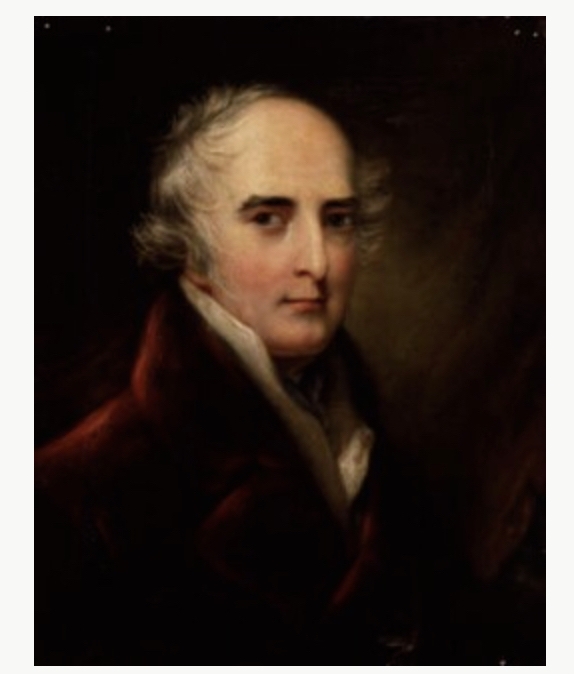
  • The Marquess Cornwallis: 14 June 1798

United Kingdom of Great Britain and Ireland

Under the House of Hannover

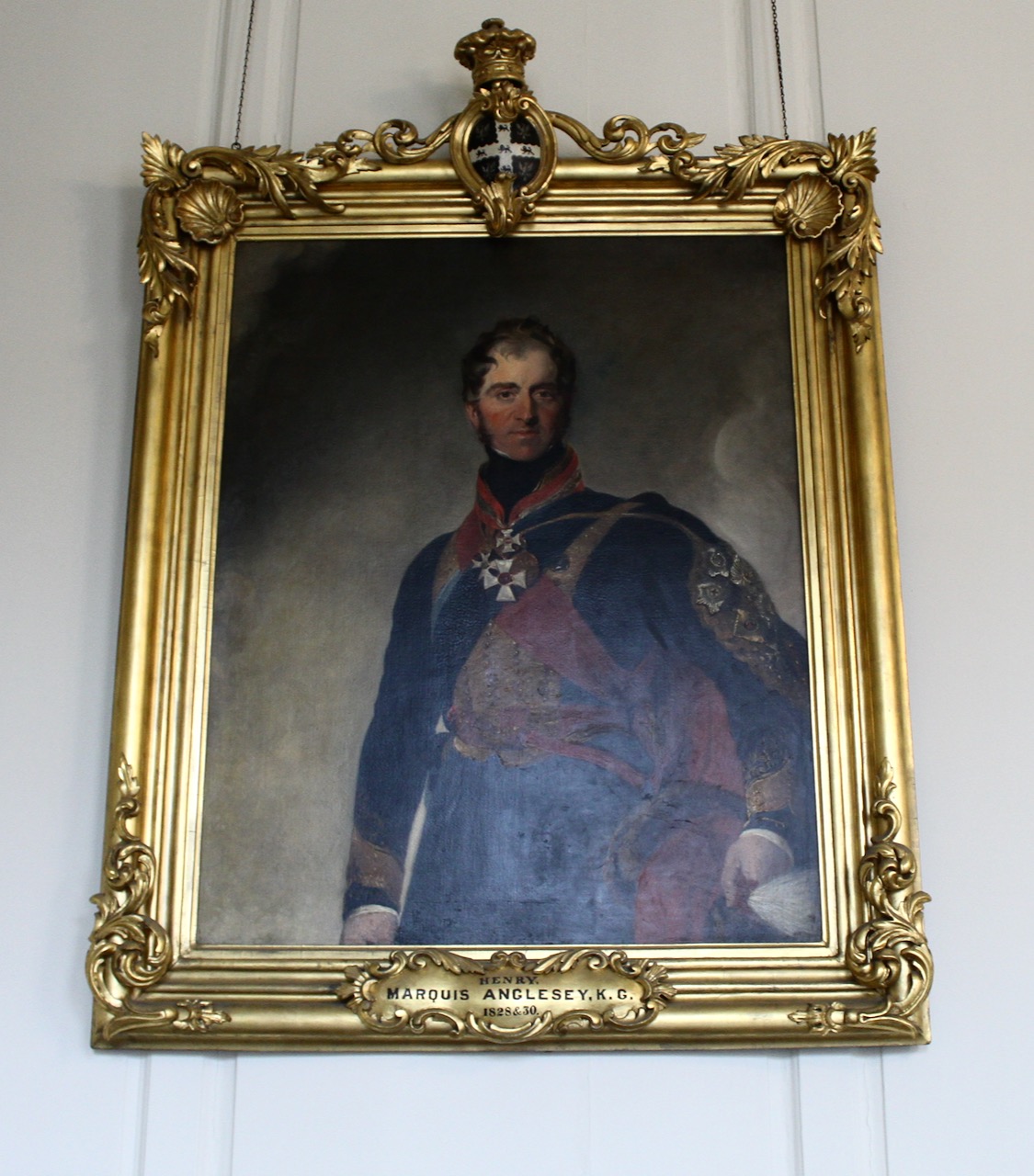
Henry Paget, 1st Marquess of Anglesey (1768-1854), Viceroy in 1828 and 1830.
  • The Earl of Hardwicke: 27 April 1801
  • The Earl of Powis: 21 November 1805 (did not serve)
  • The Duke of Bedford: 12 March 1806
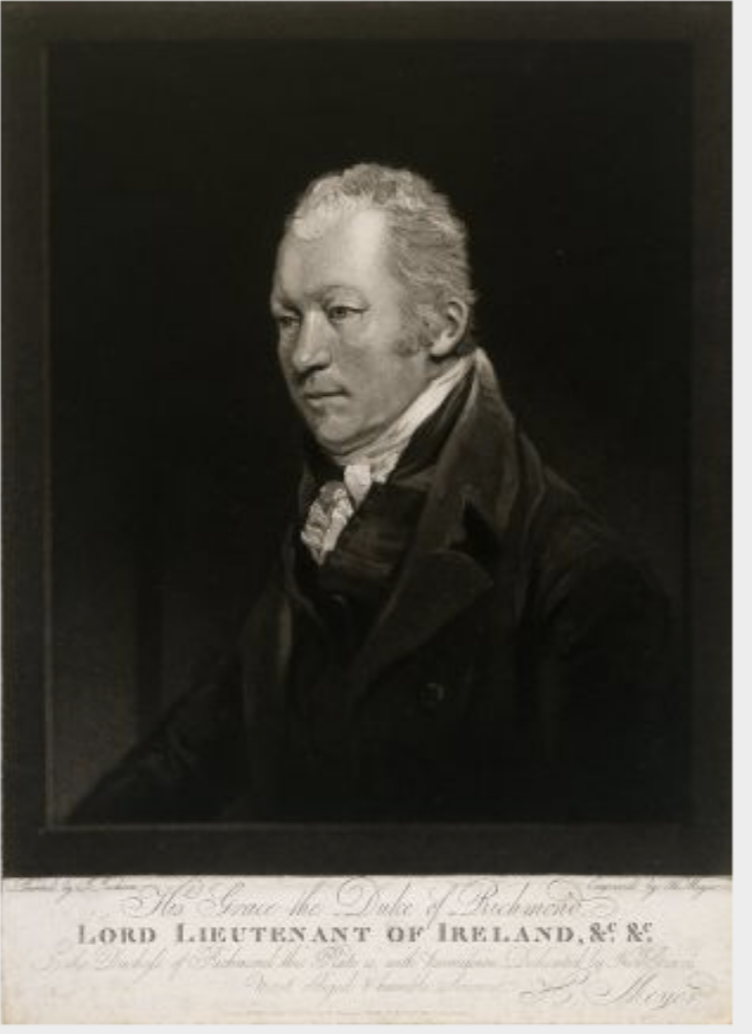
  • Charles Lennox, 4th Duke of Richmond: 11 April 1807
Charles Lennox (1764-1819) 4th Duke of Richmond, engraver Henry Hoppner Meyer, after painter John Jackson, courtesy of National Gallery of Ireland.
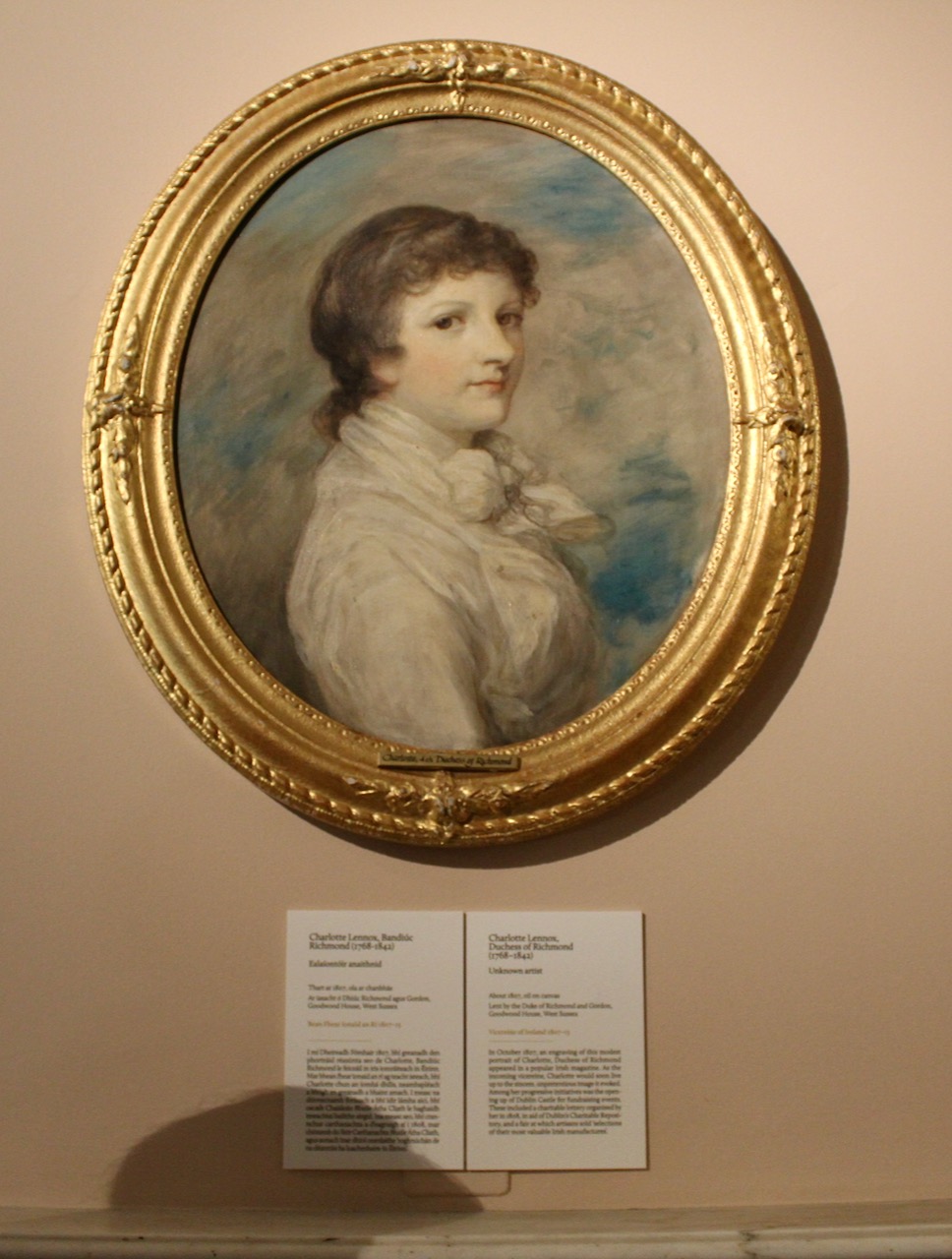
Charlotte Lennox nee Gordon (1768-1842), Duchess of Richmond, Vicereine 1807-1813, wife of Charles Lennox, 4th Duke of Richmond.
  • The Viscount Whitworth: 23 June 1813
  • The Earl Talbot: 3 October 1817
  • The Marquess Wellesley: 8 December 1821
  • Henry Paget, 1st Marquess of Anglesey (1768-1854): 27 February 1828
  • The Duke of Northumberland: 22 January 1829
  • Henry Paget, 1st Marquess of Anglesey (1768-1854): 4 December 1830
  • Richard Colley Wellesley (1760-1842), 2nd Earl of Mornington and 1st Marquess Wellesley: 12 September 1833
Richard Colley Wellesley (1760-1842), 2nd Earl of Mornington and 1st Marquess Wellesley by John Philip Davis courtesy of National Portrait Gallery in London NPG 846.
  • The Earl of Haddington: 1 January 1835
  • The Earl of Mulgrave: 29 April 1835
  • Viscount Ebrington: 13 March 1839
  • The Earl de Grey: 11 September 1841
  • The Lord Heytesbury: 17 July 1844
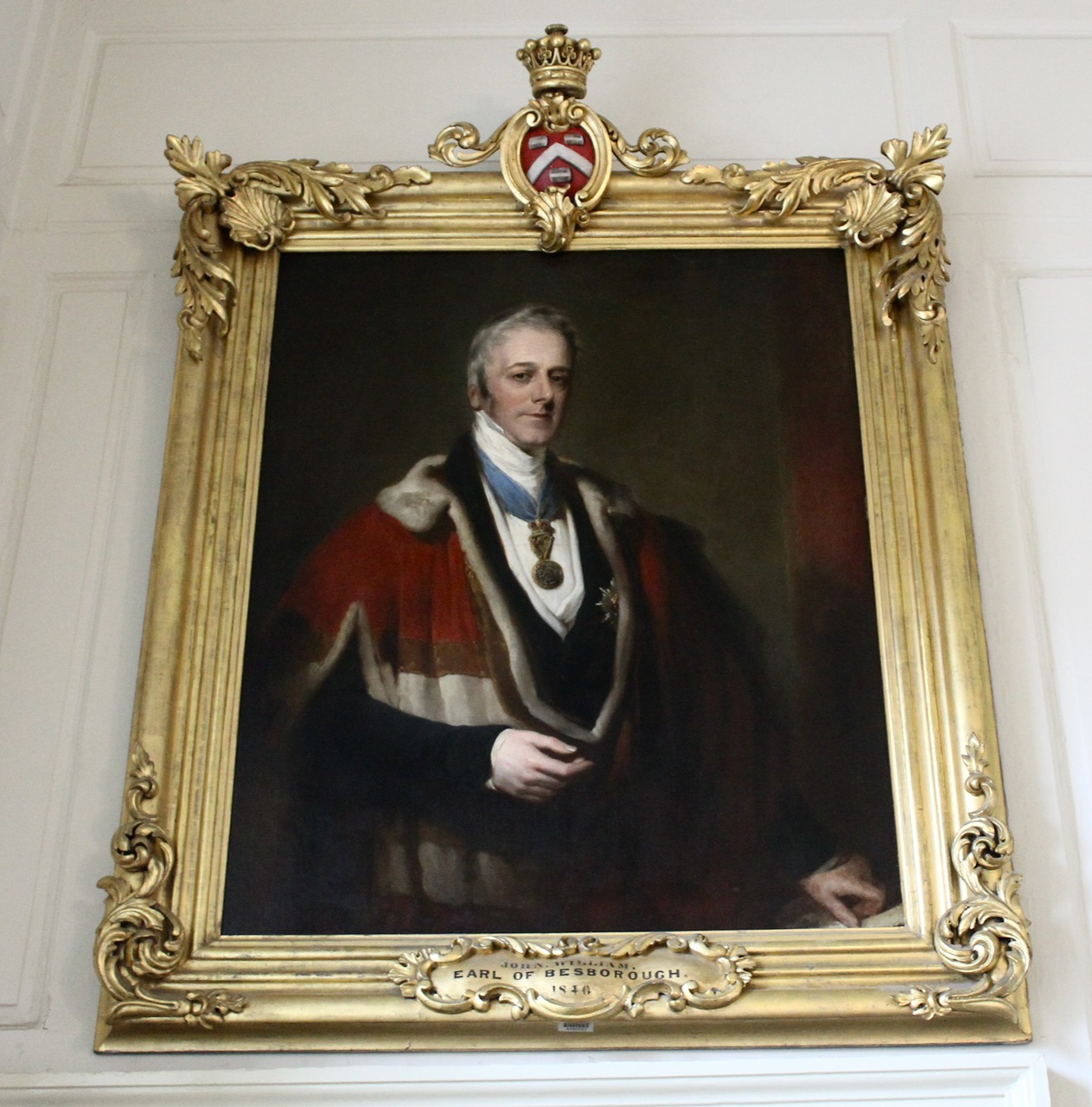
  • John William Brabazon Ponsonby (1781-1847) 4th Earl of Bessborough, County Kilkenny: 8 July 1846
The Viceroys wear a star-shaped badge that contains rubies, emeralds and Brazilian diamonds. These crown jewels were stolen from Dublin Castle in 1907. Pictured here, John William Brabazon Ponsonby (1781-1847) 4th Earl of Bessborough, County Kilkenny, Viceroy in 1846.
  • The Earl of Clarendon: 22 May 1847
  • The Earl of Eglinton: 1 March 1852
  • The Earl of St Germans: 5 January 1853
  • The Earl of Carlisle: 7 March 1855
  • The Earl of Eglinton: 8 March 1858
  • The Earl of Carlisle: 24 June 1859
  • The Lord Wodehouse: 1 November 1864
  • The Marquess of Abercorn: 13 July 1866
  • The Earl Spencer: 18 December 1868
  • James Hamilton (1811-1885) 1st Duke of Abercorn: 2 March 1874
James Hamilton (1811-1885) 1st Duke of Abercorn, Landowner and politician; Lord Lieutenant of Ireland, possibly by John Watkins 1860s courtesy of National Portrait Gallery NPG Ax21858.
  • The Duke of Marlborough: 11 December 1876
  • The Earl Cowper: 4 May 1880
  • The Earl Spencer: 4 May 1882
  • The Earl of Carnarvon: 27 June 1885
  • The Earl of Aberdeen: 8 February 1886
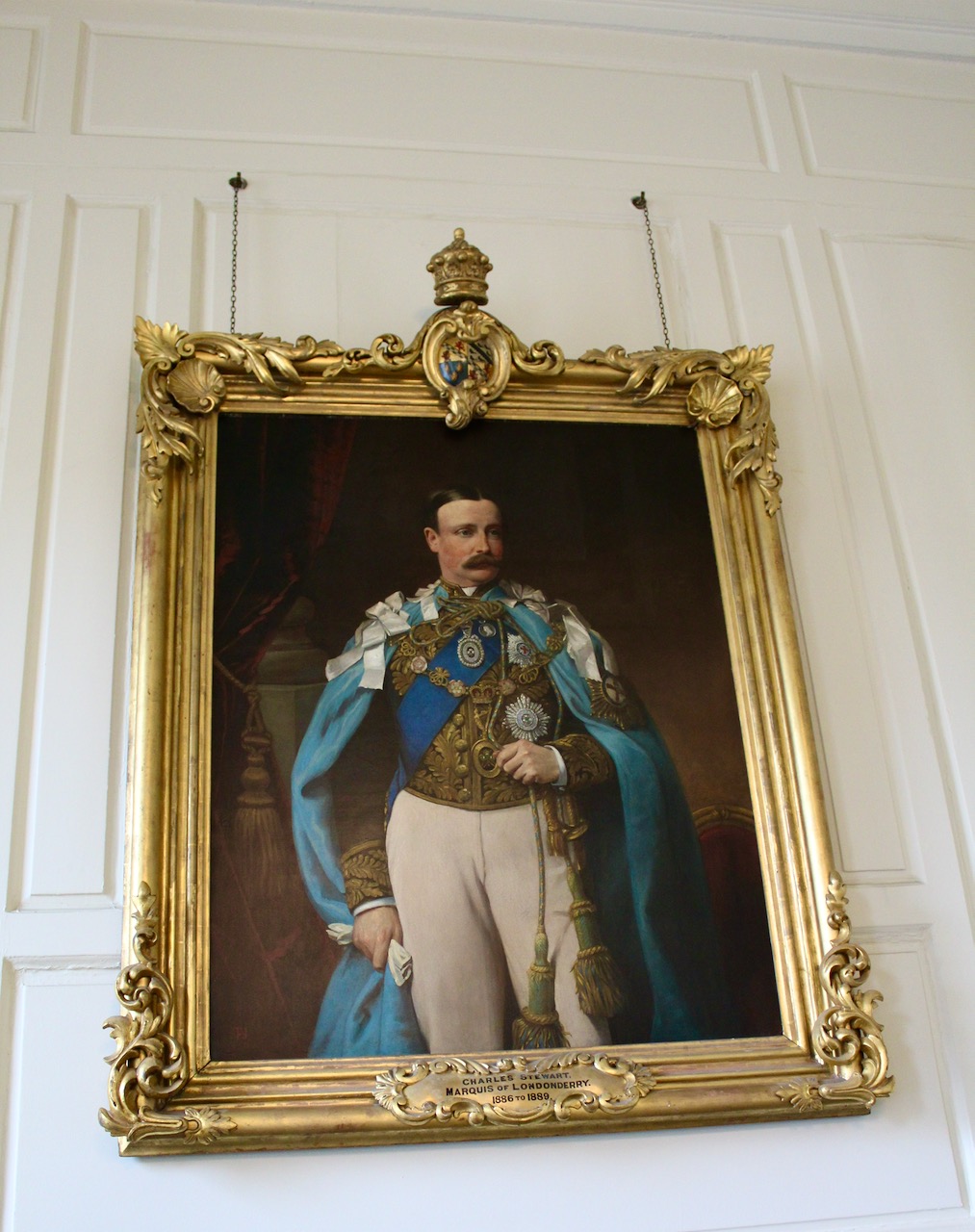
  • Charles Vane-Tempest-Stewart (1852-1915), 6th Marquess of Londonderry: 3 August 1886
Some of the Viceroys also wear the chain of office.The panelling in the room is from 1747 and is the oldest surviving interior finish in the State Apartments. Pictured here, Charles Vane-Tempest-Stewart (1852-1915), 6th Marquess of Londonderry, Viceroy from 1886-1889.
  • The Earl of Zetland: 30 July 1889
  • The Lord Houghton: 18 August 1892
  • The Earl Cadogan: 29 June 1895

Under the House of Saxe-Coburg and Gotha (later Windsor)

  • The Earl of Dudley: 11 August 1902
  • The Earl of Aberdeen: 11 December 1905
  • The Lord Wimborne: 17 February 1915
  • The Viscount French: 9 May 1918
  • The Viscount FitzAlan of Derwent: 27 April 1921

[1] https://repository.dri.ie/

[2] p. 8, Marnham, Niamh. An Introduction to the Architectural Heritage of Dublin South City. Published by the Department of Culture, Heritage and the Gaeltacht, 2017.

[3] https://www.archiseek.com/2010/1204-dublin-castle/

[4] p. 6, Marnham, Niamh. An Introduction to the Architectural Heritage of Dublin South City. Published by the Department of Culture, Heritage and the Gaeltacht, 2017.

[3] https://www.irelandscontentpool.com

[9] https://www.buildingsofireland.ie/building-of-the-month/chapel-royal-dublin-castle-dame-street-dublin-2/

[10] p. 9, Marnham, Niamh. An Introduction to the Architectural Heritage of Dublin South City. Published by the Department of Culture, Heritage and the Gaeltacht, 2017.

Portraits S

S

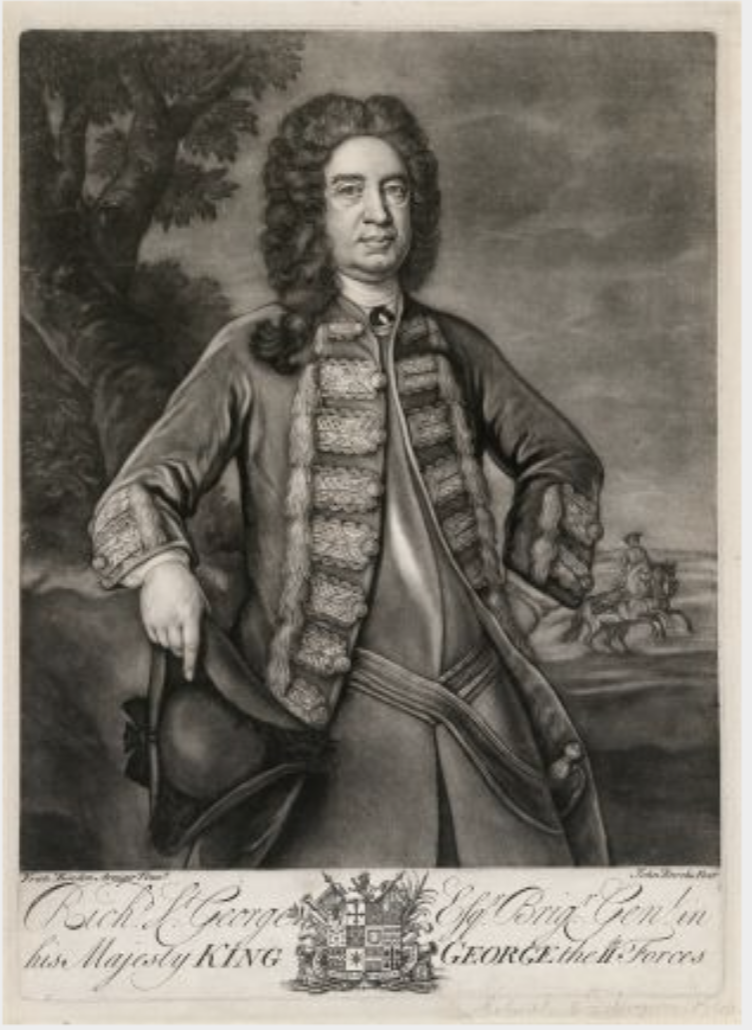
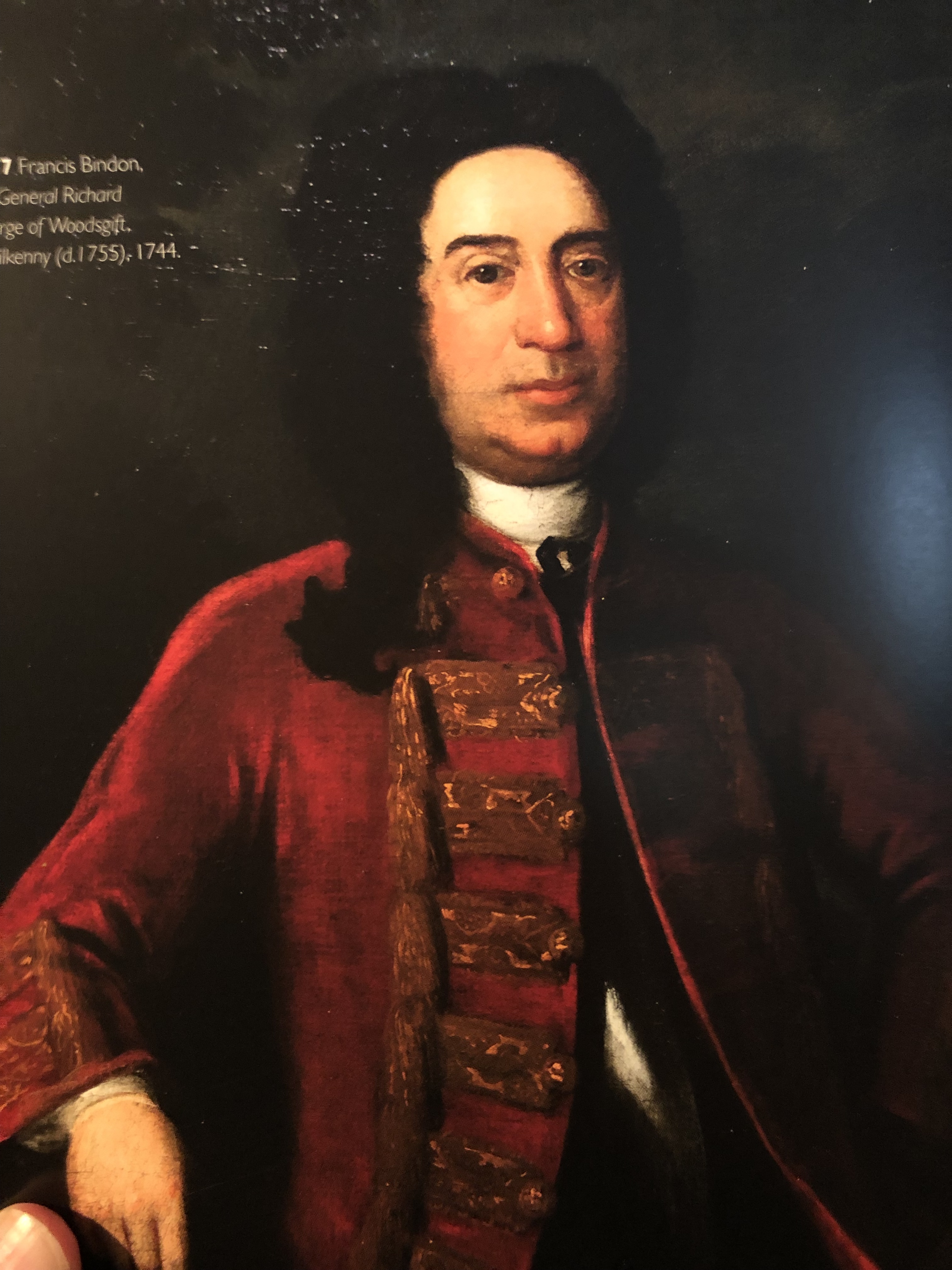
Richard Saint George of Woodsgift, County Kilkenny (d. 1755), (Brigadier General ), 1744 After Francis Bindon, Irish, 1690-1765 engraver John Brooks, Irish.
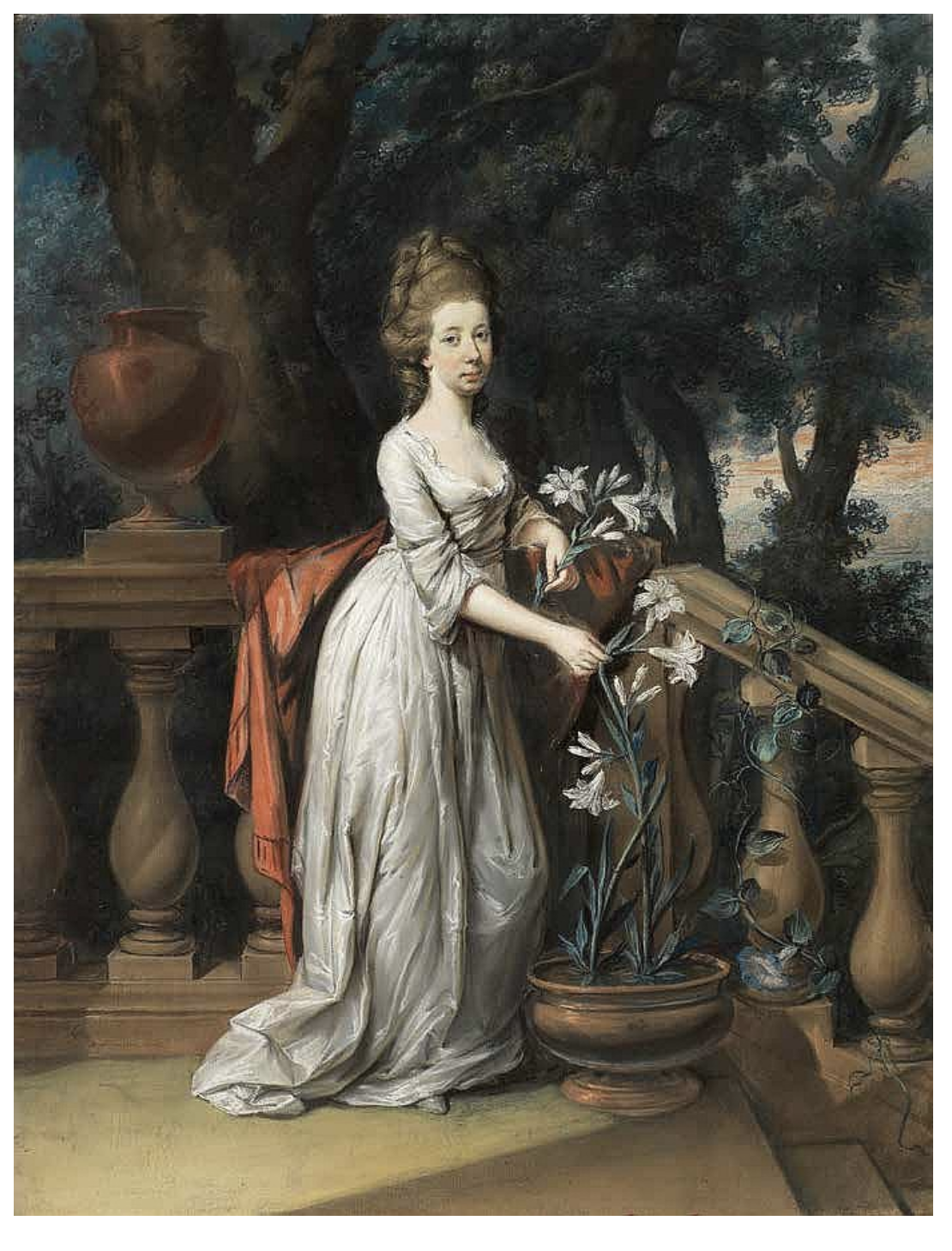
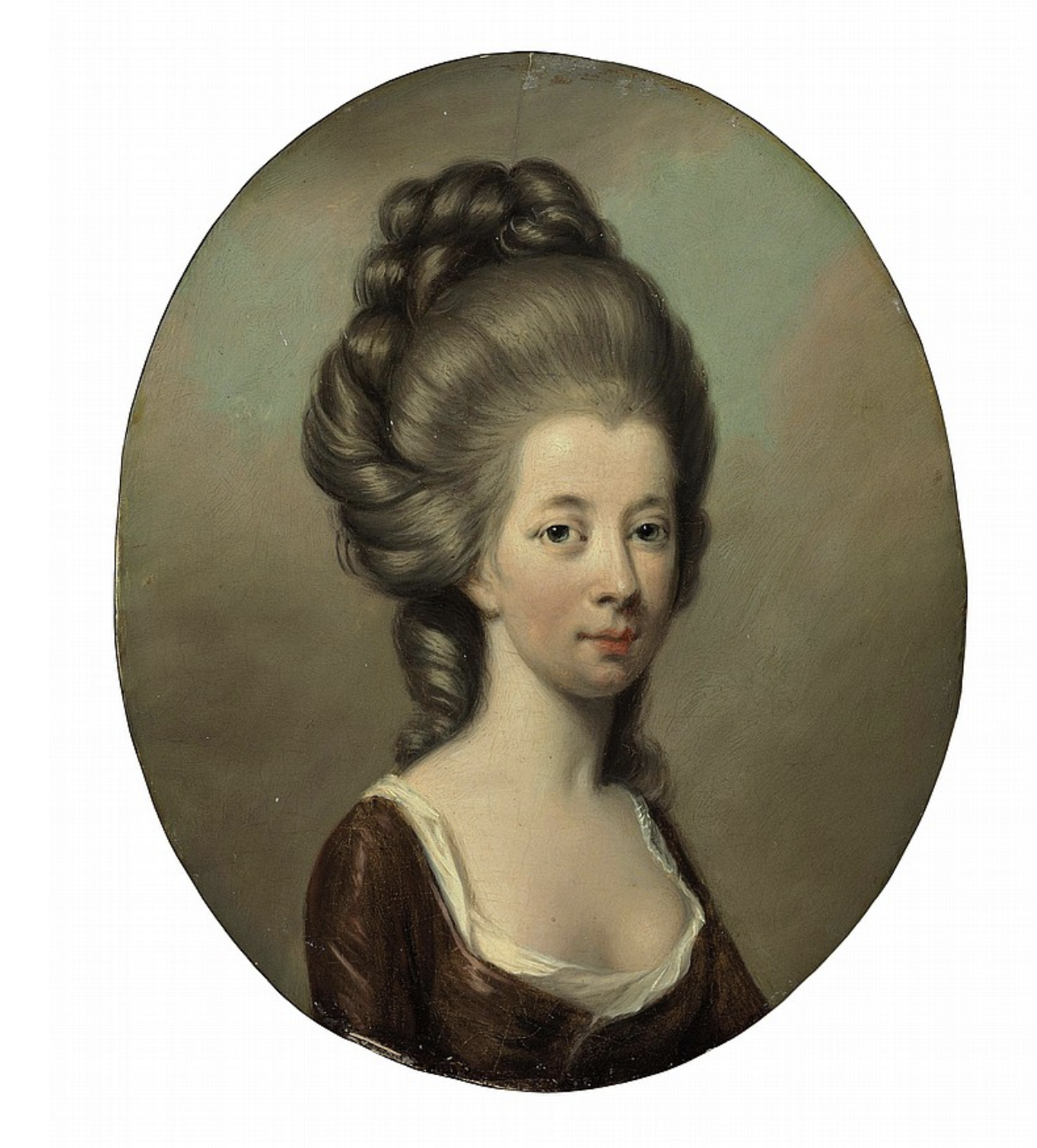
Hugh Douglas Hamilton portrait of Emilia Olivia née St. George, 2nd Duchess of Leinster courtesy of Bonhams Old Master Paintings 2018.
Emilia Olivia Ussher-St. George, the Duchess of Leinster by Hugh Douglas Hamilton courtesy of Old Master Paintings Part II by Christie’s 2012.
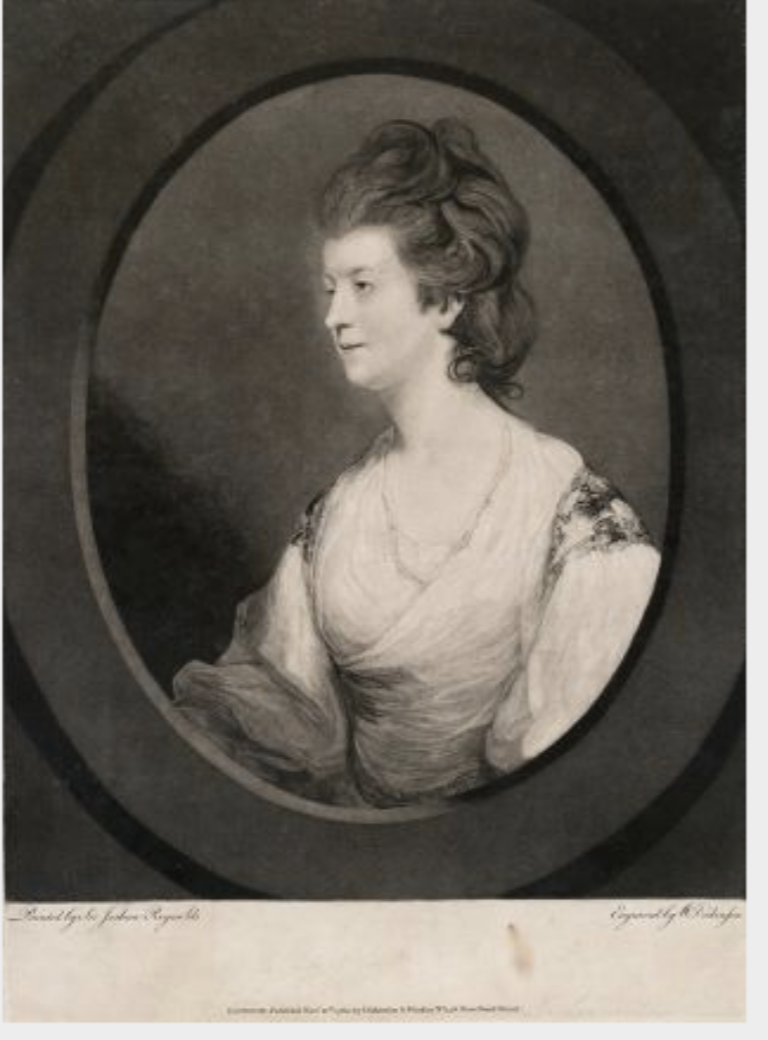
Emilia Olivia née Usher St. George (1759-1798), Duchess of Leinster, wife of 2nd Duke, 1780 engraver William Dickinson after Joshua Reynolds, courtesy of National Gallery of Ireland.
Anne St. George née Stepney of Durrow Abbey County Offaly, and Child, 1971, by George Romney courtesy of August Heckscher Collection 1959.147
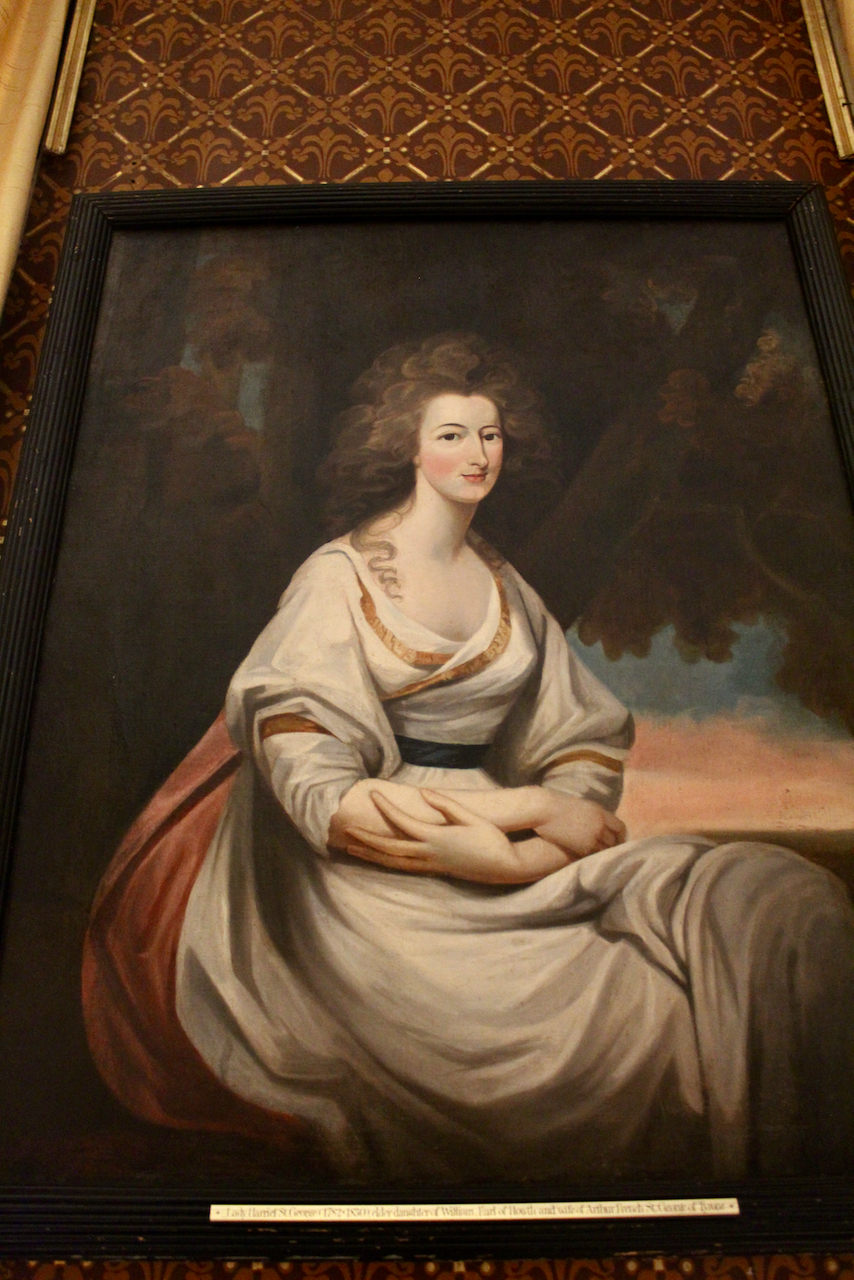
Harriet St. Lawrence (d. 1830), daughter of William 2nd Earl of Howth. She married Arthur French St. George (1780-1844). Photograph © Jennifer Winder-Baggot, www.irishhistorichouses.com
Elizabeth Aldworth née St. Leger (1693-1773), the first female Freemason. https://commons.wikimedia.org/wiki/File:MrsAldworth.jpg#/media/File:MrsAldworth.jpg
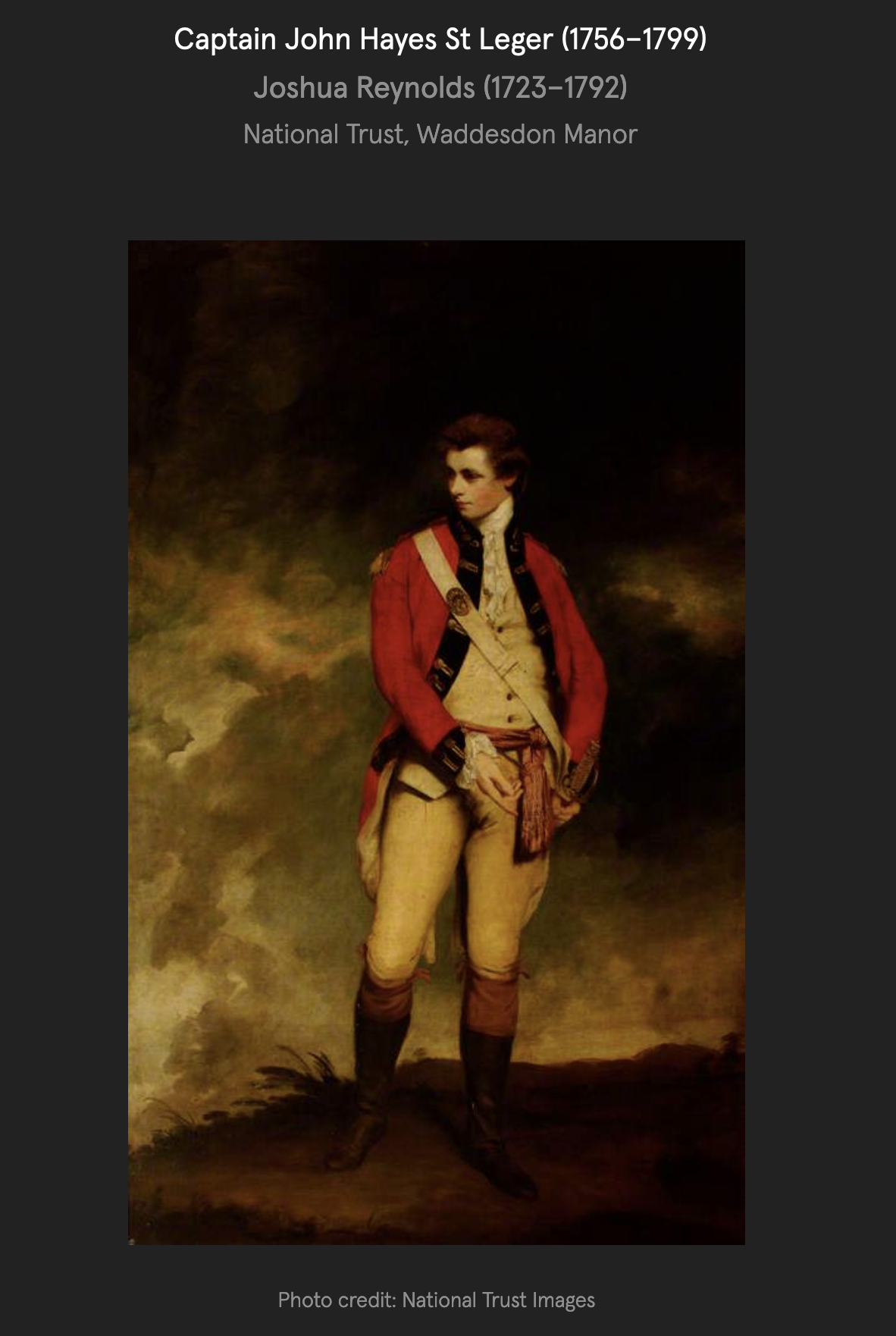
John Hayes St. Leger (1756-1799) courtesy of National Trust Waddesdon Manor.
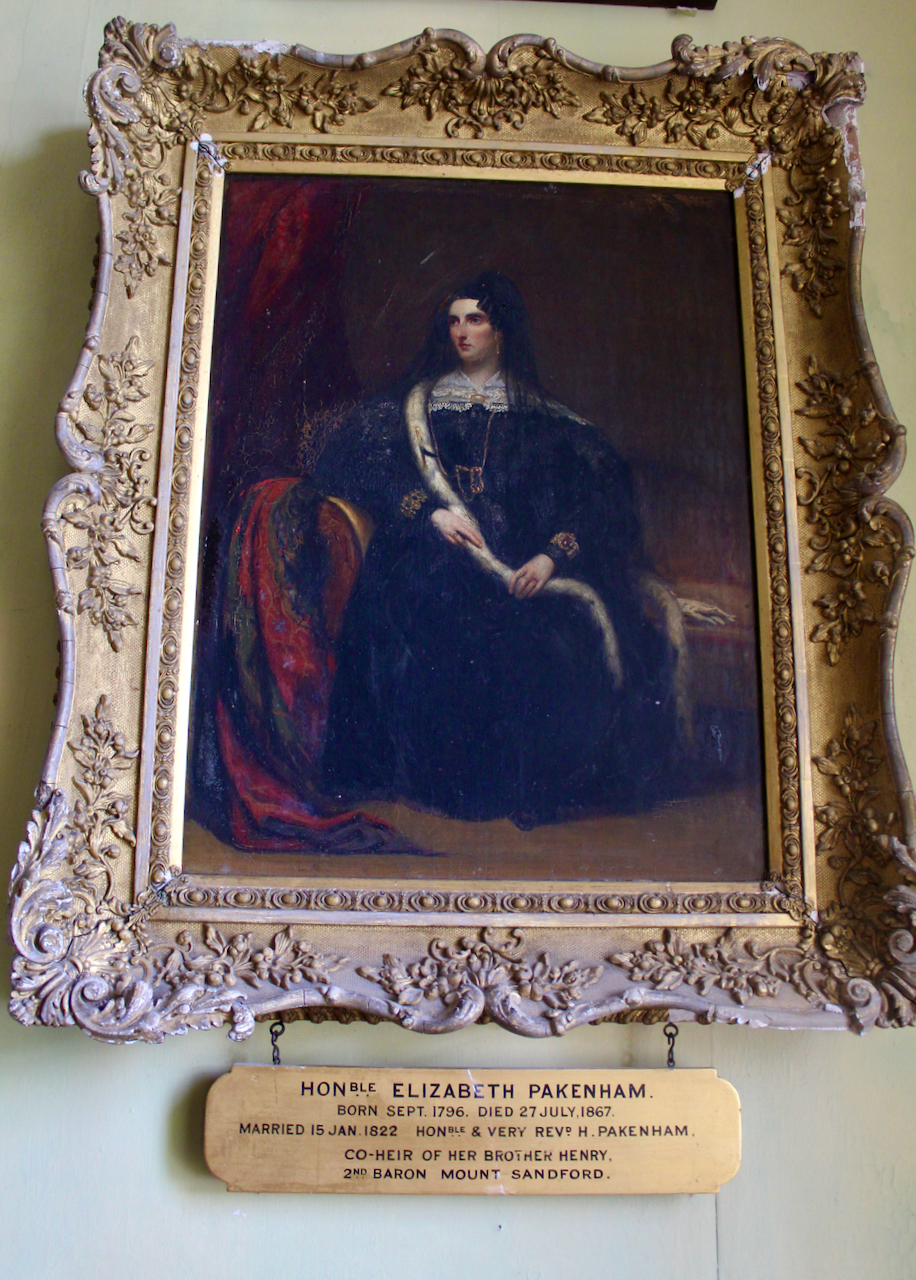
Elizabeth Sandford, mother of Henry Sandford Pakenham, wife of Reverend Henry Pakenham, Dean of St. Patrick’s Cathedral in Dublin. Henry Sandford Pakenham married the heiress Grace Catherine Mahon and changed his surname to Pakenham Mahon. Photograph © Jennifer Winder-Baggot, www.irishhistorichouses.com
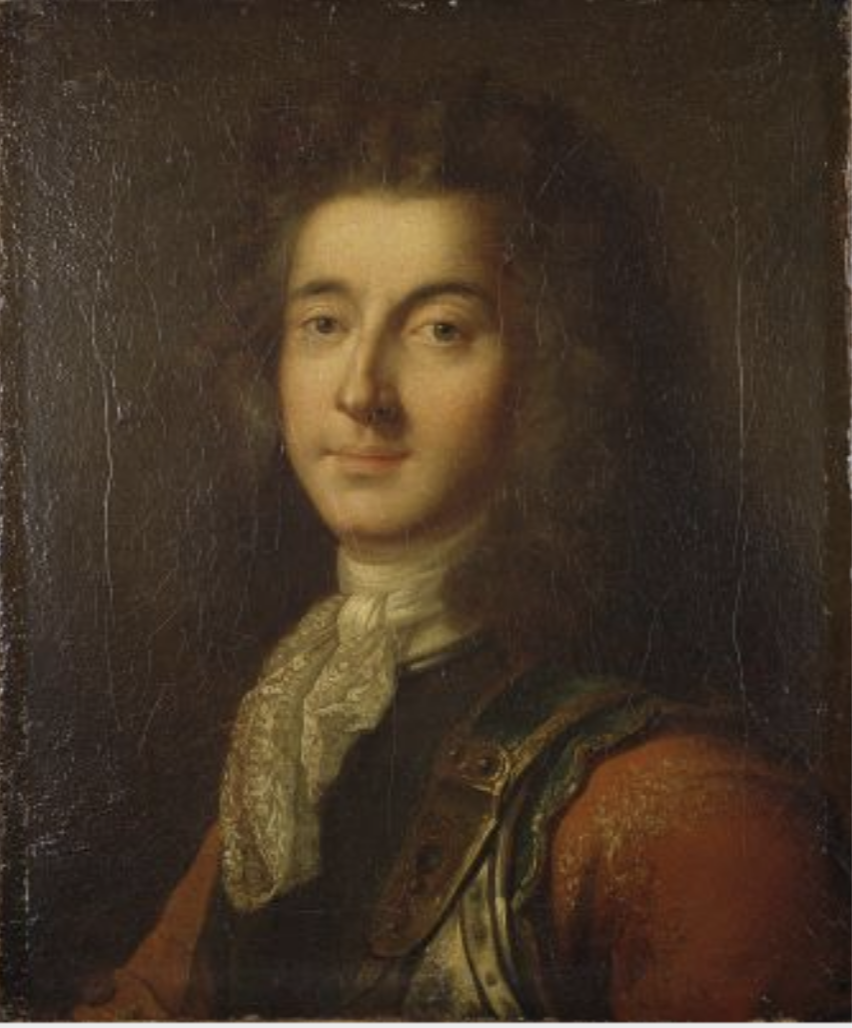
Patrick Sarsfield 1st Earl of Lucan (1620-1693) attributed to Hyacinthe Rigaud, French, 1659-1743.
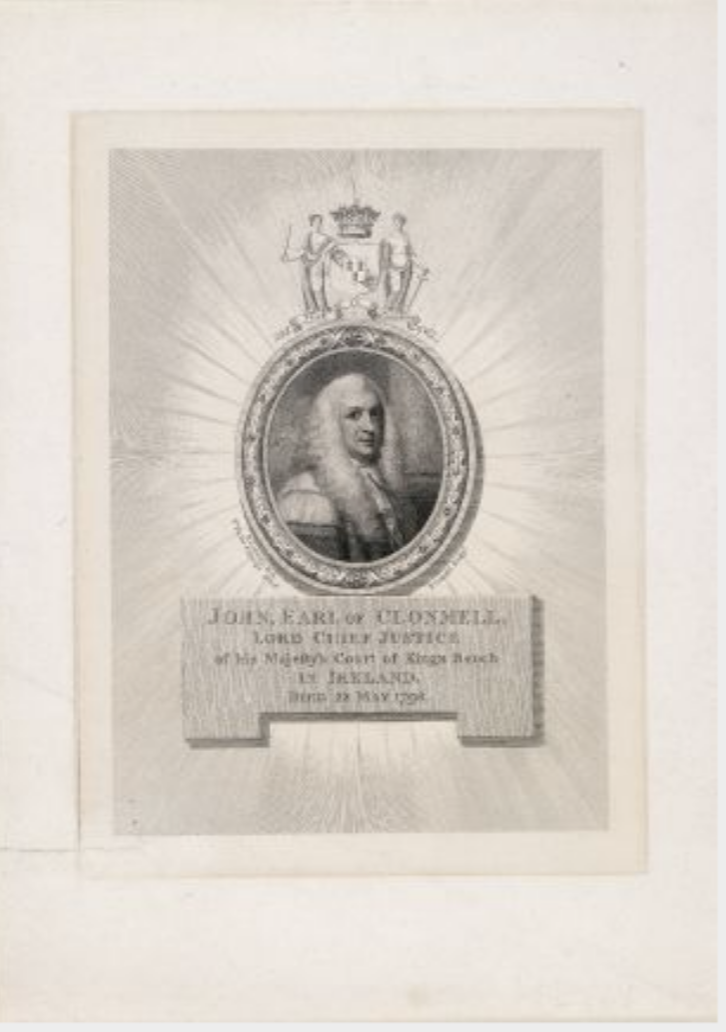
John Scott (1739-1798) 1st Earl of Clonmel, engraver Pierre Conde French after Richard Cosway, courtesy of National Gallery of Ireland.
Dorothy Scott (1765-1837) second wife of John Keane, 1st Baronet, by George Romney courtesy of Philadelphia Museum of Art.
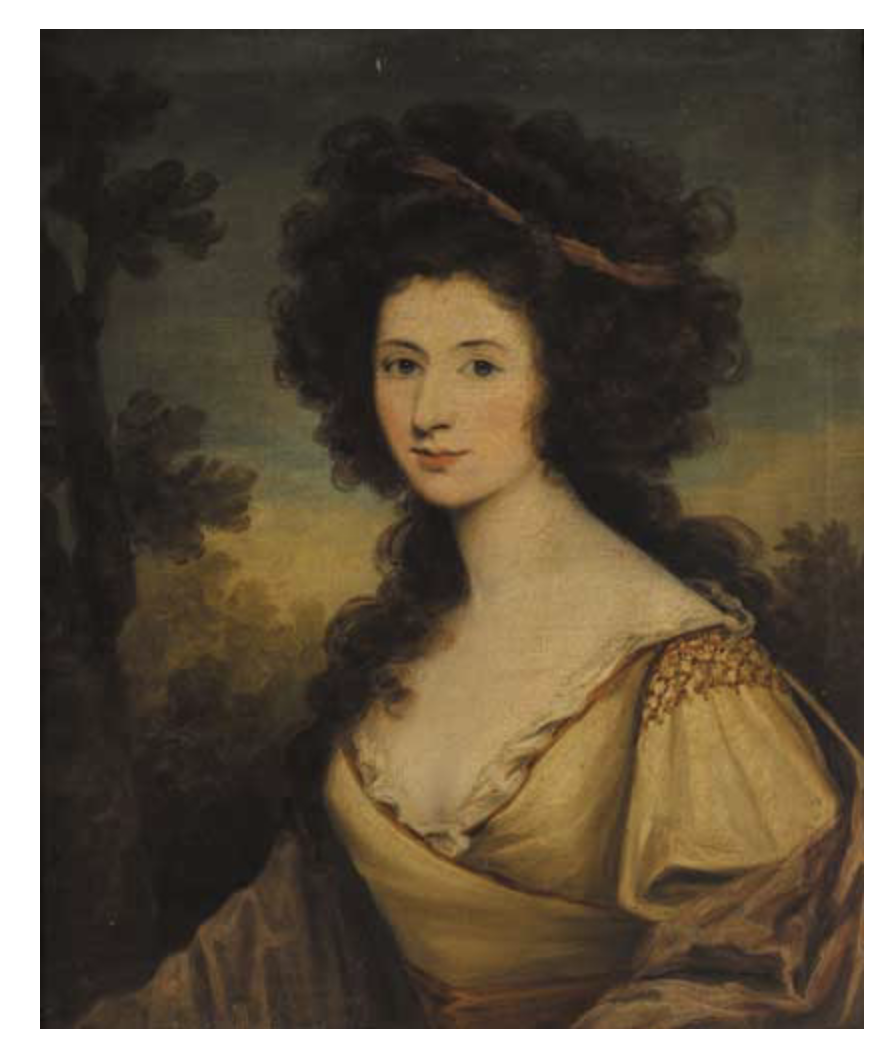
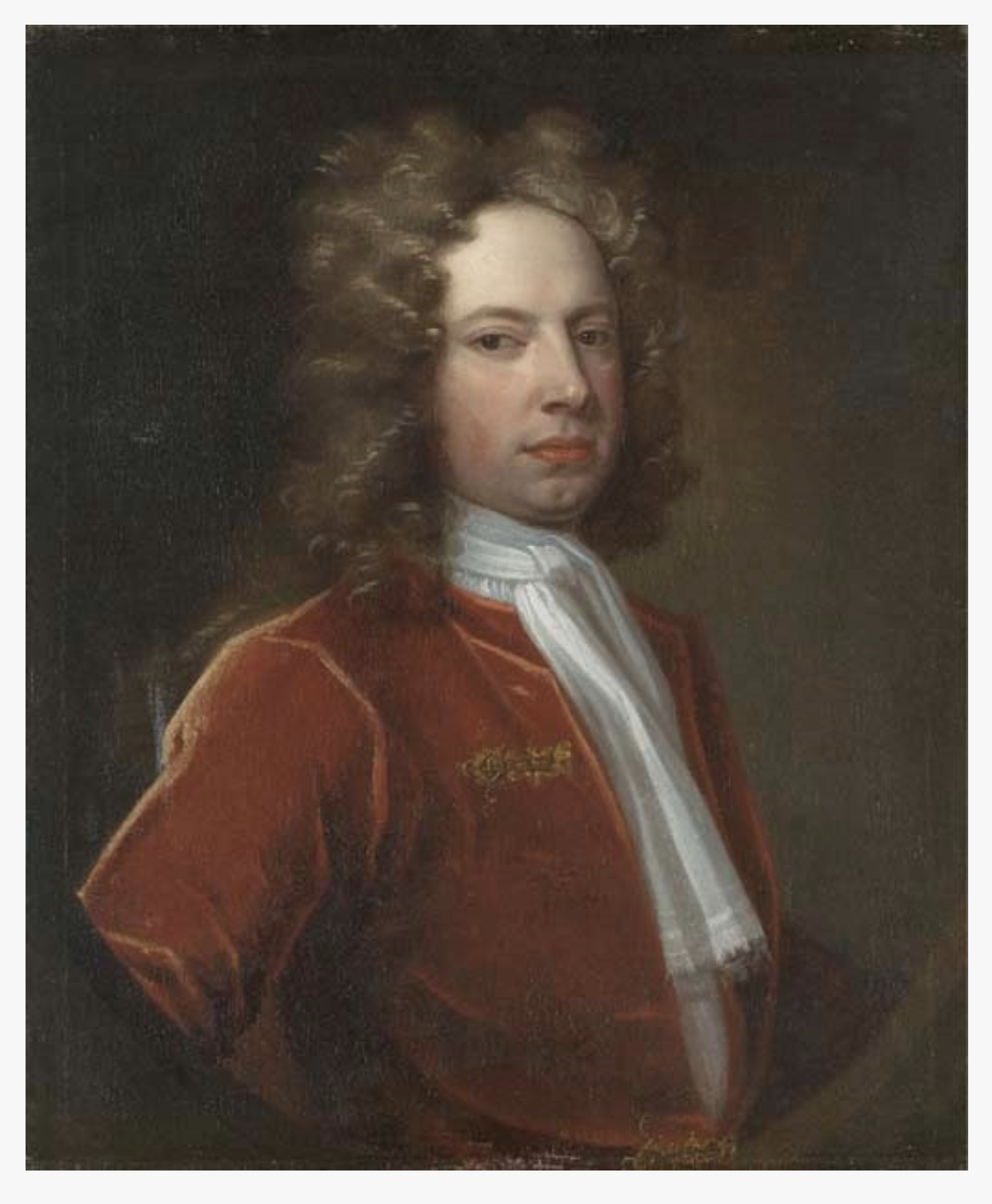
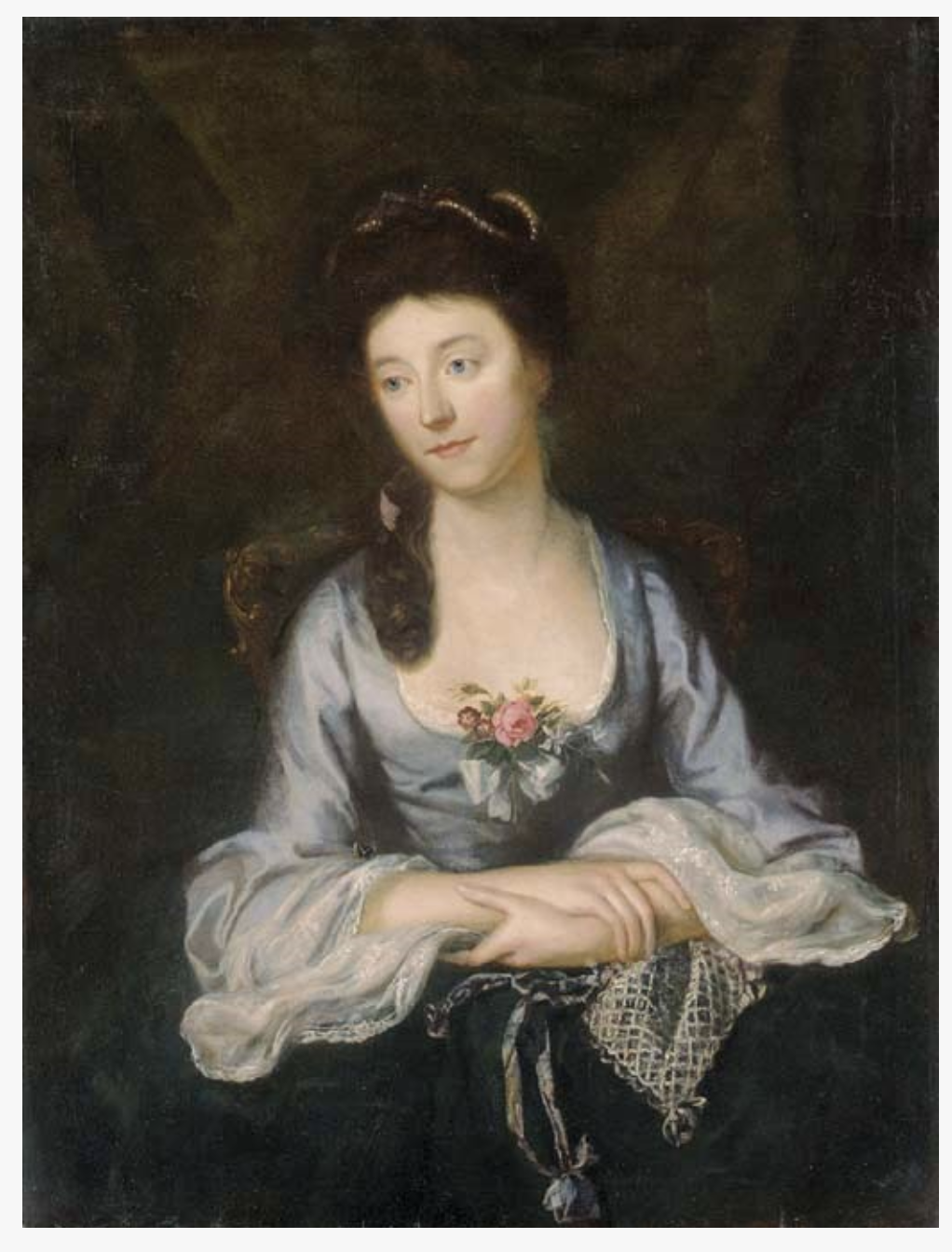
Mary Seymour, who according to Mealy’s sales catalogue married John Dawson 1st Earl of Portarlington of Emo Court, by Thomas Heaphey, courtesy of Fonsie Mealy auction; I think she married George Lionel Dawson-Damer, son of 1st Earl. She was the daughter of Hugh Seymour Conway 1st Marquess of Hertford.
Sarah Eliza Conolly née Shaw (1845-1921), wife of Thomas of Castletown. Photograph © Jennifer Winder-Baggot, www.irishhistorichouses.com
Robert Shaw, 1774-1849, first baronet of Bushy Park Co. Dublin attributed to Hugh Douglas Hamilton courtesy of Mealys Autumn Sale 2015.
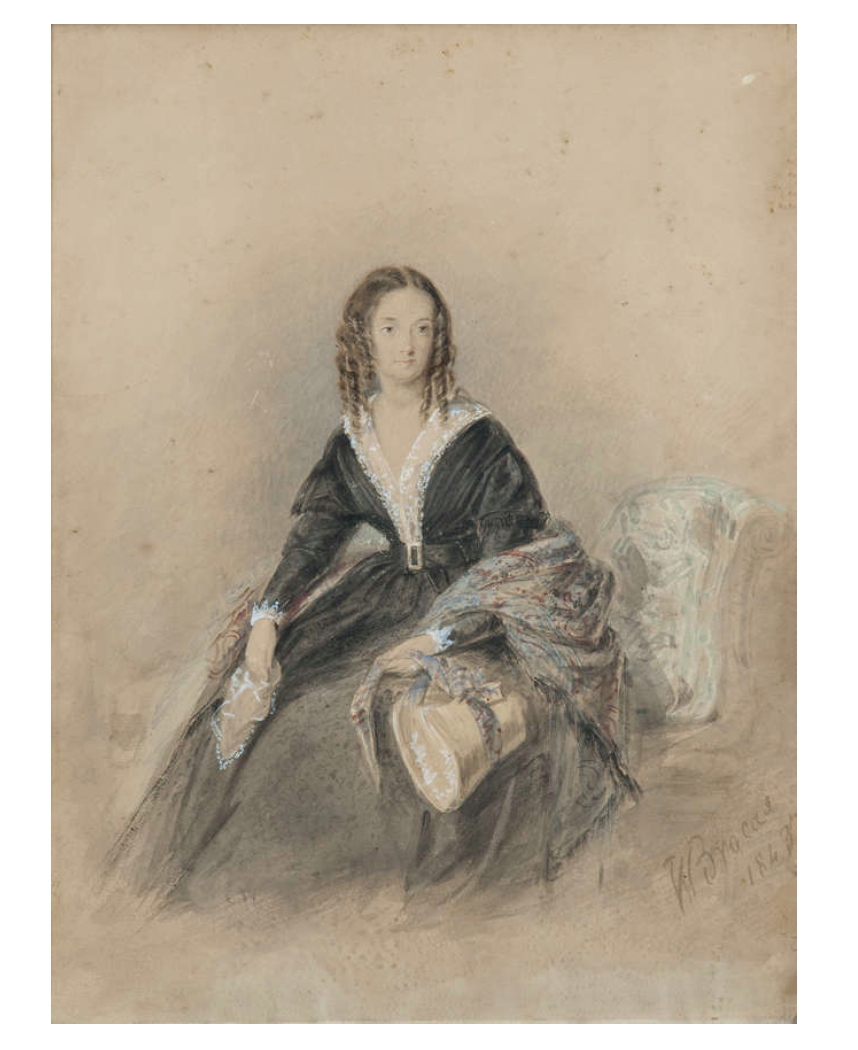
Maria Shaw (1838-1875), Daughter of Sir Frederick Shaw 3rd Bt of Bushy Park, Dublin, by William Brocas, courtesy of Adam’s auction 23 March 2016.
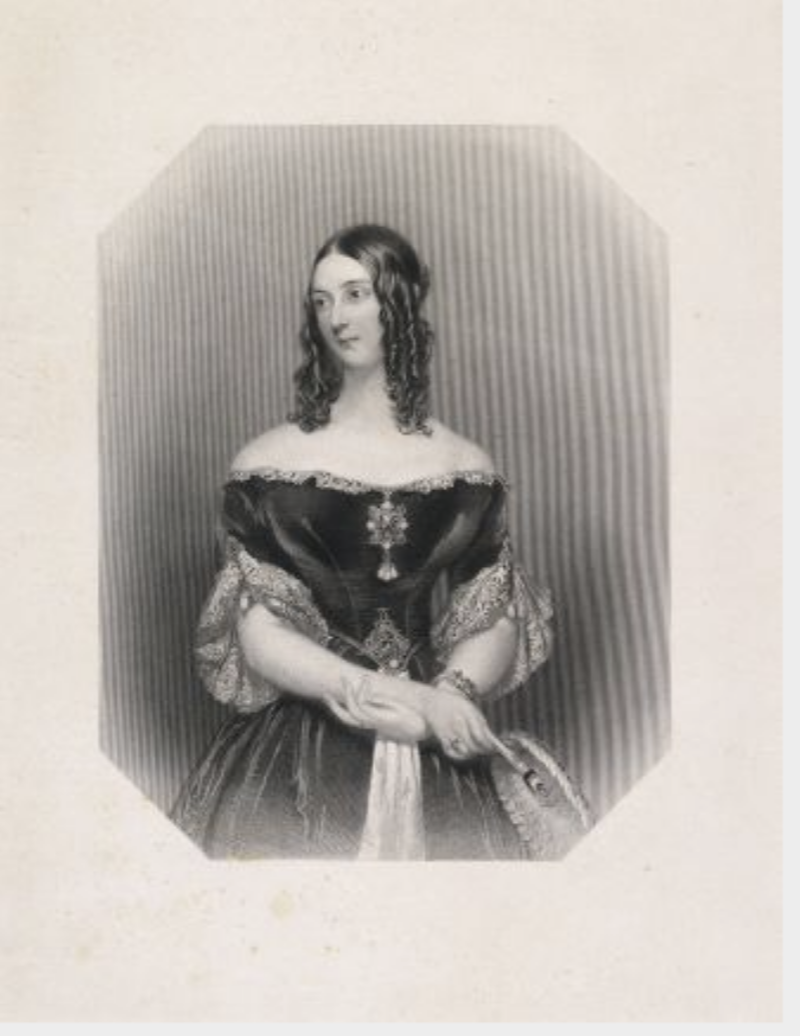
Helena Selina Blackwood née Sheridan (1807-1867), Writer, Wife of 4th Baron Dufferin and Clandeboye, later Countess of Gifford Date 1849, Engraver John Henry Robinson, English, 1796 – 1871 After Frank Stone, English, 1800-1859.
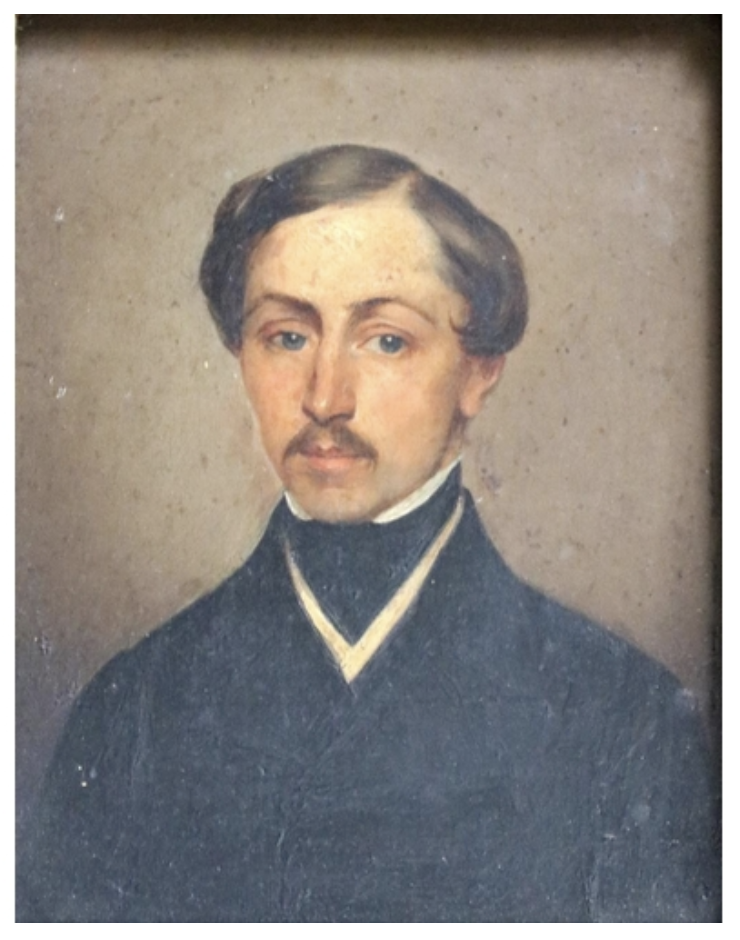
Sir Henry Sidney (1529-1586), Lord Deputy of Ireland, after painter Arnold Van Brounkhorst, courtesy of National Gallery of Ireland.
Philip Sidney in a painted oval Provenance Estate of The Late Basil Collins courtesy Adam’s 8 March 2006.
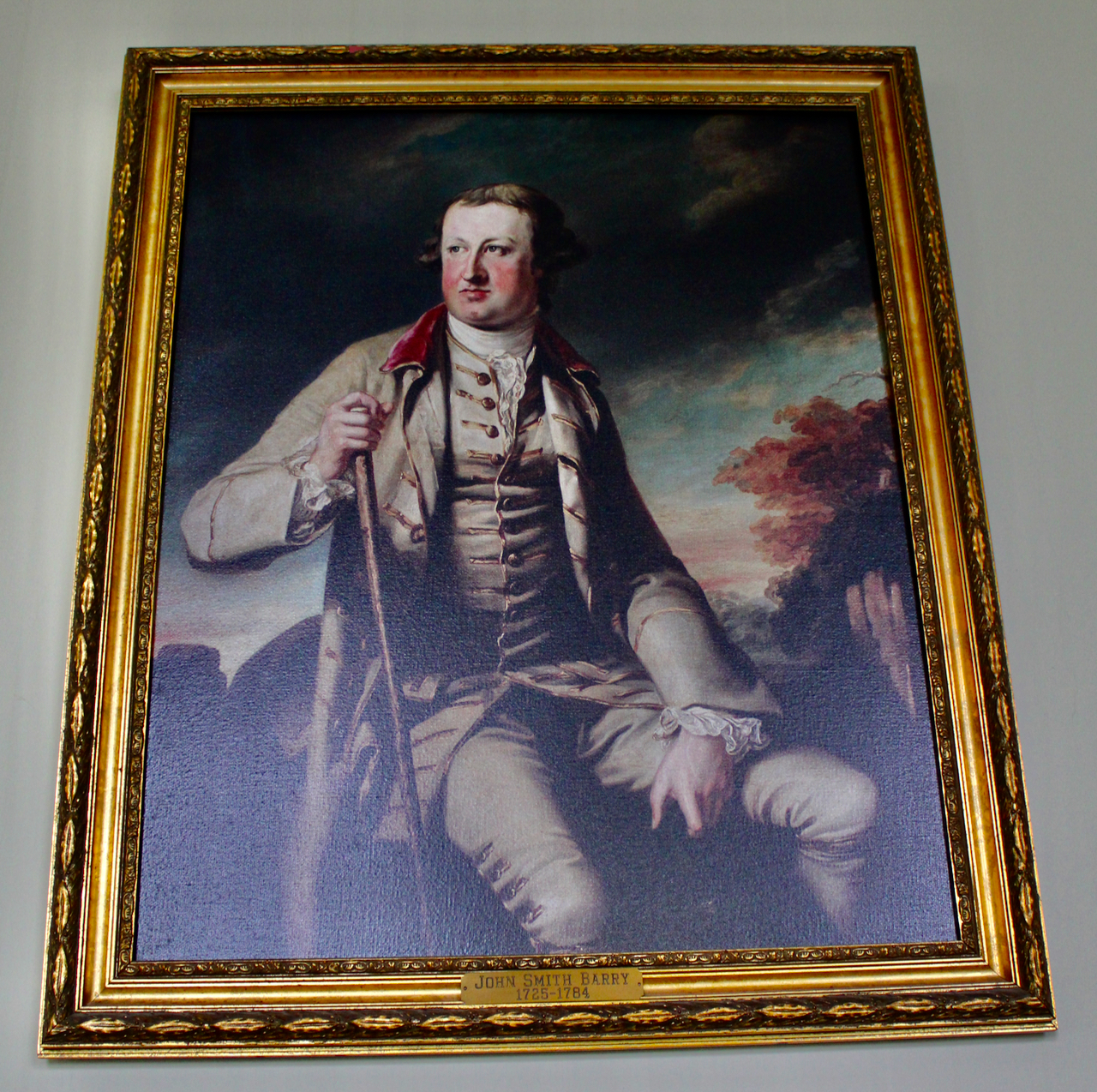
John Smith-Barry (1725-1784) of Fota, County Cork. Photograph © Jennifer Winder-Baggot, www.irishhistorichouses.com

John Barry (1725-1784), who added the name Smith to his surname after his marriage to a wealthy heiress, was the son of James Barry, 4th Earl of Barrymore, of Castlelyons, County Cork, and Barry’s third wife, Anne Chichester, daughter of Arthur Chichester, 3rd Earl of Donegall (it was spelled with two ‘l’s in the title, unlike the county). He married Dorothy Smith, daughter of Hugh Smith of Weald Hall, Essex, and John added Smith to his surname.

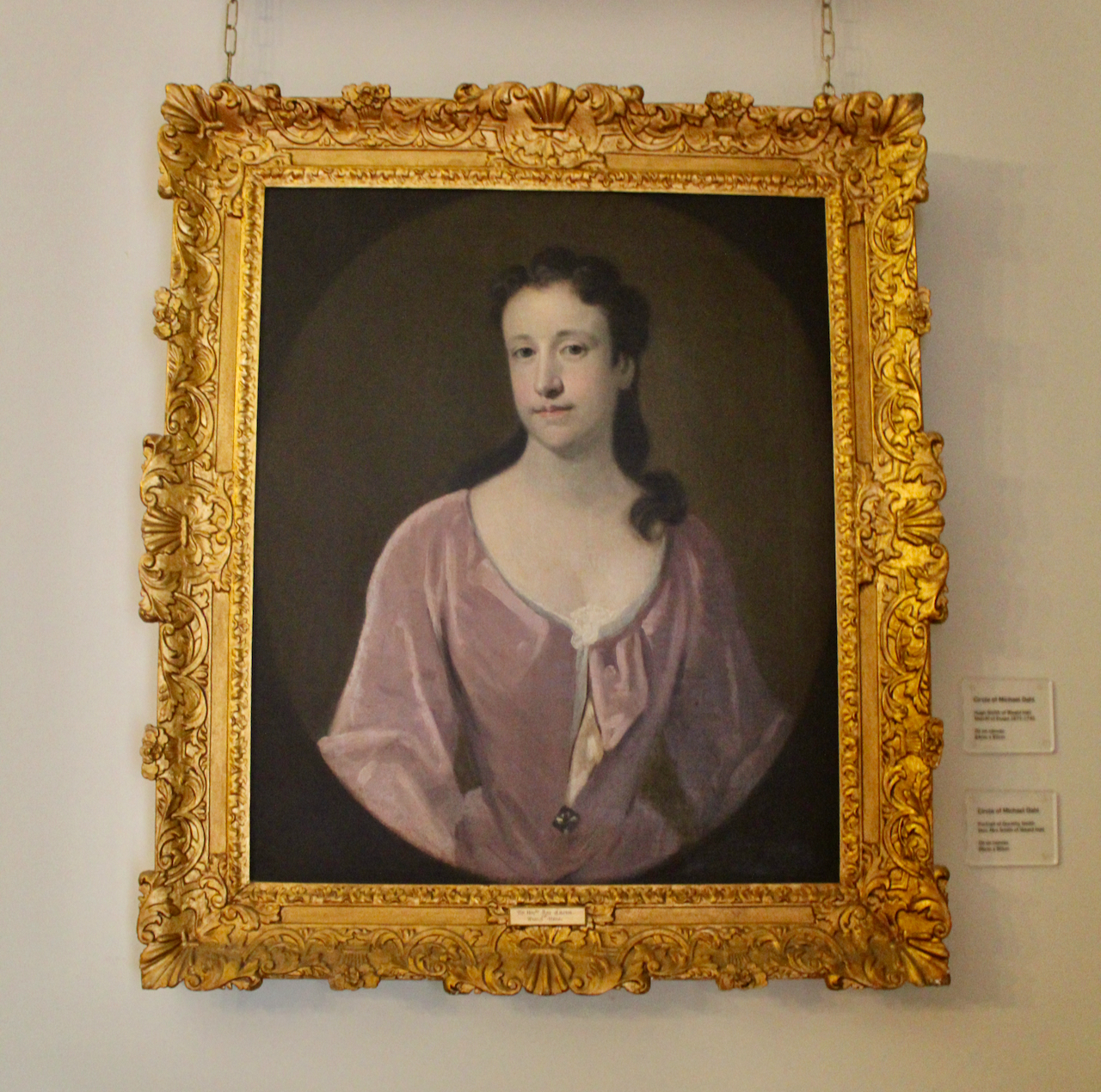
Hugh Smith (1673-1745) of Weald Hall, father of Dorothy Smith who married John Barry (1725-1784), of Fota House, County Cork. Photograph © Jennifer Winder-Baggot, www.irishhistorichouses.com
Dorothy Smith née Barrett, wife of Hugh Smith (1673-1745) of Weald Hall. Photograph © Jennifer Winder-Baggot, www.irishhistorichouses.com
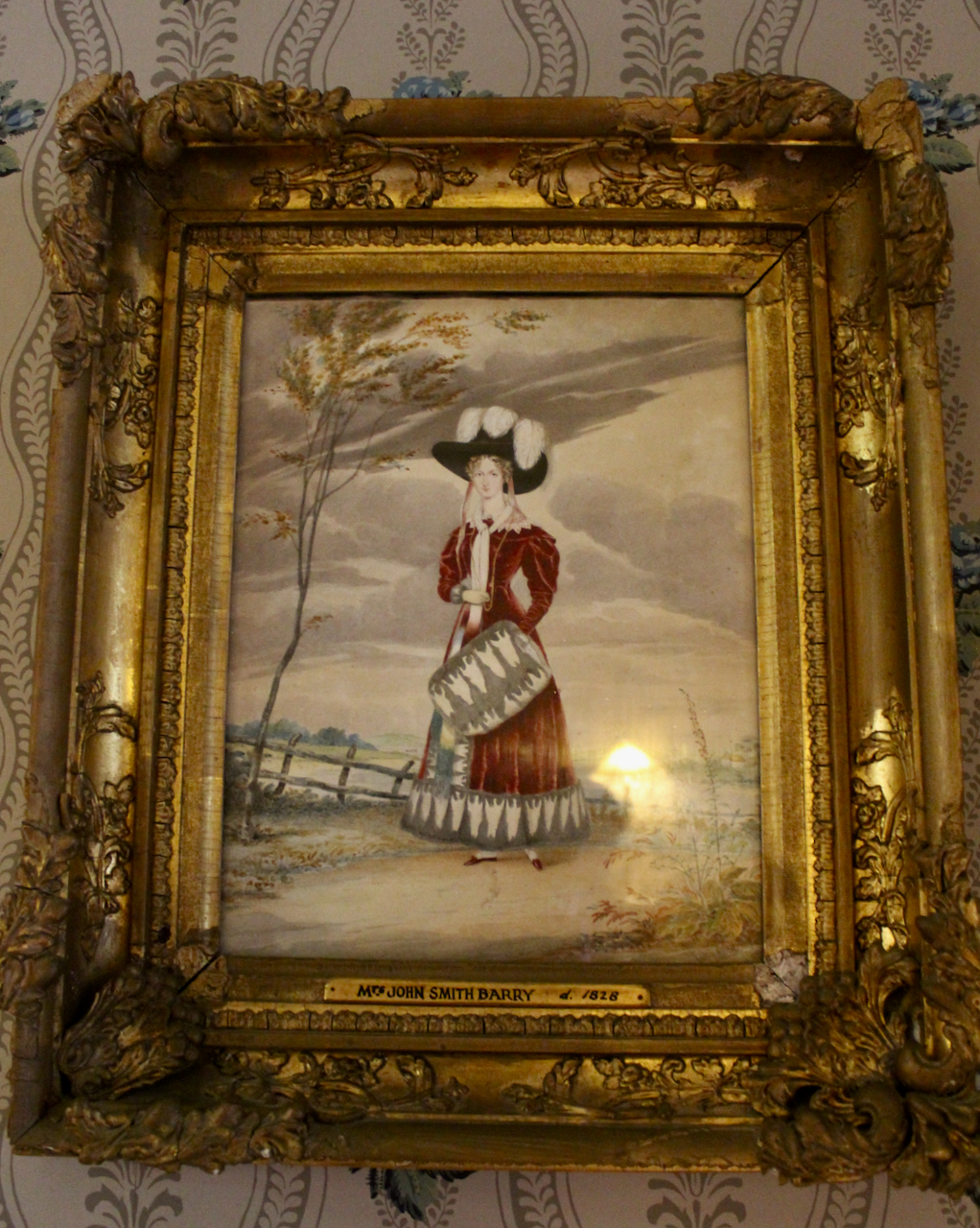
Dorothy Smith-Barry née Smith (1727-1756) wife of John Hugh Smith Barry (1725-1784). Photograph © Jennifer Winder-Baggot, www.irishhistorichouses.com

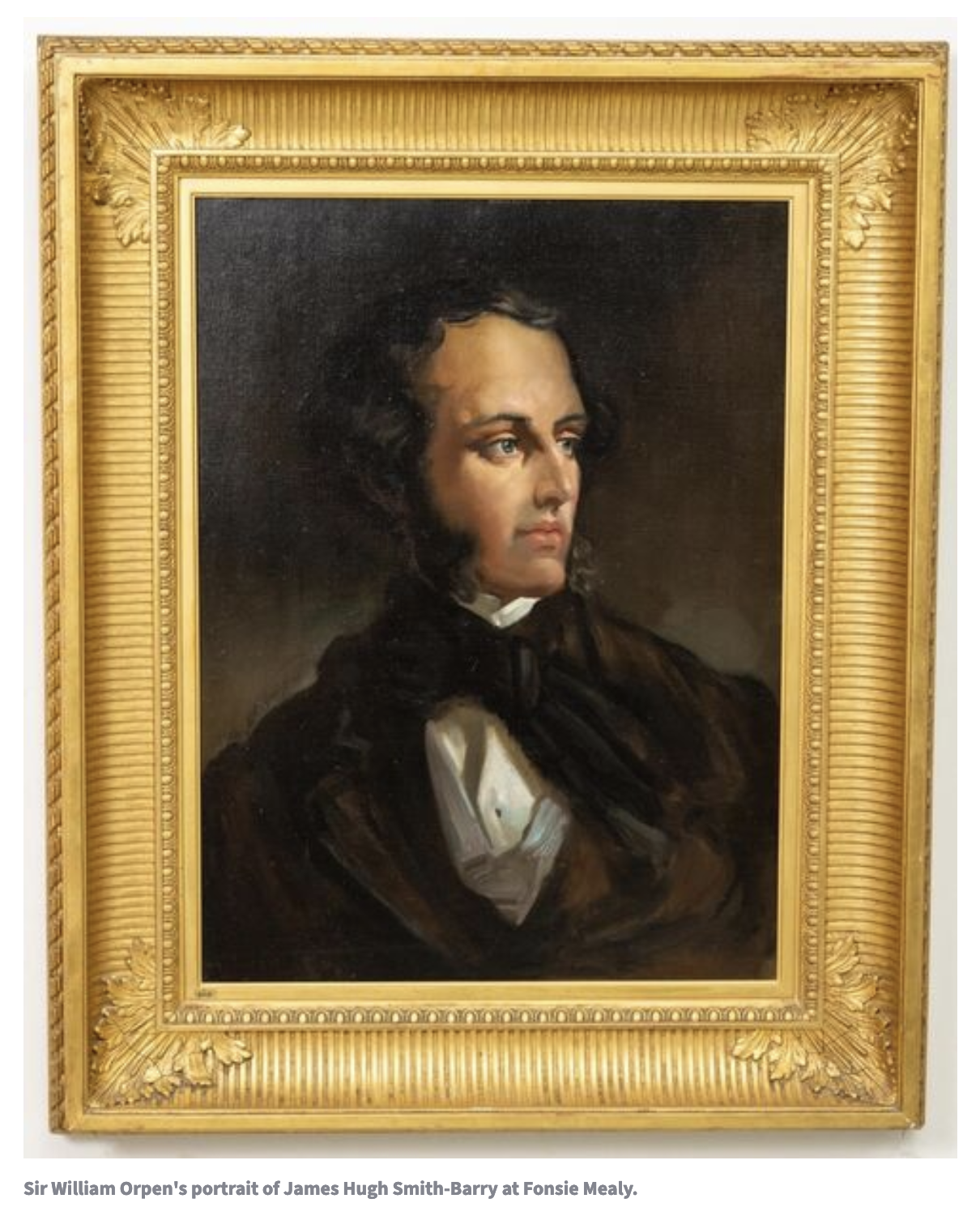
John and Dorothy’s oldest son and heir was James Hugh Smith-Barry (1746-1801). He never married, but had several children.

James Hugh Smith-Barry (1746-1801). Photograph © Jennifer Winder-Baggot, www.irishhistorichouses.com
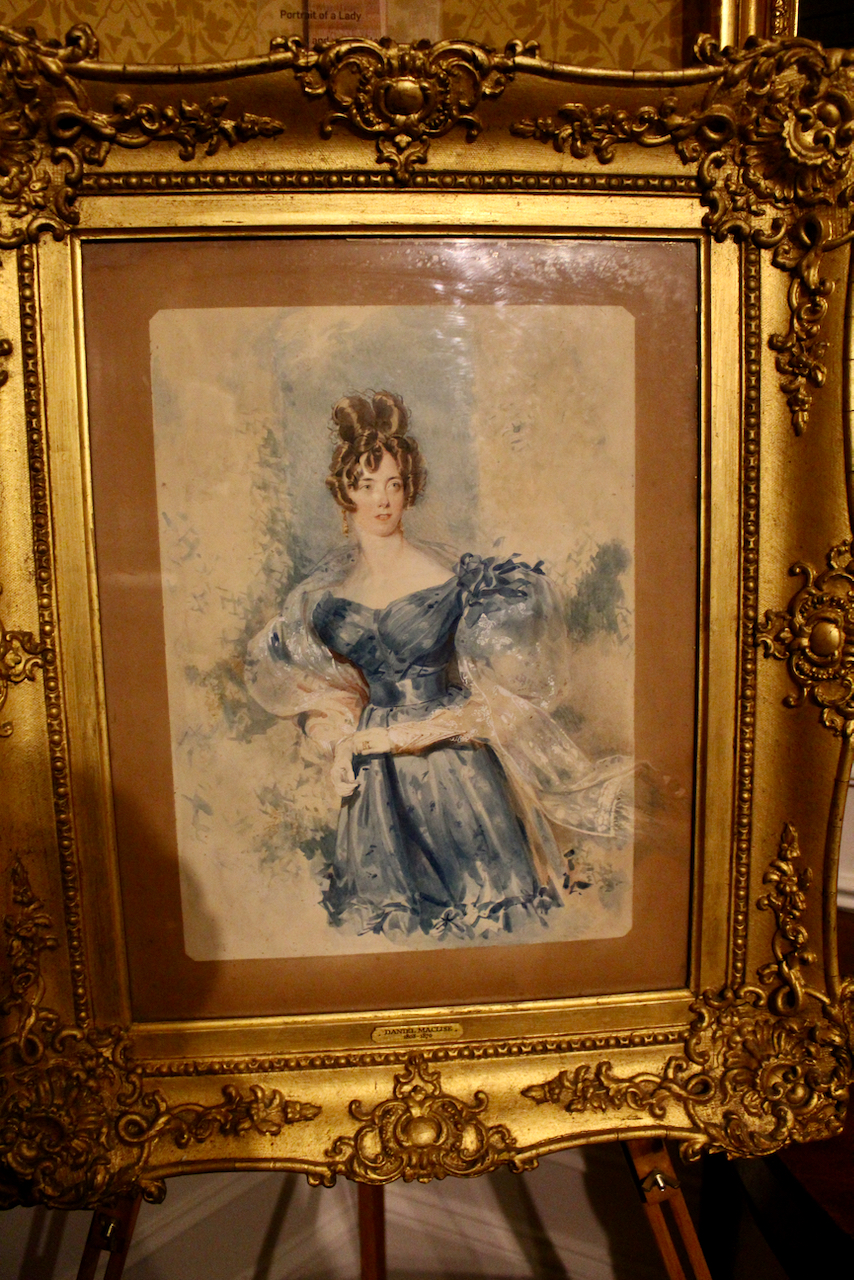
Portrait Of A Lady traditionally identified as Caroline Courtenay Née Smith-Barry, courtesy of Whyte’s Sept 2007, daughter of James Smith-Barry (1746-1801) of Fota House, County Cork, she married George Courtenay of Ballyedmond House, County Cork (no longer exists).

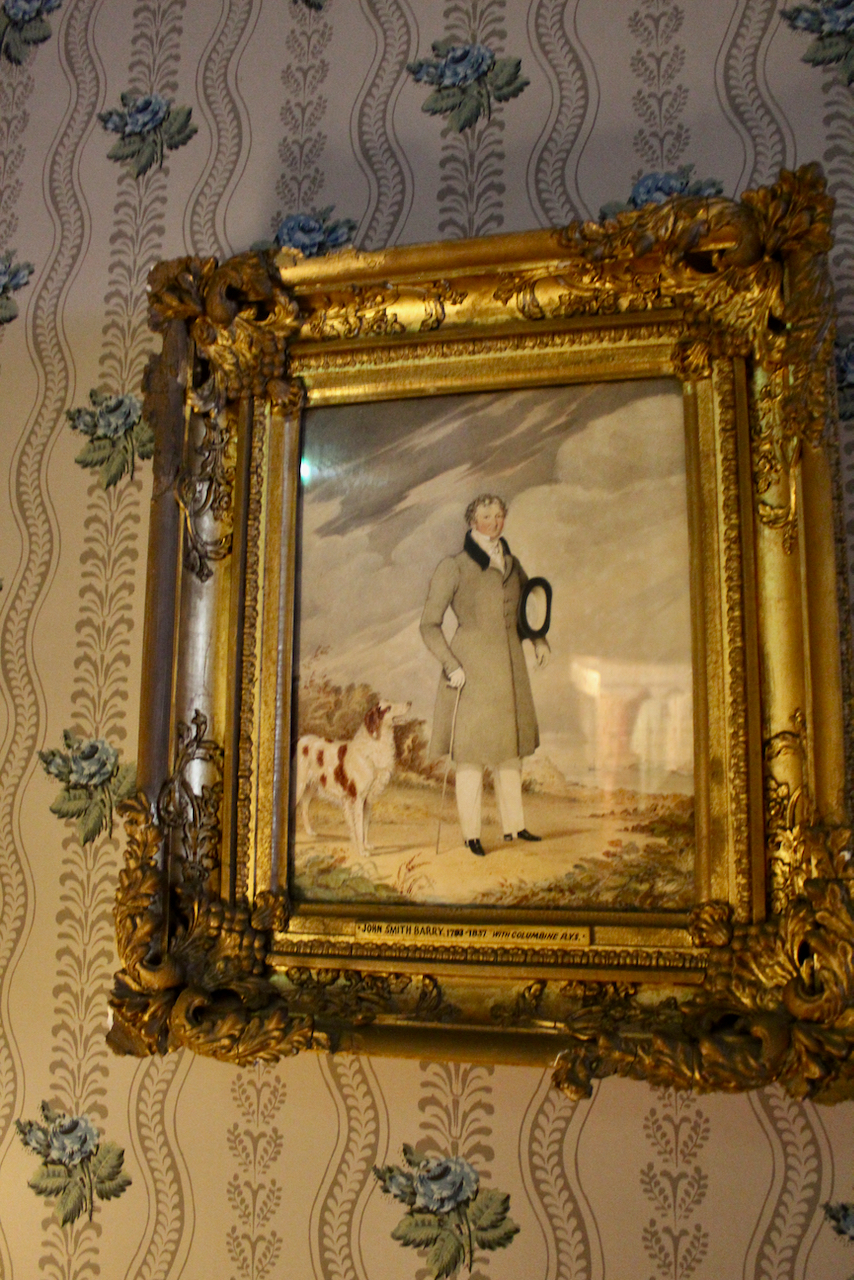
John Smith-Barry (1783-1837), son of James Hugh Smith-Barry (1746-1801) settled in Fota, County Cork, after his marriage to Eliza Courtenay of Ballyedmond, Midleton, County Cork.

John Smith-Barry (1783-1837), who hired the Morrisons to enlarge Fota house, County Cork. Photograph © Jennifer Winder-Baggot, www.irishhistorichouses.com
John Smith-Barry (1783-1837), who hired the Morrisons to enlarge Fota house. Photograph © Jennifer Winder-Baggot, www.irishhistorichouses.com
I think this is probably Eliza Mary née Courtenay (1797-1828) who married John Smith-Barry, Fota House, County Cork, August 2023. Photograph © Jennifer Winder-Baggot, www.irishhistorichouses.com
Eliza Mary née Courtenay (1797-1828) who married John Smith-Barry. She was the daughter of Robert Courteney of Ballyedmond in County Cork. Photograph © Jennifer Winder-Baggot, www.irishhistorichouses.com

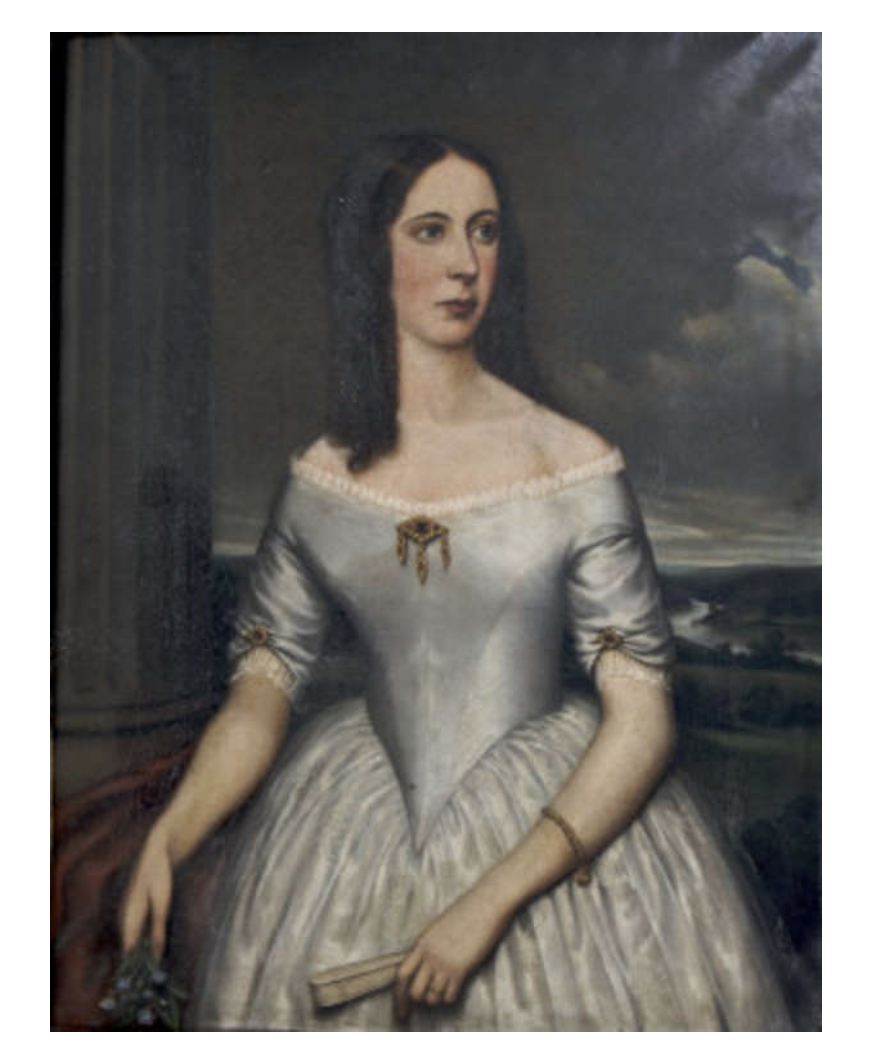
James Hugh Smith-Barry (1816-1856) inherited Fota and also Marbury Hall in Cheshire. He served as Deputy Lieutenant, Justice of the Peace and High Sheriff of County Cork. He married Elizabeth Jacson of Cheshire. After her husband died, she married George Fleming Warren, 2nd Baron de Tabley of Tabley House, County Chester.

James Hugh Smith-Barry by William Orpen 1904, courtesy of Fonsie Mealy auction 2022.

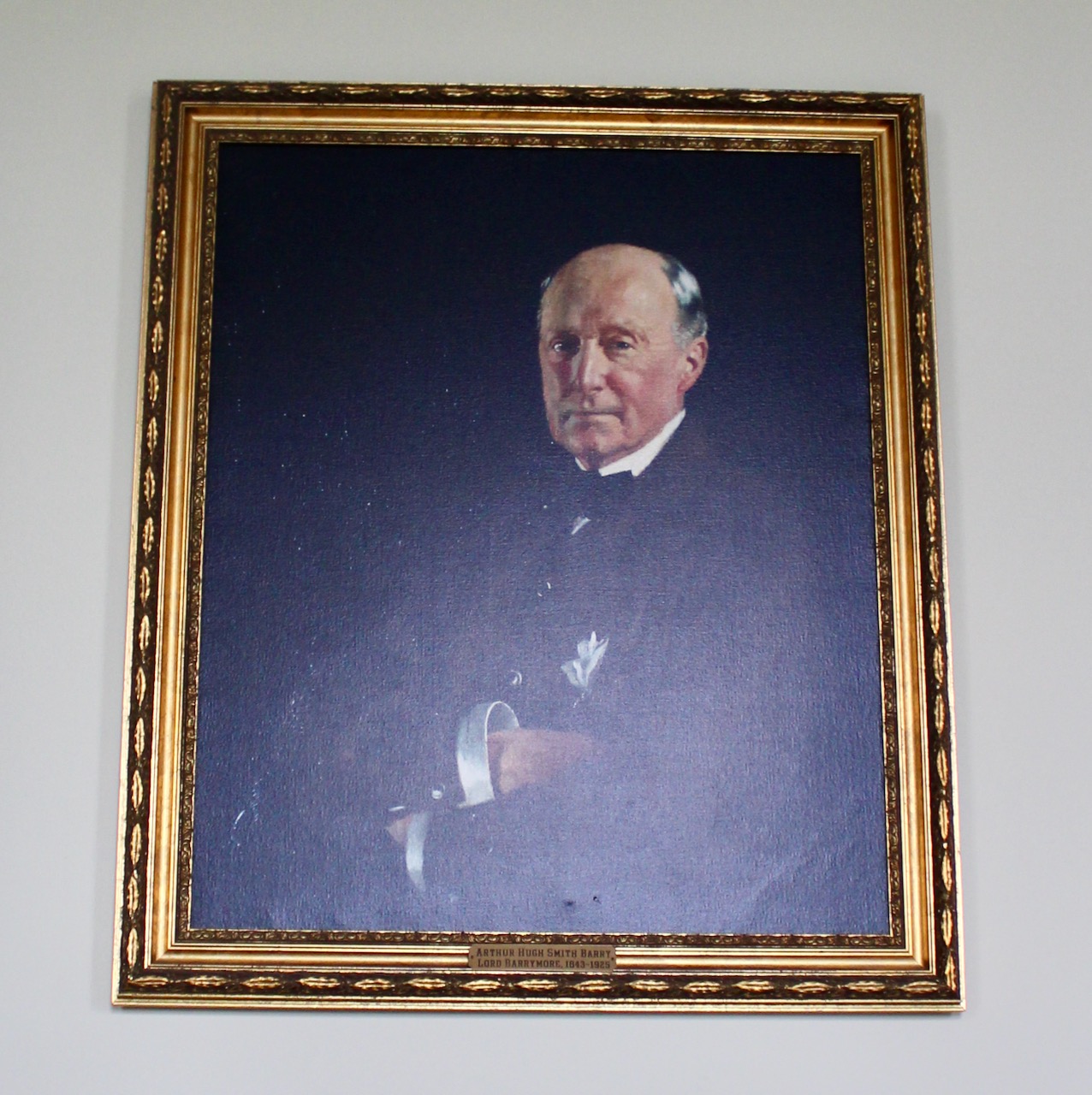
Arthur Hugh Smith-Barry (1843-1925), the oldest son of James and Elizabeth, inherited Fota and also Marbury Hall. He too served as Deputy Lieutenant, Justice of the Peace and High Sheriff of County Cork as well as Member of Parliament (M.P.) (Conservative) for County Cork between 1867 and 1874. He held the office of Member of Parliament (M.P.) (Conservative) for South Huntingdonshire in England between 1886 and 1900. In 1902 he was created 1st (and last) Baron Barrymore of County Cork.

Arthur Hugh Smith-Barry (1843-1925) of Fota House, 1st Viscount Barrymore. Photograph © Jennifer Winder-Baggot, www.irishhistorichouses.com
Captain Richard Hugh Smith-Barry (1823-1894) of Fota House, County Cork.
Charlotte Mary Smyth with a Landscape View of Ballynatray by James Butler Brenan courtesy of Adam’s 6 Oct 2009, provenance Ballynatray House. She married Charles William Moore 5th Earl of Mountcashell.
Richard Smyth of Ballynatray (1796-1858) who married in 1821 Harriet St. Leger of Doneraile, Irish school, courtesy of Adam’s auction 6 Oct 2009.
Percy Ellen Frederick William Smythe (1825-1869) 8th Viscount Strangford and Philippa Eliza Sydney Smythe (d. 1854) daughter of 6th Viscount Strangford, wife of Henry J. Baillie (d. 1885) of Scotland by William Fisher, 1817 – 1895.
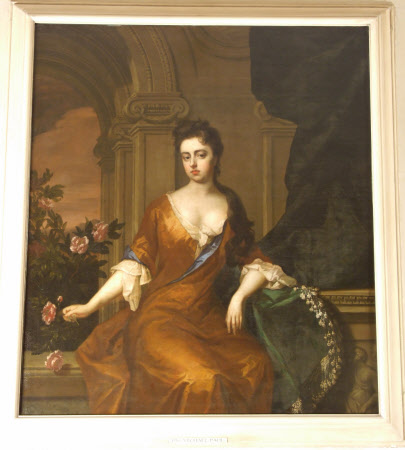
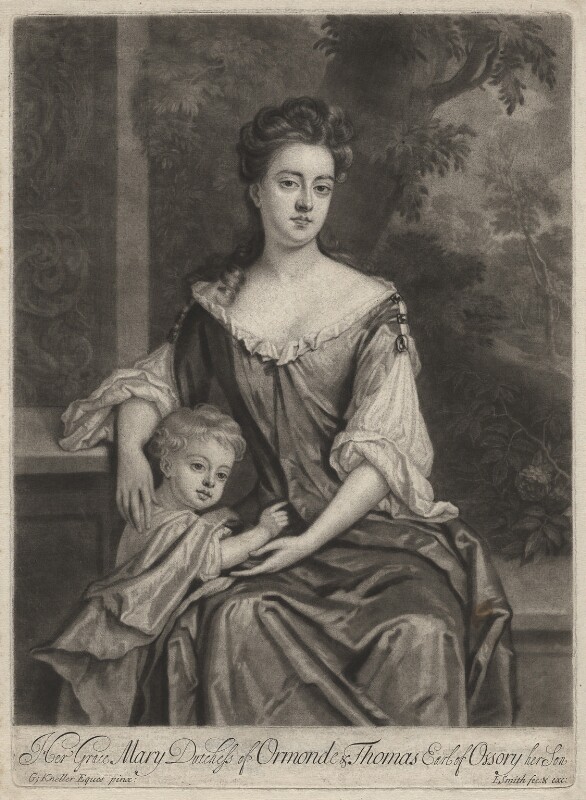
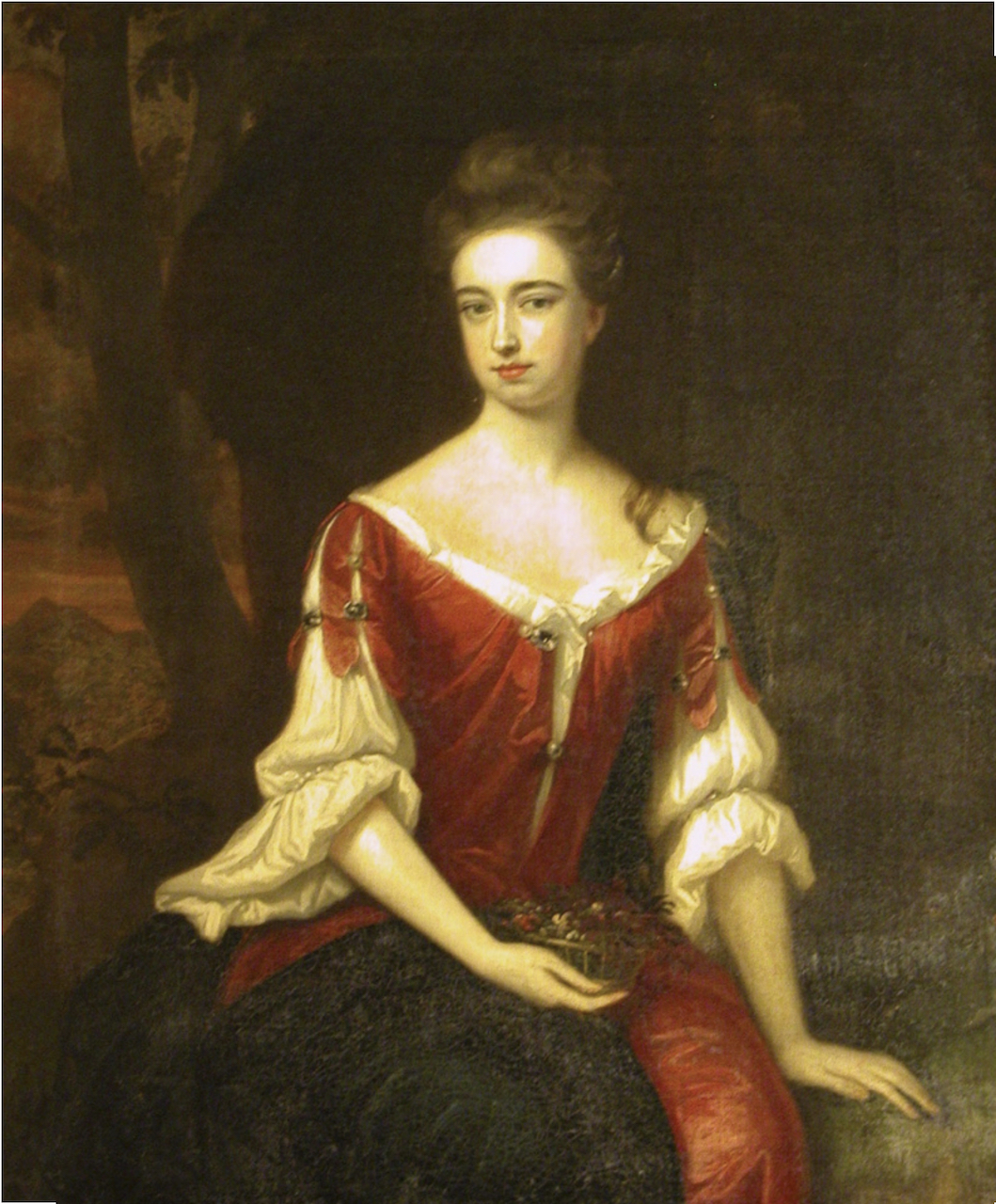
Mary Somerset (1665-1733), Duchess of Ormond, wife of James Butler 2nd Duke of Ormond (1665-1745), painted by Michael Dahl. Photograph © Jennifer Winder-Baggot, www.irishhistorichouses.com
Lady Mary Somerset, Duchess of Ormonde (1665-1733) by Michael Dahl (Stockholm 1656/9 ? London 1743), 1690s. Three-quarter-length portrait, of a young woman, seated, full front, her head three-quarters left. She is wearing a deep brown-gold dress, blue lined and is holding a rose in her right hand. A bottle green curtain is to the right and an arcade in the left background.
Mary Butler née Somerset (1665-1733) Duchess of Ormonde, Engraver John Smith, After Godfrey Kneller.
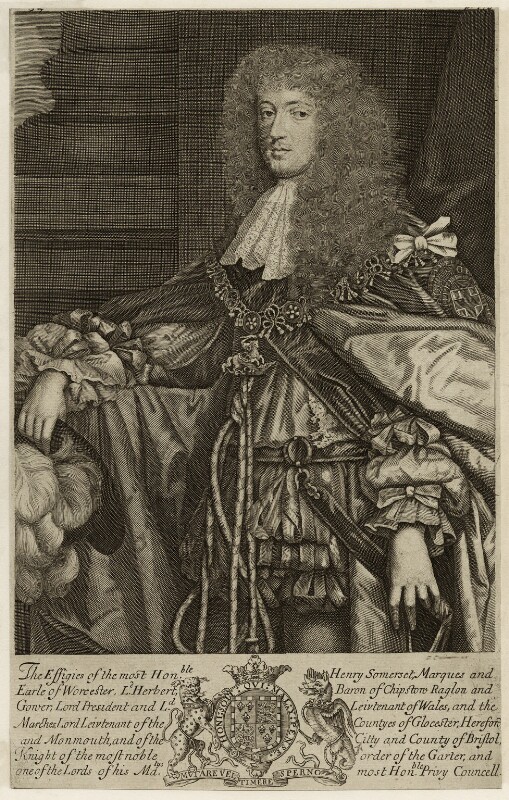
Henry Somerset (1629-1700) 1st Duke of Beaufort by Robert White, after Sir Godfrey Kneller, Bt, NPG D28194.
Mary Isabella Manners née Somerset, Duchess of Rutland, daughter of Charles Somerset 4th Duke of Beaufort and Elizabeth Berkeley, wife of Charles Manners, 4th Duke of Beaufort, Vice Regent of Ireland. Photograph © Jennifer Winder-Baggot, www.irishhistorichouses.com
Mary Sackville (1637-1678) Countess of Orrery later Viscountess Shannon (d.1714) by Godfrey Kneller courtesy of National Trust Knole. She was the wife of Roger Boyle, 2nd Earl of Orrery.
Charlotte née Seymour (1835-1903) Countess Spencer, wife of John Poyntz Spencer 5th Earl Spencer, by John Leslie, 1860. She was the daughter of Frederick Charles William Seymour. Photograph © Jennifer Winder-Baggot, www.irishhistorichouses.com
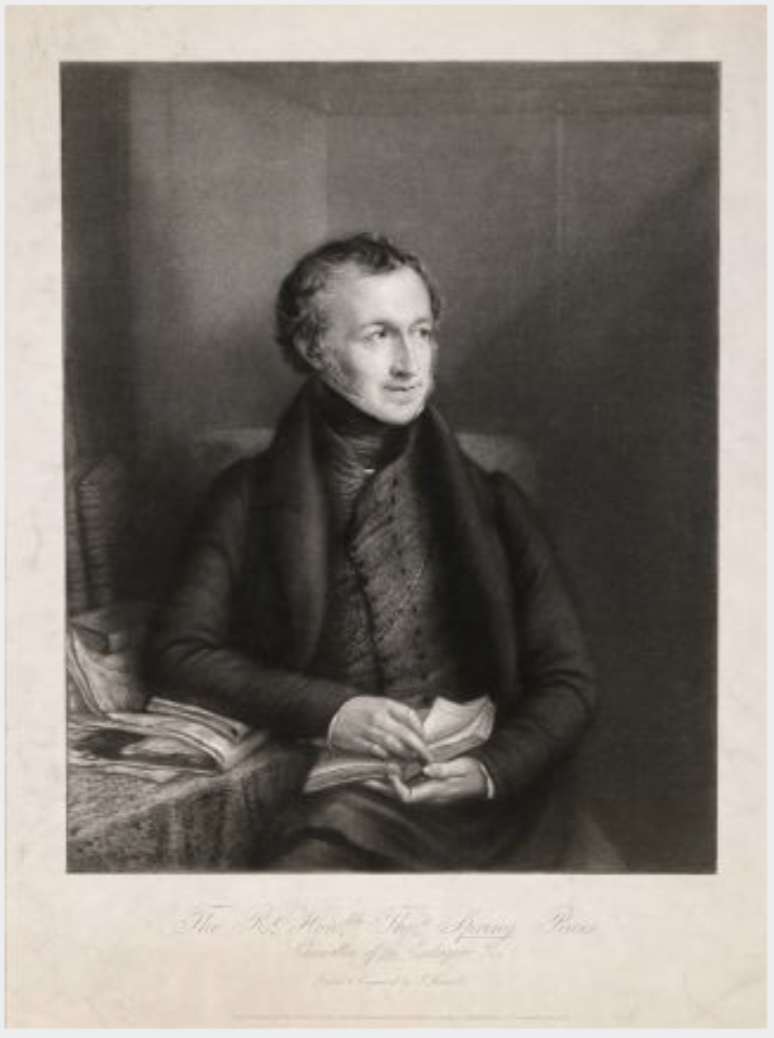
Thomas Spring-Rice (1760-1866), Chancellor of the Exchequer and later 1st Baron Monteagle, photograph courtesy of National Gallery of Ireland.
Thomas Spring-Rice (1849-1926) 2nd Baron Monteagle by Charles Wellington Furse, photograph courtesy of National Gallery of Ireland.
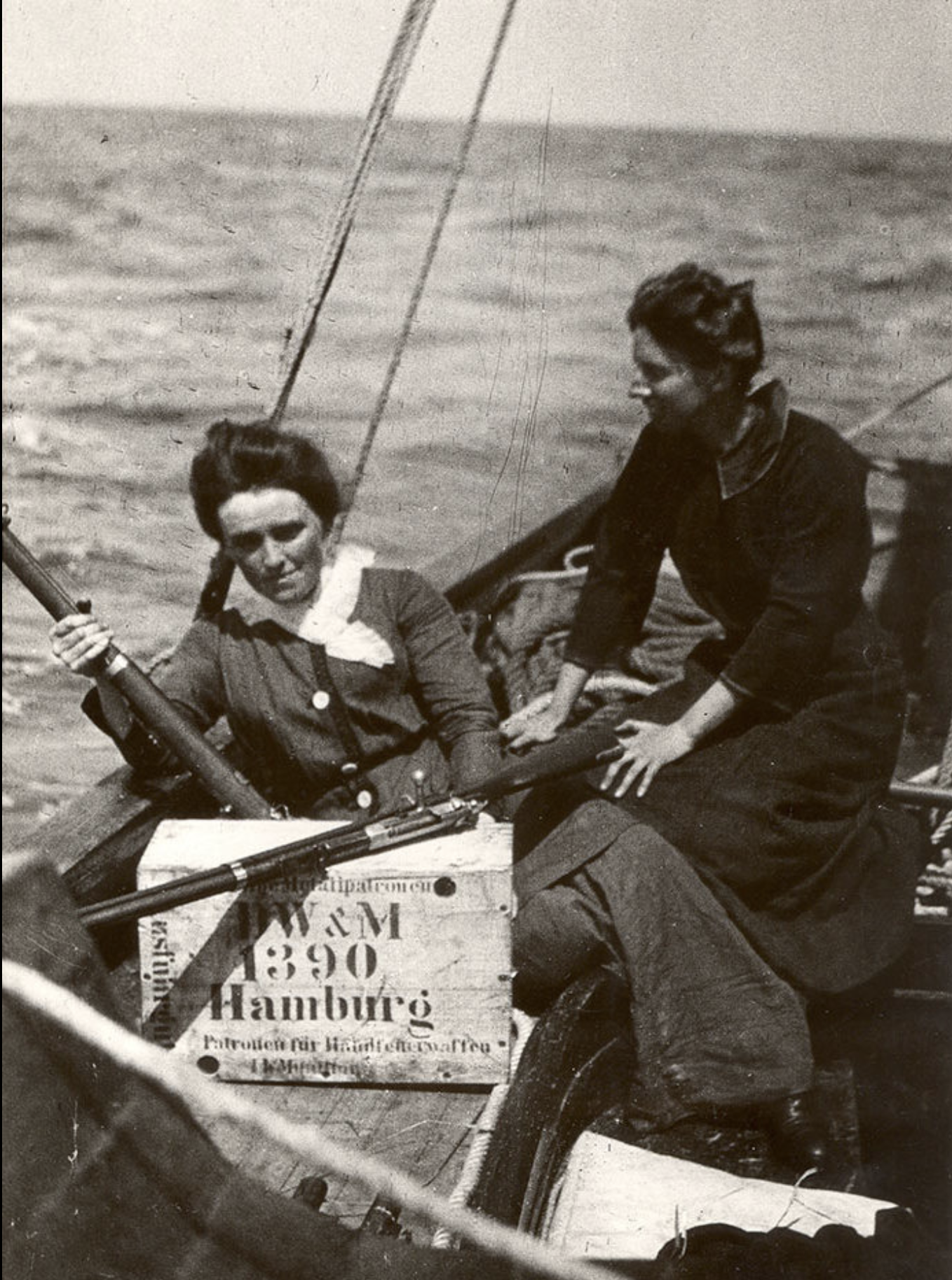
Mary Spring Rice (1880-1924) and Molly Childers aboard the Asgard during the Howth gun-running.
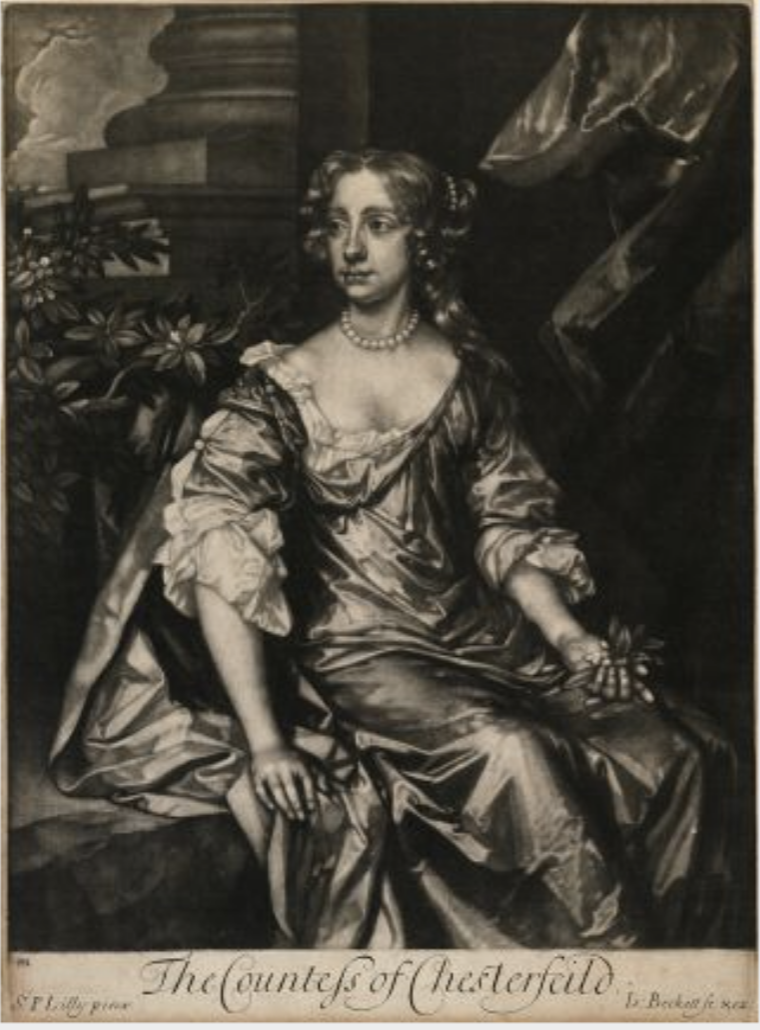
Elizabeth Stanhope née Butler (1640-1665), daughter of the 1st Duke of Ormonde and 2nd wife of Philip Stanhope 2nd Earl of Chesterfield Date: 1681/1688 Engraver: Isaac Beckett, English, c.1653-c.1715/19 After Peter Lely, Dutch, 1618-1680, courtesy of National Gallery of Ireland.
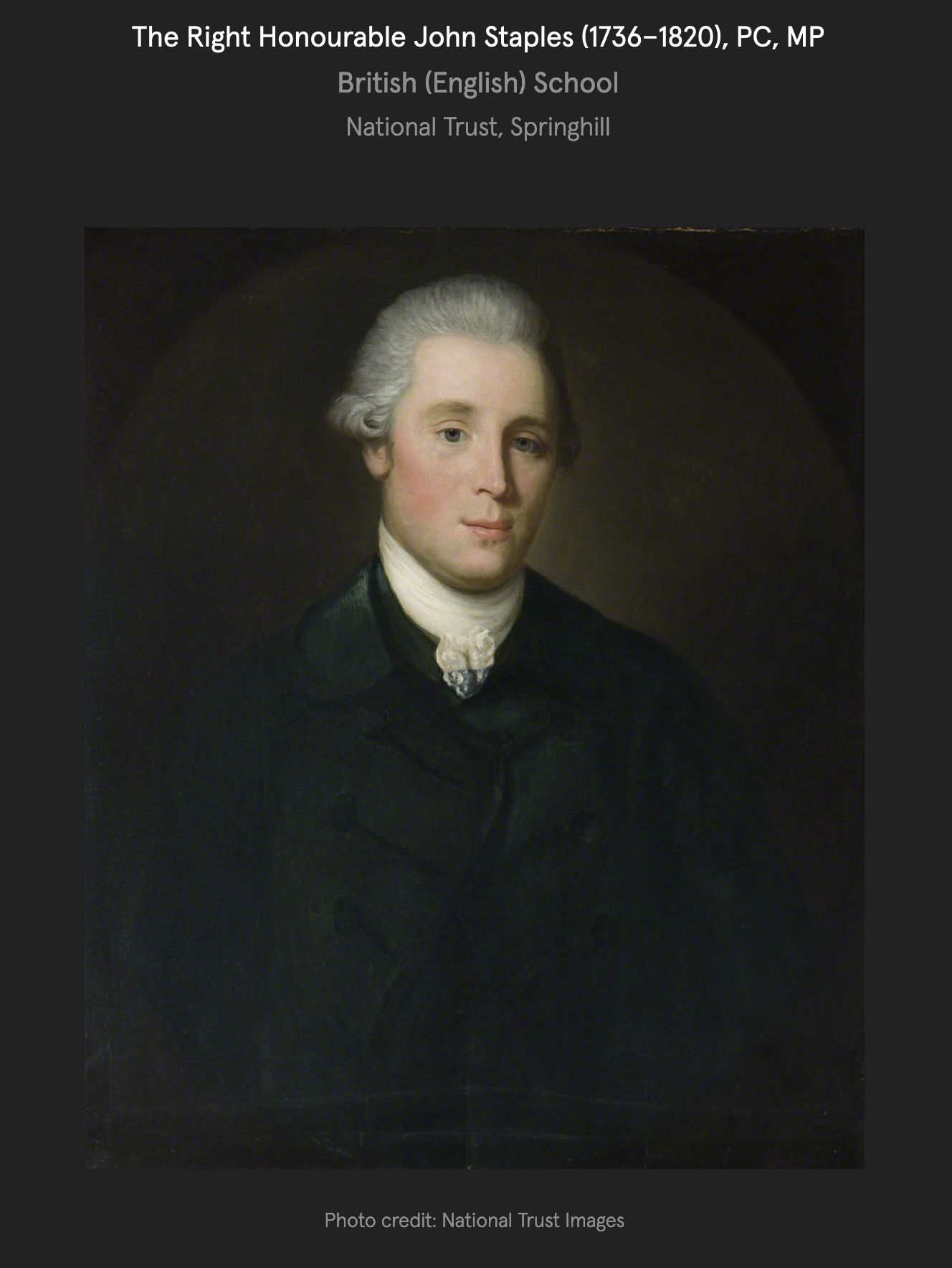
John Staples (1736-1820), of Lissan, County Tyrone, courtesy of National Trust. Springhill, County Derry.
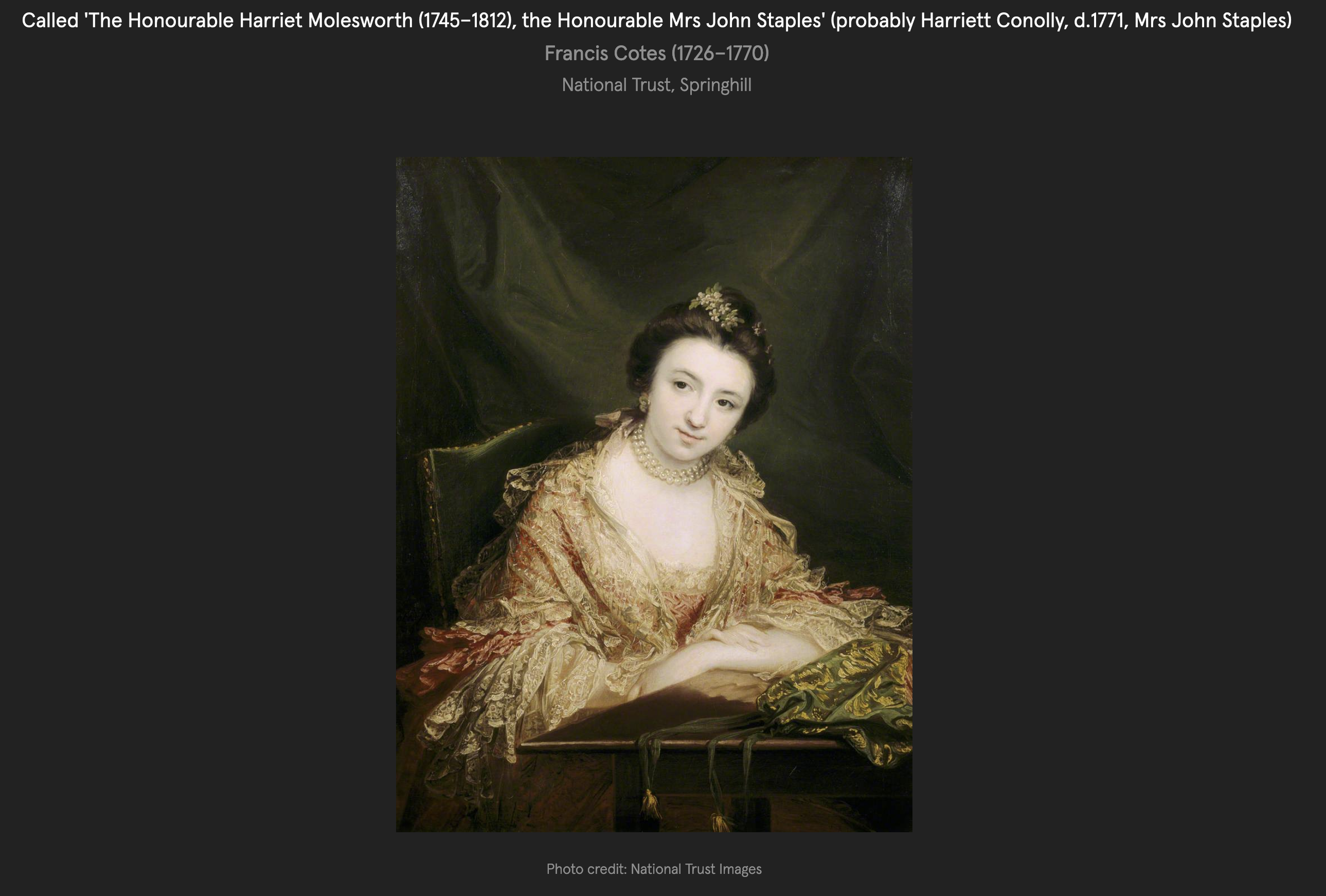
Portrait called The Honourable Harriet Molesworth (1745-1812), wife of John Staples (1736-1820) (probably Harriet Conolly, d. 1771), by Francis Cotes, courtesy of National Trust. Springhill, County Derry.
Grace Louisa Staples (1779-1860) Marchioness of Ormonde by John Saunders. She was the wife of James Wandesford Butler, 1st Marquess of Ormonde, and daughter of John Staples (1736-1820) of Lissan, County Tyrone.
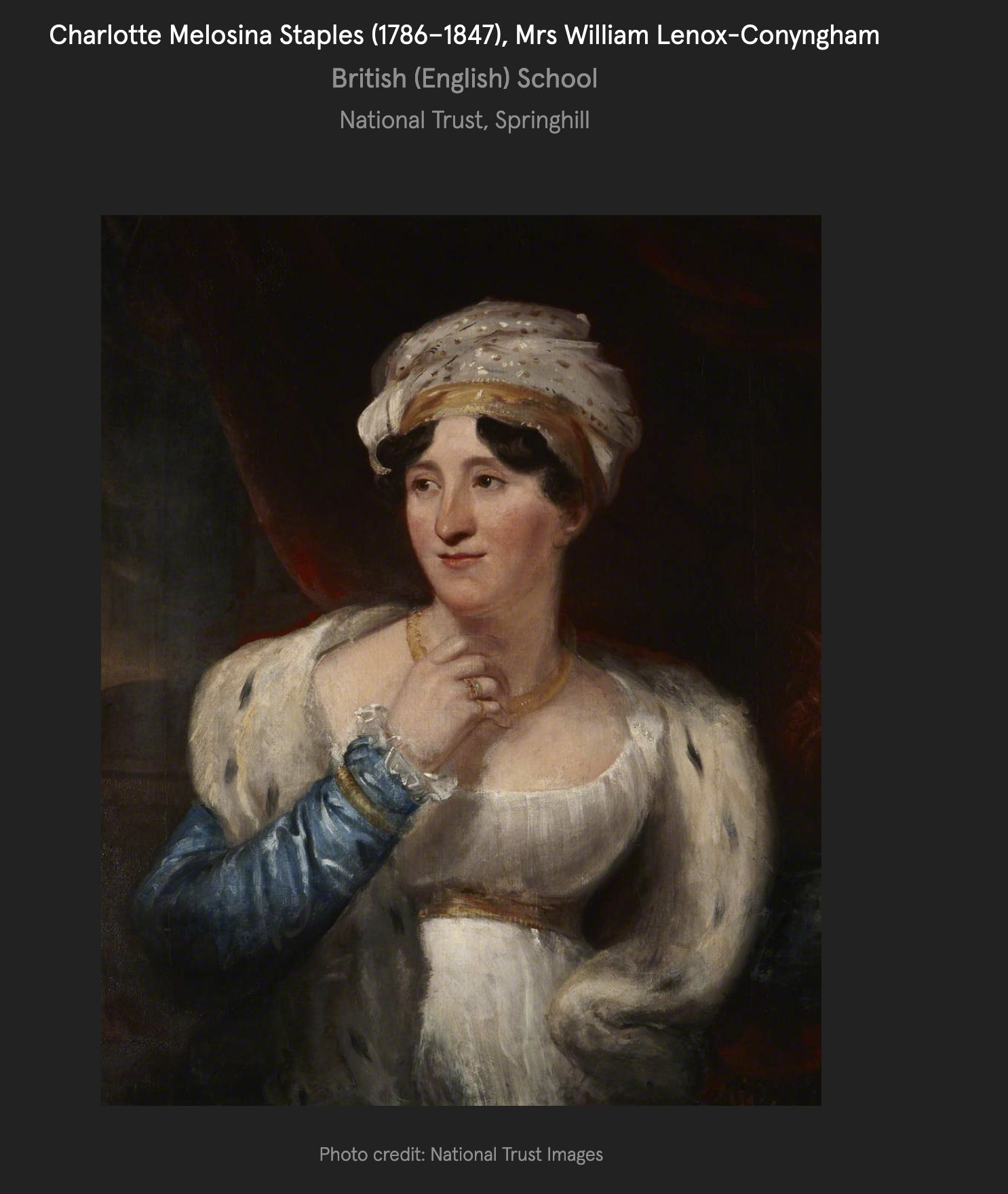
Chalotte Melosina Staples (1786-1847), wife of William Lenox-Conyngham (1792-1858), daughter of John Staples (1736-1820) of Lissan, County Tyrone, courtesy of National Trust. Springhill, County Derry.
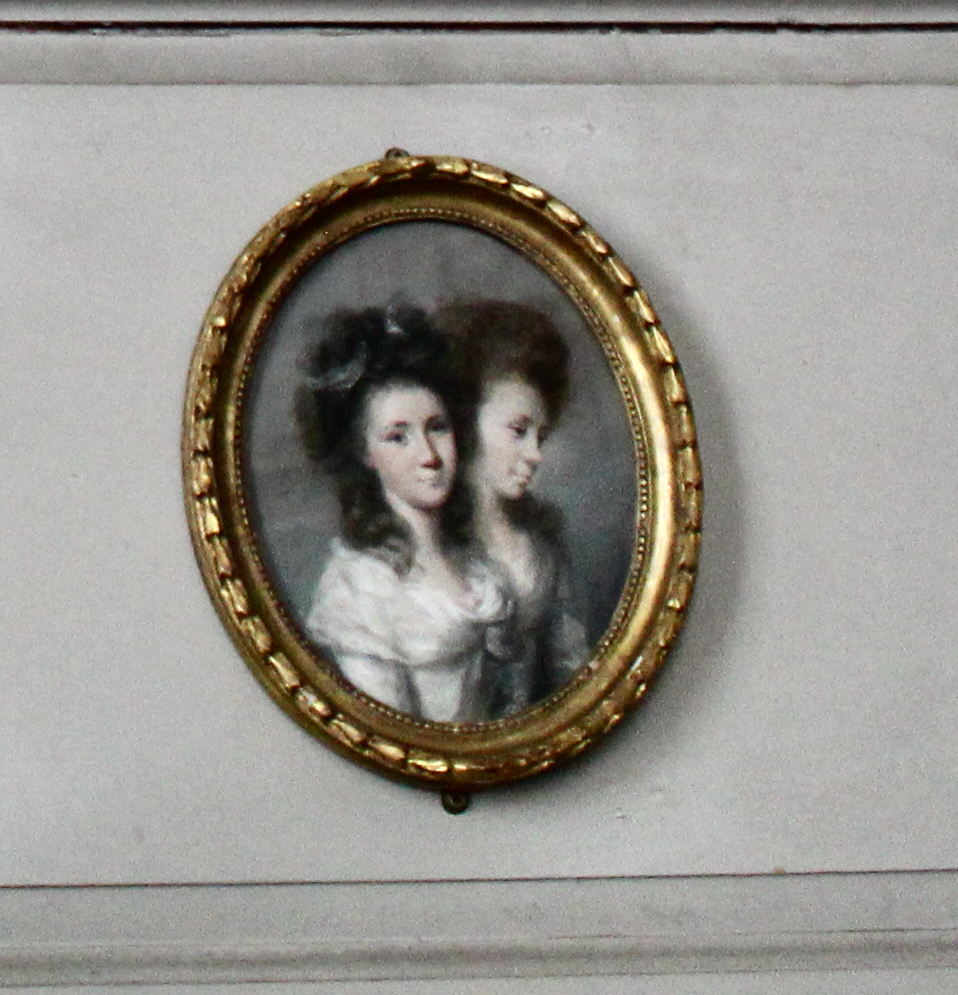
Louisa Anne Pakenham née Staples (1770-1833) and her sister Henrietta Margaret Trench née Staples (1770-1847) Countess of Clancarty (c.1770-1847) by Hugh Douglas Hamilton. Louisa was married to Thomas Pakenham (1757-1836) and Henrietta was married to Richard Power Keating Le Poer Trench (1767-1837) 2nd Earl of Clancarty. Their father was John Staples (1736-1820) of County Tyrone, and their mother was Harriet Conolly (1739-1771) of Castletown House, County Kildare. Photograph © Jennifer Winder-Baggot, www.irishhistorichouses.com
Robert Staples (1772-1832) 8th Baronet, of Springhill, County Derry and Lissan, County Tyrone, courtesy of National Trust. Springhill, County Derry.
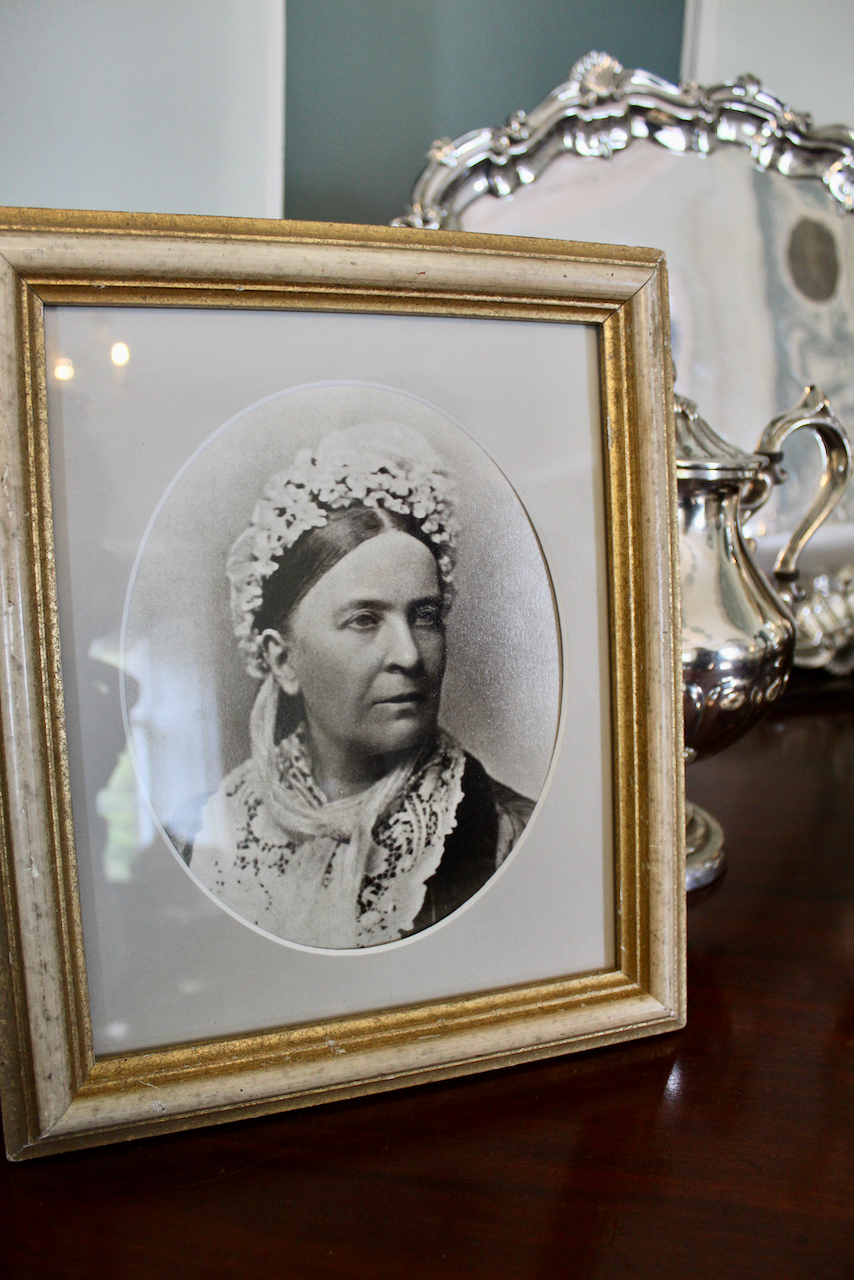
Charles Stewart Parnell’s mother Delia. She was an American, daughter of the famous “Old Ironsides,” Admiral Charles Stewart.
William Stewart of Killymoon (1710-1797), British (Irish) School, mid 18th century, inscribed. Oil painting on canvas, A half-length portrait, wearing a gold trimmed blue coat.
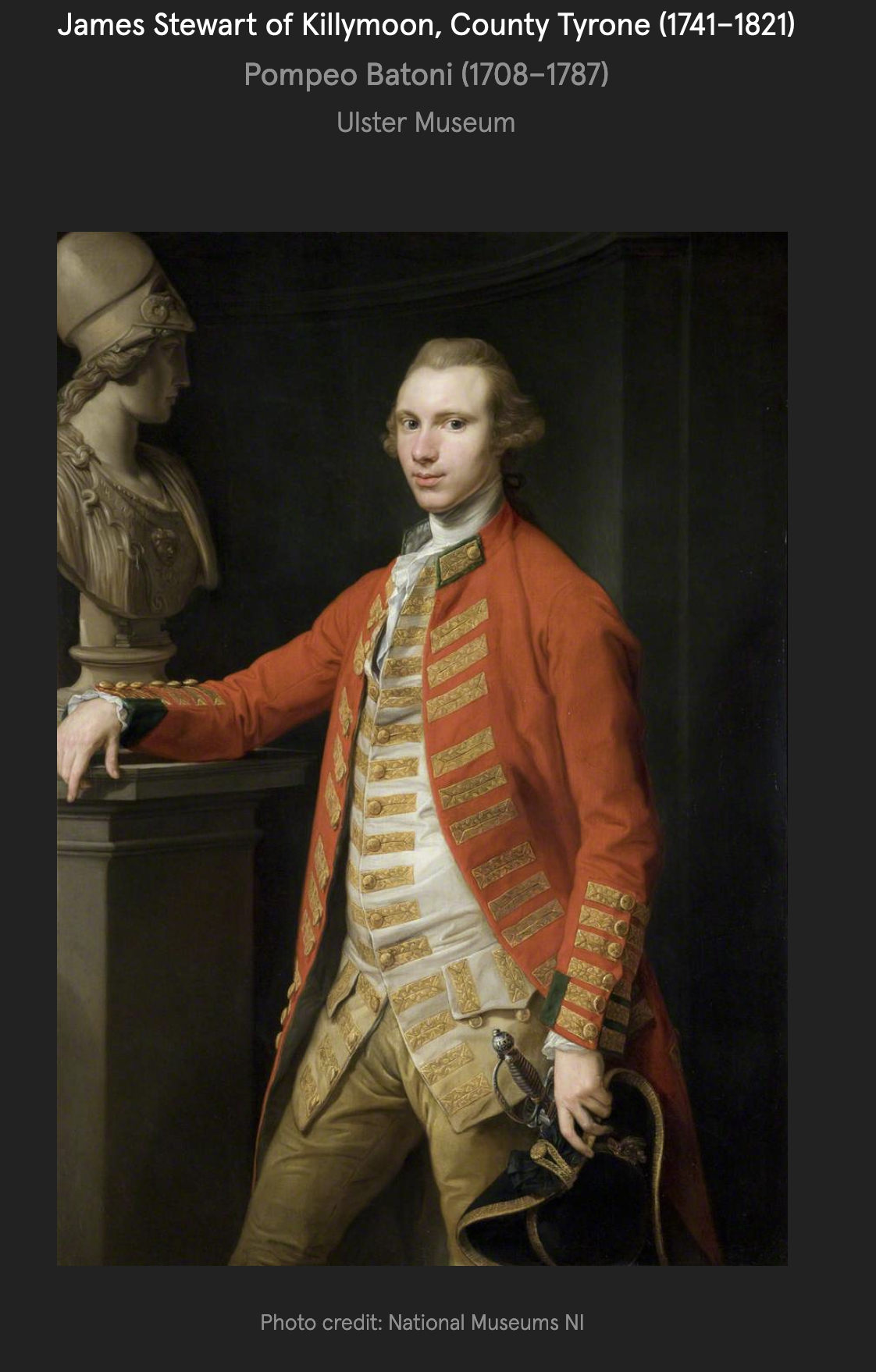
James Stewart (1741-1821) of Killymoon, County Tyrone, by Pompeo Batoni, courtesy of Ulster Museum. He was a son of William Stewart of Killymoon (1710-1797).
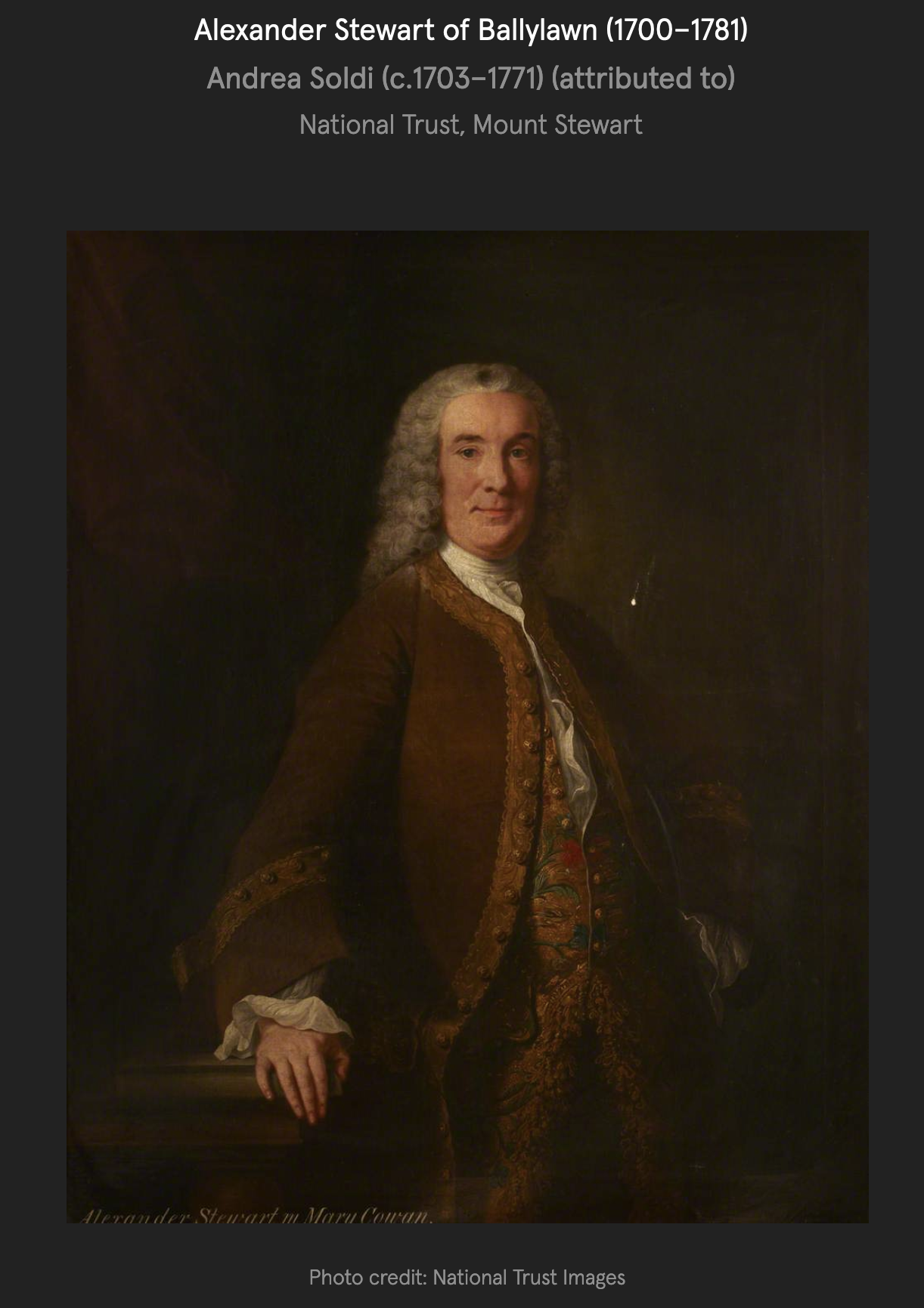
Alexander Stewart (1699/1700-1781) of Ballylawn, by Andrea Soldi, courtesy of National Trust, Mount Stewart.

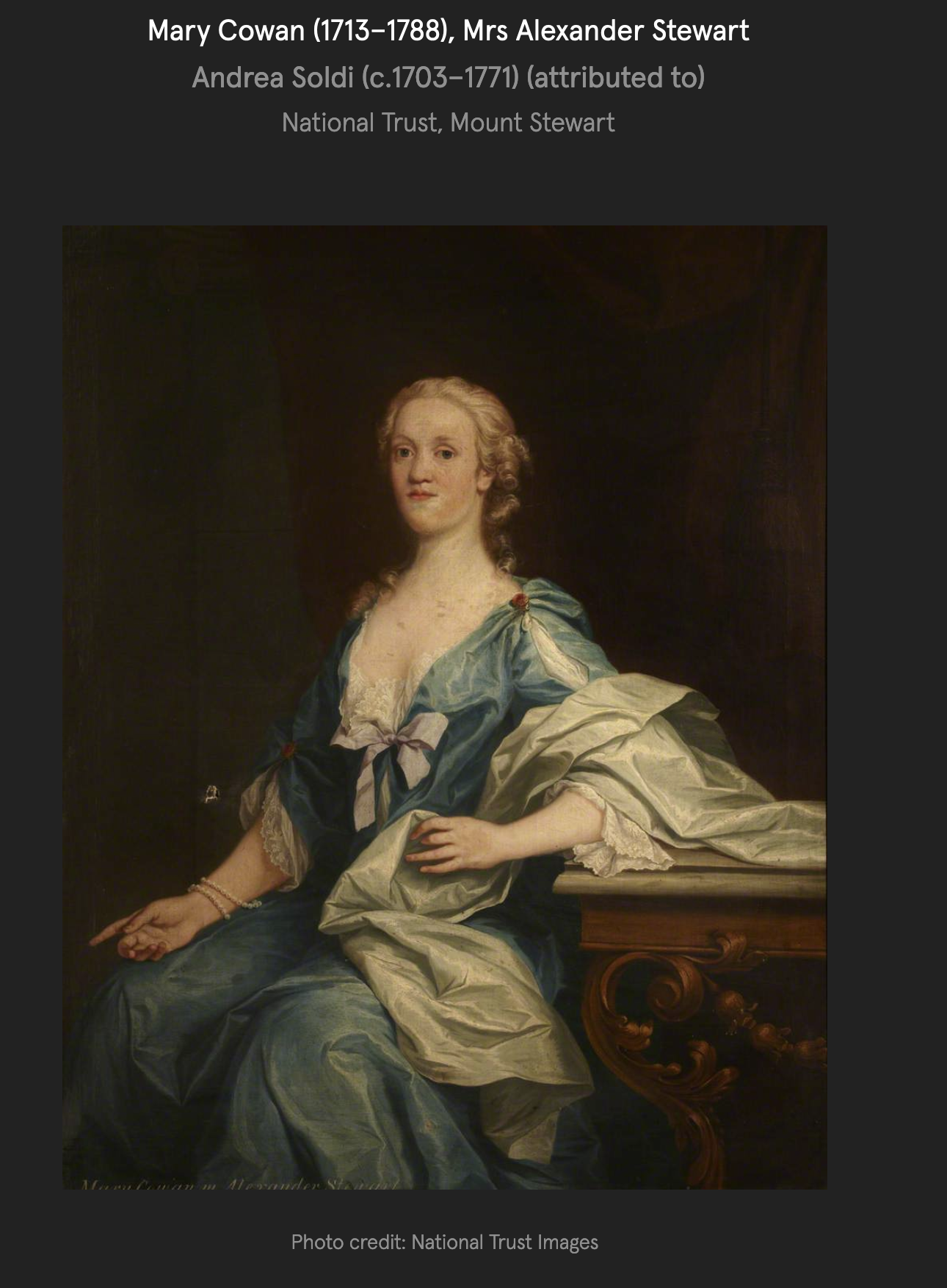
Alexander Stewart (1699/1700-1781) and his wife, Mary Cowan, bought a large area of land in County Down in 1744, part of which became Mount Stewart demesne.

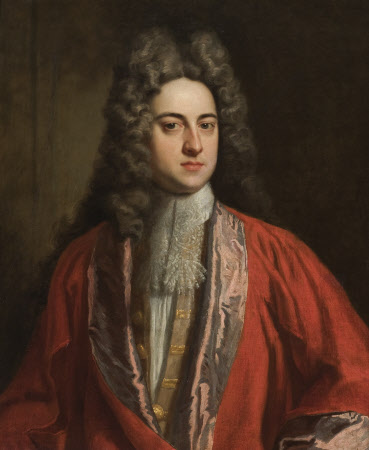
Oil painting on canvas, Alexander Stewart of Mount Stewart (1700-1781), school of Sir Godfrey Kneller (Lubeck 1646/9 – London 1723). A half-length portrait of Alexander Stewart, father of the 1st Marquess of Londonderry, facing the viewer, with his head turned slightly to the right, wearing a red coat and a cravat over a gold-embroidered jacket. By Unknown author – https://www.artuk.org/discover/artworks/alexander-stewart-of-ballylawn-17001781-132900, Public Domain, https://commons.wikimedia.org/w/index.php?curid=72556779
Mary Cowan (1713-1788) who married Alexander Stewart, by Andrea Soldi, courtesy of National Trust, Mount Stewart.
Robert Stewart (1739-1821) later 1st Marquess Londonderry, by Anton Raphael Mengs, courtesy of National Trust, Mount Stewart. He was the son of Alexander Stewart (1700-1781) of Ballylawn and Mary née Cowan.
Oil painting on paper laid down on canvas, A Conversation Piece with Robert, 1st Marquess of Londonderry (1739-1821), his Second Wife, Frances (1750-1833), their Son Charles William (1778-1854), and their Four Younger Daughters, Selina, Matilda, Emily Jane and Octavia by Thomas Robinson (Windermere before 1770 – Dublin 1810), 1803-08. The daughters shown are Lady Selina Stewart, later Lady Selina Kerr (d.1871), Lady Emily Jane Stewart, Viscountess Hardinge (1789-1865), Lady Octavia Catherine Stewart, later Baroness Ellenborough (d.1819) and Lady Matilda Stewart, later Lady Matilda Ward (d.1842). Their elder three daughters Georgiana (d. 1804), Caroline (1865) and France Anne (1777 – 1810) are not present.
Alexander Stewart of Ards, brother of 1st Marquess Londonderry, by Pompeo Batoni, courtesy of National Trust, Mount Stewart. He was the son of Alexander Stewart (1700-1781) of Ballylawn and Mary née Cowan.
Robert Stewart (1769-1822) Viscount Castlereagh, later 2nd Marquess of Londonderry, by Hugh Douglas Hamilton, courtesy of National Trust, Mount Stewart.
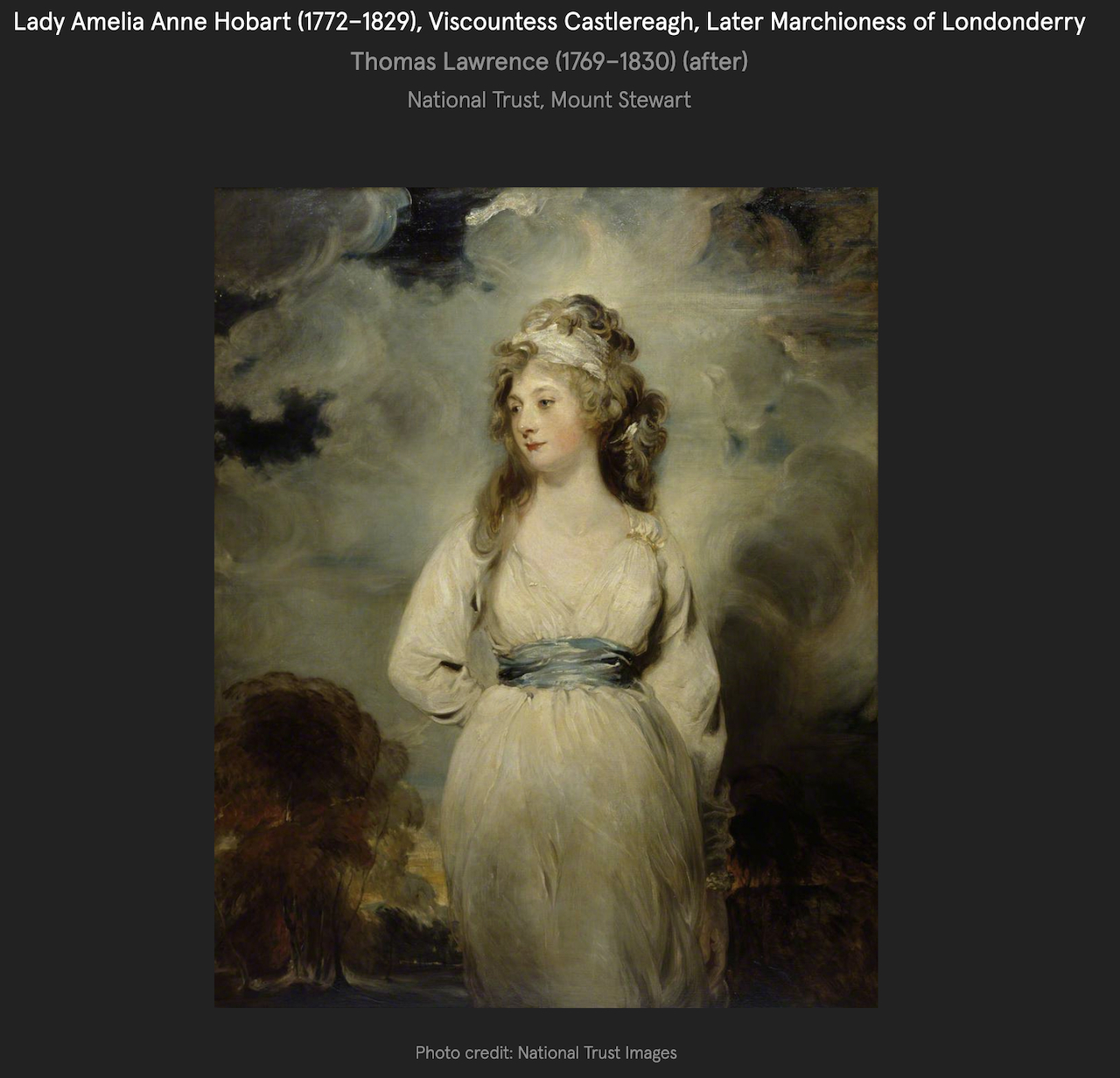
Amelia Anne Hobart (1772-1829) wife of Robert Stewart, 1st Viscount Castlereagh, by Thomas Lawrence, courtesy of National Trust Mount Stewart.
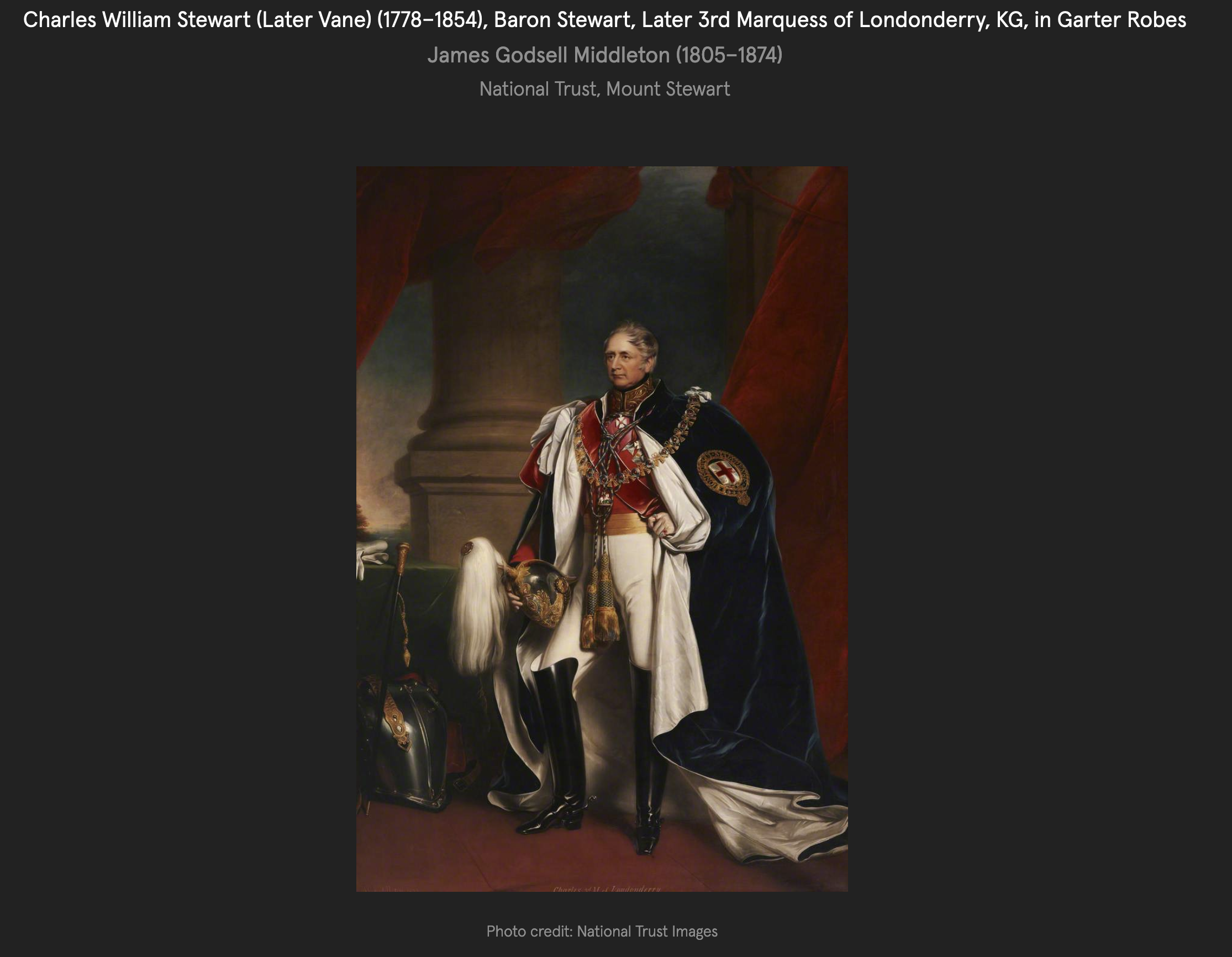
Charles William Stewart (later Vane) (1778-1854), later 3rd Marquess of Londonderry, in Garter Robes, by James Godsell Middleton, courtesy of National Trust, Mount Stewart. He was the half-brother of Robert Stewart (1769-1822) Viscount Castlereagh.
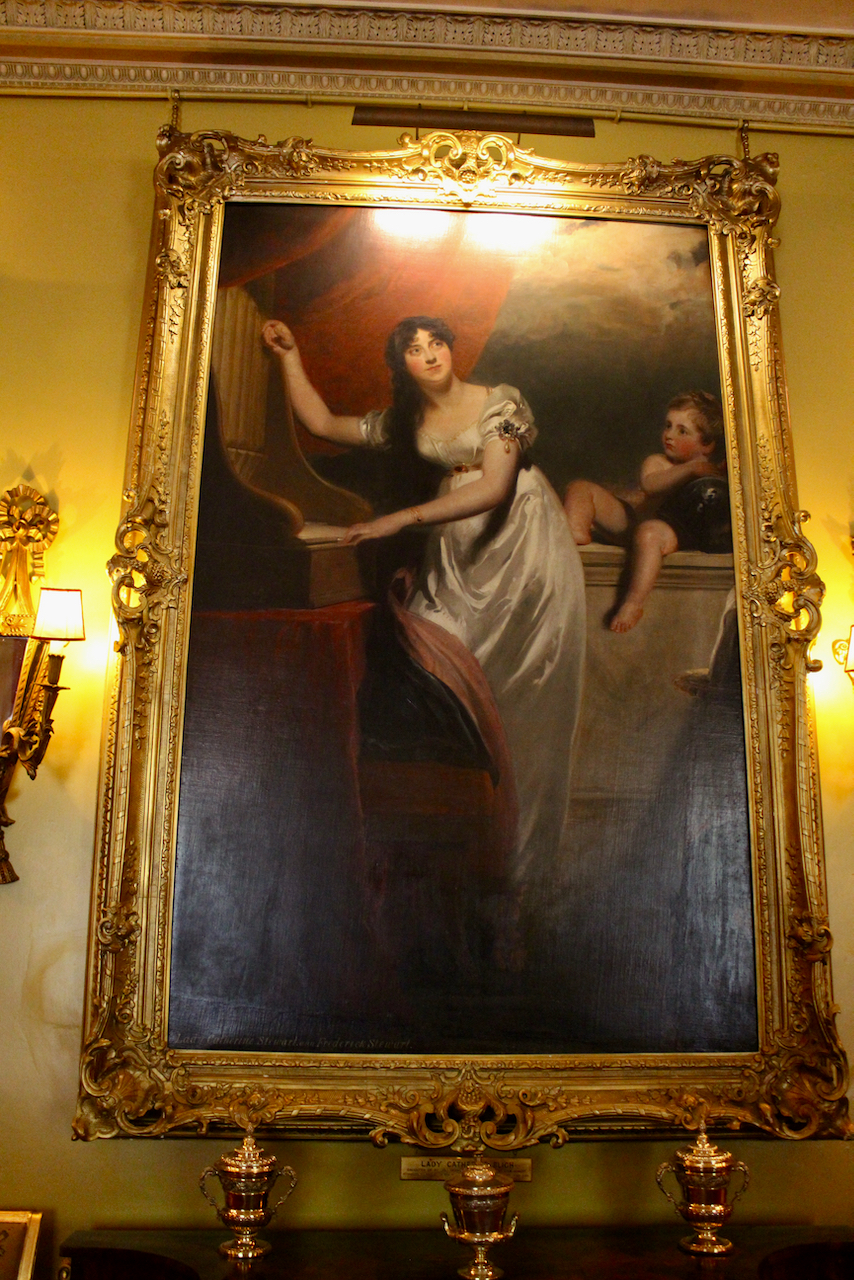
Painting by Thomas Lawrence of Catherine Bligh, daughter of 3rd Lord Darnley, with her son Frederick Wililam Robert, who became 4th Marquess of Londonderry. Mount Stewart, County Down, June 2023. She married Charles William Stewart (later Vane) (1778-1854), later 3rd Marquess of Londonderry. Photograph © Jennifer Winder-Baggot, www.irishhistorichouses.com
Frances Anne (1800-1865) Marchioness of Londonderry, and her son George Henry (1827-1828) Viscount Seaham, by Thomas Lawrence, courtesy of National Trust, Mount Stewart. She married Charles Stewart later Vane, 3rd Marquess of Londonderry.
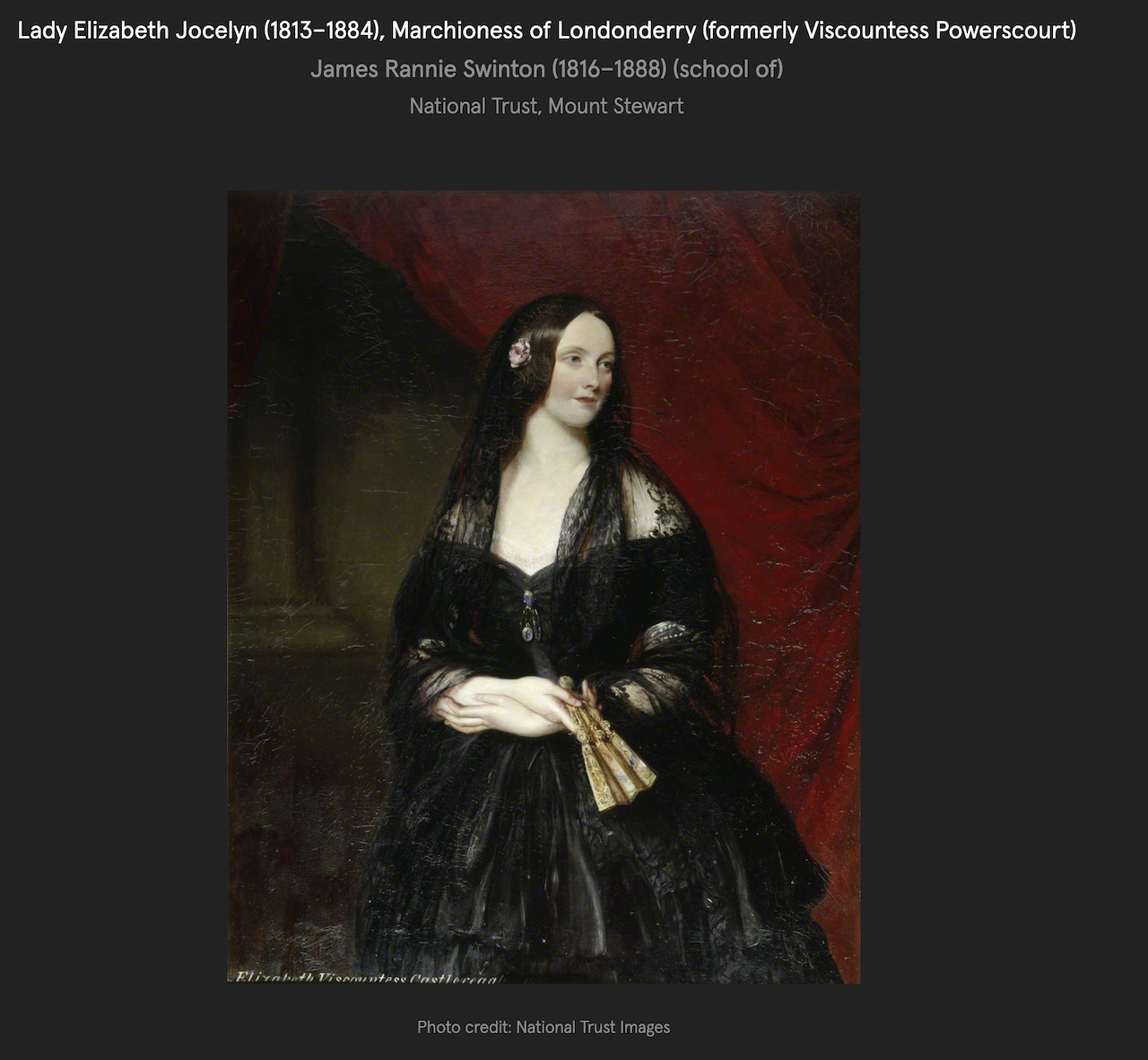
Elizabeth Jocelyn (1813-1884), Marchioness of Londonderry, formerly Viscountess Powerscourt, by James Rannie Swinton, courtesy of Mount Stewart National Trust. She was married to the 6th Viscount Powerscourt. She was the daughter of Robert Jocelyn 3rd Earl of Roden. After her husband’s death she married Frederick William Robert Stewart, 4th Marquess of Londonderry, of Mount Stewart, County Down.
Anna Stewart (née Garner), of Lisburn Co. Down, Second Wife of William Stewart of Wilmont, by Nathaniel Hone, courtesy of Shepphards auctions.
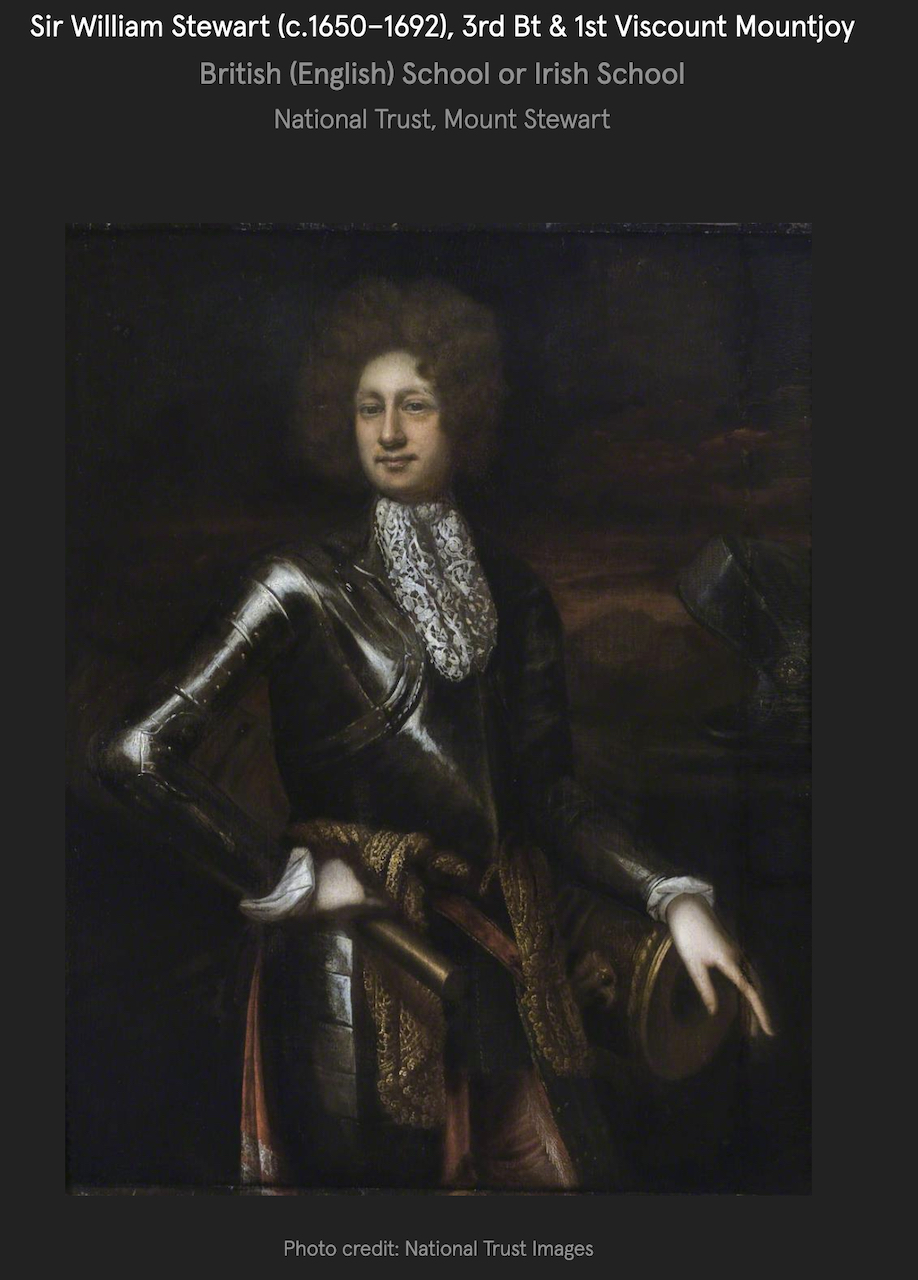
William Stewart (c. 1650-1692) 3rd Bt and 1st Viscount Mountjoy courtesy of National Trust Mount Stewart.
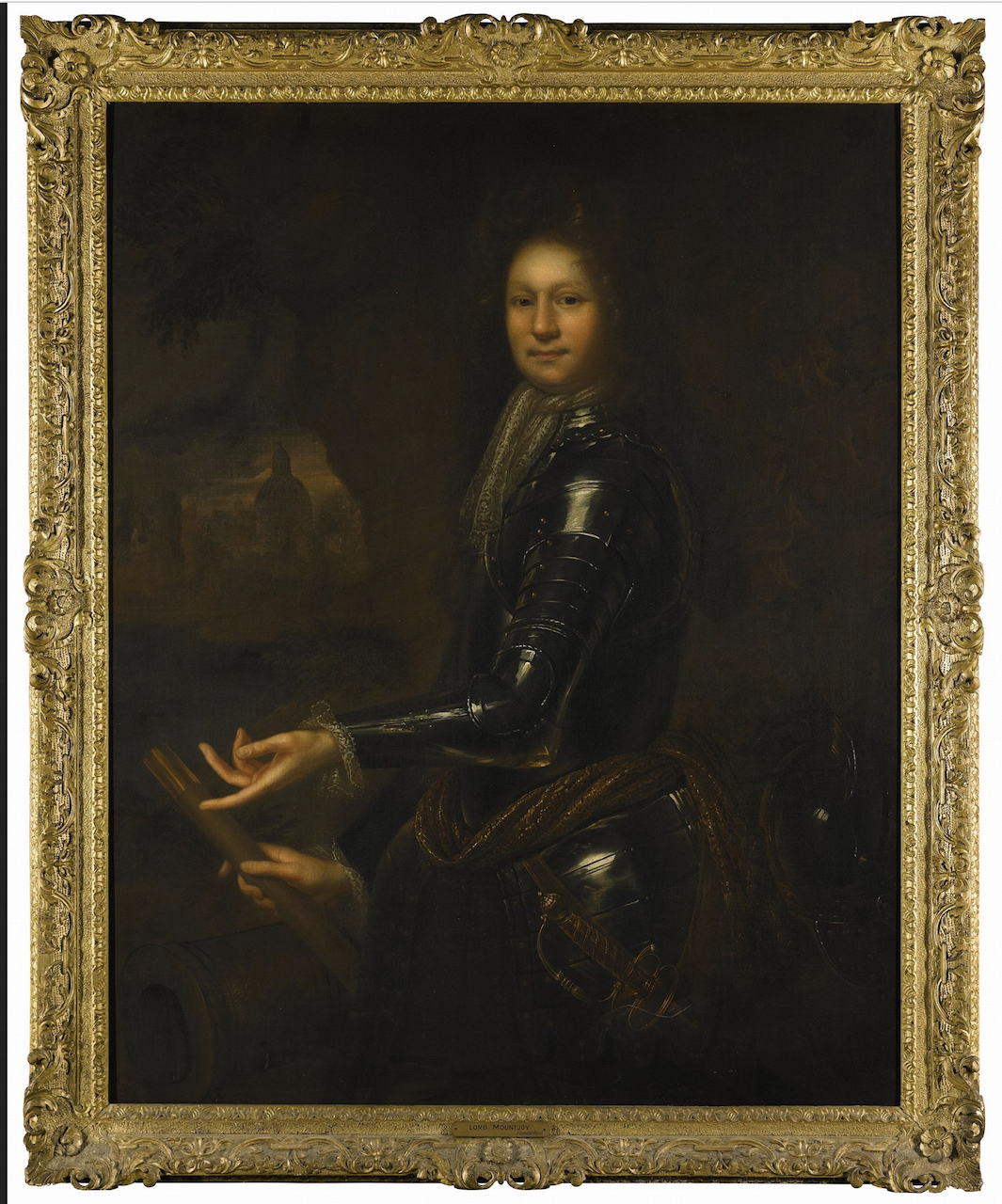
William Stewart (c. 1650-1692) 3rd Bt and 1st Viscount Mountjoy.
Anne Boyle (1700-1742) 2nd Lady Mountjoy, wife of William Stewart 2nd Viscount Mountjoy by Garrett Morphy Adams auction 19 Oct 2021. She was the daughter of Murrough Boyle, 1st Viscount of Blessington.
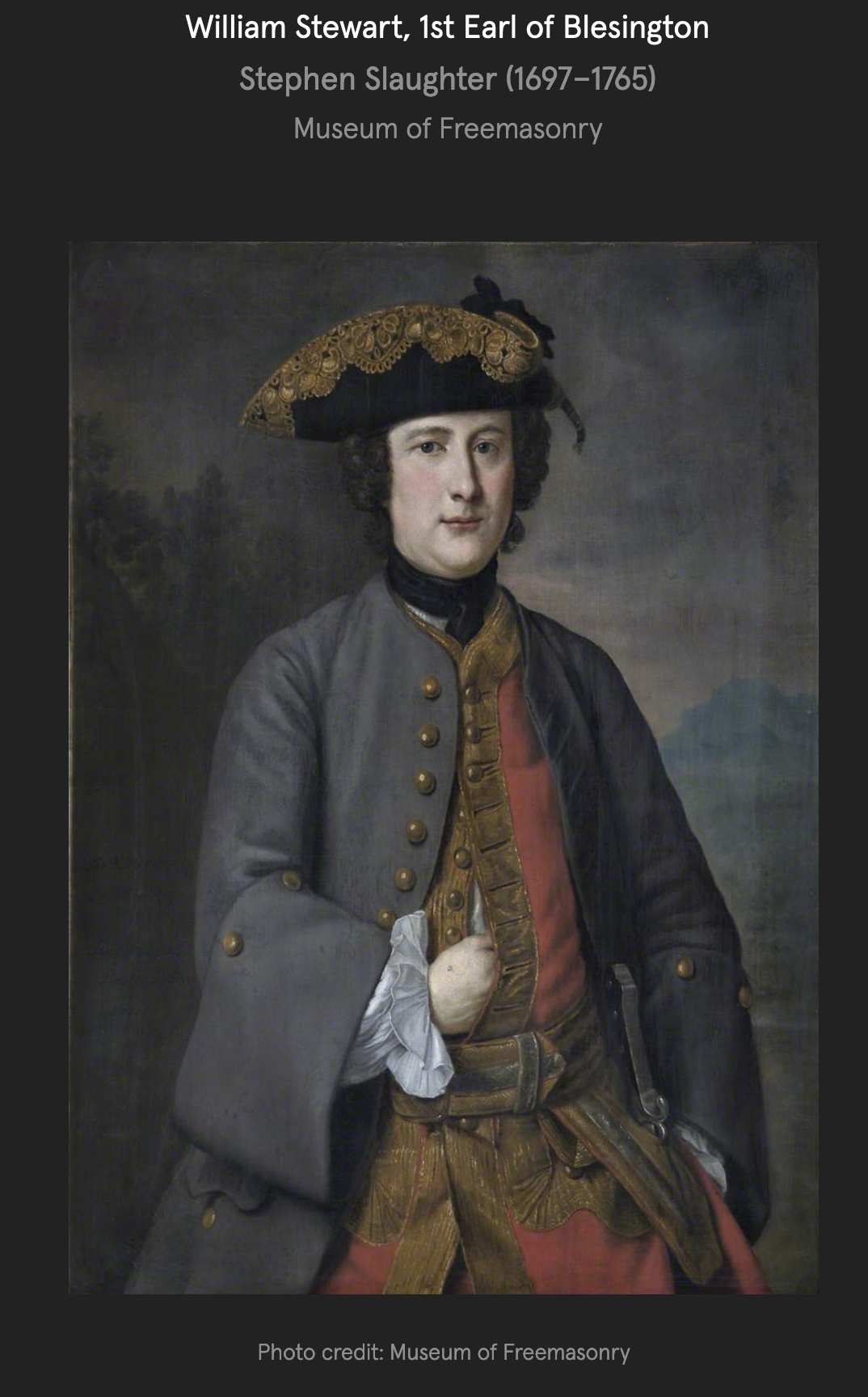
William Stewart (1709-1769) 1st Earl of Blesington by Stephen Slaughter courtesy of Museum of Freemasonry. He was the son of William Stewart 2nd Earl of Mountjoy and Anne née Boyle.
James Stopford (1794-1858) 4th Earl of Courtown, attributed to Joseph Slater, courtesy of Fonsie Mealy auction. He married Charlotte Albina Montagu Scott.
Col. E. Stratford” attributed to Charles Jervas, courtesy Fonsie Mealy Fortgranite auction. It could be Edward Stratford (1663-1740) father of John Stratford (d. 1777) 1st Earl of Aldborough. He lived at Belan, County Kildare.
John Stratford (d. 1777) 1st Earl of Aldborough courtesy of Fonsie Mealy Fortgranite auction. He lived at Belan in County Kildare. He married Martha O’Neale, daughter of Benjamin, Archdeacon of Leighlin and Ferns.
Martha O’Neale, daughter of Benjamin, Archdeacon of Leighlin and Ferns, 1st Countess Aldborough, courtesy of Fonsie Mealy Fortgranite auction.
Martha, Countess of Aldborough courtesy of Fonsie Mealy Fortgranite auction.
Edward Stratford (1736-1801) 2nd Earl of Aldborough in ceremonial robes, and with painted coat of arms, by Philip Hussey courtesy of Fonsie Mealy Fortgranite. He lived in Belan House, County Kildare.
Elizabeth Countess of Aldborough (1759-1811) by Hugh Douglas Hamilton, as Hebe. Elizabeth Hamilton was wife of John Stratford 3rd Earl of Aldborough. She was the daughter of Frederick Hamilton, Dean of Raphoe, County Donegal.
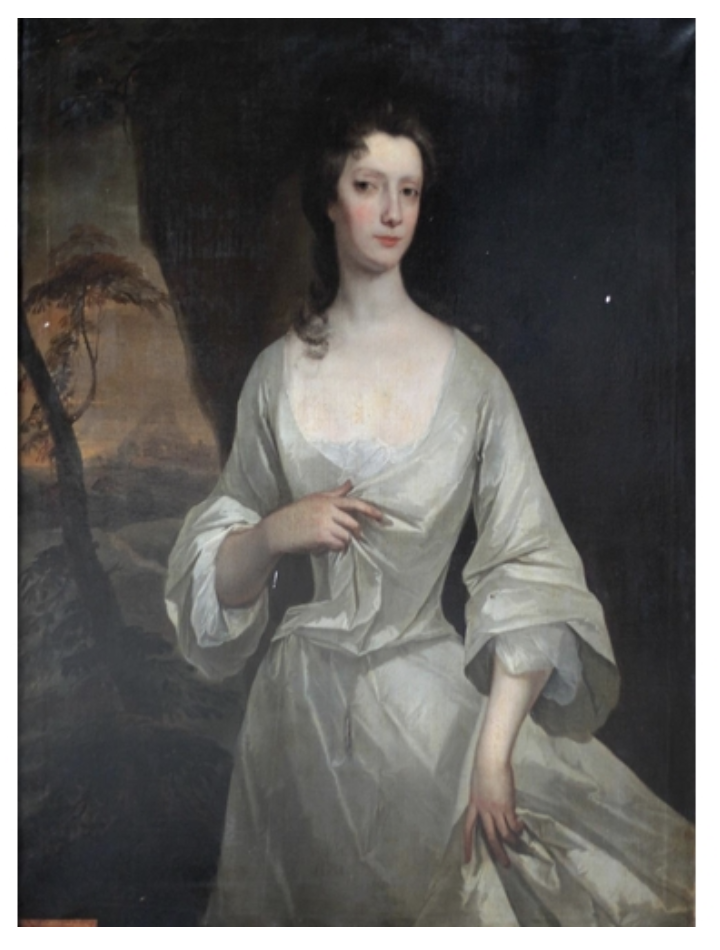
Maria Stratford, daughter of 1st Earl of Aldborough, standing by a tree, landscape in background, wearing full length white silk dress, Attributed to James Latham (1696 – 1747) courtesy Fonsie Mealy Fortgranite.
Archbishop George Stone (1708-1754), Primate of Ireland by Alan Ramsay.
James Stuart (1612-1655) 1st Duke of Richmond and 4th Duke of Lennox, son of King Charles II.
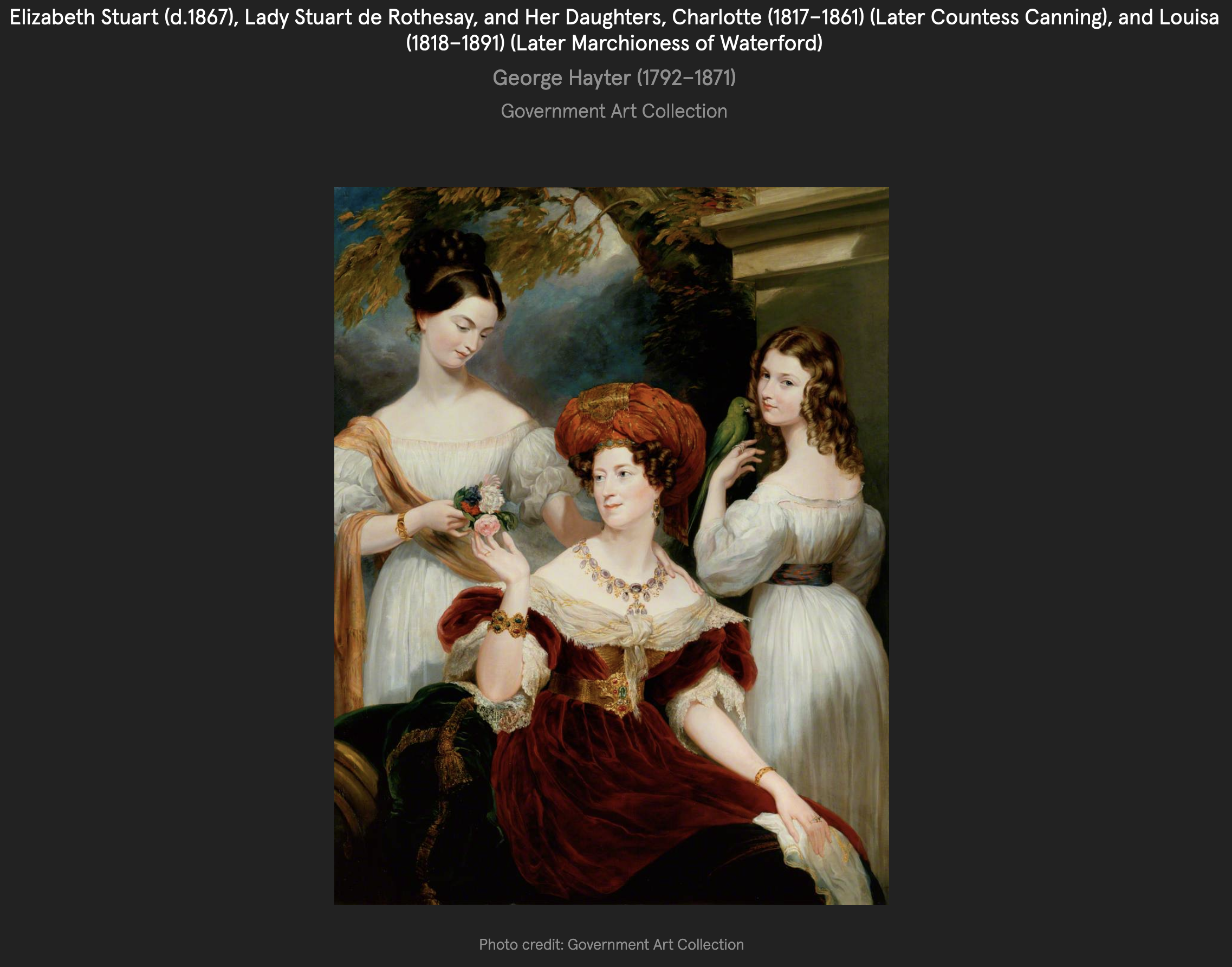
Elizabeth Stuart née Yorke (1789-1867). Lady Stuart de Rothesay, with her daughters Charlotte (1817-1861) and Louisa (1818-1891) by George Hayter, photograph courtesy of UK Government Art Collection. Elizabeth was the daughter of Philip Yorke 3rd Earl of Hardwicke; Louisa married Henry de la Poer Beresford 3rd Marquis of Waterford; Charlotte married Charles John Canning 1st Viceroy of India , 2nd Viscount Canning, 1st Earl Canning.
Louisa Anne Beresford née Stuart (1818-1891) by Sir Francis Grant 1859-1860, NPG 3176. The National Portrait Gallery tells us: “Louisa Stuart was brought up mostly in Paris, where her father was British Ambassador to the French court. She was taught to draw from an early age and art, along with religion and philanthropy, was one of her main interests throughout her life. A gifted amateur watercolourist, she did not exhibit at professional galleries until the 1870s. With a strong interest in the welfare of the tenants on her Northumberland estate, she rebuilt the village of Ford. She provided a school and started a temperance society in the village. Her greatest artistic achievement was the decoration of the new school with life sized scenes from the Old and New testaments that used children and adults from the village as models.”
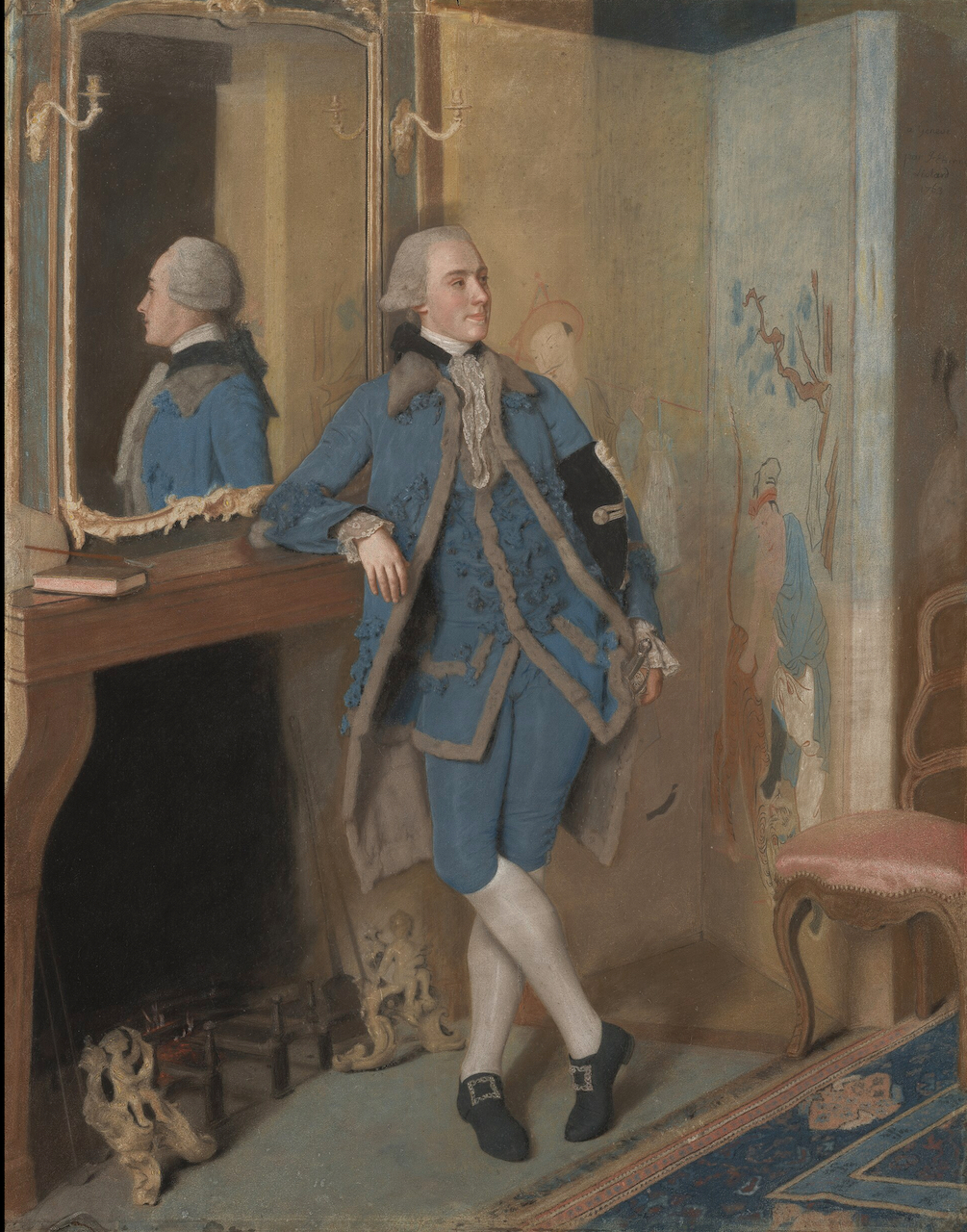
John Stuart (1744-1814), Lord Mountstuart, later 4th Earl and 1st Marquess of Bute by Jean Etienne Liotard, 1763.
Lady Mary Wortley Montagu (1718-1794), Wife of John Patrick Crichton Stuart 3rd Earl of Bute, print after Christian Friedrich Zincke, 1830s, courtesy of National Portrait Gallery of London, NPG D34619.
Caroline née Sutherland Leveson Gower (1827-1887), wife of 4th Duke of Leinster, courtesy of National Gallery of Ireland.
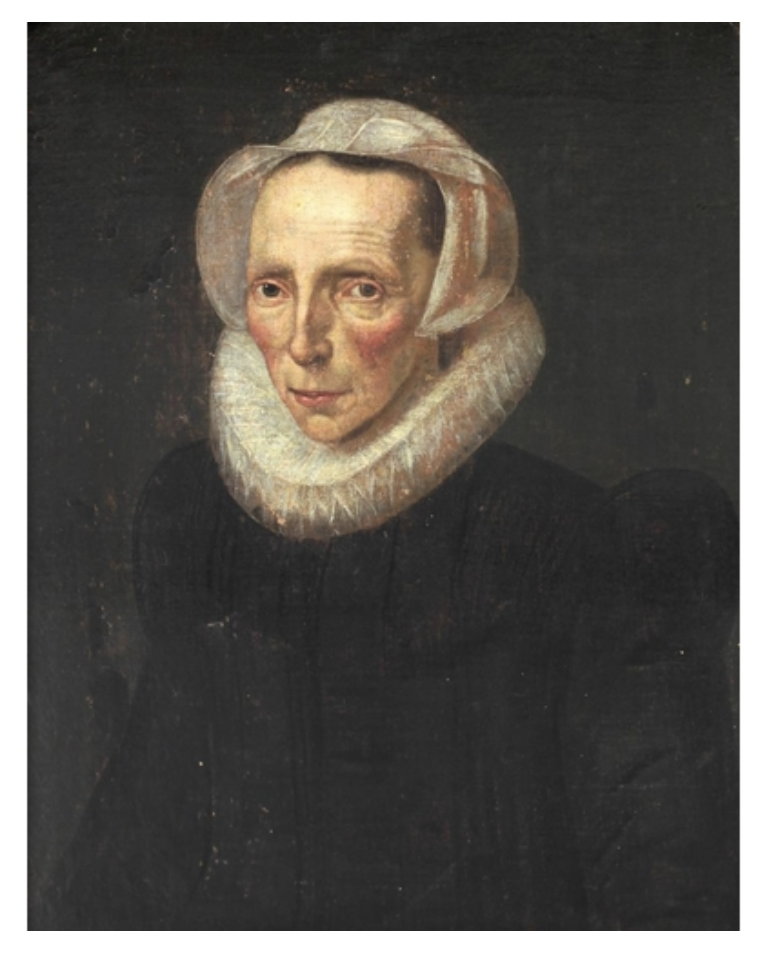
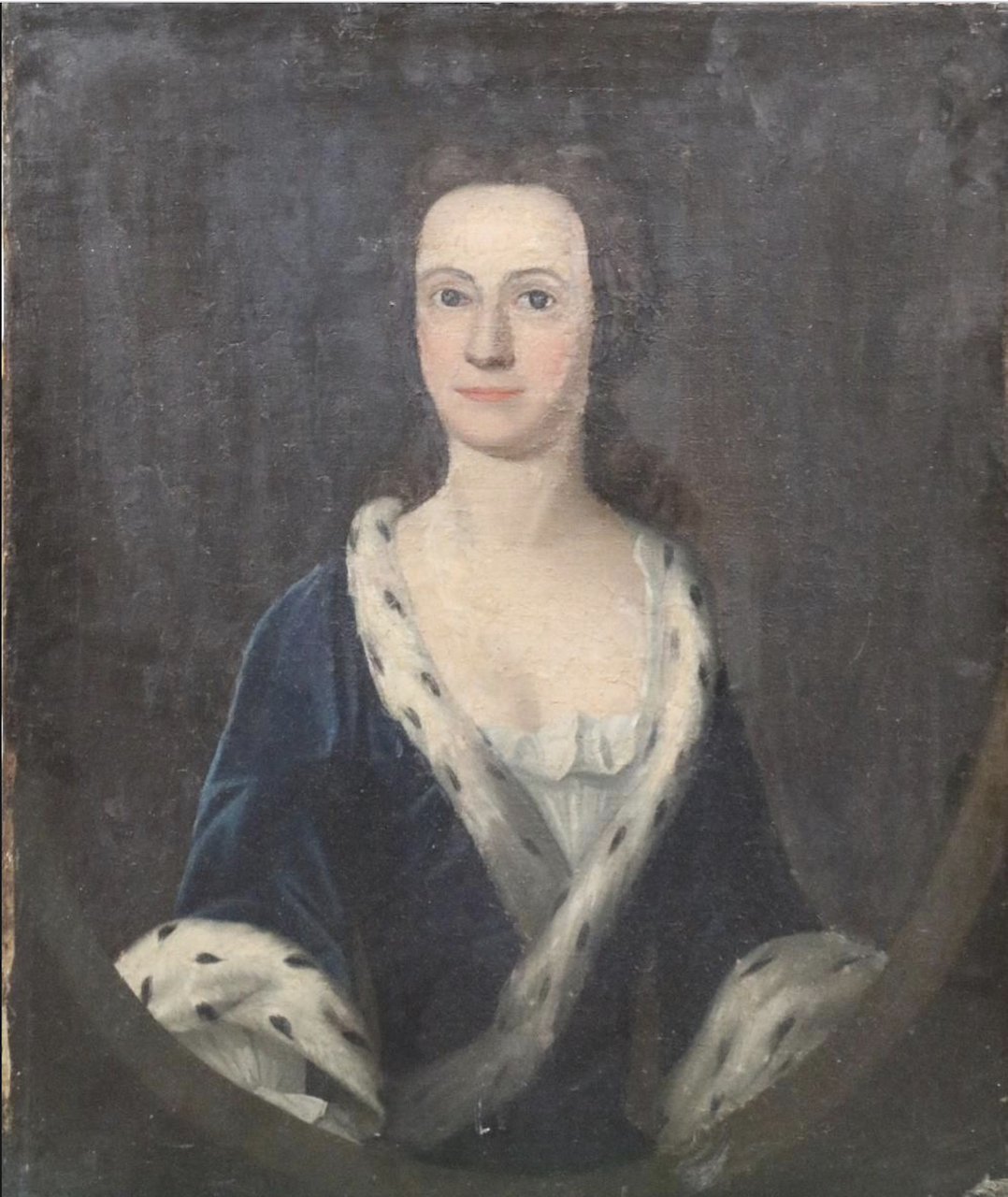
Late 16th / Early 17th Century English School “Mrs. William Swifte” courtesy Fonsie Mealy Fortgranite auction.

Burke’s Landed Gentry of Ireland tells us that Francis Swifte, son of Henry of Sheffield, County York, was knighted in 1616 and died in 1642. Henry of Sheffield’s other son was Thomas, who was buried in Canterbury Cathedral, who married Margaret, daughter and heir of the Right Rev. Thomas Godwin, Bishop of Bath & Wells. Many generations of Swift after him had the forename “Godwin.” Thomas and Margaret had a son William, born in 1566, who was Rector of Herbaldown and who married Mary Philpott.

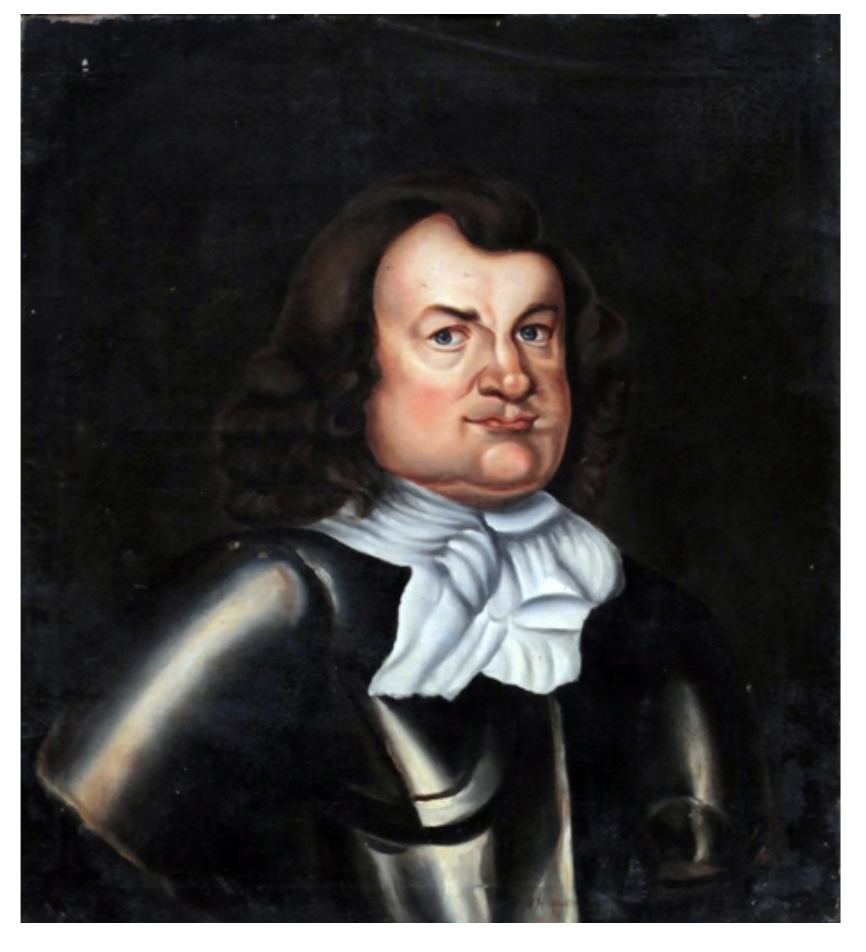
17th Century English School “Portrait of a Gentleman in Armour, Sir Francis Swifte,” courtesy Fonsie Mealy Fortgranite auction. Probably Francis Swifte, son of Henry of Sheffield, County York, was knighted in 1616 and died in 1642.
Reverend Thomas Swifte, 17th Century Irish School. He was born in Canterbury in 1561, and married Margaret, daughter and heir of the Right Rev. Thomas Godwin, Bishop of Bath & Wells. He was the son of Henry Swifte; courtesy of Fonsie Mealy’s Fortgranite auction. Many generations of Swift after him had the forename “Godwin.”
Late 16th / early 17th Century English School, “Right Reverend Thomas Godwin, courtesy Fonsie Mealy Fortgranite auction.

Thomas and Mary’s son Reverend Thomas (1595-1658) of Goodrich, Herefordshire, England, and Bristow, was ancestor of the Irish Swift family of Swiftsheath and Lionsden. He was devoted to King Charles I and the son of Charles I who was to become King Charles II.

Thomas married Elizabeth Dryden (c. 1605-1658). They had many children, many of whom lived in Ireland. His son Jonathan (d. 1667) was a solicitor in Dublin, who married Abigail Erick of County Leicester, and they had a son, born after his death in Hoey’s Court, Dublin, right next to Dublin Castle, in 1667, also named Jonathan, the famed writer, Dean of St Patrick’s Cathedral in Dublin. He wrote many anecdotes about his grandfather in his manuscript The Family of Swift which is preserved in the library at Trinity College, Dublin (I must go to see it!). He died in 1745.

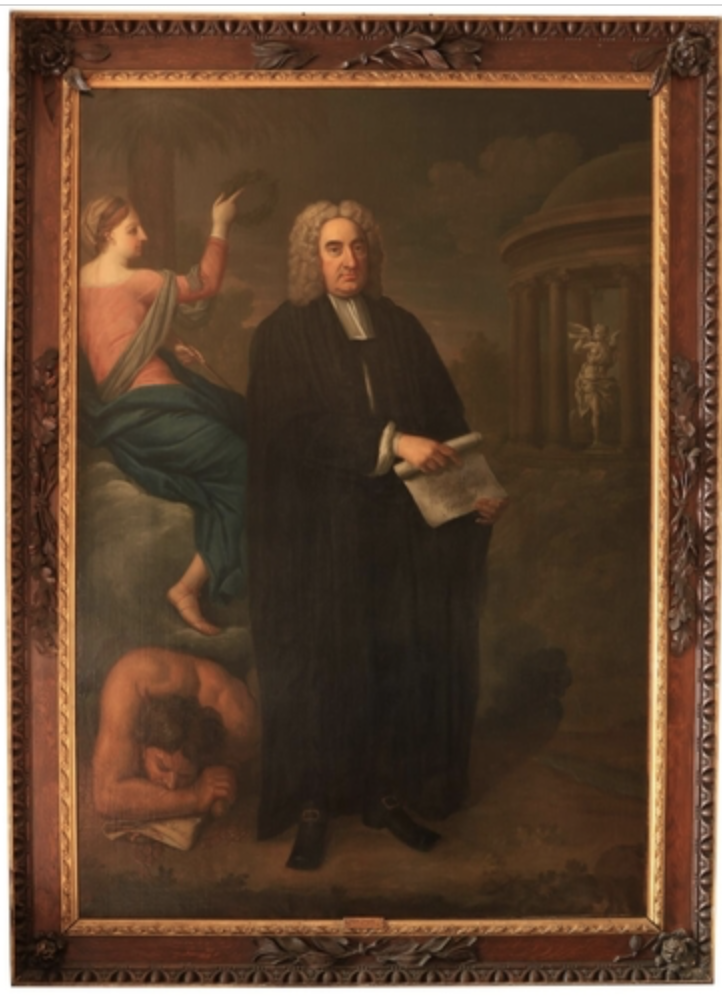
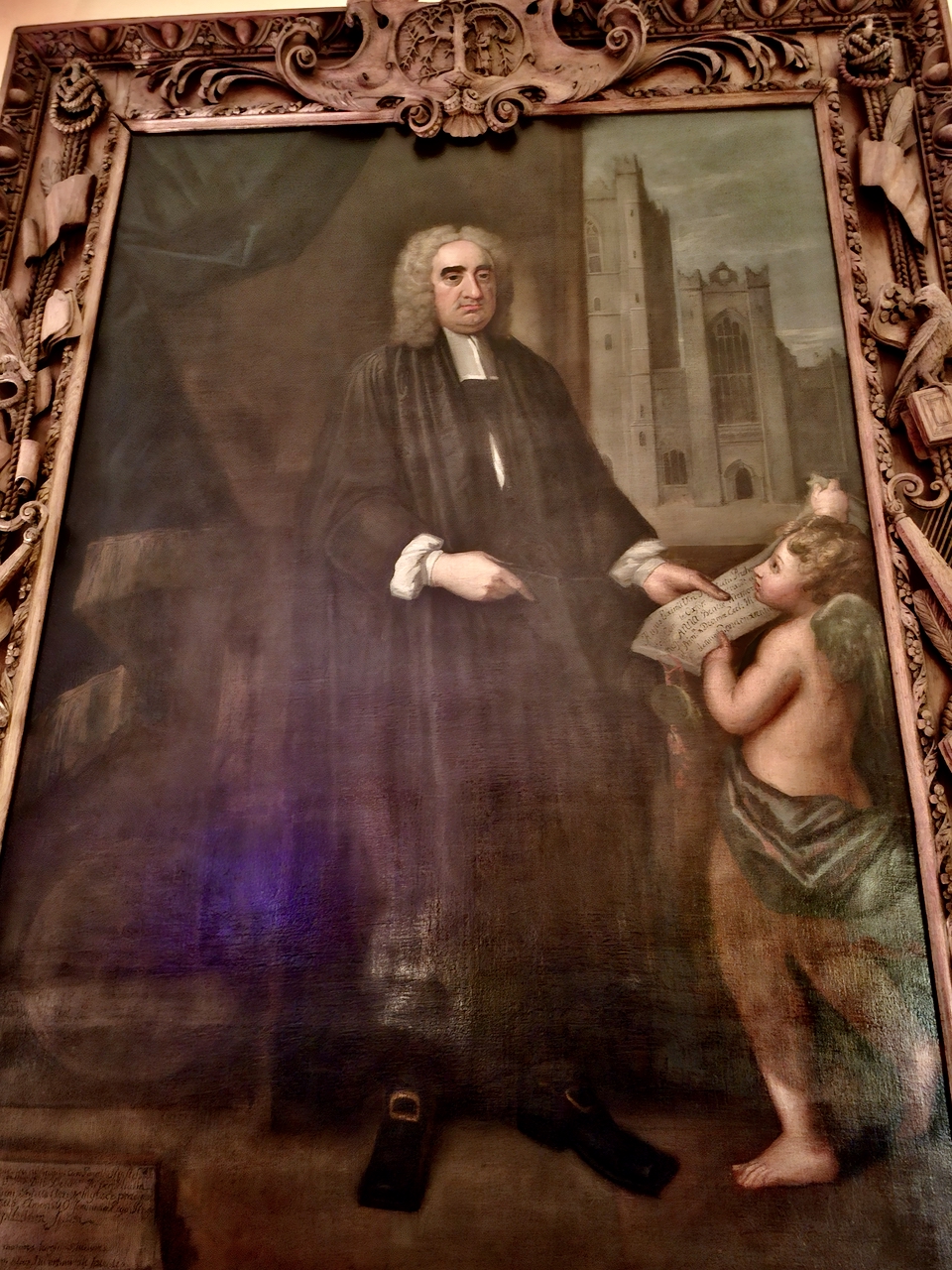
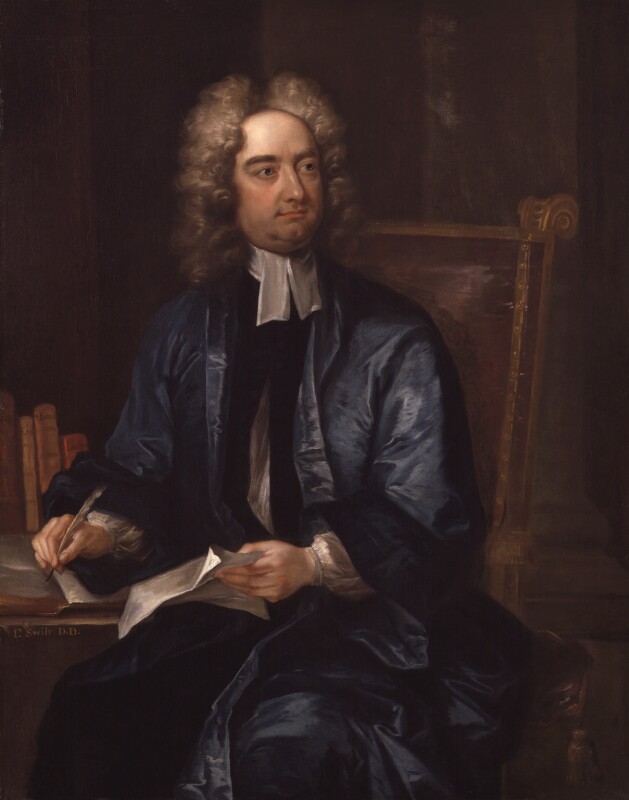
Jonathan Swift (1667-1745) by Charles Jervas circa 1718, National Portrait Gallery in London, 278.
Portrait of Dean Swift attributed to Rupert Barber (1719-1772), courtesy of Adam’s auction 12 May 2013. This must be Jonathan Swift who died in 1745, Dean of St. Patrick’s Cathedral.
Portrait of Stella courtesy of Adam’s auction 12 May 2013, attributed to Rupert Barber (1719-1772).
“Portrait of Esther Johnson (Stella),” Late 18th / Early 19th Century after James Latham (1696 – 1747) courtesy of Fonsie Mealy Fortgranite sale.

Reverend Thomas Swift (1595-1658) had another son, Godwin Swift (d. 1695), who was Attorney-General to the Duke of Ormonde, and married four times. Geoffrey Marescaux tells us that Godwin Swift paid the famous Jonathan Swift’s school fees. His heir was child of his second wife, Katherine Webster, Godwin Swift (1672-1739), later of Dunbrow, County Dublin and Swiftsheath, County Kilkenny. For information on Swiftsheath, see https://kilkennyarchaeologicalsociety.ie/wp-content/uploads/2021/03/OKR1978-356-Geoffrey-Marescaux-Swiftes-Heath.pdf

Godwin Swift (1672-1739) married his cousin, Elizabeth, who was daughter of another son of Reverend Thomas Swift Vicar at Goodrich and Elizabeth née Dryden, William, who had land in Carlow, Kilkenny, Leitrim and Roscommon.

Godwin Swift (1672-1739) and Elizabeth had a son Godwin who inherited Swiftsheath and also owned Tidenton, County Kilkenny. He married a cousin, Elizabeth Swift, who was daughter of Deane Swift (c. 1674-1714) of Castle Rickard, County Westmeath. Deane Swift (c. 1674-1714) was another son of Godwin Swift Attorney-General to the Duke of Ormonde, by his 3rd wife, Hannah Deane.

Their son Godwin Swift (c. 1734-1815) lived in Swiftsheath and Lionsden, County Meath. He also married a cousin, Maria Swift, daughter of Deane Swift (c. 1707-1783) and Mary née Harrison, daughter of Theophilus Harrison. To add confusion to the family tree, Theophilus Harrison, Reverend of Clonmacnois, married twice, and one of his wives, Eleanor Meade, daughter of William Meade Lt Col of Ballintober, County Cork, had been previously married to Godwin Swift Attorney-General to the Duke of Ormonde as his fourth wife! Mary Harrison’s mother was Theophilus Harrison’s second wife, Martha Swift – yes, another Swift! She was the daughter of Adam Swift of Greencastle, County Down, who was another son of Thomas Swift Vicar at Goodrich and Elizabeth née Dryden.

Reverend Deane Swifte, 17th Century Irish School, cousin and biographer of Dean Jonathan Swift. This is be Deane Swift (1703-1783), son of Deane Swift of Castle Rickard, County Westmeath. His great grandfather was a Regicide, ie. signed the death warrant of King Charles I, but fortunately died before Charles II was restored to the throne, according to Jonathan Swift!
Admiral Richard Deane (Regicide) 17th Century English School courtesy Fonsie Mealy Fortgranite auction. The Fonsie Mealy site adds: “Note: Major Joseph Deane (Inistiogue, 1661-66), of Crumlin, County Dublin, and Ballicocksoust, County Kilkenny (formerly the estate of Richard Strange), was the youngest son of Edward Deane, of Pinnock, Gloucestershire, by his 2nd wife, Anne Wase, and was born at Pinnock, 2nd February, 1624. His elder brother, Colonel Richard Deane, a leading member of the Republican party, was one of the Judges who sat on the trial of Charles I, and signed the death warrant of the King. Colonel Richard Deane was entrusted with the settlement of Scotland, which he speedily effected by his temperance and sagacity. He was next appointed one of the “Generals at Sea”, having for his colleague the famous Robert Blake, but was killed in action against the Dutch on 2nd June, 1653. He was honoured with a public funeral and buried in Henry VII’s Chapel at Westminster, but in 1661 his body (being that of a Regicide) was exhumed and cast out of the Abbey. Joseph Deane was educated at Winchester School, and entered the Parliamentary Army as Cornet in Rainsborough’s Horse. He volunteered for service in Ireland under Oliver Cromwell, in whose army he held the rank of Major. Under the Act of Settlement he had two grants of land (16th January, 1666, and 22nd June, 1669), comprising 9,324 statute acres, situated in the counties of Meath, Down, and Kilkenny, 3,859 acres being in Kilkenny. He purchased from Richard Talbot (afterwards Earl and Duke of Tyrconnell) the Manor of Terenure, in county Dublin, for œ4,000. He was named on some important committees of the House of Commons, but was fined œ10 for absence on 31st January 1665. In 1664 he paid 4s. hearth money for “Ballicagbsust”. In 1677 he served as High Sheriff of county Dublin. He died 21st December, 1699, having been twice married. By his 1st wife Anne —-, he had one son and two daughters – Joseph, of Crumlin, whose son, Joseph, became Lord Chief Baron of the Exchequer, and died without male issue. (1) Anne, married in May, 1673 (as his 3rd wife), Godwin Swift, Attorney-General to the Duke of Ormonde. (2) Elizabeth, married 1st in May, 1672, Captain Henry Grey; 2nd in July, 1677, Donogh O’Brien, of Lemenagh, County Clare. Major Deane married, 2ndly, in 1659, Elizabeth, daughter of Maurice Cuffe, and sister of Captain Joseph Cuffe, of Castle Inch, elected M.P. for Knocktopher in 1665, and by her, who died 3rd April, 1698, had a son and a daughter – Edward whom hereafter M.P. for Inistiogue; and Dorothy, married Maurice Berkeley, of Glasnevin county Dublin.THE MEMBERS OF PARLIAMENT FOR THE COUNTY, CITY AND BOROUGHS OF KILKENNYBY G.D. BURTCHAELL, M.A., LL.B [Written for the KILKENNY MODERATOR]
Mrs Godwin Swifte of Swifte’s Heath, courtesy of Fonsie Mealy’s Fortgranite sale.

Godwin Swift (c. 1734-1815) of Swiftsheath and Lionsden and his cousin, Maria Swift had another son called Godwin Swift (c. 1779-1814), of Lionsden. This Godwin Swift married yet another cousin, Jane Sophia Swift (1785-1851), in 1803. She was the daughter of Richard Swift (1750-1796) who was the son of John L’Estrange Swift (1709-1793) of Lynn, County Westmeath, who was the son of Meade Swift (1682-1739) of Lynn, County Westmeath, who was the son of Godwin Swift Attorney-General to the Duke of Ormonde and Eleanor née Meade!

Jane Sophia Swift (1785-1851) married secondly, in 1818, Louis Auguste Alexander, Comte Lepelletier de Molende.

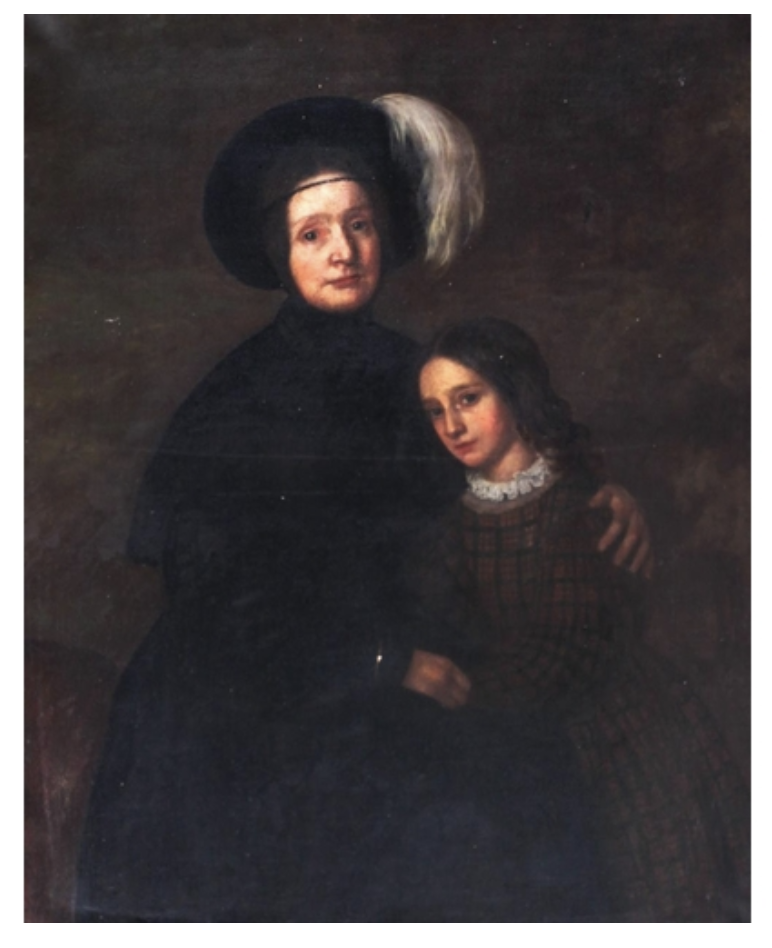
Countess Molende née Swift and her granddaughter Luigina de Sadre, Gifted by the artist to W.R. Swifte as a token, as his predecessor Jonathan Swifte served as Rector at Agher Church from 1699 – 1745, courtesy Fonsie Mealy Fortgranite auction.

Godwin Swift (c. 1779-1814), of Lionsden and Jane Sophia Swift (1785-1851) had a son Godwin Meade Pratt Swift (1805-1864) of Swiftsheath and Lionsden.

Identified as “Godwin Pratt Meade Swifte Lord Carlingford (m. MJ Clarke), Leahy, Dixon & Mulvanney, 19th Century Irish School, standing in a landscape by a grey horse with Foulksrath Castle, Co. Kilkenny in the distance”, courtesy of Fonsie Mealy Fortgranite. Godwin Meade Pratt Swift (1805-1864) of Swiftsheath and Lionsden married Mary Jane Clarke of Bansha Castle, County Tipperary. He took the title Viscount Carlingford.
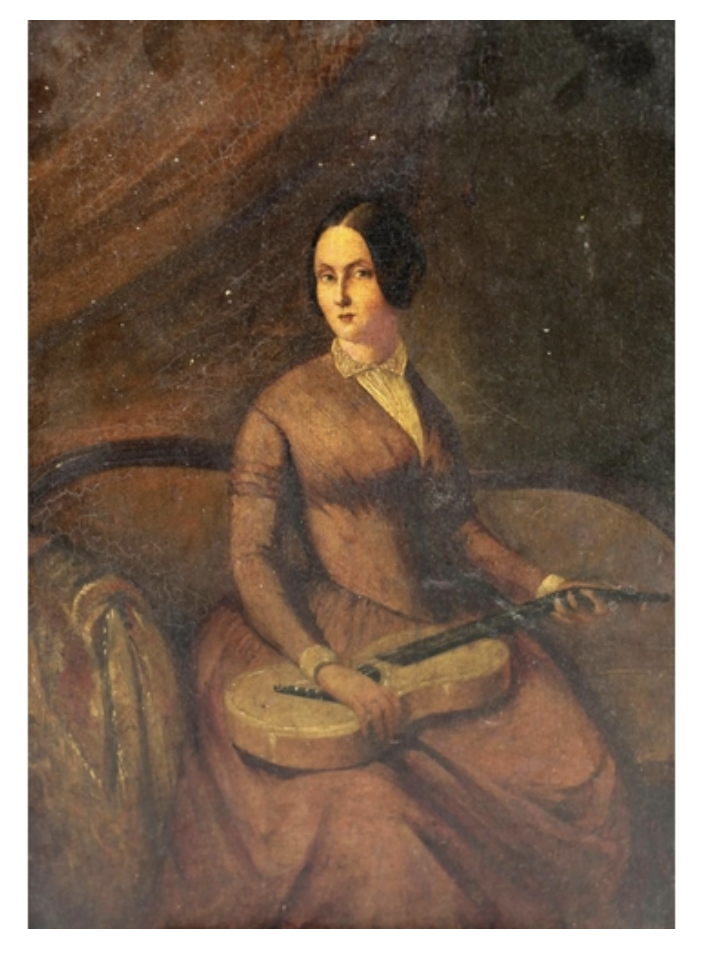
Jane Christina Swifte (1810-1854), the wife of “Chevalier Sergio Demacdo, Minister Plenipotentiary of HM Emperor of Brazil,” Early 19th Century Irish School, courtesy Fonsie Mealy Fortgranite. She was the daughter of Godwin Swift of Lionsden and Jane Sophia.

Godwin called himself Viscount Carlingford, reviving a title created in 1627 for another branch of the Swift family. Godwin also added the “e” back to the end of the name Swift. He married first, Maria Theresa Plankenstern, Baroness de Wetzlar of Austria at Paris in 1830 after the birth of their son Ferdinando. [see https://www.youwho.ie/swifte.html ].

Godwin secondly married Jane Anne Hopkins on 18 Mar 1845 at Liverpool after an non legal
ceremony some years earlier. Godwin returned with his family from the continent in 1845 to take
up residence at Swiftesheath. Jane died at Lionsden, Castle Rickard in 1848 and was buried in the
family vault. Godwin thirdly married Mary Jane Clarke on 4 Feb 1863 at Kilkenny and declared himself a widower. Mary was the daughter of Robert Hare Clarke. Godwin died 4 Jul 1864.

He created a flying machine which he hoisted to the top of Foulkesrathe Castle, which stood on the property of Swiftesheath, but it failed to fly and a butler who was piloting the plane broke a leg in his fall.

Identified as Pratt Swifte, Early 19th Century Irish School, courtesy of Fonsie Mealy Fortgranite sale.
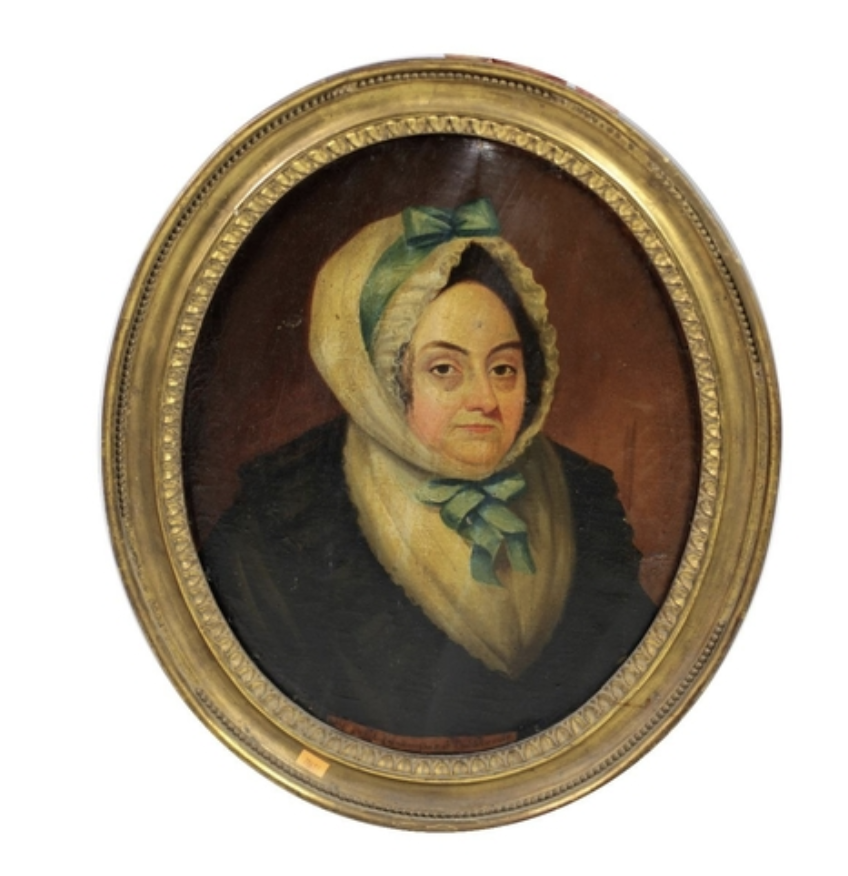
Mrs. Swifte, grandmother of Thomas Dennis courtesy Fonsie Mealy Fortgranite Auction.
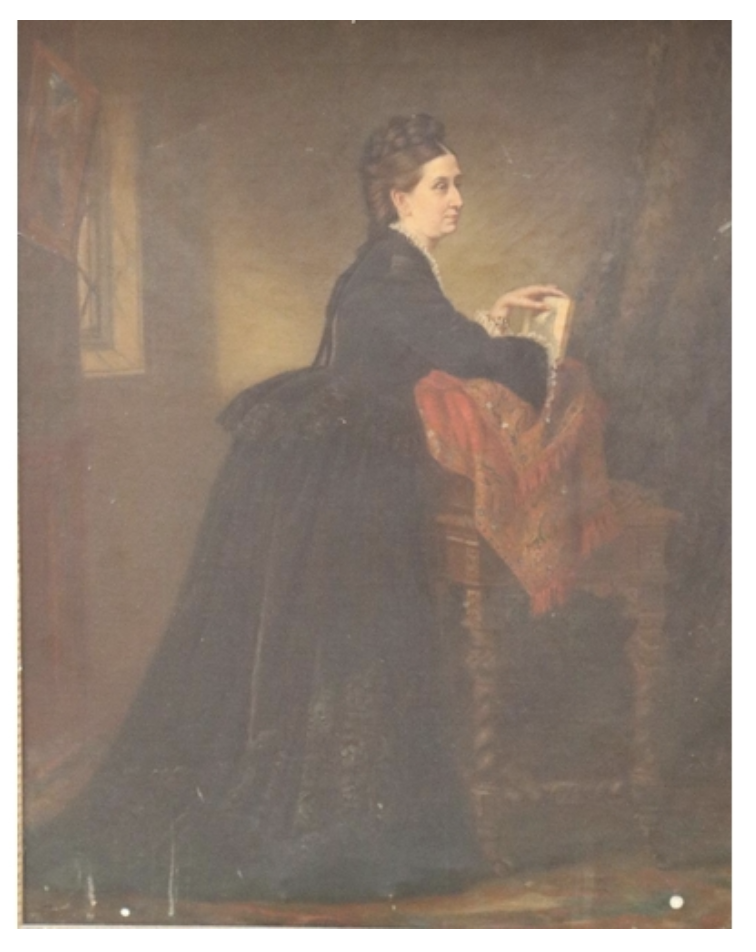
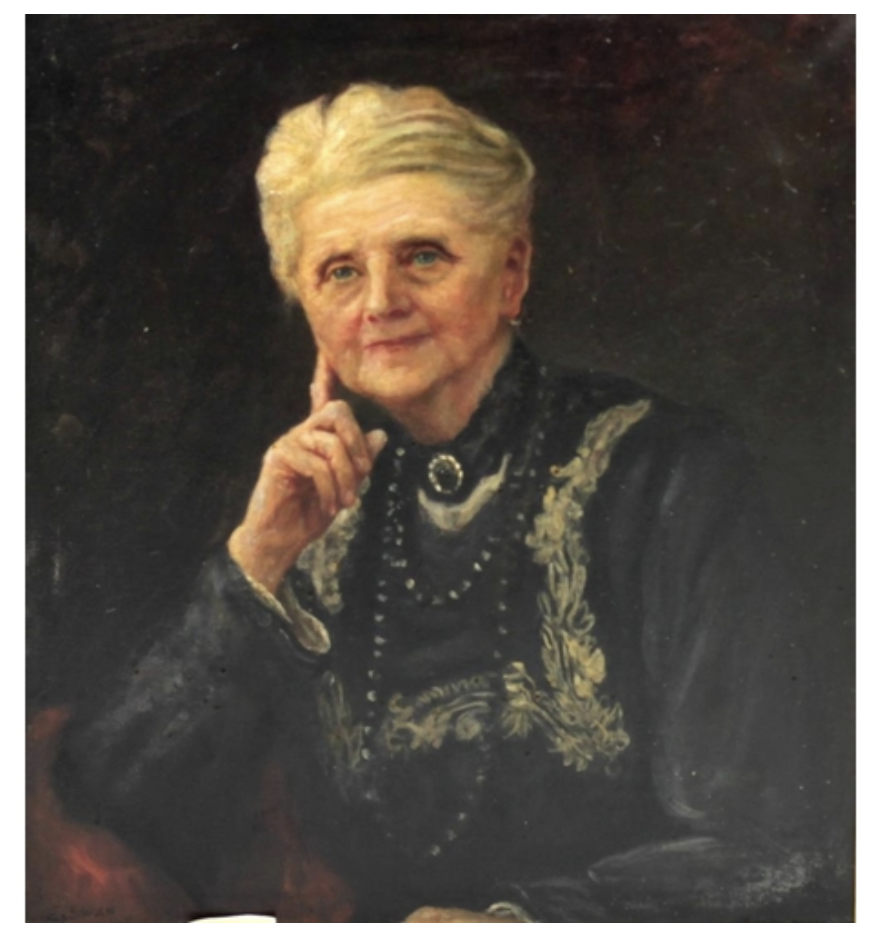
19th Century Irish School, Portrait of Mrs. Godwin Swifte courtesy Fonsie Mealy Fortgranite auction. There were so many Godwin Swifts it is hard to identify the sitter.
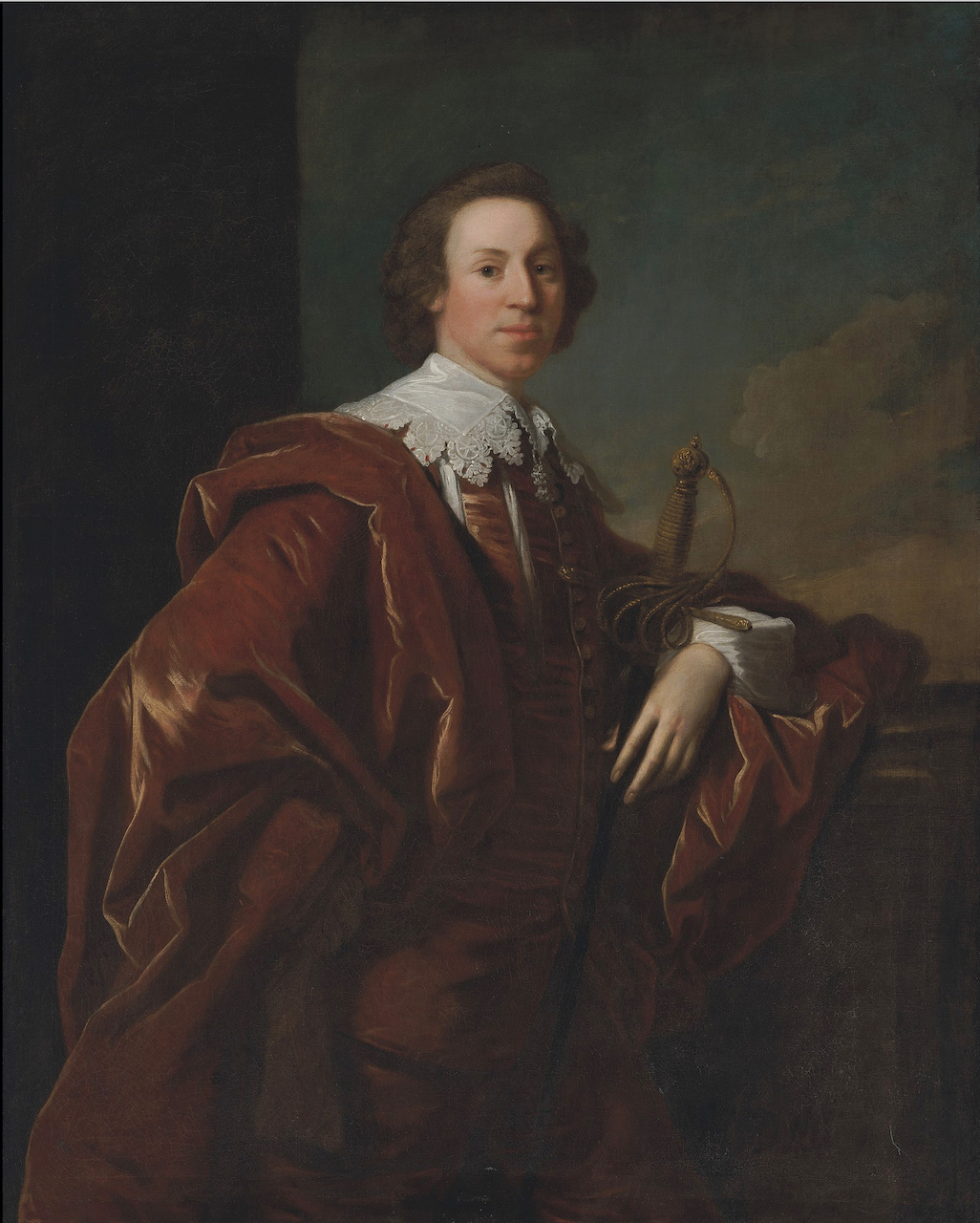
Godwin Butler Meade Swifte (1864-1923) son of “Viscount Carlingford,” wearing uniform of the High Sheriff of Kilkenny, seated holding a sword, D.L. was the High Sheriff of Kilkenny and later Carlow, and resided at Swifte’s Heath, Co. Kilkenny, courtesy of Fonsie Mealy Fortgranite.
Ernest Godwin Swifte K.C., with a companion painting of Lady Francis Swifte courtesy of Fonsie Mealy Fortgranite sale. He was the son of William Richard Swift (1807-1890), son of Godwin Swift of Lionsden and Jane Sophia.
Lady Francis Swifte,” with a companion painting of Ernest Godwin Swifte K.C., courtesy of Fonsie Mealy Fortgranite sale. Perhaps it is Ernest Godwin’s sister Julia Frances Swift, who did not marry.

Portraits Q-R

Q

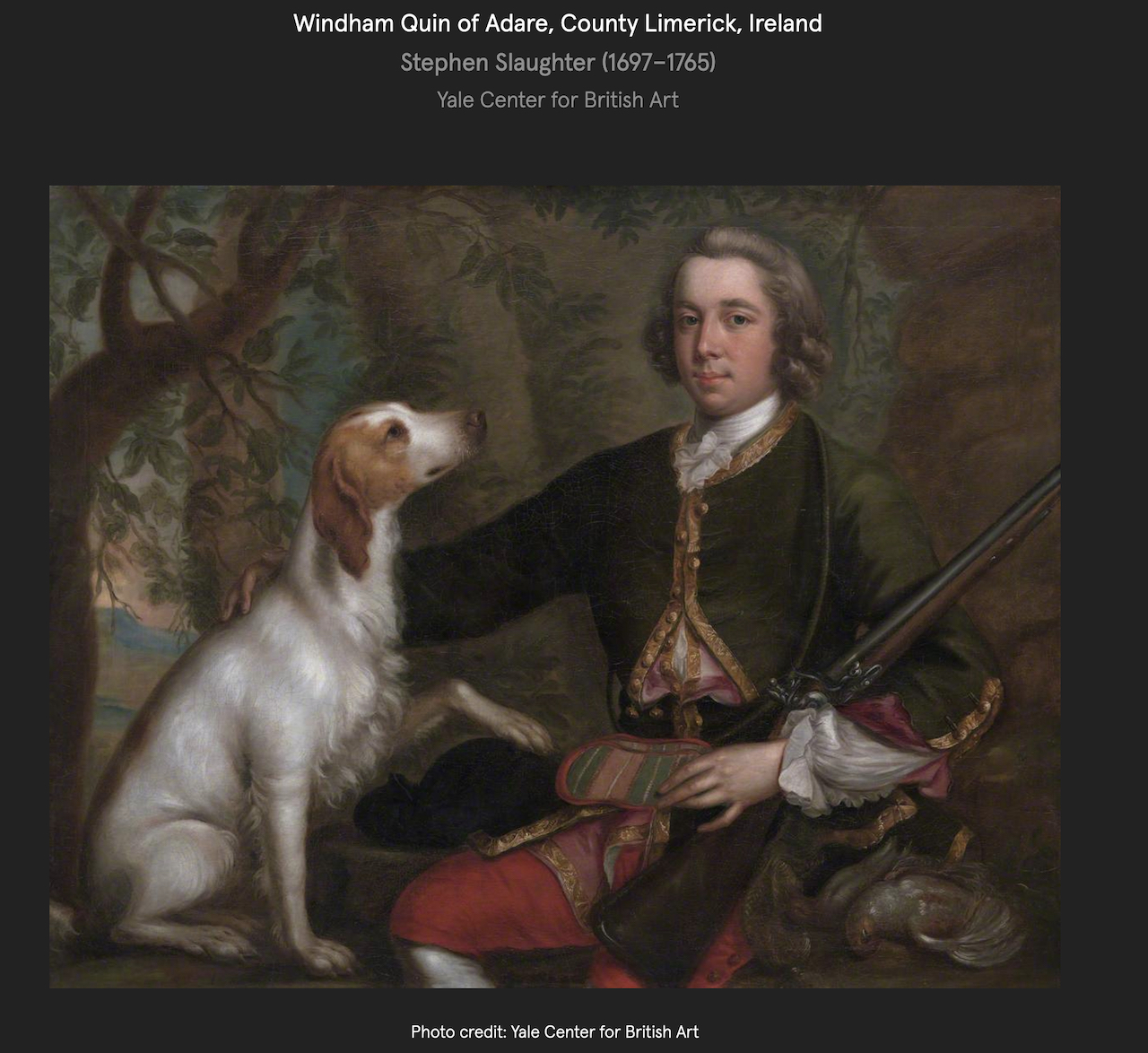
Windham Quin (1717-1789) of Adare, County Limerick by Stephen Slaughter, courtesy of Yale Center for British Art.
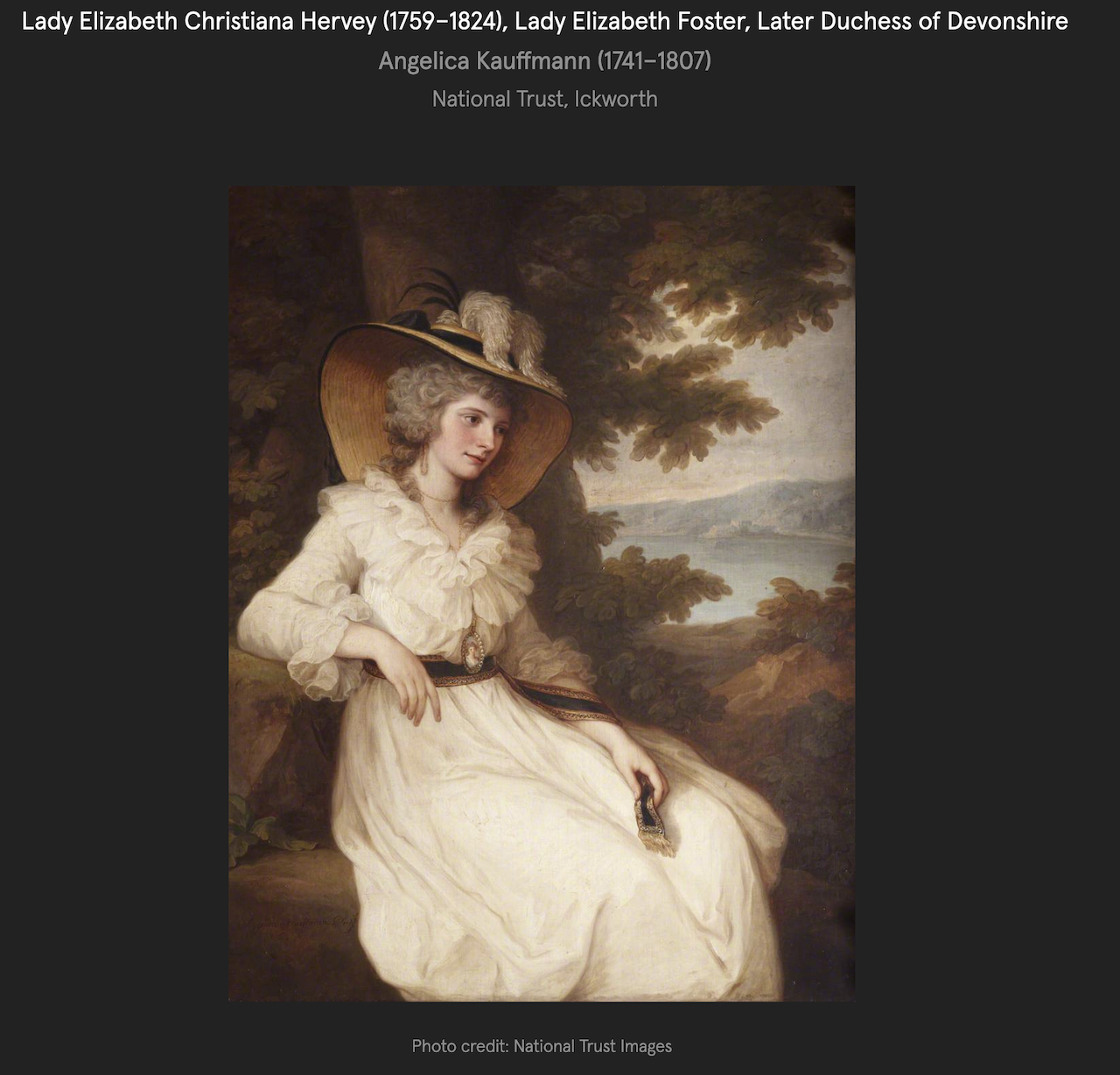
Elizabeth Christina Foster née Hervey (1759-1824) later Duchess of Devonshire by Angelica Kauffmann courtesy of National Trust Ickworth. She was the daughter of Frederick Augustus Hervey 4th Earl of Bristol, Bishop of Derry who built Downhill, Co Derry. She married John Thomas Foster MP (1747-1796) and later, William Boyle Cavendish 5th Duke of Devonshire. Last, she married Valentine Richard Quin 1st Earl of Dunraven and Mount Earl.

R

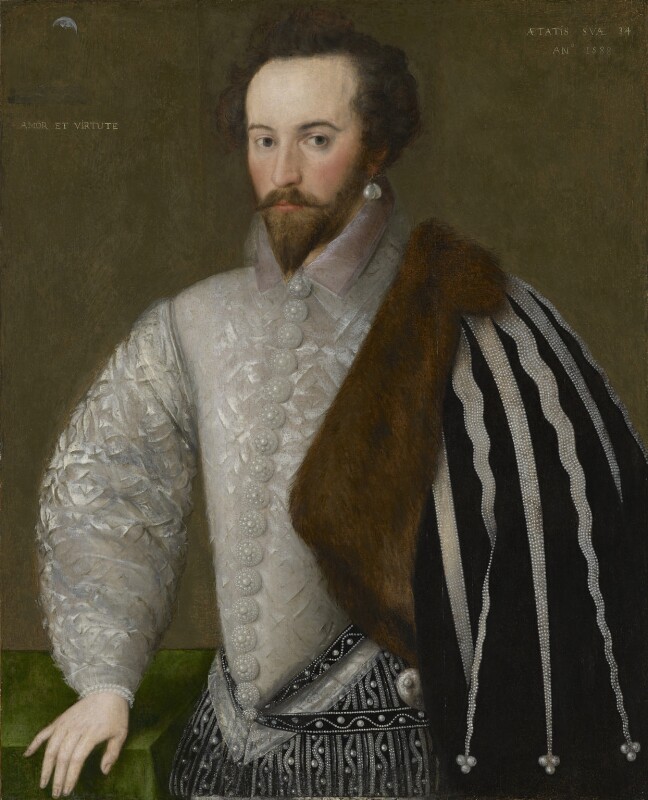
Walter Raleigh (1552-1618) by Unknown English artist 1588, National Portrait Gallery of London ref. 7.
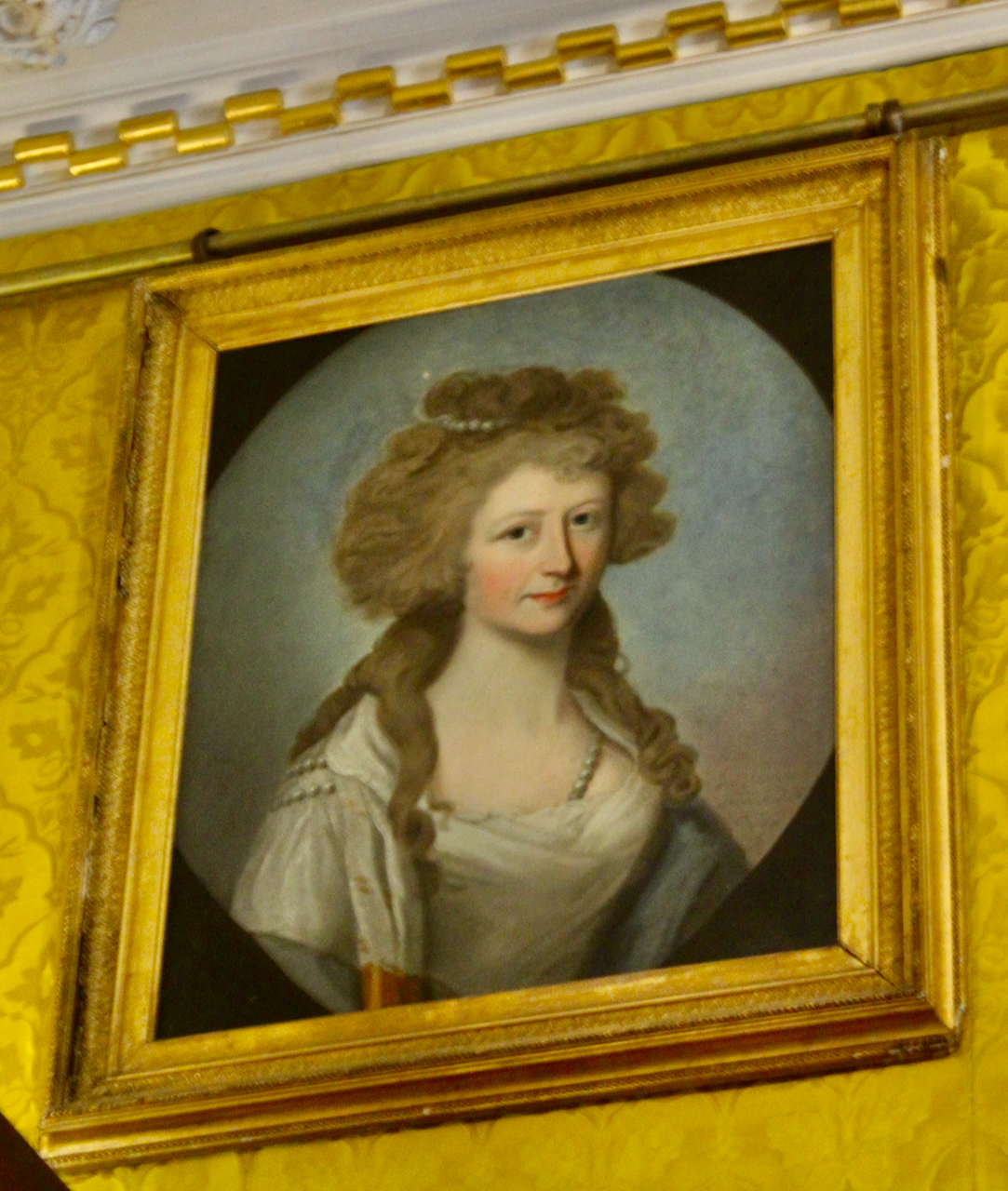
JOHN RAWDON, 1ST EARL OF MOIRA (1719-1793),by a follower of Thomas Hudson, courtesy Christies Property from two ducal collections Wodburn Abbey Bedford.
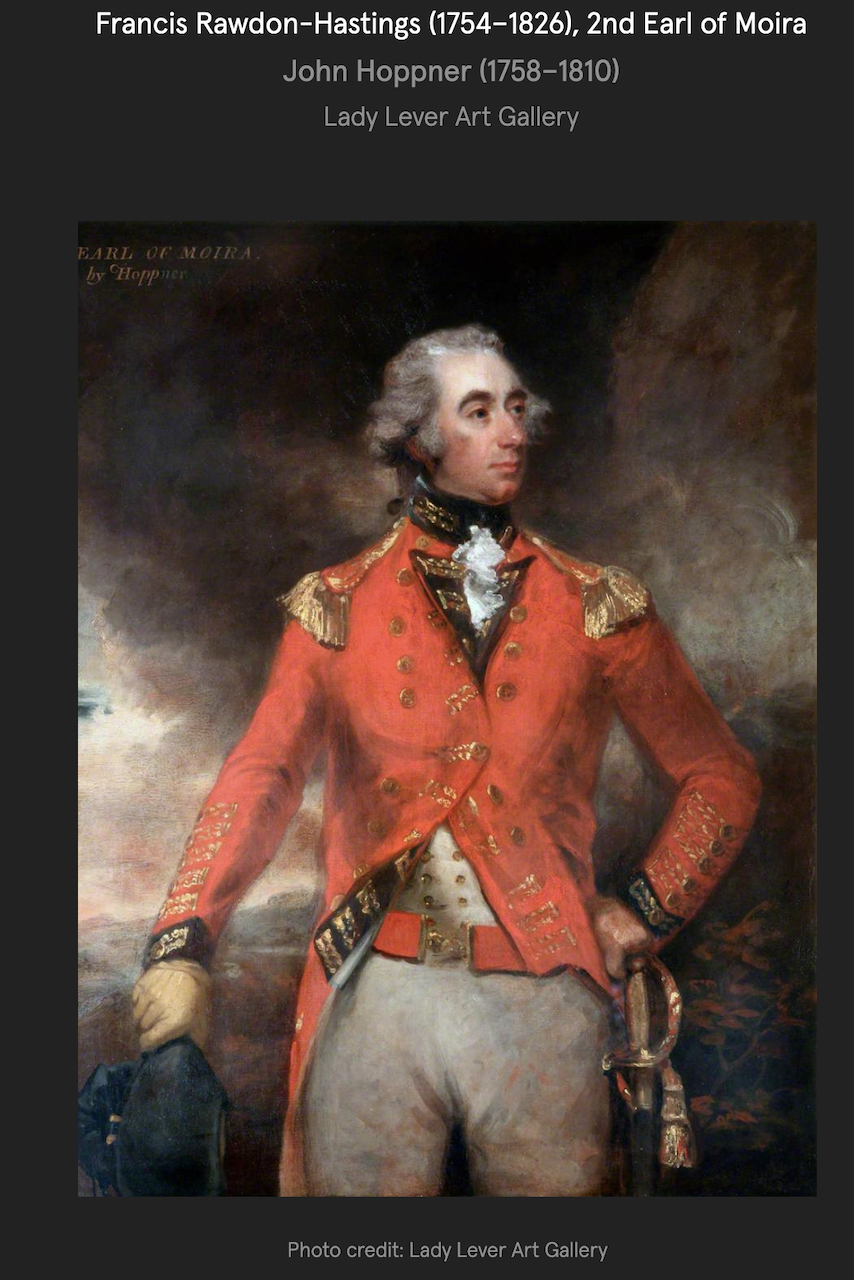
Francis Rawdon-Hastings (1754-1826) 2nd Earl of Moira by John Hoppner courtesy of Lady Lever Art Gallery.
John Redmond (1856-1918) by Harry Jones Thaddeus, 1901, National Gallery of Ireland NGI889.
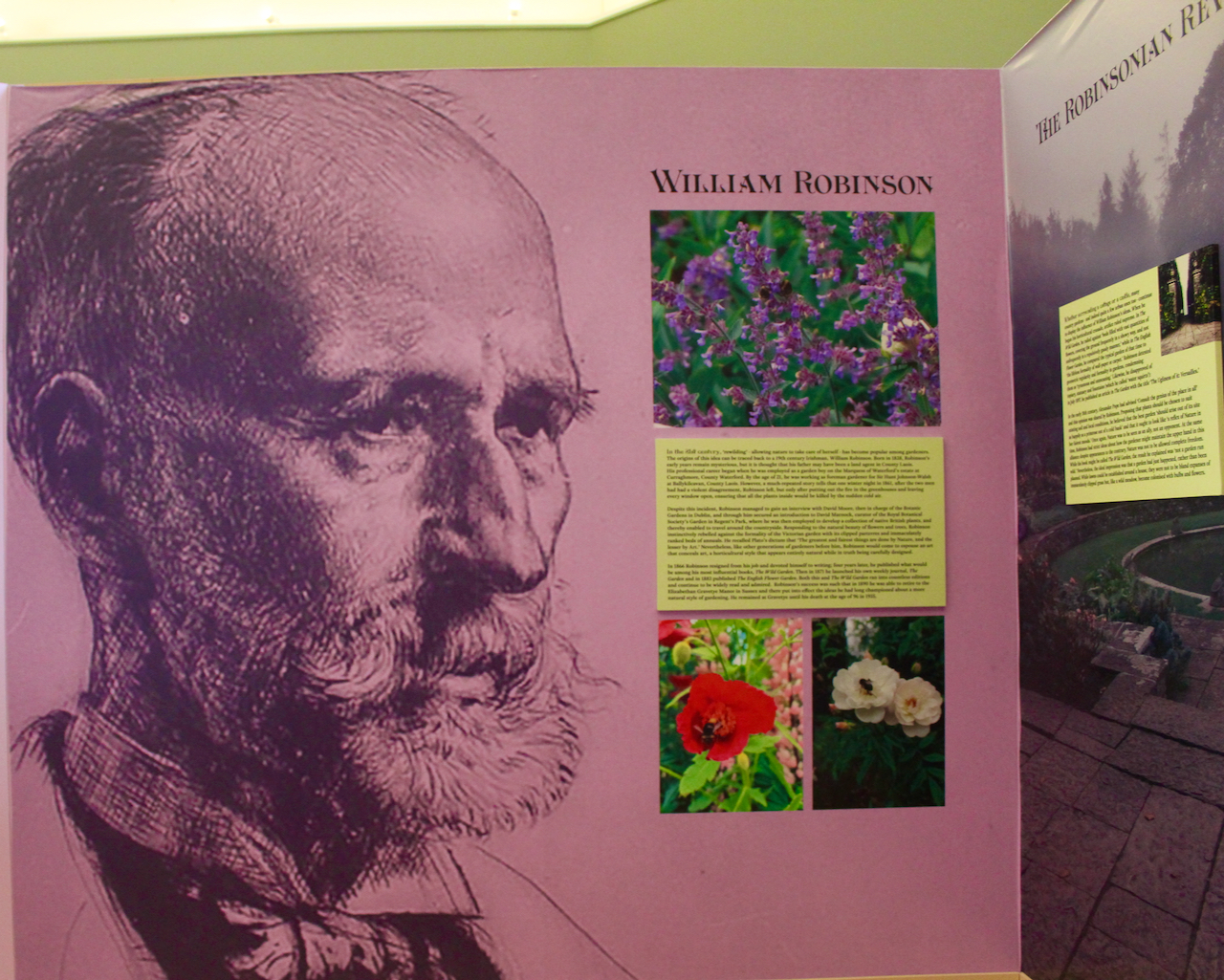
William Robinson, from “In Harmony with Nature, The Irish Country House Garden 1600-1900” in the Irish Georgian Society, July 2022, curated by Robert O’Byrne. Photograph © Jennifer Winder-Baggot, www.irishhistorichouses.com
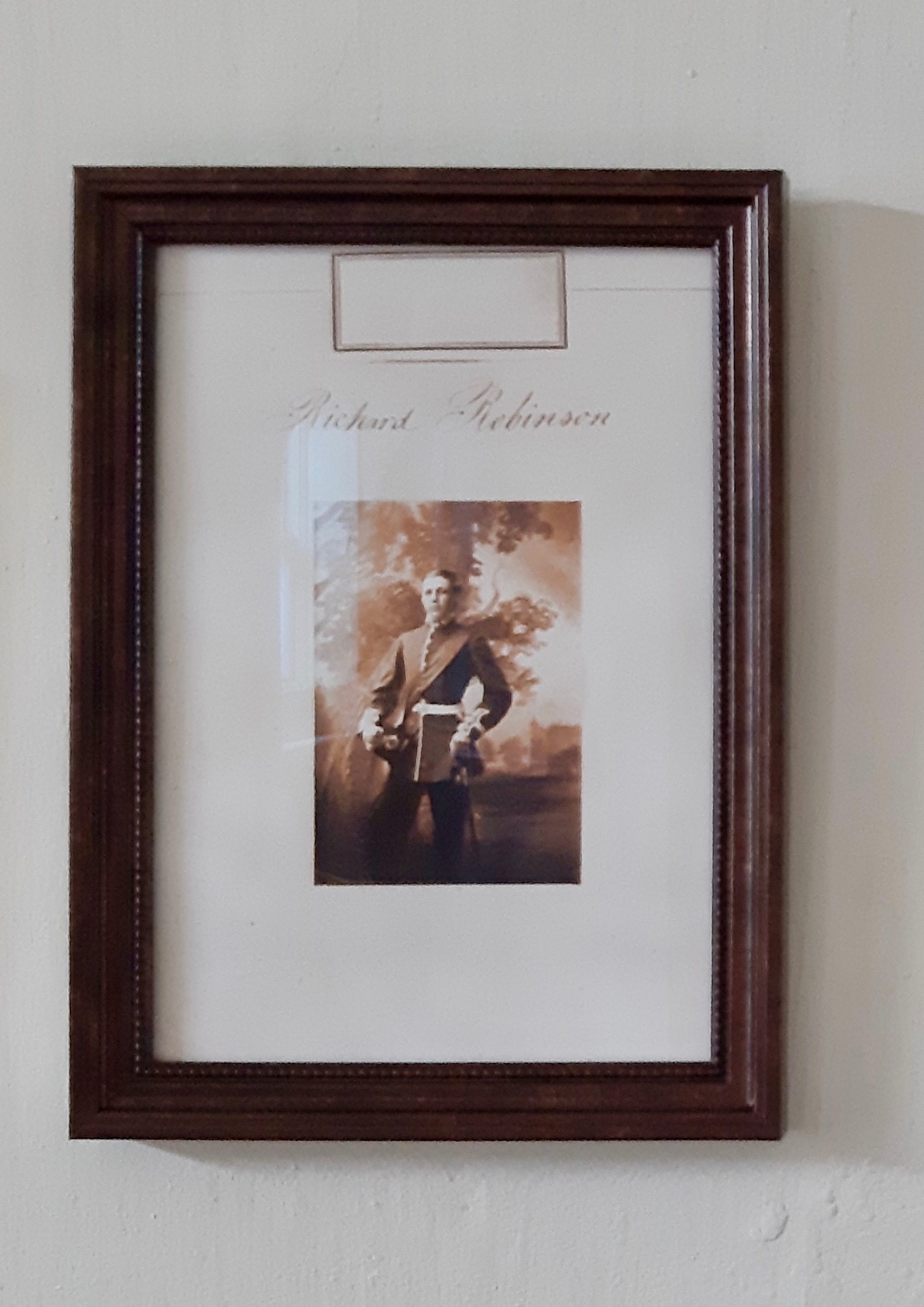
Richard Harcourt Robinson, died in 1910. Rokeby, County Louth
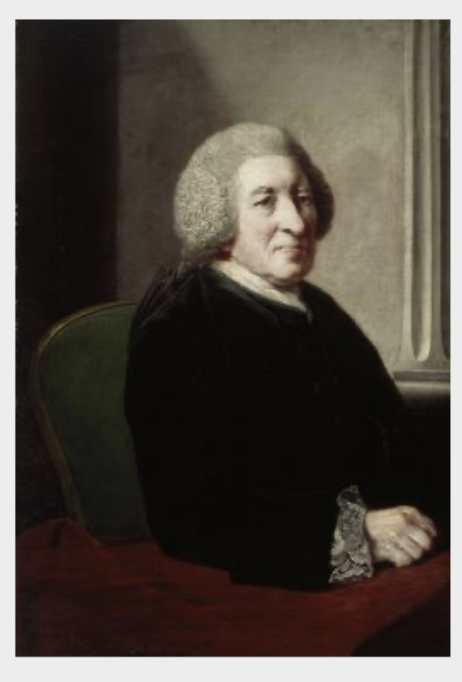
Archbishop Richard Robinson (1708-1794) by Angelica Kauffmann or Joshua Reynolds, courtesy of Armagh Robinson Library.
Richard Robinson (1787-1847), Baronet, English School (c.1847) with a depiction of his armorials and campaign medals issued to survivors of the Napoleonic Wars courtesy Adam’s auction 6 Oct 2009. This must be Richard Robinson 2nd Baronet of Rokeby Hall in County Louth. He was the son of John Freind, who married a sister of Richard Robinson Baron of Rokeby, and who took the name of Robinson when he inherted Rokeby.
John Loftus Robinson, architect of Dun Laoghaire County Hall. Dun Laoghaire County Hall. Photograph © Jennifer Winder-Baggot, www.irishhistorichouses.com
William Robinson (1644-1712) Royal Hospital Kilmainham, 15th October 2023.
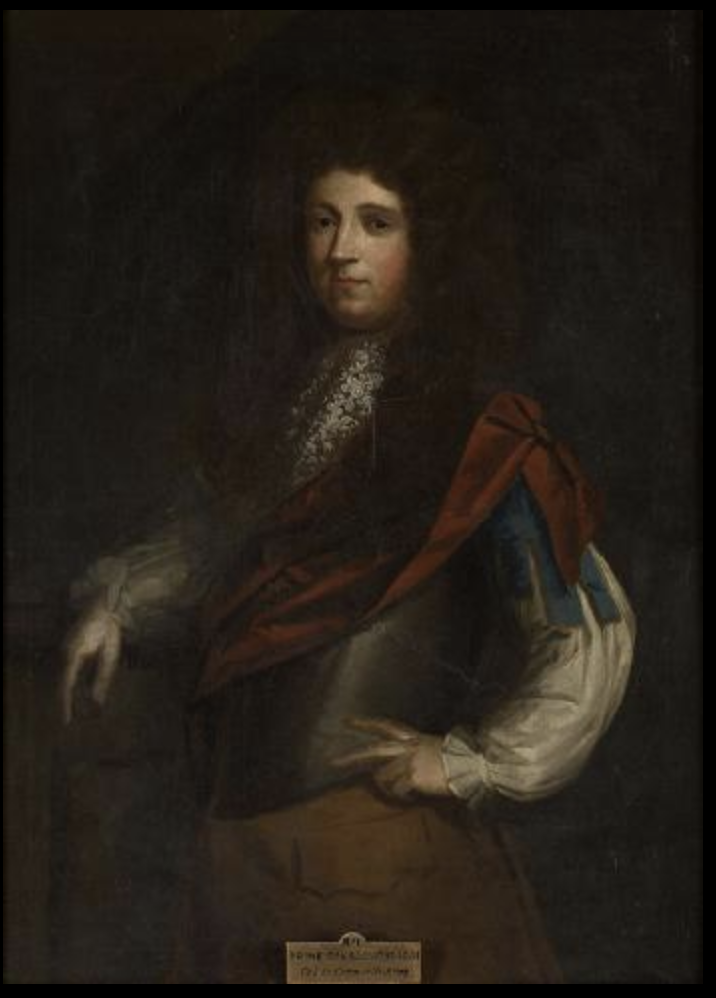
James Rochfort (executed in 1652 after killing someone in a duel) usually known by his nickname “Prime Iron,” by Garret Morphy. He married Thomasine Pigott of Dysart.

James Rochfort (“Prime Iron”) and Thomasine Pigott had several children including Charles who married Marbella, daughter of Theophilus Jones and Alice Ussher, and Robert (1652-1727), who became Speaker of the Irish House of Commons and Chief Baron of the Irish Exchequer. He married Hannah Hancock (d. 1733) of Twyford, County Westmeath.

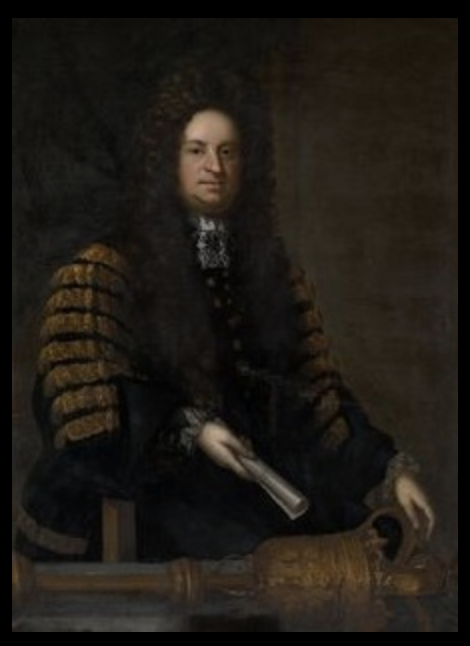
Robert Rochfort (1652-1727) as Speaker of the Irish House of Commons by an unknown artist, Photograph of a painting owned by Michael O’Reilly.

Robert Rochfort (1652-1727) and Hannah née Hancock had sons George Rochfort (1682-1730), later of Gaulstown, Co. Westmeath and John (1690-1771). George married Elizabeth, daughter of Henry Hamilton-Moore, 3rd Earl of Drogheda. John married, first, Deborah Staunton (d. 1737) then Emilia (d. 1770), daughter of John Eyre (1659-1709) of Eyre Court.

George Rochfort (1682-1730), of Gaulstown, Co. Westmeath, M.P. for Co. Westmeath by Charles Jervas courtesy of Christies Auction 2002

George and Elizabeth née Moore had lots of children. The heir was Robert (1708-1774) who was later created 1st Earl of Belvedere.

Robert Rochfort, 1st Earl of Belvedere (1708-1774), three-quarter-length, in van Dyck costume, by Robert Hunter It is possible that the present portrait was executed posthumously.

Other children included Mary (1705-1729) who married Henry Tuite, 6th Baronet. Alice (1710-1738) married Thomas Loftus (1701-1768). Thomasine, born 1716, married Gustavus Lambart of Beauparc, County Meath (a section 482 property, see my entry). Anne married Henry Lyons, High Sheriff for King’s County. William (1719-1772) married Henrietta Ramsay. Arthur married Sarah Singleton and became MP for County Westmeath. George (1713-1794) married Alice, daughter of Gustavus Hume, 3rd Baronet.

Jane Butler née Rochfort Countess of Lanesborough (1737-1828) Attributed to Thomas Pope Stevens courtesy Christies Irish Sale 2002. She was the daughter of Robert Rochfort, 1st Earl of Belvedere and married Brinsley Butler, 2nd Earl of Lanesborough.
Sarah Rochfort (nee Singleton) was the daughter of The Rev. Rowland Singleton (1696-1741) of Drogheda, later Vicar of Termonfeckin, County Louth, wife of Arthur Rochfort (1711-1774) of Bellfield House Co Westmeath, sold at Shepphards.

The first Earl of Belvedere is infamous for locking up his wife, Mary Molesworth, daughter of the 3rd Viscount of Swords (see my entry about Belvedere, County Westmeath). Their daughter Jane (d. 1828) married Brinsley Butler, 2nd Earl of Lanesborough. Robert 1st Earl’s son George (1738-1813) succeeded as 2nd Earl of Belvedere.

George Rochfort (1738-1815), later 2nd Earl of Belvedere by ROBERT HUNTER (C. 1715/20-1801), Adams auction 18 Oct 2022.
George Rochfort (12 October 1738 – 13 May 1814), 2nd Earl of Belvedere, and his second wife Jane née Mackay, by Robert Hunter, 1804 courtesy of Christies.
Richard Rochfort (1740-1776) by Robert Hunter courtesy Christies Old Master Paintings and Sculpture. He was another son of Robert Rochfort 1st Earl of Belvedere and Mary Molesworth.
John Rogerson (1676-1741), 1741 by Stephen Slaughter, courtesy of National Gallery of Ireland. Slaughter was an Englishman who paid many visits to Ireland.
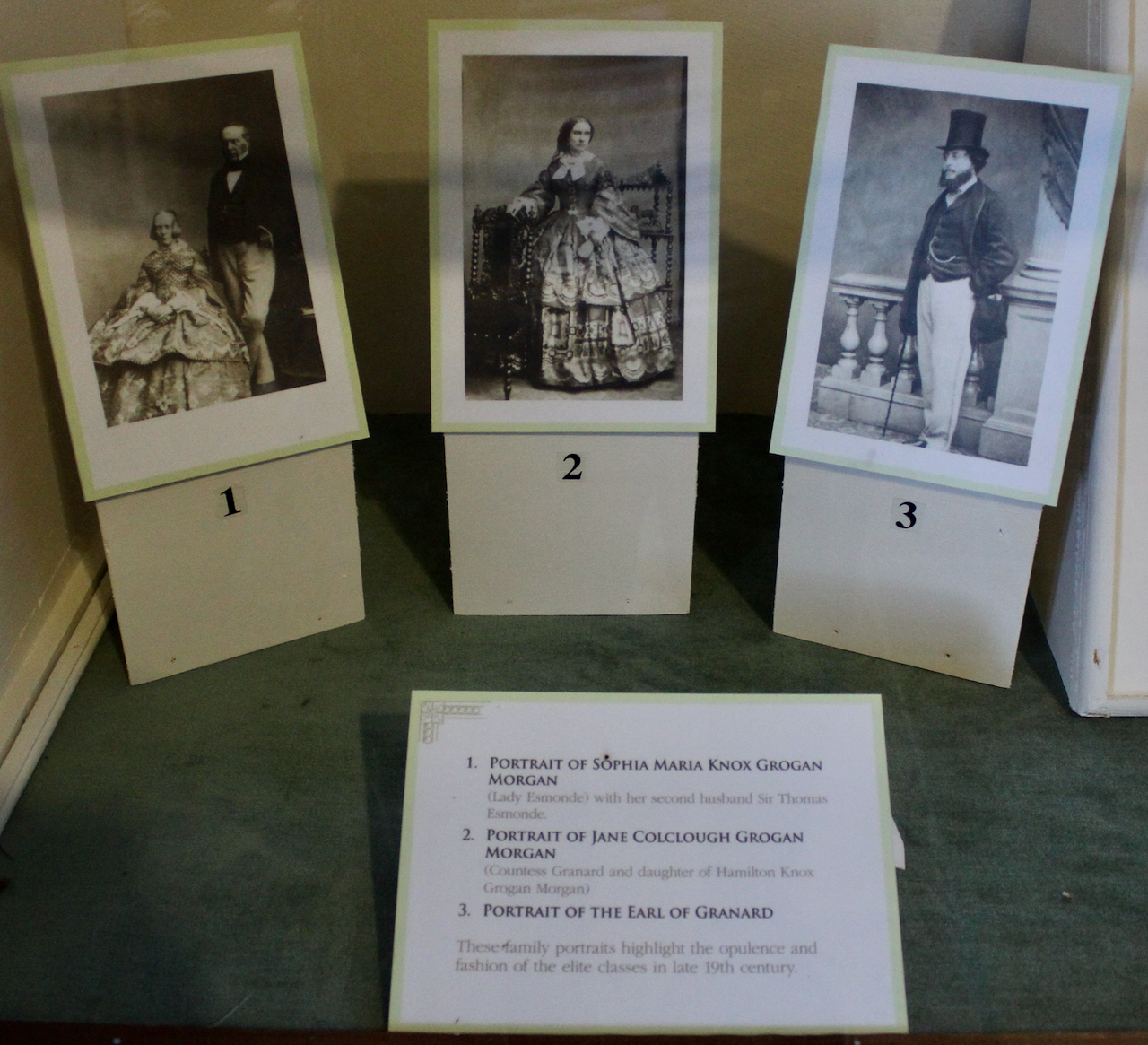
Sophia Maria Knox Grogan Morgan (1805-1867) née Rowe, with her second husband Thomas Esmonde 9th Baronet (1786-1868); Jane Colclough Grogan Morgan (1834-1872), she married George Arthur Forbes (1833-1889), 7th Earl of Granard, who is in the third portrait. Photograph © Jennifer Winder-Baggot, www.irishhistorichouses.com
Hamilton Knox Grogan-Morgan (1807-1854) and his family of Johnstown Castle, County Wexford. His wife is Sophia Maria née Rowe (1805-1867). Her father was Ebenezer Radford Rowe of Ballyharty, County Wexford, whose mother was Elizabeth Grogan from Johnstown Castle! Her mother was Elizabeth Emily Irvine from Castle Irvine in County Fermanagh. Photograph © Jennifer Winder-Baggot, www.irishhistorichouses.com
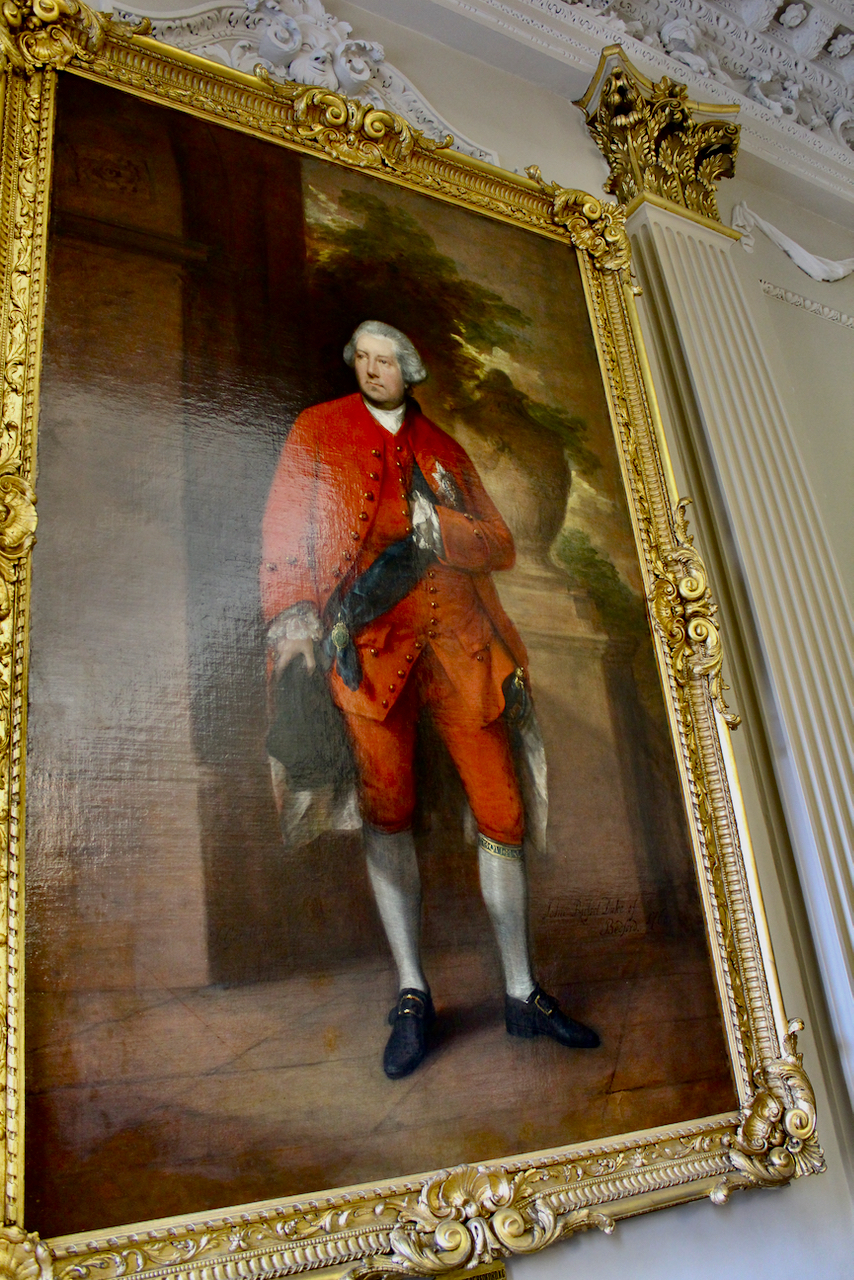
John Russell (1710-1771) 4th Duke of Bedford was Chancellor of the University 1765-1771. The portrait is by Thomas Gainsborough. Russell was Lord Lieutenant of Ireland in 1756 and resigned in 1761. Provost’s House, Trinity College Dublin. Photograph © Jennifer Winder-Baggot, www.irishhistorichouses.com
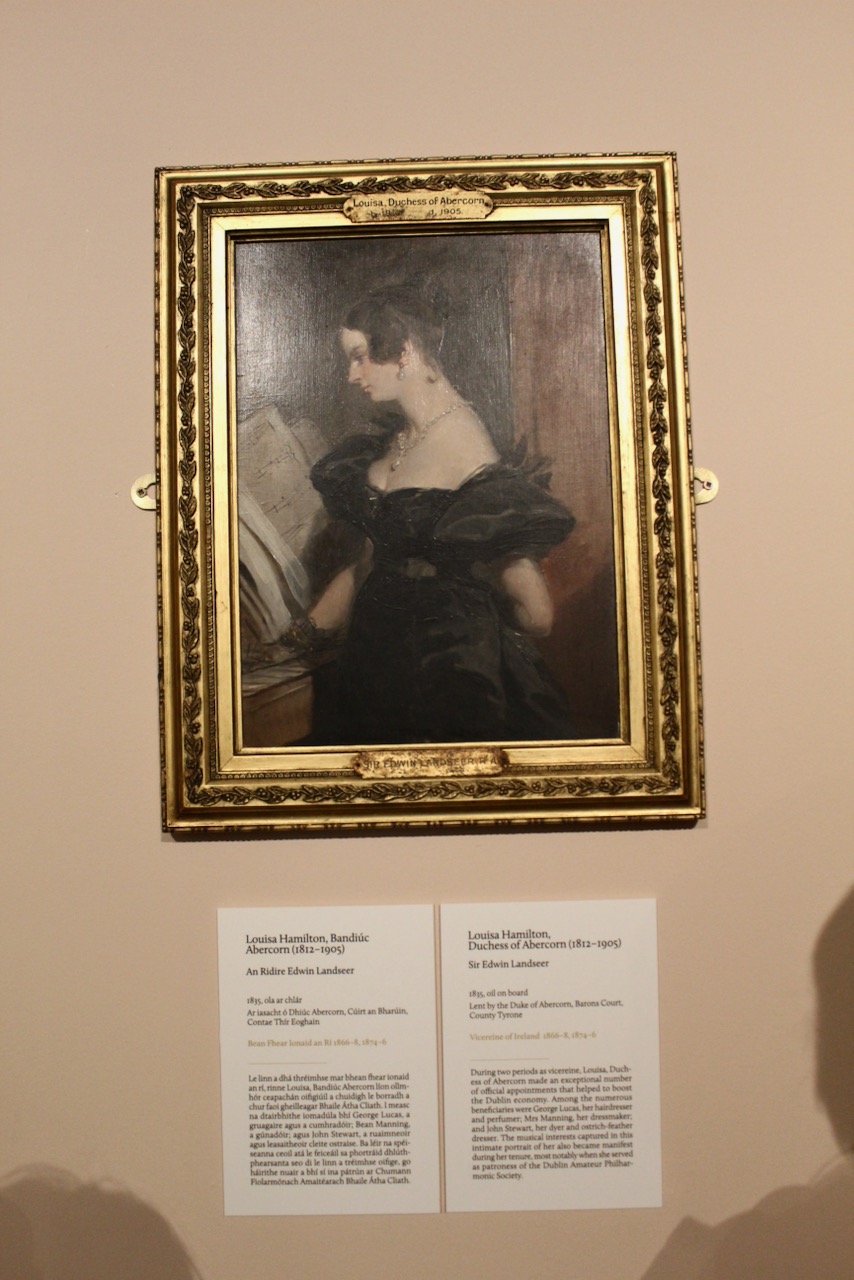
Louisa Hamilton née Russell Duchess of Abercorn, by Edwin Landseer (Vicereine 1866-68 and 1874-76), wife of James Hamilton (1811-1885) 1st Duke of Abercorn. Photograph © Jennifer Winder-Baggot, www.irishhistorichouses.com

Office of Public Works properties in County Tipperary

I had initially published the County Tipperary OPW sites along with Munster counties of Clare and Limerick but the entry is too long so I am dividing it.

OPW sites in County Tipperary:

1. Cahir Castle, County Tipperary

2. Damer House and Roscrea Castle, County Tipperary

3. Famine Warhouse 1848, County Tipperary

4. Holycross Abbey, County Tipperary – must prebook for tour

5. The Main Guard, County Tipperary – closed at present

6. Nenagh Castle, County Tipperary

7. Ormond Castle, Carrick-on-Suir, County Tipperary

8. Rock of Cashel, County Tipperary

see 2. Roscrea Castle and Damer House, County Tipperary

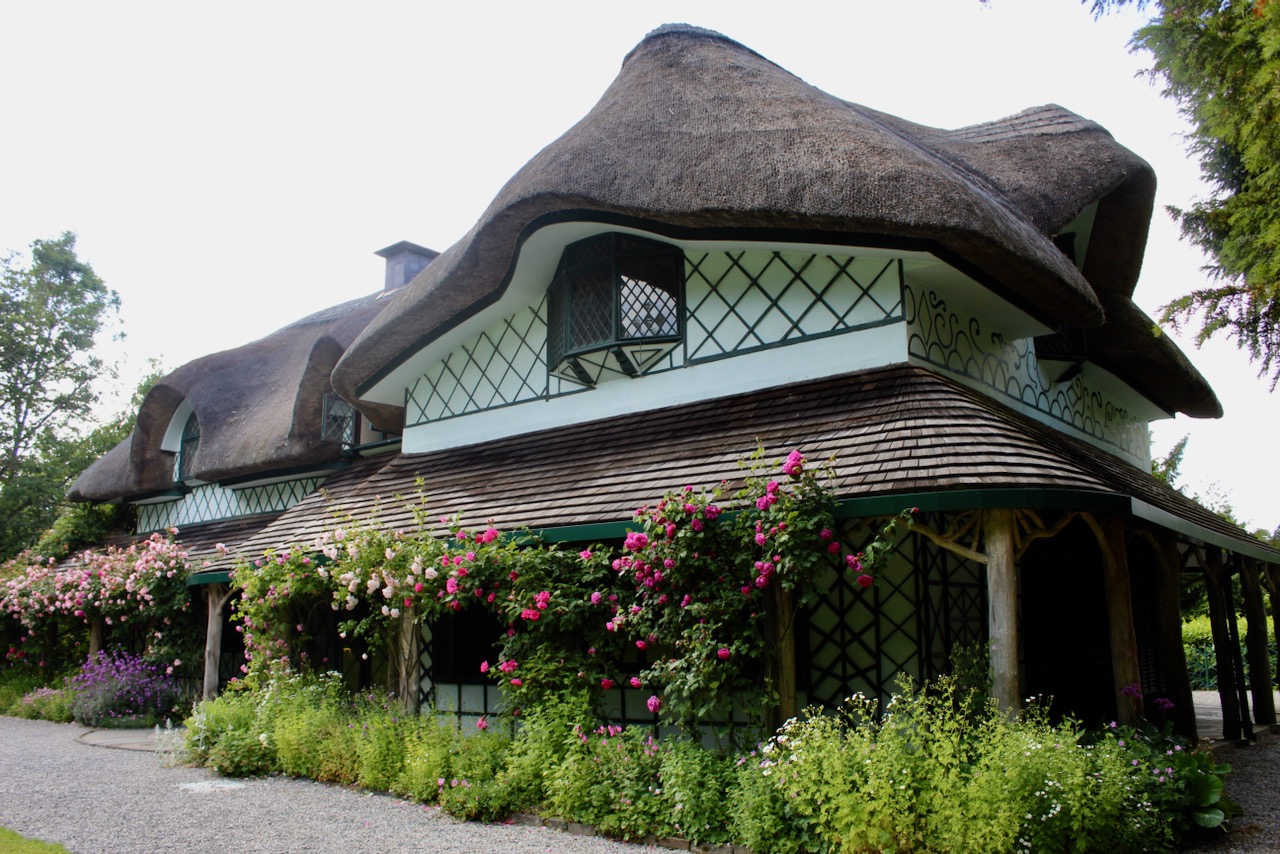
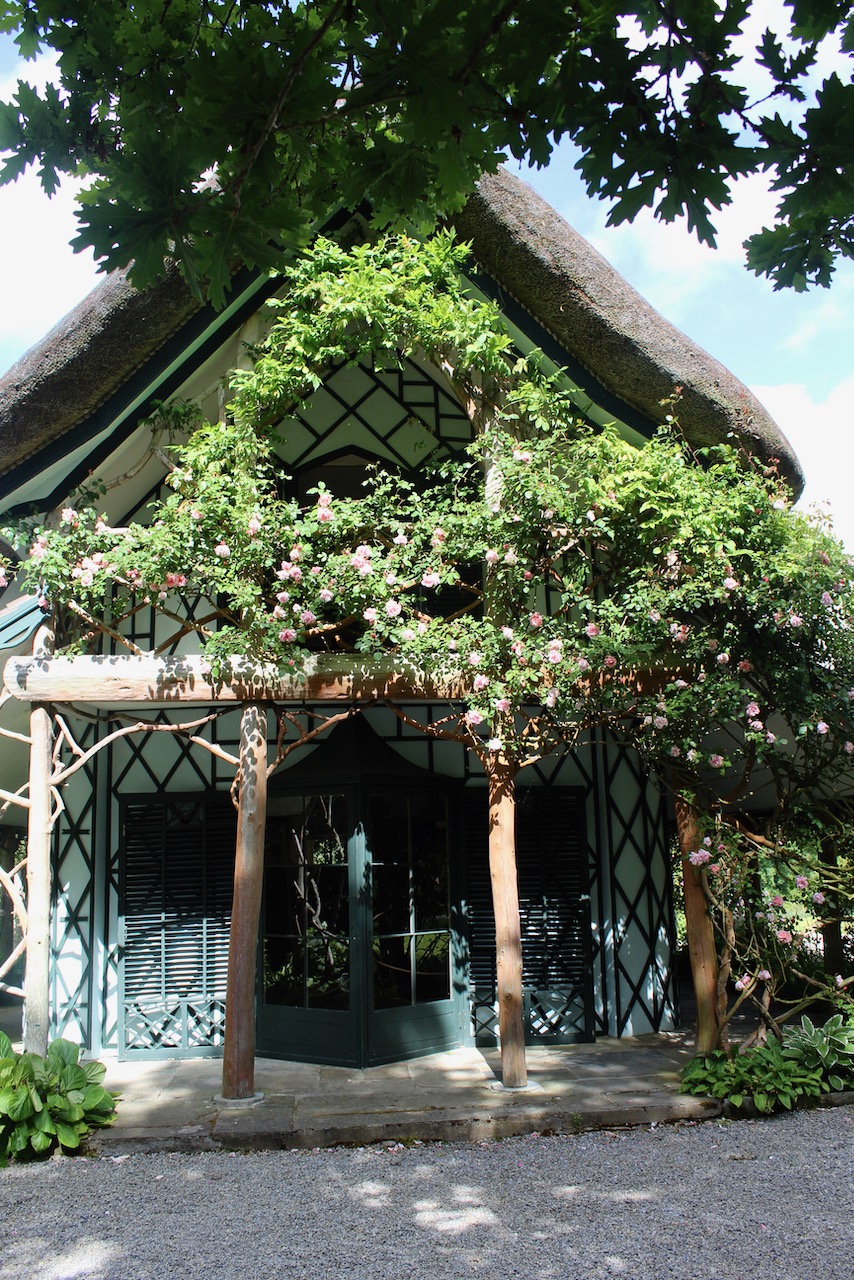
9. Swiss Cottage, County Tipperary

donation

Help me to pay the entrance fee to one of the houses on this website. This site is created purely out of love for the subject and I receive no payment so any donation is appreciated!

€15.00
Photograph © Jennifer Winder-Baggot, www.irishhistorichouses.com

1. Cahir Castle, County Tipperary:

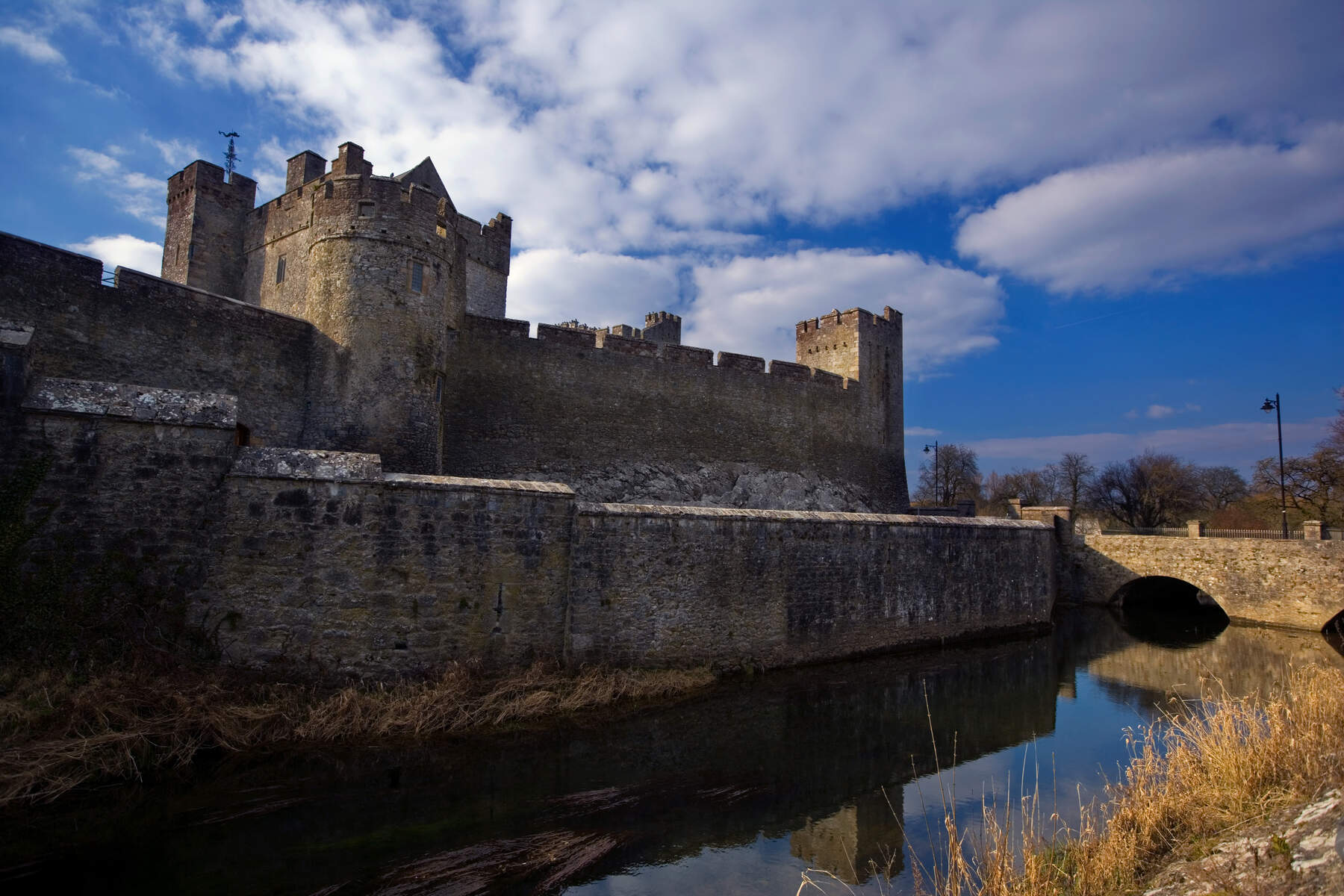
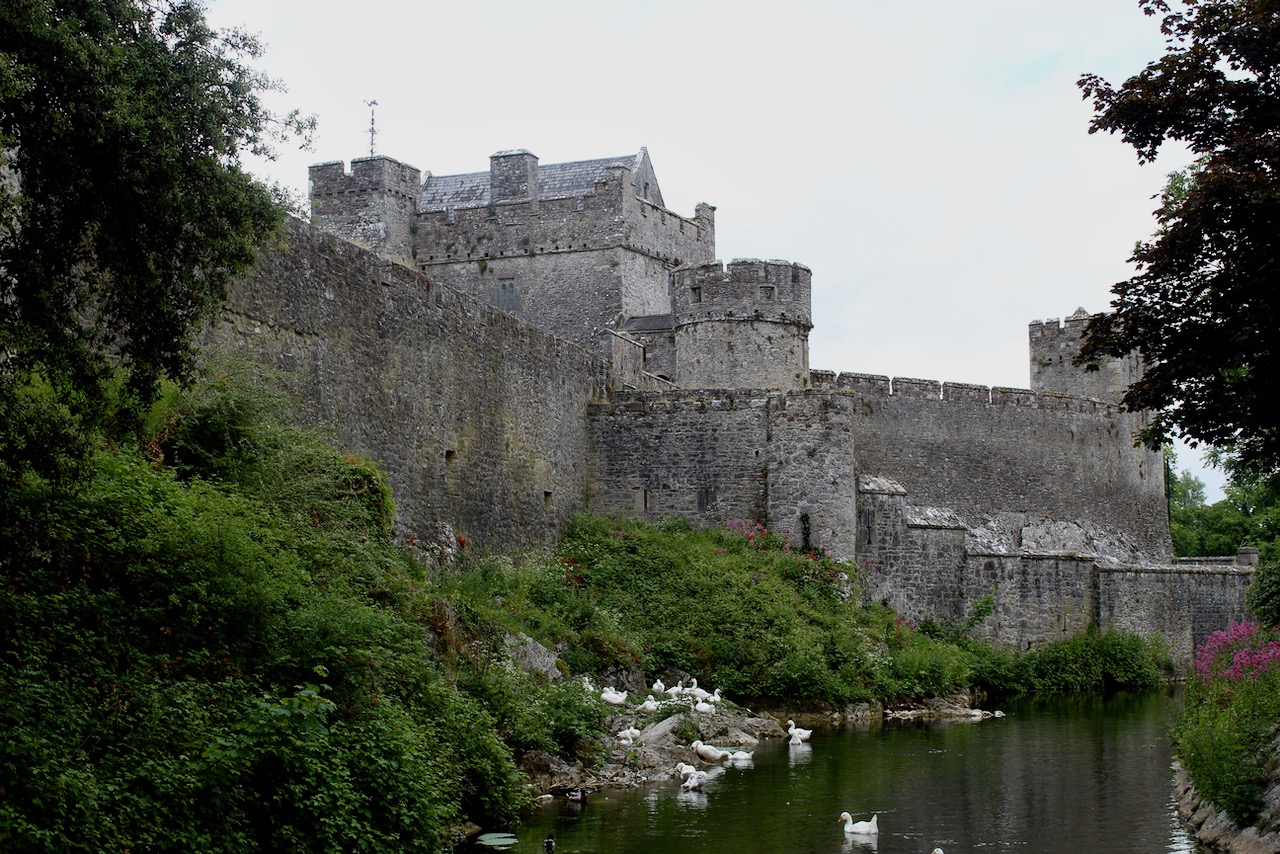
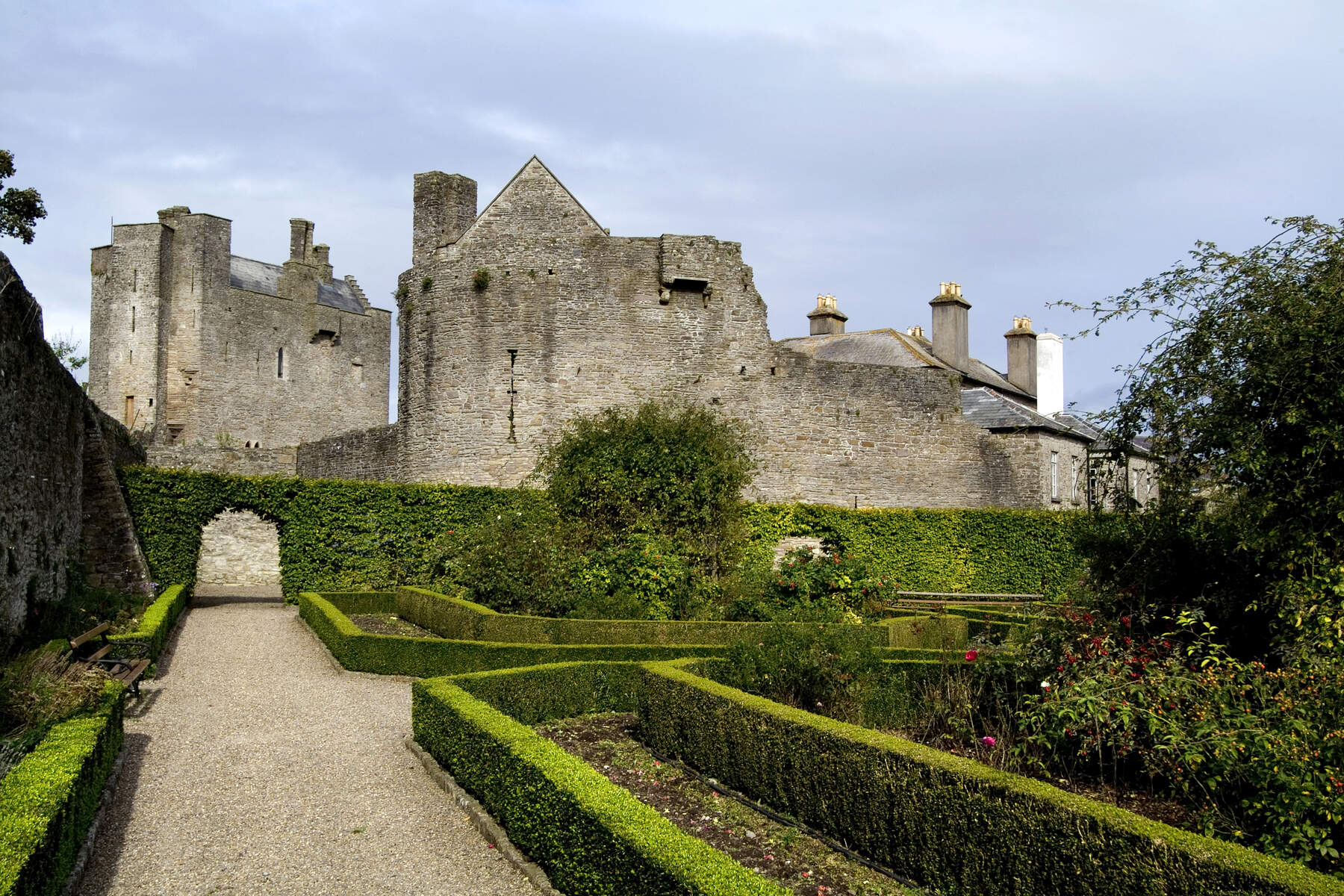
Cahir Castle, photograph from Ireland’s Content pool, by Brian Morrison 2014 for Failte Ireland. [see 1]
Cahir Castle, June 2022. The geese are particularly picturesque! The outer walls are called the Barbican. When breached, the attacking force gains entry to this area and are vulnerable to missiles fired by defenders and it would be difficult to retreat, due to the enclosed nature of the barbican. Photograph © Jennifer Winder-Baggot, www.irishhistorichouses.com
General information: 052 744 1011, cahircastle@opw.ie

Stephen and I visited Cahir Castle in June 2022, and I was very impressed. I had no idea that we have such an old castle in Ireland with so much intact. See my entry https://irishhistorichouses.com/2024/03/29/cahir-castle-county-tipperary-an-office-of-public-works-property/

From the OPW website https://heritageireland.ie/visit/places-to-visit/cahir-castle/:

Cahir Castle is one of Ireland’s largest and best-preserved castles. It stands proudly on a rocky island on the River Suir.

The castle was was built in the thirteenth century and served as the stronghold of the powerful Butler family. [The Archiseek website tells us it was built in 1142 by Conor O’Brien, Prince of Thomond] So effective was its design that it was believed to be impregnable, but it finally fell to the earl of Essex in 1599 when heavy artillery was used against it for the first time. During the Irish Confederate Wars it was besieged twice more.

At the time of building, Cahir Castle was at the cutting edge of defensive castle design and much of the original structure remains.

Our tour guide took us through the outside of the castle, showing us its defenses. Our tour ended inside the Great Hall, or dining hall.

The Great Hall, with giant Irish elk antlers. The fireplace is not genuine – it is made of papier mache and was installed for the filming of a movie. Photograph © Jennifer Winder-Baggot, www.irishhistorichouses.com
2. Damer House and Roscrea Castle, County Tipperary

https://heritageireland.ie/places-to-visit/roscrea-castle-gardens-damer-house-black-mills/

In the heart of Roscrea in County Tipperary, one of the oldest towns in Ireland, you will find a magnificent stone motte castle dating from the 1280s. It was used as a barracks from 1798, housing 350 soldiers, and later served as a school, a library and even a sanatorium.

Sharing the castle grounds is Damer House, named for local merchant John Damer, who came into possession of the castle in the eighteenth century. The house is a handsome example of pre-Palladian architecture. It has nine beautiful bay windows. One of the rooms has been furnished in period style.

The grounds also include an impressive garden with a fountain, which makes Roscrea Castle a very pleasant destination for a day out. There is also a restored mill displaying St Crónán’s high cross and pillar stone.” See my entry https://irishhistorichouses.com/2024/10/03/damer-house-and-roscrea-castle-county-tipperary-office-of-public-works-properties/

3. Famine Warhouse 1848, Ballingarry, County Tipperary:

General information: 087 908 9972, info@heritageireland.ie

From the OPW website https://heritageireland.ie/visit/places-to-visit/famine-warhouse-1848/:

How did an ordinary farmhouse near Ballingarry, County Tipperary, become the site of a bloody siege and a monument of the Young Irelander Rebellion of 1848?

It was here that rebels, under the leadership of Protestant aristocrat William Smith O’Brien, besieged 47 police officers who had barricaded themselves into the McCormack homestead, taking 5 children hostage. After two of their number were killed, the rebels finally gave in. They were later transported to penal colonies abroad.

The Warhouse, as it became known, is now a museum. Its contents illuminate the history of the Young Irelander Rebellion, the trials of its leaders, their exile in Australia and escape to the USA. The exhibition places the rebellion in the context of the Great Famine and the upheaval that rocked Europe during that turbulent year.

Traditionally it was known as Ballingarry Warhouse or The Widow McCormack’s House.

4. Holycross Abbey, County Tipperary:

Holycross Abbey, photograph from Ireland’s Content pool, by Liam Murphy 2016 for Failte Ireland [see 1]

From the OPW website https://heritageireland.ie/visit/places-to-visit/holycross-abbey/:

As destination for pilgrims, Holy Cross Abbey, near Thurles, County Tipperary, has a rich history. Pilgrims travelled here for eight centuries to venerate the relic after which the abbey and surrounding villages are named – a piece of the True Cross of Christ’s crucifixion.

Today this working parish church is a peaceful landmark and a place for quiet contemplation and historical discovery. As well as inspecting the relic of the cross, you can marvel at the building’s ornate stonework. The chancel is possibly the finest piece of fifteenth-century architecture in the country. The abbey also houses one of the only surviving medieval wall paintings in Ireland.

5. The Main Guard, Sarsfield Street, Clonmel, County Tipperary:

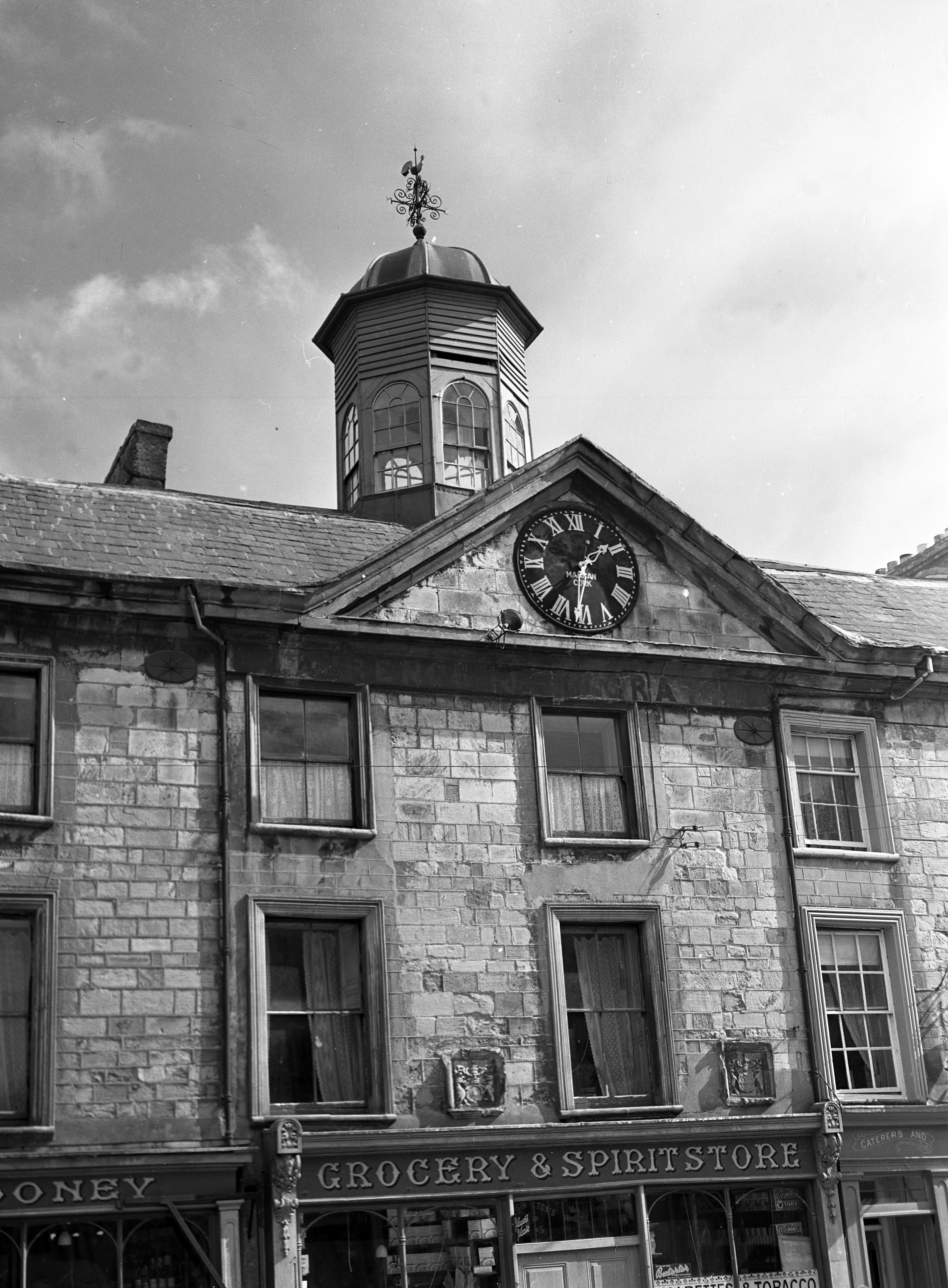
The Main Guard, or Clonmel Courthouse, County Tipperary. Photograph from National Inventory of Architectural Heritage: five-bay two-storey courthouse and market house, built 1673, with arcaded ground floor to front and north gable, and pediment and cupola to roof. Until restored c.2000, building had been five-bay three-storey with triple public house front to ground floor, and timber sliding sash windows. Now in use as museum. The columns of the arcaded facades were recycled from the ruins of the Cistercian abbey of Inislounaght, to the west of the town and retain some decorative elements that testify to this fact. 

General Information: 052 612 7484, mainguard@opw.ie

From the OPW website https://heritageireland.ie/visit/places-to-visit/the-main-guard/:

In the seventeenth century County Tipperary was a palatinate, ruled by James Butler, duke of Ormond. When the duke decided he needed a new courthouse, he built one in the heart of Clonmel [built in 1673]. Later, when it was used as a barracks, it became known as the Main Guard.

A fine two-storey symmetrical building, some elements of its design were based on works by the famous Sir Christopher Wren.

In the eighteenth century it was the venue for the Clonmel Assizes. The most notable trial it witnessed was that of Father Nicholas Sheehy, the anti-Penal Laws agitator. Sheehy was hanged, drawn and quartered.

In about 1810, the ground floor was converted into shops, but the building has recently undergone an award-winning restoration. The open arcade of sandstone columns is once again an attractive feature of the streetscape, while inside you will find a fantastic exhibition and event space.

Main Guard, 1948, photograph from Dublin City Library and Archives. [2]

6. Nenagh Castle, County Tipperary

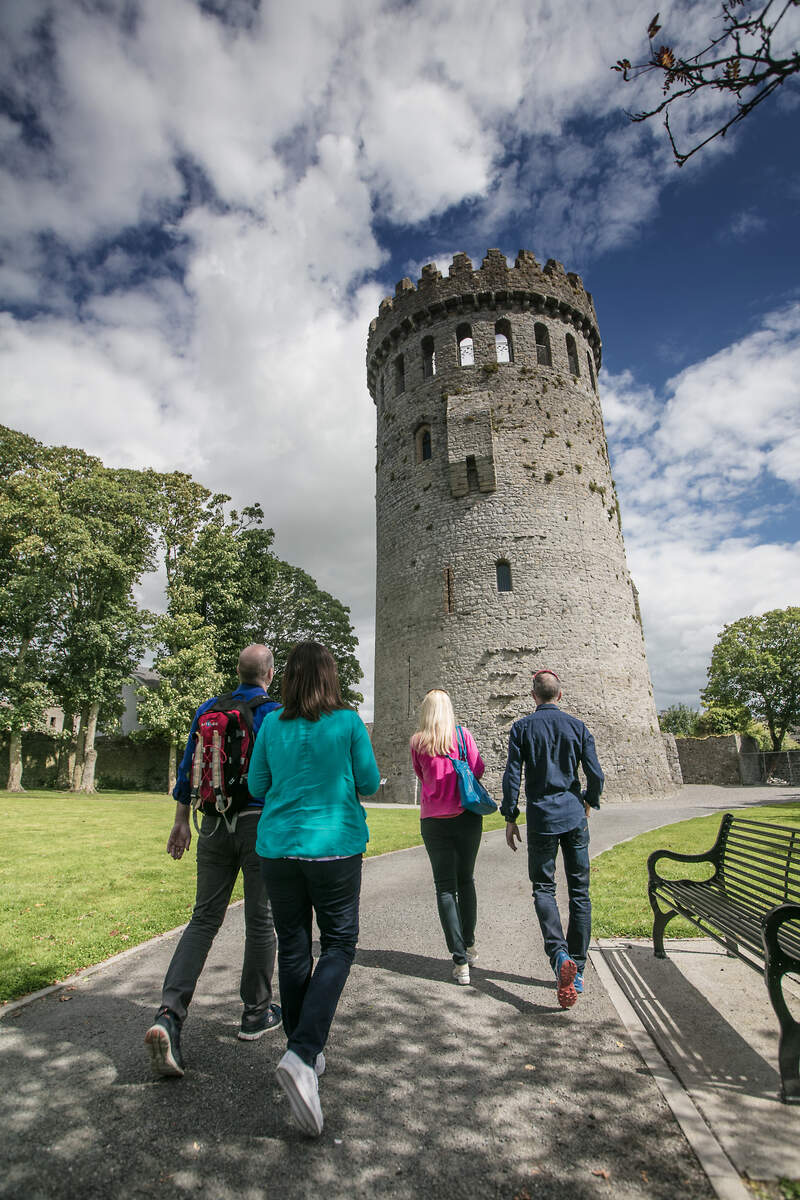
Nenagh Castle, photograph by Brian Morrison, 2017, for Tourism Ireland, Ireland’s Content Pool. [see 1]

General information: 067 33850, castlenenagh@gmail.com
The OPW doesn’t seem to have a site for this currently, but there is information at a site about Nenagh:

Nenagh Castle was built by Theobald Walter (the first of the Butlers of Ormond) around 1200. To this day the cylindrical keep adorns the town and like most keeps it formed part of the perimeter of the fortress. The walls have now almost disappeared, but fragments remain. 

Built from limestone Nenagh Castle measures fifty-five feet in external diameter at the base and rises to a height of one hundred feet. The Castle features four storeys and thanks to a recent renovation this wonderful landmark now represents the town’s premier tourist attraction.

The building and has stone spiral stairs to the top. There are 101 steps in all to the top.  Access to the tower is through a passageway within the base of the wall.  This has low head room and visitors will need to stoop to avoid hitting the stone above. All children under the age of 18 must be accompanied by an adult. [3]

Nenagh Castle, photograph by Brian Morrison, 2017, for Tourism Ireland, Ireland’s Content Pool. [see 1]

7. Ormond Castle, Carrick-on-Suir, County Tipperary:

Ormond Castle, Carrick-on-Suir, County Tipperary, May 2018. Maurice Craig tells us in The Architecture of Ireland from the earliest times to 1880 that in style Carrick-on-Suir is like hundreds of buildings in Northamptonshire or the Cotswolds, but like no other in Ireland. Photograph © Jennifer Winder-Baggot, www.irishhistorichouses.com

See my entry https://irishhistorichouses.com/2024/09/05/ormond-castle-carrick-on-suir-county-tipperary-an-opw-property/

General Information: 051 640787, ormondcastle@opw.ie

From the OPW website https://heritageireland.ie/visit/places-to-visit/ormond-castle/:
Joined on to an earlier medieval riverside castle, Ormond Castle Carrick-on-Suir is the finest example of an Elizabethan manor house in Ireland. Thomas, 10th Earl of Ormond [“Black Tom” (1531-1614)], built it in 1565 in honour of his distant cousin Queen Elizabeth. 

The magnificent great hall, which stretches almost the whole length of the building is decorated with some of the finest stucco plasterwork in the country. The plasterwork features portraits of Queen Elizabeth and her brother Edward VI and many motifs and emblems associated with the Tudor monarchy.

Ormond Castle, Carrick-on-Suir 1949, photograph from Dublin City Library and Archive. [see 2]
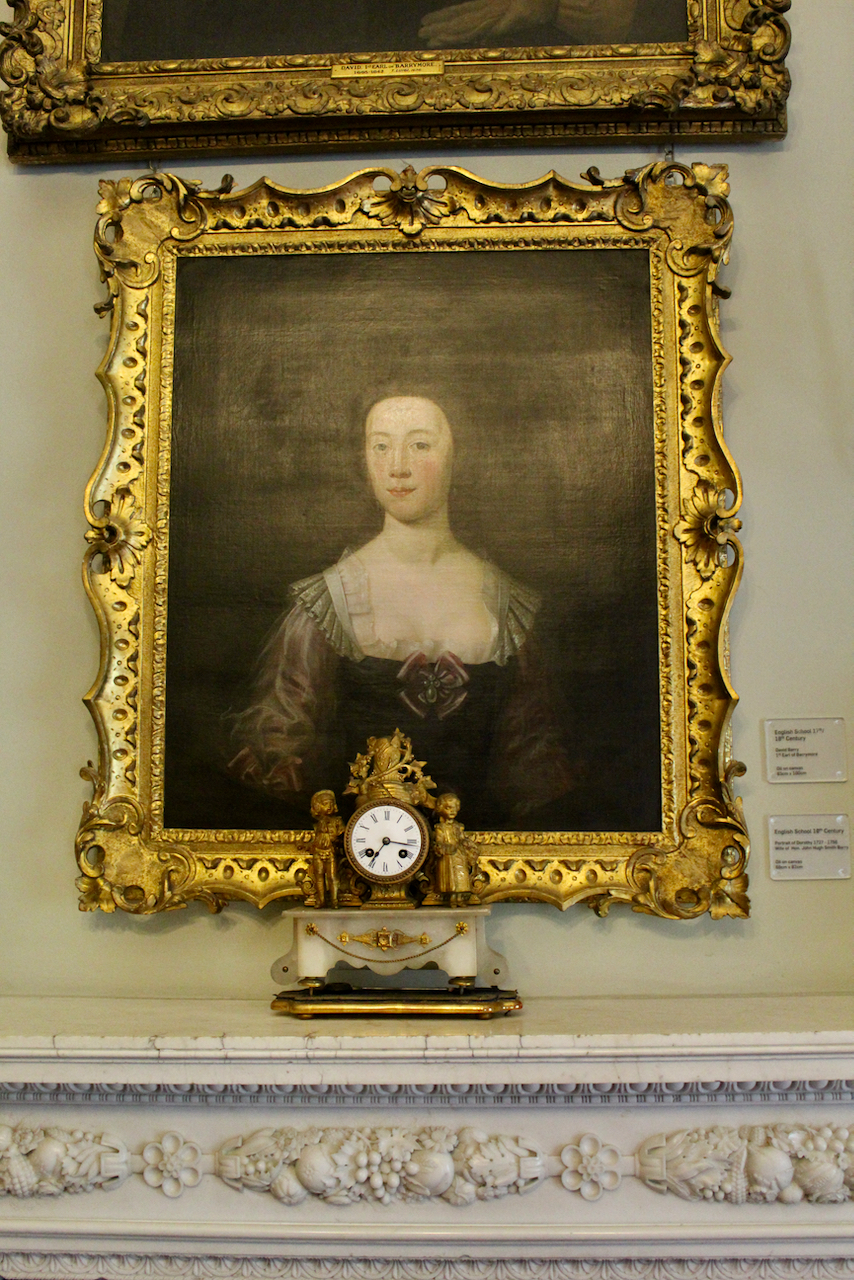
James Butler the 12th Earl of Ormond and 1st Duke of Ormond (1610-1688) spent much of his time here and was the last of the family to reside at the castle. On his death in 1688 the family abandoned the property and it was only handed over to the government in 1947, who then became responsible for its restoration. 

7. Rock of Cashel, County Tipperary:

Rock of Cashel, Co Tipperary photograph from Ireland’s Content pool, by Brian Morrison 2018 for Failte Ireland. [see 1]

General Information: 062 61437, rockofcashel@opw.ie

From the OPW website https://heritageireland.ie/visit/places-to-visit/rock-of-cashel/:

Set on a dramatic outcrop of limestone in the Golden Vale, the Rock of Cashel, iconic in its historic significance, possesses the most impressive cluster of medieval buildings in Ireland. Among the monuments to be found there is a round tower, a high cross, a Romanesque chapel, a Gothic cathedral, an abbey, the Hall of the Vicars Choral and a fifteenth-century Tower House.

Originally the seat of the kings of Munster, according to legend St. Patrick himself came here to convert King Aenghus to Christianity. Brian Boru was crowned High King at Cashel in 978 and made it his capital.

In 1101 the site was granted to the church and Cashel swiftly rose to prominence as one of the most significant centres of ecclesiastical power in the country.

The surviving buildings are remarkable. Cormac’s Chapel, for example, contains the only surviving Romanesque frescoes in Ireland.

Rock of Cashel, 1955, from Dublin City Library and Archives [see 2].
Rock of Cashel ca. 1901, photograph from National Library of Ireland Flickr constant commons.

8. Roscrea Castle and Damer House, County Tipperary:

Roscrea Castle, photograph from Ireland’s Content pool, by Chris Hill 2014 for Failte Ireland. [see 1]

General information: 0505 21850, roscreaheritage@opw.ie

From the OPW website https://heritageireland.ie/visit/places-to-visit/roscrea-heritage-centre-roscrea-castle-and-damer-house/:

In the heart of Roscrea in County Tipperary, one of the oldest towns in Ireland, you will find a magnificent stone motte castle dating from the 1280s. It was used as a barracks from 1798, housing 350 soldiers, and later served as a school, a library and even a sanatorium. 

Sharing the castle grounds is Damer House, named for local merchant John Damer, who came into possession of the castle in the eighteenth century. The house is a handsome example of pre-Palladian architecture. It has nine beautiful bay windows. One of the rooms has been furnished in period style.

The grounds also include an impressive garden with a fountain, which makes Roscrea Castle a very pleasant destination for a day out. There is also a restored mill displaying St Crónán’s high cross and pillar stone.

See my entry https://irishhistorichouses.com/2024/10/03/damer-house-and-roscrea-castle-county-tipperary-office-of-public-works-properties/

This was originally the site of a motte and bailey fortification known as King John’s Castle. The original wooden castle was destroyed in the late 13th century and was replaced with a stone structure built in 1274-1295 by John de Lydyard. The castle was originally surrounded by a river to the east and a moat on the other sides. [4] It was granted to the Butlers of Ormond in 1315 who held it until the early 18th Century. The castle as we see it today was built from 1332.

The castle was used as a barracks from 1798, housing 350 soldiers. It was used later as a school, a library, and a tuberculosis sanatorium. Roscrea Castle fell into disrepair in the 19th century, and when the roof collapsed extensive repairs were needed in the 1850s. It was named a national monument in 1892, and is now under the care of the OPW. 

Damer House is of three storeys and nine bays and has a scroll pediment doorway and inside, a magnificent carved staircase. The Irish Georgian Society was involved in saving it from demolition in the 1960s.

9. Swiss Cottage, Ardfinnan Road, Cahir, County Tipperary:

General Information: 052 744 1144, swisscottage@opw.ie

Swiss Cottage, June 2022. Photograph © Jennifer Winder-Baggot, www.irishhistorichouses.com

From the OPW website https://heritageireland.ie/visit/places-to-visit/swiss-cottage/:

The Swiss Cottage, just outside the heritage town of Cahir, is a cottage orné – a fanciful realisation of an idealised countryside cottage used for picnics, small soirees and fishing and hunting parties and was also a peaceful retreat for those who lived in the nearby big house.

Built in the early 1800s [around 1810] by Richard Butler, 1st Earl of Glengall, who, we believe, managed to persuade world-famous Regency architect John Nash to design it [he also designed Buckingham Palace for the Crown]. Originally, simply known as “The Cottage” it appears to have acquired its present name because it was thought to resemble an Alpine cottage.”

See my write-up https://irishhistorichouses.com/2025/03/20/swiss-cottage-ardfinnan-road-cahir-county-tipperary-office-of-public-works/

Timber rustic oak posts with triangular arch detailing between posts to verandahs and to bowed bay, having latticework rail to balcony. Photograph © Jennifer Winder-Baggot, www.irishhistorichouses.com
Photograph © Jennifer Winder-Baggot, www.irishhistorichouses.com

[1] https://www.irelandscontentpool.com/en

[2] https://repository.dri.ie/

[3] https://www.nenagh.ie/places-of-interest/details/nenagh-castle

[4] See the blog of Patrick Comerford, http://www.patrickcomerford.com/search/label/castles?updated-max=2019-03-03T14:30:00Z&max-results=20&start=27&by-date=false

[5] https://www.buildingsofireland.ie/buildings-search/building/22208107/swiss-cottage-kilcommon-more-north-tipperary-south

Office of Public Works properties: Leinster: Carlow, Kildare

Just to finish up my entries about Office of Public Works properties: Carlow, Dublin, Kildare, Kilkenny, Laois, Longford, Louth, Meath, Offaly, Westmeath, Wexford and Wicklow are the counties that make up the Leinster region.

Carlow:

1. Altamont Gardens

Kildare:

2. Castletown House, County Kildare

3. Maynooth Castle, County Kildare

Carlow:

1. Altamont House and Gardens, Bunclody Road, Altamont, Ballon, County Carlow:

Altamont House and Gardens, photograph by Sonder Visuals, 2015, for Tourism Ireland, from Ireland’s Content Pool. [1]

General information: (059) 915 9444

altamontgardens@opw.ie

https://heritageireland.ie/visit/places-to-visit/altamont-gardens/

From the OPW website:

A large and beautiful estate covering 16 hectares in total, Altamont Gardens is laid out in the style of William Robinson, which strives for ‘honest simplicity’. The design situates an excellent plant collection perfectly within the natural landscape.

For example, there are lawns and sculpted yews that slope down to a lake ringed by rare trees and rhododendrons. A fascinating walk through the Arboretum, Bog Garden and Ice Age Glen, sheltered by ancient oaks and flanked by huge stone outcrops, leads to the banks of the River Slaney. Visit in summer to experience the glorious perfume of roses and herbaceous plants in the air.

With their sensitive balance of formal and informal, nature and artistry, Altamont Gardens have a unique – and wholly enchanting – character.” [2]

From “In Harmony with Nature, The Irish Country House Garden 1600-1900” in the Irish Georgian Society, July 2022, curated by Robert O’Byrne.
Altamont, photograph by Sonder Visuals 2017 for Tourism Ireland, Ireland’s Content Pool. [see 1]

From Living Legacies: Ireland’s National Historic Properties in the care of the OPW, Government Publications, Dublin, 2018:

Altamont House was constructed in the 1720s, incorporating parts of an earlier structure said to have been a medieval nunnery. In the 1850s, a lake was excavated in the grounds of the house, but it was when the Lecky-Watsons, a local Quaker family, acquired Altamont in 1924 that the gardens truly came into their own.

Feilding Lecky-Watson had worked as a tea planter in Ceylon (Sri Lanka) where he nurtured his love of exotic plants, and of rhododendrons in particular. Back in Ireland, he became an expert in the species, cultivating plants for the botanical gardnes at Glasnevin, Kew and Edinburgh. So passionate was he about these plants that when his wife, Isobel, gave birth to a daughter in 1922, she was named Corona, after his favourite variety of rhododendron.” [3]

Altamont House and Gardens lake, photograph by Sonder Visuals, 2015, for Tourism Ireland, from Ireland’s Content Pool. [see 1]

Around the lake are mature conifers that were planted in the 1800s, including a giant Wellingtonia which commemorates the Battle of Waterloo. [3] Corona continued in her father’s footsteps, planing rhododendrons, magnolia and Japanese maples. Another feature is the “100 steps” hand-cut in granite, leading down to the River Slaney. There are red squirrels, otters in the lake and river, and peacocks. Before her death, Corona handed Altamont over to the Irish state to ensure its preservation.

The Temple, Altamont House and Gardens, photograph by Sonder Visuals, 2015, for Tourism Ireland, from Ireland’s Content Pool. [see 1]

Kildare:

2. Castletown House and Parklands, Celbridge, County Kildare.

Castletown House, County Kildare, Photo by Mark Wesley 2016, Tourism Ireland, from Ireland’s Content Pool. [see 1]

General Information: castletown@opw.ie

https://castletown.ie

see my entry: https://irishhistorichouses.com/2024/03/15/castletown-house-and-parklands-celbridge-county-kildare-an-office-of-public-works-property/

Great Hall, photograph by Swire Chin, Toronto, May 2013 flickr constant commons.
Great Hall, Castletown House, Celbridge, Co Kildare, photograph by Sonder Visuals 2022 for Failte Ireland.
The Red Drawing Room in Castletown House, June 2015. Photograph © Jennifer Winder-Baggot, www.irishhistorichouses.com
The Red Drawing Room in October 2022. Photograph © Jennifer Winder-Baggot, www.irishhistorichouses.com
The Print Room, Castletown House, June 2015. Photograph © Jennifer Winder-Baggot, www.irishhistorichouses.com
The Boudoir, Castletown House, July 2017. The website tells us about the writing bureau, Irish-made around 1760: A George III mahogany cabinet with dentilled-scrolled broken pediment carved with rosettes. Throughout her life, Lady Louisa maintained a regular correspondence with her sisters and brothers in Ireland and England, and it is easy to picture her writing her epistles at this bureau and filing the letters she received in the initialled pigeonholes and drawers. A handwritten transcription of her letters to her siblings can be accessed in the OPW-Maynooth University Archive and Research Centre in Castletown.  Photograph © Jennifer Winder-Baggot, www.irishhistorichouses.com
The writing bureau has no “J” or “U” as they are not in the Latin alphabet. Photograph © Jennifer Winder-Baggot, www.irishhistorichouses.com
The wall panels, or grotesques, after Raphael date from the early nineteenth century and formerly hung in the Long Gallery. Photograph © Jennifer Winder-Baggot, www.irishhistorichouses.com
In 2022, Louisa’s bedroom now features a tremendous bed. Photograph © Jennifer Winder-Baggot, www.irishhistorichouses.com
Upstairs, The Long Gallery, Castletown House, June 2015. Photograph © Jennifer Winder-Baggot, www.irishhistorichouses.com
The Long Gallery in the 1880s, photograph from the album of Henry Shaw. Photograph © Jennifer Winder-Baggot, www.irishhistorichouses.com
The Long Gallery: its heavy ceiling compartments and frieze dates from the 1720s and is by Edward Lovett Pearce. It was painted and gilded in the 1770s. Photograph © Jennifer Winder-Baggot, www.irishhistorichouses.com

The Obelisk, or Conolly Folly, was reputedly built to give employment during an episode of famine. It was restored by the Irish Georgian Society in 1960.

Obelisk, Castletown, attributed to Richard Castle, March 2022. Desmond Guinness’s wife Mariga, who played a great role in the Irish Georgian Society, is buried below. Photograph © Jennifer Winder-Baggot, www.irishhistorichouses.com
The Wonderful Barn, Castletown by Robert French, Lawrence Photographic Collection NLI, flickr constant commons.
The Wonderful Barn, March 2022, created in 1743. Photograph © Jennifer Winder-Baggot, www.irishhistorichouses.com
When we went to find the Wonderful Barn, we discovered there is not just one but in fact three Wonderful Barns! Photograph © Jennifer Winder-Baggot, www.irishhistorichouses.com
The grounds around Castletown are beautiful and one can walk along the Liffey. Photograph © Jennifer Winder-Baggot, www.irishhistorichouses.com

3. Maynooth Castle, County Kildare:

Maynooth Castle, photograph by Gail Connaughton 2020, for Faitle Ireland, Ireland’s Content Pool. [see 1]

General information: 01 628 6744, maynoothcastle@opw.ie

From the OPW website https://heritageireland.ie/visit/places-to-visit/maynooth-castle/:

This majestic stone castle was founded in the early thirteenth century. It became the seat of power for the FitzGeralds, the earls of Kildare, as they emerged as one of the most powerful families in Ireland. Garret Mór, known as the Great Earl of Kildare, governed Ireland in the name of the king from 1487 to 1513.

Maynooth Castle was one of the largest and richest Geraldine dwellings. The original keep, begun around 1200, was one of the largest of its kind in Ireland. Inside, the great hall was a nerve centre of political power and culture.

Only 30 kilometres from Dublin, Maynooth Castle occupies a deceptively secluded spot in the centre of the town, with well-kept grounds and plenty of greenery. There is a captivating exhibition in the keep on the history of the castle and the family.

[1] https://www.irelandscontentpool.com

[2] https://heritageireland.ie/visit/places-to-visit/altamont-gardens/

[3] p. 8, Living Legacies: Ireland’s National Historic Properties in the Care of the OPW. Government Publications, Dublin 2, 2018.

[4] p. xiii, Jennings, Marie-Louise and Gabrielle M. Ashford (eds.), The Letters of Katherine Conolly, 1707-1747. Irish Manuscripts Commission 2018. The editors reference TCD, MS 3974/121-125; Capel Street and environs, draft architectural conservation area (Dublin City Council) and Olwyn James, Capel Street, a study of the past, a vision of the future (Dublin, 2001), pp. 9, 13, 15-17.

[5] http://kildarelocalhistory.ie/celbridge See also my entry on Castletown House in my entry for OPW properties in Kildare, https://irishhistorichouses.com/2022/02/21/office-of-public-works-properties-leinster-carlow-kildare-kilkenny/

[6] https://archiseek.com/2011/1770s-castletown-house-celbridge-co-kildare/

[7] p. 75. Bence-Jones, Mark. A Guide to Irish Country Houses (originally published as Burke’s Guide to Country Houses volume 1 Ireland by Burke’s Peerage Ltd. 1978); Revised edition 1988 Constable and Company Ltd, London.

[8] p. 129. Great Irish Houses. Forewards by Desmond FitzGerald, Desmond Guinness. IMAGE Publications, 2008. 

[9] https://castletown.ie/collection-highlights/

Text © Jennifer Winder-Baggot, www.irishhistorichouses.com