Glenarm Castle & Garden, photo by Donal Maloney 2021 for Tourism Ireland [1]
Sorry, this is another re-publishing, as it was previously published on my “Places to Visit in County Antrim” page. Stephen and I have still been too busy this year to visit more Section 482 properties. Heritage Week is coming up next month, August 17-24th, so all of the Section 482 properties should be open – see my home page for details, https://irishhistorichouses.com/
I hope Stephen and I can visit many properties this year during Heritage Week!
The website tells us that Glenarm Castle is one of few country estates that remains privately owned but open to the public. It is steeped in a wealth of history, culture and heritage and attracts over 100,000 visitors annually from all over the world.
“Visitors can enjoy enchanted walks through the Walled Garden and Castle Trail, indulge in an amazing lunch in the Tea Room, purchase some local produce or official merchandise, or browse through a wide range of ladies & gents fashions and accessories and a selection of beautiful gifts, souvenirs and crafts in the Byre Shop and Shambles Workshop – with many ranges exclusive to Glenarm Castle.“
“Glenarm Castle is the ancestral home of the McDonnell family, Earls of Antrim. The castle is first and foremost the private family home of Viscount and Viscountess Dunluce and their family but they are delighted to welcome visitors to Glenarm Castle for guided tours on selected dates throughout the year.
“Delve deep into the history of Glenarm Castle brought to life by the family butler and house staff within the walls of the drawing room, the dining room, the ‘Blue Room’ and the Castle’s striking hall.
“Finish the day with the glorious sight of the historic Walled Garden, which dates back to the 17th century.“
Dates are limited and booking in advance is required.
The castle was built around 1603 by Randal MacDonnell [1610-1682], afterwards 1st Earl of Antrim, as a hunting lodge or secondary residence to Dunluce Castle, and became the principal seat of the family after Dunluce Castle was abandoned. The mansion house was rebuilt ca. 1750 as a 3-storey double gable-ended block, joined by curving colonnades to two storey pavilions with high roofs and cupolas. This would have been during the life of the 5th Earl of Antrim, Alexander MacDonnell (1713-1775).
We learned of the 1st and 2nd Earls of Antrim on our visit to Dunluce Castle in Antrim. When the 2nd Earl died in 1682 his brother Alexander (1615-1699) became 3rd Earl of Antrim. He first married Elizabeth Annesley, daughter of the 1st Earl of Anglesey.
Arthur Annesley (1614-1686) 1st Earl of Anglesey, after John Michael Wright based on a work of 1676, National Portrait Gallery of London 3805.
Elizabeth née Annesley died in 1672 and Alexander married Helena Burke. Their son Randal (1680-1721) became the 4th Earl of Antrim.
The 4th Earl married Rachael Skeffington, daughter of Clotworthy, 3rd Viscount Massereene, Co. Antrim, of Antrim Castle. The 4th Earl of Rachael had a son Alexander MacDonnell (1713-1775) who succeeded as 5th Earl of Antrim. It was during his time that the castle was enlarged. He was a Privy Counsellor and Governor of County Antrim.
Ballymagarry, where the Earls lived after Dunluce Castle, burned down in 1750, so in 1756 the 5th Earl of Antrim invited an engineer from Cumbria called Christopher Myers to come to Glenarm to rebuild the ruin. Myers transformed it into a grand Palladian country house with curving colonnades ending in pavilions on either side, one of which contained a banqueting room. The lime trees that now arch over the driveway were planted and gardens were planned in a network of walled enclosures.
Alexander the 5th Earl married Elizabeth Pennefather, daughter of Matthew, MP for Cashel and Comptroller and Accountant-General for Ireland. She died, however, in 1736, and he married Anne Plunkett in 1739.
“Miss Anne Plunkett, niece of the first Lord Aldborough, Countess of Antrim,” 18th Century Irish School , courtesy of Fonsie Mealy Fortgranite. She was the daughter of Charles Patrick Plunkett of Dillonstown, County Louth and Elizabeth Stratford. She married Alexander MacDonnell the 5th Earl of Antrim.
Anne née Plunkett gave birth to the heir, Randal William (1749-1791), who later became the 6th Earl of Antrim. Anne died when Randall was just six years old, so Alexander married again, this time to Catherine Meredyth, daughter of Thomas of Newtown, County Meath. She had been previously married to James Taylor (1700-1747), son of Thomas 1st Baronet Taylor, of Kells, Co. Meath.
The 6th Earl served as MP for County Antrim as well as High Sheriff for the county. Randall William MacDonnell married Letitia Morres, daughter of Hervey Morres 1st Viscount Mountmorres of Kilkenny. They had no sons.
Randall William was created 1st Viscount Dunluce [Ireland] and 1st Earl of Antrim [Ireland] on 19 June 1785, with special remainder to his daughters in order of seniority. This meant that his daughters became Countesses of Antim in their own right. He then served as Privy Counsellor for Ireland. He was created 1st Marquess of Antrim [Ireland] on 18 August 1789 but this title died with him, along with the two earlier creations of Earl of Antrim and Viscount Dunluce.
His eldest daughter Anne Catherine (1778-1834) became 2nd Countess of Antrim in 1791 when her father died. Anne Catherine’s sister Letitia Mary predeceased her. When Anne Catherine died in 1834 her sister Charlotte became 3rd Countess of Antrim. Charlotte’s sons became the 4th and 5th Earls of Antrim (the Countesses being in lieu of the 2nd and 3rd Earls). The descendants still live in the castle.
Anne Catherine married first Henry Vane-Tempest (1771-1813) 2nd Baronet Vane, of Long Newton, Co. Durham. They had a daughter, Frances Anne Emily Vane-Tempest, who married Charles William Vane, 3rd Marquess of Londonderry. Harry Vane-Tempest decided to ‘Gothicise’ the building. The colonnades and pavilions were demolished and Gothic windows installed. When he died, Anne Catherine married Edmund Phelps, who assumed the name of MacDonnell.
Anne Catherine and Edmund hired William Vitruvius Morrison to enlarge Glenarm.
Mark Bence-Jones writes in his A Guide to Irish Country Houses (1988):
p. 135. “(McDonnell, Antrim, E/PB) …The main block had a pedimented breakfront with three windows in the top storey, a Venetian window below and a tripartite doorway below again, flanked on either side by a Venetian window in each of the two lower storeys and a triple window above. The pavilions were of three bays. Ca. 1825, the heiress of the McDonnells, Anne, Countess of Antrim in her own right, and her second husband [Edmund Phelps], who had assumed the surname of McDonnell, commissioned William Vitruvius Morrison to throw a Tudor cloak over Glenarm. He did very much the same as he had done at Borris, Co Carlow and Kilcoleman Abbey, Co Kerry; adding four slender corner turrets to C18 block, crowned with cupolas and gilded vanes; he also gave the house a Tudor-Revival façade with stepped gables, finials, pointed and mullioned windows and heraldic achievements, as well as a suitably Tudor porch. The other fronts were also given pointed windows and the colonnades and pavilions were swept away, a two storey Tudor-Revival service wing being added in their stead.” [3]
Mark Bence-Jones continues:”The interior remained Classical; the hall being divided by an arcade with fluted Corinthian columns; the dining room having a cornice of plasterwork in the keyhole pattern. In 1929, the Castle was more or less gutted by fire; in the subsequent rebuilding, to the designs of Imrie & Angell, of London, the pointed and mullioned windows were replaced with rectangular Georgian sashes. Apart from the octagon bedroom, which keeps its original plasterwork ceiling with doves, the interior now dates from the post-fire rebuilding; some of the rooms have ceilings painted by the present Countess of Antrim [Elizabeth Hannah Sacher]. The service wing was reconstructed after another fire 1967, the architect being Mr Donal Insall. In 1825, at the same time as the castle was made Tudor, the entrance to the demesne from the town of Glenarm was transformed into one of the most romantic pieces of C19 medievalism in Ireland, probably also by Morrison. A tall, embattled gate tower, known as the Barbican, stands at the far end of the bridge across the river, flanked by battlemented walls rising from the river bed.” [3]
Glenarm Castle, by Donal Maloney 2021, for Tourism Ireland. [see 1]Glenarm Castle, with George the butler, who gave us a tour, photograph by Donal Malony 2021 for Tourism Ireland, Ireland’s Content Pool (see [1]). A portrait of Charlotte, Countess of Antrim, with her head resting on her hand, is on the wall.Glenarm, County Antrim.
The second daughter, Charlotte 3rd Countess of Antrim married Mark Robert Kerr (1776-1840), son of William John Kerr, 5th Marquess of Lothian, Scotland. An information board tells us that as well as being a military man, he had a fondness for art.
Drawings by Mark Kerr.Glenarm, County Antrim.
Charlotte and Mark had many children. Their sons who inherited the title Earl of Antrim after their mother’s death took the name MacDonnell when they succeeded to the title. The 4th Earl, Hugh Seymour McDonnell (1812-1855) had no son so his brother, Mark (1814-1869), succeeded him as 5th Earl of Antrim.
Glenarm, County Antrim.
Mark’s son William Randal McDonnell (1851-1918) succeeded as 6th/11th Earl of Antrim. He held the office of Deputy Lieutenant (D.L.) of County Antrim. In the information panel in the museum at the castle, he is referred to as the 11th Earl. He married Louisa Jane Grey. She held the office of a Lady of the Bedchamber to Queen Victoria between 1890 and 1901.
Louisa, wife of 11th, or 6th Earl of Antrim.Information about William, 6th Earl of Antrim. His wife Louisa née Grey was lady-in-waiting to Queen Victoria.Glenarm, County Antrim.
Their son Randal Kerr MacDonnell (1878-1932) became 7th/12th Earl of Antrim in 1918. In 1929 a large fire occurred.
Glenarm, County Antrim.
His son Randal John (1911-1977) became 8th Earl (13th) in 1932, and his son in turn, Alexander Randal MacDonnell (1935-2021) the 9th Earl.
Glenarm, County Antrim.
Randal John 8th Earl and his wife Angela attended the coronation of Queen Elizabeth II in 1953.
Angela Sykes (1911-1984), wife of the 8th or 13th Earl was an artist and she created the rather bulging statues of planetary gods that adorn the ceiling corners of the front hall. She also designed Mithras slaying the bull over the fireplace. She also created murals in the dining room, drawing room and in her bedroom.
[3] p. 135, Bence-Jones, Mark. A Guide to Irish Country Houses (originally published as Burke’s Guide to Country Houses volume 1 Ireland by Burke’s Peerage Ltd. 1978); Revised edition 1988, Constable and Company Ltd, London.
We don’t have a National Trust in the Republic of Ireland the way they do in Northern Ireland. We have instead organisations such as the Office of Public Works, The Landmark Trust, Irish Heritage Trust and An Taisce. Sorry to republish this as a separate entry – previously published in my “Places to visit and stay in County Down” entry. I’ve been busy at weekends and not visiting Section 482 properties, but I’ll catch up again with that soon I hope!
Mount Stewart, County Down, by Art Ward for Tourism Northern Ireland, 2016. (see [1])
“The Stewarts came from Scotland to Donegal as part of the Jacobean Plantation of Ulster. Alexander Stewart [1700-1781] and his wife, Mary Cowan, bought a large area of land in County Down in 1744, part of which became Mount Stewart demesne. Mary had inherited a fortune from her brother, Robert Cowan, who was in the East India Company, and was Governor of Bombay.” Mary and Robert’s father John Cowan was an Alderman of the city of Derry in what is now Northern Ireland. Alexander Stewart was MP for Derry.
Alexander Stewart (1700-1781) by Andrea Soldi, courtesy of National Trust Mount Stewart.Oil painting on canvas, Mary Cowan, Mrs Alexander Stewart (1713–1788), by Andrea Soldi (Florence c.1703 – London 1771), circa 1737. A three-quarter-length portrait of a woman with fair hair, seated, turned to the left, wearing a blue dress with a pink bow, and white drapery. She rests her left elbow on a table, and points to the left with her right hand. She married Alexander Stewart in 1737. The artist returned from “the Levant” to London in 1736 and painted in Scotland c. 1756-58.
The National Trust website continues: “A modest house on the shore of Strangford Lough was extended in the 1780s into a long low 2-storey house by Alexander’s son, Robert. Robert also built a walled garden and farm buildings further inland, and commissioned James ‘Athenian’ Stuart to design the Temple of the Winds, one of the finest small neo-classical buildings in Ireland. Through his political connections and marriage, Robert rose through the political ranks, becoming earl and subsequently marquess of Londonderry.“
Robert Stewart (1739-1821) 1st Marquess of Londonderry married, first, Sarah Frances Seymour Conway, and she gave birth to his heir, Robert Stewart (1769-1822) 2nd Marquess of Londonderry, who was later made Viscount Castlereagh.
He then married secondly, Frances Pratt, daughter of Charles Pratt 1st Earl of Camden, Chislehurst, County Kent in England.
Oil painting on paper laid down on canvas, A Conversation Piece with Robert, 1st Marquess of Londonderry (1739-1821), his Second Wife, Frances (1750-1833), their Son Charles William (1778-1854), and their Four Younger Daughters, Selina, Matilda, Emily Jane and Octavia by Thomas Robinson (Windermere before 1770 – Dublin 1810), 1803-08. The daughters shown are Lady Selina Stewart, later Lady Selina Kerr (d.1871), Lady Emily Jane Stewart, Viscountess Hardinge (1789-1865), Lady Octavia Catherine Stewart, later Baroness Ellenborough (d.1819) and Lady Matilda Stewart, later Lady Matilda Ward (d.1842). Their elder three daughters Georgiana (d. 1804), Caroline (1865) and France Anne (1777 – 1810) are not present.
The website tells us: “It was Robert’s son, best known as Viscount Castlereagh, who chose the architect George Dance to design a new wing for Mount Stewart which included a series of fine reception rooms. The west wing was built around 1804–6.“
Mark Bence-Jones writes in his A Guide to Irish Country Houses (1988):
p. 216. “Vane-Tempest-Stewart, Londonderry, M/PB) A long two storey Classical house of 1820s, one end of which is, in fact, a house built 1803-06 by 1st Marquess of Londonderry (father of the statesman, Castlereagh) to the design of George Dance. The seven bay front of 1803-06 house survives as the end elevation of the present house; unchanged, except that its centre bay now breaks forward under a shallow pediment, similar to those on either side of the present entrance front, which are very much of 1820s. The three rooms at this end of the house keep their original ceilings of delicate plasterwork; the centre one, which was formerly the entrance hall, has a ceiling with pendentives, making it an octagon. Behind this former entrance hall is an imperial staircase with a balustrade of elegant ironwork, lit by a dome; this too, is part of the earlier house.“
Robert Stewart 2nd Marquess of Londonderry, Viscount Castlereagh.Amelia Anne Hobart, Viscountess Castlereagh and later Marchioness of Londonderry, courtesy of National Trust Mount Stewart.
The website continues, telling us more about Lord Castlereagh: “Castlereagh is best known in Ireland for his involvement in the repression of the 1798 Rebellion and as one of the architects of the Anglo-Irish Union of 1800, for which he was vilified by many. He was however regarded as a consummate statesman and astute negotiator.
“From 1802 to 1822 he was based in London as Secretary of State for War and Foreign Secretary during the wars with America and France under Napoleon. He was one of the chief negotiators at the Congress of Vienna (1814-15) and his greatest legacy was steering the Congress towards a more equitable balance of power. The Congress was the first multinational European congress; many issues were discussed including the abolition of slavery. Castlereagh became a staunch supporter of abolition, as the trade was ‘repugnant to the principles of humanity and universal morality’.
“The Peterloo Massacre of 1819 earned him more criticism, for although he was not personally responsible and was appalled by the outcome, as Home Secretary he had to justify the yeomanry’s actions. In 1822 he suffered a breakdown and took his own life, just a year after becoming the 2nd marquess of Londonderry.“
Information board courtesy of National Trust Mount Stewart.Information board courtesy of National Trust Mount Stewart.I think Lord Castlereagh is the image of radio dj Dave Fanning!Information board courtesy of National Trust Mount Stewart.
Castlereagh’s father the 1st Marquess and Frances Pratt went on to have many more children.
Information board courtesy of National Trust Mount Stewart.
It was a son from the second marriage, Charles Stewart (1778-1854) who became the 3rd Marques of Londonderry after his brother killed himself. First he married Catherine Bligh, daughter of John 3rd Earl of Darnley. She had a son, who became Charles’s heir, Frederick William Robert Stewart (1805-1872) 4th Marquess of Londonderry. Frederick married Elizabeth Frances Charlotte Jocelyn, daughter of Robert Jocelyn, 3rd Earl of Roden, County Tipperary, but they had no children. She had been previously married to Richard Wingfield 6th Viscount Powerscourt.
After his first wife’s death, Charles Stewart (1778-1854) married Frances Anne Emily Vane-Tempest in 1819. He changed his surname to Vane. Frances Anne’s mother was Katherine MacDonnell whom we came across at Glenarm, the notorious heiress!
Mark Bence-Jones continues: “3rd Marquess, Castlereagh’s younger half-brother, who was far richer than either his father or his brother had ever been, having married the wealthy Durham heiress, Frances Anne Vane Tempest, enlarged the house to its present form ca 1825-28, his architect being William Vitruvius Morrison. A new block was built onto what had been the back of the original house, as wide as the original house was long and long enough to make, with the end of the original house, a new entrance front of 11 bays, with a pedimented porte-cochere of four giant Ionic columns as its main central feature; the three outer bays on either side being treated as pavilions, each with a one bay pedimented breakfront similar to that which was put onto the front of the original house. The outer bays have a balustraded roof parapet, which is carried round the end of the house and along the new garden front. The latter is as long as the entrance front, and has a boldly projecting centre with a pediment and a single-storey portico of coupled Ionic columns; and a curved bow at either end.”
The website tells us: “Castlereagh’s half-brother, Charles Stewart fought in the Peninsula War under Wellington and became British ambassador at Berlin and then Vienna during the Congress. In 1819 he married the wealthy Frances Anne Vane Tempest who had inherited coal mines and a grand estate in County Durham. They travelled widely and rebuilt Wynyard, County Durham and Londonderry House in London. Charles also extended Mount Stewart in the 1840s. His grandson, the 6th Marquess, was Lord Lieutenant of Ireland in the 1880s. The 6th Marquess was strongly opposed to Home Rule for Ireland; he and his wife were instigators and signatories of the Ulster Covenant in 1912.“
Charles and Frances Anne had several children. Their daughter Alexandrina married into Emo Park in County Laois.
Mark Bence-Jones continues: “The principal interior feature of the newer building is a vast central hall, consisting of an octagon, top-lit through a balustraded gallery from a dome filled with stained glass, with rectangular extensions so as to form a room much longer than it is wide; with screens of couple painted marble Ionic columns between the octagon and the extensions. Morrison’s reception rooms are spacious and simple; the drawing room has a screen of Ionic colmns at either end. The interior of the house was done up post WWI by 7th Marquess, Secretary of State for Air in 1930s; the central room in the garden front being panelled as a smoking and living room. The 7th Marquess and his wife (the well-known political hostess and friend of Ramsay MacDonald) also laid out an elaborate garden, going down the hillside from the garden front of the house towards Strangford Lough. As well as this noteaable C20 garden, Mount Stewart boasts of one of the finest C18 garden buildings in Ireland, the Temple of the Winds, an octagonal banqueting house built 1780 to the design of “Athenian” Stuart, who based it on the Tower of the Winds in Athens. It has a porch on two of its faces, each with two columns of the same modified Corinthian order as that of the columns of the Tower of the Winds. Mount Stewart was given to the Northern Ireland National Trust by Lady Mairi Bury, daughter of 7th Marquess, ca 1977, and is now open to the public. The Temple of the Winds was given 1962 to the Trust, which has since restored it; the garden was given to the Trust in 1955.”
You can see pictures and read more about the treasures in the house on the website. The website tells us about the various rooms of the house.
“Soak up the atmosphere of the most impressive space in the house, where you can see life-size sculptures by Lawrence MacDonald, alongside the family collection of silver dating from 1694.
“Look down at your feet to take in the original Scrabo stone, which was recently restored after being hidden since the 1960s when it was covered by linoleum.“
When Frederick died, his brother succeeded as the 5th Marquess of Londonderry, George Henry Robert Charles William Vane-Tempest (1821-1884). Like his father, he joined the military. He married Mary Cornelia Edwards, daughter of John Edwards, 1st and last Baronet Edwards, of Garth, Montgomeryshire.
Their son Charles Stewart Vane-Tempest succeed as the the 6th Marquess of Londonerry in 1884. In 1885 he added Stewart to his surname, to become Vane-Tempest-Stewart. In 1875 he married Theresa Susey Helen Chetwynd-Talbot, daughter of Charles John Chetwynd Chetwynd-Talbot, 19th Earl of Shrewsbury. The 6th Marquess served in many posts, including Lord-Lieutenant of Ireland between 1886 and 1889.
Their son Charles Stewart Henry Vane-Tempest-Stewart (1878-1949) succeeded as 7th Marquess of Londonderry. He married Edith Helen Chaplin, daughter of Henry Chaplin, 1st Viscount Chaplin.
The website continues: “Charles’s great-grandson, Charles 7th Marquess, served in the First World War, during which his wife Edith founded the Women’s Legion. At the end of the war, Edith began to create the gardens at Mount Stewart and redecorated and furnished the house, processes she thoroughly enjoyed and continued until her death in 1959. Charles served in the new Northern Irish government following the partition of Ireland in 1921. He later became Secretary of State for Air during the early 1930s. The horrors of the First World War and the rise of Communism meant many were anxious to avoid another European war. For Charles, this meant holding a series of meetings with the Nazi leadership, but his actions and intentions were misunderstood and his career and reputation were fatally damaged.“
“Step inside the drawing room which was the social hub of the house, furnished with comfortable armchairs and sofas gathered around the fireplace, as well as a piano for musical entertainment.
“At one end of the room stands the Congress of Vienna Desk, brought back by Castlereagh Viscount Castlereagh after the Congress and the Peace of Paris in 1815, for which he was made a Knight of the Garter. Above it hangs his portrait, by Sir Thomas Lawrence, alongside many others by the same artist.”
“Visit the dining room which was used to entertain famous guests including Winston Churchill and Neville Chamberlain – both of whom later became Prime Ministers of Britain. Along the walls stand the chairs used during the Congress of Vienna (1814–15). Their needlework covers were commissioned by Edith in the 1930s to display the coats of arms of those present at the Congress, and the countries they represented.“
“Stop by the breakfast room, where Charles and Edith enjoyed relaxed family breakfasts, lunches and afternoon teas overlooking the Sunk Garden that Edith created in 1920–21. Edith introduced the large sliding sash window so that they could have direct access to the garden.
“In the centre of the room you can see the family’s traditional Irish ‘wake’ or hunting table, whilst a collection of Berlin cabinet plates from 1810–20 are displayed in the cabinets.”
Unfortunately it was raining and we were on our way back to Dublin so we didn’t get to explore the gardens though my hairdresser Shane tells me they are splendid.
Information board courtesy of National Trust Mount Stewart.From “In Harmony with Nature, The Irish Country House Garden 1600-1900” in the Irish Georgian Society, July 2022, curated by Robert O’Byrne.Information board courtesy of National Trust Mount Stewart.
We did, however, get to the coach house to see the State Coach.
I published this entry as part of my “Places to visit and stay in County Cork” page, but as that page is so long, I am publishing it as a separate entry. Also, Stephen and I are still busy looking for a small place in the country to buy, so I can grow our own fruit and vegetables – and maybe keep chickens! – so we have not had time to visit more historic houses. I am still working on my write-up about our visit to Grenane House in County Tipperary during Heritage Week last year, and I still have to write up about Clonskeagh Castle in Dublin and Gravelmount.
Fota House is maintained by the Irish Heritage Trust, and the gardens by the Office of Public Works.
“Fota House was designed by 19th century architects Richard and William Morrison. From the beautifully proportioned rooms with exquisite plasterwork, to the preserved service wing and kitchens, Fota House offers visitors an intimate look at how life was lived in the past, for the cooks, butlers, footmen and maids who supported the lavish lifestyle of the gentry. Our painting collection is considered to be one of the finest collections of landscape painting outside the National Gallery of Ireland and includes works by William Ashford PRHA, Robert Carver, Jonathan Fisher and Thomas Roberts.” [1]
Mark Bence-Jones writes in his A Guide to Irish Country Houses:
“(Smith-Barry (now Villiers)/IFR) After Barry’s Court had been abandoned by the Barrymores, a hunting box was built on the nearby Fota Island, in Cork Harbour, by Hon John Smith-Barry [1725-1784], a younger son of 4th Earl of Barrymore, to whom Fota and some of the other Barrymore estates were given 1714.” [2]
John Smith-Barry, born John Barry (1725-1784) of Fota, County Cork.
John Barry (1725-1784), who added the name Smith to his surname after his marriage to a wealthy heiress, was the son of James Barry, 4th Earl of Barrymore, of Castlelyons, County Cork, and Barry’s third wife, Anne Chichester, daughter of Arthur Chichester, 3rd Earl of Donegall (it was spelled with two ‘l’s in the title, unlike the county).
James Barry, 4th Earl of Barrymore (1667-1748) (Lieutenant-General), Studio of Sir Godfrey Knellercourtesy of Sothebys 2013 collection l13304 lot 95.James Barry, 4th Earl of Barrymore, (1667-1747), portrait in Fota House.
James Barry 4th Earl of Barrymore had first married Elizabeth Boyle, daughter of Charles Boyle 2nd Baron Clifford of Lanesborough, son of Richard, 1st Earl Burlington, 2nd Earl of Cork.
Second, after the death of his first wife, James Barry 4th Earl married Elizabeth Savage, daughter of Richard, 4th Earl Rivers.
Elizabeth Barry née Savage (d. 1714) wife of James Barry 4th Earl of Barrymore, daughter and heir of Richard Savage 4th Earl Rivers and Penelope Downes, seated with her daughter Penelope.This painting is attributed by Sotheby’s to Thomas Worldige.Elizabeth Barry née Savage (d. 1714), 2nd wife of James 4th Earl of Barrymore.She and the 4th Earl had three daughters, and a son who died in his first year.
Thirdly, he married Anne Chichester.
Anne née Chichester, (1697-1753) Countess of Barrymore, 3rd wife of the 4th Earl of Barrymore, mother of John Smith-Barry (1725-1784) of Fota. This portrait is in Fota House.Lady Anne Chichester, Countess of Barrymore (d. 1753) Attributed to Philip Hussey, she was daughter of Major-General Arthur Chichester, 3rd Earl of Donegall (1666-1706) and his wife Lady Catherine Forbes (d. 1743), and she married James Barry 4th Earl of Barrymore, and was the mother of James Smith-Barry.Arthur Barry (1723-1770) by Francis Cotes courtesy of Sotheby’s L11304. This portrait belonged to the Smith-Barry family and was sold in an auction at Sotheby’s in 2013. Arthur was another son of James Barry, 4th Earl of Barrymore, he died unmarried and his property went to the Smith-Barry family.Captain the Hon. Richard Barry R.N. (1721-1787), with his spaniel by John Lewis, second son of James Barry 4th Earl of Barrymore. This portrait is also courtesy of Sotheby’s L11304. This portrait belonged to the Smith-Barry family and was sold in an auction at Sotheby’s in 2013. We can see it in the old photograph of the library.
John Barry was a younger son so inherited no land. His brother James became the 5th Earl of Barrymore. However, he married Dorothy Smith, daughter of Hugh Smith of Weald Hall, Essex, and John added Smith to his surname. He and his wife lived at Marbury Hall in Cheshire, England, and he built Fota as a hunting lodge.
Dorothy née Smith (1727-1756) wife of John Hugh Smith Barry (1725-1784).Hugh Smith of Weald Hall, father of Dorothy who married John Hugh Smith Barry (1725-1784).Dorothy Smith née Barrett, Mrs. Smith of Weald Hall, mother of Dorothy.
John and Dorothy’s oldest son and heir was James Hugh Smith-Barry (1746-1801). He never married, but had several children. He inherited from two uncles, his father’s brothers, as well as from his father.
James Hugh Smith-Barry (1746-1801), who never married but had several children.James Hugh Smith-Barry by William Orpen 1904, courtesy of Fonsie Mealy auction 2022.
The Landed Families website tells us:
“Through the deaths without surviving issue of Arthur Barry in 1770 and Capt. Richard Barry in 1787, and the death of his father in 1784, James Hugh Smith-Barry inherited almost all the extensive property held by the three brothers, but if it made him rich it does not seem to have made him happy. As a young man he had racketed around Europe and the Near East with a group of friends on an extended Grand Tour, and amassed a large collection of art and antiques. On his return, however, he did not marry and settle down to raise a family, but became increasingly reclusive, perhaps as a result of depression. In about 1790 he bought Swerford Park in Oxfordshire and established a mistress called Ann Tanner there, by whom he eventually had five children. They appear not to have lived together since Ann stayed at Swerford and James lived increasingly at Fota; the children were brought up at Swerford. The children were all acknowledged and the elder son, John Smith-Barry (1793-1837) became James’ principal heir, but they were all quite young when James died in 1801. He left Ann the Swerford estate for life, and an annuity of £500 a year, and clearly envisaged that she would remain there and bring up the children to adulthood, even if she subsequently married. However, when she did marry in 1802, James’ trustees saw fit to take the children away from their mother and place them in the guardianship of relatives in Ireland (probably the Courtenays at Ballyedmond, as Robert Courtenay was one of the trustees). Ann remained at Swerford until about 1805 but then moved away, and Swerford was eventually sold in about 1820.” [3]
Frank Keohane tells us that John Smith-Barry (1783-1837), son of James Hugh Smith-Barry (1746-1801) settled here after his marriage to Eliza Courtenay of Ballyedmond, Midleton, County Cork. He was illegitimate, so perhaps he built the home to establish his reputation. [4] He wanted to claim the title of Earl of Barrymore when the last Earl, Henry Barry, 8th Earl of Barrymore died in 1823, but the crown would not allow it.
John Smith-Barry (1783-1837), who hired the Morrisons to enlarge the house.Eliza Mary née Courtenay (1797-1828) who married John Smith-Barry.She was the daughter of Robert Courteney of Ballyedmond in County Cork.
Other children of James Hugh Smith-Barry (1746-1801)were Narcissa, who married George William Massy, son of Hugh, 3rd Baron of Duntrileague, County Limerick; James, who lived at Lota Lodge in County Cork (it is now the Vienna Woods Hotel); Caroline who married George Courtenay; and Louisa, who married Thomas Berry Cusack-Smith, son of William, 2nd Baronet Smith, of Newton, King’s County.
John Smith-Barry (1783-1837), who hired the Morrisons to enlarge the house.I think this is probably also Eliza Mary née Courtenay (1797-1828) who married John Smith-Barry.Portrait Of A Lady traditionally identified as Caroline Courtenay Née Smith-Barry, courtesy of Whyte’s Sept 2007, daughter of James Smith-Barry (1746-1801) of Fota House, County Cork, she married George Courtenay of Ballyedmond House, County Cork (no longer exists).
John Smith-Barry (1783-1837) hired Richard and William Vitruvius Morrison to enlarge the hunting lodge which had been built by his grandfather. He also built sea walls around the island and re-routed the public road to form a deer park and carriage drives around the shore.
Bence-Jones continues: “This house, of three storeys and seven bays, was greatly enlarged ca. 1820 by John Smith-Barry [1783-1837, grandson of his earlier namesake] to the design of Sir Richard Morrison, so that it became a wide-spreading Regency mansion of stucco with stone dressings. The original house, given a single-storey Doric portico with fluted columns and acroteria beneath a pedimented Wyatt window, remained the centre of the composition; flanked by two storey projecting wings with pedimented ends on the entrance front and curved bows on the garden front. A long two storey service range was added at one side. In 1856, a billiard room wing, in the same style as the Morrison wings but of one storey only, was added on the entrance front, projecting from the end of the service range. The space between this and the main building was filled in ca 1900 by Arthur Smith-Barry, 1st (and last) Lord Barrymore of a new creation [(1843-1925), grandson of John Smith-Barry], with a single-storey range containing a long gallery.” (see [2]) The long gallery was designed by William H. Hill.
Bence-Jones continues:“The exterior simplicity of Fota is a foil to the splendours within; for the interior has that richness which Sir Richard Morrison and his son, William Vitruvius, were so well able to create. The hall, which runs the entire length of the front of the original house, is divided by screens of paired Ionic columns with yellow scagliola.”
The Drawing Room Ceiling has deep borders with floral wreaths containing doves, alternating with lozenges of bay leaf containing Apollonian trophies of musical and hunting instruments. The drawing room and ante-room ceilings were added to in the 1890s with stencilwork and gilding by Sibthorpe & Son of Dublin.
To the left of the hall is the Dining Room. It has a screen of grey scagliola Corinthian columns at the sideboard end, and rich plasterwork with a ceiling border of vines on a trellis ground and a frieze of bucrania draped with garlands.
The Fota website tells us: “Also on display in the main reception rooms is a fine collection of art work described as the most significant of its type outside the National Gallery of Ireland. Masterpieces of the eighteenth-century Irish Landscape School include works by William Ashford (1746-1824); George Barret (1730-84); Robert Carver (c.1730-91); and Thomas Roberts (1748-78). Nineteenth-century art is represented by Daniel Maclise (1806-70); Erskine Nicol (1825-1904); and James Arthur O’Connor (1792-1841). An entire room is dedicated to Irish watercolours and features the work of Mildred Anne Butler (1858-1941); Hugh Douglas Hamilton (c.1740-1808); and George Petrie (1790-1866).” [6]
At the back of the house is the study, which extends into one of the bows. It has a simple frieze of wreaths.
John and his wife Eliza née Courtenay had several children. A younger son, Captain Richard Hugh Smith-Barry, inherited Ballyedmond, County Cork, from his mother’s brother John Courtenay.
Captain Richard Hugh Smith-Barry (1823-1894).
The oldest son, James Hugh Smith-Barry (1816-1856), inherited Fota and also Marbury Hall in Cheshire. He served as Deputy Lieutenant, Justice of the Peace and High Sheriff of County Cork. He married Elizabeth Jacson of Cheshire. After her husband died, she married George Fleming Warren, 2nd Baron de Tabley of Tabley House, County Chester.
Arthur Hugh Smith-Barry (1843-1925), the oldest son of James and Elizabeth, inherited Fota and also Marbury Hall. He too served as Deputy Lieutenant, Justice of the Peace and High Sheriff of County Cork as well as Member of Parliament (M.P.) (Conservative) for County Cork between 1867 and 1874. He held the office of Member of Parliament (M.P.) (Conservative) for South Huntingdonshire in England between 1886 and 1900. In 1902 he was created 1st (and last) Baron Barrymore of County Cork.
Arthur’s younger brother James Hugh Smith-Barry (1845-1927) married Charlotte June Cole, daughter of William Willoughby Cole, 3rd Earl of Enniskillen, of Florence Court, County Fermanagh (see my entry for places to see in County Fermanagh). A daughter, Geraldine, married Colonel Henry Verney, 18th Lord Willoughby de Broke, and Maude married Richard Alexander Oswald.
Arthur married twice. First he married Mary Frances Wyndham-Quin in 1868, daughter of Edwin Richard Wyndham-Quin, 3rd Earl of Dunraven and Mount-Earl, of Adare Manor in County Limerick. She died in 1884 and their only son died when less than one year old. Arthur married secondly Elizabeth Wadsworth, widow of Arthur Post, daughter of an American General James Samuel Wadsworth.
They had a daughter, Dorothy (1894-1975), who purchased Fota. The Landed Families website tells us:
“As the elder son, Arthur inherited the Marbury and Fota estates, and also had a town house in London. As a largely absentee landlord and politician in the forefront of resistance to land reform, his estates became a particular focus for agitation by the National League, and his agents were threatened with physical violence. He had two daughters but no surviving son, so the peerage died with him and the Fota and Marbury estates passed under an entail to his younger brother’s son, Col. Robert Raymond Smith-Barry (1886-1949). Col. Smith-Barry, who made a notable contribution to air warfare during the First World War by establish a system for the rigorous training of pilots, also inherited property in Wiltshire from his father. He sold Marbury Hall in 1932 for conversion into a country club, and in 1939 he sold Fota and the family’s Huntingdonshire estate to Lord Barrymore’s younger daughter, Mrs. Dorothy Bell (1894-1975). After the Second World War he moved to South Africa, where he died in 1949. Mrs Bell remained the enthusiastic custodian of Fota until her death in 1975, when her heirs sold the estate to University College, Cork.“
A painting at Fota.
Bence-Jones continues: “A doorway opposite the entrance door leads into the staircase hall, which is of modest size, being the staircase hall of the original house; but it has been greatly enriched with plasterwork. The ceiling is domed, with wreaths on the pendentives and eagles in the lunettes; there is a frieze of wreaths and at the head of the stairs two fluted Tower of Winds columns frame an enchanting vista to a second and smaller staircase, leading up to the top storey.” The stairs are of cantilevered Portland stone, with brass balusters and a mahogany handrail.
At the top of the stairs is a small recess, leading up to the secondary stair, with a pair of shell-headed niches, a Greek-key border and a pair of Tower of the Winds columns.
The principal bedroom suite is placed over the Dining Room and communicates directly with nurseries in the service wing. The suite contains a boudoir with barrel-vaulted ceiling and a half-dome decorated with doves trailing garlands. Plaster drapery fills the lunette to the vault with a little top-lit skylight at the apex of the dome with amber and blue coloured glazing.
Dorothy (1894-1975), the last of the clan to live on the Barry estates, was the daughter of Arthur Hugh Smith-Barry, 1st and last Baron Barrymore. She married Major William Bertram Bell. They had three daughters.
Major William Bertram Bell (1881-1971).
Their daughter Rosemary Elizabeth (1924-2011) married Captain Anthony Henry Heber Villiers (1821-2004).
Captain A.H.H. Villiers.Rosemarie Villiers and Children, Fota House, County Cork.
Fota was sold to University College Cork and in 1983, Richard Wood took a lease of the house and restored it with John O’Connell as architect, to display his collection of Irish art to the public. It was then sold and the pictures removed, and in 1991 the house and arboretum passed to the Fota Trust and in 1999 extensive conservation work was carried out under the direction of John Cahill of the Office of Public Works. [7]
To pass from the family’s quarters to the servants’ quarters, one passes through a tradition “green baize door,” baize being the material used on billiards tables, probably used on doors to suppress the sound from travelling.
Bence-Jones writes: “In mid-C19, James Hugh Smith-Barry laid out formal gardens behind the house, with lawns and hedges, wrought-iron gates and rusticated piers, a temple and an orangery. He also began to plant the arboretum, which has since become world-famous. Theplanting was continued for more than a century after his death by his son, [Arthur Hugh Smith-Barry (1843-1925)] Lord Barrymore [1st Baron Barrymore], and by Lord Barrymore’s son-in-law and daughter, Major [William Bertram] and Hon Mrs [Dorothy] Bell; in the mild climate of Fota many rare and tender species flourish. The demesne of Fota extends over the entire island, which is skirted by the road and railway from Cork to Cobh; there are impressive Classical entrance gates by Morrison similar to those at Ballyfin, Co Laois and Killruddery, Co Wicklow. On the point of the island is an early C19 castellated turret, by John Hargrave of Cork. Fota was sold 1975 to University College Cork.”
The arboretum and gardens on Fota Island, just 16 kilometres from Cork city centre, are an essential destination for any one of a horticultural bent.
The arboretum extends over 11 hectares and contains one of the finest collections of rare, tender trees and shrubs grown outdoors in Europe. The unique conditions at Fota – its warm soil and sheltered location – enable many excellent examples of exotics from the southern hemisphere to flourish.
The gardens include such stunning features as the ornamental pond, formal pleasure gardens, orangery and sun temple. James Hugh Smith-Barry laid them out in the first half of the nineteenth century. Fota House, the Smith-Barrys’ ancestral home, still stands. The house, arboretum and gardens share the island with a hotel and golf resort and a wildlife park. [8]
[2] p. 127. Mark Bence-Jones. A Guide to Irish Country Houses (originally published as Burke’s Guide to Country Houses volume 1 Ireland by Burke’s Peerage Ltd. 1978); Revised edition 1988 Constable and Company Ltd, London.
orange: “whole house rental” i.e. those properties that are only for large group accommodations or weddings, e.g. 10 or more people.
green: gardens to visit
grey: ruins
donation
Help me to pay the entrance fee to one of the houses on this website. This site is created purely out of love for the subject and I receive no payment so any donation is appreciated!
€15.00
The province of Ulster contains counties Antrim, Armagh, Cavan, Derry, Donegal, Down, Fermanagh, Monaghan and Tyrone.
Down:
1. Audley’s Castle, County Down
2. Bangor Castle Park, County Down
3. Castle Ward, County Down
4. Dundrum Castle, County Down
5. Hillsborough Castle, County Down
6. Montalto Estate, County Down
7. Mount Stewart, County Down
8. Newry and Mourne Museum, Bagenal’s Castle, County Down
9. Portaferry Castle, County Down
Places to stay, County Down
1. Barr Hall Barns, Portaferry, County Down– self-catering accommodation
2. Castle Ward, County Down – accommodation in Potter’s Cottage in farmyard and Castle Ward bunkhouse
10. St John’s Point Lighthouse Sloop, Killough, County Down– Irish Landmark accommodation
11. Tullymurry House, Tullymurry road, Donaghmore, Newry, County Down – Irish Landmark accommodation
12. Tyrella, Downpatrick, County Down, BT30 8SU – accommodation
Whole house County Down
1. Ballydugan House, County Down(weddings)
2. Drenagh Estate and Gardens, County Down (weddings)
3. Tullyveery House, County Down– whole house holiday rental
donation
Help me to pay the entrance fee to one of the houses on this website. This site is created purely out of love for the subject and I receive no payment so any donation is appreciated!
€15.00
Places to visit in County Down:
1. Audley’s Castle, Castle Ward, County Down
Audley’s Castle, Castle Ward by Bernie Brown for Tourism Ireland 2014.
“The castle is named after its late 16th-century owners, the Audleys, an Anglo-Norman family who held land in the area in the 13th century, It was sold, with the surrounding estate, to the Ward family in 1646 and used in 1738 as an eye-catching focus of the long vista along Castle Ward’s artificial lake, Temple Water.
The site comprises of a number of paths to allow you to get to the Castle.“
2. Bangor Castle Park, County Down
Bangor Castle, County Down, photograph by Robert French, [between ca. 1865-1914], Lawrence Photograph Collection, National Library of Ireland.
“This impressive building was built for the Hon Robert Edward Ward [1818-1904] and his family in 1852. It is presently the headquarters of Ards and North Down Borough Council who use the mansions spectacular grand salon as the council chamber. The building is situated in the grounds of Castle Park alongside North Down Museum and is just a short walk from Bangor Castle Walled Garden.
“CS Lewis visited North Down on many occasions throughout his life and regularly returned to the area. He enjoyed the beautiful view over Belfast Lough from the grounds of Bangor Castle. As Lewis himself once said “Heaven is Oxford lifted and placed in the middle of County Down”.
Bangor Castle, County Down, photograph courtesy of Glenn Norwood, North Down Brorough Council.
Mark Bence-Jones writes in his A Guide to Irish Country Houses (1988):
p. 30. “(Ward, sub Bangor, V/PB; Bingham, Clanmorris, B/PB) An Elizabethan-Revival and Baronial mansion by William Burn, built 1847 for Robert Ward, a descendant of 1st Viscount Bangor. Mullioned windows; oriels created with strapwork; rather steep gables with finials. At one end, a battlemented tower with a pyramidal-roofed clock turret. Partly curved quoins, very characteristic of Burn. Inherited by Robert Ward’s daughter and heiress, Matilda Catherine, wife of 5th Lord Clanmorris [John George Barry Bingham, 5th Baron Clanmorris of Newbrook, County Mayo]. Featured in Peers and Plebs by Madeleine Bingham. Now owned by the town of Bangor.”
3. Castle Ward, County Down
Castle Ward, County Down, 13 August 2006 Picture by David Cordner http://www.davidcordner.com :Tourism Northern Ireland (see [1])
“The current Castle Ward is a particularly unusual building, famed for having been built with two completely different architectural styles, both inside and out.
“One half is built in the classical Palladian style, with the other half which faces out across Strangford lough built in the more elaborate Gothick style.
Castle Ward, County Down, photograph by Robert French, (between ca. 1865-1914), Lawrence Photograph Collection, National Library of Ireland.Castle Ward.Castle Ward, County Down, photograph by Robert French, (between ca. 1865-1914), Lawrence Photograph Collection, National Library of Ireland.
“The story told for the reason behind this unusual decorative scheme is that the original builder of the house, Bernard Ward, 1st Viscount Bangor, did not agree with his wife Lady Anne [Anne Bligh (1718-1789, daughter of John Blight 1st Earl of Darnley] on the décor. Bernard was more classical in taste with Lady Anne prefering the fashionable Gothick style, leading them to split the house down the middle. This story is compounded by the fact that they separated not long after the house was finished with Anne leaving Castle Ward for good. This hint of scandal has carried this story through the years, but let us consider instead that Anne and Bernard set out to build the house exactly as it is – not a marriage of compromise, but a triumph of collaboration.
Castle Ward, courtesy of National Trust.Bernard Ward, 1st Viscount Bangor.
“When Bernard and Lady Anne inherited the estate in 1759 they set about building themselves a fine new house, one which would be symbolic of their union and exist as a statement of the Ward family’s bold and forward-thinking place in the world. Castle Ward was completed in 1766 and by 1781 they had been created Viscount and Viscountess Bangor in the Peerage of Ireland.
“Lady Anne’s grandfather was the nephew of the Duchess of York – wife of King James II, and a first cousin of Queen Anne. This royal ancestry shows itself in the choice of the Gothick style. The ceiling in the Morning Room is copied from the Henry VII Chapel in Westminster Abbey where Anne’s maternal family were permitted to be buried due to their royal blood. Rather than the house becoming known as an architectural monstrosity, the couple aimed for it to be a masterpiece, striving against convention and rooting the Ward family as bold, modern thinkers with an impressive past.
“The unusual combination of styles has long been a point of joy or novelty for guests, having a ‘marmite’ appeal. On a visit to Castle Ward, writer and poet John Betjeman referred to the ceiling in the Boudoir as “like sitting under a cow’s udder”, and the comment has stuck. Others comment on the otherworldly feeling created in the exotic grandeur of the Gothick side.
“Please check the homepage for opening times of the mansion house before planning your visit, as they may change seasonally. There is no need to book your visit in advance.“
Michael Ward, Father of Bernard Ward of Castle Ward.Anne Hamilton (1692-1760), mother of Bernard Ward, 1st Viscount Bangor. She was the wife of Michael Ward (1683-1759) and daughter of James Hamilton (1640-1707) and Sophie Mordaunt (1654-1735).Anne Hamilton (1692-1760) wife of Michael Ward.Sophia Ward, a sister of Bernard Ward of Castle Ward, she married Arthur Upton (1714/5-1763) of Castle Upton, County Antrim.
The website also tells us more about owner Anne Ward:
“Castle Ward – the story of a warring couple, divided in opinion and styles leading to a house with two sides. Perhaps the story is a little more complicated – here we delve deeper into the background of Lady Anne Bligh, co-architect of Castle Ward.
“Given that Lady Anne Ward was co-creator of the dichotomous style of Castle Ward, it is surprising how few of her possessions or papers are left in the collection. Hers’ remains a hidden history. Having left Castle Ward and her husband Bernard in 1770 shortly after the completion of the house, she has become a symbol of mystery and speculation, made notorious and unusual because of her independence of mind and spirit.“Given that Lady Anne Ward was co-creator of the dichotomous style of Castle Ward, it is surprising how few of her possessions or papers are left in the collection. Hers’ remains a hidden history. Having left Castle Ward and her husband Bernard in 1770 shortly after the completion of the house, she has become a symbol of mystery and speculation, made notorious and unusual because of her independence of mind and spirit.
“The public expression of her personal tastes in the Gothick style at Castle Ward, clashed dramatically with her husband’s preferred classical style, and this has resulted in the condemnation of Lady Ann as unusual. History has found it difficult to understand the architectural choice that was reached by Lady Anne and Bernard, seeming as a legacy to their failed marriage. Whilst Bernard is remembered as the maker of the classical side of the house, symbolically representing reason, balance and order, Lady Anne in contrast represents an ‘otherness’ which she expressed in Gothick architecture – seemingly conveying her fantastical, whimsical and unconventional personality.
“The Royal blood from her maternal grandparents gave Lady Anne the hauteur and confidence to do as she pleased. Her grandfather, the Earl of Clarendon was the nephew of the Duchess of York, wife of James II, and a first cousin of Queen Anne. Queen Anne was her mother Theodosia’s Godmother, and as such Theodosia was allowed to marry in Westminster Abbey. This was something Lady Ann was keen to highlight in her choice of architecture at Castle Ward, even copying the plasterwork from the Henry VII Chapel and recreating it in the Morning Room as a reminder of her royal connections.
“The Earl of Clarendon also prompted perception of the family as “eccentric” by accounts of them acting out their role as Colonial Governor of New York dressed in articles of women’s clothing which challenged social boundaries of the period. Historians have been unable to confirm the accuracy of these accounts nor the motivations behind the Earl’s alleged presentation of gender non-conformity. Whatever the accuracy or reason, contemporaries condemned the Earl and considered it to be a sign of ‘great insanity’, however the Earl remained protected and often handsomely rewarded by their cousin Queen Anne. This connection provided crucial protection from critics.
“Elizabeth Hastings, Countess of Moira who knew the family decribed them as having ‘an hereditary malady’. Members were noted as experiencing varied mental health issues. Lady Anne was accused of having ‘a shade of derangement in her intellects’. Her brother, Lord Darnley, was convinced he was a teapot and was reluctant to engage in sexual activity lest ‘his spout would come off in the night’; Lady Anne’s son Nicholas was declared ‘a lunatic’ in 1785 but details about this are scant.
“Lady Anne’s relationship with a woman, prior to her two marriages [she was previously married to Robert Hawkins-Magill of Gill Hall, County Down], has also been the source of popular speculation and of academic debate. At 21, Lady Anne embarked on a six year relationship with Letitia Bushe, a woman considered much inferior in status and wealth, but much more experienced in the world with a great intellect and close friend of Mrs Delany. From the surviving correspondence of Letitia Bushe, it is clear that she was besotted with Lady Anne who was some fifteen years her junior, writing in 1740:
‘This Day twelvemonth was the Day I first stay’d with you, the night of which you may remember pass’d very oddly. I cannot forget how I pity’d you and how by that soft road you led me on to love you… that first Sunday at Bray, when you were dressing and I lay down on your Bed – ‘twas then I took first a notion to you’.
“Academic research has suggested that this instance of same-sex love and desire provided Lady Anne with ‘an alternative outlet for emotional needs and energies, free of the complex web of economic and social considerations that surrounded relations between men and women of the propertied classes’ at this time.
“Sadly none of Lady Anne’s correspondence to Letitia Bushe survives – in true Lady Anne style she remains an enigma, true to herself regardless of tastes or conventions, and a symbol of ‘the three-dimensional complexity of human life’.“
Mark Bence-Jones writes in his A Guide to Irish Country Houses (1988):
p.78. Castleward: “Ward, Bangor, V/PB) A grandmid-C18 house of three storeys over basement and seven bays; built 1760/73 by Bernard Ward (afterwards 1st Viscount Bangor), and his wife, Lady Anne, daughter of 1st Earl of Darnley, to replace an earlier house. Probably by an English architect; and faced in Bath stone, brought over from Bristol in Mr Ward’s own ships. It seems that the Wards could not agree on the style of their new house; he wanted it to be Classical; but she was of what Mrs Delany called “whimsical” taste and favoured the fashionable new Strawberry Hill Gothic. The result was a compromise. The entrance front was made Classical, with central feature of a pediment and four engaged Ionic columns rising through the two upper storeys, the bottom storey being rusticated and treated as a basement. The garden front, facing over Strangford Lough, was made Gothic, with a battlemented parapet, pinnacles in the centre, and pointed windows in all its three storeys and seven bays – lancet in the central breakfront, ogee on the other side. All the windows have delightful Strawberry Hill Gothic astragals. This front of Castleward, and Moore Abbey, Co Kildare, are the only two surviving examples of mid-C18 Gothic in major Irish country houses which are not old castles remodelled. The interior of Castleward is remarkable in that the rooms on the Classical side of the house are Classical and those on the Gothic side Gothic; thus the hall – now the music room – has a Doric frieze and a screen of Doric columns; whereas the saloon has a ceiling of fretting and quatrefoils, pointed doors and a Gothic chimneypiece. The dining room, with its grained plaster panelling, is Classical and the sitting room is Gothic with spectacular plaster fan vaulting. Mr Ward, however, managed to be one up on his wife in that the staircase, which is in the middle of the house, is Classical; lit by a Venetian window in one of the end bows. If we believe Lady Anne, this was not the only time when he got his own way at her expense, for, having left him, as it turned out, for good, she wrote accusing him of bullying her. In C19, a porch was added to one of the end bows of the house, making a new entrance under the staircase; so that the hall became the music room. In the grounds there is a four storey tower-house, built at the end of C16 by Nicholas Ward; also a temple modelled on Palladio’s Redentore, dating from ante 1755; it stands on a hill, overlooking an early C18 artificial lake, or canal. On the death of 6th Viscount, 1950, Castleward was handed over in part payment of death duties to the Northern Ireland Government, who gave it, with an endowment, to the National Trust. The house and garden are now open to the public, and the Trust has set up various projects in different parts of the estate.”
Edward Ward, son of Bernard, 1st Viscount Bangor.Arabella Crosbie, wife of Edward Ward (1753-1812), daughter of William, 1st Earl of Glandore.Edward Ward, 3rd Viscount Bangor, son of Edward (1753-1812), nephew of Nicholas, 2nd Viscount Bangor.Harriet Margaret Maxwell is the wife of the 3rd Viscount Bangor, and daughter of Reverend Henry Maxwell, 6th Baron Farnham of Farnham estate in County Cavan(now a hotel).Edward Ward, 4th Viscount Bangor, courtesy of National Trust.
“Hillsborough Castle has been a grand family home and is now the official home of the Secretary of State for Northern Ireland, and a royal residence. Members of the Royal Family stay at Hillsborough when visiting Northern Ireland.
“Viewed by some as a politically neutral venue, Hillsborough has played an important role in the Peace Process in Northern Ireland since the 1980s.
“In 2014, Historic Royal Palaces took over the running of Hillsborough Castle and Gardens and began an ambitious project to restore the house and gardens to its former glory.
“Hillsborough, originally the settlement of Cromlyn (meaning Crooked Glen) in mid-Down, became part of the Hill family estates in the early 1600s. Moyses Hill, the landless second son of an English West Country family, joined the army to seek his fortune in Ireland, where he supported the Earl of Essex, a military leader sent by Elizabeth I.
“At this time, the land was still in the hands of Irish chiefs of the Magennis family. But the defeat of Irish chieftain Hugh O’Neill in 1603 opened the way for men such as Moyses Hill to establish themselves as landowners in Ireland. The Hills bought some 5,000 acres of land, then gradually added to this over the next 20 years until the whole area around the present Hillsborough had passed from the Magennises to the Hills.
“Successive generations of this ambitious family began to rise, politically and socially, in Ireland. Within 50 years they were one of the most prominent landowning families in the area; their estates stretched for over 130 miles from Larne, north of Belfast to Dun Laoghaire, south of Dublin, around 115, 000 acres in total.
“Wills Hill was the first Marquess of Downshire and his diplomatic skills as a courtier cemented the family’s position in society.
Wills Hill, 1st Earl of Hillsborough, (1718-1793), later 1st Marquess of Downshire, After Hugh Douglas Hamilton, Irish, 1740-1808. Photograph courtesy of National Gallery of Ireland.
“From 1768-72 he held the post of Secretary of State for the Colonies. He had grown very powerful in government and served the royal family, for which he was awarded his title in 1789.
“Wills Hill famously hosted American founding father Benjamin Franklin, but contrary to popular myth, when they met at Hillsborough in 1771, the two men got along well together.
“Wills Hill built not only this house but also the Courthouse in The Square. He also built the terraces around The Square and other buildings in the town.
“Hillsborough is unusual for an Irish Big House as it is not a country house around which a town grew; rather it was built as a townhouse, forming one side of a neat Georgian square.
“The road to Moira once passed directly below the windows, and opposite the house were a variety of shops, houses and the Quaker Meeting House.
“The 3rd and 4th Marquesses, also commissioned a lot of work on the house, giving it the outward appearance it has today.
Hillsborough Castle & Gardens, Tourism Northern Ireland 2017 (see [1])
“When the house was being altered in the 1840s, the family decided to expand the gardens and so rebuilt the road, houses and Quaker Meeting House all further away. The old road was absorbed into the landscaping of the gardens, and the south side of the house was opened out to allow views of the ‘picturesque’ gardens.
“Successive generations of the Hill family enjoyed the house as a family home, renovating and redecorating in the latest styles and improving the gardens.
“However, by the end of the 19th century they were spending more time on their estate in England, at Easthampstead Park in Berkshire or their seaside home at Murlough House in County Down. The sixth Marquess’ uncle and guardian, Lord Arthur Hill remained at Hillsborough Castle to look after his nephew’s estate. The family first rented out Hillsborough in 1909, then sold it completely in 1925.
“It was bought by the British government, for around £24,000 (equivalent to £1.3m today) to be the residence of the Governor of Northern Ireland.
“Following Partition in 1921, Governors were appointed to represent the monarch in Northern Ireland, replacing the Lord-Lieutenant of Ireland who had previously lived at Dublin Castle. The house became known as Government House, remaining the official residence of the Governors for over 50 years.”
Mark Bence-Jones writes in his A Guide to Irish Country Houses (1988):
p. 152. “(Hill, Downshire, M/PB; Dixon, Glentoran, B/PB) A large, rambling, two storey late-Georgian mansion of a warm, golden-orange ashlar; its elevations rather long for their height. It appears to incorporate a much smaller house of ca 1760, but was mostly built later in C18, to the design of R.F. Brettingham, by Wills Hill, 1st Marquess of Downshire, a prominent member of Lord North’s Cabinet at the time of the American War. The work was not completed until 1797, four years after 1st Marquess’s death. In 1830s and 1840s, the house was enlarged and remodelled, to the design of Thomas Duff, of Newry, and William Sands. The pedimented portico of four giant Ionic columns in the middle of the long seventeen bay garden front – originally the entrance front – which is the principal exterior feature, dates from this period; as does the present appearance of the pedimented front adjoining to the left, with its asymmetrical projecting ends; as well as the treatment of the elevations of the two ranges at right angles to each other which form two sides of the entrance forecourt; one of them having a rather shallow single-storey portico of four pairs of coupled Ionic columns. The forecourt, with its magnificent mid-C18 wrought iron gates and railings, brought here 1936 from Rich Hill, Co Armagh, is on one side of the main square of the charming little town of Hillsborough, which is reminiscent of the Schlossplatz in a small German capital. Although the house backs onto a sizeable demesne, with a lake, the park is on the opposite side of the town. Its chief feature is Hillsborough Fort, a star-shaped fort built by Col Arthur Hill ca 1650. The gatehouse of the fort was rebuilt most delightfully in the Gothic taste ca 1758, perhaps to the design of Sanderson Miller himself. Hillsborough Castle became the official residence of the Governor of Northern Ireland 1925, and consequently became known as Government House; from then, until 1973, when the post of Governor was abolished, it was occupied by successive Governors (all PB); namely, 3rd Duke of Abercorn, 4th Earl Granville, 2nd Lord Wakehurst, Lord Erskine of Rerrick, and Lord Grey of Naunton; during this period, the house was frequently visited by members of the British Royal Family. In 1934 the house was seriously damaged by fire, and in the subsequent rebuilding the principal rooms were done up in a more palatial style, with elaborate plasterwork. The future of the house is now uncertain.”
“For the first time in its history, this mystical and enchanting estate, set in magnificent natural surroundings, is open to visit.
“Nestled in the picturesque County Down countryside, Montalto is a privately-owned demesne steeped in history dating back to the 1600s. It is famously the site of ‘The Battle of Ballynahinch’ which took place during the Irish rebellion in 1798. It is also home to an exotic plant collection initially created by ‘The Father of Irish Gardening’, Sir Arthur Rawdon.
“Montalto Estate aims to reconnect visitors with nature through access to a range of captivating gardens and beautiful walks and trails. The visitor experience includes: public access to the estate’s beautiful gardens along with unique and surprising garden features; historic walks and trails; and an exciting play area where children can explore, learn and wonder at their natural surroundings. A purpose built centre, designed in keeping with the look and feel of the estate, includes a welcome area featuring interpretation of the estate’s history; a stylish café offering flavoursome and beautifully presented food; and a shop that offers a mix of estate produce, local craft products and many other unique and exceptionally designed items.
“The beautiful gardens include an Alpine Garden, a Winter Garden, a Cutting Garden, a Walled Garden, a Formal Garden and the Orchard situated within a wildflower meadow. Both the Winter Garden and Alpine Garden will always be accessible whilst the other gardens will be accessible whenever possible as they are working gardens. Four champion trees are located around the lake and the pinetum and over the past three years over 30,000 trees have been planted here.
“Active families will enjoy the Woodland Trail and low wood. The impressive purpose built tree house, which was handcrafted onsite, features rope bridges, monkey bars and treetop views kids of all ages will enjoy. Mini explorers can enjoy the smaller tree house and natural play area. Everything within this area has been designed to fuel the imagination through exploration and discovery.
“For tranquil and picturesque walks you can enjoy the stunning views of The Lake Walk and The Garden Walk. Catch a glimpse of some of the wonderful wildlife that calls Montalto Estate their home or simply take in the beautiful seasonal displays and reconnect with nature.”
“Montalto, nestled beautifully in the heart of the picturesque Co. Down countryside, is a privately-owned demesne which dates back to the early 1600s.
“In pre-plantation times the estate was originally owned by Patrick McCartan. However, due to his involvement in the 1641 Rebellion, his Ballynahinch lands were confiscated, and in 1657 the townland was purchased by Sir George Rawdon [and Patrick McCartan was executed]. Circa 1765, his descendant Sir John Rawdon – First Earl of Moira [1720-1793] – built a mansion property on the estate: this is the house that we now know as Montalto House.
“Sir John’s ancestor, Sir Arthur Rawdon – The Father of Irish Gardening – had earlier amassed a large collection of exotic foreign plants at Moira Castle. Many of Sir Arthur’s plants were transferred to Montalto when his grandson Sir John moved onto the estate.
“During the Battle of Ballynahinch (part of the 1798 Rebellion), rebels occupying Montalto House are attacked by the militia. The mansion sustains some fire and artillery damage. Francis Rawdon-Hastings – 2nd Earl of Moira and Montalto resident – is a respected British military officer during the American War of Independence. He is a close friend of the Prince Regent, later King George IV. For ten years he is Governor General of India, carrying huge military and political responsibilities. He sells the Montalto Estate soon after the 1798 Rebellion and later becomes 1st Marquess of Hastings in 1816.“
John Rawdon 1st Earl of Moira married three times: first to Helena Perceval, daughter of John Perceval 1st Earl of Egmont, Co. Cork; next to Anne Hill, daughter of 1st Viscount Hillsborough, and finally to Elizabeth, daughter of Theophilus Hastings, 9th Earl of Huntingdon, England. His heir is Francis Rawdon-Hastings, 1st Marquess of Hastings.
Francis Rawdon-Hastings, 2nd Earl of Moira, courtesy of Lady Lever Art Gallery.
“In 1803 David Ker of Portavo purchased the estate. In 1910 Richard – the last of the Kers to reside at Montalto – is finally forced to sell the estate.In 1912 Arthur, [Arthur Vesey Meade] 5th Earl of Clanwilliam [County Tipperary], purchases Montalto for £20,000.
“The Earl fights in the Boer War (where he is badly wounded), and with the Guards in France in WW1. His wife Lady Muriel cares for wounded Allied officers during their convalescence at Montalto.
“In 1979 the house is purchased by the Hogg Corry Partnership. In 1988 Corry withdraws. In 1995 it is purchased by the Wilson family. Working with local architects Hobart and Heron, as well as John O’Connell – a leading conservation architect from Dublin, specialising in Georgian architecture – they setabout a programme of works to restore the house, grounds, and outbuildings to their former glory.
“The estate has been almost exclusively, a family home since Lord Moira built the first house here. Nowadays Montalto offers visitors the use of 400 acres of rolling Irish countryside, which includes wonderful trails and gardens and a chance to explore this historic demesne and reconnect with nature.“”The estate has been almost exclusively, a family home since Lord Moira built the first house here. Nowadays Montalto offers visitors the use of 400 acres of rolling Irish countryside, which includes wonderful trails and gardens and a chance to explore this historic demesne and reconnect with nature.“
Mark Bence-Jones writes in his A Guide to Irish Country Houses (1988):
p. 209. “(Rawdon, Moira, E/DEP; Ker/IFR; Meade, Clanwilliam, E/PB) A large and dignified three storey house of late-Georgian aspet; which, in fact, was built mid-C18 as a two storey house by Sir John Rawdon, 1st Earl of Moira, who probably brought the stuccodore who was working for him at Moira House in Dublin to execute the plasterwork here; for the ceiling which survives in the room known as the Lady’s Sitting Room is pre-1765 and of the very highest quality, closely resembling the work of Robert West; with birds, grapes, roses and arabesques in high relief. There is also a triple niche of plasterwork at one end of the room; though the central relief of a fox riding in a curricle drawn by a cock is much less sophisticated than the rest of the plasterwork and was probably done by a local man. 2nd Earl, afterwards 1st Marquess of Hastings, who distinguished himself as a soldier in the American War of Independence, and was subsequently Governor-General of India, sold Montalto 1802 to David Ker, who enlarged the windows of the house, in accordance with the prevailing fashion. In 1837, D.G. Ker enlarged the house by carrying out what one would imagine to be a most difficult, not to say hazardous operation; he excavated the rock under the house and round the foundations, thus forming a new lower ground floor; the structure being supported by numerous arches and pillars. It was more than just digging out a basement, as has been done at one or two other houses in Ulster; for the new ground floor is much higher than any basement would be; the operation made the house fully three storeyed. Entrance front of two bays on either side of a central three sided bow; the front also having end bows. Shallow Doric porch at foot of centre bow. Ground floor windows round-headed; those above rectangular, with plain entablatures over the windows of the original ground floor, now the piano nobile. Parapeted roof. The right hand side of the house is of ten bays, plus the end bow of the front; with a pilastered triple window immediately to the right of the bow in the piano nobile, balanced by another at the far end of the elevation. The left-hand side of the house is only of three bays and the bow, with a single triple window’ the elevation being prolonged by a two storey wing with round-headed windows. Various additions were built at the back of the house and at the sides during the course of C19; a ballroom being added by D.S. Ker, grandson of the David Ker who bought the estate. In 1837 ground floor there is an imposing entrance hall, with eight paired Doric columns, flanked by a library and a dining room. A double staircase leads up to the piano nobile, where there is a long gallery running the full width of the house, which may have been the original entrance hall. Also on the piano nobile is the sitting room with the splendid C18 plasterwork. Montalto was bought ca 1910 by 5th Earl of Clanwilliam, whose bridge refused to live at Gill Hall, the family seat a few miles to the west, because of the ghosts there. In 1952, the ballroom and a service wing at the back were demolished.”
7. Mount Stewart, County Down
Mount Stewart, County Down, by Art Ward for Tourism Northern Ireland, 2016. (see [1])
Bagenal’s Castle, County Down, Courtesy of Tourism Northern Ireland, 2010. (see [1])
The Discover Northern Ireland website tells us:
“Bagenal’s Castle is a sixteenth century fortified house and adjoining nineteenth century warehouse. It houses Newry and Mourne Museum and Newry Visitor Information Centre.
“During restoration work on the Castle many original features were uncovered including fireplaces, windows, doorways, gun loops and a bread oven. These have been interpreted for the visitor and drawings were commissioned to illustrate how the various living quarters of the castle would have functioned in the sixteenth century. Highlights include a restored Banqueting Room which is used throughout the year for seasonal and family events.“During restoration work on the Castle many original features were uncovered including fireplaces, windows, doorways, gun loops and a bread oven. These have been interpreted for the visitor and drawings were commissioned to illustrate how the various living quarters of the castle would have functioned in the sixteenth century. Highlights include a restored Banqueting Room which is used throughout the year for seasonal and family events.
“The Museum’s diverse collections include material relating to prehistory, Newry’s Cistercian foundations, Ulster’s Gaelic order and the relationship with the English Crown; the building of a merchant town and the first summit level canal in the British Isles. You can also discover the history of the ‘Gap of the North’, the historic mountain pass between Ulster and Leinster located to the south of Newry. One of the key main exhibitions, ‘A Border Town’s Experience of the 20th Century’, examines local attitudes to major political and economic events of the 20th century. There are also permanent exhibitions on farming, fishing and folklore in the Mournes and South Armagh.”
“Portaferry Castle is a 16th-century tower-house, built by the Savage family and prominently located on the slope overlooking Portaferry harbour within sight of Strangford and Audley’s Castles across the water. Simpler than the earlier ‘gatehouse’ tower house, it is square in plan with one projecting tower to the south where a turret rises an extra storey and contains the entrance and stair from ground floor to first floor.
There are three storeys and an attic, and like early tower-houses it has spiral stairs. However, like some later tower houses it lacks a stone vault as all floors were originally made of wood.
***THE CASTLE IS CURRENTLY CLOSED FOR REPAIRS AND WILL NOT OPEN THIS YEAR”
Places to stay, County Down
1. Barr Hall Barns, Portaferry, County Down– self catering
“Barr Hall Barns are 18th Century period cottages in an outstanding tranquil location with panoramic views across Strangford Lough to the Mourne Mountains.
We are based just outside the seaside village of Portaferry, at the very southern tip of the Ards Peninsula, overlooking Barr Hall Bay which is protected by the National Trust.
With idyllic walking routes right at our doorstep, come escape to an area of natural outstanding beauty and enter the truly magical setting of Barr Hall Barns.“
2. Castle Ward, County Down– cottage hliday rental
and Florida Manor Gambles Patch, Hollow View and Meadow Green.
The website tells us: “Dating back to 1676, Florida Manor, an original Irish Georgian Estate has undergone sympathetic refurbishment. Within the estates original stone perimeter wall lies 200 acres of extensive landscaped grasslands, private lakes, walkways and bridal paths.“
Mark Bence-Jones writes in his A Guide to Irish Country Houses (1988):
p. 297. “(Gordon/IFR) A C18 house consisting of a three storey principal block with a recessed centre, linked to lower wings by curved sweeps with balustrades and pilasters. Projecting enclosed porch, also balustraded and with Ionic columns. quoins. Originally the seat of the Crawfords; passed by marriage to the Gordons C18. The house became ruinous in the present century but has been restored as two dwellings.”
5. Helen’s Tower, Bangor, County Down– Irish Landmark accommodation
“A tower with pepper-pot bartizans rising from a hill at the southern end of the demesne, completed 1862 to a design by William Burn. It was built in honour of his mother, Helen, Lady Dufferin, one of three beautiful and lively sisters who were the granddaughters of Richard Brinsley Sheridan; in a room near the top of the tower, lined with delicate Gothic woodwork, the walls are adorned with poems on bronze tablets expressing the love between mother and son; including a poem written specially for Lord Dufferin by Tennyson:
The website tells us: “Kiltariff Hall is a Victorian Country House on the outskirts of the small market town of Rathfriland. Built by our great-grandfather William Fegan in 1888, the house is set at the end of a short drive and is surrounded by mature oak, sycamore and pine trees. It is run myself, Catherine and my sister Shelagh who grew up in Kiltariff when it was a working farm. We are both passionate and knowledgeable about the Mourne area and believe that providing good locally produced food is key to ensuring guests enjoy their stay.“
Narrow Water, photograph by Chris Hill 2005 for Tourism Ireland, Ireland’s Content Pool (see[1]).
The website tells us:
“Narrow Water Castle is the private home of the Hall family who have lived at Narrow Water since 1670, originally in the Old Narrow Water Keep situated on the shoreline of Carlingford Lough which is now a national monument.
As a private home the castle is not open for public admission. It does however occasionally open its doors for weddings and exclusive events.
In 1816 construction began on the new Castle by Thomas Duff, a well-known Newry architect who also designed the Cathedrals in Newry, Armagh and Dundalk. The Elizabethan revival style castle is made from local granite and built next to the existing house, Mount Hall (1680). It was completed in 1836.
The self catering apartments are located in the original hub of the castle (Mount Hall), dating back to 1680. Mount Hall joins the Elizabethan revival part of the castle to the courtyard.“
Number 2: The apartment opens into an elegant open plan, living room and dining room with open fire. We have used several antique pieces of furniture to hint of times gone by. We are happy to provide logs if our guests wish to use the fire.
There are two spacious, beautifully furnished bedrooms, one of which is en-suite.
Number 6: This 2 bedroom luxury apartment is the perfect place to escape and unwind. Both bedrooms are en-suite. There is a grand open plan living /dining area with a unique feature skylight and exposed beams. The living area is adorned with antique furniture has a wood burning stove for cosy nights by the fire. The modern kitchen is fully equipped and the dining area seats six comfortably. A quality sofa bed allows this apartment to accommodate up to six guests. This apartment is on the first floor with access via the original stone staircase dating to the 1680s
Slieve Donard hotel, Newcastle, County Down, photograph by Robert French, (between ca. 1865-1914), Lawrence Photograph Collection, National Library of Ireland.
The website tells us: “Slieve Donard was originally built by the Belfast and County Down Railway as an ‘end of the line’ luxury holiday destination. Construction started in 1896 and was completed and officially opened on 24th June 1898 at the cost of £44,000. It was one of the most majestic hotels of its time and was almost self-sufficient with its own bakery, vegetable gardens, pigs, laundry and innovatively a power plant, which also provided electricity for the railway station.
Slieve Donard hotel, Newcastle, County Down, photograph by Robert French, (between ca. 1865-1914), Lawrence Photograph Collection, National Library of Ireland.Slieve Donard hotel hall, Newcastle, County Down, photograph by Robert French, (between ca. 1865-1914), Lawrence Photograph Collection, National Library of Ireland.Slieve Donard hotel staircase, Newcastle, County Down, photograph by Robert French, (between ca. 1865-1914), Lawrence Photograph Collection, National Library of Ireland.
Slieve Donard typified the idea of Victorian grandeur and luxury with its Drawing Room, Grand Coffee Room, Reading and Writing Room, Smoking Room, Billiard Room and Hairdressing Rooms—you can’t help but conjure up scenes of great style and decadence. ‘One could even partake of seawater baths, douche, spray, needle and Turkish baths all provided by an electric pump straight from the sea.
Slieve Donard hotel drawing room, Newcastle, County Down, photograph by Robert French, (between ca. 1865-1914), Lawrence Photograph Collection, National Library of Ireland.Slieve Donard hotel, Newcastle, County Down, photograph by Robert French, (between ca. 1865-1914), Lawrence Photograph Collection, National Library of Ireland.Slieve Donard hotel dining room, Newcastle, County Down, photograph by Robert French, (between ca. 1865-1914), Lawrence Photograph Collection, National Library of Ireland.Slieve Donard hotel billiard room, Newcastle, County Down, photograph by Robert French, (between ca. 1865-1914), Lawrence Photograph Collection, National Library of Ireland.
In 2021, Adventurous Journeys (AJ) Capital Partners acquired Slieve Donard Resort and Spa, which will become the first Marine & Lawn Hotels & Resorts property in Northern Ireland and the fourth hotel in the collection.“
Slieve Donard hotel and spa, courtesy of Hastings Hotel, 2017, Ireland’s Content Pool. (see[1])
9. St John’s Point Lighthouse Sloop, Killough, County Down– Irish Landmark accommodation
St John’s Lighthouse Killough by Bernie Brown 2014 for Tourism Ireland. (see [1])
“This fabulous period home is a historic Irish country farm house. Set on wonderful gardens including an orchard, Tullymurry House is an ideal base for golf, fishing, hiking, walking, beach, and other outdoor pursuits.“
11. Tyrella, Downpatrick, County Down, BT30 8SU– B&B accommodation
“Tyrella House is a luxury B&B and wedding venue located in the heart of picturesque County Down, with its necklace of pretty fishing villages. A fine 18th century house surrounded by glorious wooded parkland with its own private beach just a short walk from the house, Tyrella offers a tranquil and relaxing getaway.
Tyrella House has been owned by the Corbett family for over 60 years, and was bought by John Corbett after the Second World War to train race horses.
His son, David Corbett began running B&B in the 1990s, which continues to this day. In 2020, the day to day running of the B&B was taken over by his son, John and his wife Hannah.“
“At Ballydugan we can provide accommodation and an oasis of relative calm for the Bride’s immediate family. Also if absolute adherence to tradition is important then we haveBallymote Country Housenearby, where we can ensure that the paths of the Bride and Groom will not cross prior to the wedding.“
2. Drenagh Estate and Gardens, County Down (wedding venue)
It tells us “Nestled in beautiful parkland and surrounded by our gardens, you will find our grand Georgian Mansion House which is perfect for weddings, family get togethers, corporate events and much more.“
The website tells us the history of the McCausland family who own the property:
“The family name McCausland goes back more than 900 years to an O’Cahan named Anselan, son of Kyan, King of Ulster. Anselan was forced to leave Ireland in about 1016 on account of his share in a ‘memorable stratagem where he and other young Irishmen dressed in women’s attire surprised and slaughtered their Danish oppressors’ (The Vikings). When Malcolm II of Scotland heard of Anselans feats he invited him to become his Master of Arms and ‘bestowed ample lands upon him in The Lennox’.
Twelve generations later, in the 1540s, his descendant Baron Alexander McAuslane returned to Ulster with his brother Andrew and settled in the Strabane area. The first McCausland to live at Drenagh (then called Fruithill) was Robert McCausland, Alexander’s grandson. Robert was bequeathed the Estates when he married the daughter of William Conolly, a wealthy self-made man and speaker of the Irish Parliament. [I don’t think this can be correct as William Conolly didn’t have a daughter]
Robert named his first son Conolly in reverence to his father-in-law; the name is still used in alternate generations to this day. A large painting of Robert and his family now hangs in the dining room at Drenagh. The first Conolly married the heiress Elizabeth Gage from Bellarena (five miles up the coast) and had a son, Conolly, who also formed another lucrative union with Theodosia Mahon from Strokestown House, Co. Roscommon [see my entry on Strokestown].
It was their son Marcus McCausland (1787-1862) who was responsible for commissioning Sir Charles Lanyon to build the present house. The former house (Fruithill) can be seen through a window painted in the portrait of Robert McCausland and his family. Marcus and his wife, Marianne, nee Tyndall from The Fort at Bristol, produced an heir Conolly Thomas(1828-1902). A delightful portrait of him dressed in his Eton cricketing clothes also hangs in the dining room at Drenagh.
Conolly Thomas’s son Maurice Marcus lived through both the best and worst of times at Drenagh as in 1902, through the Irish Land Acts; the Government compulsorily purchased 75% of the Estate. Drenagh was lucky; many Irish Estates were taken off their owners in their entirety. Some say this was no bad thing, as landlords the Irish landed gentry could be brutal in their treatment of their tenantry, indeed some were burnt out before they could be bought out.
Conolly Robert, Maurice’s son, fought in the 2nd World War and was so profoundly affected by what he experienced that he changed his Faith to Catholicism. This he did despite knowing he had signed a codicil to his fathers will barring him from inheriting should he become a Catholic. The will was contested but it was found that although the codicil applied to Conolly Robert, it did not do so to any of his direct descendants. So, on his death in 1968, his son Marcus inherited Drenagh.
Sadly four years later in 1972 Marcus was shot dead by the IRA.
Currently Marcus’s son Conolly Patrick lives at Drenagh.“
3. Tullyveery House, County Down– holiday rental and weddings
“Tullyveery House is an exclusive and intimate wedding and private events venue nestled in the rolling drumlins of County Down, convenient to Belfast. The family-owned Georgian House and Victorian courtyard area surrounded by mature private grounds and gardens provide a stunning rural backdrop overlooking the Mourne Mountains.
Tullyveery House remains a family home and working farm. The Georgian house, built between 1825 and 1828, was extended between 1867 and 1890.
Thomas Heron (1711-1776), one of the grandsons of a trio of brothers, decided in 1752 to move from his home at Killinchy and rent land and a house in Tullyveery townland, near Killyleagh.
Surviving farm survey maps made in 1760 show a dwelling and a farm of over 100 acres, the majority of which was let out to under-tenants. The family continued to expand and prosper, by growing flax and having it spun into thread in the local area, prior to carting to Belfast.
Thomas had a son, Francis (1750-1810), who was raised at Tullyveery, decided to move his household to an existing and somewhat better quality house at Ardigon townland, about a mile away, leaving Tullyveery as the ‘junior’ house. The Tullyveery freehold was subsequently bought in 1804.
Thomas’s son, James (1785-1839), inherited Tullyveery in 1816 and, as a 31 year old bachelor, then built between 1825-1828 the Georgian house that stands there today. In 1866-1867, his son, also called James, eventually demolished the remains of the single-story thatched house and used the square-cut stone masonry to face the existing courtyard buildings, now being used today to host weddings and events. A large three-story Victorian rear extension was finally added in the 1890s.
More recently, in 1973, the custodianship of Tullyveery passed to Colin Heron, from his father. Colin’s career resulted in him spending extended periods of time away from Tullyveery during which Michael, Colin’s brother, maintained the house and grounds, and operated a working farm. Colin returned to live in Tullyveery permanently in 2000. In 2012 he decided to diversify from farming. After much research and consideration, he decided to offer a private alternative to a hotel wedding and opened the home and grounds to couples for weddings and events. Colin also worked with TV’s Apprentice Nick Hewer as he travelled around Northern Ireland helping farms diversify on the BBC programme ‘The Farm Fixer’, which spurred him on to pursue this new path for Tullyveery.
In 2019 the custodianship of Tullyveery was passed down to the next generation and Charles (Colin’s nephew) is looking forward to taking Tullyveery from strength to strength. However, the vision for, and philosophy of, Tullyveery has not changed and you can be assured of the same high standards, seamless weddings and memorable parties that Tullyveery has become renowned for.
The latest project at Tullyveery has been to convert our private Orchard Garden into a space suitable for ceremonies, receptions and parties. Charles remembers sneaking into the Orchard as a child to ‘steal’ apples and to go into the fruit cage to pick fresh raspberries and gooseberries. It is fantastic to now be able to share this space with our guests while also adding a much needed covered garden area to the list of spaces available.
Ballyseede castle (pronounced Ballyseedy) is now a hotel, and Stephen and I treated ourselves to a stay in March 2023. The house was built in around 1760 for the Blennerhassett family, and parts were added and gothicized over time. Gothic revival additions may have been designed by William and Richard Morrison. Later renovations were carried out by James Franklin Fuller.
The castle is now one of four owned by the Corscadden family. We have visited the other properties: Cabra Castle in County Cavan and Markree in County Sligo, both of which are also section 482 properties (see my entries). We also visited the fourth, Castle Bellingham in County Louth, kindly welcomed by Patrick, who showed us around and I told him of my website. I am in the process of writing about that in my “Places to visit and stay in County Louth” page, still a work in progress.
“Take a step back in time with a hotel steeped in history that offers luxurious surroundings within 30 acres of private gardens and woodland.
“The Doric columns that lead to an elegant oak staircase in the lobby are indicative of the grand decoration throughout the hotel. Impressive drawing rooms with ornate cornices, adorned with marble fireplaces provide an ideal setting for afternoon tea or morning coffee.
“Elegant accommodation, fine dining with traditional Irish cuisine, rooms that tell a story and the picturesque natural setting, will all comprise to make your stay at Ballyseede Castle an unforgettable one.”
The Landed Estates database tells us that the Blennerhassett family was originally from Cumbria in the north of England. Robert Blennerhassett was the first to settle in Kerry. He married Elizabeth, daughter of Captain Jenkin Conway of Castle Conway, Killorglin, County Kerry, formerly known as Killorglin Castle (now a ruin). He was originally from Pembrokeshire in Wales.
Between 1611 and 1618 Robert acquired lands in Ireland. He held the office of Member of Parliament (M.P.) for Tralee in 1613 and between 1635 and 1639. He lived in an old castle named Ballycarty Castle and also owned the old Ballyseedy Castle. The current Ballyseede Castle is different from the original Ballyseedy Castle, a castle that had belonged to the Fitzgeralds, located at the west end of Ballyseedy Wood.
The Landed Estates database tells us that a John Blennerhassett was granted an estate of 2,787 acres in the barony of Trughanacmy, County Kerry (where Ballyseede Castle and Ballyseedy woods are located) and 2,039 acres in the barony of Fermoy, County Cork under the Acts of Settlement in 1666. [1] This John is probably son of Robert.
Lady Blennerhassett (I’m not sure which one), Ballyseedy Castle, Tralee, Co. Kerry, Irish school 18th century, Adams auction 19 Oct 2021
John Blennerhassett, son of Robert and Elizabeth, was, following his father’s footsteps, MP for Tralee [2]. He too lived in Ballycarty Castle, now a ruin. He married Martha Lynn, daughter of George from Southwick Hall, Northamptonshire, England. They had several children and he died in 1676.
His younger brothers Edward and Arthur married and lived nearby.
John and Martha’s son John was also MP for Tralee and high sheriff, but died only a year after his father, in 1677. He had married Elizabeth Denny in 1654, whose family lived in Tralee Castle (it no longer exists). She was the daughter of Edward Denny (1605-1646) who was also an MP and High Sheriff for County Kerry. [see 2] The Denny and Blennerhassett families intermarried over generations.
Edward Denny (1547-1600), who was granted land in Tralee County Kerry after the Desmond Rebellions photograph courtesy of the Roaringwaterjournal website.
In her Voices from the Great Houses: Cork and Kerry (2013) Jane O’Hea O’Keeffe tells us about the grandfather of Edward Denny (1605-1646), Edward Denny (1547-1599/1600), who moved to Kerry:
“Following the Desmond rebellions of 1569-73 and 1579-83, Sir Edward Denny of Waltham Abbey, Herefordshire, who was born in 1547, was granted 6,000 acres of land around Tralee, County Kerry. The ruined thirteenth century Tralee Castle, formerly a Desmond property, was included in the grant. Sir Edward Denny was a relative of Sir Walter Raleigh, who was also granted 42,000 acres in Cork and Waterford at this time.” [3]
John Blennserhassett and Martha had other children beside John who died in 1677. Their son Robert also held the office of MP for Tralee and High Sheriff of County Kerry in 1682. He married Avice Conway (d. 1663), a daughter of Edward Conway of Castle Conway, County Kerry. Their son John (d. circa 1738) inherited Castle Conway from his mother.
John (d. 1677) and Elizabeth née Denny’s son John (d. 1709) was MP for Tralee, Dingle and County Kerry at various times. He married Margaret Crosbie (1670-1759) of Tubrid, County Kerry (Tubrid House no longer exists, and should not be confused with Tubbrid Castle in County Kilkenny). Her father Patrick held the office of High Sheriff of County Kerry in 1660.
Margaret née Crosbie and John Blennerhassett had several children. After John’s death in 1709 Margaret married David John Barry in the same year, son of Richard Barry (1630-1694) 2nd Earl of Barrymore but they had no children together.
Margaret and John’s heir was Colonel John (1691-1775), who was called “Great Colonel John” thanks to his hospitality. He followed in his forebears’ footsteps, becoming an MP. In 1727 he signed a family compact with Maurice Crosbie of Ardfert and Arthur Denny of Tralee, partitioning the county representation among the three families [see 2].
Colonel John married Jane Denny, daughter of Colonel Edward Denny (1652-1709) of Tralee Castle.
A website about the Blennerhassett family tells us that in 1721 the first “Ballyseedy House” was built among ruins of the Geraldine Ballyseedy Castle at the west end of Ballyseedy Wood. Colonel John lived here with his family. [4]
It was Margaret and John Blennerhassett’s younger son William (1705-1785) who built the house which has become the hotel Ballyseede Castle. It was built around 1780 (the National Inventory says c. 1760) and named “Elm Grove.” [4] William died during its construction and the work was completed around 1788 by his son William Blennerhassett Jr. (c. 1735-1797).
We will return to William and his family later. First, let’s look at the older son Colonel John and his offspring.
Colonel John’s son John Blennerhassett (1715-1763) would have succeeded his father and lived in the original Ballyseedy House, if he had not predeceased him in 1763. This John was admitted to the Middle Temple in London to train for the legal profession, and he also held the office of High Sheriff of County Kerry, in 1740, and M.P. for County Kerry between 1751 and 1760. He married Anne Crosbie, daughter of William Crosbie of Tubrid, County Kerry, who was MP for Ardfert between 1713 and 1743. Her mother was Isabella Smyth from Ballynatray, County Waterford, another Section 482 property – gardens only – that I’ll be writing about soon. Anne Crosbie had been previously married to John Leslie of Tarbert, County Kerry (another section 482 property which I hope to visit soon), but he died in 1736.
Anne died and John Blennerhassett remarried in 1753, this time wedding Frances Herbert, daughter of Edward Herbert (1693-1770) of Muckross, County Kerry. For more on Muckross House, see my entry on places to visit and stay in County Kerry.
Muckross House Killarney Co. Kerry, photograph by Chris Hill 2014 for Tourism Ireland, Ireland’s Content Pool.
Neither of John’s sons married and one died young. His house, Ballyseedy House, fell into disuse.
John’s daughter Frances married Reverend Jemmett Browne (d. 1797) of Riverstown, County Cork, another Section 482 property (see my entry).
Colonel John and Jane née Denny had a younger son, Arthur (1719-1799), who served as MP for Tralee between 1743 and 1760. He married Jane Giradot and had two daughters but no sons. His daughter Jane married George Allanson-Winn, 1st Lord Headley, Baron Allanson and Winn of Aghadoe, County Kerry. She was heiress of her father’s unentailed Ballyseedy estates – this would have been land that did not include what is now Ballyseede Castle. She died in 1825.
Colonel John and Jane née Denny also had several daughters. Agnes, born in 1722, married neighbour Thomas Denny (d. 1761) of Tralee Castle, son of Colonel Edward Denny (1728). Another daughter, Arabella (1725-1795), married Richard Ponsonby of Crotto, County Kerry (now demolished), MP for Kinsale, County Kerry, and then secondly Colonel Arthur Blennerhassett (1731-1810), a grandson of John who died in 1709 and Margaret née Crosbie. A third daughter of Jane and John Blennerhassett, Mary, married Lancelot Crosbie, who lived at Tubrid, County Kerry. Lancelot was MP for County Kerry between 1759 and 1760 and for Ardfert in County Kerry between 1762 and 1768 [see 2].
Let us return now to Elm Grove, now called Ballyseede castle. It is an eleven-bay three-storey over part-raised basement house, comprising a three-bay entrance bay to the centre with door opening approached by flight of steps, and a pair of three-bay full-height flanking bow bay windows and single-bay end bays. It has five-bay side elevations with three-bay full-height bow bay window to south elevation and eight-bay west elevation with two-bay breakfront. [5]
William Blennerhassett Senior (1705-1785), son of John Blennerhassett (d. 1709) of Ballyseedy and Margaret Crosbie married Mary, daughter of John Morley, Mayor of Cork. Their son William (c.1735-1797) inherited Elm Grove.
Their daughter Agnes, born in 1740, married William Godfrey (c. 1738-1817) 1st Baronet of Bushfield, County Kerry, later called Kilcolman Abbey (renovated by William Vitruvius Morrison in 1818, demolished in 1977).
William (c.1735-1797) held the office of High Sheriff of County Kerry in 1761 and was the Collector of Customs at Tralee, which could have been a lucrative post.
William married Catherine daughter of the interestingly named Noble Johnson of County Cork. William and Catherine’s son Arthur (1779-1815) lived in Elm Grove with his wife Dorcas (1775/7-1822) daughter of George Twiss from Cordell House, County Kerry. Arthur died in 1815, but it seems that before he died he began plans to renovate the house. As was the case with his father and grandfather, Arthur’s son, another Arthur (1800-1843), continued the renovations.
William and Catherine’s daughter Catherine (b. 1777) married Colonel John Gustavus Crosbie (d. 1797), a son of Lancelot Crosbie and Mary née Blennerhassett. He was M.P. for County Kerry between 1795 and 1797. In 1794 he killed Barry Denny, 2nd Bt. in an election duel at Oak Park (now Collis-Sandes House) and was subsequently poisoned, it is said, by the Denny family, which resulted in him falling from his horse as he was riding home from Churchill to his home in Tubrid. Catherine then married George Rowan of Rathanny, County Kerry (a beautiful Georgian house, still occupied). Rowan ordered the militia to fire into the crowd at an election rally killing five people. He was tried for murder but not convicted. [6]
Another daughter, Mary, married another cousin, Captain Nevinson Blennerhassett de Courcy (1789-1845). He was the son of Anne Blennerhassett of the Castle Conway branch of the family.
A younger son of William and Catherine née Johnson, John (circa 1769-1794), served as MP for Kerry between 1790 and 1794. He died unmarried.
Mark Bence-Jones tells us that the Gothic Revival renovation dates from 1816 and may be designed by Richard Morrison (1767– 1849). [7] The work was completed in 1821, and the house renamed “Ballyseedy House” because the original old “Ballyseedy” of Colonel John Blennerhassett at the west end of Ballyseedy Wood had by then fallen into disrepair and disuse.
The house was extended, adding a seven-bay two-storey wing to the north. This wing has a pair of single-bay three-storey turrets to the east elevation. These turrets have battlemented roof parapets and pinnacles. The ten-bay rear elevation to the west has hood mouldings to the openings and a single-bay three-storey corner turret on a circular plan to north-west. [see 5]
The Blennerhassett site tells us: “It was William Blennerhassett Jr’s son Arthur (1779-1815) and his wife Dorcas Twiss (1775/7-1822) who commenced addition of the long north wing, something of a “folly” with the stable yard surrounded by a great wall of false windows, with two carriage entrances and a round tower of medieval appearance at the north-west corner.The work of architect Sir William Morrison [From 1809 onward Richard Morrison collaborated increasingly with his second son, William Vitruvius Morrison (1794–1838)], this remodelling was completed in 1821, exactly 100 years after the older “Ballyseedy House” house had been built, by his son Arthur Blennerhassett (b. 1799 d.1843) then only 22 years of age.” [8]
Mark Bence-Jones describes: “At one side of the front is a long and low castellated service wing, with round and square turrets, the other side of which has a sham wall, consisting of a long range of false windows.”
I couldn’t work out where this sham wall of false windows was – perhaps later renovations changed this folly.
At the time of renovations, the son of Arthur and Dorcas, Arthur (1800-1843), was High Sheriff for County Kerry.
The Blennerhassett website tells us:
“In the north wing is a “Banqueting Hall” which features a foundation stone dated 1721, set into the wall over primitive 17th century black oak fireplace surround.“
The Blennerhassett website tells us thatanother 17th century wooden fireplace surround of finer workmanship was installed in what was the library of the main house (now the hotel bar). The two fireplaces are believed to have been moved with other free-standing oak furniture from “Old” Ballyseedy” as it fell into ruin.
Arthur Jr. (1800-1843) married Frances Deane O’Grady (1800-1834), daughter of Henry Deane O’Grady (1765-1847). This would have been a prestigious marriage. Her sisters married, respectively, Edward Chichester, 4th Marquess of Donegal (Amelia); David Roche (1791-1865), 1st Baronet of Carass, Co. Limerick (Cecilia); John Skeffington (1812-1863), 10th Viscount Massereene (Olivia); and Matthew Fitzmaurice Deane (1795-1868), 3rd Baron Muskerry (Louisa). Thus Arthur would have been very well connected. He served as M.P. for County Kerry between 1837 and 1841.
It must have been during this Arthur’s time in the 1830s that Ballyseede was leased to Edward Denny (1796-1889), 4th Baronet.
Edward Denny (1796-1889) 4th Bt , Poet and hymn writer, by Camille Silvy, 1862, National Portrait Gallery of London, Ax57667.
In Voices from the Great Houses: Cork and Kerry (2013) Jane O’Hea O’Keeffe tells us:
p. 160. “Several generations of the Denny family occupied the ancient castle in Tralee. They ran the estate through both peaceful and turbulent times until 1826, when Sir Edward Denny, 3rd Baronet [1773-1831, of Castle Moyle, Co. Kerry], decided to demolish the castle. Tom Denny ruefully remarks, “The demolition of Tralee Castle by Sir Edward Denny was a crime, and much resented in Tralee at that time. People felt angry that part of the town’s history was being destroyed. Sir Edward was really quite a muddled character. As a younger man, when he inherited the estate, he promptly set about enlarging the castle, something which is powerful father-in-law Judge Day found very irritating, and which created enormous problems for Sir Edward’s finances. He subsequently went to live in Worcester. He remained fascinated by genealogy and artefacts from the family’s past and continued to acquire Tudor portraits long after he had pulled down the Tudor remains of the Denny house.
“In the 1830s the Worcestershire Dennys came back to Tralee, and Sir Edward Denny, 4th Baronet, rented Ballyseedy Castle outside the town for a number of years. His younger brother William [1811-1871] became his agent, and he lived at Princes Quay in Tralee in a house when the Dominican church now stands. Sir Edward Denny planned to rebuild the [Tralee] castle, and he replanted the park and also built lodges on the estate. His plans came to an end in 1840 when he joined the conservative Plymouth Brethren movement and he lived thereafter in poverty in London, leaving the management of the estate to his family.
“The indebted Denny estate in Tralee was run by members of the family, or their agents, until 1892, when it was taken over by an insurance company; this severed a family link to the area which had remained strong for over 300 years.
“The Denny estates at one time, stretched to around 29,000 acres, extending from Fenit to Tralee and around the other side of the bay to Derrymore,” explains Tom Denny. “Sir Arthur Denny, 5th Baronet (1838-1921), was a notorious gambler who managed to lose the entire estate by around 1892.”
Arthur Blennerhassett died in 1843 when his son, Charles John Allanson Winn Blennerhassett (1830-1859) was only thirteen years old. By this time, Ballyseedy was probably back in the hands of the Blennerhassetts. Charles’s mother has died when he was only four. I am not sure who raised him. A few of his uncles still lived in County Kerry: His uncle Thomas (1806-1878) remained unmarried and lived in Kerry, and uncle Lt.-Col. Francis Barry Blennerhassett (1815-1877) lived in Blennerville, County Kerry, also unmarried.
Charles John Allanson Winn married Marianne Hickson of Dingle, County Kerry, in 1855. He held the office of High Sheriff in 1858 and was a Justice of the Peace. He died at the young age of 29 and his wife remarried, this time to Captain William Walker. Before Charles died, his wife had two children: Barbara, who died at the age of ten, and Arthur (1856-1939). Young Arthur was only three years old when his father died. He was sent away to school in Harrow in England.
Charles John Allanson Winn Blennerhassett (1830-1859) had several siblings. His sister Adelaide married Standish O’Grady (1832-1860) 3rd Viscount Guillamore, County Limerick. His sister Dorcas married Robert Conway Hurly of Glenduffe, County Kerry. His sister Amelia married Chichester Thomas Skeffington, son of Thomas Henry Skeffington, 2nd Viscount Ferrard, County Louth. Frances Annabella married John Richard Wolseley, 6th Bt of Mount Wolseley, County Carlow. His only brother, Henry Deane, died unmarried in 1850.
Young Arthur Blennerhassett (1856-1939) was the owner of 12,621 acres in 1876 [see 2]. He held the office of High Sheriff in 1878. In 1882 he married Clara Nesta Richarda FitzGerald, daughter of Desmond John Edmund FitzGerald, 26th Knight of Glin.
The house was further remodelled during the 1880s for the Blennerhassett family by James Franklin Fuller (1835–1924), after which it was then known as “Ballyseedy Castle.” Fuller added a battlemented parapet, hood mouldings and other mildly baronial touches. The three-bay single-storey flat-roofed limestone ashlar projecting porch was added to the entrance bay. The Blennerhassett website tells us that the back of the castle became the front at this time.
Older pictures of Ballyseedy. It looks like this could be the original front of the castle.It is identified on the Blennerhassett family website as Ballyseedy c.1837-1841 and their version is titled “The Seat of Arthur Blennerhassett Esq MP, Co Kerry.”
The Blennerhassett family website [8] tells us more about the history:
“During the 1880s Arthur’s grandson, Maj. Arthur Blennerhassett (b.1856 d.1939), commissioned a “mock castle” refacing of the house, as was popular during the late Victorian period, these changes causing what had previously been the front elevation and west facing main entrance to become the rear of the house. This work, executed by Kerry architect, historian and Blennerhassett descendant James Franklin Fuller, caused the house to lose its Georgian elegance and simplicity but resulted in the more impressive building we see today. Following these changes the house began to be referred to as “Ballyseedy Castle” and is named as such on the family headed writing paper of the time.” [8]
Unfortunately not having read this fully in advance of our visit, I didn’t take a proper picture of the back of the hotel, not knowing that it had originally been the front!
Out the back there is a lovely garden with statues, small hedges, trees and a gazebo perfect for wedding photographs. Unfortunately it rained during most of our visit, so we didn’t get to explore much outside.
Arthur served as Deputy Lieutenant and Justice of the Peace. He fought in the first World War and gained the rank of Major in the 4th Battalion, Munster Fusiliers. In 1918, both he and Clara Nesta (known as Nesta) were appointed as Members of the Order of the British Empire (M.B.E.) for their services: Nesta because during WWI she and her younger daughters Hilda and Vera served as Voluntary Aid Detachment nurses caring for the wounded, first behind the battlefields of France, and later on Lord Dunraven’s hospital ship “Grianaig” in the Mediterranean.
Arthur and Nesta had three daughters. Hilda and Vera lived at Ballyseedy. Hilda bequeathed the estate in 1965 to her kinsman Sir (Marmaduke) Adrian Francis William Blennerhassett, 7th Bt of Blennerville, County Kerry, who sold it 1967. [see 5] This branch of Blennerhassetts are descendants of Robert Blennerhassett of Ballycarty Castle and his wife Elizabeth Conway also, from their grandson Robert, younger brother of John from whom the Ballyseedy Blennerhassetts descended.
The Blennerhassett website has a copy of the auction of the contents of the house, held by Hamilton and Hamilton in 1967.
[2] Montgomery-Massingberd, Hugh. Burke’s Irish Family Records. London, U.K.: Burkes Peerage Ltd, 1976.
List of M.P.s for County Kerry:
1692: Edward Denny (1652-1709 or 1712) of Tralee Castle; Thomas Fitzmaurice (1668-1741) 1st Earl of Kerry
1697: Edward Denny (1652-1709 or 1712) of Tralee Castle; William Sandes
1703: Edward Denny (d. 1727/8, son of Edward Denny (1652-1709 or 1712) of Tralee Castle); John Blennerhassett (d. 1709)
1709: Edward Denny (1676–1727/8); John Blennerhassett (1691-1775)
1715: John Blennerhassett (1691-1775); Maurice Crosbie (c. 1689 –1762) 1st Baron Brandon, of Ardfert, County Kerry
1727: Maurice Crosbie (c. 1689 –1762) 1st Baron Brandon; Arthur Denny (1704-1742), son of Edward Denny (1676–1727/8)
1743: Maurice Crosbie (c. 1689 –1762) 1st Baron Brandon; John Petty-Fitzmaurice (1706-1761) 1st Earl of Shelburne, son of Thomas Fitzmaurice (1668-1741) 1st Earl of Kerry
1751: Maurice Crosbie (c. 1689 –1762) 1st Baron Brandon; John Blennerhassett (1715-1763), son of John Blennerhassett (1691-1775)
1759: John Blennerhassett (1715-1753); Lancelot Crosbie (1723-1780)
1761: William Petty-Fitzmaurice (1737-1805) 1st Marquess of Lansdowne; Lancelot Crosbie (1723-1780)
1762: John Blennerhassett (1715-1763)
1763: John Blennerhassett (1691-1775); Thomas Fitzmaurice
1768: John Blennerhassett (1691-1775); Barry Denny (c. 1744-1794), 1st Baronet
1775: Barry Denny (c. 1744-1794), 1st Baronet; Arthur Blennerhassett (1719-1799) son of John Blennerhassett (1691-1775)
1776: Arthur Blennerhassett (1719-1799); Rowland Bateman (c. 1737-1803)
1783: Barry Denny (c. 1744-1794) 1st Bt; Richard Townsend Herbert (1755-1832)
1790: Barry Denny (c. 1744-1794) 1st Bt; John Blennerhassett (1769-1794)
1794: Barry Denny (d. 1794 in in dual with John Gustavus Crosbie) 2nd Bt; John Gustavus Crosbie (c. 1749-1797) son of Lancelot Crosbie (1723-1780)
1795: Maurice Fitzgerald (1774-1849) 18th Knight of Kerry; John Gustavus Crosbie (c. 1749-1797)
1798: Maurice Fitzgerald (1774-1849) 18th Knight of Kerry; James Crosbie (c. 1760-1836)
[3] p. 157. O’Hea O’Keeffe, Jane. Voices from the Great Houses: Cork and Kerry. Mercier Press, Cork, 2013.
2026 Diary of Irish Historic Houses (section 482 properties)
To purchase an A5 size 2026 Diary of Historic Houses (opening times and days are not listed so the calendar is for use for recording appointments and not as a reference for opening times) send your postal address to jennifer.baggot@gmail.com along with €20 via this payment button. The calendar of 84 pages includes space for writing your appointments as well as photographs of the historic houses. The price includes postage within Ireland. Postage to U.S. is a further €10 for the A5 size calendar, so I would appreciate a donation toward the postage – you can click on the donation link.
€20.00
donation
Help me to pay the entrance fee to one of the houses on this website. This site is created purely out of love for the subject and I receive no payment so any donation is appreciated!
€15.00
I have been working to save all my photographs on USB sticks so do not have a new property to post, although I have lots to write up. I am therefore reposting this entry.
On the map above:
blue: places to visit that are not section 482
purple: section 482 properties
red: accommodation
yellow: less expensive accommodation for two
orange: “whole house rental” i.e. those properties that are only for large group accommodations or weddings, e.g. 10 or more people.
Open dates in 2026: May 1-31, June 1-30, July 1-2, 8-9, 15-16, 22-23, August 15-23, 10am-1pm
Fee: adult €10, OAP/student/child €6
Burtown House and Gardens, Athy, Co Kildare, photograph by Sonder Visuals, 2022, Courtesy Failte Ireland.
The Historic Houses of Ireland website tells us:
“Ballytore, in County Kildare, was a stronghold of the Irish Quakers and the centre of a sizeable Quaker community. One of their members, Robert Power, built Burtown House as the hub of a two thousand acre farming enterprise in the 1720s. His Georgian villa, shown on early maps as “Power’s Grove,” was only one room deep so wings were added later in the century. These were subsequently removed, though their faint outlines can still be identified and Burtown was further extended in the early nineteenth century when a full height bow was added on the garden front.
“The new extension provided a bow ended room on the garden front, a large bedroom above and a grand staircase, lit by a tall round-headed window. Pretty plasterwork in the manner of James Wyatt was also introduced at the time, most notably in an arched alcove in the bow-ended room, which is likely to have been the original dining room. The alcove is filled with a shallow fan, and delightfully cursive sprays of vine leaves, and is flanked by a pair of classical vases on pilasters of foliage with naive Corinthian capitals.
“Burtown has never been sold in all its three hundred years. The house passed from the Power family to the Houghtons and thence to the Wakefields, who gave it a new roof with widely projecting eaves in the early nineteenth century. They also lengthened the sash windows, installed a new front door with a fanlight in a deep recess, and carried out a number of other alterations.
“When Mr. Wakefield was killed playing cricket Burtown passed to his sister, who had married a fellow Quaker from County Tipperary, William Fennell. Their son, William James was a keen horseman but “was asked to leave the Quaker congregation because of his fondness for driving a carriage with two uniformed flunkeys on the back”.
“Today Burtown is in the midst of two hundred acres of parkland, including ten acres of lush flower, vegetable and woodland gardens with many fine walks. The house has now been home to five generations of the Fennell family, and to the acclaimed botanical artist and illustrator, Wendy Walsh. Coincidentally, the leading Irish botanical artist of the early twentieth century, Lydia Shackleton, also came from the same small Quaker community.” [1]
“Donadea Forest Park includes Donadea Castle and estate, the former home of the Aylmer family up until 1935. There are many historical features including the remains of the castle and walled gardens, St. Peter’s church, an ice house and boat house. The Lime tree avenue planted in the 19th century formed the original entrance to the estate. Another feature of the park is the 9/11 Memorial, a scaled replica of the twin towers carved in limestone. The small lake is brimming with ducks, waterhens and has a beautiful display of water lilies in the summer. There is a café open throughout the year.“
In 1581 Gerald Aylmer, (1548-1634), Knight, of Donadea, son of George Aylmer, of Cloncurry, and grandson of Richard Aylmer, of Lyons, built a new tower in Donadea, not fully completed until 1624 and it is now the oldest part of the Castle. [2]
In 1626, he repaired the medieval Church in Donadea and built a new extension in which he established his family burial plot. In the extension he also constructed an Altar Tomb monument as a burial memorial for his family. Gerald was titled by the Crown and became the first Baronet of Donadea.
The Aylmers were connected with the various conflicts and rebellions over the next two centuries. During the wars of the 1640s, Sir Andrew, 2nd Baronet (c. 1610-c. 1671), supported the rebels and was imprisoned at the beginning of the war.
Although he was a brother-in-law of the Lord Lieutenant of Ireland, James Butler, 1st Duke of Ormond, there were no favours granted to him. The Aylmers rebuilt the castle after it was burned by James Butler’s troops.
In 1689, after the battle of the Boyne, Lady Helen Aylmer, widow of the 3rd Baronet, (born Plunkett, daughter of Luke Plunkett 3rd Earl of Fingall) was in charge of the Castle. She was outlawed due to her support for James II, but she managed to hold on to the Castle and lands under the terms of the Treaty of Limerick.
In 1736, Sir Gerald, 5th Baronet, died leaving an only son FitzGerald who became the 6th Baronet.
He was only one year old when his father died and was subsequently raised by his mother (Ellice or Ellen, daughter of Gerald Aylmer, 2nd Baronet of Balrath, County Meath) and her relatives who were members of the established church. FitzGerald subsequently conformed to the established religion. In 1773, he built a new house in front of the Castle and incorporated the Tower in his new residence.
Gerald, 8th Baronet, held the lands of Donadea between 1816 and 1878 and he is accredited with most of the construction work that is visible in Donadea demesne today. He began his building program in the 1820s by re-routing the roads away from the Castle and the construction of a high wall enclosing the demesne. Gate lodges were then built at all the entrances.
He also built a new grand entrance known as the Lime Avenue.
In 1827 he completely remodelled the front of the Castle which gave it an attractive bow shaped appearance. It has been suggested that he employed the renowned architect Richard Morrison to design this new structure.
The older cabin-type dwellings close to the castle were demolished and new estate houses built at the Range. To the west of the Castle he built an eight acre area of gardens and paddocks, surrounded and sub-divided by walls. In the Castle yard he built dwellings for staff and elaborative farm buildings. He also constructed the artificial lake and the Ice House. Large areas of the demesne were planted and, by the time of his death, Donadea demesne was listed as one of the finest parkland settings in the county.
Outside the demesne he was involved in numerous construction projects including the famous ‘Aylmer Folly’, viz. the Tower on the summit of the hill of Allen. (see [2]) Sir Gerald’s grandson Justin, 10th Baronet, died unmarried in 1885. His sister Caroline inherited the castle and much of the demesne, while the baronetcy passed to a cousin. Caroline Maria Aylmer, who was the daughter of Sir Gerald George Aylmer, 9th Baronet, was the last Aylmer to live at Donadea. She died in 1935, leaving the estate to the Church of Ireland who, in turn, passed it bequeathed to the Irish state.
The castle remained unoccupied and its roof was removed in the late 1950s.
For more on the Aylmer family, see The Landed Gentry & Aristocracy of County Kildare by Turtle Bunbury & Art Kavanagh (published by Irish Family Names, 2004).
Open dates in 2026: Feb 9-28, May 5-19, June 5-14, July 6-10, Aug 15-24, 2pm-6pm
Fee: adult €8, OAP/student €5, child free
The Historic Houses of Ireland website tells us:
“In 1685, the village of Ballitore on the river Griese in the southern corner of County Kildare became the first planned Quaker village in England and Ireland. The Shackleton family from Yorkshire settled here some decades later and besides establishing wool and corn mills, founded the famous village school in 1726. Thanks to an entry by Mary (née Shackleton) Leadbetter in her ‘Annals of Ballitore’, we know that the first stone of Griesemount House (also known as Ballitore Hill House) was laid on Midsummer Day in 1817. While the three-bay side elevation is symmetrical, the two-bay front façade with the front door under the left window is quite modest, as was often the case with Quaker houses. It was built by George Shackleton, who had grown up in Griesebank House beside the now-ruinous Ballitore Mills on the river just below. He married Hannah Fisher and they raised 13 children in the new house, including the noted botanical artist Lydia Shackleton, the first artist-in-residence at the Botanic Gardens in Dublin. One of her first recorded sketches is of the house. The family lived here until the early 20th century; the house then changed hands several times. It was briefly owned and restored by the mother of mezzosoprano Frederica von Stade, and has recently come into new ownership.” [3]
Open in 2026: May 17-31, Aug 12-31, Sept 7-16, Dec 17-31, 9am-1pm
Fee: adult €8, student/OAP/child €5
The Historic Houses of Ireland website tells us:
“The forebears of the Greenes of Millbrook House in the far south of County Kildare lived at Kilmanaghan Castle and Moorestown Castle [now a ruin] in County Tipperary. A great grandson of the family patriarch Captain Godfrey Greene moved up to settle near Carlow. William Nassau Greene (1714-1781) was a businessman and magistrate, and built a residence known as Kilkea Lodge (c. 1740) adjacent to the ancient Fitzgerald seat at Kilkea Castle, where his descendants are still resident. A younger son, John (1751-1819), who became High Sheriff of Kildare and Captain of the Castledermot Yeomanry, built a neighbouring house at Millbrook with the help of his father. It was completed in 1776 with its attendant mill and millrace off the River Griese, which had replaced an earlier mill in the nearby Kilkea Castle demesne. The house passed through generations of the family until finally the mill ceased operating under Thomas Greene (1843-1900), a poet and author who was made High Sheriff of Kildare in 1895. The house was left by inheritance to one of the cousins from Kilkea Lodge, father of the present owner. Throughout WWII, he had served as a frontline doctor in the 4th Indian Division in North Africa, Italy and Greece, and returned with his wife in 1950 to an utterly neglected house. Millbrook is still in the process of being restored to its former state.” [5]
Open dates in 2026: Jan 12-16, 19-23, 26-27, 29-31, Feb 3, 5-8, May 1-5, 7-13, 21, 23-34, 26-27, June 25-29, July 2, 20-21, 23-28, Aug 15-23, 8.30am -12.30pm
Fee: adult €6, OAP/student/child €3
16. Steam Museum Lodge Park Heritage Centre, Lodge Park, Straffan, Co. Kildare– section 482
Open dates in 2026: Apr 5-6, 12, 19, 26, May 3-4, 9-10, 16-17, 23-24, 30-31, June 1, 6-7, 12, 14, 20-21, 27-28, July 4-5,11 12, 18, 19, 25-26, Aug 1-3, 8-9, 15-23, 29-30, Sept 5-6, 12-13, 19-20, 26-27, Oct 4, 10, 18, 25-26, 1pm-5pm
Fee: Garden and Museum With steam adult €20, OAP €15, (Sun and Bank Holidays), No steam (Sat) adult €15, OAP €10, Museum only -with steam, adult €15, OAP €10 (Sun and Bank Holidays), No steam (Sat) adult €10, OAP €7, Garden only – adult/OAP €7, student/child free
Lodge Park, photograph courtesy of Historic Houses of Ireland.
The Historic Houses of Ireland website tells us about Lodge Park:
“Lodge Park, overlooking a fine stretch of the River Liffey, was built by Hugh Henry who had married his cousin, Lady Anne Leeson from Russborough [daughter of Joseph Leeson 1st Earl of Milltown]. Completed in about 1776, the centre block forms the core of an unusual composition with curved quadrants leading to a pair of two-storey wings, both attached to two further pavilions by curtain walls to form a unique elongated ensemble of five interconnected buildings, “perhaps the most extreme example of the Irish Palladian style.”
“Henry’s father was the merchant banker Hugh Henry, who had purchased the entire Straffan estate with 7,000 acres. Lodge Park was long thought to be the last building by Nathaniel Clements, who died in 1777, but has now been attributed to John Ensor. The hipped roof is surrounded by a granite-topped parapet, and the walls are finished in rough cast, with ashlar block quoins and granite window surrounds with detailing. It is Ireland’s best exampe of concatenation, having curtain walls attached to the main house, leading to two pavilions, attached by two gateways to two further buildings. Hugh’s son Arthur built the Victorian walled garden, now beautifully restored and open to the public, as well as the fine gate lodge. The house was bought by the Guinness family in 1948.
The walled garden has been beautifully restored while a disused Victorian church has been re-erected in the grounds to house a magnificent Steam Museum with early inventor’s models, scientific engineering models and historic works of mechanical art. The Power Hall displays six huge stationary steam engines, which are run on special occasions.” https://www.ihh.ie/index.cfm/houses/house/name/Lodge%20Park
“Balyna House lies to the south of Moyvalley Bridge over the Grand Canal, about half way between Enfield and Kinnegad on the old Dublin — Galway road. The house lies in the centre of the estates 500 acres. Balyna Estate was granted in 1574 by Queen Elizabeth I to the O’Moore family because they had lost their land in Laois and were reinstated in Balyna.
“Major Ambrose O’Ferrall married Letitia More in 1796. Their eldest son Richard More O’Ferrall was born in 1797. [ I don’t think this is correct. I believe that Letitia More married Richard O’Ferrall (1729-1790) and that their son was Ambrose More O’Ferrall who married Ann Baggot daughter of John Baggot of Castle Baggot, Rathcoole. Richard More O’Ferrall (1797-1880) was their son]. He is reputed for having been responsible for the erection of the Celtic cross which now stands to the rear of the house. It is said that this Cross, along with another was transported from Europe, the two being encased in wooden crates and towed behind the ship on a barge. Legend has it that one was lost at sea, but its twin survives to this day.“
p. 30. [More O’Ferrall] “The ancestral home of the O’More family, the land having been granted to them by Eliz I as a small compensation for their forfeited territories in Laois… A new house was built 1815, which was burnt 1878; this was replaced by the present house, built 1880s. It is slightly Italianate, with a Mansard roof carried on a bracket cornice; of 2 storeys with a dormered attic. Entrance front with two 3 sided bows and a single-storey Ionic portico, 5 by garden front with pediment, the windows on either side being larger than those in the centre. Imposing staircase with handrail of decorative ironwork; ceiling of staircase hall has modillion cornice. Chapel in garden. Sold 1960s, subsequently owned by Bewleys Oriental Cafe Ltd” [6]
The website continues: “The first real record of any house dates from 1815 when Ambrose built a large mansion. That Georgian house was burned down and replaced in the 1880’s by the present Italianate mansion.
“The estate was a refuge for bishops and priests for centuries and Dr. Forstall, Bishop of Kildare, ordained priests here in the year 1678 — 1680. For this loyalty, the family was granted Papal permission to build a private Chapel on the estate (located to the rear of the house) and up to approximately 1914 Sunday Mass was offered. It was only used intermittently after that, with the last occasion being in the summer of 1959.
“The estate remained in the More O’Ferrall family until May 1960 when it was sold to the Bewley family (of Café fame). The wonderful milk and cream in the Cafes came from the pedigree Jersey herd at Balyna. In 1984 the estate was sold to Justin Keating; it was sold again in 1990-1991 to George Grant. Moyvalley was developed into a Hotel & Golf Resort in 2007.
“Balyna House consists of 10 luxurious ensuite bedrooms, 3 reception rooms to cater for up to 100 guests, Balyna Bar and Cellar Bar. The house is available exclusively for private events and weddings.
“In 2014 the resort was purchased by the late Oliver Brady (well-known horse trainer from Co. Monaghan) with his business partner a well know entrepreneur Rita Shah owner of Shabra Recycling Plastic’s Group, Thai business woman Jane Tripipatkul and her son Mark McCarthy who are based in London.
“It is likely that several Irish and European military campaigns were discussed and argued over at Balyna, as apart from the fierce-some O’More’s and the well documented Irish battles in which they took part, several later generations saw service in European armies. All three sons of Richard and Letitia O’Ferrall saw service abroad. The eldest, Ambrose, and his youngest brother, Charles, rose to the rank of Major in the Royal Sardinian Army, while the middle brother, James attained the rank of Major General in the Austrian Hohenzollern Army.“
Incidentally, there was a Bagot family of “Castle Baggot” in Rathcoole, and neither son had children so all the Bagot property, which included land around Smithfield in Dublin and extensive property in County Carlow, passed to the daughter, Ann, who married the above-mentioned Ambrose More O’Ferrall.
“As a digression, it is worth noting that Rory O’ More’s eldest daughter, Anne, married Patrick Sarsfield, 1st Earl of Lucan and famous military leader. His father in law was the man behind the Irish Rebellion of 1641.
“King James had adopted the policy of remodelling the Irish army so as to turn it from a Protestant-led force to a Roman Catholic led one, and Sarsfield, whose family were Roman Catholics, was selected to assist in this reorganisation. Colonel Sarsfield went to Ireland with Richard Talbot, 1st Earl of Tyrconnell , who was appointed commander-in-chief by the king.“
Barberstown Castle, photograph courtesy of barberstowncastle.ie
Mark Bence-Jones writes (1988): p. 31. “A tower-house with a long plain 2 storey wing attached. In 1814, the residence of Jos Atkinson, in 1837, of Capt Robinson.”
The website gives a timeline:
“1288: Nicholas Barby built the original Castle towards the end of the 13th Century on the land which was originally owned by the Great Norman family the Fitzgerald’s.
“1310: The Castle was built as a fortress to protect the village and people of Barberstown from the attack of the rebellious Ui Faolain tribesmen who tried to burn the town (among others) in 1310. It has traditionally found itself in the middle of political struggle and local wars which generally resulted in change of ownership.
“Retaining Ownership: Some of its previous owners have gone to extreme lengths to retain ownership. Just how far some went is illustrated by the story of the body that is said to be interred in the tower of the Castle Keep (the original part of the Castle). His fate can be explained by reading the lease on the Castle at the time in which was written that the lease would expire when he was buried underground (ie. his death). The ending of a lease normally resulted in an increase in rent so after the man’s death he was buried in the tower above the earth which ensured the family continued to hold the lease to the Castle!
“The walls of the Castle Keep walls slope inwards so as to prevent an enemy getting out of range by closing up to the building. Ironically however the rooms on the upper floors of the Castle are larger than those on the ground level as their walls are somewhat thinner.
“Penal Times: The neighbouring village of Straffan is named after St. Straffan, one of the early sixth century missionaries. Its close linkages with the local town and people were proven when an underground tunnel from the Church in Straffan to the Castle was found in 1996 during renovations. A ‘Priest’s Hole’ can be also found in the Castle which was originally made to protect the priests of the town during Penal Times.
“1630: William Sutton of one of the most important families in the area owned the property. The population of Barberstown at the time was 36!
“1689: Lord Kingston [I’m not sure who they mean here – Robert King (d. 1693) was the 2nd Baron of Kingston at the time] had his ownership confiscated by Earl of Tyrconnell after the accession to power of James 11 of England. It was around this time that it fell into the less glamorous hands of the Commissioners of the Revenue who let it out to a Roger Kelly for £102 annual rent in the late 1600s.
“1703: It was purchased by Bartholomew Van Homreigh in 1703 for £1,033 the sixth owner in six years. At the time the property was 335 acres. Van Homreigh had been mayor of Dublin in 1697 and his greatest ‘claim to fame’ lies in the fact that he was the father of Vanessa of whom Swift wrote so passionately about. He sold it to the Henrys who were prone to excessive spending at the time….
“1830: The Henry’s had no option but to sell it to Mr. Hugh Barton [1766-1854] who completed the last wing of the house in the 1830s which added to the present day unique architectural status of Barberstown. He is also famed for constructing Straffan House known today at the K-Club.
“1900: As the property became too expensive to retain as a residence, the Huddlestons who owned Barberstown Castle in the 1900s sold it to Mrs. Norah Devlin who converted it into a hotel in 1971. Barberstown was one of the first great Irish country houses to display its splendour to the outside world when it opened as a hotel in 1971. It has maintained the elegance of design over the centuries by sympathetically blending its Victorian and Elizabethan extensions with the original Castle Keep.
“1979: The acclaimed Musician, Singer, Songwriter & Record Producer Mr. Eric Clapton CBE purchased the property in 1979 and lived in the property until 1987. Music sessions took place in the Green Room and original Castle Keep during the time Eric lived here with many famous Rockstars from all over the world coming here to stay.
“1987 to Present Day: Upon purchasing Barberstown Castle from Eric Clapton in 1987, this beautiful historic house has since been transformed from a 10-bedroom property with three bathrooms to a 55-bedroom Failte Ireland approved 4 Star Hotel. They are a proud member of Ireland’s Blue Book of properties and Historic Hotels of Europe.
“Since 1288 Barberstown has had 37 owners all of whom had the foresight to protect its heritage and character. Look out for the names of all the owners of Barberstown Castle painted on the bedroom doors of the hotel!“
One of the entrances to the Castletown demesne has a Gothic lodge, from a design published by Batty Langley (1696-1751) 1741. Batty Langley was an English garden designer who produced a number of engraved “Gothick” designs for garden buildings and seats. He was named “Batty” after his father’s patron, David Batty. He also published a wide range of architectural books.
“The Village at Lyons, County Kildare is often described as a restoration but to be frank it is more a recreation. By the time the late Tony Ryan bought the estate in 1996, the buildings beside the Grand Canal, which had once included a forge, mill and dwelling houses, were in a state of almost total ruin. Therefore the work undertaken here in the years prior to his death in 2007 involved a great deal of architectural salvage, much of it brought from France, although some Irish elements were incorporated such as a mid-19th century conservatory designed by Richard Turner, originally constructed for Ballynegall, County Westmeath. Today the place primarily operates as a wedding venue, providing an alluring stage set for photographs but bearing little resemblance to what originally stood here.”[9]
The entrance front of Lyons House, designed by Oliver Grave for Nicholas Lawless, 1st baron Cloncurry circa 1786 and remodelled by his son Richard Morrison in 1802-05. Pub Orig Country Life 16/01/2003, vol. CXCVII by Photographer Paul Barker. (see[7])
Mark Bence-Jones writes of Lyons:
p. 196. “(Alymer/IFR; Lawless, Cloncurry, B/PB1929; Winn, sub St. Oswalds, B/PB) Originally the seat of the Aylmer family. Sold 1796 by Michael Aylmer to Nicholas Lawless,the 1st Lord Cloncurry, son of a wealthy blanket manufacturer, who had a new house built in 1797, to the design of an architect named Grace.
“Three storey block with a curved bow on either side of its entrance front, joined to two-storey wings by curved sweeps. About 1801, shortly after his release from the Tower of London, where he had been imprisoned for two years on account of his advanced political views and friendship wiht some of the United Irishmen, the 2nd Lord Cloncurry hired Richard Morrison to undertake improvements and alterations to his father’s house, work continuing till 1805.
“During this period, Lord Cloncurry was in Italy, collecting antiques and modern sculpture for the house; he also acquired three antique columns of red Egyptian granite from the Golden House of Nero, afterwards at the Palazzo Farnese, which were used as three of the four columns in a single-storey portico at Lyons, with a triangular pediment surmounted by a free-standing coat-of-arms.The other notable alteration made to the exterior of the house at this time was the substitution of straight colonnades for the curved sweeps linking the main block to the winds, a change similar to that which Morrison made a few years later at Carton. Also the main block and wings were faced with rusticated ashlar up to the height of one storey on the entrnace front. The hall was given a frieze of ox-skulls and tripods based on the Temple of Fortuna Virilis in Rome, doorcases with fluted entablatures and overdoor panels with classical reliefs; a pair of free-standing antique marble Corinthian columns were set against one wall, and vaarous items from Lord Cloncurry’s collection fo sculpture disposed around the other walls. The walls of the dining room and music rom were painted with Irish waterfalls – and other enchanting decoration by Gaspare Gabrielli, an artist brought by Lord Cloncurry from Rome. The bow-ended dining room was also decorated with a wall painting, of Dublin Bay; and was adorned with reliefs of the story of Daedalus.”
The garden front of Lyons House, The new orangery and pool house are the single-storey buildings flanking the central block. Pub Orig Country Life 16/01/2003, vol. CXCVII by Photographer Paul Barker. (see [7])GASPARE GABRIELLI A Group of Five Mythological Landscapes a preparatory scheme for the murals at Lyons, County Kildare courtesy Adams Irish Old Masters 15 May 2025
Bence-Jones continues: “The seven-bay garden front was left fairly plain, but before it a vast formal garden was laid out, with abundant statuary and urns and an antique column supporting a statue of Venus half way along the broad central walk leading from the house to what is the largest artificial lake in Ireland. Beyond the lake rises the wooded Hill of Lyons.
“The Grand Canal passes along one side of the demesne, and there is a handsome Georgian range of buildings beside it which would have been Lord Cloncurry’s private canal station. A daughter of 3rd Lord Cloncurry was Emily Lawless, the poet, a prominent figure in the Irish Revival of the early yars of the present century. Her niece, Hon Kathleen Lawless, bequeathed the Lyons estate to a cousin, Mr G M V Winn, who sold it about 1962 to University College, Dublin, which has erected a handsome pedimented arch from Browne’s Hill, Co Carlow at one of the entrances to the demesne.”
Art Kavanagh’s book on the Landed Gentry and Aristocracy: Meath, volume 1, tells us more about the Aylmers of Balrath. During the reign of Henry VI, Richard Aylmer of Lyons was a Keeper of the Peace for both Dublin and Kildare. He was in charge of protecting the settler community from attack by the neighbouring O’Toole and O’Byrne septs. The family rose to become one of the most prominent families in Meath and Kildare and key figures in the Dublin administration. Before the end of the 16th century they had established two independent branches at Donadea in Kildare and Dollardstown in County Meath.
The first Aylmer of real significance, Art Kavanagh tells us, was John Aylmer (c. 1359 – c. 1415) who married Helen Tyrell of Lyons, an heiress, at the end of the 14th century, and so the family acquired Lyons. [p. 1, Kavanagh, published by Irish Family Names, Dublin 4, 2005]
Mary Aylmer, daughter of Richard Aylmer of Lyons by Hugh Douglas Hamilton courtesy of House Contents Auction by deVeres 2011.
9. The K Club, Straffan House, County Kildare – hotel
Straffan House, the K Club, courtesy of the K Club Resort, 2005.
The Straffan estate formed part of the original land grant bestowed upon Maurice Fitzgerald by Strongbow for his role in the Anglo-Norman invasion of 1169. In 1679, the property was purchased by Richard Talbot, the Duke of Tyrconnell who commanded the Jacobite army in Ireland during the war between James II and William of Orange. Tyrconnell’s estates were forfeited to the crown in the wake of the Williamite victory. In about 1710, the property was purchased by Hugh Henry, a prosperous merchant banker, who also owned Lodge Park. He married Anne Leeson, a sister of Joseph Leeson, 1st Earl of Milltown. Straffan passed to their son, Joseph, who travelled in Europe and collected art. In April 1764 he married Lady Catherine Rawdon, eldest daughter of the 1st Earl of Moira.
Joseph Henry of Straffan, Co. Kildare by Francis Hayman, R.A. (c. 1708-1776) courtesy of Christies Irish Sale 2001.
Their son John Joseph (1777-1846) married Lady Emily Fitzgerald, the 23-year-old daughter of the 2nd Duke of Leinster. He was an extravagant spender and had to sell Straffan in 1831.
Hugh Barton (1766-1854) acquired Straffan House from the Henry family in 1831 and his descendents remained there until the 1960s. The Barton family were part of the Barton & Guestier winemakers. Hugh soon commissioned Dublin architect, Frederick Darley, to build a new house, based on Madame Dubarry’s great Château at Louveciennes to the west of Paris. [10] The house passed through many hands subsequently.
Mark Bence-Jones writes of Straffan House (1988):
p. 266. “(Barton/IFR) An imposing C19 house in a style combining Italianate and French chateau. Main block of two storeys with an attic of pedimented dormers in a mansard roof; seven bay entrance front, the centre bay breking forward and having a tripartite window above a single-storey balustraded Corinthian portico. Entablatures on console brackets over ground-floor windows; triangular pediments over windows above and segmental pediment of central window. Decorated band between storeys; balustraded roof parapet; chimneystacks with recessed panels and tooth decoration. The main block prolonged at one side by a lower two storey wing, from which rises a tall and slender campanile tower, with two tiers of open belvederes. Formal garden with elaborate Victorian fountain. Capt F.B. Barton sold Straffan ca 1949 to John Ellis. It was subsequently the home of Kevin McClory, the film producer, and later owned by Mr Patrick Gallagher, who restored the main block to its original size.”
10. Kilkea Castle, Castledermot, Kildare – hotel
Kilkea Castle County Kildare by Elena on flickr constant commons 2005.
p. 167. “(Fitzgerald, Leinster, D/PB) A medieval castle of the FitzGeralds, Earls of Kildare, especially associated with C16 11th Earl of Kildare, the most famous “wizard Earl.” [Gerald (1525-1585)] After Carton became the family seat in C18, it was leased to a succession of tenants; one of them being the Dublin silk merchant, Thomas Reynolds, friend of Lord Edward Fitzgerald through whom he became a United Irishman, only to turn informer when he realised the full aims of the movement. His role as informer did not prevent the unhappy Reynolds from having the castle, which he had only recently done up in fine style, sacked by the military; who tored up the floorboards and tore down the panelling on the pretext of searching for arms. Subsequent tenants caused yet more damage and there was a serious fire 1849; after which the third Duke of Leinster resumed possession of the castle and restored and enlarged it as a dower-house for his family. The work was sympathetically done, so that the tall grey castle keeps its air of medieval strength with its bartizans and its massively battered stone walls; though its battlements and its rather too regularly placed trefoil headed windows are obviously C19. AT one side of the caslte a long, low, gabled office range was added, in a restrained Tudor Revival style. The interior is entirely of 1849, for the lofty top storey, where the principal rooms were originally situated, was divided to provide a storey extra. The ceilings are mostly beamed, with corbels bearing the Leinster saltire. In 1880s the beautiful Hermione, Duchess of Leinster (then Marchioness of Kildare) lived here with her amiable but not very inspiring husband [Gerald the 5th Duke of Leinster]; finding the life not much to her taste, she composed the couplet “Kilkea Castle and Lord Kildare/are more than any woman can bear.” After the sale of Carton 1949, Kilkea became the seat of the 8th and Present Duke of Leinster (then Marquess of Kildare), but it was sold ca 1960 and is now an hotel.”
entry in MacDonnell, Randal. The Lost Houses of Ireland. A chronicle of great houses and the families who lived in them. Weidenfeld and Nicolson. London, 2002
p. 117. “About 100 yards from the front of the castle on the right-hand side is the original motte of the castle that was mentioned by Giraldus Cambrensis in 1181. The motte is 40 feet high and is now covered with trees. High in the wall that overlooks the entrance is a carving known as the “Evil Eye” Stone. It is designed to attract the evil eye of anyone entering the building, thus preserving the inhabitants of the castle from evil – for anybody might possess it without knowing. … The stone table in the garden came from Maynooth and was the Council Table of the Earls of Kildare. It is inscribed in Latin with the name of Gerald Fitzgerald, 9th Earl of Kildare, the date 1533 and the family motto “crom-a-boo.”
Thomas FitzGerald, 10th Earl of Kildare, “Silken Thomas,” c. 1530 attributed to Anthony Van Dyck.
p. 118-119: “…legend has it that one day he [11th Earl, Gerald] was at his ease in a room on the ground floor of the castle, when his wife came in and asked him to demonstrate his powers as a great magician. He refused at first but then agreed to her request on the sole condition that she should not cry out in fear. If she did so, he warned her, he would vanish and she would never see him again. He gave her three tests. For the first he caused water to flood the room until it reached all the way to her mouth. Despite this, she held her tongue. He then caused a friend, recently deceased, to enter and shake her by the hand. Again, she kept silent. Finally he conjured up a giant snake to coil itself around her neck and lick her face. Even now, she did not utter a sound but, with the three tests finished, the earl decided on a fourth. He transformed himself into a small bird, which perched on her shoulder. A large black cat crept up behind her and pounced and at this the countess shrieked and fainted. When she came to, her husband had vanished and was never seen alive again.
…The 11th Earl is supposed to return to the scene once every seven years when, mounted on a white horse shod with silver shoes he rides across the country from the Rath of Mullaghmast to Kilkea Castle. He then rides up the stairs to the haunted room and is not seen again until another seven years has passed.”
p. 119. “During the rebellion of the 1640s, the Countess of Kildare leased the castle to the Jesuits. A manuscript from Clongowes Wood College tells us what happened next: ‘In the reign of Charles I, 1634, the good and ever to be honoured Countess of Kildare gave the Castle and all of its furniture to Father Robert Nugent, the Superior of the Jesuits of Kilkea. Father Nugent was a near relative of the Earl of Inchiquin of the noble House of Thomond. In the year 1646 Father Nugent entertained, for twenty days, the celebrated Rinnuccini, the Pope’s nuncio, and several companies of soldiers on their way to besiege Dublin. The nuncio wanting pecuniary means Father Nugent leant him four thousand pieces of gold which the nuncio never repaid; and, consequently, the Jesuit mission was much neglected as they had not sufficient means to support them.”
Elizabeth FitzGerald, née Holles (1638-1666), Countess of Kildare, 1660, by John Michael Wright, wife of Wentworth Fitzgerald 17th Earl of Kildare.
p. 119. “The Jesuits remained at Kilkea until 1646. As for Lady Kildare, she was implicated in the rebellion of 1641 and outlawed in 1642. After the destruction of Maynooth Castle in 1641, George, 14th Earl of Kildare, resided at Kilkea Castle from 1647-1660, and it continued as the family’s principal seat until Robert, the 19th Earl, made Carton House his home in 1738, after his marriage to Lady Anne O’Brien, the daughter of the 3rd Earl of Inchiquin. The 20th Earl of Kildare was made the 1st Duke of Leinster in 1766.
Elizabeth née Jones (d. 1758), Countess of Kildare wife of 18th Earl, daughter of Richard Jones 1st Earl of Ranelagh by Peter Lely.
John Fitzgerald (1661-1707) the 18th Earl had no surviving children and the title passed to his cousin, Robert Fitzgerald (1675-1744) 19th Earl of Kildare.
Robert Fitzgerald (1675-1744) 19th Earl of Kildare, after Frederick Graves, courtesy of Adam’s auction 15th Oct 2019. Robert FitzGerald was married to Mary O Brien, daughter of William O’Brien 3rd Earl of Inchiquin. They had 12 children but only 2 survived to majority. They had lived quietly at Kilkea Castle, near Athy, but in 1739 Robert bought back the lease of Carton, in Maynooth, for £8,000. He commissioned Richard Castle, the eminent architect, to reconstruct the existing house. In the pediment over the South front, previously the main entrance, is the coat of arms of Robert FitzGerald and his wife Mary O’Brien. Robert also employed the La Franchini brothers to construct the wonderful ceiling in the Gold Salon. The additions to Carton were not finished when Robert died in 1744 but he left instructions in his will to finish the restoration according to his plans. A monument dedicated to Robert FitzGerald is situated in Christ Church Cathedral, Dublin. (This portrait hung in Carton until 1949 when the Fitzgerald family sold the estate. It hung in Kilkea Castle until 1960. It was in the FitzGerald family collection in Oxfordshire until 2013.)
p. 120. “In 1787 Kilkea was redecorated and then leased to Thomas Reynolds, through the influence of his relation, Lord Edward Fitzgerald. Reynolds is supposed to have had some of the tall lancet windows put in at Kilkea. One of the most notorious informers in Irish history, Reynolds was born in Dublin in 1771, the son of a prosperous poplin manufacturer, and became the brother-in-law of Theobold Wolfe Tone, one of the founders of the Society of United Irishmen. The Society was founded on 14th October 1791 in Belfast to lobby for parliamentary reform, Catholic emancipation and, as Wolfe Tone said, ‘the unity of all the people – Catholic, Protestant and Dissenter – under the common name of Irishmen.’
In 1797, Reynolds joined the Society (he was to betray their plans for independence to the authorities in Dublin Castle for a large sum of money as early as March of that year); at about the same time he also obtained a lease on Kilkea Castle….[p. 121] Reynolds was in residence at Kilkea until 1798. Having been informed that Lord Edward Fitzgerald, who had escaped arrest after Reynold’s betrayal of the Society, was hiding at Kilkea, Col. Campbell, who commanded the military in the district, arrived there and ordered his men to find the fugitive patriot. The 9th Dragoons and a company of the Cork Militia proceeded to tear the place apart… but all to no avail, since Lord Edward was hiding in Dublin. Reynolds was arrested and held in custody until May On his release he surrendered the lease of the castle to the duke who then re-let it to a Mr. Daniel Caulfield in 1799. This family was to stay in Kilkea for half a century….
‘In 1849, following a fire, Augustus, the 3rd Duke, recovered possession of the castle and undertook a programme of restoration and refurbishment. The great solar on the top floor was divided in two to provide an extra room. The existing windows were enlarged and brought down, or up, so that the façade presented a more balanced and regular appearance, with rows of trefoil-headed windows….
Augustus Frederick FitzGerald, 3rd Duke of Leinster, (1791-1874) Engraver George Sanders, After Stephen Catterson Smith, photograph courtesy of National Gallery of Ireland.
Jeremy Williams has suggested that the architect of this remodelling may have been Frederick Darley, who had been engaged by the duke to build the Church of Ireland and the model schools in nearby Athy. In the course of the reconstruction, the great hall was divided to provide a new dining room below, with extra bedrooms above. The table that was in the dining room is the same one on which the Confederation of Kilkenny was signed and had been brought to Kilkea from Carton. The Irish battlements were extended from the former great hall to cover the whole edifice and, in the gardens, French style parterres were introduced.
“In the 19th century the castle was used as a dower house or as a residence for the Marquess of Kildare, the duke’s son and heir.
“Tragedy hit the family early in the 20th century. The 6th Duke was mentally ill and was detained until his death in a lunatic asylum in Scotland. His next brother, Lord Maurice Fitzgerald, died without a male heir and the youngest brother, Lord Gerald, eventually became the 7th Duke. The real problem with this scenario was that Lord Gerald had previously sold his birthright. He had contracted an unsuitable marriage to a Gaiety Girl, just as Lord Headfort had done; however, Gertie Miller was no Rosie Boote. The couple ran up debts and, in order to pay them, Lord Gerald sold his inheritance, should he ever become Duke, to Sir Malaby Deeley, the ’50-shilling tailor.’ Lord Gerald was to receive £1300 a year for life, while Sir Malaby would inherit Lord Gerald’s prospects, should he ever come into them. On the death of the 6th Duke in 1921, he did. Carton was seized by Deeley and subsequently sold to Lord Brockett. It is currently being destroyed as a country house hotel, with hideous and inappropriate new buildings, in the demesne are the usual gold course and chalets aplenty.
p. 122. “The new duke was apportioned Kilkea Castle in the subsequent settlement, but he never accommodated to his reduced state of affaris. He was bankrupted and later stated that the annuity of £1300 was his sole annual income. Gerald Fitzgerald, Premier Duke, Marquess and Earl of Ireland, committed suicide in 1973. His son, the Marquess of Kildare married, as his first wife, Joane Kavanagh, the daughter of the MacMurrough Kavanagh from Borris House in County Carlow. She was the chatelaine of the castle when these photographs were taken. In 1960, the castle with 100 acres was sold for £8000. It was reopened as a health farm, which must have proved financially unhealthy since it had to be closed quite soon afterwards. The castle was sold on and is now a successful luxury hotel.”
p. 222. “The Society of United Irishmen was founded on 14 Oct 1791 in Belfast, to lobby for parliamentary reform, Catholic Emancipation, and, as Wolfe Tone said, for the unity of all the people – Catholic, Protestant and Dissenter – under the common name of Irishmen. Although in 1793 the Government extended the franchise to Catholics with a minimum freehold of 40 shillings, and allowed them to hold minor military rank, the United Irishmen pressed for the full repeal of the Penal Laws, and by 1798 they had thrown in their lot with Revolutionary France from whom they expected military assistance. In March of that year, however, lmost the entire Leinster Directory of the Society was arrested, on the information of Thomas Reynolds, while planning a rising for 23 May. Their leader, Lord Edward Fitzgerald, was later taken and died of his wounds in gaol. Those members who had not been taken then decided to proceed with the rebellion, even if the French did not arrive. Their efforts failed, as they were unable to take Dubln, were defeated in Wicklow and Kildare, and received no assistance for the Northern Directoy, which failed to mobilize. In Co Wexford a ‘Wexford Republic’ was set up, but the atrocities perpetuated upon Protestant captives tarnished this part of the rebellion. The Wexford Republic was defeated at the Battle of Vinegar Hill on 21 June. Two weeks earlier, Henry Joy McCracken led a belated uprising in Ulster, but was defeated at Antrim, and six days later, Crown forces beat his colleague, Henry Munro, at the battle of Ballynahinch. After this, the Ulster part of the rebellion collapsed and McCracken and Munro were executed. Eight weeks later the French under General Humbert arrives on the west coast of Ireland with 1019 men. After an initial success at Castlebar, they were also defeated, so when another French army, with Wolf Tone in attendance, arrived on 12 Oct, the rebellion was all but over. The British captured the French flagship, La Hoche, and Tone was taken prisoner, sentenced to death, he committed suicide in prison. The Government reaction to the uprising was severe, several of the Society’s members were executed and hangings took place all over Ireland. The rebels in Co Wicklow under Michale Dwyer held out in the mountains until 1803, when Dwyer surrendered and was transported, but by then the government had arranged for the dissolution of the Irish Parliament and for the political Union of Great Britain and Ireland.”
11. Leixlip Manor hotel (formerly Liffey Valley House hotel, formerlySt. Catherine’s Park), Leixlip, Co Kildare
The house that stood before the current Manor House was taller and was tenanted by the Earl of Lanesborough. Then in 1792, it was occupied by David La Touche, of the Huguenot banking family. It shortly thereafter burned to the ground and in around 1798 a new house, also called St Catherine’s Park, was built in the same townland to the design of Francis Johnston; it is now Leixlip Manor Hotel & Gardens.
Rt. Hon. David La Touche of Marlay (1729-1817) Date c.1800 by Hugh Douglas Hamilton, Irish, 1740-1808, courtesy of National Gallery of Ireland.
12. Moone Abbey, County Kildare holiday cottages– see above
Whole house accommodation in County Kildare:
1. de Burgh Manor (or Bert), Kilberry, County Kildare– whole house accommodation
Bert House or De Burgh, photograph courtesy of National Inventory of Architectural Heritage.
“Beautiful self catering, Georgian Manor centrally located in the hearth of Kildare in a very private setting. De Burgh Manor comprises of 15 bedrooms all ensuite. The ground floor consists of a double reception room, drawing room, dining room, bar, library , breakfast room and kitchen. Situated on c. 6 acres of grounds overlooking the River Barrow.“
The website also tells us about the history:
“De Burgh Manor was built circa 1709 [the National Inventory says it was built around 1780] by Thomas Burgh [1670-1730] of Oldtown [built ca 1709 by Thomas Burgh (1670-1730), MP, Engineer and Surveyor-General for Ireland, to his own design. The centre block was burned 1950s. A house has now been made out of one of the wings. He also designed Kildrought house, a Section 482 property] for his brother William Burgh later known as Captain William De Burgh and who became Comptroller and Auditor General for Ireland. Thomas Burgh was Barracks Overseer for Ireland from 1701 and was also responsible for [building] – the Library at Trinity College Dublin, Collins Barracks Dublin – now a museum – and Dr Steeven Hospital Dublin.
“William De Burgh was born in 1667 and had a son, Thomas, and a daughter, Elisabeth. Thomas, born in 1696, eventually became a Member of Parliament for Lanesboro, Co. Longford. Freeman of Athy Borough and Sovereign of Athy, in 1755 he married Lady Ann Downes, daughter of the Bishop of Cork & Ross. Her mother was a sister to Robert Earl of Kildare. Her brother, Robert Downes, was the last MP for Kildare in 1749 and was Sovereign of Athy.
“Thomas had two sons, William and Ulysses [Ulysses was actually the grandson of Thomas, son of another Thomas]. William born in 1741 went on to represent Athy as an MP in Parliament between 1768 and 1776. A monument to his memory by Sculptor Sir Richard Westmacott, a statue of faith, which depicts him with a book in one hand and a scroll in the other and stands in York Minster. He wrote two books on religion and faith.
“Ulysses, born in 1788succeeded to the title of Lord Downes [2nd Baron Downes of Aghanville] on the death of his cousin William Downes who was made Lord Chief Justice in 1803 and created Lord Downes on his retirement in 1822. It was Ulysses De Burgh who presented the Town Hall Clock to Athy in 1846 and it was he who had the wings added to Bert House. [Mark Bence-Jones writes of Bert: “enlarged early in C19 by the addition of two storey Classical overlapping wings, of the same height as the centre block; which is of three storeys over basement with two seven bay fronts.”]
“Ulysses’ daughter Charlotte was the last of the De Burgh’s to call Bert House home with her husband Lt. General James Colbourne [2nd Baron Seaton of Seaton, co. Devon]. Charlotte and James came to Bert House in 1863 as Lord and Lady Seaton after the death of Lord Downes. It was sold by them in 1909 to Lady Geoghegan who then sold it onto her cousin, Major Quirke.“
2. Firmount, Clane, County Kildare – whole house or weddings
“Firmount House is a unique and stunning venue just outside Clane in County Kildare, only 40minutes from Dublin city centre. Lovingly restored by the owners, the house is known for flexibility and creativity and is now open for weddings, private parties, film shoots, yoga retreats and corporate events. Enjoy visiting the Firmount website and see for yourself the lifelong journey these restoration warriors have taken to provide you with the perfect location in a wonderful, natural setting.
“This fabulous house consists of a sitting room, breakfast room and dining room downstairs reached from a large hallway, alongside a commercial kitchen and butlers pantry. The first floor consists of seven large and sumptuous bedrooms – five doubles and two twin rooms with plenty of room for two travel cots which are also provided. There are also six bathrooms. Heated by oil fired radiators, there are also two stoves in the main entertaining space.
“Firmount House has a colourful history dating from the 13th century when there was reputed to be a fortified house on the current site. The Down Survey of 1655 seems to show a house on the land (then known as Keapock). In the 18th century the house was owned by the Warburtons and sat on extensive grounds. The story of the current house really begins in 1878 when Hugh Henry Snr having married his cousin Emily Henry (of Lodge Park, site of the current K-club) bought Firmount house and renovated it extensively. It seems he took what was a Georgian house, wrapped it in concrete (one of the first houses of it’s kind) and added a Victorian wing to the South.
“The estate consisted of 409 acres at that point. Hugh Henry’s son, imaginatively named Hugh Jr, inherited the house in 1888 and lived there until 1917. It is rumoured that his wife, Eileen, had nightmares of the house going down in flames – although given it was made of concrete, we think she would have been ok. The house became a WWI hospital in 1917 and 390 soldiers were treated there until 1919, with no deaths registered – thank goodness for that. However the next decades were not so lucky for the house. In 1929 the house was bought by Kildare County Council and turned into a TB sanatorium. It ran as such until 1961. There are local stories of movies being run in the ballroom for patients with the now Mayor of Clane, at the projector. And of patients sitting on the elevated banks at the very front of the house on the roadside, watching life on the road go by but being unable to participate. 1964 brought the purchase of the house by the Department of Defence who ran it as a Control Centre for Nuclear Tracking and named it Section Seven Regional Control.
“Here things get really interesting as the basement of the house was intended to house senior officials, media and communications personel in the event of nuclear fall out. It is rumoured the Taoiseach (Irish prime-minister) was supposed to have a bunker on site and the house can still be found on Russian nuclear maps! This picture shows one of the several signs found in the house. The downside of government and county council ownership is that many original period features were lost through ignorance, neglect and the reinforcement of windows, floors, porticos and doors with concrete.
“The current “madthings” bought the house in 2012 with the aim of slowly bringing Firmount house back to life, window by window and floor by floor aswell as bringing Firmount forward into a gathering place with a welcome for all.“
3. Griesemount House, County Kildare, whole house rentals– see above
4. Martinstown House, Kilcullen, Co Kildare – group accommodation and weddings
Martinstown House 2012, photograph courtesy of Martinstown House on flickr constant commons.
“Martinstown House is a stunning Strawberry Gothic-style cottage ornée in Kildare, Ireland that looks like it is right out of a fairy tale. With 130 acres of fields, gardens, and it’s own miniature parkland, Martinstown House is an exclusive venue nestled in a peaceful setting with old growth trees and a picturesque vista. From the moment you step over our threshold you will realise that we are not hotel, but rather a stylish private country residence where your every need is catered for. We specialise in bespoke wedding celebrations, corporate events, retreats, and group bookings.”
featured in Great Irish Houses. Forewards by Desmond FitzGerald, Desmond Guinness. IMAGE Publications, 2008.
p. 232. “Martinstown House is one of the finest cottage ornee style buildings in Ireland today. Originally part of the huge estates of the Dukes of Leinster, this fine house was commissioned by Robert Burrowes [d. 1850, son of Kildare Dixon Borrowes, 5th Baronet] and completed by the Burrowes family between 1832 and 1840, when decorative effects such as thatched roofs, undressed stonework and verandahs made of free growing branches were being incorporated into rural Irish dwellings. While experts feel the house was built in 1833, it may have been started years earlier, with many of the outbuildings including stables and also the walled gardens dating to some time between 1815 and 1820.” The book’s authors add that Decimus Burton was involved in the creation of this house.
[6] Bence-Jones, Mark. A Guide to Irish Country Houses (originally published as Burke’s Guide to Country Houses volume 1 Ireland by Burke’s Peerage Ltd. 1978); Revised edition 1988 Constable and Company Ltd, London.
orange: “whole house rental” i.e. those properties that are only for large group accommodations or weddings, e.g. 10 or more people.
green: gardens to visit
grey: ruins
donation
Help me to pay the entrance fee to one of the houses on this website. This site is created purely out of love for the subject and I receive no payment so any donation is appreciated!
€15.00
Places to visit in CountyLaois:
1. Ballintubbert House and Gardens, Stradbally, Co Laois– see website for garden visit
“The gardens at Ballintubbert have been described as ‘An enchanting work of art – intimate and extraordinarily peaceful”.
The historic gardens at Ballintubbert have been expanded with an Arts & Crafts influence to include an impressive variety of over 40 ‘garden rooms’ and pedimented yew cloisters within 14 acres.
Of particular note is the Sir Edwin Lutyens design water garden complimented by Gertrude Jekyll style planting schemes.
There are wild flower meadows and woodlands influenced by William Robinson’s approach to ‘wild gardening’ in contrast to the formal lime walks that flank a hundred meter canal in the more classical gardening tradition.
The website tells us that the gardens were started 300 years ago.
“After the Ashbrook Family left, the garden fell into a period of neglect until the Castle was opened as a hotel and restaurant in 2000 by the Stokes family. The gardens are a work in progress, years of renovations and restoration with the end nowhere in sight. In its present form Castle Durrow’s garden is a mature, charming and very beautiful garden. With 50 acres of lush lawns, colourful borders, green parkland, wild forest, meandering river and plentiful orchards. With each season, the gardens change and grow, giving each visit a unique feel.
“Masses of bulbs in springtime, going up the tree lined avenue and in the walled garden.
“A Haven for Connoisseurs and Amateurs, our Gardens are, like the Hotel they surround, divided into Rooms each with their own Identity, Feel and Character. At the Back of the House, Follow Your Nose and Walk up the Steps into our Courtyard room, filled with hundreds of fragrant David Austin Roses. From Here Step into the Walled Garden, where Some of the areas are Decorated Picturesque ,like the Orchard, Filled with Old Fruit Trees and Inhabited by Our Duck Family and the Chickens. Others areas are very grand, like our Sunken Garden with the canal and its Ornamental Pots and Statues.
“Via the Main Corridor with its Majestic Blue and Pink Hued Borders, you step into the Foodie Room, our Kitchen Garden, it’s Produce handpicked daily by our Award Winning Head Chef, Graham Gallagher. Follow the meandering path by the recently Restored Ha-Ha flanked by spring, summer and autumn bulbs, towards the Victorian Grotto. The pleasure garden is where historically the gardeners would have planted the specimen trees. We have started to plant oak here again after many years.“
Castle Ballaghmore, photograph courtesy of website.
The website tells us:
“Ballaghmore Castle was built in 1480 by the Gaelic Chieftain MacGiollaphadraig (now called Fitzpatrick), meaning son of the servant of Patrick. Lords of Upper Ossory. They defended North Munster, strategically placed as they were on the old Irish Road. A Sheela-na-Gig carved in stone is on the front facing wall, a pagan fertility symbol to ward off evil.“
Castle Ballaghmore, photograph courtesy of website.
“Ballaghmore was partially destroyed by Cromwell’s forces in 1647. It was restored in 1836 by a Mr. Ely who found a hoard of gold on the land. Ely was shot by an angry tenant and never lived in the castle. The castle was then used as a granary and afterwards fell into disuse, until the present owner Gráinne Ní Cormac, bought it in 1990 and restored it. Now furnished.“
Castle Ballaghmore, photograph courtesy of website.
“Gráinne (Grace) will delight you with stories of the history of the MacGiollaphadraigs (changed to Fitzpatrick by order of Henry 8th of England) which goes back to 500 B.C.“
Castle Ballaghmore, photograph courtesy of website.Castle Ballaghmore, photograph courtesy of website.Castle Ballaghmore, photograph courtesy of website.Castle Ballaghmore, photograph courtesy of website.
There is the tower house castle, a farmhouse or a cottage to stay in.
Ballyfin, photograph by Tony Pleavin 2018 for Tourism Ireland [1].
The website tells us: “Steeped in Irish history, the site of Ballyfin has been settled from ancient times and was ancestral home in succession to the O’Mores, the Crosbys, the Poles, the Wellesley-Poles (the family of the Duke of Wellington) and later the Cootes.”
Ballyfin, photograph from “In Harmony with Nature, The Irish Country House Garden 1600-1900” in the Irish Georgian Society, July 2022, curated by Robert O’Byrne.Photograph courtesy of Ballyfin website.
The website continues:
“The Coote family was descended from Sir Charles Coote, an Elizabethan adventurer who came to Ireland in 1601. The Coote coat-of-arms is prominently displayed above the entrance to Ballyfin.
“The house itself was built in the 1820s for another Sir Charles Coote to designs by the great Irish architects Sir Richard and William Morrison. The Cootes enjoyed the house for exactly one hundred years employing a large team of servants to preserve the life of refined leisure that is documented in Edwardian photographs showing tea on the terrace or skating in the walled garden. As the political situation changed with the dawning of the Irish Independence, the Cootes sold the estate to the Patrician Brothers who, for much of the twentieth century, ran a much-loved school at Ballyfin. After many years of restoration Ballyfin reopened its doors in May 2011.
“The restoration project took nine years – significantly longer than it took to build the house in the first place. Every single aspect of the house from the roof down required remedial attention. Skilled craftsmen worked on the elaborate inlaid floors, repaired the gilding and the stucco work or treated the stone work of the house which was disintegrating. After this emergency work, a process of redecoration could begin with carefully selected paint finishes, papers and textiles bringing the interiors back to life. The house has been furnished with a collection of Irish art and antiques from around the world, fine Irish mahogany, French chandeliers and mirrors by Thomas Chippendale. The result was spectacular, and one of Ireland’s most endangered great houses emerged ready for the current century, a place of grandeur, yet warmth, providing the kind of welcome envisaged when the house was first built.”
Ballyfin, photograph by Tony Pleavin 2018 for Tourism Ireland (see [1]). Wrought-iron curvilinear Victorian conservatory, c.1855, on a rectangular plan with apsidal ends and glazed corridor linking it to Ballyfin House. Designed by Richard Turner.Photograph courtesy of Ballyfin website.
Ballyfin was built between 1821 and 1826 by Charles Henry Carr Coote (1794-1864) 9th Baronet of Castle Cuffe, Queens County, or County Laois (1794-1864). He was the son of Chidley Coote of Ash Hill, County Limerick, where Stephen and I stayed during Heritage Week in 2022 – another Section 482 property. The 8th Baronet Coote of Castle Cuffe, Charles Henry Coote, who was also the 7th Earl of Mountrath, had no legitimate children. The 8th and 9th Baronet Cootes seem to be rather distantly related.
Charles Coote 1st Earl of Mountrath (c.1610 –1661), 2nd Baronet, ca. 1642, before he was ennobled, Circle of William Dobson.
Coote’s house replaced a long, plain house of 1778 which had been the seat of William Wellesley-Pole (1763-1835), afterwards 1st Baron Maryborough and 3rd Earl of Mornington, a brother of the Duke of Wellington. They had lived in Dangan Castle in County Westmeath. Coote, the Premier Baronet of Ireland, bought the estate from Wellesley-Pole ca 1812. William Wellesley-Pole was born William Wellesley and added the name Pole to his surname when he inherited from his cousin, William Pole (1713-1801), who owned Ballyfin. William Pole married Sarah Moore, daughter of Edward, 5th Earl of Drogheda. A bedroom in the hotel is named after Sarah. She dedicated much attention to the gardens at Ballyfin. She and William had no children, and so William Wellesley (Pole) inherited Ballyfin.
William Wellesley-Pole, later 1st Baron Maryborough and 3rd Earl of Mornington (1763-1845) by Thomas Lawrence courtesy of wikipedia and Bonhams.William Pole of Ballyfin (d. 1781), English school of 18th century, pastel, courtesy of Christies auction, wikimedia commons. He married Sarah Moore, daughter of the 5th Earl of Drogheda.
William Pole’s sister Sarah married Dudley Cosby (1662-1729) of Stradbally Hall also in County Laois.
William Wellesley-Pole’s father was Garret Wesley (1735-1781) who was created 1st Earl of Mornington. His father was Richard Wesley (c. 1758) who was born Richard Colley, who in 1728 inherited the estates of Dangan and Mornington, County Meath, on the death of his cousin, Garret Wesley. So there are many name changes in the family! Richard Colley’s sister Anne married William Pole (1680-abt. 1732) and they were the parents of William Pole who owned Ballyfin and who left it to his cousin William Wellesley-Pole.
Charles Coote 9th Baronet married Caroline Whaley, granddaughter of “Burn Chapel” Whaley (Richard Chapel Whaley) whom we came across when we visited the Museum of Literature of Ireland in St. Stephen’s Green in Dublin.
Caroline Elizabeth Coote née Whaley courtesy of wikitree, uploaded by Desmond William Kelly Lynch SD
Mark Bence-Jones tells us that Charles Coote seems to have (p. 21) “…employed an architect named Dominick Madden, who produced a design for a two storey house with a long library at one side running from front to back, and extending into a curved bow in the centre of the side elevation; a room very similar to the library at Emo Court, a few miles away.
“When this end of the house – which also contained a top-lit rotunda, another feature doubtless inspired by Emo – had been built, Coote switched from Madden to Richard Morrison, who, assisted by his son William Vitruvius Morrison, completed the house according to a modified plan, but incorporating Madden’s library wing which forms the side elevation of Morrison’s house, just has it would have done of Madden’s; it is of one bay on either side of the central curved bow, which is fronted by a colonnade of giant Ionic columns.” [2]
The south front of Ballyfin, with the grand bow window for the library.Image from archive of Country Life 31/08/2011 [Not Used]. Photograph by Paul Barker.Ballyfin, County Laois, from “In Harmony with Nature, The Irish Country House Garden 1600-1900” in the Irish Georgian Society, July 2022, curated by Robert O’Byrne.
Bence-Jones continues: “The side elevation is now prolonged by a gracefully curving glass and iron conservatory of ca 1850. The principal front is of thirteen bays with a giant pedimented Ionic portico, the two end bays on either side being stepped back.
“The interior, almost entirely by the Morrisons, is of great magnificence and beautifully finished, with exciting spatial effects and a wealth of rich plasterwork, scagiola columns in Siena porphyry, green and black; and inlaid parquetry floors; originally the rooms contained a fine collection of pictures and sculpture and furniture said to have been made for George IV as Prince of Wales. A rather restrained entrance hall, with a coffered ceiling and a floor of mosaic brought from Rome, leads into the top-lit saloon in the centre of the house, which has a coved ceiling decorated with the most elaborate plasterwork and a screen of Corinthian columns at each end.” [2]
The hall at Ballyfin, built in the 1820s for Sir Charles Coote to designs by Sir Richard and William Morrison. The mosaic centrepiece on the floor came from Rome in 1822. Image from archive of Country Life 31/08/2011 [Not Used]. Photograph by Paul Barker.Ballyfin Hallway, photograph courtesy of Ballyfin website.Image from archive of Country Life 31/08/2011 [Not Used]. Photograph by Paul Barker.The portrait is of Thomas Crooke, 1st Baronet of Baltimore (1574-1630) an English settler accused of piracy!We came across him in Baltimore Castle in County Cork.
The upstairs top-lit saloon reminds me of that at Stradbally Hall. The first son of Charles Coote and Caroline Whaley died unmarried, the second son predeceased the first son, after marrying Margaret Mary Cosby of Stradbally. The third son, Algernon, became 11th Baron Coote and joined the clergy. He died in 1920 and afterwards the house was sold.
Ballyfin, the top-lit saloon in the centre of the house, which has a coved ceiling decorated with the most elaborate plasterwork and a screen of Corinthian columns at each end. Image from archive of Country Life 31/08/2011 [Not Used]. Photograph by Paul Barker.Ballyfin top-lit saloon, photograph courtesy of Ballyfin website.Ballyfin, the top-lit saloon in the centre of the house, which has a coved ceiling decorated with the most elaborate plasterwork and a screen of Corinthian columns at each end.Image from archive of Country Life 31/08/2011 [Not Used]. Photograph by Paul Barker.Detail of the ceiling in the saloon at Ballyfin.Image from archive of Country Life 31/08/2011 [Not Used]. Photograph by Paul Barker.
Bence-Jones continues: The saloon is flanked by the rotunda, which is surrounded by Ionic columns and has a coffered dome, and the staircase hall, which has pairs of engaged and recessed columns round its upper storey; the balustrade of the stairs and gallery being of brass uprights.“
The rotunda at Ballyfin, which is encircled by eight Siena scagliola columns. The coffered dome is ornamented with hexagonal panels containing decorative stars set in an emphatic geometrical lattice. Country Life 31/08/2011 vol. CCV. Photograph by Paul Barker.Image from archive of Country Life 31/08/2011 [Not Used]. Photograph by Paul Barker.The staircase hall at Ballyfin.Image from archive of Country Life 31/08/2011 [Not Used]. Photograph by Paul Barker.The staircase hall at Ballyfin. Country Life 31/08/2011 vol. CCV. Photograph by Paul Barker.Charles Coote, 4th Earl of Mountrath, c. 1710 by Charles Jervas, pictured in the stair hall.photograph courtesy of Ballyfin website.Eyre Coote (1726-1783) attributed to Henry Robert Morland, c. 1763, National Portrait Gallery of London NPG124. We can see a copy of this portrait in the stair hall.The doorway in the saloon at Ballyfin, looking through to the staircase hall.Image from archive of Country Life 31/08/2011 [Not Used]. Photograph by Paul Barker.
Bence-Jones continues: “There is a splendid vista through the centre of the house, from the staircase hall to the library, which lies at right angles to this central axis, beyond the rotunda; it is divided by screens of Ionic columns. The drawing room has characteristic Morrison ceiling and gilt Louis XV decoration on the walls dating from 1840s and by a London decorator. Classical entrance gates with piers similar to those at Kilruddery, Co Wicklow and Fota, Co Cork; and a folly castle in the park. Ballyfin was sold by the Coote family 1920s and is now a college run by the Patrician brothers.”
The library at Ballyfin, with screens of Scagliola columns, photograph courtesy of Ballyfin website.The library at Ballyfin. Image from archive of Country Life 31/08/2011 [Not Used]. Photograph by Paul Barker.The Gold Drawing Room at Ballyfin, photograph courtesy of Ballyfin website.The Gold Room in Ballyfin during restoration,photograph courtesy of Ballyfin website.The“Whispering Room” at Ballyfin, photograph courtesy of Ballyfin website.The dining room at Ballyfin, photograph courtesy of website.The Lady Caroline Coote Room at Ballyfin, photograph courtesy of Ballyfin website. With its gracefully rococo stucco work ceiling, the Lady Caroline Coote Room (formerly Lady Coote’s boudoir) is among the most pleasingly elegant bedrooms at Ballyfin. The decoration with a vivid, electric blue wallpaper transforms the room into a suggestive tent-like enclosure. It perfectly reflects the interest in textiles seen in interiors of the Empire period. The colour serves as an ideal foil for the early-Georgian portrait over the chimneypiece showing Henry Meredyth of Newtown, County Meath, by the Irish artist Charles Jervas.The Westmeath bedroom, with a wonderfully carved French bed positioned prominently in the centre of room and richly patterned wallpaper. The portrait above the chimneypiece, from the studio of Sir Thomas Lawrence, depicts the dashing Marianne Jeffreys of Blarney Castle, County Cork, after whom the room is named – she married the 7th Earl of Westmeath.Mary Ann Cavendish Bradshaw also known as the Countess of Westmeath. Portrait painted by Sir Thomas Lawrence in 1806.She was born Marianne Jeffreys, and married George Frederick Nugent, the 7th Earl of Westmeath and she became the Countess of Westmeath. In 1796 in a sensational court case she divorced Nugent and soon after married Augustus Cavendish Bradshaw.
The Ballyfin website tells us:
“At Ballyfin, stone walls enclose 614 acres of parkland, a lake and ancient woods, delightful garden buildings, follies and grottoes. The landscape, laid out in the mid-eighteenth century, is among the finest examples in Ireland of the natural style of gardening inspired by ‘Capability’ Brown.
“There are many highlights that will keep garden lovers and outdoor enthusiasts exploring for days. These include the medieval-style tower, built as a folly in the 1860’s, the walled garden with its formal borders and kitchen gardens, the abundant wildlife to be seen on early morning walks and the restored Edwardian rock garden.”
Image from archive of Country Life 31/08/2011 [Not Used]. Photograph by Paul Barker.Photograph courtesy of Ballyfin website.The new cascade and classical temple at Ballyfin. Image from archive of Country Life 31/08/2011 [Not Used]. Photograph by Paul Barker.Image from archive of Country Life 31/08/2011 vol. CCV. Photograph by Paul Barker.The south front of Ballyfin, with the grand bow window for the library. Beyond is the lake made in the 1750s. Photograph courtesy of Ballyfin website.
p. 66. “(Flower, Ashbrook, V/PB) An early C18 house of an attractive pinkish stone, with a high-pitched roof and tall stacks’ built 1716-18 by Col William Flower [b. 1685], MP, afterwards 1st Lord Castle Durrow, who employed a builder named Benjamin Crawley or Crowley. Of two storeys – originally with a dormered attic in the roof – and nine bays; the front being divided into three groups of three bays by giant Doric pilasters and entablature with urns; now erected on the front of a C19 enclosed porch. Alterntive triangular and segmental pediments over ground floor windows. Originally the house was flanked by single-storey outbuildings with mullion-and-transom windows; but these have since been replaced by other outbuildings; while the front has been extended by the addition of two projecting bays at one side. The interior was originally panelled, the hall and dining room in oak; but the panelling now survived only in two rooms. Subsequent generations of the family, who from 1751 held the title of Viscount Ashbrook [Henry Flower (1712-1752)], adorned the house with C18 plasterwork and C19 stained glass; as well as building the impressive castellated entrance gate in the square of the little town of Durrow. Castle Durrow was sold by 9th Viscount Ashbrook 1922 and is now a convent school.In recent years, the attic dormers have been removed.”
The 4th Viscount, Henry Flower, married Deborah Susannah Freind. Their son the 5th Viscount, Henry, married Frances Robinson, daughter of John Robinson, who became 1st Baronet Robinson, of Rokeby Hall, Co. Louth, a section 482 property (see my entry). He was born John Freind, and changed his name to Robinson when he inherited Rokeby. The 6th and 7th Viscounts had no male heirs and the 8th Viscount, Colonel Robert Thomas Flower, was the son of the 5th Viscount. It was his son, the 9th Viscount, who sold Castle Durrow.
The website tells us:
“Colonel William Flower commenced with the construction of the Manor in 1712. The Flower family assumed residence of Castle Durrow in 1716 and continued to expand and improve their estate on various occasions during their 214 year reign. Past research indicates that the Ashbrook family were generally regarded as benevolent landlords and of course the largest employer of Durrow Village.
“In 1922 the banks finally foreclosed and the Flower family were forced to relocate to Britain. The castle was sold to Mr Maher of Freshford, County Kilkenny who was primarily interested in the rich timber reserves of the Estate and sold of most of the beautiful old oak trees to Britain, by 1928 the old hard wood forests of Durrow were scarce.
“The Land Commission divided up the arable portions of the property and the Forestry department took over many of the woods for further plantation. During this time the great manor house remained entirely empty. The Bank of Ireland acquired the town and consequently for the next 40 years house property in Durrow was purchased from that bank.
“In 1929 with the Bishop’s approval the Parish of Durrow acquired the Estate for the purchase price of £1800 and Castle Durrow was transformed into a school, St. Fintan’s College and Convent. The establishing of a school at Castle Durrow was testimony to the fact that beautiful buildings of the past could be used in the modern world. The Presentation order ran the castle as a closed convent before they opened up the castle as a primary and secondary school which stayed open until 1987.
“In the 90’s, Peter and Shelly Stokes purchased Castle Durrow and began the castle’s renovations. The works took over 3 years to complete. The renovations were a bigger job than originally was thought; the roof had to be completely replaced, new wiring and plumbing was put in through the whole castle. When the roof was renewed the original black oak beams were exposed and they are now a feature in the oriental rooms. Irish oak floors with underfloor heating were put in. New wooden sash windows were made for the castle to replace the old rotten ones. The stained glass windows, fire places and magnificent plastered ceilings were all restored. Furniture for the entire house was handpicked from Irish and European auction houses and many family heirlooms and antiques can be found dotted around the grounds. The Stokes family manage the daily running of the castle and they are an intricate part of the charming homely feel.“
4. Coolanowle Country House, Ballickmoyler, County Laois – B&B
“Coolanowle Country House is a multi award winning County House B&B offering an inviting and welcoming stay for all its guests. It also offers two tastefully restored self catering holiday cottages as well as a cosy log house self catering chalet. In total it can accommodate up to 38 guests.
“Coolanowle is the perfect venue for small parties & events. Set on 3 acres of natural woodland with historic flax ponds, it’s the perfect place to experience country living. Famous for organic traditional food and personal attention to detail, a stay here at Coolanowle will rejuvinate, regenerate and revive!“
The website tells us: “Nestled in 18 acres of native woodland, just over an hour from Dublin, Roundwood House is a B&B and restaurant with six bedrooms in the Main House, four in the older restored Yellow House, two self-catering cottages, a wonderful library, a dog that gives walking tours, two little girls, some hens and ducks to greet you on arrival and a rooster named Brewster.”
The website tells us a little of the history of the house: “Built in 1731 for a prosperous Quaker family of cloth makers by the name of Sharp, it retains much of its charm and feel from its early days.
“Most of its original features remain intact including chimney pieces of Black Kilkenny marble, carved timber architraves, sash windows and Rococo plasterwork.…The 1970s were a particularly colourful time in Roundwood’s history. Then, under the ownership of the Irish Georgian Society, Roundwood became a party house for a young, upper-class, bohemian set…Some individuals stand out during the 1970s in Roundwood, including Brian Molloy, who abandoned his law degree in favour of working on restoring houses with the Irish Georgian Society. Molloy brought the derelict Roundwood back to life and guests remember his hospitality, with candlelight, bouquets of wild flowers and “music floating out from somewhere”.…
“Hannah’s parents, Frank and Rosemary Kennan, bought Roundwood in 1983, after it had been rescued by the Irish Georgian Society from the fate of demolition. A decade of restoration by the Society followed, after which Hannah’s parents opened their home to guests and lovingly ran it for 25 years.
“Just over a decade ago, Hannah & Paddy took the reins. Paddy Flynn, a musician from Canada, met Hannah in Galway where she was studying Classical Civilization. They decided that a life as live-in hosts in a Georgin Country House was an appealing prospect and so left their city life behind to do just that. They and their two girls, Amélie and Lucie, look forward to welcoming you into their beautiful home.“
An added feature of Roundwood is a special library:
“Frank’s Library is situated in the old Coach House on the grounds of Roundwood House. It is an English language library with approximately two thousand volumes.
“The library is intended to facilitate a general understanding of the development of civilisation & to celebrate those individuals who successfully climbed onto the shoulders of millions to give us something new & beautiful; a poem, a philosophy, a scientific theory, a painting, a symphony, a new kind of politics or technology. The intention is to do this within the overall picture of our history from the beginning, with our darkest periods included.
“Spread over two levels, with ample desks and armchairs in cosy corners, the library is couched in exposed brick, with beautiful brass lighting fixtures, a wrought-iron gallery and spiral staircase. Its book cases are packed wall to wall with everything from Fisk’s tome on the Middle East to an impressive fine art and limited edition facsimile copy of the Book of Kells.
“The Library is open to guests staying in the house and the self-catering cottages. For anyone not booked to stay, but interested in visiting the library , please contact us in advance.“
Whole House Rental County Laois:
1. Ballintubbert House, County Laois – whole house and weddings
Ballintubbert is a five-bay two-storey over basement rectory, c. 1835. It was previously owned by actor John Hurt, and poet Cecil Day-Lewis.
The Manor House has five double bedrooms and the Garden Wing has four additional double bedrooms. A beautiful country style kitchen, two stunning living rooms and a dining room that sits twenty. The house has six bathrooms.
5. Inch House, County Laois – whole house accommodation
“Nestled in the heart of the Irish countryside in County Laois, Fitz of Inch is a stunning 17th-century farmhouse that offers a unique blend of comfort and historical charm. Surrounded by beautiful gardens, this retreat provides a serene backdrop for various gatherings, including family reunions, hen/ bachelorette and stag/bachelor parties, birthday celebrations, and corporate events.“
3. Preston House, Abbeyleix, County Laois– whole house accommodation
“We are delighted that you have found our beautifully restored 18th Century Georgian House, with a private courtyard and wooded garden, located on the Main Street of the picturesque Heritage Town of Abbeyleix.
“Preston House is the perfect space to unite for family gatherings or private parties. Boasting the home from home comforts of a fully equipped country kitchen, a drawing room, a music parlour & two dining rooms, our six luxurious suites are individually decorated with a quirky mix of chic and antique furnishings, providing ample living space to comfortably accommodate 14 people.
“Our country manor kitchen, with an Aga to boot, was originally designed to cater for up to 80 people but it’s perfect for large or small gatherings. The individual room mixes are the perfect setting for family dining, relaxing with friends or celebrations. The house as a whole can be transformed into an event or workshop space, a cultural gathering or wellness space.
“With a beautiful courtyard for outdoor dining, historic curtledge and a wonderful tree lined garden Preston House is the perfect place for a family break, a celebration or a unique wedding setting.
“The Lords Walk is just a short walk from Preston House, every day, there is an adventure waiting in Laois. With its mountains, canals, forest trails, rivers & lakes, Laois is truly an outdoor enthusiast’s paradise, Preston House and Abbeyleix is the perfect starting point to explore!
“Each of the suites in Preston House has its own unique & fascinating story to tell. The Pembroke Suite was named after Pembroke Terrace, a group of four impressively designed houses built as part of a dowry by the 11th Earl of Pembroke & Montgomery when his daughter Emma married Thomas De Vesci the 3rd. At the turn of the century a constabulary barracks, an inspector’s house and the post office occupied Pembroke Terrace. The Preston Suite was named after a previous incarnation of this fine premises which was a post-primary school. Mr A. E. M. Charleton of Galway Grammar School was appointed Head Master in 1895. Two months later the school opened to both boarders and day pupils. It served as an excellent educational establishment until it closed in September 1966. The Heritage Suite was named after our local tourism and community centre Heritage house: It was a Boys National School until 1995, it now serves as heritage centre with a museum, meeting rooms and playground. It’s open to the public for guided tours, cultural events and exhibitions. Exhibits include ancient artifacts and recent traditional craft from Laois as well as artifacts from the Titanic Carpet factory here in Abbeyleix.
“The Sexton Suite was named after Sexton House. On the retirement of the last sexton (an officer of a church), the house became somewhat derelict but as it forms a significant part of the town’s heritage its restoration was widely welcomed and it is now a notable stop on the Heritage Trails around the town. The Bramley Suite is named after Bramley’s premises on lower Main St dates back to the early 19th century. The first business was a saddlery and post office. Early in the 20th Century, the first automobile garage in Abbeyleix was opened at the rear of Bramley’s premises. The property beside Bramley’s was formerly the site of the Abbeyleix Carpet Factory, which closed in 1914. The De Vesci Suite is named after Abbeyleix House, home of the De Vesci family for over 300 years. It is a magnificent building built beside the Nore and situated in the rolling pastureland of the estate. It is now in private ownership. The estate is rich in history with the ruins of the Cistercian Abbey and the tomb of Malachy, King of Laois on its grounds.“
[2] Bence-Jones, Mark. A Guide to Irish Country Houses (originally published as Burke’s Guide to Country Houses volume 1 Ireland by Burke’s Peerage Ltd. 1978); Revised edition 1988 Constable and Company Ltd, London.
orange: “whole house rental” i.e. those properties that are only for large group accommodations or weddings, e.g. 10 or more people.
green: gardens to visit
grey: ruins
donation
Help me to pay the entrance fee to one of the houses on this website. This site is created purely out of love for the subject and I receive no payment so any donation is appreciated!
€15.00
Offaly:
1. Birr Castle, Birr, Co. Offaly
2. Charleville Forest Castle, Tullamore, County Offaly– sometimes open to the public
3. Clonony Castle, County Offaly (check before visiting – I am not sure if it is still open to the public)
4. Crotty Church, Castle Street, Birr, Co. Offaly
5. Gloster House, Brosna, Birr, Co. Offaly
6. High Street House, High Street, Tullamore, Co. Offaly
7. Leap Castle, County Offaly
8. Loughton, Moneygall, Birr, Co. Offaly
9. Springfield House, Mount Lucas, Daingean, Tullamore, Co. Offaly
Places to stay, County Offaly
1. Ballynacard House, Birr, County Offaly – airbnb
Charleville Castle was built 1800-1812 for Charles William Bury (1764-1835), later 1st Earl of Charleville, and was designed by Francis Johnston.
Mark Bence-Jones writes (1988):
p. 82. “(Bury/IFR) The finest and most spectacular early C19 castle in Ireland, Francis Johnston’s Gothic masterpiece, just as Townley Hall, County Louth, is his Classical masterpiece. Built 1800-1812 for Charles William Bury, 1st Earl of Charleville, replacing a C17 house on a different site known as Redwood. A high square battlemented block with, at one corner, a heavily machicolated octagon tower, and at the other, a slender round tower rising to a height of 125 feet, which has been compared to a castellated lighthouse. From the centre of the block rises a tower-like lantern. The entrance door, and the window over it, are beneath a massive corbelled arch. The entire building is cut-stone, of beautiful quality.” [2]
“The interior is as dramatic and well-finished as the exterior. In the hall, with its plaster groined ceiling carried on graceful shafts, a straight flight of stairs rises between galleries to piano nobile level, where a great double door, carved in florid Decorated style, leads to a vast saloon or gallery running the whole length of the garden front.”
The house stood almost empty, with a caretaker, for years. When Charles Kenneth died in 1963, the property passed to a cousin, the grandson of the 3rd Earl’s sister with whom he had quarrelled. She had married Edmund Bacon Hutton and her grandson William Bacon Hutton legally changed his surname to Hutton-Bury when he inherited in 1964. The castle remained empty, until it was leased for 35 years to Michael McMullen in 1971. It had been badly vandalised at this stage. He immediately set to restore the castle.
More repairs were carried out by the next occupants, Bridget “Bonnie” Vance and her parents, who planned to run a B&B and wedding venue. Today the castle is run by Charleville Castle Heritage Trust.
3. Clonony Castle, County Offaly– for sale May 2023, I am not sure if still open to the public
Clonony Castle County Offaly, photograph by Gareth McCormack/garethmccormack.com for Tourism Ireland, 2022Interior, Clonony Castle County Offaly, photograph by Gareth McCormack/garethmccormack.com for Tourism Ireland, 2022
“Clonony Castle, built in the 1490’s by the Coghlan Clan, was seized by Henry VIII during the war of dominion by England. He ceded it to Thomas Boleyn, making him the Earl of Ormond, his daughter, the ill-fated Ann, a countess and marriageable by a king. When Henry tired of Ann and the Boleyns fell from grace, two ladies, Mary and Elizabeth, were sent back to Clonony and remained for the rest of their lives. Their tombstone lays beneath a tree in the castle bawn.
“Following the ladies demise, a merchant, Sir Matthew de Renzi, wrote to Queen Elizabeth of the great significance of the castle and begged to be awarded it. These DeRenzi letters have become very important as they tell us what life was like in the 16th Century in the midlands. Possessing a great facility for language, speaking and trading with many countries, he wrote the first English/Irish dictionary.
“Today the castle has been sensitively restored to reflect the way of life through this historical period and now is open to the public casually from 12 to 5 on Friday, Saturday, and Sunday through summer and anytime by appointment on 0877614034. There is no fee, but donations toward the maintenance of the castle is greatly appreciated. In June, the castle will open on weekends for glamping (glamourous camping). Early booking is essential.”
4. Crotty Church, Castle Street, Birr, Co. Offaly
Open dates in 2026: Jan 1- Dec 31, Mon-Fri, excluding Bank Holidays, 12 noon-5pm
Fee: Free [caution: when we visited during Heritage Week 2024, it was not open]
“Just east of the road between Birr and Roscrea, Gloster is County Offaly’s most important remaining eighteenth century house. The formal facade, overlooking the steeply terraced garden, is unusually long and low, and is very grand. Thirteen bays wide and two stories high, the house is constructed in blue-grey limestone with a wealth of early architectural details in warm contrasting sandstone. The interior is equally splendid, especially the two principal rooms; the richly decorated double-height entrance hall and the great barrel-vaulted hall, or landing, on the piano nobile.“
The Lloyd’s ancestor came to Ireland from Denbighshire, to serve in the army of King Charles I, and he acquired the estate in 1639 through marriage with an heiress, Margaret Medhop. Presumably they and their descendants lived in an earlier dwelling, of which no trace remains, until the present house was completed sometime after 1720. The architectural historian Maurice Craig, who edited the book of Pearce’s drawings, observed that, “Gloster has features which can hardly derive from anyone other than Sir Edward Lovett Pearce” (c.1699-1733). Craig also believed that, while Pearce may well have provided a design for his cousin, Trevor Lloyd, he almost certainly left the execution to others since “for all its charm, it is provincial in almost every respect”.
Pearce began work in Ireland in 1724 under Alessandro Galilea on Castletown House, in County Kildare. He later designed Parliament House in College Green in Dublin.
Trevor Lloyd and Rose Medhop had a son and named him Medhop Lloyd (c. 1670-1734). He married into the Lovett family, marrying Mary, daughter of Christopher Lovett, who at one time held the position of Lord Mayor of Dublin.
The Gloster we see today was built by the son of Medhop and Mary, Trevor Lloyd (d. 1747). His mother Mary was the sister of Frances Lovett, who married Edward Pearce (1658-1715), and Frances and Edward were the parents of architect Edward Lovett Pearce. Therefore Lovett Pearce was a first cousin of Trevor Lloyd (d. 1747), who inherited the property.
Trevor Lloyd, Tom Alexander had a photograph made of a print by Charles Jervas. Jervas was born nearby in County Offaly.
We visited Gloster House in County Offaly in February 2023. I was excited to see it after looking at pictures on Robert O’Byrne’s blog. Previously it had been a school, purchased by an order of nuns in 1958. The nuns ran the house as a convalescent home. To its rear they erected a chapel and school buildings to accommodate a female boarding school. Nearly all of the farm buildings were demolished to allow for these new buildings, but the original house survived conversion to an institution reasonably well apart from the destruction of a complete wing on the north-western elevation. The order of nuns left Gloster in 1990 and following two subsequent changes of owners, in 2001 it became the property of Tom and Mary Alexander, who moved from Dublin to Birr. They have been working on the restoration of Gloster ever since.
The house and gardens are available as an exclusive private venue for corporate functions, family celebrations and weddings. It is also a home to the Alexander family.
The Gloster website tells us that the present house is thought to date from between 1700 and 1720, and it is possible that a house existed on the same site at Gloster from 1639.
In Great Irish Houses (with forewards by Desmond FitzGerald and Desmond Guinness published by IMAGE Publications in 2008) we are told that King Charles I granted lands at Gloster to the Medhop family. “Gloster” is a derivative of Glasderrymore, meaning the big green wood.
The Historic Houses of Ireland website continues: “The central breakfront is relatively plain, apart from the typically 1700s hooded door case with pilasters to either side, while two recessed bays at either end of the facade are treated as wings, with Pearcean blind niches in place of windows on the upper storeys. Meanwhile the three intervening bays to either side are further divided by vertically paired pilasters, Doric below the string course and Corinthian above, and their positions are reflected in the cornice, the parapet and in the intervals of the balustrade.
“Inside, the elaborate double-height entrance-hall has a series of bust-filled niches while there is very grand upper hall on the piano nobile. This is approached by twin staircases and overlooks the entrance-hall though a series of round-headed openings with a profusion of architectural detail.
“Samuel Chearnley may have had a hand in designing the gardens, which contain a canal, a lime avenue and a pedimented arch, flanked by obelisks in the manner of Vanburgh, while a series of later terraces in front of the house descend to a small lake.“
The Dictionary of Irish Architects tell us Chearnley became a protégé of Sir Lawrence Parsons of Birr, Co. Offaly, where he died in 1746, aged only 29. Between October 1745 and May 1746 he produced a manuscript set of designs for garden buildings, which he entitled ‘Miscelanea Structura Curiosa’. Most of the designs were his own, though five were conceived by Parsons and merely drawn up by him.
The Historic Houses of Ireland website continues: “Gloster was sold in 1958 and became a convent and nursing home, with a new school complex built on the site of the former stables. The school closed shortly after 1990 and the house fell into considerable disrepair. Happily Tom and Mary Alexander purchased the house and have carried out a thorough and sympathetic restoration.
Famous visitors to Gloster include John Wesley, who preached here in 1749, while the famous Australian “diva” Dame Nellie Melba sang from the gallery in the upper hall early in the 20th century.” [6]
The Gloster website tells us: “The interiors of Gloster House, some with elaborate plaster panelling to the walls and others with timber mouldings, appear to be early-to-mid-eighteenth century. However work could have been carried out to the house during the nineteenth and early-twentieth century, successively by Hardress Lloyd (d.1860), his son John Lloyd (d.1883) and his grandson Brigadier-General John Hardress Lloyd (d.1952).“
John (c. 1753-1811) was a son of Trevor Lloyd and Henrietta Waller. He married Jane Le Hunt (d. 1822), daughter of Thomas Le Hunt, of Artramon, County Wexford. The website tells us that throughout the nineteenth century Lloyd successors perpetuated at Gloster, variously as MPs (Members of Parliament), JPs (Justices of the Peace) and in the military.
John and Jane’s daughter Alice (d. 1867) married Laurence Parsons (1758-1841) 2nd Earl of Rosse of Birr Castle. Her sister Harriet married Reverend Henry King of Ballylin County Offaly (now gone but gates remain).
John and Jane’s son Hardress Lloyd (d.1860) was for some years Lieutenant-Colonel of South Down Militia and MP for King’s County (County Offaly) 1807-16. Colonel Lloyd died unmarried but had a son, John Lloyd (d. 1883). John married Susanna Frances Julia (1850-1886), second daughter of John Thomas Rossborough Colclough of Tintern Abbey, County Wexford (see my entry about OPW properties in County Wexford), in 1872, and they had many children. John was Deputy Lieutenant and High Sheriff of King’s County in 1866.
Their son Brigadier-General John Hardress Lloyd, a distinguished World War I general, married Adeline Wilson, an Australian heiress, in 1903. They met in India, where she was sent to meet a husband. The website tells us that this marriage injected substantial financial benefits into the estate which resulted in a certain degree of internal remodelling of the house and a major enhancement of the gardens.
Adeline died in 1933, the General in 1952. As they had no children the estate devolved to their nephew Major Evan Talbot Trevor Lloyd (1919-1964). He was the son of John and Susanna Frances Julia’s son Evan Colclough Lloyd (1877-1945).
Evan Talbot Trevor Lloyd sold the house to the nuns in 1958. The Lloyds are buried at Ettagh cemetery and a fine monument stands there as a reminder of their legacy.
6. High Street House, High Street, Tullamore, Co. Offaly, R35 T189
“Sean Ryan of Leap Castle, insisted that he doesn’t fabricate when telling the story of what he and his wife see and hear at their home. Where most would refer to these apparitions as ghosts, Sean prefers to call them spirits. He describes the regular visions as people with a haze around them. Sometimes there is a lot of activity; other times less so. The sounds they hear are footsteps, doors opening and closing and crowds talking. However, on occasions that he has gone in the direction of the noise, nothing is apparent there, with the location of the spirits always out of reach. There is spirit, though, a lady, who touches off people. A lot of guests to the castle have also felt her presence. The remarkable thing Sean told us was that this experience never seems to alarm his guests, rather they always remain very calm, something that surprises them! Sean doesn’t regard his home as haunted and, as far as he is concerned, the spirits he sees and hears have as much right to live there as he does. Sean is happy to continue to live alongside them as he has done since 1994, when restoration on the castle began.“
Leap Castle by Brian Morrison, 2015 for Tourism Ireland, Ireland’s Content Pool. (see [2])
Built in the early 1500’s under the supervision of the powerful and warring O’Carroll clan, Leap Castle has been the centre of much bloodshed.
Leap Castle by Brian Morrison, 2015 for Tourism Ireland, Ireland’s Content Pool. (see [2])
“The O’Carrolls were a fierce and brutal clan, continually struggling for power and supremacy. They were known to be particularly violent and cunning in the attempts for domination. John O’Carroll was thought to be the first Prince of Ely who lived at Leap Castle. It is very probable that it was he who was responsible for the construction of the earliest sections of Leap Castle. John O’Carroll died at Leap Castle, suffering from the plague. John O’Carroll was succeeded by his son named Mulrony O’Carroll. Mulrony O’Carroll was renowned for his strength, bravery and valour and was considered a great leader. The Great Mulrony as he was known died (most likely) at Leap in 1532 after a rulership of forty two years. Mulrony was succeeded by his son Fearganhainm.“
The website continues with the history of one brother after another killing each other for supremacy.
The website tells us:
“In 1629 John O’Carroll, nephew of Charles O’Carroll was given the official ownership of the Leap Estate. The year 1649 the property of Leap Castle was handed over to the first of the Darby line, Jonathon. He was a soldier of the Cromwellian forces and was handed the property and land in lieu of pay.
“1664 saw the property handed back to John O’Carroll due to his continued loyalty to Charles the 1st. This arrangement was unfortunately reversed in 1667 due to the differing views of Charles the 2nd. The Leap Castle was once again back in the hands of the Darbys.“
Leap Castle by Brian Morrison, 2015 for Tourism Ireland, Ireland’s Content Pool. (see [2])
“Jonathon Darby the 2nd, a Cromwellian soldier obtained Leap Castle in 1649. This was lieu of payment for his services. Jonathon and his wife Deborah had a son also named Jonathon.“
The estate was passed through a line of Jonathan Darbys.
Vice-Admiral George Darby, circa 1720-90 by George Romney, courtesy of National Maritime Museum, Greenwich, London, Caird Collection. He was the second son of Jonathan Darby of Leap Castle and Anna Marie Frend.
“Jonathon Darby the 5th maintained the Leap Estate until his death in 1802. As Jonathon fathered no male children, Leap Castle was passed on to his younger brother Henry.
“Henry d’Esterre Darby, born in 1750 climbed through the Naval ranks to become Admiral Sir Henry d’Esterre Darby in 1799. Henry died in 1823 bearing no children of his own. Upon Henry’s death, the Leap Castle estate was inherited by his brother John Darby.
“John Darby married Anne Vaughan and died in 1834. He was succeeded by their sons William Henry, Christopher, George, Susan, Jonathon, Horatio d’Esterre, John Nelson and Sarah Darby.
“William Henry Darby inherited Leap Castle died in 1880. His eldest son had died in 1872 aged 45 so the Leap Estate was passed on to his grandson Jonathon Charles Darby.
“Jonathon married Mildred Dill aka Mildred Darby in 1889.“
Leap Castle by Brian Morrison, 2015 for Tourism Ireland, Ireland’s Content Pool. (see [2])
“In the early hours of Sunday morning, 30 July 1922 a party of eleven raiders set fire to the Leap totally destroying the North and larger wing and its valuable contents. Giving evidence in the claims court Richard Dawkins said that on 30 July 1922, he was living in the Castle as caretaker with his wife and baby. They were the only persons in the castle that night. Richard Dawkins stated that at 2.20am there was a knock on the door. He opened the window, put out his head, and saw men outside who stated that they wanted a night’s lodging. They ordered him to open the door. He went down and opened the door and was subsequently held at gunpoint. The raiders then stated that they were going to burn the castle. Dawkins asked for time to get his wife and child out and was given twenty minutes to do so. The raiders then went into the castle and poured petrol over the rooms, and set them on fire. They kept the family outside from 2.30am to 5.00am. Each of the men had a tin of petrol, and all were armed. Some had trench coats and other had bandoleers over their civilian clothes. The men broke furniture before setting the castle on fire.…
“In a newspaper report Jonathan Darby said that it looked as if there were explosives used in the destruction of the castle he had found some dynamite in the cellar where the raiders got so drunk they could not explode it. He said that it was the locals who burned the castle.”
– Noel Guerin
Leap Castle by Brian Morrison, 2015 for Tourism Ireland, Ireland’s Content Pool. (see [2])
Open dates in 2026: Jan 23-25, Feb 13-15, Mar 7-8, 21-22, Apr 18-19, 25-26, May 16-17, June 6-7, 20-21, 27-28, July 4-5, 11-12, 18-19, Aug 1-23, Sept 28-30, Oct 1-4, 31, Nov 1, 2pm-6pm
“We look forward to welcoming you to Ballincard House! Take a step back in time and enjoy the charm of your private apartment located on the second floor of our 19th Century Georgian home. If desired, we are delighted to guide you through the house and share with you almost 200 years of our home’s rich history. Roam freely through our 120 acres of gardens, farmland and woodlands, or enjoy a guided tour of our grounds and learn of present day efforts to transform our land into a nature reserve.
The space:
Access to the apartment is through the main house.
The apartment has a large bedroom with a king sized and single bed with an en suite bathroom
The living room has an open fire (firewood provided) which will be lit in advance of your arrival if requested. There is also a table which can be used as a dining table or desk. There is a sofa bed which sleeps 2 people.
The kitchen has all appliances and kitchenware needed to cook breakfast, lunch or dinner. Tea, coffee and some basic cooking ingredients (milk, bread, salt, pepper, spices, cooking oil) are provided
IMPORTANT: For groups staying, we’d like to note that the bathroom is an ensuite off of the bedroom in the apartment. All guests will need to pass through the bedroom to use the bathroom.
The bathroom has a shower (there is not a bath tub).”
2. Kinnitty Castle (formerly Castle Bernard), Kinnity, County Offaly– hotel
Mark Bence-Jones writes in his 1988 book of Kinnitty Castle, formerly named Castle Bernard: p. 62. [Castle Bernard]: “[Bernard 1912; De la Poer Beresford, Decies] A Tudor-Revival castle of 1833 by James and George Pain. Impressive entrance front with gables, oriels and tracery windows and an octagonal corner tower with battlements and crockets; all in smooth ashlar. Subsequently the home of 6th Lord Decies [Arthur George Marcus Douglas De La Poer Beresford (1915-1992)], by whom it was sold ca. 1950. Now a forestry centre [at the time Mark Bence-Jones wrote this].”
The National Inventory of Architectural Heritage tells us about Ballycumber:
“Originally built as a castle in 1627 and remodelled at a later date, the regular from of this well proportioned house is enhanced by architectural detailing such as the finally executed doorcase and attractive, steeply-pitched hipped roof. The building retains many notable features and materials such as the timber sash windows with the date plaque, which adds historical interest to the site. The related outbuildings and walled garden create an interesting group of agricultural structures, while the folly and landscaped tree-lined river walk make a positive contribution to the setting of the house, reflecting the era of the large country estate.“
The Offaly history blog tells us more about the occupants of Ballycumber:
“Ballycumber House was bought by Francis Berry Homan Mulock in 1899 from the Armstrong family who had been in possession of the estate for successive generations. Originally built as a castle in 1627 by the Coghlan family, it was extensively remodelled by the Armstrongs in the eighteenth century into a detached five-bay two storey over basement country house, much as it is today.” [7]
I would love to stay at Ballycumber because the Bagot family of County Offaly intermarried with the Armstrong family who owned Ballycumber. I’m not sure if my own Baggot family is related to the Bagots of Offaly but there is a good possibility!
[2] Bence-Jones, Mark. A Guide to Irish Country Houses (originally published as Burke’s Guide to Country Houses volume 1 Ireland by Burke’s Peerage Ltd. 1978); Revised edition 1988 Constable and Company Ltd, London.
[4] p. 136. O’Reilly, Sean. Irish Houses and Gardens. From the Archives of Country Life. Aurum Press Ltd, London, 1998.
orange: “whole house rental” i.e. those properties that are only for large group accommodations or weddings, e.g. 10 or more people.
green: gardens to visit
grey: ruins
Today we start with places to see in Ulster. I am publishing this list first because in my researches, I have so often met with families and properties in Northern Ireland which I had not been including in my listings. I can’t wait to start exploring Northern Ireland as well as continuing my visits to Section 482 properties.
The province of Ulster contains counties Antrim, Armagh, Cavan, Derry, Donegal, Down, Fermanagh, Monaghan and Tyrone.
Antrim – listings, and see descriptions below:
1.Antrim Castle and Clotworthy House, County Antrim
2. Belfast Castle estate , County Antrim
3. Carrickfergus Castle, County Antrim
4. Dunluce Castle (ruin), County Antrim
5. Galgorm Castle, County Antrim – now part of a golf club.
6. Glenarm Castle, County Antrim – private, can book a tour
7. Lissanoure Castle, County Antrim – private, wedding venue
8. Malone House, Belfast, County Antrim – wedding and conference venue
9. Wilmont House (park only), Sir Thomas and Lady Dixon Rose Gardens.
Places to stay. Count Antrim:
1. Ballygally Castle, Larne, County Antrim – hotel
11. Londonderry Arms Hotel, Carnlough, County Antrim
12. Magherintemple Gate Lodge, Ballycastle, County Antrim– Irish Landmark accommodation
13. Merchant Hotel, Belfast
14. Old Bushmills Barn, 15 Priestlands Road, Antrim– accommodation
15. Portbradden Cottage, Bushmills, County Antrim– National Trust accommodation
16. Strand House, Ballymena, County Antrim – National Trust accommodation
17. Tullymurry House, Banbridge, County Antrim – whole house rental up to 8 guests
Weddings/whole house rental:
1. Kilmore House, County Antrim– holiday rental and weddings
2. Magheramorne, County Antrim– holiday rental
donation
Help me to pay the entrance fee to one of the houses on this website. This site is created purely out of love for the subject and I receive no payment so any donation is appreciated!
€15.00
1. Antrim Castle gardens and Clotworthy House, County Antrim – estate and gardens open to the public, the Castle was destroyed by fire. The stable block, built in the 1840s and now known as Clotworthy House, is used as an arts centre.
Antrim Castle, County Antrim courtesy of Discover Northern Ireland.
* Closed 1 January, 12 July, 25 & 26 December.
This website tells us:
“Antrim Castle Gardens are an absolute historical gem. You will find nothing like these 400 year old gardens anywhere else in Northern Ireland. A £6m restoration project, which received generous support from Heritage Lottery Fund, has now preserved this historic site for generations to come.
“Walk into the past as you stroll around this magnificent setting, visiting beautiful features such as the Large Parterre, Her Ladyship’s Pleasure Garden and Yew Tree Pond.
“Within the heart of the Gardens is a unique visitor experience, the refurbished Clotworthy House. Visit the Garden Heritage Exhibition where you can read about the history of the Gardens and the story of the Massereene family. It provides a fantastic opportunity to come and learn about garden history how the lives of the key family members intertwine with the development of Antrim town and the surrounding areas.
“The light filled Oriel Gallery plays host to a range of stunning exhibitions throughout the year.
“Be sure to visit and sample the many culinary delights in the Garden Coffee Shop with its delicious treat menu which has something to suit everyone. Your visit won’t be complete without a visit to the Visitor Shop where there is a unique range of goods with a distinct garden focus. With Christmas just around the corner, the shop offers some interesting and quaint gift ideas so why not drop in and pick something up for a friend, a loved one or even to spoil yourself.
“With a year round programme of events and activities including talks, walks, interactive workshops, performances and exhibitions, the Gardens are just waiting to be explored.“
Antrim Castle gardens, County Antrim courtesy of Discover Northern Ireland.
“Antrim Castle Gardens is a 17th century Anglo Dutch water garden, one of only three in the British Isles. In a beautiful riverside location close to Antrim town centre they are perfect for a stroll, a coffee or the opportunity to experience a variety of exhibitions, courses and classes.
“Developed around Antrim Castle, built by Sir Hugh Clotworthy and his son, Sir John Clotworthy, between 1610 and 1662, they are a complex living museum containing over four centuries of culture and heritage that tell the stories of the people who created, lived and worked here.“
John Clotworthy (d. 1665) 1st Viscount of Massereene, courtesy of Clotworthy House.Antrim Castle (between ca. 1865-1914), County Antrim, photograph by Robert French, Lawrence Photographic Collection, National Library of Ireland.
Mark Bence-Jones writes of Antrim Castle in his A Guide to Irish Country Houses
“(Skeffington, Massereene and Ferrard, V/PB) A castle by the side of the Sixmilewater, just above where it flows into Lough Neagh, built originally 1613 by the important English settler, Sir Hugh Clotworthy, and enlarged 1662 by his son, 1st Viscount Massereene [John Clotworthy (1614-1665)]. The castle was rebuilt 1813 as a solid three storey Georgian-Gothic castellated mansion, designed by John Bowden, of Dublin, faced in Roman cement of a pleasant orange colour; the original Carolean doorway of the castle, a tremendous affair of Ionic pilasters, heraldry, festoons and a head of Charles I, being re-erected as the central feature of the entrance front, below a battlemented pediment. Apart from this, and tower-like projections at the corners, with slender round angle turrets and shallow pyramidal roofs, the elevations were plain; the entrance front being of four bays between the projections, and the long adjoining front of 11 bays. Mullioned oriels and a tall octagonal turret of ashlar were added to the long front in 1887, when the castle was further enlarged. Remarkable C17 formal garden, unique in Ulster, its only surviving counterpart being at Killruddery, Co Wicklow. Long canal, bordered with tall hedges, and other canal at right angles to it, making a “T” shape; old trees, dark masses of yew and walls of rose-coloured brick. Mount, with spiral path, originally the motte of a Norman castle. Imposing Jacobean revival outbuildings of course rubble basalt with sandstone dressings; built ca. 1840. Entrance gateway to the demesne with octagonal turrets. Antrim Castle was burnt 1922.” [1]
Antrim Castle entrance (between ca. 1865-1914), County Antrim, photograph by Robert French, Lawrence Photographic Collection, National Library of Ireland.
The 1st Viscount Massereene married Margaret Jones, daughter of Roger Jones, 1st Viscount Ranelagh. Their daughter Margaret married and her husband gained the title through her, to become John Skeffington, 2nd Viscount Massereene. The 4th Viscount, whose first name was Clotworthy, which became a family name, married Lady Catherine Chichester, eldest daughter of Arthur, 4th Earl of Donegall. Their son Clotworthy became 1st Earl of Massereene.
The 4th Earl died in 1816, and the earldom expired; but the viscountcy of Massereene and barony of Loughneagh devolved upon his only daughter and sole heiress, Harriet Skeffington, 9th Viscountess of Massereene (1789-1843) [2]. She married, in 1810, Thomas Henry Foster, 2nd Viscount Ferrard. It was for Harriet and Thomas that the castle was rebuilt in 1813. Algernon William John Clotworthy Whyte-Melville Skeffington, 12th Viscount Massereene and Ferrard, DSO, was the last of the Skeffingtons to live at Antrim Castle. Lord and Lady Massereene and their family were hosting a grand ball in Antrim Castle when it was burnt by an IRA gang on the 28th October, 1922. Following the fire, Lord Massereene went to live in the nearby dower house, Skeffington Lodge (which subsequently became the Deer Park Hotel, but is no longer a hotel). Further losses of family treasures – this time by sale, not by fire – now followed.
After the Second World War, Skeffington Lodge was abandoned; the Antrim Castle stable block was converted for use as a family residence, and was re-named Clotworthy House. Clotworthy was acquired by Antrim Borough Council, and was converted for use as an Arts Centre in 1992.
Timothy William Ferrers tells us that a fine stone bridge, the Deer Park Bridge, spans the river at a shallow point and formed a link between the demesne and the rest of the estate. He continues:
“The Anglo-Norman motte adjacent to the house was made into a garden feature, with a yew-lined spiral walk leading to the top, from which views of the grounds, the town of Antrim and the river could (and can still) be enjoyed.
“The castle and the motte were enclosed within a bawn and protected by artillery bastions, which were utilized for gardens from the 18th century.
“The formal canals, linked by a small cascade and lined with clipped lime and hornbeam hedges, are the main attraction. The main gate lodge from the town, the Barbican Gate, was possibly built in 1818 to the designs of John Bowden and has been separated from the site by the intrusion of the road. An underpass now connects the lodge entrance to the grounds.” (see [2])
Also Featured in Irish Country Houses, Portraits and Painters. David Hicks. The Collins Press, Cork, 2014.
“Belfast Castle estate is situated on the lower slopes of Cave Hill Country Park in north Belfast. It contains both parkland and mature mixed woodland and offers superb views of the city from a variety of vantage points. The estate is home to many different species of wildlife, including long-eared owls, sparrowhawks and Belfast’s rarest plant, the town hall clock.
“More information about the estate is available from Cave Hill Visitor Centre, located in Belfast Castle. You can call the centre directly on 028 9077 6925. Park features include Cave Hill Adventurous Playground, Cave Hill Visitor Centre, landscaped gardens, a Millennium herb garden, ecotrails and orienteering routes. We also offer refreshments (in Belfast Castle), scenic views, full car parking facilities and a wide variety of wildlife.“
Belfast Castle ca. 1900-1939, Eason photographic collection National Library of Ireland, flickr constant commons.Belfast Castle and Gardens, photograph by Aidan Monaghan 2015 for Tourism Ireland [3]
Mark Bence-Jones writes in his A Guide to Irish Country Houses:
“(Chichester, Donegall, M/PB; Ashley-Cooper, Shaftsbury, E/PB) The original Belfast Castle was a tall, square semi-fortified house with many gables, built at the beginning of C17 by the Lord Deputy Sir Arthur Chichester, uncle of the 1st Earl of Donegall. It stood surrounded by formal gardens and orchards going down to a branch of the River Lagan, and was the seat of the Donegalls until 1708 when it was destroyed by a fire “caused through the carelessness of a female servant,” three of six daughters of 3rd Earl perishing in the blaze. The castle was not rebuilt and the ruin was subsequently demolished; its site and that of its gardens is now occupied by Castle Place and the adjoining streets, in what is now the centre of the city. For much of C18, the Donegalls lived in England; later, they lived at Ormeau, just outside Belfast to the south-east. 3rd Marquess of Donegall [George Hamilton Chichester (1797-1883)] found Ormeau inconvenient; and so, towards the end of 1860s, he and his son-in-law and daughter, afterwards 8th Earl and Countess of Shaftesbury, built a large Scottish-Baronial castle at the opposite side of the city, in a fine position on the lower slopes of Cave Hill, overlooking the Lough; it was named Belfast Castle, after Sir Arthur Chichester’s vanished house. The architects of the new Belfast Castle were Sir Charles Lanyon and William Henry Lynn; stylistically, it would seem to be very much Lynn’s work; but it may also perhaps have been influenced by a design by William Burn, having a plan almost exactly similar to those of several of Burns’s Scottish-Baronial castles. Tall square tower, of six storeys, in the manner of Balmoral. Projecting pillared porch in “Jacobethan” style, with strapwork on columns. On the garden front, a fantastic snaking Elizabethan staircase of stone leading down to the terrace from the piano nobile was added 1894. Entrance hall in base of tower; larger hall opening at one end into staircase well with massive oak stair; arcaded first floor gallery. Now well maintained by the City of Belfast as a setting for functions.” [4]
Arthur Chichester (1739-1799) 1st Marquess of Donegall by Thomas Gainsborough, courtesy of Ulster Museum.
The Castle passed from the 3rd Marquess of Donegall to his daughter Harriet Chichester and her husband Anthony Ashley-Cooper (1831-1886), who became the 8th Earl of Shaftsbury. Their son the 9th Earl of Shaftsbury served as Lord Mayor in 1907 and Chancellor of Queen’s University the following year. The family presented the castle and estate to the City of Belfast in 1934.
Charles Lanyon (1813-1889) courtesy of Queen’s University Belfast.
Timothy William Ferres tells us that from the end of the 2nd World War until the 1970s the castle became a popular venue for wedding receptions, dances and afternoon teas. In 1978, Belfast City Council instituted a major refurbishment programme that was to continue over a period of ten years at a cost of over two million pounds.
Harriet Anne née Butler (1799-1860) Countess of Belfast, wife of George Hamilton Chichester 3rd Marquess of Donegal and daughter of Richard Butler, 1st Earl of Glengall.
The architect this time was the Hewitt and Haslam Partnership. The building was officially re-opened to the public on 11 November 1988. [see 2]
Carrickfergus Castle, County Antrim, 2014 photography by Arthur Ward for Tourism Ireland, Ireland’s Content Pool. [3]
The website tells us
“Carrickfergus Castle is a Norman castle in Northern Ireland, situated in the town of Carrickfergus in County Antrim, on the northern shore of Belfast Lough.
“Besieged in turn by the Scots, Irish, English and French, the castle played an important military role until 1928 and remains one of the best preserved medieval structures in Ireland.
“For more than 800 years, Carrickfergus Castle has been an imposing monument on the Northern Ireland landscape whether approached by land, sea or air. The castle now houses historical displays as well as cannons from the 17th to the 19th centuries.
“A visit will give you the opportunity to see how the Great Hall at the top of the Great Tower has been transformed by the new roof which has greatly improved the visitor’s experience.“
Carrickfergus Castle, County Antrim, 2014 photography by Arthur Ward for Tourism Ireland, Ireland’s Content Pool. [3]
The Department for Communities website has more information about Carrickfergus Castle. It tells us:
“Begun by John de Courcy soon after his 1177 invasion of Ulster. Besieged in turn by the Scots, Irish, English and French, the castle played an important military role until 1928 and remains one of the best preserved medieval structures in Ireland.
“Its long history includes sieges by King John in 1210 and Edward Bruce in 1315, its capture by Schomberg for William III in 1689, and capture by the French under Thurot in 1760. The castle was used by the army until 1928, and in the 1939 to 1945 war it housed air-raid shelters.“
John de Courcy (1177-1204) came to Ireland in the time of King Henry II, and Henry gave him land in Ulster. De Courcy fought the inhabitants of Downpatrick for his land and set up a castle there for himself. King Henry II was so pleased with him he created him Earl of Ulster and Lord of Connacht and in 1185 appointed him Lord Lieutenant of Ireland. [see Patrick Weston Joyce, The Wonders of Ireland, 1911, on https://www.libraryireland.com/Wonders/Sir-John-De-Courcy-1.php ]
Carrickfergus Castle, County Antrim, photograph by Robert French, (between ca. 1865-1914), Lawrence Photograph Collection, National Library of Ireland.
Dunluce Castle by Matthew Woodhouse 2015 for Tourism Ireland [see 3]
The website tells us:
“With evidence of settlement from the first millennium, the present castle ruins date mainly from the 16th and 17th centuries. It was inhabited by both the feuding MacQuillan and MacDonnell clans. Historical and archaeological exhibits are on display for public viewing.
Opening Hours: Please check before visiting as public access may be restricted.“
The website tells us: “Galgorm Castle is an historic estate dating back to Jacobean times but has evolved into one of Northern Ireland’s most vibrant destinations with diverse business, golf and recreational activities housed there. The focal point is the 17th century Jacobean castle dating back to 1607, which has been restored and along with the immaculate walled gardens is part of the Ivory Pavilion wedding and events company. The castle is also a historical reminder of the important role the Galgorm Estate played as part of Northern Ireland’s history. Away from the championship golf course there is plenty of opportunity to try the game for the first time at the Fun Golf Area with a six-hole short course and Himalayas Putting Green. The Galgorm Fairy Trail is another family option which runs out of Arthur’s Cottage at the Fun Golf Area.And if looking for great food and drink, a meal at the Castle Kitchen + Bar at the Galgorm Castle clubhouse is a must. Members and non-members are welcome.”
“Visitors can enjoy enchanted walks through the Walled Garden and Castle Trail, indulge in an amazing lunch in the Tea Room, purchase some local produce or official merchandise, or browse through a wide range of ladies & gents fashions and accessories and a selection of beautiful gifts, souvenirs and crafts in the Byre Shop and Shambles Workshop – with many ranges exclusive to Glenarm Castle.“
“Glenarm Castle is the ancestral home of the McDonnell family, Earls of Antrim. The castle is first and foremost the private family home of Viscount and Viscountess Dunluce and their family but they are delighted to welcome visitors to Glenarm Castle for guided tours on selected dates throughout the year.
“Delve deep into the history of Glenarm Castle brought to life by the family butler and house staff within the walls of the drawing room, the dining room, the ‘Blue Room’ and the Castle’s striking hall.
“Finish the day with the glorious sight of the historic Walled Garden, which dates back to the 17th century.“
Dates are limited and booking in advance is required.
The castle was built around 1603 by Randal MacDonnell [1610-1682], afterwards 1st Earl of Antrim, as a hunting lodge or secondary residence to Dunluce Castle, and became the principal seat of the family after Dunluce Castle was abandoned. The mansion house was rebuilt ca. 1750 as a 3-storey double gable-ended block, joined by curving colonnades to two storey pavilions with high roofs and cupolas. This would have been during the life of the 5th Earl of Antrim, Alexander MacDonnell (1713-1775).
George MacCartney, 1st and last Earl Macartney, lived at Lissanoure Castle, and is an ancestor of my husband, Stephen! His mother was a Winder.
George Macartney of Lissanoure.
The website tells us: “Lissanoure Castle is an award-winning venue situated on a privately owned estate. The beautiful natural landscape provides the perfect backdrop for those all important photos and memories that last a lifetime. The 18th century Coach House and the Castle Barn have been converted into spectacular venues, with a fully licensed bar.“
“Lissanoure Castle is on an island site in the heart of a privately owned estate of Peter and Emily Mackie. It was the original seat of Lord Macartney, the first British Ambassador to China.” Earl Macartney brought his cousin (1st cousin, once removed) Edward Winder with him to China, and Edward kept a diary, which is in the National Library of Ireland’s manuscript room.
Edward Winder (1775-1829) who went with his cousin George Macartney to Chinaand wrote diaries on the trip, which are in the National Library of Ireland.
The website for Lissanoure tells us: “There has been a settlement at Lissanoure since Celtic times because of its naturally defensive position. In the middle of the lake there is a crannóg (an artificial island normally dating from the Iron Age and used for defence).
“The earliest record of a castle situated at Lissanoure dates from 1300. There is some confusion about who built it, some records naming Sir Philip Savage and other records showing Richard Óg de Burgh, second Earl of Ulster (also known as The Red Earl).
“The estate passed to the O’Hara family of Crebilly in the early part of the fourteenth century. There are maps dated 1610 and published by John Speede, showing the castle (called Castle Balan) sited on the north shore of the lake.
“The estate was sold in 1733 to George Macartney, a member of the Irish Parliament, for over fifty-four years.
“It passed in due course to his only grandson, George (born 1737) later Envoy Extraordinary to Catherine the Great, Chief Secretary for Ireland, President of Fort St. George, Madras, Ambassador to China, Govenor of the Cape of Good Hope, Earl in the Irish Peerage and Baron in the British Peerage.
“The estate remained with the Macartney family until the beginning of the last century when it was acquired by the Mackie family.
“Today, it is still a traditional family estate with farming and forestry and it is owned and managed by Peter and Emily Mackie. They have continued the restoration work, started by his parents, of the castle and the gardens.“
Earl Macartney did not have children. The website tells us that The Lissanoure and Dervock estates were left to Macartney’s wife who had a life-interest. The heir was his sister’s daughter, Elizabeth Belaguier, who married the Rev. Dr Travers Hume, a Church of Ireland clergyman. However she never inherited the estates as she died before the Countess of Macartney, so Elizabeth’s eldest son, George Hume, inherited the Lissanoure and Dervock estates, with one of the conditions being that he assumed the surname Macartney.
George Hume Macartney had expressed dissatisfaction with the existing castle as it was often in need of repair, for it suffered from damp, and the family had to move out for periods. He decided to rebuild much of it whilst, at the same time rebuilding an “elegant cottage in the later English style” near the edge of the lake. He changed the Gothic mansion to a Georgian styled mansion extending the living quarters for the house into where the stables and coach houses were in the court yard. He then built on a semi-circular yard of grand dimensions for the stables and coach houses with an impressive Tudor revival archway and clock tower entrance.
Mark Bence-Jones writes in his A Guide to Irish Country Houses (1988):
“Following Lord Macartney’s death in 1806, Lissanoure was inherited by his great-nephew, George Hume, who assumed the surname of Macartney; and who began rebuilding the house from 1829 onwards, pulling down the old castle, which stood at one corner of it; putting up a Tudor archway leading into the courtyard, surmounted by an octagonal battlemented belfry and spire, very much in the manner of William Vitruvius Morrison.
“Not until 1847 did he tackle the front of the house, having in the meantime built himself ”an elegant cottage in the later English style, richly embellished” by the side of the lake. In that same year, after the front wall has been taken down, with a view to rebuilding it, there was an explosion which killed Mrs Macartney and presumably also damaged the structure of the house; for all work on it ceased and it was allowed to fall into ruin. The “elegant cottage” continued to serve as the family residence and it was later rebuilt in a more rustic style, with dormer gables and elaborate bargeboards; and an office wing a the back almost twice as large as the house itself.” [6]
The website tells us that George Hume Macartney died and the Lissanoure and Dervock estates were inherited in 1869 by his eldest son, George Travers Macartney, a former Captain in the 15th King’s Hussars. “He was well regarded by all his tenants and workers, so it came as a tremendous shock when he died of a sudden heart attack on the 29th August 1874 attack aged 44 leaving a wife and four small children. The people of Dervock erected a fountain to him beside the bridge in the centre of the village in his memory and many tributes were paid to him.
“Carthanach George Macartney, aged 5 years, inherited the estates. He was officially landlord of Lissanoure and Dervock for a total of 62 years, a record among Irish gentry.
His mother and cousins took charge in the early years but when Carthanach came to power he proved himself kind and generous.
“He saw the break-up of the estate under the Land Acts,which started in 1881, under which his tenantry eventually became owner-occupiers and he was left only with the lands immediately around his home, which he farmed. In 1936 his son George Travers Lucy Macartney aged 40 years became his successor... In 1943 The Mackie family of James Mackie & Sons of Belfast, once the world’s largest producers of textile machinery and major contributors to the war effort with the production of Bofors gun shells and the fuselage for Stirling bombers, buy the estate from the Macartney family.”
8. Malone House, Belfast, County Antrim– wedding and conference venue
“Malone House, located in Barnett Demesne in south Belfast, is an late Georgian mansion which dates from the 1820s.
T”oday, it is a popular venue for conferences, functions and weddings and is licensed to hold marriage and civil partnership ceremonies, subject to the availability of a Registrar.“
It offers a wide range of facilities, including: • Function rooms • Conference rooms • Malone Room for coffee, lunches and afternoon teas • Higgin Gallery
Malone House 2014, unknown photographer for Tourism Ireland [see 3]
The website tells us:
“Located on the site of a 17th century fort, Malone House was built in the 1820s for William Wallace Legge, a rich Belfast merchant who had inherited the surrounding land. A keen landscaper, he designed and planted most of the estate’s grounds, which remain relatively unchanged today.
“When Legge died, ownership of Malone House passed to the Harberton family, who lived on the premises from 1868 to 1920. The building’s last owner was William Barnett, who presented Malone House to the city of Belfast in 1946.
“Following its presentation to the city, Malone House was leased to the National Trust in the early 1970s. After it was nearly destroyed by a fire in 1976, the building was repaired by the council and reopened in June 1983.
“Since then, it has become a major venue for weddings, conferences, social functions and other events, while the surrounding grounds are popular with walkers and cyclists.”
9. Wilmont House (park only), Sir Thomas and Lady Dixon Rose Gardens.
Wilmont House, Sir Thomas and Lady Dixon Park, 2015, by Brian Morrison for Tourism Ireland, see [3]
“The beautiful Sir Thomas and Lady Dixon Park comprises rolling meadows, woodland, riverside fields and formal gardens. The City of Belfast International Rose Garden has made the park world famous, and contains over 20,000 blooms in the summer, divided into trial and display beds, an historical section, and a heritage garden that displays the best of the roses from local breeders. Each season thousands of visitors enjoy the rose gardens and associated events during Rose Week.
“Sir Thomas and Lady Dixon Park also contains International Camellia Trials, a walled garden, a Japanese-style garden with water features for quiet contemplation, a very popular childrens’ playground, an orienteering course and many walks.”
Anna Stewart (née Garner), of Lisburn Co. Down, Second Wife of William Stewart of Wilmont, by Nathaniel Hone, courtesy of Shepphards auctions.
Mark Bence-Jones describes Wilmont House: p. 285. “(Reade/LGI1958) A plain two storey Victorian house, built 1859. Three bay front, with balustraded porch; lower wing, ending with wing as high as main block. Adjoining front with central curved bown and one bay on either side. Camber-headed windows in upper storey of main block. Eaved roof on bracket cornice.”
Timothy William Ferres tells us:
“The original house, which stood on the site of the present-day barbecue area, dated back to 1740 and was replaced by the present red-bricked house in 1859.
“This house was designed by Thomas Jackson (1807-90), one of Belfast`s most notable Victorian architects.
“Sir Thomas and Lady Dixon purchased Wilmont demesne in 1919.
“Sir Thomas died at Harrowgate in 1950. Lady Dixon, who was appointed DBE after the 1st World War in recognition of her service to HM Forces, died in 1964. A year before her death, in 1963, Wilmont demesne was officially handed over to Belfast Corporation. The house, according to her wishes, was shortly afterwards opened as a home for the elderly; while the grounds, at her behest, were opened to the public.
“The present park, named after its benefactors, consists of 134 acres and has been the venue for the City of Belfast International Rose Trials since 1964.” (see [2])
Places to stay. Count Antrim:
1. Ballygally Castle, Larne, County Antrim – hotel
Ballygally Castle, County Antrim, photograph by Brian Morrison 2017 for Tourism Ireland [see 3]Inside the hotel was a photograph of how the castle looked before the hotel addition.
The website tells us:
“Ballygally Castle, affectionately dubbed “the jewel in the Hastings Crown”, was purchased by the Hastings Hotels Group in 1966 and over the years various extensions and renovations have transformed it to the charming hotel it is today. It received official four star status from the Northern Ireland Tourist Board in 2007 and in 2014 the hotel underwent a further major refurbishment and extension project, with the addition of ten new Coastal Deluxe bedrooms, a new larger Reception area and the stunning new Kintyre Ballroom. All developments at the Castle have been very carefully undertaken so as not to distract from the history of the original building, as the hotel’s distinctive character comes from the fact that it dates back to 1625. The Ballygally Castle is unique in that it is the only 17th Century building in Northern Ireland still being used as a residence today!“
“Built in 1625 by James Shaw and his wife Isabella Brisbane. Shaw, a native of Greenock, Scotland, came to Ireland in 1606 to seek his fortune. In 1613, he received a sub-grant of land from the Earl of Antrim. It was on this land that the castle was built. [James Shaw, a Scot, built the castle in Scottish style with a steep roof, high walls, corner turrets and dormer windows. Its walls are five feet thick and studded with ‘loopholes’, narrow vertical slits through which muskets could be fired.]
“The castle came under attack during the 1641 rising, when the Gaelic Irish rose against the English and Scots settlers. Although a nearby Irish garrison controlled the countryside around and tried to force their way in, the inhabitants held out.
“They did not all survive. John Jamieson sent his two sons and daughter out to fetch corn. One son was hung by rebels and his daughter taken prisoner.“
“In 1680 the castle was actually captured by the ‘Tories’ of Londonderry – dispossessed Irish chieftains who had lost everything following the 1641 rising. However, with a bounty on their heads, they did not stay long and soon returned to the then plentiful woods.“
“The original castle served as a place of refuge for the Protestants during the Civil Wars. During that time, it was handed down from fathers to sons and in 1799 it was passed to William Shaw, the last squire of Ballygally. In the early 1800s the Shaw family lost their wealth and the estate was sold to the Agnew family for £15,400.
“For several years it was used as a coastguard station, before the Reverend Classon Porter and his family took residence. It was then taken over by the Moore family. They then sold it to textile millionaire Mr. Cyril Lord in the early 1950s, who refurbished it as a hotel.
“After centuries of private ownership, Ballygally Castle was turned into the elegant Candlelight Inn in the 1950s by ‘Carpet King’ Cyril Lord, who became famous from the TV ads for his carpet company. Its candelabra brand was designed around distinctive light fittings, some of which can still be seen in the 1625 Room.
“Sir Billy Hastings bought Ballygally Castle in 1966. Beautifully refurbished, the hotel has preserved the castle’s unique character and many of its features.“
I was happy to see that the tower house still has its winding staircase and there are rooms which one cay stay in. We climbed the stairs to the top to a room left for visitors to view decorated as it may have looked in the past.
Mark Bence-Jones writes in his A Guide to Irish Country Houses (1988):
p. 22. “A unique example of a C17 Plantation Castle surviving intact, inhabited and unchanged, except from the insertion of sash windows. Built 1625 by James Shaw. With its high roof, its two pepperpot bartizans, and its two curvilinear dormer-gables, which do not quite match, it looks for all the world like a little C16 or early C17 tower-house in Scotland. In 1814, the residence of Rev. Thomas Alexander. Now an hotel.”
Mark Bence-Jones writes in A Guide to Irish Country Houses (1988):
p. 24. “(Traill/IFR) A C18 house originally belonging to Archibald Stewart of Ballintoy; bought by the Traill family 1789, two storey over basement; three bay front. The front was subsequently given Wyatt windows; battlemented segmental flanking walls with niches were built 1815; and a wing was added, also in early C19. At some other date, the Tuscan doorcase was moved from the centre to the front to the righ-hand bay, thereby spoiling the symmetry. Plasterwork in hall which may be contemporary with the original building of the house; plasterwork festoons, flowers and foliage elsewhere, probably later.”
See also the blog of Timothy William Ferres. [see 2]
Drum Gate Lodge, Ballylough House, Bushmills, County Antrim photograph courtesy of Landmark Trust.
The blog of Timothy William Ferres tells us that there are two gate lodges to Ballylough House: the unusual circular West Lodge of ca 1800, now known as The Drum; and the East Lodge of ca 1840, which is still occupied and has its own charming cottage garden. The West Lodge, now known as The Drum, was built at the end of a long avenue of beech trees at the western edge of the Ballylough Estate in 1800 by Archdeacon Traill, two years after he bought the estate. [see 2]
Bedroom of Drum Gate Lodge, Ballylough House, Bushmills, County Antrim photograph courtesy of Landmark Trust.
“Blackhead Lightkeepers’ Houses are ideally situated on the North Shore of Belfast Lough. This is one of three houses on the Lightkeepers’ station at Blackhead. The panoramic views from this property are stunning and fill visitors with pure delight and admiration.
“The House is a proud example of Ireland’s rich maritime heritage. If you are lucky enough to stay during a storm you will have an opportunity to experience the elements at their wildest. The House oozes character and charm and makes for an ideal location for a really special break.“
Blackhead Lightkeepers’ House 1, County Antrim, photograph courtesy of Landmark Trust.Blackhead Lightkeepers’ House 1, County Antrim, photograph courtesy of Landmark Trust.Blackhead Lightkeepers’ House 1, County Antrim, photograph courtesy of Landmark Trust.Blackhead Lightkeepers’ House 1, County Antrim, photograph courtesy of Landmark Trust.Blackhead Lightkeepers’ House 1, County Antrim, photograph courtesy of Landmark Trust.Blackhead Lightkeepers’ House 1, County Antrim, photograph courtesy of Landmark Trust.Blackhead Lightkeepers’ House 1, County Antrim, photograph courtesy of Landmark Trust.Blackhead Lightkeepers’ House, County Antrim, photograph courtesy of Landmark Trust.
5. Culloden Estate and Spa, Bangor Road, Holywood, Belfast, BT18 0EX– hotel
Culloden Estate and Spa, courtesy of Hastings Hotels, 2017, Ireland’s Content Pool (see [3]).
The website tells us Colloden was originally built as an official palace for the Bishops of Down. The Culloden Estate and Spa stands in twelve acres of secluded gardens and woodland.
Culloden estate dining courtesy of website.Culloden estate dining courtesy of website.
“Located at the heart of County Antrim, our location is easily accessed from anywhere in Northern Ireland, and further afield with Belfast International Airport only a short 10-minute drive away.
“If the walls within our iconic venue could speak, they will tell many stories of times gone by, dating back to the 1600’s when it housed the High Kings of Ireland, to its days as a Paper Mill and a Linen Mill before it took form as a hotel.
“It’s time for you to experience the history that flows through this iconic venue, rich with traditional features still on show, complimented now by its modern and contemporary décor.“
Dunadry hotel County Antrim courtesy of website.
7. Barbican, Glenarm Castle, County Antrim – Irish Landmark accommodation
Timothy William Ferres tells us: “The Barbican gate lodge is built into the estate wall at the end of an old stone bridge spanning the river Glenarm. It was commissioned in 1823 by Edmund Phelps, the second husband of Anne Catherine, Countess of Antrim suo jure, who inherited the estate when her father, the 6th Earl, died without male issue.
“The architect William Vitruvius Morrison built it using local, coursed, rubble basalt and red ashlar sandstone dressings. This gate lodge has a narrow turret staircase which leads onto a roof terrace overlooking the surrounding countryside.” [see 2]
Barbican Gatelodge, Co. Antrim photograph courtesy of Landmark Trust.
8. Kiln Wing, Old Corn Mill, Bushmills, County Antrim – Irish Landmark accommodation
The Kiln Wing, Co. Antrim, photograph courtesy of Landmark Trust.
“The Kiln Wing is a wonderfully restored 19th Century corn mill, full of character and charm and located right in the town of Bushmills.
“It has great views of the River Bush and is a stone’s throw from wonderful attractions like the Giants Causeway, Toor Head and Dunseverick Castle. Best of all, you get the chance to sleep with your head over a flowing river, allowing it to take your stress with it as it rushes out to sea.“
The Kiln Wing, Co. Antrim, photograph courtesy of Landmark Trust.The Kiln Wing, Co. Antrim, photograph courtesy of Landmark Trust.Dunluce Castle, Co. Antrim, photograph courtesy of Landmark Trust.
House Tour with a guided Nature walk. Fly Fishing course also available. Accomodation and Clamping also on site. Larchfield Estate walk, Lisburn, @ChristopherHeaney Courtesy of Tourism Northern Ireland 2022
The website tells us that Larchfield extends to 600 acres and includes peaceful forest and woodland alongside picturesque river banks. Steeped in history, Larchfield’s heritage dates back to the 1600’s with many remarkable ups and downs throughout its 350-year history.
“Larchfield’s story starts back in 1660 when the land (at that time, about 1500 acres) was bought from the O’Neills. It wasn’t until 1750 that the original part of the current house was built on the site of an old farm house. It was built by the Mussendens, who were merchants bankers in Belfast. We have an interesting connection with Mussenden Temple in County Londonderry which was built by the Earl Bishop (a cousin) in memory of Mrs. Mussenden from Larchfield who died at the age of 22, sadly before Mussenden Temple was finished.
“In 1845, the house was redesigned by Charles Lanyon, one of Belfast’s most prominent and influential architects of the Victoria Era and famous for designing Queens University and the Custom House in Belfast among many others. We know that Lanyon changed the front of the house to face south, with new driveways.
“Then in 1868/9, William Mussenden sold the house to Ogilvie B Graham, 1st of a family of hereditary directors of the York Street Flax Spinning Company. The valuation of the house was about £100 at the time and as well as adding an extra storey to the main house, Graham added the gate lodge.
“In 1873 the Victorian wing of the house was added, followed by the Fish Pond Lake in 1896. Our Fish Pond Lake, accessed exclusively by only the bride and groom when we host a wedding, is referenced both in maps from 1896 and also in Gerard Brennan’s book, A Life of One’s Own. In this book he also refers to Larchfield as the pink house. Gerard Brennan was the grandson of the Ogilvie Grahams.
“Moving to more recent times, in 1968, Mr. Leslie Mackie, father of current owner Gavin Mackie, bought the estate at auction from Col Ogilvy Graham (approx. 300 acres). Some of the best parkland trees had to be bought back from a timber merchant as they had been sold prior to auction!
“The current owners (Gavin and Sarah Mackie) were married themselves at Larchfield in 2007, and moved back to take on the estate from Gavin’s parents. The estate was opened up for weddings and events around this time and in 2010, as part of its renovation, the Stables was re-built and re-roofed for hire for ceremonies and smaller functions downstairs.
“In 2012, Rose Cottage was the first of the onsite accommodation to be restored, leading to the development of accommodation for up to 37 guests. Late 2019 saw the completion of the redevelopment of an 1800s railway style building facing the Larchfield Estate cottages. Harkening back to its history as a piggery, The Old Piggery was officially launched in 2020 as a new offering for experiences, dining, special celebrations and corporate retreats. This project was kindly supported by the Rural Development Programme.“
“The Londonderry Arms Hotel is a historic hotel situated in the picturesque Glens of Antrim in the small coastal village of Carnlough on the award winning Antrim Coast Road which forms a core part of the Causeway Coastal Route.
“Built in 1847 and once owned by Sir Winston Churchill, the hotel has been in the O’Neill family ownership for more than 70 years.
“The Londonderry Arms Hotel is a haven for local friends and guests and visitors from afar. Featuring in several films and books, it has a sense of old world charm which appeals to all.“
It was built in 1848 by Frances Anne Vane Tempest, Lady Londonderry, who had married Charles William Stewart 3rd Marquess of Londonderry. She had it built as a coaching house for visitors travelling to her house Garron Tower (now St. Killian’s College). The fine Georgian architecture has been retained and the hotel has been in the ownership of the O’Neill family for over 76 years. It is a warm welcoming place and filled with nostalgia for all the events and families and visitors it has hosted throughout the years.
Frances Anne’s daughter, also named Frances Anne (1822-1899) married John Winston Spencer Churchill, 7th Duke of Marlborough. They had a son, Randolph Henry Spencer-Churchill (1849-1895), who married Jenny Jerome from the United States. Her sister Leonie married John Leslie, 2nd Baronet, of Castle Leslie in County Monaghan. Winston Churchill was Jenny’s son.
12. Magherintemple Gate Lodge, Ballycastle, County Antrim– Irish Landmark accommodation
Magherintemple Lodge, Co. Antrim photograph courtesy of Landmark Trust.
Mark Bence-Jones writes in his A Guide to Irish Country Houses:
“(Casement/IFR) A house of ca. 1875, in Scottish baronial style. The seat of the Casement family, of which Sir Roger Casement was a cadet.” [7]
Timothy William Ferres adds that an earlier quite modest house called Churchfield was described in 1835 as being a plain two storey dwelling, the property of the Casement family from 1790.
It was considerably enlarged in 1874-75 for John Casement, adding an austere Scottish-baronial block in Ballyvoy stone with gate lodge in matching style.
Magherintemple Lodge, Co. Antrim photograph courtesy of Landmark Trust.Magherintemple Lodge, Co. Antrim photograph courtesy of Landmark Trust.
The Merchant Hotel – Front Entrance, Courtesy of Merchant Hotel, Belfast 2017, Ireland’s Content Pool (see [3]).Ulster Bank, now the Merchant Hotel, Belfast, NLI Lawrence Photographic Collection photo by Robert French.
The website tells us:
“The Merchant Hotel has long been admired for its distinctive architectural style, both in its former life as the headquarters of the Ulster Bank and now, in its current incarnation as a five-star luxury hotel.
“This formidable sandstone structure was purpose built as the headquarters of the Ulster Bank. The site was originally acquired in 1836. However, the decision to build was not taken until 1857. Bank Directors Robert Grimshaw and James Heron visited Glasgow and Edinburgh to glean as much information as possible on the best banking buildings. It was their wish that the building should appear elegant, substantial and prosperous.
“The location was deemed suitable as it was in the heart of Belfast’s mercantile and commercial centre. In fact, Waring Street derives its name from a successful local merchant William Waring.
“For the creation of the Ulster Bank headquarters, the directors felt the work should be undertaken by an innovative architect. Over sixty proposals were submitted to the bank’s committee and £100 was offered for the best design. In the end the design of a talented Glaswegian by the name of James Hamilton was selected. The building work was undertaken by Messer’s D and J Fulton, while the spectacularly ornate plasterwork in the main banking hall was carried out by Belfast man George Crowe.
“The exterior of the building is Italianate in style. Sculptures depicting Commerce, Justice and Britannia, look down benignly from the apex of the magnificent façade. Under the grand central dome of the main banking hall (now The Great Room Restaurant), fruit and foliage designs surround the walls in a magnificent frieze. Four Corinthian columns frame the room and feature plump putti (cherub-like figures) depicting science, painting, scripture and music.
“Generosity of proportions and an ornate but not ostentatious style throughout the building has ensured that it is one of the most renowned and best loved buildings in Belfast. When the designs were first shown at the 1858 London Architectural Exhibition, the literary magazine Athenaeum described them as “very commendable, earnest, massive, rich and suitable”. Writing more than a century later, founding member of the Ulster Architectural Heritage Society C.E.B. Brett said the building offered “every inducement to linger and ponder on wealth and its advantages”.
“The Ulster Bank headquarters were transformed into the five-star Merchant Hotel in 2006. The original Grade A listed building was then greatly enhanced in the summer of 2010 by the addition of a £16.5 million extension featuring a wealth of new facilities for guests.
“Thanks to local historian Raymond O’Regan for some of the historical information referenced in this section.“
Merchant Hotel, 2014, photograph by James Fennell, for Tourism Northern Ireland, Ireland’s Content Pool (see [3])Inside the Merchant Hotel, 2014, photograph by James Fennell, for Tourism Northern Ireland, Ireland’s Content Pool (see [3])Inside the Merchant Hotel, photograph by James Fennell, 2014, for Tourism Northern Ireland, Ireland’s Content Pool (see [3])Inside the Merchant Hotel, photograph by James Fennell, 2014, for Tourism Northern Ireland, Ireland’s Content Pool (see [3])
14. Old Bushmills Barn, 15 Priestlands Road, Antrim– accommodation
The history of the barn fascinates everyone. Tradition and innovation melts into these stunning grounds. Bushmills is a town with a rich history boasting the oldest distillery in the world, originating in 1608.
1700’s
Bushmills grows and The Old Rectory & its Barns are built.
The 1821 listing’s text changed to: In 1821 for a cost of £1200 (£960,000 in today’s money) the still existing church, Dunluce Parish was built. Four years later in 1825 the Rectory and the Barns were extended, a big step in the history of Bushmills, serving as a home to the church’s ministers for the next 150 years.
1821
In 1821 for a cost of £1200 (£960,000 in today’s money) the still existing church, Dunluce Parish was built. Four years later in 1825 the Rectory and the Barns was erected, starting its journey in the history of Bushmills, serving as a home to the church’s ministers for the next 150 years.
The Reverent James Morewood was the first occupant.
During these periods of ownership, the Barns are used for servants quarters and stables for horses.
1960
In 1960 flooding happened and the house and barns were abandoned and a new modern house was built for the minister at that time and future ministers to come.
1990
Young business owners Robert Mckeag and Louise Mckeag purchase the house from the church and the original restoration of this Georgian Manor begins.
1993
The original restoration of the now Old Rectory is completed. With the Barns now having a tin roof.
2018
The Old Rectory hosts the VIP guests and commentators of the American news channel NBC news for the 148th British Open, Royal Portrush.
2019
After studying International Hospitality and Tourism Management and working at The Gleneagles Hotel, Robert and Louise’s son Jasper dreams up the perfect accommodation for exploring the booming tourism spot – The North Coast of Northern Ireland.”
15. Portbradden Cottage, Bushmills, County Antrim – National Trust accommodation
“Step through the bold red stable door of this cottage to discover the quirky internal layout. Take in the sea views from the bedroom or head outside to feel the sand between your toes on the wide sandy beach. Families, history enthusiasts and walkers will love the secluded location.
“Sitting in the heart of the Antrim coast and Glens Area of Outstanding Natural Beauty, you may recognise the dramatic landscape surrounding the cottage from the Game of Thrones series. Inside, the layout downstairs is definitely unusual, but you’ll find a living room with woodburner, separate dining room, bathroom and hallway (not necessarily in that order, but that’s part of the fun). Upstairs there’s three bedrooms; a double, a twin and a single. Make the most of sunny seaside days and nights in the enclosed grassy gardens front and back, where the picnic table provides a great spot for an al-fresco family meal.
“With its secluded setting just north of the village of Cushendun, Strand House is ideal for escaping the hustle and bustle of everyday life. The village (which is now cared for by the National Trust) was built in the Cornish style in 1912 by Baron Cushendun in attempt to please his Cornish-born wife. The sheltered bay is also where you’ll find amenities like the pub, tearoom and shops. Or stay closer to home and relax on the beautiful sandy beach that curves right past the cottage. If you’re a nature lover, there are red squirrels to seek out in the forest at nearby Glenmona House.“
17. Tullymurry House, Banbridge, County Antrim – whole house rental for up to 8 guests, Irish Landmark accommodation
The website tells us: “This fabulous period home is a historic Irish country farm house. Set on wonderful gardens including an orchard, Tullymurry House is an ideal base for golf, fishing, hiking, walking, beach, and other outdoor pursuits.“
Tullymurray House, County Antrim, photograph courtesy of Landmark Trust.
Weddings/whole house rental:
1. Kilmore House, County Antrim– holiday rental and weddings
Kilmore Country House County Antrim courtesy of website.
Timothy William Ferres tells us:
“KILMORE HOUSE, Glenariff, County Antrim, comprises a large two-and-a-half-storey Edwardian block with earlier Georgian wings to its southern elevation.The house was constructed in stages, and parts of the building may date from as early as the 18th century. The current façade of the house, however, was built in 1907-8.
“The first recorded occupant of the site was Coll McDonnell, a gentleman who leased 10 acres of land in Kilmore from his kinsman, Lord Antrim, and established a dwelling there in 1706. The site passed to Coll’s son Alexander in 1742; and then to his grandson, John, in 1803 before being occupied by his great-grandson Randal in 1815.
“The McDonnells initially resided in an early-Georgian house which had been constructed in the townland ca 1706.
“The two-storey, four-bay farmhouse (at the south side of the two-and-a-half-storey Edwardian block) had been constructed by 1832.
“A thatched building (which predated the rest of the farmhouse) was presumably the McDonnell family’s previous dwelling on the site, however it cannot be confirmed with certainty whether any trace of this structure survives at the site.
“The farmhouse at Kilmore was originally known as Ballinlig.
“By the mid-19th century Ballinlig had passed to Randal McDonnell’s eldest son Alexander; following whose decease, in 1862, Ballinlig was occupied by his younger brother, Colonel John McDonnell, who remained at the site until his own death in 1905.
“McDonnell’s residence became known as “Kilmore House” by at least the turn of the 20th century. Following the death of Colonel McDonnell in 1905, Kilmore House passed to his nephew, Captain William Alexander Silvertop.
“The Silvertop family extended the house in 1907-8. The Edwardian extension was designed by Nicholas Fitzsimmons (1869-c1940), a Belfast-based architect who entered into partnership with Robert Graeme Watt and Frederick Tulloch in 1909. Fitzsimons’s original plans show that the extension consisted of the two-and-a-half-storey Edwardian block to the north side of the Georgian farmhouse.
“The plans of Kilmore House record that the interior floor-plan of the original farmhouse was altered to incorporate the kitchen, dining-room, a study and private chapel; whilst the new block consisted of a drawing-room and billiards-room (at ground floor), bedrooms and bathrooms (at first floor) and servants quarters (in the attic storey).
“Captain Silvertop served in France during the 1st World War, but following his death, in 1917, the house was sold and passed out of the McDonnell family. Kilmore House had lain vacant from 1910 until 1919, when it was purchased by Joseph Maguire, a senator in the Northern Ireland Parliament at Stormont.
“The De La Salle Order purchased Kilmore in 1958, when it was occupied by the Most Rev Dr D Mageean, RC Bishop of Down and Connor (1882-1962).The Bishop resided at Kilmore House until ca 1960, when the building was converted into a holiday home for visitors to the North Coast, administered by the Trustees of Kilmore Holiday House.“
Kilmore Country House County Antrim courtesy of website.
“Kilmore House was listed in 1980 and is now a country house hotel. Today the house is set in thirteen acres. It has fourteen bedrooms. A stained-glass window at the landing still has the McDonnell and Silvertop armorial bearings.” (see [2])
Kilmore Country House County Antrim courtesy of website.
2. Magheramorne, County Antrim– holiday rental and weddings
“The stunning Magheramorne Estate, conveniently located just 23 miles from Belfast, is one of the most exclusive venues available for private hire in Northern Ireland. From weddings, family parties, corporate meetings and events to occasion meals, this coastal estate offers a variety of unique indoor and outdoor spaces to fulfil your dreams.
“Built as a grand family home around 1880, the house has recently enjoyed sympathetic and elegant restoration in keeping with its Grade B1 listed status.
“The Allen family have made significant investments to ensure the house meets modern expectations while carefully retaining the welcoming warmth of genuine domestic comfort.
“Designed circa 1878 by Samuel P Close, it was built by James Henry for Sir James Hogg [1823-1890; On 8 February 1877 his name was legally changed to James MacNaghten McGarel-Hogg by Royal Licence] to mark his rise to the peerage of Baron Magheramorne in 1880. It replaced Ballylig House, an earlier and more modest residence originally constructed in 1817.
“Magheramorne House was then occupied by the Baron’s family until 1904 when Colonel James McCalmont took up residence.
“The estate changed hands again in 1932 as Major Harold Robinson, (of Robinson and Cleaver’s department store fame), transformed the house and grounds.
“He further extended and developed the impressive gardens by planting many of the 150 different species of woodland trees present at the estate to this day.
“These grounds are today maintained in their impressively manicured state by a skilled full-time gardener.
“Magheramorne House’s architectural and historical significance is reflected in its Grade B1 listed status. While the accommodation has been modernised since its original construction, many notable period features, both internally and externally, have been retained.
“The magnificent gardens extend over 40 acres and are a particular feature of the estate.
“They include formal landscaped gardens and an exceptional array of specimen trees that impressively enhance the naturalistic planting.
“Also tucked away in the private estate are two dramatic glens, a waterfall, ornamental walks, streams, ponds, feature bridges and a wide array of flora, fauna and indigenous wildlife to discover.
“A new chapter in the history of Magheramorne Estate was opened in 2020 following its purchase by the Allen family who are very well respected in the food and hospitality sector.
“They are currently investing all their time and energy into giving Magheramorne Estate a whole new lease of life with a sympathetic restoration and innovative plans for staging future events.“
[1] p. 6. Bence-Jones, Mark. A Guide to Irish Country Houses (originally published as Burke’s Guide to Country Houses volume 1 Ireland by Burke’s Peerage Ltd. 1978); Revised edition 1988 Constable and Company Ltd, London.
[4] p. 36, Bence-Jones, Mark. A Guide to Irish Country Houses (originally published as Burke’s Guide to Country Houses volume 1 Ireland by Burke’s Peerage Ltd. 1978); Revised edition 1988, Constable and Company Ltd, London.
[5] p. 116. Bence-Jones, Mark. A Guide to Irish Country Houses (originally published as Burke’s Guide to Country Houses volume 1 Ireland by Burke’s Peerage Ltd. 1978); Revised edition 1988 Constable and Company Ltd, London.
[6] p. 188, Bence-Jones, Mark. A Guide to Irish Country Houses (originally published as Burke’s Guide to Country Houses volume 1 Ireland by Burke’s Peerage Ltd. 1978); Revised edition 1988 Constable and Company Ltd, London.
[7] p. 198. Bence-Jones, Mark. A Guide to Irish Country Houses (originally published as Burke’s Guide to Country Houses volume 1 Ireland by Burke’s Peerage Ltd. 1978); Revised edition 1988 Constable and Company Ltd, London.
Just to finish up my entries about Office of Public Works properties: Carlow, Dublin, Kildare, Kilkenny, Laois, Longford, Louth, Meath, Offaly, Westmeath, Wexford and Wicklow are the counties that make up the Leinster region.
Carlow:
1. Altamont Gardens
Kildare:
2. Castletown House, County Kildare
3. Maynooth Castle, County Kildare
Carlow:
1. Altamont House and Gardens, Bunclody Road, Altamont, Ballon, County Carlow:
Altamont House and Gardens, photograph by Sonder Visuals, 2015, for Tourism Ireland, from Ireland’s Content Pool. [1]
“A large and beautiful estate covering 16 hectares in total, Altamont Gardens is laid out in the style of William Robinson, which strives for ‘honest simplicity’. The design situates an excellent plant collection perfectly within the natural landscape.
“For example, there are lawns and sculpted yews that slope down to a lake ringed by rare trees and rhododendrons. A fascinating walk through the Arboretum, Bog Garden and Ice Age Glen, sheltered by ancient oaks and flanked by huge stone outcrops, leads to the banks of the River Slaney. Visit in summer to experience the glorious perfume of roses and herbaceous plants in the air.
“With their sensitive balance of formal and informal, nature and artistry, Altamont Gardens have a unique – and wholly enchanting – character.” [2]
From “In Harmony with Nature, The Irish Country House Garden 1600-1900” in the Irish Georgian Society, July 2022, curated by Robert O’Byrne.Altamont, photograph by Sonder Visuals 2017 for Tourism Ireland, Ireland’s Content Pool. [see 1]
From Living Legacies: Ireland’s National Historic Properties in the care of the OPW, Government Publications, Dublin, 2018:
“Altamont House was constructed in the 1720s, incorporating parts of an earlier structure said to have been a medieval nunnery. In the 1850s, a lake was excavated in the grounds of the house, but it was when the Lecky-Watsons, a local Quaker family, acquired Altamont in 1924 that the gardens truly came into their own.
“Feilding Lecky-Watson had worked as a tea planter in Ceylon (Sri Lanka) where he nurtured his love of exotic plants, and of rhododendrons in particular. Back in Ireland, he became an expert in the species, cultivating plants for the botanical gardnes at Glasnevin, Kew and Edinburgh. So passionate was he about these plants that when his wife, Isobel, gave birth to a daughter in 1922, she was named Corona, after his favourite variety of rhododendron.” [3]
Altamont House and Gardens lake, photograph by Sonder Visuals, 2015, for Tourism Ireland, from Ireland’s Content Pool. [see 1]
Around the lake are mature conifers that were planted in the 1800s, including a giant Wellingtonia which commemorates the Battle of Waterloo. [3] Corona continued in her father’s footsteps, planing rhododendrons, magnolia and Japanese maples. Another feature is the “100 steps” hand-cut in granite, leading down to the River Slaney. There are red squirrels, otters in the lake and river, and peacocks. Before her death, Corona handed Altamont over to the Irish state to ensure its preservation.
The Temple,Altamont House and Gardens, photograph by Sonder Visuals, 2015, for Tourism Ireland, from Ireland’s Content Pool. [see 1]
Kildare:
2.Castletown House and Parklands, Celbridge, County Kildare.
Castletown House, County Kildare, Photo by Mark Wesley 2016, Tourism Ireland, from Ireland’s Content Pool. [see 1]
The Obelisk, or Conolly Folly, was reputedly built to give employment during an episode of famine. It was restored by the Irish Georgian Society in 1960.
“This majestic stone castle was founded in the early thirteenth century. It became the seat of power for the FitzGeralds, the earls of Kildare, as they emerged as one of the most powerful families in Ireland. Garret Mór, known as the Great Earl of Kildare, governed Ireland in the name of the king from 1487 to 1513.
Maynooth Castle was one of the largest and richest Geraldine dwellings. The original keep, begun around 1200, was one of the largest of its kind in Ireland. Inside, the great hall was a nerve centre of political power and culture.
Only 30 kilometres from Dublin, Maynooth Castle occupies a deceptively secluded spot in the centre of the town, with well-kept grounds and plenty of greenery. There is a captivating exhibition in the keep on the history of the castle and the family.“
Gerald Fitzgerald (1487-1534) 9th Earl of Kildare, courtesy Bodleian Library.
[3] p. 8, Living Legacies: Ireland’s National Historic Properties in the Care of the OPW. Government Publications, Dublin 2, 2018.
[4] p. xiii, Jennings, Marie-Louise and Gabrielle M. Ashford (eds.), The Letters of Katherine Conolly, 1707-1747. Irish Manuscripts Commission 2018. The editors reference TCD, MS 3974/121-125; Capel Street and environs, draft architectural conservation area (Dublin City Council) and Olwyn James, Capel Street, a study of the past, a vision of the future (Dublin, 2001), pp. 9, 13, 15-17.
[7] p. 75. Bence-Jones, Mark. A Guide to Irish Country Houses (originally published as Burke’s Guide to Country Houses volume 1 Ireland by Burke’s Peerage Ltd. 1978); Revised edition 1988 Constable and Company Ltd, London.
[8] p. 129. Great Irish Houses. Forewards by Desmond FitzGerald, Desmond Guinness. IMAGE Publications, 2008.
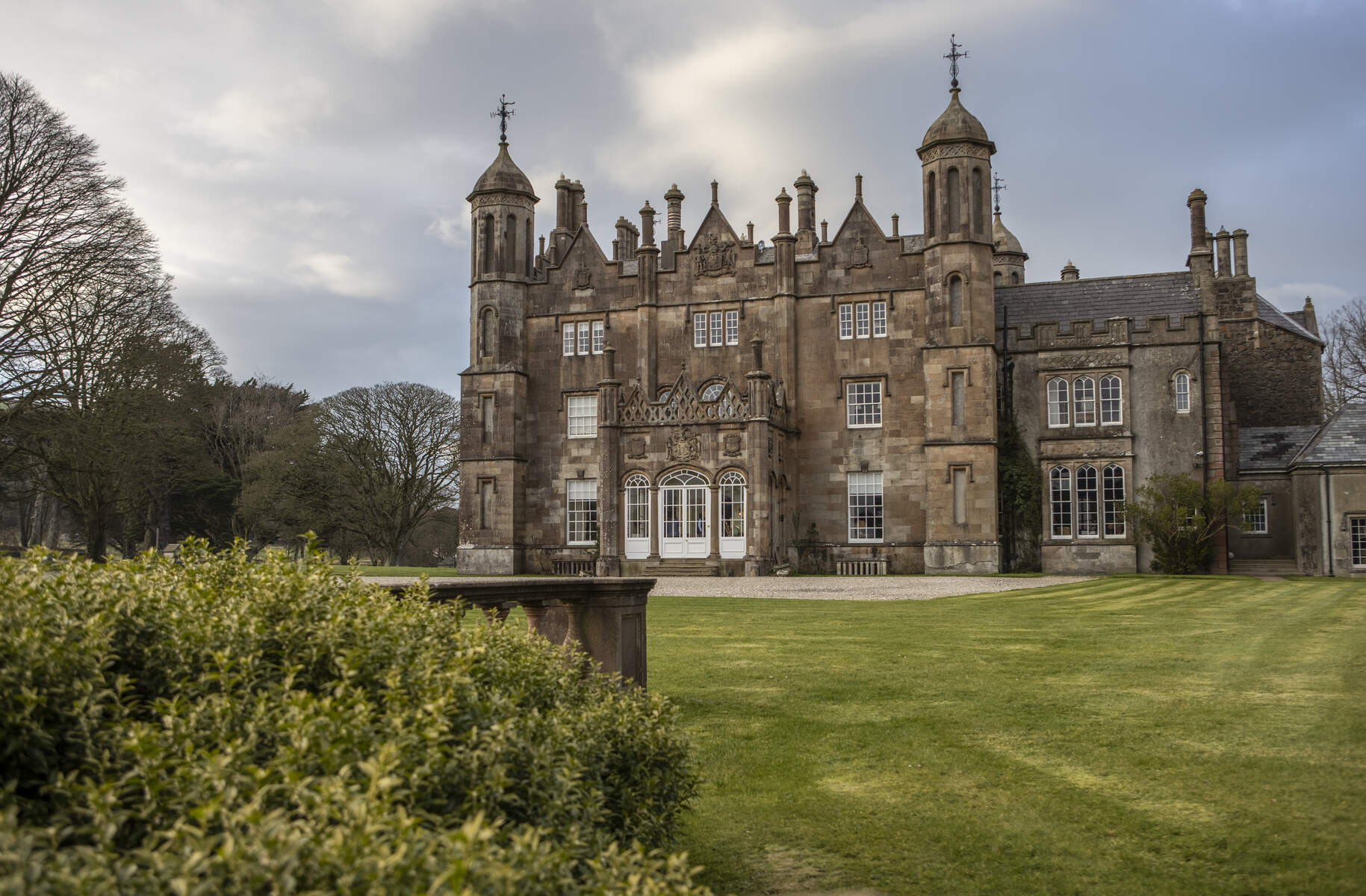
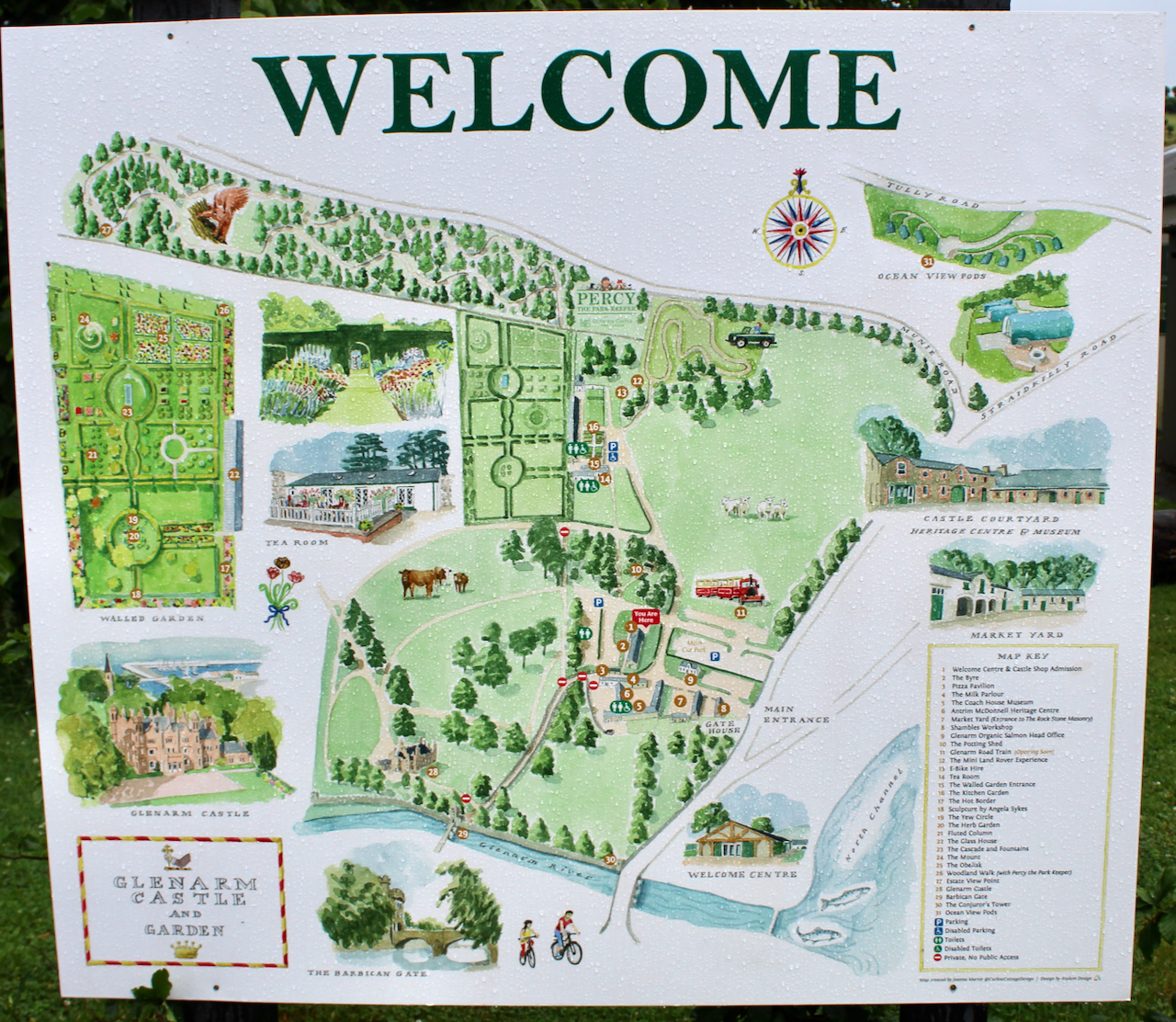
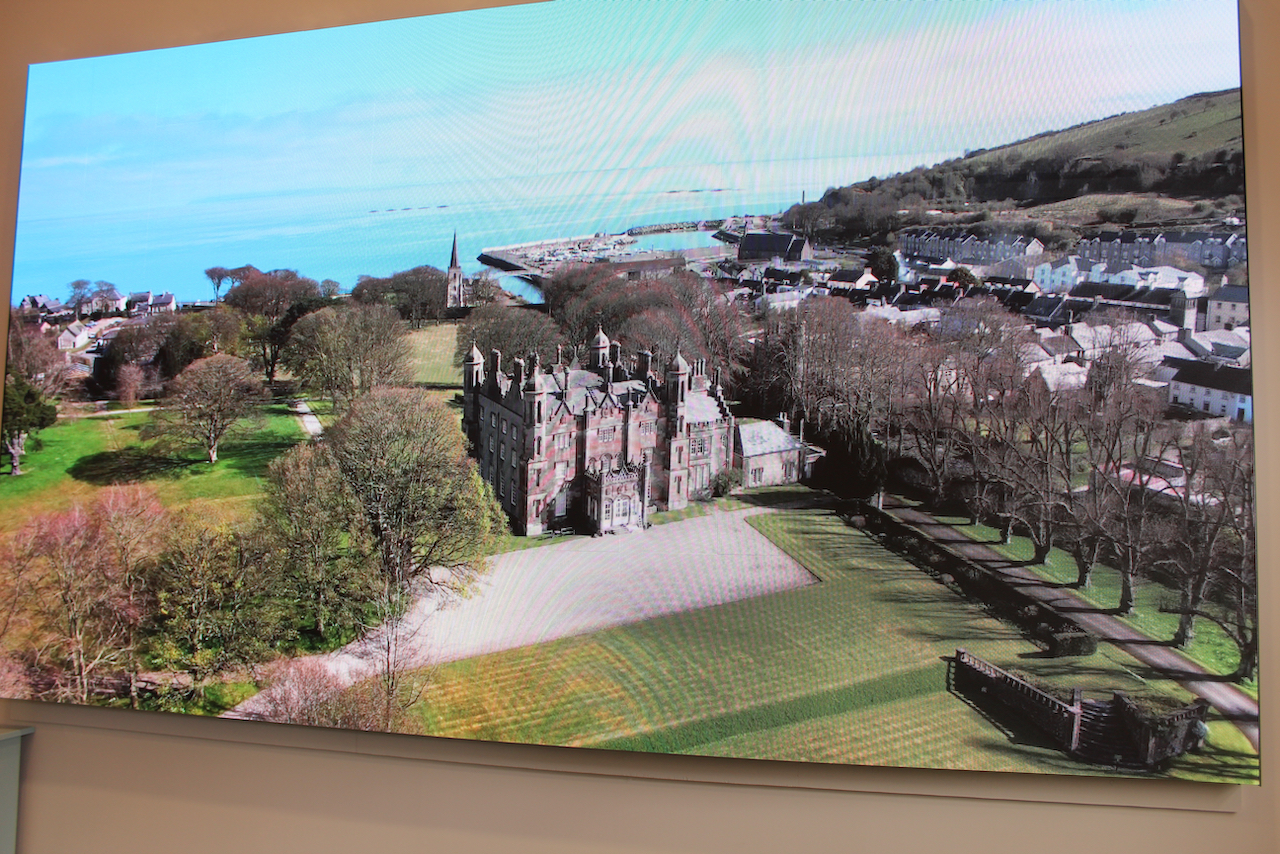


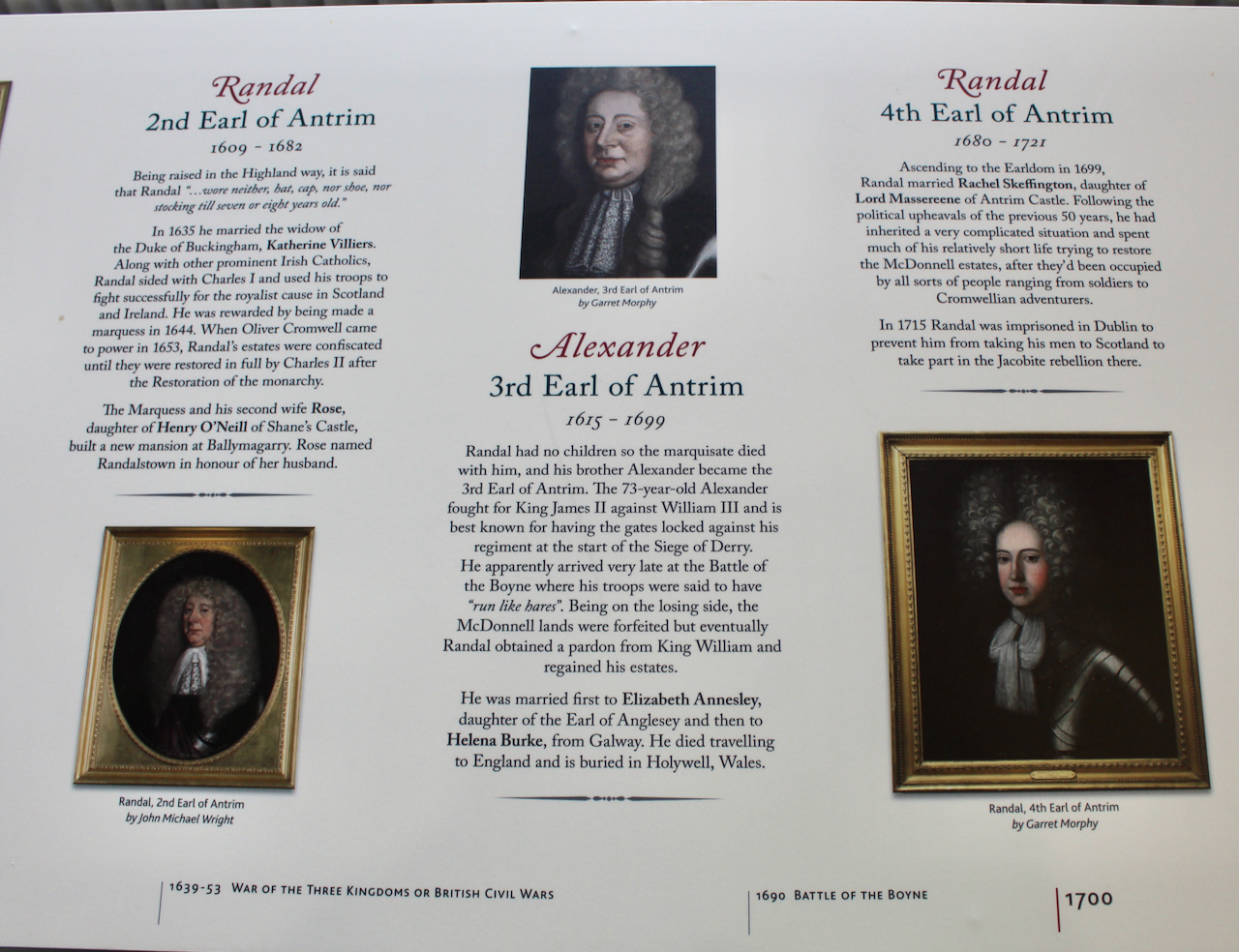
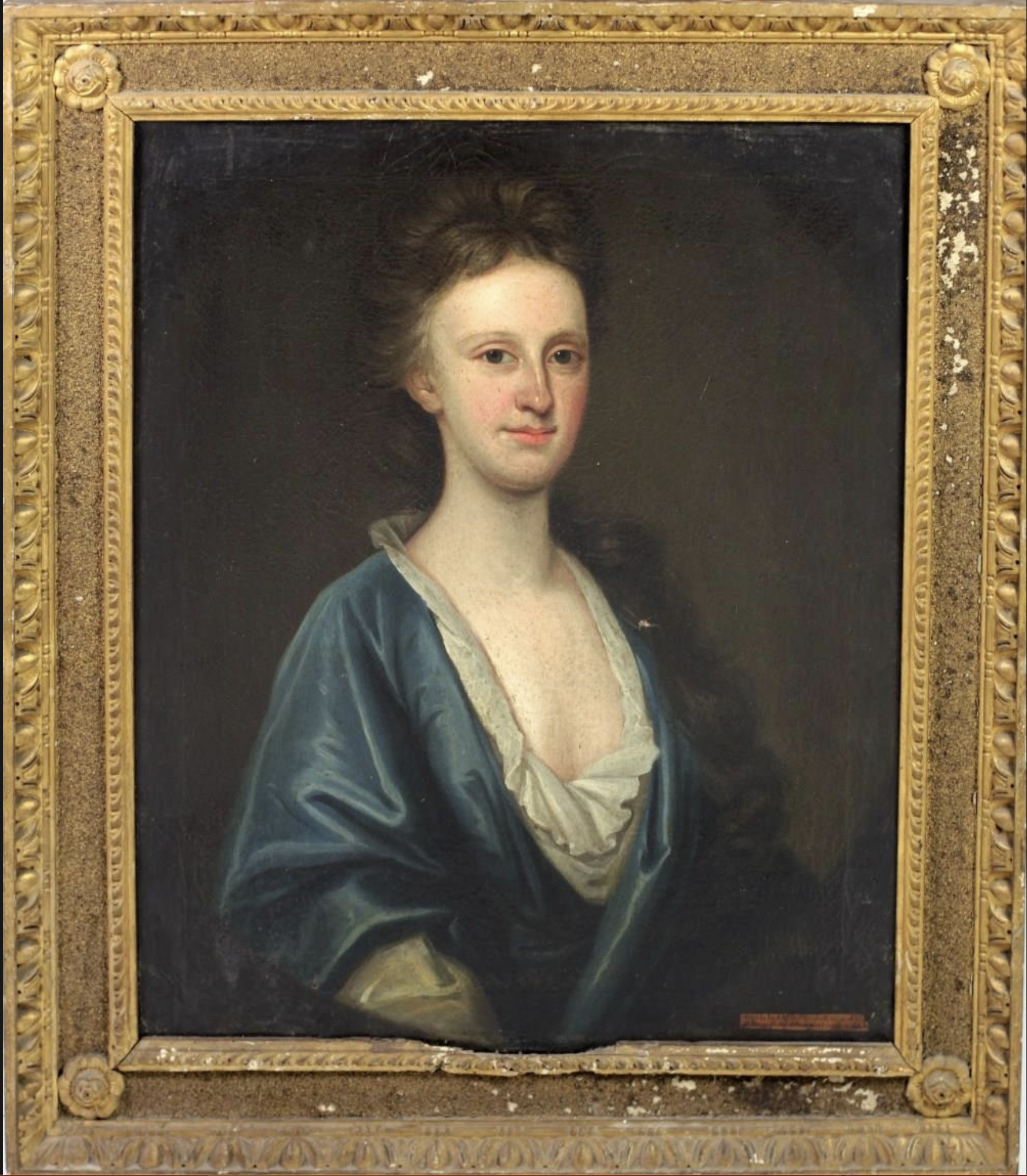

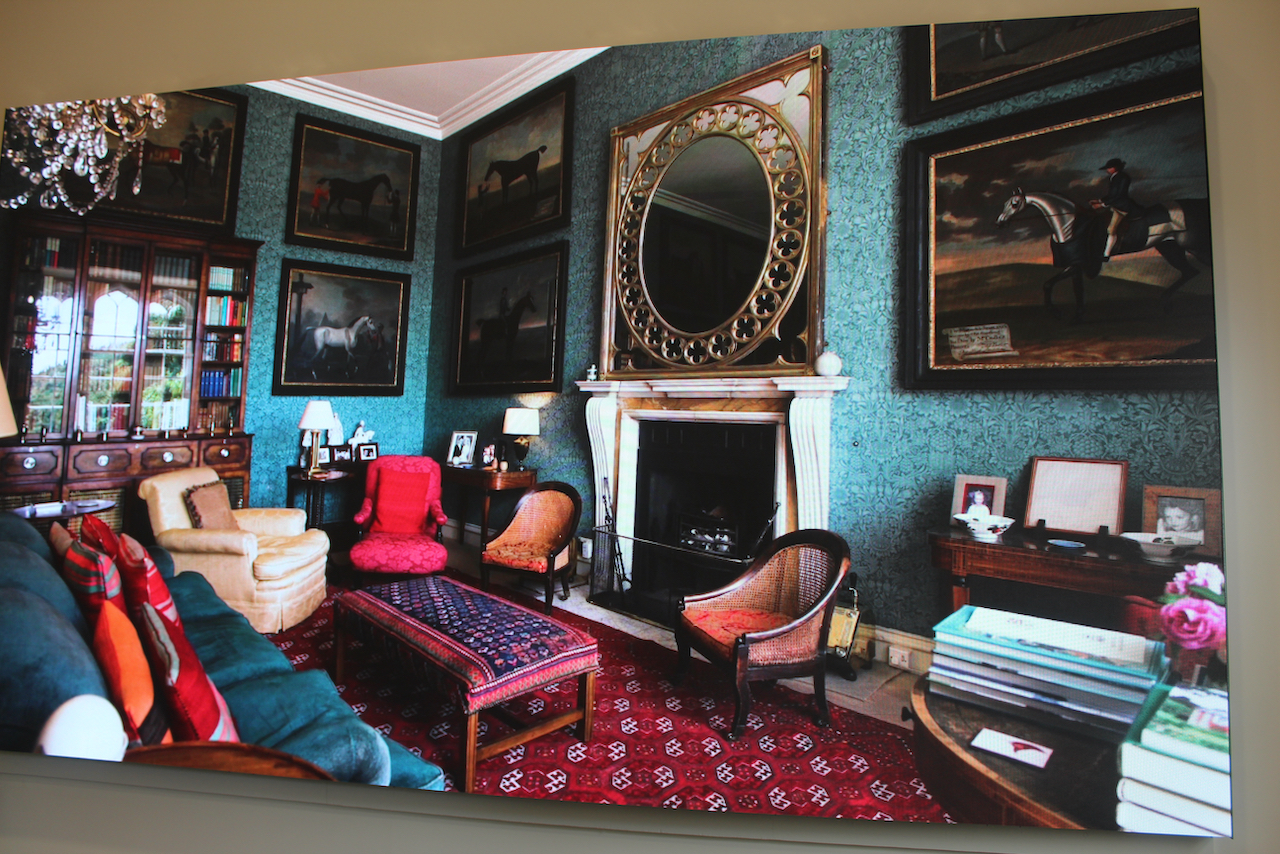

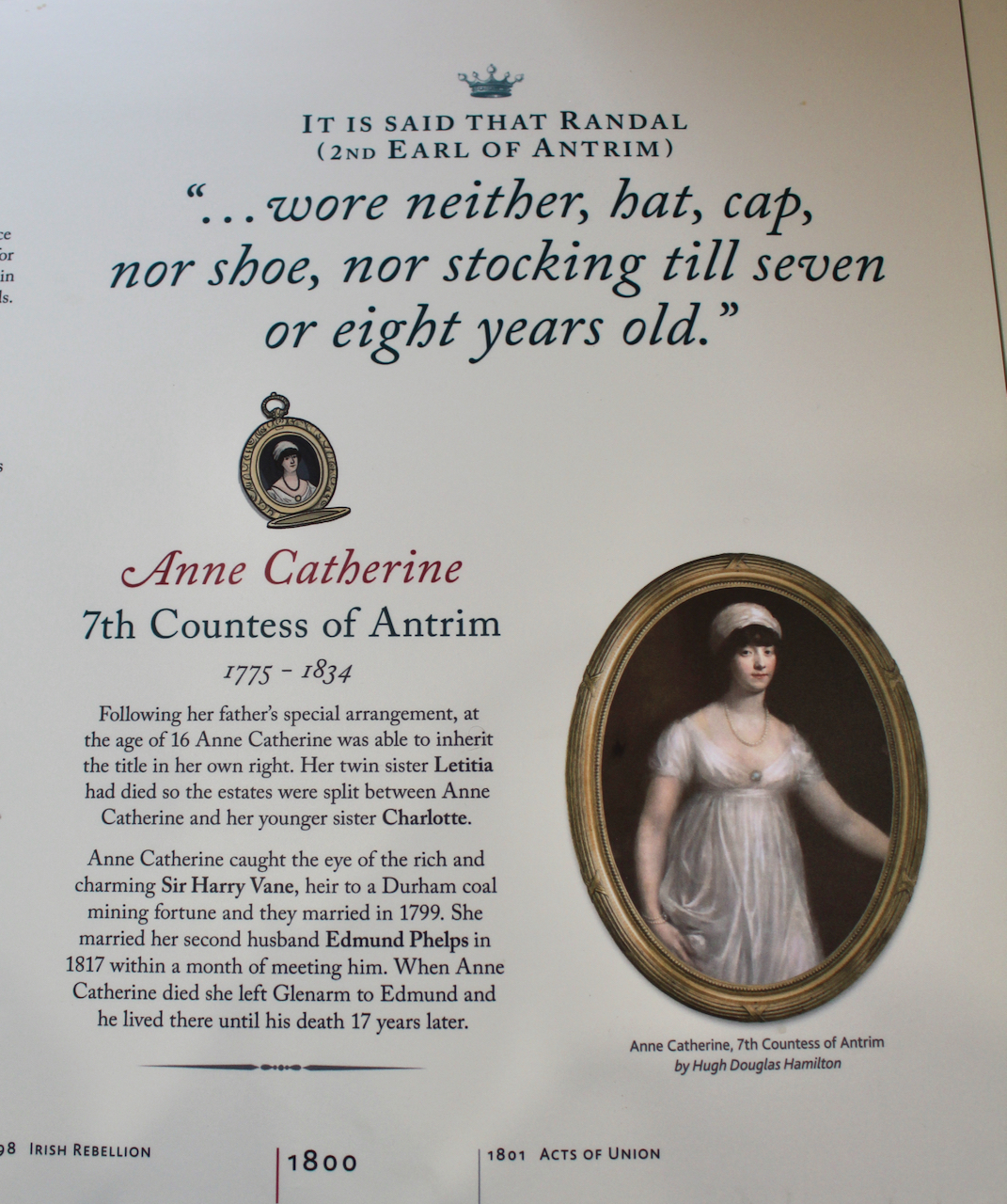
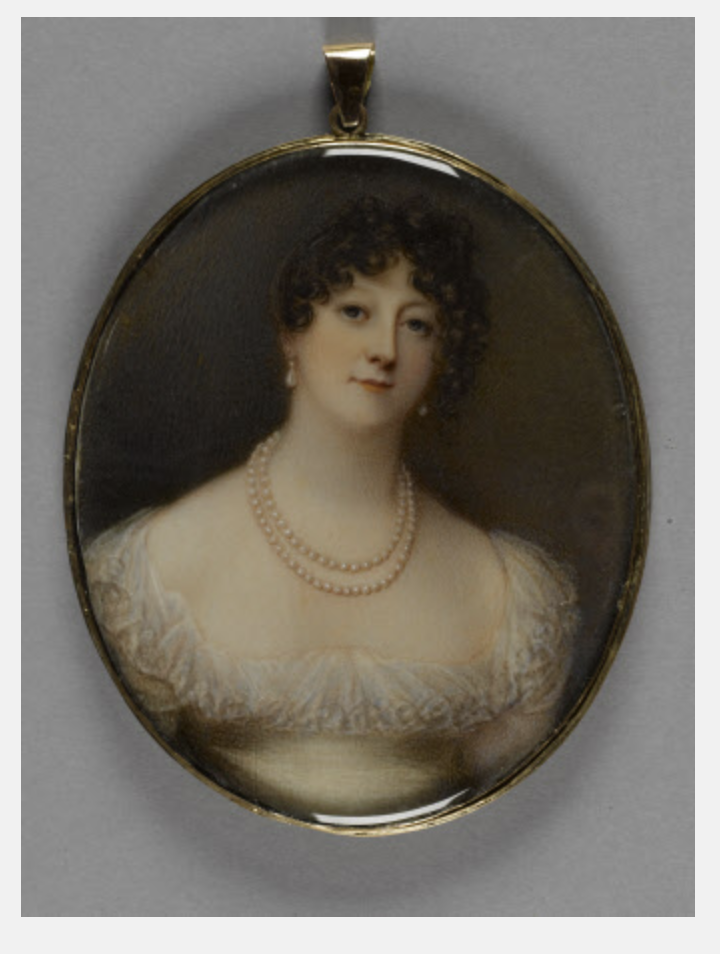
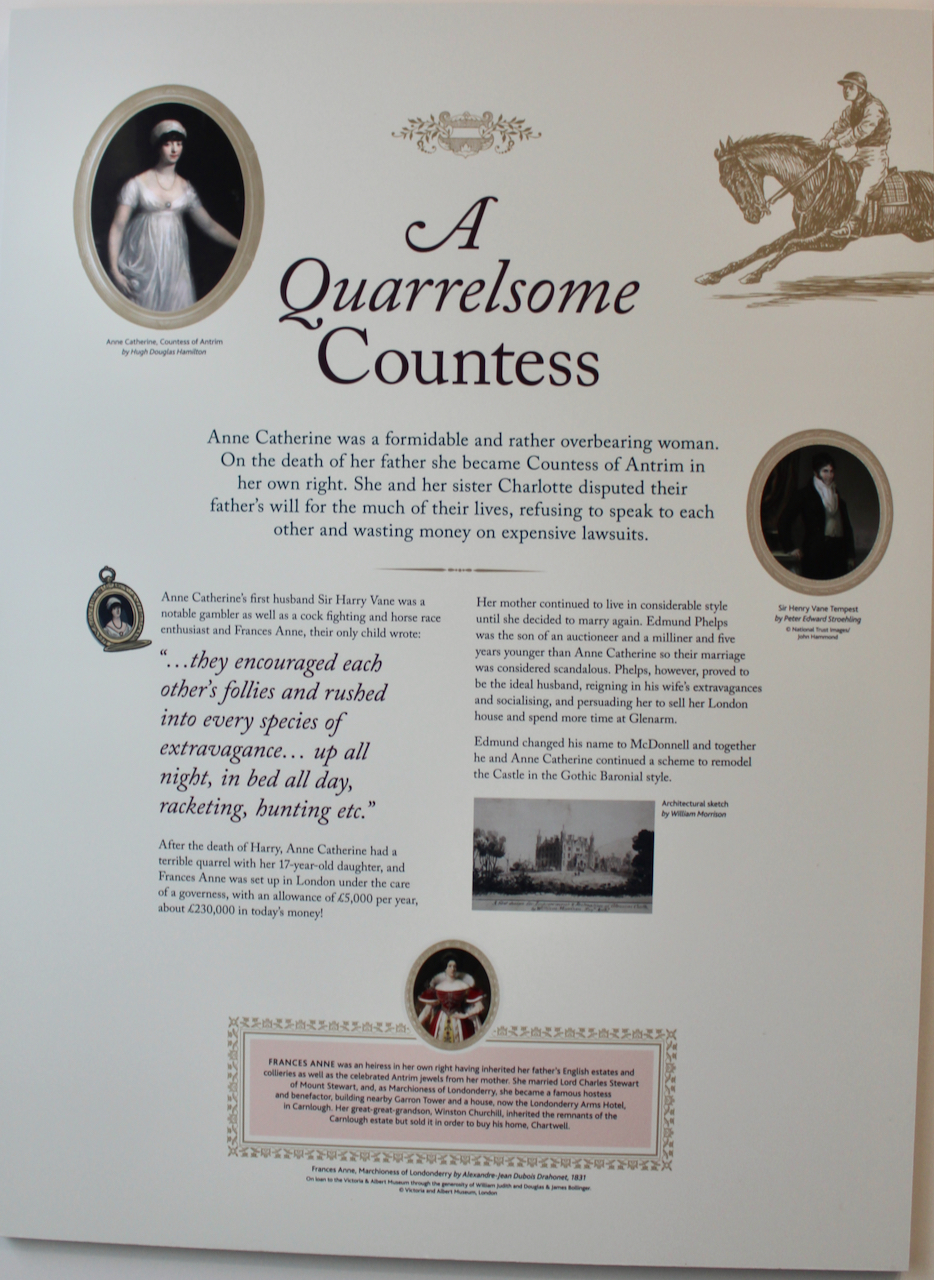
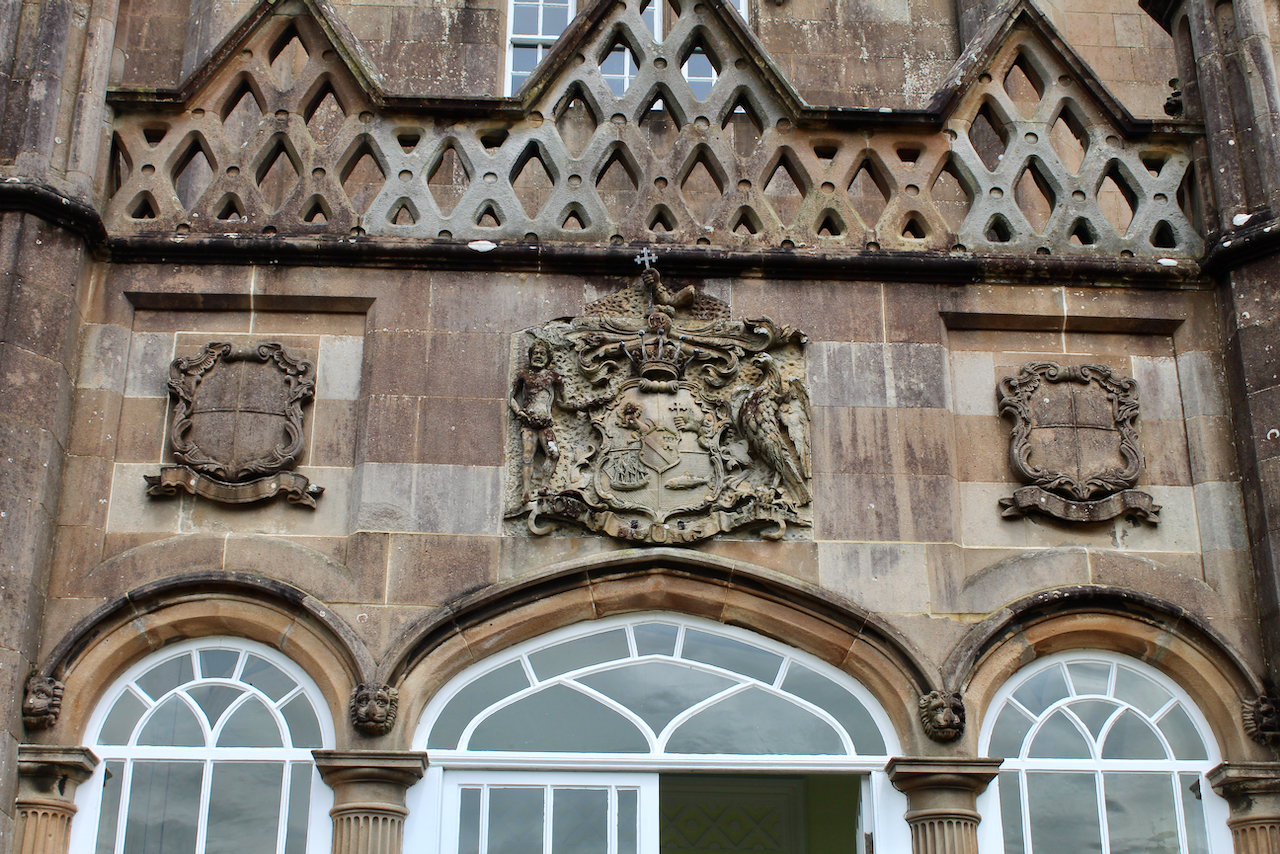
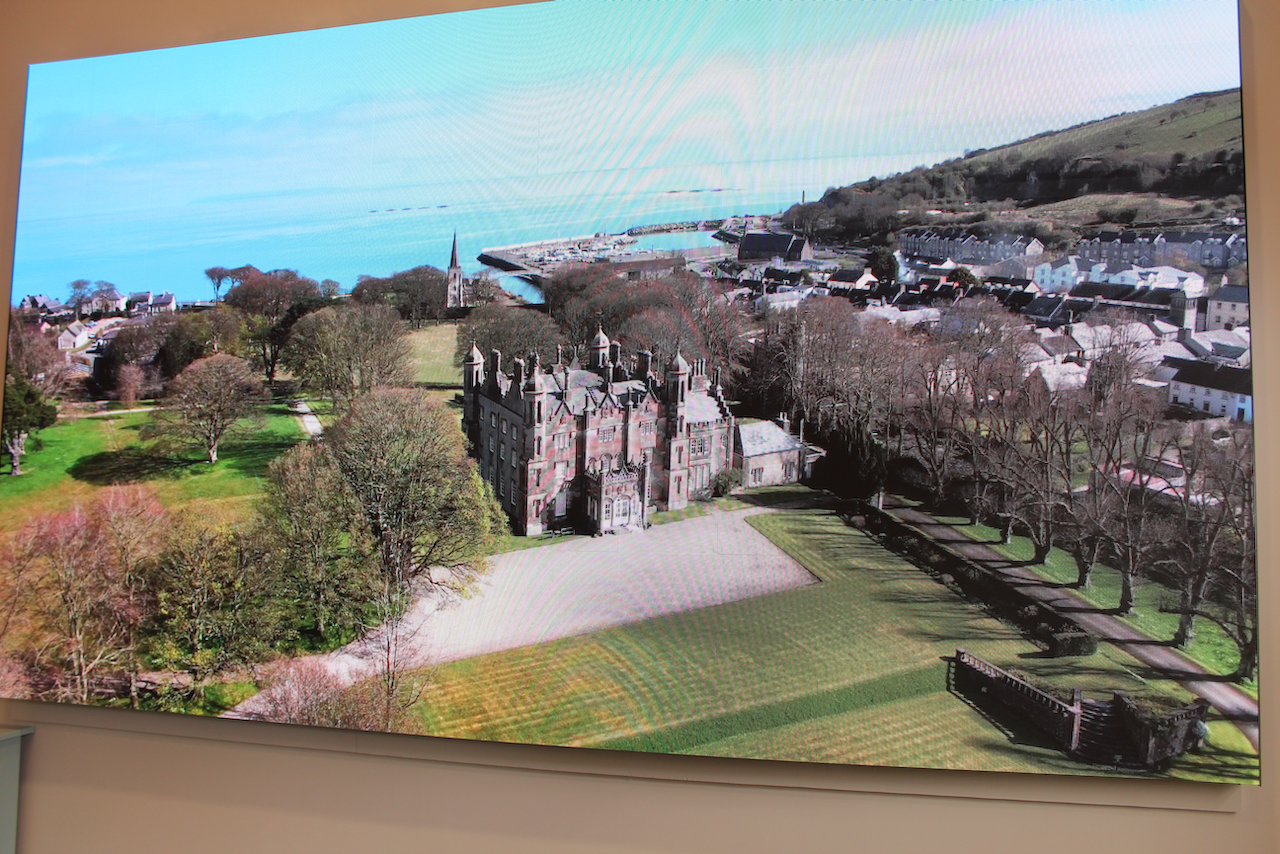


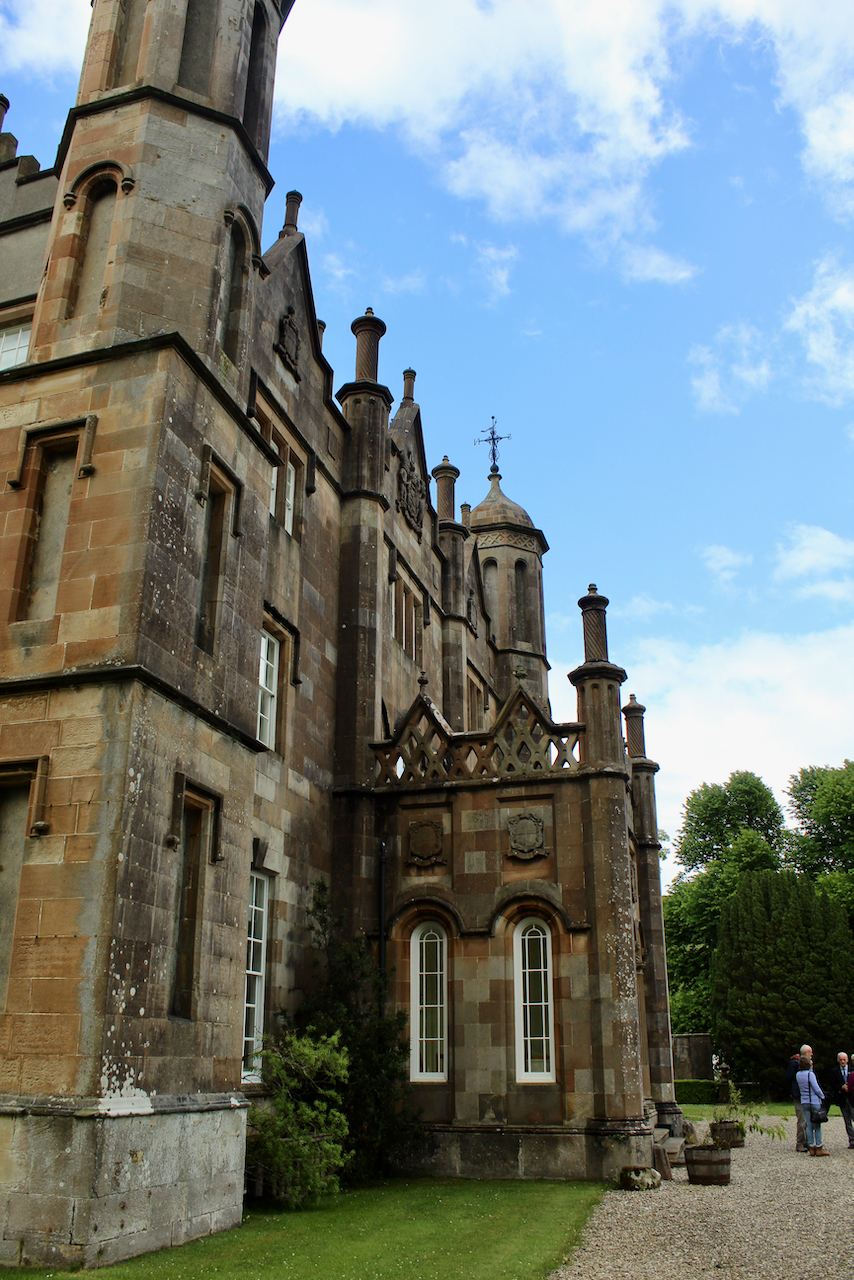
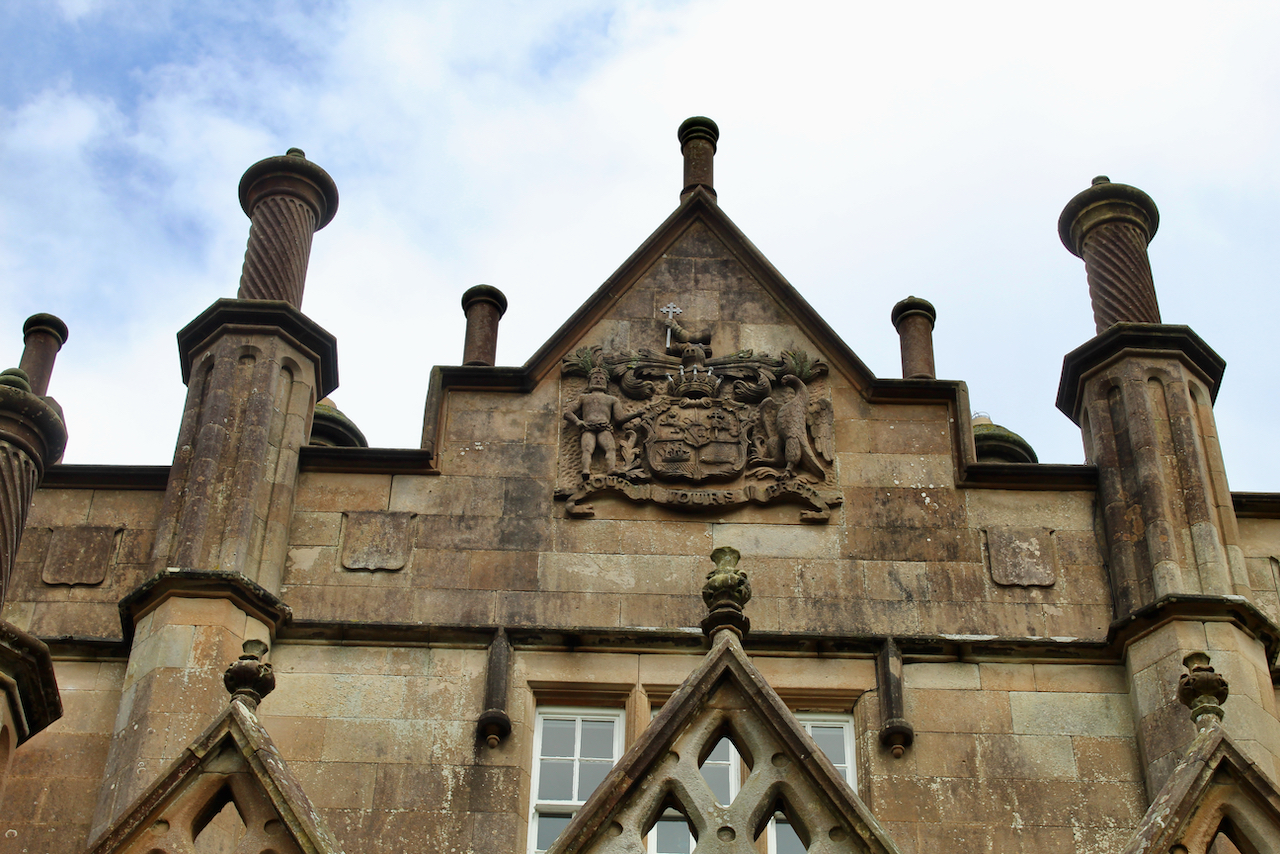
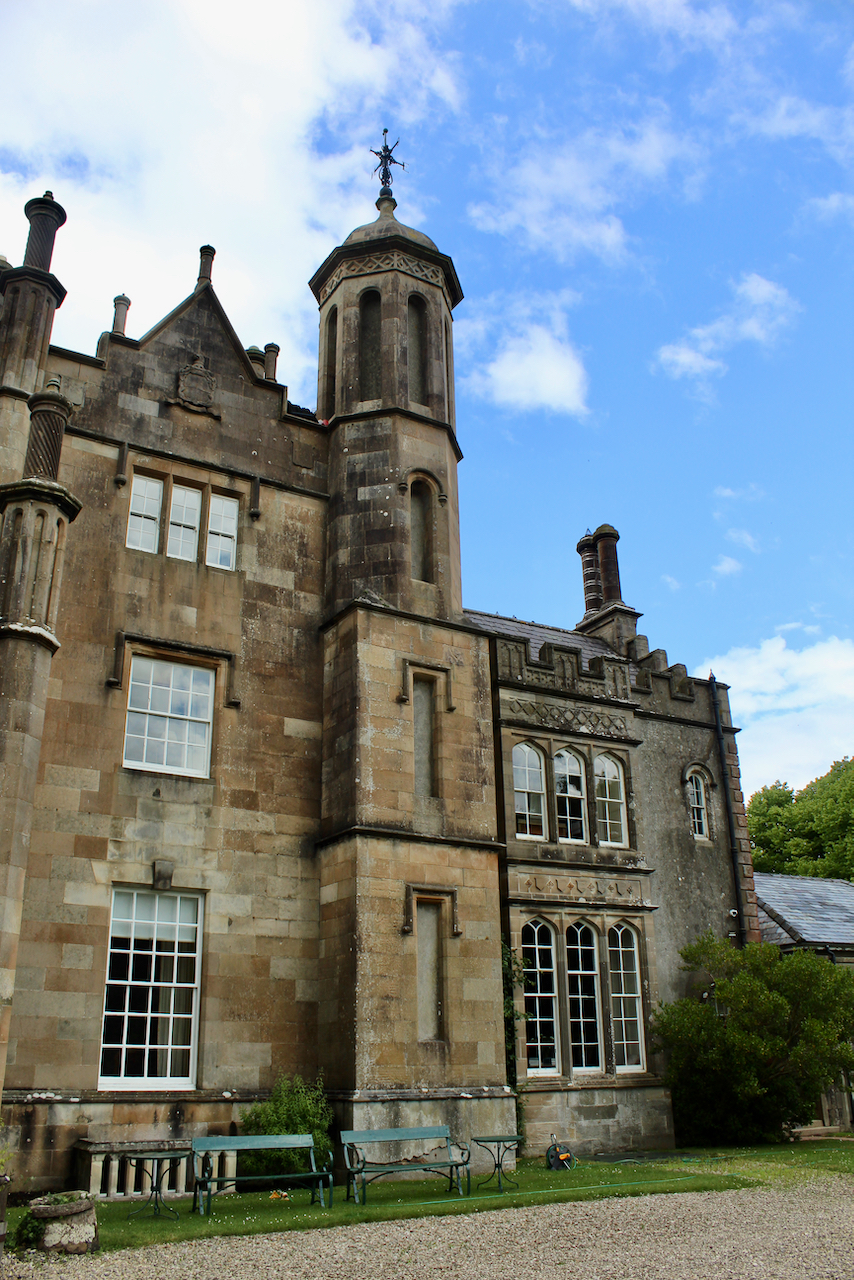
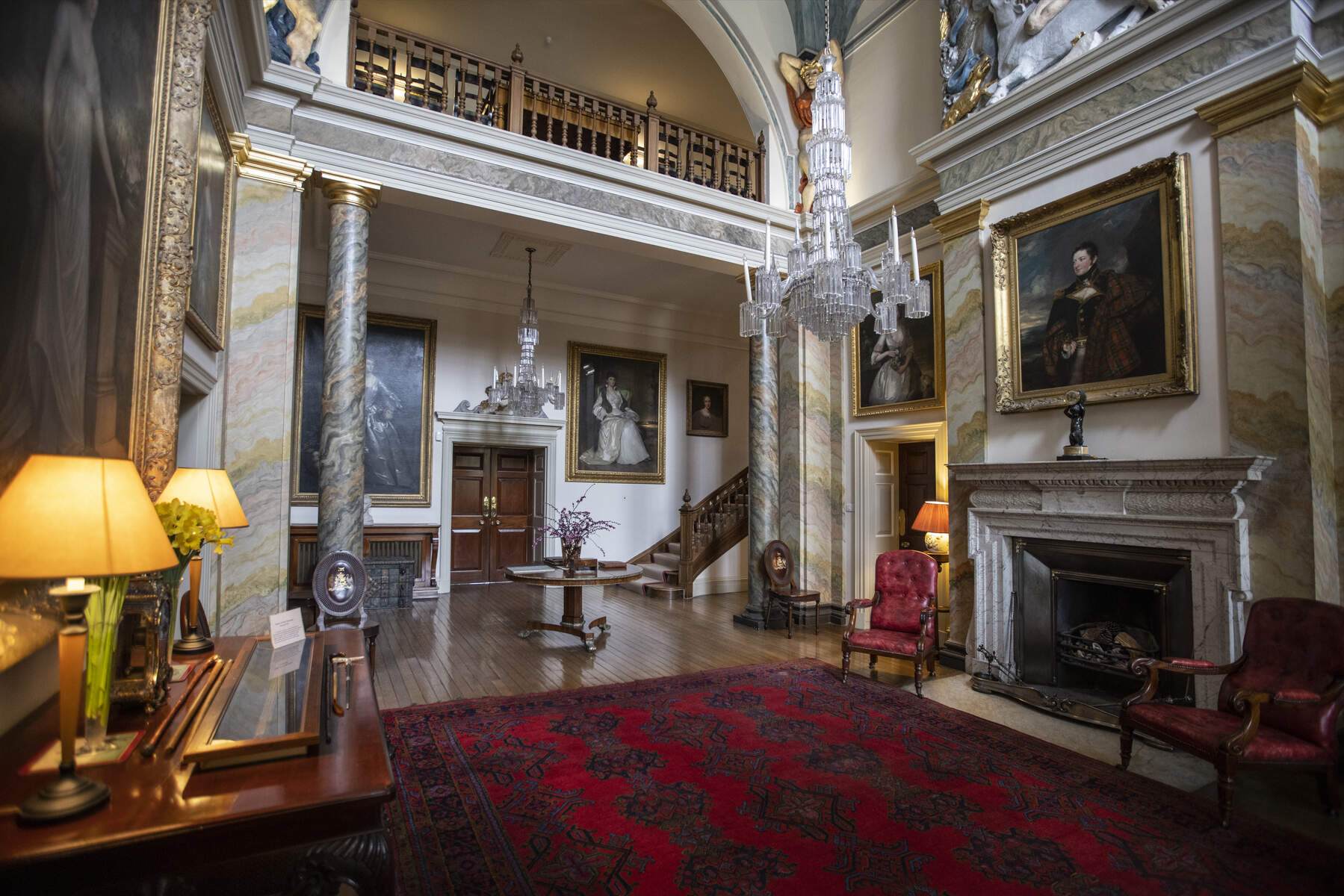
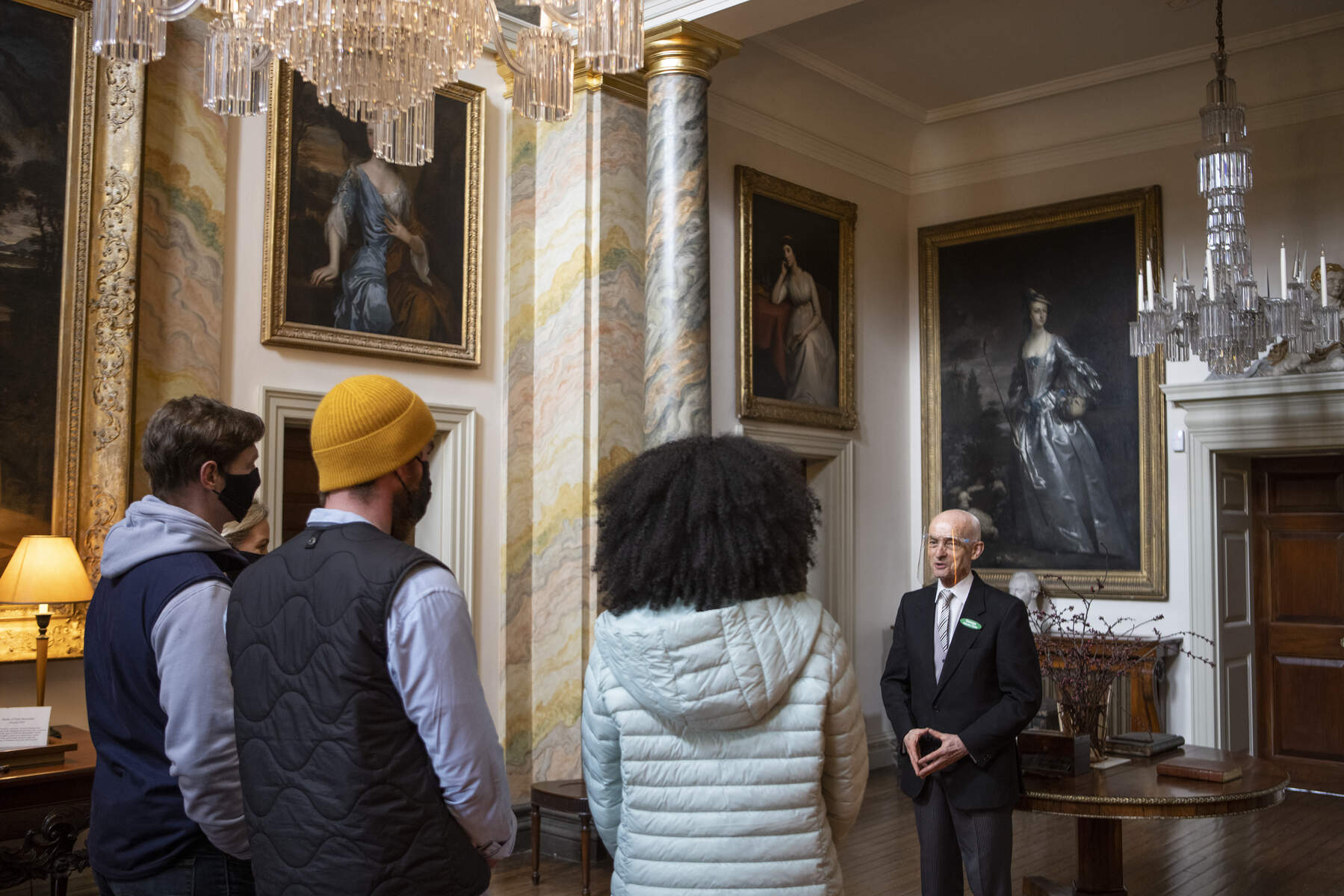
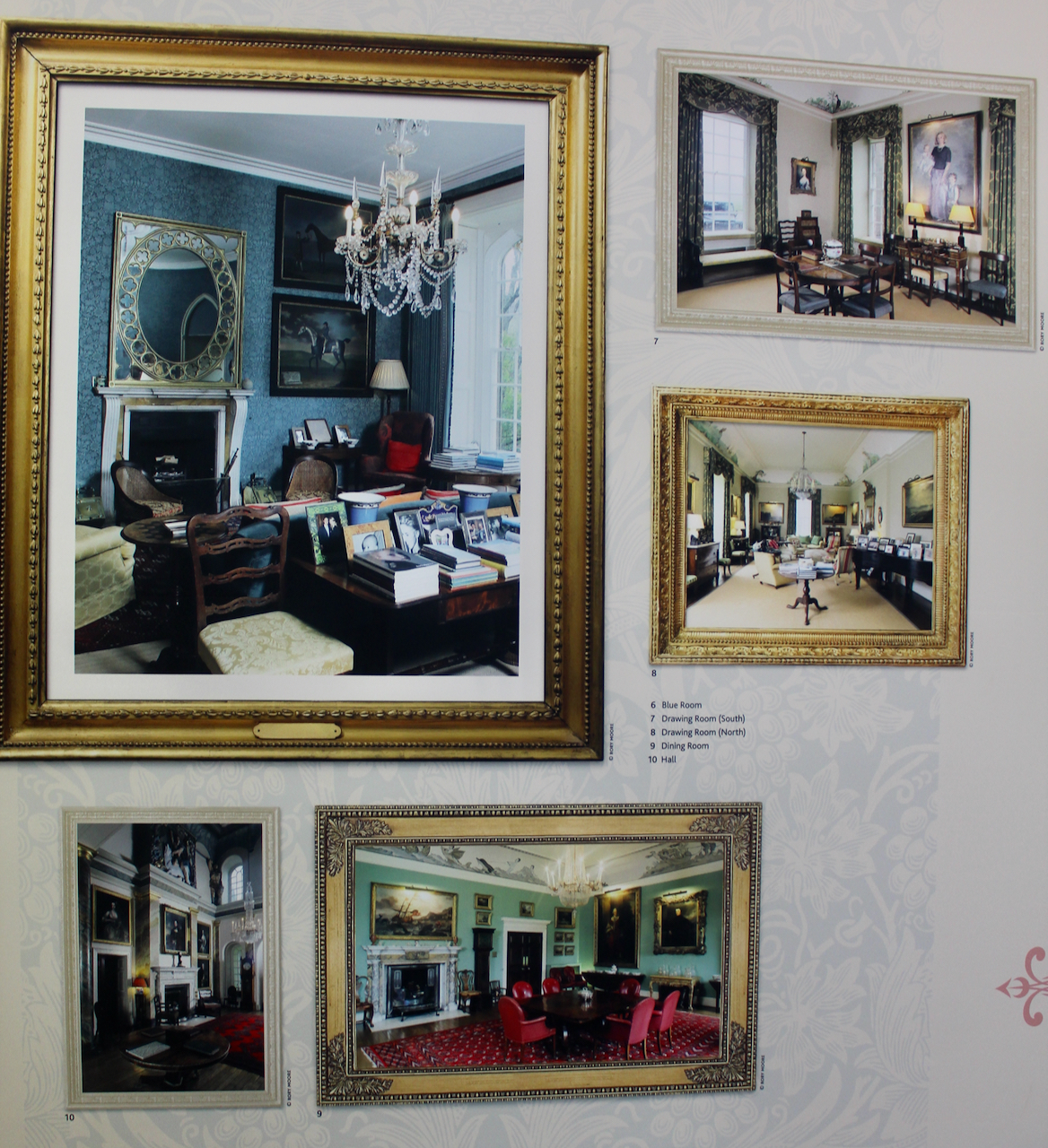

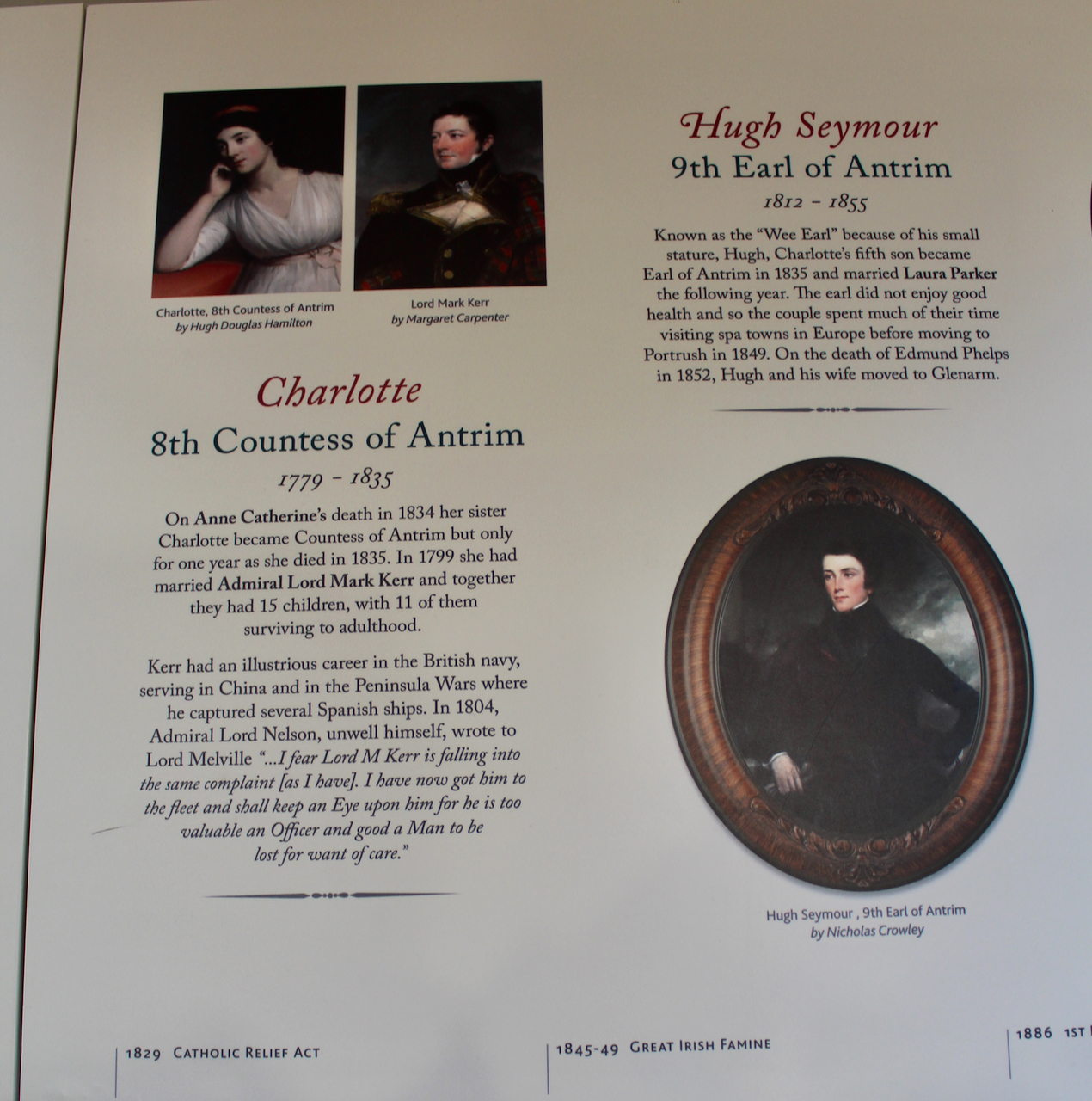
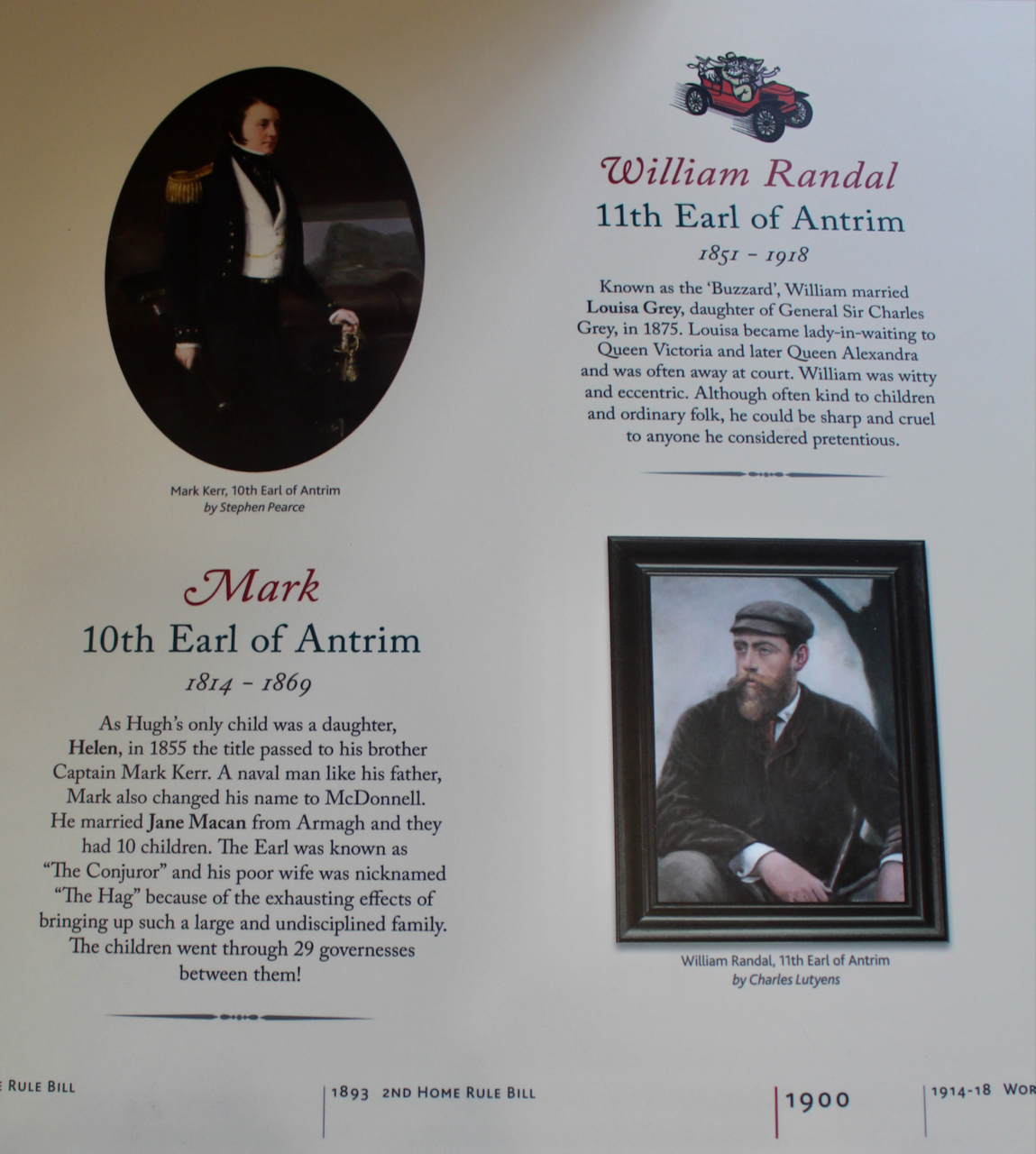
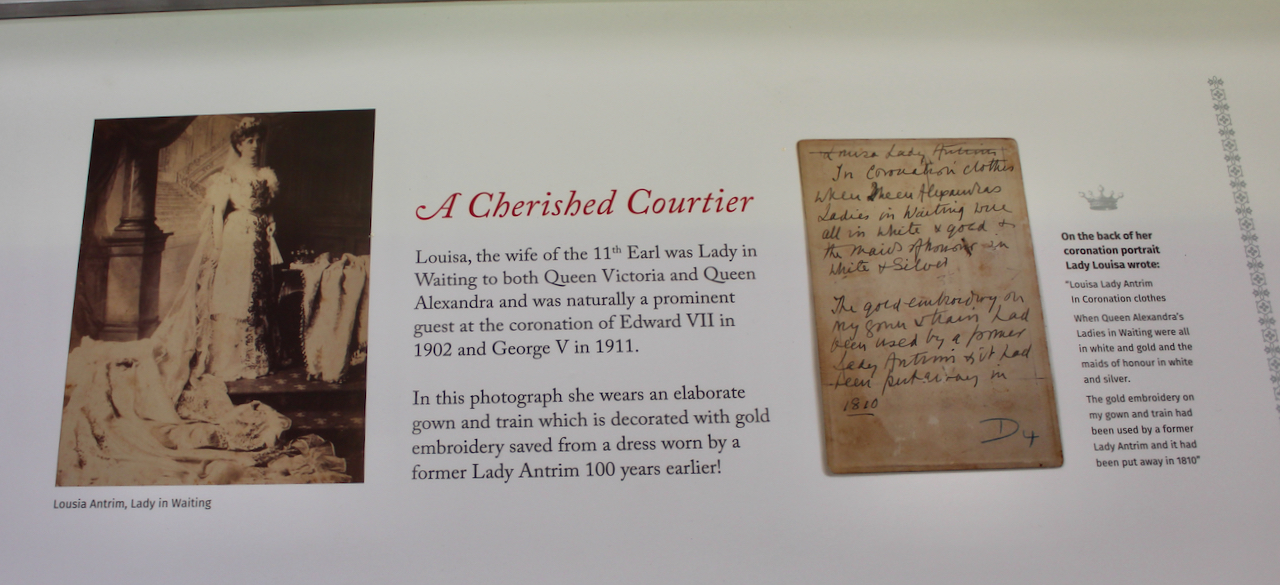
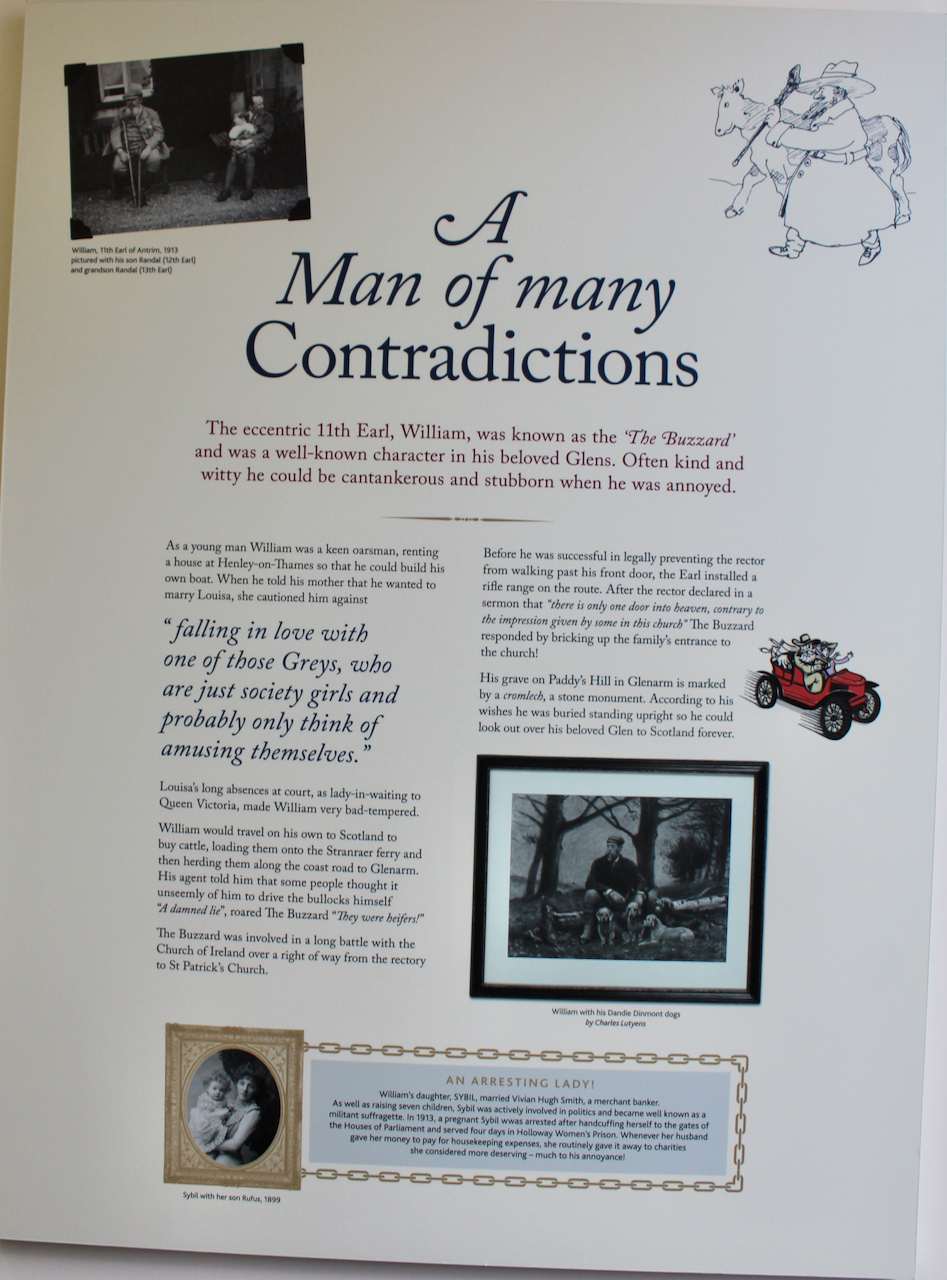


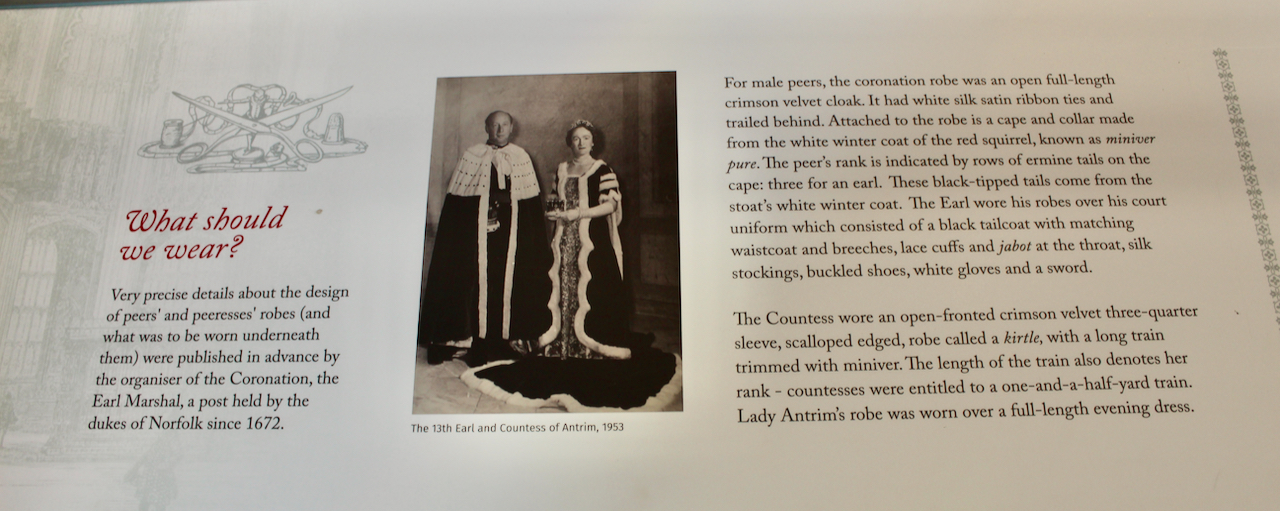

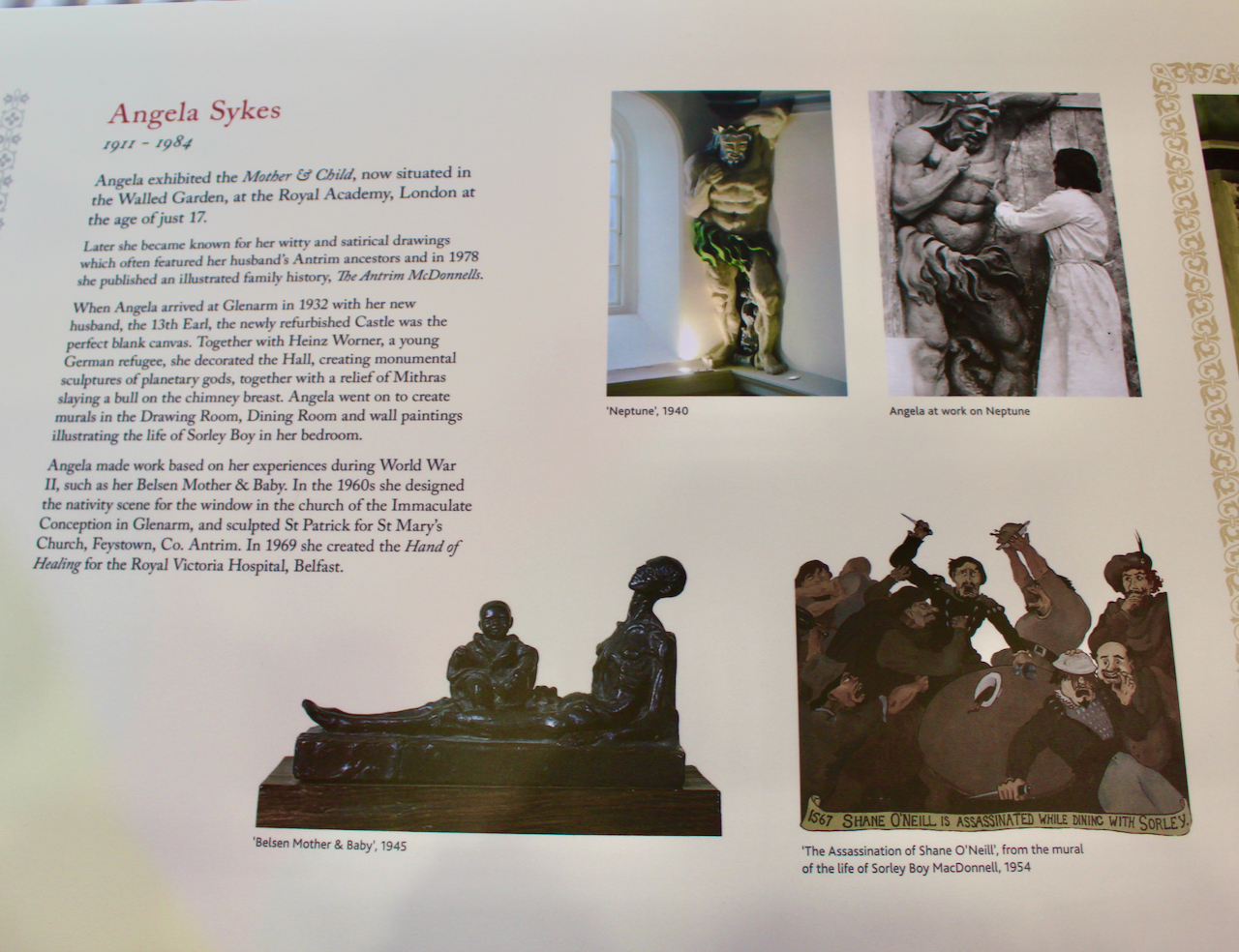
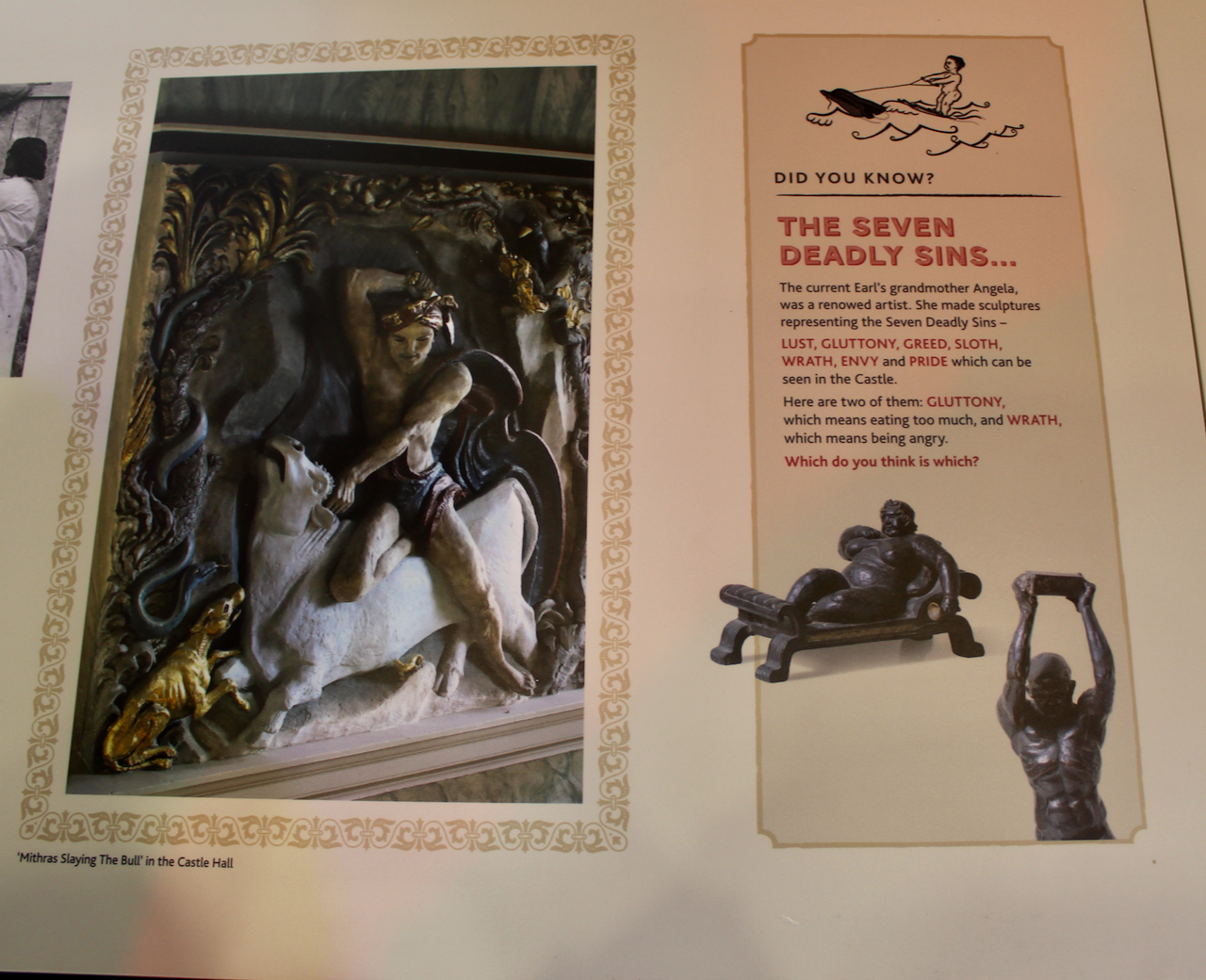
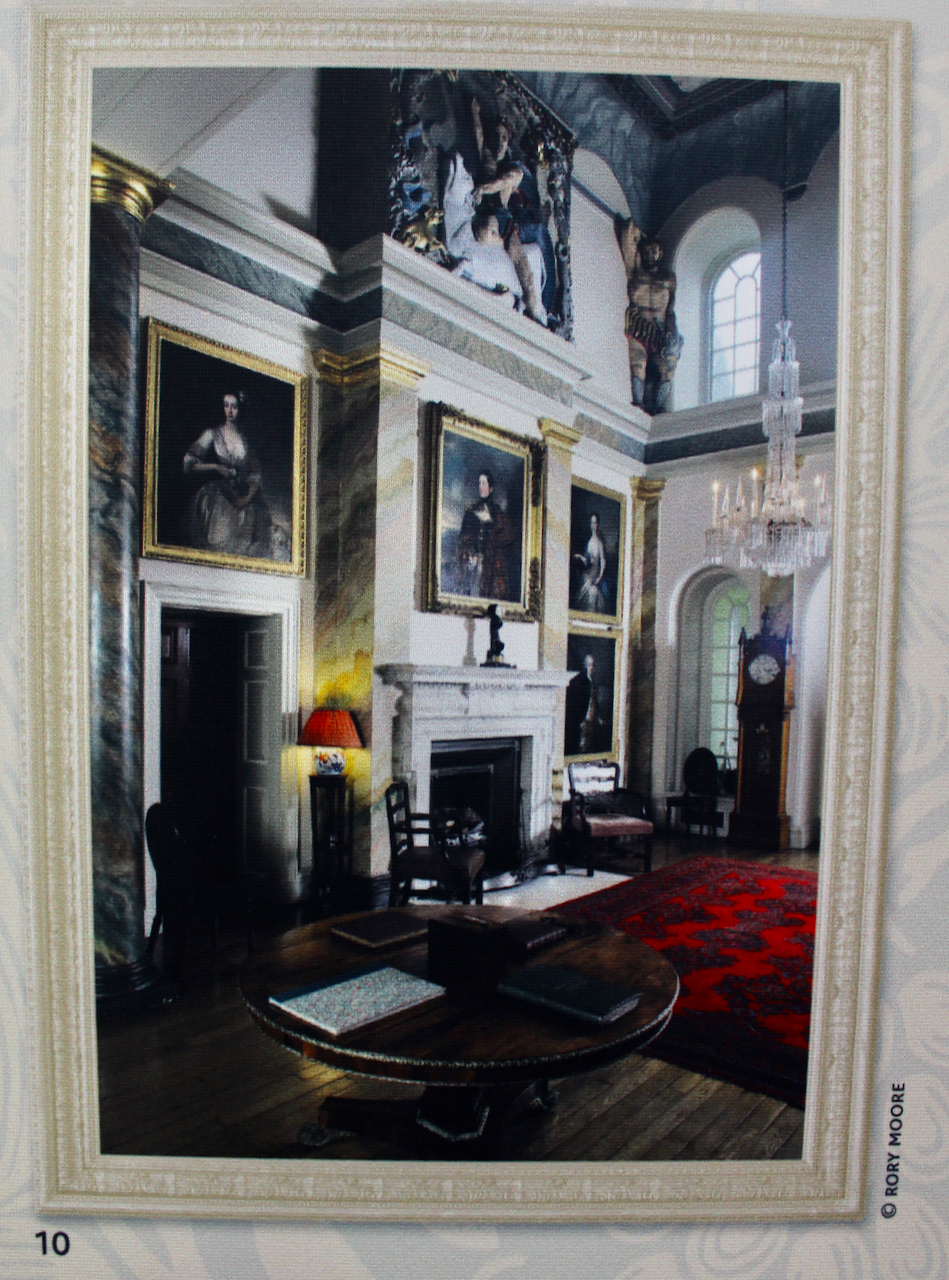
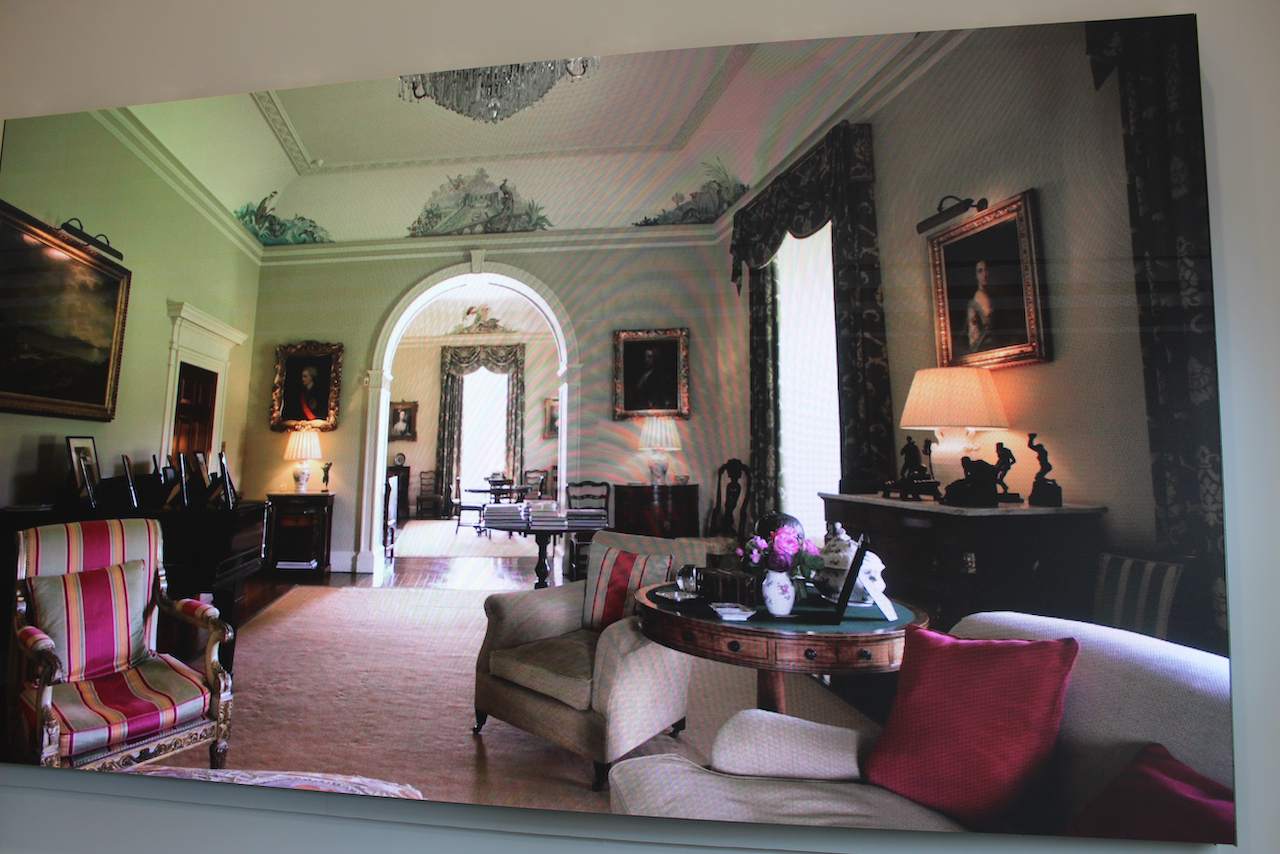
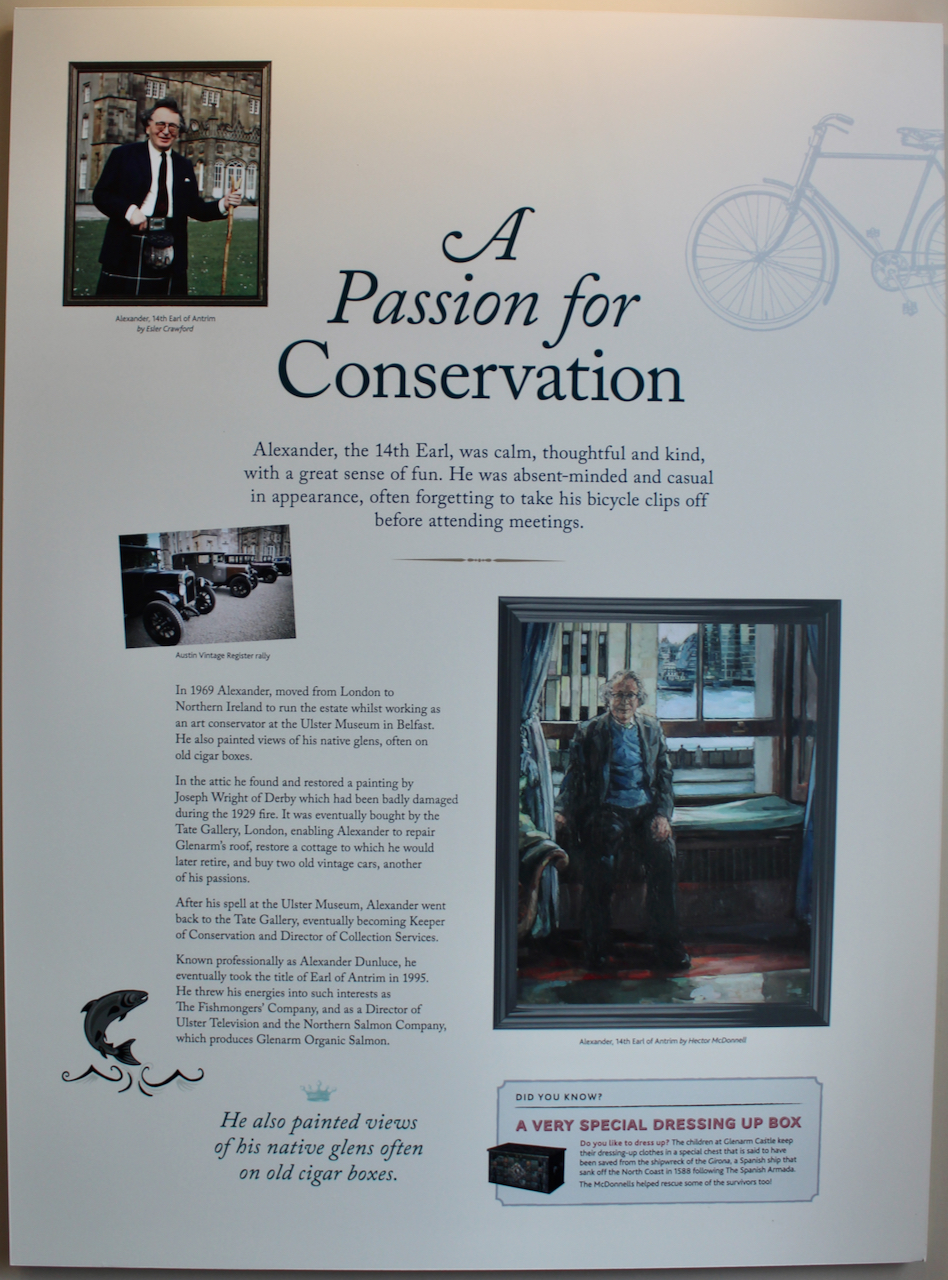
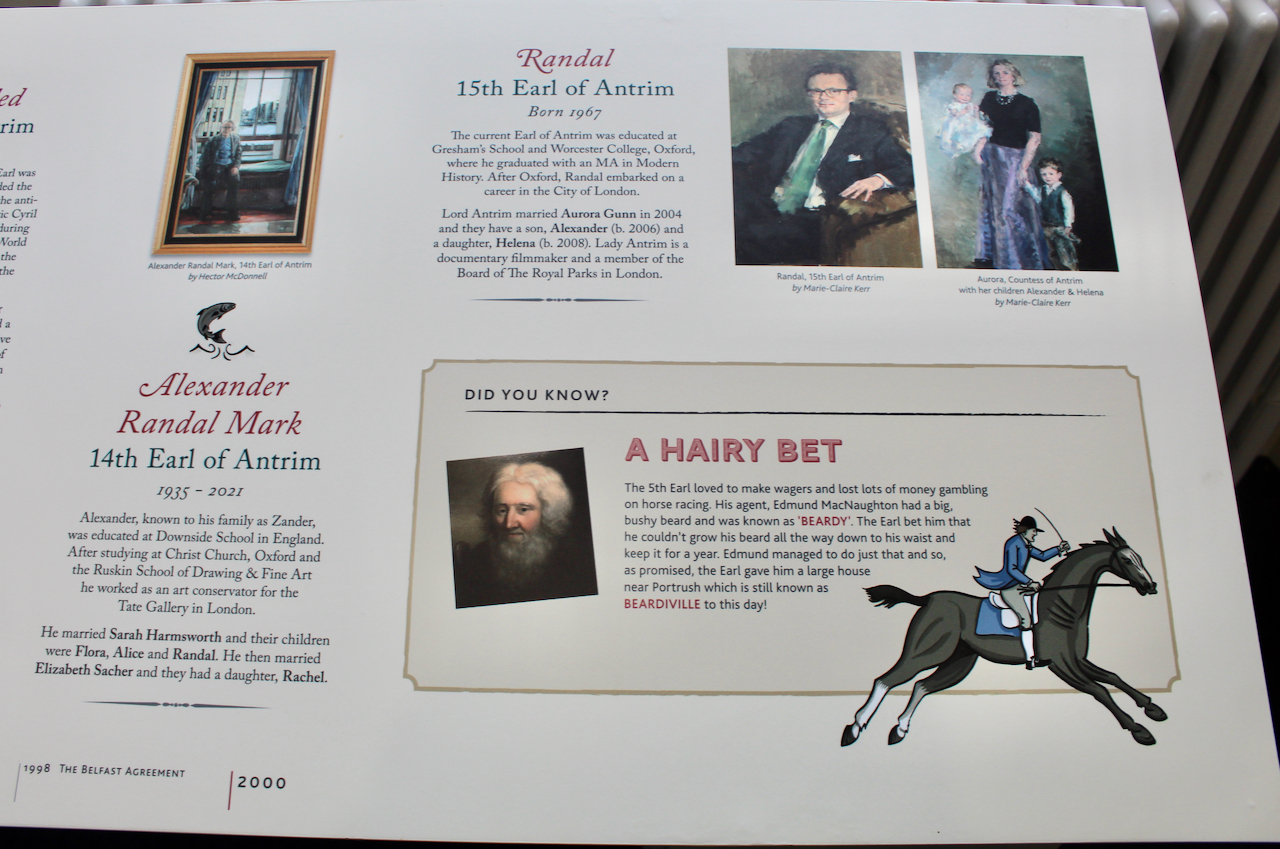

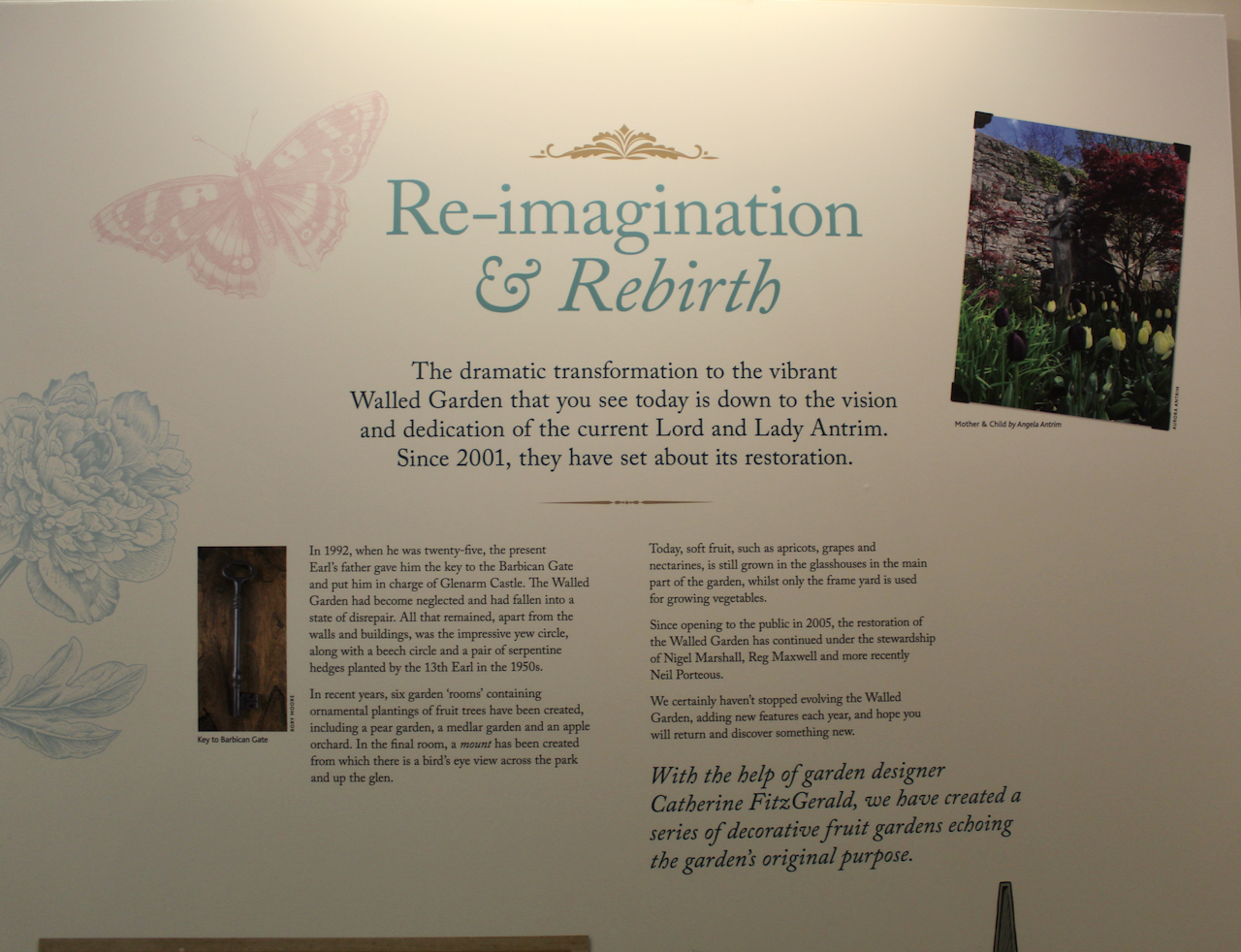
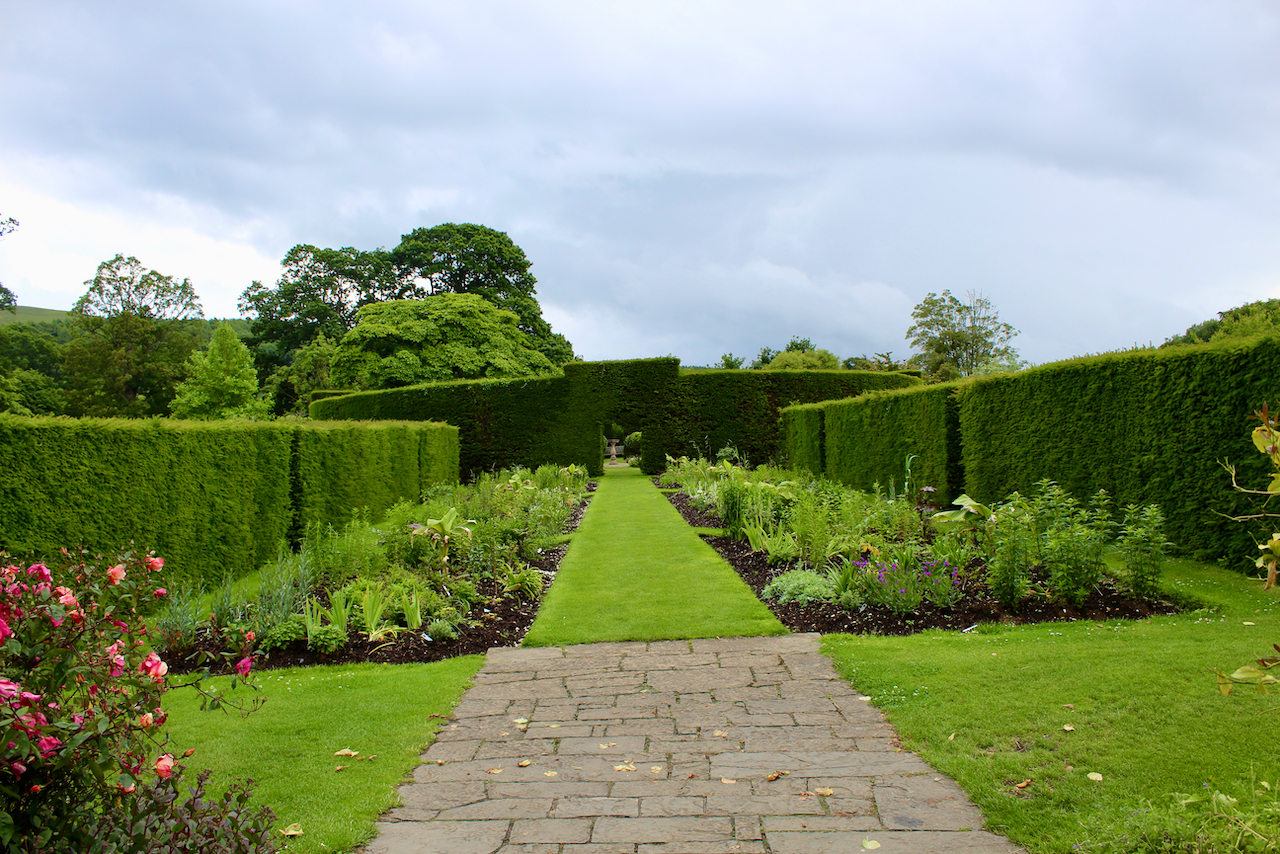
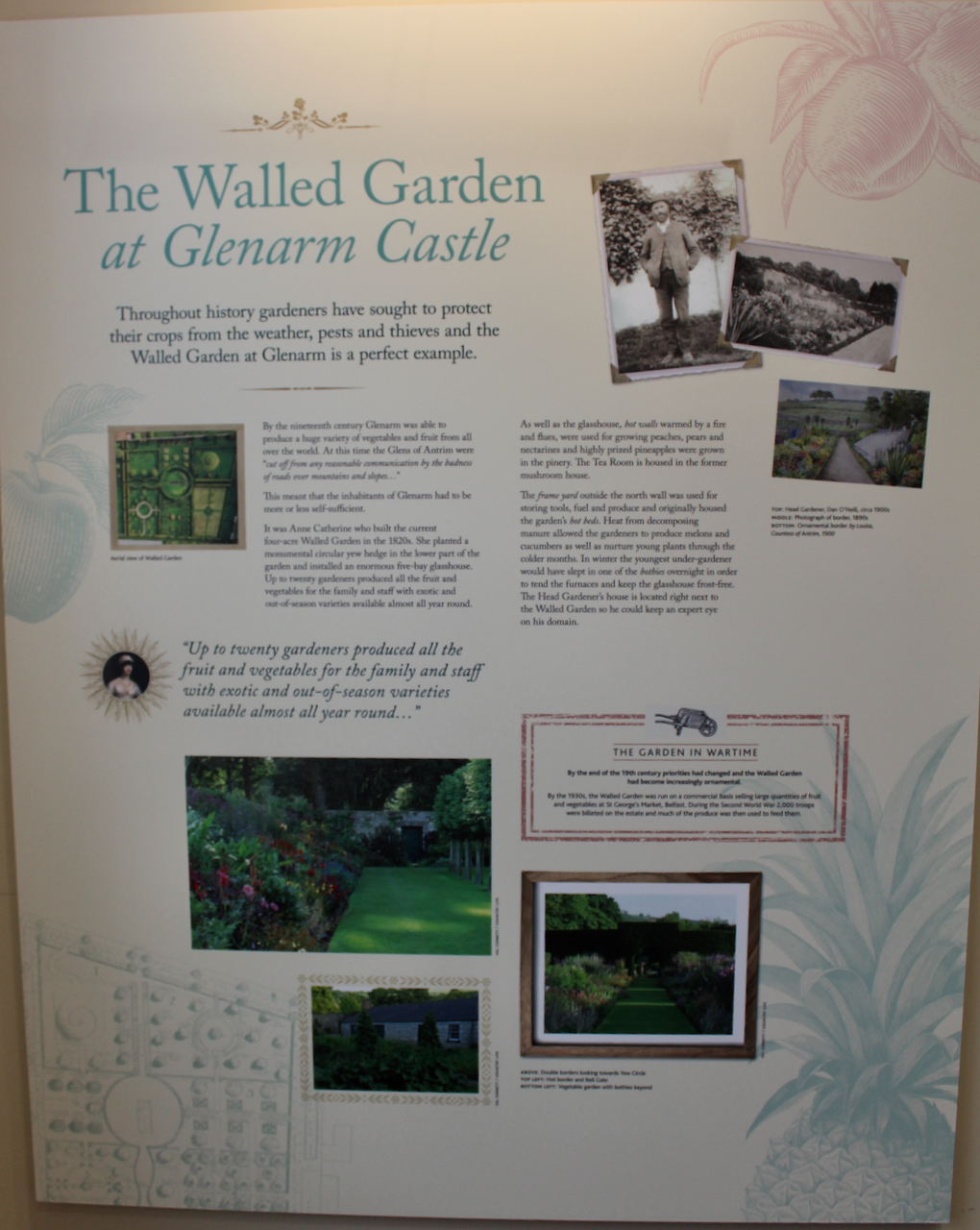
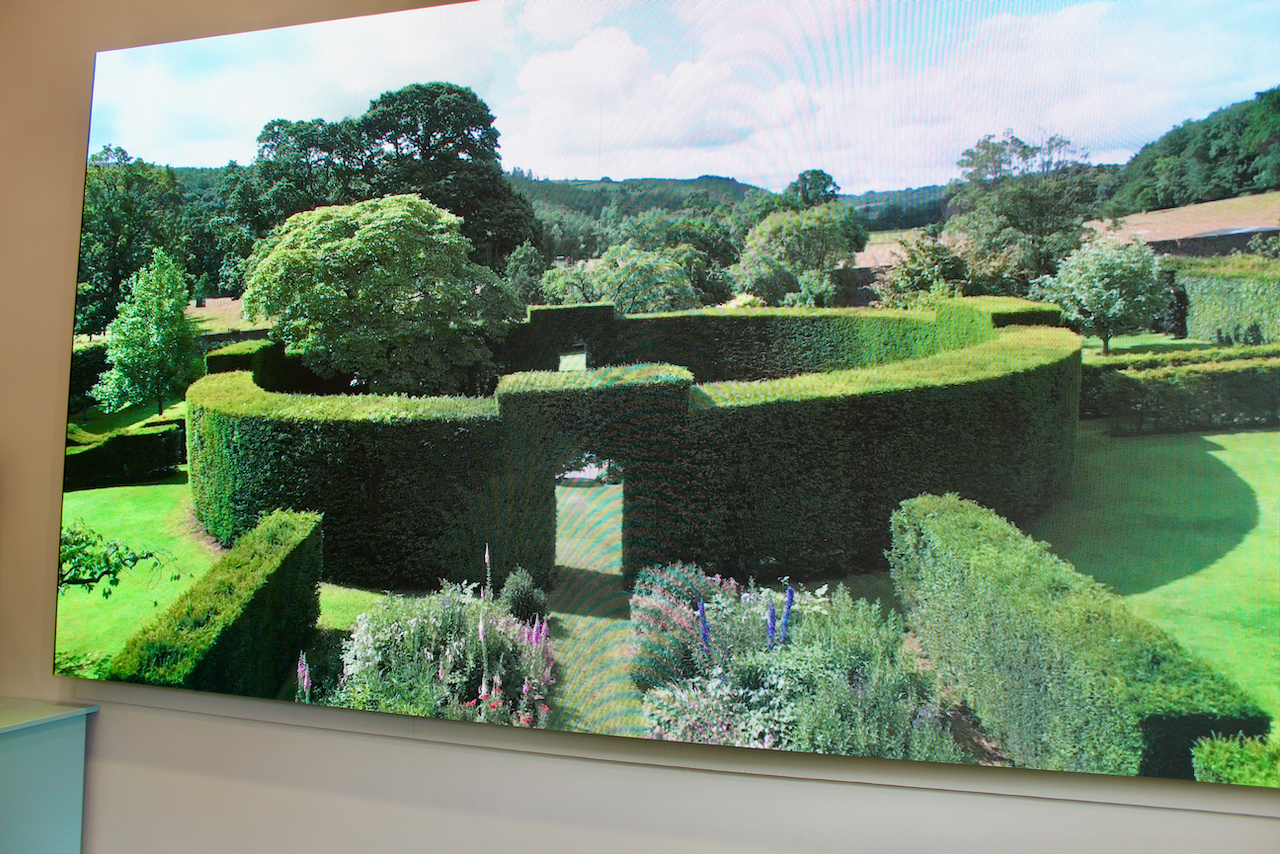
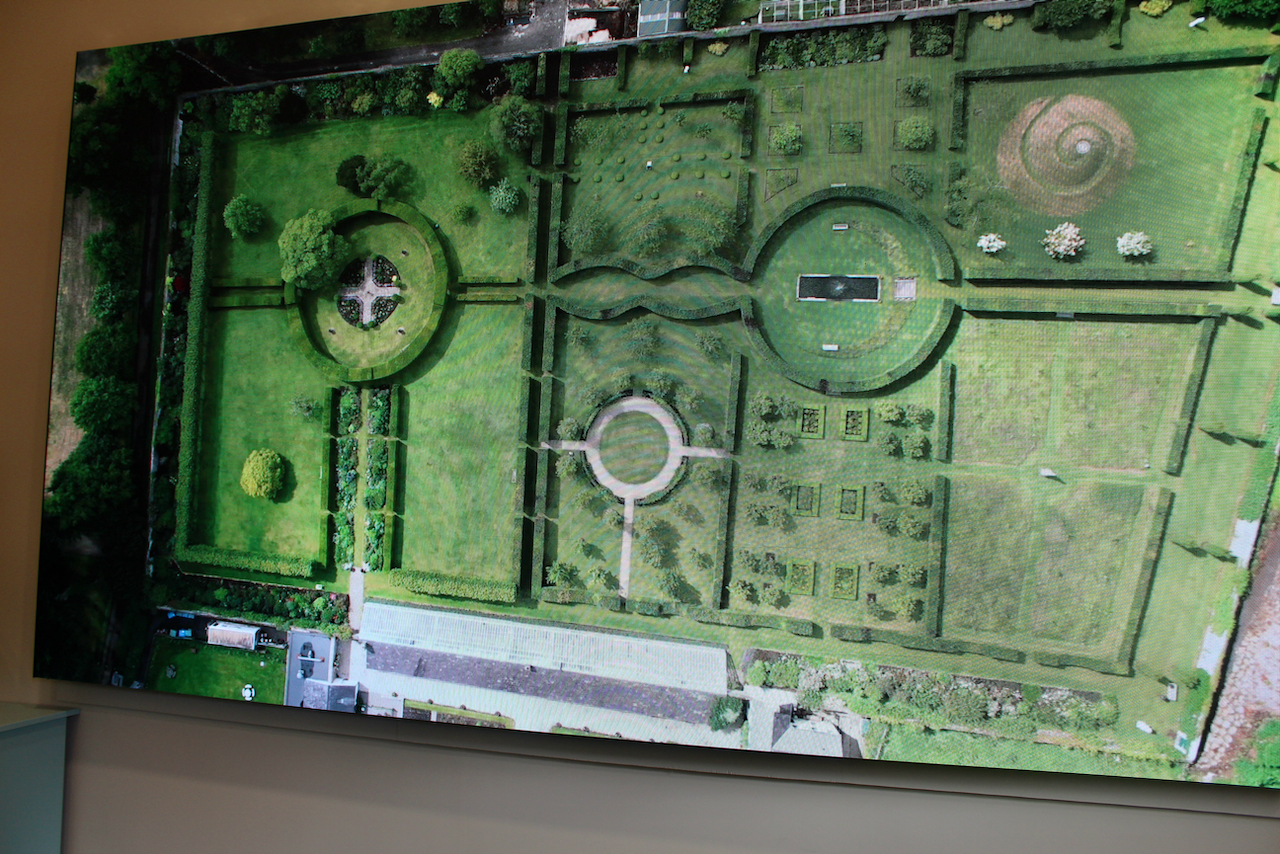
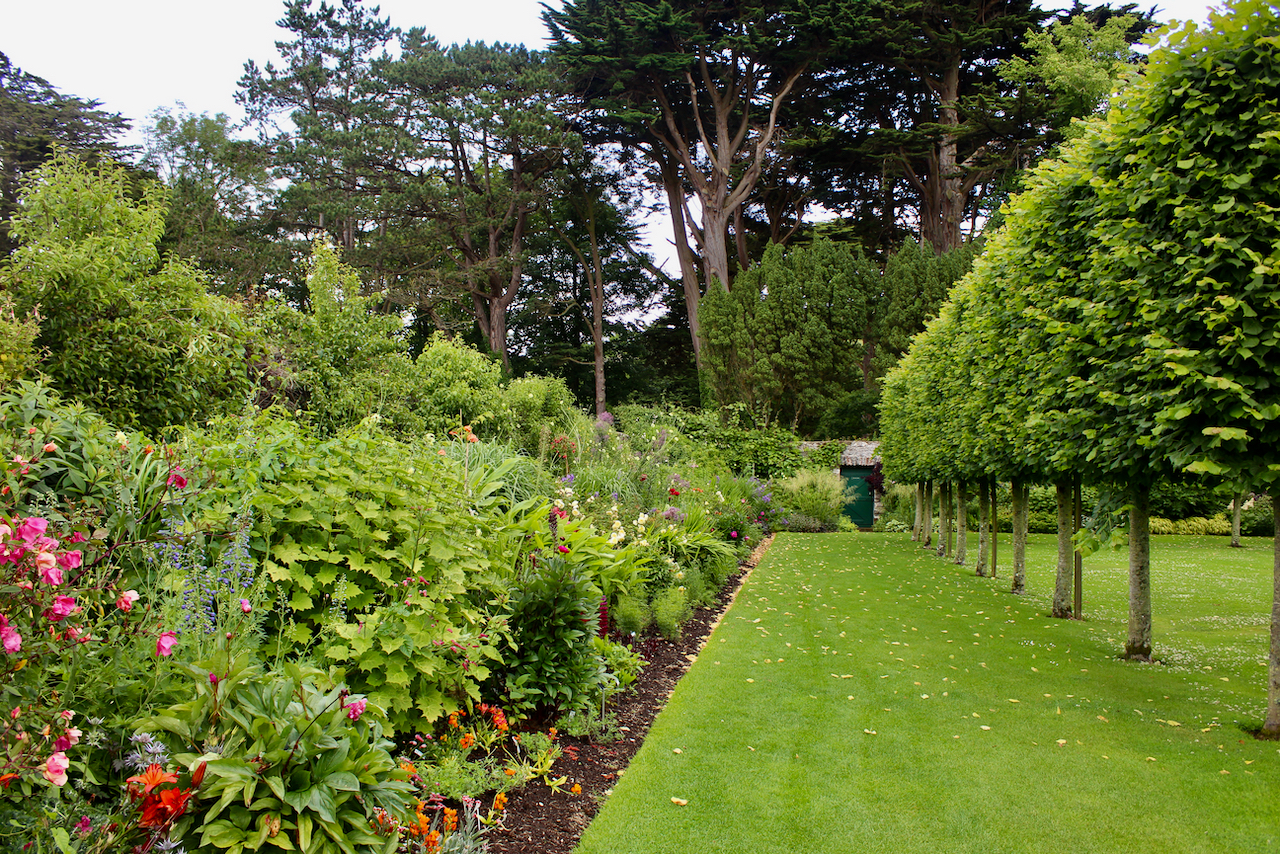
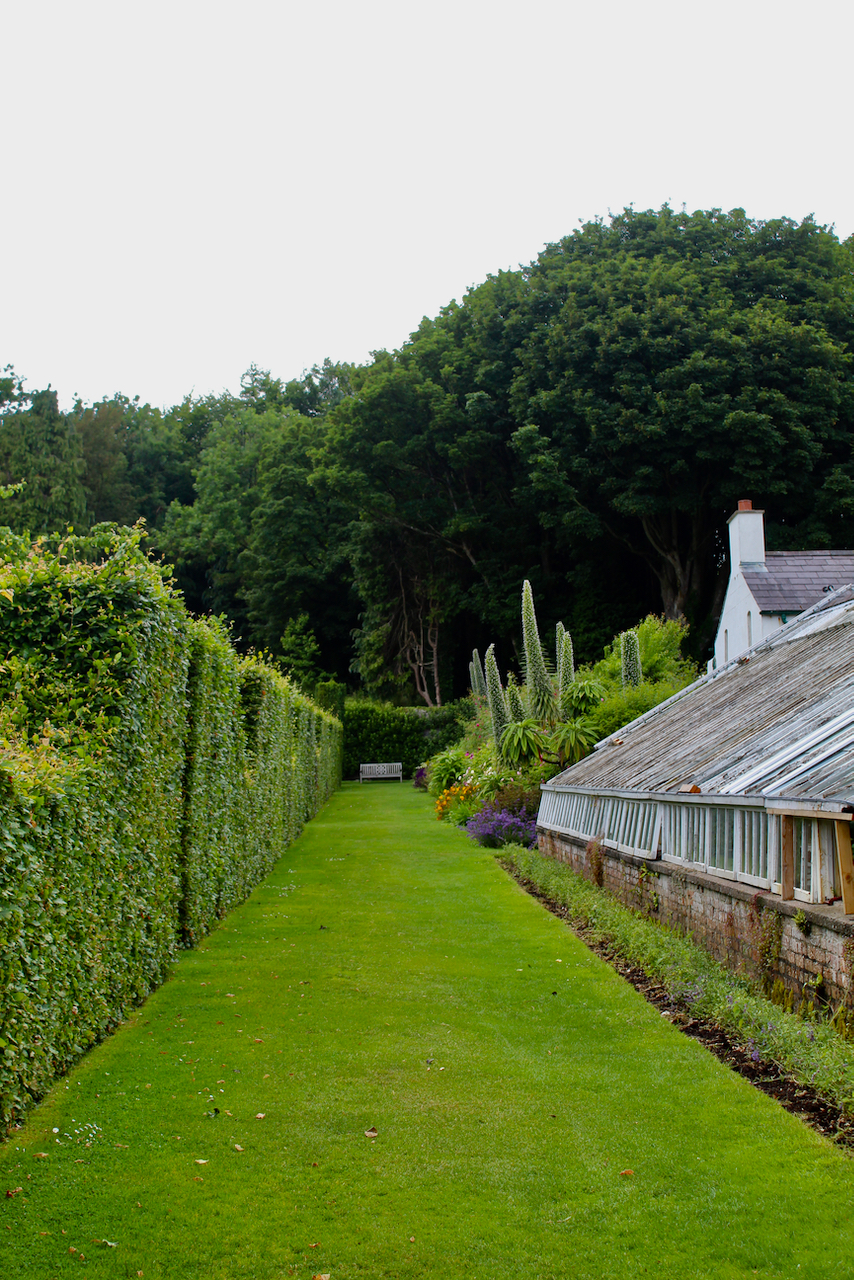
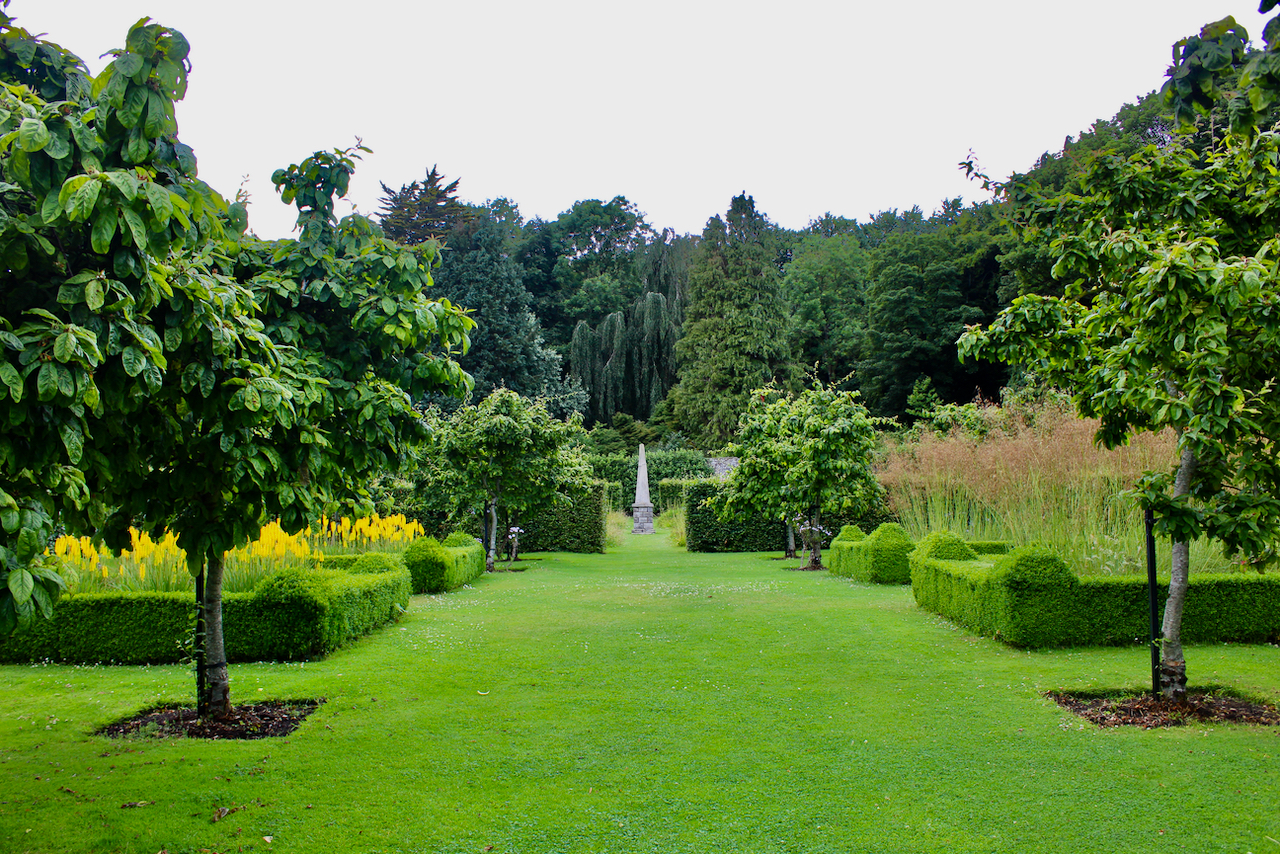
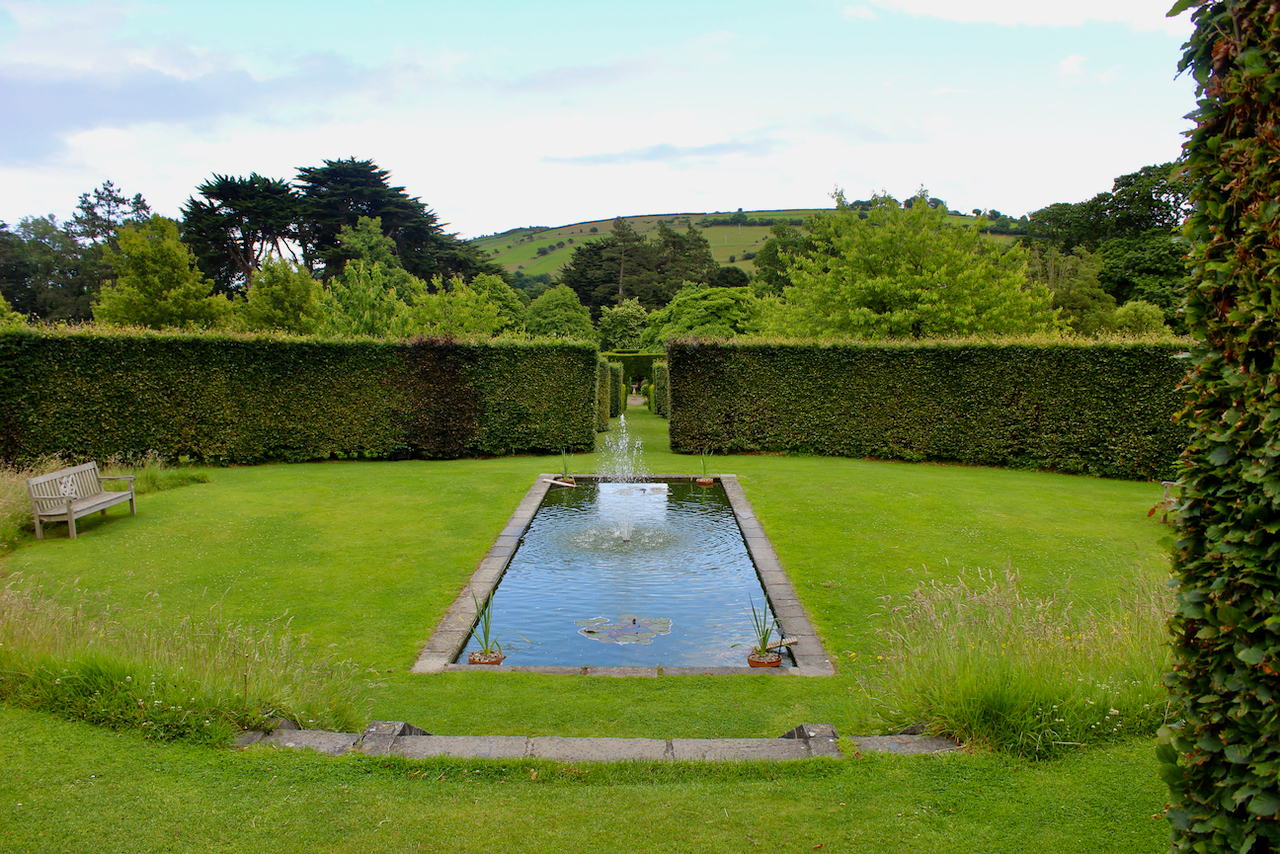
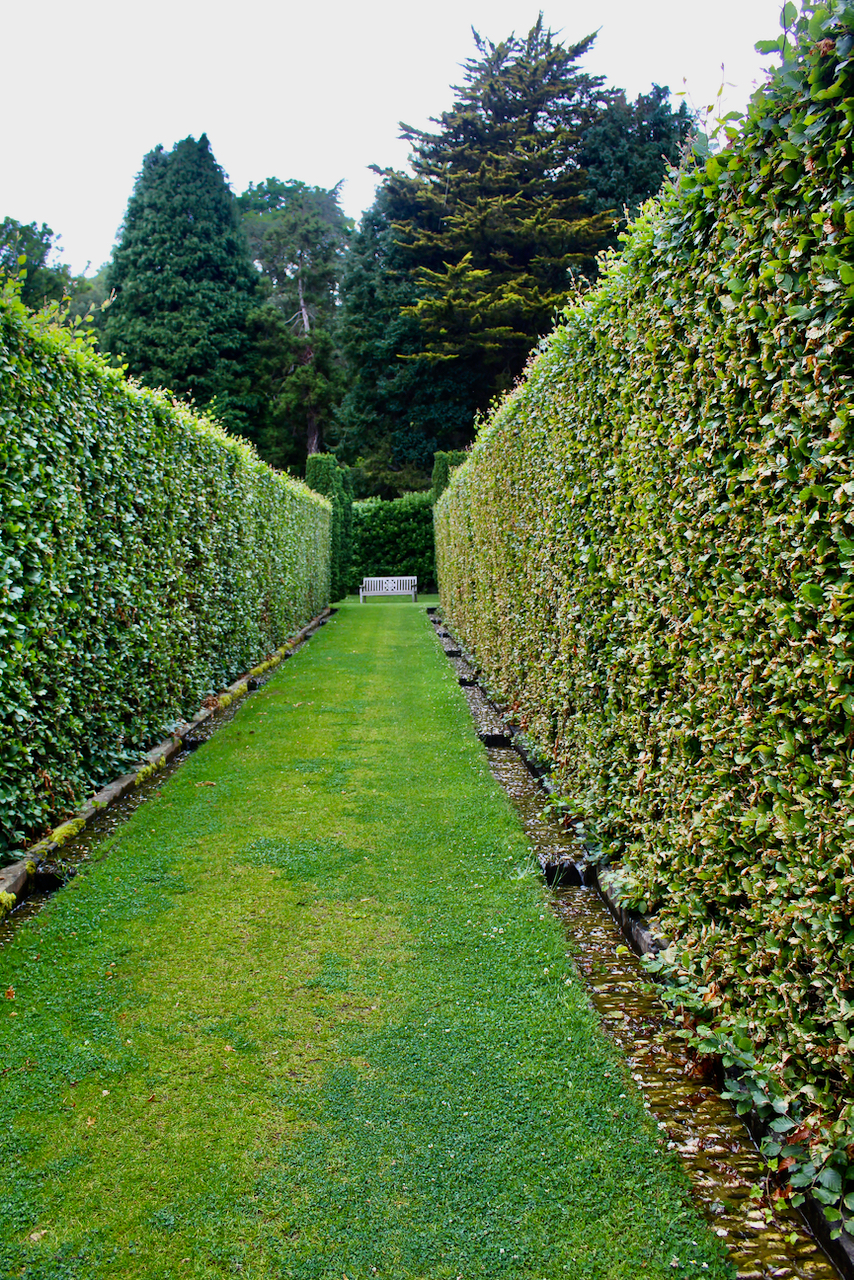

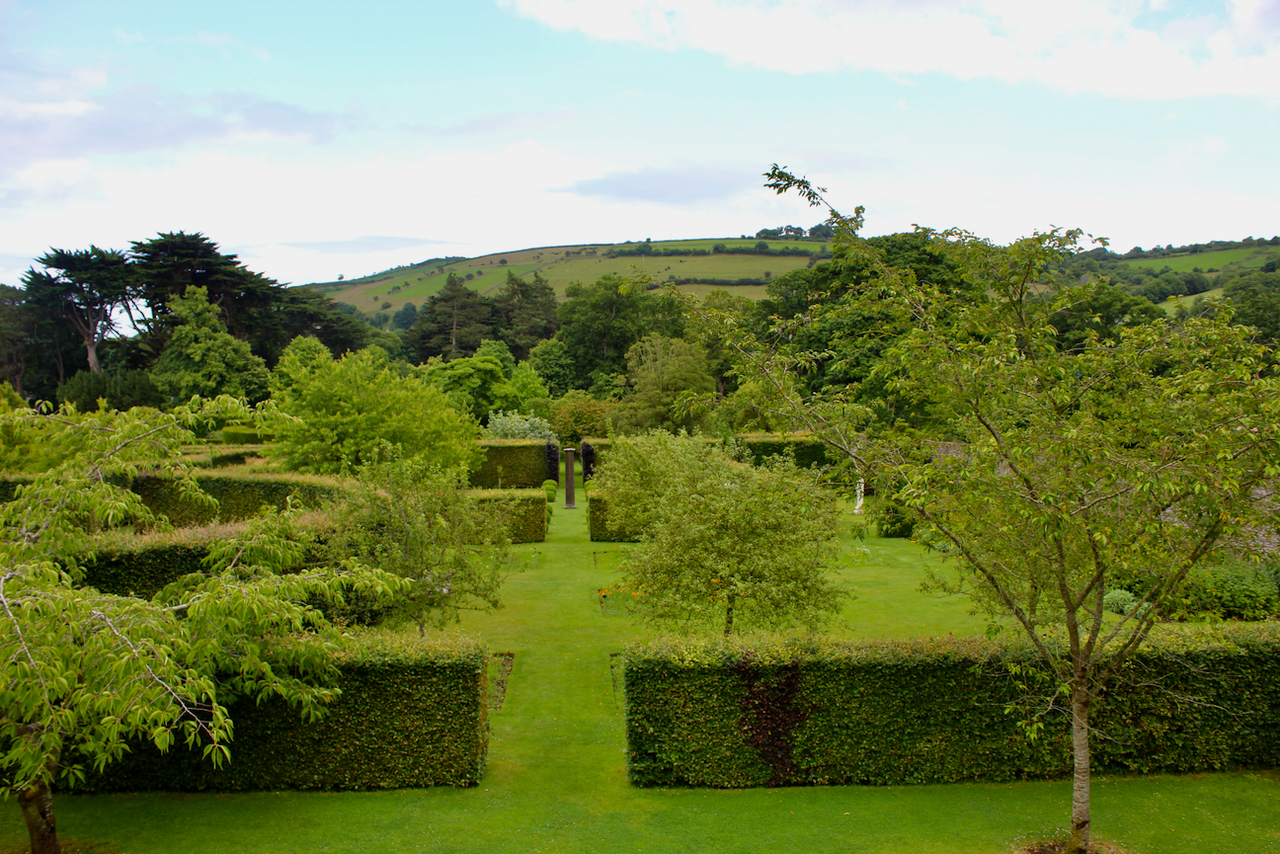
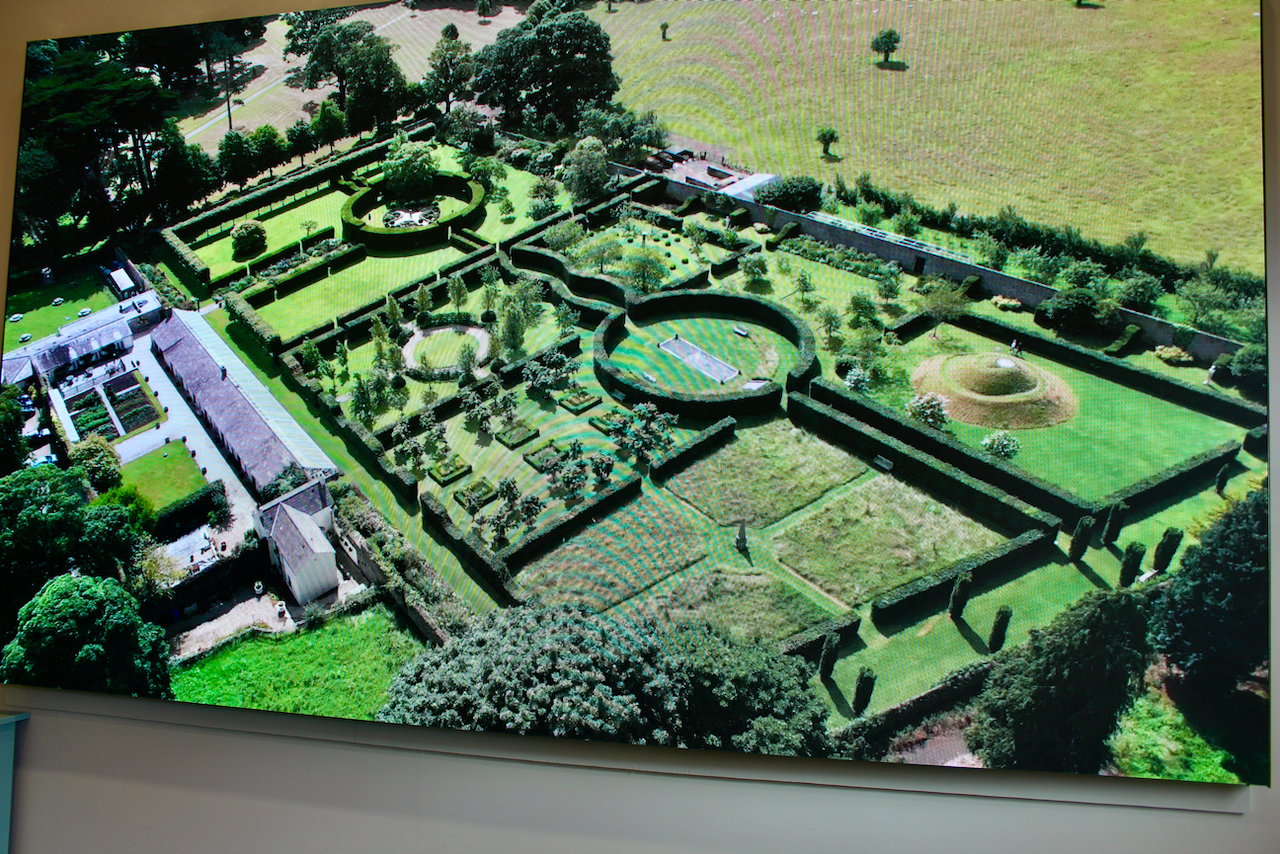

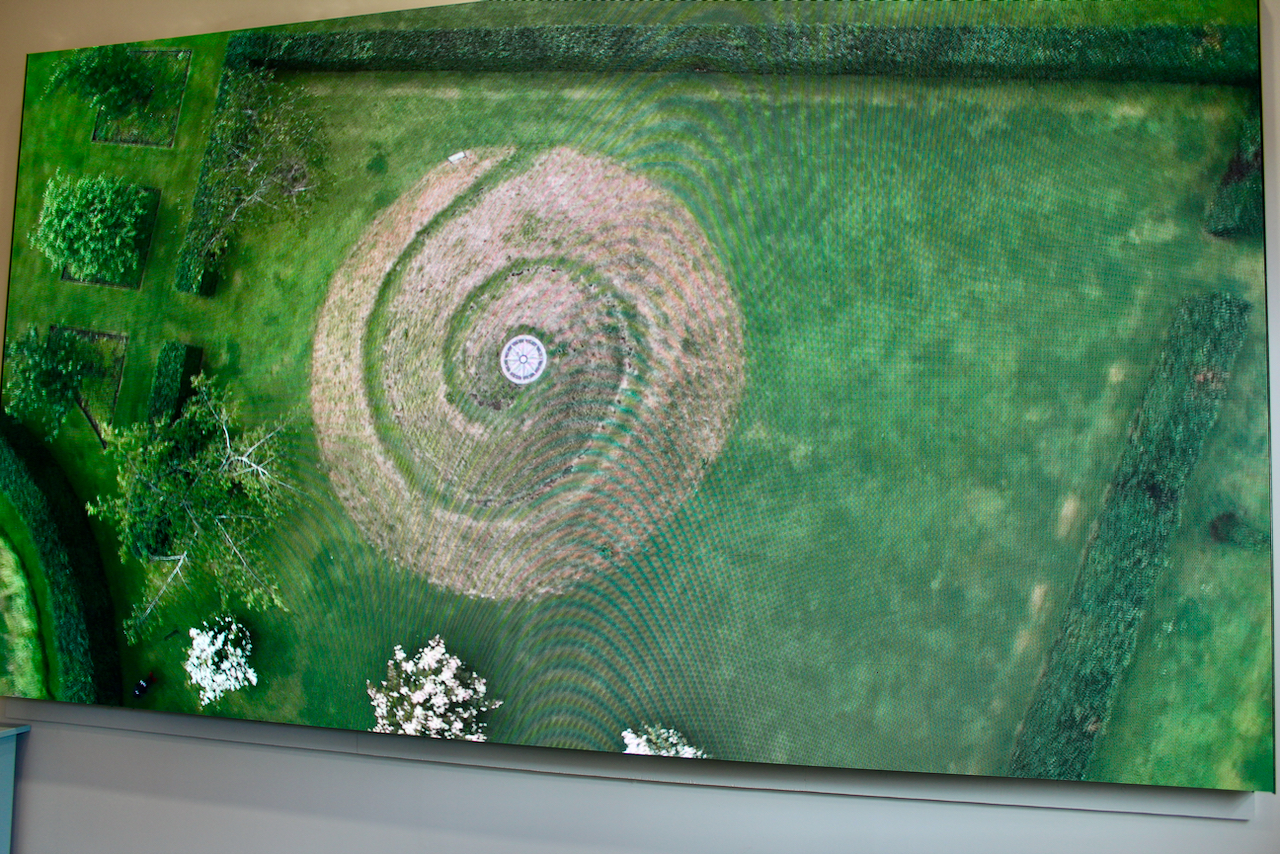
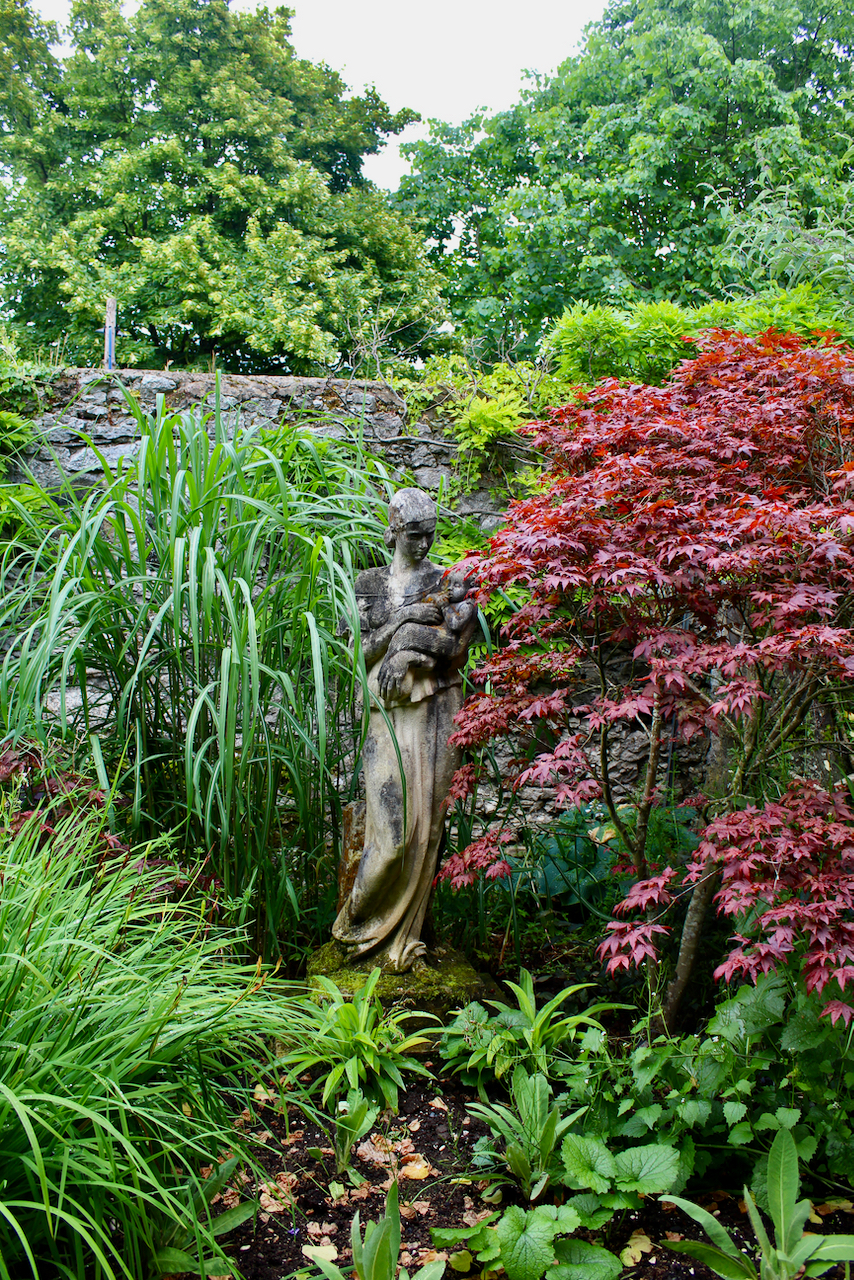

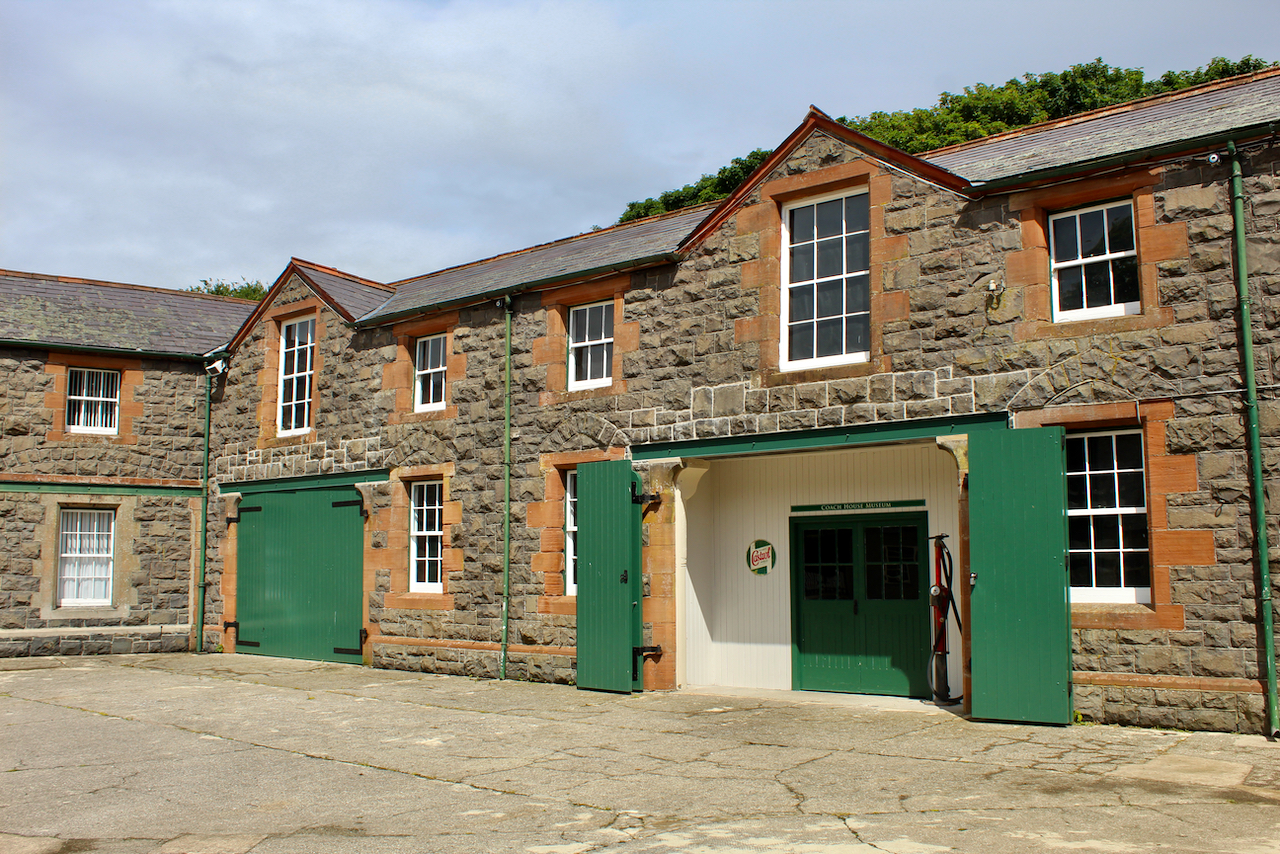
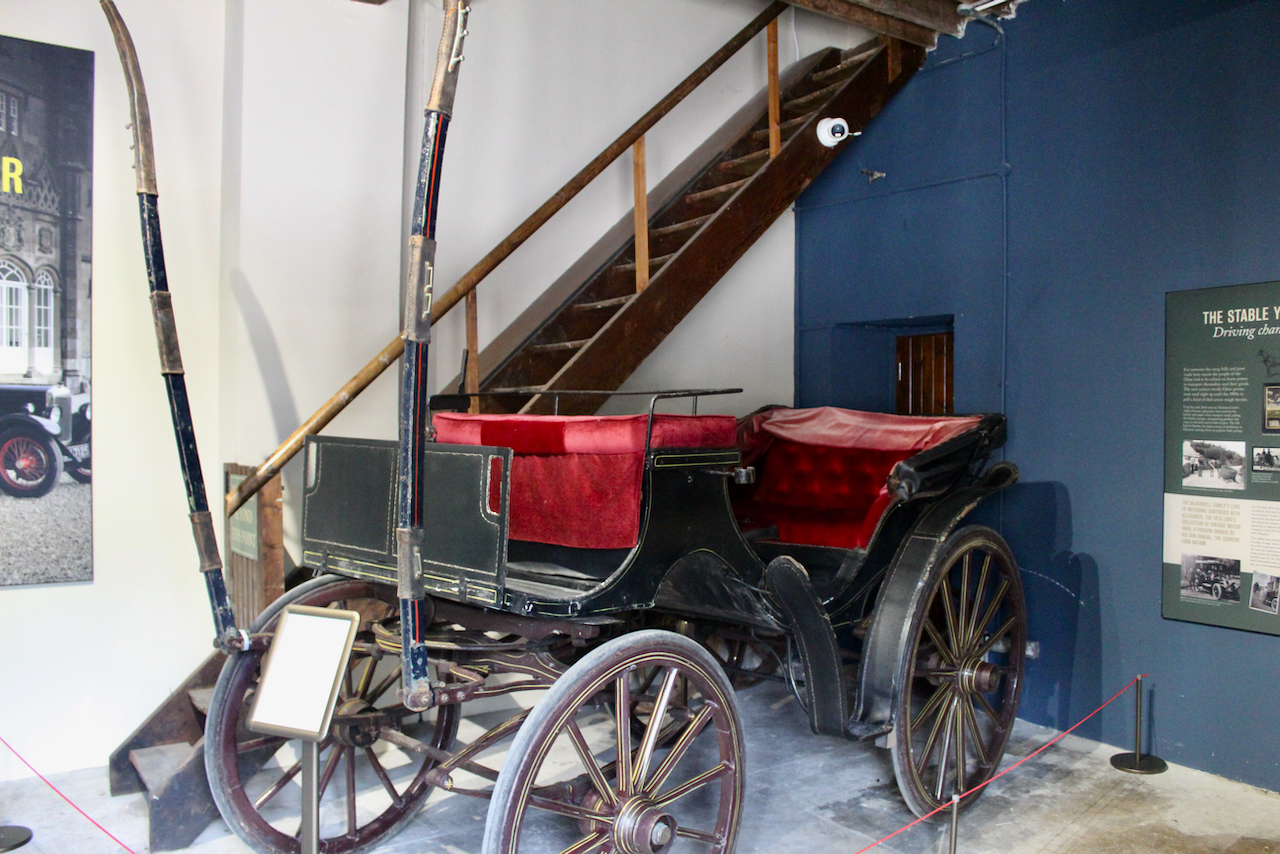
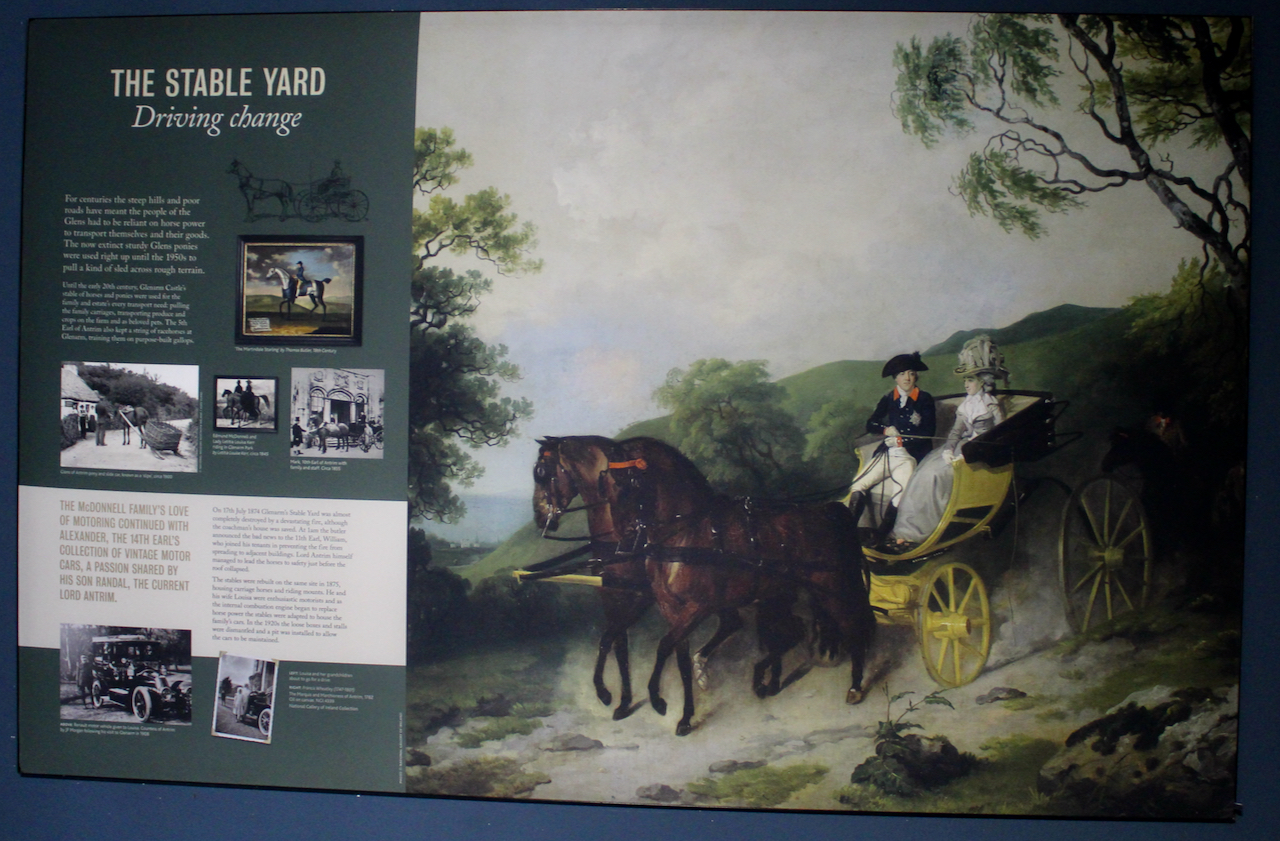

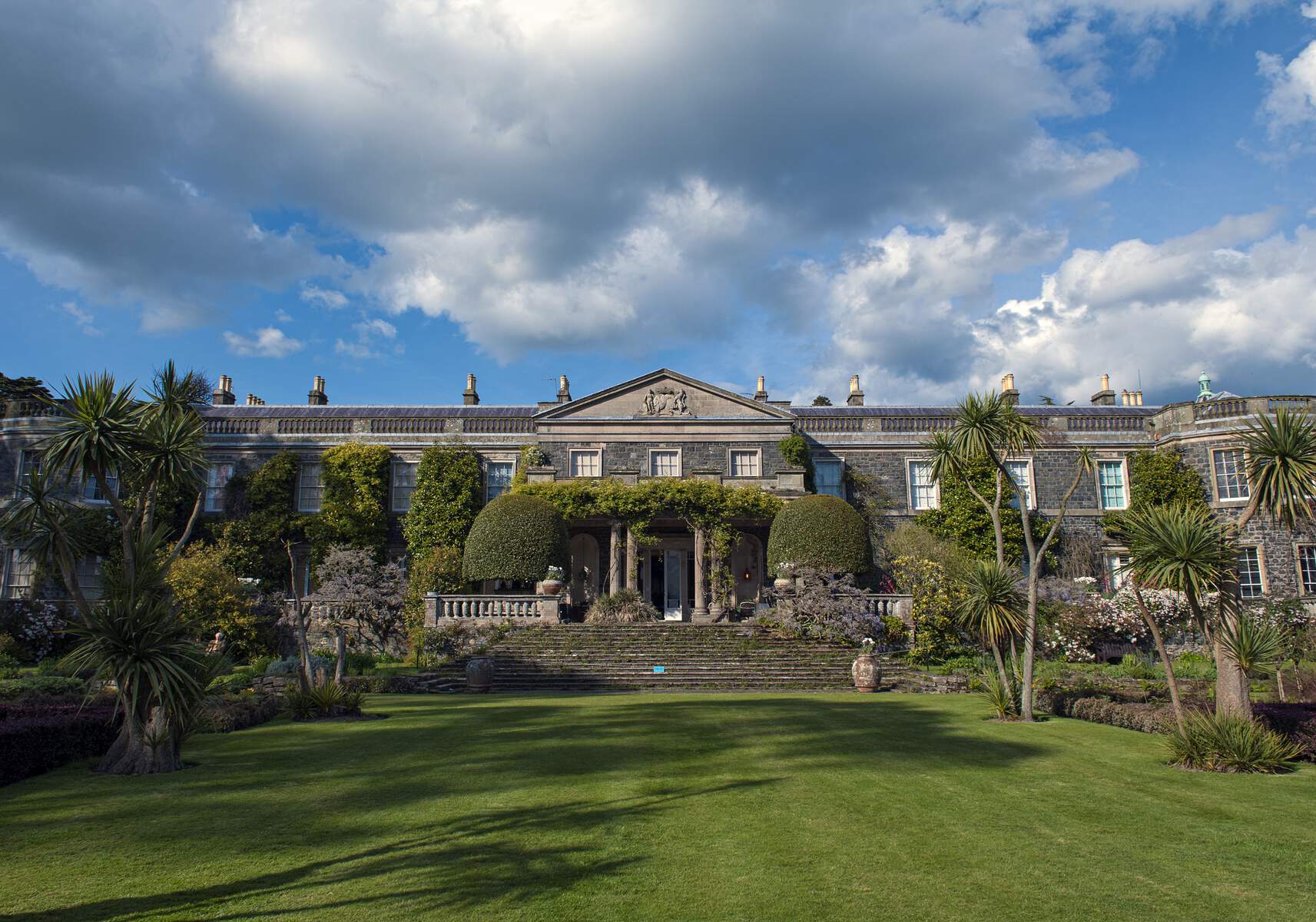
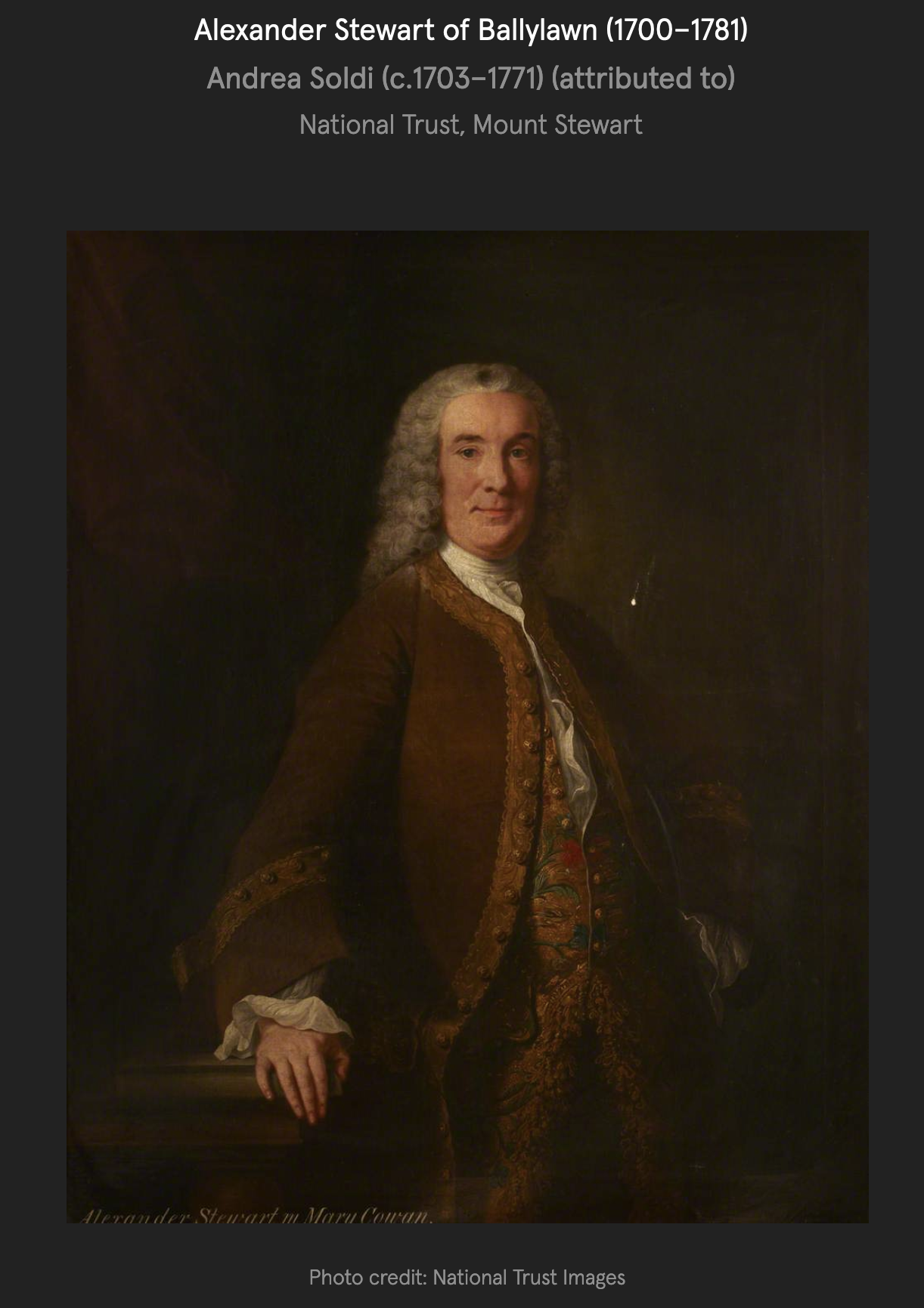
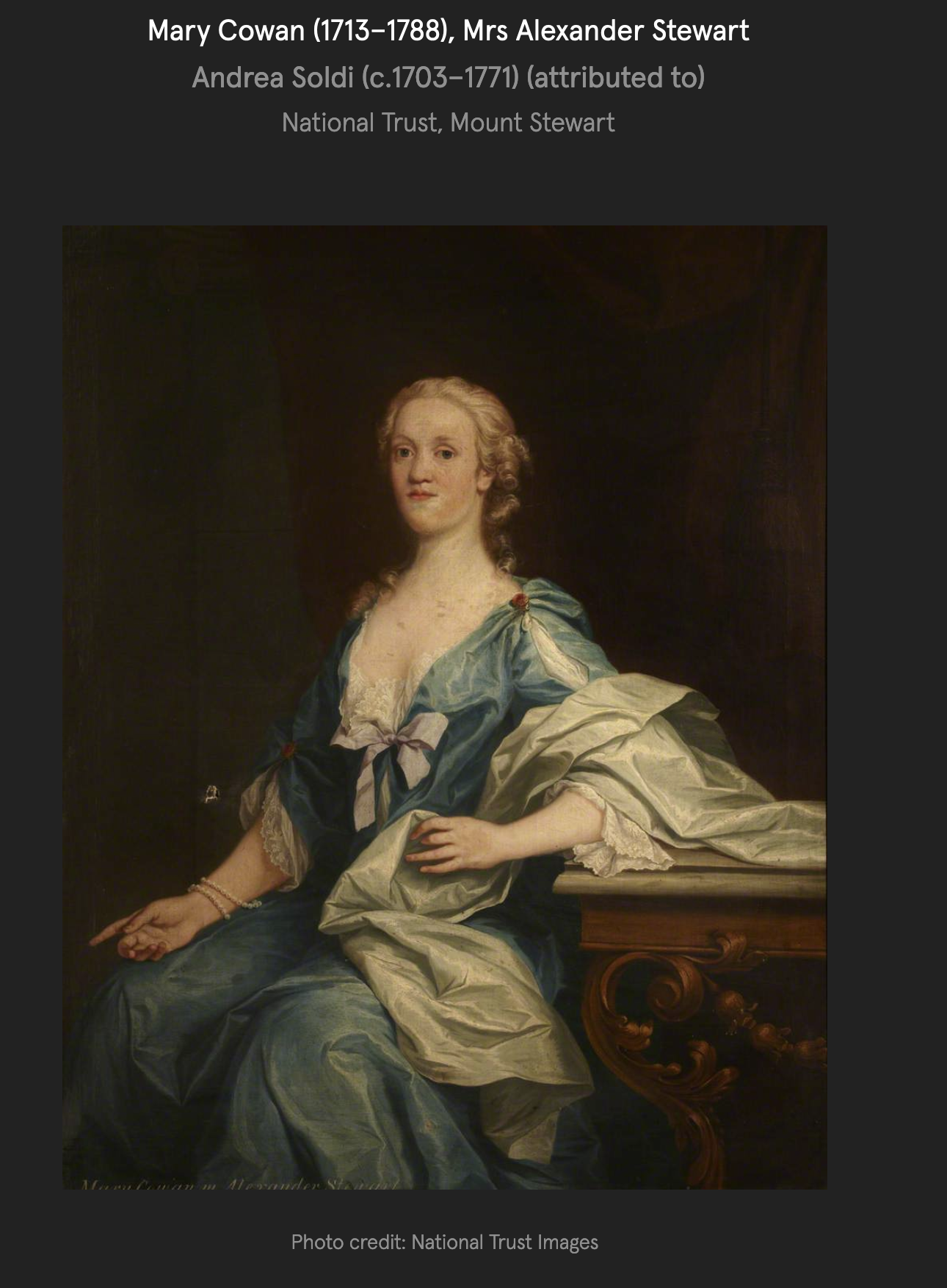
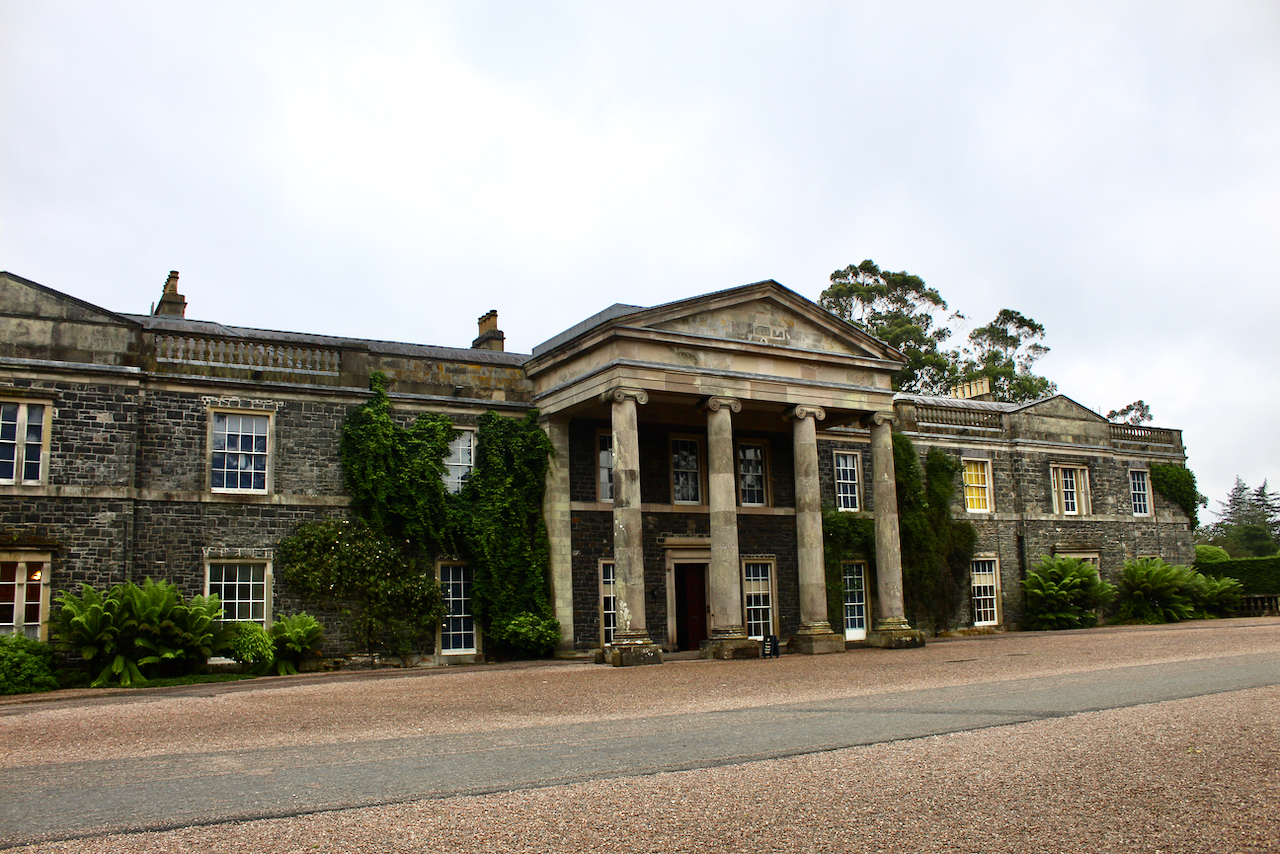


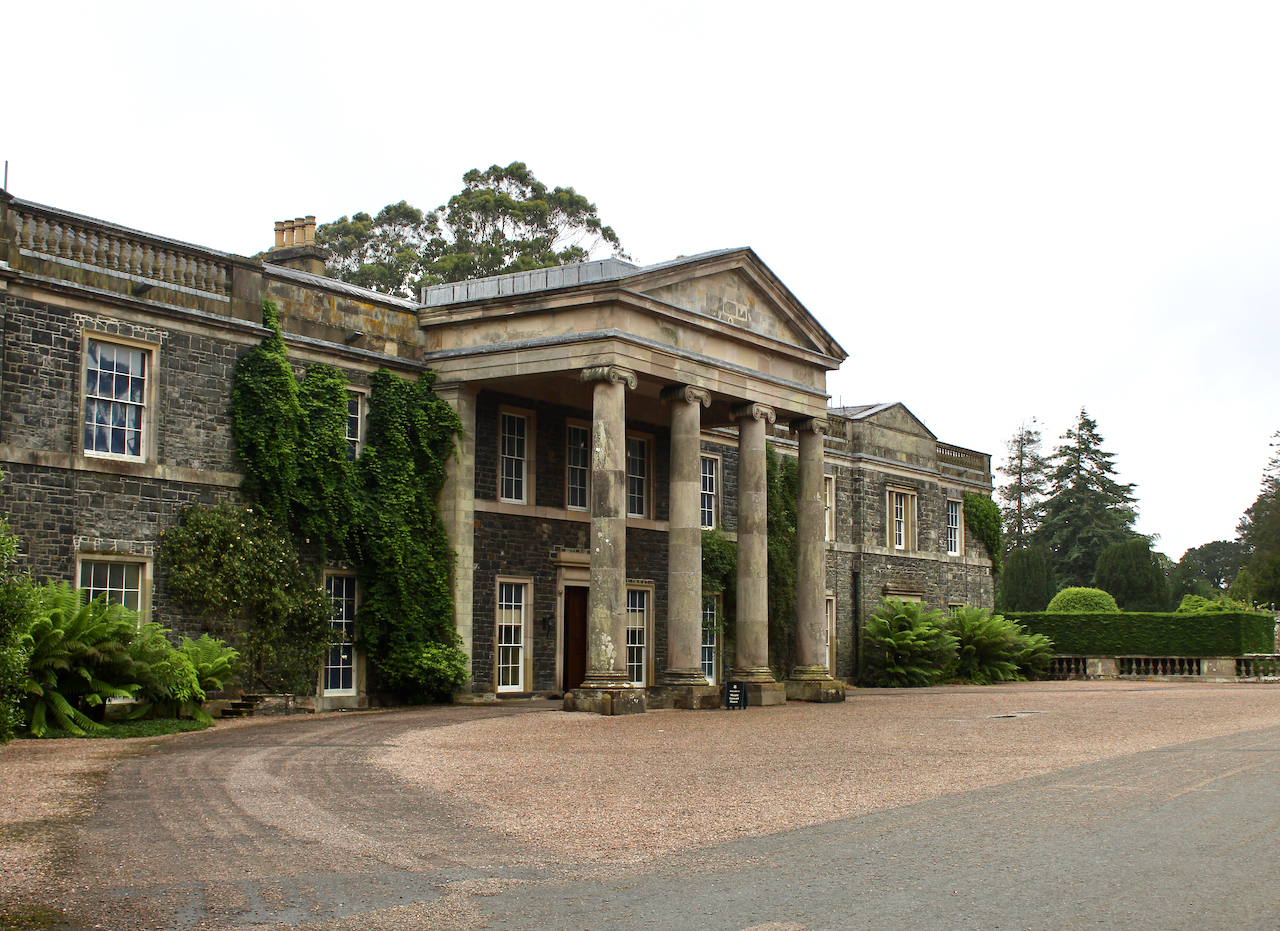


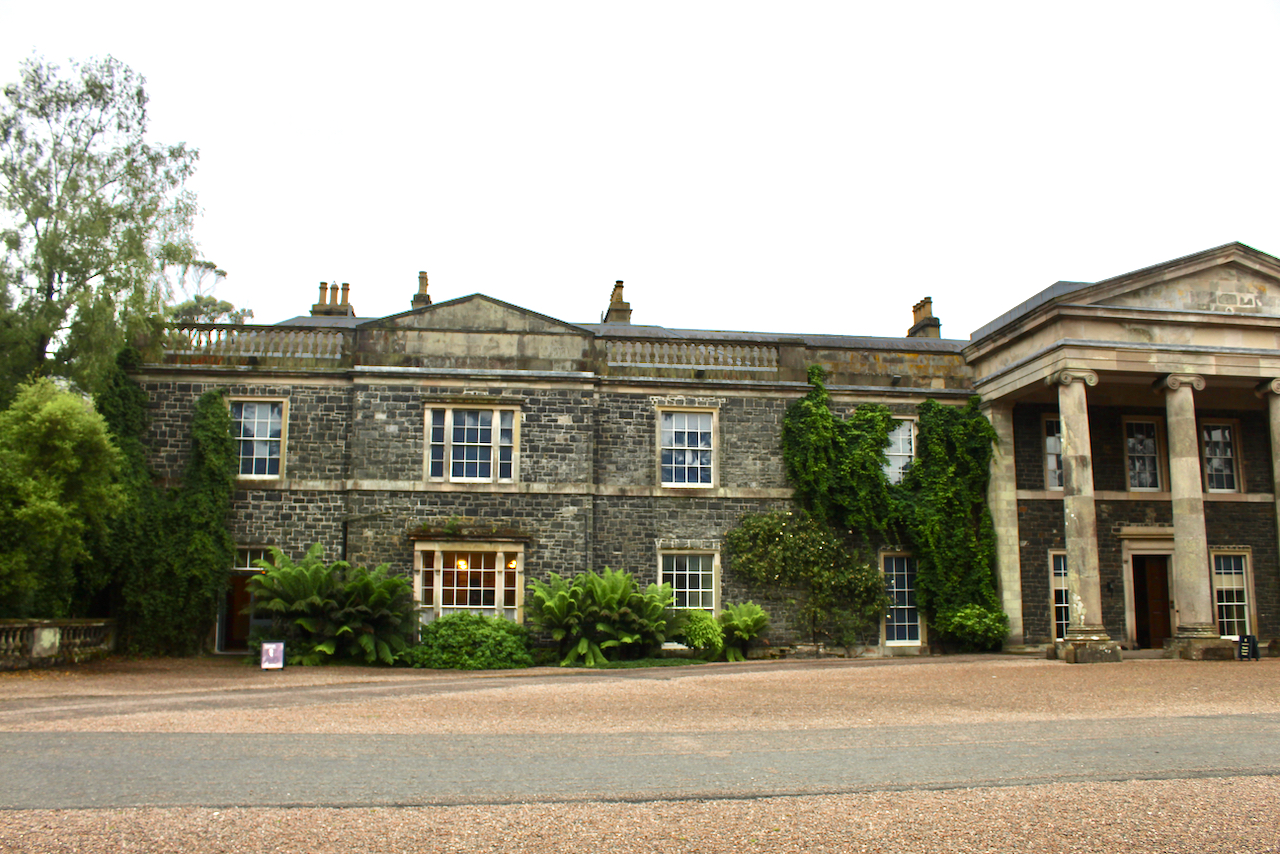
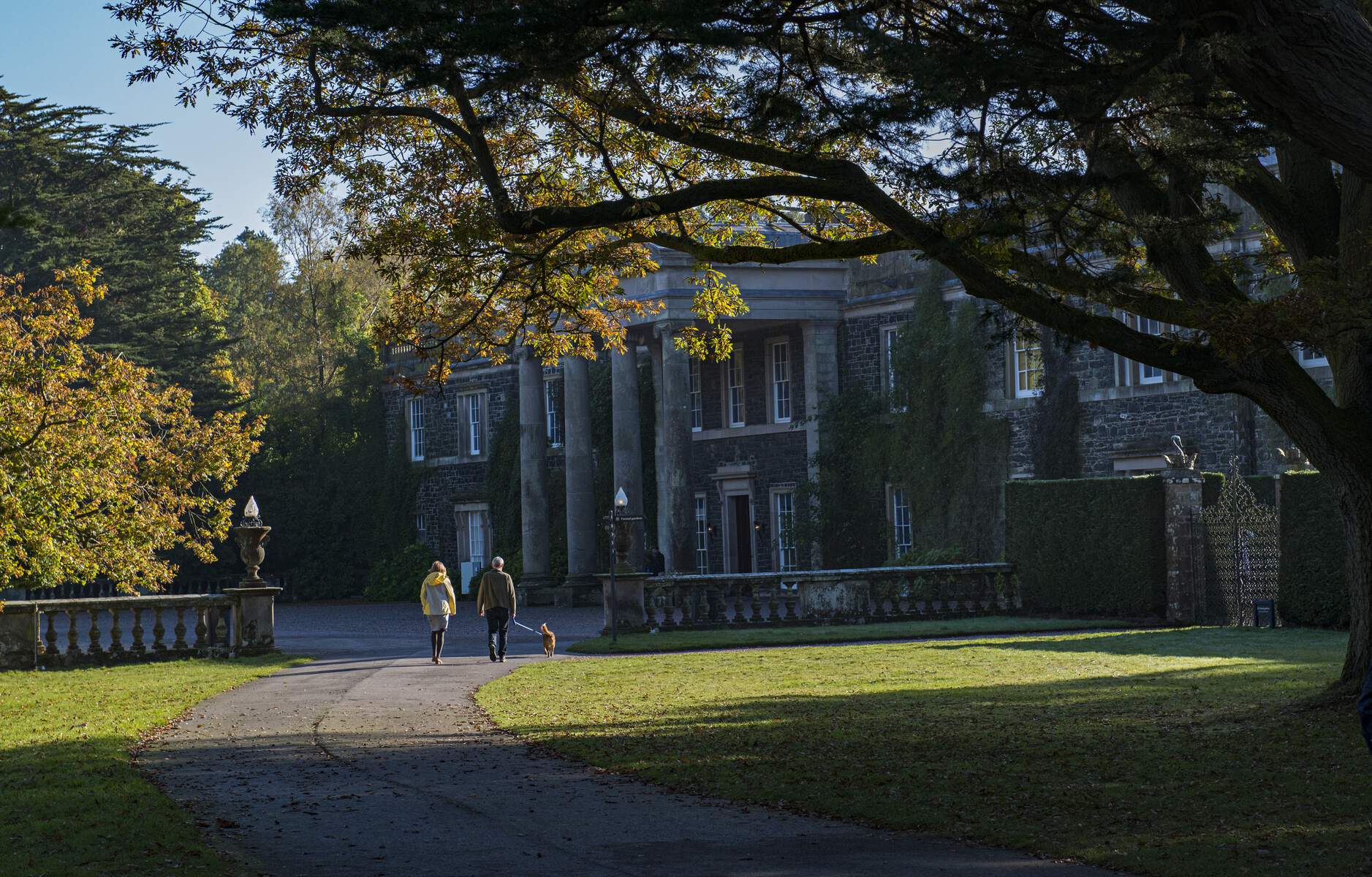
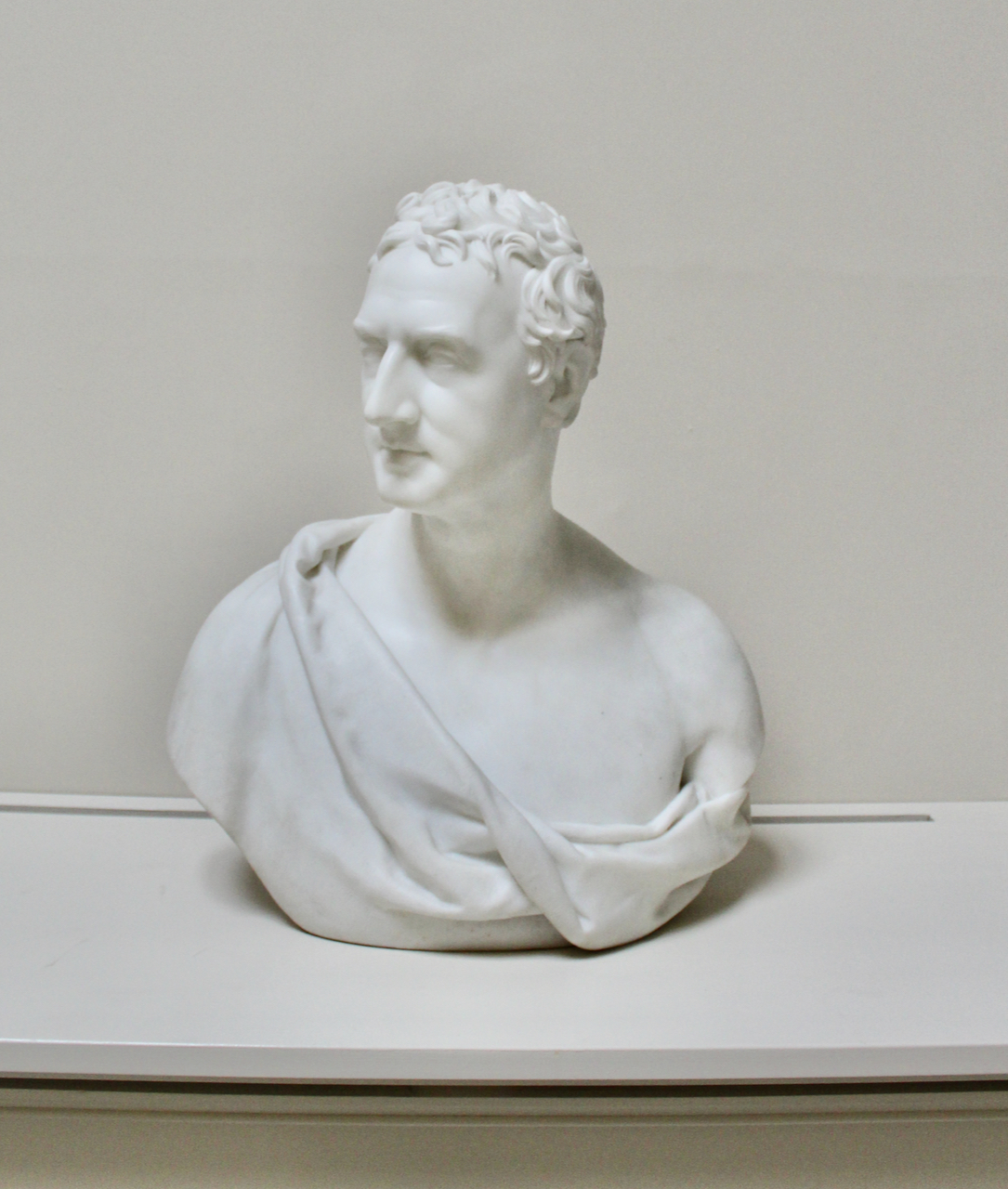
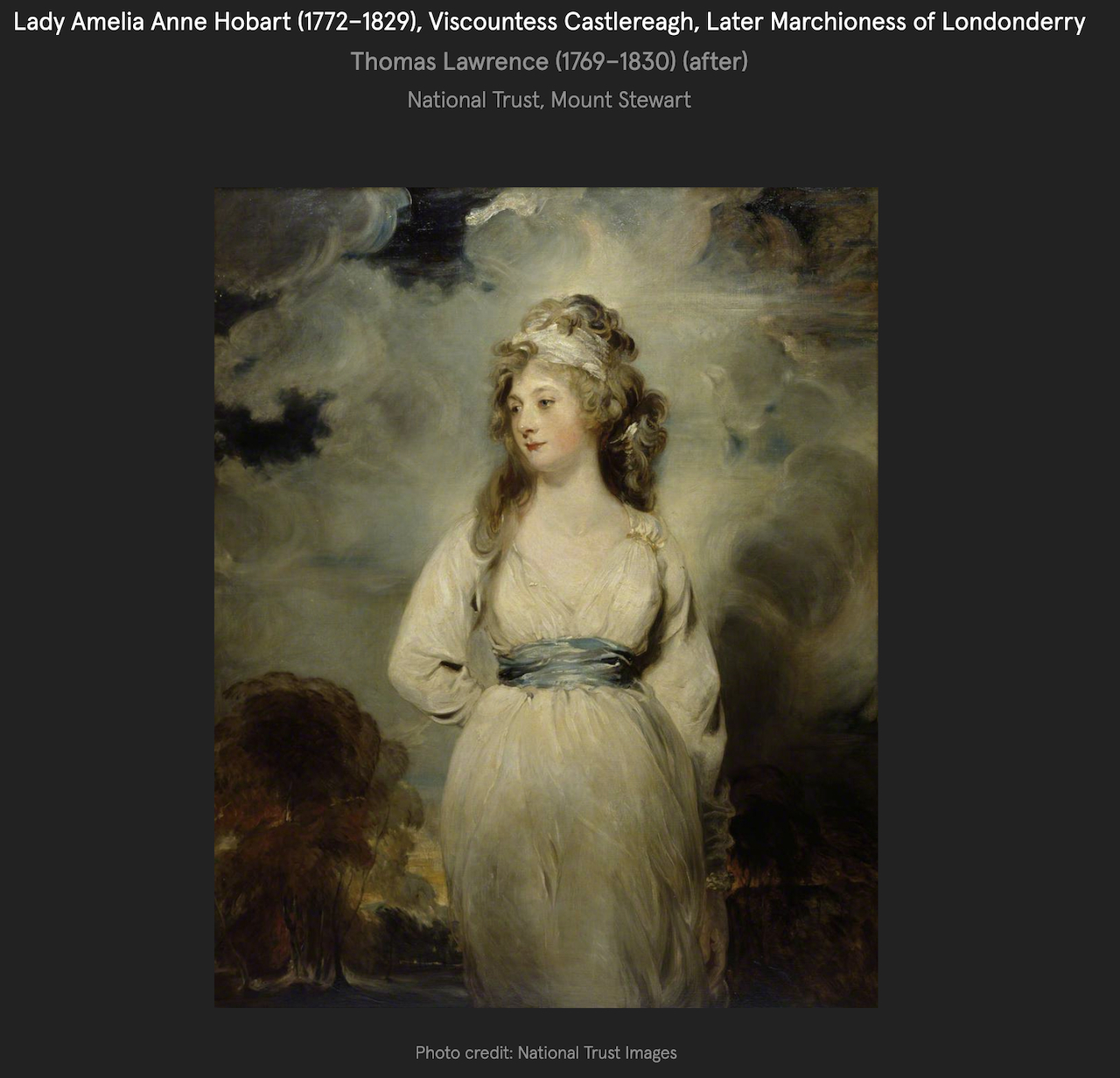
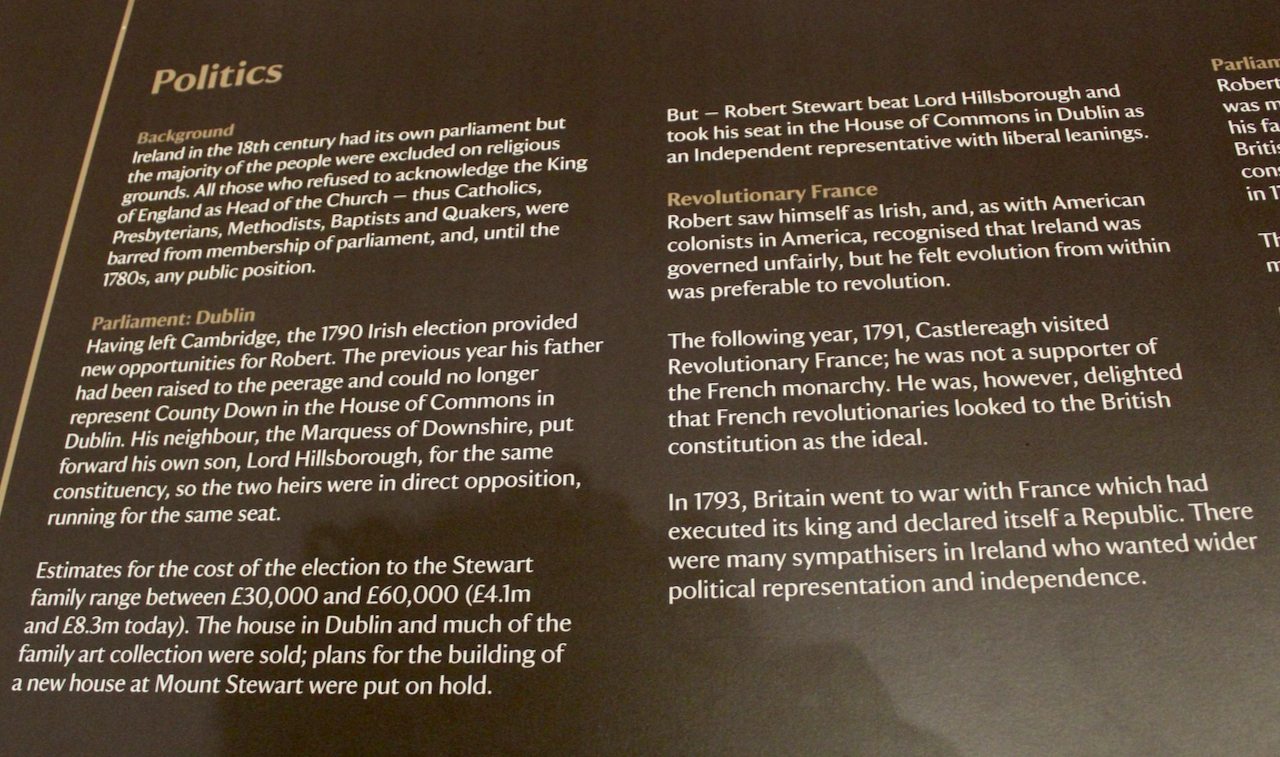

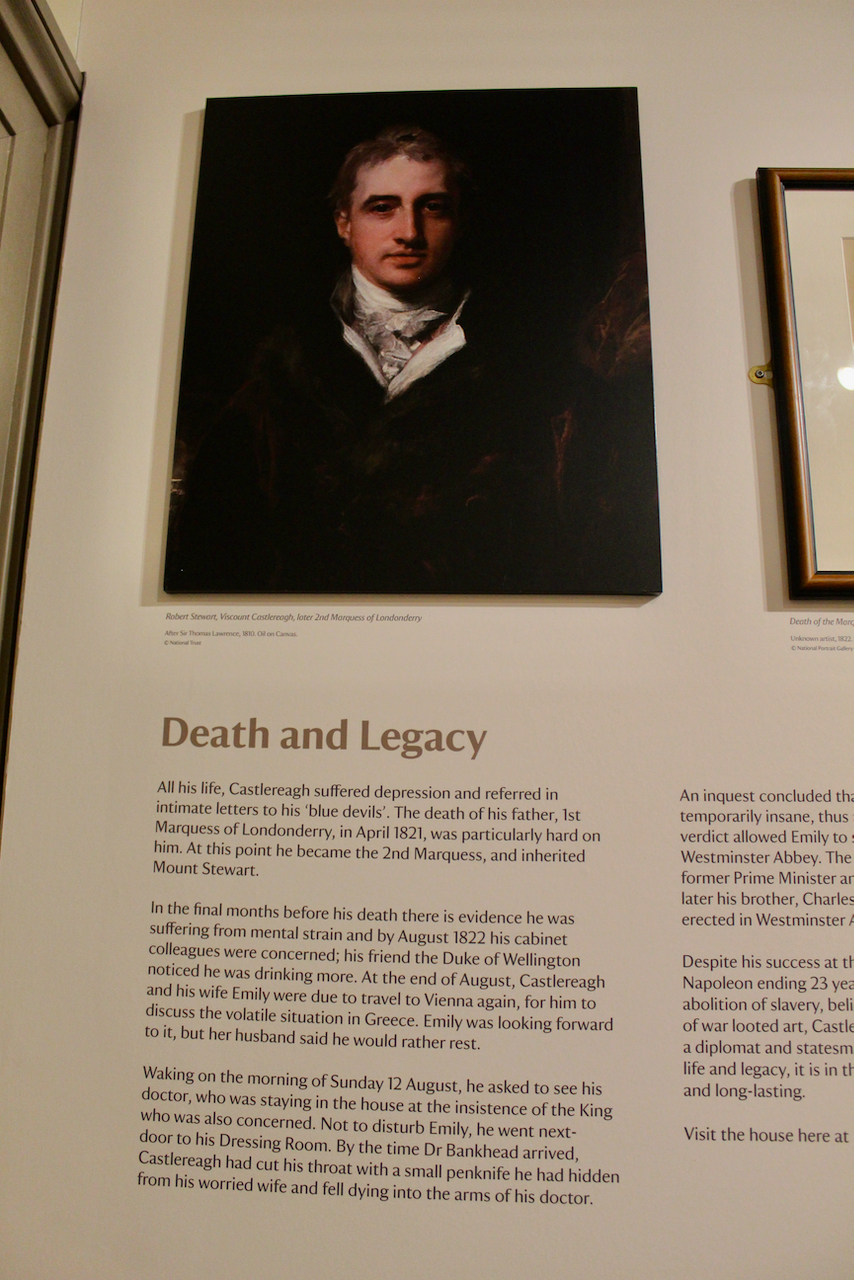
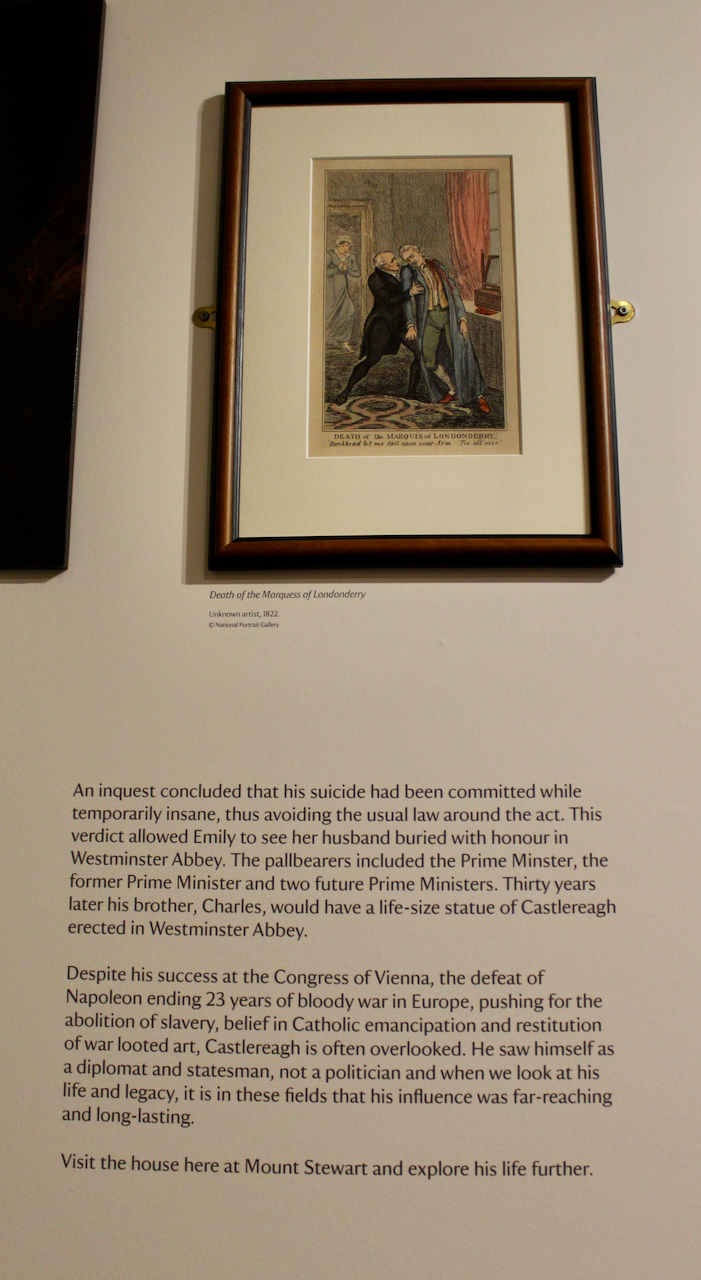
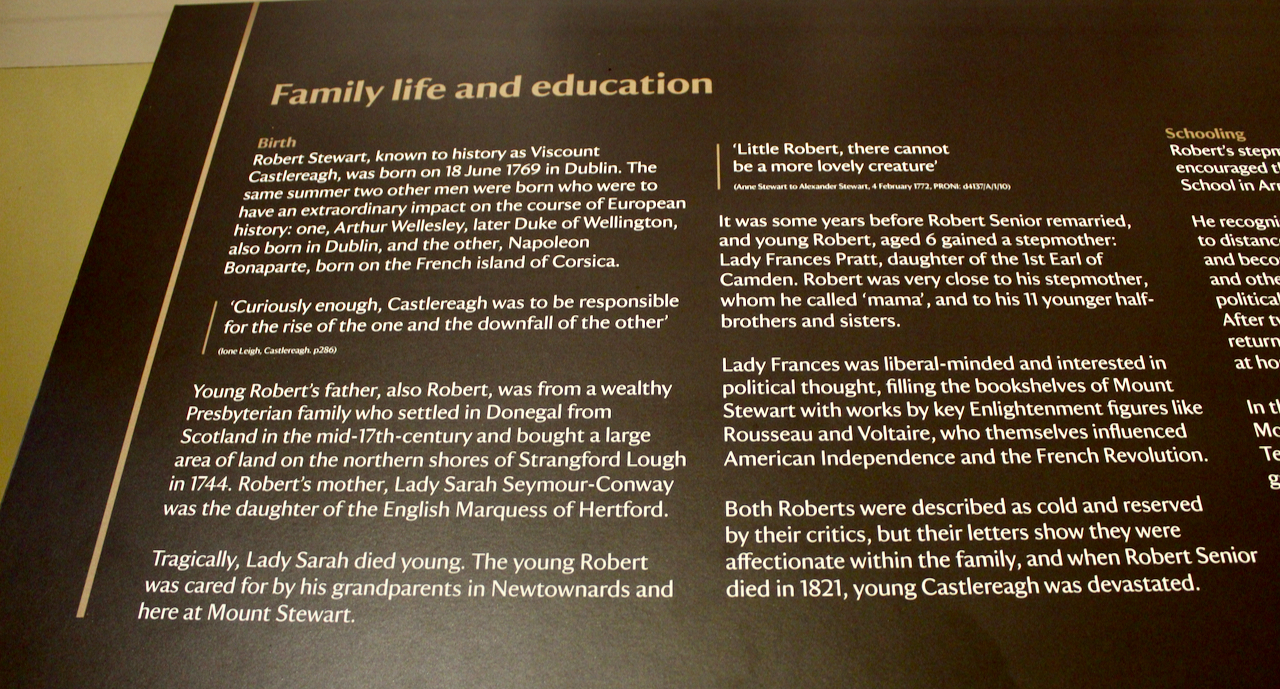

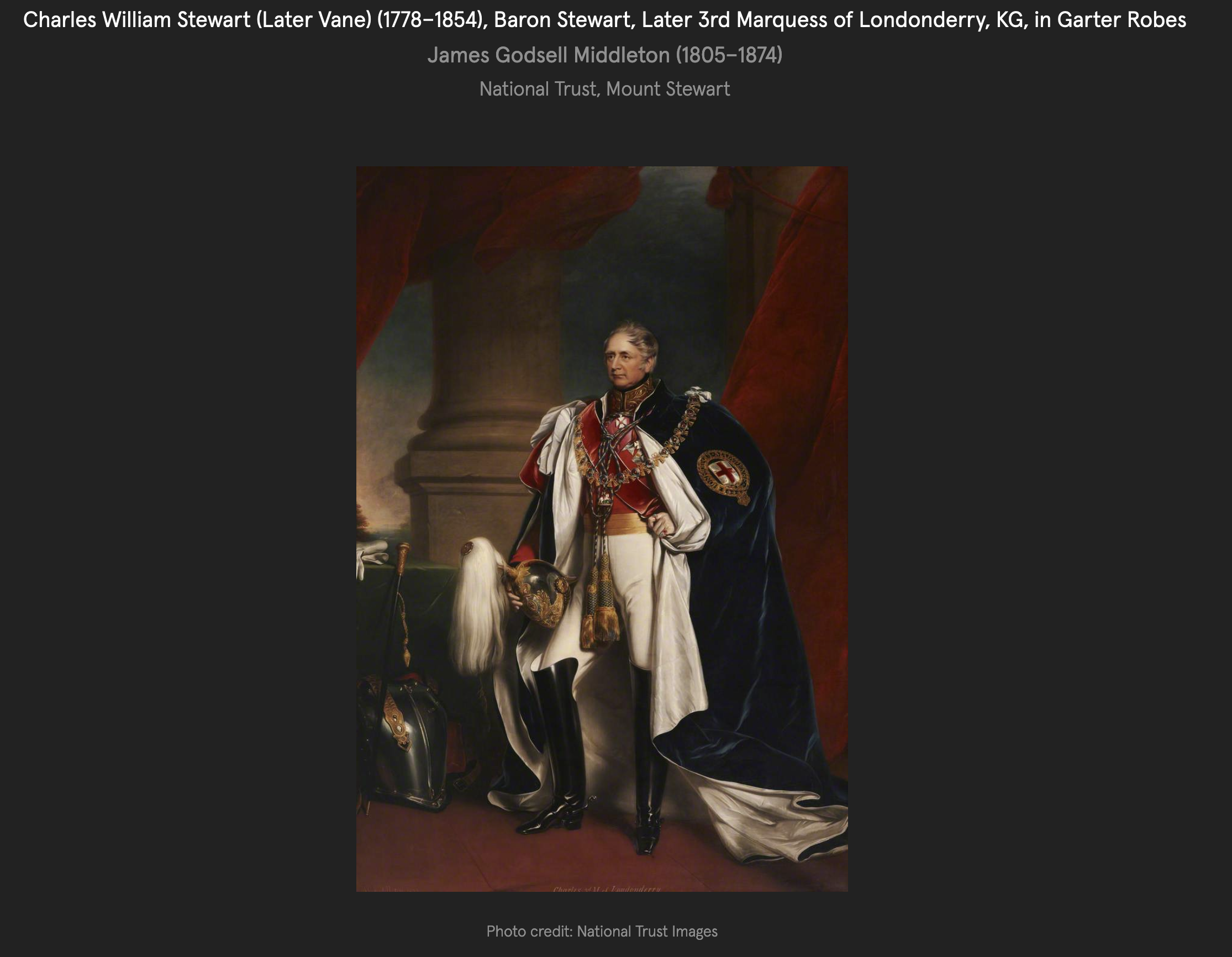
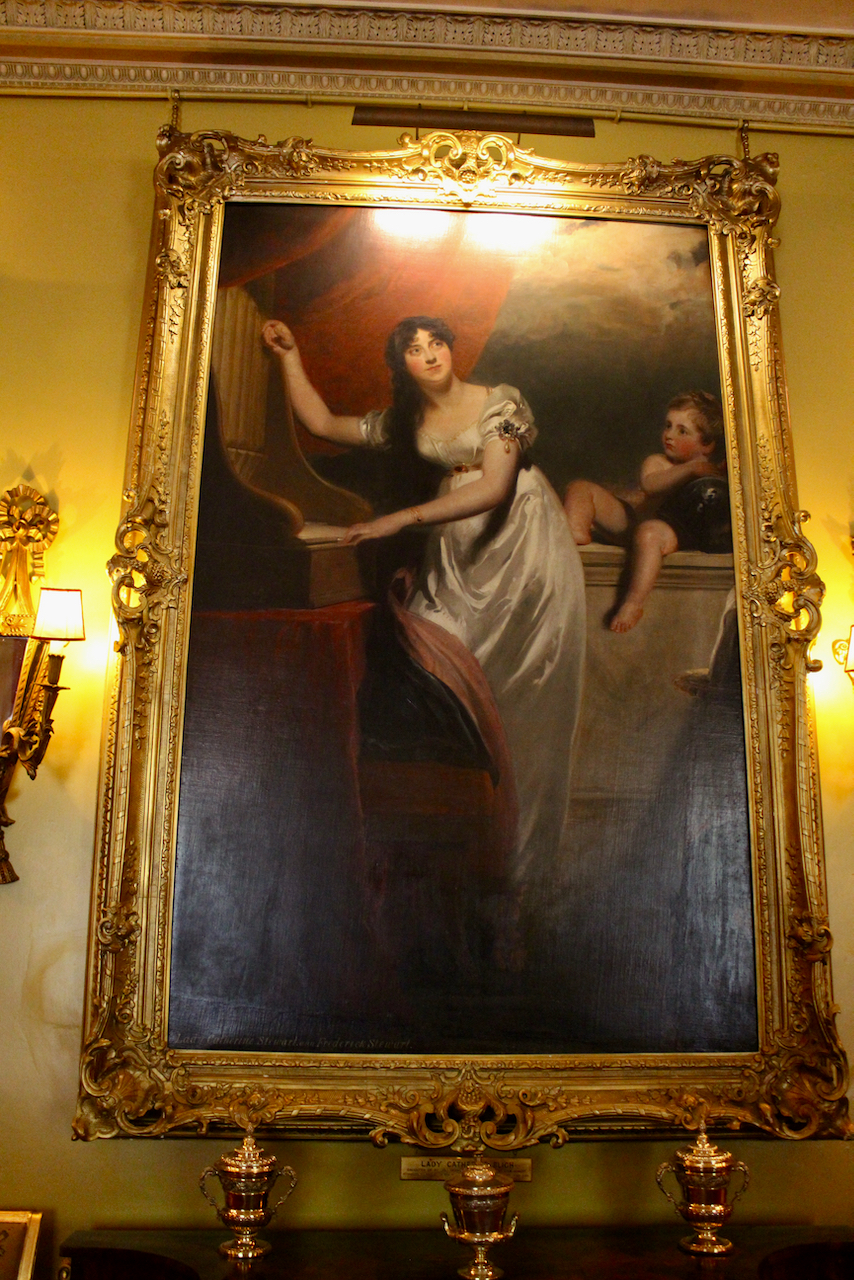
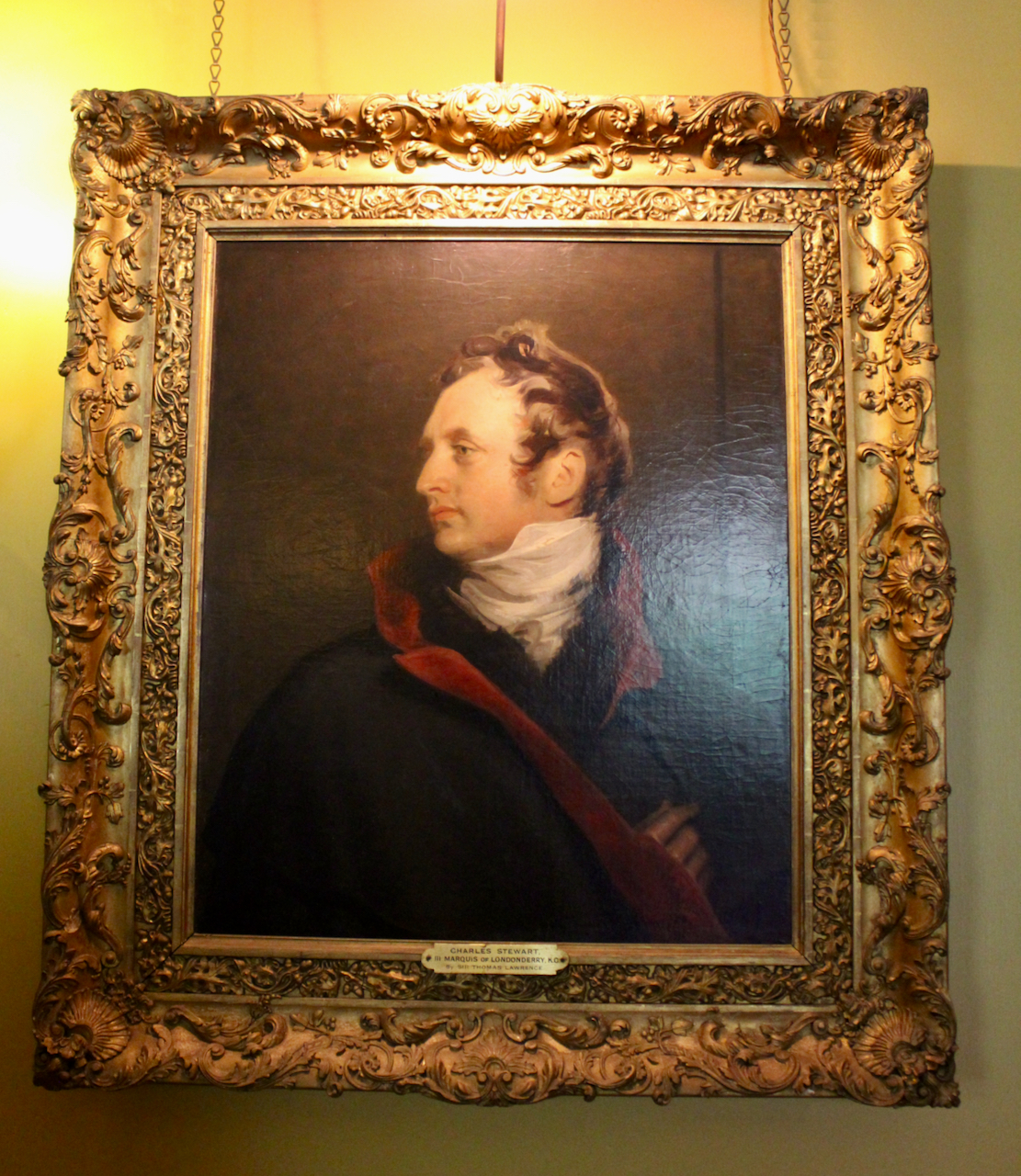
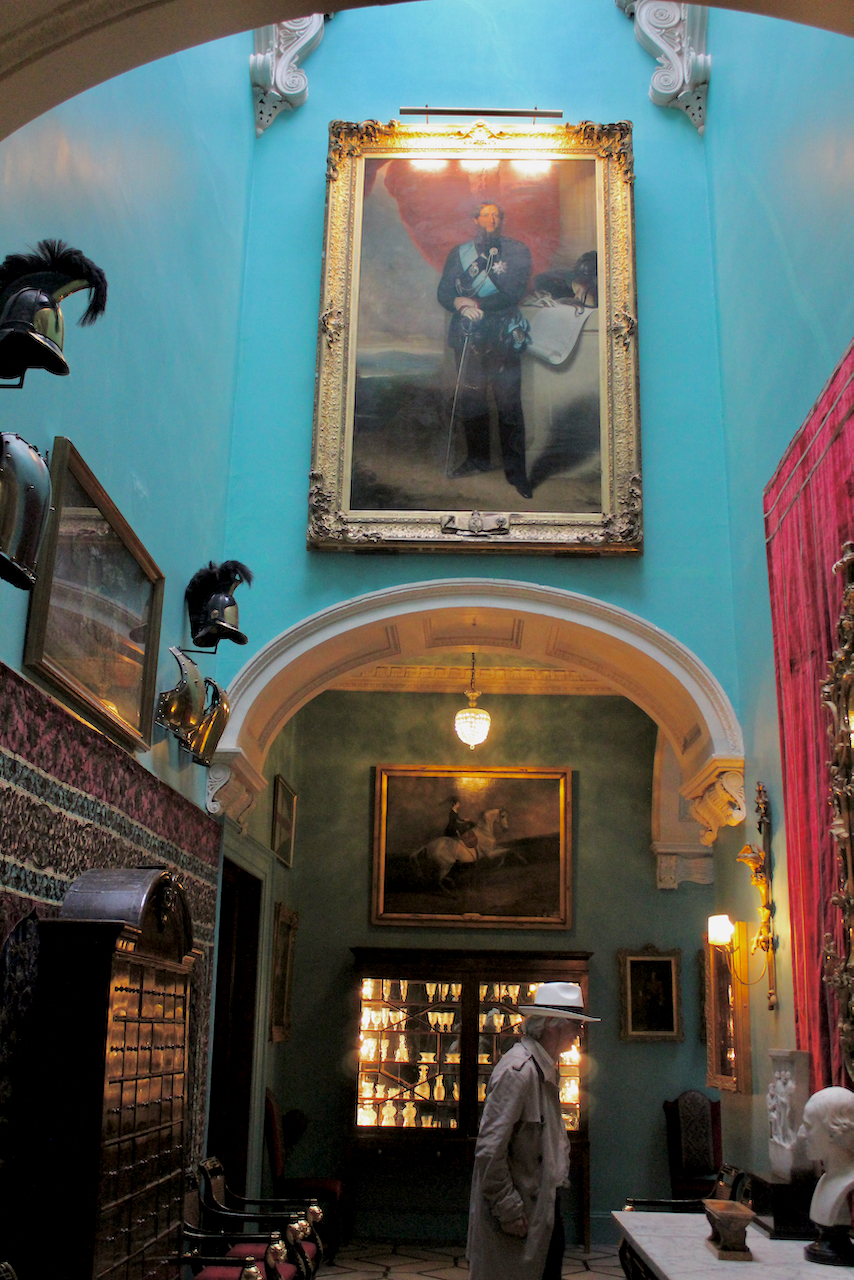
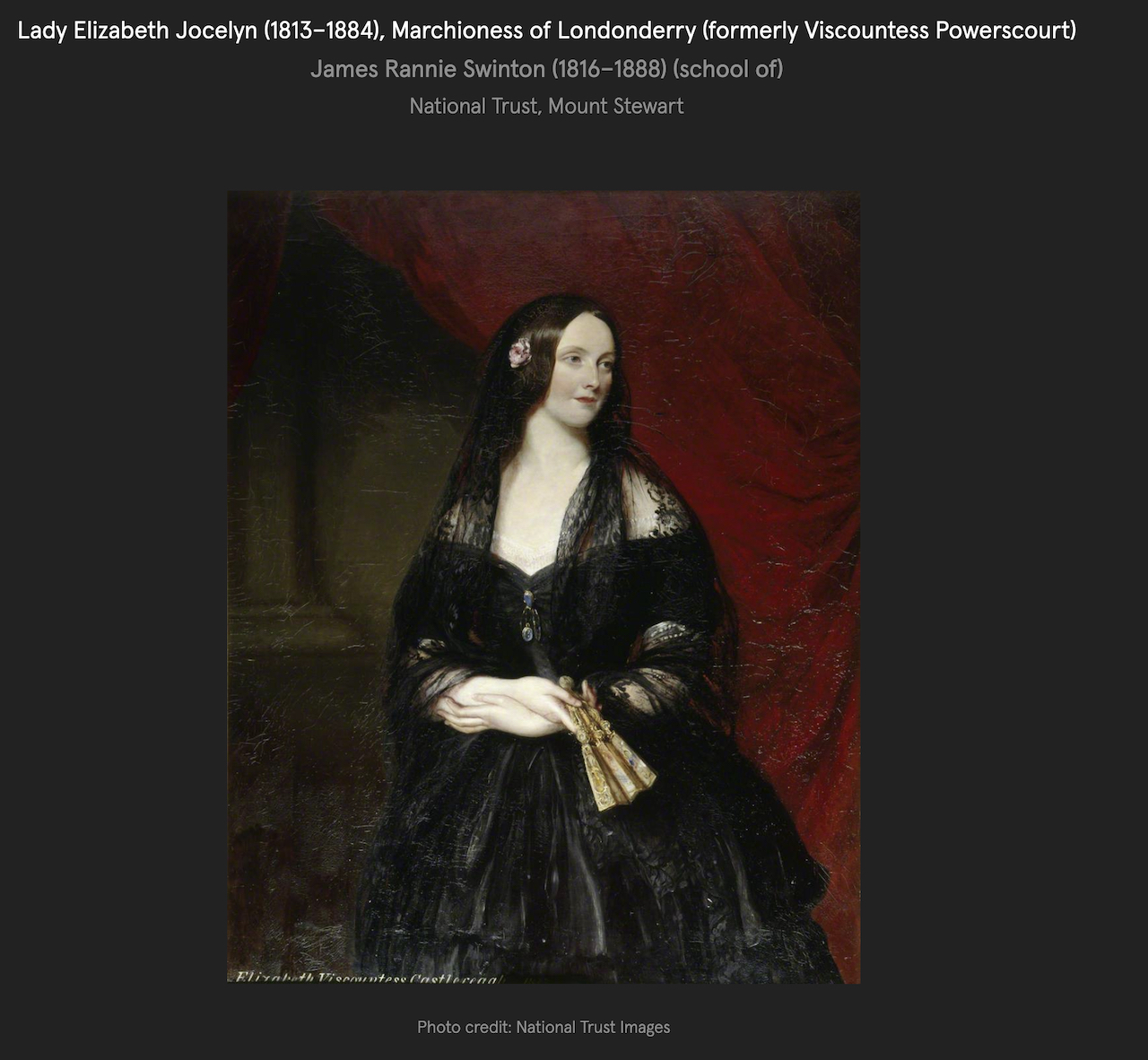

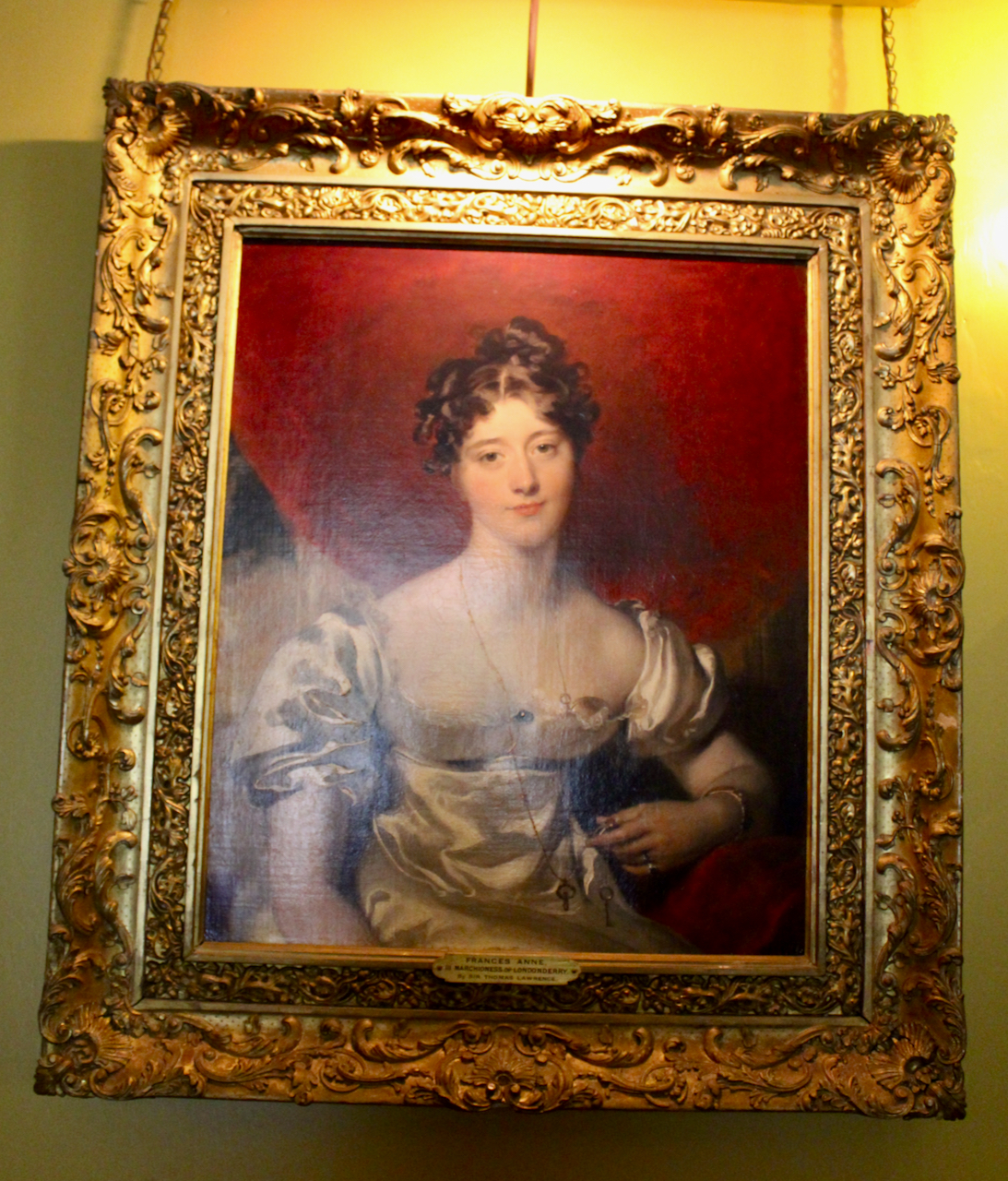
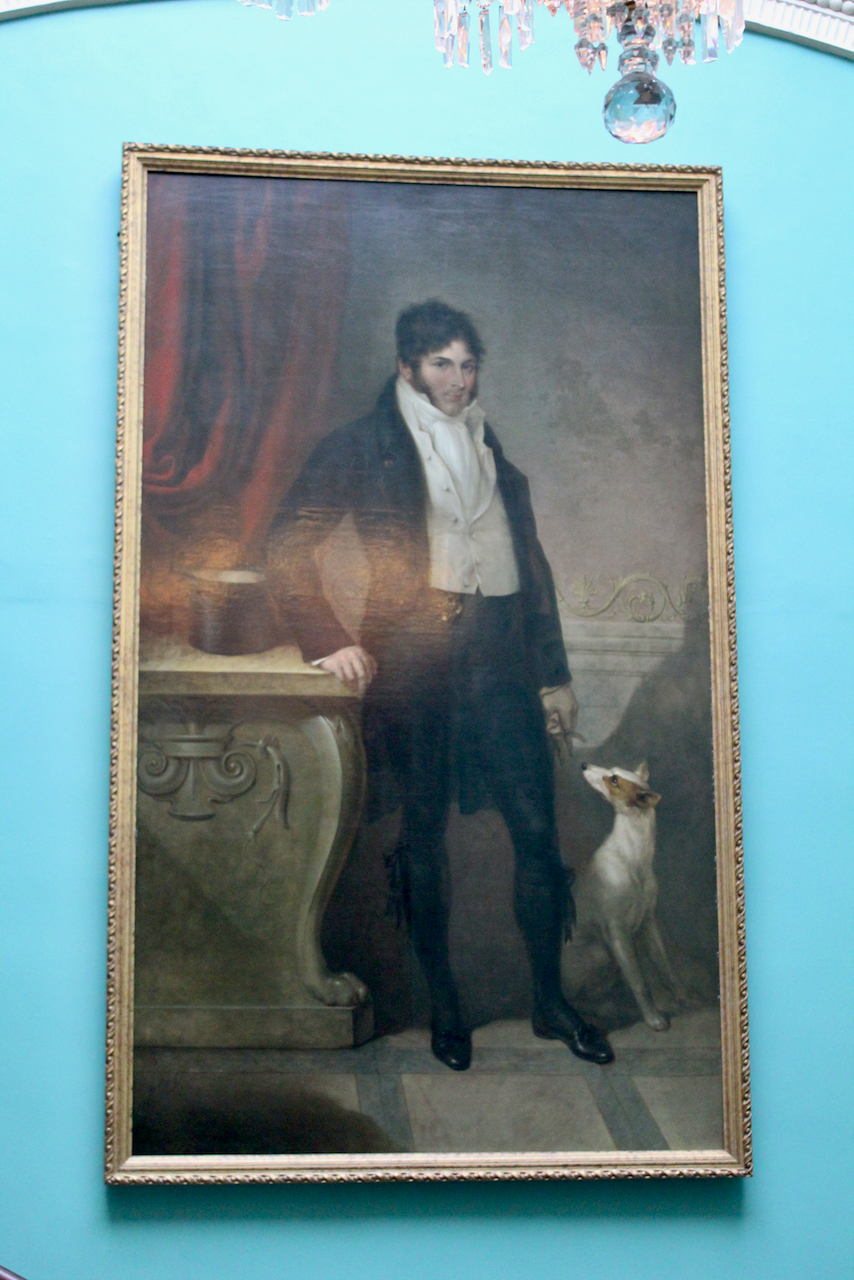


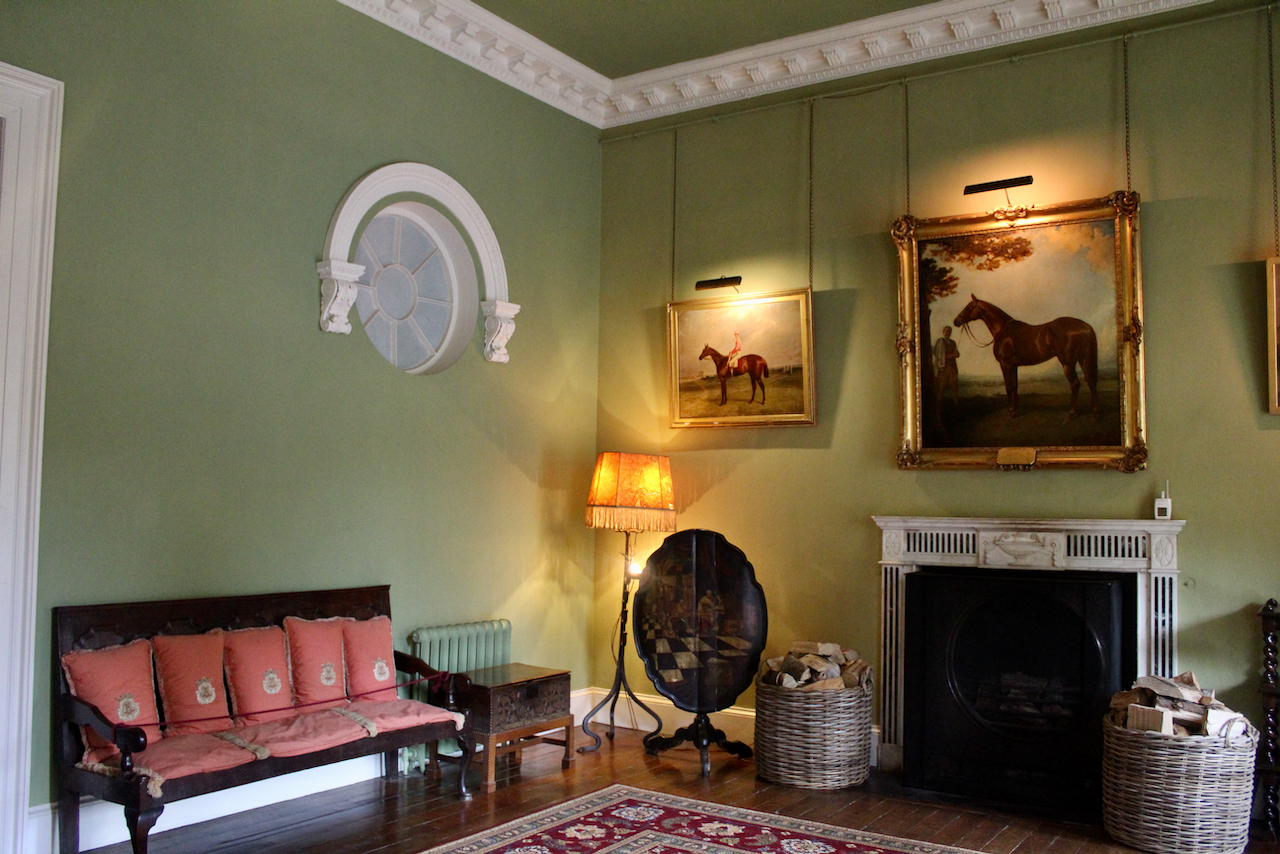

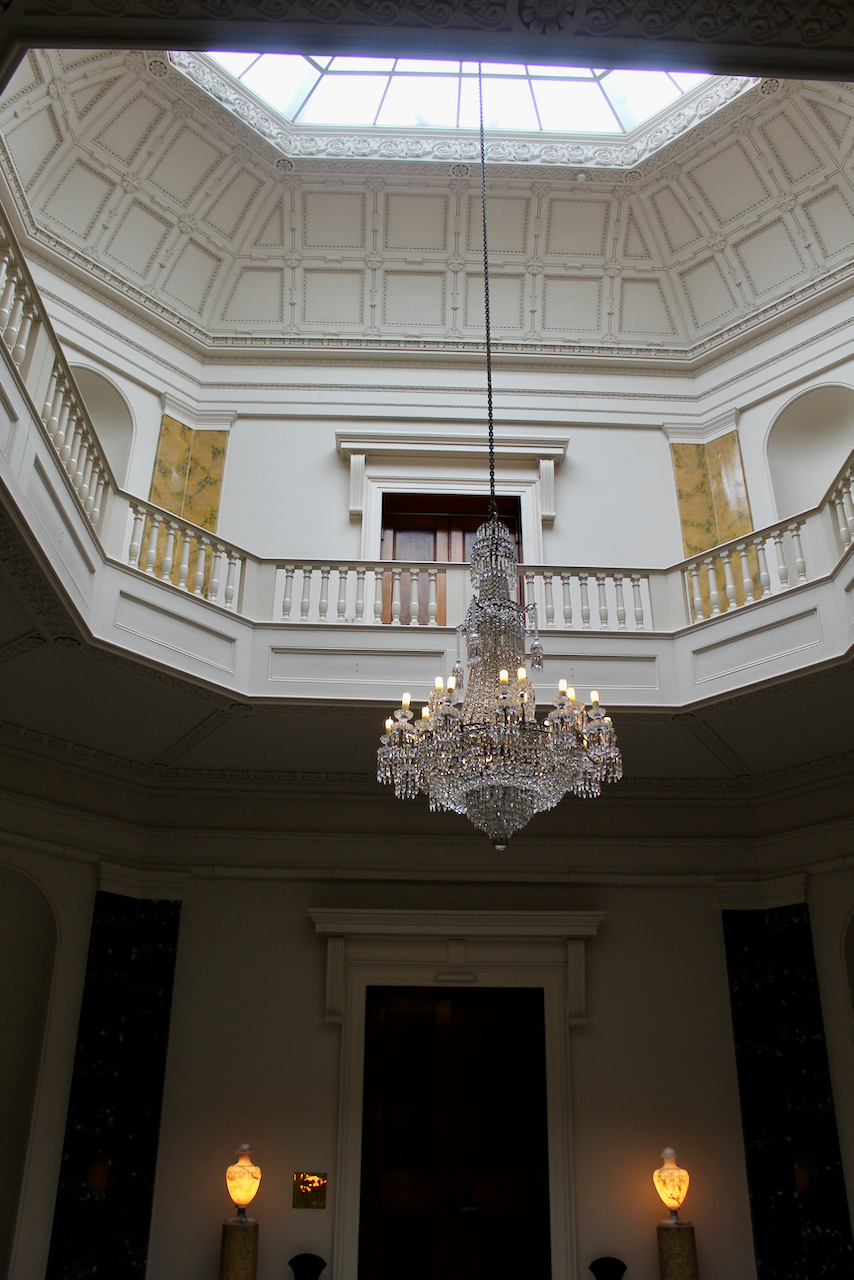
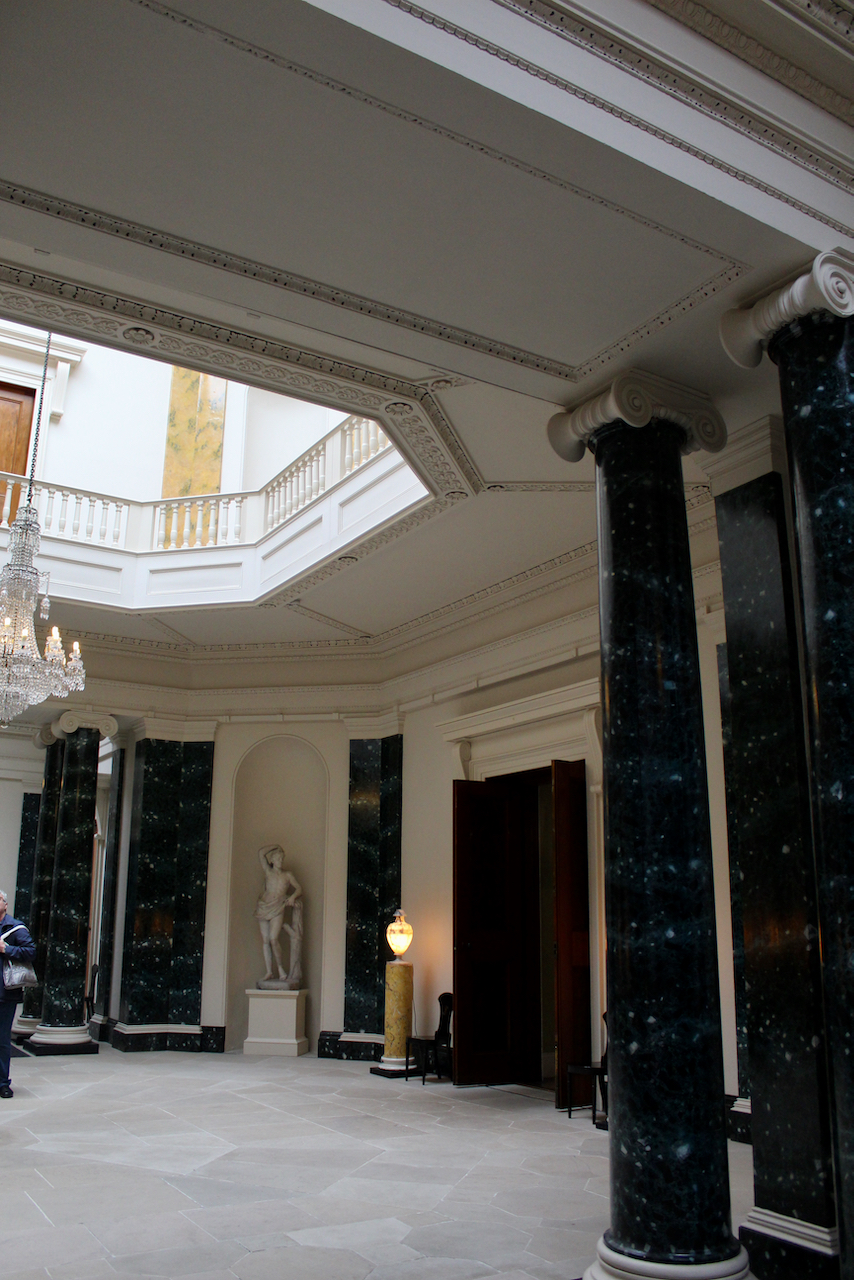
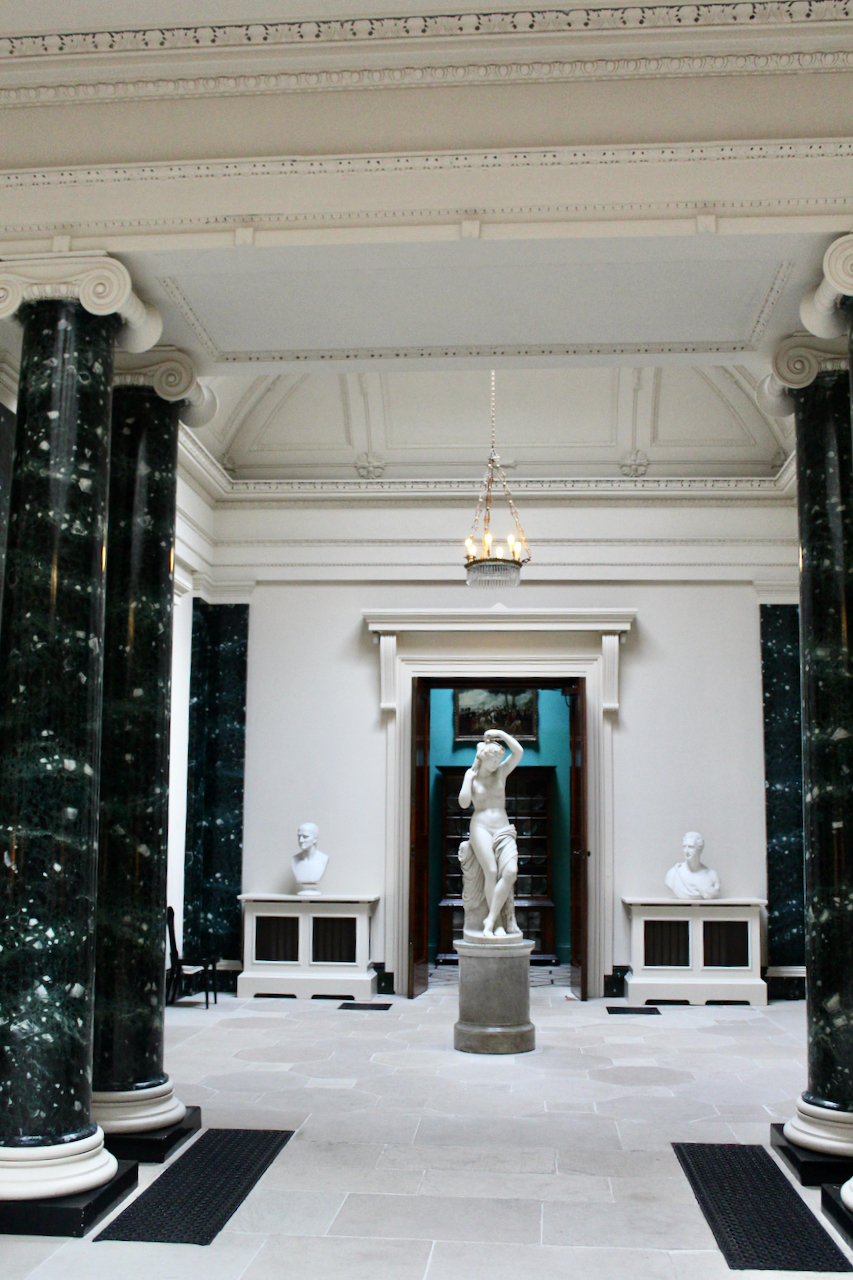
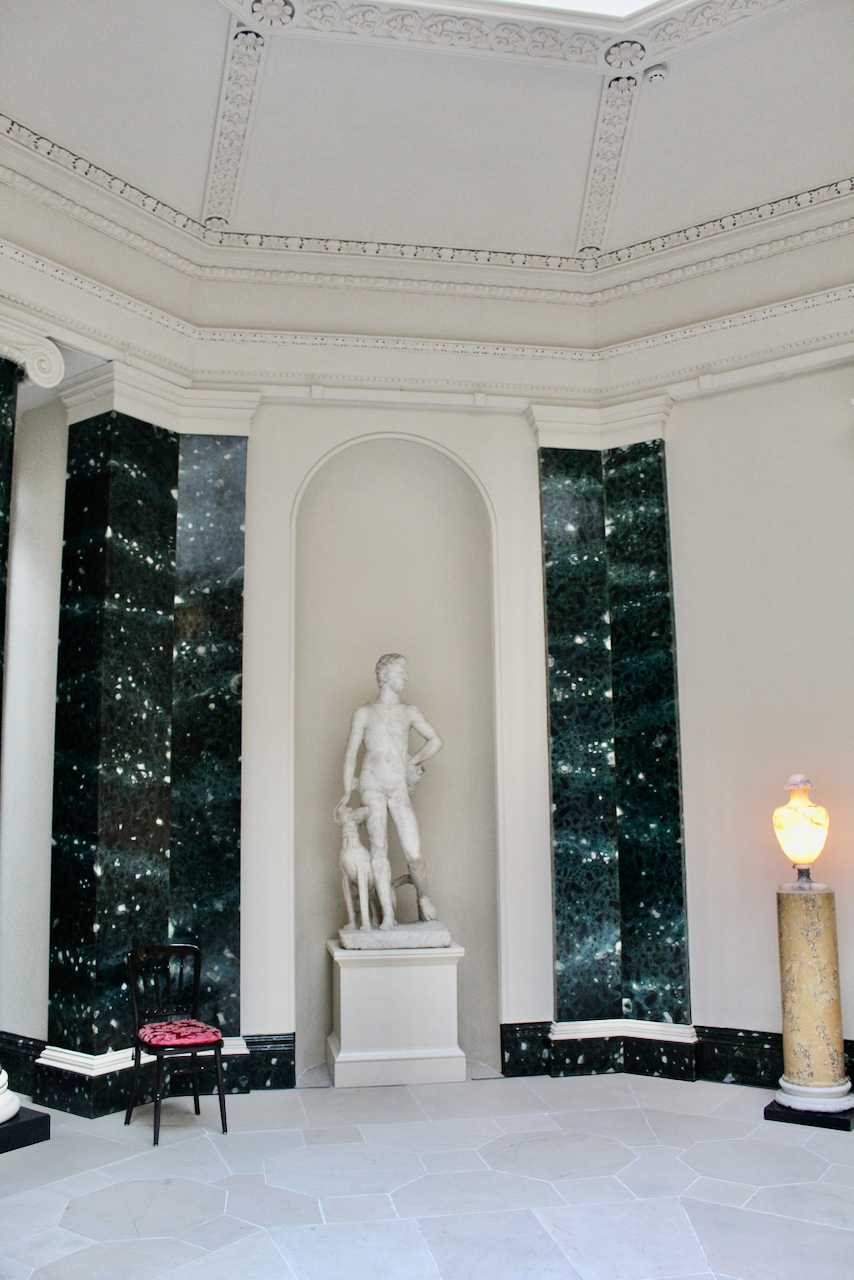

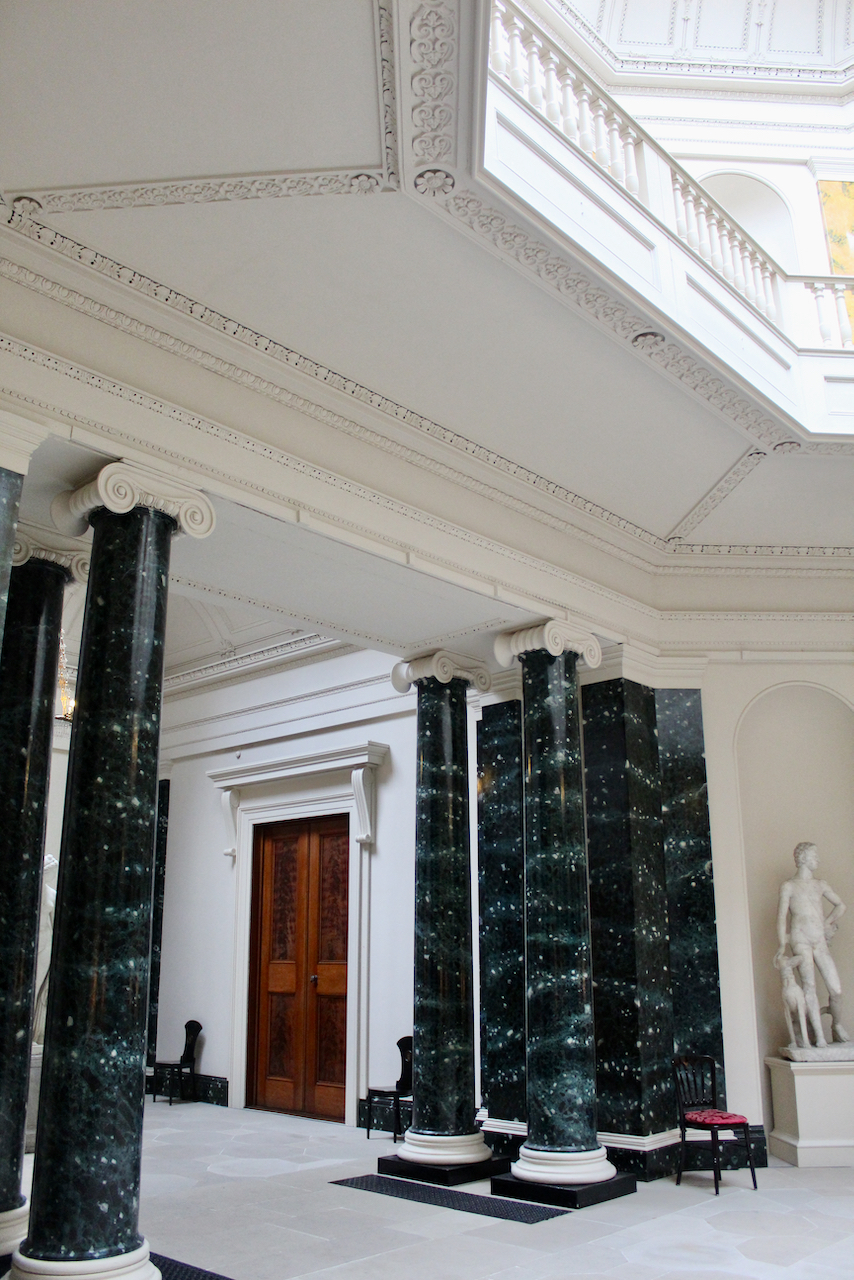
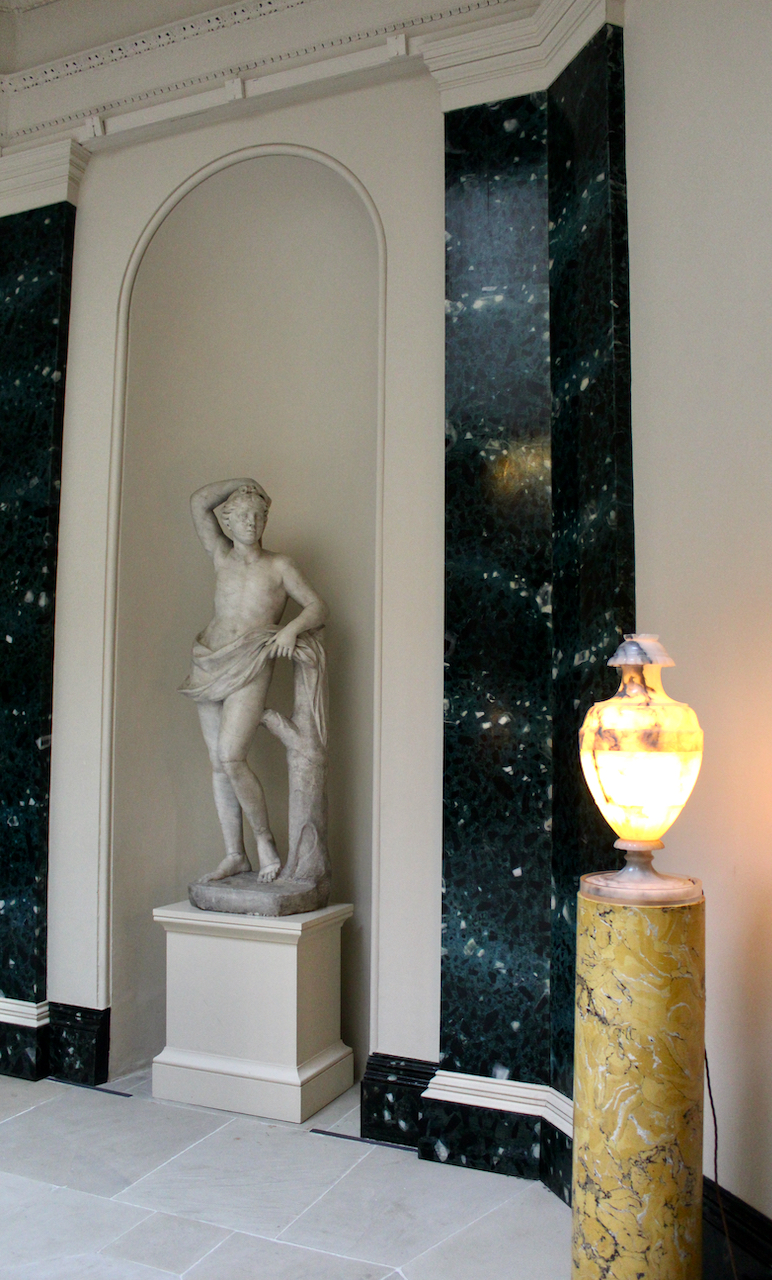
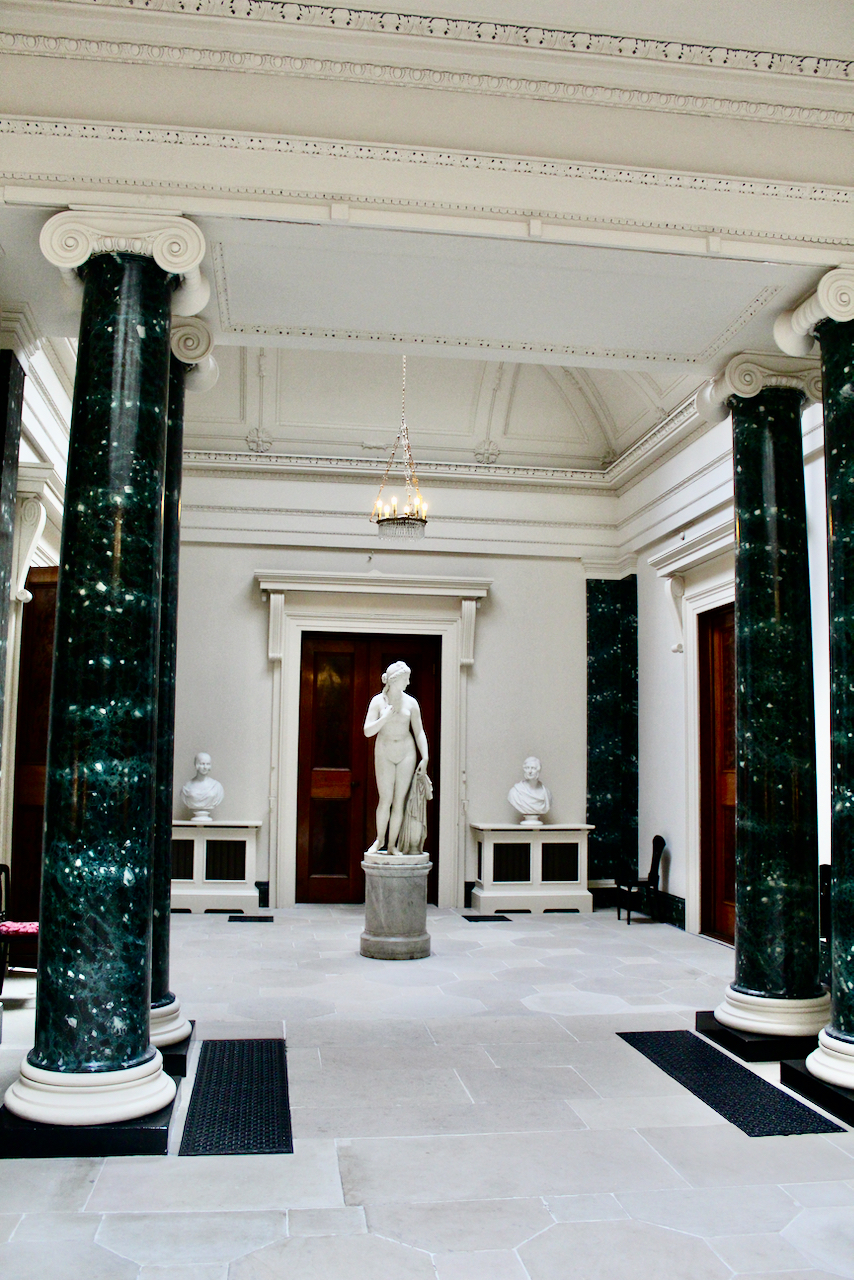

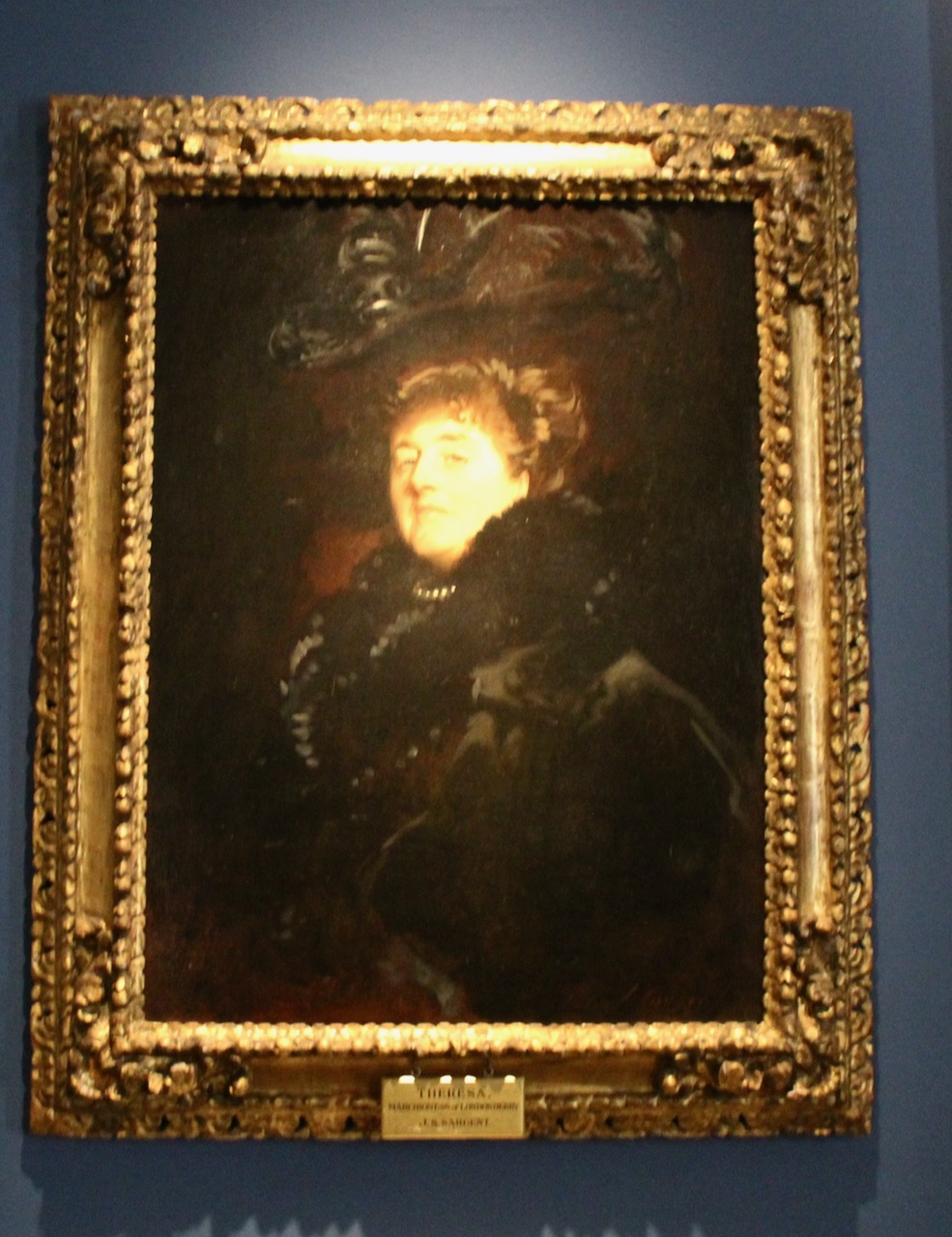
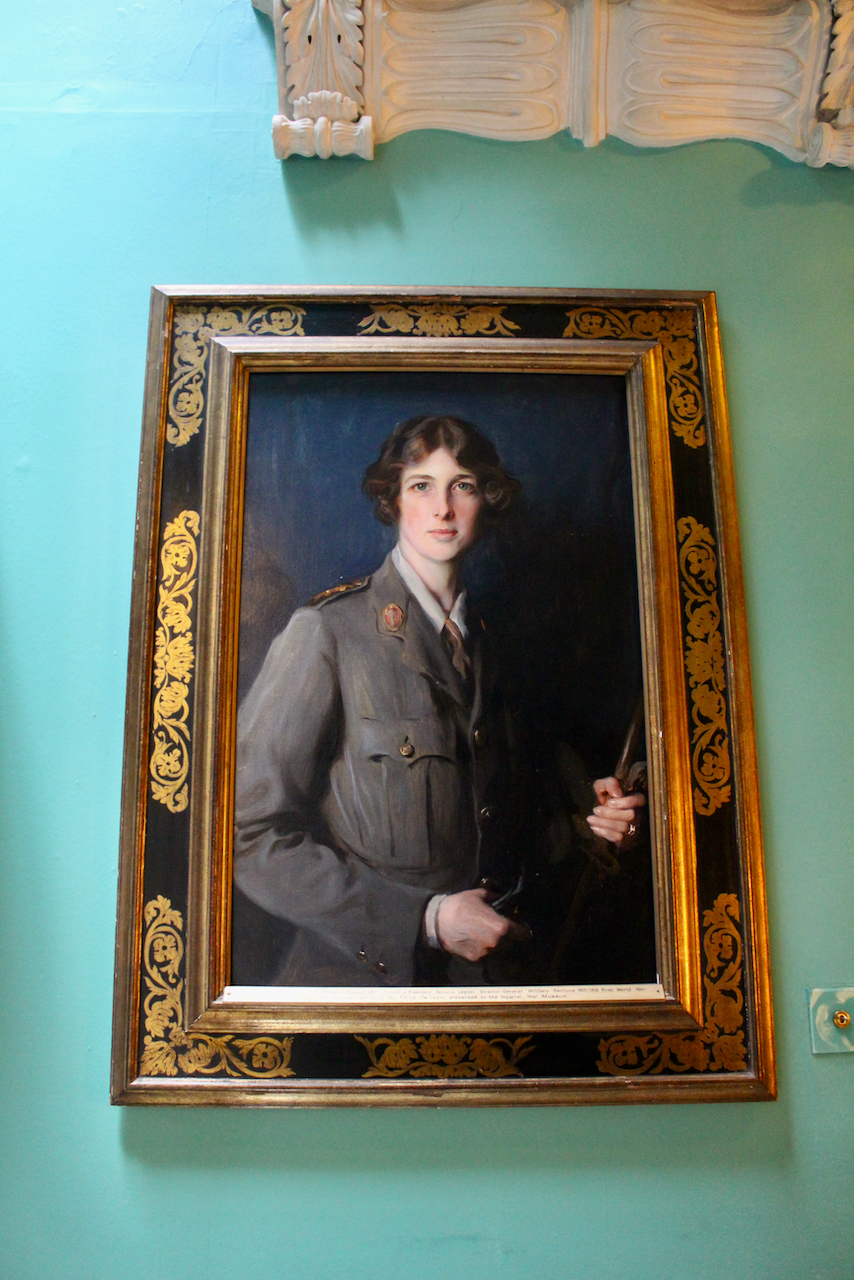


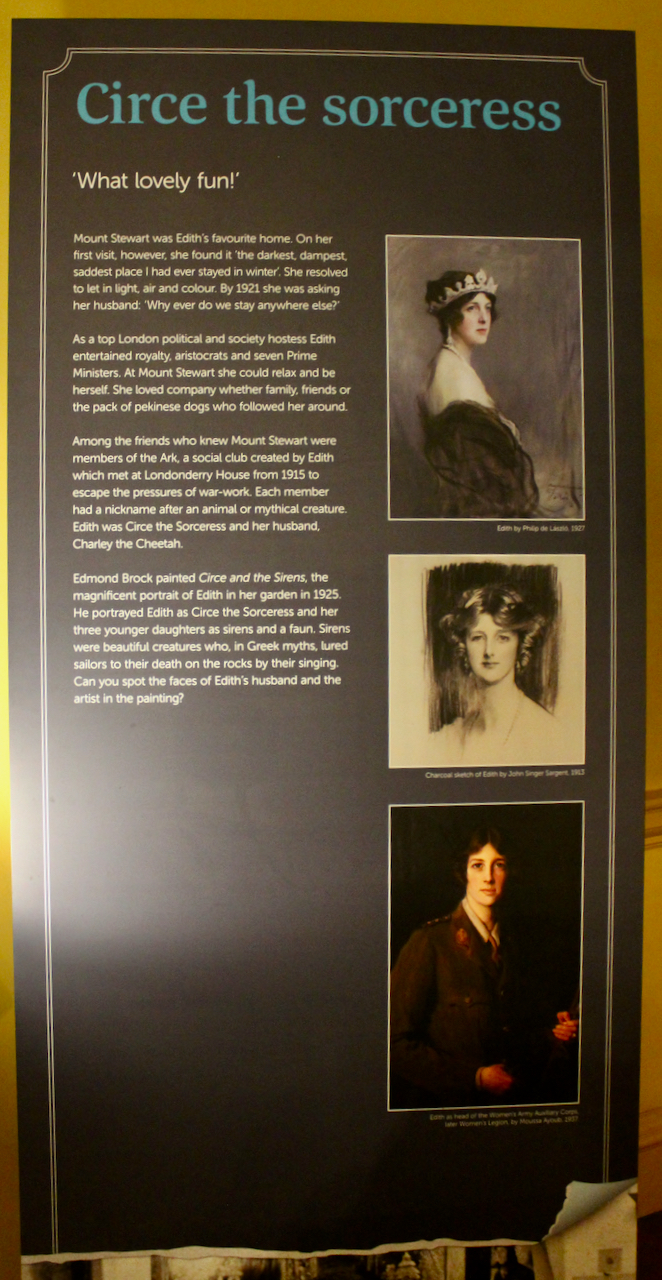
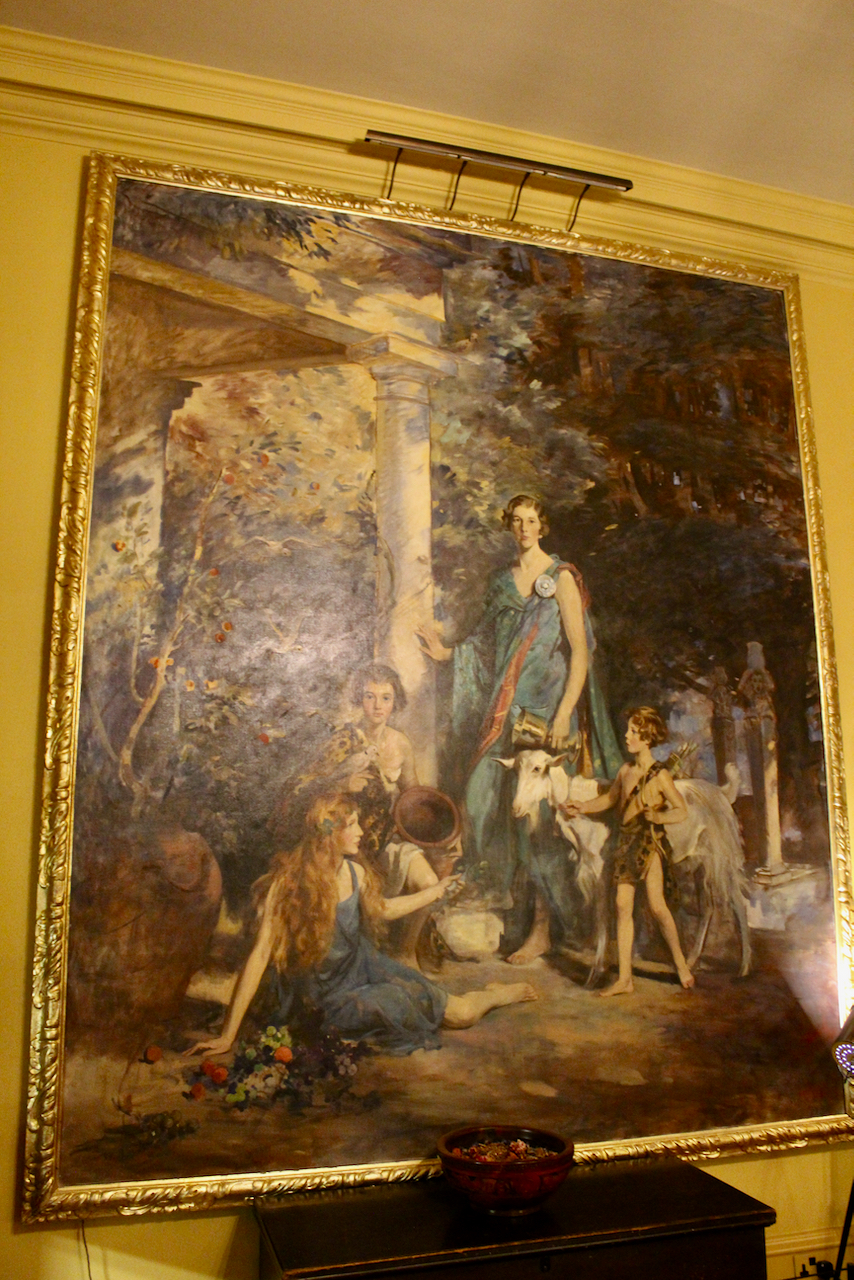
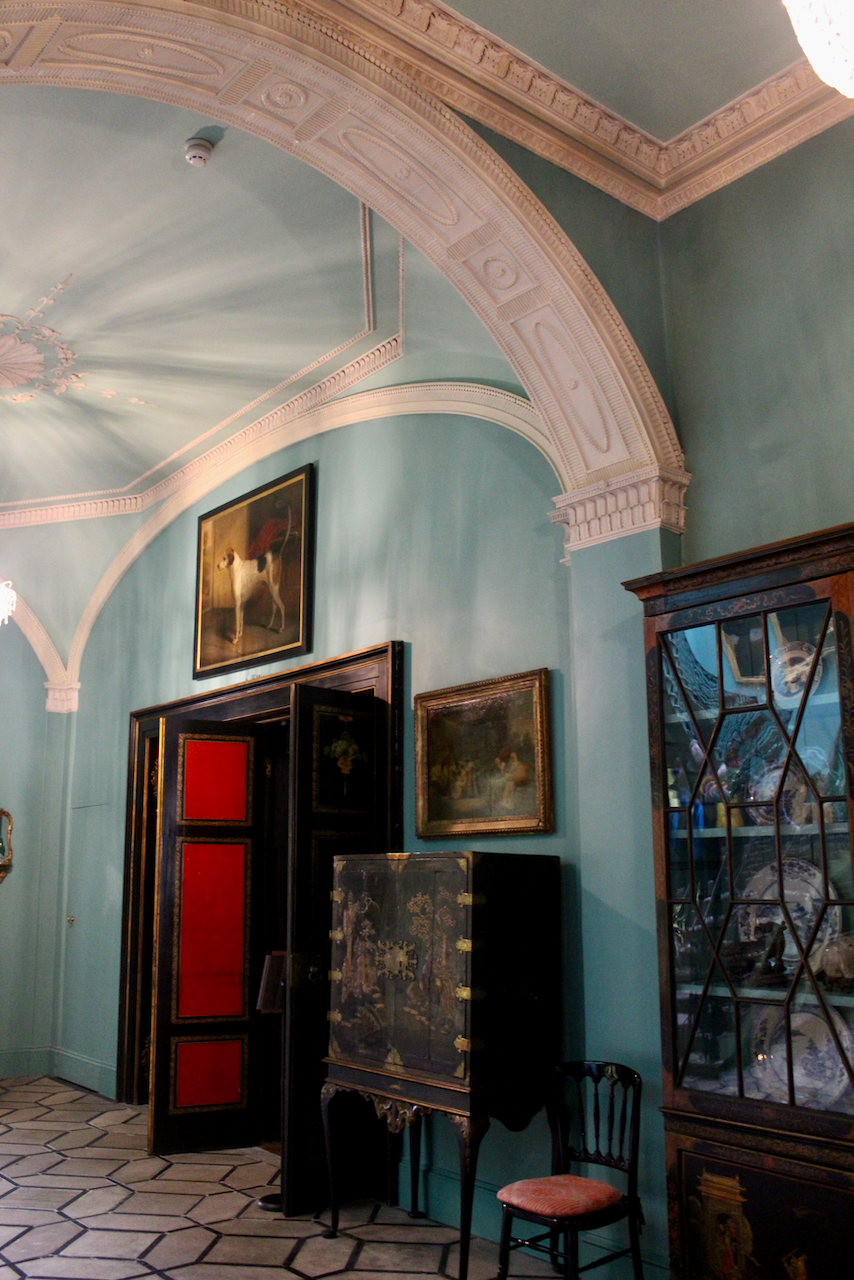
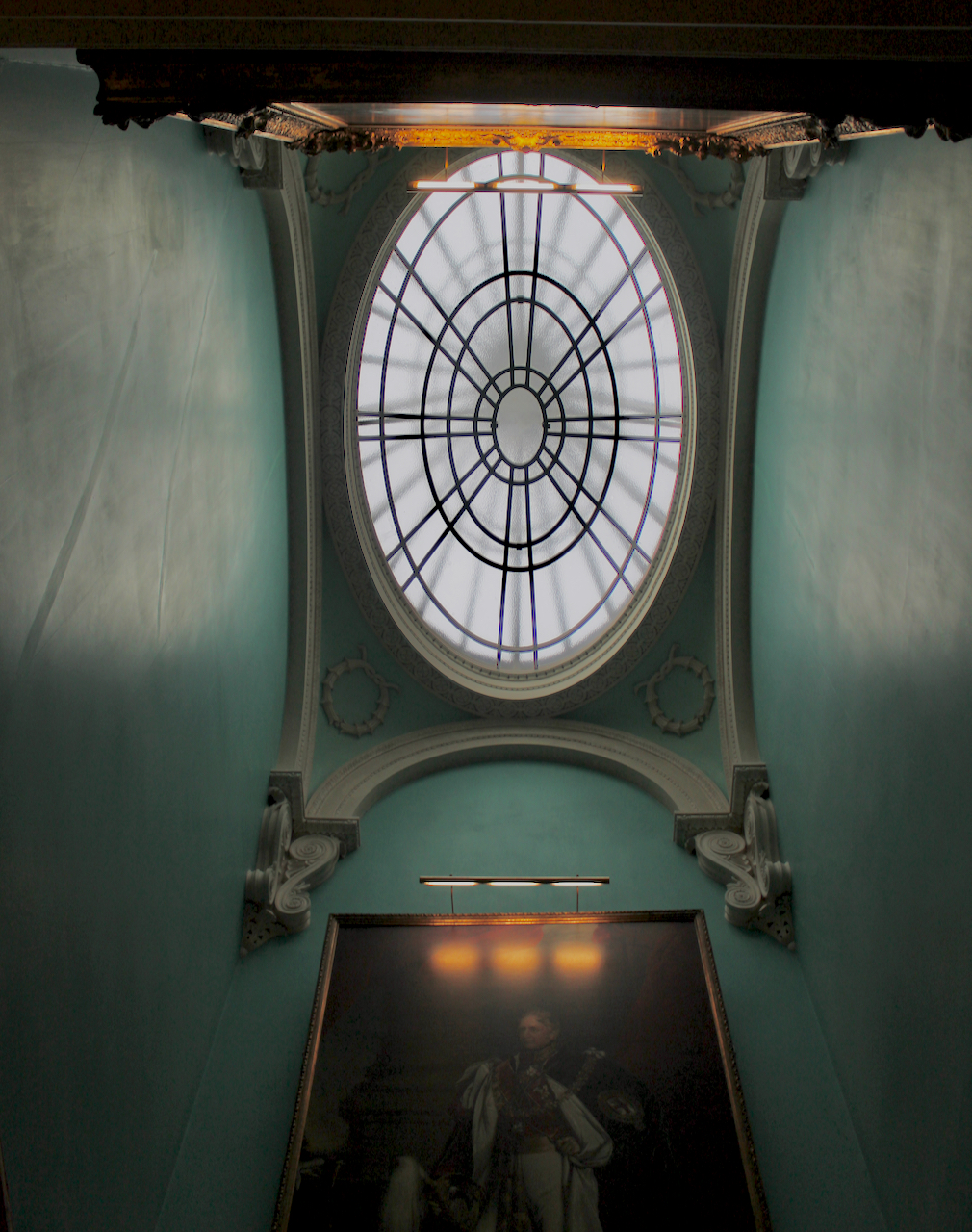
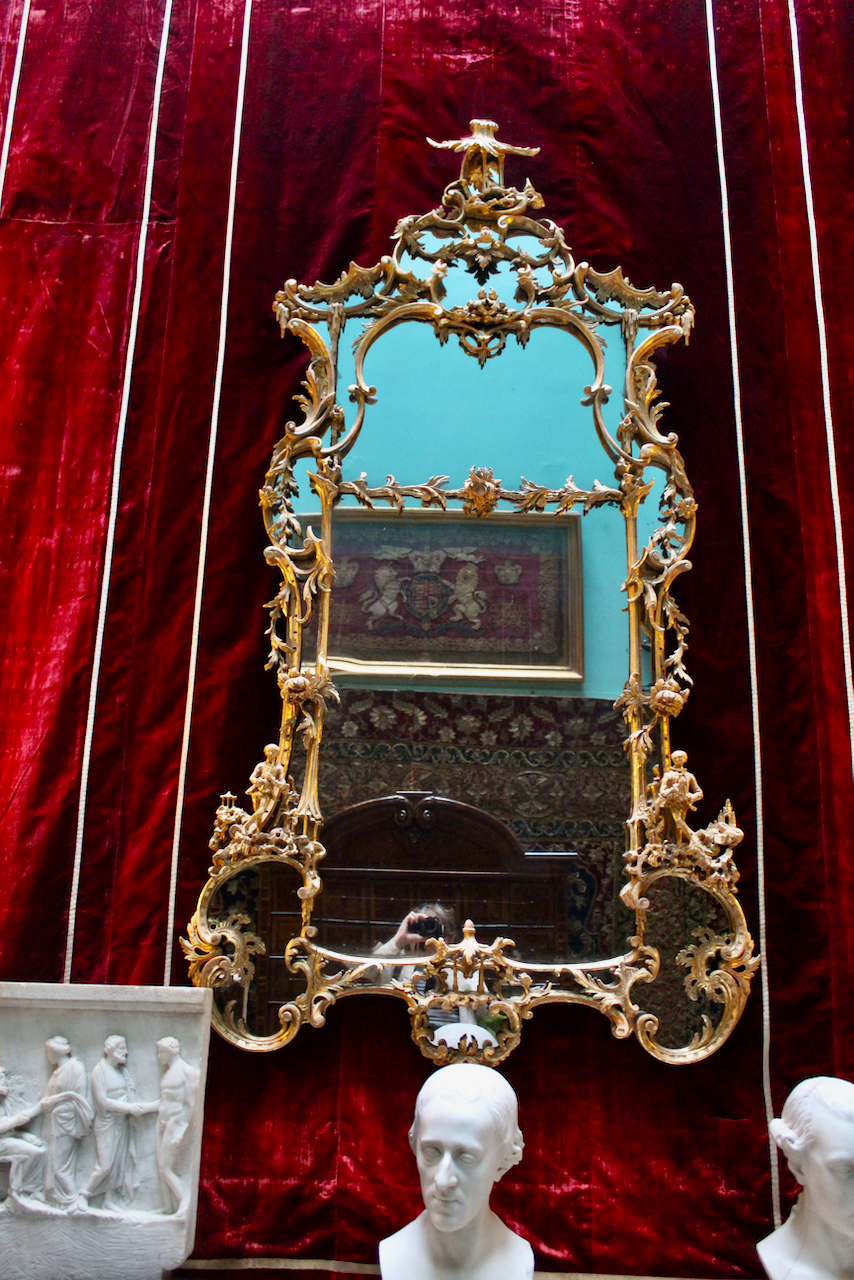
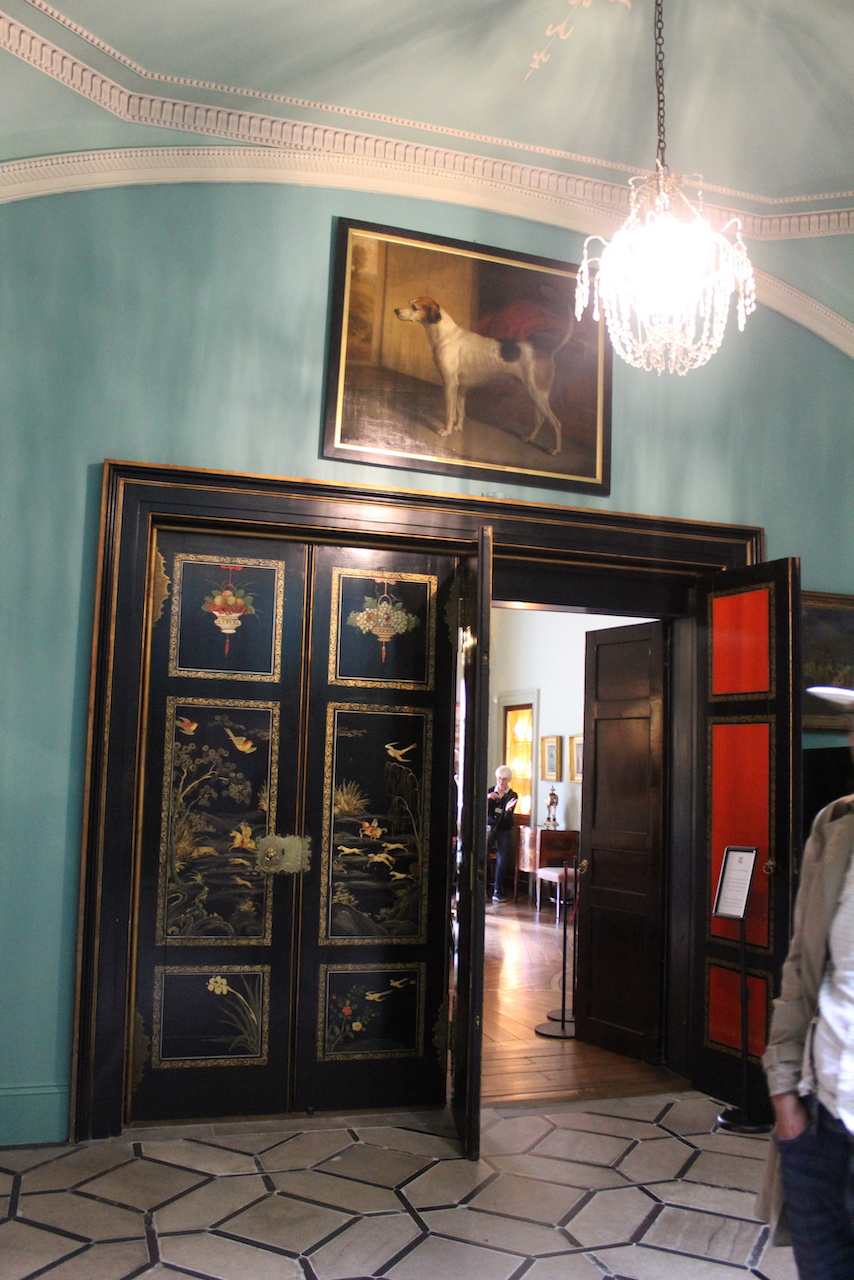
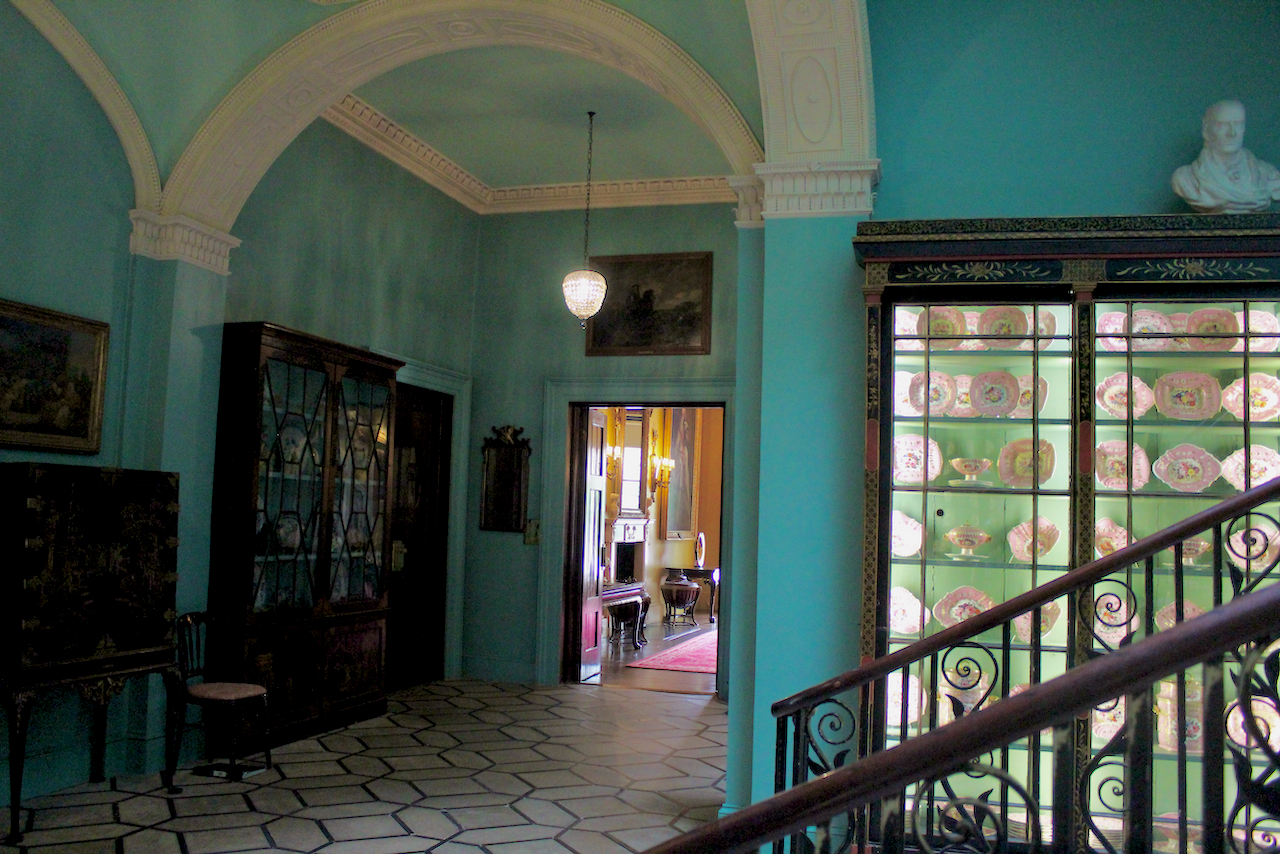
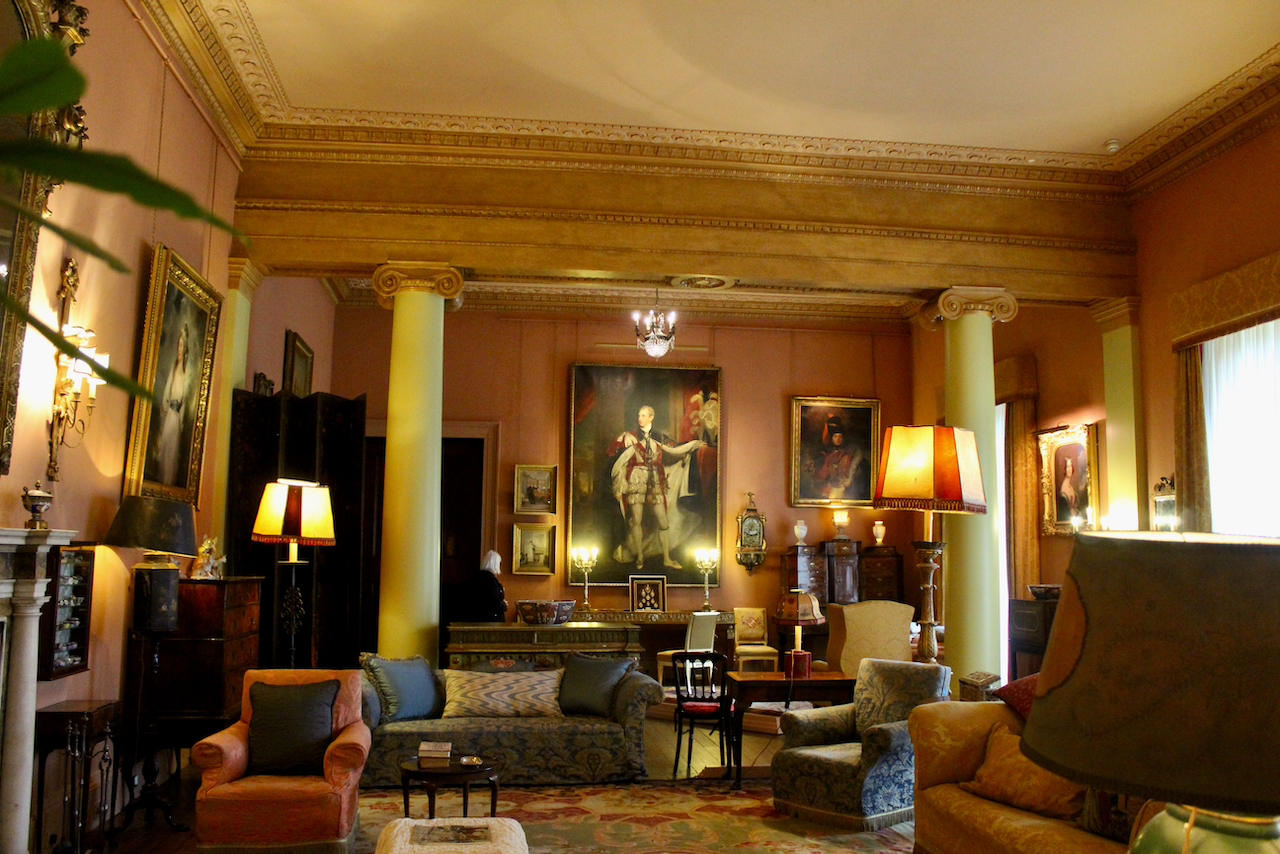

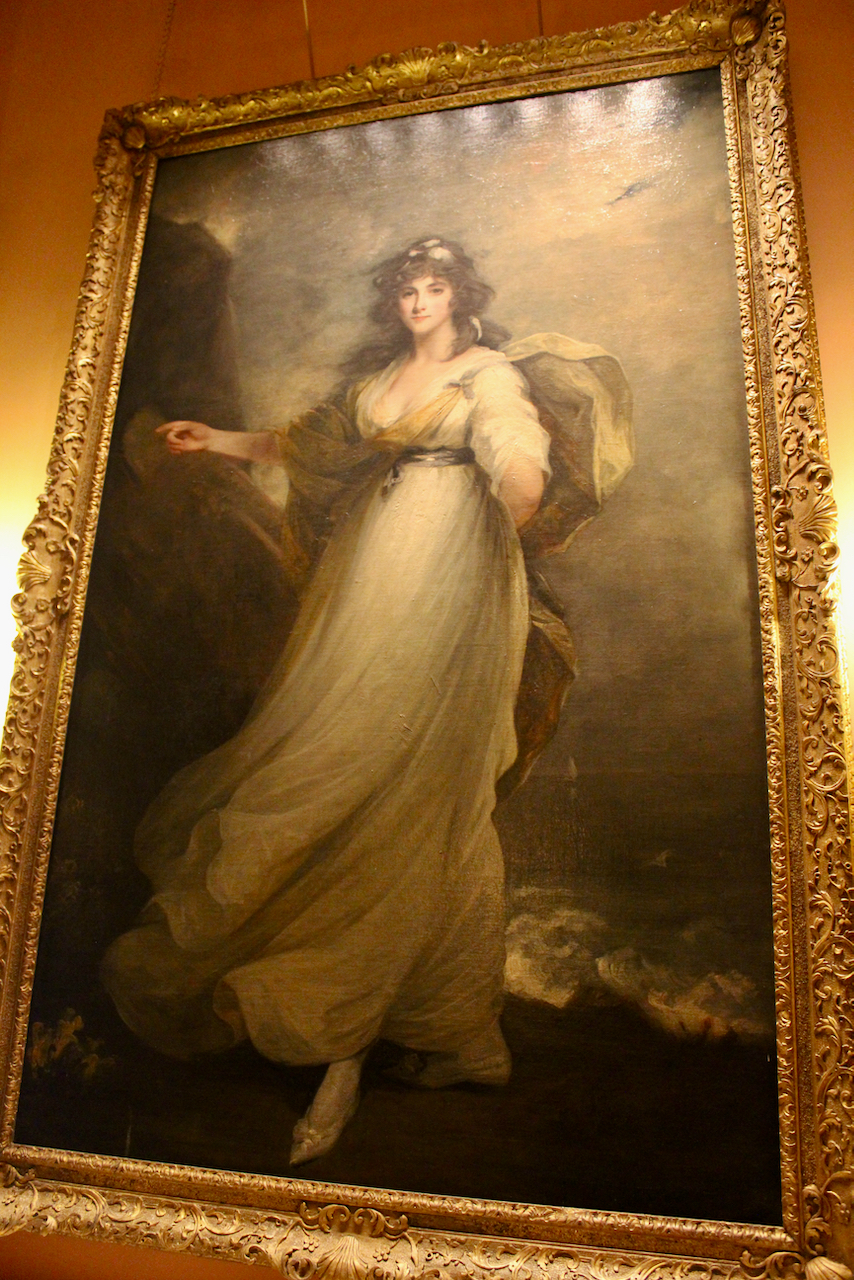
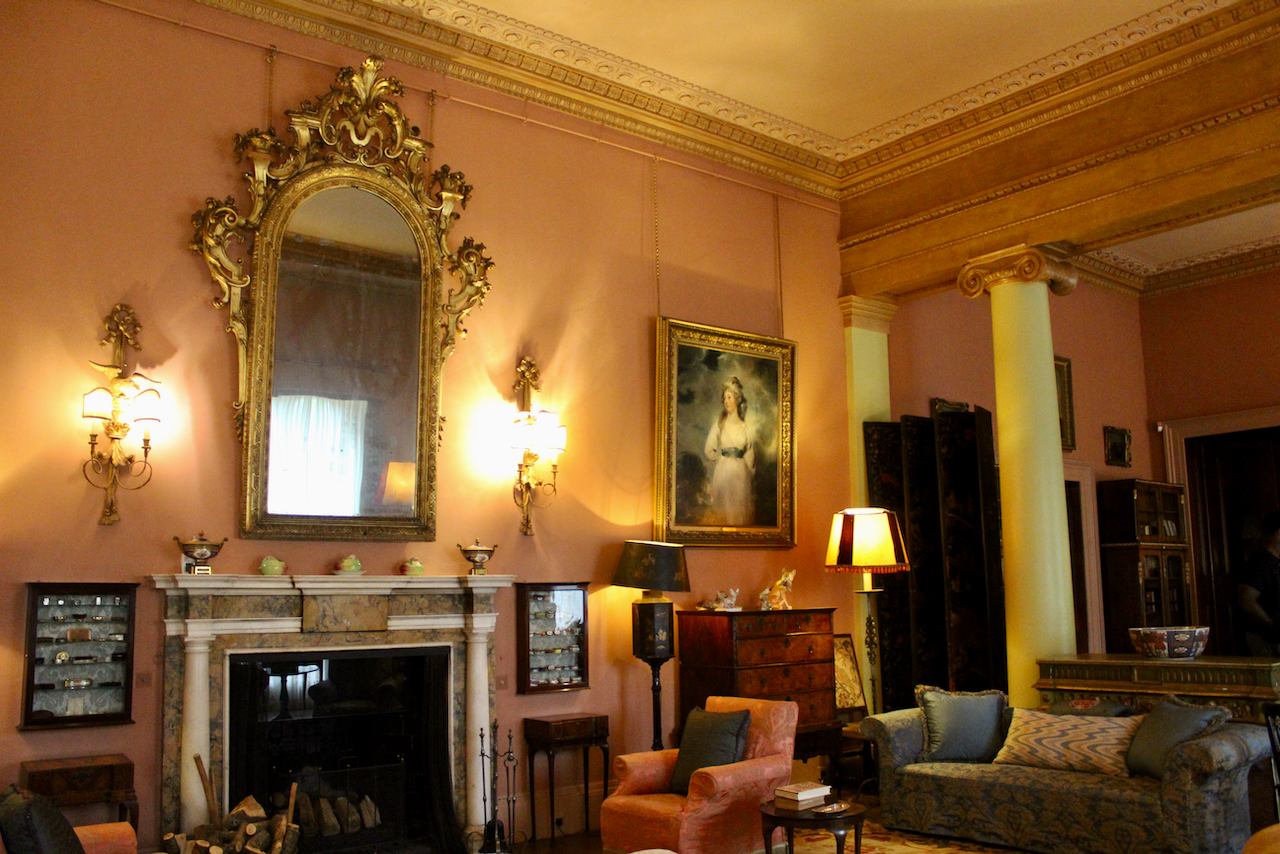
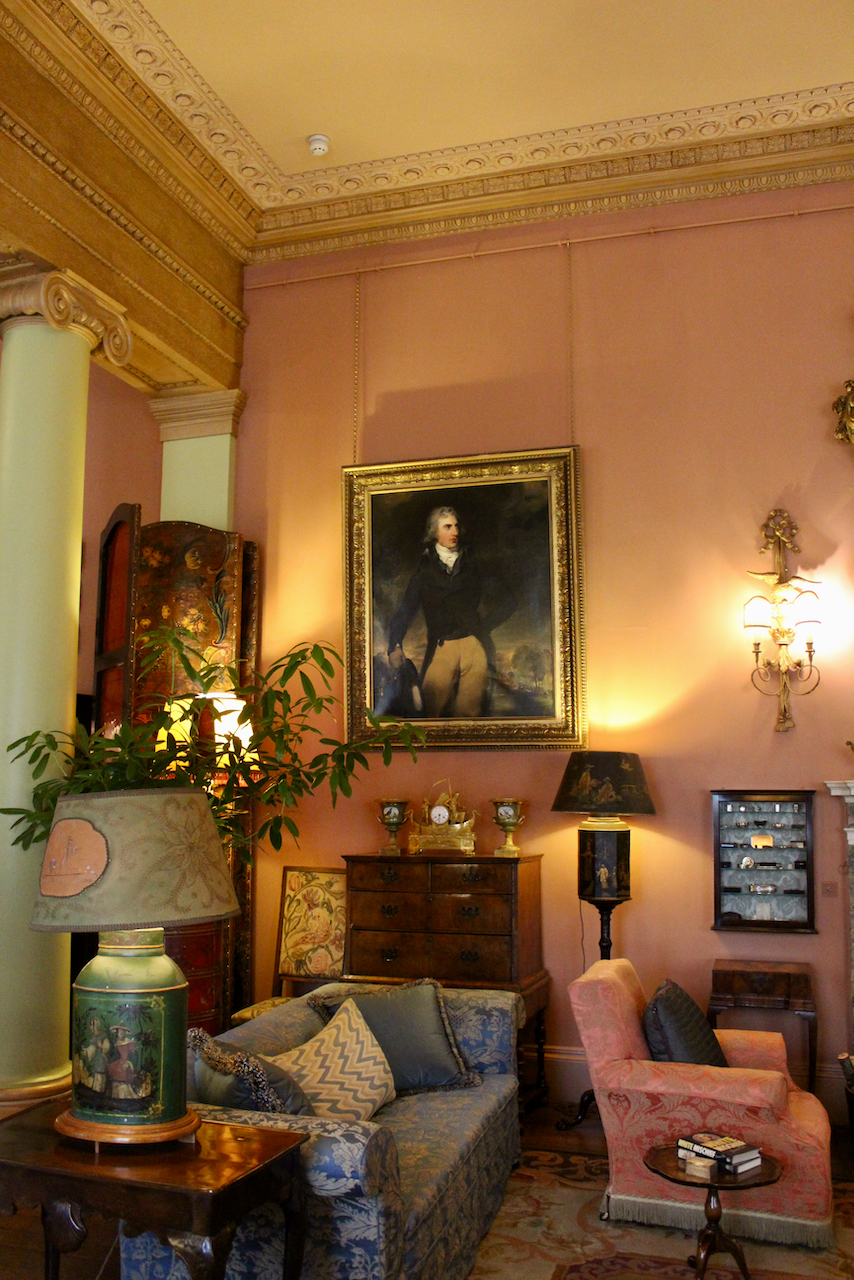
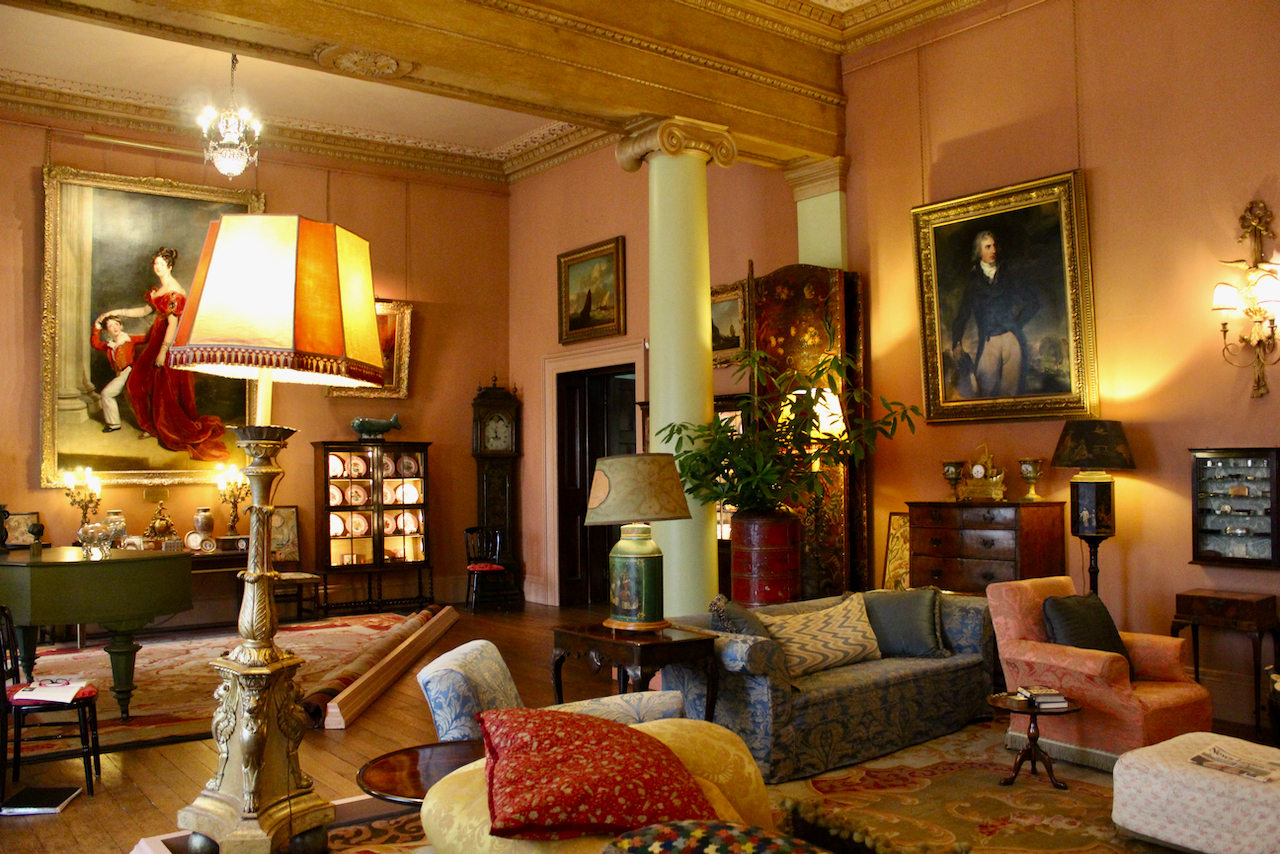
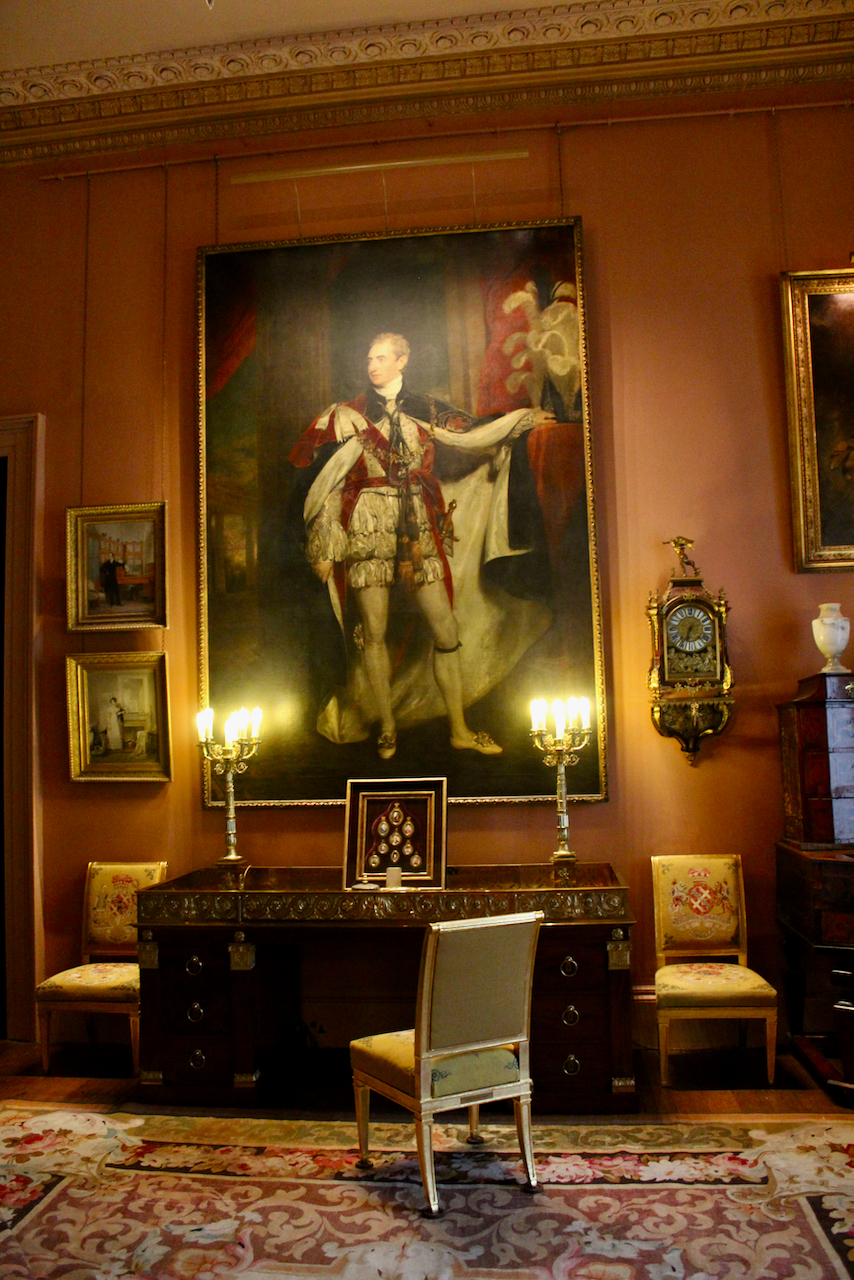

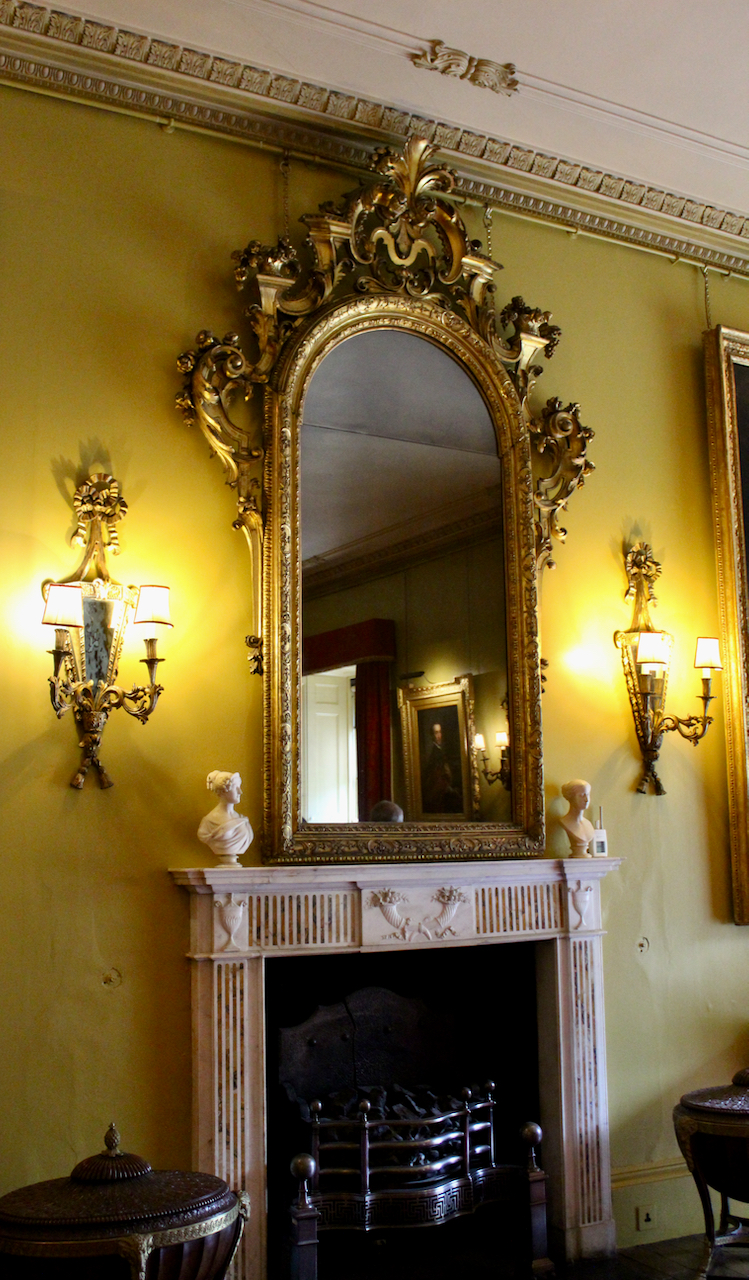
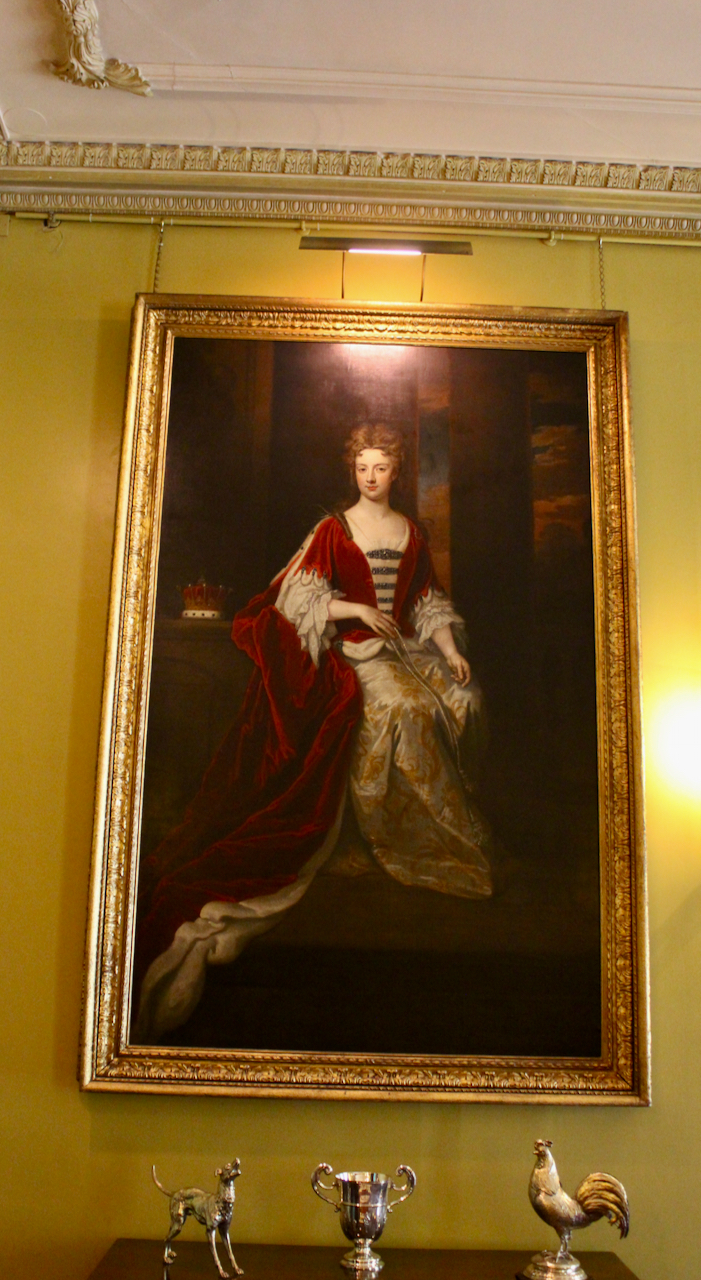

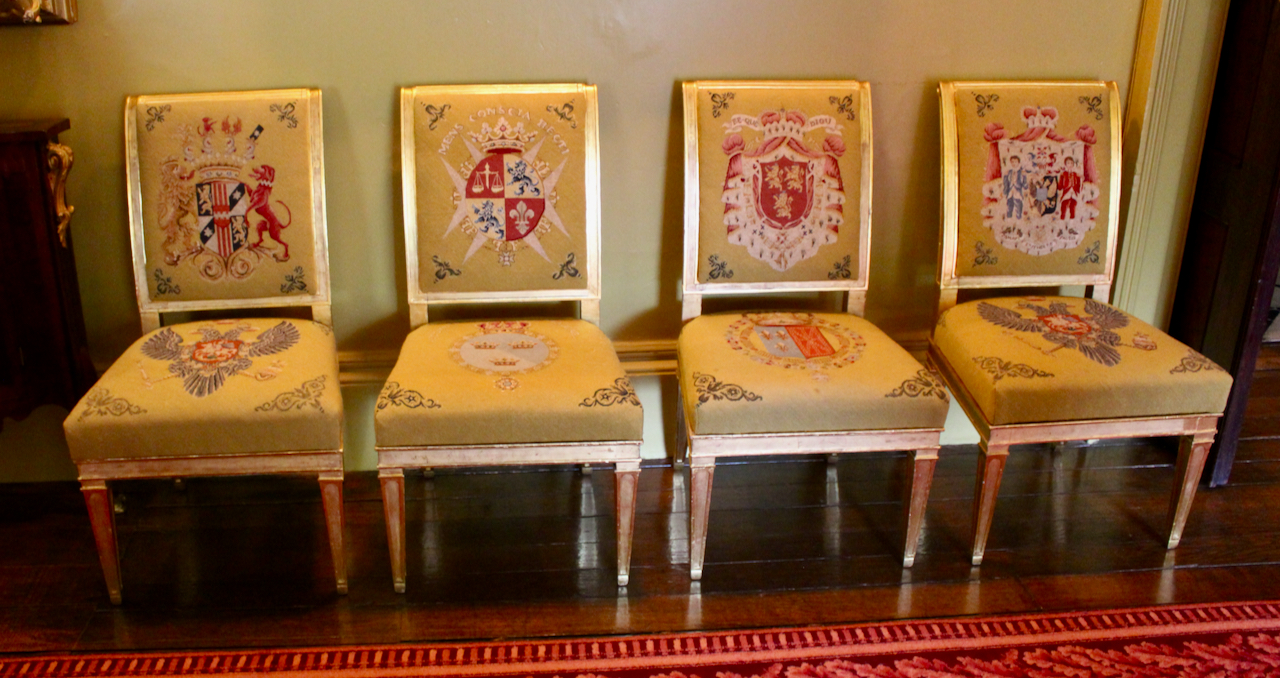
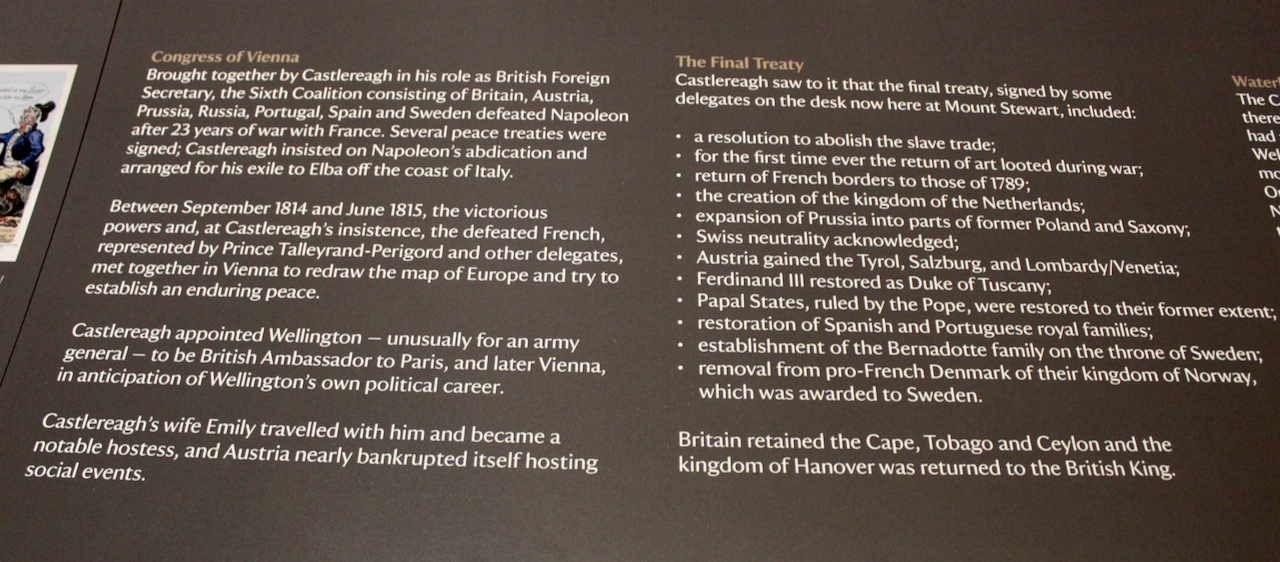
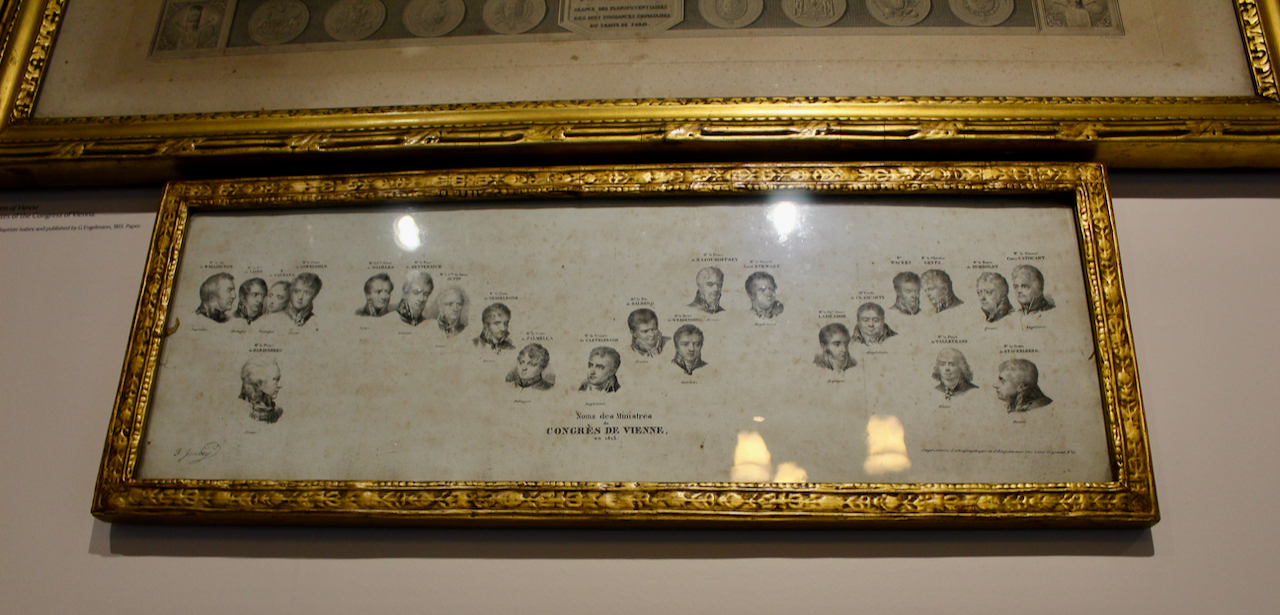
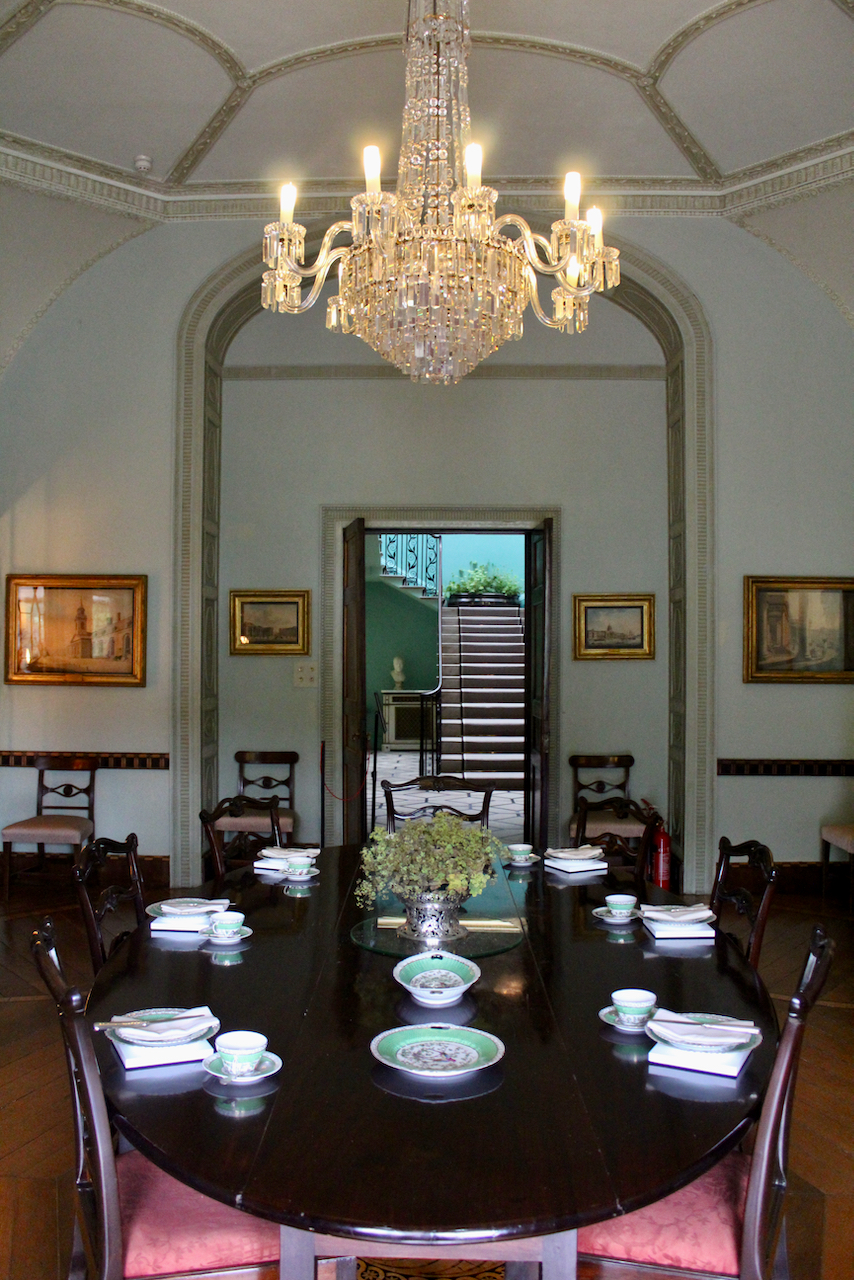
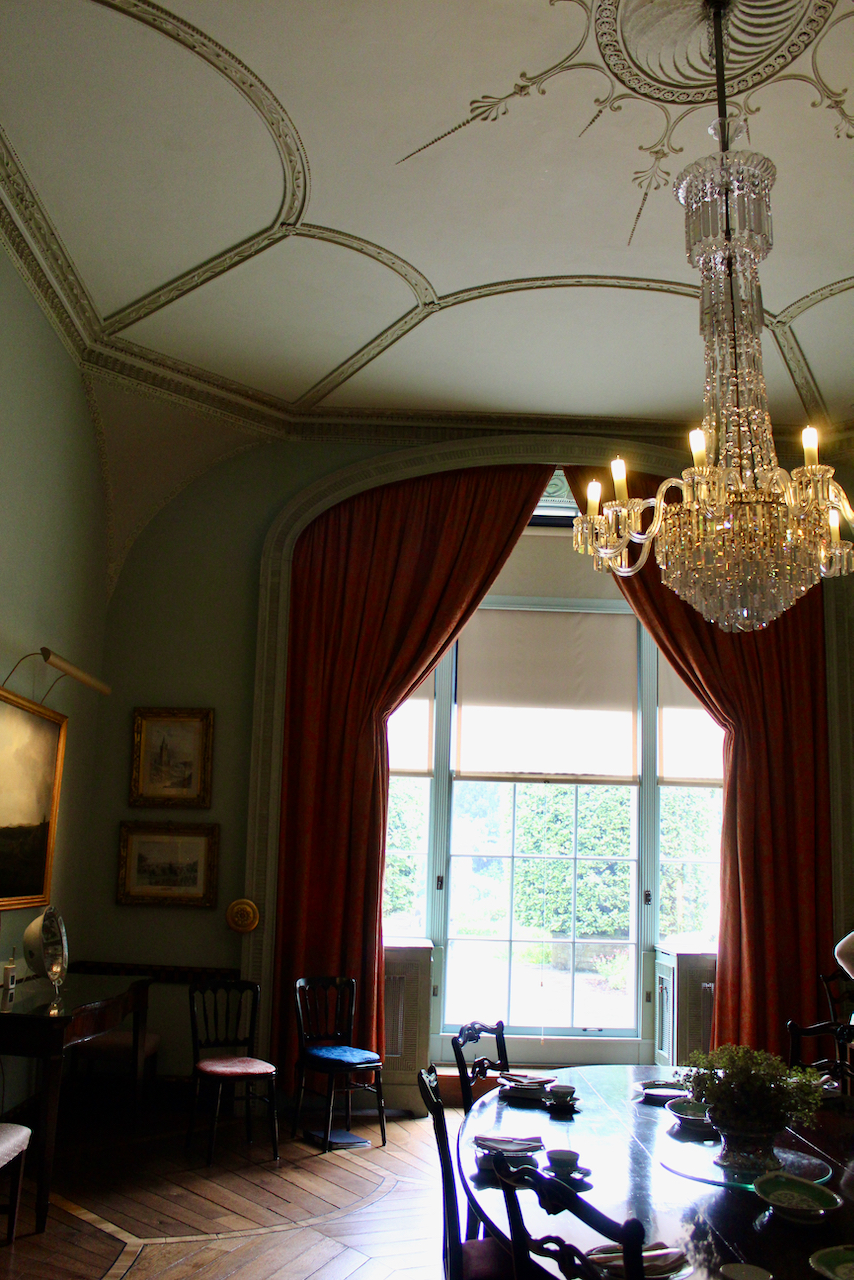
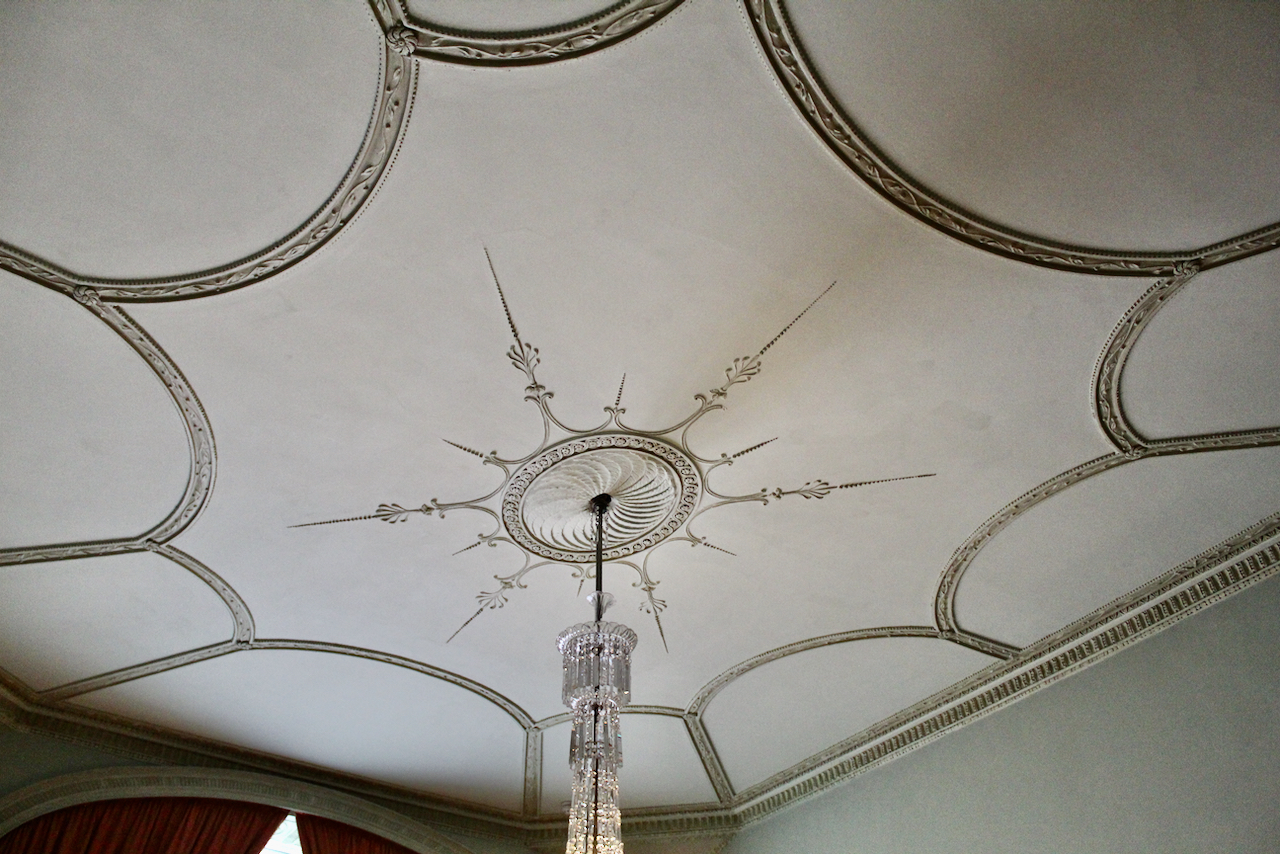


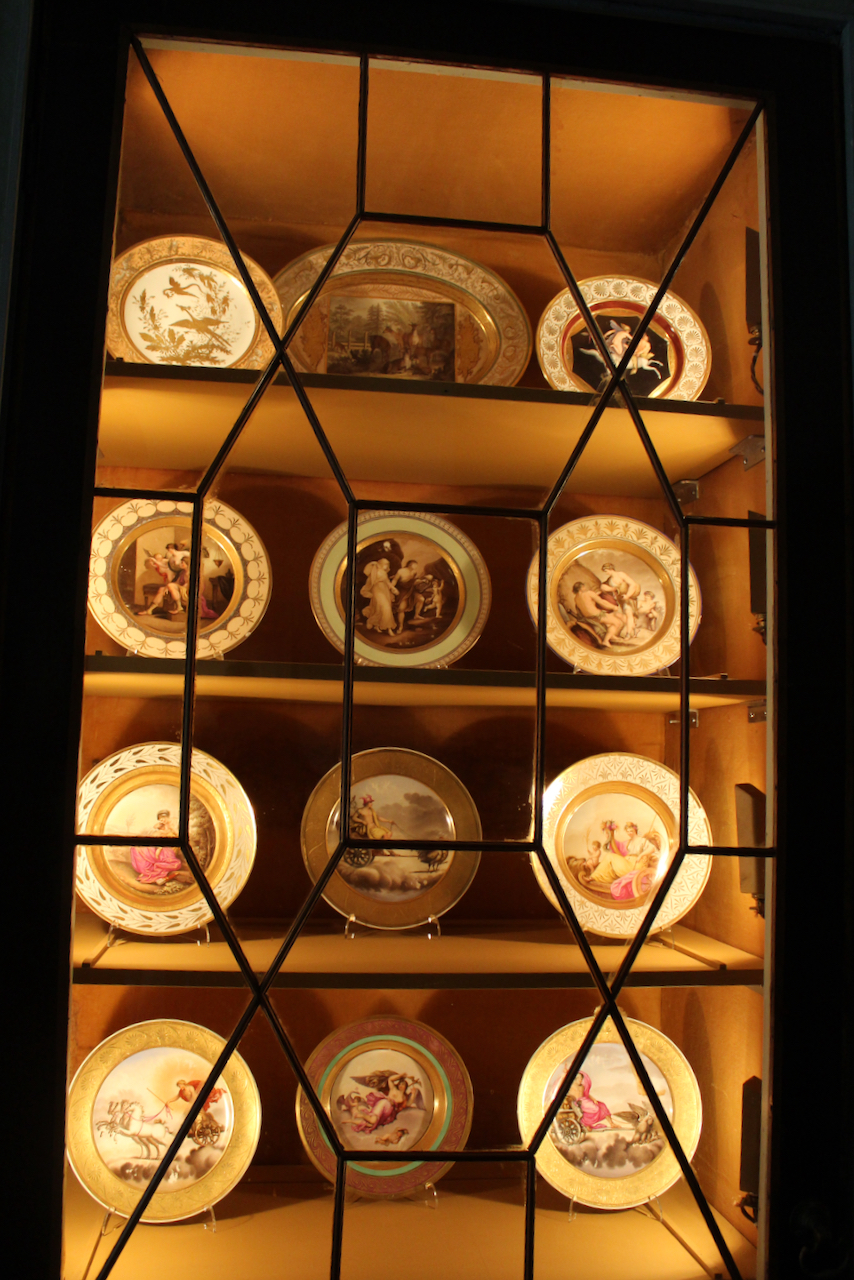
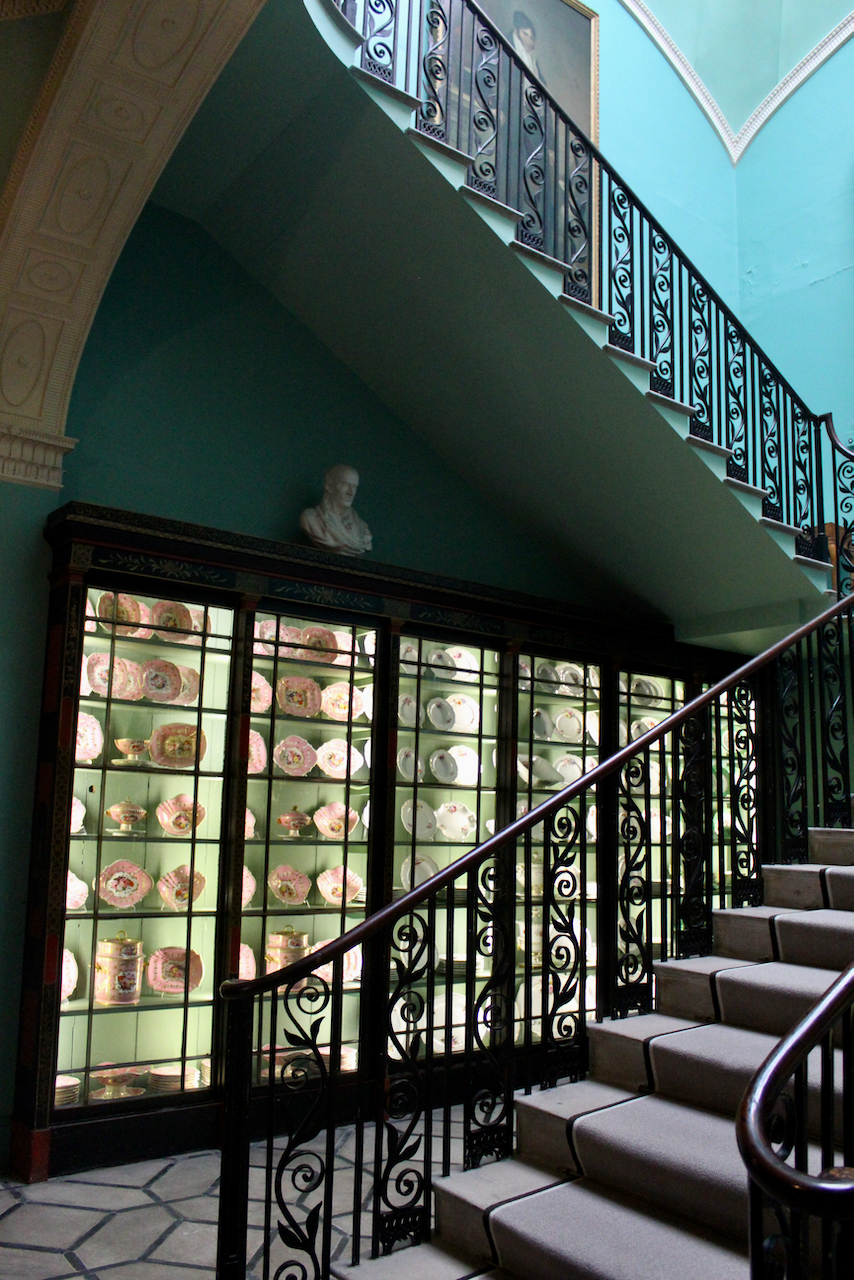
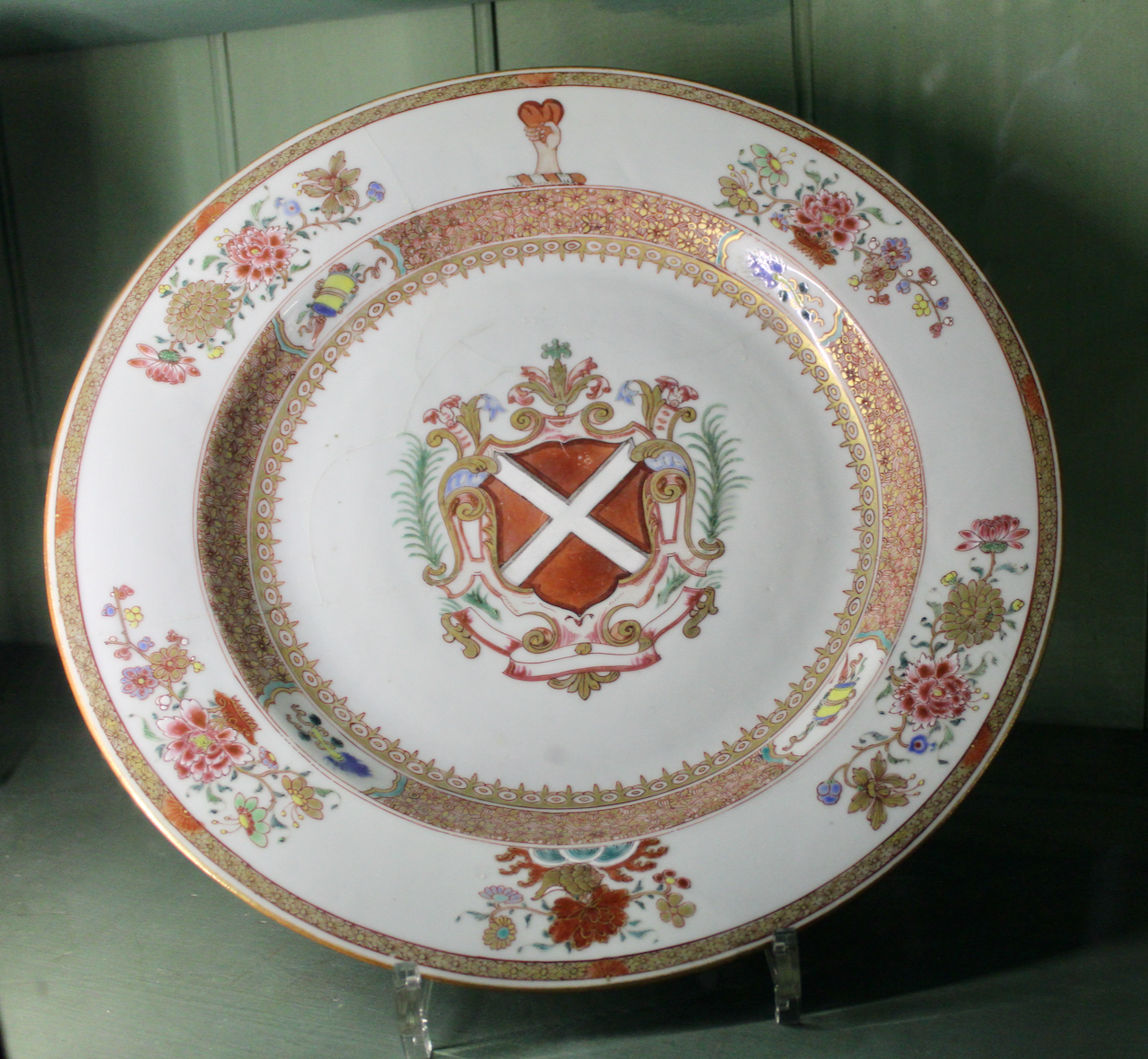

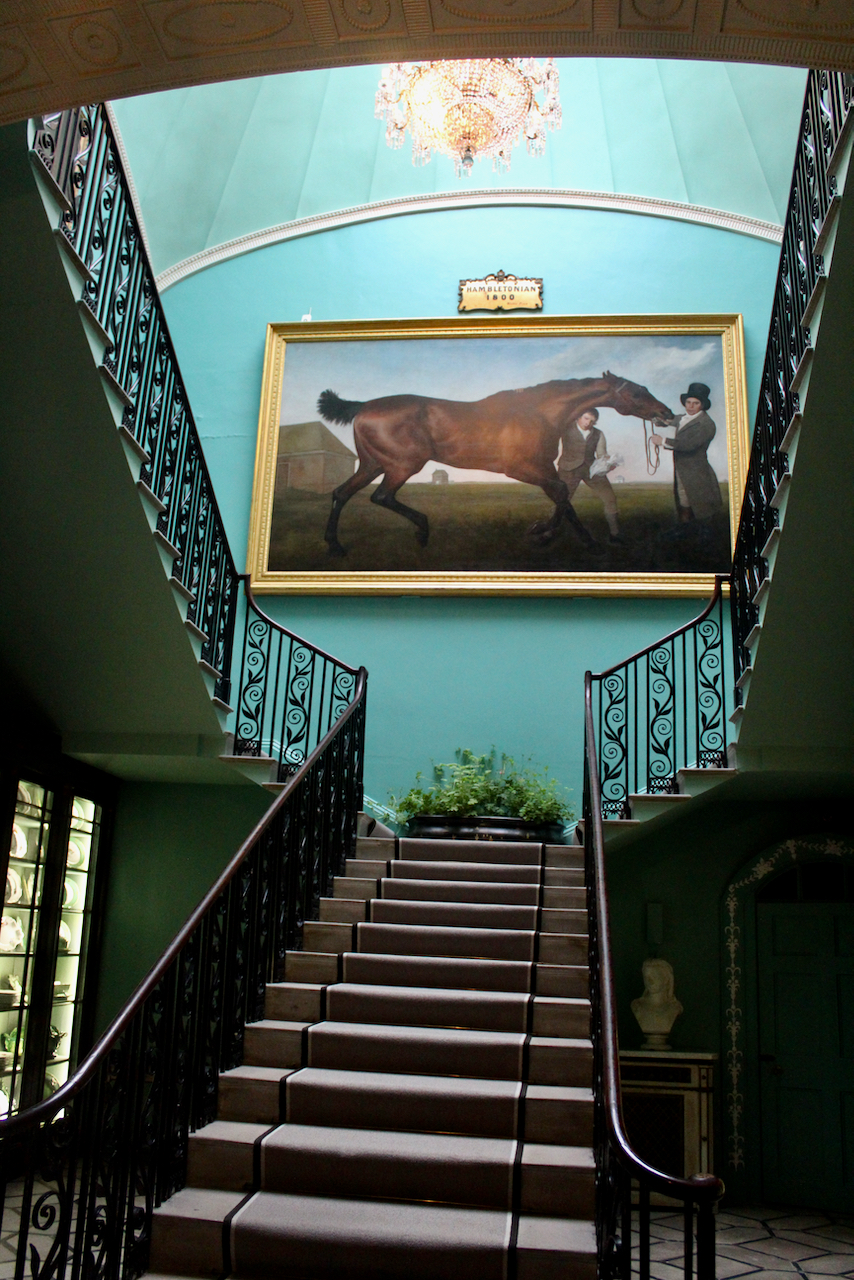

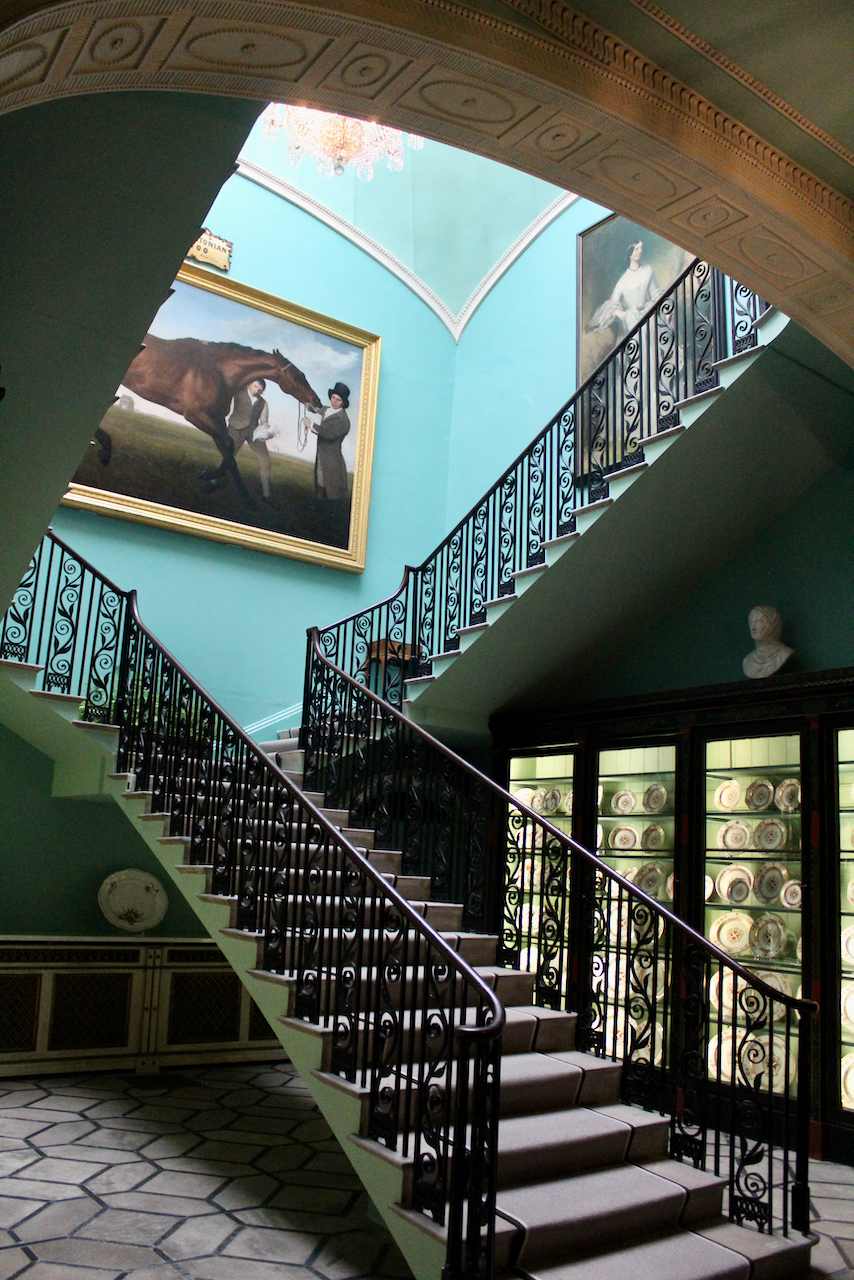
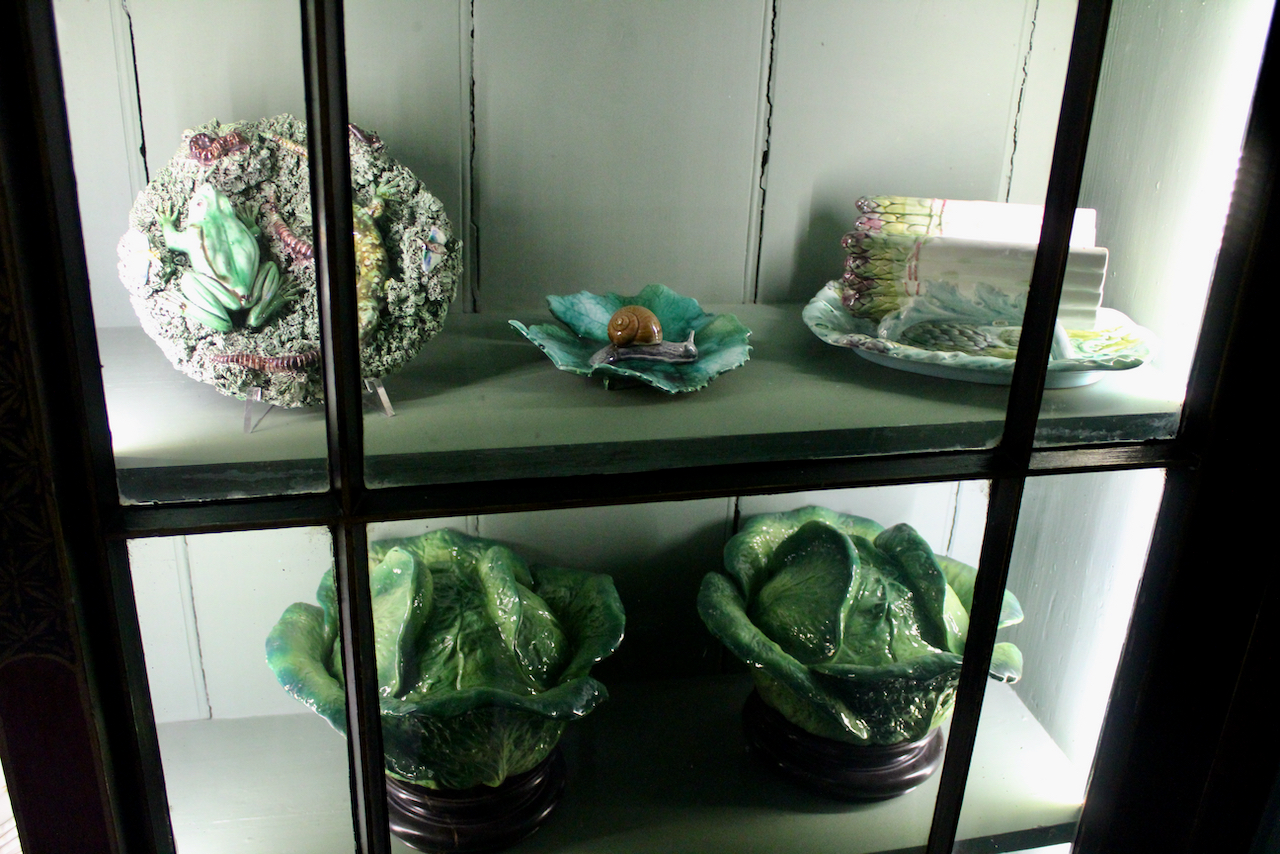
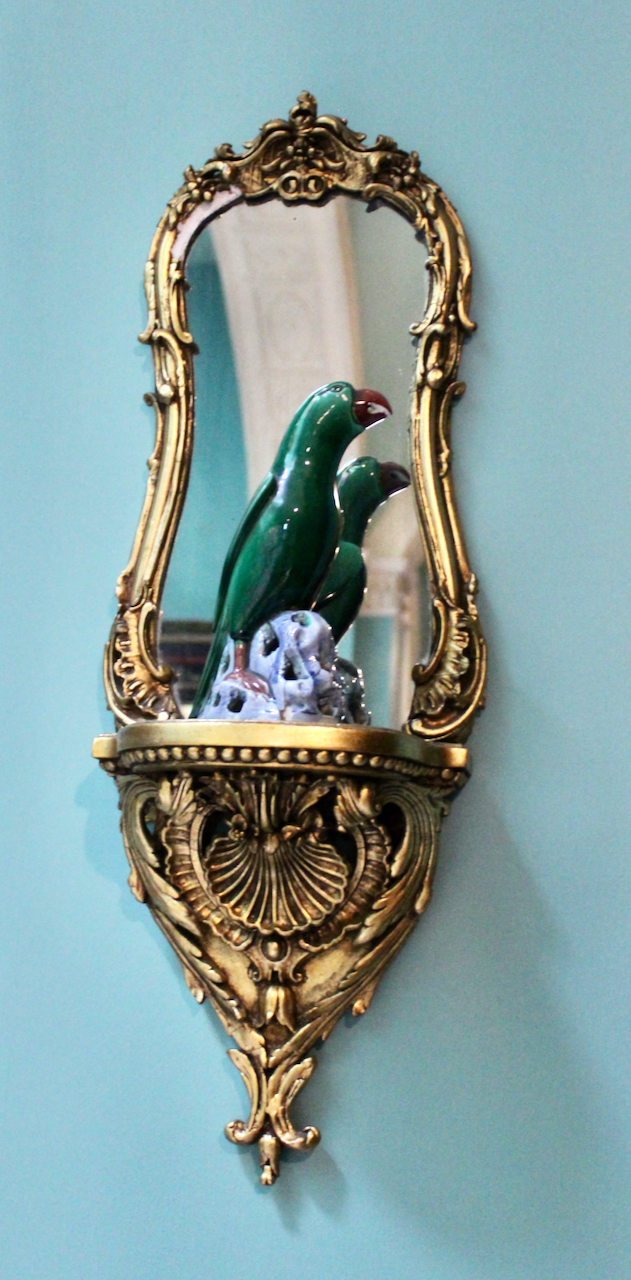


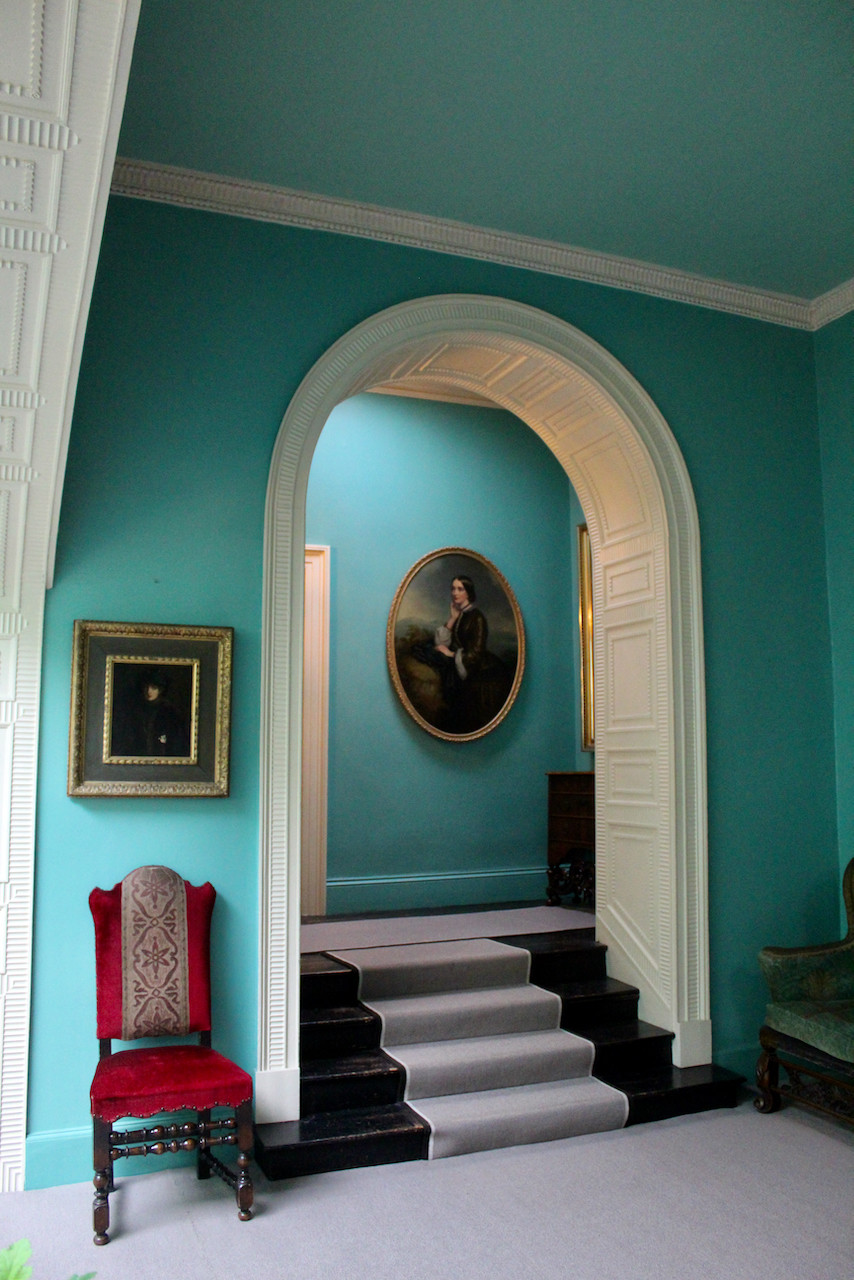
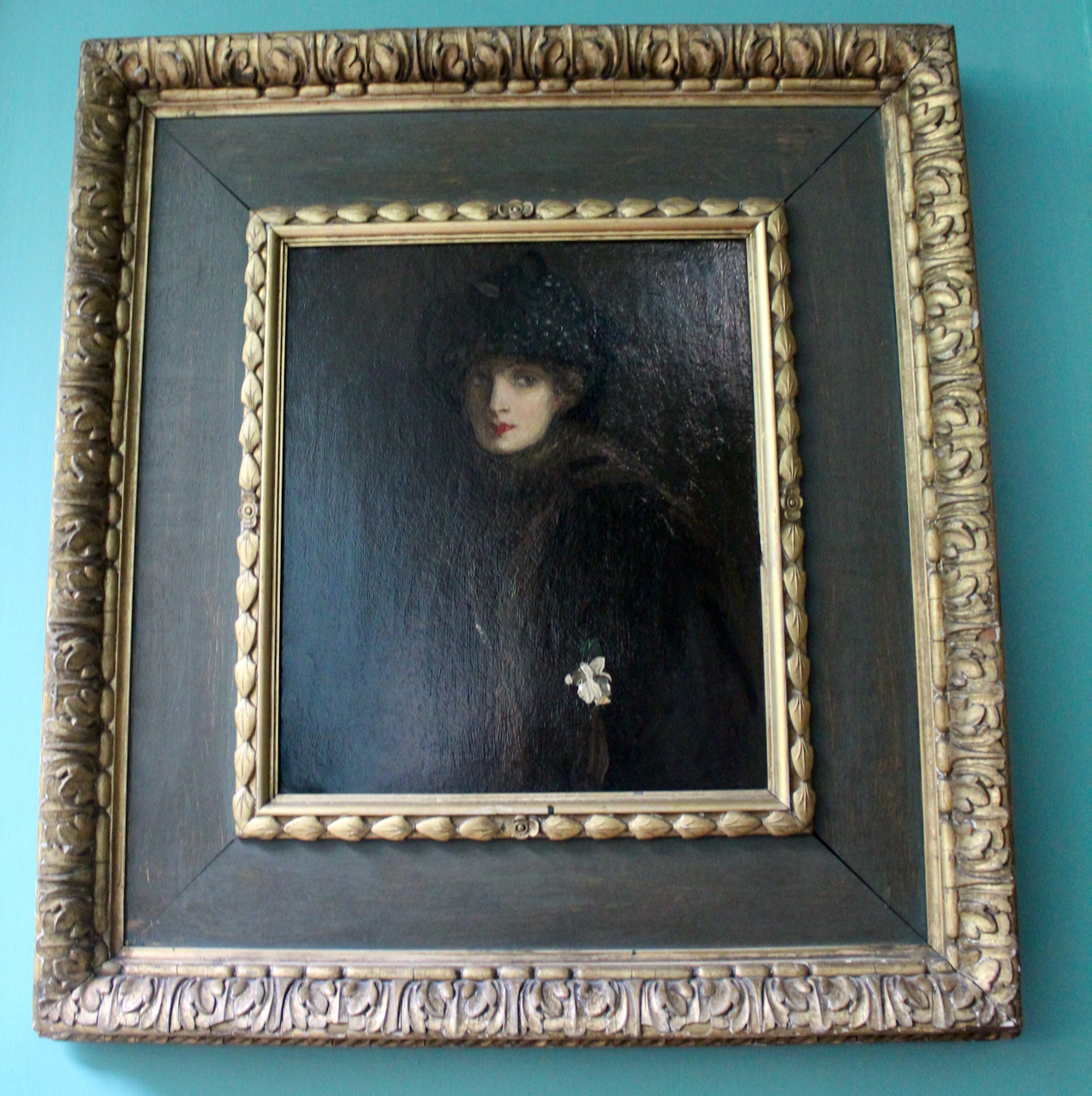


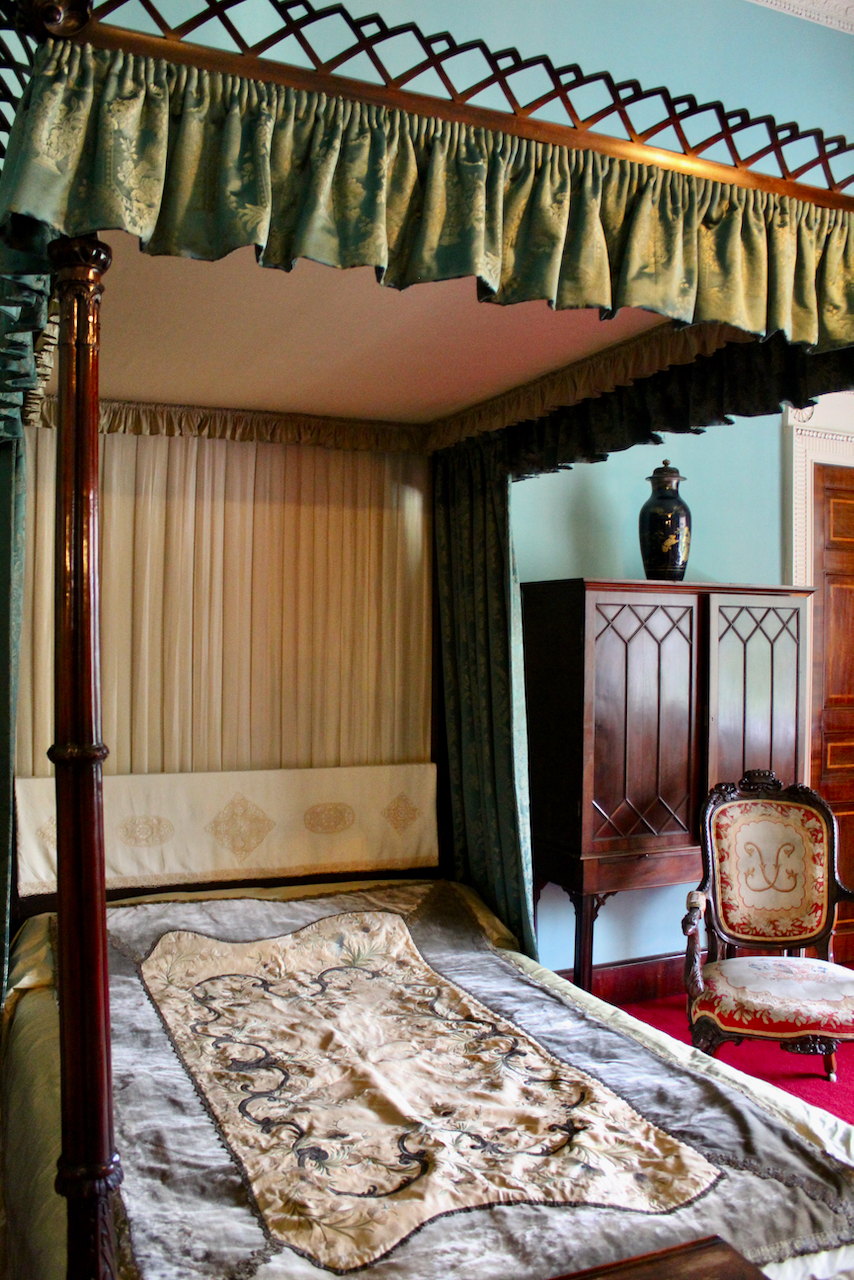
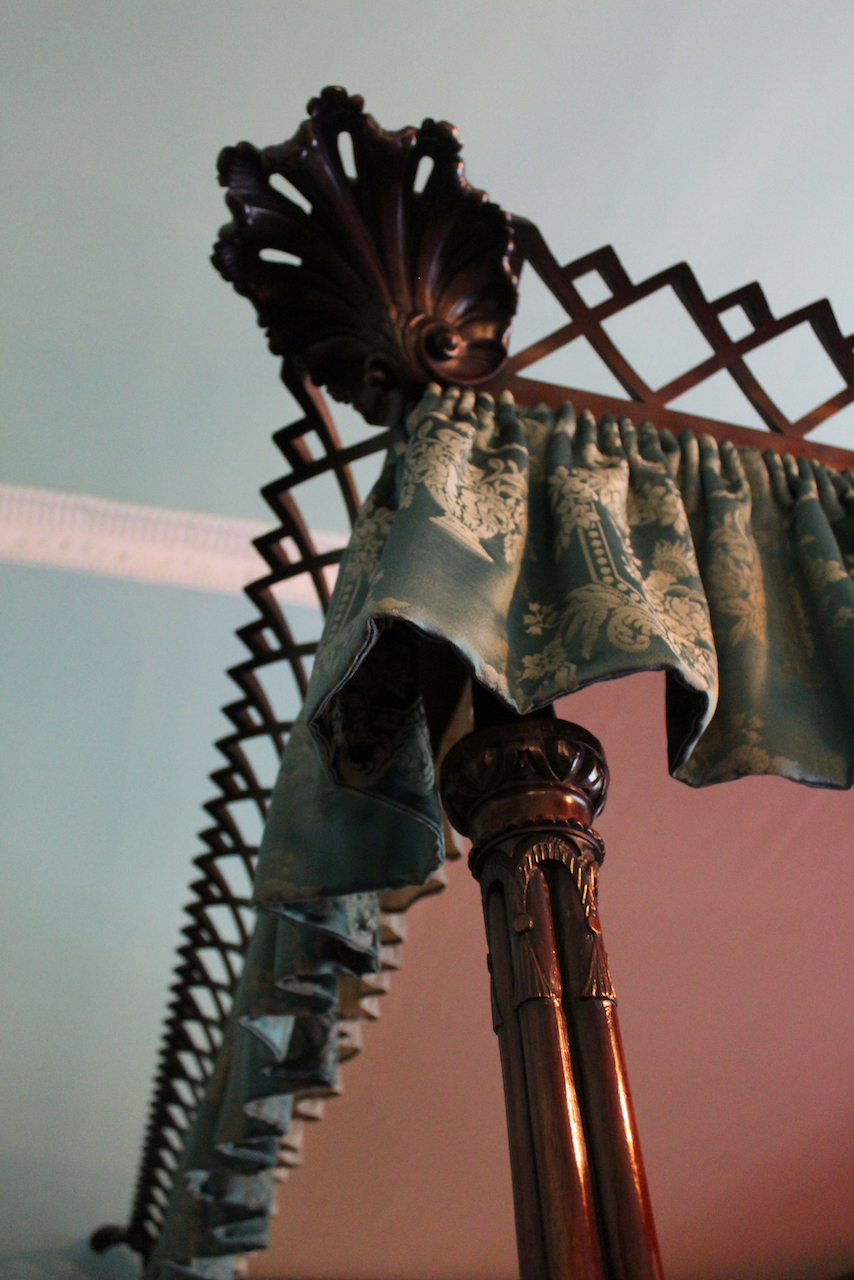
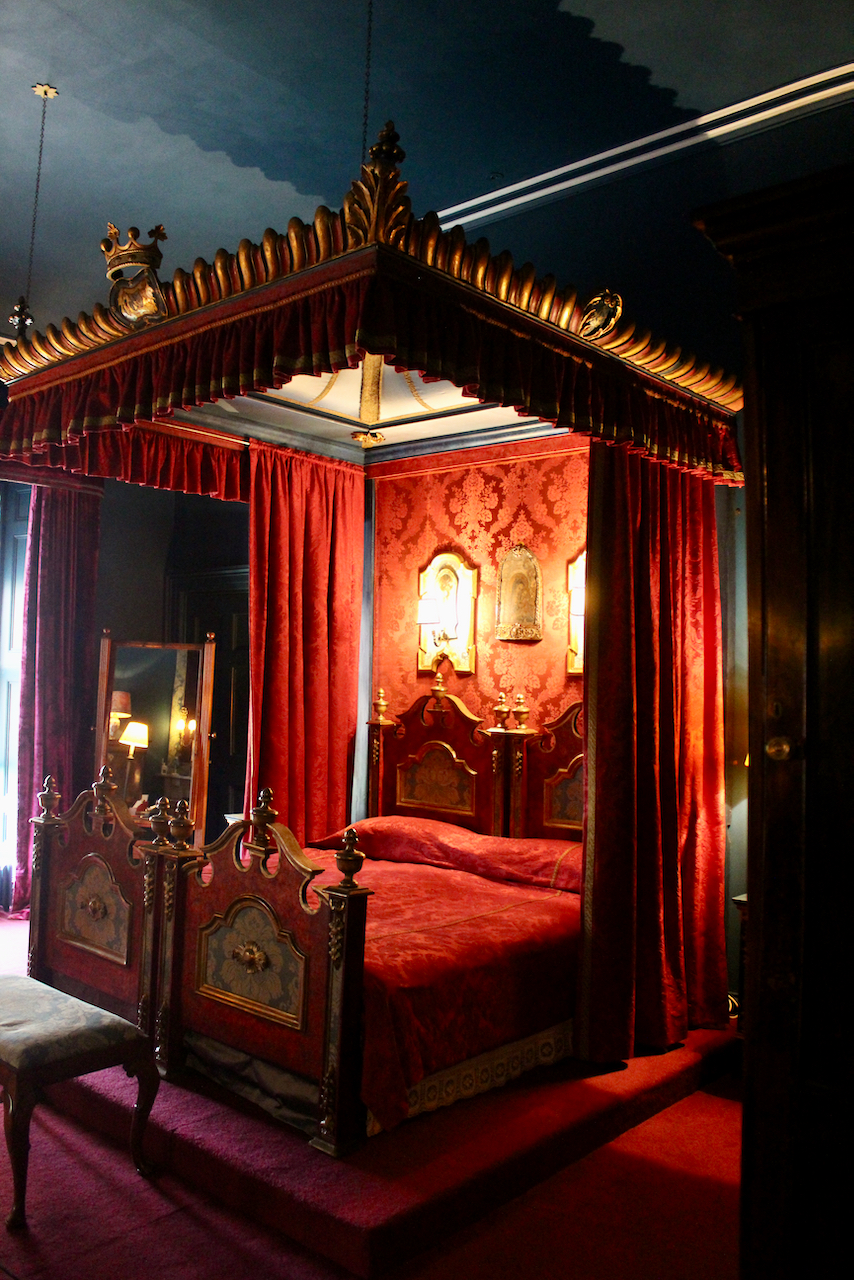
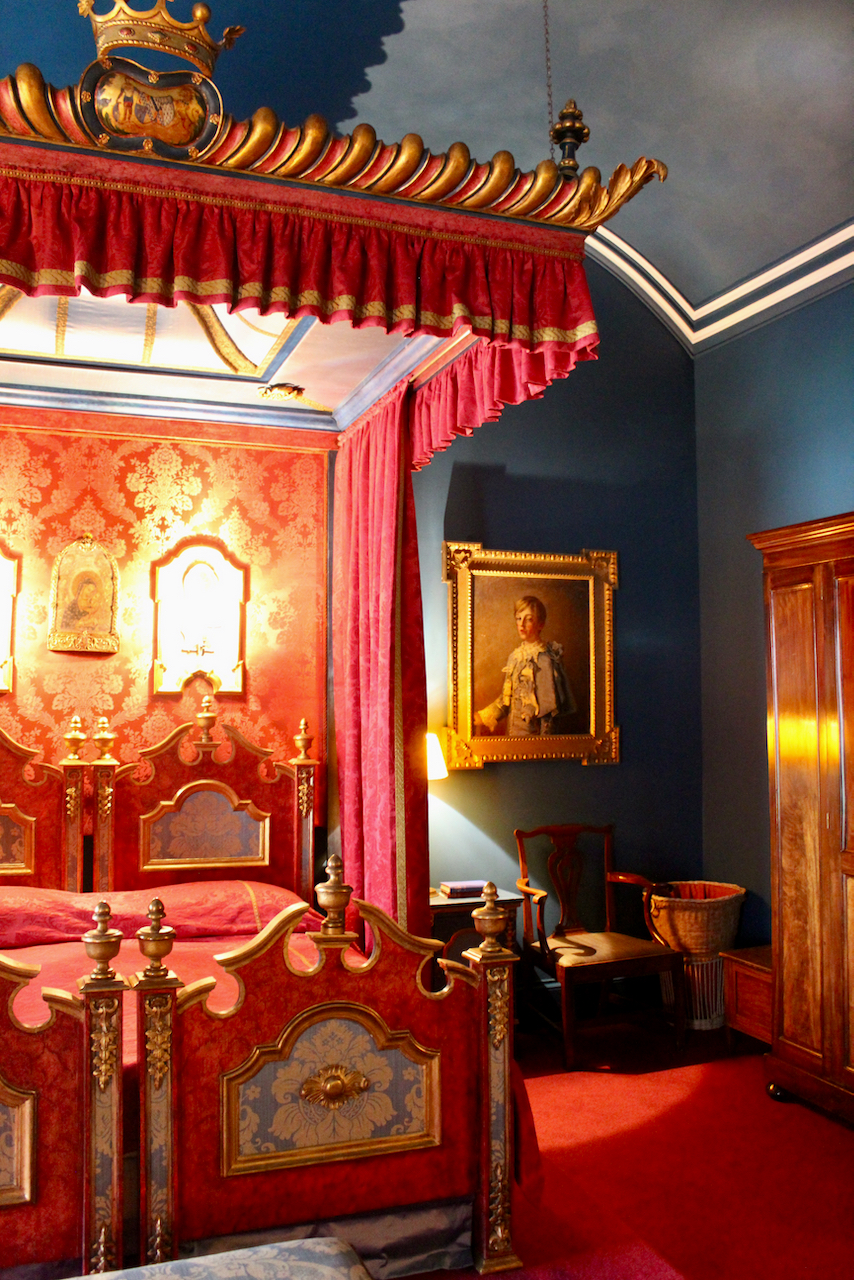
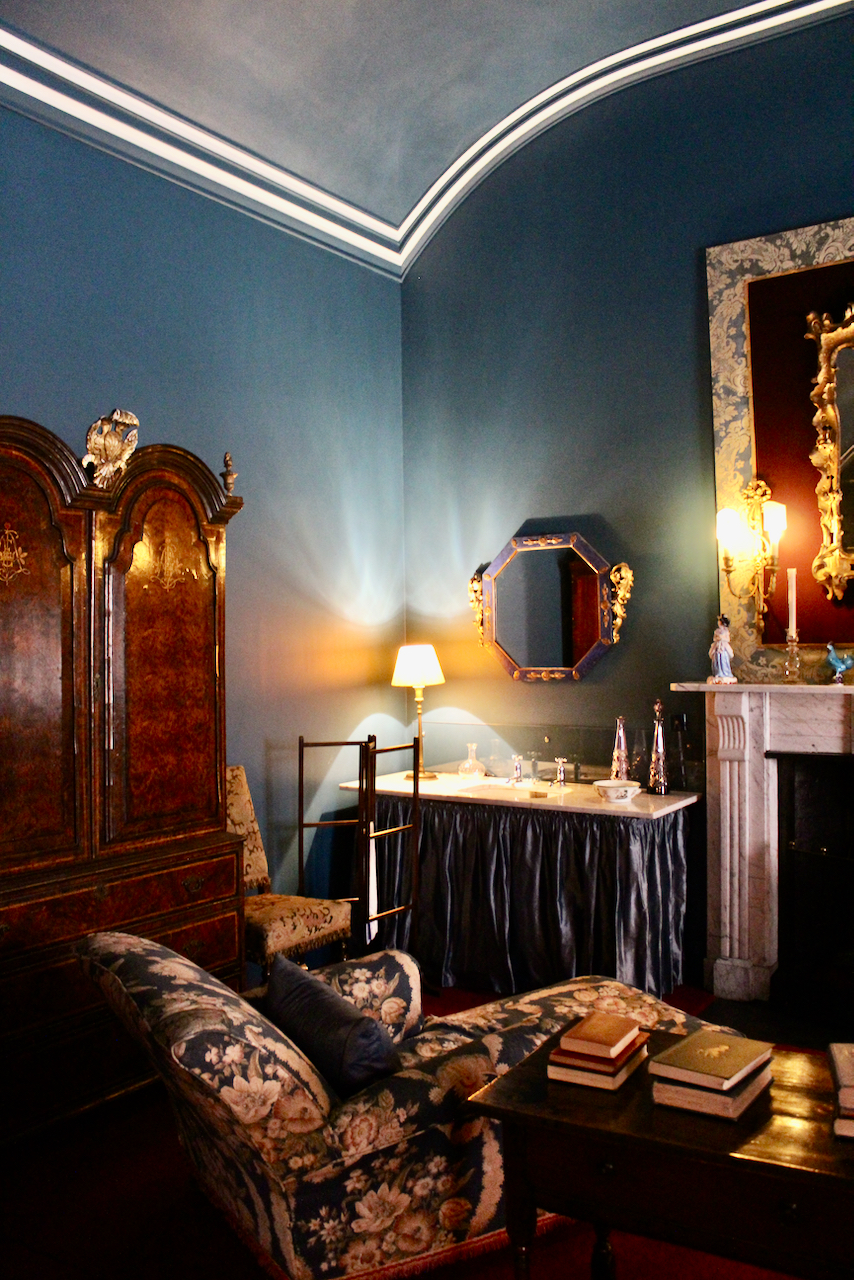
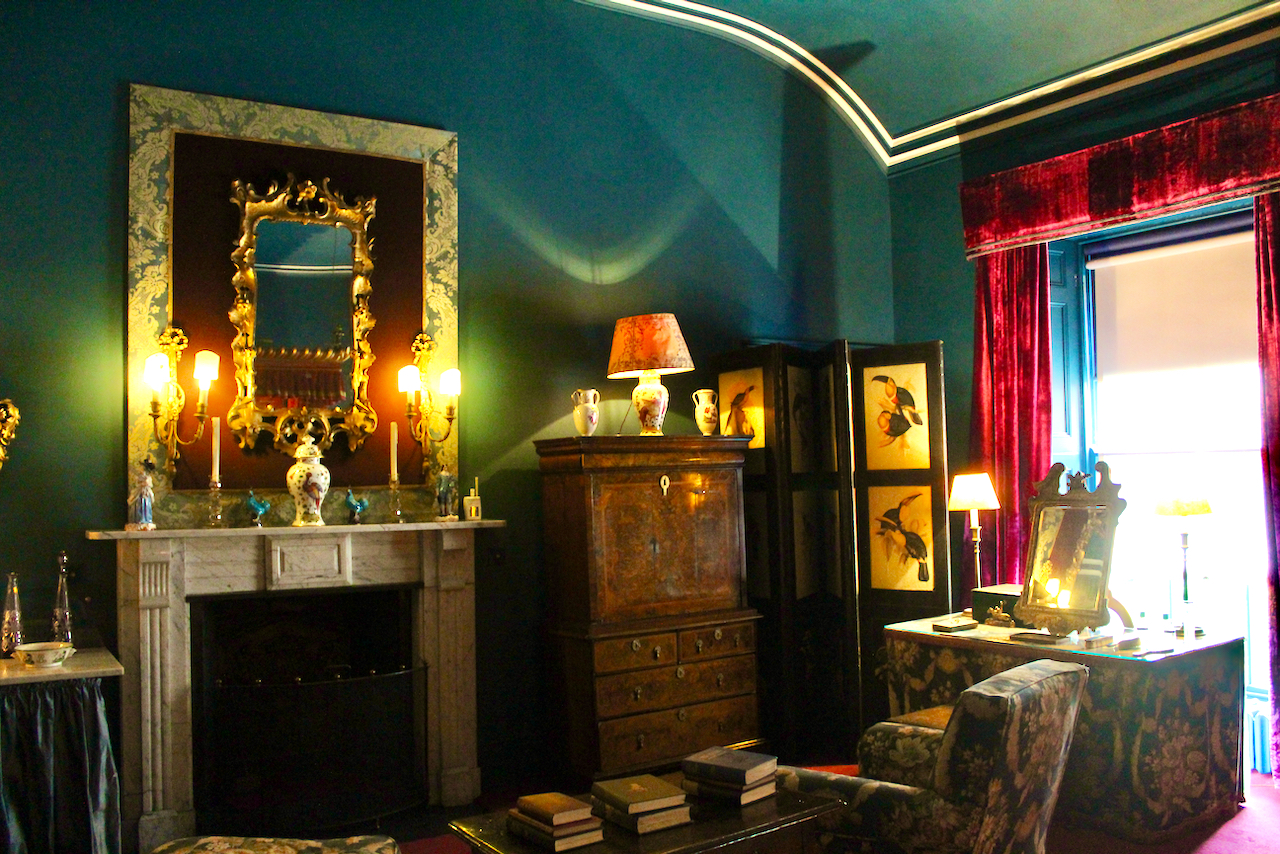
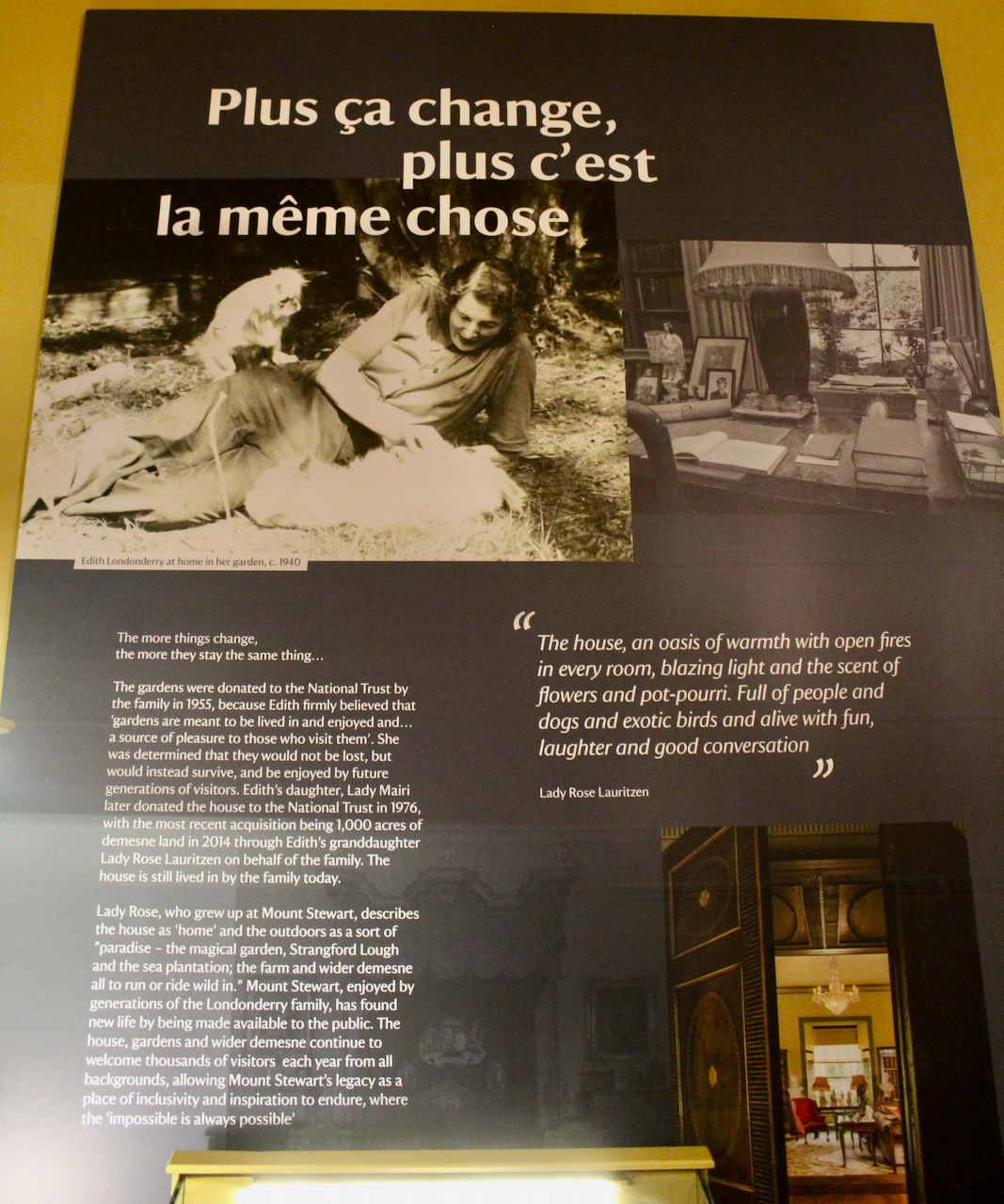
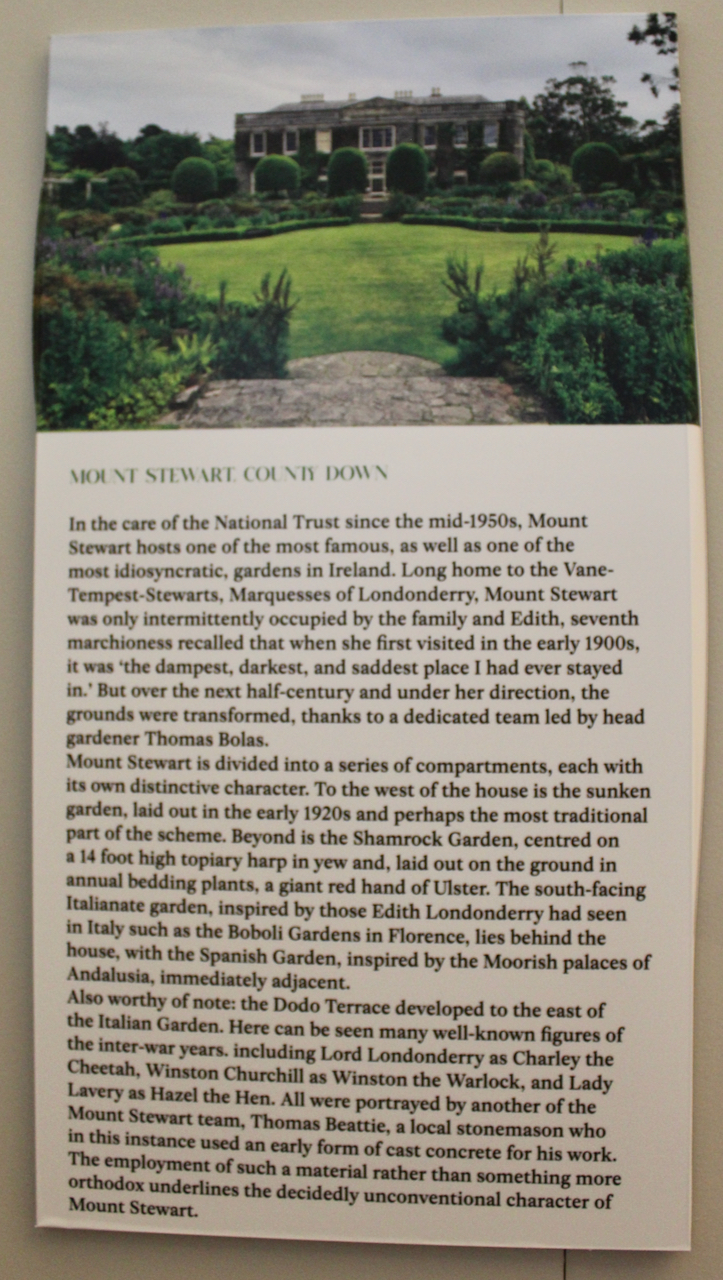
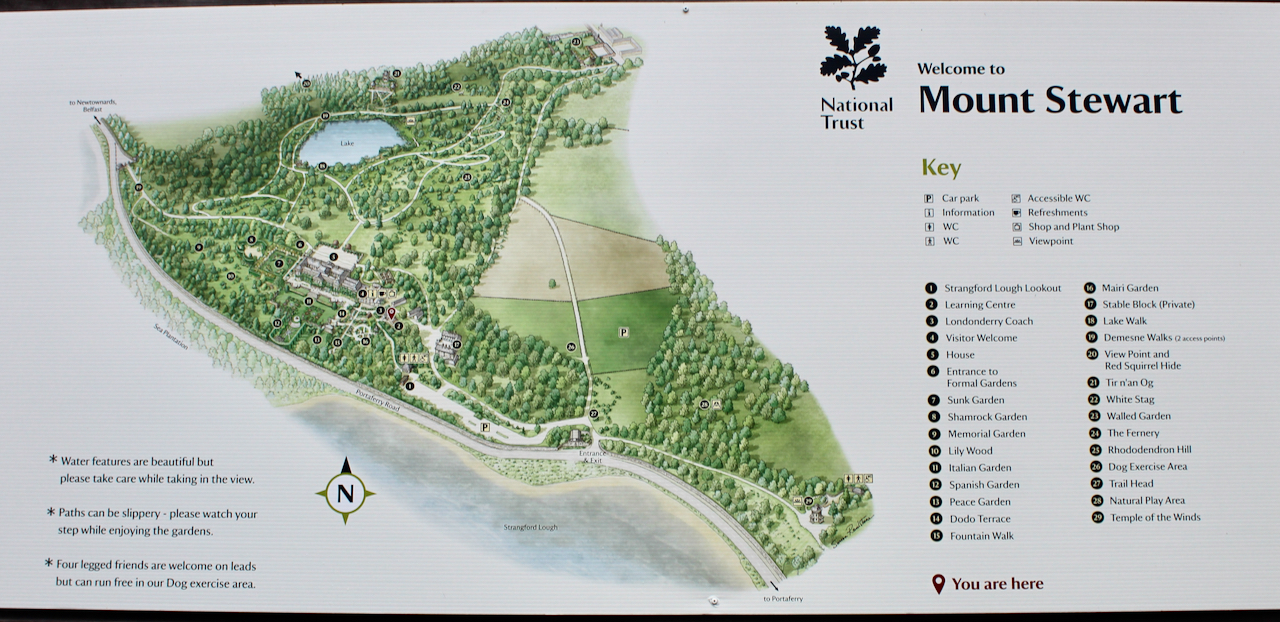

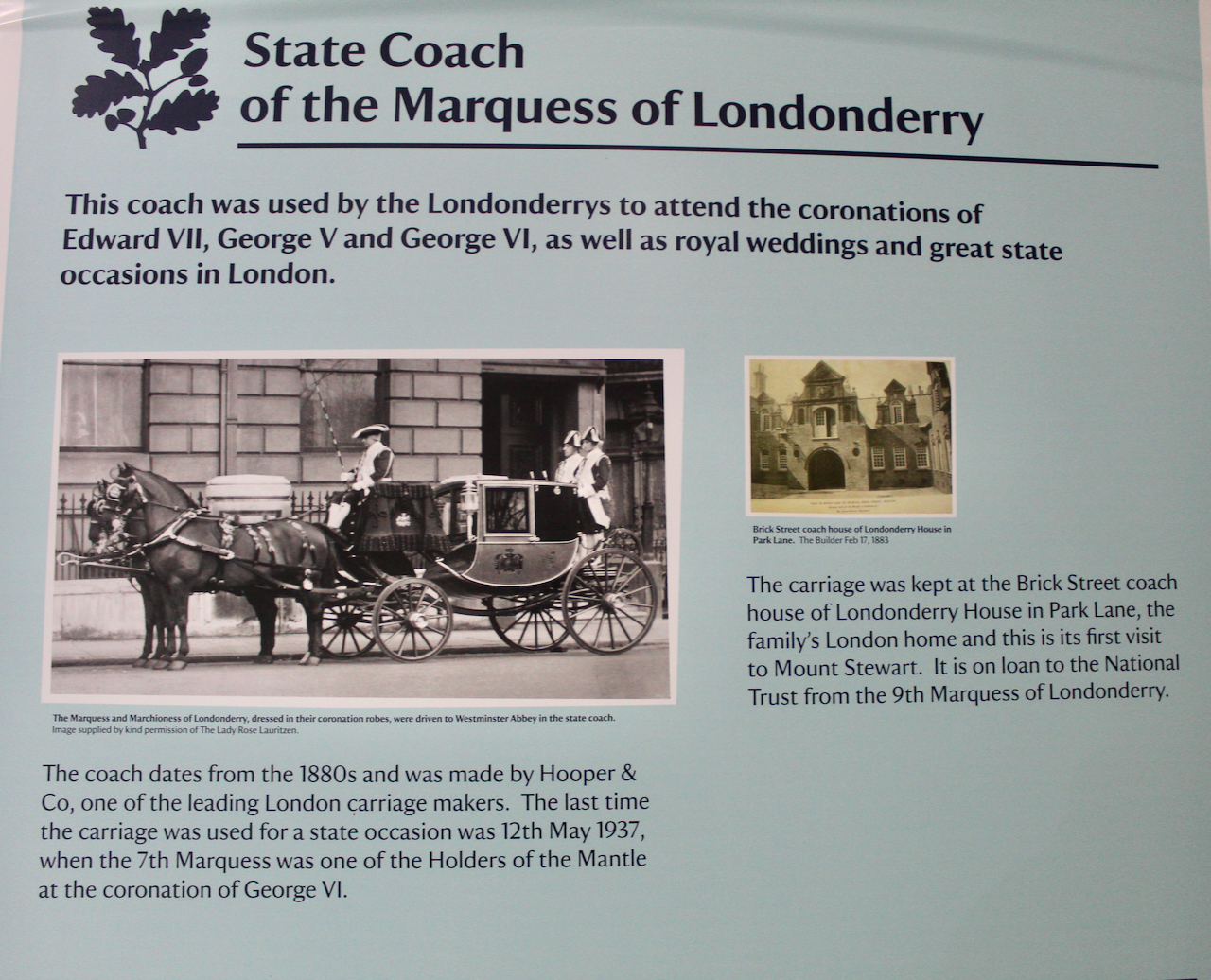
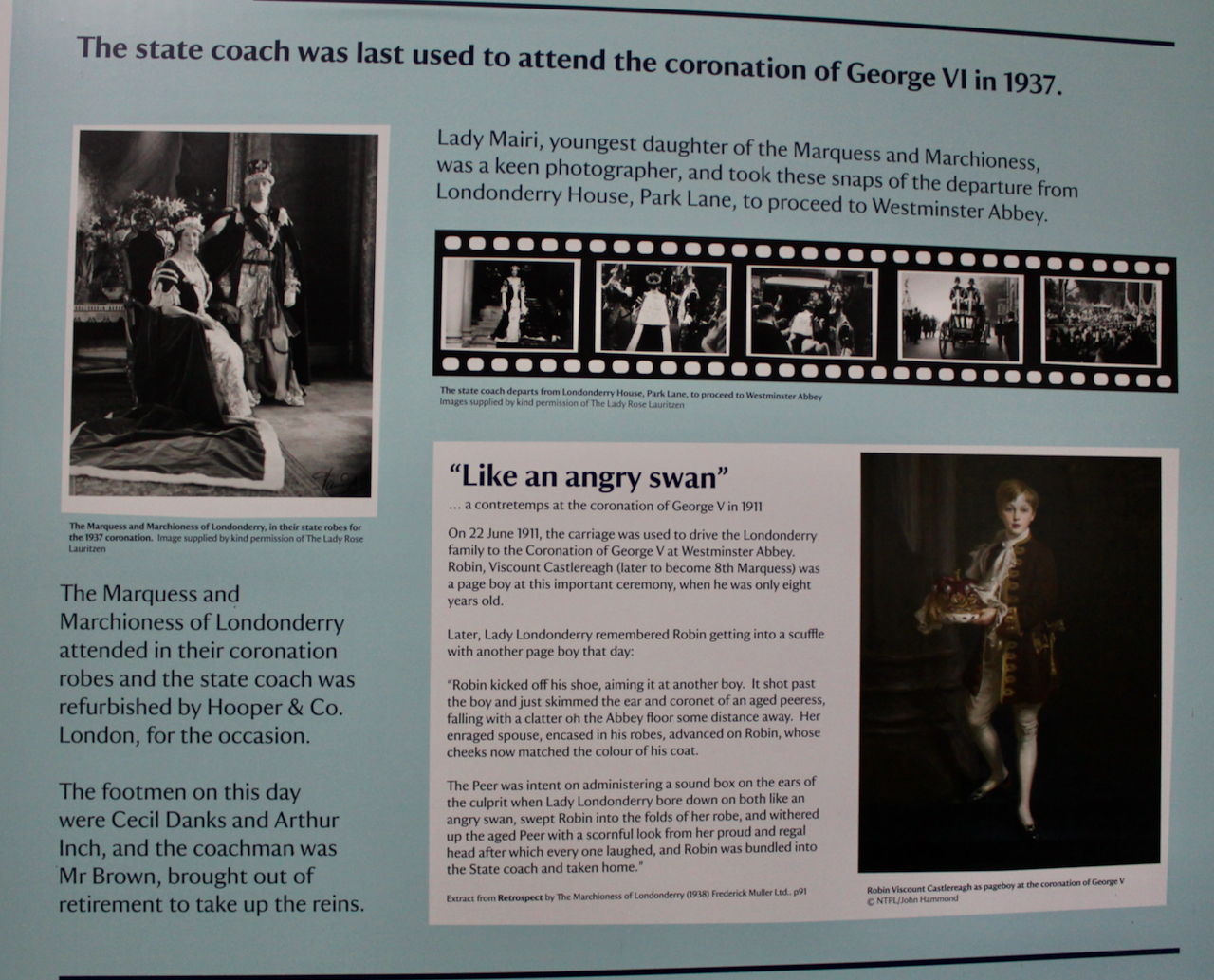

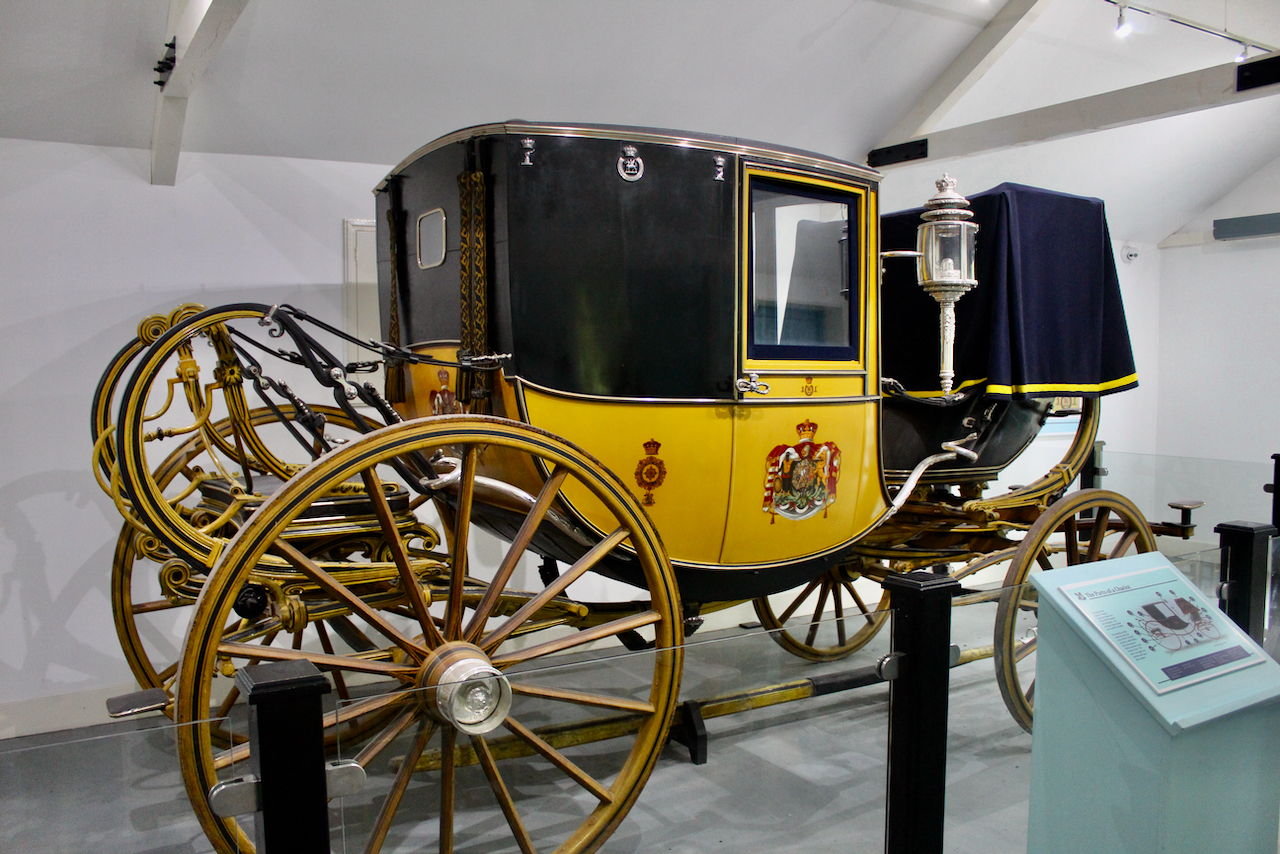
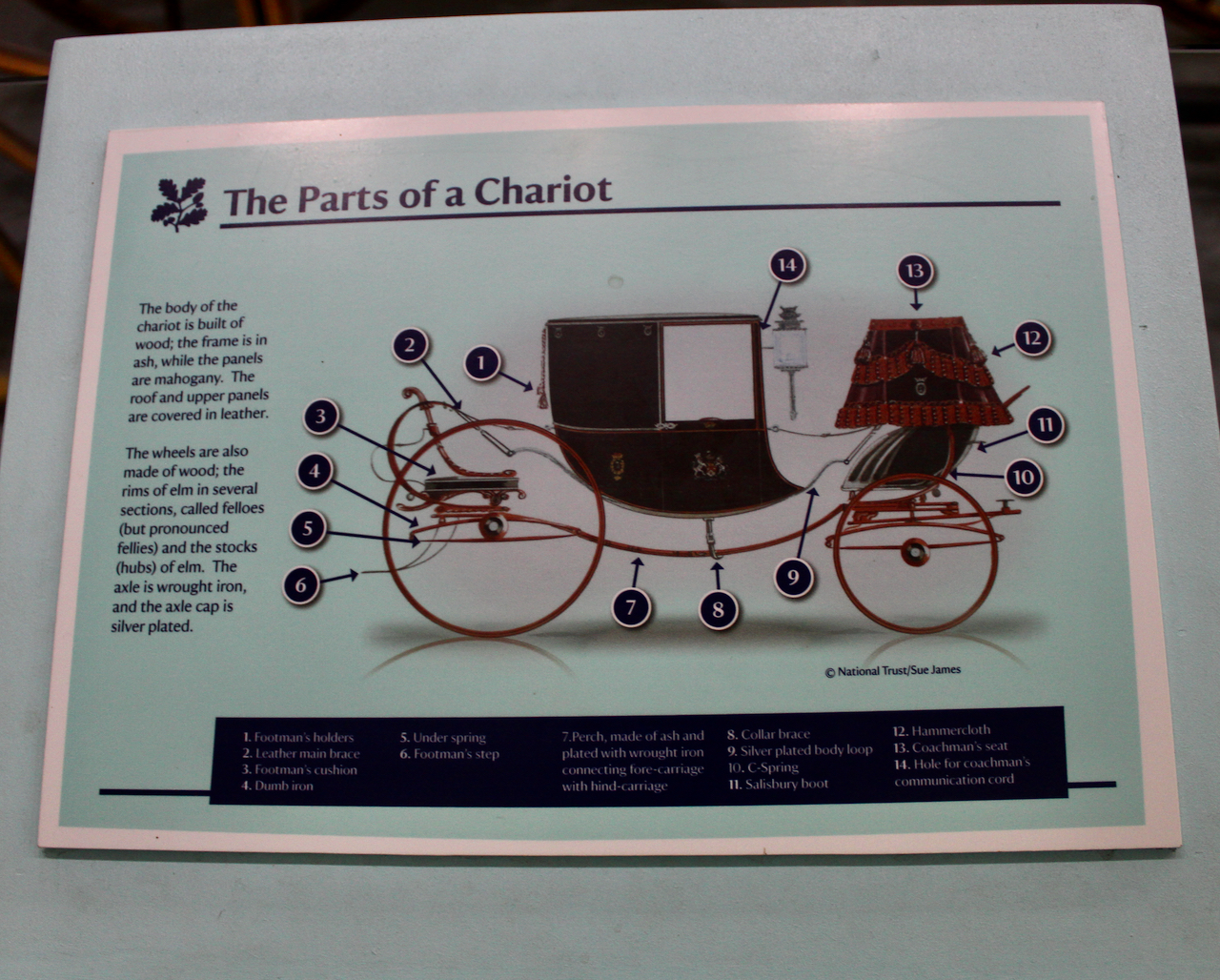
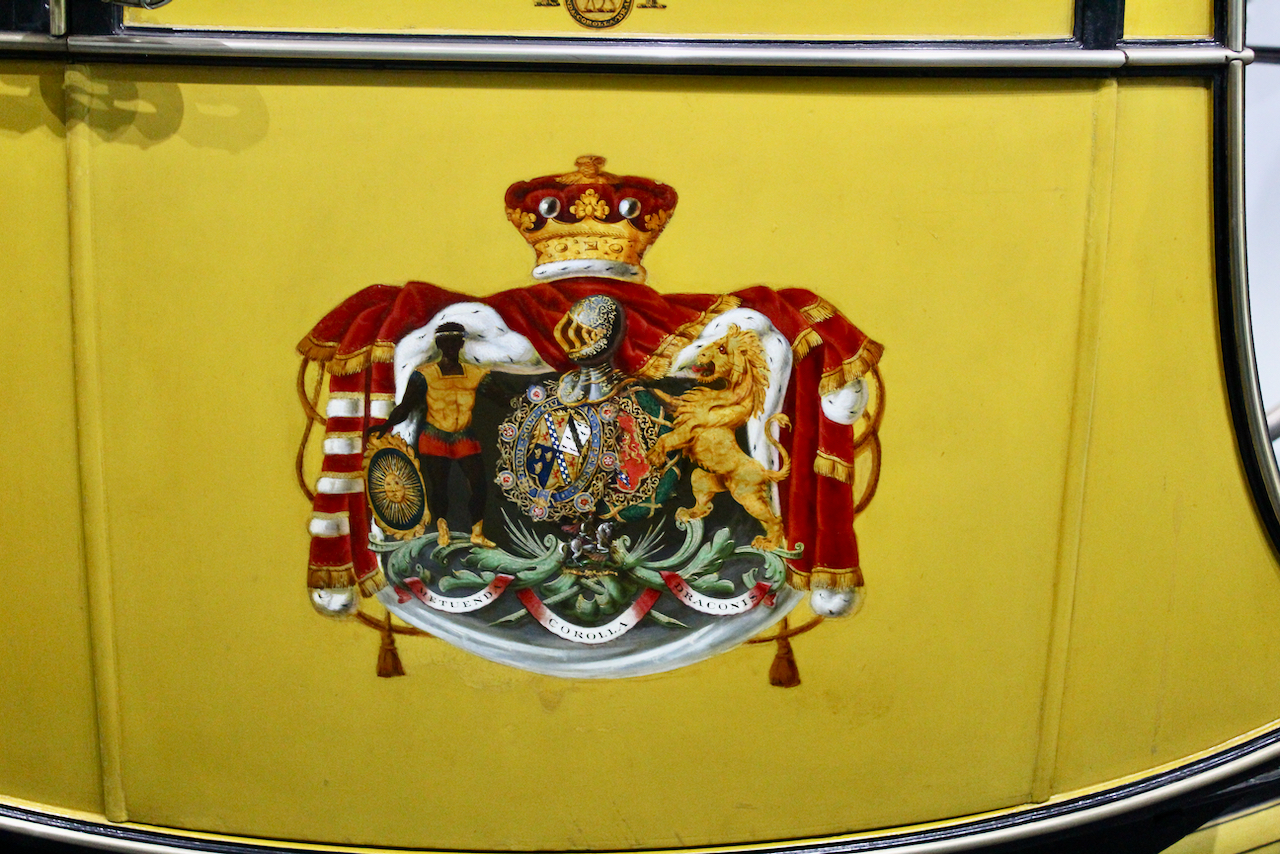
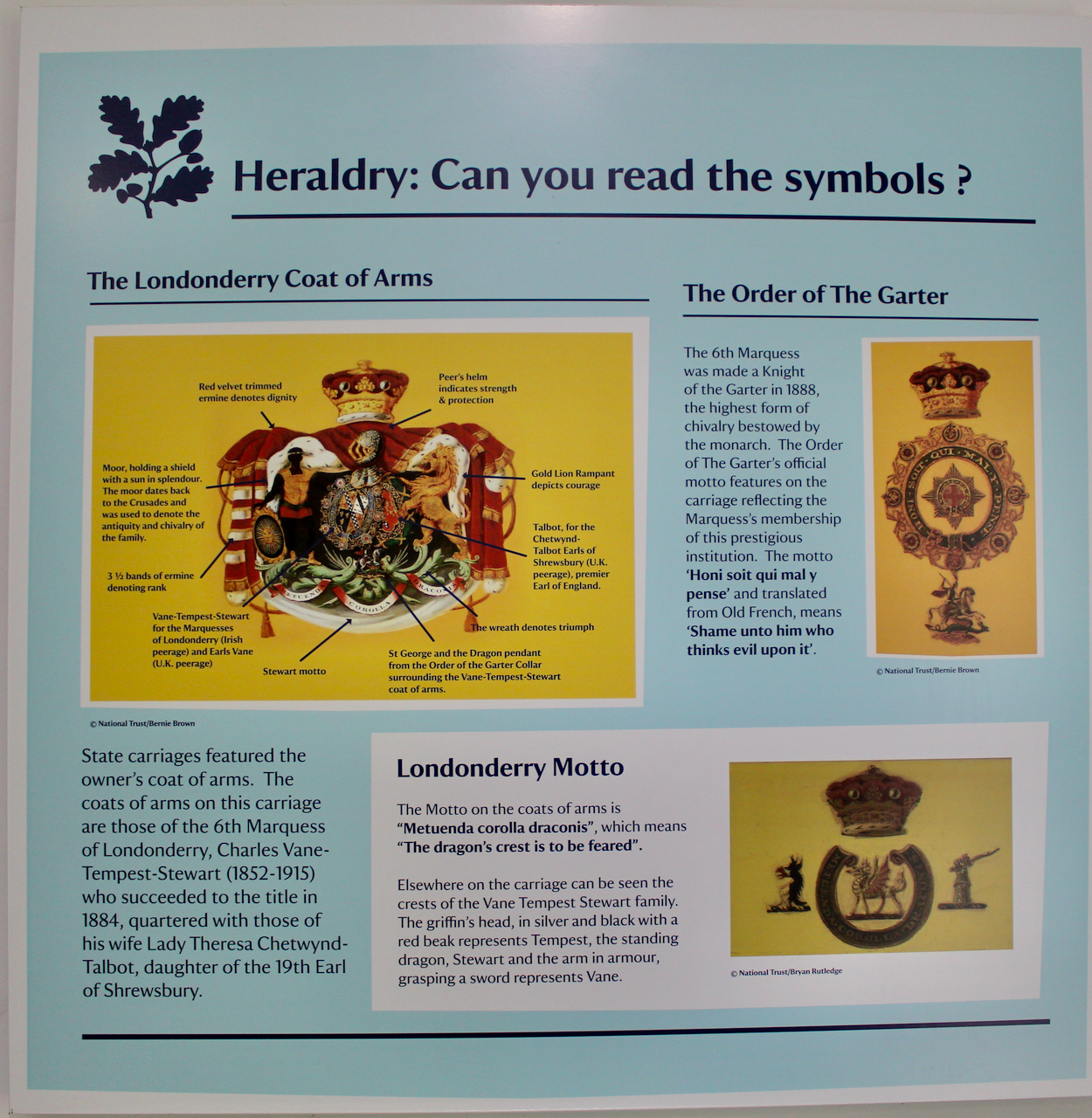


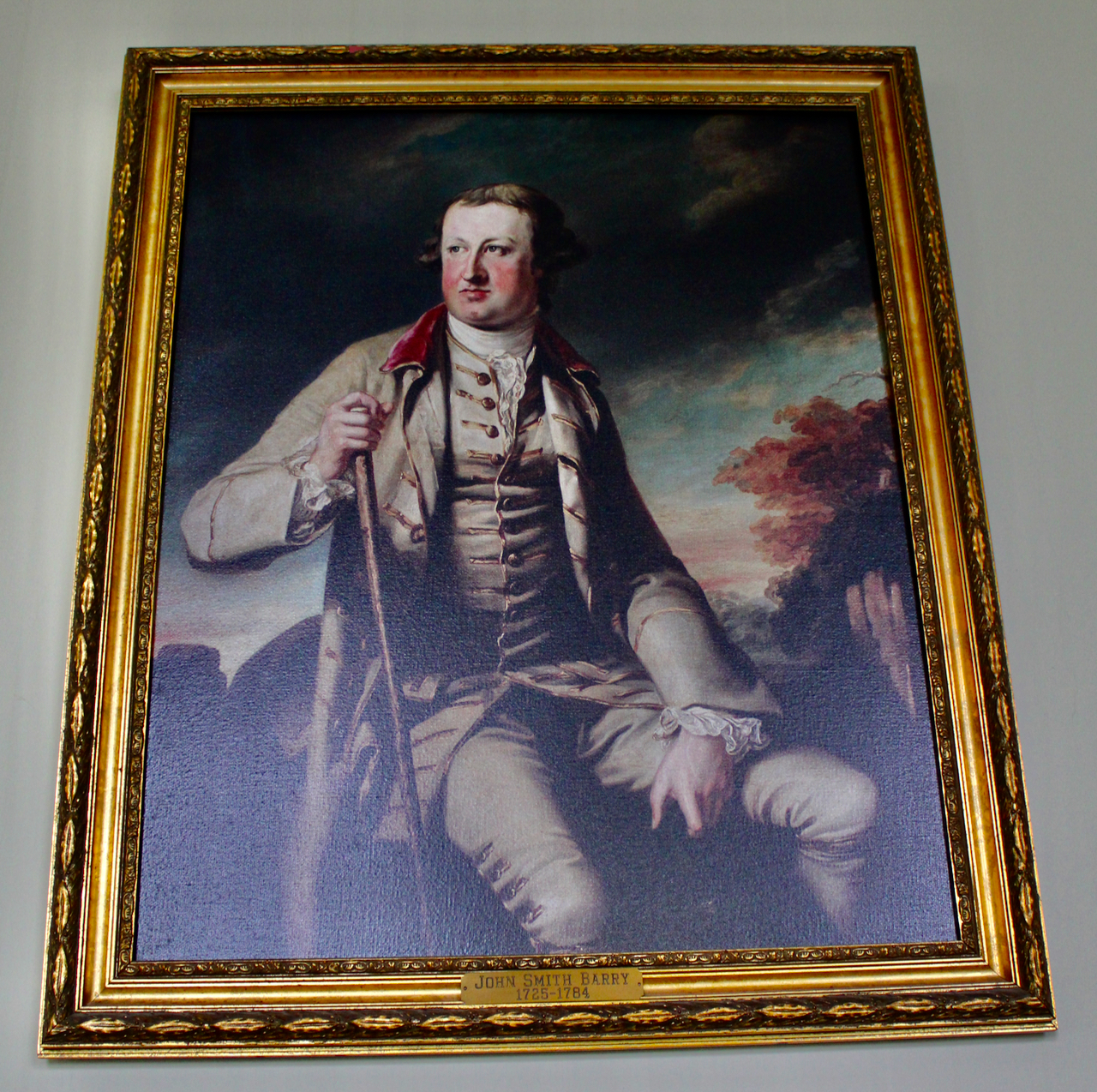
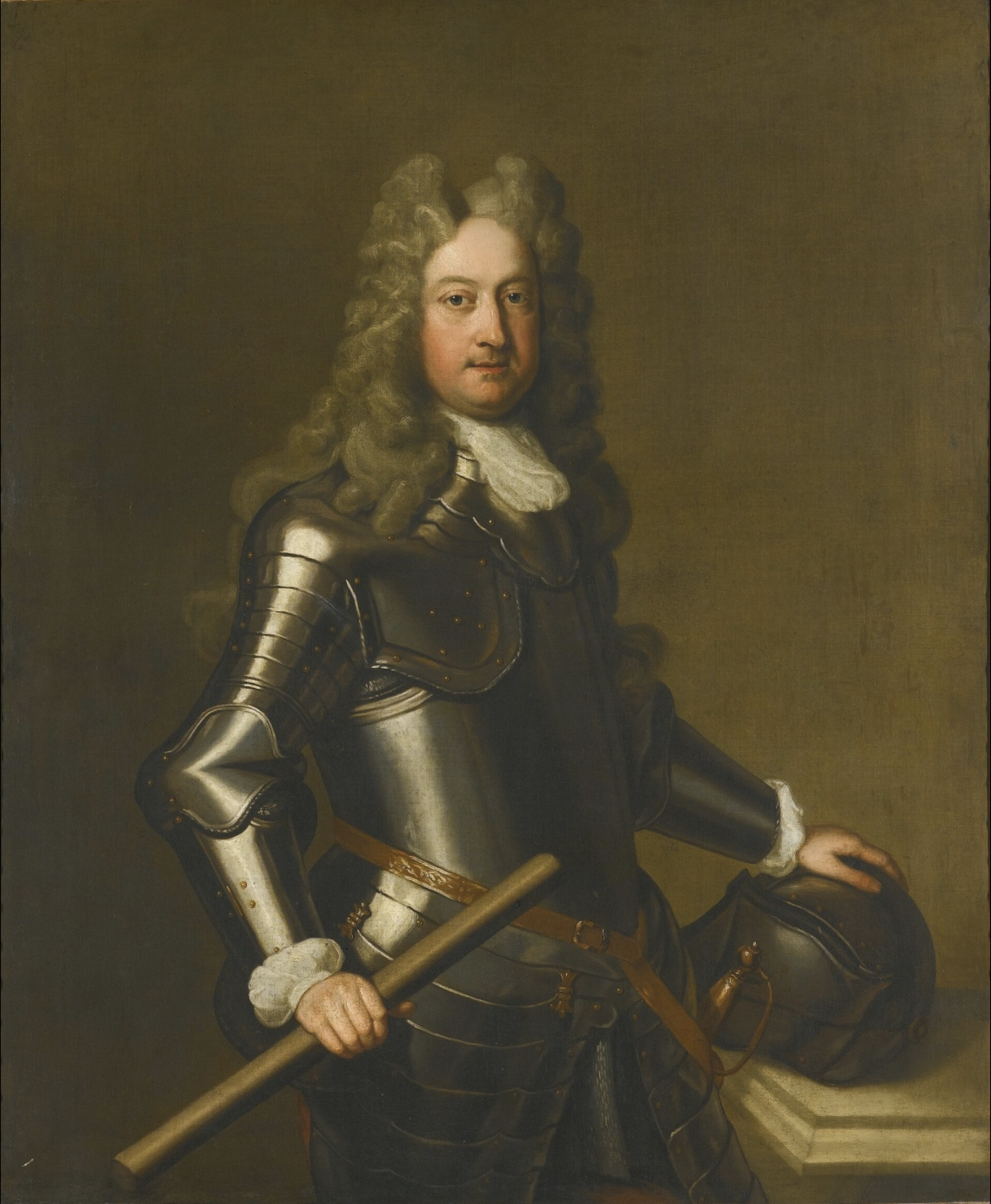
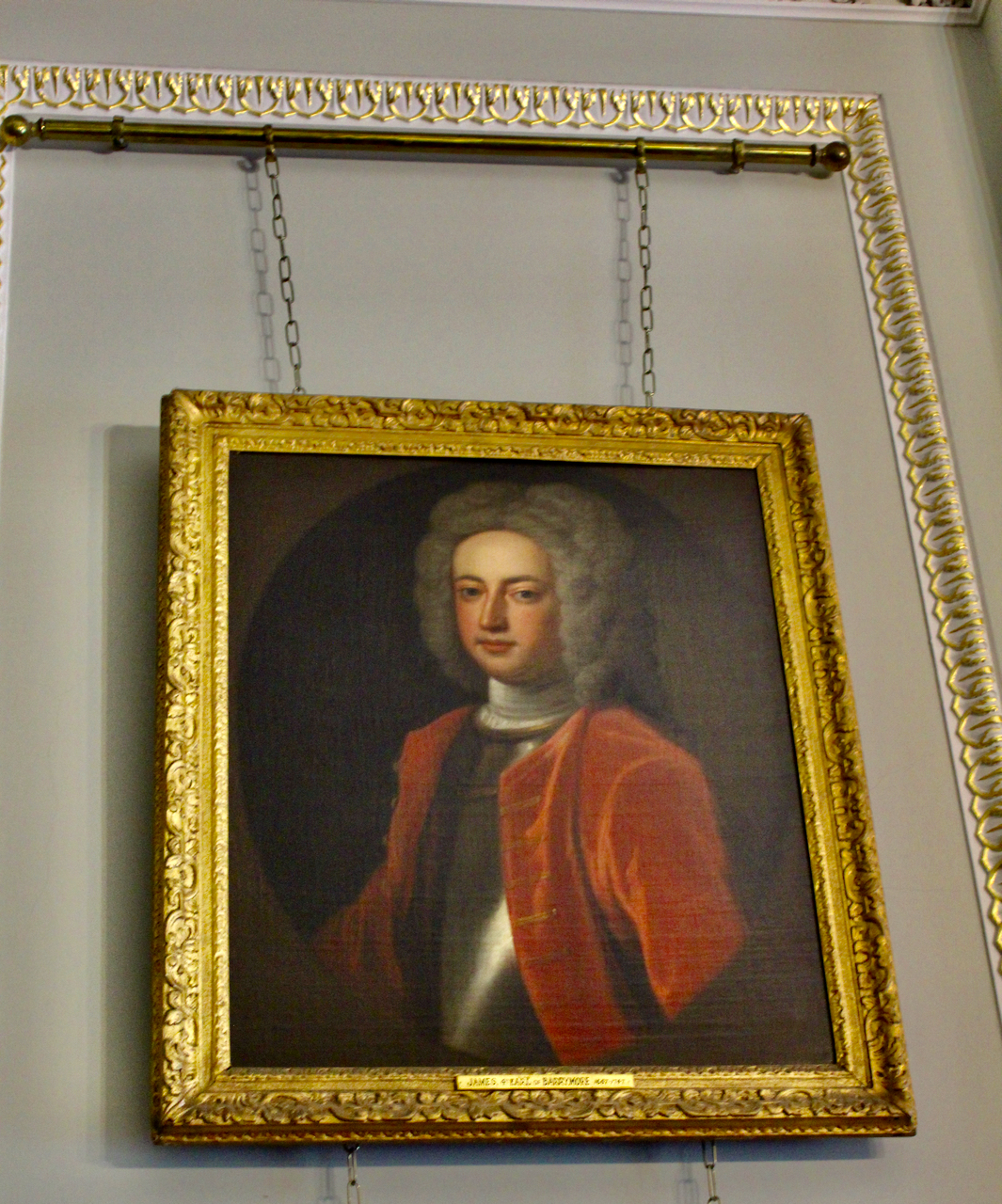
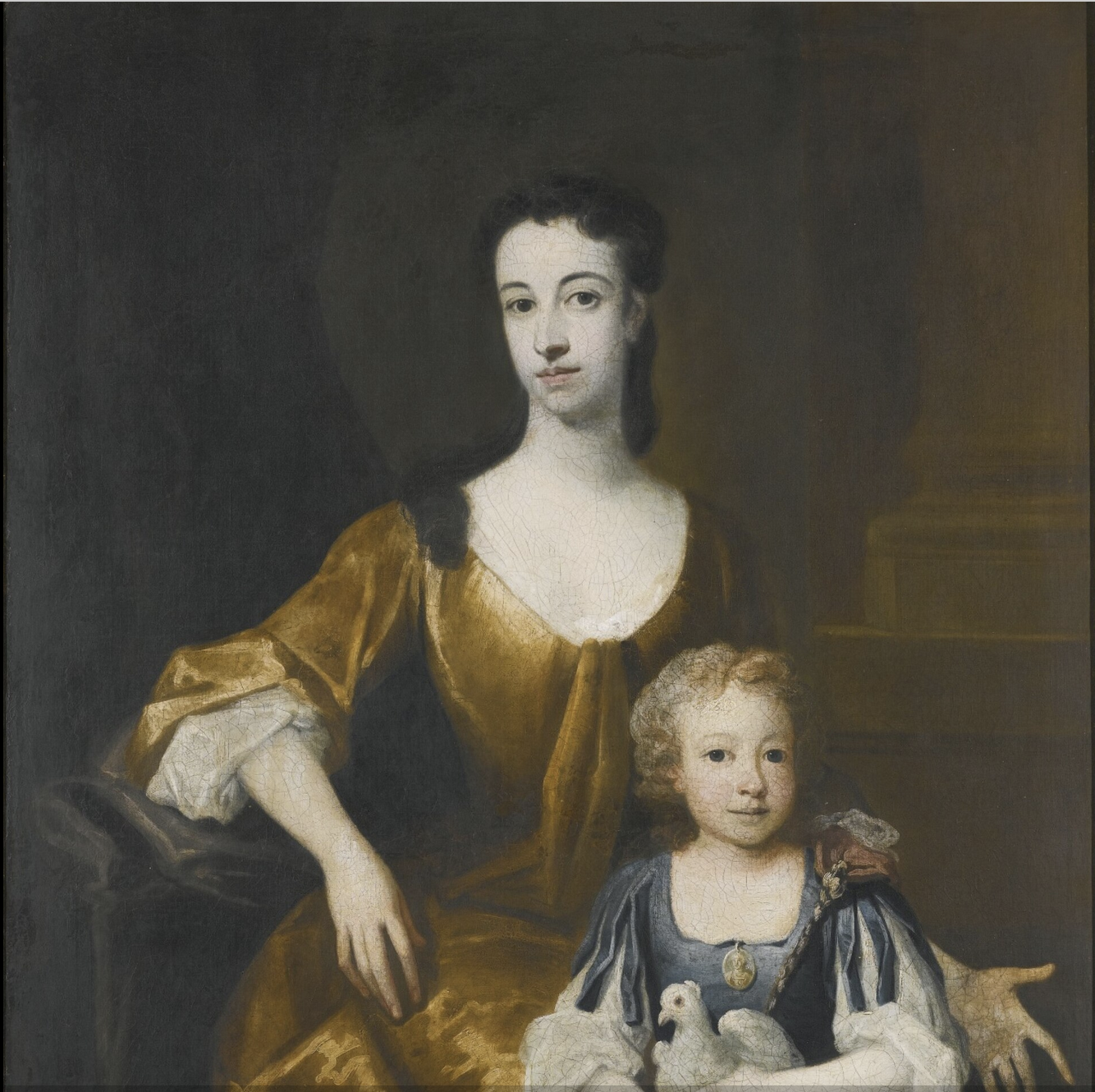

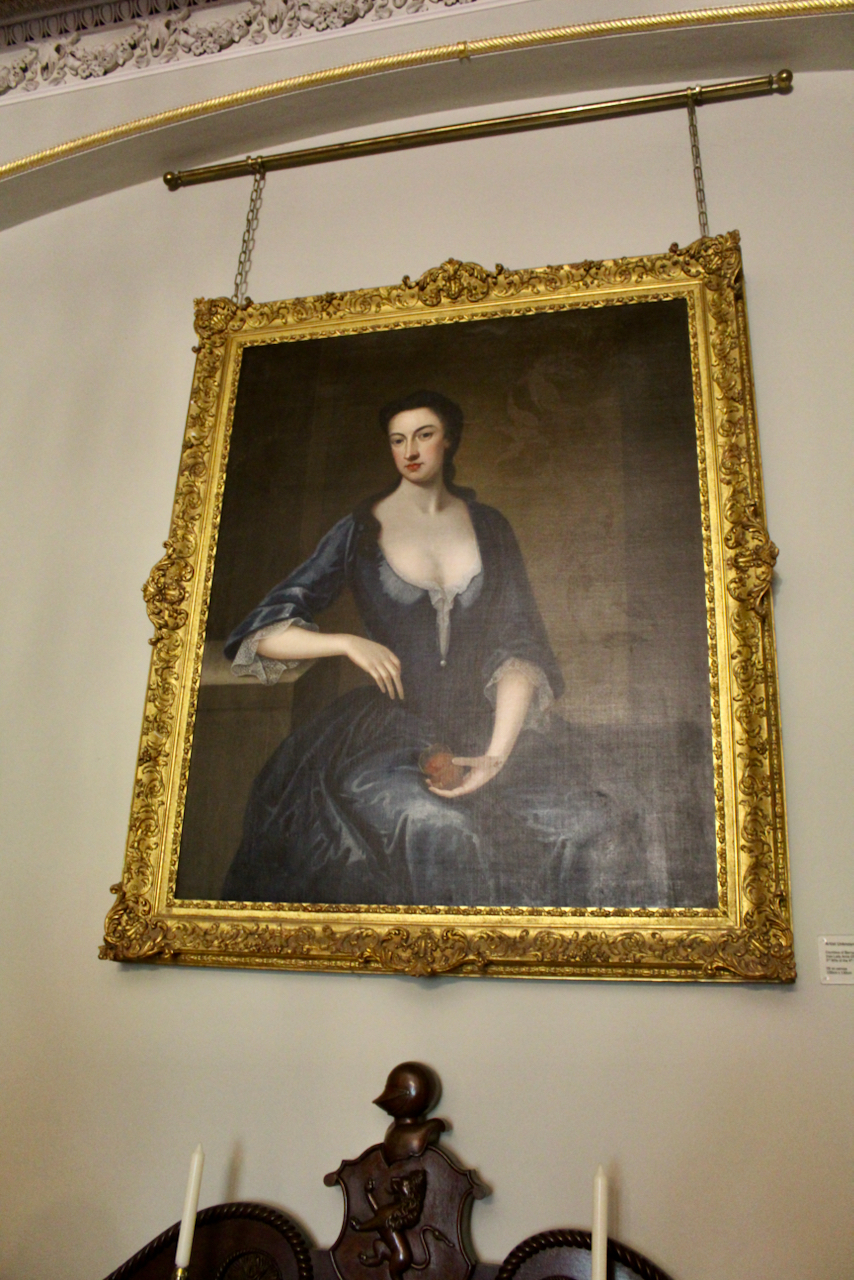
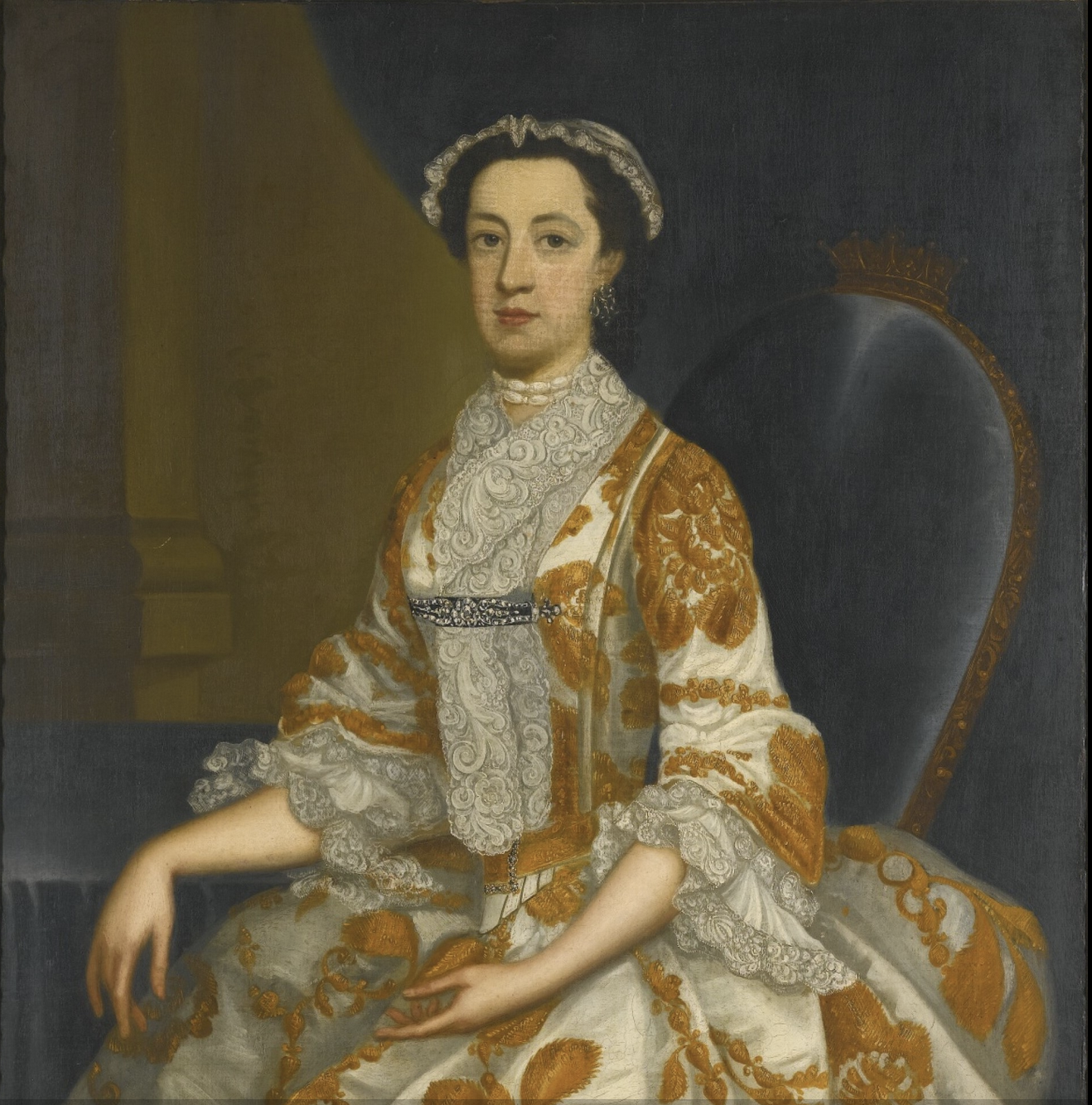
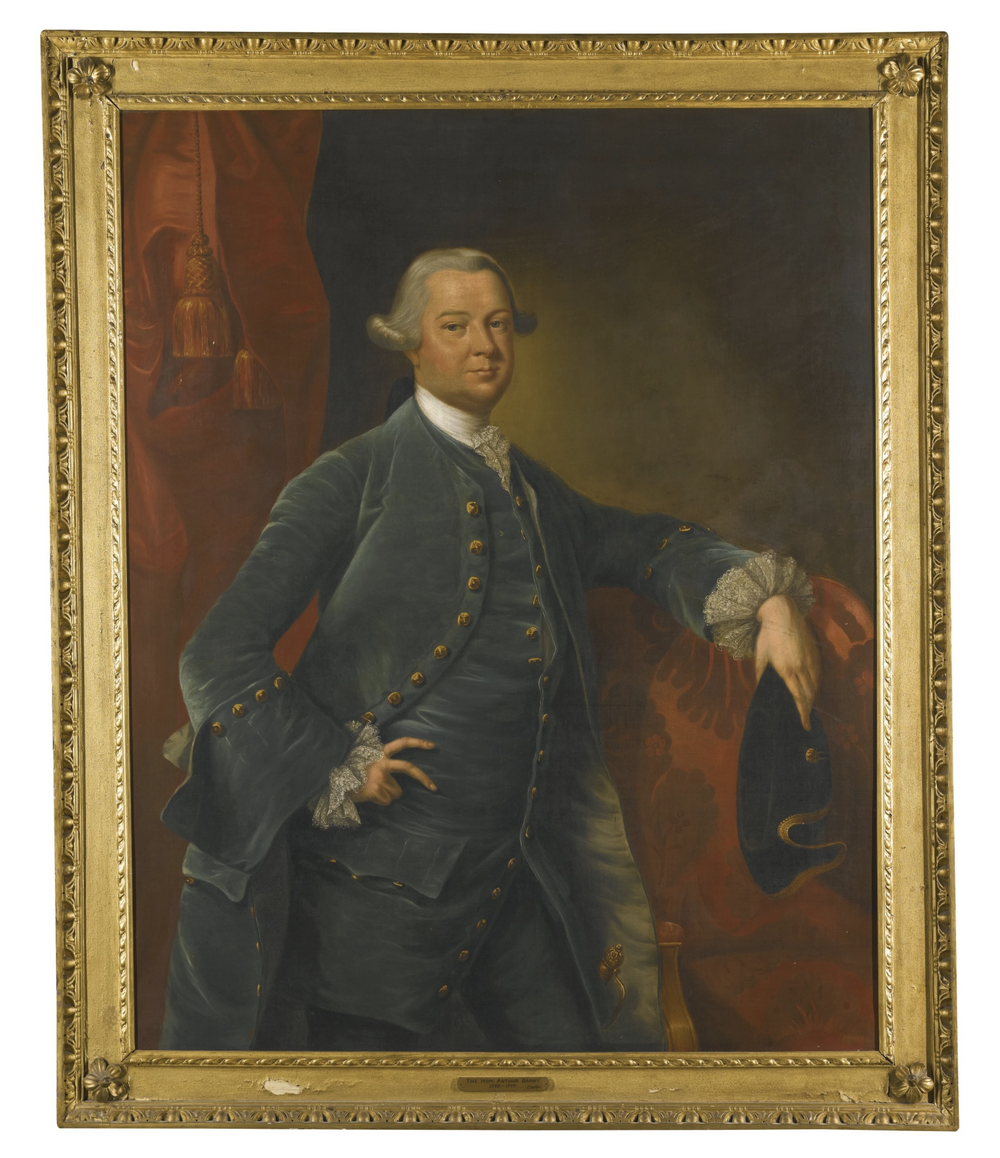

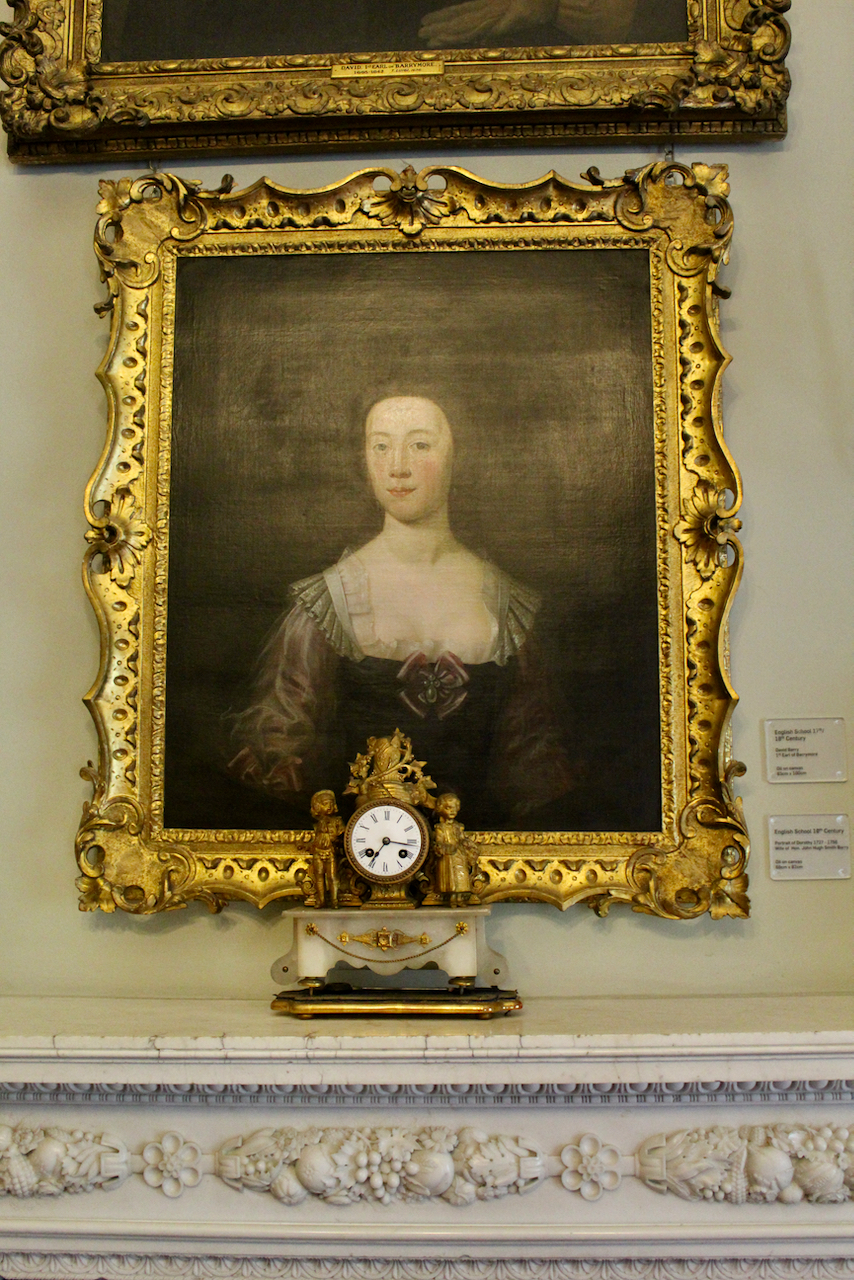

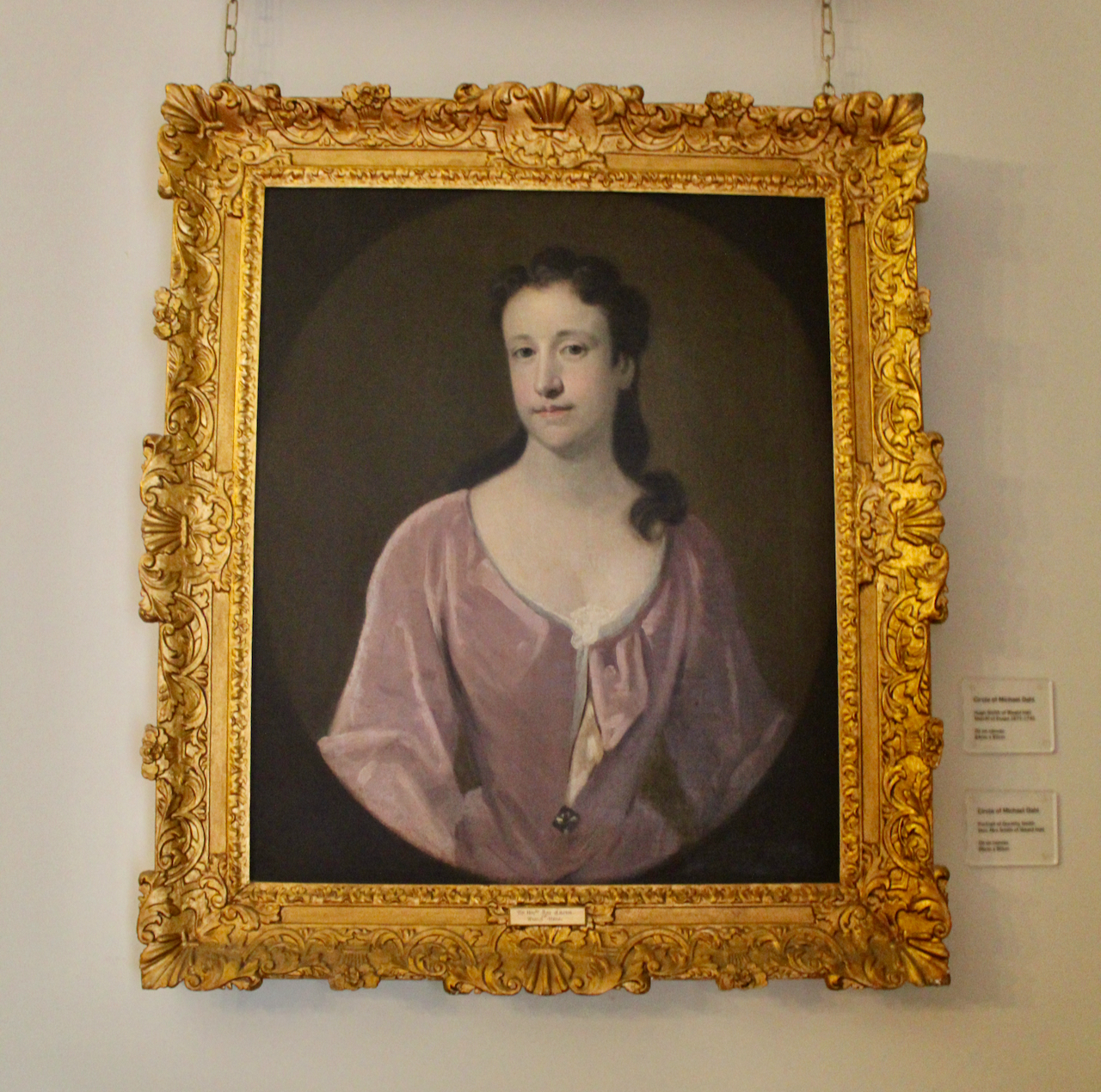

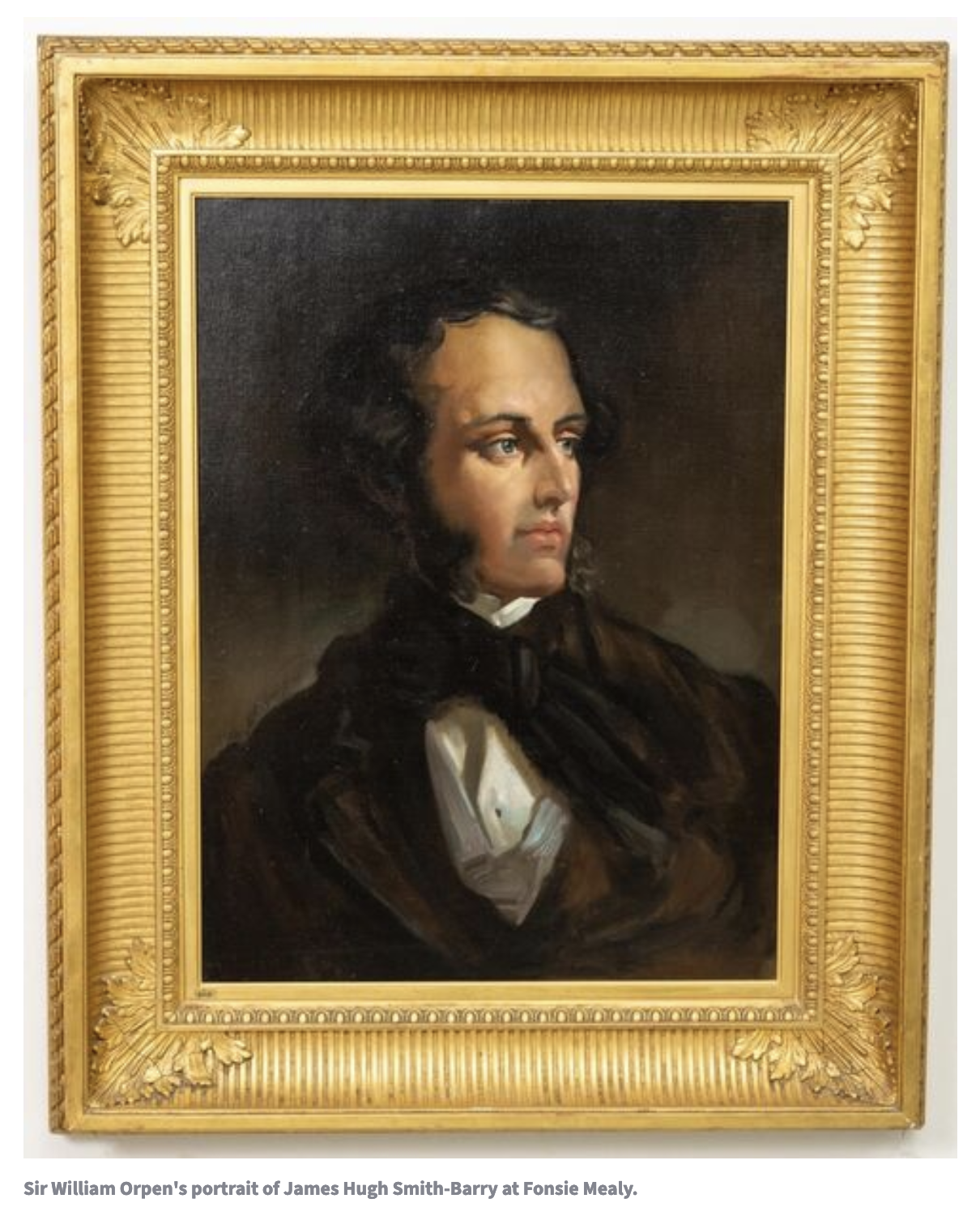
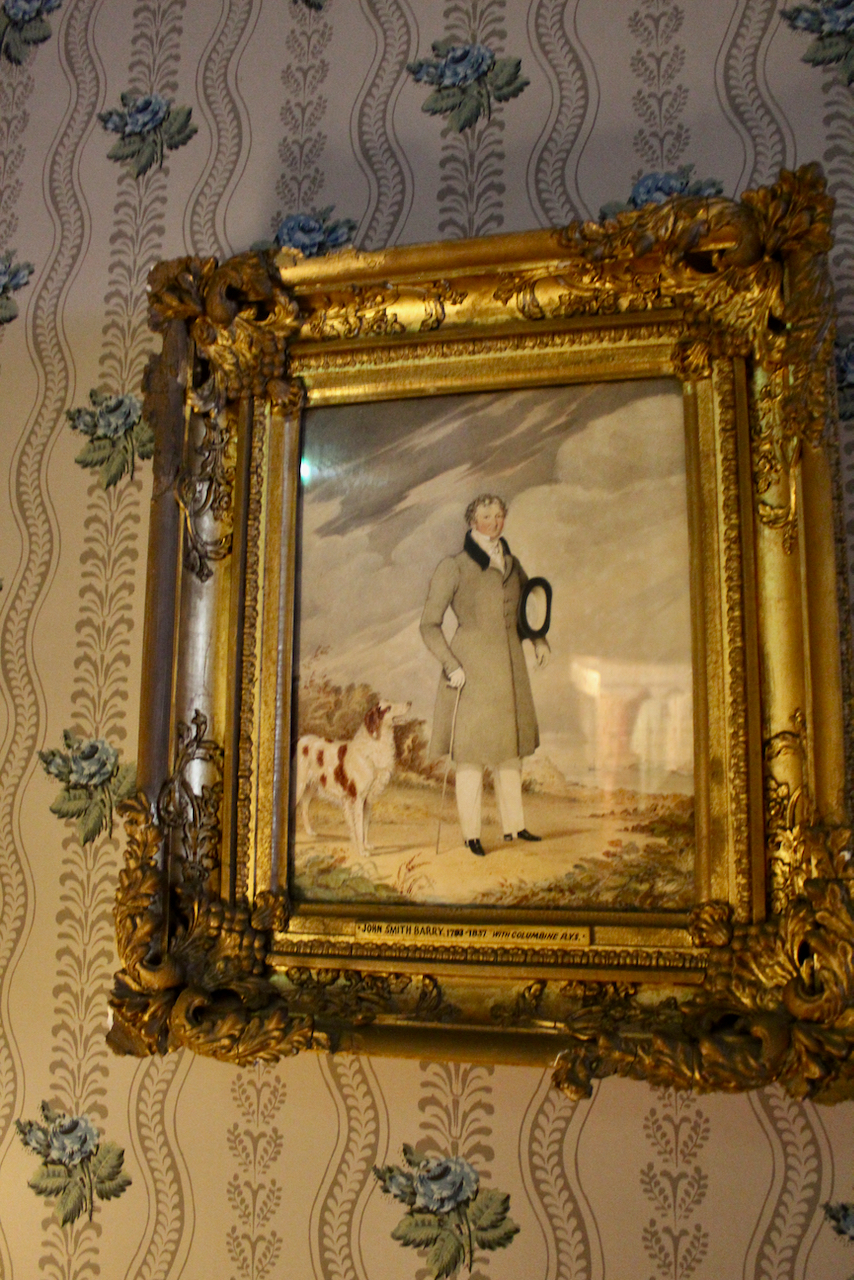
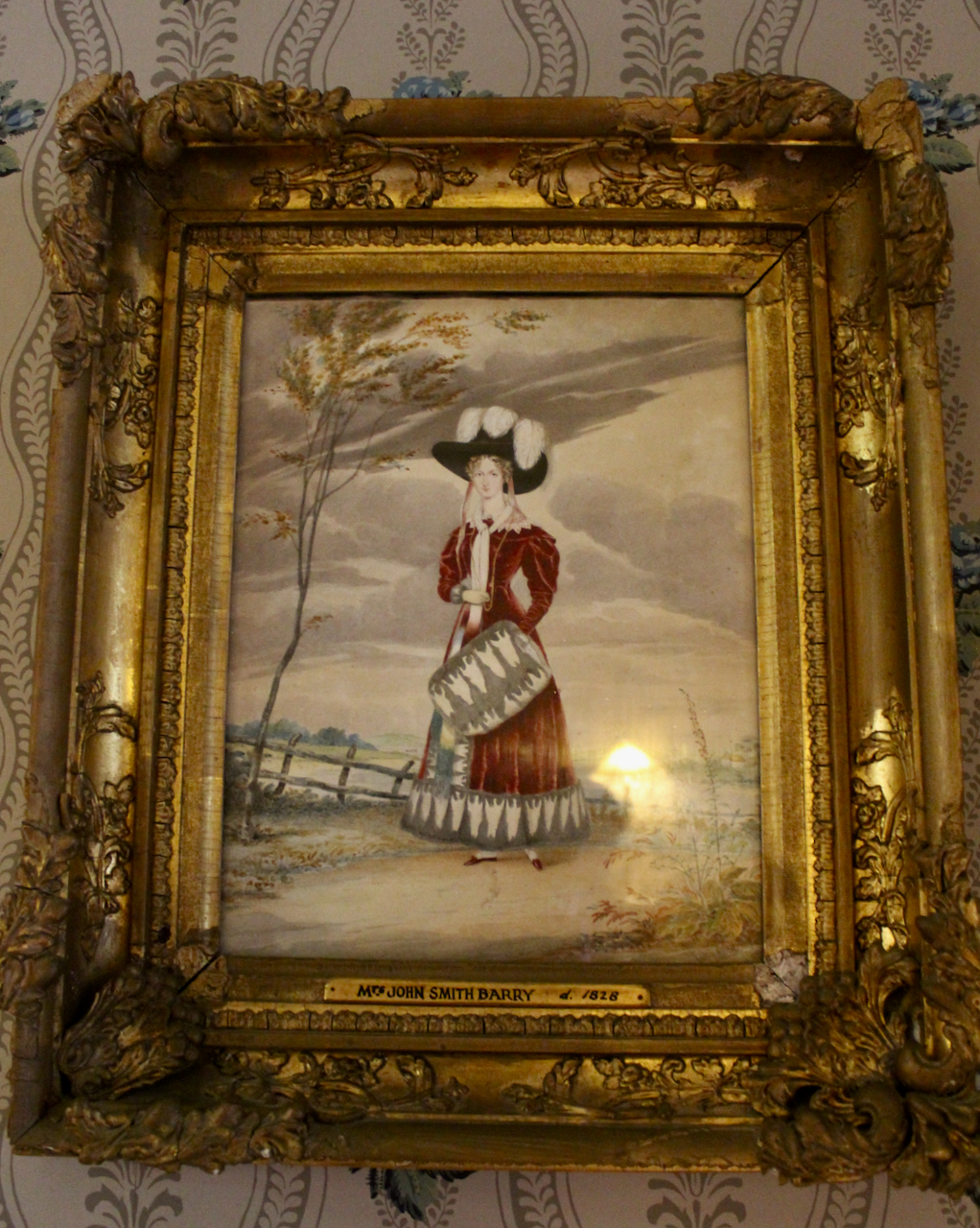

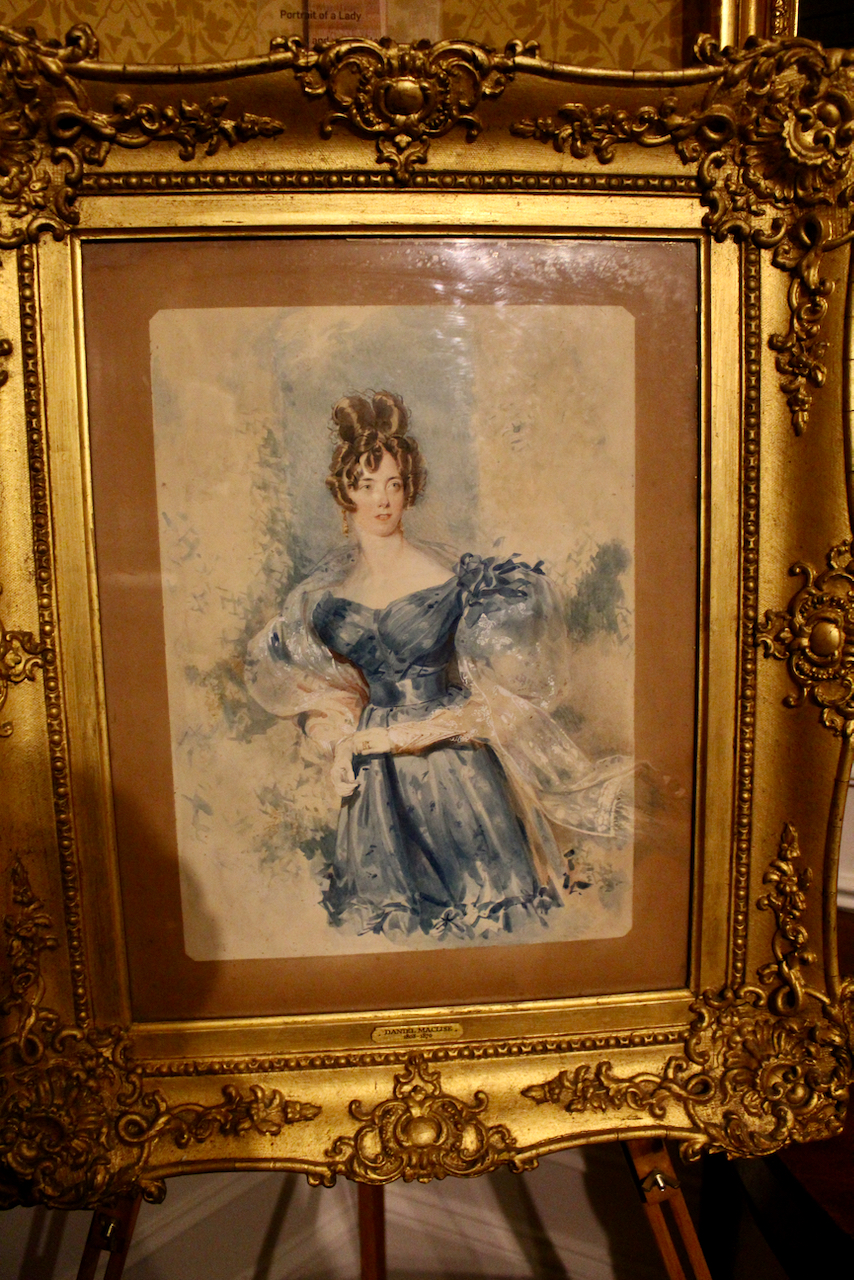
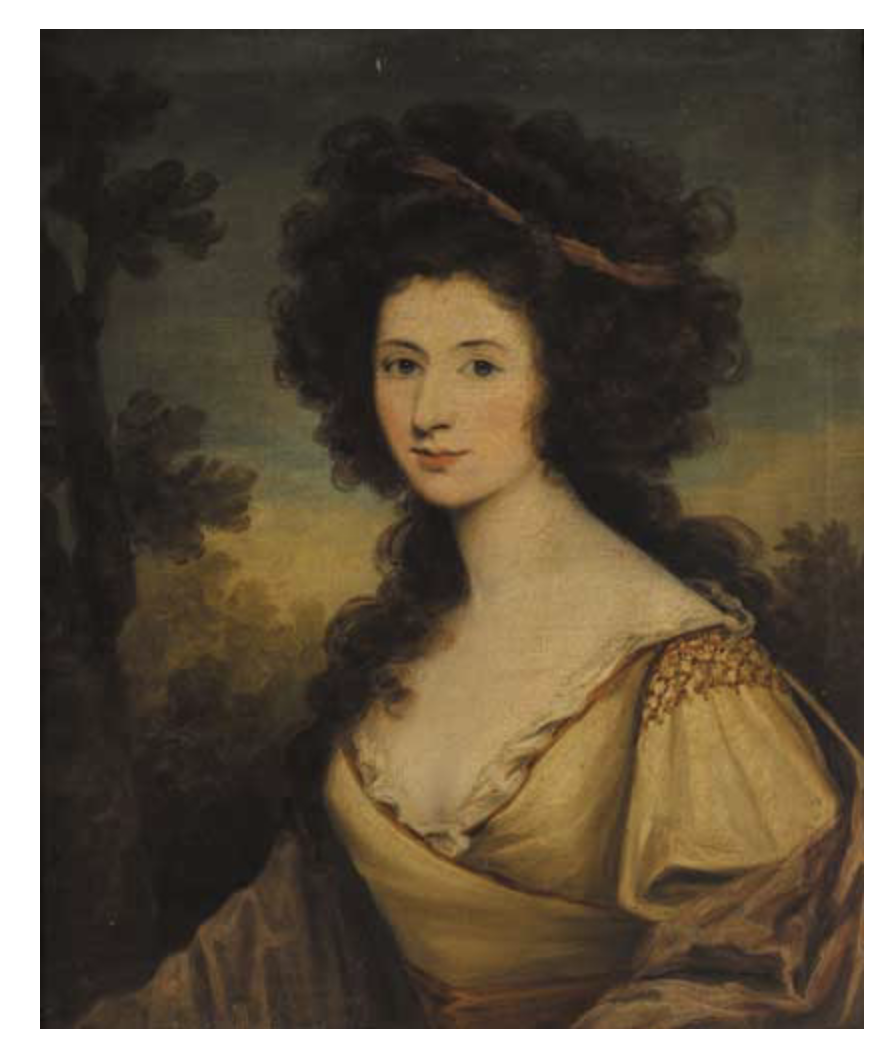
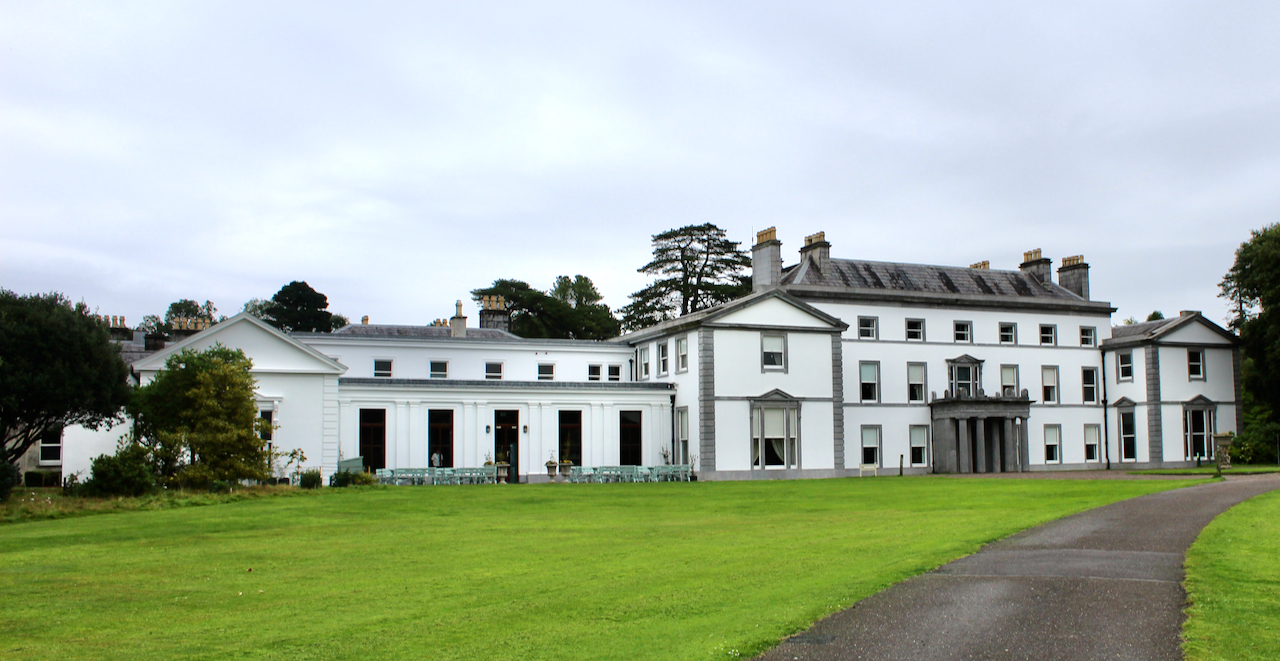
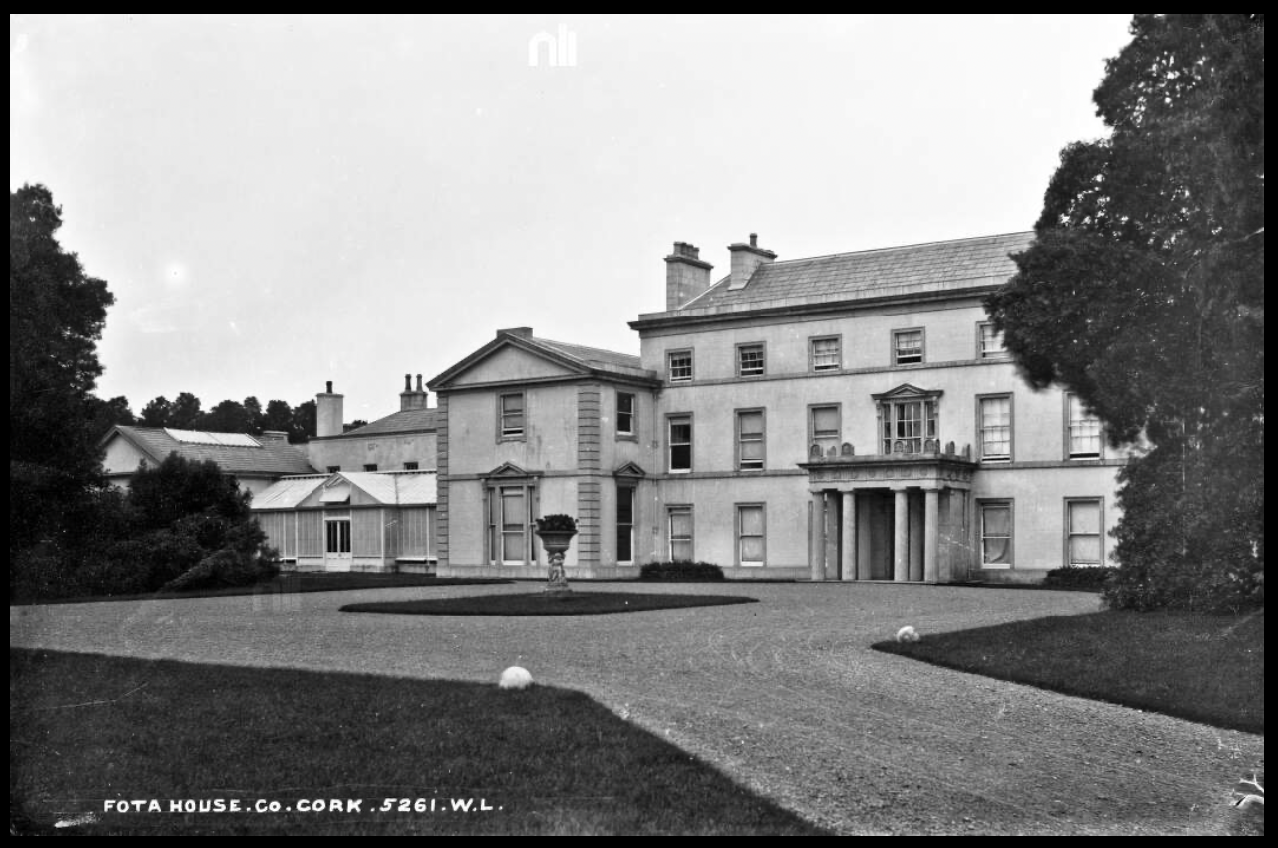
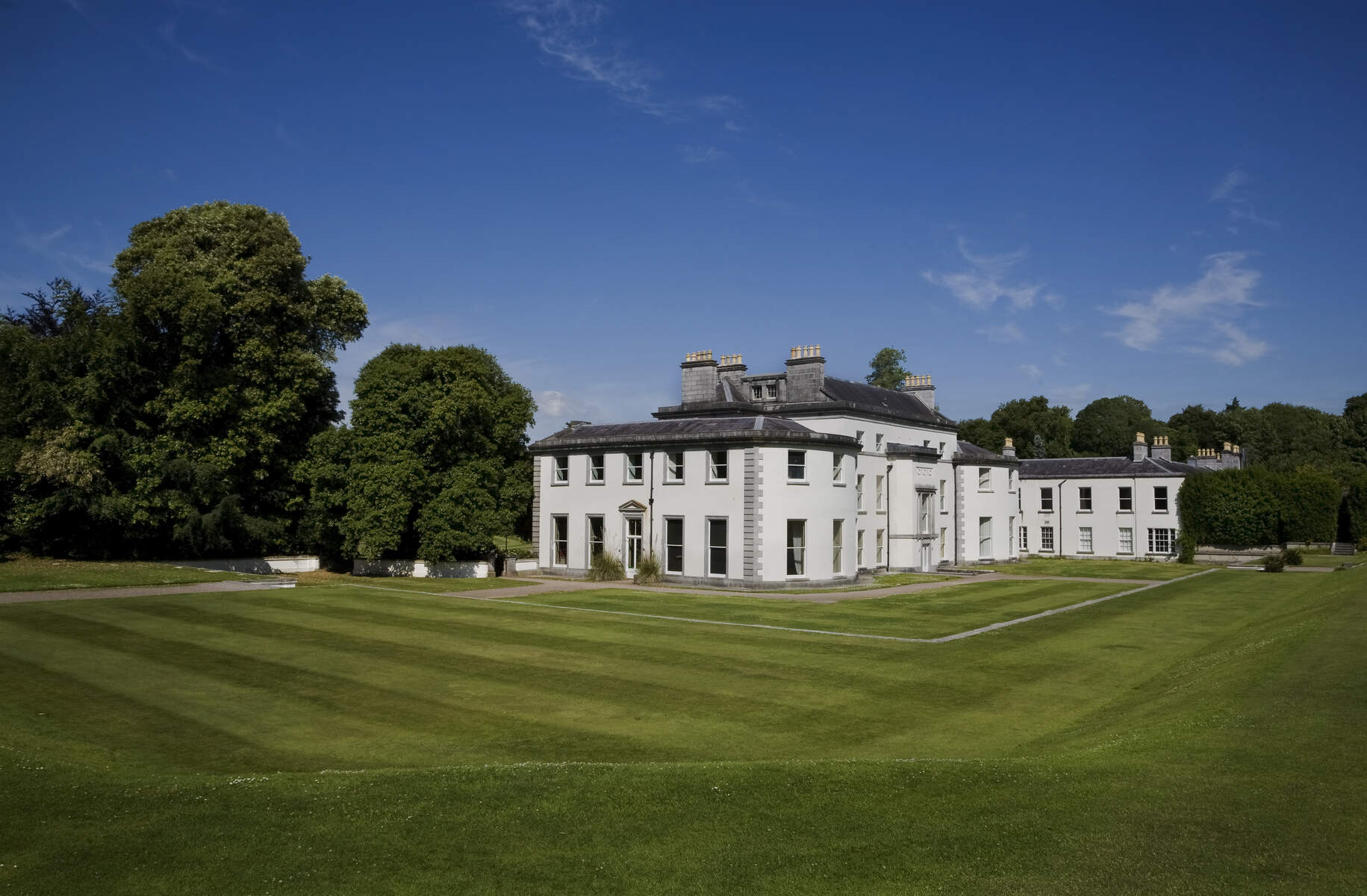
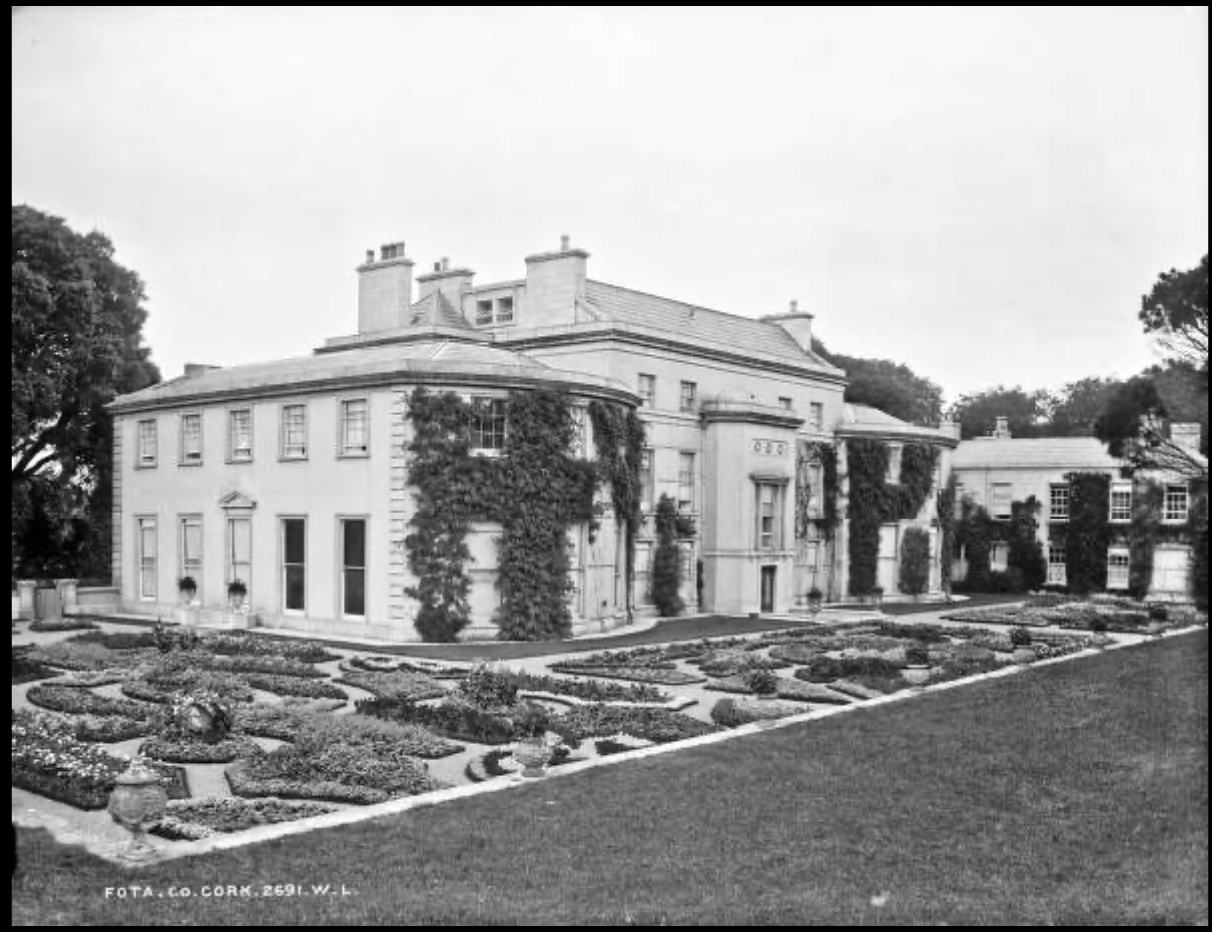

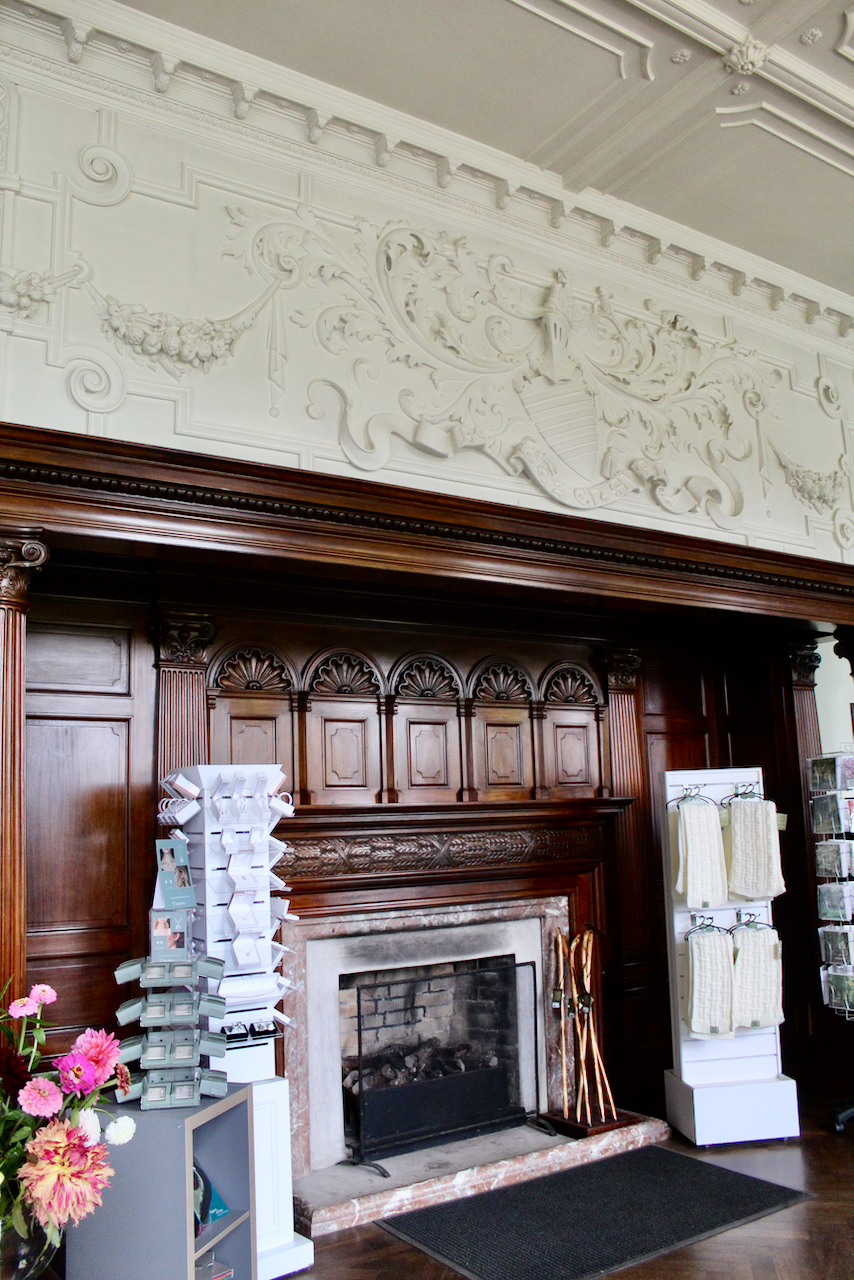

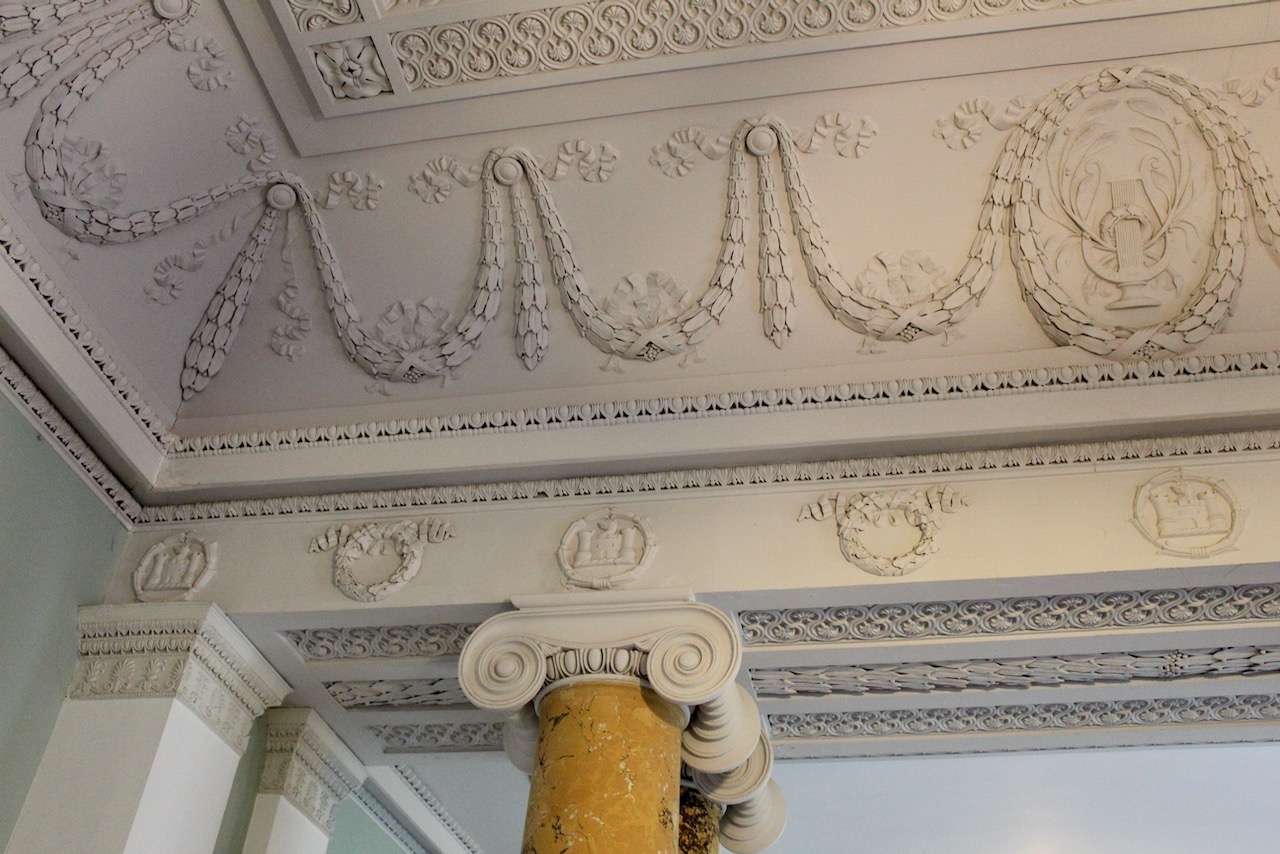

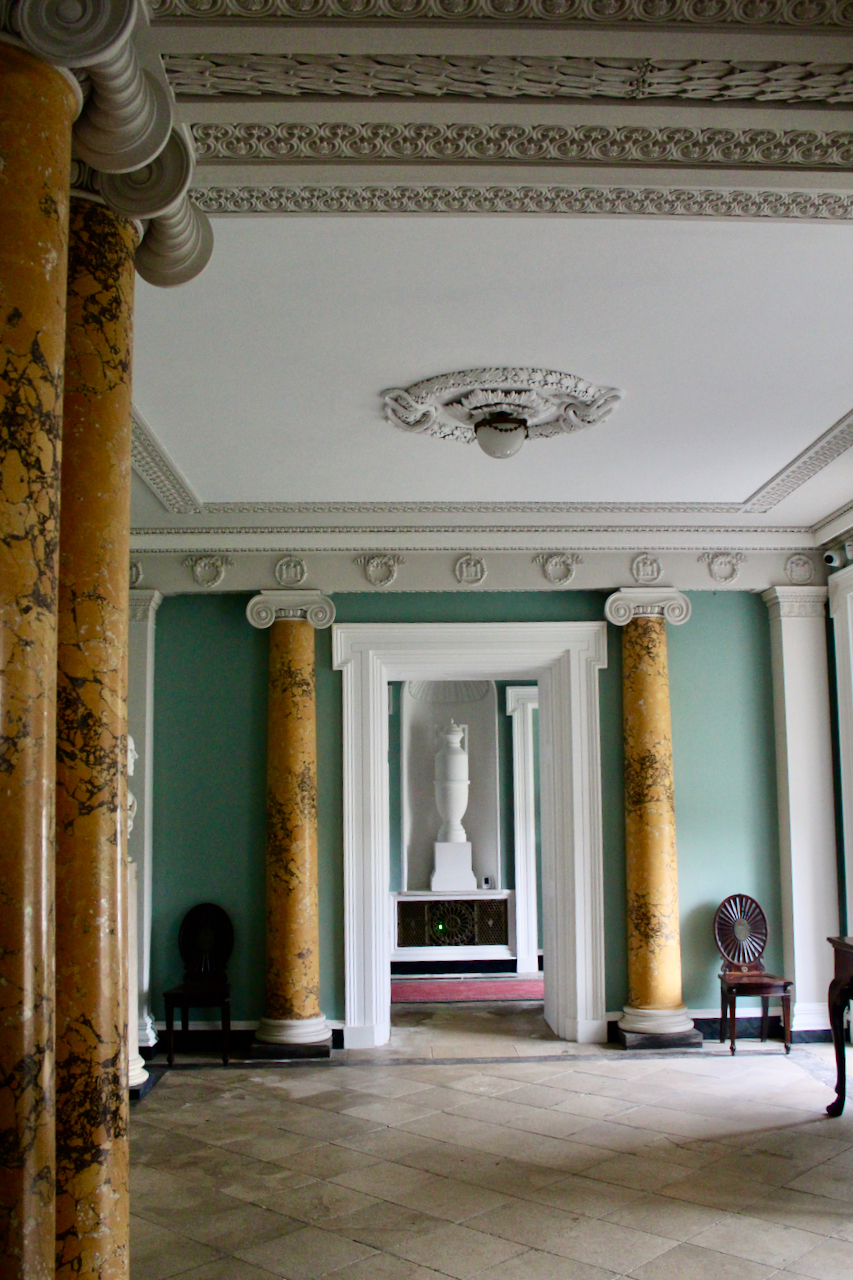

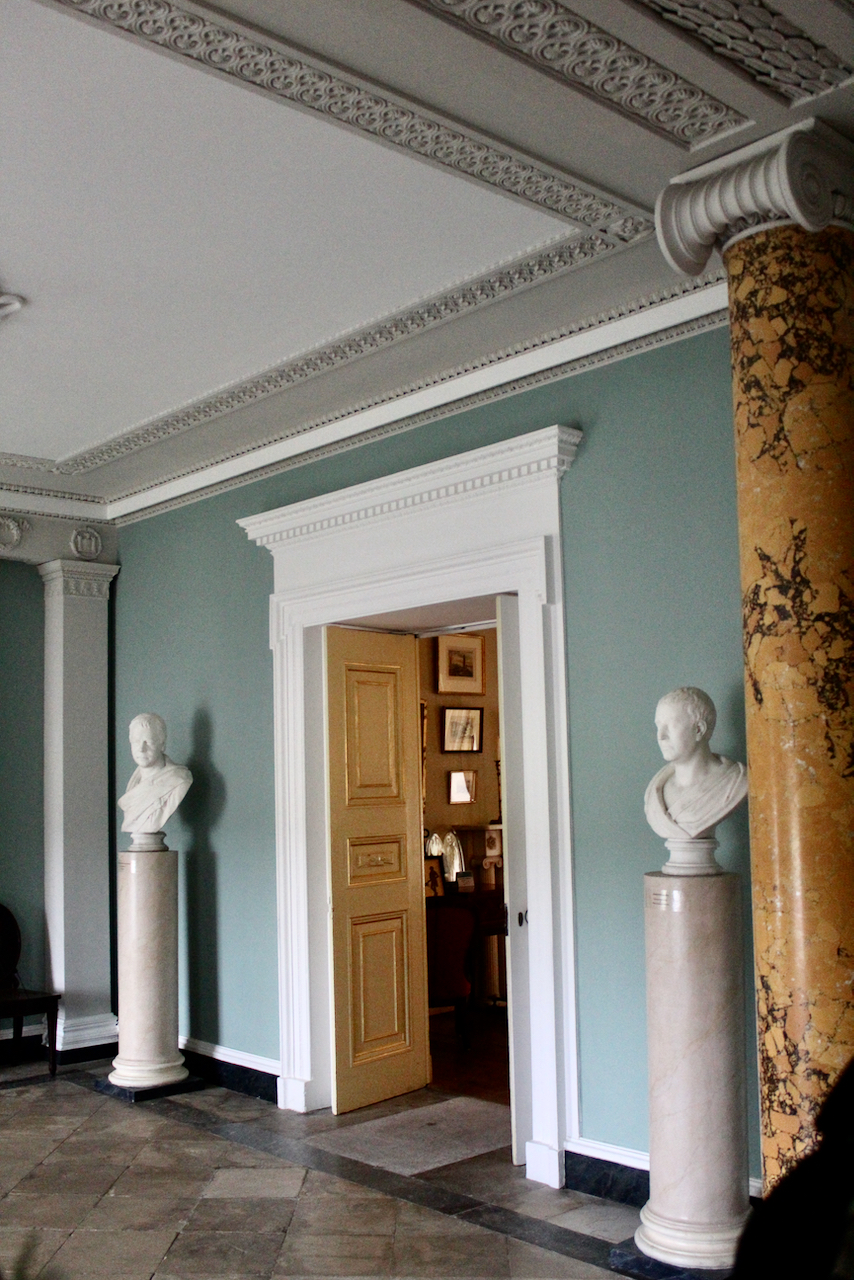
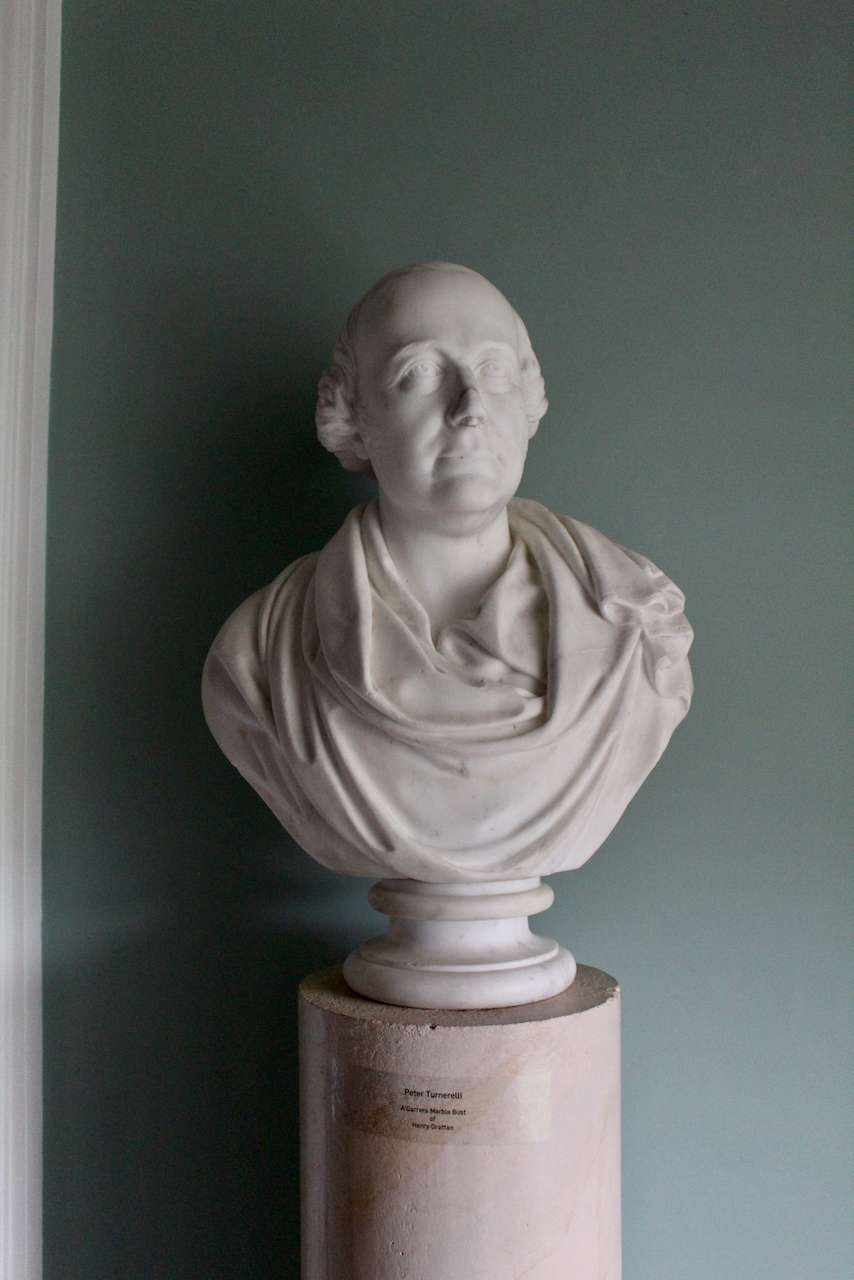
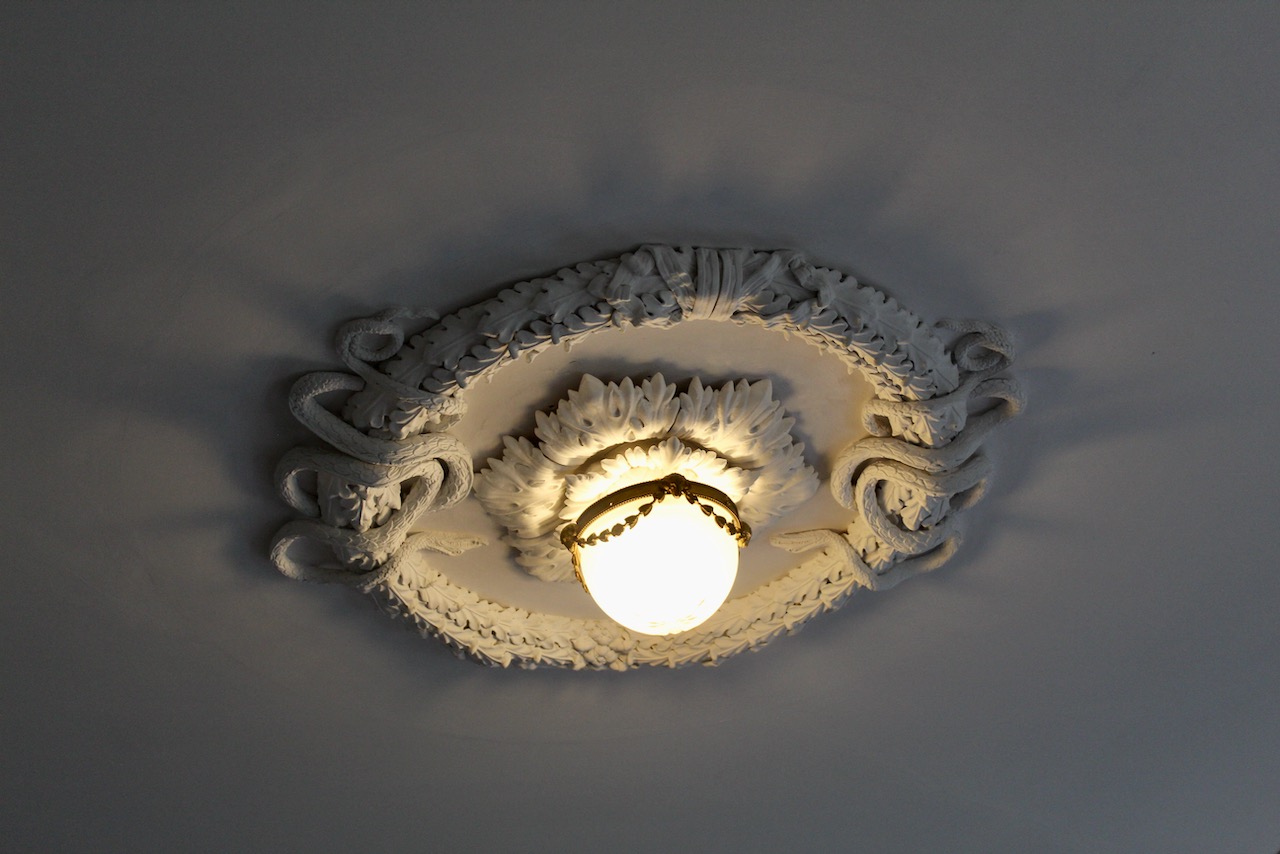

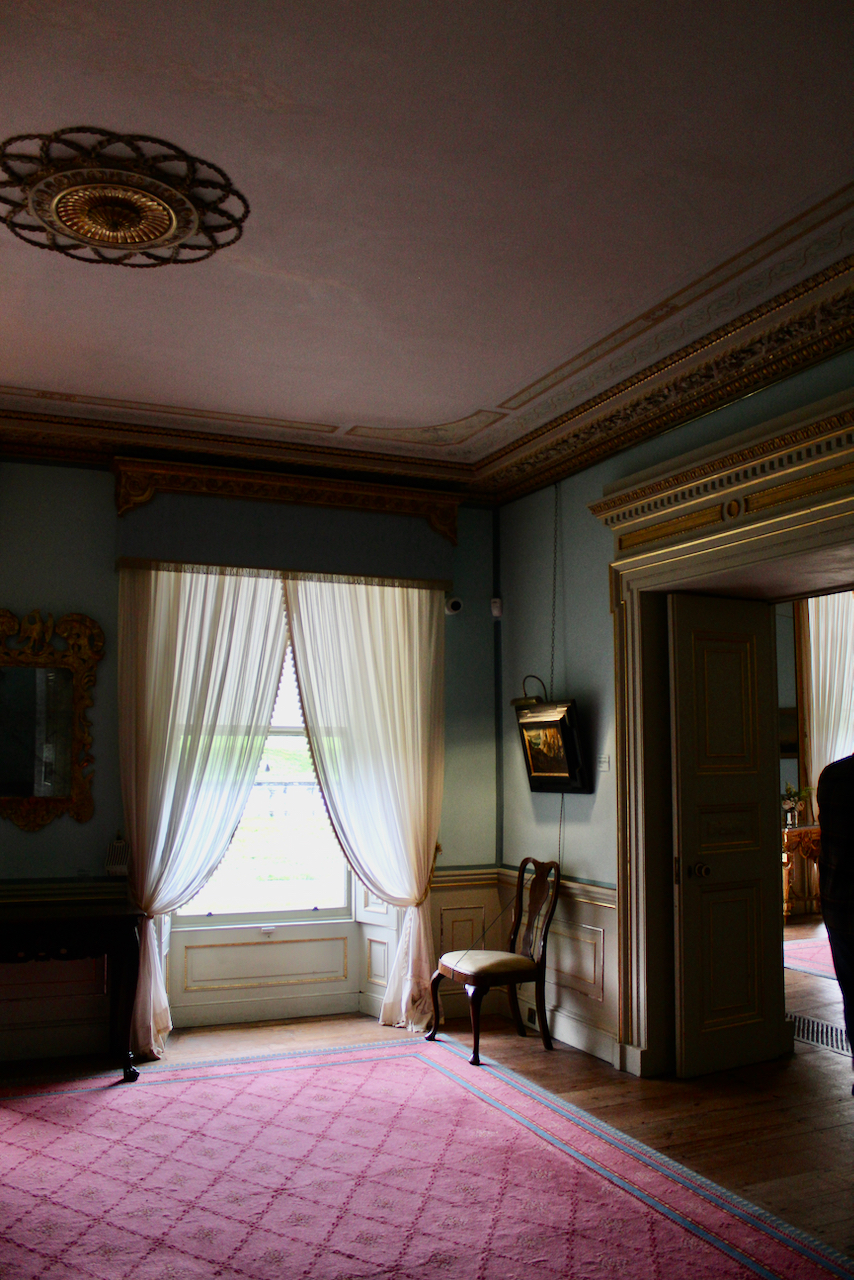
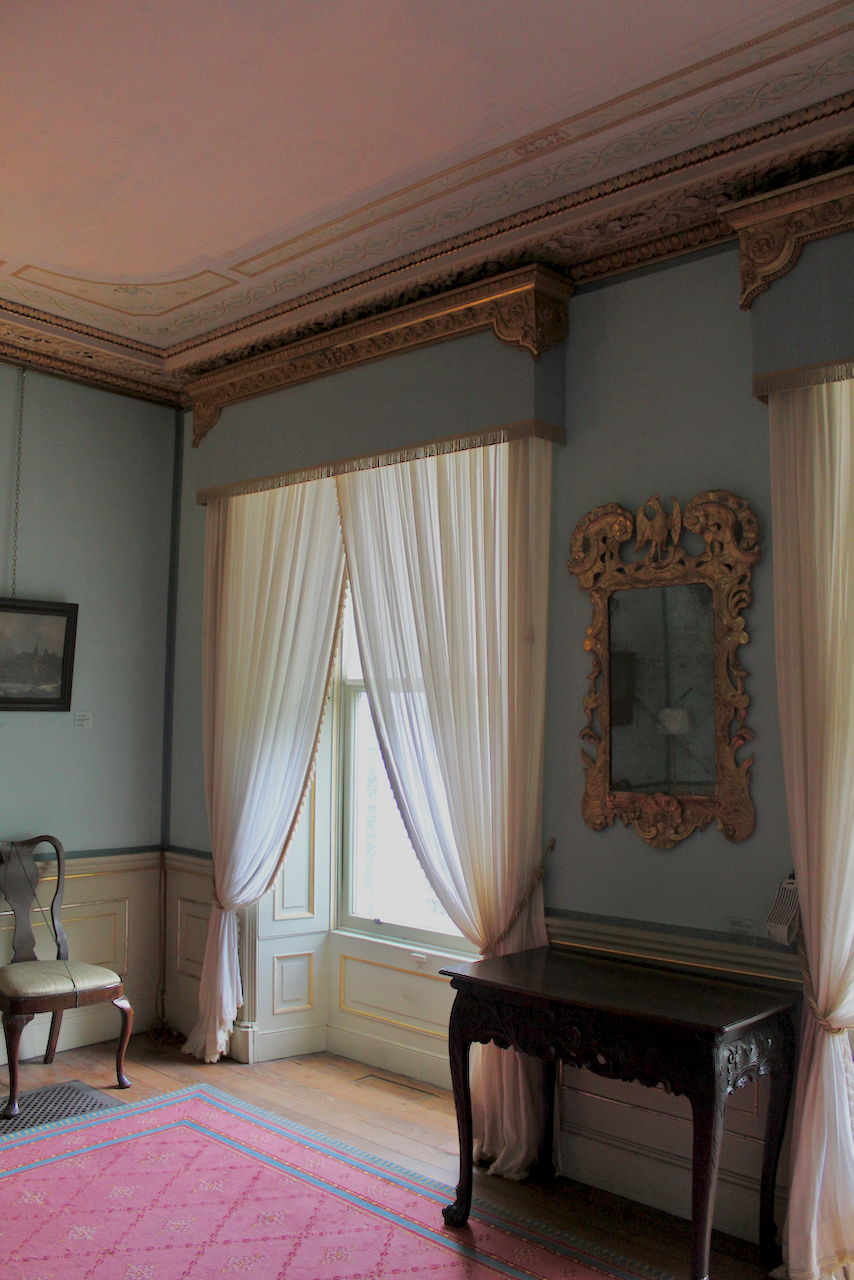
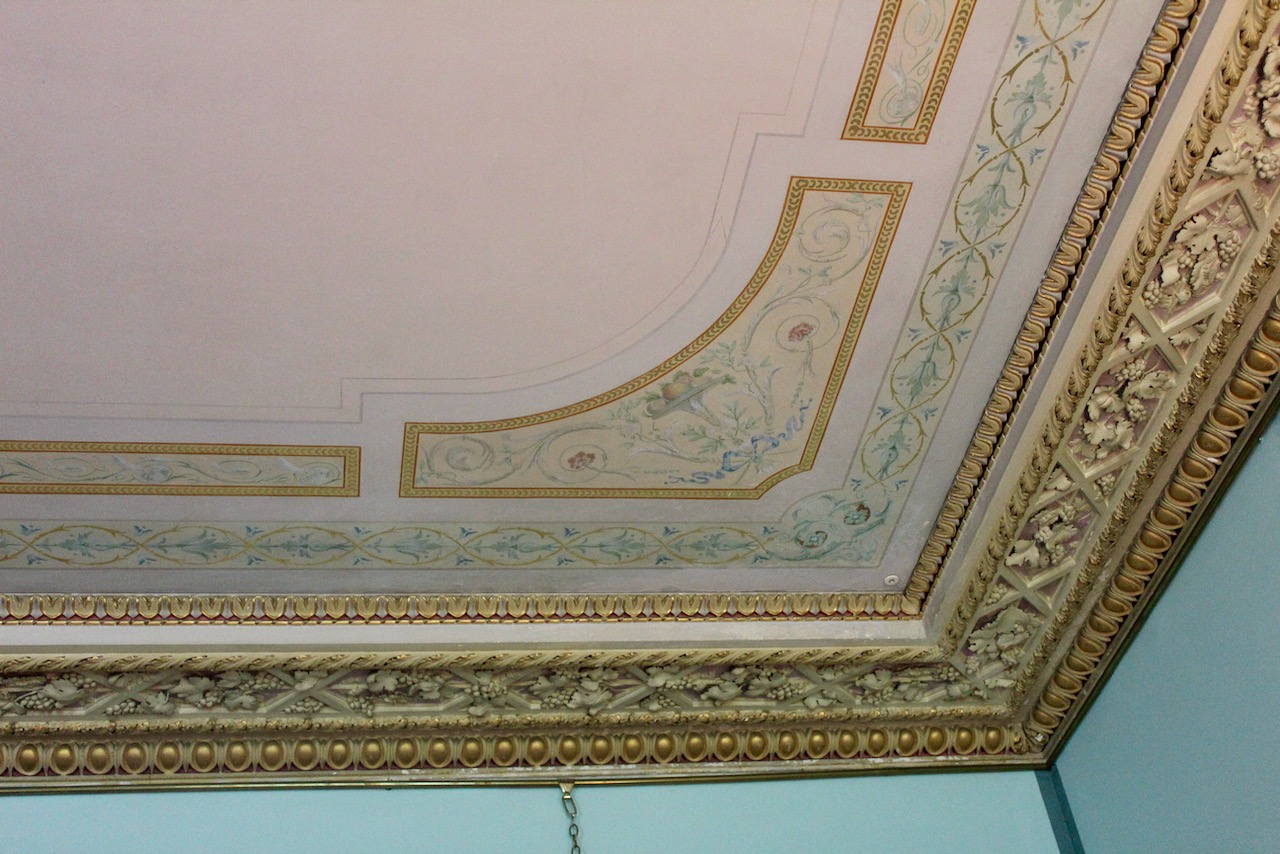
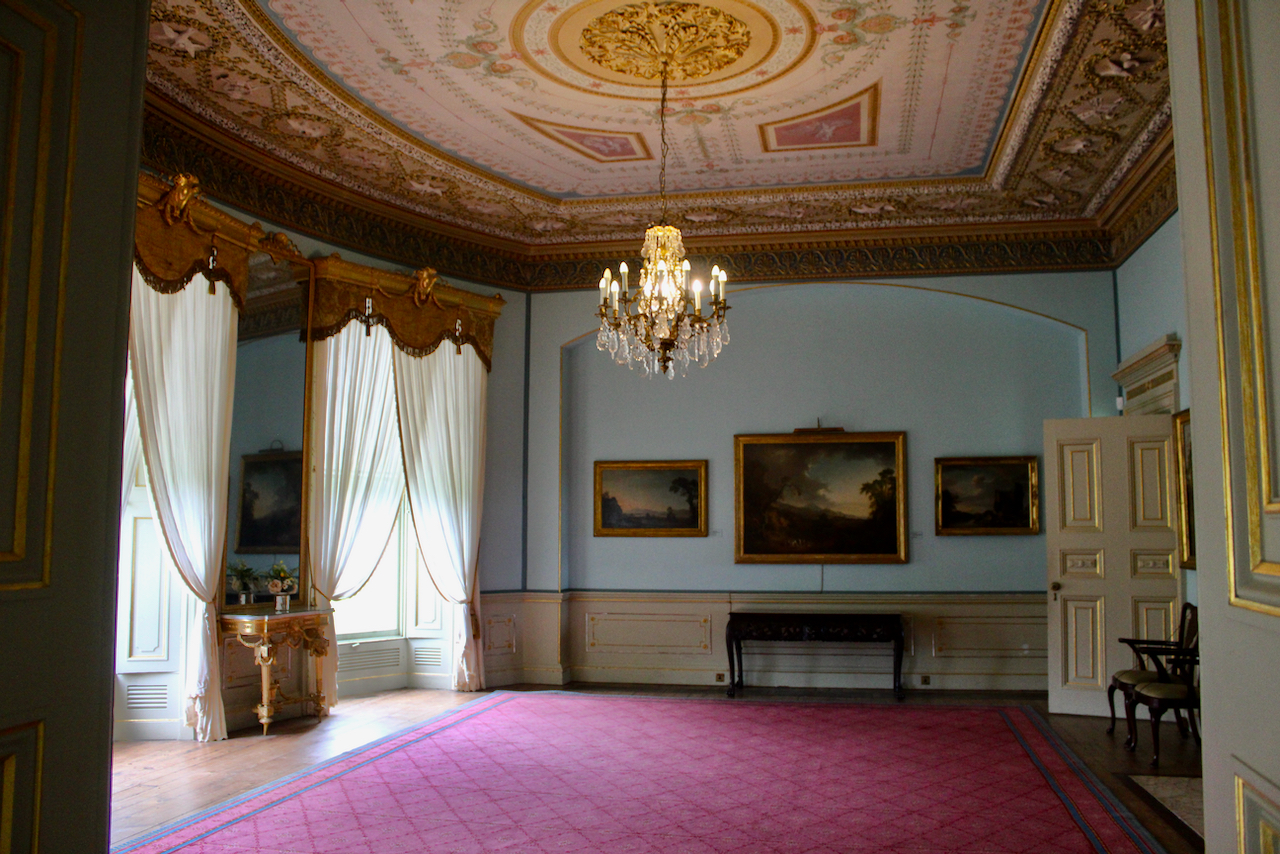
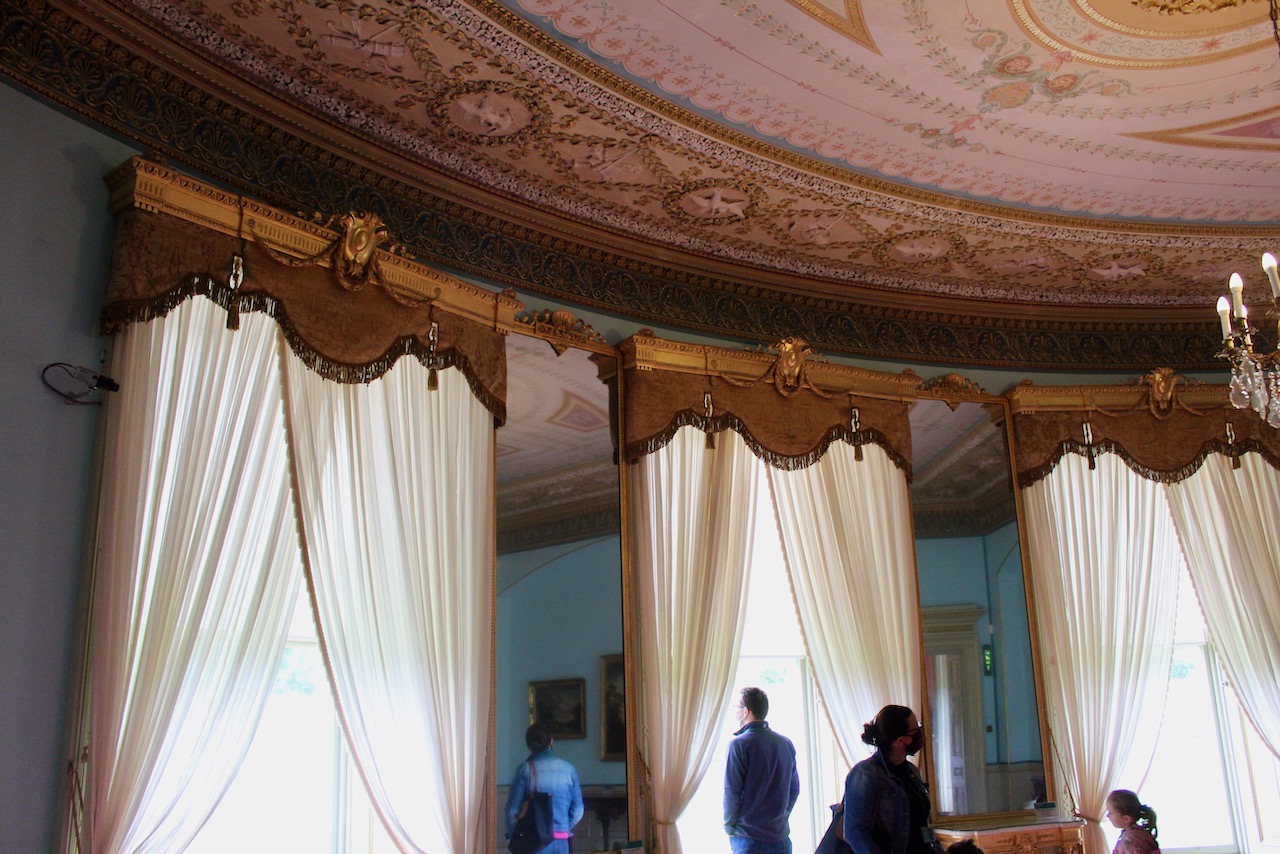
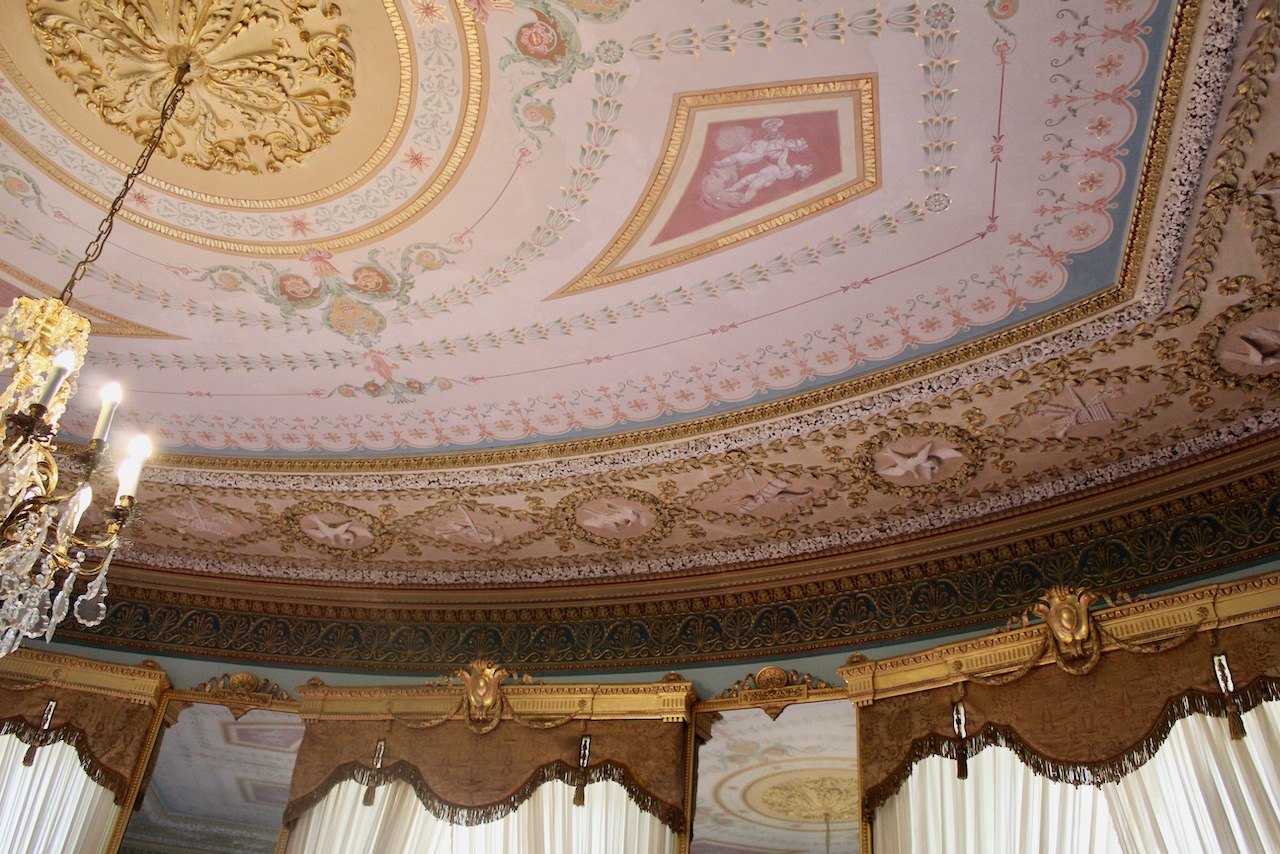
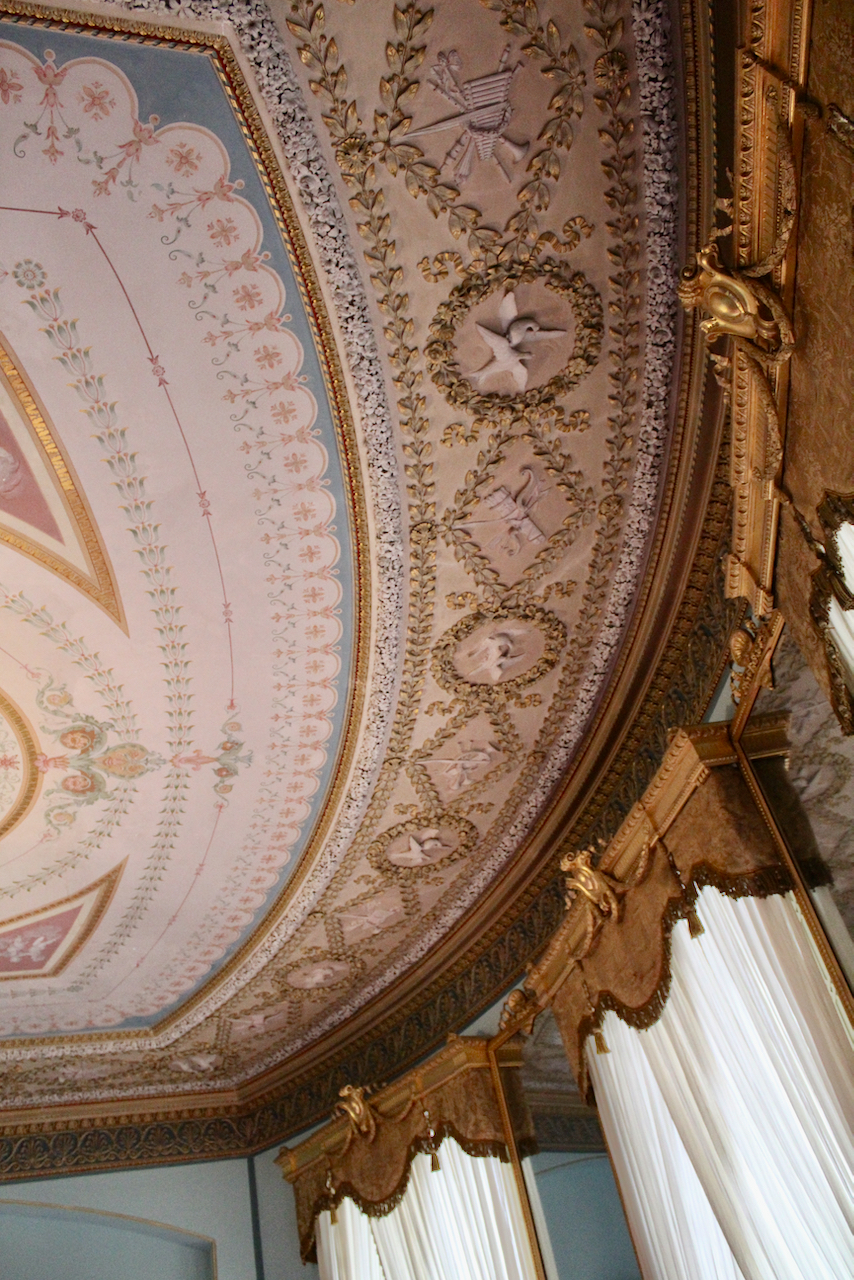
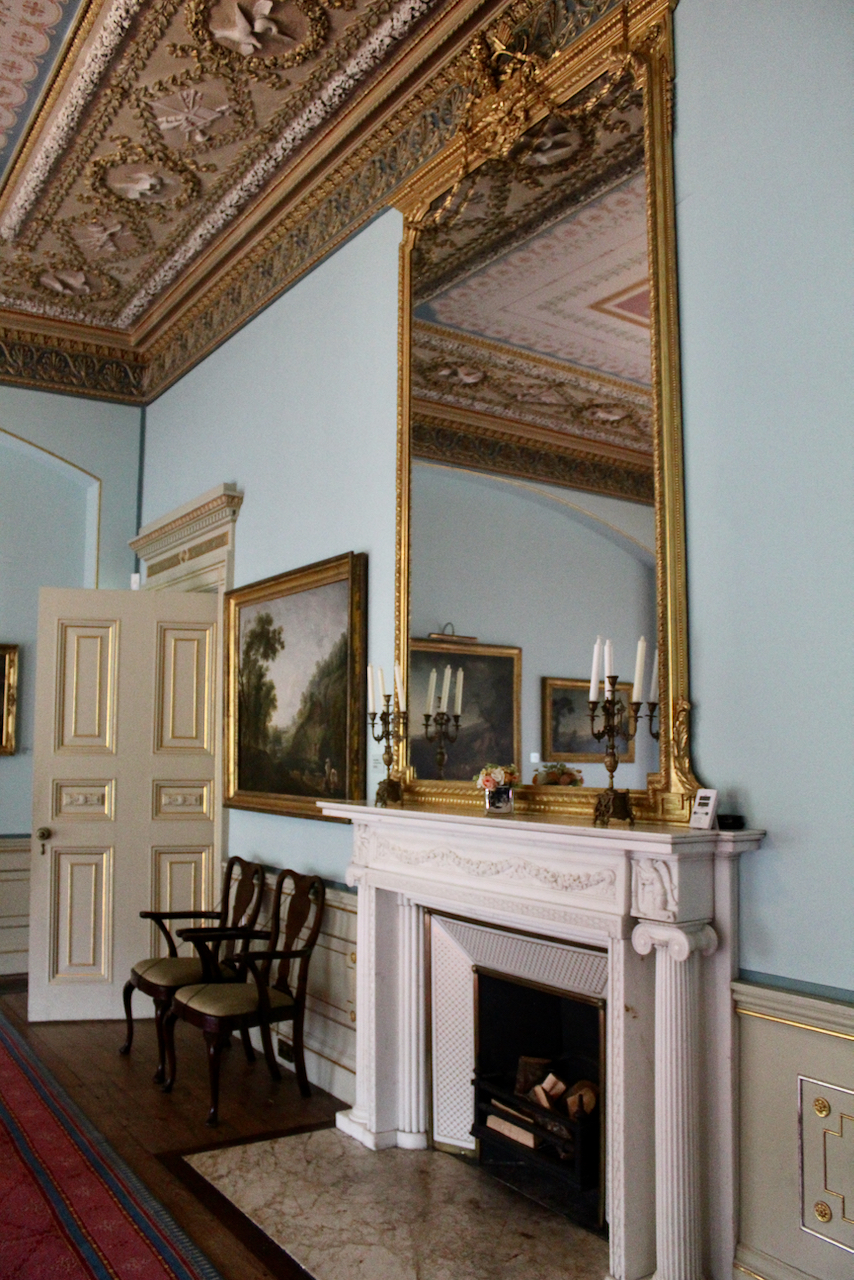

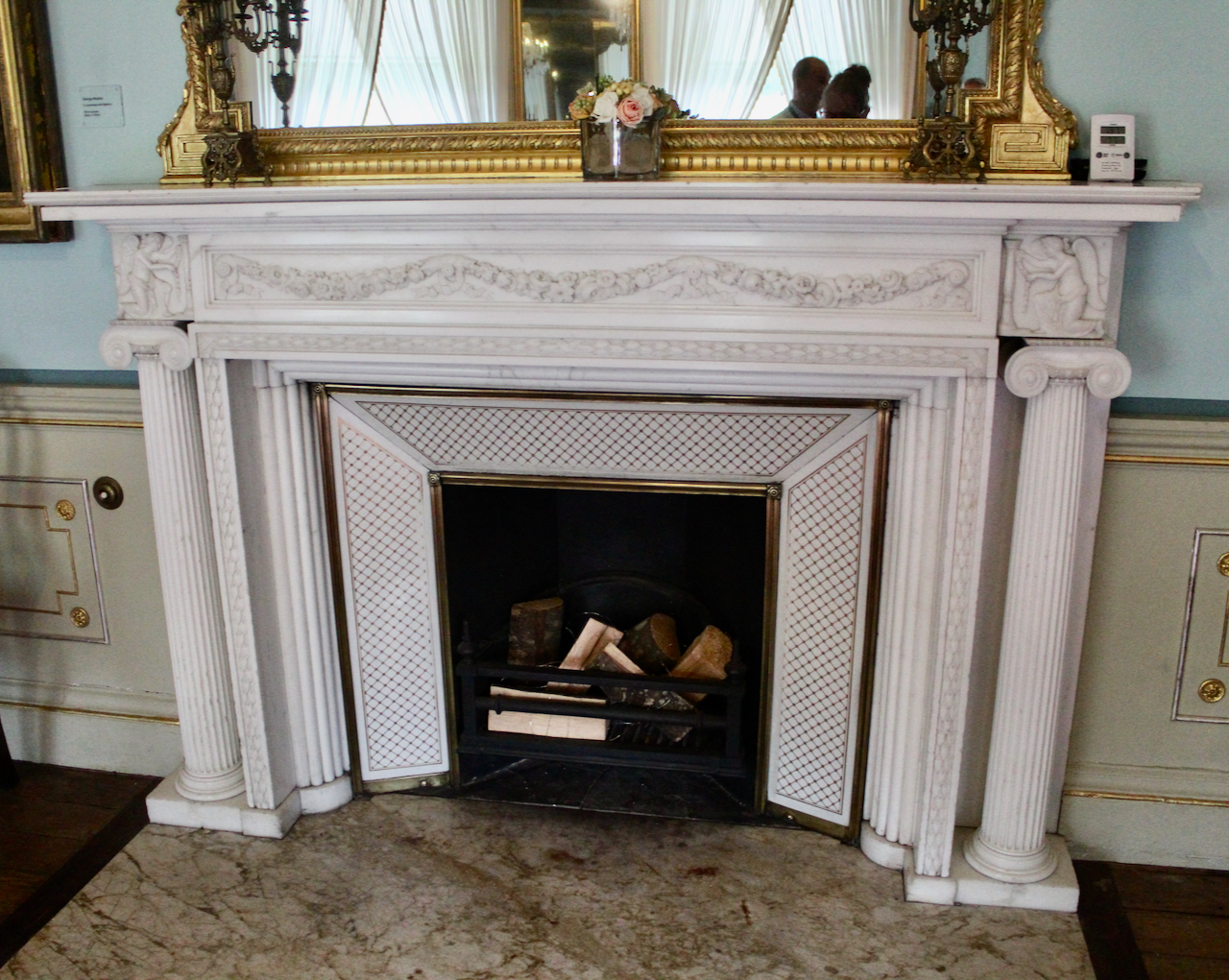

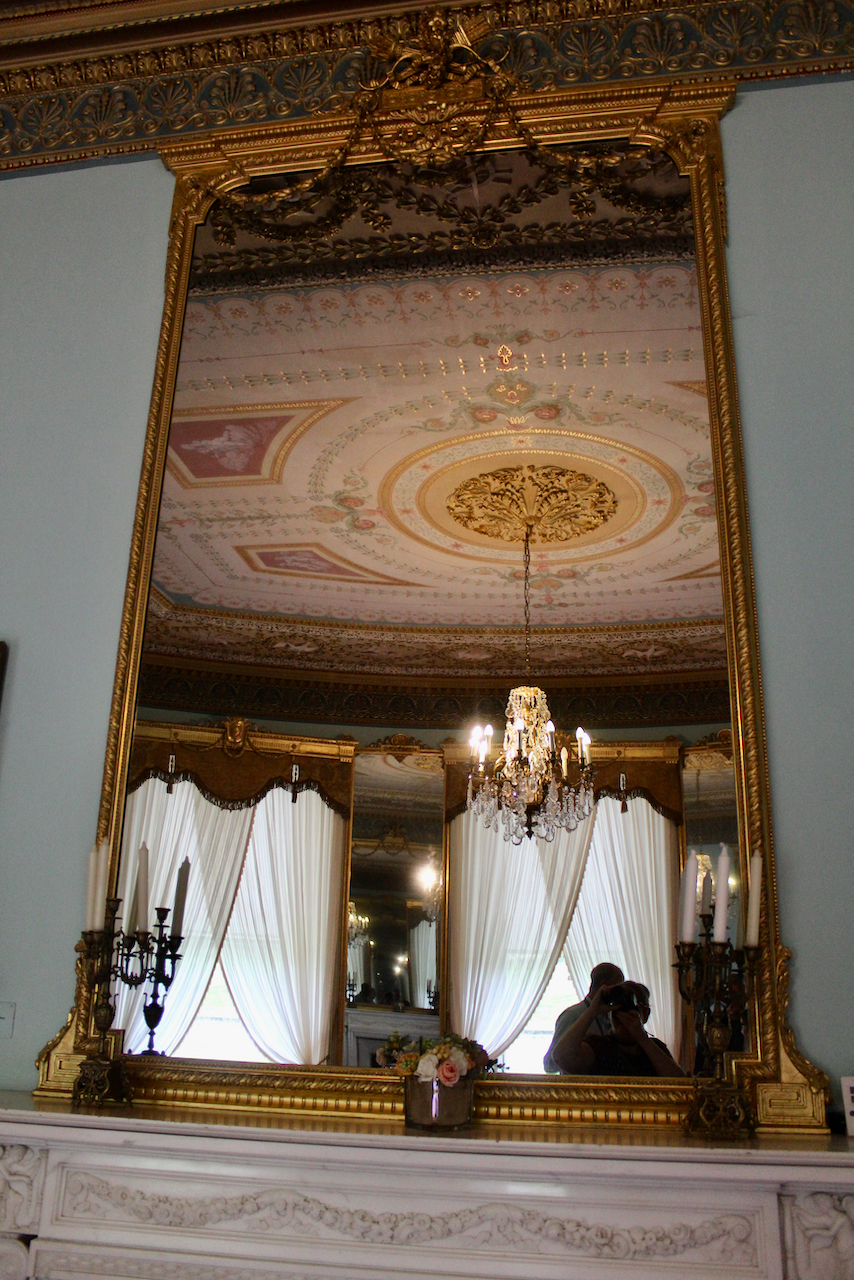
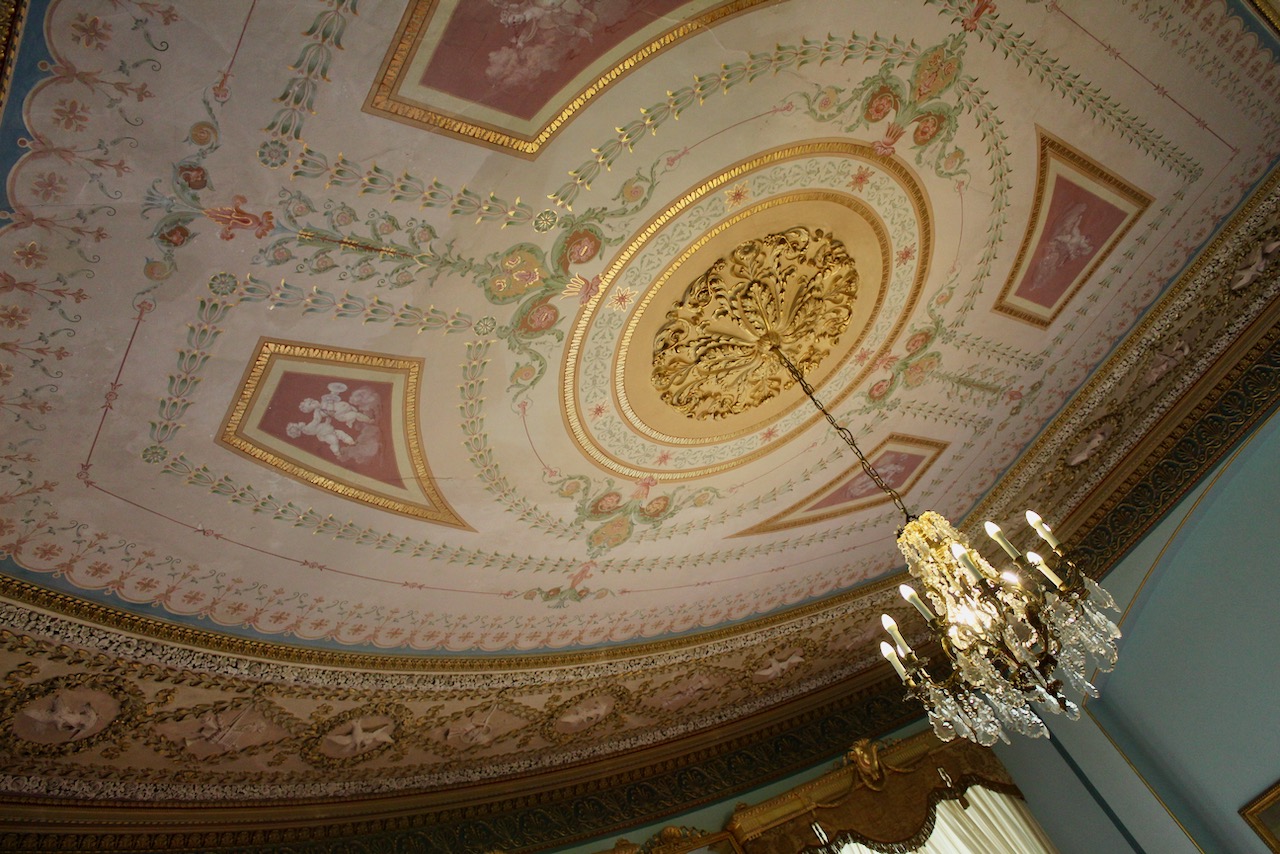
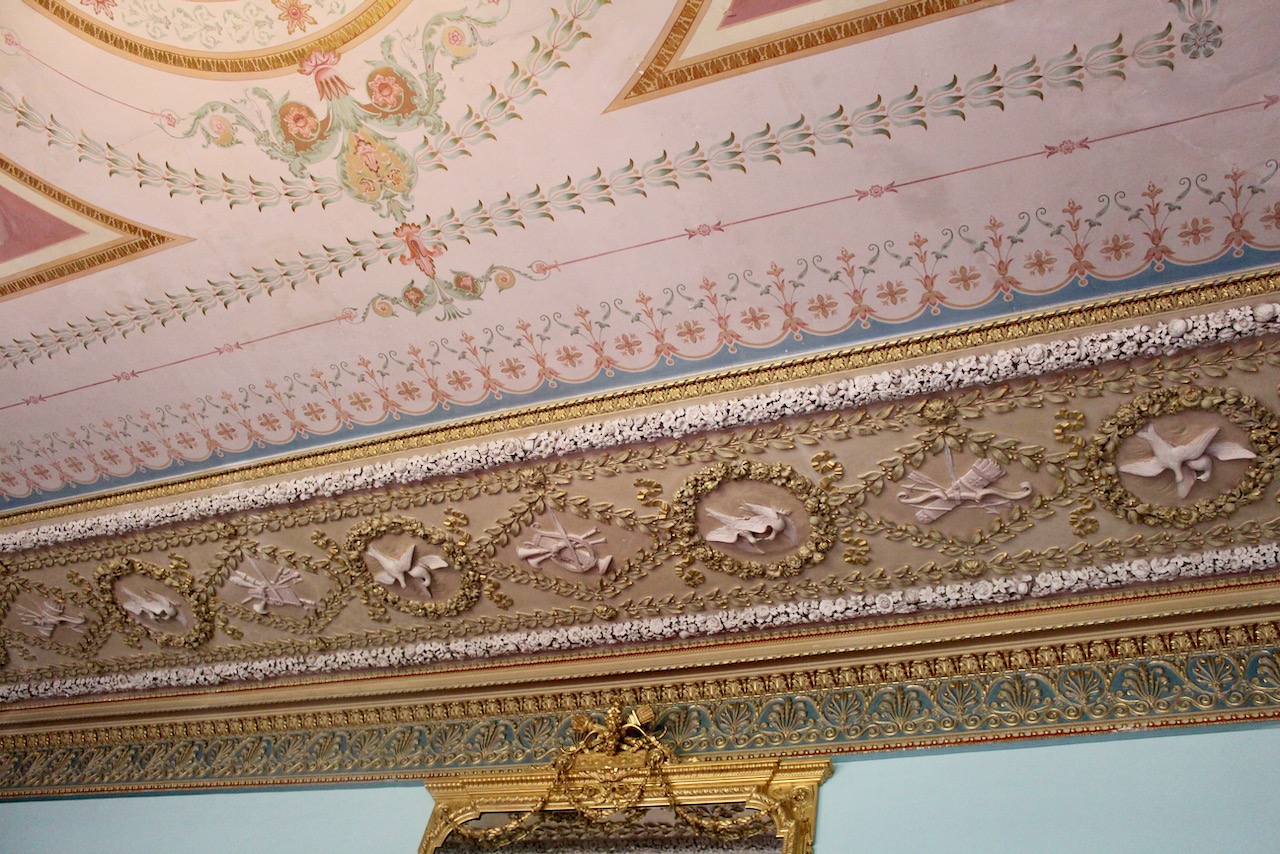
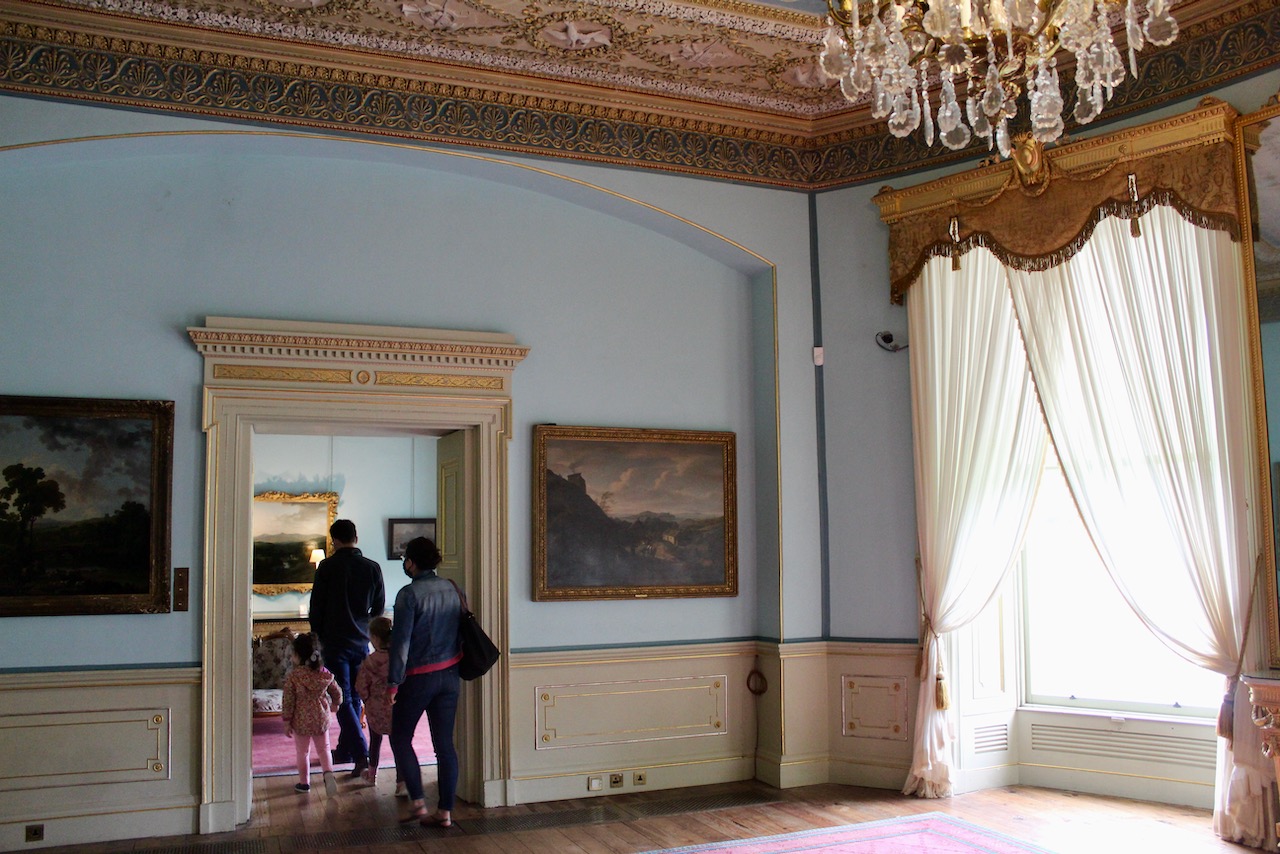

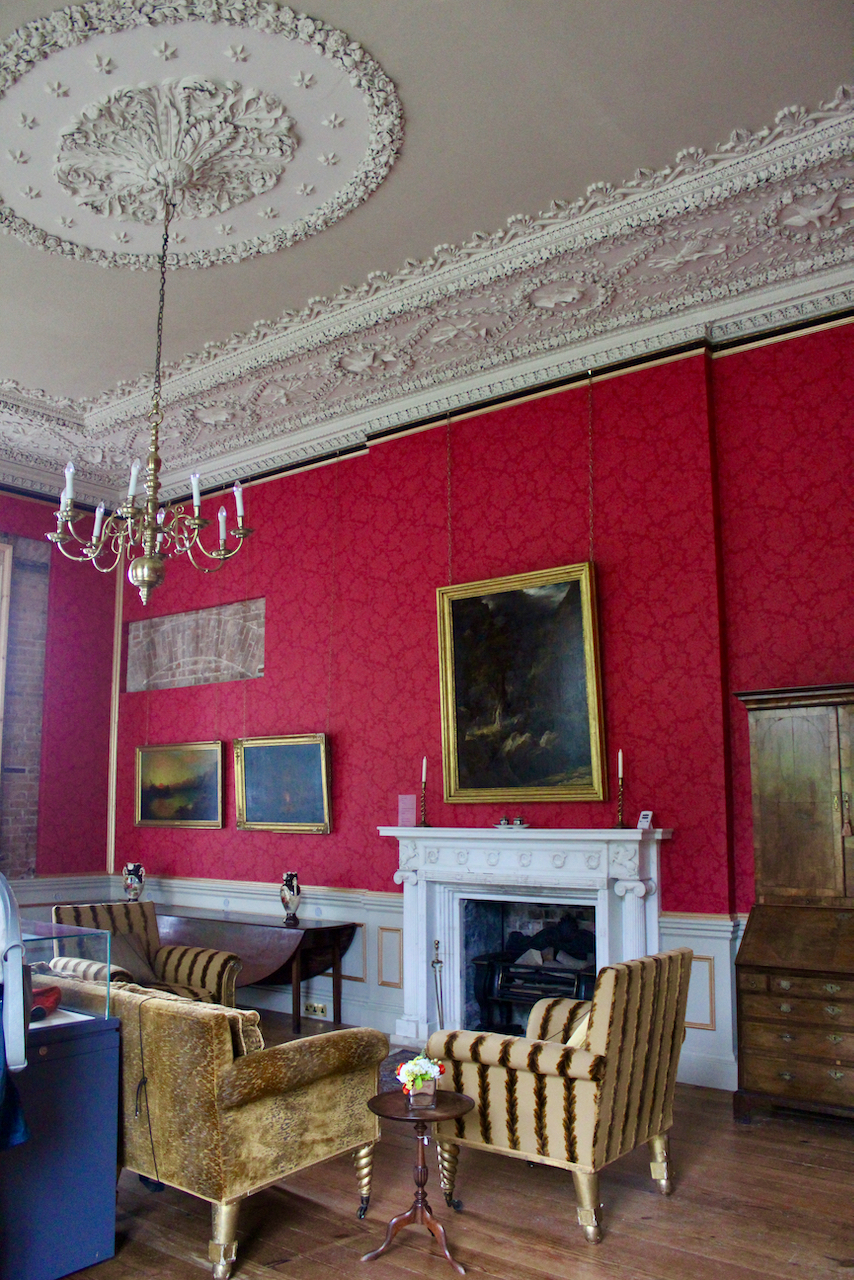
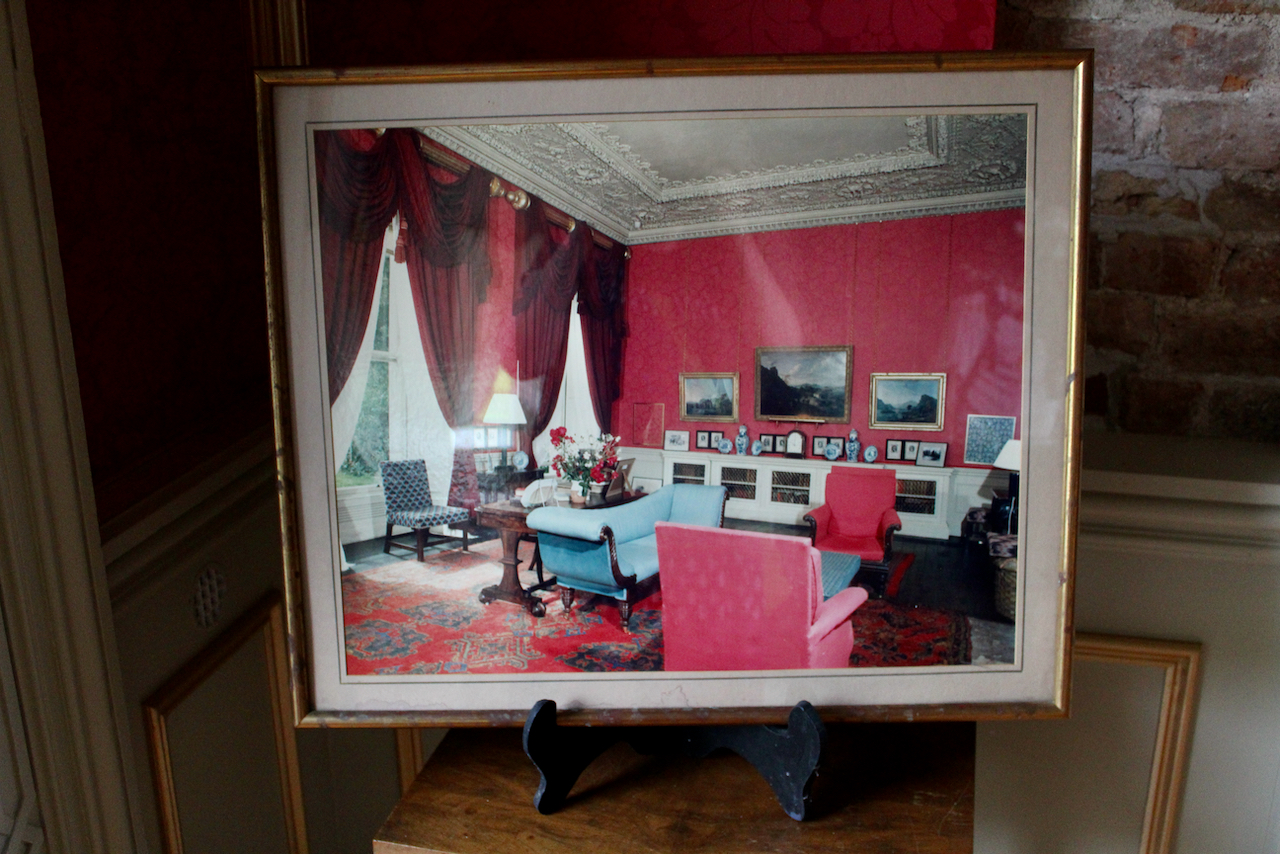

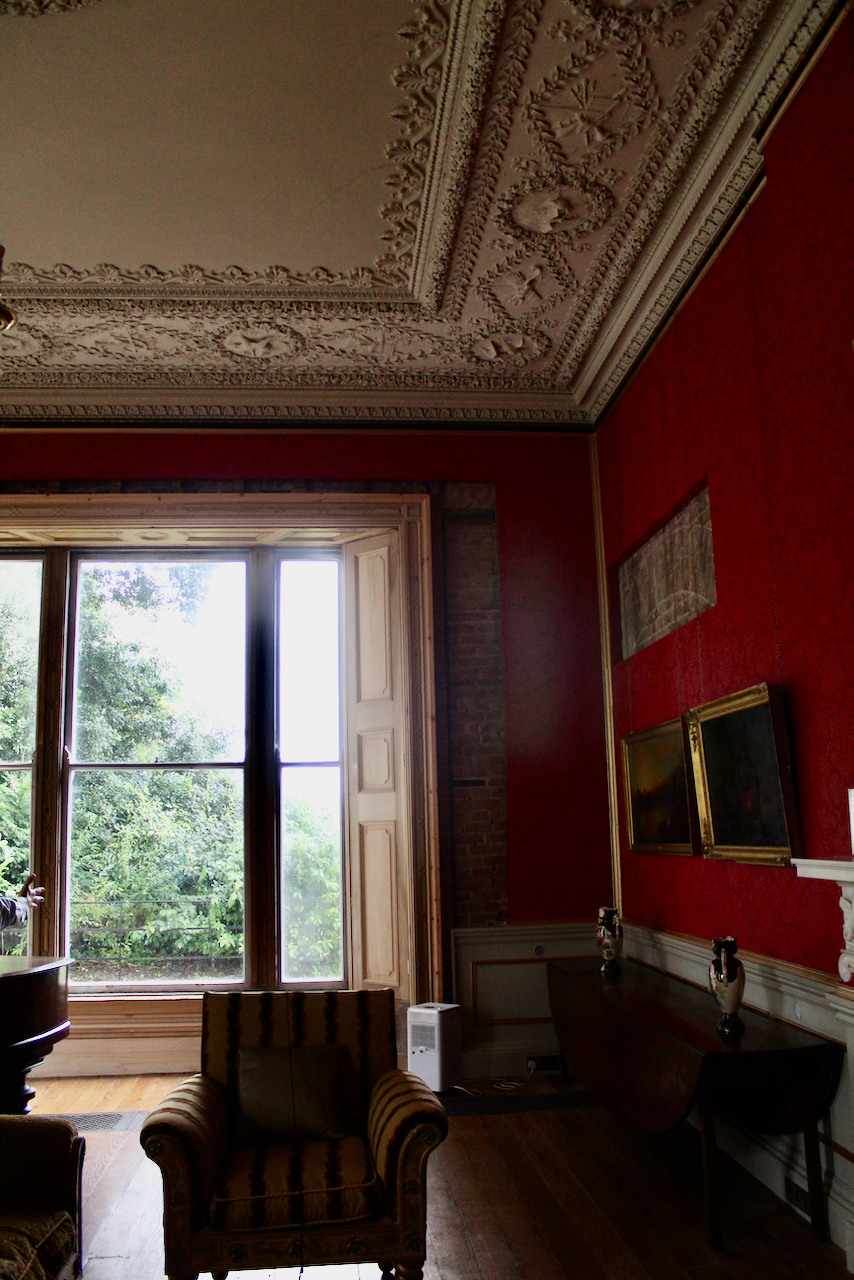
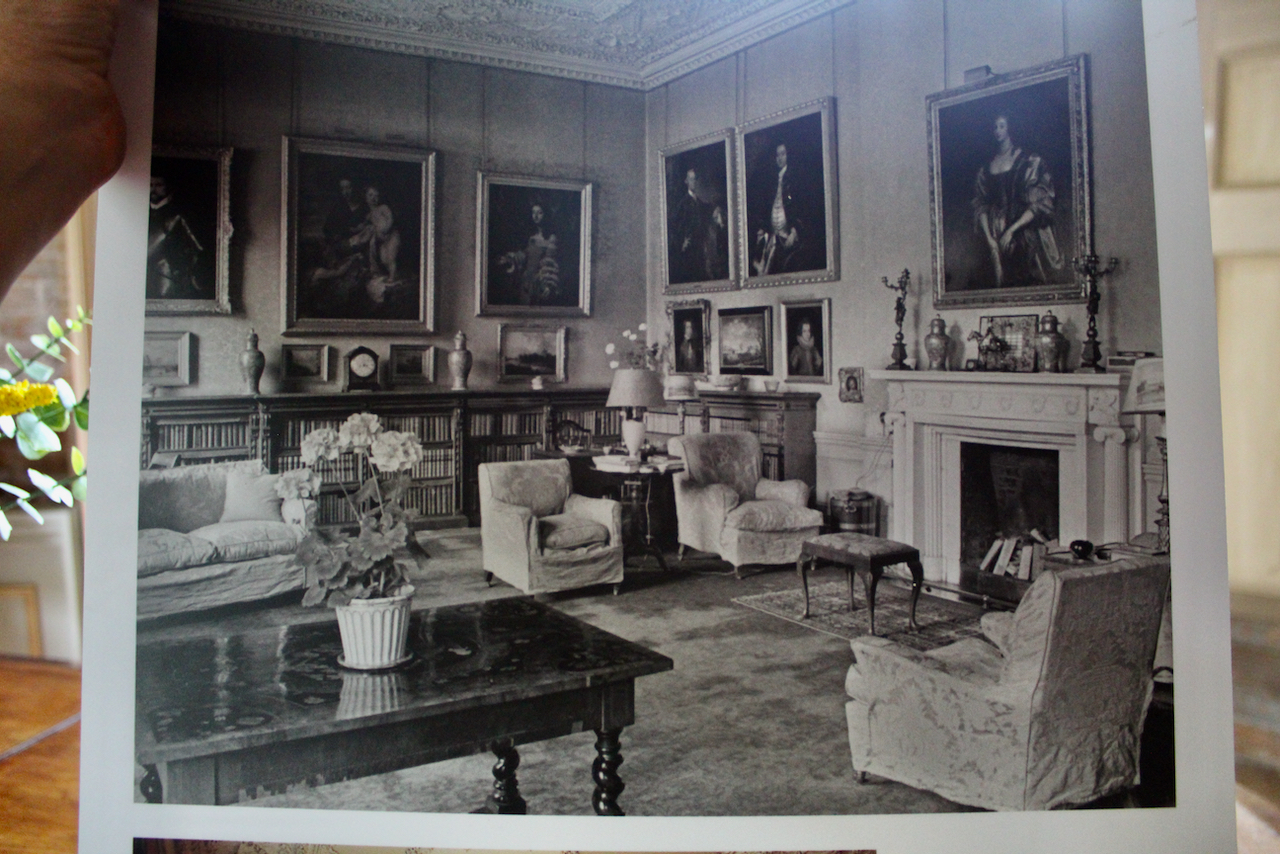
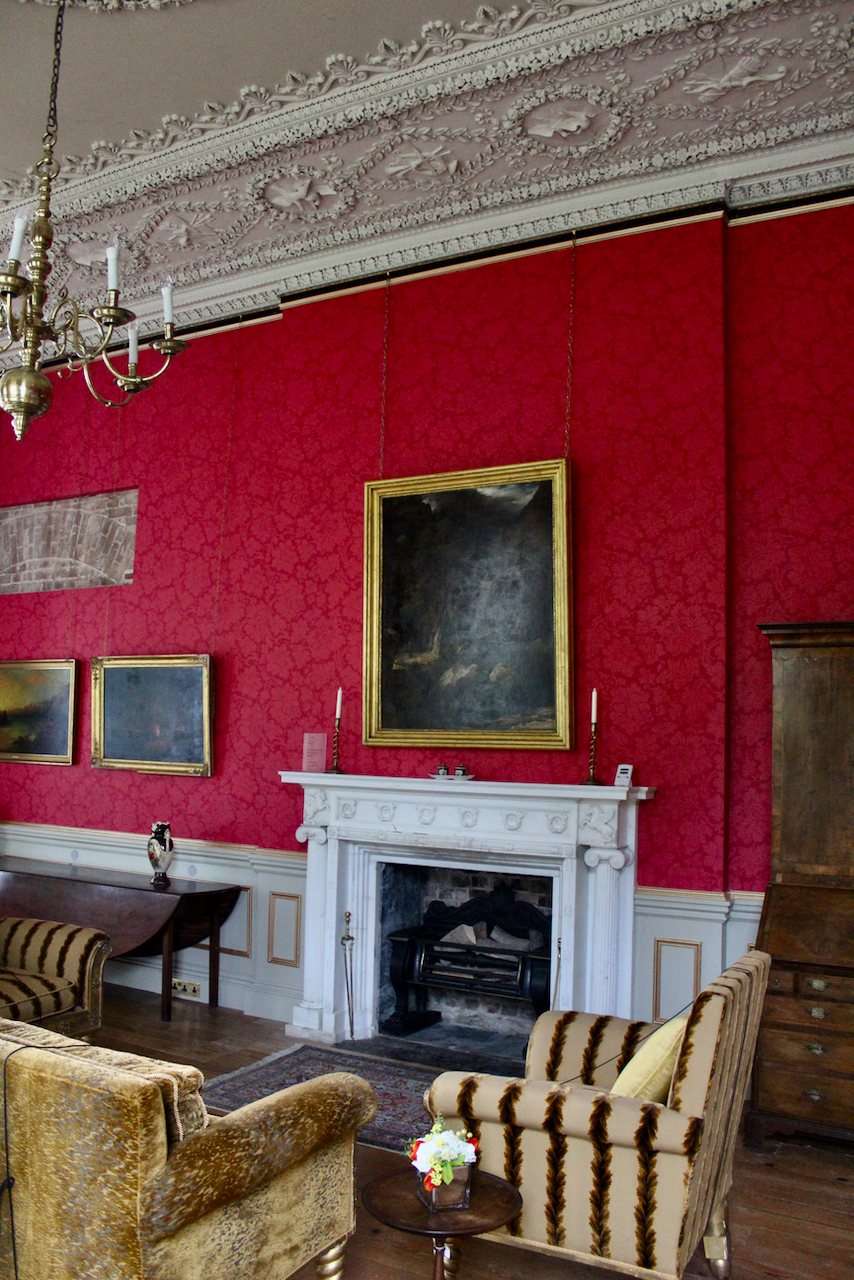
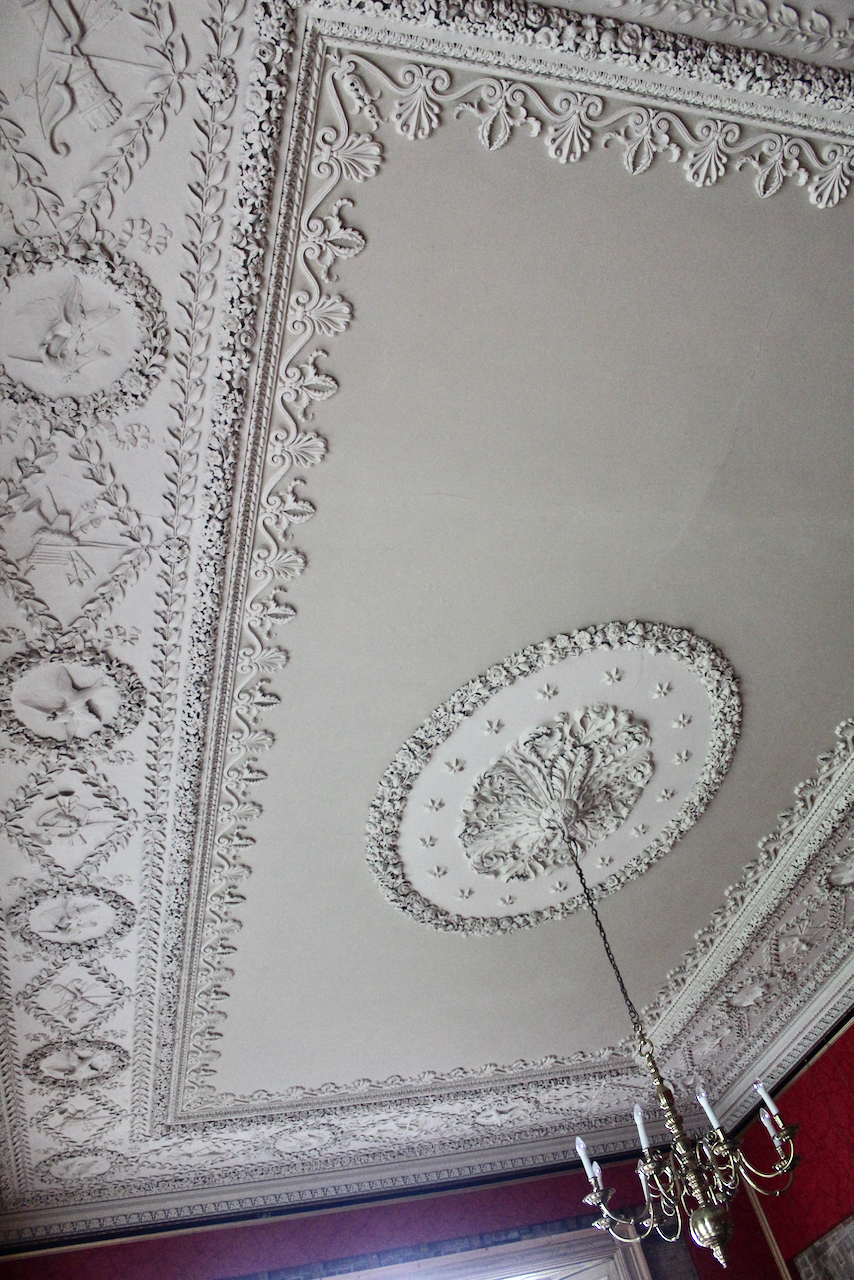
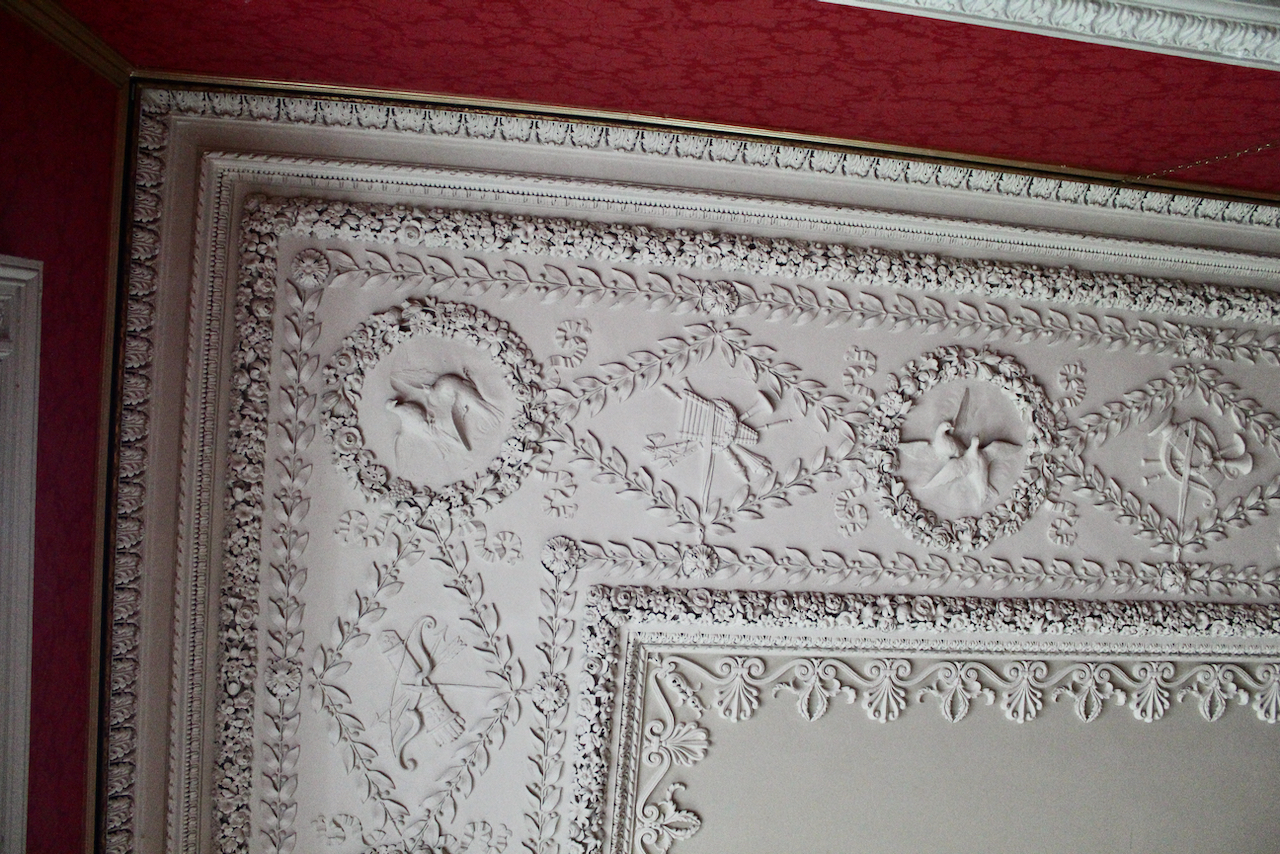
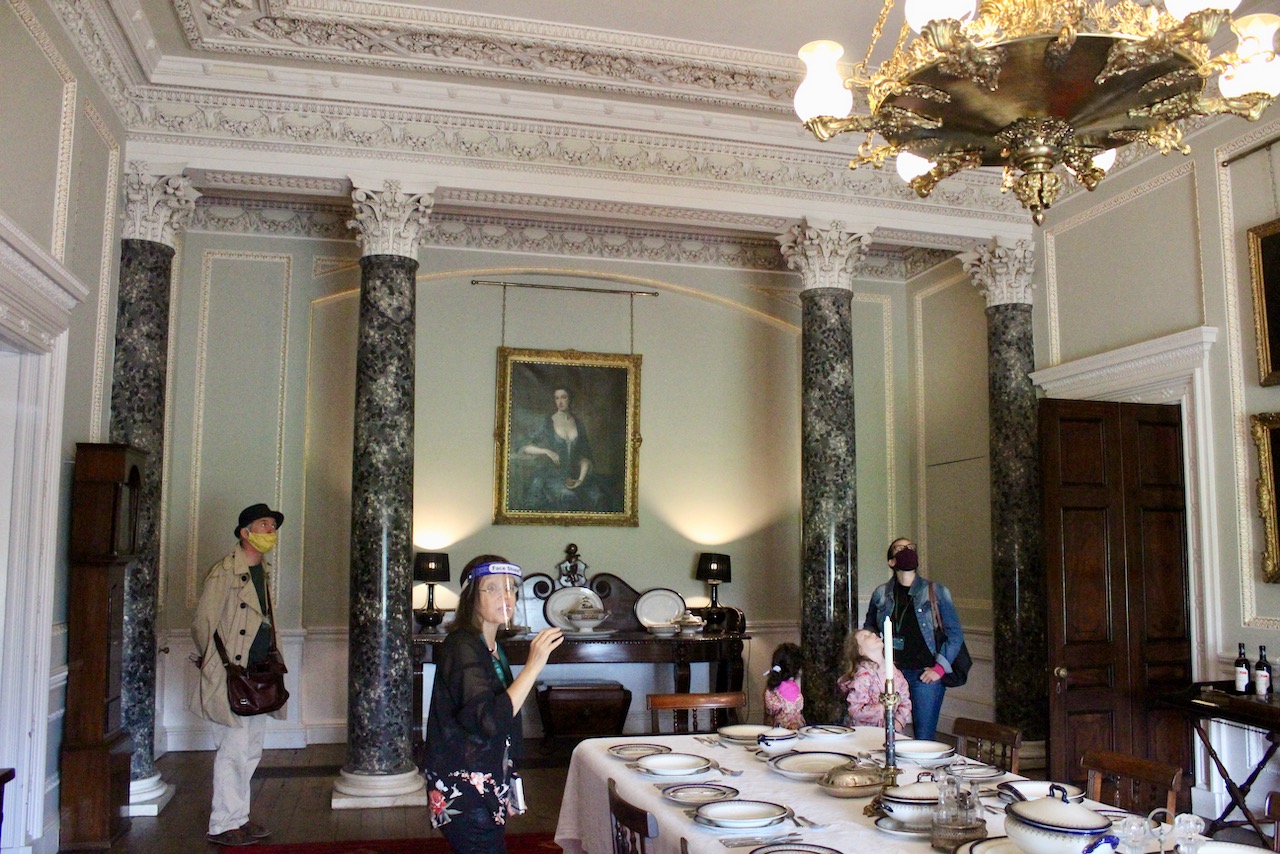
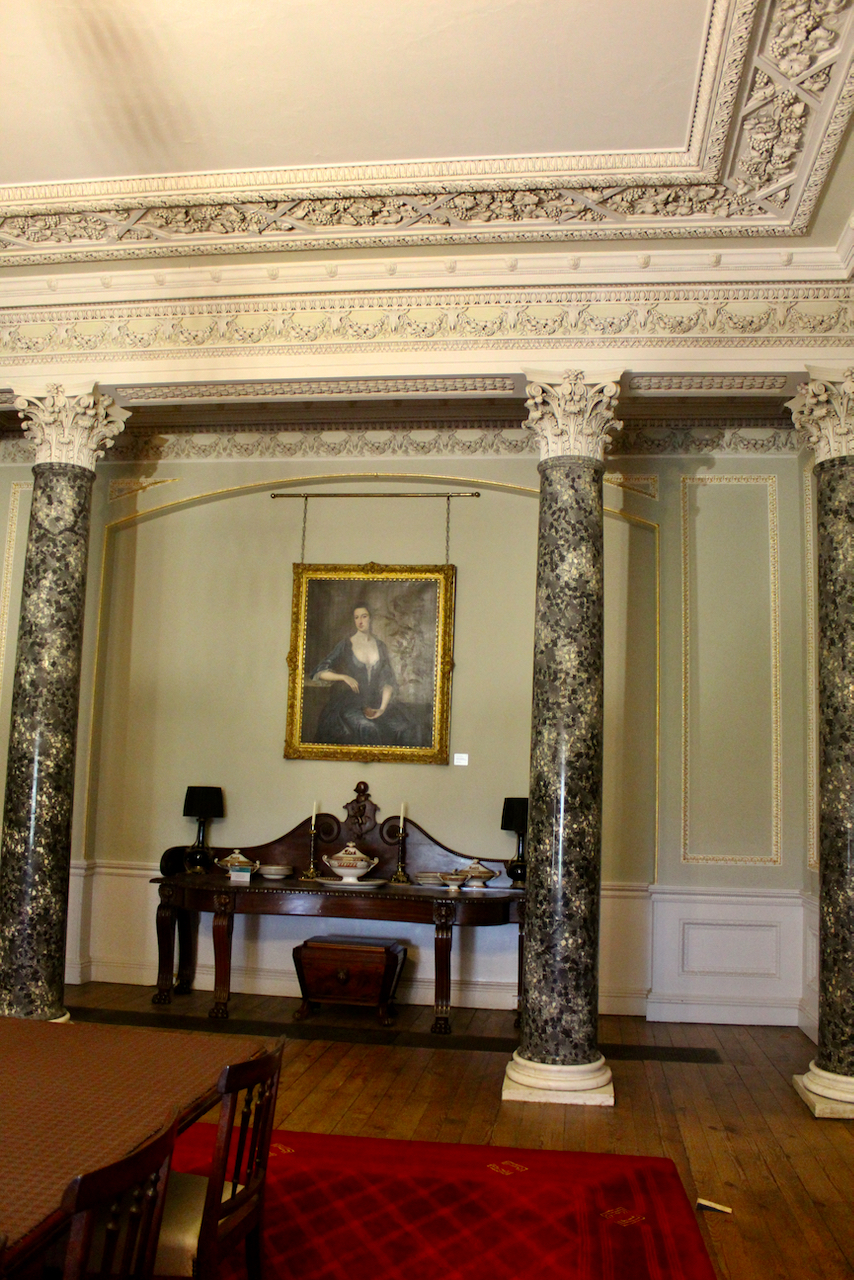

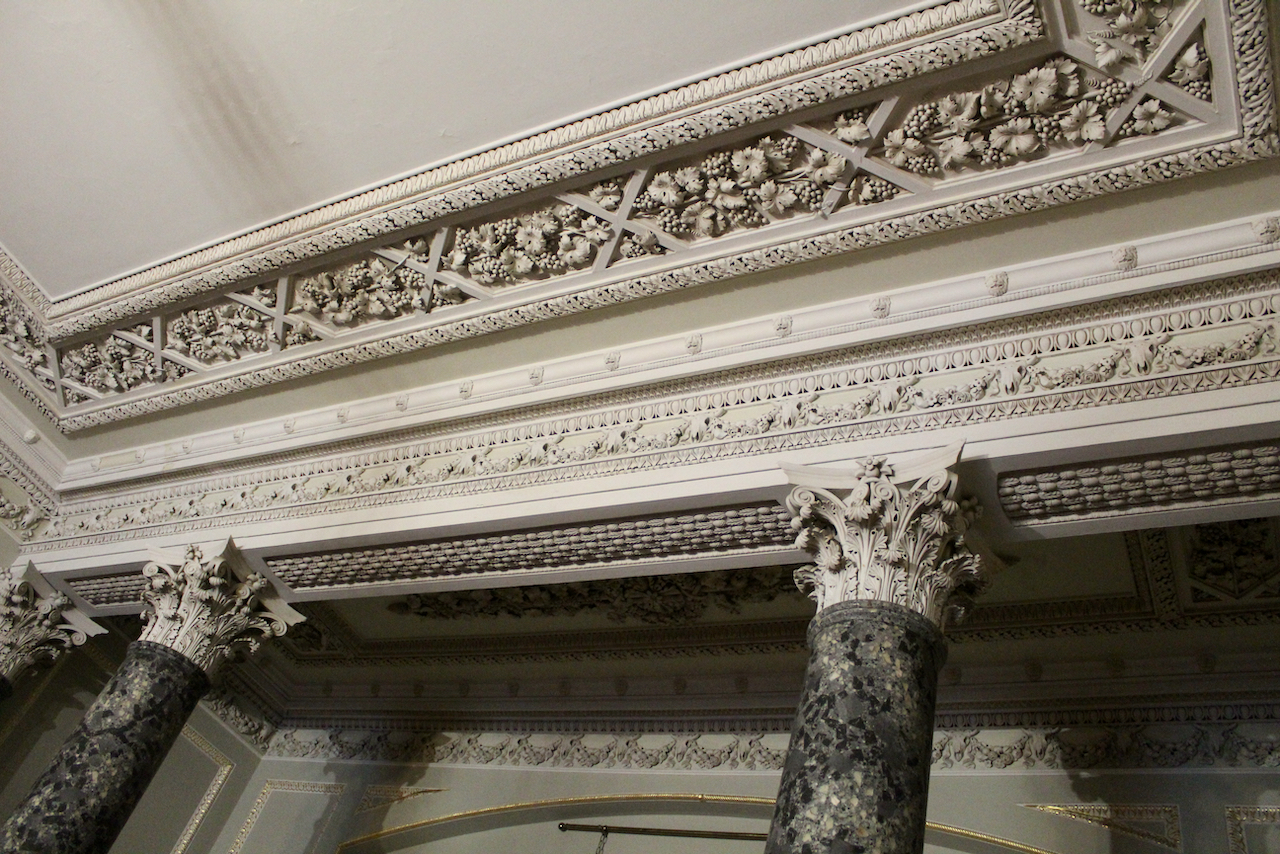
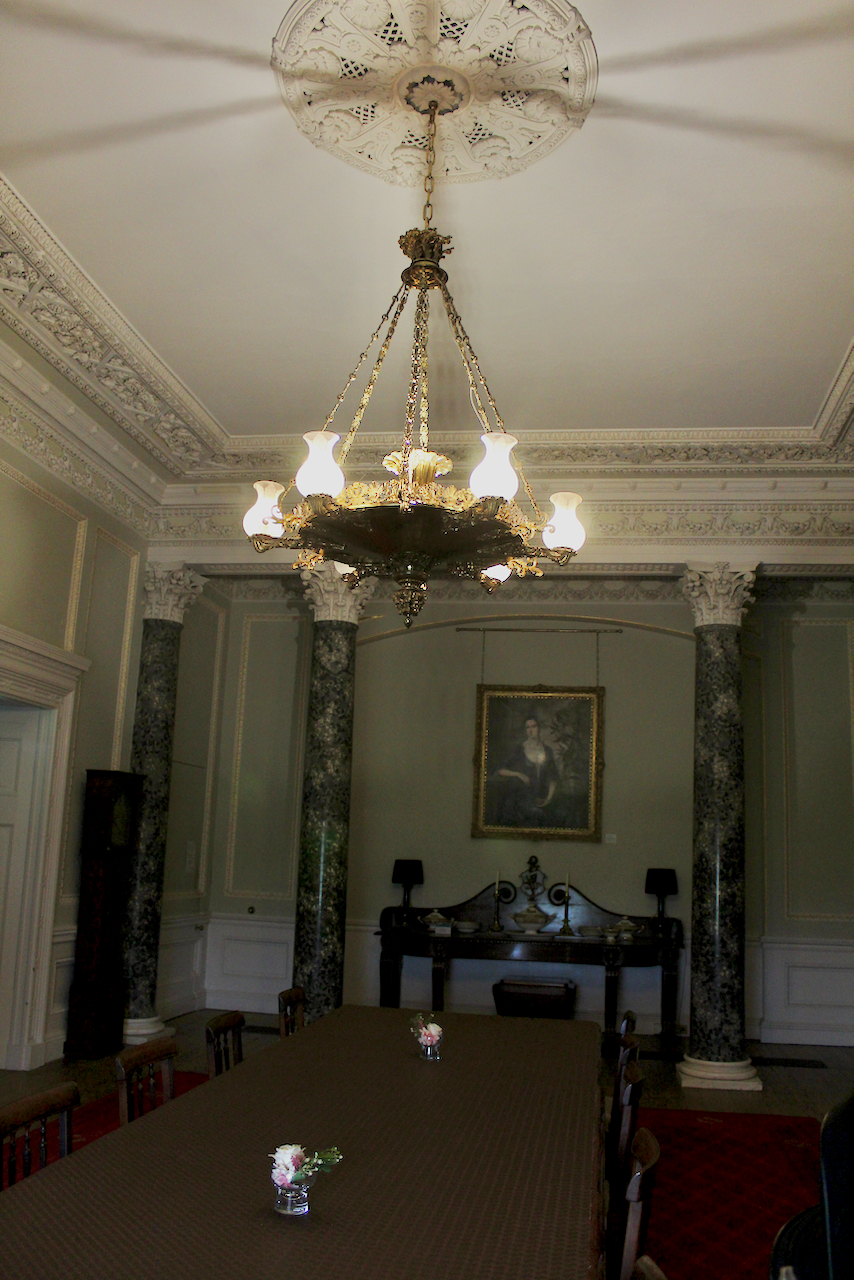
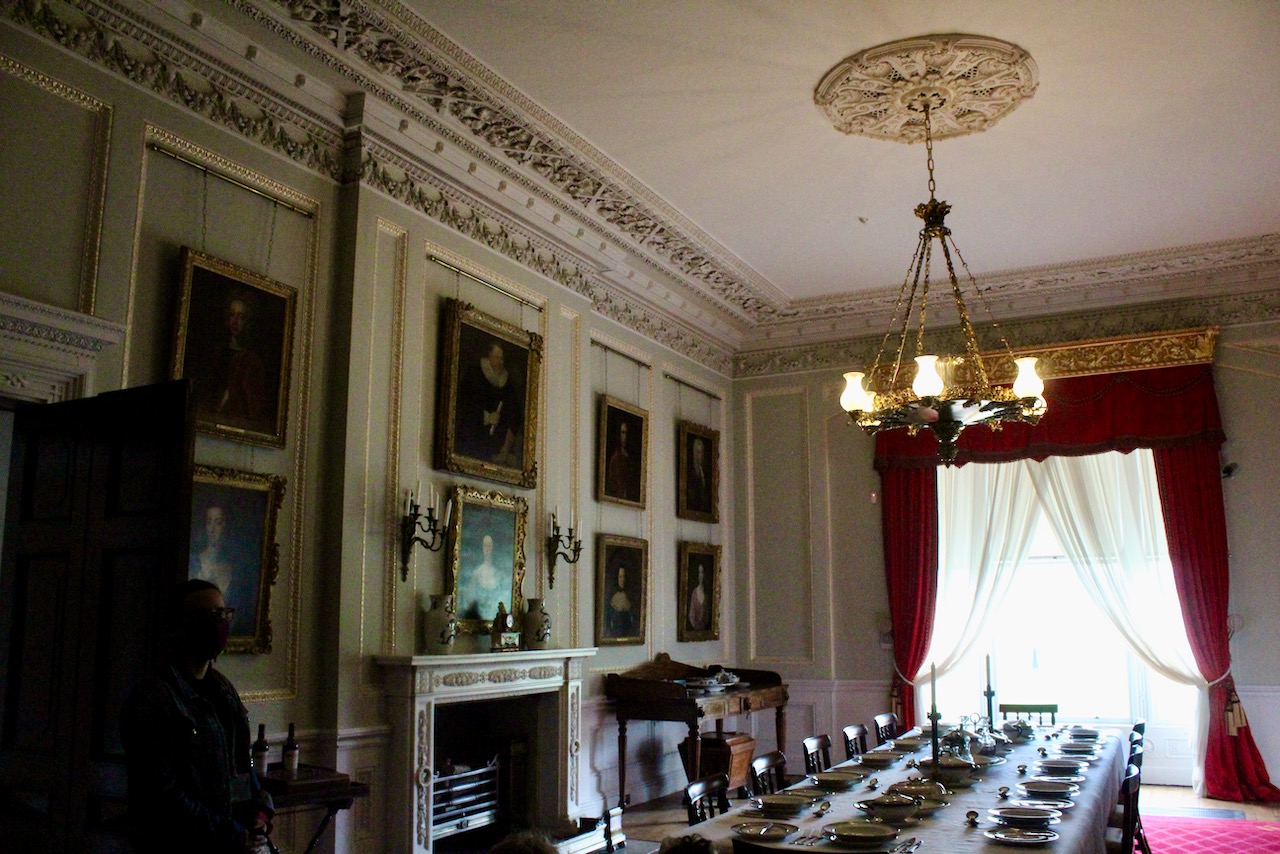

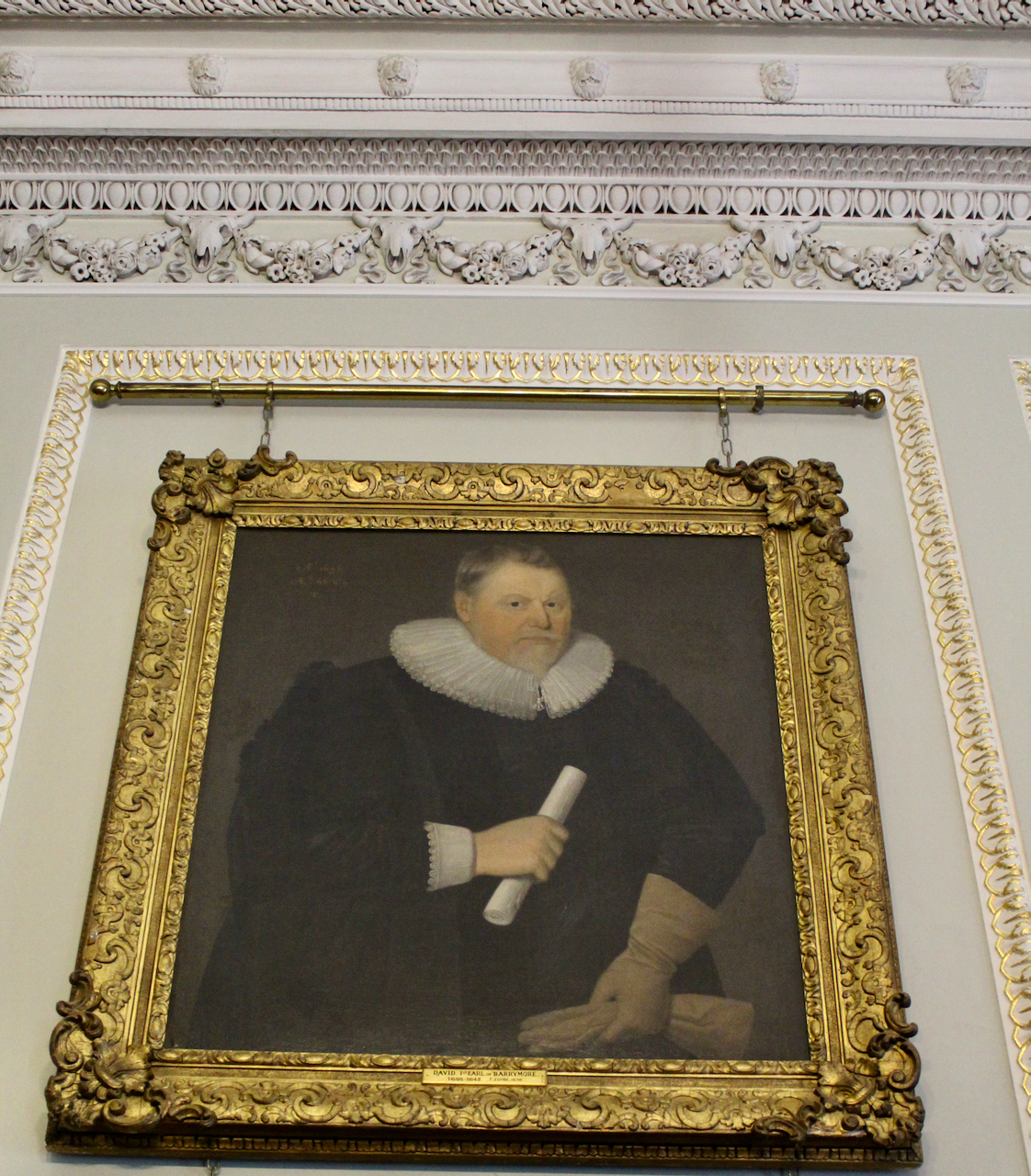

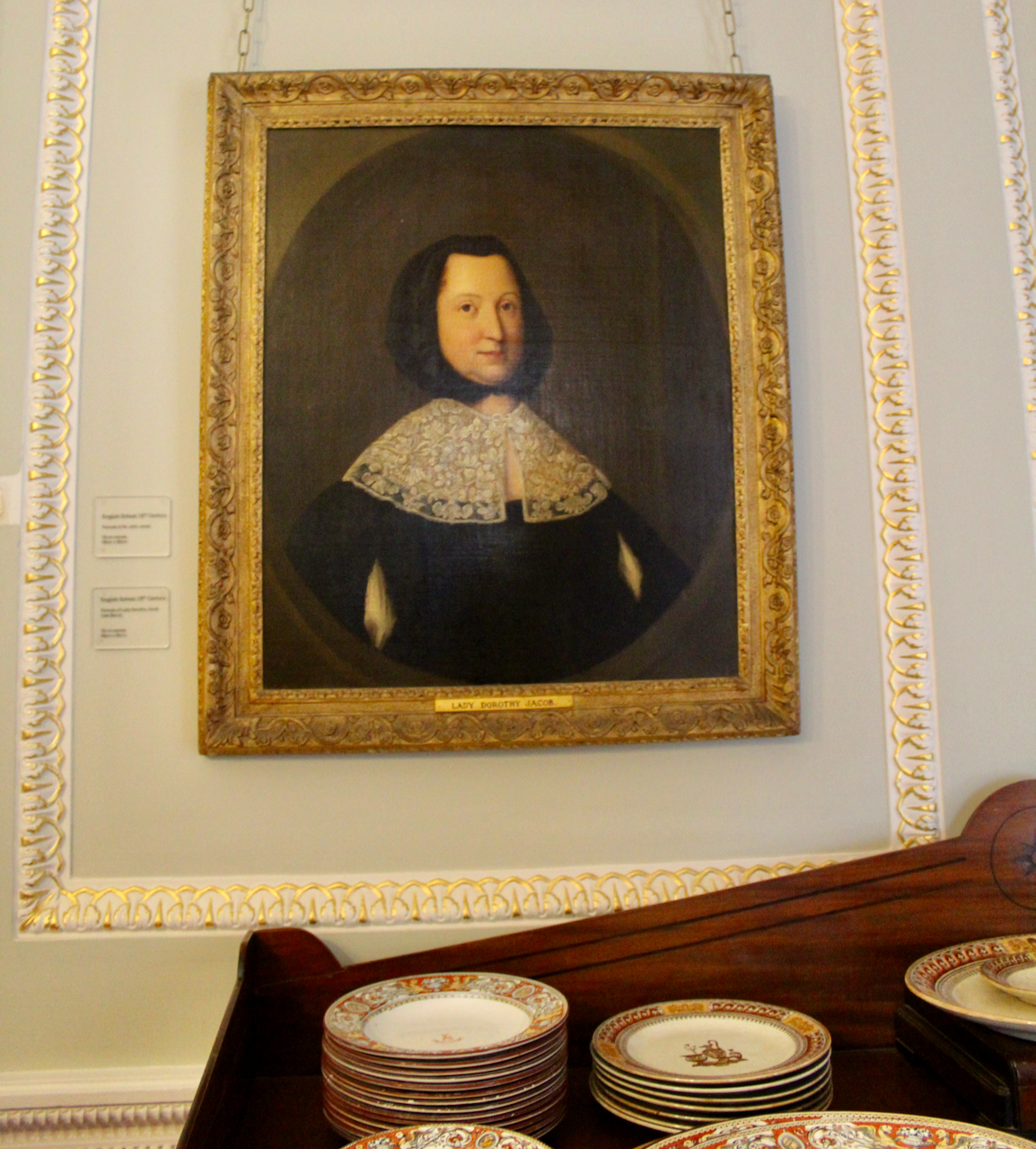


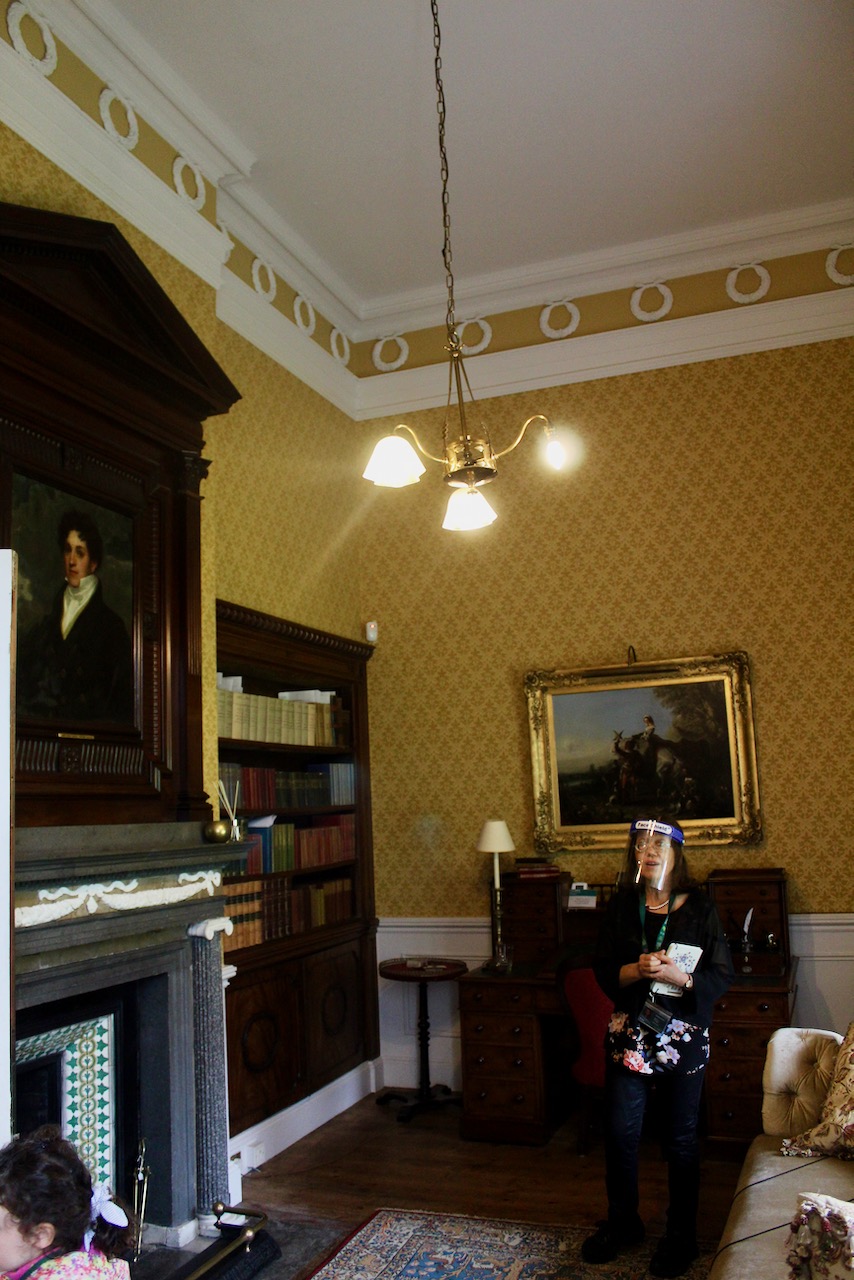

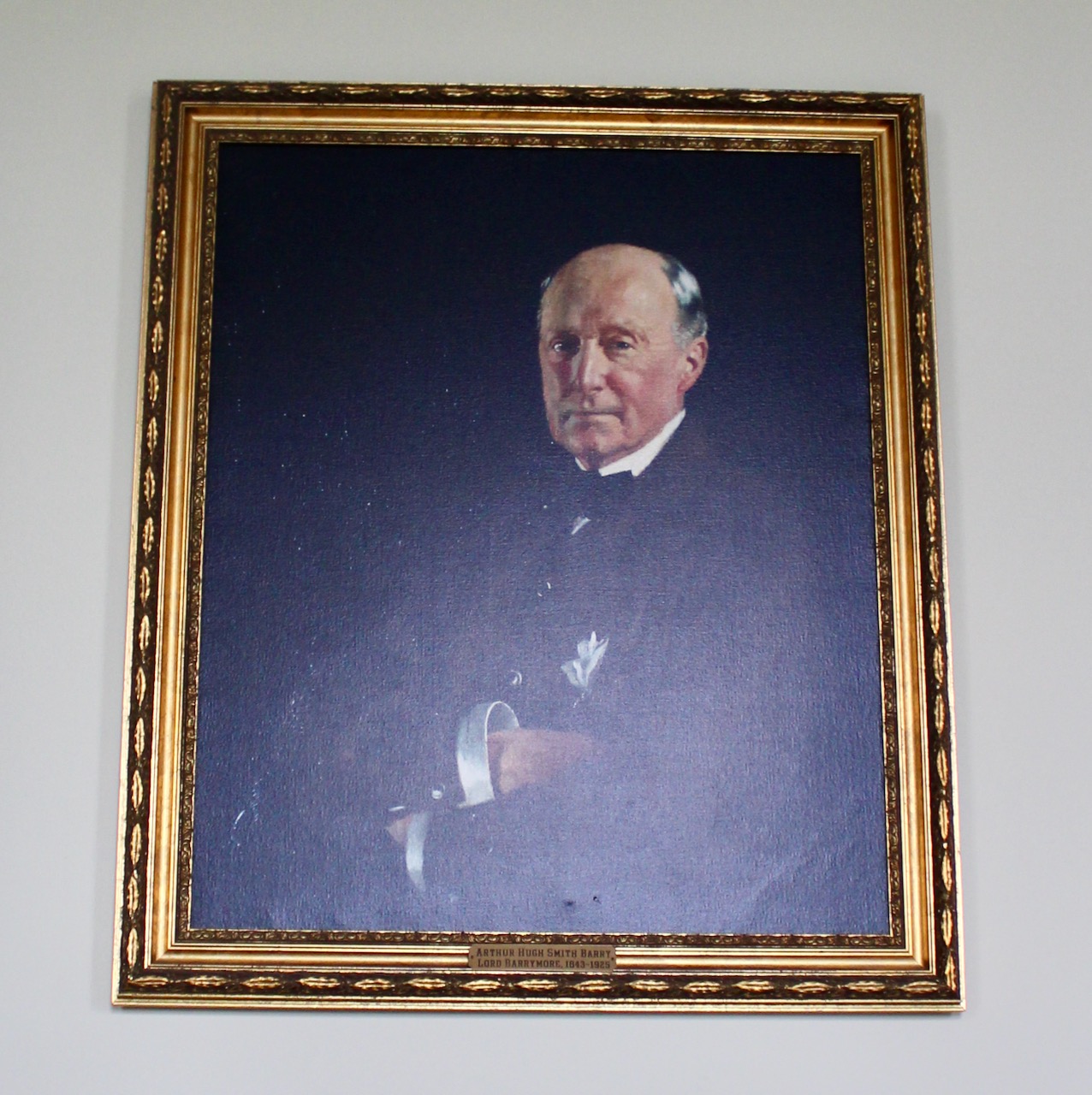
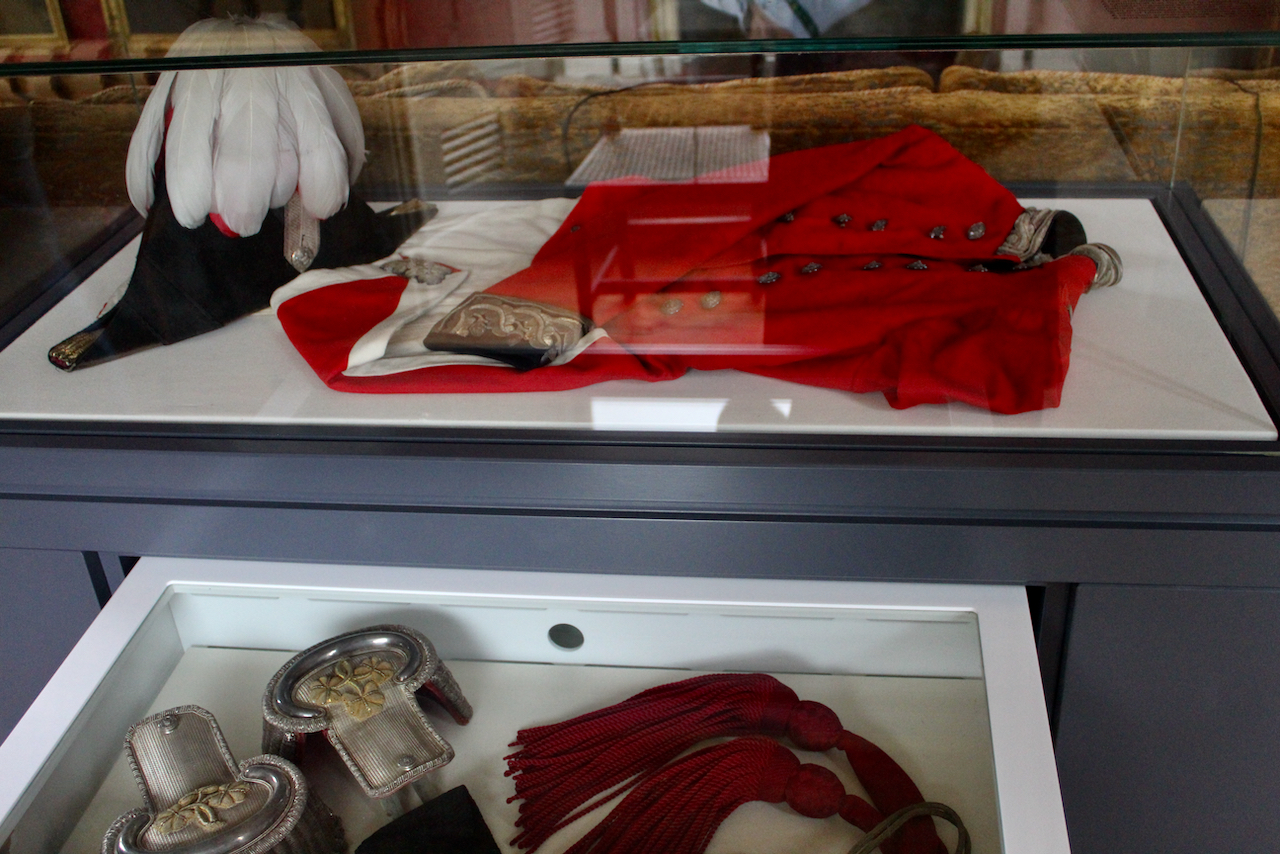

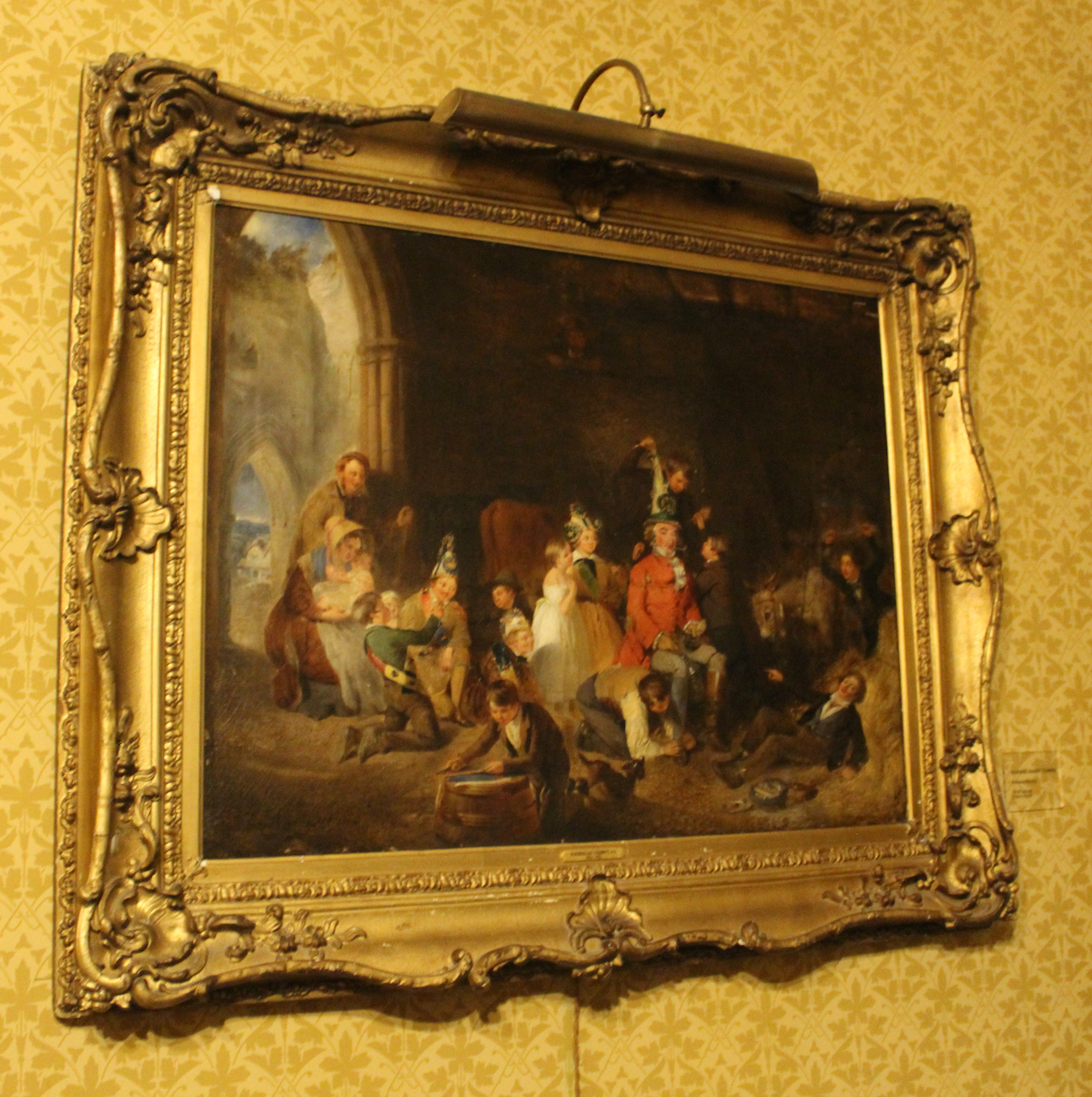
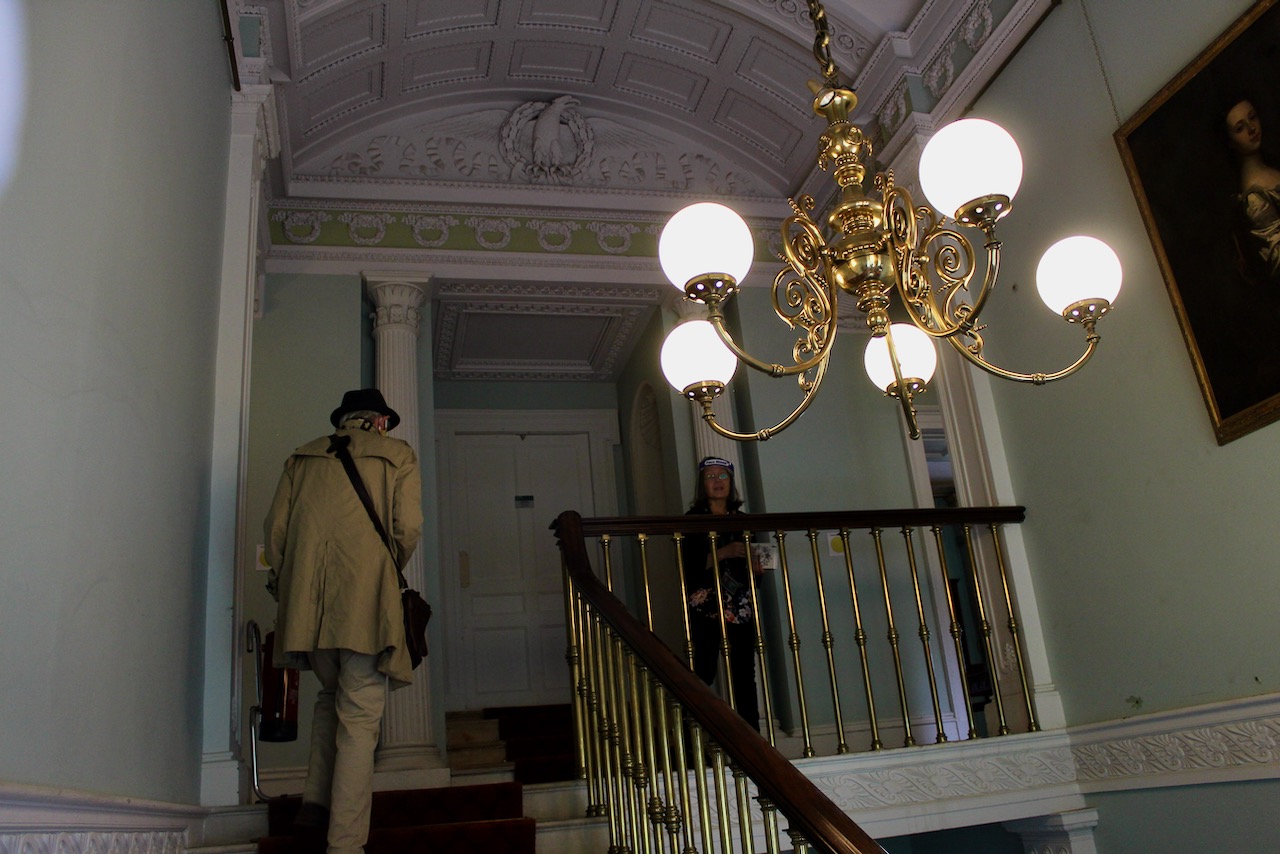

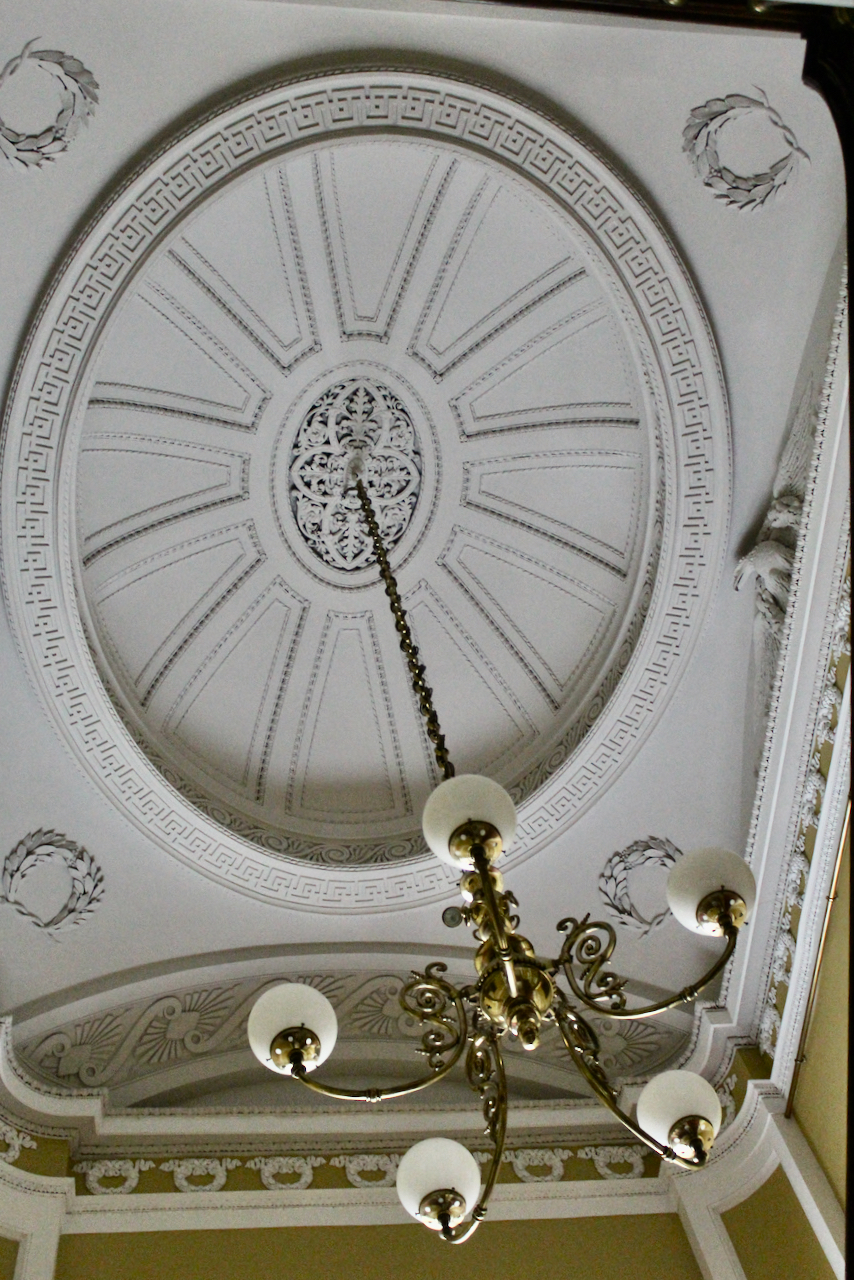
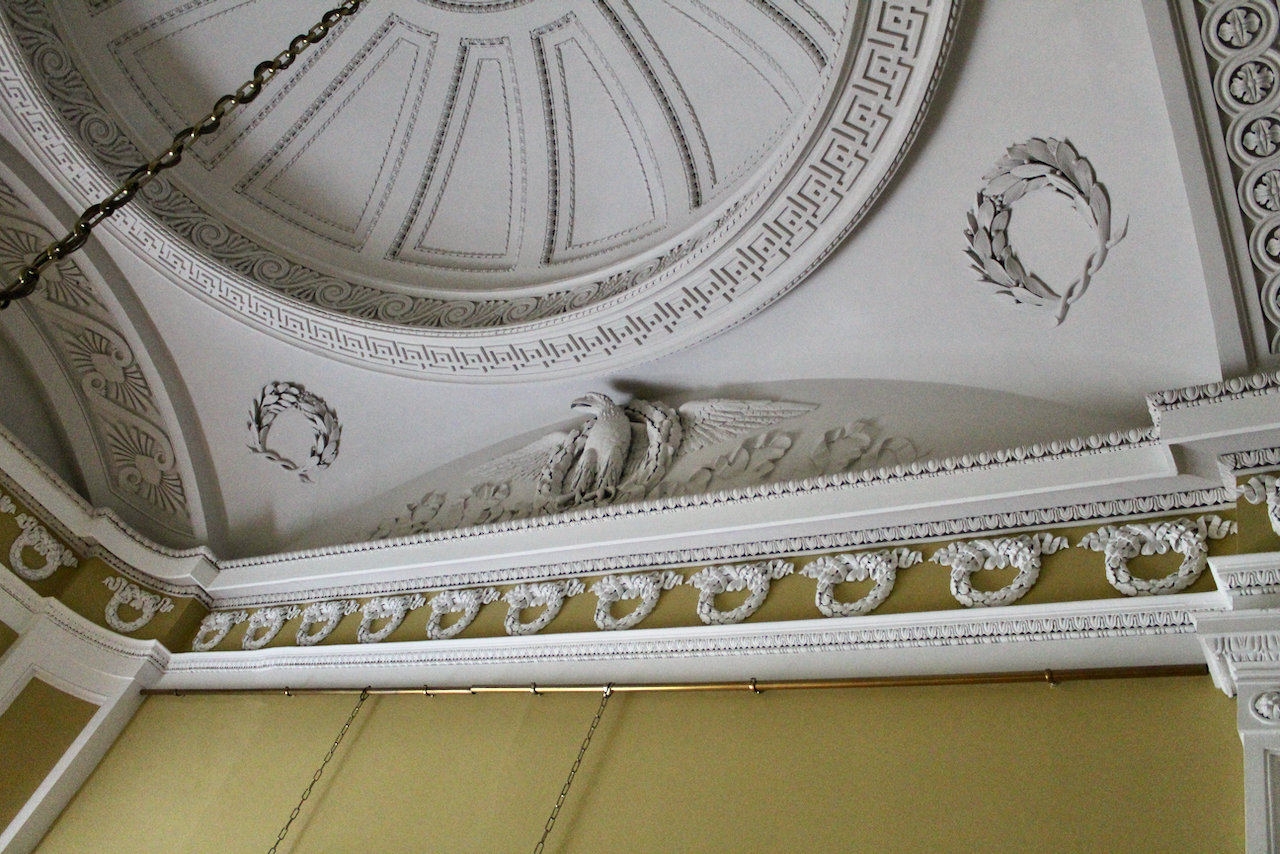

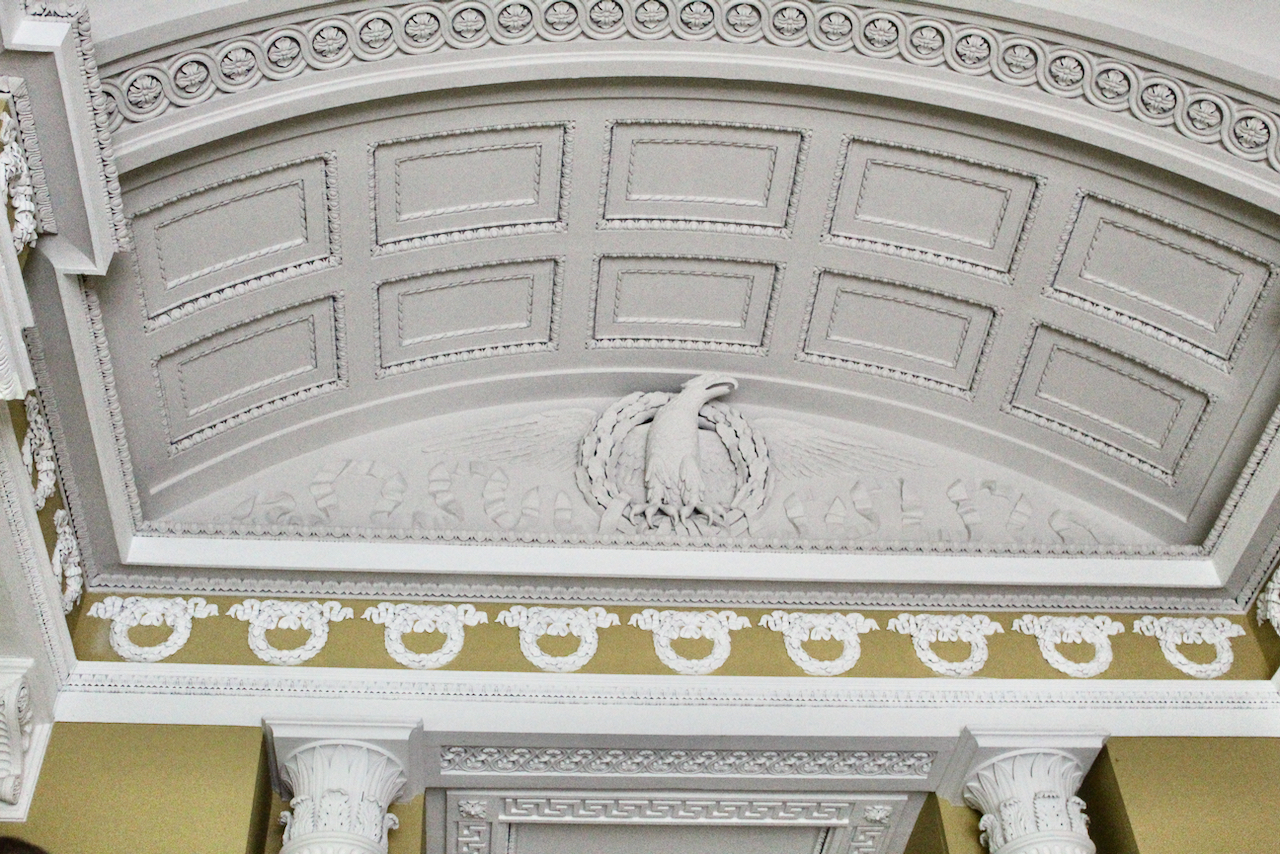
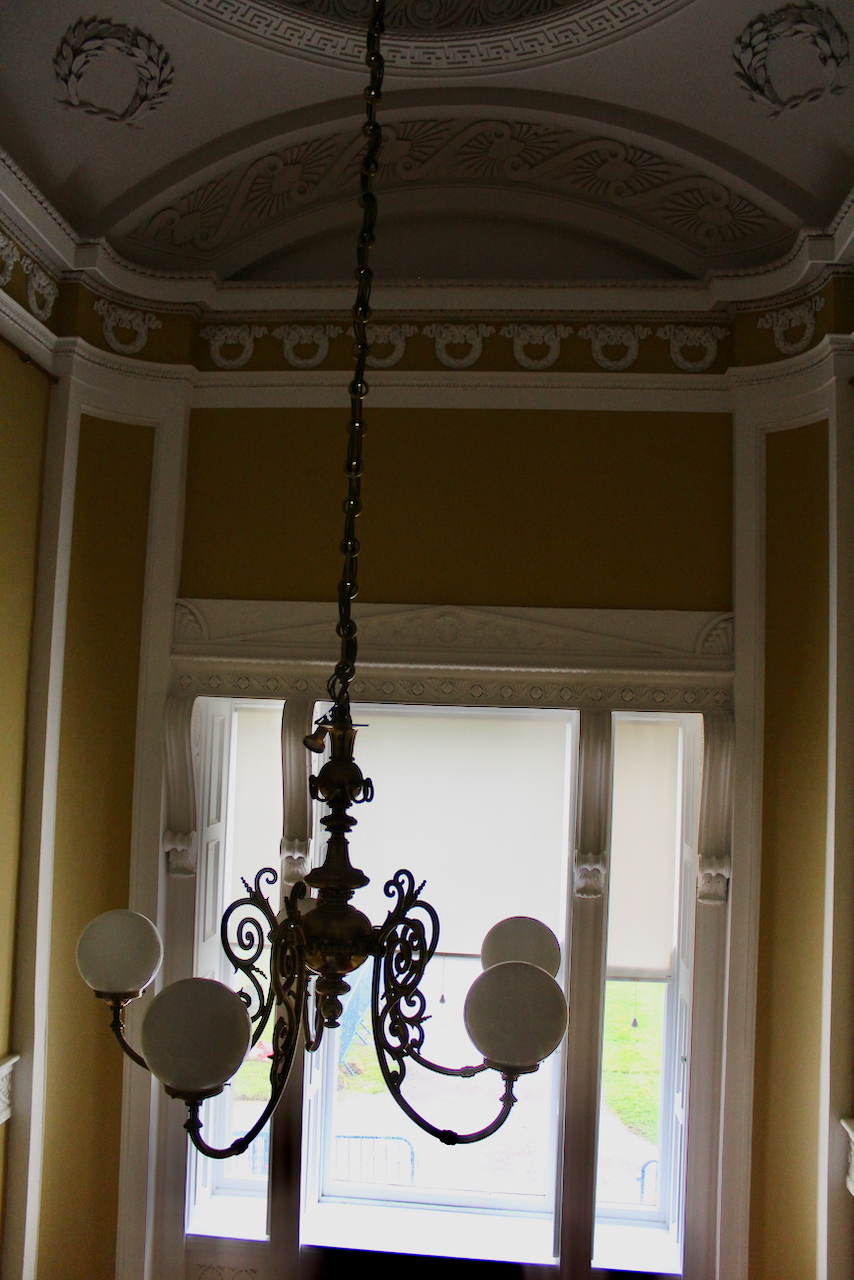
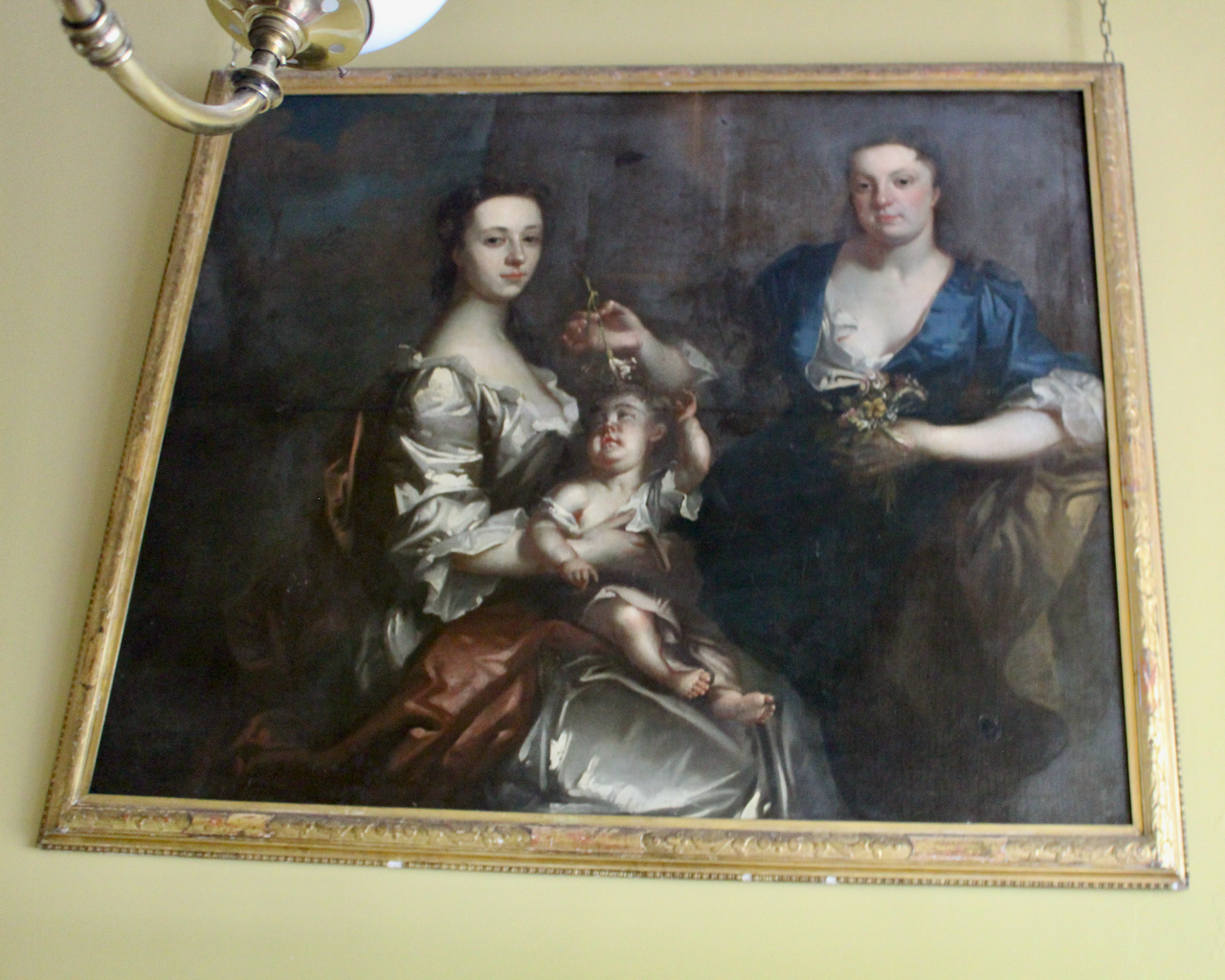
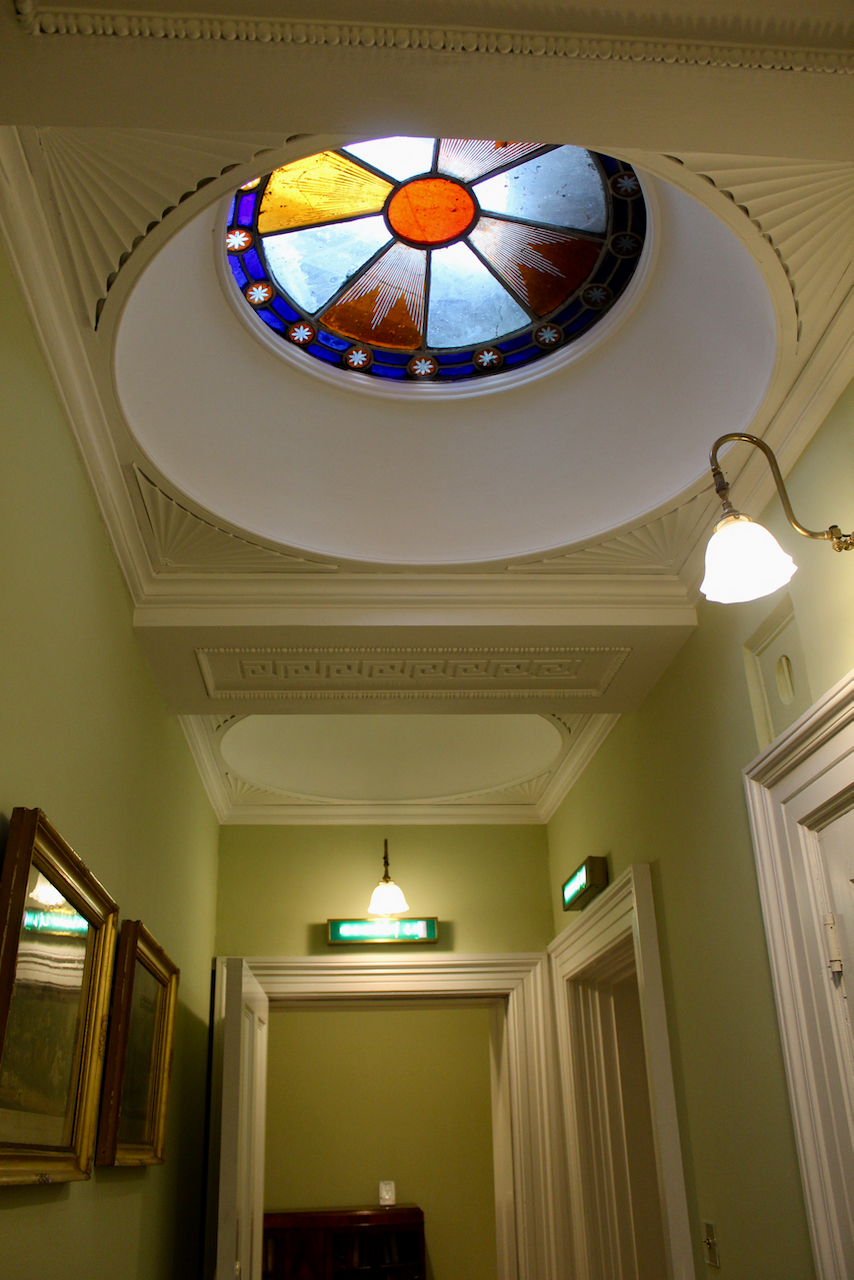
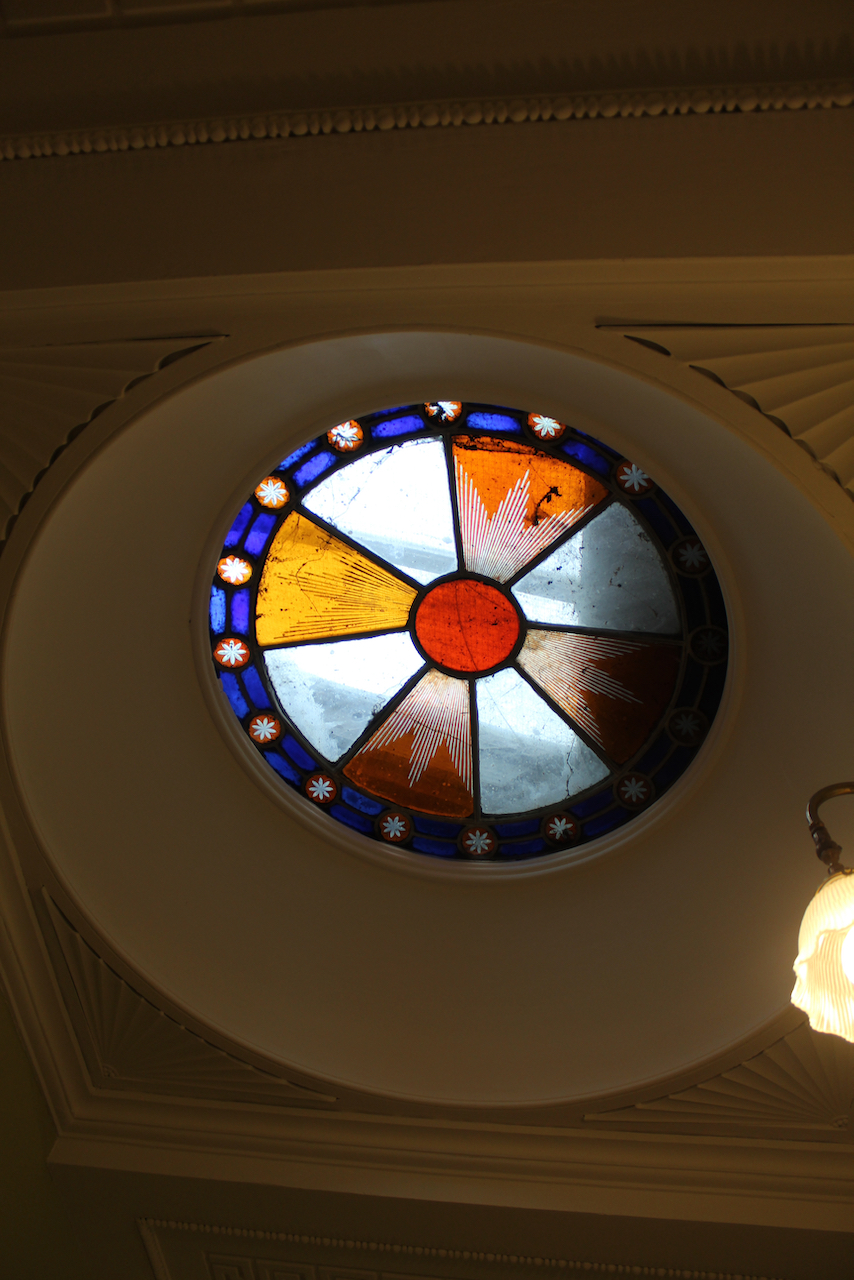

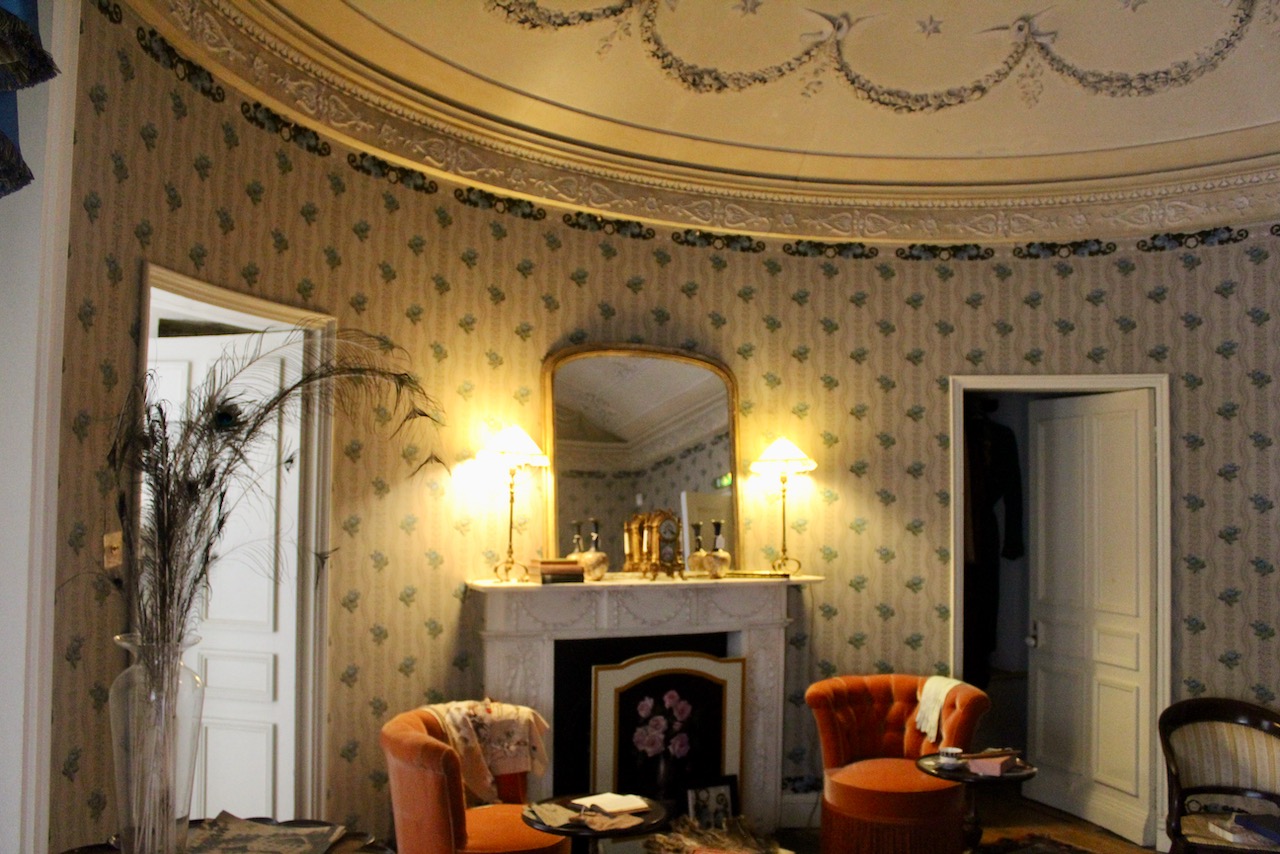
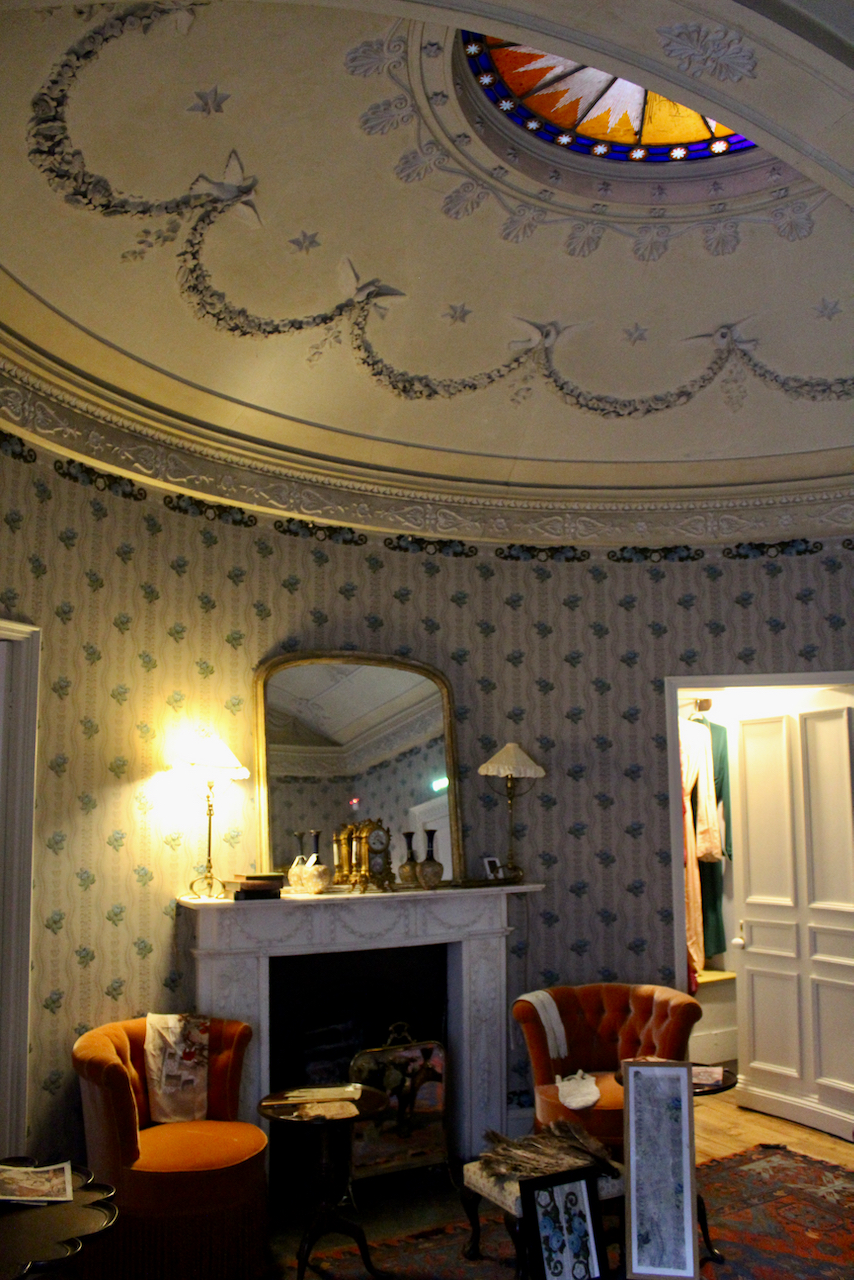
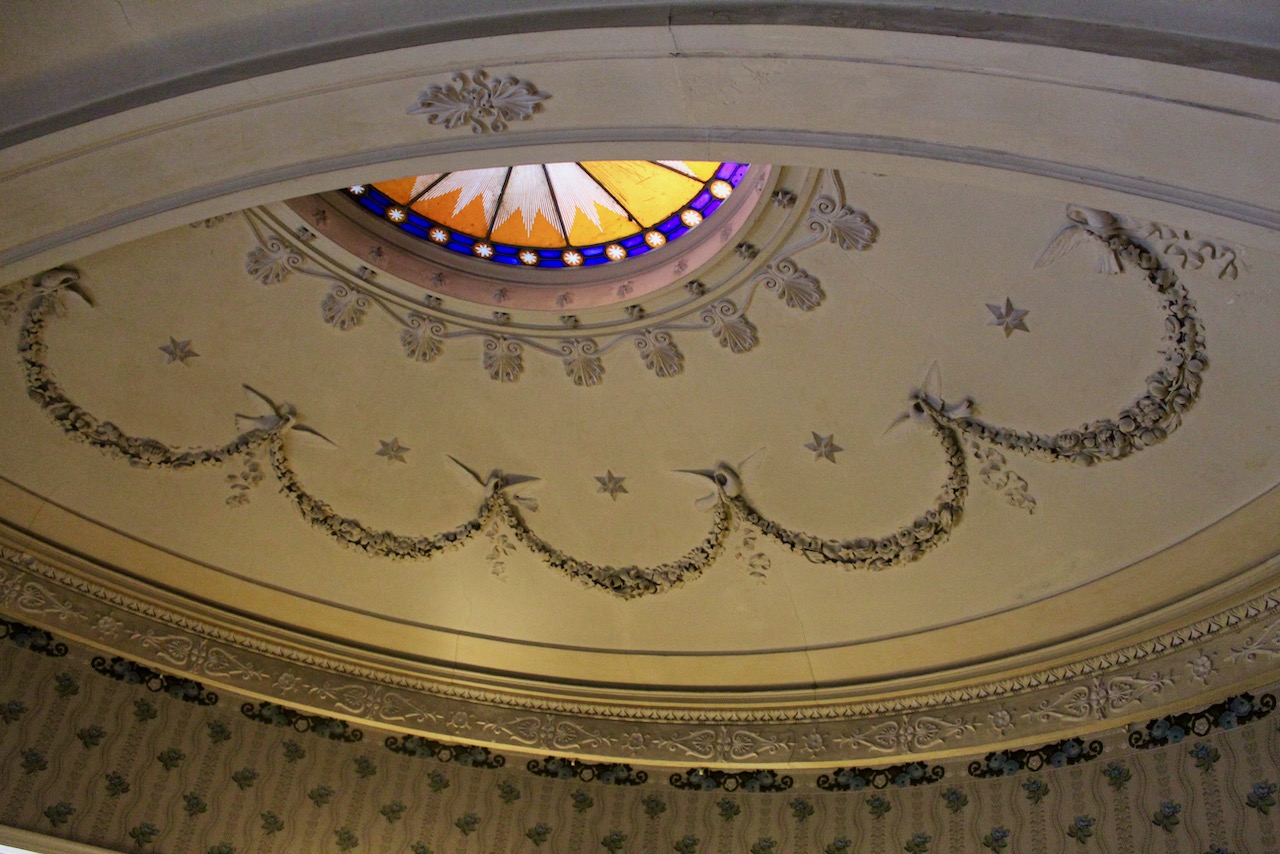
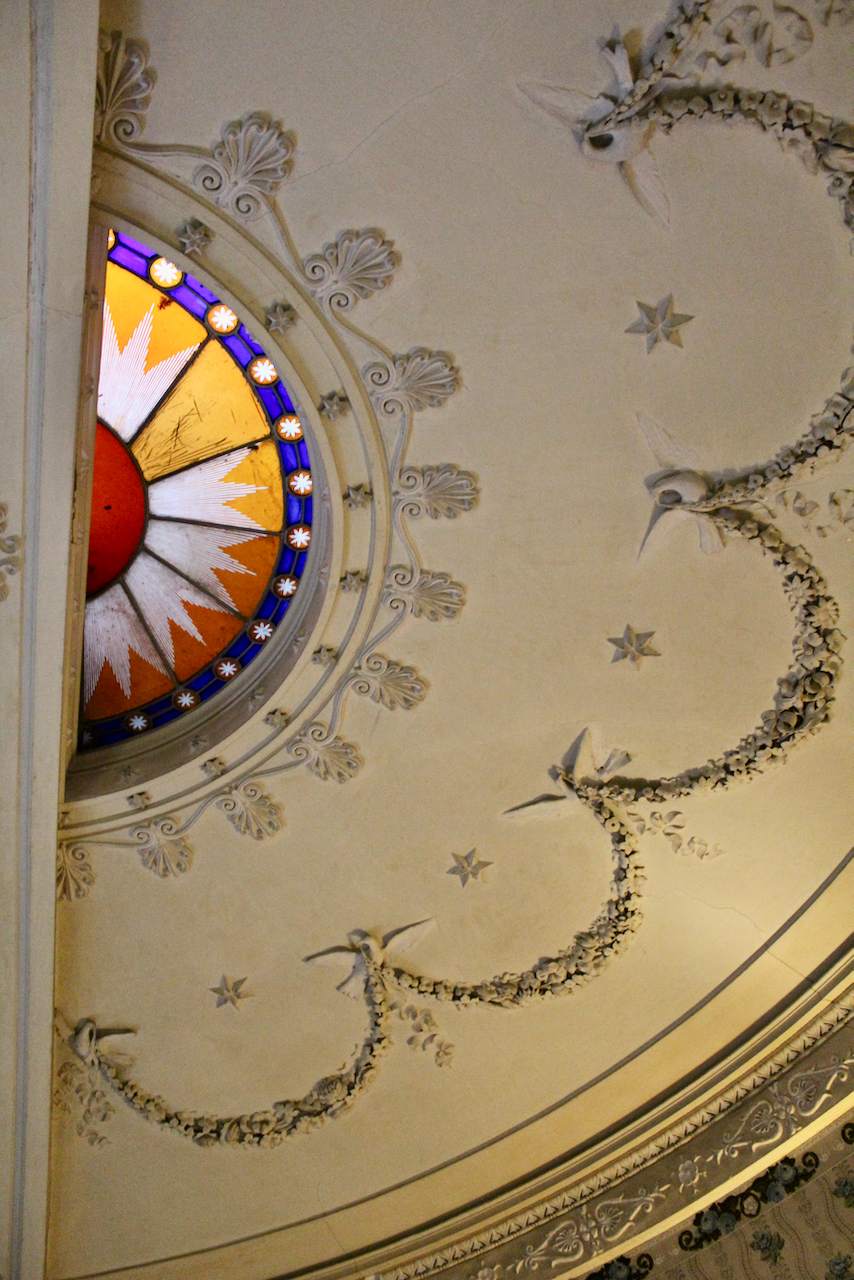
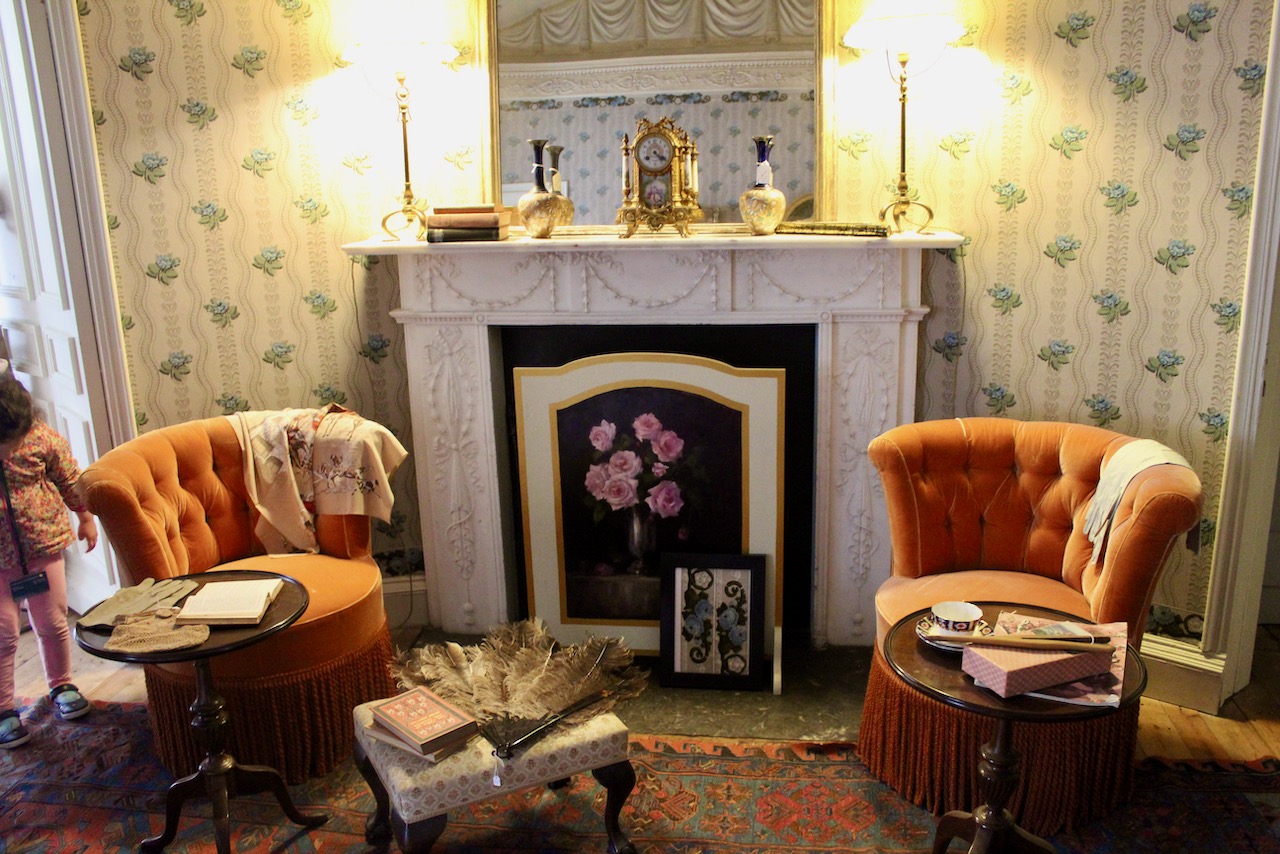

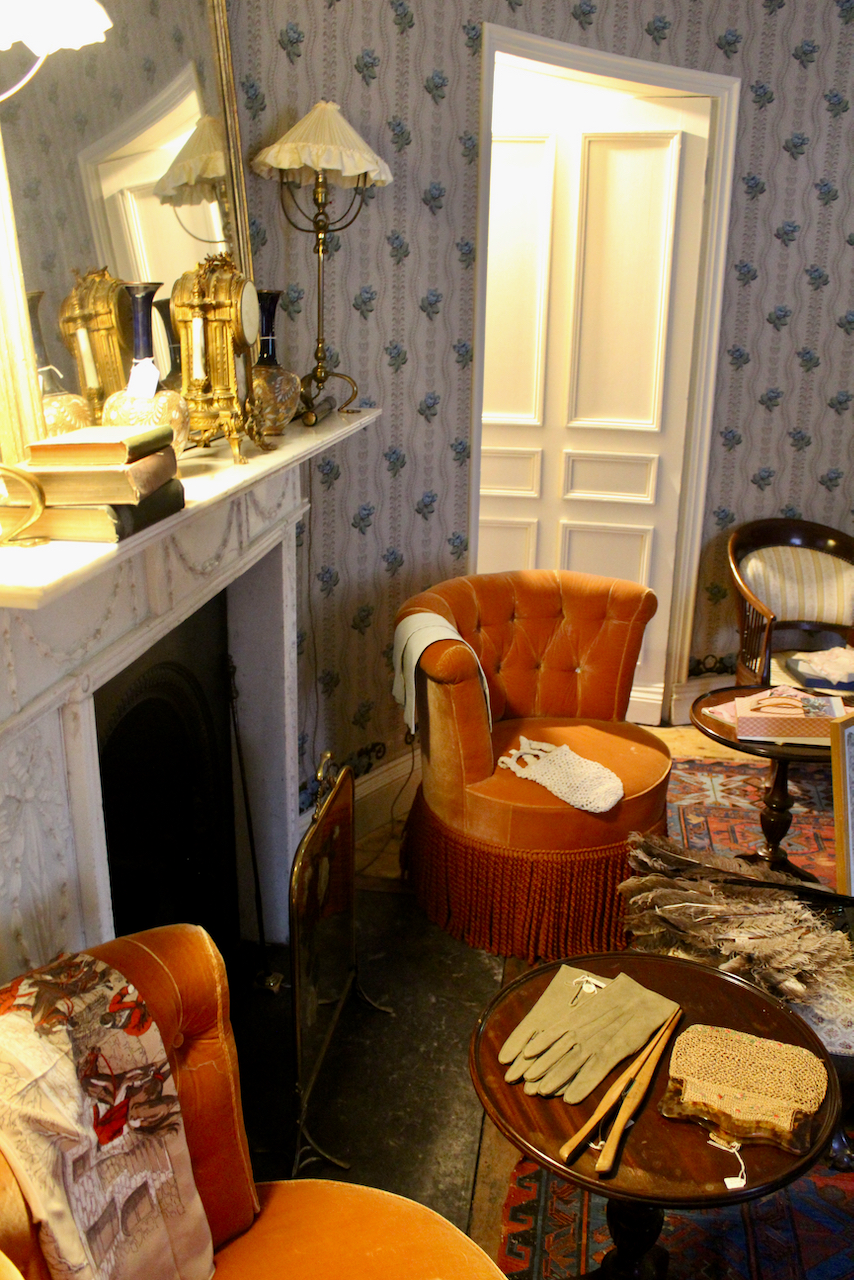
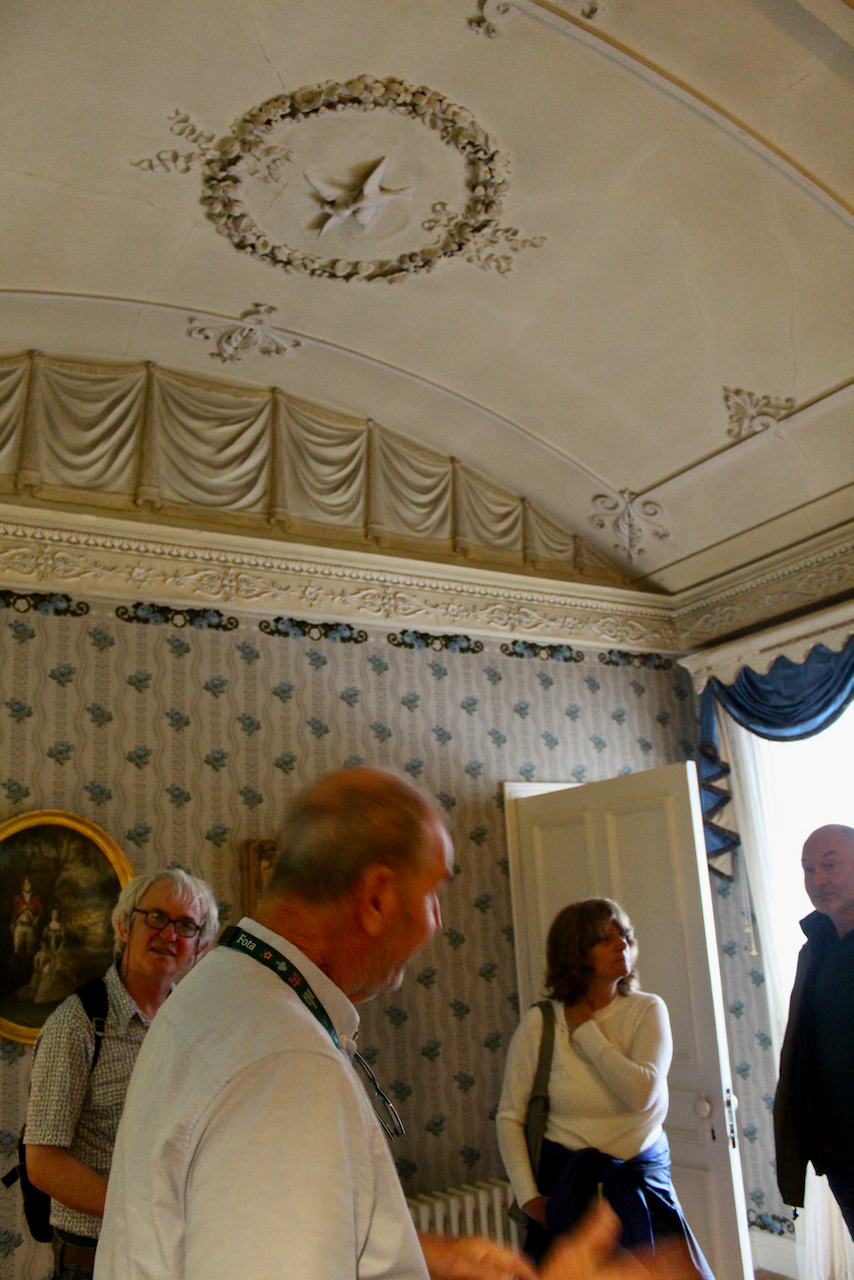
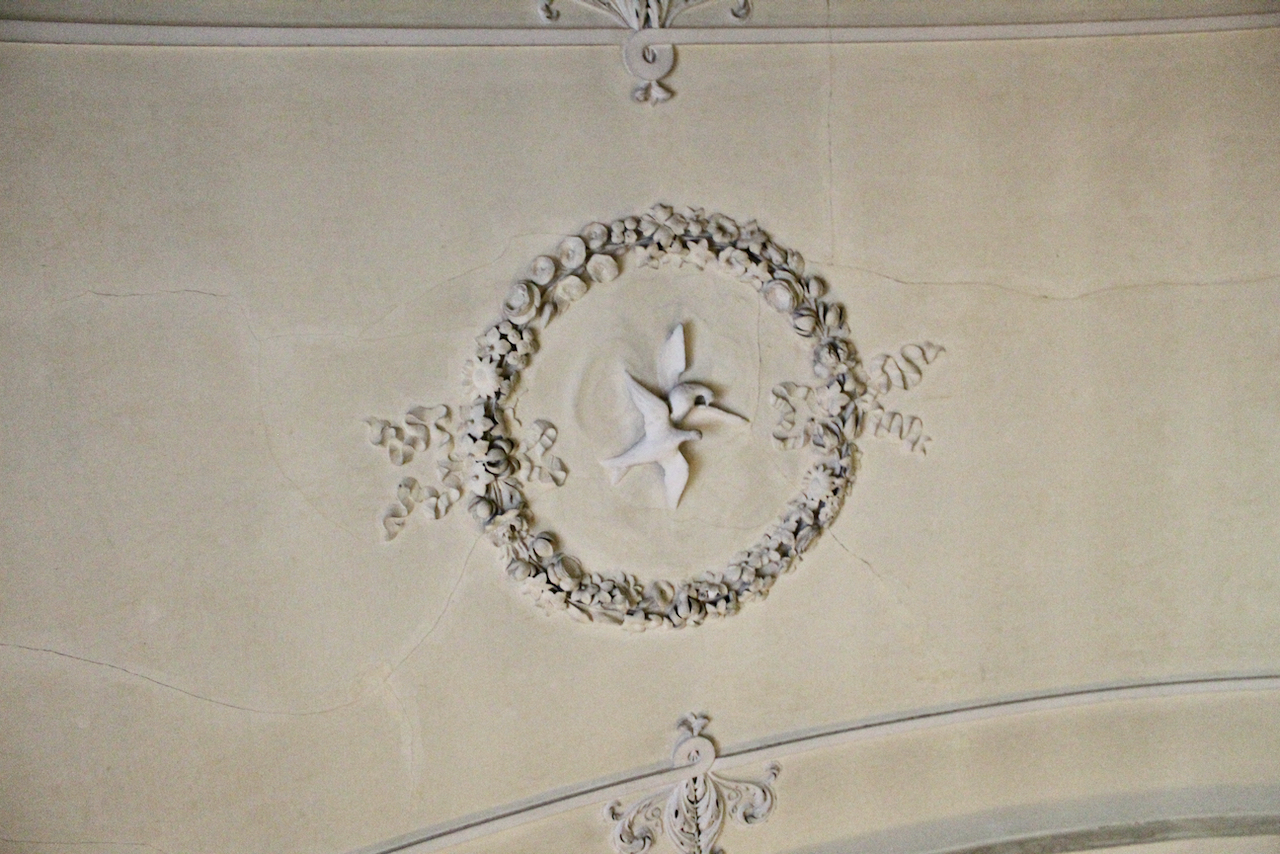

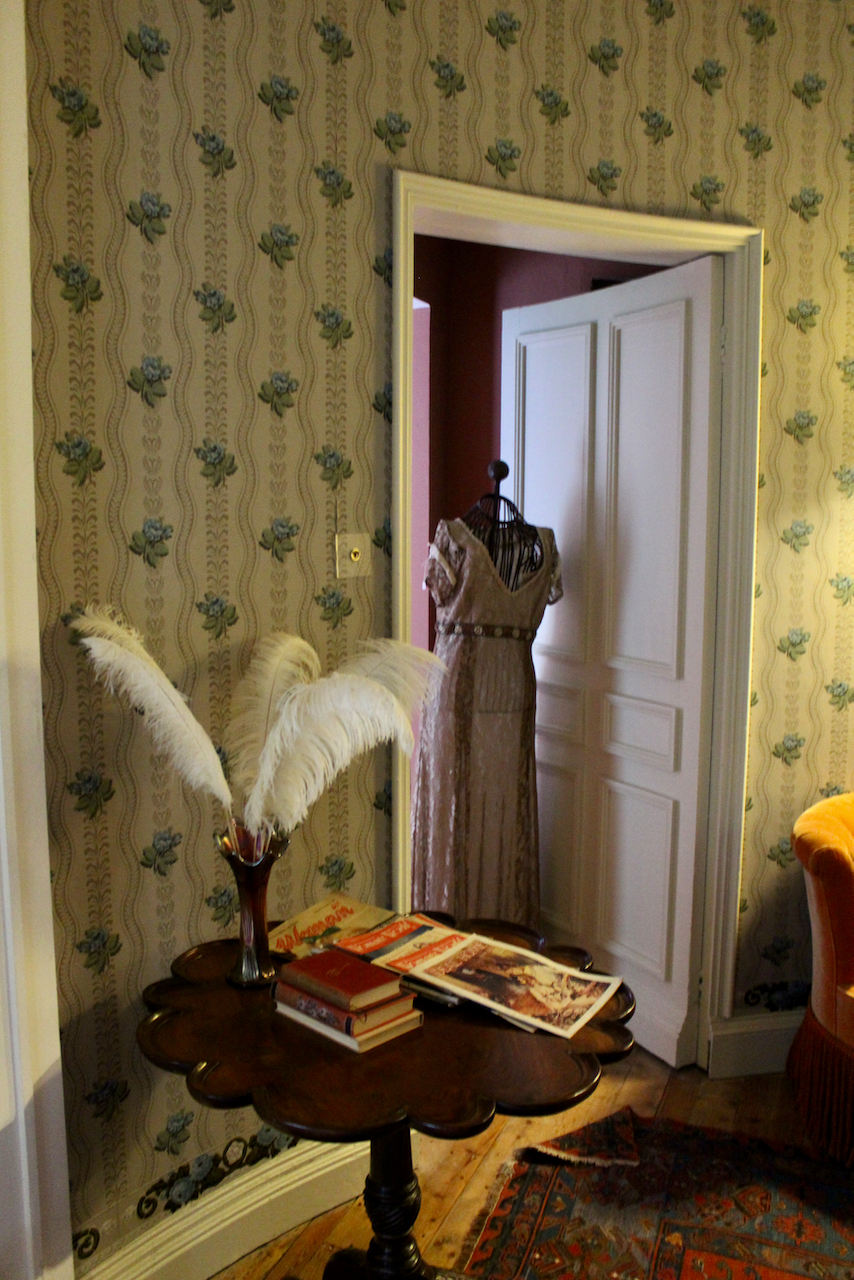
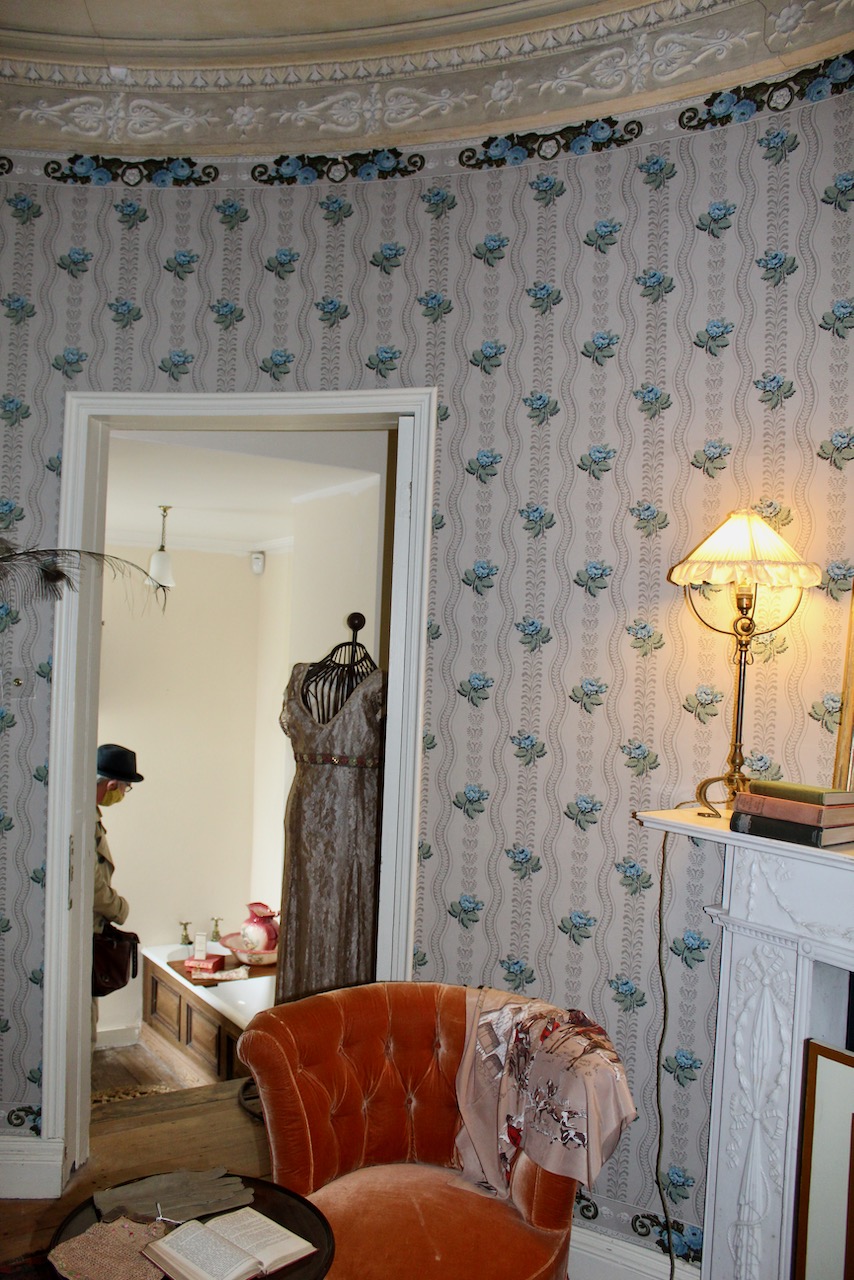
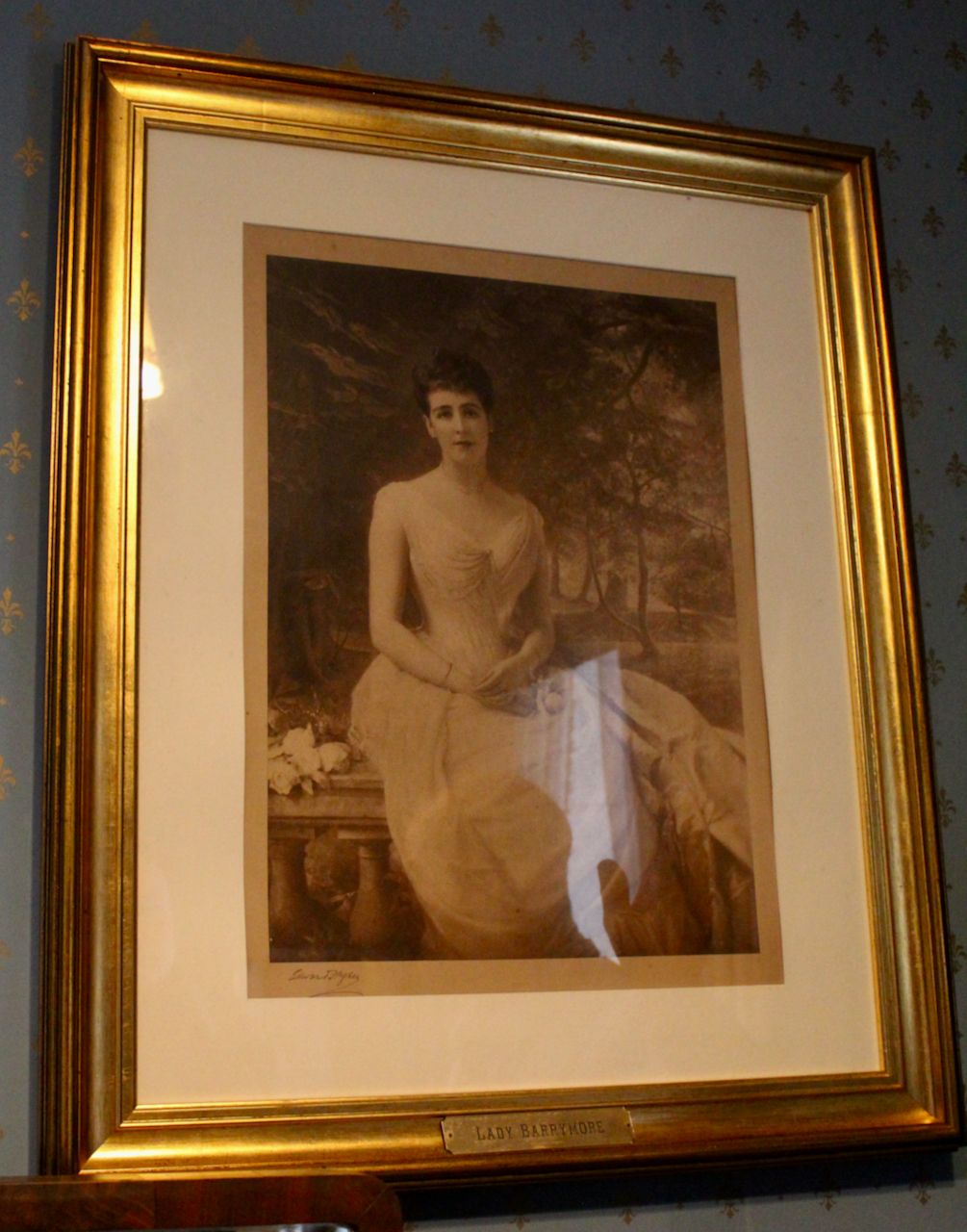
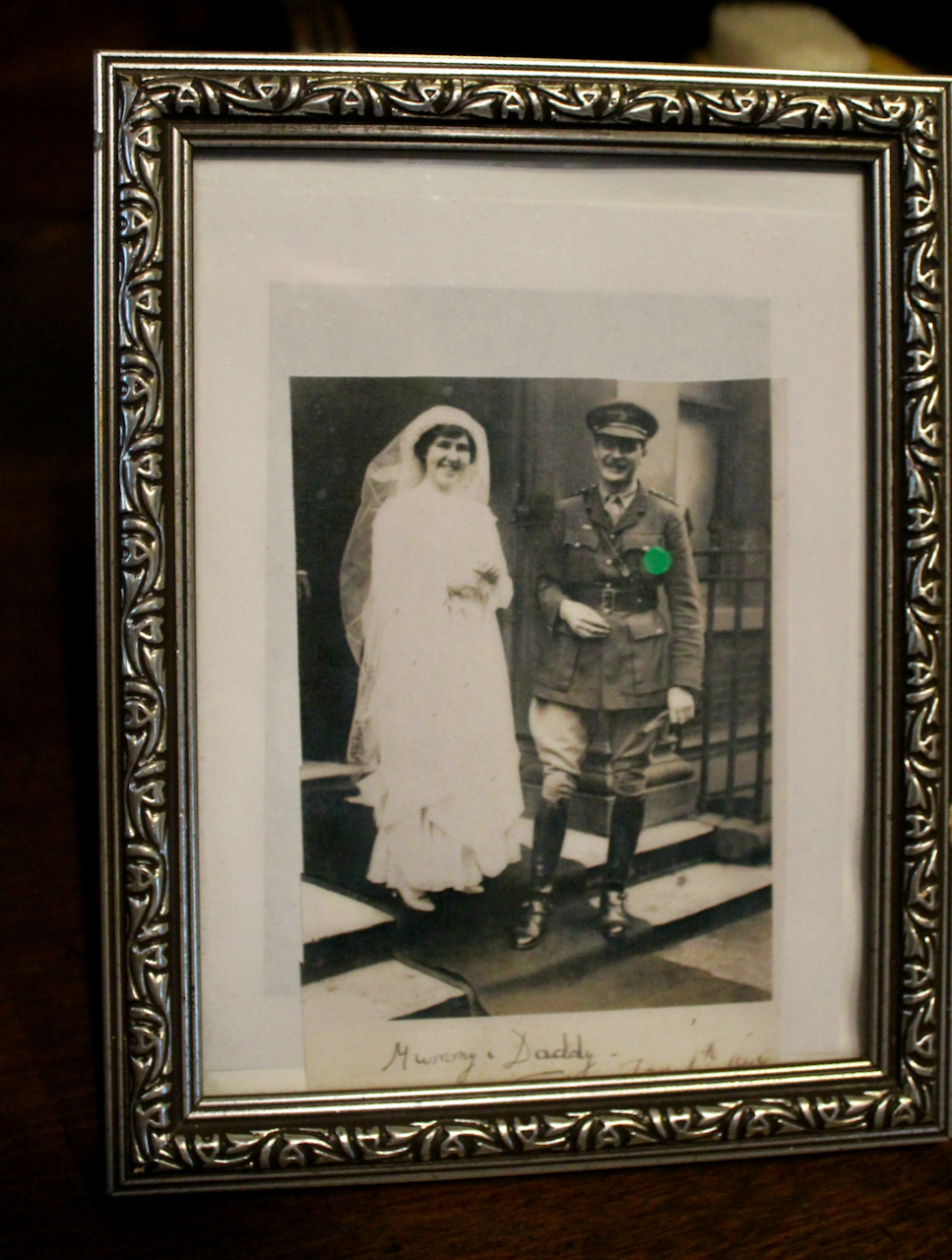


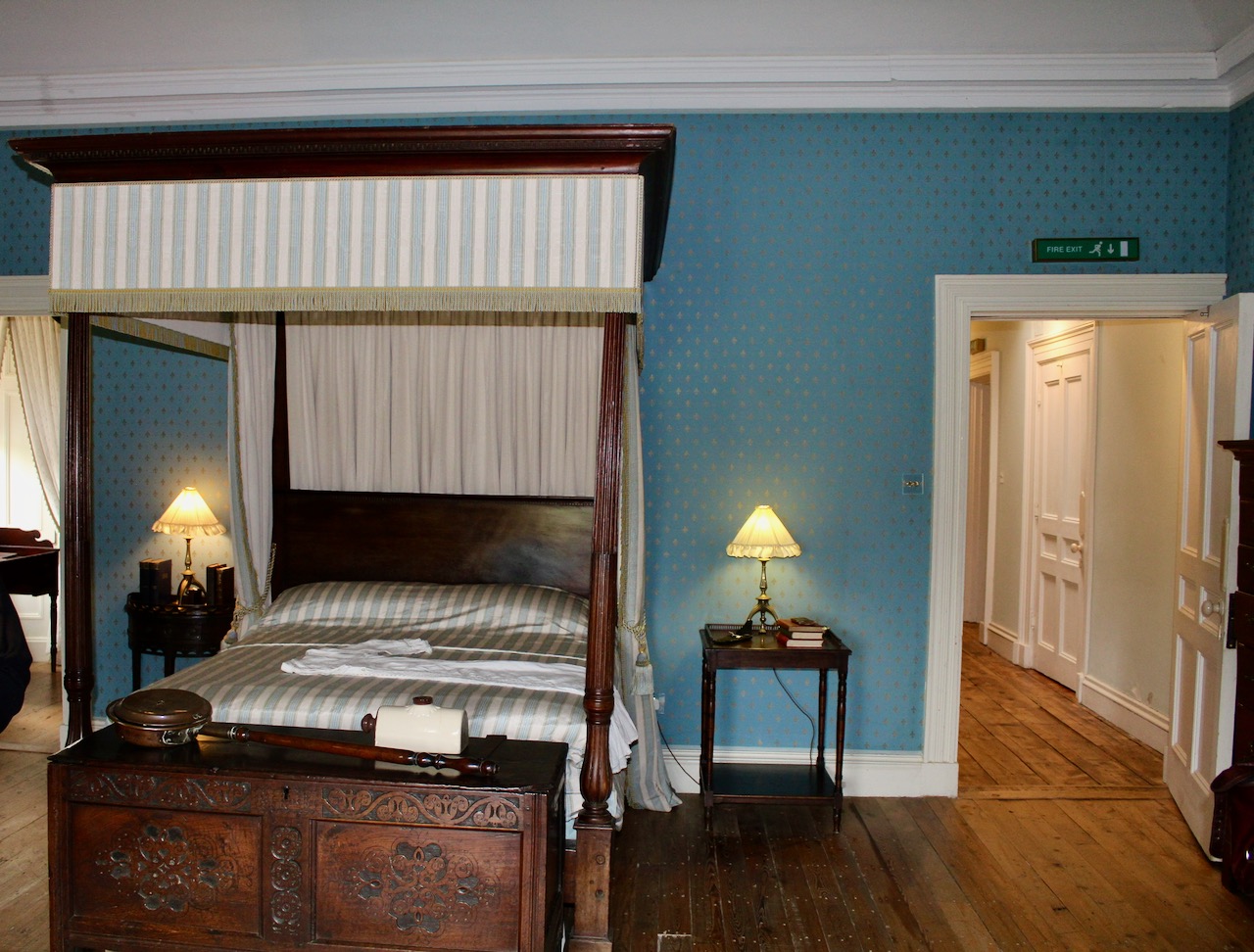
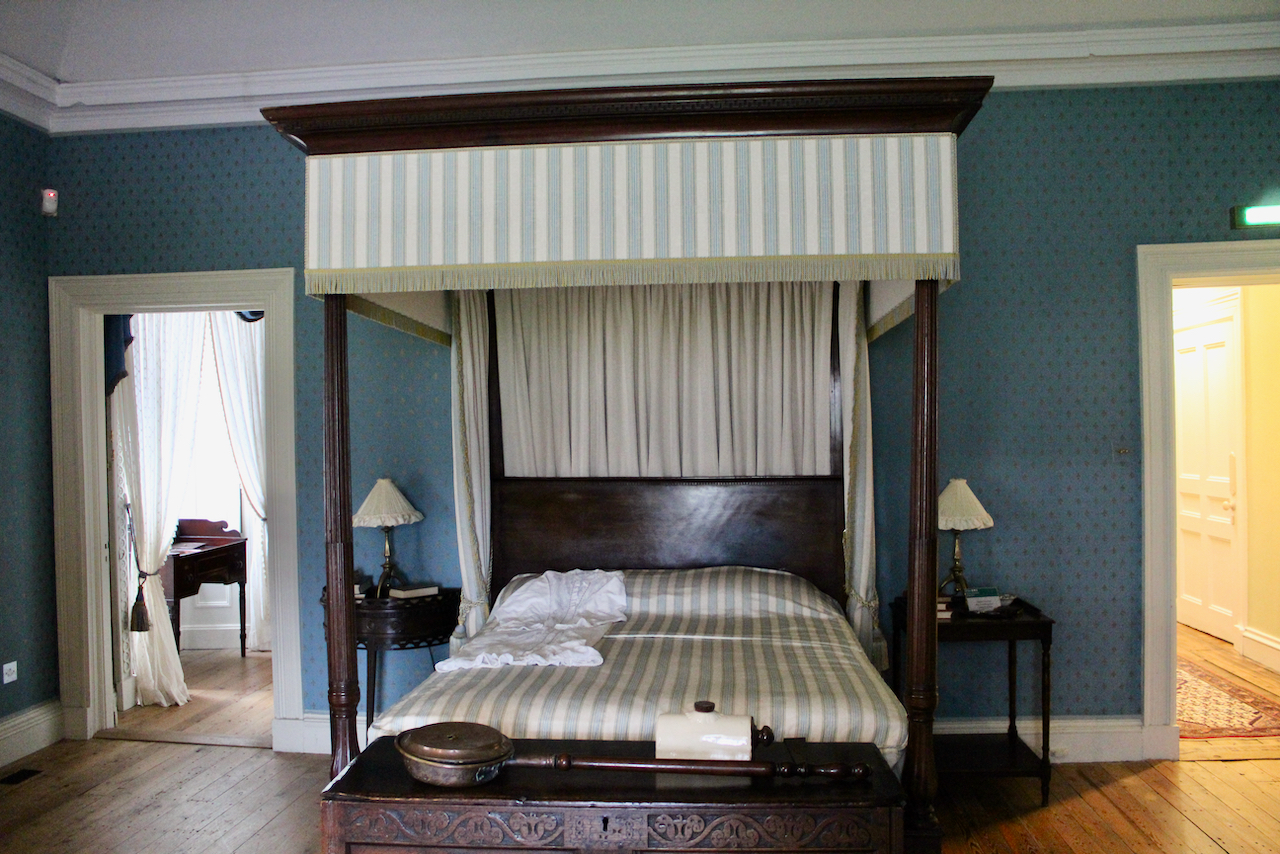
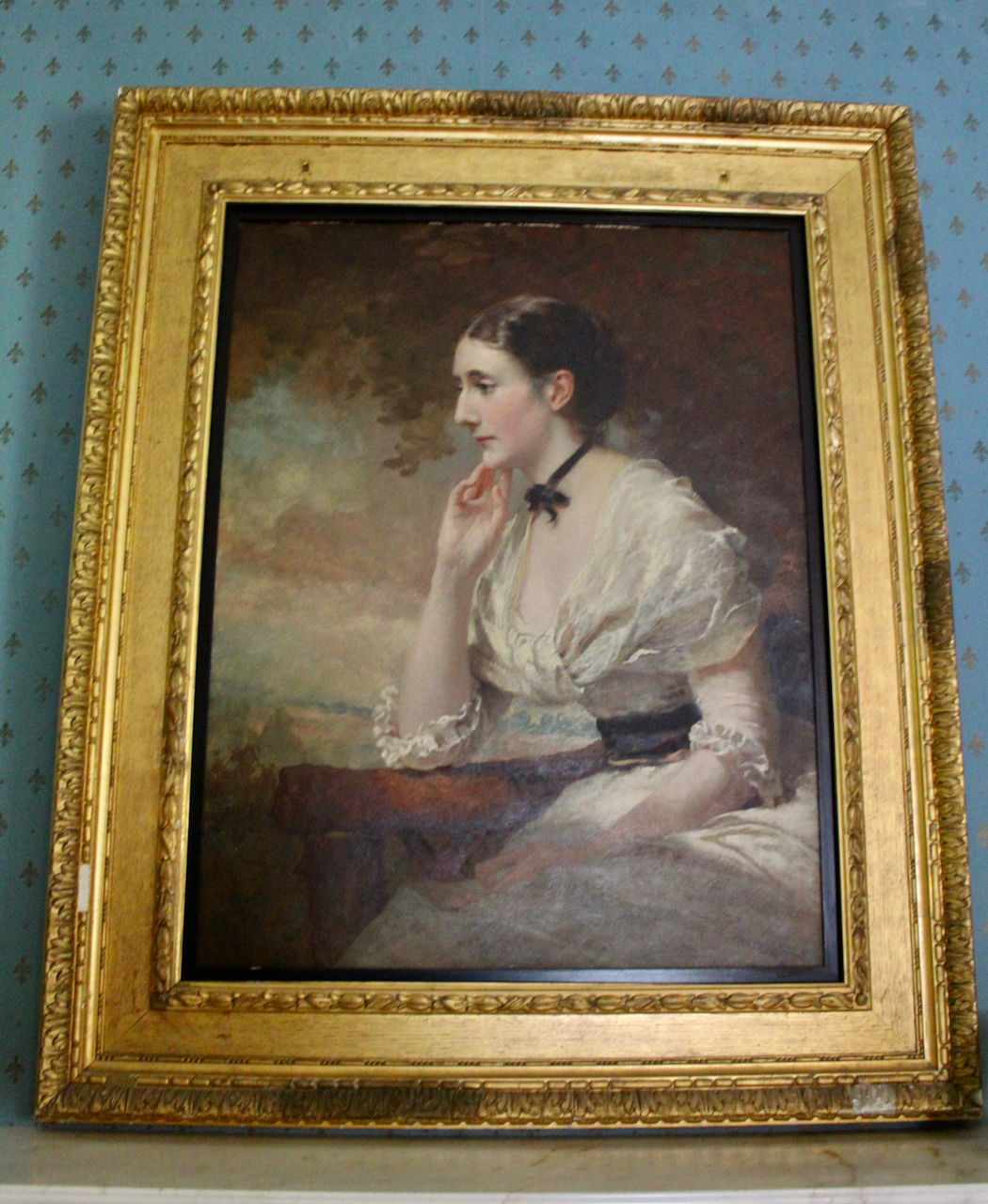
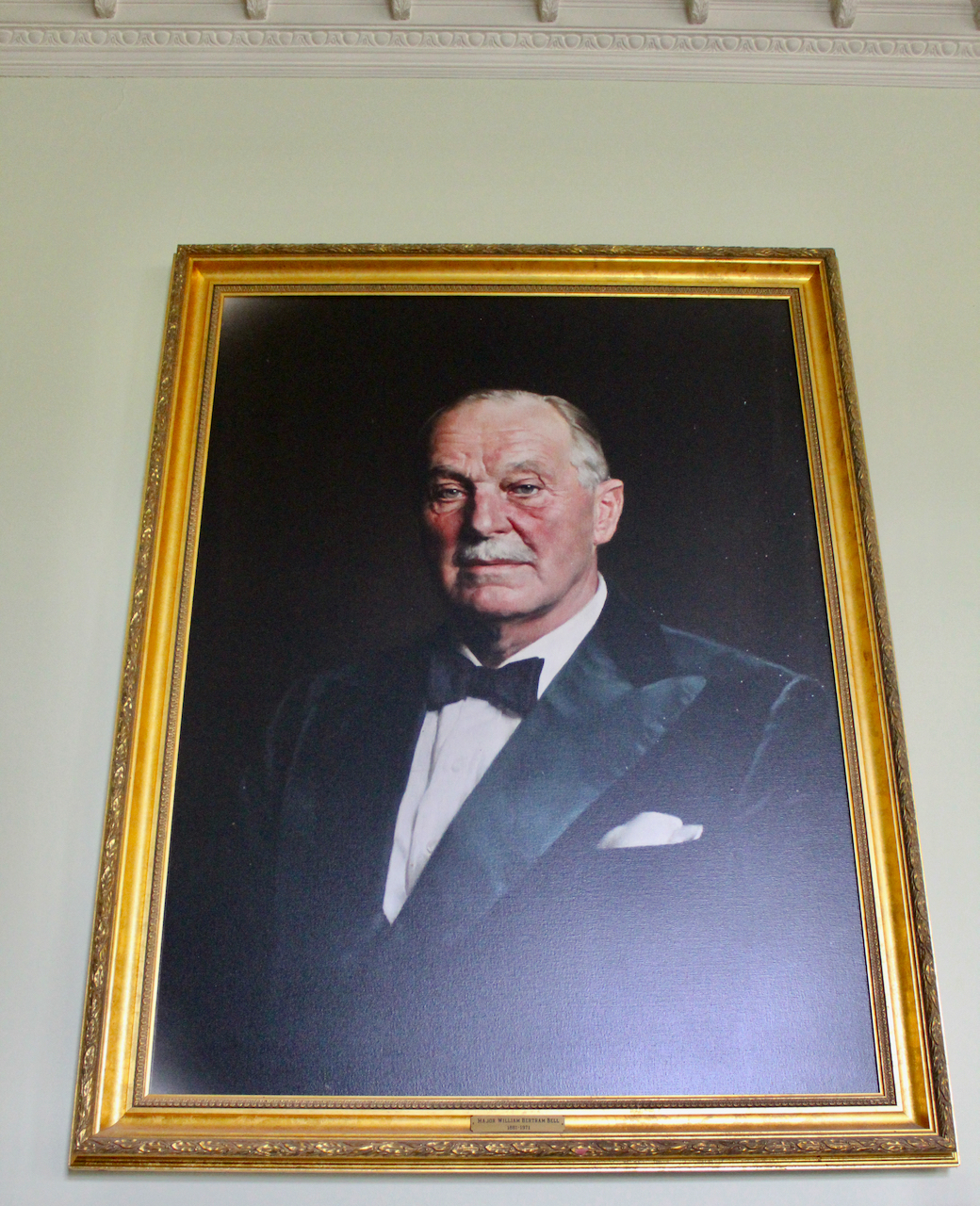
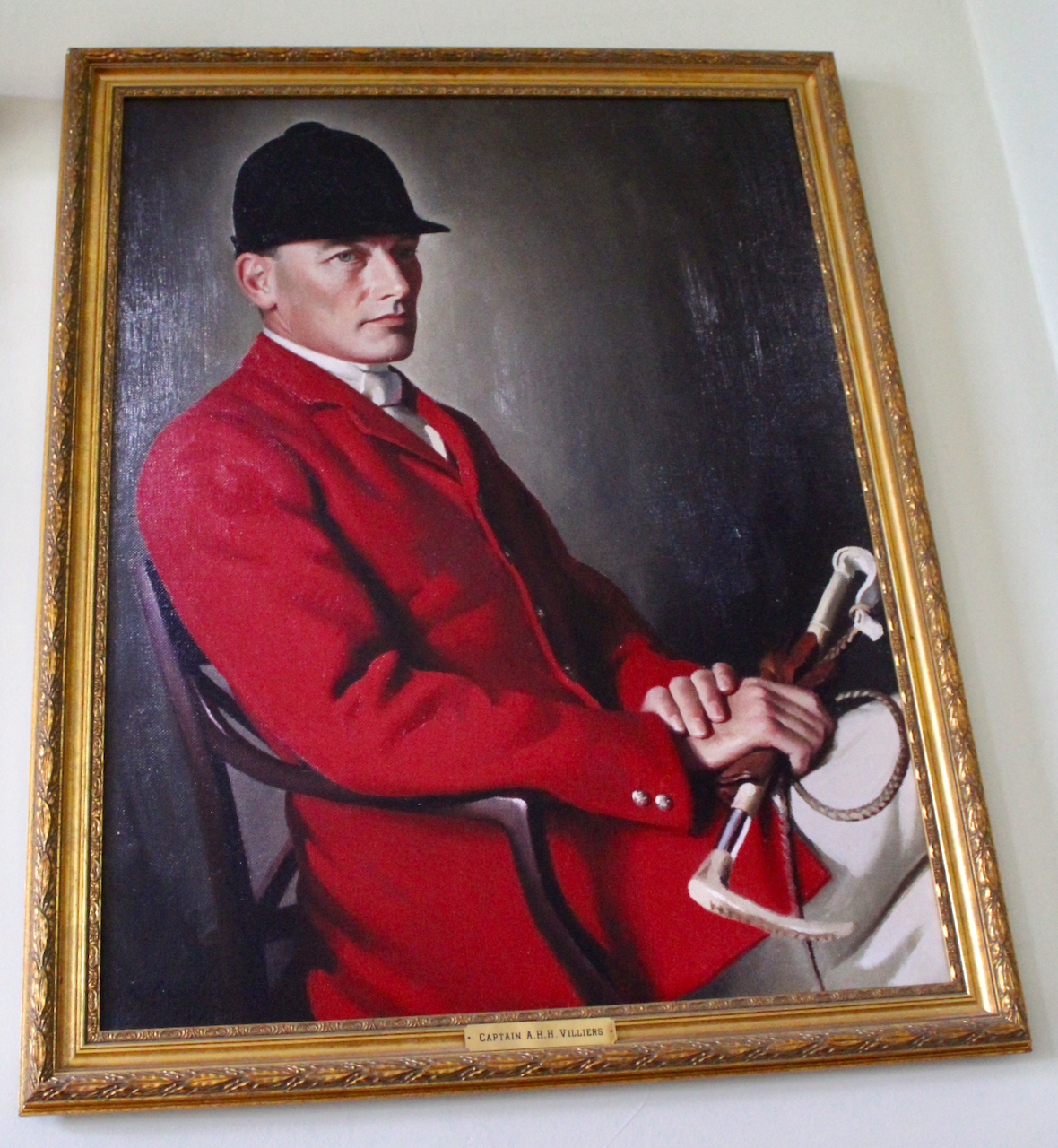
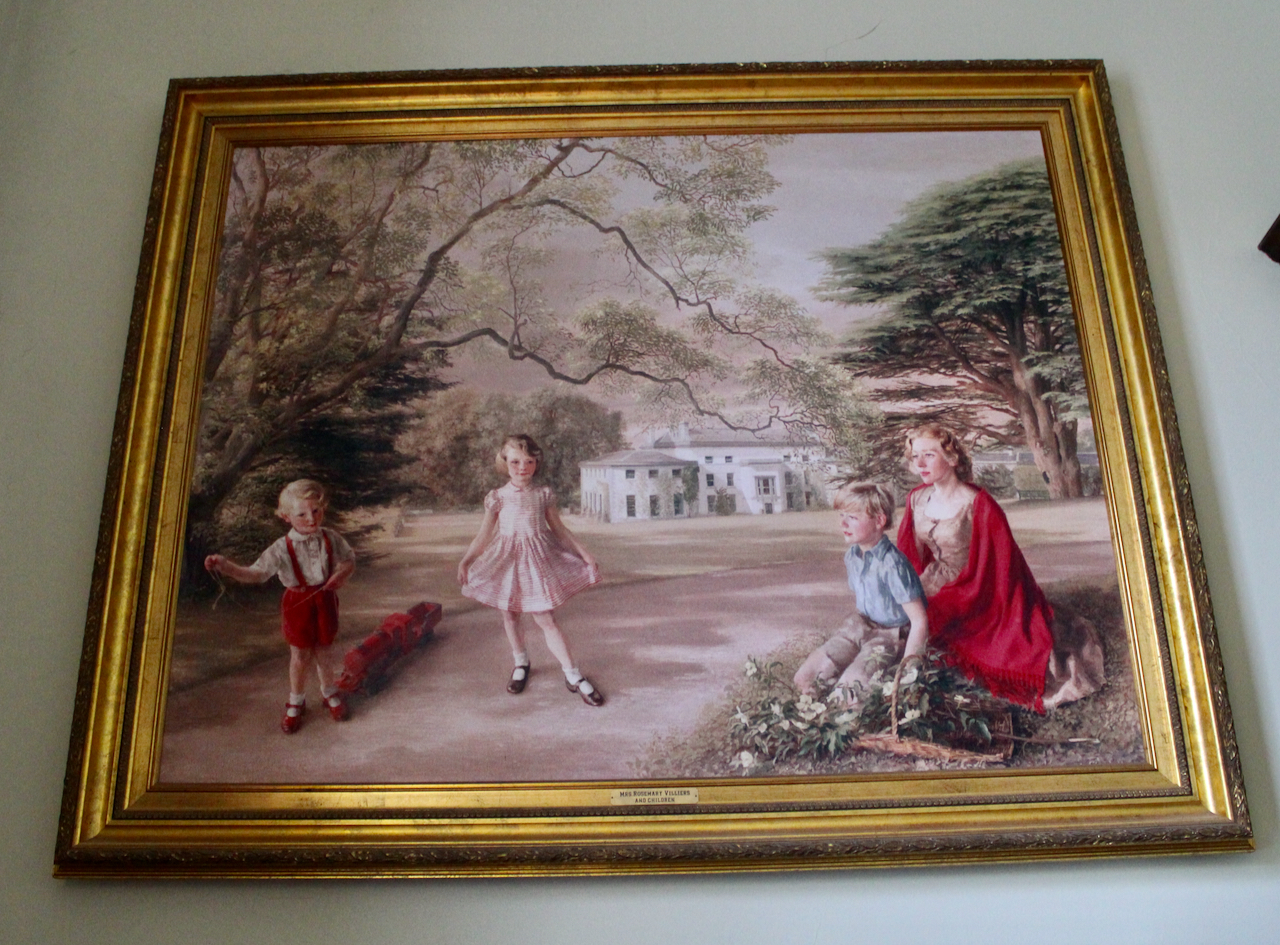

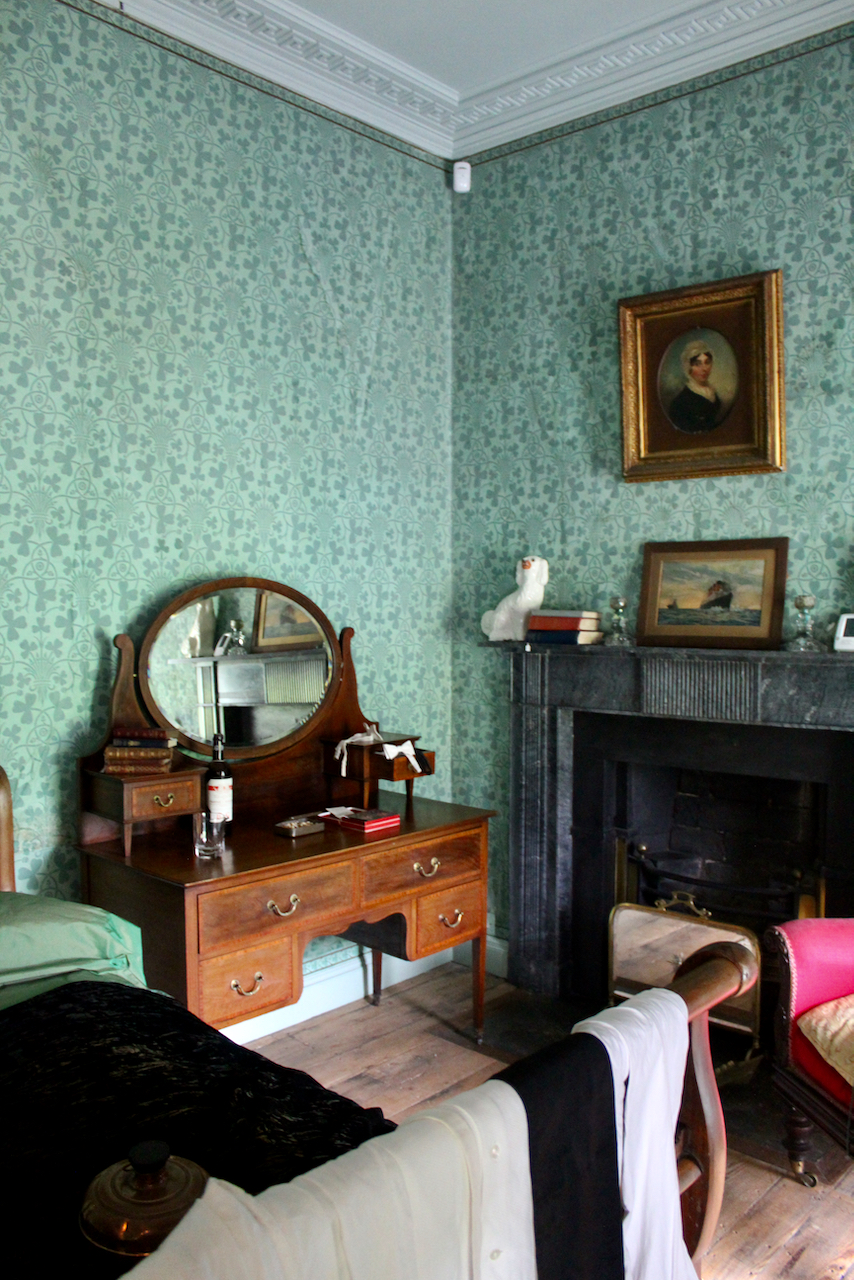
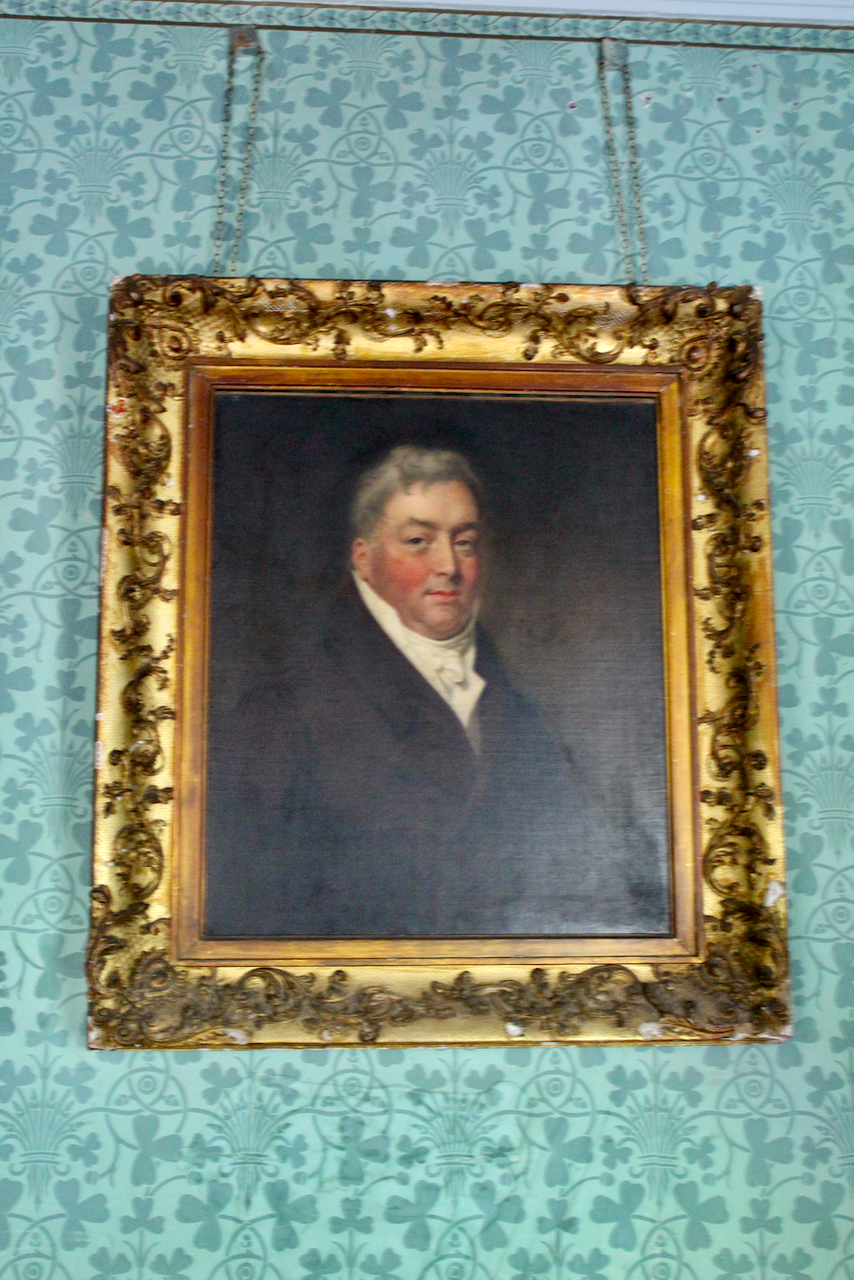
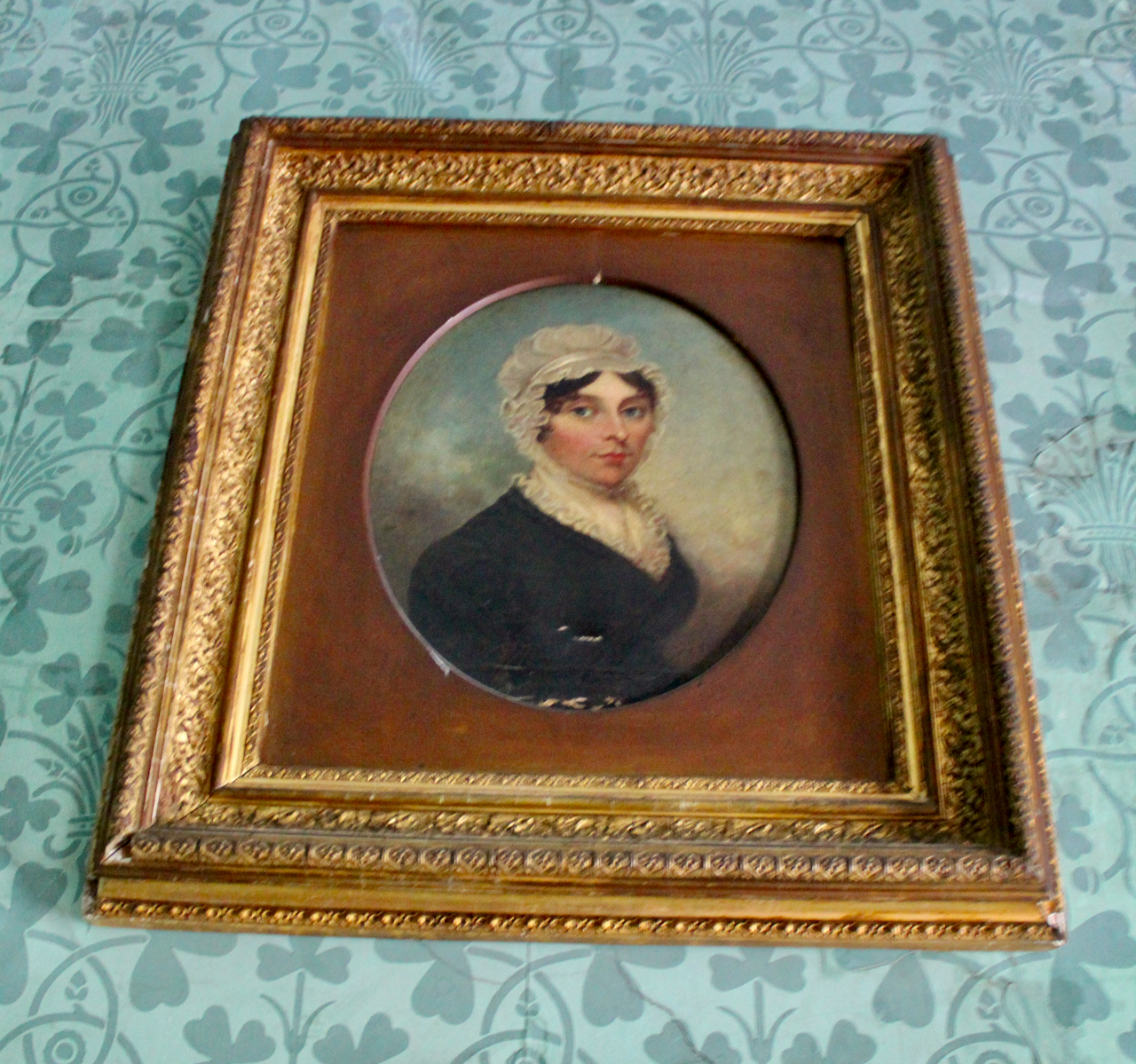


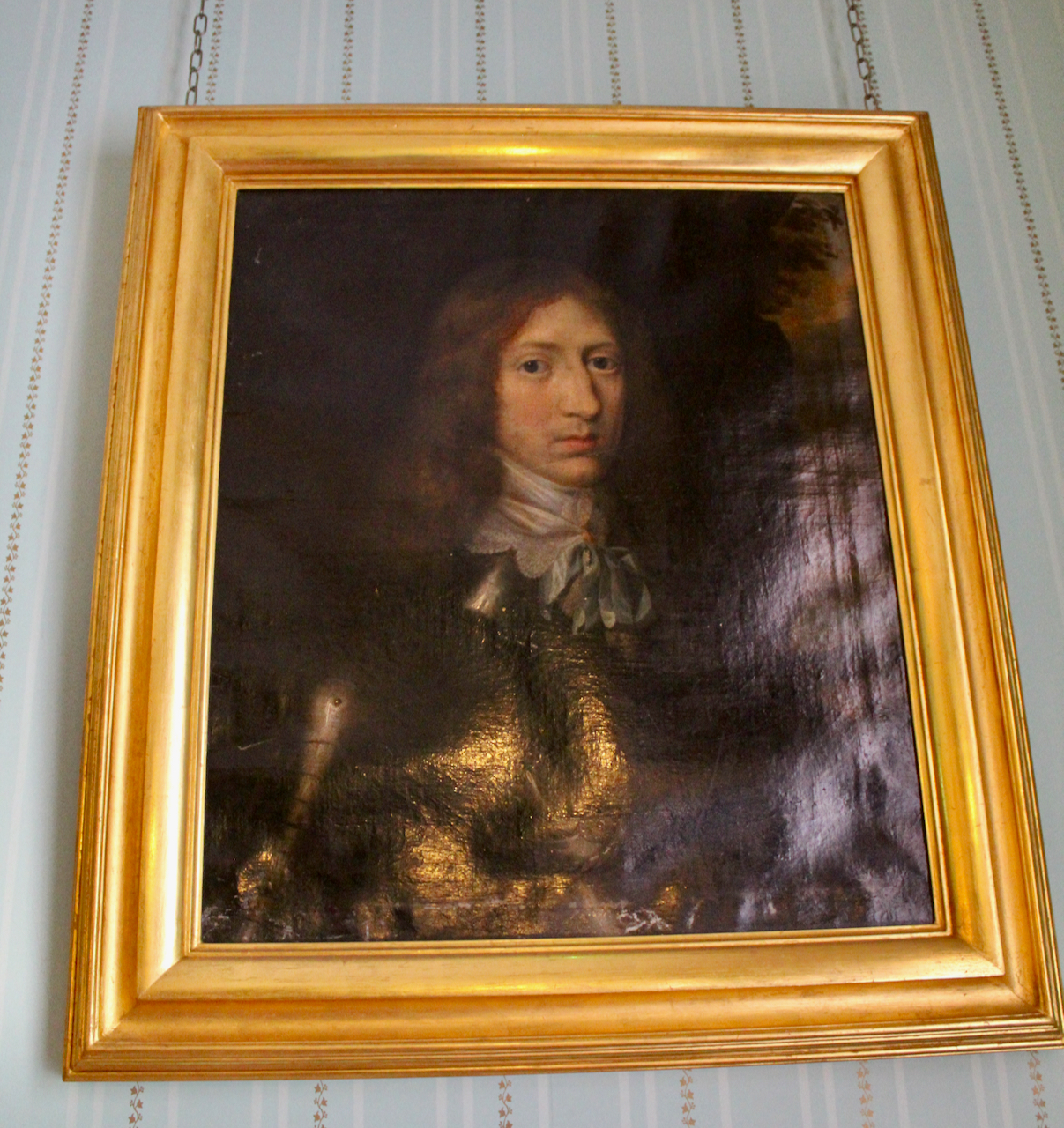
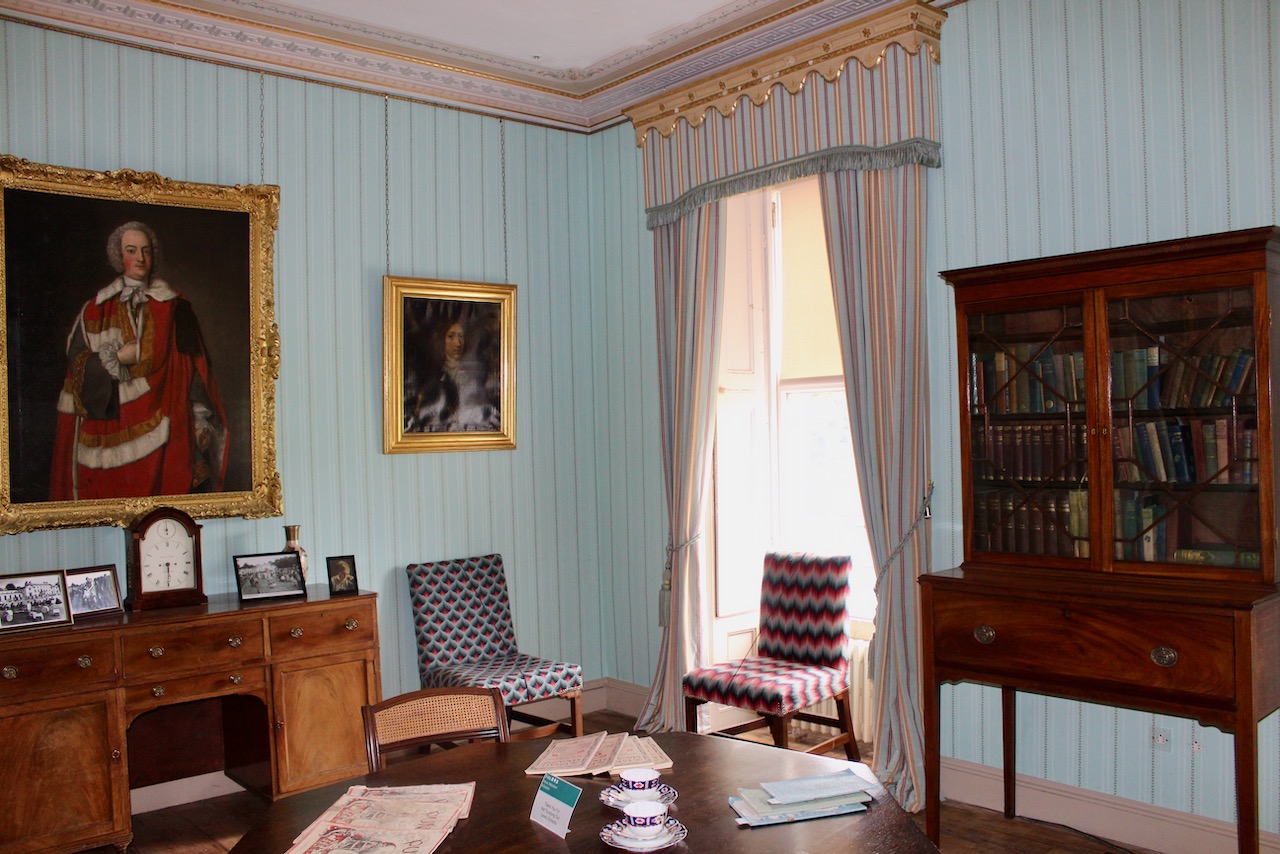
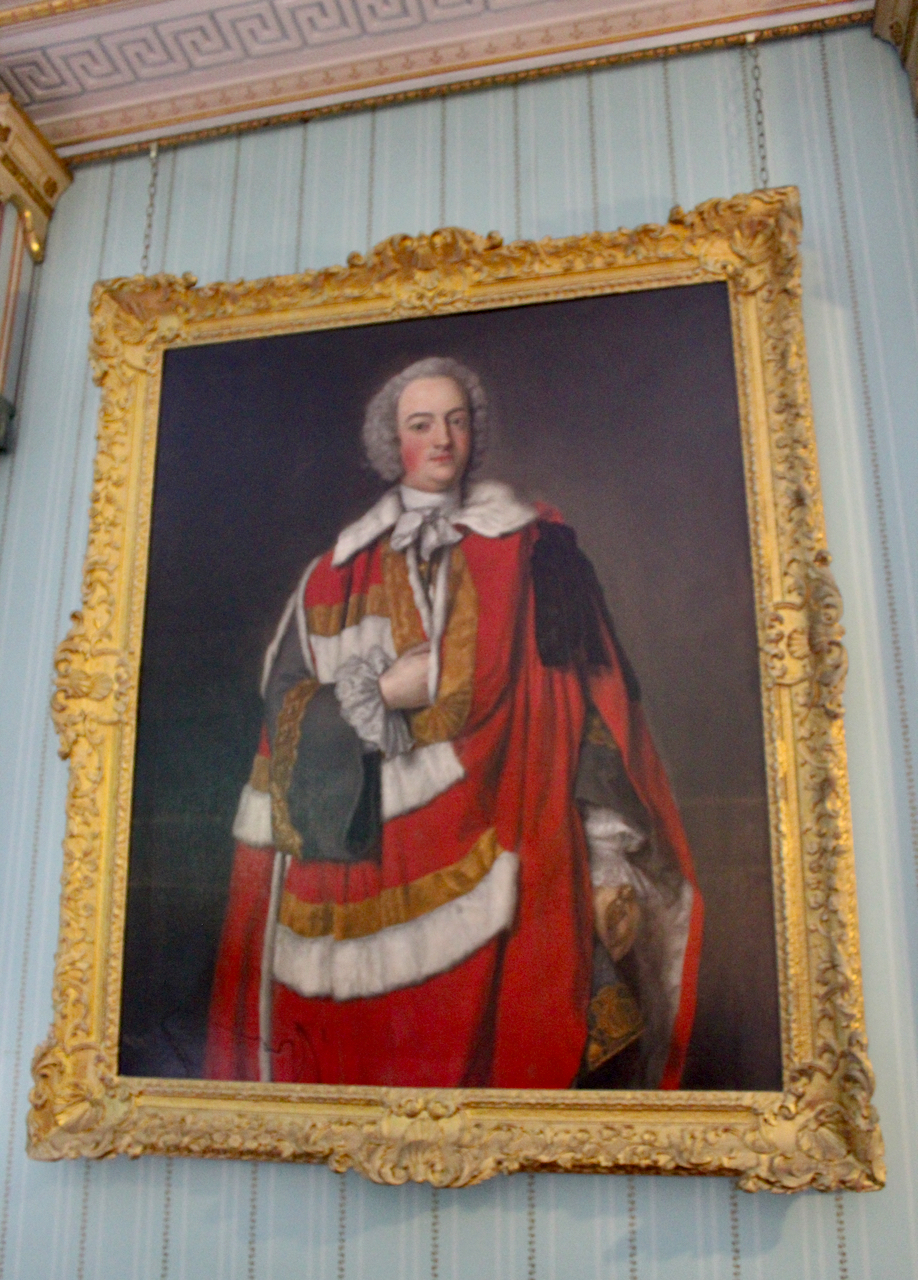

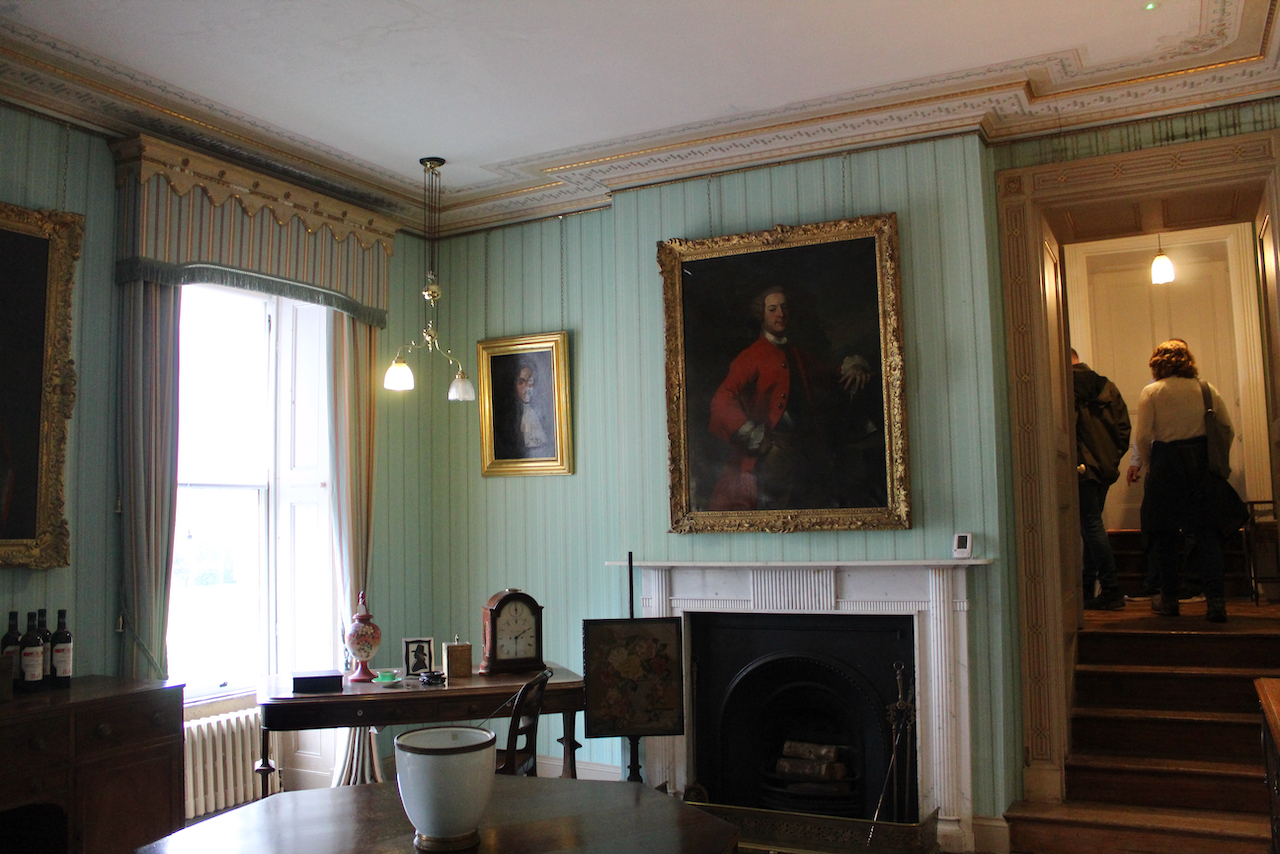
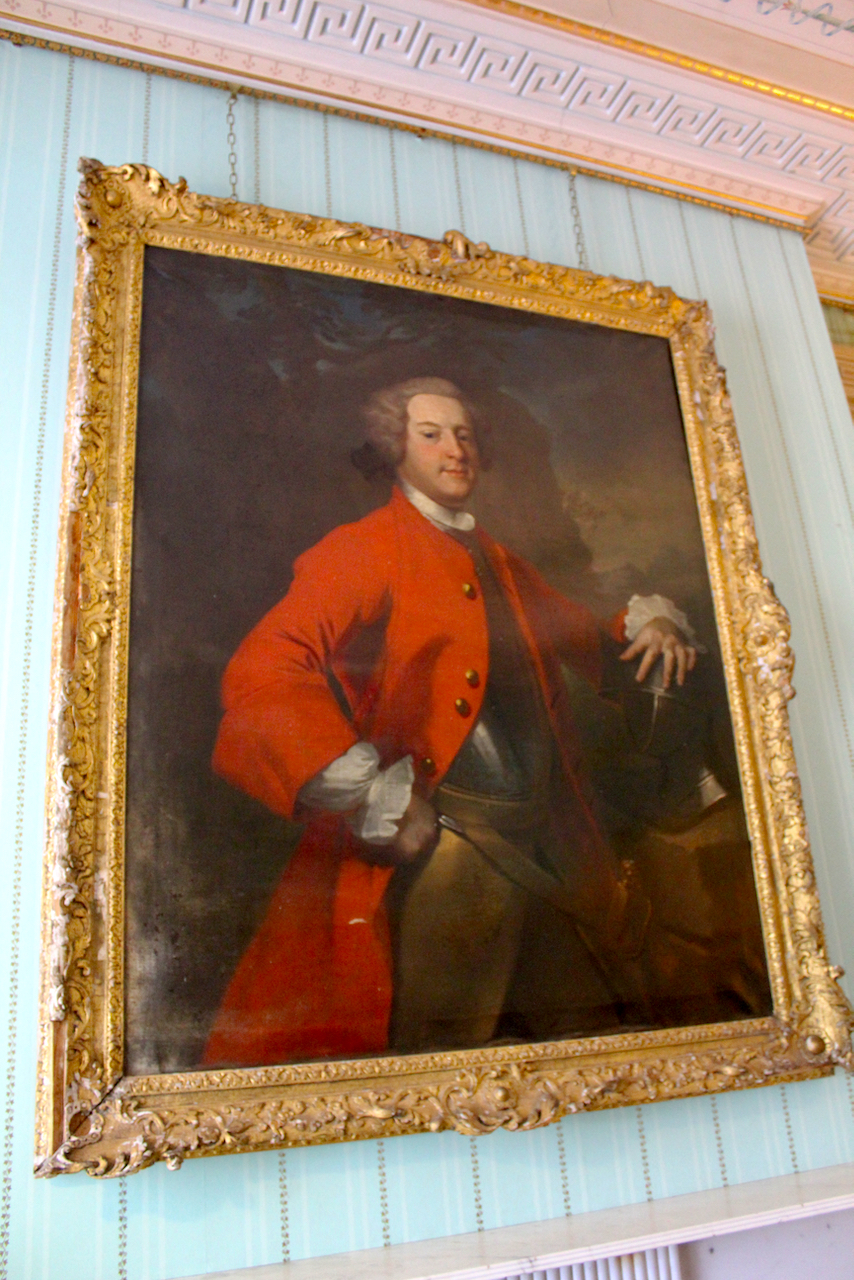

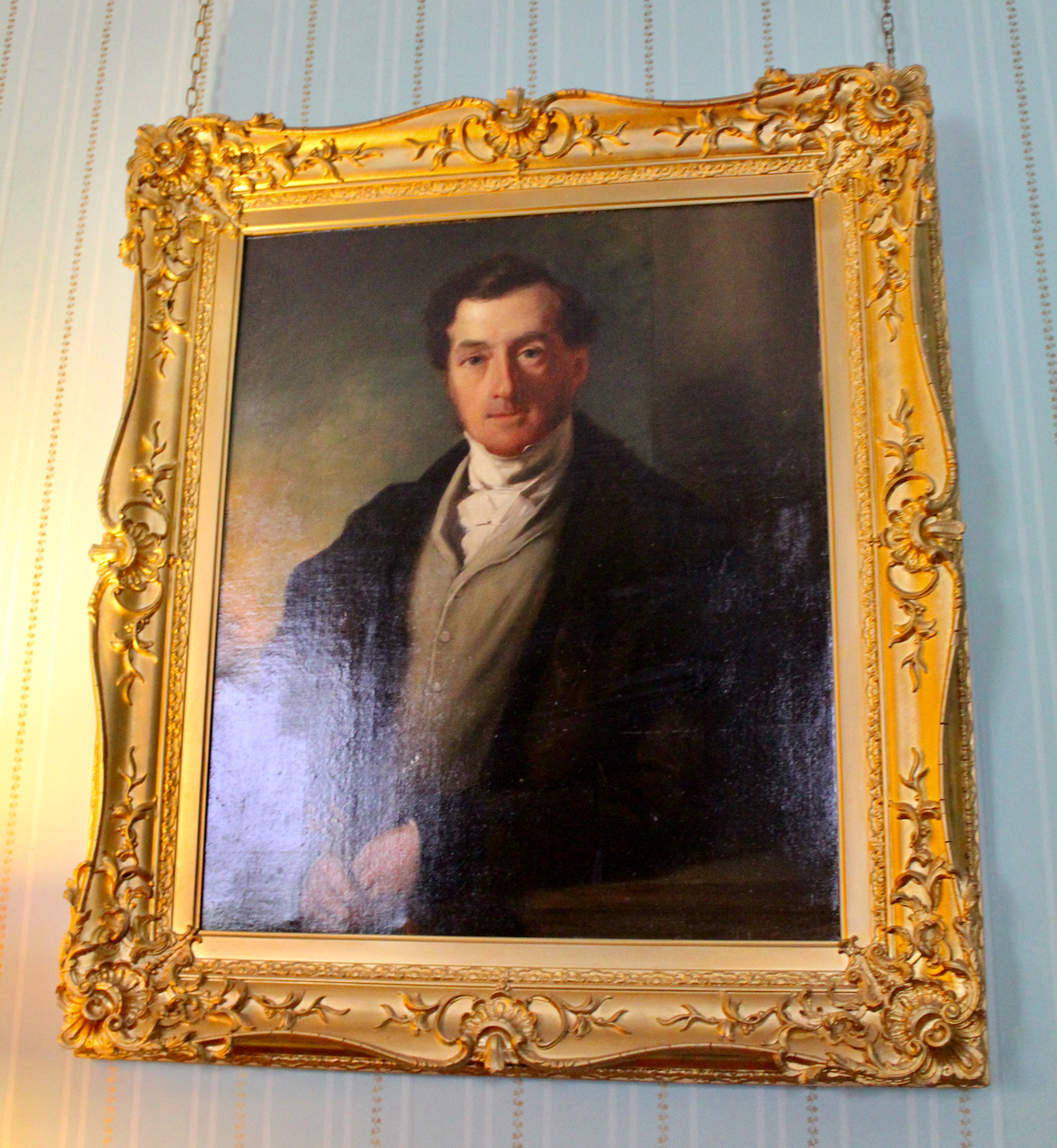
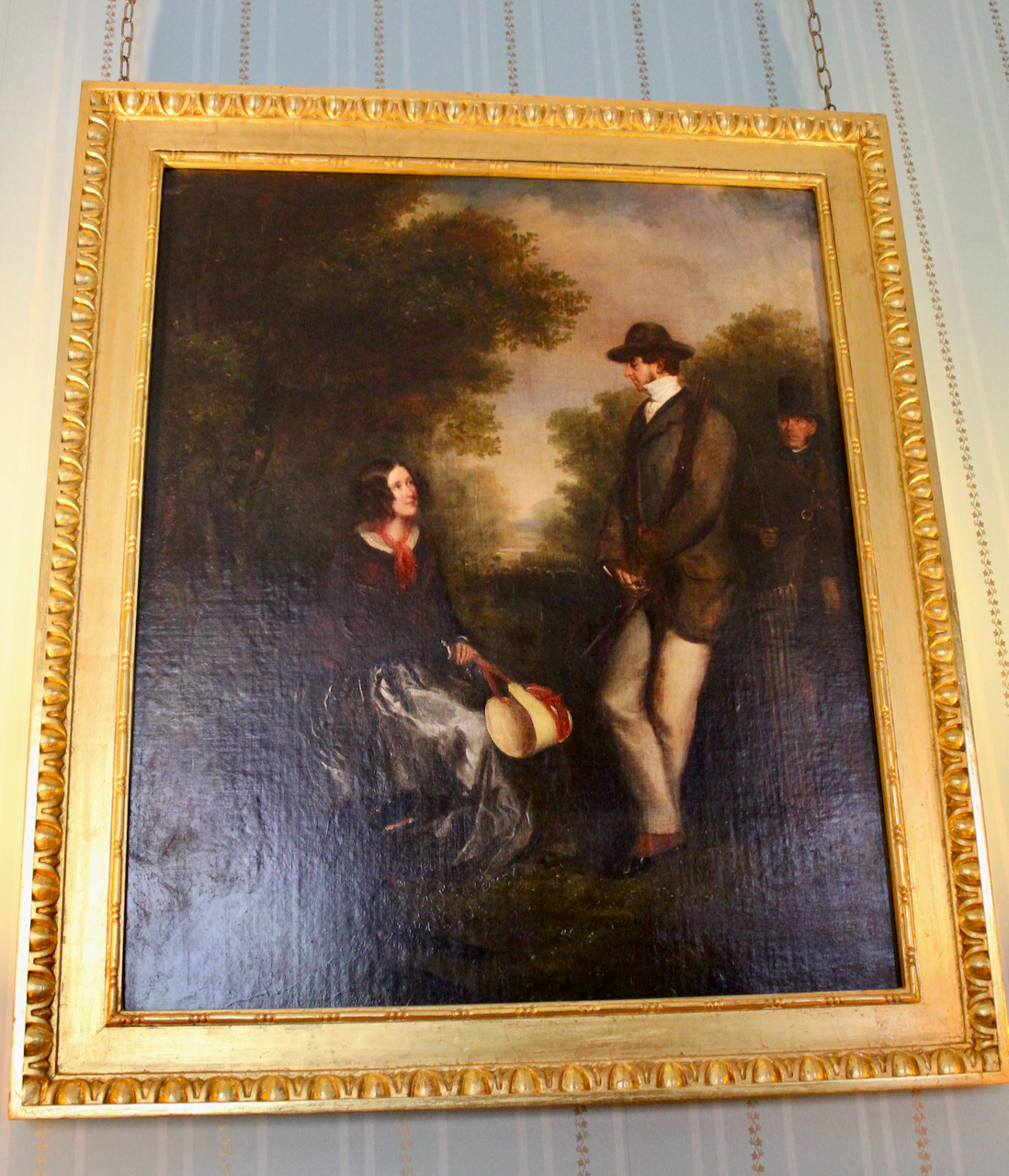
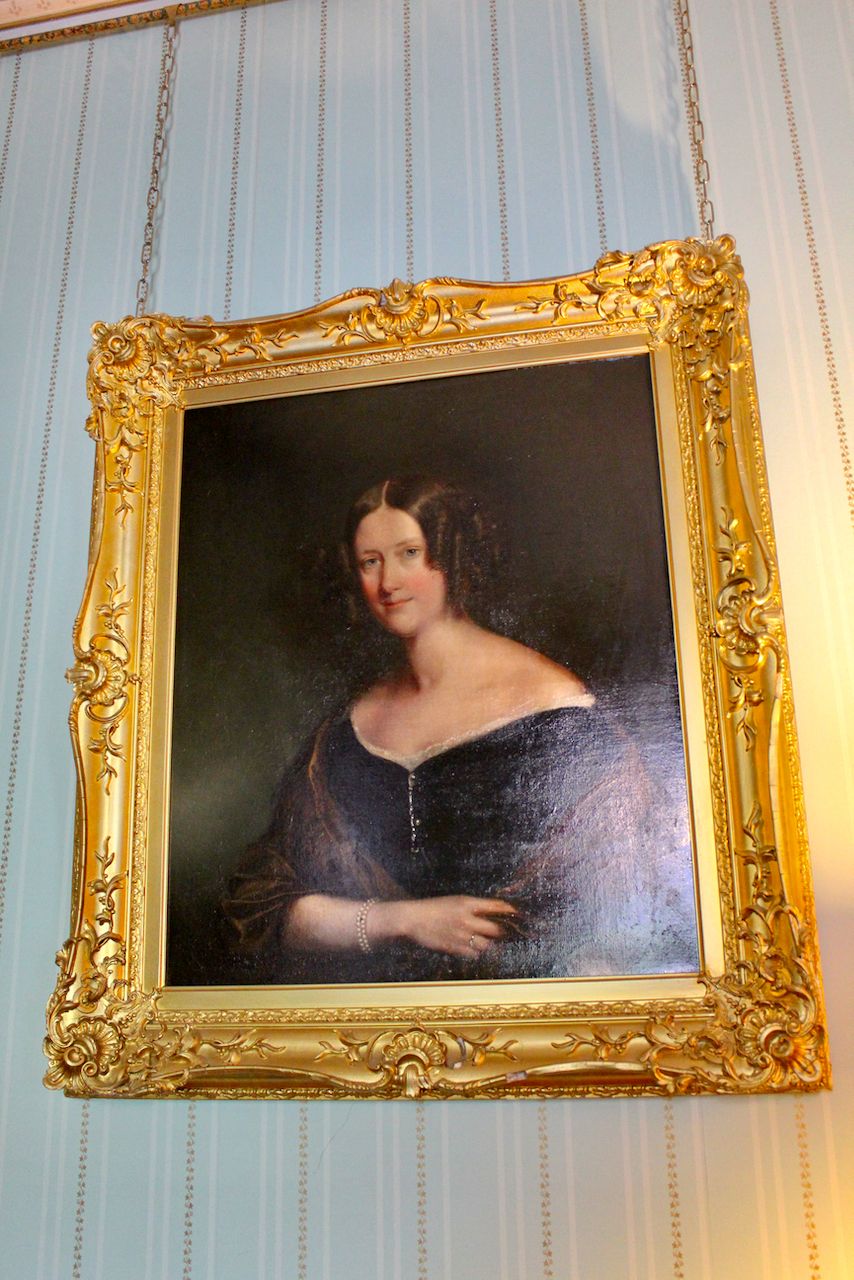

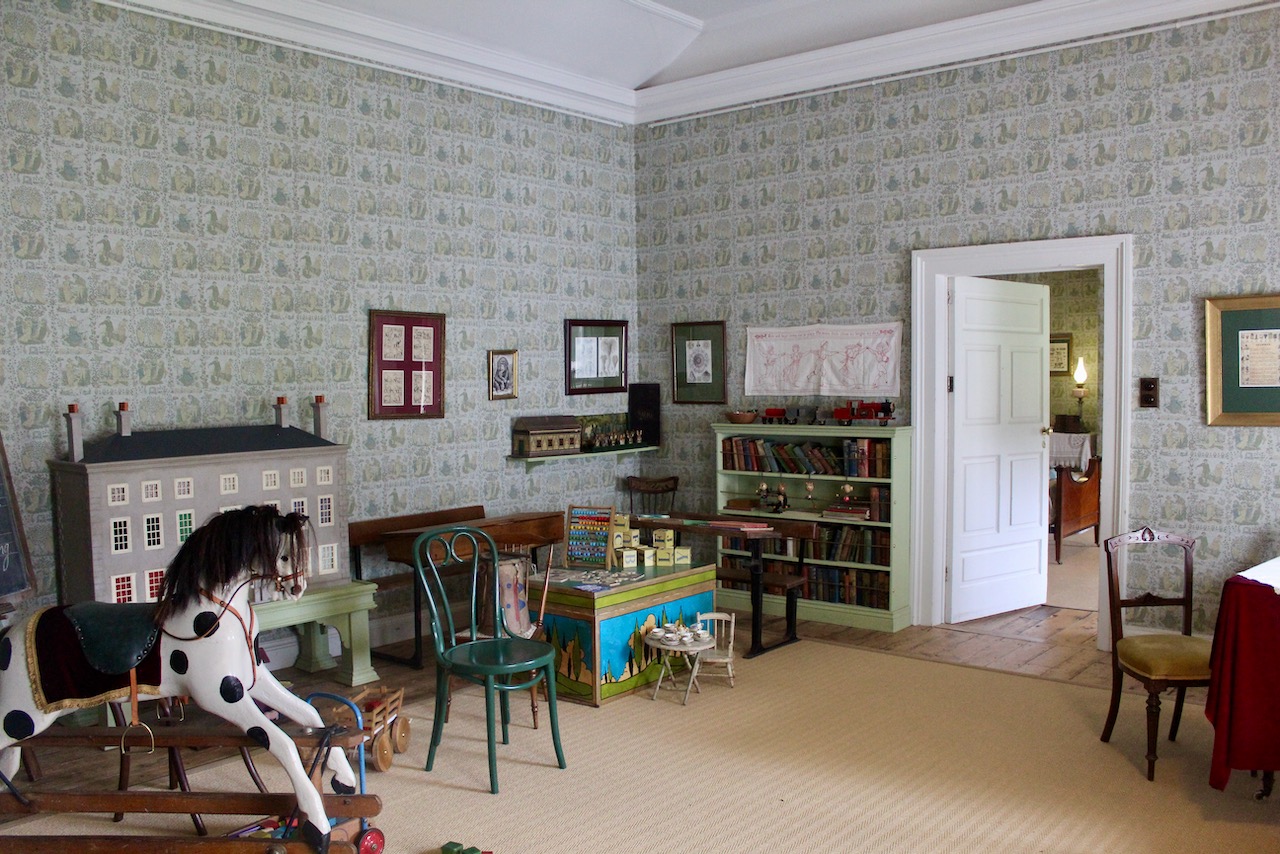
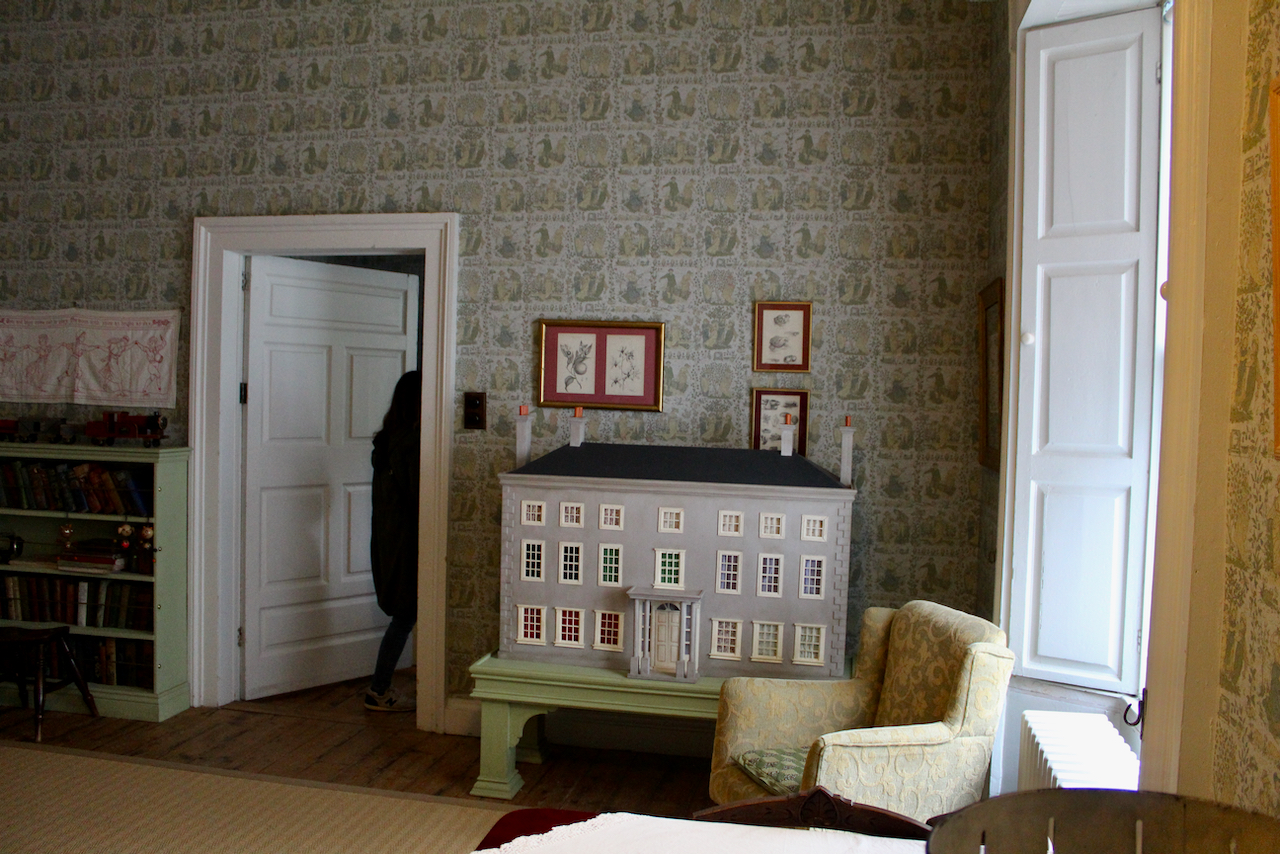
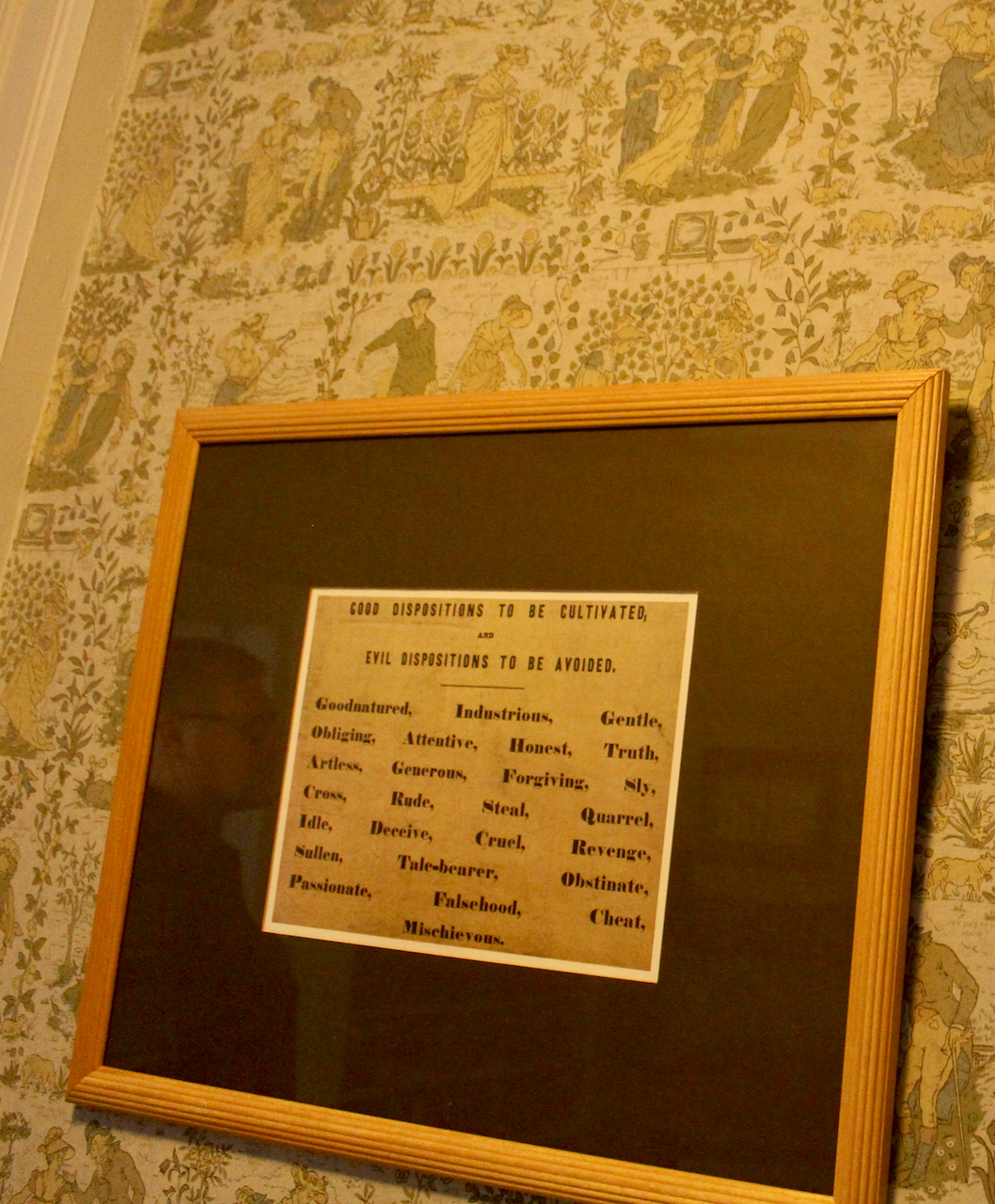
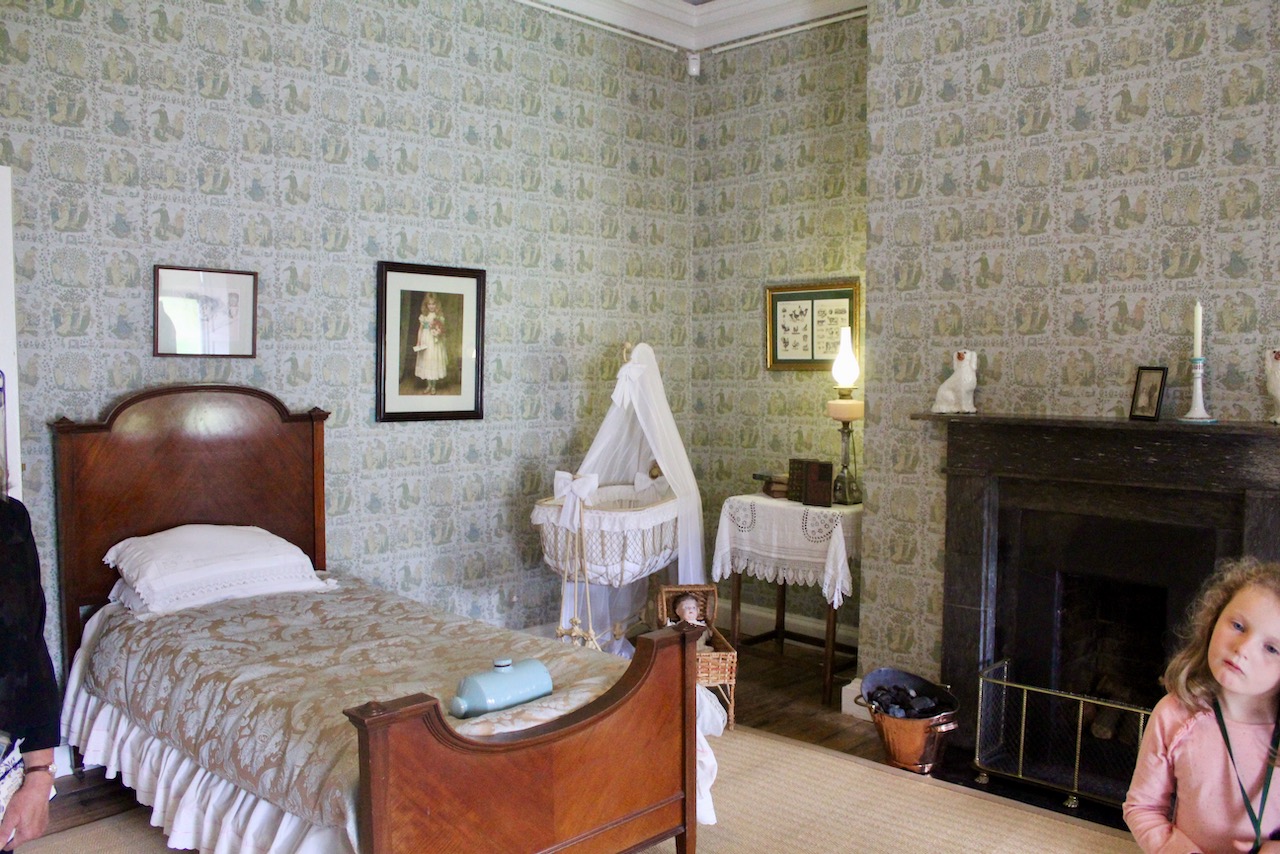


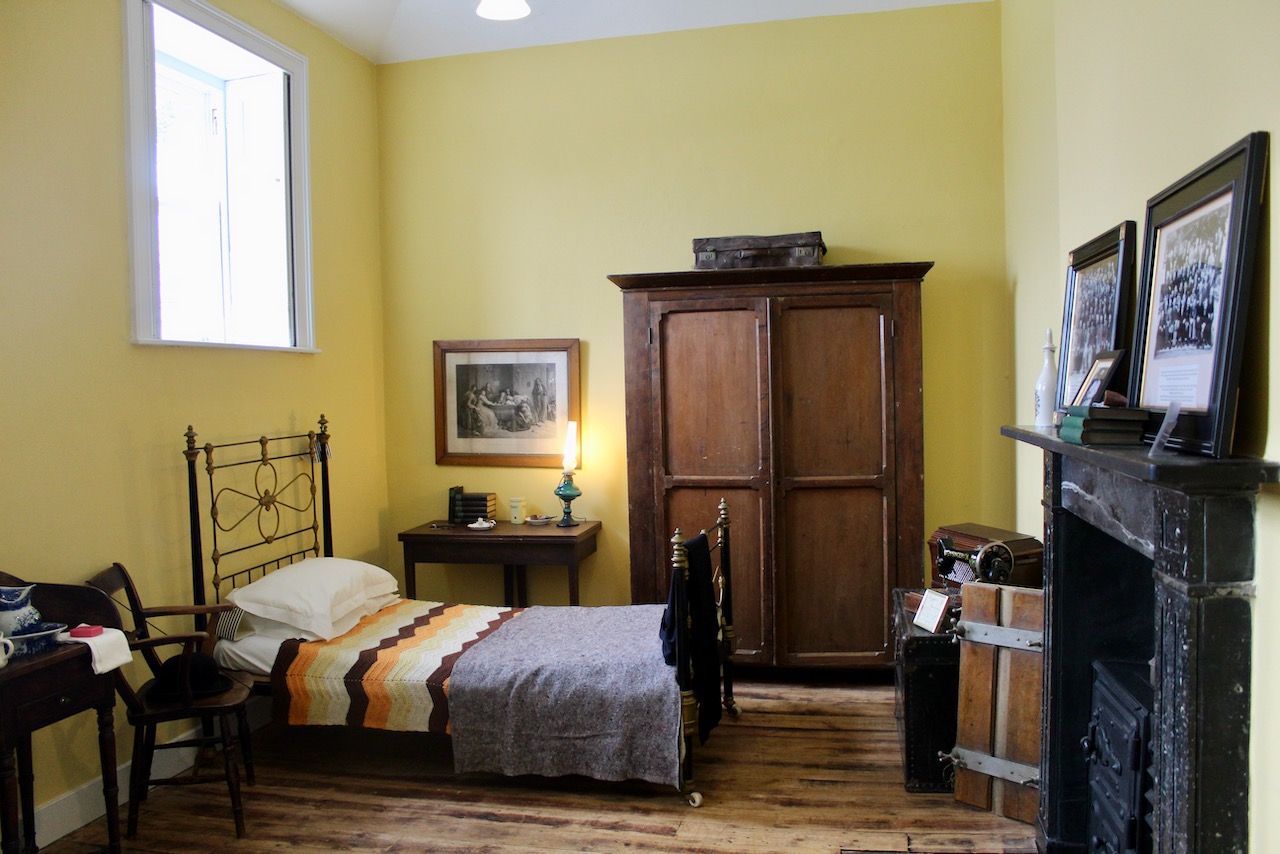

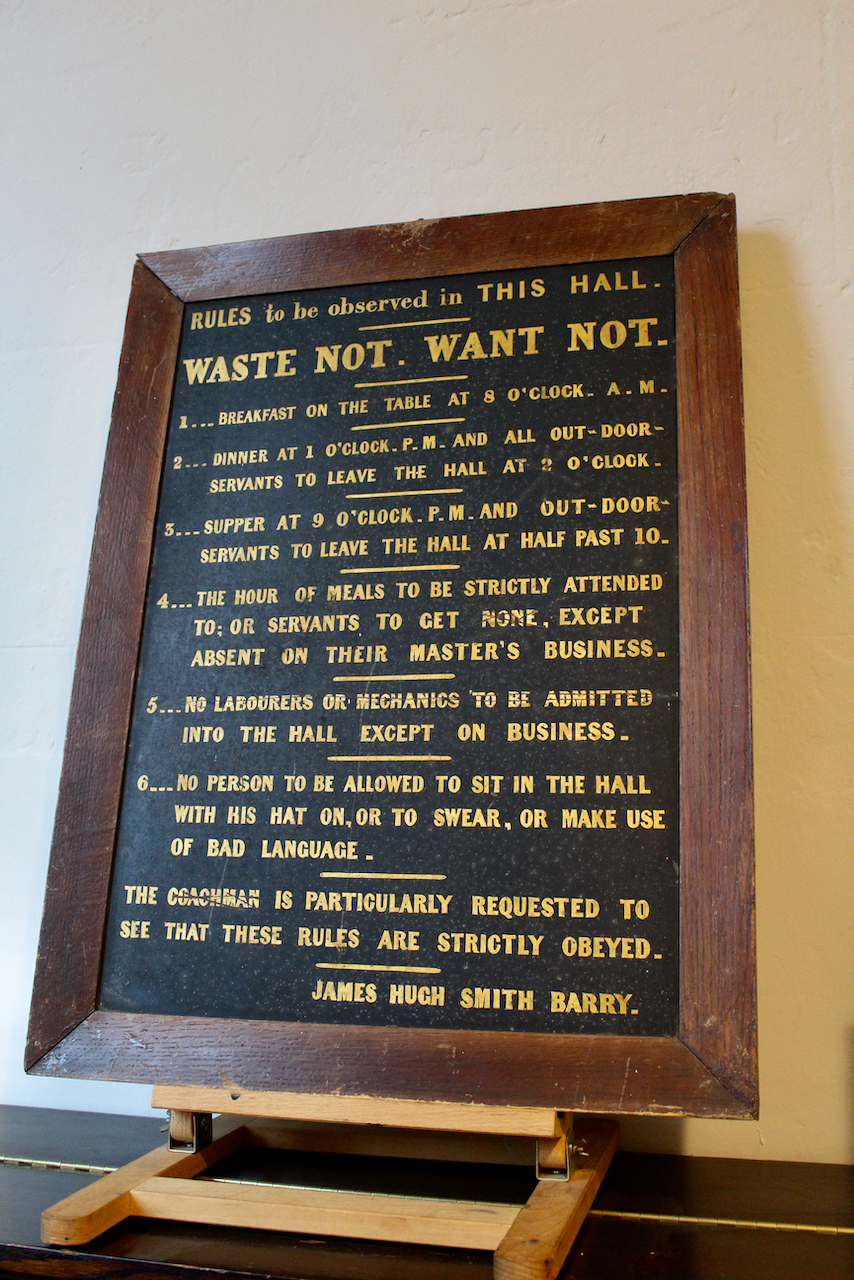
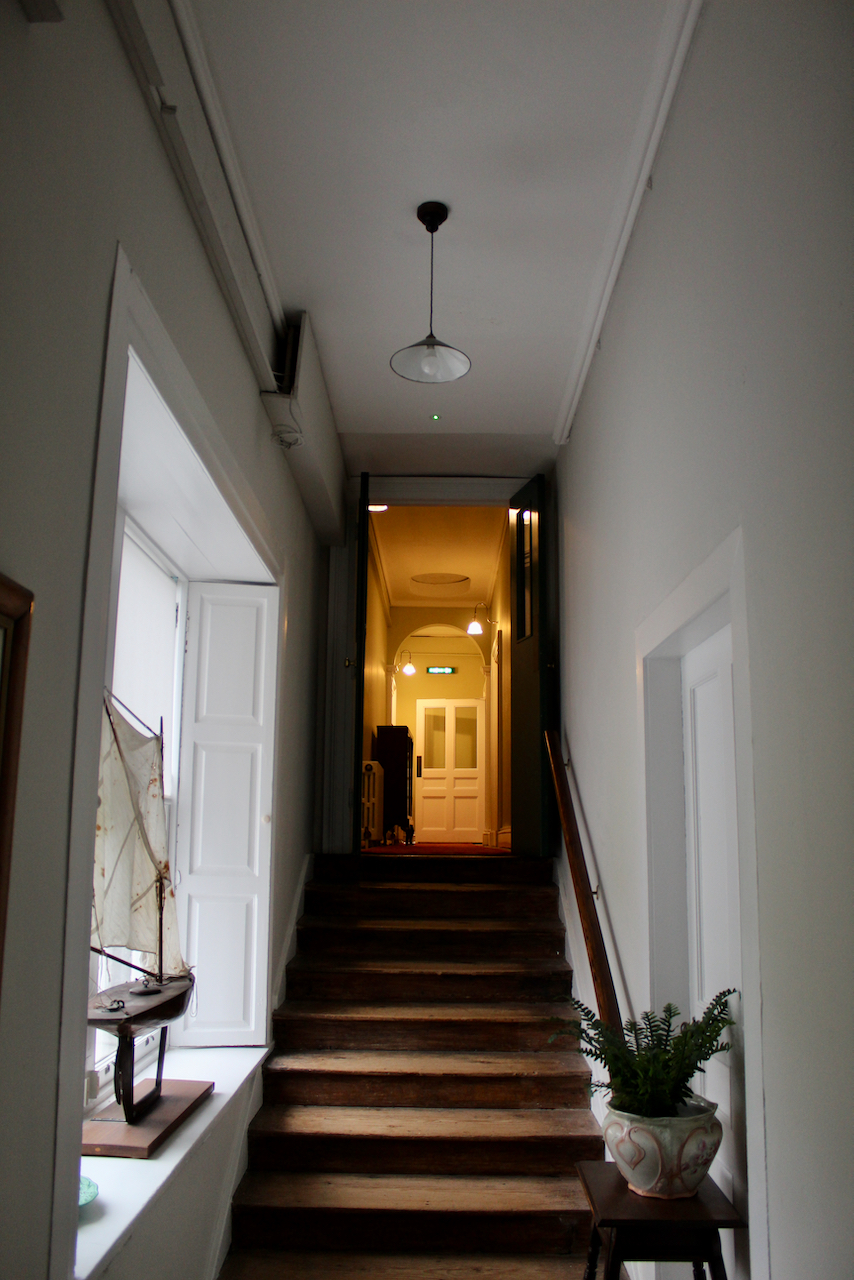
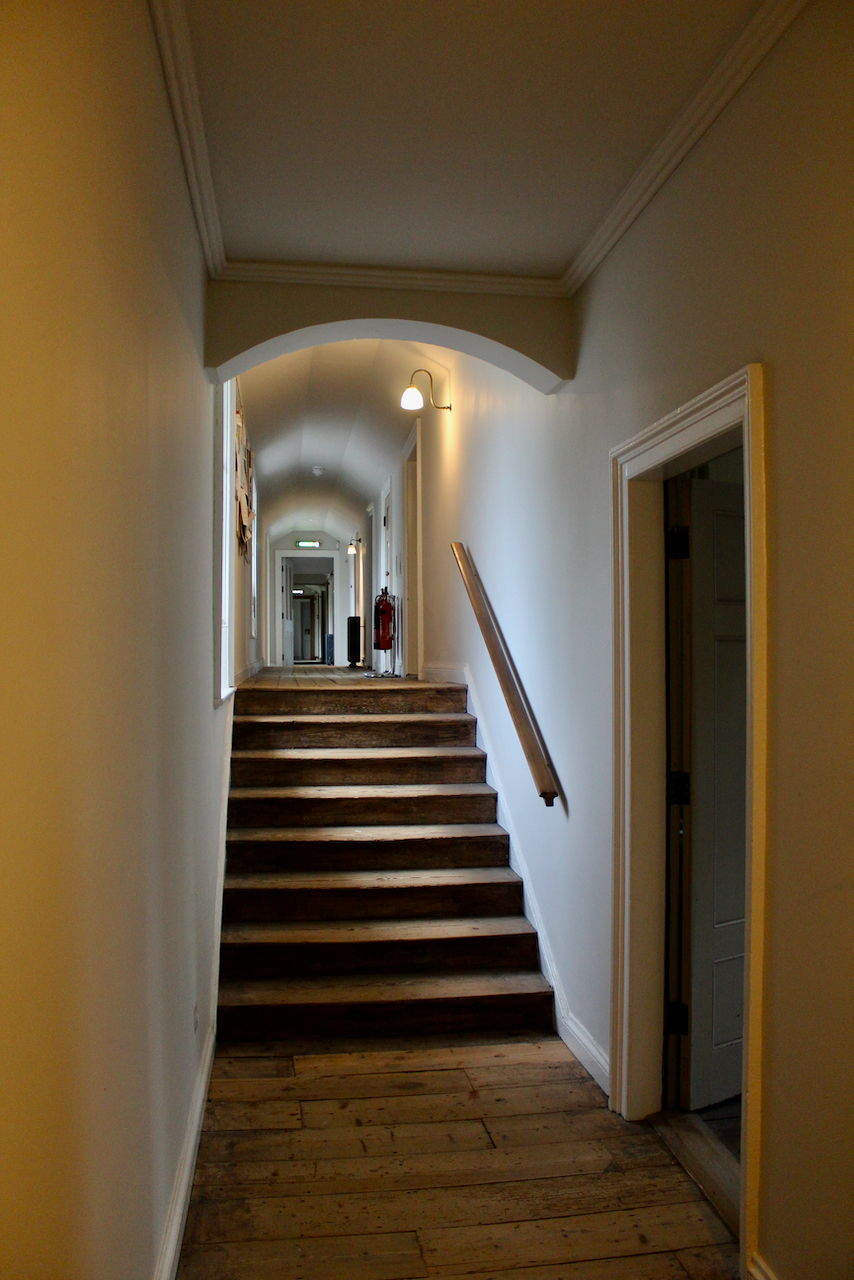

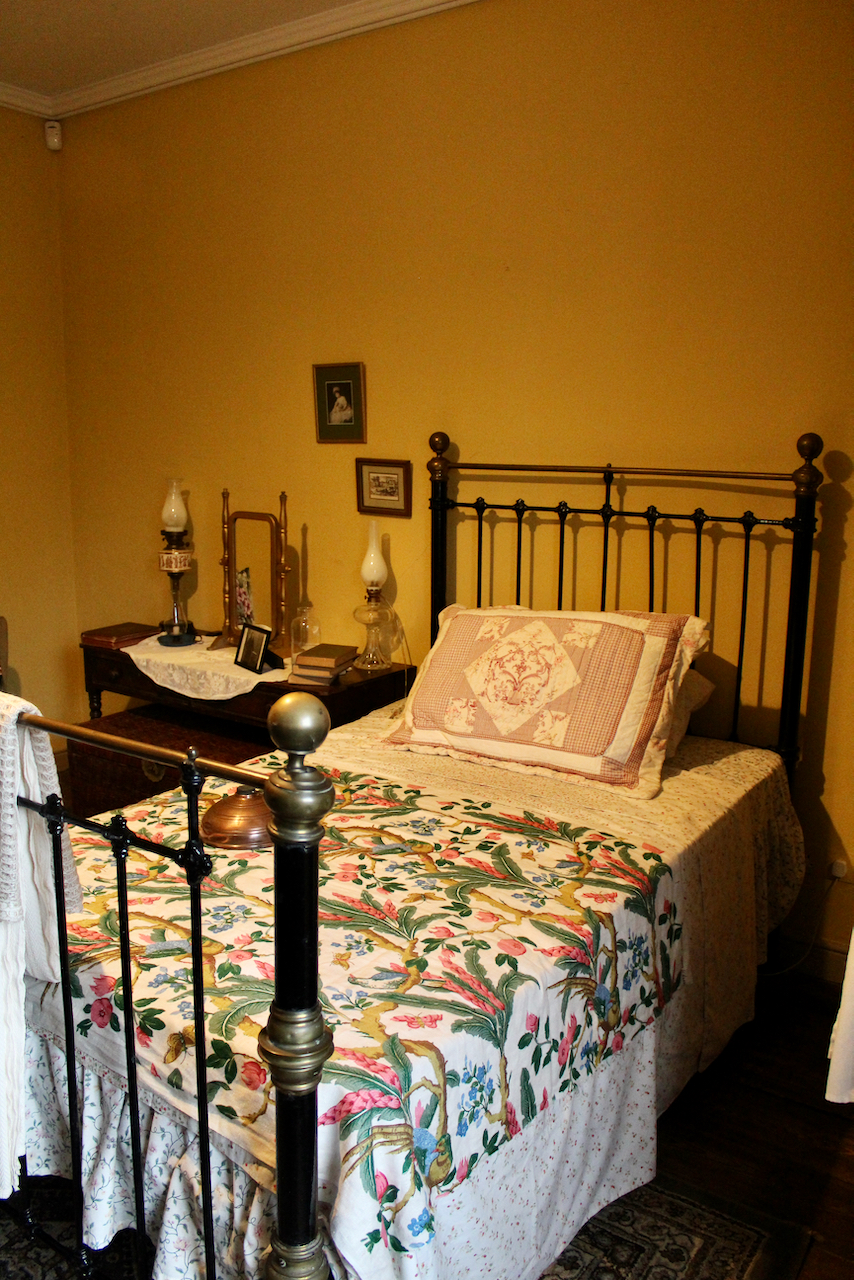
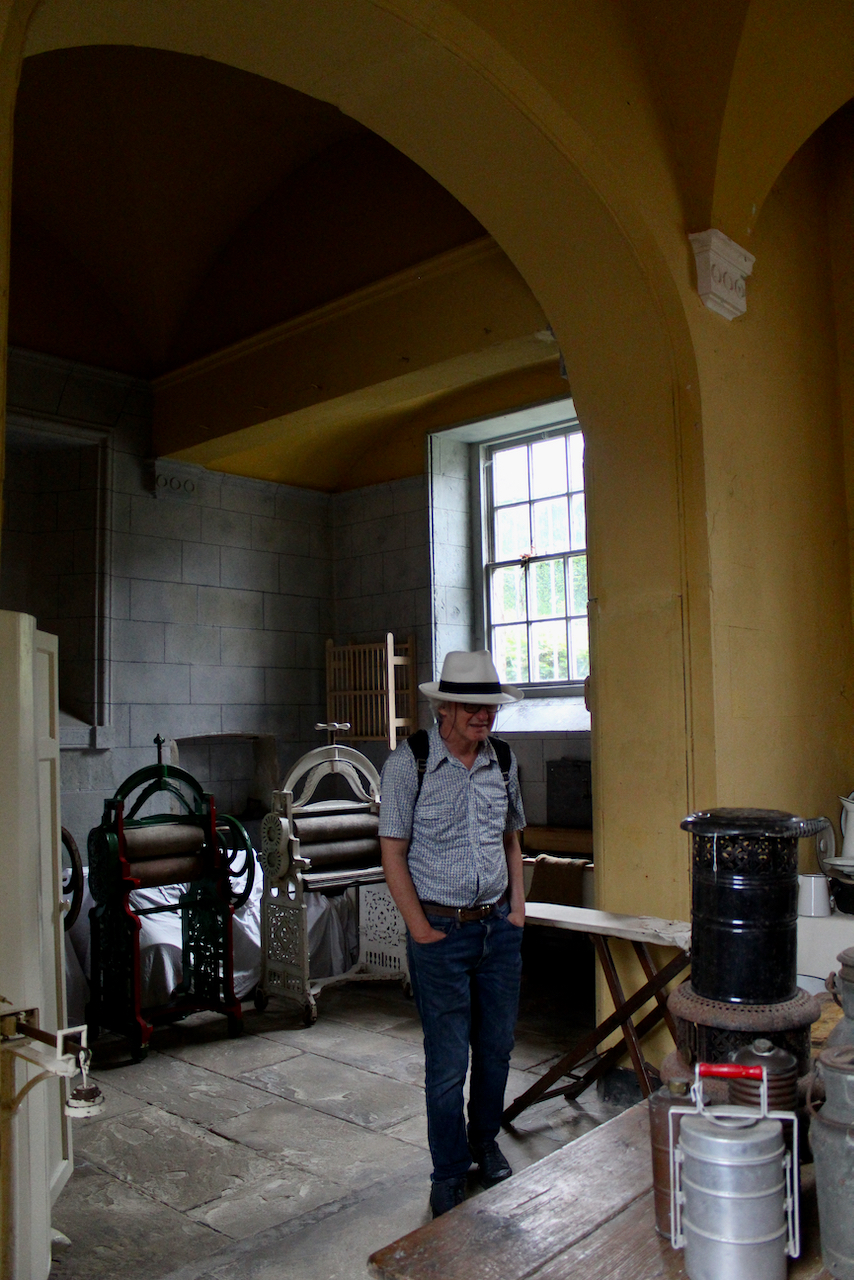
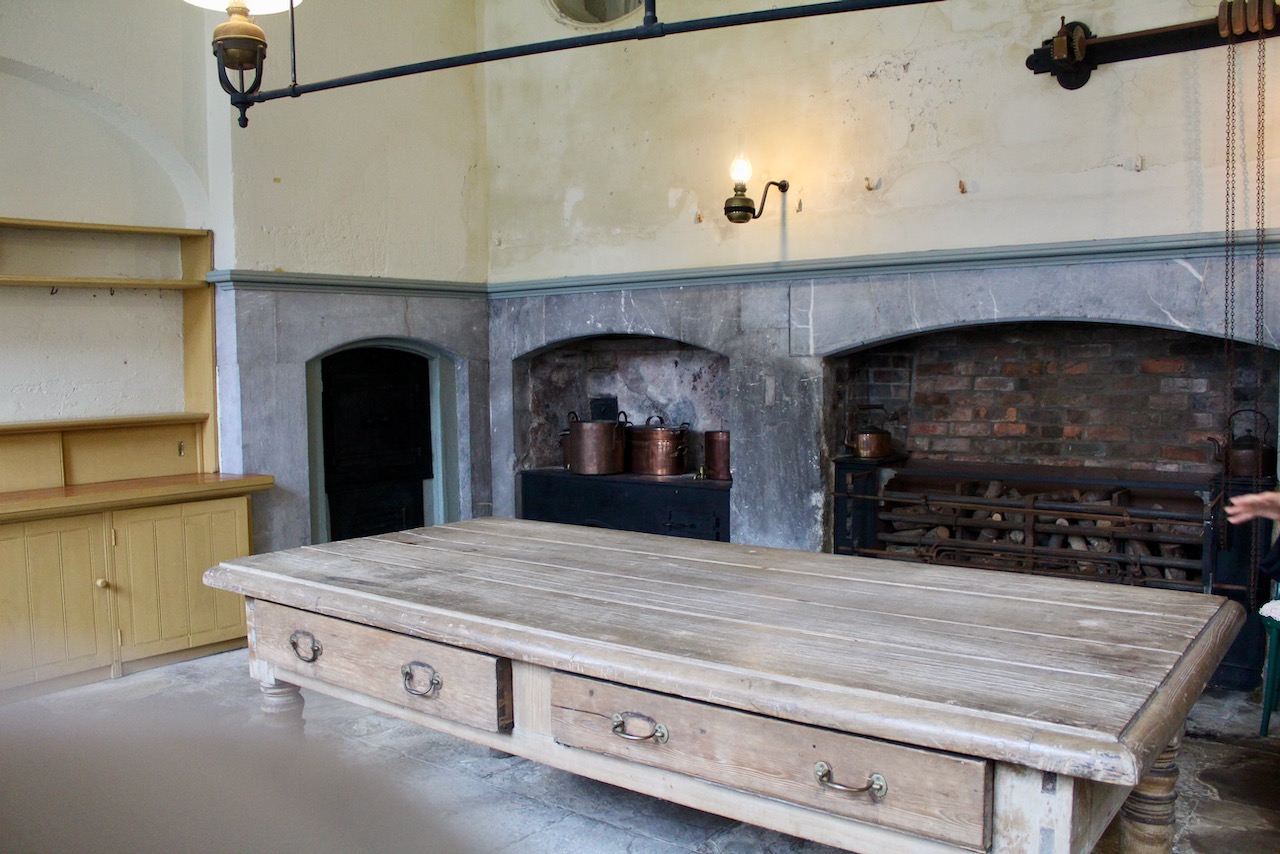



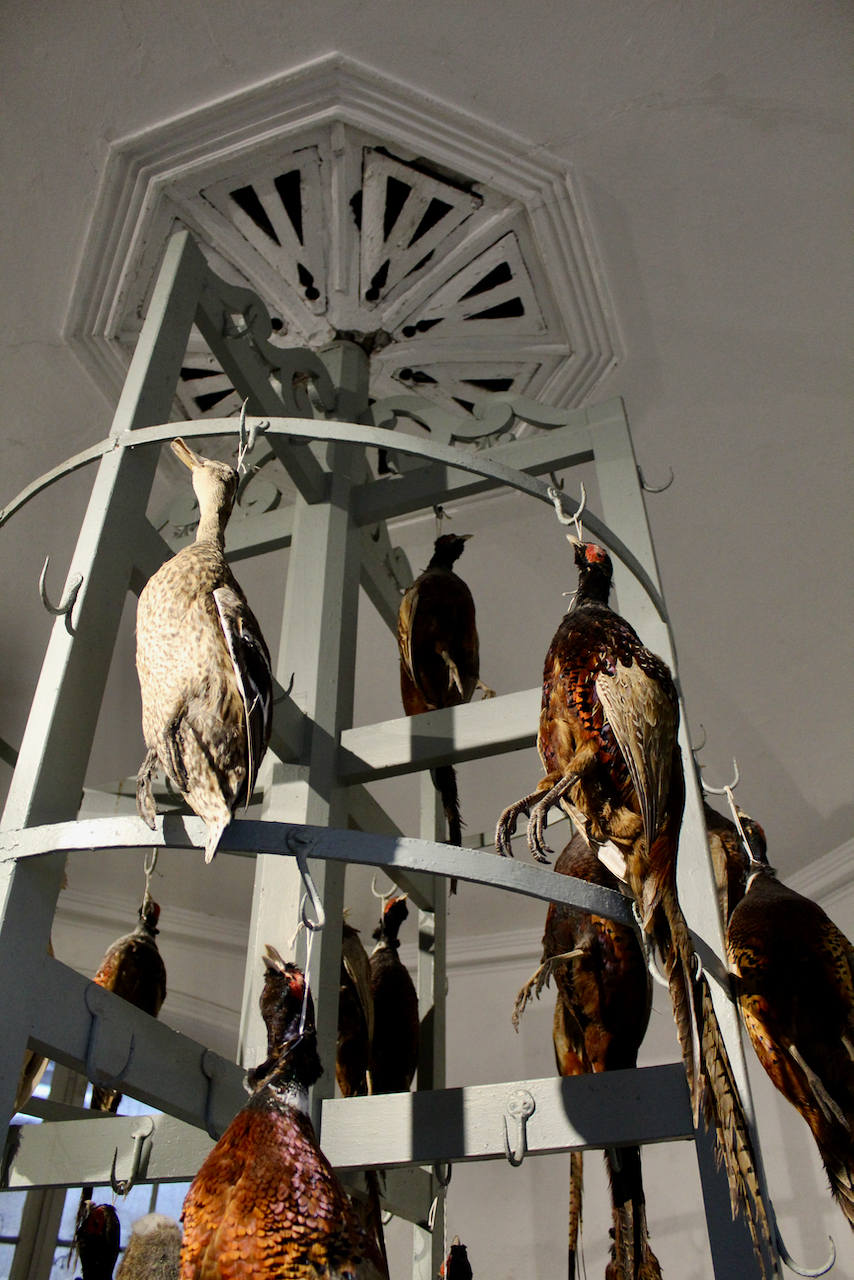

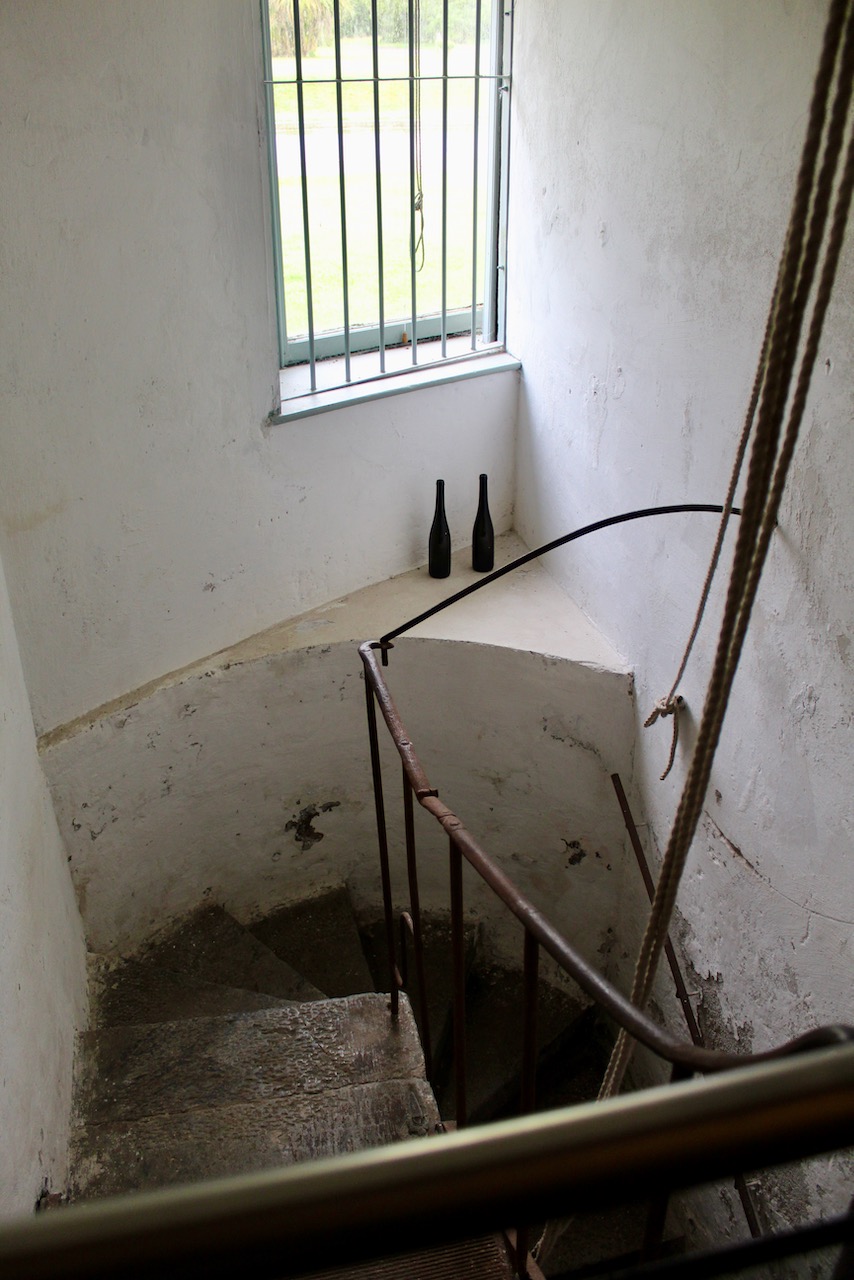


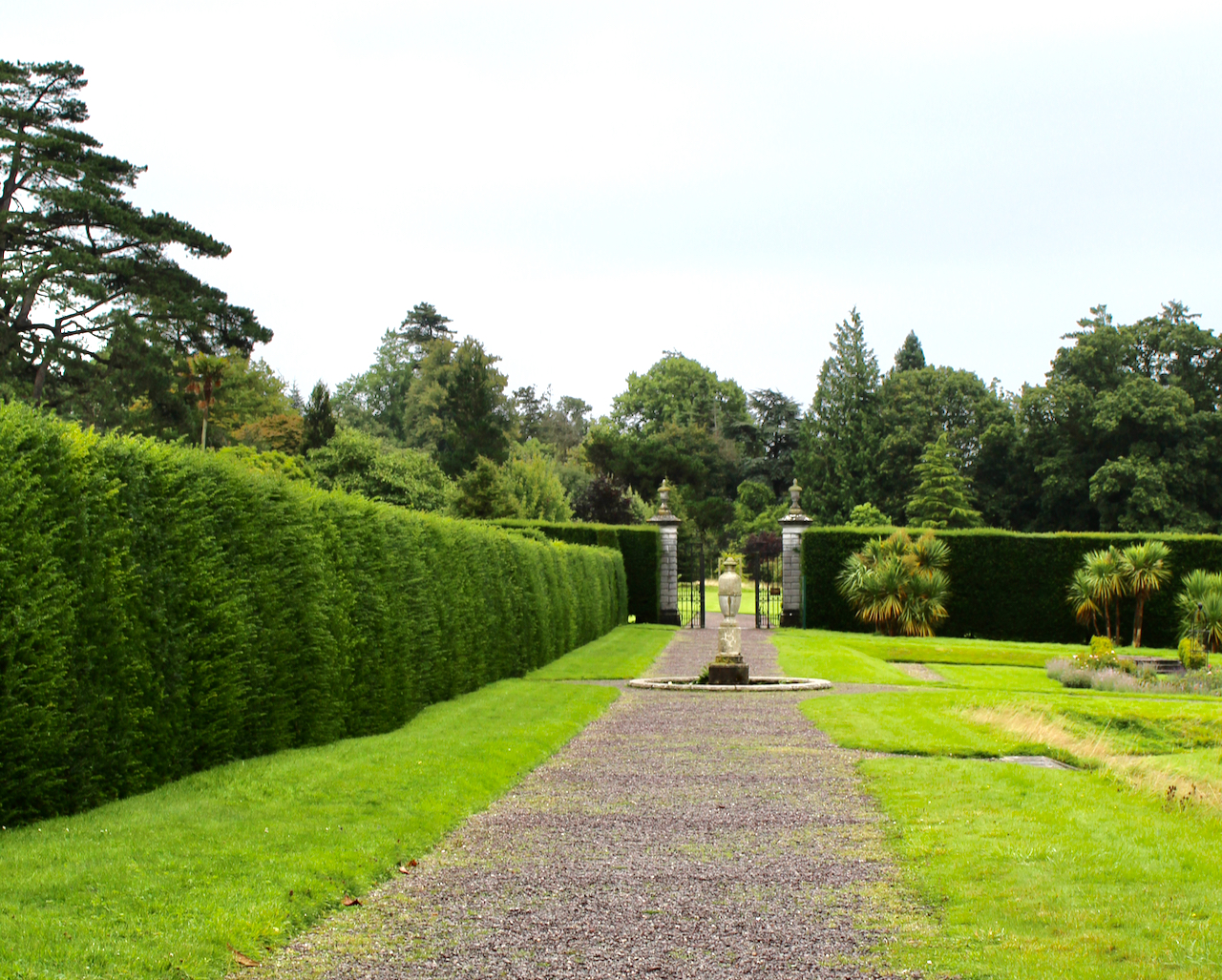

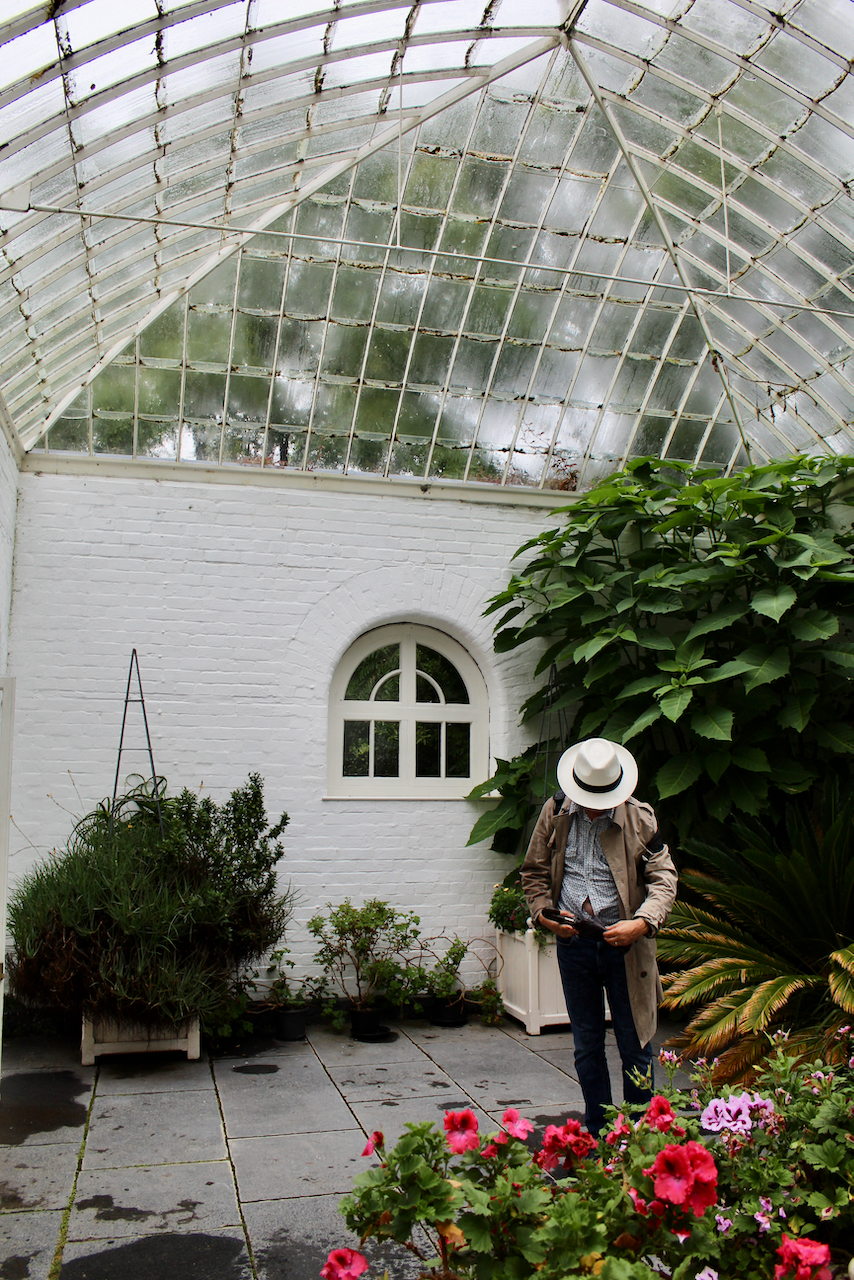


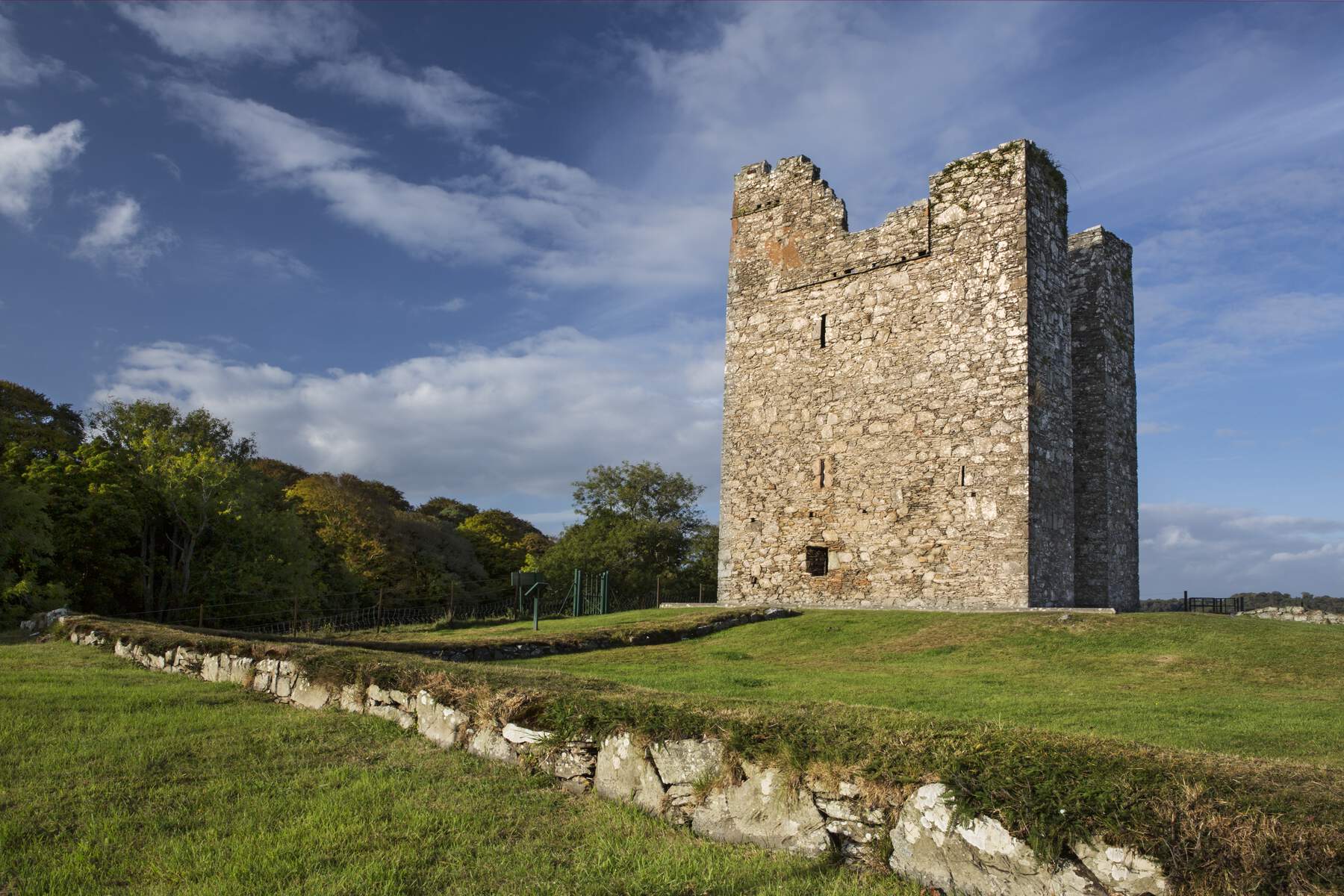
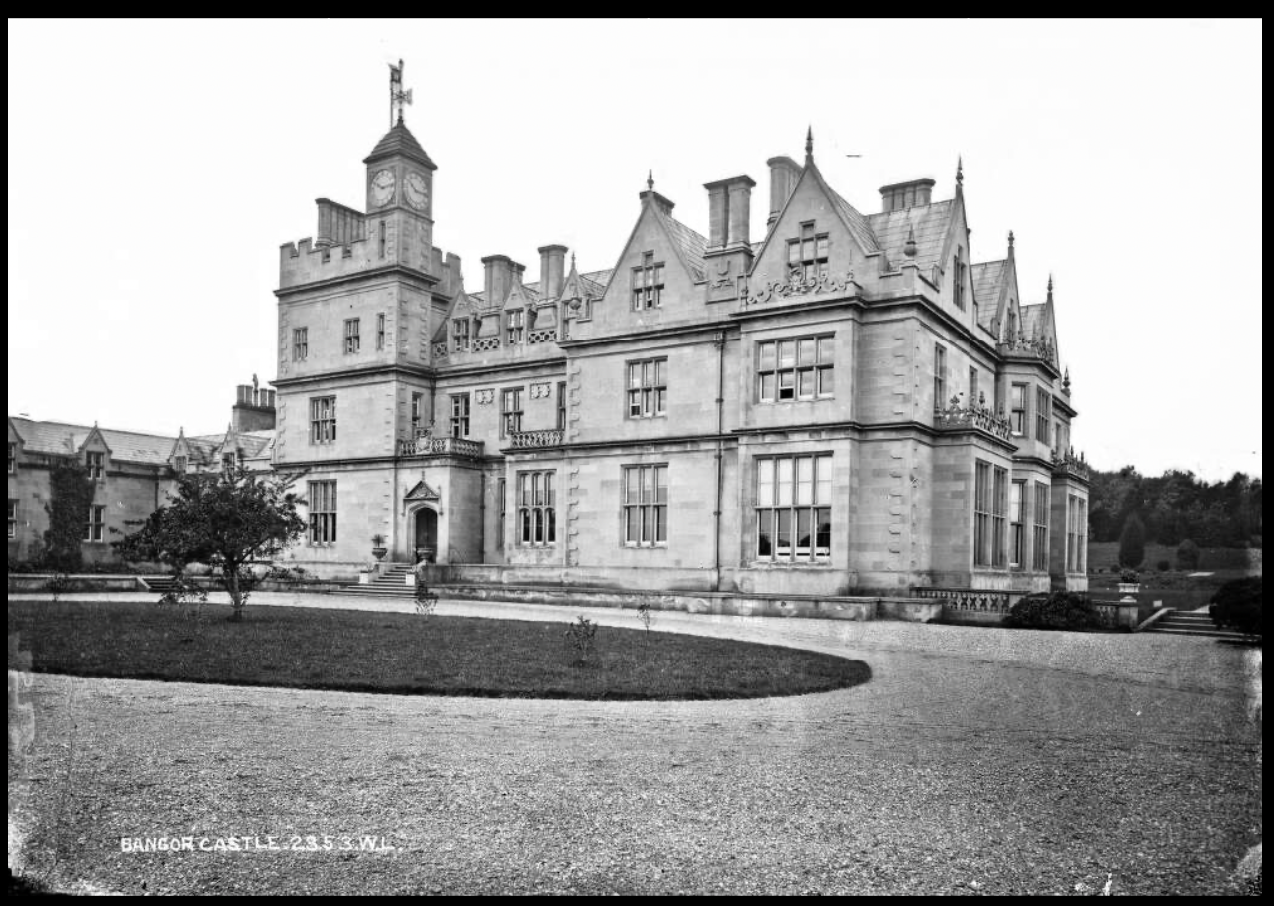
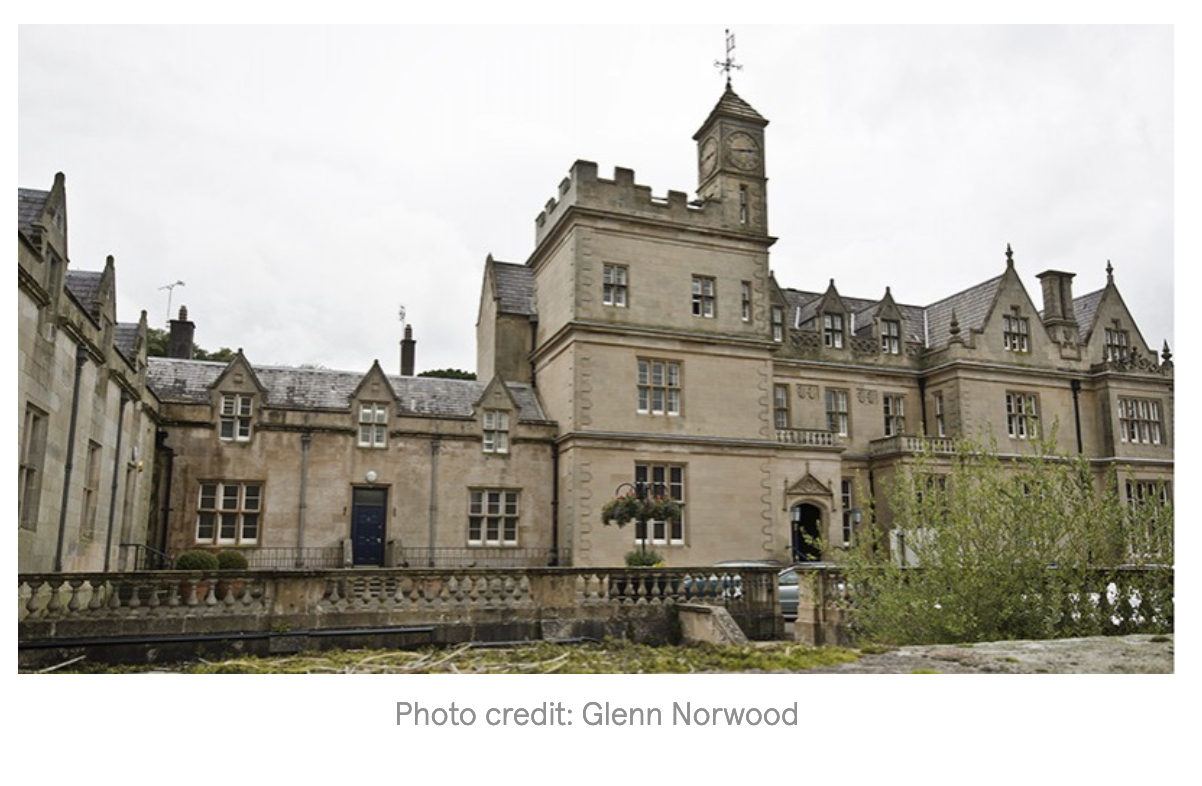
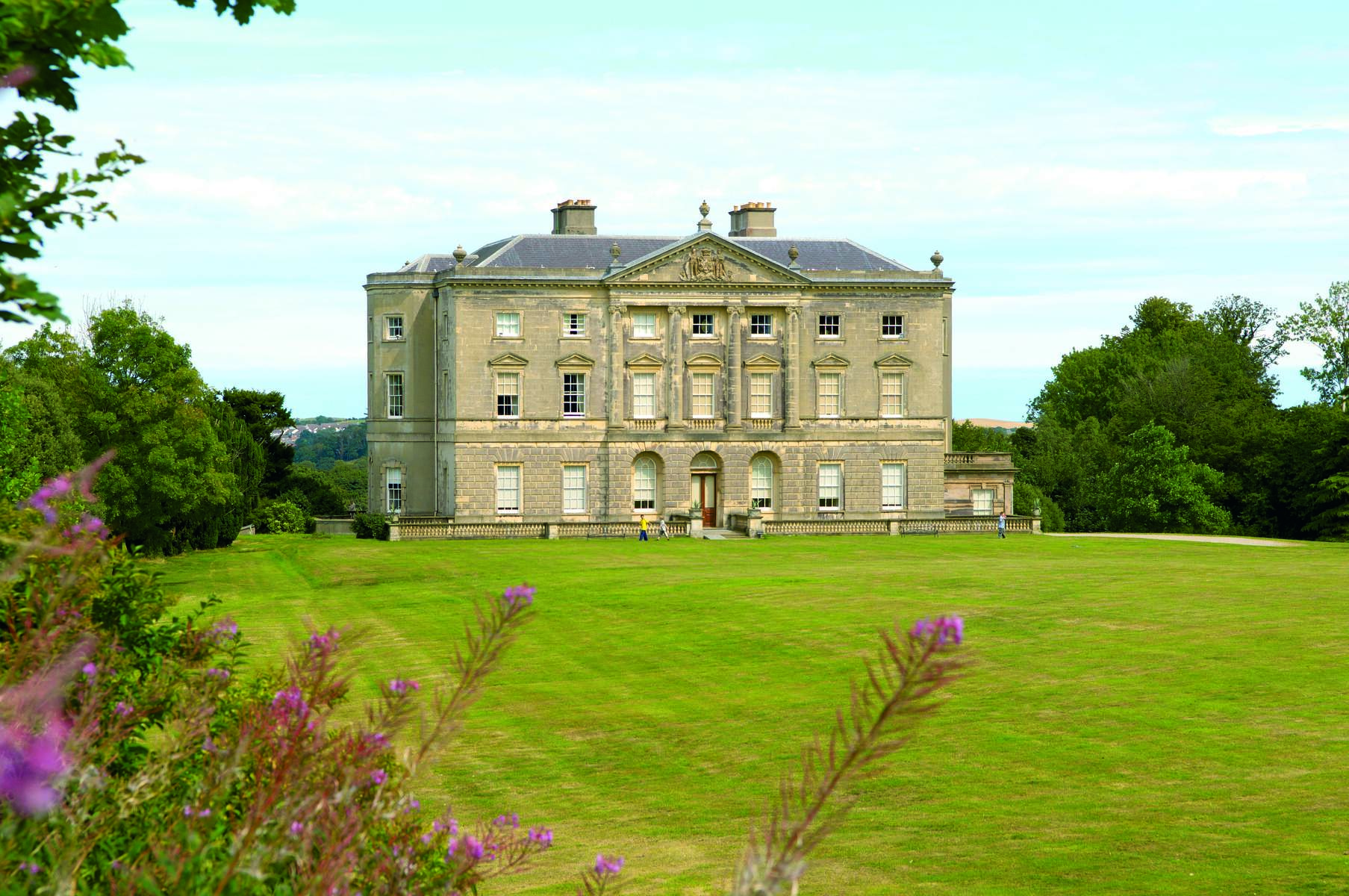
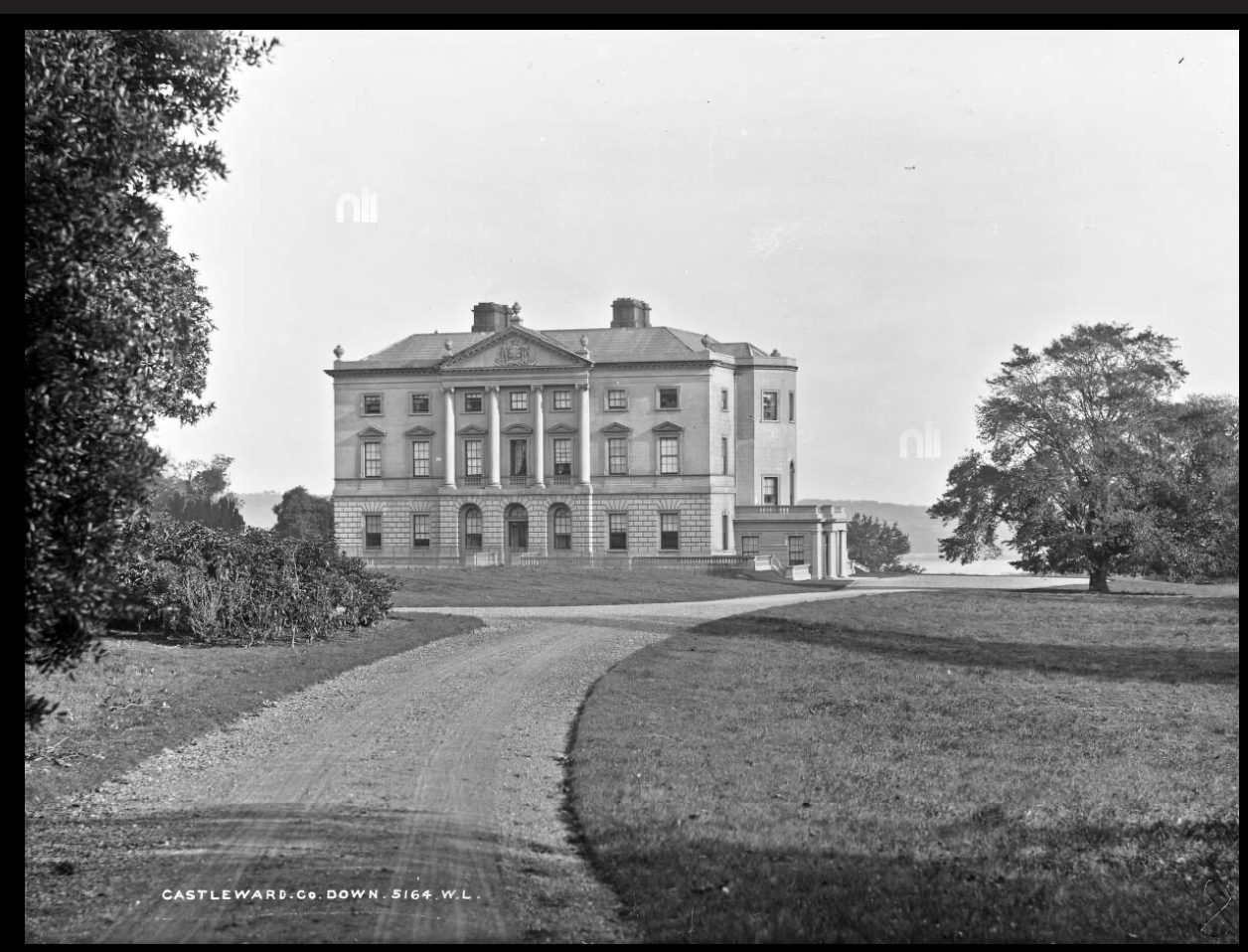
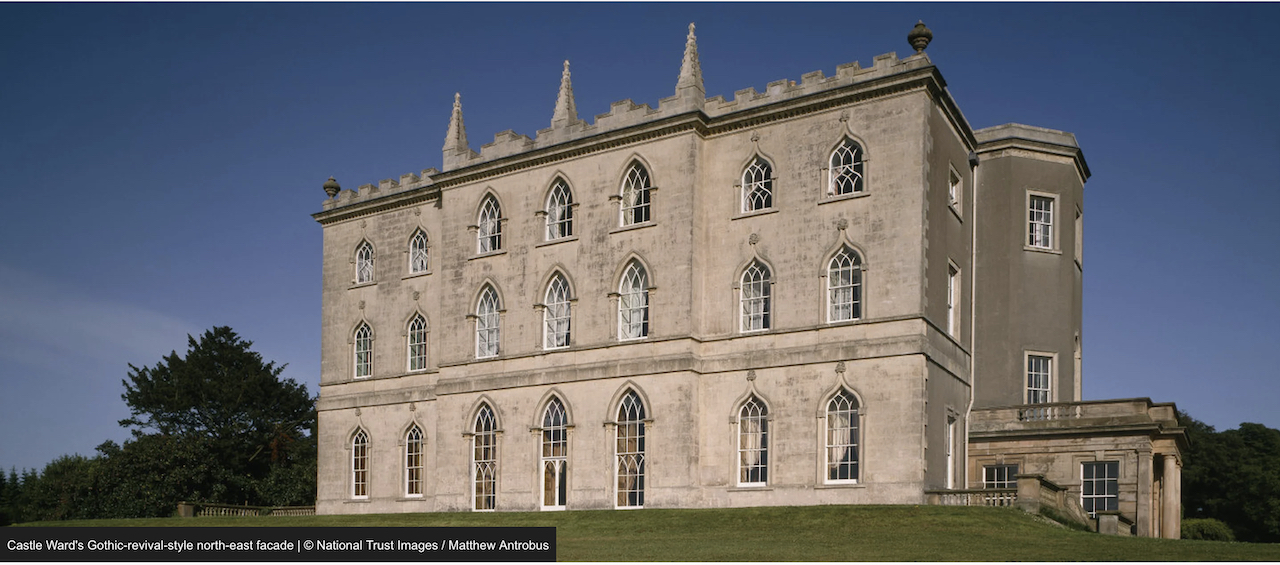
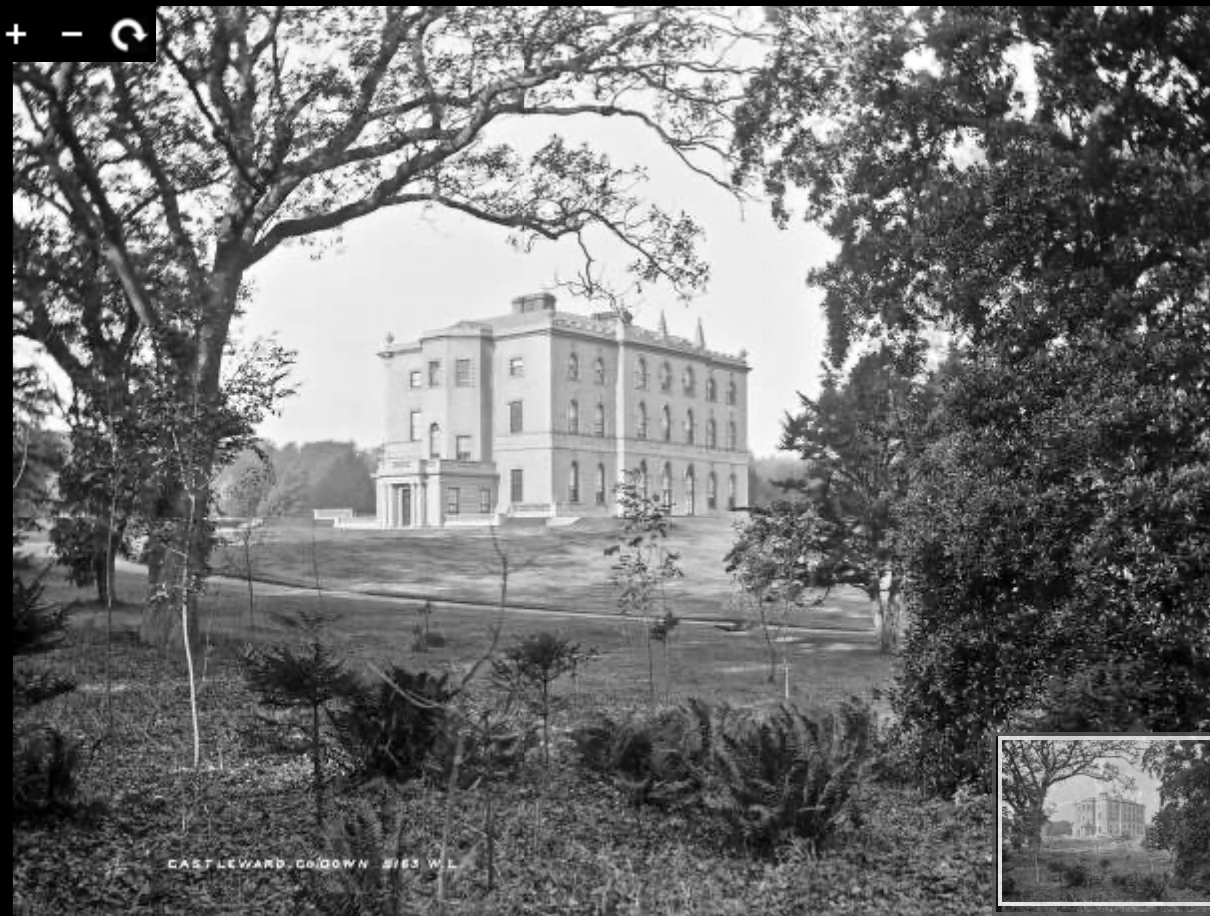
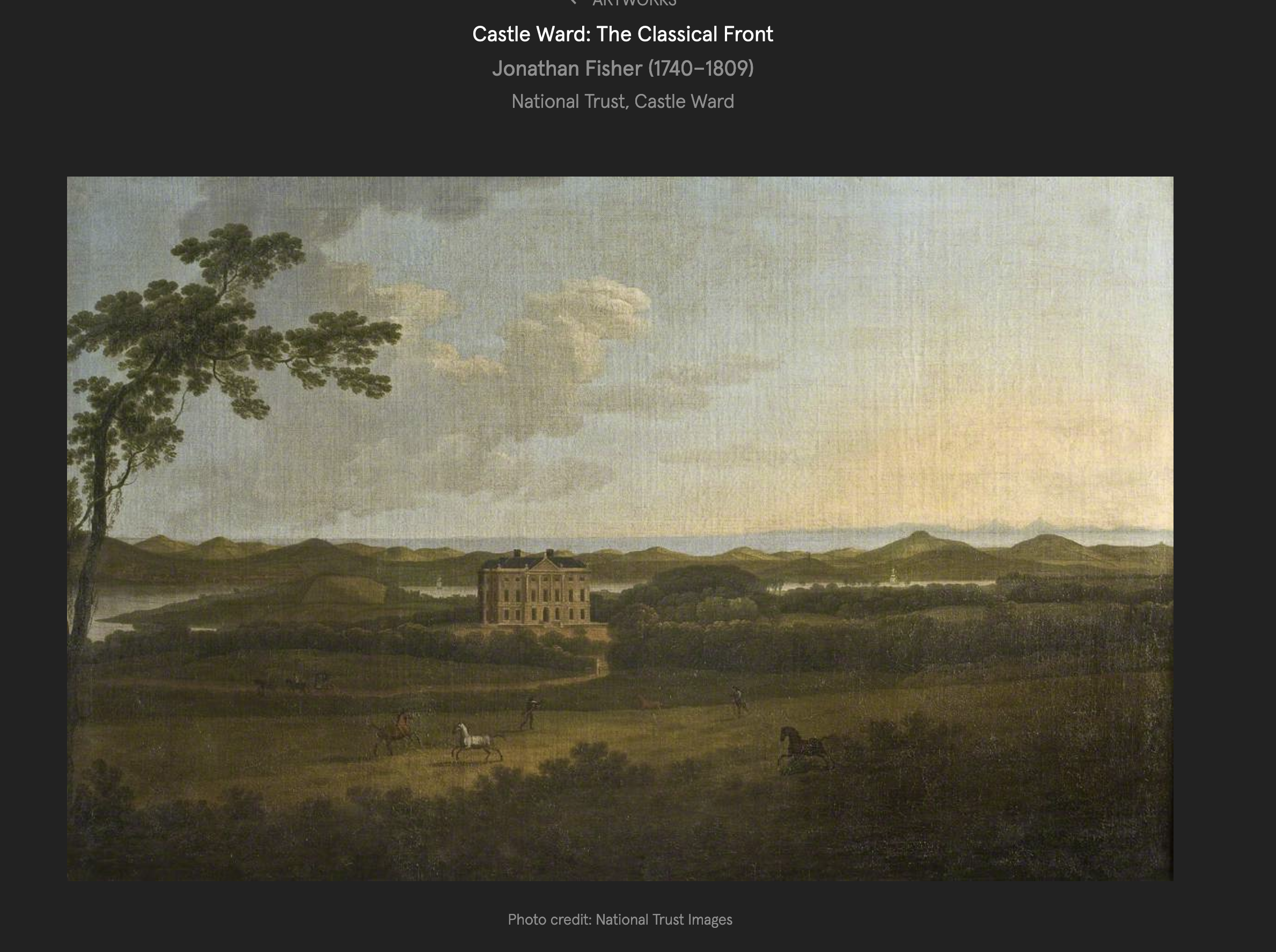
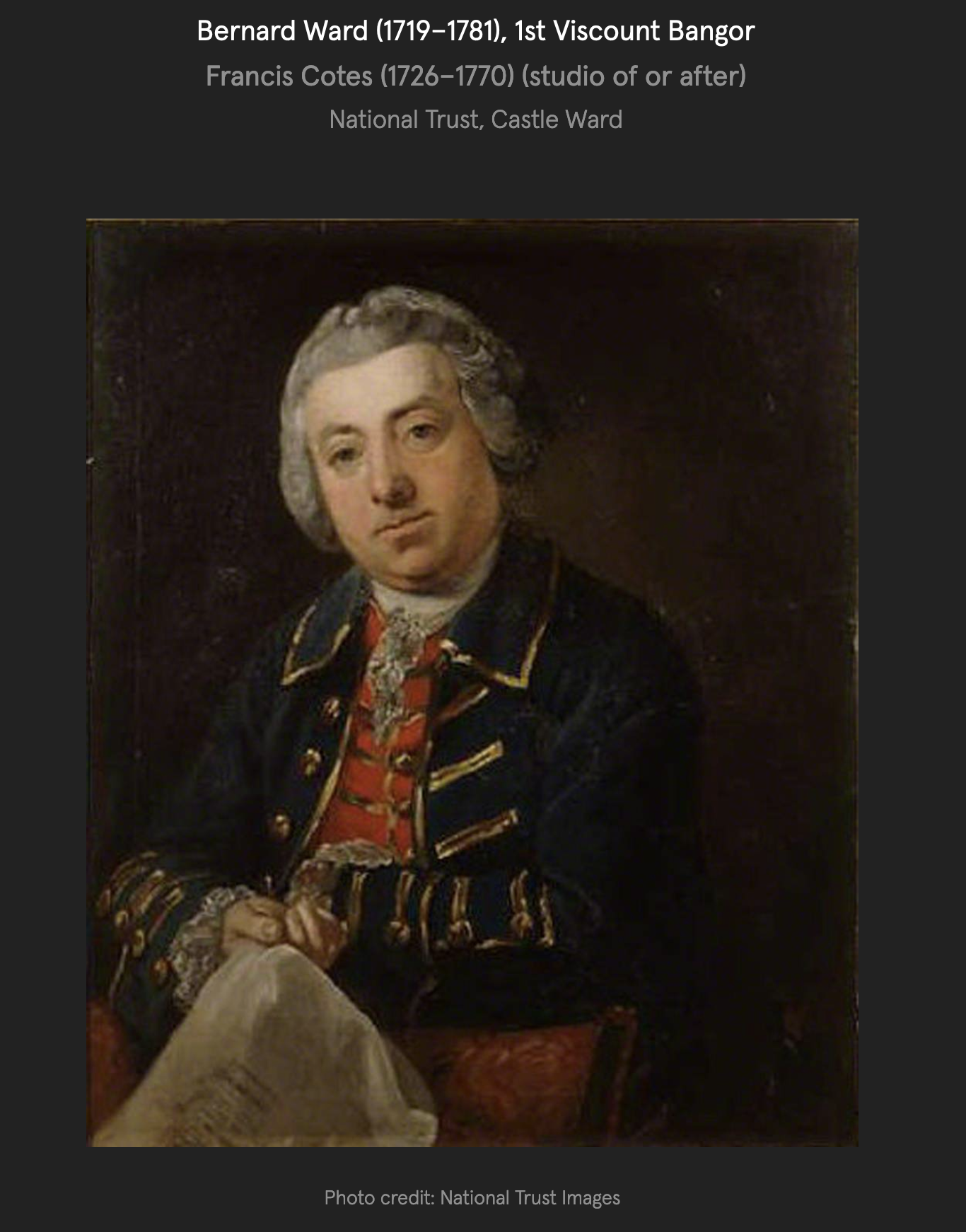
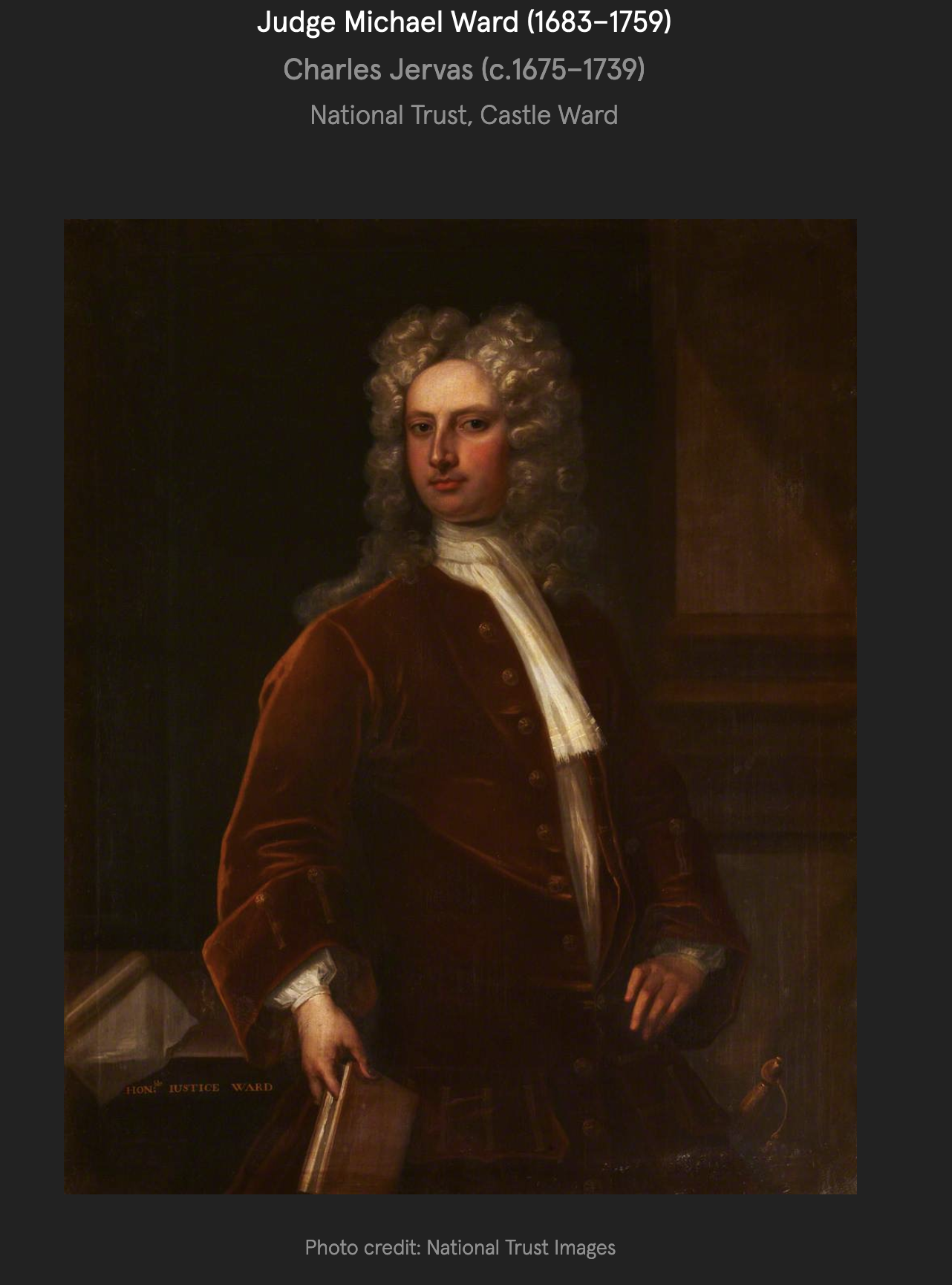

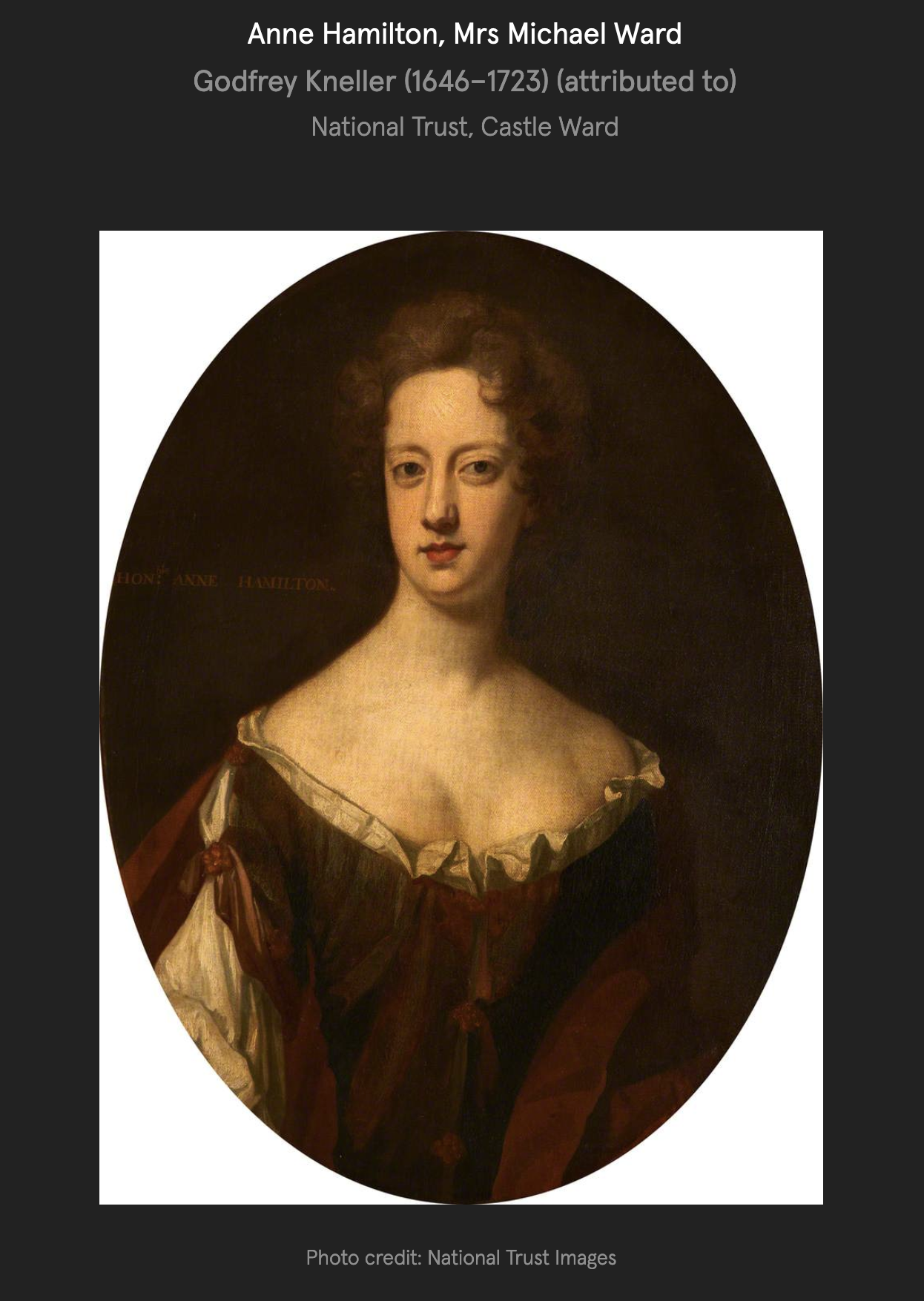
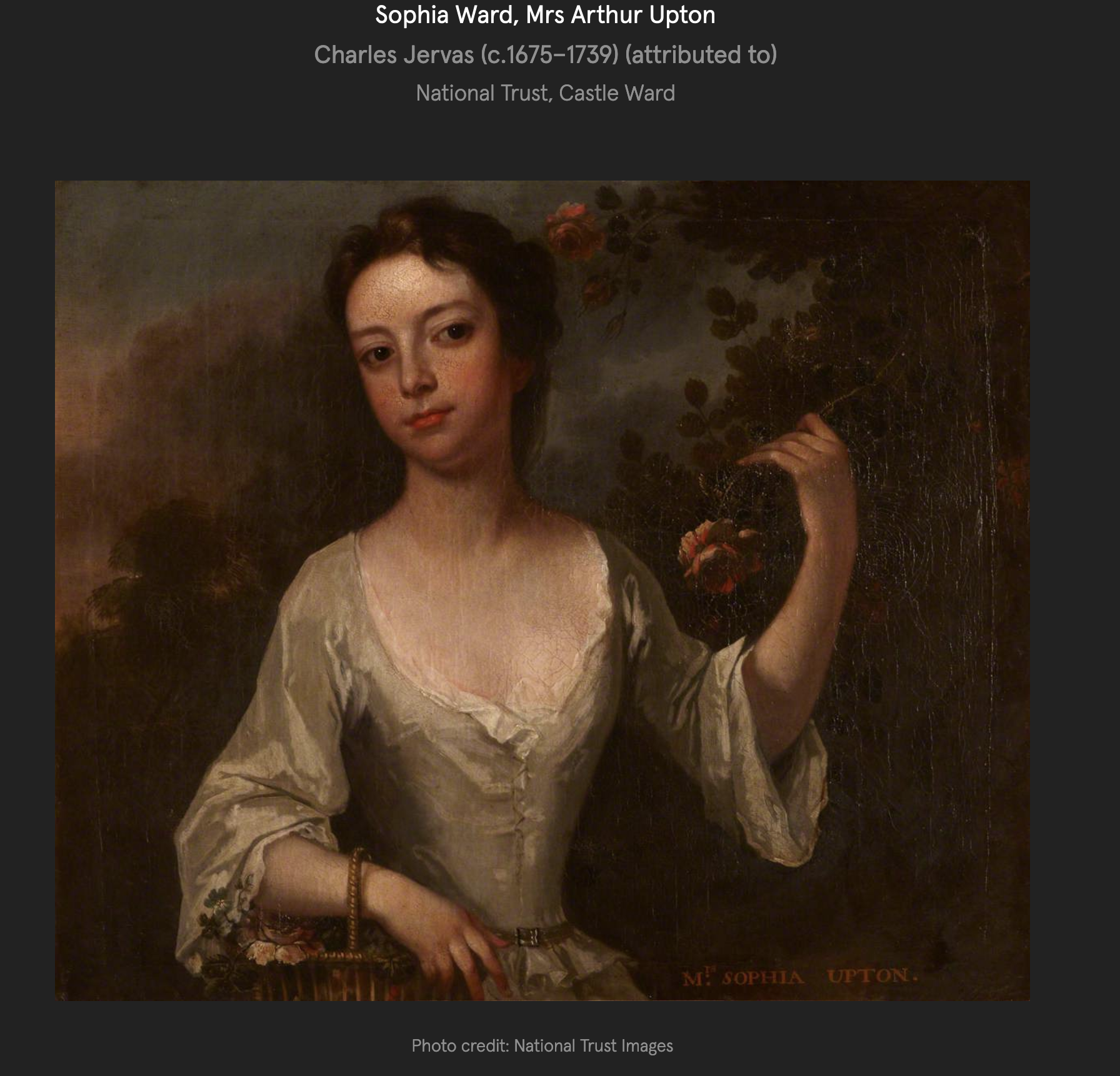
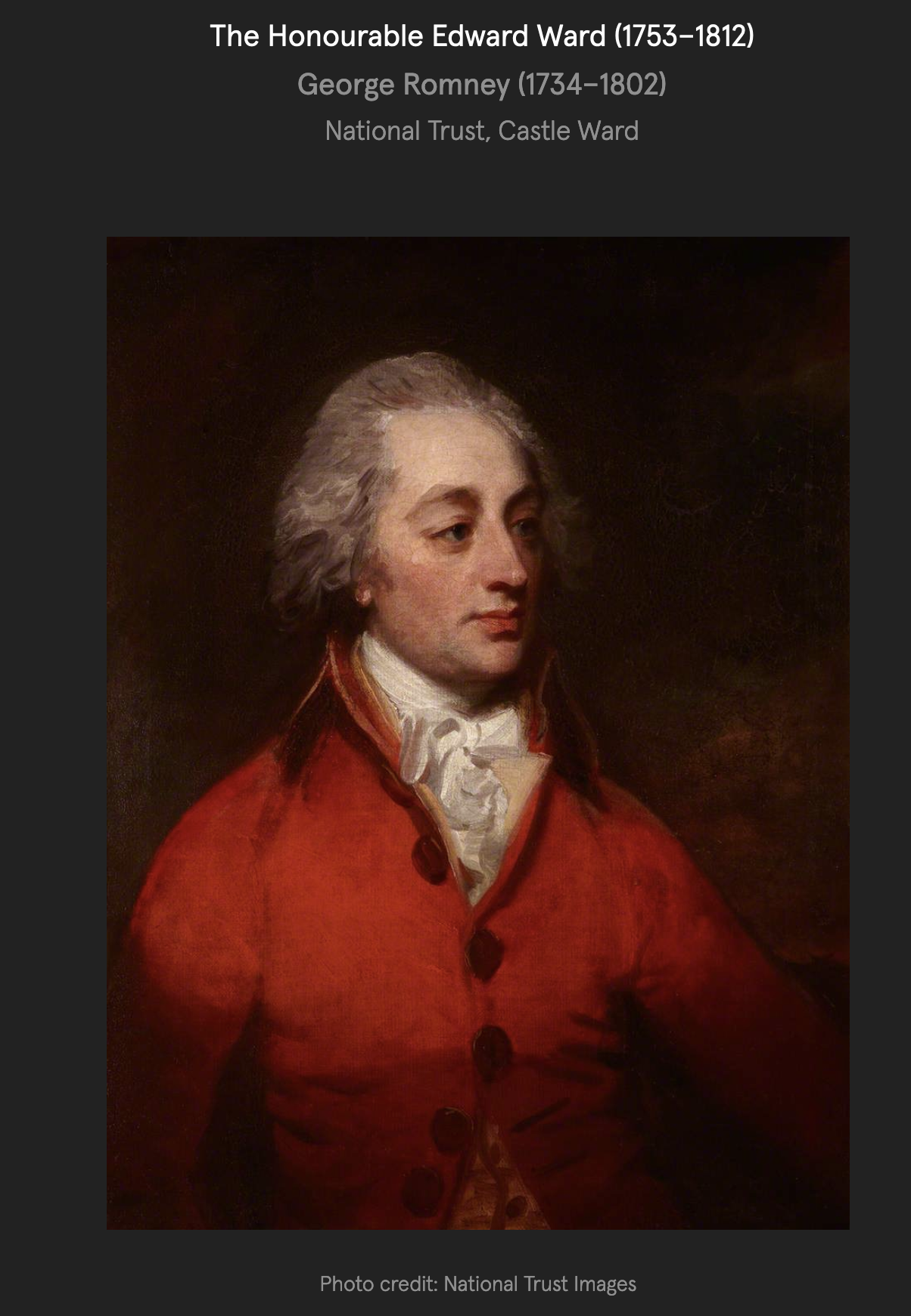
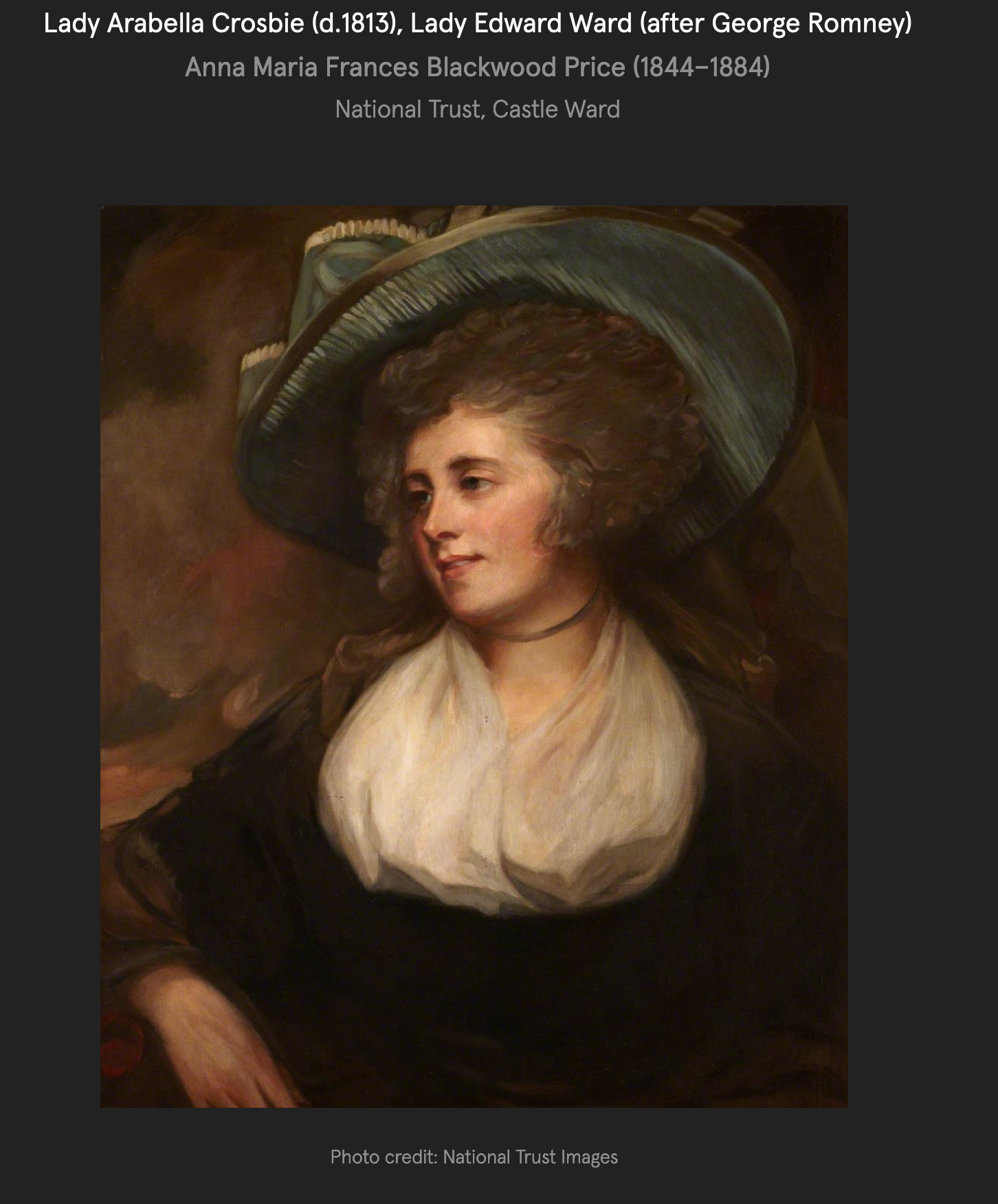

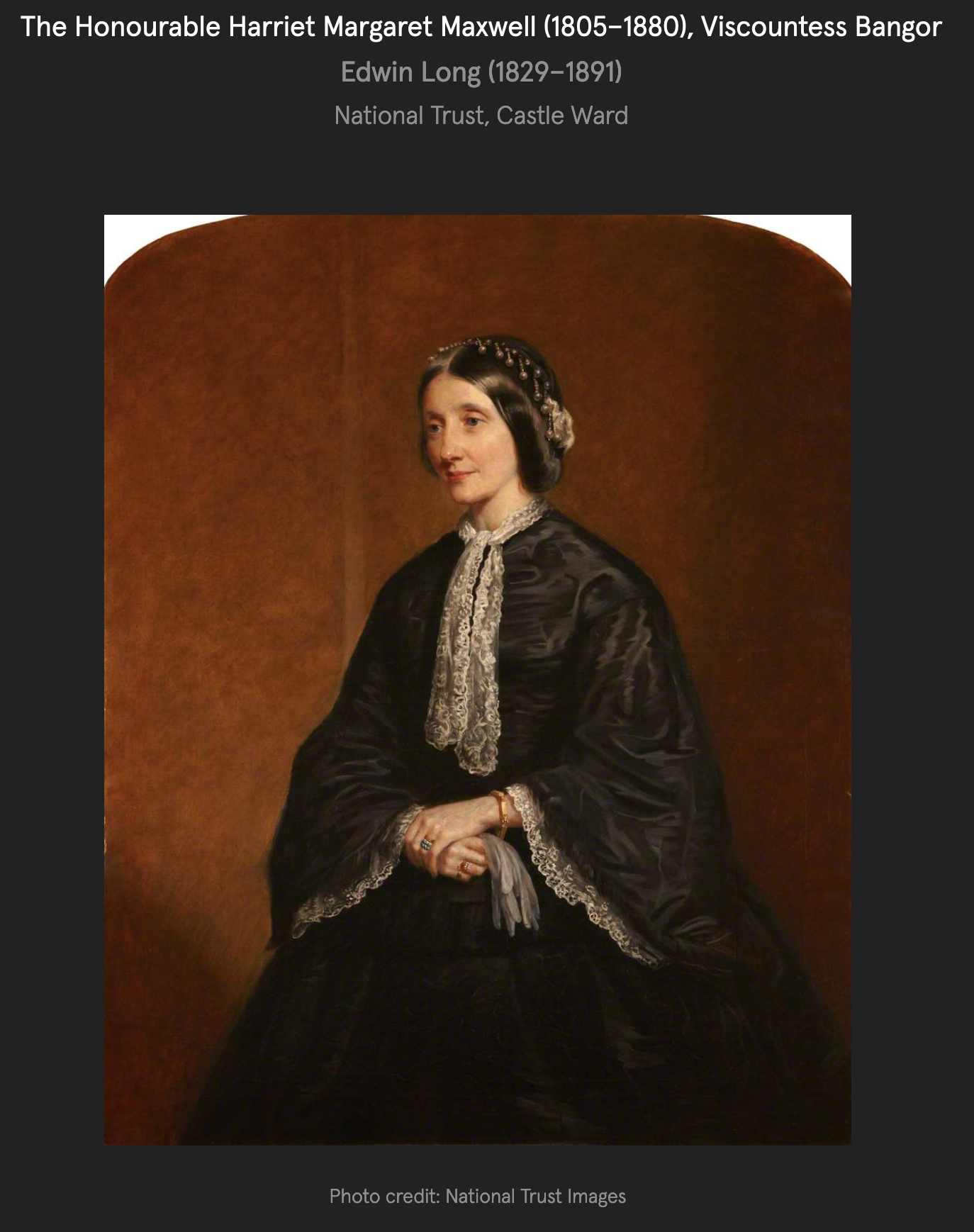
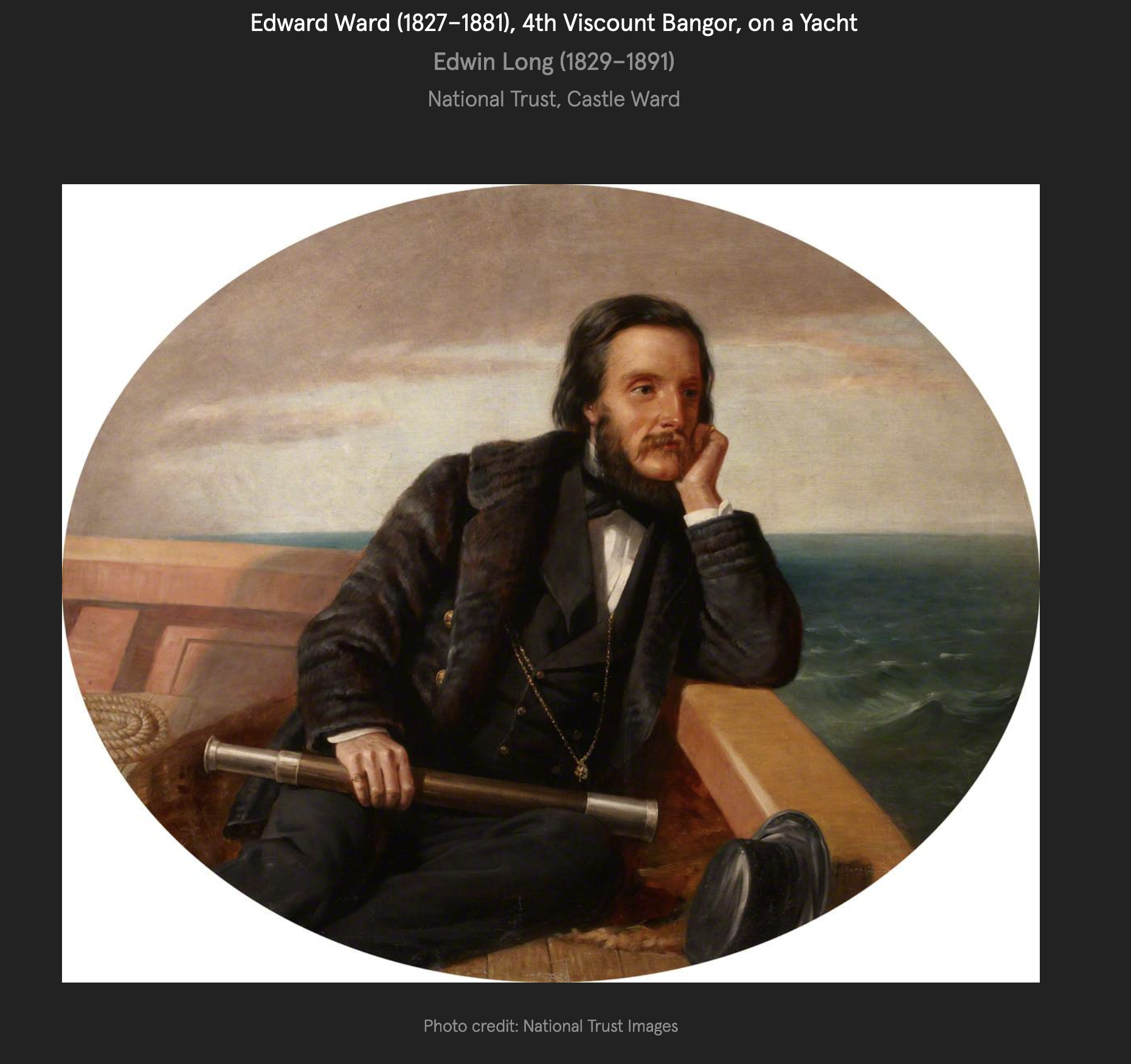
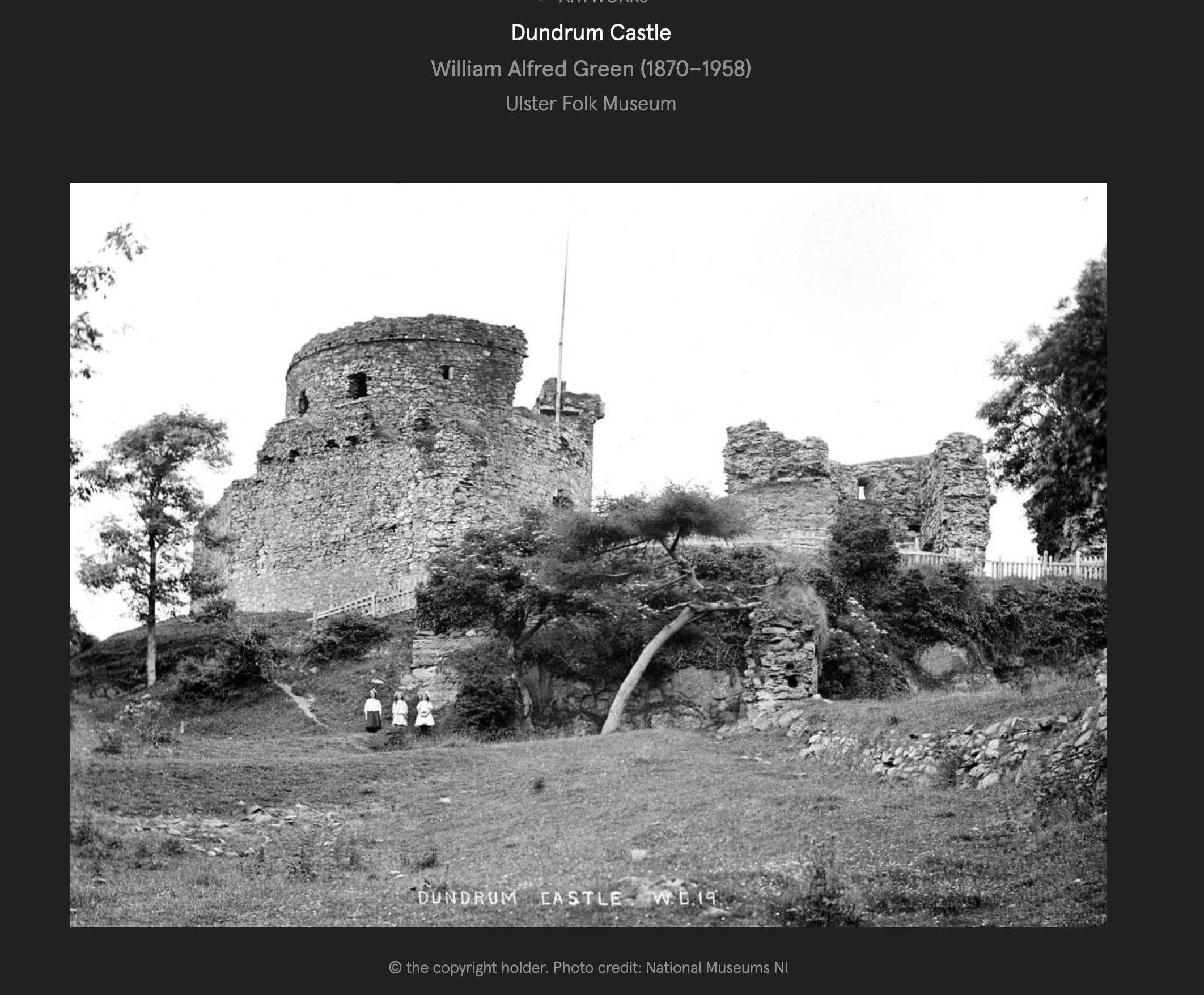
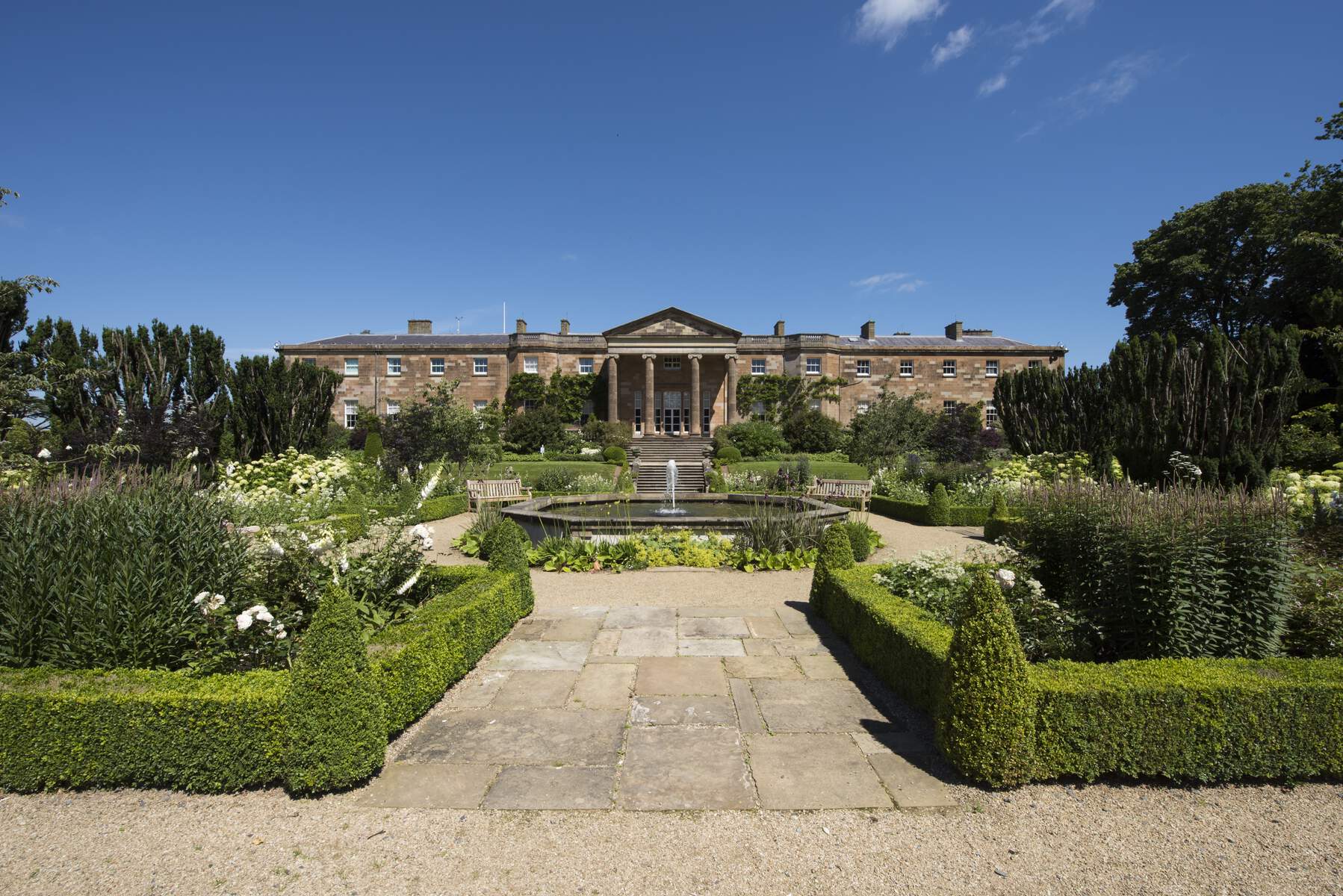

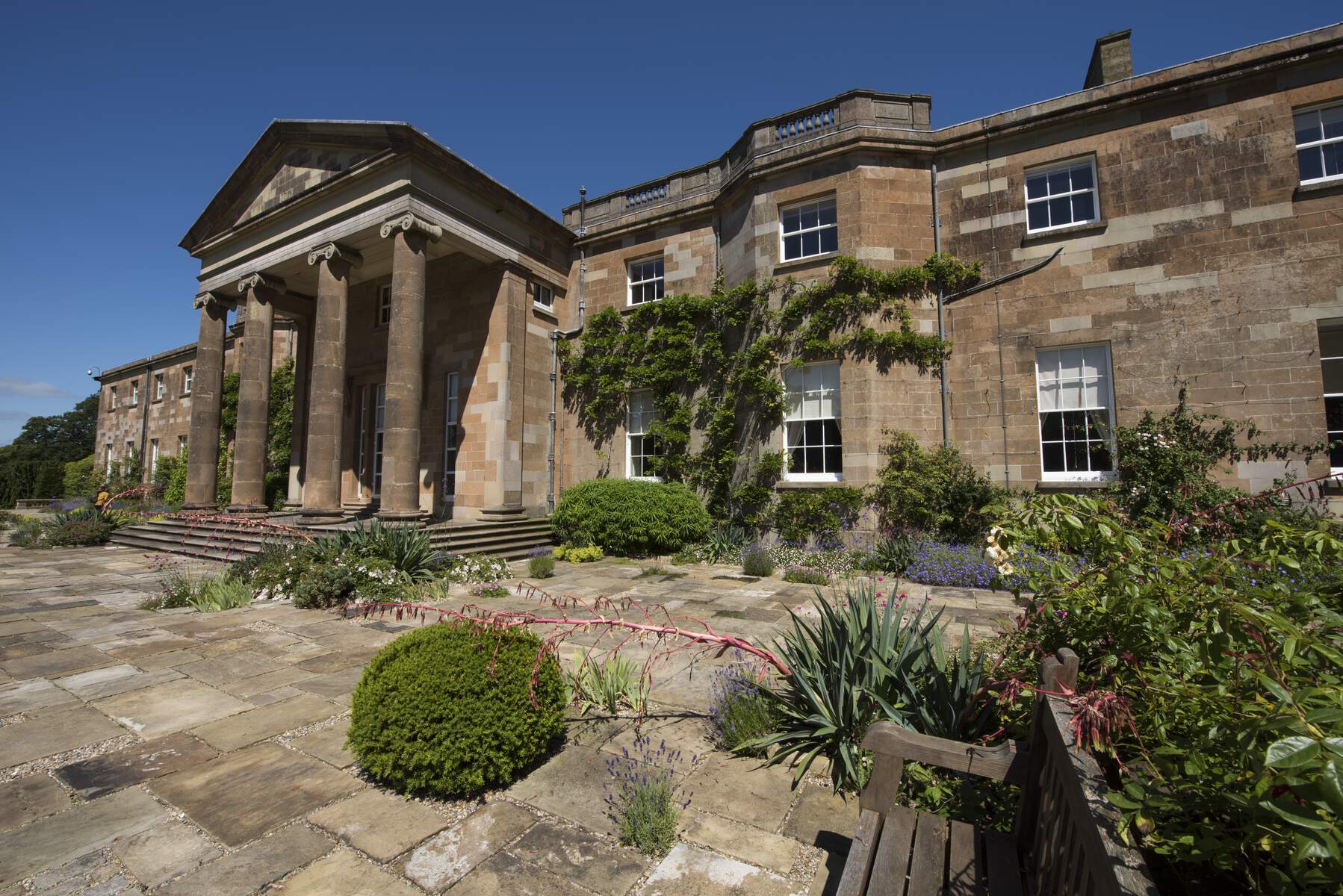
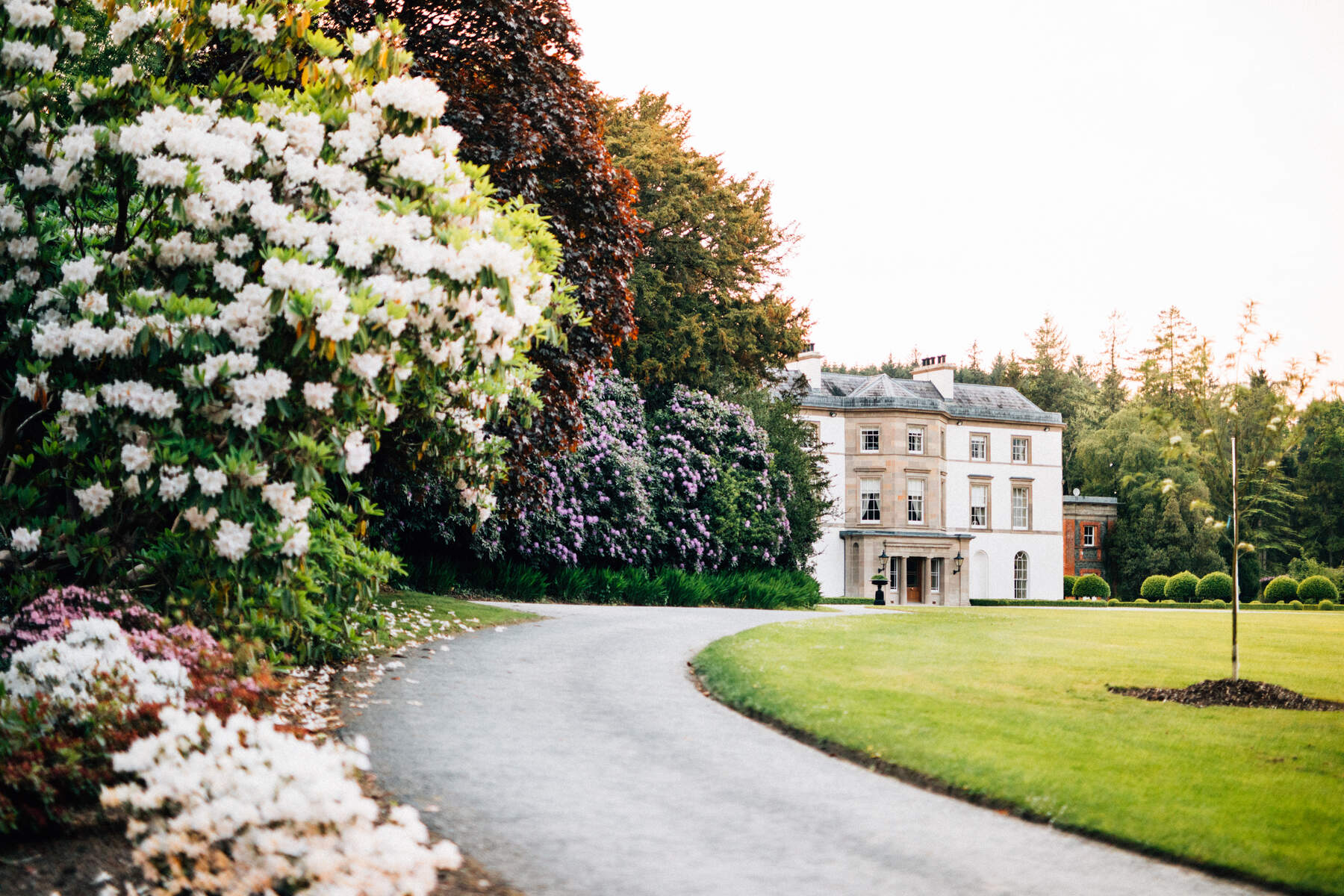
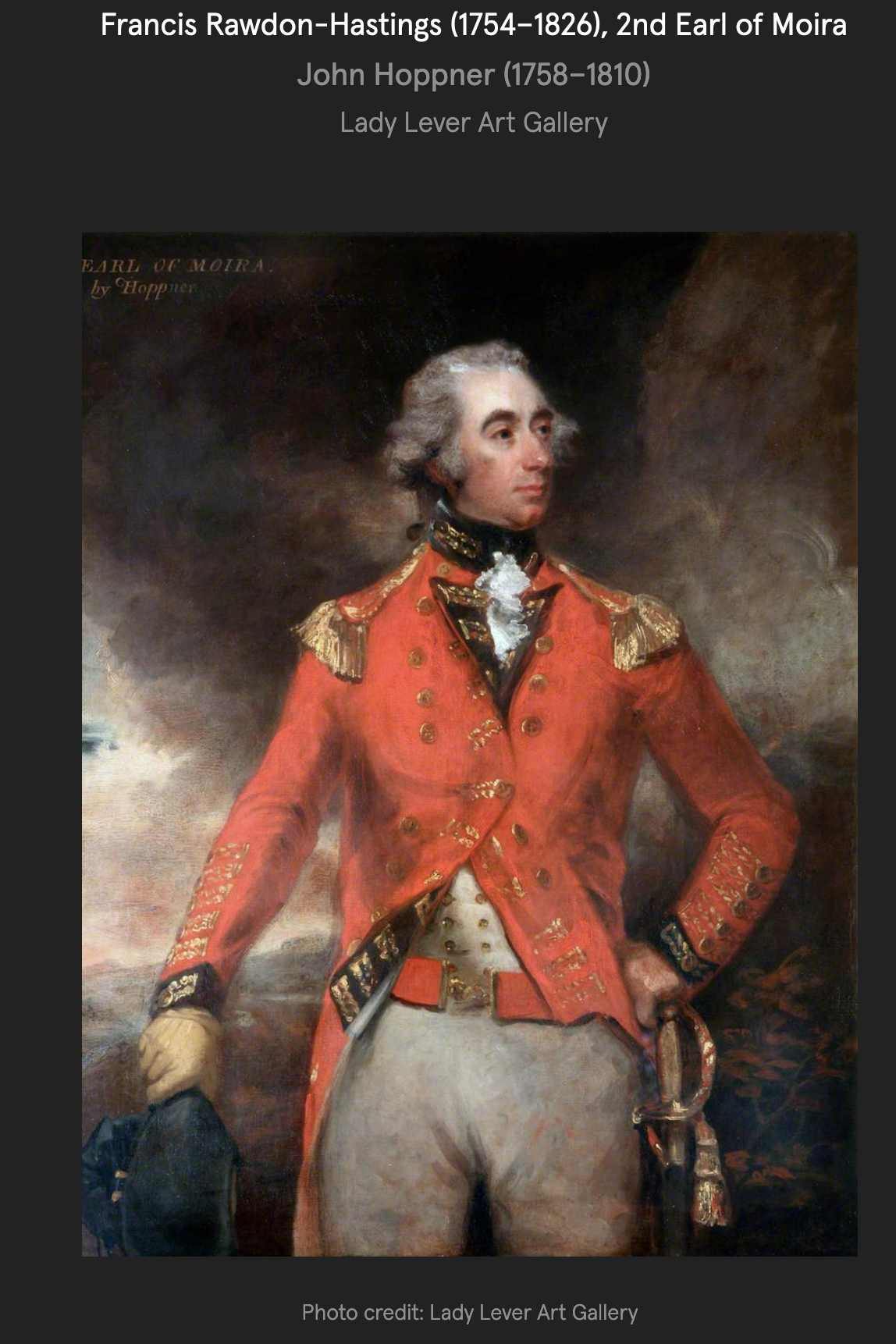
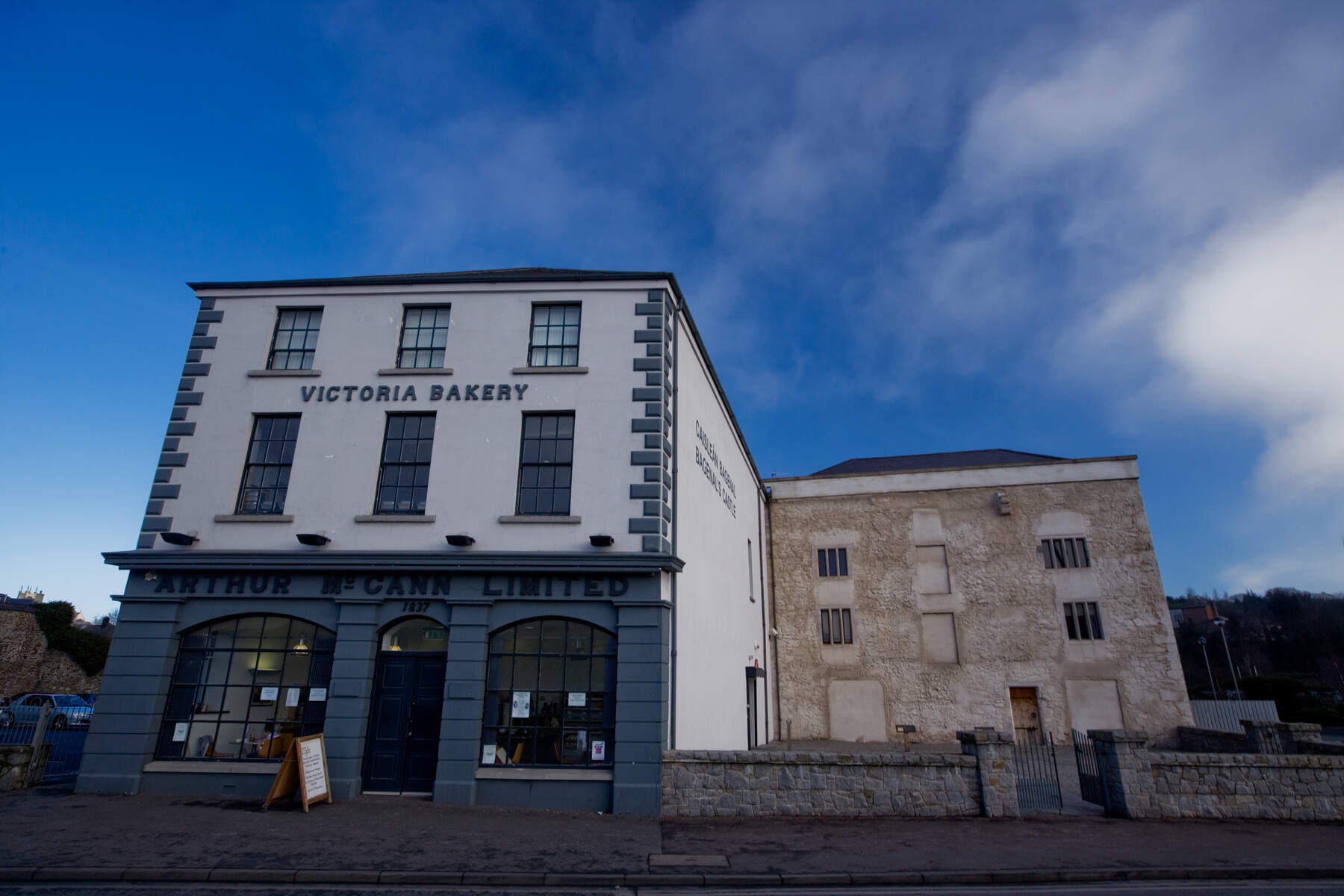

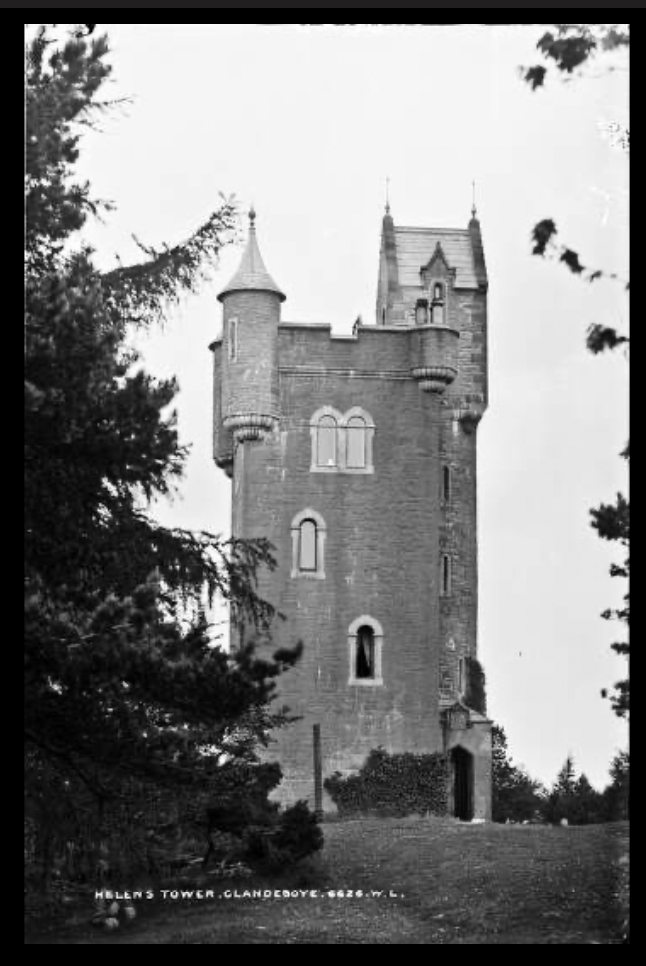

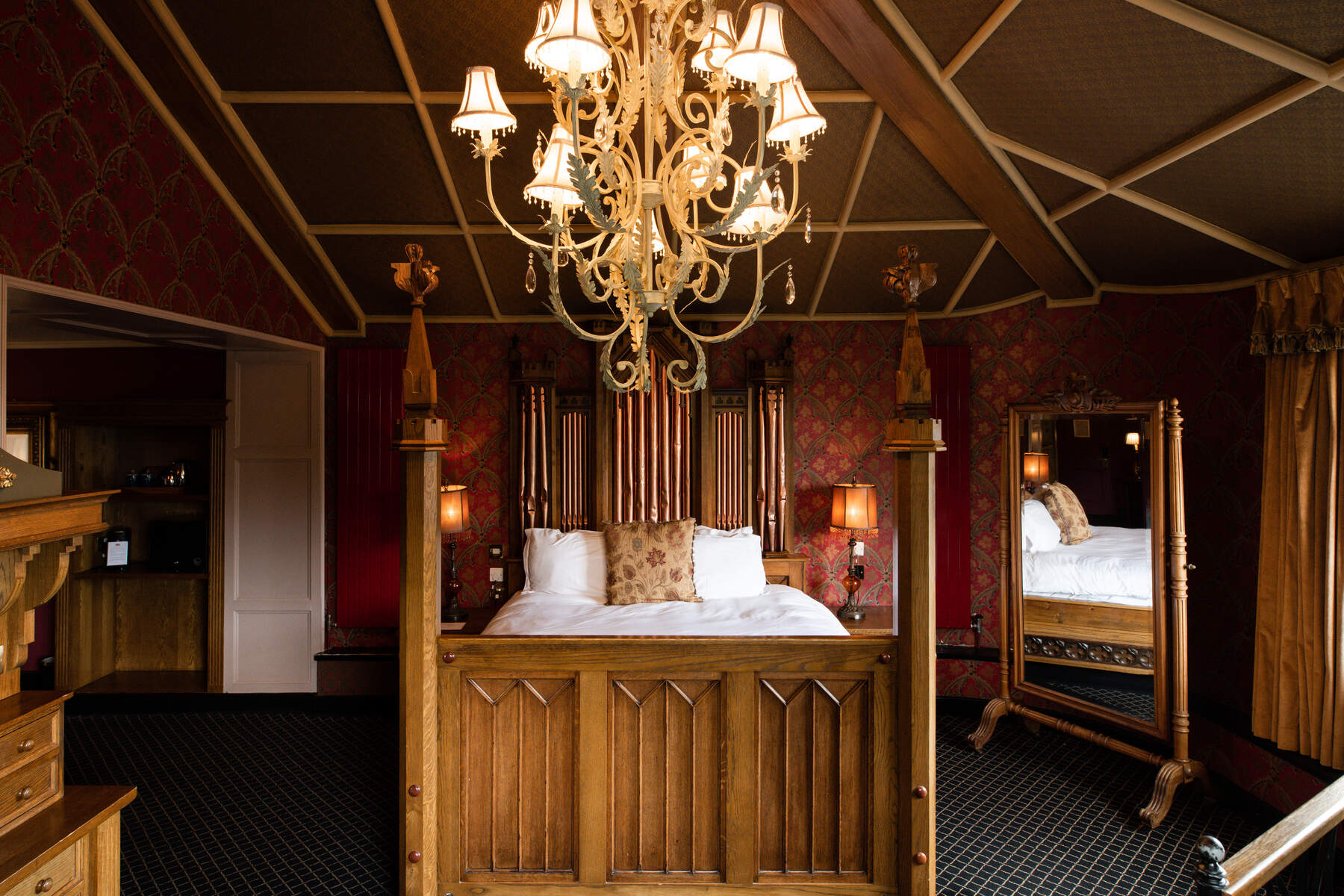
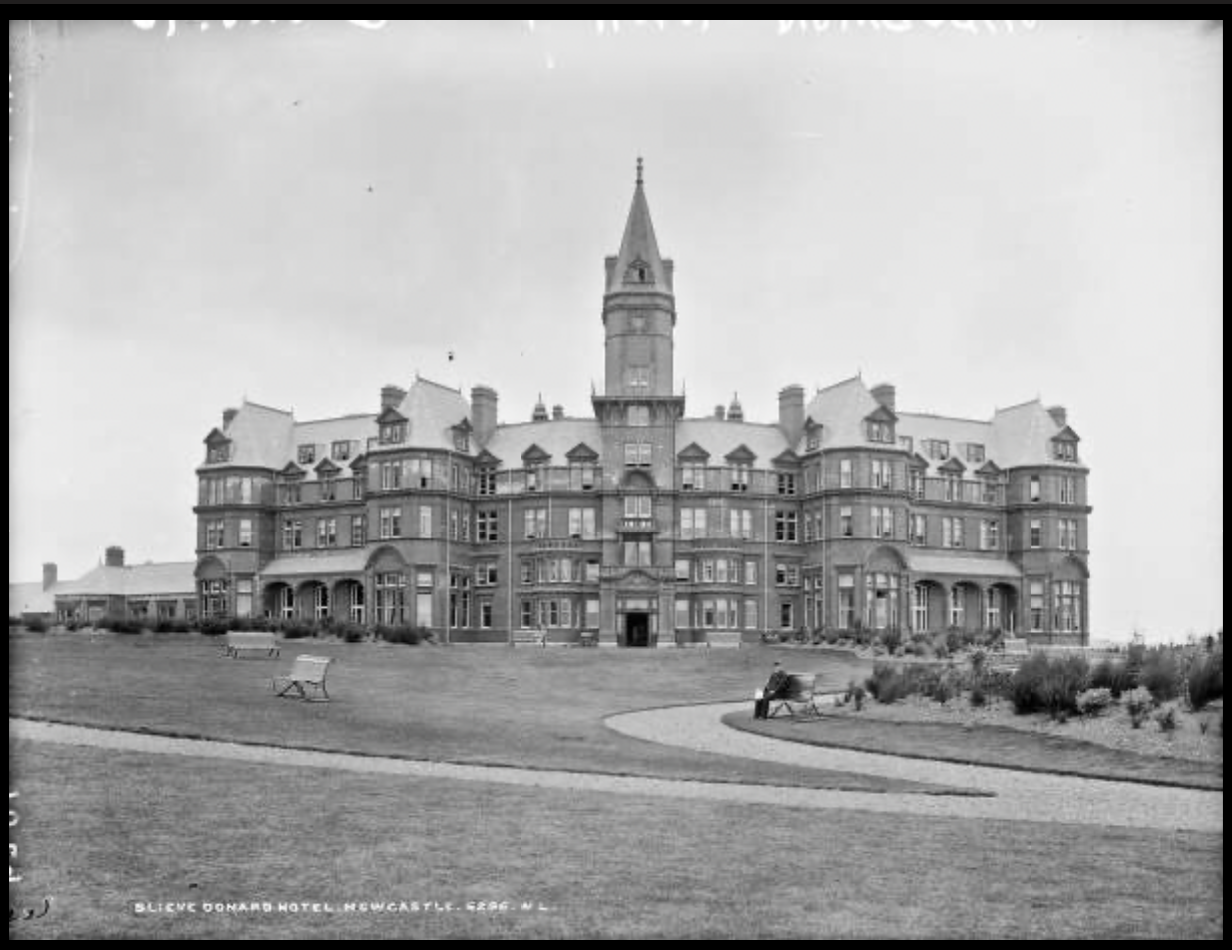
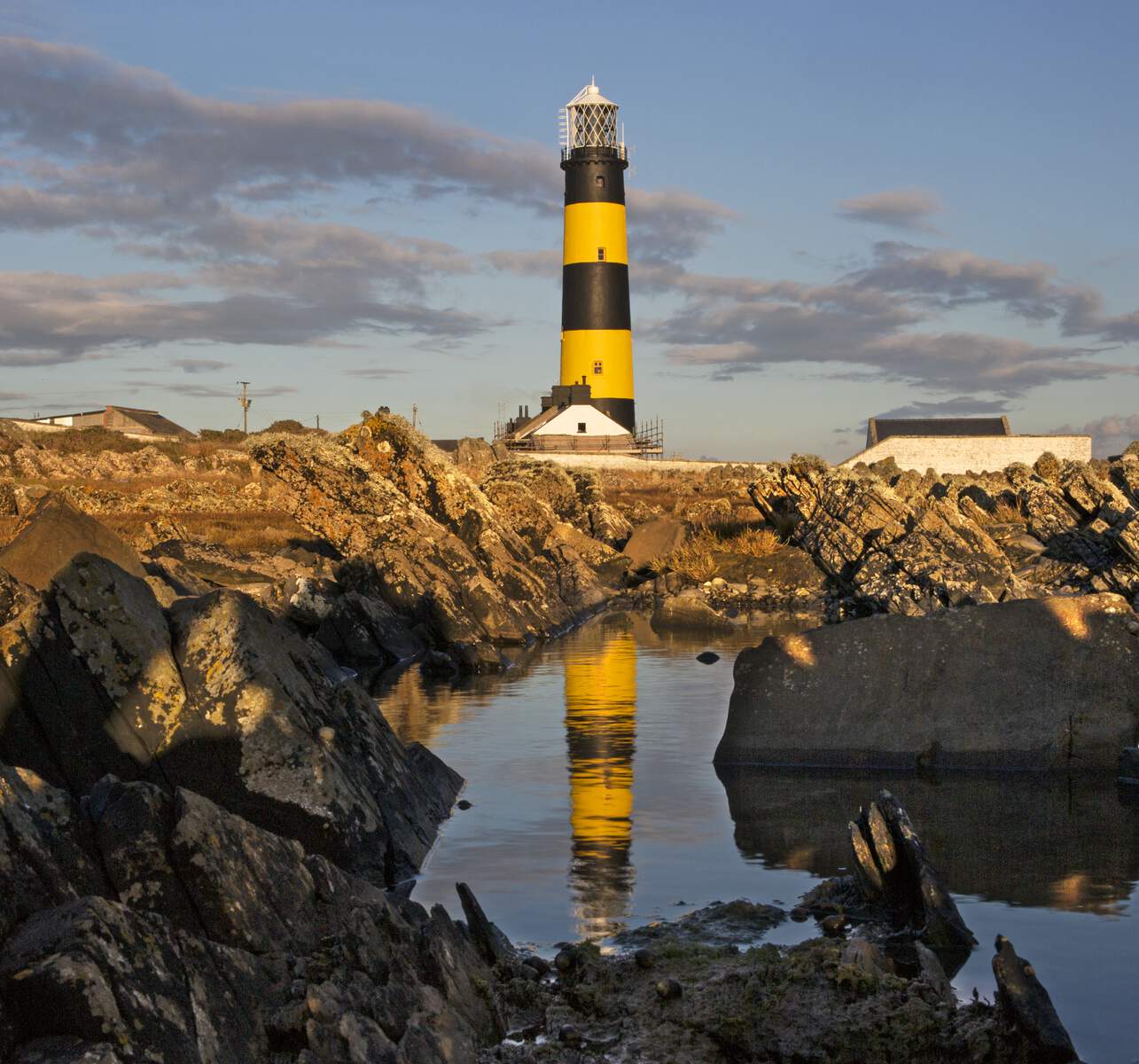
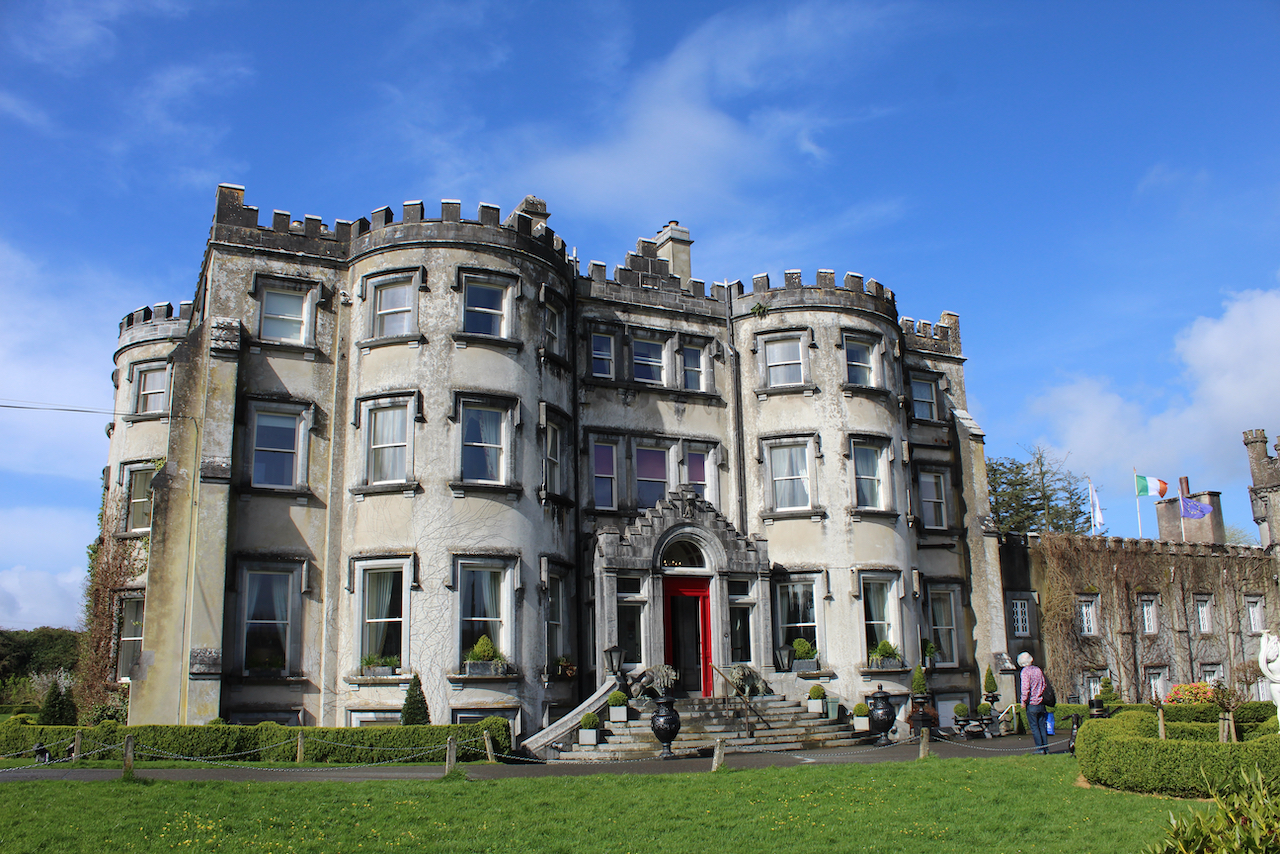
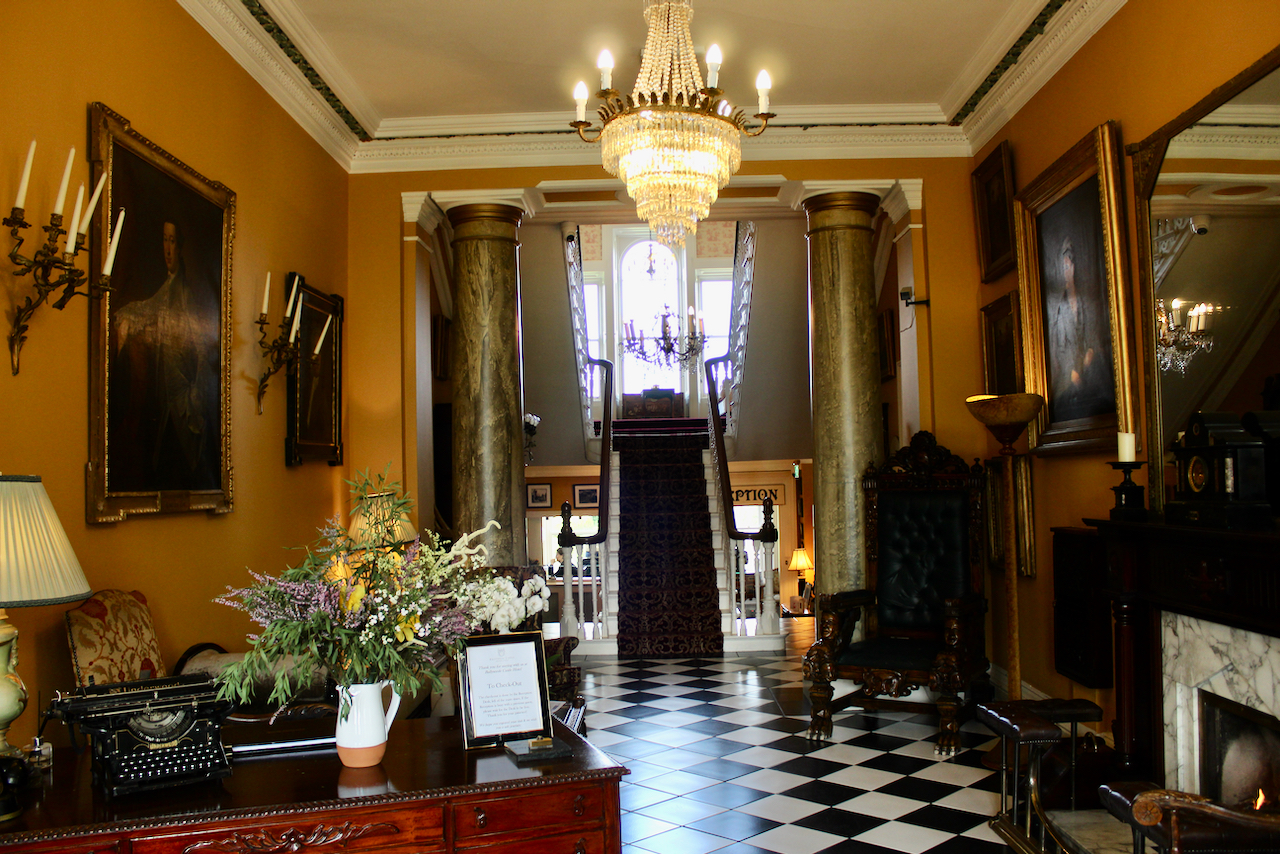
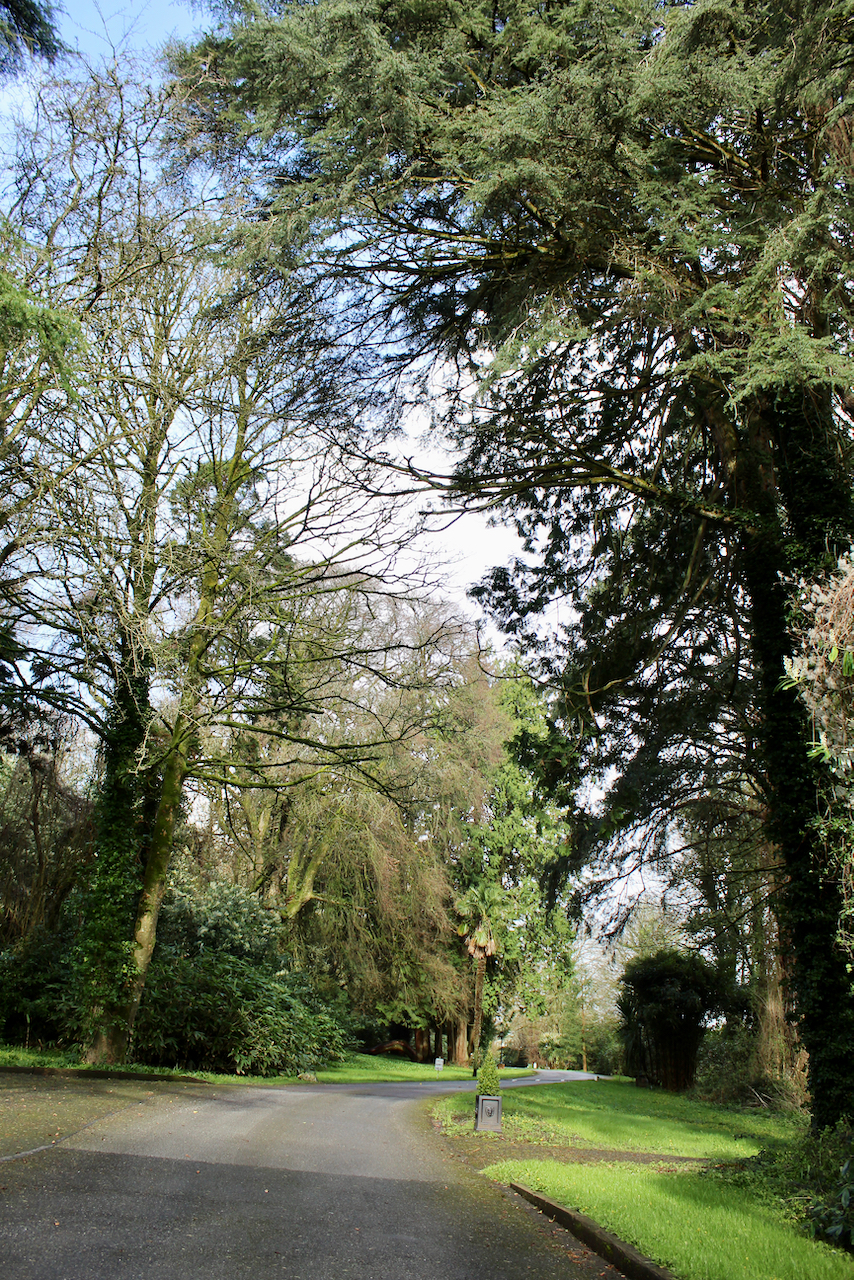
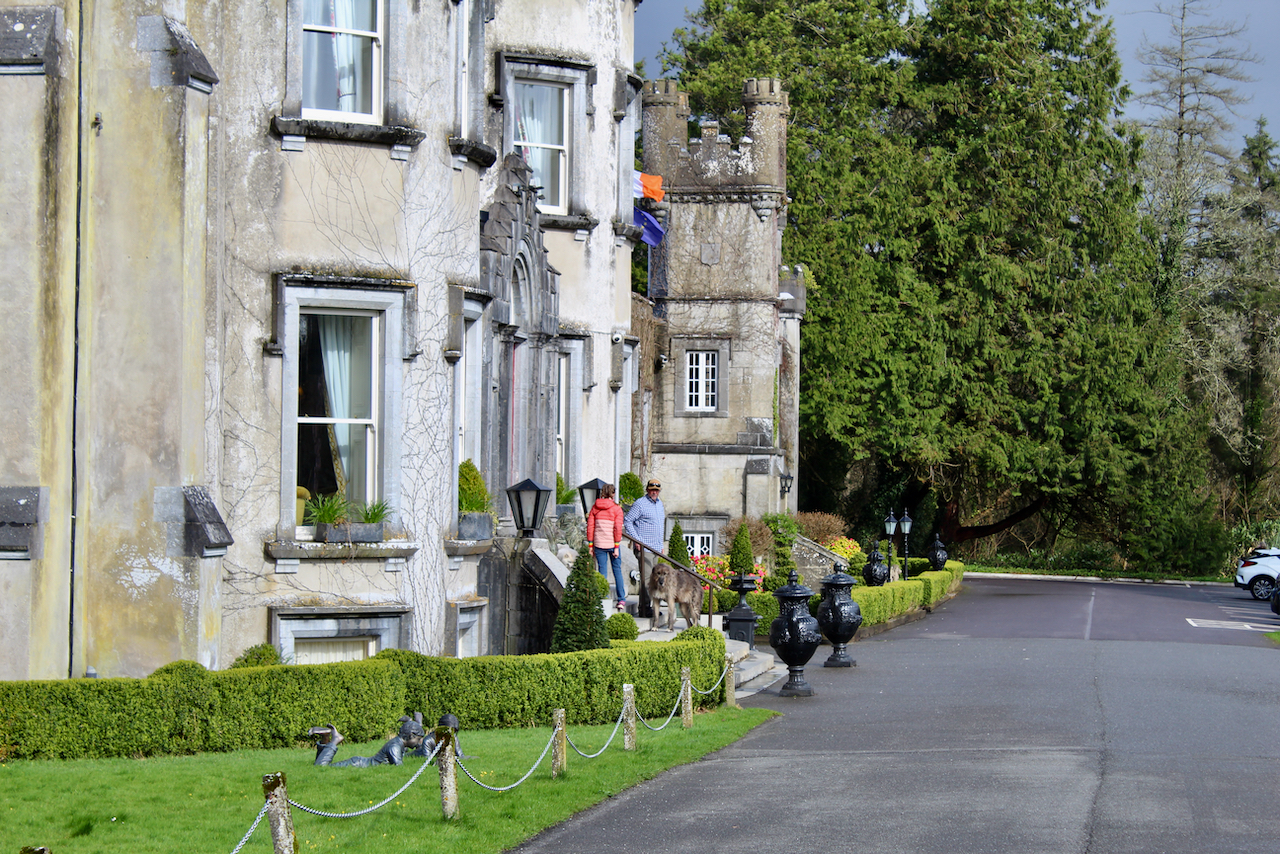

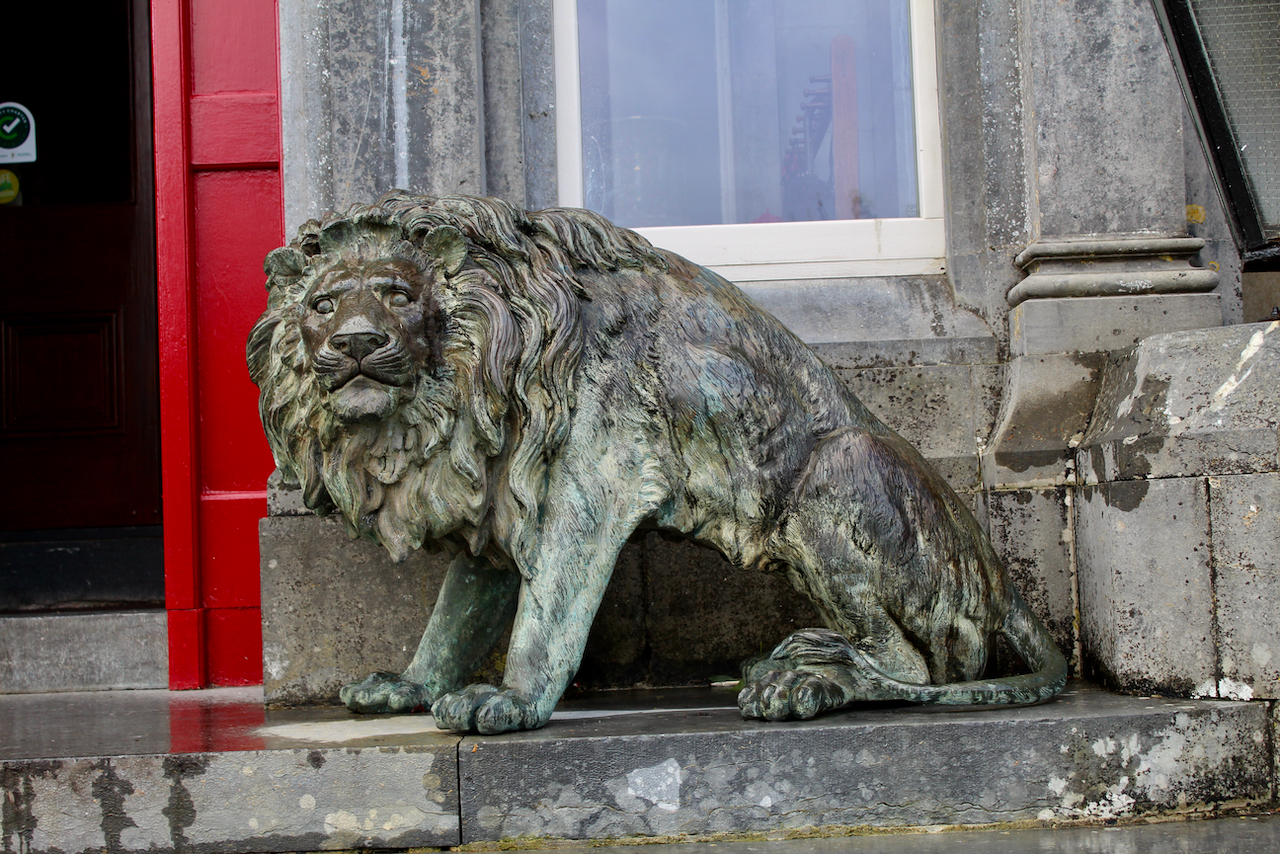
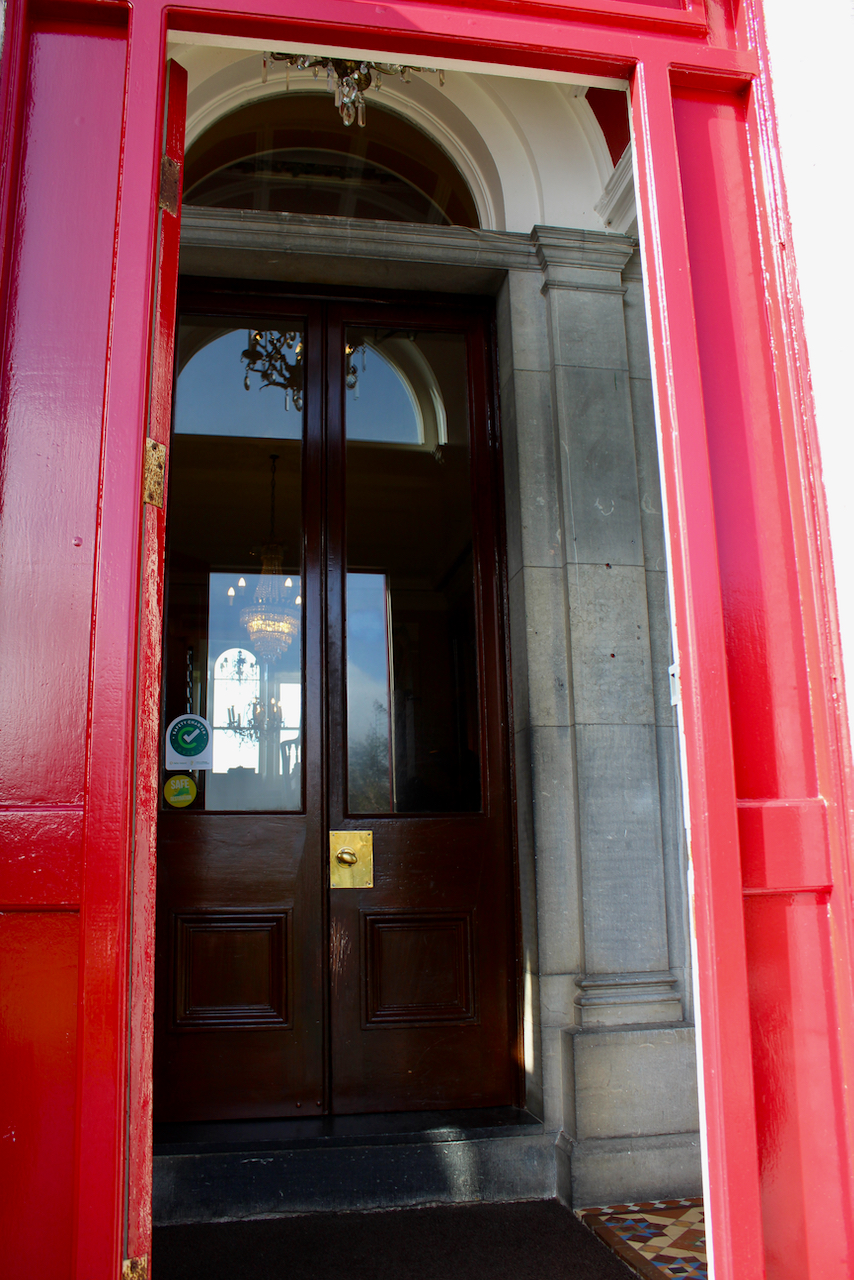

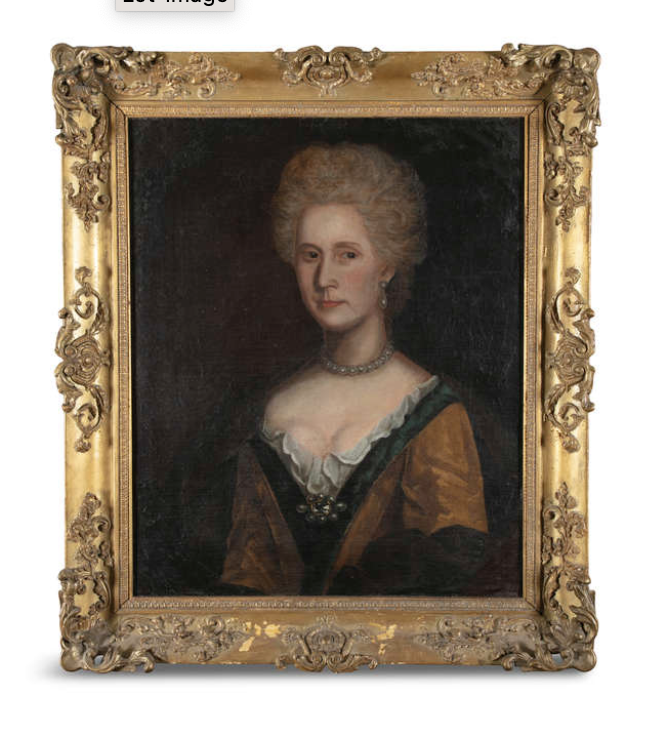




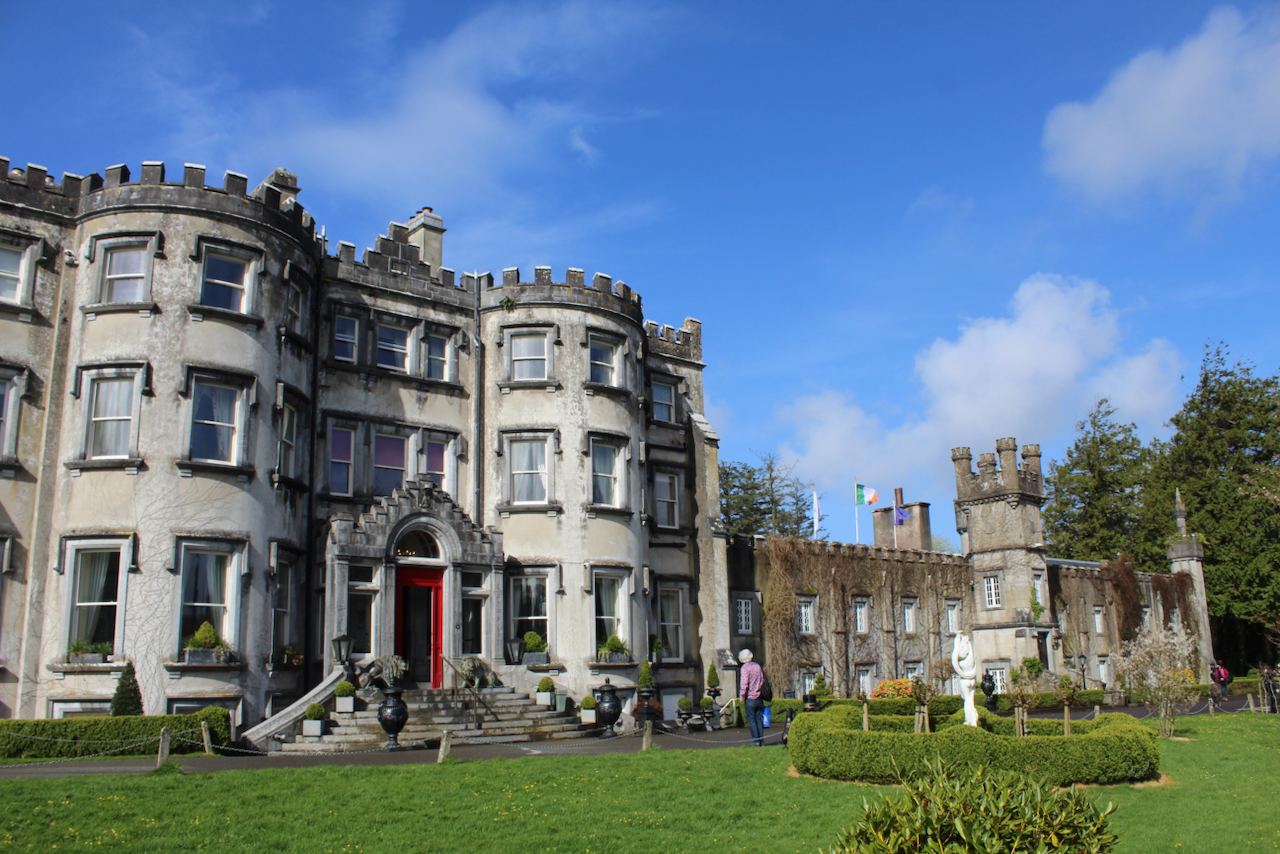
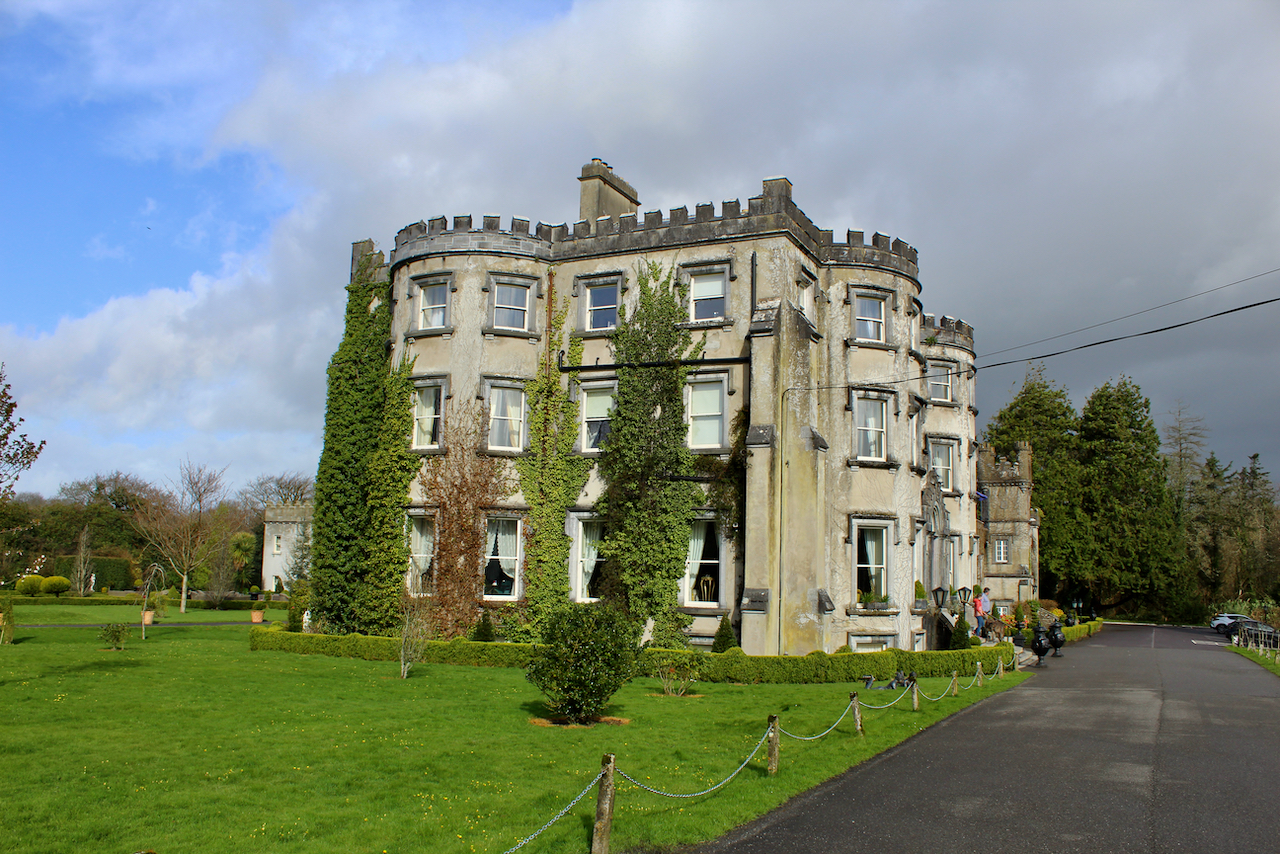
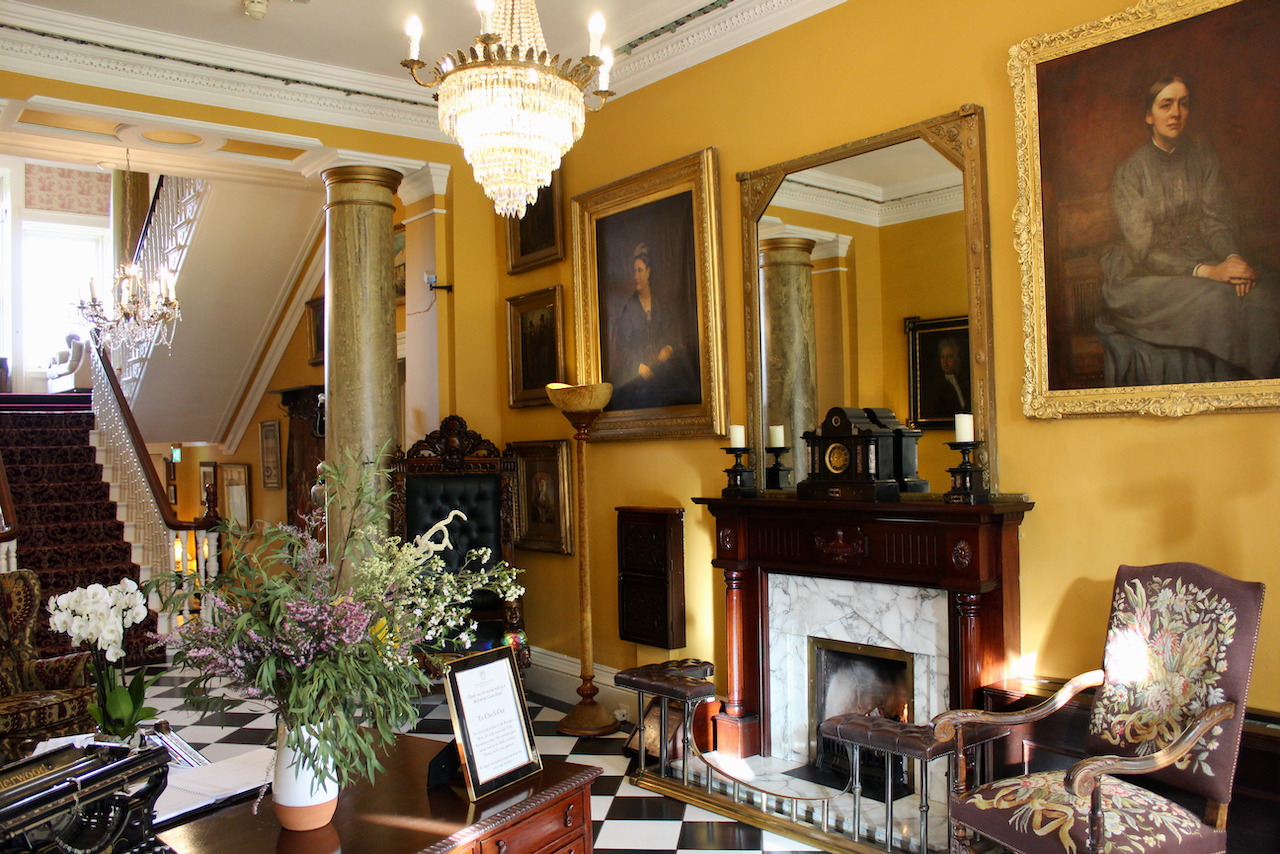

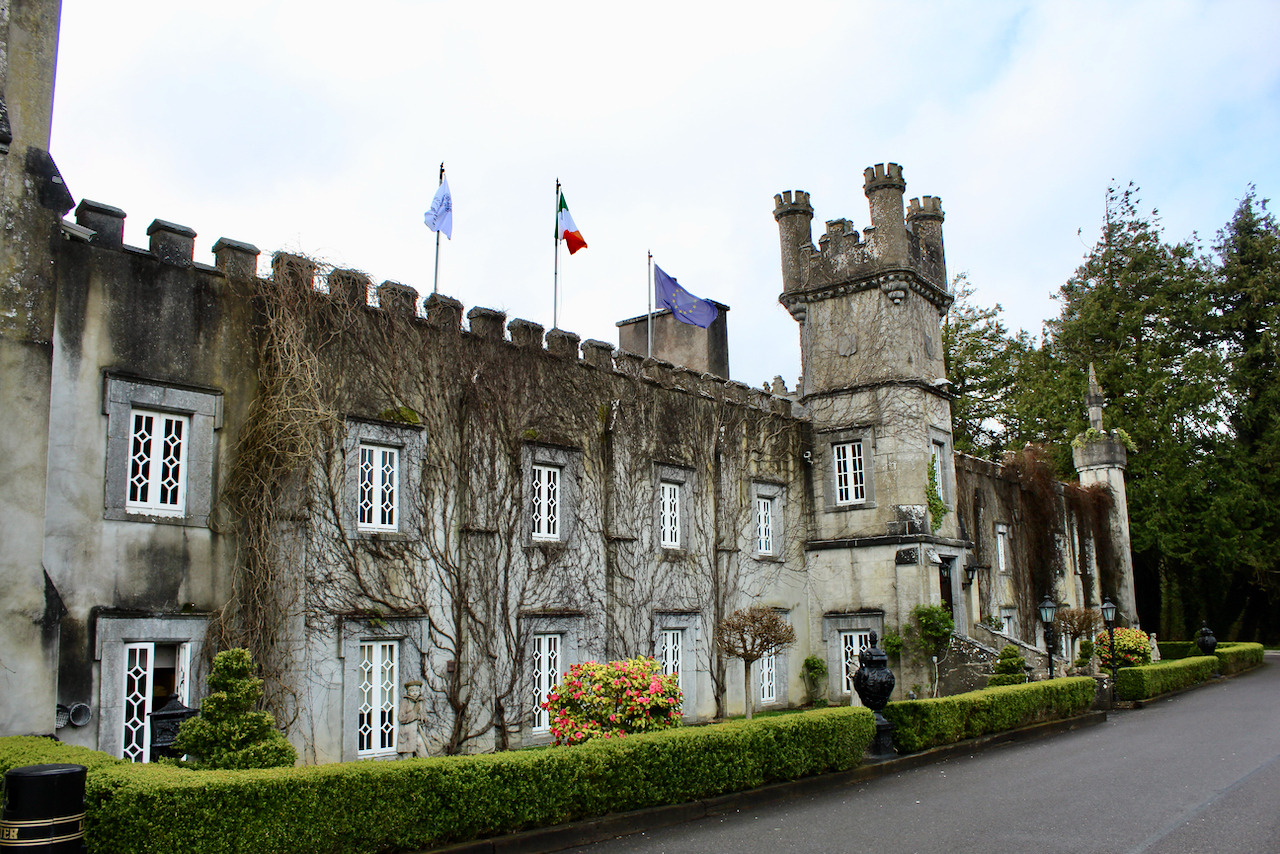
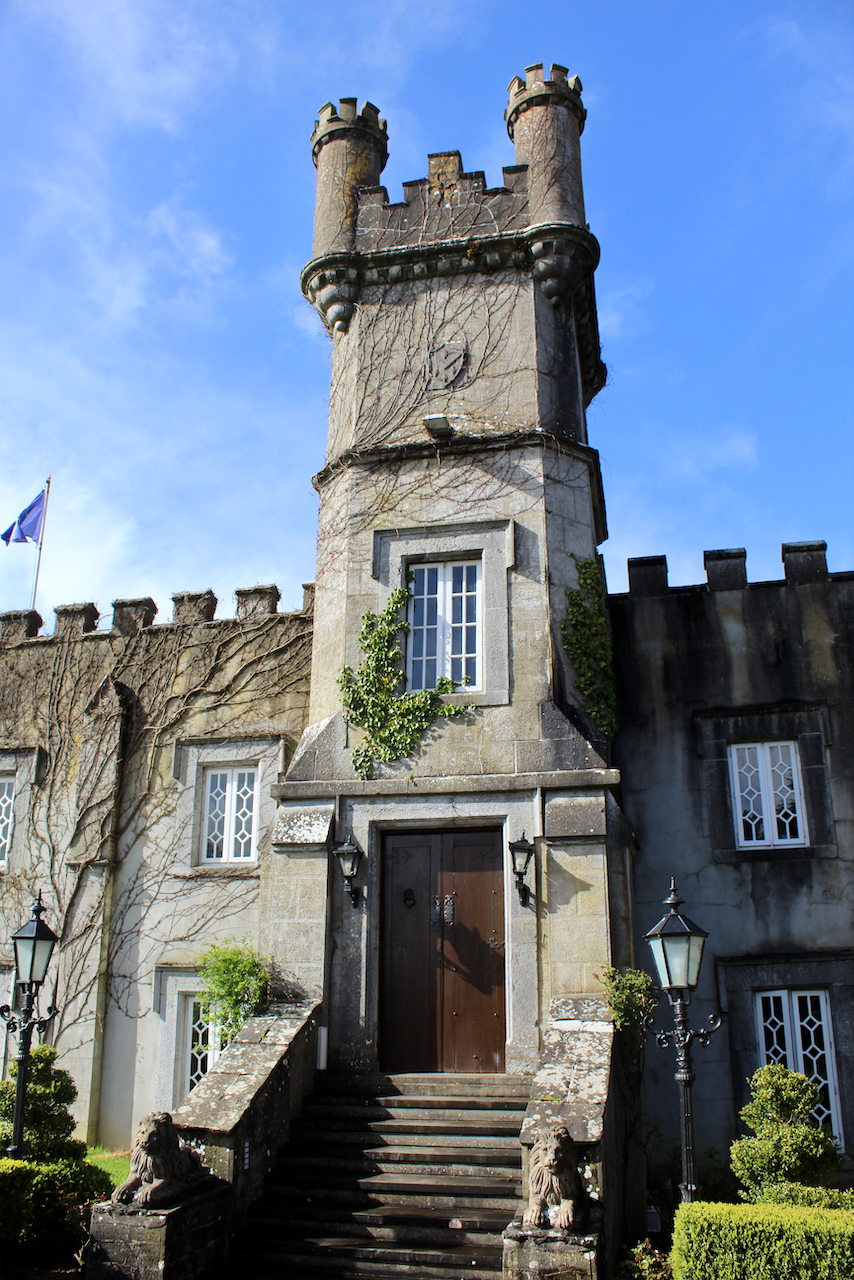
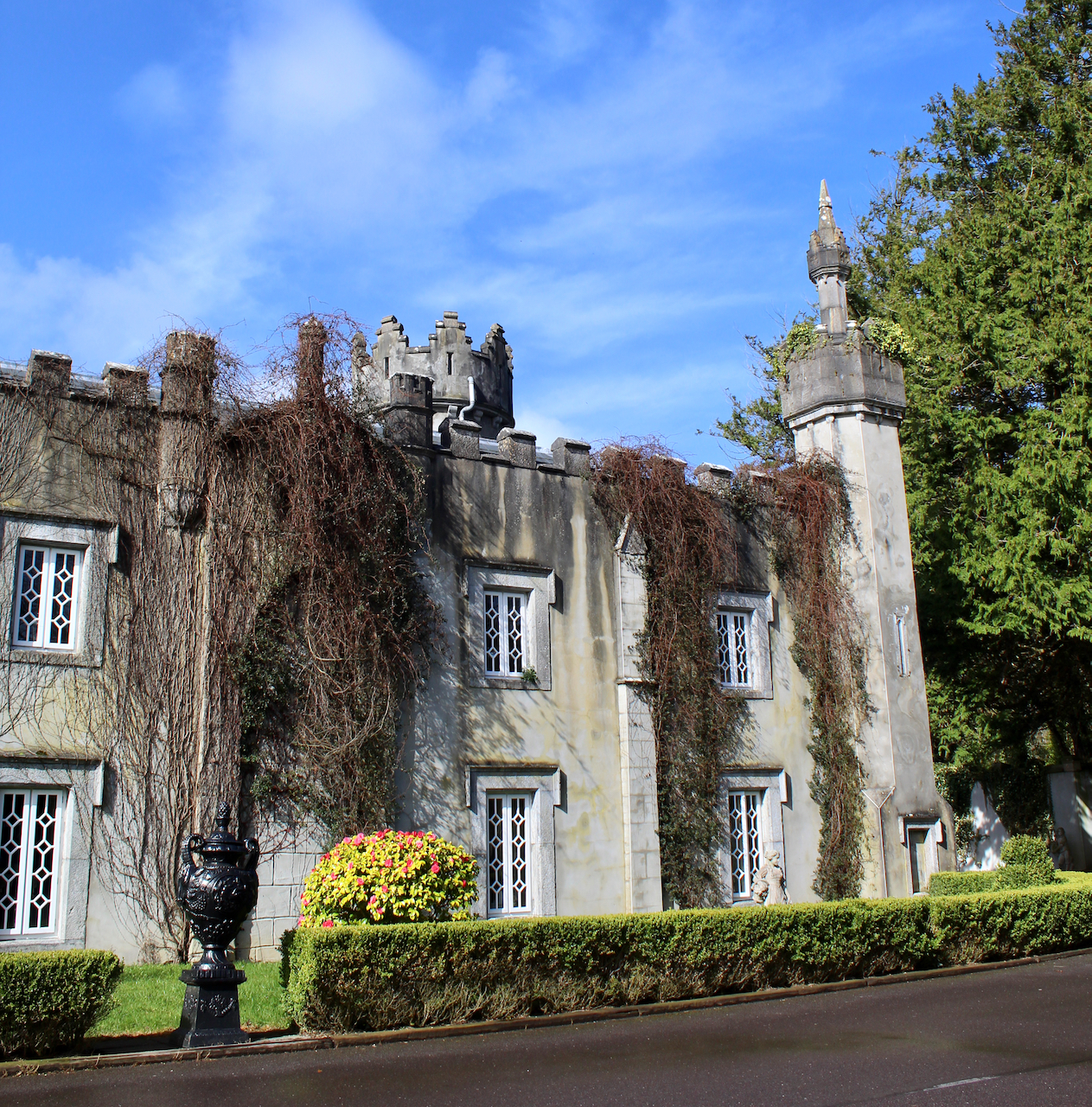

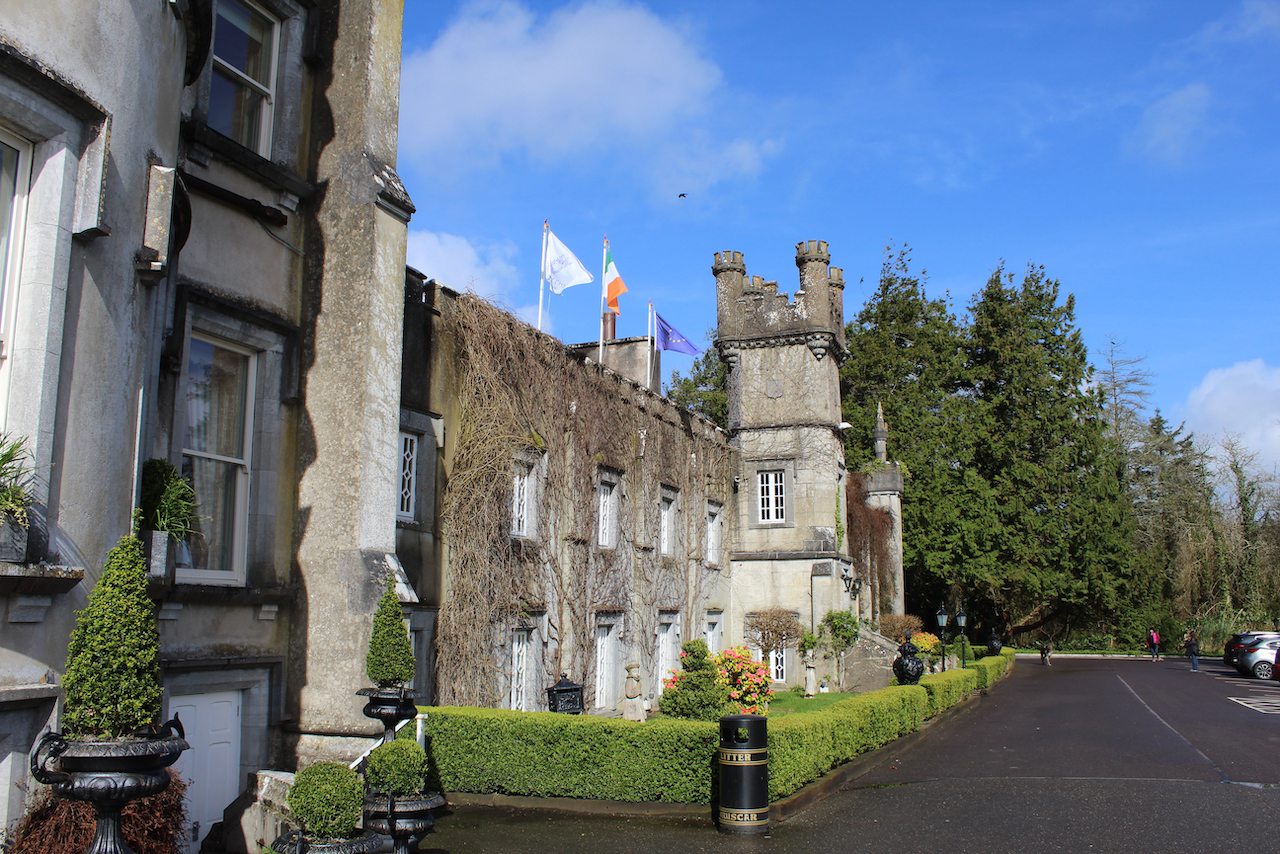
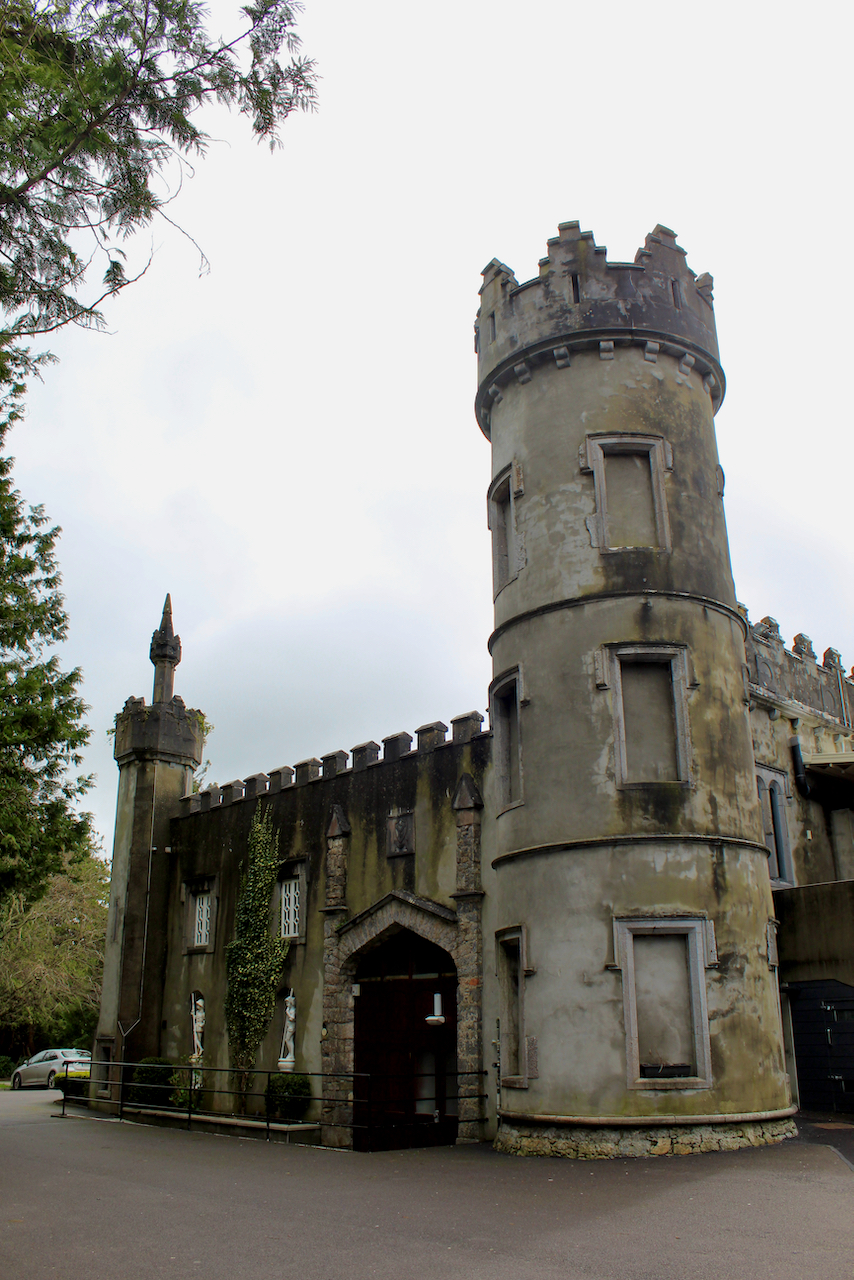
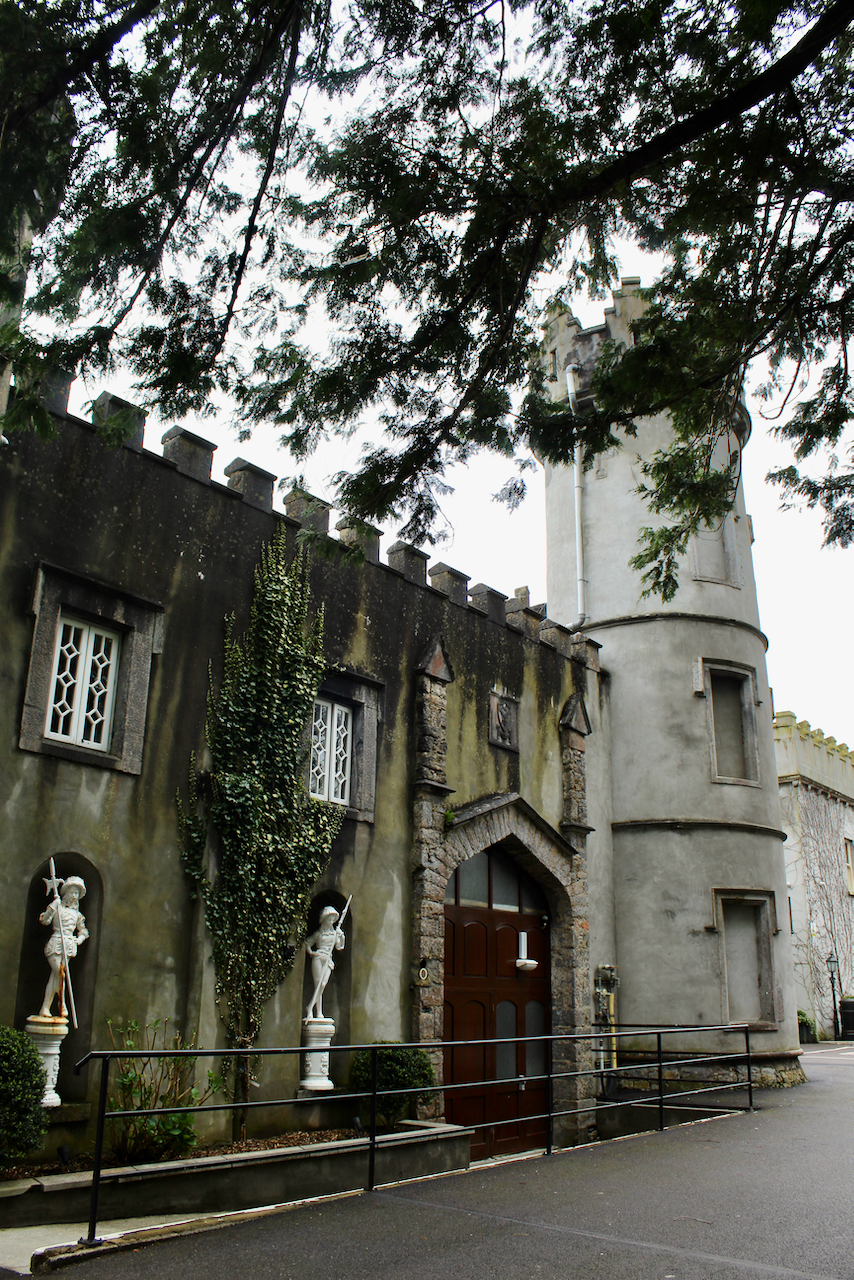
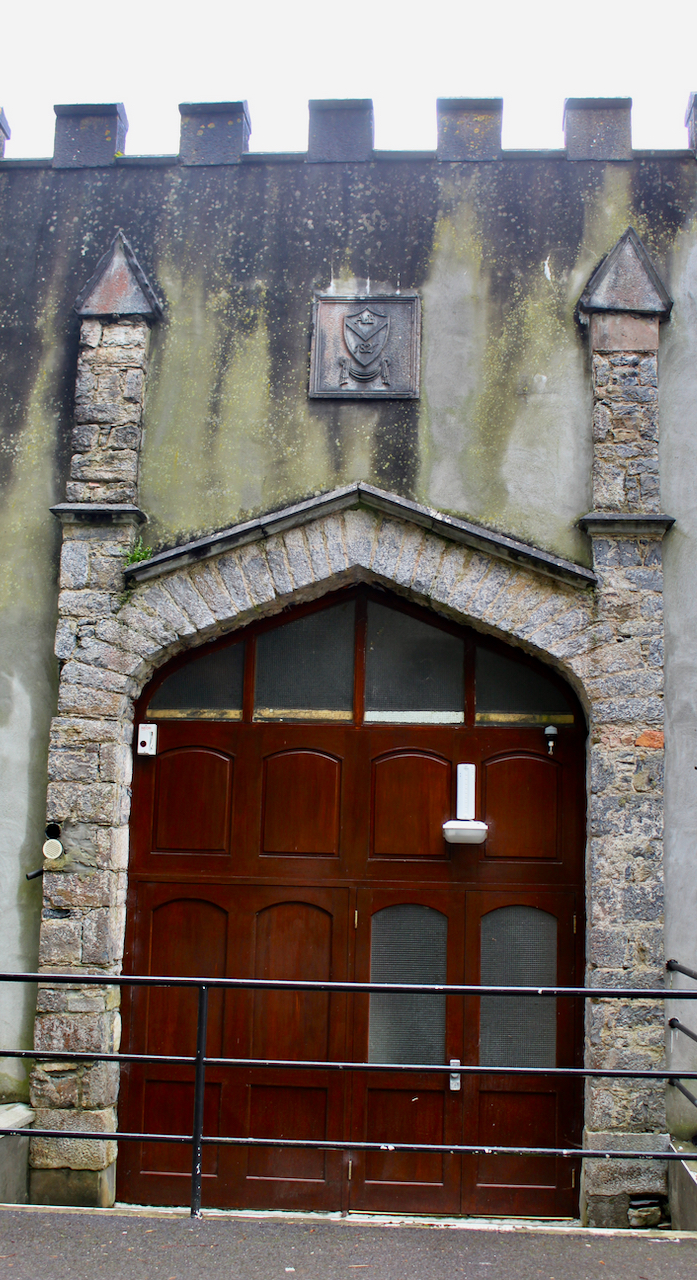

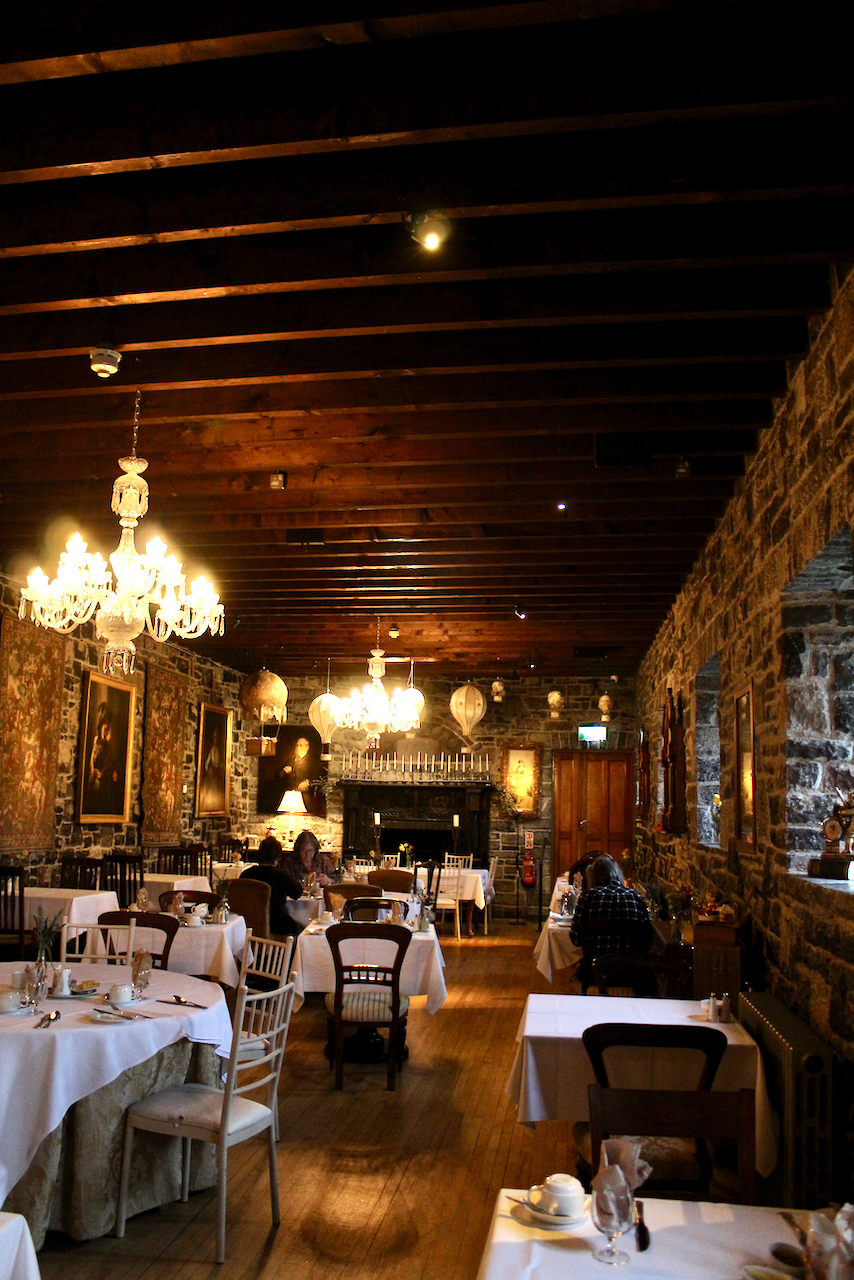


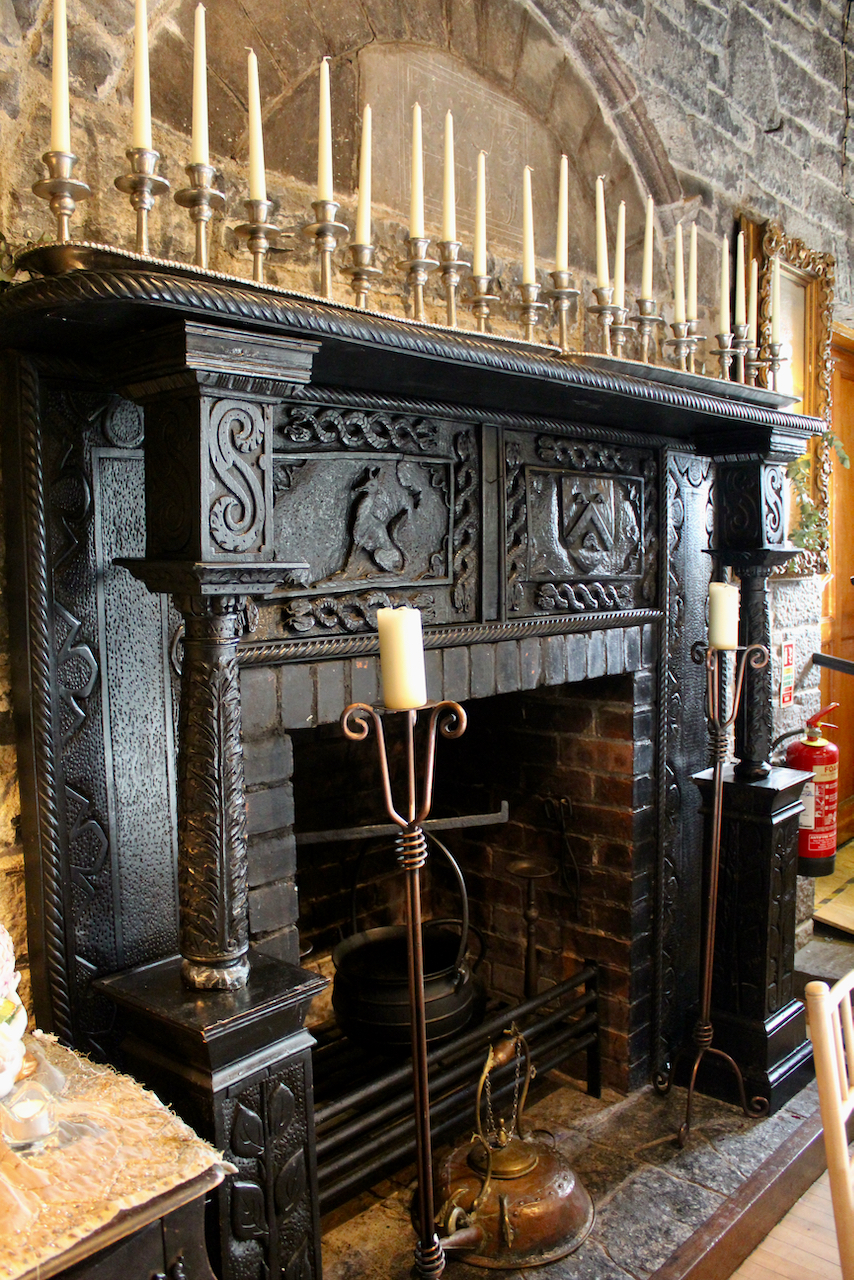
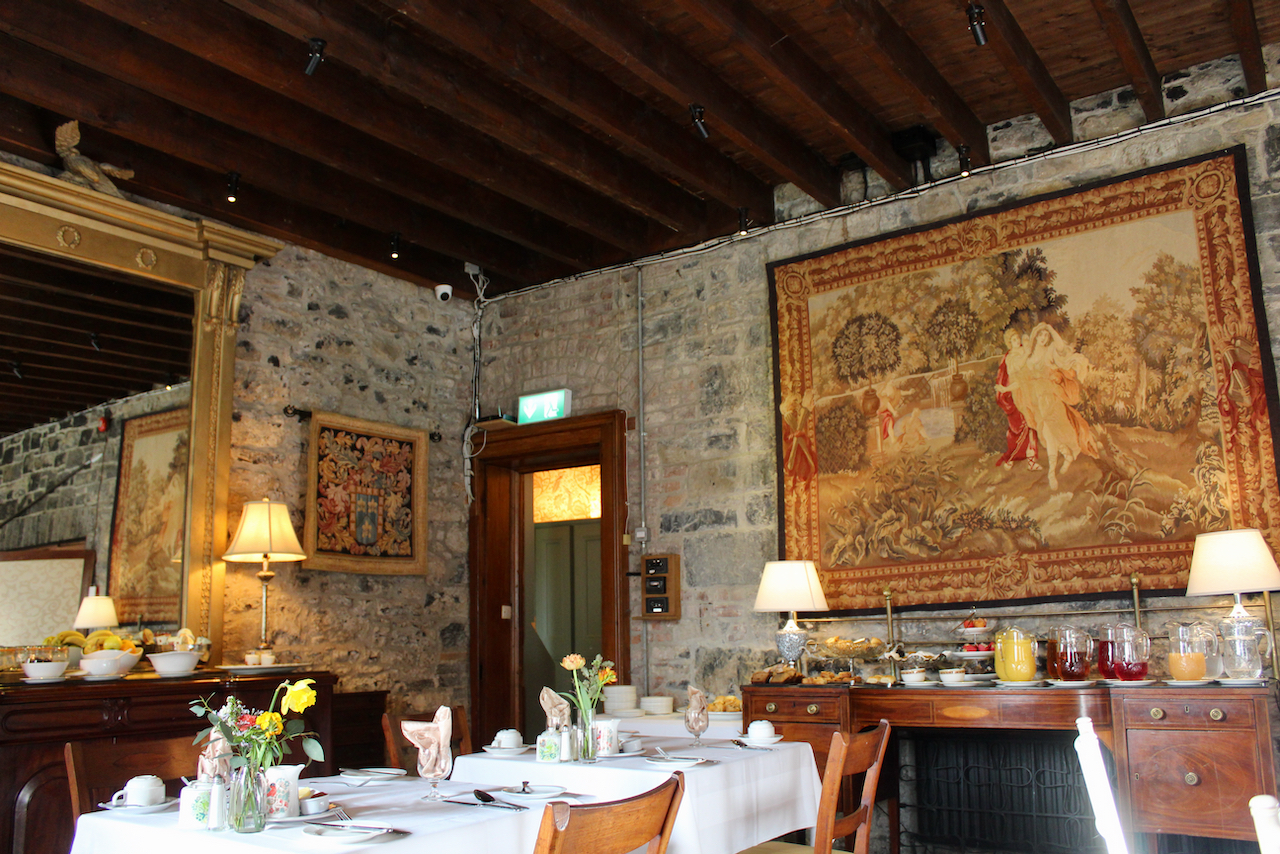
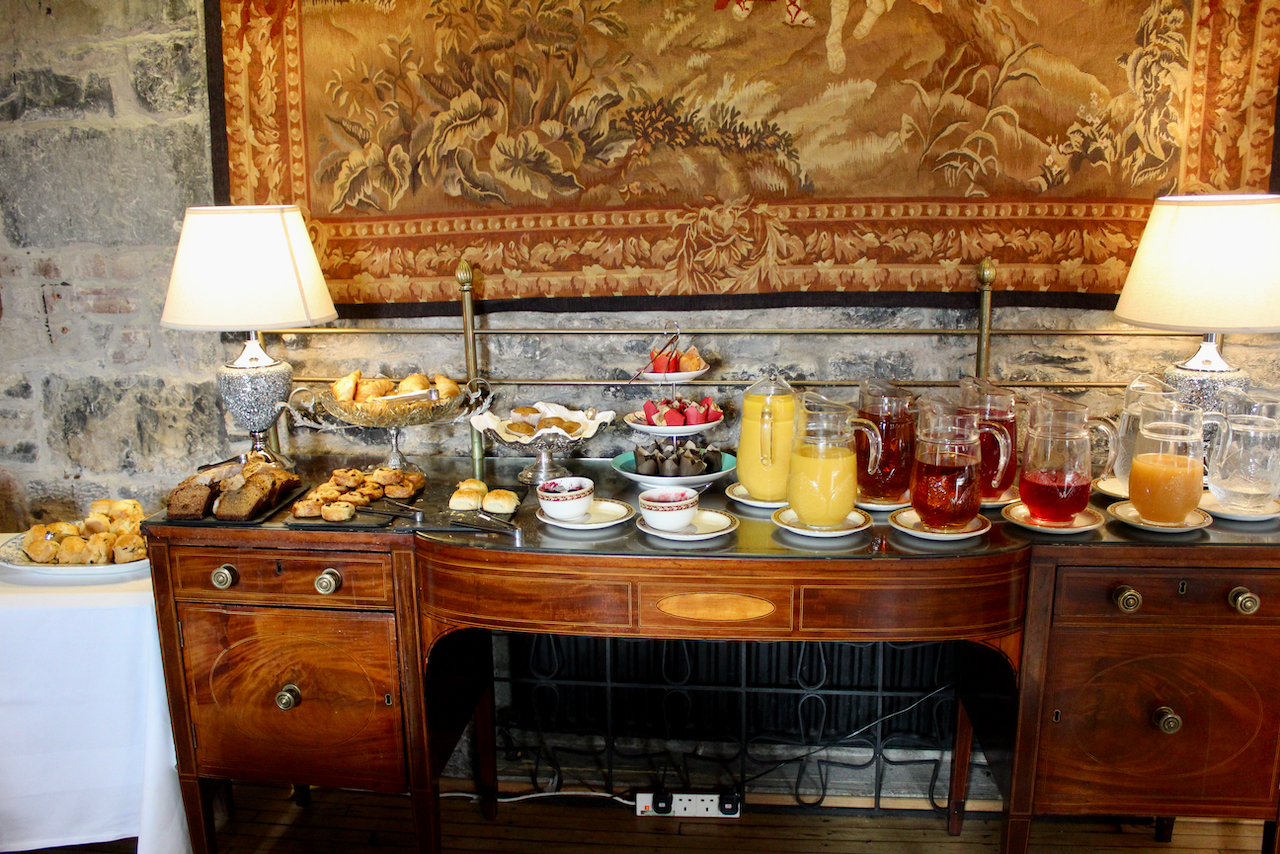
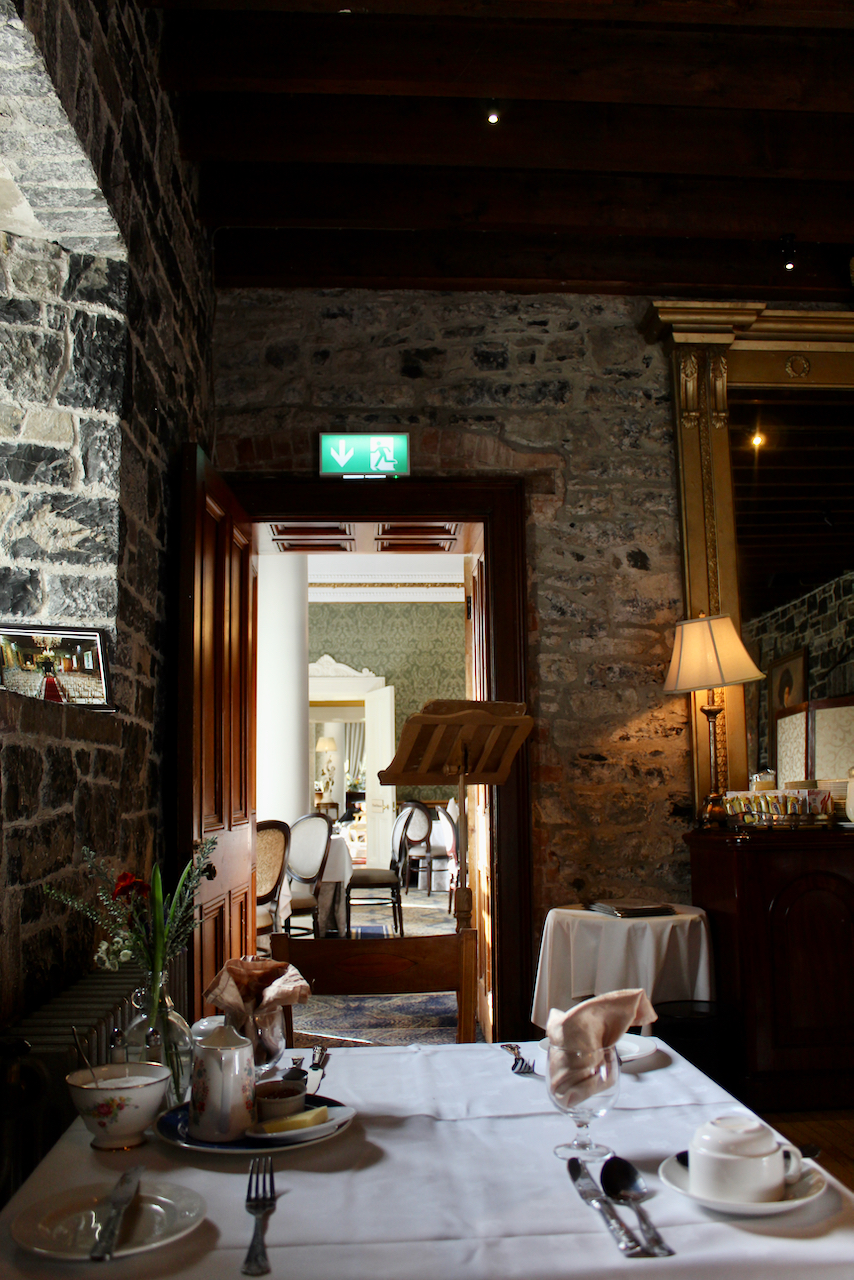

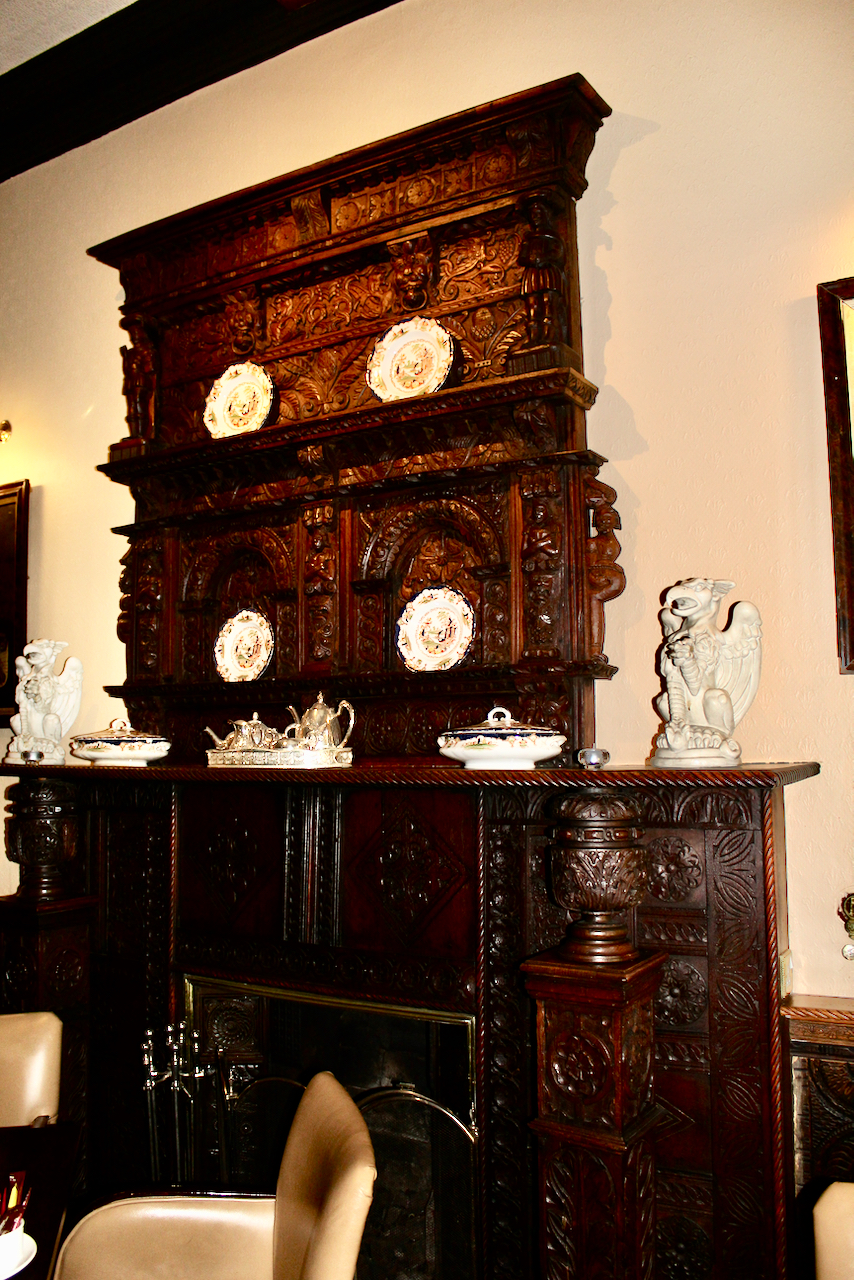
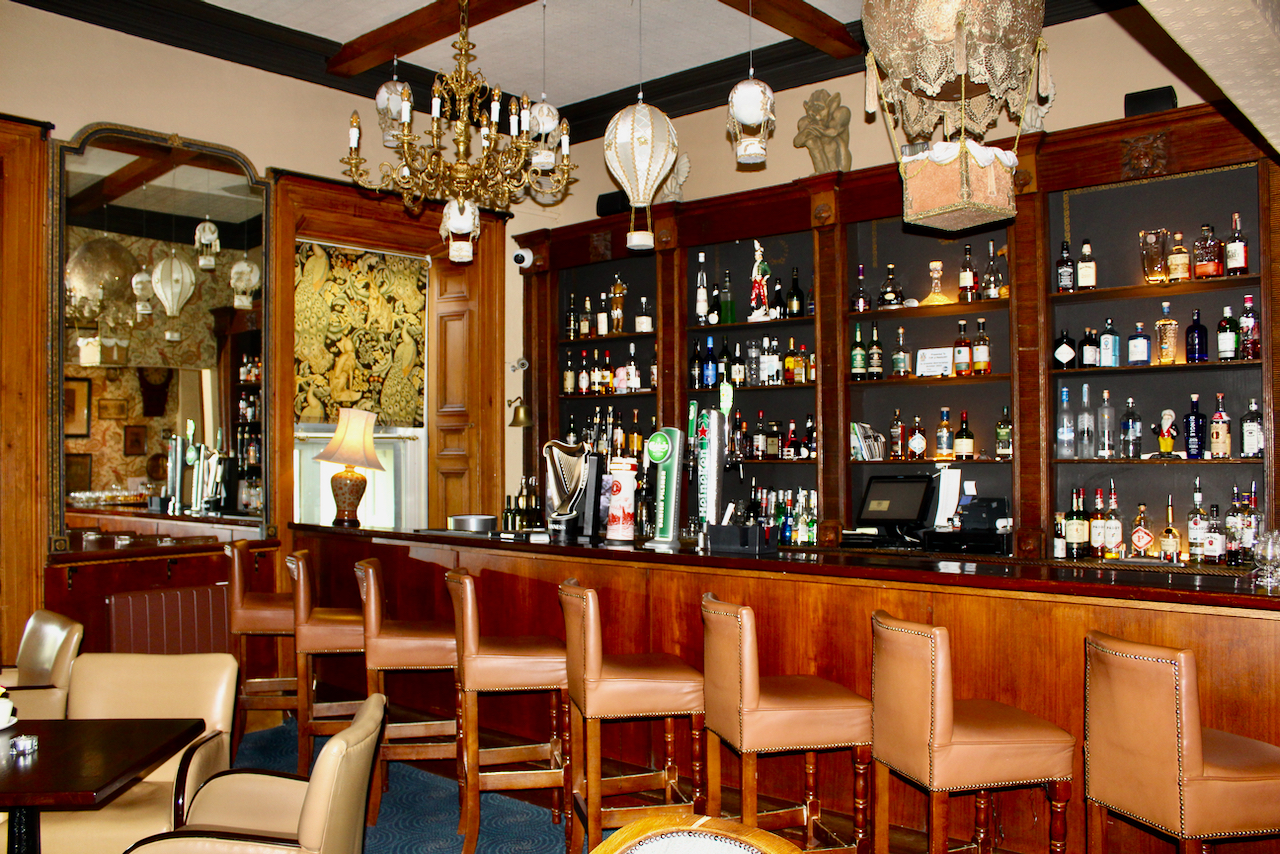
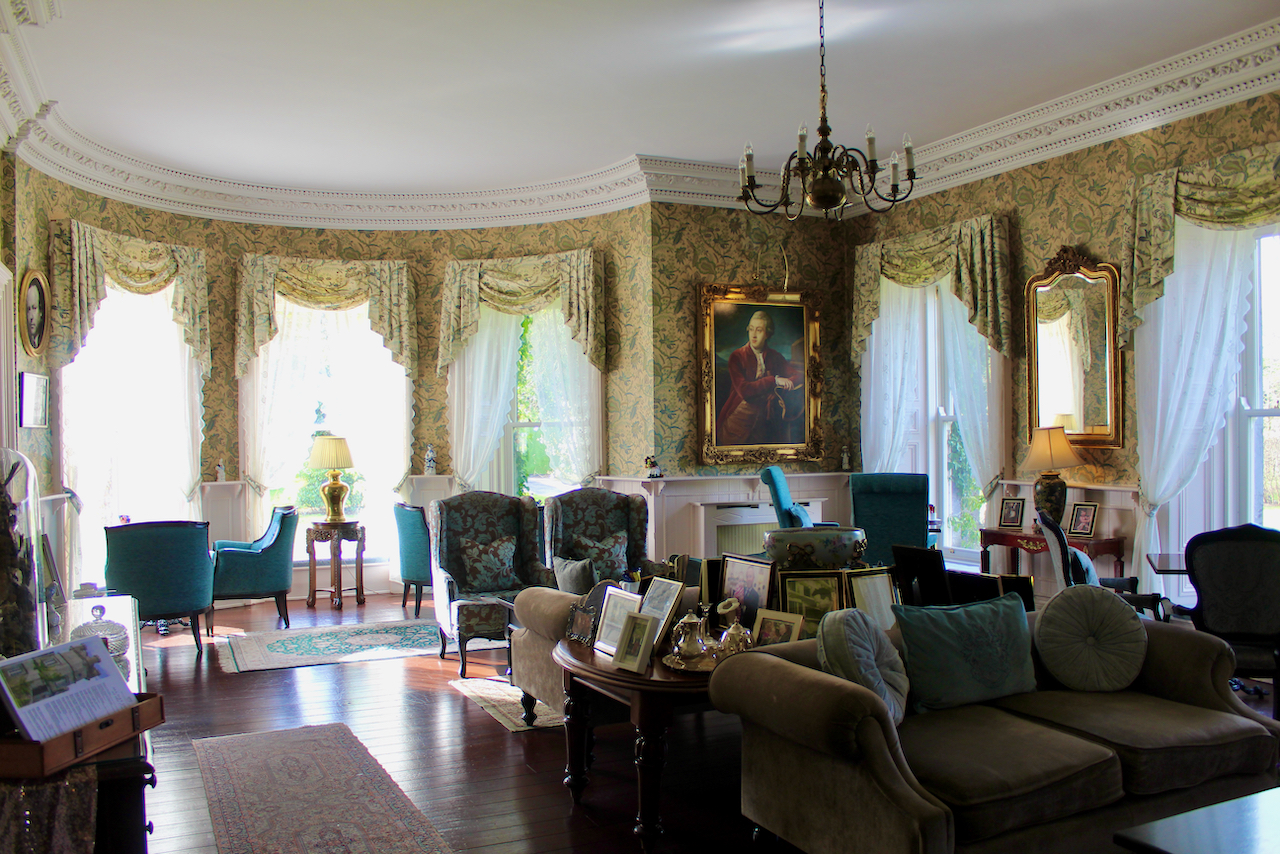
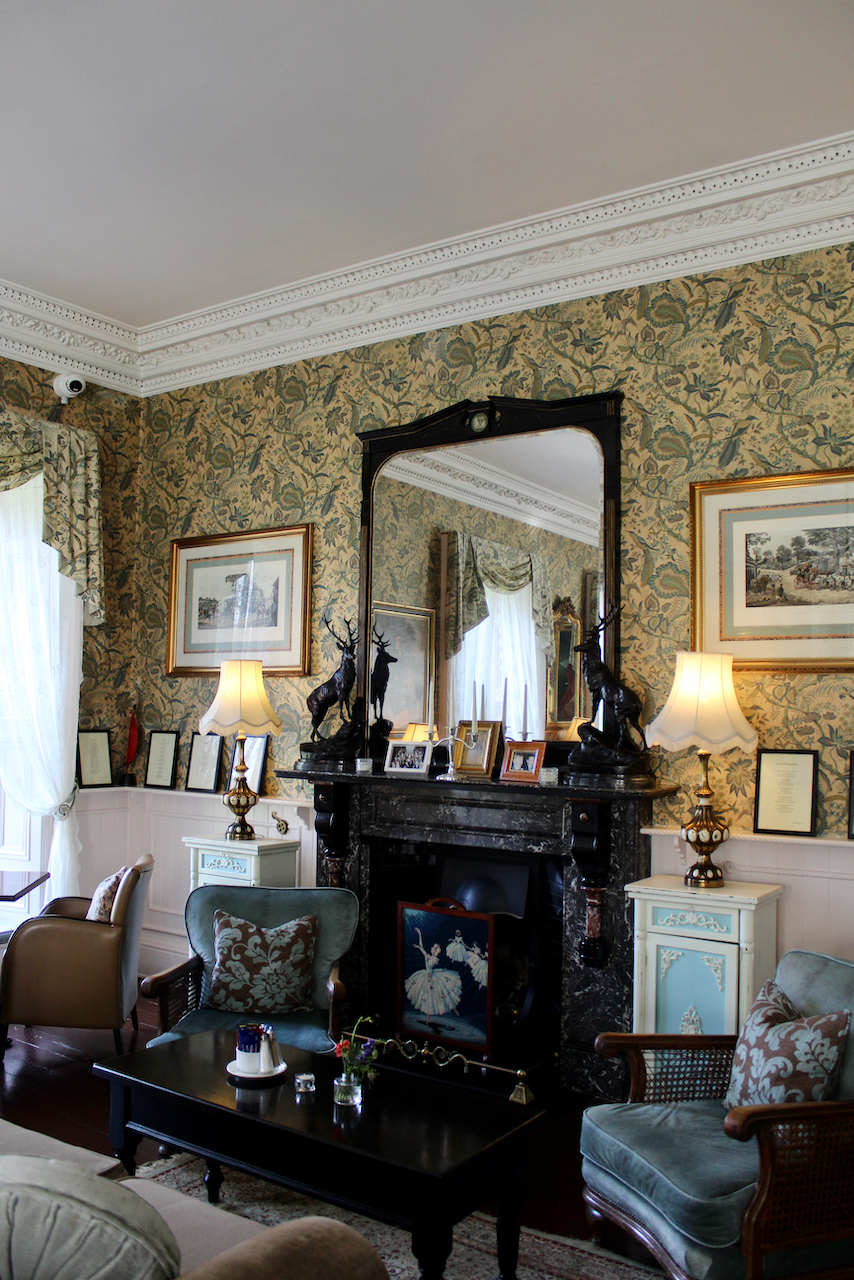


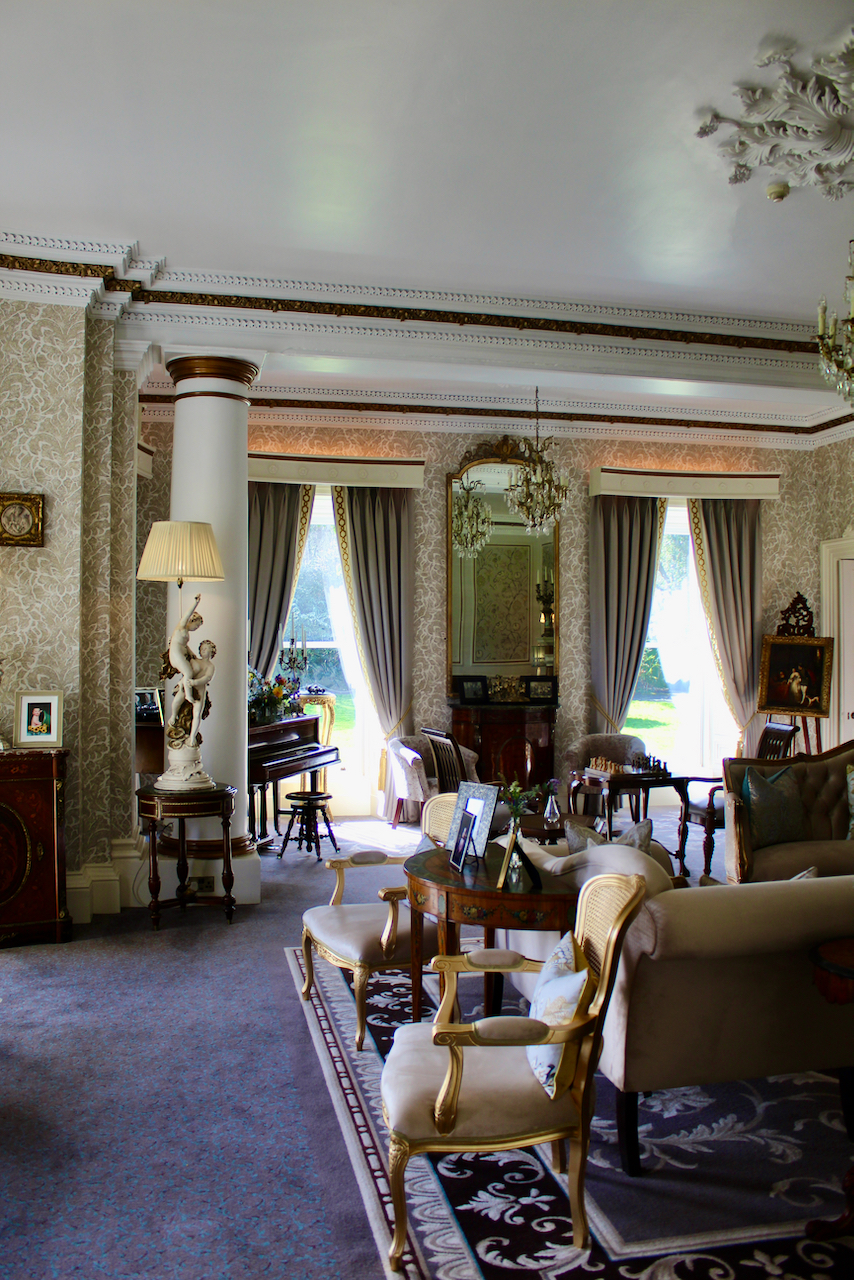

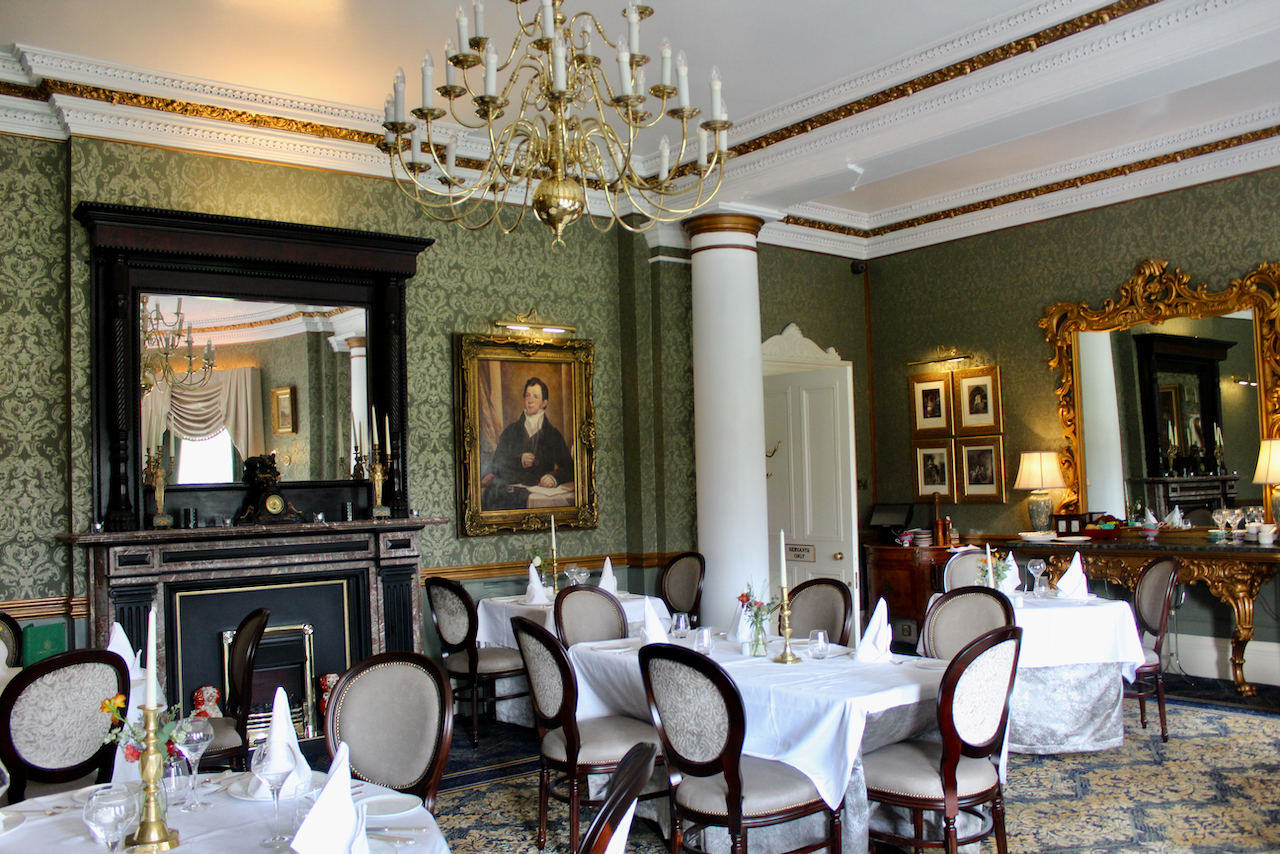
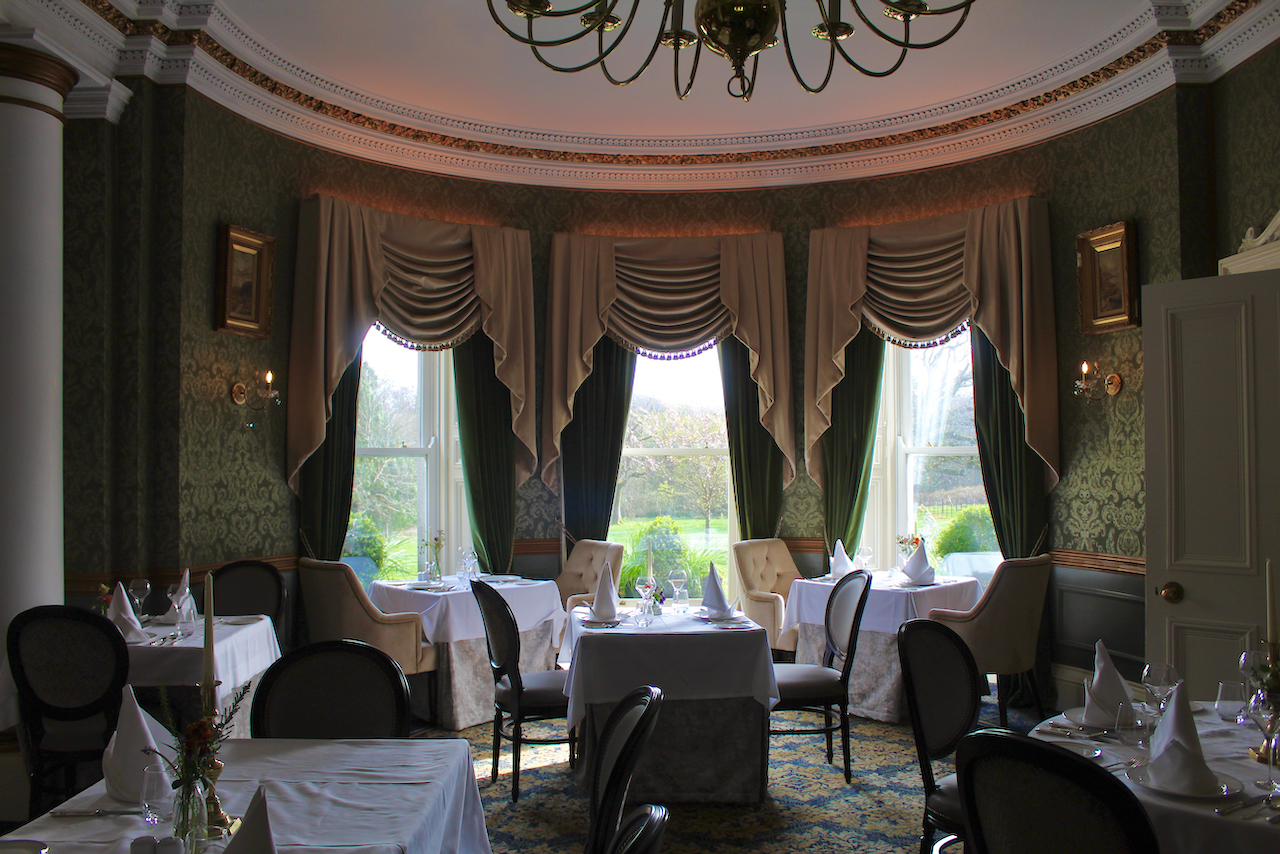
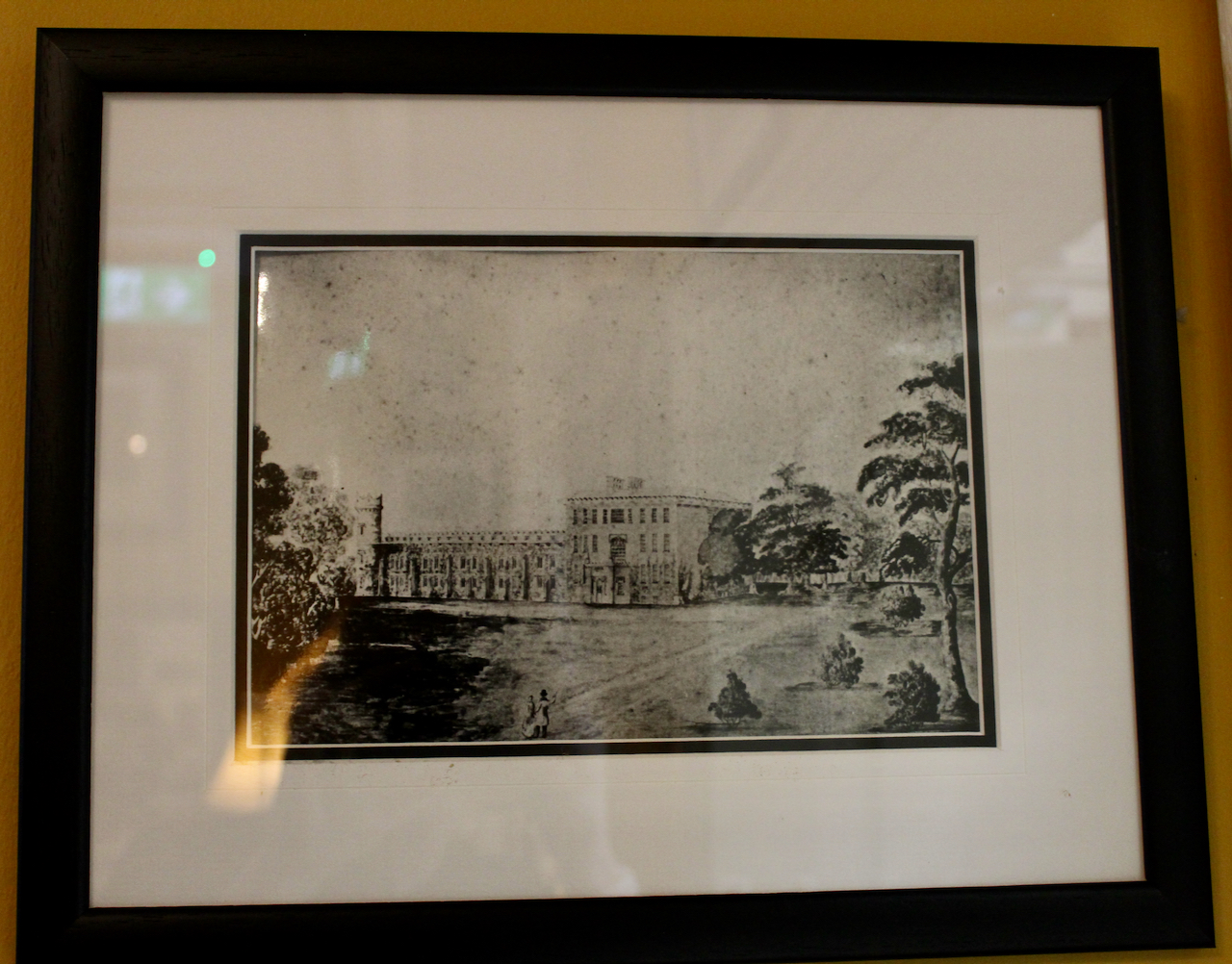


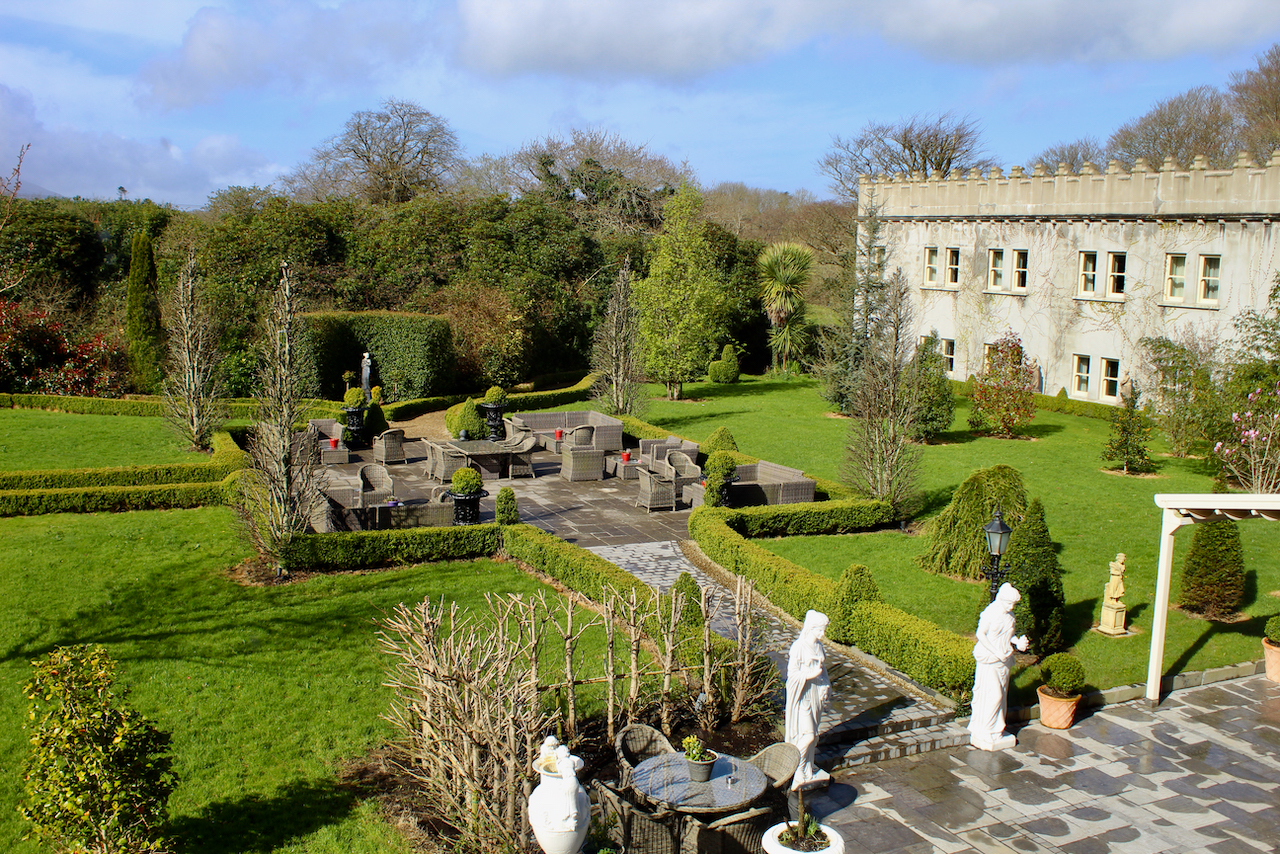

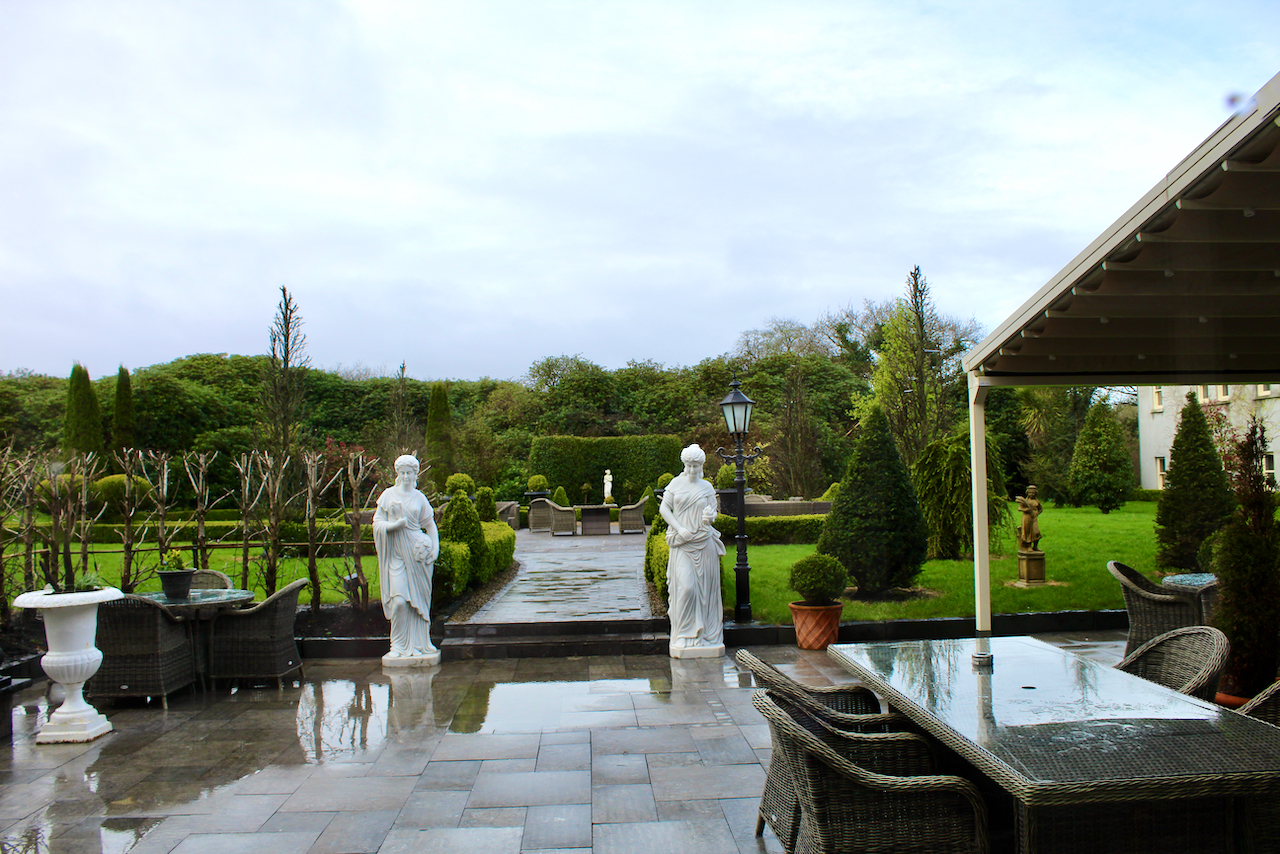
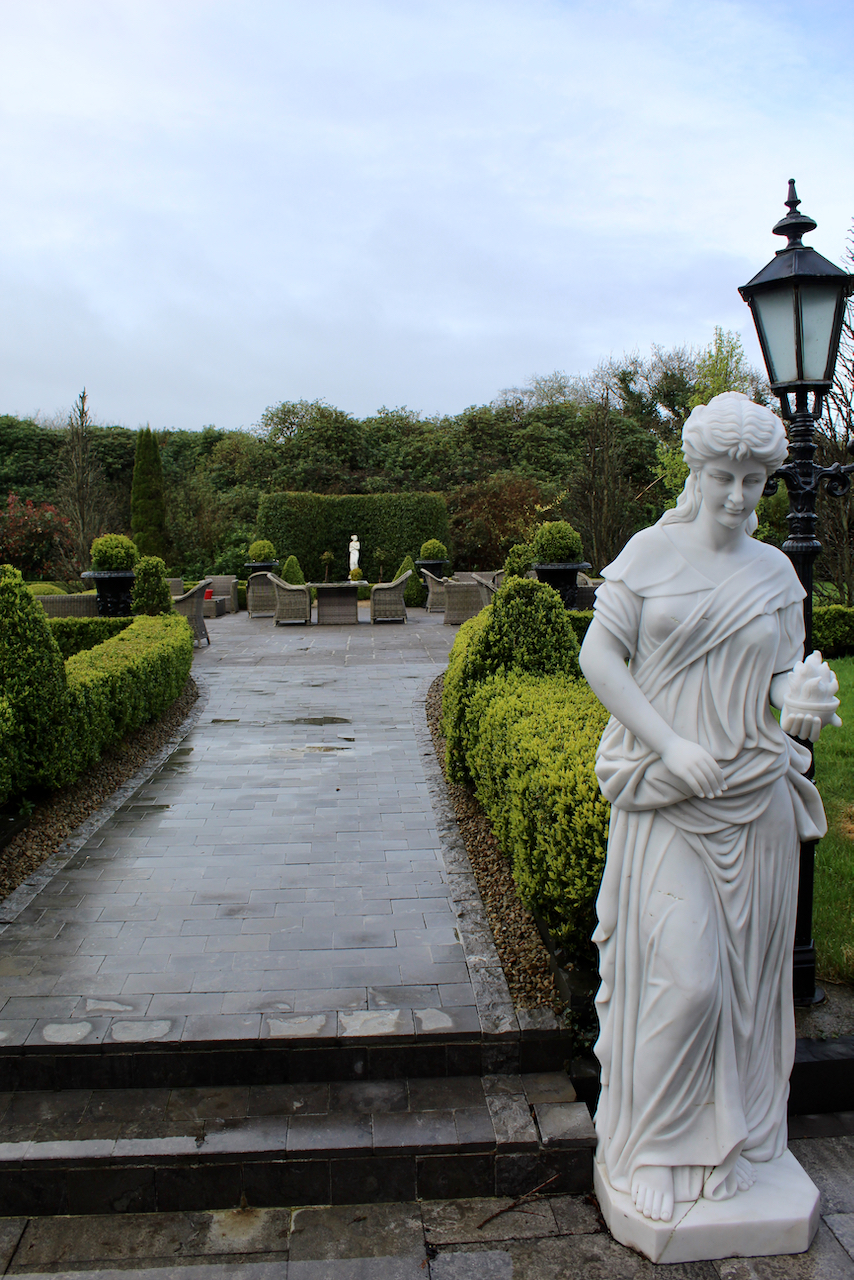
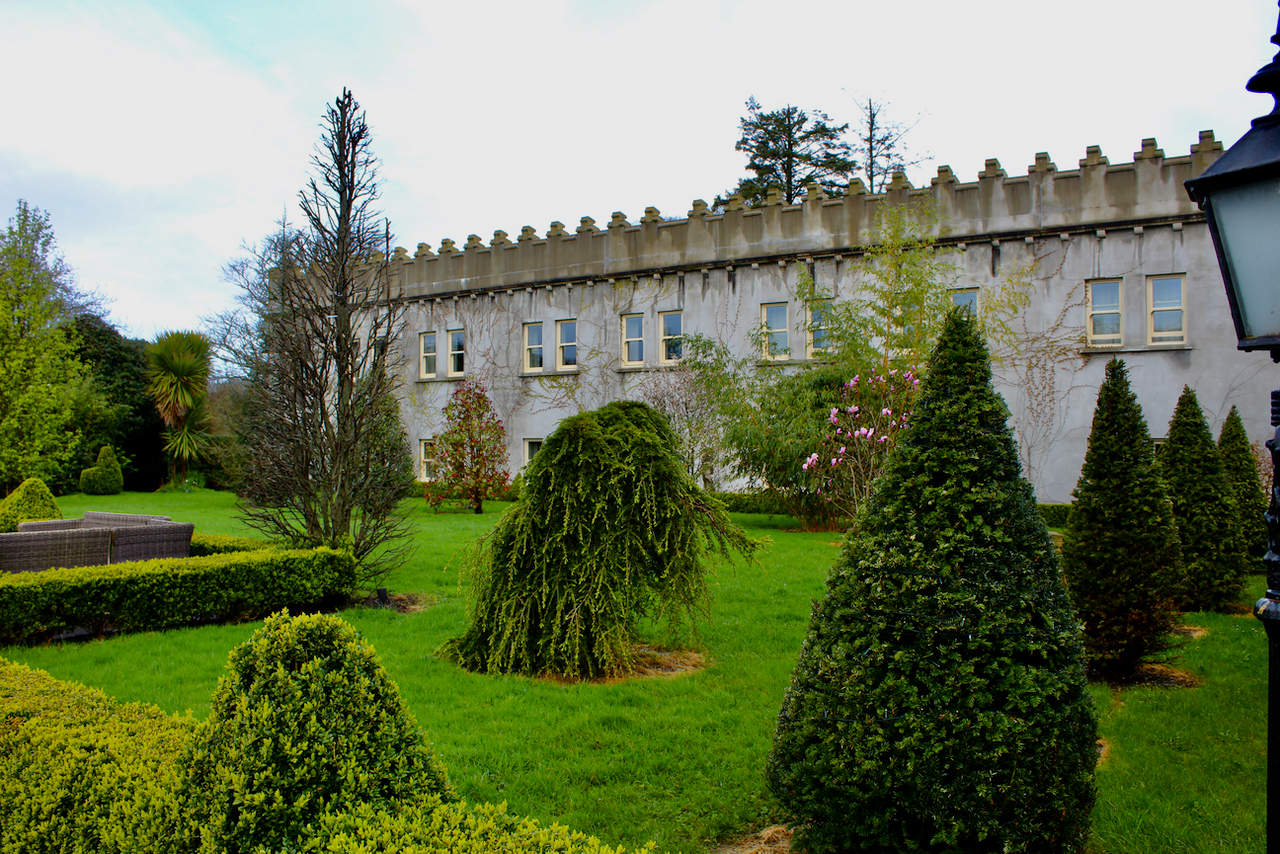
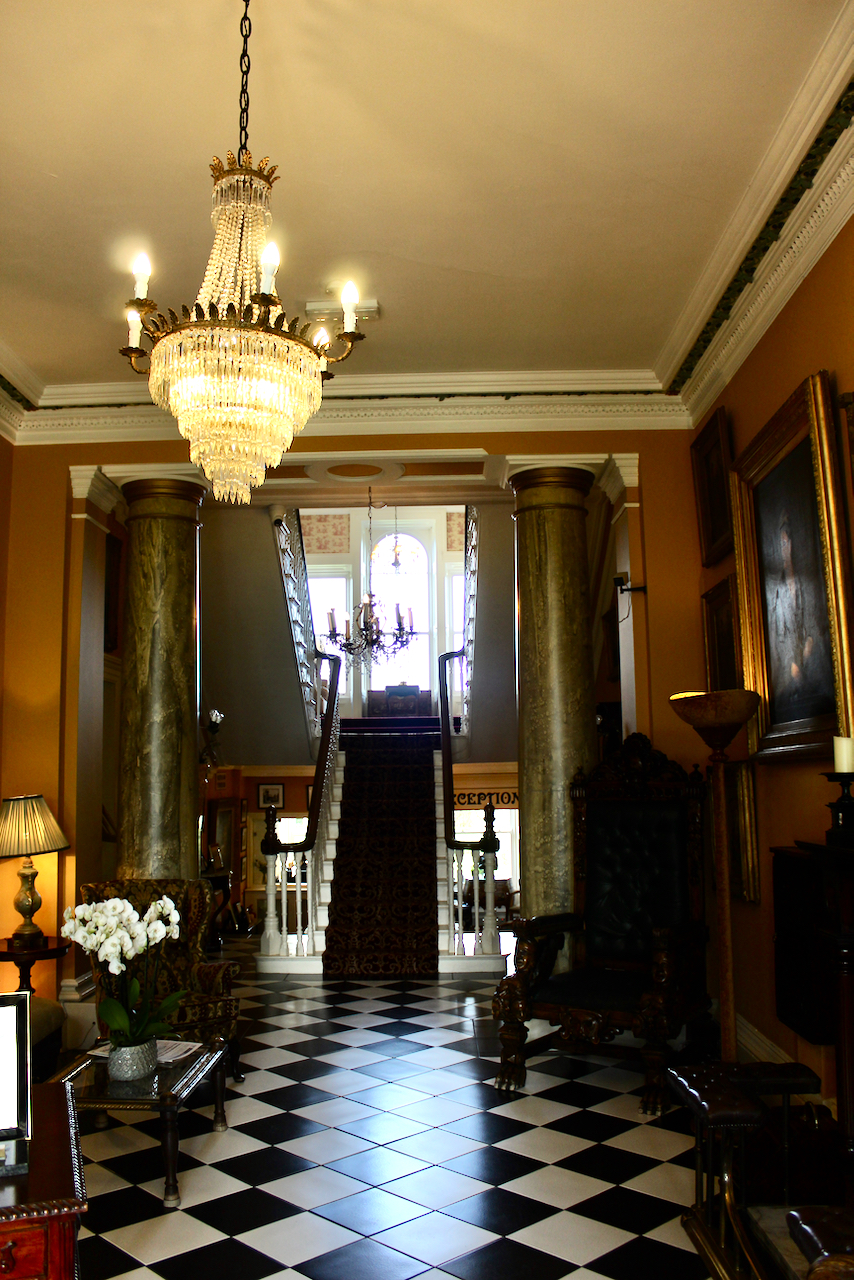
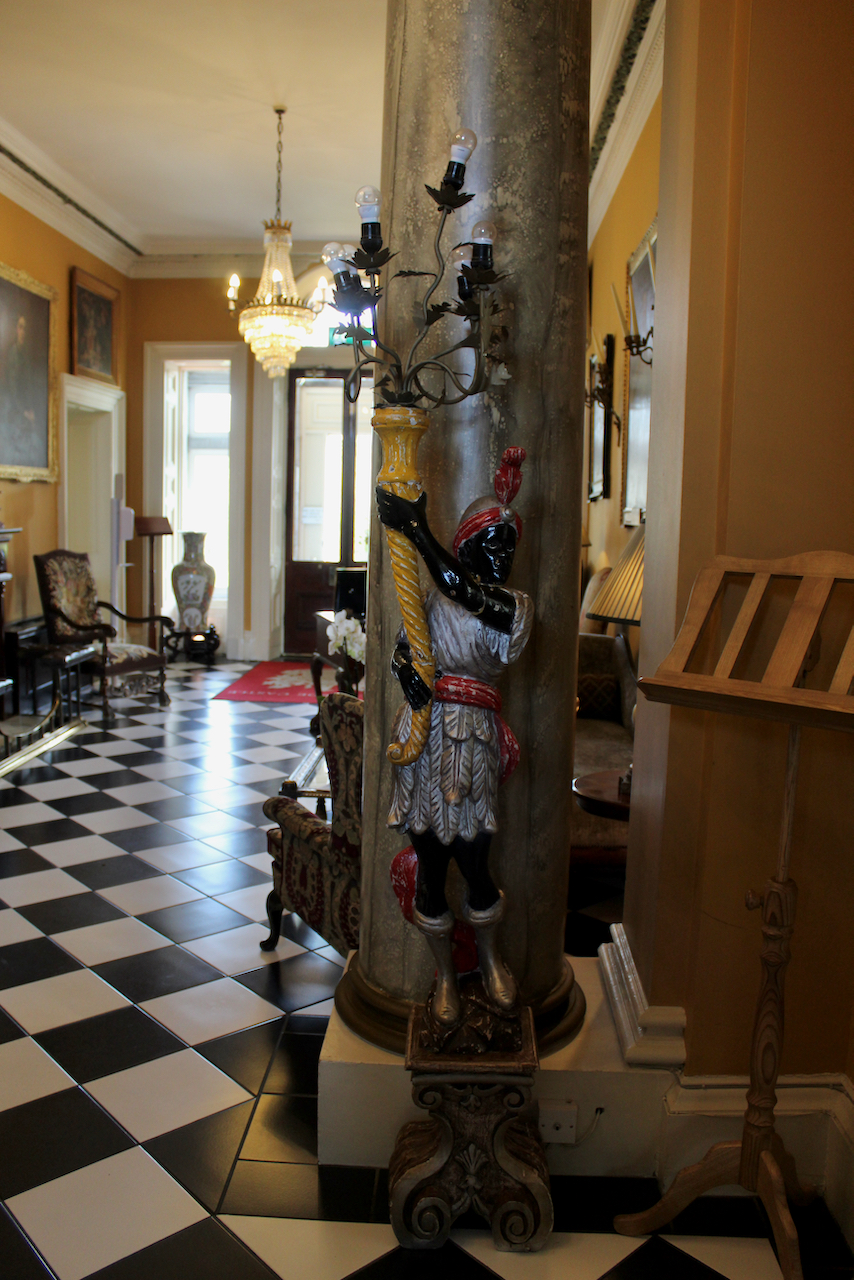
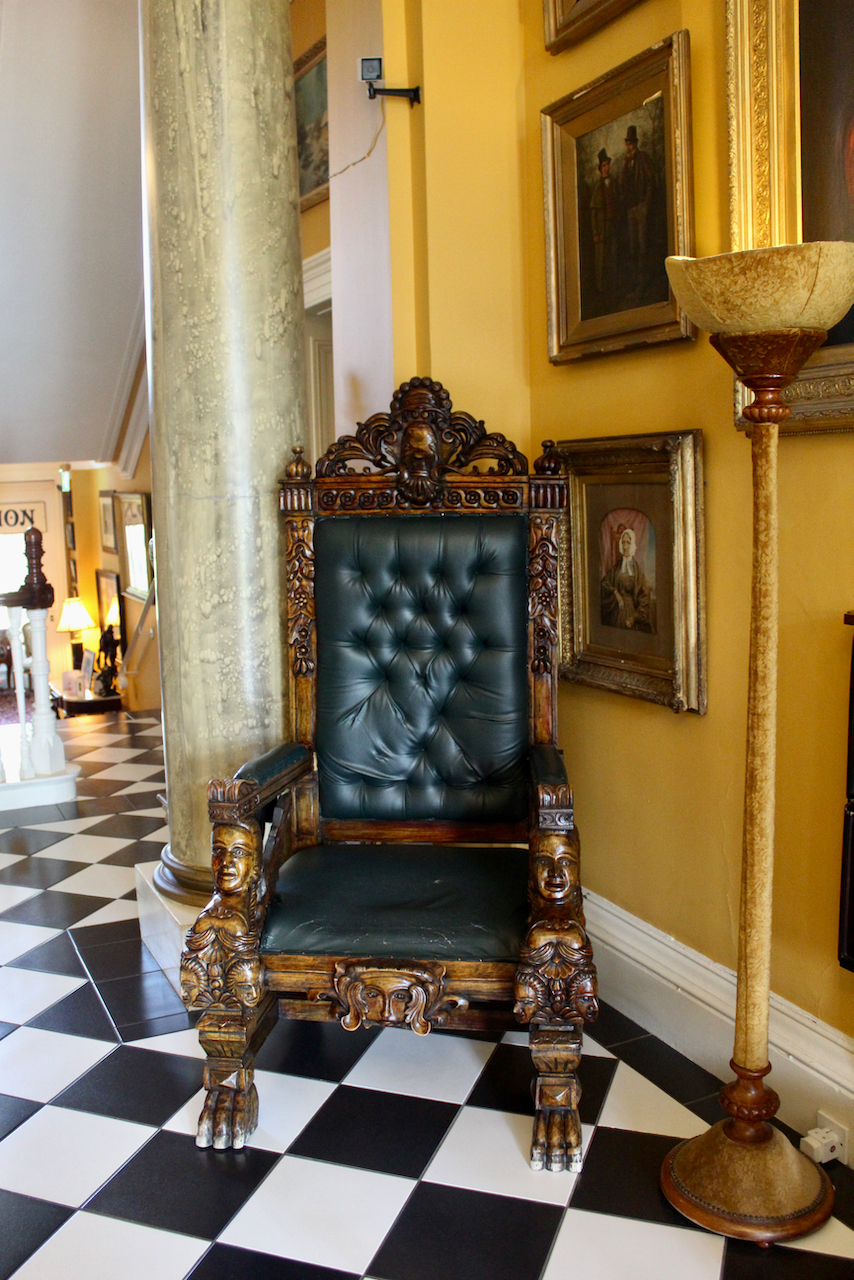
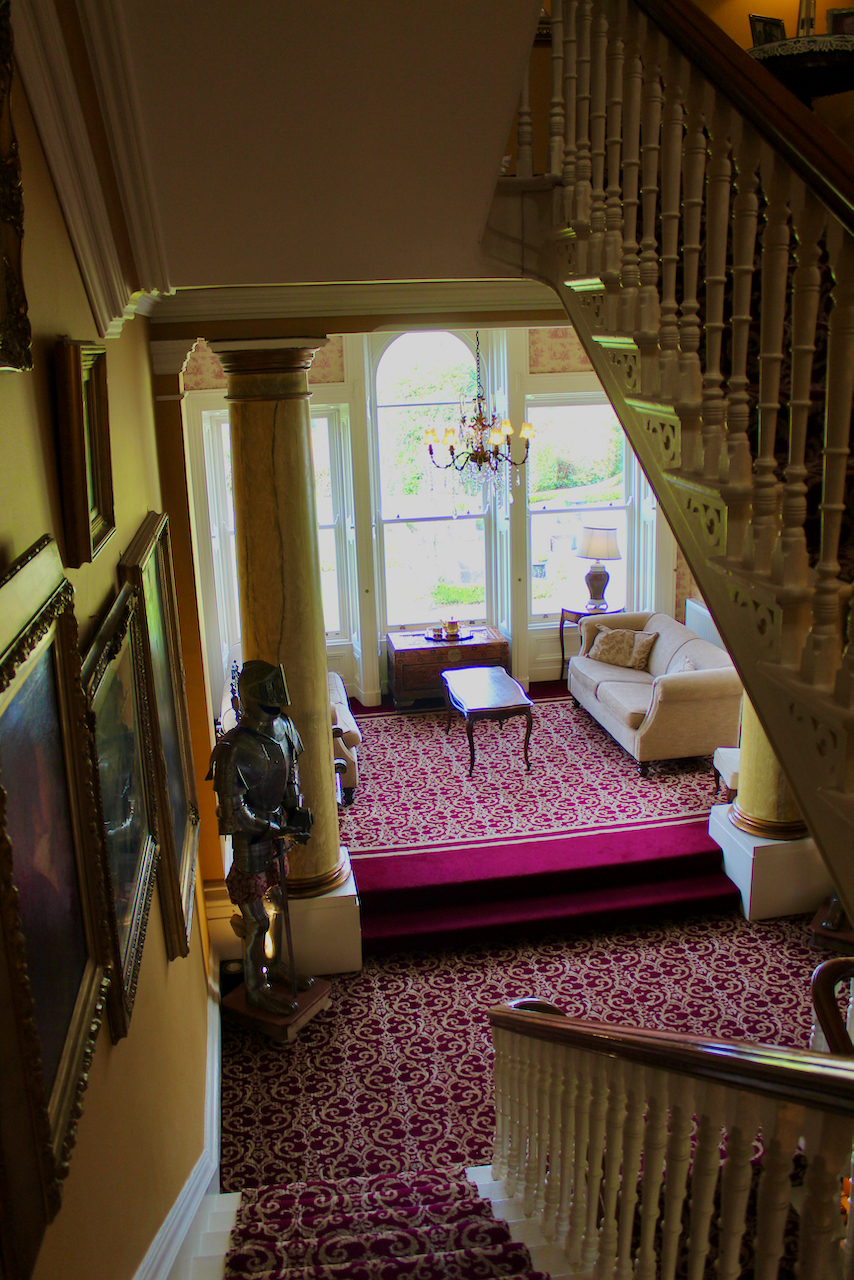
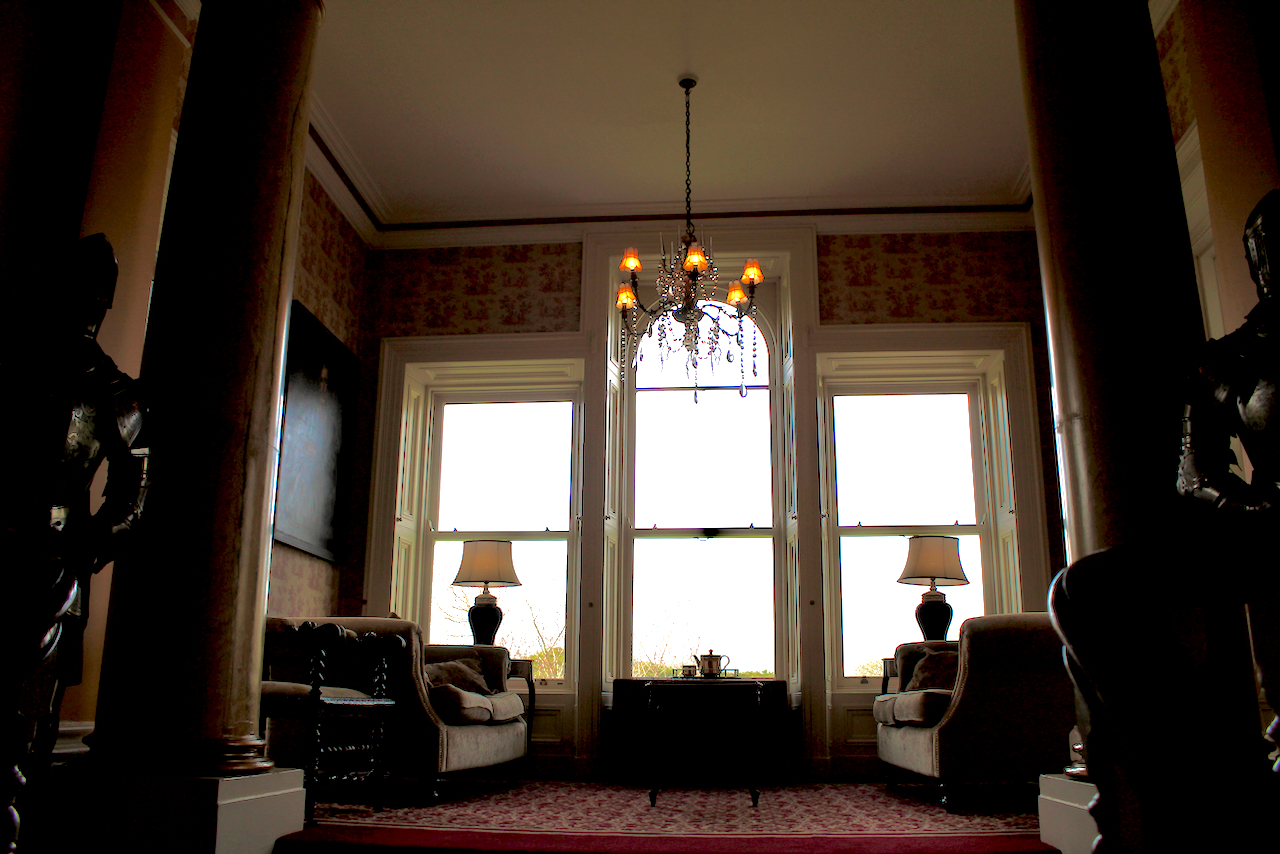
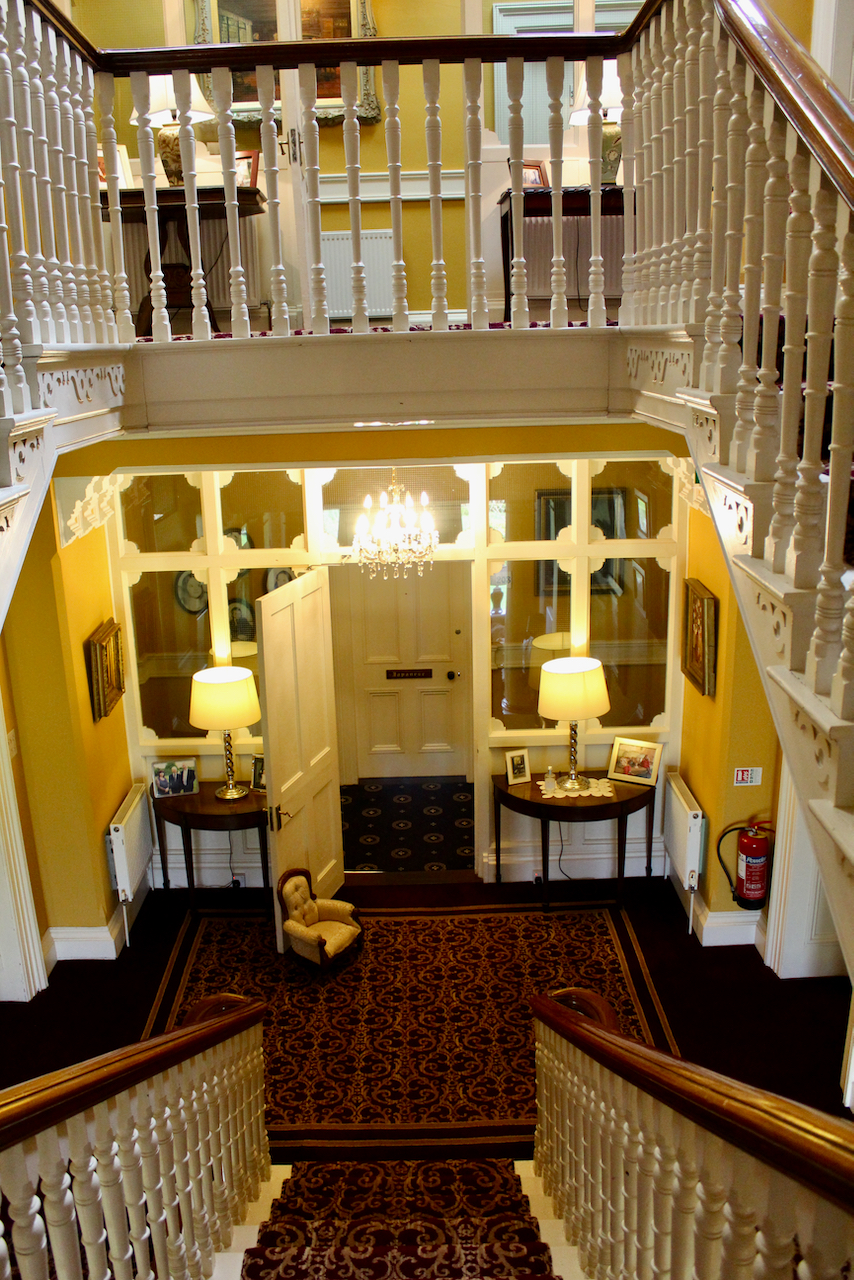
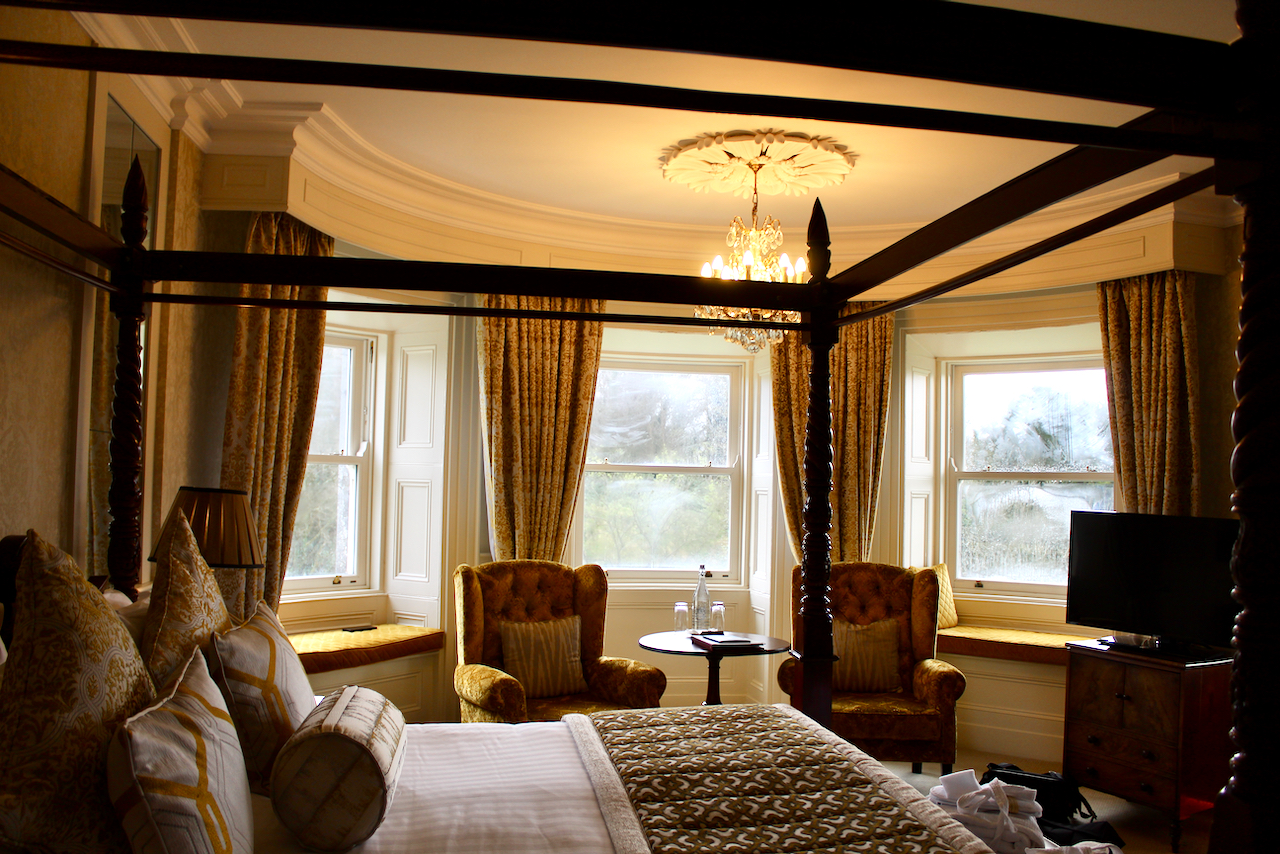
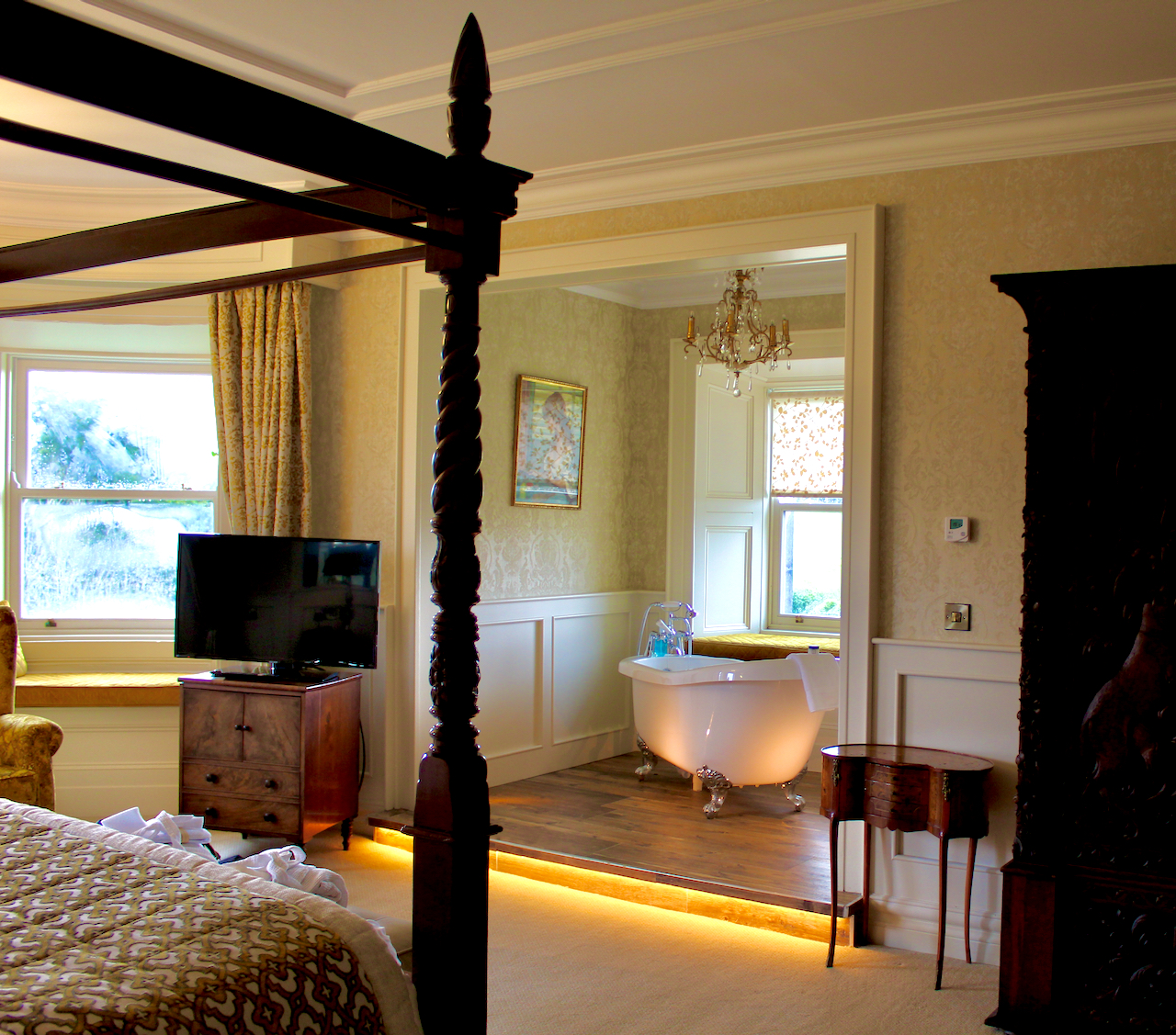


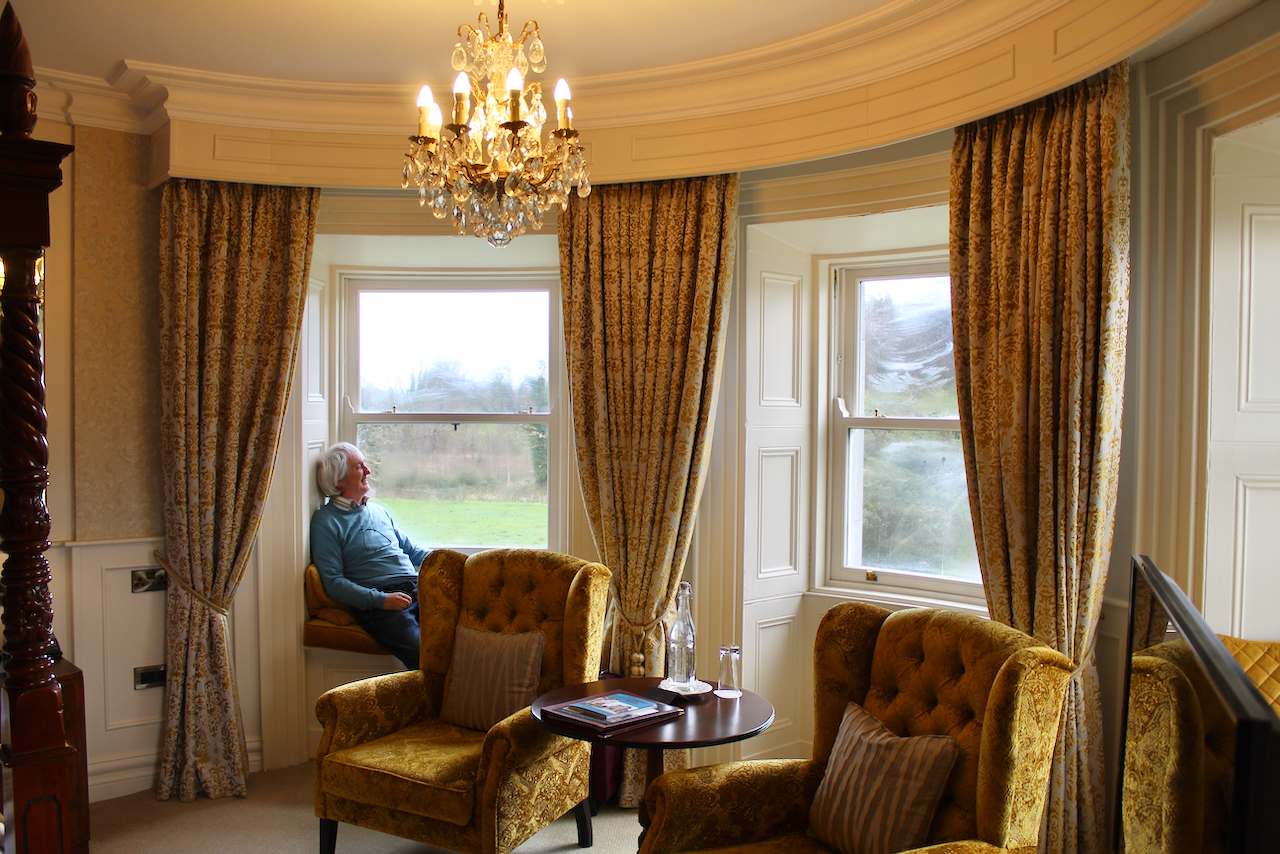
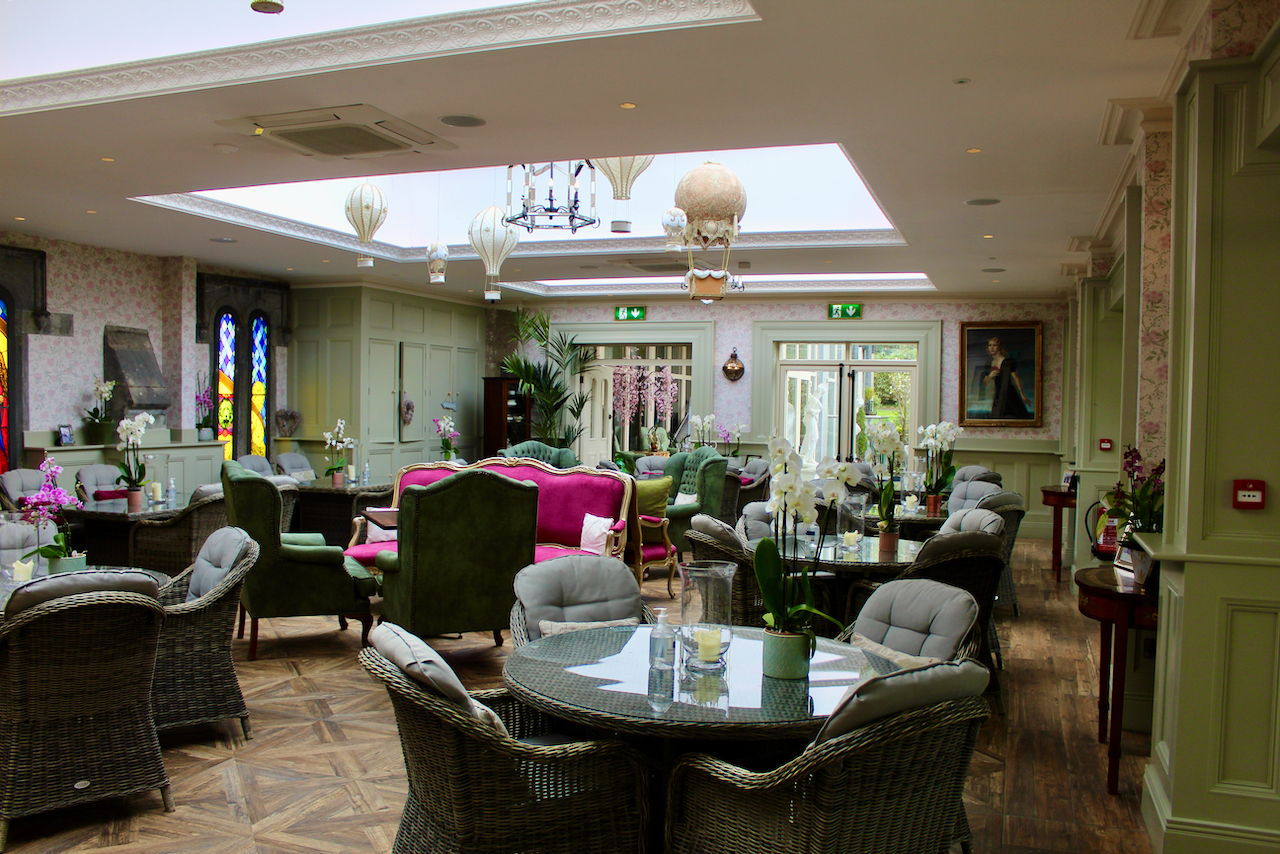
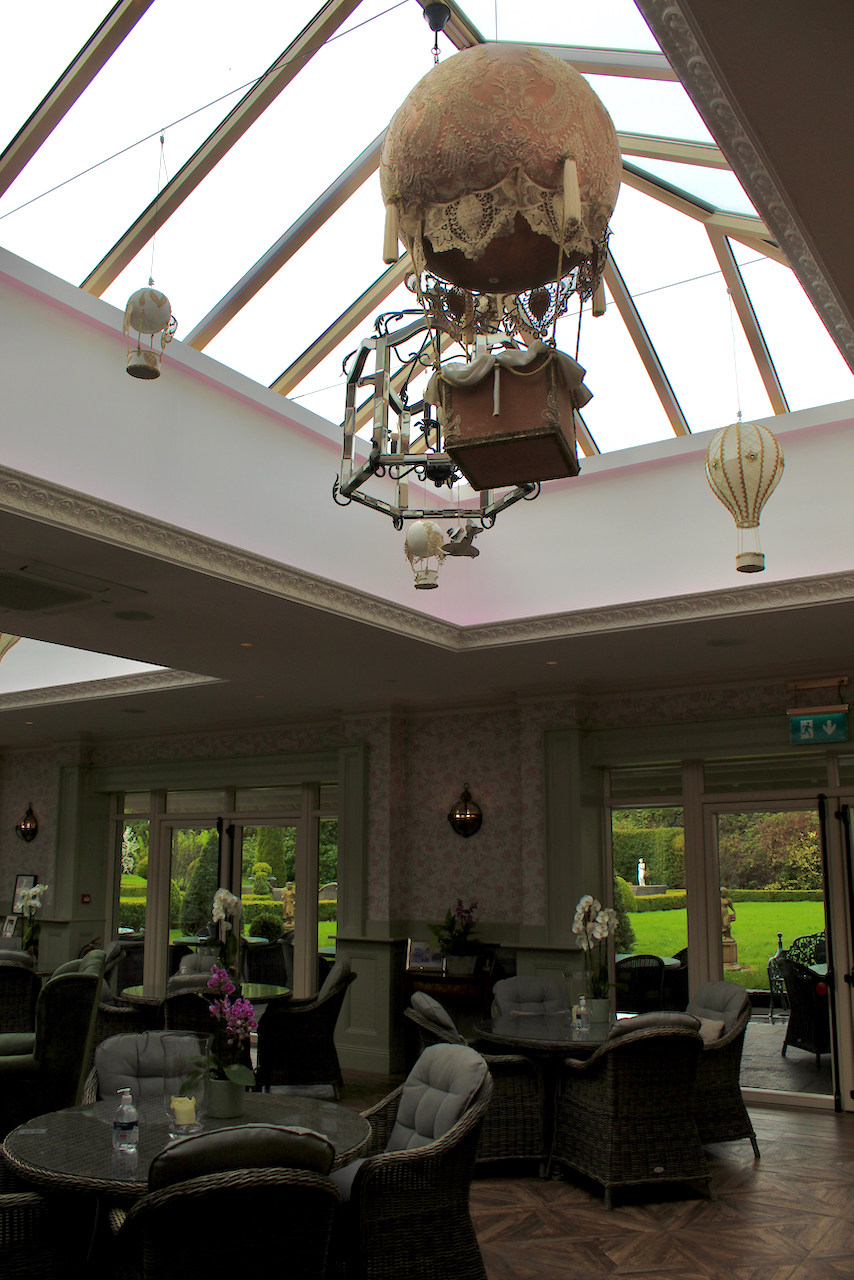
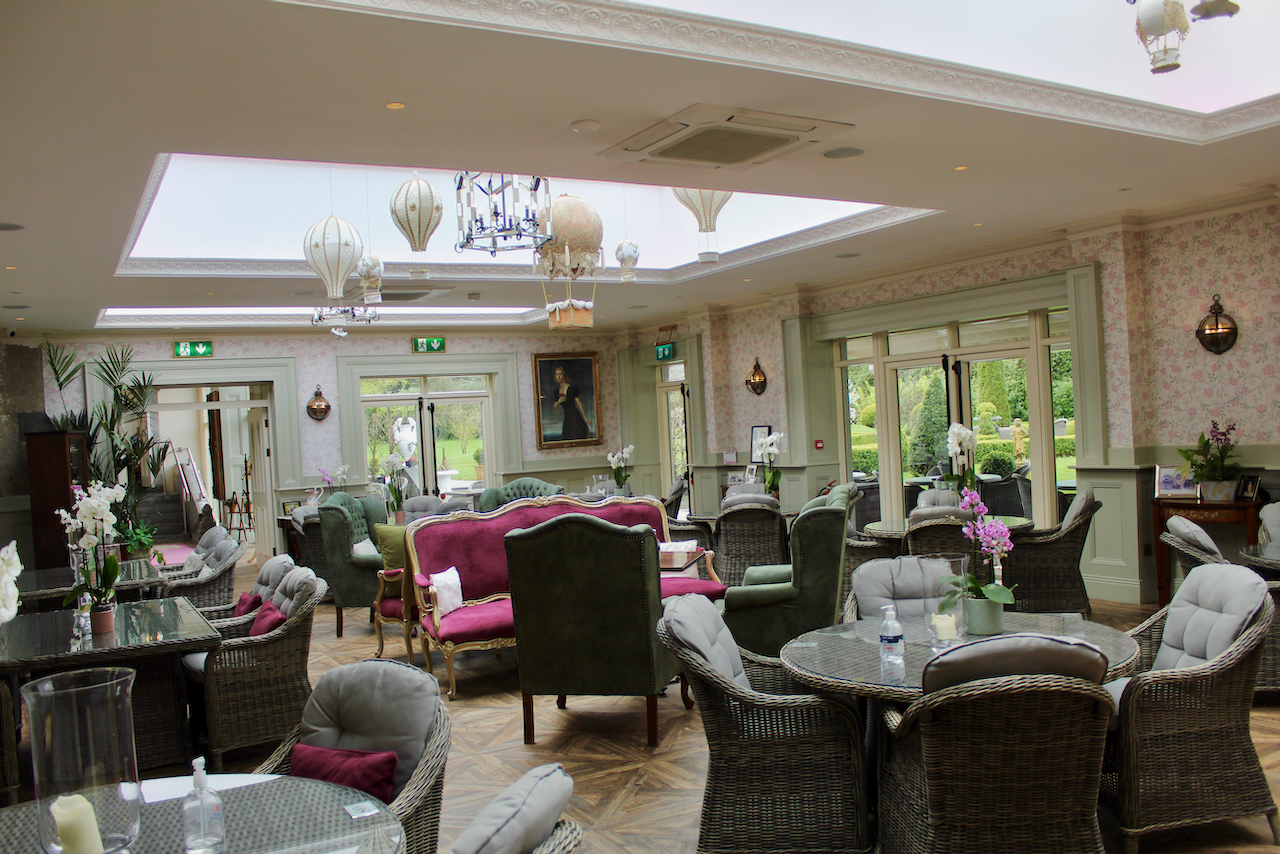





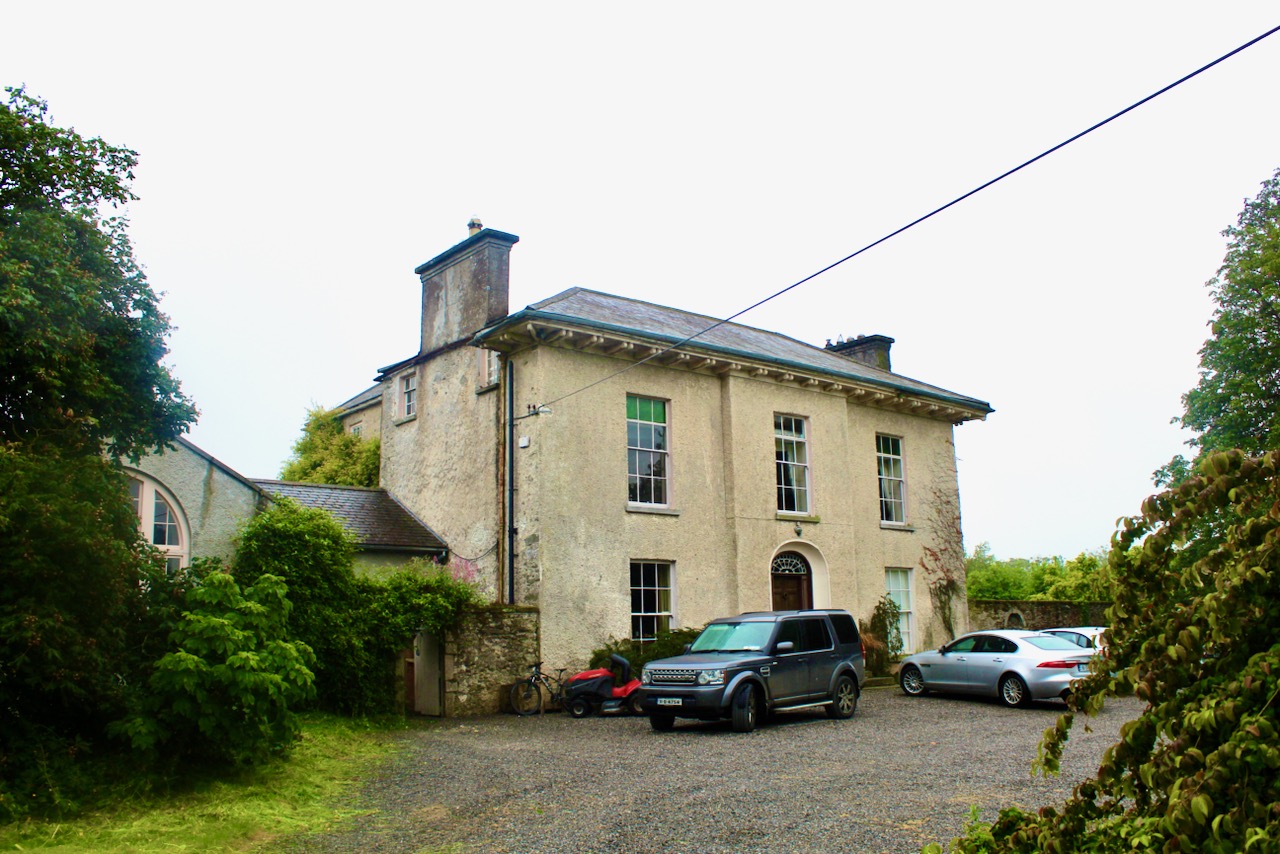
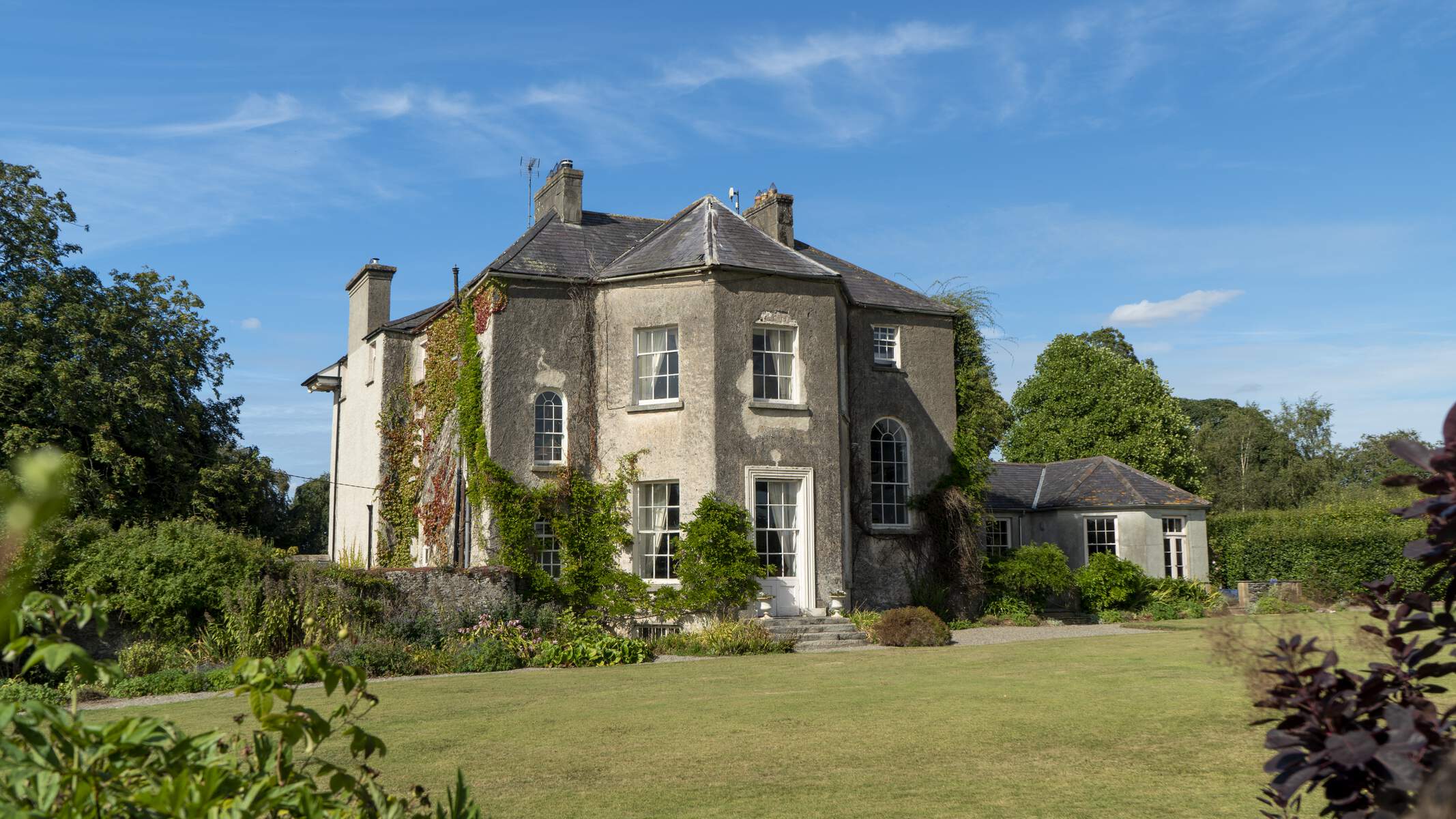
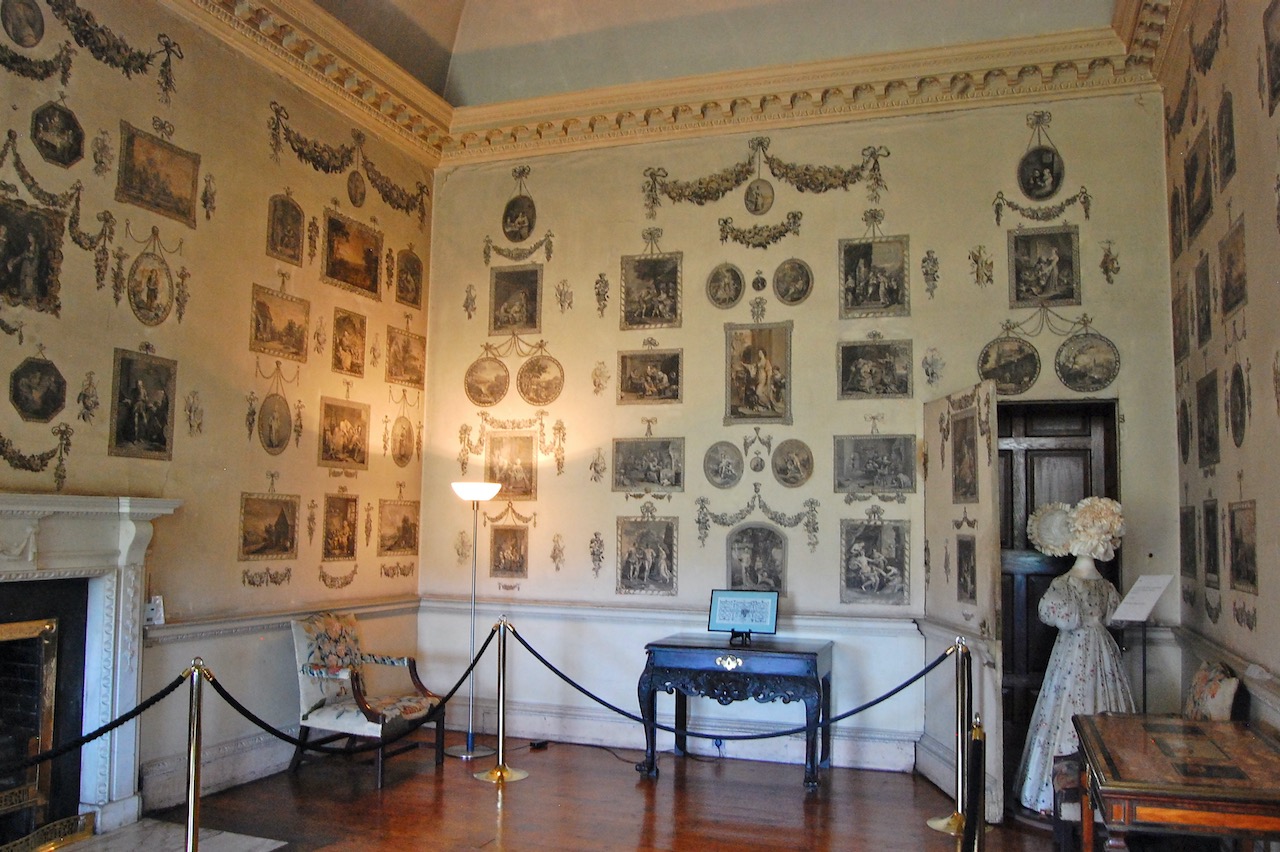
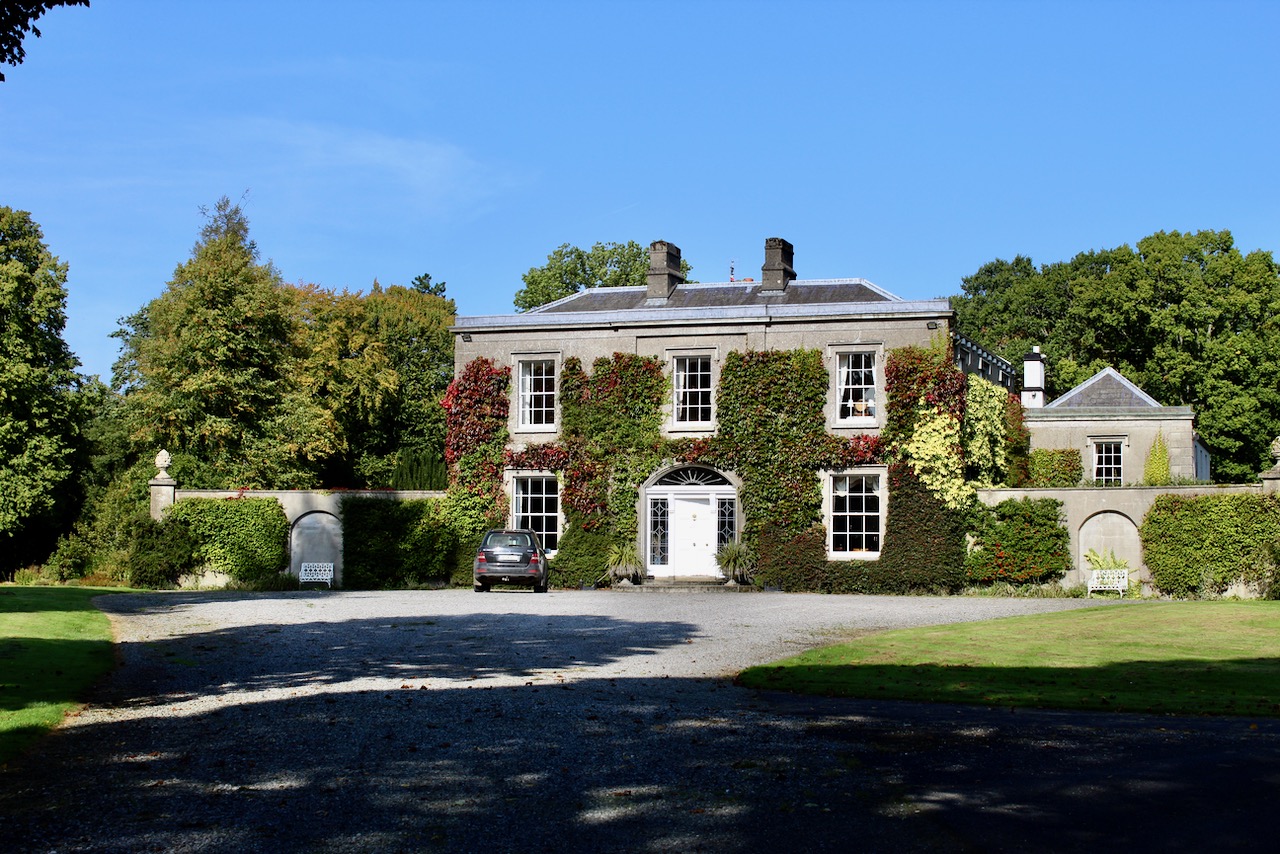

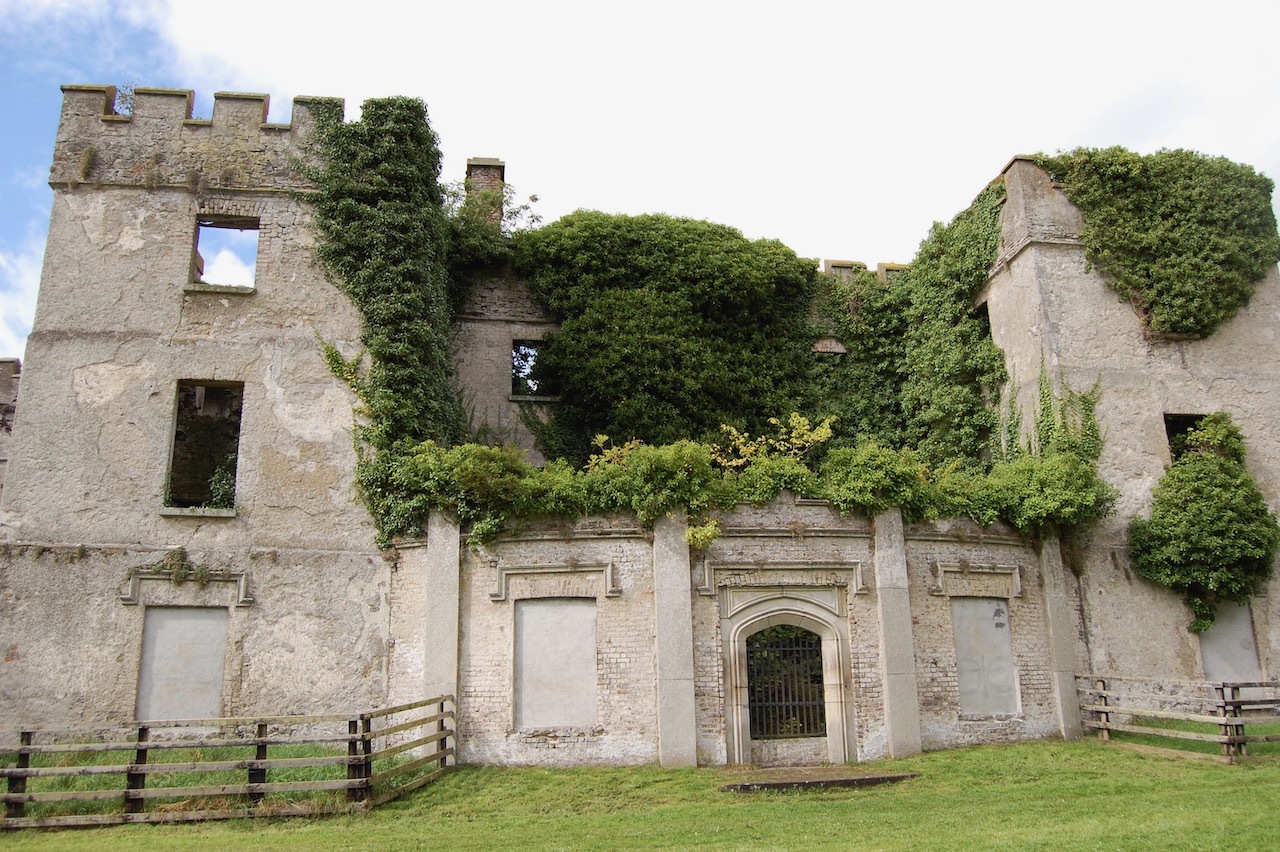
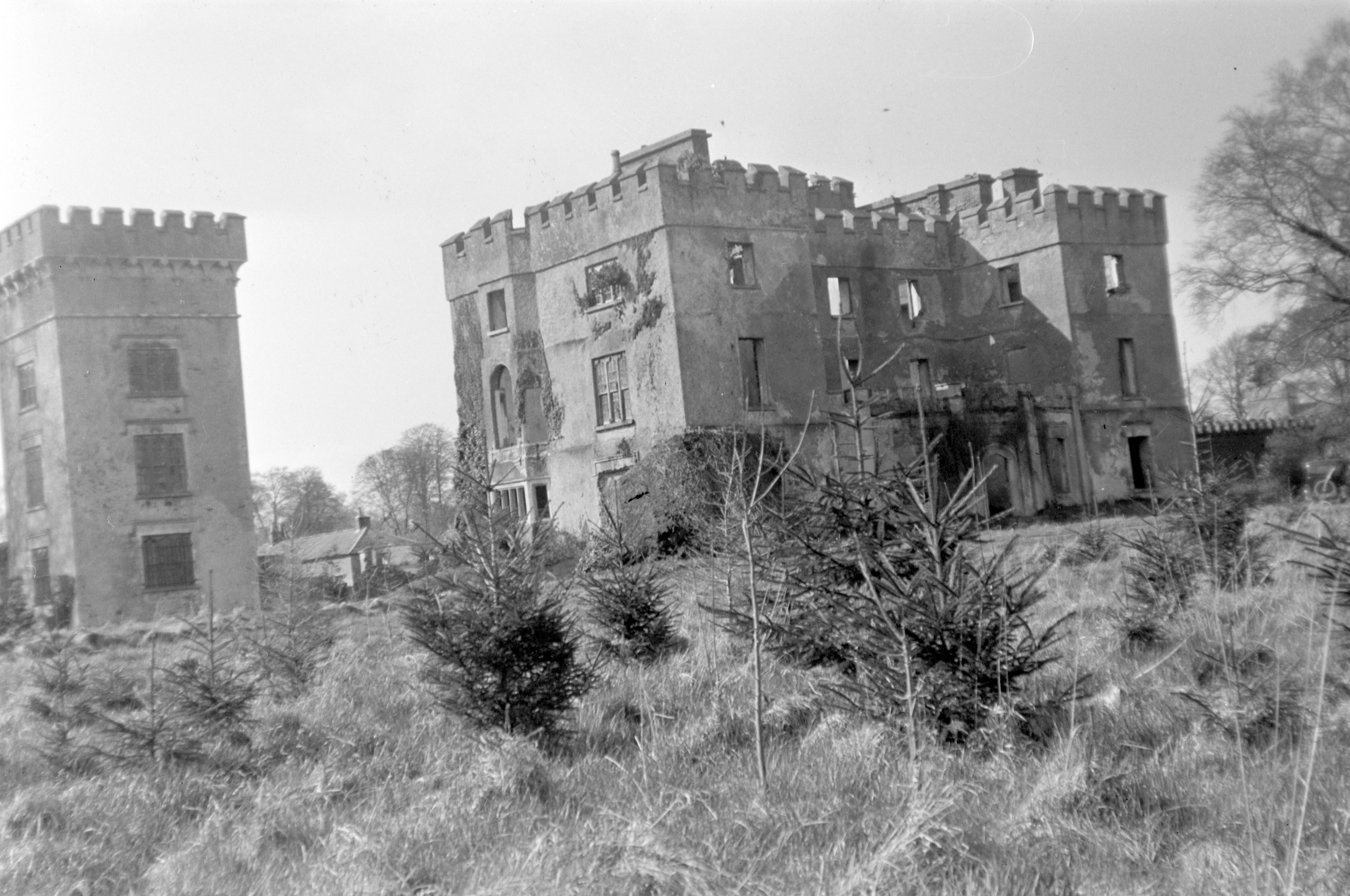
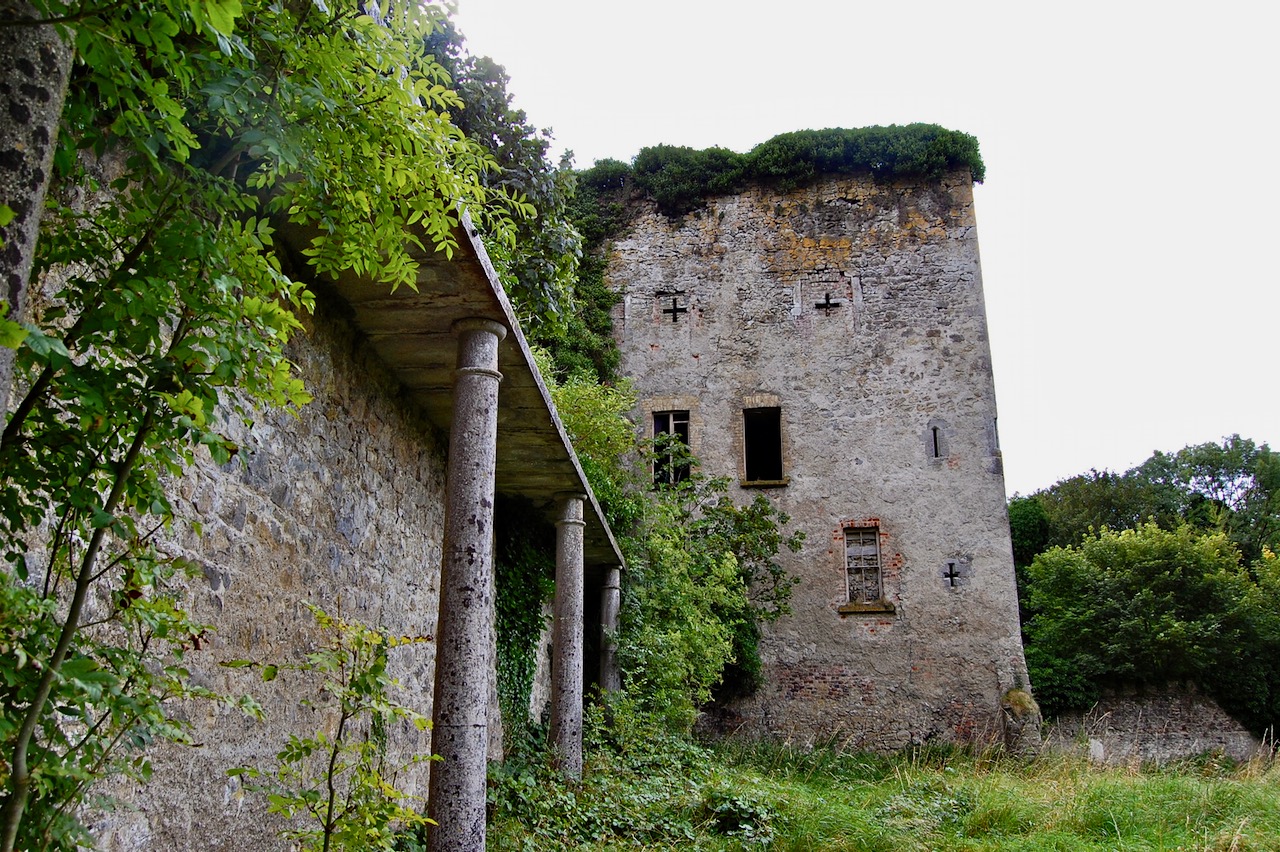
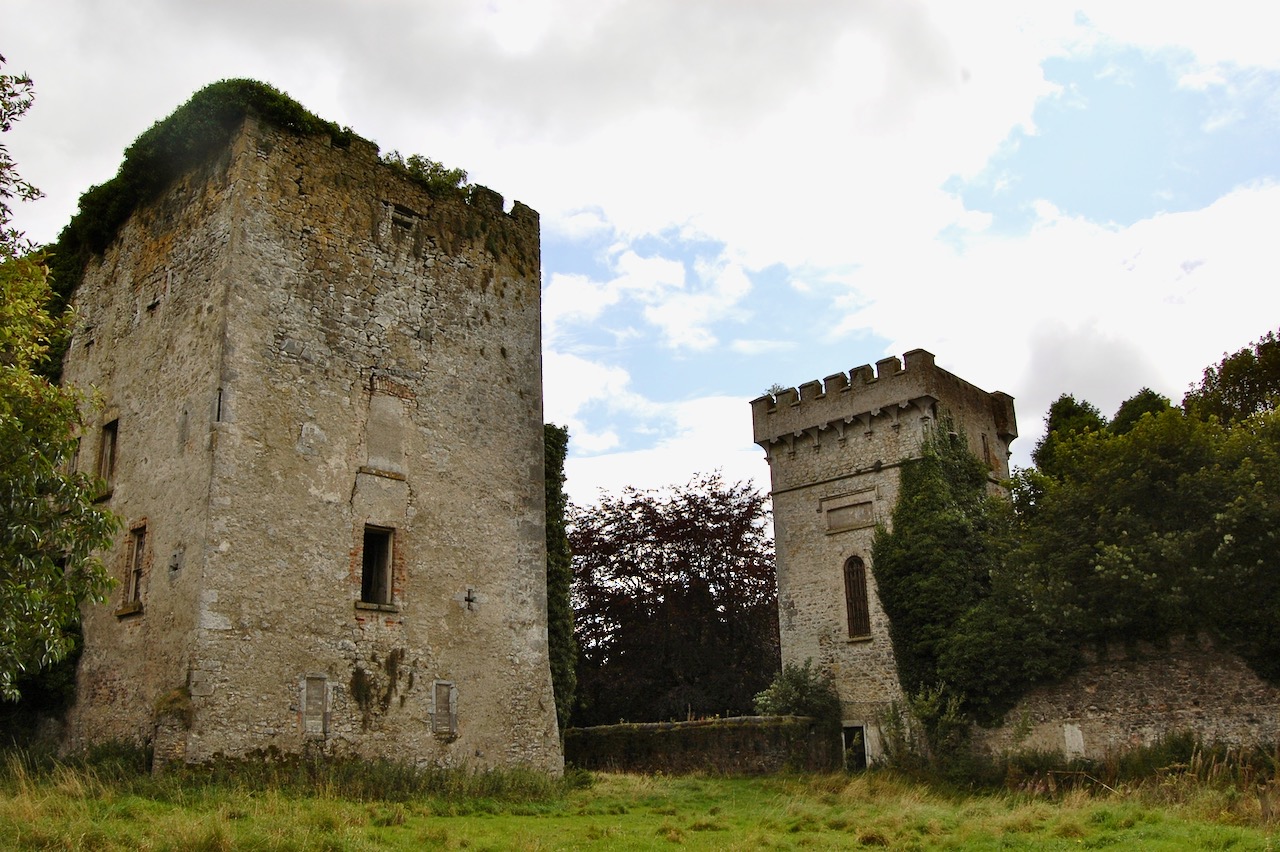
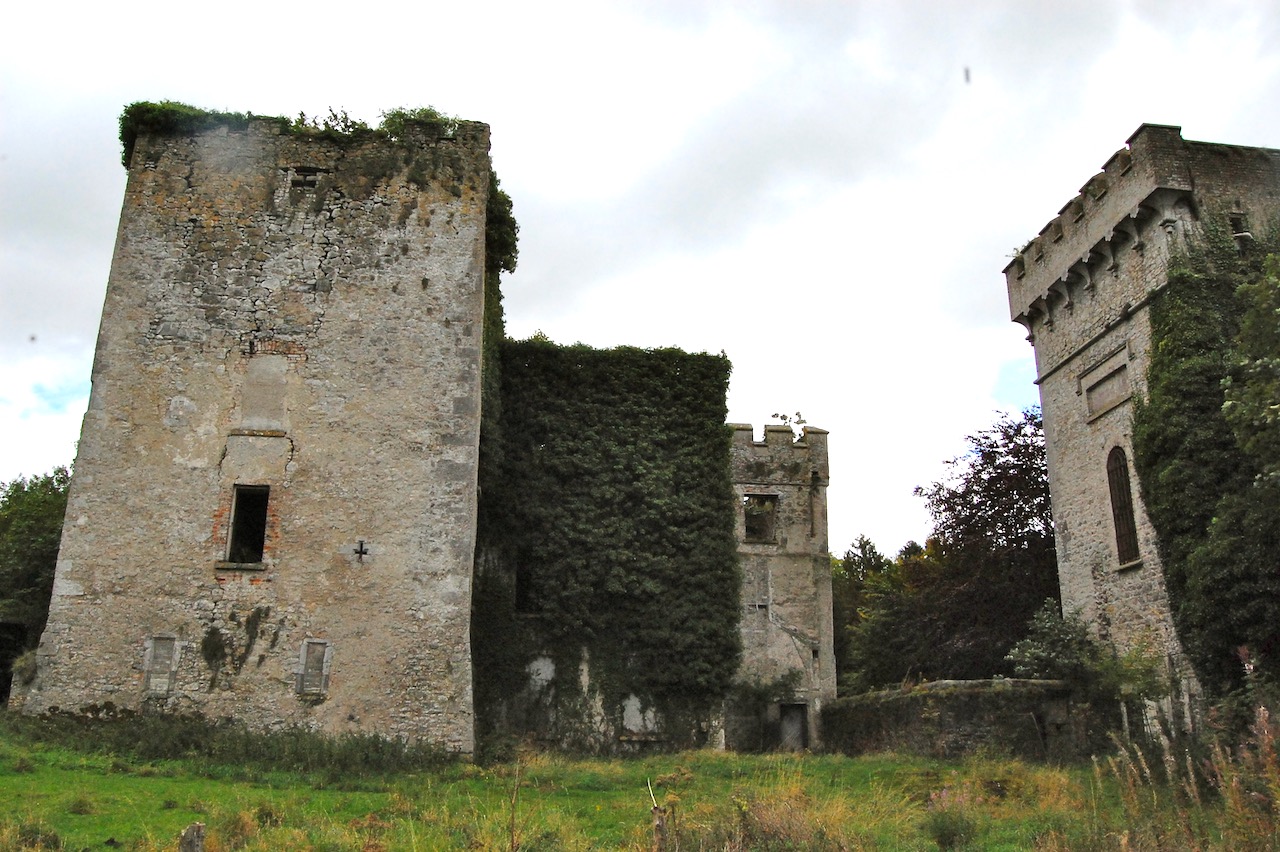

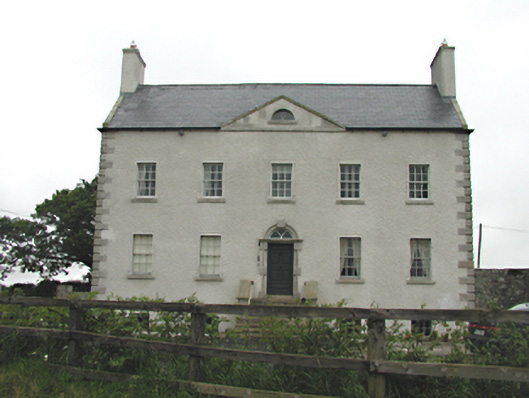
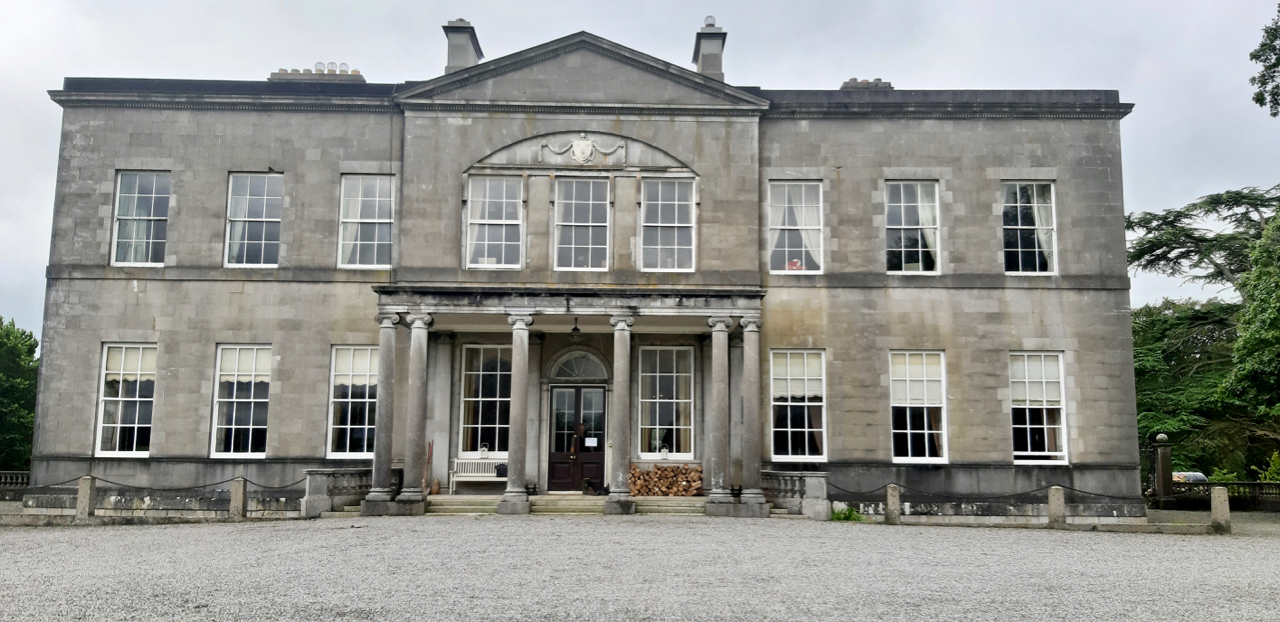


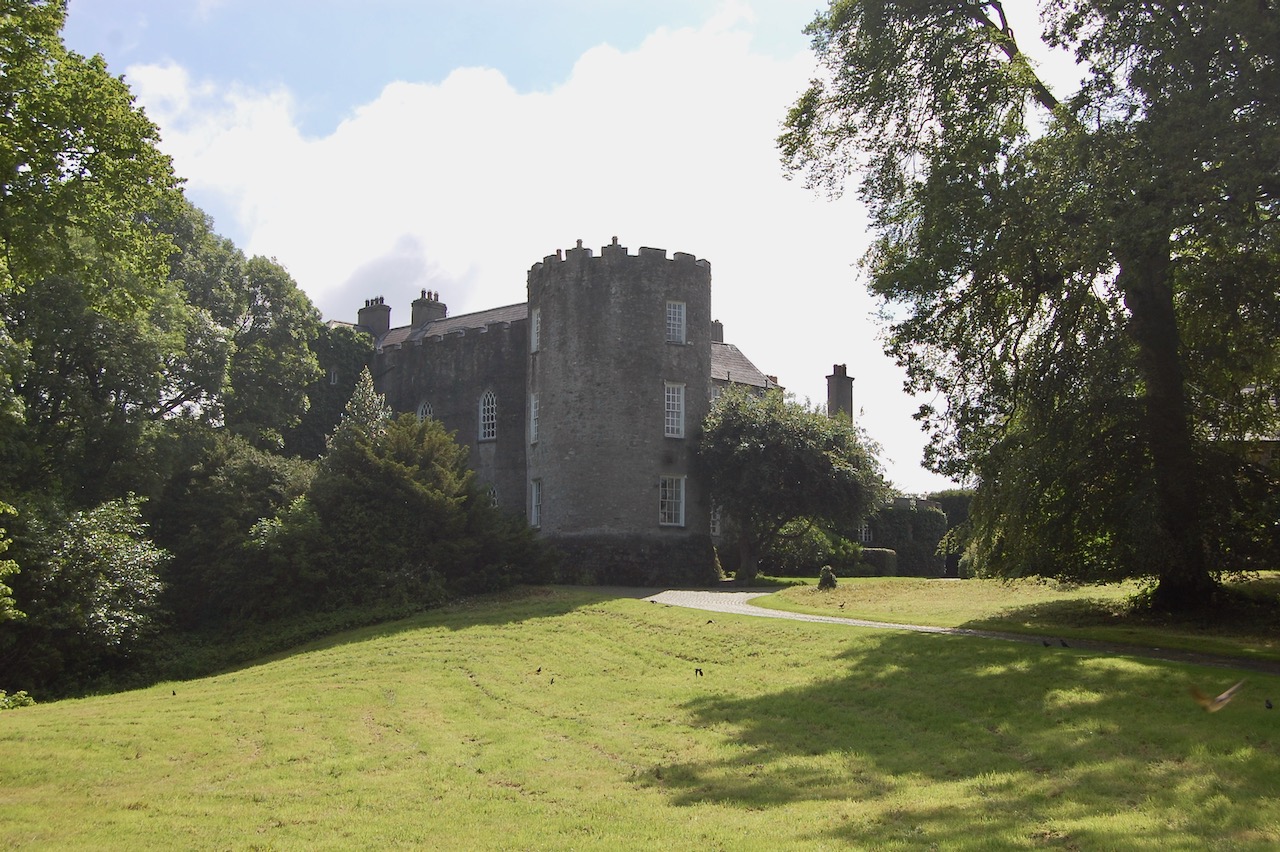

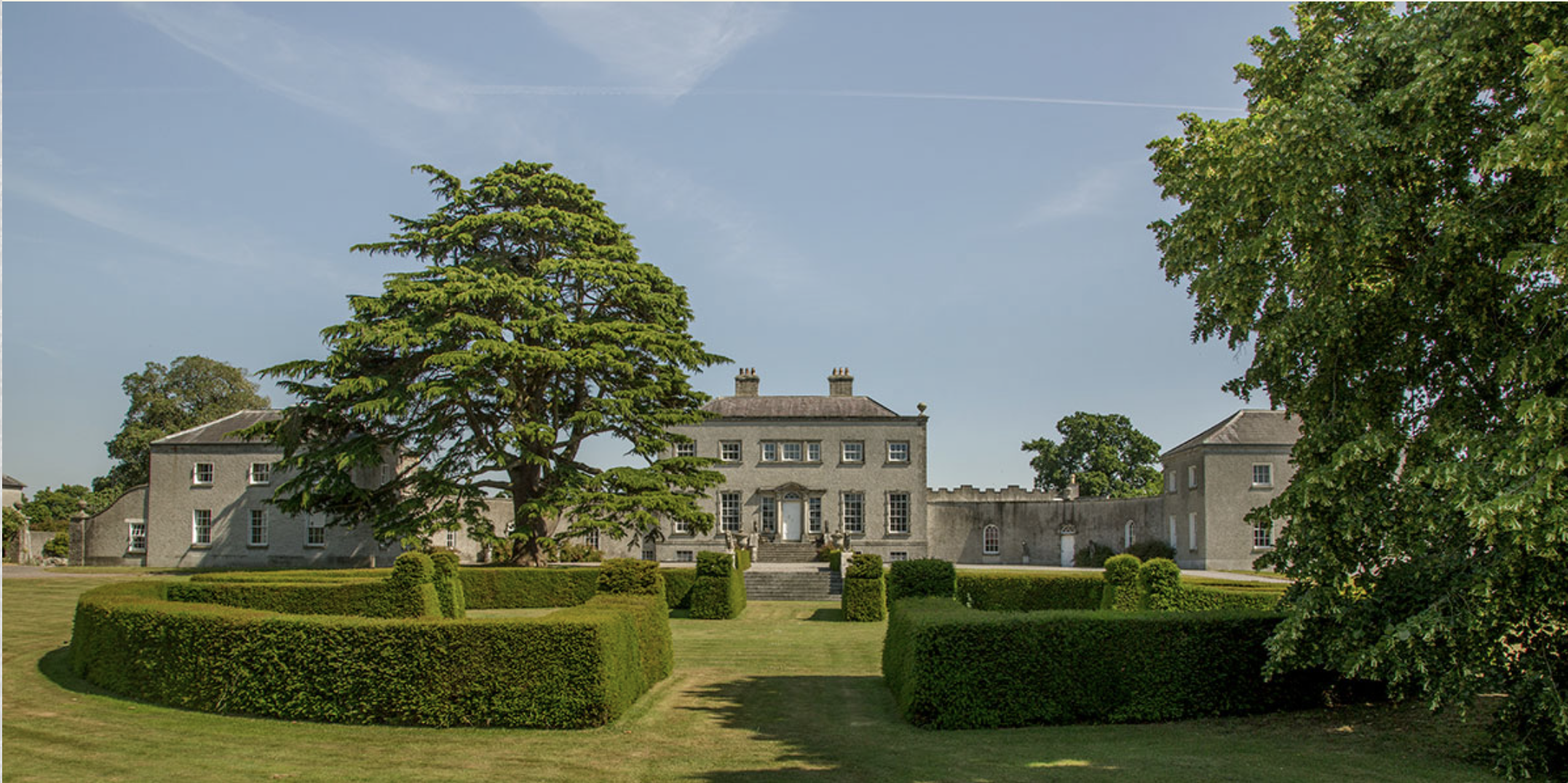
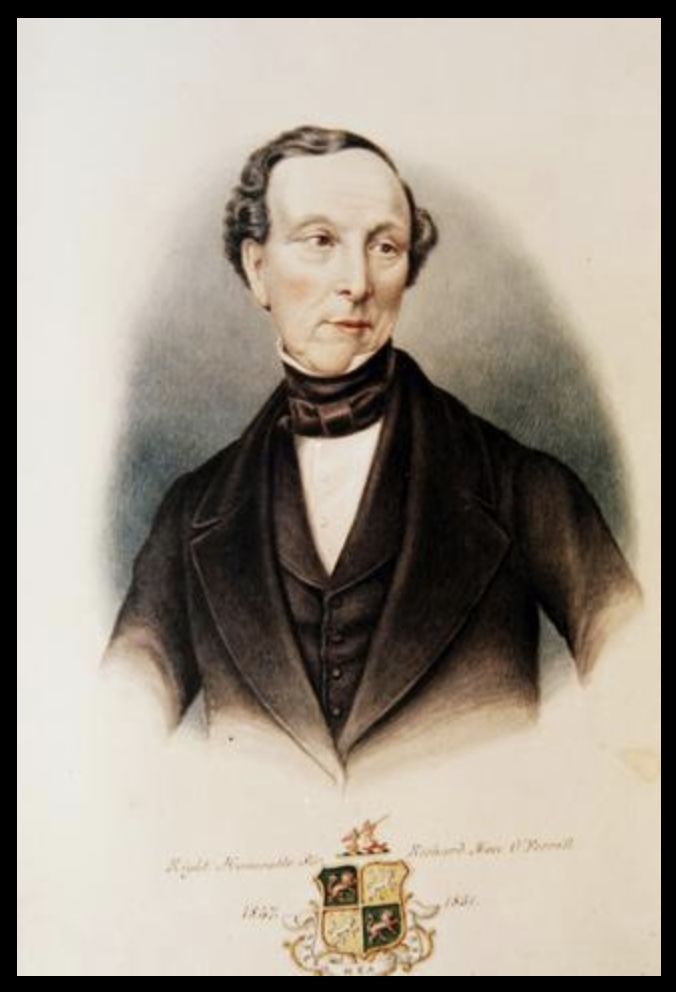

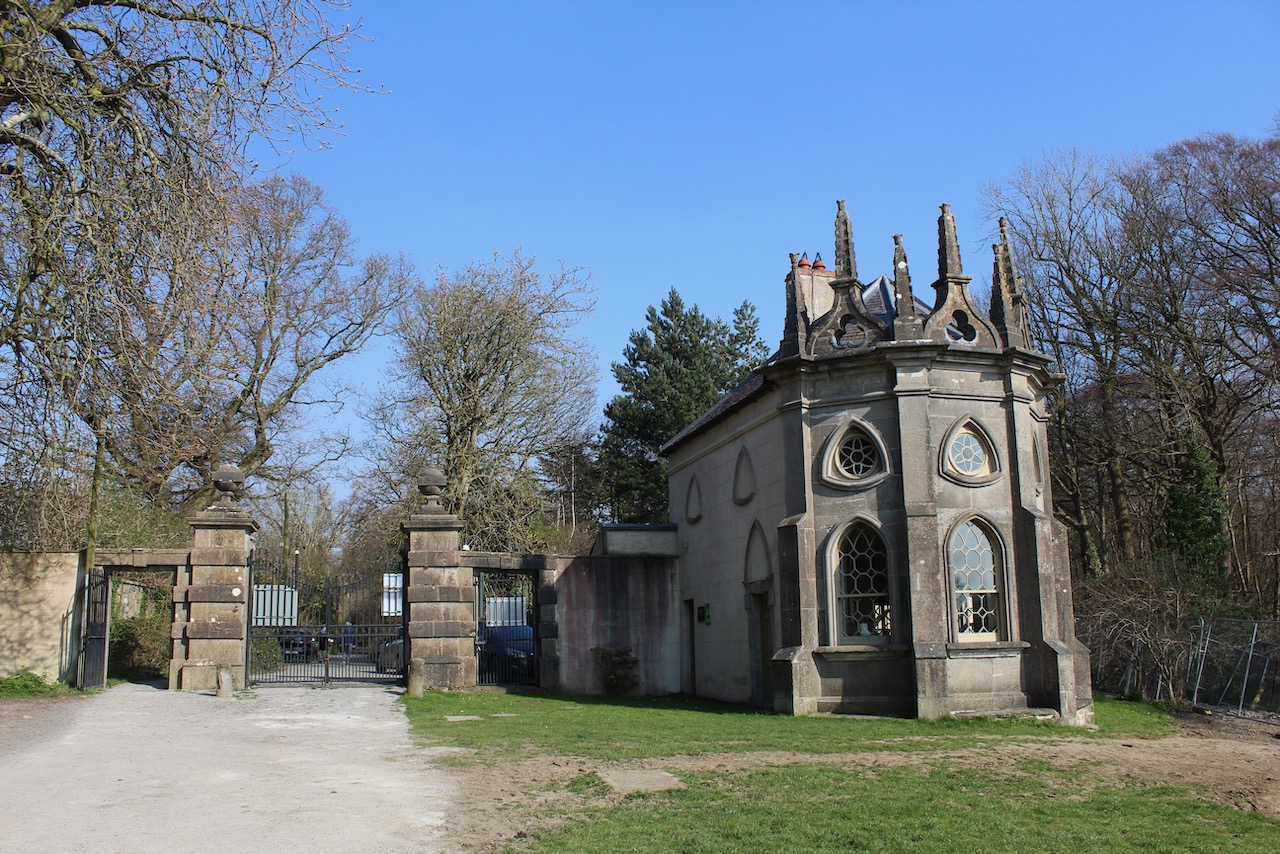
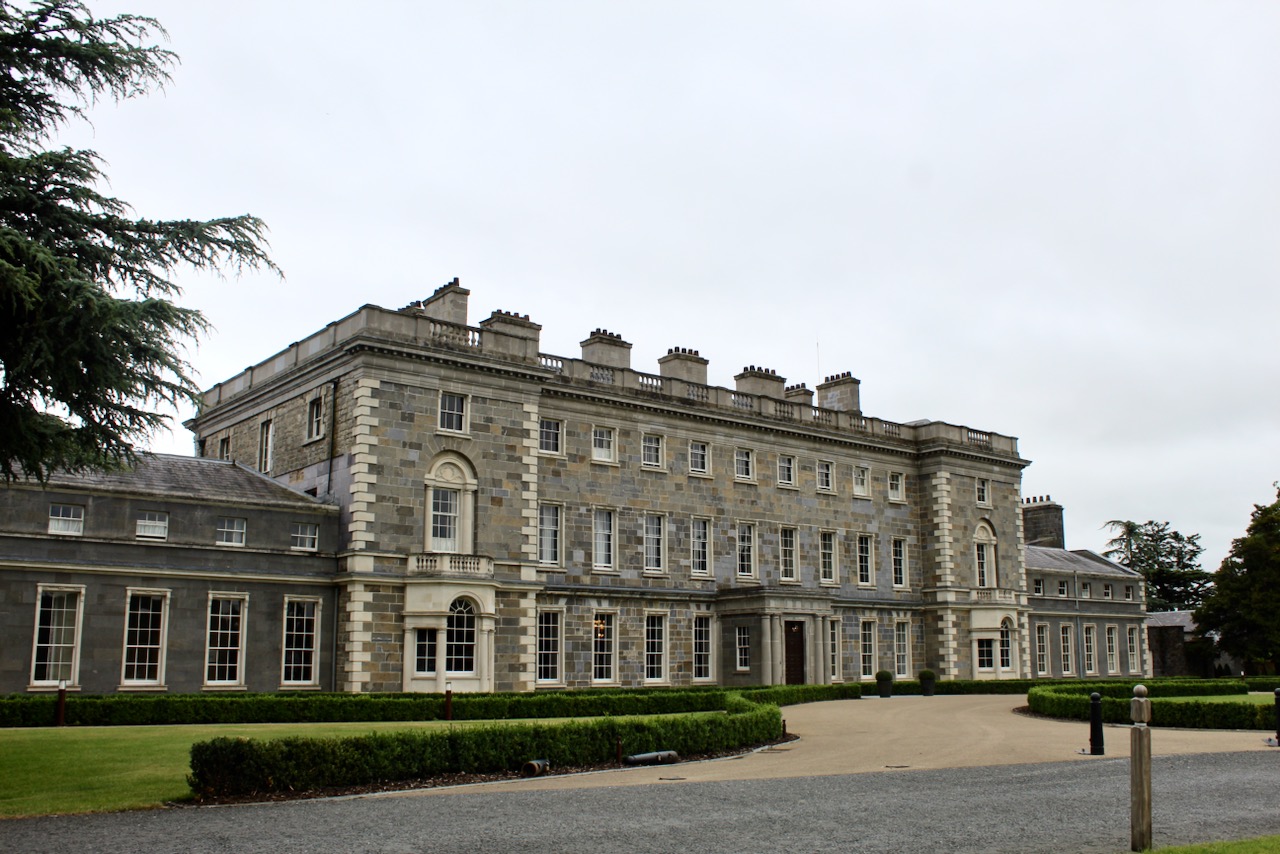

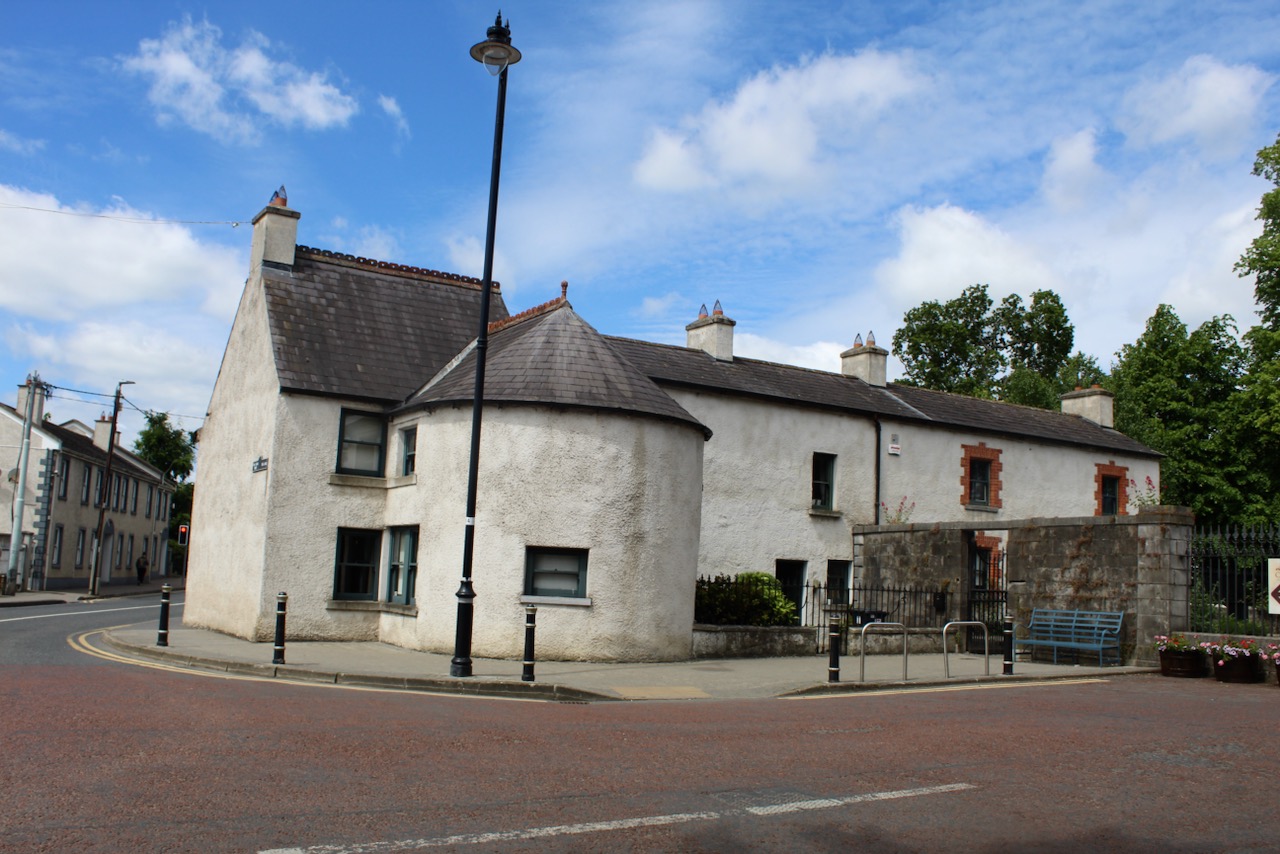
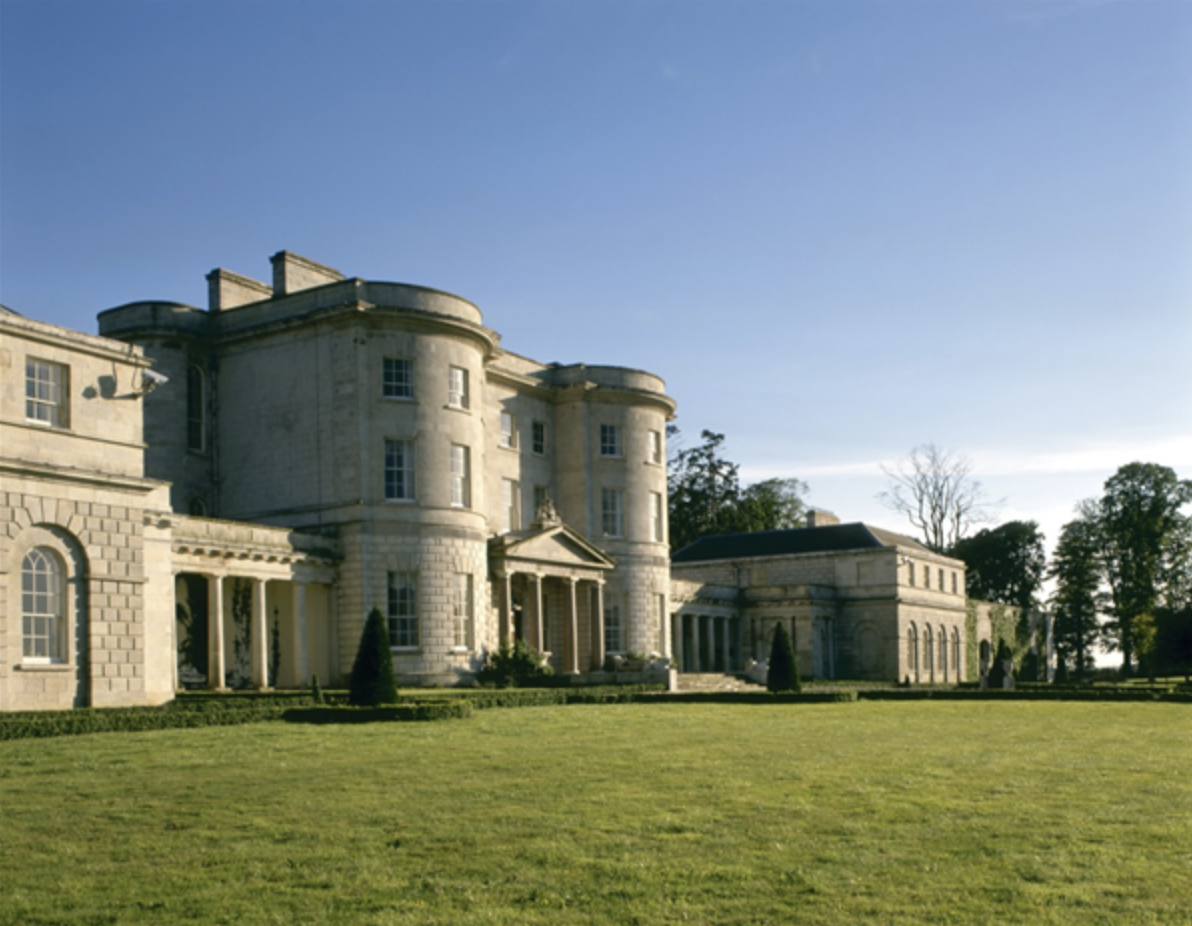
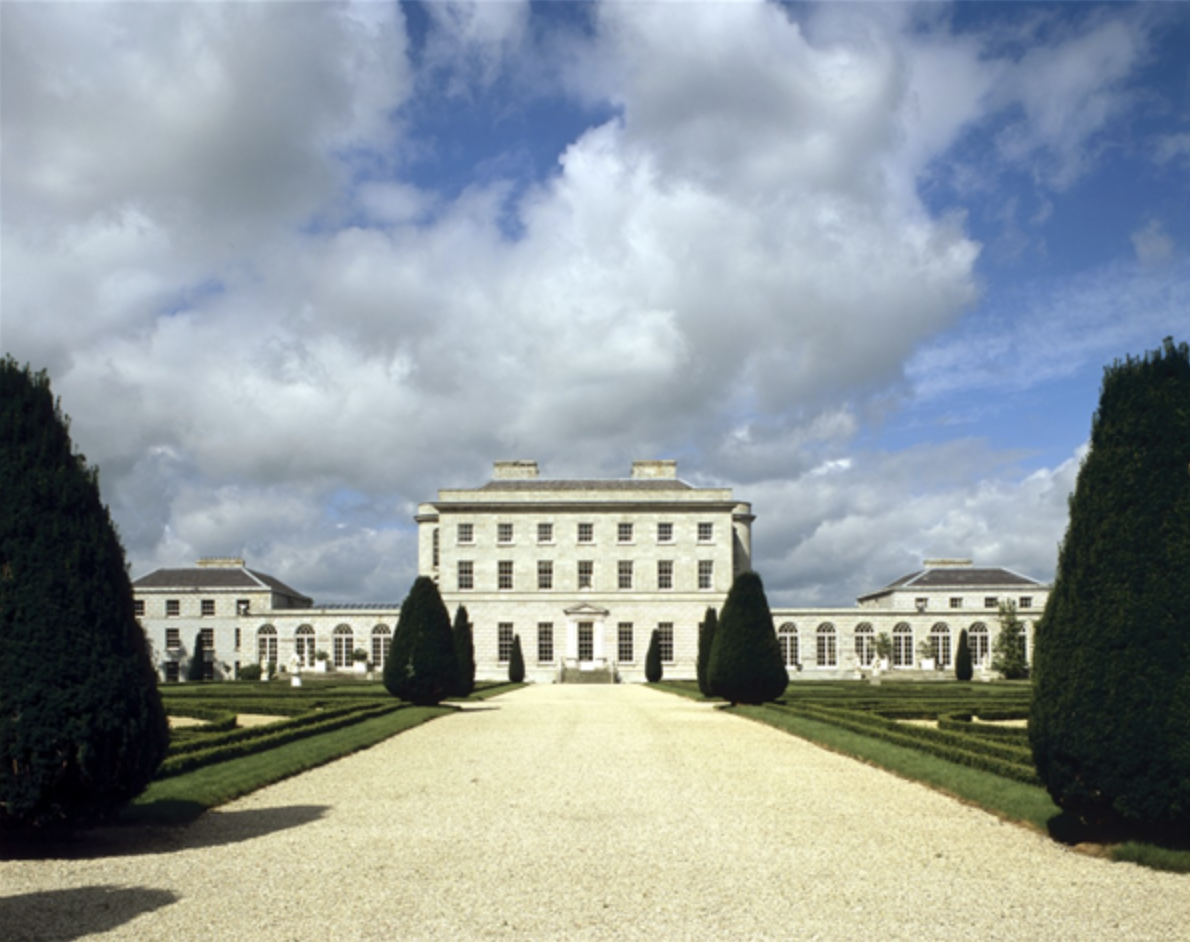
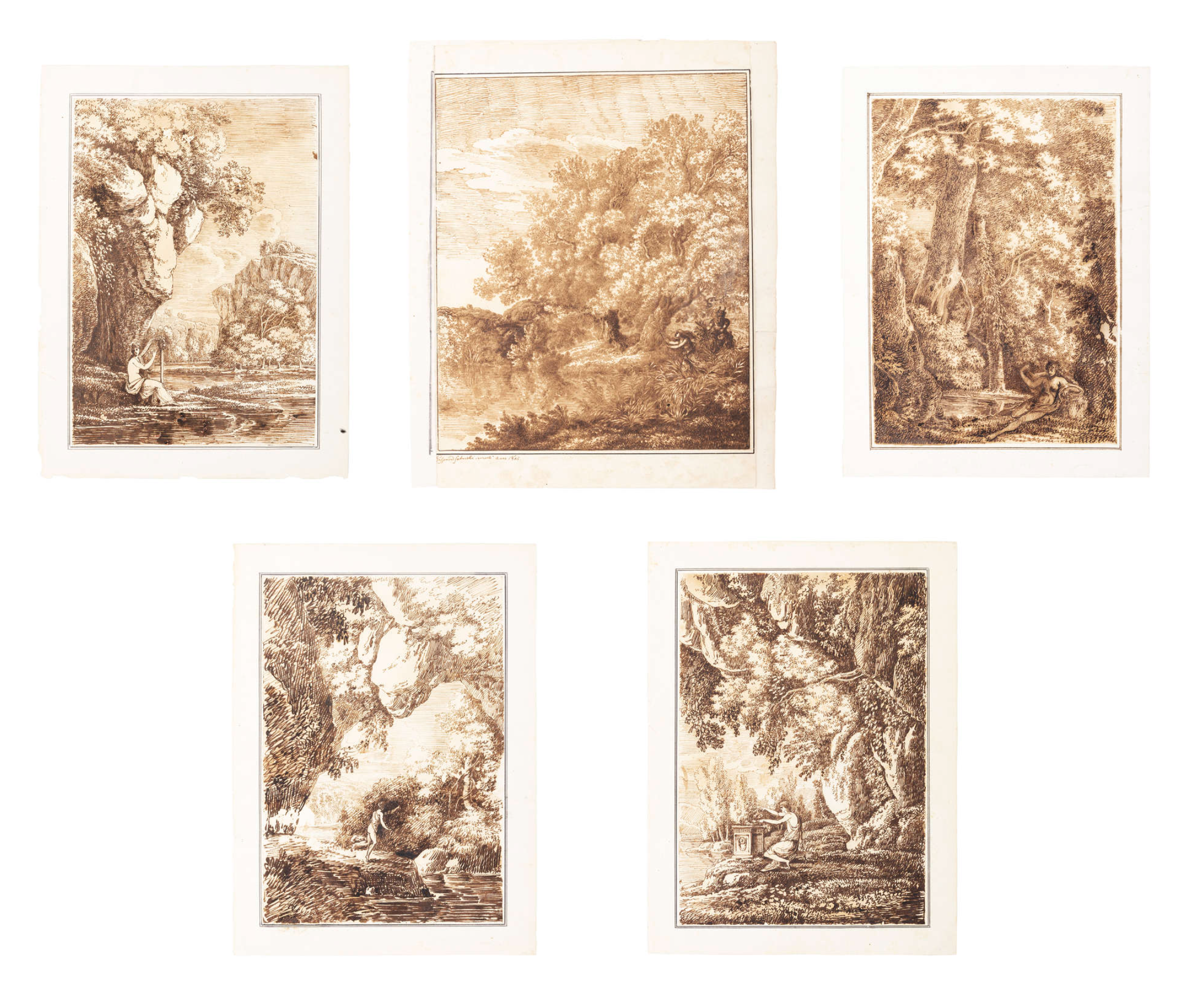
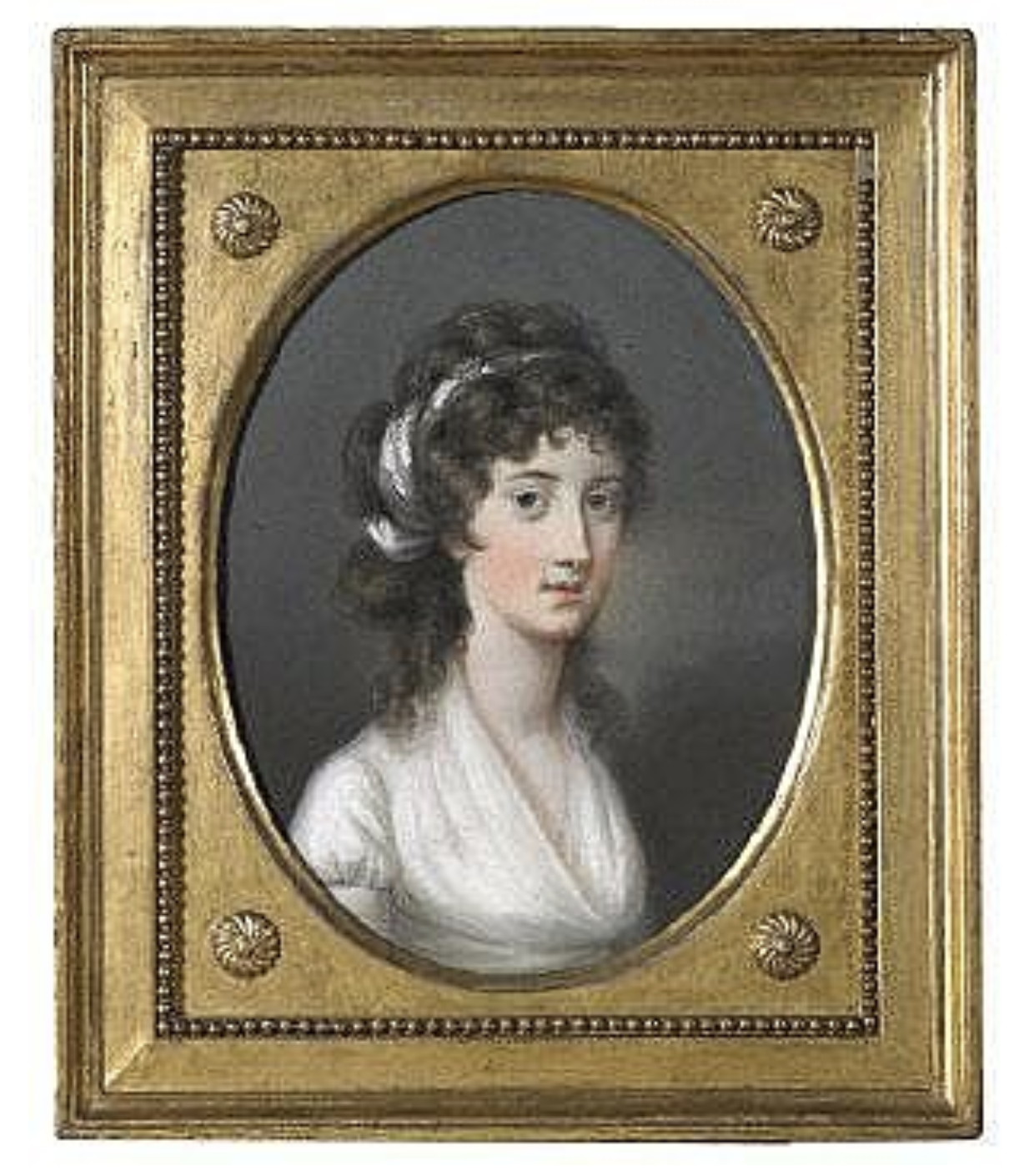
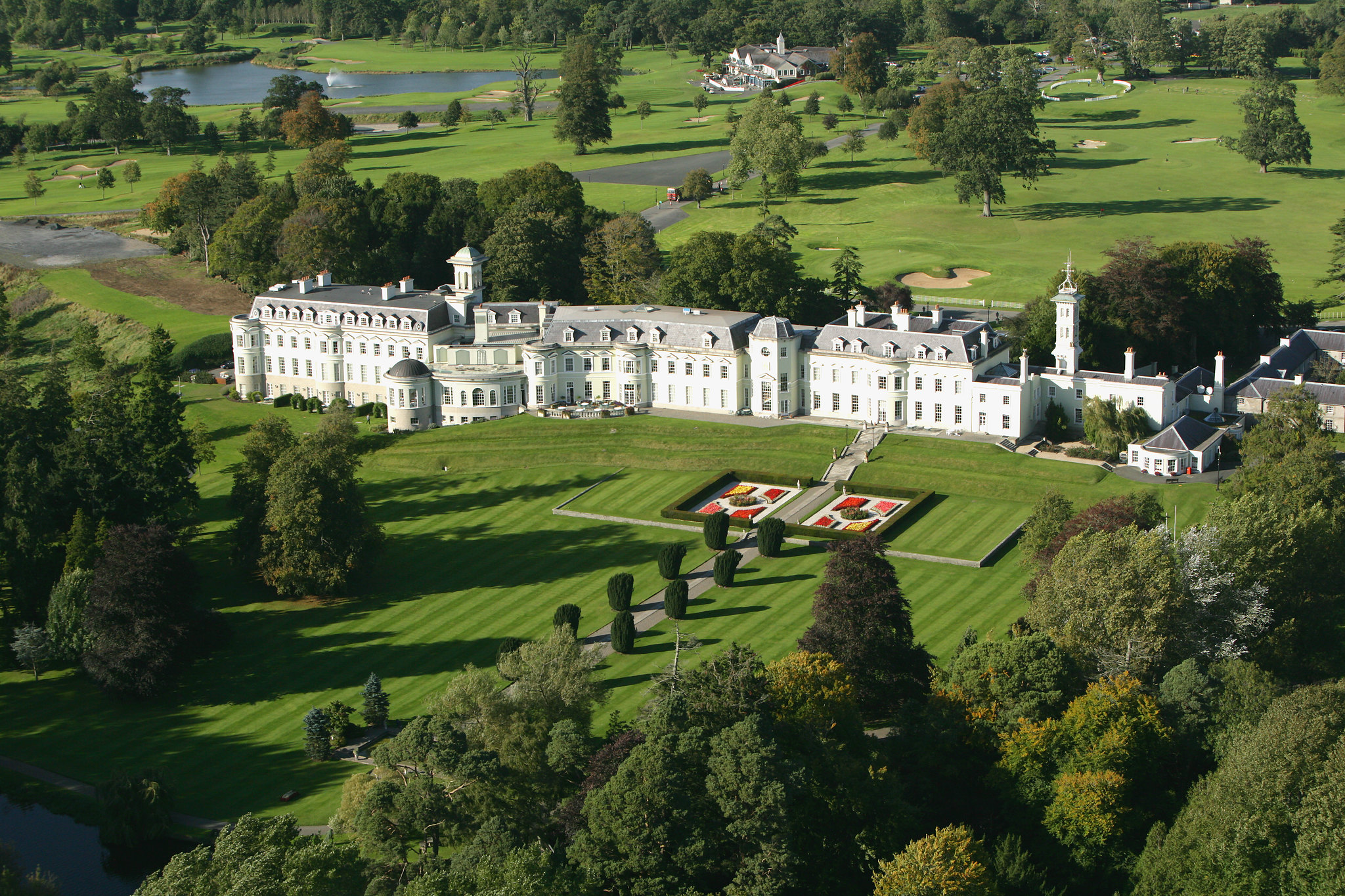
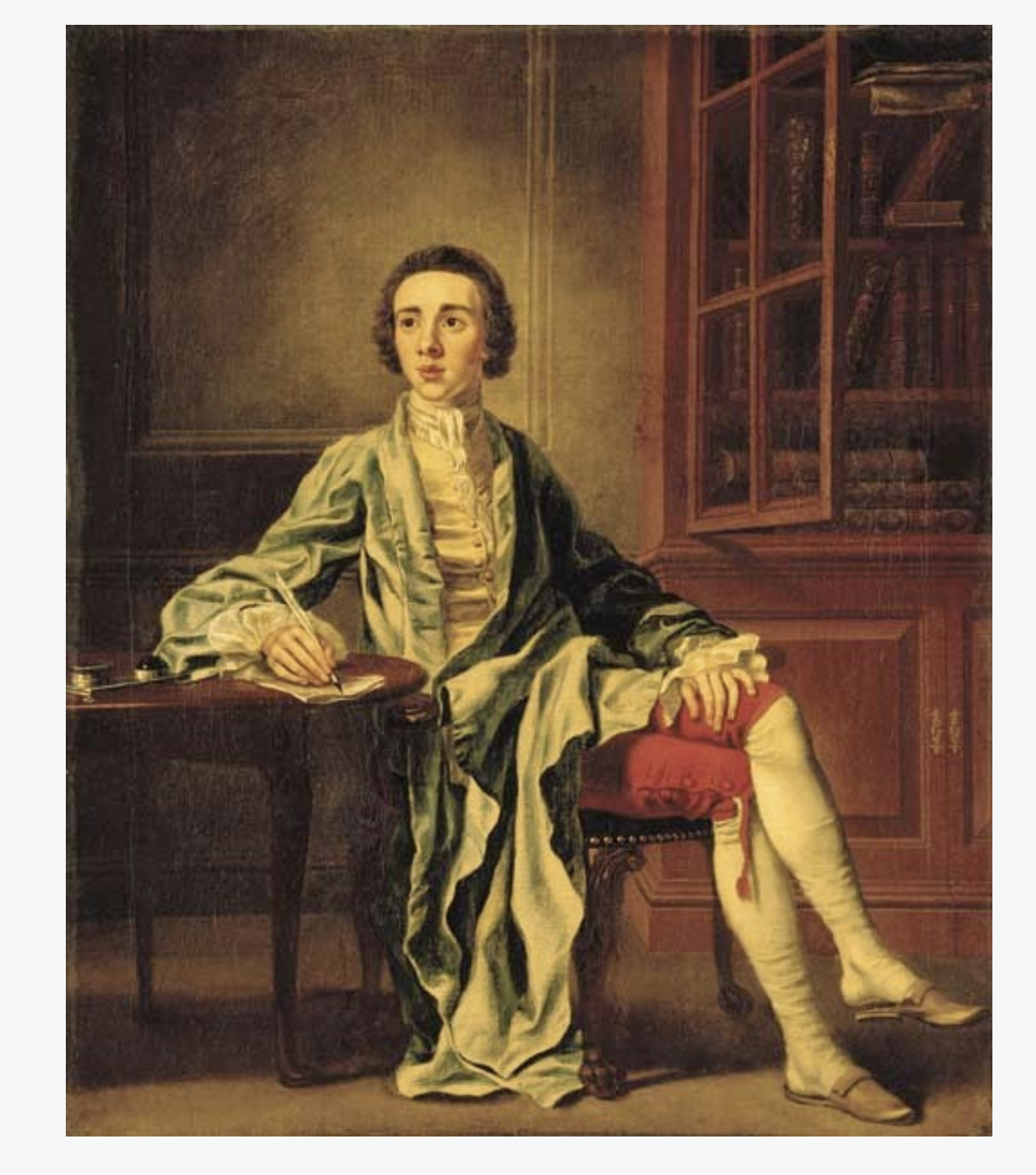
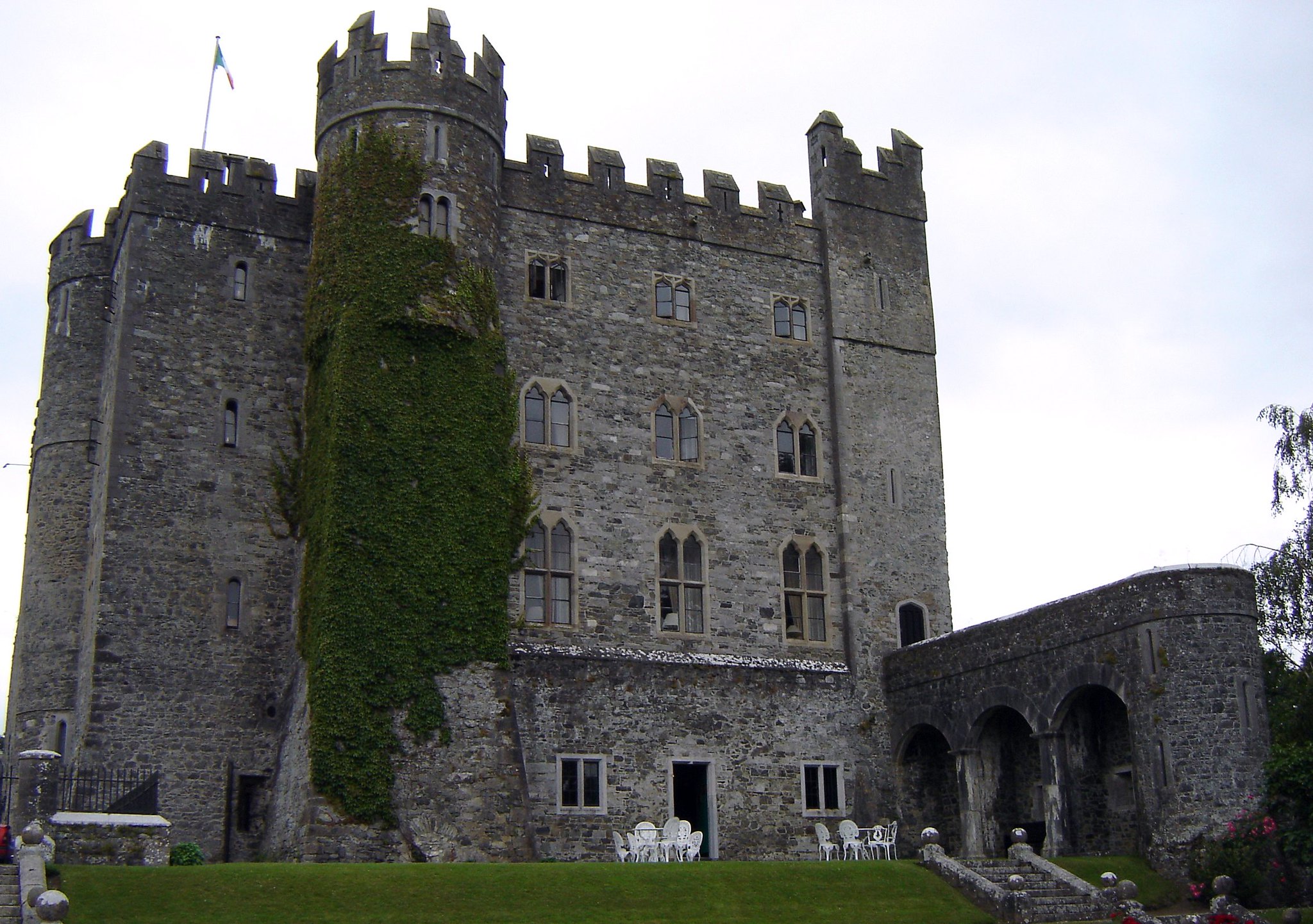


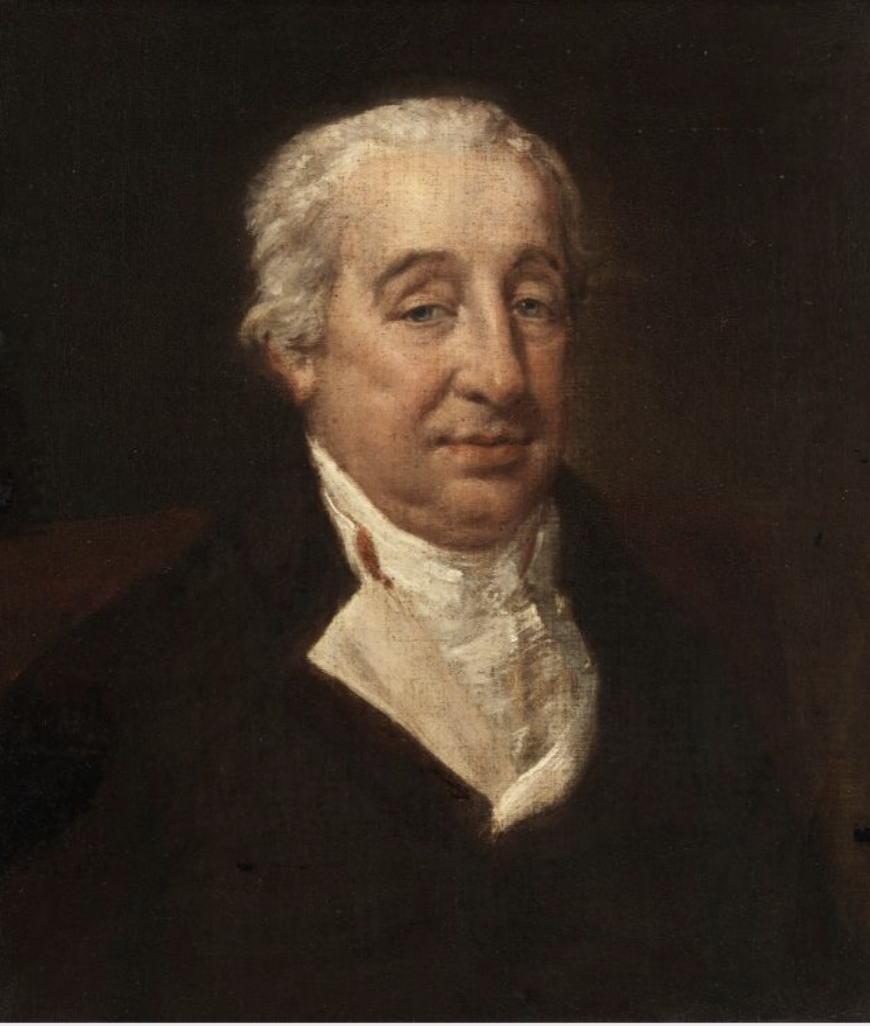
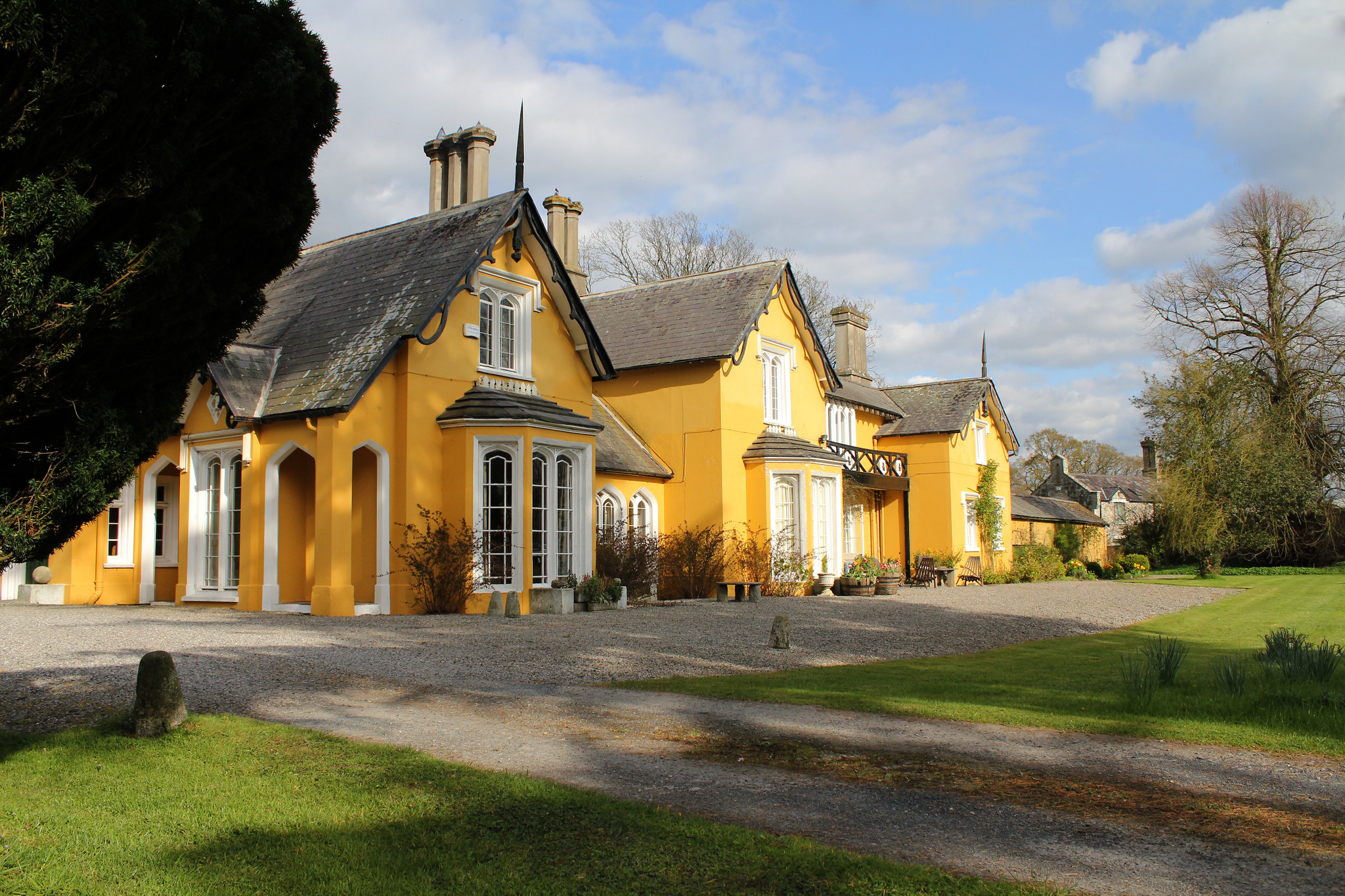

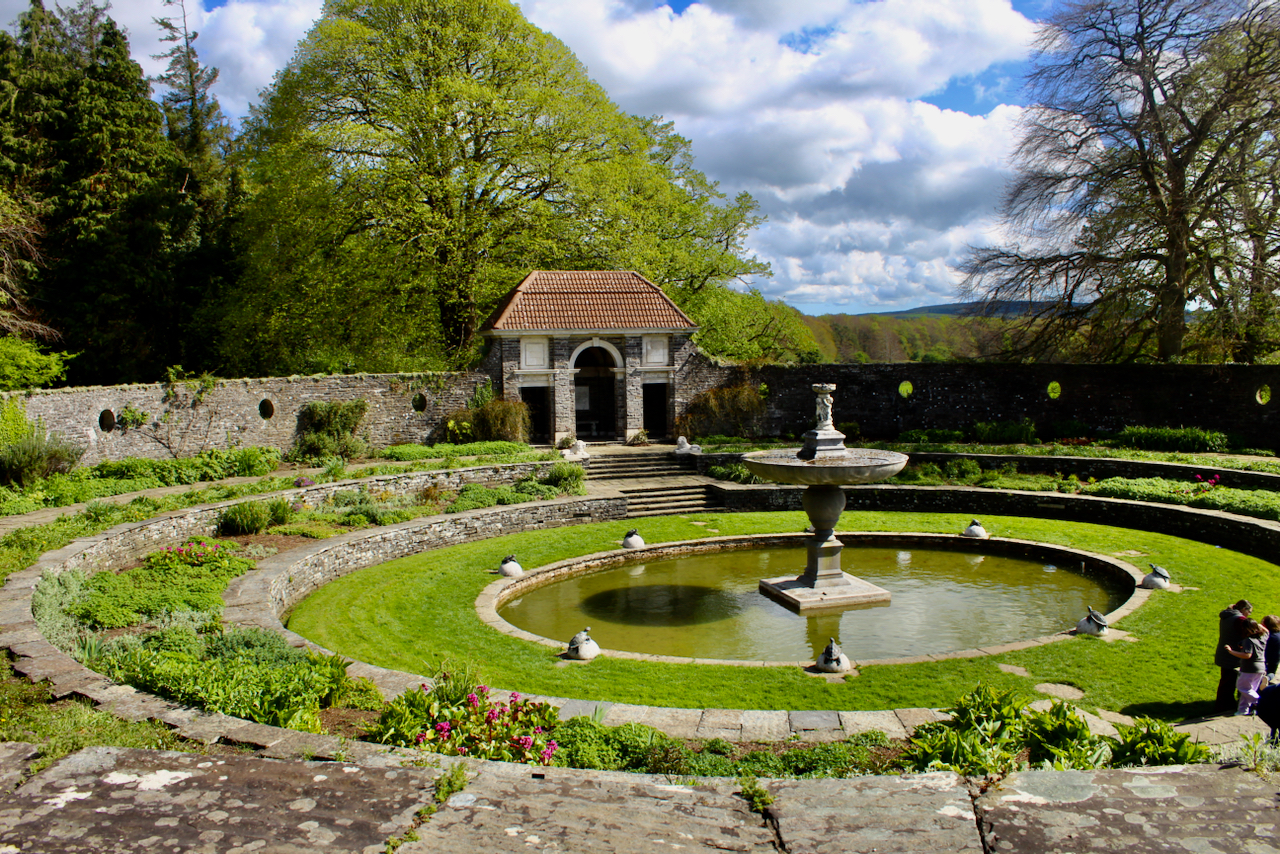
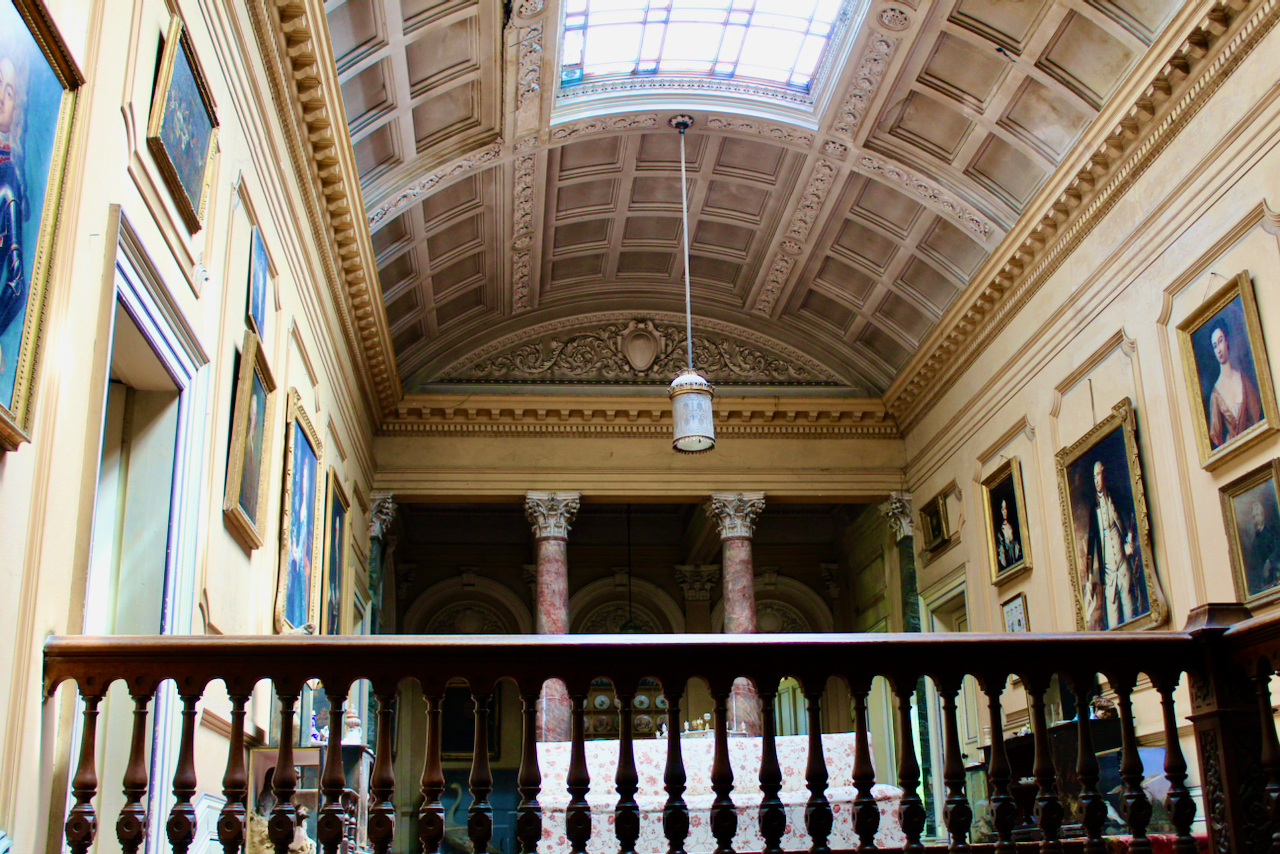
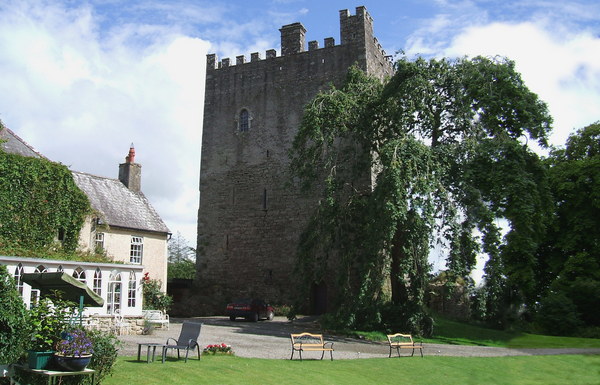
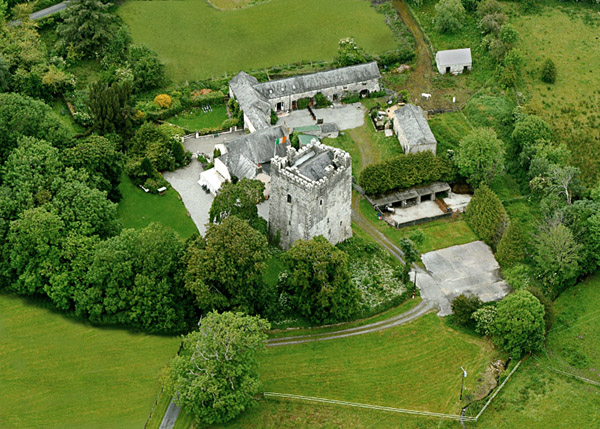

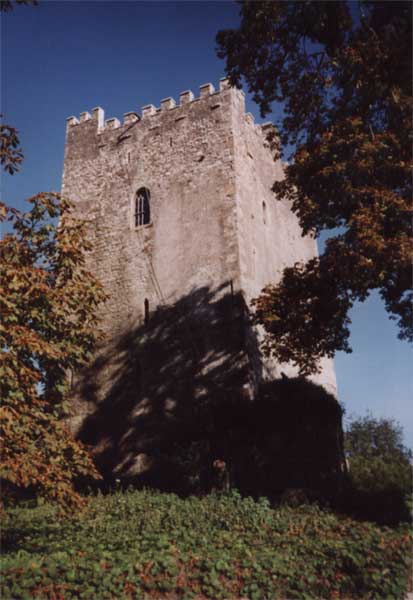
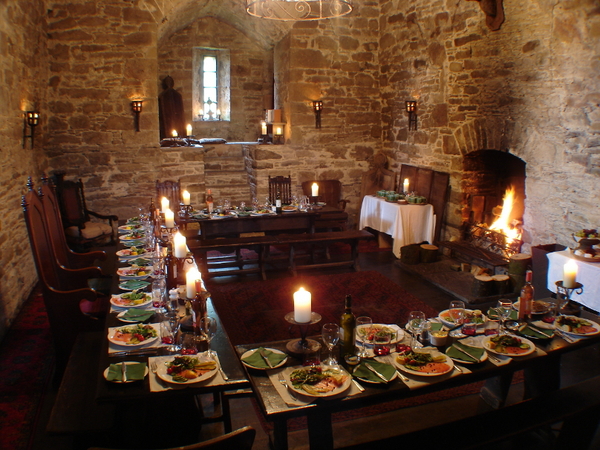
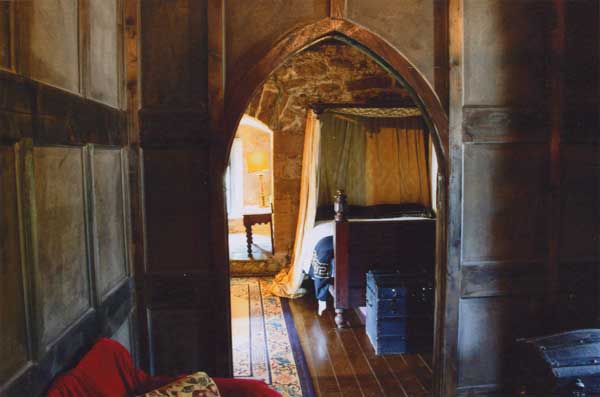
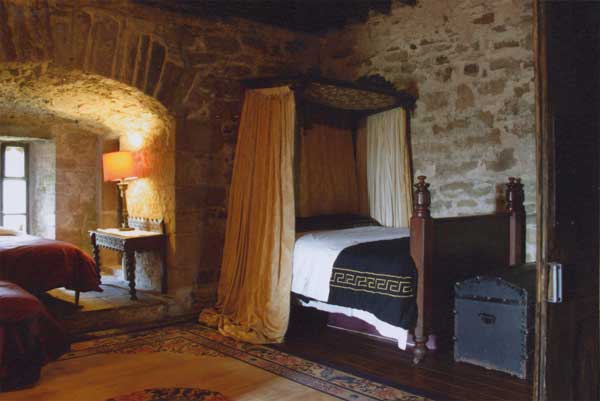
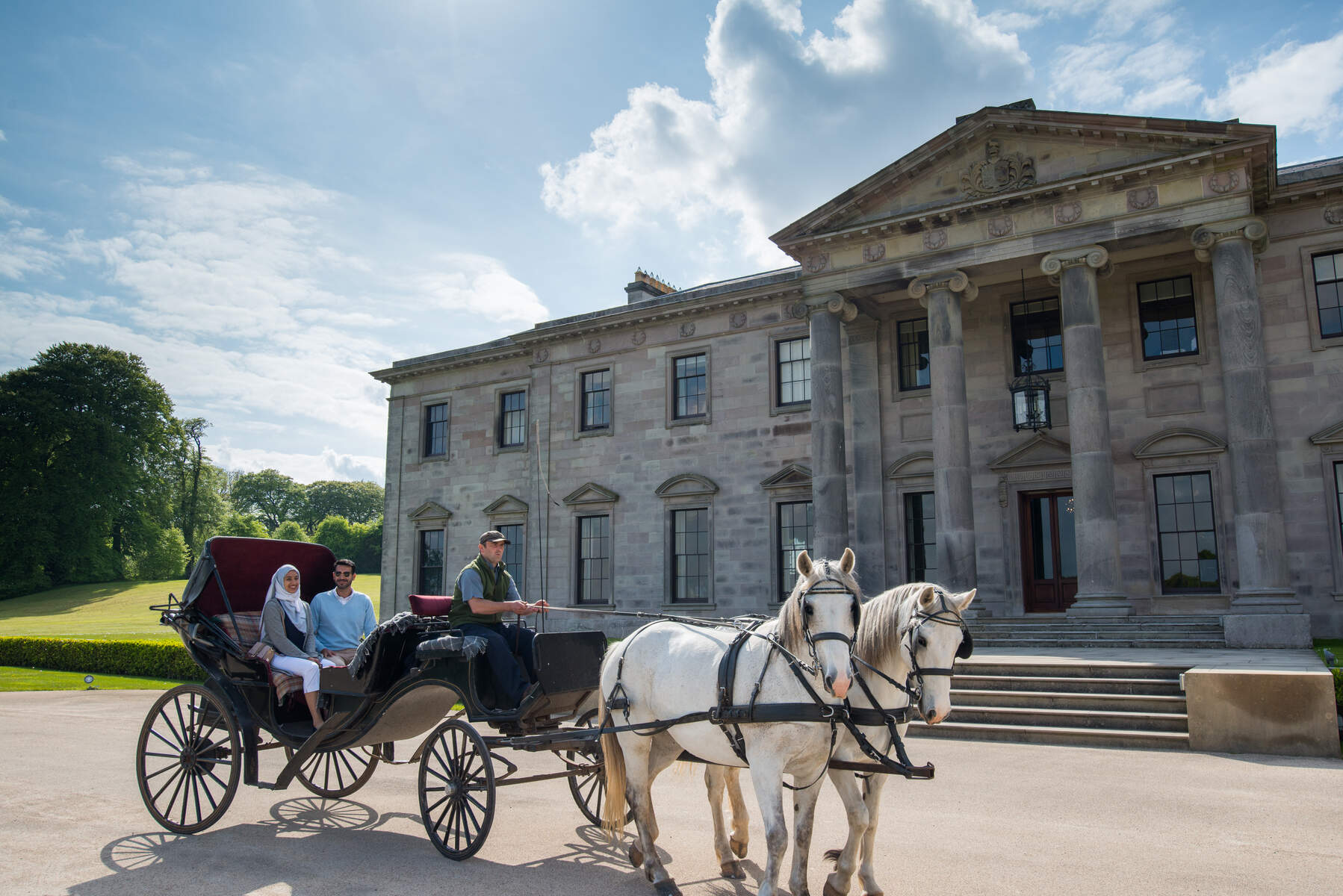


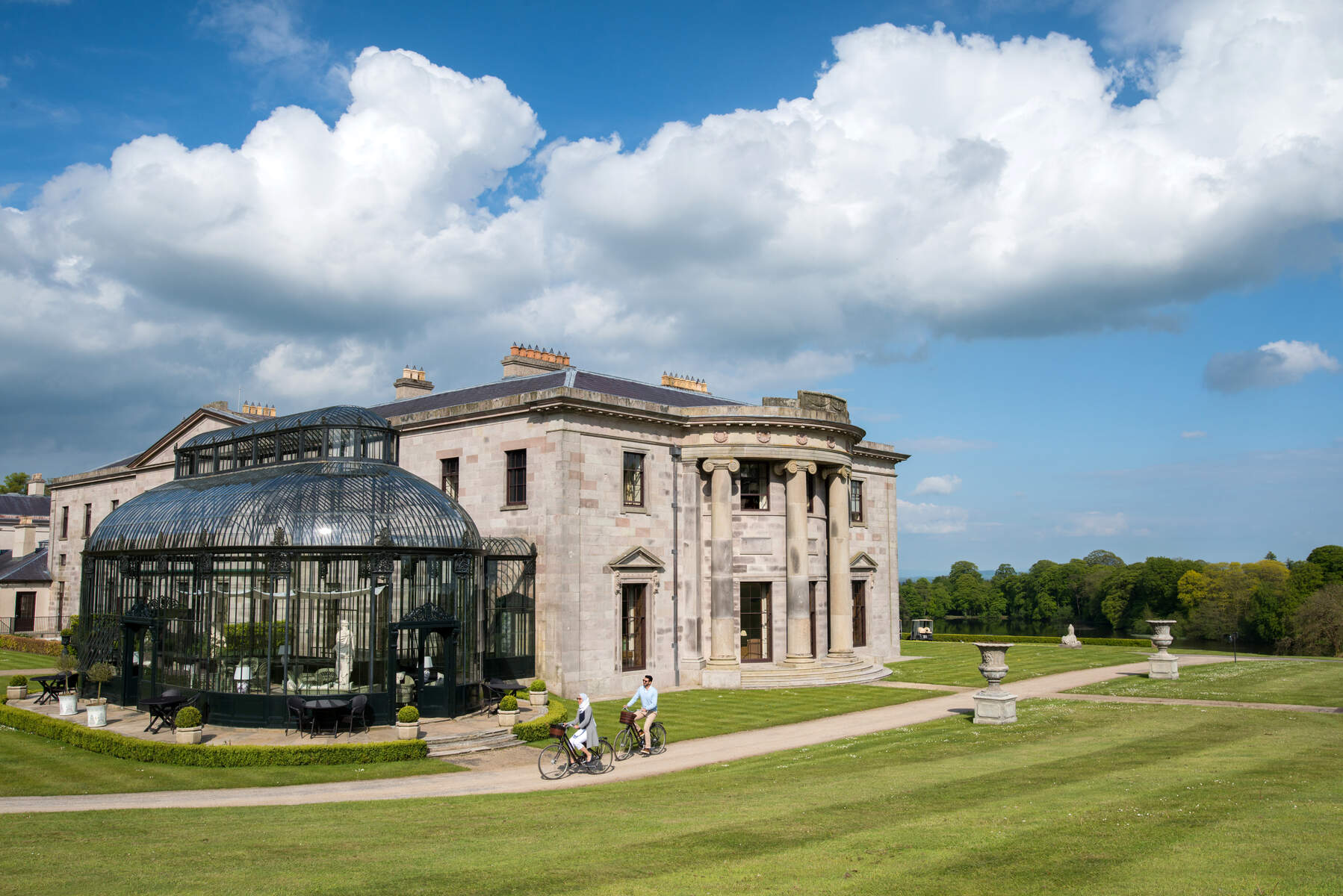
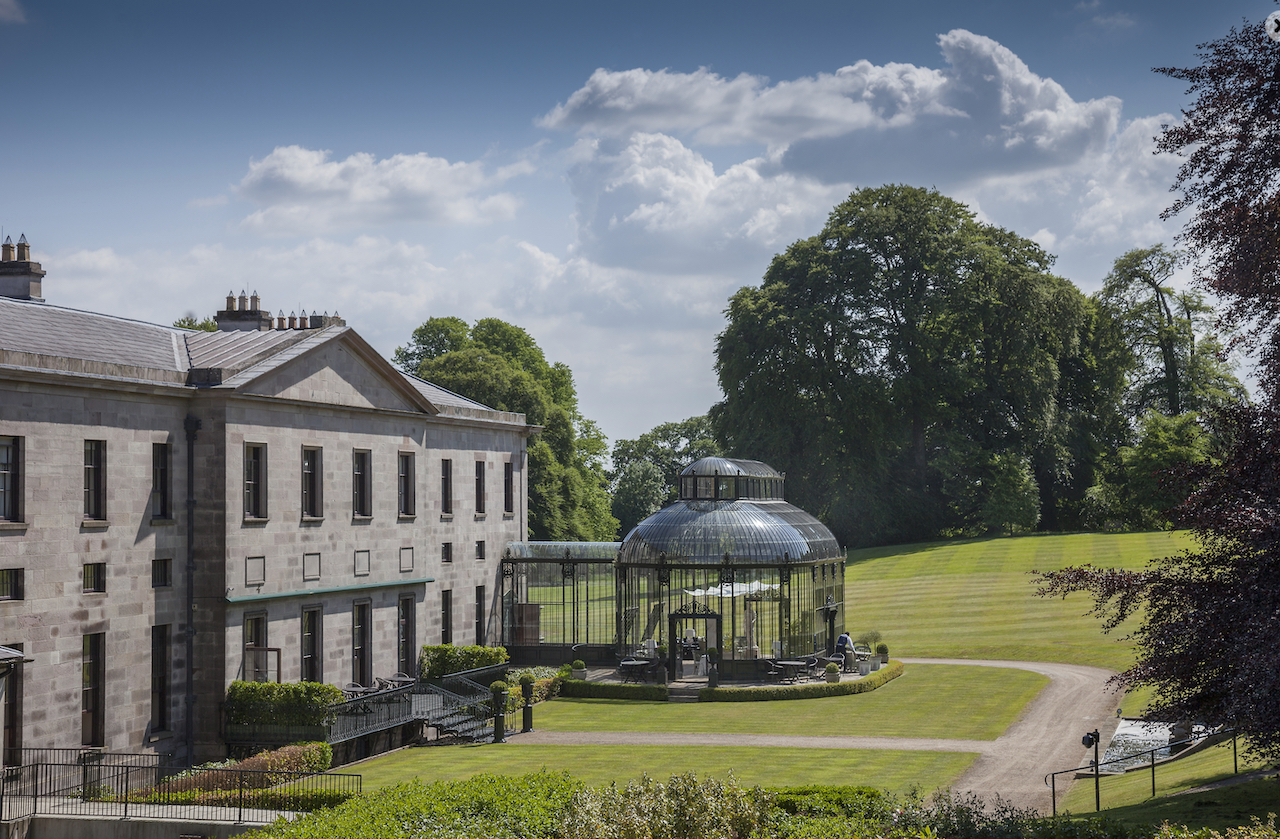

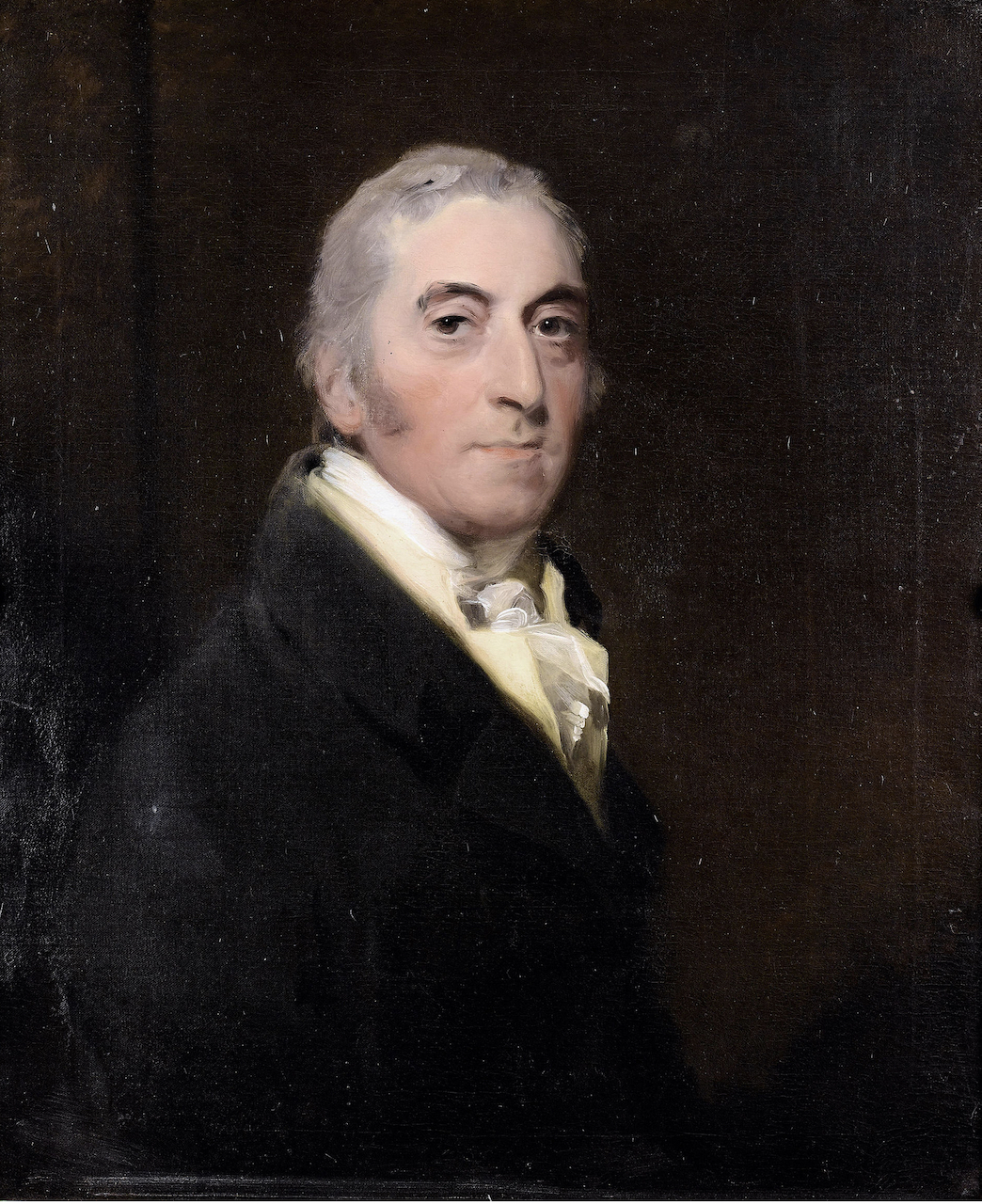
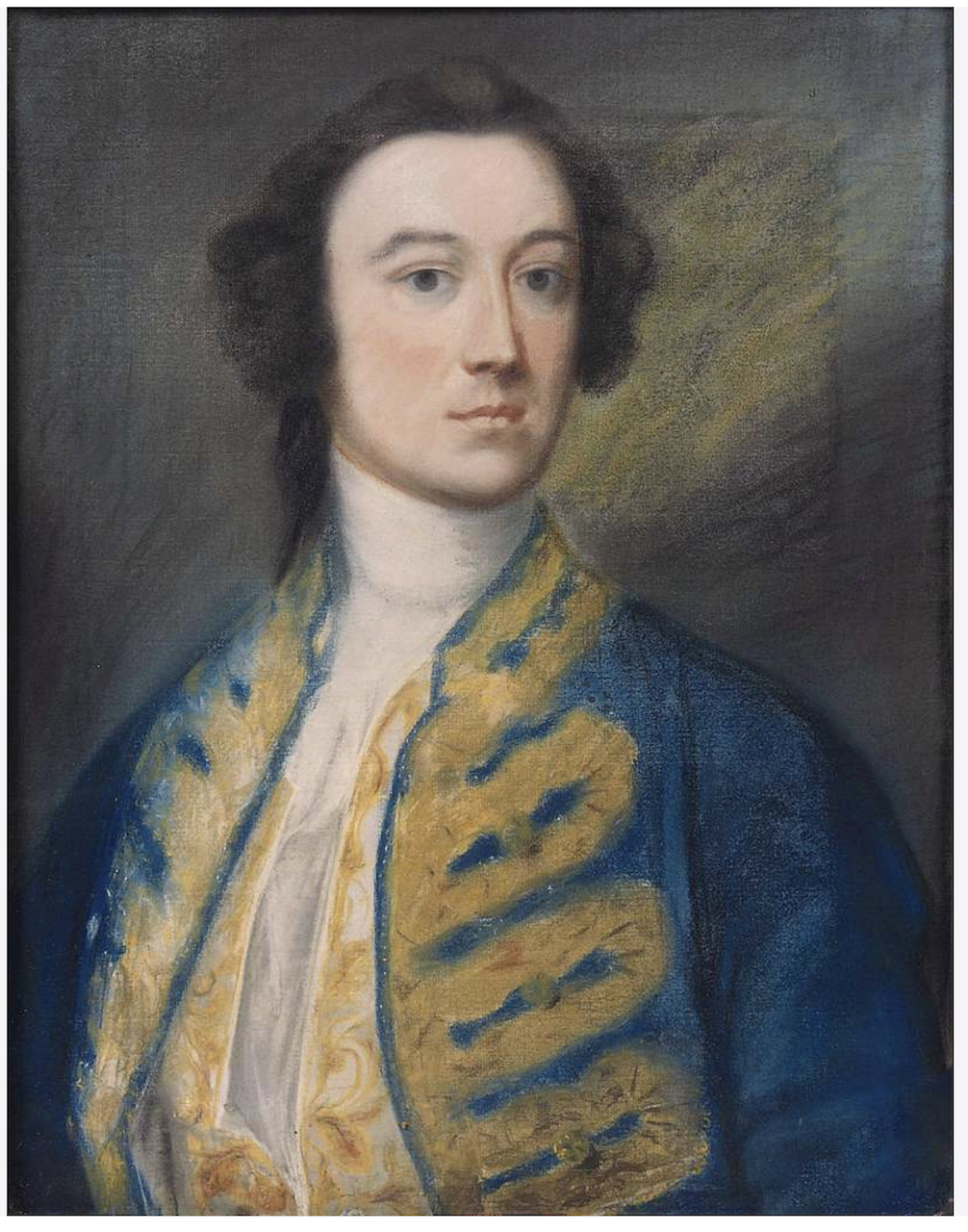
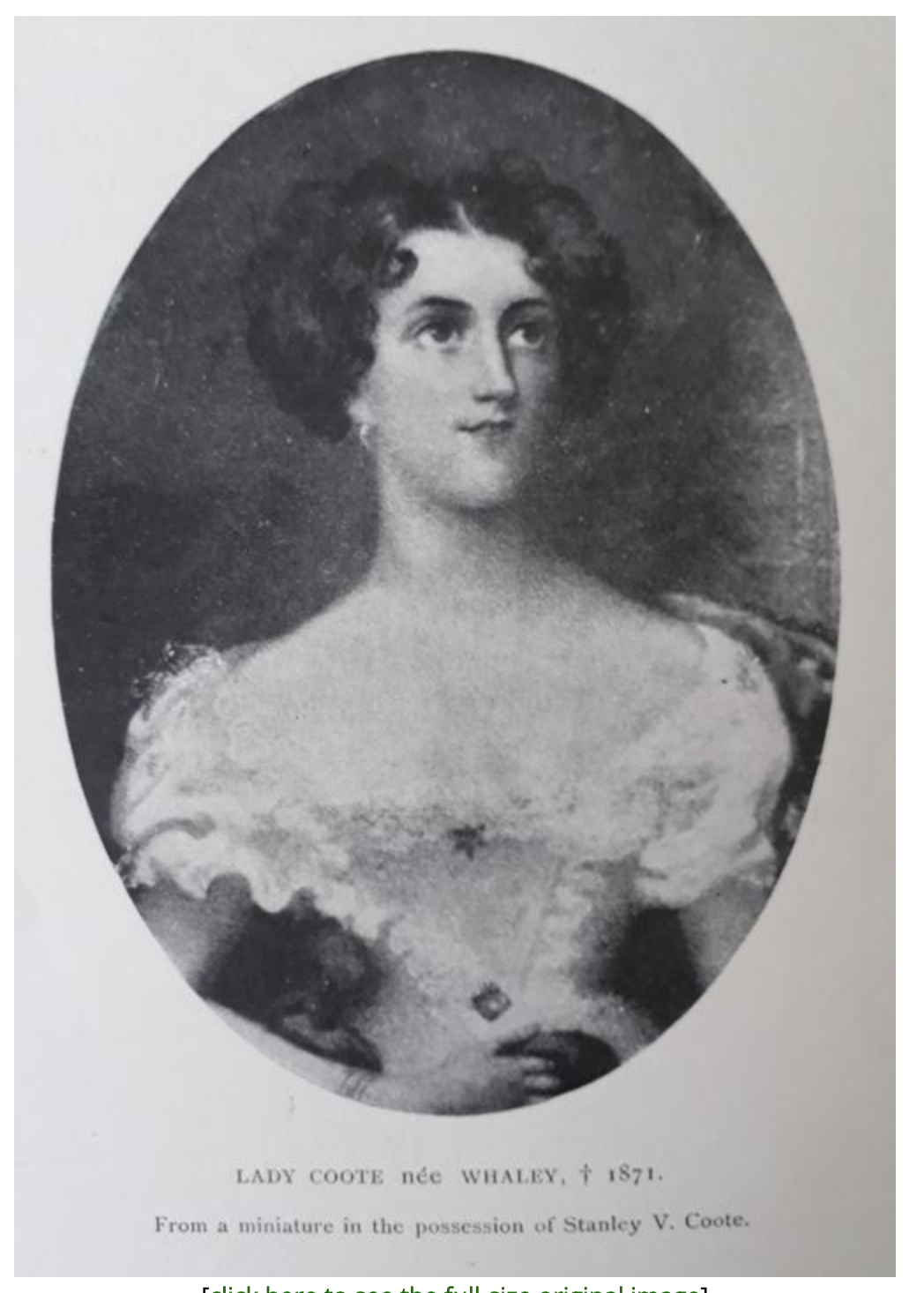


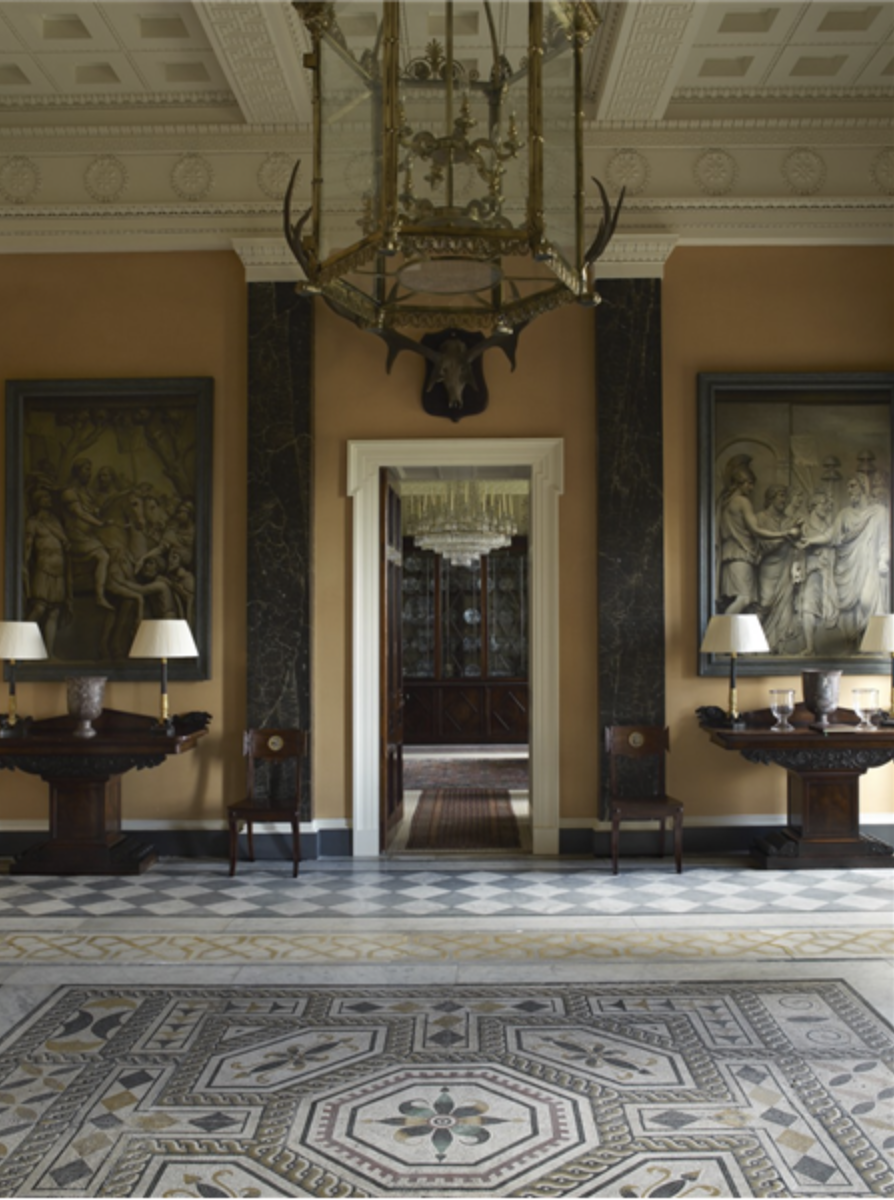
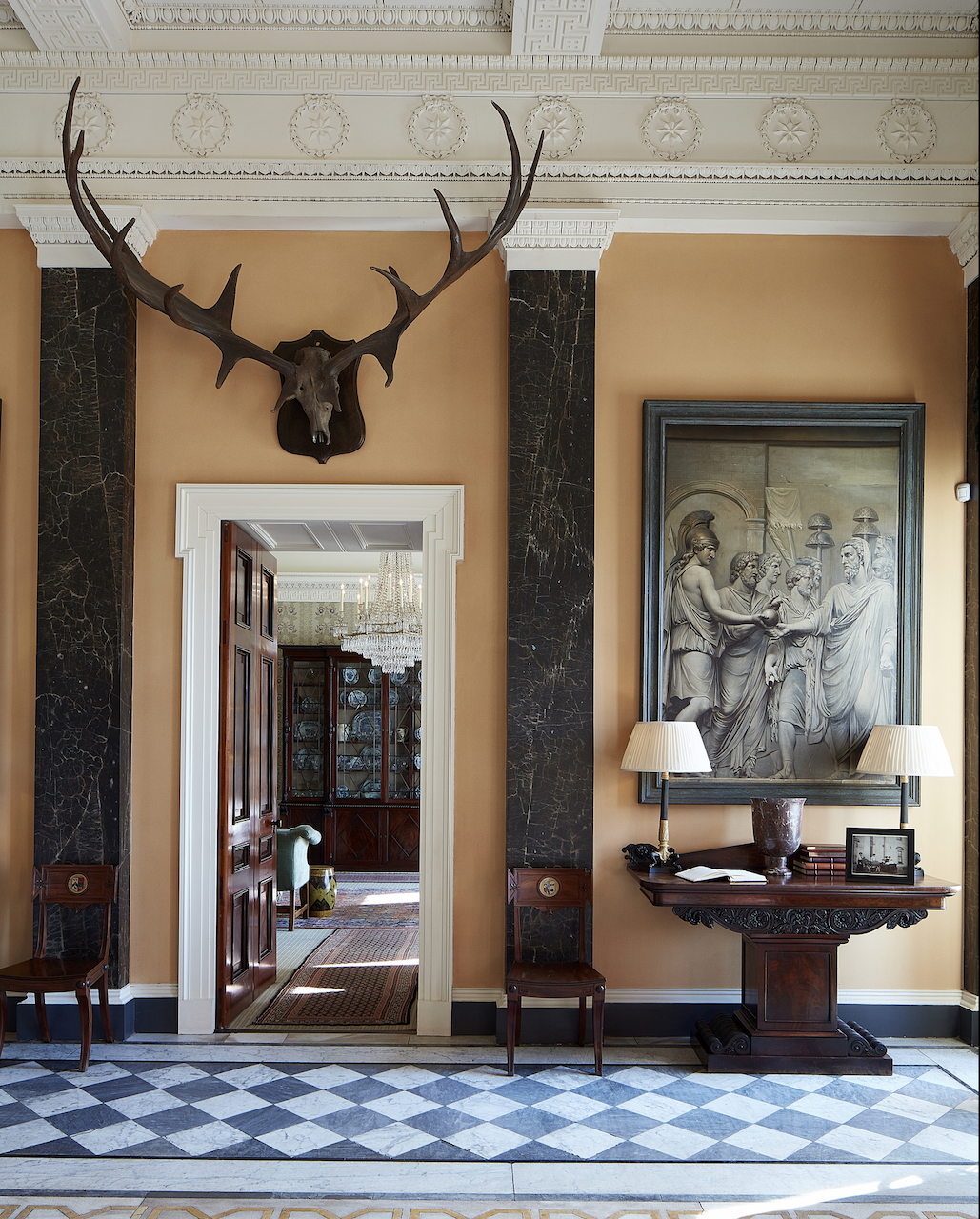


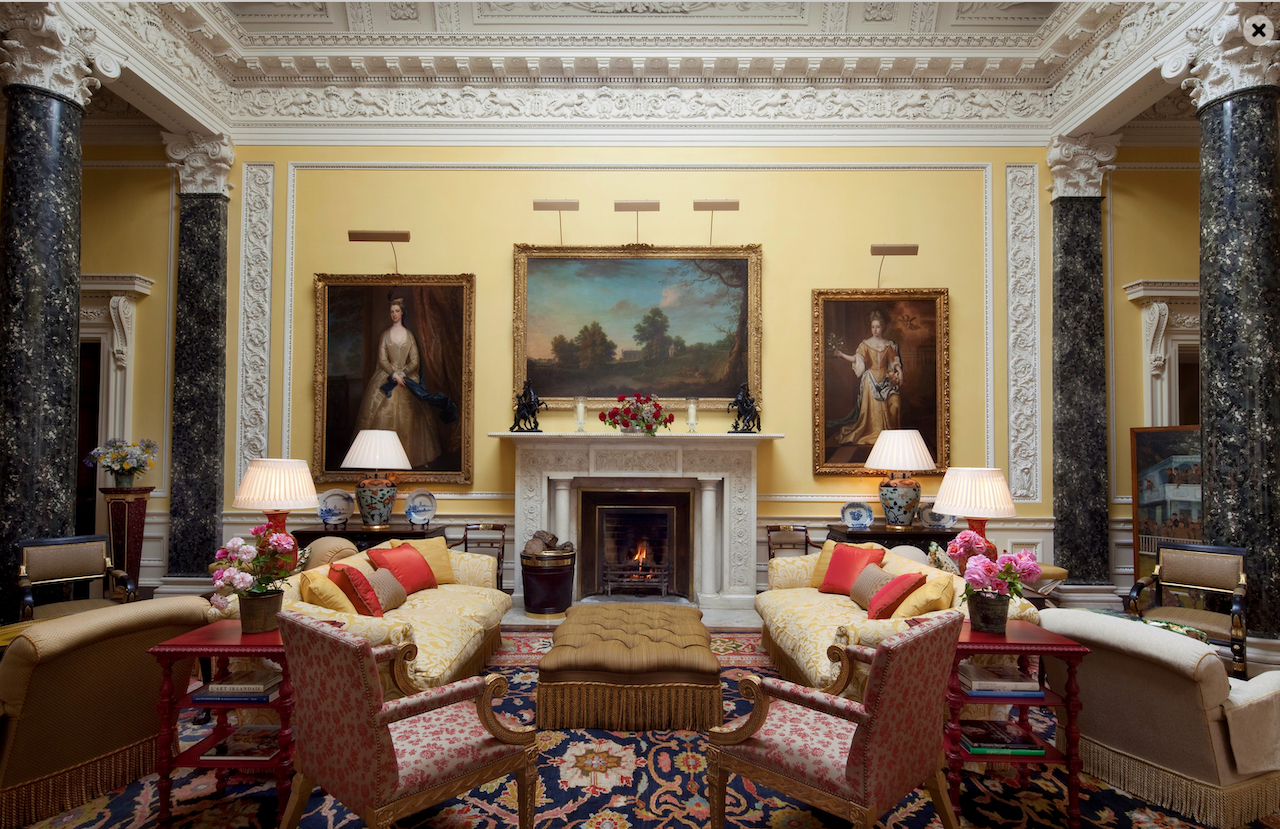
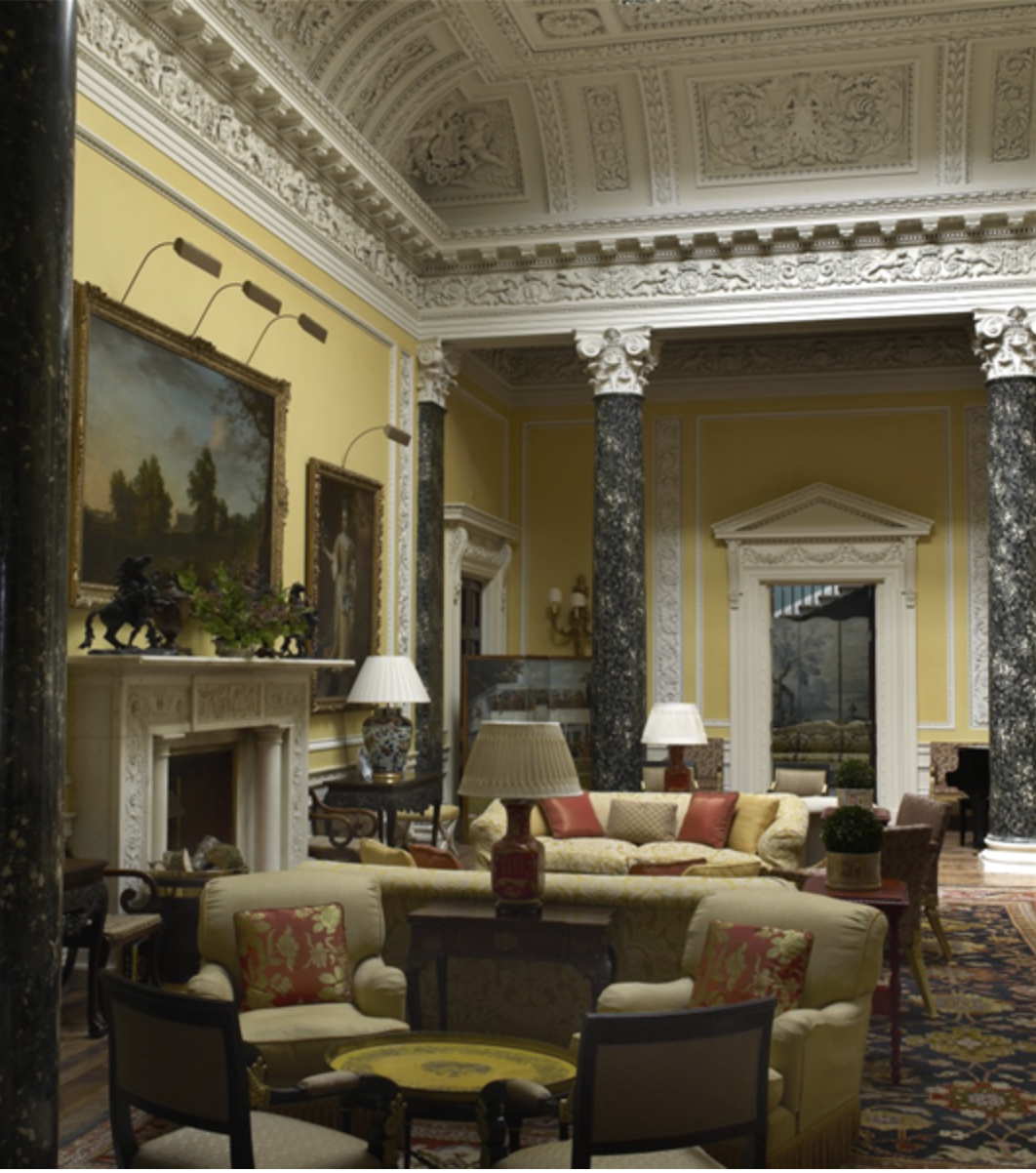

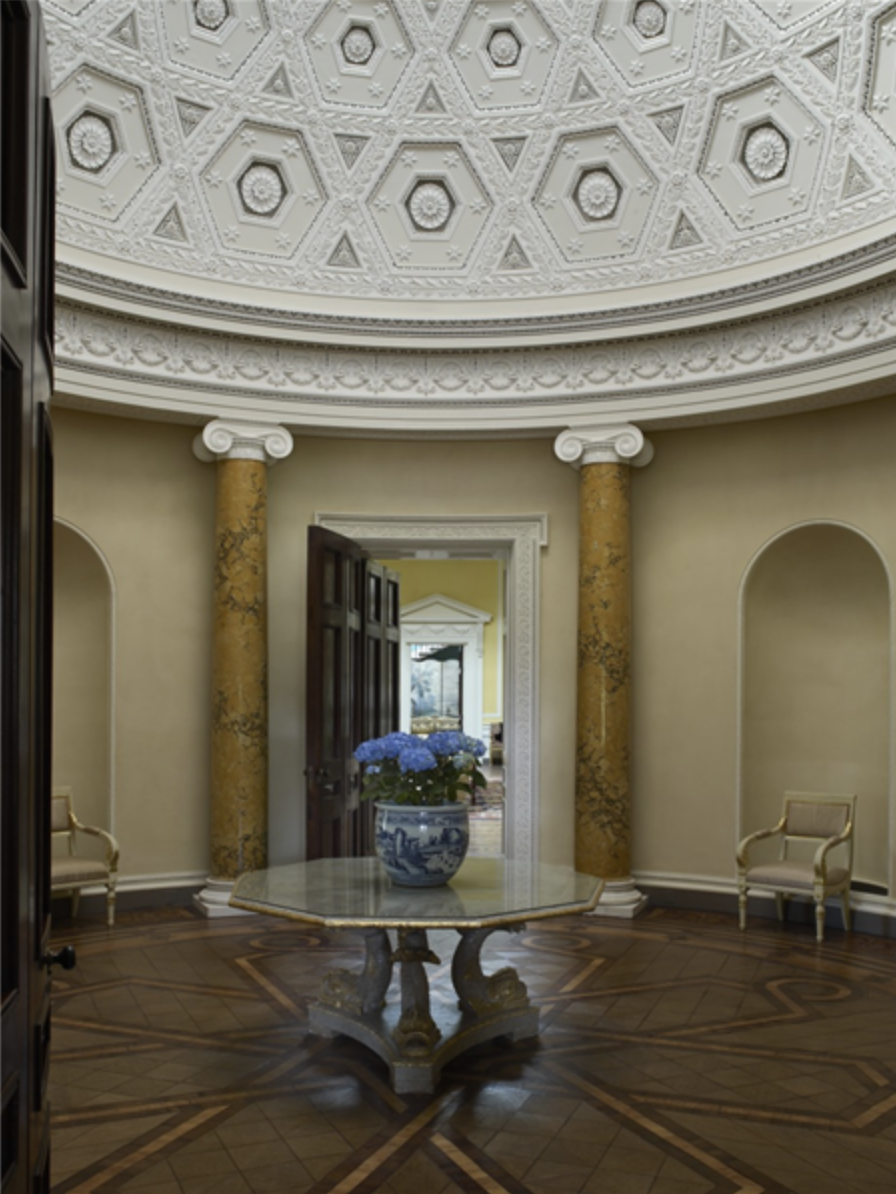
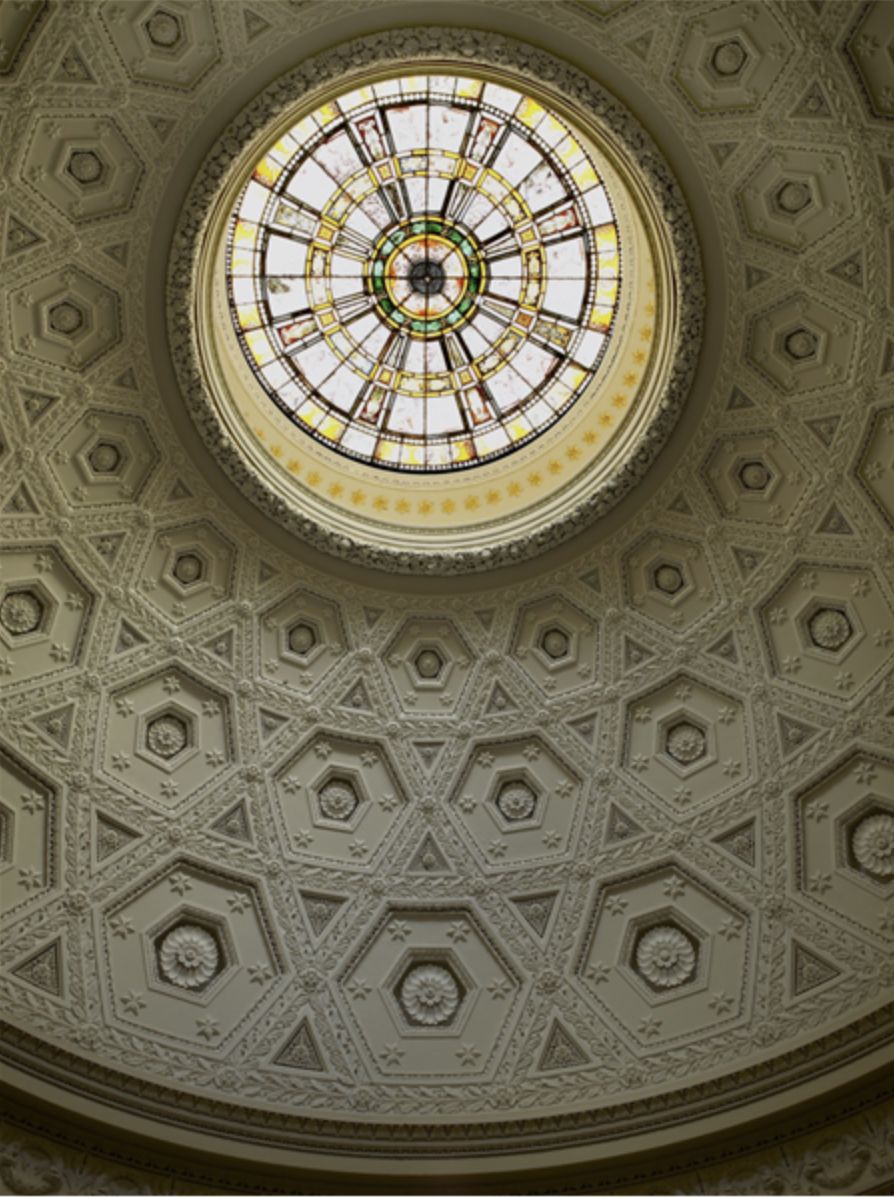
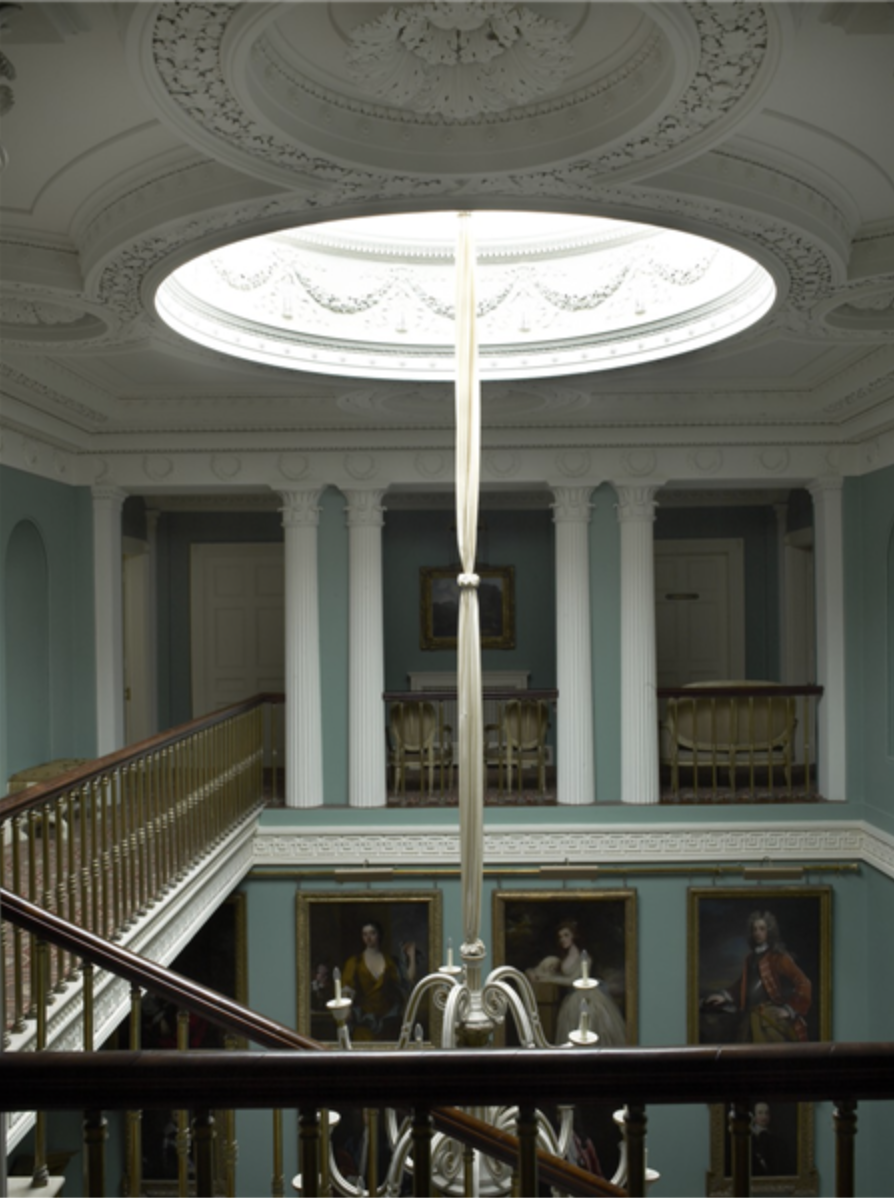

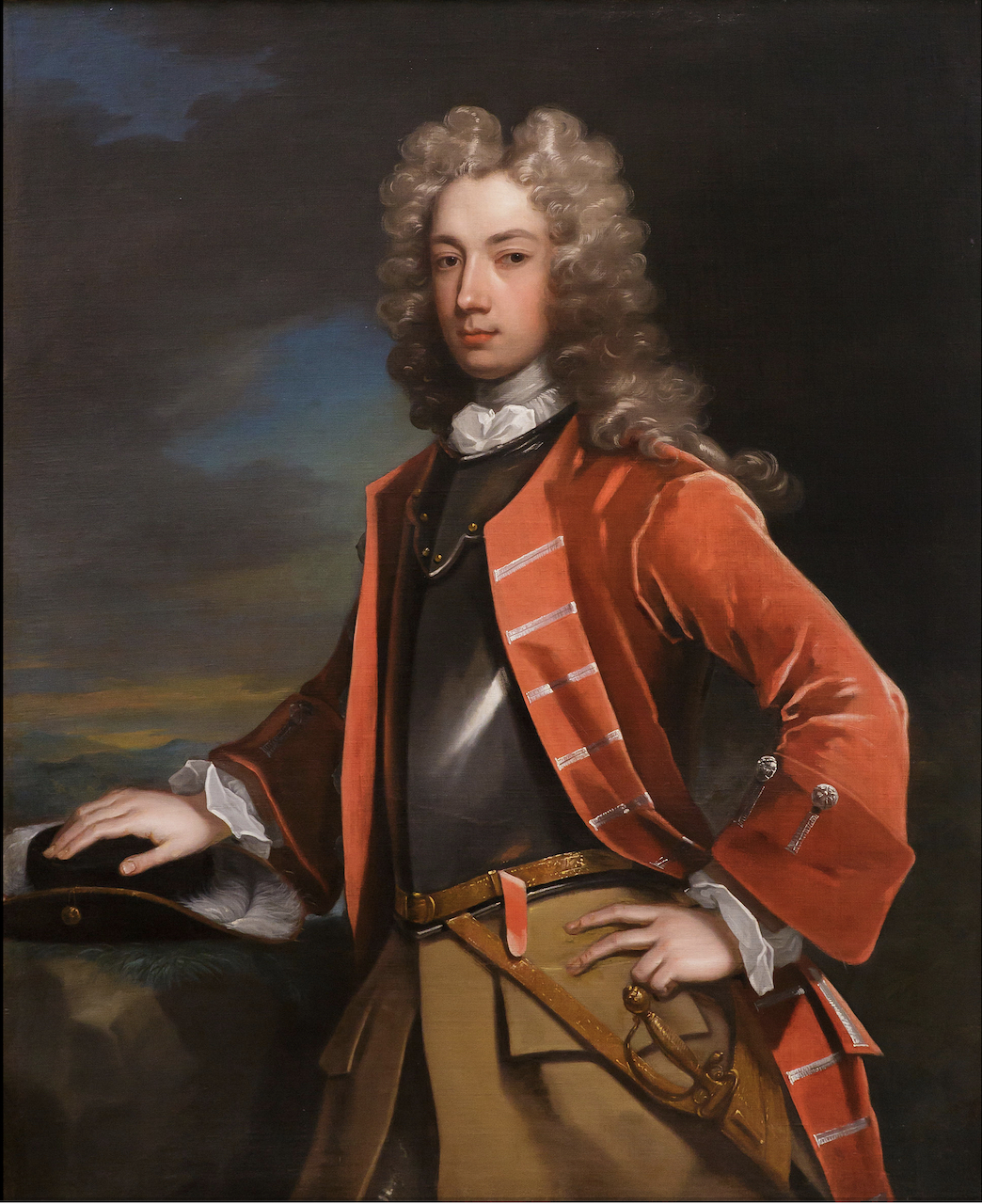
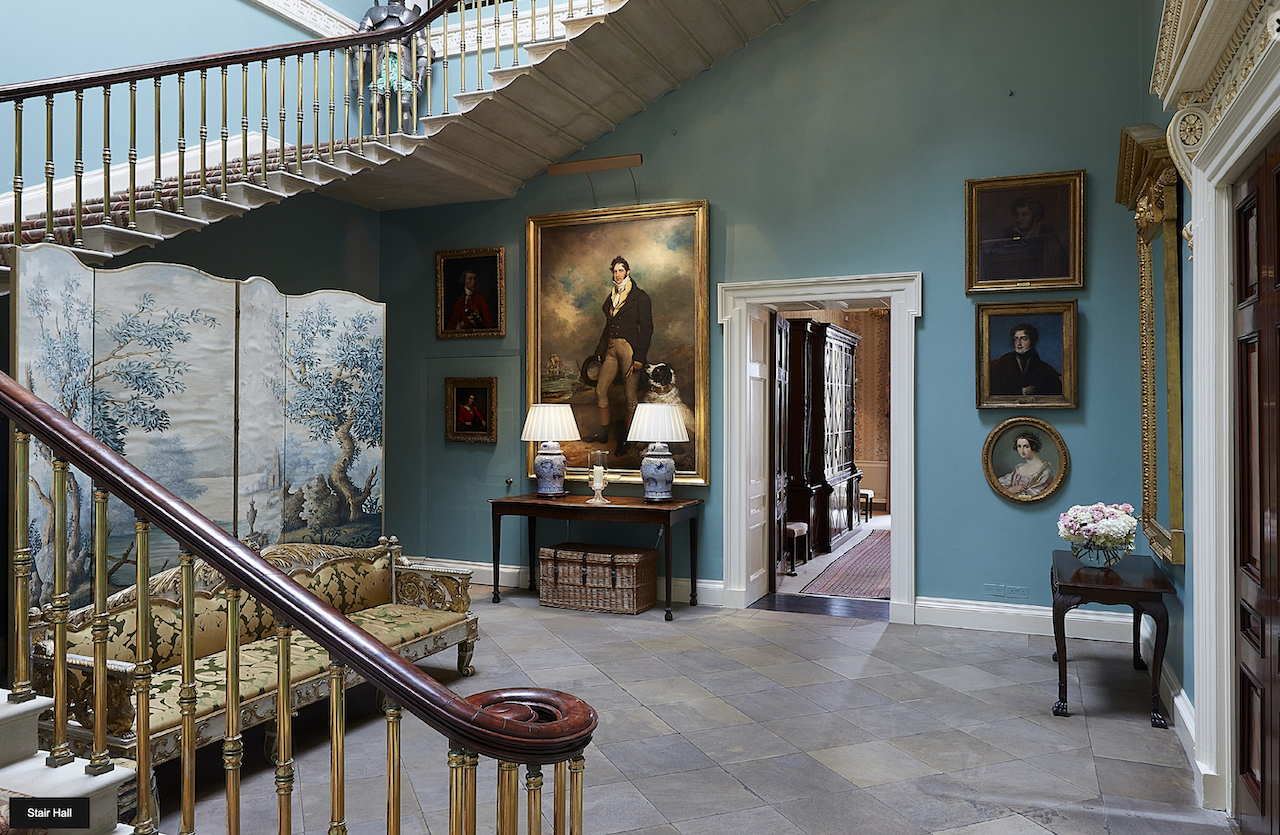


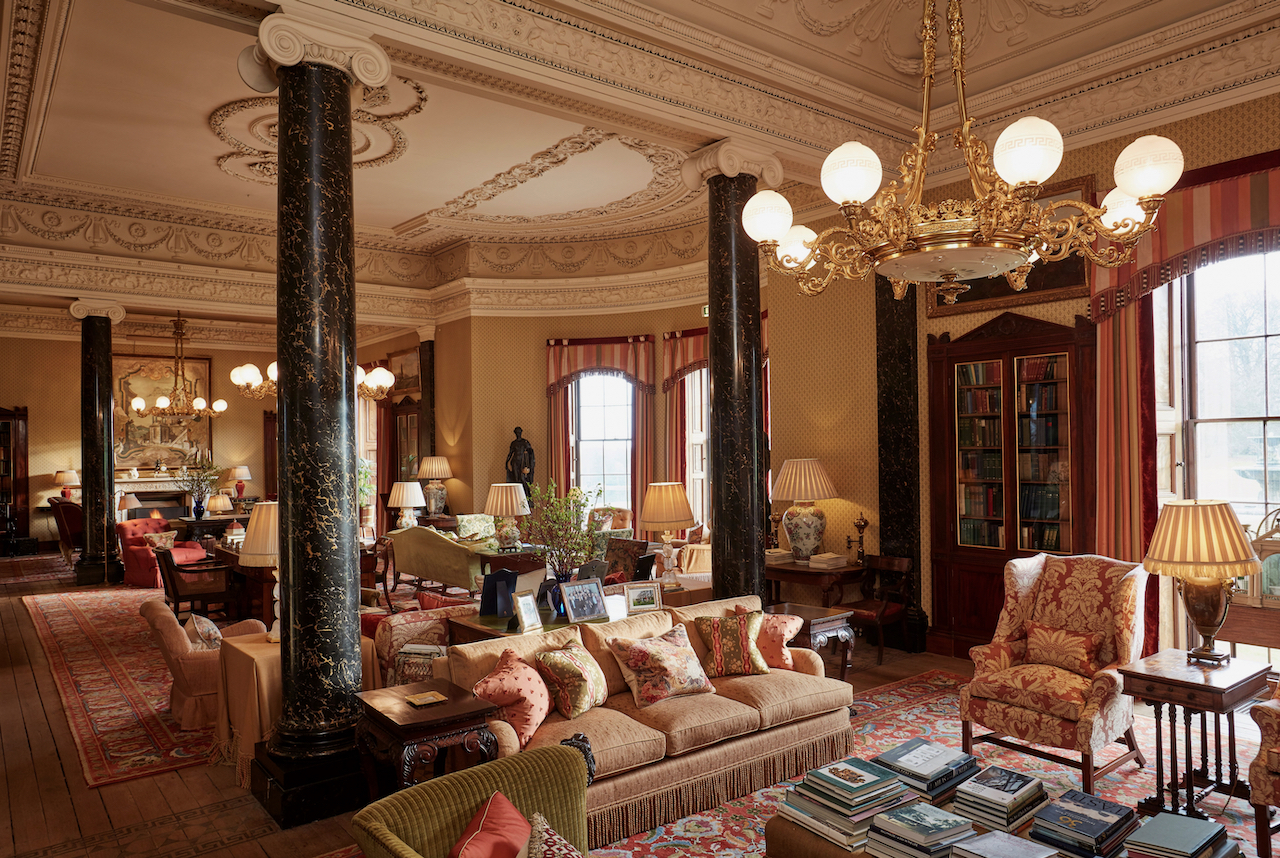

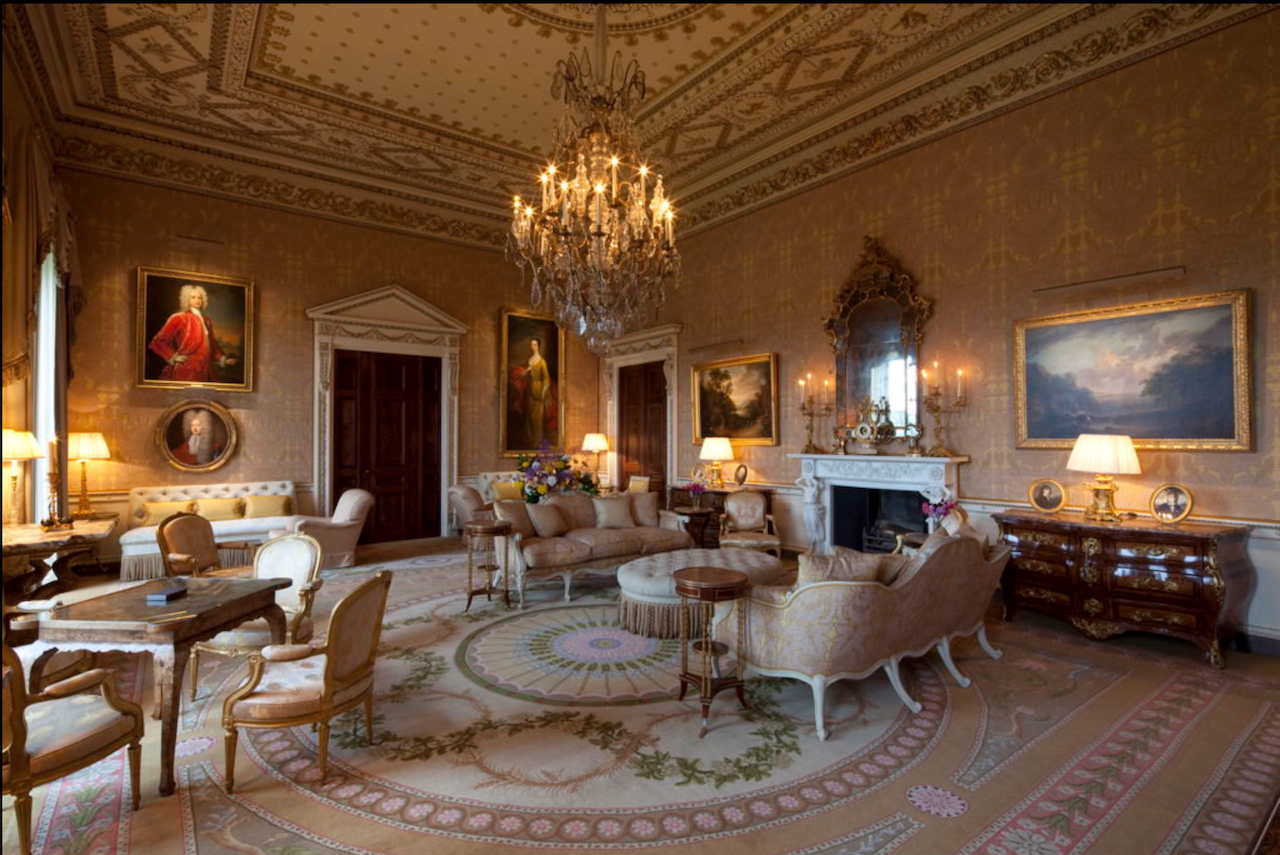
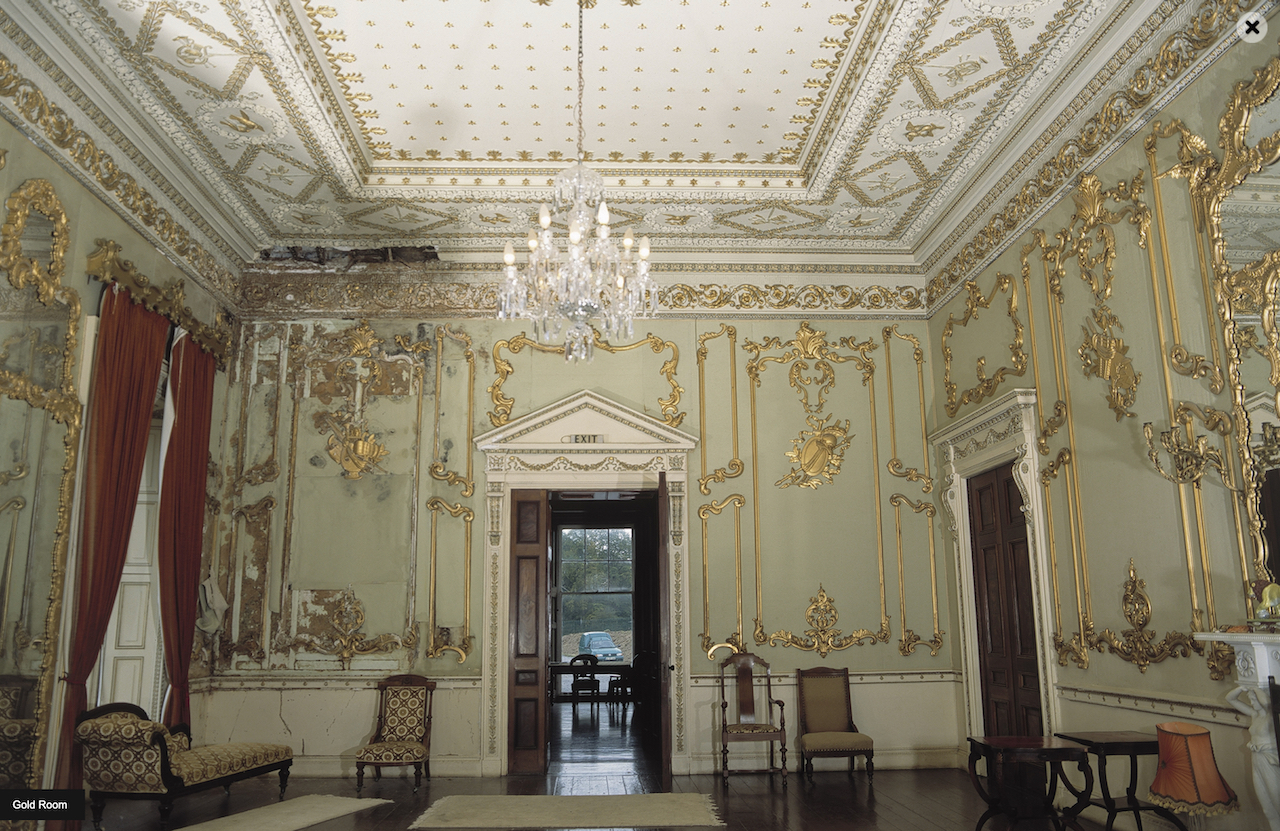
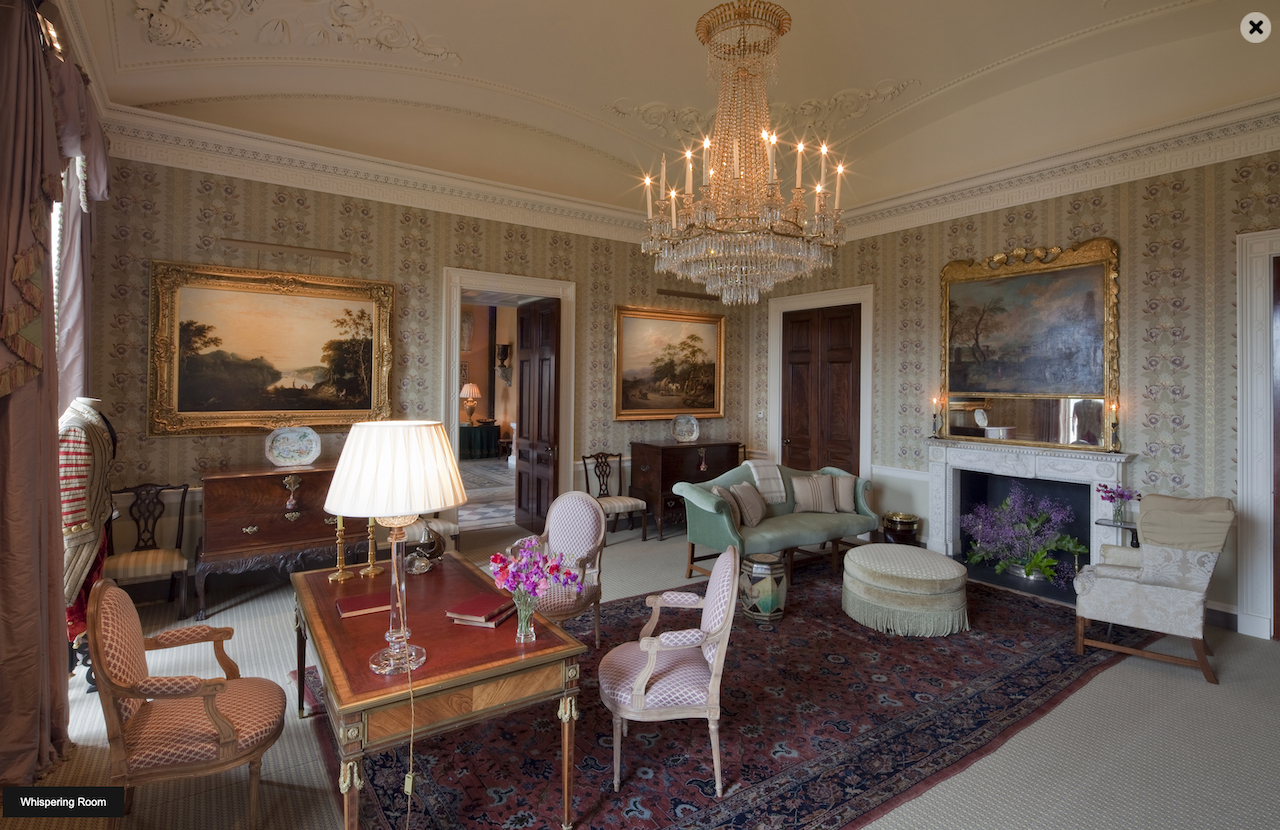
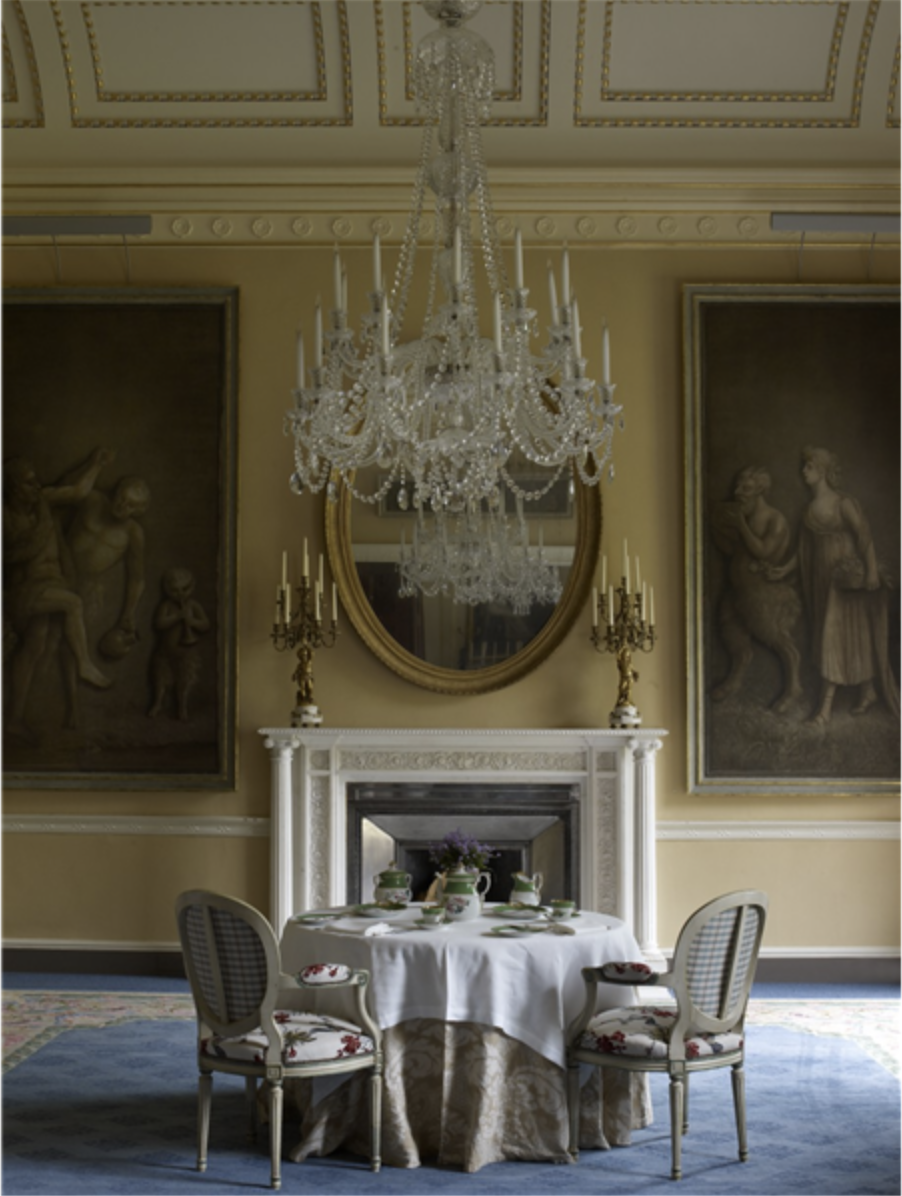
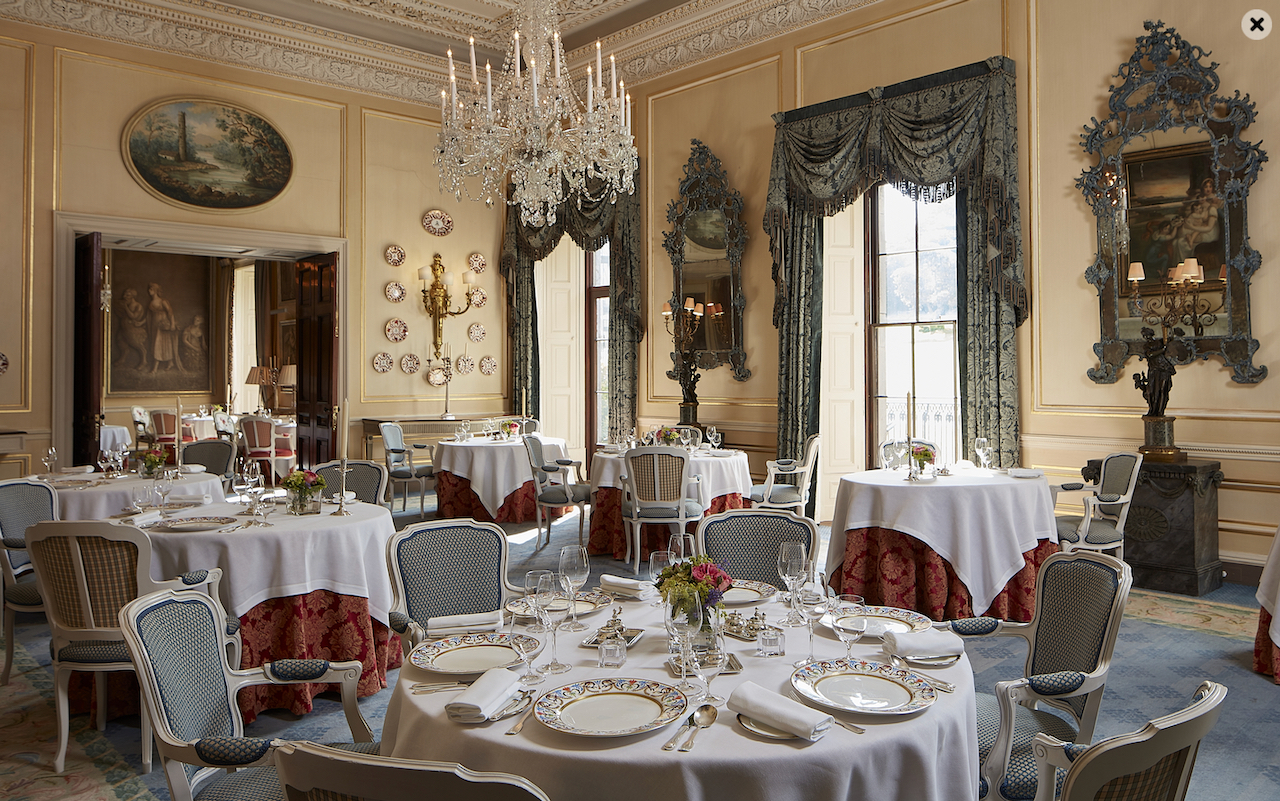

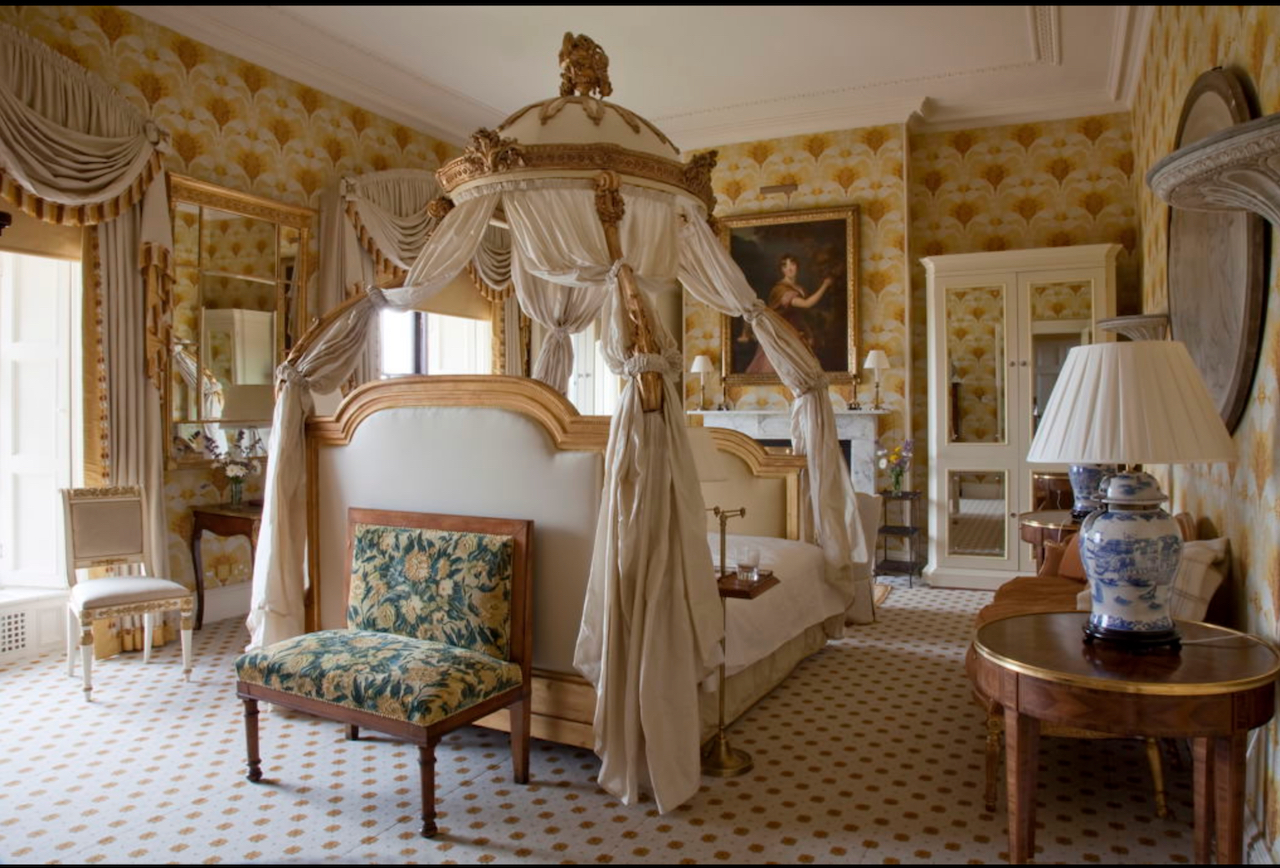
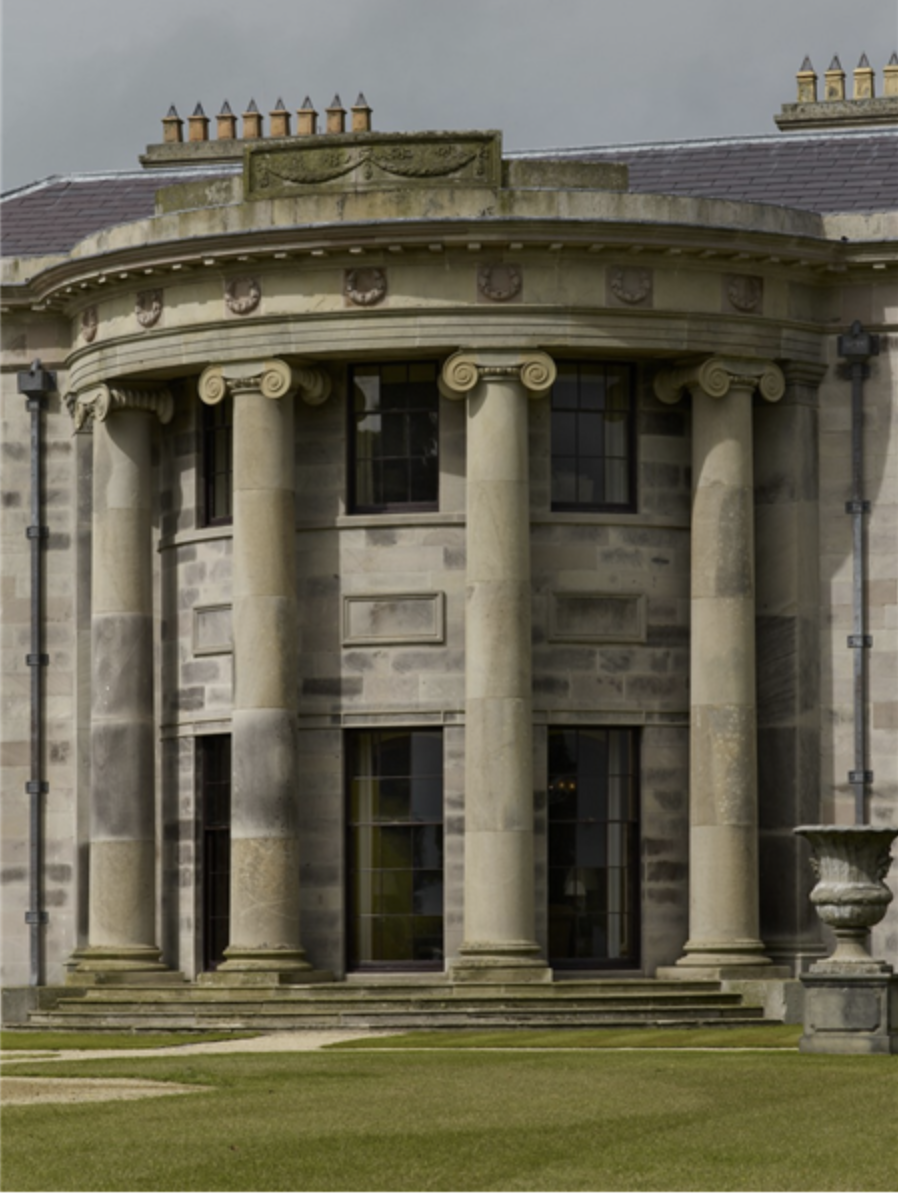
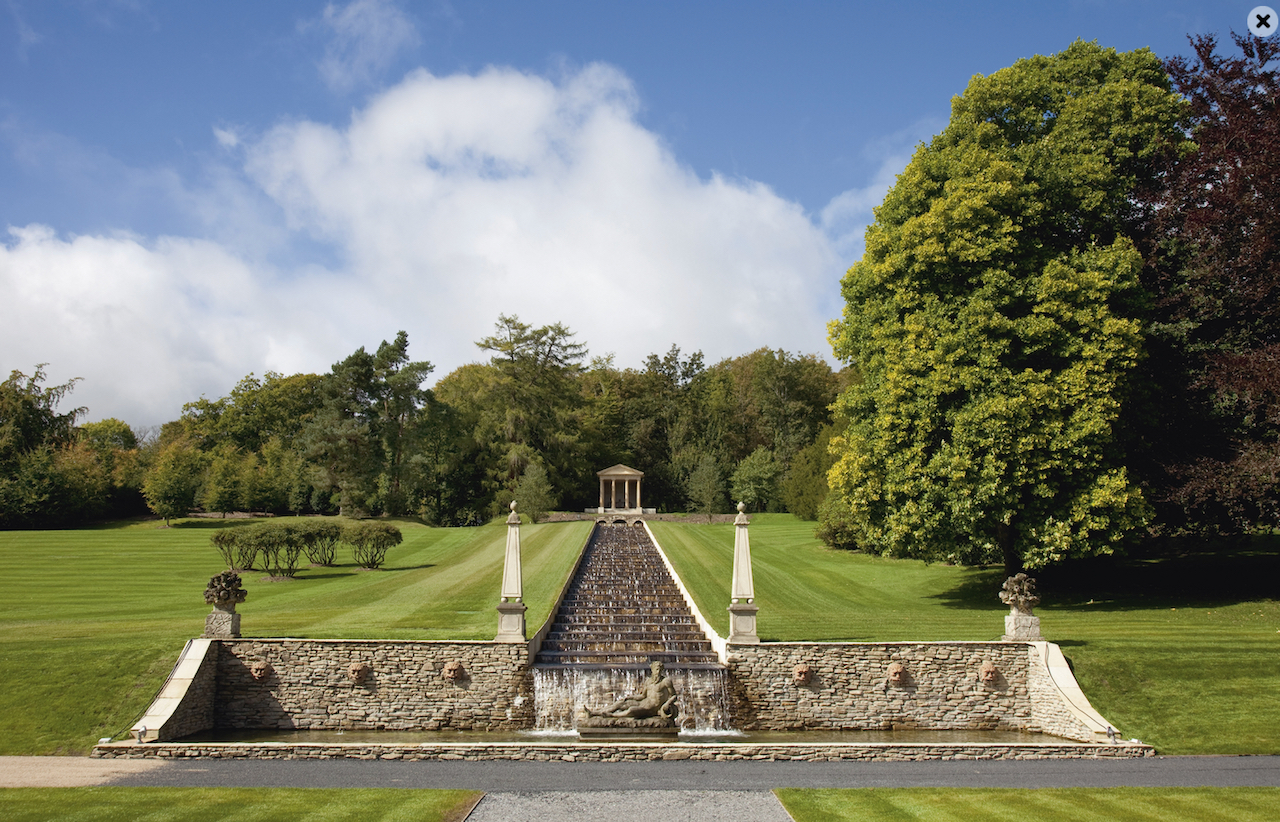
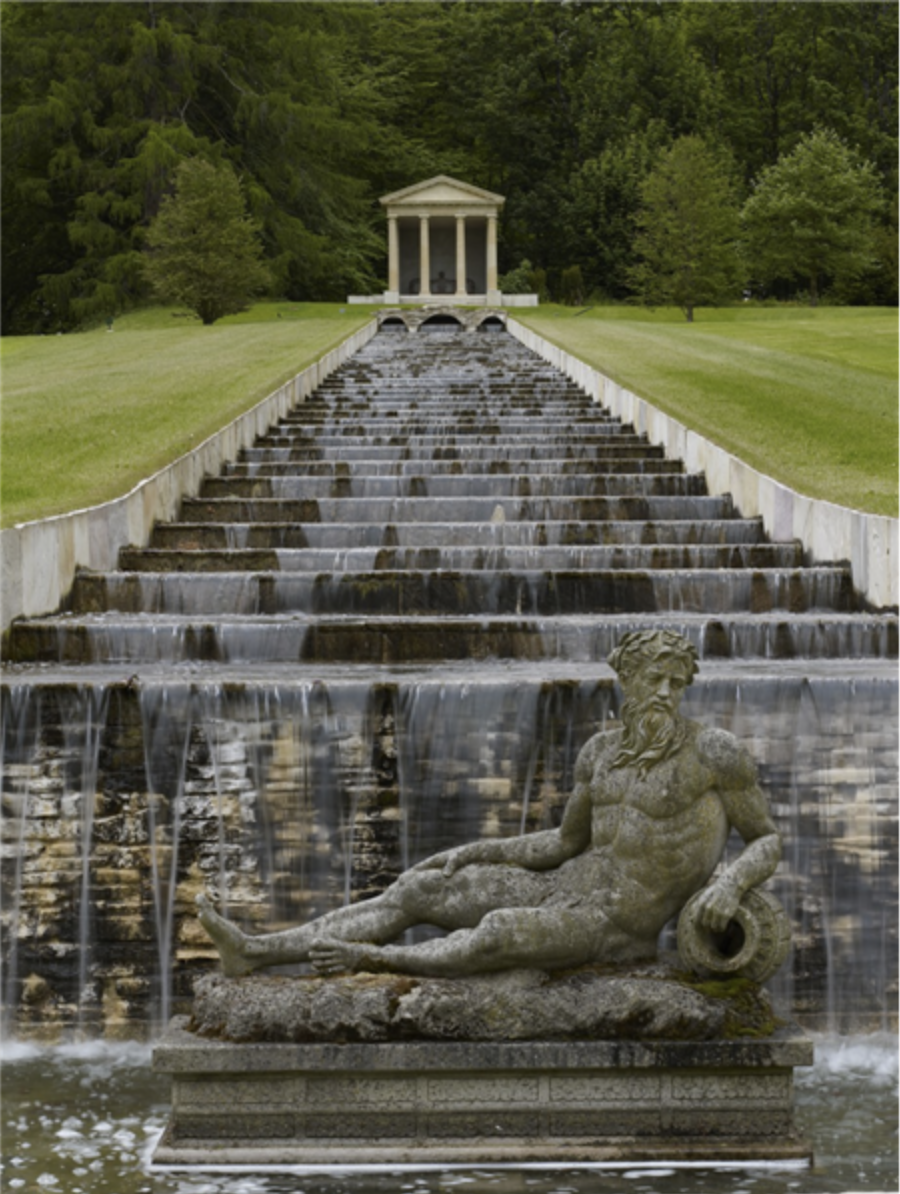


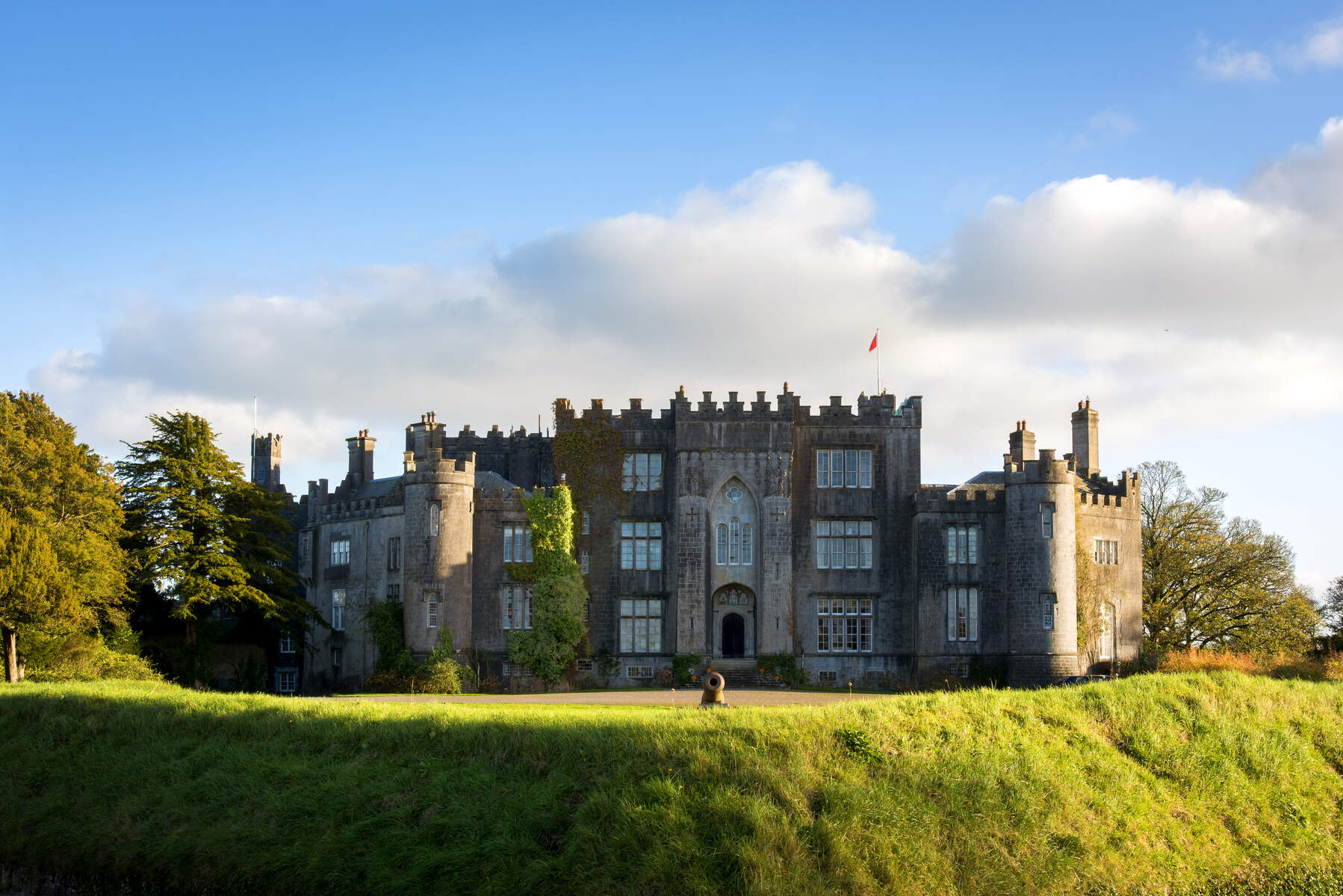
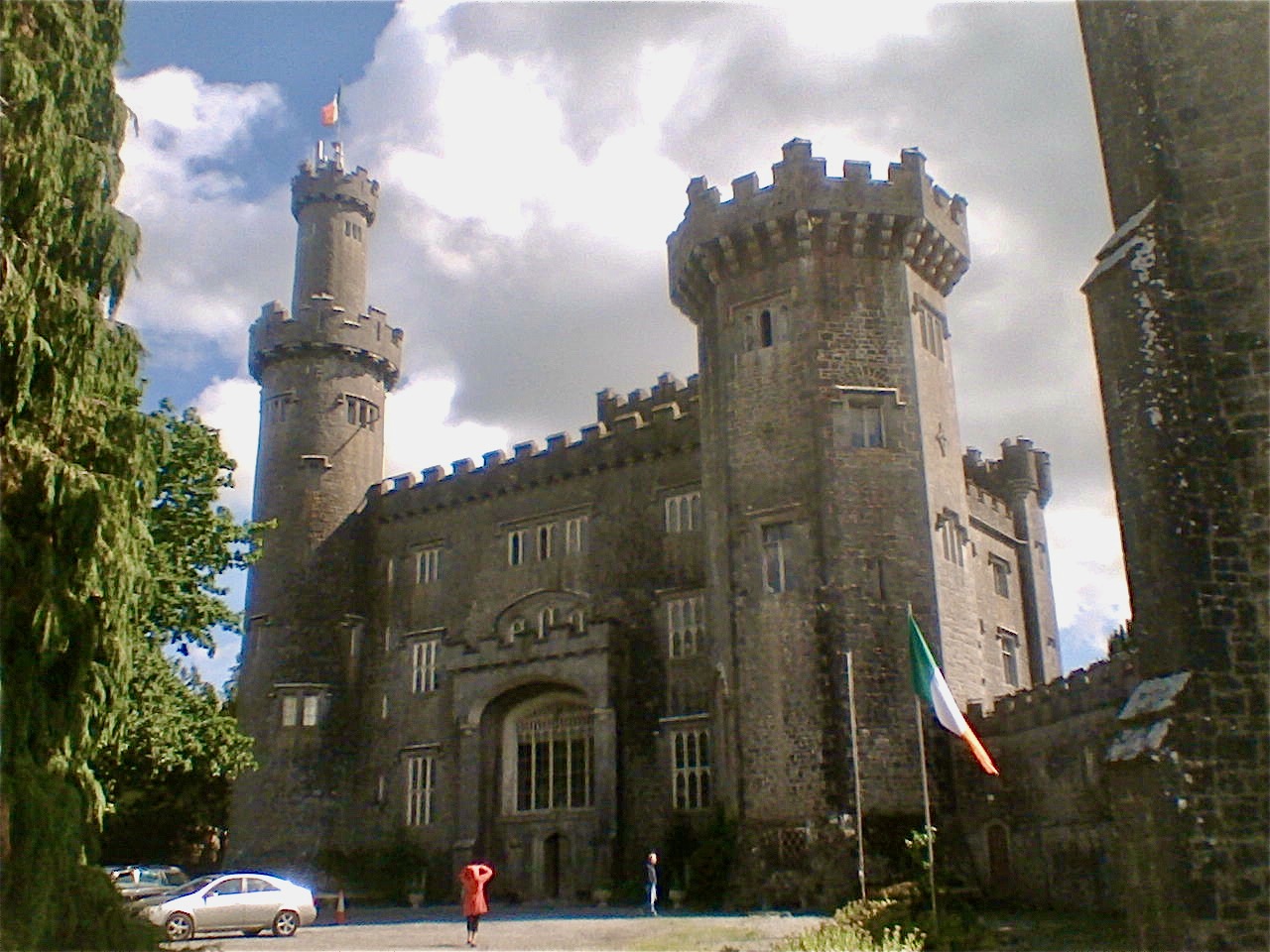
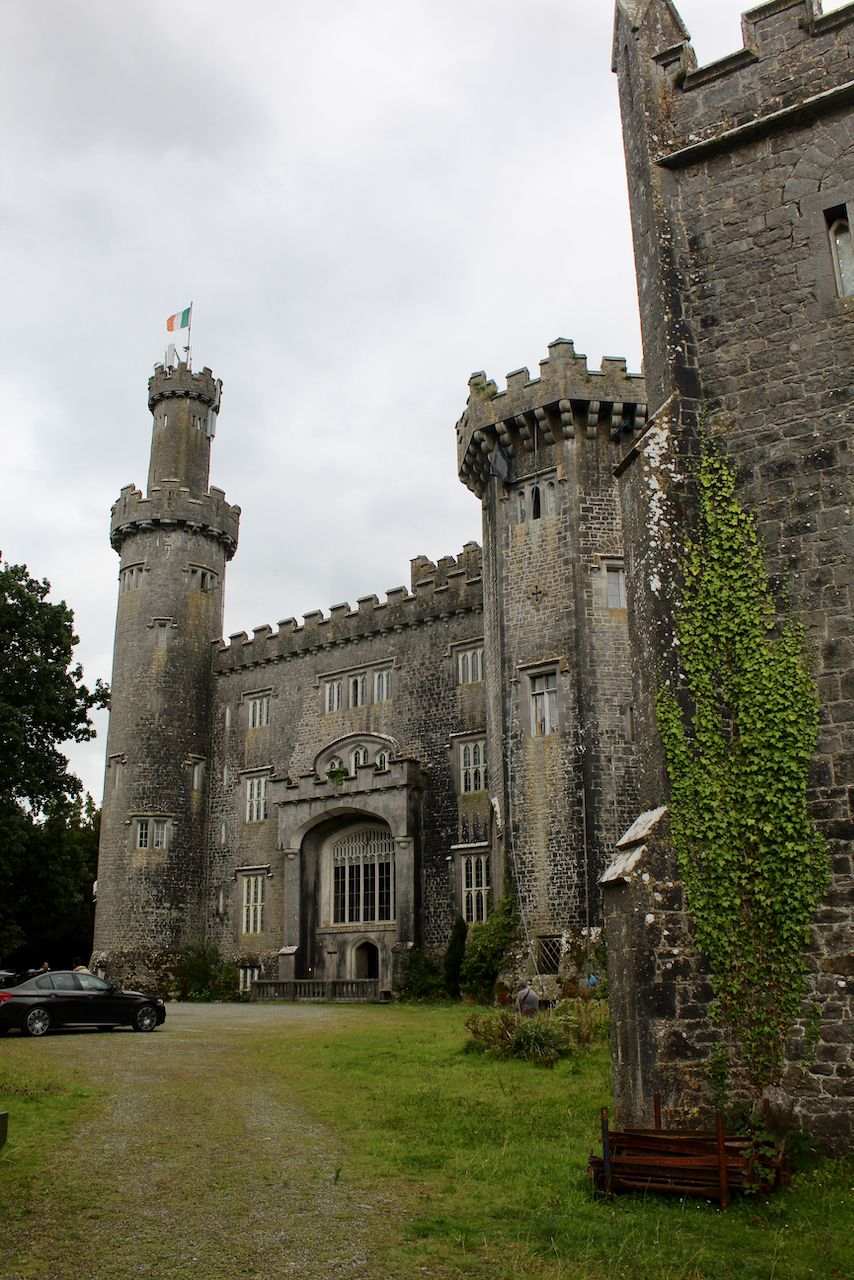
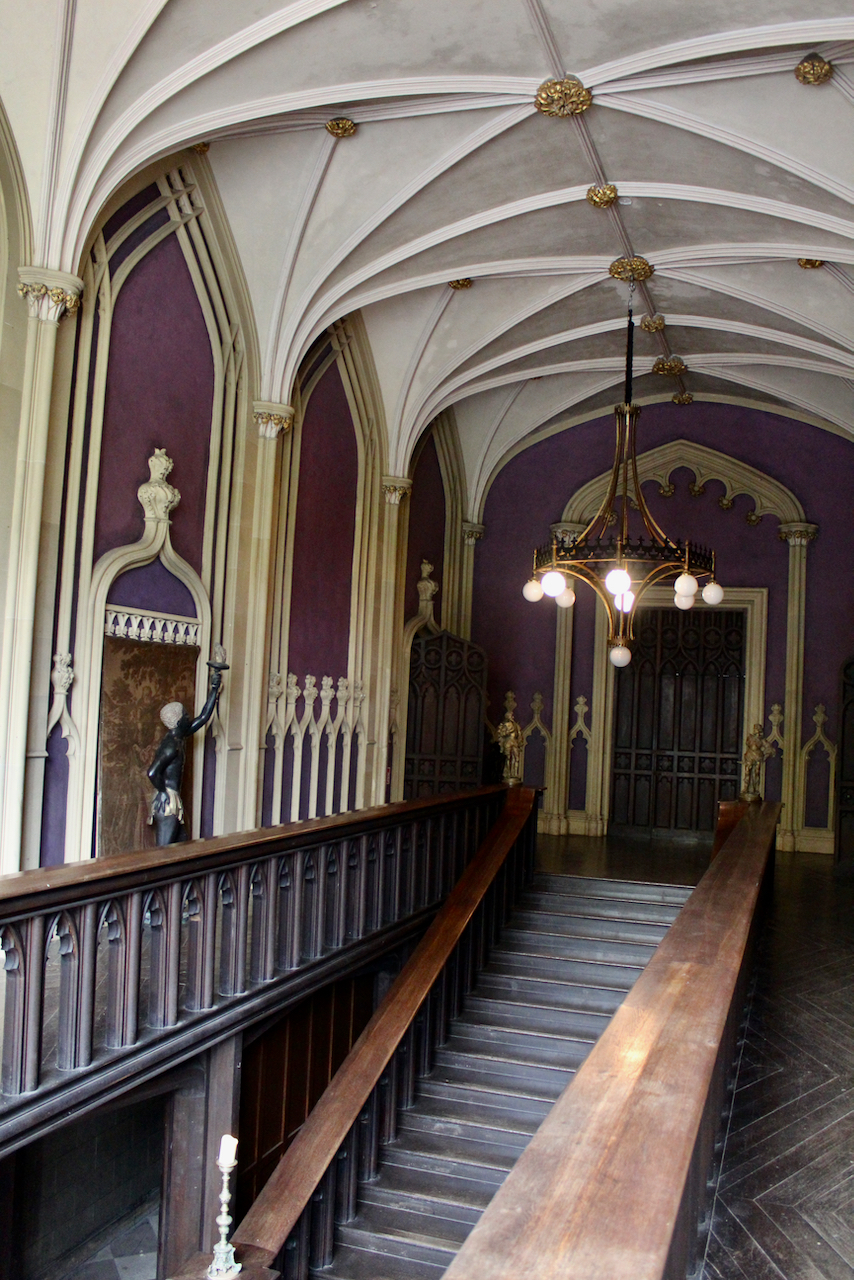

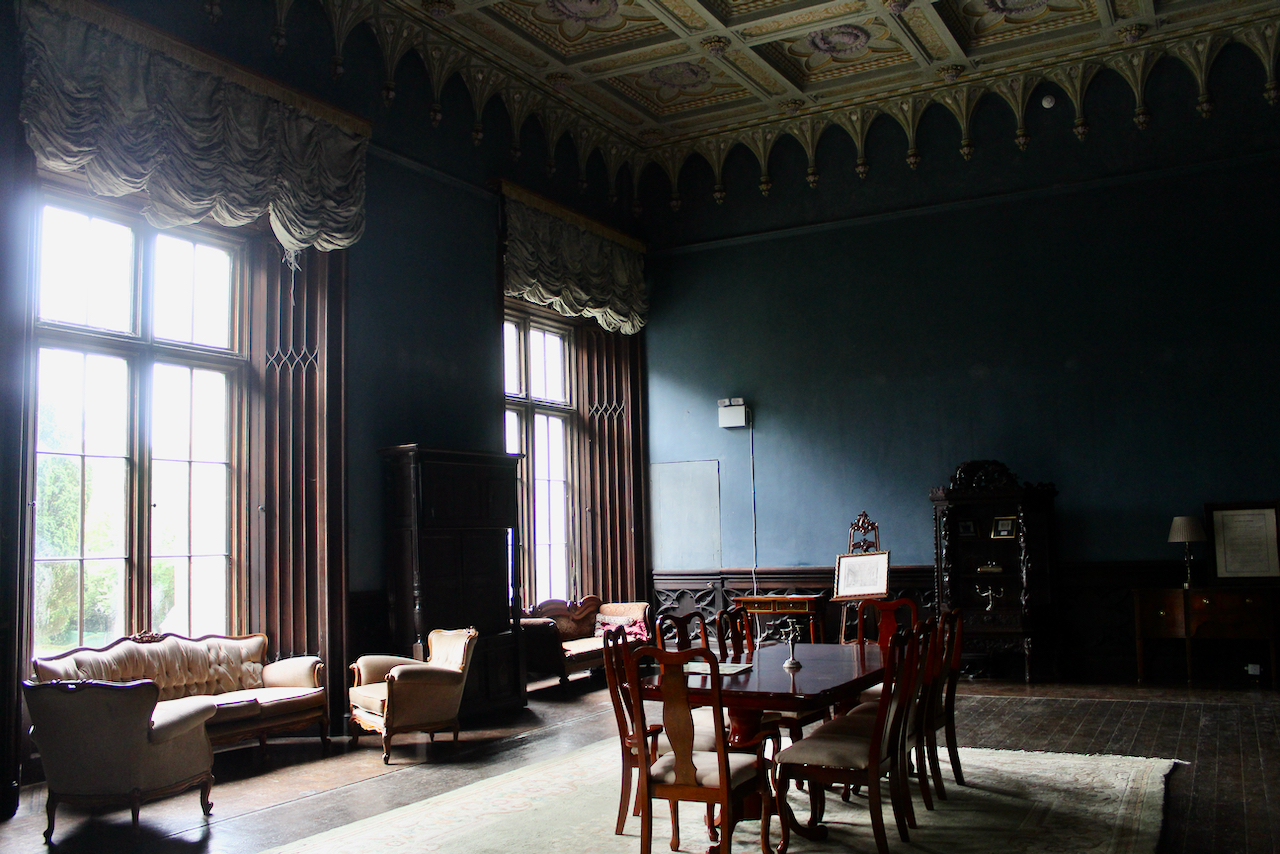
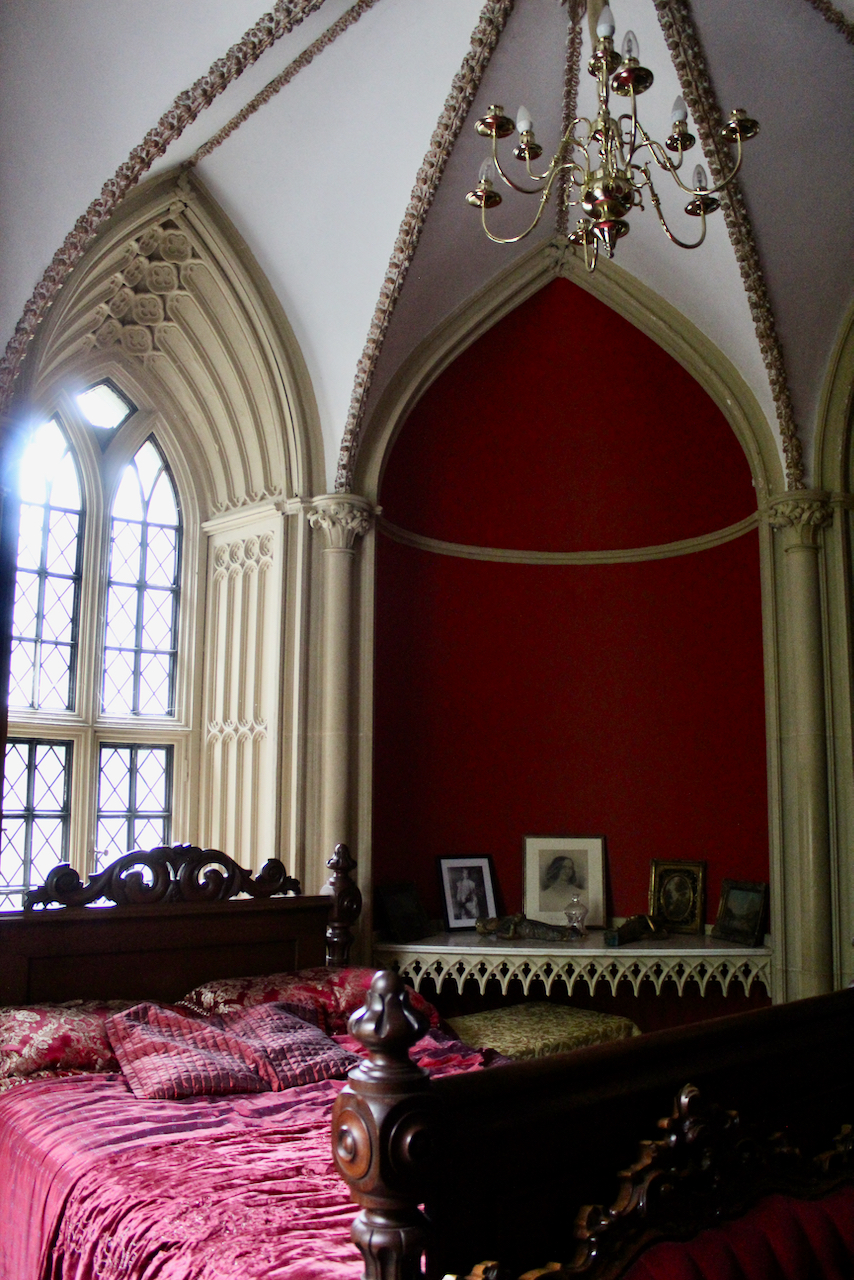
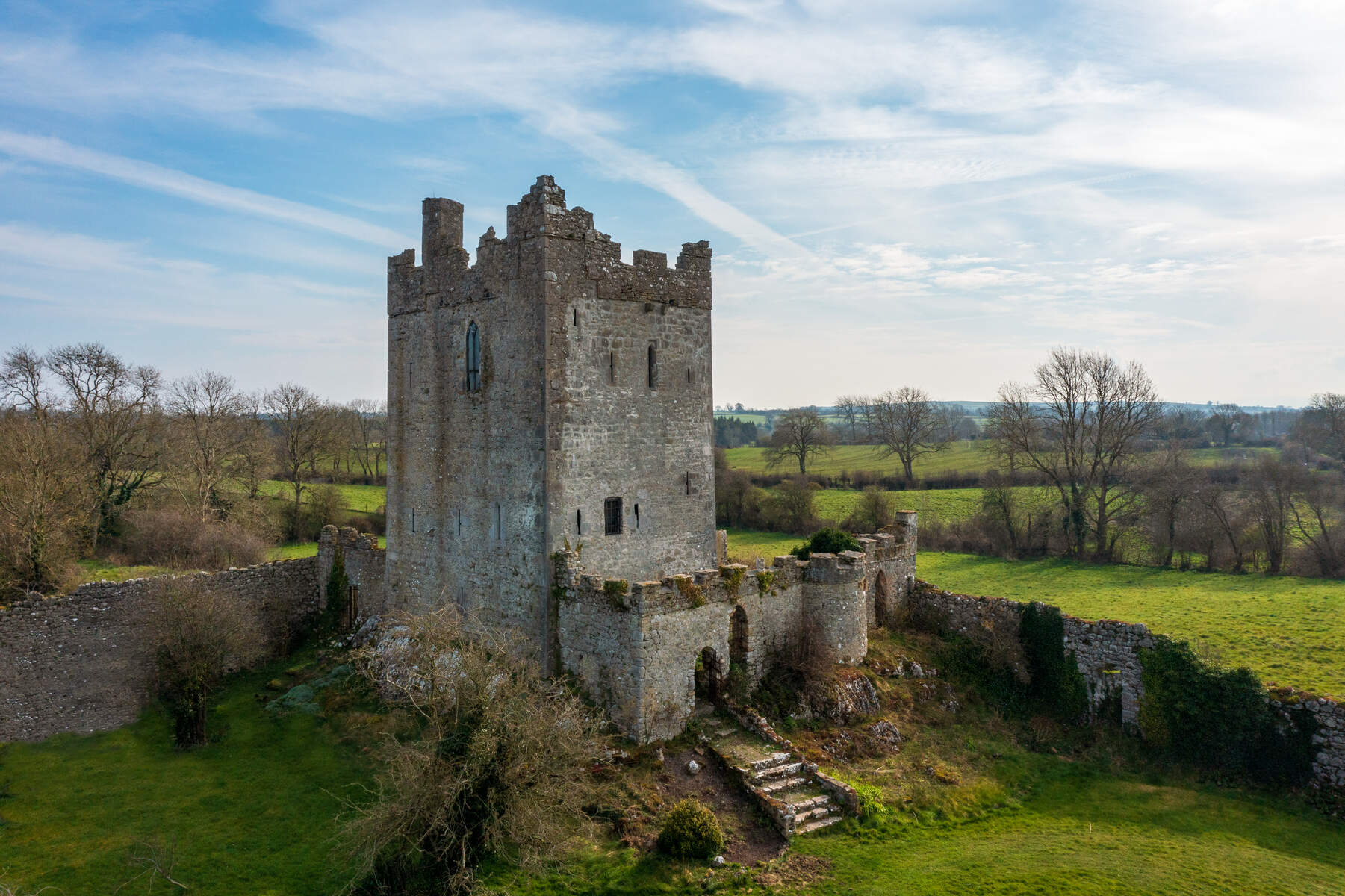
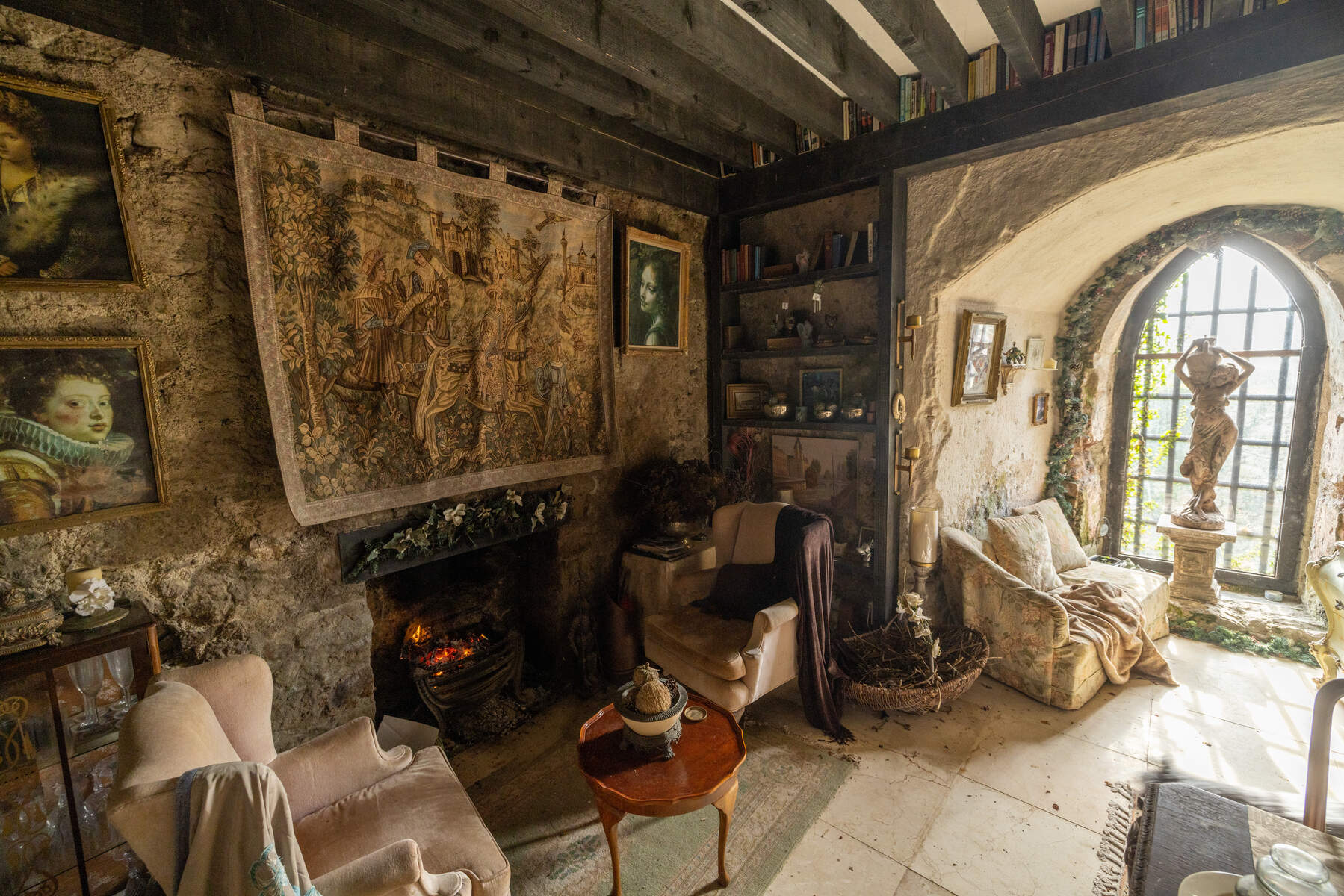

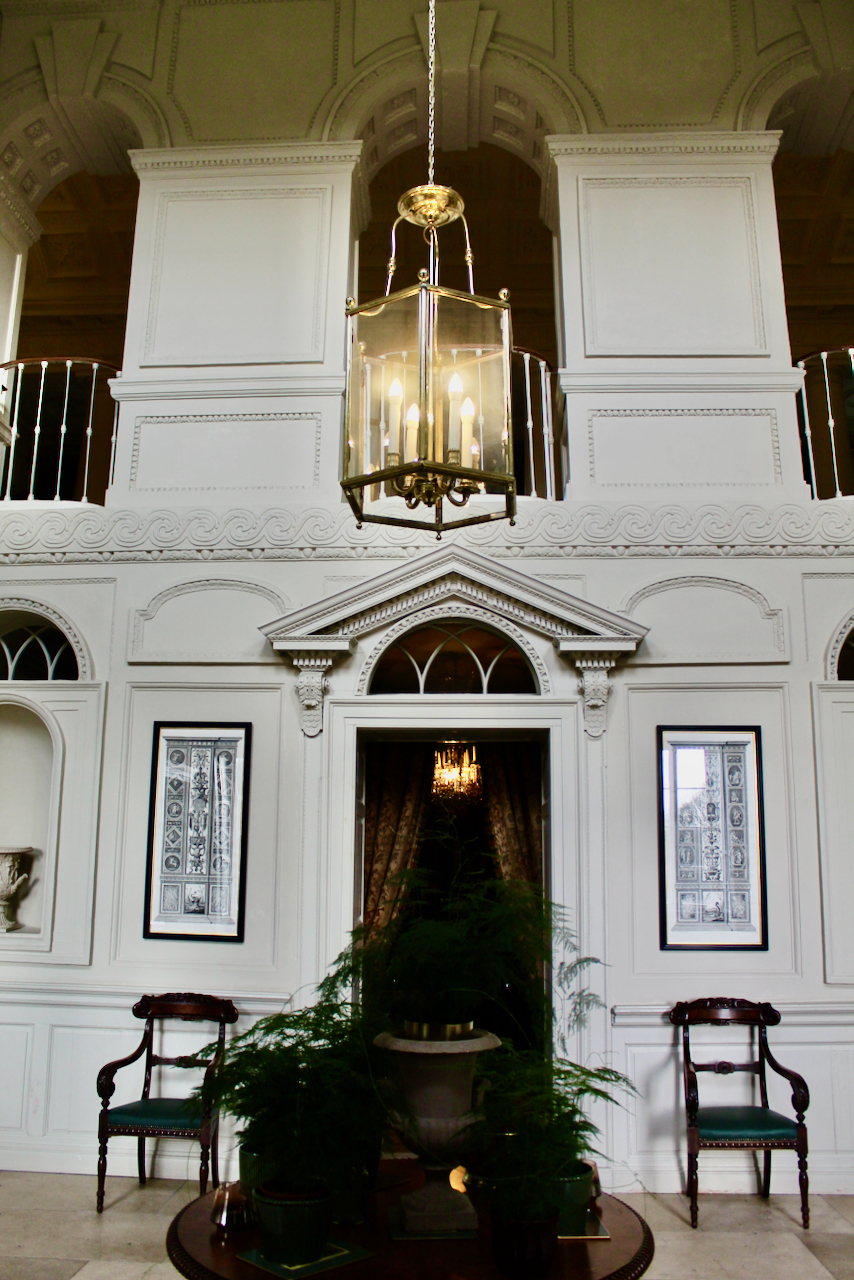
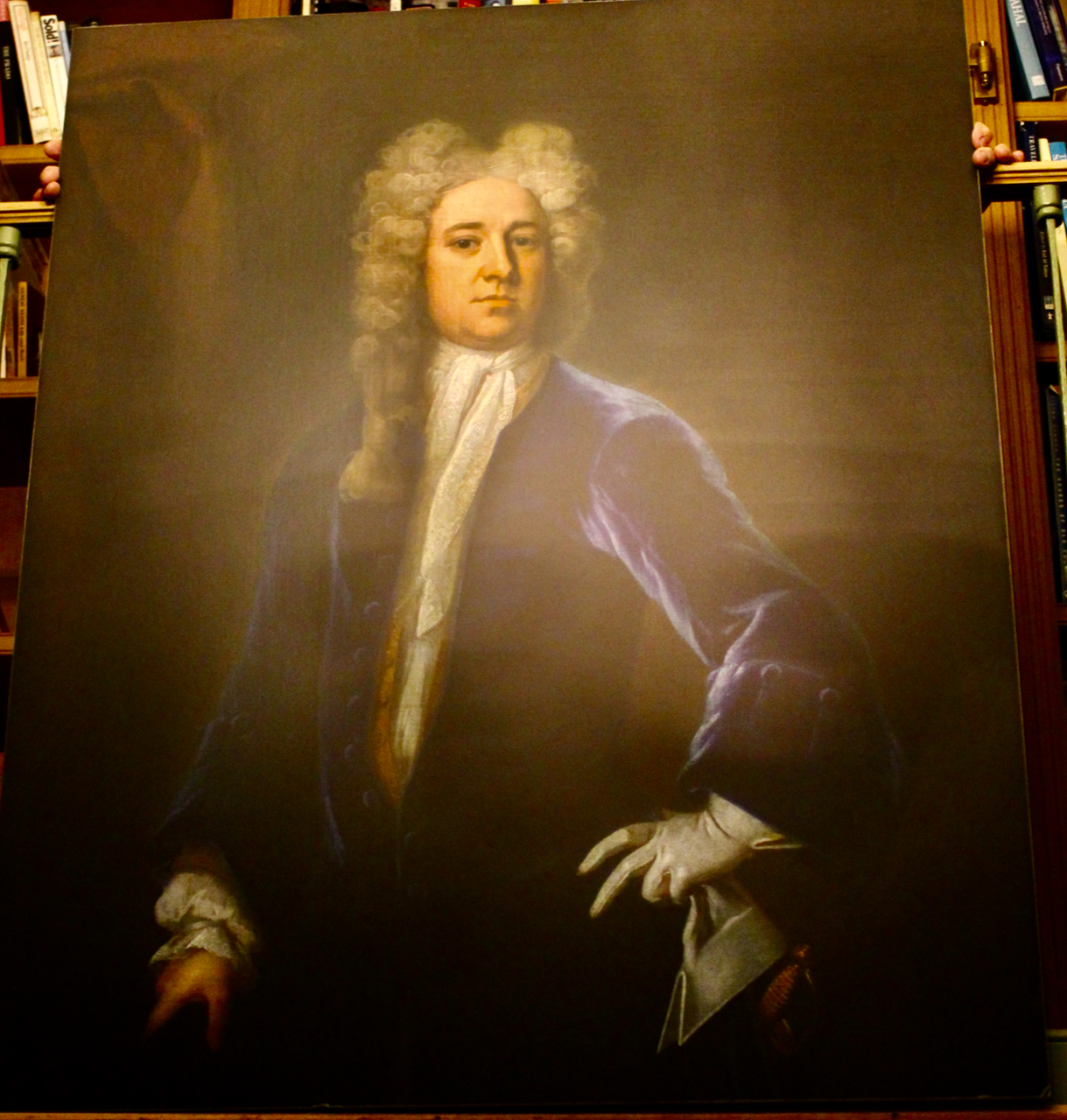
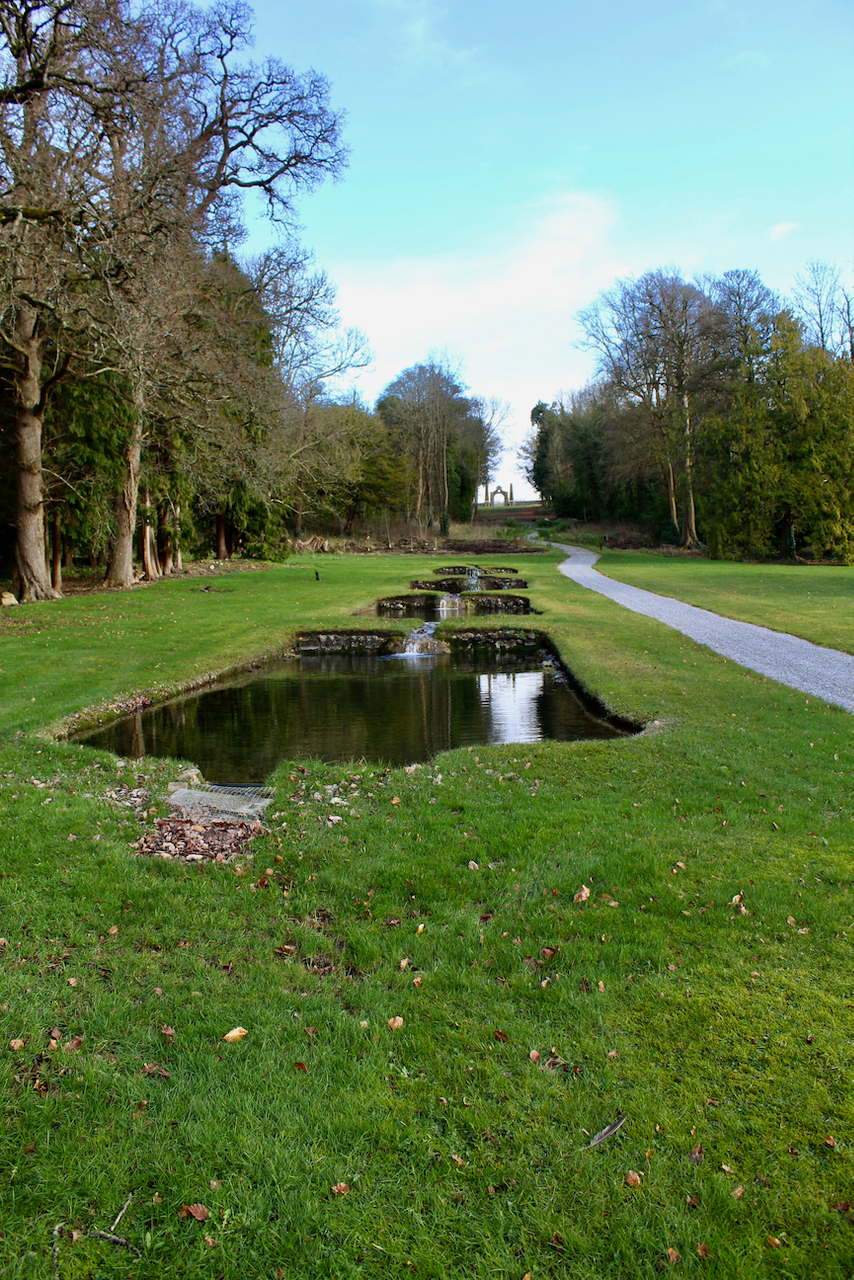
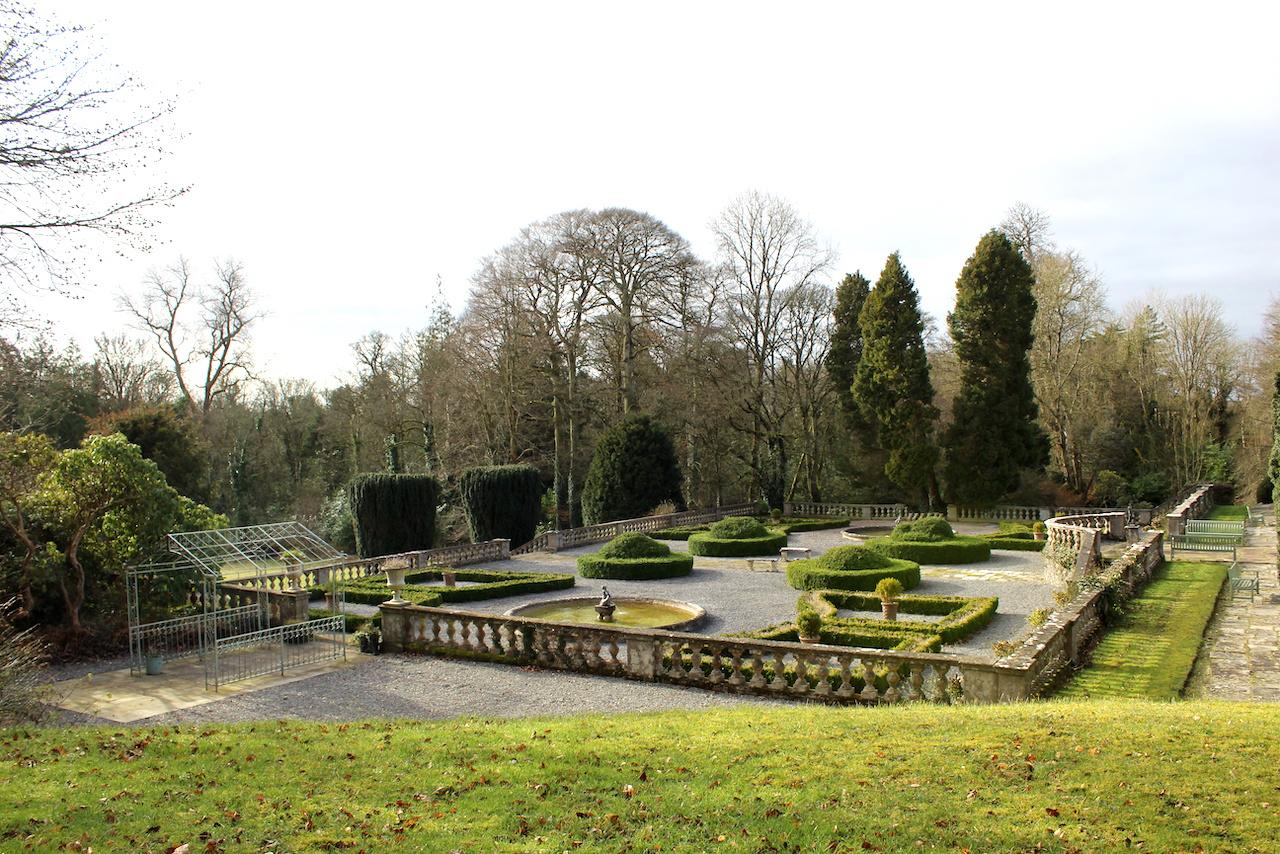

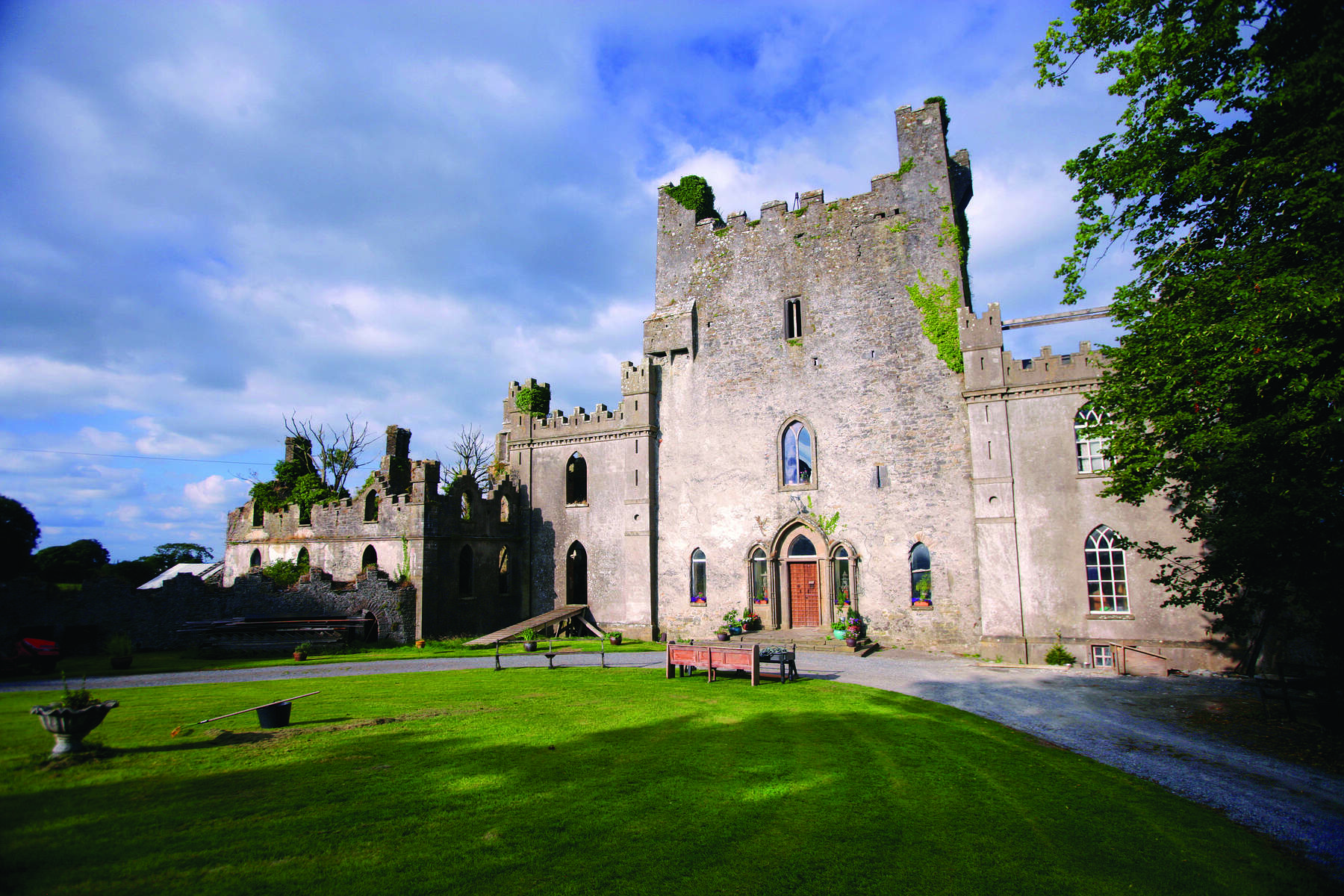
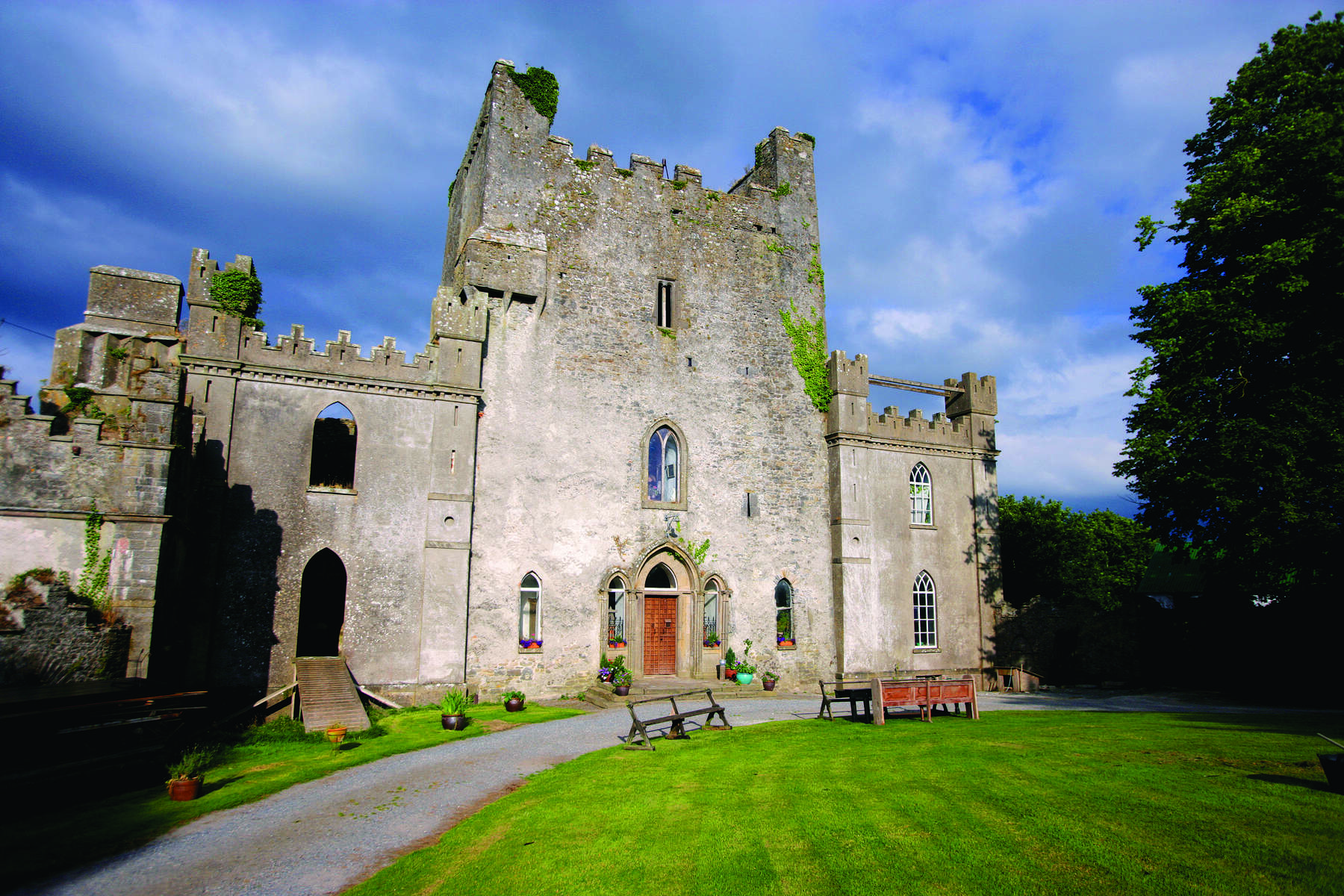

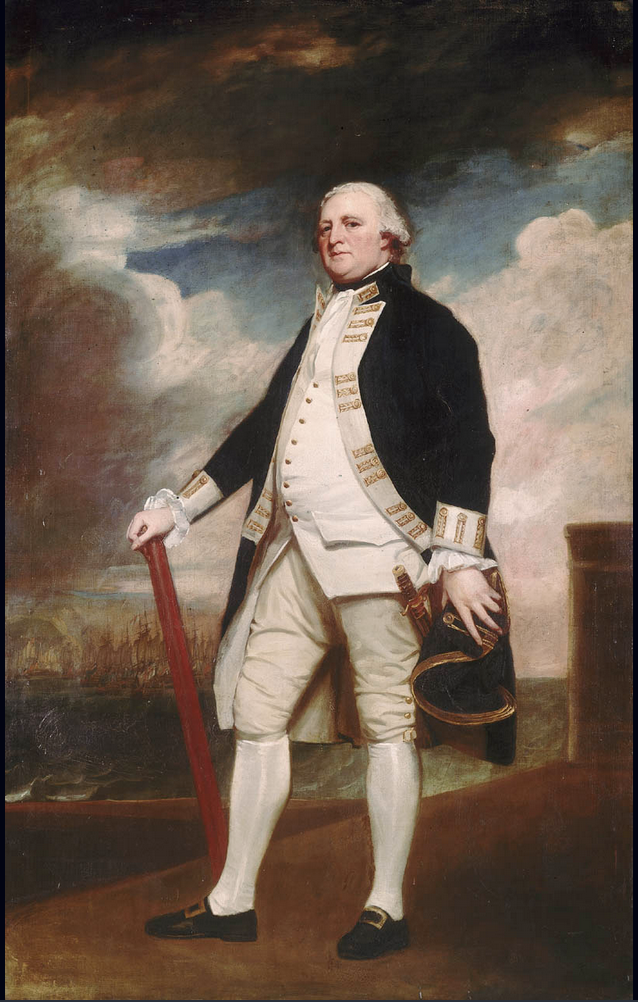
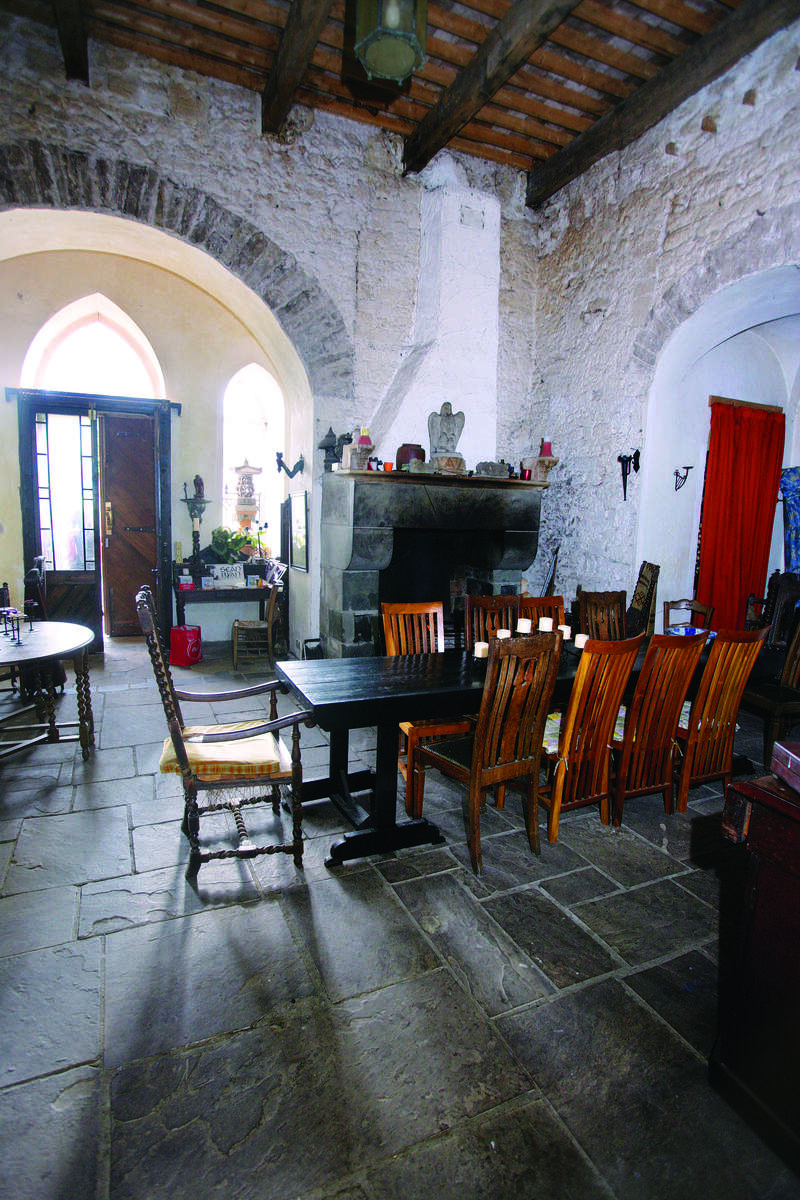

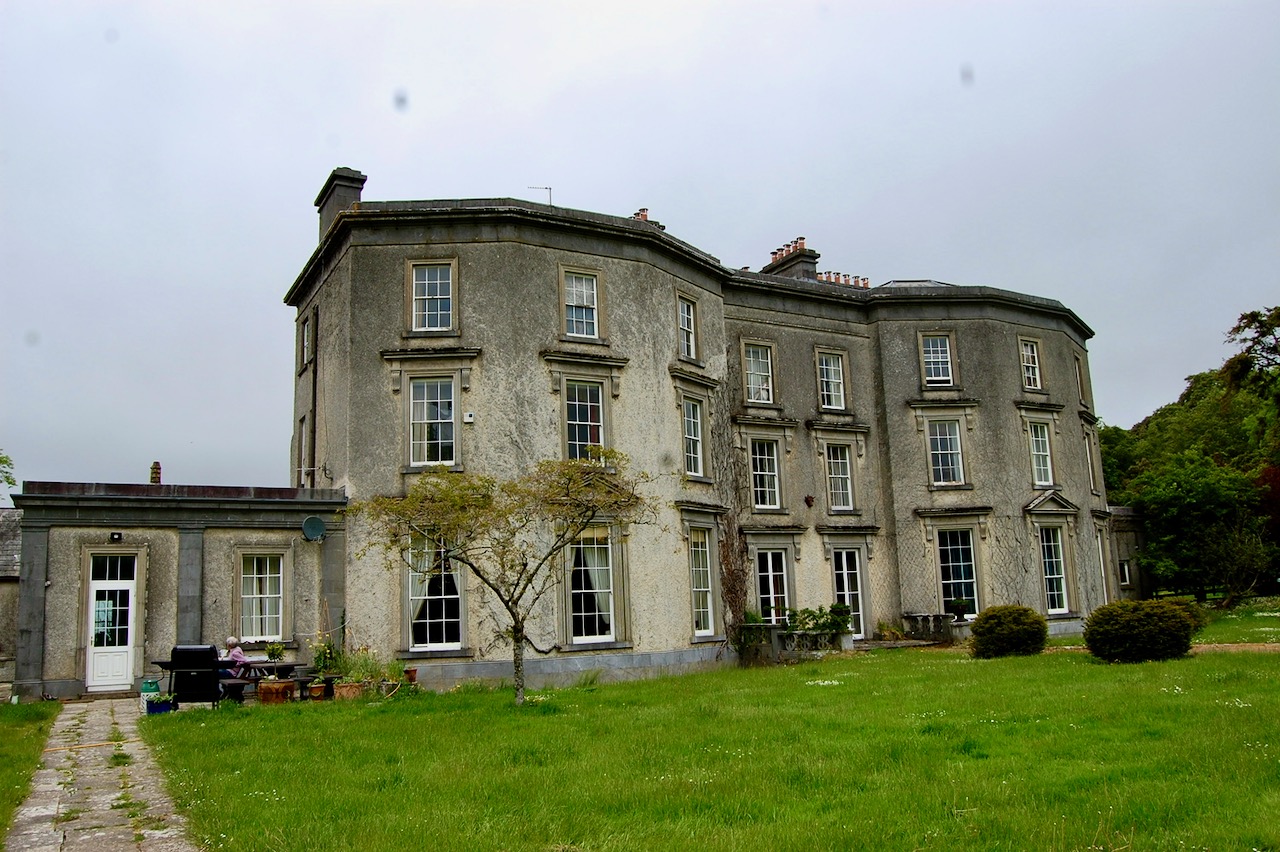


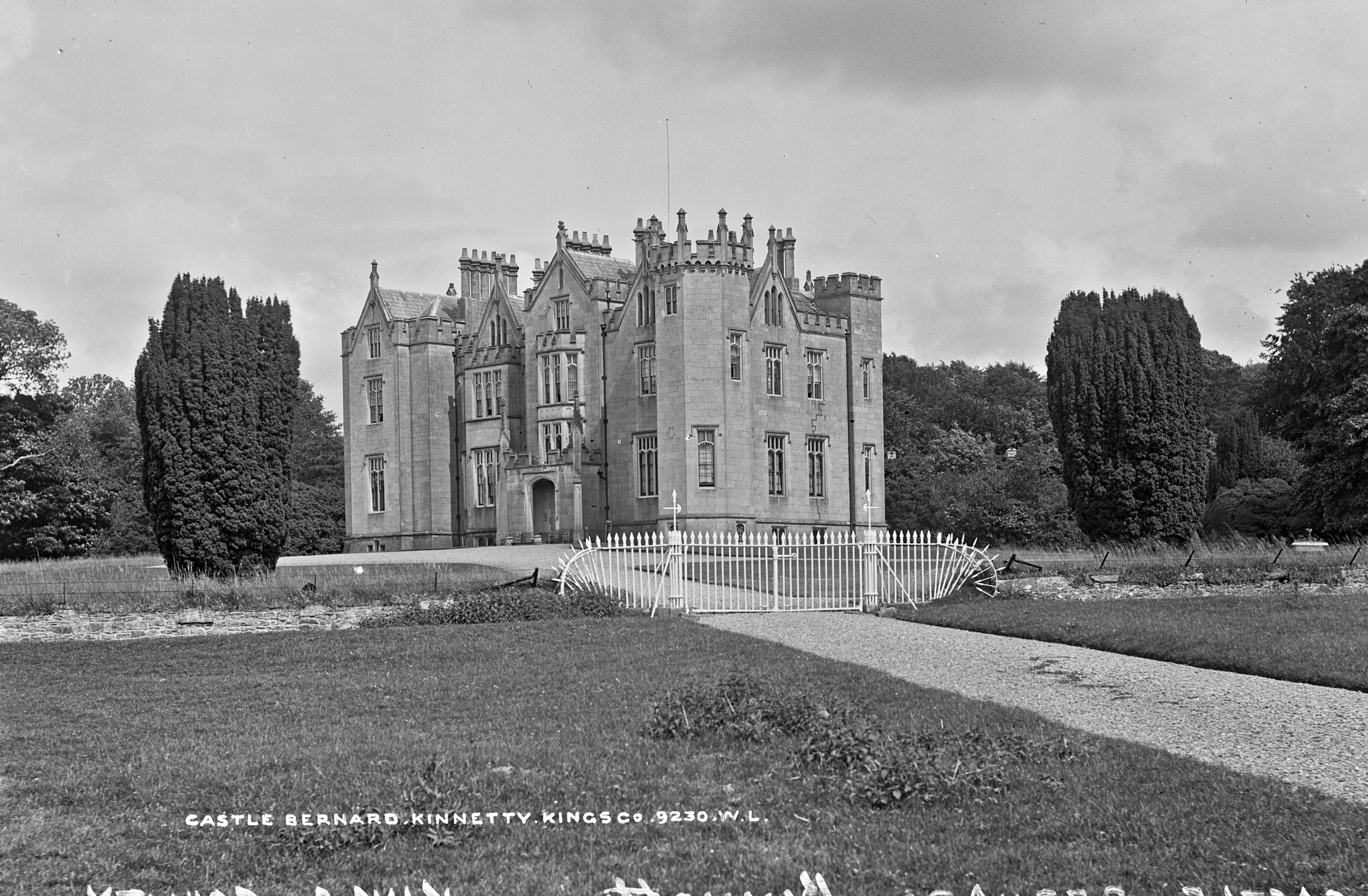

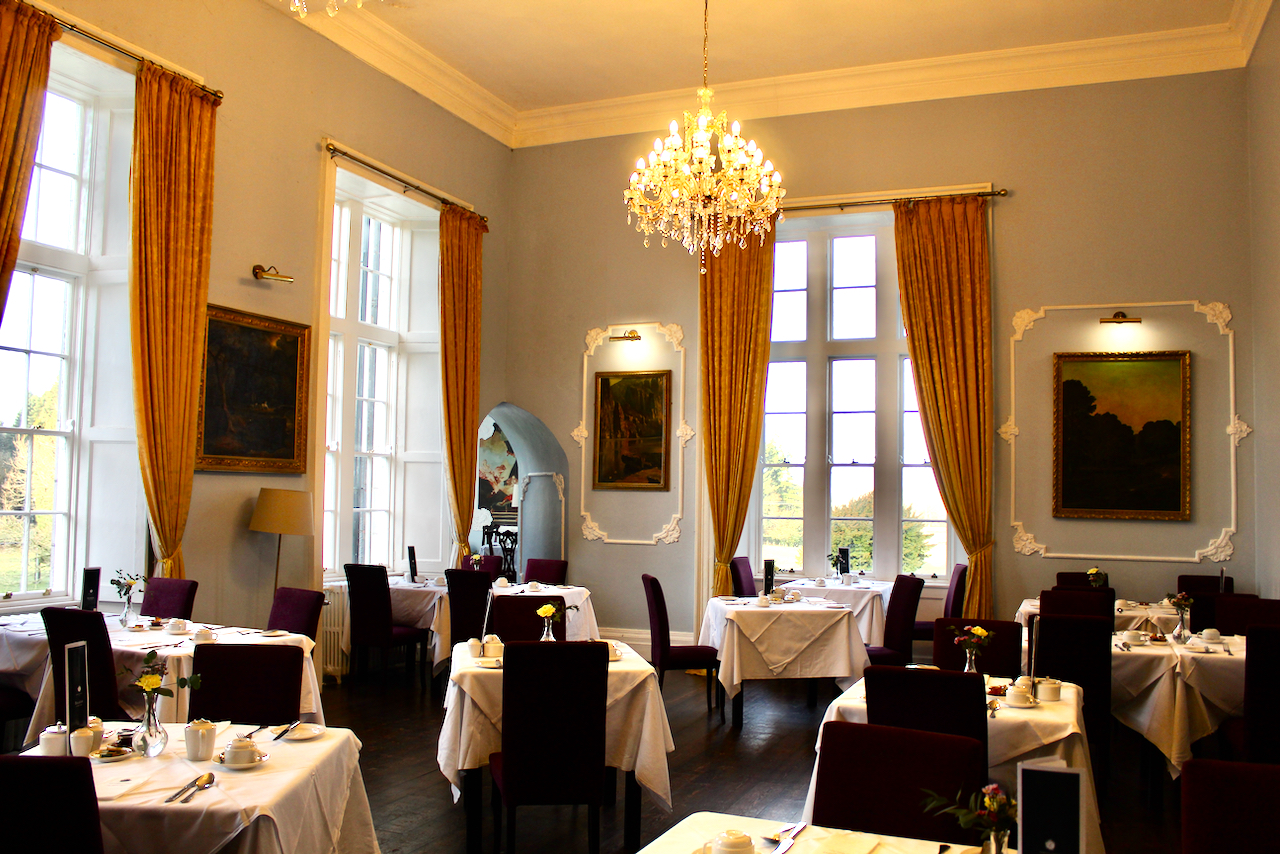

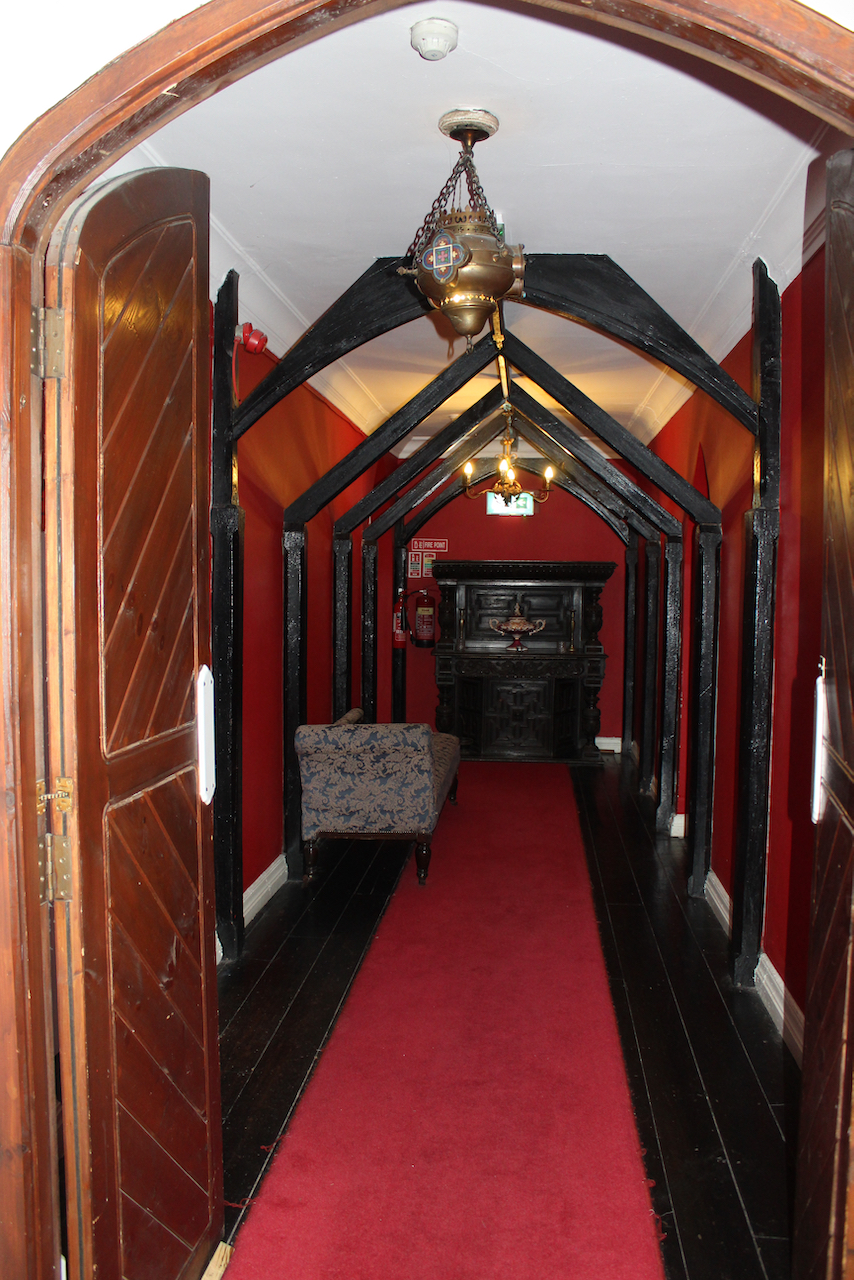
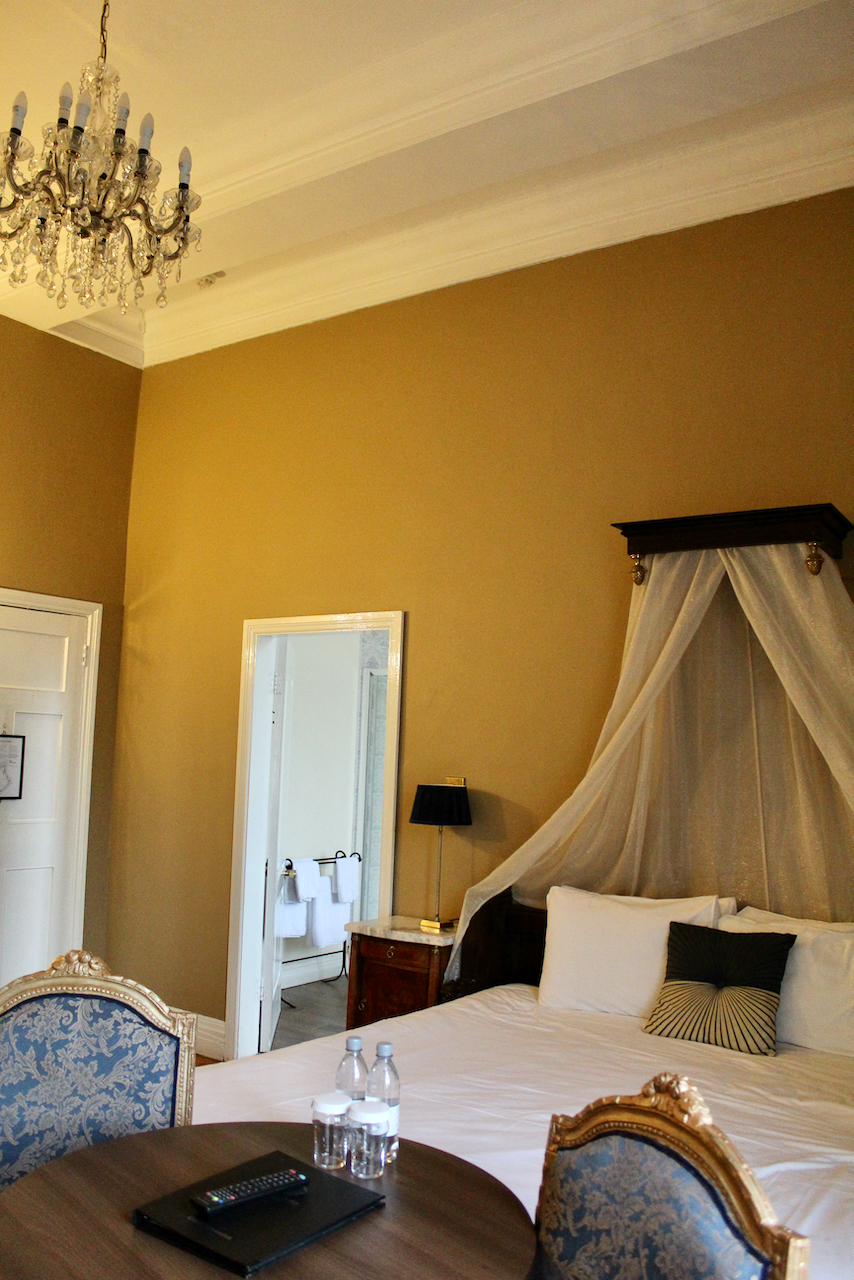
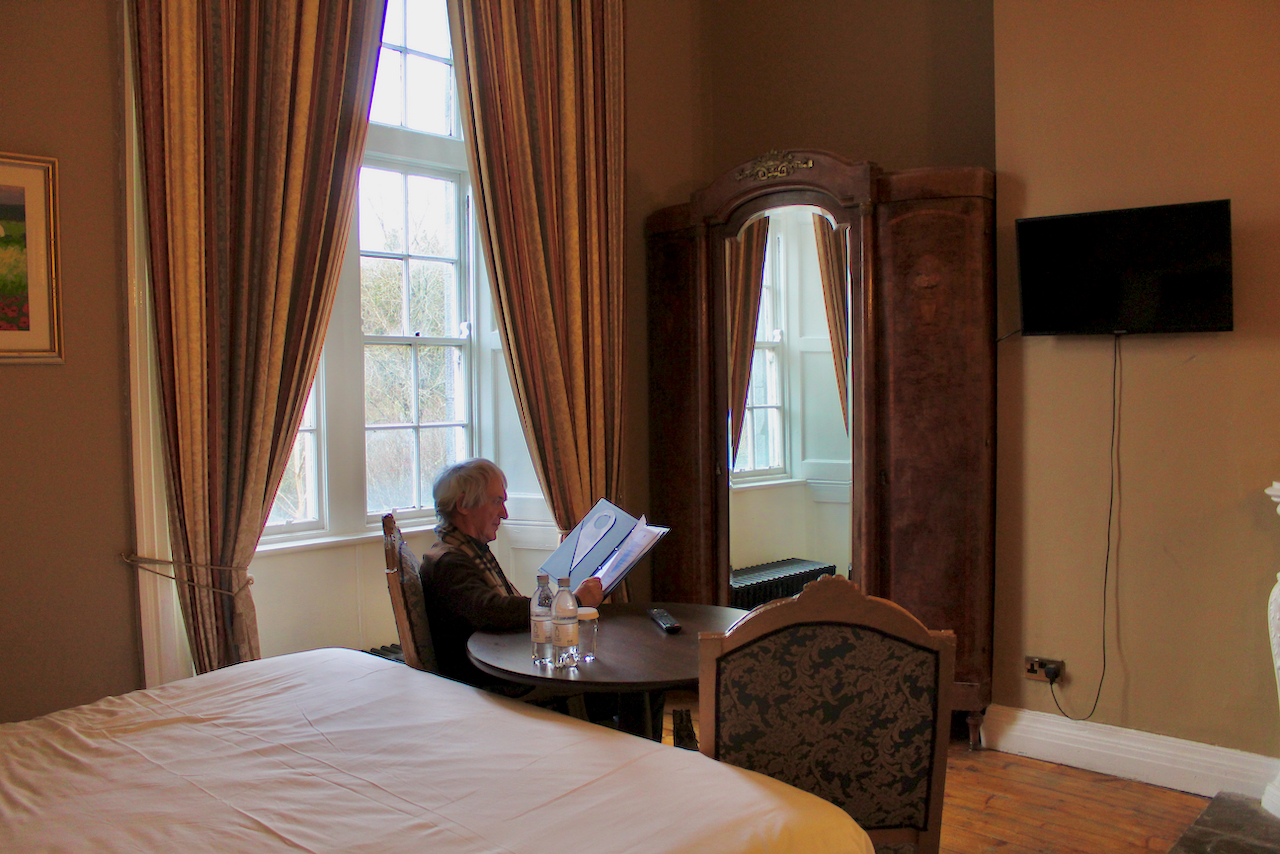


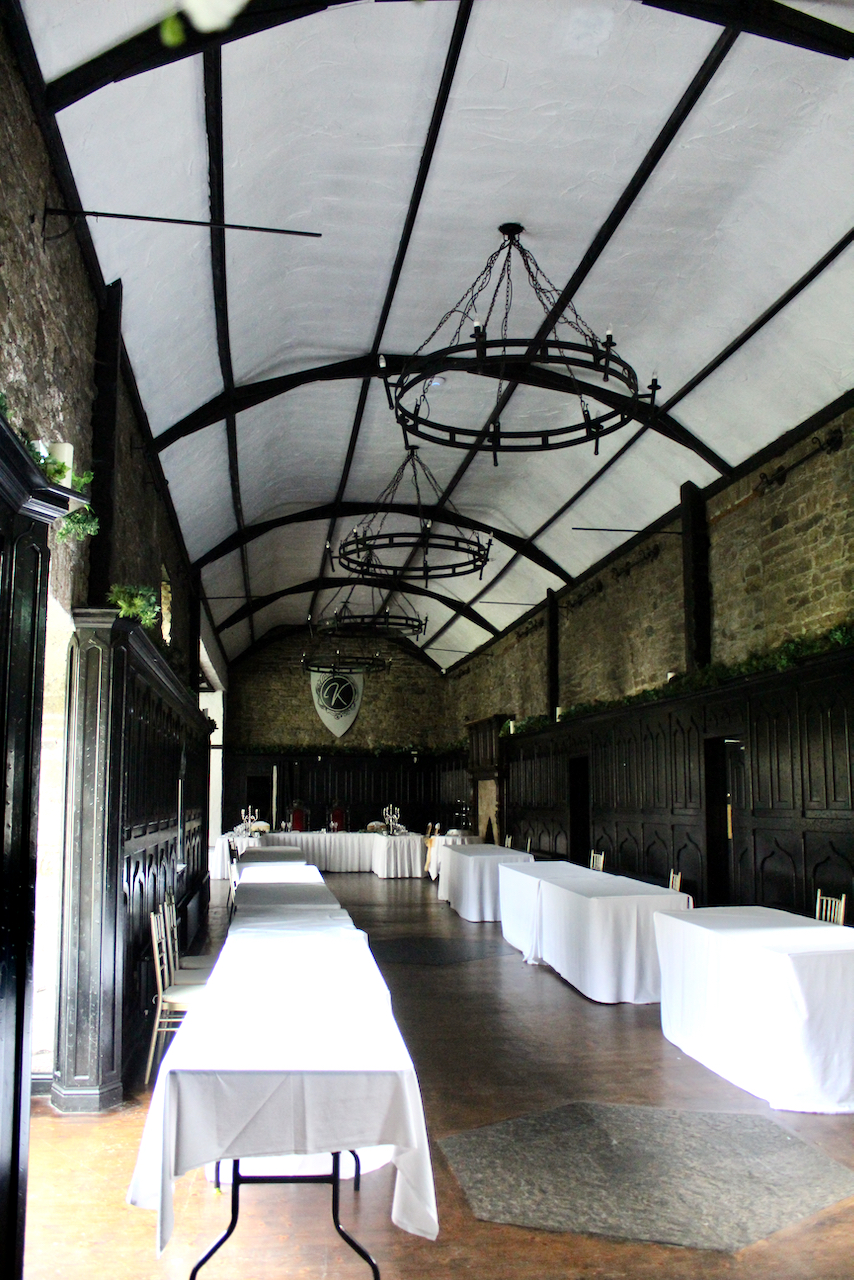
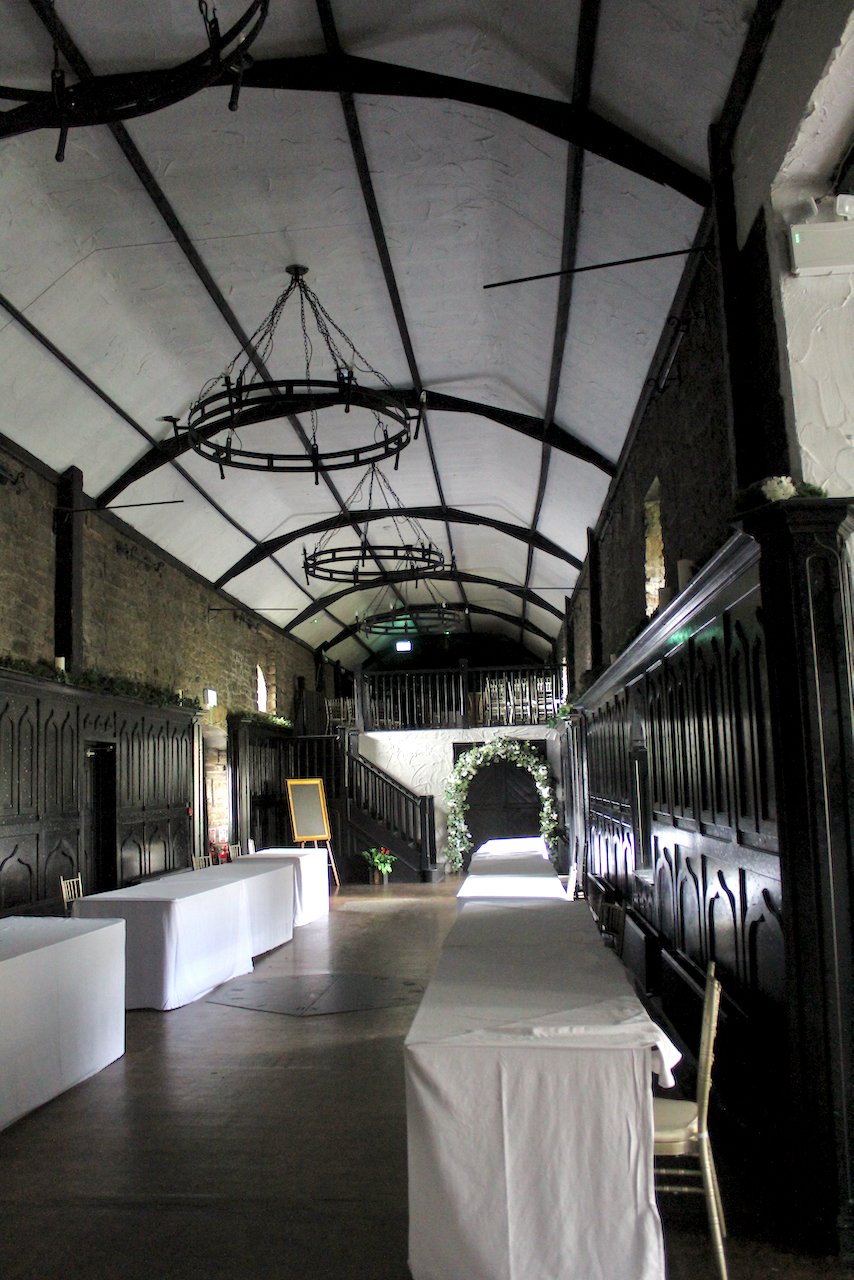


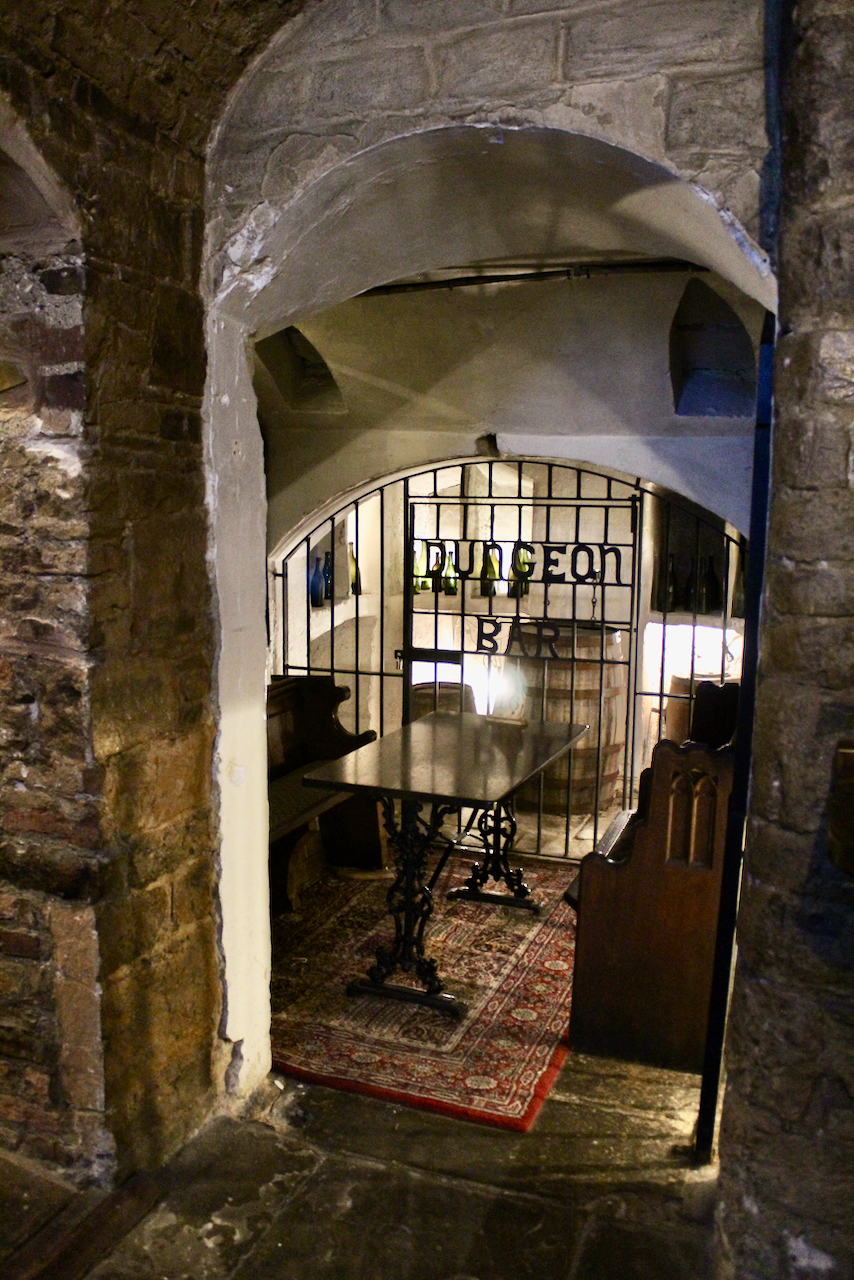


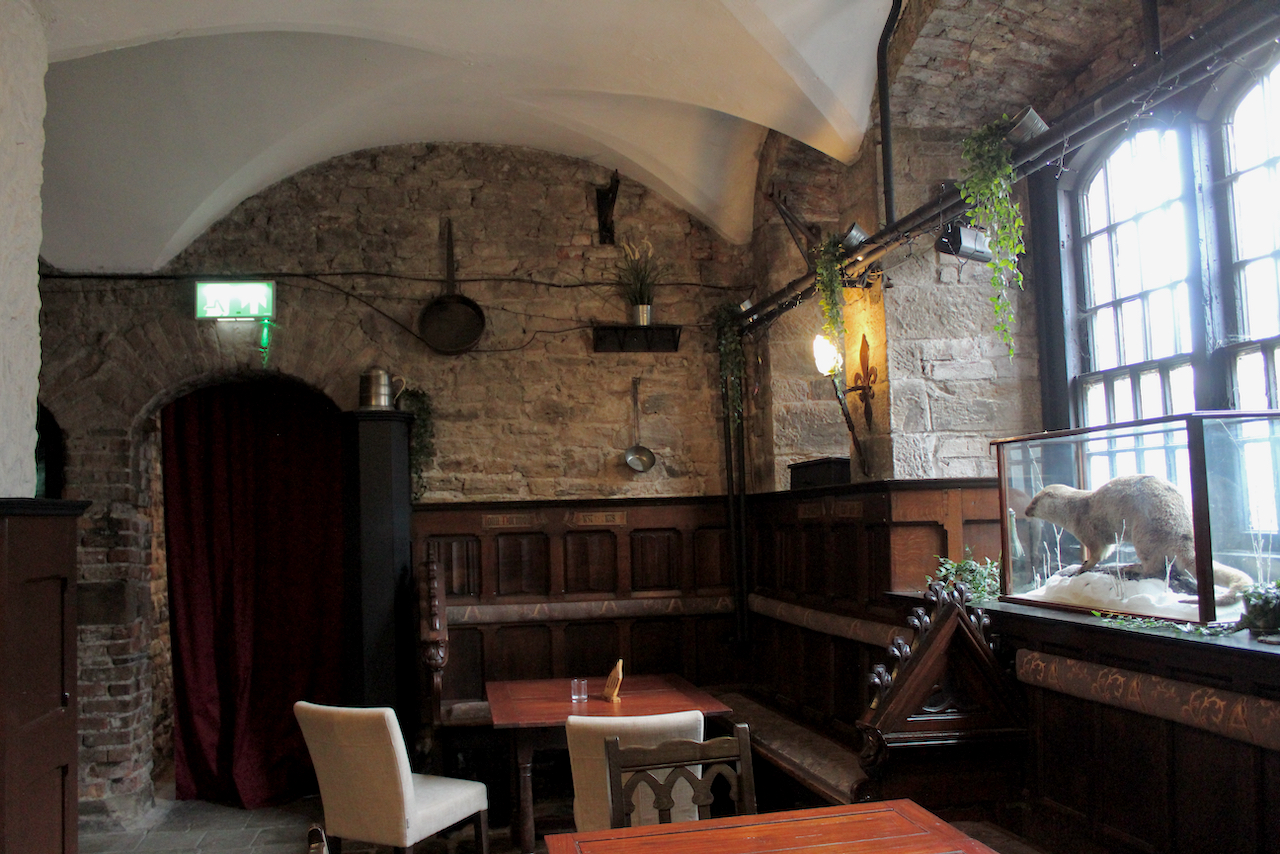
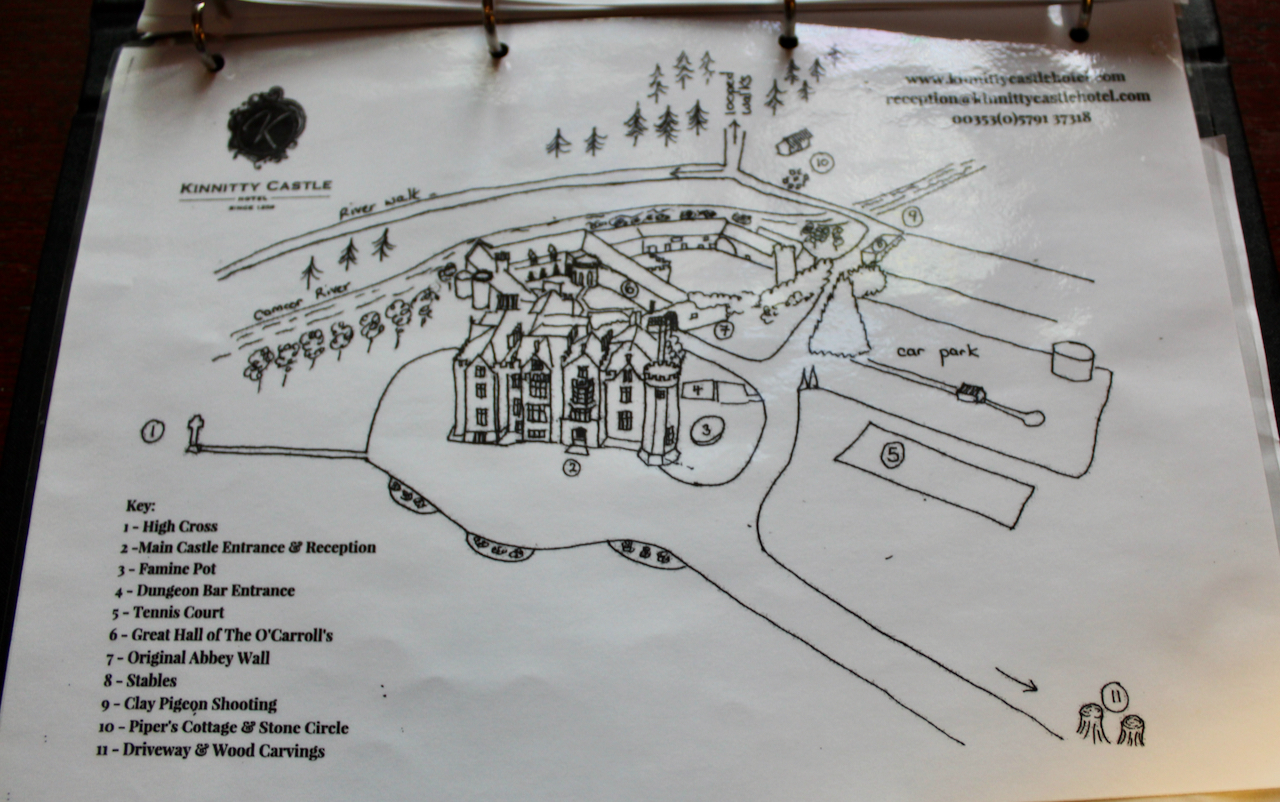
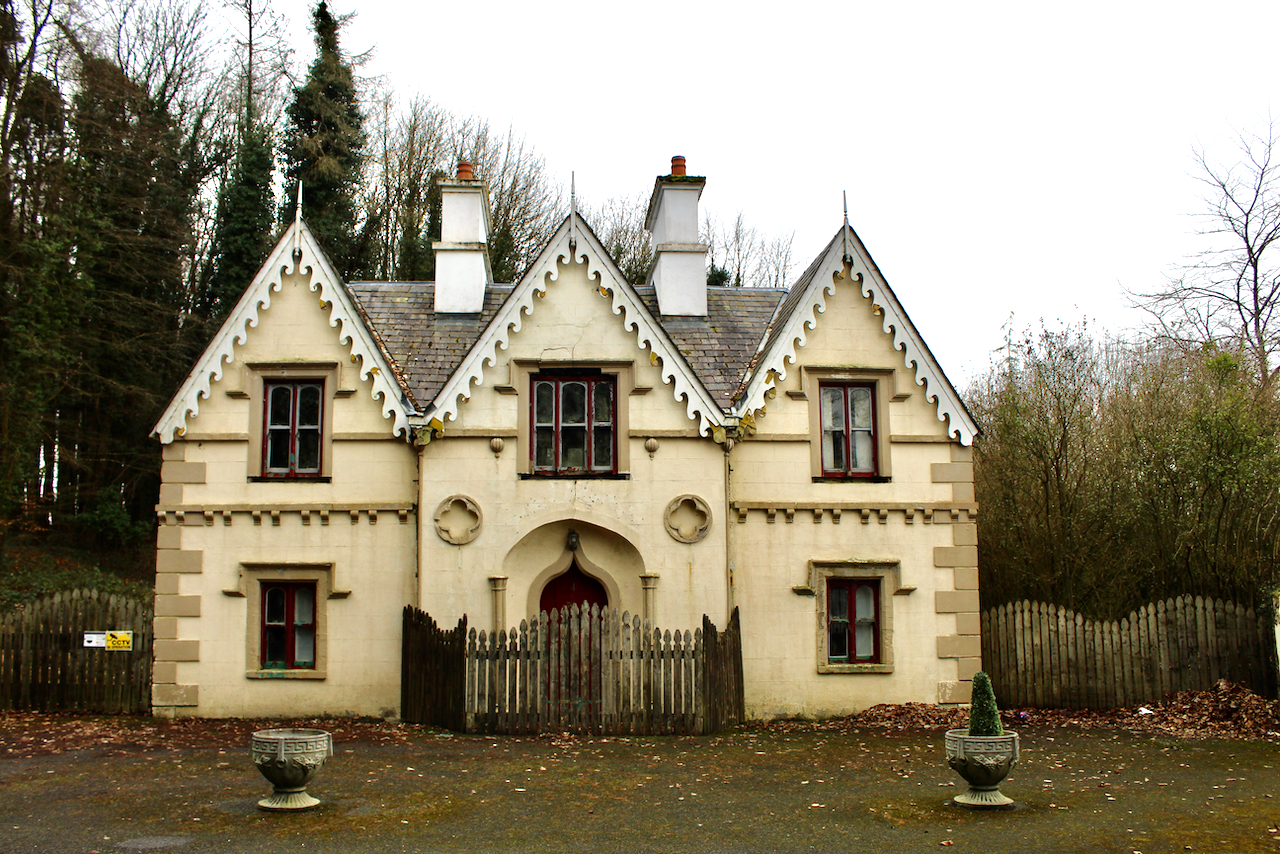


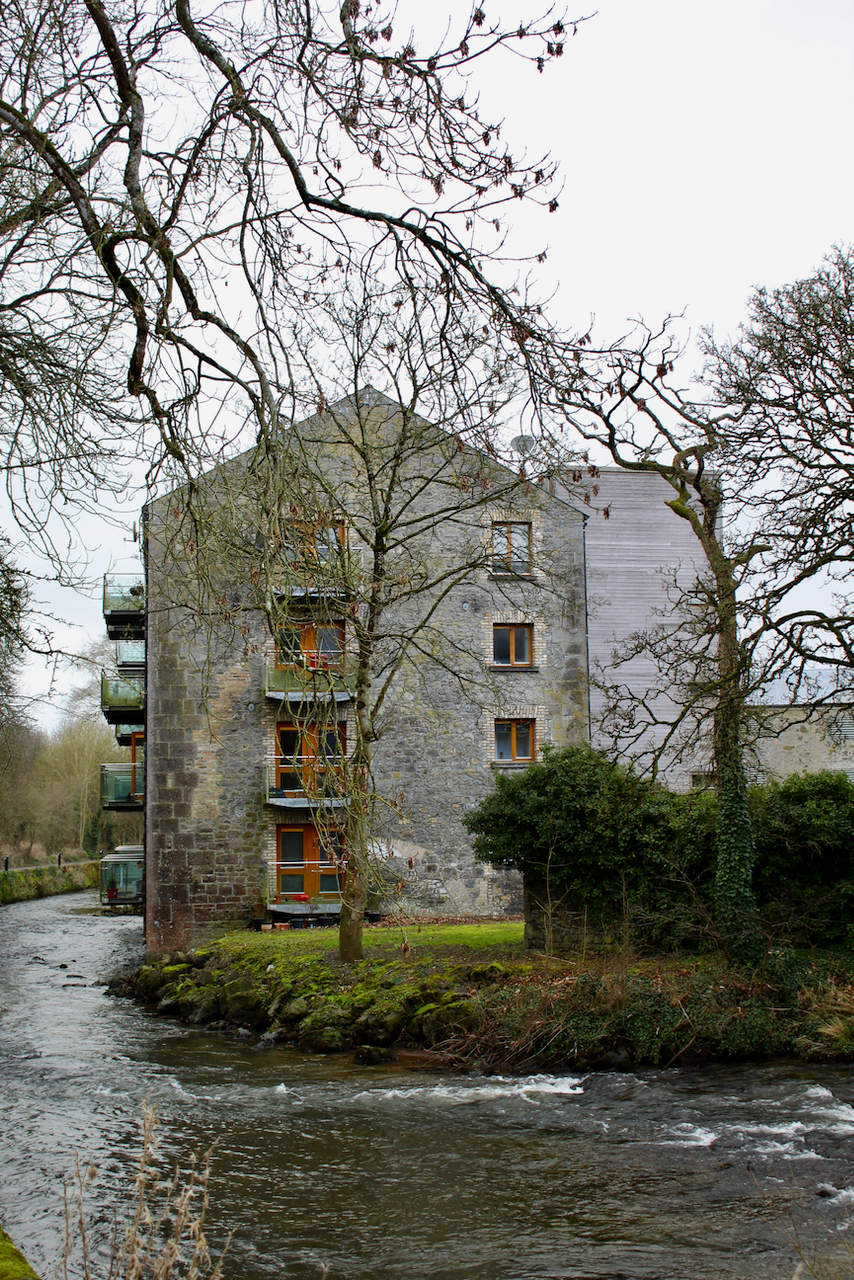

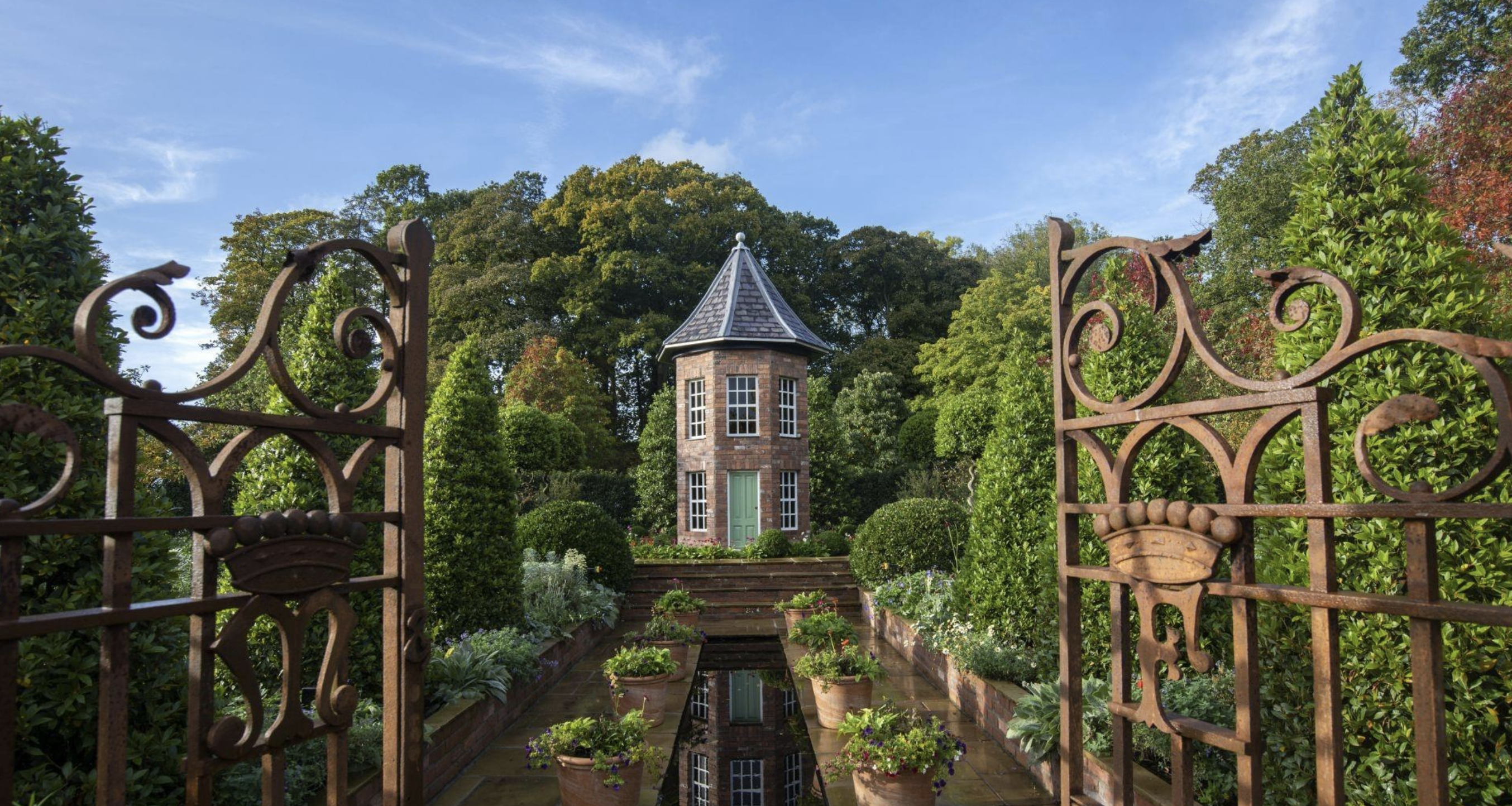
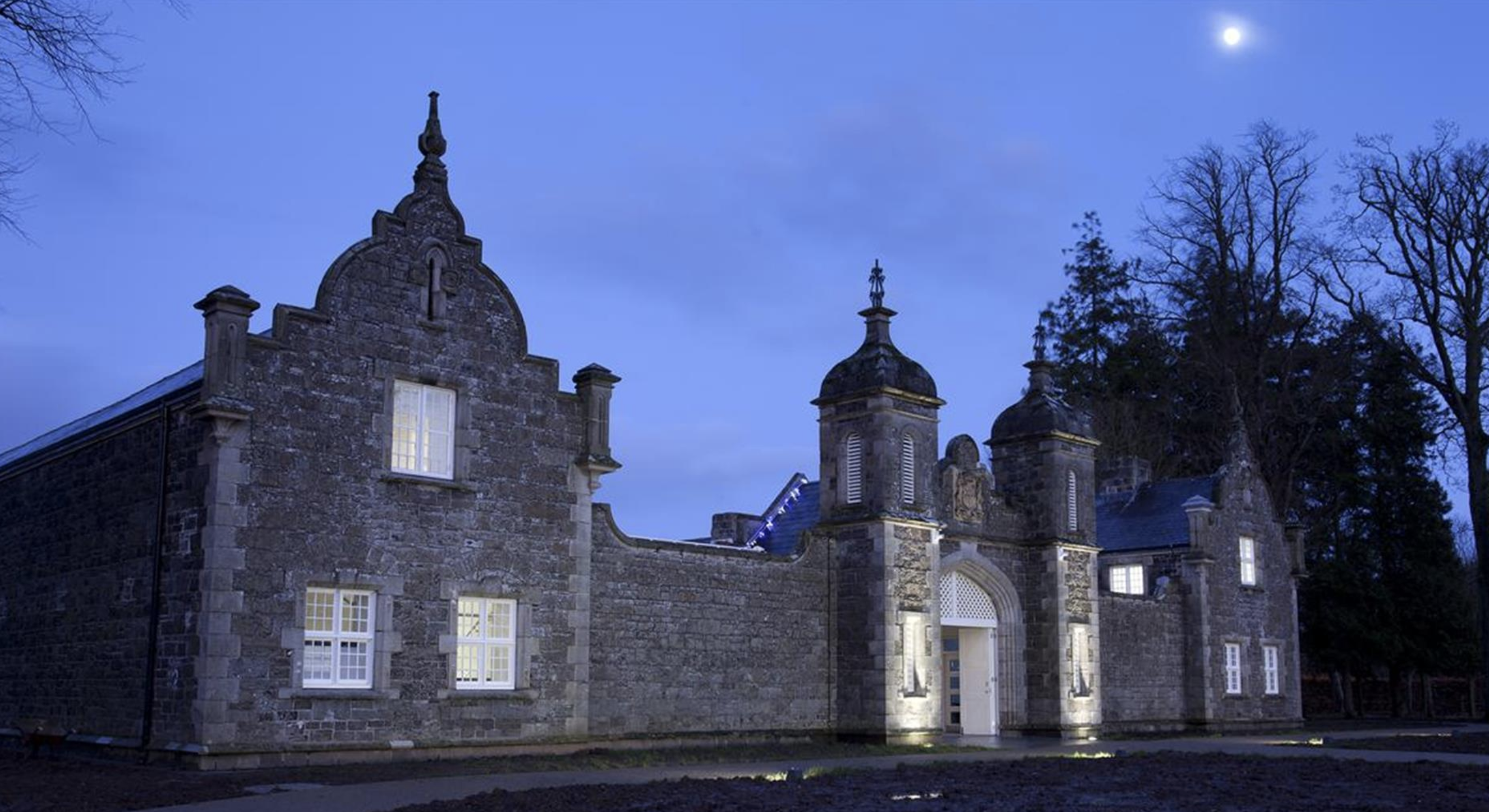
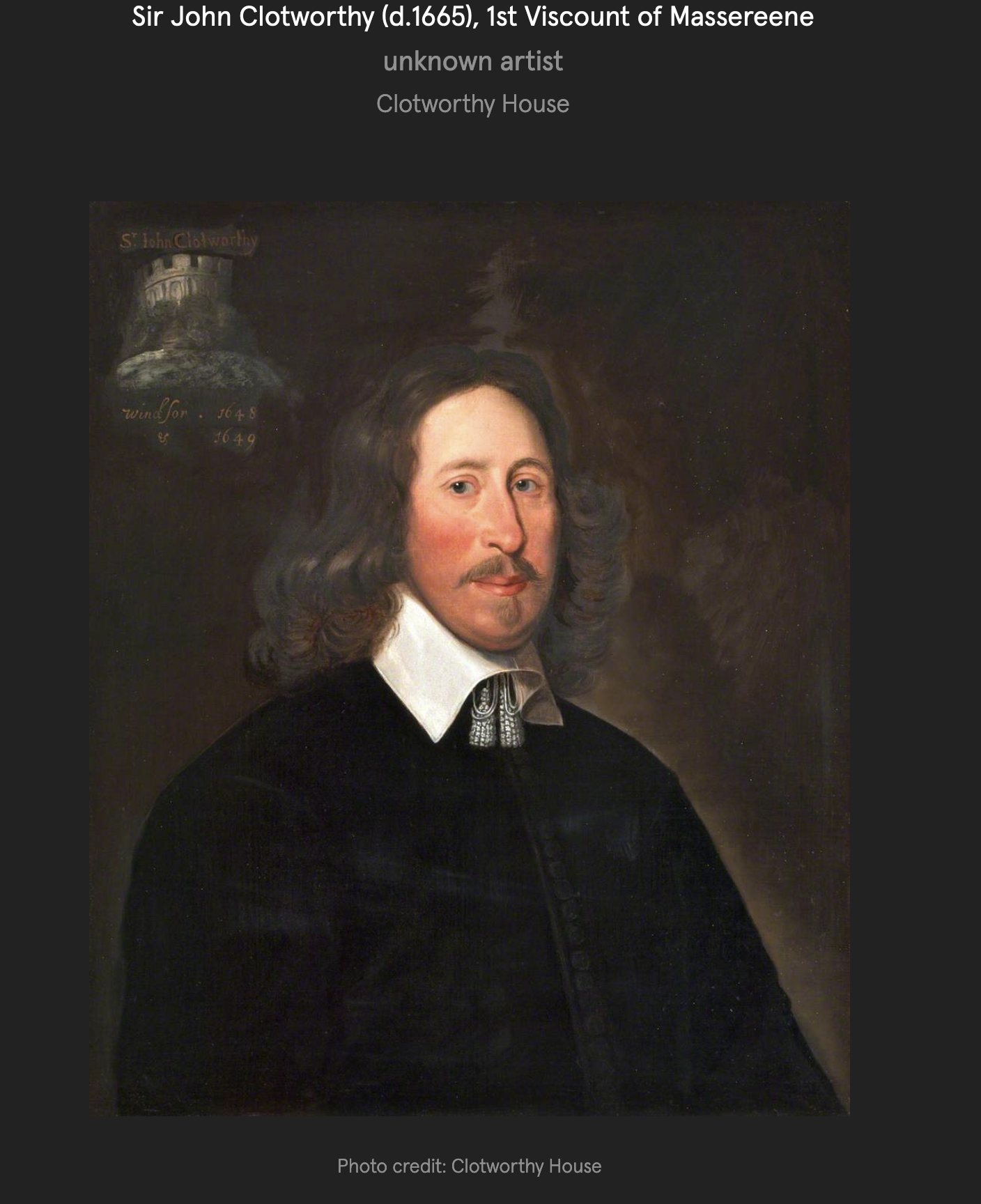
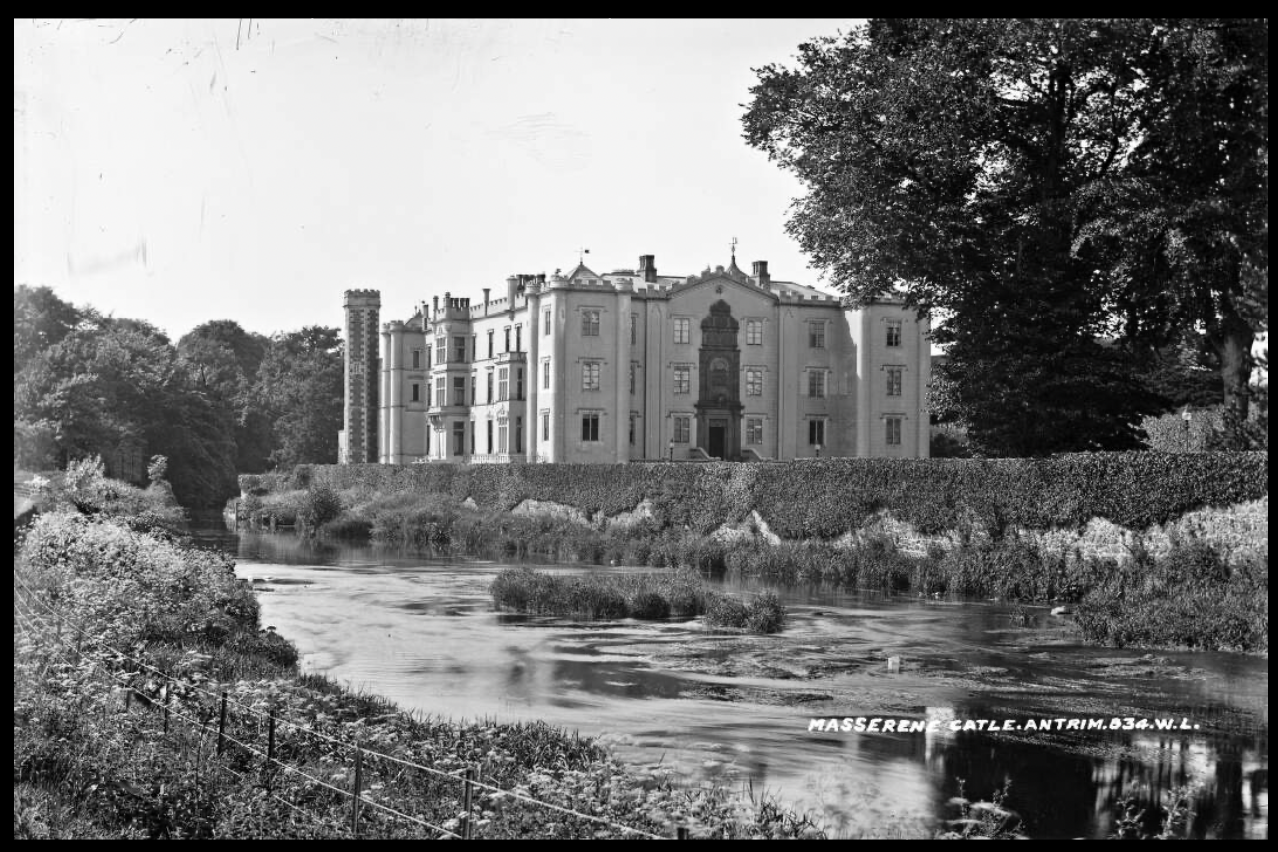
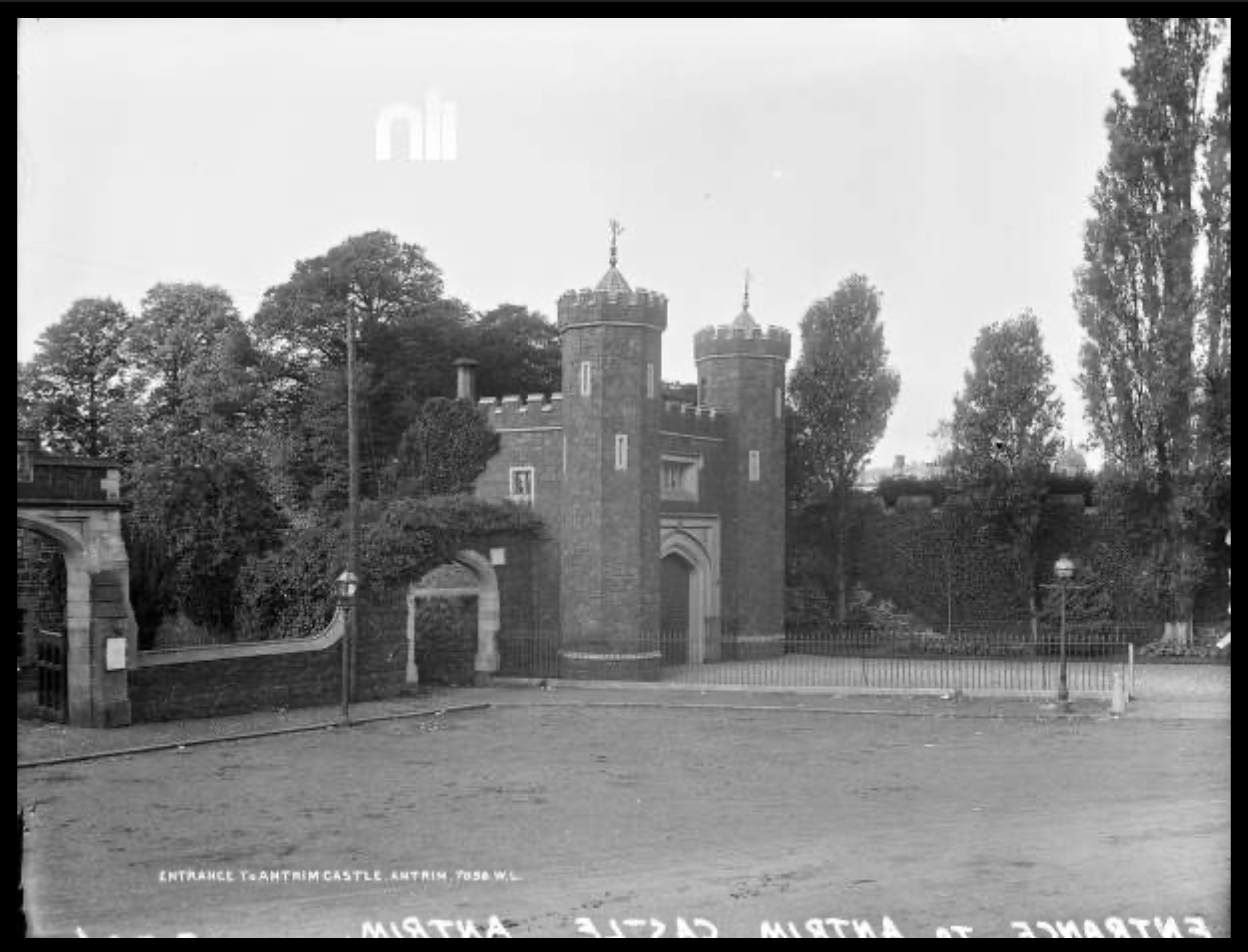
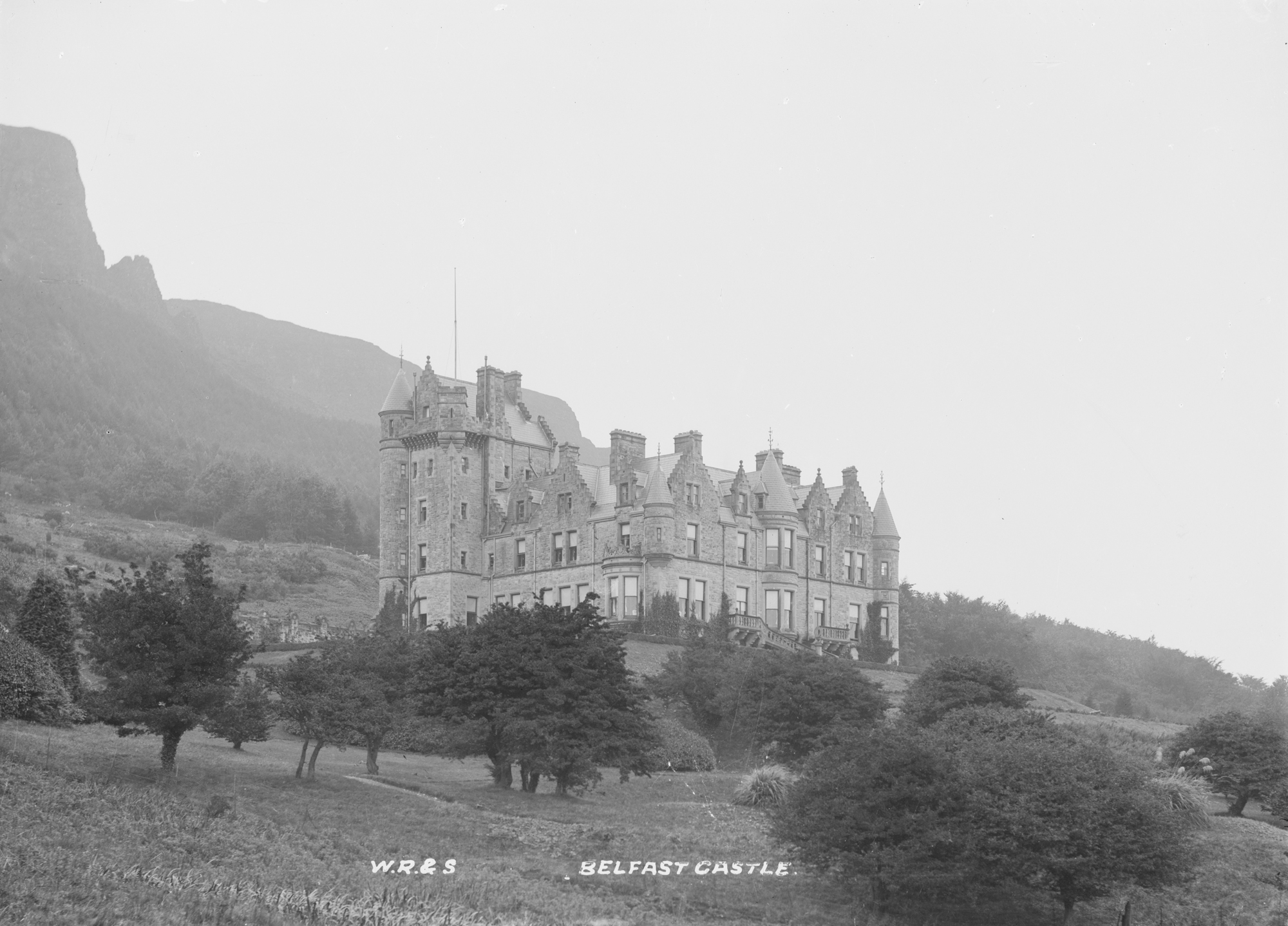

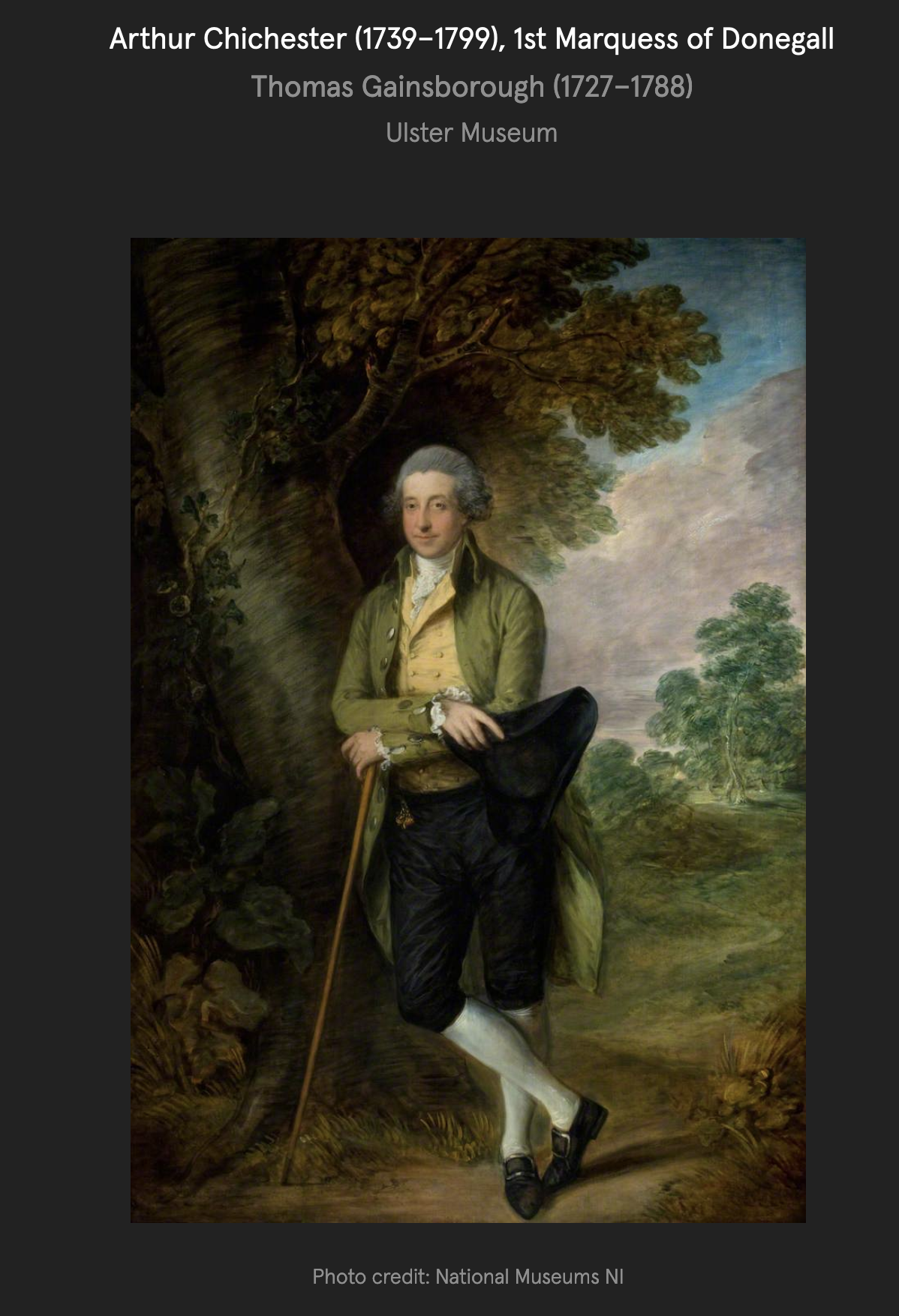
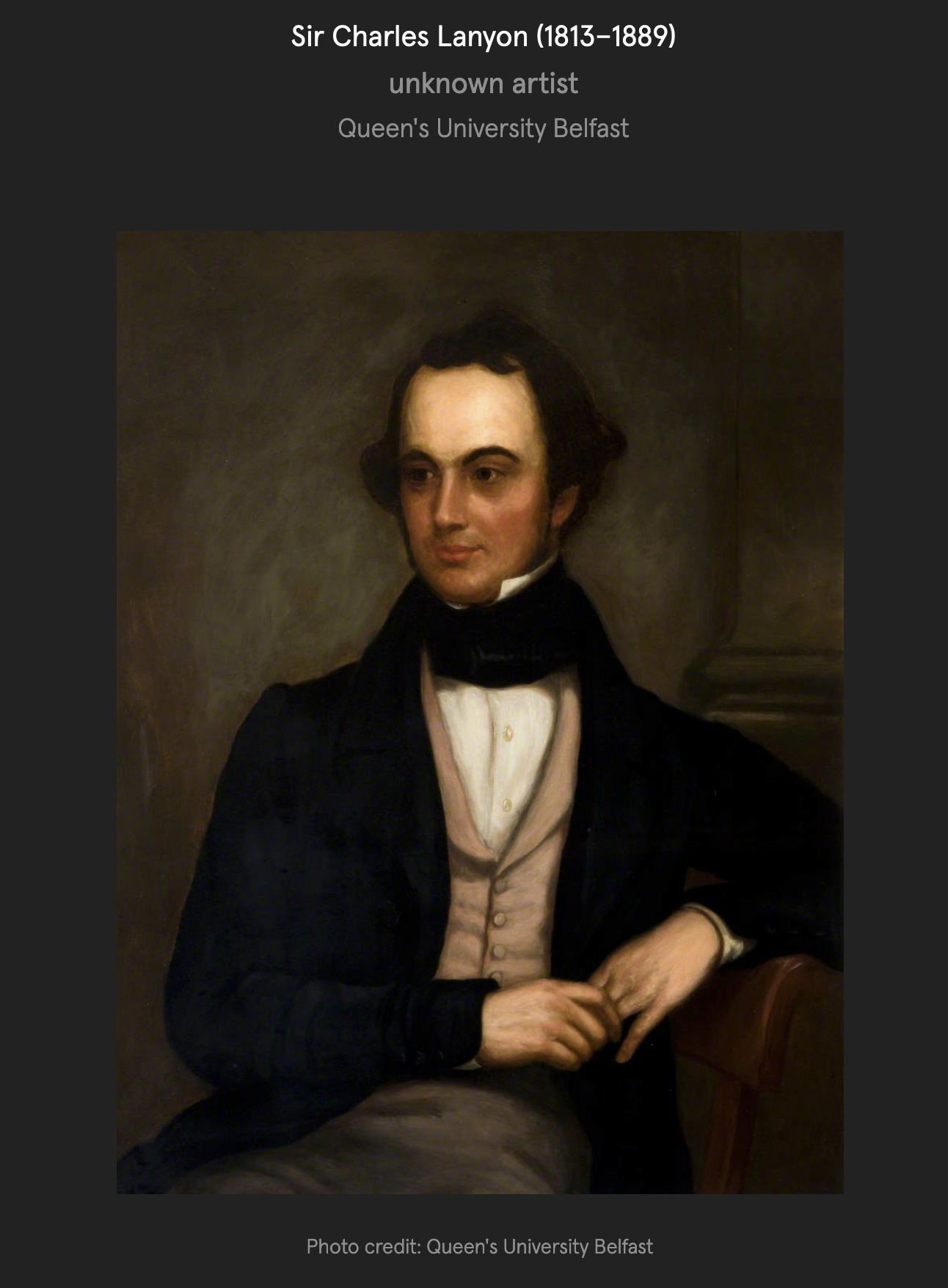
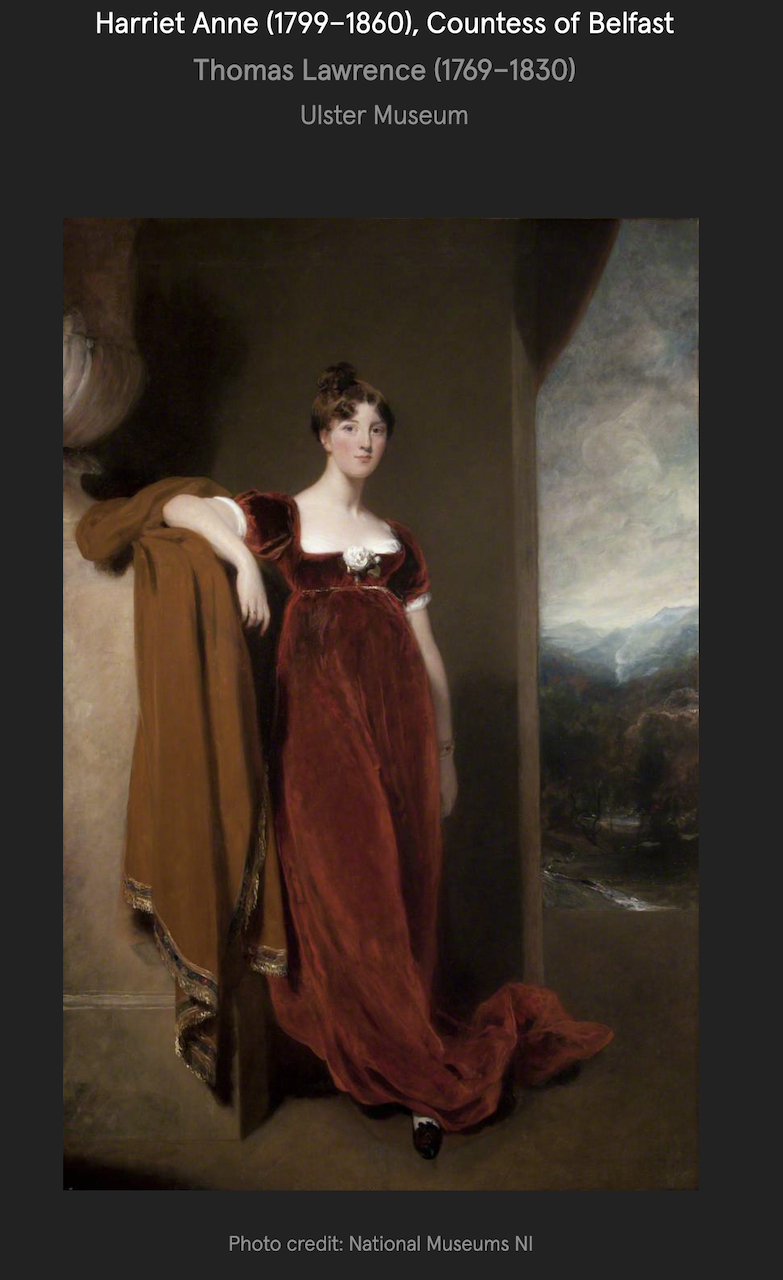
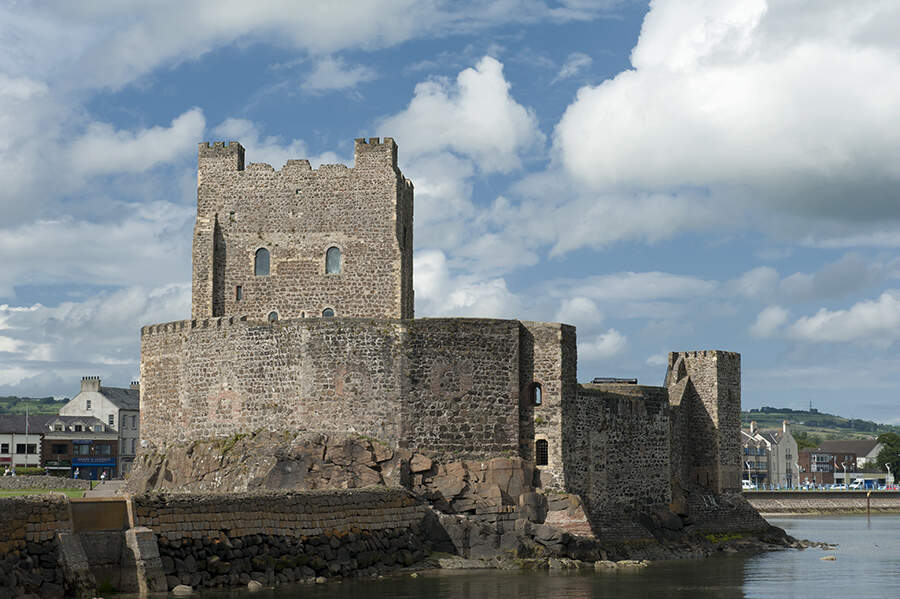

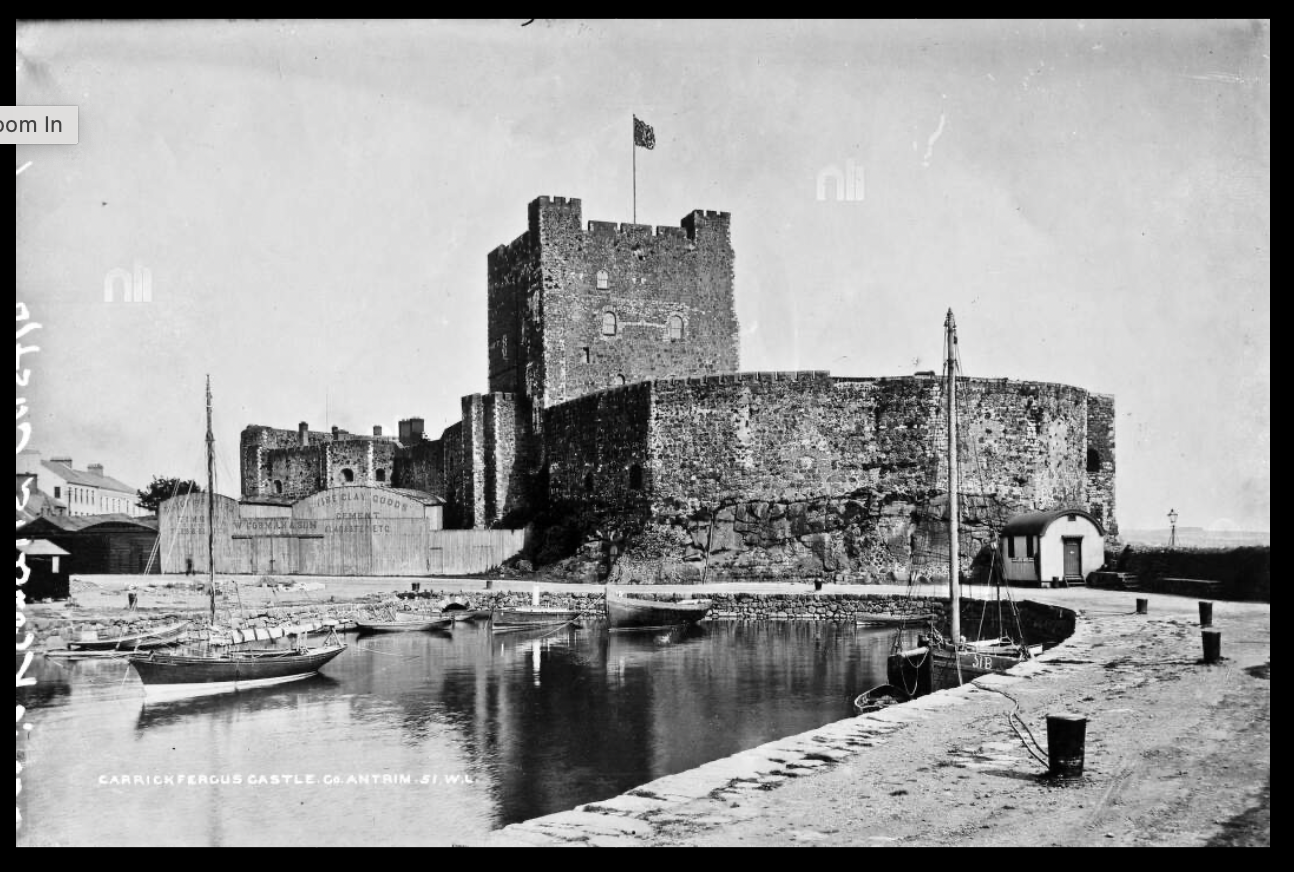
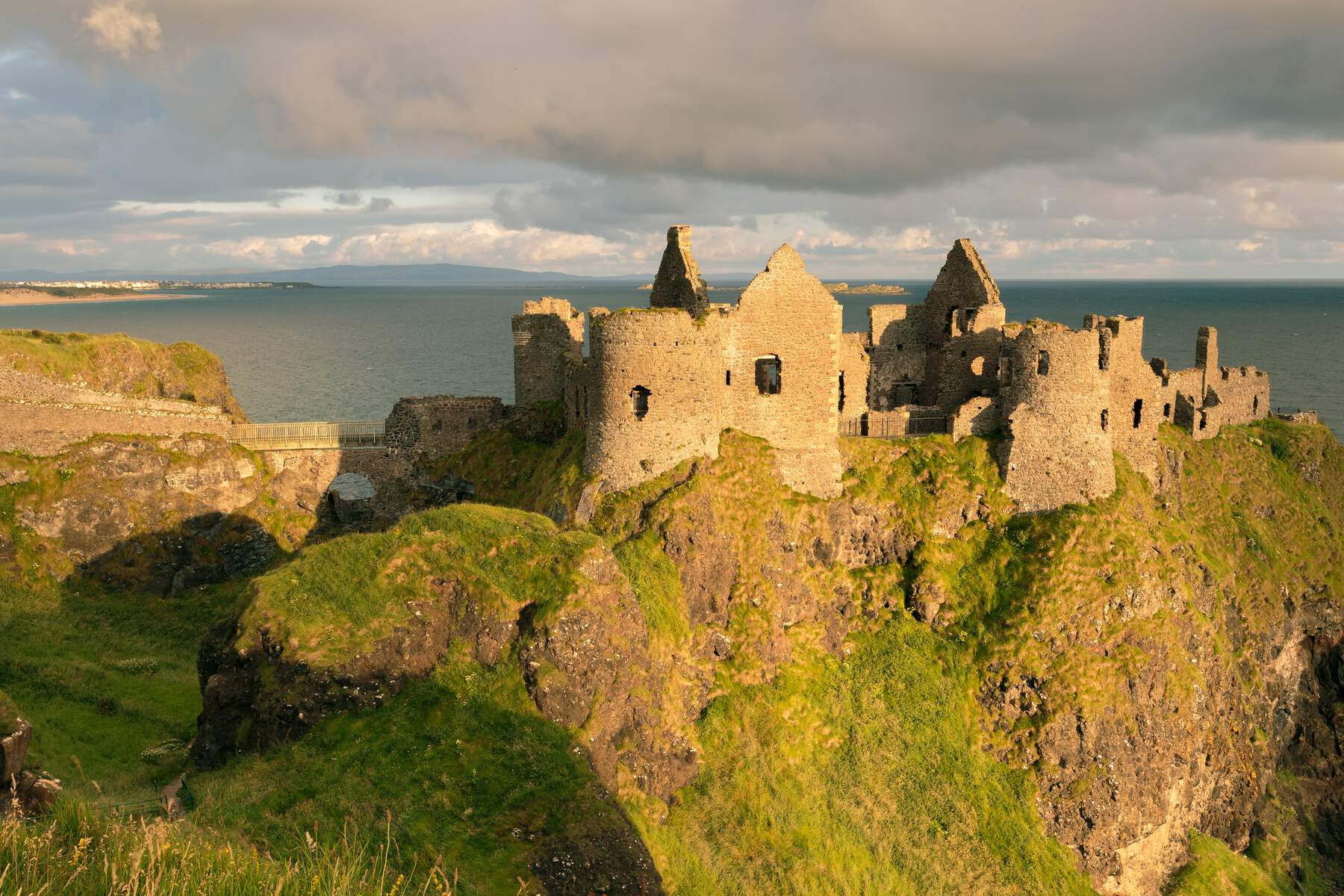
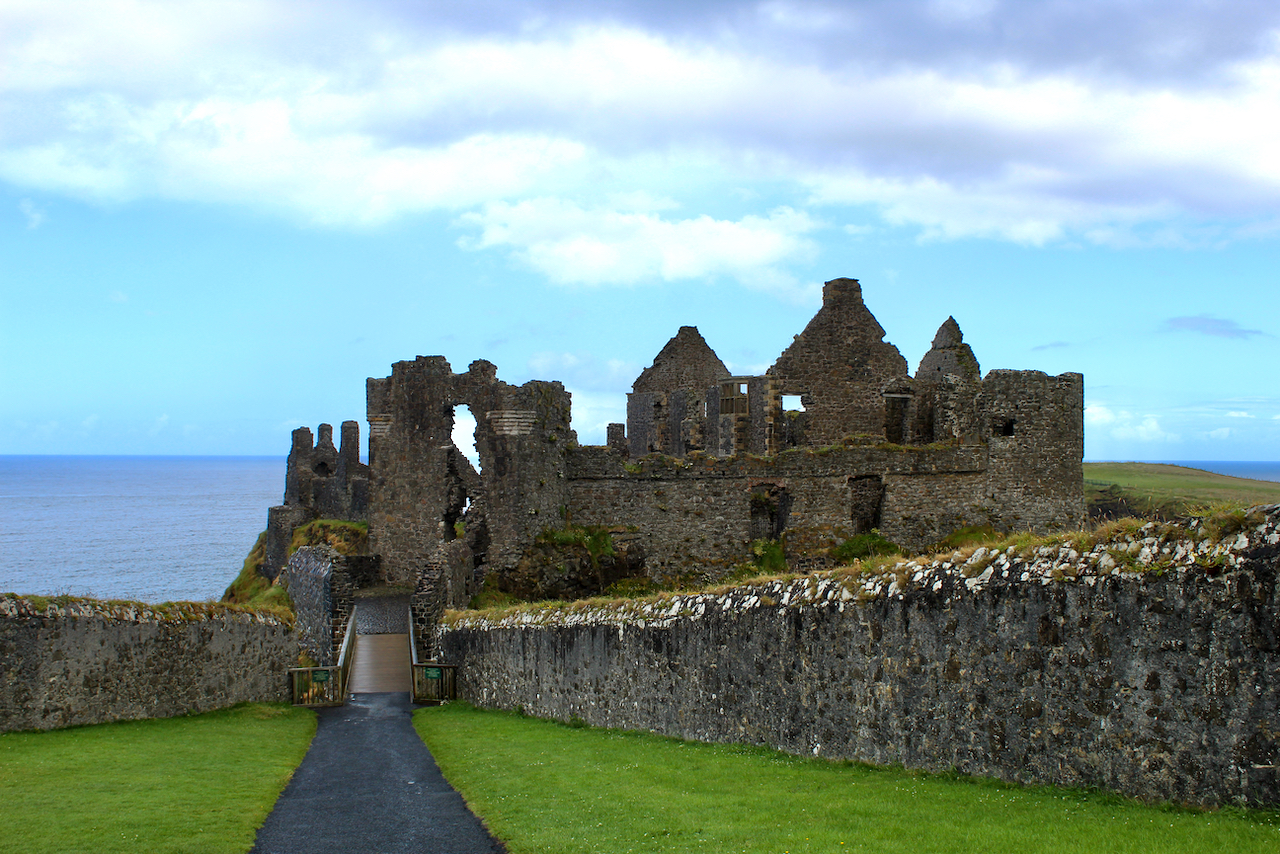
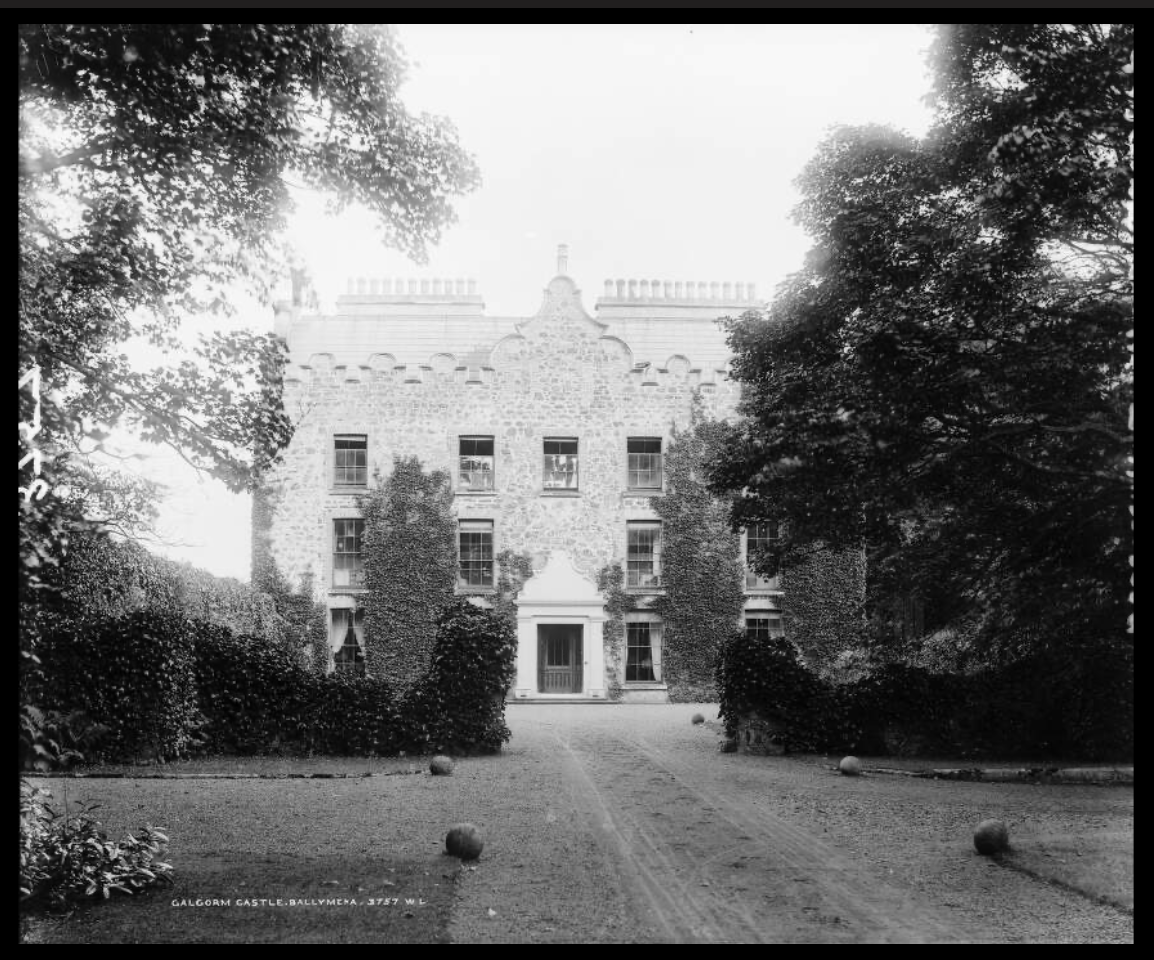
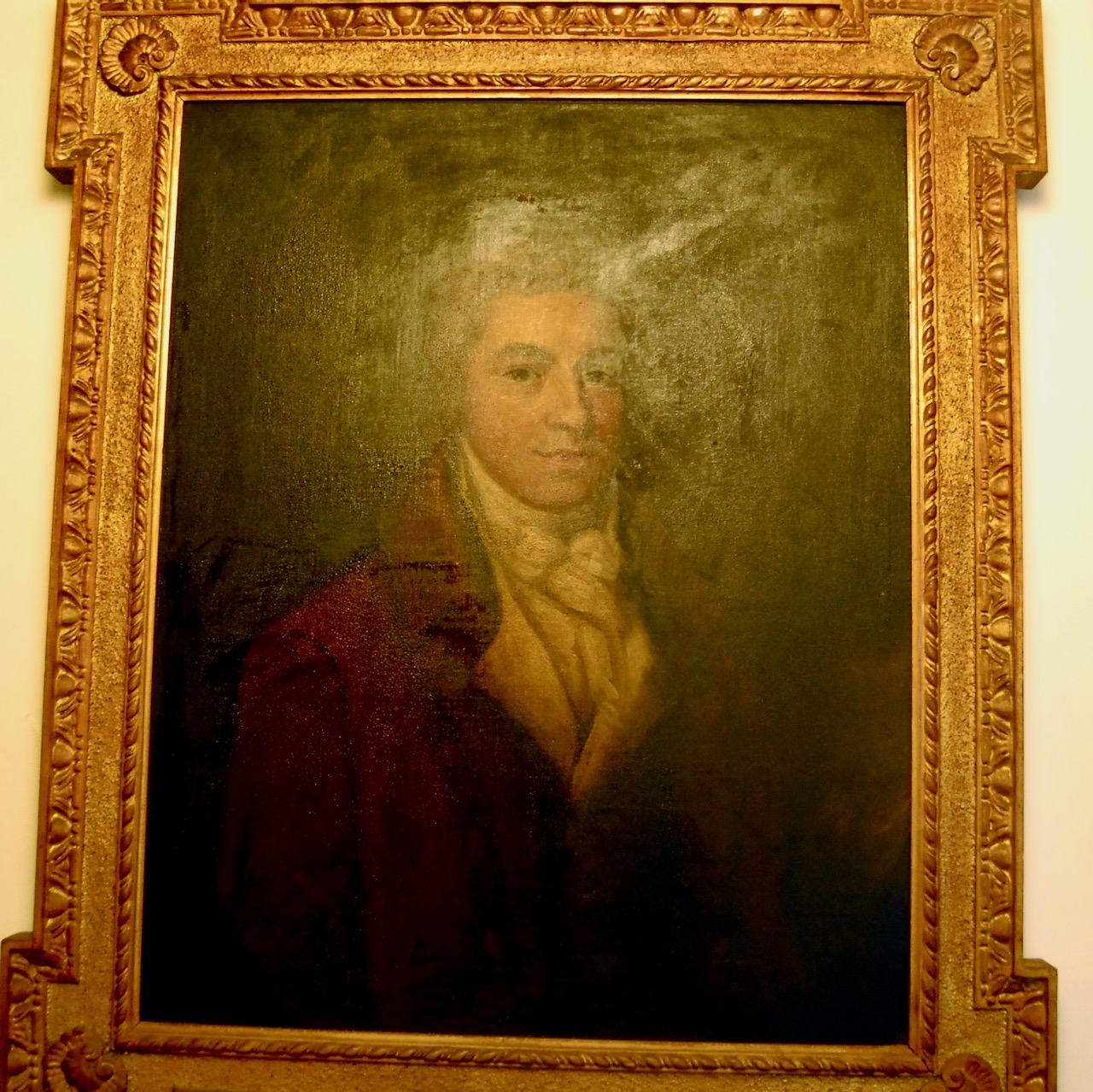

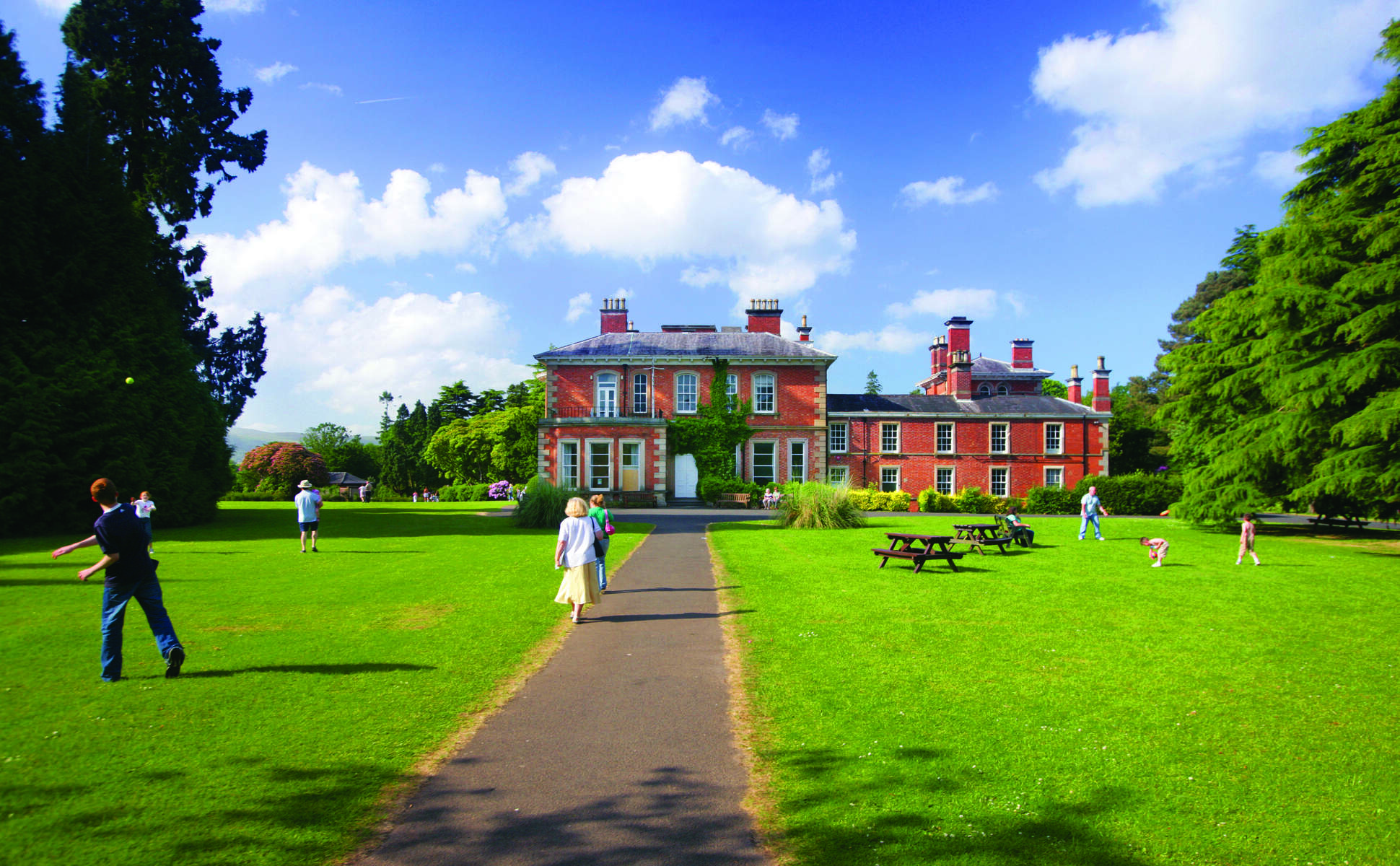
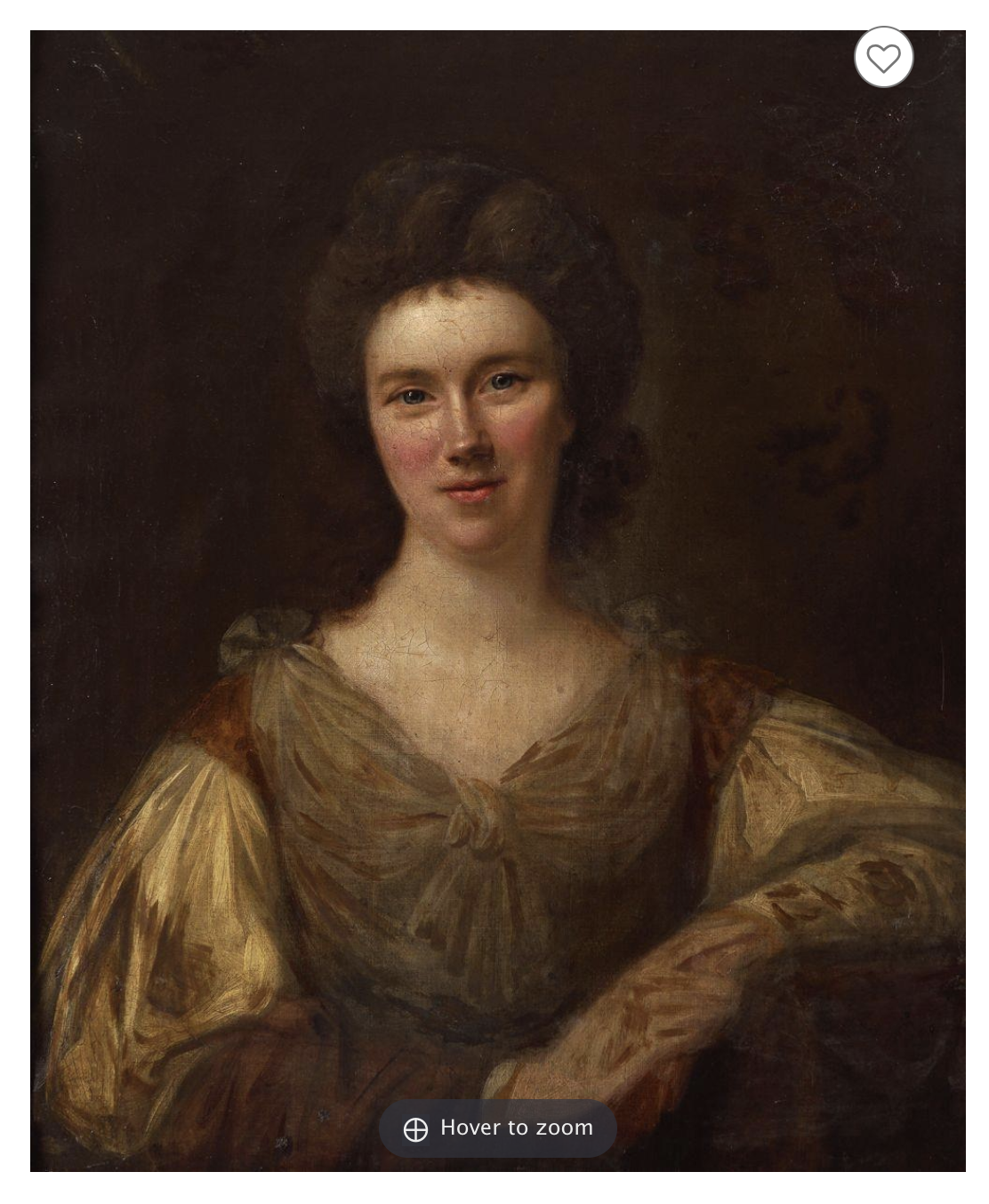
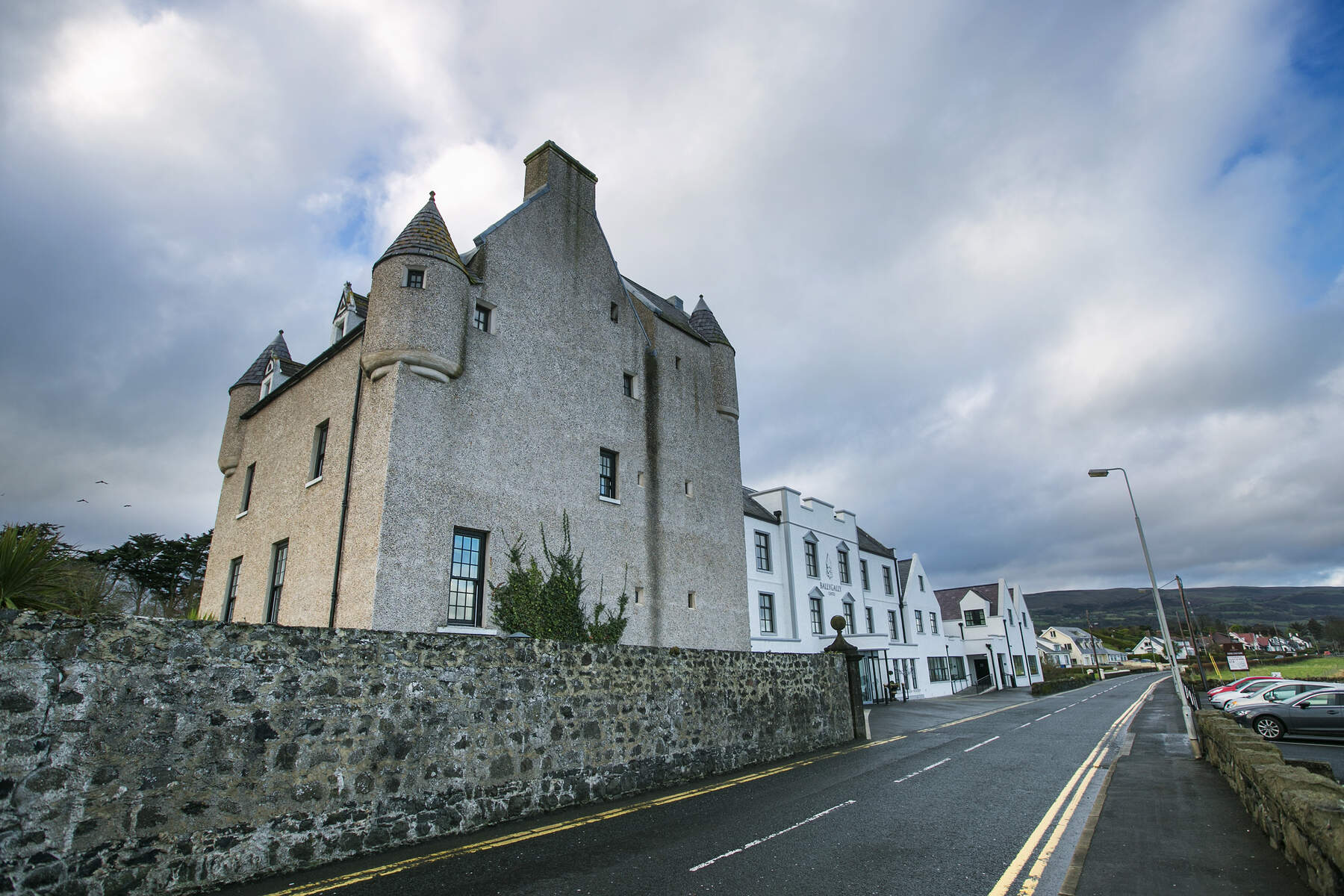

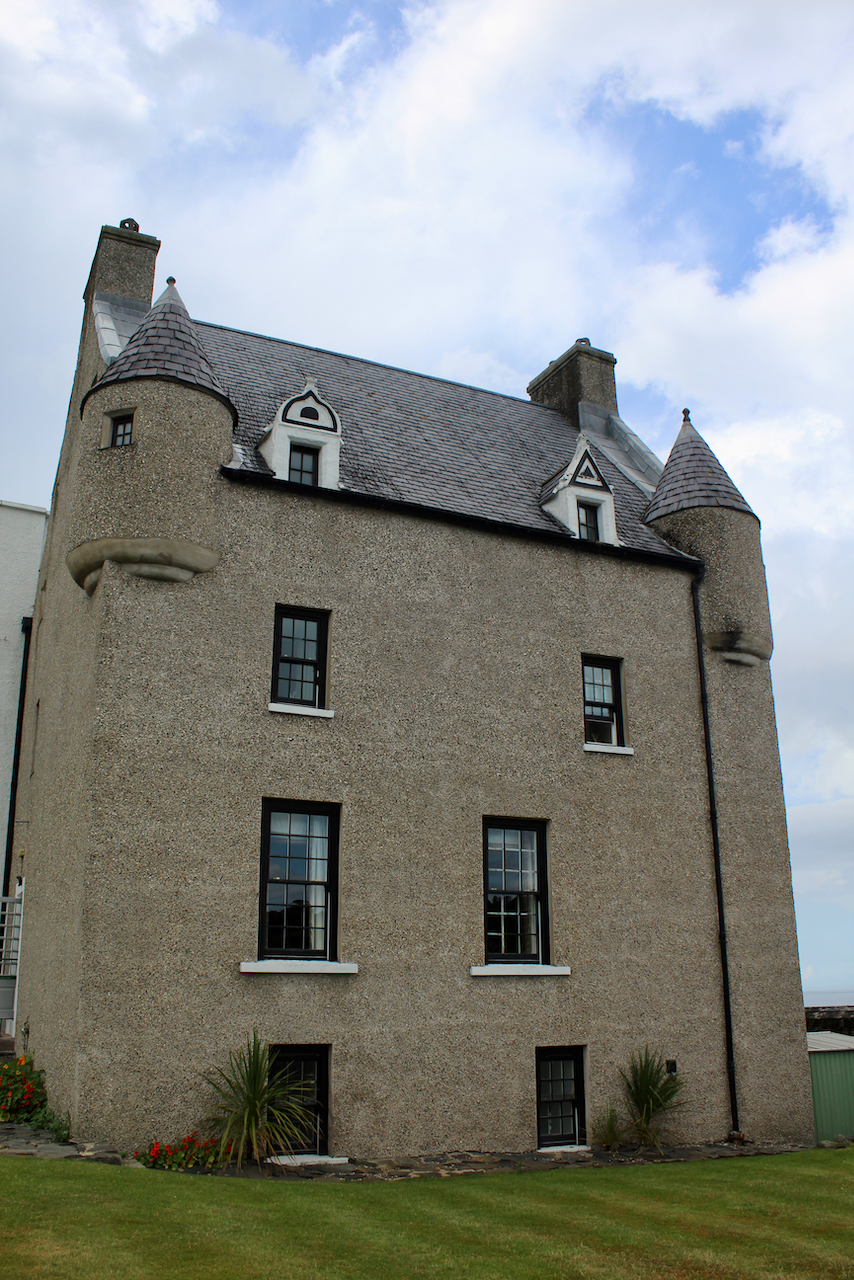


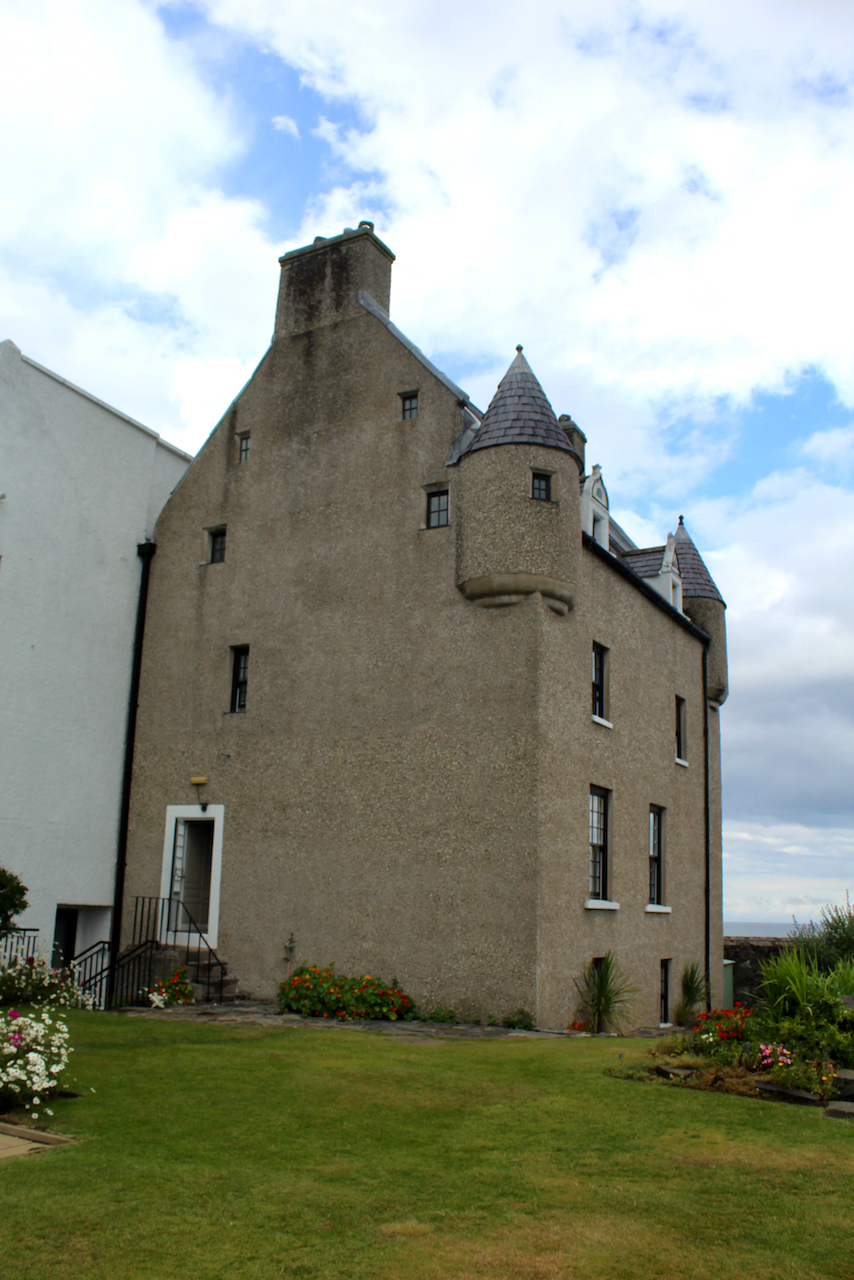

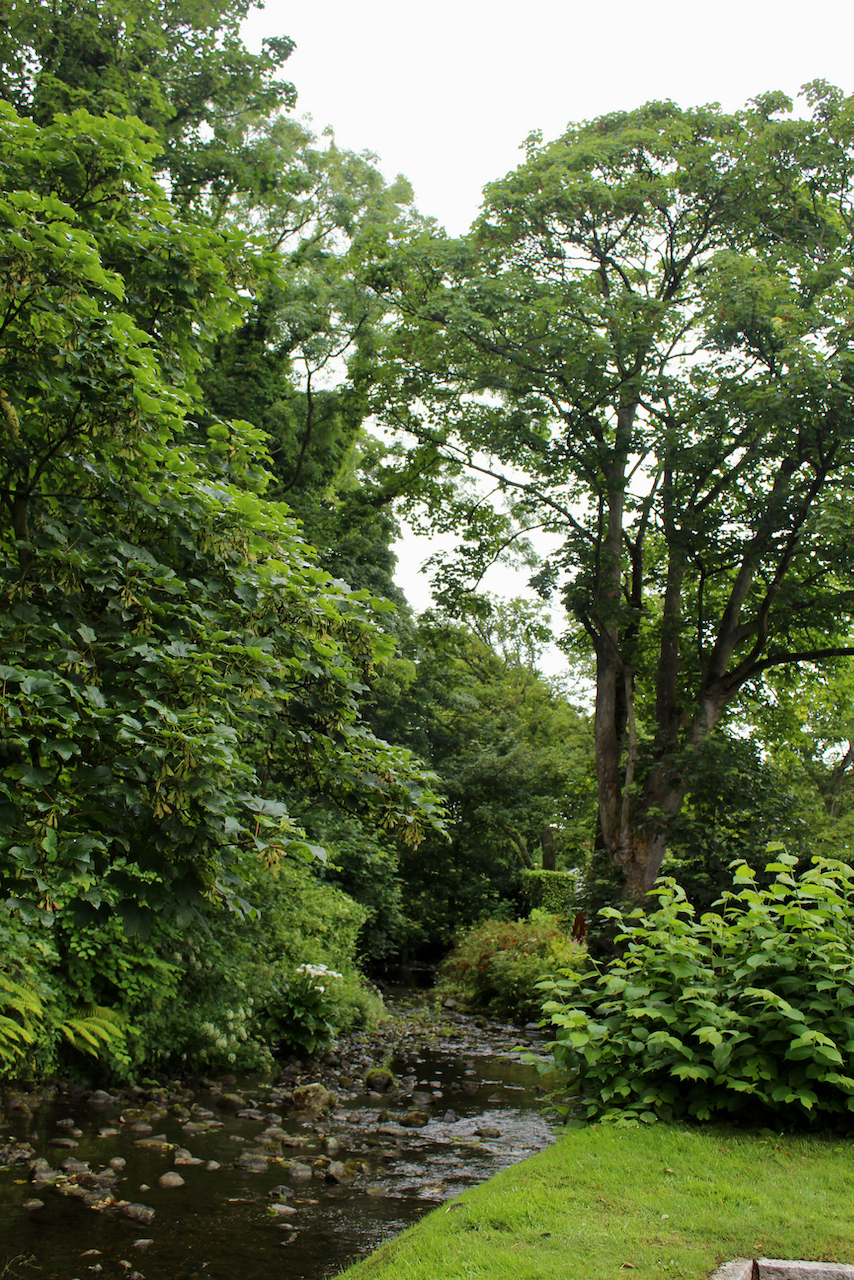
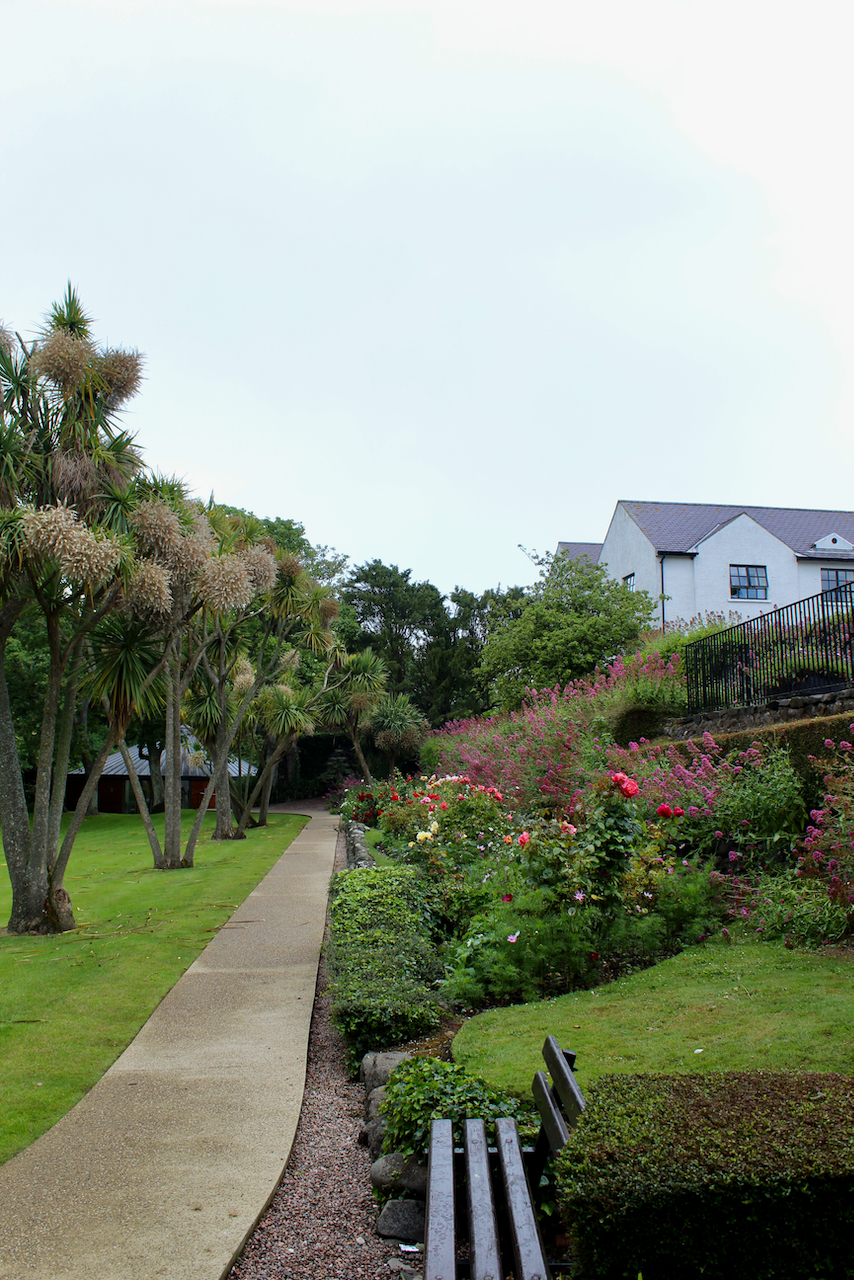


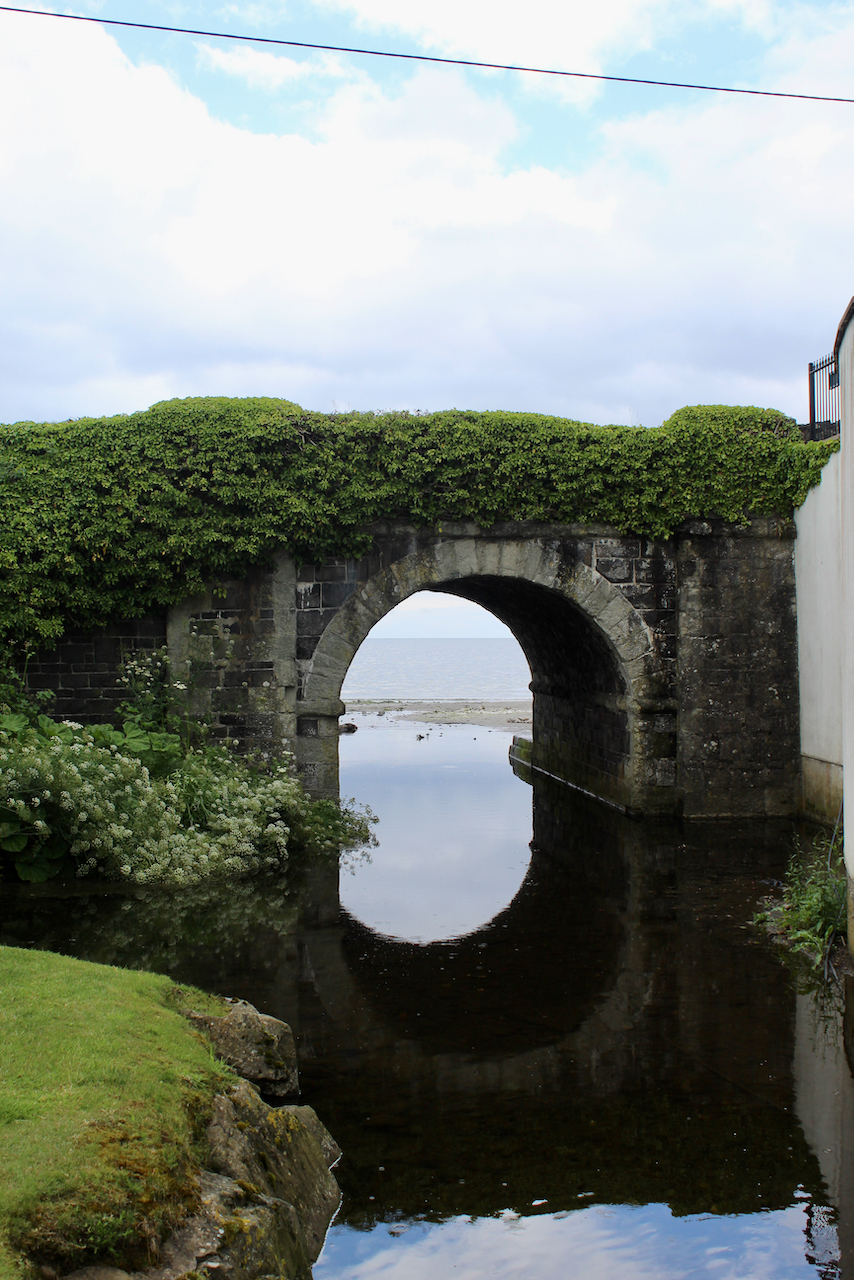
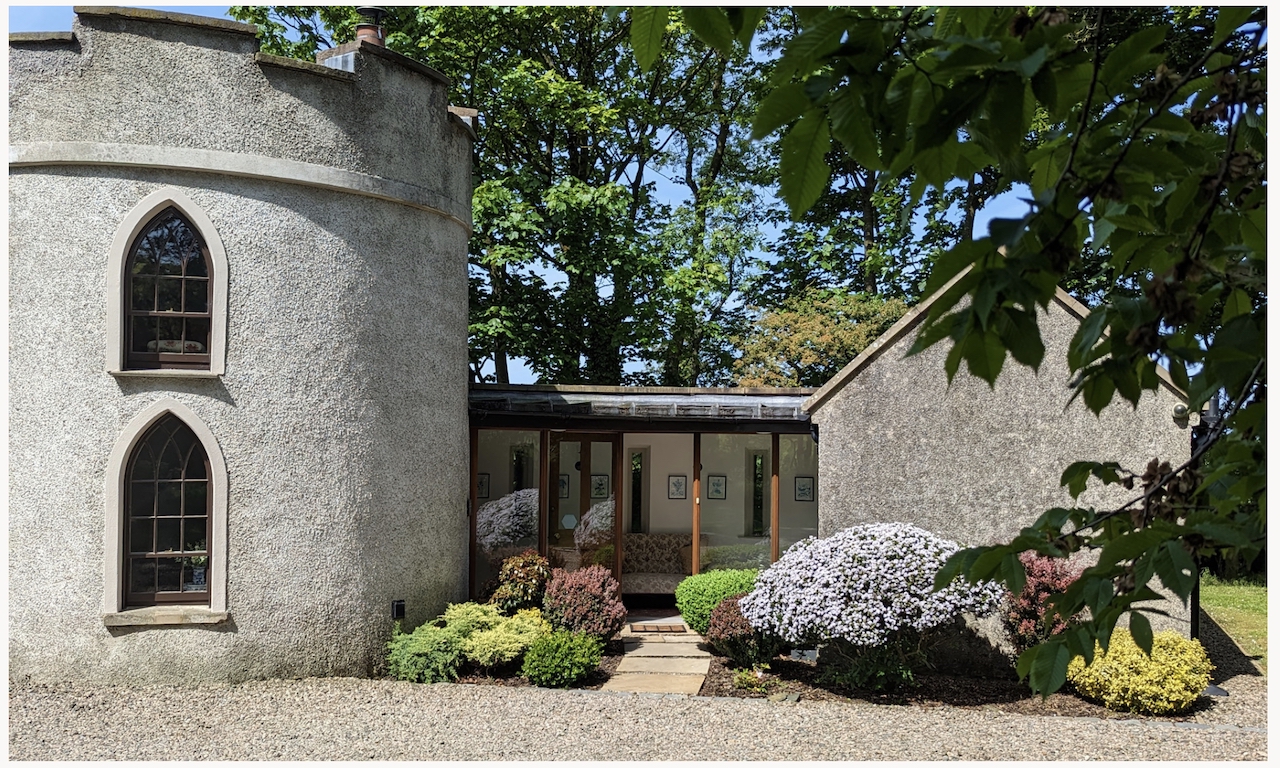
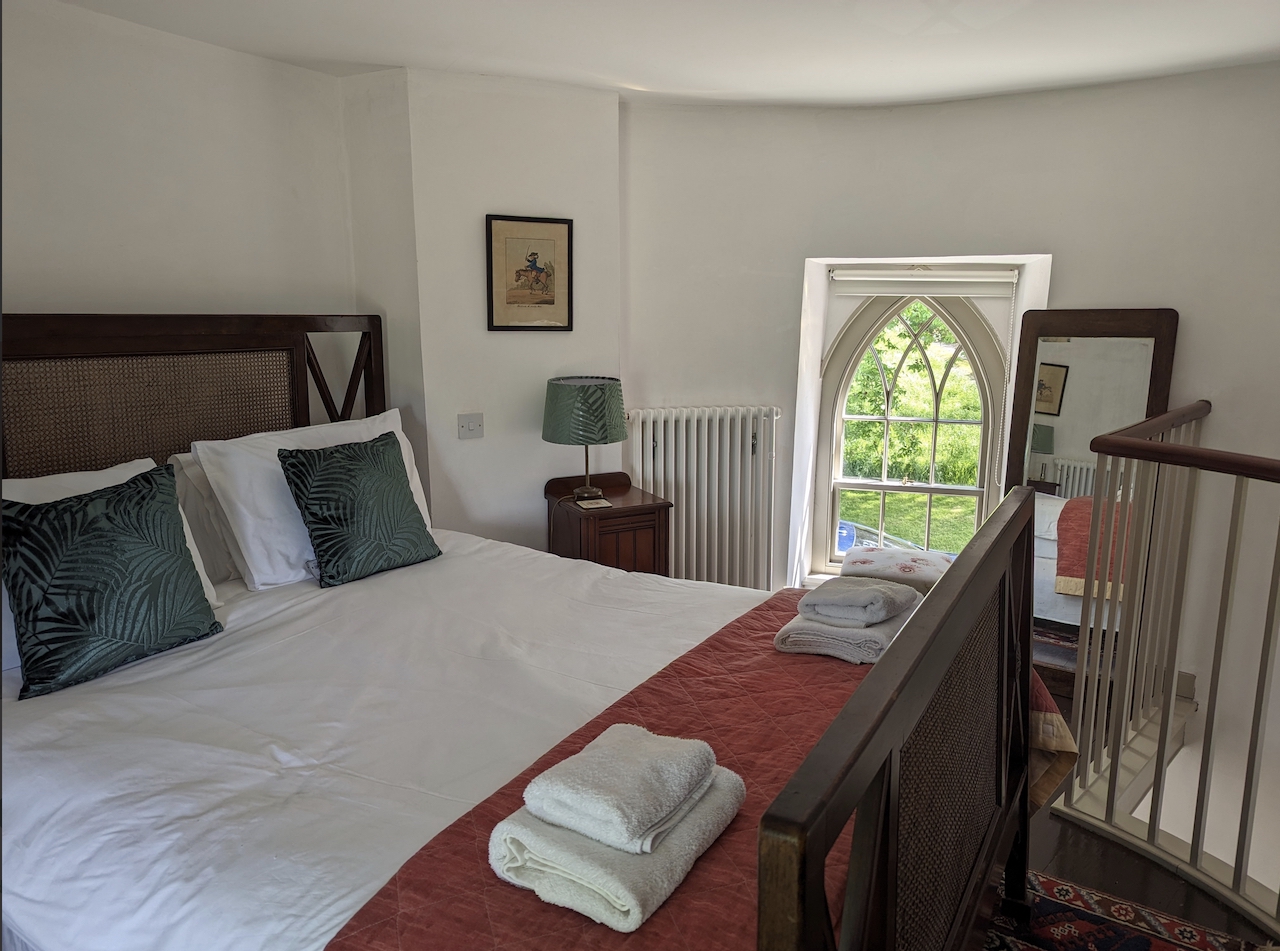
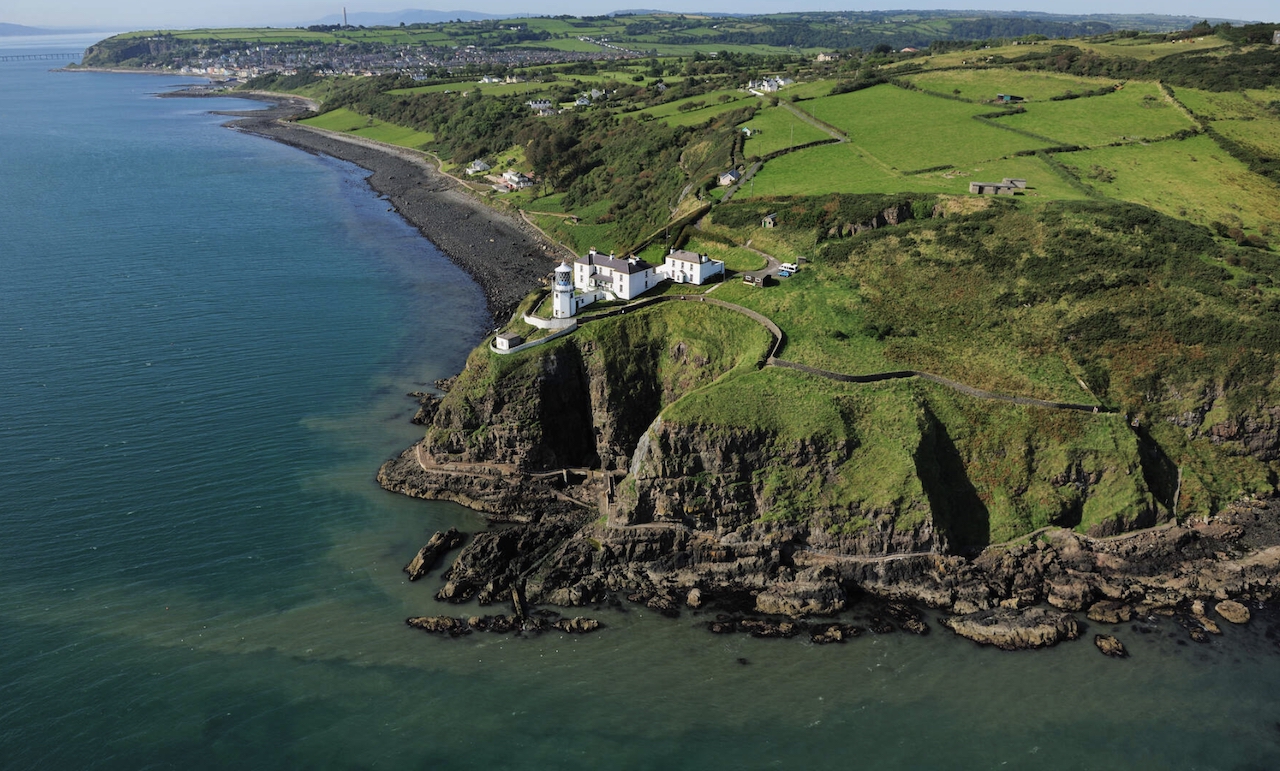
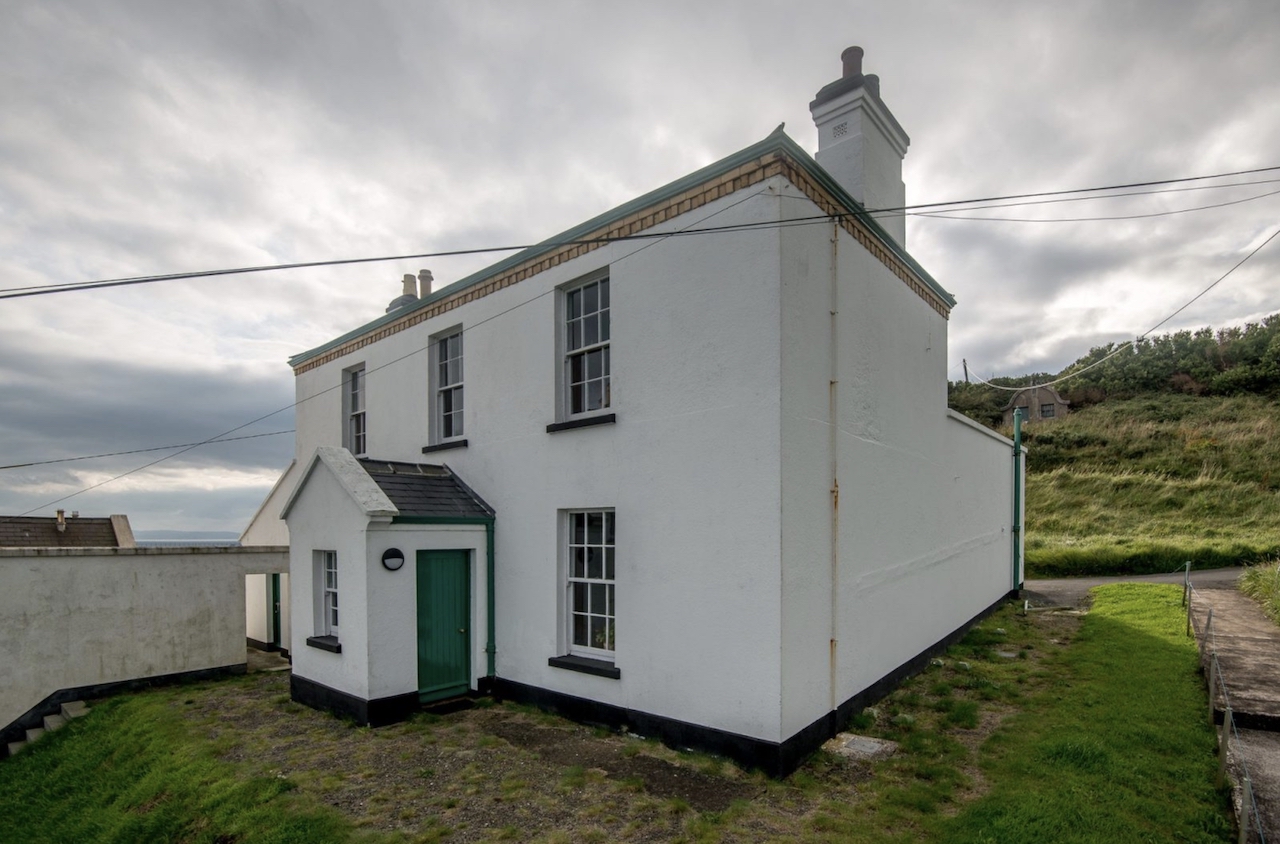
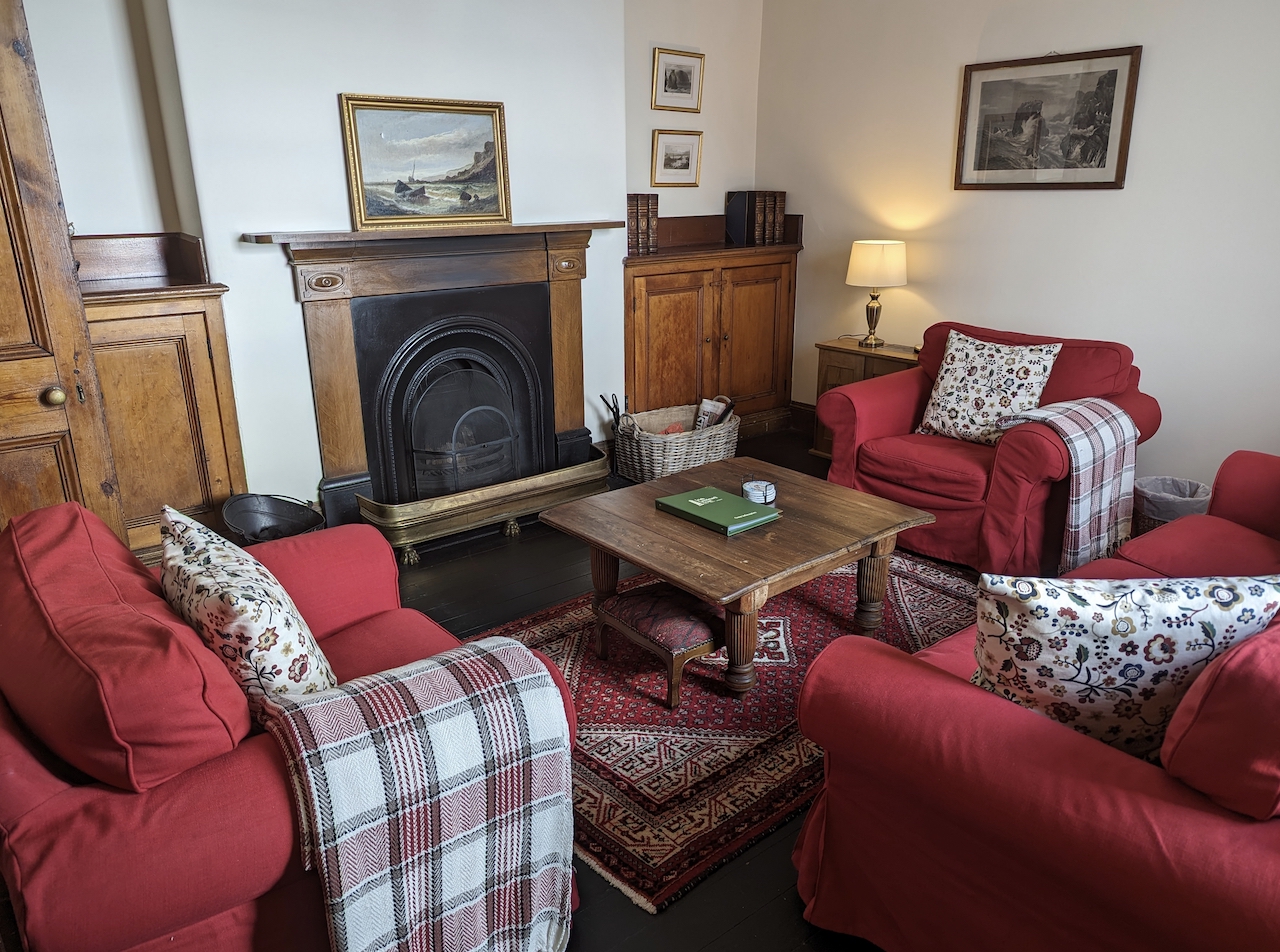
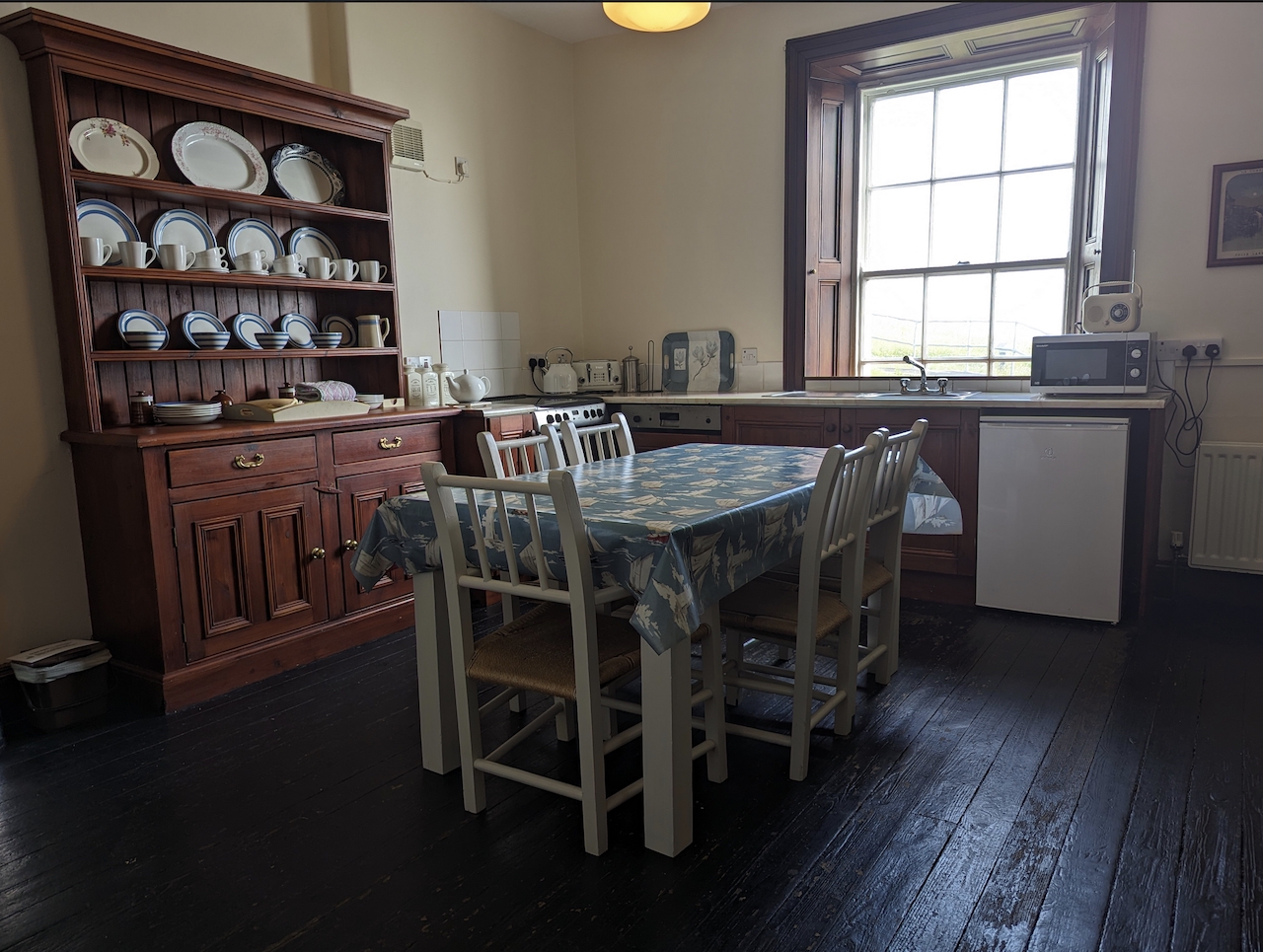
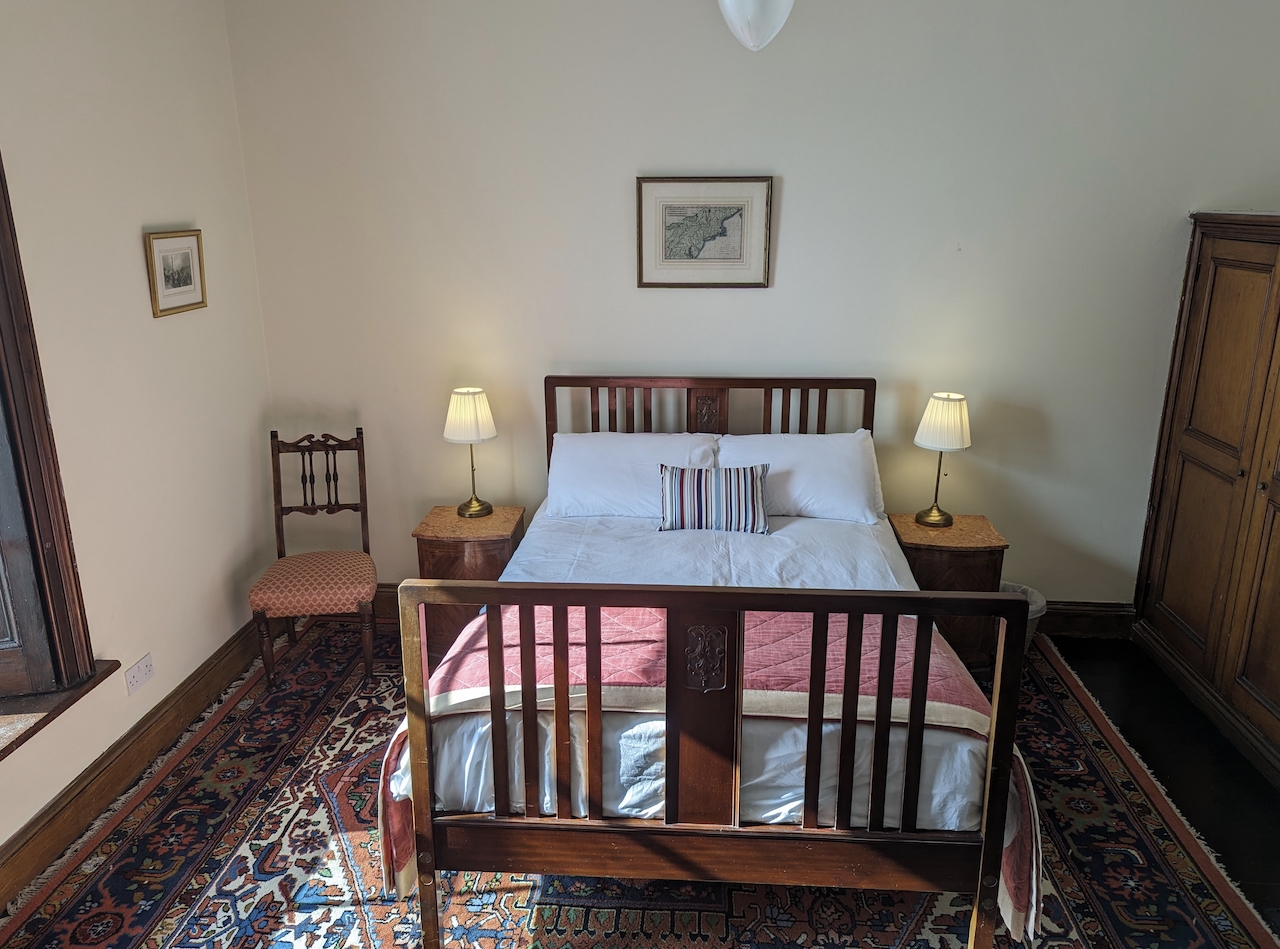
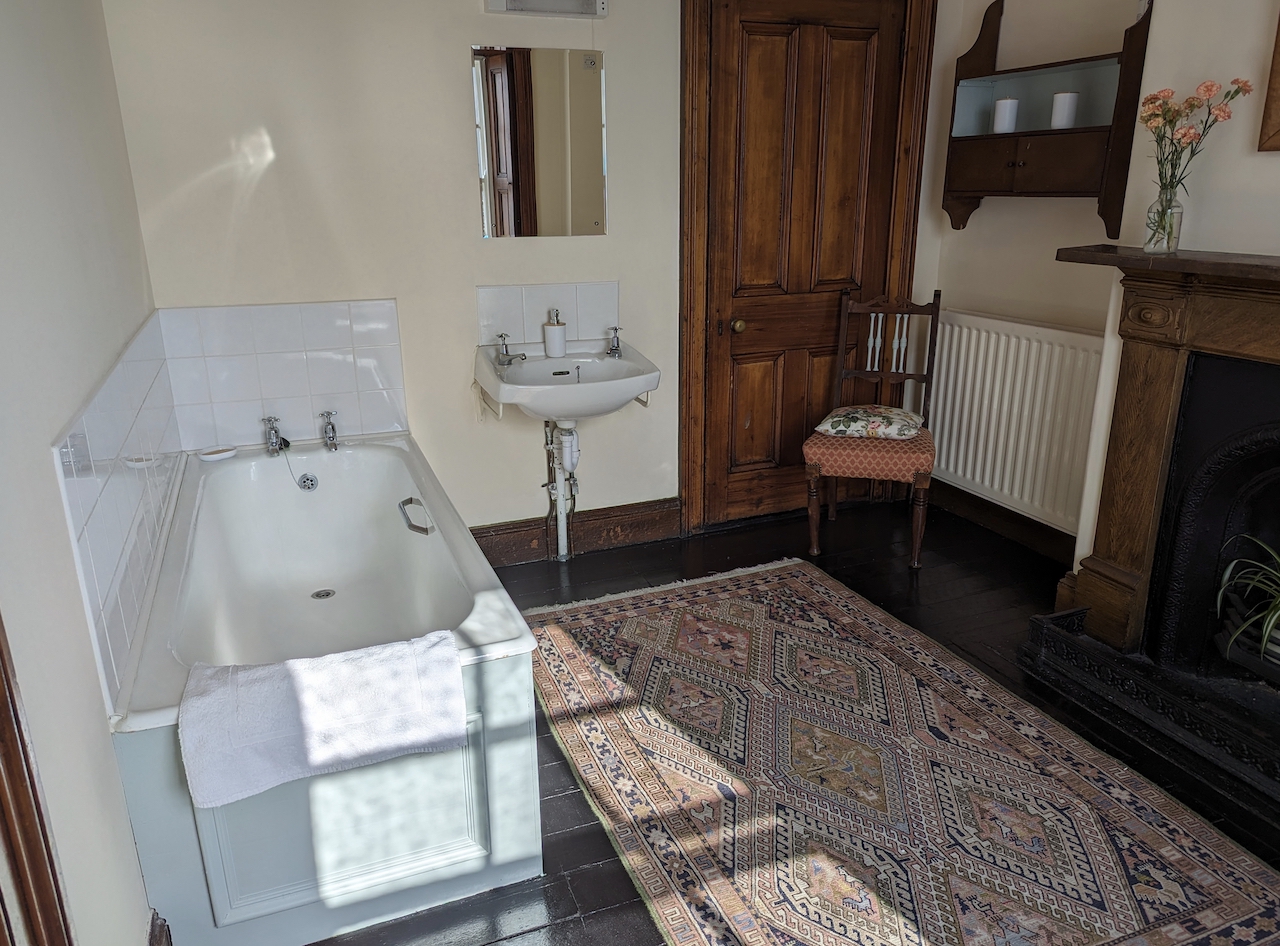
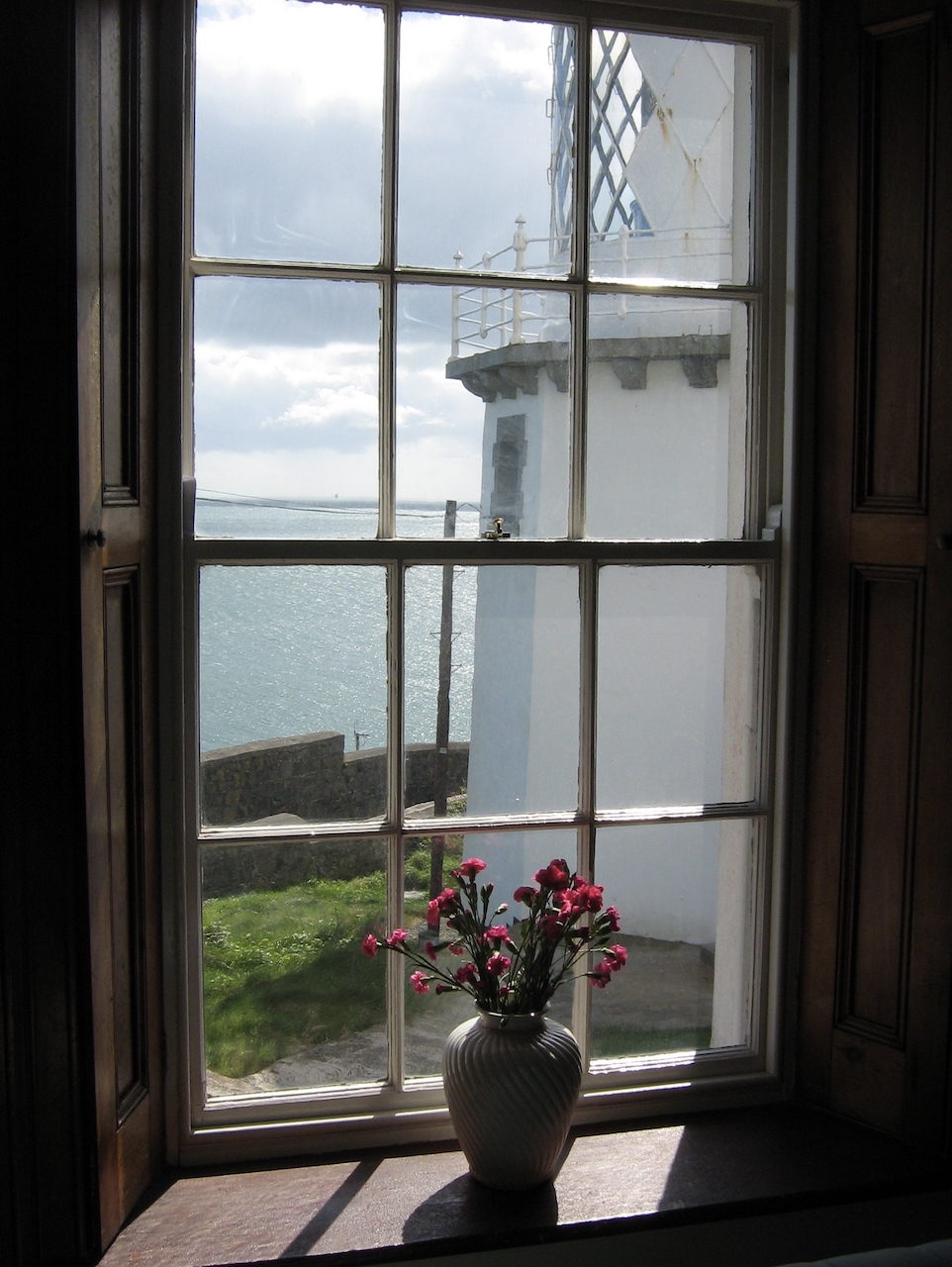
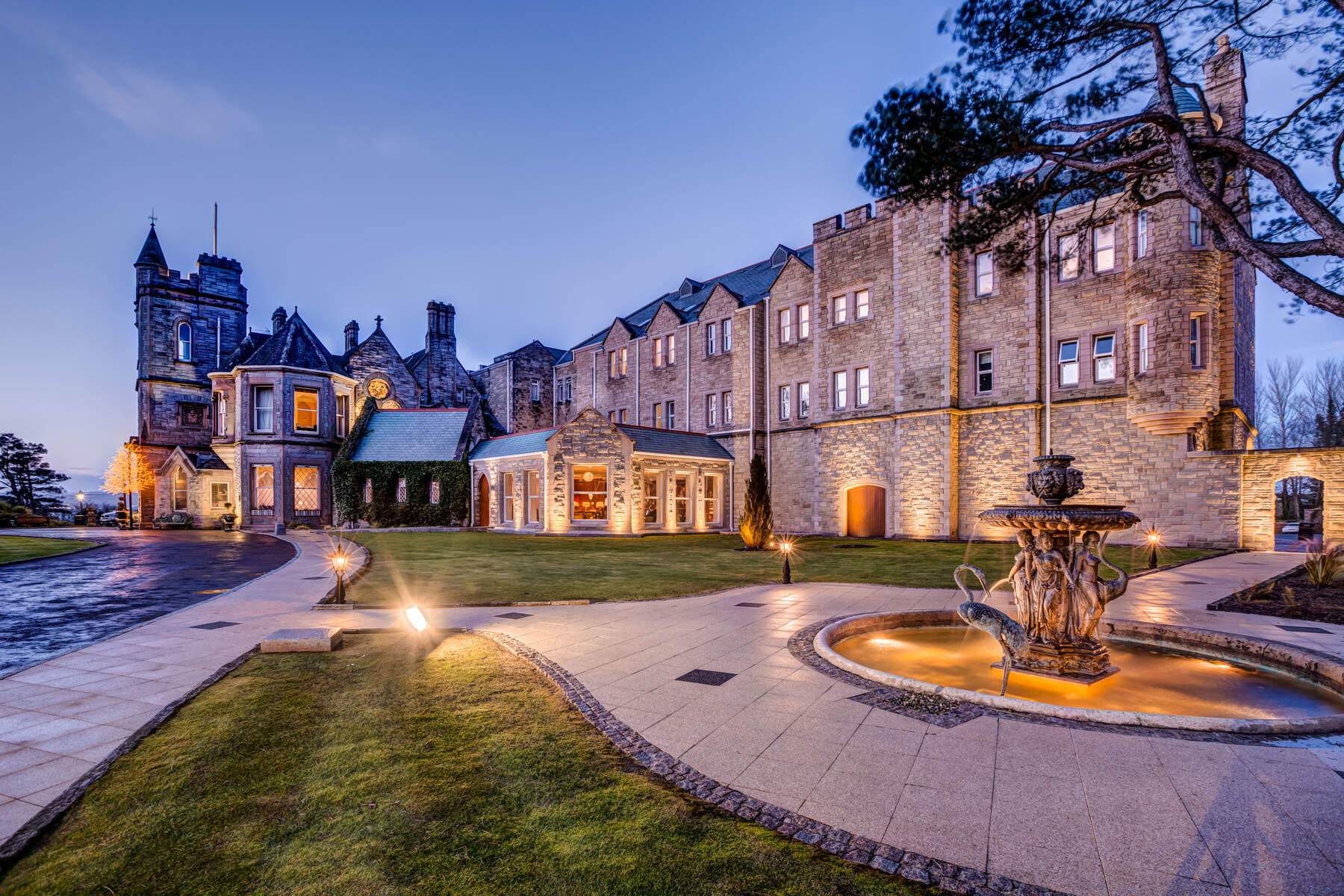
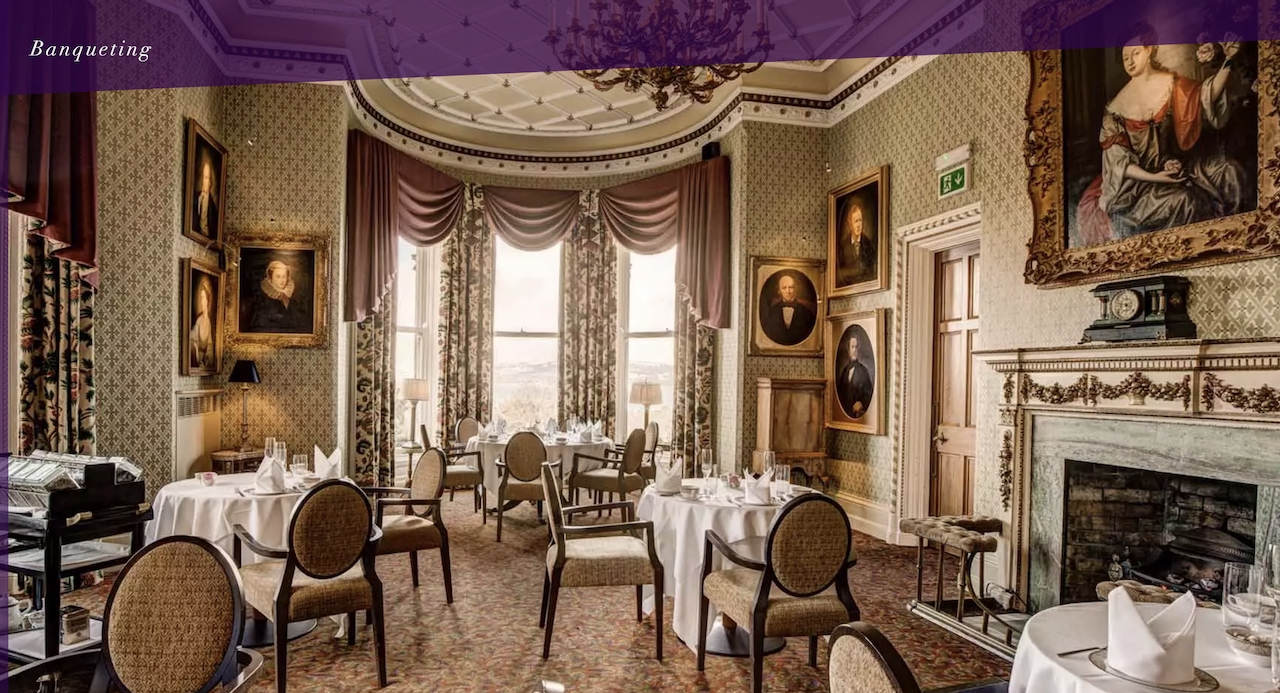
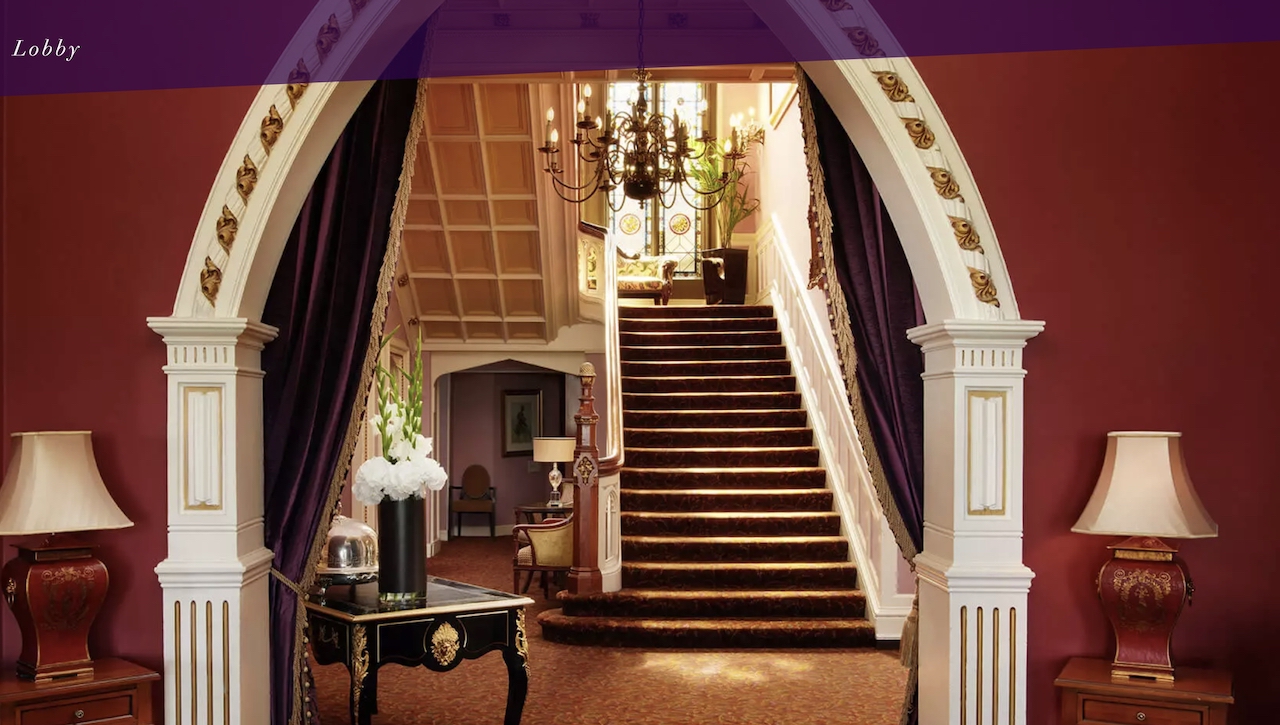
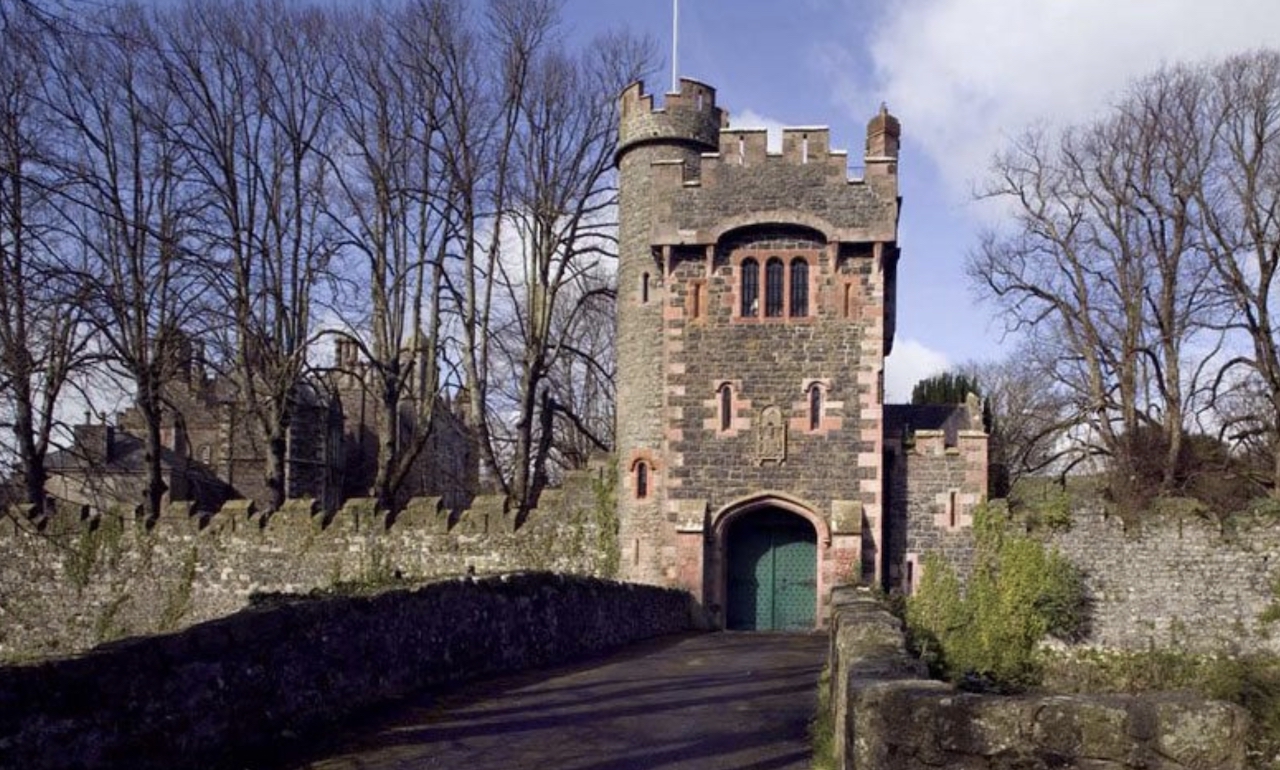
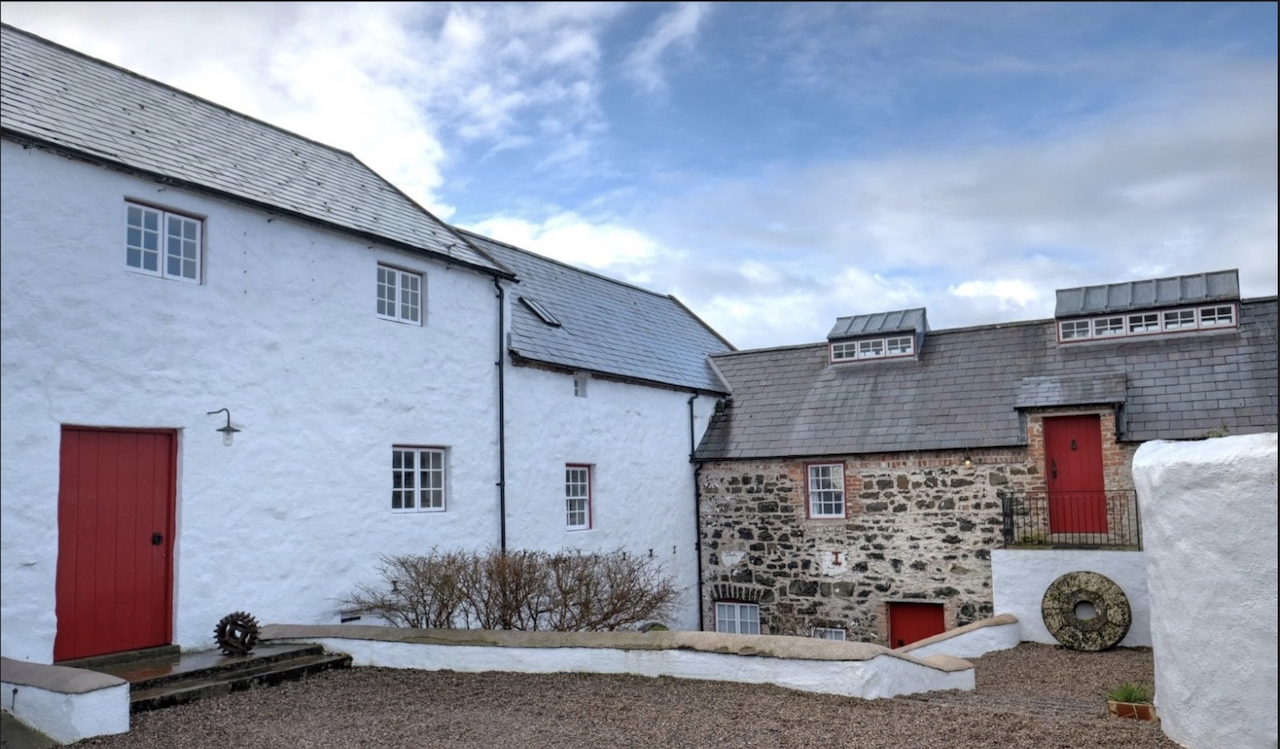
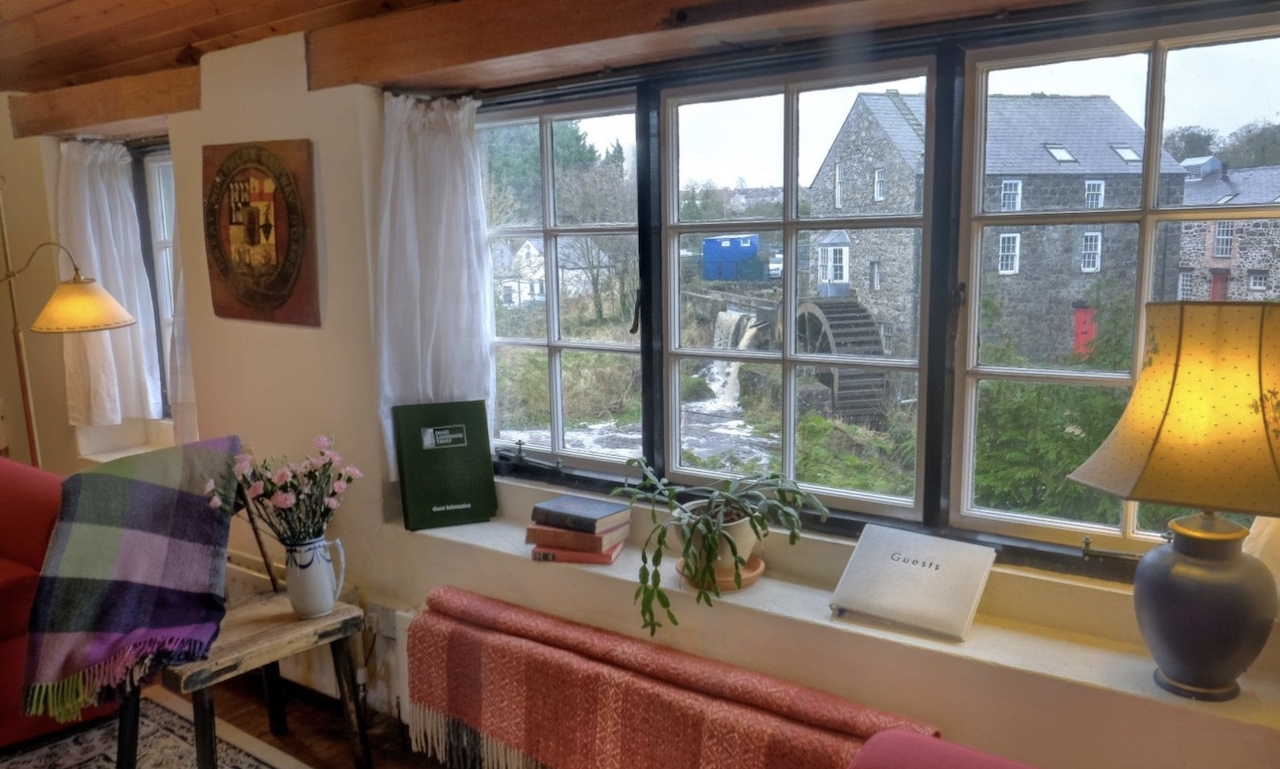
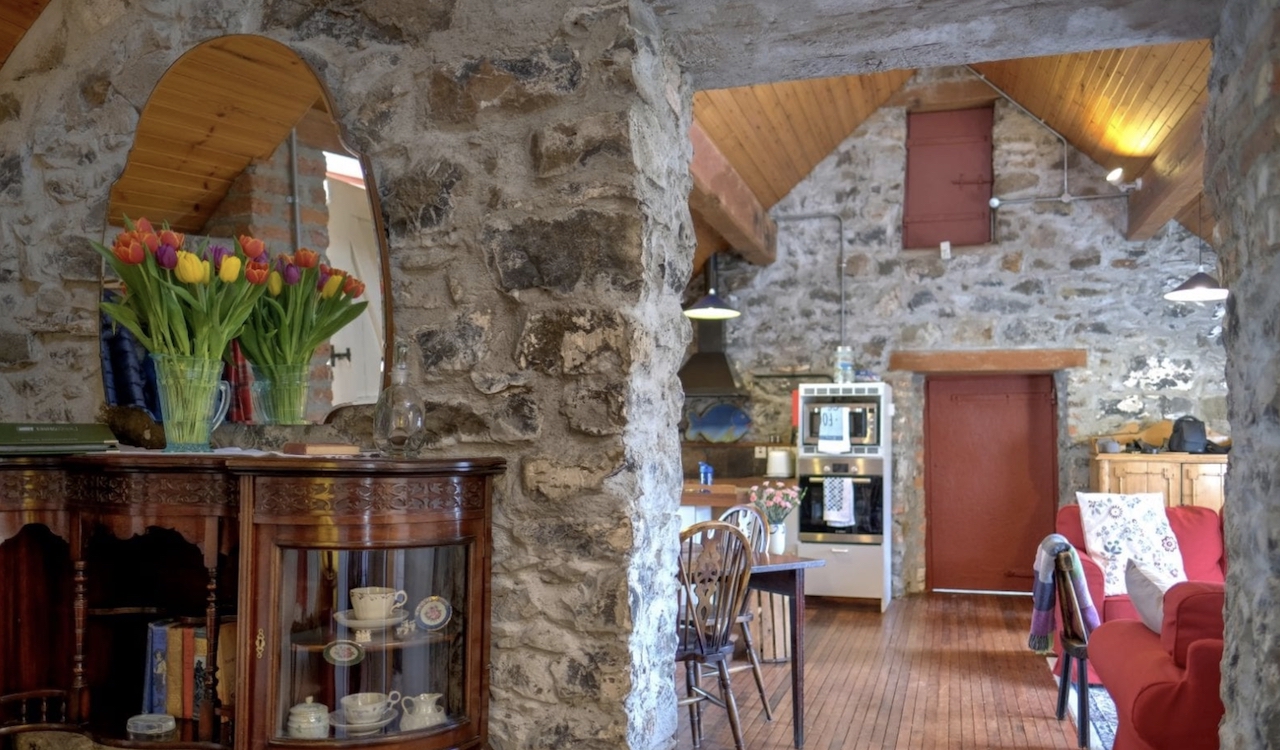
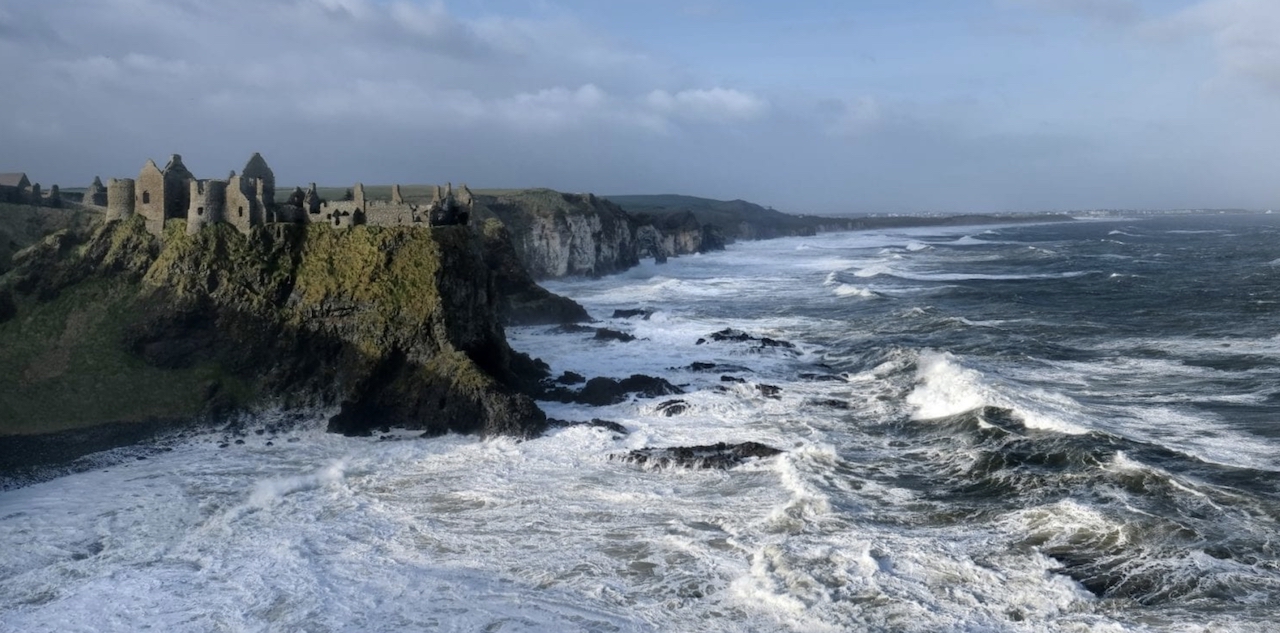

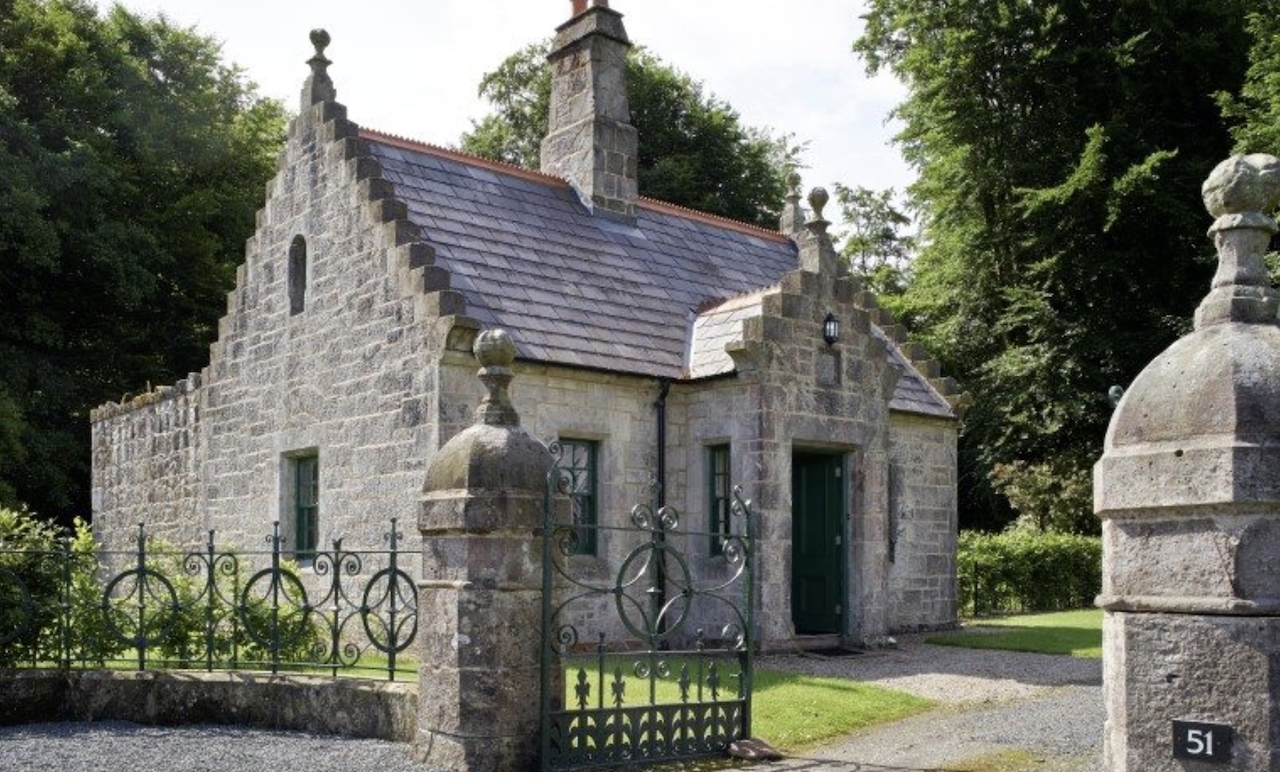
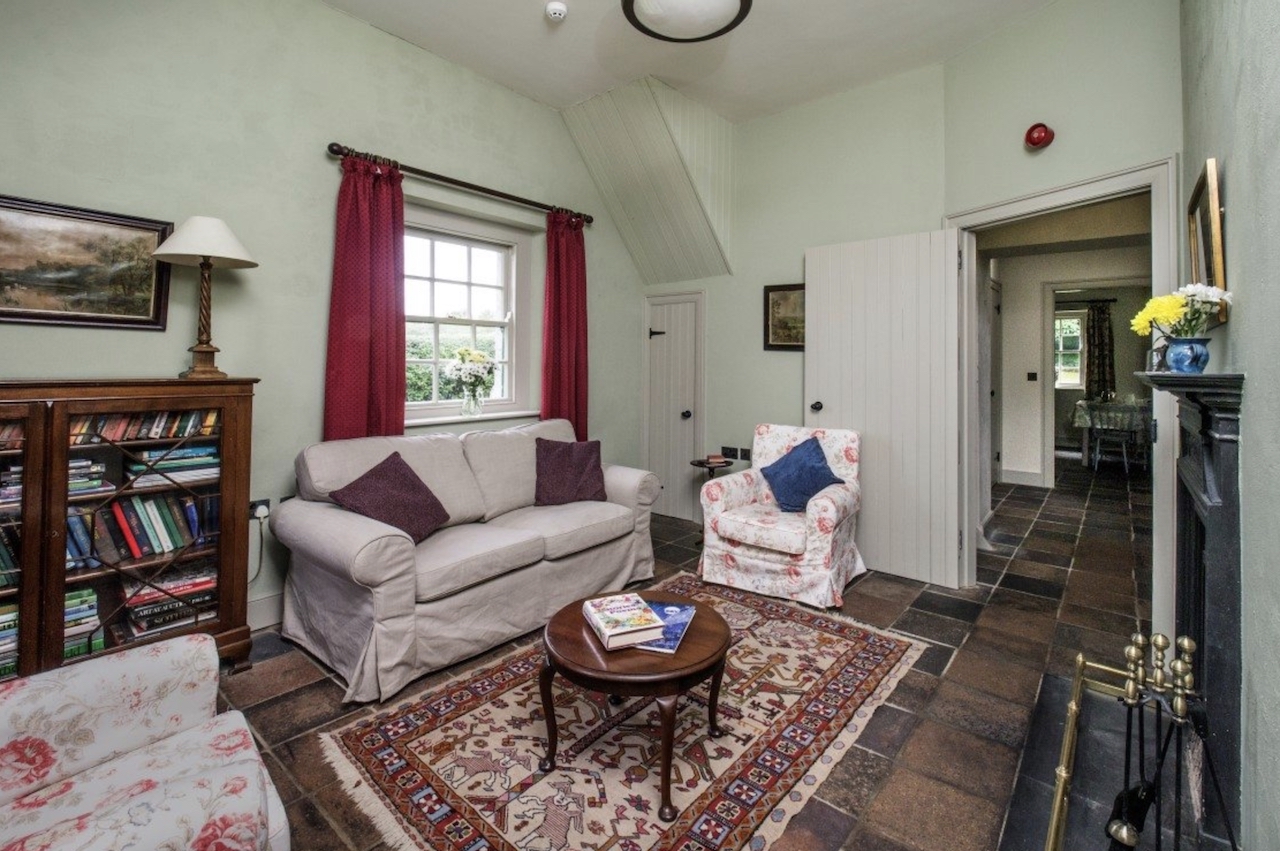
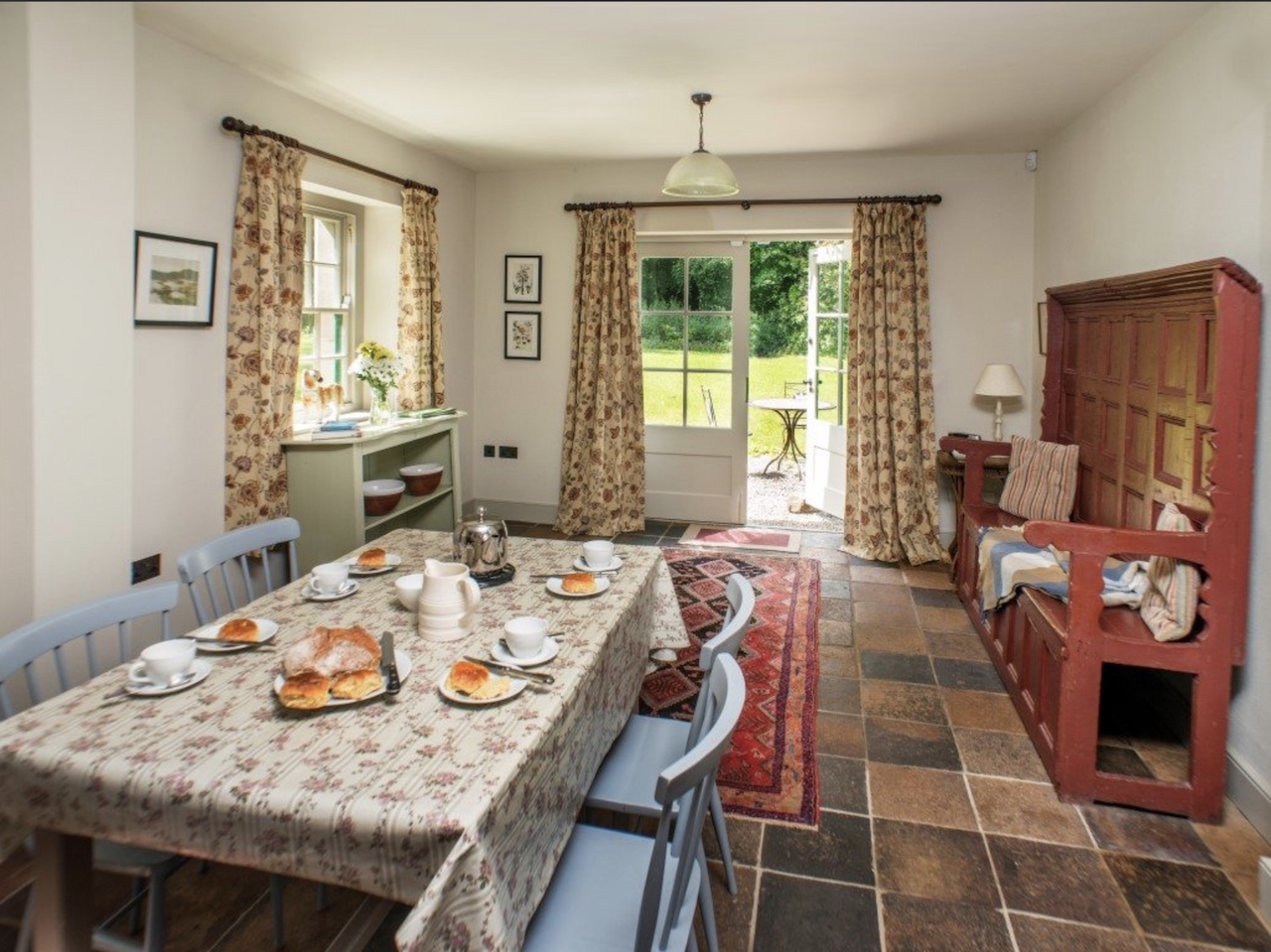
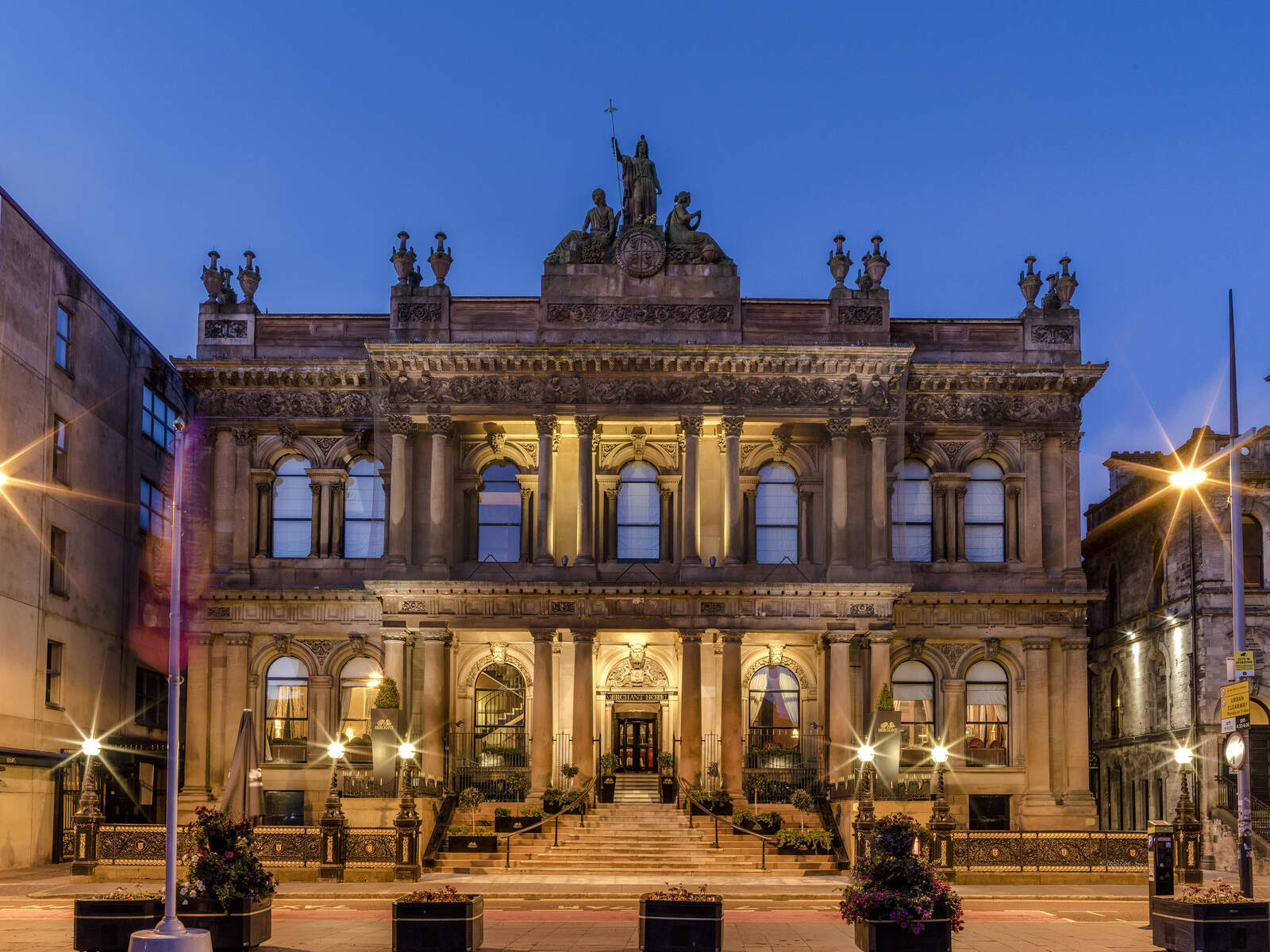


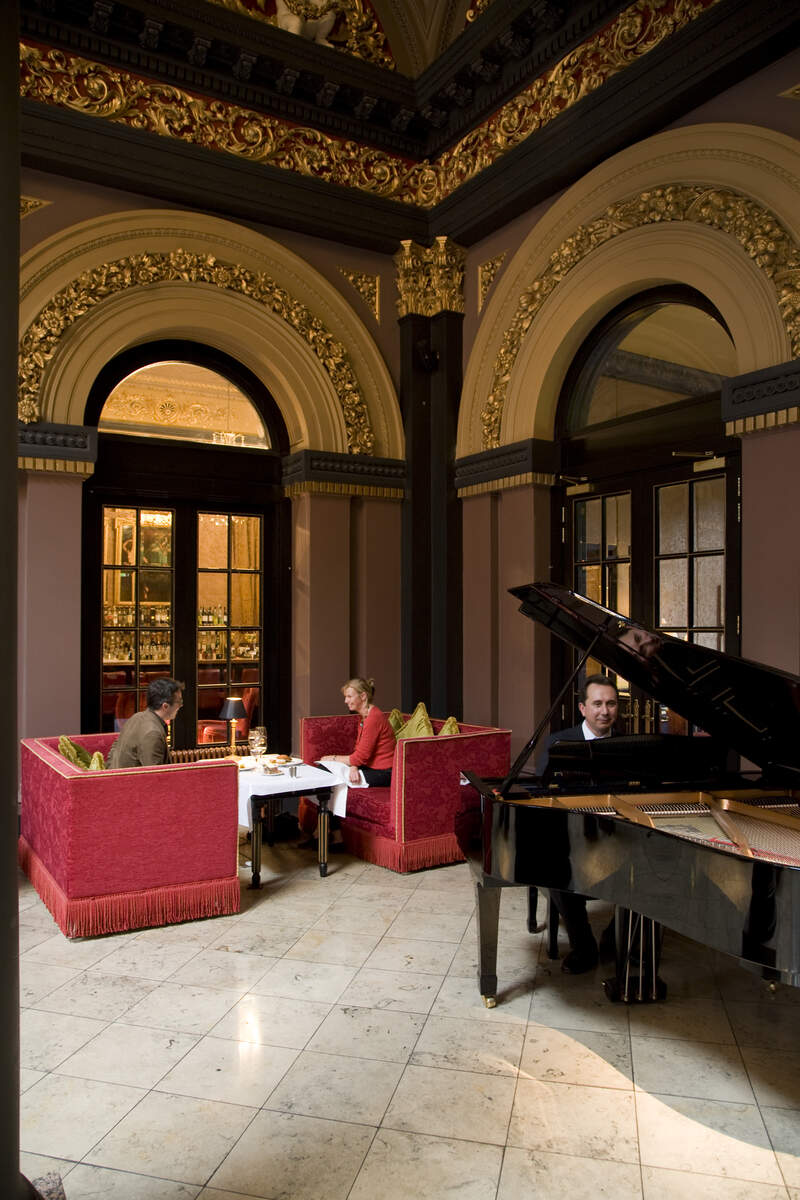


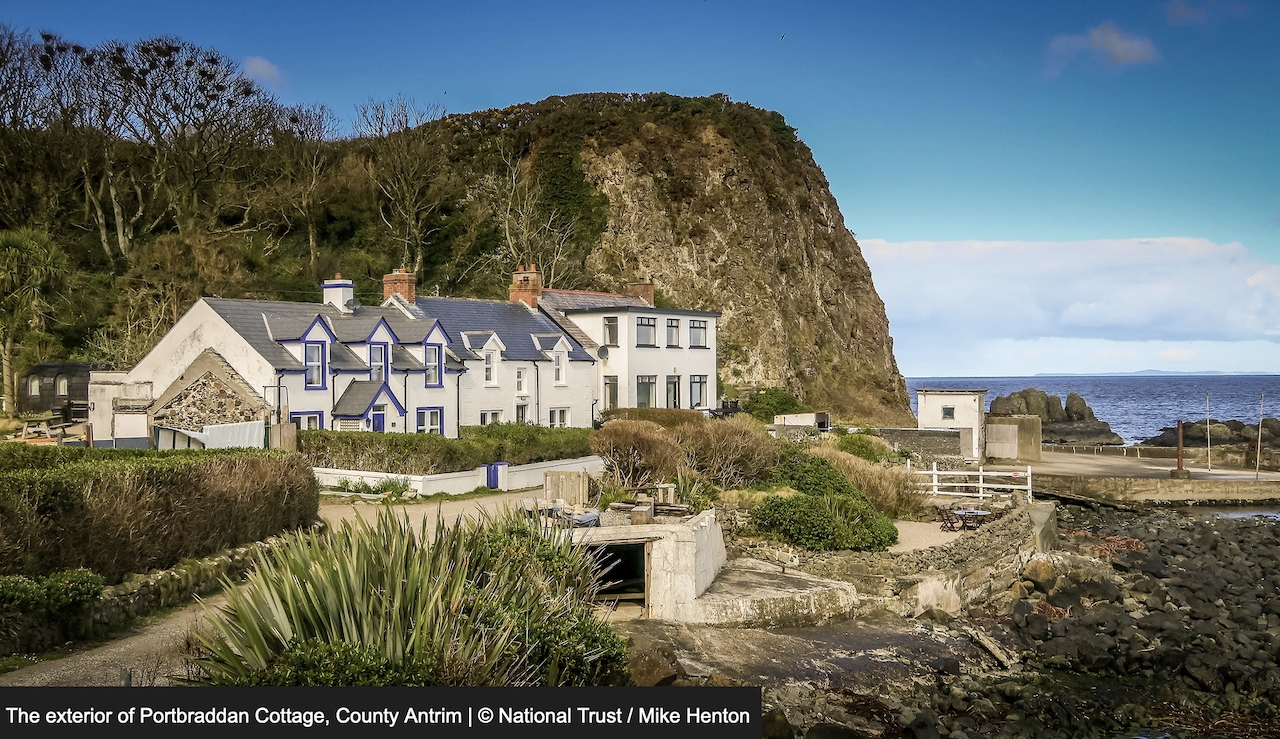
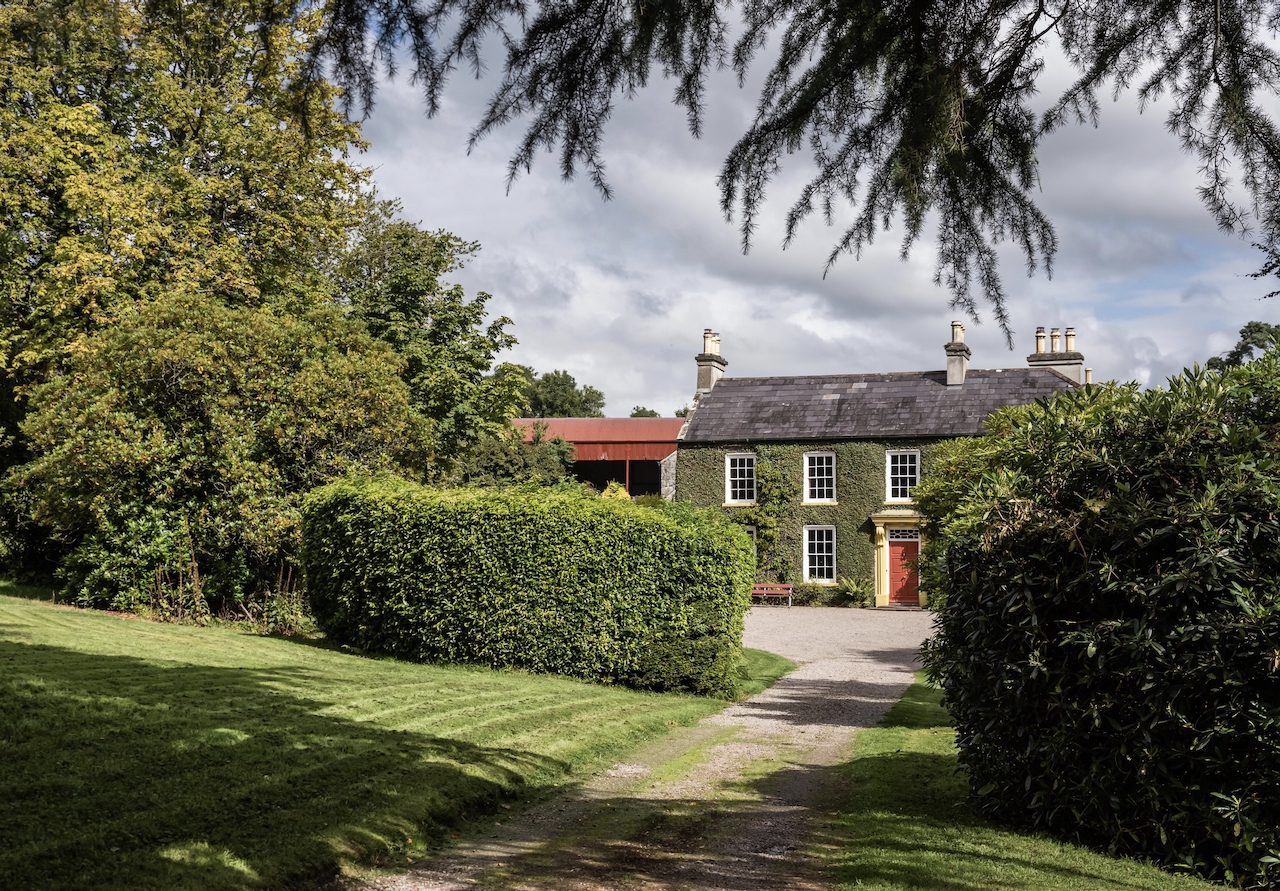
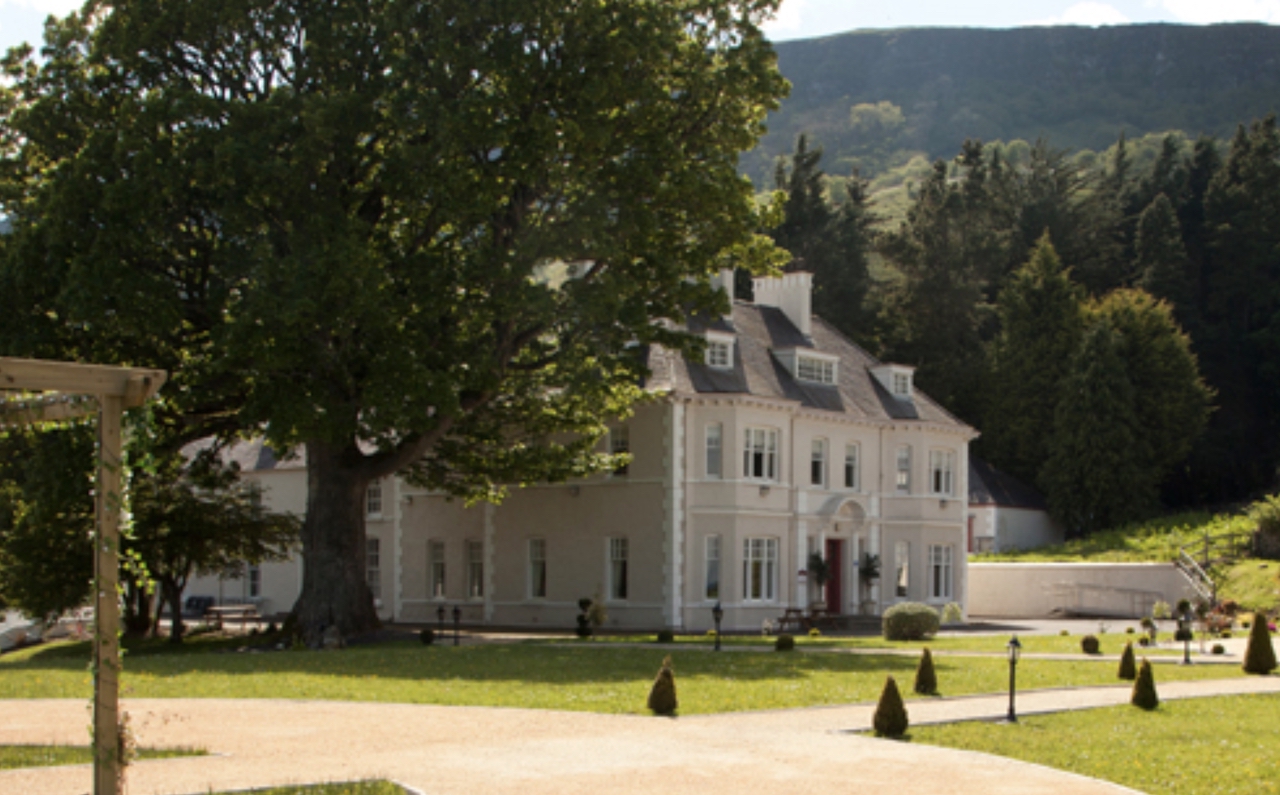
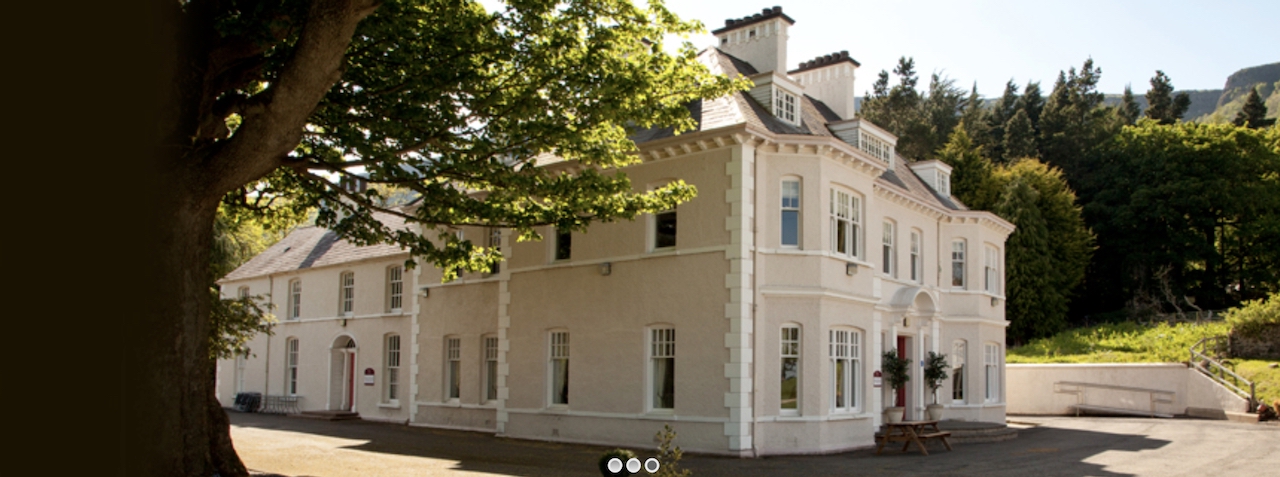
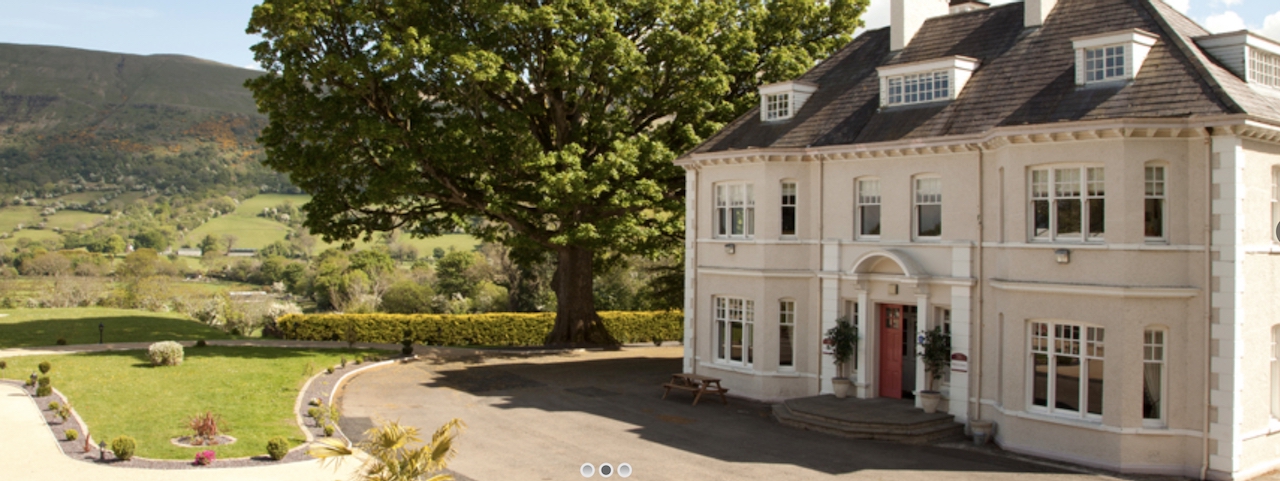


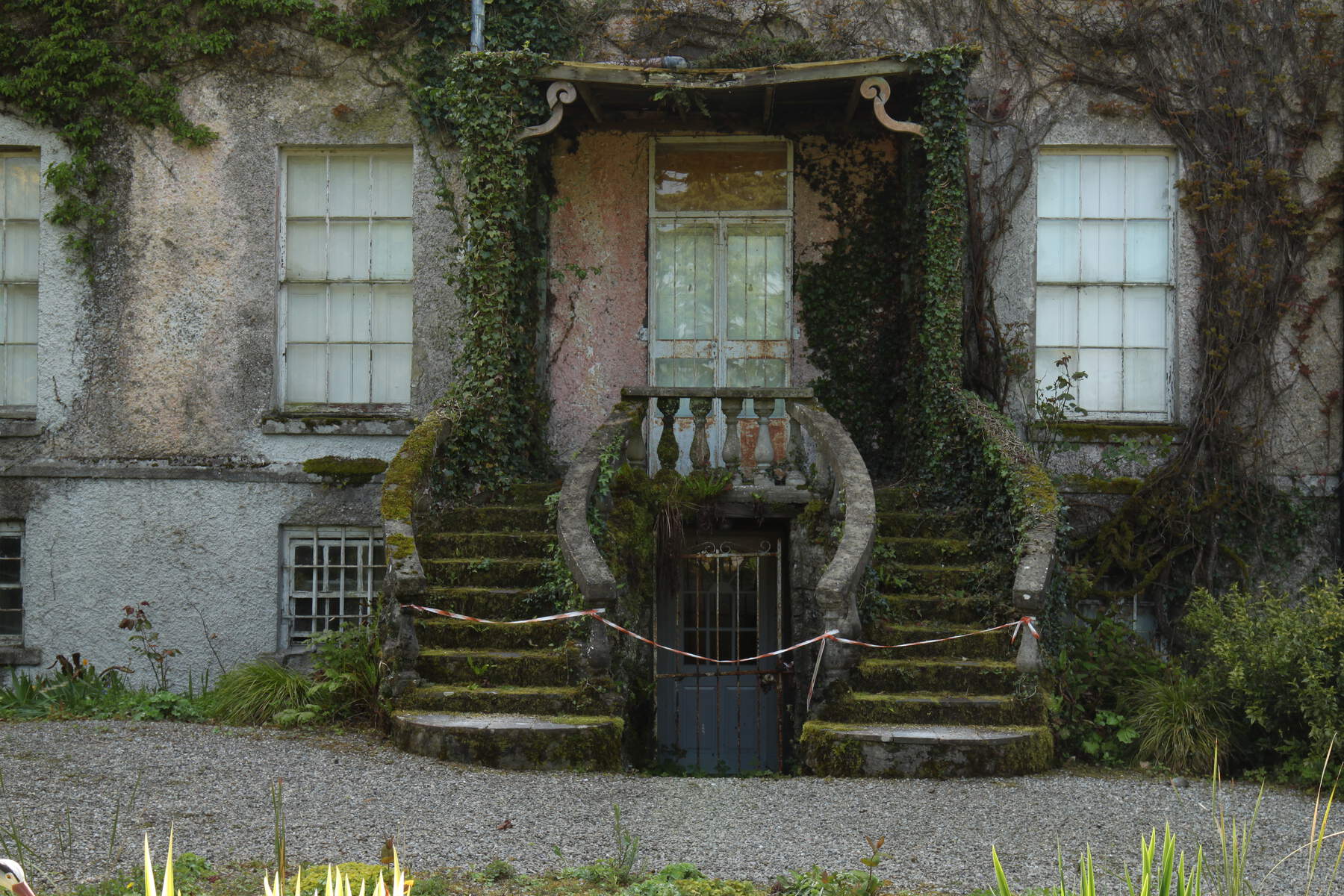
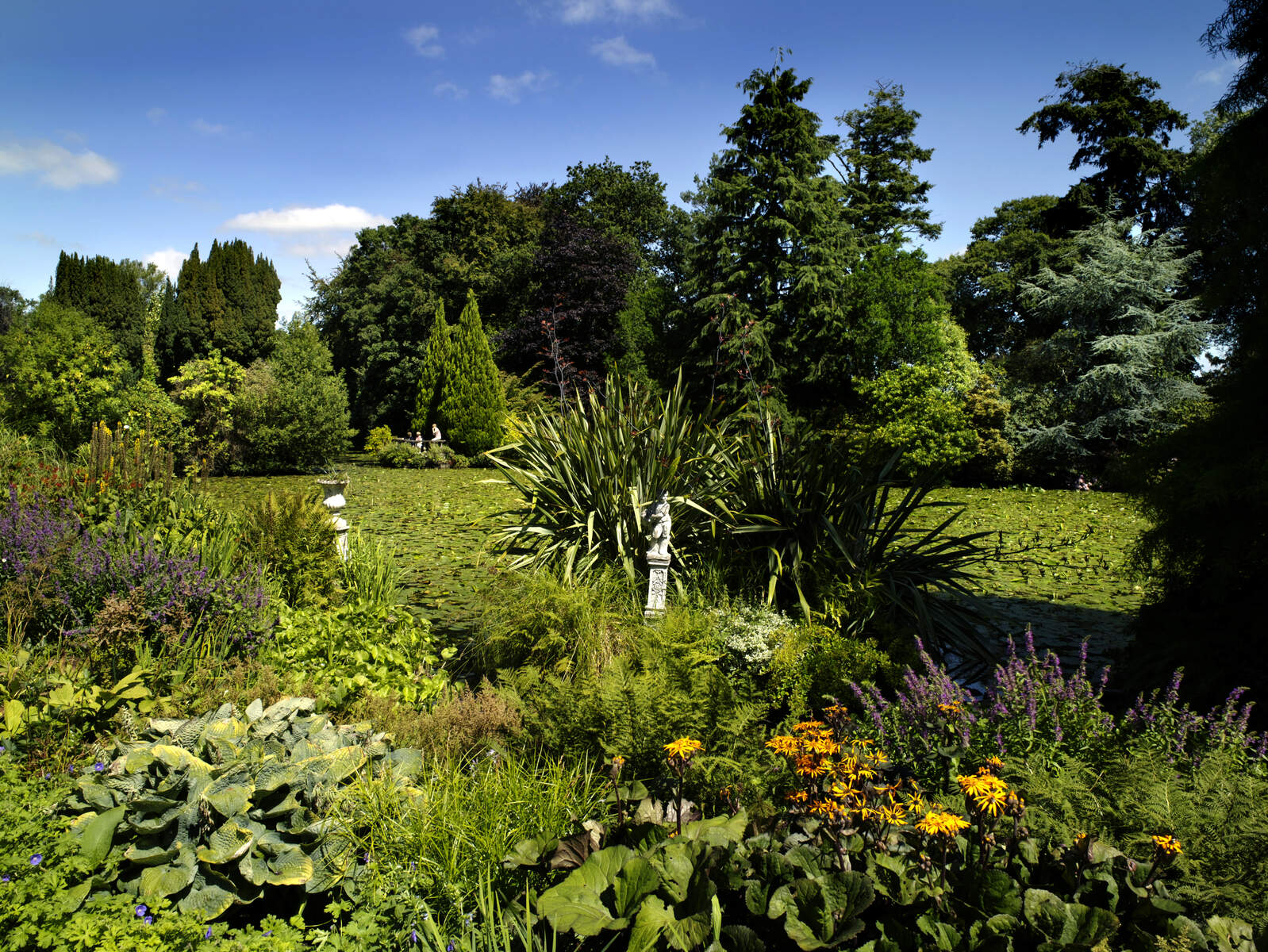

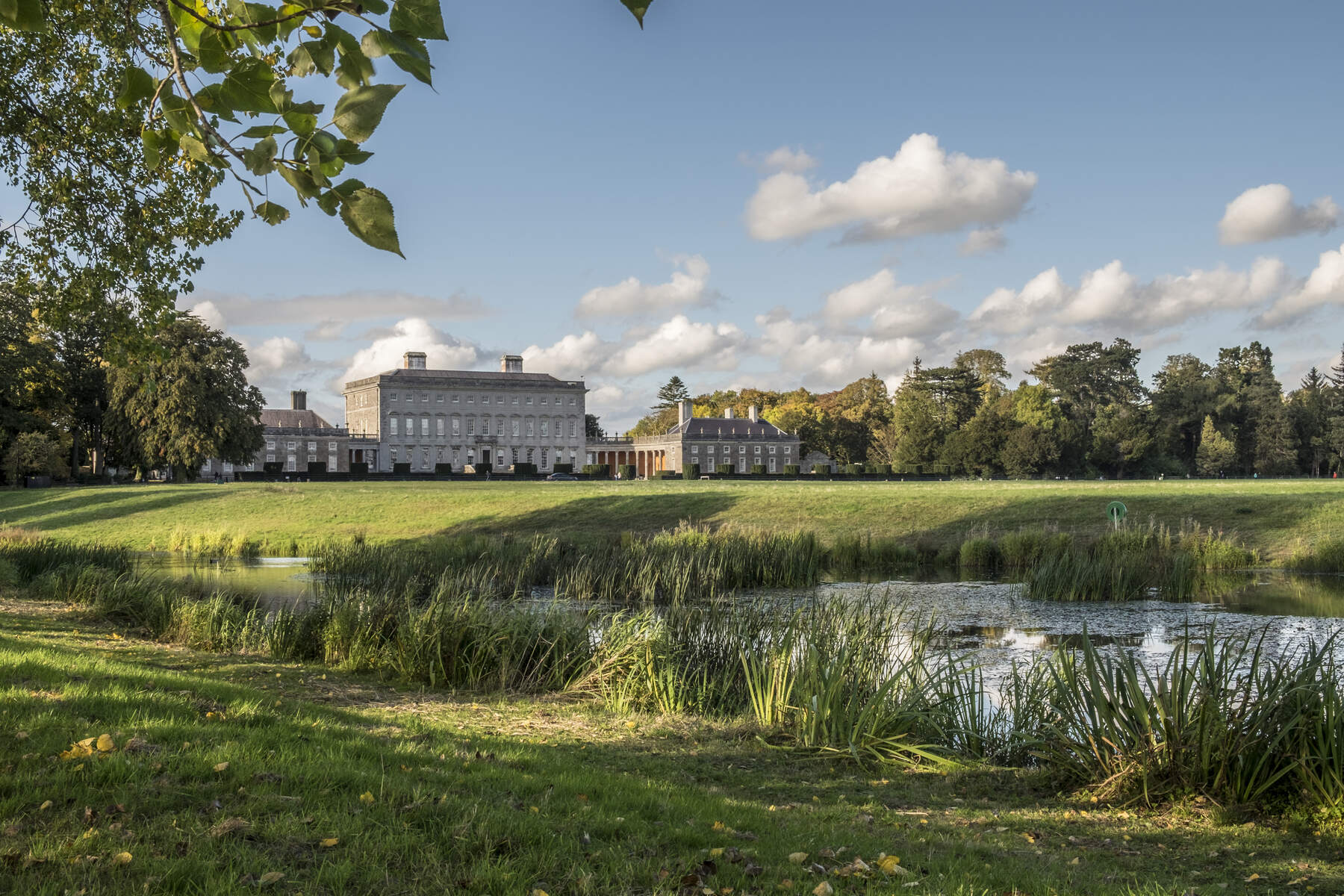
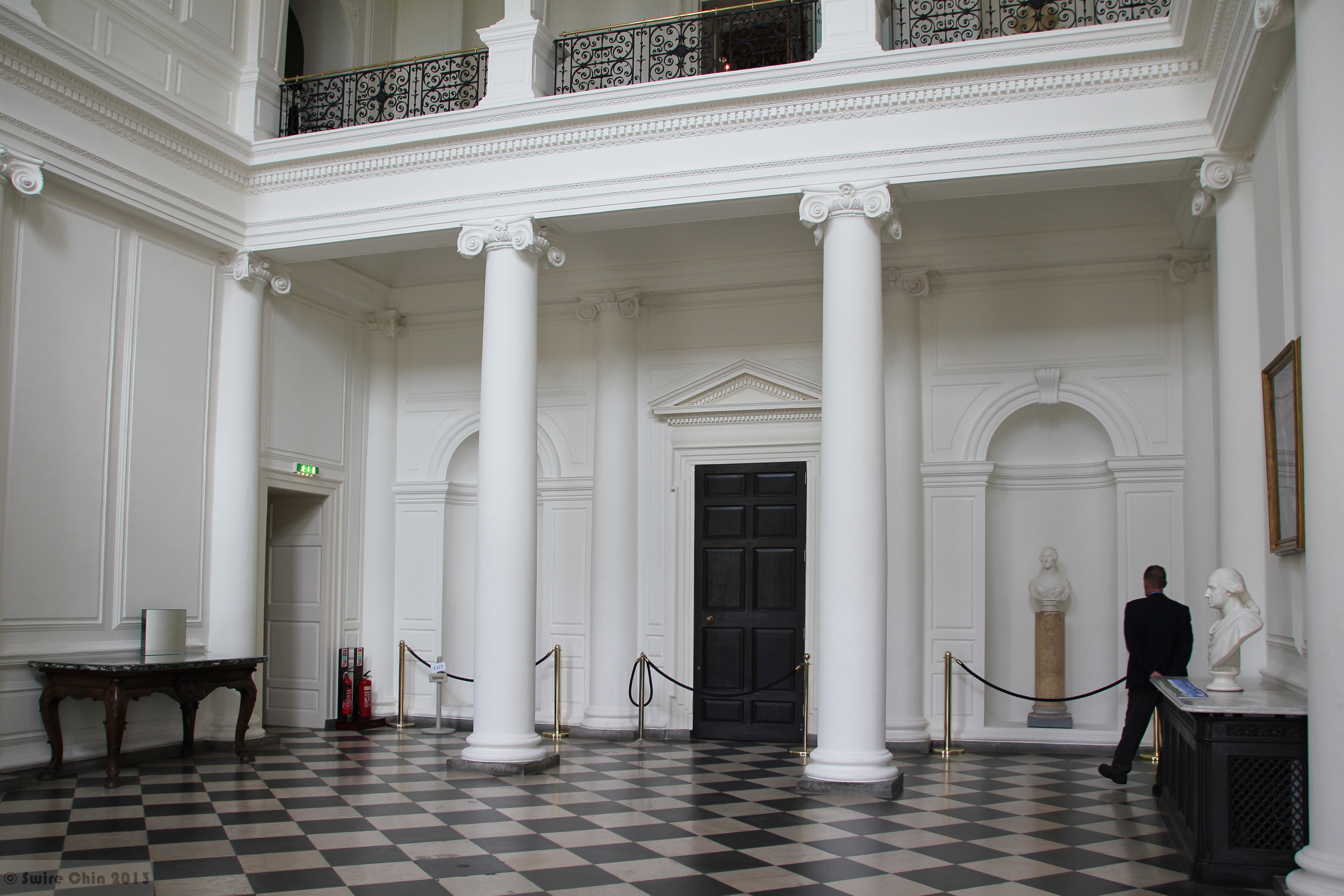
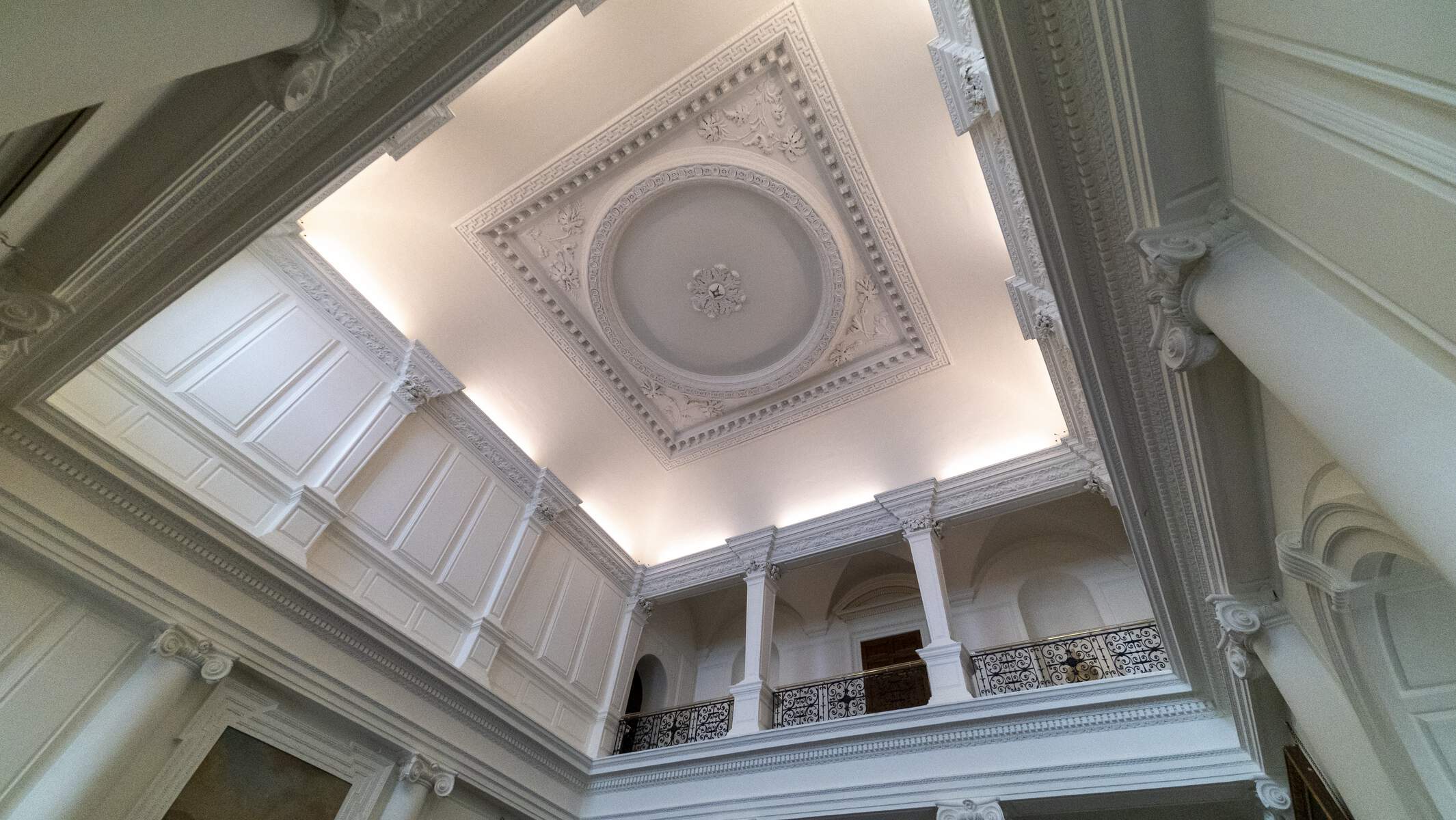
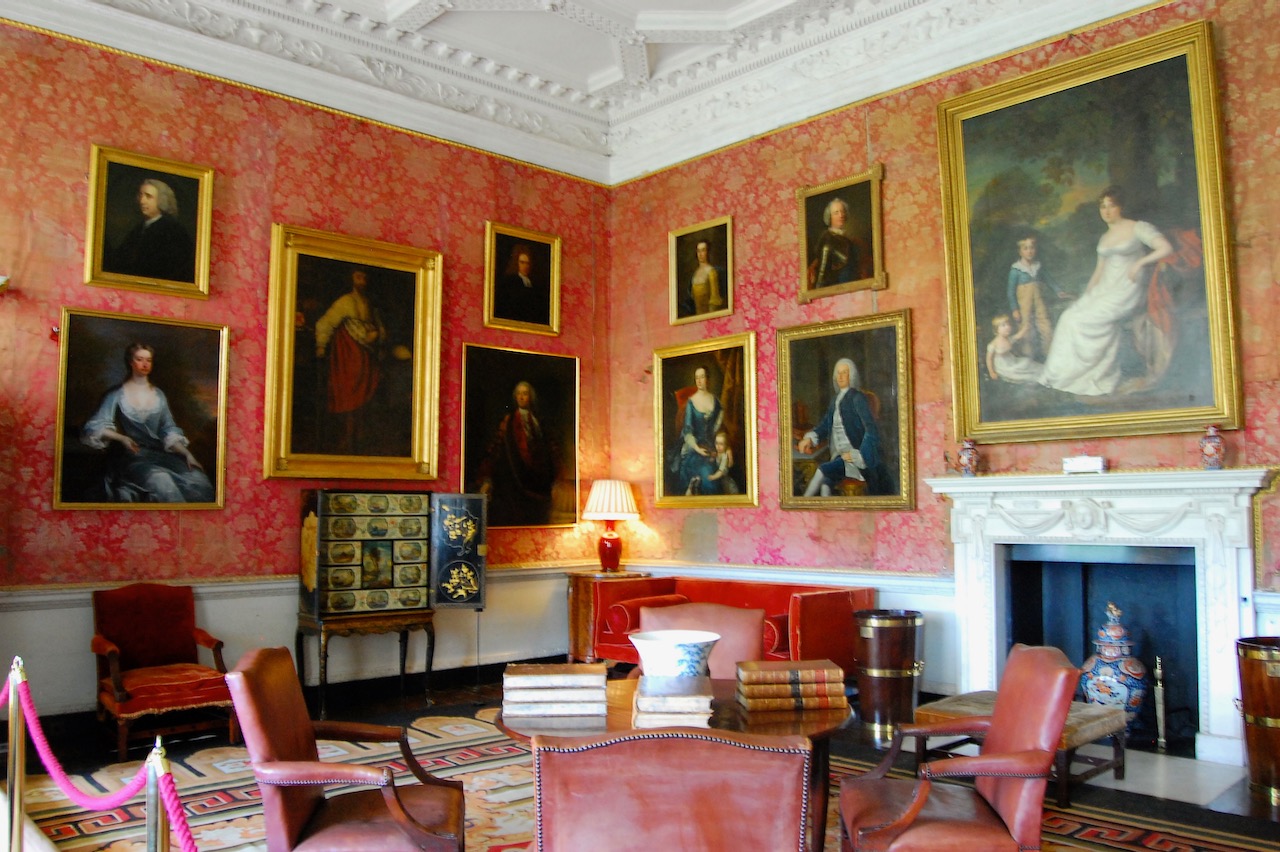
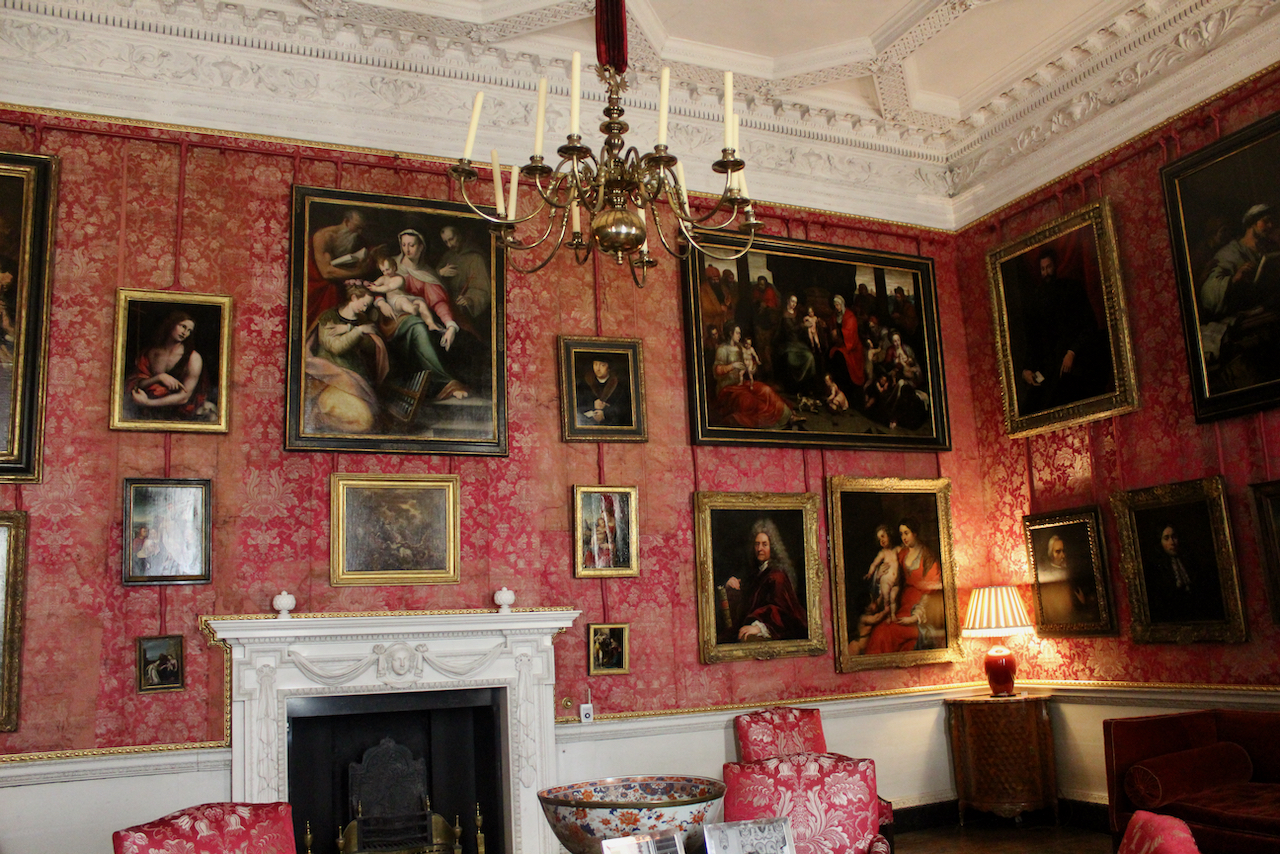
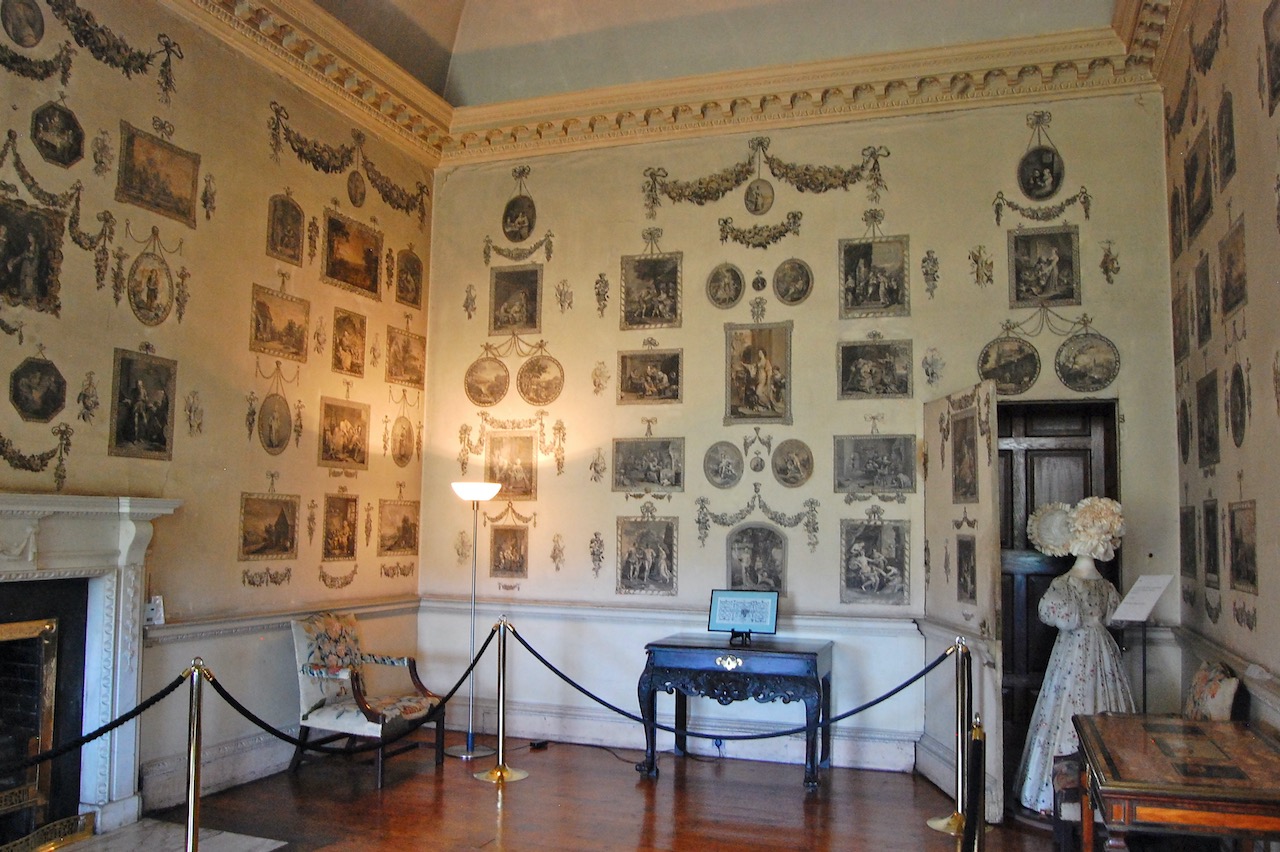

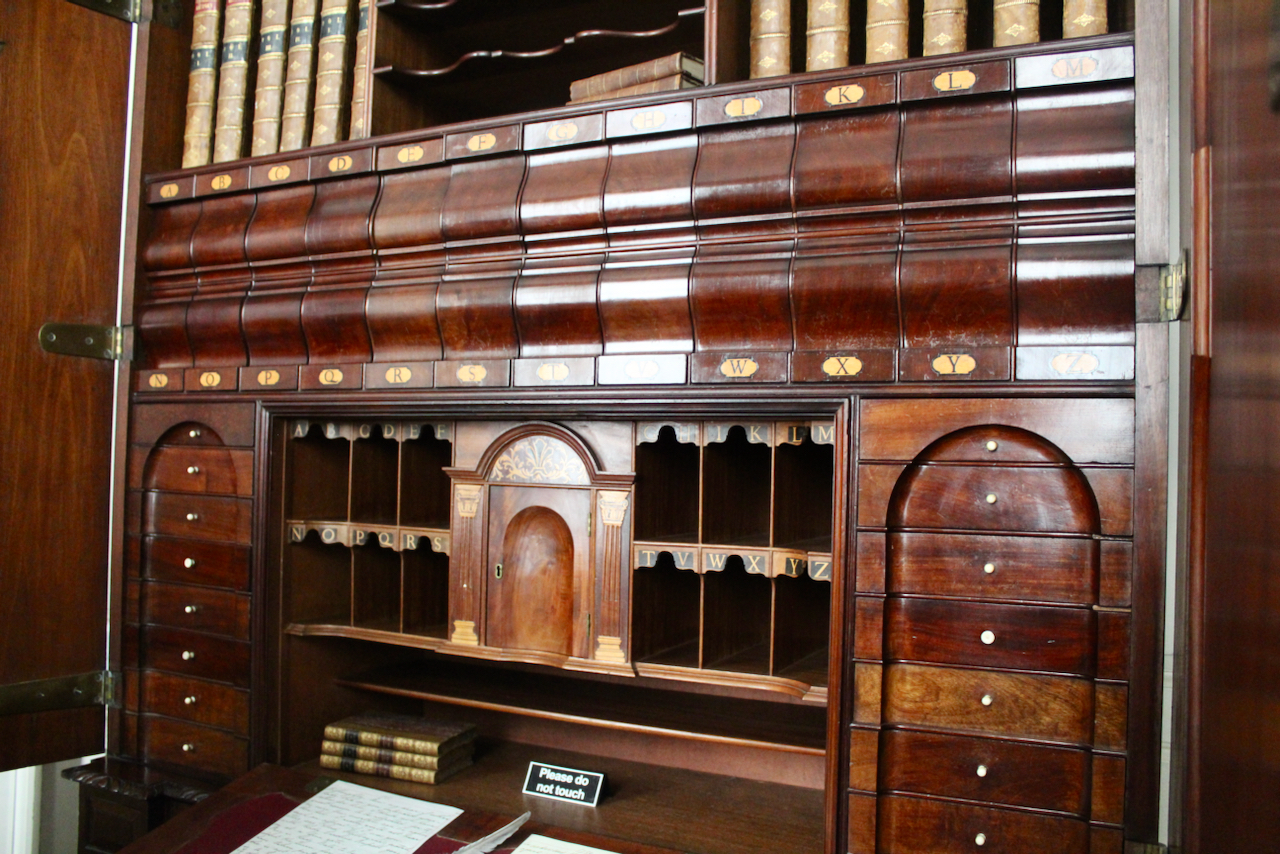
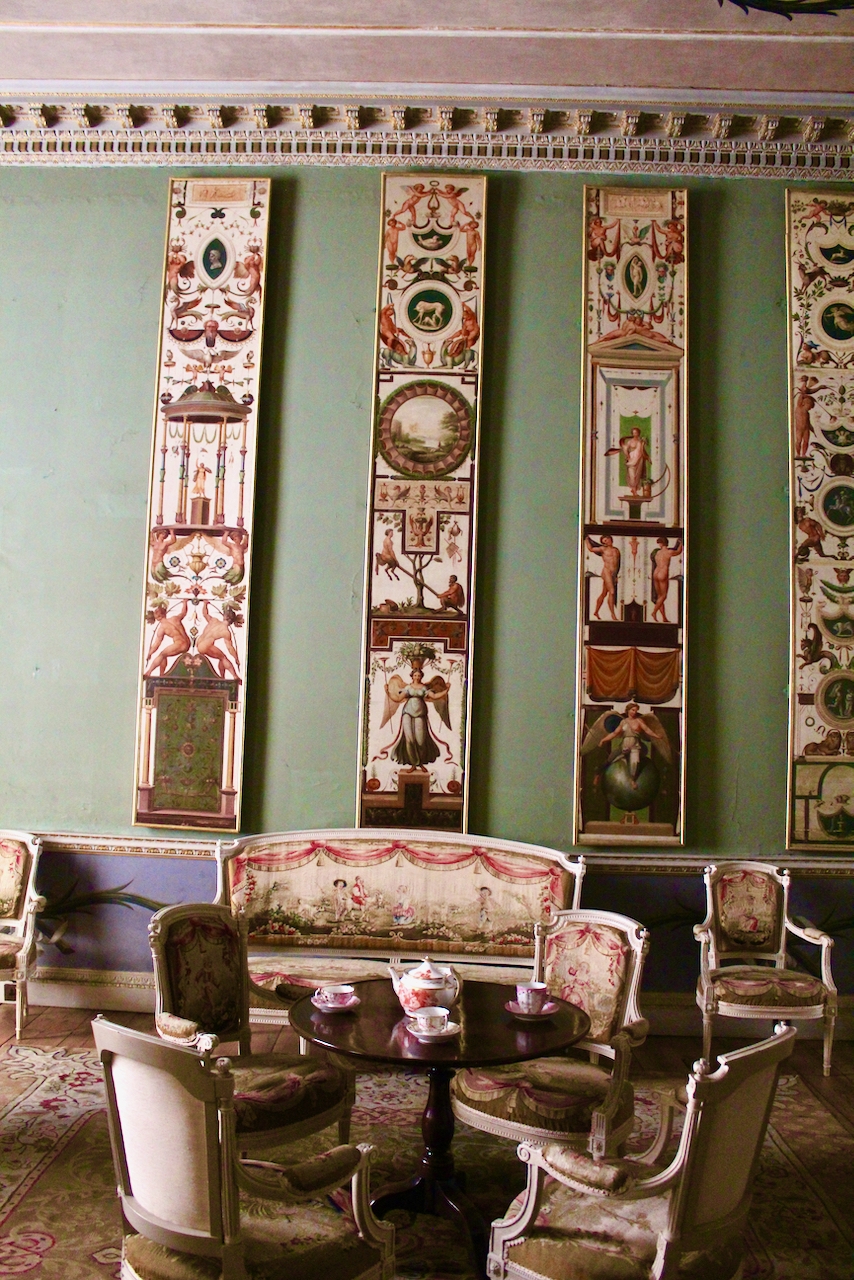


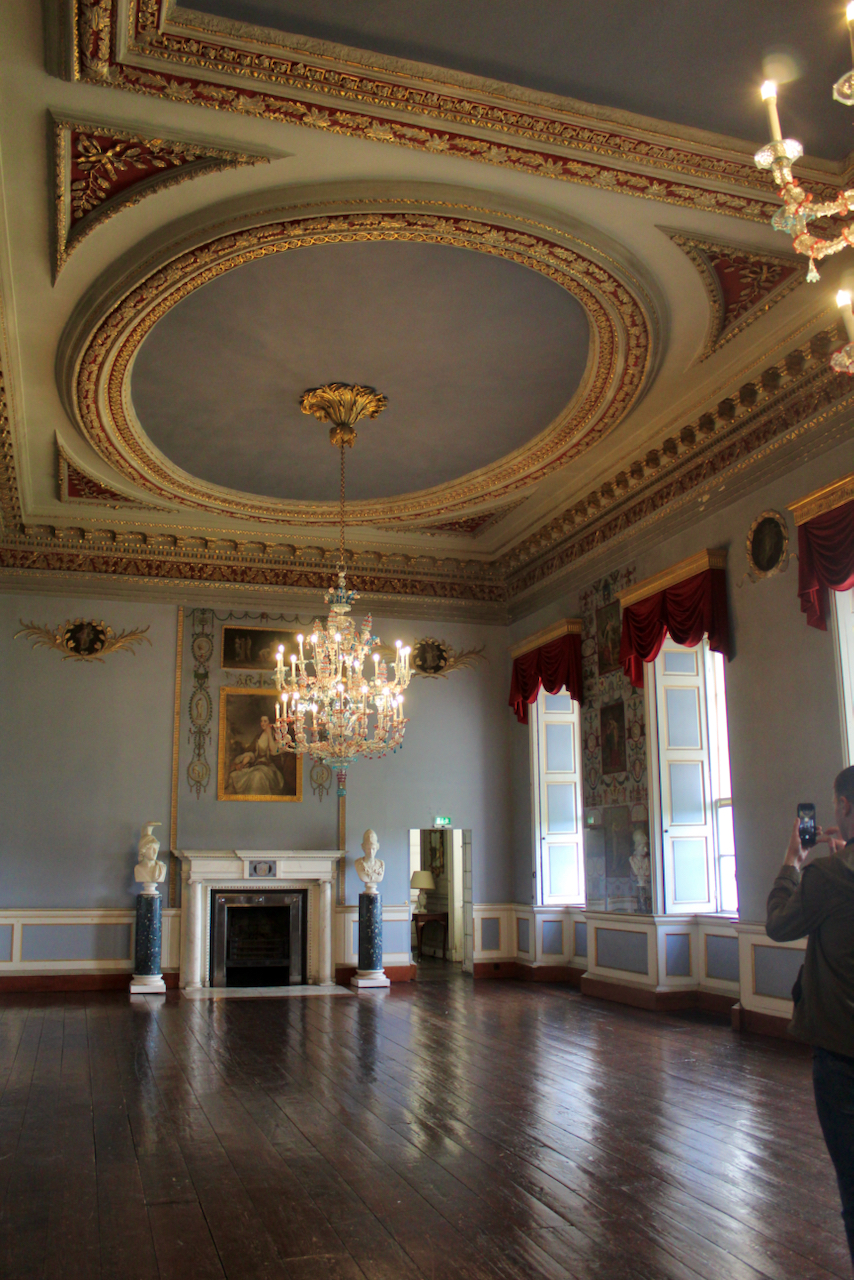
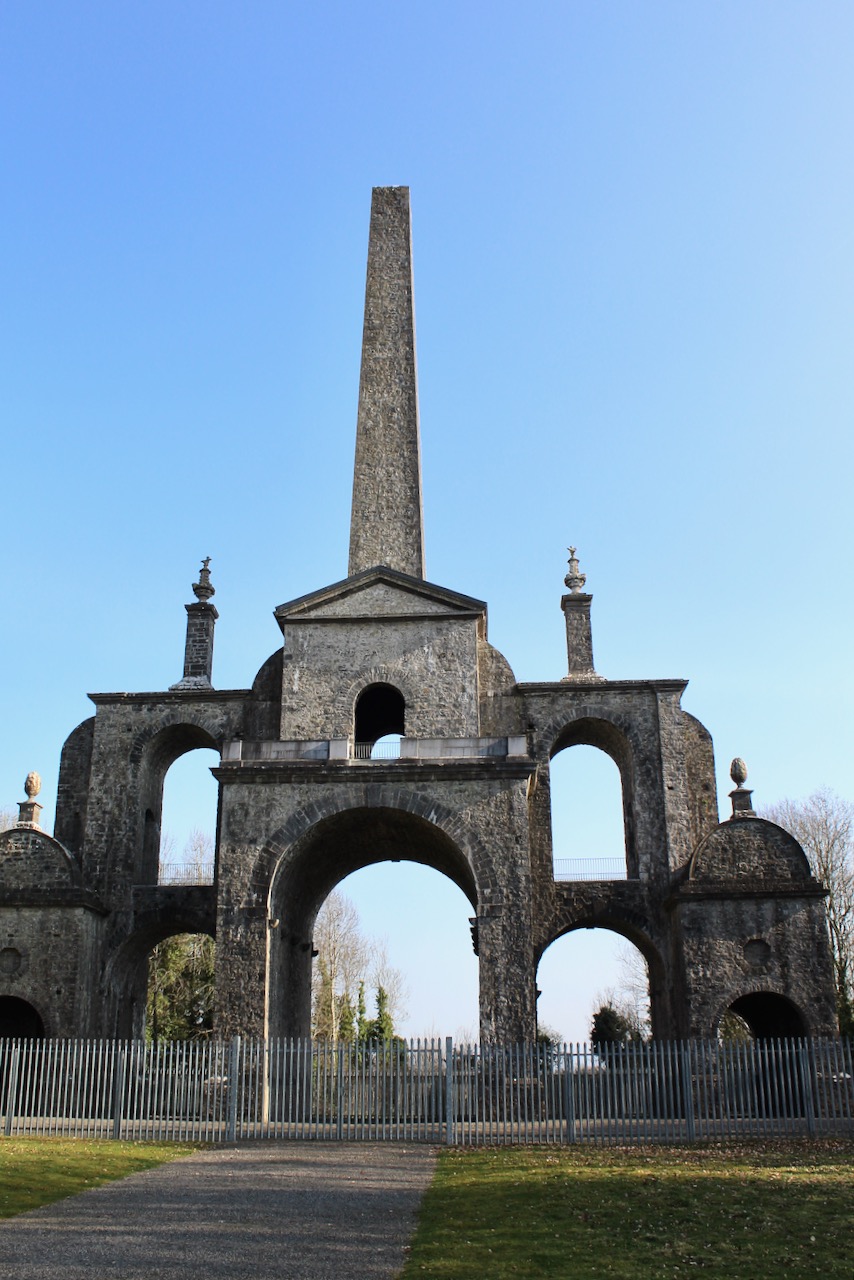

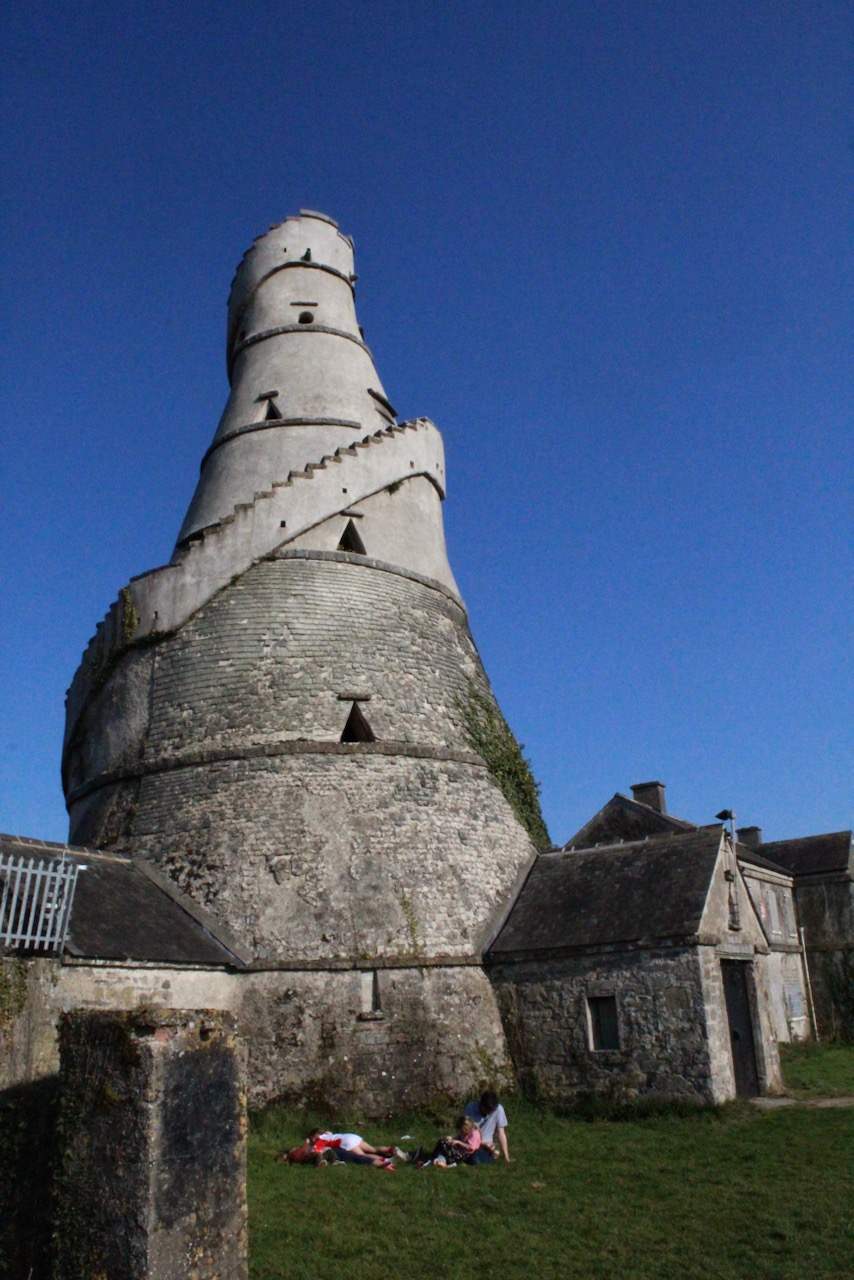
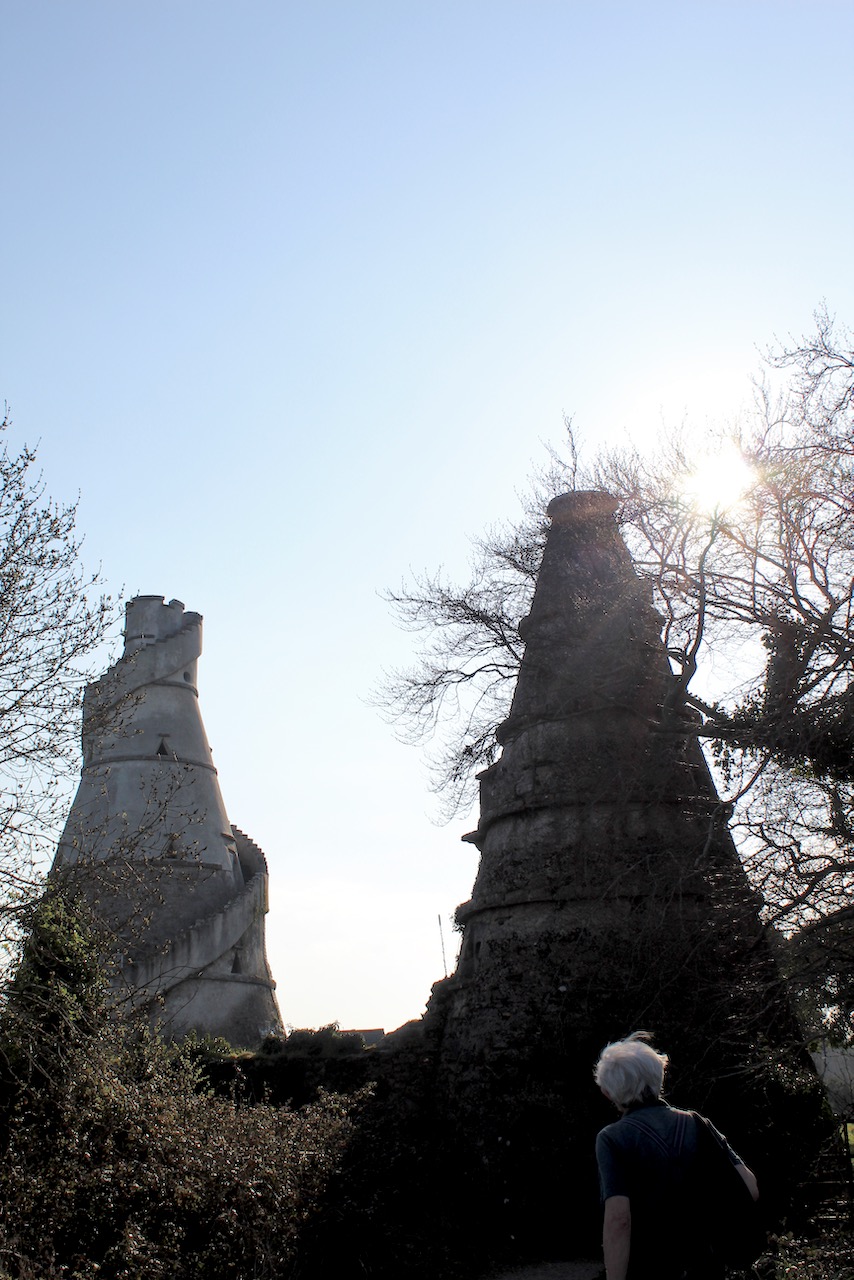
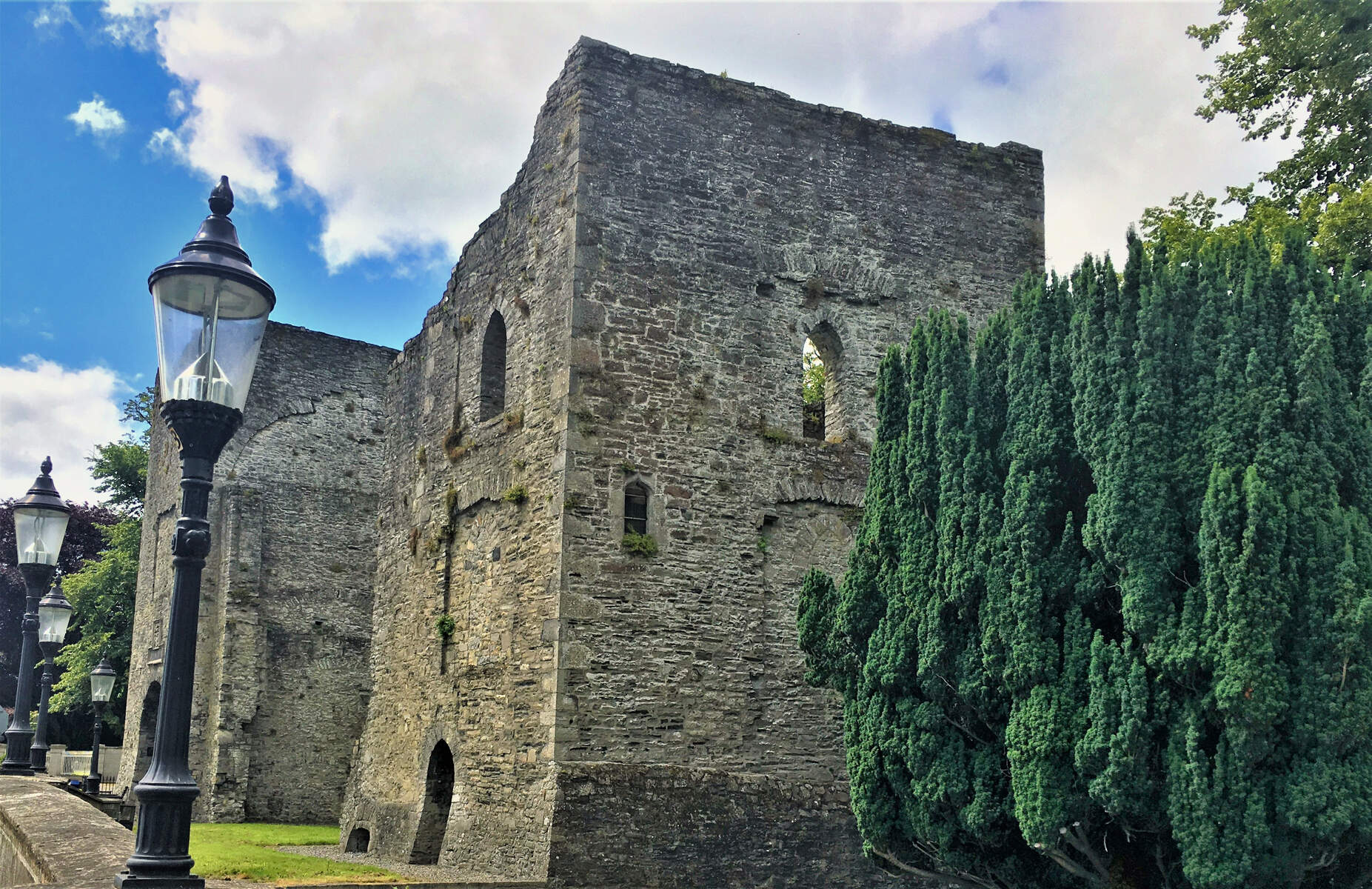

 Irish Historic Houses